
Anime Coloring Pages at ColoringPagesOnly.com is the third-largest category on the site – over 6,700 pages spanning more than 80 sub-categories covering anime as a medium in its full range: the Studio Ghibli films that defined Japanese animation for international audiences, the shōnen battle series that have dominated global fandom for three decades, the contemporary streaming titles that have brought entirely new audiences to anime in the 2020s, the magical girl tradition from Sailor Moon to Pretty Cure, the mecha and science fiction series from Gundam and Neon Genesis Evangelion to Darling in the Franxx, and the sports, romance, isekai, and psychological thriller genres that demonstrate the breadth of what anime as a storytelling form actually covers. The collection also includes sub-categories dedicated to individual characters whose popularity warrants their own dedicated page cluster, and style-based categories like Chibi Anime and Anime Girl for fans interested in an aesthetic approach rather than specific series.
Every page is completely free to download as a PDF and print, or to color online directly in your browser.


Studio Ghibli and the Anime Film Tradition
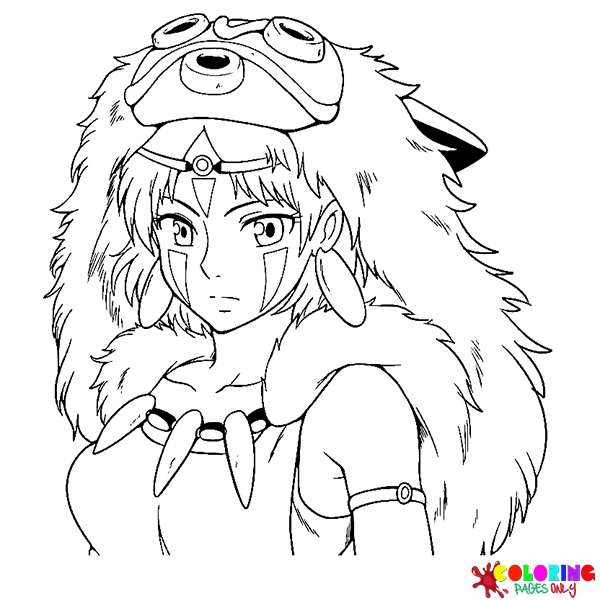
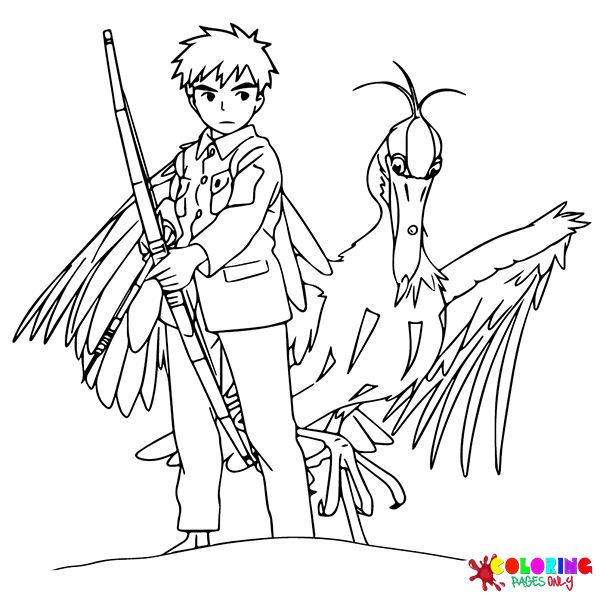
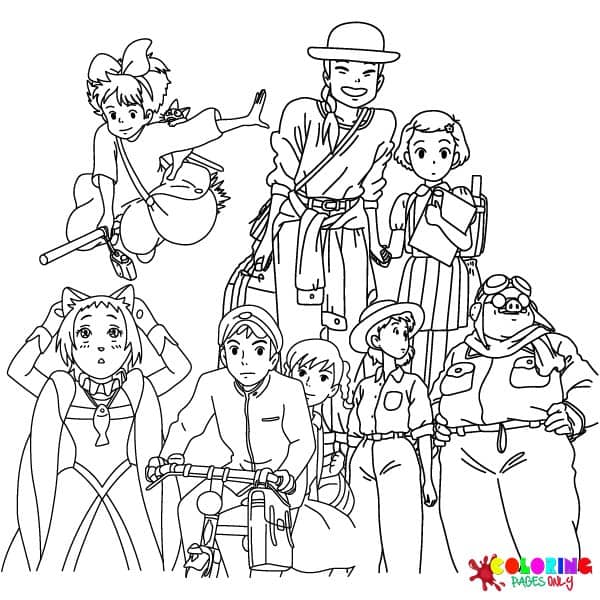
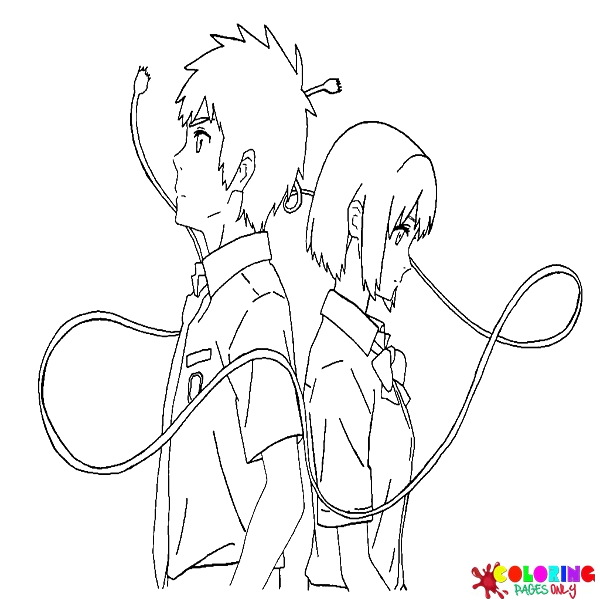
The Studio Ghibli sub-category is the hub for the body of work produced by the studio founded by Hayao Miyazaki and Isao Takahata in 1985 – the full filmography from Nausicaä of the Valley of the Wind through The Boy and the Heron, covering the characters, worlds, and visual traditions of one of the most acclaimed animation studios in history. Ghibli pages require a specific coloring approach: the studio’s characteristic background style involves soft, watercolor-adjacent environments with careful attention to natural light and organic color, quite different from the flat, vivid palette of most action anime. Princess Mononoke and The Boy and the Heron have their own dedicated sub-categories reflecting the depth of demand for those specific films. Your Name (Kimi no Na wa, Makoto Shinkai, 2016) represents the new generation of Japanese animated film – Shinkai’s distinctive approach to atmospheric lighting, sky color, and emotional landscape painting has its own visual tradition that differs from both Ghibli and series-based anime illustration.
The Shōnen Jump Titans: The Series That Built Global Anime Fandom
The longest-running and most globally influential anime properties in the collection share a common origin: Weekly Shōnen Jump, the manga anthology magazine that has been the primary source of blockbuster anime adaptations since the 1980s. The collection covers the full history of the Jump tradition.
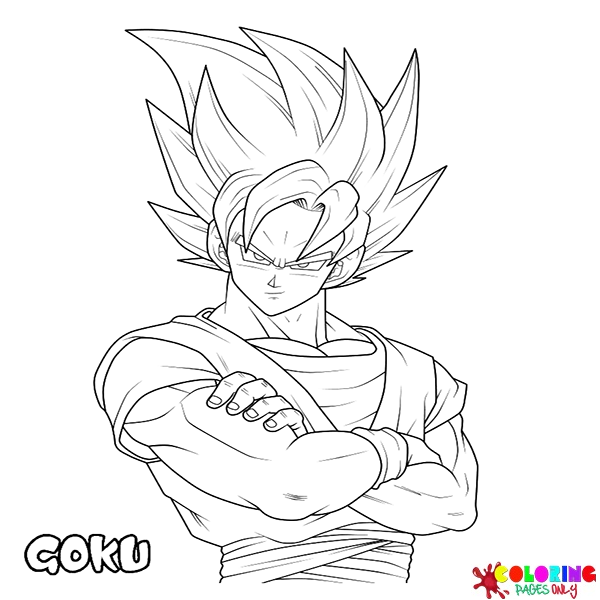
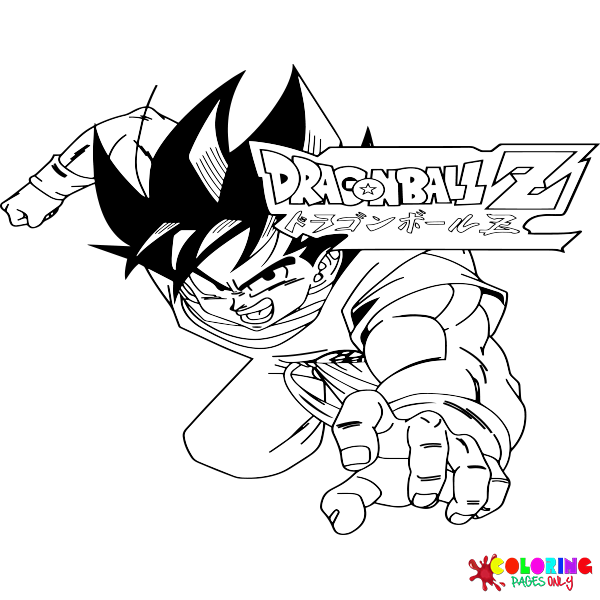
Dragon Ball Z and its individual character sub-category Goku represent the foundational Jump property – Akira Toriyama’s energy-battle manga that defined shōnen aesthetics globally and established the visual vocabulary of power-up transformations, energy blasts, and extreme muscular exertion that influenced virtually every action anime that followed. The Super Saiyan gold hair transformation is one of the most recognizable single visual concepts in anime history.
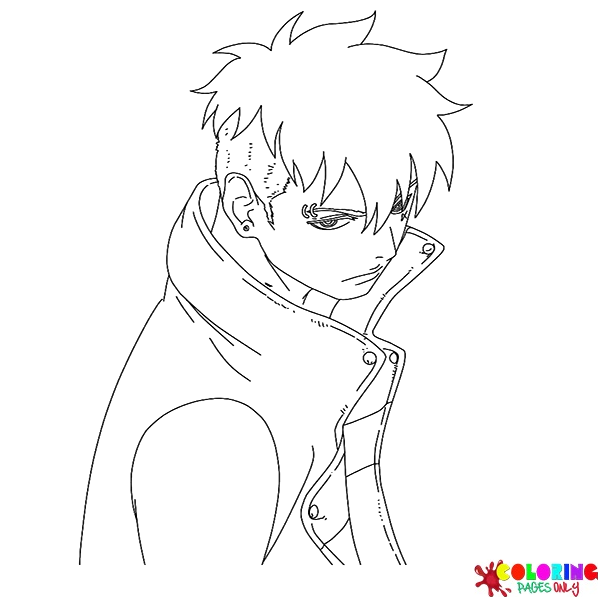
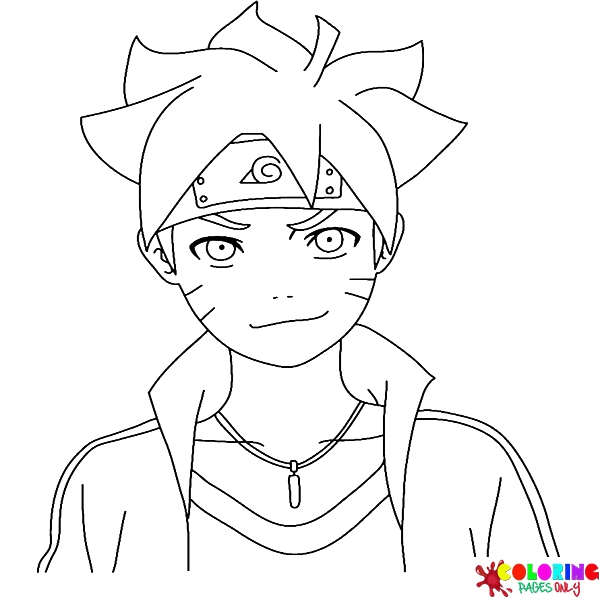
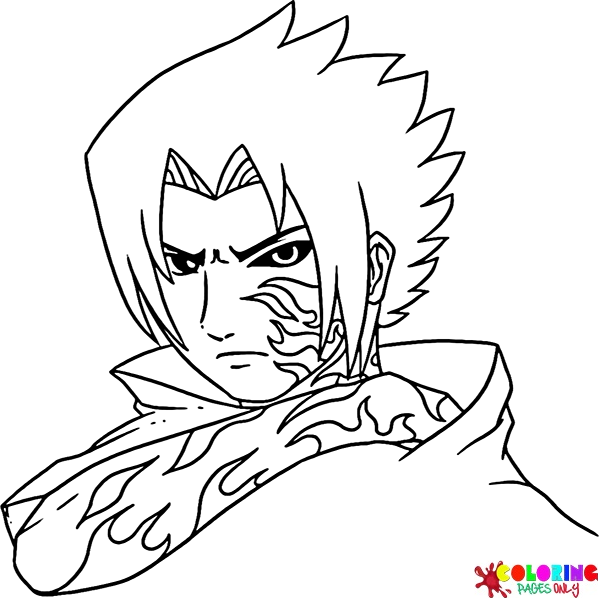
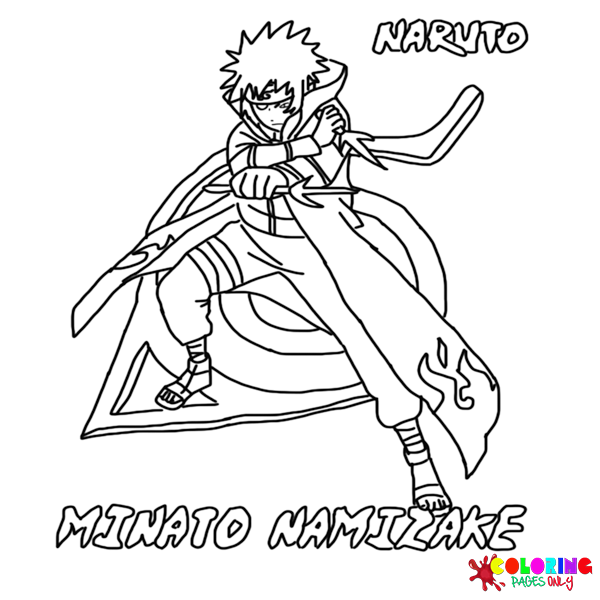
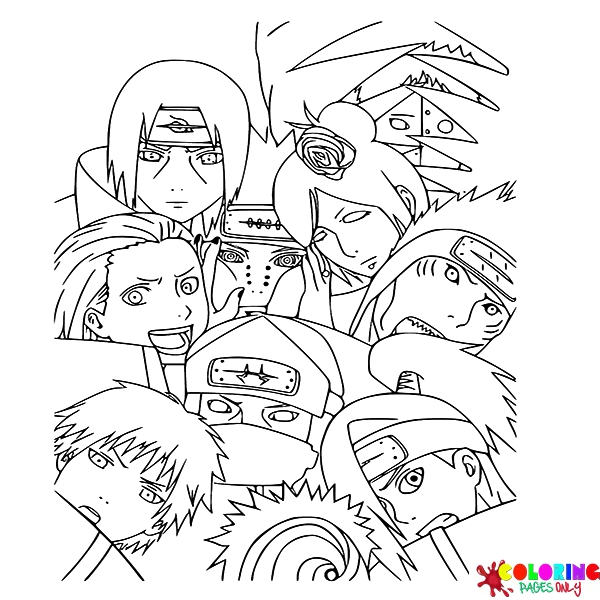
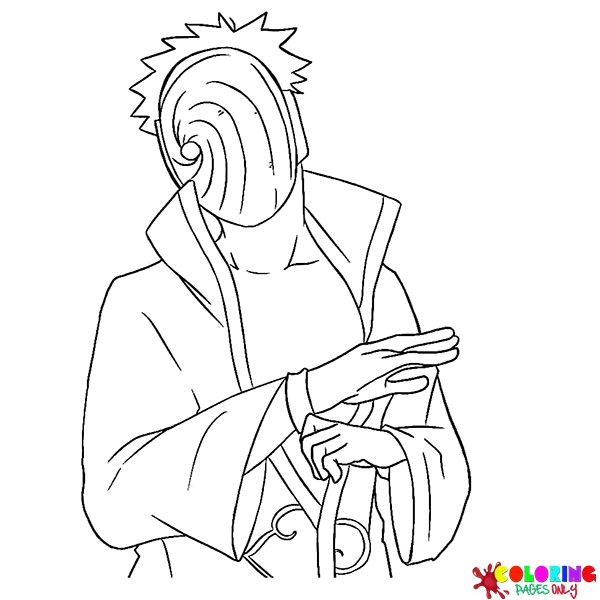
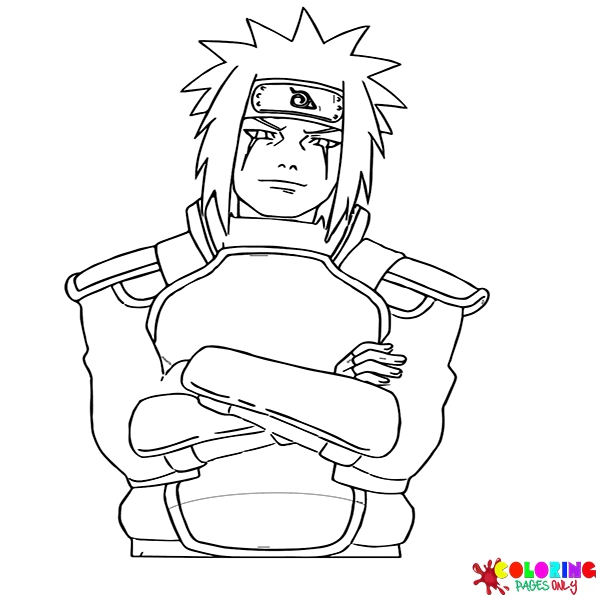
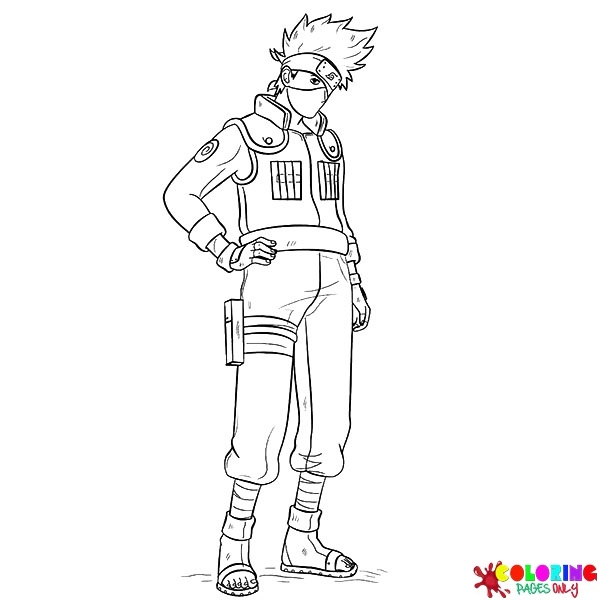
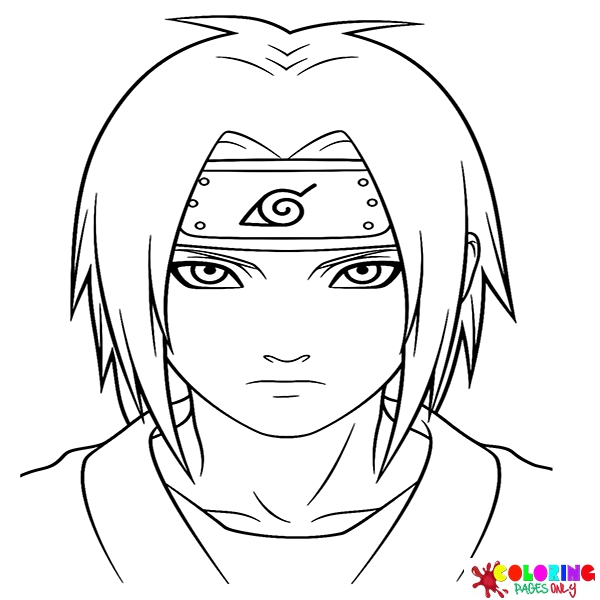
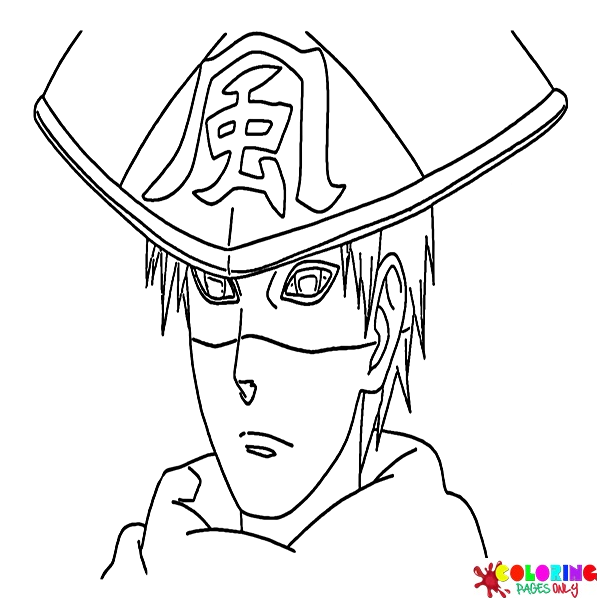
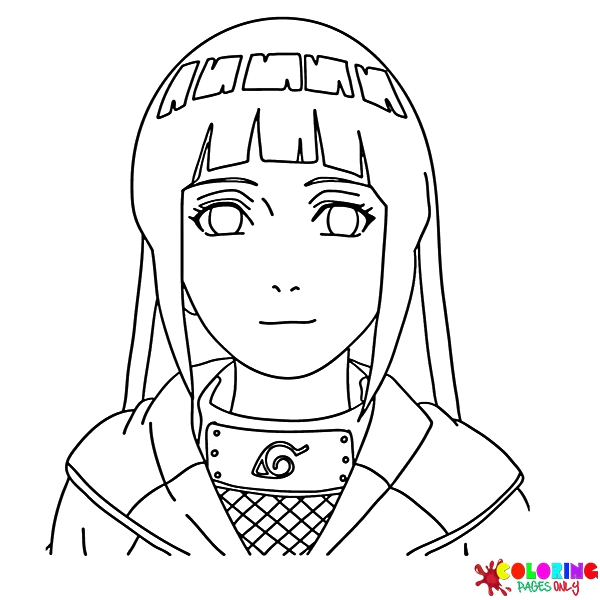
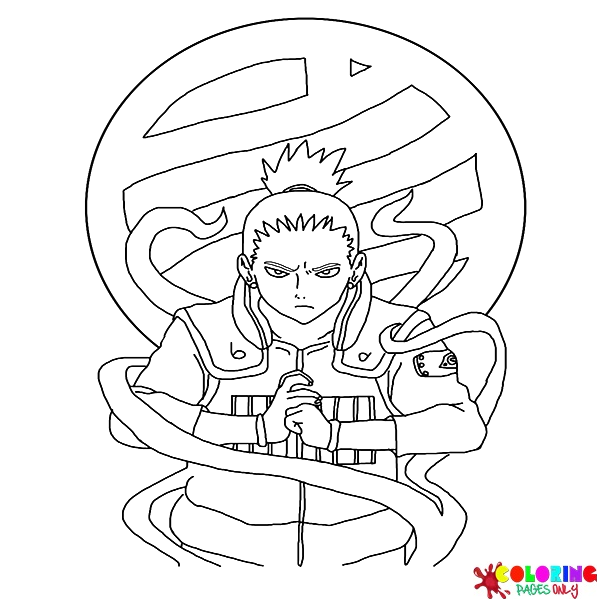
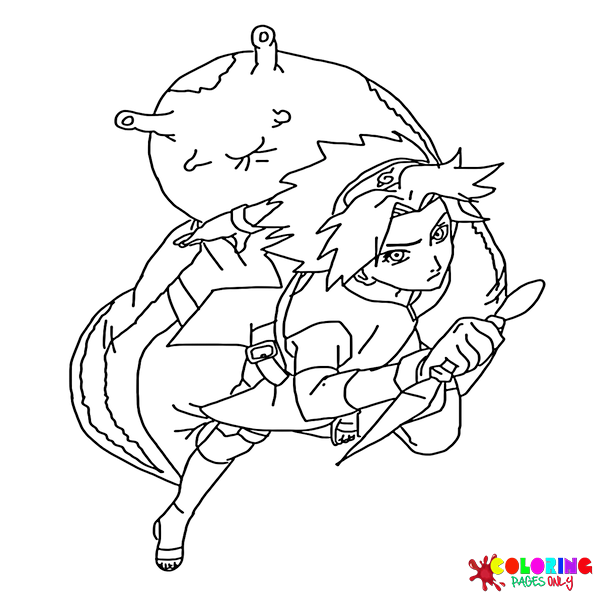
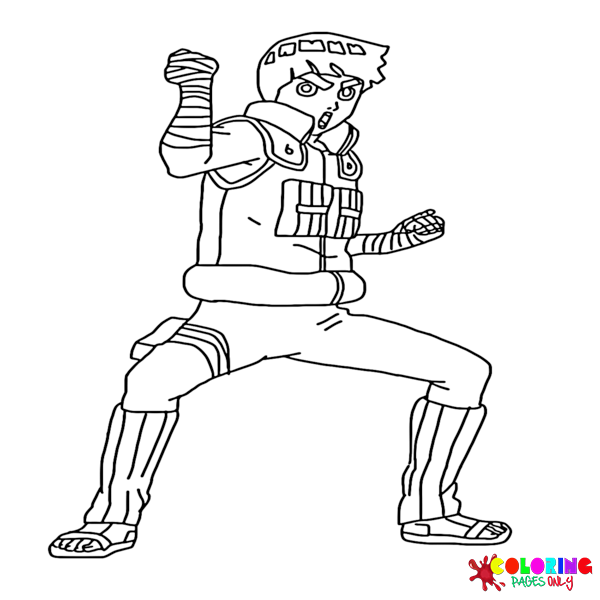
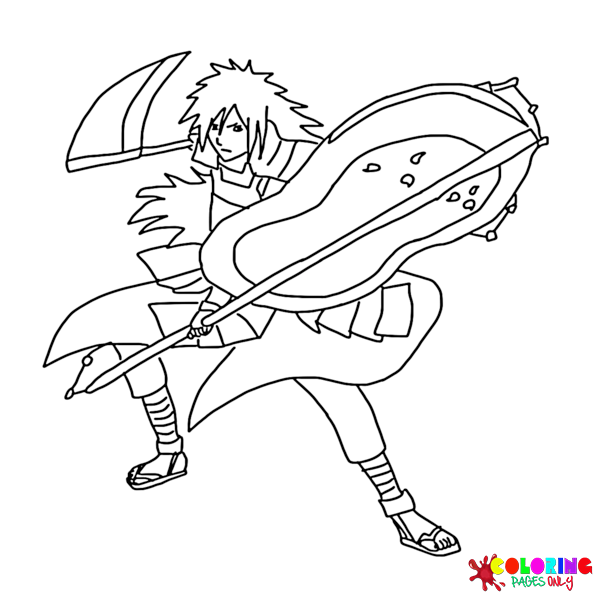
Naruto Characters and Boruto cover Masashi Kishimoto’s ninja-world saga across both its original run and its sequel series. Kawaki, the pivotal antagonist/anti-hero of Boruto’s later arcs, has his own dedicated sub-category reflecting the character’s substantial standalone following.
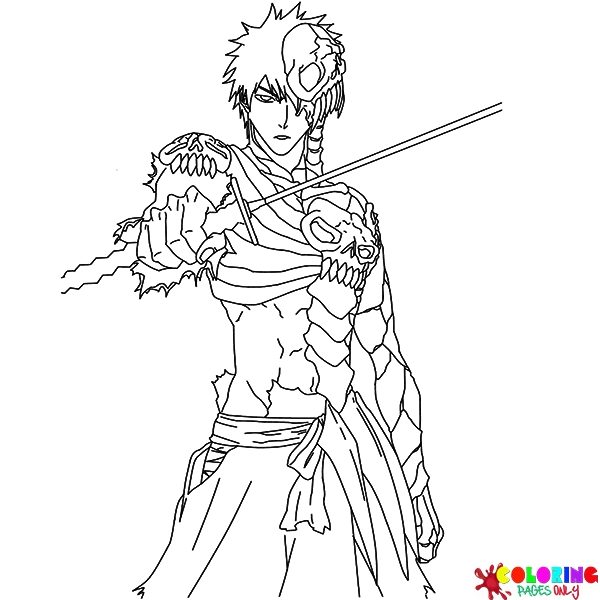
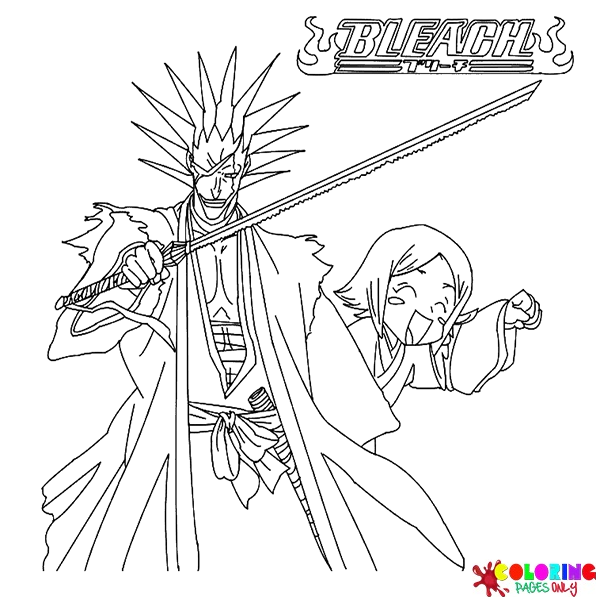
Bleach Characters and Ichigo cover Tite Kubo’s Soul Reaper series across its original run and the Thousand-Year Blood War arc adaptation (2022–2024), which brought Bleach back to global prominence after more than a decade. Ichigo Kurosaki has his own sub-category as the most recognizable character in a very large cast.
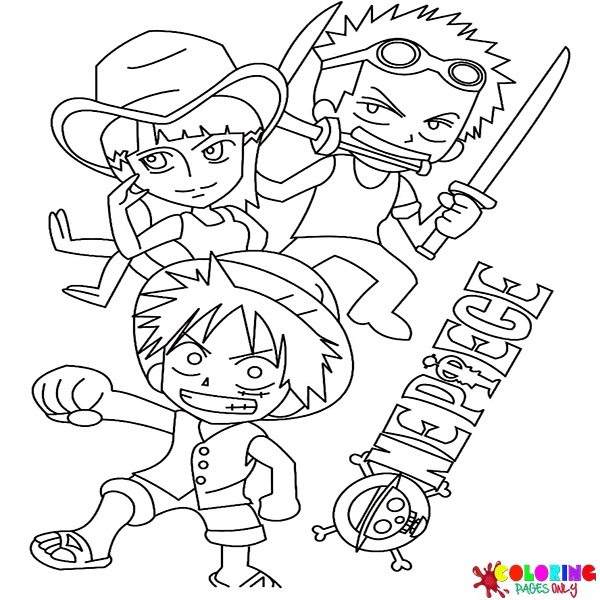
One Piece covers Eiichiro Oda’s pirate adventure series – the longest-running major manga in Jump history, now exceeding 1,100 chapters and still ongoing, with the anime surpassing 1,000 episodes. One Piece’s visual world is among the most elaborate in anime, with dozens of distinct story arcs and hundreds of named characters.
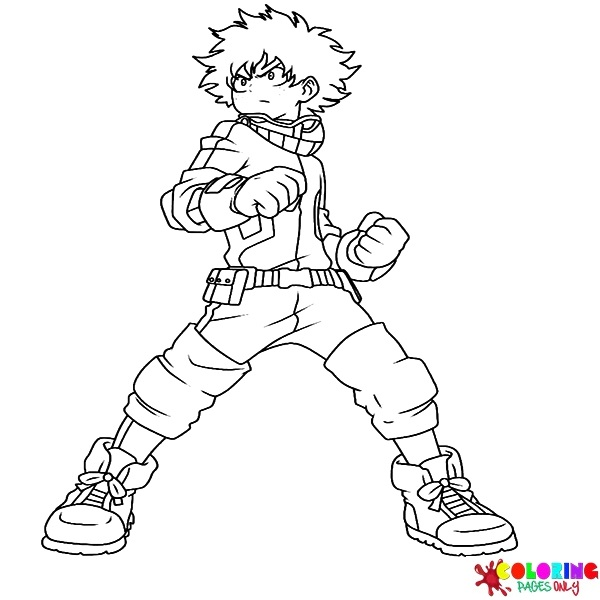
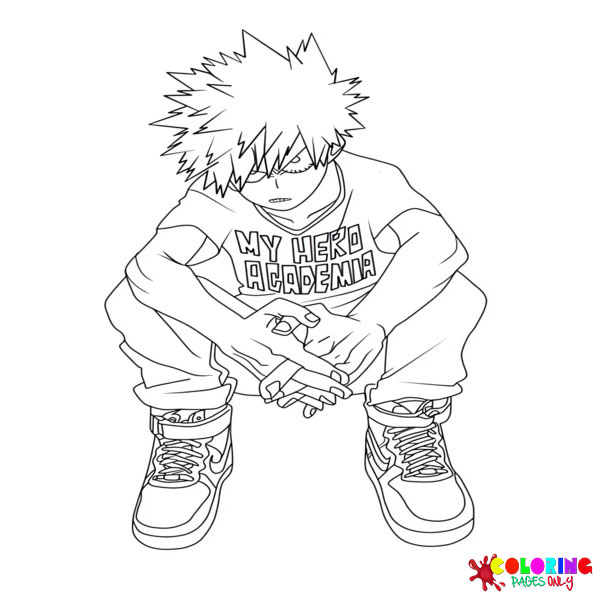
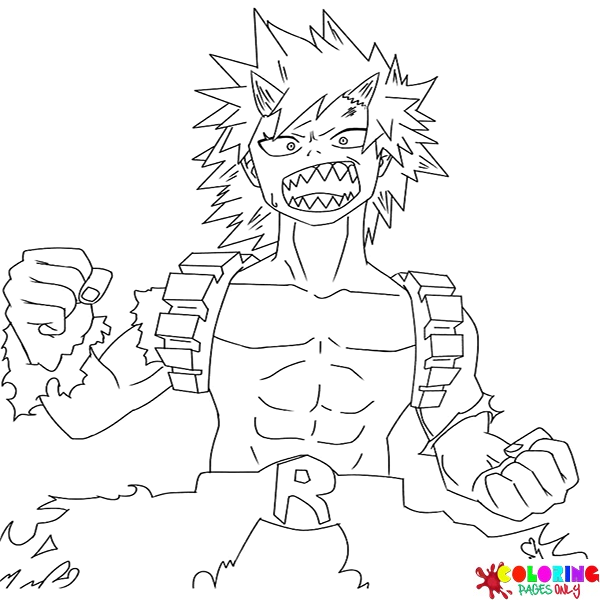
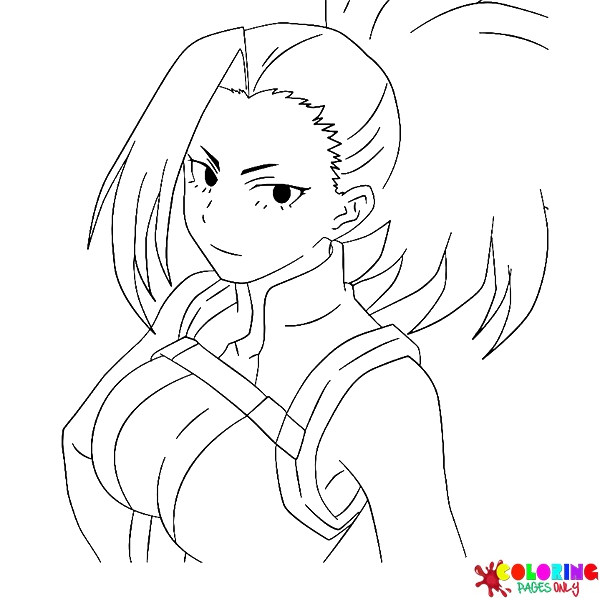
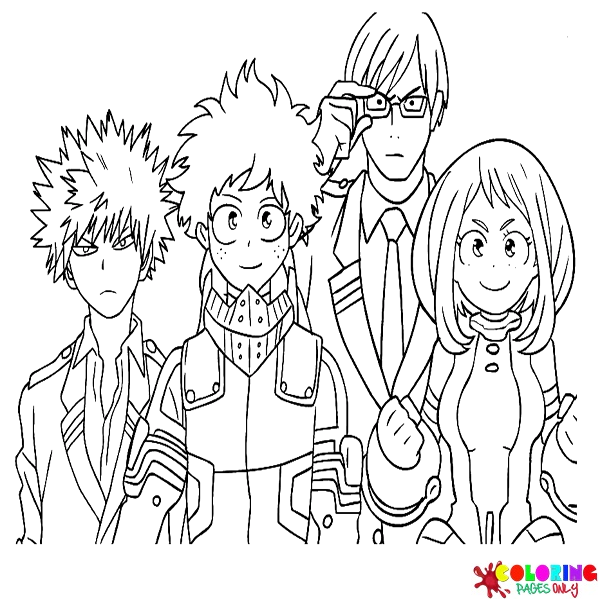
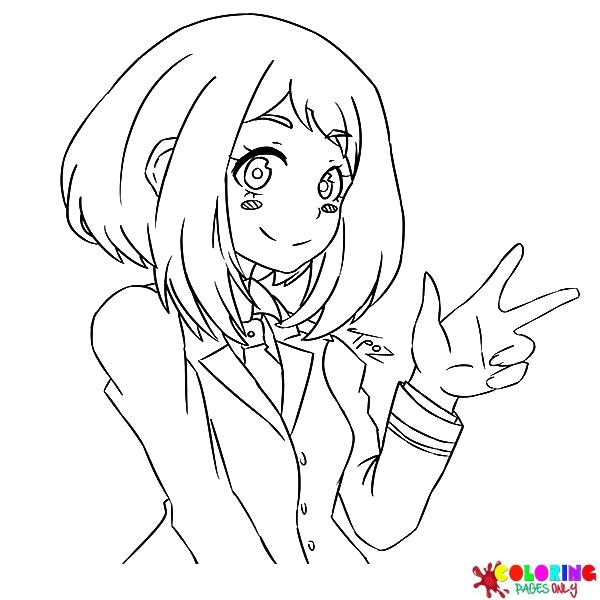
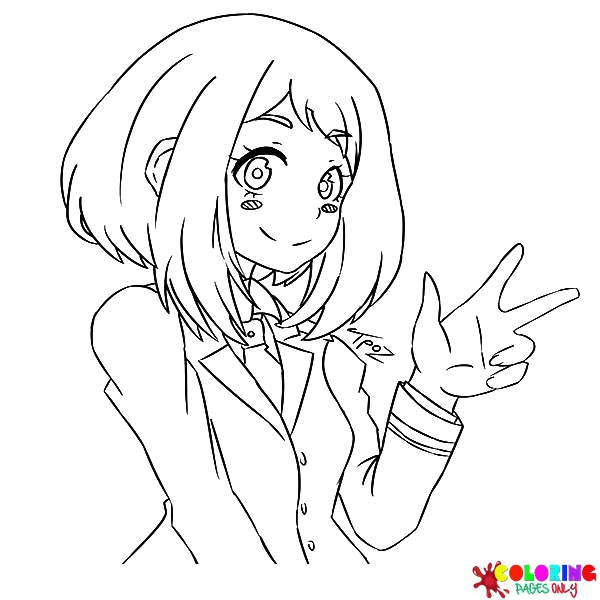
My Hero Academia covers Kōhei Horikoshi’s superhero-school series – the dominant Jump property of the 2010s, introducing Izuku Midoriya, Katsuki Bakugo, All Might, and the Hero Society to an enormous global audience, with a visual aesthetic that borrows extensively from American superhero comics while remaining distinctively Japanese.
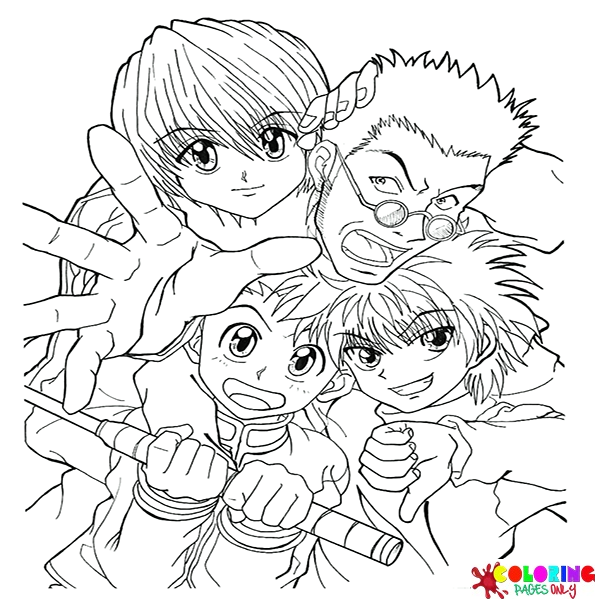
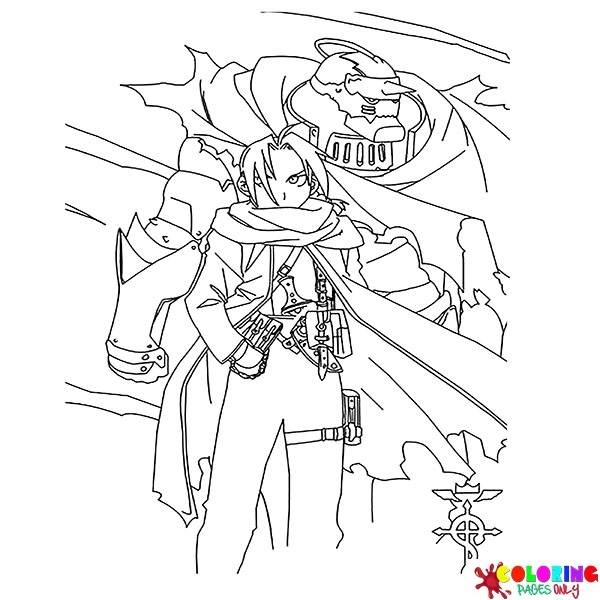
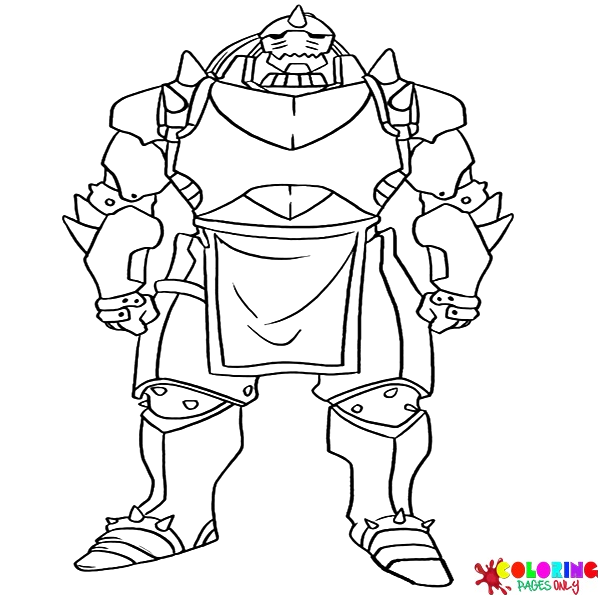
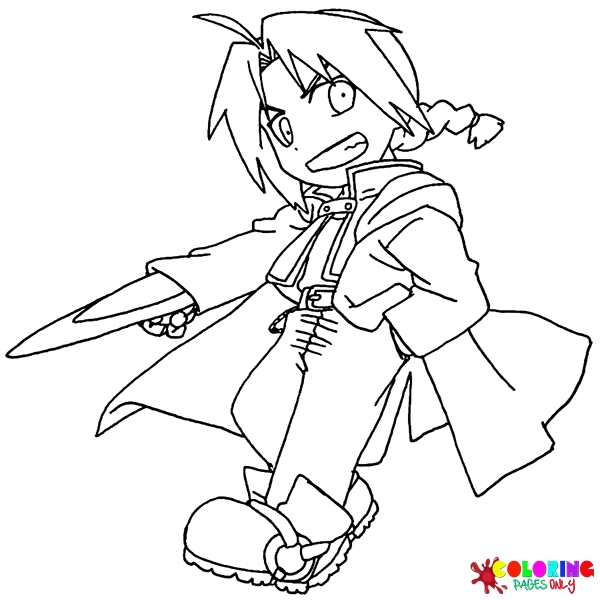
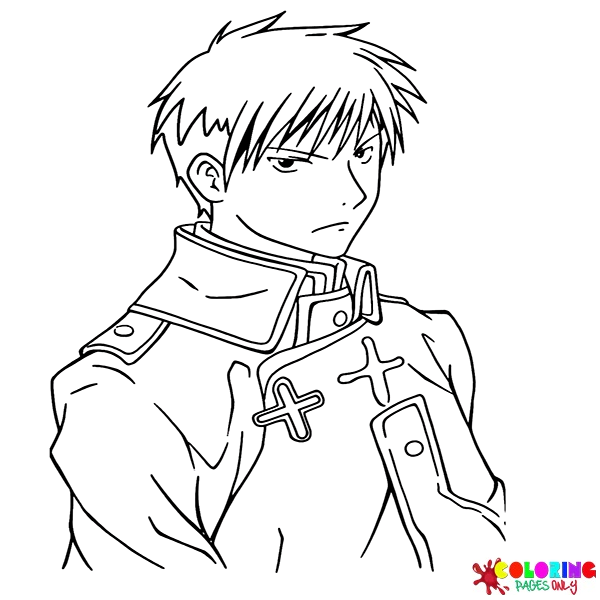
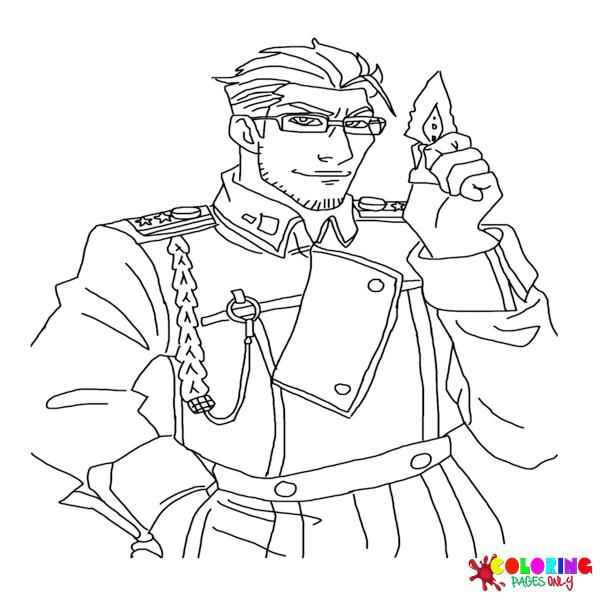
Hunter x Hunter and its individual character sub-category, Killua Zoldyck, cover Yoshihiro Togashi’s long-running adventure series. Killua – the white-haired assassin-trained best friend of protagonist Gon – has developed one of the most devoted individual character followings in the collection. Fullmetal Alchemist Characters covers Hiromu Arakawa’s alchemist brothers across both the original anime and Brotherhood. Baki Hanma covers the extreme martial arts series.
The Contemporary New Wave (2020s)
The most recently added and fastest-growing sub-categories in the collection cover the series that have defined anime’s global expansion in the streaming era.
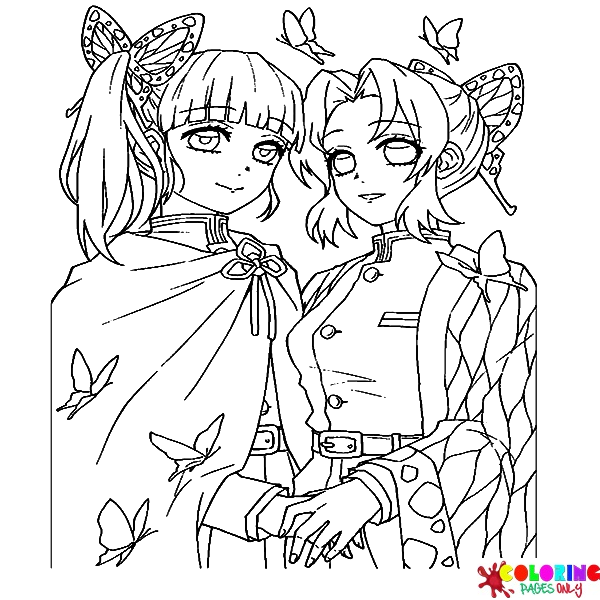
Demon Slayer (Kimetsu no Yaiba, Koyoharu Gotouge/ufotable) became one of the highest-grossing media properties in Japanese history with its 2019 anime debut and 2020 film. Tanjiro Kamado’s Hinokami Kagura flame-breathing techniques and Nezuko’s bamboo muzzle and pink kimono are the collection’s most recognizable contemporary visual identities. The ufotable animation studio’s approach to water and flame effects – rendered in vivid, fluid motion – translates into some of the most technically ambitious coloring page compositions in the entire Anime category.
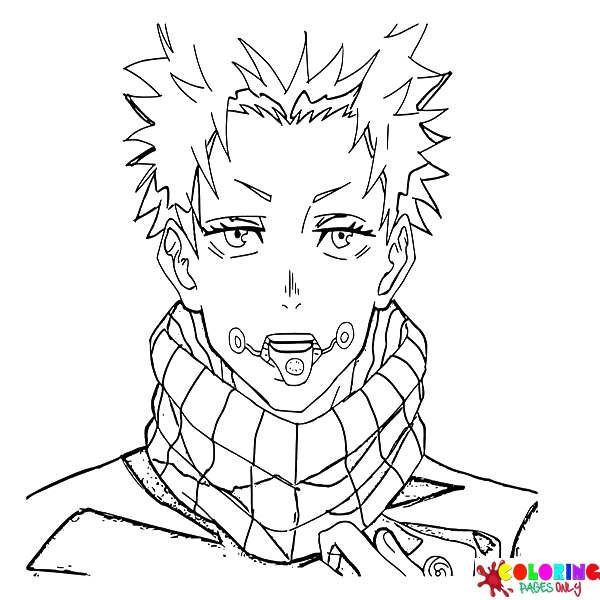
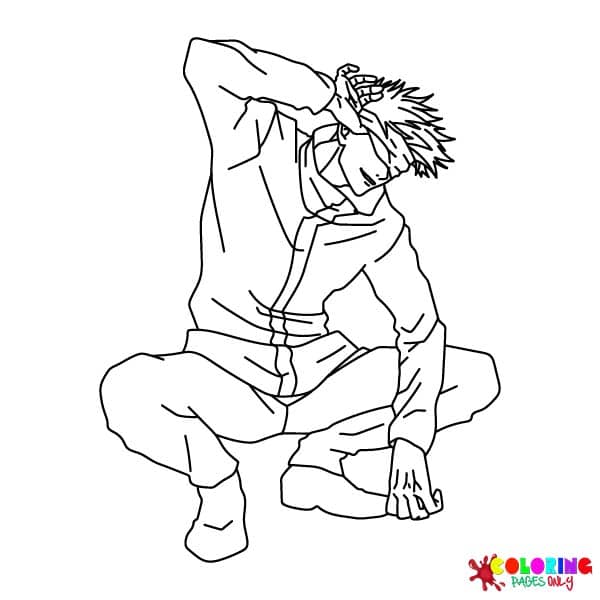
Jujutsu Kaisen covers Gege Akutami’s cursed spirit series through its sub-category and via two individual character pages: Satoru Gojo (the white-haired, blindfolded strongest sorcerer) and Toge Inumaki (the curse-speech user with his rice-ball facial marking). Both have their own dedicated sub-categories reflecting the depth of individual character demand.
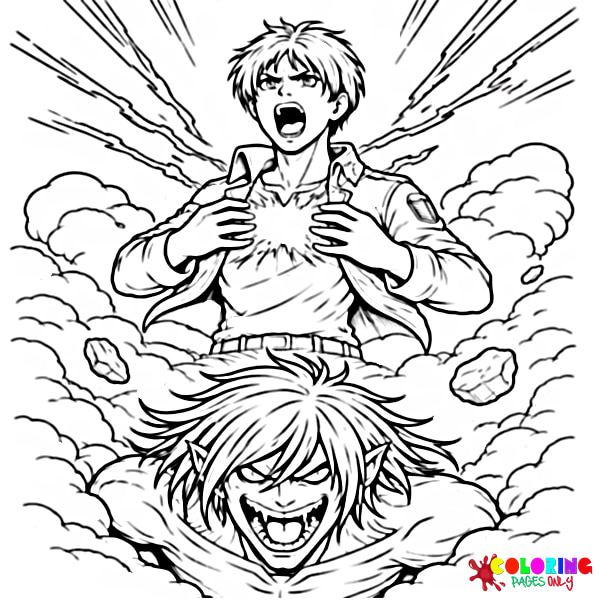
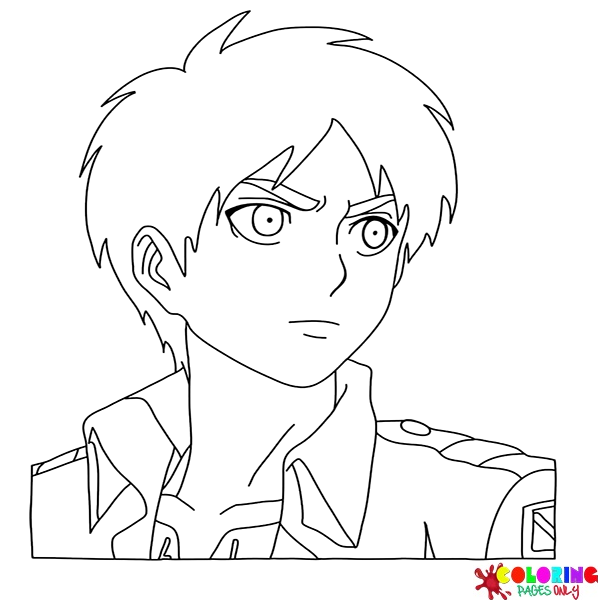
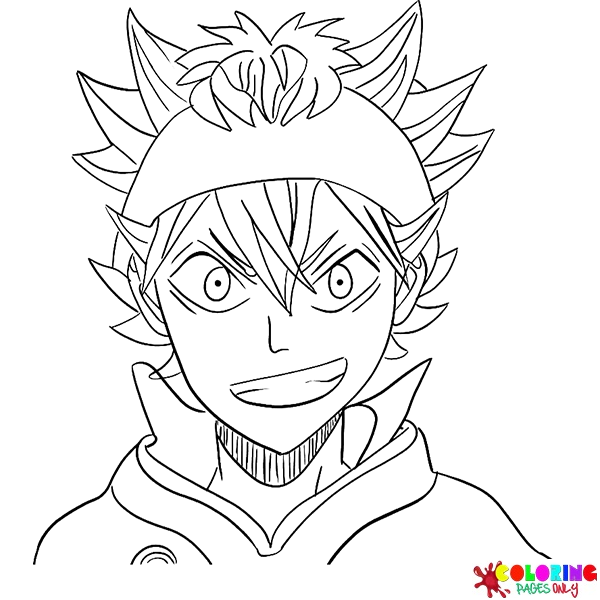
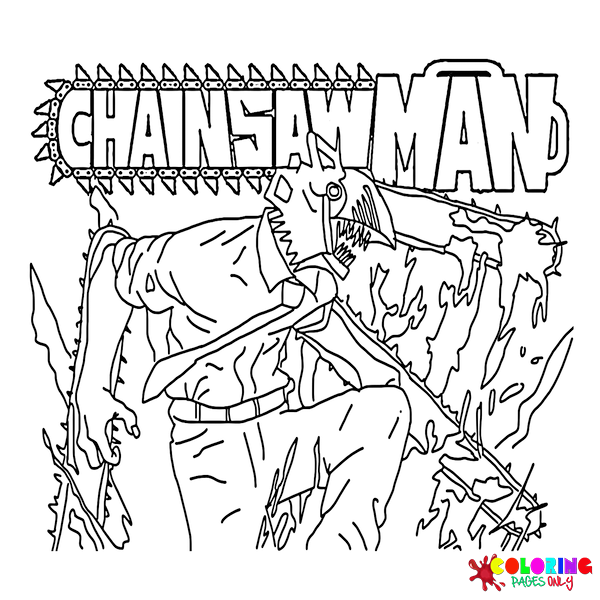
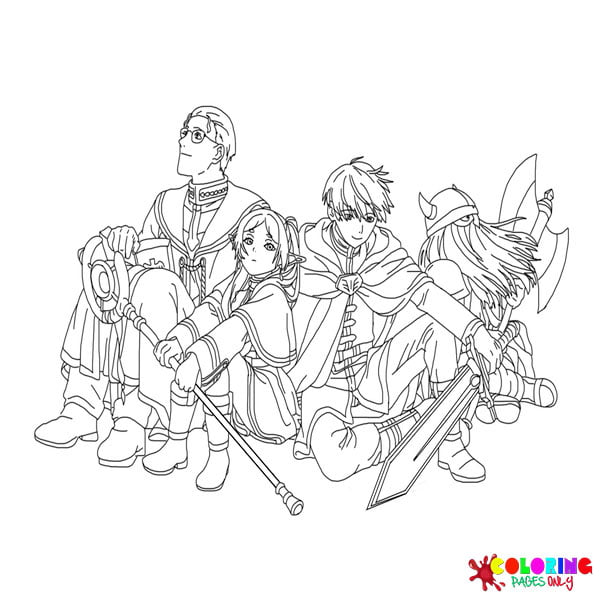
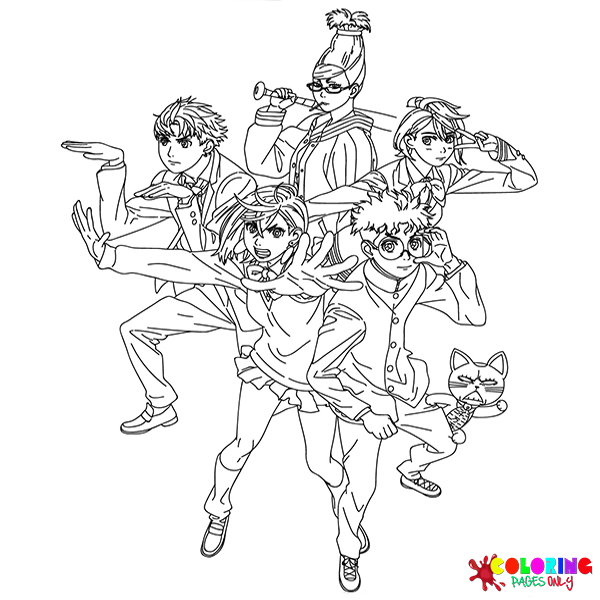
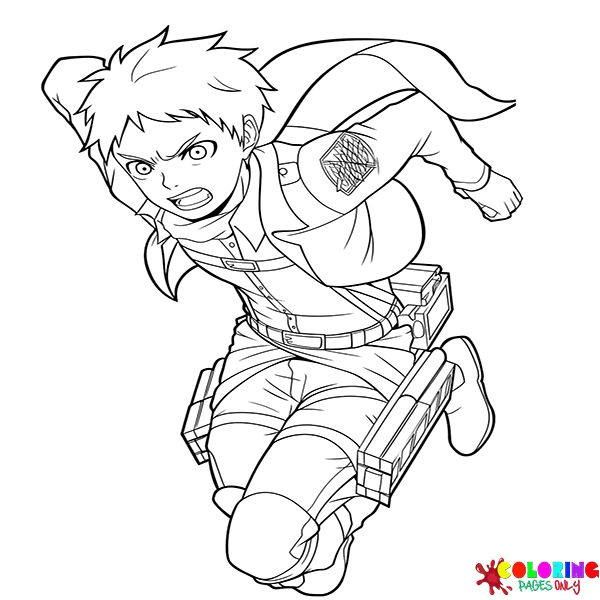
Attack on Titan Characters covers Hajime Isayama’s titan-war series across its full run and The Final Season, with Eren Yeager, Mikasa Ackerman, Levi Ackerman, and the Survey Corps as the central cast. Black Clover covers Yūki Tabata’s magic-knight series. Chainsaw Man covers Tatsuki Fujimoto’s devilhunter series with its stark visual style. Dandadan covers the 2024 Yukinobu Tatsu/Science SARU series, combining horror, paranormal activity, and romance. Frieren: Beyond Journey’s End covers the 2023–2024 Madhouse adaptation of Kanehito Yamada and Tsukasa Abe’s elven fantasy.
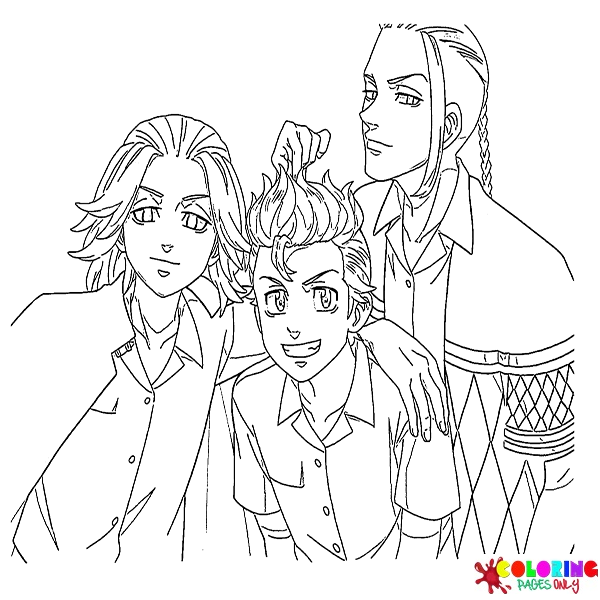
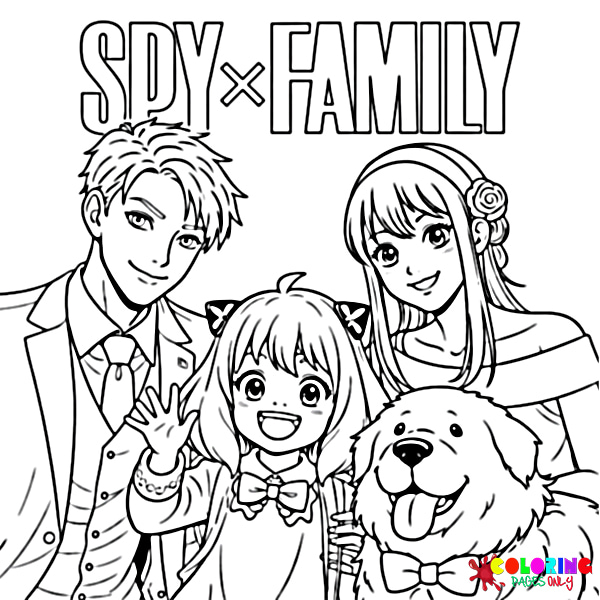
Spy x Family covers Tatsuya Endo’s spy comedy – Loid, Yor, and Anya Forger with their distinctive character designs: Anya’s pink hair and starfish accessories, Yor’s elegant combat look, Loid’s spy-thriller aesthetic. Tokyo Revengers covers Ken Wakui’s time-travel delinquent drama.
Mecha, Science Fiction, and Experimental
Several sub-categories cover the science fiction and mecha tradition – the genre that produced some of anime’s most technically ambitious and philosophically complex works.
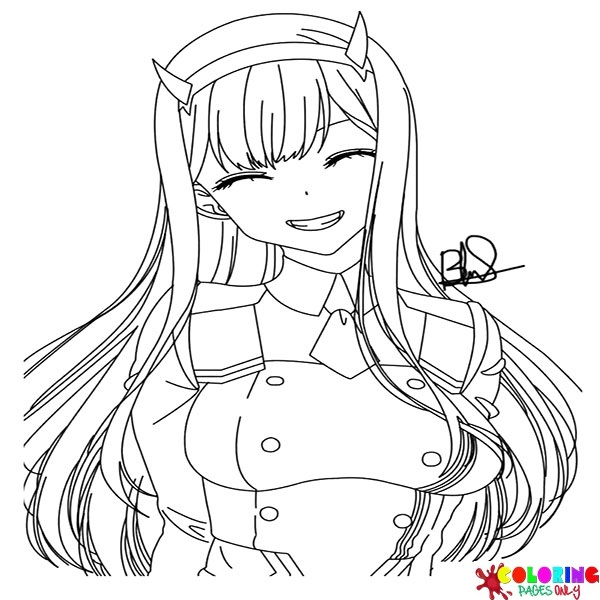
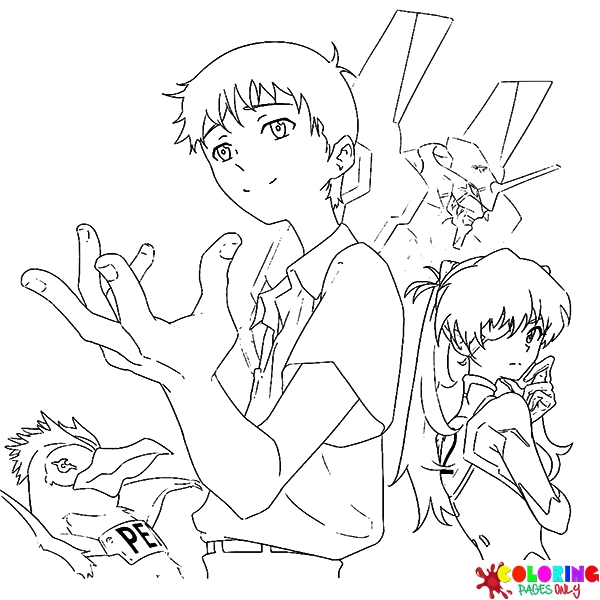
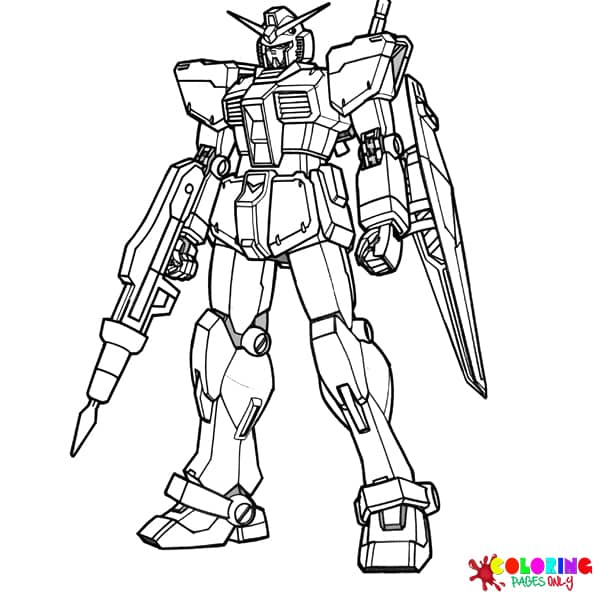
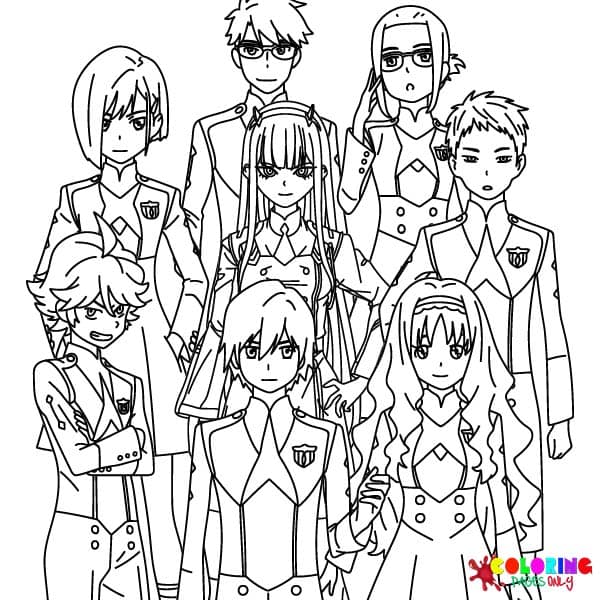
Gundam covers the Mobile Suit Gundam franchise across its decades of production – the original 1979 series, Zeta Gundam, Wing, SEED, 00, and the continuing saga of large-scale robotic warfare. Gundam pages present the mechanical design challenge of rendering complex multi-panel robot armor in color, with each mobile suit having specific color schemes that serve as the character’s visual identity. Neon Genesis Evangelion covers Hideaki Anno’s landmark 1995 series – Unit-01’s purple and green armor, the distinctive Rei Ayanami aesthetic of pale skin and dark hair, and the psychological intensity that made Evangelion one of the defining texts of anime as serious literature. Darling in the Franxx and its individual character sub-category Zero Two cover the Studio Trigger/A-1 Pictures 2018 series, with Zero Two’s red horns, white uniform, and distinctive design making her one of the most widely recognized anime character designs of her generation.
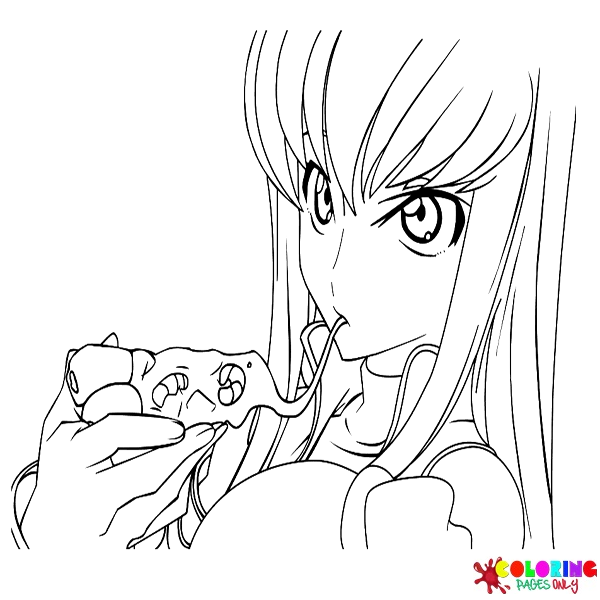
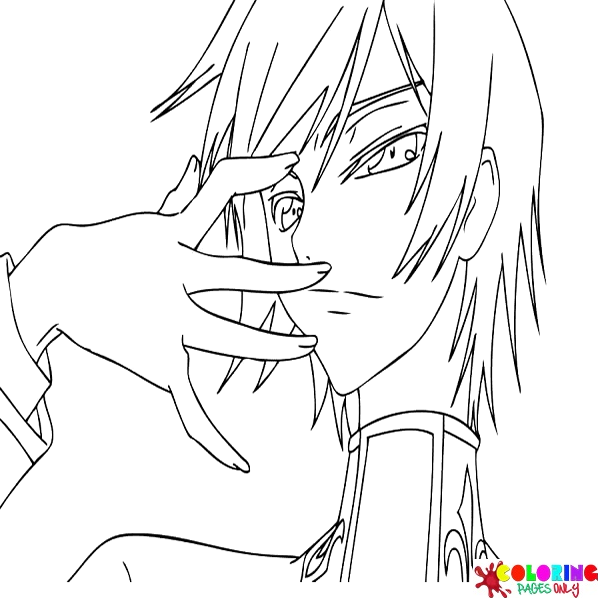
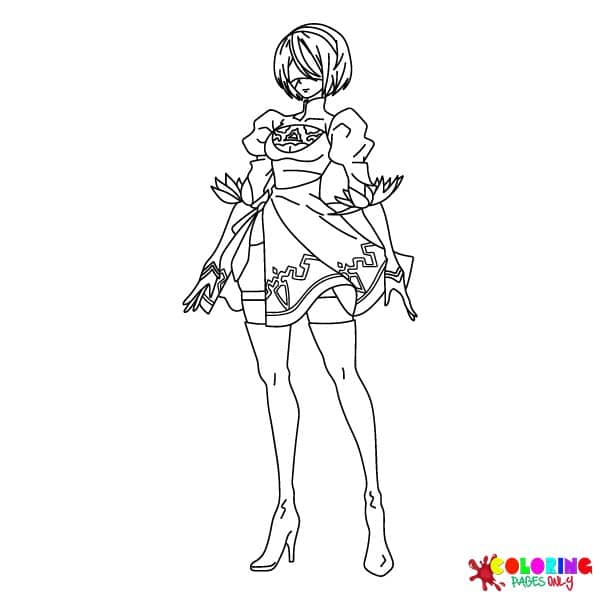
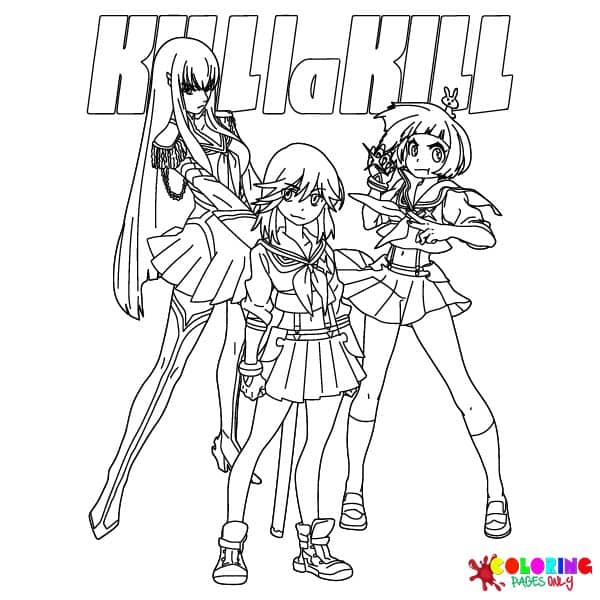
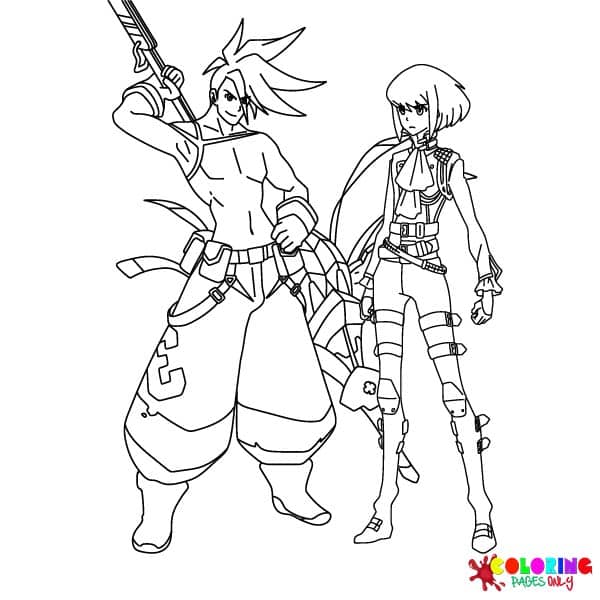
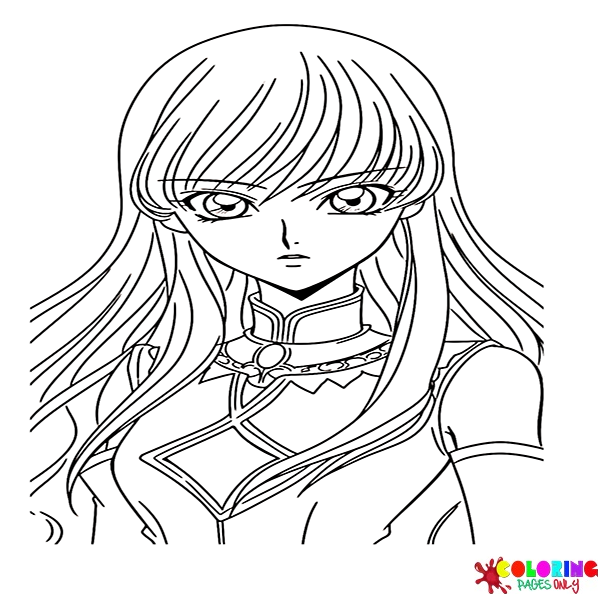
Promare covers Hiroyuki Imaishi’s 2019 Studio Trigger theatrical film – vivid geometric fire effects in pink and teal are the defining visual element of the film’s style. Kill la Kill covers Imaishi’s earlier Trigger series with its high-contrast action aesthetic. Code Geass Characters and individual character Lelouch vi Britannia cover the 2006 Sunrise mecha-strategy series with its distinctive CLAMP character design aesthetic. NieR Automata covers the PlatinumGames action RPG’s A-1 Pictures anime adaptation.
The Magical Girl Tradition
Anime’s magical girl genre – the tradition of young female protagonists who transform to battle supernatural threats – has a dedicated cluster in the collection spanning its history.
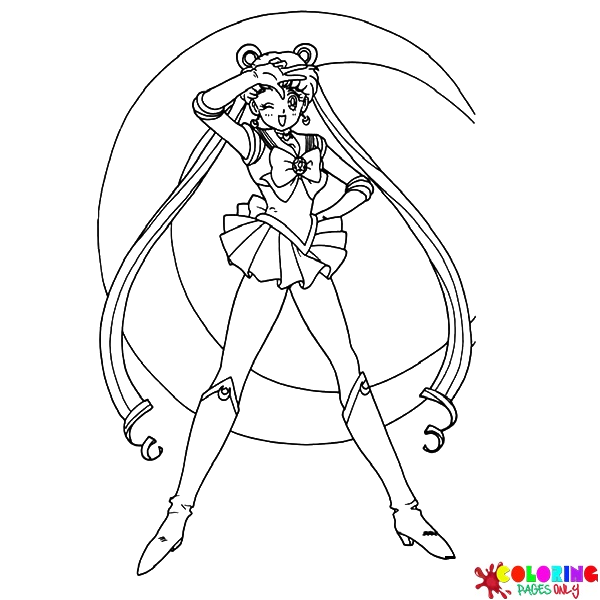
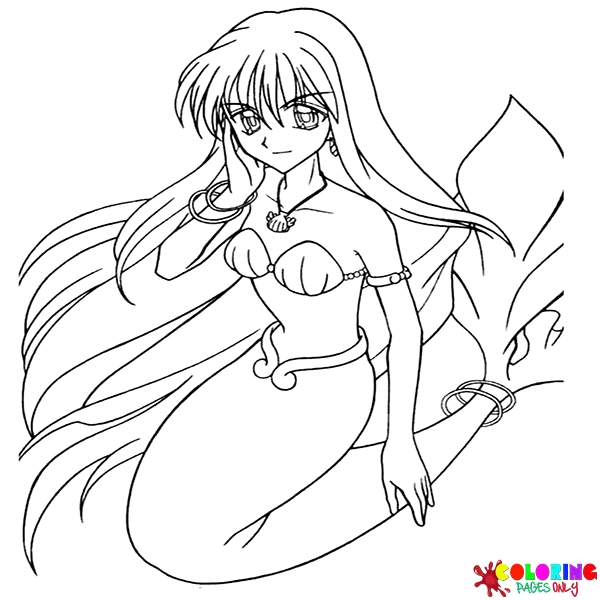
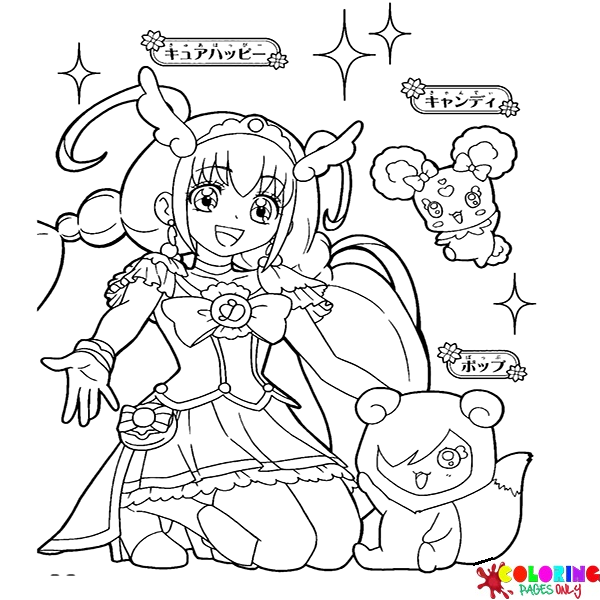
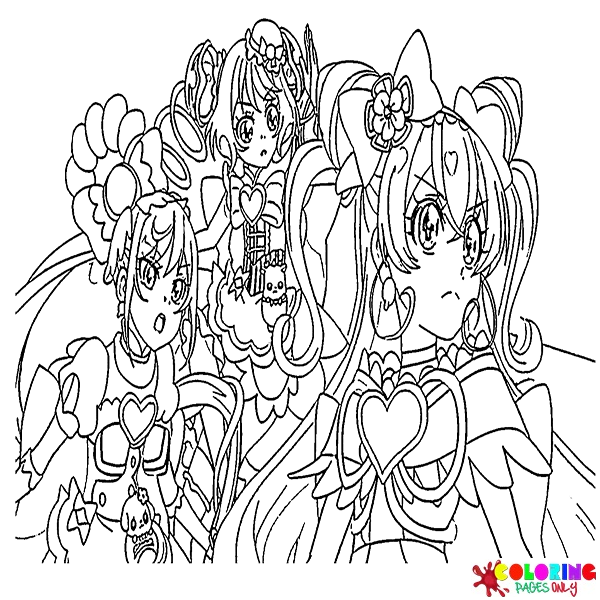
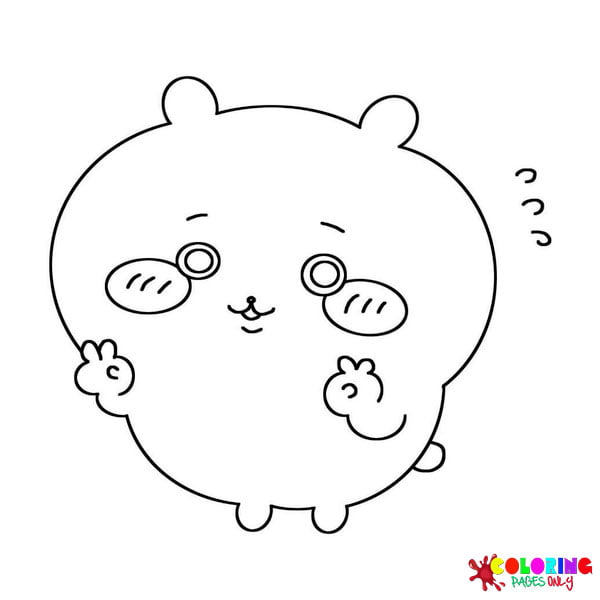
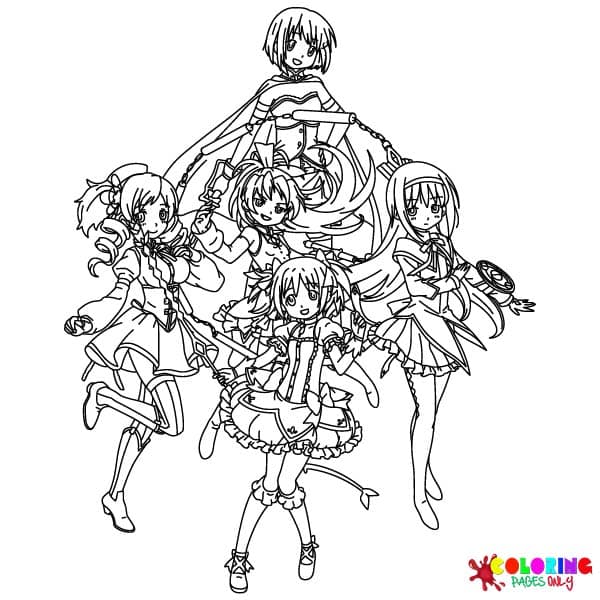
Sailor Moon (Naoko Takeuchi/Toei Animation, 1992) is the foundational modern magical girl series, and Usagi Tsukino’s twin odango hairstyle with blonde pigtails and the Sailor Scouts’ color-coded uniforms are among the most reproduced visual designs in anime history. Puella Magi Madoka Magica (Shaft/Akiyuki Shinbo, 2011) represents the genre’s deconstruction – the dark, psychologically complex take on magical girl aesthetics that redefined what the genre could do. Glitter Force covers the localized English version of the Pretty Cure franchise, and Delicious Party Pretty Cure covers one of the franchise’s more recent series. Mermaid Melody covers the early 2000s mermaid magical girl series. Chiikawa – while not strictly a magical girl series – covers the wildly popular 2020s character universe by Nagano, with its rounded kawaii aesthetic and emotionally resonant small-creature characters.
Romance, School, and Slice of Life
Anime’s romance and school genres generate substantial coloring page demand from a fanbase that values character design and emotional resonance over battle sequences.
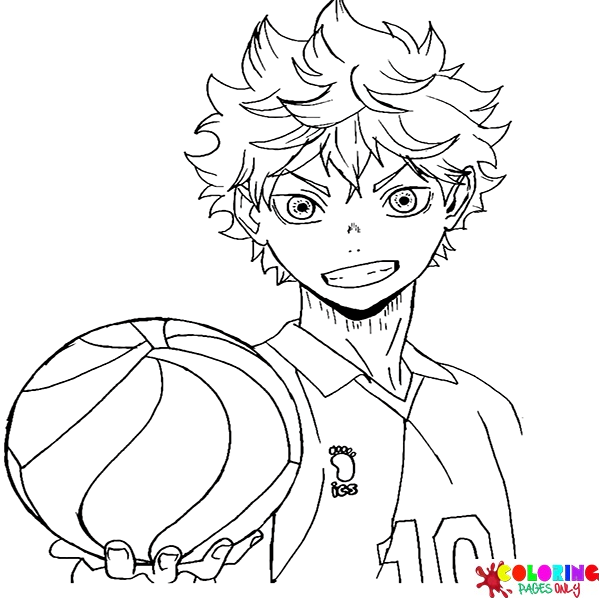
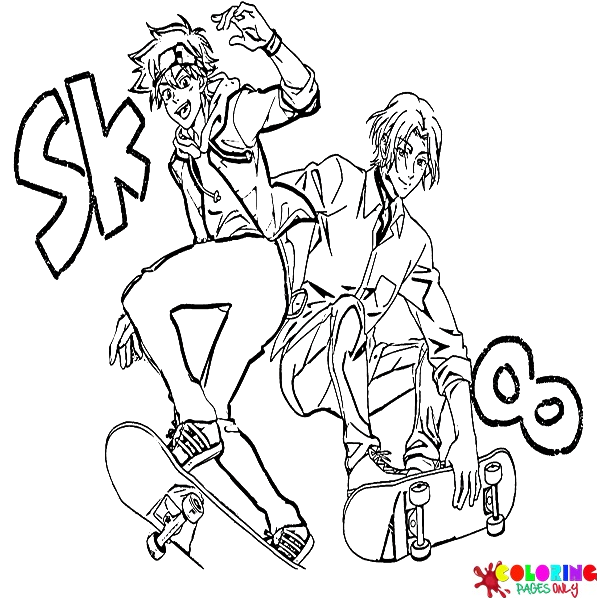
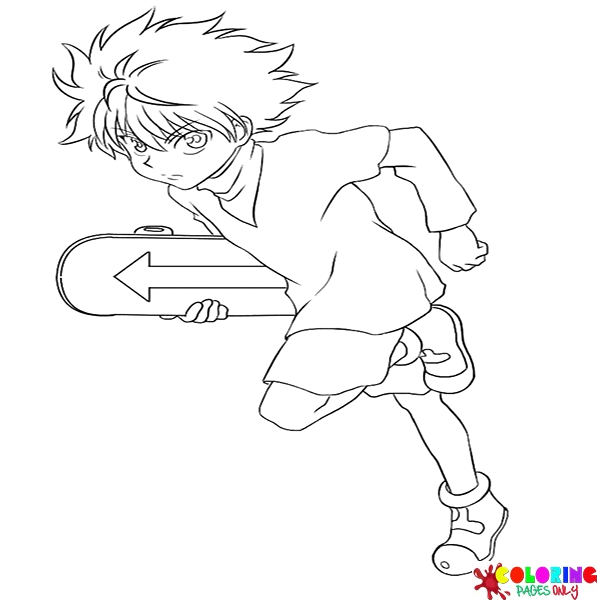
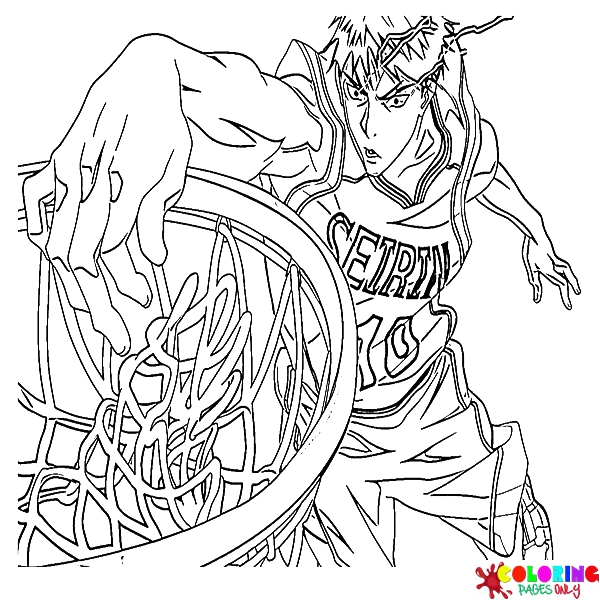
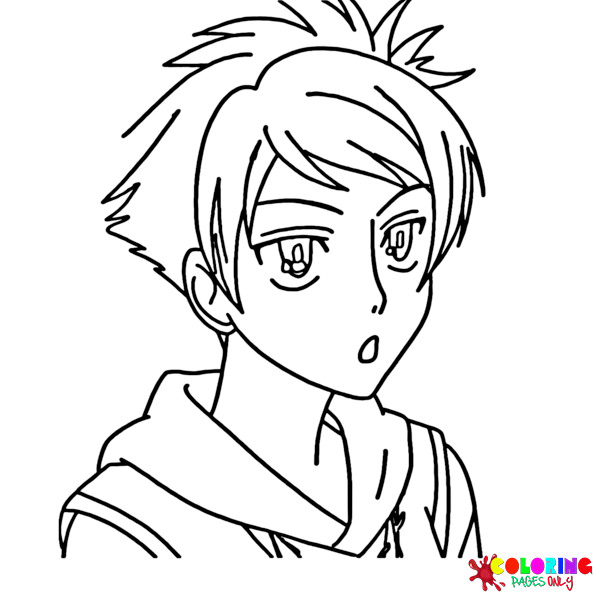
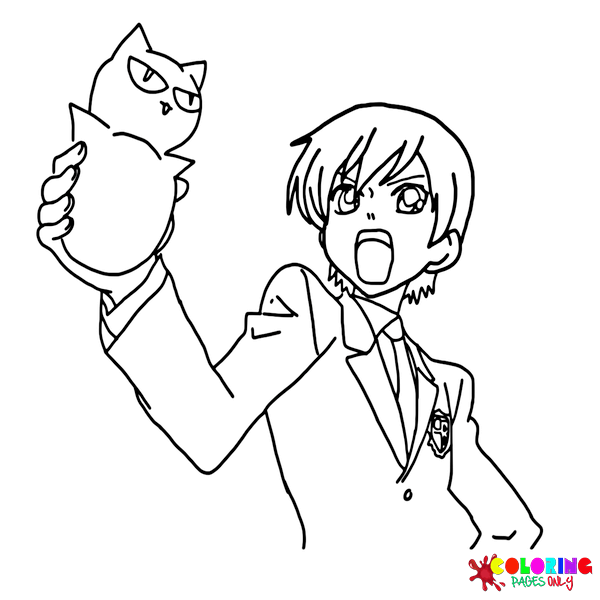
Ouran High School Host Club covers the 2006 Bisco Hatori series and its Bones anime adaptation – the Host Club’s distinctive character ensemble and its balance of comedy and romance. Kaguya-Sama: Love is War covers Aka Akasaka’s psychological romantic comedy. Haikyuu covers Haruichi Furudate’s volleyball series – one of the most beloved sports anime ever made, with the Karasuno team’s recognizable black and orange uniform palette as the central coloring element. Kuroko no Basket covers Tadatoshi Fujimaki’s basketball series. SK8 the Infinity covers Hiroko Utsumi’s 2021 skateboarding series.
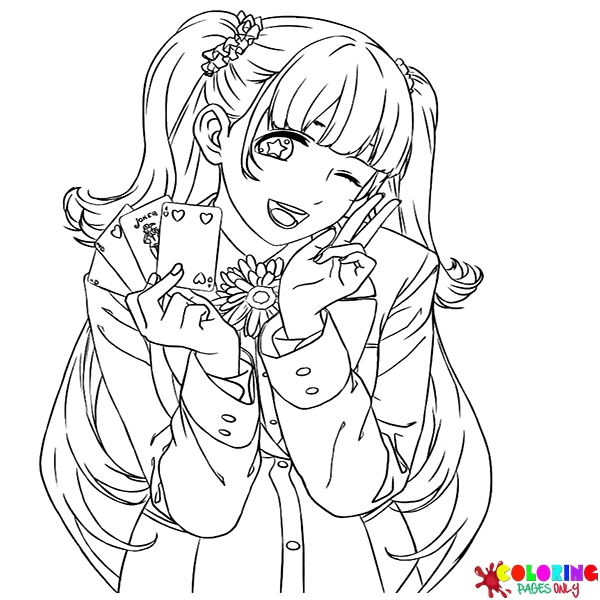
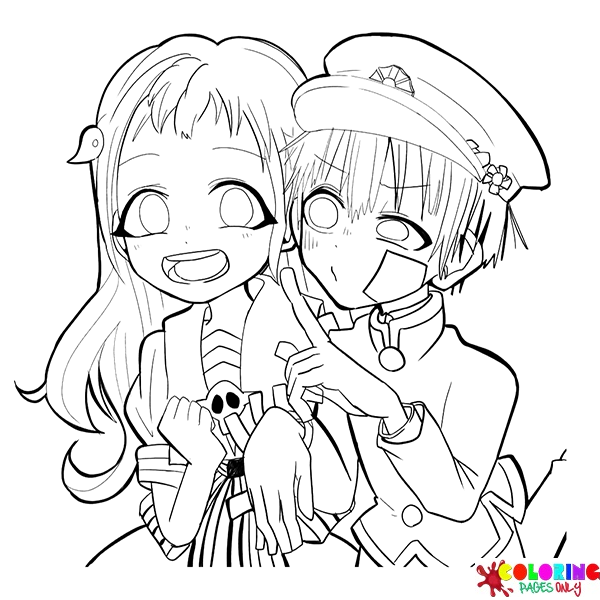
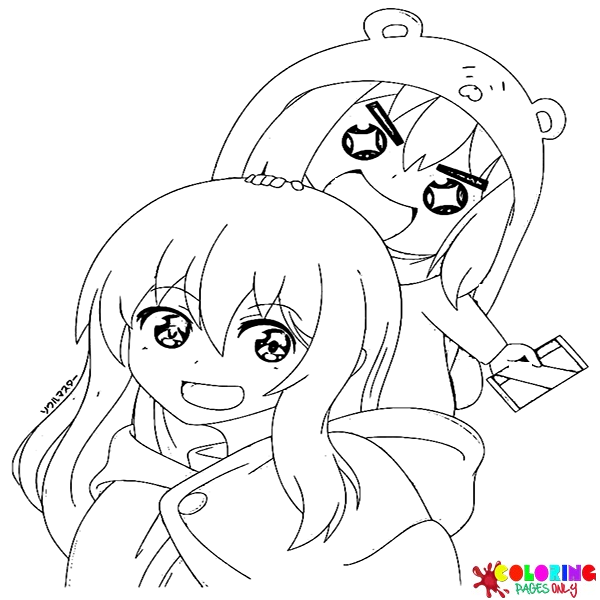
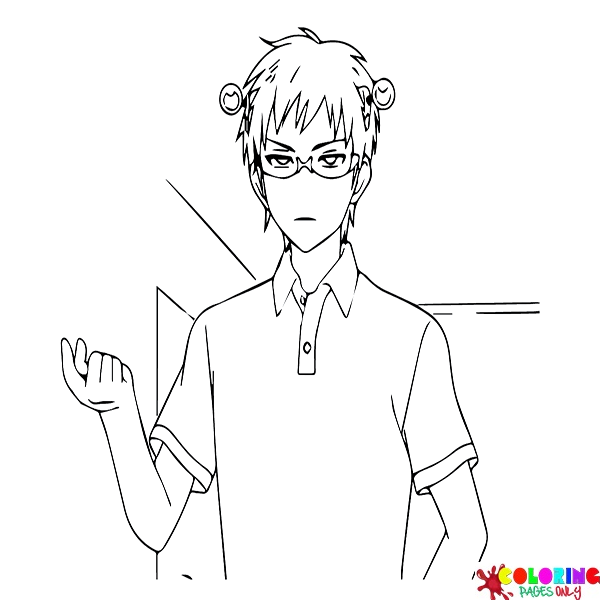
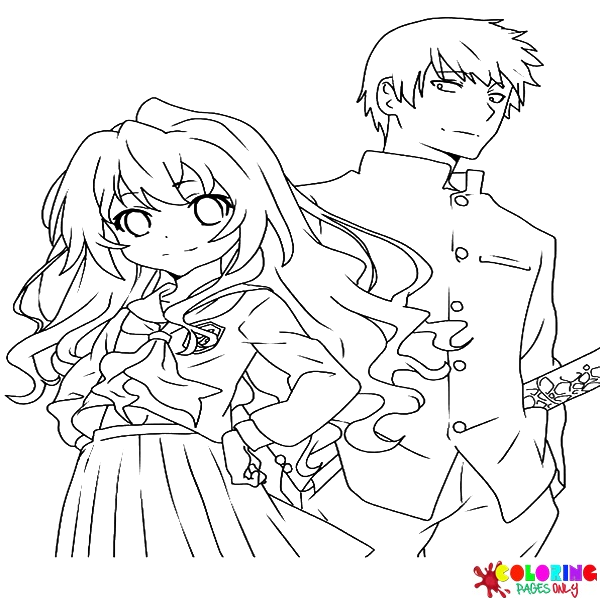
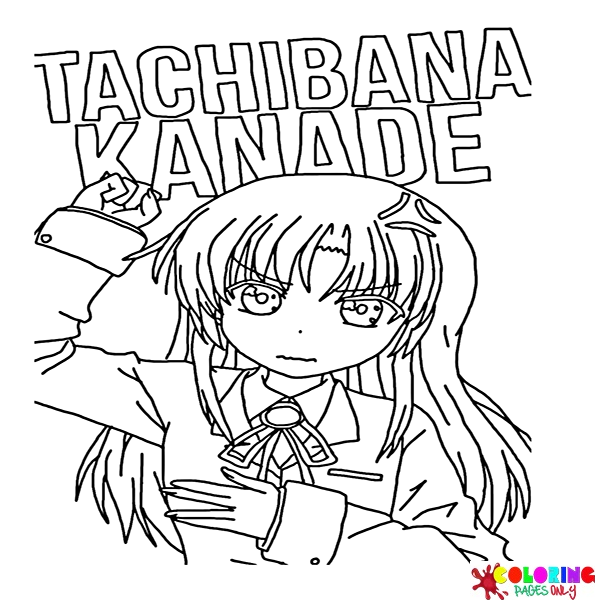
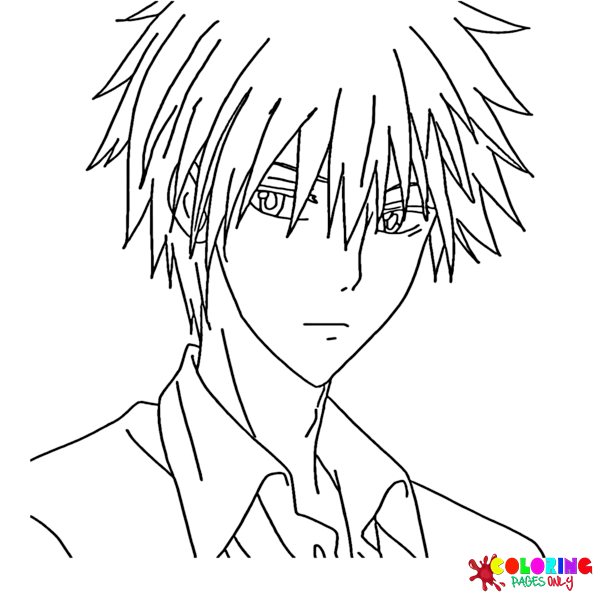
Several individual characters from romance series have their own sub-categories: Taiga Aisaka from Toradora (the palm-top tiger with her long brown hair and tsundere energy), Takumi Usui from Kaichou wa Maid-sama (the silver-haired male lead of the maid café romance), and Kanade Tachibana from Angel Beats (the white-haired student council president). Saiki K covers the telepathic student comedy. Kakegurui covers the gambling school thriller. Natsume Yuujinchou covers Yuki Midorikawa’s quiet supernatural series about a boy who can see spirits. Himouto Umaru-chan covers the two-faced college student comedy. Toilet-Bound Hanako-Kun covers AidaIro’s supernatural school series with its distinctive art style.
Dark, Psychological, and Thriller
Several sub-categories cover anime that sit at the boundary between entertainment and serious dark fiction.
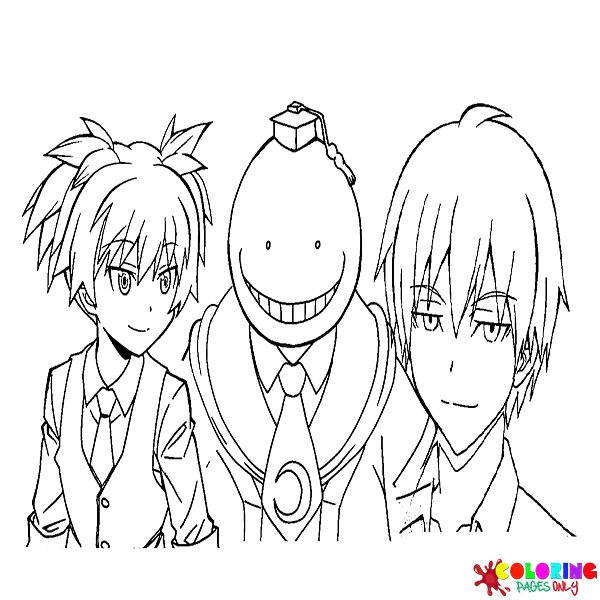
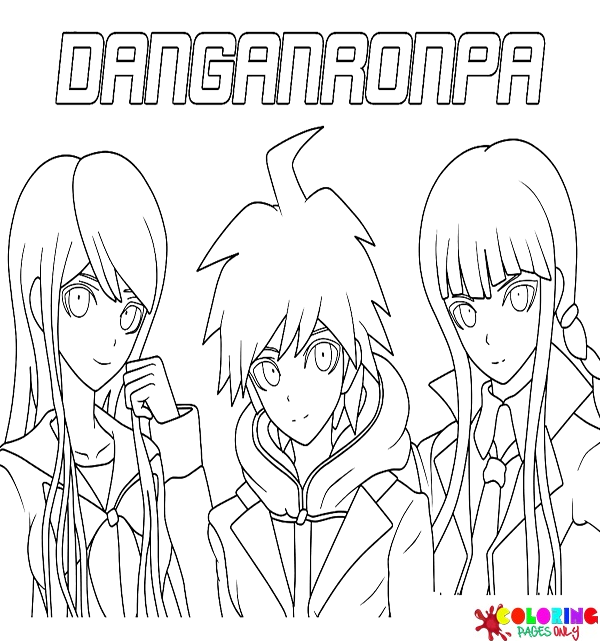
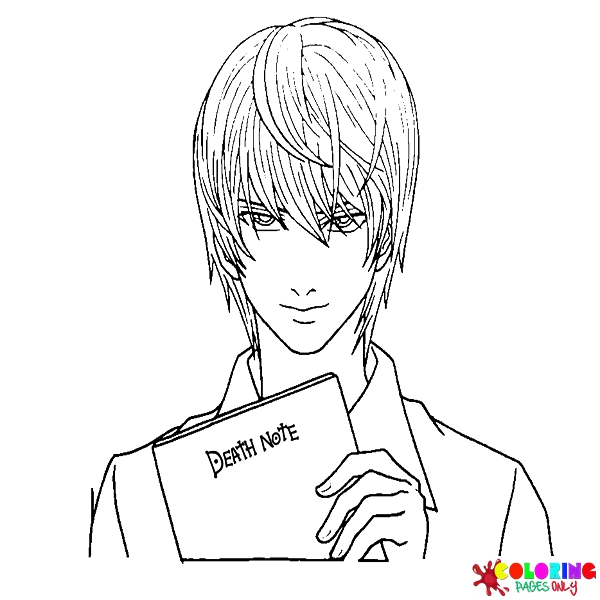
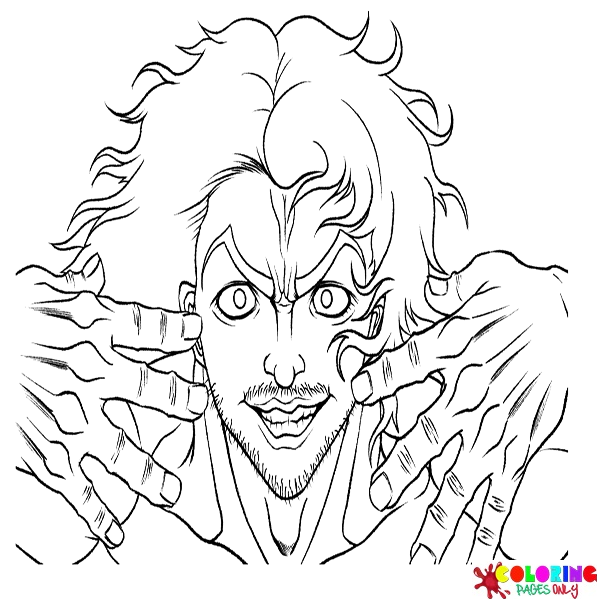
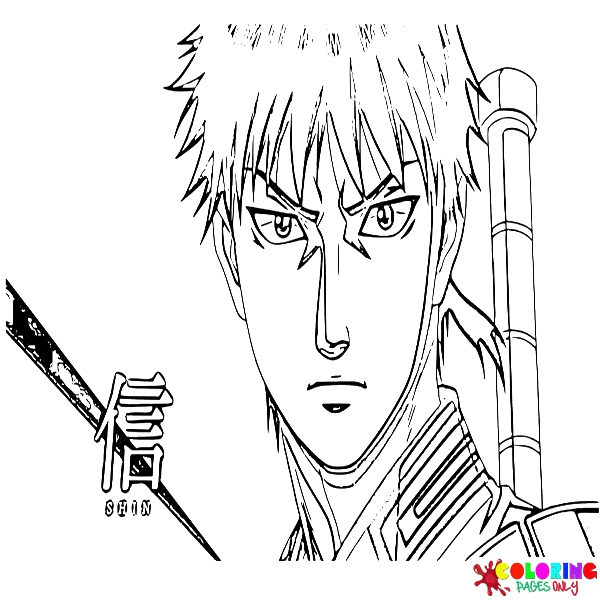
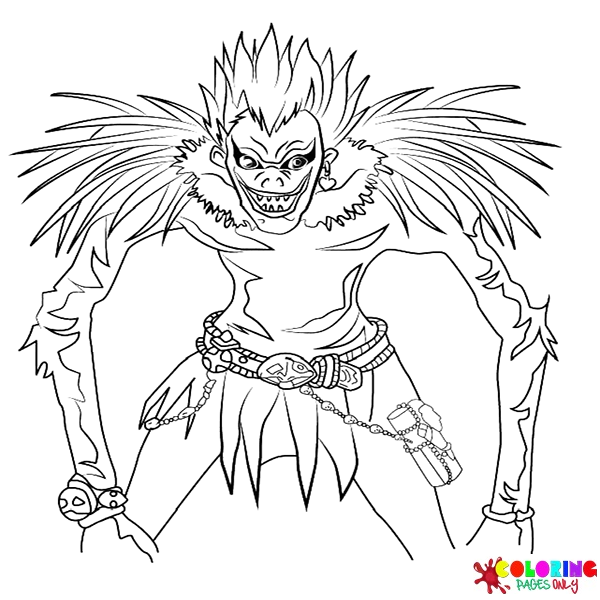
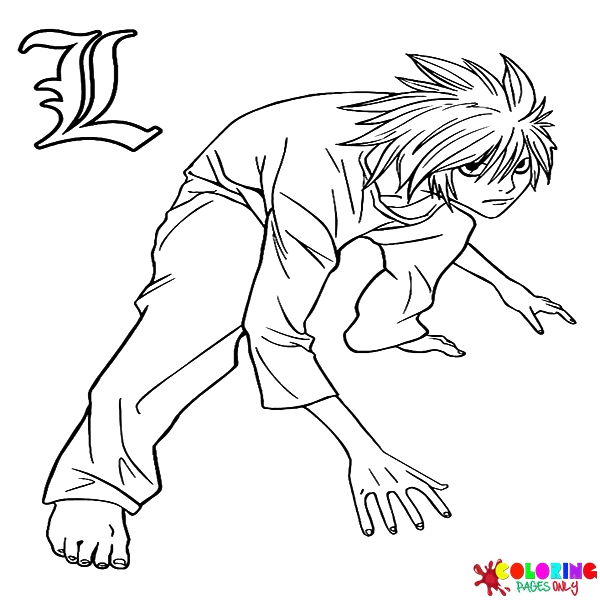
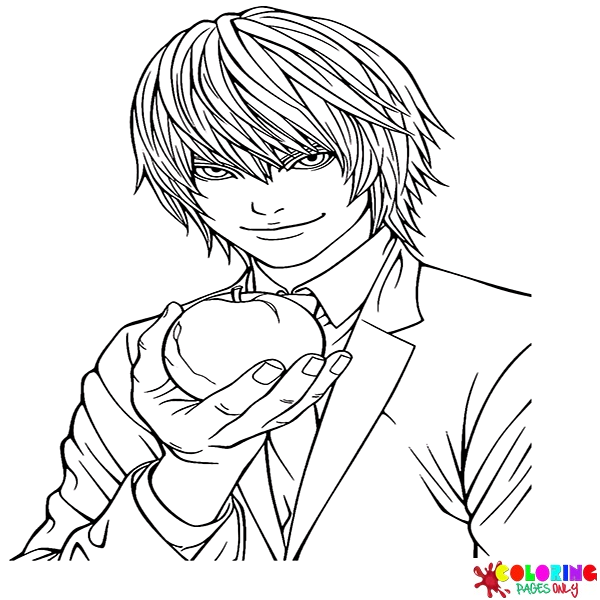
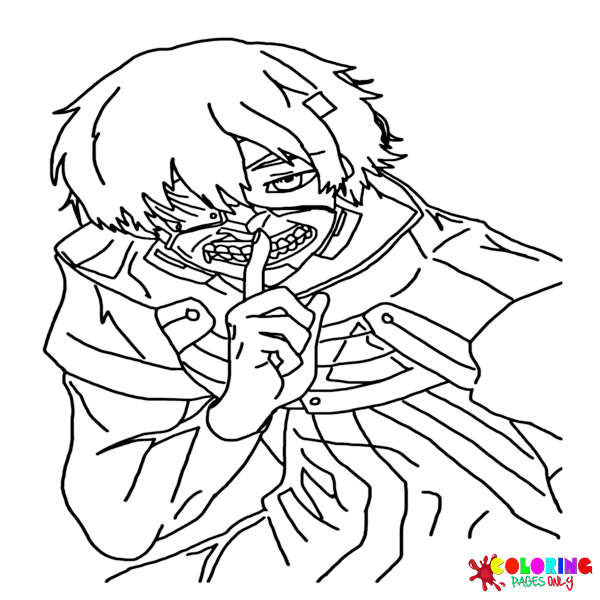
Death Note Characters covers Tsugumi Ohba and Takeshi Obata’s psychological thriller – Light Yagami and Ryuk in particular are among the most distinctive character designs in the collection, with Ryuk’s shinigami design presenting an unusual combination of grotesque and comic. Tokyo Ghoul covers Sui Ishida’s horror series. Assassination Classroom covers Yusei Matsui’s unconventional school thriller. Mieruko-chan covers Tomoki Izumi’s horror-comedy about a girl who can see horrifying spirits and chooses to ignore them. Danganronpa covers Kazutaka Kodaka’s visual novel and anime adaptation. Dogs: Bullets and Carnage covers Shirow Miwa’s dark action series. Sabikui Bisco covers the post-apocalyptic adventure. Kemono Jihen covers the supernatural detective mystery. Kingdom covers Yasuhisa Hara’s historical war epic set in the Warring States period of China.
Isekai, Fantasy, and Adventure
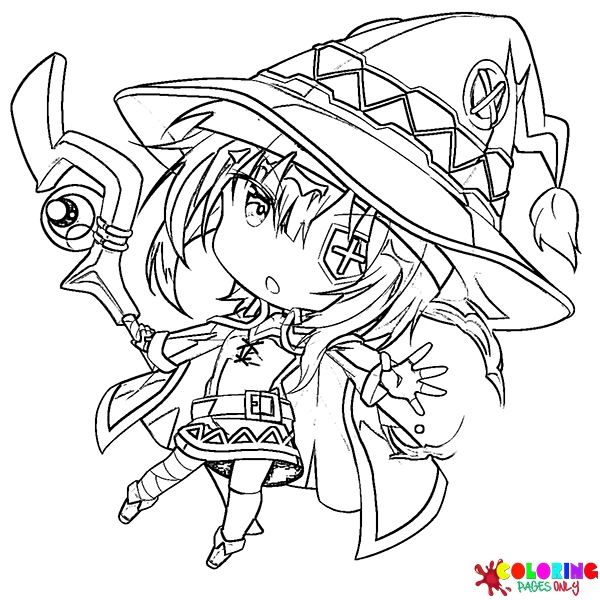
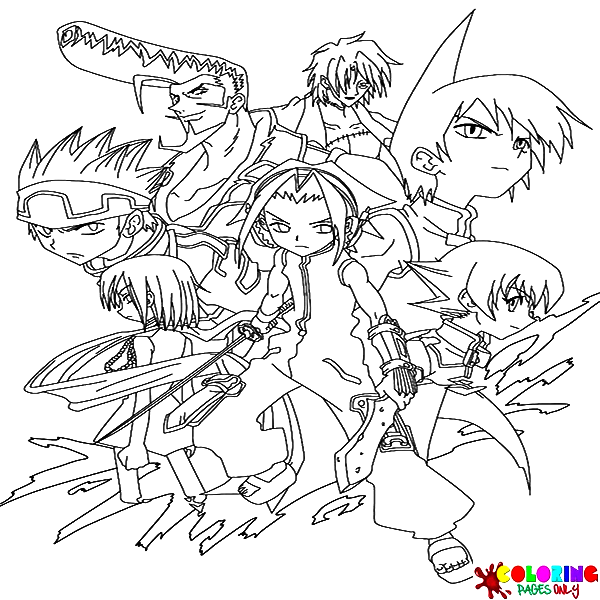
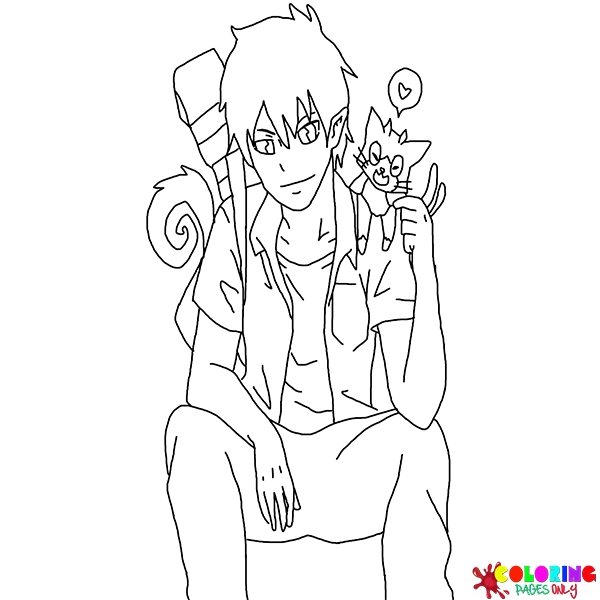
Mushoku Tensei: Jobless Reincarnation covers Rifujin na Magonote’s foundational modern isekai. Konosuba covers Natsume Akatsuki’s comedic isekai parody. So I’m a Spider, So What covers Okina Baba’s isekai with a spider protagonist. Rin Okumura covers the half-demon son of Satan from Blue Exorcist. Shaman King covers Hiroyuki Takei’s spirit-battle series.
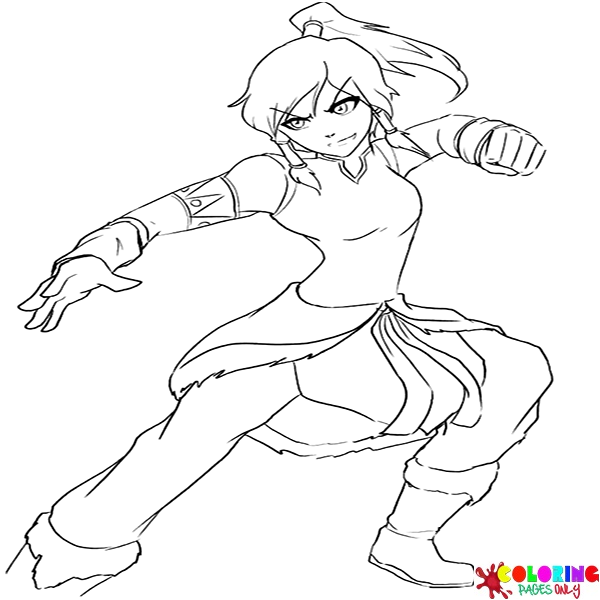
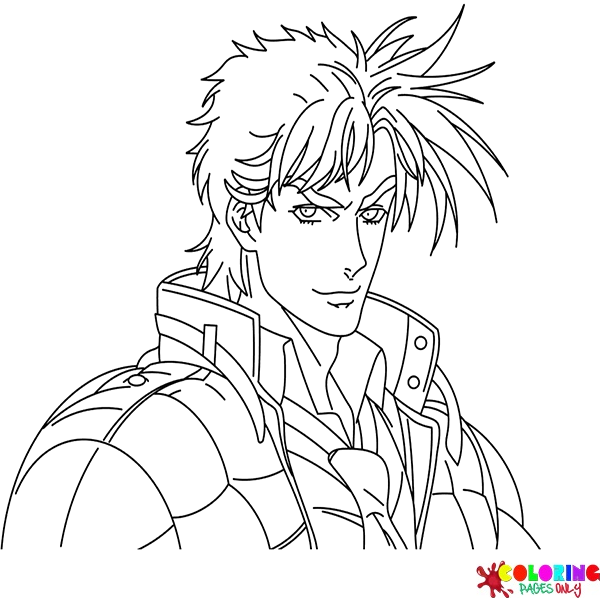
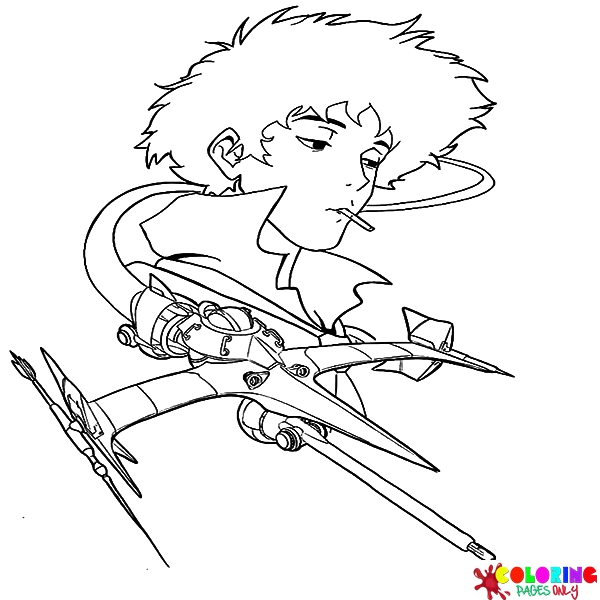
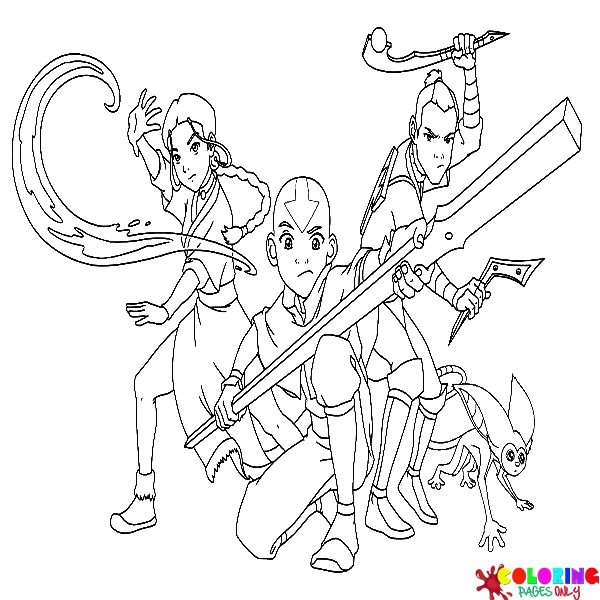
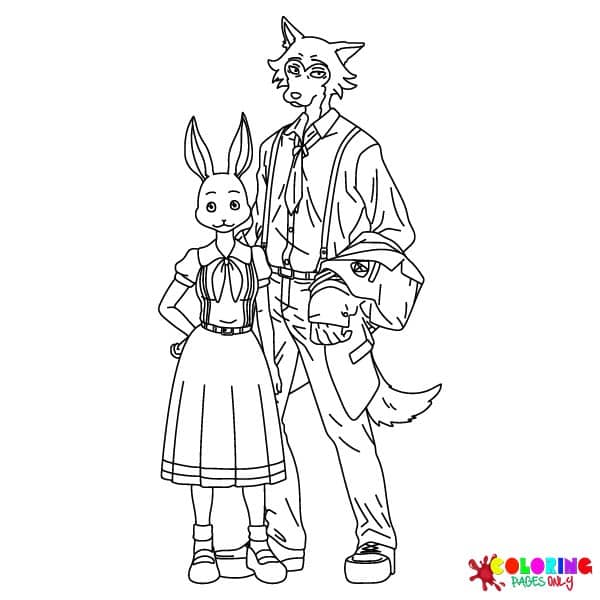
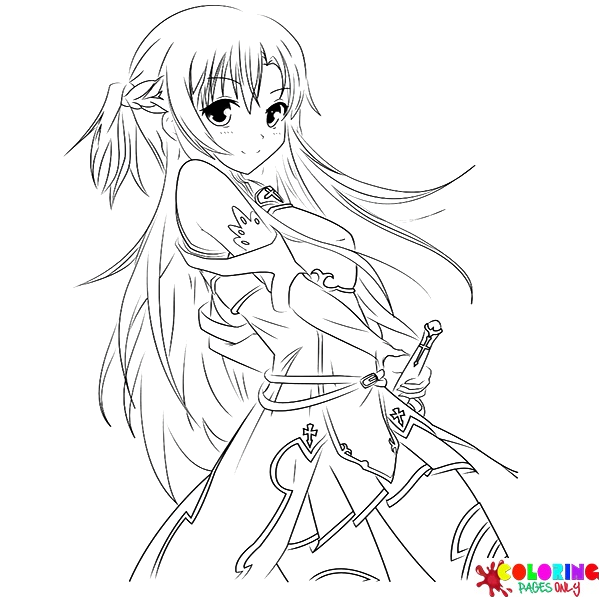
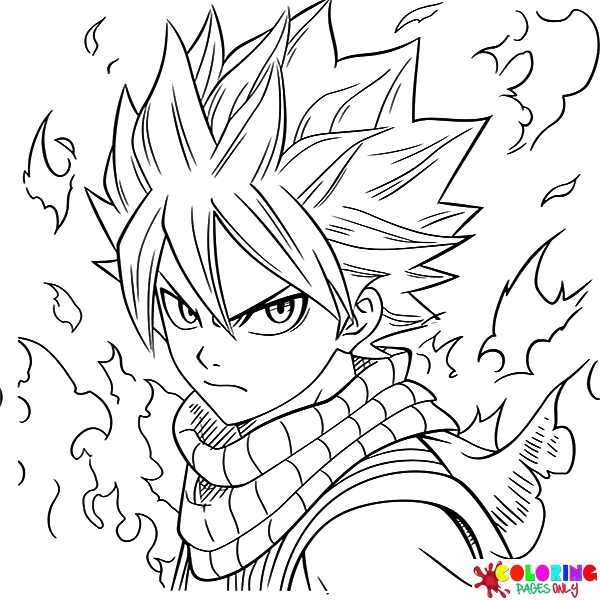
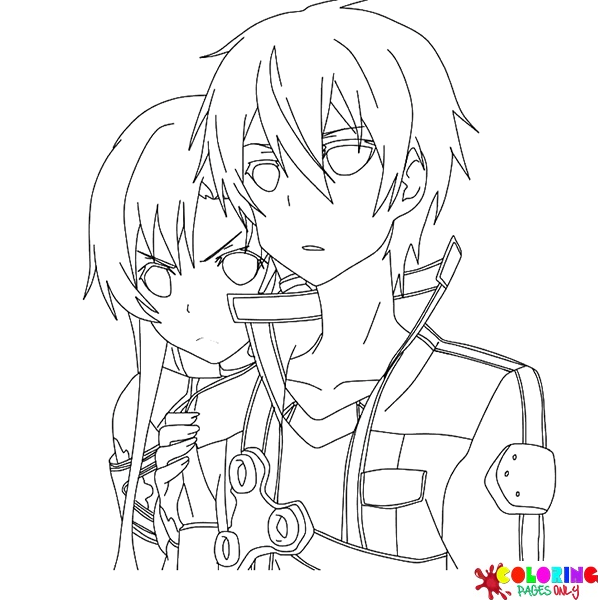
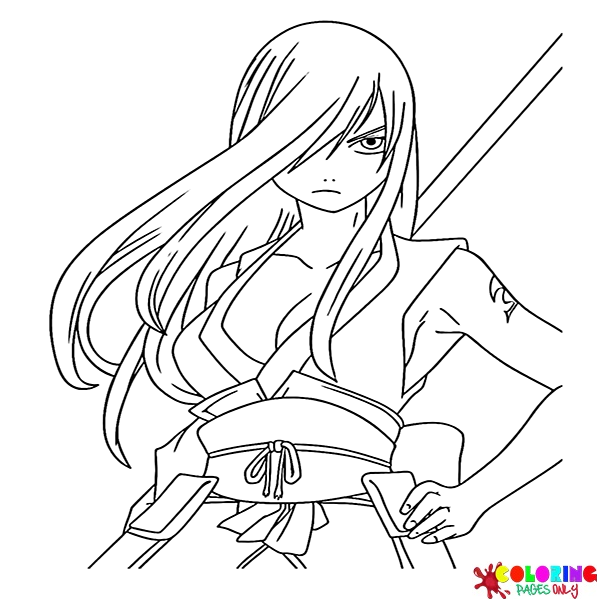
The Fairy Tail cluster – Natsu Dragneel, Erza Scarlet, and Gray Fullbuster – covers the three major Fairy Tail characters with the most individual dedicated demand, each representing distinct visual identities within the Hiro Mashima guild-fantasy series. The Sword Art Online cluster – Kirito and Asuna – covers the two leads of Reki Kawahara’s virtual reality adventure across SAO, ALO, and GGO. JoJo’s Bizarre Adventure covers Hirohiko Araki’s multi-generational Part saga with its distinctive fashion-influenced pose composition. Cowboy Bebop covers Shinichiro Watanabe’s 1998 space western, with Spike Spiegel’s blue suit and slouched silhouette as the defining visual identity. Beastars covers Paru Itagaki’s anthropomorphic animal drama. The Legend of Korra and Avatar cover the American-produced Avatar series, categorized here due to their deep aesthetic and narrative relationship to anime traditions.
Genshin Impact
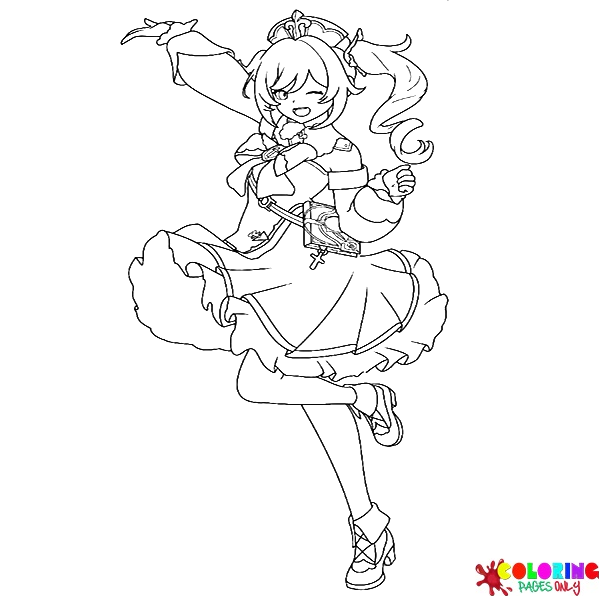
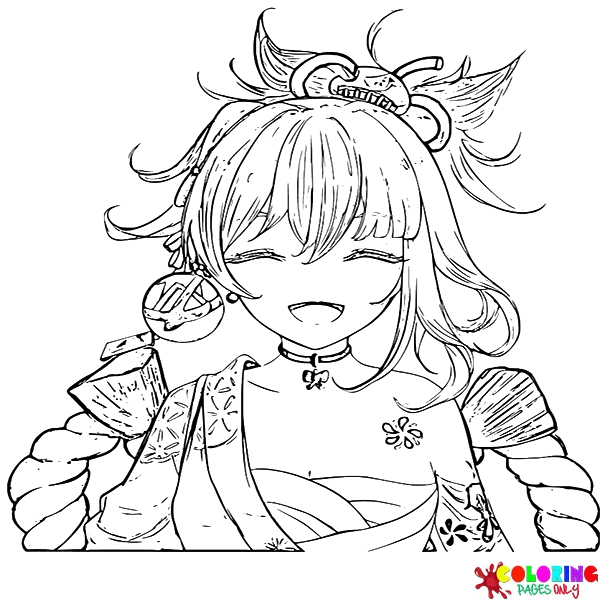
Genshin Impact, Kamisato Ayaka, and Yoimiya together cover the miHoYo action RPG’s anime-adjacent art style. Genshin’s character design draws directly from anime visual conventions – elaborate costumes, distinctive hair colors, elemental ability visual effects – and has generated substantial coloring page demand for both the game as a whole and individual characters. Ayaka’s white and blue Cryo aesthetic and Yoimiya’s warm fire-themed orange and blonde design are among the most visually detailed character designs in the collection.
Individual Characters, Style, and Classic Series
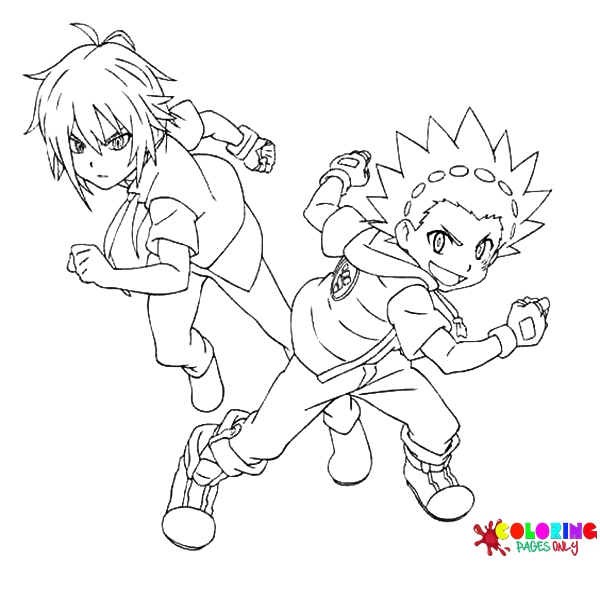
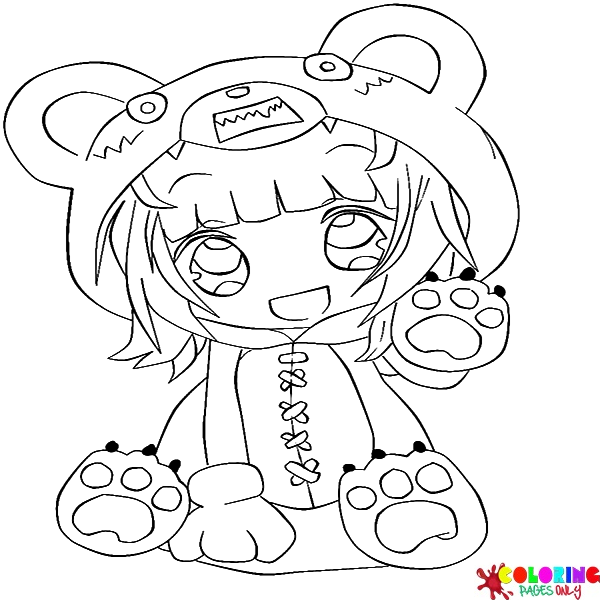
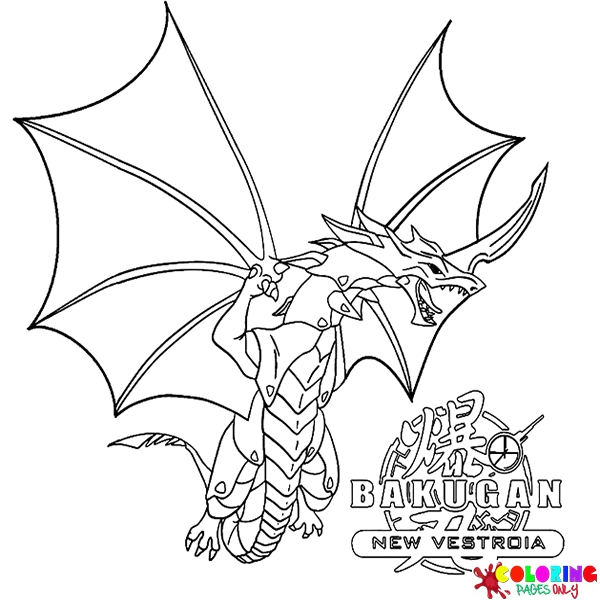
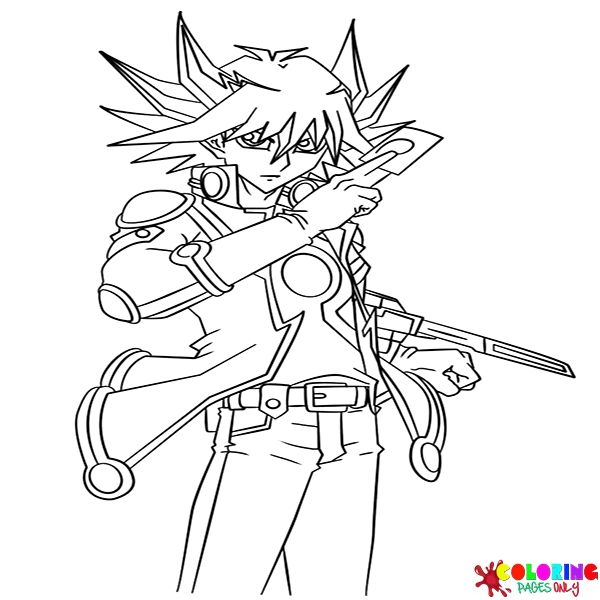
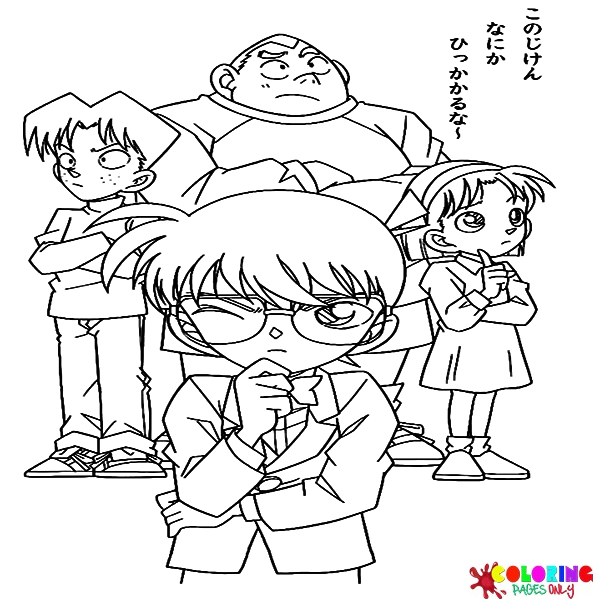
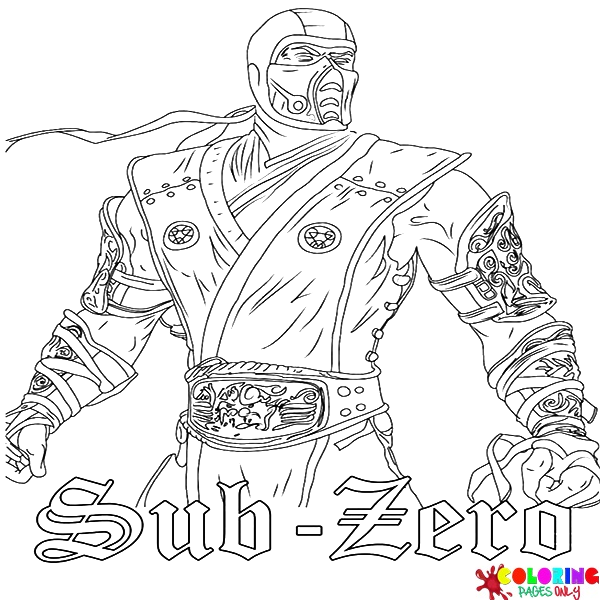
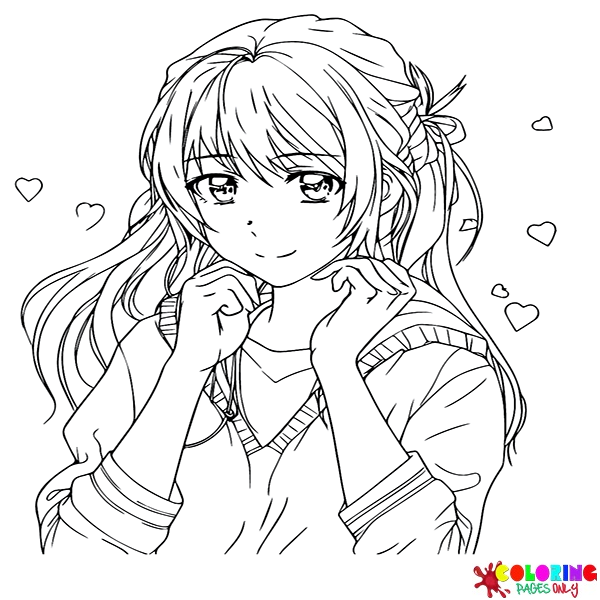
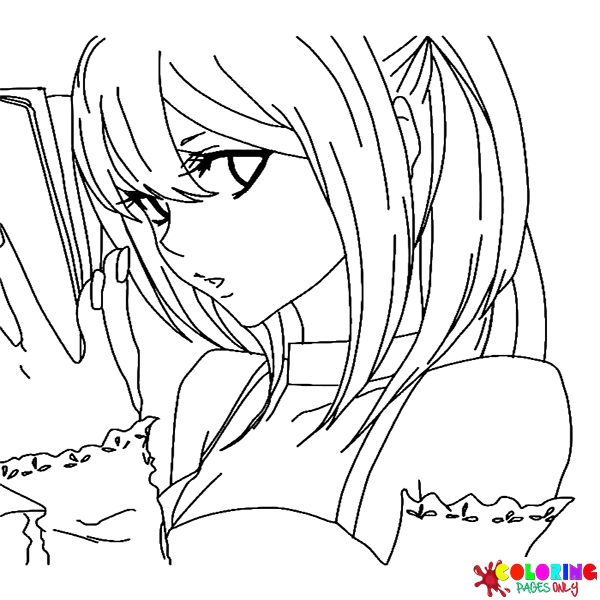
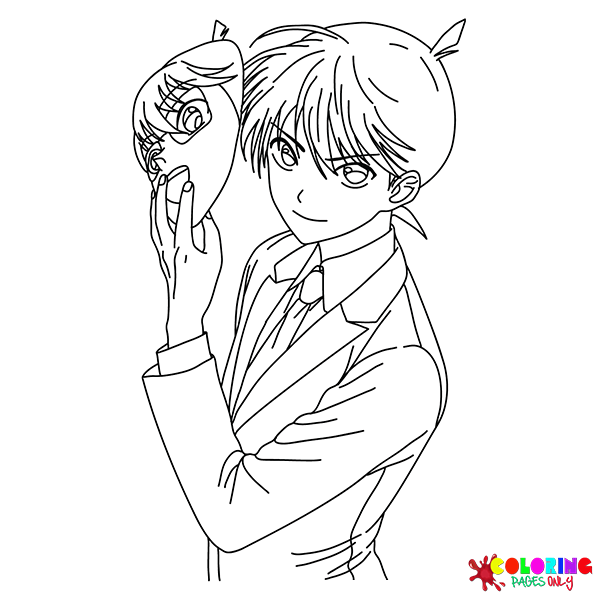
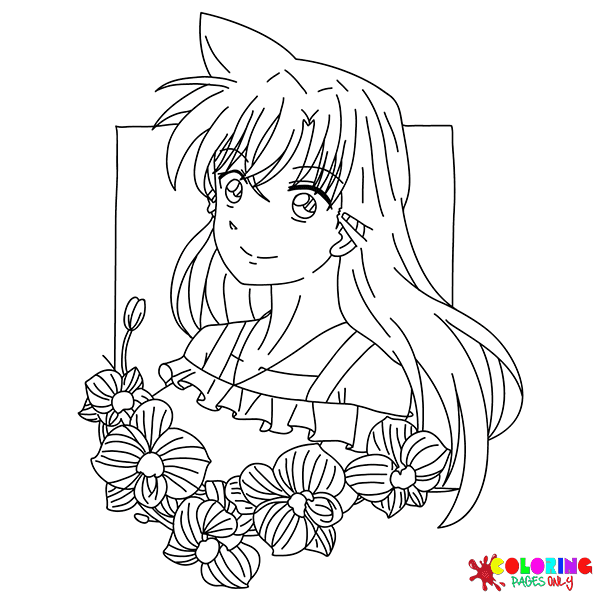
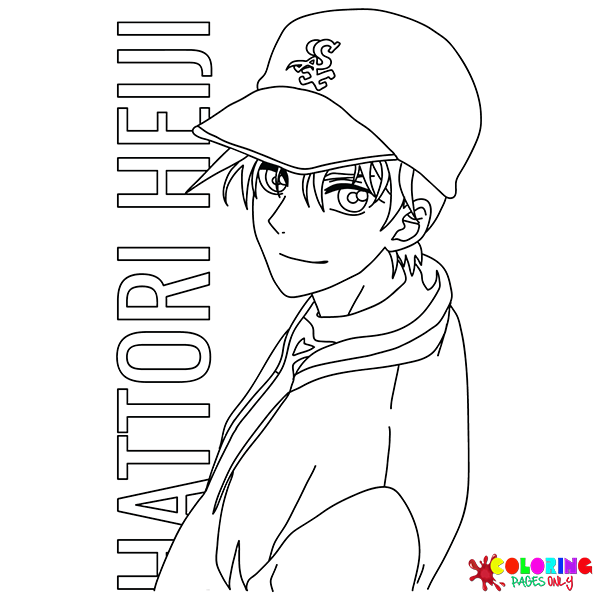
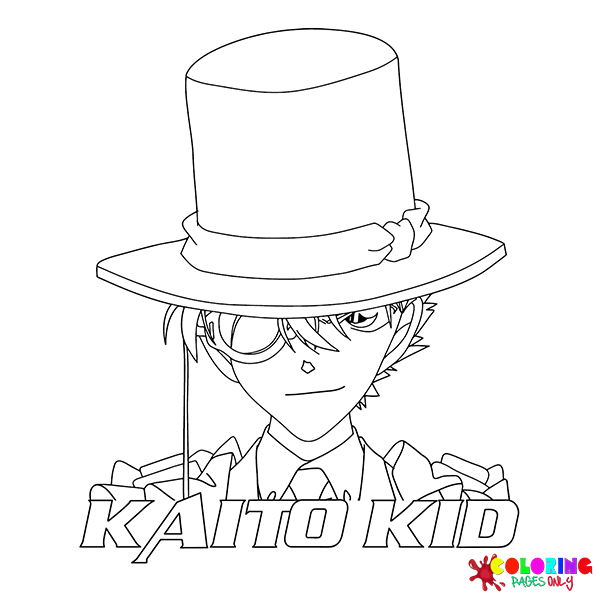
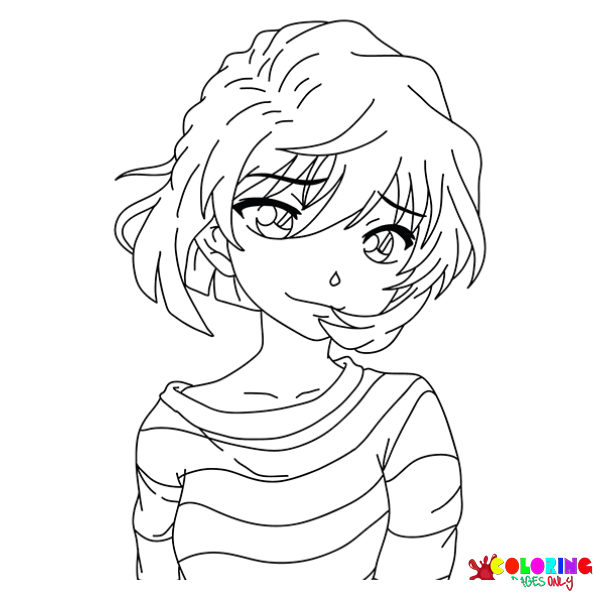
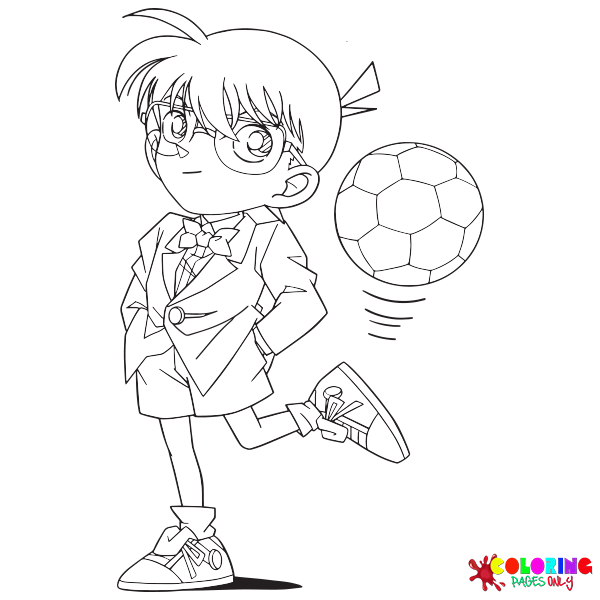
Chibi Anime covers the simplified, rounded-proportion chibi illustration style applied across any anime character. Anime Girl and Long Hair Anime Girl are style-based sub-categories covering the anime female character aesthetic broadly – useful for fans interested in the illustration approach rather than any specific series. Detective Conan Wiki covers the long-running Gosho Aoyama detective series. Bakugan and Yu-Gi-Oh cover the battling toy/card game anime franchises. Beyblade covers the spinning top battle series. Mortal Kombat appears here by aesthetic proximity to anime visual style. Shadowverse covers the Cygames card game anime adaptation.
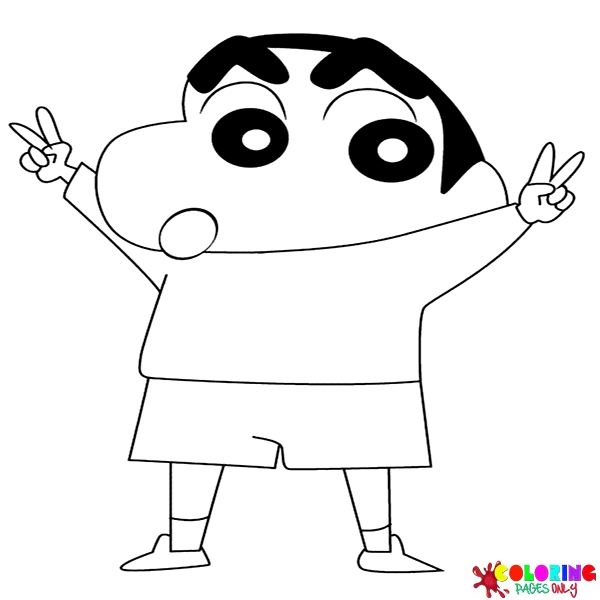
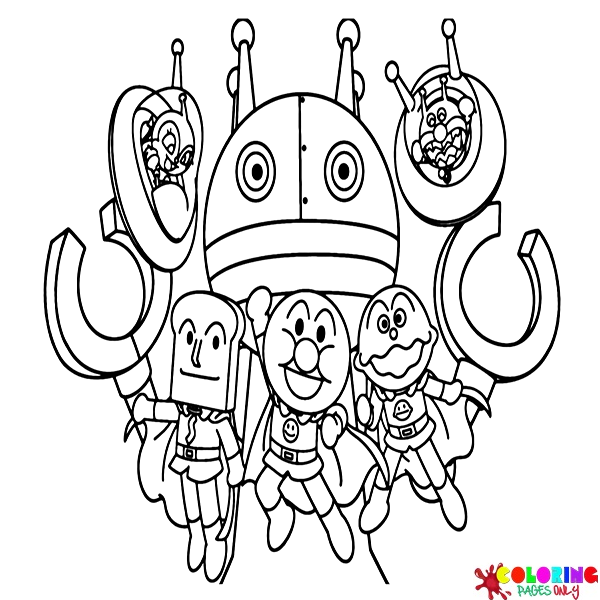
For children and younger audiences, Anpanman – the beloved Japanese children’s character created by Takashi Yanase – covers the most-watched children’s anime in Japan by total episode count, with its simple primary-color character designs. Shin-chan covers Yoshito Usui’s adult-targeted family comedy that has become a staple of children’s programming in many Asian markets.