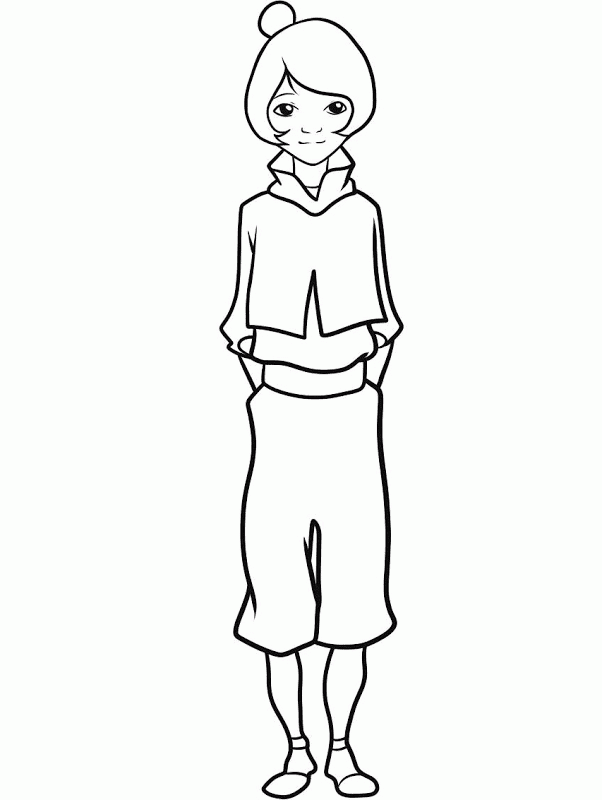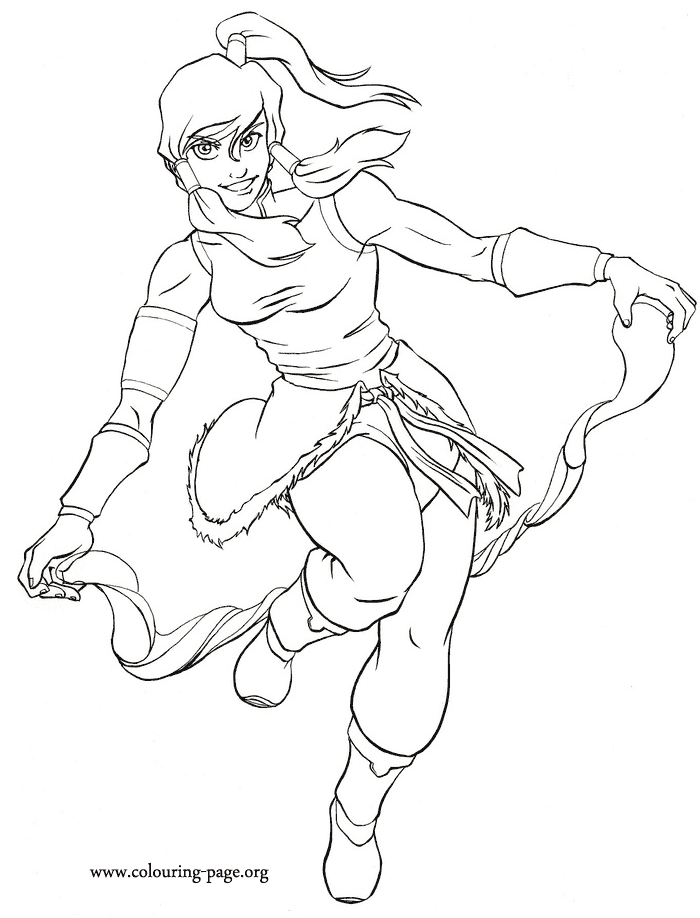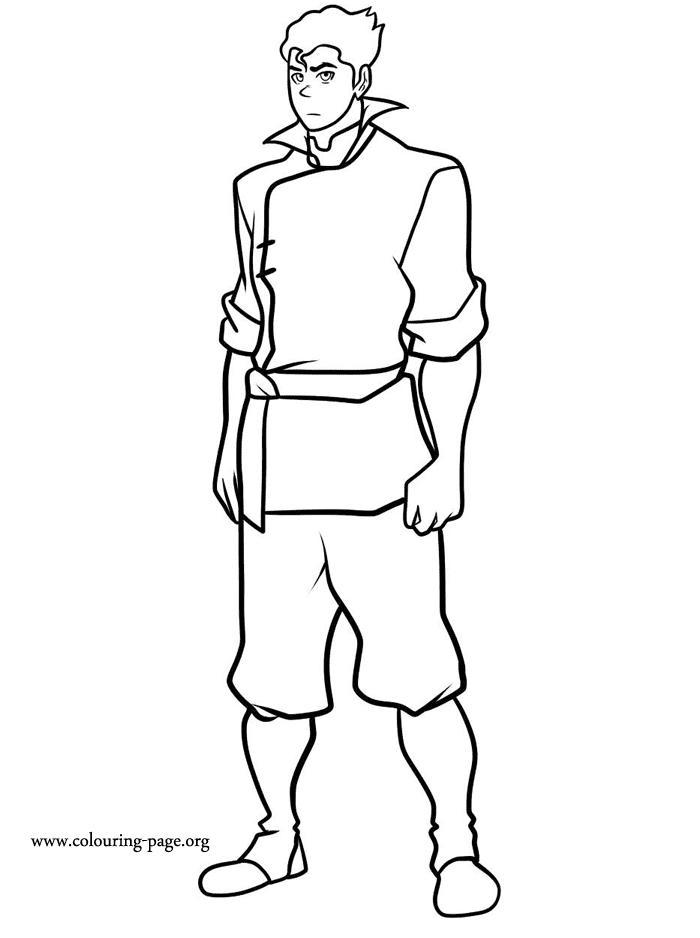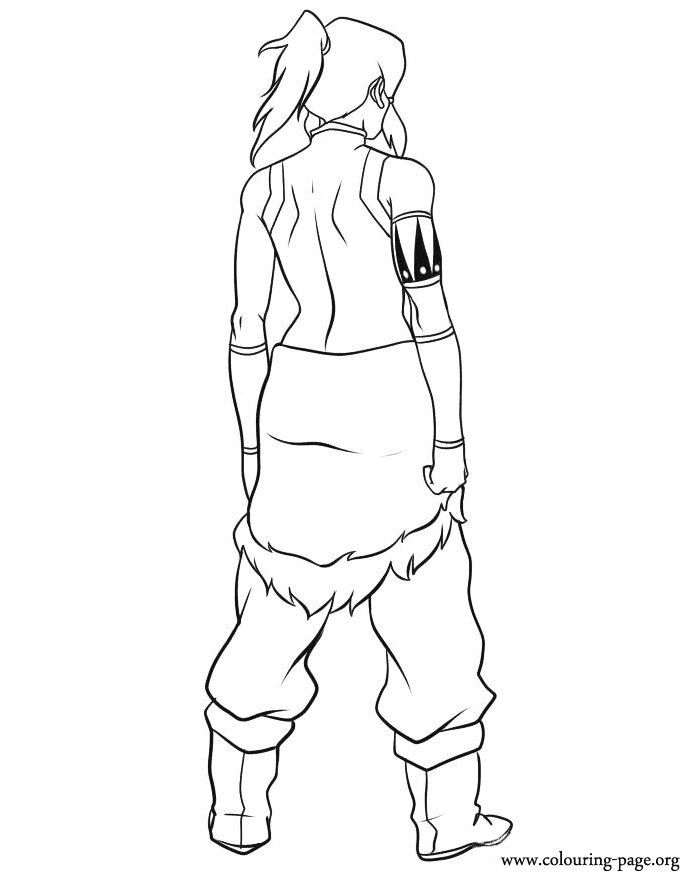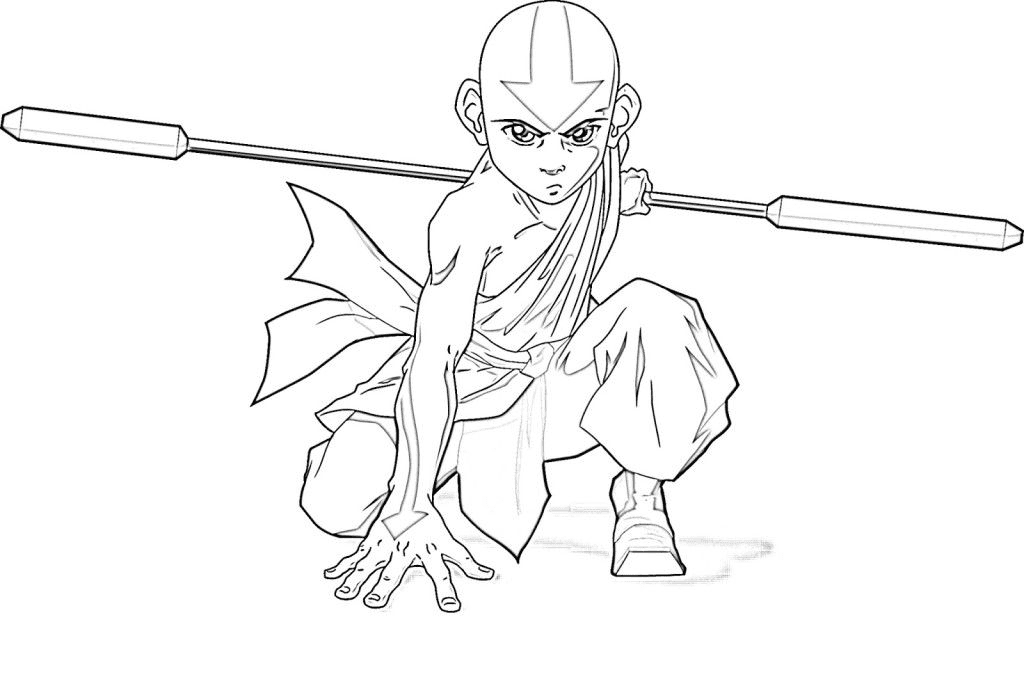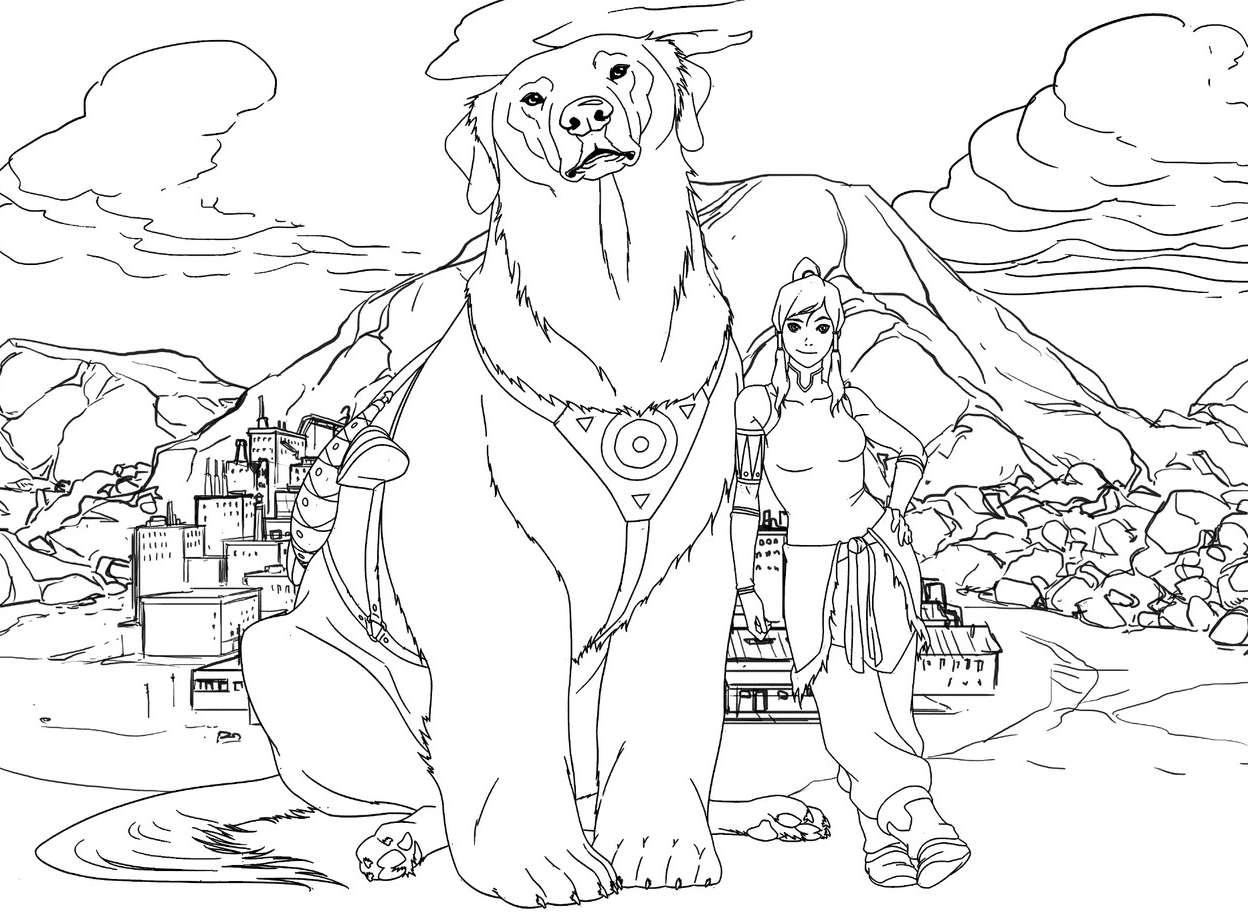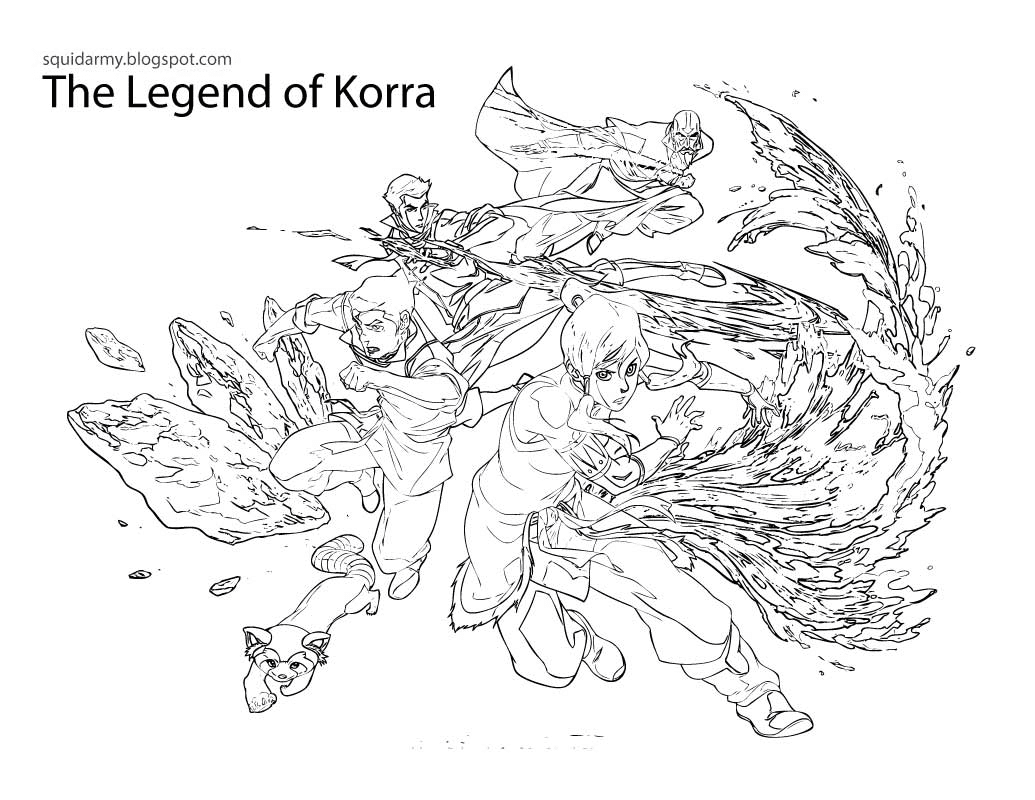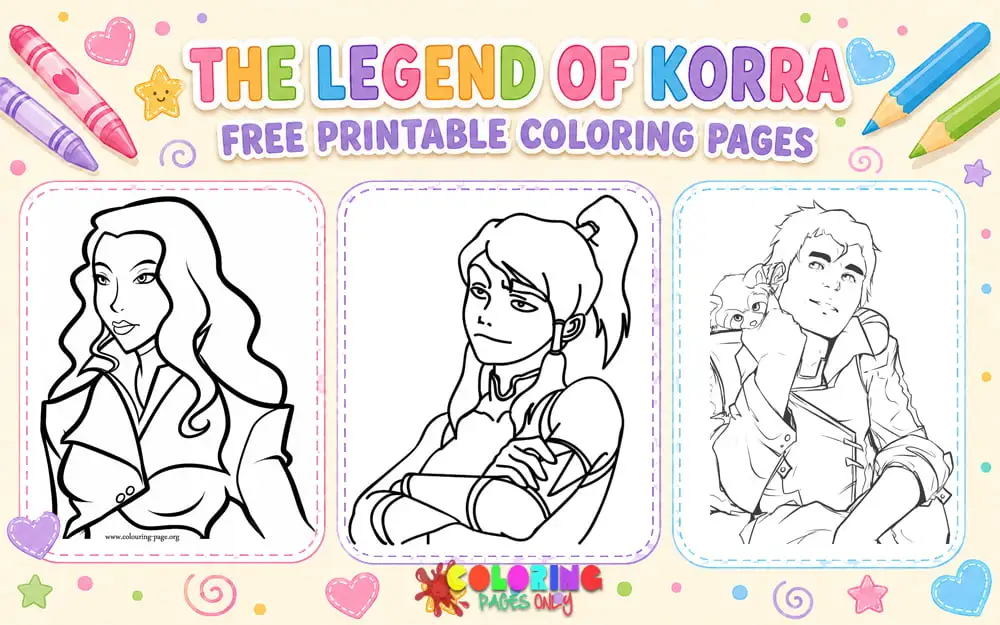
Free The Legend of Korra Coloring Pages: 30+ printable PDF pages featuring Korra, Mako, Bolin, Asami Sato, Tenzin, Lin Beifong, Jinora, Ikki, Meelo, Amon, Katara, Iroh, Naga, and Pabu across solo portraits, expression variants, duo pages, and full Team Avatar group compositions. All free, download PDF to print, or color online.
In Legend of Korra, a character’s outfit color tells you their elemental discipline before their face does. Korra’s blue marks her as a Water Tribe. Mako’s red and gold identify him as a firebender from Fire Nation heritage. Bolin’s green reads as Earth Kingdom. Tenzin’s orange and yellow saffron signal Air Nomad lineage. These are not fashion choices but identity markers: a Bolin page in the wrong green or a Tenzin page where orange drifts toward red loses elemental identity regardless of how well the face is drawn.
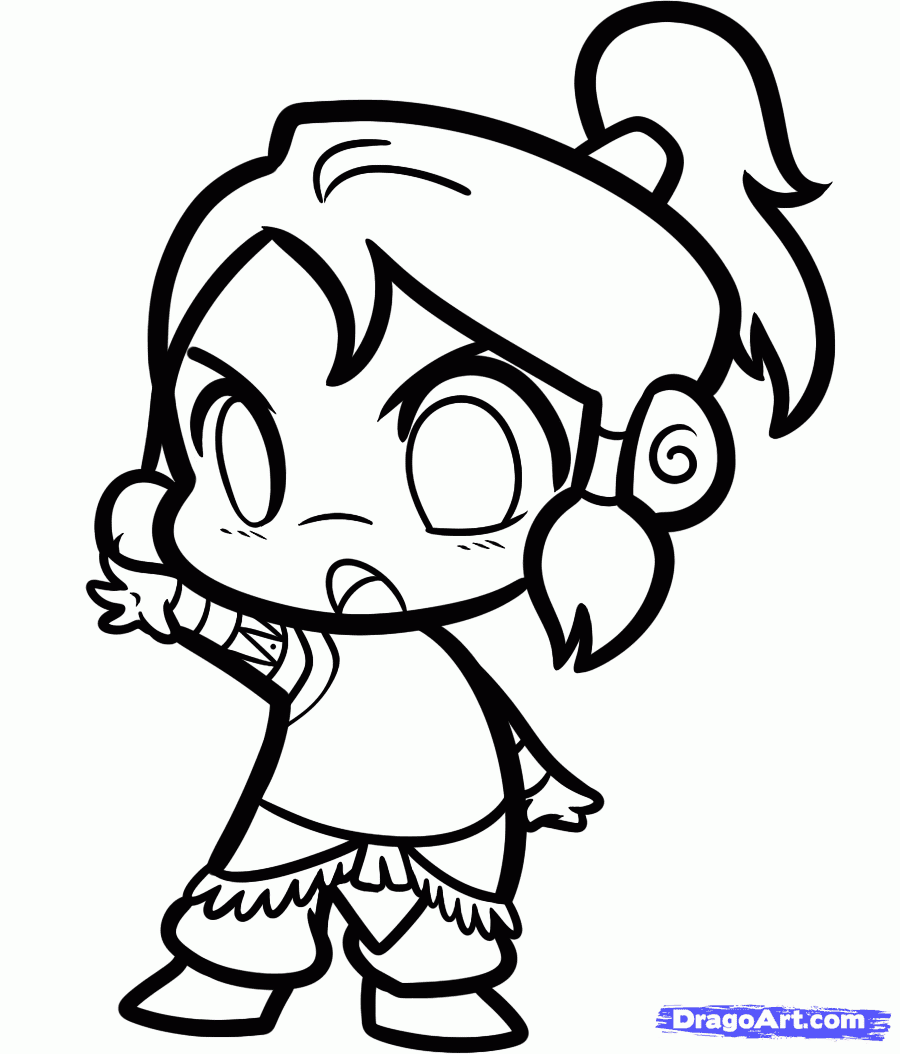
The pages are divided into two types. Solo and character pages reward careful attention to each character’s specific cultural palette and elemental identity. Group and duo pages ask you to hold multiple elemental palettes simultaneously and make them read as a coherent world. The Chibi Korra page suits younger fans; the detailed group pages and Lin Beifong armor page give older fans more to engage with.
These pages work well at home or as fan art. These are fan-made coloring pages and are not official, licensed, or endorsed by Nickelodeon, Viacom, Paramount, or any rights holder of The Legend of Korra.
Quick Answer
The Legend of Korra coloring pages are a free set of 30+ printable PDFs and online coloring sheets covering Korra and the full supporting cast across solo, duo, and group pages. Each character’s outfit encodes their elemental discipline in a specific cultural color, making this one of the most internally consistent and color-logic-driven sets in any animated series collection.
Best for: Legend of Korra fans, Avatar universe fans, older children and teens, and anyone who enjoys character design where color carries cultural and elemental meaning
Formats: printable PDF and online coloring
Popular pages: Avatar Korra, Korra with Naga, Korra Mako Bolin Asami Sato, Bolin with Pabu, Amon
Creative uses: fan art practice, elemental color identity study, Team Avatar group display, Naga and Pabu animal companion portraits, and Korra expression collection
What’s Inside The Legend of Korra Coloring Pages
Korra Pages
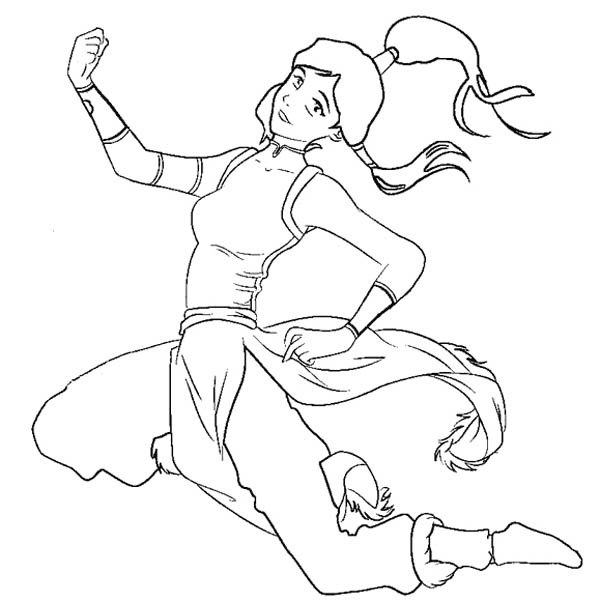
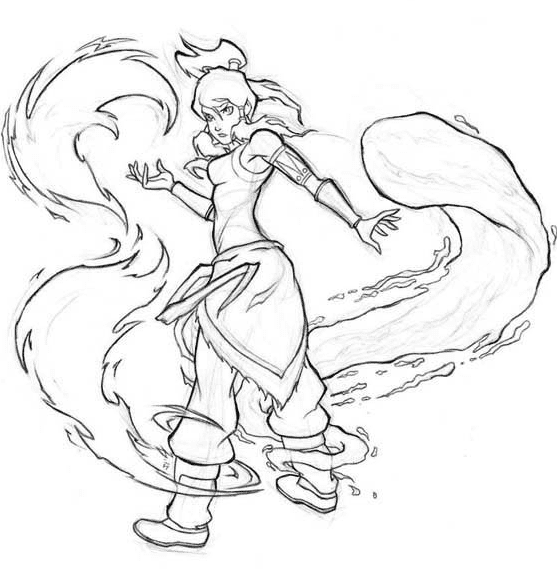
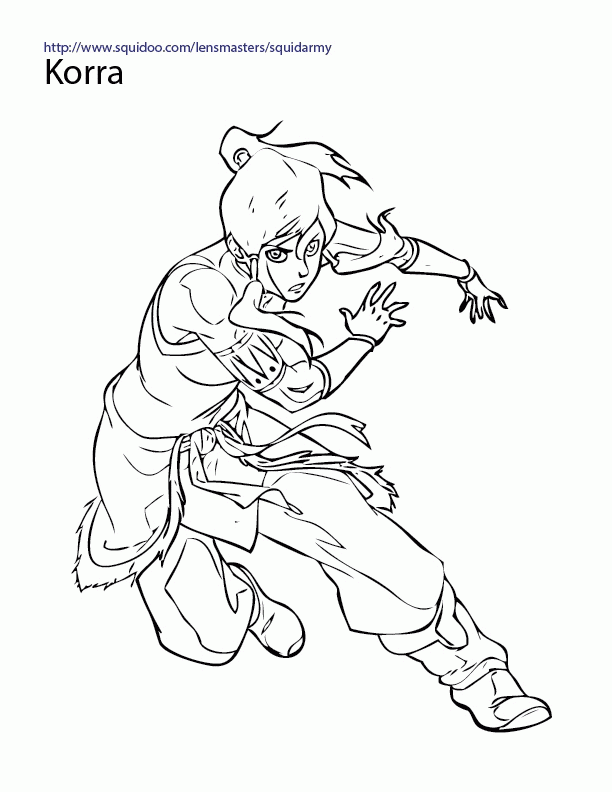
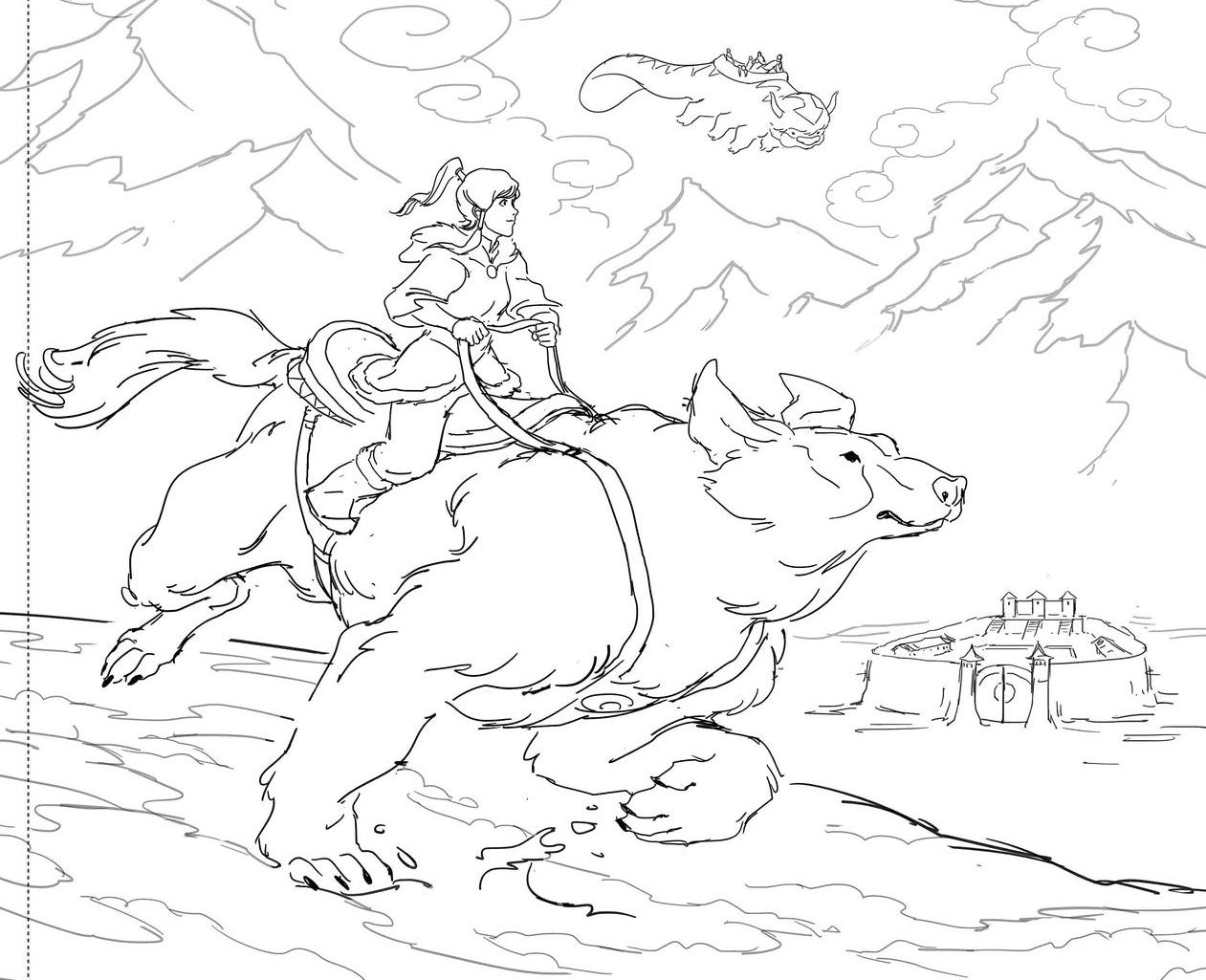
Korra appears on the most pages in the set, covering her range from solo portraits to expression variants and duo compositions with Naga and Aang.
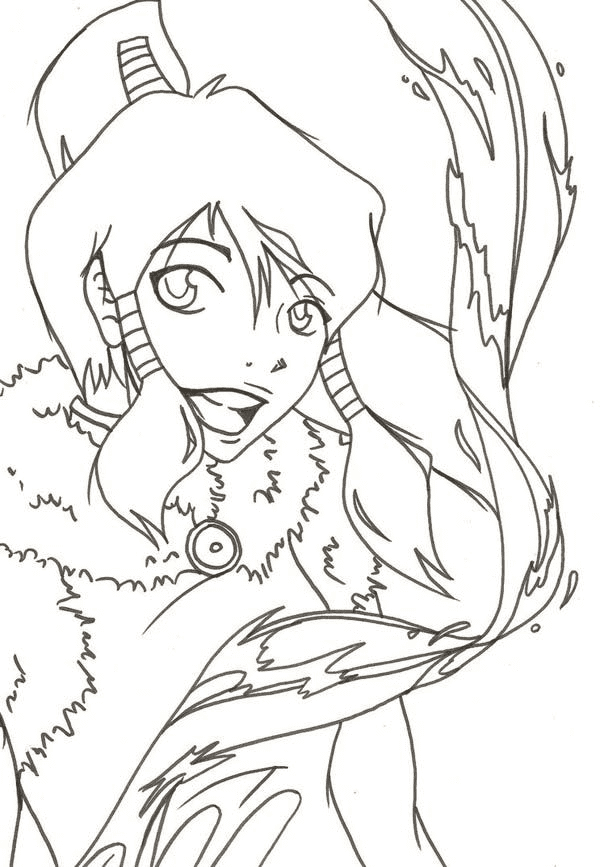
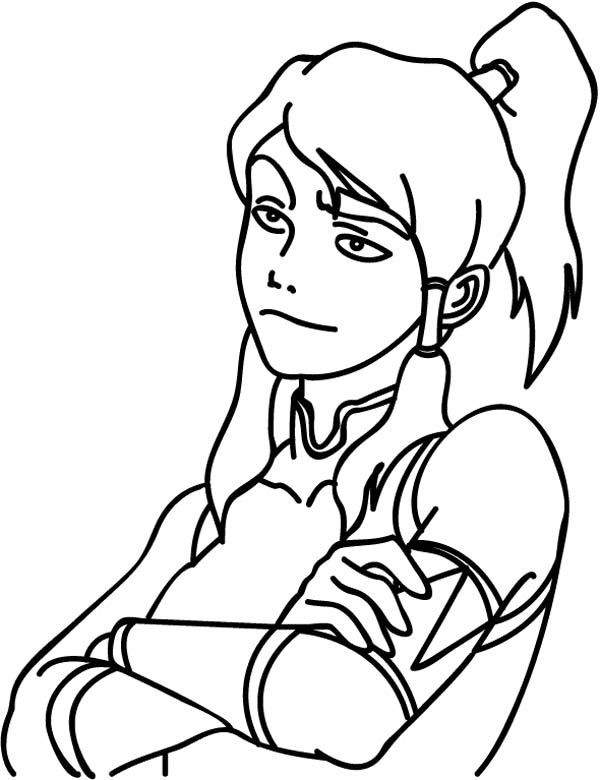
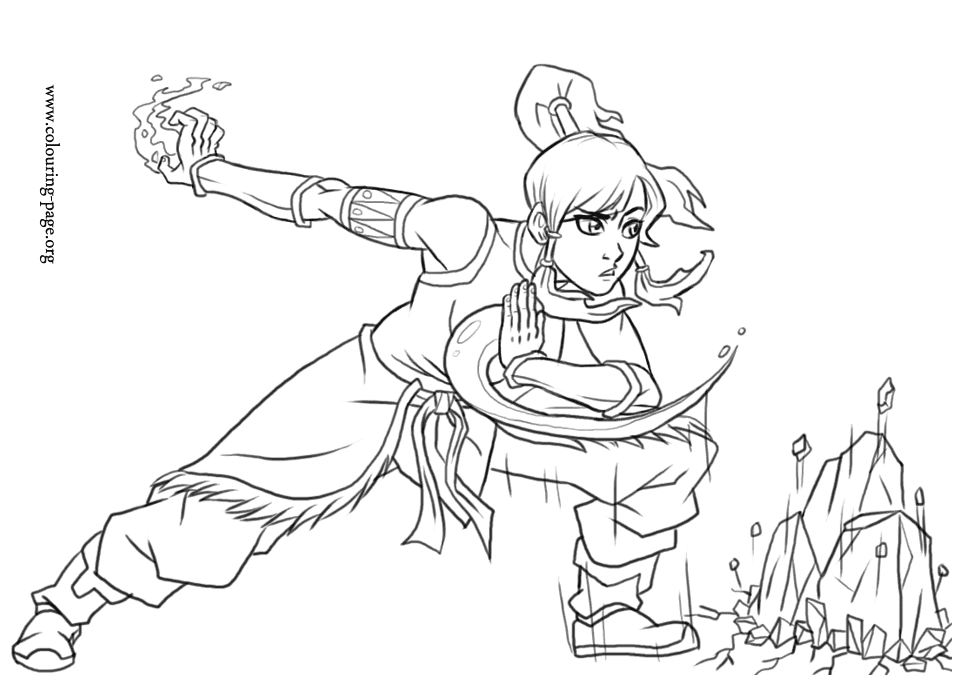
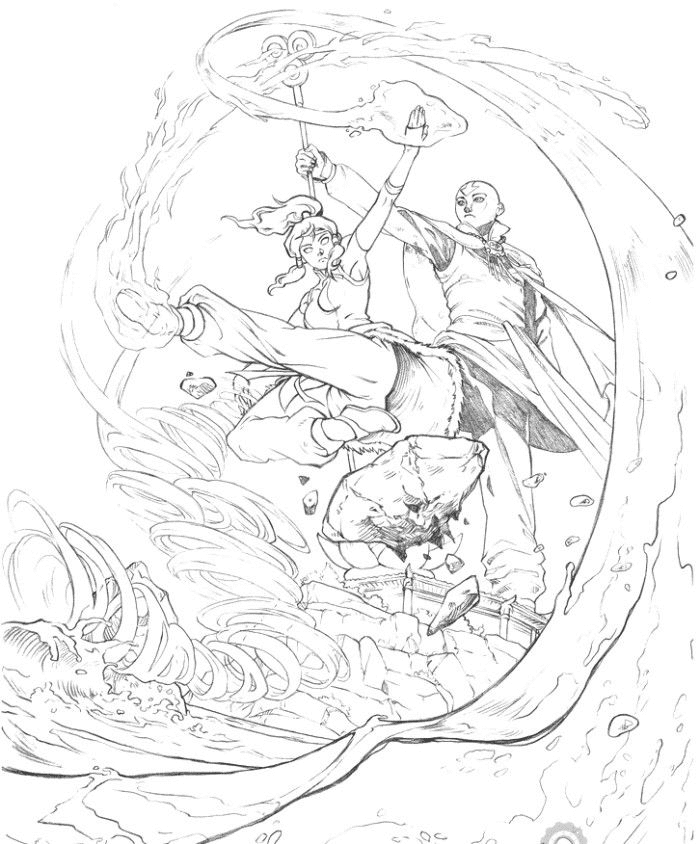
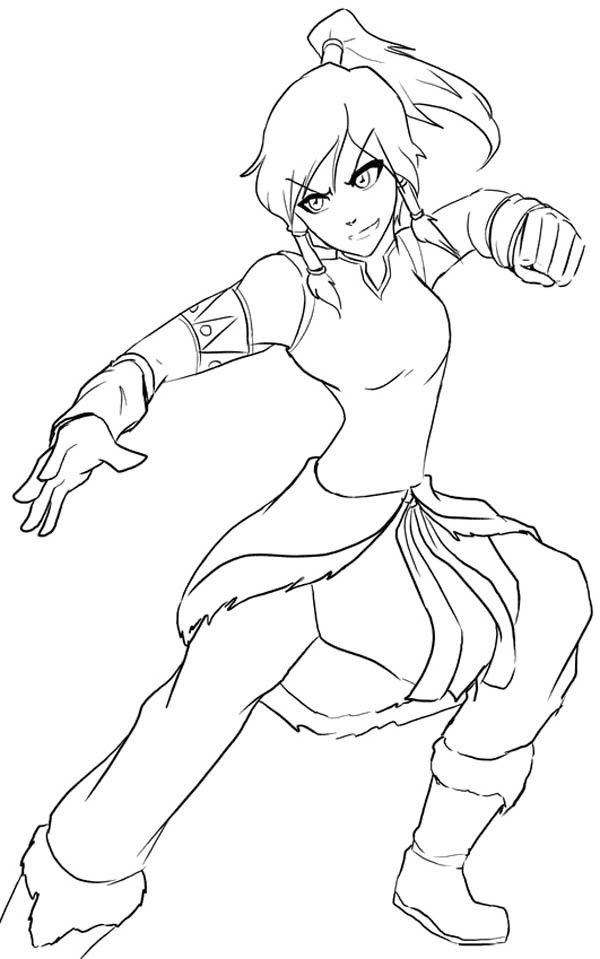
Coloring Korra: Korra is from the Southern Water Tribe, and her palette reflects that cultural identity: her outfit is predominantly blue in various shades, from the deep navy-blue of her main jacket to the lighter blue-white accents of her Water Tribe styling, with warm brown skin and dark hair. Her Water Tribe outfit has white fur trim at the collar and cuffs, which should stay clean and distinct from the blue. On action and Avatar state pages, blue-white energy details reinforce her elemental identity. On the Korra with Aang page, placing her Water Tribe blue alongside Aang’s Air Nomad orange creates a natural warm-cool elemental contrast that bridges the two Avatar generations.
Mako and Bolin Pages
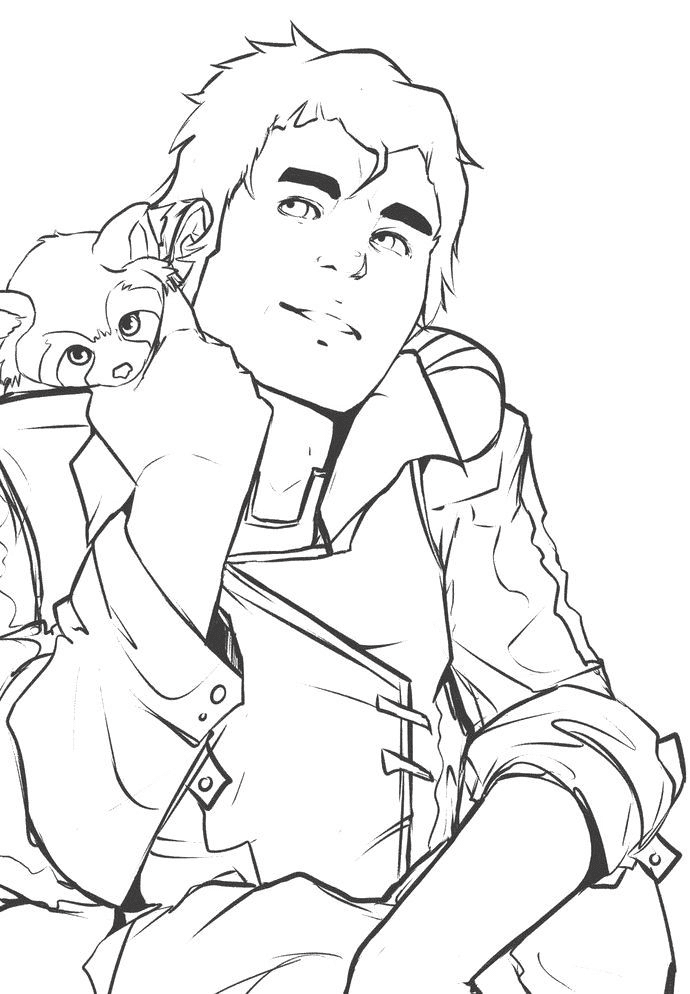
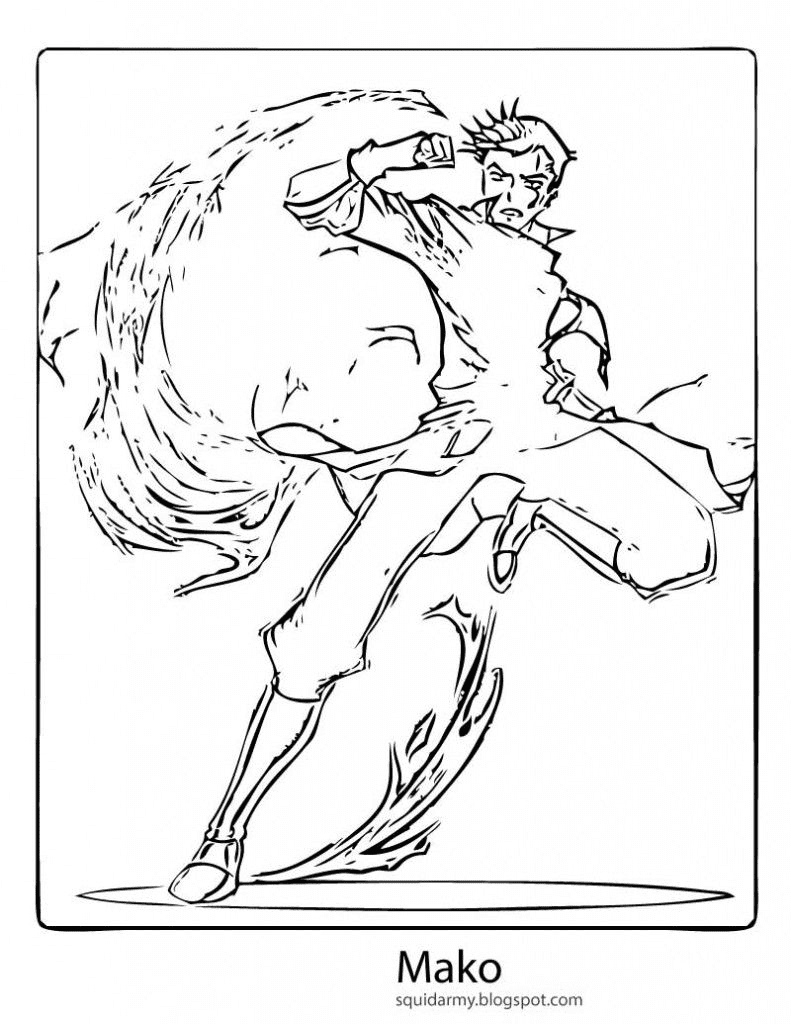
Mako appears in two pages, and Bolin appears in three pages, including solo, with Pabu, and in the group composition.
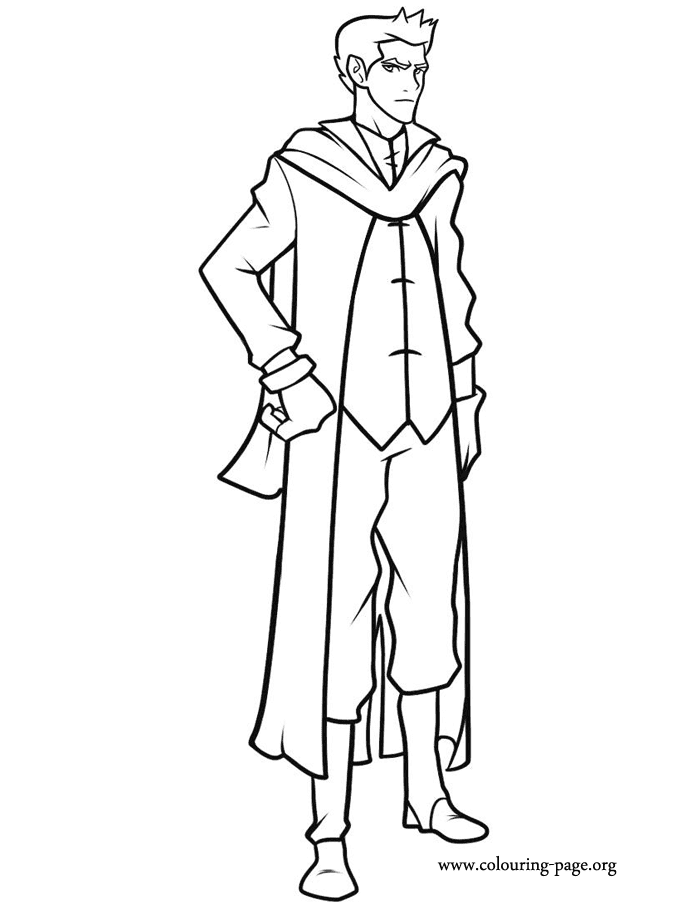
Coloring Mako and Bolin: Mako and Bolin are brothers with opposite elemental identities, and their palette contrast defines them visually. Mako is a firebender: his scarf and outfit sit in the red and warm gold range of Fire Nation design, with a long earth-tone coat over that warm base. His scarf is the most vivid red element in his design. Bolin is an earthbender: his outfit reads in the earthy greens and brown-greens of Earth Kingdom design. On any page showing both brothers, the red-warm versus green-earthy contrast is the visual event, and both need to be at their correct specific tones for the elemental contrast to read clearly. Getting Mako’s scarf in a vivid, saturated red and Bolin’s jacket in a specific earthy green communicates their elemental identities before any other element.
Asami Sato Page
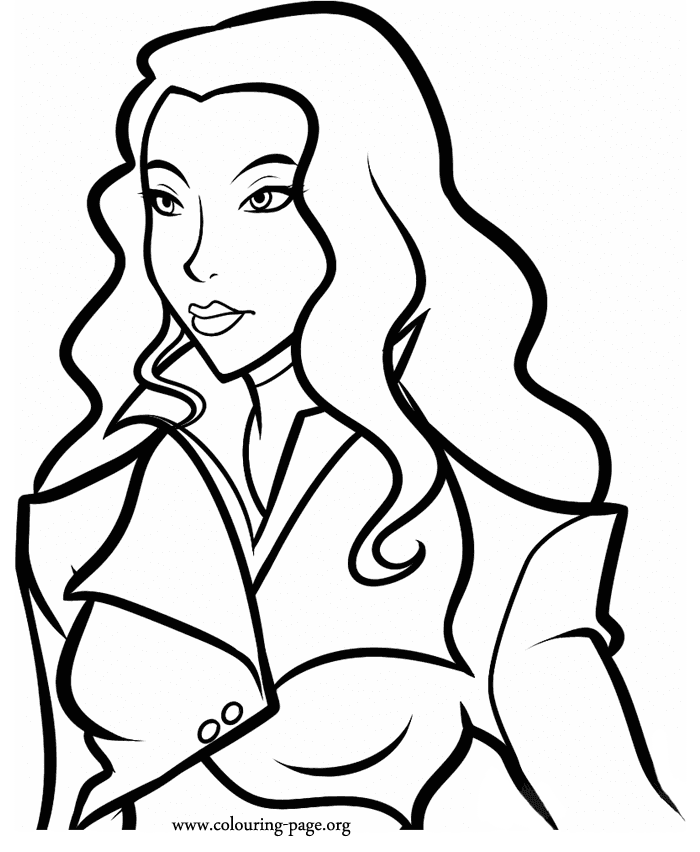
Asami Sato appears on one page as the sole non-bender member of Team Avatar.
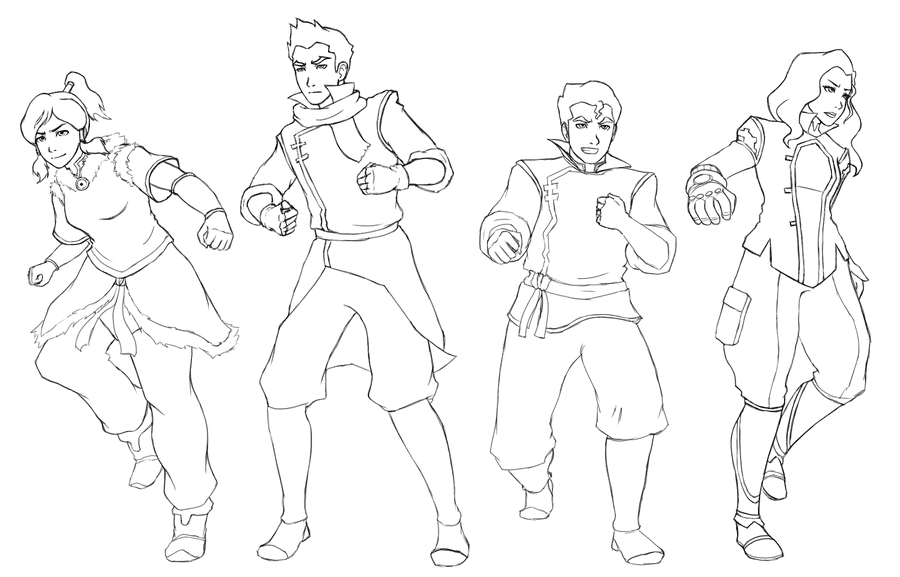
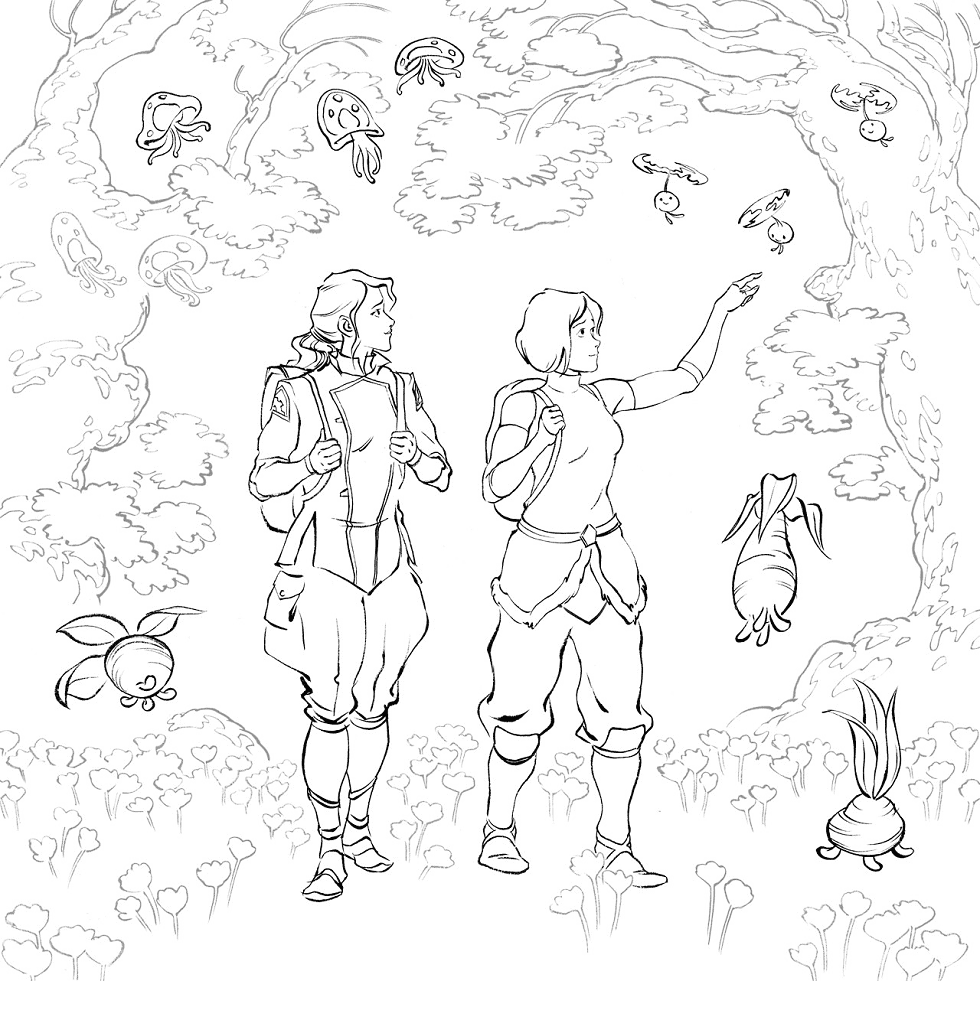
Coloring Asami: Asami’s design deliberately departs from the elemental color-coding that defines the bending characters. As a non-bender from a wealthy Fire Nation-adjacent background, her palette is more sophisticated and fashion-forward: dark hair with a strong wave, red lips, and a green-and-black racing jumpsuit or a more formal layered outfit, depending on the page. Her design signals competence and modernity rather than elemental identity. On the Team Avatar group page, her darker, more neutral palette provides visual grounding between the stronger elemental colors around her.
Air Nation Pages
Tenzin, Jinora, Ikki, and Meelo represent the Air Nomad family, each appearing in their own pages.
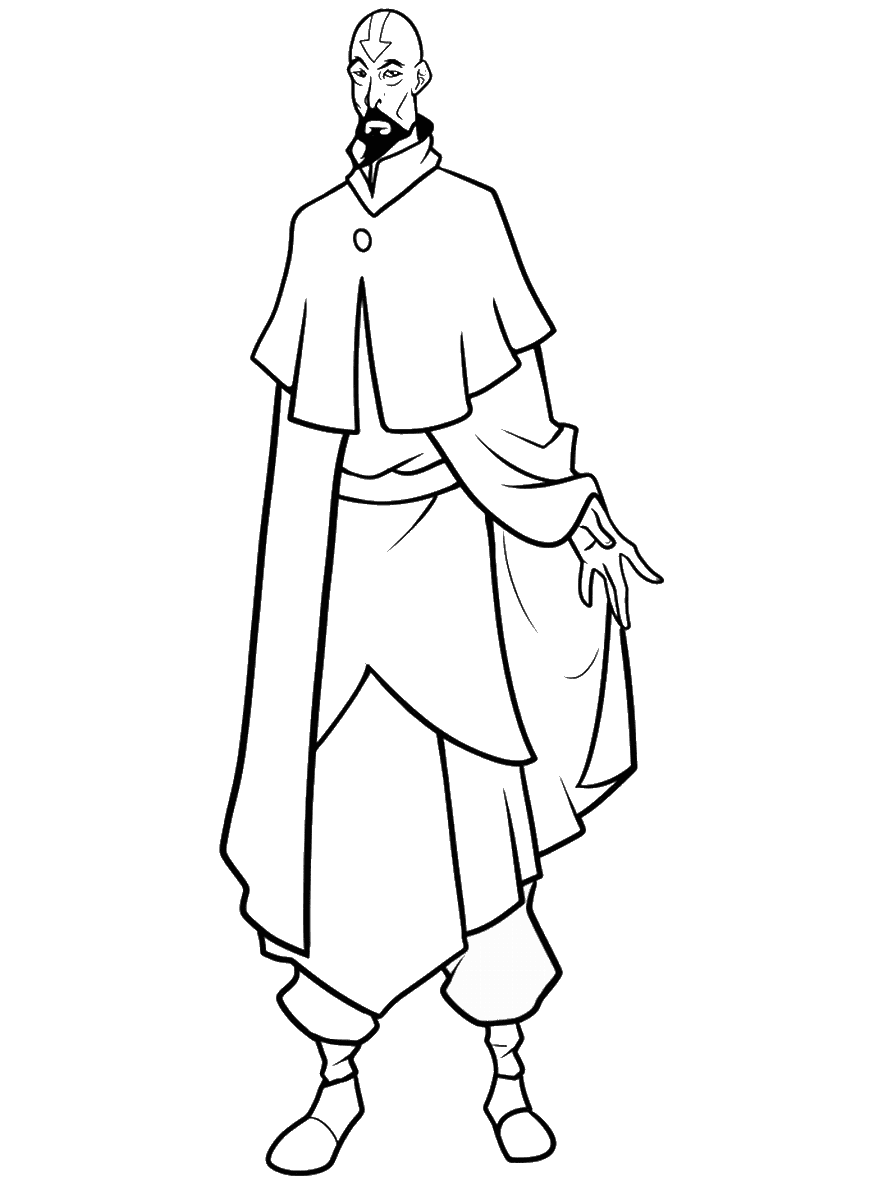
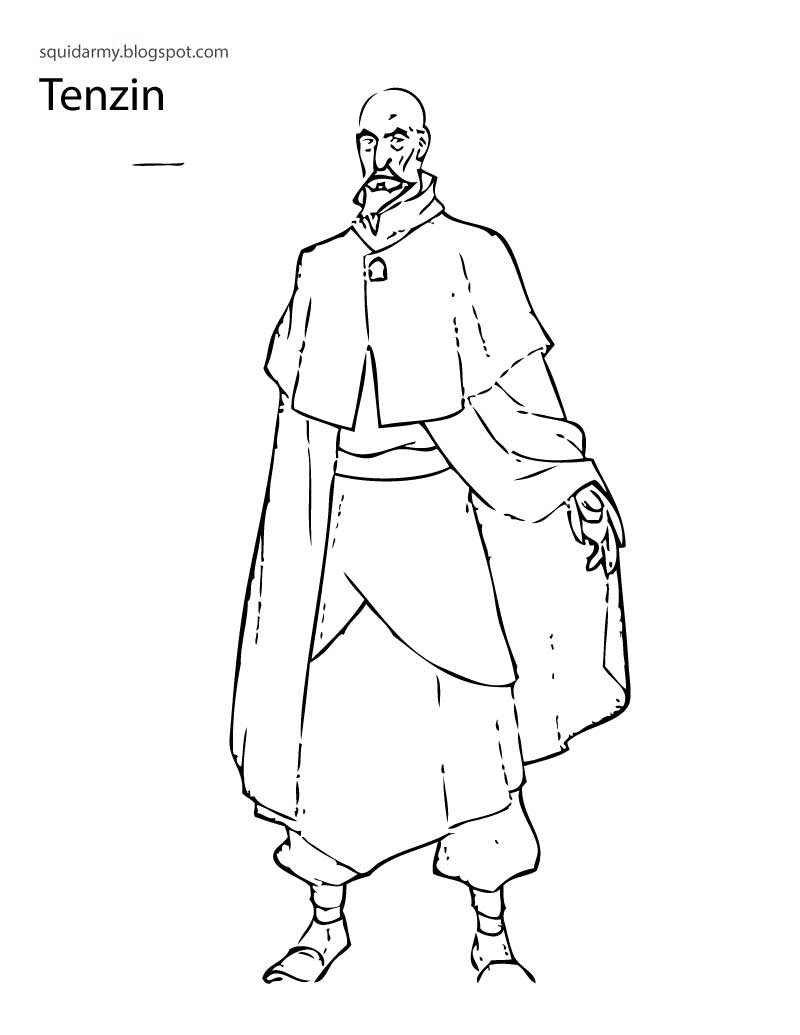
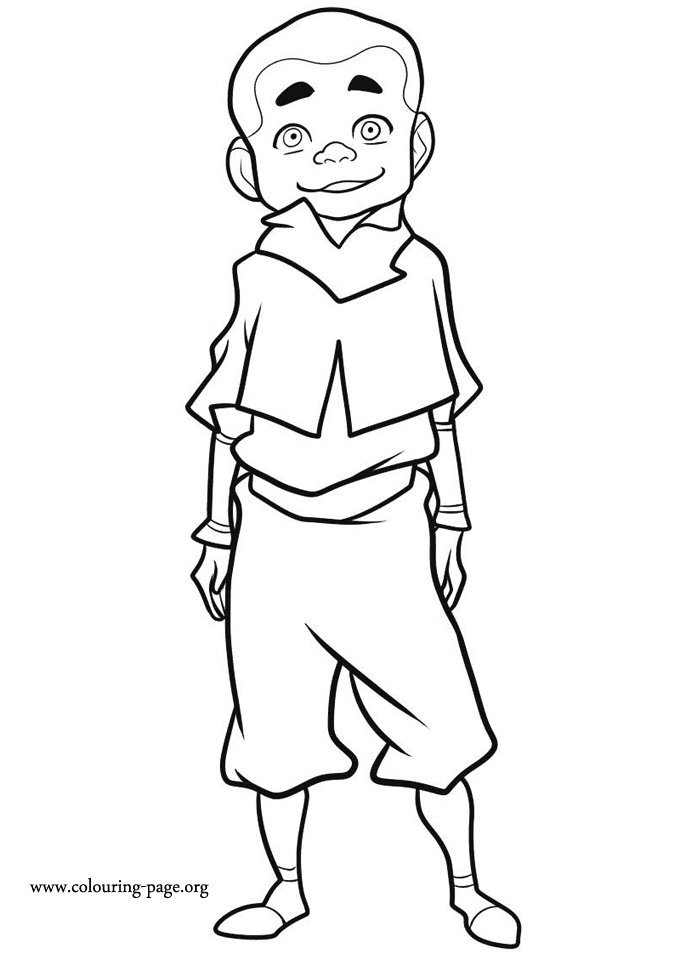
Coloring the Air Nation characters: all Air Nation characters wear orange and saffron yellow, the traditional colors of the Air Nomads. Tenzin’s robes are the most elaborate: layered orange and dark gold, with shaved head and beard. His daughters Jinora and Ikki and his son Meelo wear the same orange-and-saffron palette in simpler, child-appropriate forms. The orange for all Air Nation characters should be a warm, specifically saffron-influenced orange rather than a bright fire-orange, which would merge visually with Firebender coloring: the Air Nomad orange is slightly more muted and golden than Fire Nation red-orange.
Lin Beifong and Amon Pages
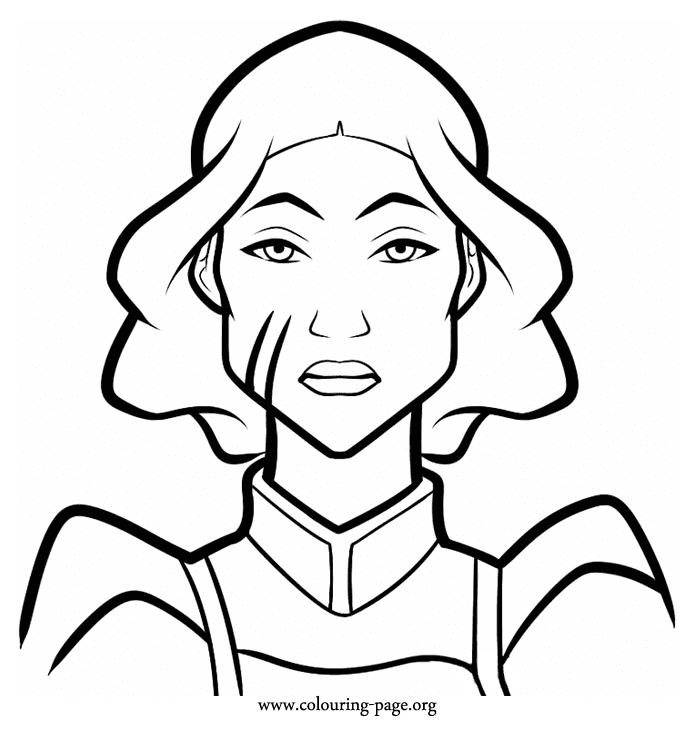
Lin Beifong appears on one page as the metalbender police chief of Republic City. Amon appears on one page as the primary antagonist.
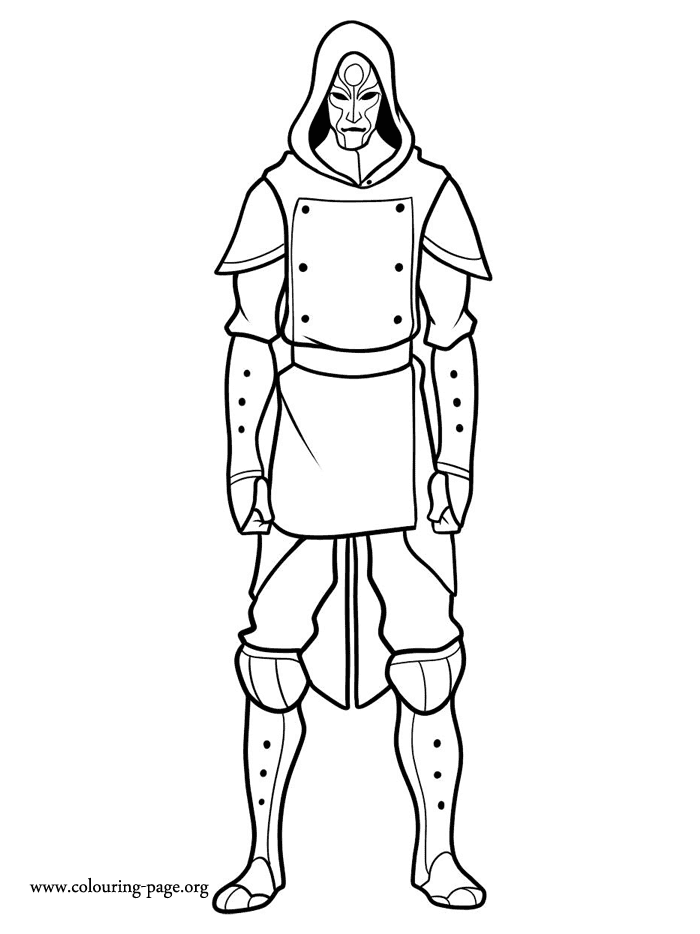
Coloring Lin and Amon: Lin Beifong wears metal armor in silver-grey tones, the visual language of Republic City’s metalbending police force. Her armor should be approached with slight variation across the metal surfaces: a cooler grey in the flat areas and a slightly lighter, more reflective tone at the raised edges and joints. Her austere grey palette reads as authority and discipline. Amon is the visual contrast: his white mask with simple red markings against a dark outfit makes him one of the most graphically stark characters in the set. His mask should be a clean, flat white, and the red markings should be precise and deliberate. His dark outfit stays deep and even, functioning similarly to a dark-field accent.
Legacy Characters and Animal Companions
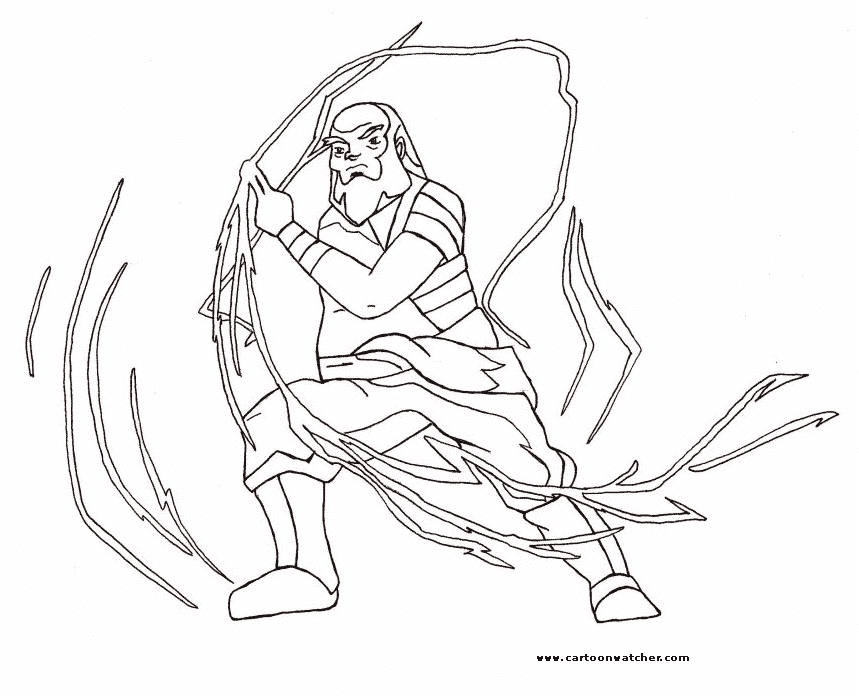
Katara, Iroh, and Aang appear as legacy characters from Avatar: The Last Airbender. Naga appears in two pages, and Pabu in two pages.
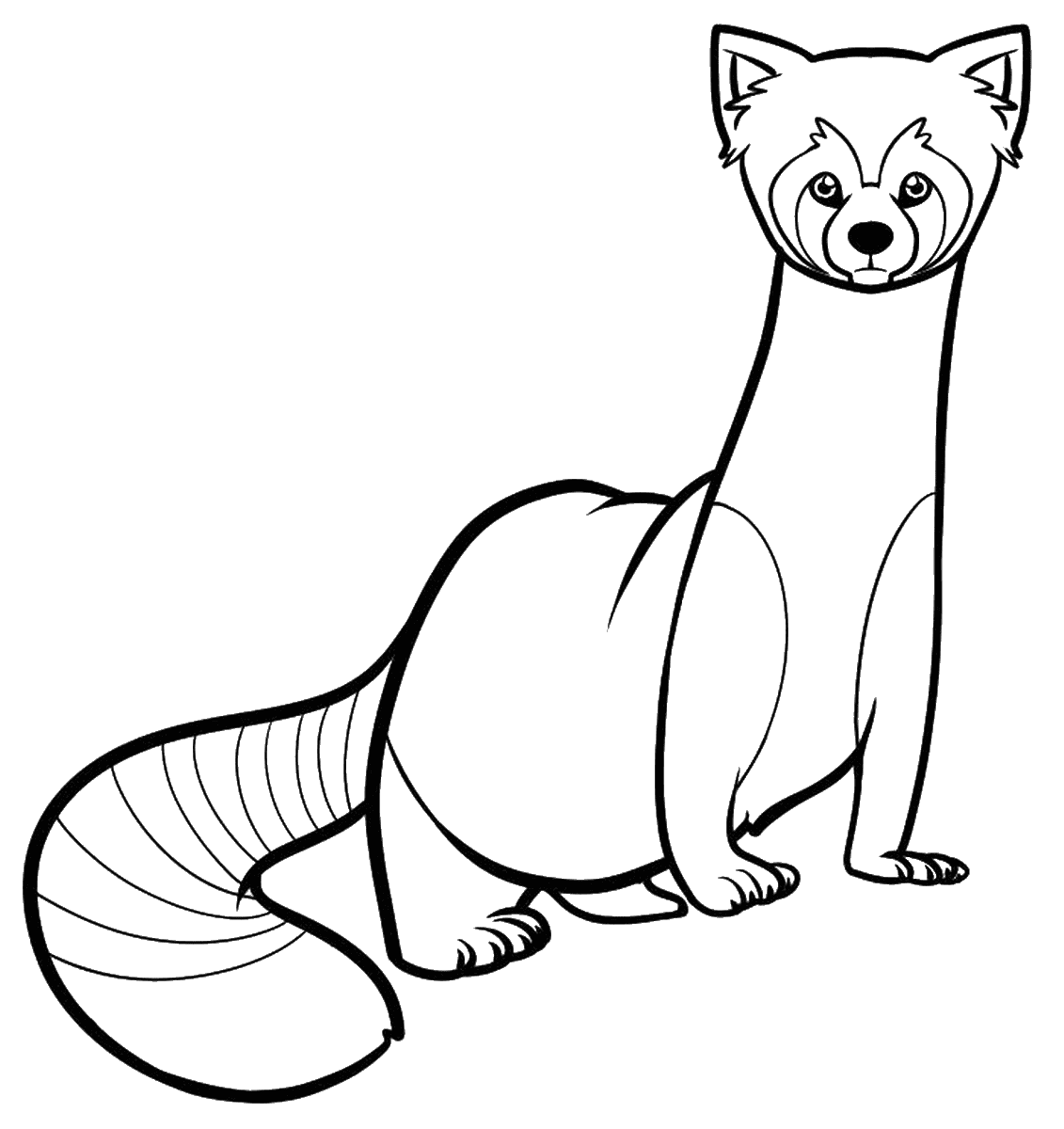
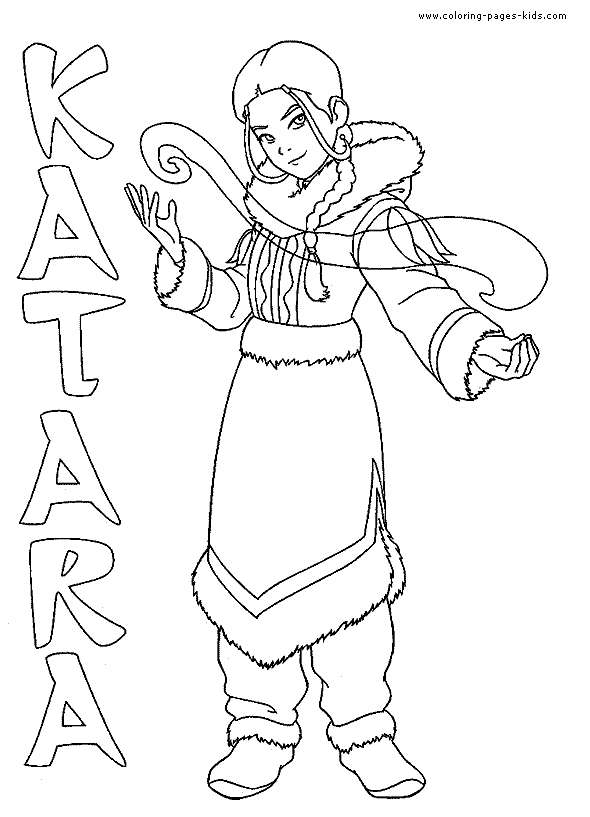
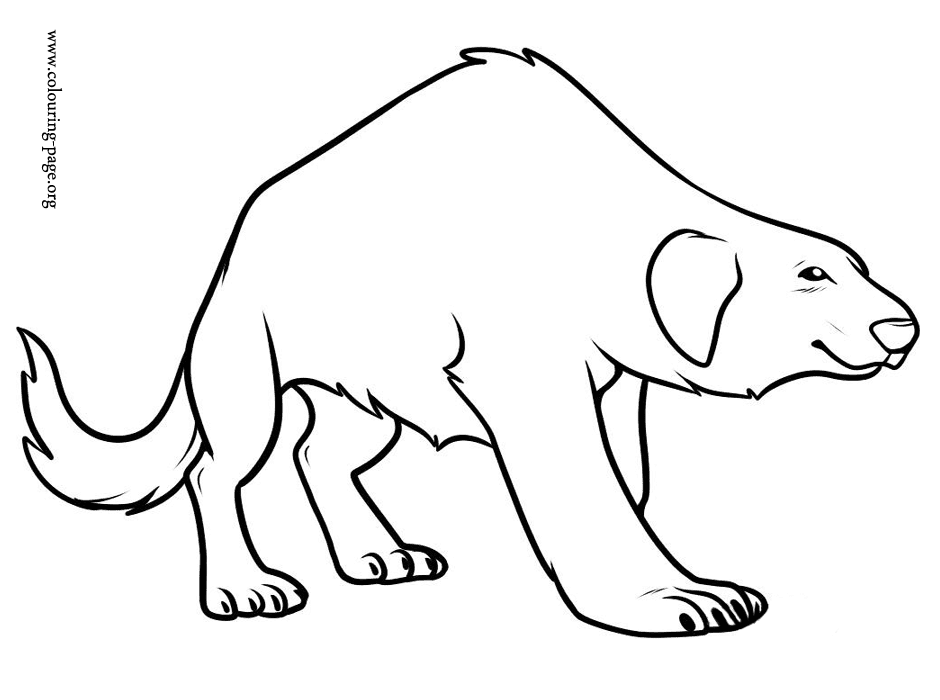
Coloring the legacy characters and companions: Katara wears Water Tribe blue like Korra, placing them in the same elemental color family across the generational gap. Iroh wears the warm, slightly subdued palette of a retired Fire Nation general. Aang, in his Korra-era pages, appears in his Air Nomad orange as always. Naga is a polar bear-dog: a large white animal with the dark facial markings of a bear and the body shape and proportions of a dog. Her white coat should be applied with slight cool shadows rather than flat white, giving her fur its three-dimensional quality. Pabu is a red panda fire ferret: warm rusty-red on the body with black legs, white face markings, and a bushy striped tail. His warm red suits the fire ferret name and his connection to Bolin’s earthbending identity through warm-cool contrast.
Printable PDF and Online Legend of Korra Coloring Pages
Every design comes in two ways: a printable PDF for paper, or the same artwork colored on screen.
Using both formats: print the PDF when you want a clean sheet for colored pencils, markers, or fine-liners, and use the on-screen version when there is no printer nearby. The PDF holds the show’s detailed character design and elemental visual language cleanly on standard letter or A4 paper.
What These Pages Do
Legend of Korra’s character design gives color a specific job it does not always have in animated series: encoding cultural identity and elemental affiliation. Every character’s outfit colors are a map of where they come from and what forces they command: Water Tribe blue, Fire Nation red-and-gold, Earth Kingdom green, Air Nomad saffron. Working through these pages builds elemental color identity: the discipline of treating color as cultural and elemental language. Getting Tenzin’s saffron-orange right honors the design system that makes the Avatar world coherent. That understanding, color as a carrier of meaning rather than decoration, transfers to uniforms, national costume, heraldic design, or any visual system where color communicates belonging and identity. From here, anime coloring pages are the parent hub, and Naruto coloring pages and My Hero Academia coloring pages offer comparable character-driven worlds with distinctive elemental and power-affiliated design systems.
The American Art Therapy Association recognizes that creative engagement with characters whose visual identity is inseparable from their cultural belonging, particularly in work where color literally encodes where someone comes from and what they can do, offers a specific resonance for identity exploration through art. Korra’s journey is fundamentally about discovering and owning her identity as the Avatar, and the coloring pages that carry her Water Tribe blue carry that story. The American Academy of Pediatrics supports creative activities that engage older children and teens with themes of identity, perseverance, and cultural pride, and Korra’s character, as one of the most fully developed young female protagonists in any animated series, provides a focused creative context for those themes.
How to Color The Legend of Korra Coloring Pages
These steps work for any page in the set, from a solo Korra portrait to the full Team Avatar group compositions.
Before coloring any character, identify their elemental affiliation and cultural origin. Water Tribe: broad blue and blue-white accents. Fire Nation: red and warm gold. Earth Kingdom: earthy green and brown-green. Air Nomad: saffron orange and golden yellow. Metalbender: silver-grey. Villain or non-affiliated: neutral or dark tones. This identification takes five seconds and prevents the most common error on group pages, which is letting one character’s elemental color drift into another’s register.
On Mako pages, the scarf is the primary elemental identifier. Mako’s red scarf is the most vivid, saturated element in his design. Apply it at full warm red before addressing his coat or other clothing. Everything else in his palette is cooler and more muted: the red scarf does the elemental work for the entire figure.
On group pages, place the most saturated elemental color first. Mako’s red, Korra’s deep blue, and Tenzin’s orange are the three most distinctive elemental colors in Team Avatar. Placing these three first and calibrating the subtler tones of Bolin’s green and Asami’s neutral palette against them produces a compositionally balanced group. Starting with the neutral tones and adding the vivid ones last often results in the vivid elements feeling too strong.
On Naga pages, use slightly cool shadows rather than flat white. Naga’s white polar bear-dog fur reads as three-dimensional and alive when the shadowed areas carry a cool blue-grey rather than grey-white. The cool shadows connect her tonally to Korra’s Water Tribe palette, reinforcing their bond as companions from the same cold-water world.
On Amon pages, keep the mask flat white and the red markings precise. Amon’s white mask is a graphic design element, not a sculpted surface. A clean, flat white without shading reads as a deliberately constructed mask rather than a face. The red markings should be sharp and deliberate: they are symbols, not organic features.
5 Creative Craft Ideas with The Legend of Korra Coloring Pages
Elemental Color Identity Study
Color one page each for Korra (Water Tribe blue), Mako (Fire Nation red-gold), Bolin (Earth Kingdom green), and Tenzin (Air Nomad saffron orange), keeping each character’s palette strictly within their elemental color identity.
Mount all four in a row on a card with the element label beneath each: Water, Fire, Earth, Air. Takes about thirty-five minutes.
Team Avatar Group Display
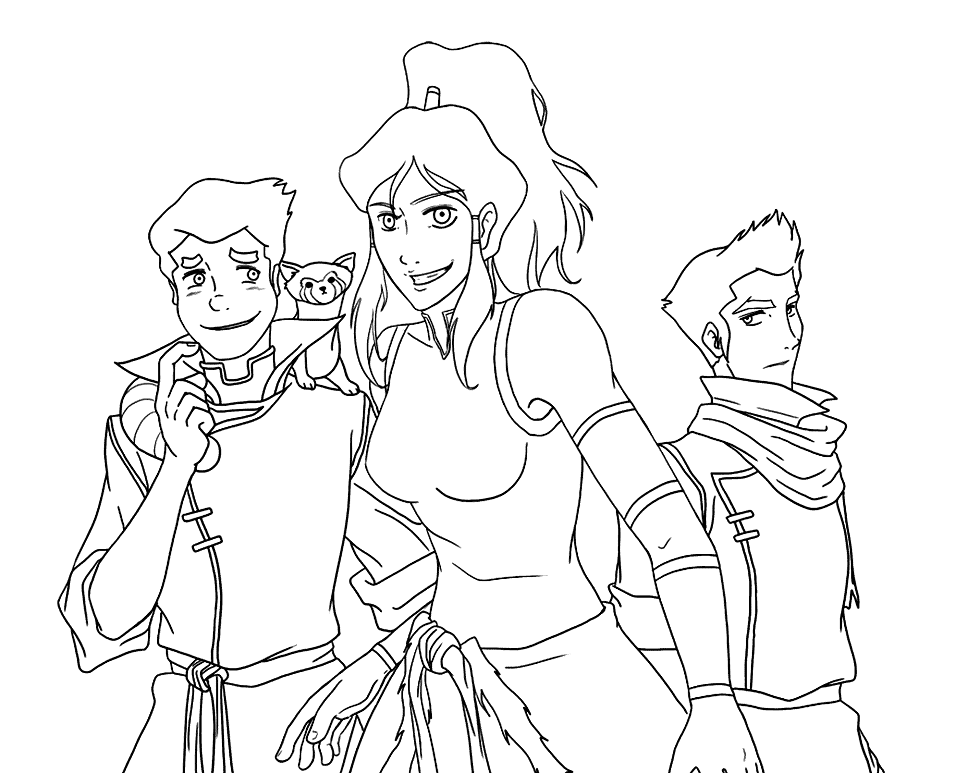
Color the Korra, Mako, Bolin, and Asami Sato group page, placing Mako’s red scarf, Korra’s deep blue, and Tenzin’s orange first before addressing the subtler tones.
Mount on a dark card as a Team Avatar fan display that takes about thirty minutes.
Naga and Pabu Animal Companion Pair
Color Korra with Naga using cool shadows on Naga’s white fur, and Bolin with Pabu, giving Pabu his warm rusty-red and black markings.
Mount side by side on a card as an animal companion display showing the two most distinctive creatures in the set. Takes about twenty-five minutes.
Amon Villain Portrait
Color the Amon page, keeping the mask clean, flat white, the red markings precise, and the dark outfit as deep and even as possible.
Mount on a dark card as a villain character study. The graphic stark quality of the page depends entirely on how cleanly the three-color palette is executed. Takes about fifteen minutes.
Korra Expression Collection
Color Avatar Korra, Cool Korra, and Smiling Korra, or Beautiful Korra, using the same Water Tribe blue palette throughout.
Cut all three to the same size and mount them in a row on a card to show how the same elemental palette carries different expressions and emotional registers. Takes about twenty-five minutes.
FAQ About The Legend of Korra Coloring Pages
Are these Legend of Korra coloring pages free, and can I color them online?
Yes. Every page is free, with no sign-in or payment required. Download the PDF to print at home, or color directly on screen in the browser.
Does the set include legacy characters from Avatar: The Last Airbender, and which ones?
Yes. Three pages feature characters from Avatar: The Last Airbender who appear in Legend of Korra: Aang in the Korra with Aang page, Katara as an elder Water Tribe master, and Iroh as a spirit world figure. All three characters are part of the same franchise and appear in Legend of Korra’s continuity.
What is The Legend of Korra?
The Legend of Korra is an American animated series created by Michael DiMartino and Bryan Konietzko, broadcast on Nickelodeon from 2012 to 2014. It is the sequel series to Avatar: The Last Airbender and follows Korra, the next Avatar after Aang, as she navigates a rapidly modernizing world in Republic City. The series is known for its mature themes, complex antagonists, and continued development of the Avatar universe’s elemental bending lore. You can read more about the series on Wikipedia.
What is the elemental color-coding system, and how does it affect coloring each character?
Each of the four bending disciplines is associated with a cultural color palette drawn from the nation that practices it. Water Tribe benders wear deep blue and blue-white. Fire Nation benders wear red and warm gold. Earth Kingdom benders wear earthy greens and brown-greens. Air Nomads wear saffron orange and golden yellow. These are not just costume choices: they are the visual language of the Avatar world’s cultural geography. Getting a character’s elemental colors right means honoring that language.
What colors should I use for Korra?
Korra’s outfit is primarily deep Water Tribe blue, with lighter blue-white accents and white fur trim at the collar and cuffs. Her skin is a warm medium-dark brown, reflecting her Southern Water Tribe heritage. Her hair is dark brown-black, worn in a high ponytail or wolf-tail style. On any Avatar state page, blue-white energy details reinforce her elemental identity.
How do I color Amon’s white mask pages?
Amon’s mask should be a clean, flat white with no shading or surface variation: it is a crafted symbol, not a face. The red markings on the mask should be precise and deliberate. His outfit stays deep and dark. The graphic power of the page comes from three tones held at their clearest values: flat white, precise red, and deep dark.
What are Naga and Pabu, and what colors do they use?
Naga is Korra’s animal companion, a polar bear-dog: a large white animal with bear proportions, dark facial markings, and canine behavior. Her white fur works best with slight cool blue-grey shadows in the recessed areas rather than flat white. Pabu is Bolin’s fire ferret, a red panda-type creature with warm rusty-red fur, black legs and markings, and a bushy striped tail-his warm red contrasts naturally with Bolin’s earthy green.
What is the hardest group page to color in the set, and why?
The Korra Mako Bolin Asami Sato page is the most demanding because it asks you to hold four distinct elemental and cultural palettes simultaneously: Korra’s Water Tribe blue, Mako’s Fire Nation red-gold, Bolin’s Earth Kingdom green, and Asami’s neutral non-bender palette. The challenge is preventing any of the four from contaminating another’s elemental register while making the group read as a coherent, balanced composition.
Are these official Legend of Korra coloring pages?
No. They are fan-made coloring sheets for personal use. They are not affiliated with, licensed by, or endorsed by Nickelodeon, Viacom, Paramount, or any rights holder of The Legend of Korra.
Is Legend of Korra an anime, and why is it in the anime section of this site?
Strictly speaking, Legend of Korra is an American animated series, not a Japanese anime. However, the show was heavily influenced by anime visual style and storytelling conventions, and it is widely categorized alongside anime in fan communities and on many coloring and fan art sites. The site’s categorization reflects how the fan community typically organizes Avatar universe content alongside anime series with similar visual aesthetics and fandoms.
More Anime Coloring Pages
Browse the full set at ColoringPagesOnly.com, then open any design to print it or color it on screen.
These pages are made for personal fan use. They are fan-made coloring designs and are not official products of The Legend of Korra franchise.
For the final pass: identify each character’s elemental affiliation before placing any color, apply the most saturated elemental accent first on group pages, and on Amon pages, keep the mask flat white with no surface variation. Those three habits cover the most important coloring decisions across all 36 pages.
Share your work on Facebook and Pinterest and tag #ColoringPagesOnly. We would love to see your elemental color studies, Team Avatar displays, and Naga and Pabu companion pairs.