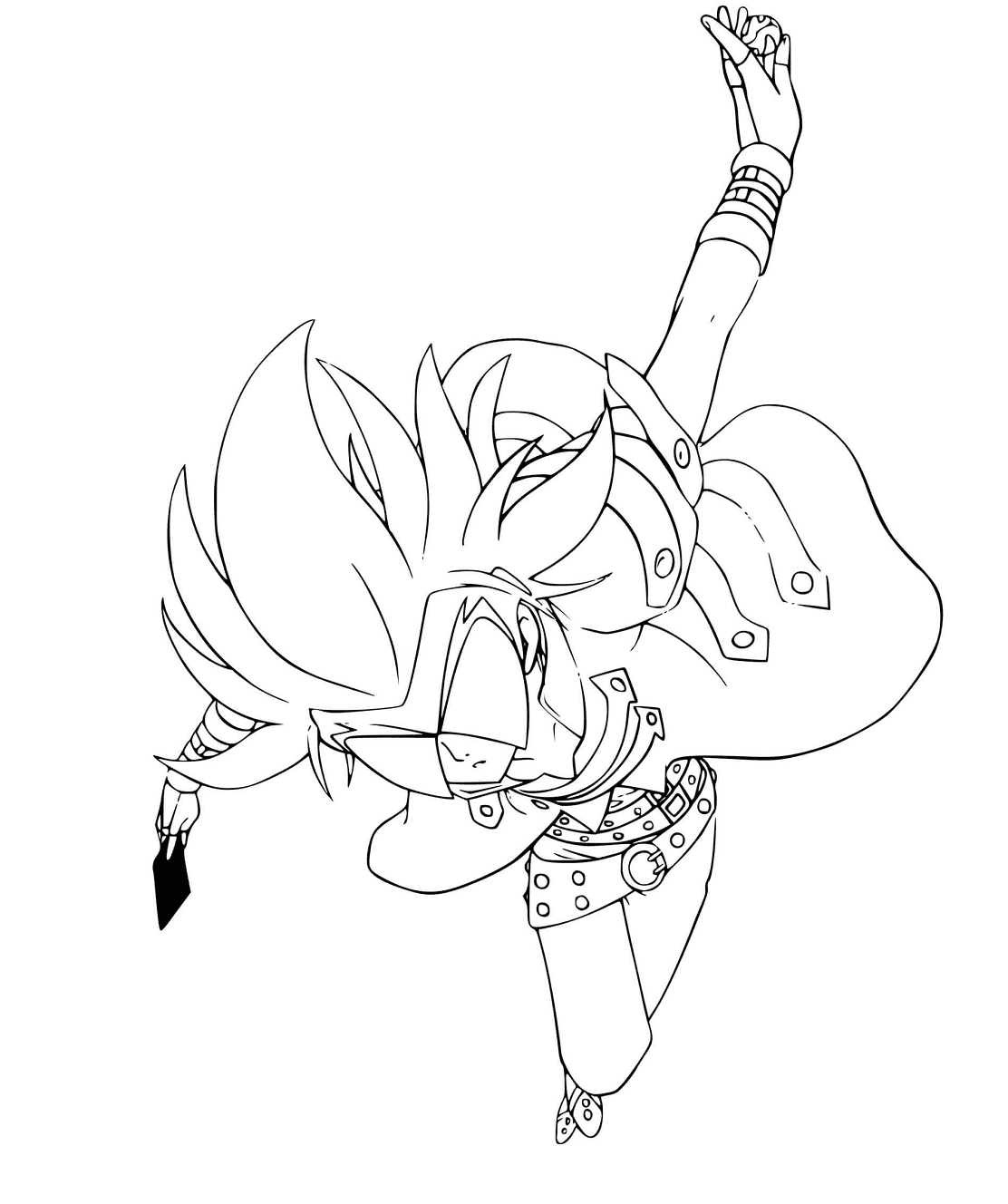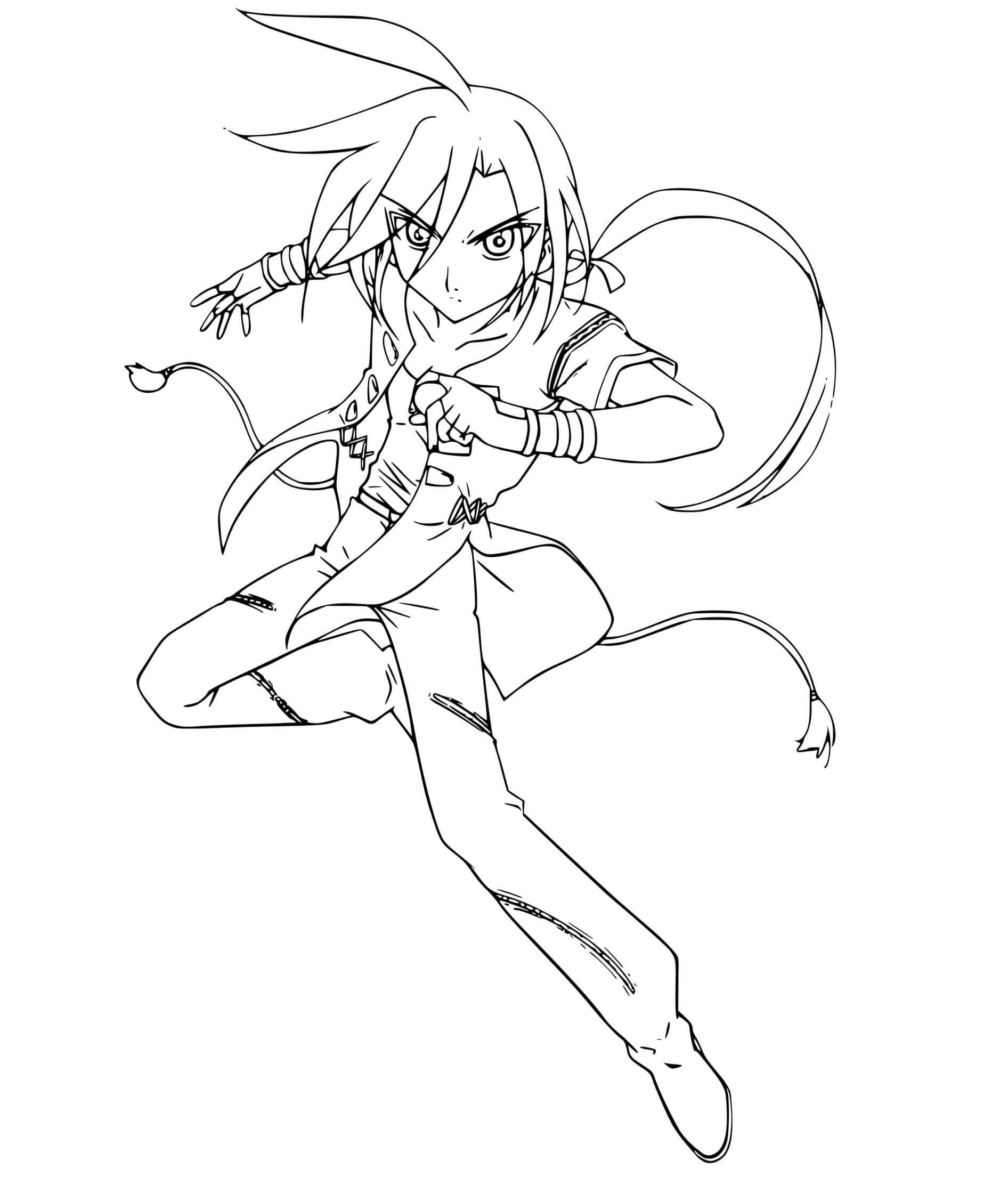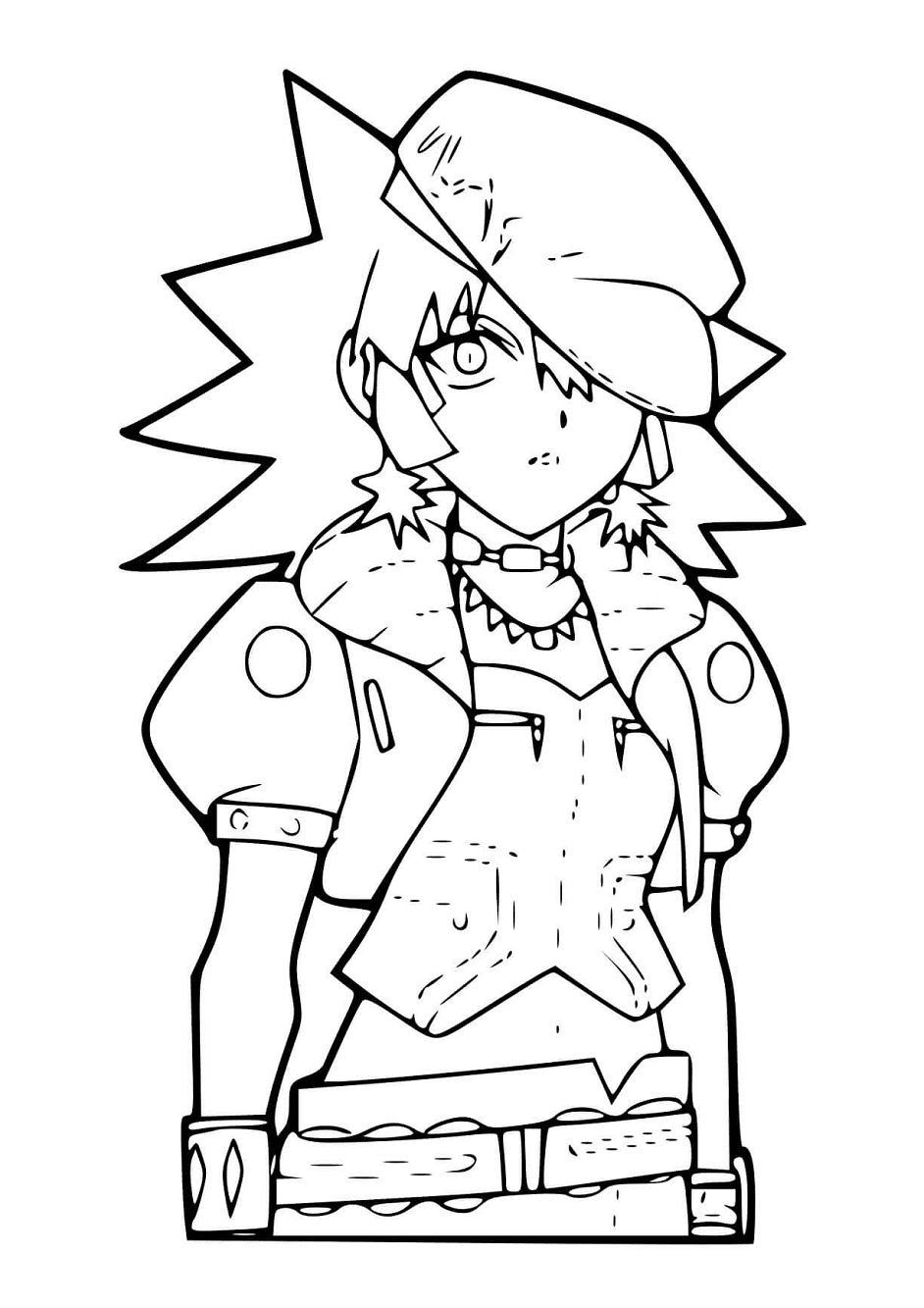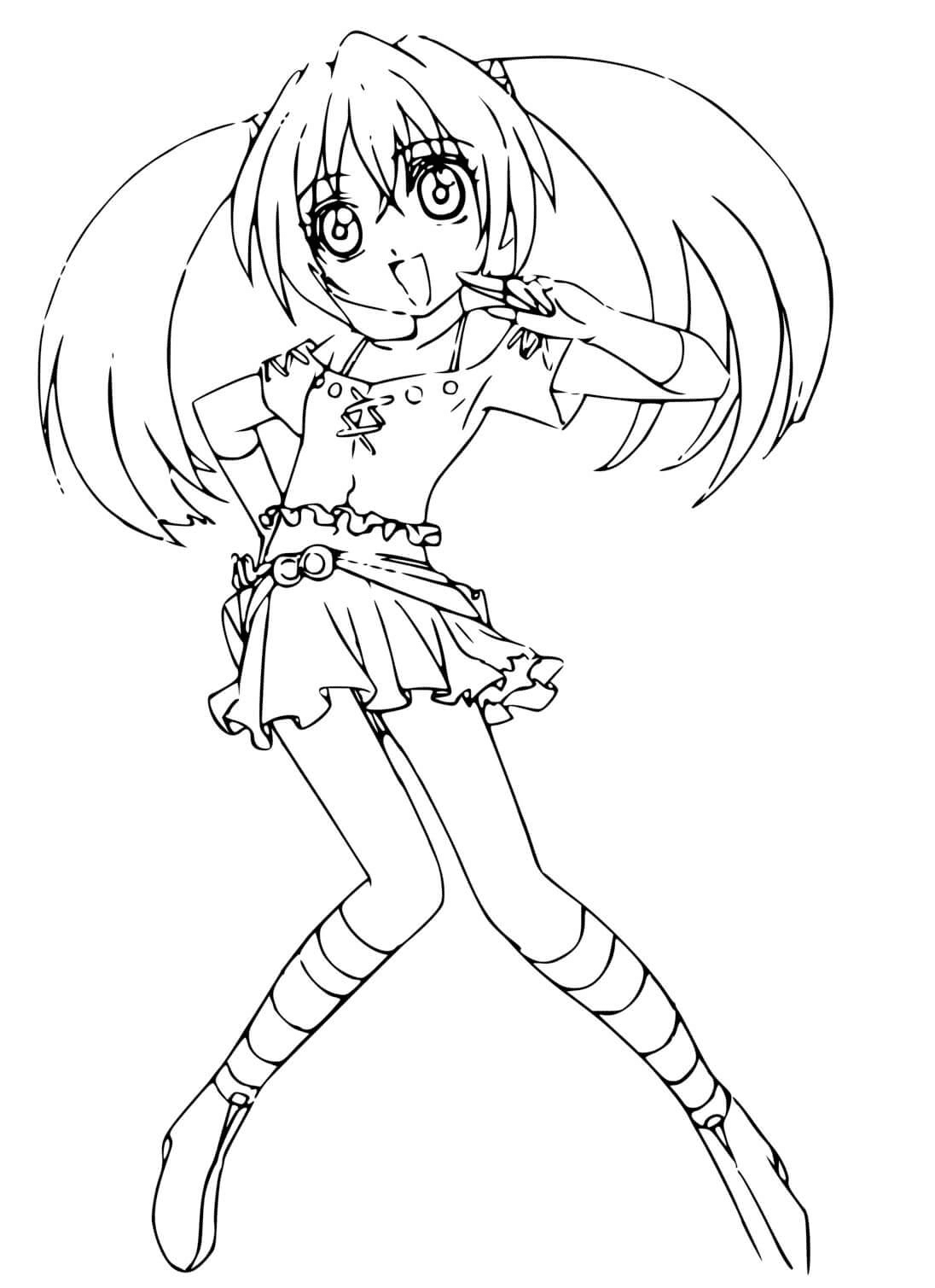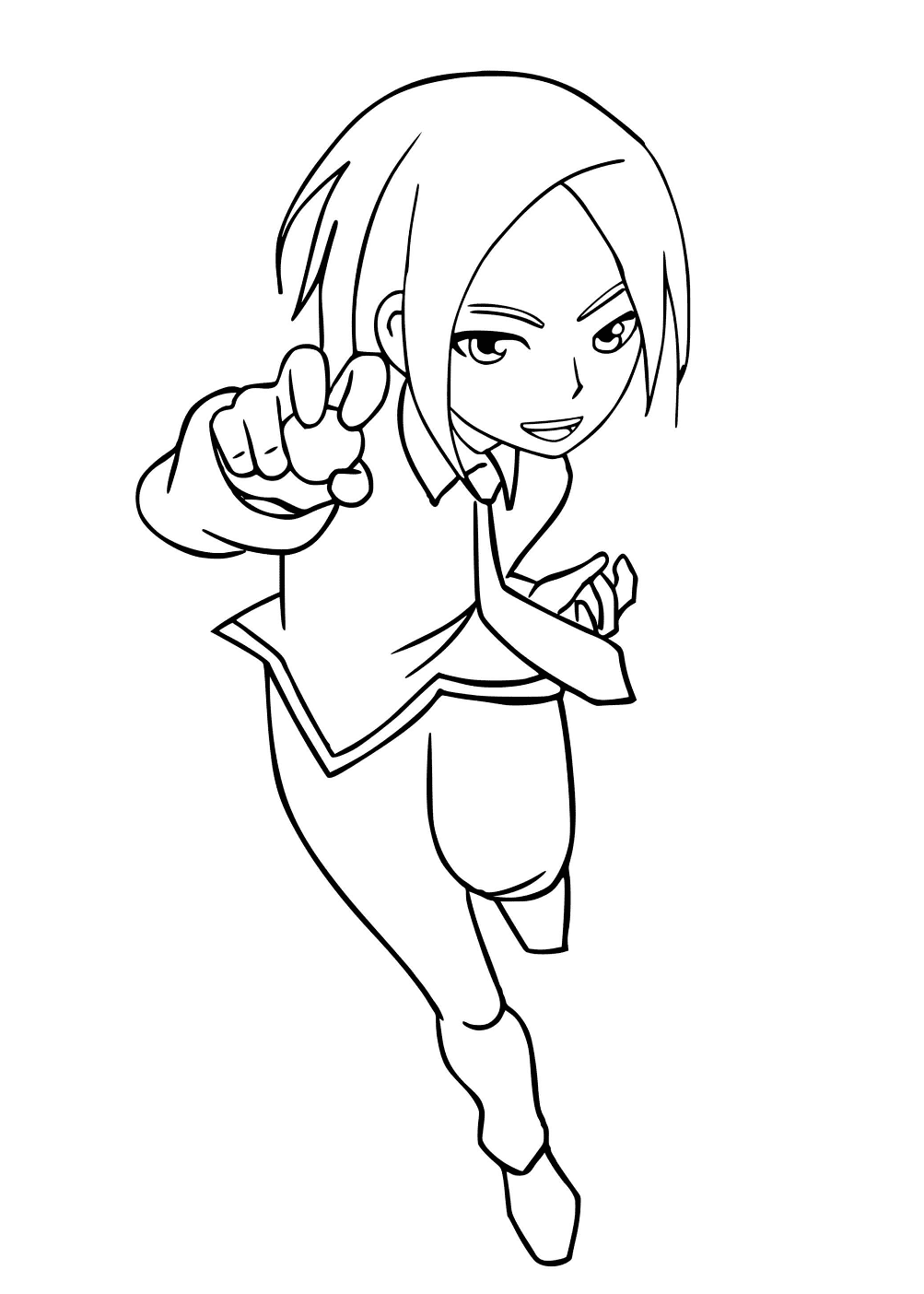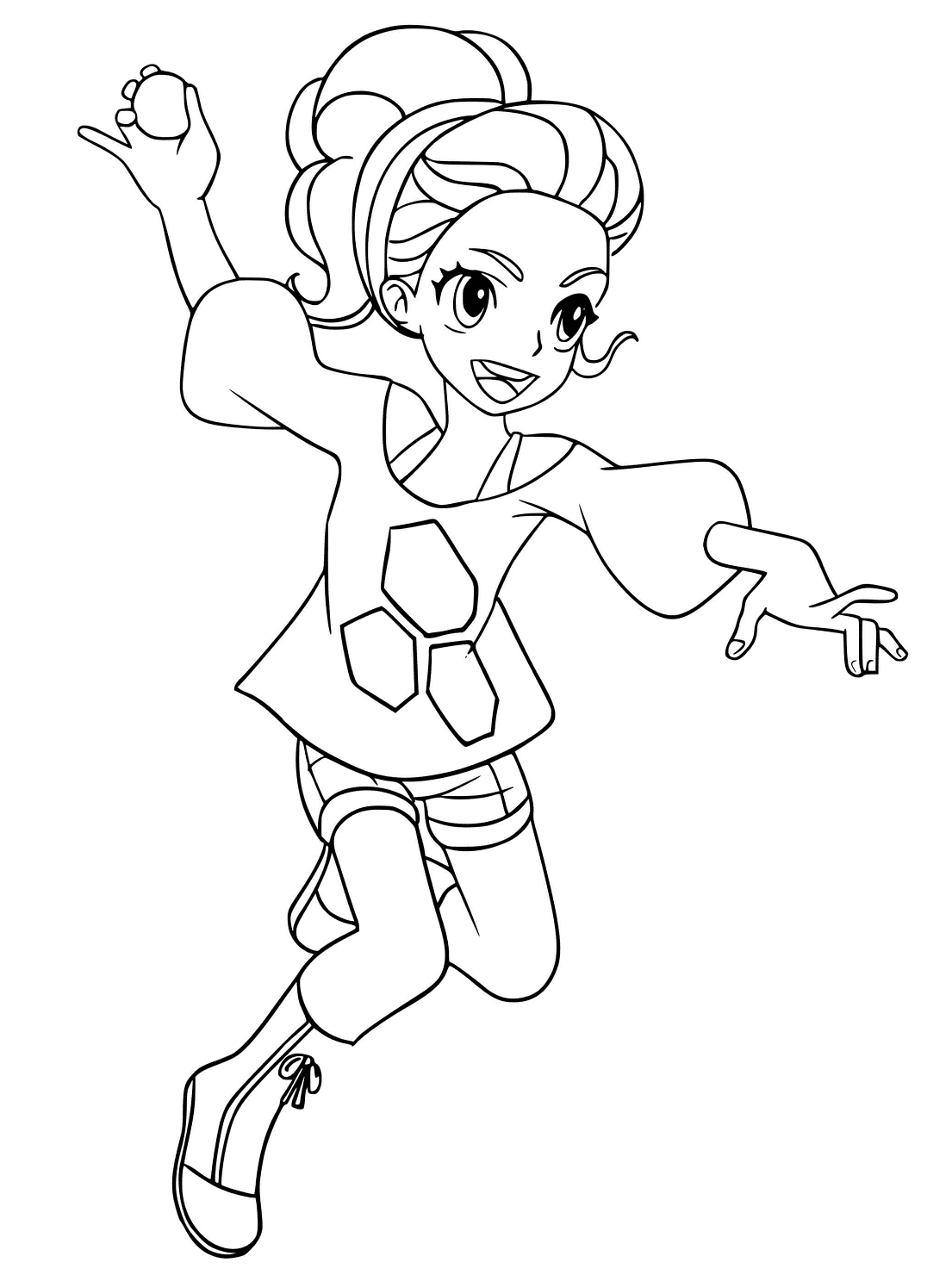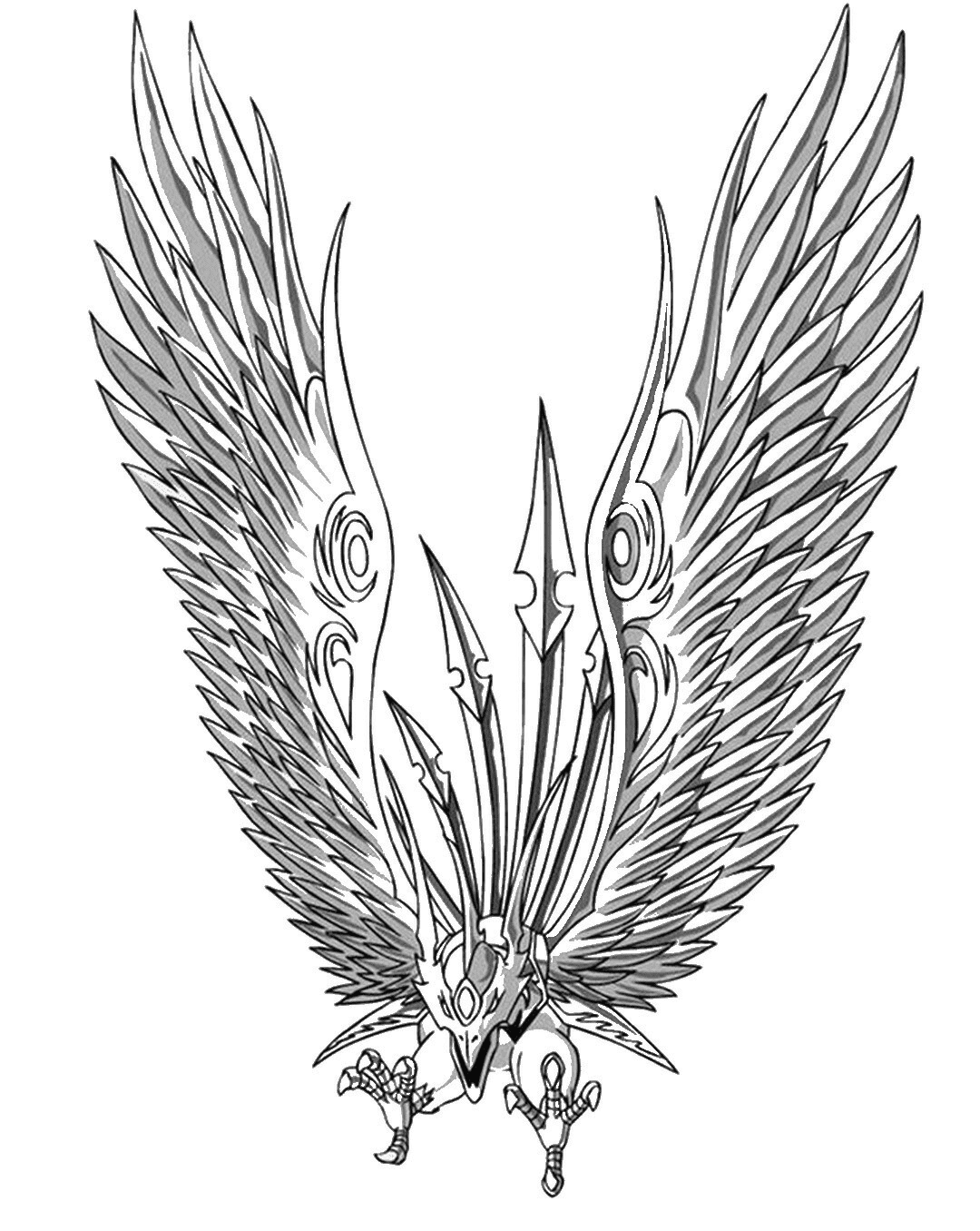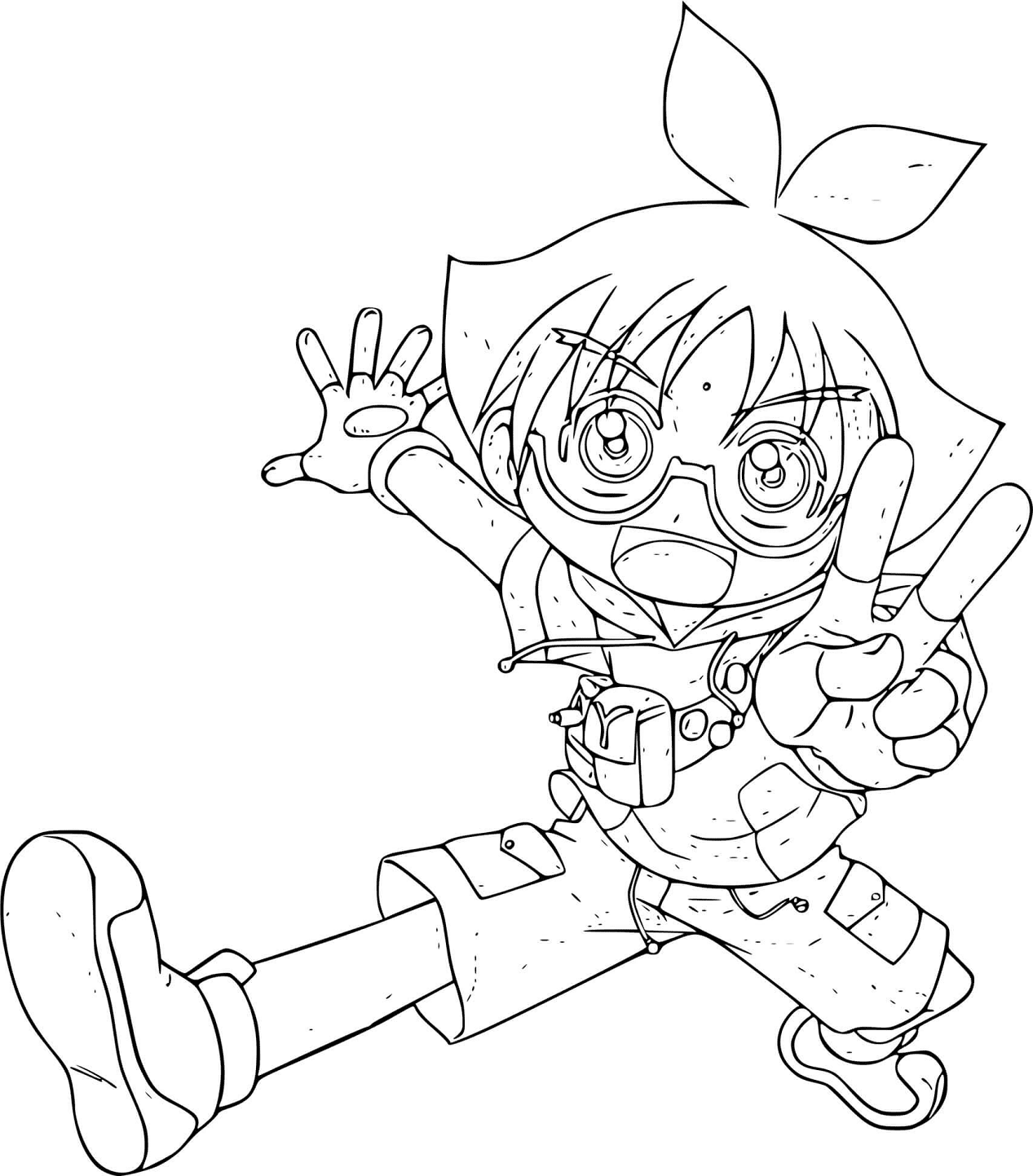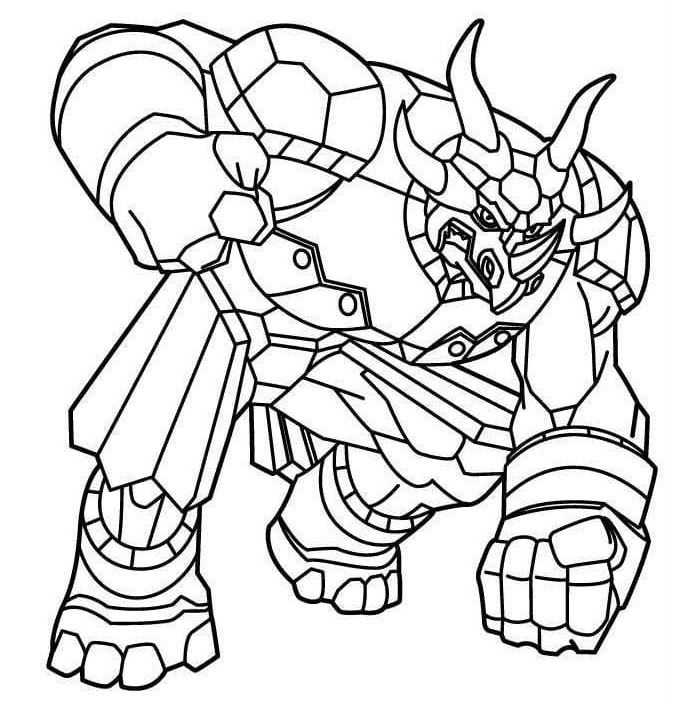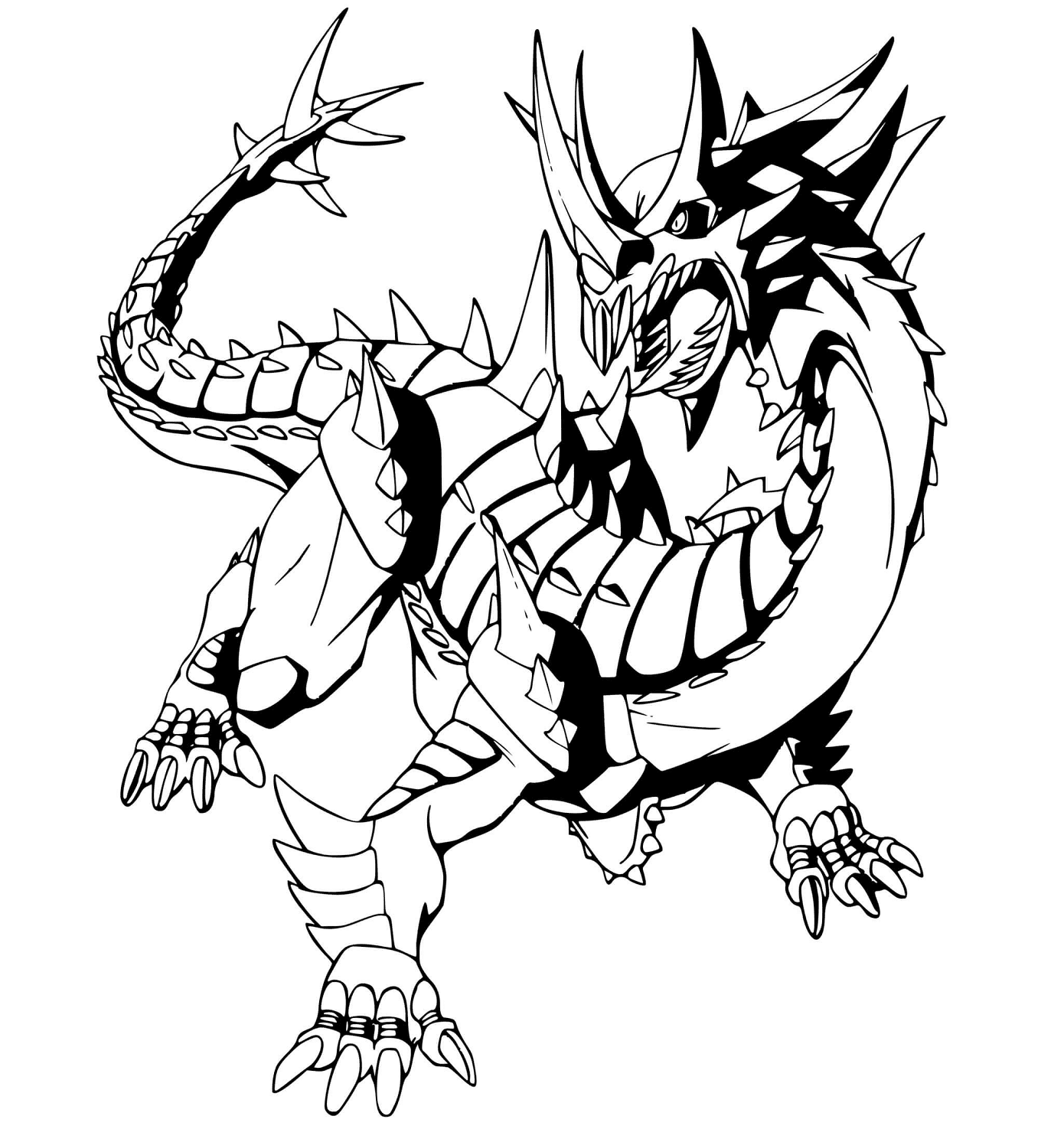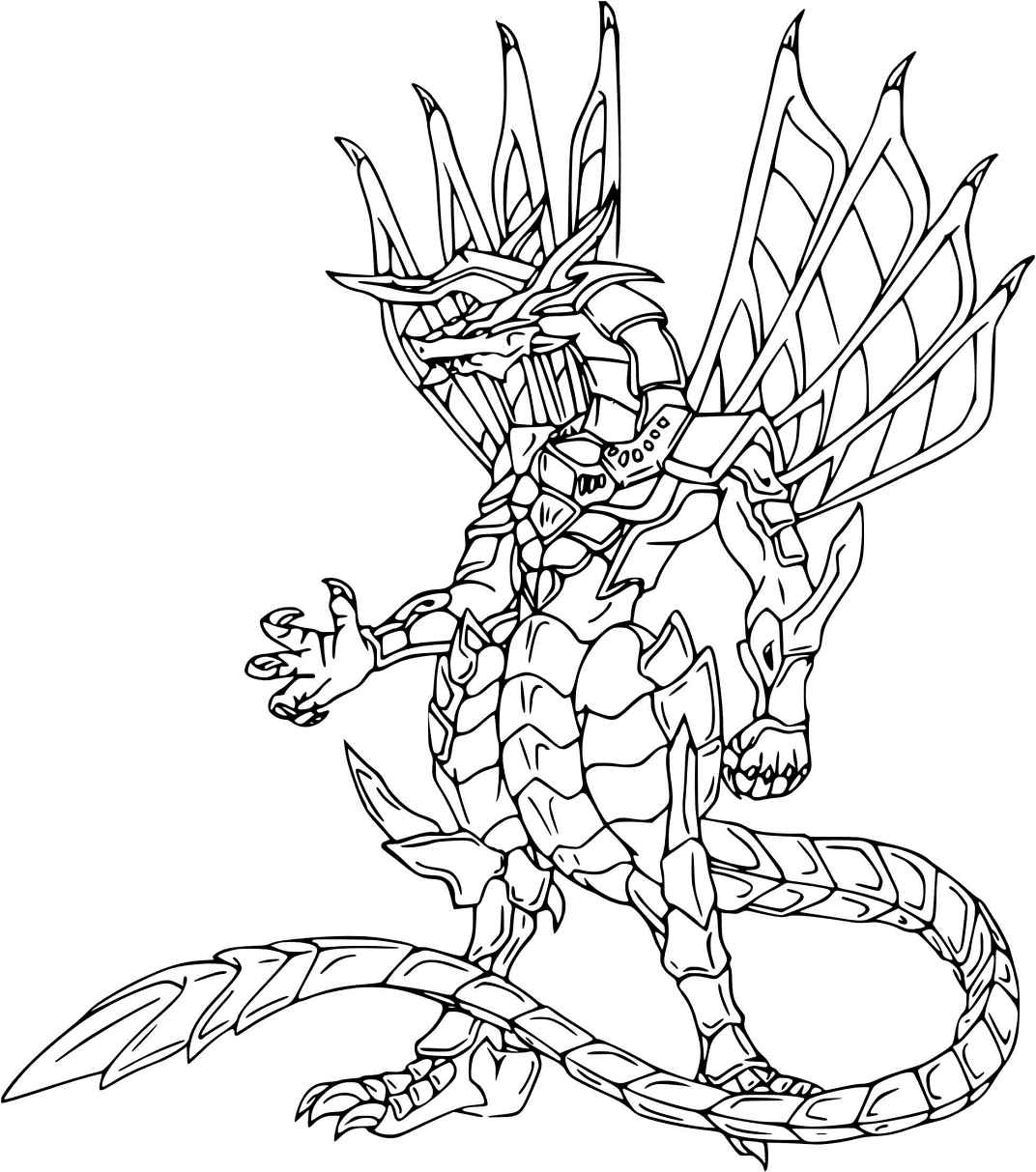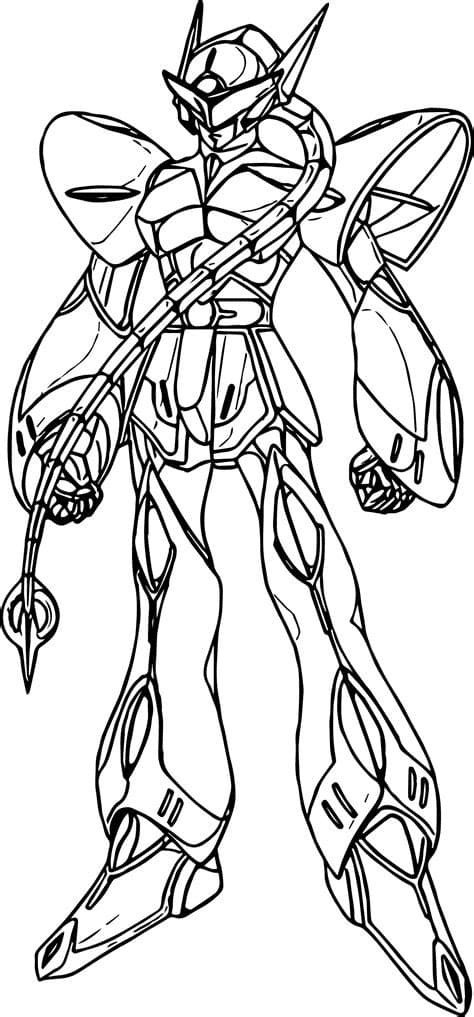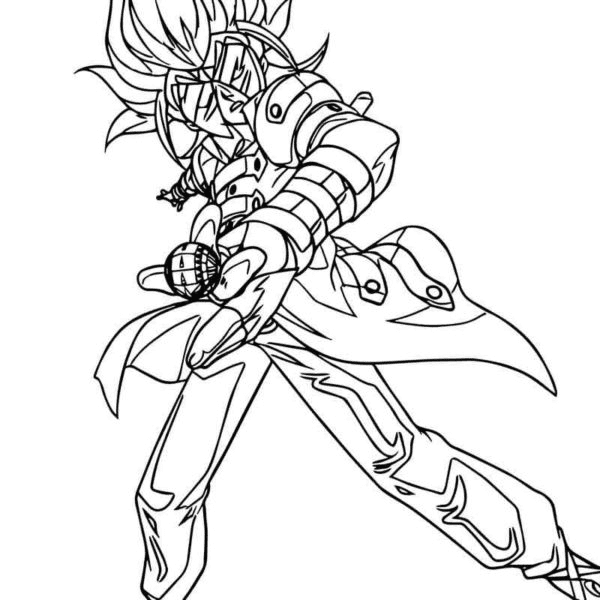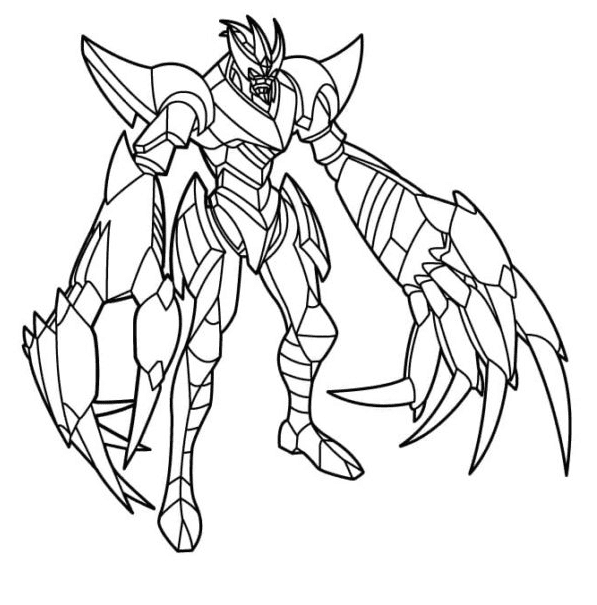
Free Bakugan coloring pages – 50+ pages featuring Dan Kuso, Drago/Dragonoid, Tigrerra, Hydranoid, Skyress, Serpenoid, Masquerade, Alice Gehabich, Shun Kazami, Marucho, Runo Misaki, Julie, Magnus Black, Lia Venegas, Wynton Styles, and more – spanning the original Battle Brawlers series and Battle Planet – free printable PDF and online coloring for fans and collectors.

Bakugan began as a joint Japanese-Canadian production that premiered on TV Tokyo on April 5, 2007, and on Cartoon Network in the United States on February 24, 2007. The franchise was created through a collaboration between Sega Toys and Spin Master – a Canadian toy company – and combined a trading card game with small spherical creatures that transformed from ball form into monster form when placed on a magnetic card. Over two billion Bakugan toys were sold in their first three years of commercial release, making it one of the fastest-selling toy lines in North American history. The toy’s elegance is physical: a satisfying magnetic snap as the sphere opens and the creature unfolds that is impossible to describe adequately but impossible to forget once experienced.

The original series follows Dan Kuso and his Bakugan partner Drago – a Pyrus Dragonoid – as the Battle Brawlers work to restore balance between Earth and Vestroia, the dimension where Bakugan live. The franchise has since produced multiple sequel series, including Gundalian Invaders, Mechtanium Surge, and the 2019 reboot Bakugan: Battle Planet.

These 50+ free pages at ColoringPagesOnly.com span both eras. All free, PDF or PNG, print or color online. Roll the ball. Watch it snap open. Let’s brawl.

What’s Inside

Drago and the Dragonoid Pages – The Heart of the Collection

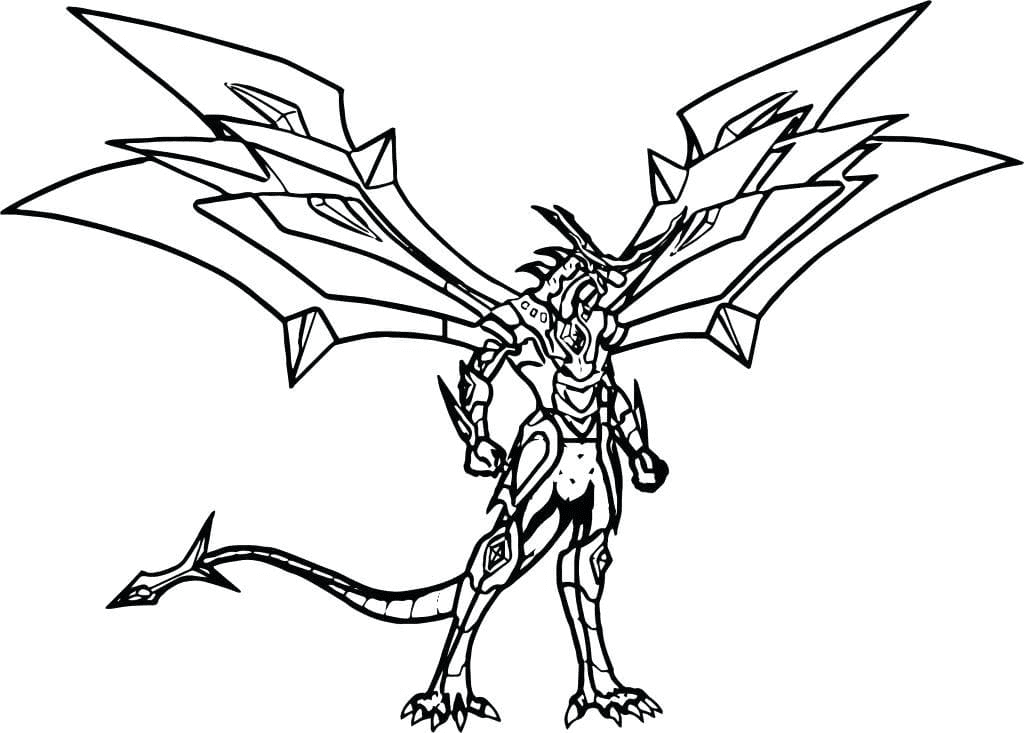
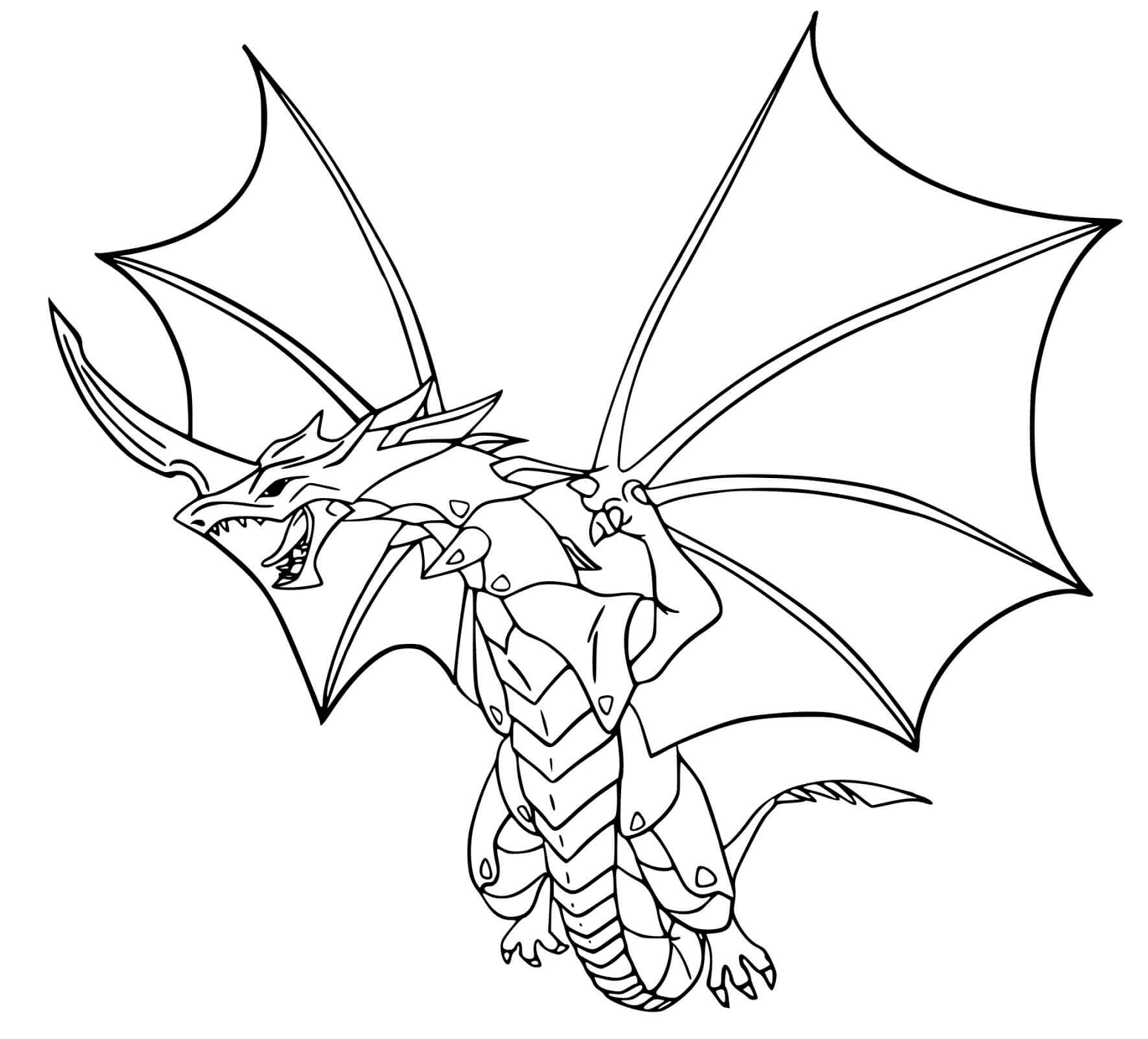
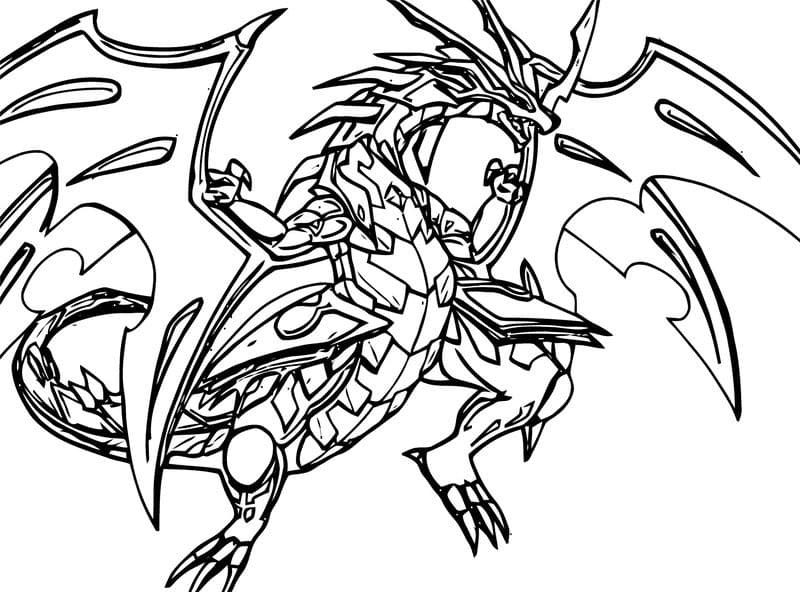
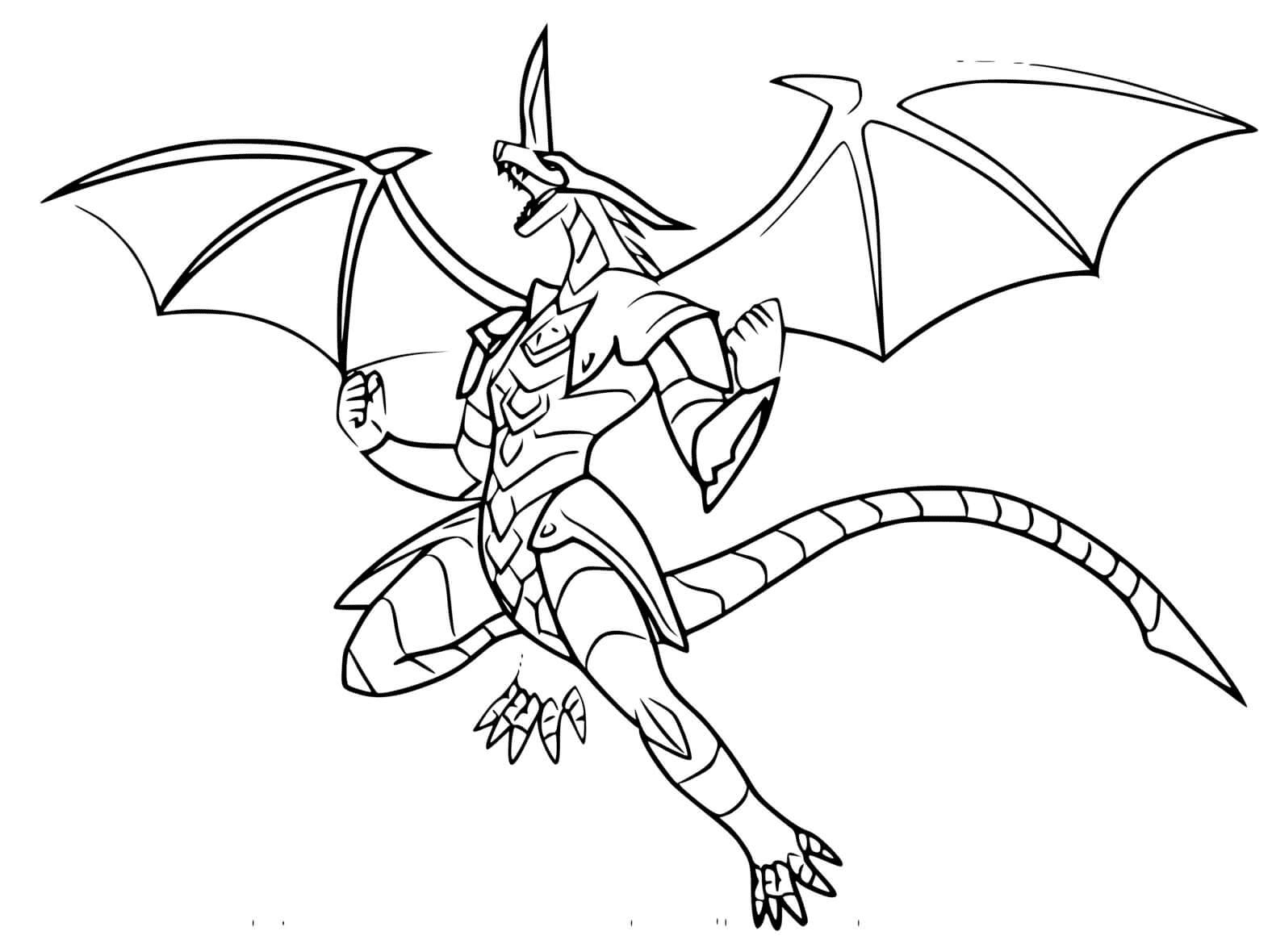
No Bakugan page receives more coverage in this collection than Drago, and no coverage is more deserved. Drago Bakugan, Drago from Bakugan, Dragon Drago, Drago, leader of the Bakugan, Dragonoid Bakugan, Dragonoid Drago Bakugan, Dragonoid Bakugan Pyrus, Dragonoid Pyrus, Pyrus Dragonoid, Bakugan Drago, Bakugan Dragonoid, and Draoid Cyber Bakugan give Dan Kuso’s partner in double digits of page variants – from the original small-form design through the evolved Cyber Dragonoid form.

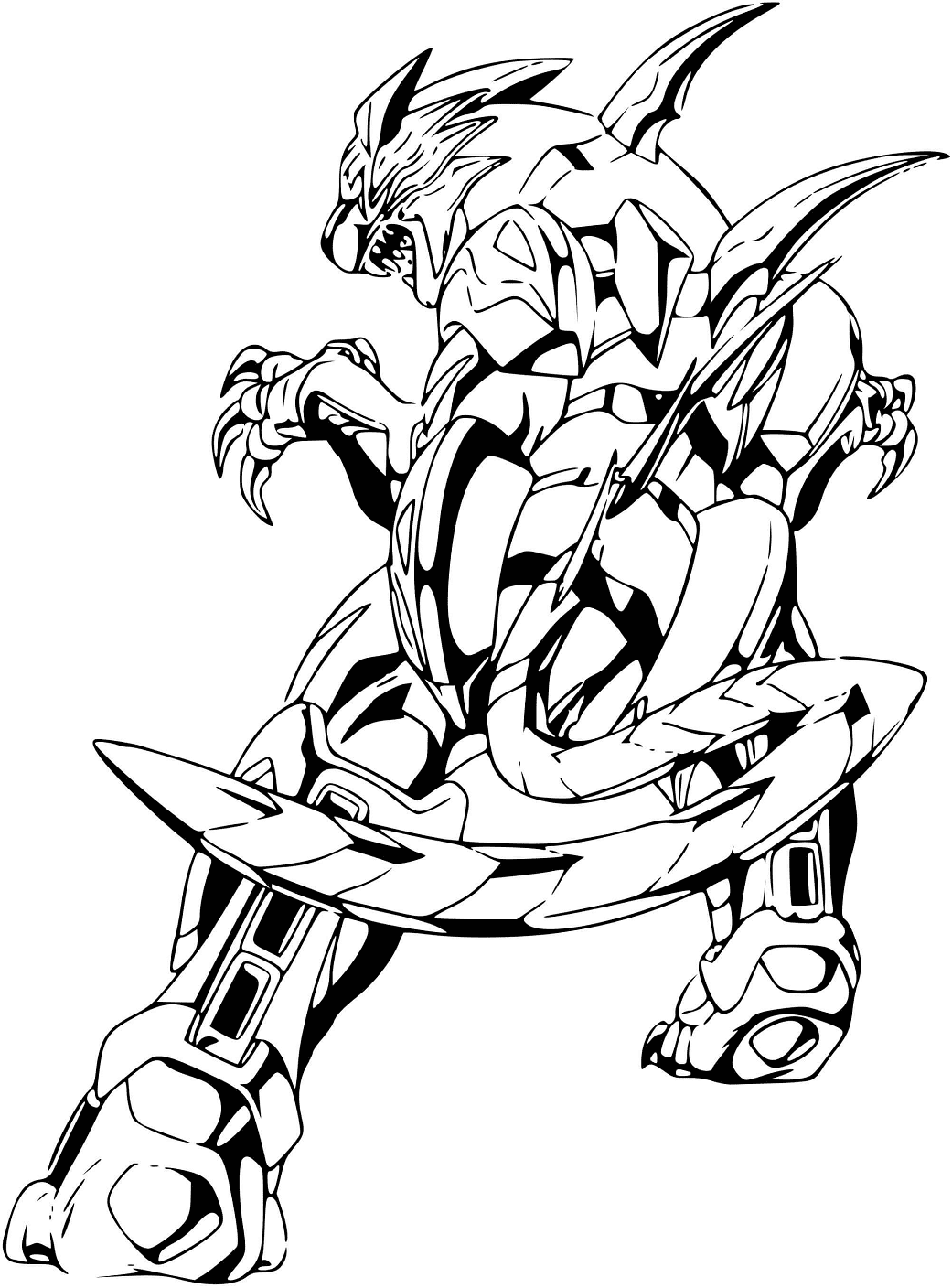
Drago – full name Titanium Dragonoid in later evolutions – is a Pyrus-attribute Bakugan: the Pyrus attribute is associated with fire, power, and direct confrontation. His canonical color scheme is deep red with orange-gold accents – the palette of fire rendered in creature form. He begins the series as a standard-sized Bakugan sphere that transforms into a winged dragon, and evolves through multiple forms across the series’ seasons, each form more elaborate than the last.
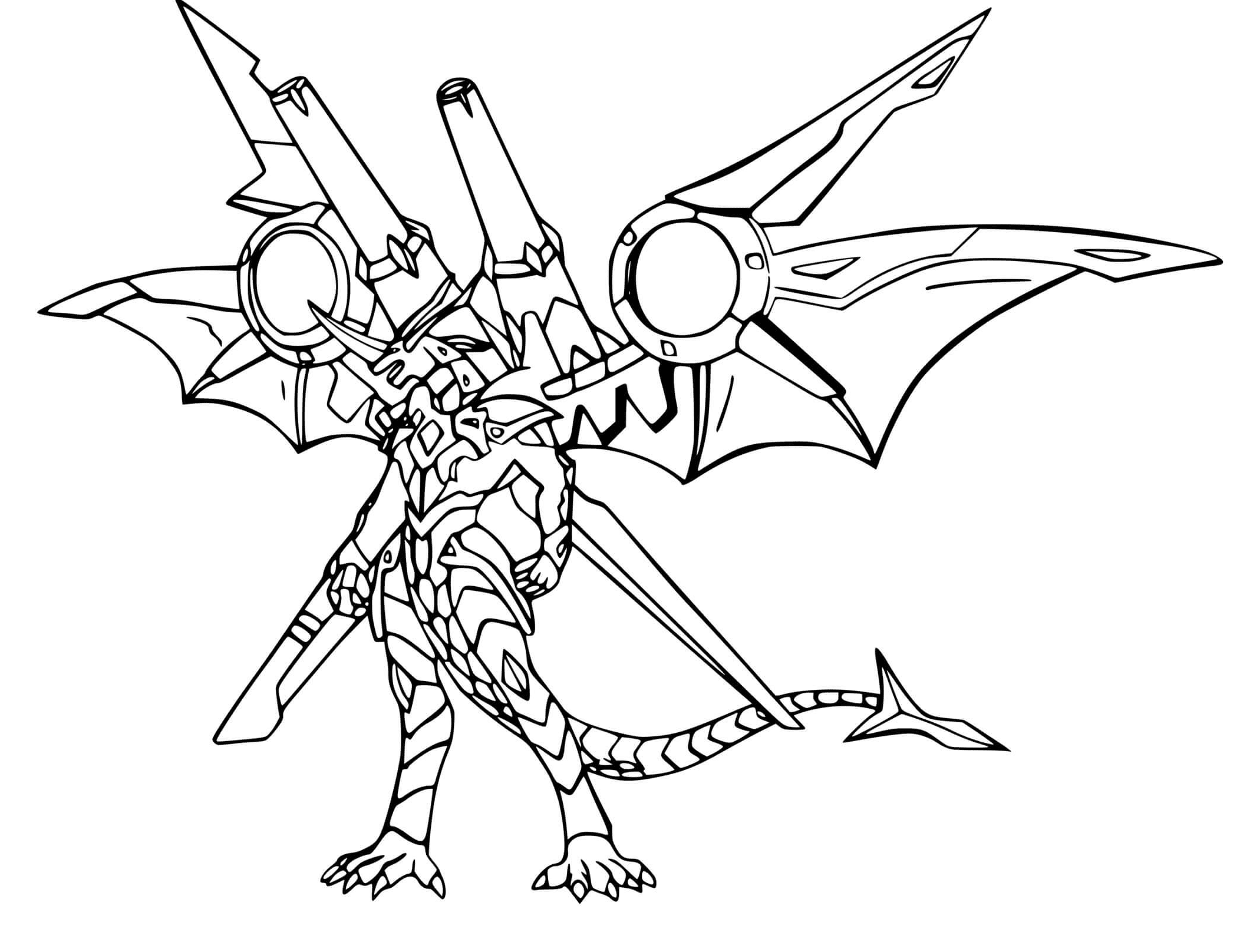
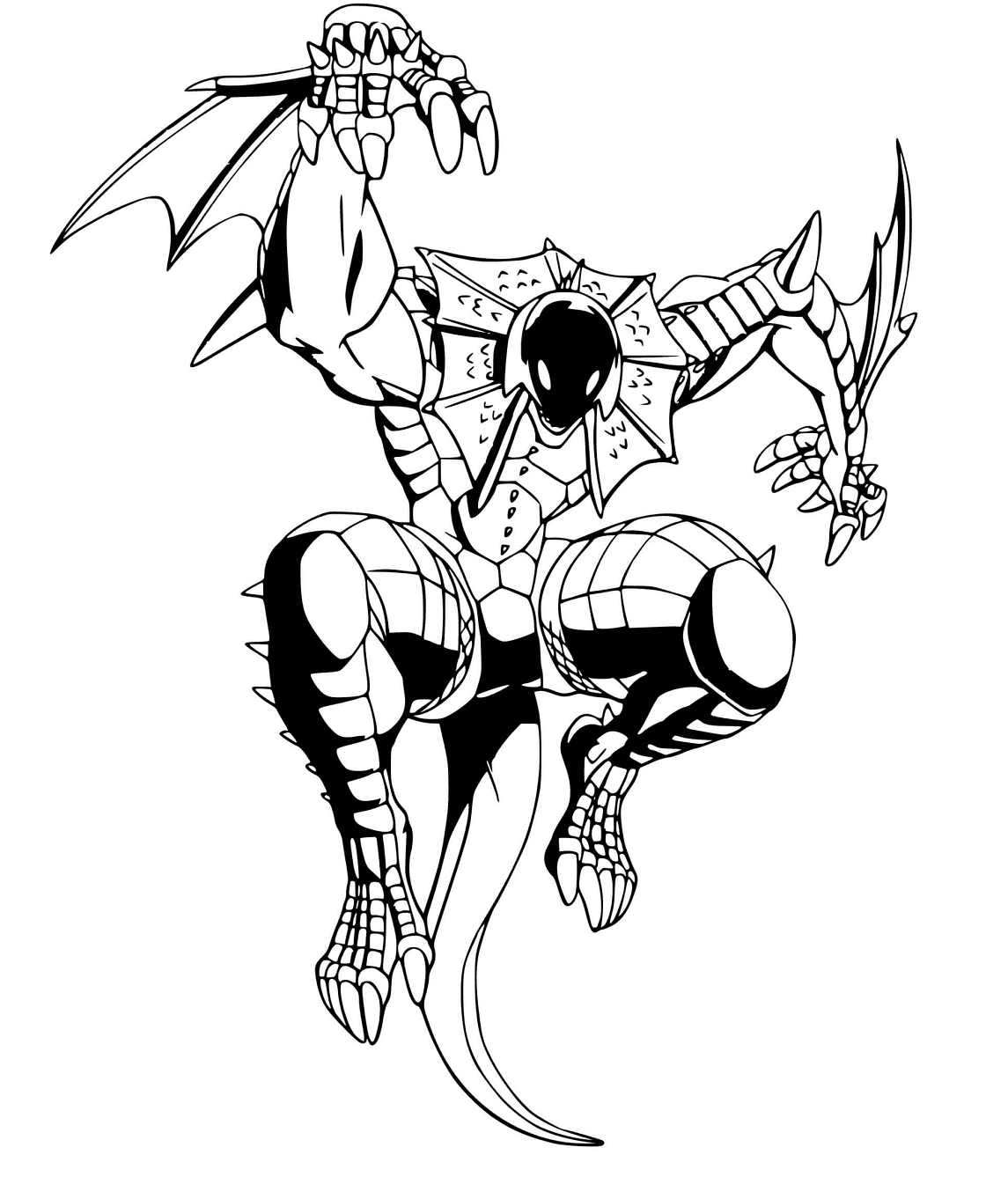
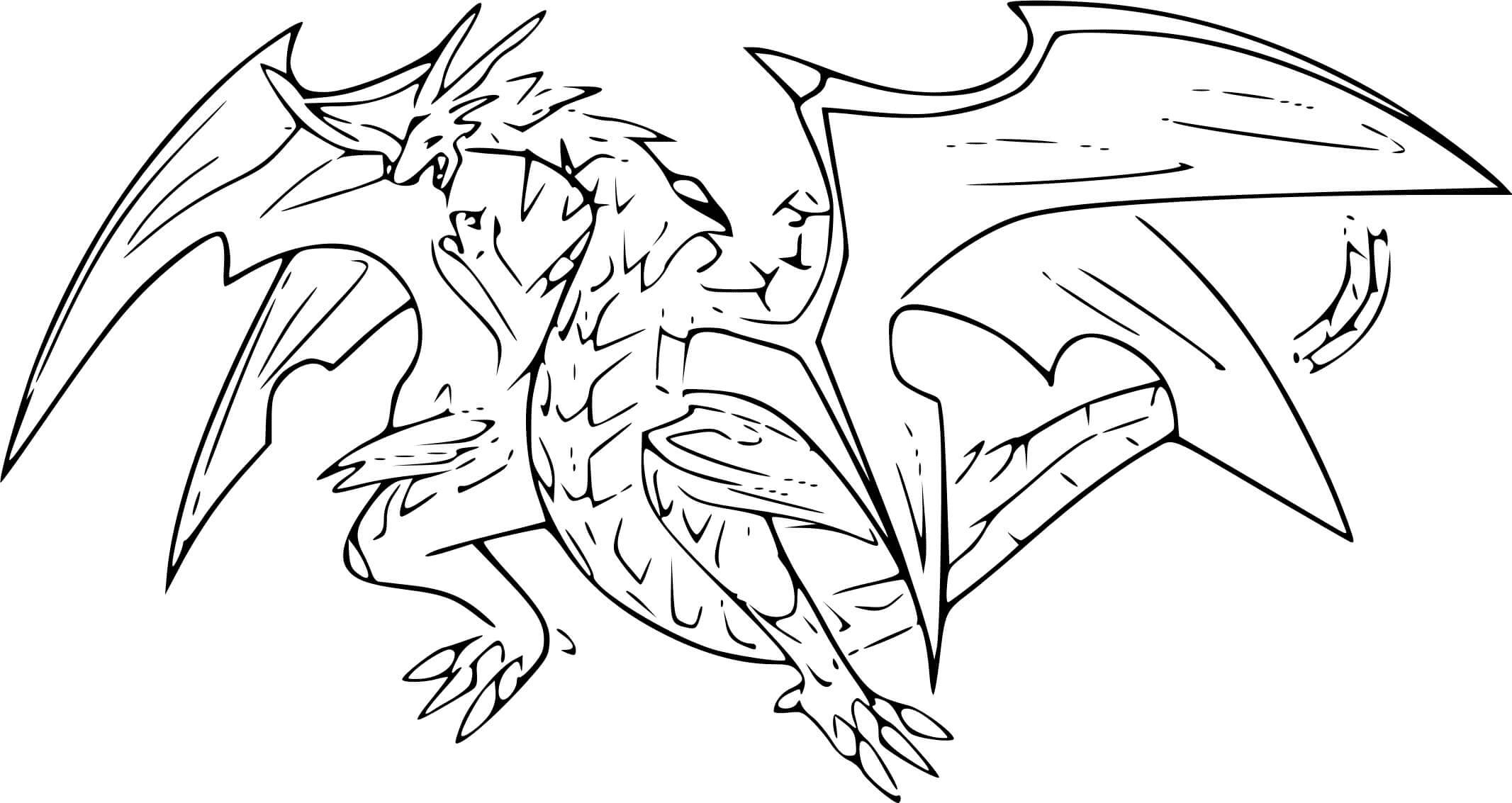
The Dragonoid pages represent the collection’s most technically demanding coloring challenge: a dragon with wings, scales, horns, and the layered surface complexity that comes from a creature design that has been refined across multiple iterations by professional toy and animation designers. The Draoid Cyber Bakugan page – showing the cybernetically enhanced Cyber Dragonoid form – adds mechanical elements to the organic dragon design, creating a hybrid surface challenge that rewards a systematic approach.

Coloring Drago: His base is a deep, warm red – not the bright primary red of a logo but the deeper, more complex red of fire seen at medium distance. His horns and wing membranes shift toward orange-gold. His eye is a vivid amber-gold. The Cyber Dragonoid variant adds cool metallic silver-grey to the organic red base – the contrast between the warm biological dragon and the cool mechanical enhancements is the page’s central visual tension and should be maximized.

Dan Kuso – The Lead Brawler

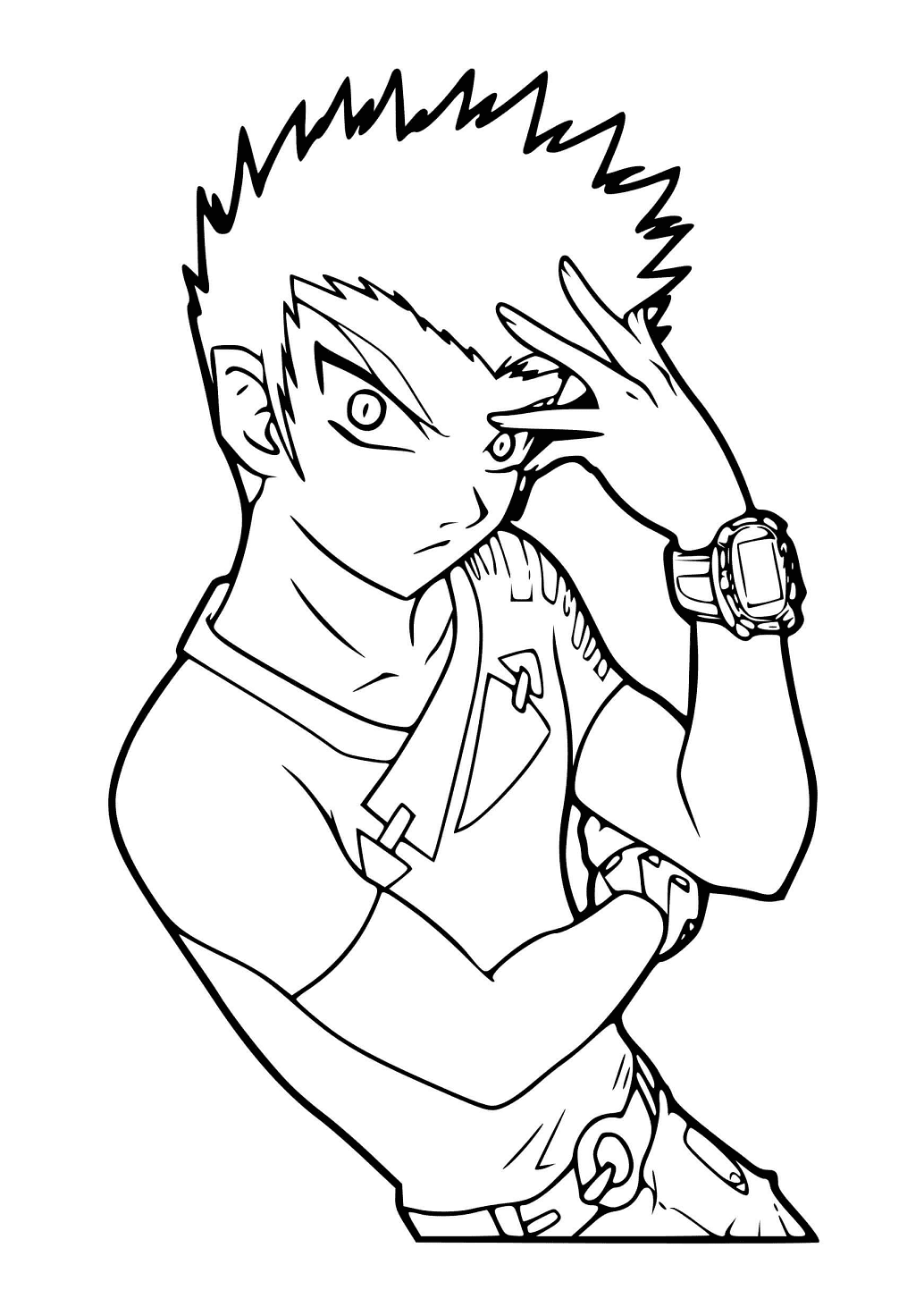
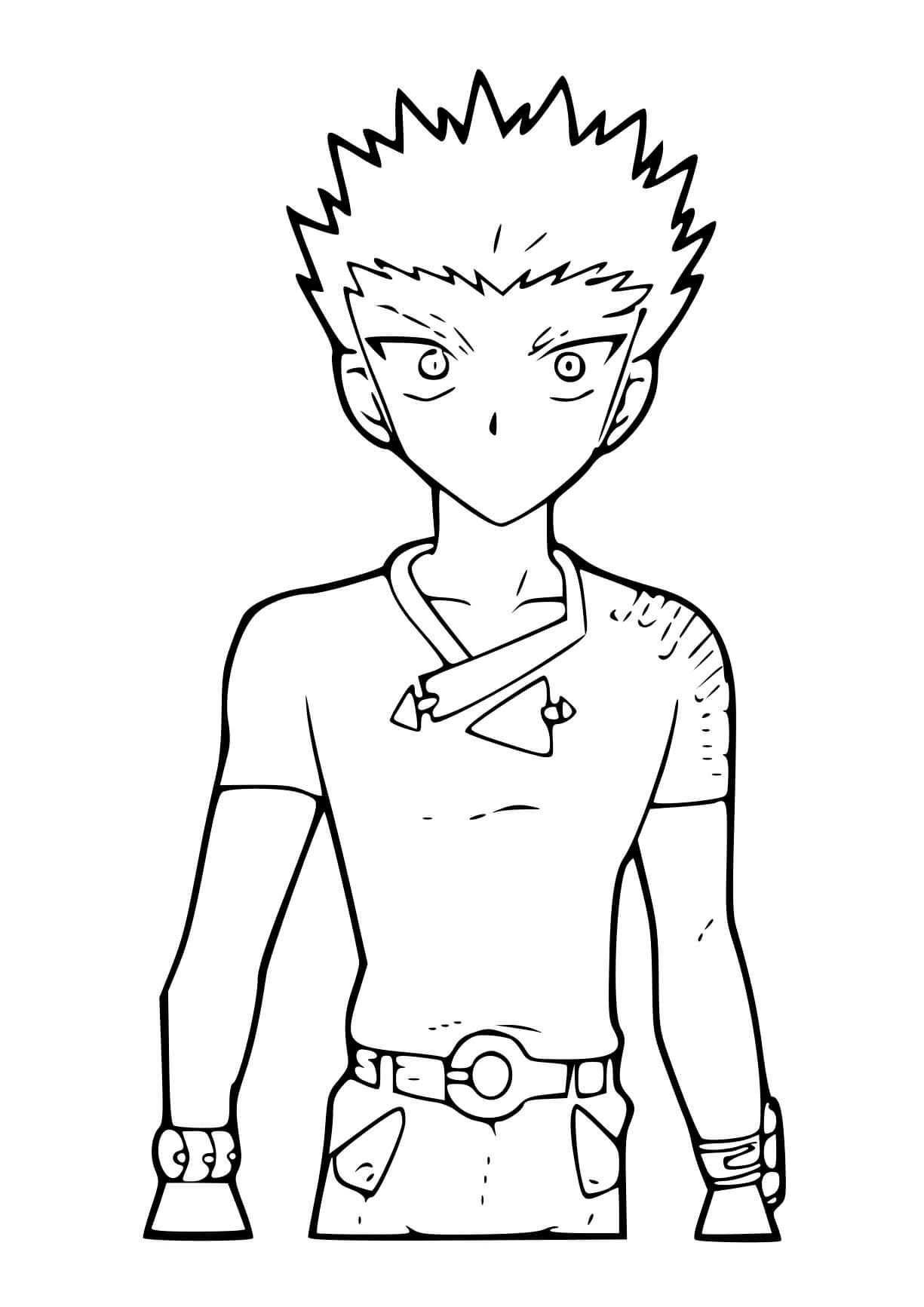
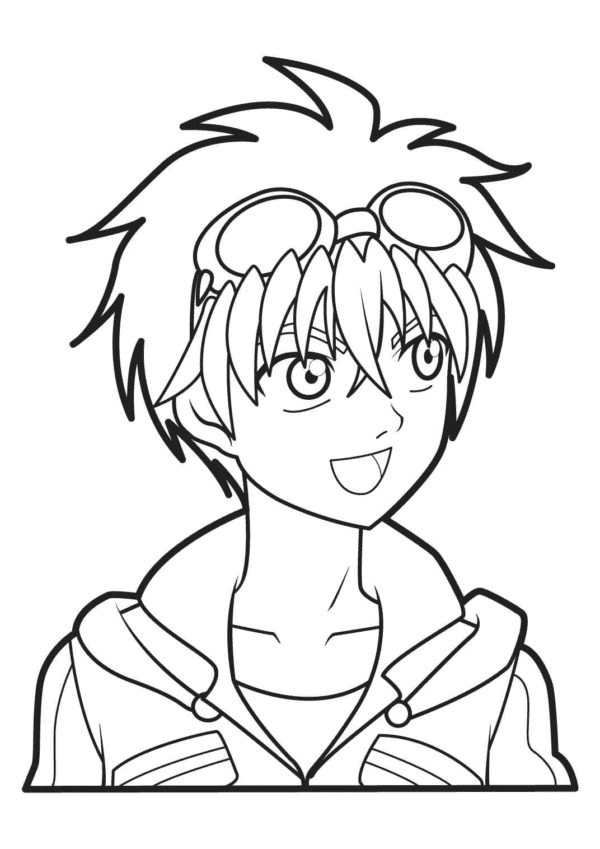
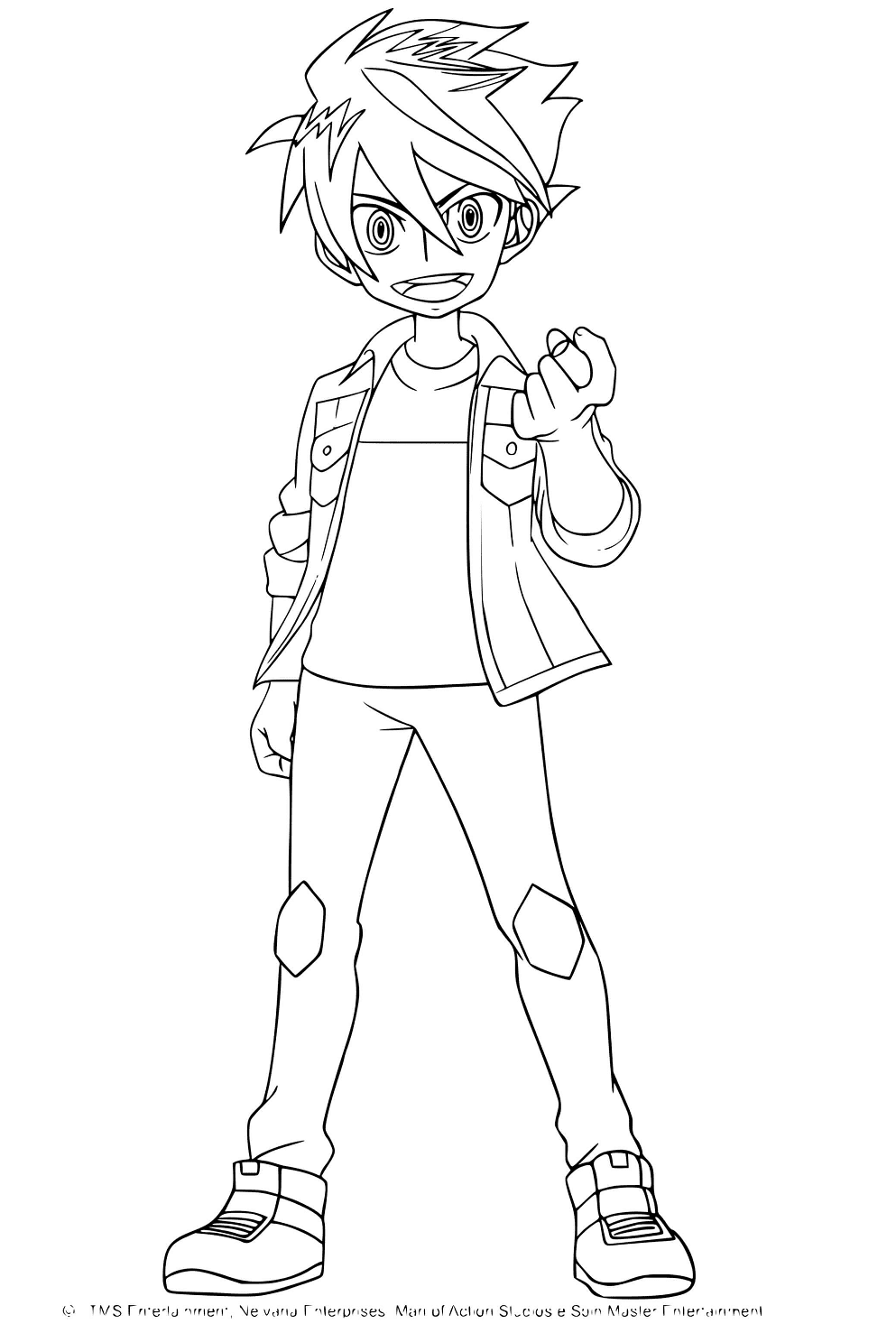
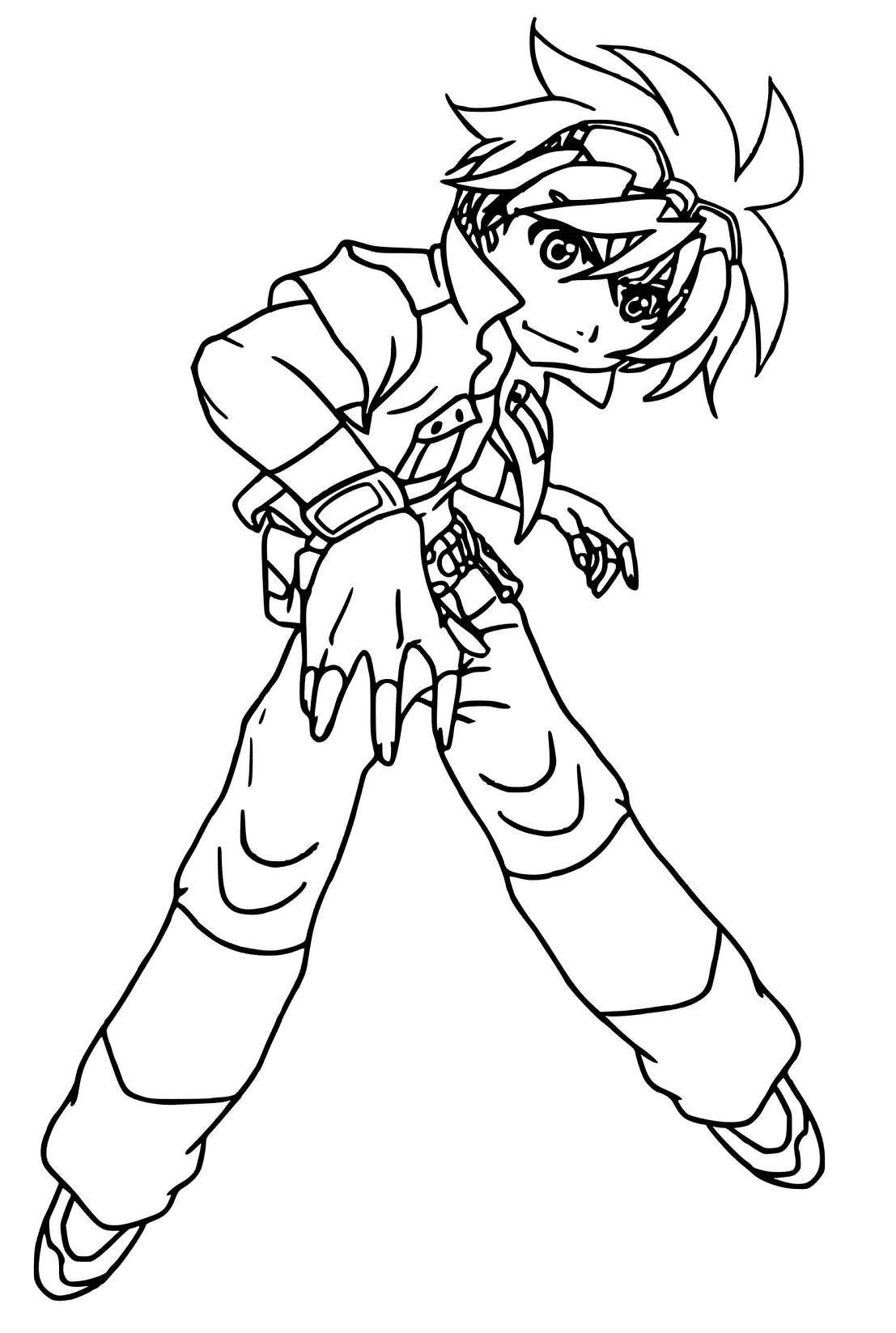
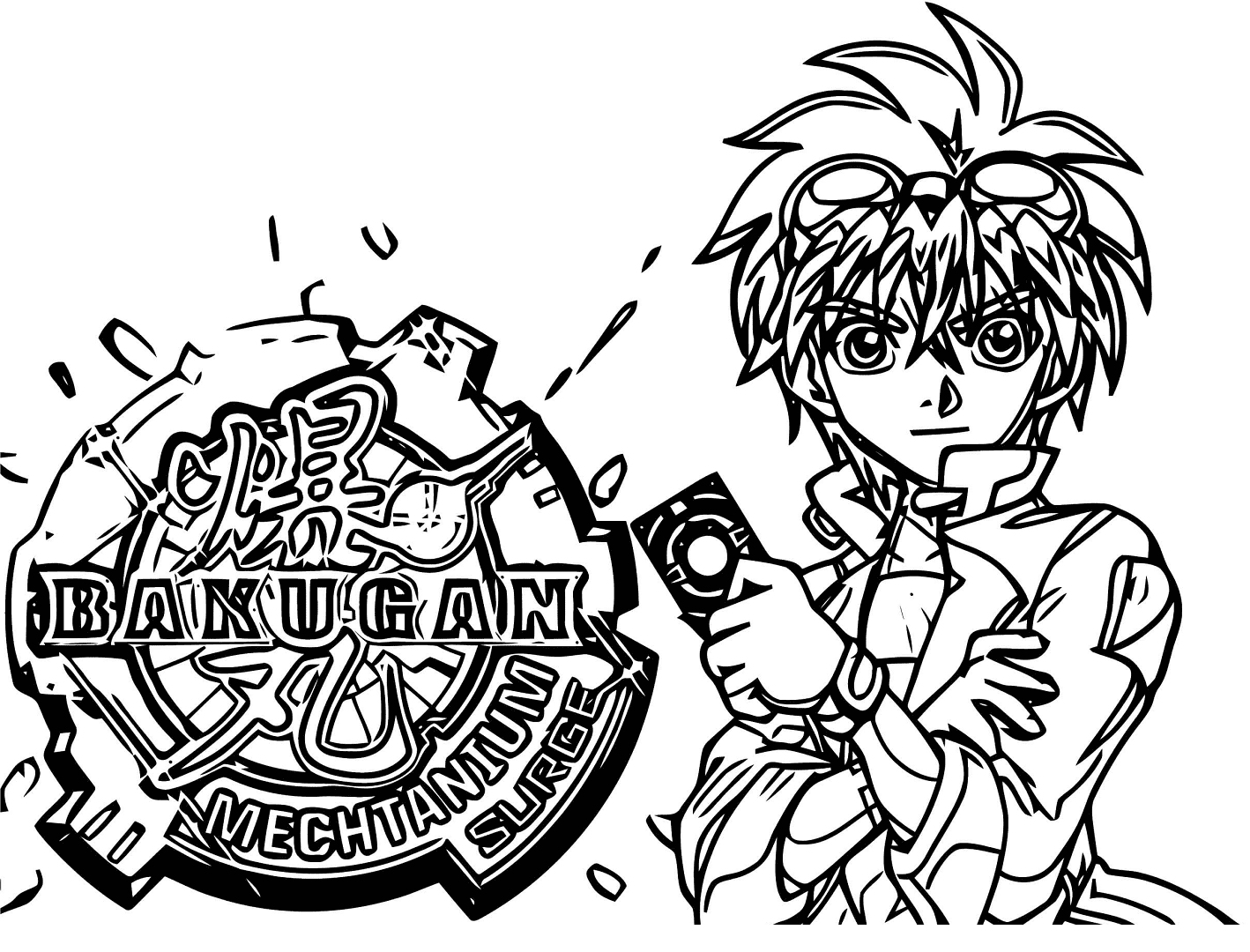
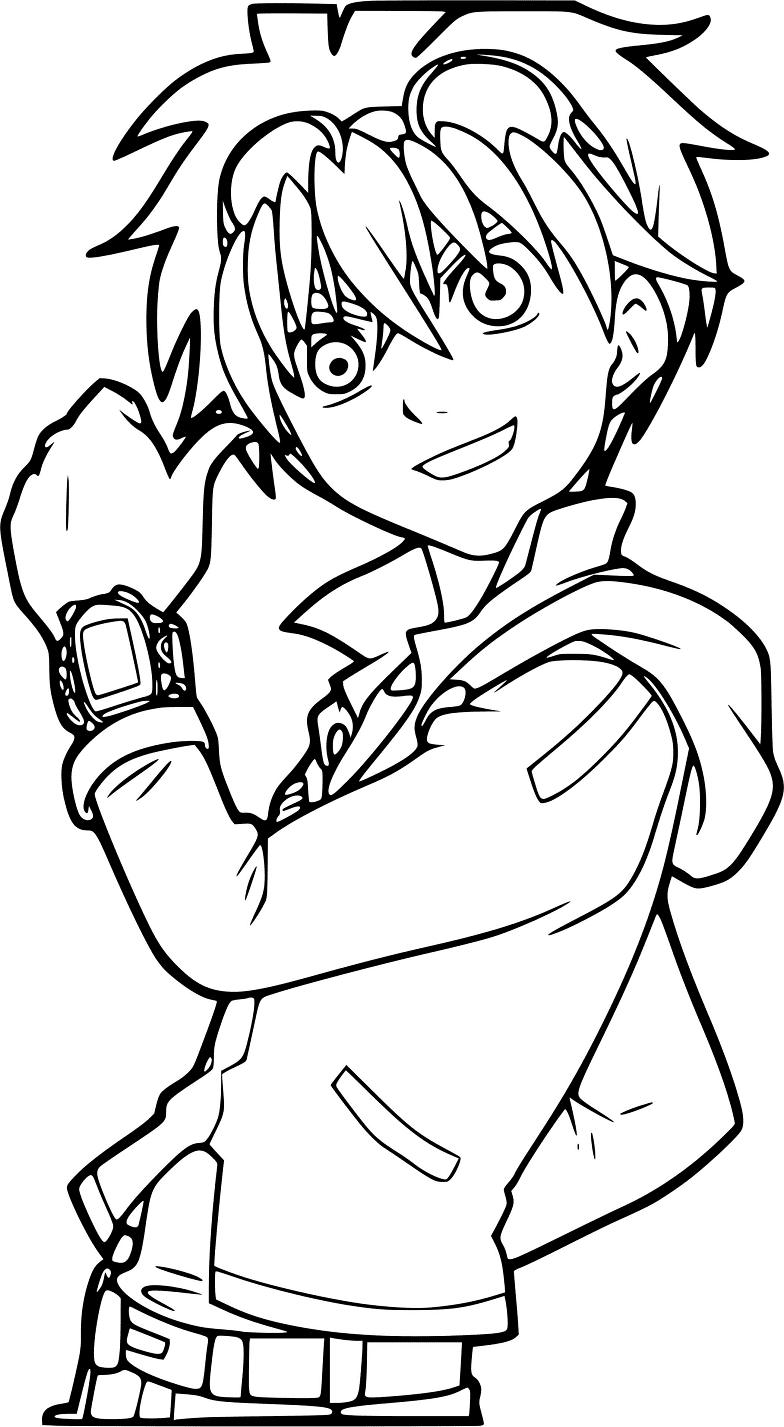
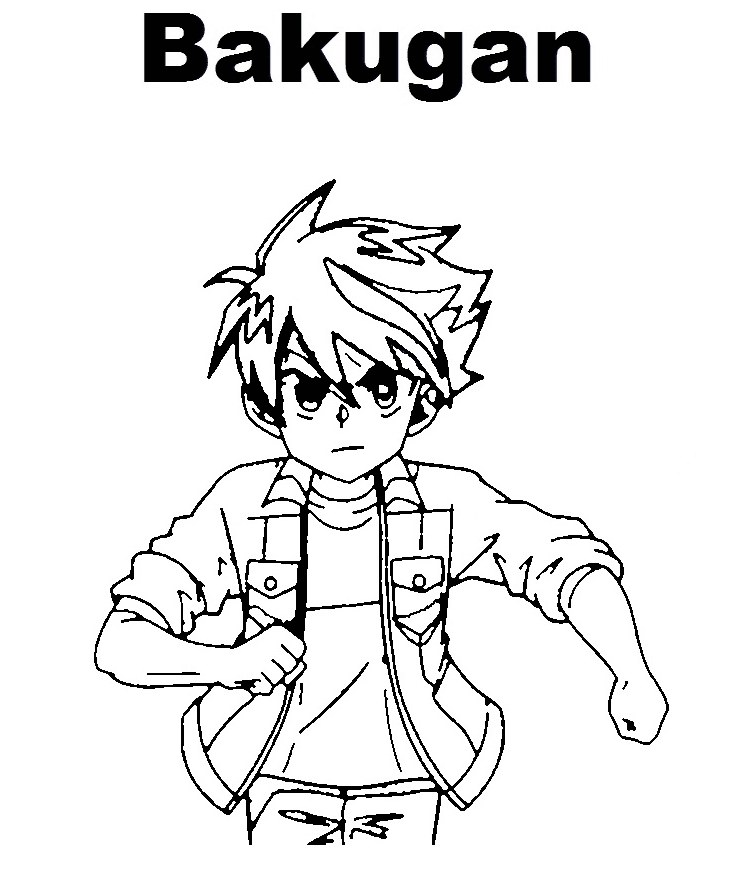
Dan Kuso, Dan Kuso Bakugan, Dan Kuso Bakugan Battle Planet, Dan Bakugan, Kuso Dan, Bakugan Dan – Dan is the protagonist of the original Battle Brawlers series and returns in an evolved form in Battle Planet. He is impulsive, competitive, deeply loyal, and occasionally infuriating to his teammates – the specific combination of traits that anime protagonists in the battle-partner genre have used since the format was established.

In the original series, Dan is eleven years old, wears an orange and white hoodie, and has spiky brown hair and dark eyes. His relationship with Drago develops from a game partnership into a genuine friendship across the series – a narrative throughline that grounds the tournament competition in genuine emotional stakes. The Battle Planet version of Dan is significantly redesigned – leaner, with a different costume design, which is why the collection has both vintage-era and Battle Planet-era pages.

Coloring Dan: Original series – orange and white hoodie, dark brown hair, warm skin tone. Battle Planet – the updated design uses a different color palette that rewards reference checking before coloring.

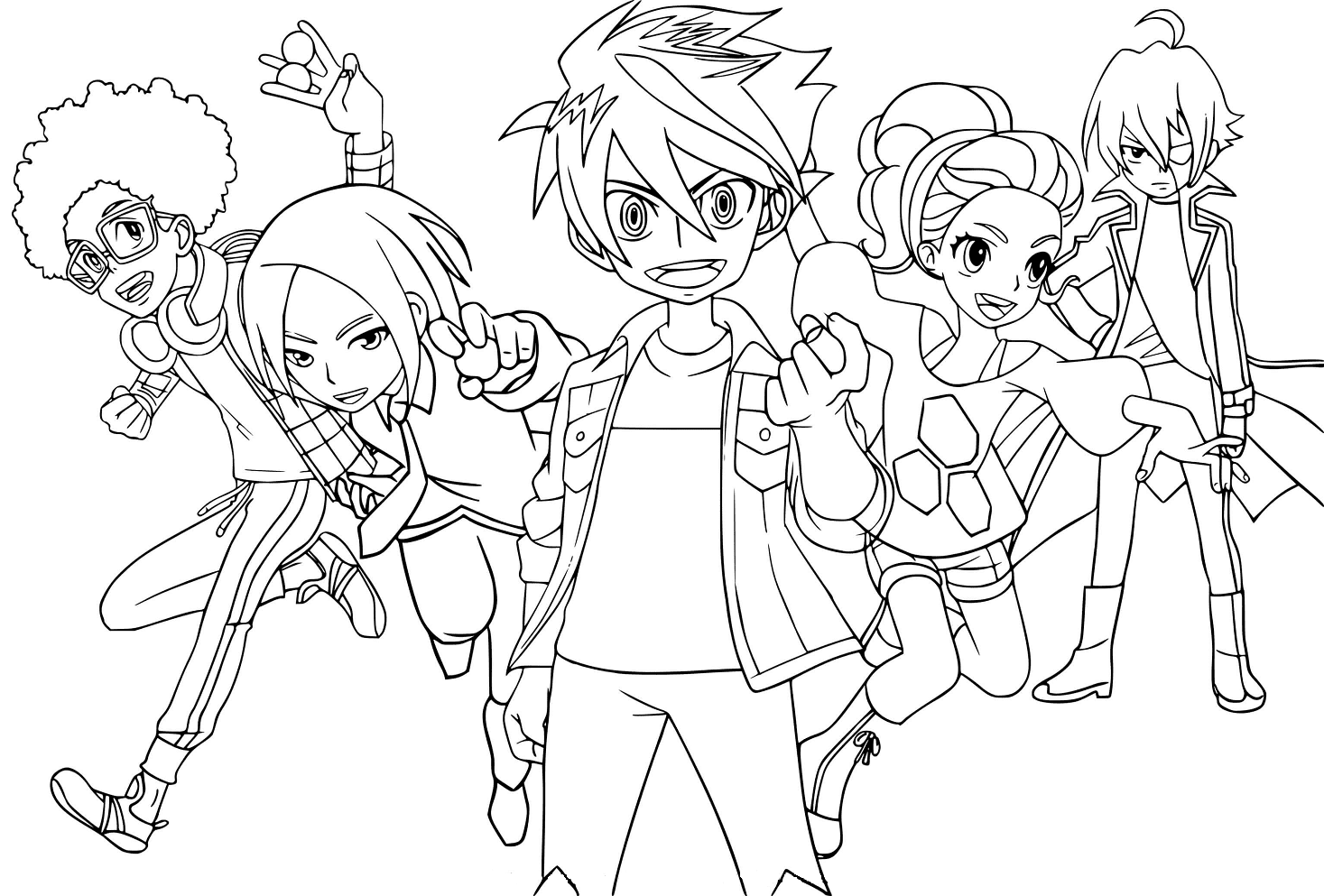
The Original Battle Brawlers – Shun, Marucho, Runo, Julie, Alice

The Battle Brawlers are the team around Dan, and each brings a distinct attribute, personality, and Bakugan partner.

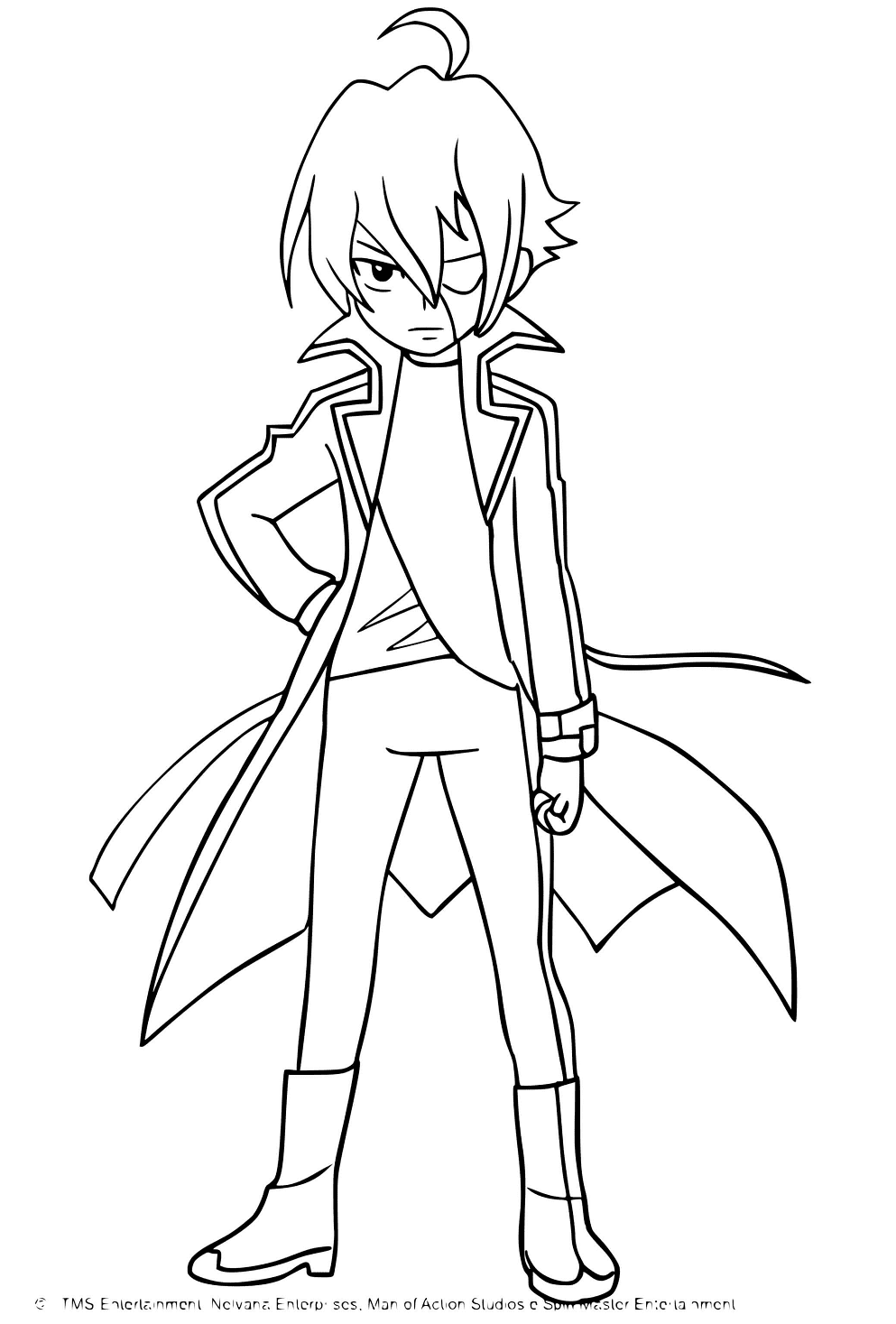
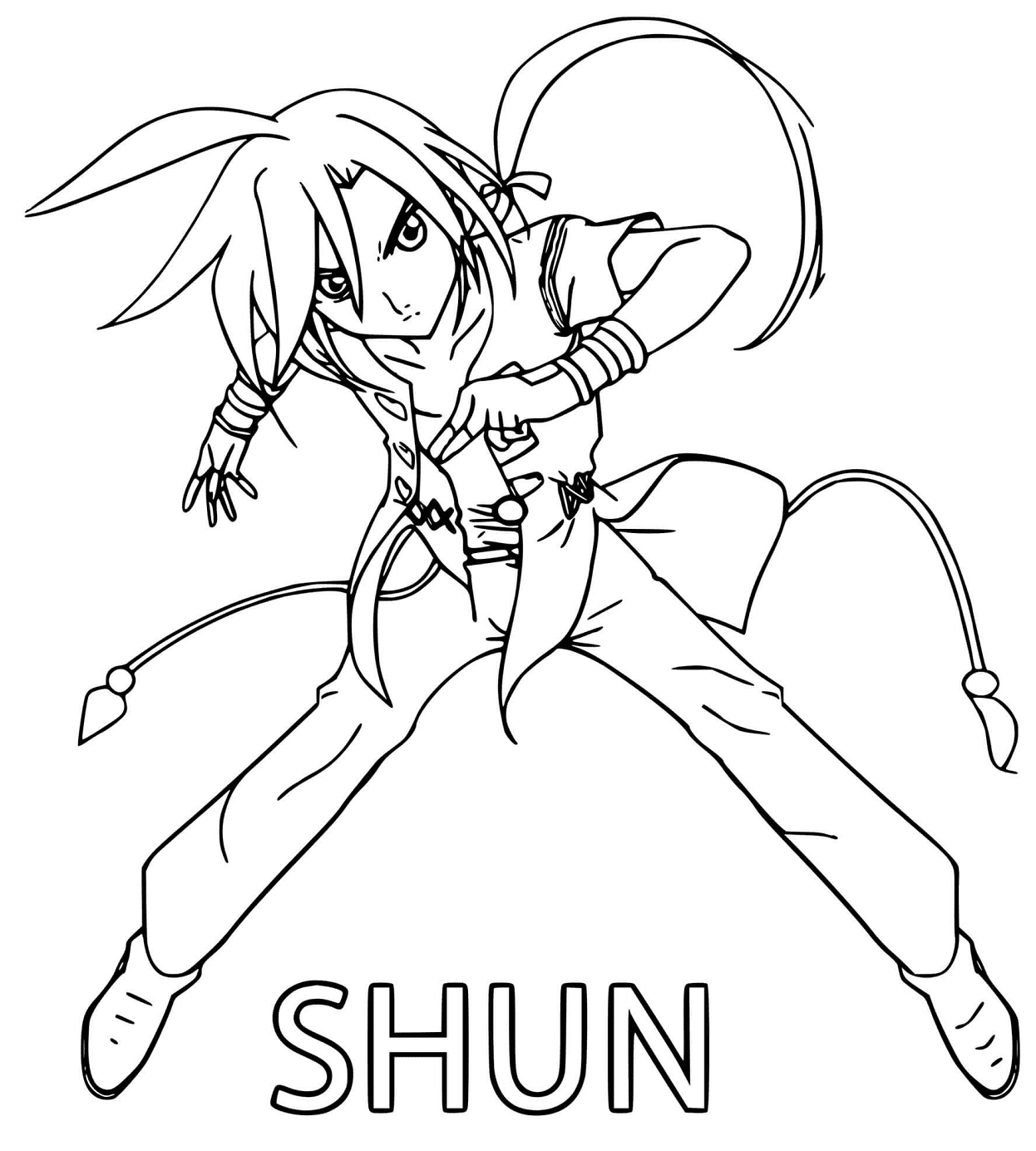
Shun Kazami and Shun Kazami Bakugan depict the team’s most reserved member – a ninja-trained brawler who uses Ventus (wind) attribute Bakugan. His partner is Skyress. Shun’s design: dark hair, green and grey clothing, the composed bearing of someone who has been training seriously since childhood. His relationship with his Bakugan is more formal and respectful than Dan’s enthusiastic partnership with Drago, which creates useful visual contrast in the paired pages.

Skyress appears in her own dedicated page – an elegant, bird-like Ventus Bakugan with green and white plumage. She is one of the original series’ most visually refined creature designs: the wing structure, the feather detail, and the graceful overall silhouette make her the most ornate single-creature coloring subject in the collection.

Marucho gives Dan’s youngest and wealthiest teammate his own page – the blue-haired child strategist who uses Aquos (water) attribute Bakugan and applies tactical intelligence rather than emotional intensity to brawling.

Runo Misaki is the red-haired, combative member of the team who uses Haos (light) attribute Bakugan – specifically Tigrerra, who appears separately in this collection.

Julie is the Australian-born, cheerful, Earth-attribute (Subterra) brawler whose enthusiasm matches Dan’s and whose Bakugan – Gorem – is among the sturdiest of the original lineup.

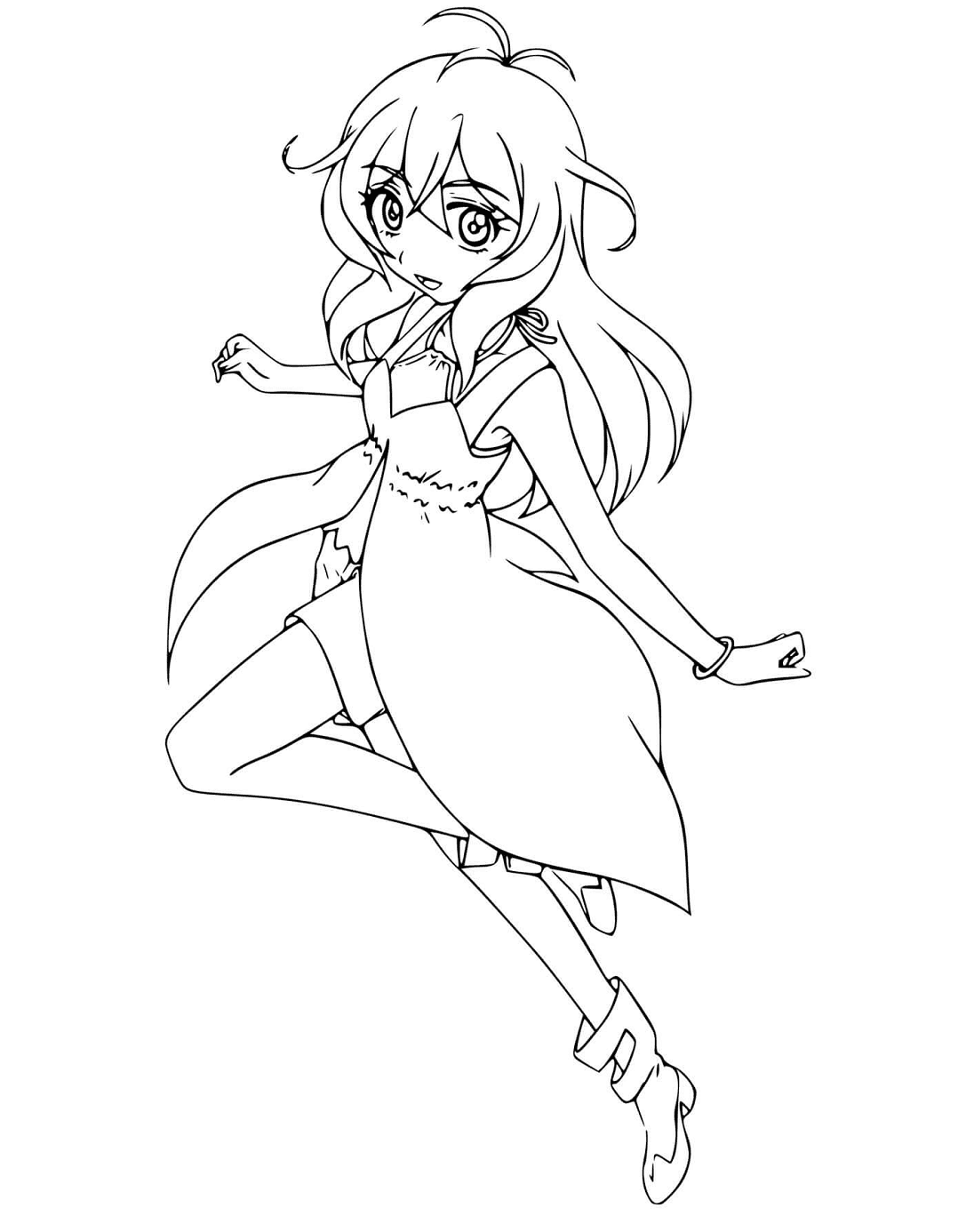
Alice Gehabich and Alice’s Dark Side are the collection’s most narratively charged character pages. Alice appears as a gentle, strategic brawler – and Alice’s Dark Side depicts Masquerade, the masked identity she takes on when she is possessed by Hal-G, the series’ human antagonist. The dual-page presentation captures one of the original series’ most dramatically interesting character arcs: a team member who becomes an antagonist without knowing it.
Masquerade and the Antagonists

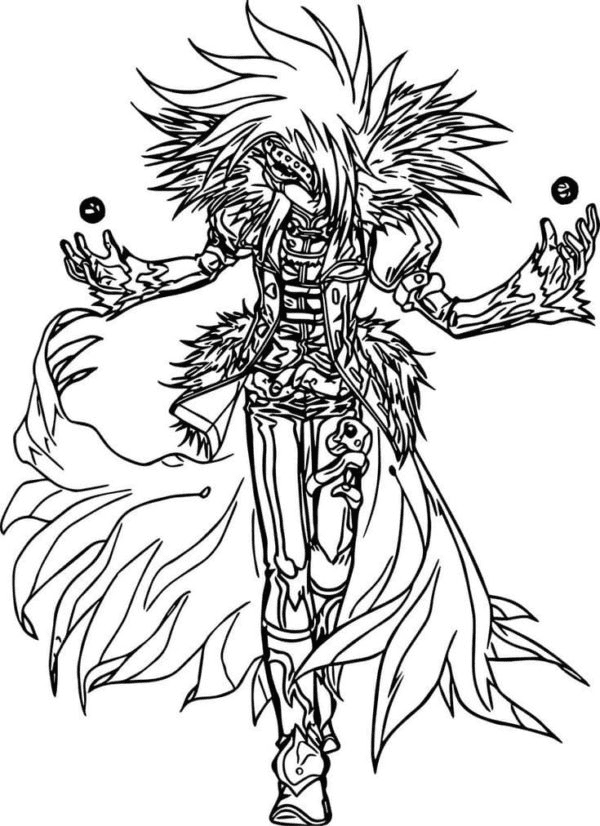
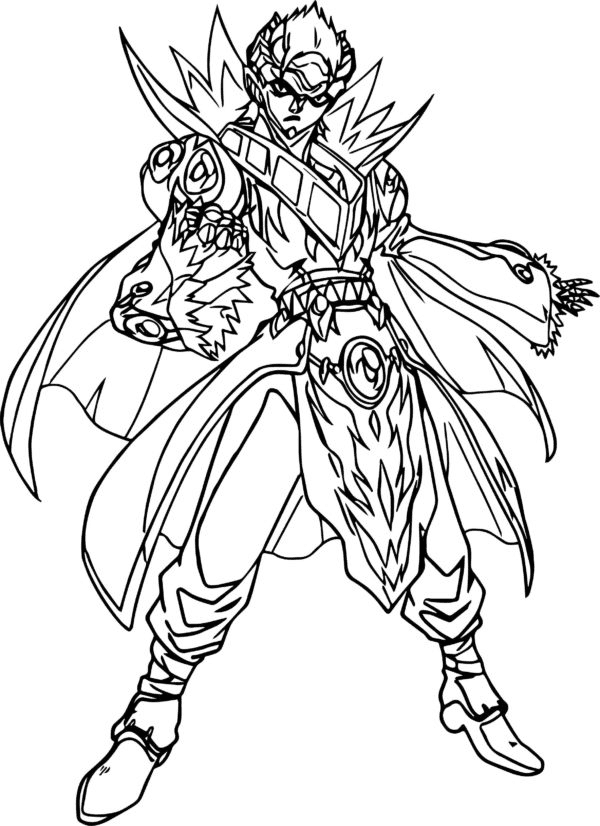
Masquerade is the collection’s primary villain page – the masked Darkus (darkness) attribute brawler who sends defeated Bakugan to the Doom Dimension. His design is deliberately theatrical: a white mask, dark clothing, and the specific aesthetic of someone who has chosen mystery as a power position. Revealing Masquerade’s identity as Alice is one of the original series’ most effective dramatic reversals, and the juxtaposition of the two pages in this collection captures both sides of that reveal.
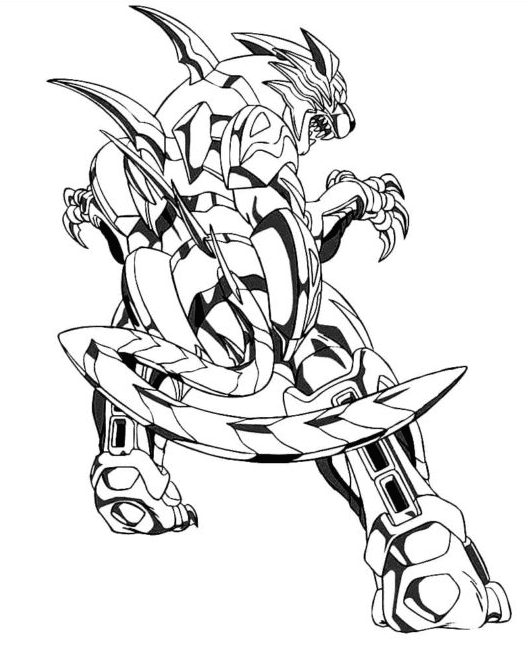
Magnus Black – a Battle Planet antagonist – gives the newer series its villain representation in the collection. Magnus uses Darkus attribute Bakugan and serves as the primary rival/antagonist in the Battle Planet storyline.

The Bakugan Creatures – Beyond Dragonoid

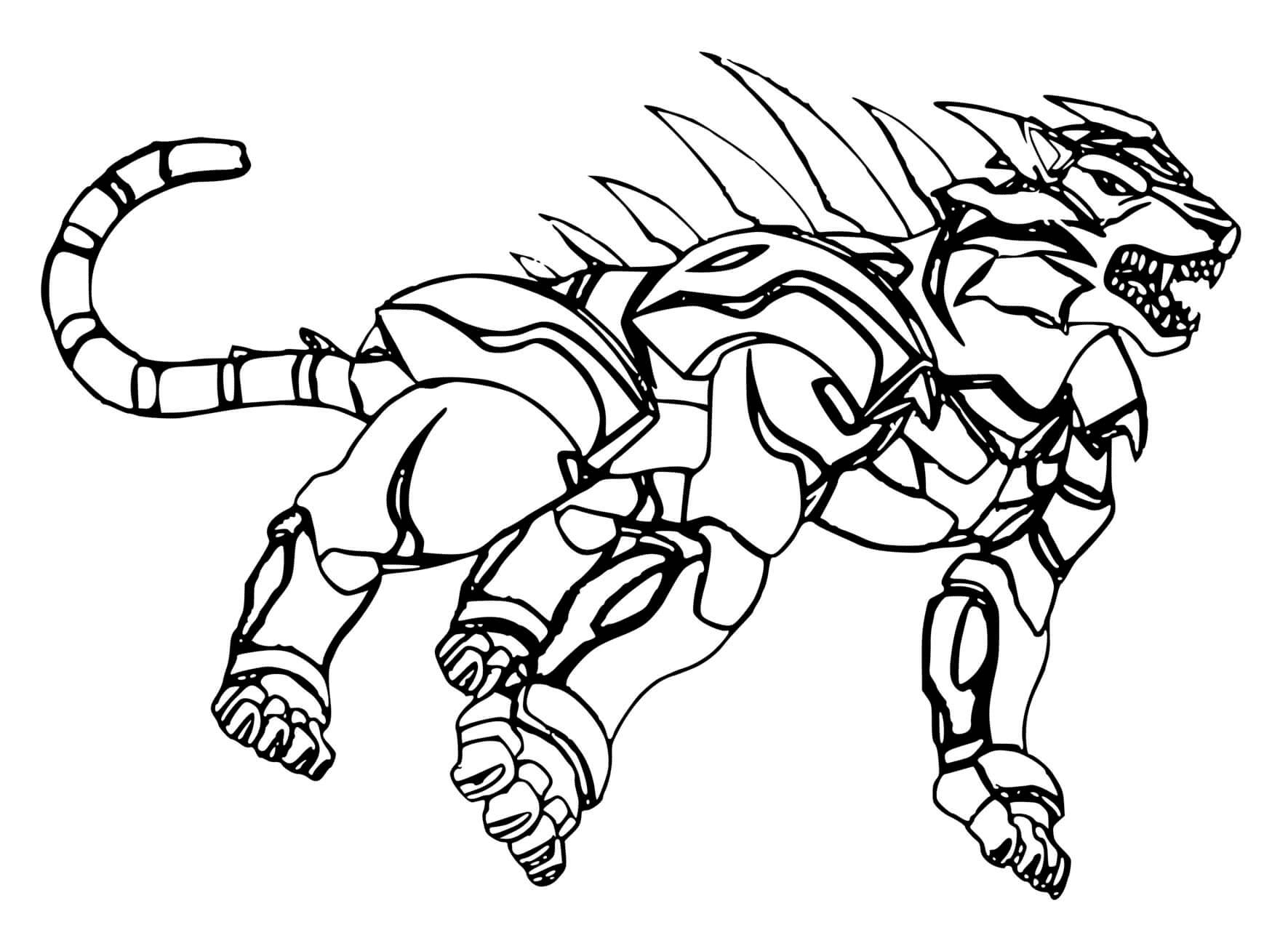
Tigrerra and Tigrerra Bakugan depict Runo’s Haos-attribute partner – a humanoid tiger creature in white and gold, one of the original series’ most humanoid Bakugan designs. Her upright posture and distinct face give her more character expressiveness than the more beast-like Bakugan in the collection.

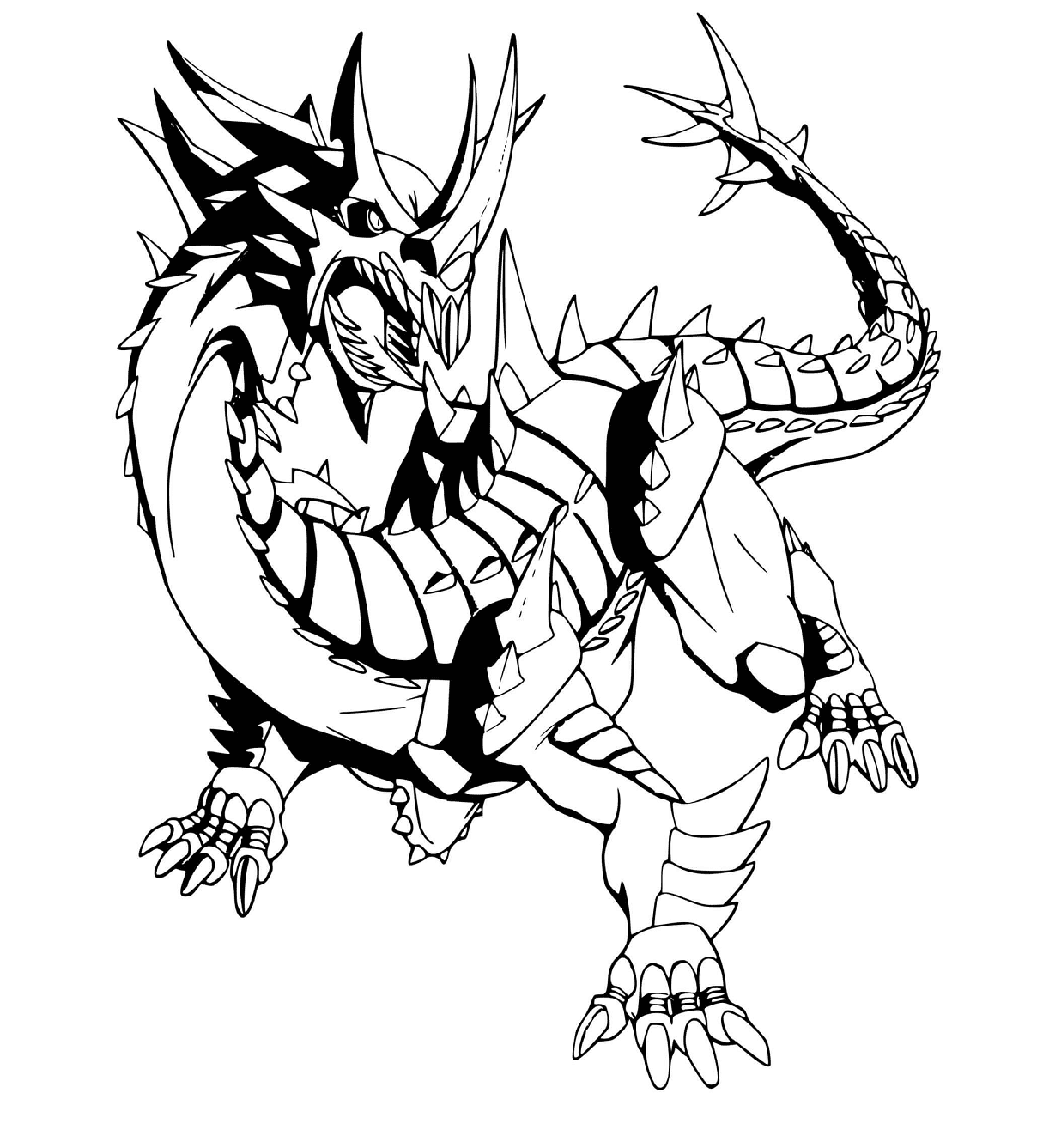
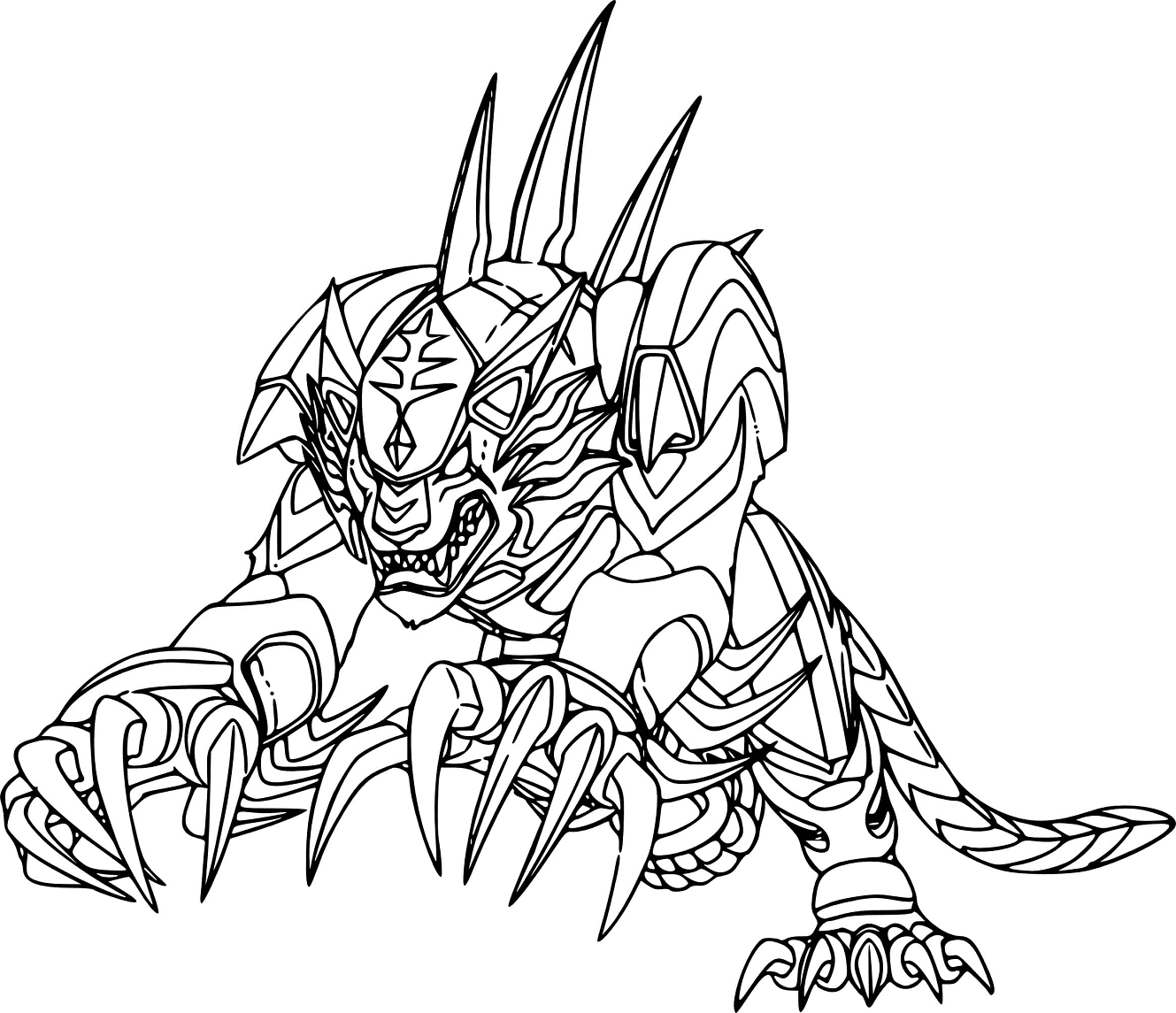
Hydranoid Bakugan shows Masquerade’s primary partner – a Darkus-attribute dragon with multiple heads and an imposing, menacing design that reads as the deliberate visual opposite of Drago’s heroic dragon aesthetic. Where Drago is warm-toned, forward-leaning, and powerful, Hydranoid is cool-toned, threatening, and built to intimidate.

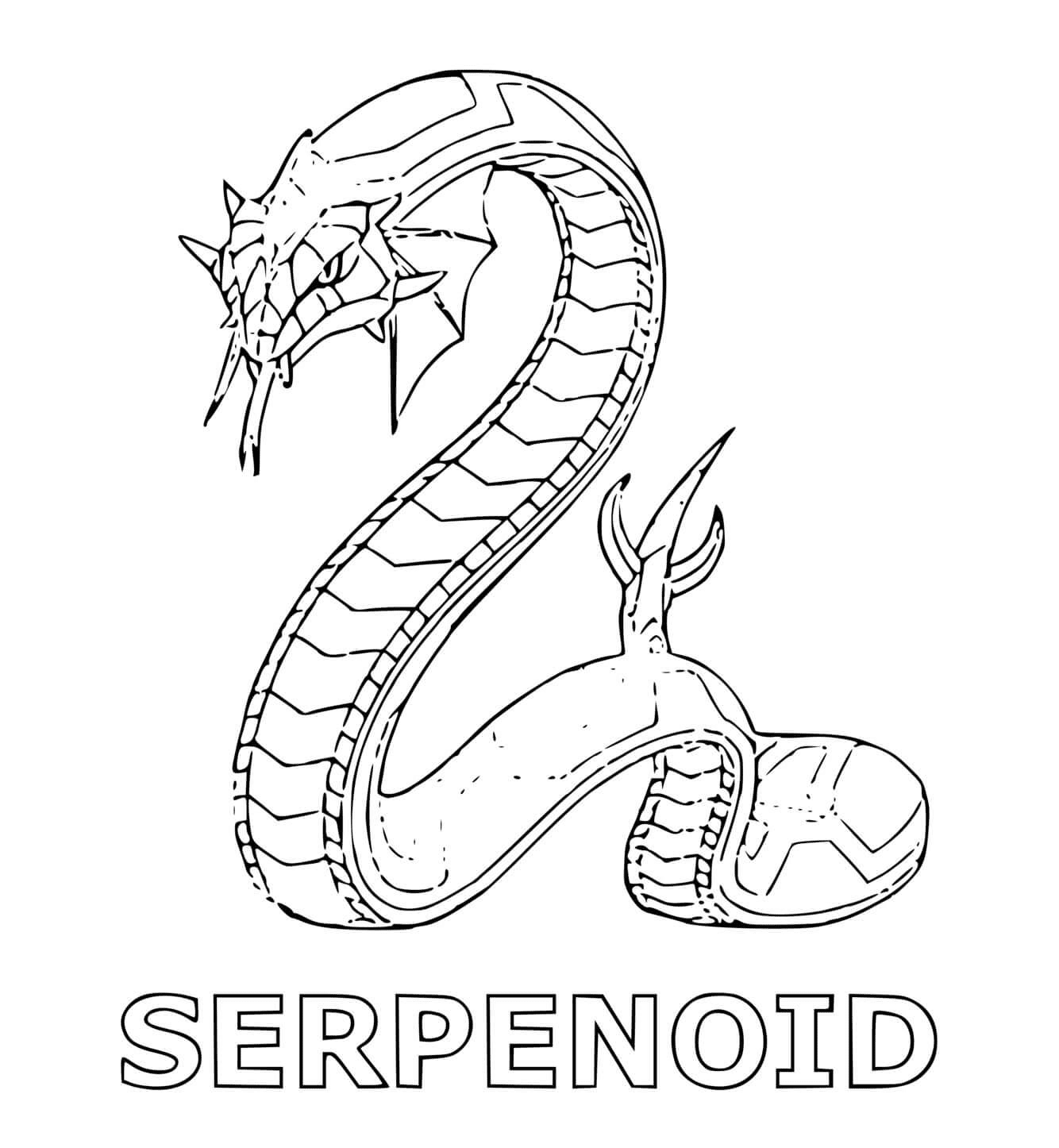
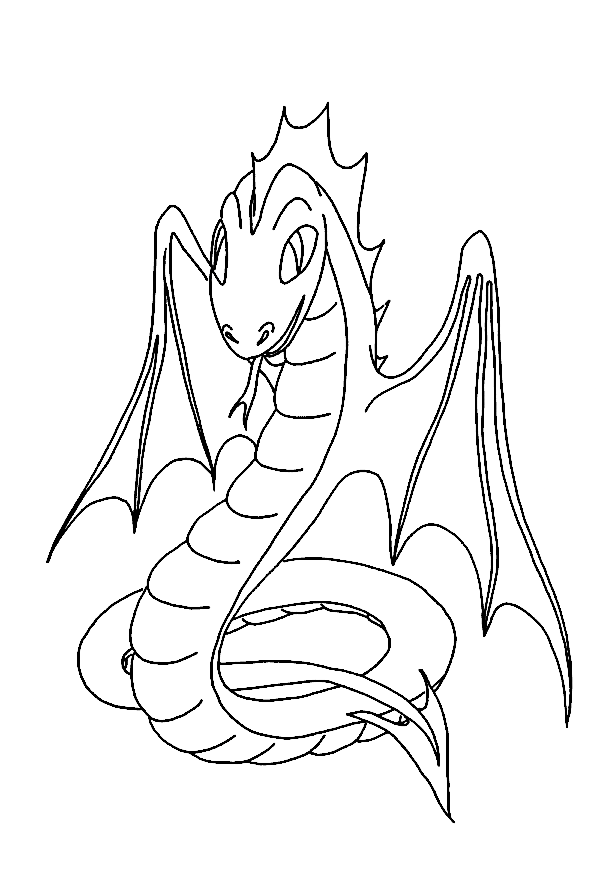
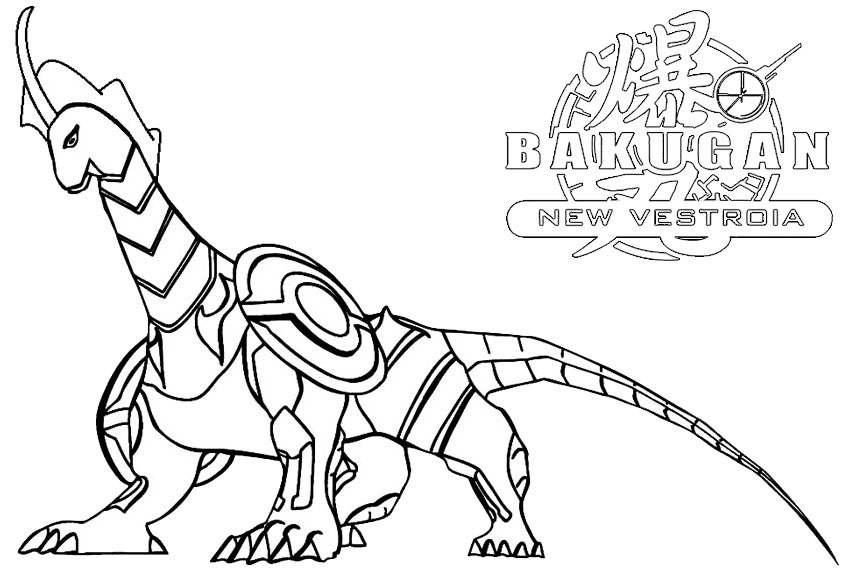
Serpenoid and Serpentine Bakugan give two pages to snake-type Bakugan – among the simplest creature designs in the original lineup, which makes them excellent pages for younger colorists building confidence before tackling the more complex dragon and humanoid pages.

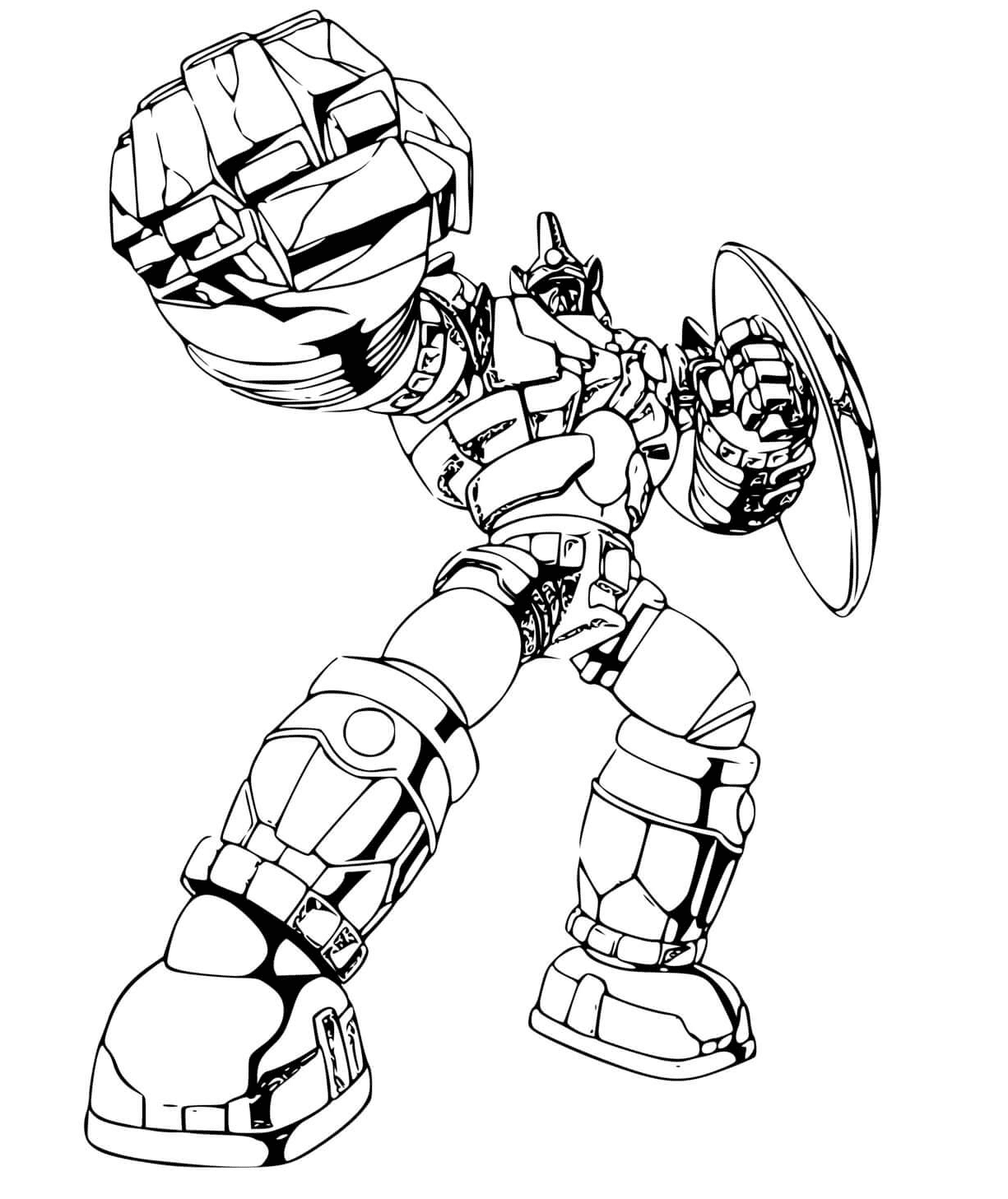
Preyas Dragon Bakugan, Naga Dragon Bakugan, Altair, and Phaedrus/Phaedrus Bakugan cover additional creatures across the franchise’s early seasons. Altair is a mechanical bird Bakugan – a robotic predator design that rewards the metallic coloring technique (base tone, highlight, shadow, shine line) applied to its mechanical surface elements.

Bakugan Robot, Bakugan Saurus, and Bakugan Tigres provide additional creature coverage in the collection’s earlier pages.

Battle Planet Cast

Wynton Styles Bakugan Battle Planet, Lia Venegas, Masato Kazami, Shoko Marukura Bakugan, Tigres Bakugan Battle Planet, and Dan Kuso Bakugan Battle Planet represent the 2019 reboot series, which redesigned the franchise for a new generation with updated character designs, a revised backstory, and new Bakugan creatures alongside familiar ones.

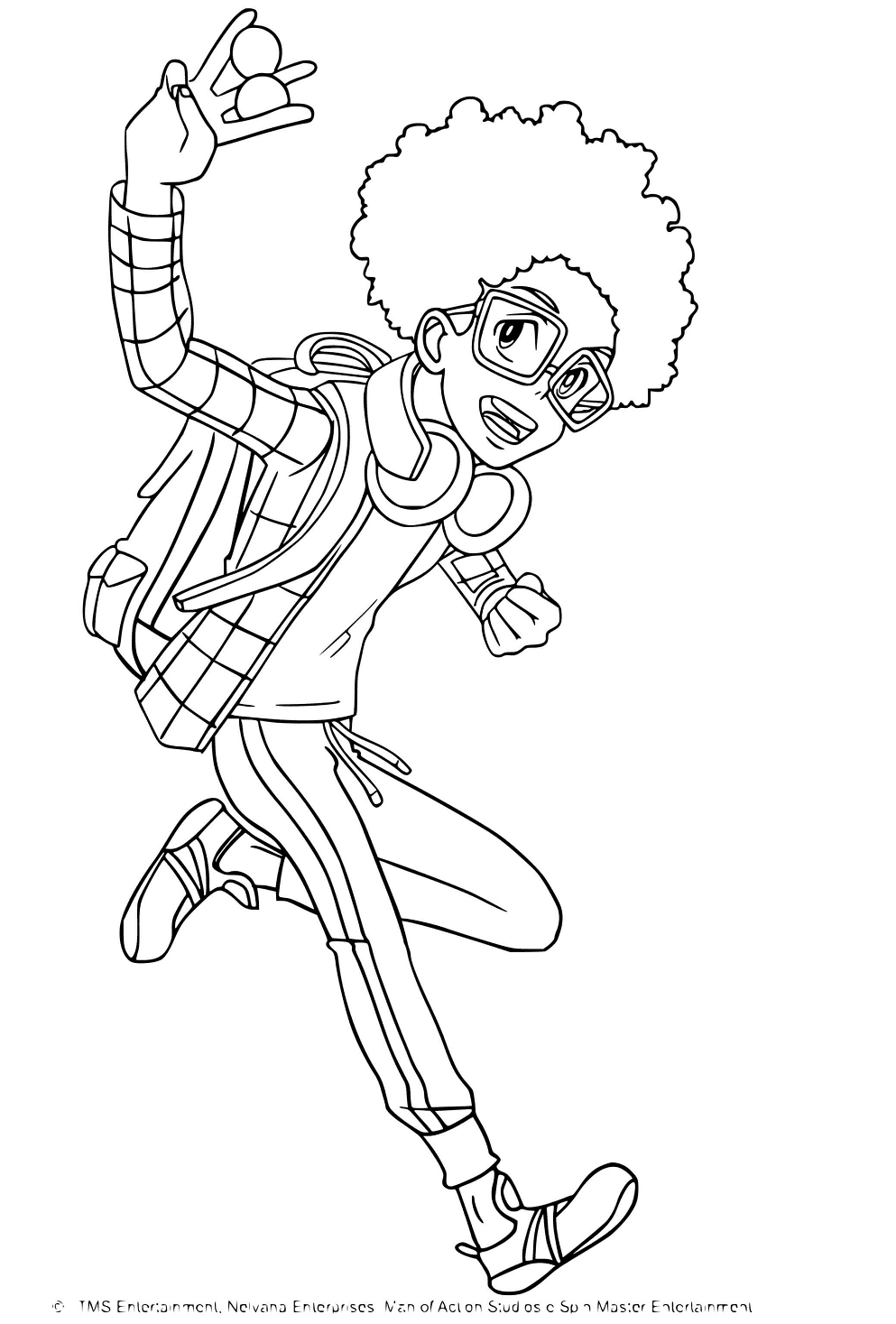
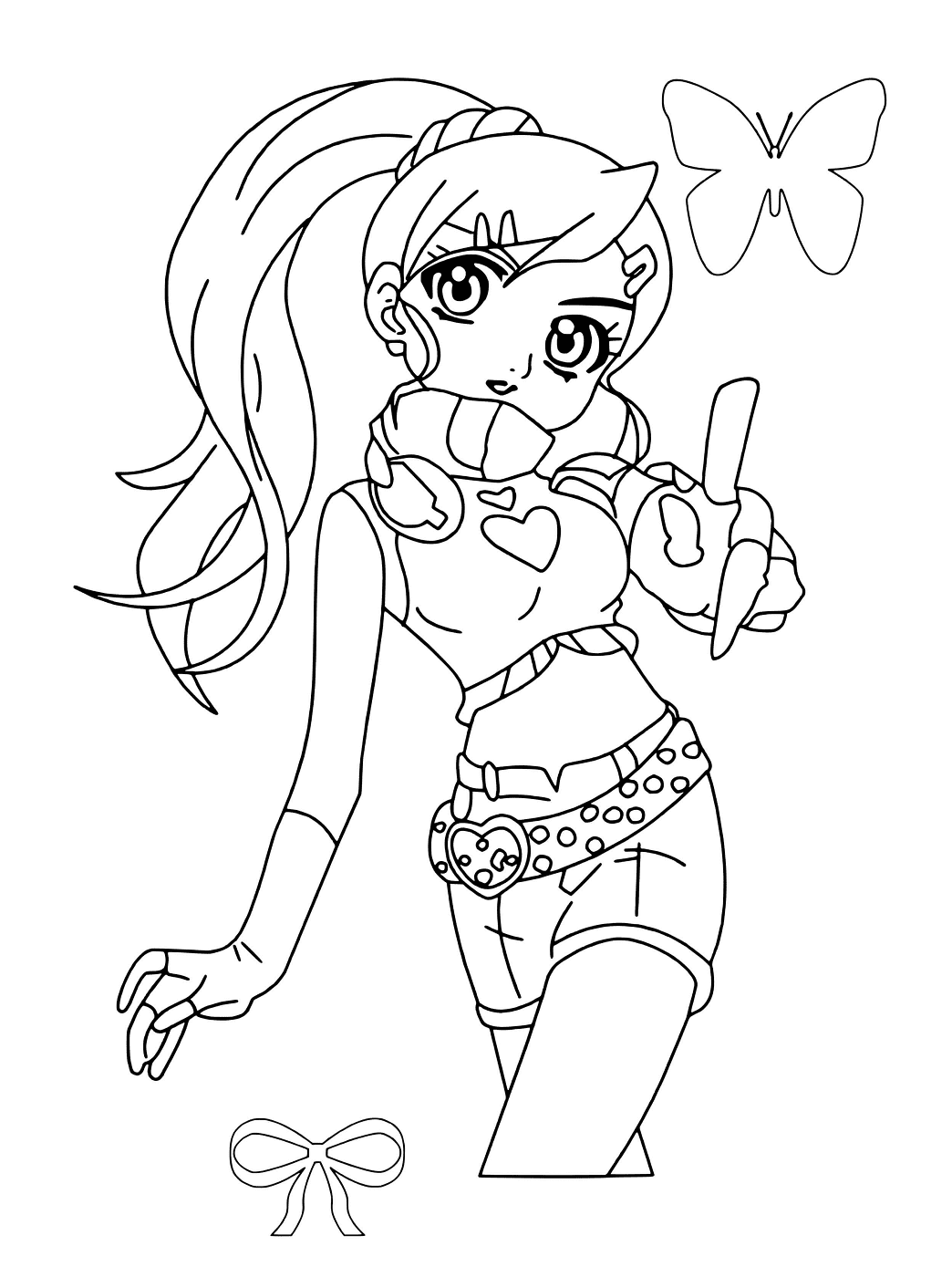
Wynton Styles is Dan’s best friend in Battle Planet – a contrast to Dan’s impulsiveness in the same way Shun Kazami contrasted in the original. Lia Venegas brings the team’s second female character alongside the redesigned Bakugan Battle Planet roster.

Group and Reference Pages

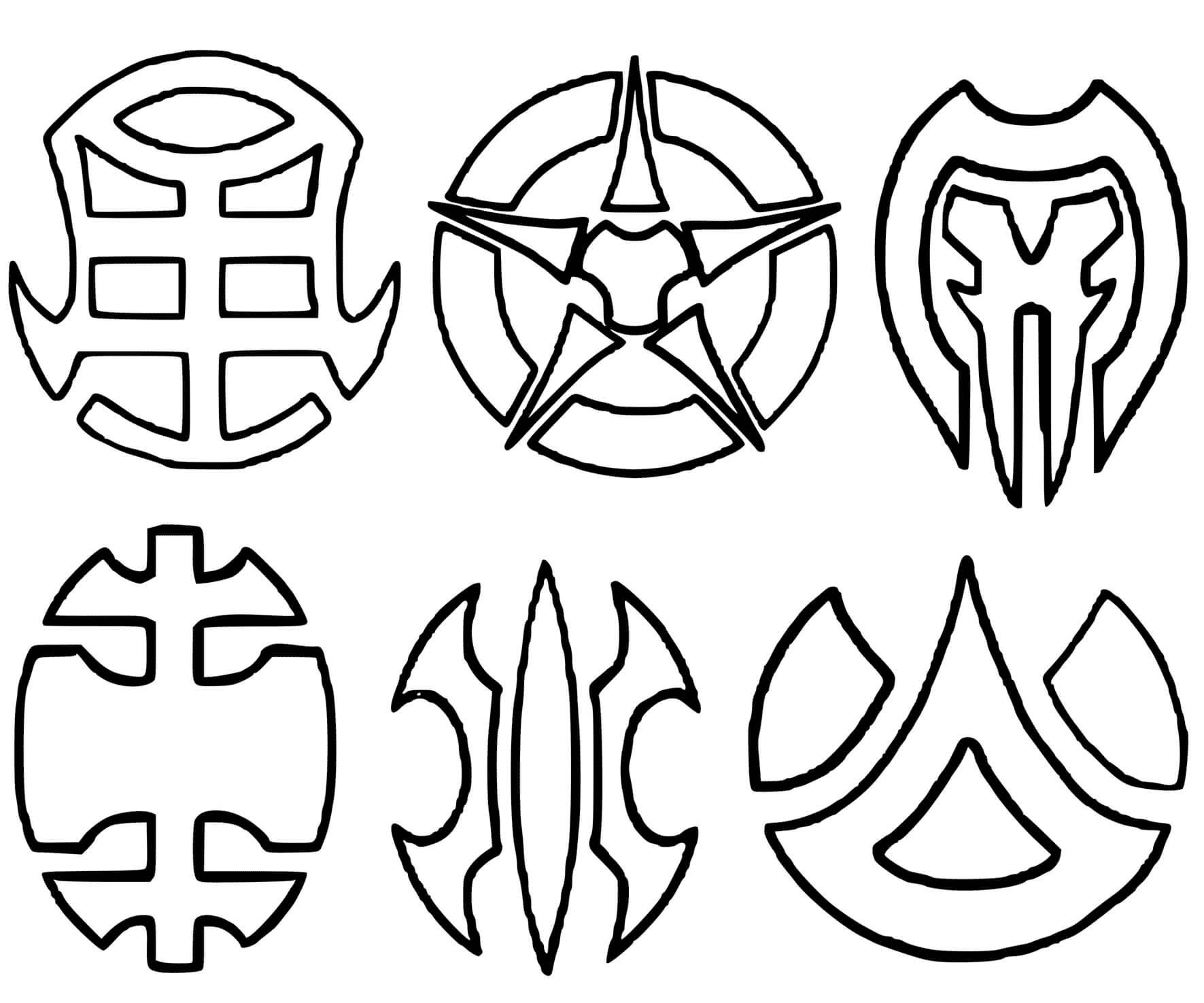
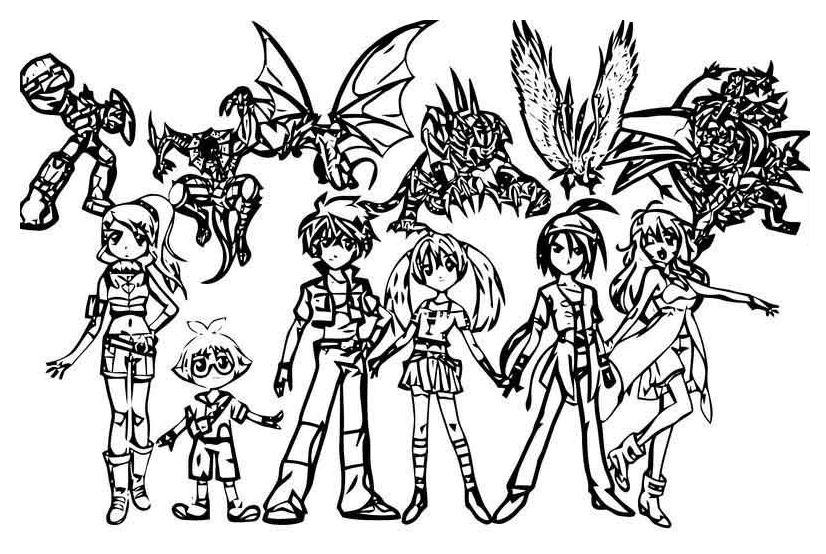
Bakugan Battle Brawlers and Their Bakugan and Bakugan Battle Planet Characters are the collection’s most ambitious pages – group compositions showing multiple characters and their Bakugan partners simultaneously. All Elements of Bakugan provides a reference page showing all six original attributes – Pyrus, Haos, Darkus, Aquos, Ventus, Subterra – as a visual catalog of the franchise’s attribute system.

The Bakugan Toy – What Made It Special

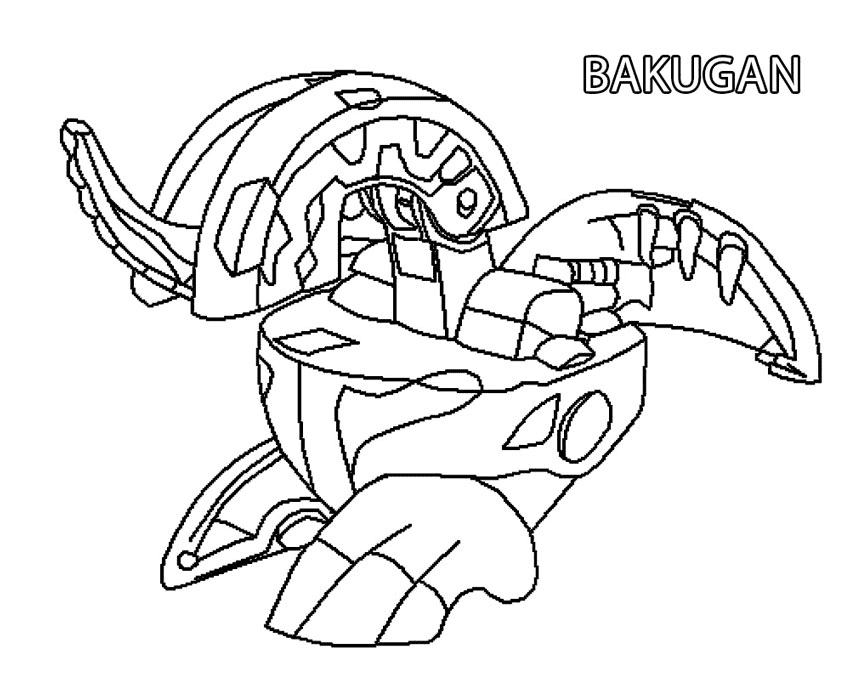
Understanding what made Bakugan toys so successful helps explain why the franchise’s characters are such compelling coloring subjects. The toy’s core mechanism – a ball that snaps open magnetically when placed on a special card, unfolding into a creature shape – was invented by Sega Toys and is protected by multiple patents. The physical sensation of the snap, the visual drama of the creature emerging from the sphere, and the card game mechanics that gave the opening meaning all combined to create one of the most satisfying toy experiences of the 2000s.

Over two billion individual Bakugan spheres were sold between 2007 and 2010. At the franchise’s peak, Bakugan was the third best-selling toy line in North America, behind only Barbie and Hot Wheels – both of which had been established for decades before Bakugan was conceived. The toy is currently produced by Spin Master in evolved forms, continuing the franchise into its second decade.

The creature designs on the coloring pages in this collection are directly derived from the toy and animation designs, which means coloring them is an engagement with designs that were developed to be physically realized as magnetic snap-open spheres. The practical constraint of having to fit inside a sphere gives each Bakugan design a specific internal logic of compactness and expansion that makes them more interesting than generic monster designs would be.

How to Color These Pages Well

Match the attribute color to the creature. The Bakugan attribute system assigns each creature to one of six elements, each with a canonical color family: Pyrus (fire) is red and orange; Haos (light) is white and gold; Darkus (darkness) is black and purple; Aquos (water) is blue; Ventus (wind) is green; Subterra (earth) is brown and tan. When coloring any Bakugan creature, identifying its attribute and applying the attribute’s color family as the dominant palette produces results that are both more accurate to the franchise and more visually coherent than choosing colors without reference to the system.

Dragon pages want three zones. Drago and Hydranoid – the collection’s two primary dragons – have the same basic surface structure: a primary body color across the torso and main surfaces, a secondary accent color on the horns, wing membranes, and spines, and a tertiary highlight color for the areas of maximum light exposure. Establishing all three before applying any color and committing to the zone boundaries before beginning, prevents the page from becoming muddy through overmixing.

Mechanical Bakugan wants a warm-cool contrast. Altair and the Cyber Dragonoid pages mix organic and mechanical elements – and the most effective way to differentiate them is temperature. Organic areas (biological scales, muscle groups) should be slightly warmer in tone than the mechanical areas (metal plating, mechanical joints), which should be cooler and more silver-grey. Even a subtle temperature shift between the two surface types makes the distinction between organic and machine-readable clearly.

Masquerade’s mask is the key detail. The white mask against dark clothing is Masquerade’s defining design element, and coloring it precisely – clean white against deep black or dark purple surrounding garments – is what makes the finished page read correctly as Masquerade rather than as a generic dark-costumed figure.

For the group pages, establish color territories before starting. The Bakugan Battle Brawlers and Their Bakugan page places multiple characters and their partners in a single composition. Before applying any color, lightly note which character and which Bakugan get which palette – and make sure no two adjacent figures share the same dominant color. The visual distinction between characters in a group page depends entirely on clear palette separation.

5 Creative Craft Ideas

Attribute Color Study

Print six Bakugan creature pages – one representing each original attribute: Drago (Pyrus), Tigrerra (Haos), Hydranoid (Darkus), a Marucho Aquos partner (Aquos), Skyress (Ventus), and a Subterra creature (Subterra). Color each in its attribute’s canonical palette.

Mount all six on a single large backing sheet in a circular arrangement, with the All Elements of Bakugan reference page in the center. Label each creature with its attribute name and the primary color associated with that attribute.

The finished display is a Bakugan attribute reference guide made visual – the kind of knowledge that distinguishes serious fans from casual viewers, organized and displayed through careful coloring. It also produces one of the most visually striking displays in the collection because the six attribute colors are genuinely distinct and create a vivid multi-color arrangement.

Brawler and Partner Paired Cards

For each major brawler in the collection – Dan/Drago, Shun/Skyress, Runo/Tigrerra, Marucho/his Aquos partner, Alice/Masquerade – print the character page and the Bakugan partner page and color them as a deliberate pair.

Mount each character page and partner page side by side on a piece of cardstock, character on the left, Bakugan on the right. Between the two images, write in your own hand: the character’s name, the Bakugan’s name, the attribute they share, and one sentence about what their relationship represents in the series.

The finished set of paired cards is a complete guide to the Battle Brawlers team – both the human and Bakugan dimensions of each partnership displayed together. It demonstrates genuine knowledge of the franchise and produces a display piece that works as both fan art and reference material.

Bakugan Battle Diorama

Print the largest Drago page and the Hydranoid page at full size. Color Drago in Pyrus red-orange, Hydranoid in Darkus black-purple. Cut both creatures out along their outlines. On a large piece of dark poster board – deep blue or black – arrange them facing each other across the center of the board, with Drago on the left and Hydranoid on the right.

Add Dan and Masquerade pages (printed smaller) behind each creature, positioned as if commanding the battle. Add small paper cards in the space between the two sides – cut rectangles representing the Gate Cards that battles are fought on. Hand-letter a title across the top: “BATTLE BRAWLERS: DAN KUSO vs. MASQUERADE.”

The finished diorama tells the story of the original series’ central rivalry in visual form – both sides of the conflict displayed in a single image, the human brawlers behind their Bakugan partners, the Gate Card field between them.

Evolving Drago Timeline

This craft uses the collection’s multiple Drago pages to create a display of Drago’s evolution across the series. Print all available Drago variant pages – the original Dragonoid, the various evolved forms, and the Cyber Dragonoid. Color each one carefully, maintaining consistent primary red throughout all forms but showing the increasing complexity and additional elements in each evolution.

Mount them in chronological order on a long horizontal strip: the earliest form at the left, most evolved at the right. Add the evolution name below each figure. The progression from the original compact sphere creature to the elaborate evolved Dragonoid forms makes the series’ power-scaling visible and tangible – a Bakugan knowledge exercise delivered through careful coloring.

Collector’s Trading Card Set

Print all Bakugan creature pages at 35–40% of full size – trading card scale. Color each one carefully in canonical attribute colors. Apply clear contact paper over each page before cutting to card size. Cut each to a uniform size (standard trading card dimensions: 63mm × 88mm).

On the back of each card, write the Bakugan’s name, attribute, and a power level number of your choosing. Apply a thin cardstock backing to each for rigidity and cover with clear contact paper on the back as well. Store the finished cards in a standard trading card sleeve or box.

The finished set is a personalized Bakugan card collection – each card colored by the maker, each card representing genuine knowledge of the franchise’s creature roster. For children who grew up with Bakugan and still have their original ball toys, pairing each handmade card with the corresponding physical Bakugan creates a complete display of both the two-dimensional and three-dimensional dimensions of each creature’s design.

Frequently Asked Questions

What is Bakugan, and where did it come from? Bakugan Battle Brawlers is an anime and toy franchise created through a collaboration between Japanese company Sega Toys and Canadian toy company Spin Master. The original anime series premiered simultaneously on TV Tokyo in Japan and Cartoon Network in the United States in 2007. The franchise combines a card game with spherical toy creatures that magnetically snap open into monster form when placed on special Gate Cards. Over two billion Bakugan toys were sold between 2007 and 2010, making it one of the fastest-selling toy lines in North American history. Spin Master continues to produce Bakugan toys in evolved forms.

Who is Dan Kuso, and what is Drago? Dan Kuso is the protagonist of the original Bakugan Battle Brawlers series – an eleven-year-old competitive brawler who discovers the Bakugan game and becomes the leader of the Battle Brawlers team. His partner is Drago, a Pyrus (fire) attribute Dragonoid Bakugan – a red dragon who evolves through multiple forms across the series. Dan and Drago’s partnership develops from a game relationship into a genuine friendship, which is the series’ primary emotional throughline. Dan returns in the 2019 reboot Bakugan: Battle Planet in a redesigned form.

What are the six Bakugan attributes, and what do they mean? The original Bakugan franchise organized creatures into six attributes: Pyrus (fire element, red color scheme), Haos (light element, white and gold), Darkus (darkness element, black and purple), Aquos (water element, blue), Ventus (wind element, green), and Subterra (earth element, brown and tan). Each attribute has associated strengths, weaknesses, and color conventions that carry through from the toy design to the anime character designs. Later series added additional attributes and modified the system, but the original six remain the foundational framework of the franchise.

What is the relationship between Masquerade and Alice Gehabich? Alice Gehabich is one of the Battle Brawlers and a gentle, strategic brawler who uses Darkus attribute Bakugan. Masquerade is a masked, anonymous Darkus brawler who serves as one of the series’ primary antagonists, sending defeated Bakugan to the Doom Dimension. The series reveals that Masquerade is actually Alice, possessed by or channeling a separate personality associated with her grandfather’s scientific experiments with negative energy. The revelation that a team member has been operating as an antagonist without full conscious awareness is one of the original series’ most dramatically effective plot developments.

What is Bakugan: Battle Planet, and how does it differ from the original series? Bakugan: Battle Planet is the 2019 reboot of the Bakugan franchise, produced by Spin Master and Corus Entertainment with animation by Nerd Corps Entertainment. The series features an updated Dan Kuso alongside new characters, including Wynton Styles, Lia Venegas, and others, with redesigned Bakugan and a new backstory in which Bakugan appear on Earth through mysterious portals. The animation style is significantly different from the original anime – more westernized in its character design – and the toy line was updated with new mechanics and revised creature designs. Fans of the original series and new viewers unfamiliar with the franchise both make up the Battle Planet audience.

What age group are these pages best suited for? The simpler creature pages – Serpenoid, Bakugan Saurus, and the more compact creature designs – work well from ages 5–7 as straightforward monster coloring. The character portrait pages (Dan, Shun, Marucho, Runo) suit ages 6–10. The complex dragon pages – Drago in his various evolved forms, Hydranoid – reward the fine motor patience and sustained attention that develops from around age 7–8, and are genuinely satisfying for adult fans who grew up with the franchise. The group pages and the Cyber Dragonoid hybrid design are the collection’s most technically demanding and are most rewarding for ages 9 and up or for adult collectors.

Are there physical Bakugan toys still being sold? Yes. Spin Master continues to produce Bakugan toys in updated forms, with the magnetic snap-open mechanism still central to the product. Current lines incorporate new creature designs, updated card game mechanics, and digital integration features that were not part of the original 2007 product. The original toy’s core physical experience – the ball that opens magnetically on the card – remains essentially unchanged across all iterations.

Browse the full collection at ColoringPagesOnly.com. All 50+ pages free, no sign-up, PDF or PNG, print at home or color online.

Two billion toys. The number is genuinely difficult to process. Two billion small magnetic spheres that opened into dragons and tigers and bird-creatures when a child placed them on a card – sold in three years, in dozens of countries, to children who wore them in their pockets and traded them at lunch and stayed up watching the anime to find out if Dan and Drago could win the tournament.

That’s what these pages are about. The toys and the show and the specific feeling of the magnetic snap and the argument about whose Drago was better.

Pick up your red. Color Drago first. Work your way through the roster.

Share your work on Facebook and Pinterest and tag #Coloringpagesonly. We especially want to see the battle dioramas and the attribute color studies.

Color the creature. Know the attribute. Roll and brawl.

More from our anime and game collections:

Charlotte Taylor – Writer

I'm Charlotte Taylor, a former preschool teacher turned content creator at Coloringpagesonly.com. Fueled by my love for children and a deep passion for exploring the world through colors, I’m dedicated to inspiring creativity and spreading a vibrant, positive artistic spirit to all.