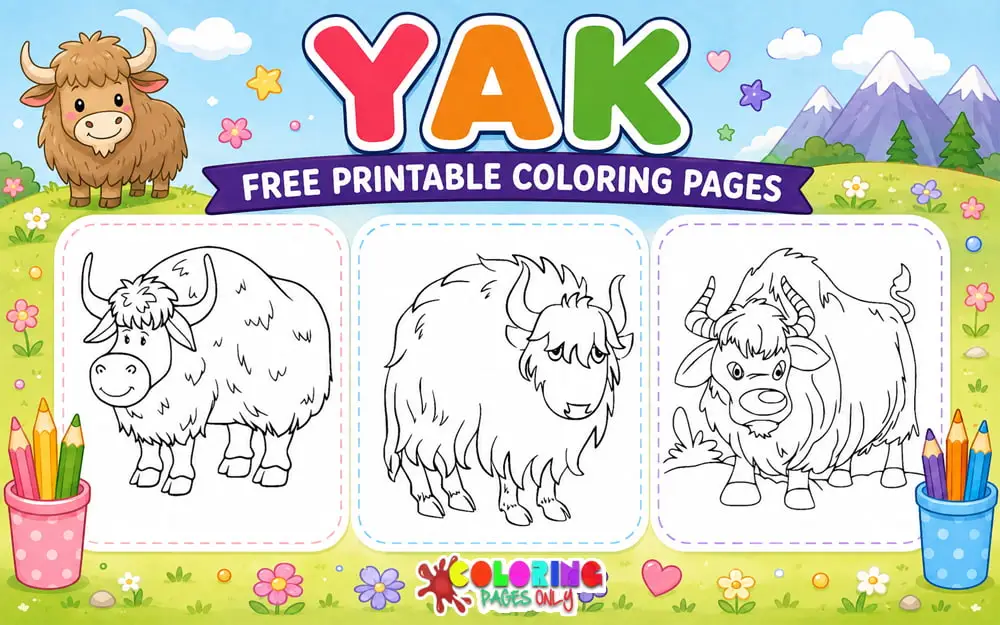
Free Yak Coloring Pages: 44 printable PDF designs featuring shaggy, realistic yaks, mothers with calves, and silly cartoon yaks playing football, golfing, and sailing. Grab any sheet for a quiet afternoon at home, or color it right on screen.
The yak is a long-haired member of the cattle family that lives on the Tibetan Plateau and in the Himalayas, often at elevations above 4,000 meters (13,000 feet). Its scientific name, Bos grunniens, means “grunting ox,” because yaks make low grunting sounds instead of the familiar moo of cattle. Compared with lowland cattle, yaks have larger lungs and hearts and more red blood cells, which help them breathe in thin, oxygen-poor air. A dense woolly undercoat covered by long outer hair that nearly reaches the ground keeps them warm in freezing winds. Herders domesticated yaks thousands of years ago and still rely on them for milk, wool, meat, and carrying loads, while their wild relative, Bos mutus, survives in small herds in remote parts of the plateau.
From mountain realism to playful cartoons, this set gives young animal fans plenty of shaggy coats to color.
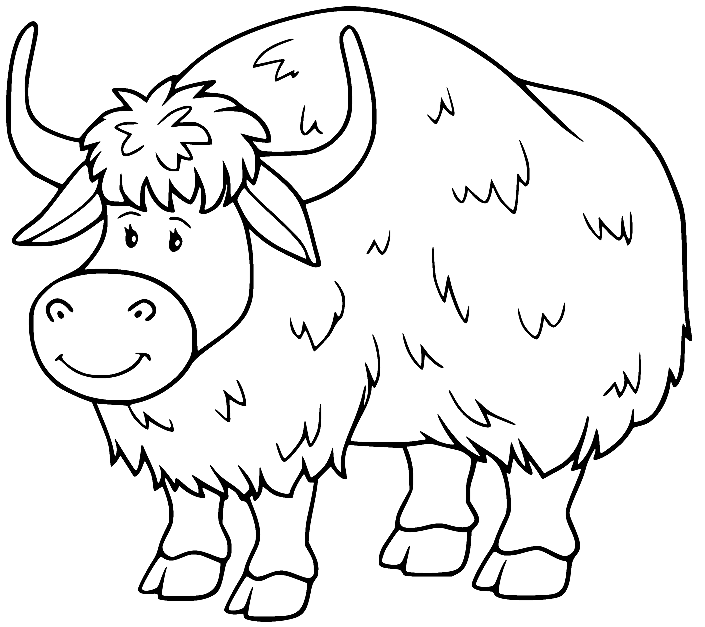
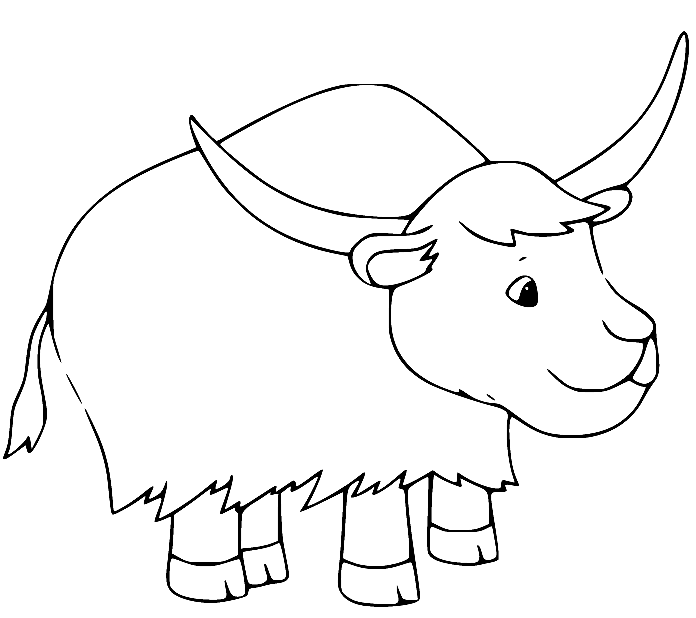
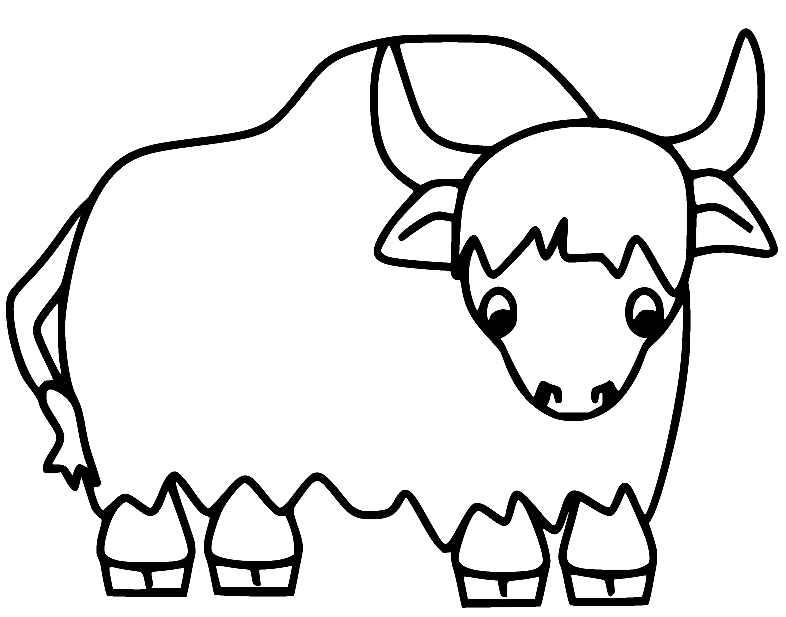

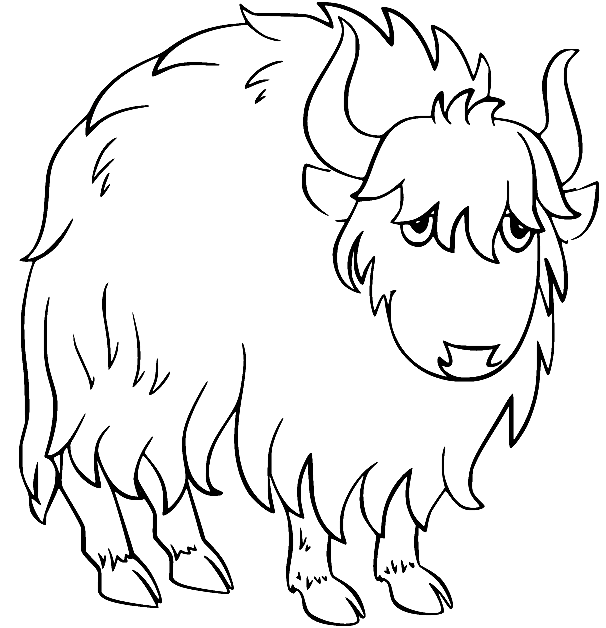
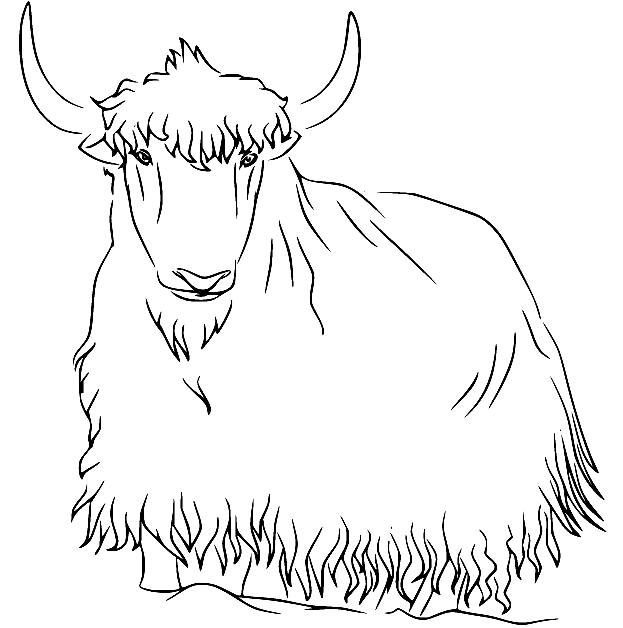
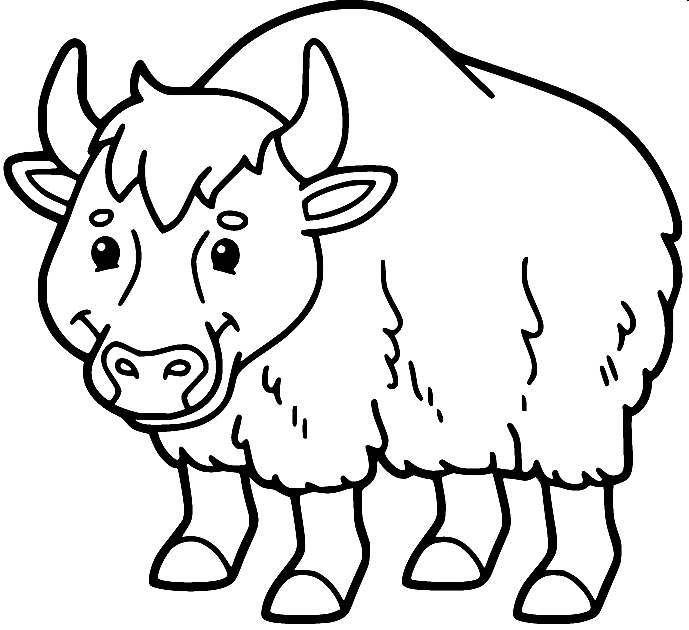
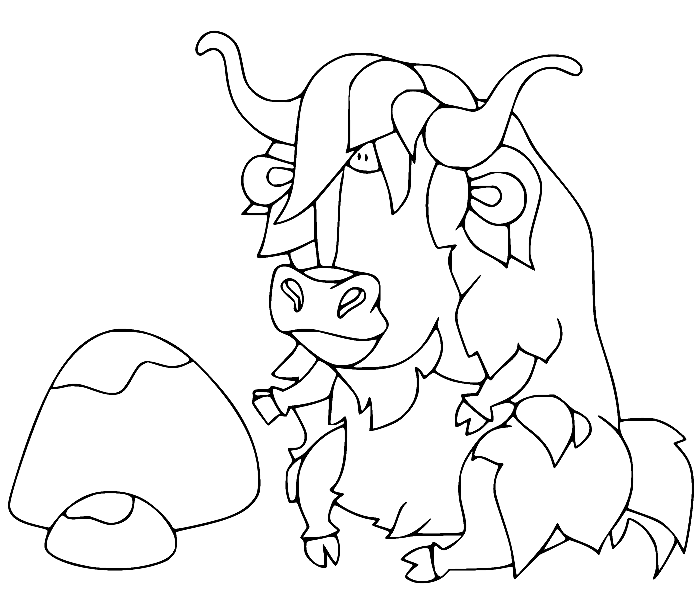

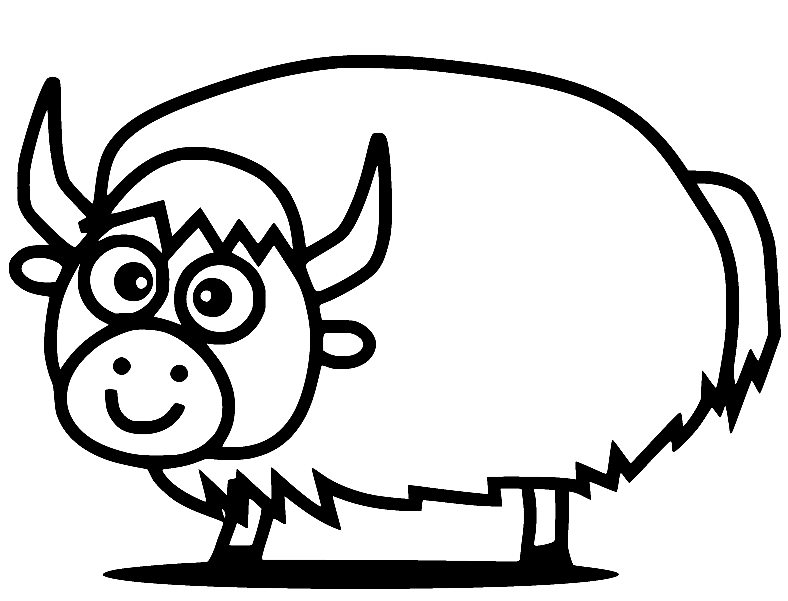
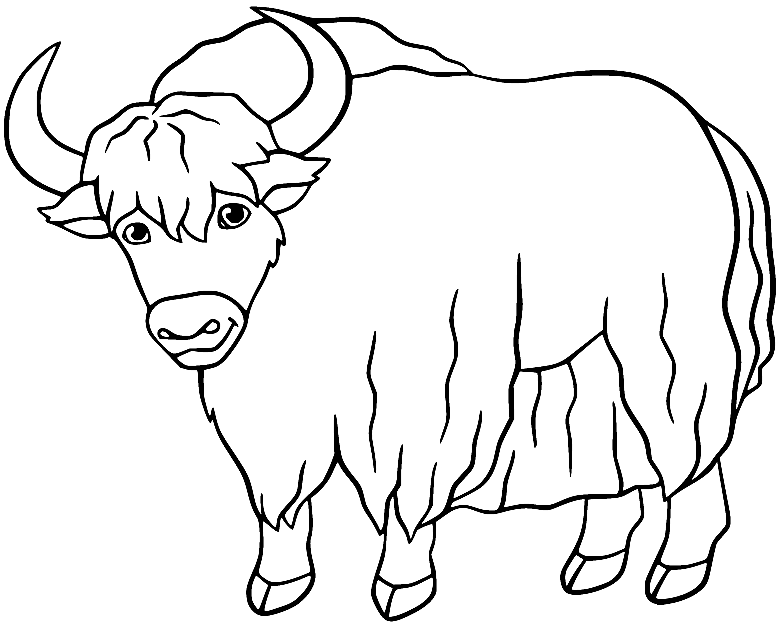
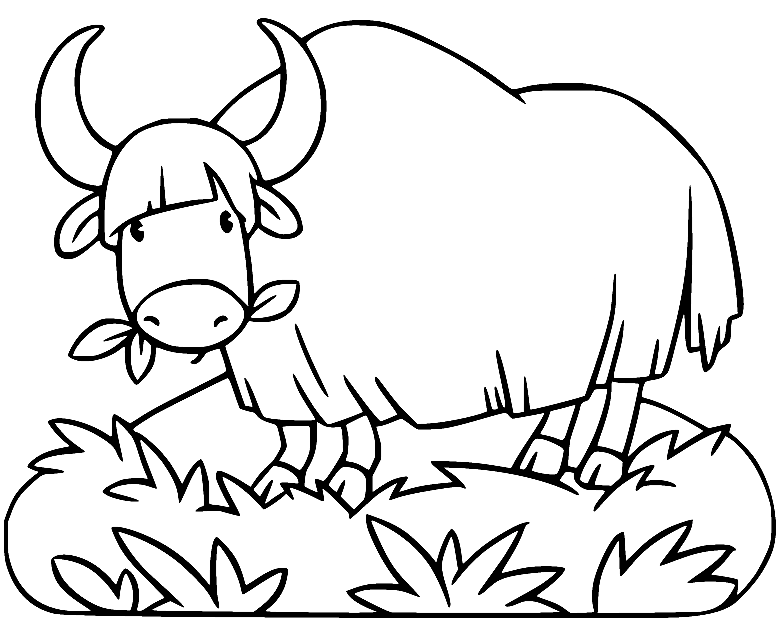
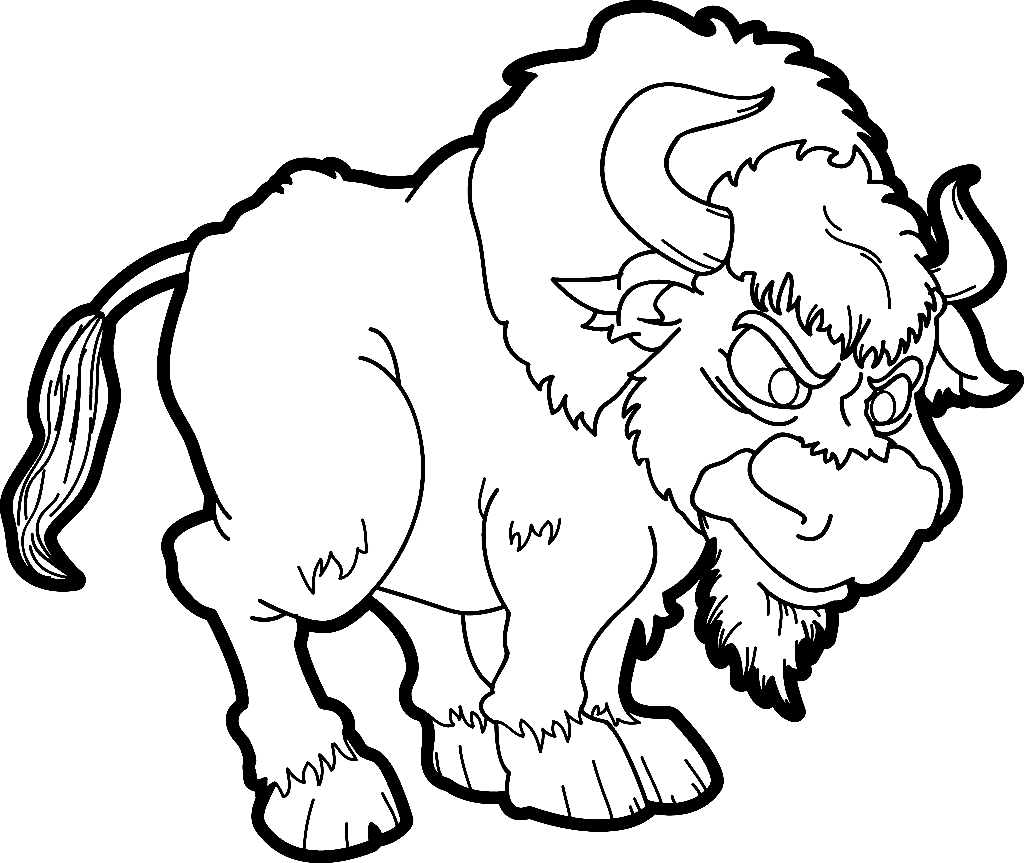
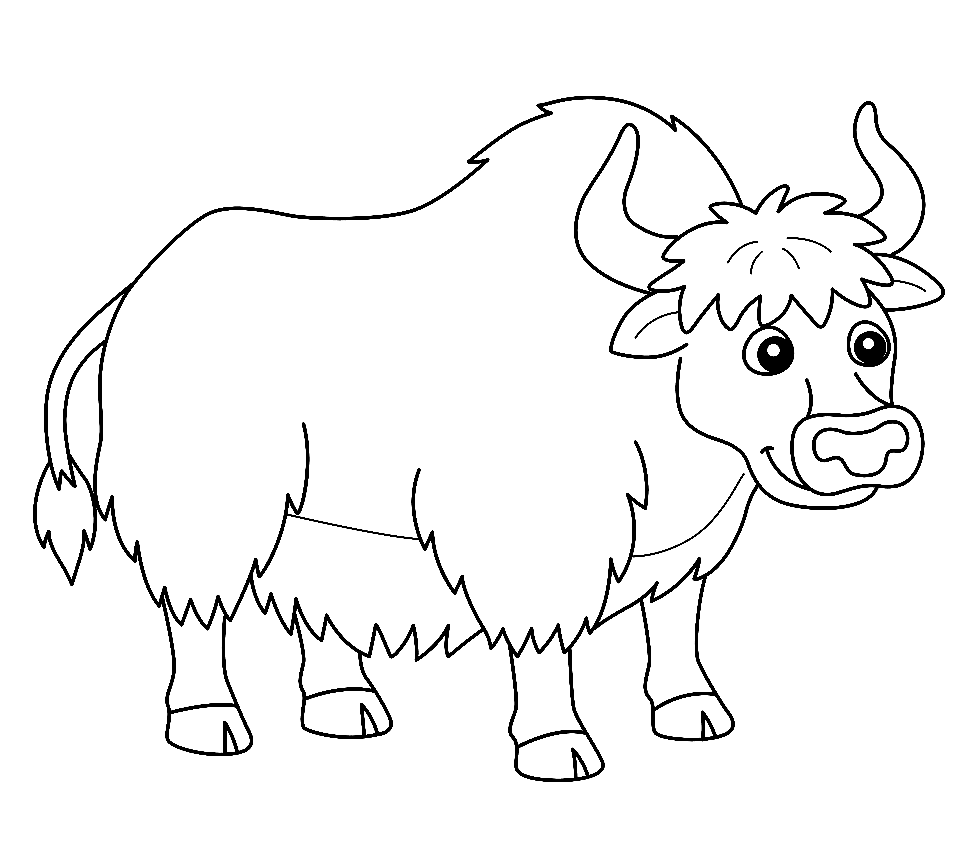
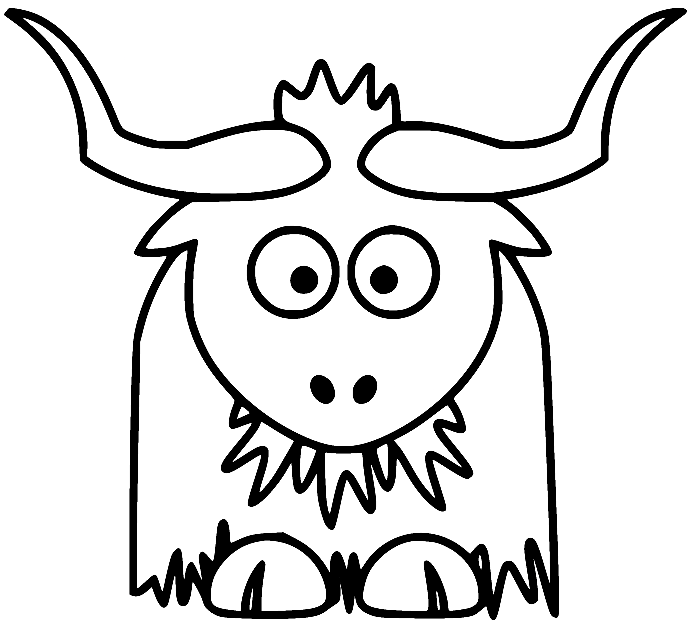
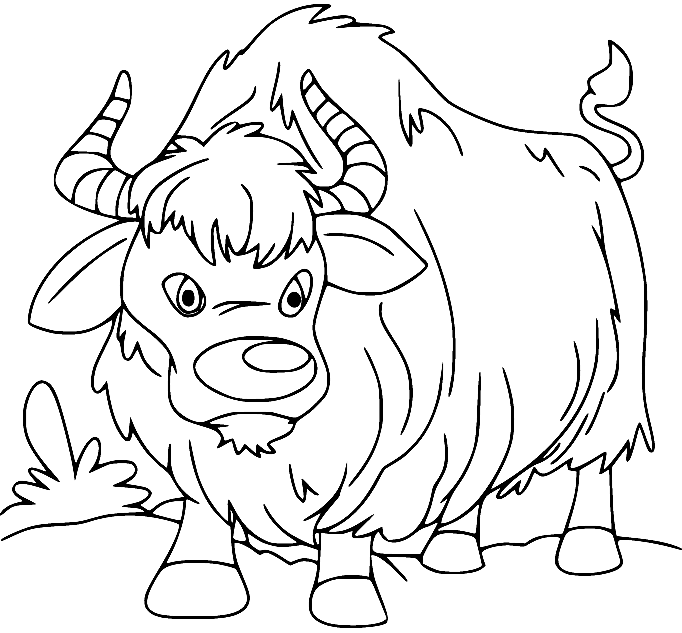
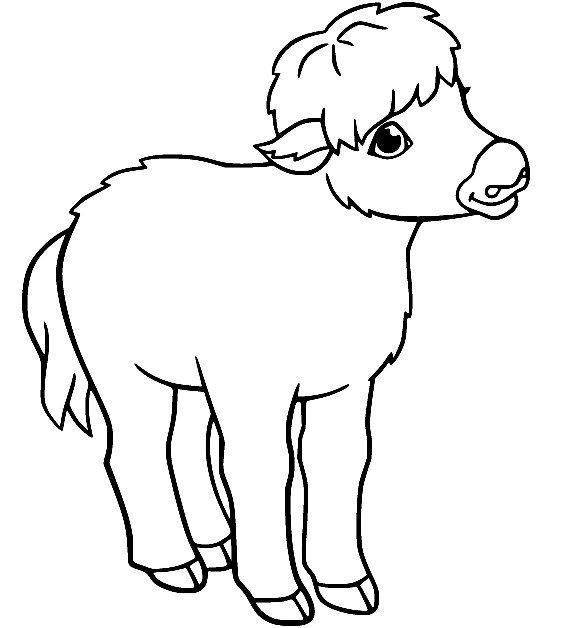
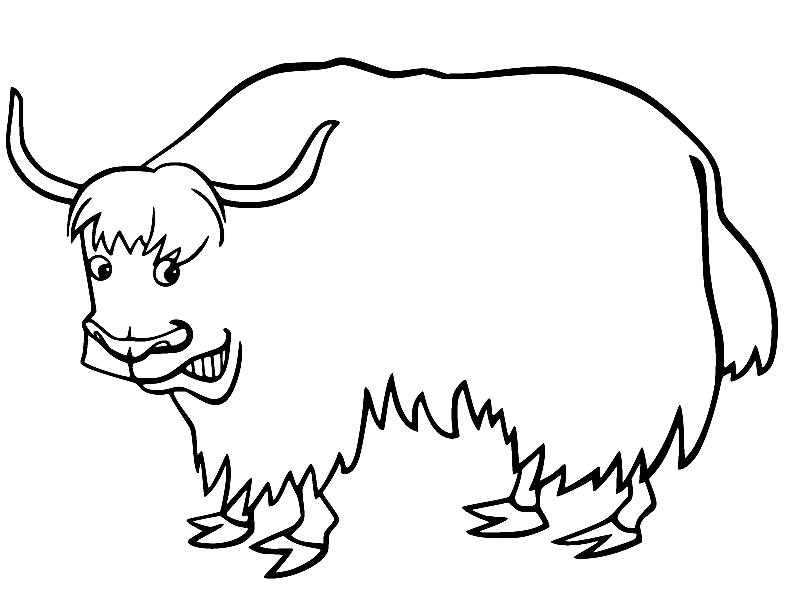
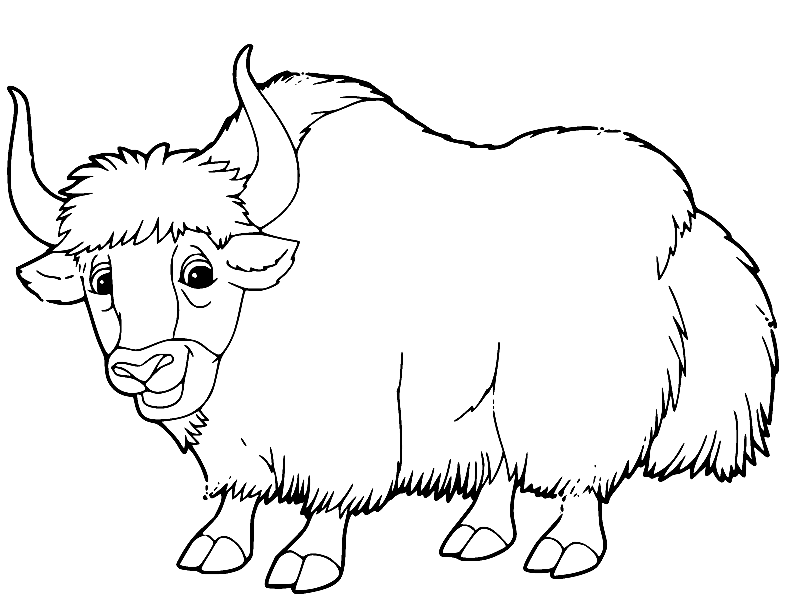
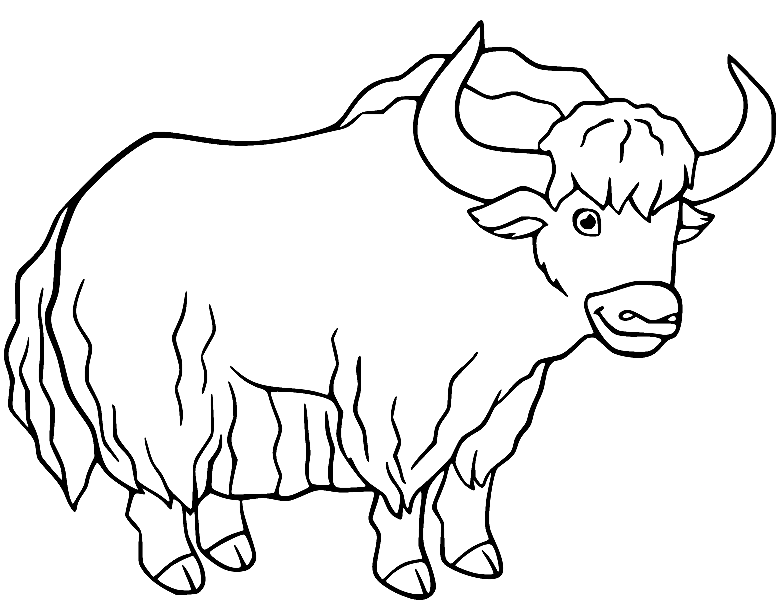
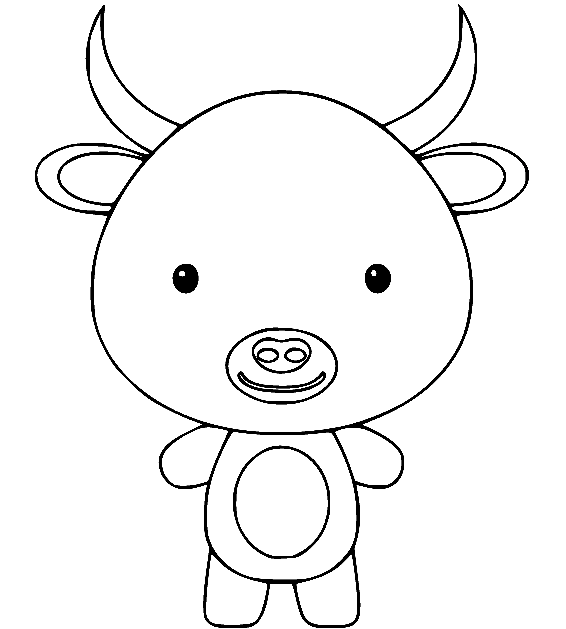
What’s Inside This Collection
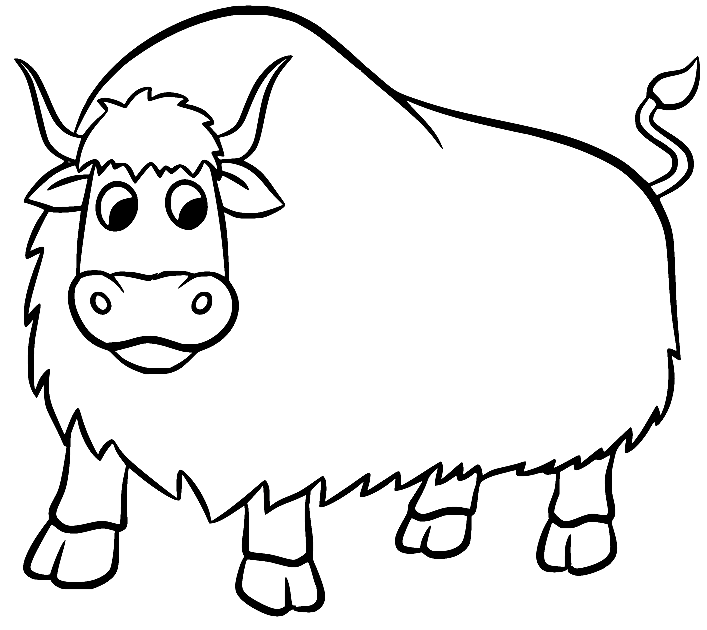
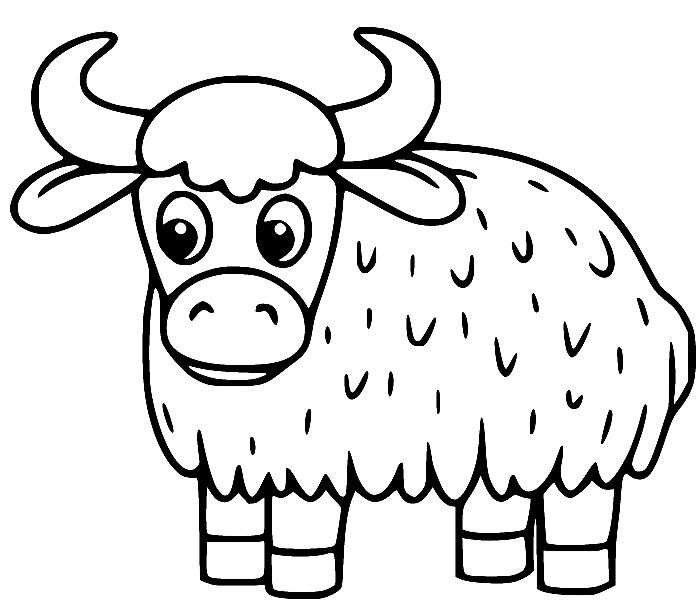
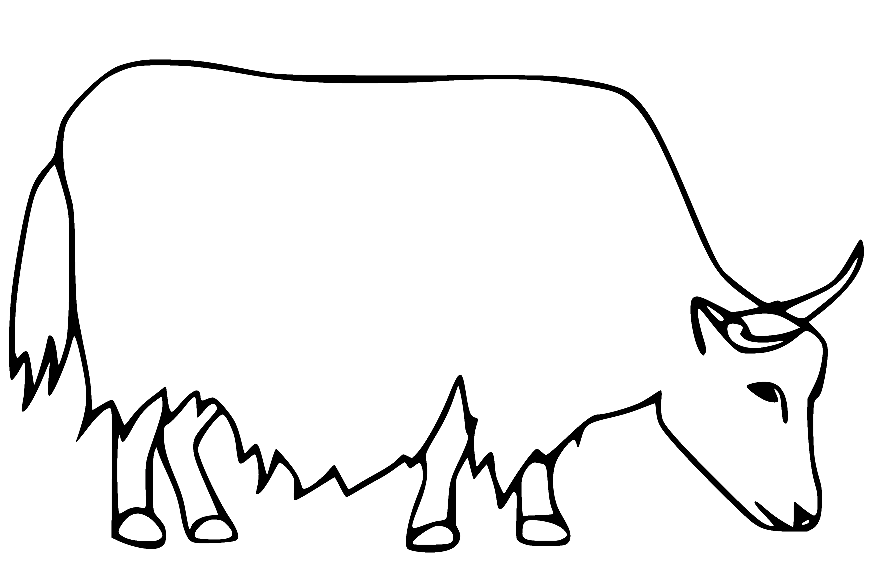
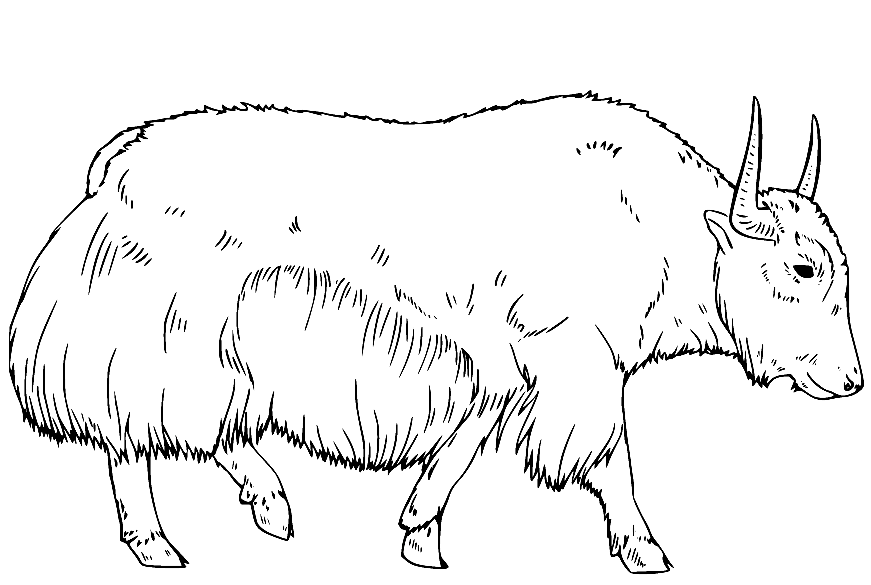
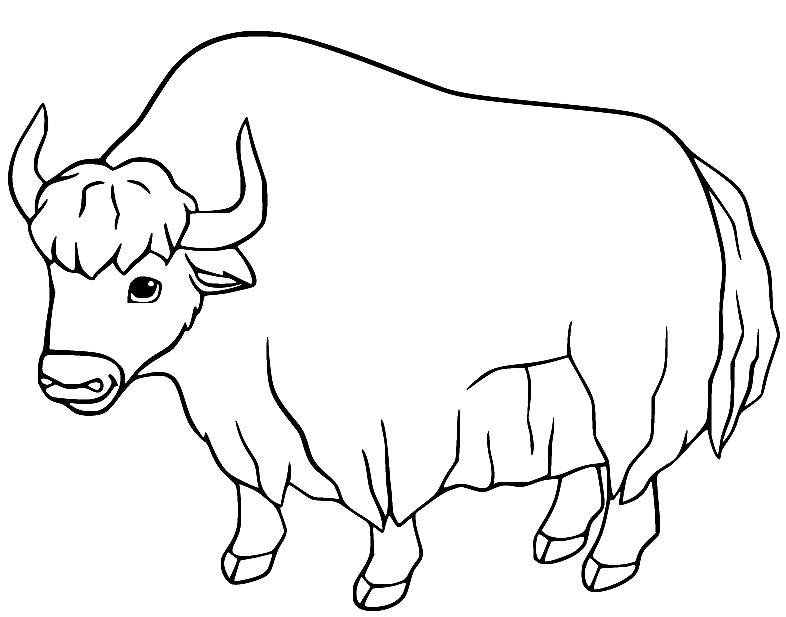
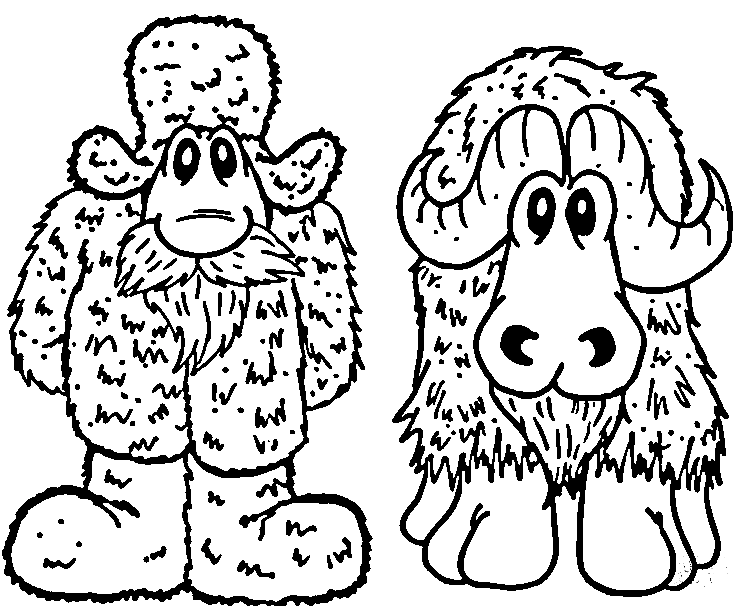
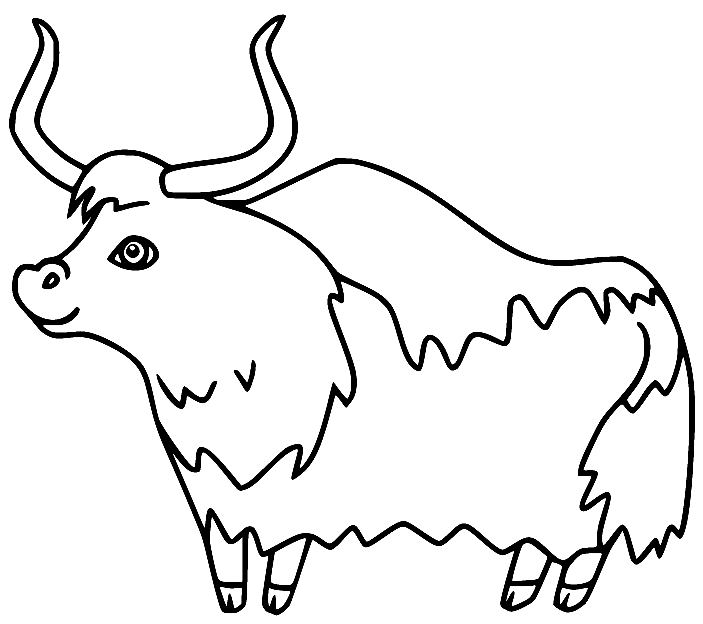
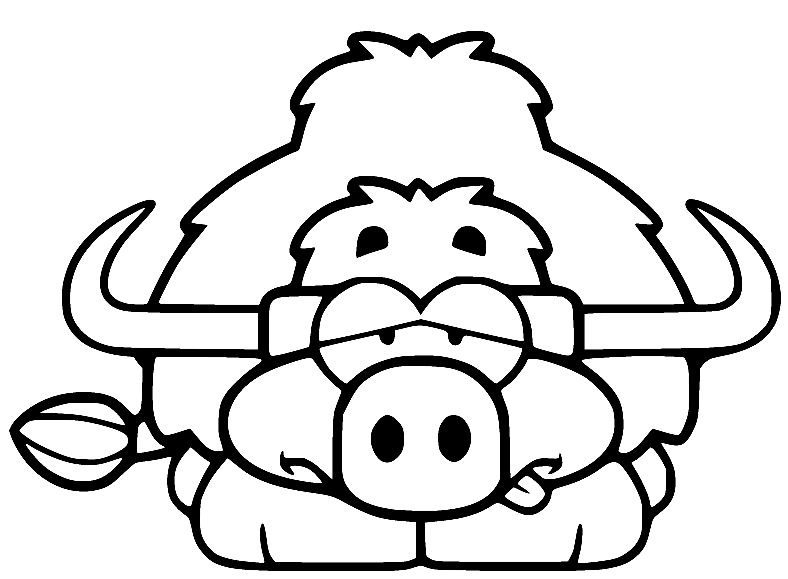
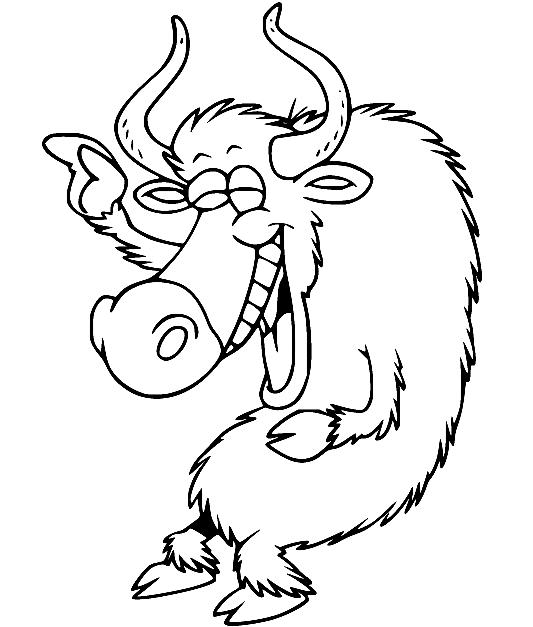
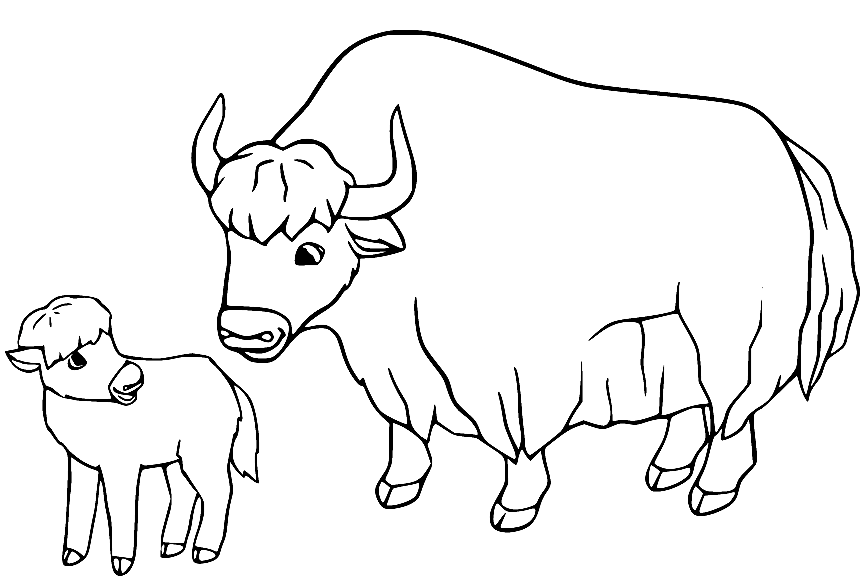
Realistic mountain yaks, mother and baby scenes, cartoon characters, and sporty adventure yaks fill the 44 sheets.
Realistic Mountain Yaks
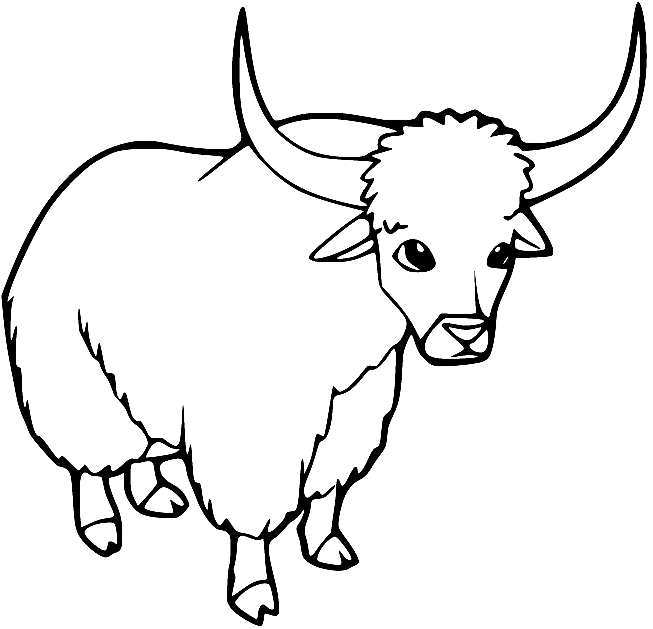
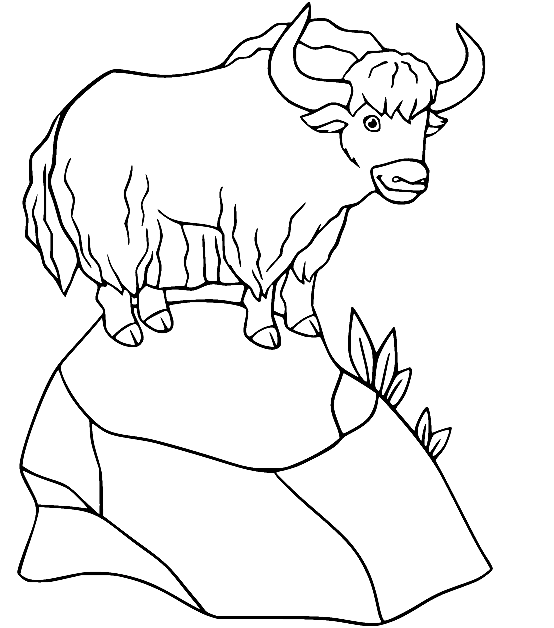
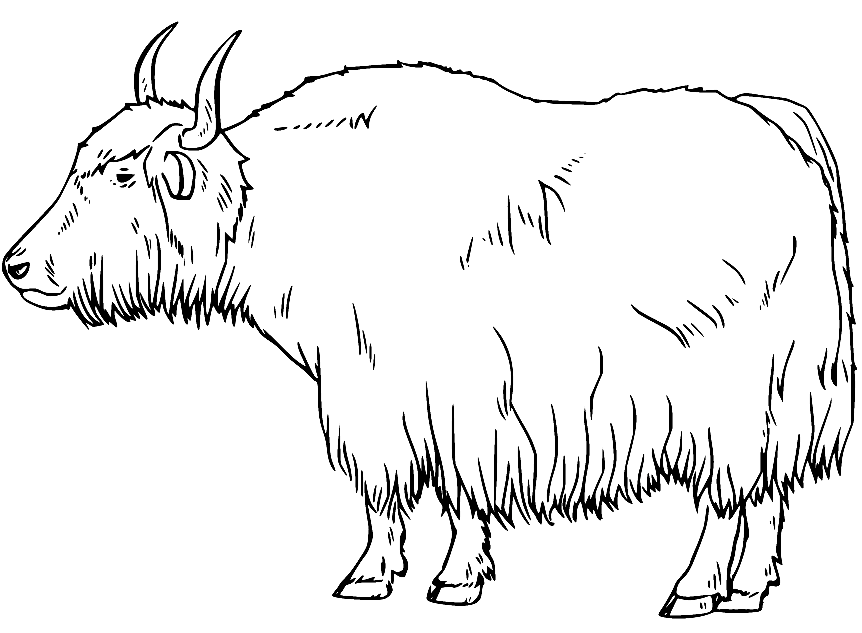
“Realistic Yak Walking” and “Yak on the Rock” show the animal’s heavy shoulders, curved horns, and long skirt of hair. Deep Chocolate Brown with Black at the hair tips matches the dark coat of a wild yak.
Mothers and Calves
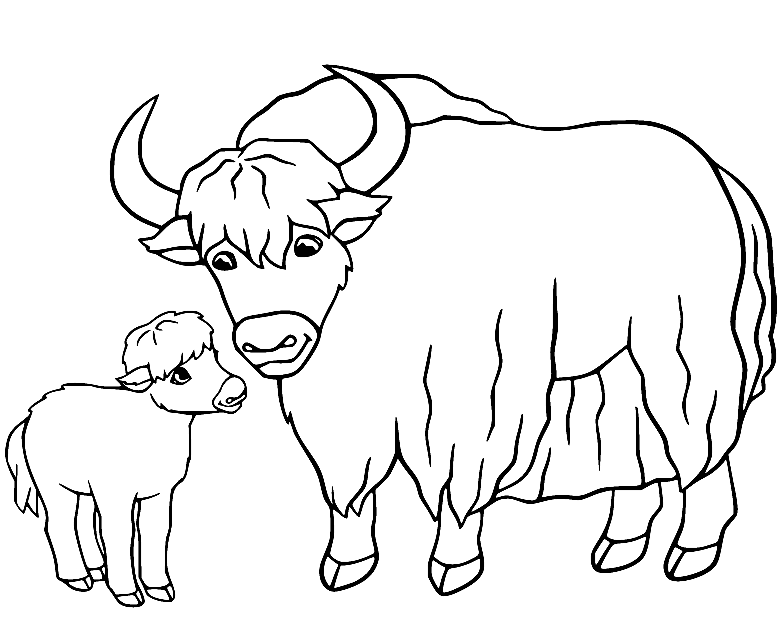
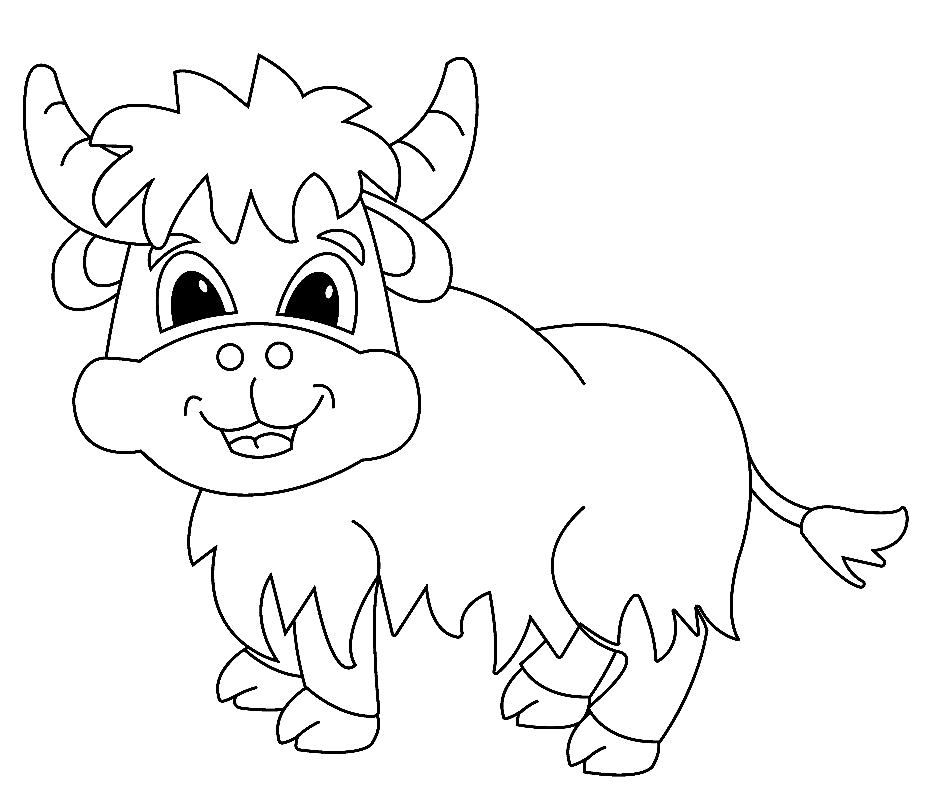
“Yak and Her Baby” and “Cute Baby Yak” show young yaks staying close to their mothers. Use a lighter Caramel or Cream for the calf so it stands out against the darker adult.
Cartoon and Funny Yaks
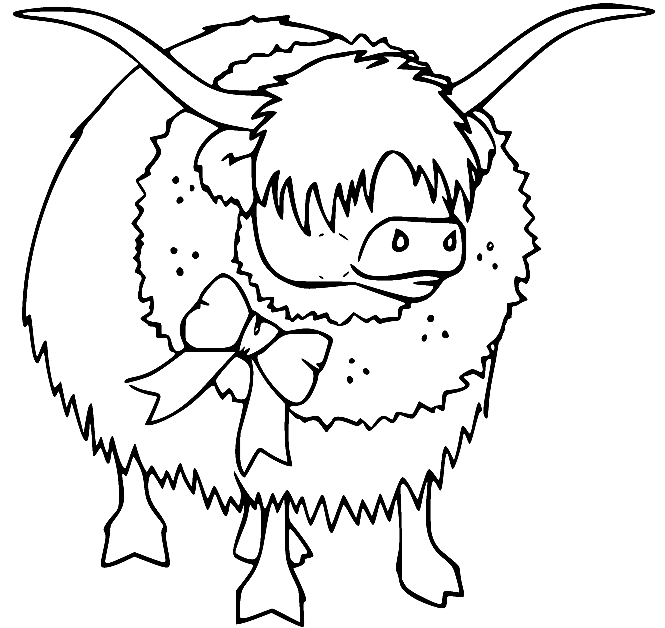
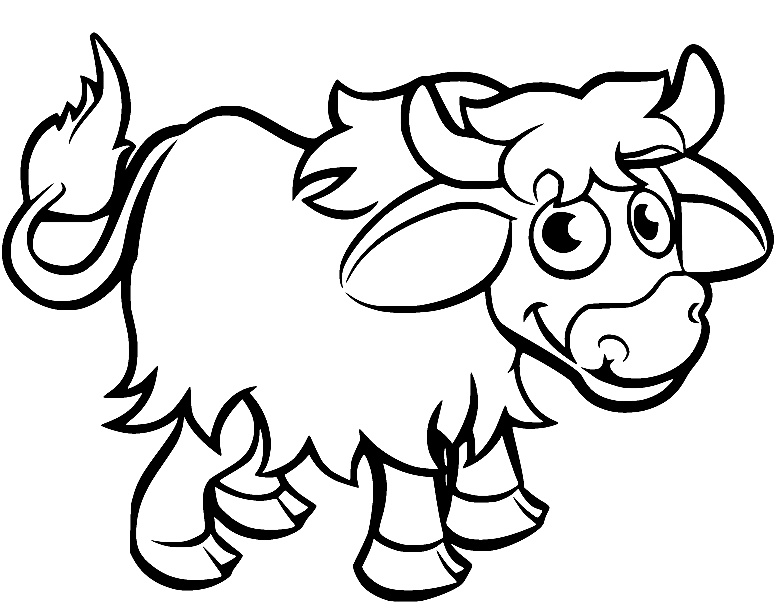
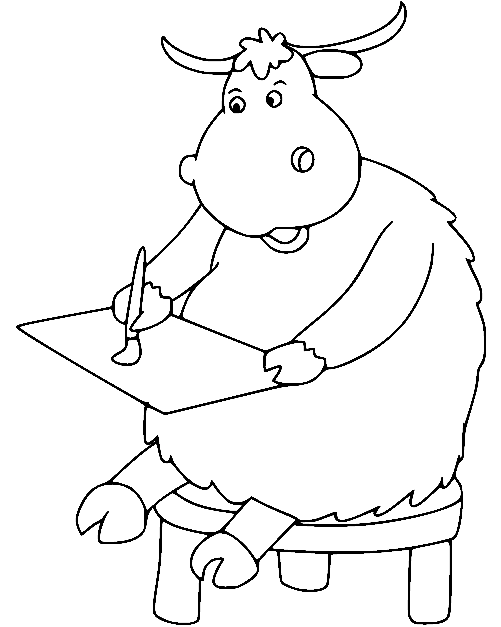
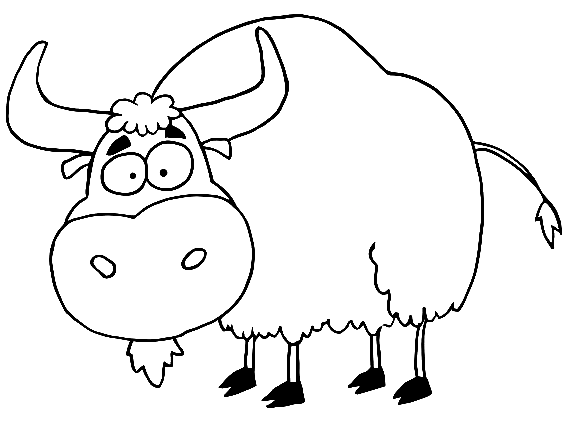
Smiling, laughing, and tired yaks with big eyes and bows bring out the animal’s gentle side. Soft Pink cheeks and a Lavender bow make these characters extra cute.
Sporty and Adventure Yaks
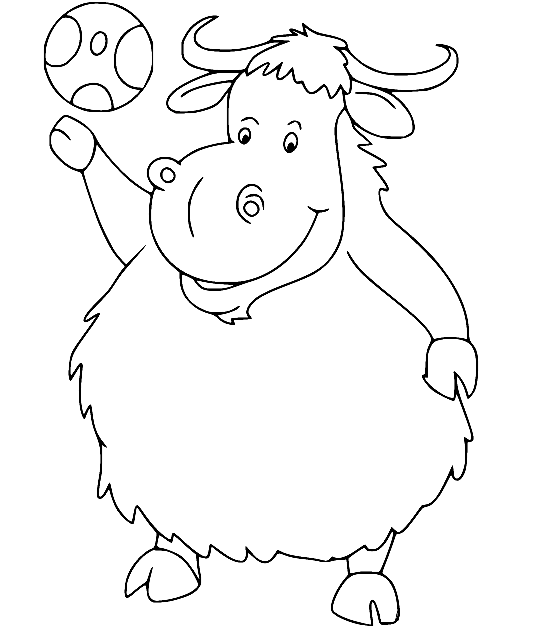
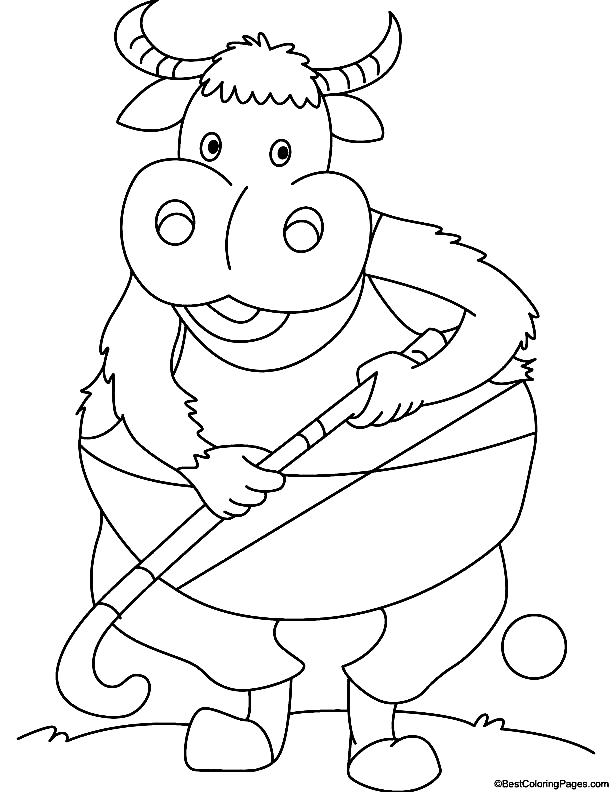
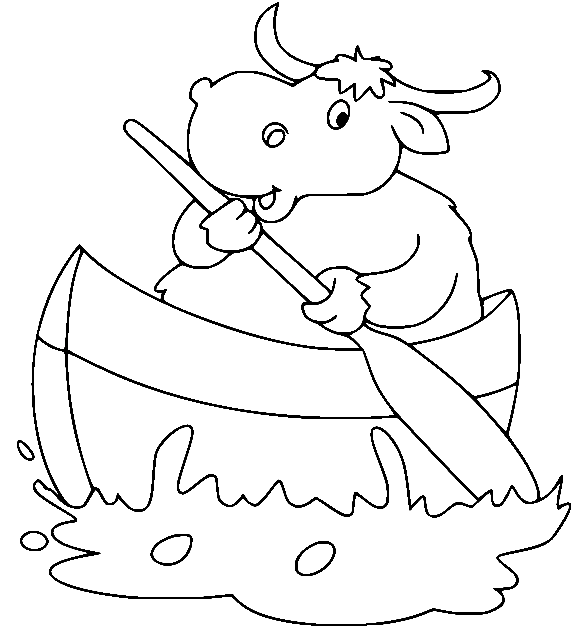
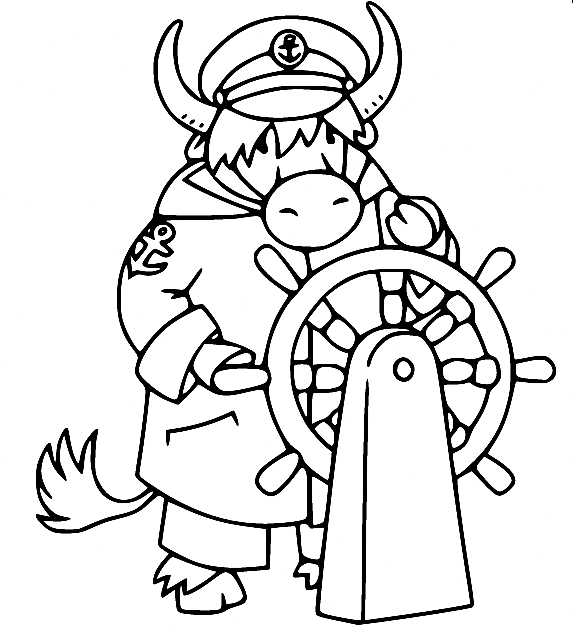
Cartoon yaks kick a football, swing a golf club, and steer a boat as “Captain Yak.” Bright Green grass, a Red sailor hat, and a Sky Blue sea give these scenes a cheerful energy.
What Yak Coloring Pages Do
Introducing life at high altitude. Coloring a yak opens a conversation about the Himalayas, thin air, and how animals adapt to extreme cold. Kids can compare the yak’s shaggy coat with the short fur of a farm cow.
Strengthening control with long, shaggy strokes. Hair that hangs in long strands invites children to practice smooth, downward lines, while horns and hooves need small, careful fills. The American Academy of Pediatrics regards activities like this as a natural part of how young children develop the fine motor control needed for writing.
Bringing a calm, steady rhythm. Layering strand after strand of fur can feel soothing, almost like brushing a real animal. A 2005 study reported in the Art Therapy Journal found that structured coloring lowered anxiety, and a big, gentle yak is an easy subject for that kind of quiet time.
Learning how people and animals work together. Yaks carry loads, provide milk for butter and cheese, and give wool for warm clothing. Talking about these jobs helps children understand domestication and the lives of mountain herding families.
How to Color Yak Pages Well
- Shaggy coat: Use long, downward strokes in Dark Brown, pressing lightly at the top and harder near the bottom of each strand. The darker tips make the hair look heavy and thick.
- Coat varieties: Domestic yaks can be Black, Brown, White, or spotted, so try a White and Black patched yak for variety. Wild yaks look best in solid Dark Brown or Black.
- Horns: Color the curved horns in Light Gray or Ivory, then shade the base in darker Gray. A thin white highlight along the top gives them a polished look.
- Faces and eyes: Keep the muzzle a slightly lighter brown than the body and add a shiny white dot in each eye. Cartoon yaks look friendly with rosy Pink cheeks.
- Mountain backgrounds: Add snowy peaks in White and Pale Blue, gray rocks, and patches of Green grass. A bright Blue sky suggests the clear, high-altitude air.
- Adventure scenes: Use bold colors for props, such as a Red football, a White golf ball on Green grass, and a Yellow boat on Teal water. Strong contrasts make the action easy to see.
5 Creative Craft Ideas With Yak Coloring Pages
1. Yarn-Hair Yak
Color a realistic yak, then glue short pieces of brown yarn along its body to create a shaggy coat. Children can feel how thick a yak’s hair would be.
2. Himalayan Mountain Scene
Cut out several colored yaks and glue them onto blue paper with torn white paper mountains. Add cotton ball clouds and a herder’s tent for a high-plateau landscape.
3. Mother and Baby Card
Fold the “Yak and Her Baby” page into a card for Mother’s Day or a family birthday. Write a short note inside about caring for one another.
4. Yak Paper Bag Puppet
Color a cartoon yak face, cut it out, and glue it to the bottom flap of a paper lunch bag. Add paper horns and yarn hair so the puppet can grunt and talk.
5. Animal Adaptation Chart
Color a yak and a farm cow, then glue them side by side on a poster board. Label the yak’s long hair, big lungs, and strong hooves to show how it survives in the mountains.
Frequently Asked Questions
What are yak coloring pages?
44 free printable sheets are showing realistic yaks, mothers with calves, and funny cartoon yaks in sporty scenes. Every page is available as a PDF and can also be colored in the browser.
Where do yaks come from?
Yaks are native to the Tibetan Plateau and the Himalayan region of Asia, including parts of China, Nepal, Bhutan, India, and Mongolia. People there domesticated them thousands of years ago for milk, wool, meat, and transport.
Why are yaks so hairy?
Their long outer hair and soft woolly undercoat protect them from freezing temperatures and strong mountain winds. The long hair on their sides and belly also acts like a blanket when they lie on snow.
What sound does a yak make?
Yaks make deep grunting sounds rather than mooing like most cattle. That habit gave the species its scientific name, Bos grunniens, which is Latin for “grunting ox” in English.
What is the difference between wild and domestic yaks?
Wild yaks, called Bos mutus, are larger and almost always dark brown or black. Domestic yaks are smaller and come in many coat colors, including white, brown, black, and spotted patterns.
How do yaks breathe at high altitude?
Yaks have large lungs and hearts and more red blood cells than lowland cattle. These features help their bodies carry enough oxygen in the thin air of the mountains.
What age are yak coloring pages for?
Cartoon, baby, and simple portrait pages suit children from about age 3. Realistic yaks with detailed hair and the sports and boat scenes work well for kids around 5 and older.
What do people use yaks for?
Herders use yaks to carry heavy loads, plow fields, and provide milk for butter, cheese, and the butter tea common in Tibet. Yak wool is spun into warm clothing, and dried dung is even used as fuel where trees are scarce.
Start Coloring
Pick a shaggy mountain yak, a sweet mother and calf, or Captain Yak on his boat, then print it or color it online at no cost. Kids can share their finished yaks on Facebook or Pinterest and show off their best shaggy coats.