Boar Coloring Pages
 By:
Jennifer Thoa - Content Editor & Designer
Updated:
By:
Jennifer Thoa - Content Editor & Designer
Updated:
Free Boar Coloring Pages: 28 printable PDF designs featuring wild boars in realistic portraits, forest habitat scenes, and a range of expressive poses. Each page can be downloaded as a PDF to print or colored online in the browser.
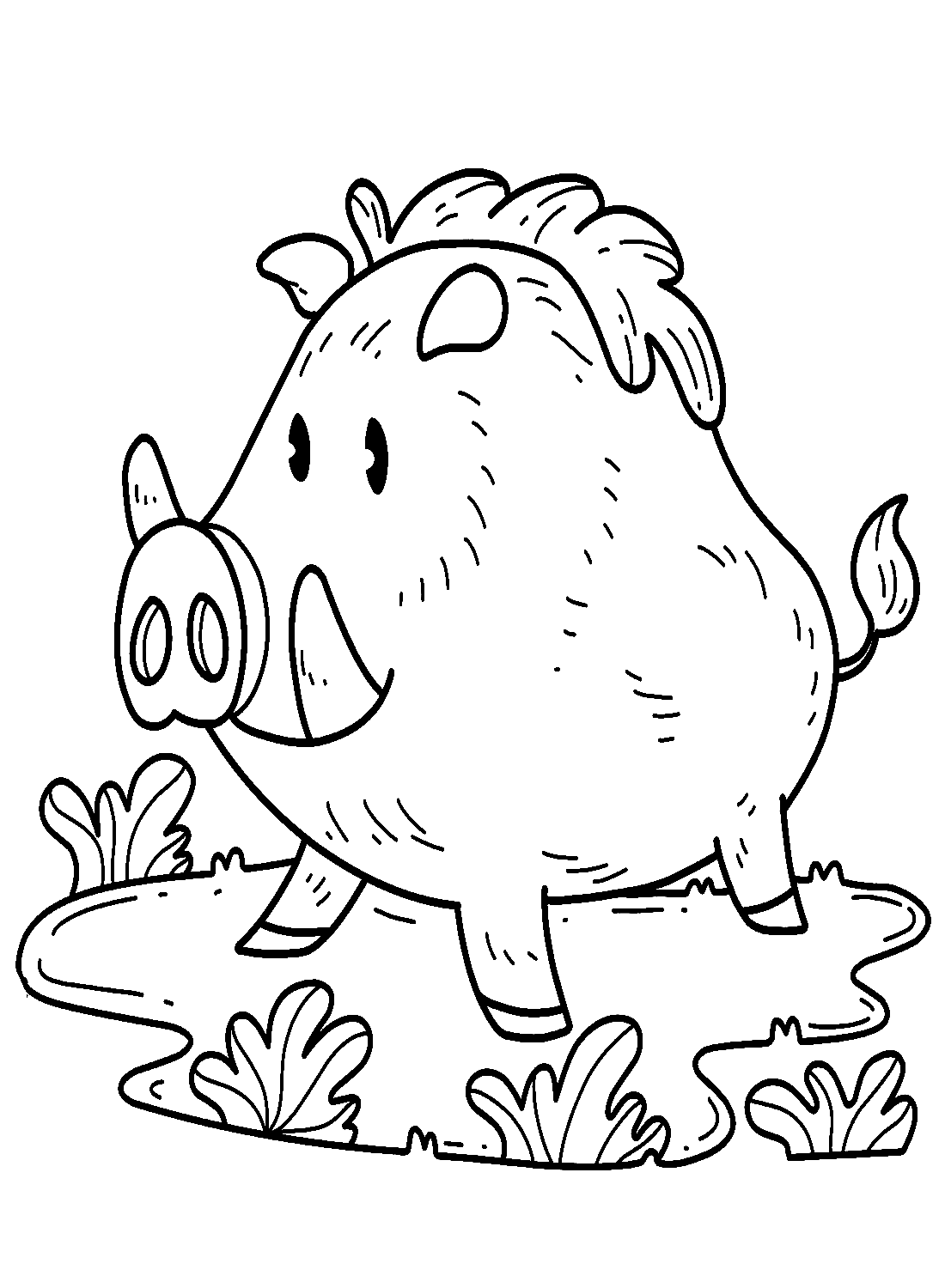
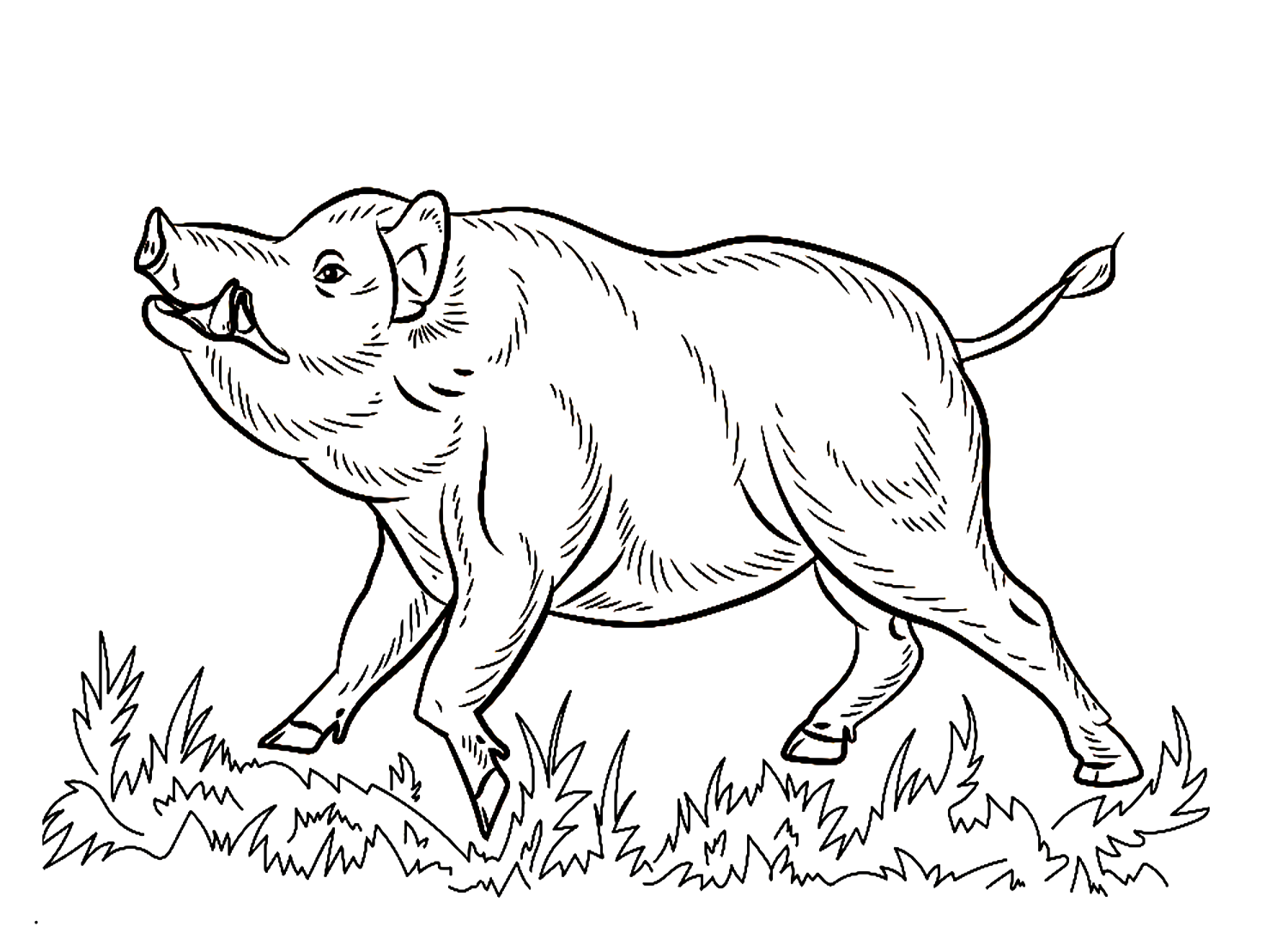
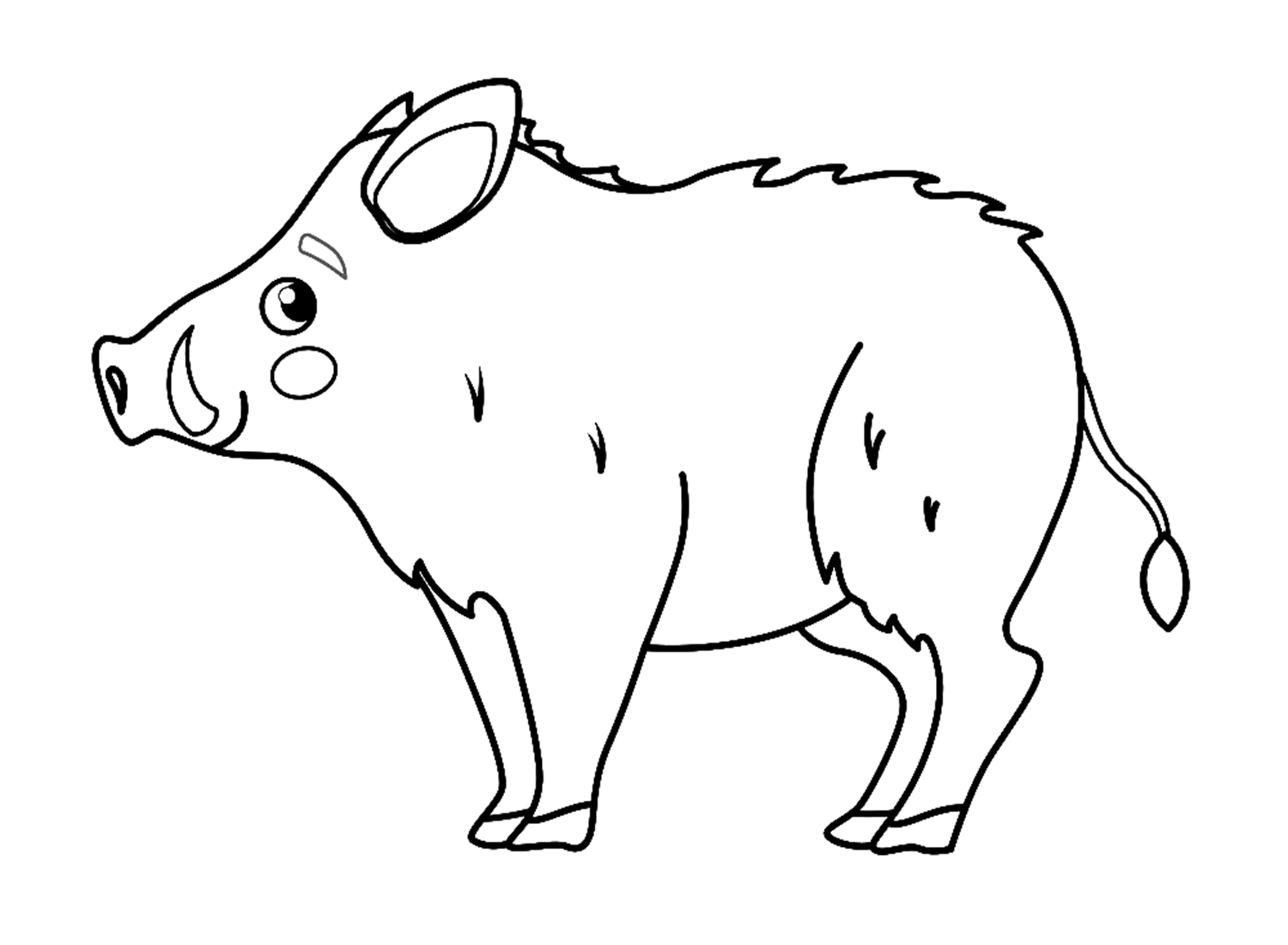
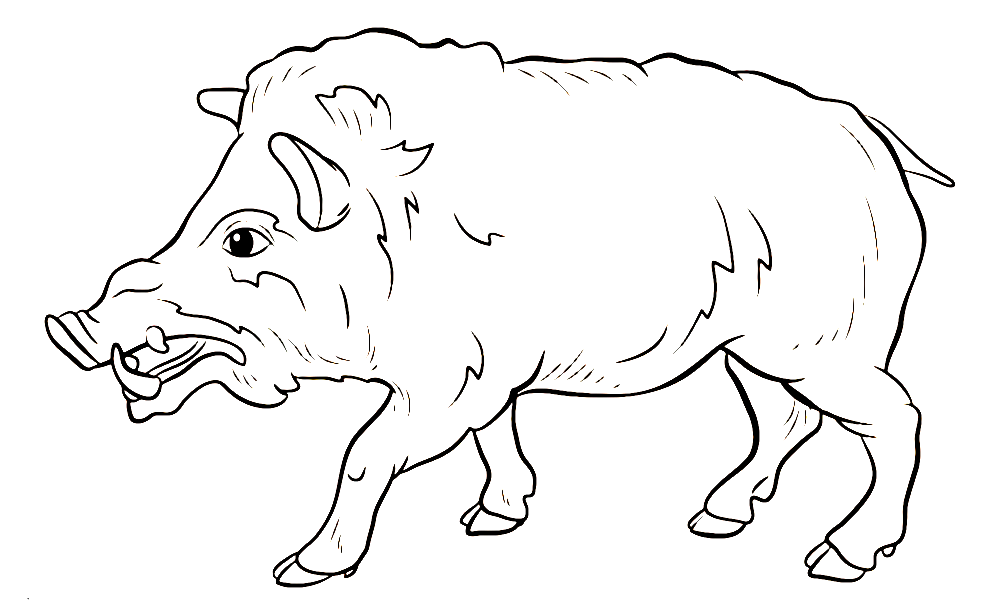
A male wild boar’s tusks are actually extended canine teeth, worn sharp by the upper and lower sets grinding against each other every time the animal’s jaw moves. This collection holds 28 boar coloring pages, ranging from detailed, realistic portraits that show off those tusks and the animal’s coarse, bristly coat to cartoon family scenes and a set of pages built around specific expressions, from calm to startled to defensive. A handful of pages also place the boar in its natural forest or woodland setting.
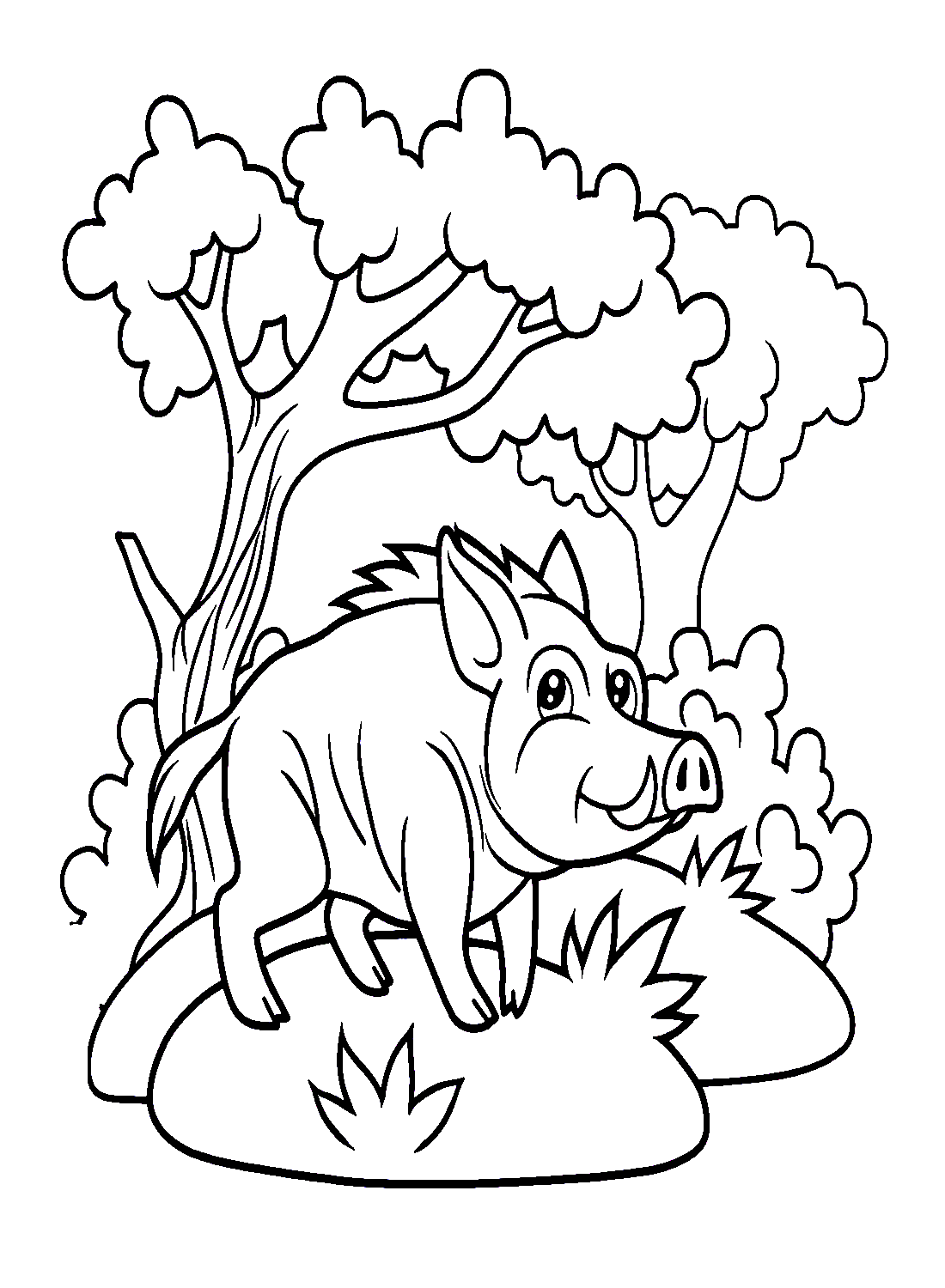
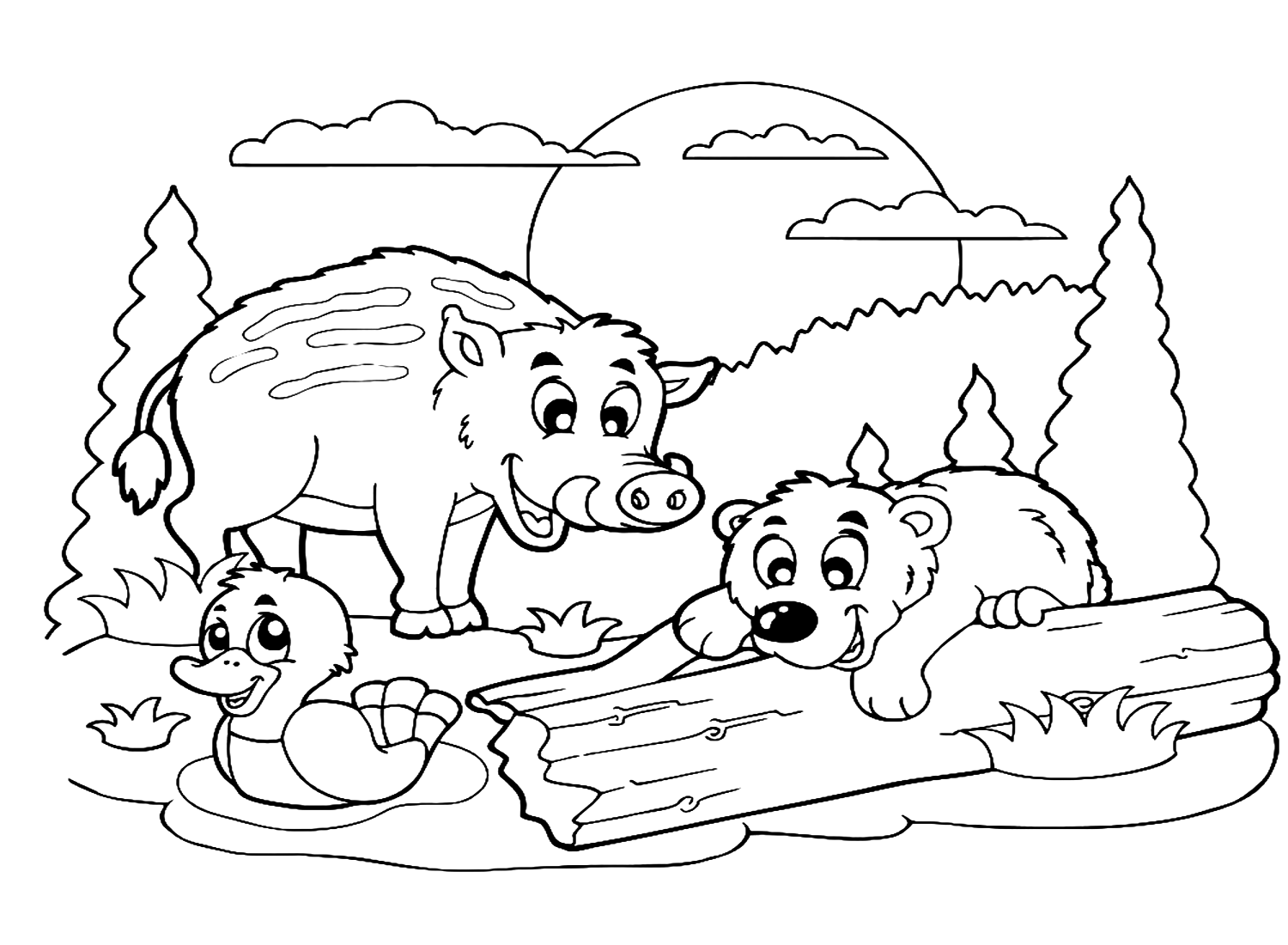
The set includes solo realistic portraits, forest and habitat scenes, family and social scenes, and a distinct group of expressive, action-based poses. Every page downloads as a free PDF or opens directly in the browser for online coloring, with no account required.
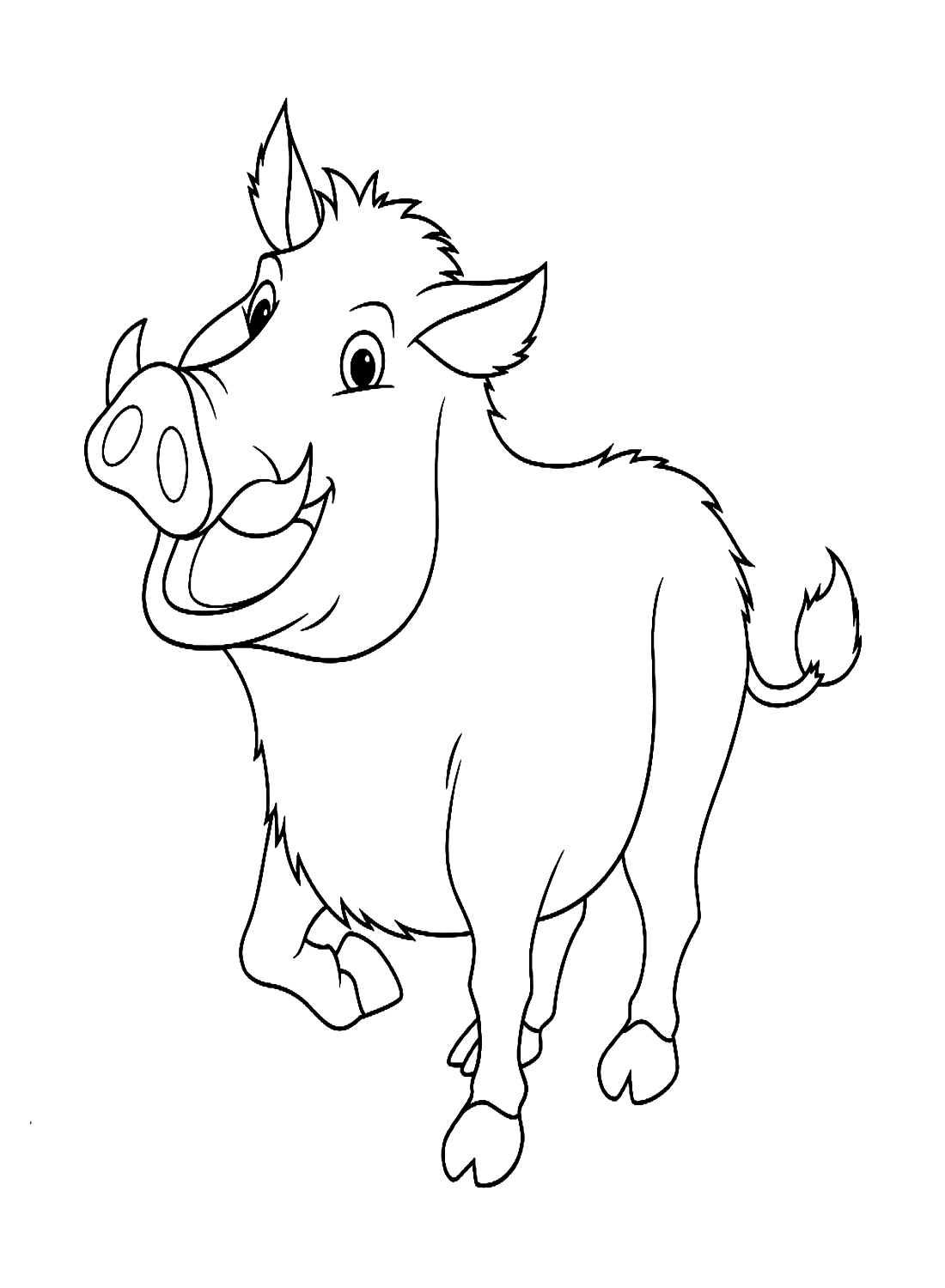
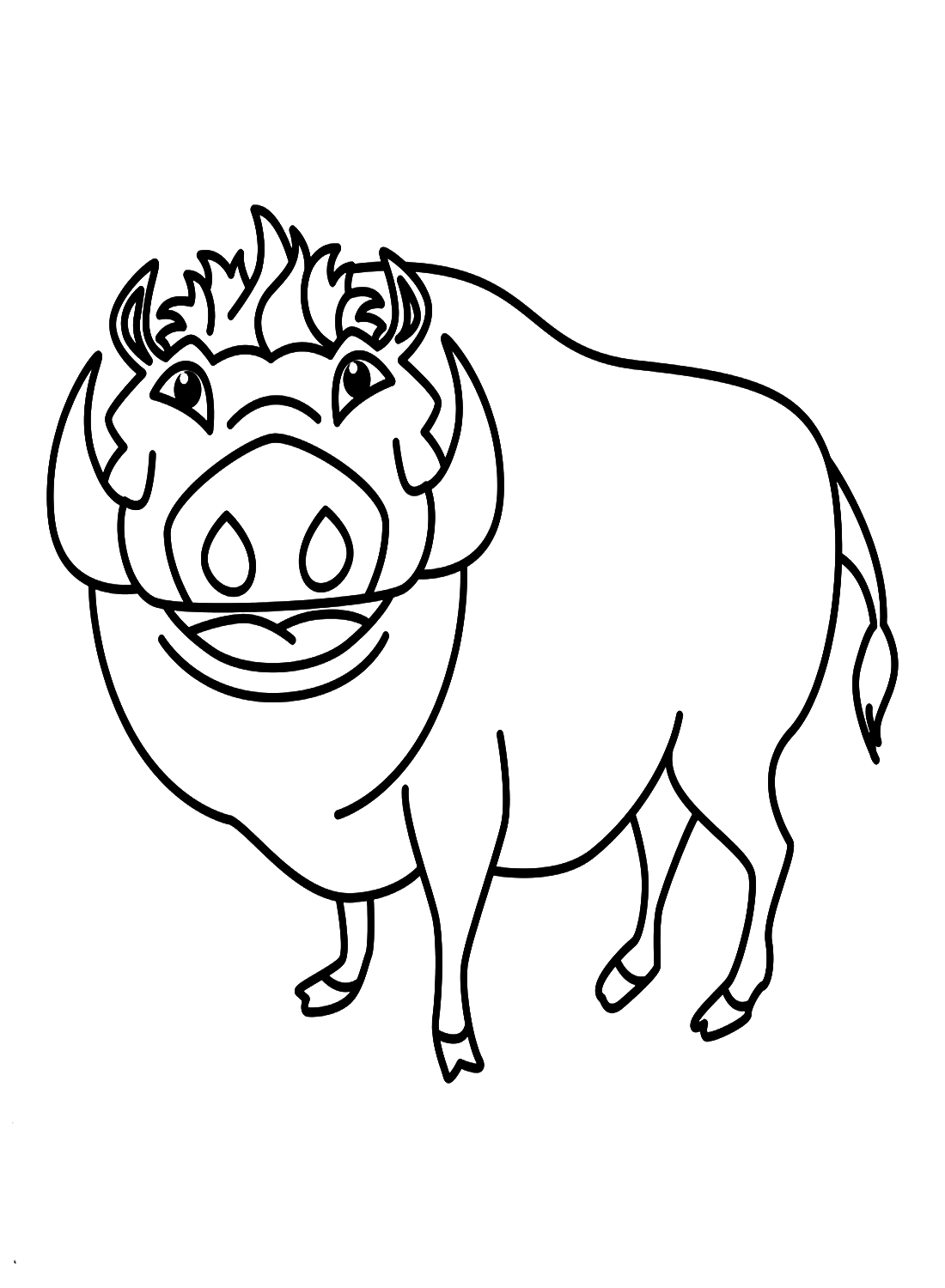
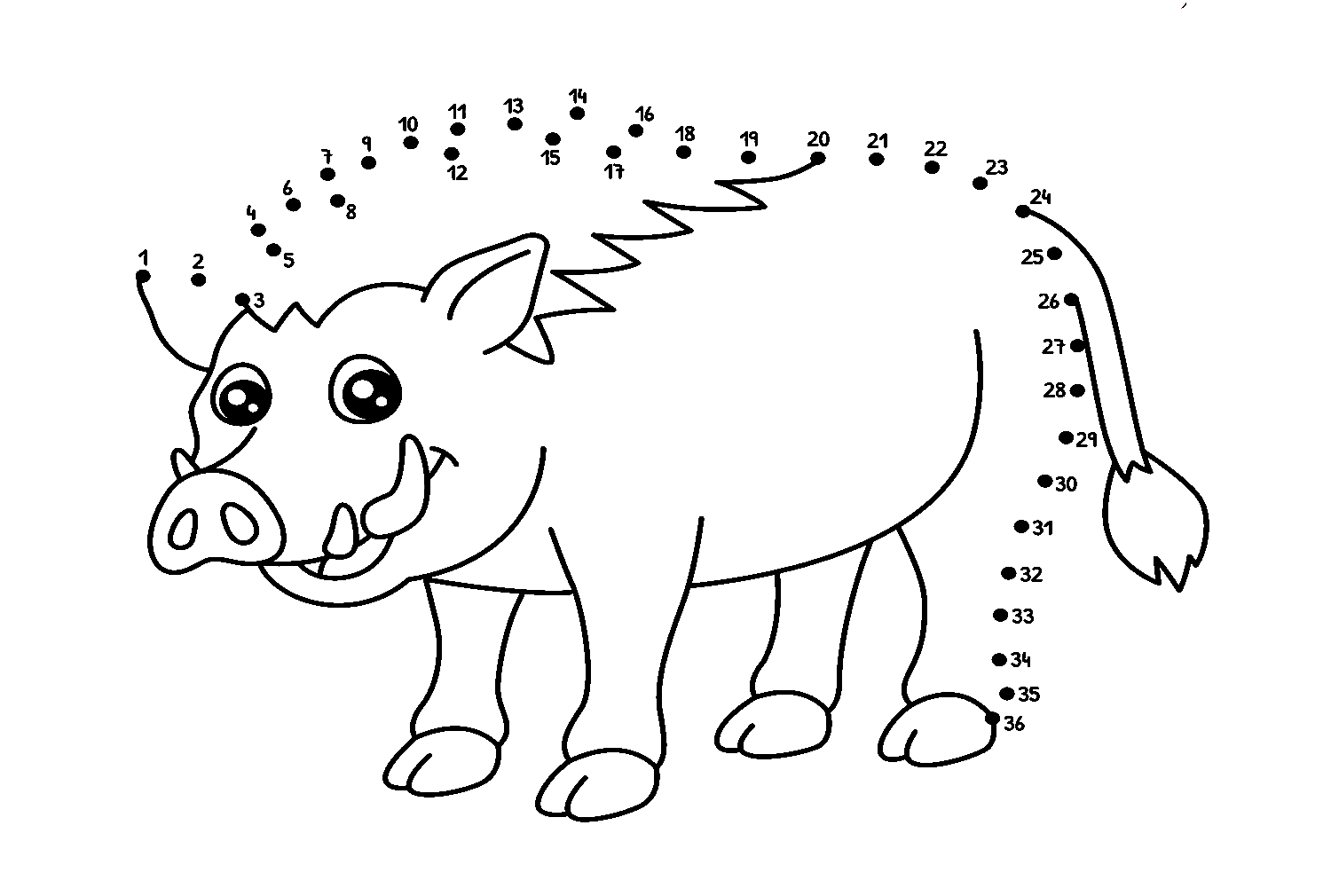
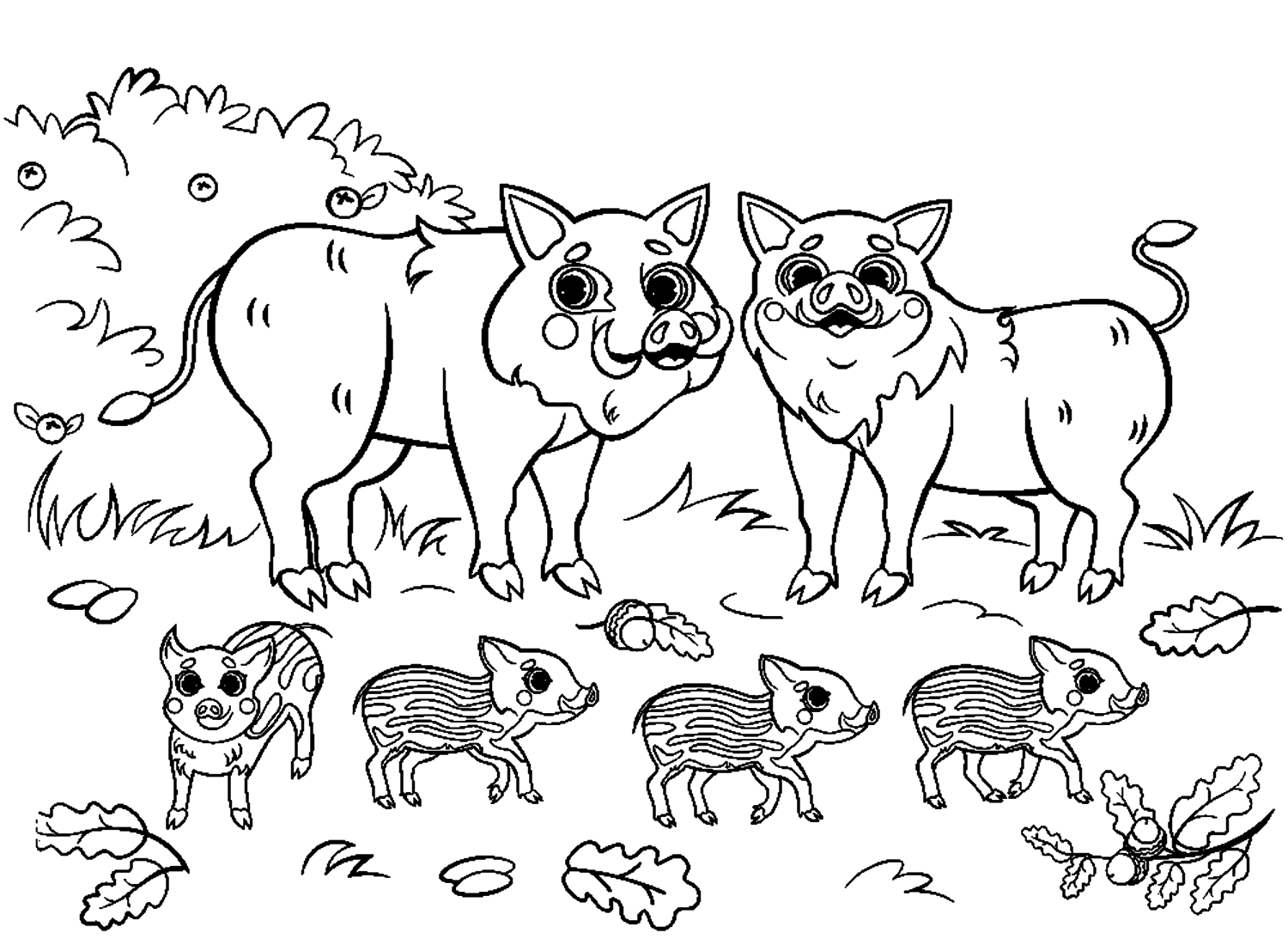
What Is Inside This Collection
Realistic Boar Portraits
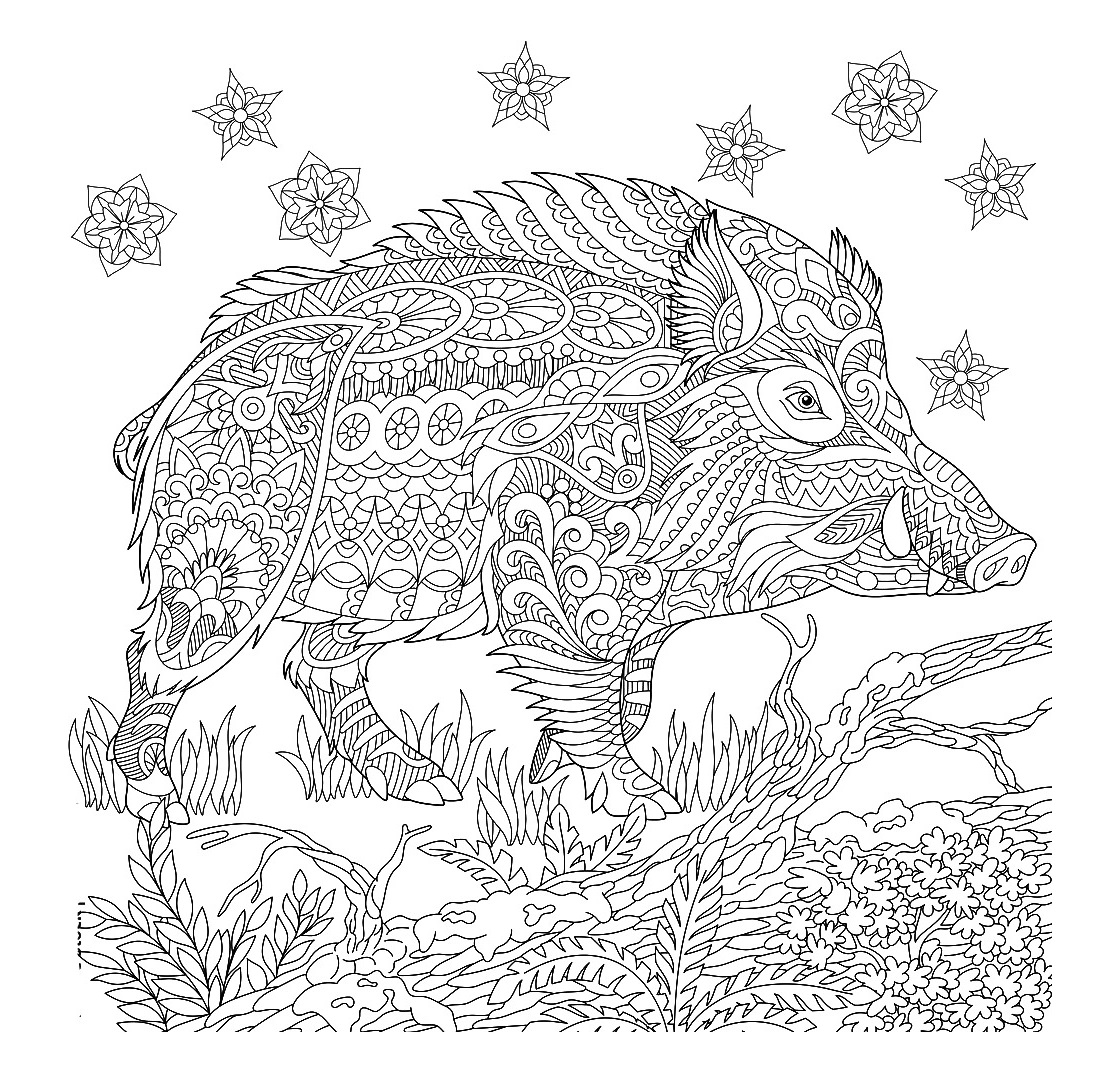
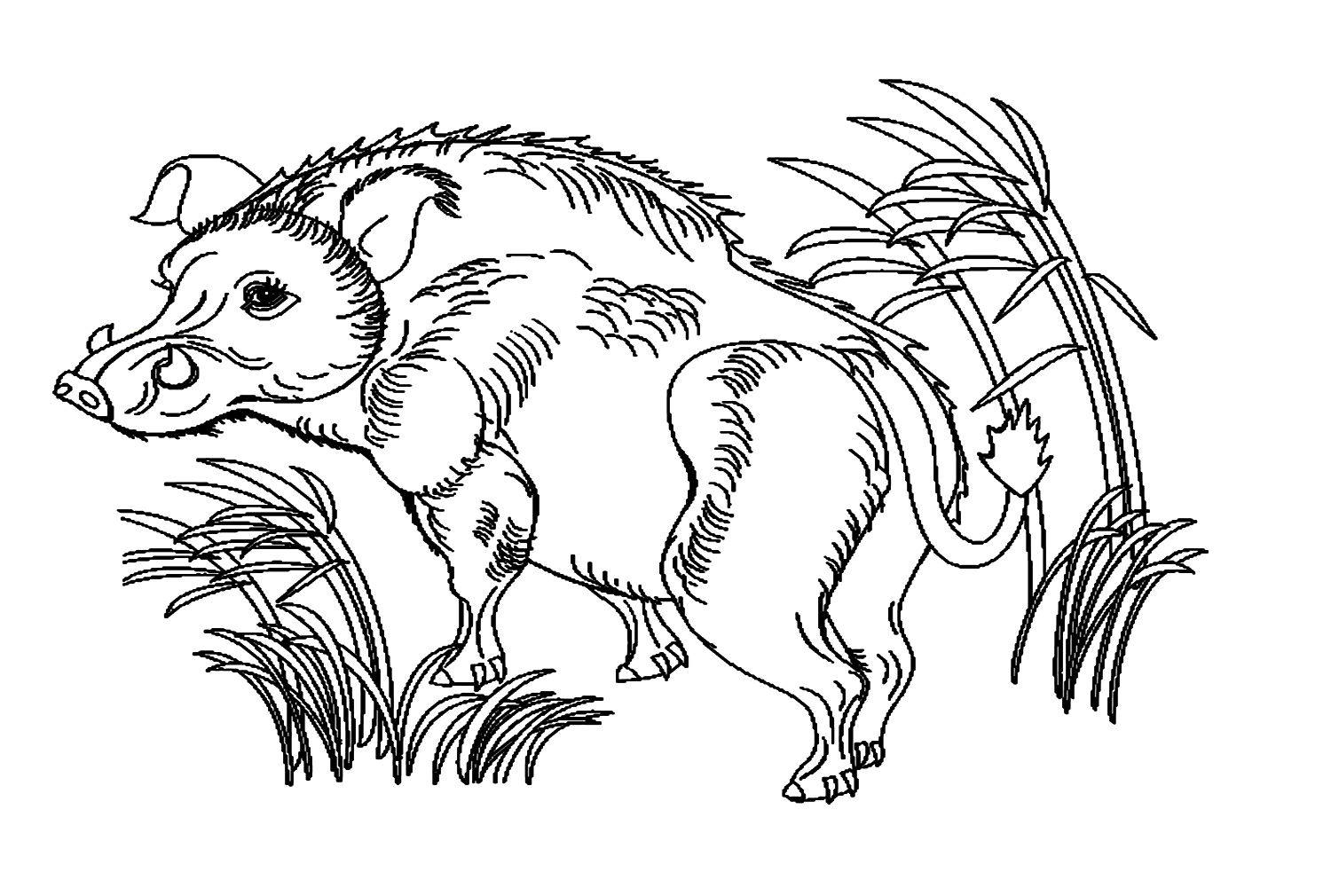
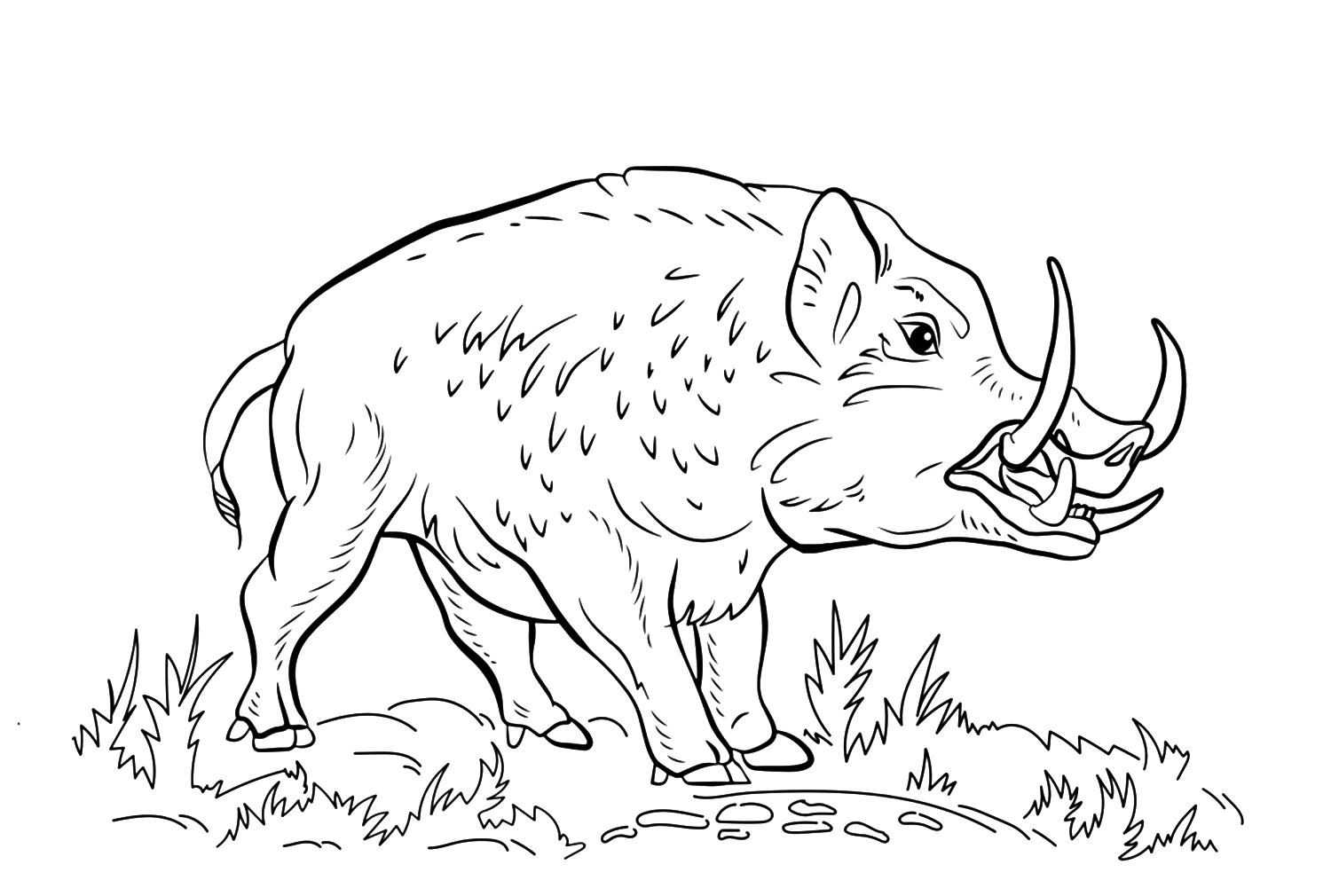
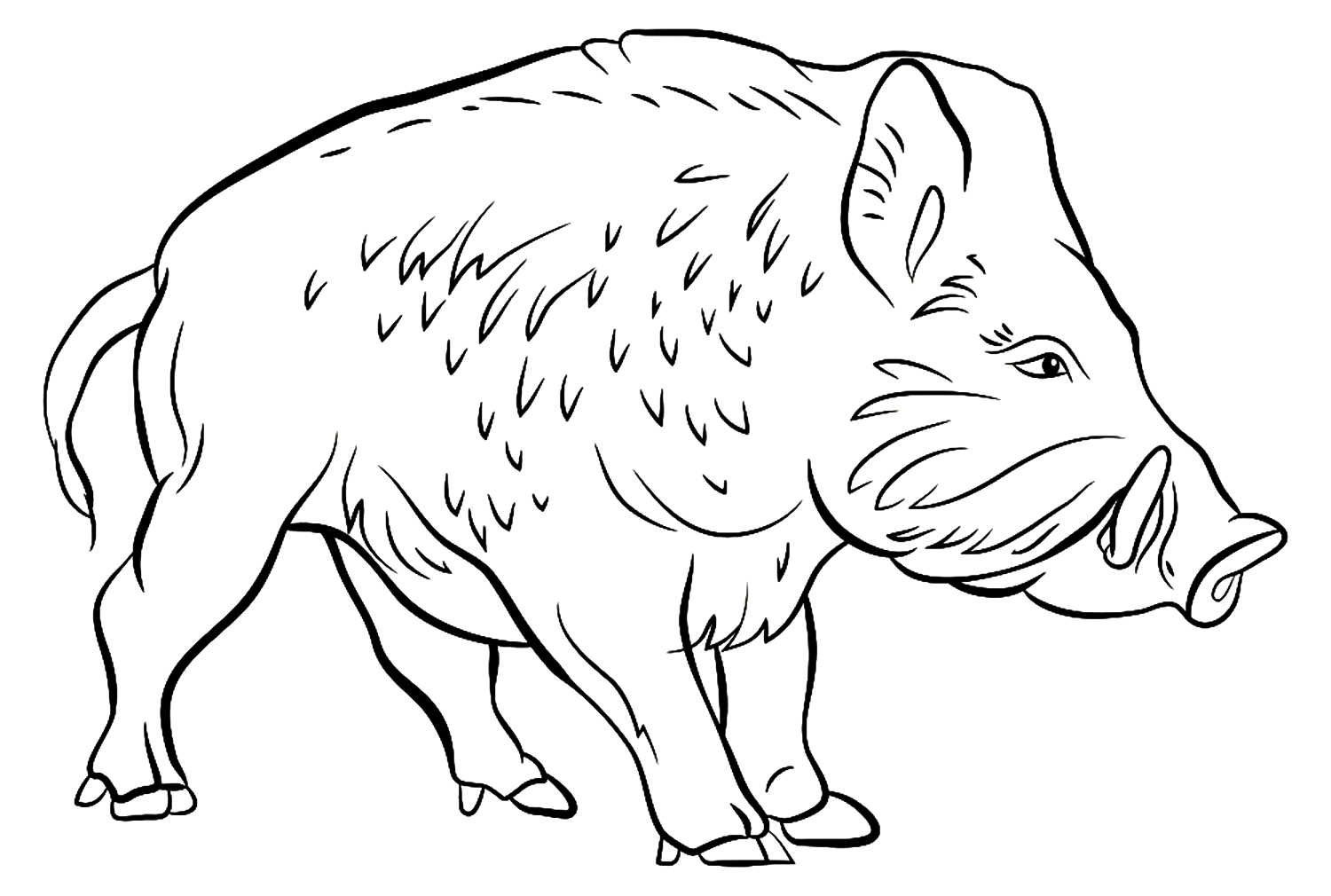
These pages focus on the boar’s true physical features, including its tusks, snout, and thick, bristly coat. Realistic Boar and Wild Boar in Realistic Style give colorists an accurate subject to study in detail.
Forest and Habitat Scenes
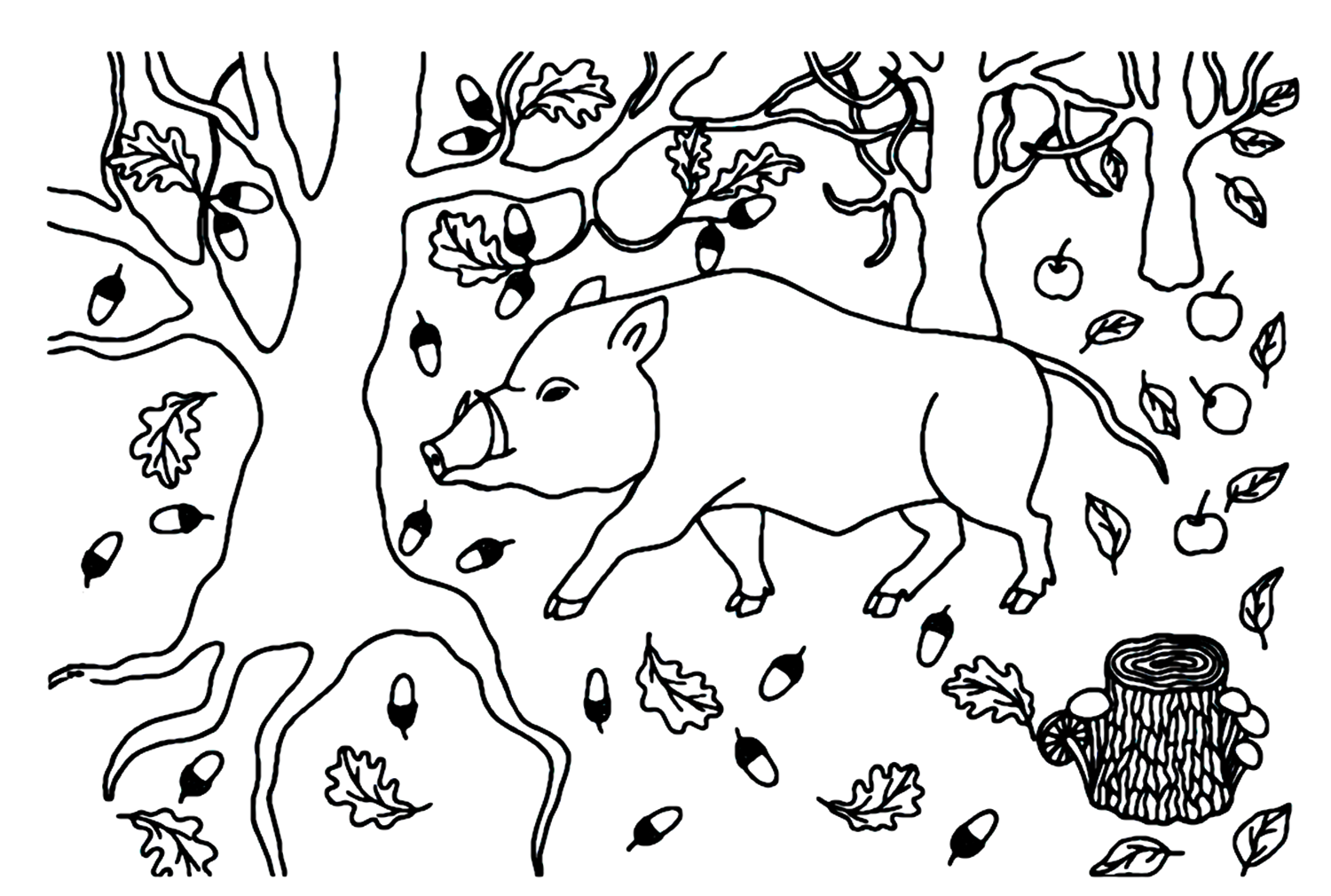
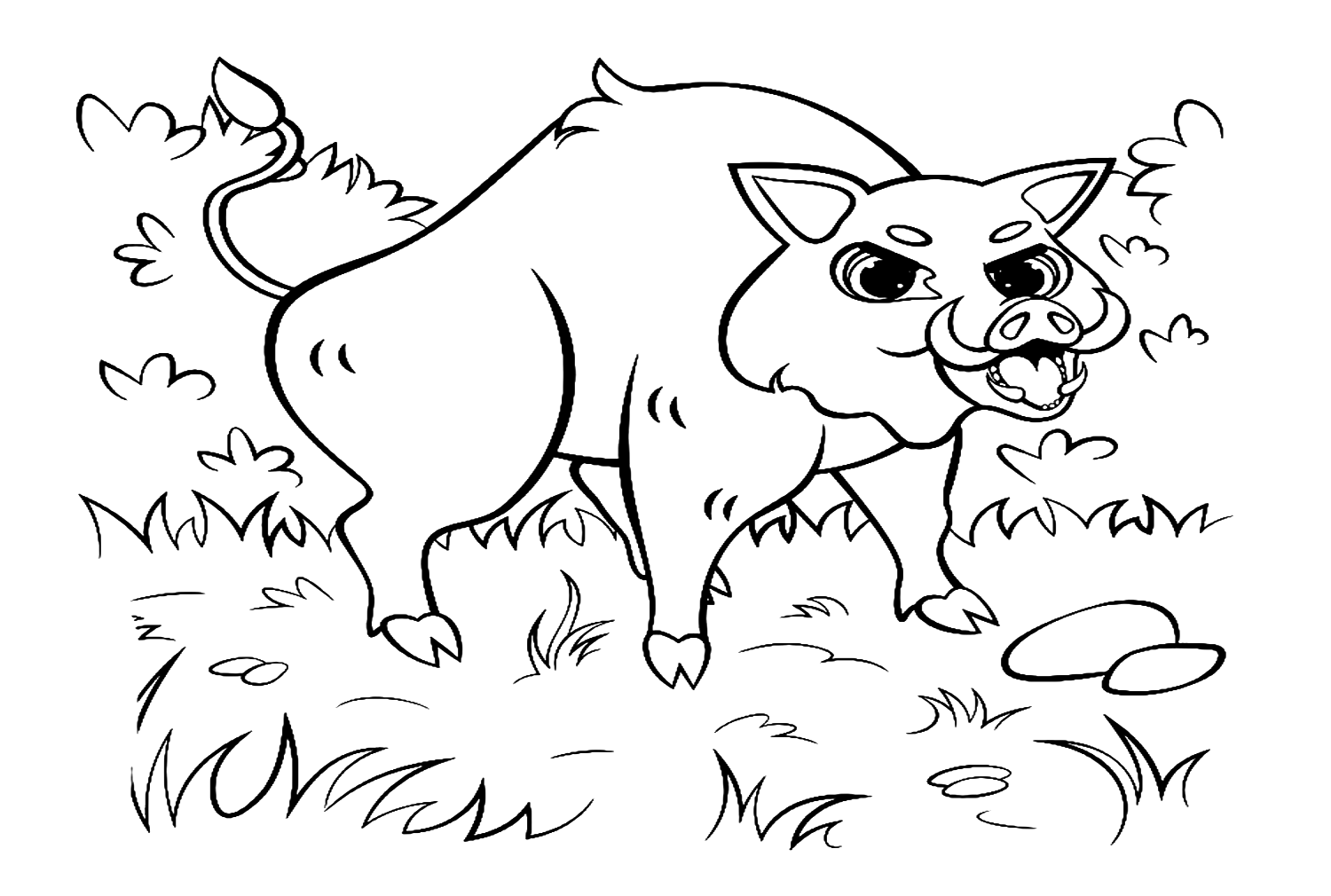
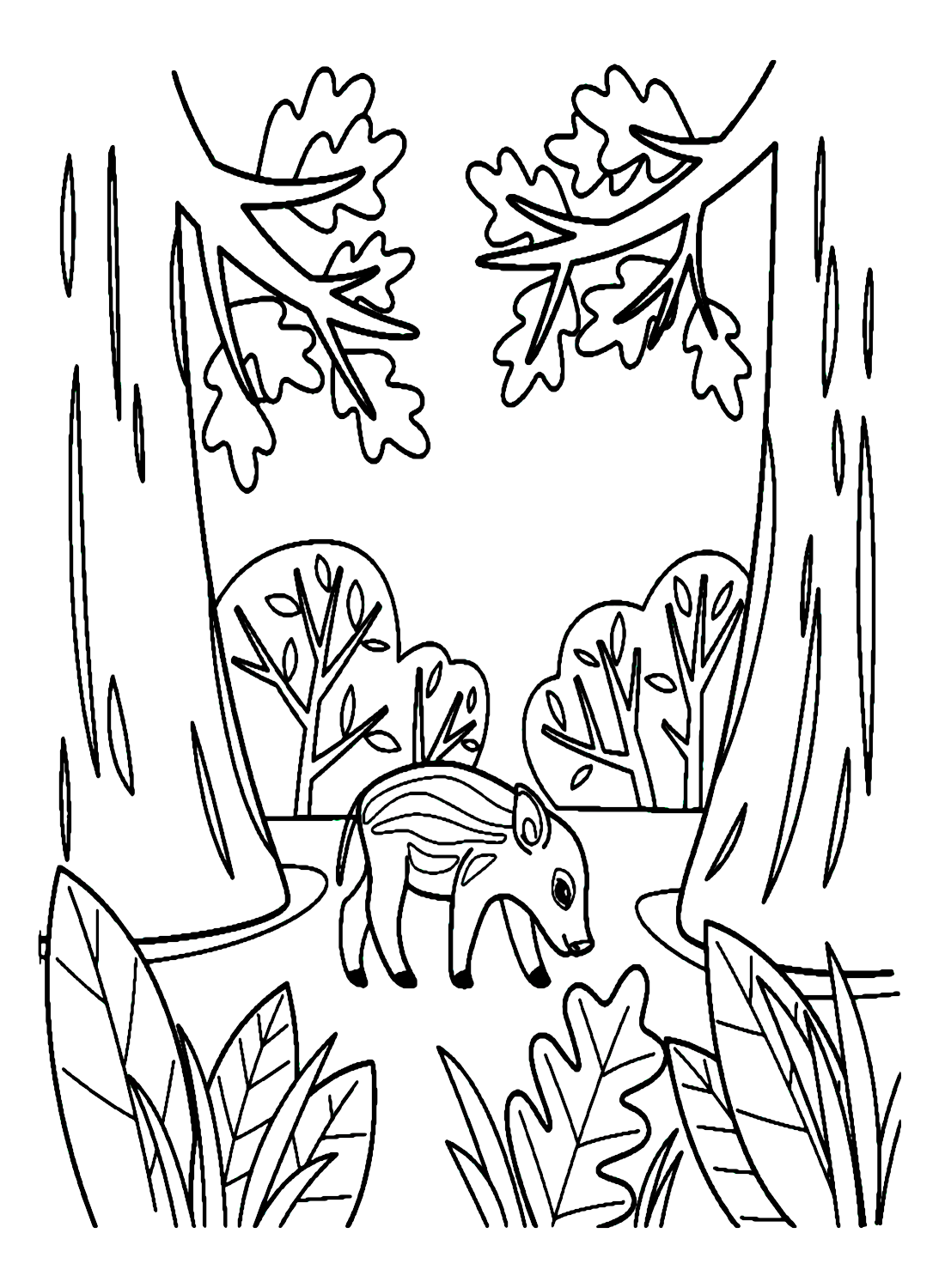
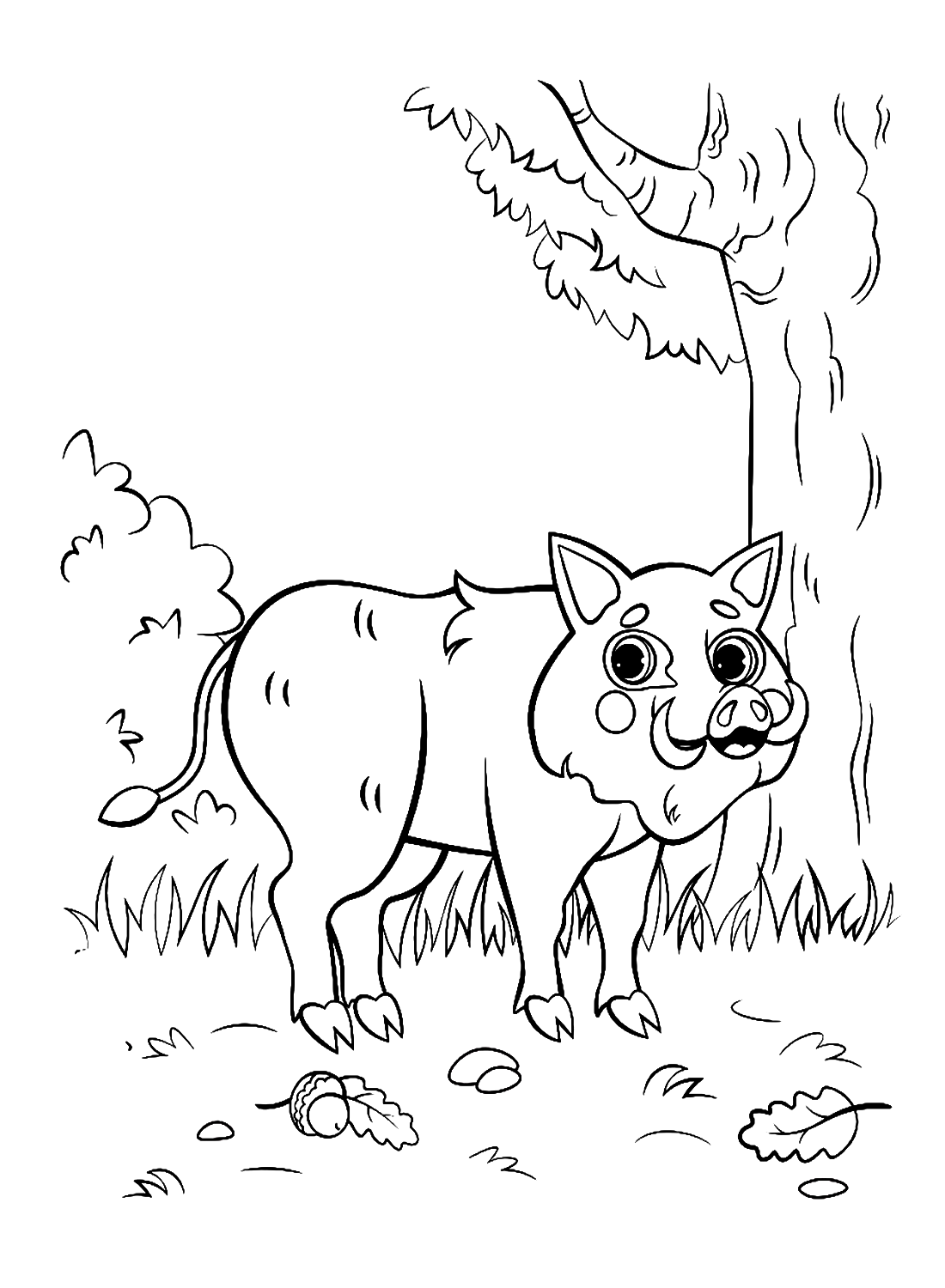
A group of pages sets the boar in the woodland environment it actually lives in, foraging among fallen apples and acorns or walking through tall grass. Wild Boar in Apple and Acorn Forest and Baby Boar In The Forest help colorists build the surrounding habitat around the animal.
Family and Social Scenes
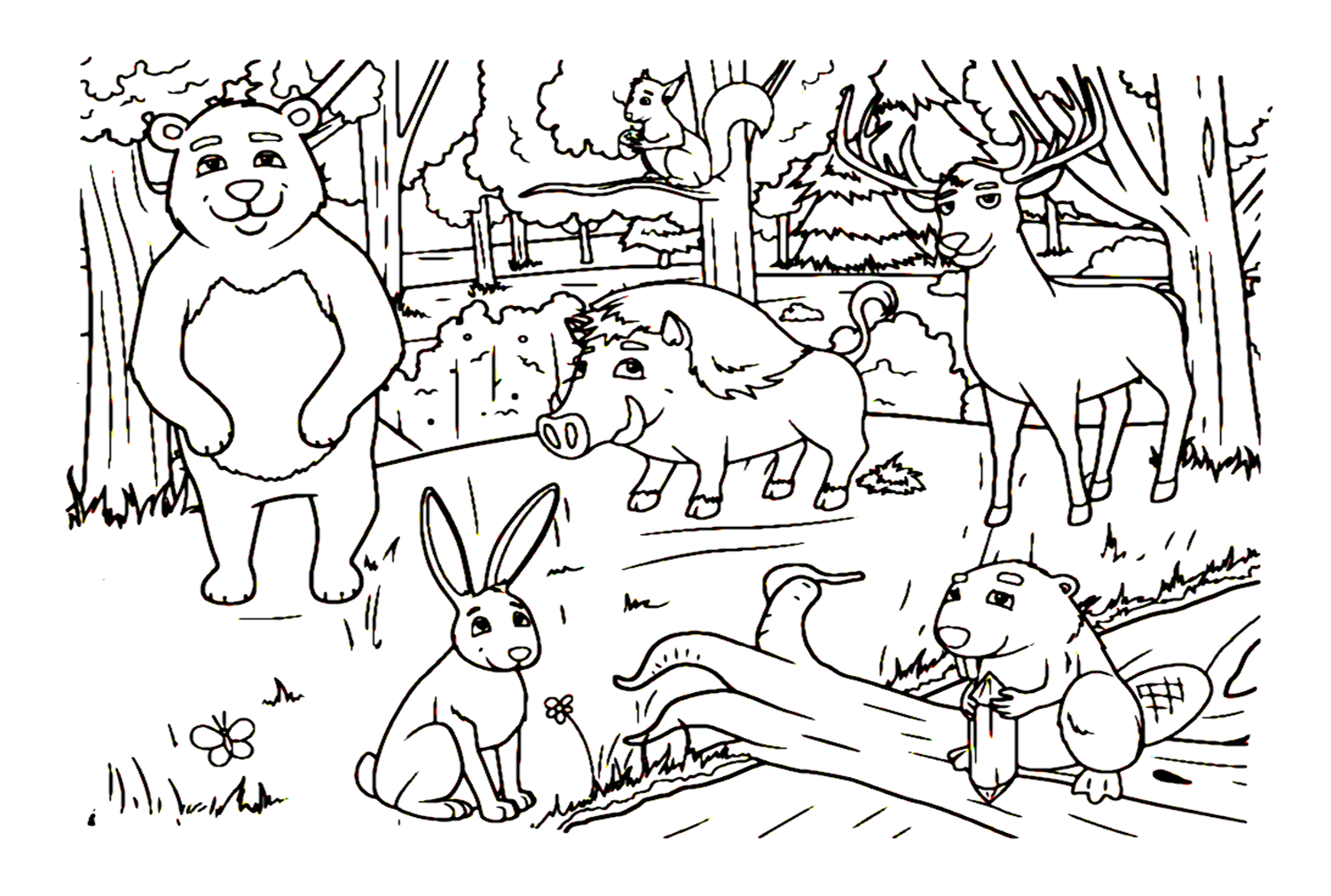
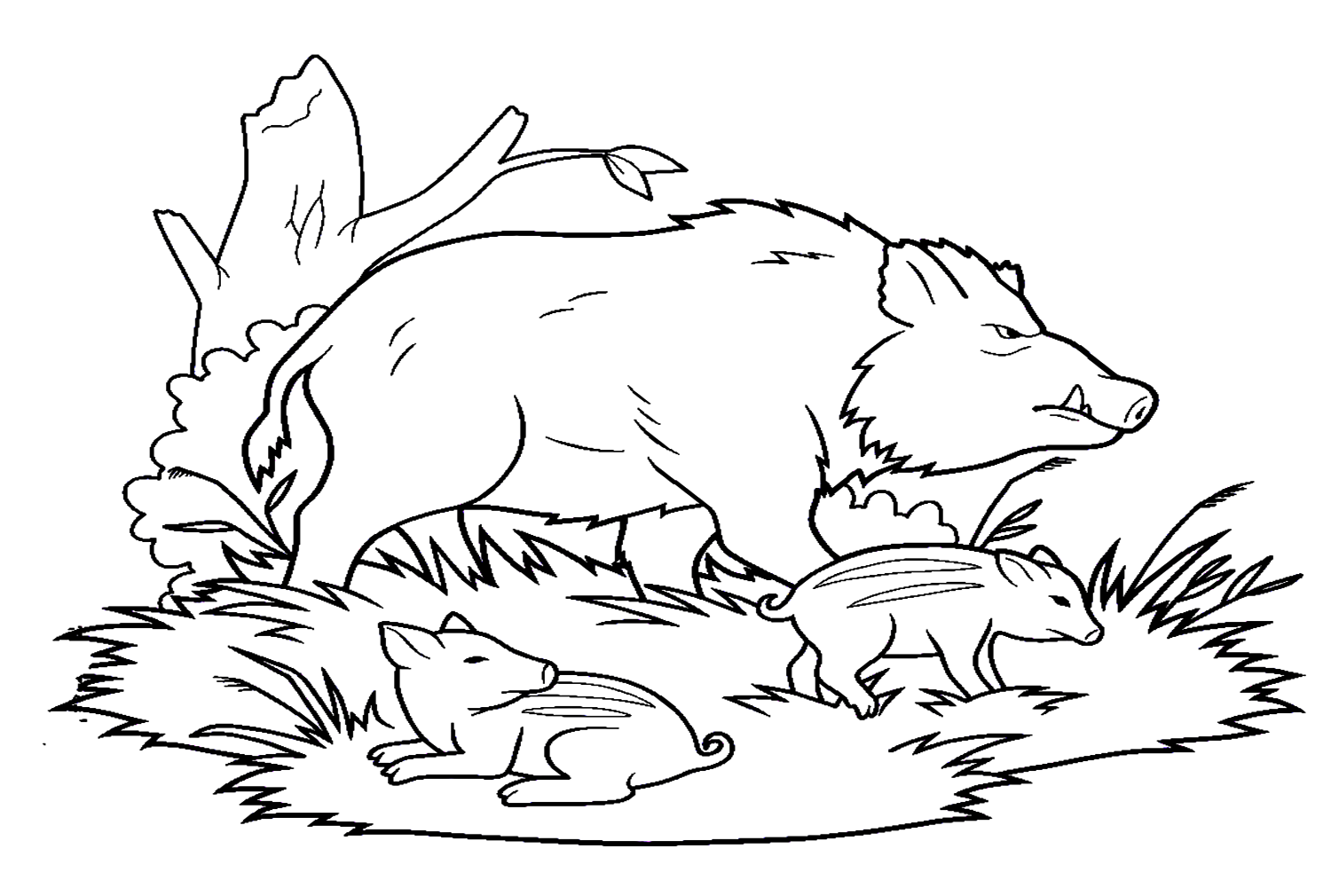
These pages highlight the boar’s social side, including a mother and piglet together and a full cartoon family. Mother Boar and Baby and Cute Cartoon Boar Family suit colorists who want a warmer, character-driven scene.
Expressive and Action Poses
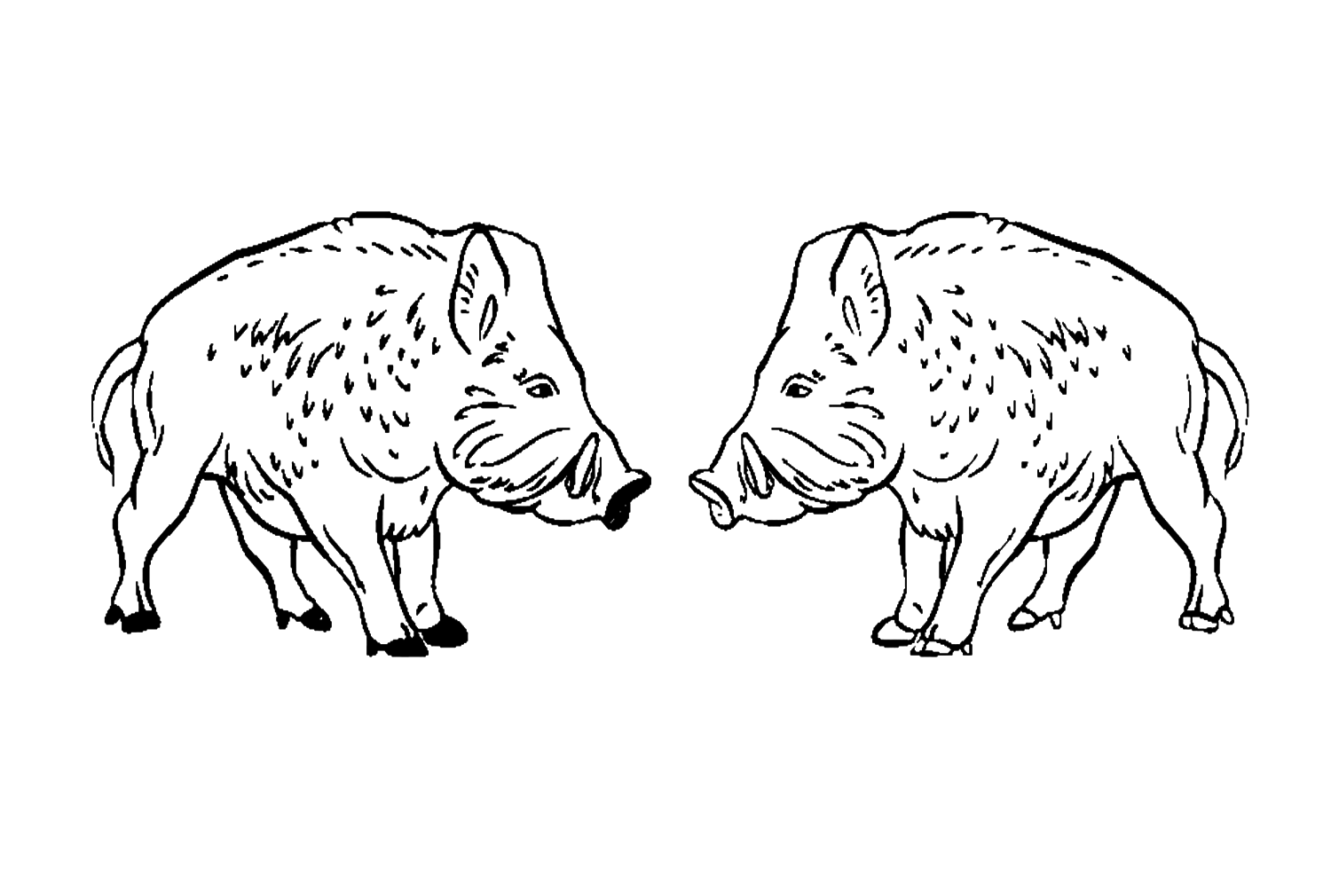
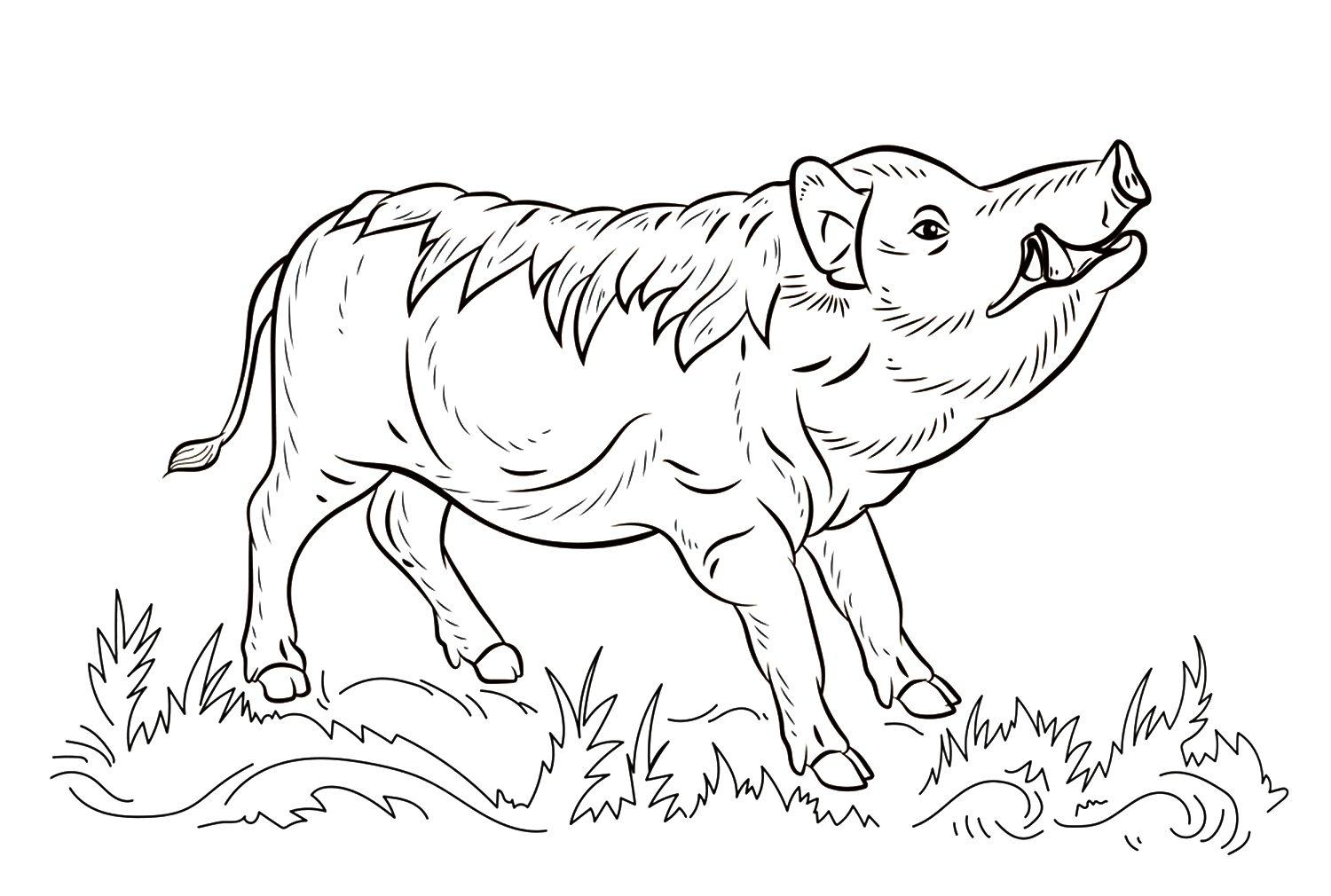
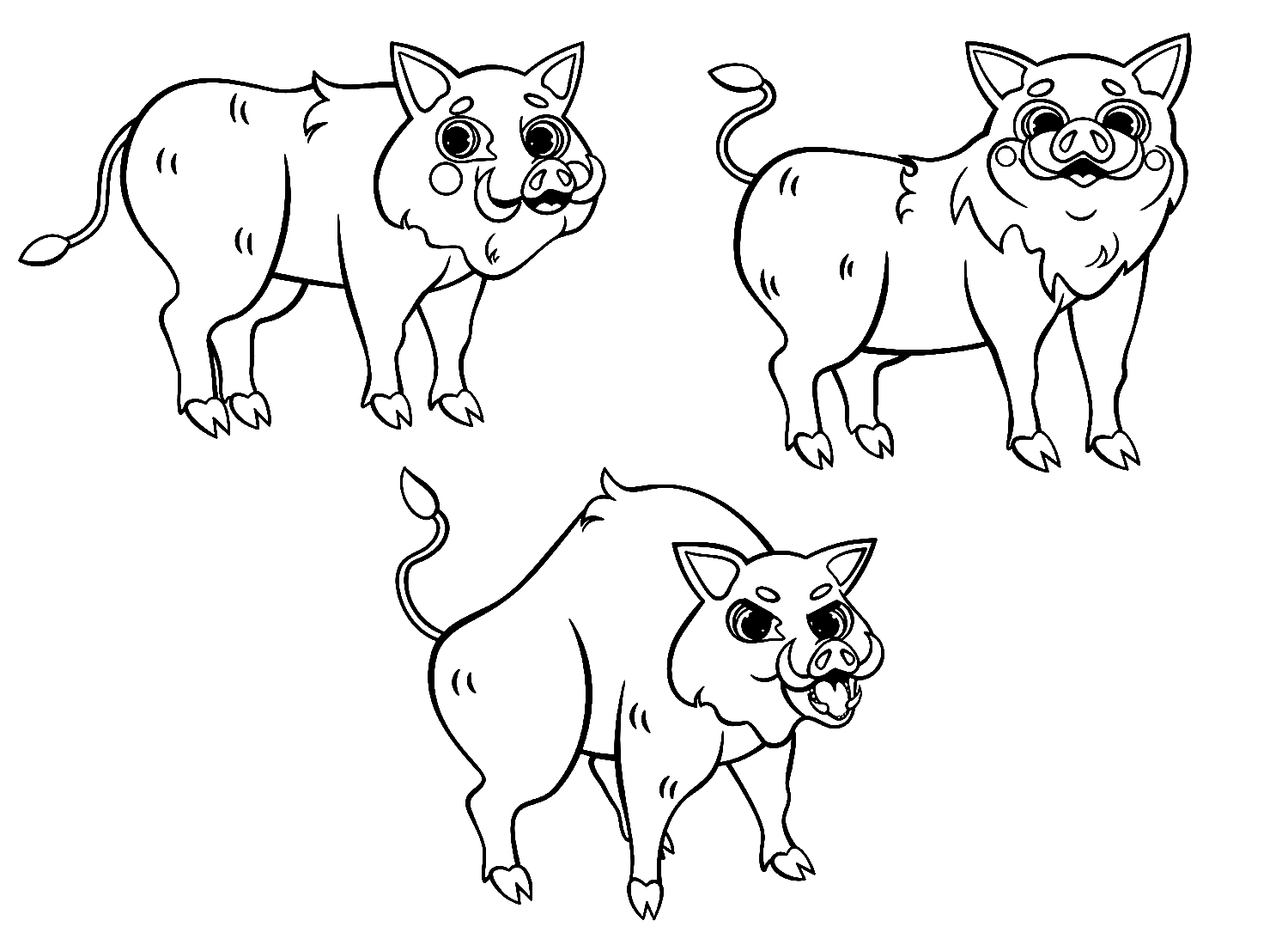
A distinct set of pages gives the boar a specific mood or moment of motion, from calm and happy to startled or defensive. Scared Boar, Excited Boar, and Two Boars Confronting Each Other let colorists focus on posture and expression rather than habitat detail.
Pattern and Simple Practice Pages
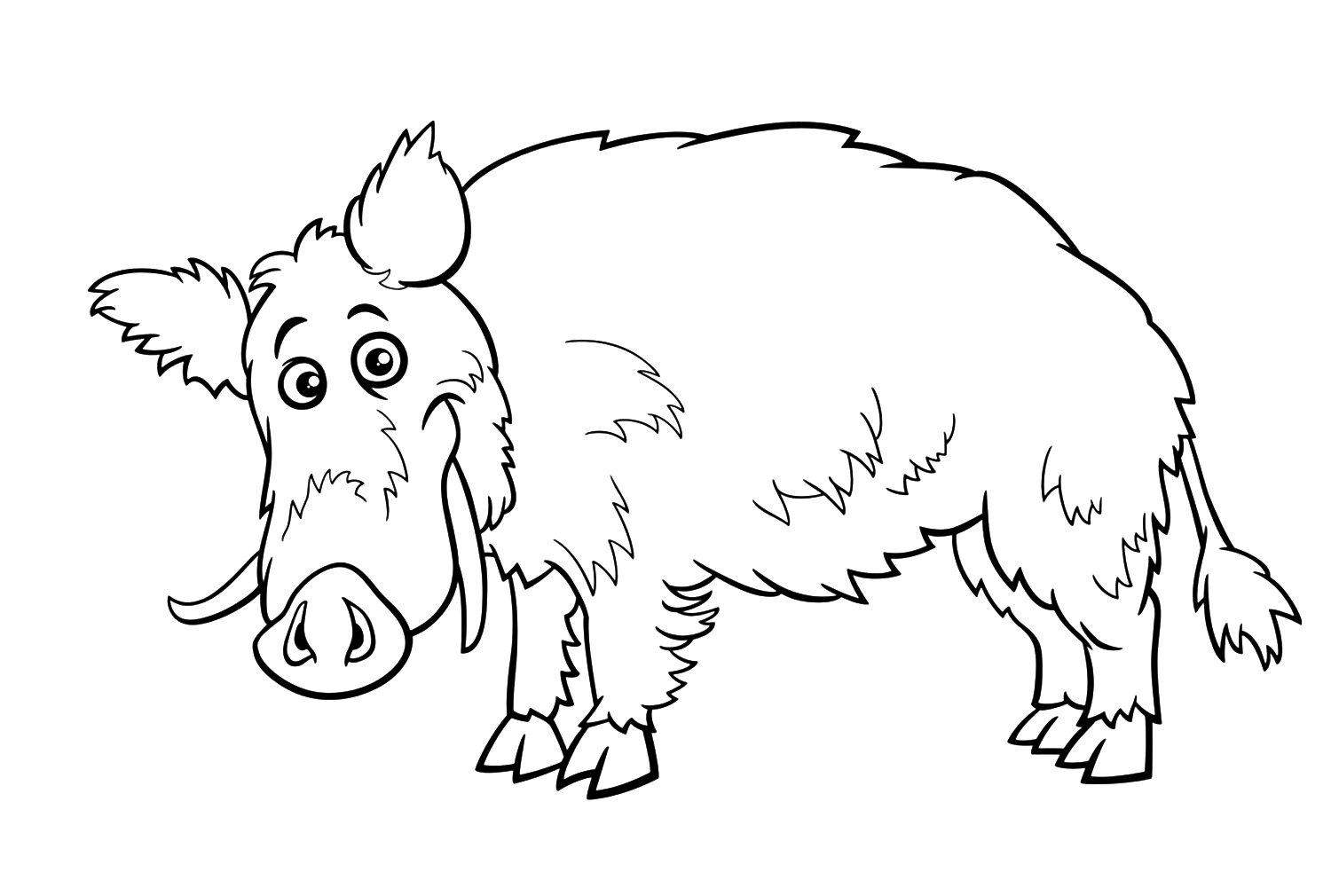
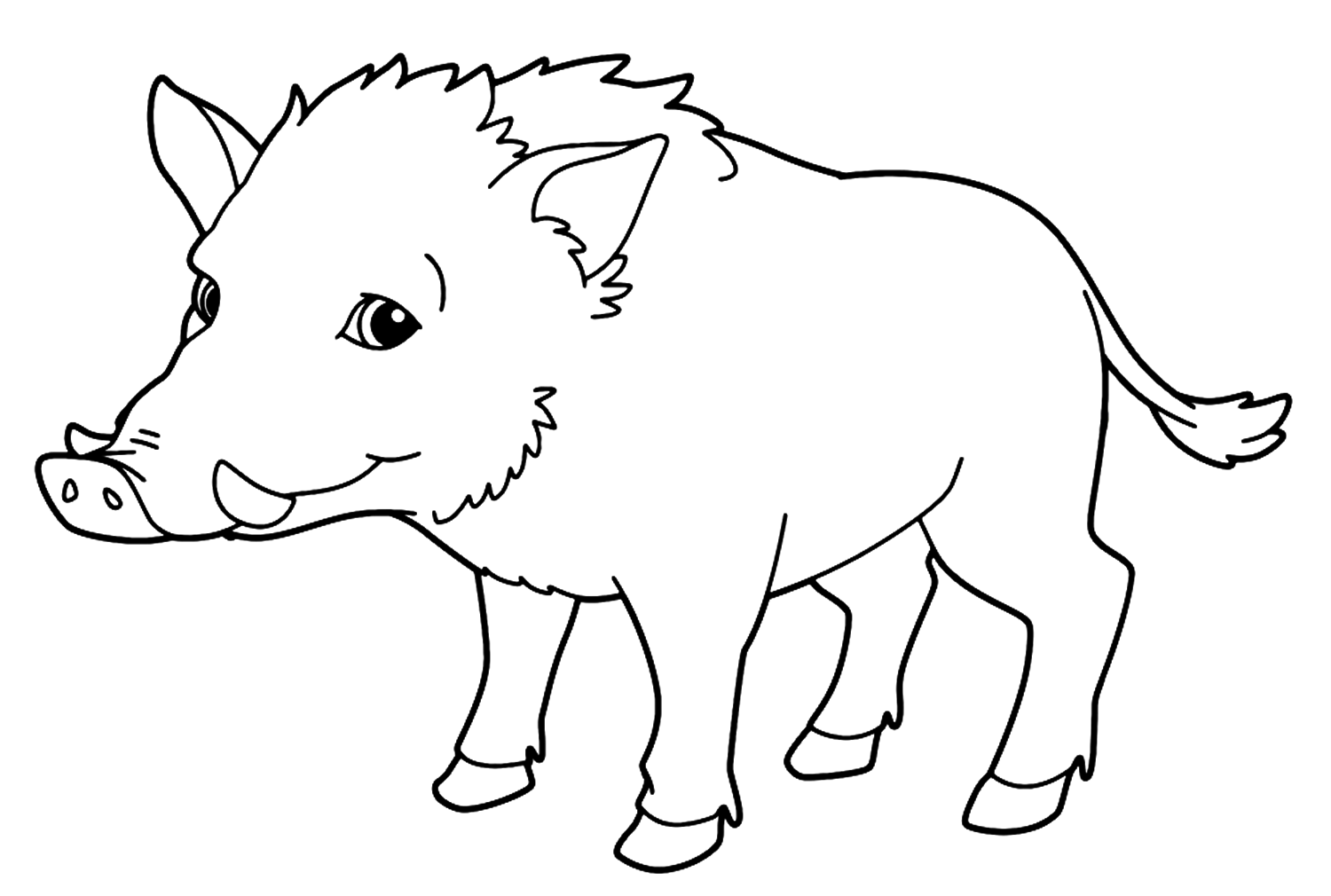
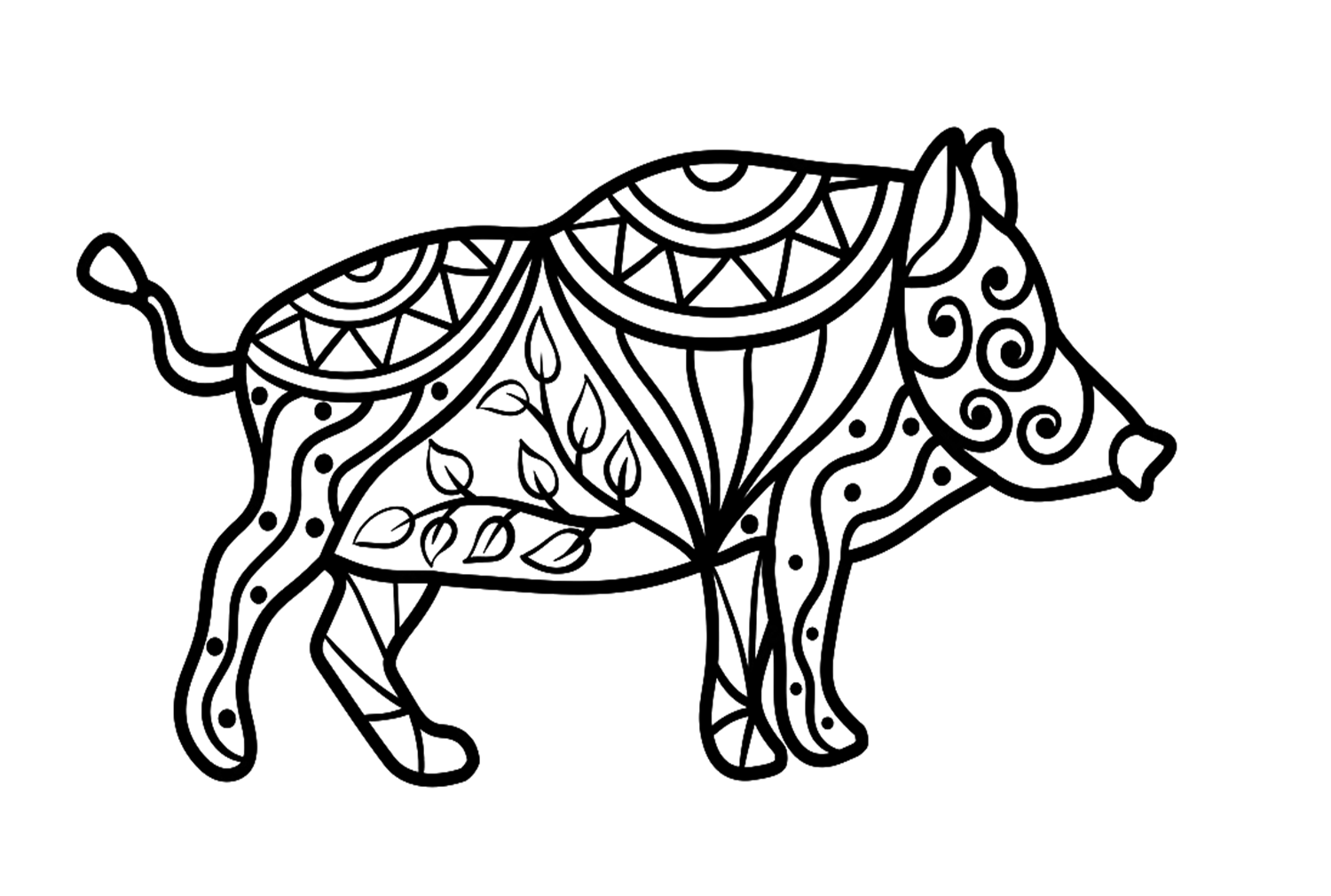
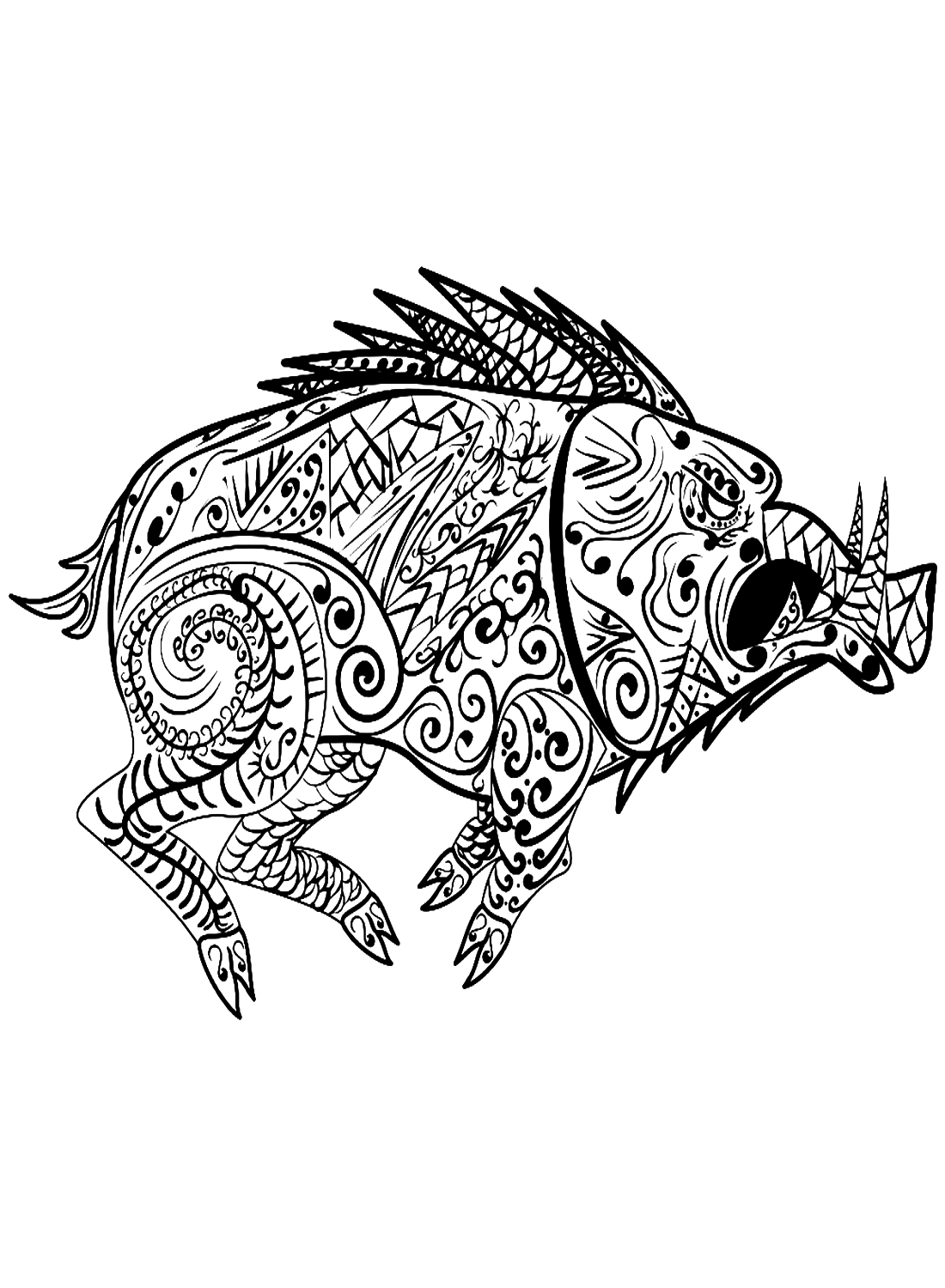
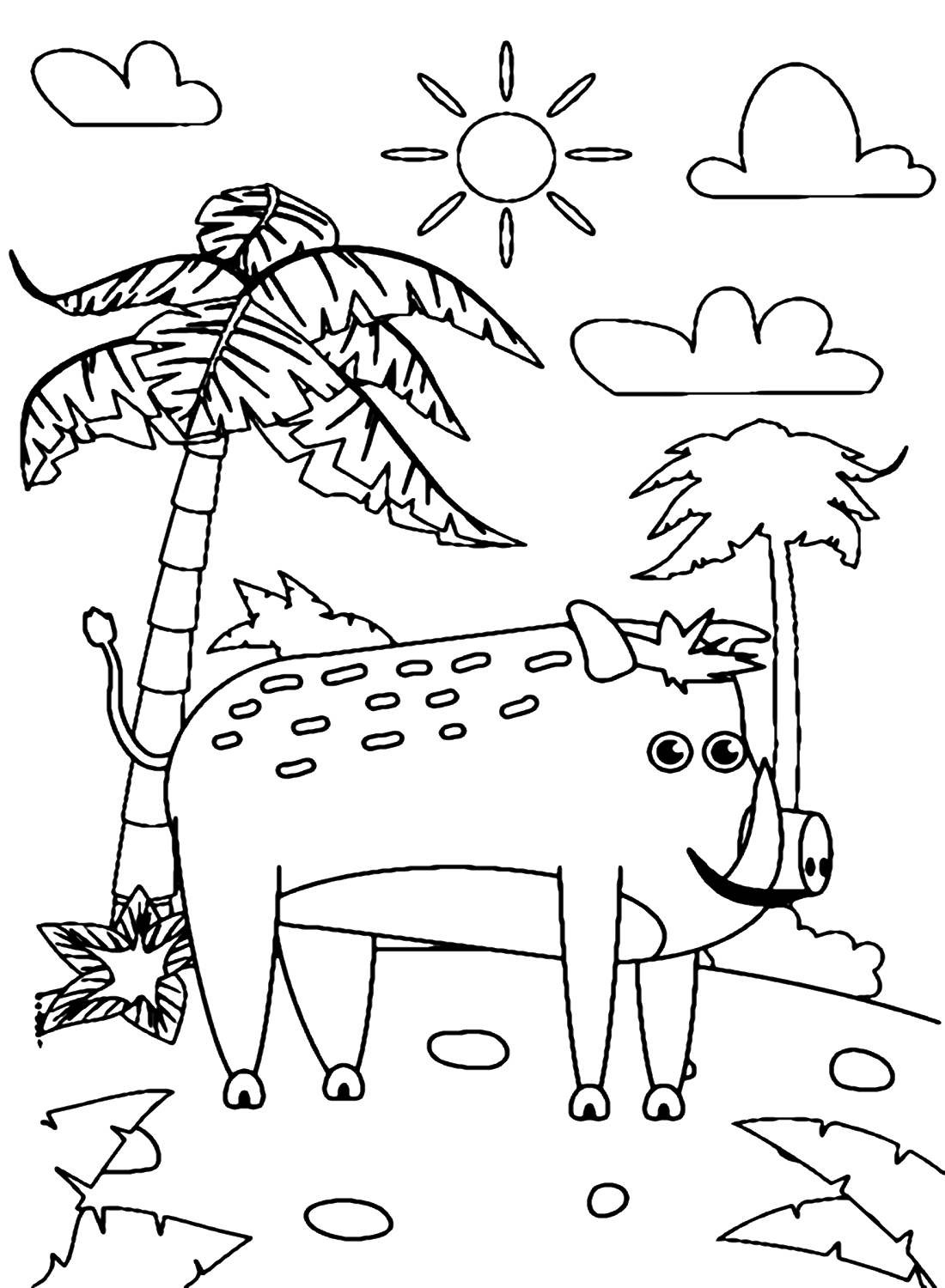
Wild Boar in Zentangle Style and Mandala Boar offer detailed pattern work for older colorists, while Funny Boar for Preschool and Simple Boar are built as easier entry points for younger children.
What Boar Coloring Pages Do
A close study of natural armor and tools. A boar’s tusks are worn to a sharp edge by the upper and lower pairs grinding against each other, and mature males also grow a thickened shield of skin over the shoulders to protect against injury during fights. The American Academy of Pediatrics points to structured coloring as a reliable way to build fine motor control, and tracing these small, specific features calls for exactly that kind of careful, deliberate hand movement.
Calm focus through earthy shading. A 2005 study in the Art Therapy Journal documented measurable reductions in anxiety following structured coloring sessions, and the boar’s dark, coarse coat invites slow, layered shading in muted browns and grays rather than flat, single-color fills.
A window into wild social structure. Female boars and their young travel together in groups called sounders, while adult males typically live alone except during the breeding season, giving a coloring session a natural opening to talk about how animal social groups can differ by sex and season.
Reading animal body language. Because this collection includes pages showing calm, startled, and defensive postures side by side, it gives colorists a concrete way to notice how a wild animal’s stance and expression can signal its mood, a useful real-world observation for anyone who spends time in areas where wildlife lives.
How to Color These Pages Well
- Coat base: Use Sepia or Burnt Sienna for the base coat, layering Black into the coarse bristles along the spine for texture and depth.
- Tusks: Color the tusks Bisque or a pale Cream, adding a thin darker line at the base where the tusk meets the jaw.
- Shoulder shield: On adult males, shade the thickened skin over the shoulders slightly darker than the rest of the coat to show where the layer is heaviest.
- Piglets: On family scenes, color piglets in a lighter Ginger or Tan with faint darker stripes, since real piglets are born with striped coats for camouflage.
- Forest background: Blend Forest Green into Olive for foliage, and use Raw Umber for tree trunks and fallen leaves on the forest floor.
- Expression details: On the expressive poses, use the eyes and ear position first to establish the mood before coloring the rest of the body, since a raised or flattened ear changes the whole read of the pose.
5 Creative Craft Ideas With Boar Coloring Pages
1. Forest Floor Diorama
Mount a finished boar page inside a shoebox lined with brown paper, adding real acorns or paper leaf cutouts across the floor.
2. Moving the Snout Flap Card
Color a boar and glue on a small folded paper flap over the snout so it lifts to reveal a hidden acorn or root underneath.
3. Boar Bookmark
Trim a simple boar page into a tall strip and laminate it, or cover it in clear contact paper.
4. Greeting Card
Glue a colored boar onto a folded card for a birthday or nature-themed thank-you note.
5. Boar Family Portrait Collage
Arrange a colored mother and piglet page on cardstock with paper grass and leaf cutouts to build a simple family portrait scene.
Frequently Asked Questions
What are boar coloring pages?
Printable line-art designs of wild boars in realistic, forest-habitat, and family styles. Free to download as a PDF or color online, no account needed.
What is a wild boar?
A wild boar is a large, tusked mammal native to forests across Europe, Asia, and North Africa, and it is the wild ancestor of the domestic pig.
Why do boars have tusks?
Tusks are extended canine teeth used for digging up food and for defense, and the upper and lower tusks grind against each other to stay sharp.
What do wild boars eat?
Wild boars are omnivores that root through soil and leaf litter for roots, bulbs, nuts, and insects, and will also eat small animals when the opportunity arises.
What is a group of boars called?
A group of female boars and their young is called a sounder, while adult males usually live alone except during the breeding season.
Are wild boars dangerous?
Wild boars are generally shy and avoid people, but like most wild animals, they can become defensive if cornered or if a mother is protecting her piglets.
Are boar coloring pages appropriate for all ages?
Yes. Simple pages suit toddlers and preschoolers, while the detailed, realistic portraits and pattern pages suit older kids, teens, and adults.
Can these boar coloring pages be used for a classroom lesson on forest animals?
Yes. The habitat and family scenes pair well with a lesson on forest ecosystems, while the expressive poses support a discussion on reading animal body language.
Start Coloring
All 28 boar designs are free to download as a PDF or open for online coloring, no account required. Print a page for a classroom activity, or pull it up on a tablet for coloring on the go. Once finished, share it on Facebook or save it to Pinterest.