Hippo Coloring Pages
 By:
Jennifer Thoa - Content Editor & Designer
Updated:
By:
Jennifer Thoa - Content Editor & Designer
Updated:
Free Hippo Coloring Pages: 75 printable PDF designs featuring playful, realistic, and everyday hippo scenes. Each page can be downloaded as a PDF to print or colored online in the browser.
Hippos are semi-aquatic mammals native to sub-Saharan Africa, spending most of the day submerged in rivers and lakes to stay cool and protect their sensitive skin, then emerging at night to graze on grass. Despite their bulky, barrel-shaped bodies, hippos actually cannot swim; instead, they walk or bound along riverbeds while underwater, and can hold their breath for up to five minutes at a time. Their skin also produces a natural reddish, oily secretion that works as a built-in sunscreen and moisturizer, once mistakenly called blood sweat. Groups of hippos are called bloats, and their closest living relatives, surprisingly, are whales rather than pigs or other land mammals they resemble. This Hippo Coloring Pages collection captures that mix of everyday river life and playful character design, from realistic water scenes to cartoon-style hippos in everyday moments.
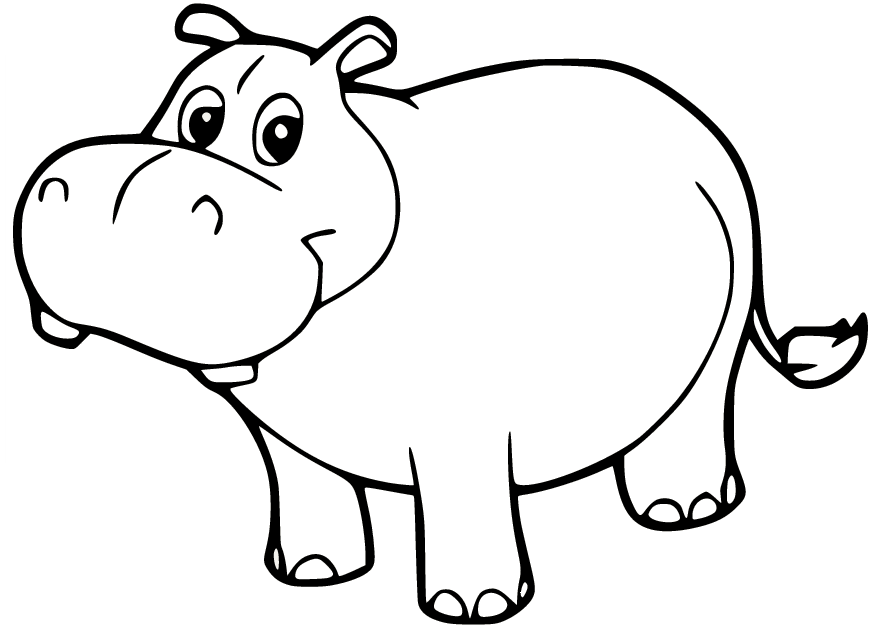
The set spans 75 designs, ranging from simple outlines for younger colorists to detailed, realistic scenes for older colorists and adults.
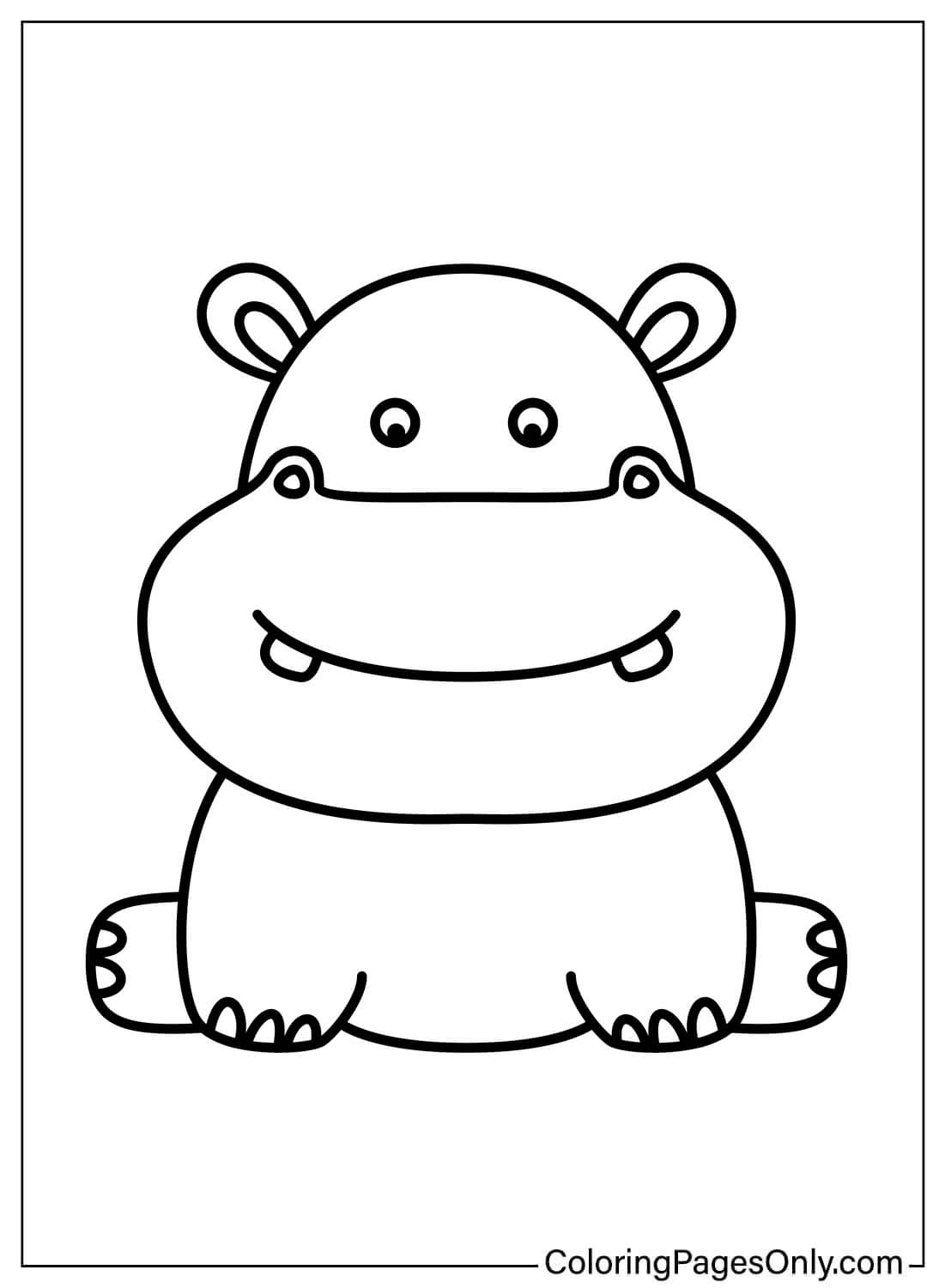
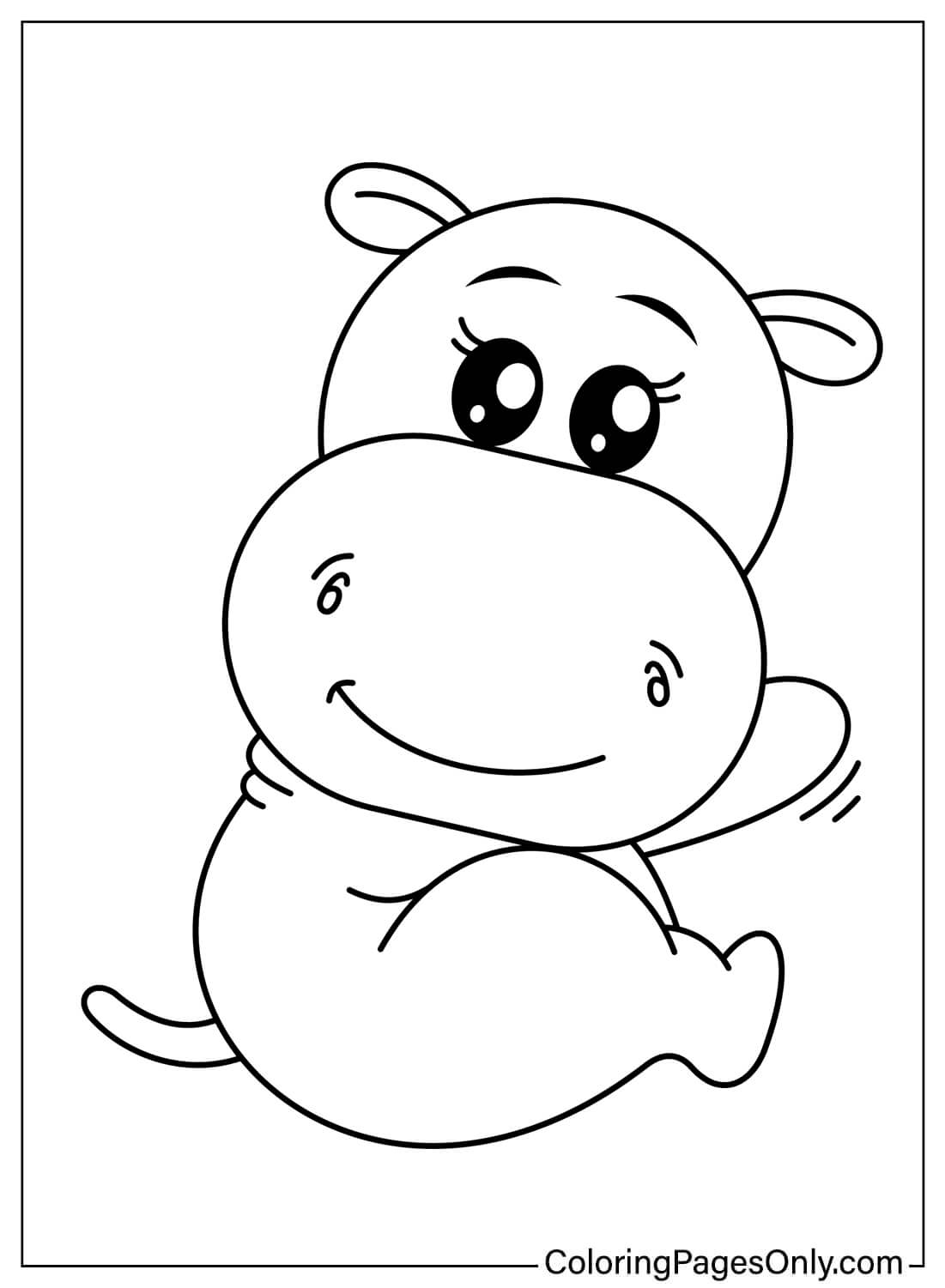
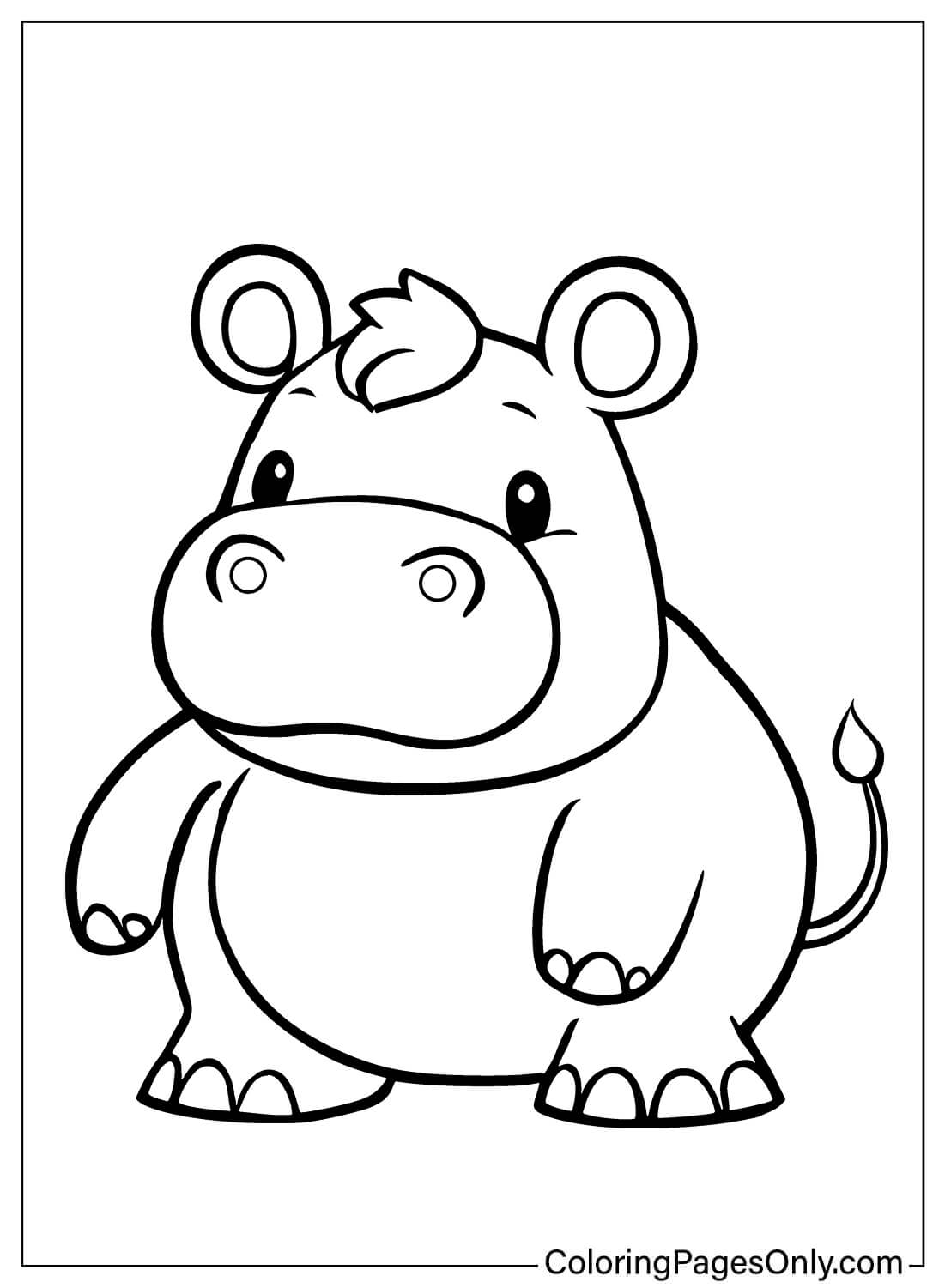
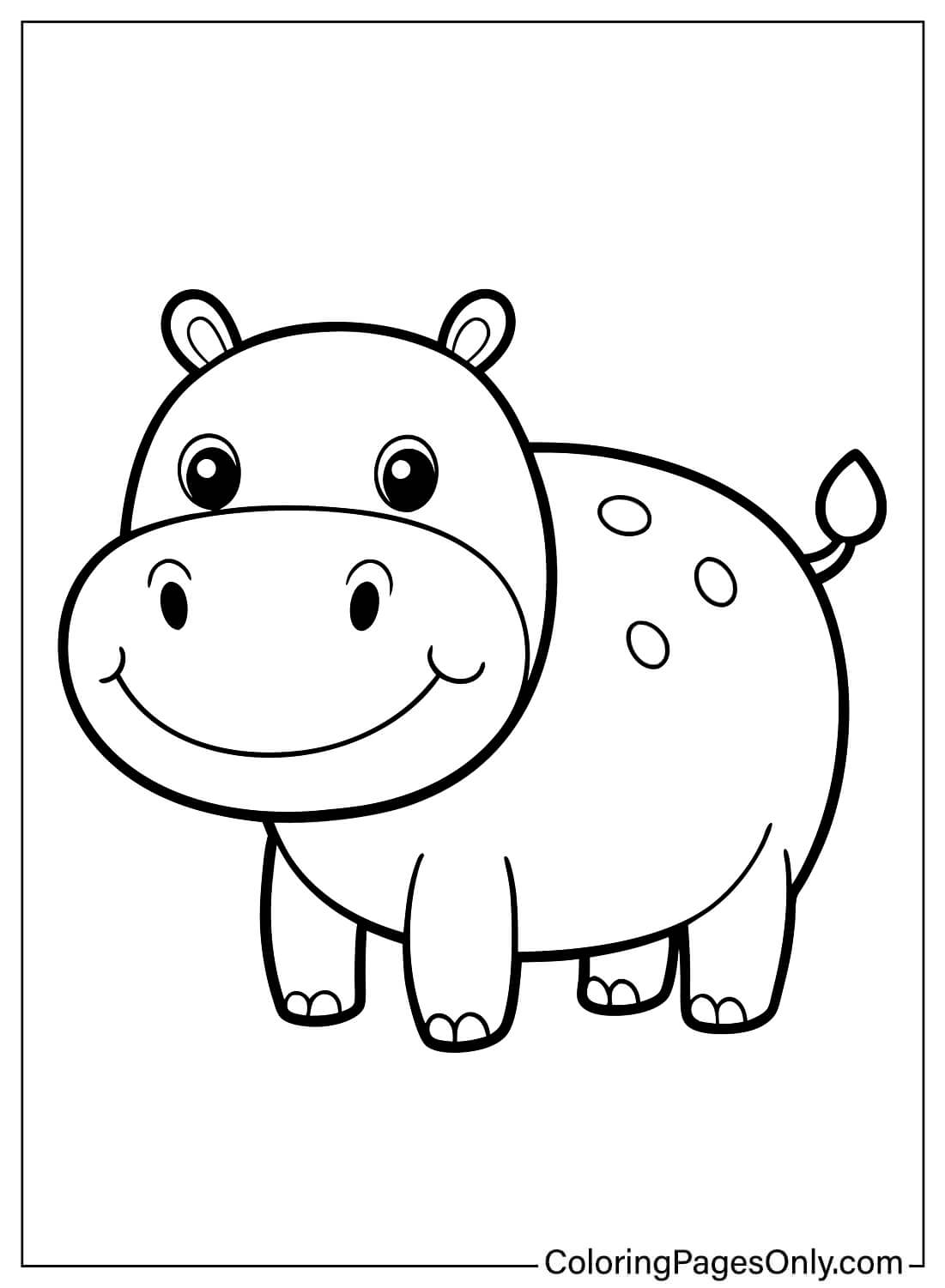
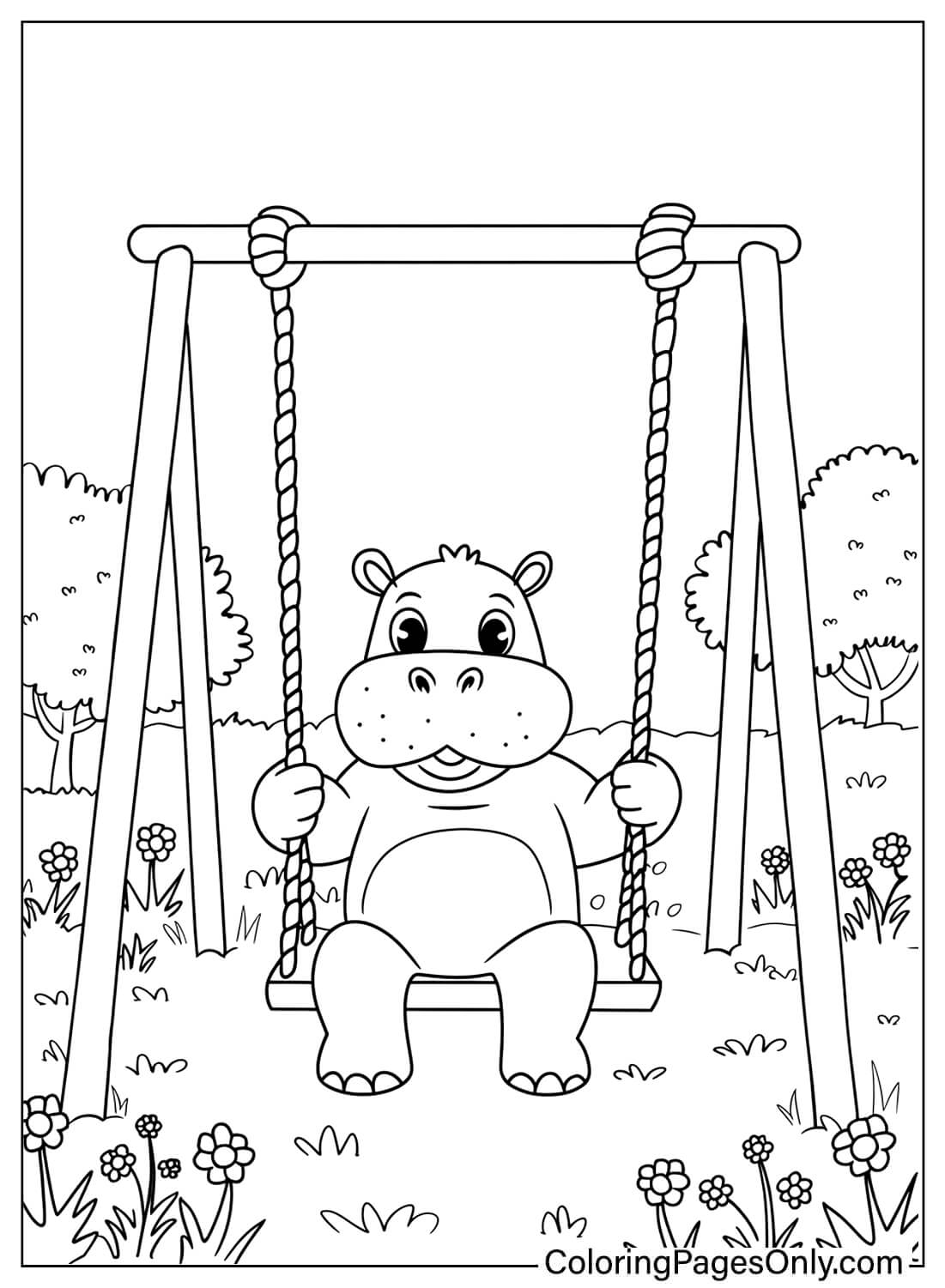
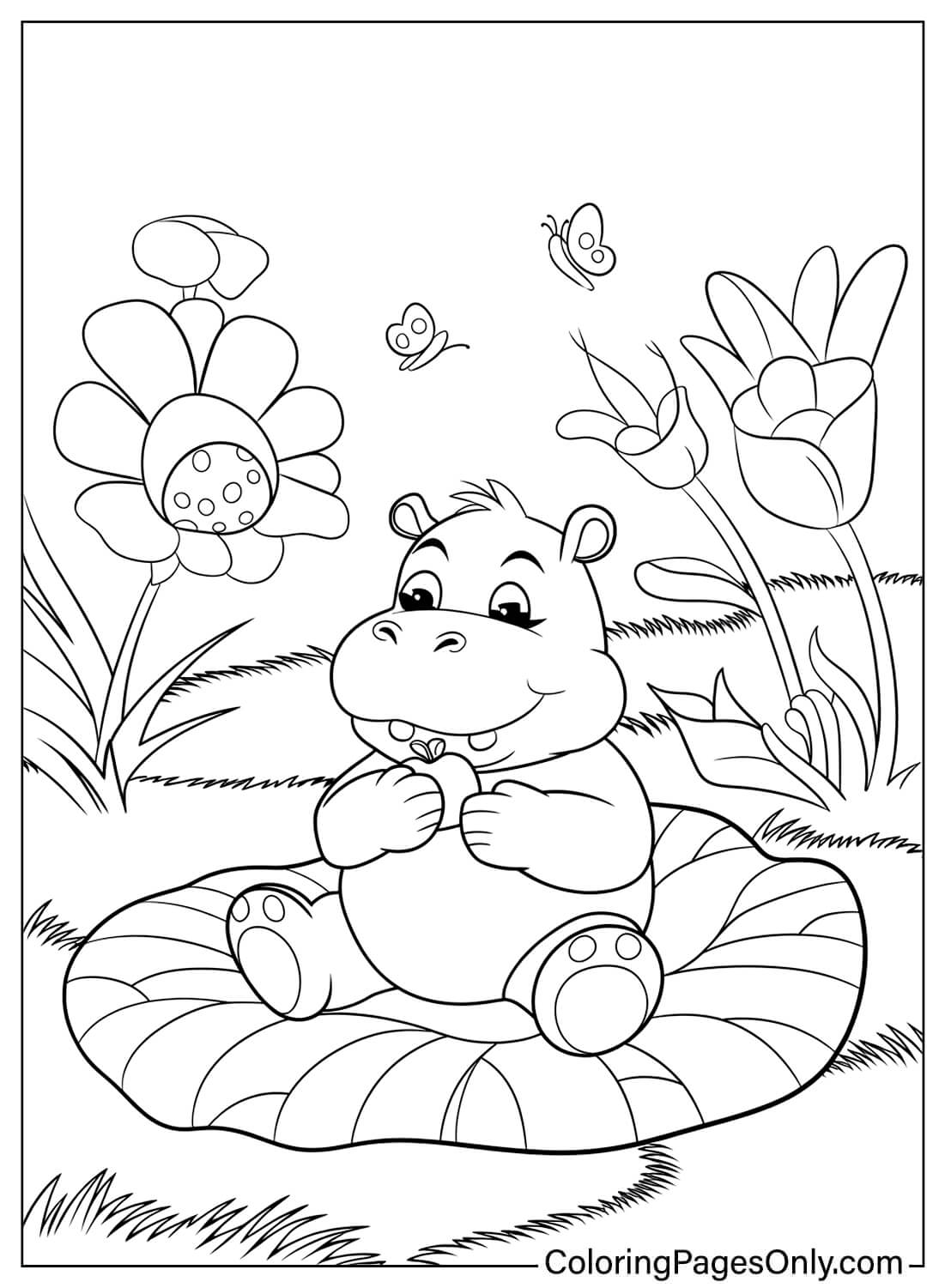
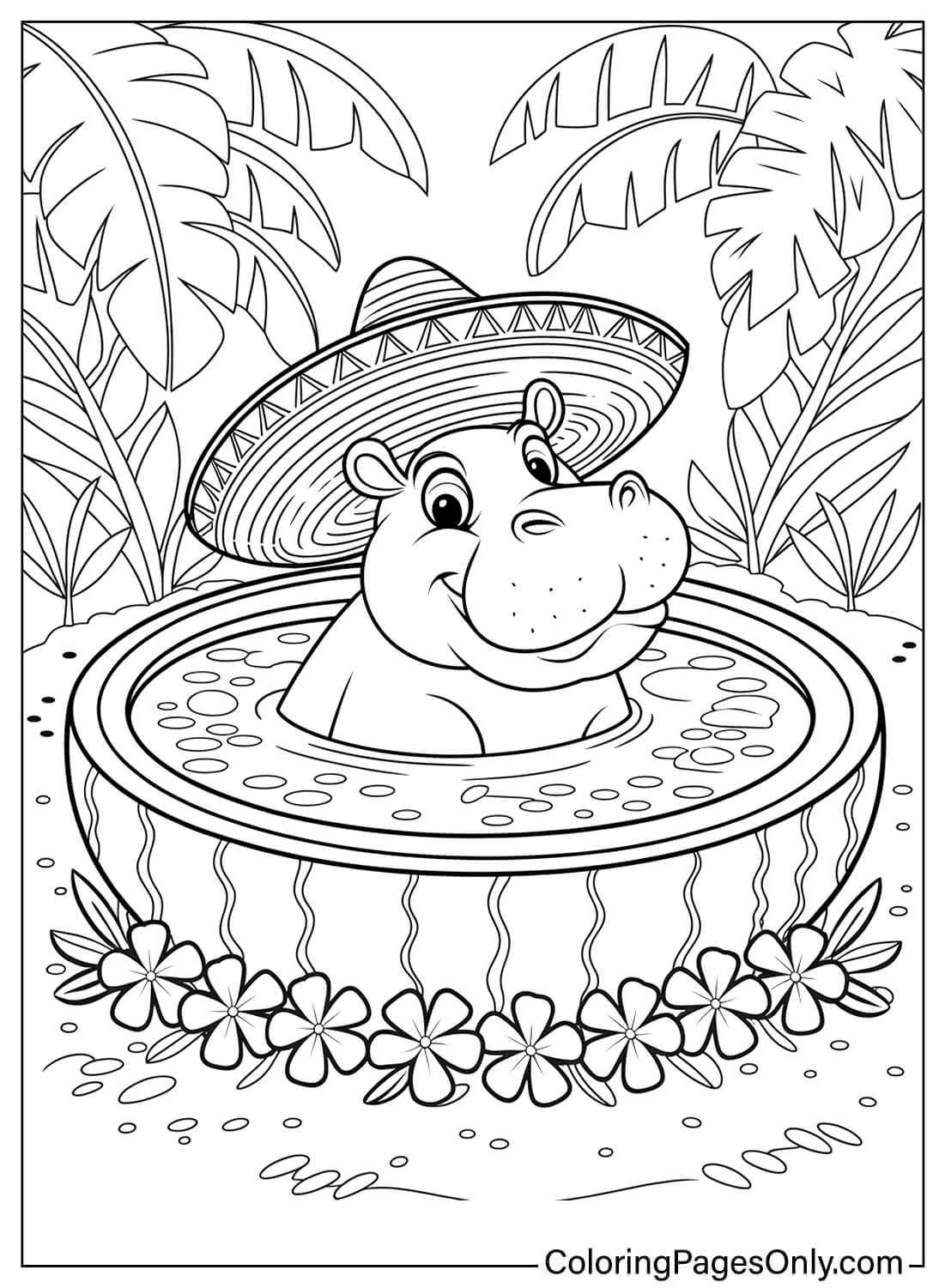
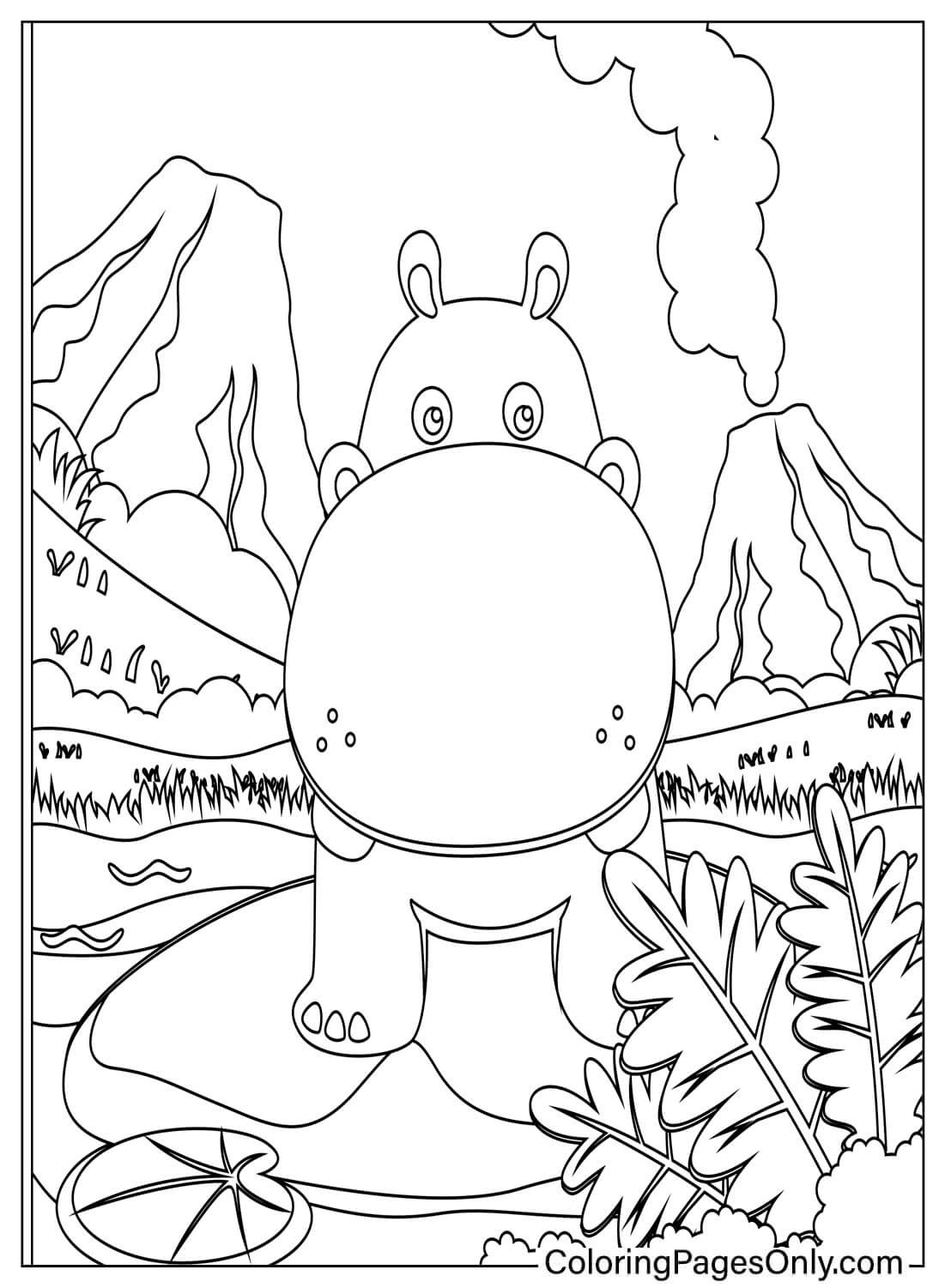
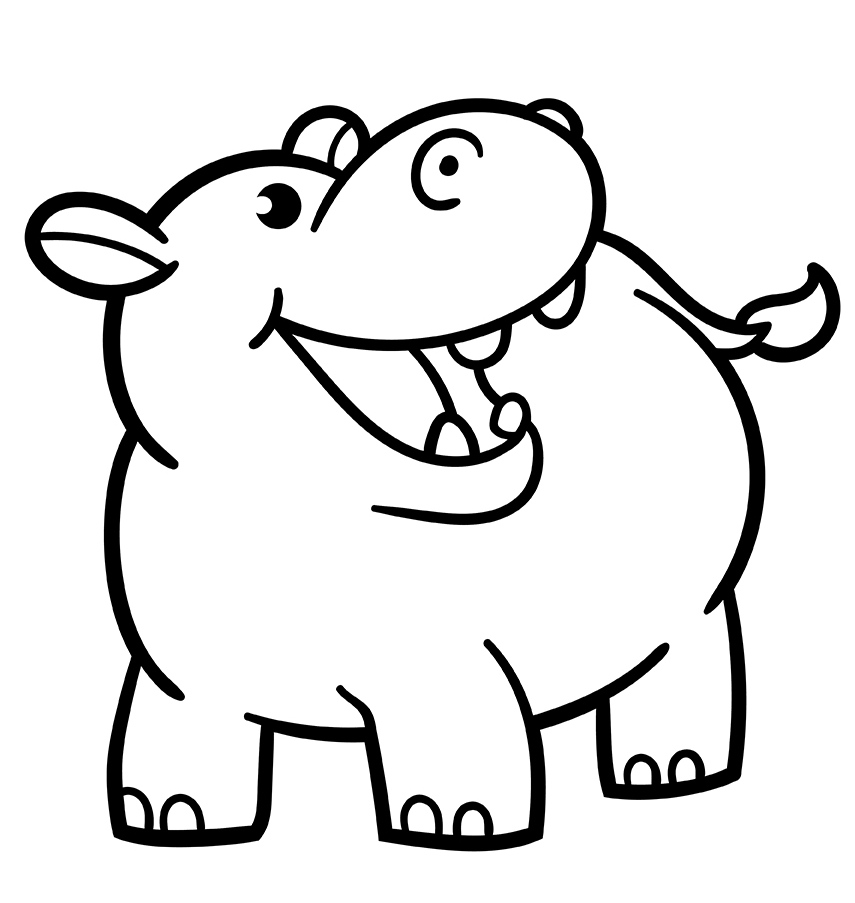
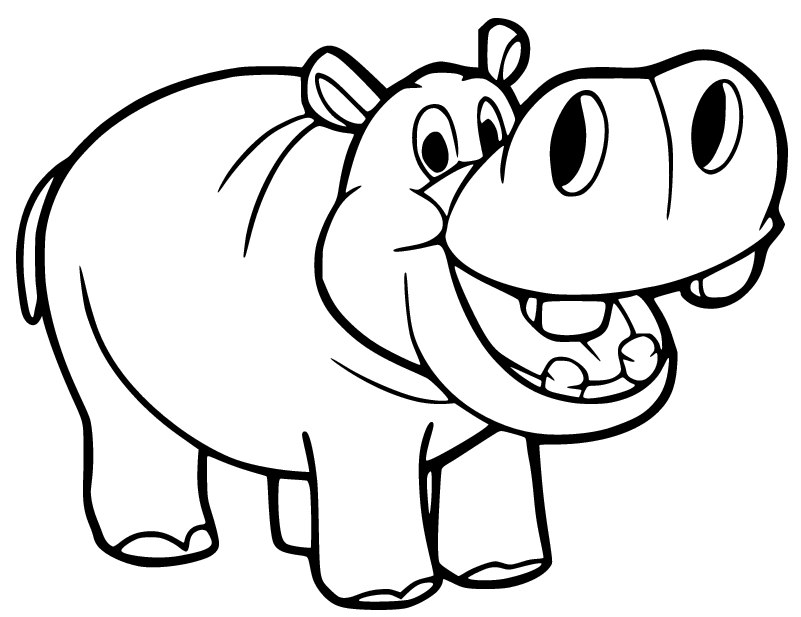
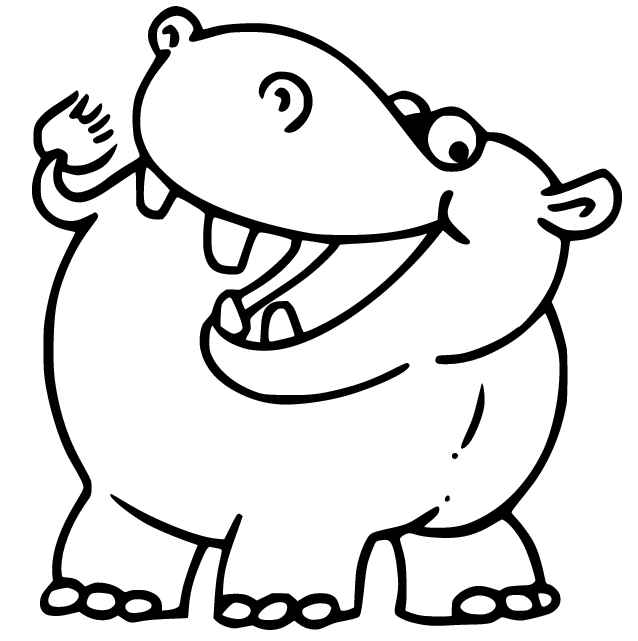
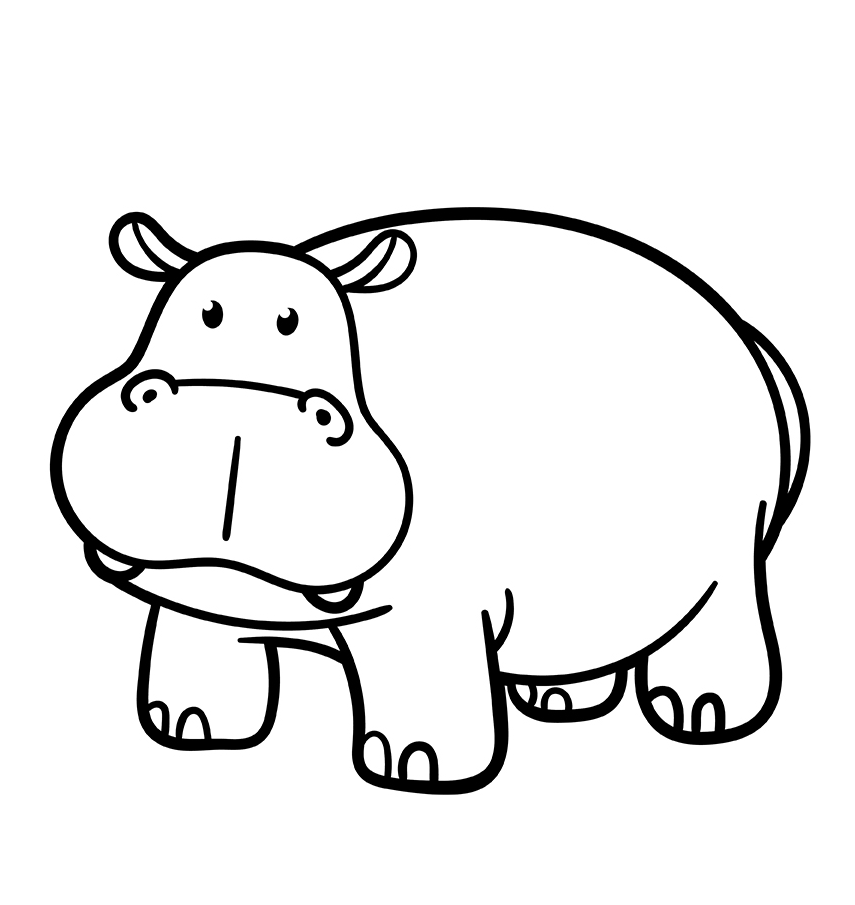
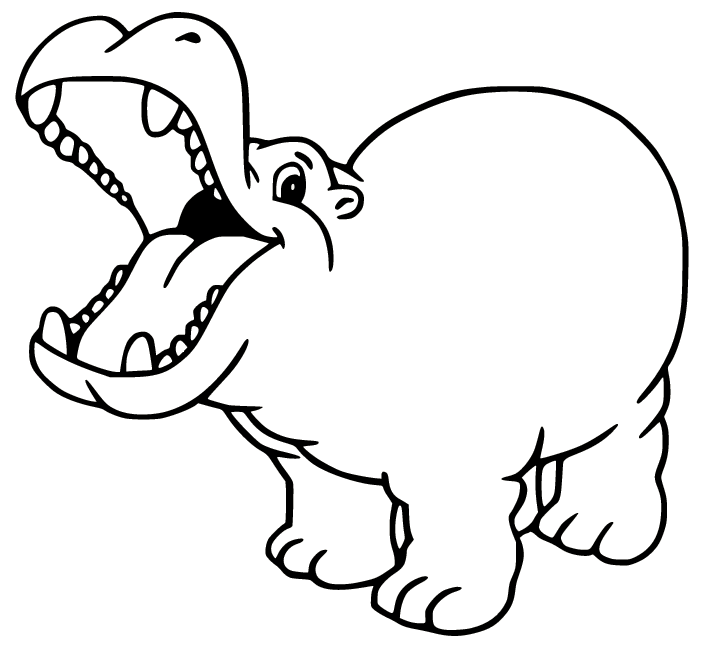
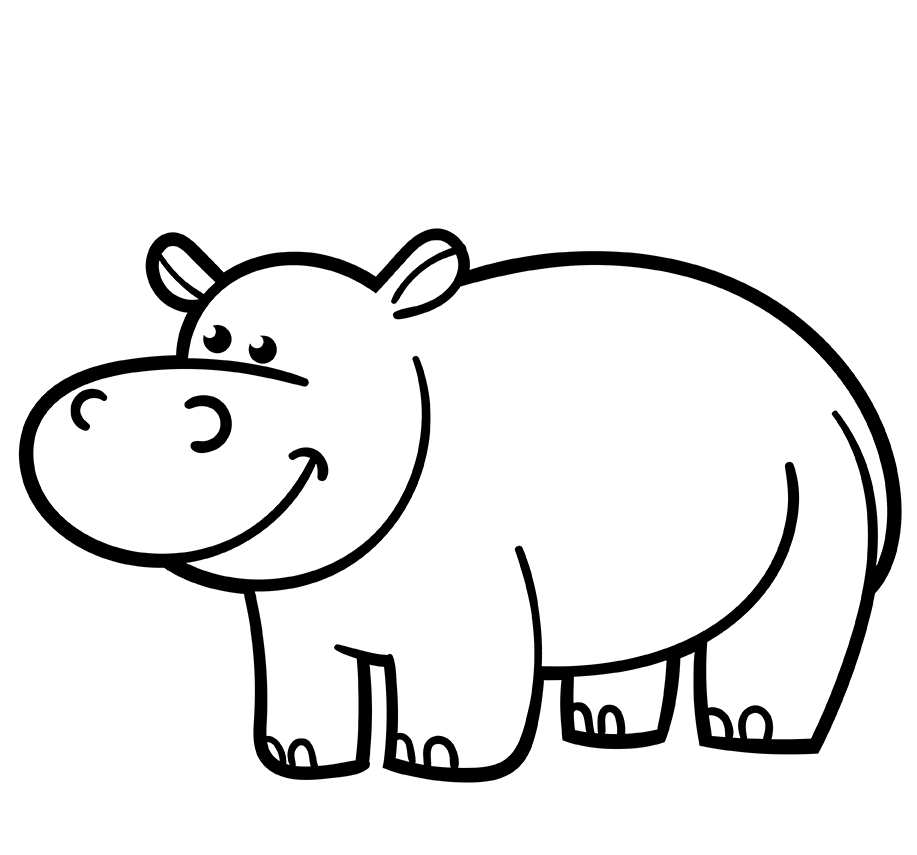
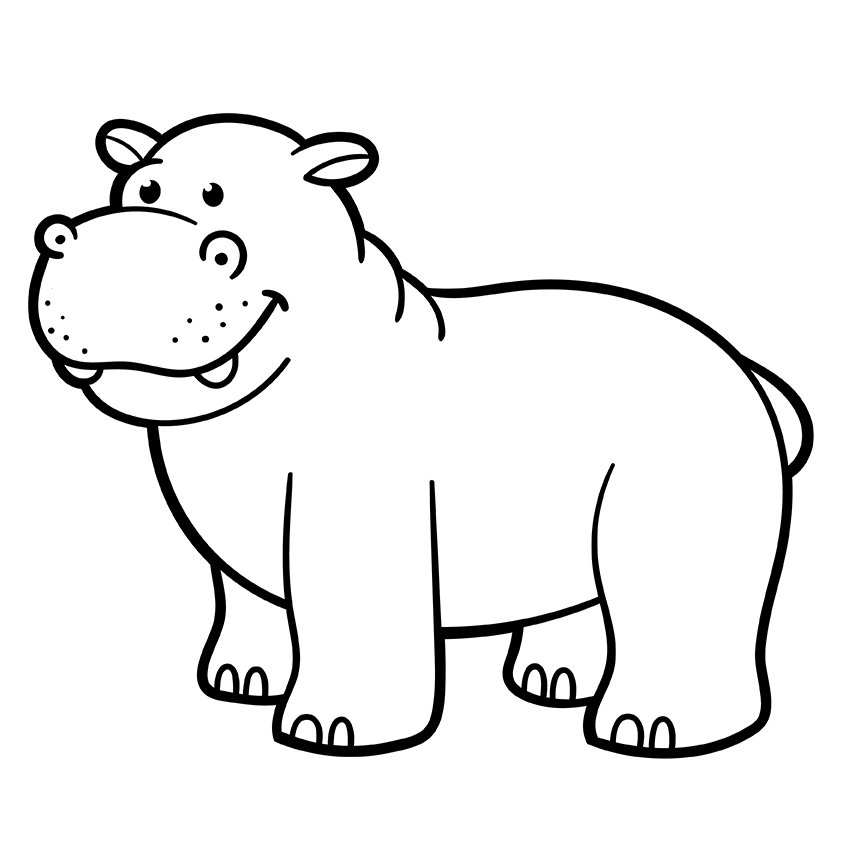
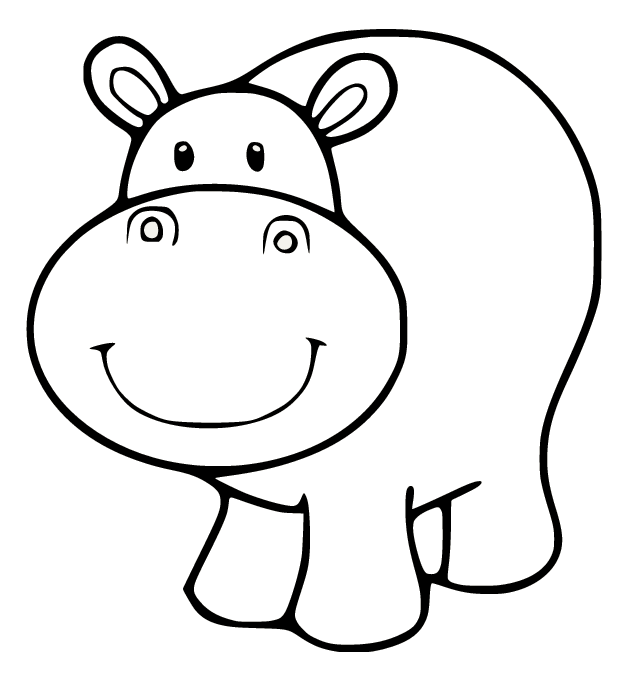

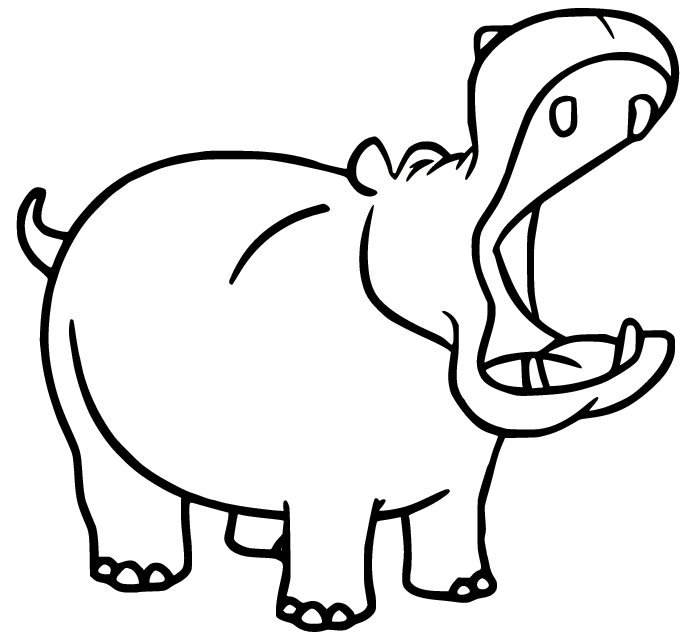
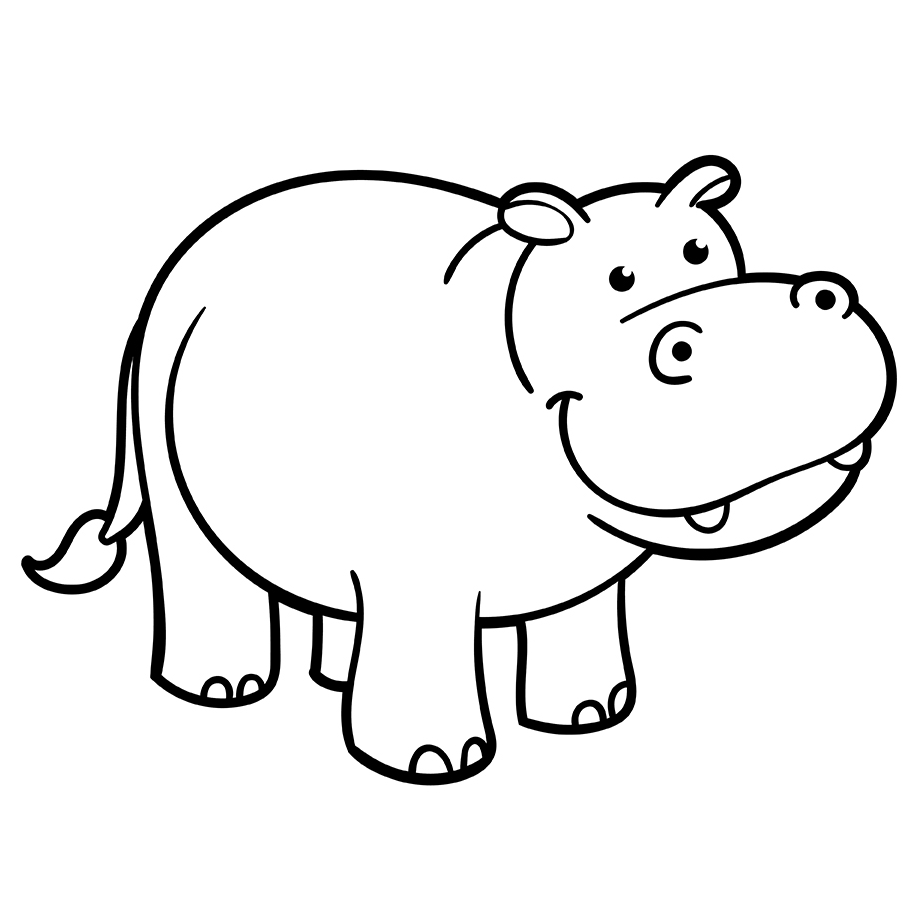
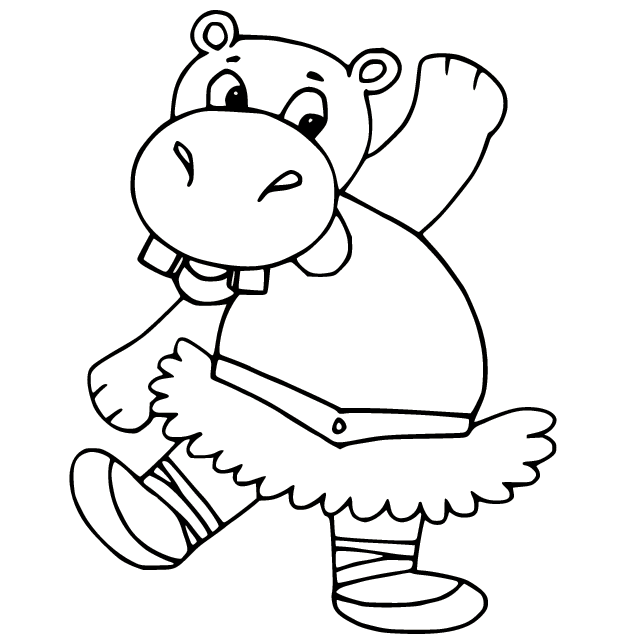
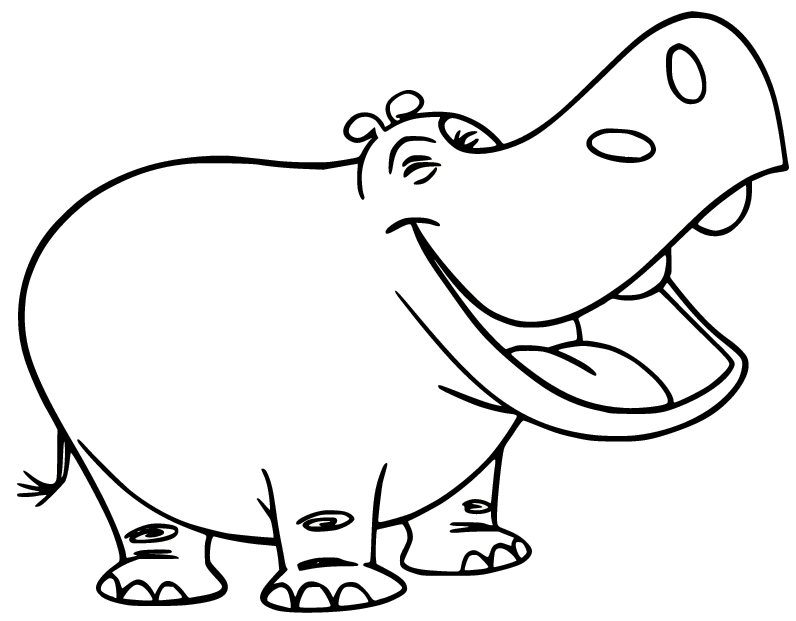
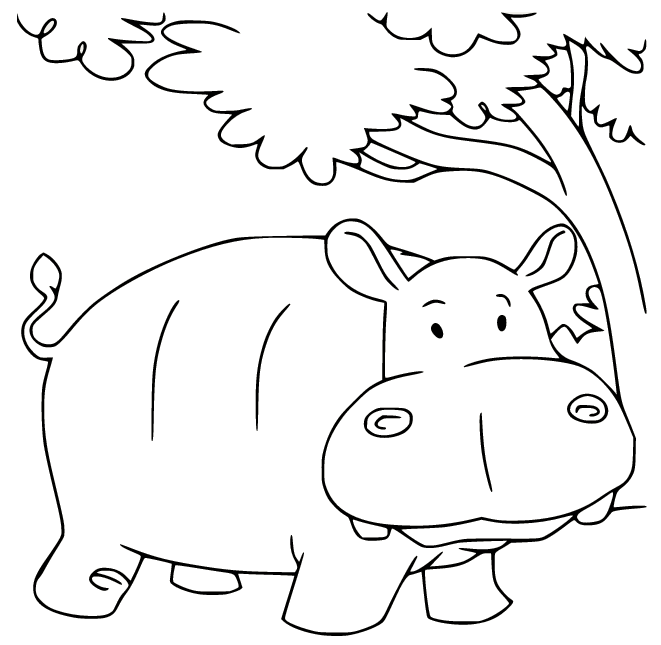
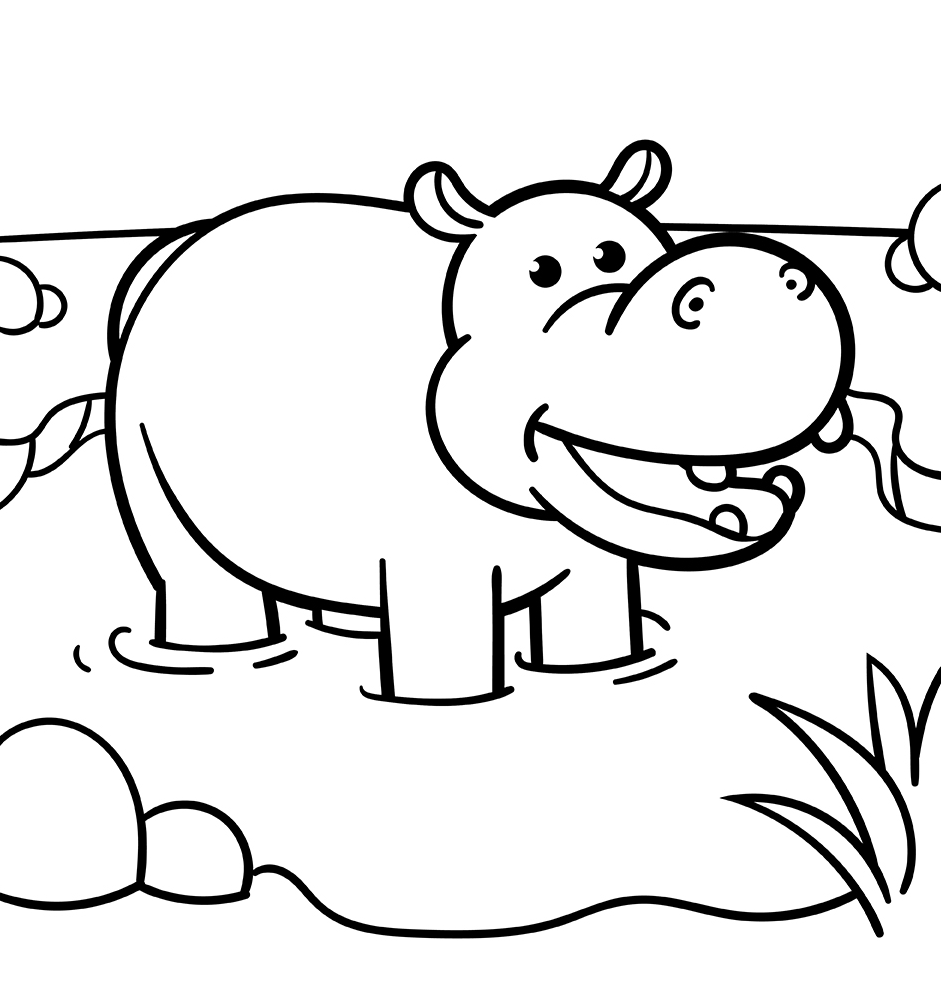
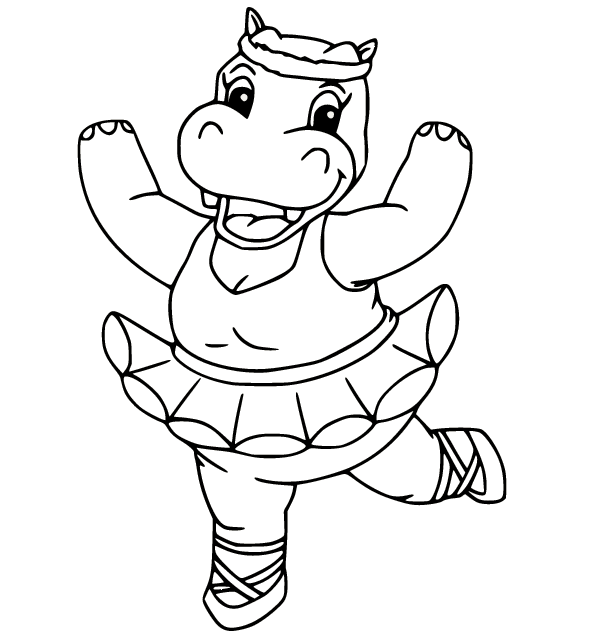
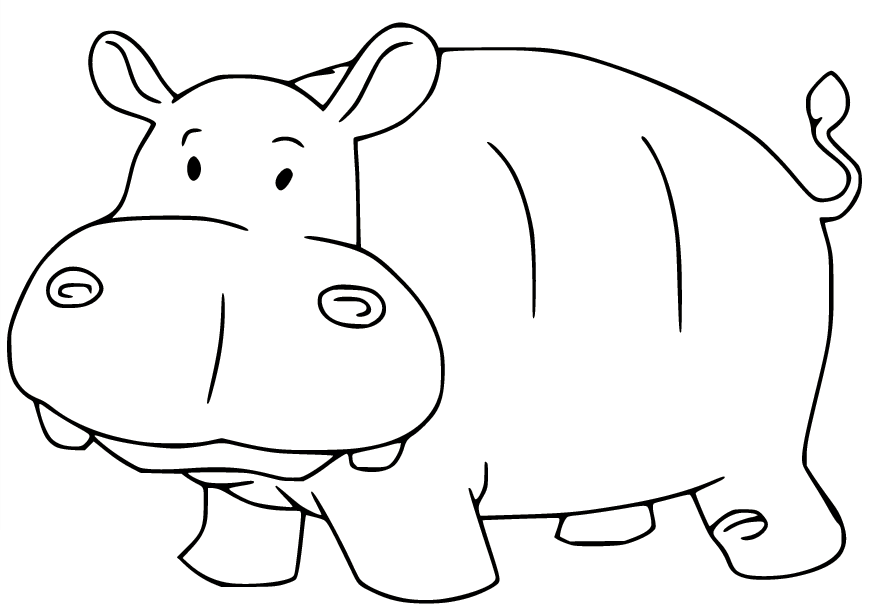
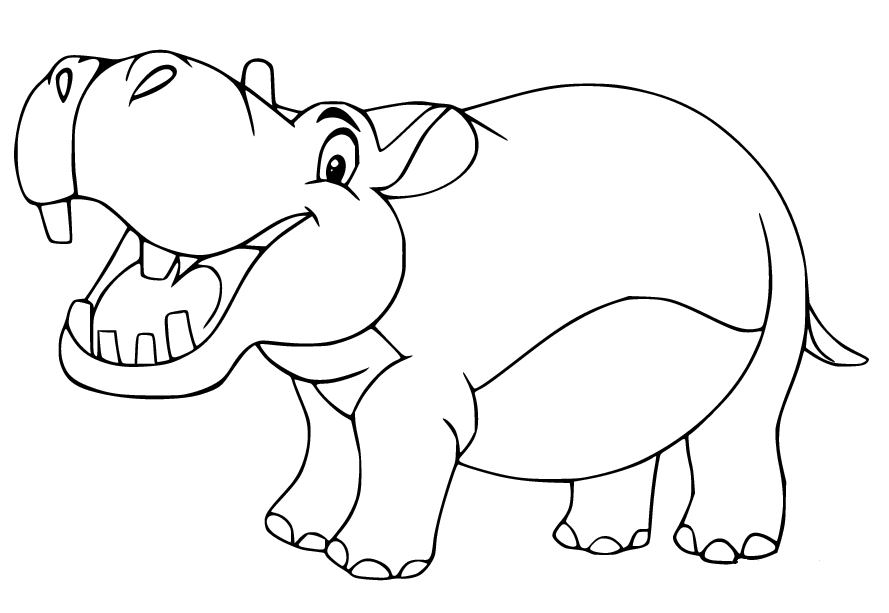
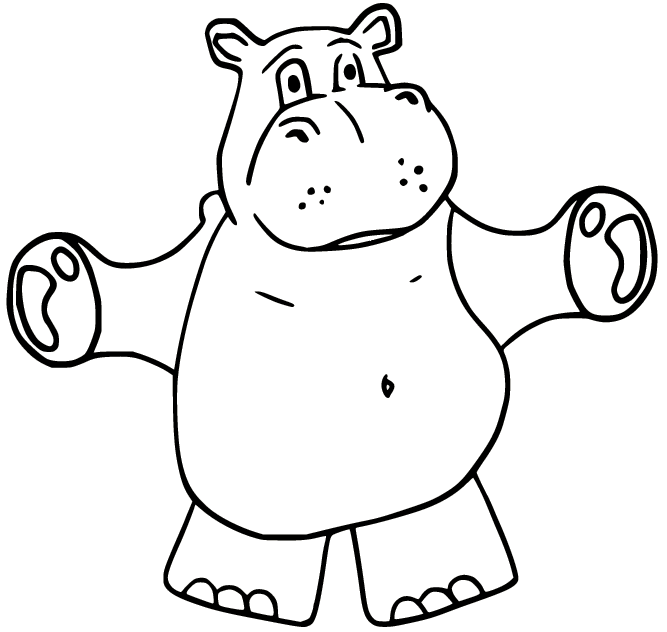
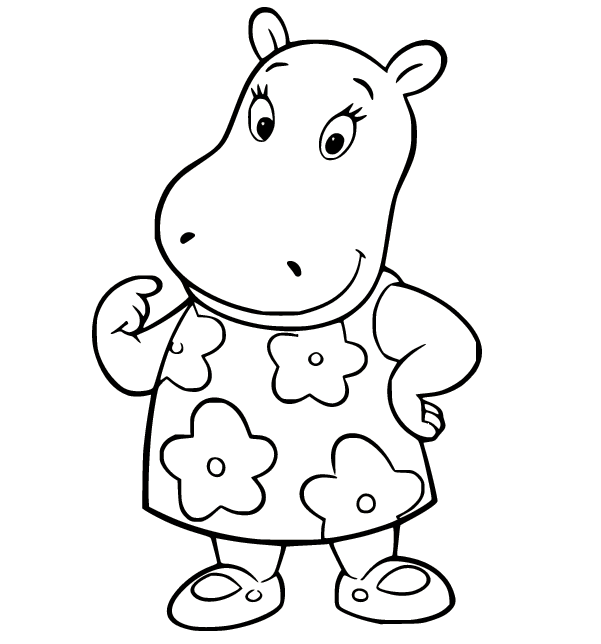
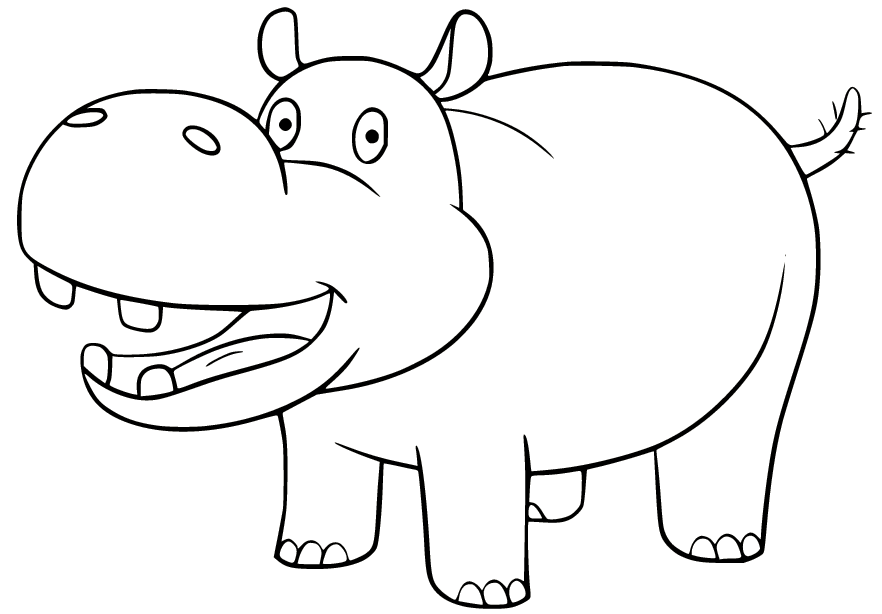
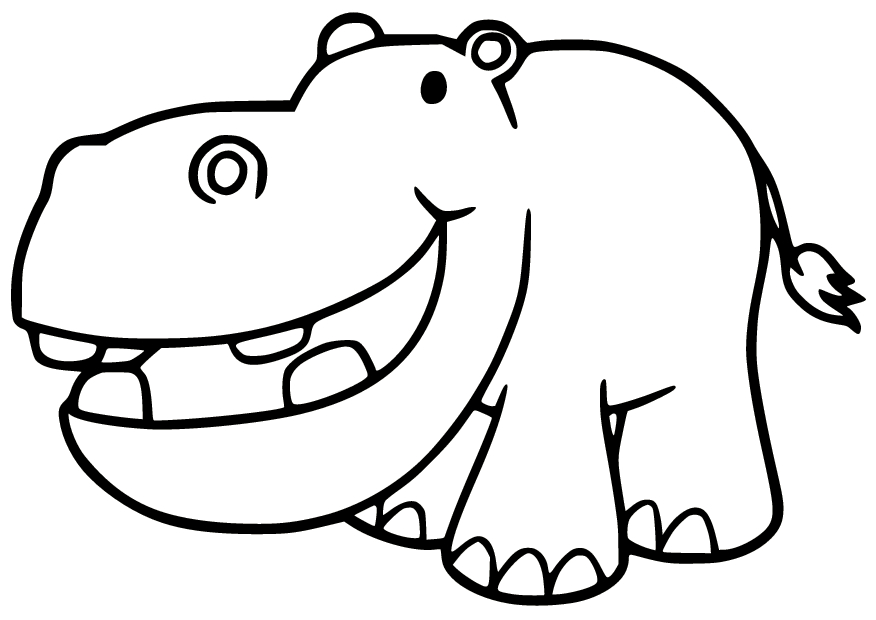
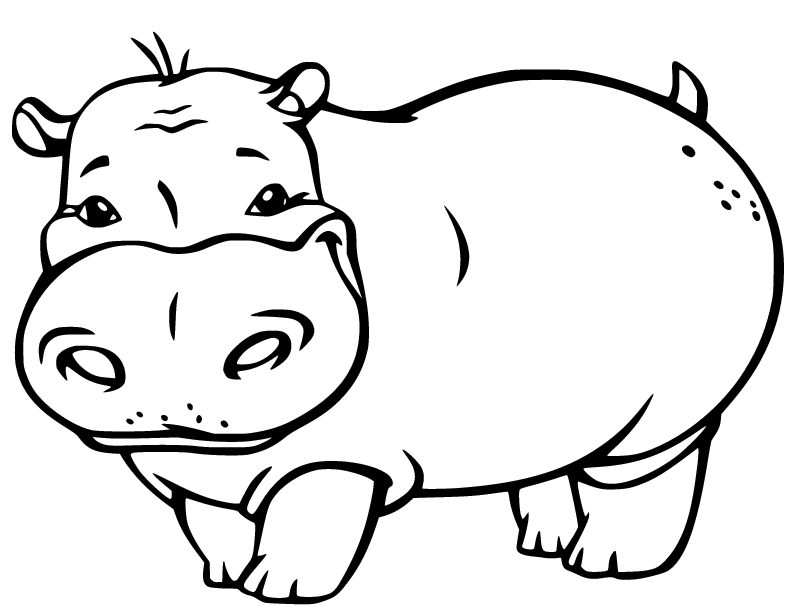
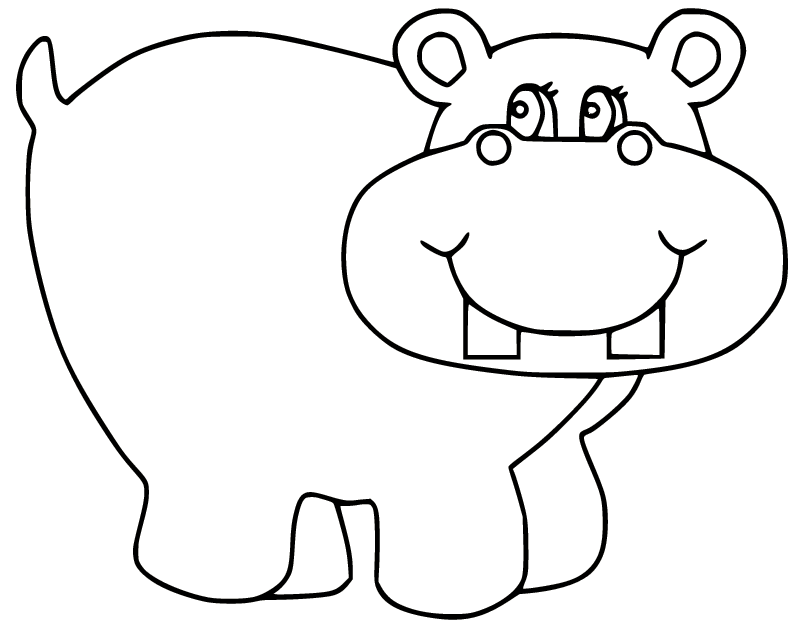
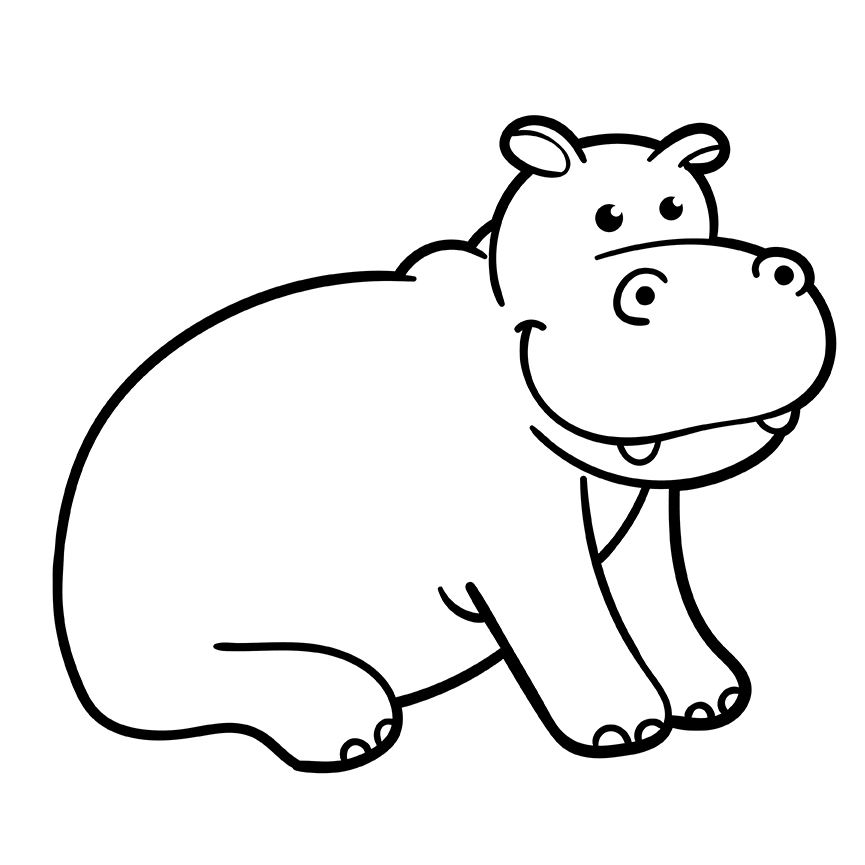

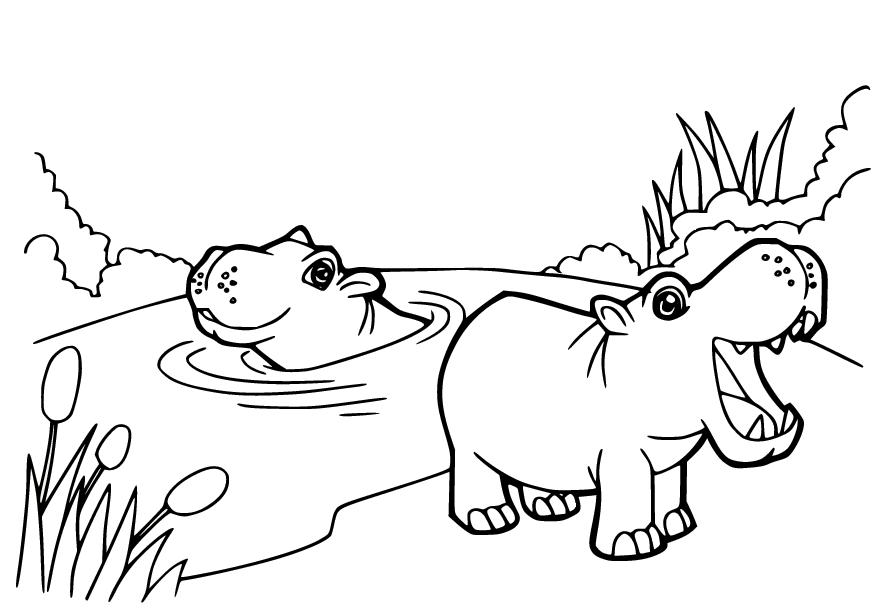
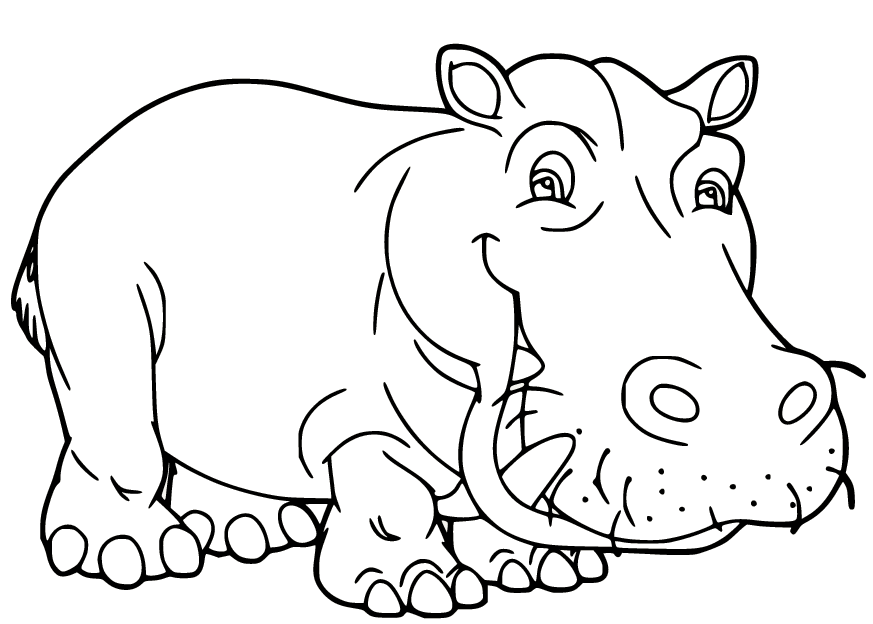
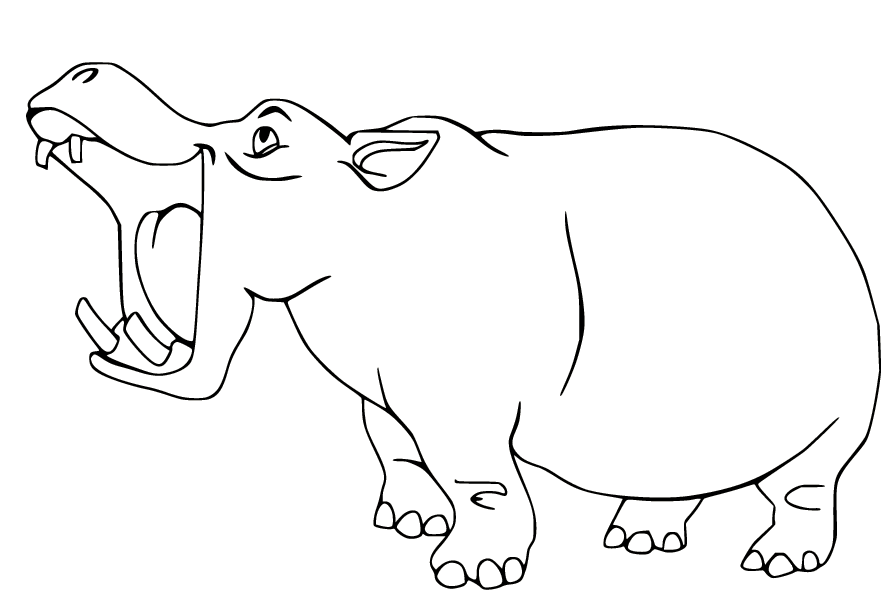
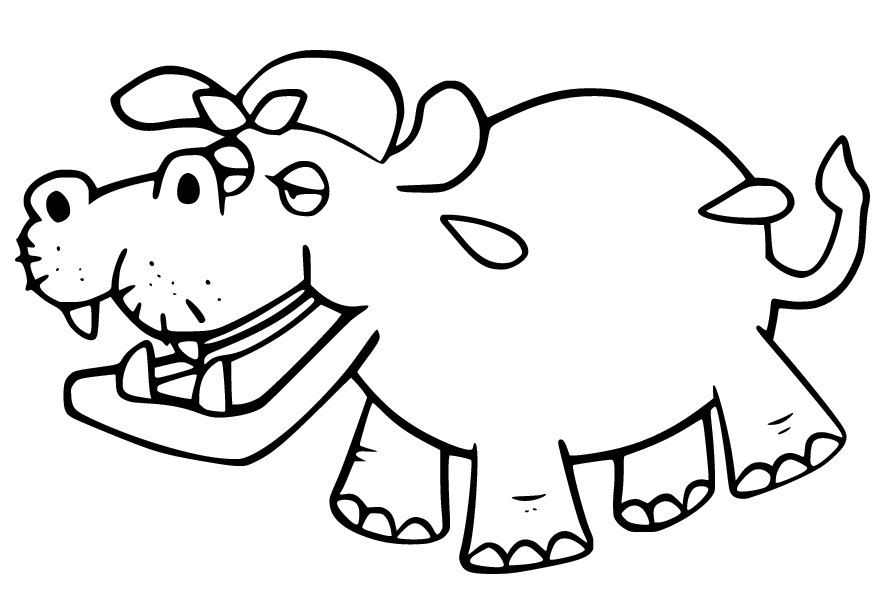
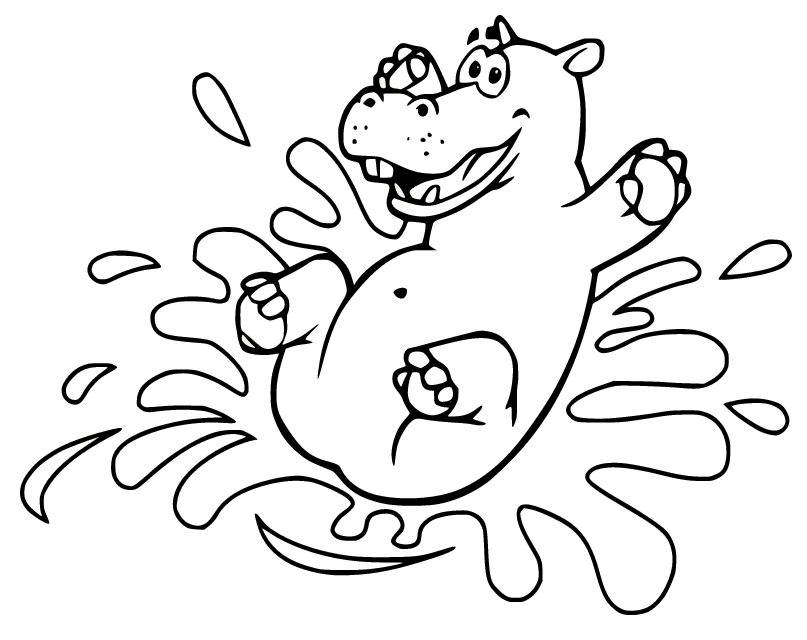
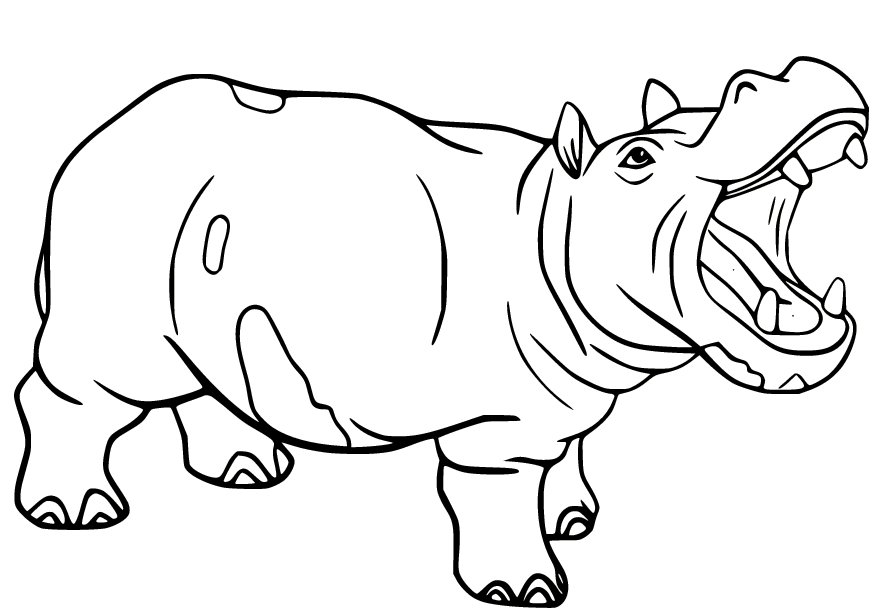
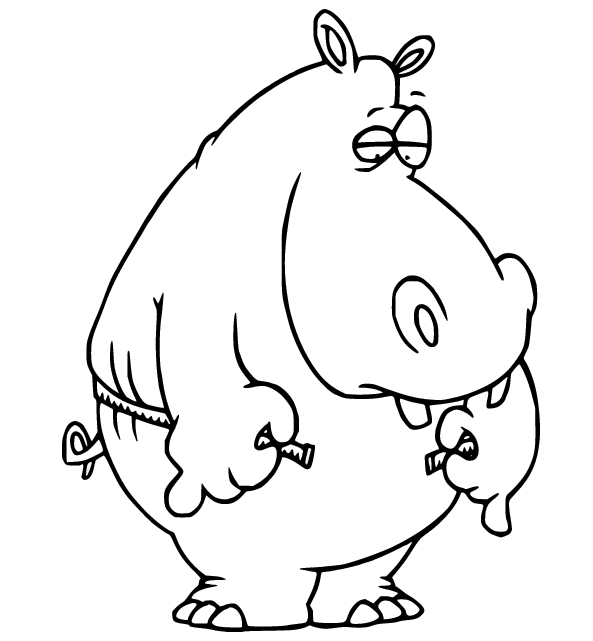
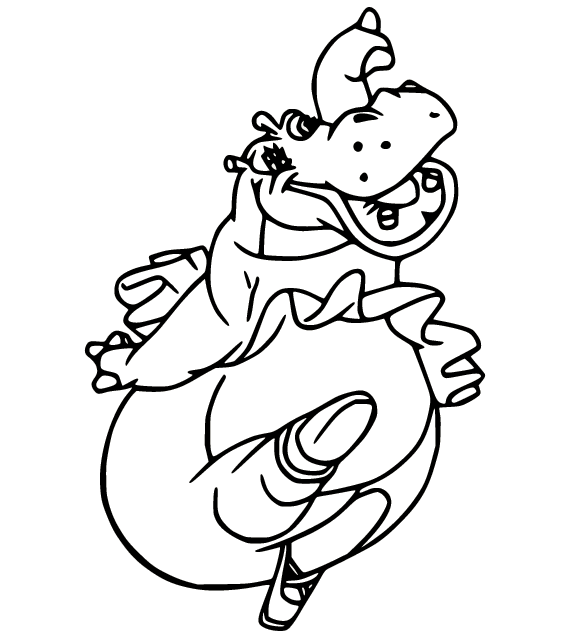

What Is Inside This Collection
The 75 pages fall into four recurring groupings.
Playful and Everyday Hippo Scenes
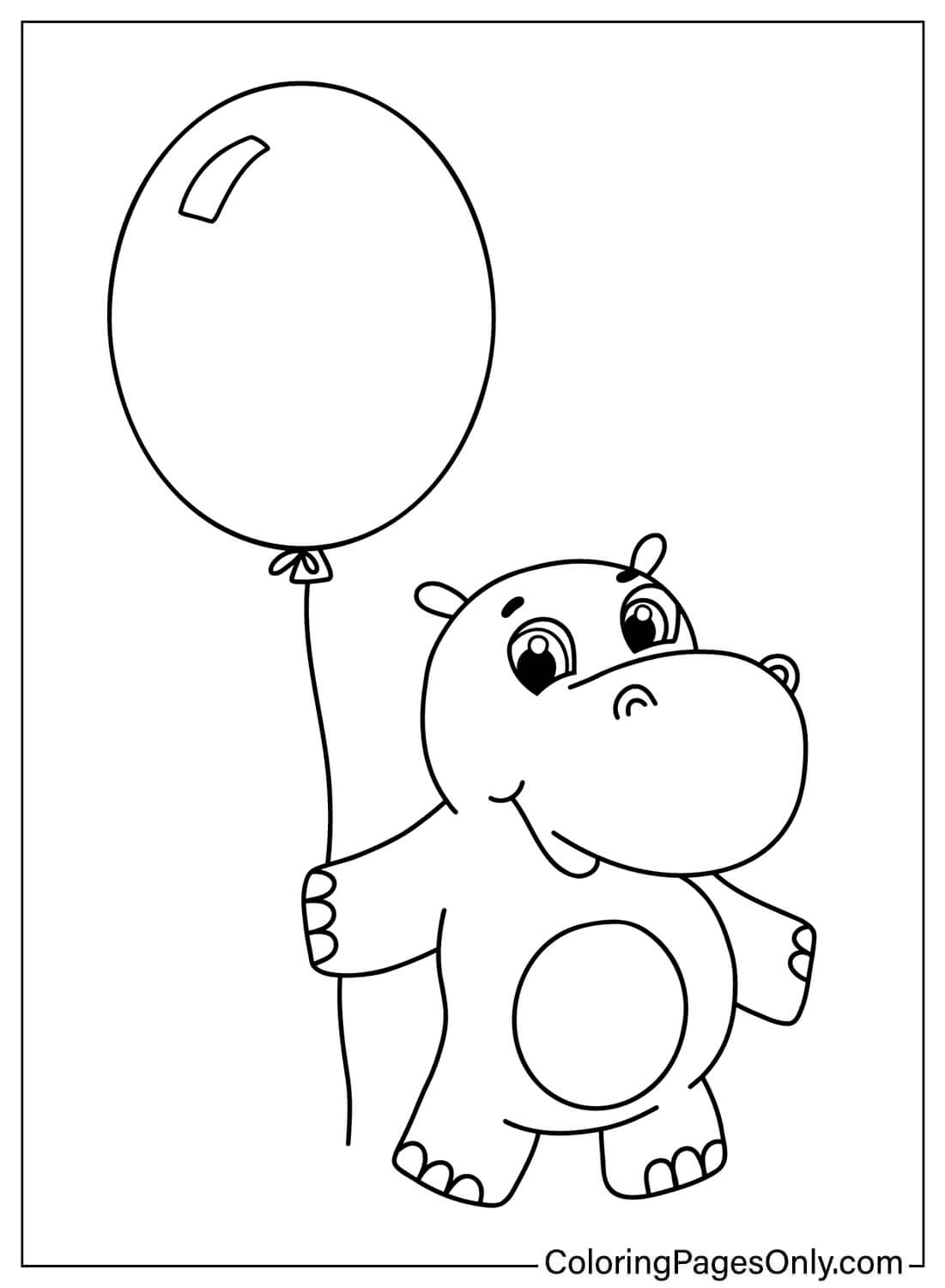
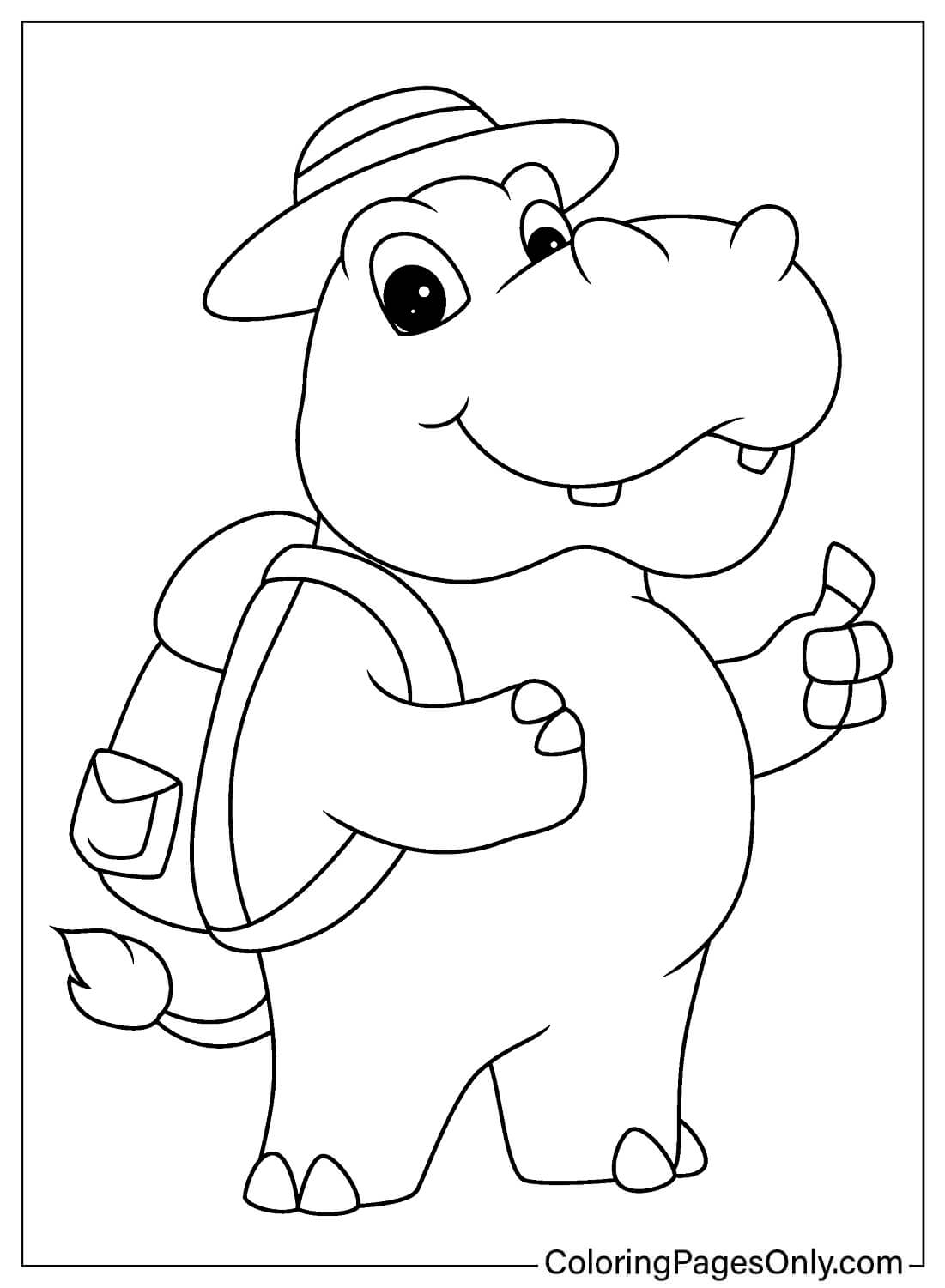
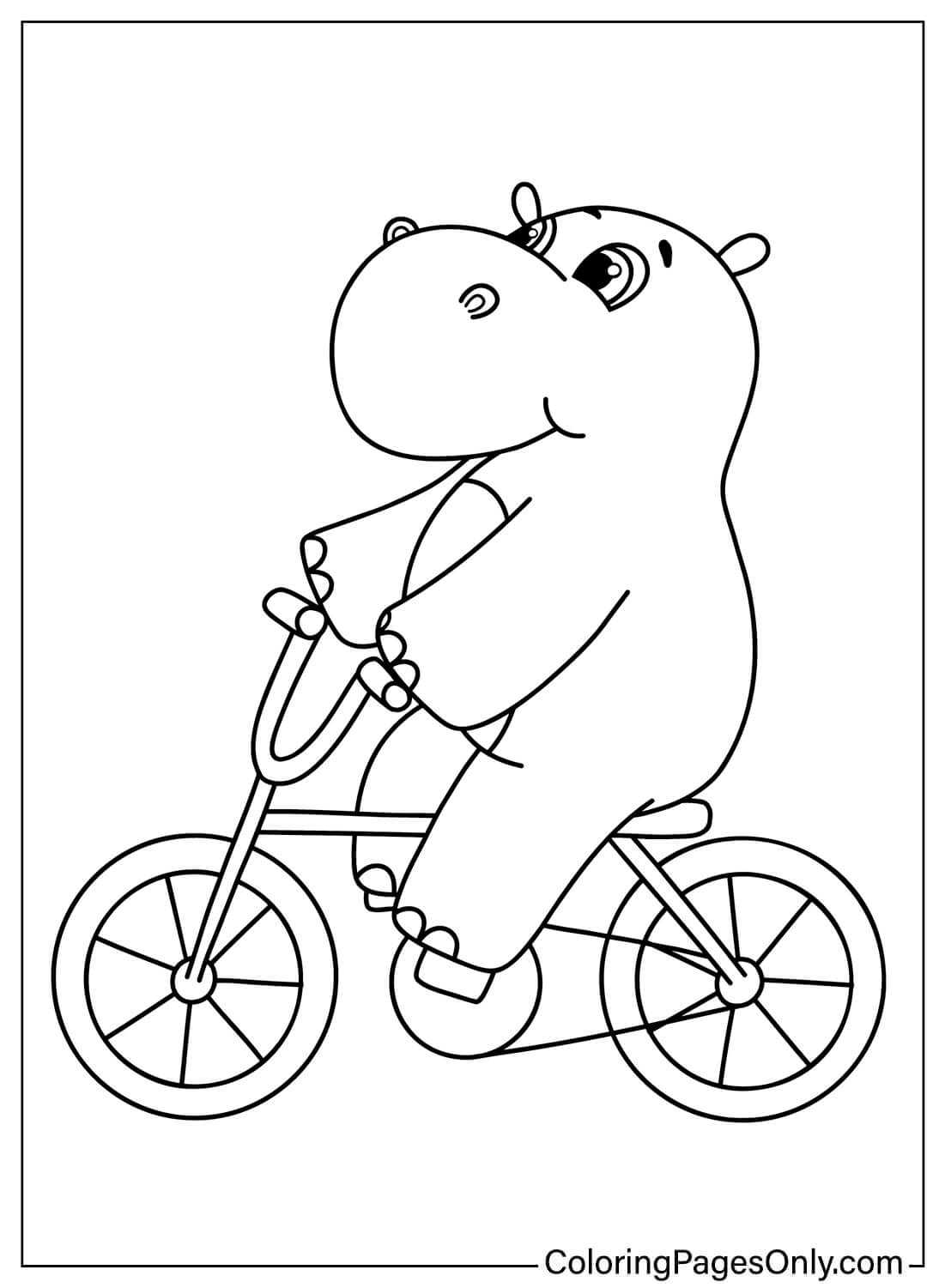
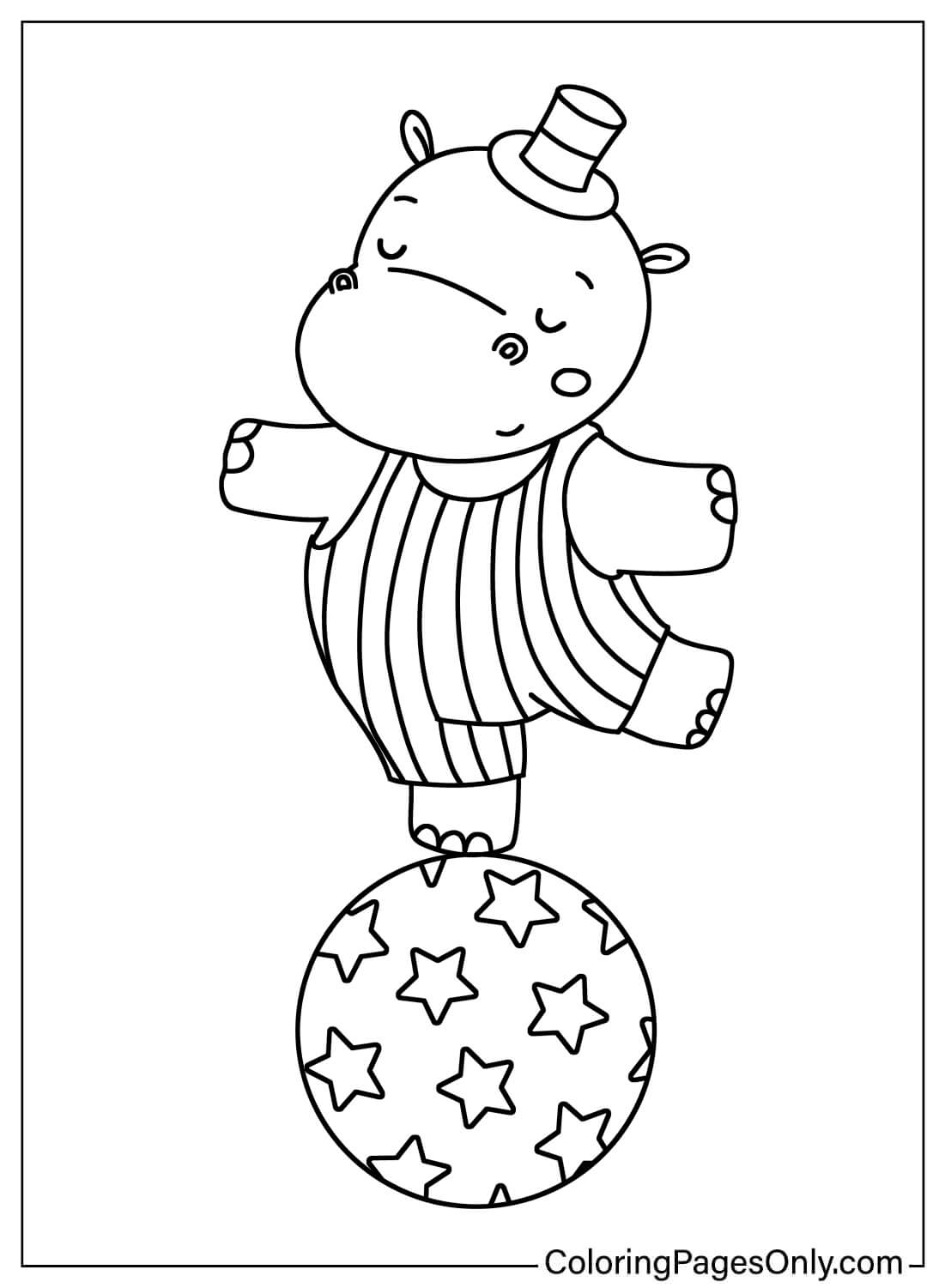
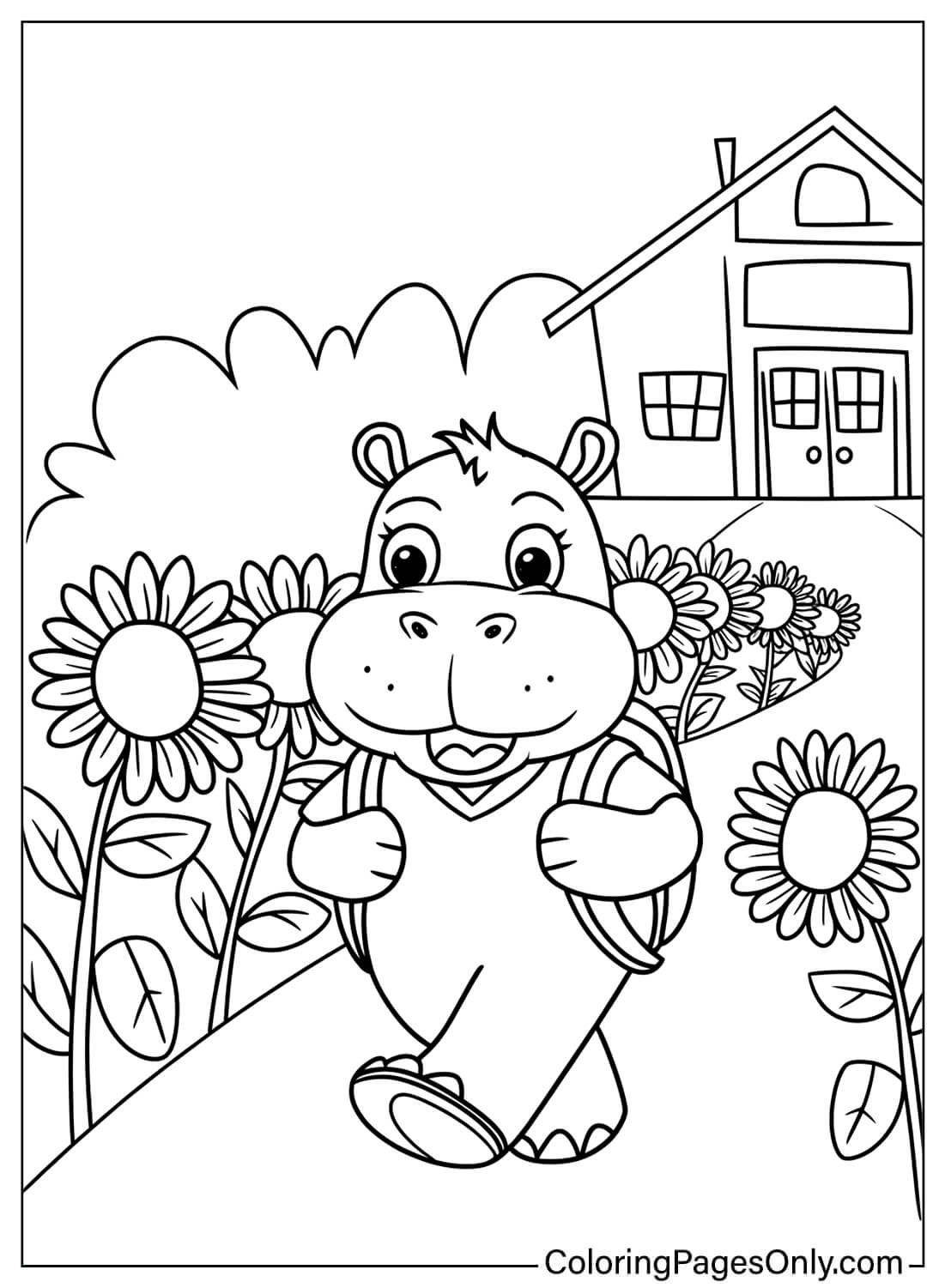
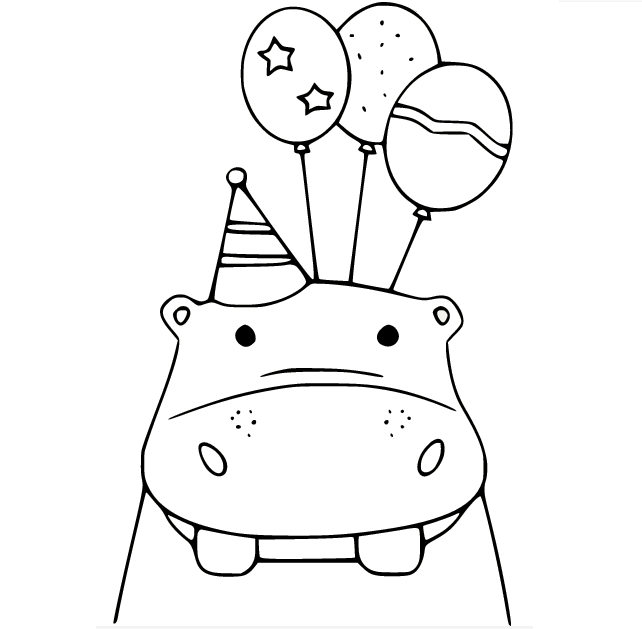
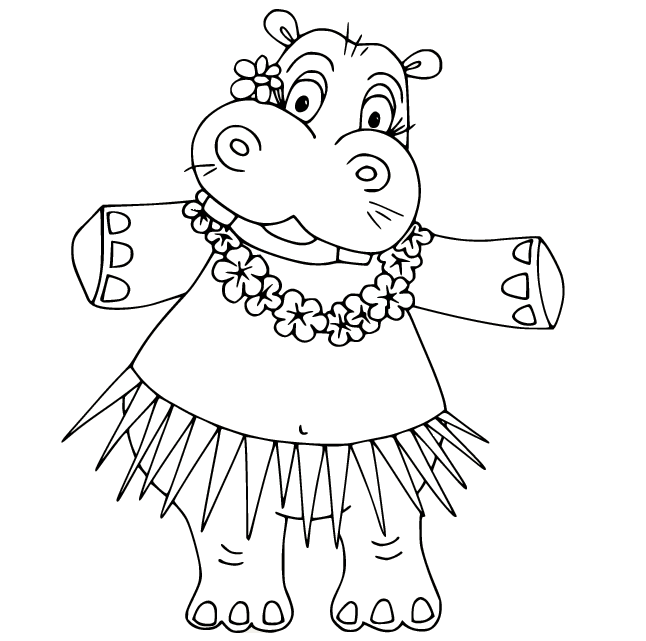
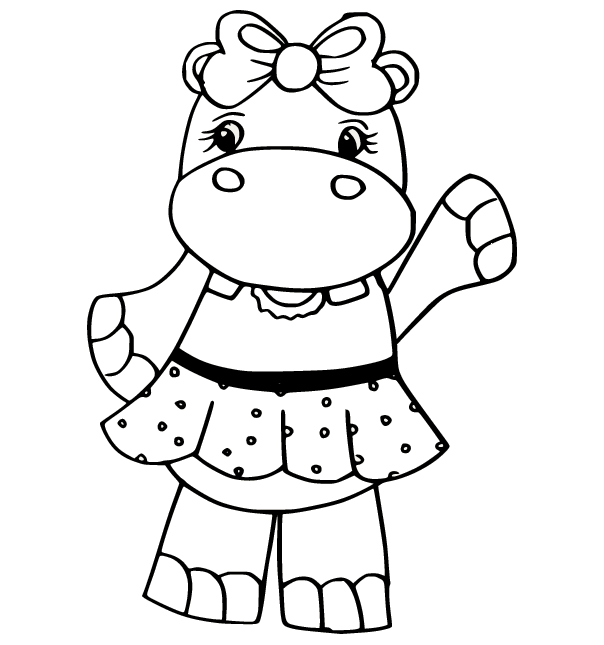
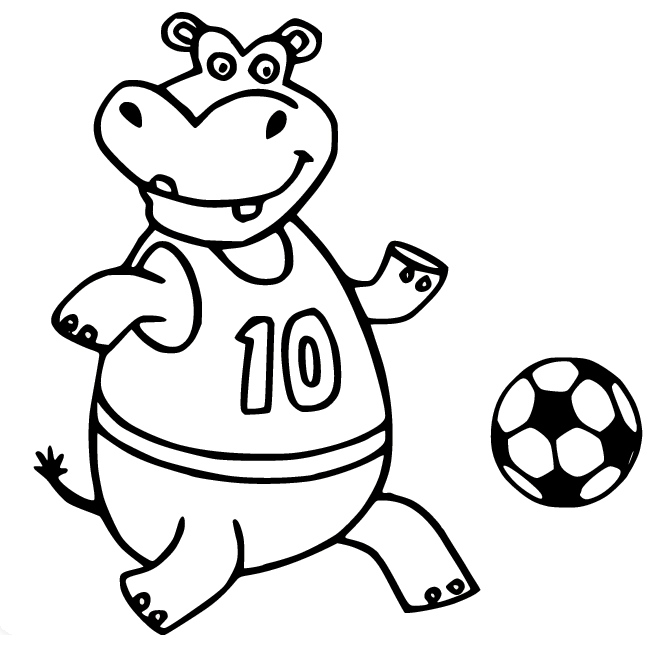
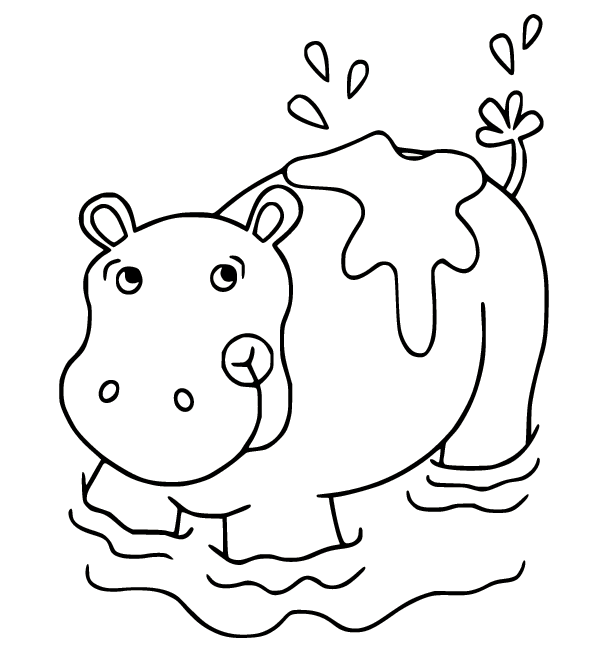
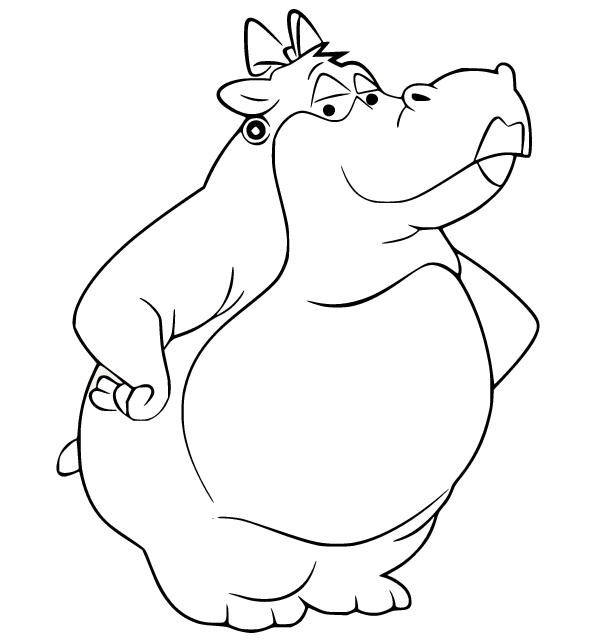
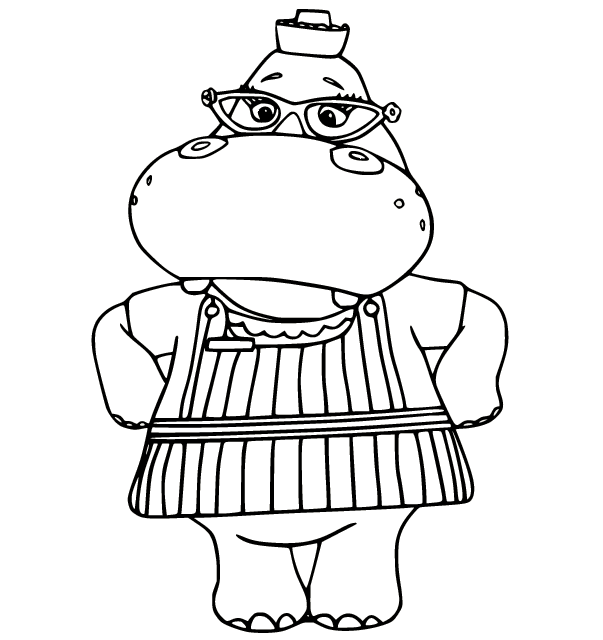
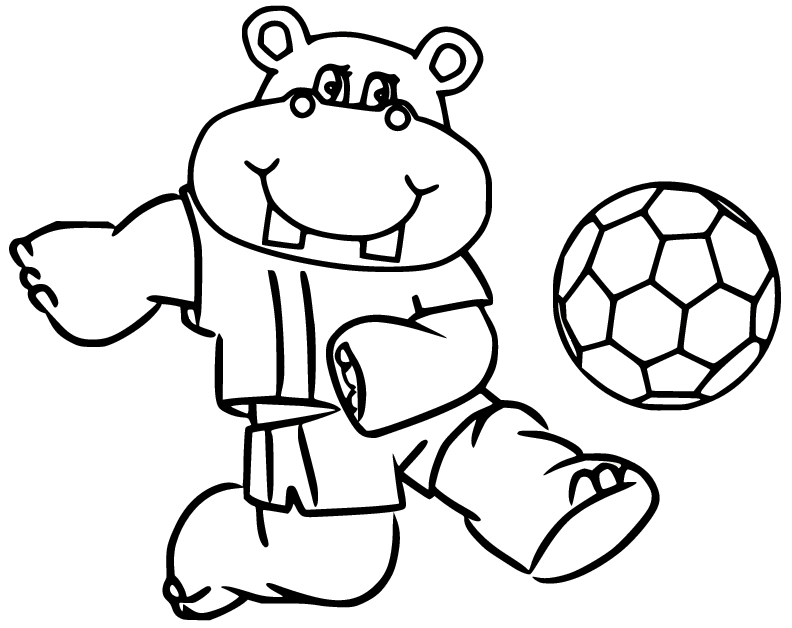
A large number of designs show a hippo taking part in an everyday activity, like riding a bicycle, swinging, or heading to school. These pages give the animal a lighthearted, character-driven personality beyond its natural behavior.
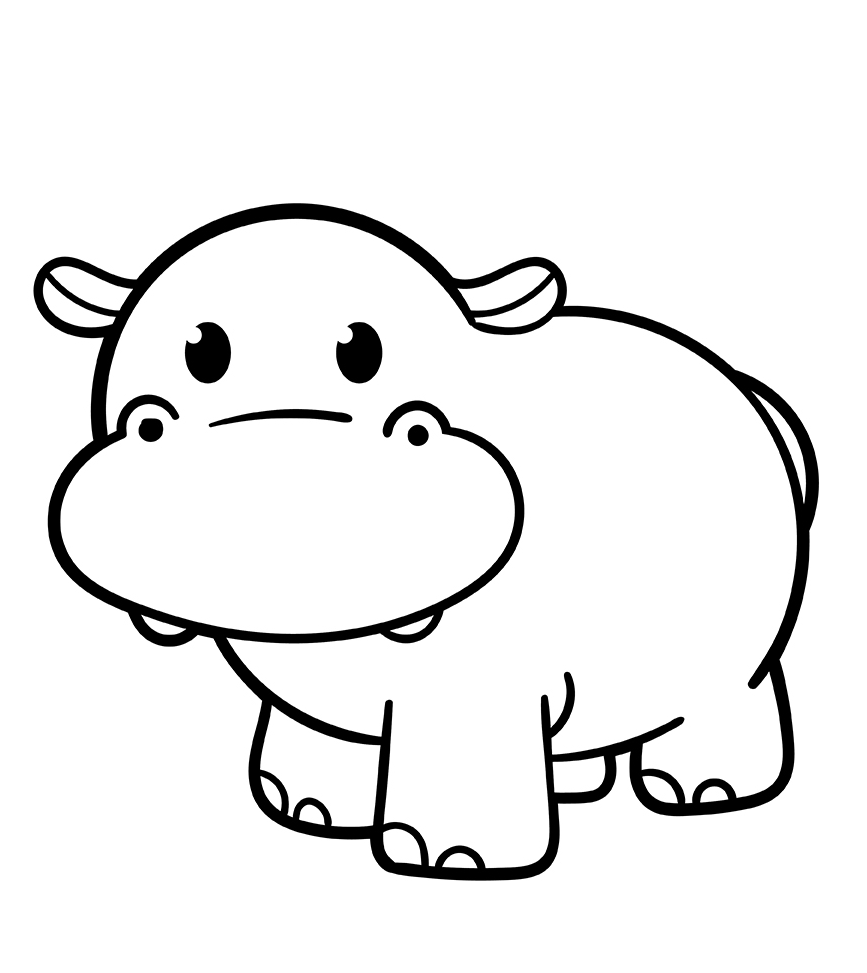
Cute and Kawaii Baby Hippos
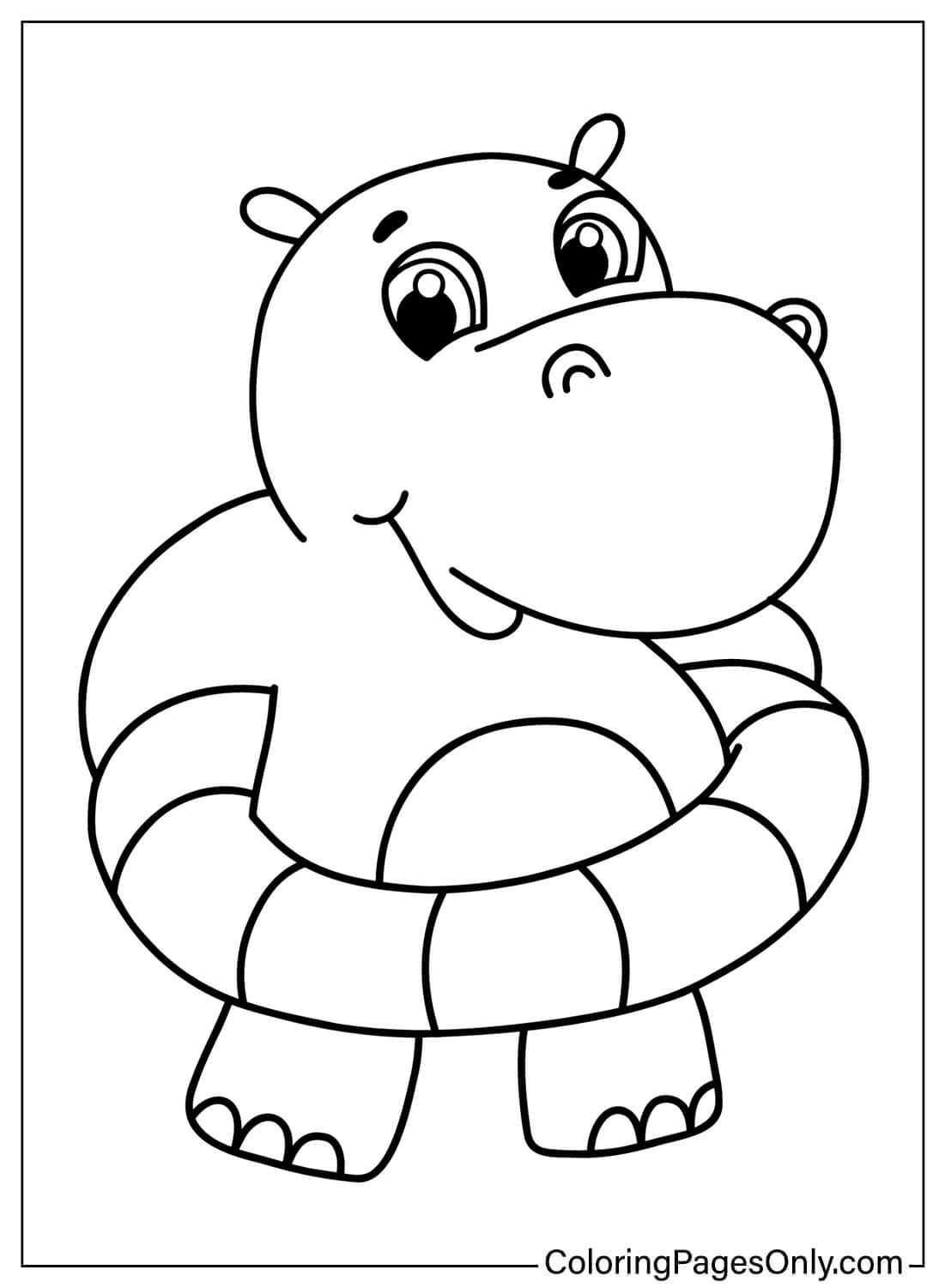
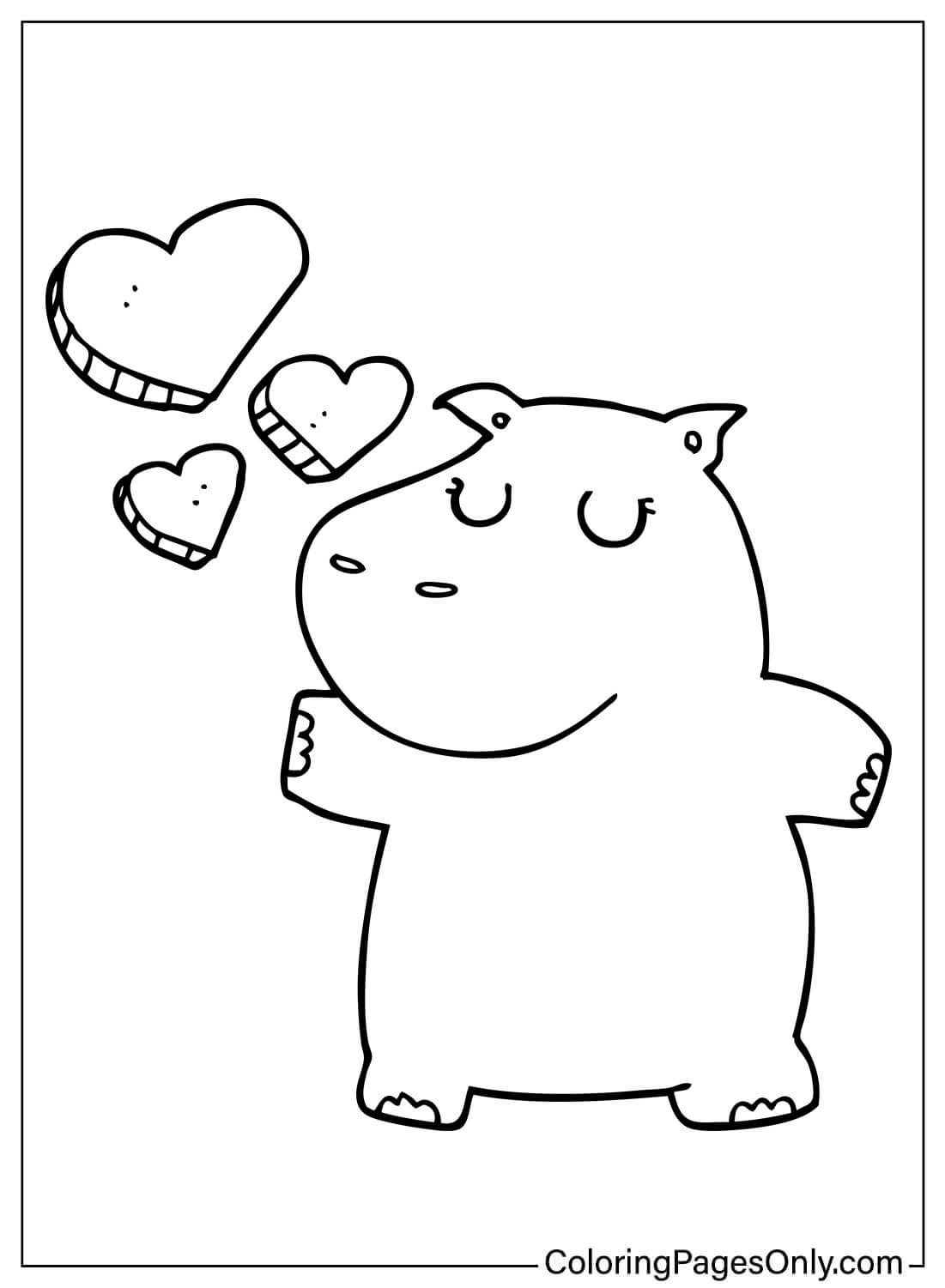
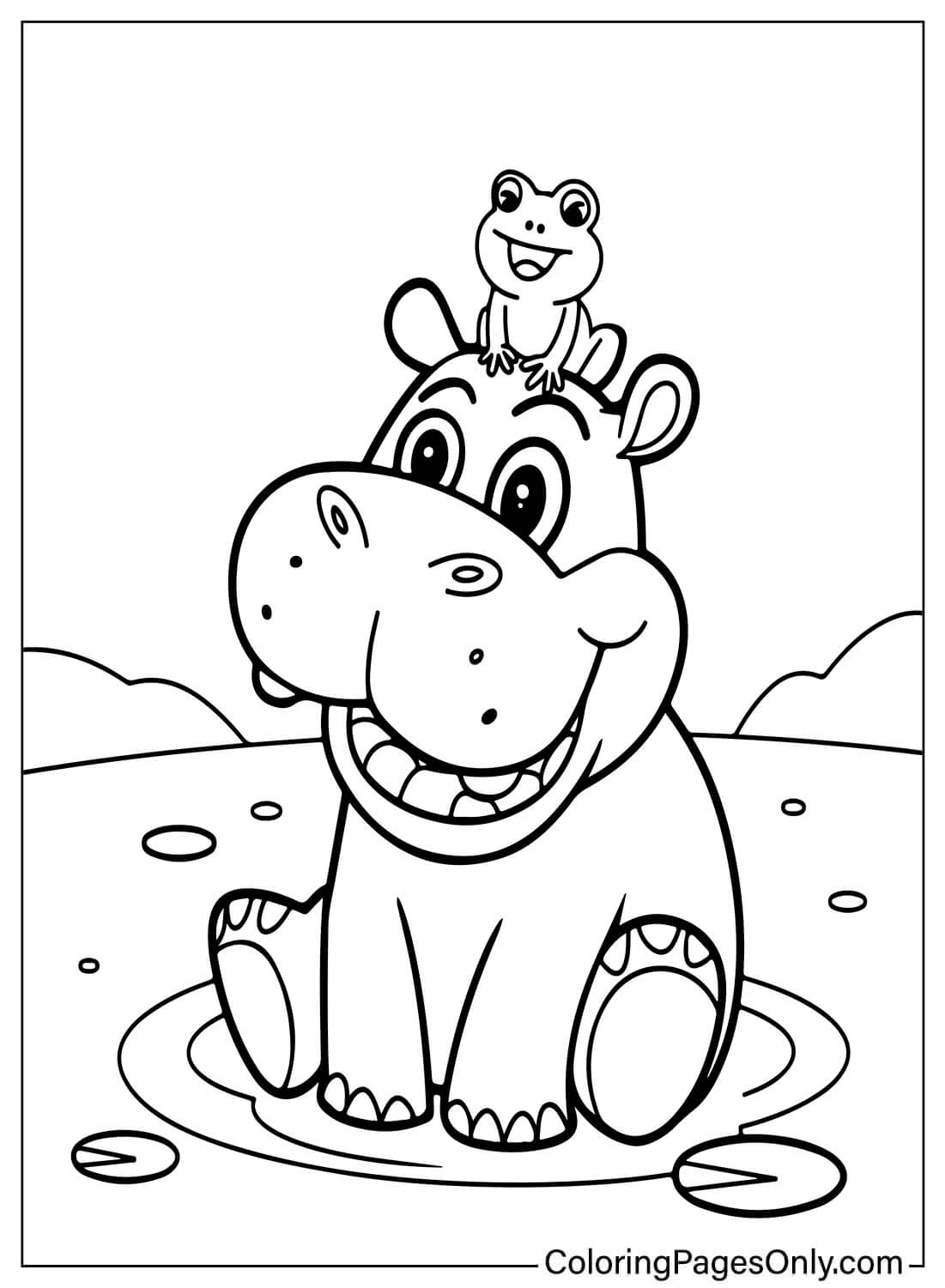
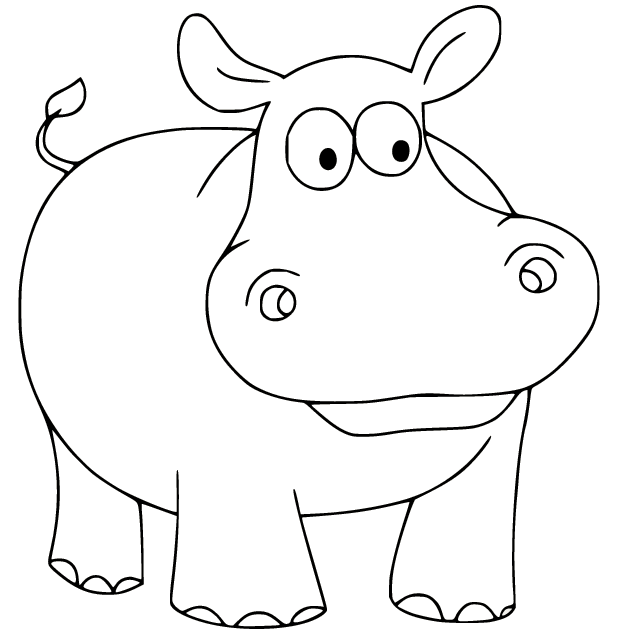
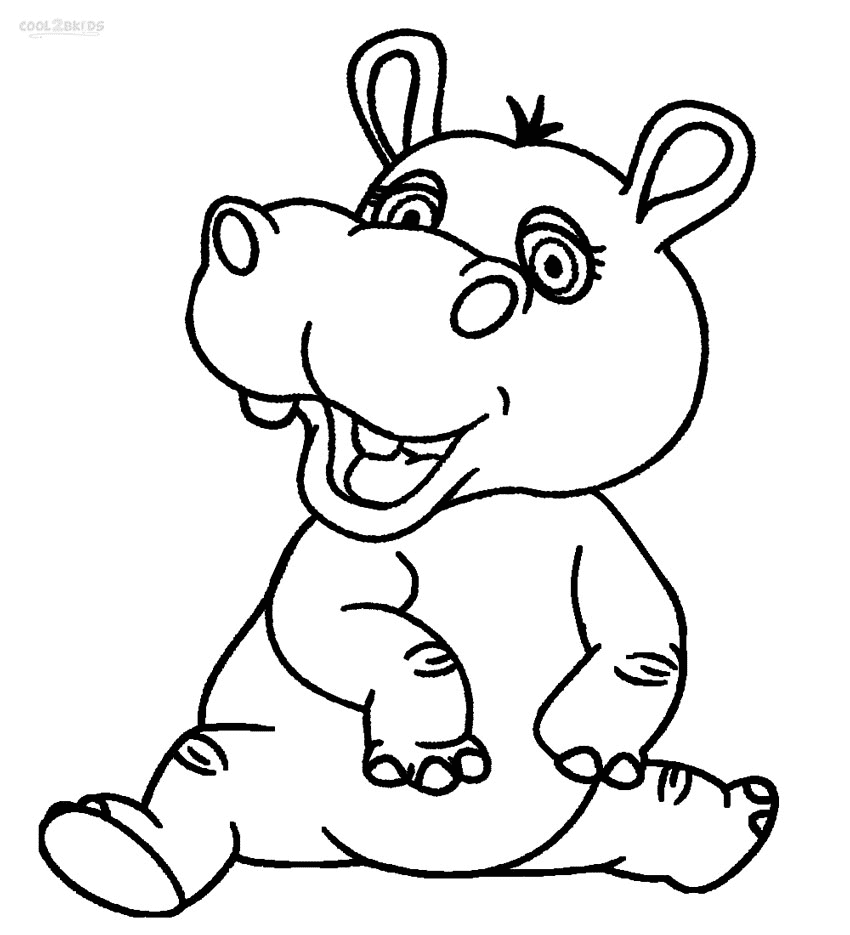
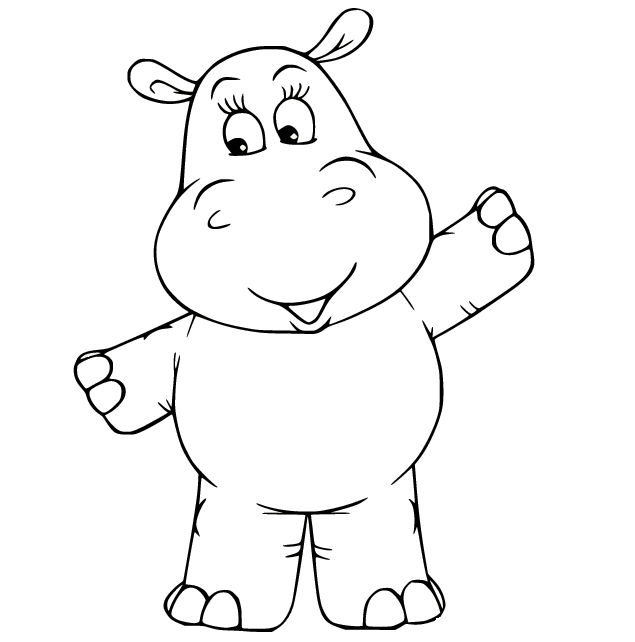
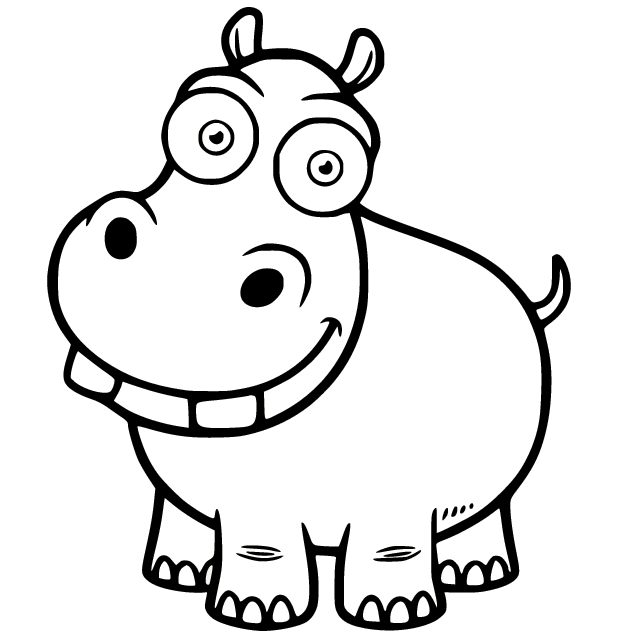
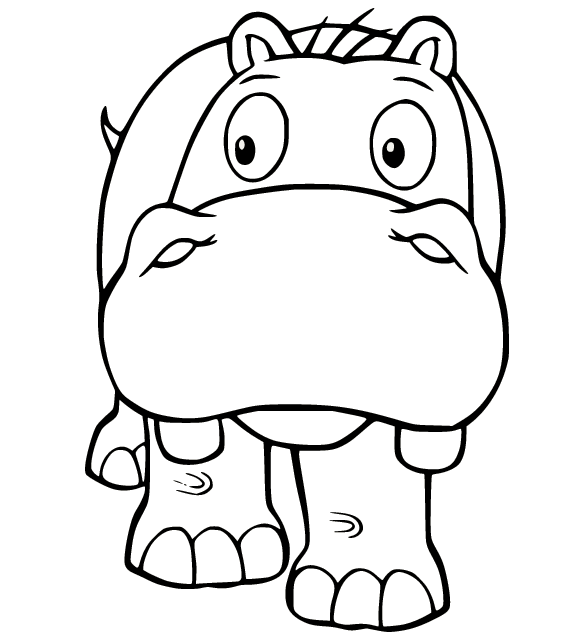
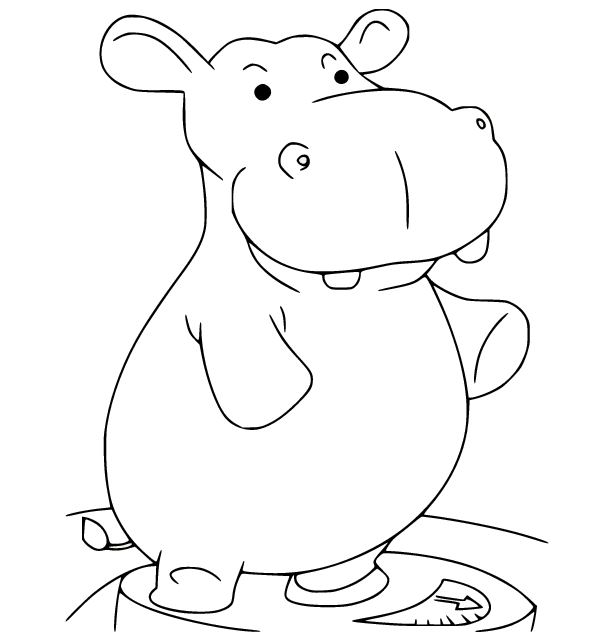
A group of designs focuses on baby or toddler-style hippos with soft, rounded features and expressive faces. These pages suit younger colorists who enjoy a gentler, more character-forward version of the animal.
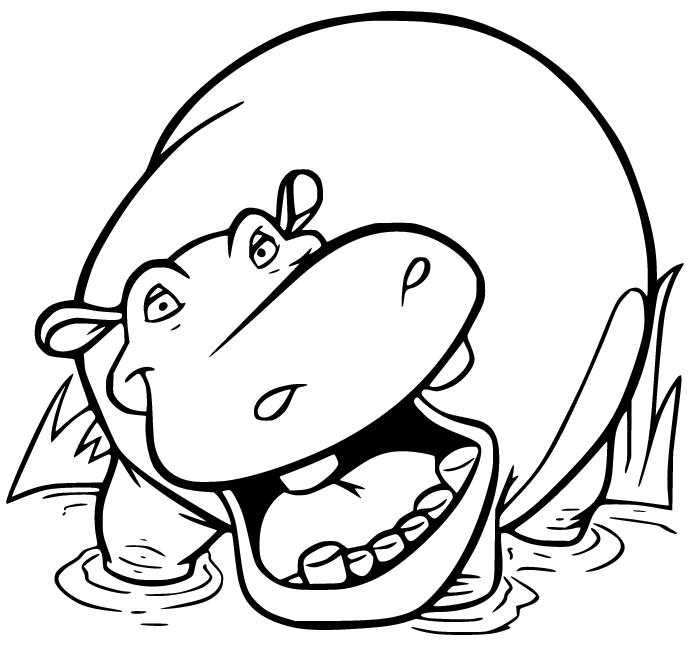
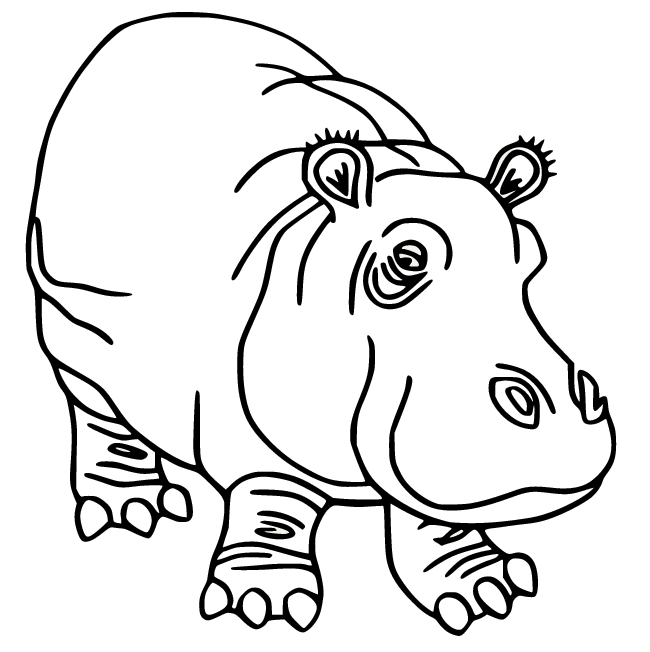
Realistic and Water-Dwelling Hippos
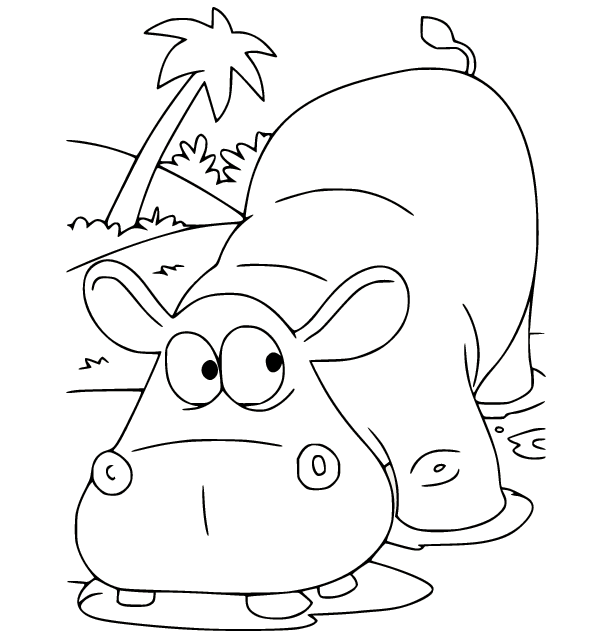
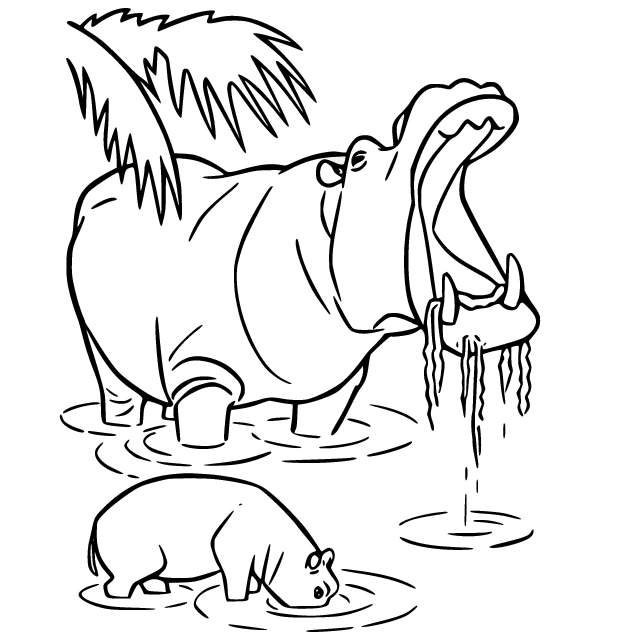
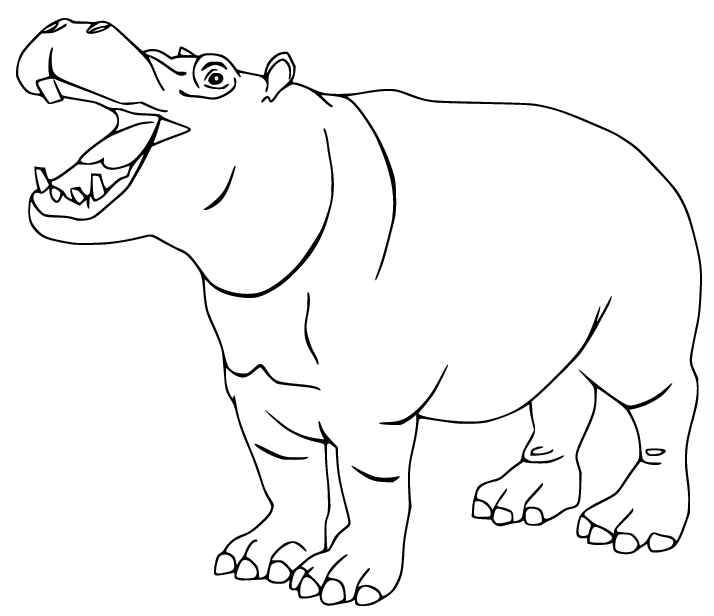
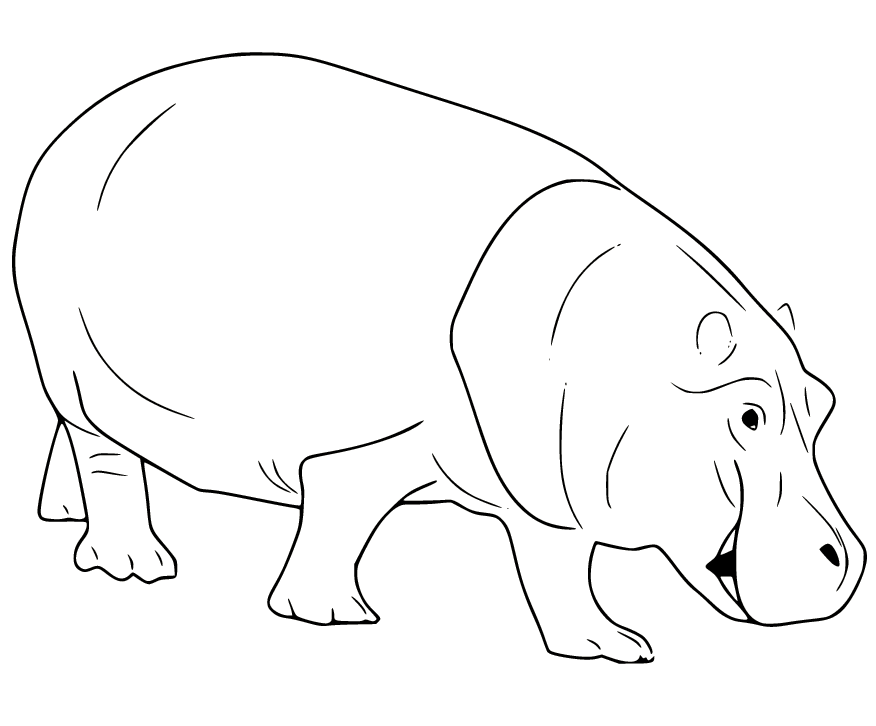
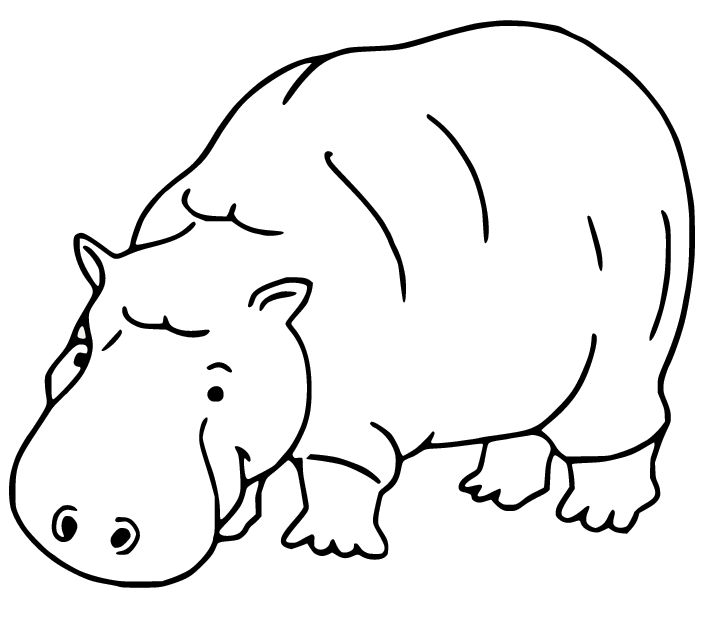
Some designs lean into the hippo’s real semi-aquatic behavior, showing it submerged, roaring, or resting near a riverbank. These pages give colorists a chance to work with more accurate anatomy and water-based scenery.
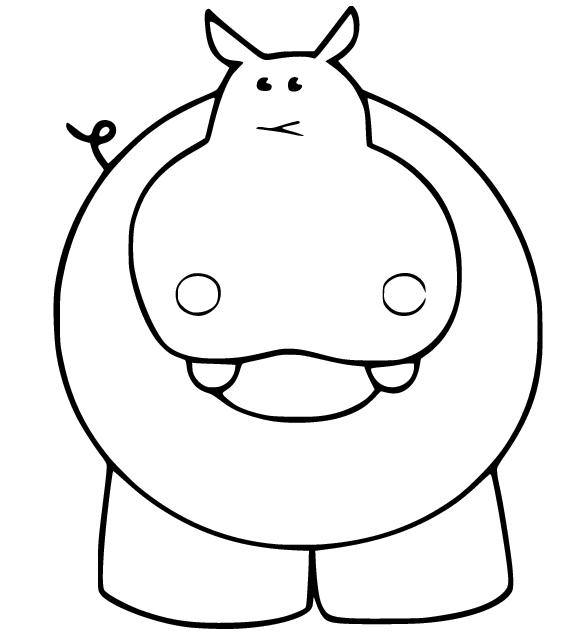
Simple Outlines for Younger Colorists
A number of pages use a bold, large outline with minimal detail. These suits are suitable for preschool-age children who are still building control over a crayon or marker.
What Hippo Coloring Pages Do
Fine motor development. The American Academy of Pediatrics identifies fine motor skill development as a core benefit of structured coloring for children ages 2 through 7, and the contrast between a hippo’s large, rounded body and its small ears, eyes, and legs gives children practice varying their stroke size across a single design.
A concrete hook for real animal behavior. Because hippos have a specific, documented way of life, spending most of the day in water and grazing at night, coloring one gives children a visual anchor for facts about the animal rather than an abstract idea of what a hippo is.
Calm focus across water-based scenes. A 2005 study in the Art Therapy Journal documented measurable reductions in anxiety following structured coloring sessions, and the layered water and riverbank backgrounds in several designs give colorists a slow, absorbing area to work through beyond the animal itself.
A hands-on way to compare cute and realistic styles. Because this collection ranges from soft, kawaii-style baby hippos to detailed, realistic ones, colorists get a direct way to compare how the same animal looks across very different illustration styles.
How to Color Hippo Pages Well
- Skin: A muted Gray or Slate Gray base works well for a realistic look, while cartoon and baby hippos suit a softer Lavender Gray or pale Purple.
- Underside and inner ears: A lighter Pink or pale Blush adds contrast on the belly, inner ears, and mouth.
- Water: Layer Teal and muted Blue-Green for river or pond scenes, with small White highlights where light catches the surface.
- Mud and riverbanks: Warm Sepia and Tan work well for muddy banks, tying the hippo visually to its real habitat.
- Playful accessories: Bright colors like Scarlet Red or Sunglow Yellow work well for hats, balloons, or backpacks in the more character-driven designs.
- Backgrounds: Keep grassy or jungle backgrounds in muted greens so the hippo itself stays the clear focal point of the page.
5 Creative Craft Ideas With Hippo Coloring Pages
1. River Habitat Diorama
Color a realistic hippo page, cut it out, and glue it inside a shoebox turned on its side to build a small river scene. Adding paper cutout reeds, rocks, or a strip of blue paper for water gives the diorama extra depth. Cutting a small viewing window in the front of the box turns the finished scene into a miniature display piece.
2. Hippo Bloat Counting Cards
Color several small hippo pages and use them to build a simple counting activity, since a group of hippos in the wild is called a bloat. Arranging the cards in groups of different sizes and counting them together turns the coloring project into an early math activity. This works especially well as a shared classroom or homeschool exercise.
3. Hippo Garland
Color several hippo pages, cut around the outlines, and string them together with twine for a nursery or classroom garland. Alternating between playful and realistic designs keeps the garland visually varied. Spacing the pieces evenly gives the finished garland a neat, balanced look.
4. Paper Plate Hippo
Color a simple hippo face design, glue it to the center of a paper plate, and add construction paper ears and legs around the edge to build a simple 3D craft. This gives younger kids a hands-on way to extend the coloring page into a small paper sculpture. Displaying the finished piece on a wall or shelf makes it a fun keepsake.
5. Hippo Bookmark
Trim a simple hippo design to bookmark size and laminate or cover it with clear tape for a durable, everyday bookmark. Punching a hole at the top and threading a short ribbon through makes it easy to spot inside a stack of books. Making a small set with different designs gives a reader several to rotate through.
Frequently Asked Questions
What are Hippo coloring pages?
They are printable illustrations of hippos, ranging from playful cartoon scenes to realistic water-based designs. This collection has 75 designs available as free PDF downloads or for coloring directly online.
Where do hippos live, and how do they spend their day?
Hippos live in rivers and lakes across sub-Saharan Africa, spending most of the day submerged in water to stay cool and protect their sensitive skin before emerging at night to graze on grass.
Can hippos actually swim?
Not in the way most animals do. Hippos are too dense to float, so instead of swimming, they walk or push off the riverbed to move through water, and they can hold their breath for up to five minutes at a time.
What is a group of hippos called?
A group of hippos is called a bloat, though the terms pod and herd are also used, and groups can range from a handful of animals up to 40 or more.
What colors work best for these designs?
A muted gray or slate gray suits a realistic look, softer lavender gray works for cartoon and baby hippos, and teal or blue-green captures river water well.
Are Hippo coloring pages suitable for young children?
Yes. The designs use recognizable, non-graphic shapes with no frightening content, and the simple outline and kawaii-style pages in particular are well-suited to preschool through elementary-age children.
Can this collection be used for an animal habitat or African wildlife classroom unit?
Yes. The realistic water-based designs pair well with a classroom or homeschool lesson on African wildlife, semi-aquatic animals, or river and wetland habitats.
Can these pages be paired with other animal coloring collections?
Yes. Since this collection sits within the site’s broader mammal and animal content, these pages pair naturally with other animal-themed coloring collections for a larger nature-focused activity.
Start Coloring
Download any page by clicking the design. No account, email, or payment is required. Pages print directly from the browser at full resolution or open in the online coloring tool for screen use. Share finished pages on Facebook or Pinterest with the share buttons at the top of each design page.