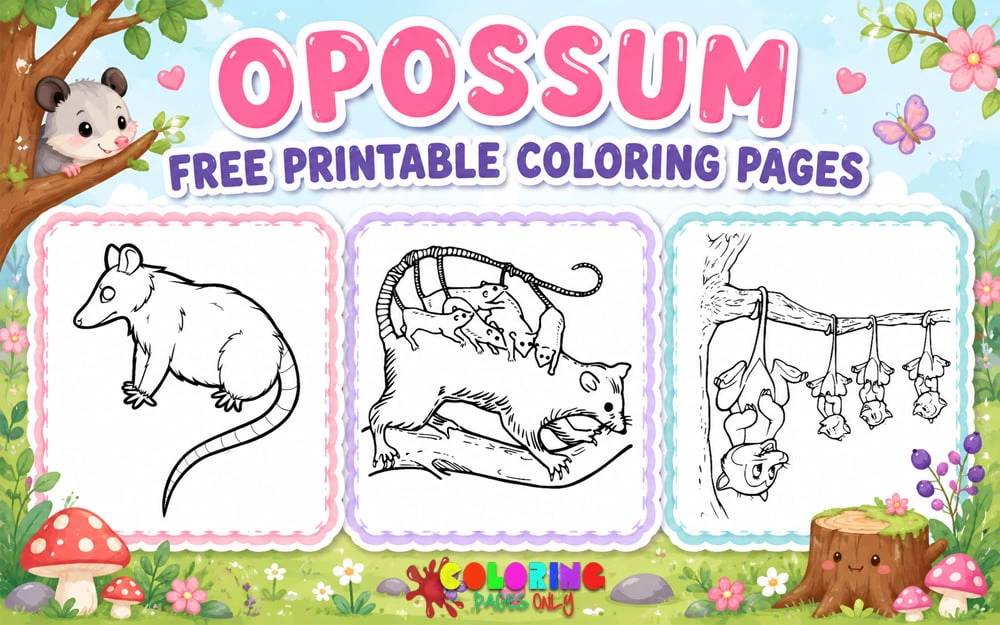
Free Opossum Coloring Pages: 20 printable PDF designs of North America’s only marsupial, showing opossums hanging upside down from a branch, walking along a tree, and resting on limbs, cozy opossum families, happy, funny, and chubby cartoon opossums, and a simple outline for beginners. The mix of realistic tree scenes and goofy cartoon faces makes the set fun for animal lovers of every age. Home printing works from a no-cost PDF of each page, while the online tool lets kids fill the same drawings on a screen.
The Virginia opossum, Didelphis virginiana, is the only marsupial that lives naturally north of Mexico, ranging from southern Canada to Costa Rica. Like kangaroos, mother opossums carry their young in a pouch, and the newborns are about the size of a honeybee. After roughly two and a half months, the babies ride on their mother’s back. Opossums have 50 teeth, more than any other North American land mammal, and a hairless prehensile tail that can grip branches. When frightened, an opossum may “play possum,” falling still and appearing lifeless for minutes or even hours until the danger passes. Their name comes from an Algonquian word meaning “white animal,” a nod to their pale faces.
The pages range from easy to moderately detailed. The outline, cute, and cartoon opossums use rounded bodies and big eyes that young children can fill quickly, the family pages add babies and expressions, and the realistic branch and tree scenes include bark, leaves, and shaggy fur that older kids and adults can shade with care.


What’s Inside This Collection
Twenty designs here cover tree and branch scenes, family pages, expression pages, cartoon versions, and simple portraits.
Tree and Branch Scenes
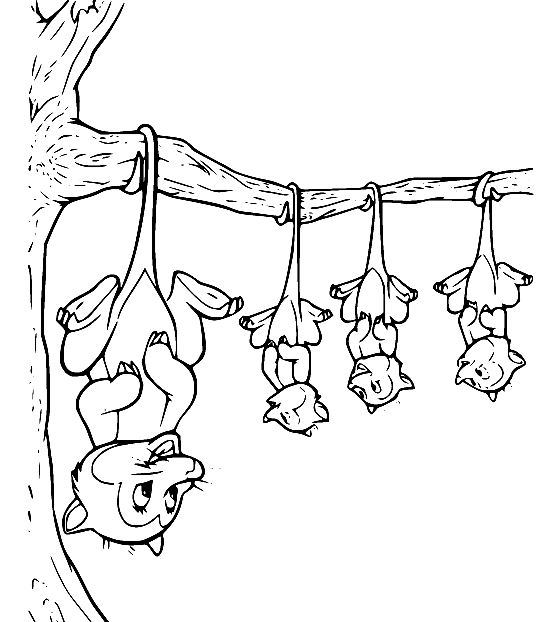
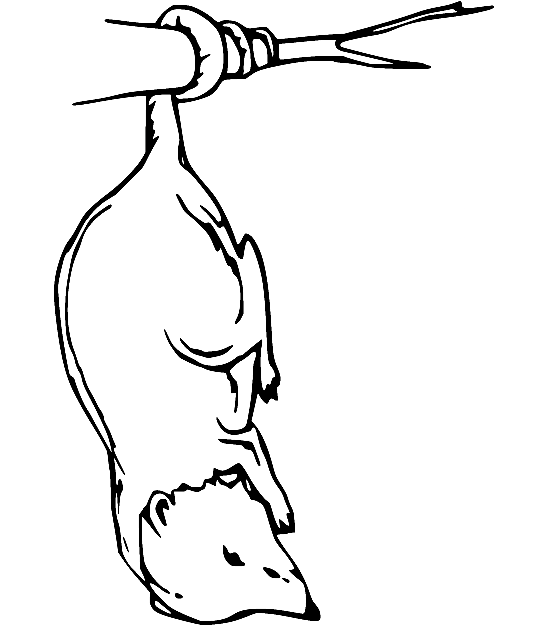
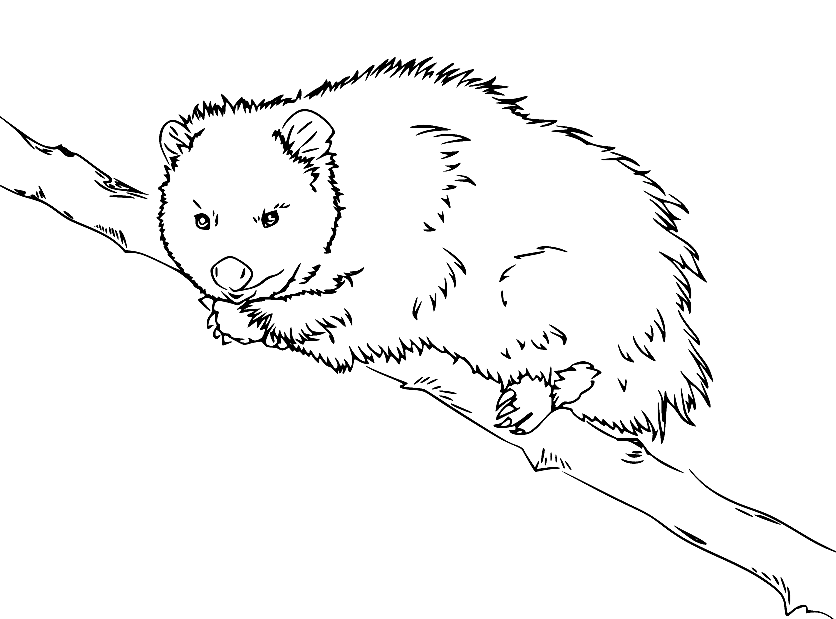
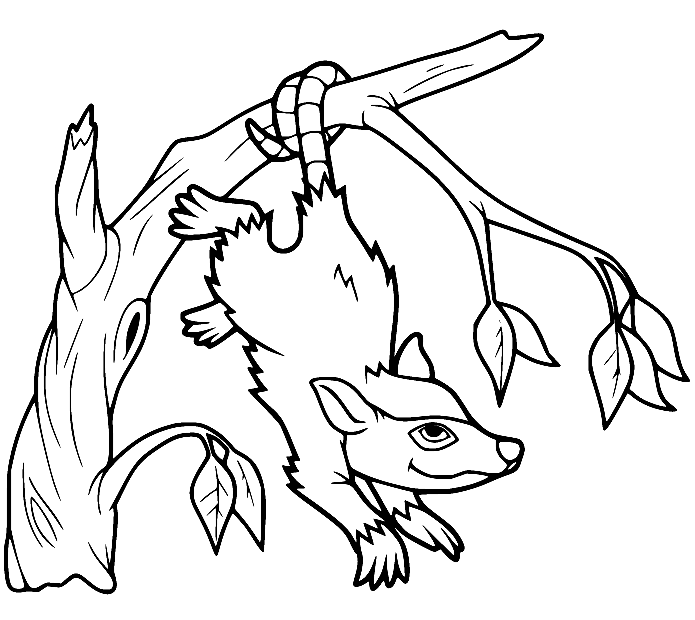
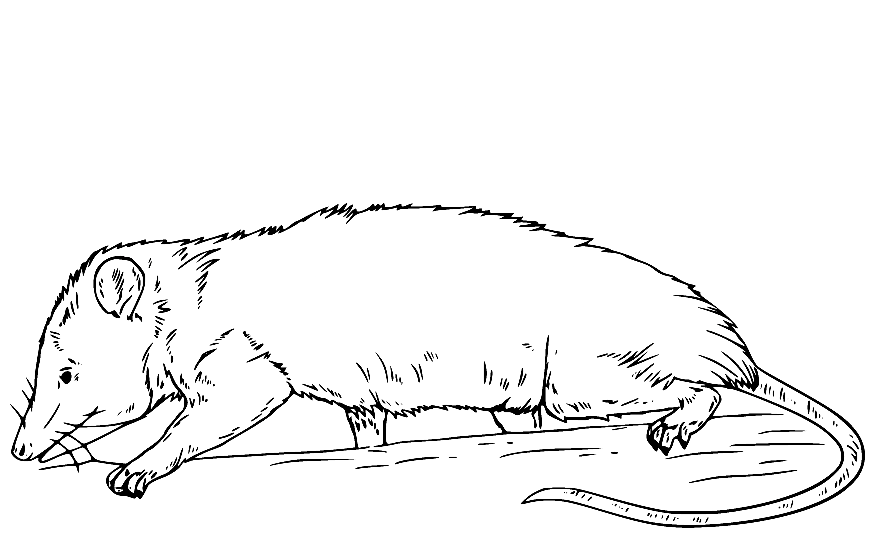
Opossums hang upside down, walk along tree limbs, and rest on branches. Color the bark Brown with darker lines, the leaves two shades of Green, and the opossum’s tail a soft Pink.
Opossum Families
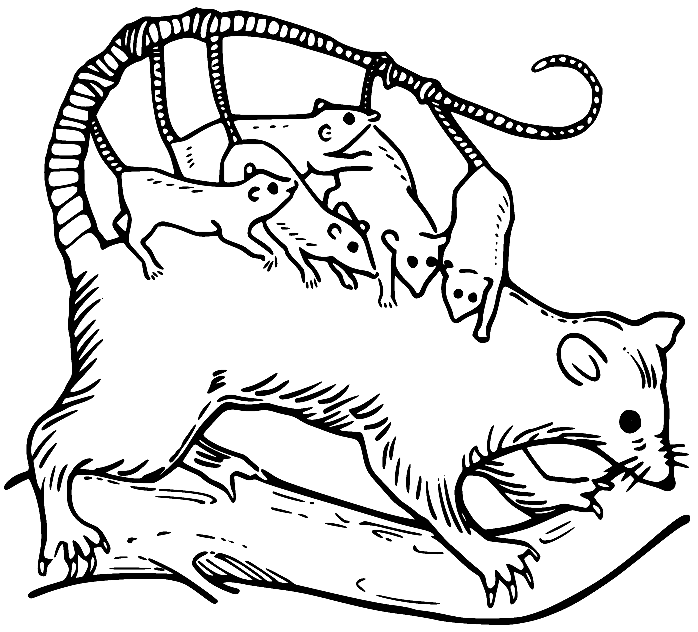
Cute Opossum Family and Opossum Family show mothers with their babies. Use a grizzled Gray for adults, a lighter Silver Gray for babies, and soft Pink for noses, ears, and tails.
Happy, Funny, and Fat Opossums
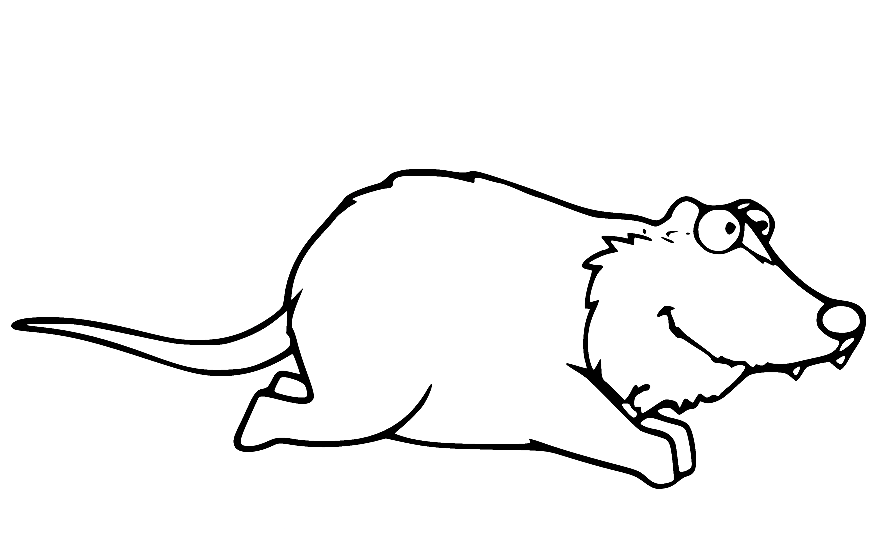
Happy, funny, and fat opossums show off big personalities. Give them bright eyes, rosy Pink cheeks, and a round belly in Light Gray.
Cartoon Opossums
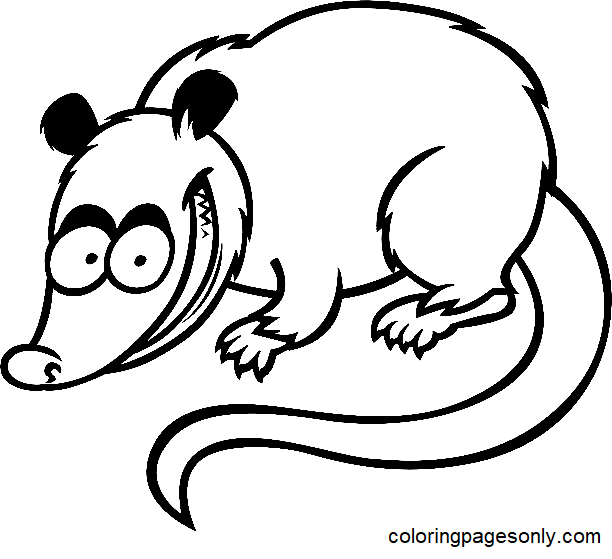
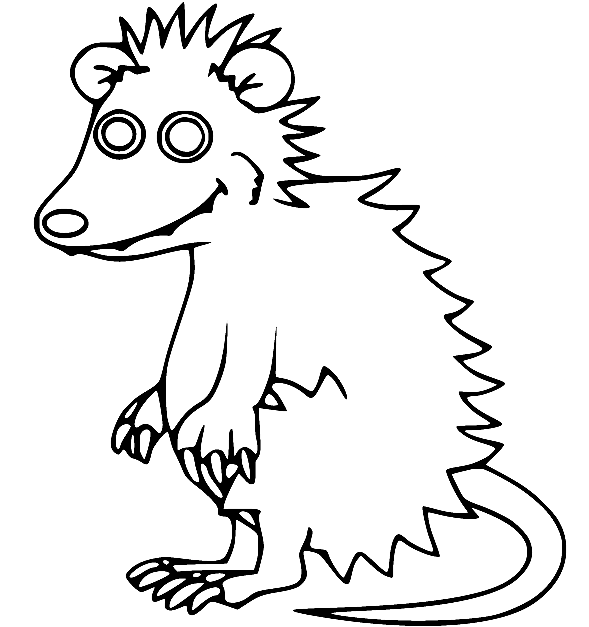
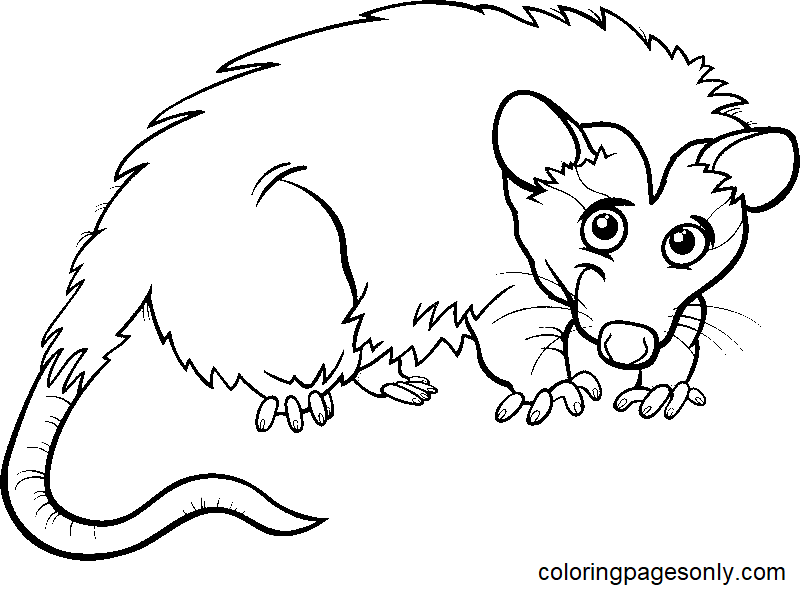
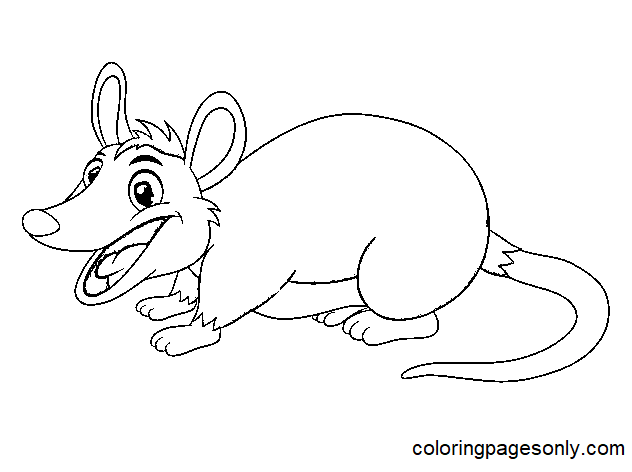
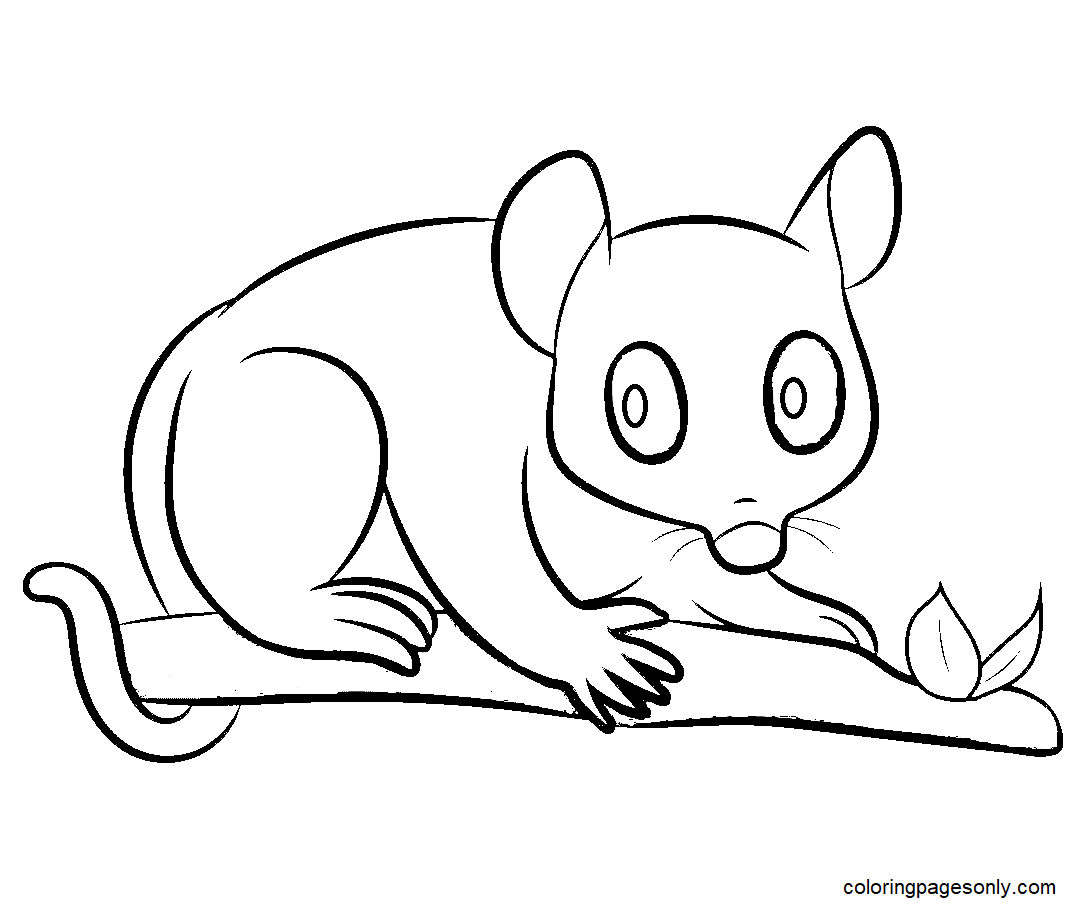
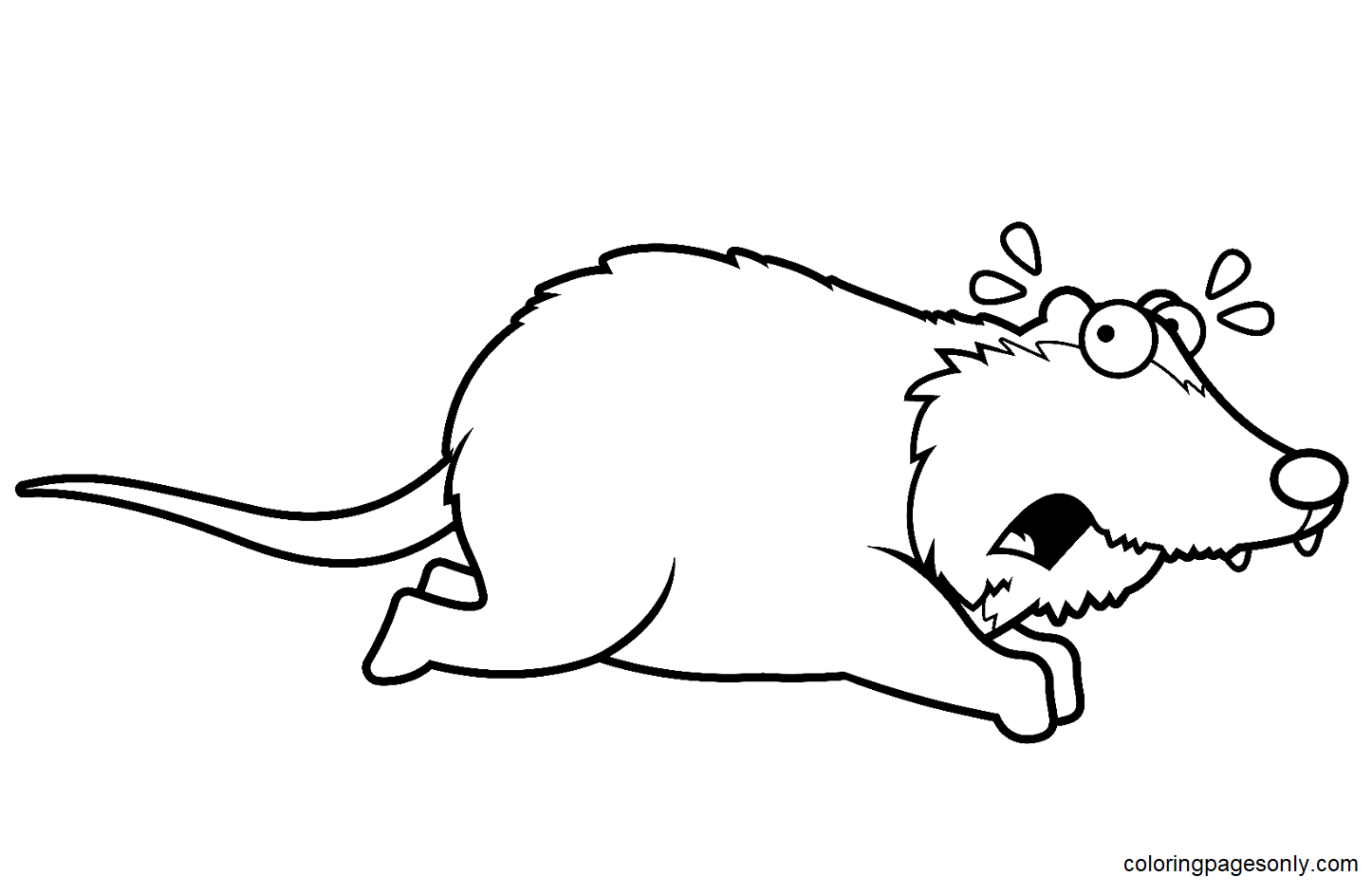
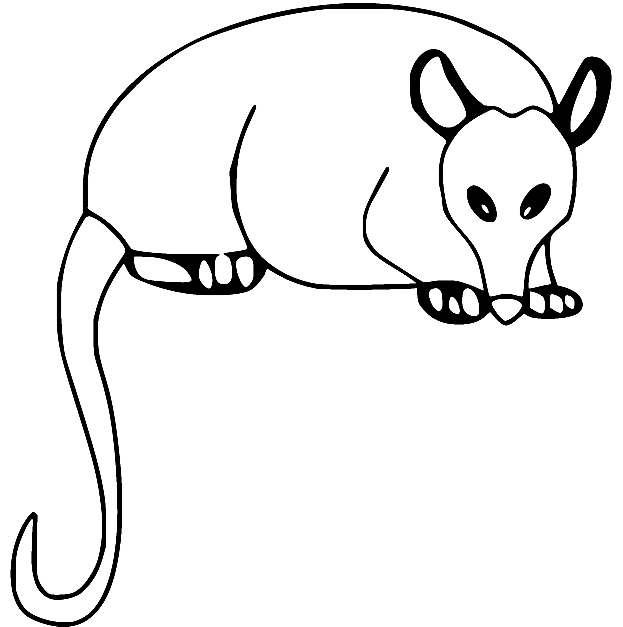
Cute cartoon, cartoon, and funny cartoon opossums offer simple, playful shapes. Experiment with soft Lavender or Blue Gray fur for a fun twist, keeping the face White.
Portraits and Outline Pages
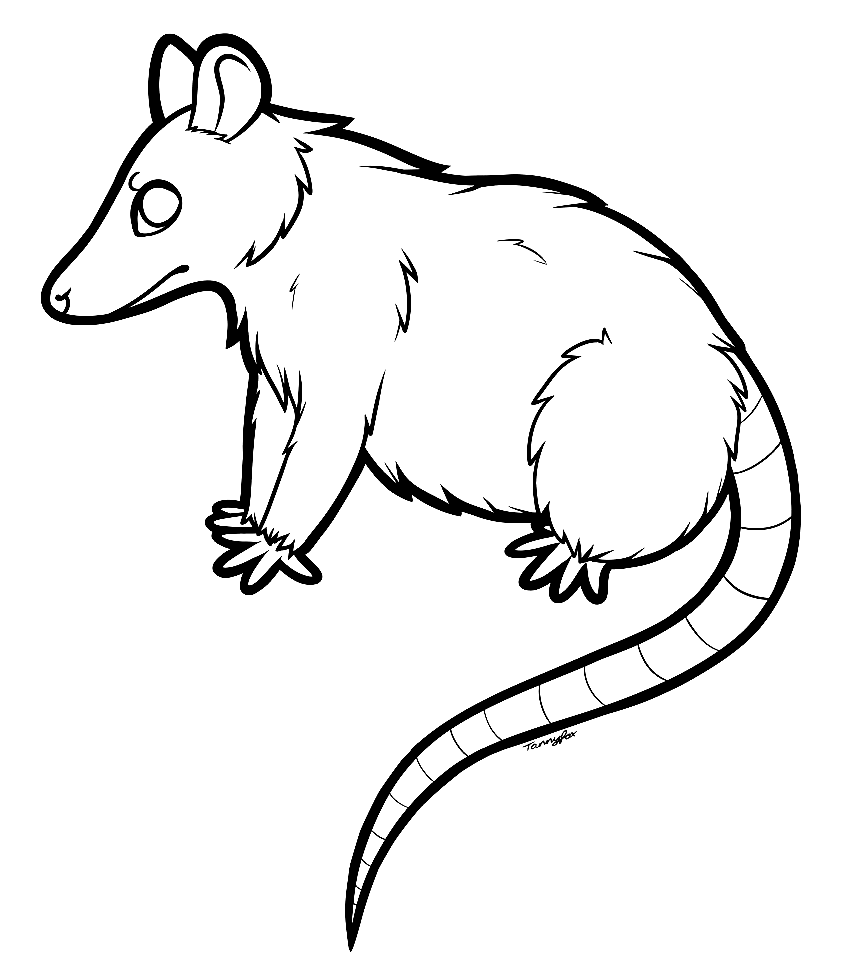
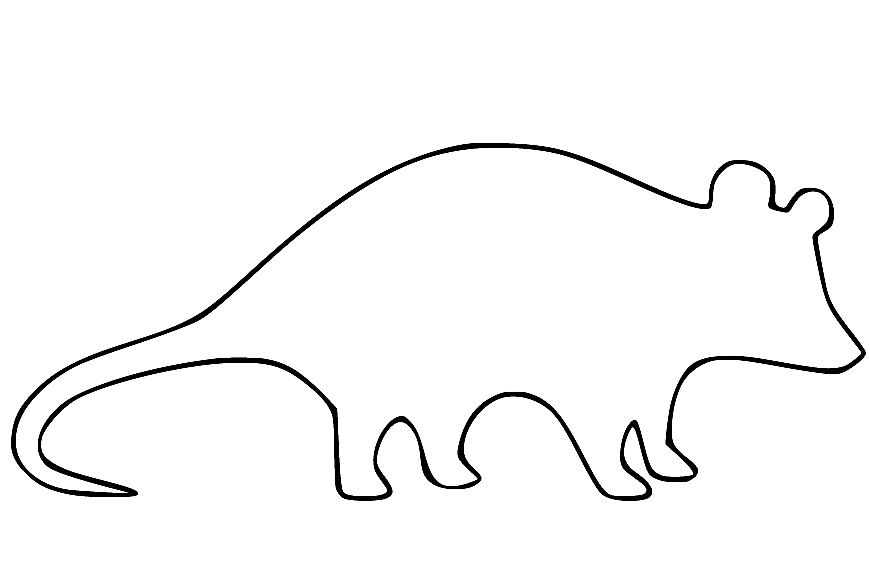
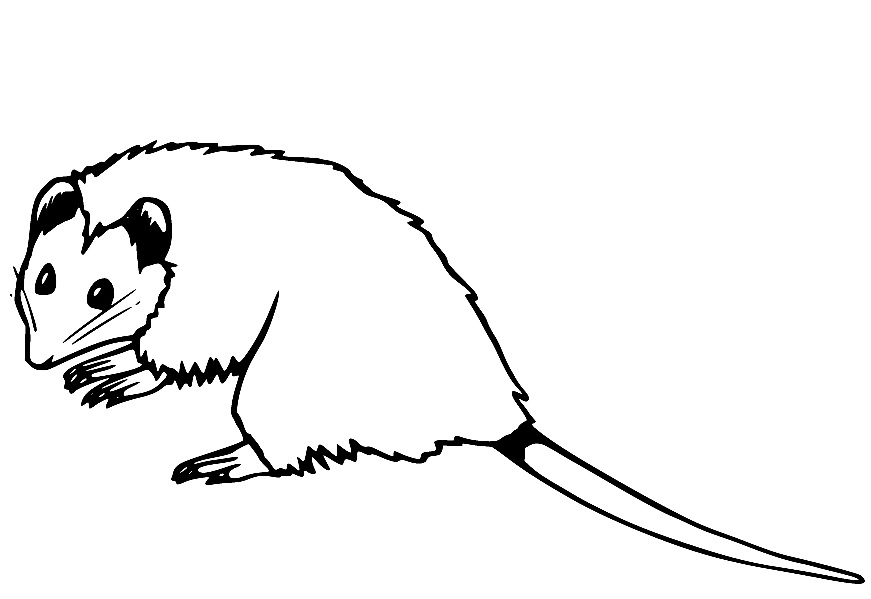
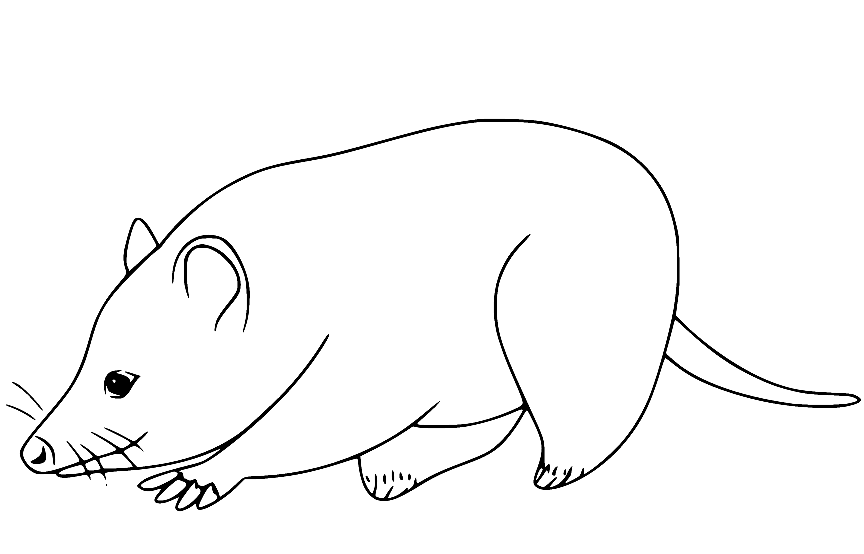
The opossum outline, cute opossum, and several printable portraits show the animal in clear, simple poses. Use White for the face, Gray for the body, Black for the ears and legs, and Pink for the nose and tail.
What Opossum Coloring Pages Do
Teaching about marsupials. No other marsupial lives wild in the US or Canada. Coloring them is a great chance to explain pouches, compare opossums with kangaroos and koalas, and talk about how baby animals grow.
Strengthening small hands. Long tails, small claws, and fur details give children steady practice with controlled strokes. Ages 2 to 7 are the prime time for the finger strength writing requires, and the American Academy of Pediatrics resources encourage simple activities like coloring during those years.
Relaxing with friendly animals. Grown-ups working on structured designs grew calmer, according to 2005 research in the Art Therapy Journal. The funny, chubby opossums on these pages add a smile to any quiet activity.
Changing how kids see backyard wildlife. Many people misunderstand opossums, but they are shy, mostly harmless animals that eat insects, fruit, and leftovers. These pages encourage respect for the wild neighbors that visit yards at night.
How to Color Opossum Pages Well
- Grizzled fur: Layer Light Gray and Dark Gray strokes to create the opossum’s salt-and-pepper coat.
- White face: Leave the face mostly White and add a soft Gray shadow near the eyes.
- Pink details: Color the nose, ears, feet, and tail in soft Pink for a realistic look.
- Dark ears: Add Black to the outer ears and legs, as many real opossums have.
- Night scenes: Use Navy Blue and Purple backgrounds with a Yellow moon for nighttime pages.
- Tree texture: Draw short vertical lines on tree trunks for bark.
5 Creative Craft Ideas With Opossum Coloring Pages
1. Hanging Opossum Mobile
Color the opossum hanging from a branch, trim around its body, and tie it upside down to a twig with a string. Add paper leaves along the stick so the opossum appears to dangle from a real tree.
2. Pouch Pocket Card
Color an opossum mother and glue a small paper pocket on her belly to make a pouch. Tuck tiny drawings of babies inside so children can pull them out and count them.
3. Backyard Wildlife Poster
Color several opossums and add them to a poster with other nighttime backyard animals. Label what each animal eats to teach kids about the local ecosystem.
4. Play Possum Flip Card
Color a happy opossum on one side of a card and a “playing possum” opossum on the other. Flip the card to explain how opossums pretend to be lifeless when scared.
5. Opossum Family Frame
Color the opossum family page and mount it in a paper frame decorated with leaves and berries. Write the names of family members underneath to make it a personal keepsake.
Frequently Asked Questions
What are Opossum Coloring Pages?
The collection features 20 free outlines of opossums in trees, opossum families, and cartoon opossums, with every sheet free for paper or screen.
Where did the name opossum come from?
The word comes from an Algonquian language and means “white animal,” referring to the opossum’s pale face.
What does “playing possum” mean?
When threatened, an opossum may fall still, open its mouth, and appear lifeless. This act can last for minutes or even hours and helps it avoid predators.
Are opossums marsupials?
Yes. The Virginia opossum is the only marsupial native to North America north of Mexico. Mothers carry their tiny babies in a pouch.
How many teeth does an opossum have?
Opossums have 50 teeth, more than any other North American land mammal.
Can opossums hang by their tails?
Their prehensile tails can grip branches and carry nesting material. Young opossums may hang briefly, but adults are too heavy to hang by the tail for long.
What age are opossum coloring pages for?
The outline and cartoon pages are simple enough for kids near 3, preschoolers enjoy the family sheets, and the tree scenes give older kids and adults more to explore.
Is an opossum the same as a possum?
In North America, “possum” is a common nickname for the opossum. Scientifically, possums are a different group of marsupials found in Australia and nearby islands.
Start Coloring
Choose a hanging opossum, a family scene, or a funny cartoon from these 20 designs, and either download it for paper or shade it through the website, no registration involved. Funny finished opossums make cheerful posts on Facebook or Pinterest.