Hyena Coloring Pages
 By:
Jennifer Thoa - Content Editor & Designer
Updated:
By:
Jennifer Thoa - Content Editor & Designer
Updated:
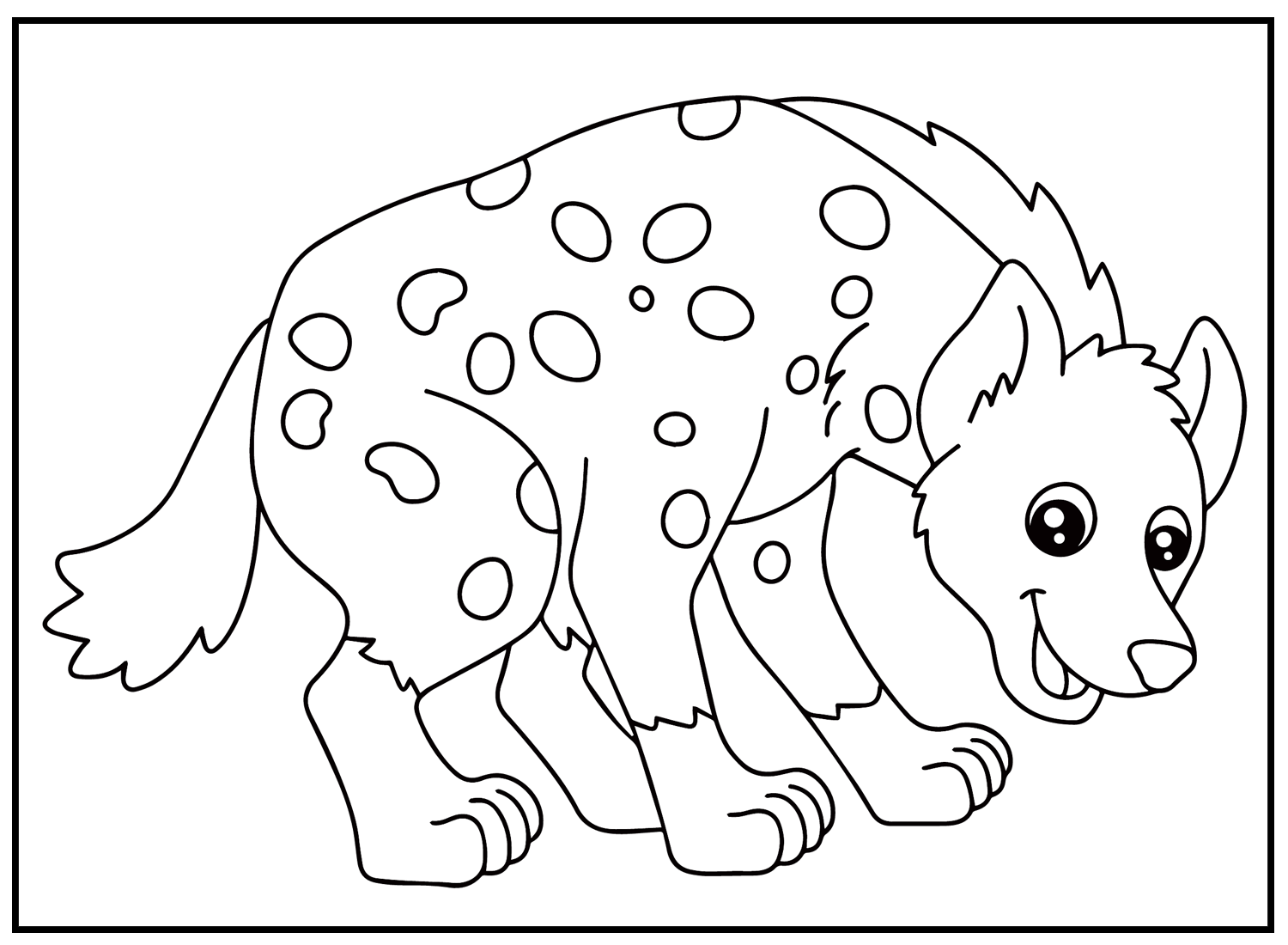
Free Hyena coloring pages: 38 printable PDF designs featuring spotted, striped, and brown hyenas in classic portraits, playful expressions, and cute or baby-style designs. Each page can be downloaded as a PDF to print or colored online in the browser.
There are four living hyena species: the spotted hyena, striped hyena, brown hyena, and the insect-eating aardwolf, found across Africa, with the striped hyena also ranging into parts of the Middle East and South Asia. Despite their dog-like faces, hyenas are more closely related to cats, mongooses, and civets than to dogs. Spotted hyenas, the largest and most social of the group, live in matriarchal clans that can include up to 80 members, with social rank passed down through female family lines. The spotted hyena is also known for its distinctive “laughing” vocalization, a giggle-like sound that is actually a signal of submission, excitement, or distress rather than genuine amusement.
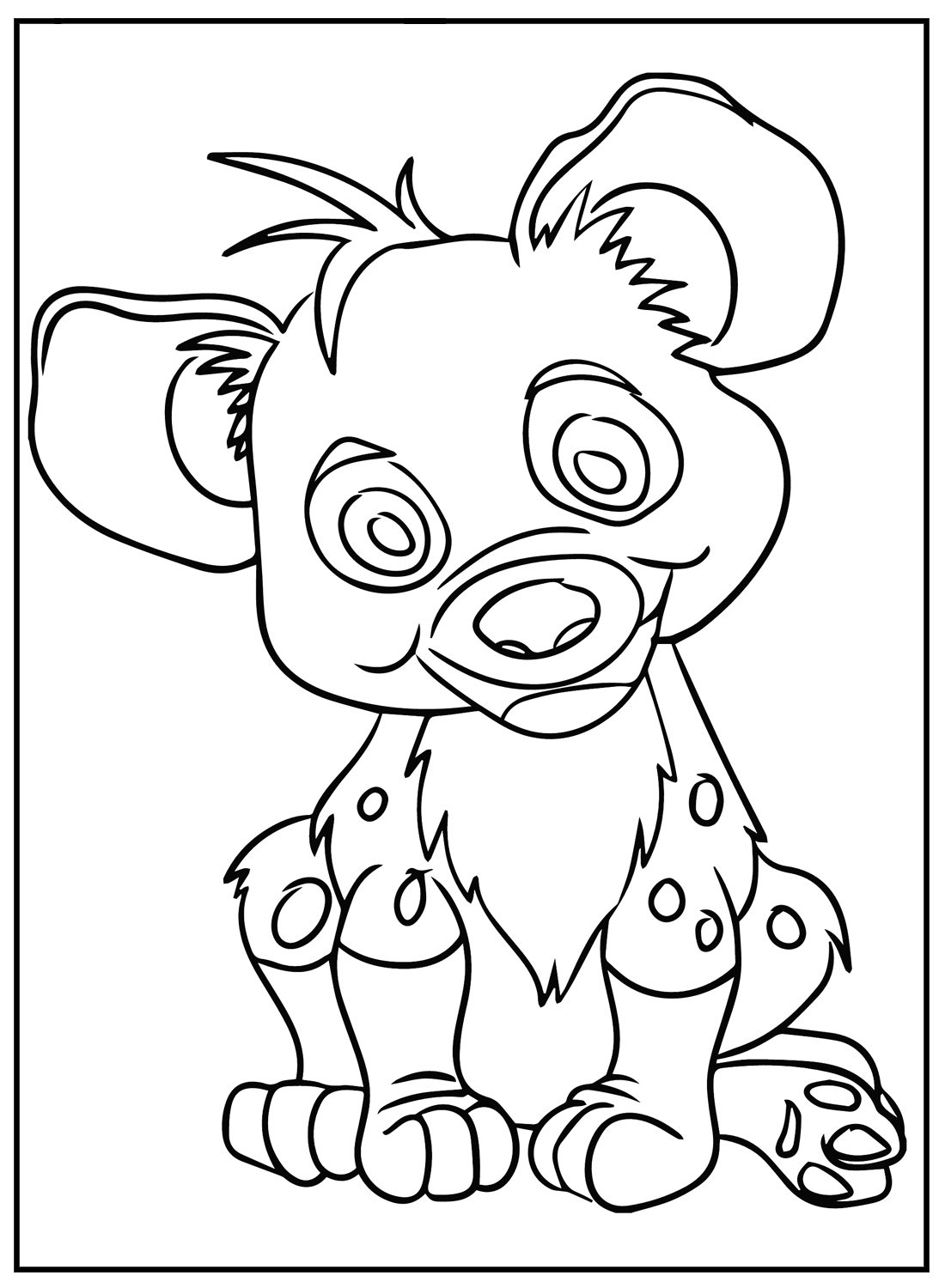
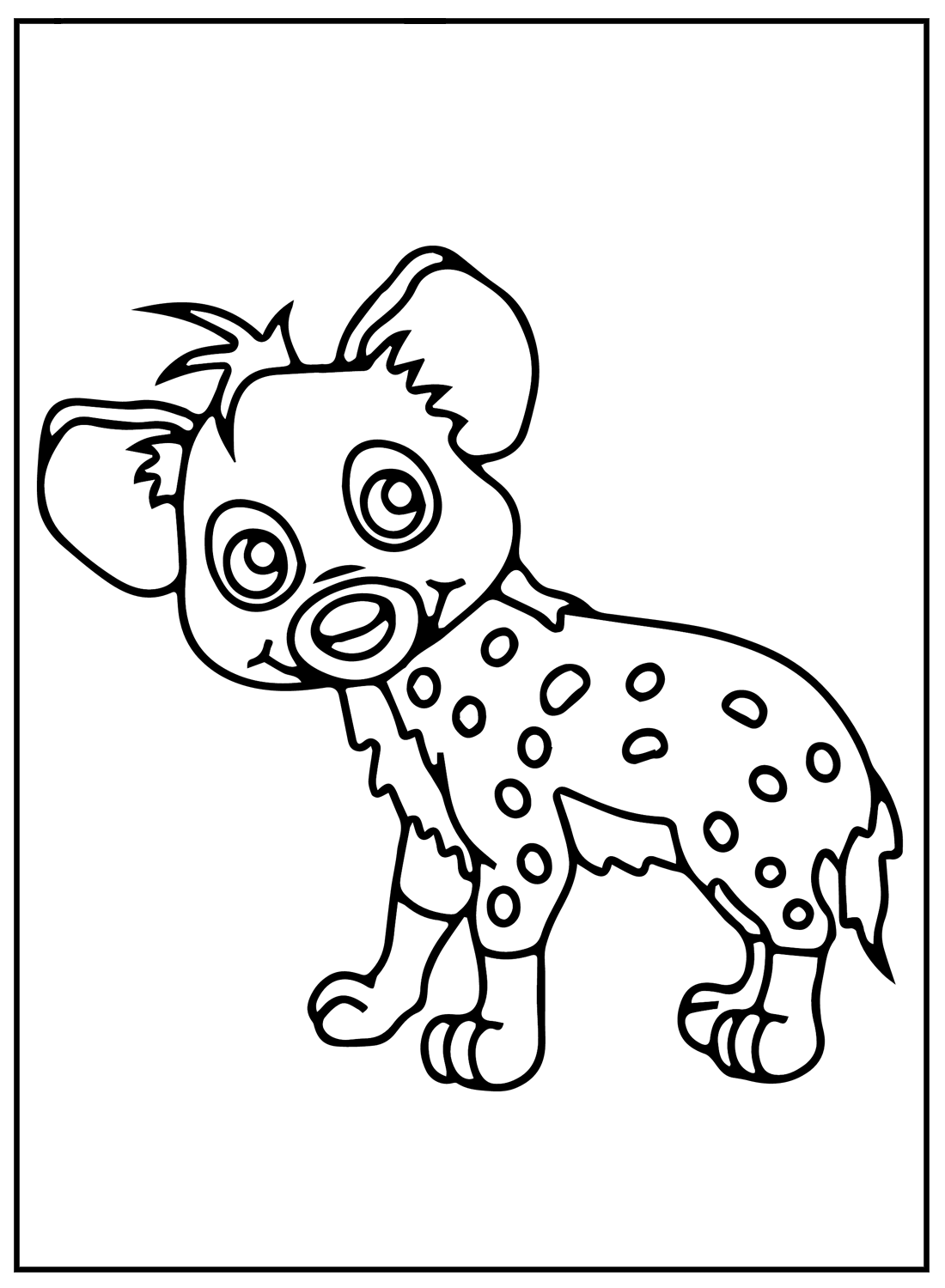
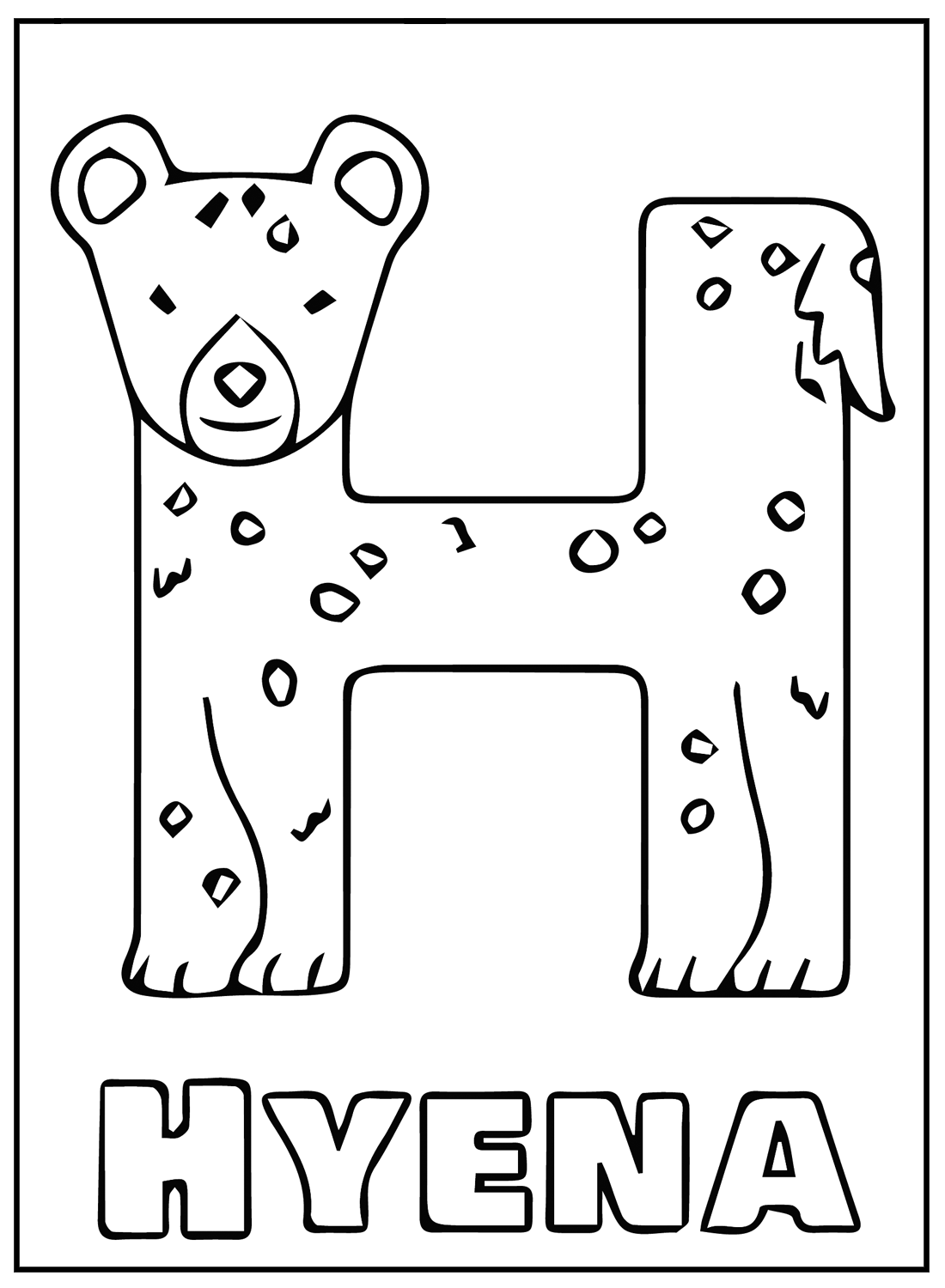
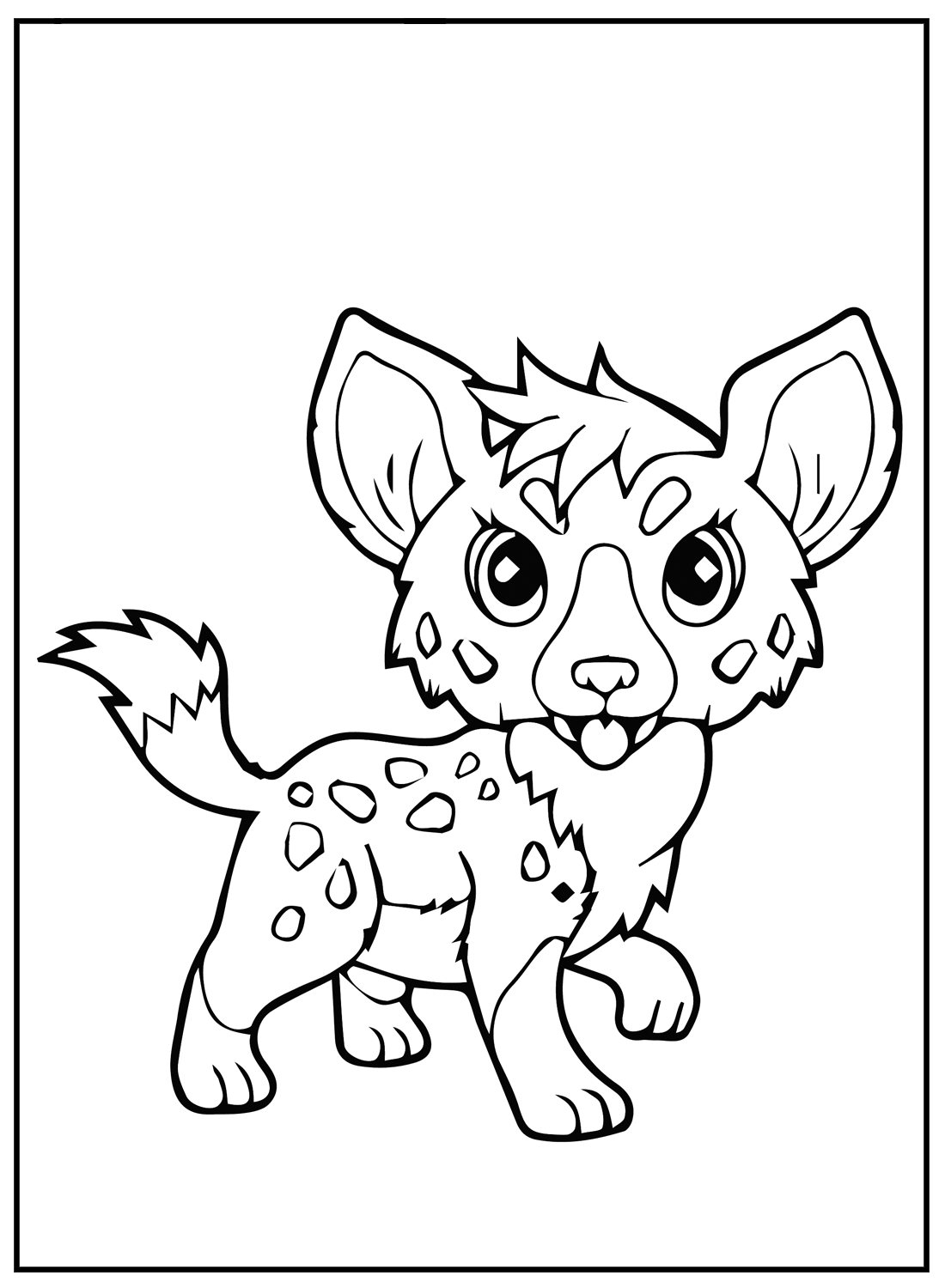
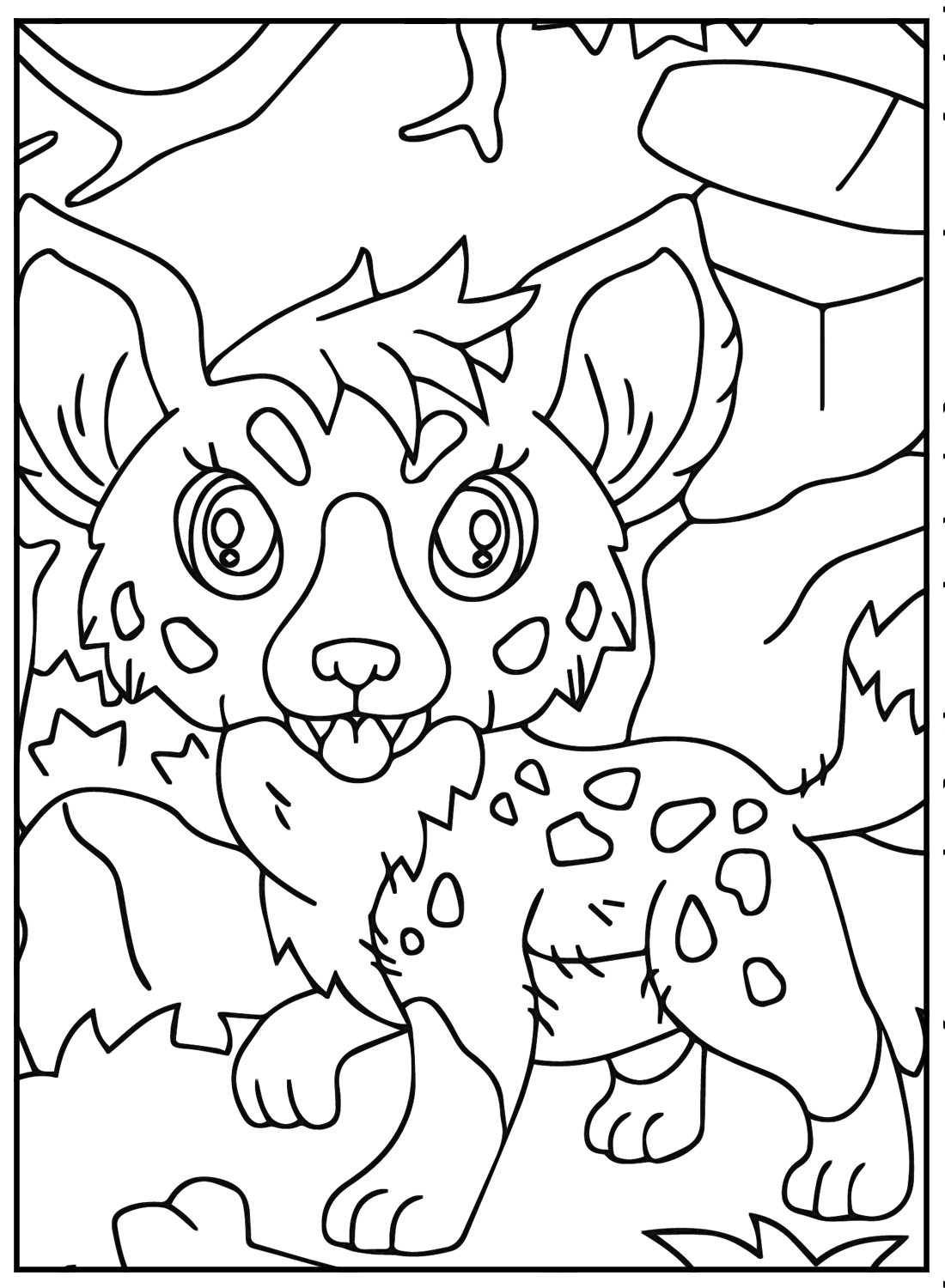
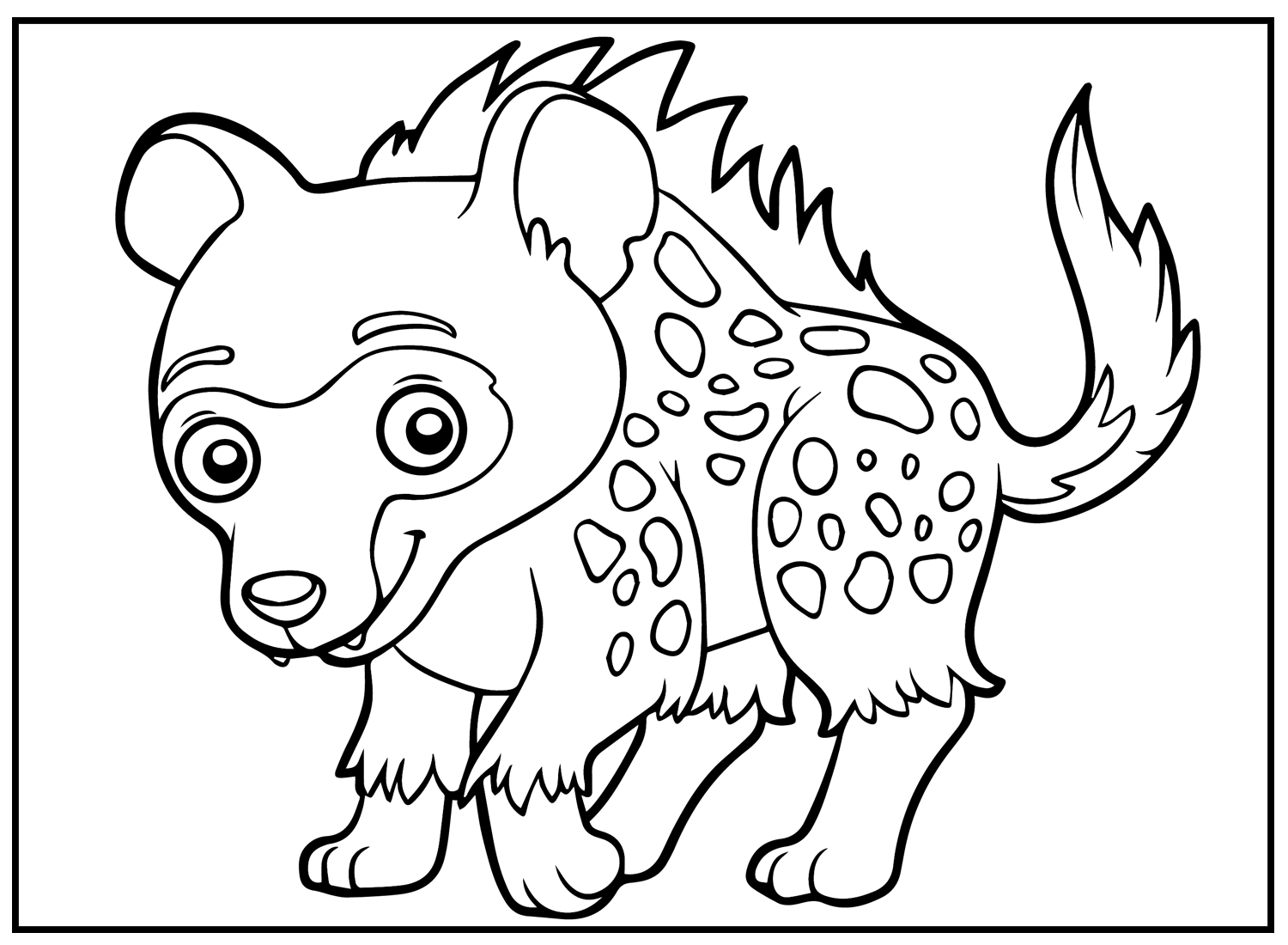
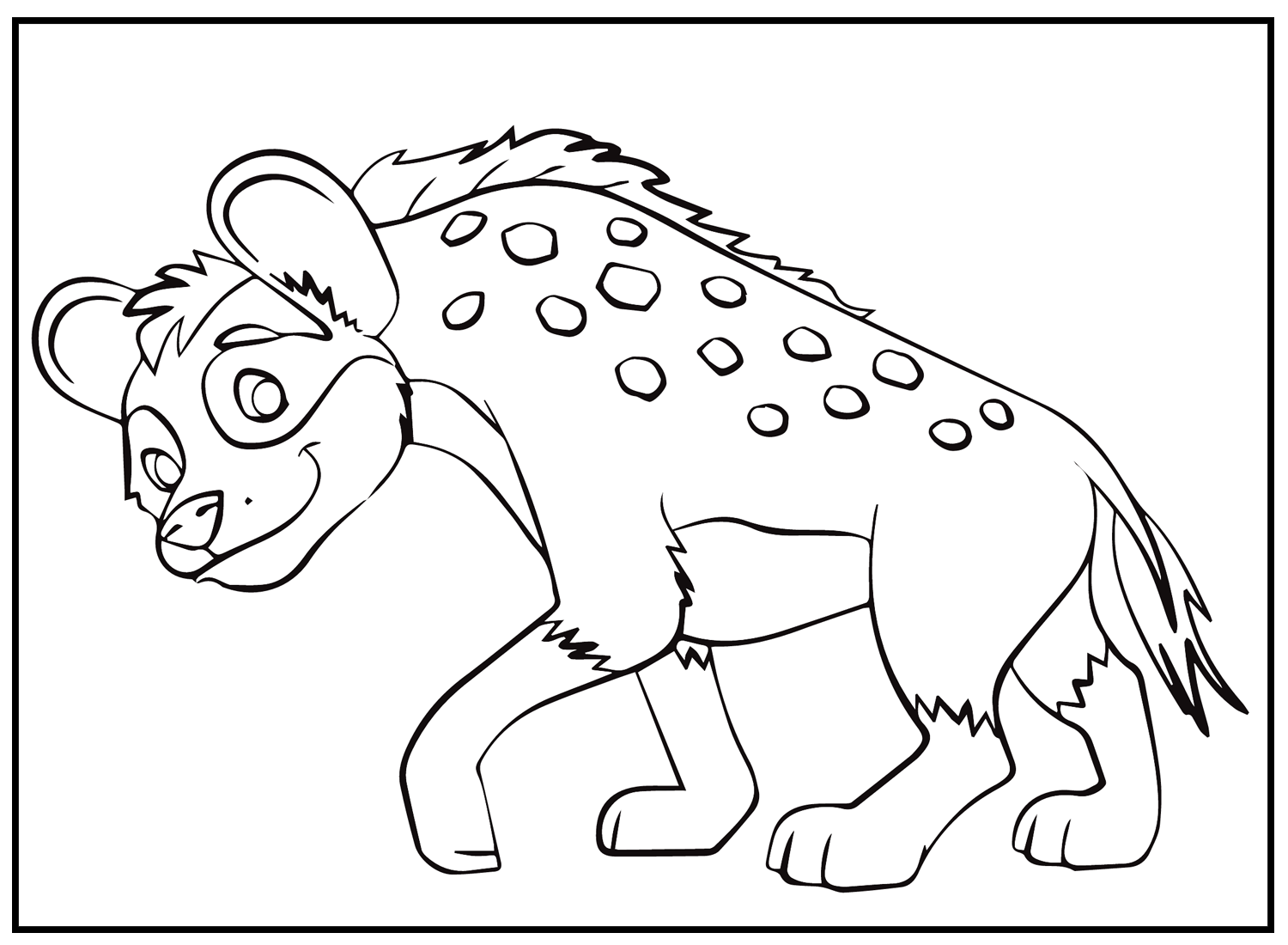
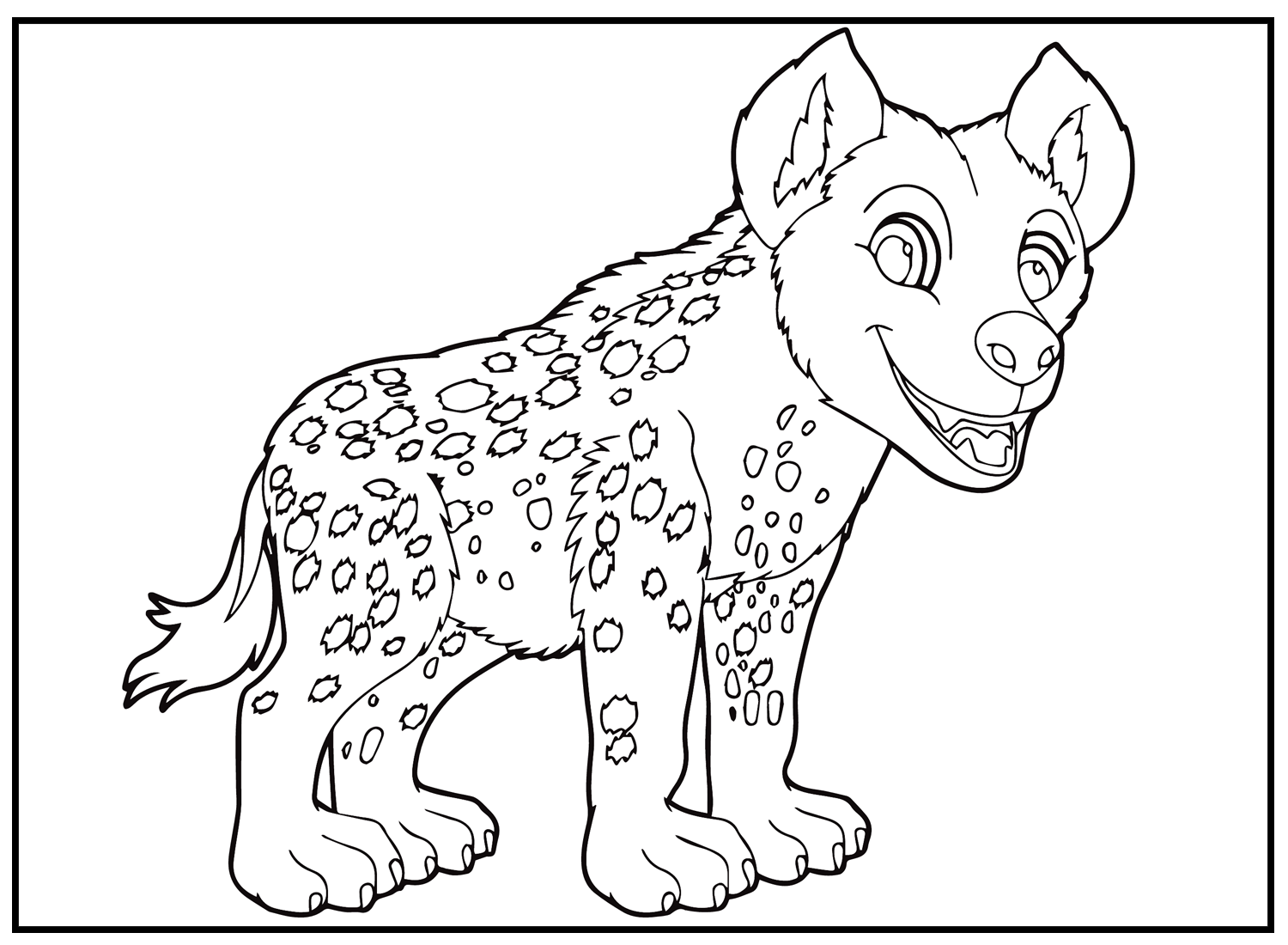
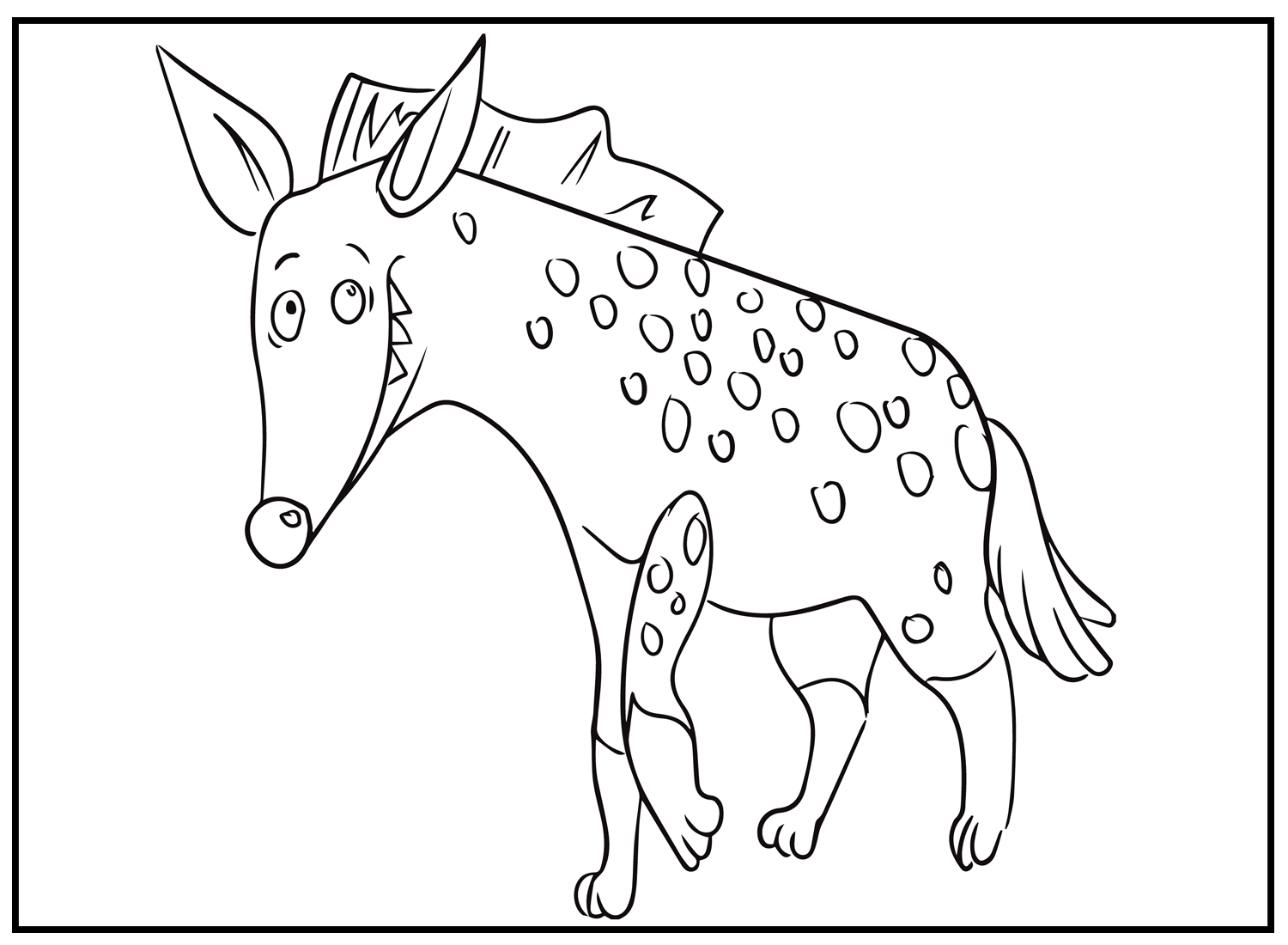
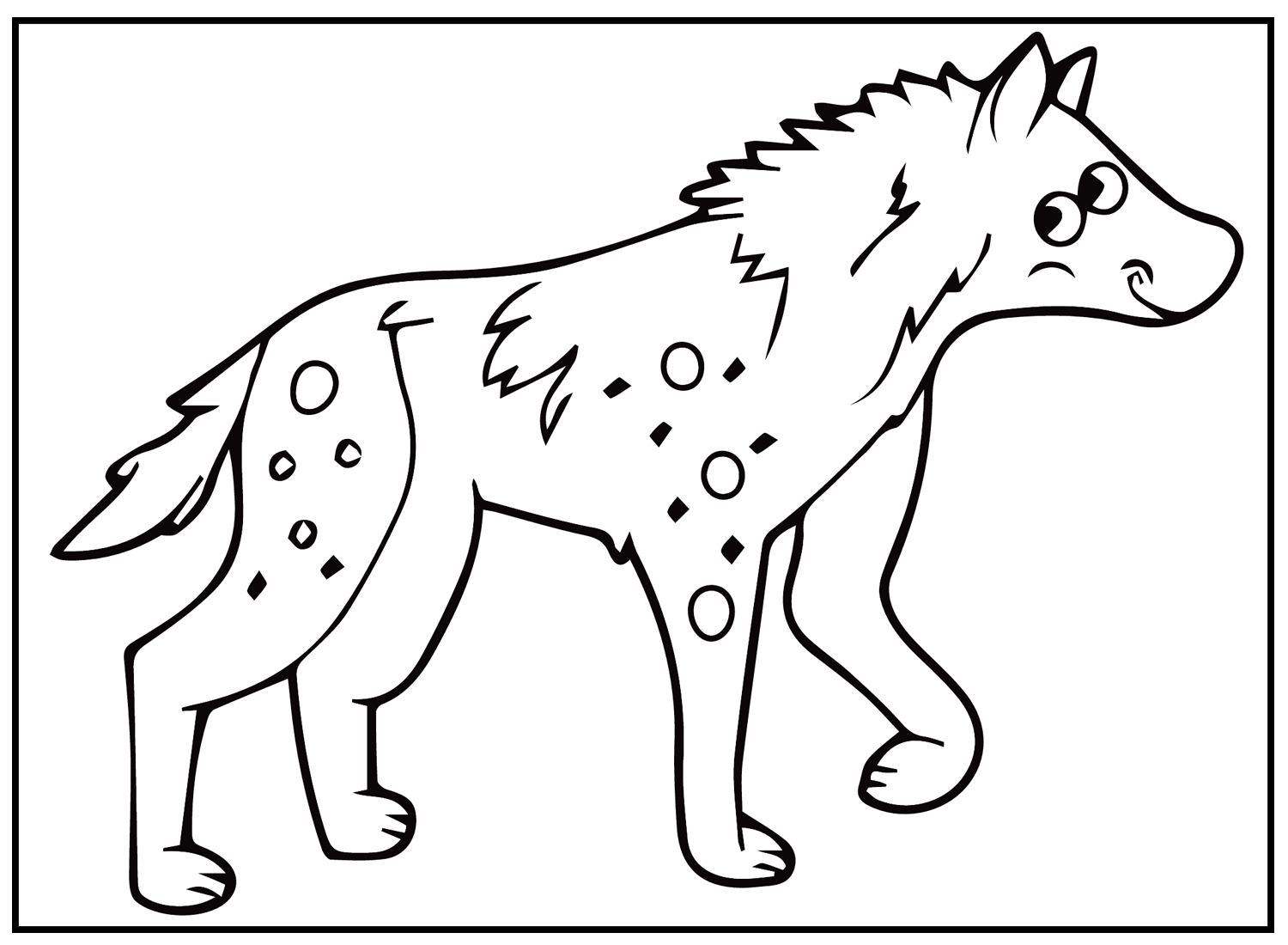
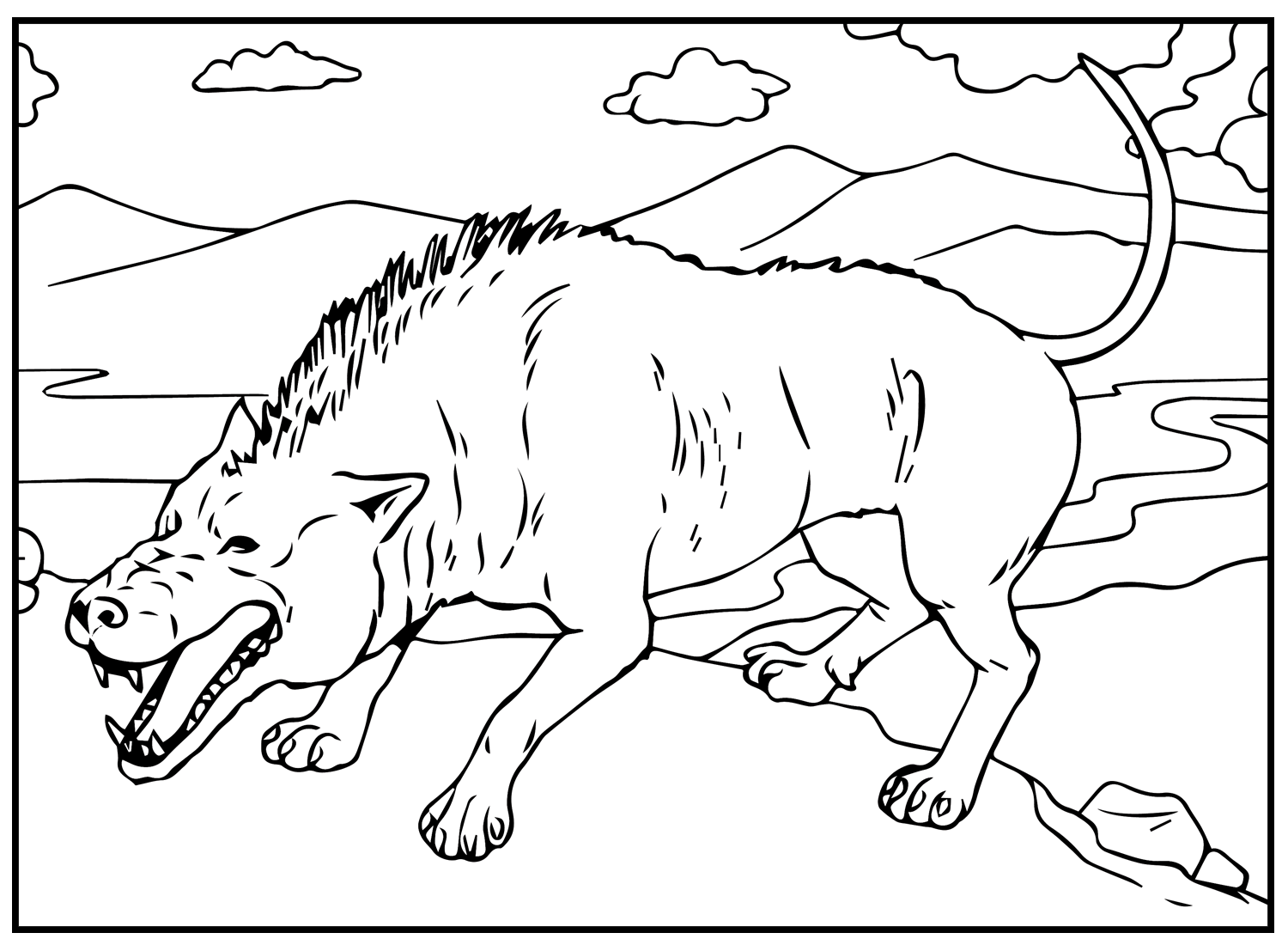
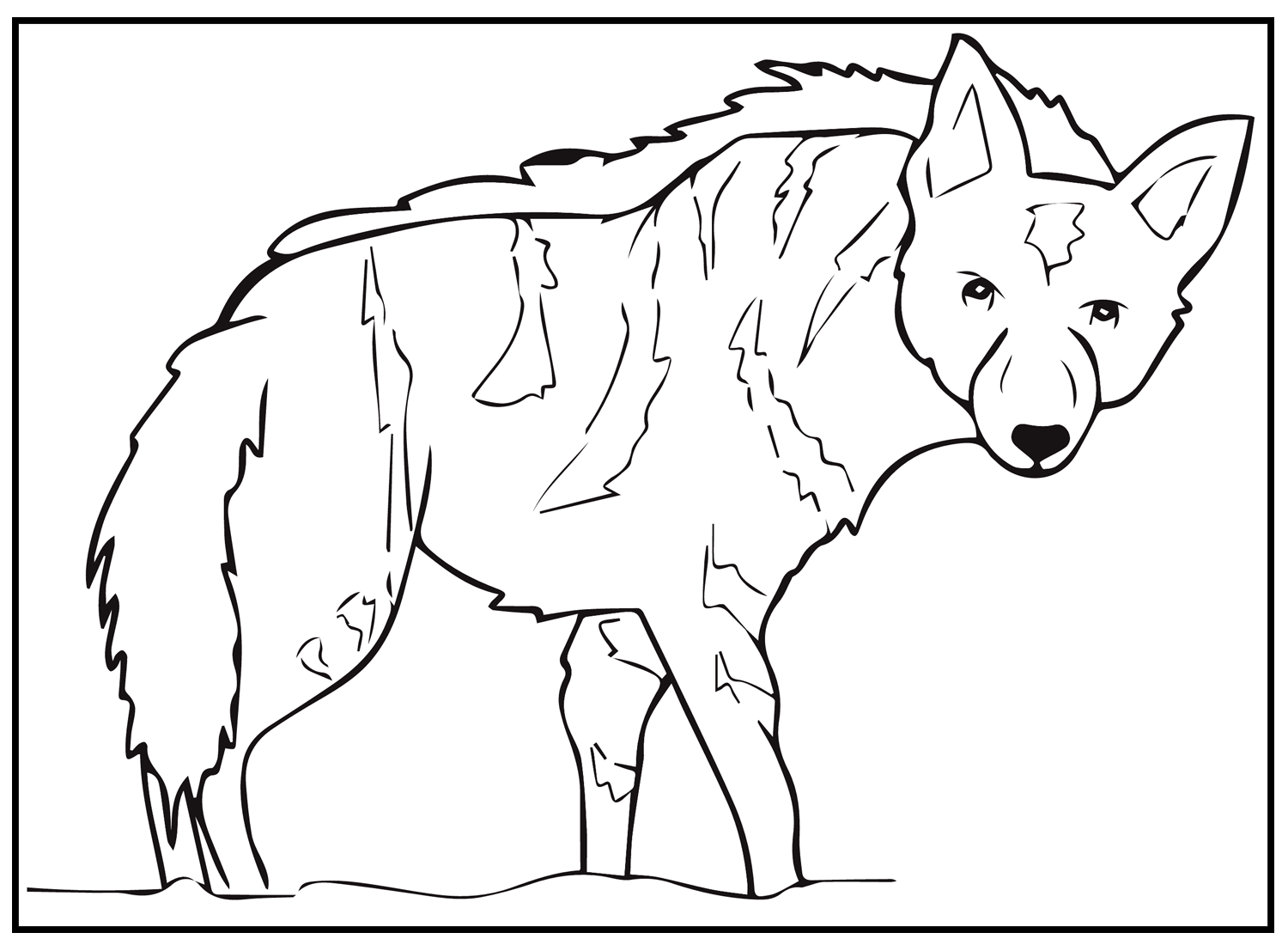
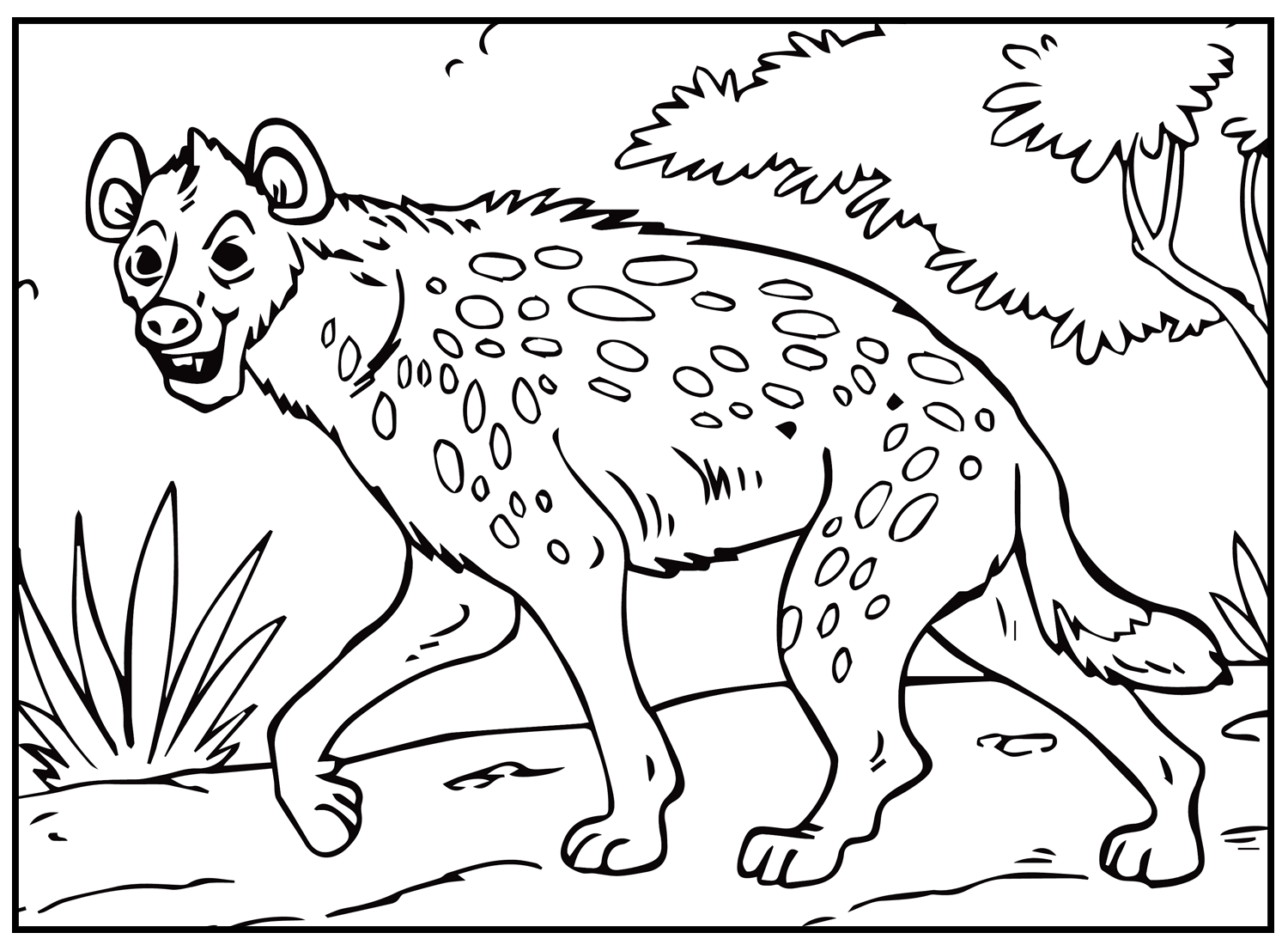
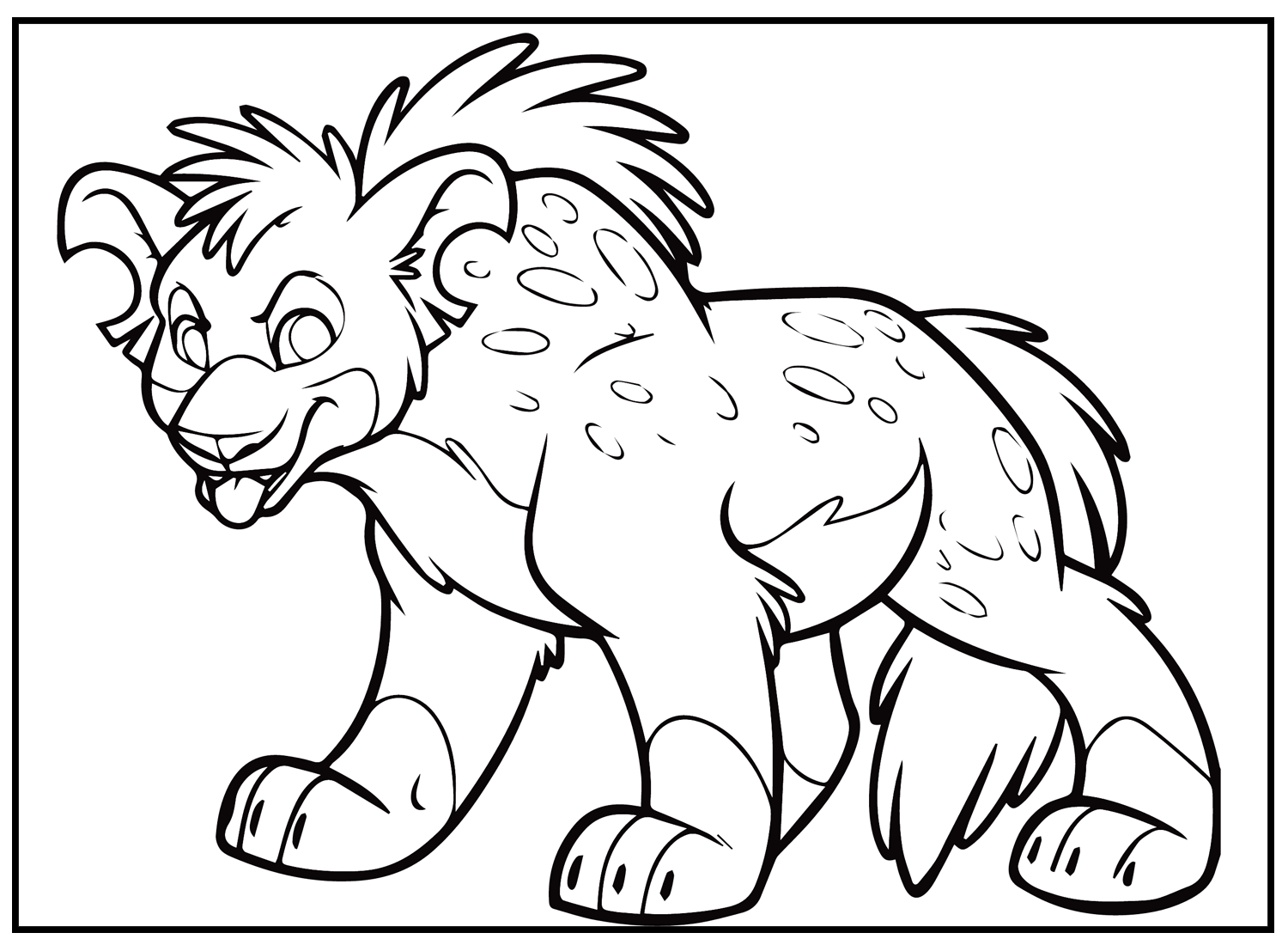
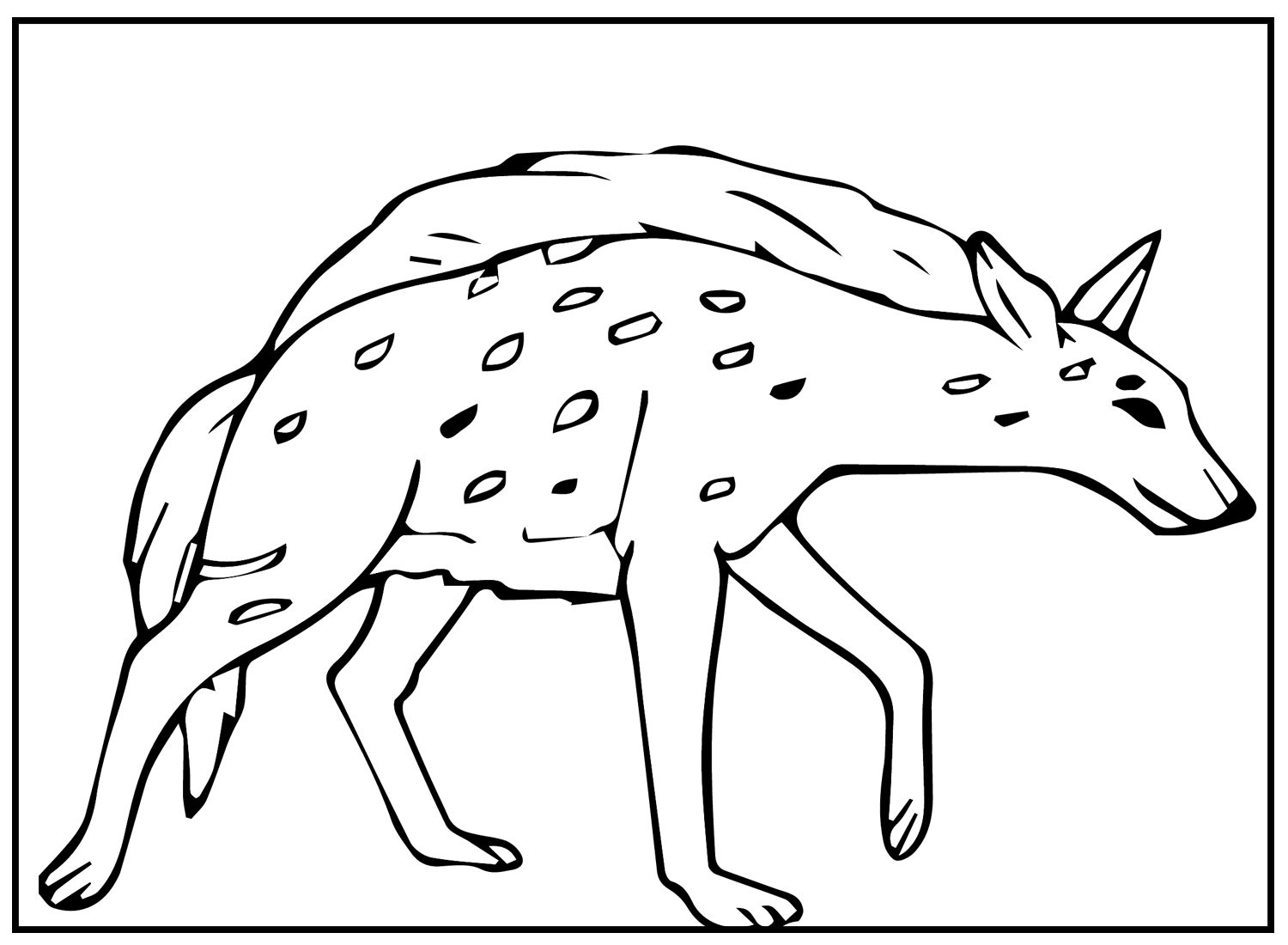
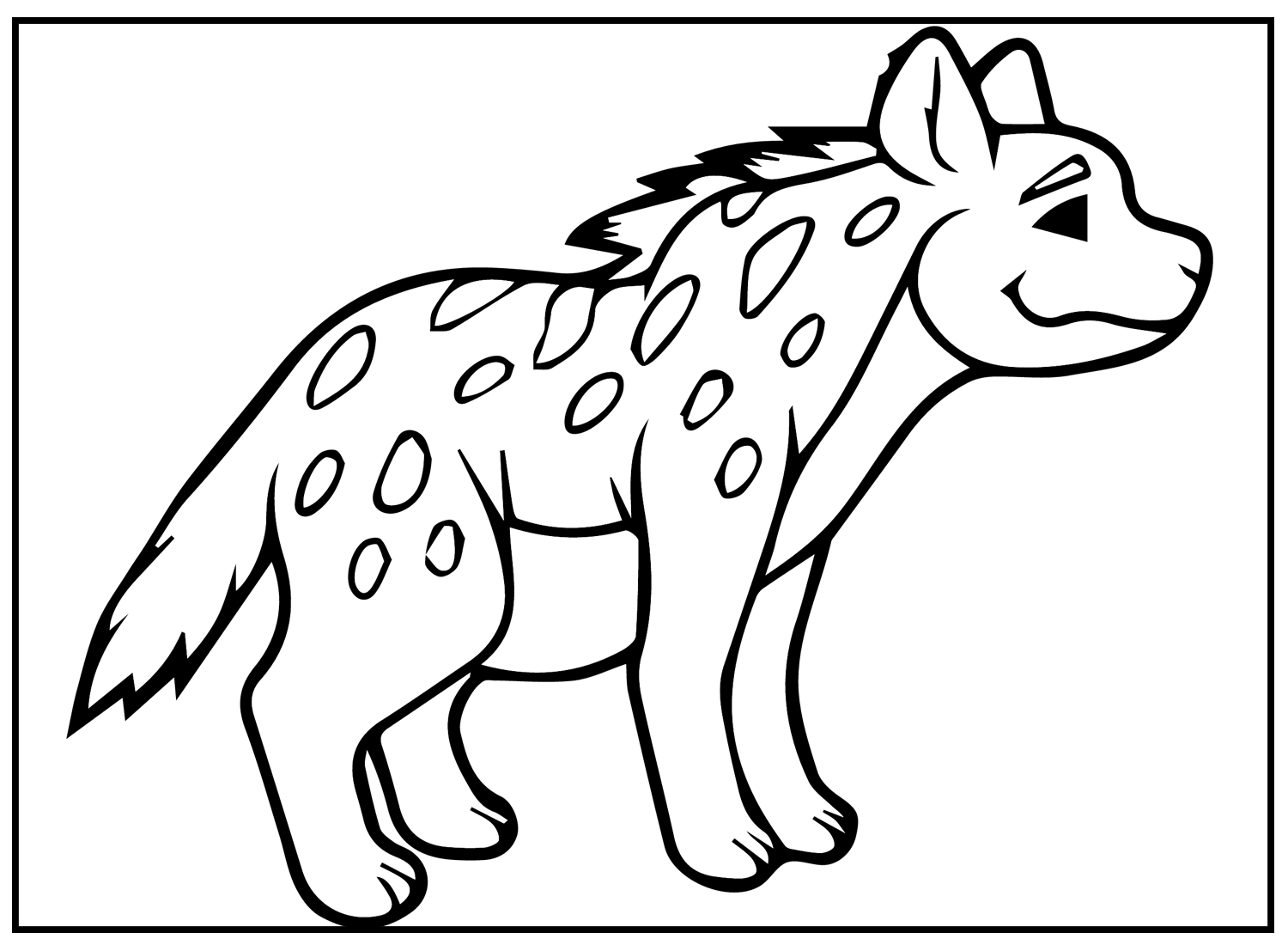
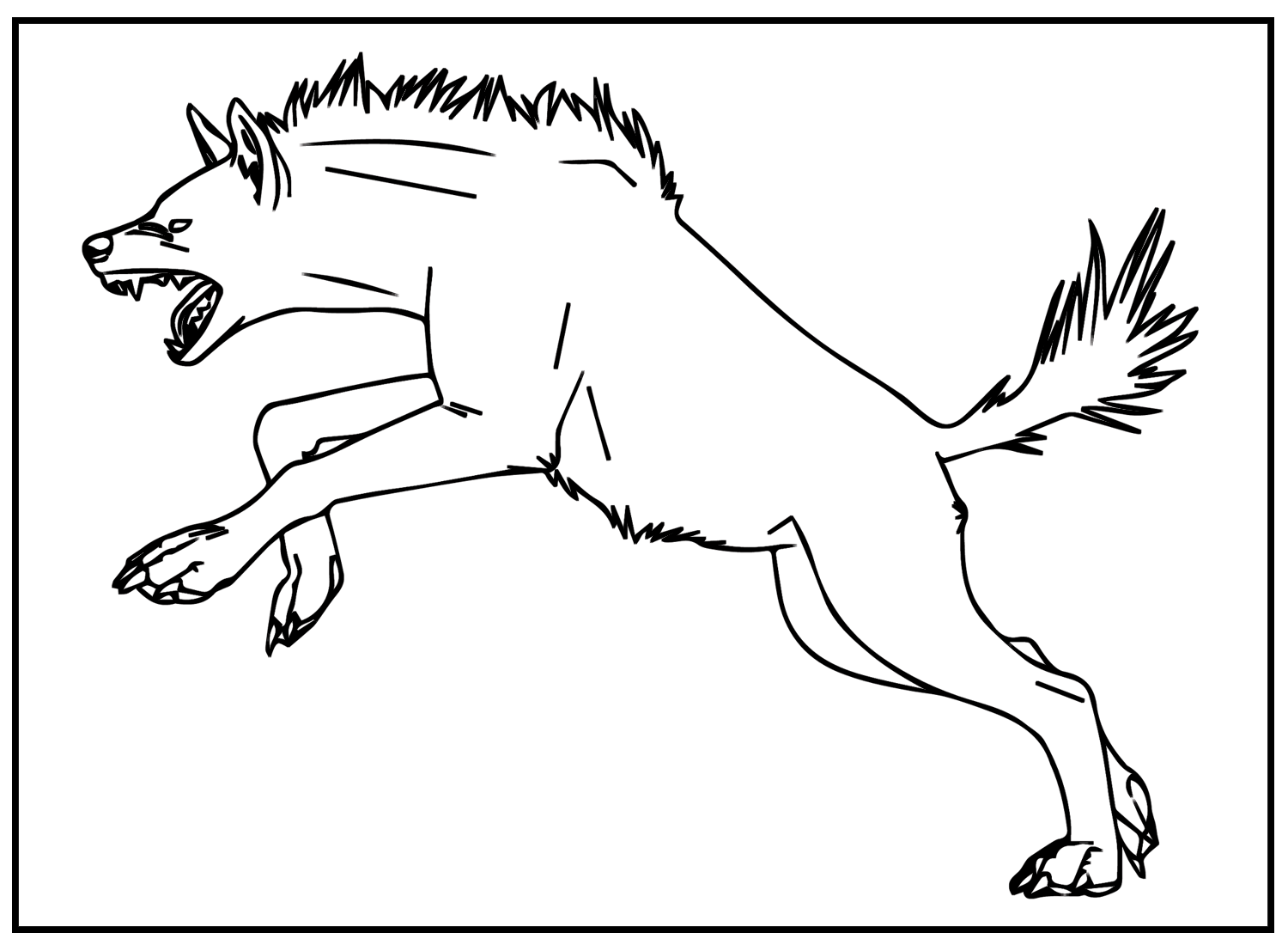
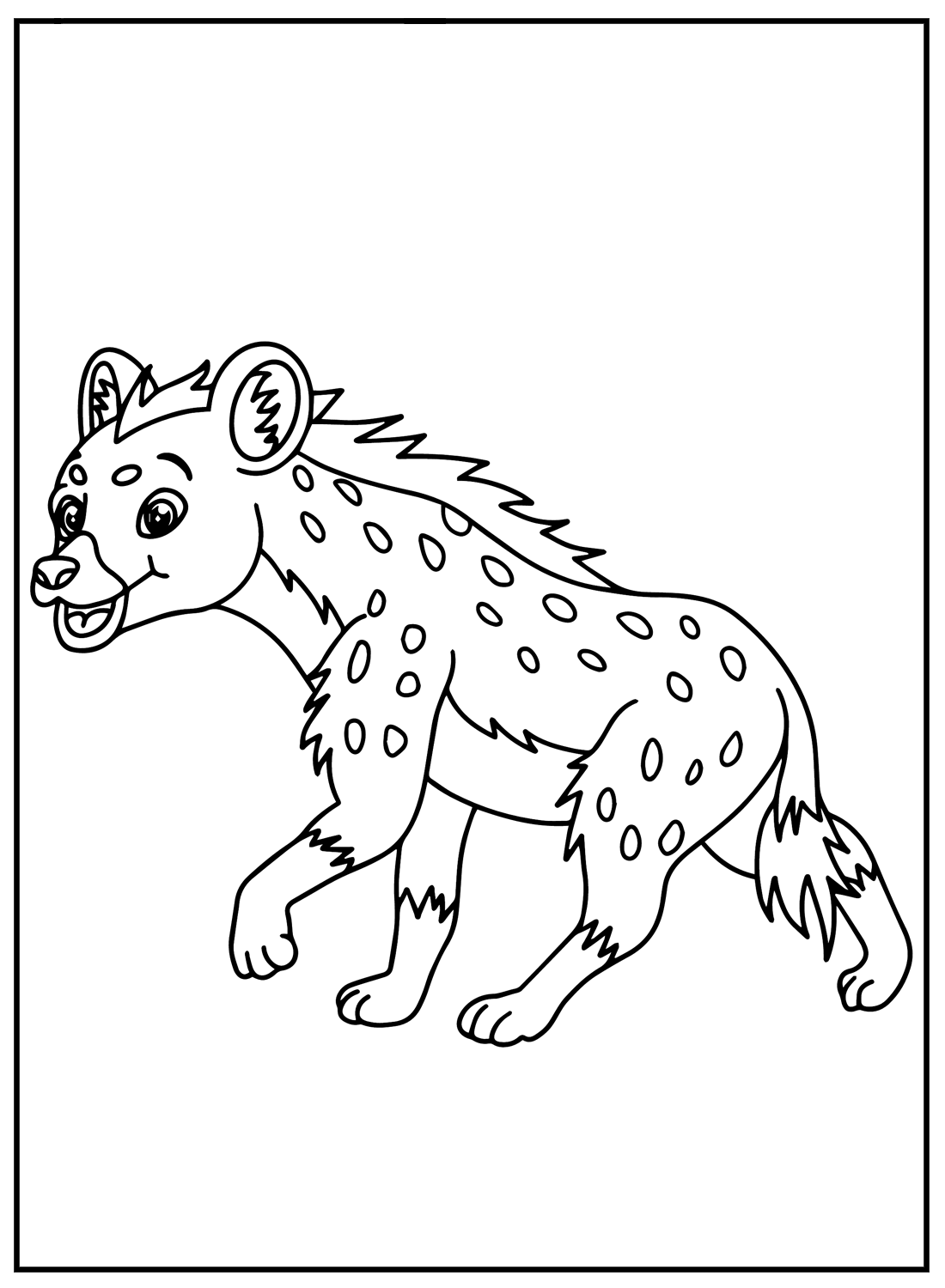
This collection spans 38 pages, grouped into laughing and expressive designs, classic portraits and drawings, printable sheets, cute and baby-style art, and species-specific portraits. The coloring angle ranges from simple, standalone faces to fuller, expressive poses.
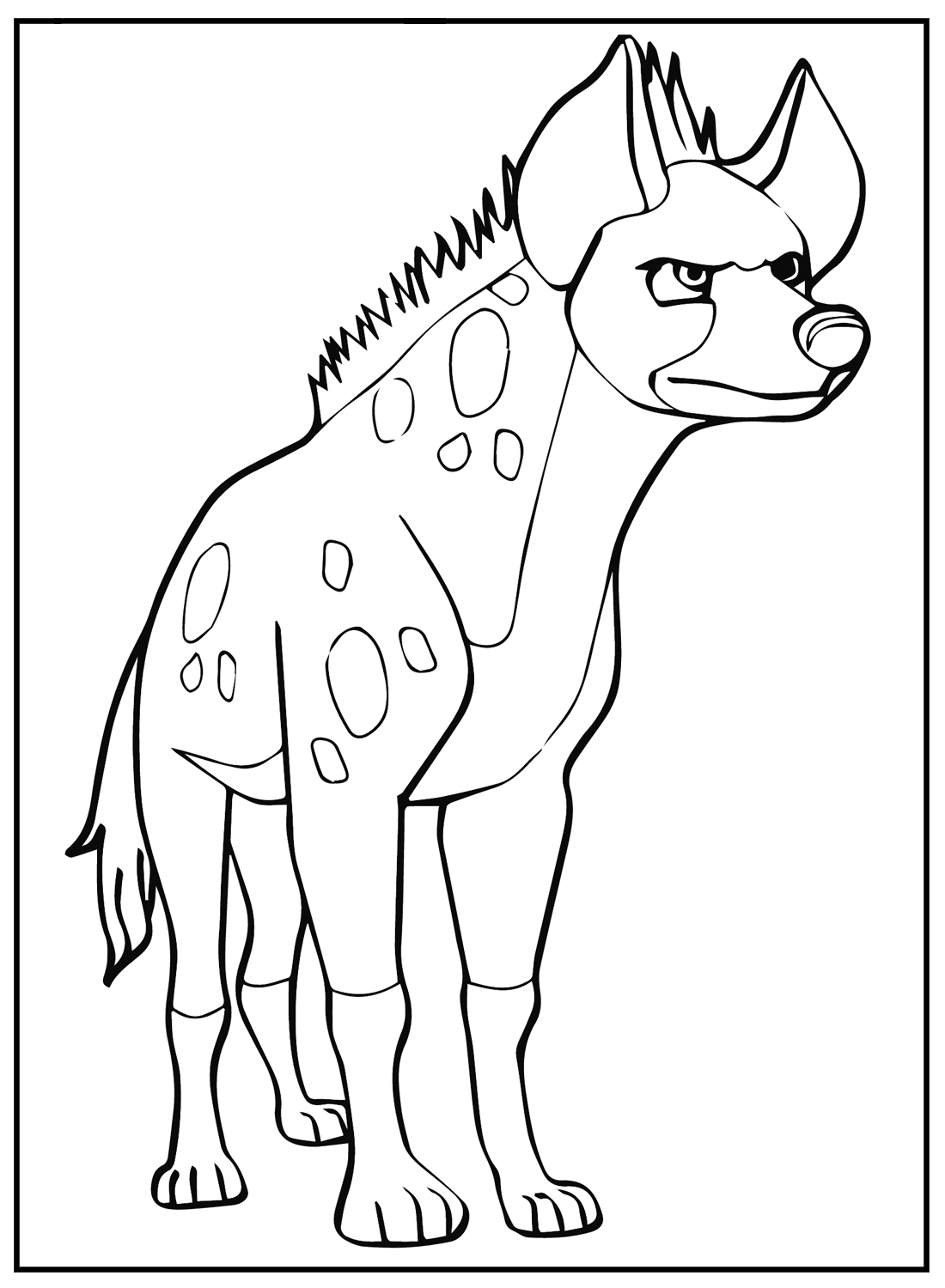
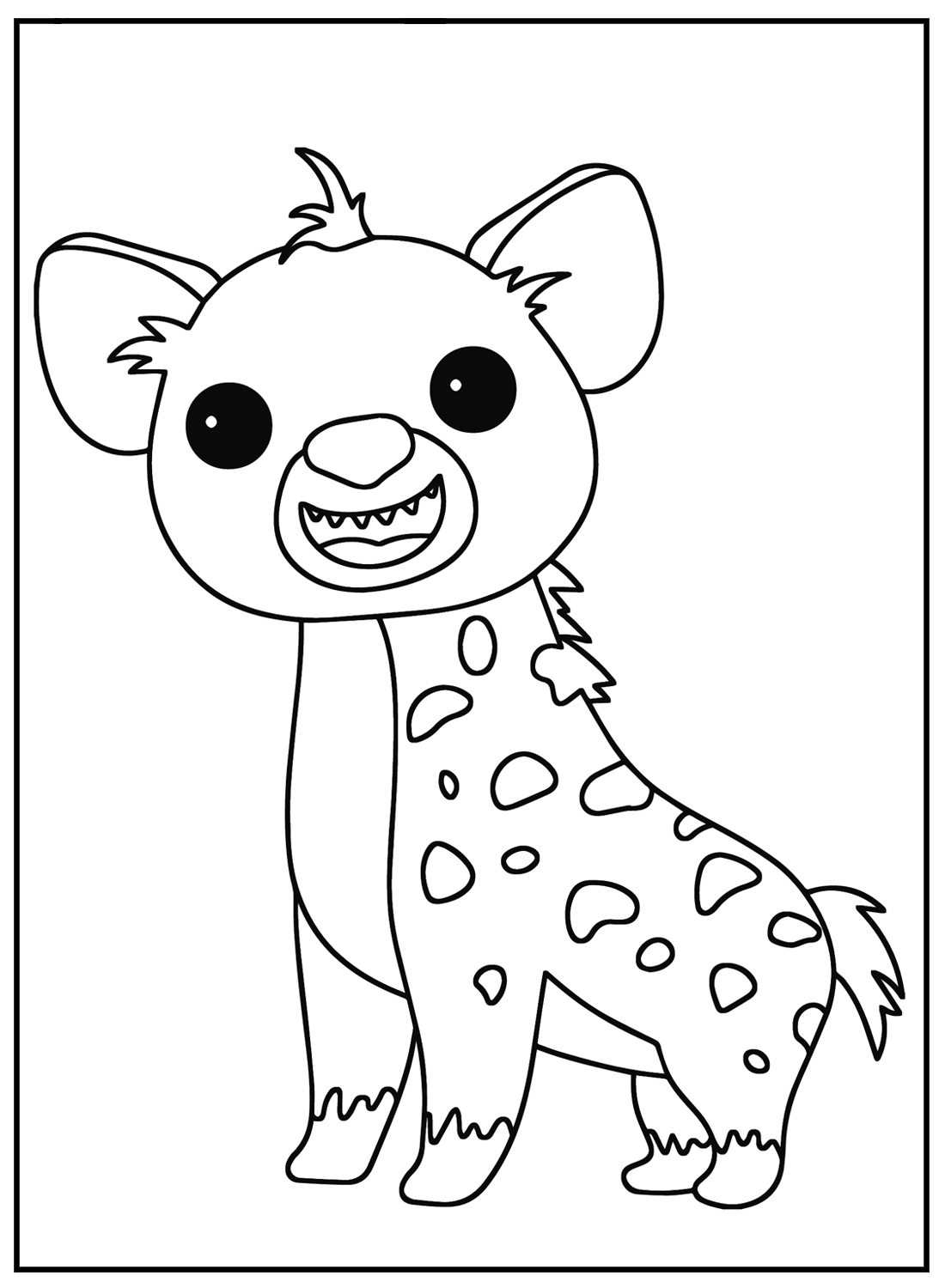
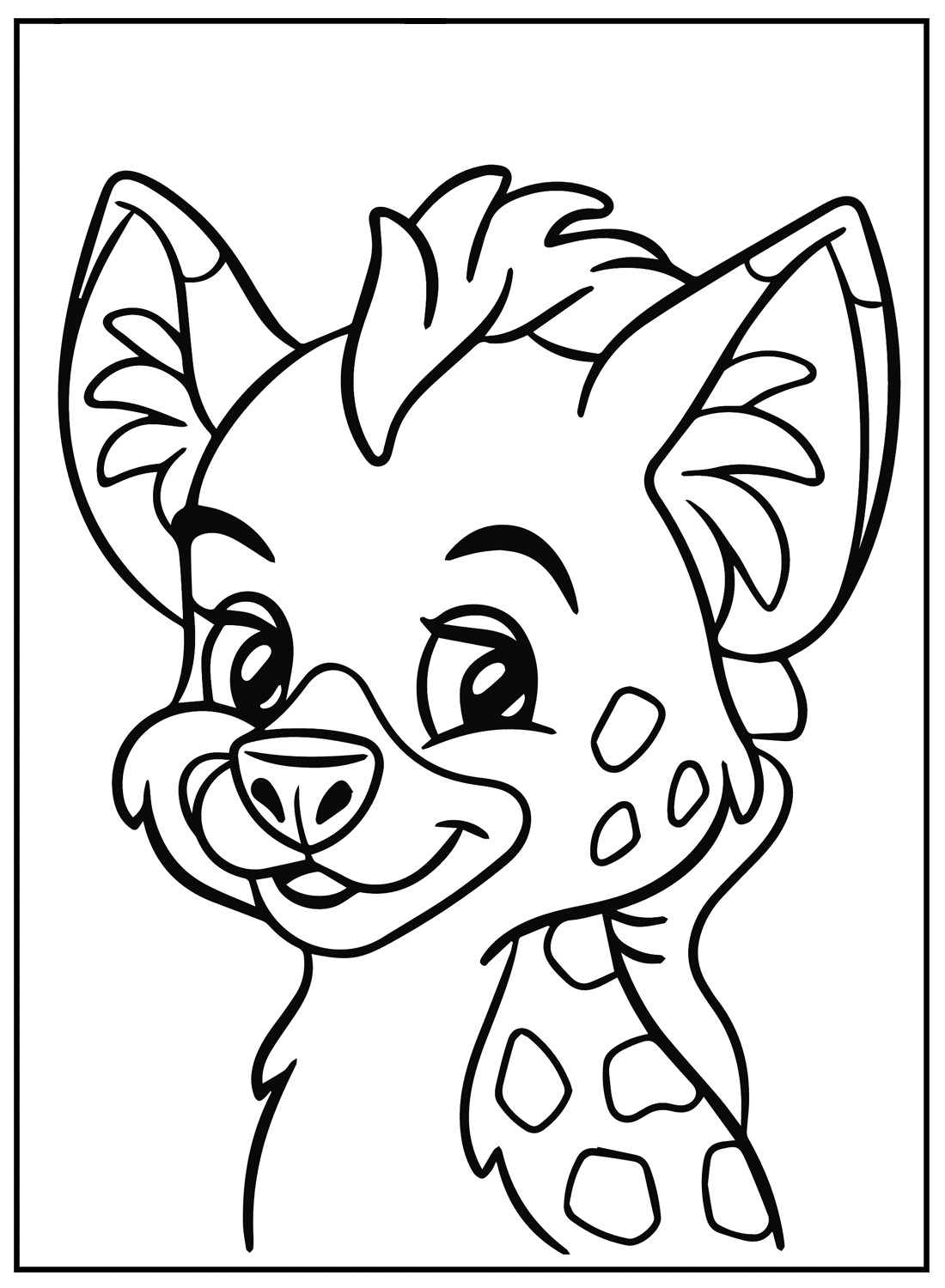
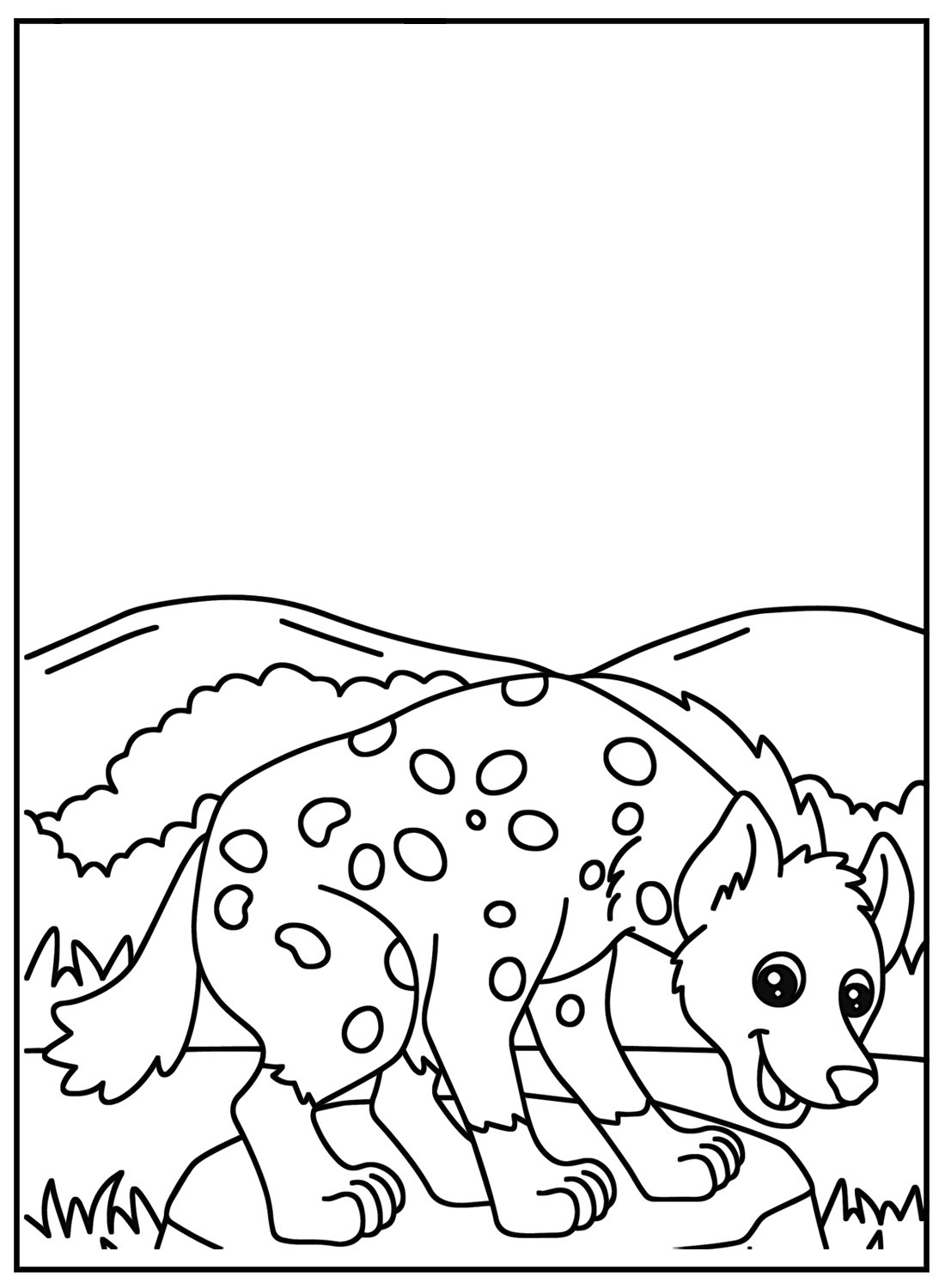
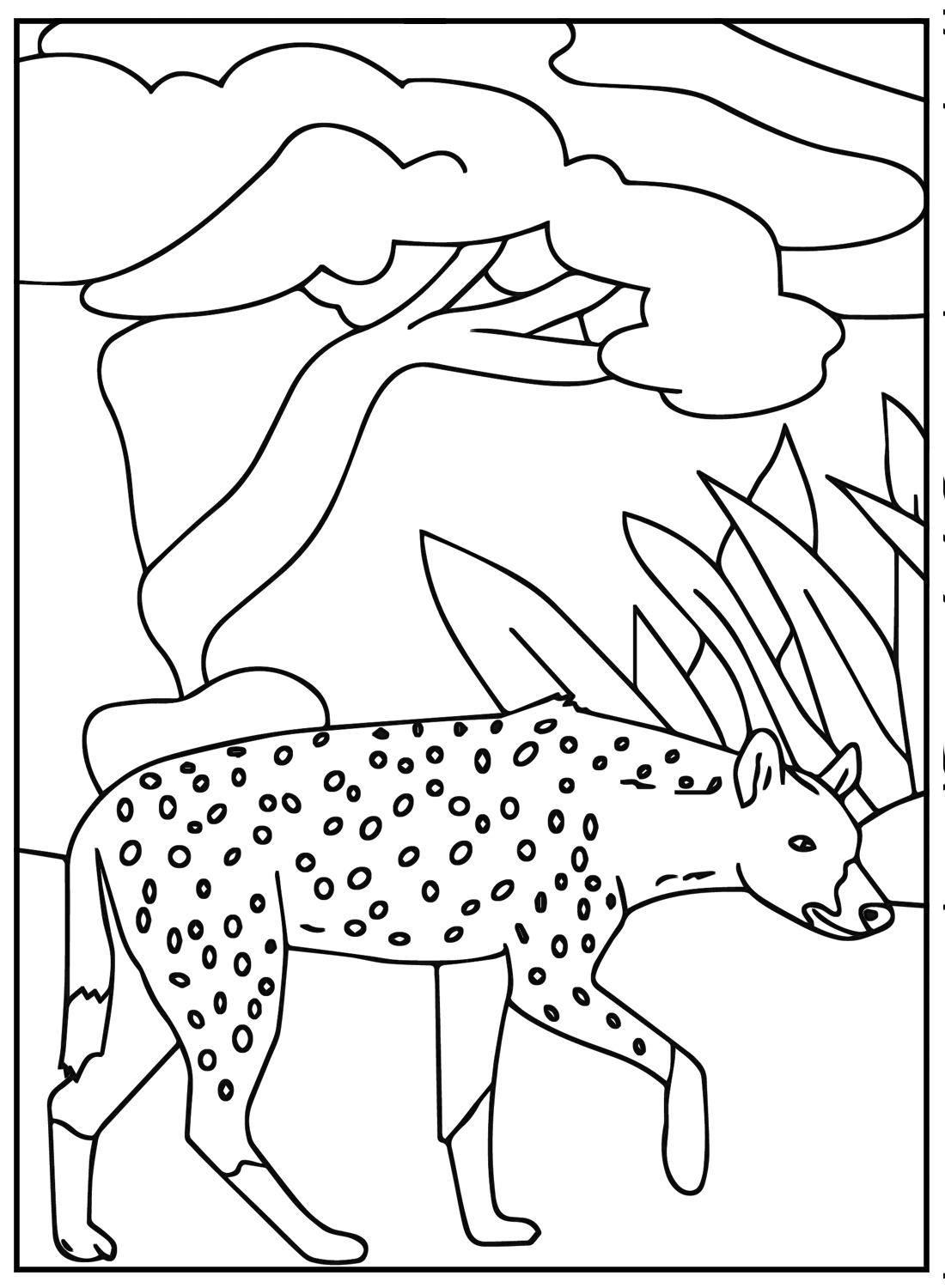
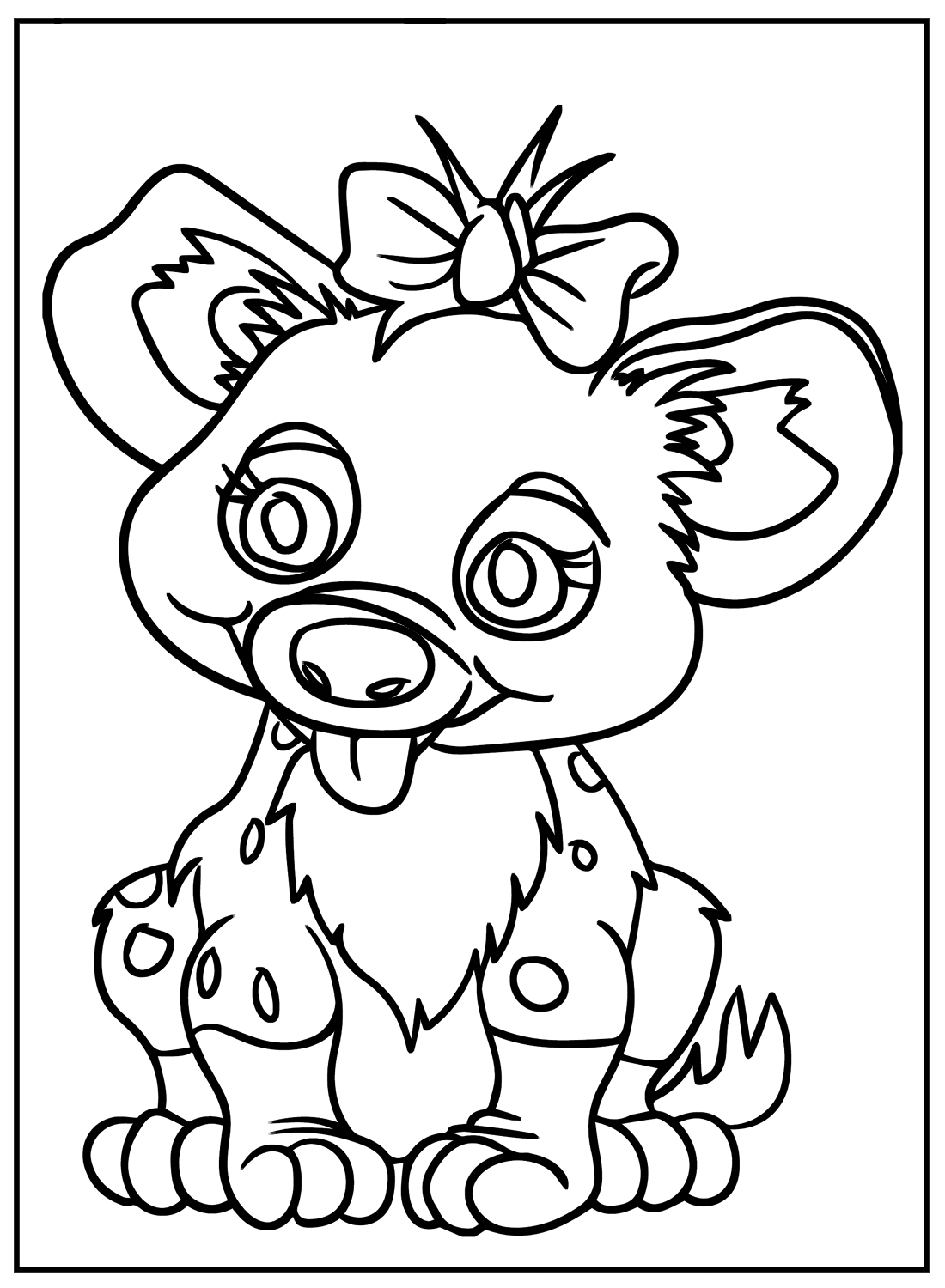
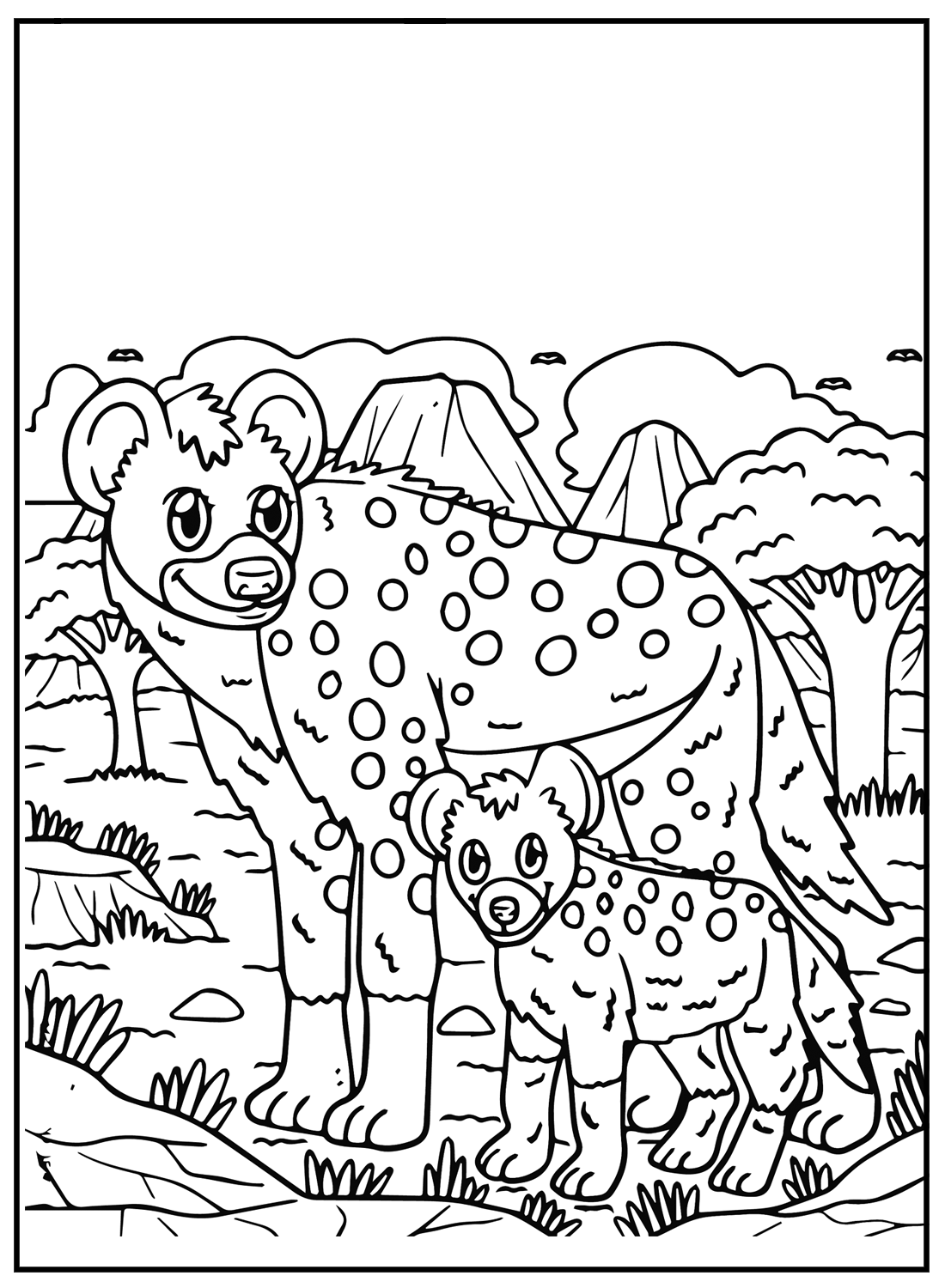
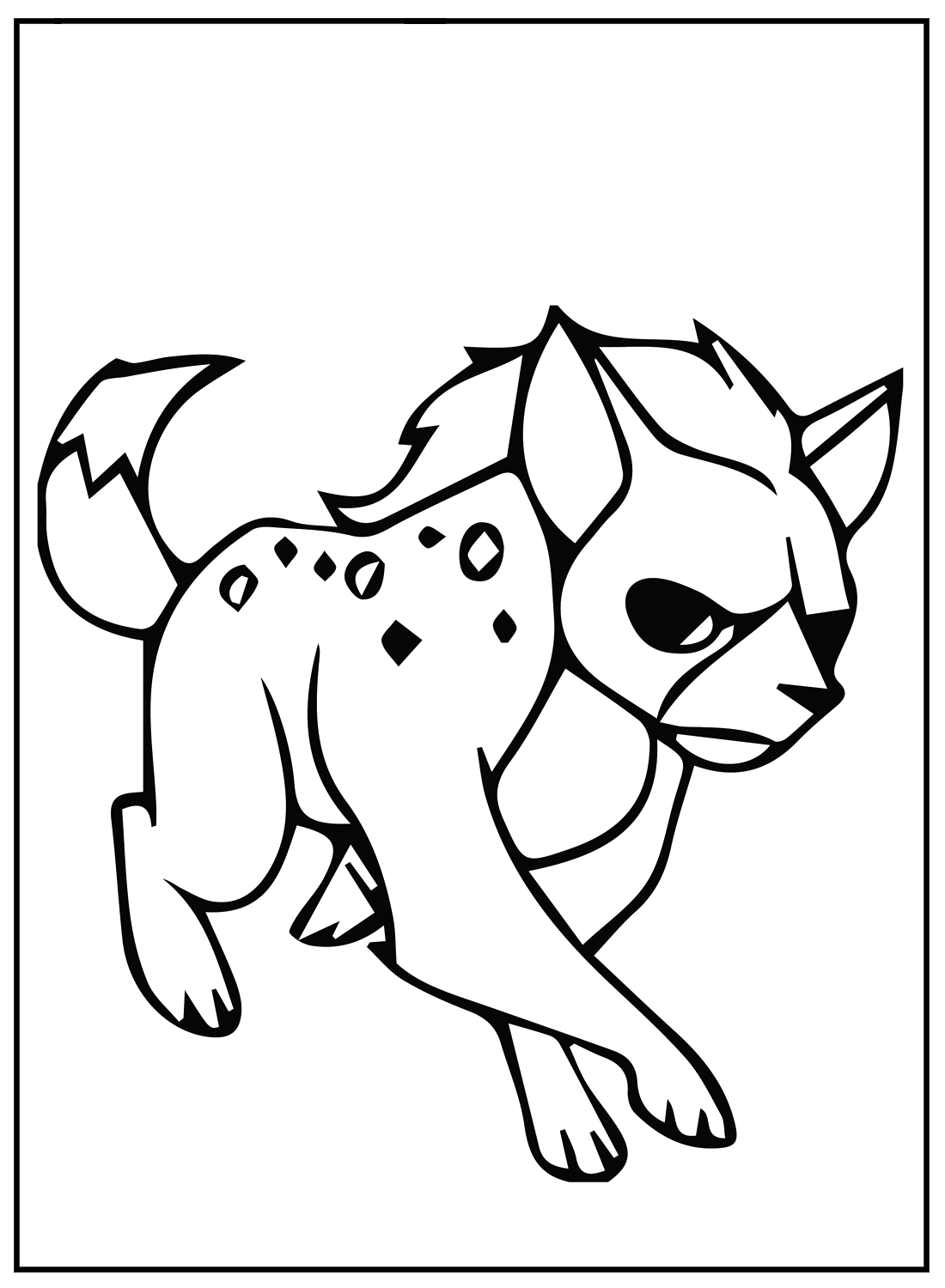

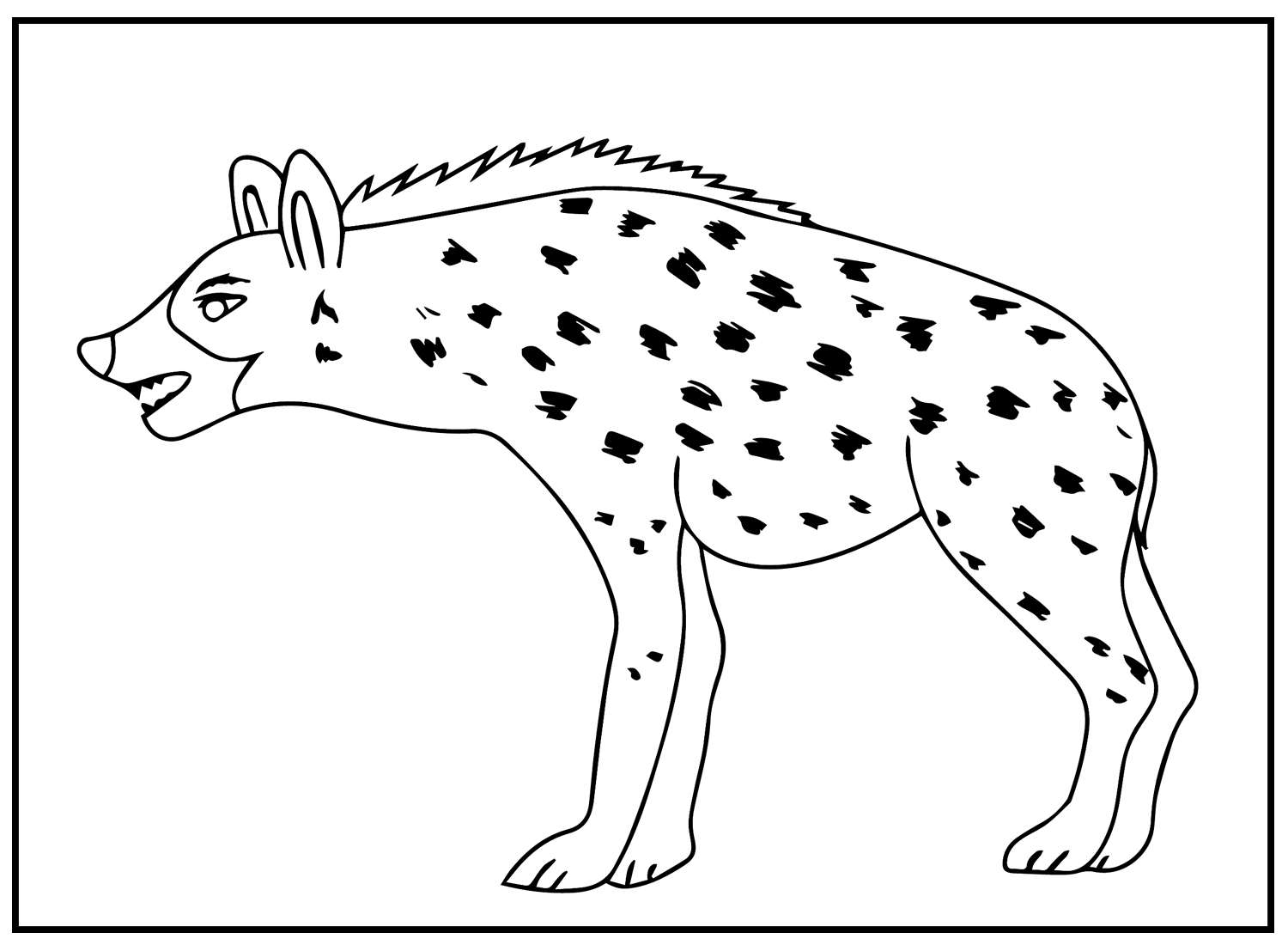
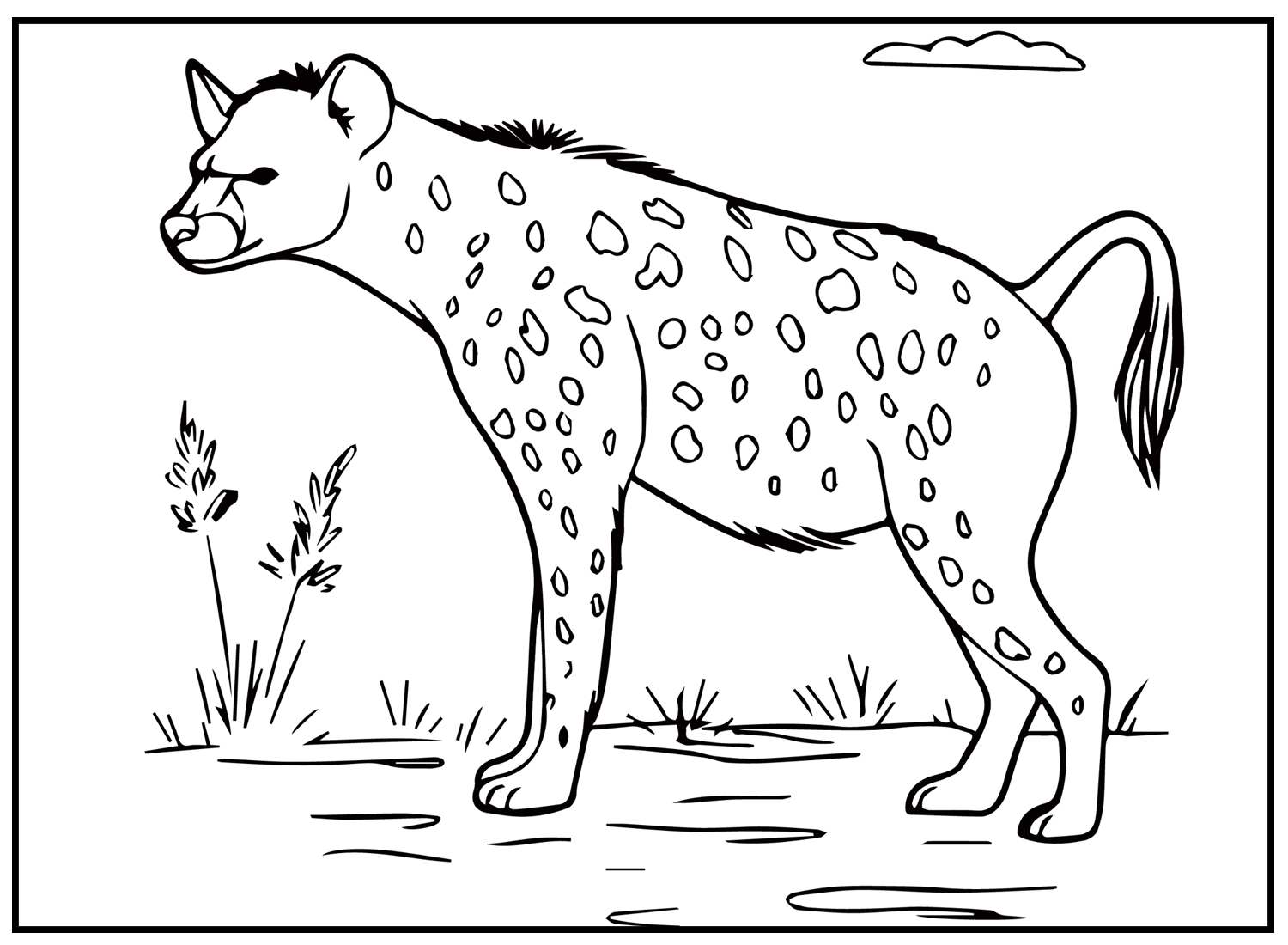
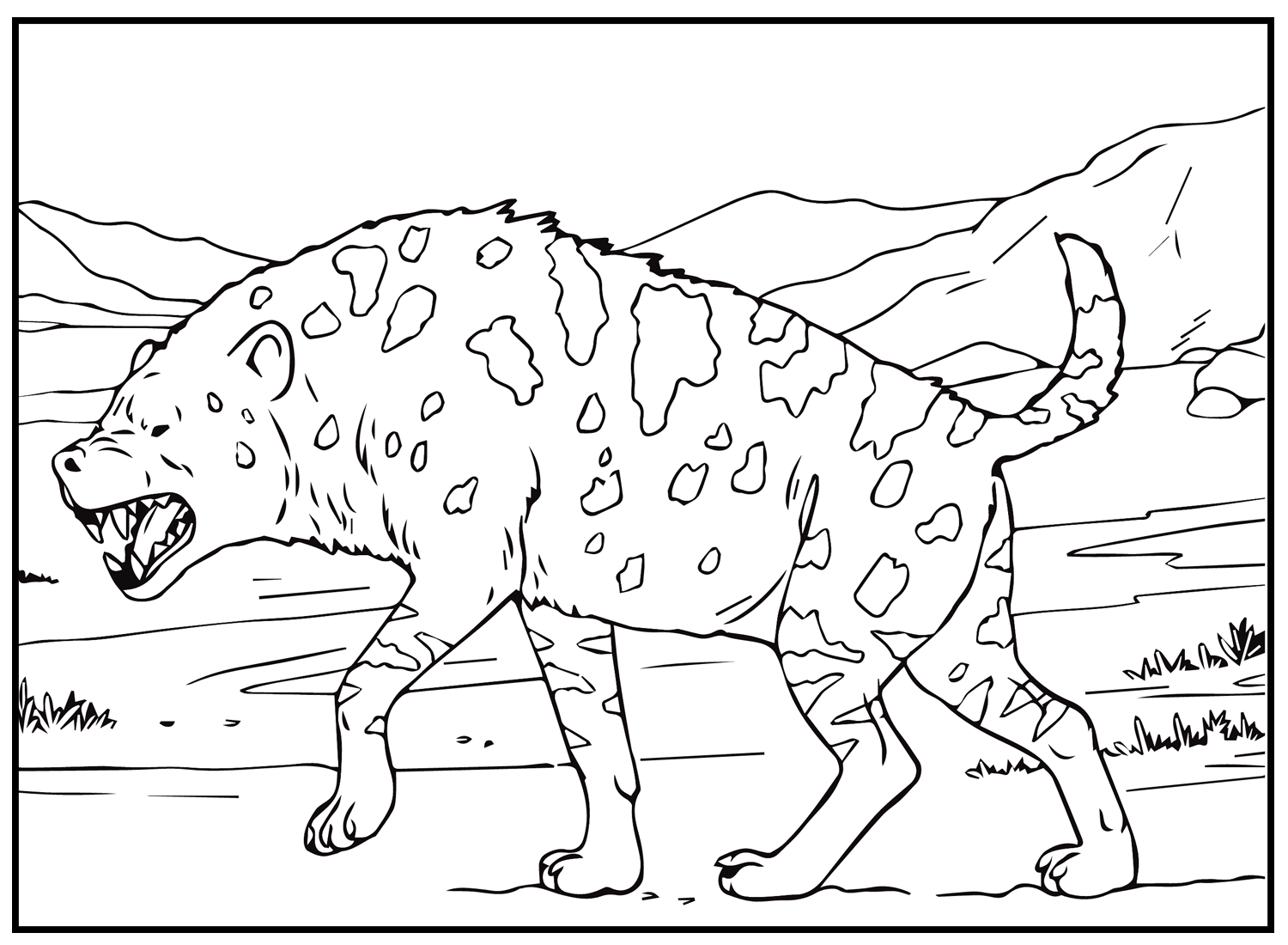
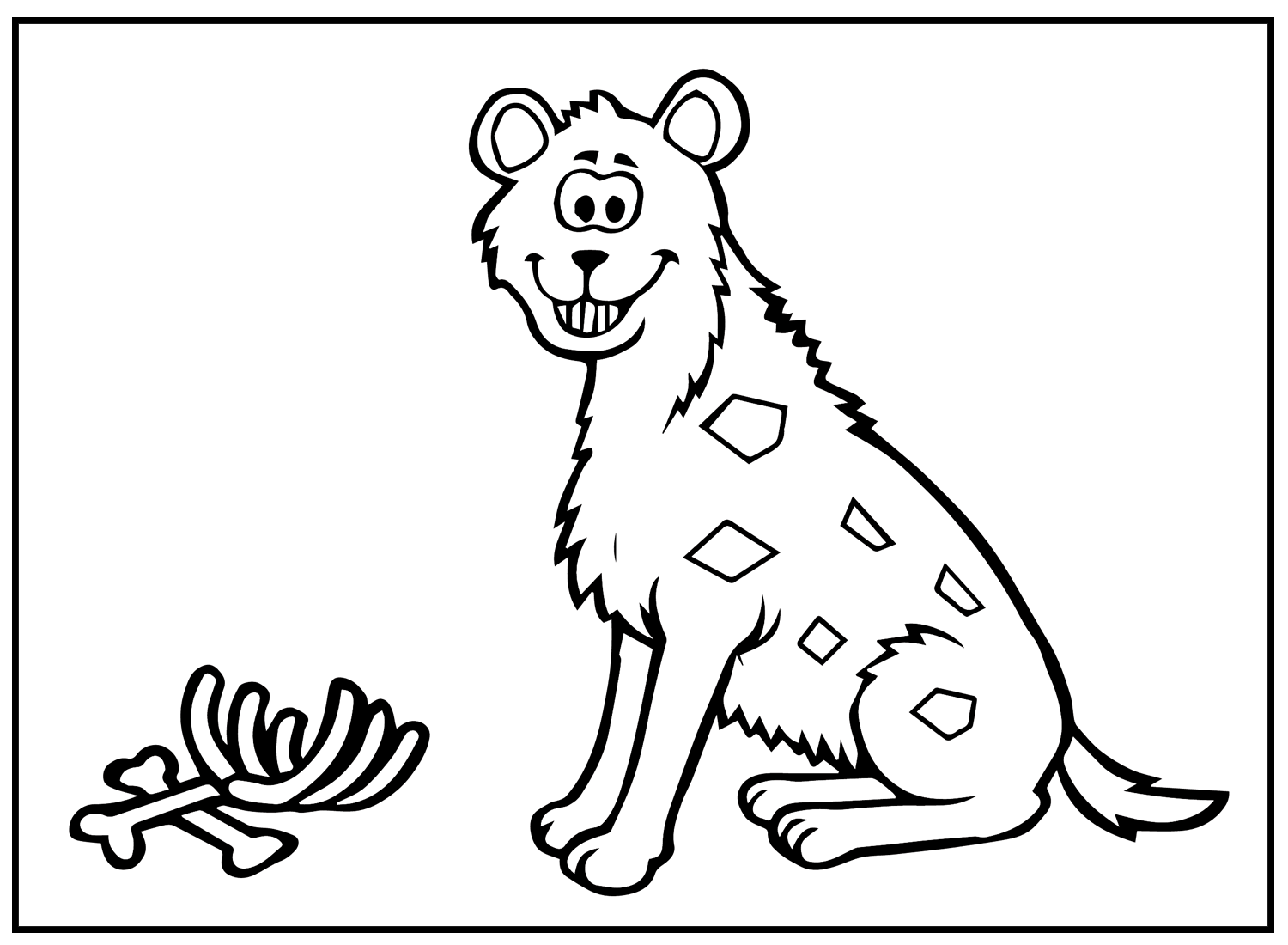
What’s Inside This Collection
The 38 designs group into five categories, from expressive faces to species-specific portraits.
Laughing and Expression Designs
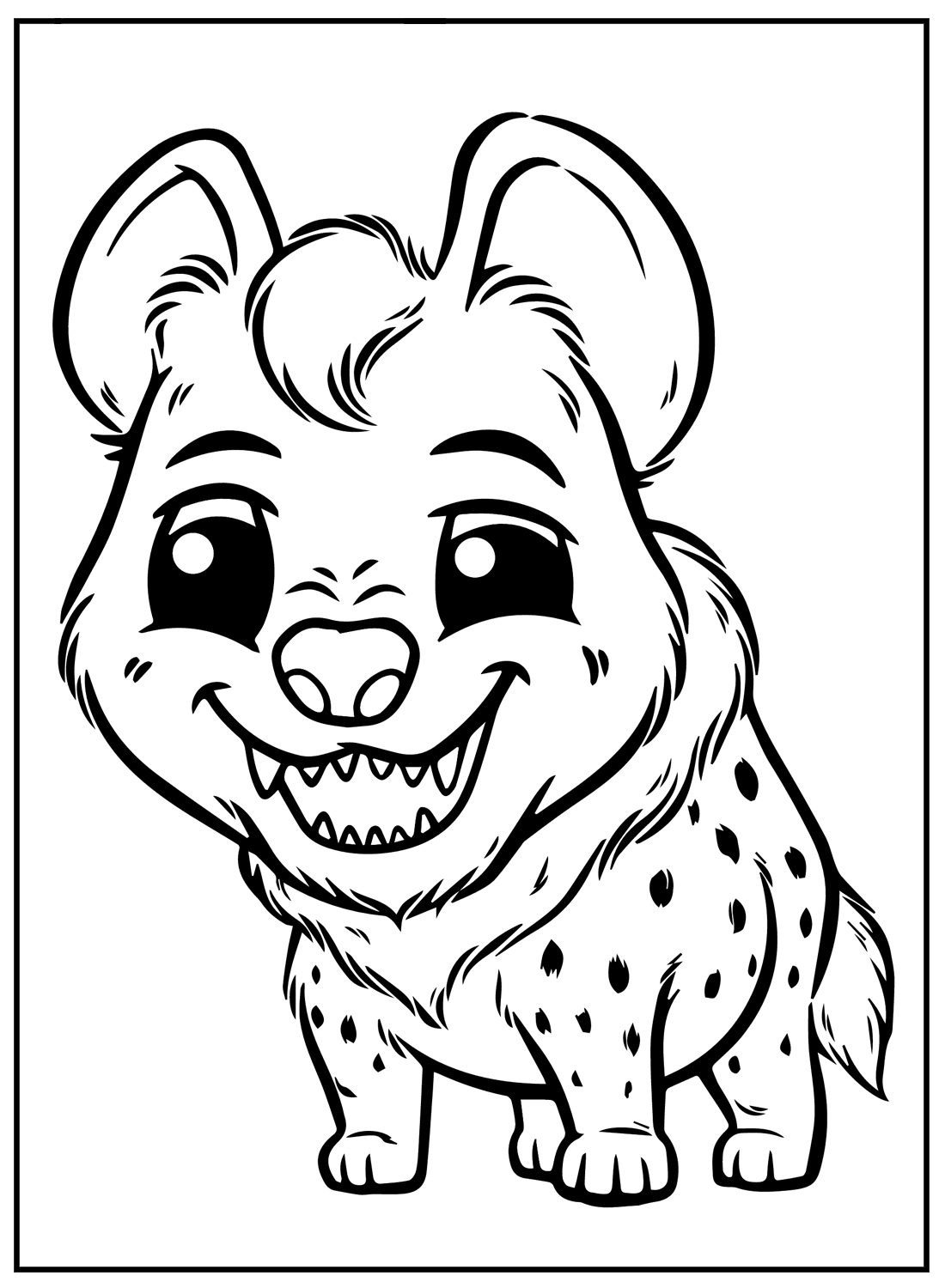
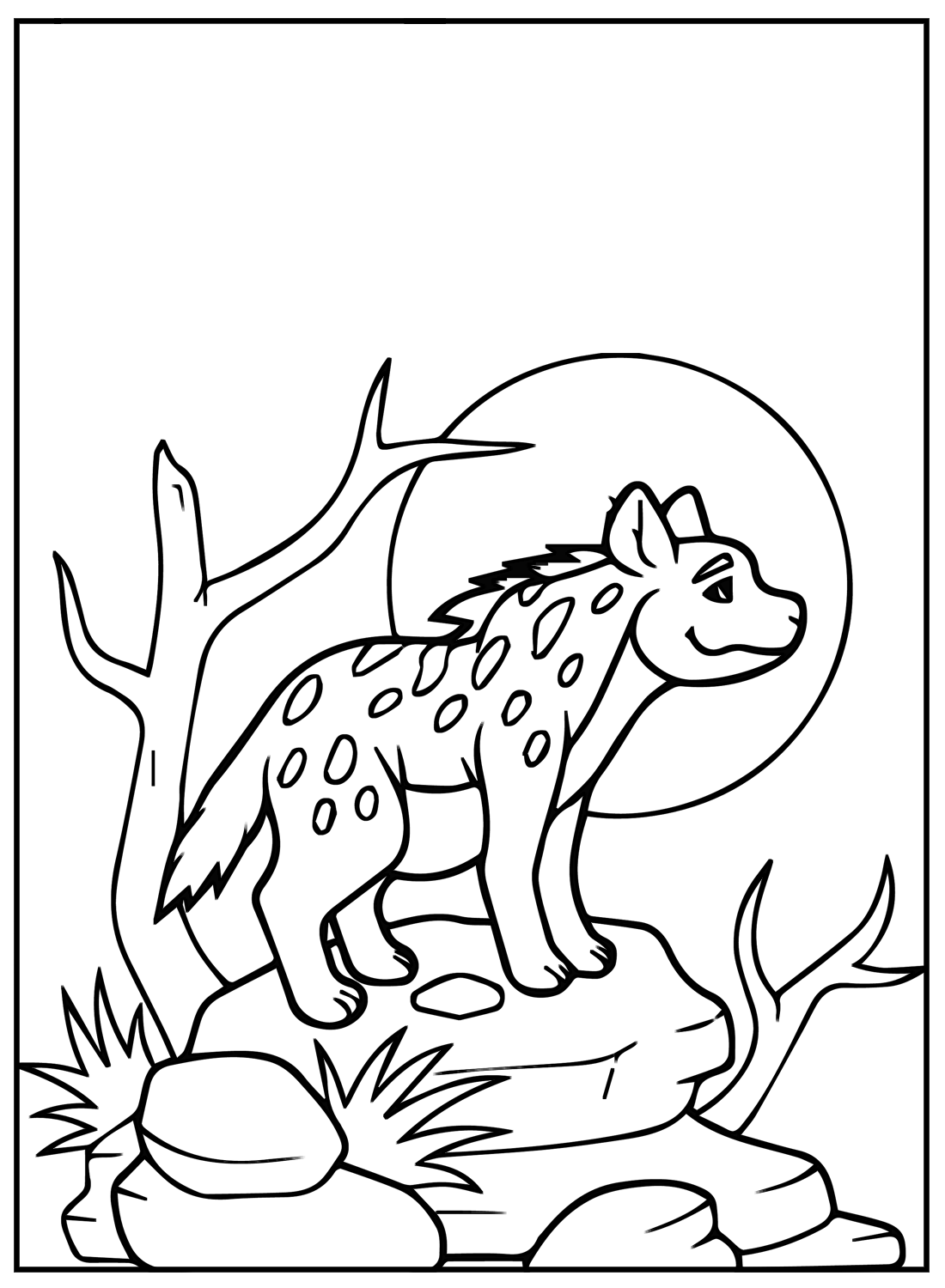
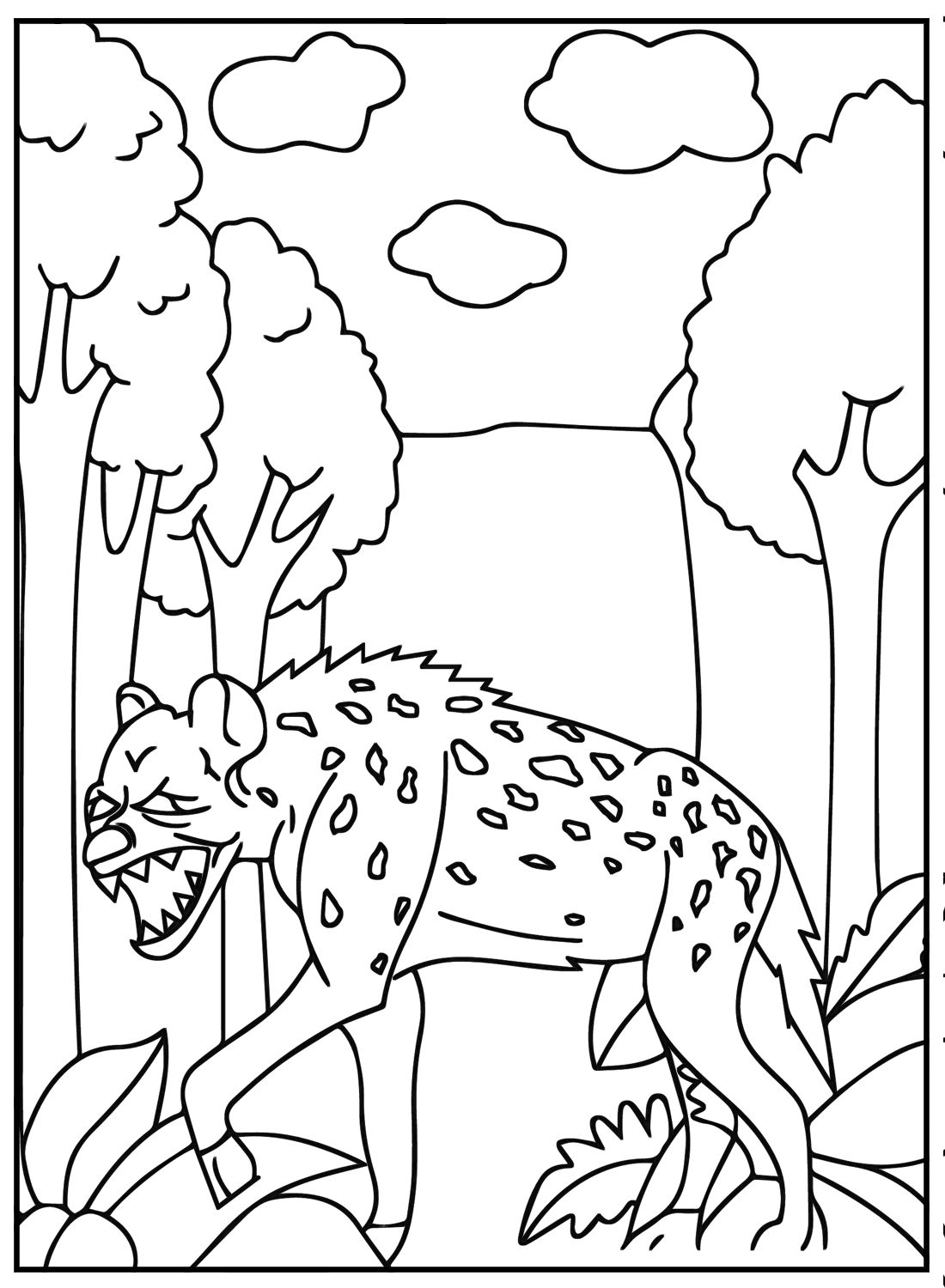
Eight pages capture the hyena’s famous vocalization along with other expressions, including happy, smiling, and angry poses, suited to colorists who want to focus on facial expression.
Classic Portraits and Drawings
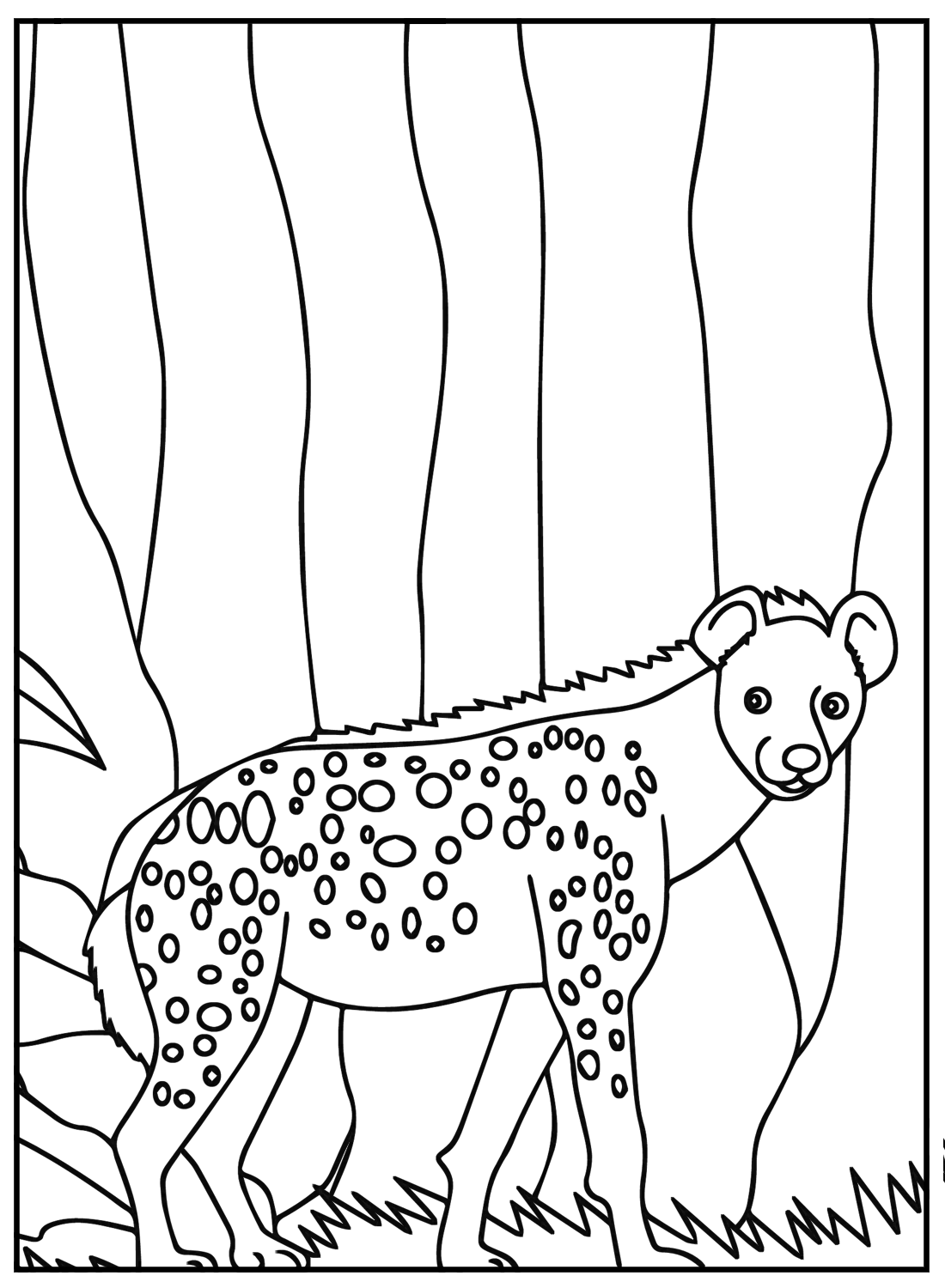
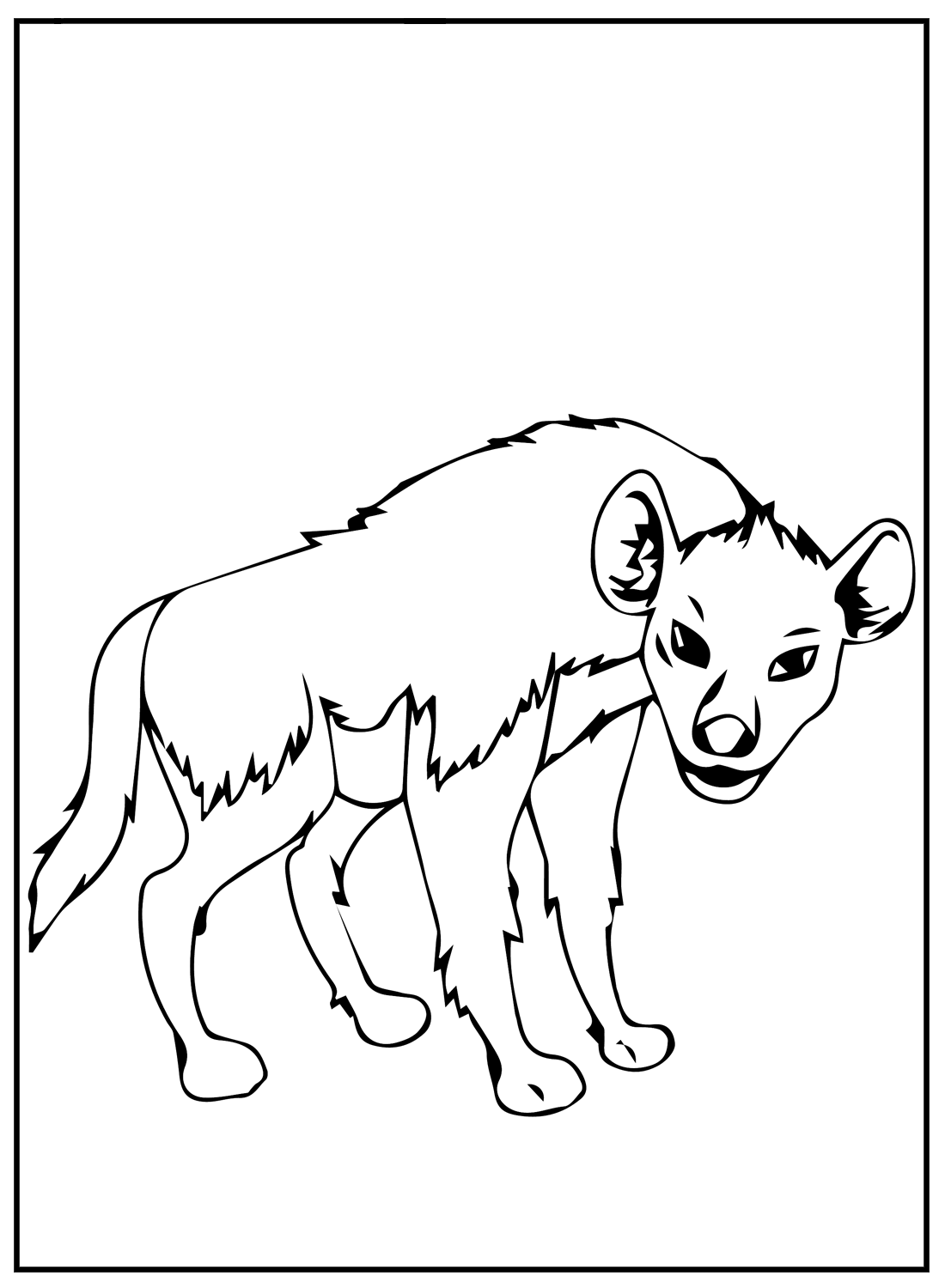
Thirteen pages show a straightforward hyena portrait or sketch-style drawing, making up the largest share of the collection and offering a range of poses to choose from.
Printable and Free Sheets
Seven pages are formatted as general printable sheets, useful for a quick, single-session print at home or in the classroom.
Cute, Baby, and Pet Designs
Seven pages use a softer, rounder art style, including a baby hyena design, suited to younger colorists who prefer simpler, more approachable line work.
Species-Specific Portraits
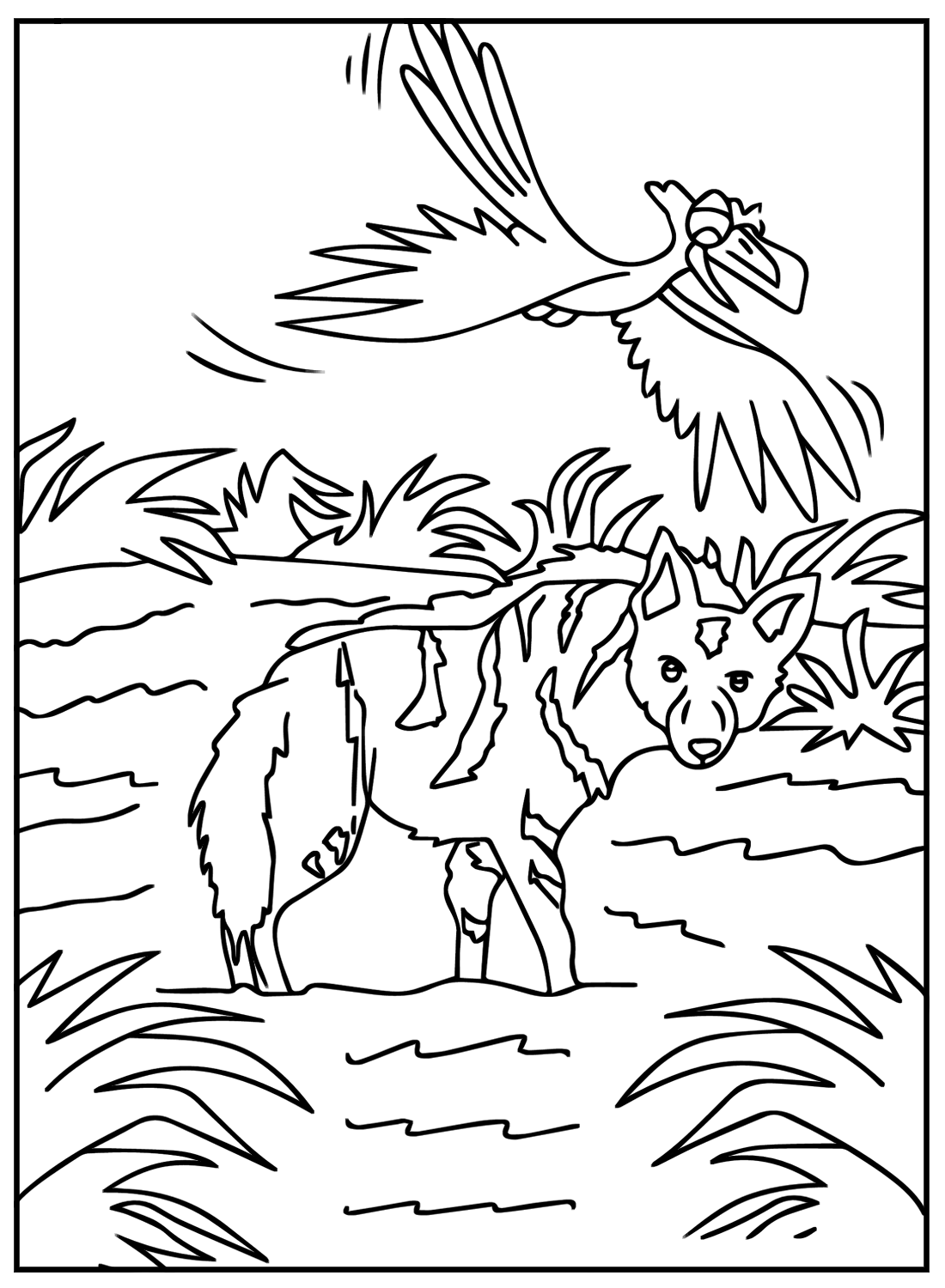
Three pages focus on a specific hyena species, spotted, striped, and brown, each with its own distinct coat pattern.
What Hyena Coloring Pages Do
A coat with no two spots quite alike. A spotted hyena’s fur is covered in irregular dark spots scattered unevenly across a sandy-brown coat, and filling in that many small, uneven shapes without letting them blur together calls for real hand control. The American Academy of Pediatrics ties that small-scale, contained pencil work to fine motor skill development in children ages 2 through 7.
A chance to correct a common misconception. The hyena’s famous “laugh” is not actually a sign of amusement; researchers describe it as a signal of submission, excitement, or distress, so a coloring session built around this collection’s laughing and smiling designs offers a natural opening to share the real story behind the sound.
A subject with a genuinely social side. A 2005 study in the Art Therapy Journal found that structured coloring sessions produced measurable reductions in anxiety, and spending a slow, focused session with an animal known for its own complex, cooperative clan life adds a small extra layer of connection to that calming activity.
Telling three coat patterns apart. Because this collection includes spotted, striped, and brown hyena designs side by side, colorists get practice noticing how each species’ real coat pattern differs, a small, concrete lesson in animal identification built directly into the coloring choices.
How to Color Hyena Pages Well
- Spotted hyena: Use a sandy Tan or light Brown base with irregular Dark Brown or Black spots scattered unevenly across the body, avoiding a repeating or symmetrical pattern.
- Striped hyena: Use a grayish Tan base with vertical Dark Brown or Black stripes, and add a shaggy Gray mane along the back and neck for its distinctive silhouette.
- Brown hyena: Use a shaggy dark Brown coat with a lighter Tan or Cream neck and shoulder area, since this species has a longer, coarser coat than the spotted hyena.
- Eyes and expression: Use Amber or dark Brown for the eyes, and for the laughing or smiling designs, keep the mouth a soft Pink to stand out against the surrounding fur.
- Ears and legs: Keep ears a slightly darker shade of the base coat color, and use the same tone on the lower legs and paws for a consistent, natural look.
- Backgrounds: Keep backgrounds simple with dry Tan, Gold, or soft Green tones to suggest an African savanna setting without distracting from the animal itself.
5 Creative Craft Ideas With Hyena Coloring Pages
1. Savanna Diorama
Color a hyena page, cut it out, and stand it up inside a shoebox decorated with dry grass and simple sun details for a mini savanna scene.
2. Animal Fact Poster
Color a hyena page, glue it onto poster board, and add three or four hyena facts around it for a simple classroom animal report.
3. Greeting Card
Fold cardstock in half, glue on a colored hyena design, and write a message inside for a friend who loves animals or wildlife.
4. Species Comparison Chart
Color the spotted, striped, and brown hyena pages, mount them side by side on poster board, and label each with its name to build a simple species comparison chart.
5. Paper Bookmark
Cut a small colored hyena design into a bookmark shape and use it to mark a place in a favorite animal book.
Frequently Asked Questions
What are Hyena coloring pages?
Hyena coloring pages are printable line-art designs featuring spotted, striped, and brown hyenas in classic portraits, expressive poses, and cute or baby-style designs. This collection includes 38 free designs available as PDFs or online coloring.
How many species of hyena are there?
There are four living hyena species: the spotted hyena, striped hyena, brown hyena, and the aardwolf, an insect-eating relative found across Africa and parts of the Middle East and South Asia.
Why do hyenas “laugh”?
The spotted hyena’s giggle-like vocalization is not a sign of amusement; researchers describe it as a signal of submission, excitement, or distress, most often heard during feeding or when other predators chase hyenas.
What is a hyena clan?
A hyena clan is a social group of spotted hyenas, sometimes including up to 80 members, organized in a matriarchal hierarchy where social rank is passed down through female family lines.
Are hyenas more closely related to dogs or cats?
Despite their dog-like faces, hyenas are more closely related to cats, mongooses, and civets than to dogs.
What do hyenas eat?
Hyenas are opportunistic feeders. Spotted hyenas are skilled hunters that also scavenge, while striped and brown hyenas rely more heavily on scavenging, and the aardwolf feeds almost exclusively on termites.
Are Hyena coloring pages suitable for young children?
Yes. The simple portrait and baby-style designs in this collection use bold, uncluttered outlines suited to preschool and early elementary colorists, while the expressive and species-specific designs offer more detail for older kids.
What is a hyena’s bite force known for?
The spotted hyena has one of the strongest bite forces relative to body size of any mammal, powerful enough to crush bone, which supports its role as both a hunter and a scavenger.
Start Coloring
Download any page by clicking the design. No account, email, or payment is required. Pages print directly from the browser at full resolution or open in the online coloring tool for screen use. Share finished pages on Facebook or Pinterest with the share buttons at the top of each design page.