Hydra Coloring Pages
 By:
Jennifer Thoa - Content Editor & Designer
Updated:
By:
Jennifer Thoa - Content Editor & Designer
Updated:
Free Hydra Coloring Pages: 29 printable PDF designs featuring the multi-headed serpent from Greek mythology, spanning realistic depictions, cartoon and fantasy styles, and scenes with Hercules. Every page can be downloaded as a PDF to print or colored online in the browser, with no account required.
The Lernaean Hydra was first recorded in Hesiod’s Theogony in the eighth century BCE, described as a swamp-dwelling water serpent with multiple heads and one immortal head at its center. Ancient sources most commonly describe the Hydra with nine heads, though the exact number varies between retellings. Slaying the Hydra was the second of the Twelve Labors of Heracles, and he could only succeed with help from his nephew Iolaus, who cauterized each neck with fire immediately after Heracles cut a head off, preventing the two replacement heads from growing back.
With 29 pages ranging from mythologically grounded depictions to cartoon-friendly and fantasy reinterpretations, the set gives colorists a wide range of tones to choose from for the same ancient monster.

What Is Inside This Collection
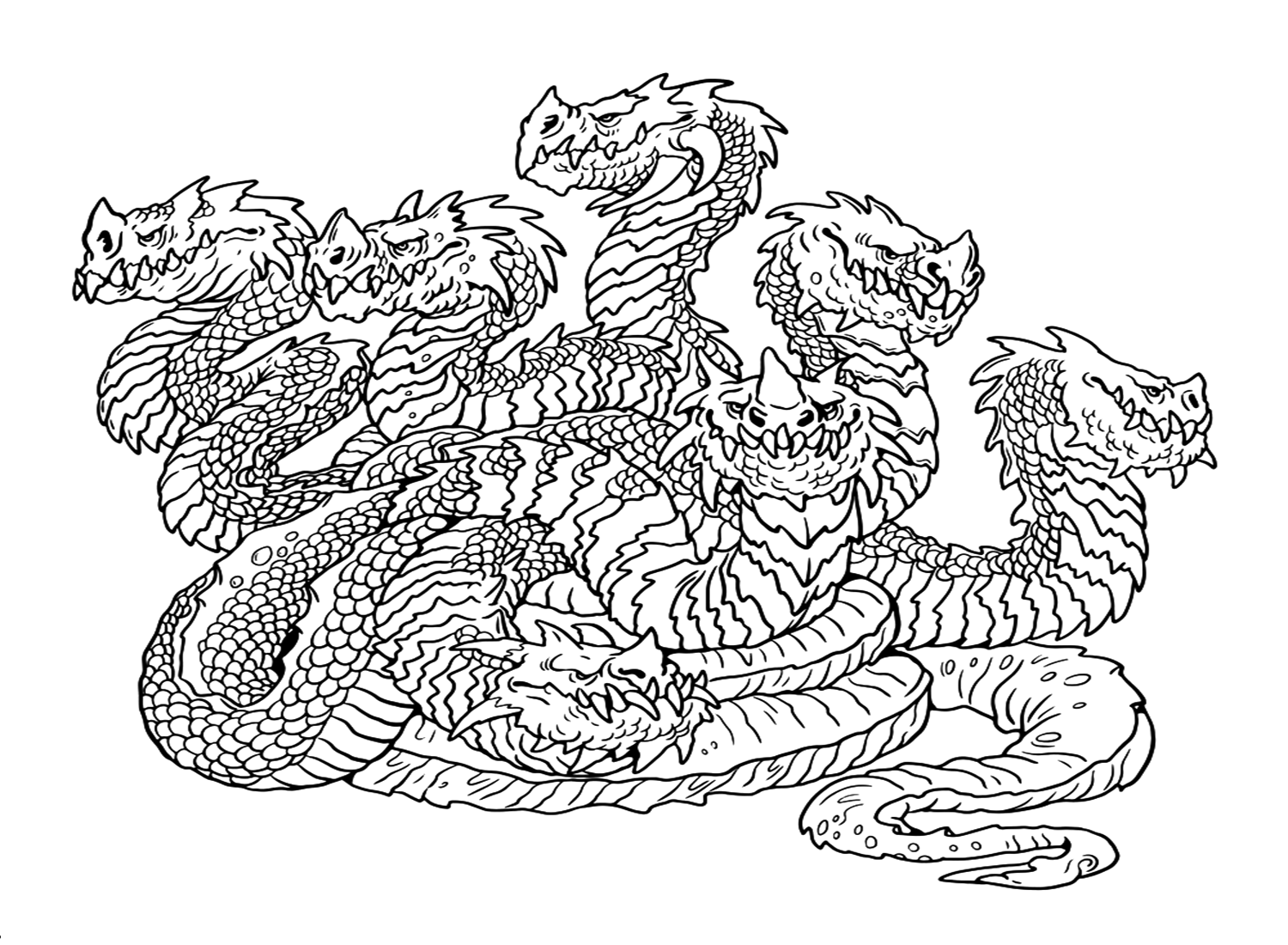
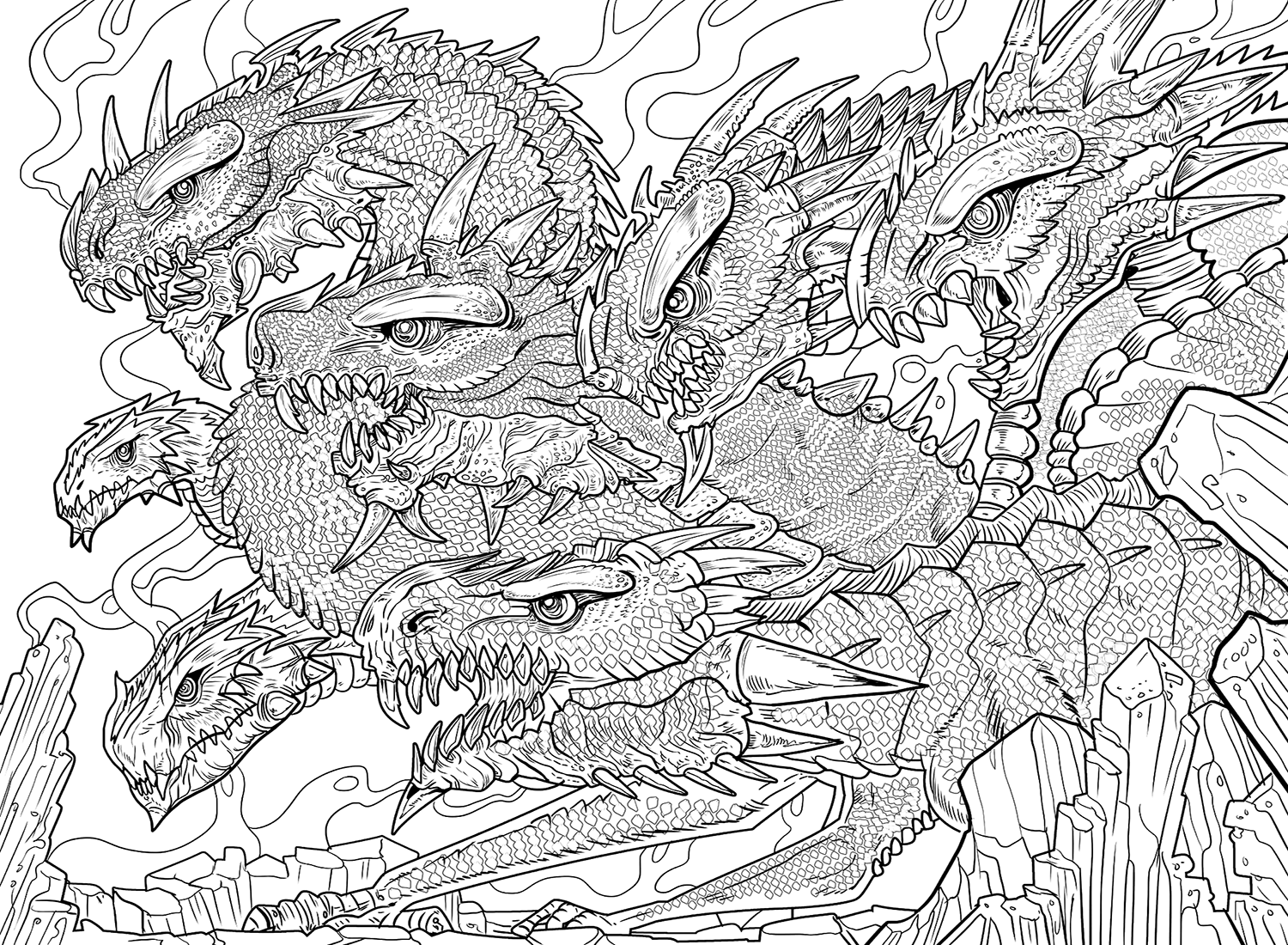
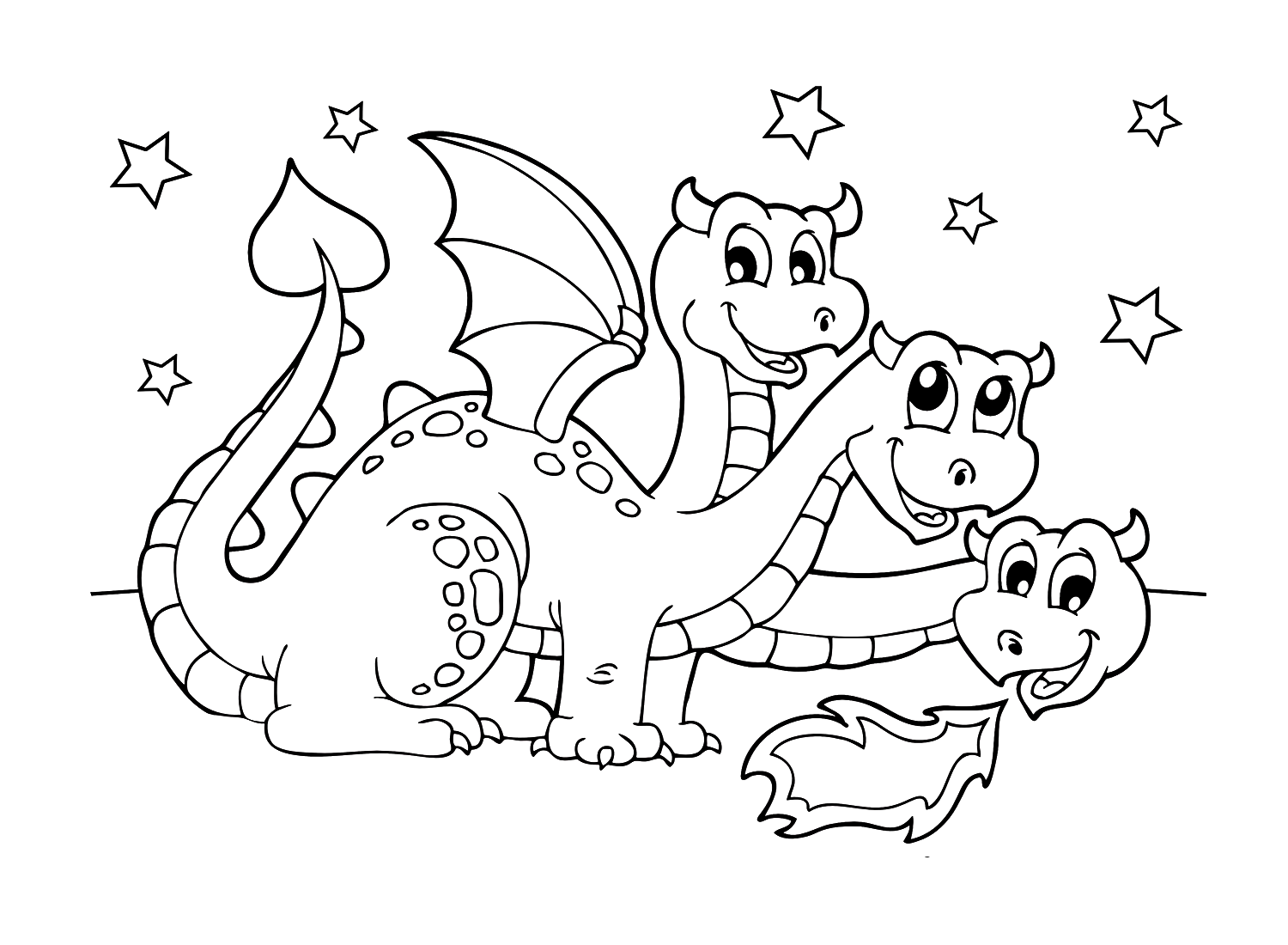
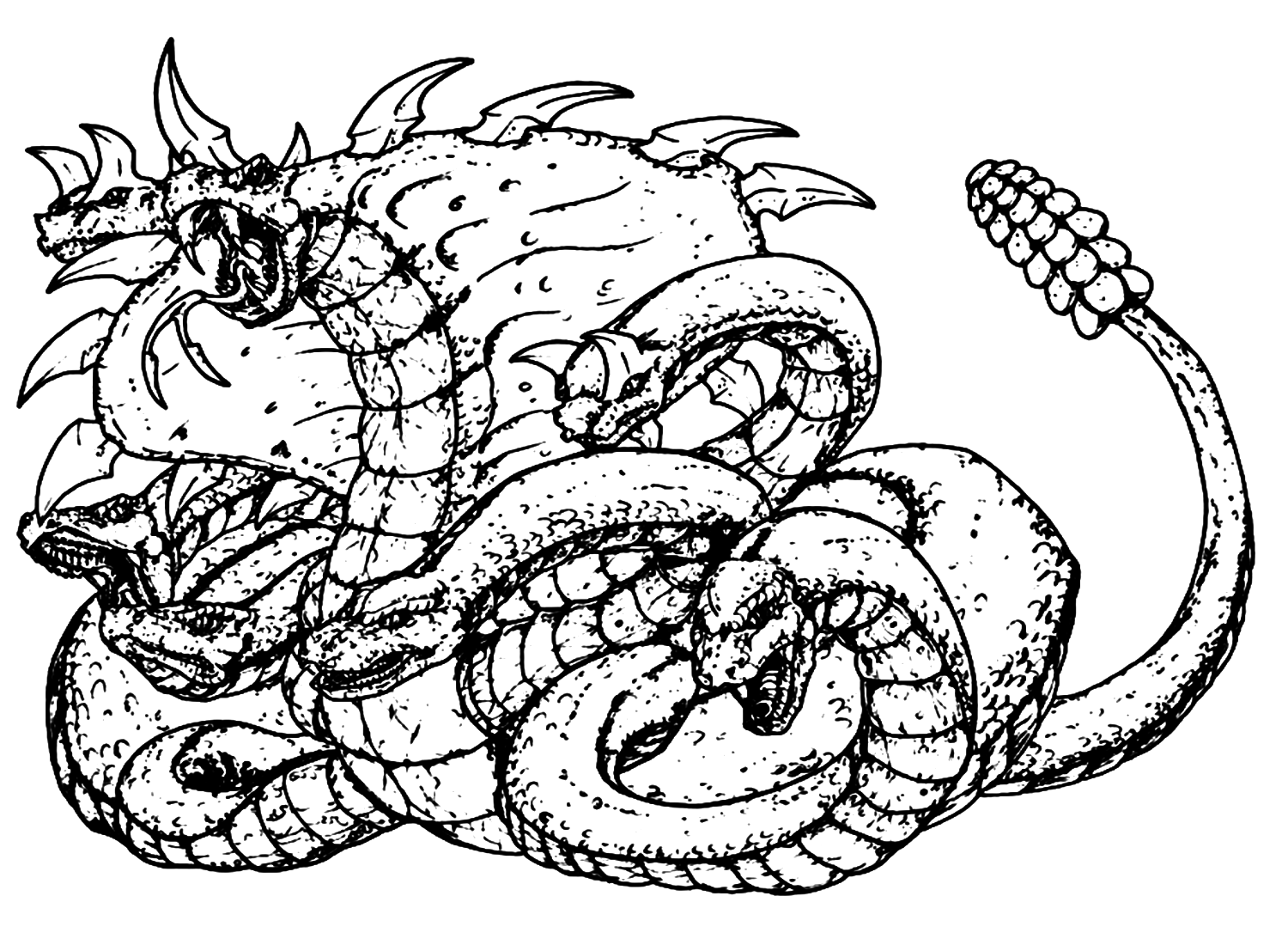
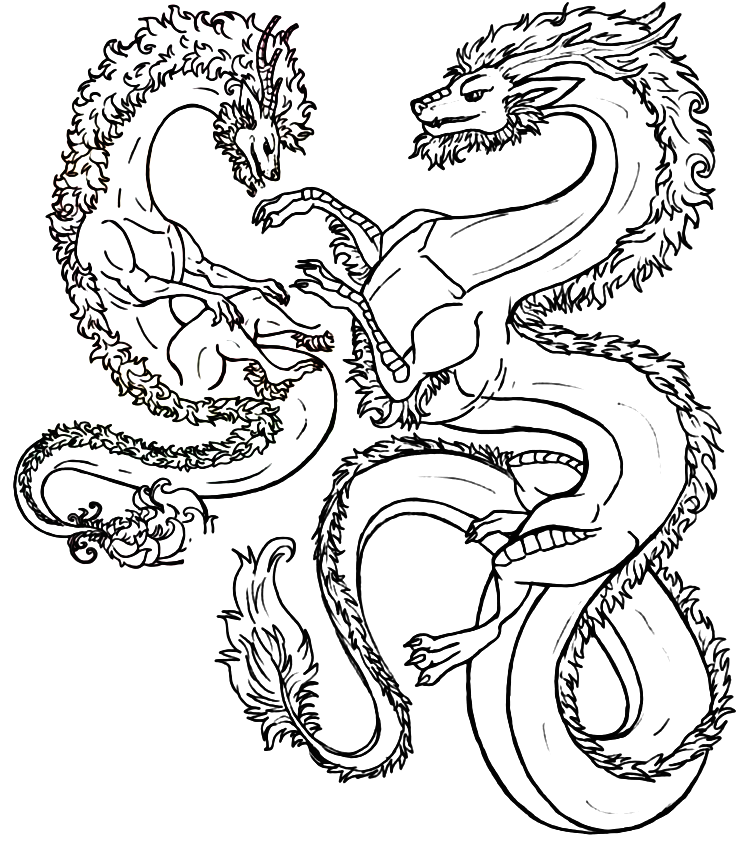
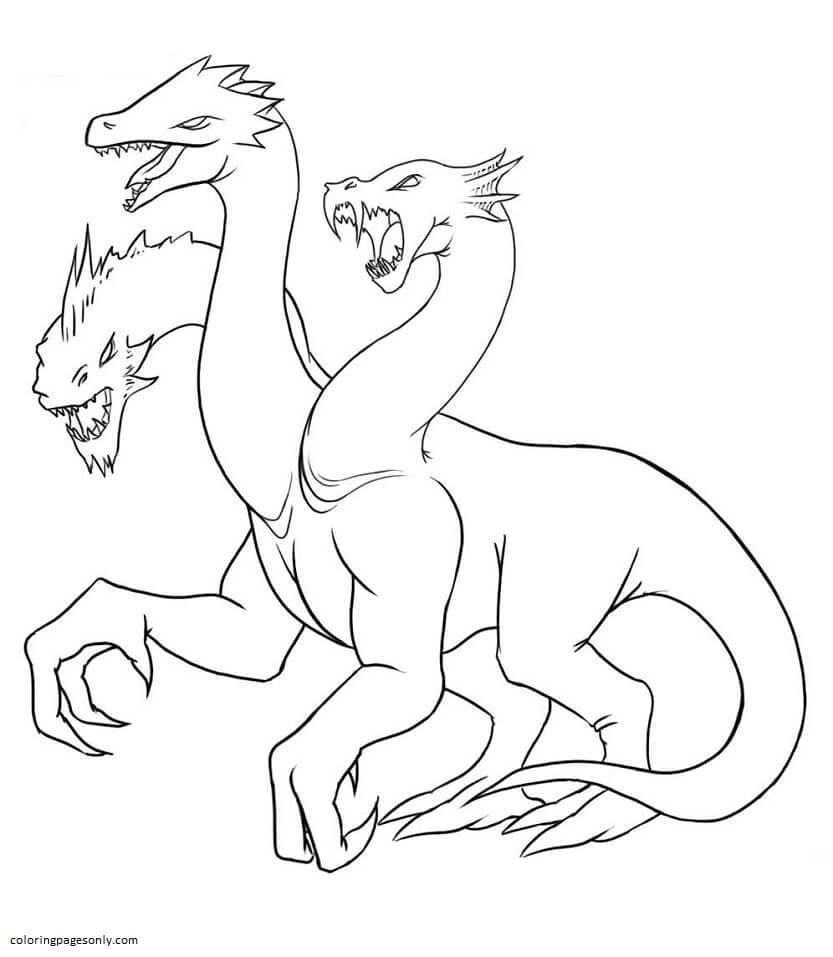
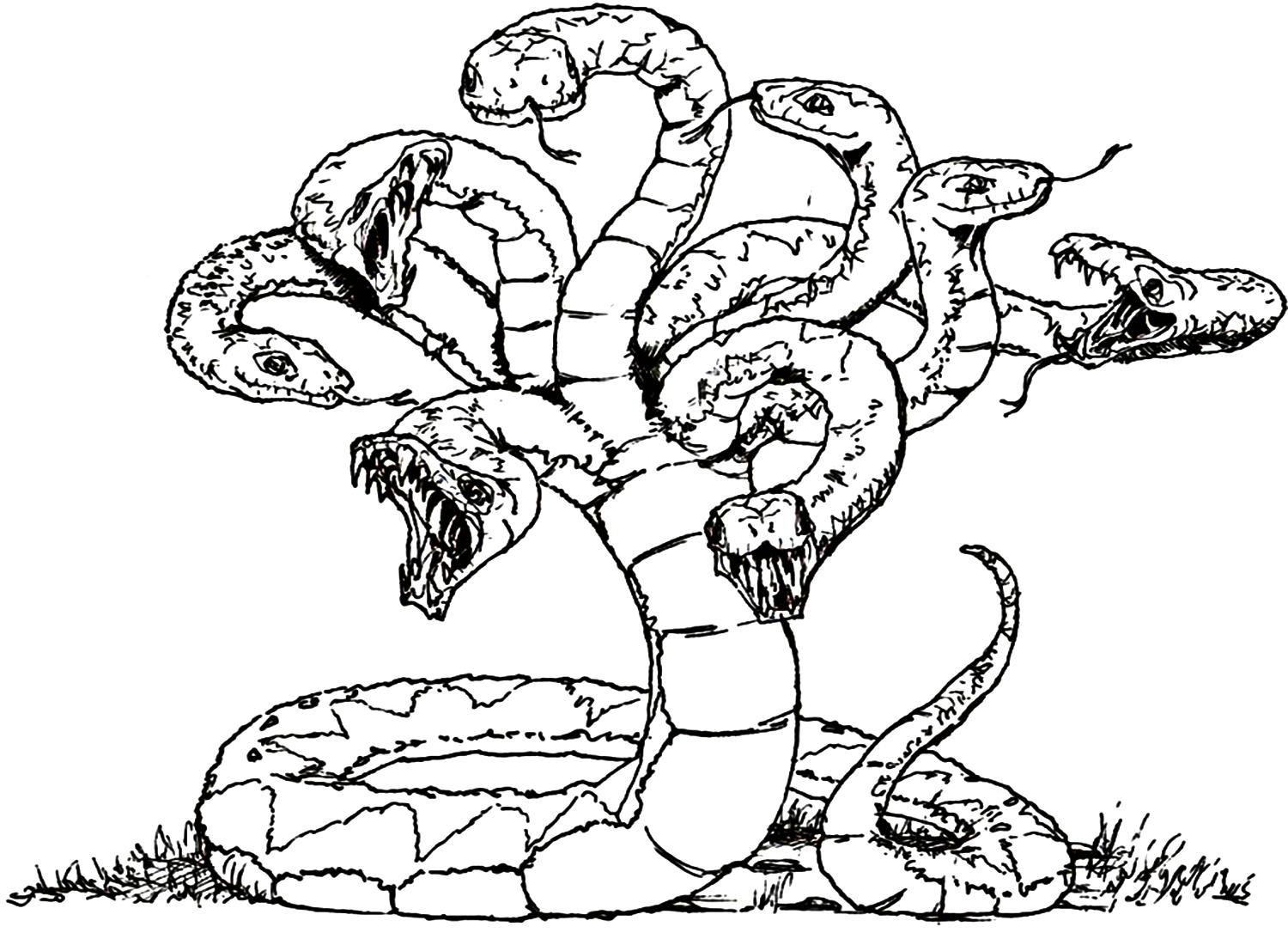
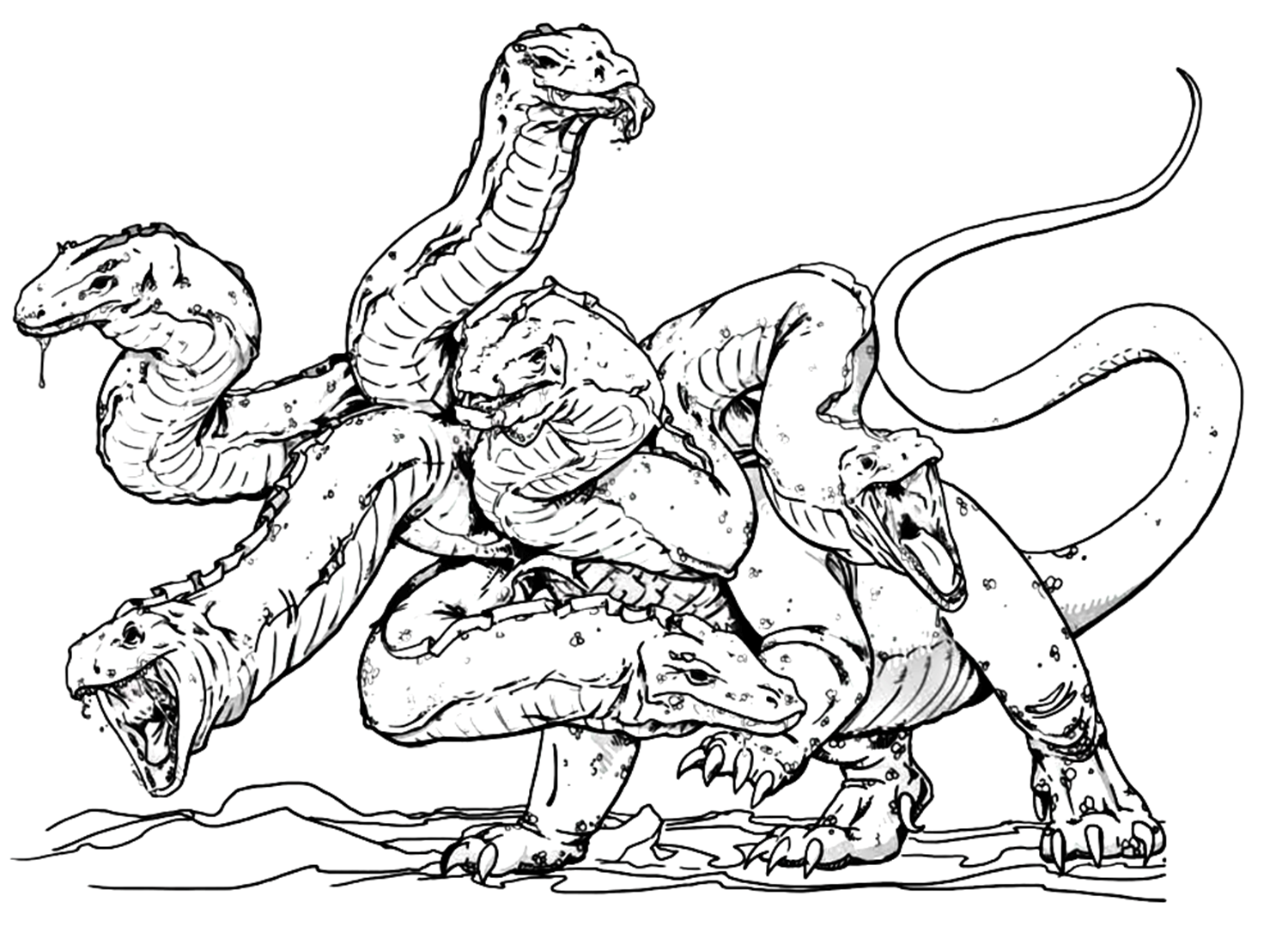
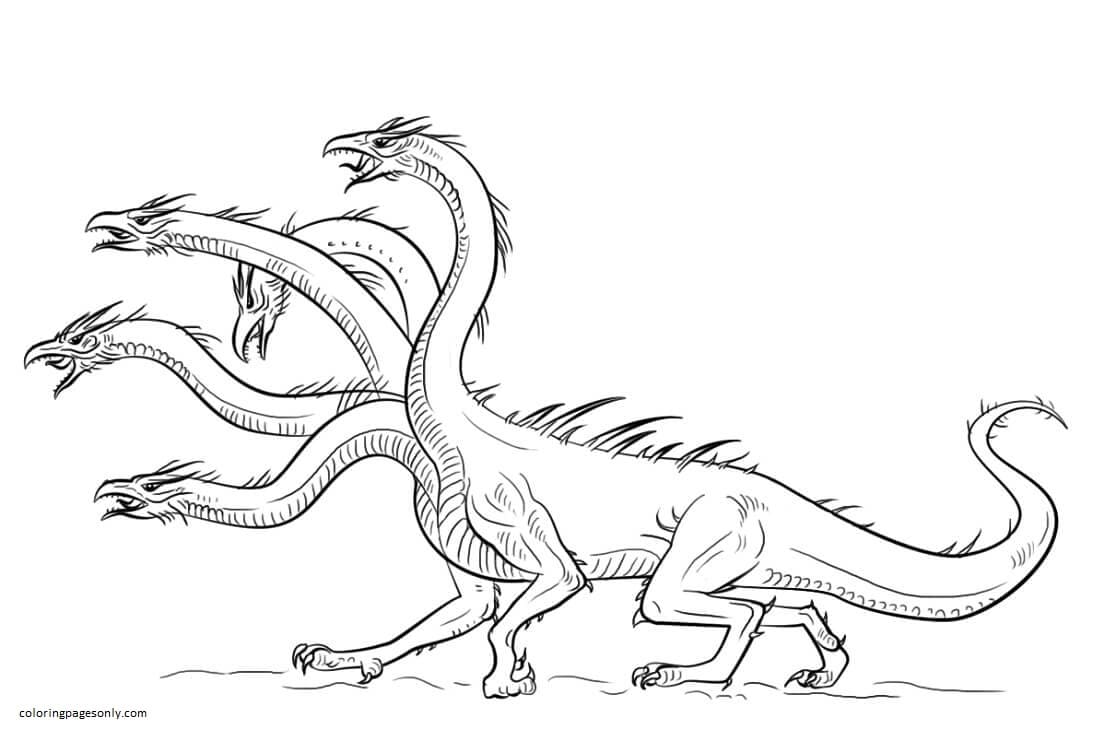
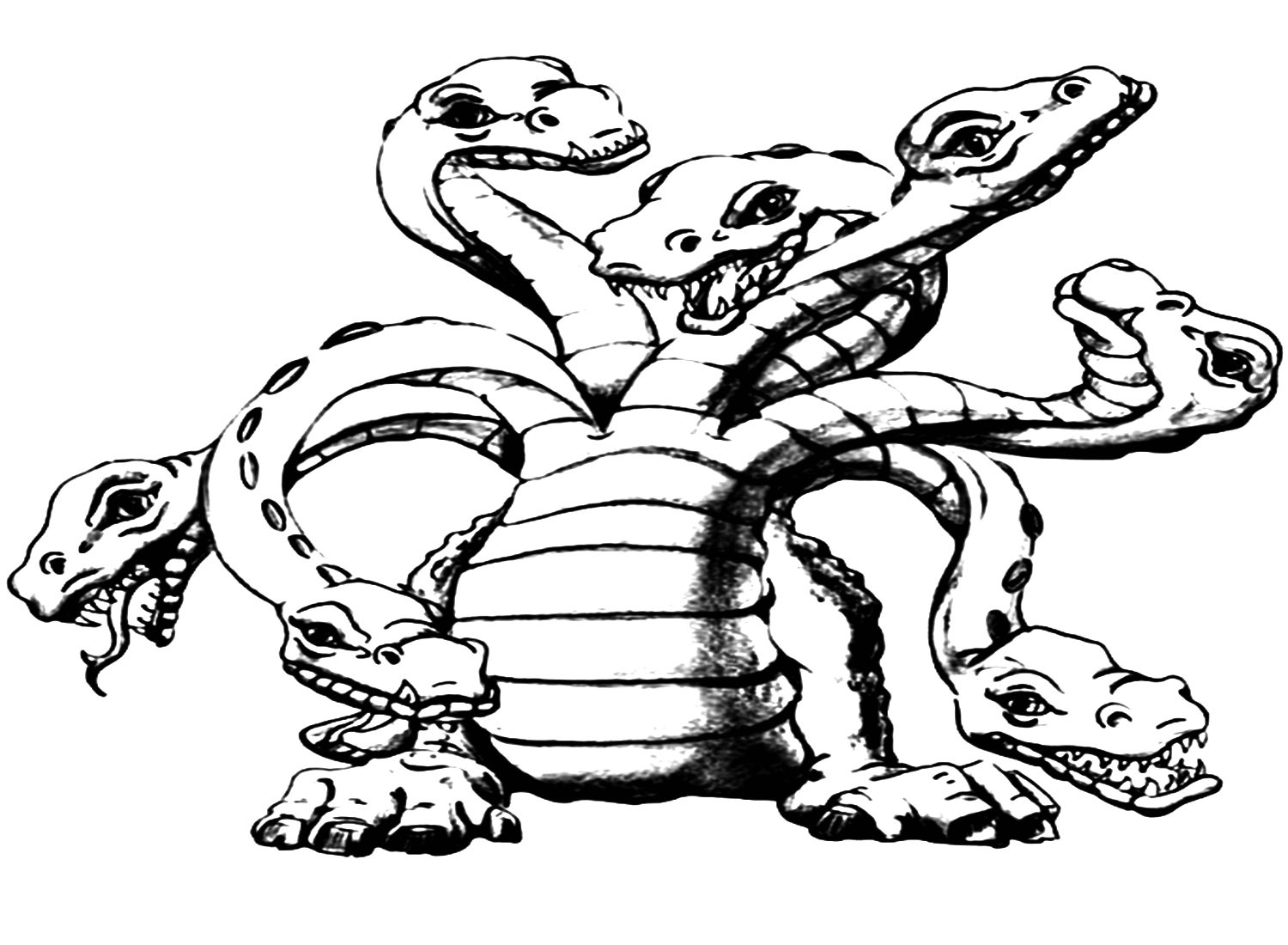
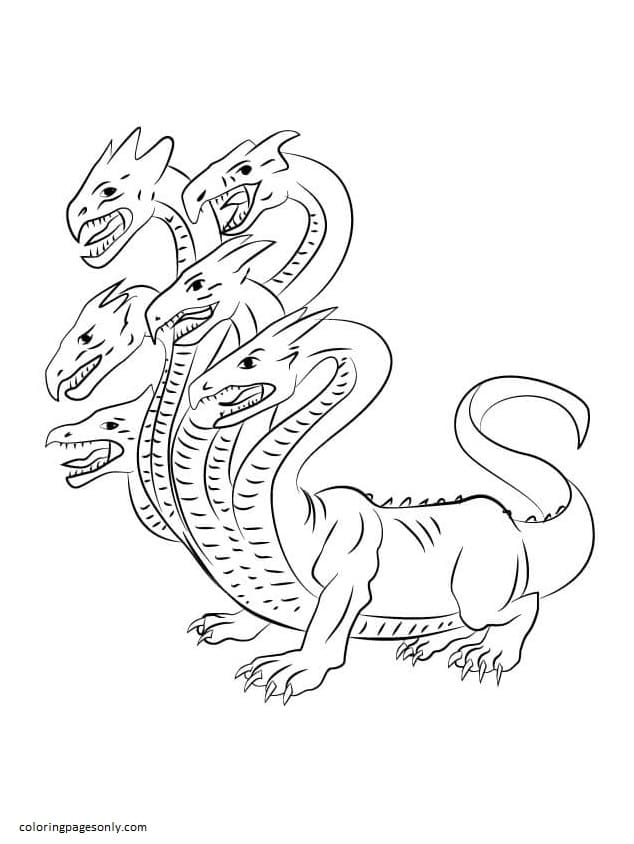
The 29 pages are grouped by artistic style, from traditional multi-headed depictions to cartoon, fantasy, and battle scenes.
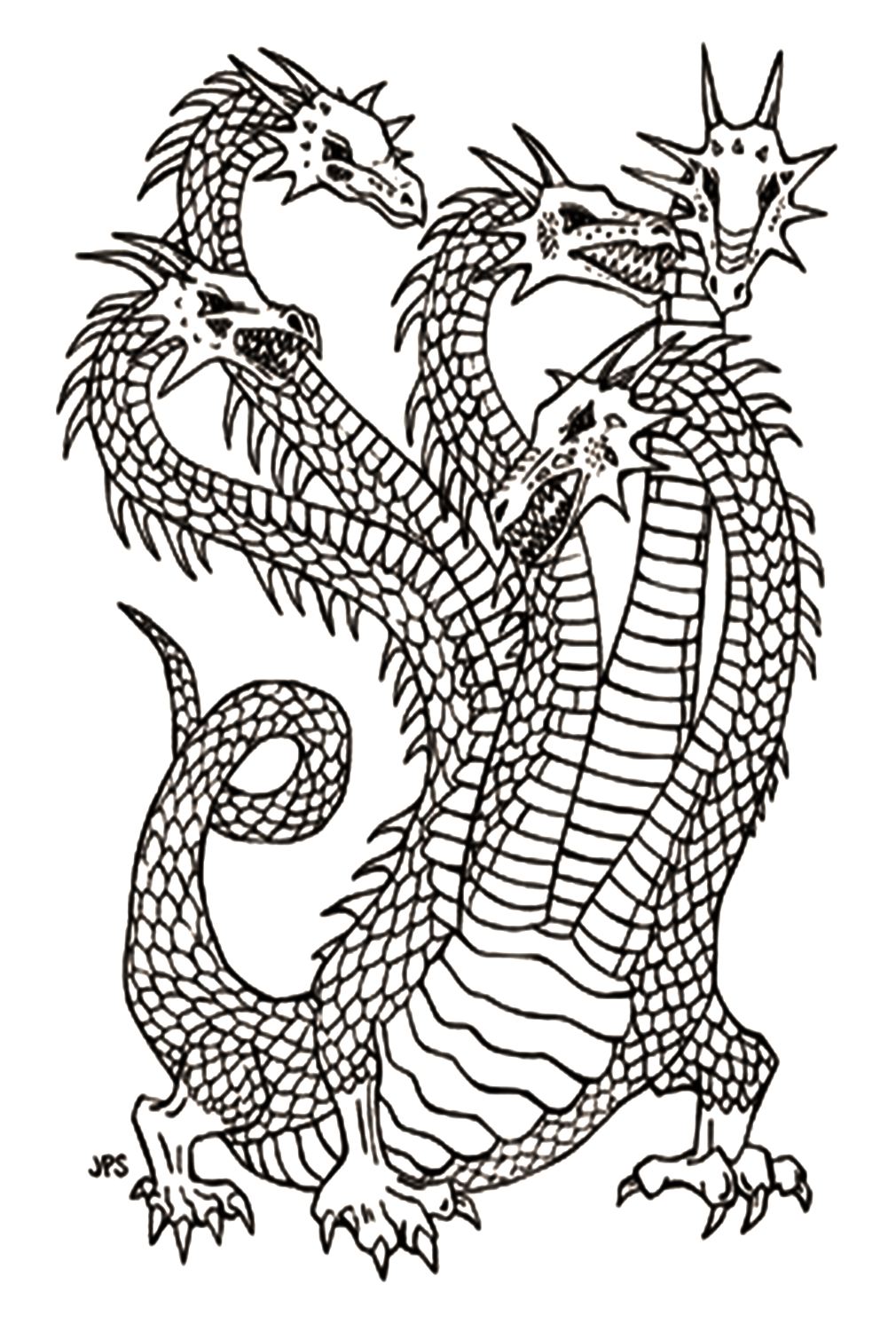
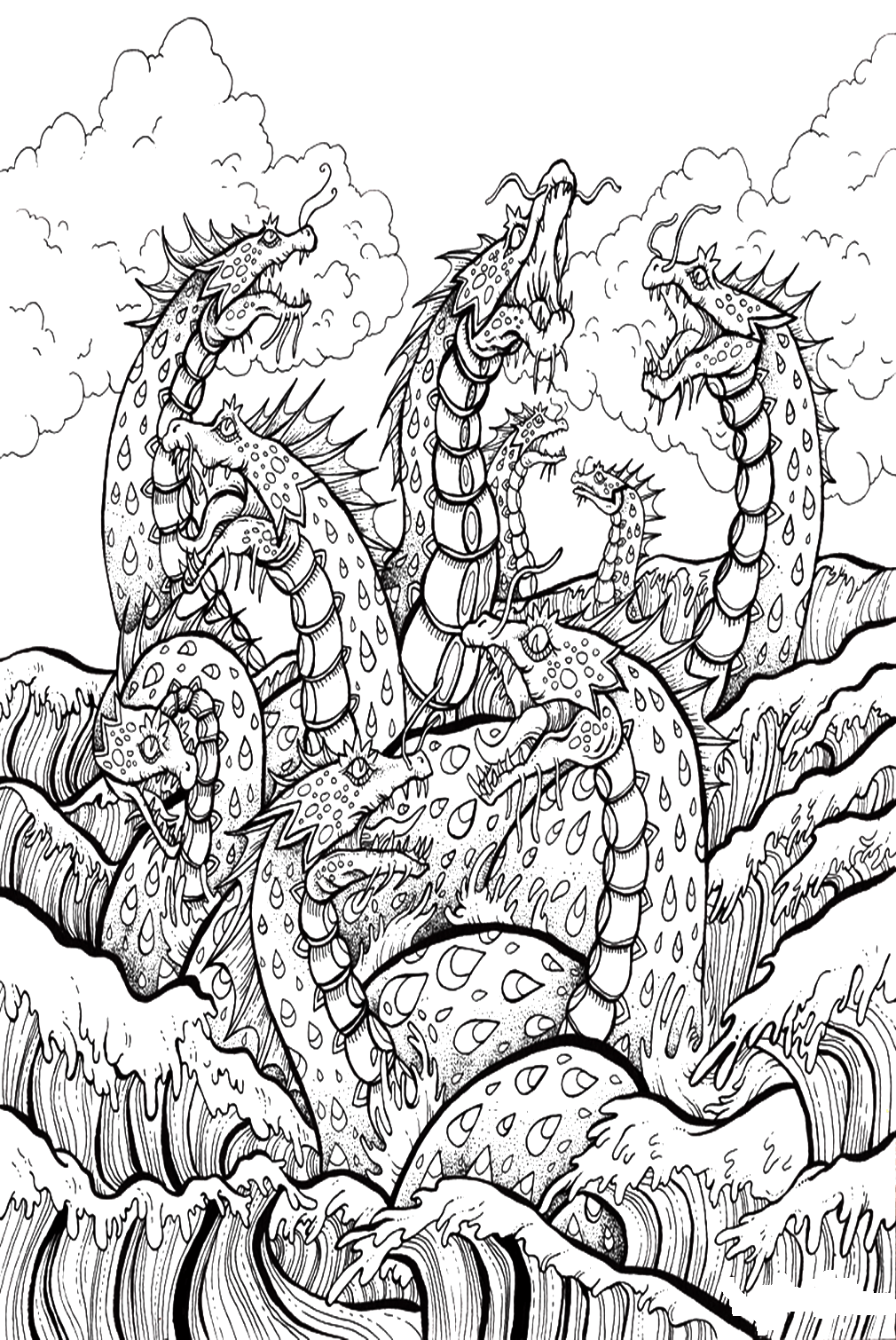
Traditional and Realistic Hydra Portraits
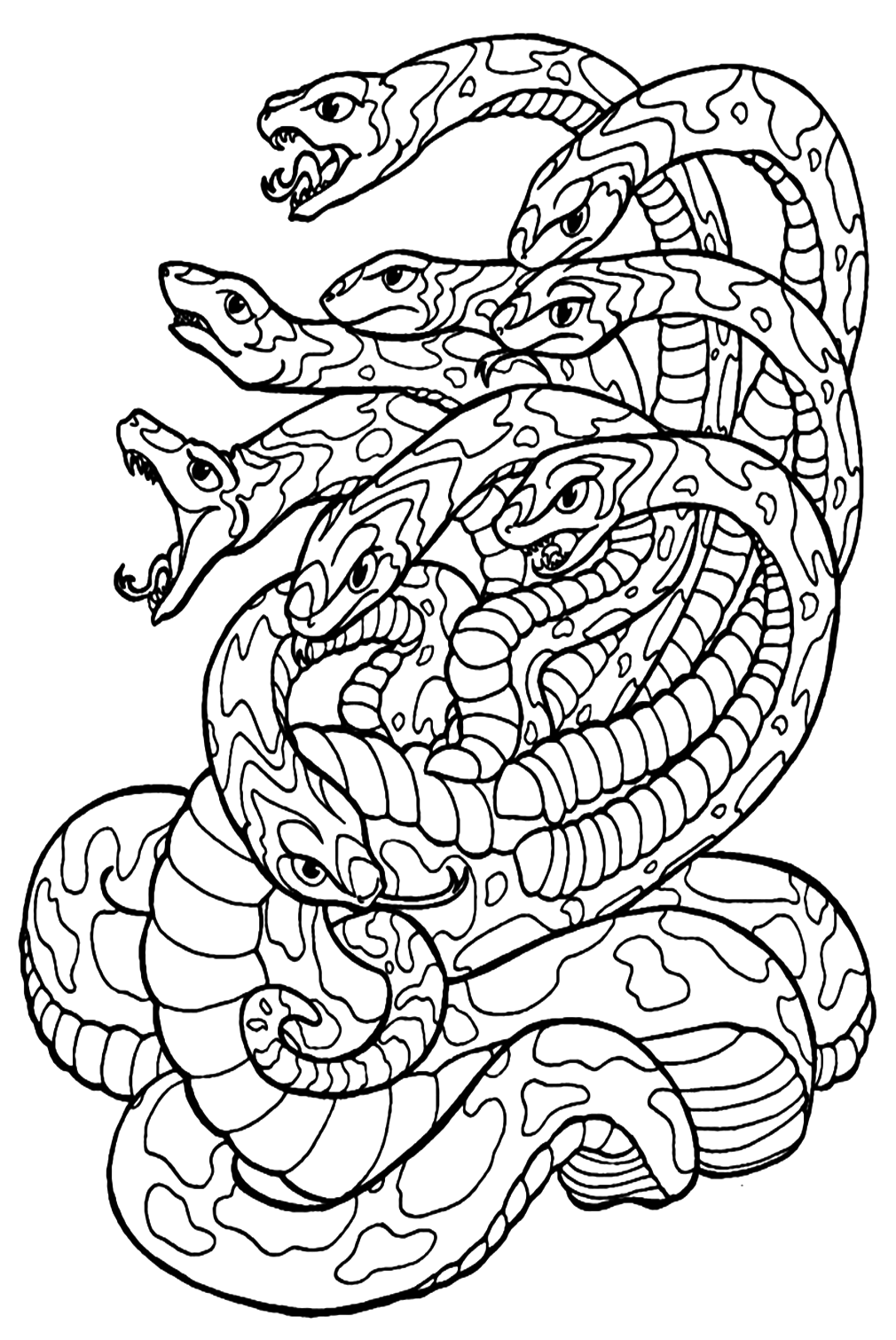
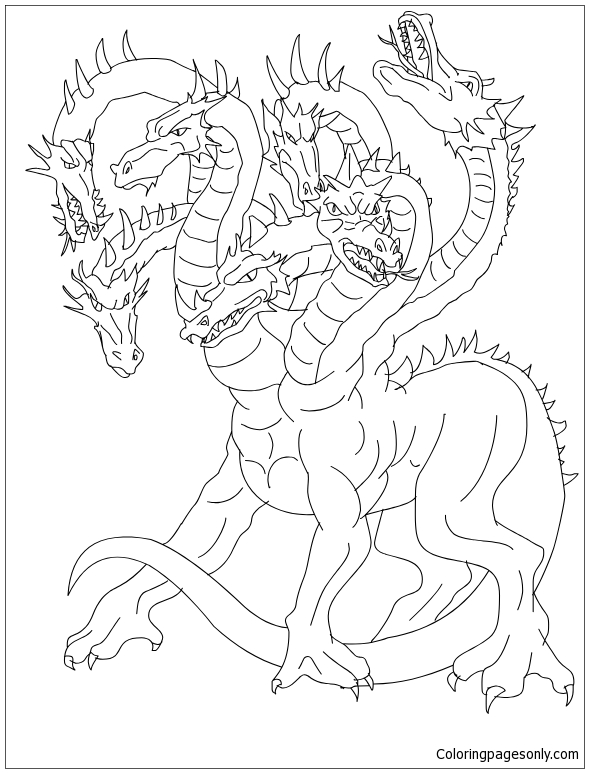
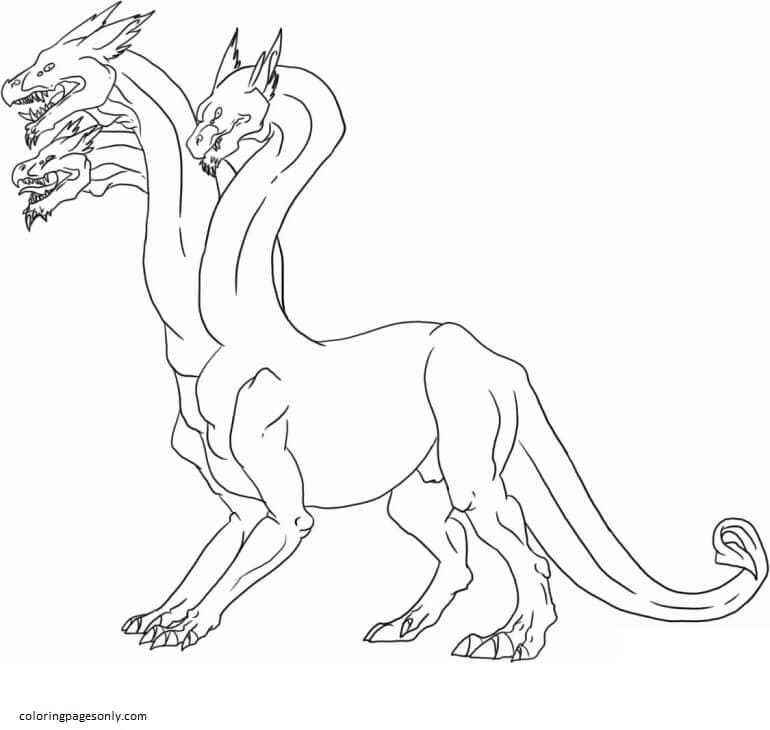
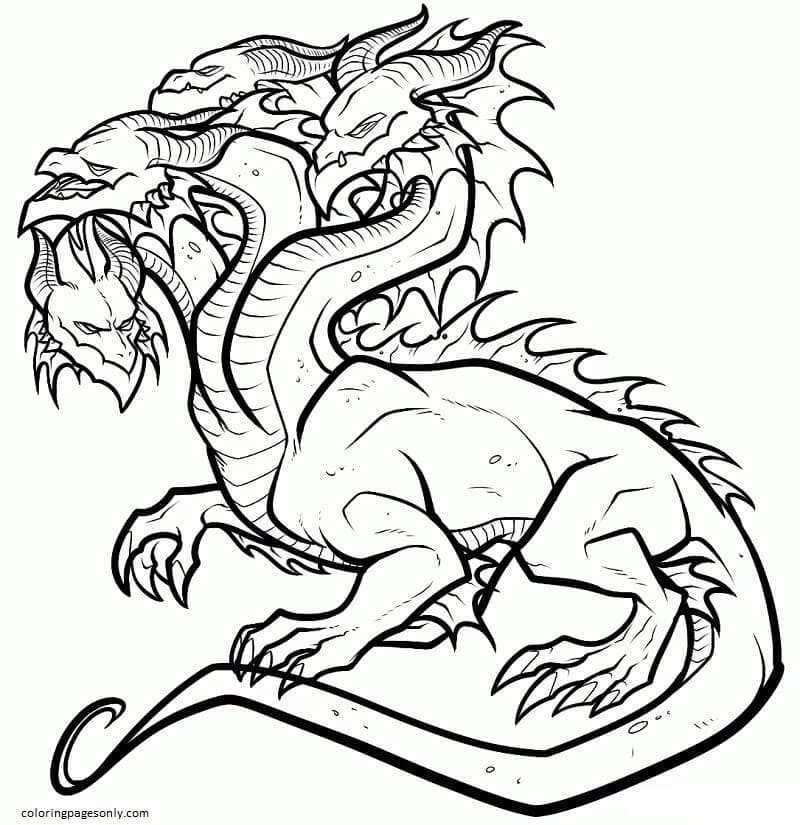
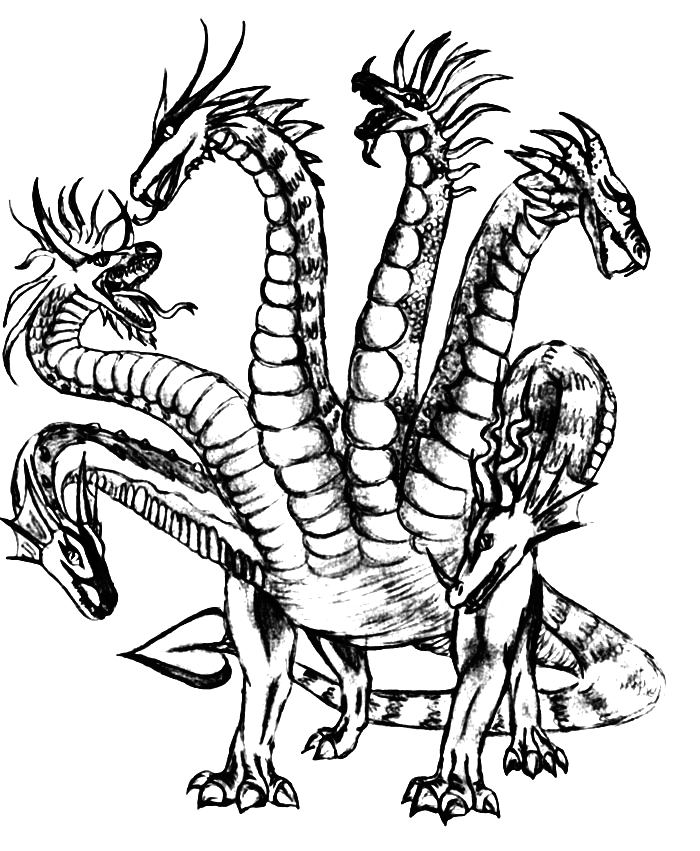
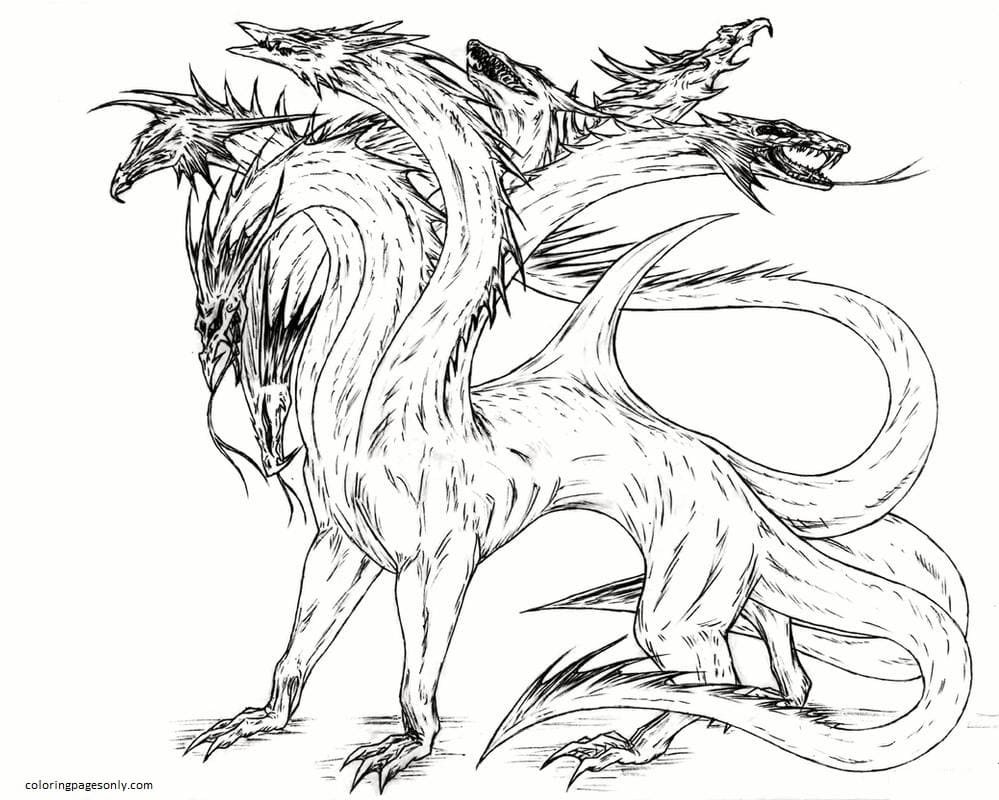
Fifteen pages depict the Hydra in a more traditional, serpent-like style, with several showing six or more heads at once. These pages carry the most detailed scale and head-count work in the collection.
Fantasy and Legendary Style Variants
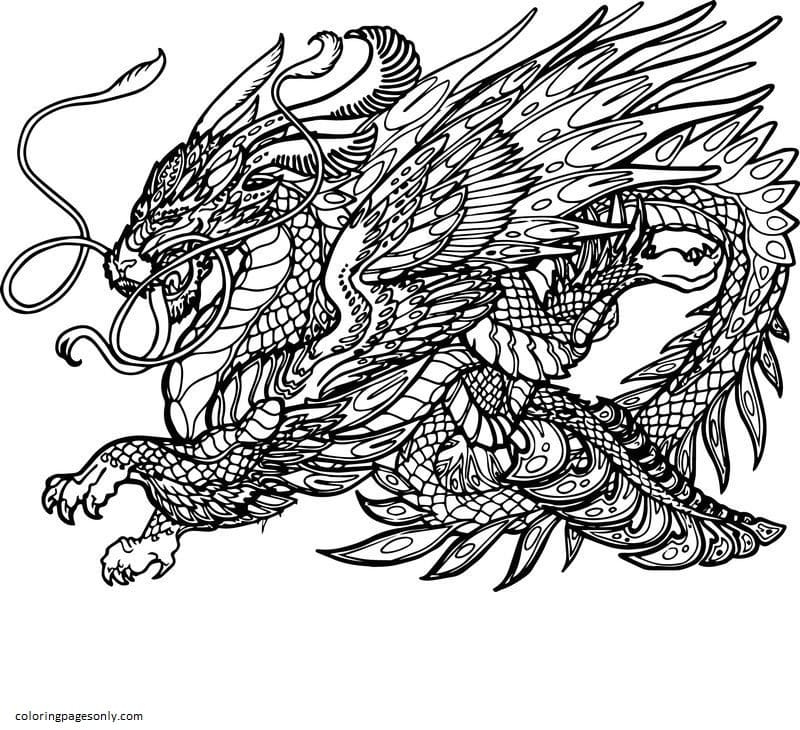
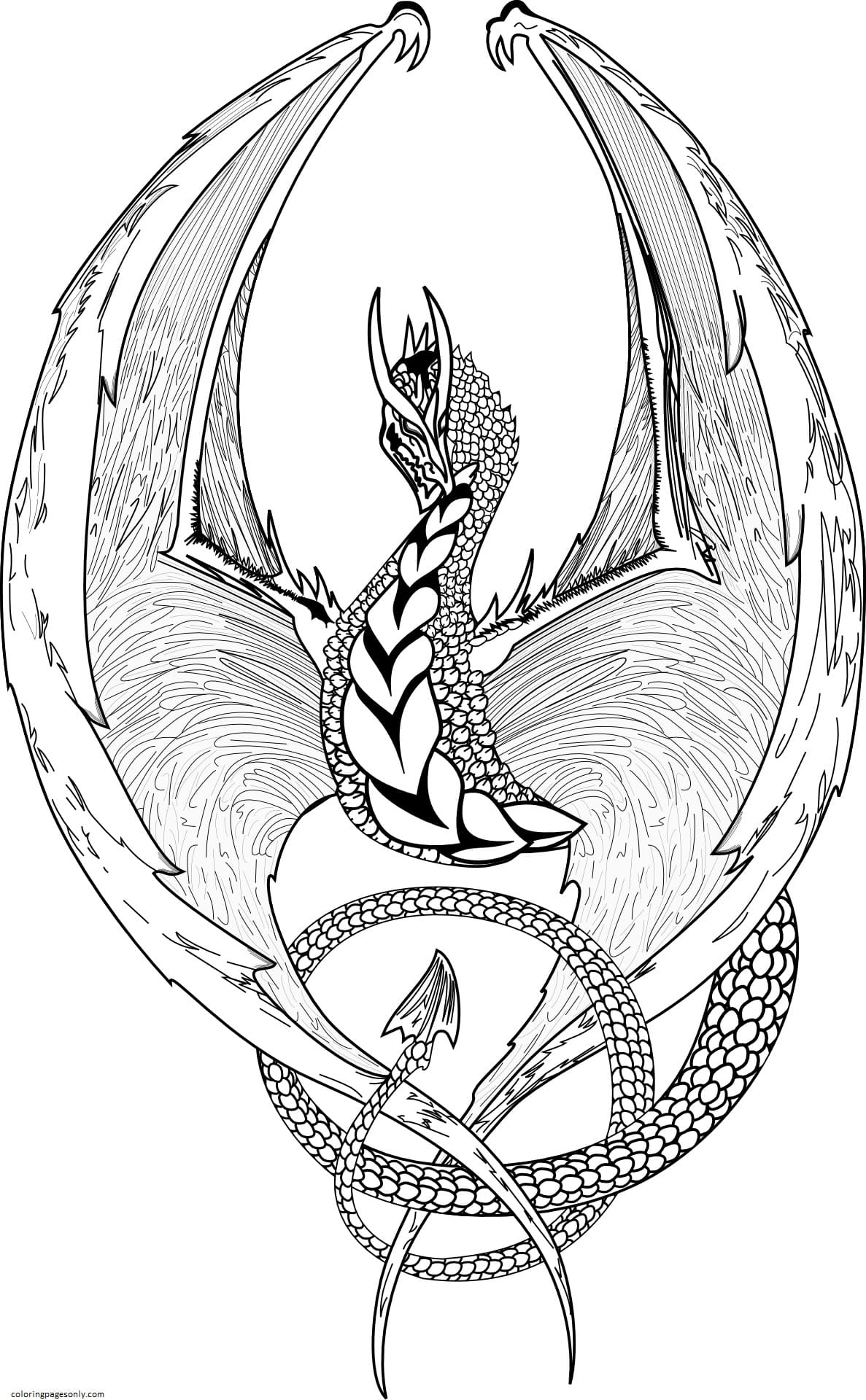
Five pages lean into a more fantastical, dragon-adjacent style rather than a strictly mythological one. One page titled with a hundred heads is worth noting: ancient sources most commonly describe the Hydra with nine heads, so this title is a creative exaggeration rather than a depiction grounded in the original myth.
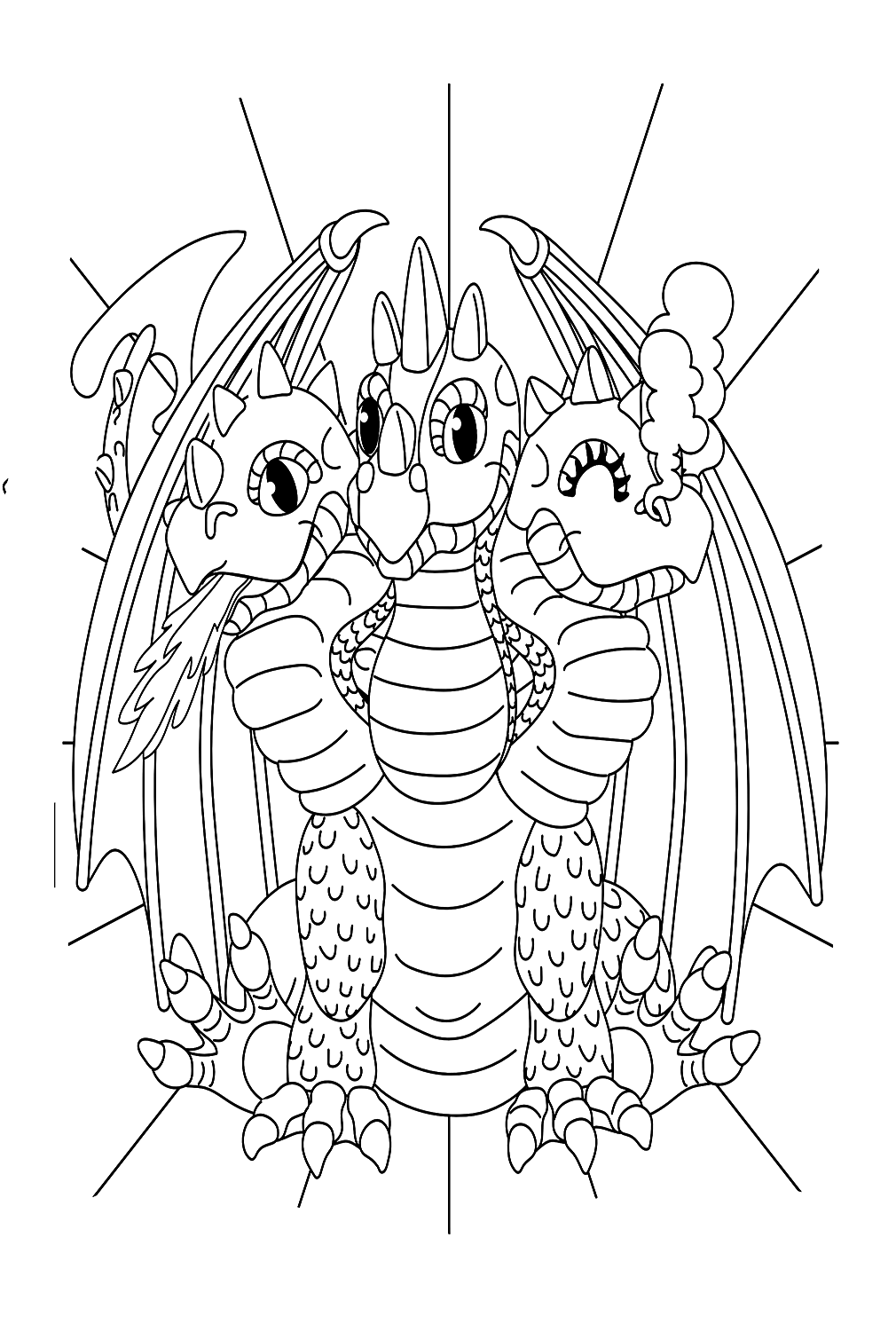
Cartoon and Cute Style Variants
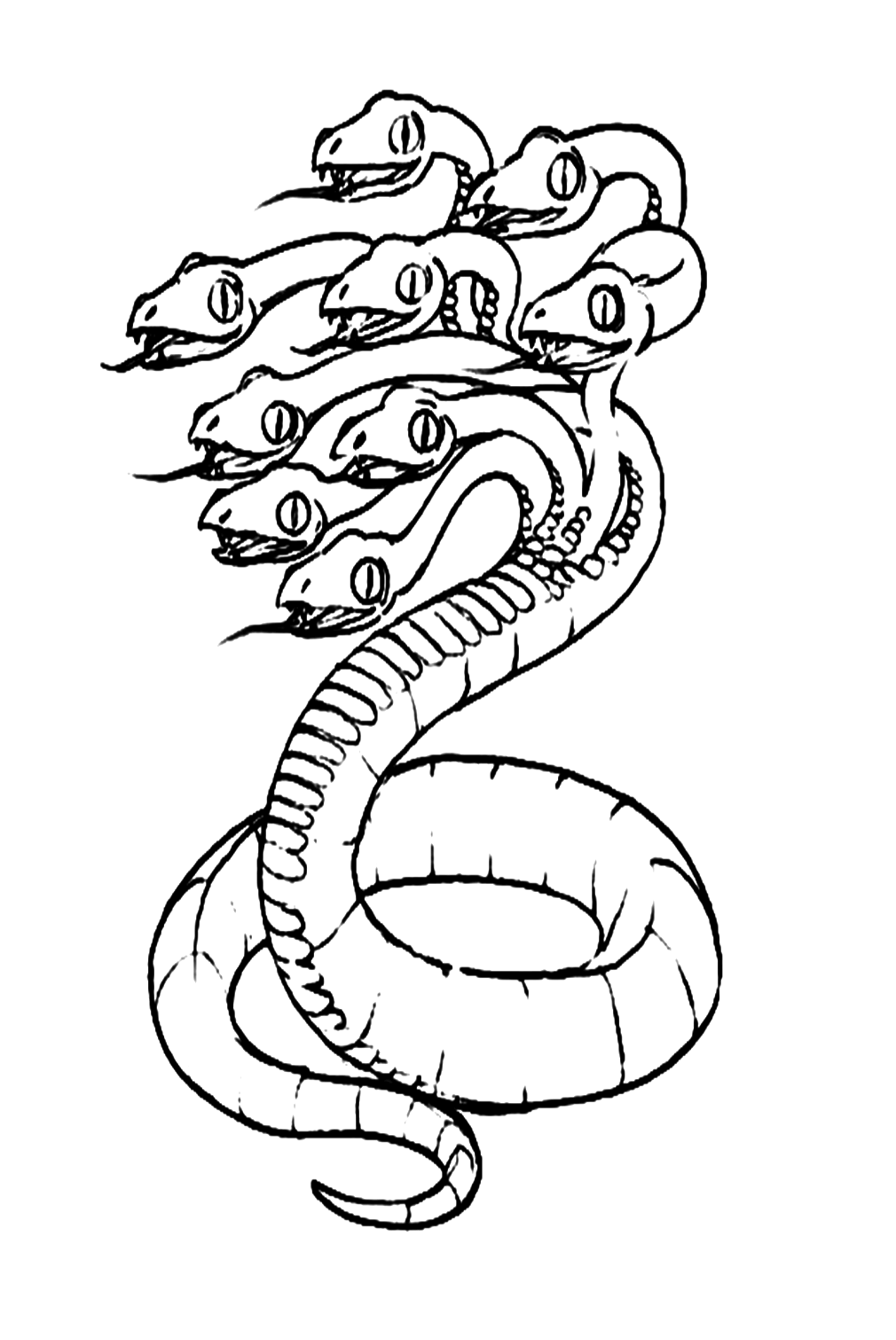
Five pages take a lighter, more cartoon-friendly approach, giving the Hydra a friendlier expression and rounder proportions suited to younger colorists.
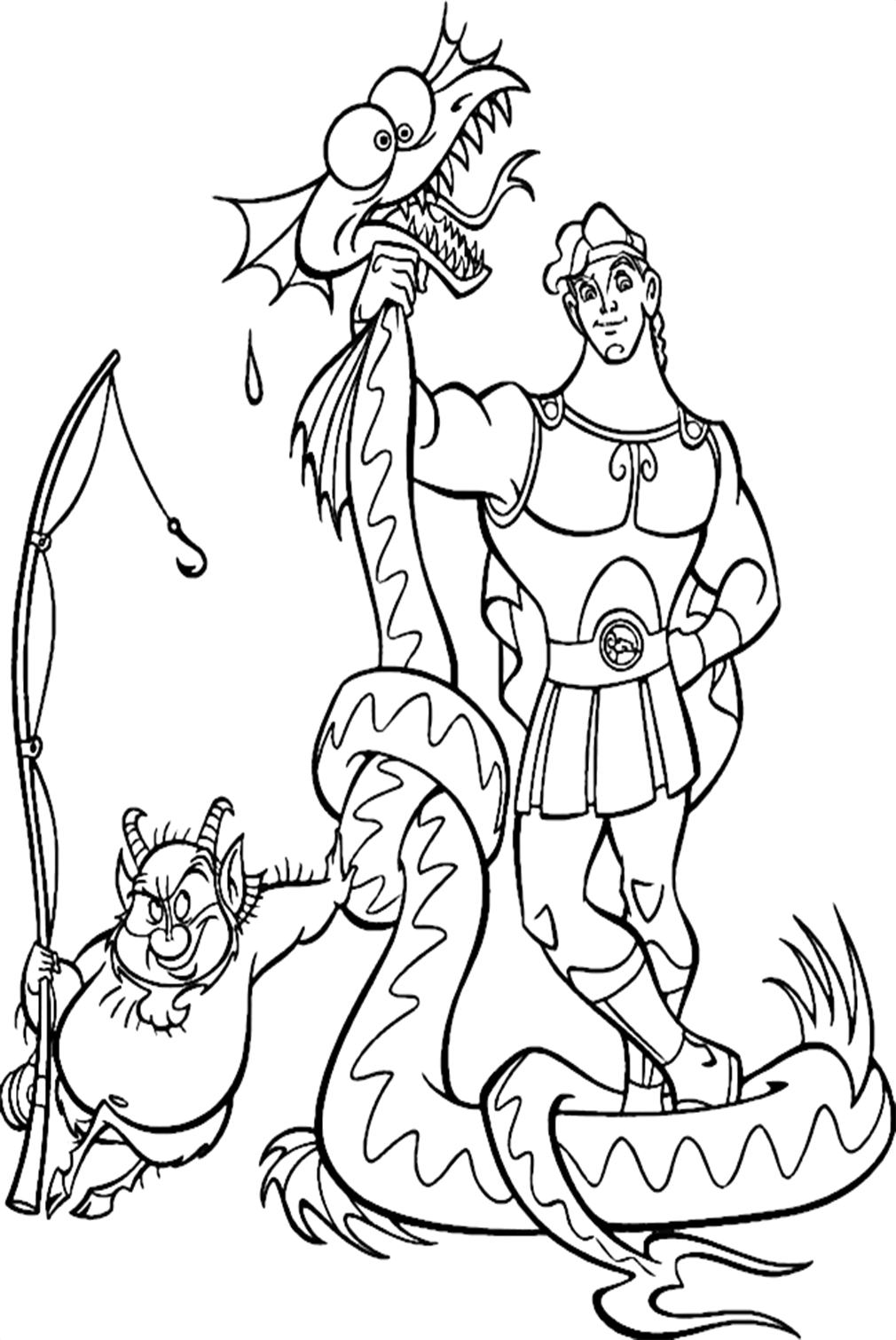
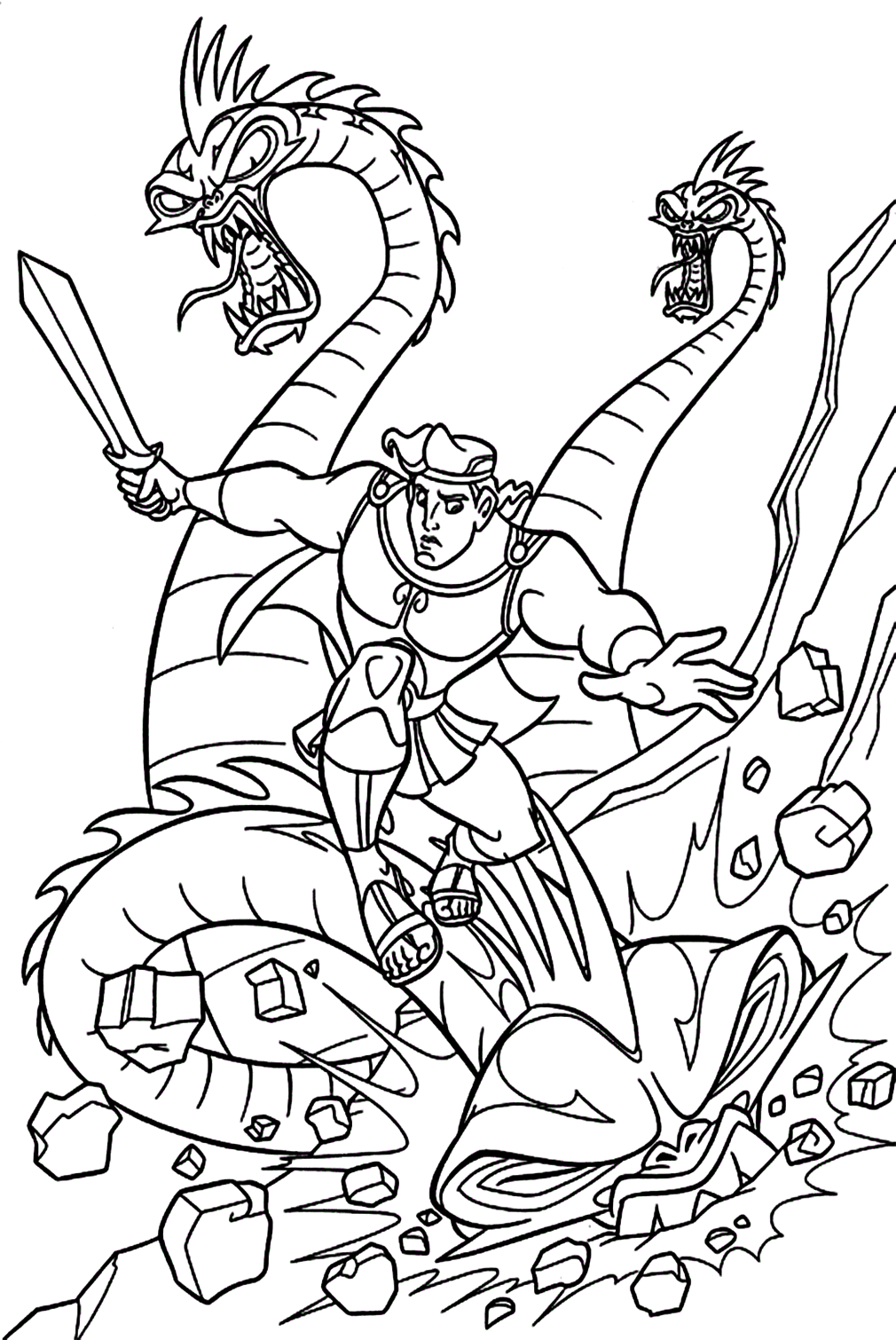
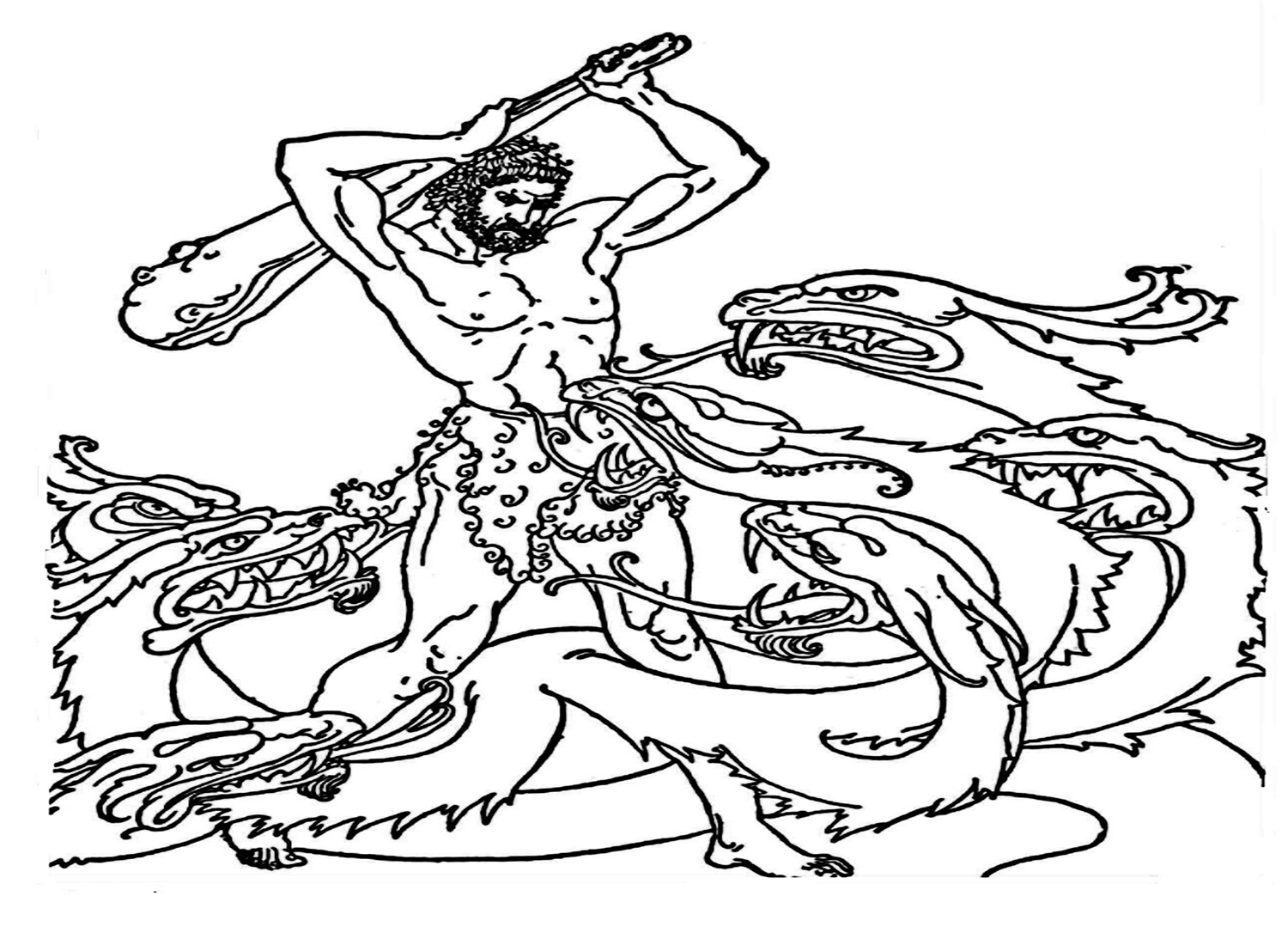
Scenes with Heracles
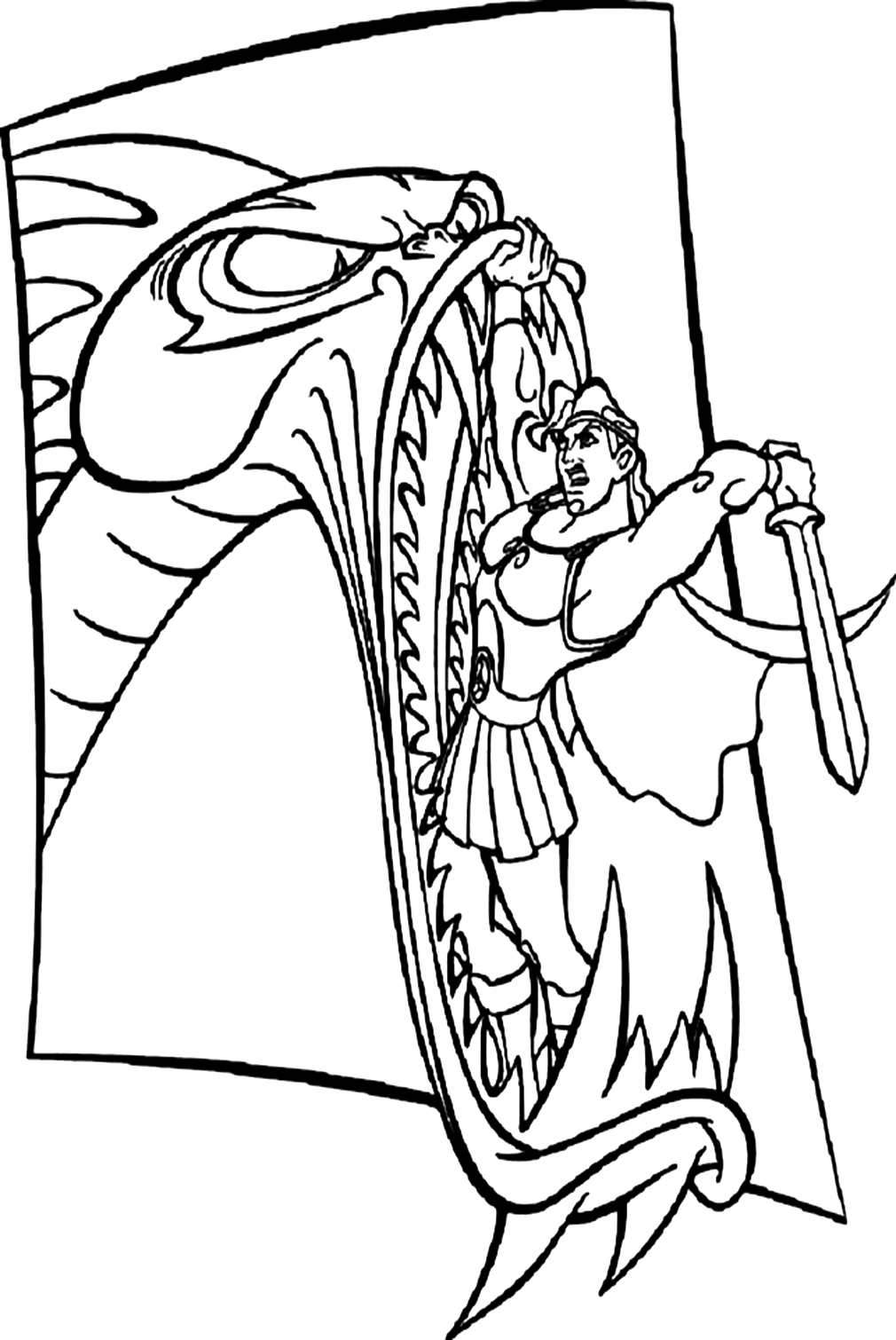
Two pages depict the Hydra alongside Heracles, referencing the myth’s central conflict without dwelling on graphic detail, since these pages focus on the two figures’ poses and expressions rather than violence.
Darker, Atmospheric Depictions
The remaining two pages lean into a more ominous, shadowy presentation of the Hydra, suited to an older colorist looking for a moodier take on the subject.
What Hydra Coloring Pages Do
Fine motor development. The American Academy of Pediatrics identifies fine motor skill development as a core benefit of structured coloring for children ages 2 through 7. Coloring multiple heads with individually distinct scale and tooth detail calls for repeated fine strokes across a single page, more so than a single-headed creature would.
A visual way to explore a specific mythological detail. Because the Hydra’s defining trait, regenerating two heads for every one removed, is central to its myth, coloring a page with several heads gives a child a concrete, visual way to grasp that detail without needing the full Hercules story explained first.
Anxiety reduction through focus. A 2005 study in the Art Therapy Journal documented measurable reductions in anxiety following structured coloring sessions. The repeated head-and-scale pattern found on most Hydra pages gives colorists a steady, absorbing detail to settle into.
Practice varying tone within one subject. Since this collection spans realistic, cartoon, fantasy, and darker atmospheric styles for the same creature, it offers a specific exercise that other single-style collections do not: choosing a color palette that matches the tone of a particular illustration style rather than applying one fixed approach across every page.
How to Color Hydra Pages Well
- Traditional serpent heads: deep Crayola Forest Green or Olive for the scales, with a lighter green or yellow underbelly to add dimension across each head.
- Eyes: a striking Crayola Red or Gold works well against green scales, since sharp, glowing eyes are a common detail across most Hydra depictions.
- Cartoon and cute variants: brighter, more saturated colors, Crayola Turquoise or Sky Blue, suit the friendlier expressions on these pages better than the deeper tones used on the realistic portraits.
- Fantasy and legendary variants: feel free to experiment with unconventional colors, purples, or deep reds, since these pages are already stylized past strict mythological accuracy.
- Heracles scenes: Crayola Tan or Bronze skin tones with a golden-brown lion pelt, the detail most associated with his classical depiction, kept distinct from the Hydra’s cooler green tones.
- Darker atmospheric pages: a muted, low-saturation palette, deep blues and grays, help these pages read as moodier without needing heavy black shading throughout.
5 Creative Craft Ideas With Hydra Coloring Pages
1. Multi-Headed Standee
Color one of the multi-headed portraits, mount it on cardstock, and fold a small tab at the base so the creature stands upright on a shelf or desk.
2. Myth Fact Poster
Color a Hydra page and a Heracles-and-Hydra scene, mount them together on poster board, and add a short caption noting the myth’s cauterizing detail.
3. Style Comparison Display
Color a realistic Hydra page and a cartoon Hydra page, mount them side by side, and label each with its style to highlight how differently the same creature can be drawn.
4. Hydra Bookmark Set
Color two or three of the smaller portraits, trim them to a tall, narrow bookmark shape, and laminate or cover with clear tape for a small matching set.
5. Greek Mythology Greeting Card
Fold a piece of cardstock in half, glue a colored Hydra page to the front, and write a message inside for a mythology-loving friend’s birthday.
Frequently Asked Questions
What are Hydra coloring pages?
Free, fan-made printable and online designs featuring the multi-headed monster from Greek mythology, intended for personal, non-commercial coloring only.
What is the Lernaean Hydra?
A serpent-like water monster from Greek mythology that lived in the swamps of Lerna, described in ancient sources as having multiple heads, most commonly nine, with one immortal head at its center.
Why does the Hydra grow new heads?
According to the myth, cutting off one of its heads caused two more to grow in its place, unless the wound was cauterized immediately to prevent regrowth.
How did Heracles defeat the Hydra?
With help from his nephew Iolaus, who cauterized each neck with fire right after Heracles severed a head, stopping new heads from replacing it, until only the immortal head remained.
Did the Hydra really have a hundred heads?
No. Most ancient sources describe the Hydra with nine heads, so a hundred-headed depiction reflects creative exaggeration rather than the original myth.
Why do some pages show a cartoon or cute-style Hydra?
Artists frequently reinterpret mythological creatures in different tones, and this collection includes lighter, cartoon-friendly versions alongside more traditional depictions for colorists who prefer a gentler style.
Are Hydra coloring pages suitable for young children?
The cartoon and cute-style pages work well for younger children, while the more detailed, realistic, and darker atmospheric pages suit older kids and adults.
Can Hydra coloring pages be colored online, or only printed?
Both. Every design can be downloaded as a PDF for printing at home or opened directly in the online coloring tool for use on a phone, tablet, or computer.
Start Coloring
Download any page by clicking the design. No account, email, or payment is required. Pages print directly from the browser at full resolution or open in the online coloring tool for screen use. Share finished pages on Facebook or Pinterest with the share buttons at the top of each design page.