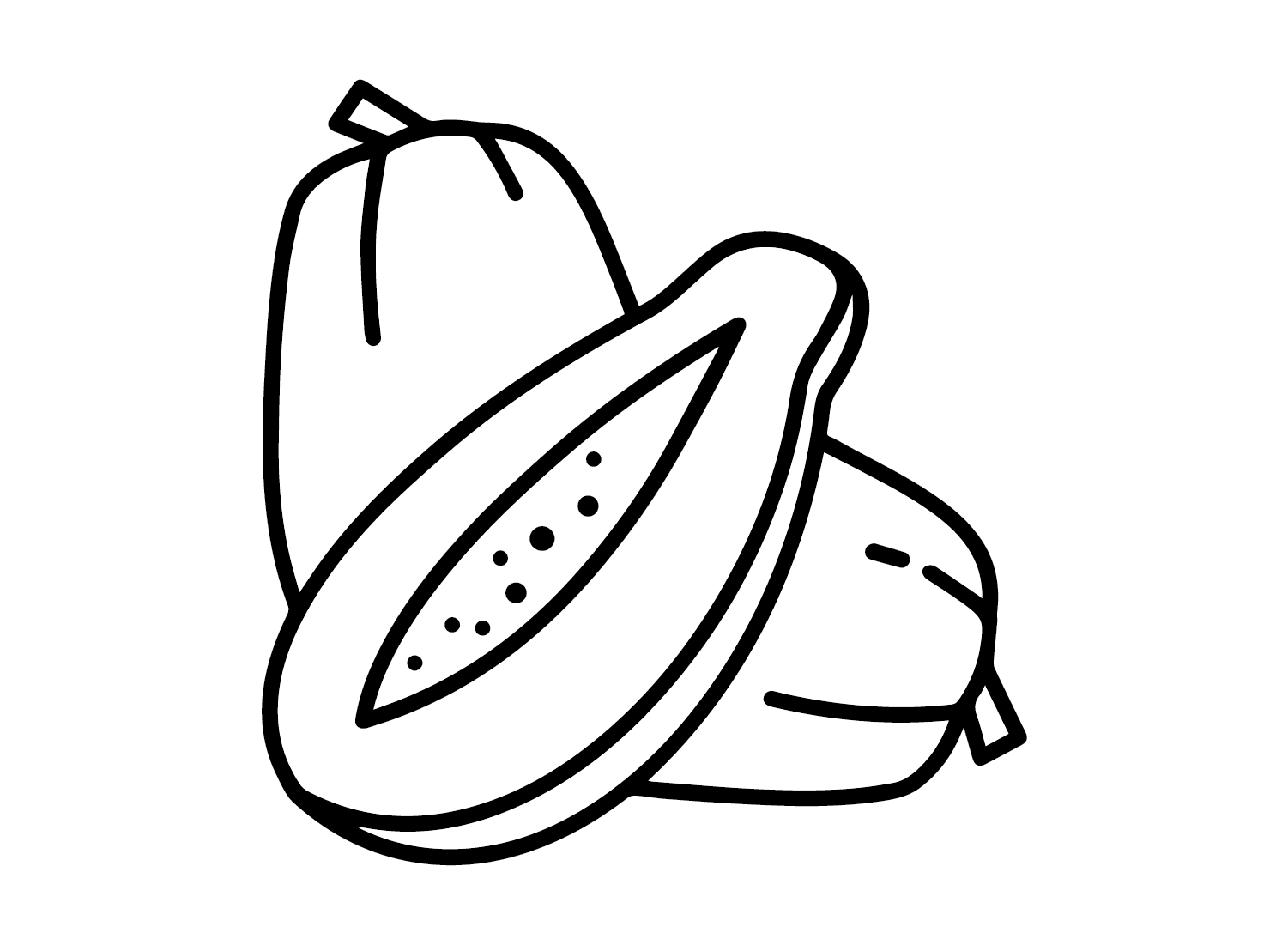
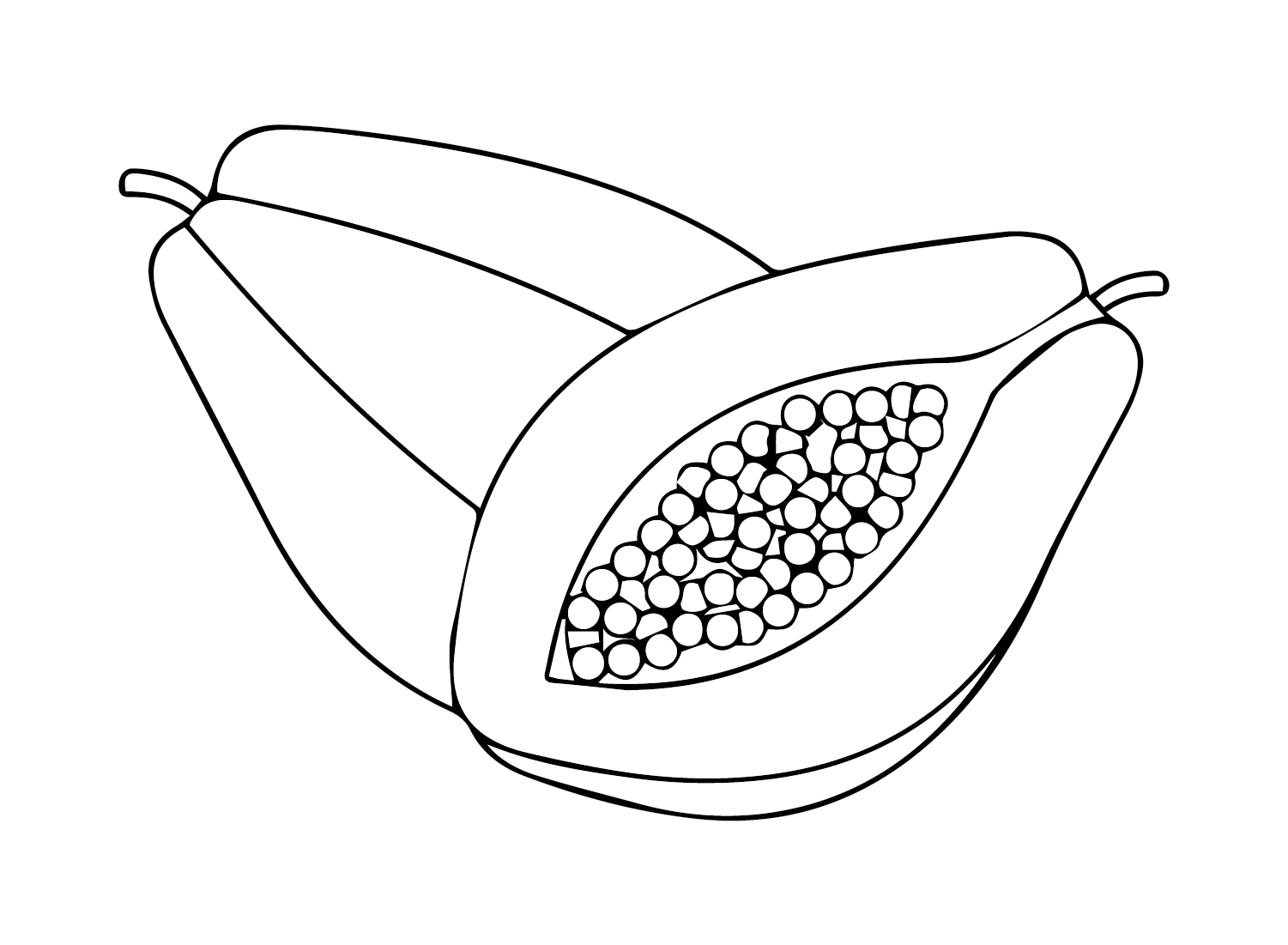
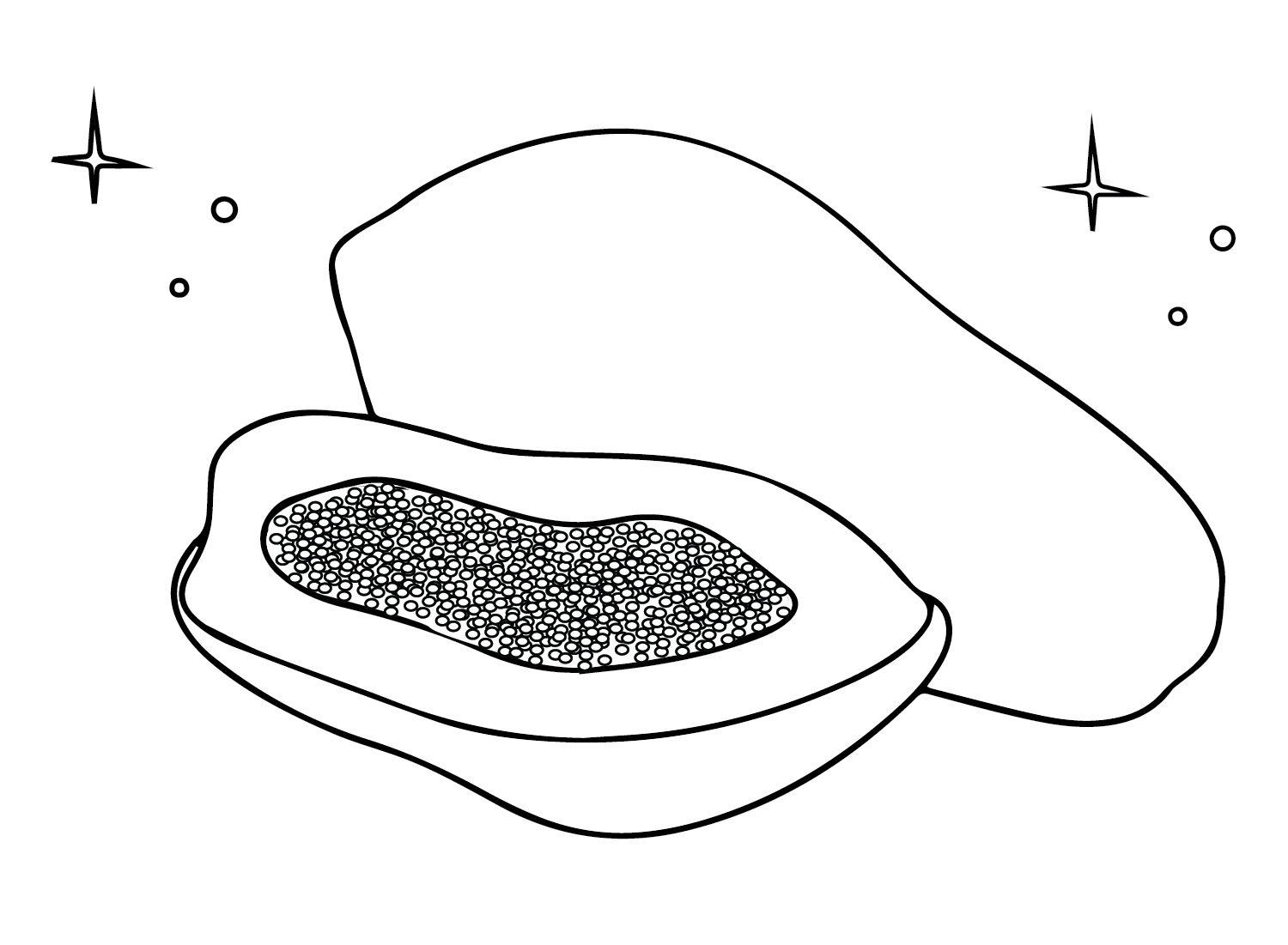
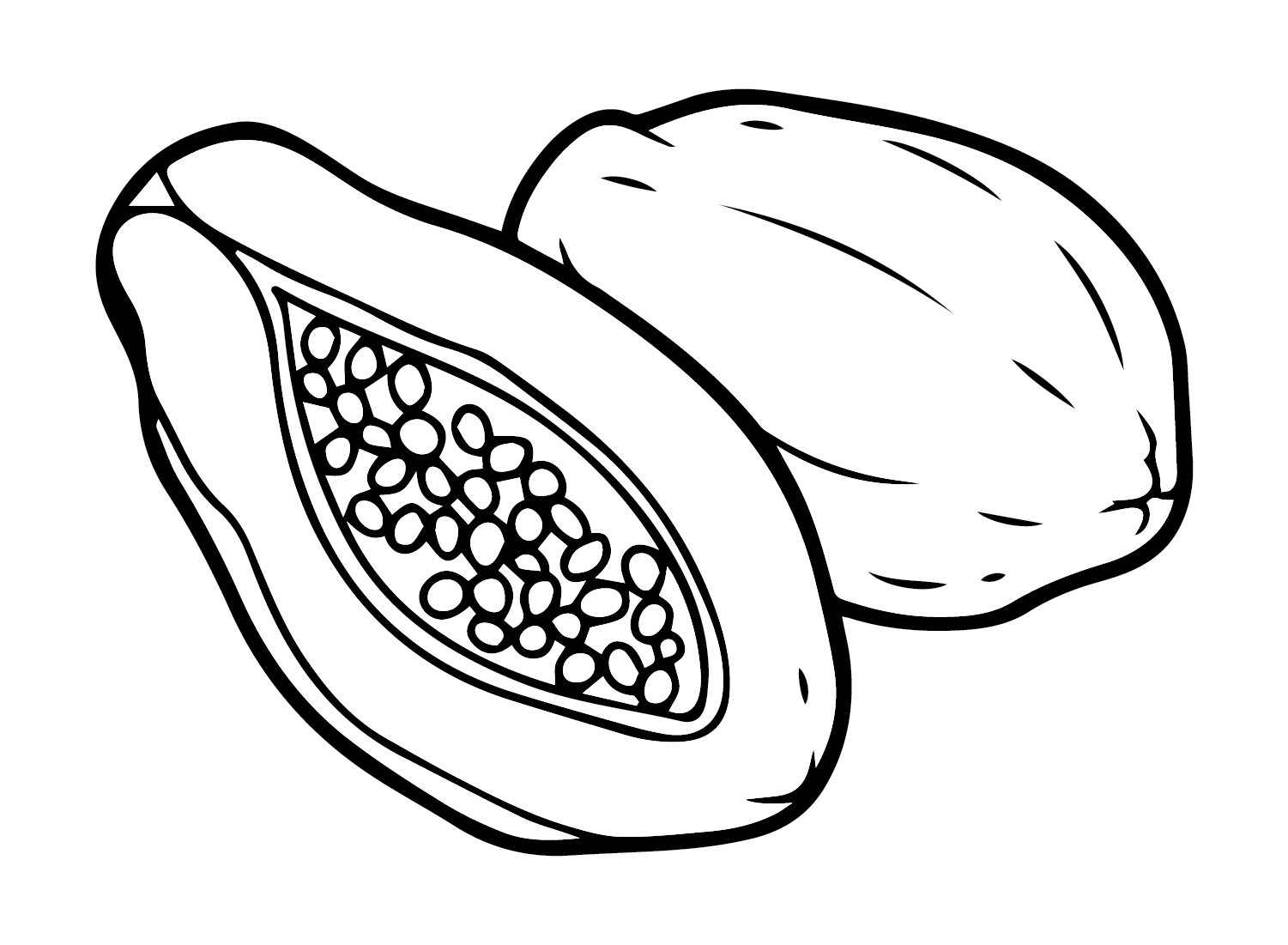
Free Papaya Coloring Pages: 22 printable PDF designs featuring realistic whole fruit, a sliced cross-section, cartoon and whimsical designs, sketch-style line art, and a simple beginner sheet. Each page can be downloaded as a PDF to print or colored online in the browser.
Papaya (Carica papaya) is native to southern Mexico and Central America, and Mexico remains the world’s leading papaya exporter today, supplying most of the fresh papaya sold in the United States. Sliced open, a ripe papaya reveals a hollow central cavity packed with small, round black seeds surrounding soft Orange or pink flesh. Unripe green papaya also produces a milky latex containing papain, an enzyme widely used as a natural meat tenderizer, which is one reason green papaya is used differently in cooking than the sweet, ripe fruit most people know.
This collection groups its 22 pages by style, from true-to-life whole and sliced papaya to cartoon and whimsical designs, so kids and adults can pick a version that matches their skill level. Each page is available as a downloadable PDF or as an online coloring tool that works directly in the browser.

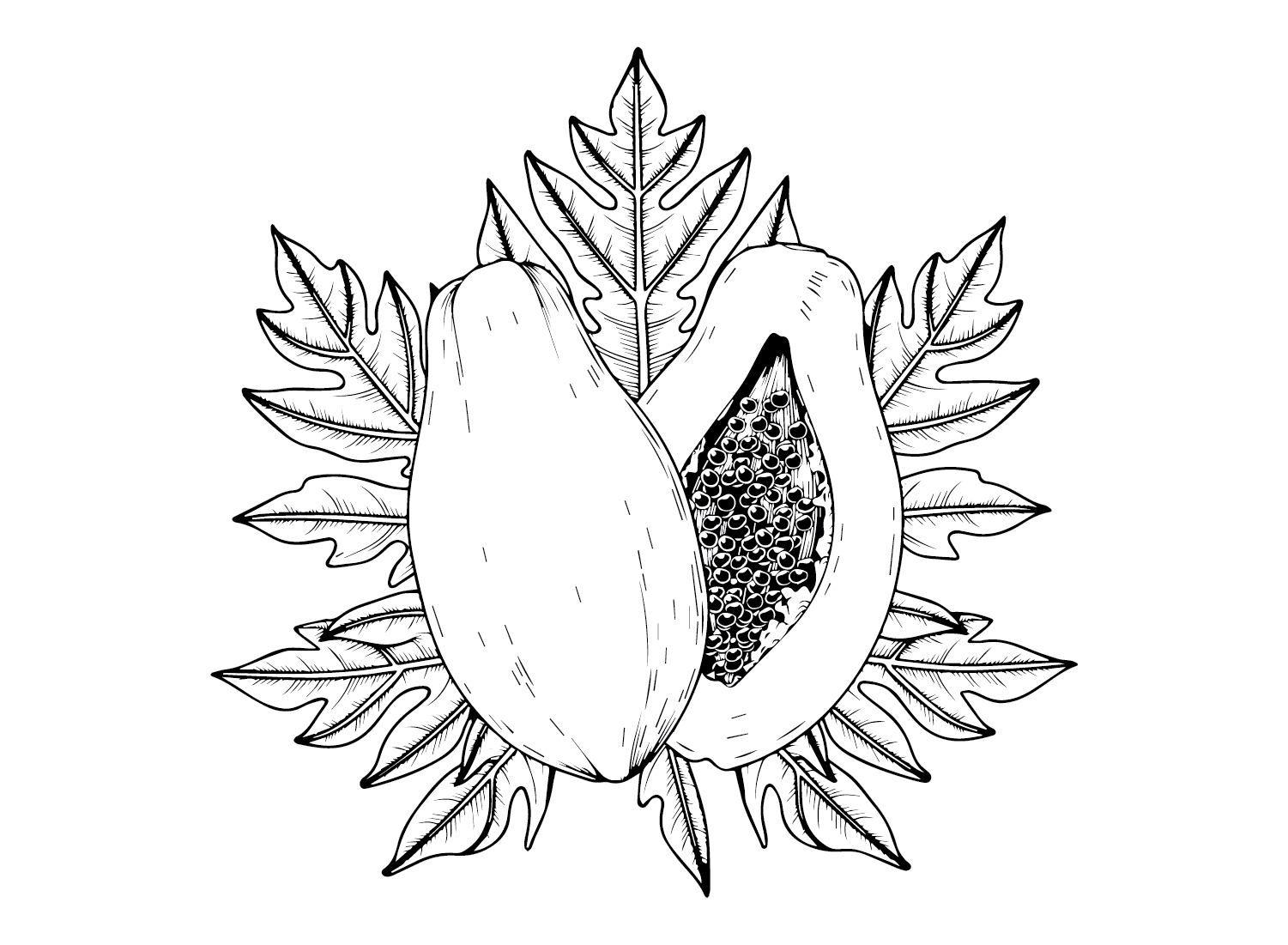
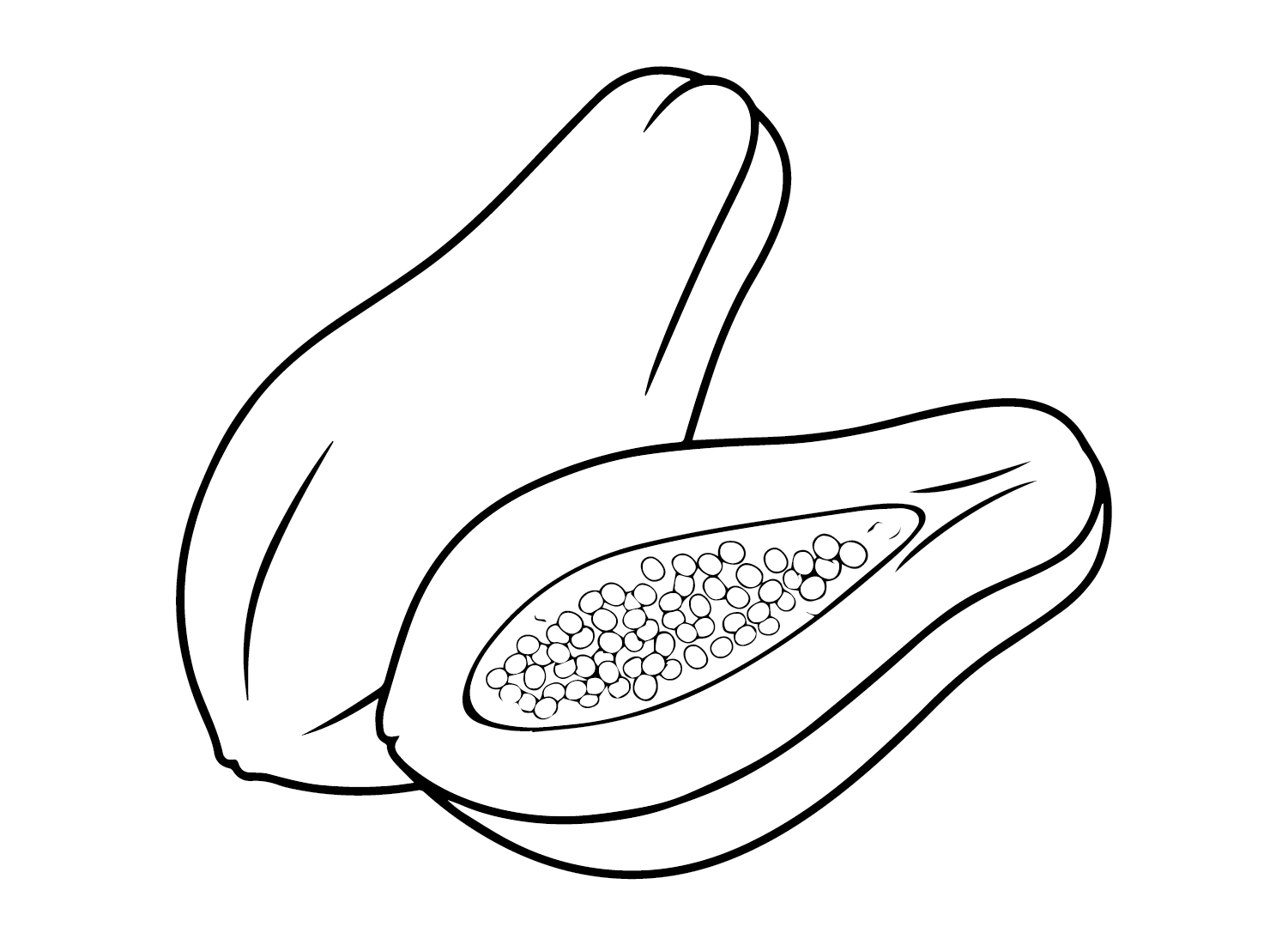
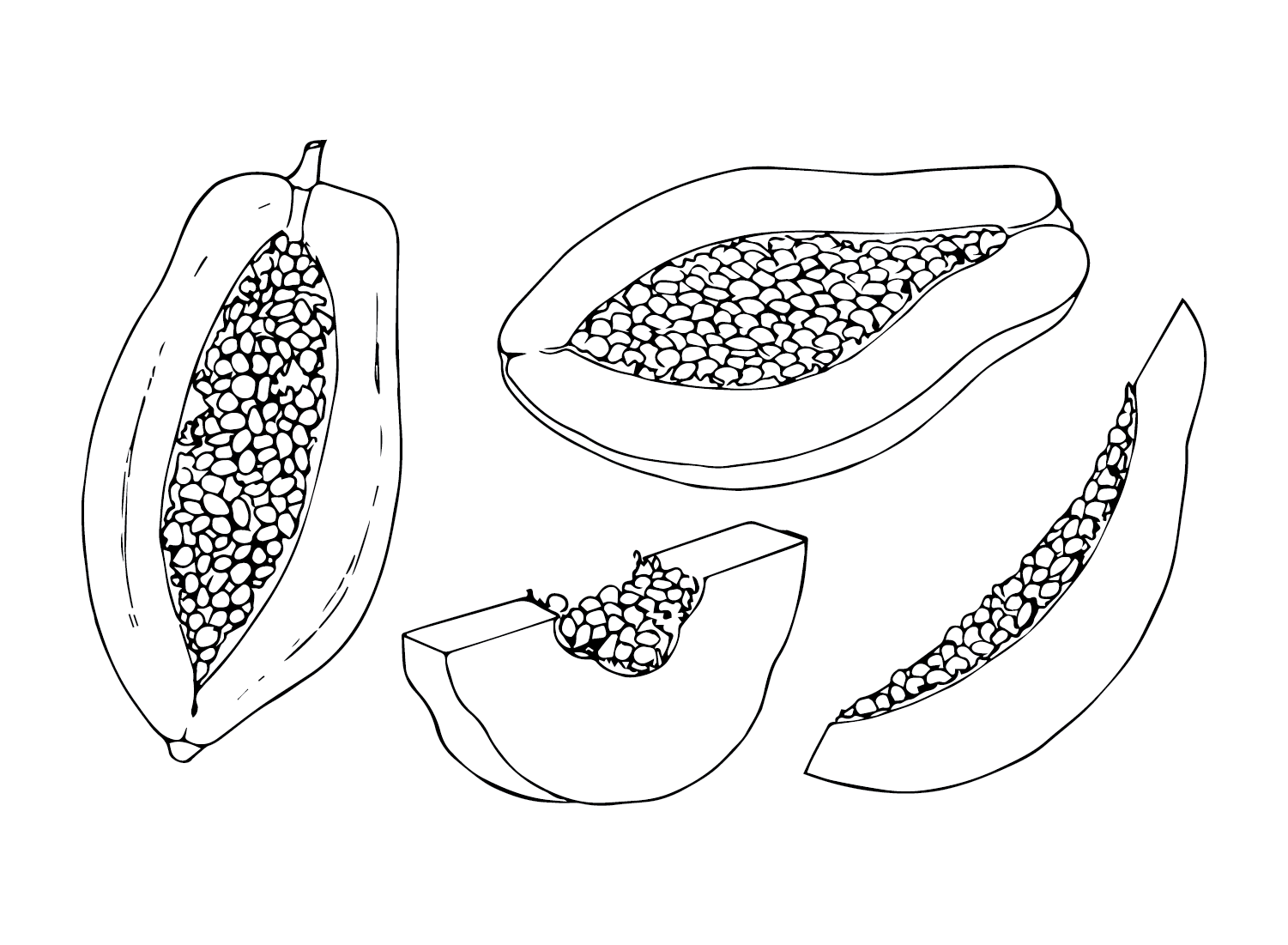
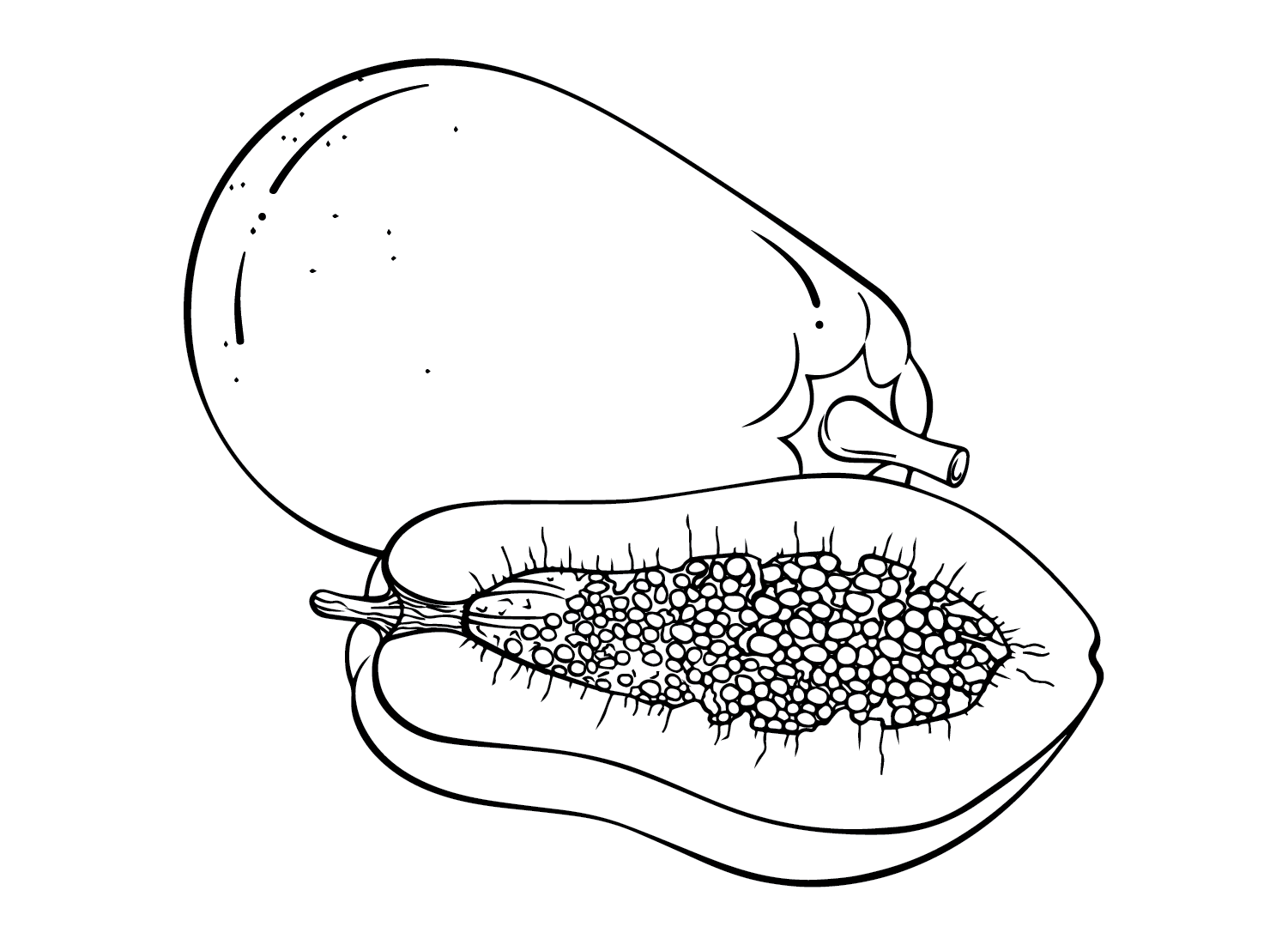
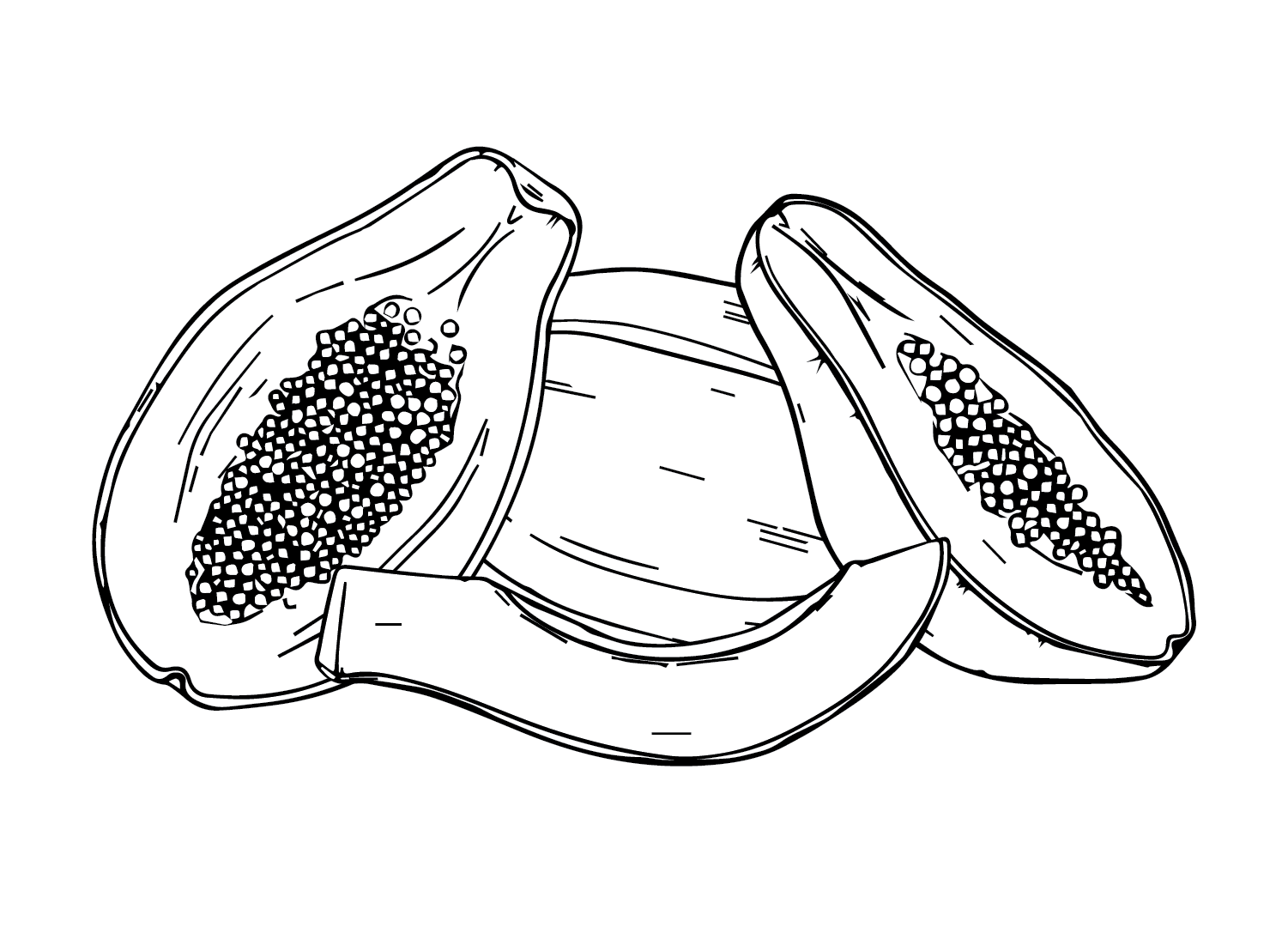
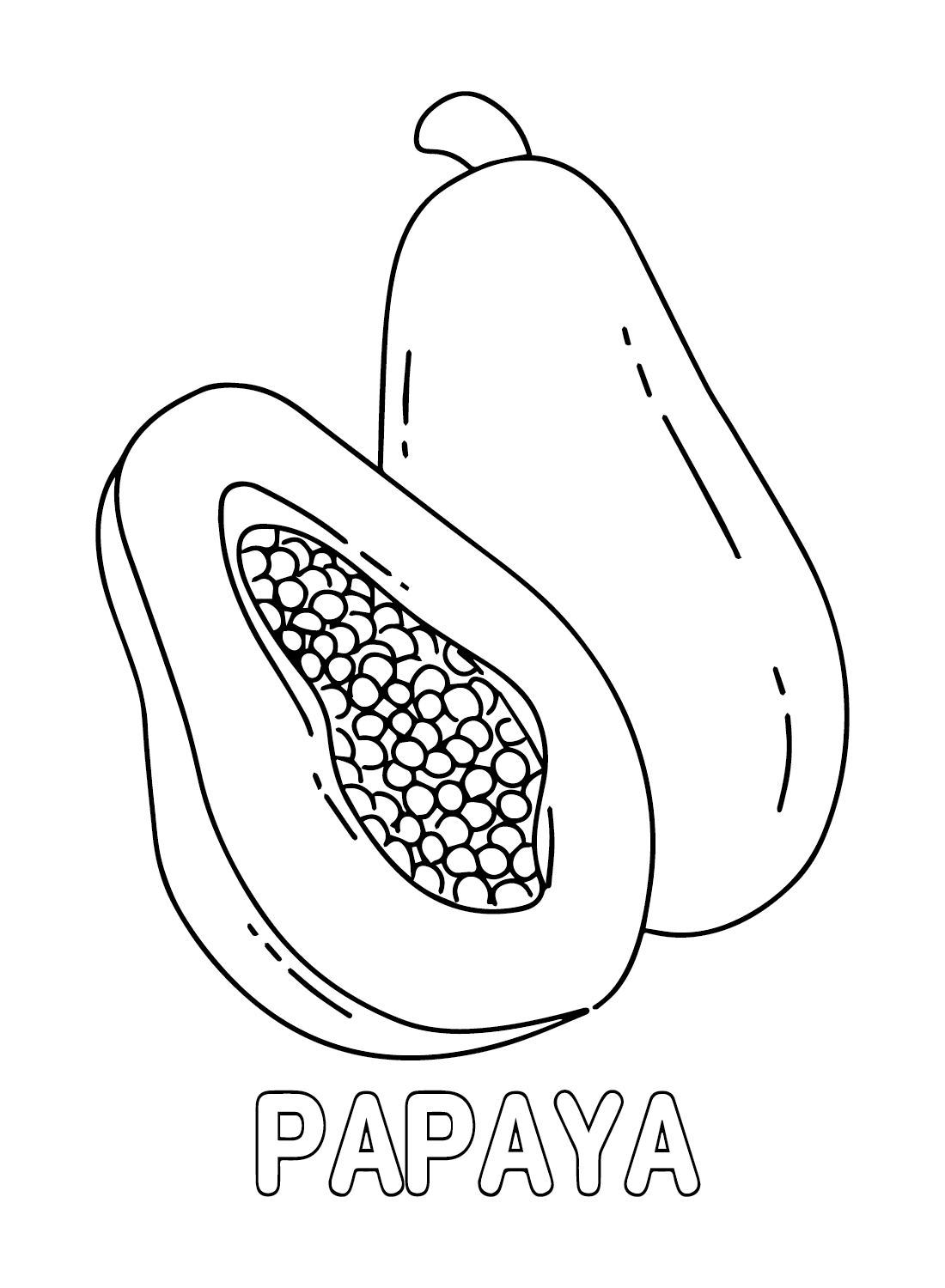
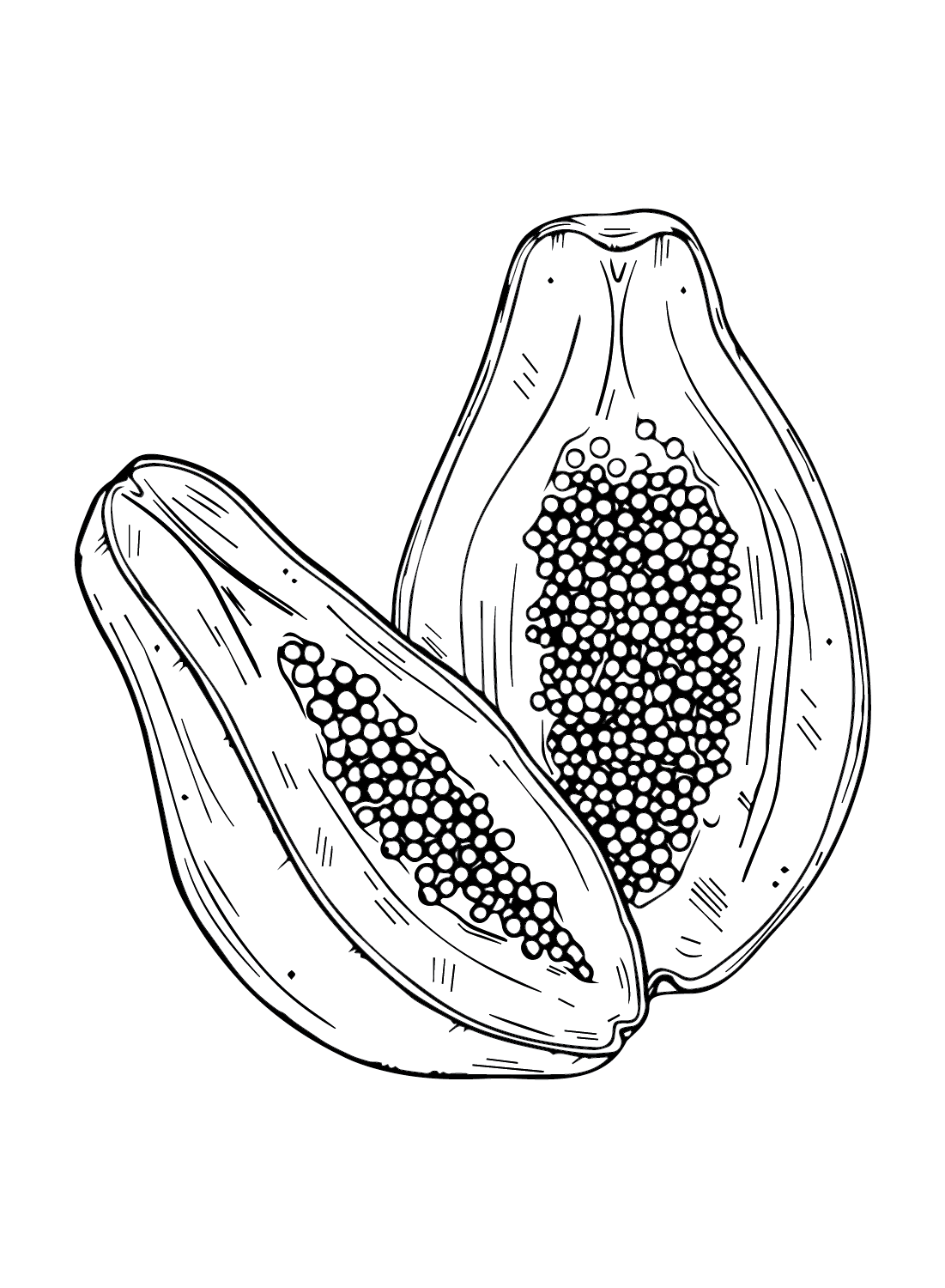
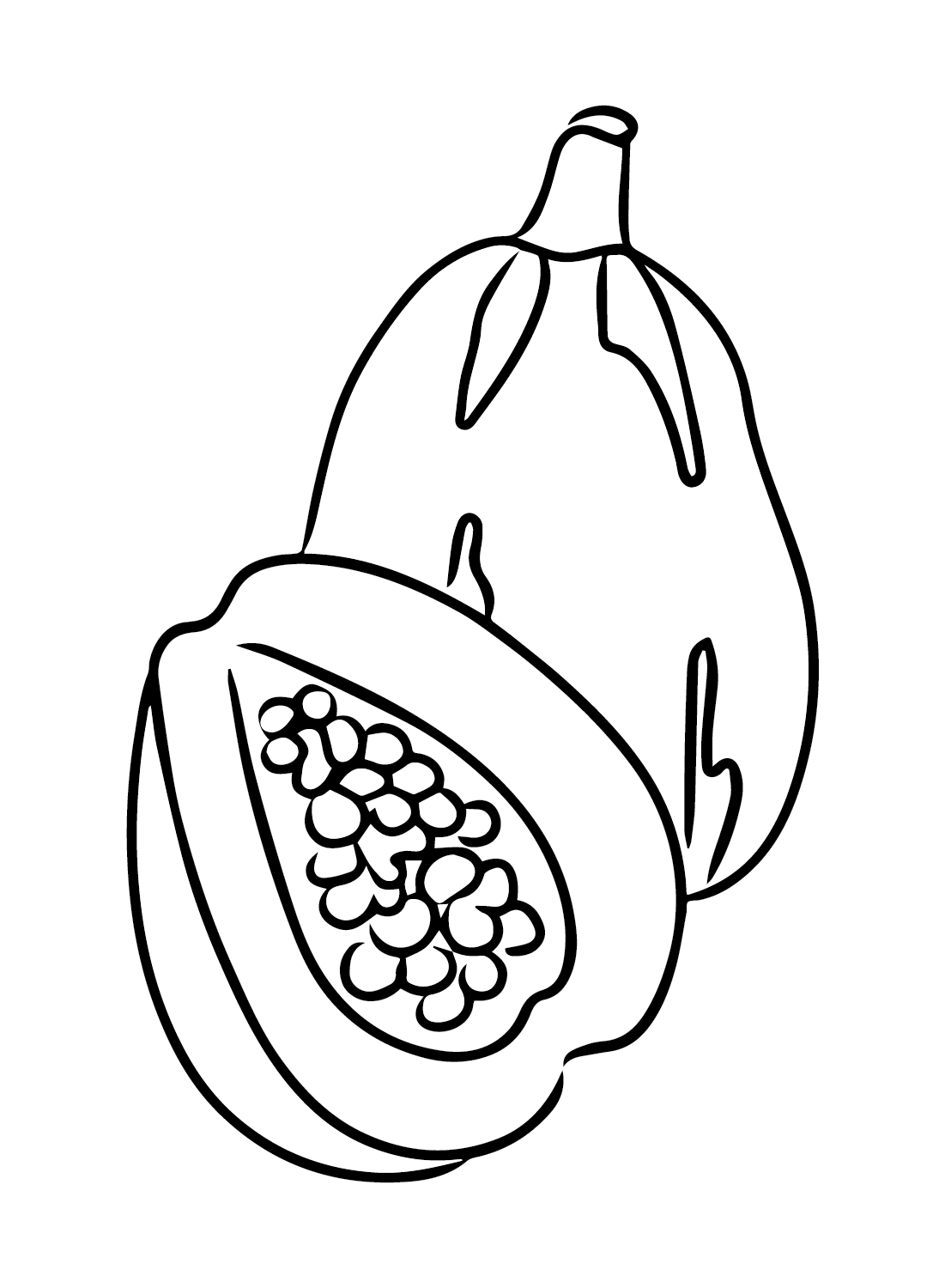
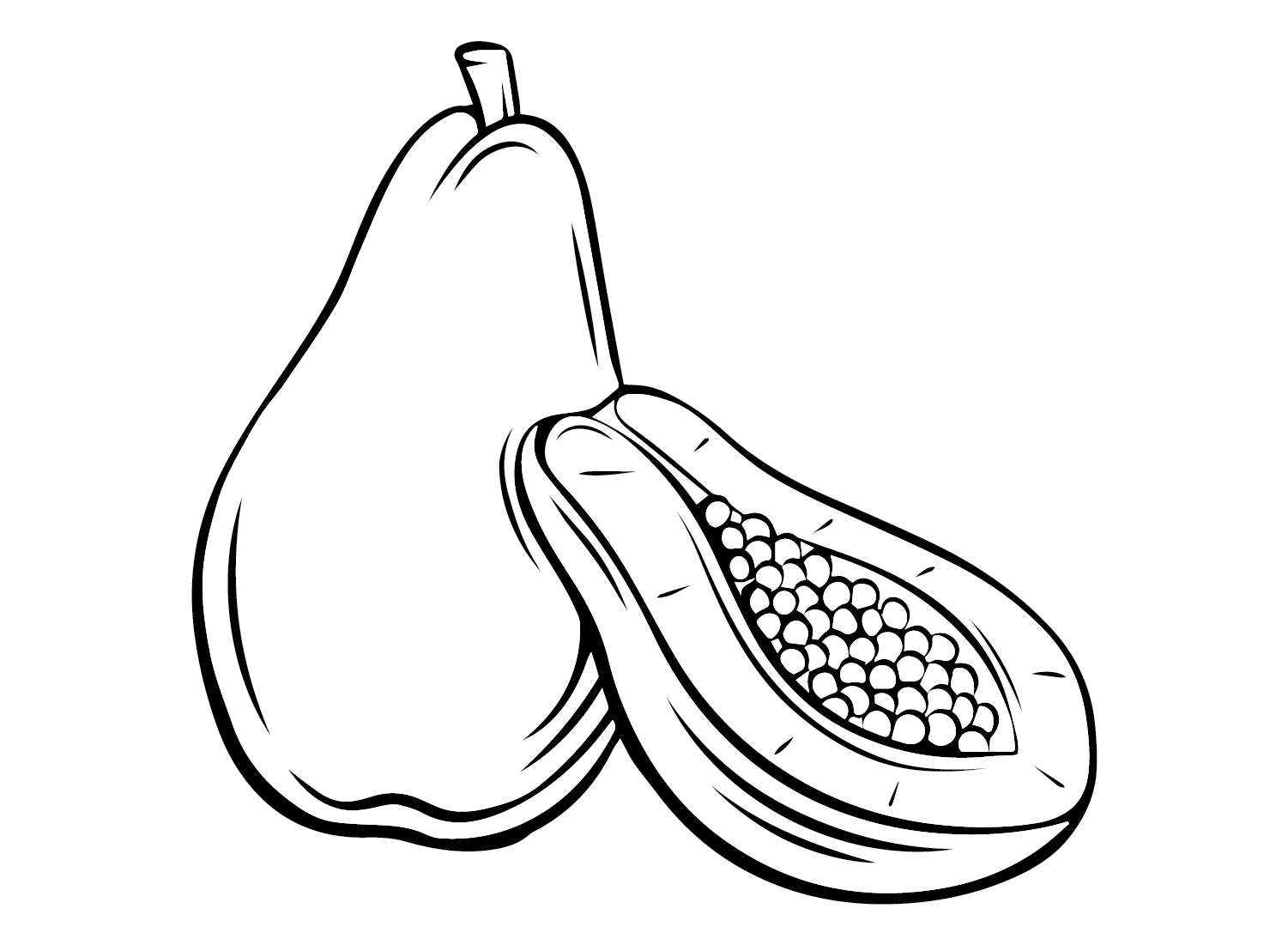
What Is Inside This Collection
The 22 pages are split into five groups based on style and complexity, ranging from detailed, realistic fruit to simple cartoon shapes.
Realistic Whole Papaya Designs
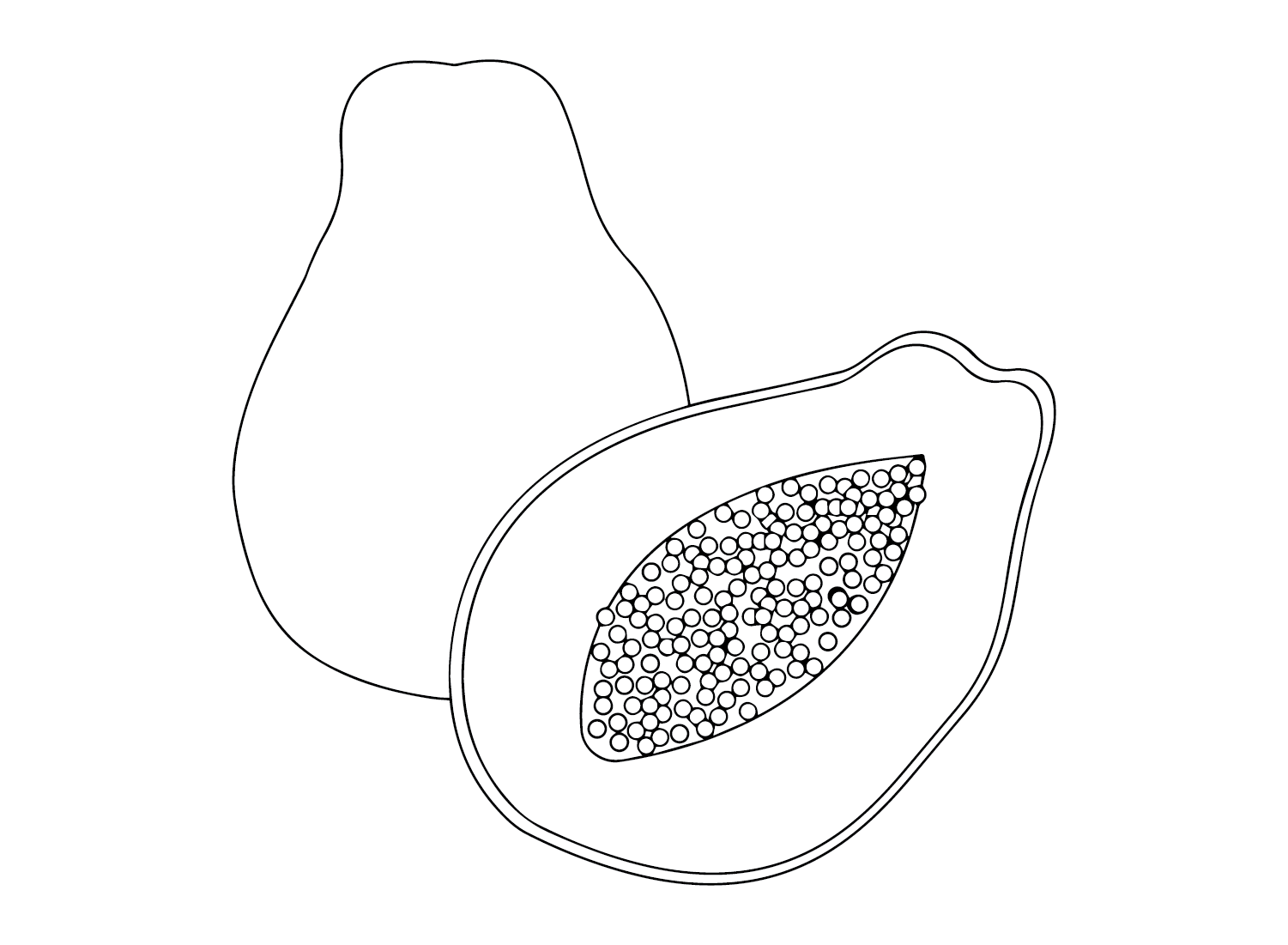
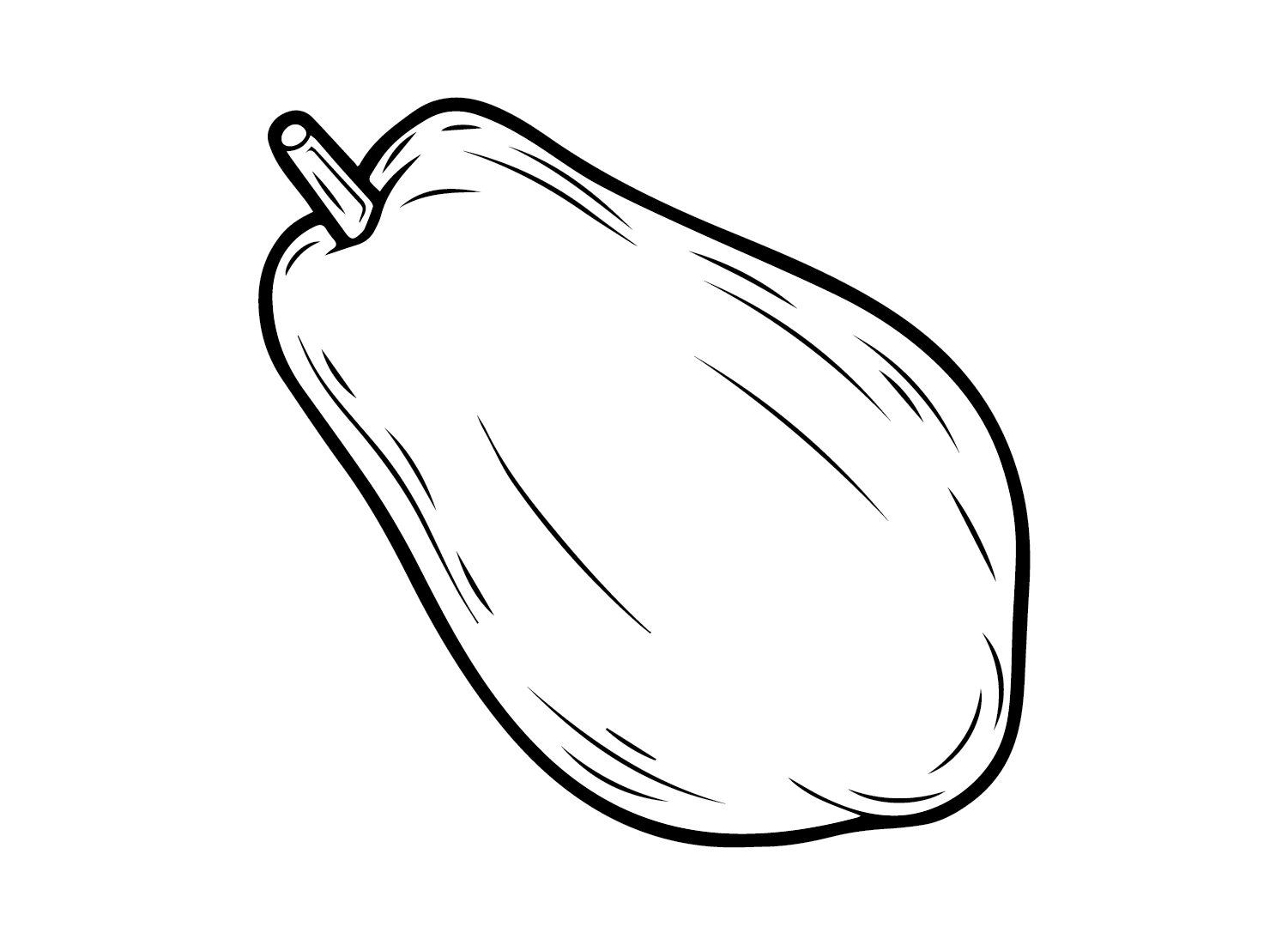
The largest group shows a whole papaya set against a plain background, with skin ranging from green to yellow-orange. Use Yellow Green for an unripe fruit, shift to Yellow Orange or Orange for a ripe one, and keep the shape long and slightly pear-like to match the fruit’s real proportions.
Sliced Papaya Cross-Section
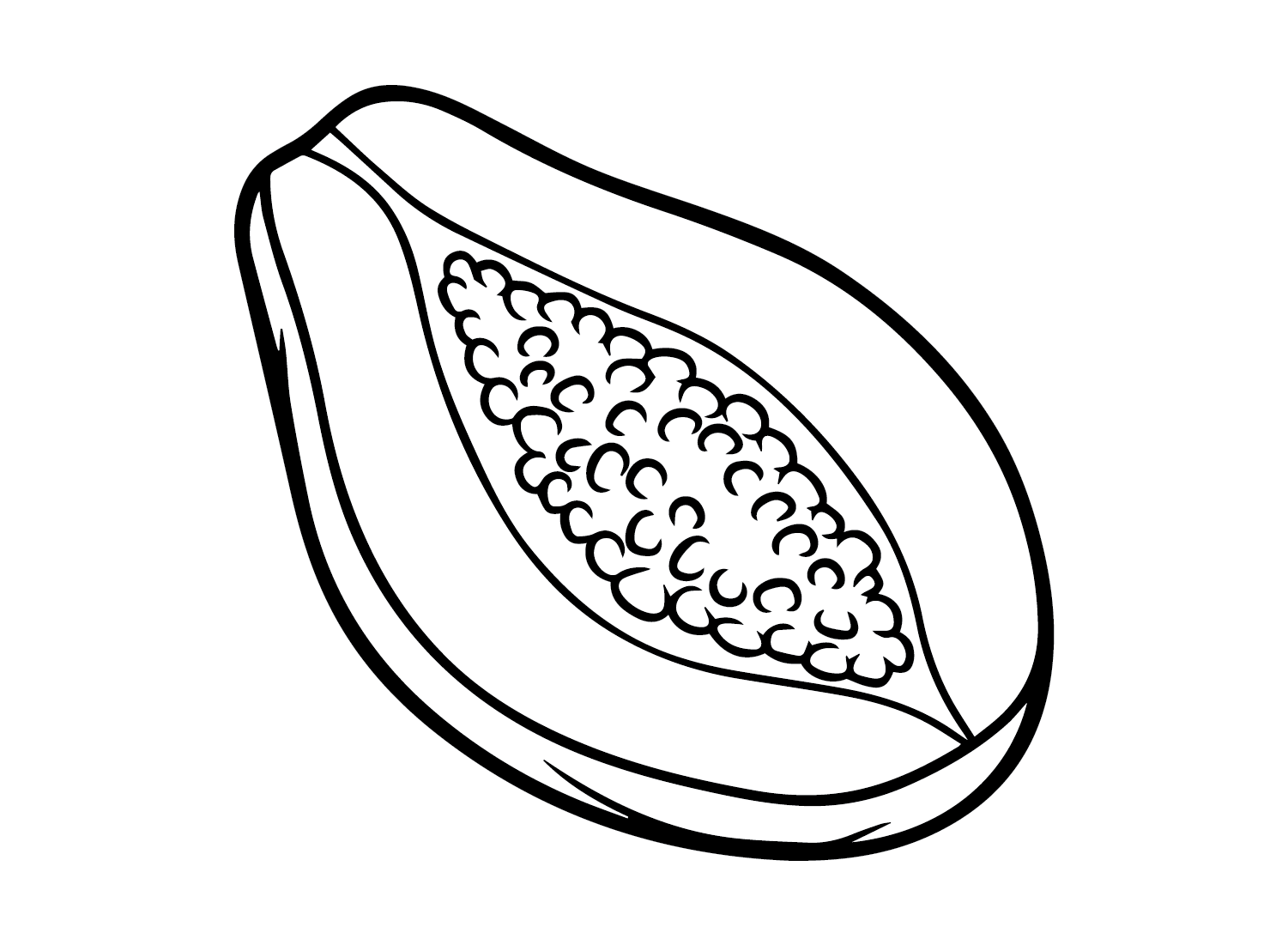
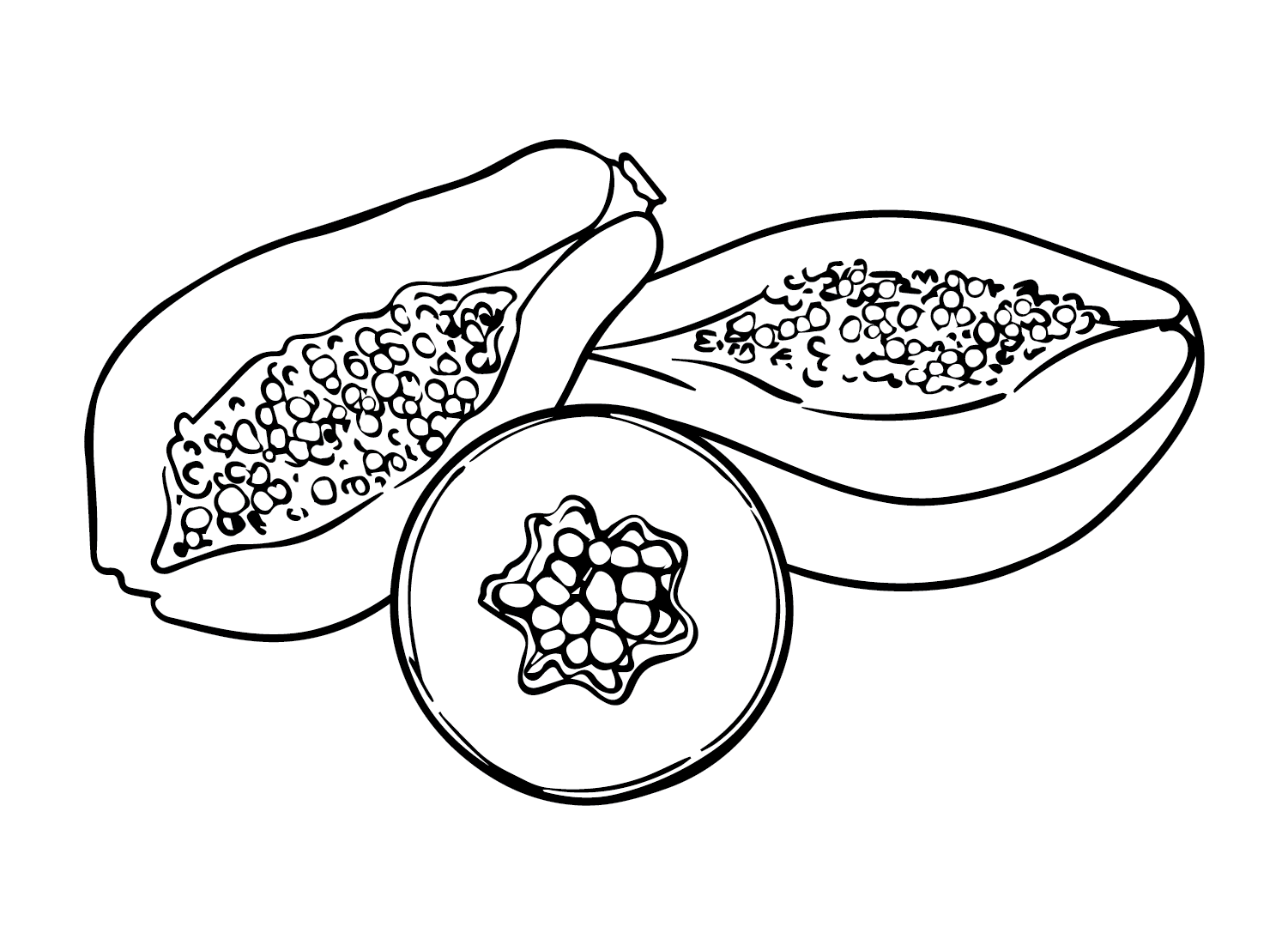
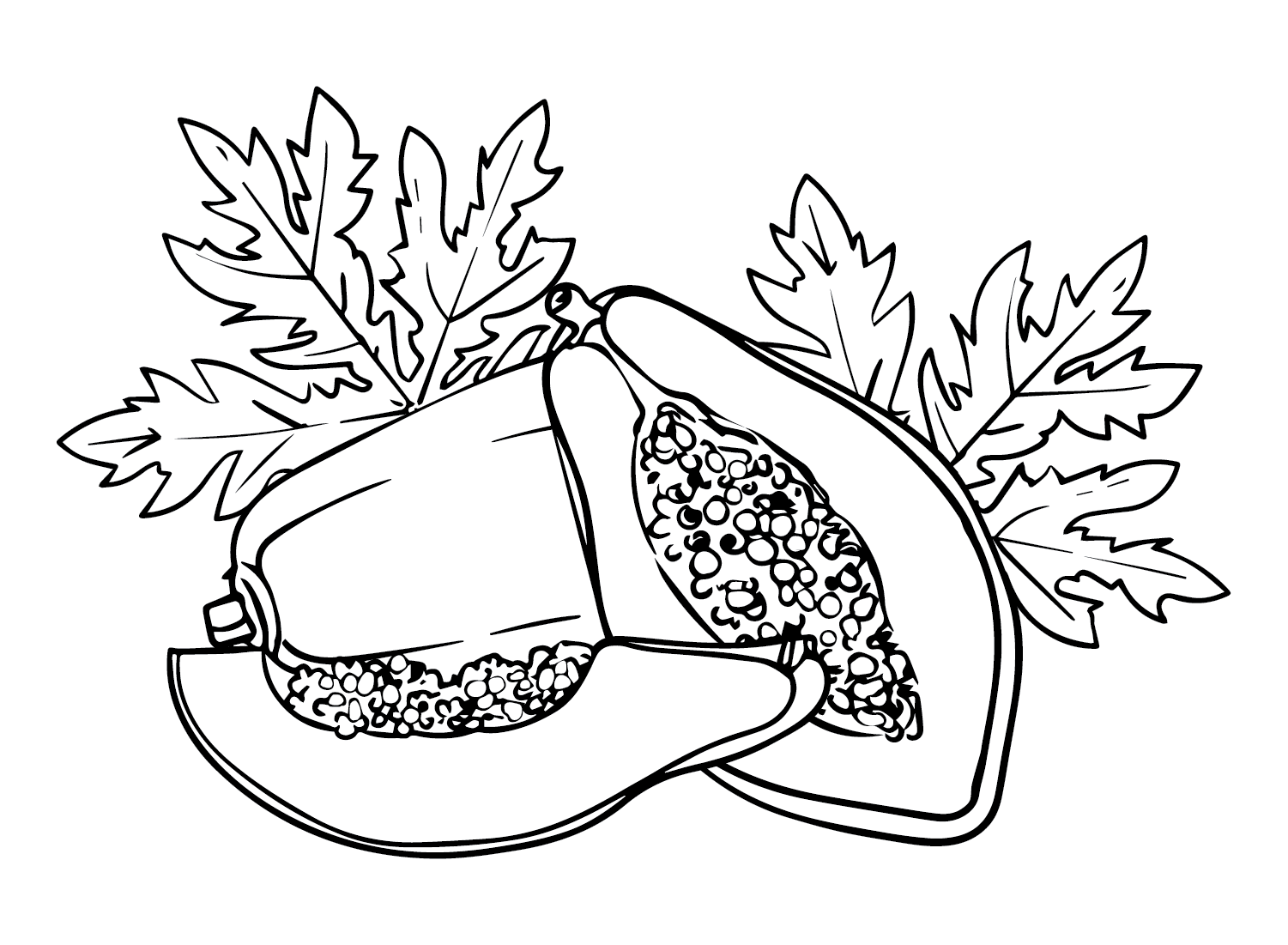
One page shows the fruit cut open to reveal its hollow seed cavity. Color the flesh a soft Orange or Salmon Pink, and fill the central cavity with small, round Black seeds packed closely together.
Cartoon and Whimsical Papaya
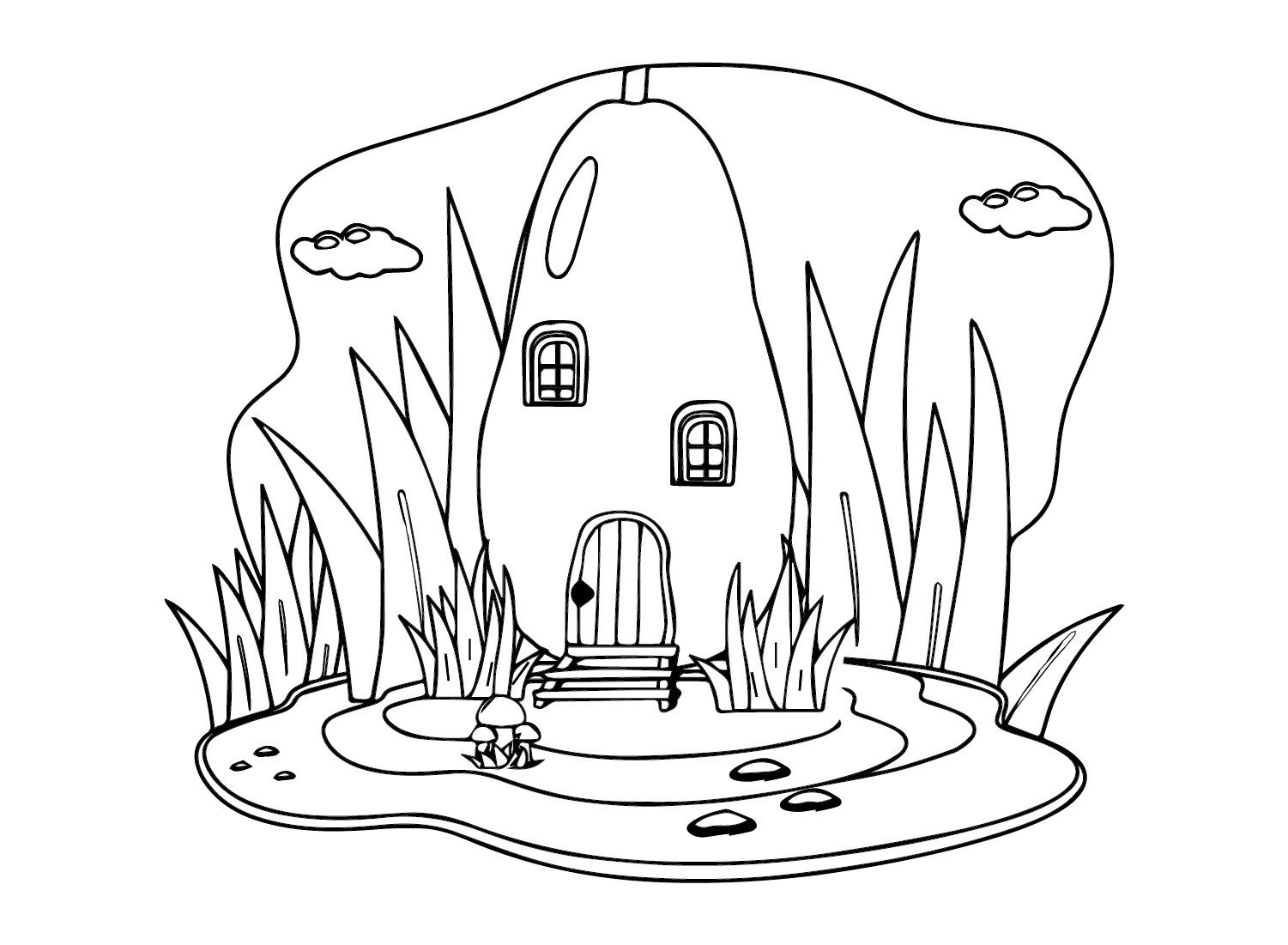
Two pages give the fruit a playful twist, including one shaped like a small house. Keep the cartoon design flat and bright with an Orange body and simple Black facial features, and use a mix of cheerful colors for the whimsical house design.
Sketch and Line-Art Style
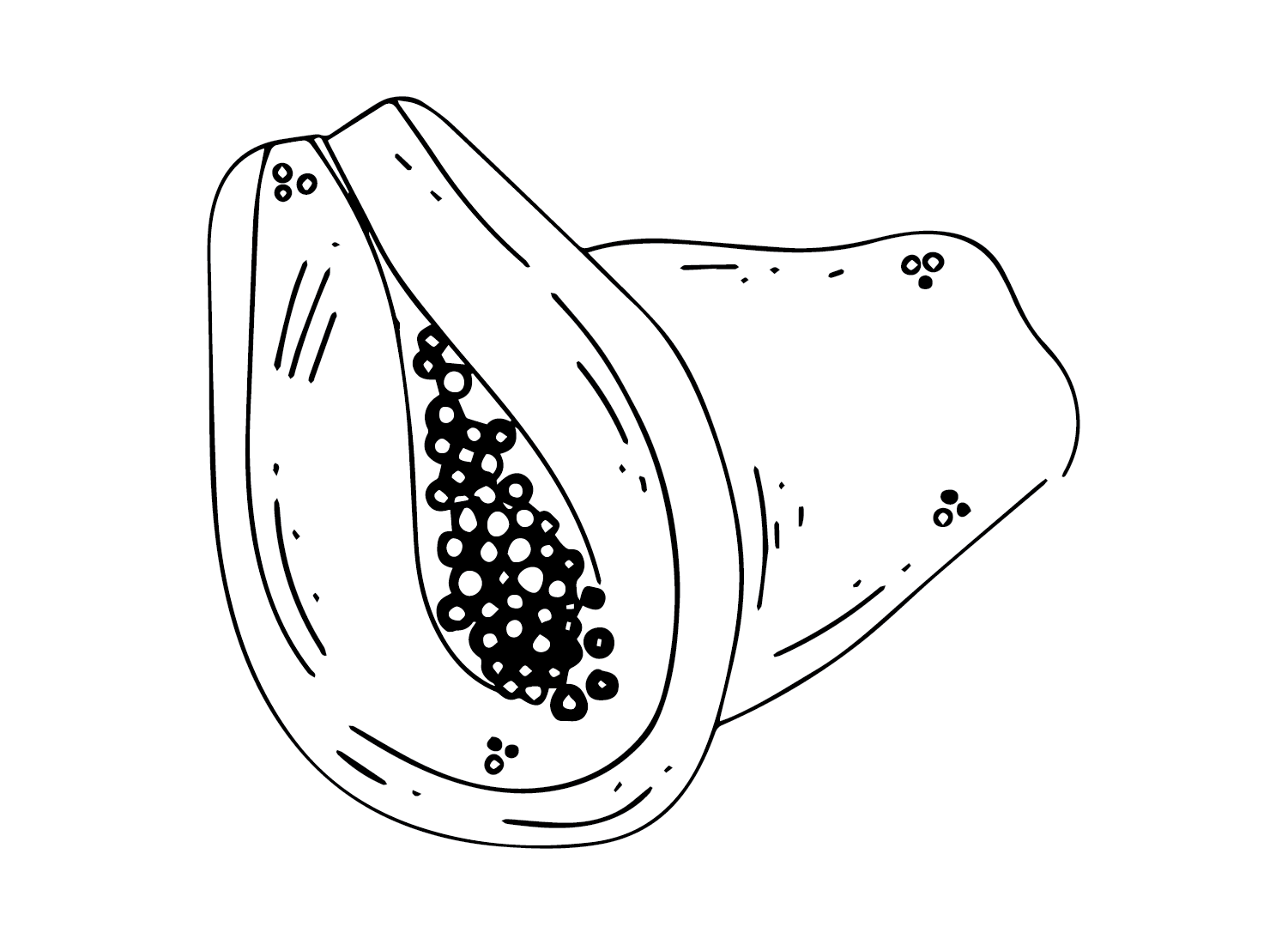
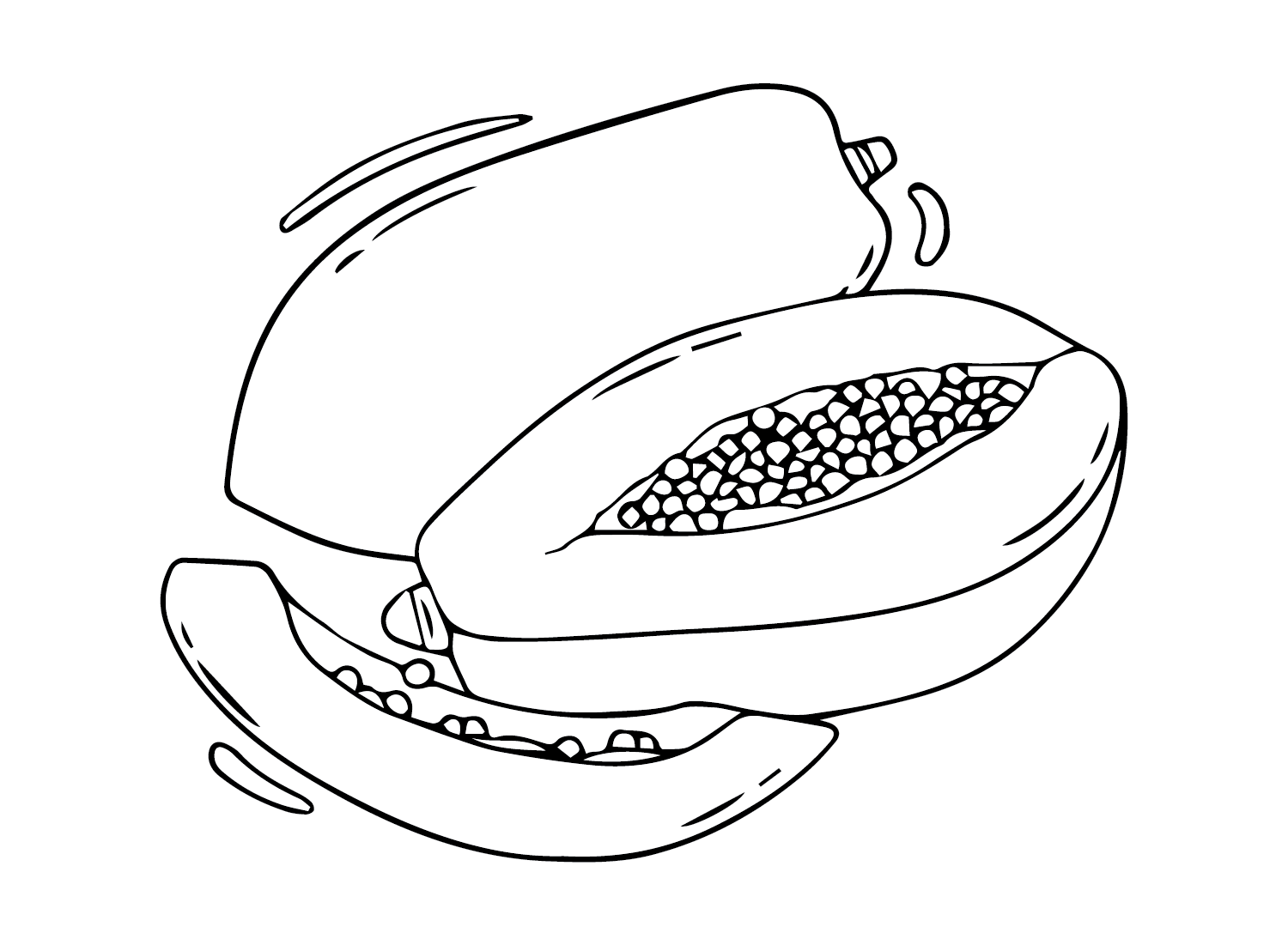
Four pages use a looser, hand-drawn or doodled outline instead of a clean, simple design. Colored pencil suits this style better than marker, starting with a light yellow-orange base and adding Orange shading only in loose, sketchy strokes.
Simple Beginner Sheet
One page uses a large, bold papaya outline with very few small details, making it a good starting point for toddlers and preschoolers. A single flat Orange or Green fill is enough to complete this design well.
What Papaya Coloring Pages Do
Fine motor development. The sliced papaya page shows a central cavity packed with dozens of small, round seeds, and coloring each one individually takes far more precise control than filling in a single smooth shape. The American Academy of Pediatrics identifies fine motor skill development as a core benefit of structured coloring for children ages 2 through 7, and the papaya’s seed-filled cavity gives that practice unusually detailed dotting work.
A fruit with two different uses. Unripe green papaya contains a milky latex with papain, an enzyme used as a natural meat tenderizer, while the ripe fruit is simply sweet and soft. That gives parents and teachers a natural opening to explain how the same fruit can be used in completely different ways depending on when it’s picked, something that surprises many kids who assume a fruit only has one use.
Anxiety reduction through focus. A 2005 study in the Art Therapy Journal documented measurable reductions in anxiety following structured coloring sessions. The repeated small seed dots on the sliced papaya page offer exactly the kind of steady, low-stakes detail work that suits an unhurried coloring session.
Color-shift practice. Papaya skin shifts from green to yellow-orange as it ripens, and the flesh inside ranges from a pale orange to a deeper salmon pink depending on the variety. That gradient gives colorists more shading practice than a fruit that stays one flat color throughout.
How to Color Papaya Coloring Pages Well
- Unripe skin: Use Crayola Yellow Green for fruit that is just beginning to turn color, keeping the tone even.
- Ripe skin: Shift to Yellow, Orange, or Orange across most of the fruit for a fully ripe papaya.
- Sliced flesh: Color the inner flesh a soft Orange or Salmon Pink, depending on the variety shown.
- Seed cavity: Fill the small round seeds in the center with Black, keeping them tightly packed to match the real fruit’s dense seed cluster.
- Cartoon and whimsical characters: Keep the body a flat, even Orange, add simple Black facial features, and use bright, varied colors for any whimsical house or scene elements.
- Sketch-style line art: Layer colored pencil starting with a light Yellow Orange base, then add loose Orange shading only along the sketchy outer lines.
5 Creative Craft Ideas With Papaya Coloring Pages
1. Papaya Seed-Counting Craft
Color the sliced papaya page, count the small black seeds in the cavity, then write the total on the back for a simple counting activity.
2. Papaya Tree Diorama
Color several whole-fruit pages, cut them out, and hang them from a paper tree taped inside a shoebox to build a small orchard scene.
3. Papaya Fact Poster
Color a large papaya page and add hand-written facts around it, such as what papain is used for, for a simple classroom science poster.
4. Papaya Bookmark
Color one of the smaller papaya designs, trim it to a bookmark shape, and add a ribbon or paper tassel through a hole punched at the top.
5. Papaya Garland
Color multiple papaya pages, cut around each one, and string them together with twine for a kitchen or classroom garland.
Frequently Asked Questions
What are papaya coloring pages?
Papaya coloring pages are printable designs that show the fruit in different styles, including realistic whole and sliced fruit, cartoon and whimsical designs, sketch art, and a simple beginner sheet. This collection includes 22 pages, each downloadable as a PDF or available to color online.
Where does papaya come from?
Papaya is native to southern Mexico and Central America. Mexico remains the world’s leading papaya exporter today and supplies most of the fresh papaya sold in the United States.
What is inside a papaya when it’s sliced open?
A ripe papaya has a hollow central cavity filled with small, round black seeds surrounding soft Orange or pink flesh.
What is papain, and what is it used for?
Papain is an enzyme found in the milky latex of unripe green papaya, and it is widely used as a natural meat tenderizer, along with applications in brewing and cosmetics.
Is there more than one type of papaya?
Yes. Small, pear-shaped varieties often called Hawaiian or Solo papayas are common in the United States, while larger varieties, sometimes called Mexican papayas, are also widely grown and sold.
How many papaya coloring pages are in this collection?
This collection includes 22 papaya coloring pages, split across realistic whole fruit, a sliced cross-section, cartoon and whimsical designs, sketch-style line art, and one simple beginner sheet.
Are papaya coloring pages suitable for young children?
Yes. The simple beginner sheet and cartoon designs use bold, easy shapes that suit toddlers and preschoolers. The sliced and sketch-style pages, with their detailed seed cavity, suit older children and adults who want more shading practice.
Why is green papaya used differently from ripe papaya in cooking?
Unripe green papaya is firmer, less sweet, and contains higher levels of papain, which makes it better suited for savory dishes like green papaya salad, while ripe papaya is soft and sweet enough to eat on its own.
Start Coloring
Download any page by clicking the design. No account, email, or payment is required. Pages print directly from the browser at full resolution or open in the online coloring tool for screen use. Share finished pages on Facebook or Pinterest with the share buttons at the top of each design page.