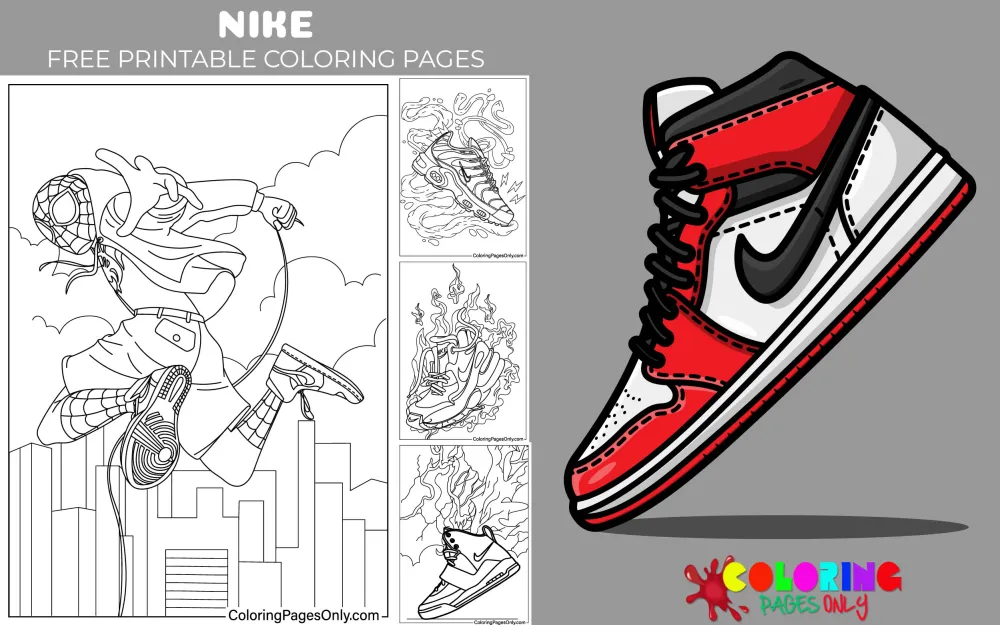
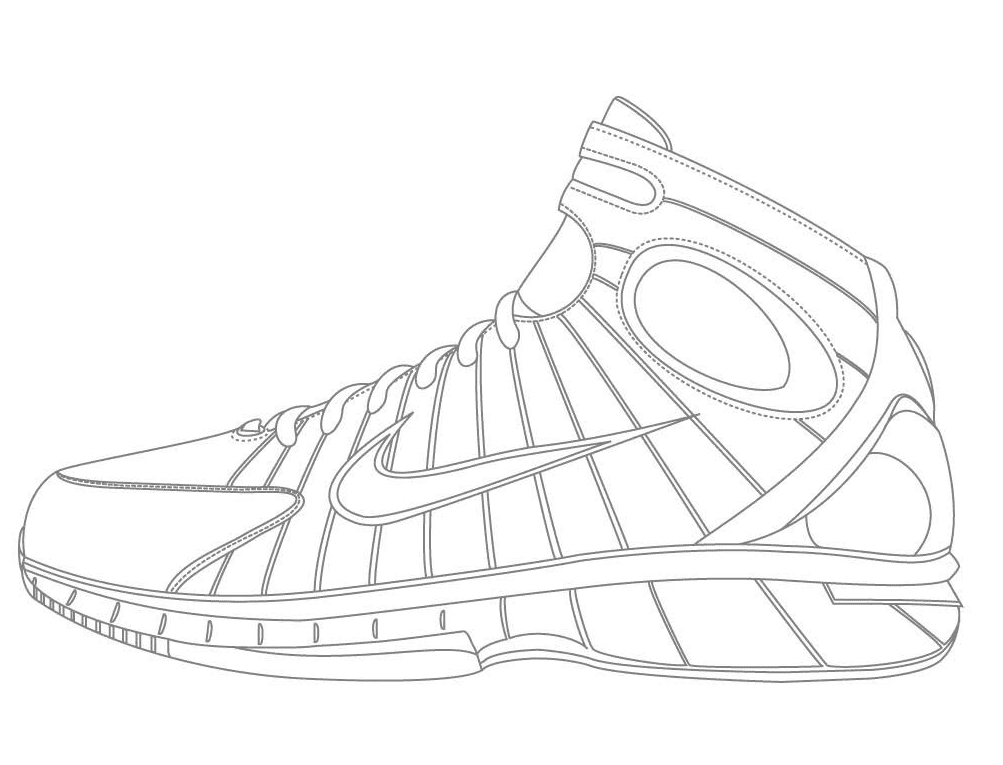
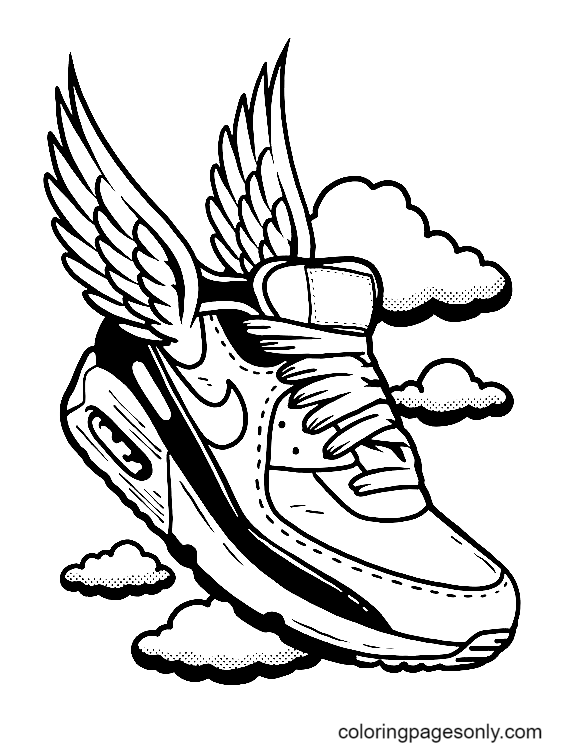
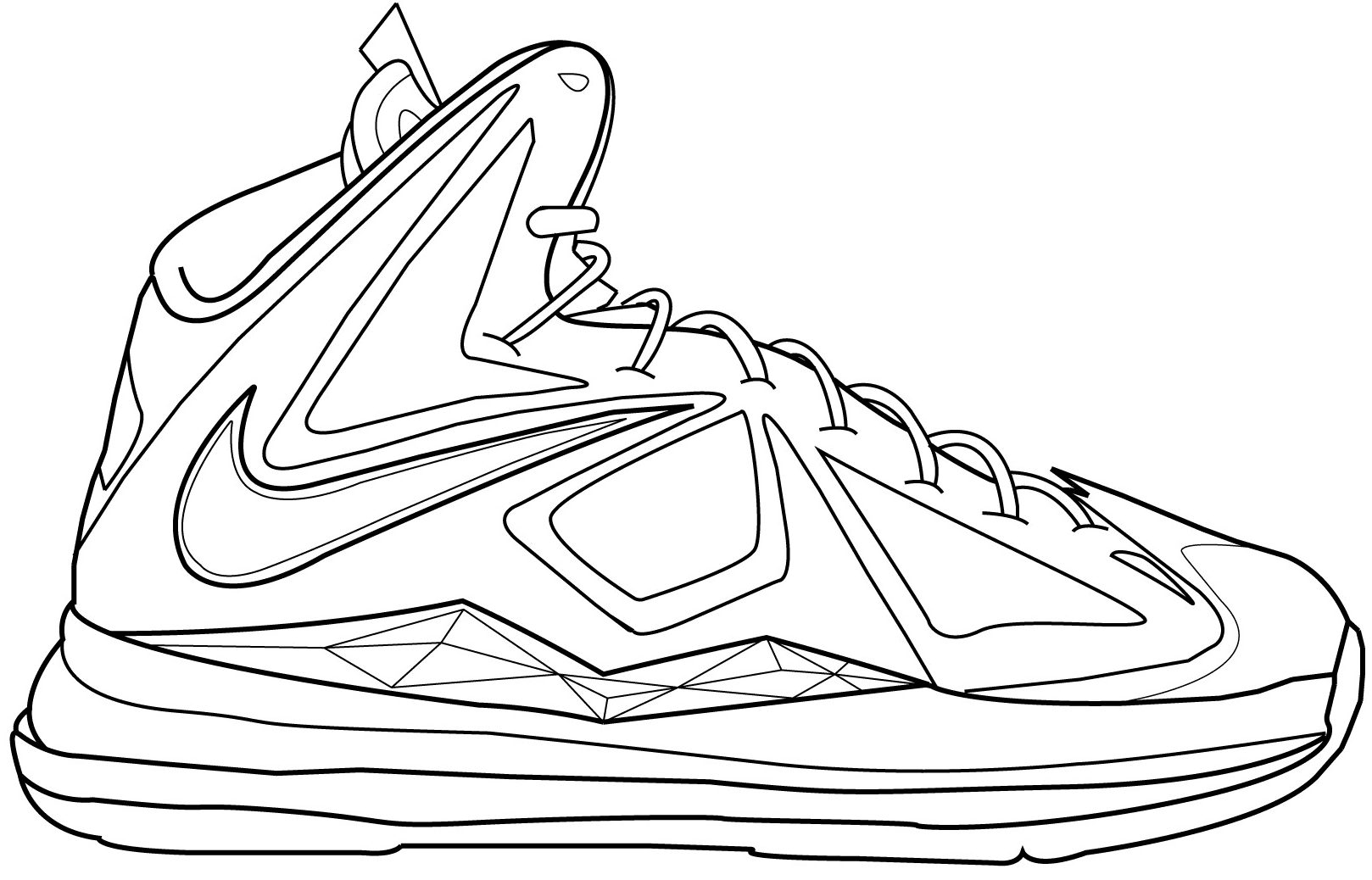
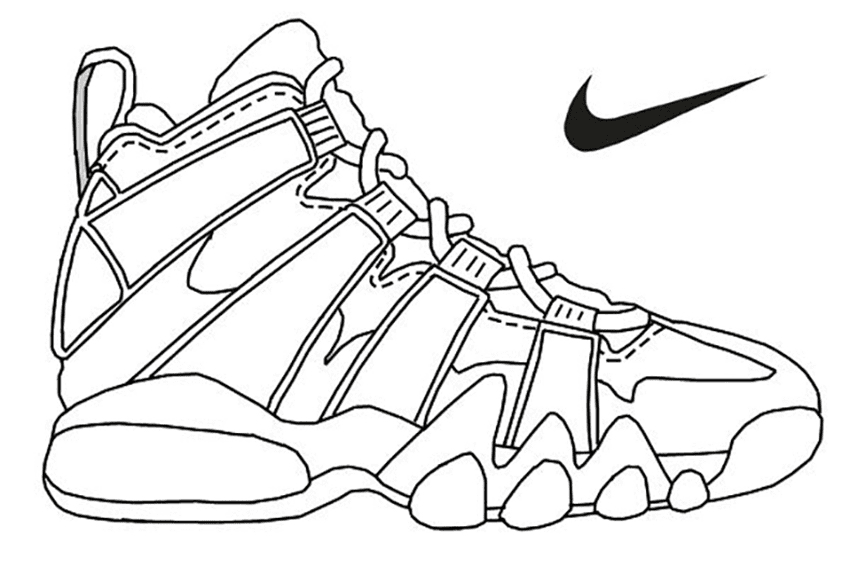
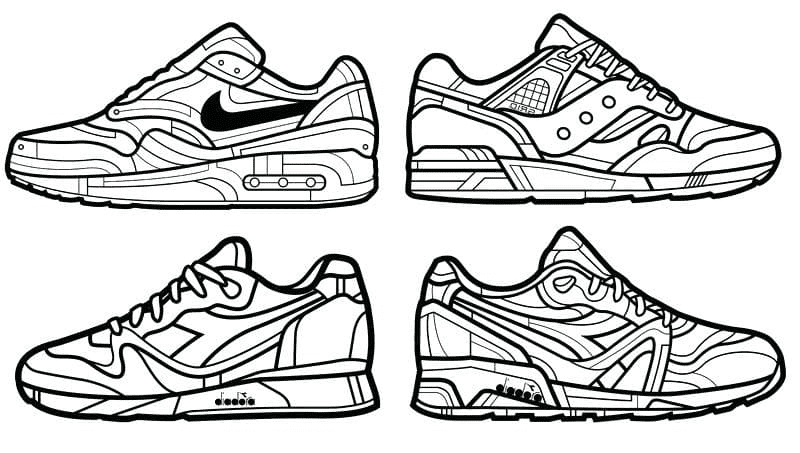
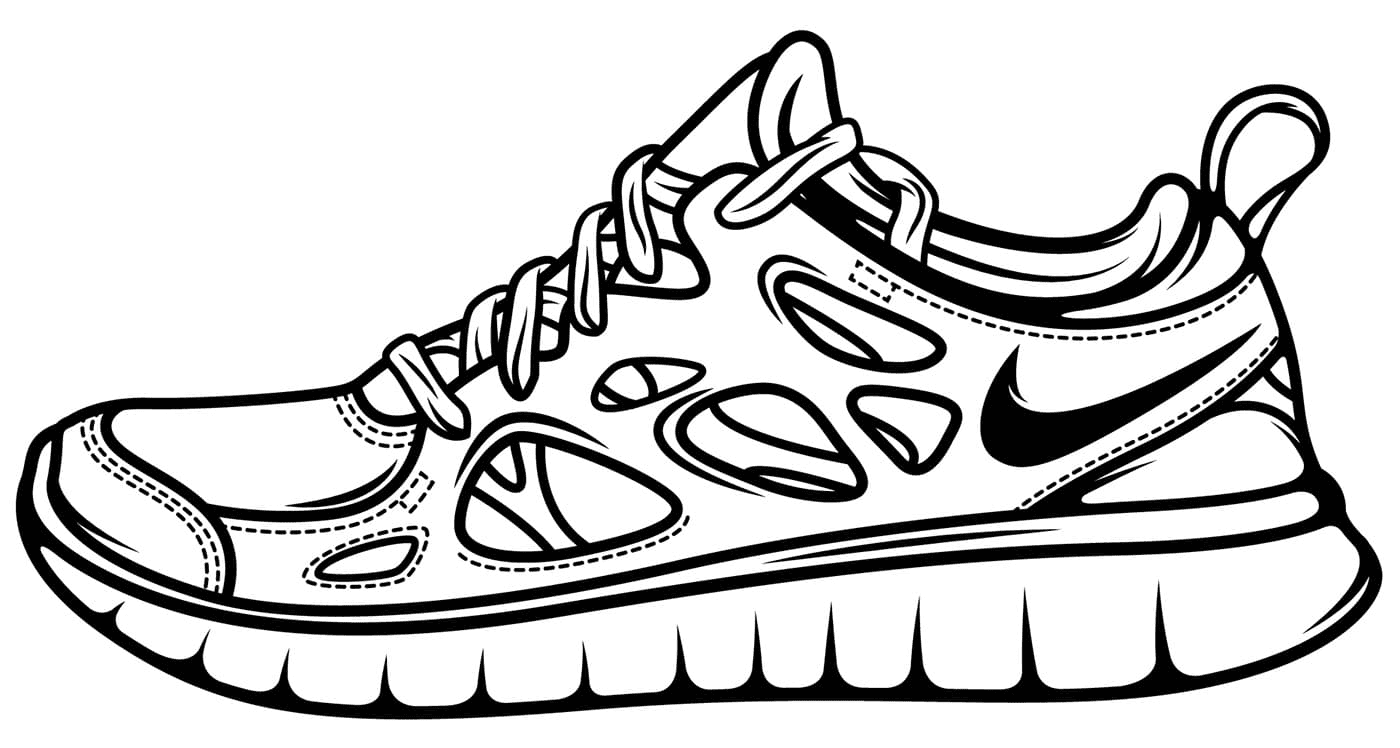
Free Nike coloring pages: 50+ pages featuring the iconic Nike Swoosh in standalone logo compositions, Air Jordan sneaker designs in multiple colorways, Air Max and Air Force 1 shoe illustrations, Nike Dunk and Blazer renderings, “Just Do It” typographic designs, detailed sneaker cross-section studies showing Air cushioning units, athletic apparel outlines, and the full visual vocabulary of one of the world’s most recognizable sportswear brands across its sixty-year history. All free, printable PDF and online coloring for sneaker enthusiasts and sports culture fans of all ages.
Nike, Inc. was founded as Blue Ribbon Sports on January 25, 1964, by Bill Bowerman, the track and field coach at the University of Oregon, and Phil Knight, a former middle-distance runner who had been coached by Bowerman. The company initially operated as a distributor for the Japanese shoemaker Onitsuka Tiger (now ASICS). The company officially became Nike, Inc. on May 30, 1978. Its headquarters are in Beaverton, Oregon, on the Nike World Campus.
The Nike name was suggested by Jeff Johnson, the company’s first employee, in 1971, reportedly after dreaming of it. Nike is the Greek goddess of victory. The Nike Swoosh, the logo that has become one of the world’s most reproduced graphic marks, was designed by graphic design student Carolyn Davidson at Portland State University, commissioned by Phil Knight for a total payment of $35 in 1971. Davidson later received additional compensation: in 1983, Knight gave her a gold Swoosh ring set with a diamond and an envelope of Nike stock.
These 50+ free pages at ColoringPagesOnly.com cover the Nike visual legacy across its core products and logo designs. All free, PDF or PNG, print or color online.
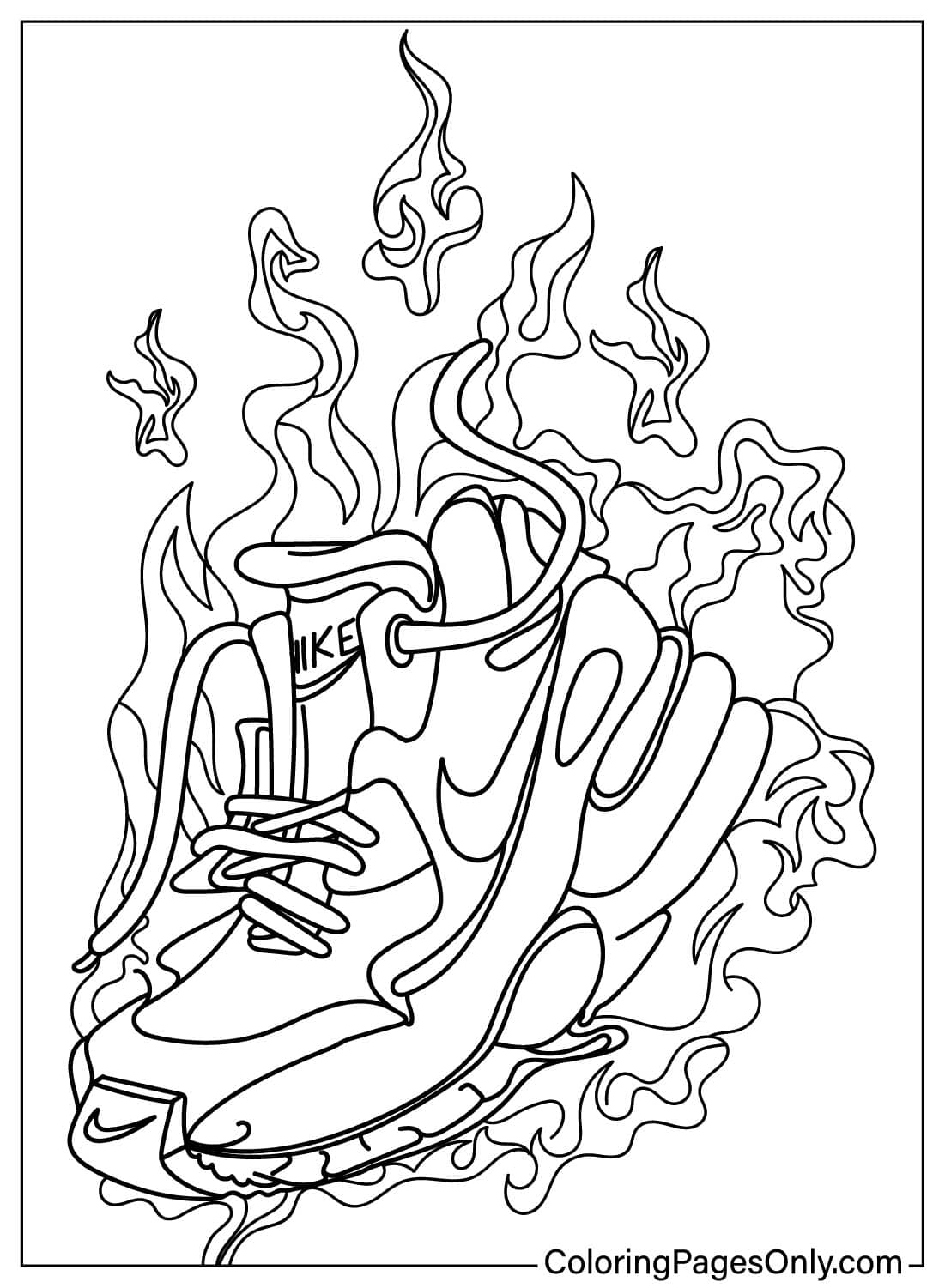
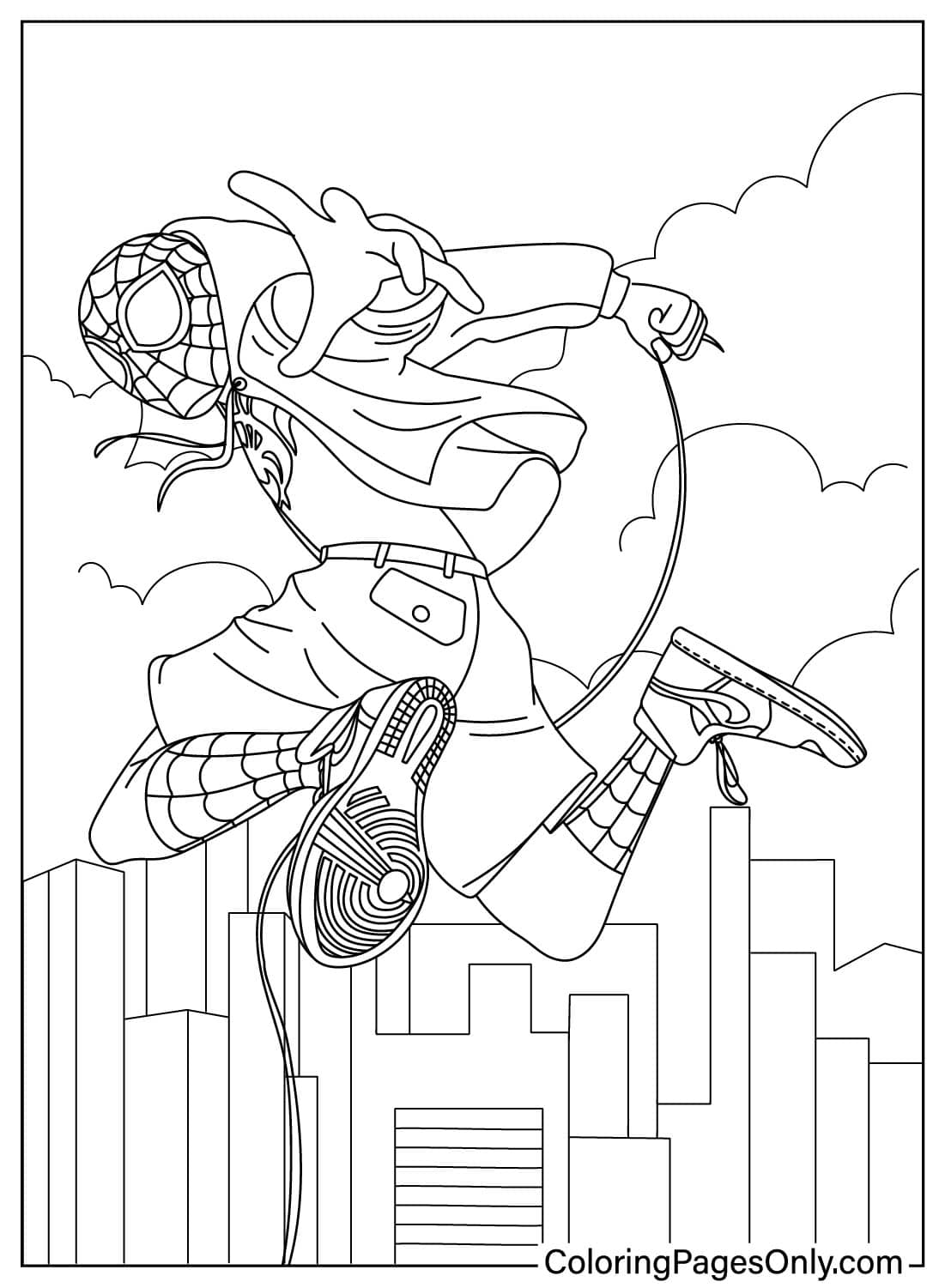

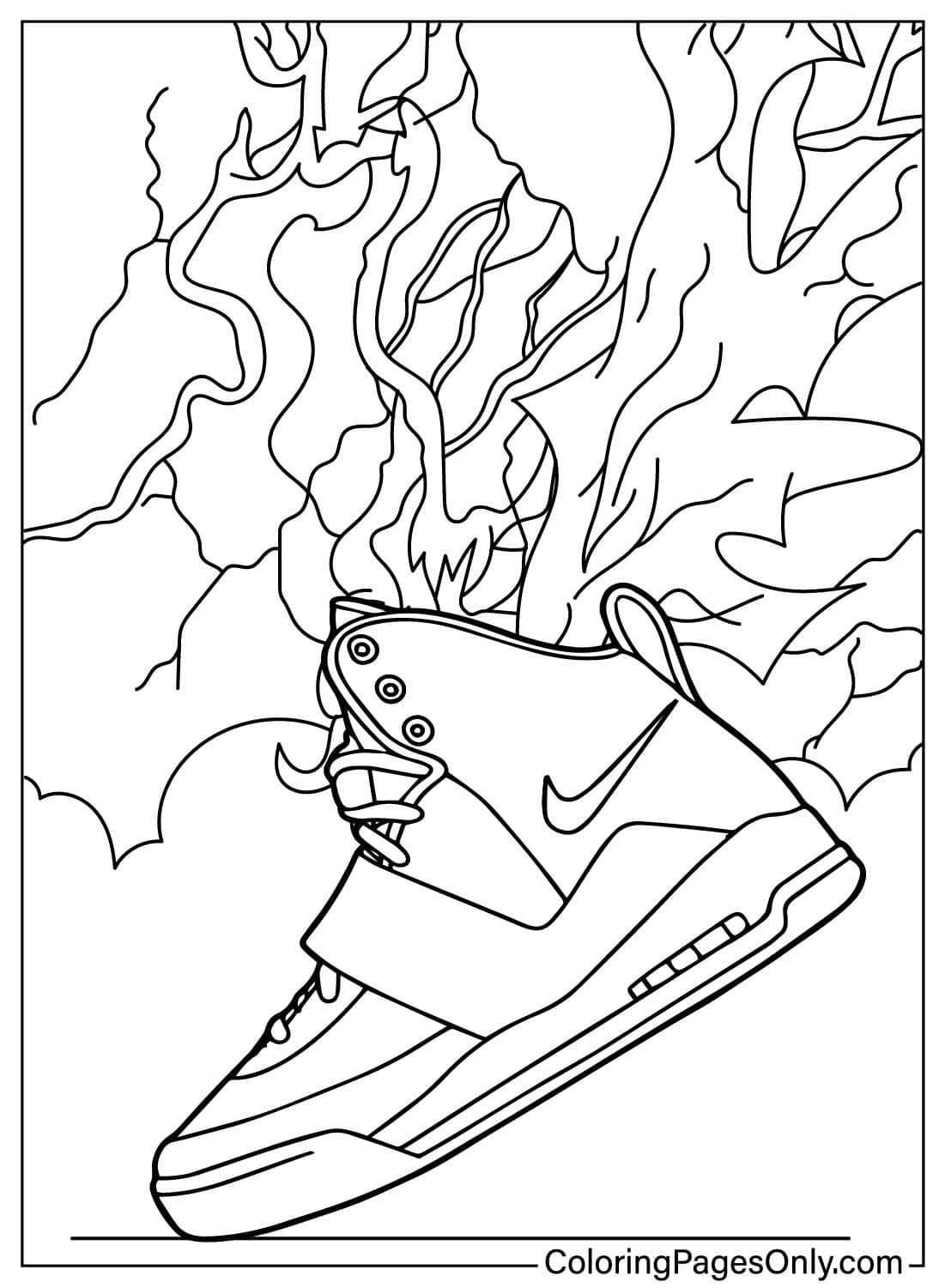
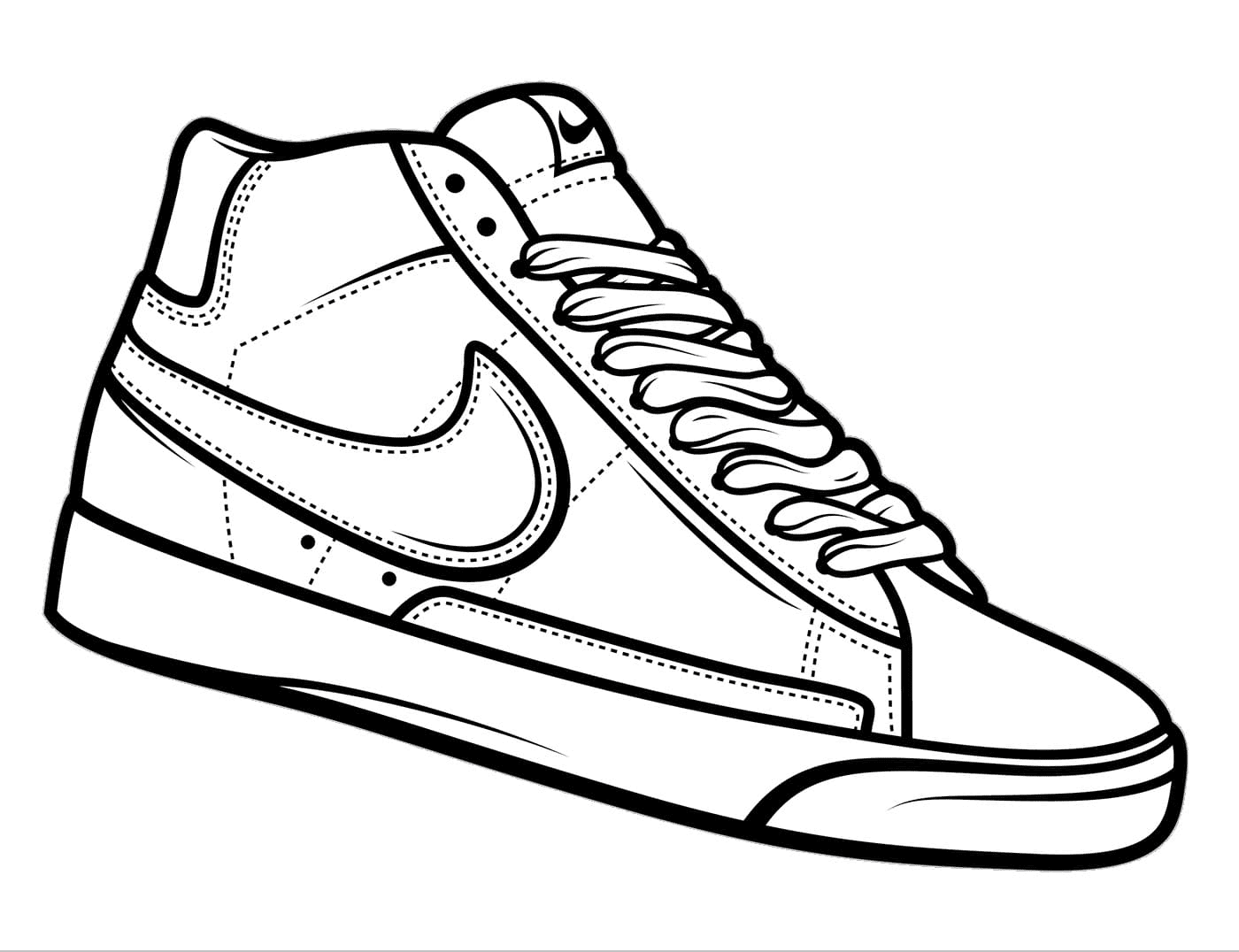
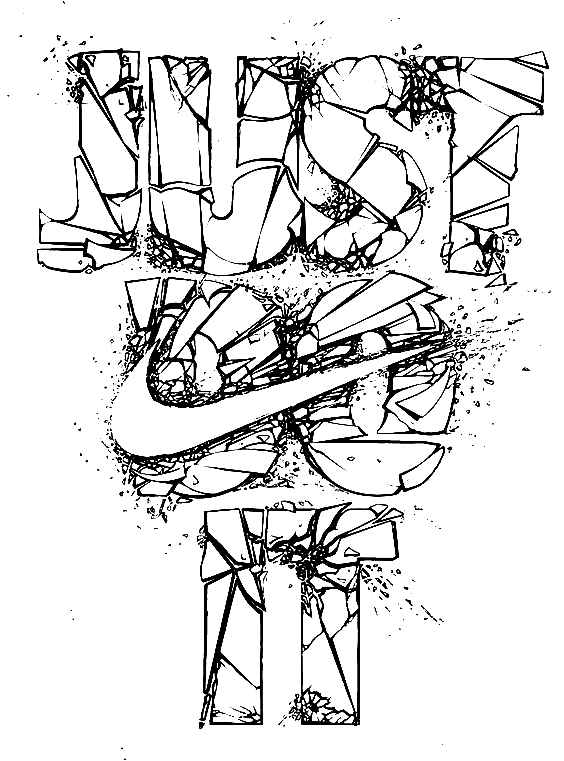
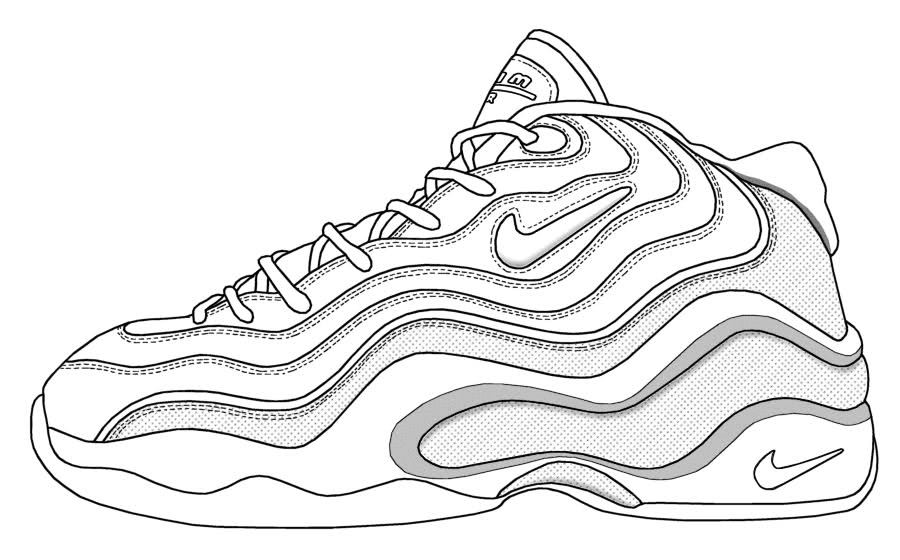
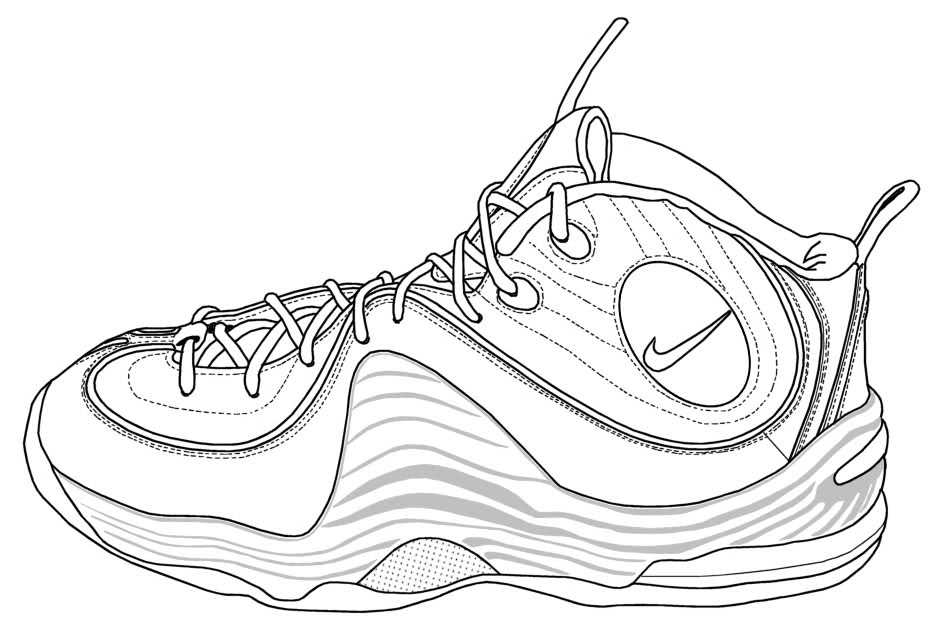
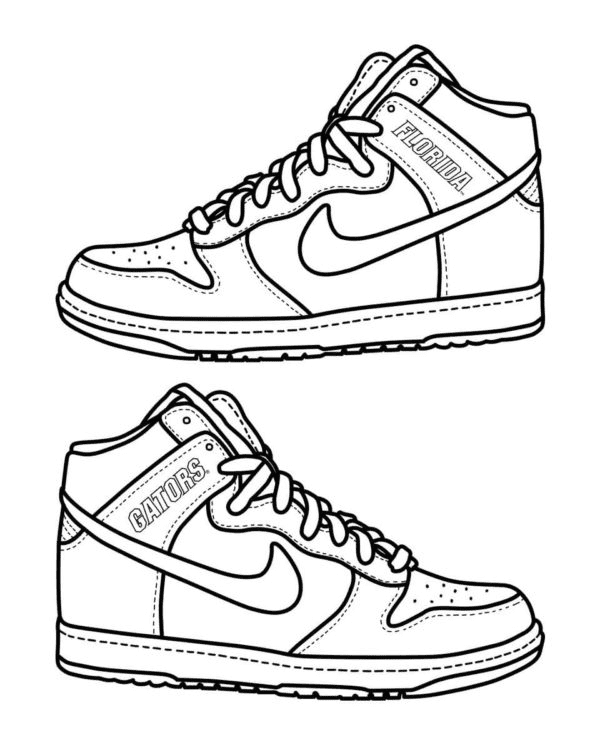
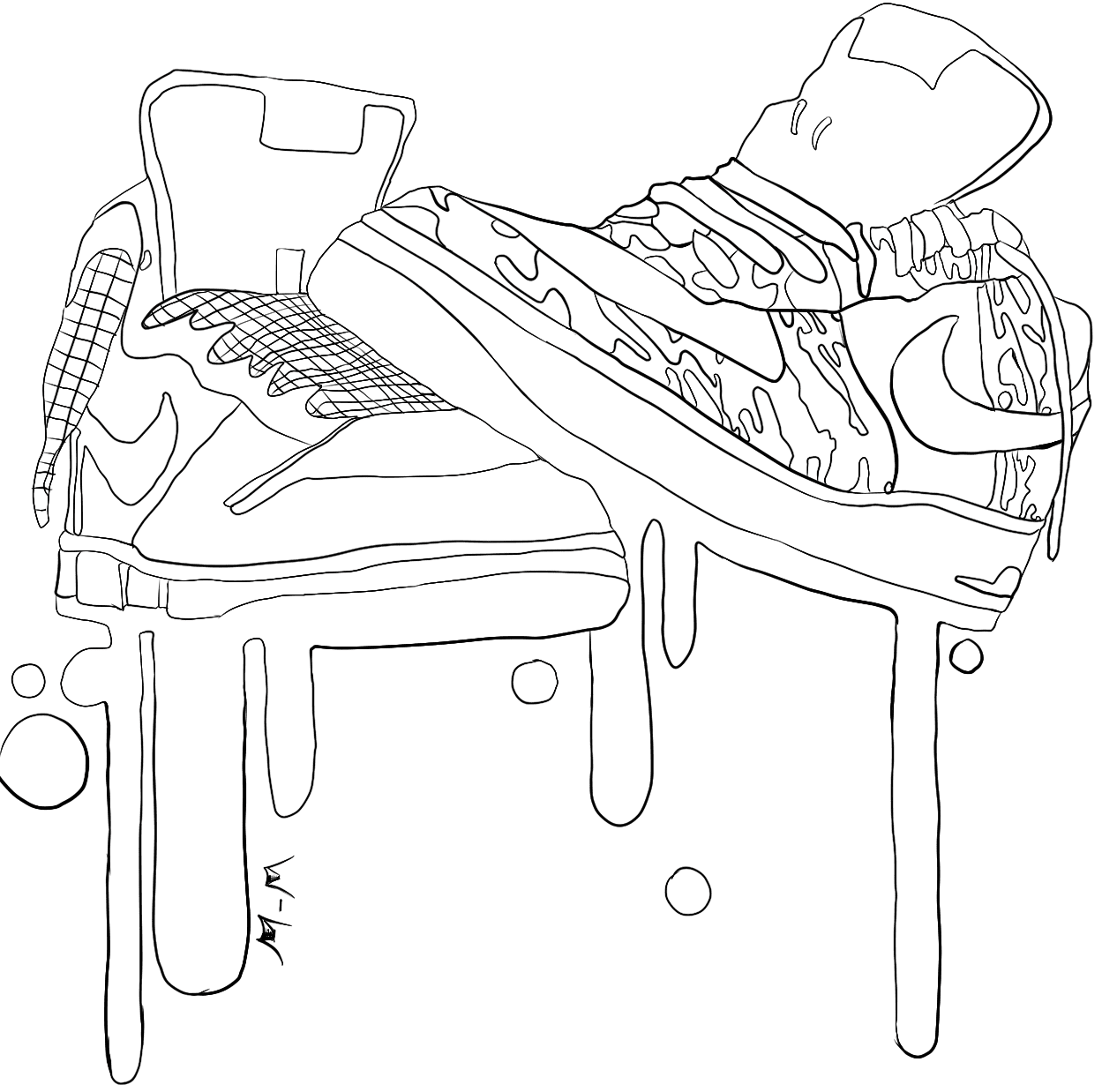

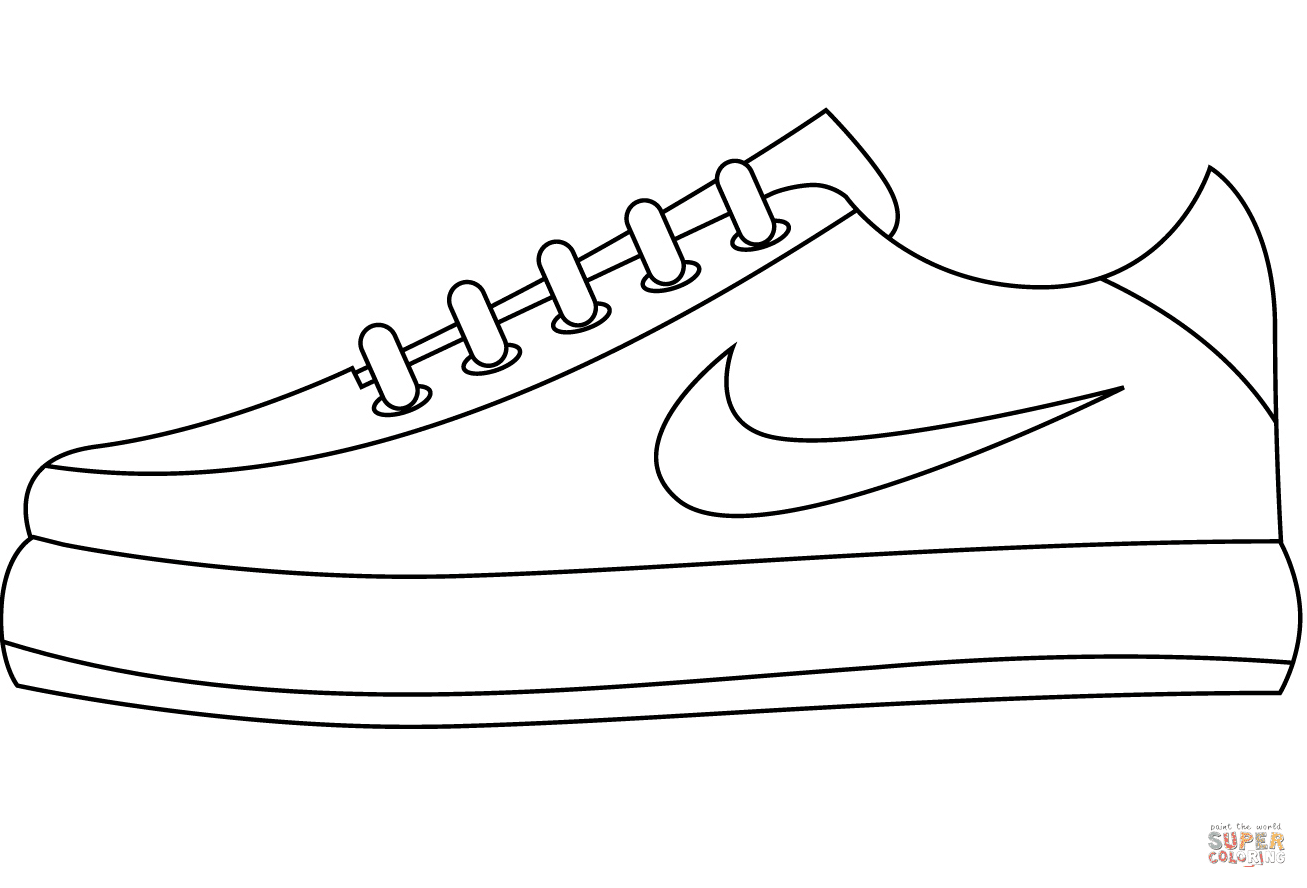

What’s Inside
The Swoosh: Logo Design Pages
The Nike Swoosh is among the world’s most reproduced and most recognizable graphic marks: a single curved checkmark shape that reads as both motion (the trailing edge of a wing in flight) and completion (a check indicating accomplishment). Its origin story is one of design history’s most documented examples of a logo becoming far more valuable than its original commission price: Carolyn Davidson was paid $35 total for the design in 1971, a figure that has been referenced in countless design history contexts as an illustration of how the value of a logo cannot be assessed at the moment of its creation.
The Swoosh was intended to represent the wing of Nike, the Greek goddess of victory. In ancient Greek iconography, Nike was depicted as a winged figure, often carrying a wreath or a palm branch. The wing association gives the Swoosh a classical reference that the design’s simplicity does not obviously signal, but that its name and origin make explicit.
Logo pages showing the Swoosh in isolation, in various scales, with the wordmark “Nike” or in combination with product names (“Air Jordan,” “Just Do It”) are the collection’s most graphically direct pages: strong, clean, defined shapes that require decisive, confident application of a single color or a small palette.
Coloring Swoosh pages: The canonical Nike Swoosh appears most frequently in solid black, solid white (on dark backgrounds), or solid metallic silver-gold in premium contexts. For standalone logo pages, apply a single vivid color at full saturation and full coverage across the entire Swoosh shape. The power of the logo comes from its clean, uninterrupted form: any variation within the Swoosh shape (gradient, texture, pattern) reduces its graphic directness. If using a non-black color, the most visually effective choices are the vivid red of the Air Jordan line, the vivid electric yellow associated with Nike’s running campaigns, or the bright royal blue of the classic university sport aesthetic.
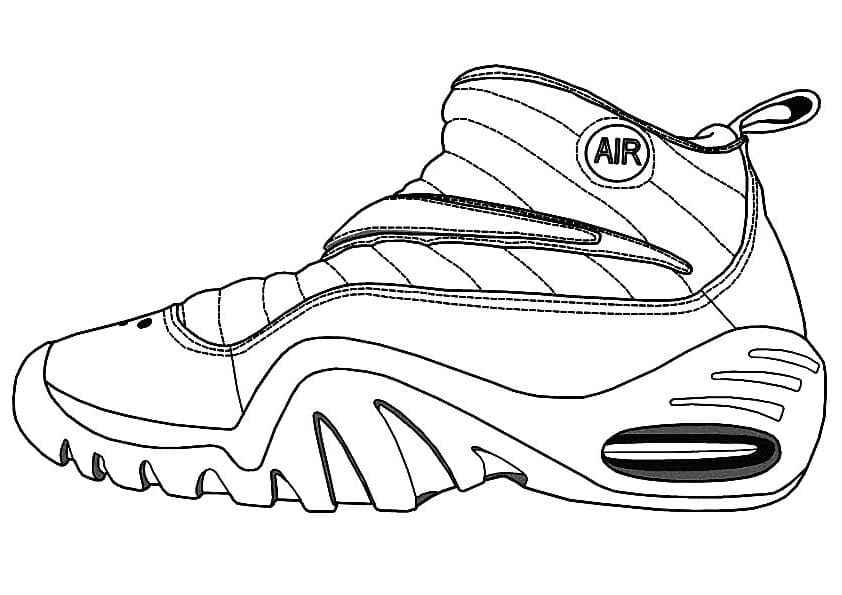
Air Jordan Sneaker Pages
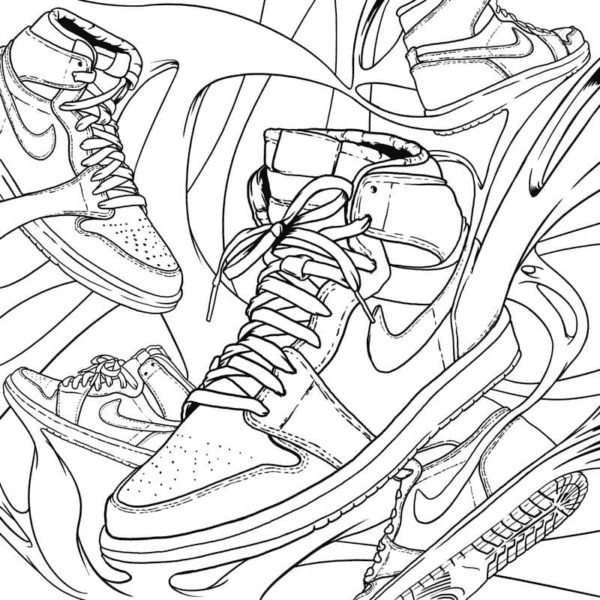
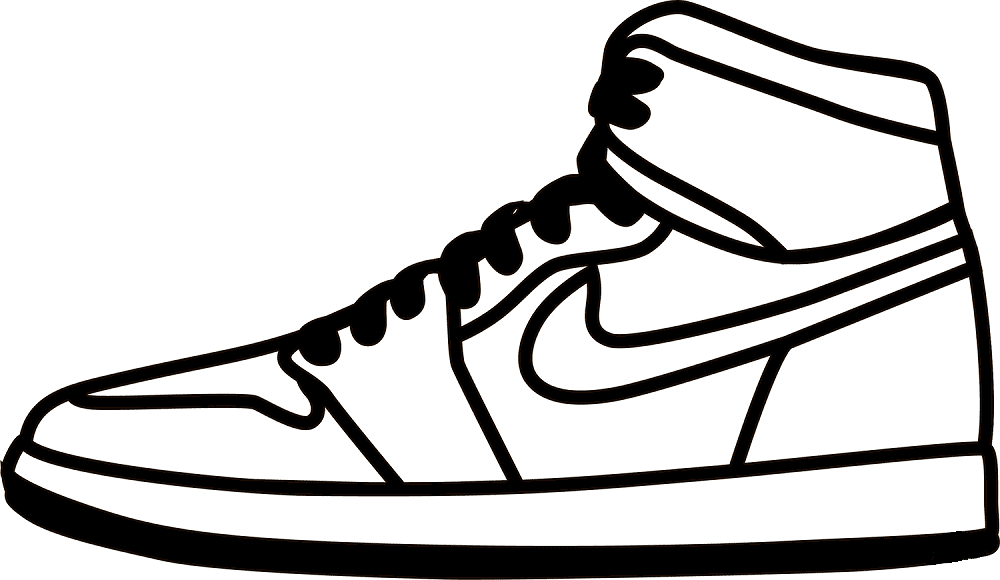
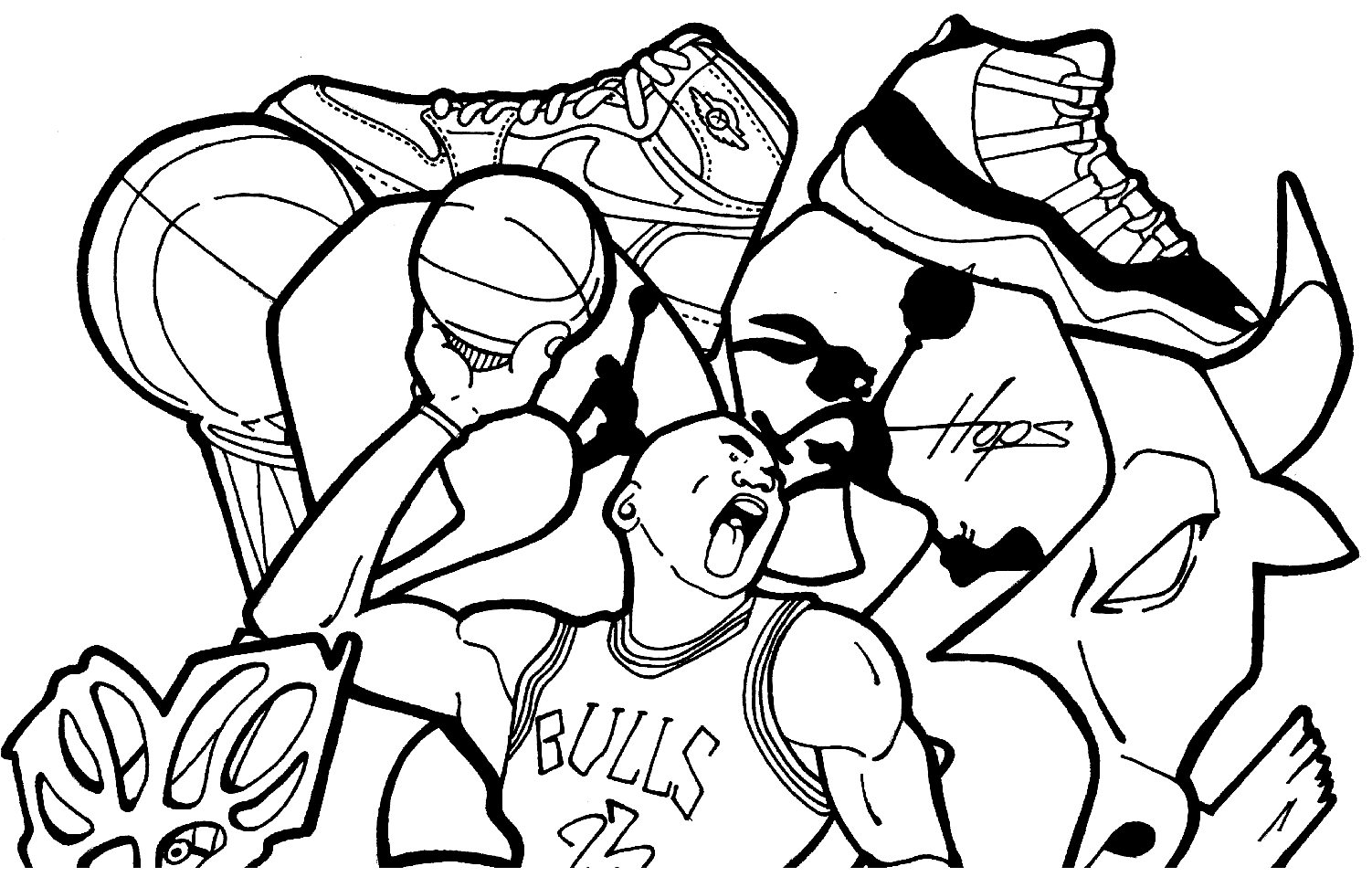
The Air Jordan line is the most culturally significant product in Nike’s history and one of the most extensively documented sneaker lines in the history of athletic footwear. The original Air Jordan 1 was designed by Peter Moore and released in 1985, specifically for Michael Jordan, who signed with Nike in 1984 for a contract worth $2.5 million over five years plus royalties. The deal, brokered partly through Jordan’s mother Deloris Jordan, was unprecedented in athlete endorsement at the time.
The Air Jordan 1’s first season (1984-85 NBA year) produced one of the most effective inadvertent marketing events in sports: the NBA determined that the original “Bred” (Black and Red) colorway violated the league’s uniform policy requiring shoes to feature white predominantly. The NBA fined Michael Jordan $5,000 per game for wearing the shoes. Nike paid the fines willingly and ran advertisements highlighting the ban, turning a regulatory penalty into a marketing narrative that established the Air Jordan as a rebellious, culturally significant product before most consumers had seen it in person.
The Jordan Brand, now a Nike subsidiary, generates approximately $5 billion annually. The Air Jordan 1, in its original colorways and in thousands of subsequent collaboration colorways and special editions, remains one of the most collected and most resold sneakers in the world.
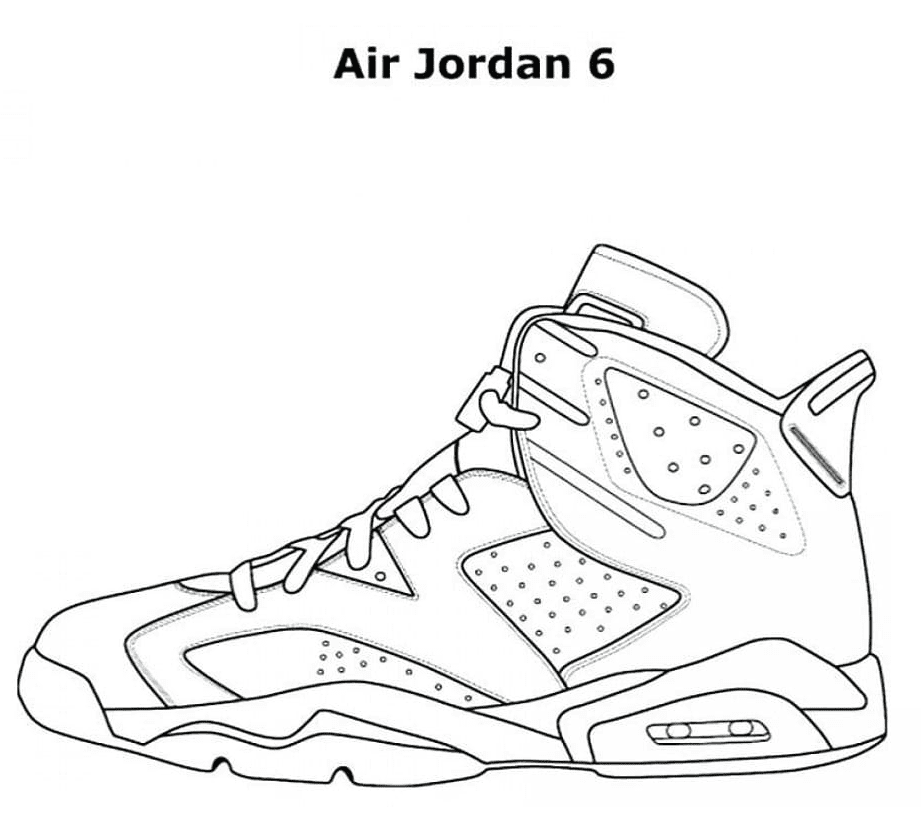
Coloring Air Jordan pages: The most iconic Air Jordan 1 colorways for coloring purposes are the “Bred” (black and red): apply near-black leather panels across the main upper, with vivid warm red at the toe box, collar, outsole, and the Nike Air tongue label. The “Royal” colorway uses deep royal blue, while the Bred uses red. The “Chicago” colorway uses the same red-and-black distribution but on a white base: clear,n bright white for the main leather panels, vivid red at accent zones, black at specific trim positions. The outsole of most Jordan 1s is either white or a color matching the upper’s accent color.
Air Max Sneaker Pages
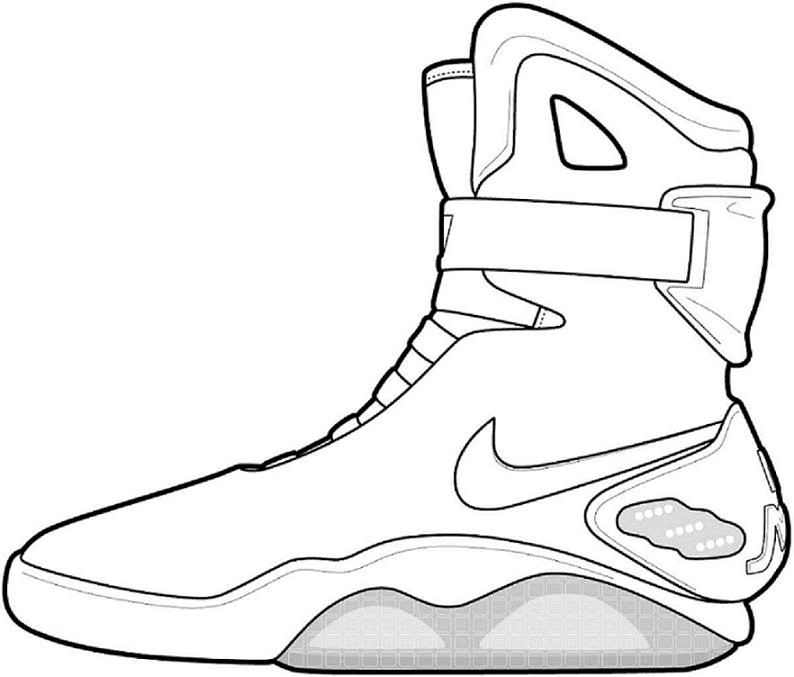
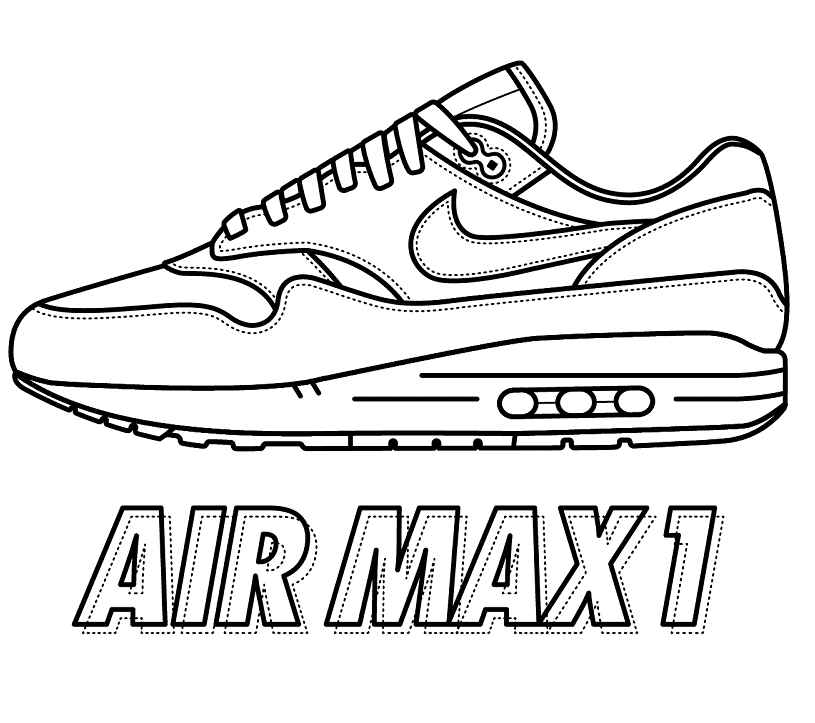
The Air Max line began with the Air Max 1, designed by Tinker Hatfield and released in 1987. Hatfield’s design breakthrough was making the Air cushioning unit visible through a clear window cut into the side of the midsole, allowing the shoe to display its own internal technology. Hatfield has cited the Center Georges Pompidou in Paris (designed by Renzo Piano and Richard Rogers, completed 1977) as a visual inspiration: the Pompidou Center’s infrastructure, including its plumbing, escalators, and electrical systems, was deliberately placed on the building’s exterior rather than hidden inside, making function visible as form. The Air Max 1 applied the same logic to athletic footwear.
The Air technology itself was invented by aerospace engineer M. Frank Rudy, who licensed the concept to Nike after Nike licensed the technology. It first appeared in the Nike Tailwind running shoe in 1978. The Air Max 1’s visible Air unit window transformed the technology from an internal functional element into a design feature.
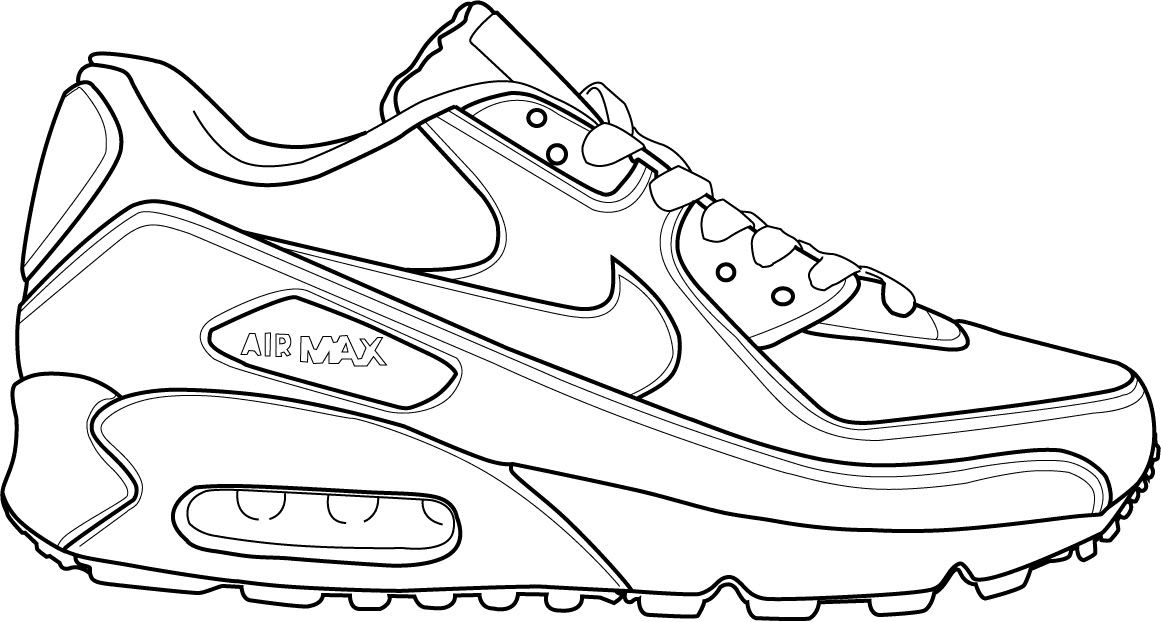
The Air Max 90 (originally the Air Max III, released in 1990 and later renamed) expanded the visible Air unit to a larger format and remains one of Nike’s most popular and most continuously reissued running shoes, with a waffle-pattern outsole, visible Max Air unit, and the distinctive ribbed collar.
Coloring Air Max pages: The visible Air unit window in the midsole is the most technically specific coloring challenge on any Air Max page: the Air unit itself is typically clear or slightly tinted (pale blue or pale grey), showing the structural ribs of the air bag inside. Apply a very pale, slightly cool grey or pale blue to the Air unit area, slightly darker at the ribs (the structural ridges inside the air bag), and lighter in the air-filled chambers between them. The midsole surrounding the window is white or off-white. The upper panels use the page’s specific colorway, which varies widely across the many Air Max editions.
Air Force 1 Sneaker Pages
The Nike Air Force 1 was the first basketball shoe to use Nike Air technology in its sole, released in 1982 and designed by Bruce Kilgore. Its name references Air Force One (the United States presidential aircraft) as a designation for something that represents the highest level of its category: at its introduction, it was the most technologically advanced basketball shoe Nike had produced. It was discontinued briefly in 1984 before being brought back due to demand from retailers and consumers in Baltimore, Maryland, where it had achieved particular cultural resonance.
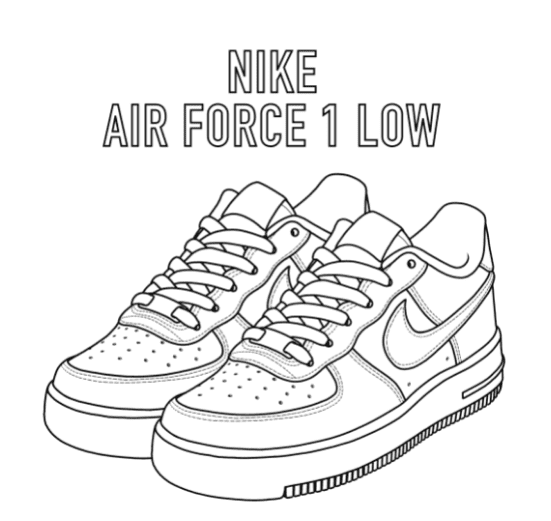
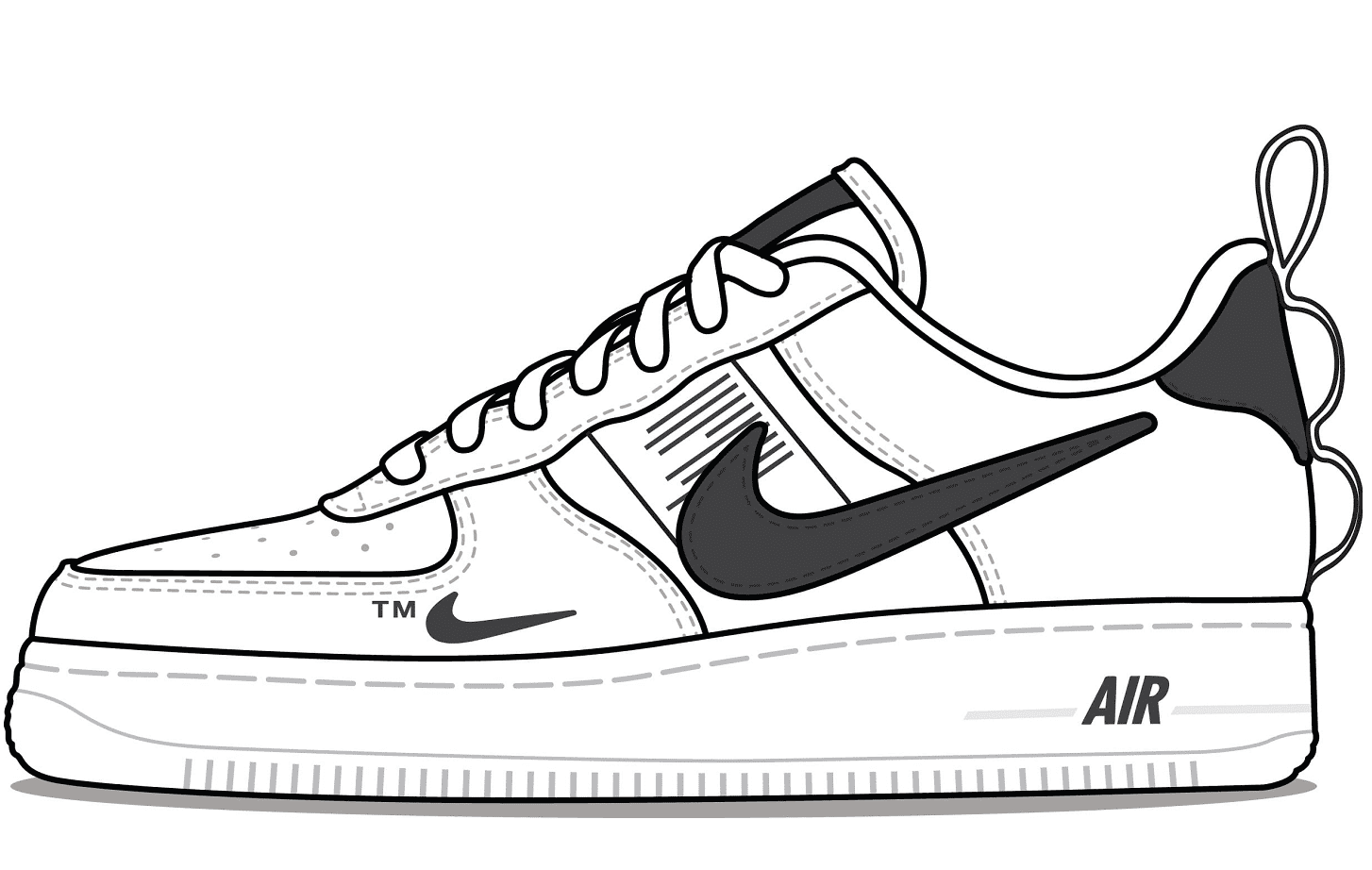
The Air Force 1’s most iconic configuration is the “Triple White” or “All White” colorway: the entire shoe, from the upper leather panels through the midsole and outsole, rendered in clean, uniform white. This all-white configuration has been one of the most continuously popular colorways in sneaker history. The AF1’s silhouette, with its distinctive high-ankle collar, visible Air unit, and the thick, chunky midsole that was revolutionary in 1982 and has become a reference point in sneaker silhouette history, is one of the most recognizable shoe shapes in athletic footwear.
Coloring Air Force 1 pages: The Triple White configuration: uniform, clean white at maximum brightness across every surface of the shoe. The contrast between the midsole’s white and the outsole’s white, and between both and the leather upper’s white, can be suggested by applying very slightly different pressures (heavier on the leather, slightly lighter on the midsole surfaces, slightly different on the rubber outsole) rather than different colors. The Swoosh on the AF1’s side panel is one of the most common color accent choices for non-white colorways: vivid red, royal blue, or any other high-contrast accent color applied cleanly to the Swoosh shape.
Nike Dunk Sneaker Pages
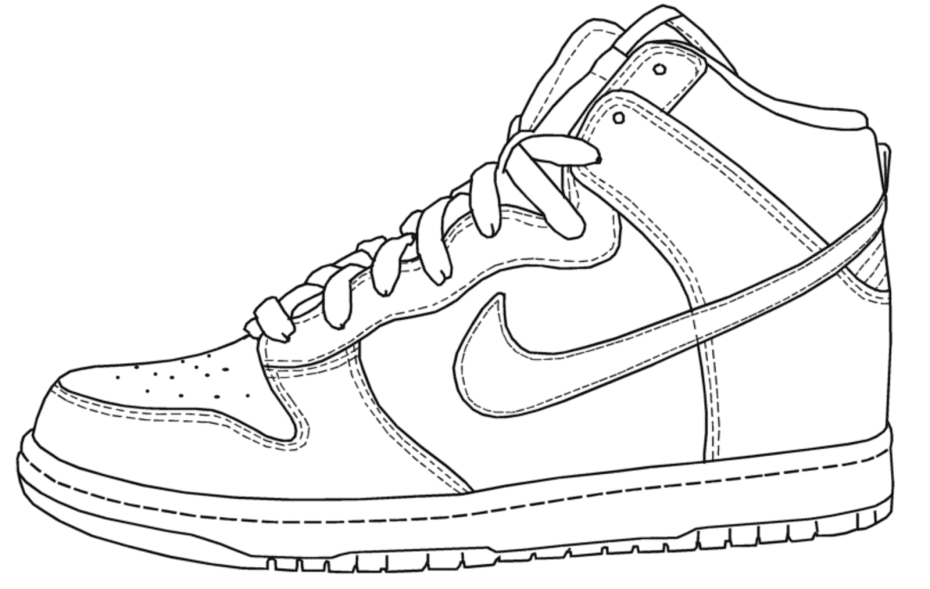
The Nike Dunk was first released in 1985 as a basketball shoe, initially marketed as “Be True to Your School” with colorways based on specific college and university colors (University of Kentucky blue, University of Iowa yellow, etc.). The Dunk’s design, with its clean two-panel upper construction and bold colorway potential, made it particularly receptive to color customization.
The Nike SB Dunk (Skateboarding), launched in 2002, repositioned the Dunk in skateboarding culture with additional padding, grip-focused outsoles, and a series of increasingly elaborate collaboration colorways that made the SB Dunk one of the most collected sneakers of the 2000s and 2010s. The SB Dunk’s collaboration model, producing limited-edition colorways with specific skateboarding shops, brands, artists, and cultural figures, influenced the broader sneaker collaboration culture that has defined the premium athletic footwear market since.
Coloring Nike Dunk pages: The Dunk’s two-panel upper construction (the main upper panel and the overlay panel that wraps around the toe box and heel) provides a natural two-color structure: apply the base color to the main upper, then the contrasting color to the overlay panels. Many of the most iconic Dunk colorways use vivid, fully saturated colors for both panels: vivid green over white, royal blue over black, bright orange over white. The Swoosh on the side panel typically receives either the overlay color or a third accent color.
The “Just Do It” Typography Pages
“Just Do It” was introduced as Nike’s advertising tagline in 1988, created by Dan Wieden of the advertising agency Wieden+Kennedy. The phrase appeared in its first Nike advertisement on July 1, 1988. Dan Wieden has stated that the phrase was partly inspired by the last words of convicted murderer Gary Gilmore before his execution by firing squad in Utah on January 17, 1977: “Let’s do it.” Wieden transformed the phrase into a general directive, removing the specific reference and expanding its application to any form of decisive action.
Advertising Age magazine ranked “Just Do It” among the top five advertising slogans of the 20th century. The slogan’s success derives from its grammar: the command form (“do it”) combined with the casual qualifier (“just”) produces a phrase that is simultaneously motivating and conversational, directive without being aggressive, simple without being shallow.
Typography pages combining the Swoosh with “Just Do It” text and other Nike wordmarks provide the collection’s most graphic, most design-focused pages.
Coloring typography pages: Bold, sans-serif typography rendered in solid color works most effectively for Nike typographic pages. Apply the text at full saturation in a single vivid color, keeping the treatment consistent across all letterforms. The Swoosh and the text, if combined in the same composition, should either match in color (creating a unified monochromatic graphic) or use maximum contrast (the text in black, the Swoosh in a vivid accent color).
What These Pages Do
The Nike Swoosh is one of approximately 13 logos that graphic design researchers have studied as examples of globally recognizable brand marks: logos that can be identified by a significant portion of the global population without any accompanying text. Studies conducted in the early 2000s identified the Nike Swoosh, alongside the Coca-Cola wordmark, the Apple logo, and a small number of others, as among the most universally recognized brand symbols across cultures and geographic regions. This recognition, achieved through a design Carolyn Davidson was paid $35 to create, is the most commonly cited example in introductory graphic design courses of the gap between initial market value and long-term brand value.
The Air Jordan line’s origin in the 1984 contract between Nike and Michael Jordan is documented in the 2023 Ben Affleck and Matt Damon film Air (Amazon MGM Studios, released April 5, 2023), which dramatized the process by which Nike executive Sonny Vaccaro convinced Nike leadership to pursue Jordan as a signature athlete. The film focuses specifically on the creative and commercial thinking that produced the Air Jordan line and is a documented source for many of the business history facts surrounding the deal.
The American Academy of Pediatrics identifies fine motor skill development as a key childhood milestone throughout early childhood. The precise outline work of sneaker upper panels, the Swoosh’s single clean curve, the Air unit window’s internal rib detail, and the lace eyelet rendering on detailed shoe pages all provide motivated fine motor practice across the collection’s age range. The 2005 Art Therapy Journal study on structured coloring and anxiety reduction applies throughout.
The collection’s connection to sneaker culture, one of the more extensively documented contemporary cultural phenomena, gives it a specific relevance for older children, teenagers, and adults who follow athletic footwear as a design and culture category.
How to Color These Pages Well
The Swoosh’s power comes entirely from the purity of its single clean curve. The most important technical decision on any Swoosh page is maintaining the logo’s clean, uninterrupted form. Apply a single color at full saturation and full coverage from the thick end of the Swoosh (the left, widest portion) through its curving body to the narrow, pointed tip. Any coloring that varies within the Swoosh shape, any break in coverage, or any bleeding beyond the outline edges reduces the logo’s graphic impact. The Swoosh must read as a single, continuous shape.
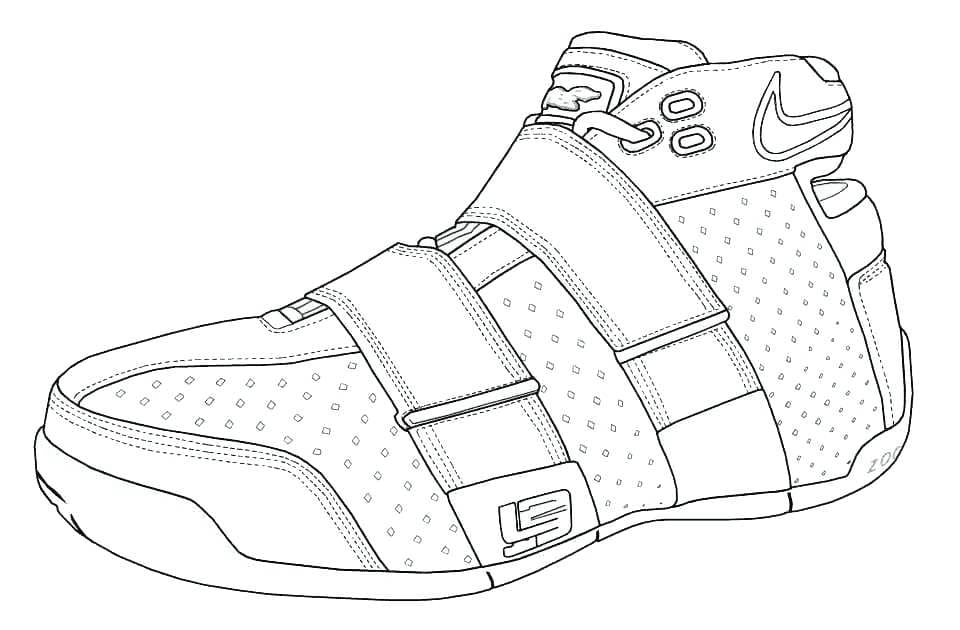
Sneaker upper panels require identifying the panel structure before applying any color. Most Nike sneakers have multiple distinct leather, mesh, or synthetic panels that form the upper. Before coloring any sneaker page, identify every separate panel: the toe box, the side panels, the collar, the tongue, the heel counter, the lace stays, and any overlay or underlayer panels. Assign each panel a specific color from the planned colorway before beginning. This prevents the most common error on sneaker pages: applying color across panel boundaries that should be distinct.
The midsole requires the specific white-plus-shadow treatment of hard rubber. Most Nike midsoles are white or off-white hard rubber. Apply clean white across the midsole’s full surface. The shadow areas, where the midsole is recessed or curves away from direct light, receive a very subtle warm grey rather than cold grey: rubber and foam in shadow absorb slightly more warmth than painted metal or plastic. Any visible Air unit window in the midsole uses a slightly blue-tinted, very pale grey for the air bag surface.
Laces require a systematic approach to detailed shoe pages. On pages that show laces in detail (laced through the eyelet holes and crossing the tongue), apply the lace color in one continuous stroke per visible lace segment rather than attempting to color each segment individually. The lace eyelet holes are slightly darker than the surrounding material: apply a small amount of the shadow grey in each eyelet opening to give the lace construction its depth.
Custom colorway pages reward careful planning. Nike sneakers are among the most commonly customized coloring subjects precisely because their documented colorway history provides reference. Still, colorists who want to create original colorways should plan the full palette (primary upper color, overlay color, midsole color, outsole color, Swoosh color, lace color) before beginning. A well-planned custom colorway should have no more than three distinct colors beyond white and black, ensuring visual coherence.
5 Creative Craft Ideas
The $35 Logo Study
Carolyn Davidson was paid $35 total for designing the Nike Swoosh in 1971. Phil Knight has said he did not love the logo initially but chose it because he needed something quickly. In 1983, twelve years later, he gave Davidson a gold Swoosh ring set with a diamond and an envelope of Nike stock as acknowledgment that the logo had become something neither of them had anticipated in 1971.
Print the most isolated, cleanest Swoosh logo page in the collection. Color the Swoosh in solid black at full pressure and full coverage, with clean white negative space surrounding it.
On the backing card: “The Nike Swoosh. Designed by Carolyn Davidson, a graphic design student at Portland State University, in 1971. Commission: $35 total. Designer: Carolyn Davidson. Cost per hour: approximately $2. 1983: Phil Knight gave Davidson a gold Swoosh ring set with a diamond and an envelope of Nike stock. One of the world’s most recognizable brand marks. Original cost: $35.”
The Banned Shoe Campaign
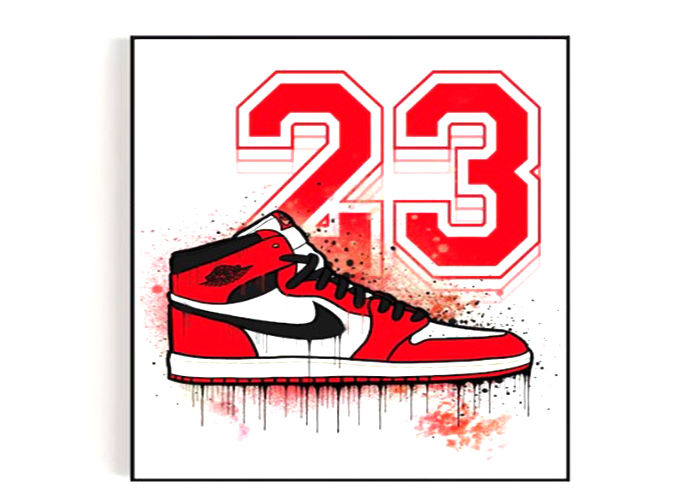
In the 1984-85 NBA season, the NBA determined that the original Air Jordan 1 “Bred” colorway violated the league’s shoe color policy, which required shoes to feature white predominantly. The league fined Michael Jordan $5,000 per game for wearing the shoes. Nike paid every fine and ran advertisements using the ban as a selling point: “On October 15th, Nike created a revolutionary new basketball shoe. On October 18th, the NBA threw them out of the game. Fortunately, the NBA can’t stop you from wearing them.”
Print an Air Jordan 1 page. Color in the “Bred” colorway: near-black leather panels with vivid warm red at the toe cap, ankle collar, outsole, and tongue label elements.
On the backing card: “Air Jordan 1, 1985. Colorway: Black/Red (‘Bred’). NBA regulation: required predominantly white shoes. NBA fine: $5,000 per game. Nike’s response: paid every fine. Nike’s advertisement: ‘The NBA threw them out of the game. Fortunately, the NBA can’t stop you from wearing them.’ Marketing result: the most desired basketball shoe in the country. The ban lasted one season.”
The Visible Air: Design Inspiration
Tinker Hatfield designed the Air Max 1 (1987) after visiting the Center Georges Pompidou in Paris, where the building’s infrastructure (plumbing, electrical, ventilation) is deliberately visible on the building’s exterior rather than concealed inside. He applied the same logic to the Air cushioning unit: instead of hiding it inside the midsole as Nike had done since 1978, he cut a window to make it visible from the outside.
Print an Air Max page showing the visible Air unit window in the midsole. Color the upper panels in any planned colorway. Apply the pale blue-grey of the visible airbag in the midsole window.
On the backing card: “Nike Air Max 1. Designer: Tinker Hatfield. Released: 1987. Design inspiration: Center Georges Pompidou, Paris. Architects: Renzo Piano and Richard Rogers. Completed: 1977. The Pompidou’s infrastructure (plumbing, electrical, ventilation) is placed on the building’s exterior. The Air Max 1’s Air cushioning unit was placed behind a visible window in the midsole. Both make the functional element visible as design. One is a building. One is a shoe. The logic is the same.”
Just Do It: The Tagline Origin
“Just Do It” was introduced in 1988, created by Dan Wieden of Wieden+Kennedy. Wieden has said the last words of Gary Gilmore partly inspired the phrase before his 1977 execution. The tagline appeared in its first Nike advertisement on July 1, 1988. Advertising Age ranked it among the top five advertising slogans of the 20th century.
Print the most graphically direct “Just Do It” typography page in the collection. Apply the text in the most vivid available black at full coverage, with the Swoosh in the most contrasting accent color.
On the backing card: “Just Do It. Created by Dan Wieden, Wieden+Kennedy. First appeared: July 1, 1988. Ranked: top five advertising slogans of the 20th century, by Advertising Age magazine. The phrase: a command in casual form. Grammar: directive without aggression. Length: three words. Nike revenue in 1987 (the year before launch): $877 million. Nike revenue in 1998 (ten years after launch): $9.2 billion. Three words.”
The Custom Colorway
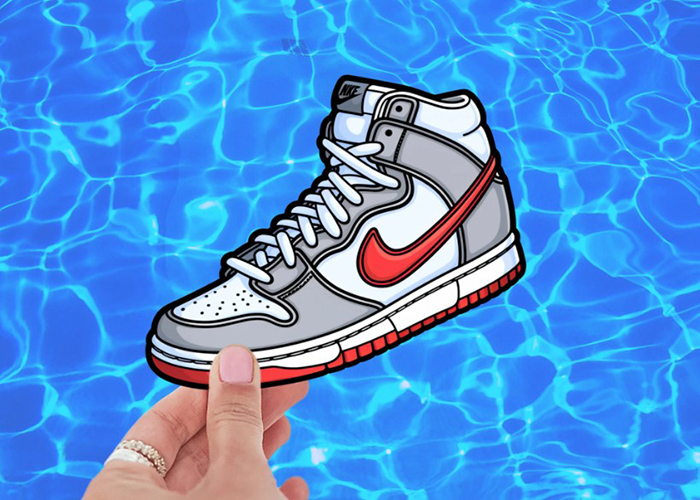
One of sneaker culture’s most significant practices is the “custom colorway”: applying a non-production color combination to an established silhouette to create a unique or personalized version. Nike’s actual Nike By You (formerly NikeID) customization platform allows consumers to configure their own colorways on select models. Fan customs go further, applying colors and materials that production logistics would never permit.
Print any sneaker page in the collection (Air Jordan 1, Air Force 1, Dunk, or Air Max). Before applying any color, plan a completely original colorway: choose a primary color, an overlay color, a midsole color, a Swoosh color, and a lace color that do not replicate any known production colorway.
Color the full shoe in the planned custom palette. On the backing card, name your colorway: give it a specific name in the tradition of Nike colorway naming (geographical names, material names, color descriptions, cultural references). Add: “Custom colorway. Designed [date]. Inspired by [brief inspiration note].”
Frequently Asked Questions
What is Nike, and when was it founded? Nike, Inc. was founded as Blue Ribbon Sports on January 25, 196,4 by Bill Bowerman, the track and field coach at the University of Oregon, and Phil Knight, a former middle-distance runner who had been Bowerman’s athlete. The company initially operated as the American distributor for the Japanese shoemaker Onitsuka Tiger (now ASICS). The company officially became Nike, Inc. on May 30, 19,78 and is headquartered in Beaverton, Ore, gon on the Nike World Campus. The company name was suggested by Jeff Johnson, the company’s first employee, who reportedly dreamed of it in 1971. Nike is the name of the ancient Greek goddess of victory.
Who designed the Nike Swoosh and how much was it paid for it? The Nike Swoosh was designed by Carolyn Davidson, a graphic design student at Portland State University, in 1971. Phil Knight commissioned her to create a logo for the company’s first shoe line, paying her a total of $35 for the design, approximately $2 per hour for her work time. Davidson has said that Knight was not particularly enthusiastic about the logo when it was presented,nted but chose it because a deadline required a decision. In 1983, twelve years after the original commission, Phil Knight gave Davidson a gold Swoosh ring set with a diamond and an envelope of Nike stock as a subsequent acknowledgment of her contribution. The Swoosh is now one of the world’s most widely recognized brand marks.
What is the Air Jordan line, and what is its origin? The Air Jordan line is a Nike product line created for and named after Michael Jordan, who signed with Nike in 1984 for a contract worth $2.5 million over five years plus royalties, a deal unprecedented in athlete endorsement at the time. Jordan was initially reluctant to sign with Nike, preferring Adidas, but the deal was pursued by Nike executive Sonny Vaccaro. The first shoe, the Air Jordan 1, was designed by Peter Moore and released in 1985. In its first season, the NBA determined that the original “Bred” (black and red) colorway violated the league’s uniform policy and fined Jordan $5,000 per game for wearing it. Nike paid all fines and used the ban in advertising, turning the controversy into effective marketing. Jordan Brand, now a Nike subsidiary, generates approximately $5 billion annually.
What is Nike Air technology, and how was it developed? Nike Air is a cushioning technology that uses pressurized air bags embedded in the sole of athletic shoes to absorb impact and provide cushioning. The technology was invented by aerospace engineer M. Frank Rudy, who developed the concept of a shoe with a pressurized air bag in the sole and approached Nike with the idea. Nike licensed the technology, and it first appeared in the Nike Tailwind running shoe in 1978. The Air Max 1, designed by Tinker Hatfield and released in 1987, made the Air unit visible through a clear window cut into the side of the midsole, transforming the internal technology into an external design feature. Hatfield has cited the Center Georges Pompidou in Paris, whose infrastructure is deliberately visible on the building’s exterior, as an inspiration for making Nike’s internal technology visible.
What is the origin of Nike’s “Just Do It” tagline? “Just Do It” was created by Dan Wieden of the advertising agency Wieden+Kennedy and first appeared in a Nike advertisement on July 1, 1988. Dan Wieden has said the phrase was partly inspired by the reported last words of convicted murderer Gary Gilmore before his execution by firing squad in Utah on January 17, 1977: “Let’s do it.” Wieden transformed the phrase into a general directive applicable to any decisive action. The tagline is ranked by Advertising Age magazine among the top five advertising slogans of the 20th century. In the ten years following its introduction, Nike’s revenue grew from $877 million (1987) to $9.2 billion (1998).
What are the most iconic Nike sneaker models? The most documented and most widely referenced Nike sneaker models include the Air Jordan 1 (1985, designed by Peter Moore, associated with Michael Jordan’s rookie NBA season), the Air Force 1 (1982, designed by Bruce Kilgore, the first basketball shoe with Nike Air technology), the Air Max 1 (1987, designed by Tinker Hatfield, the first shoe with a visible Air unit), the Nike Dunk (1985, originally a basketball shoe, later prominent in skateboarding culture through the SB Dunk line launched in 2002), and the Nike Cortez (one of Nike’s oldest designs, associated with the 1972 Olympics and the Blue Ribbon Sports period). The Air Jordan line and the Air Force 1 are the two Nike models most consistently identified as having the broadest cultural impact beyond pure athletic performance.
What age group are these pages best suited for? Nike coloring pages serve sneaker enthusiasts and sports culture fans across a wide age range. The simplest Swoosh logo pages and basic sneaker outlines with large, clearly defined color areas are accessible from ages five and six, where the bold graphic forms provide clear and immediately achievable coloring targets. The detailed sneaker pages with multiple distinct upper panels, visible Air unit windows, lace rendering, and specific colorway accuracy requirements are most rewarding for ages eight to twelve and for teenagers who follow sneaker culture and have knowledge of the specific models and colorways depicted. The typographic design pages with “Just Do It” and the brand history contexts behind the designs are most engaging for older teenagers and adults who bring knowledge of Nike’s commercial and cultural history to the coloring activity.
Browse the full collection at ColoringPagesOnly.com. All 50+ pages free, no sign-up, PDF or PNG, print or color online.
Bill Bowerman and Phil Knight founded Blue Ribbon Sports on January 25, 1964. They distributed Japanese running shoes from a station wagon at track meets. Seven years later, they needed a logo. Carolyn Davidson was paid $35 to design one. Phil Knight was not entirely happy with it. He chose it anyway because he needed to decide.
The name Nike was suggested by Jeff Johnson, the first employee, after he dreamed of it. Nike is the Greek goddess of victory. In 1978, the company became Nike, Inc.
In 1985, Michael Jordan wore black-and-red shoes in his first NBA season. The NBA fined him $5,000 per game. Nike paid every fine. The shoes became the most desired basketball shoes in the country.
In 1988, three words appeared in a Nike advertisement for the first time. Just Do It.
Pick up your cleanest black for the Swoosh. The form is a single, uninterrupted curve. Apply it at full pressure, full coverage, beginning from the thick left end and narrowing to the pointed right tip.—nothing inside the Swoosh changes. The mark is whole, or it is nothing.
Share your work on Facebook and Pinterest and tag #Coloringpagesonly. The $35 logo study and the custom colorway pages are particularly worth sharing.
Color the Swoosh. Apply the colorway. The logo cost $35 in 1971. That is all the design history you need to understand what happened next.