Ballerina Coloring Pages
 By:
Jennifer Thoa - Content Editor & Designer
Updated:
By:
Jennifer Thoa - Content Editor & Designer
Updated:
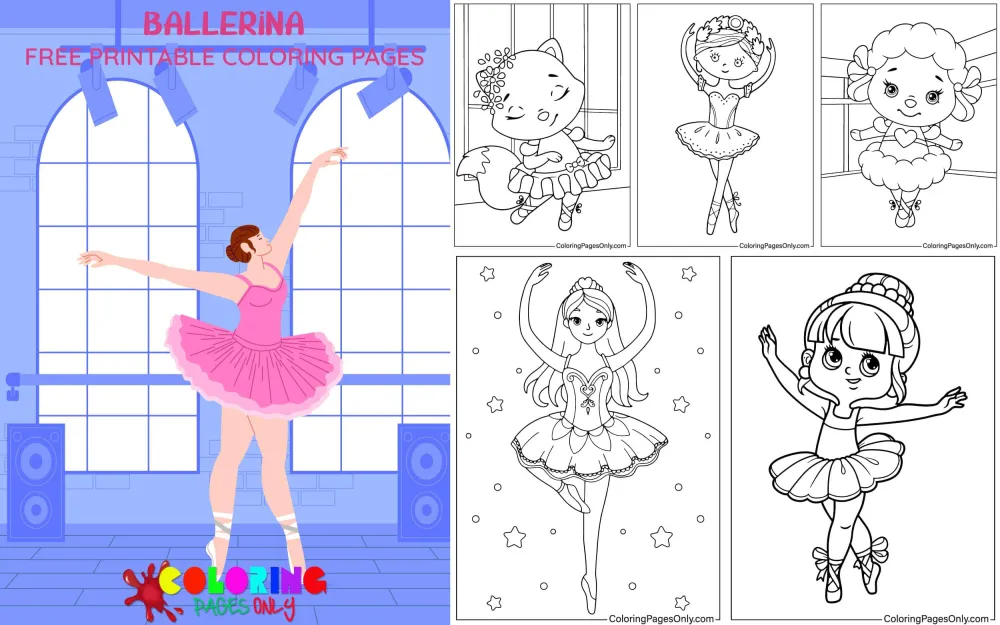
Free Ballerina Coloring Pages: 83 printable PDF designs featuring dancers in tutus, pointe shoes, classic poses, and a few familiar characters taking the stage. Each page can be downloaded as a PDF to print or colored online in the browser.
Ballet began as a court entertainment in the Italian Renaissance during the 15th and 16th centuries, and spread to France after Catherine de’ Medici’s marriage to King Henry II. King Louis XIV standardized the art form in 1661 by founding the Académie Royale de Danse, which is why so much ballet terminology is still French today. Pointe shoes are a far newer addition than most people assume: ballet was already about two centuries old before dancers began rising onto their toes in the early 1800s. Dancer Marie Taglioni popularized both pointe work and the shorter tutu when she starred in La Sylphide in 1832. This collection colors that same art form across simple solo poses and busier stage scenes.
This set works across a wide range of ages and interests: the simple solo poses suit a child just starting to color a dancer’s dress and shoes, while the busier stage scenes and detailed tutus give an older child or an adult more shading and pattern work to do. It is also a natural way to talk about the actual training and technique behind a dancer’s graceful look, since ballet’s effortless appearance takes years of practice to achieve.




What Is Inside This Collection
The 83 pages fall into a few clear groups, based on how detailed the pose and costume are.
Classic Solo Poses
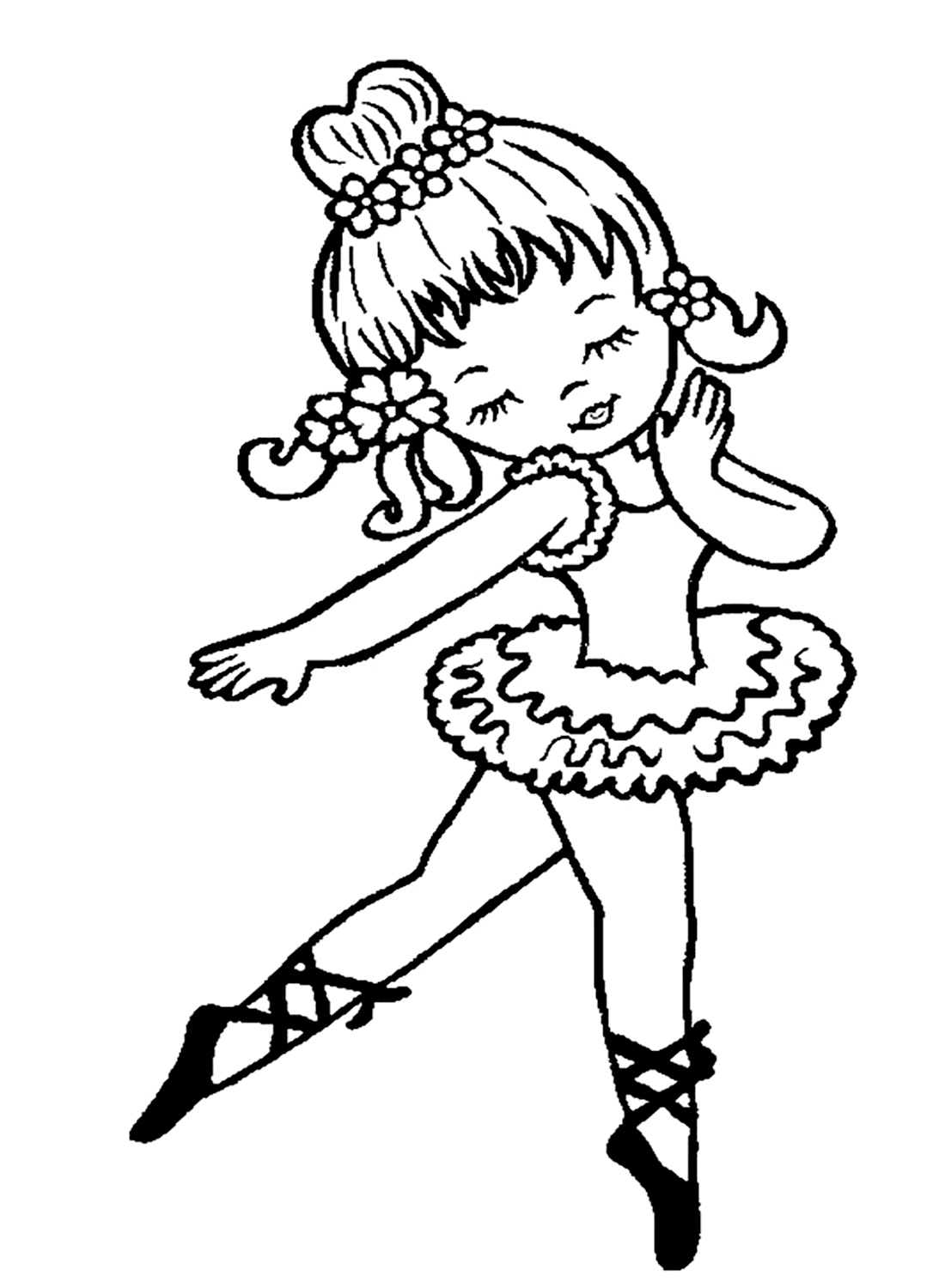
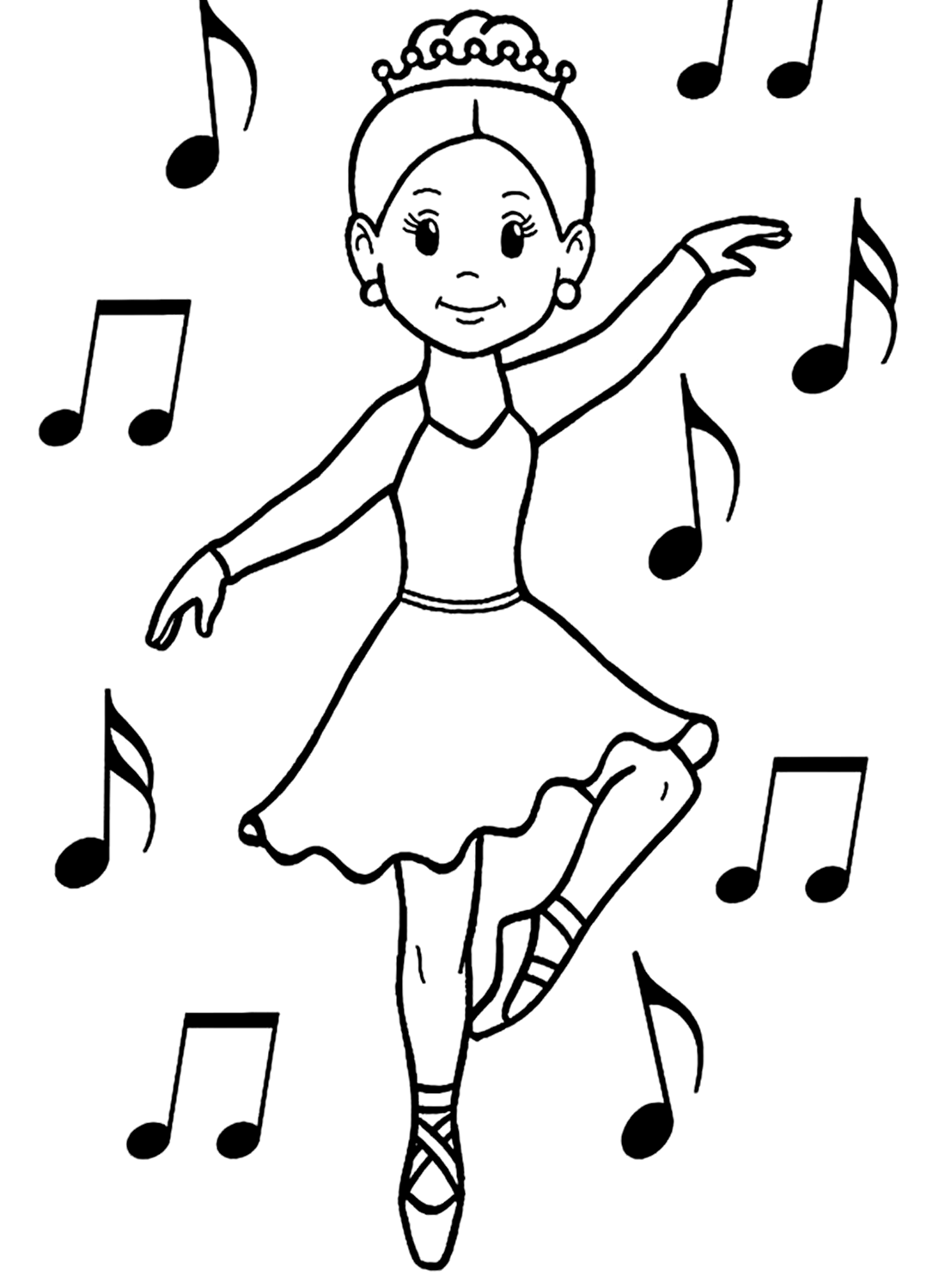
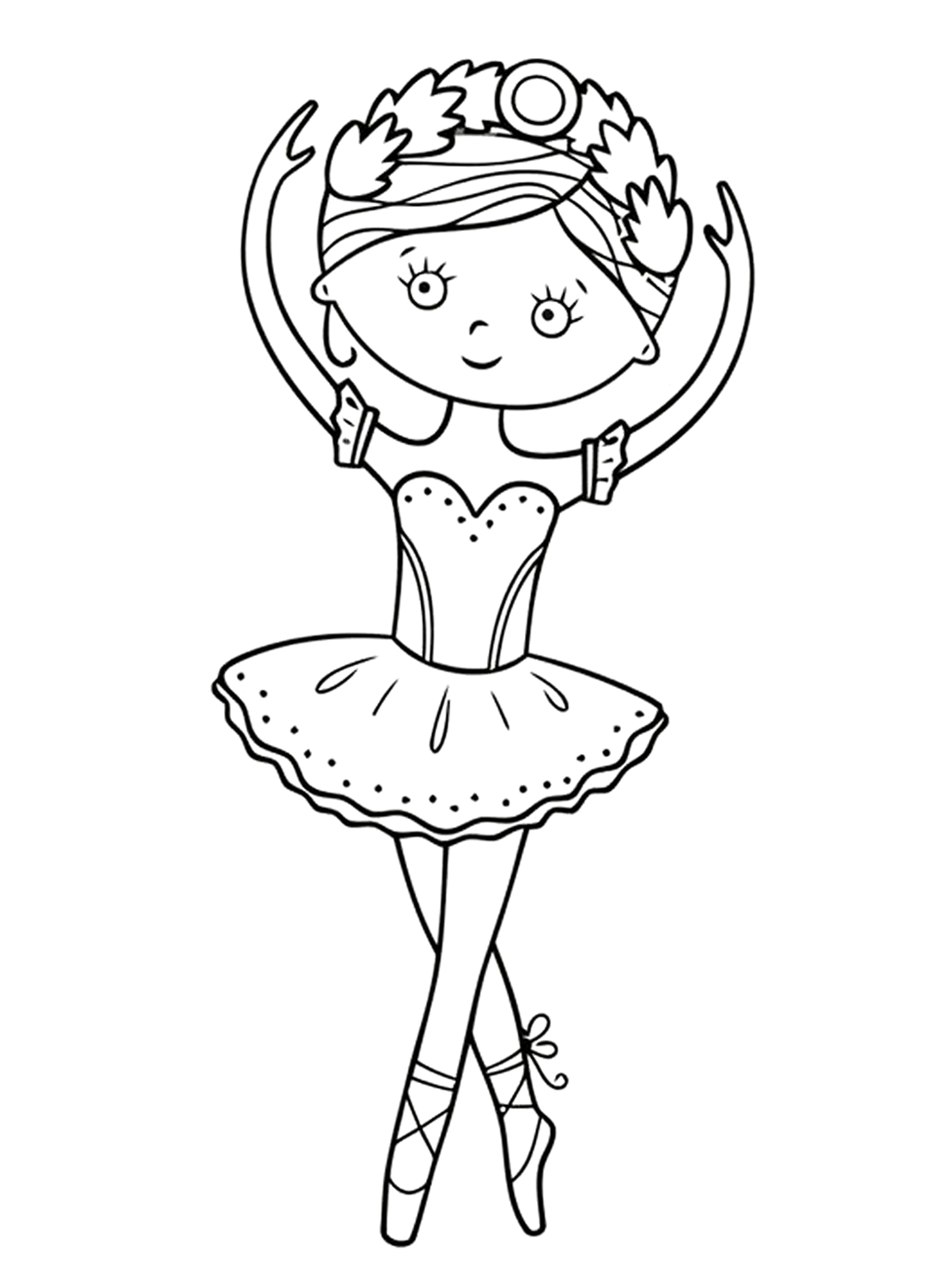
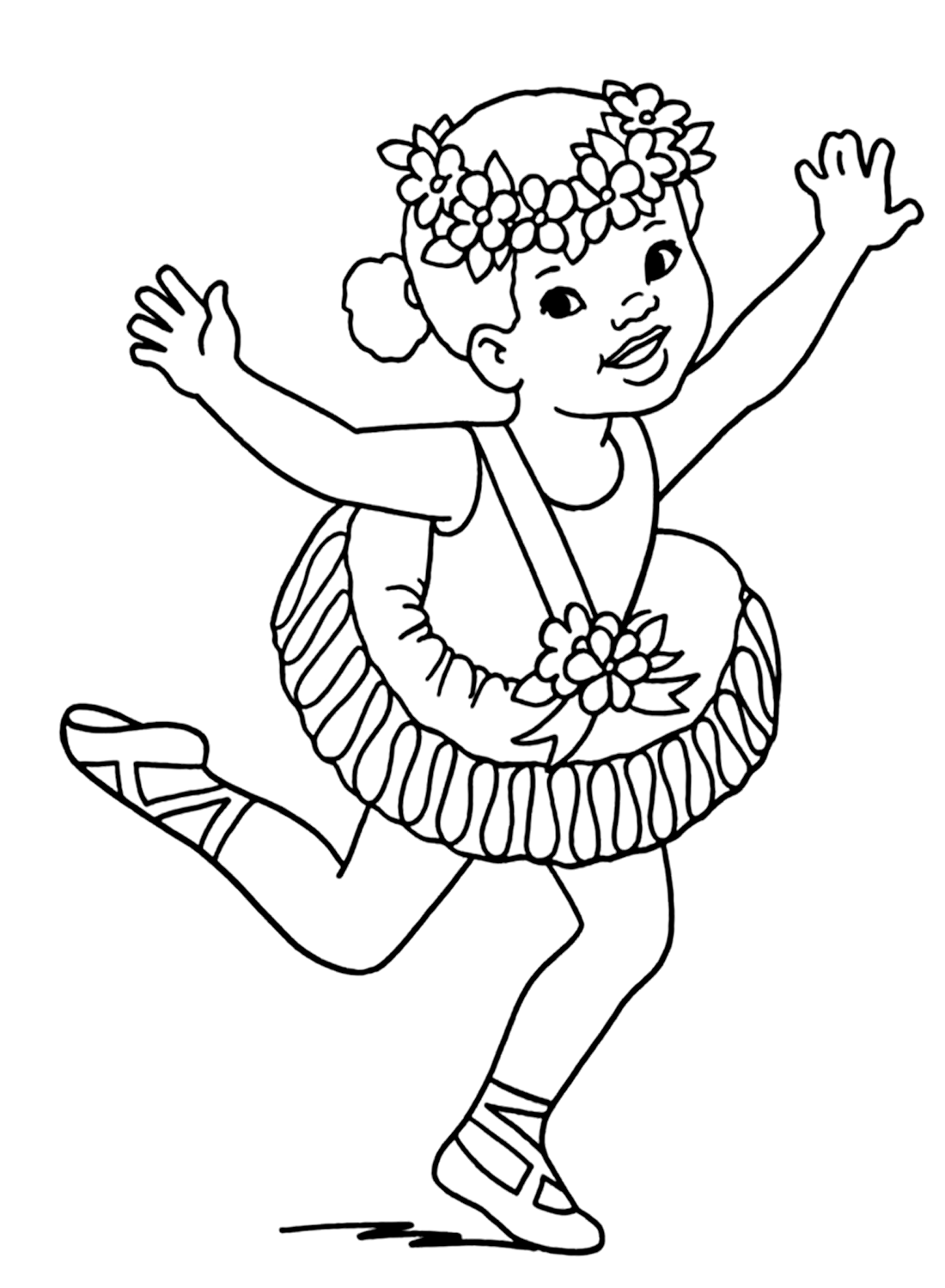
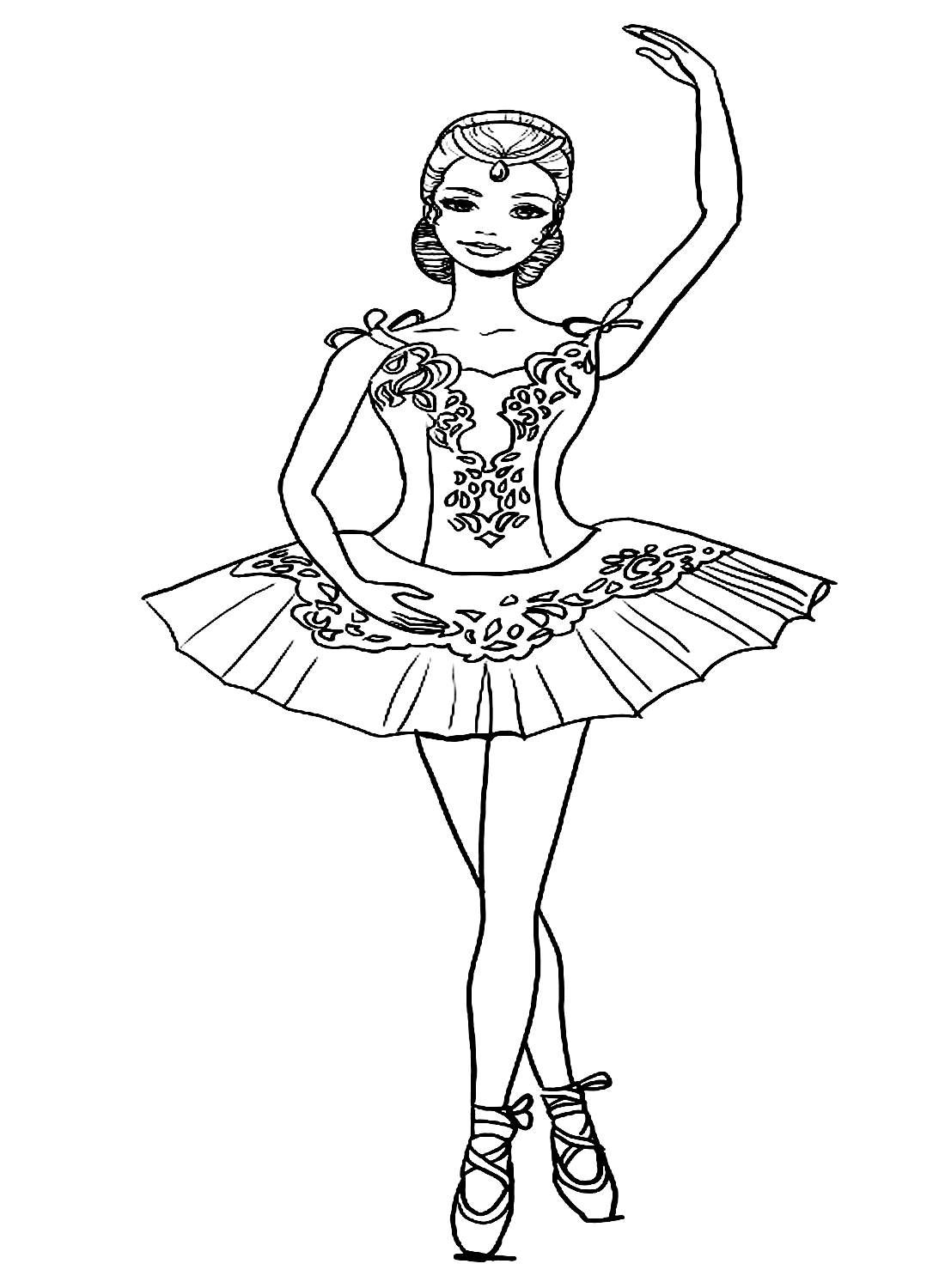
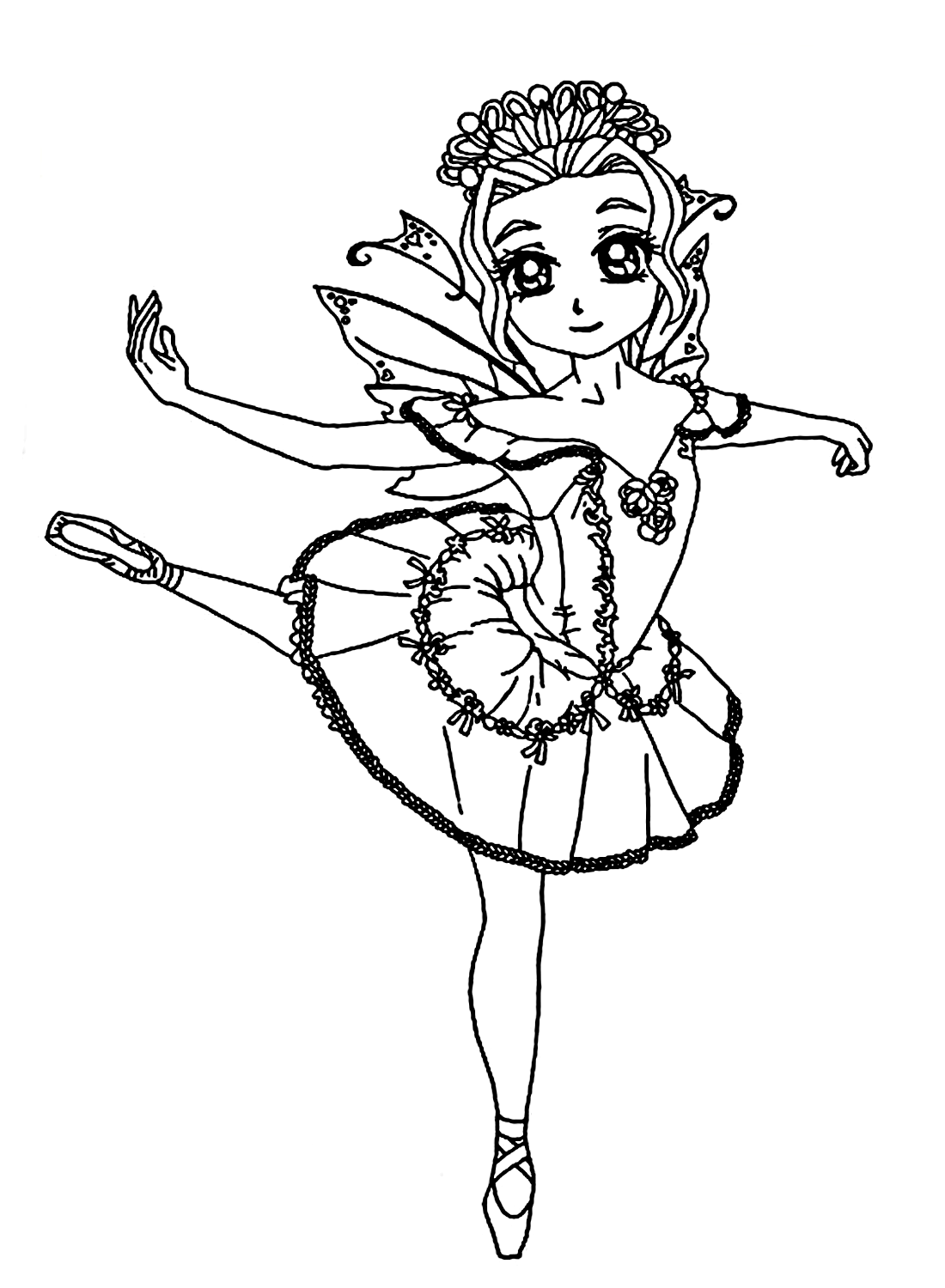
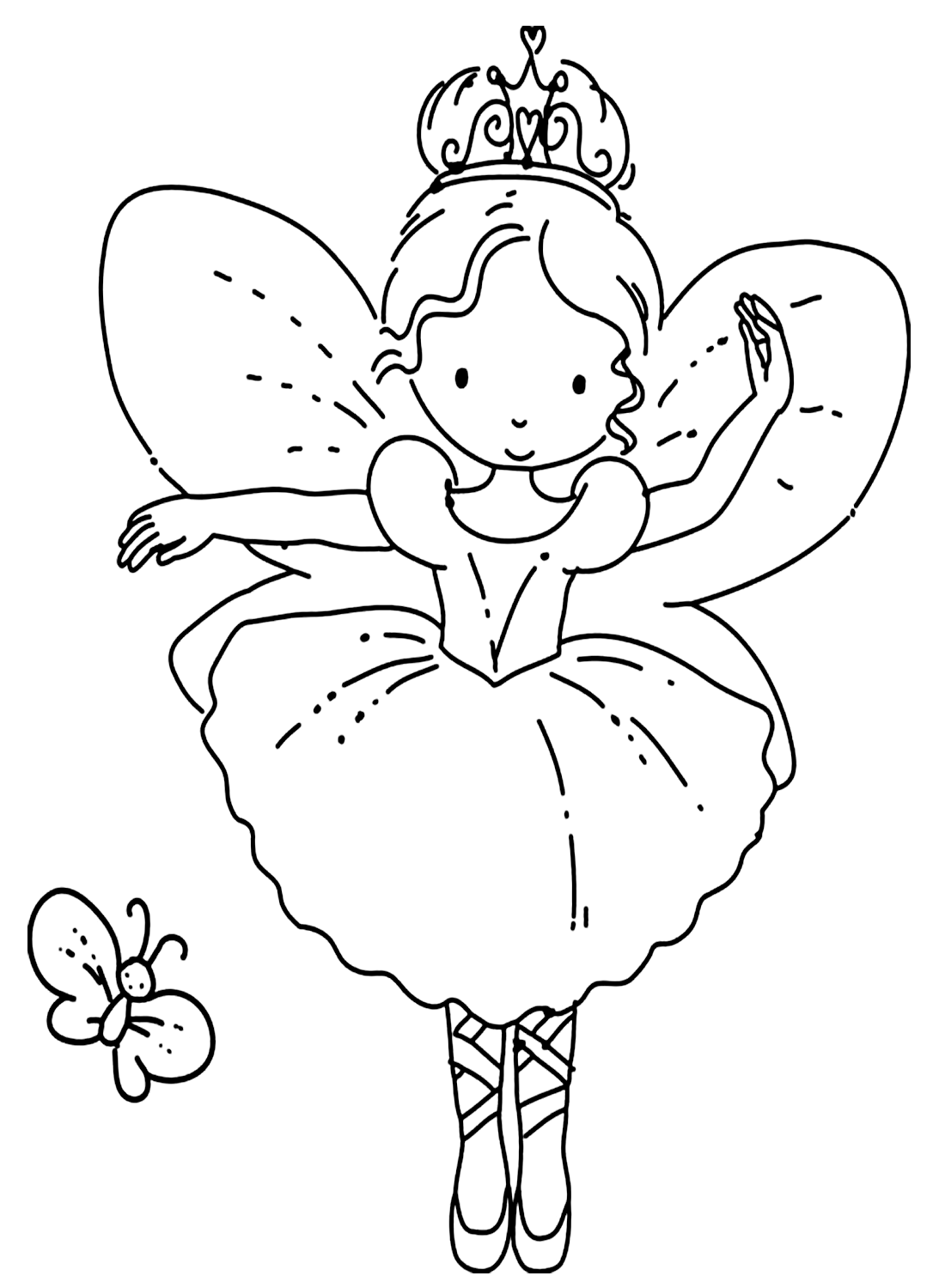
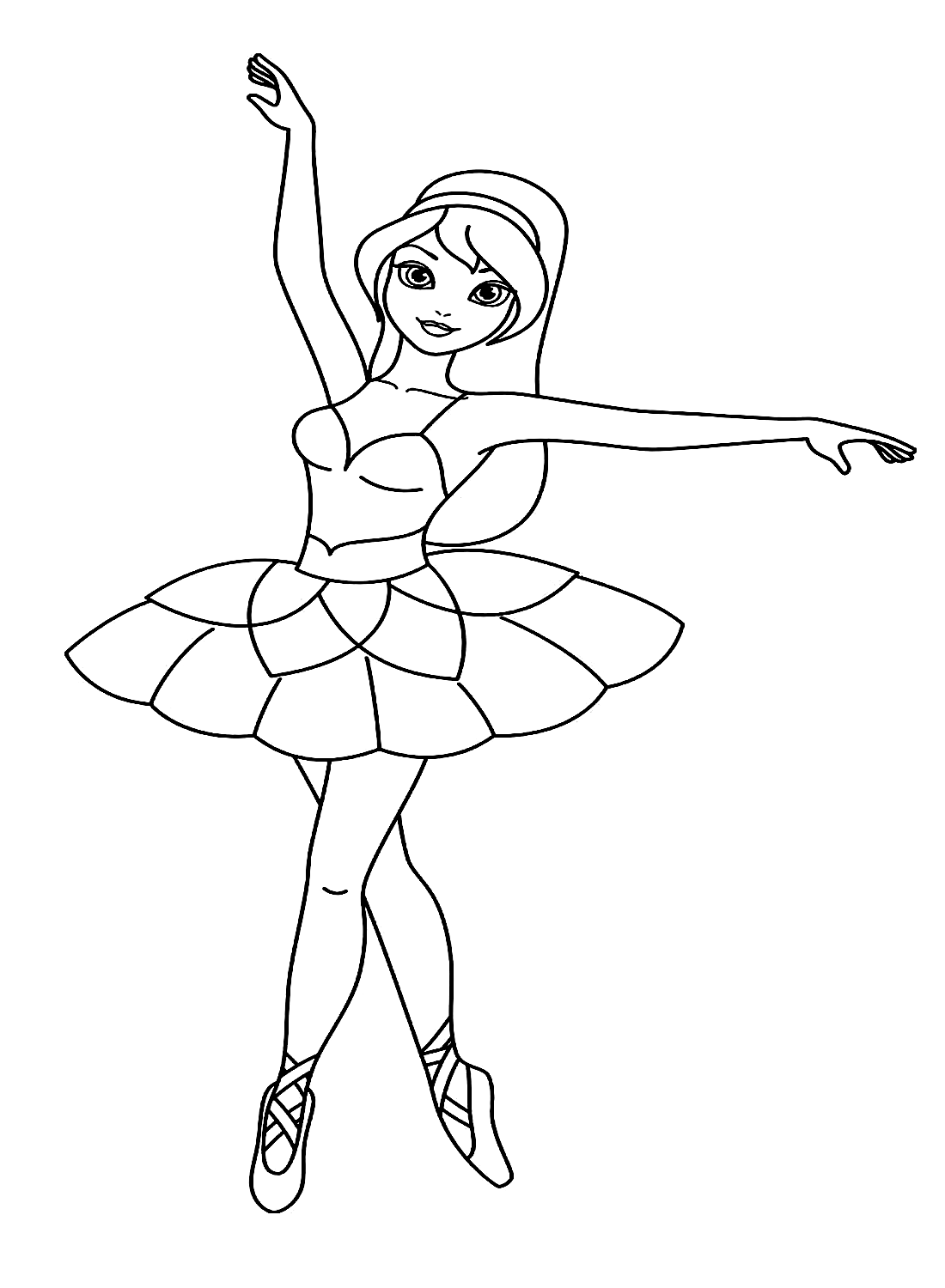
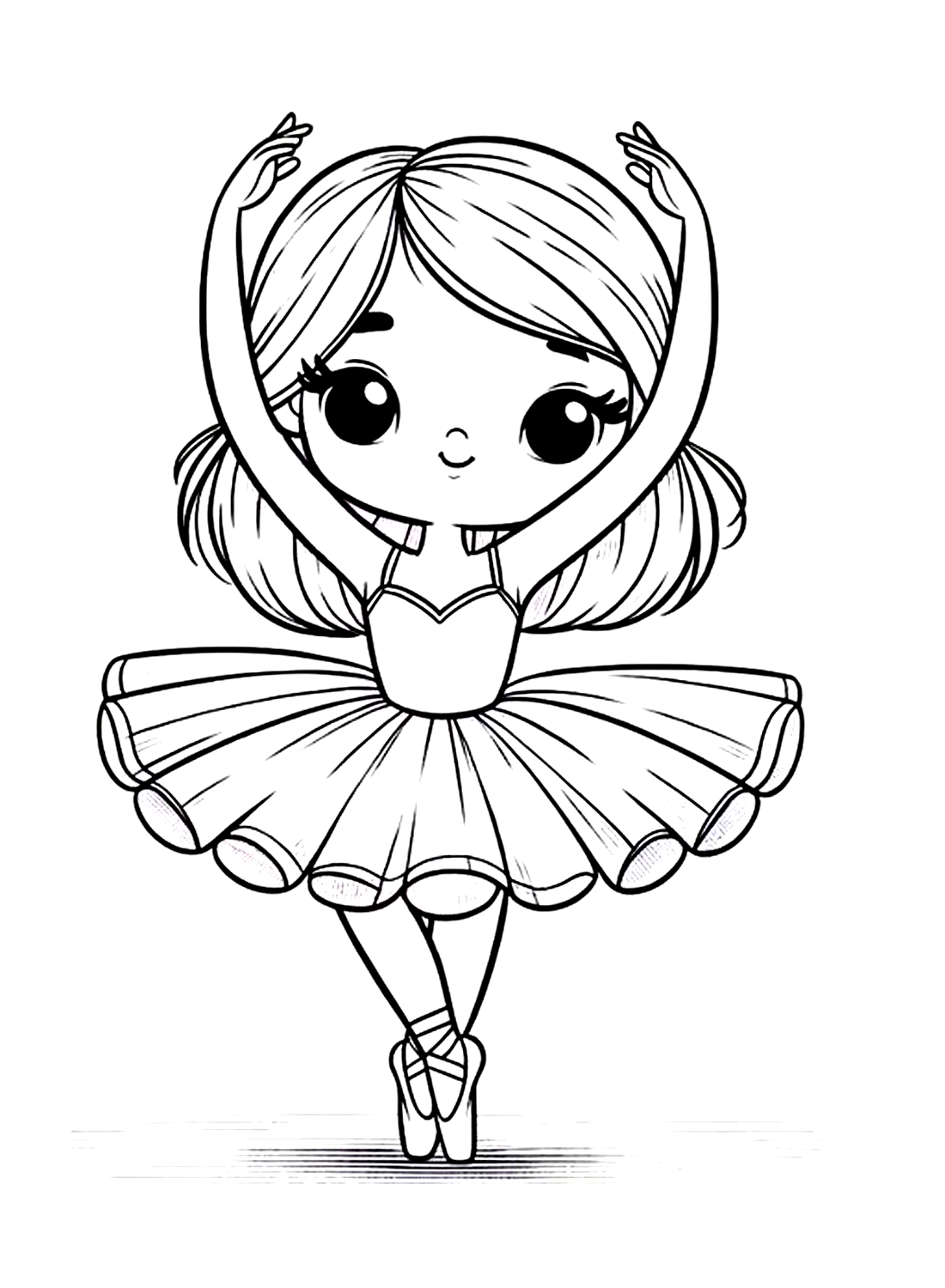
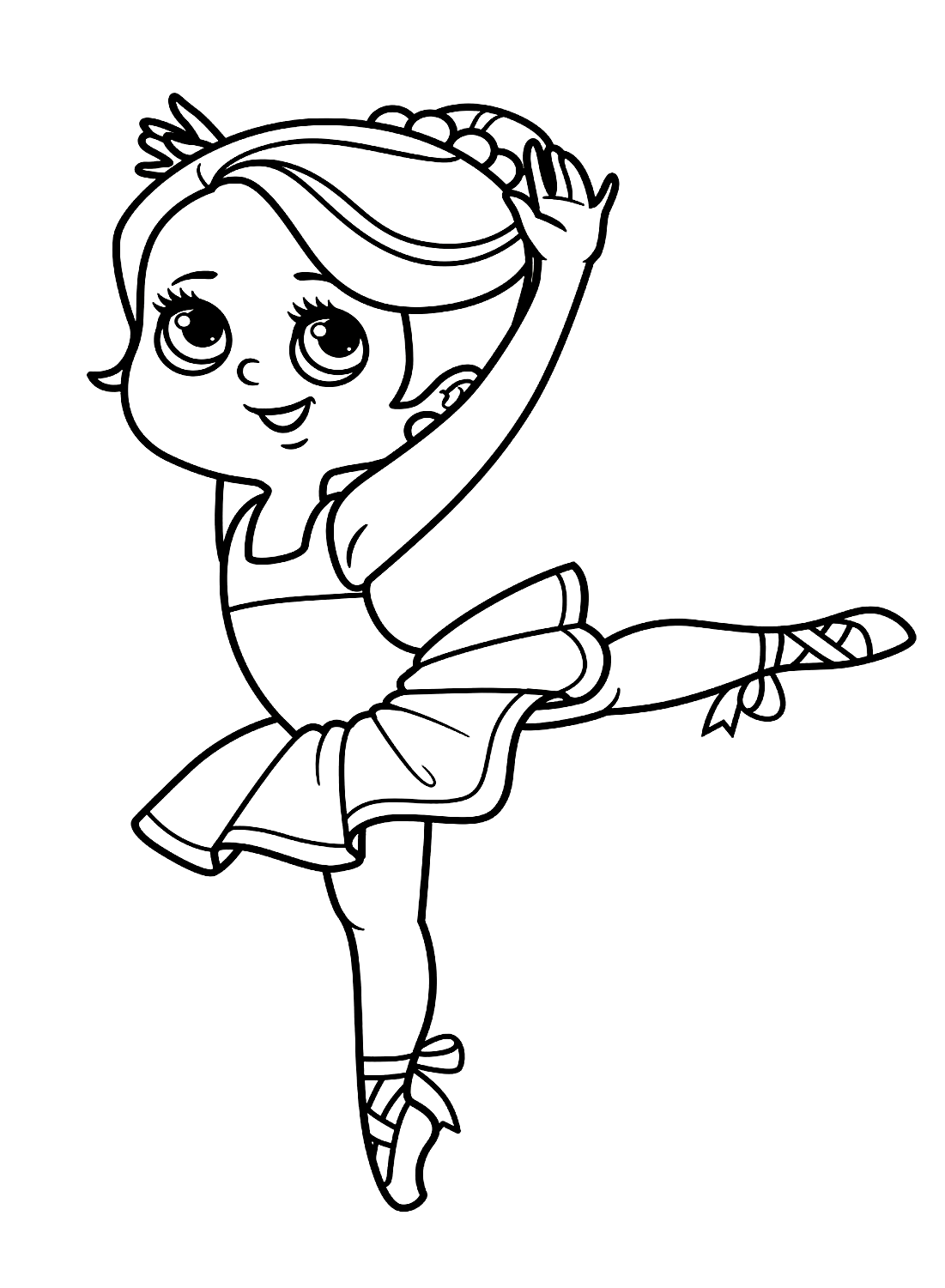
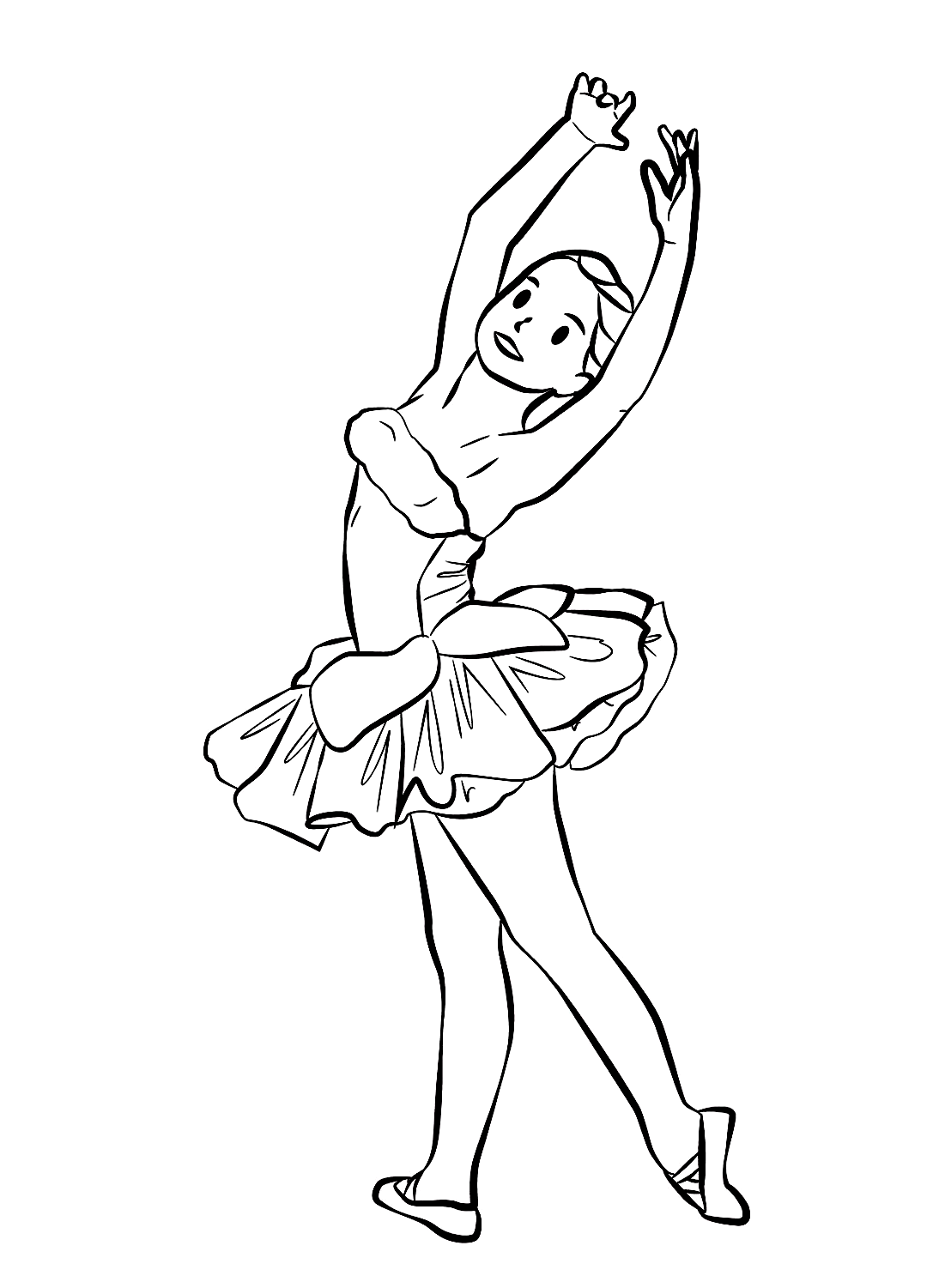
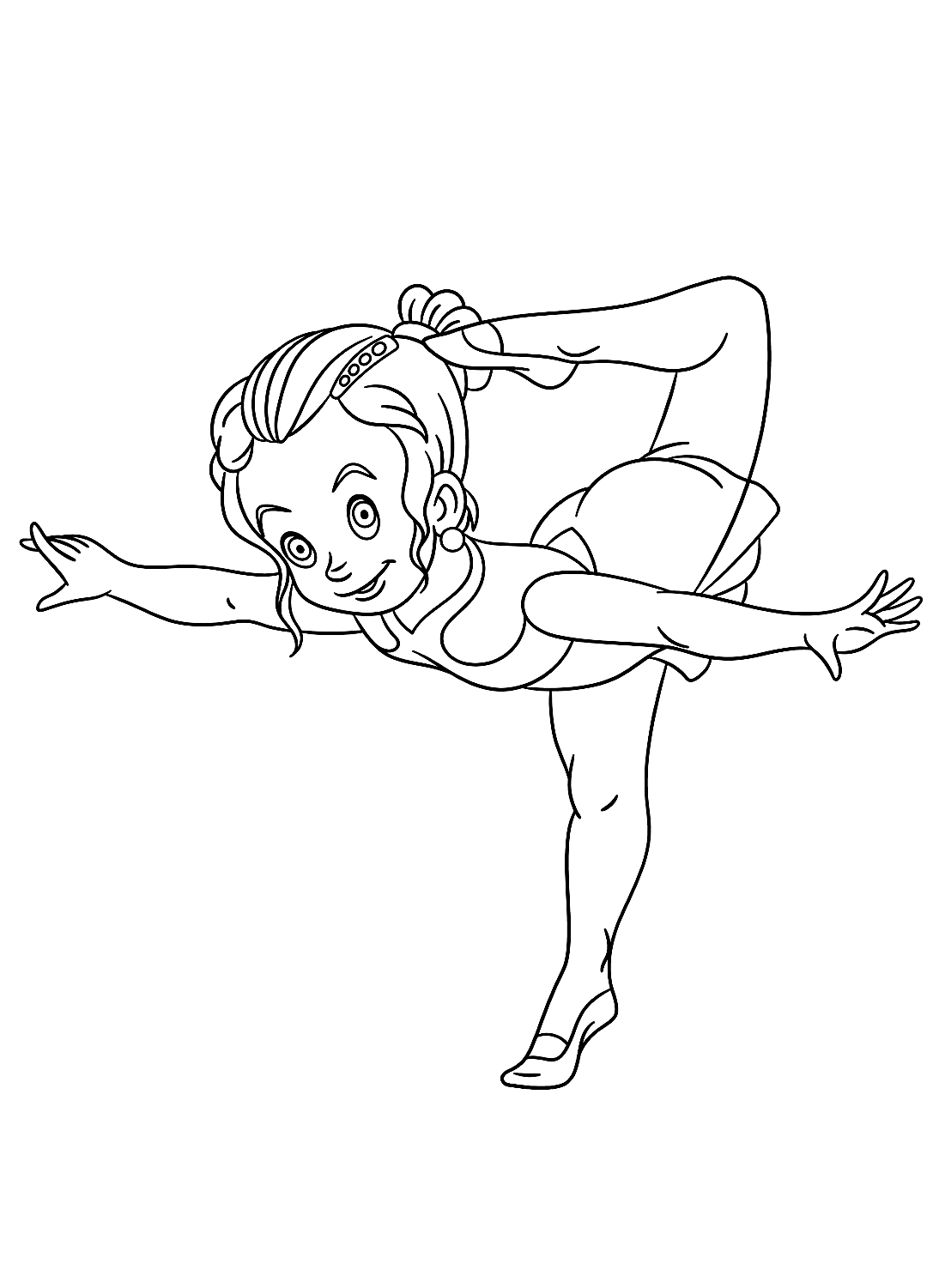
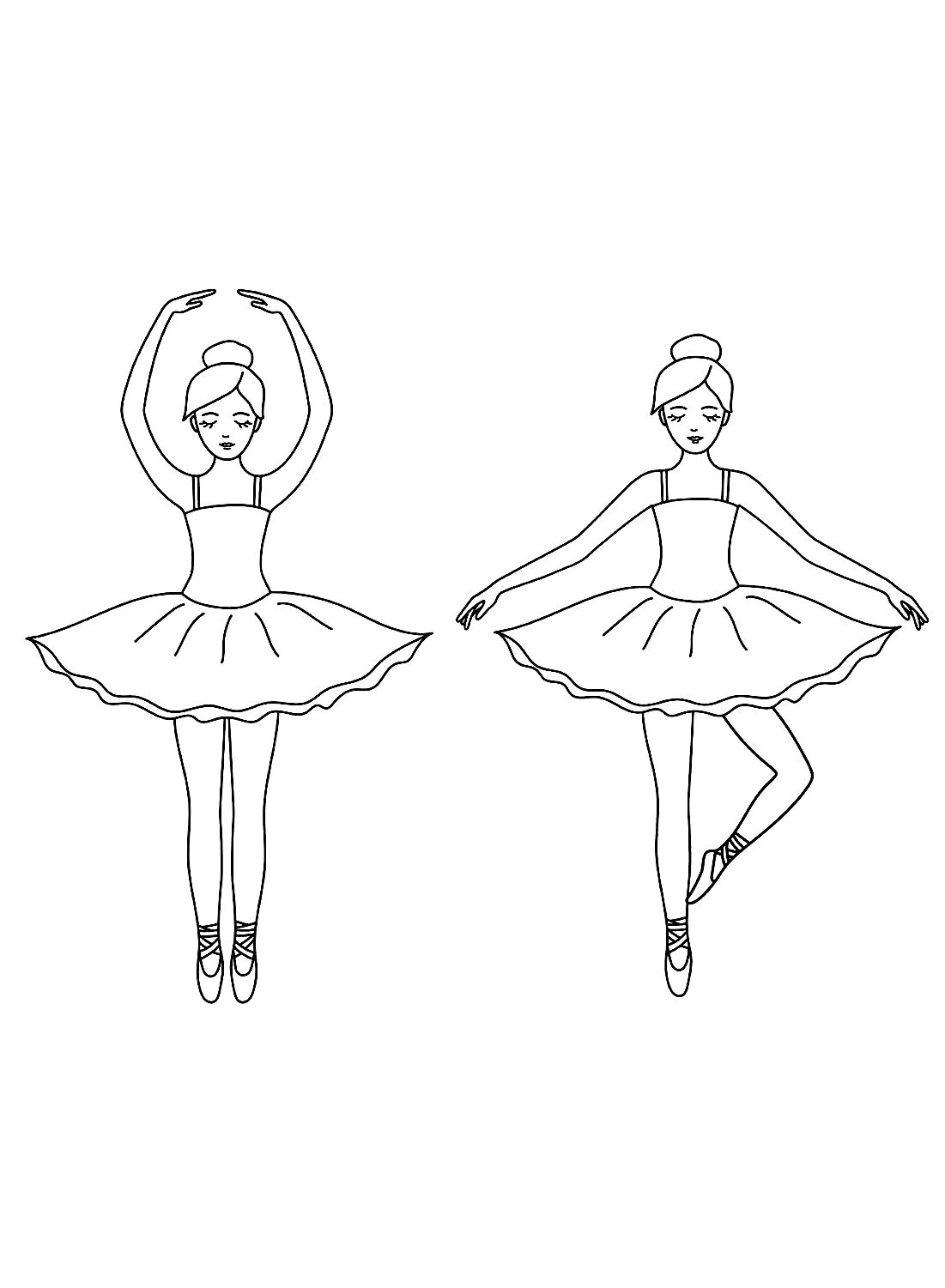
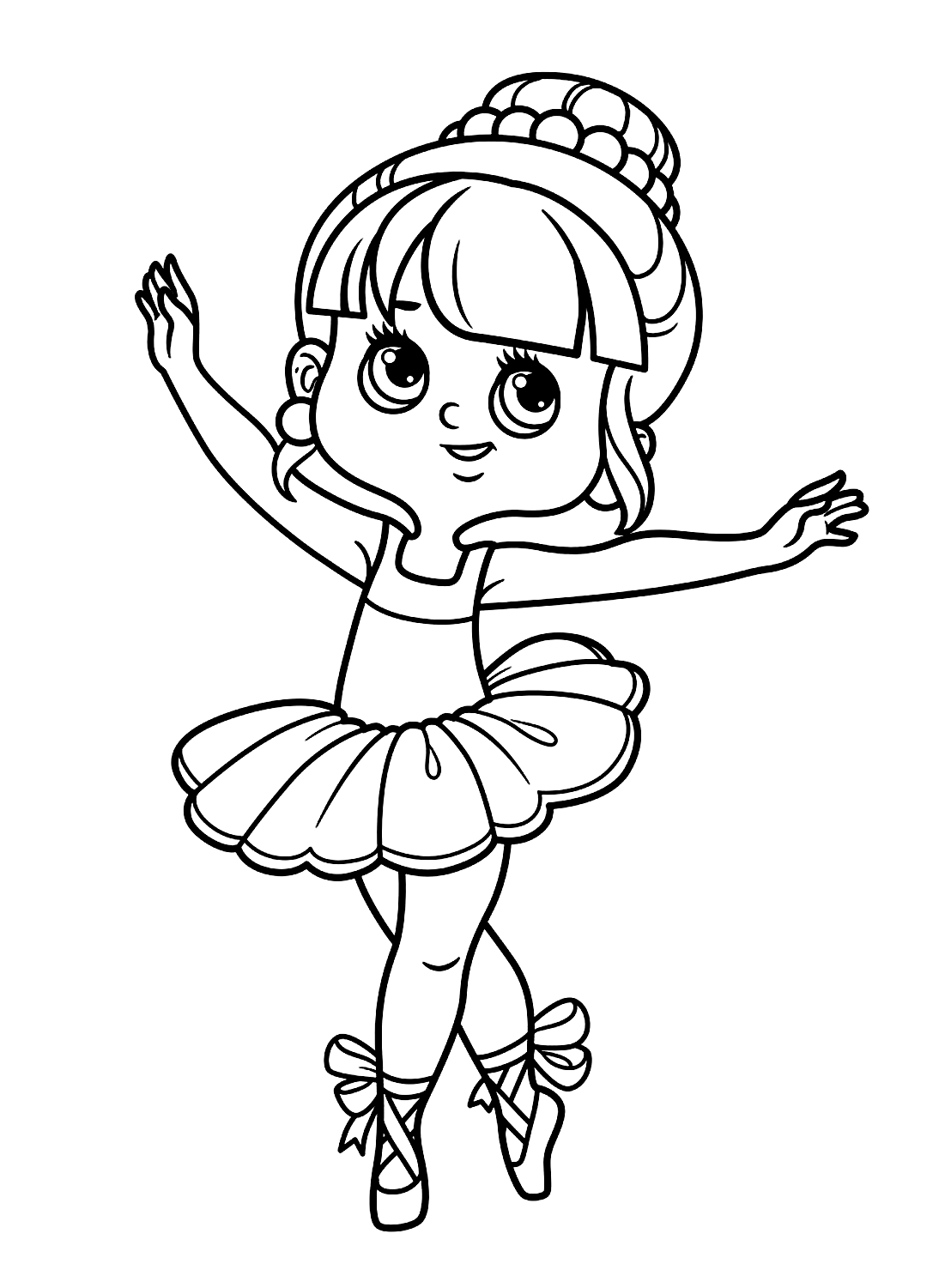
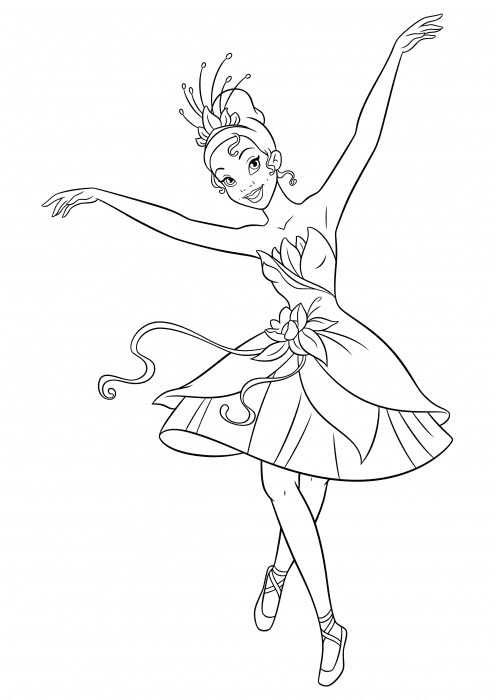
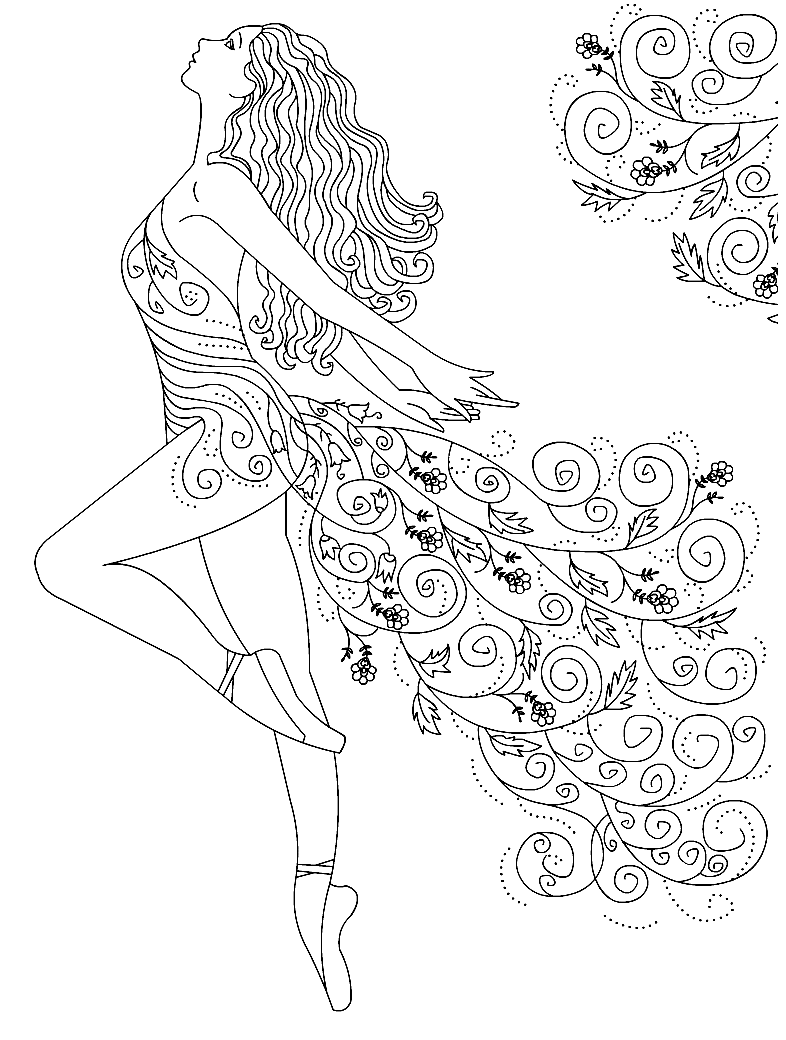
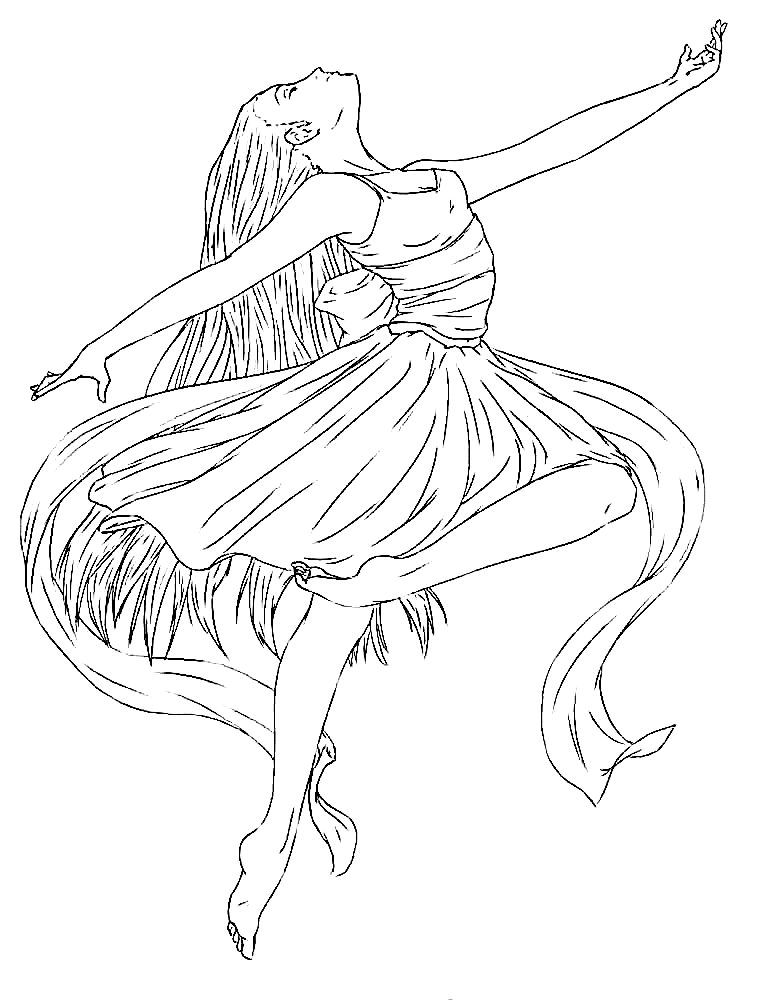
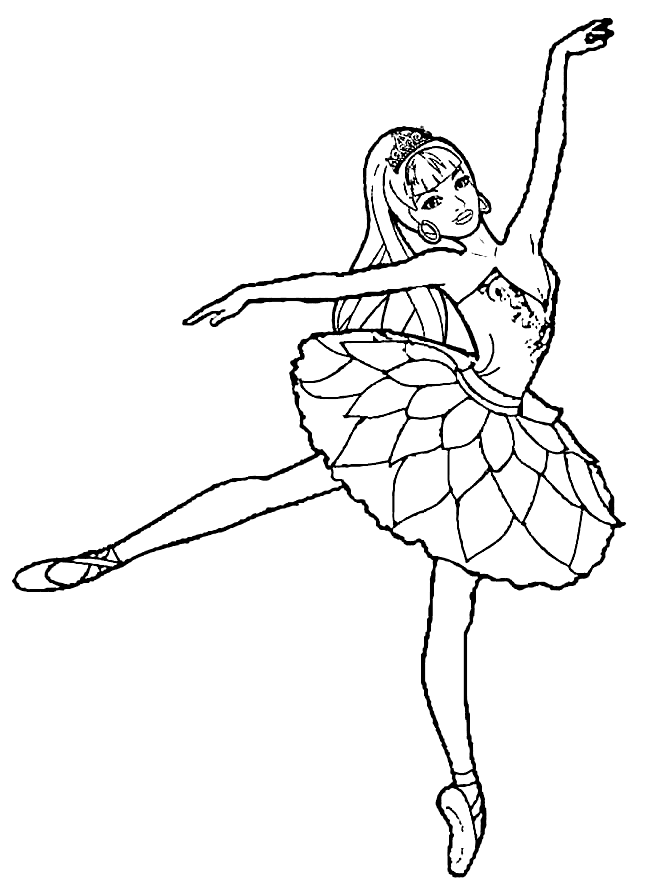
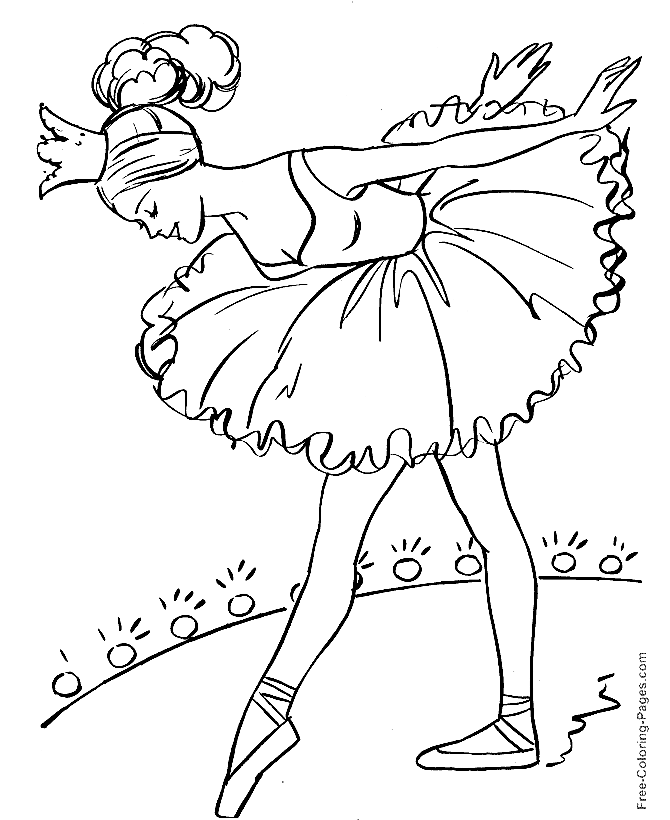
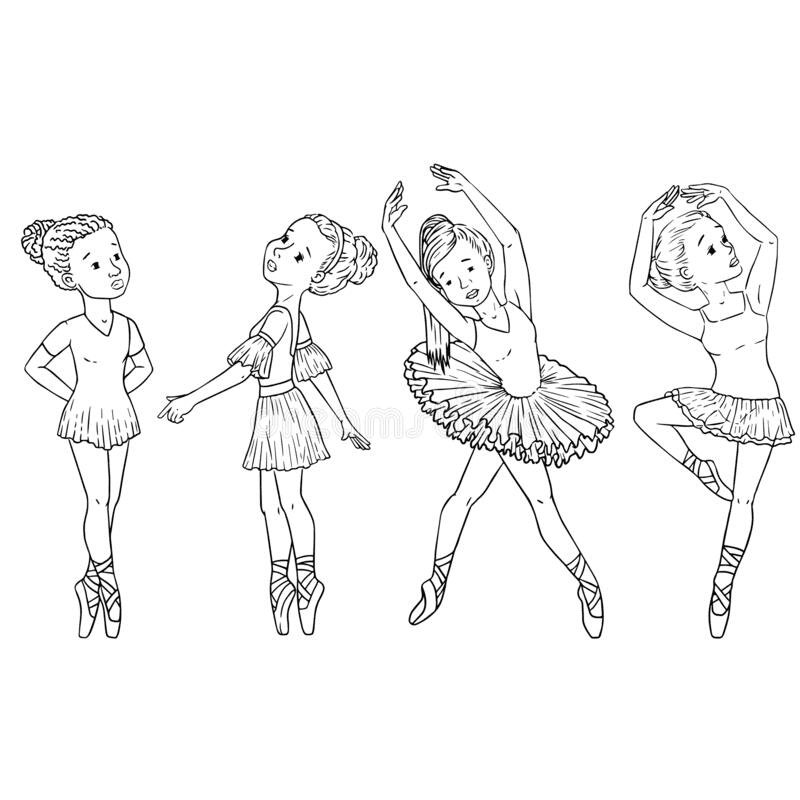
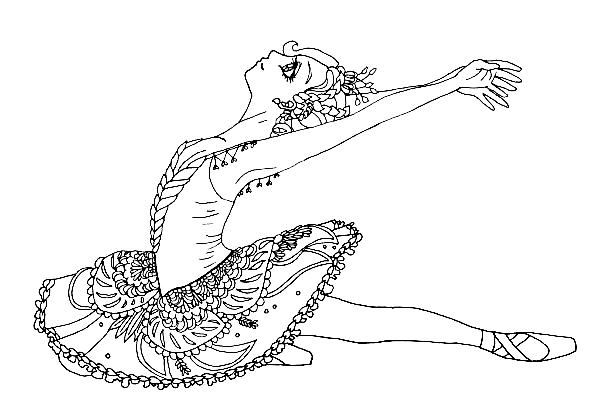
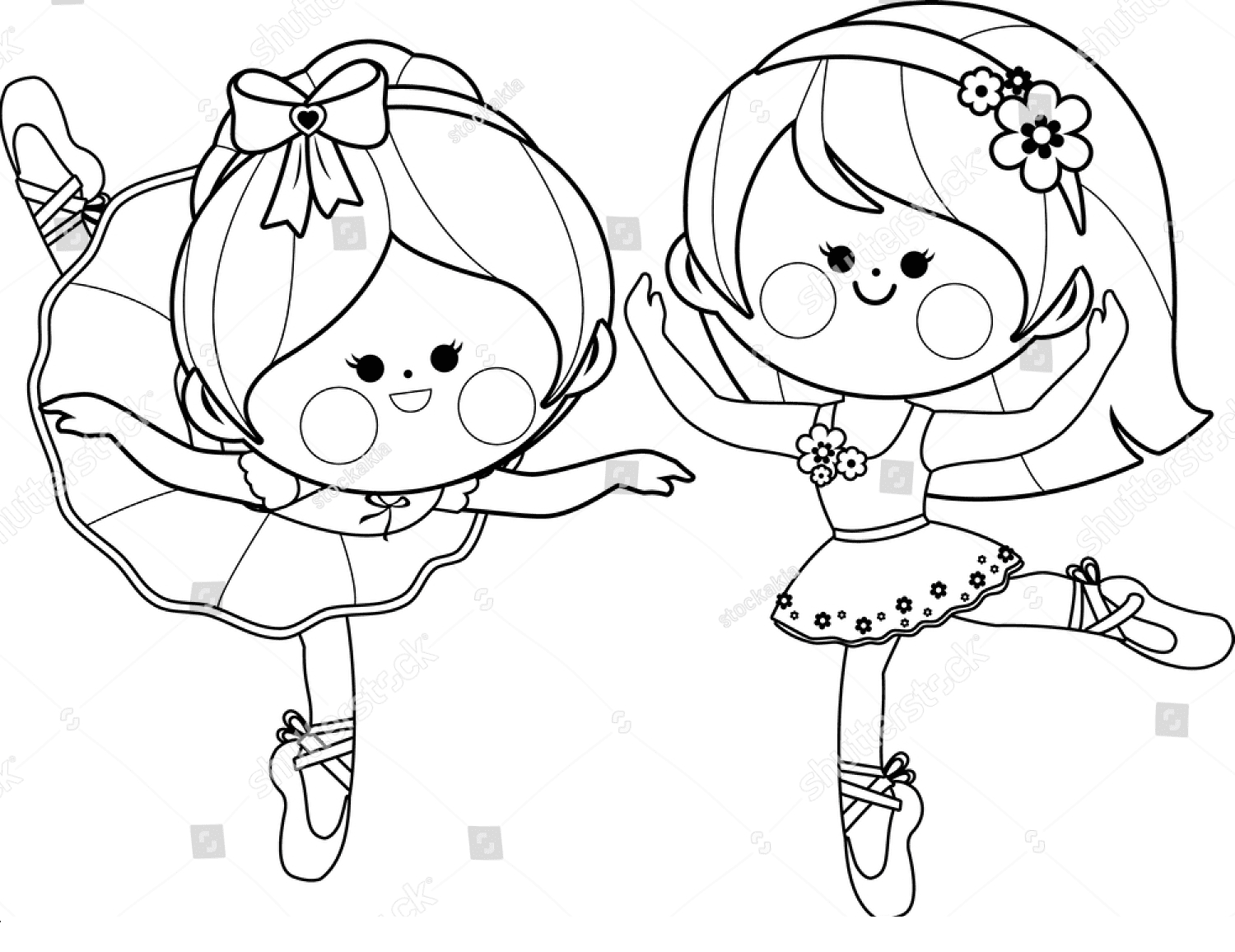
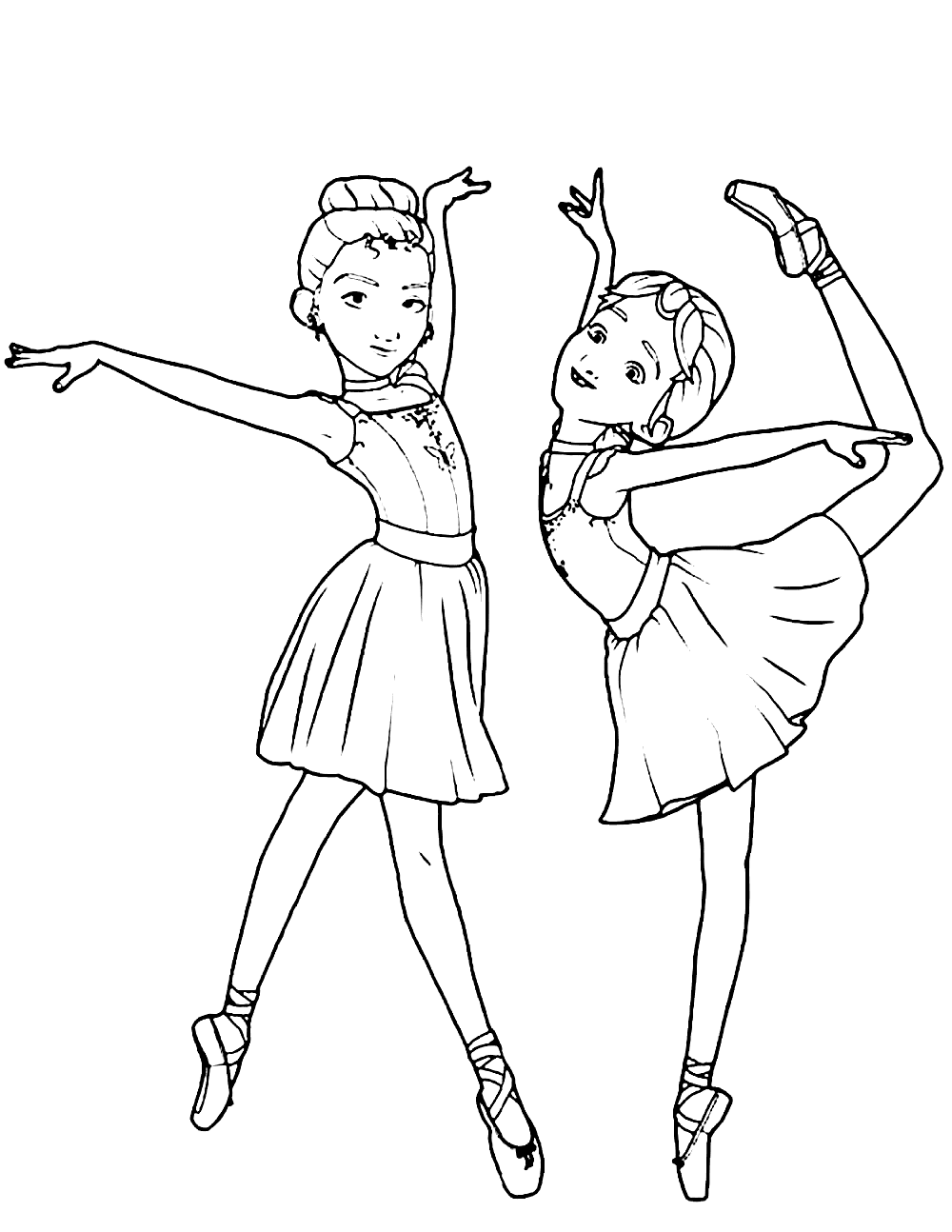
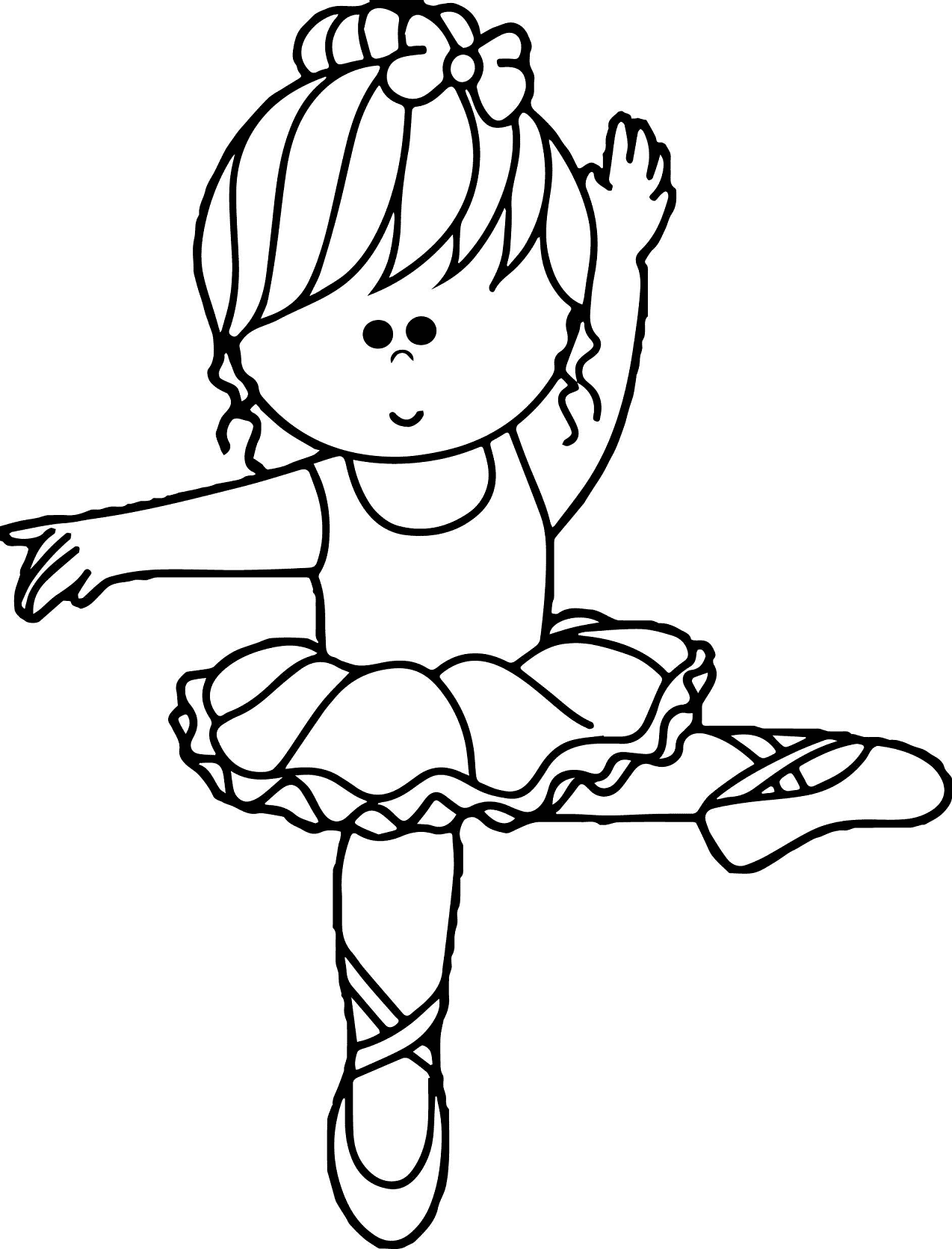
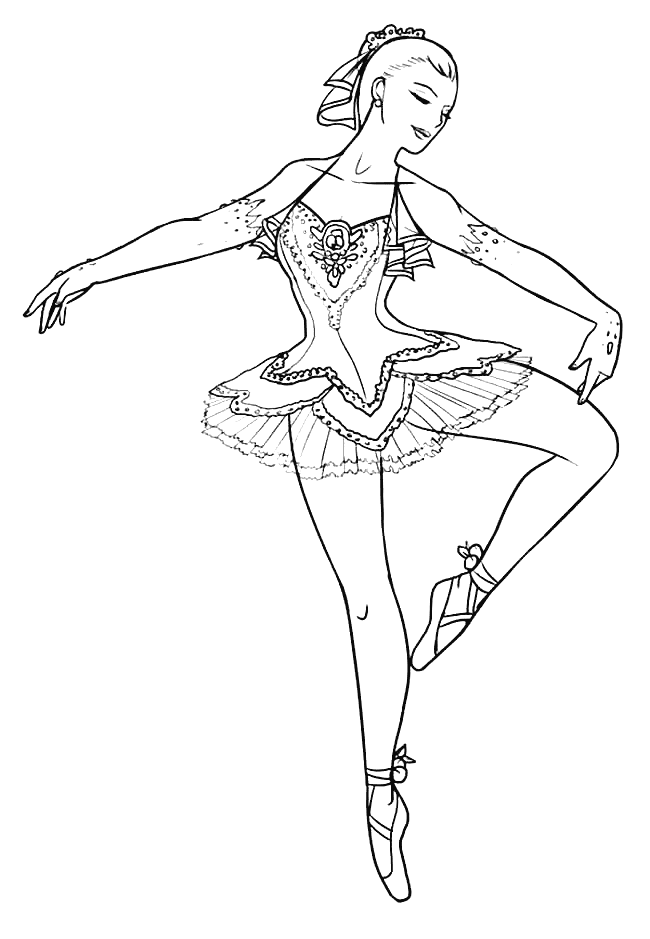
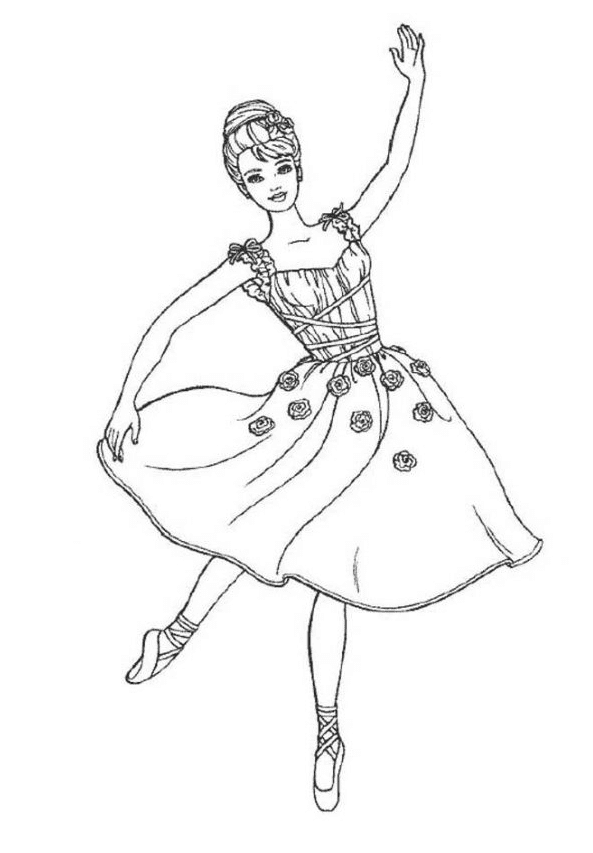
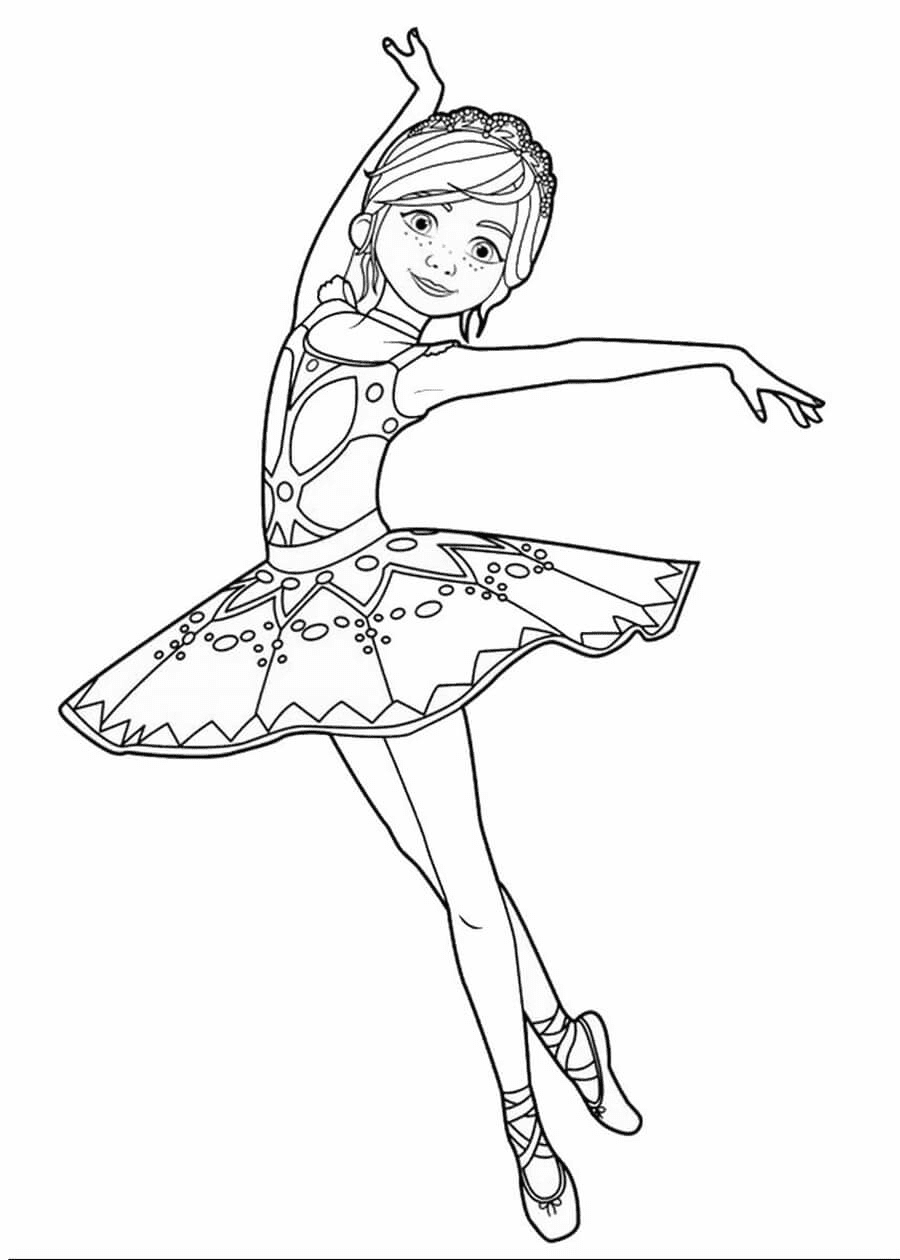
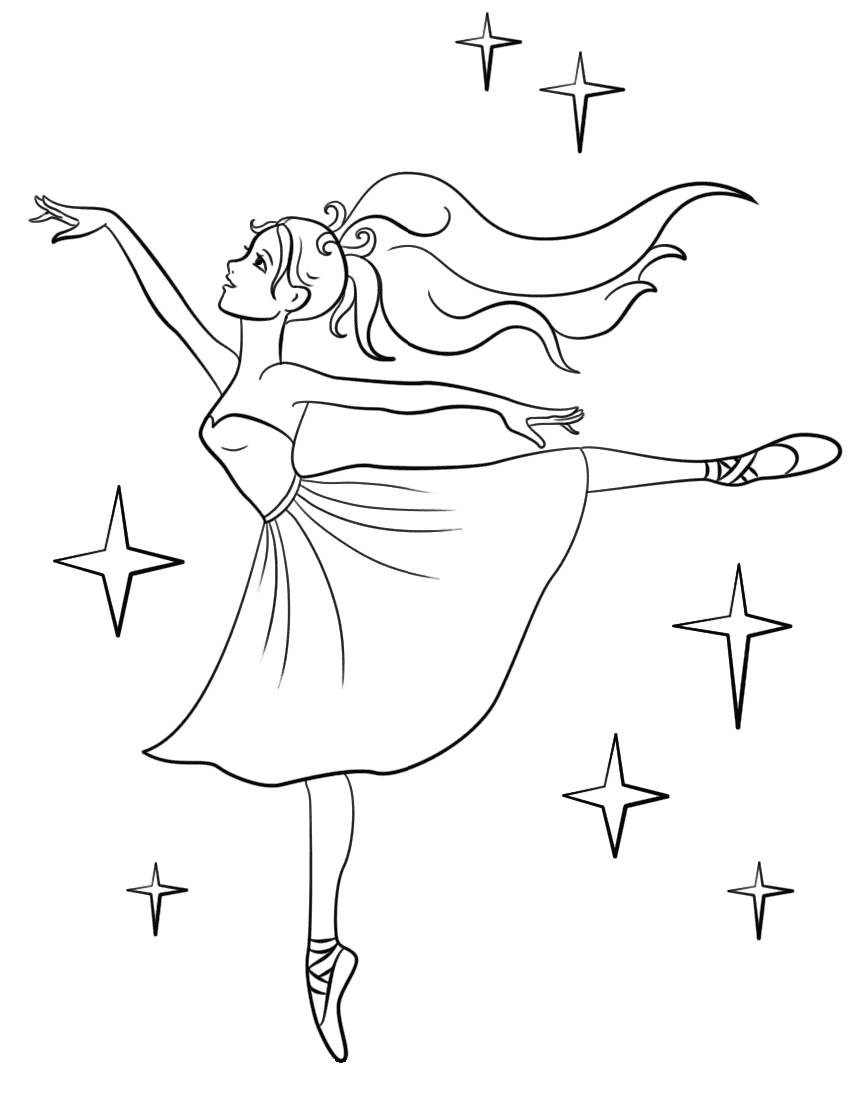
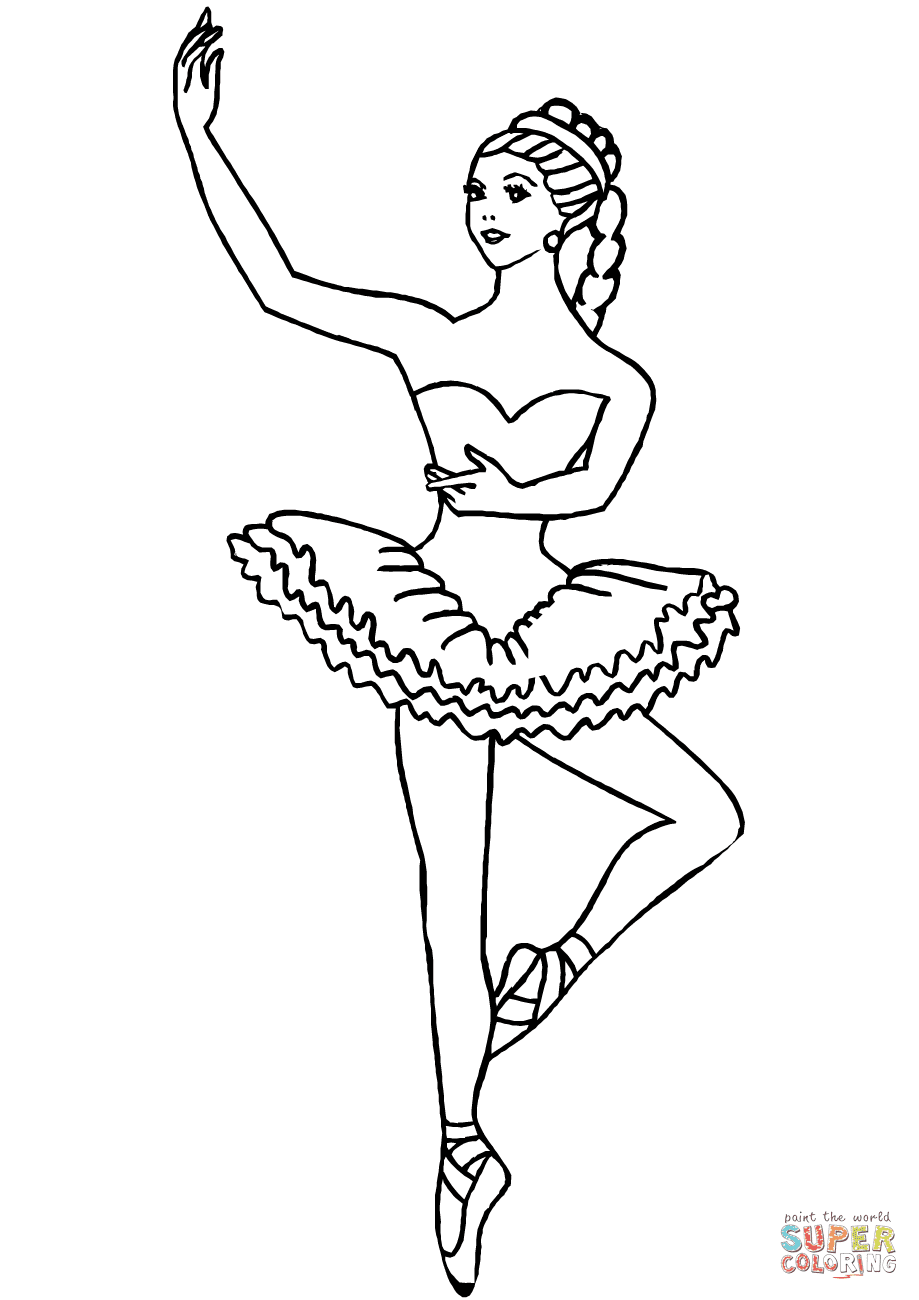
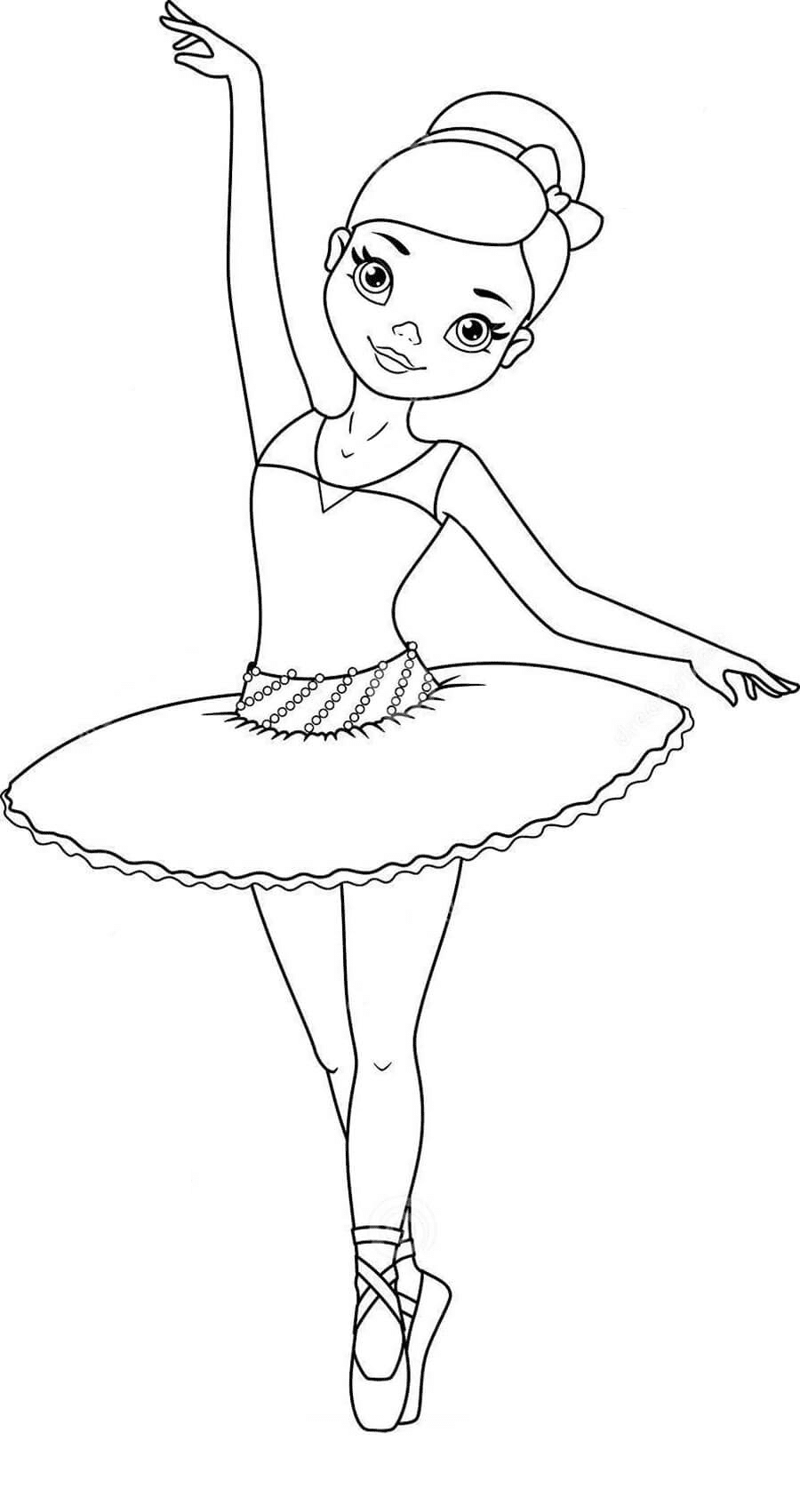
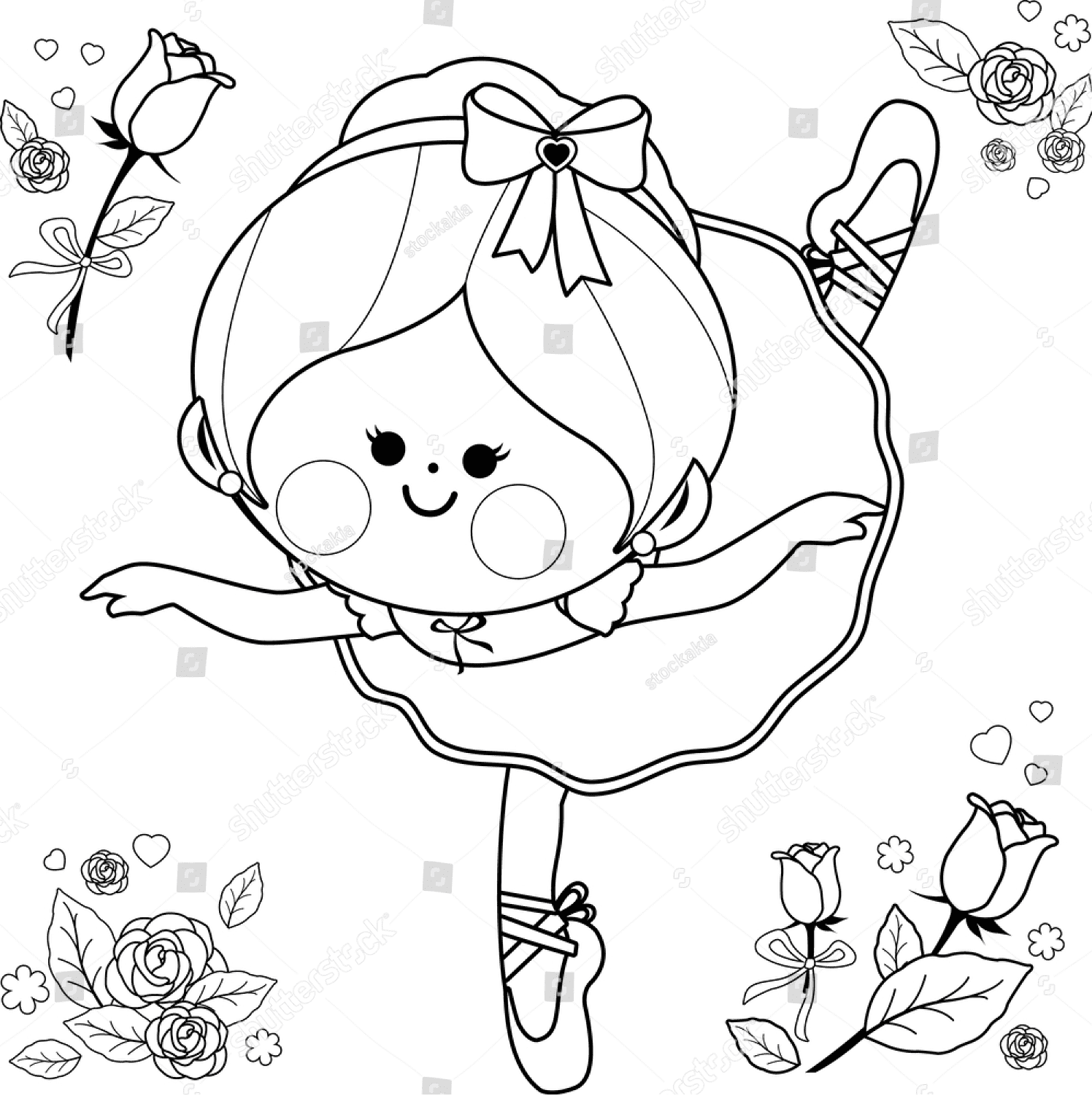
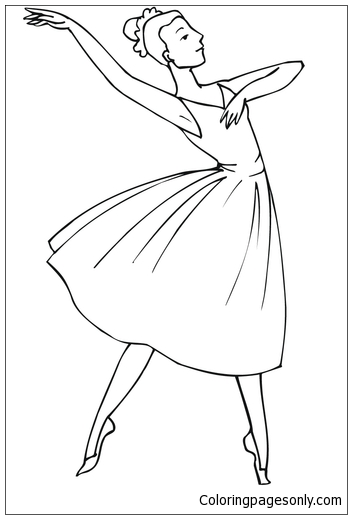
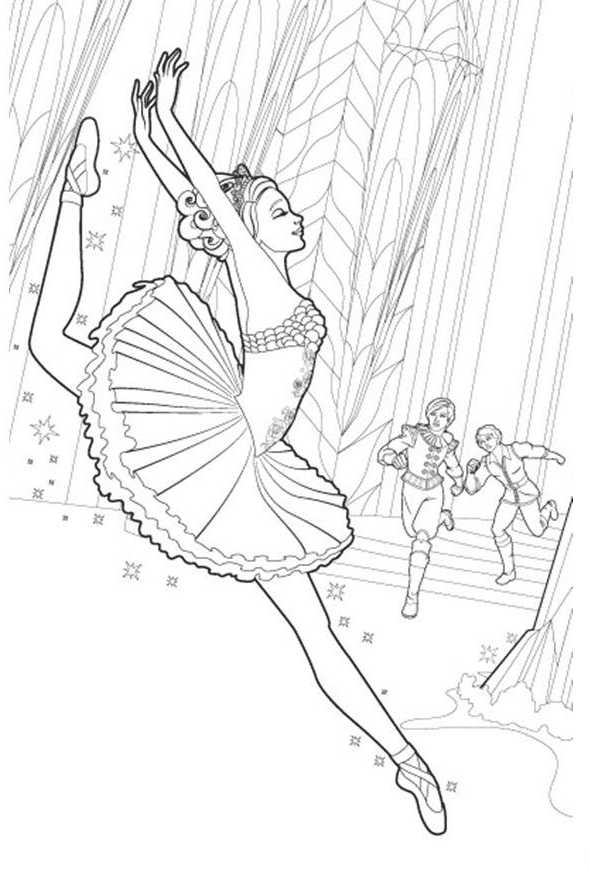
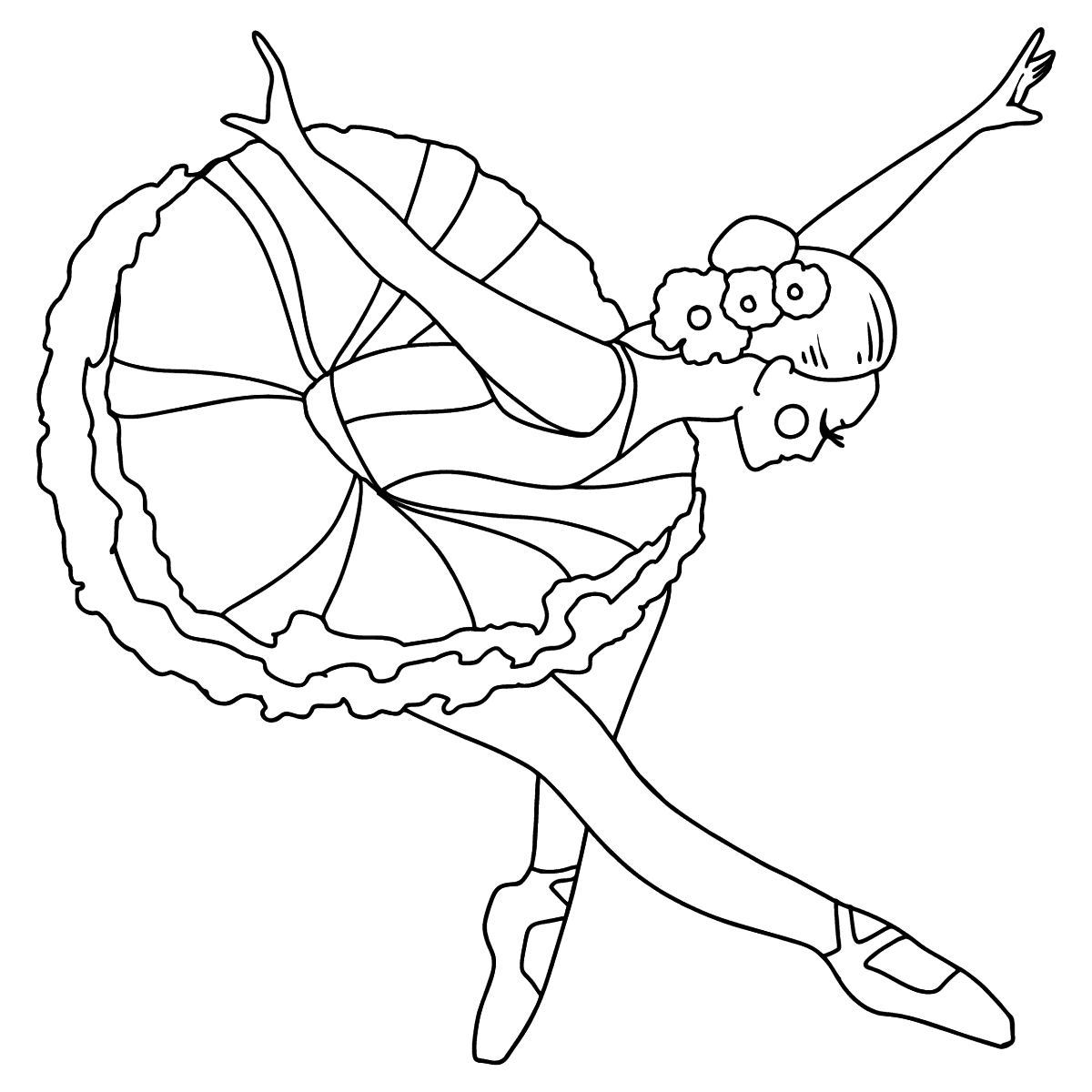
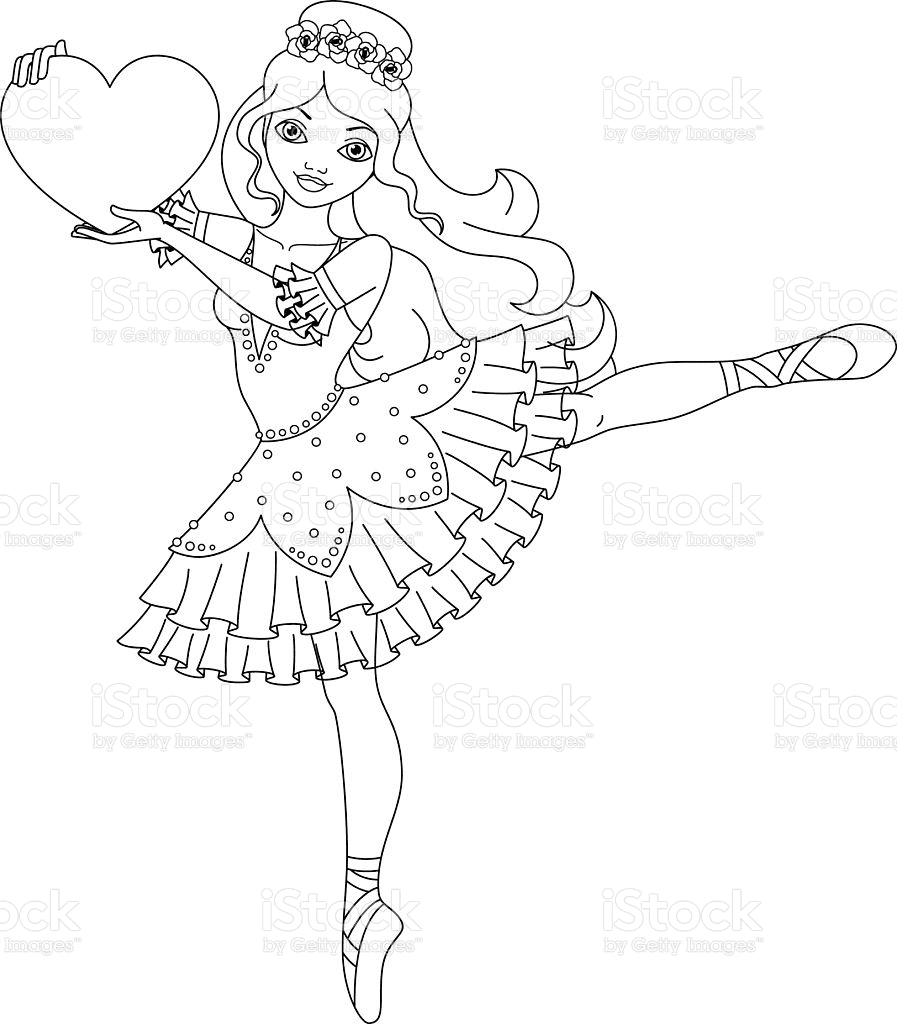
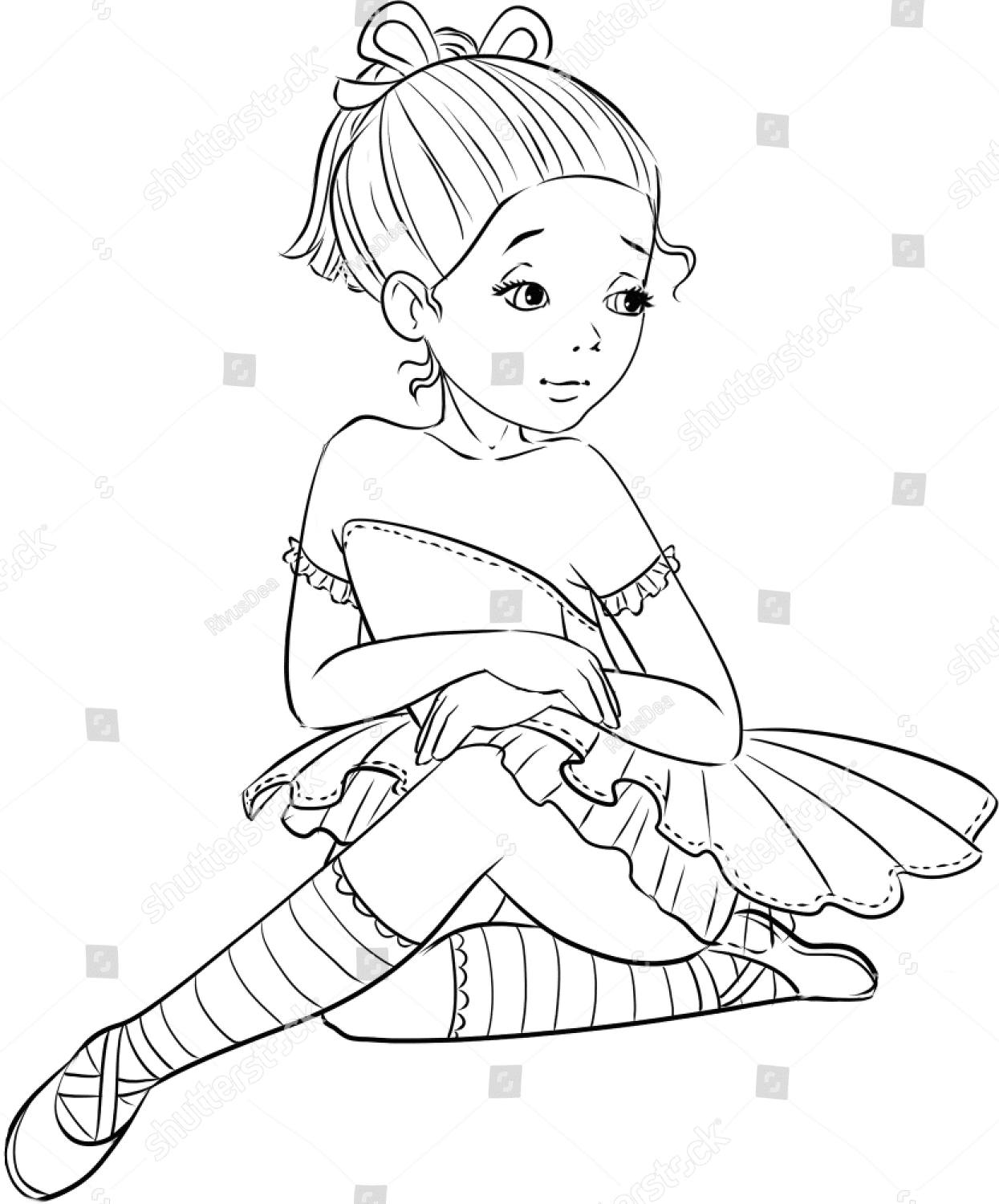
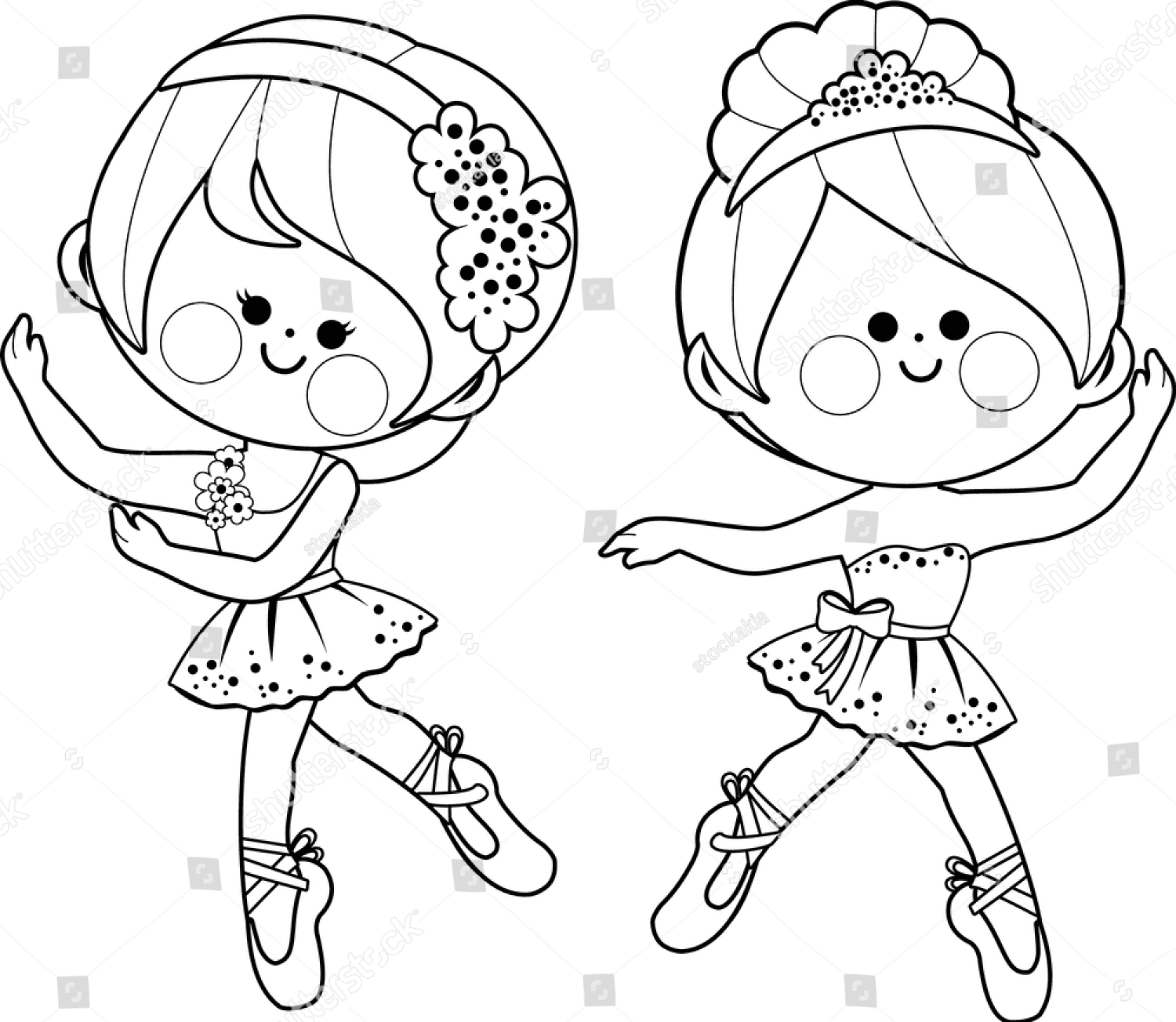
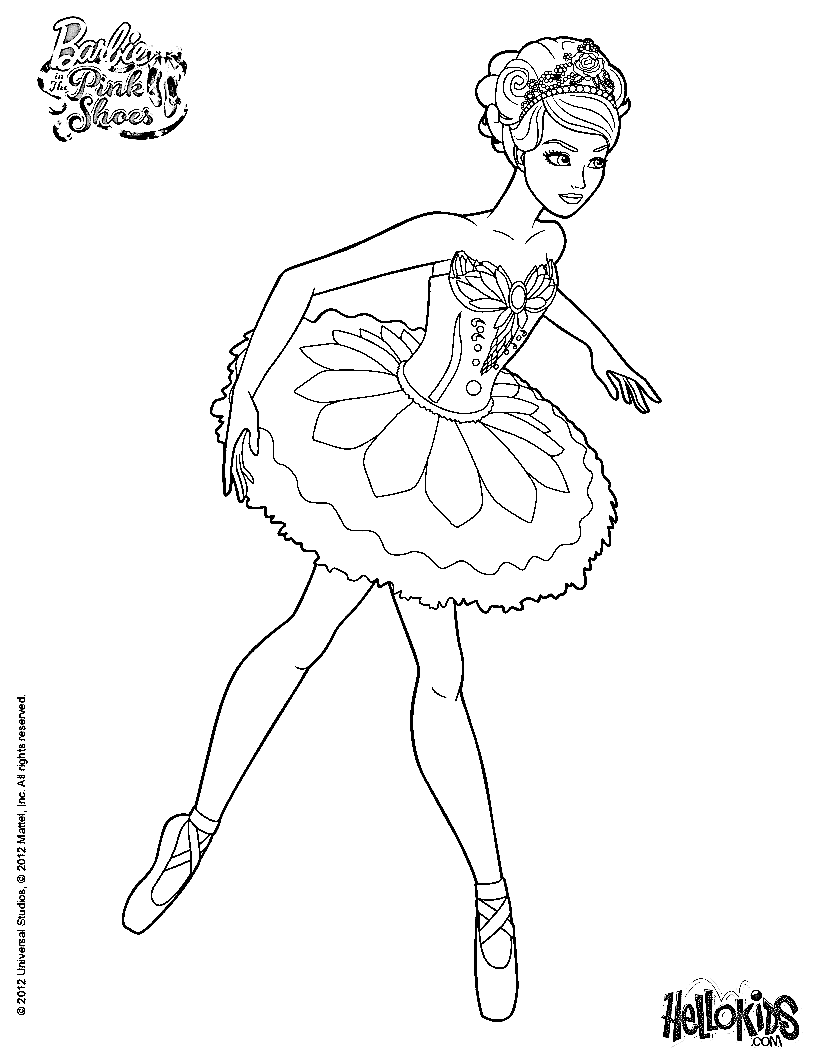
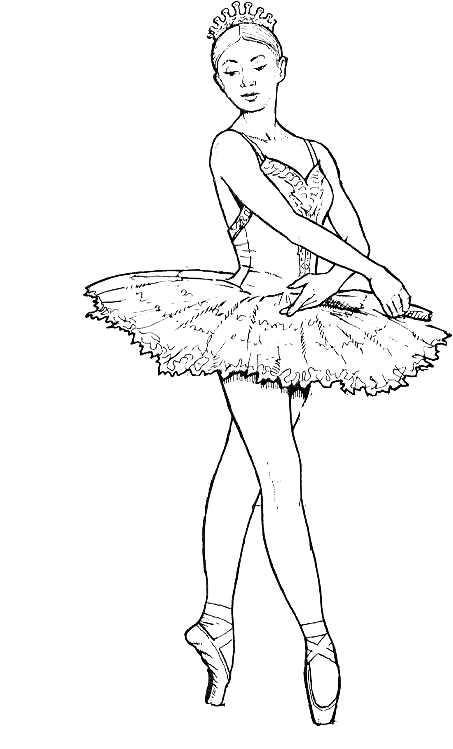
The largest share of the collection is single dancers shown mid-pose, standing, leaping, or stretching. Color the tutu a soft Pink or White, the tights a matching pale tone, and the pointe shoes a slightly darker Pink with visible ribbon ties, the classic palette most people picture when they think of a ballerina.
Tutus and Costume Detail
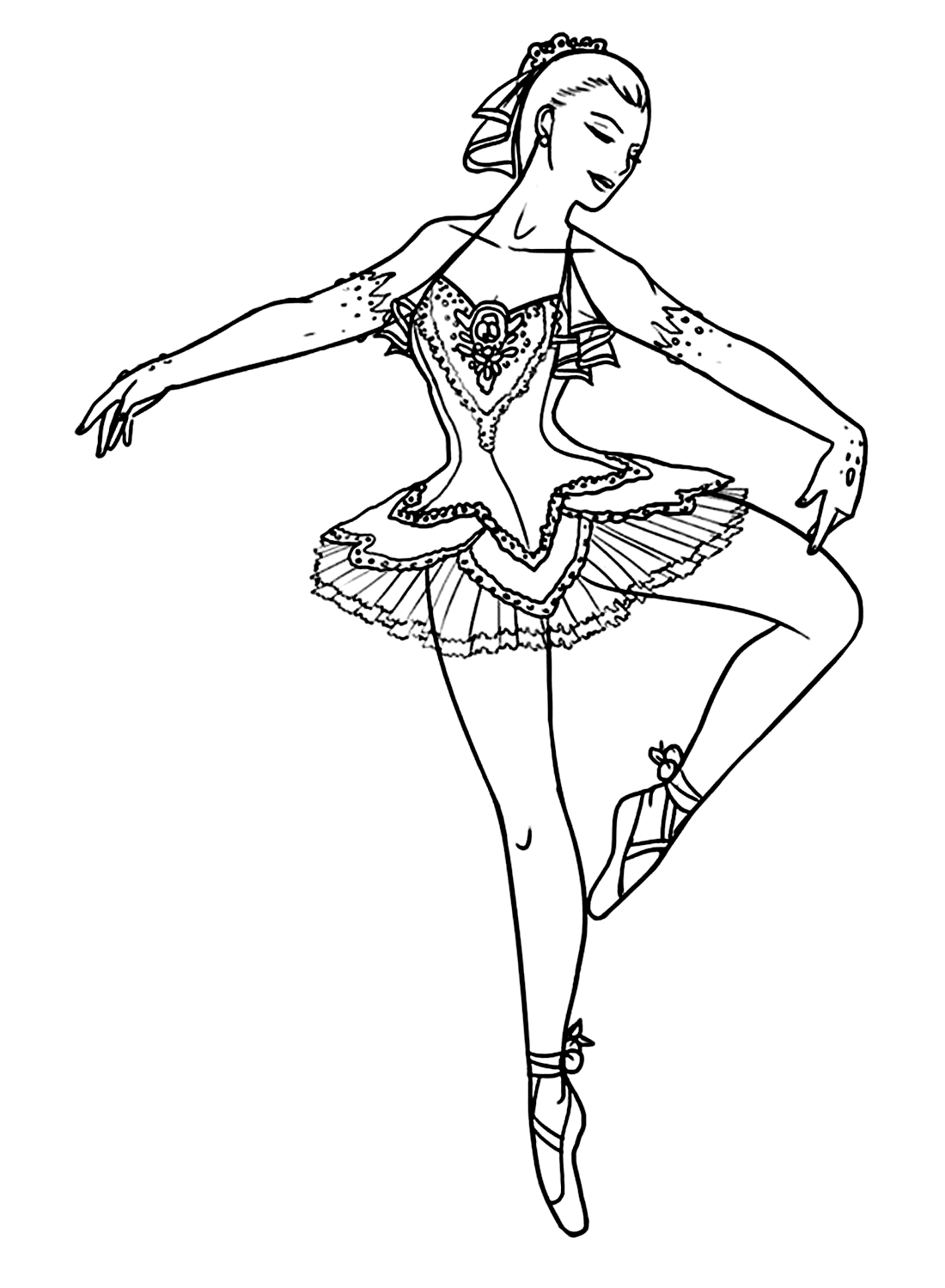
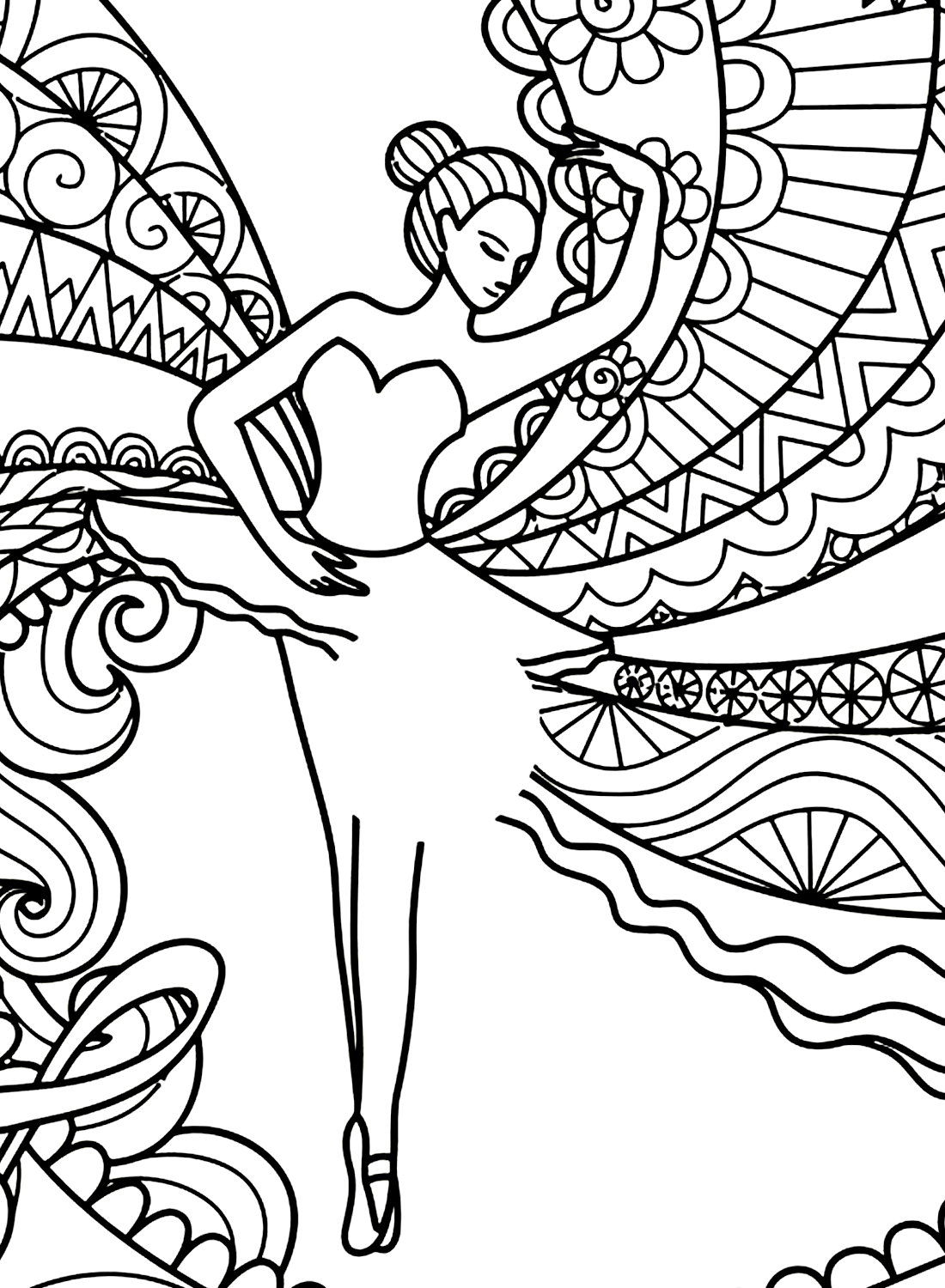
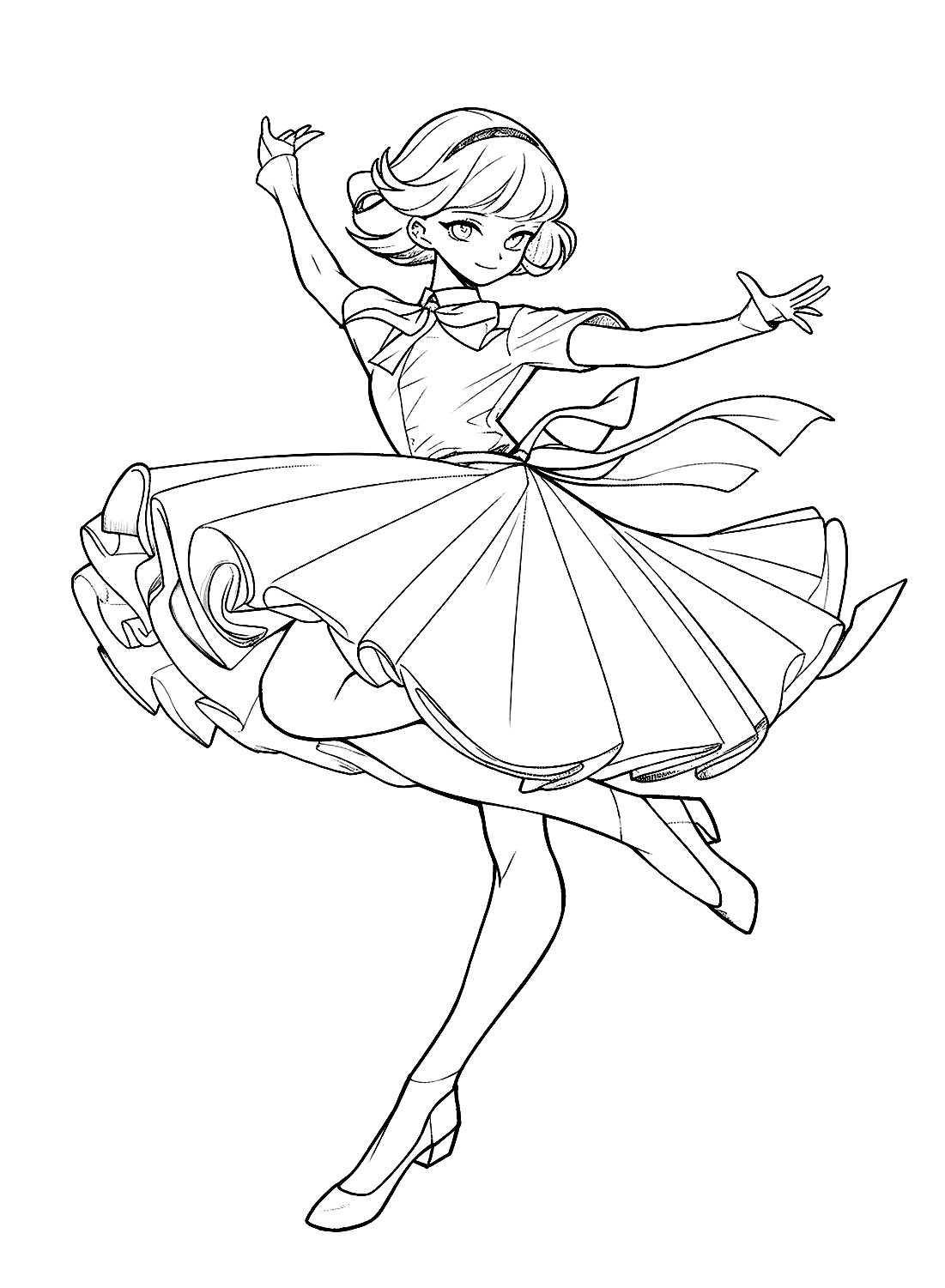
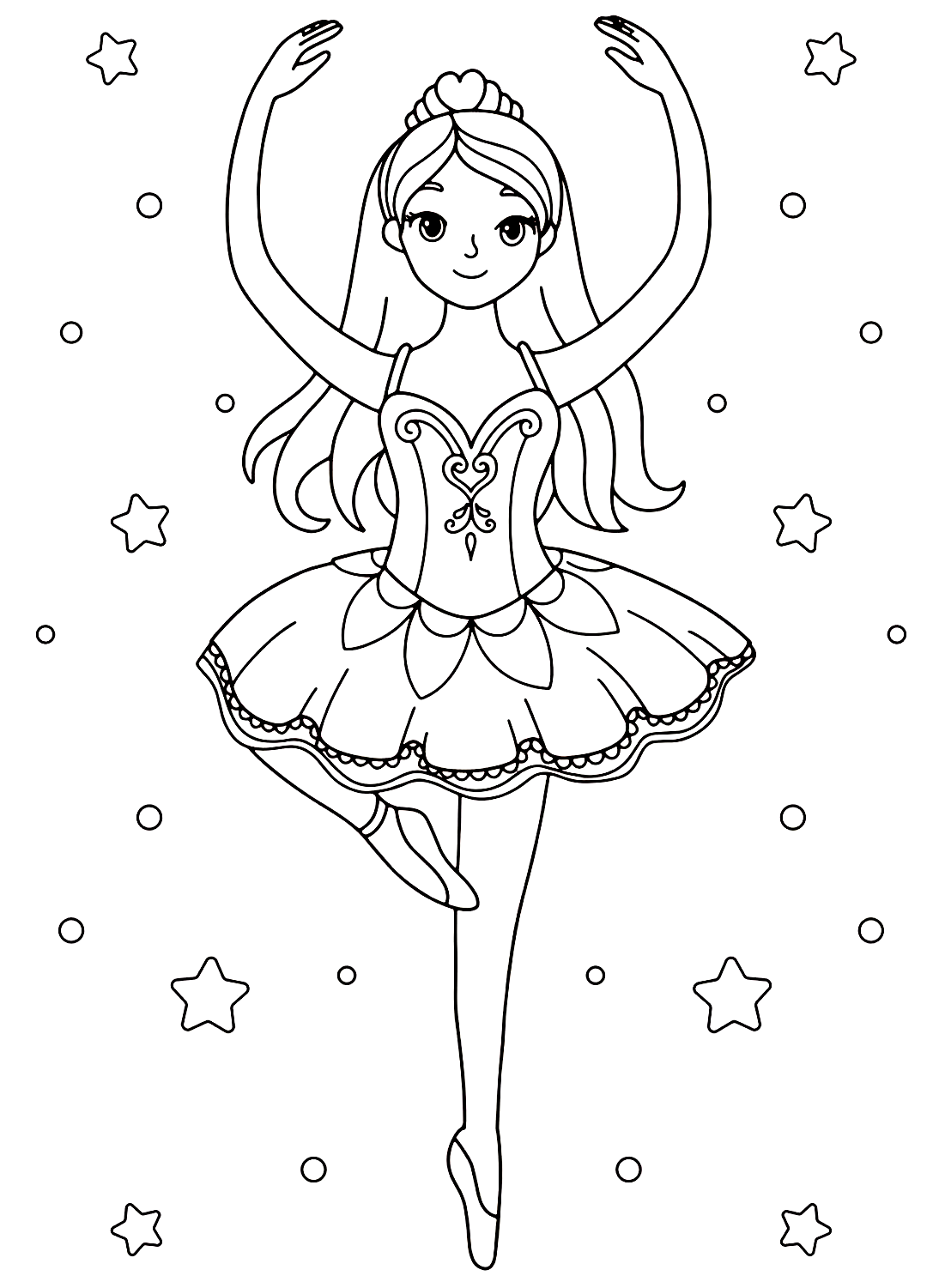
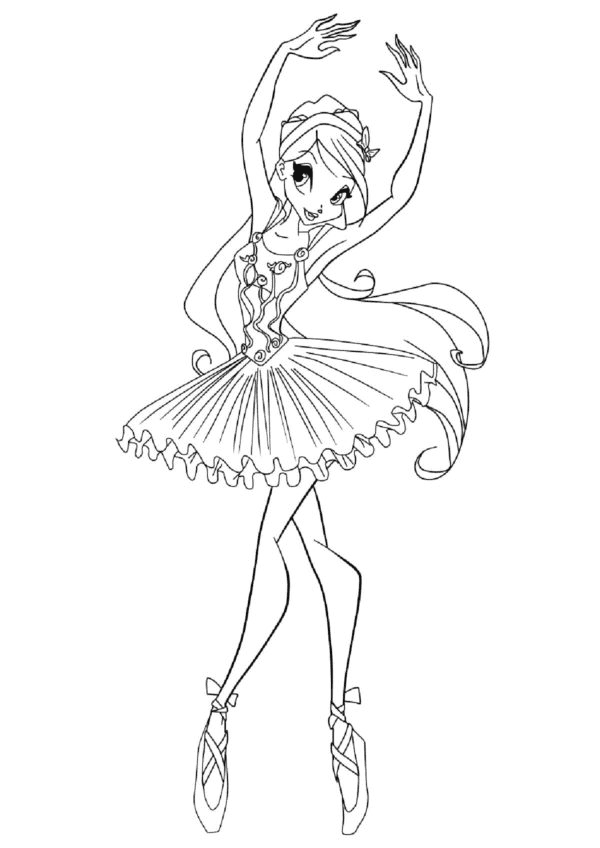
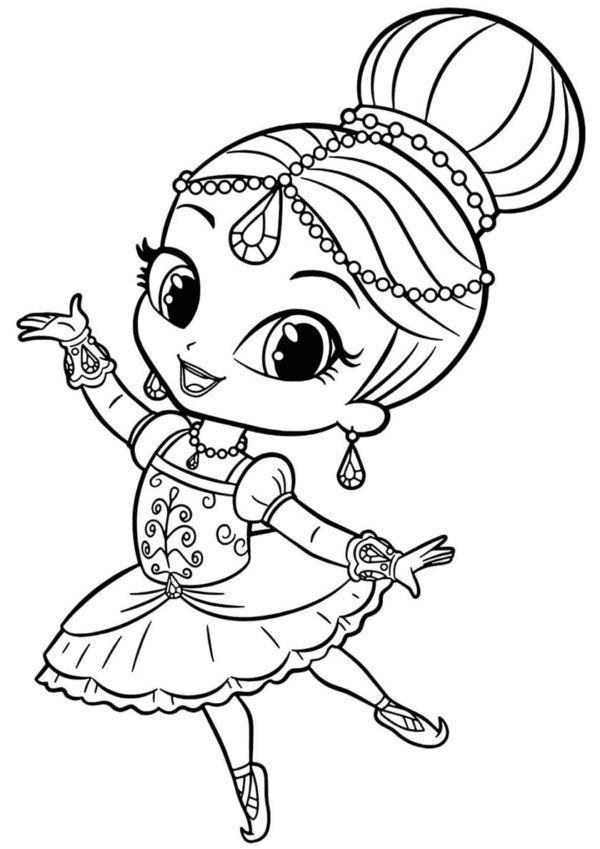
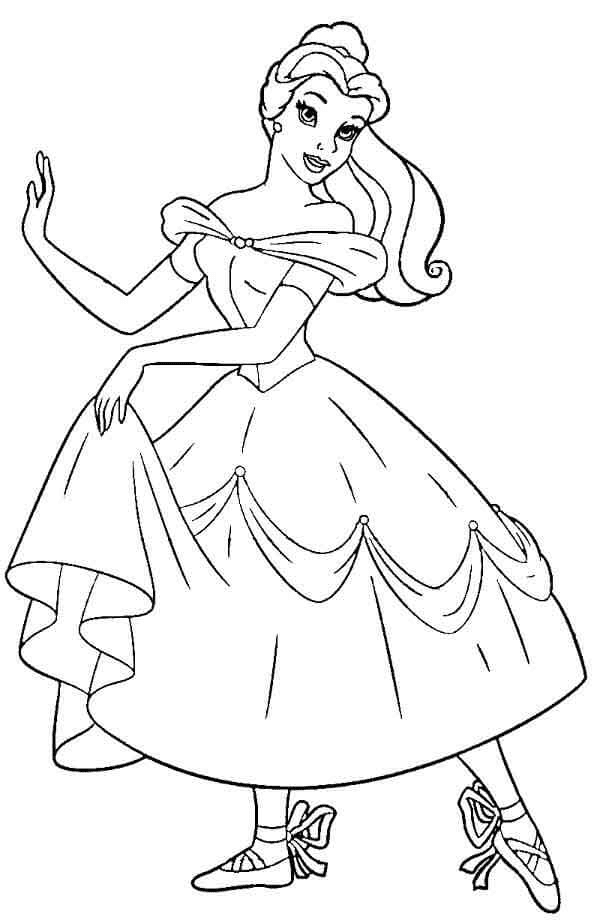
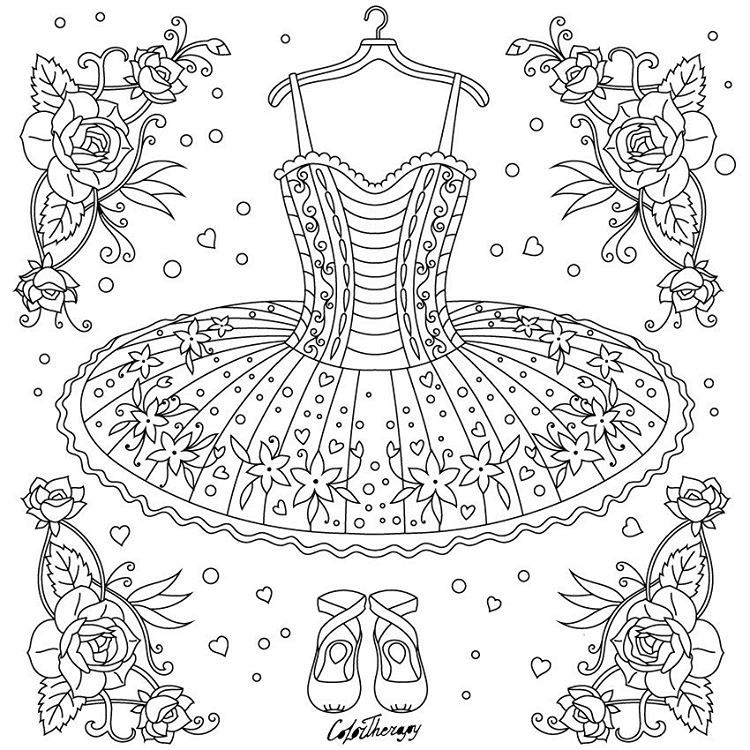
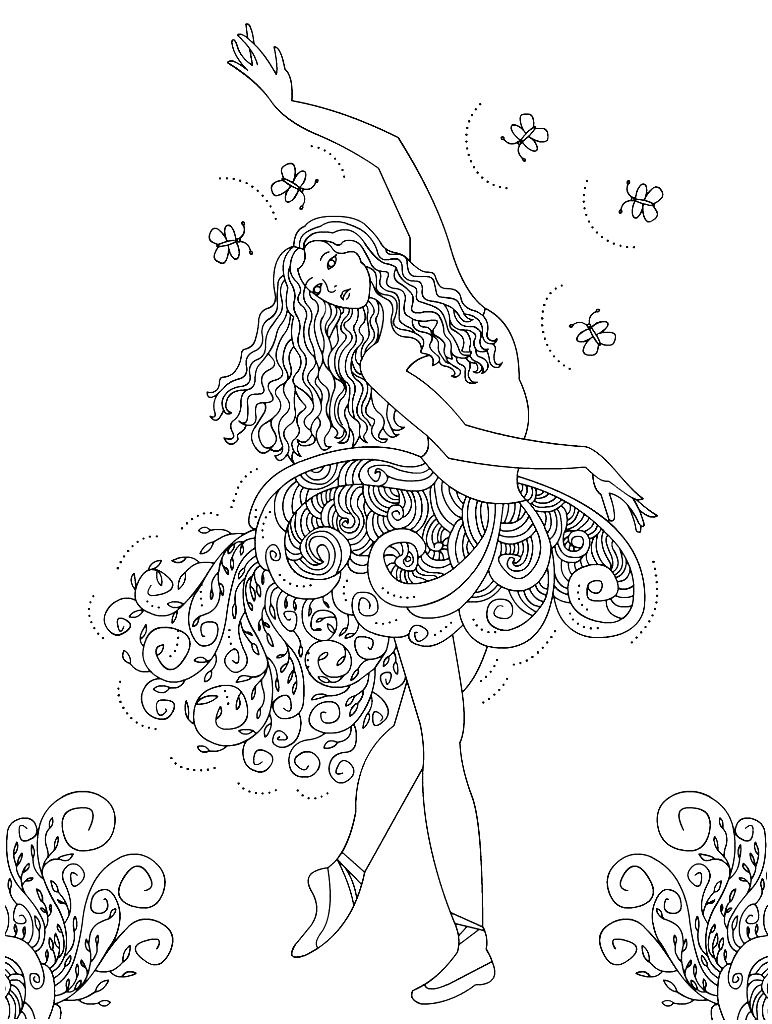
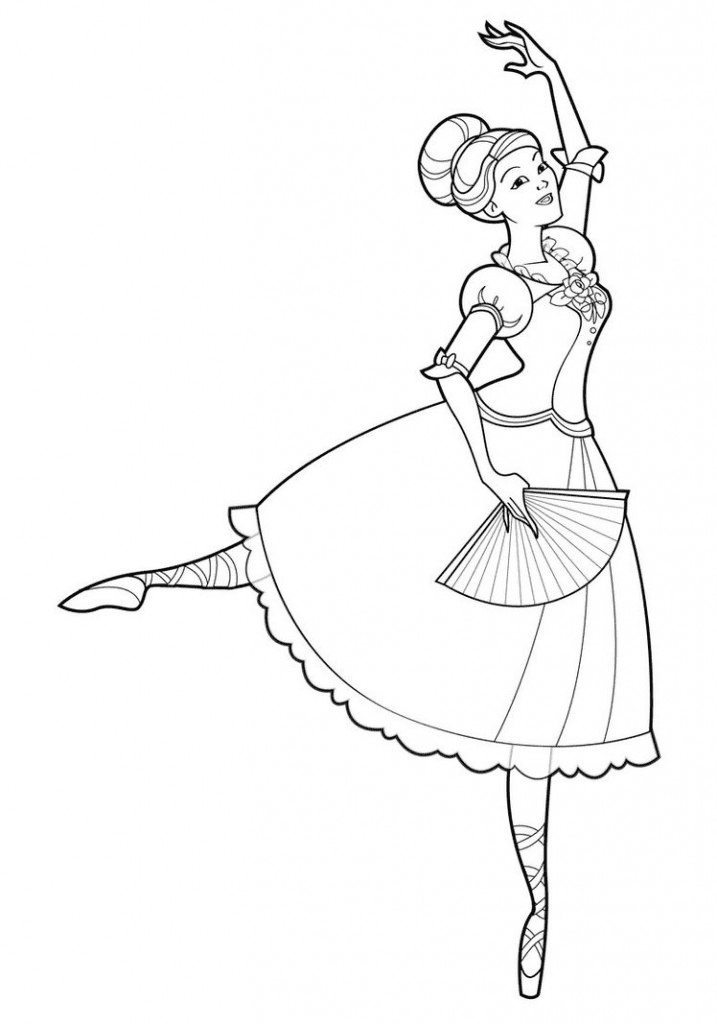
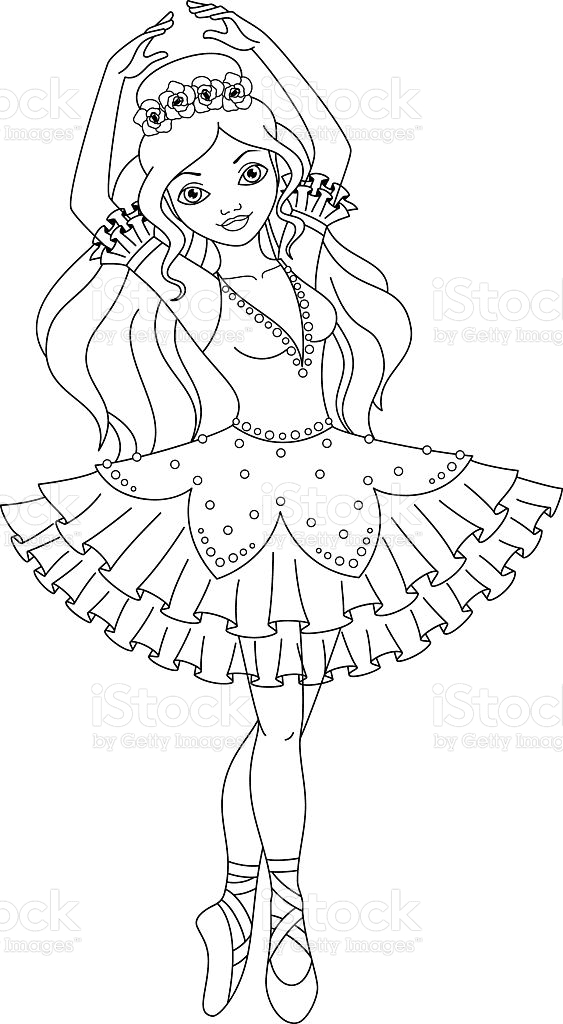
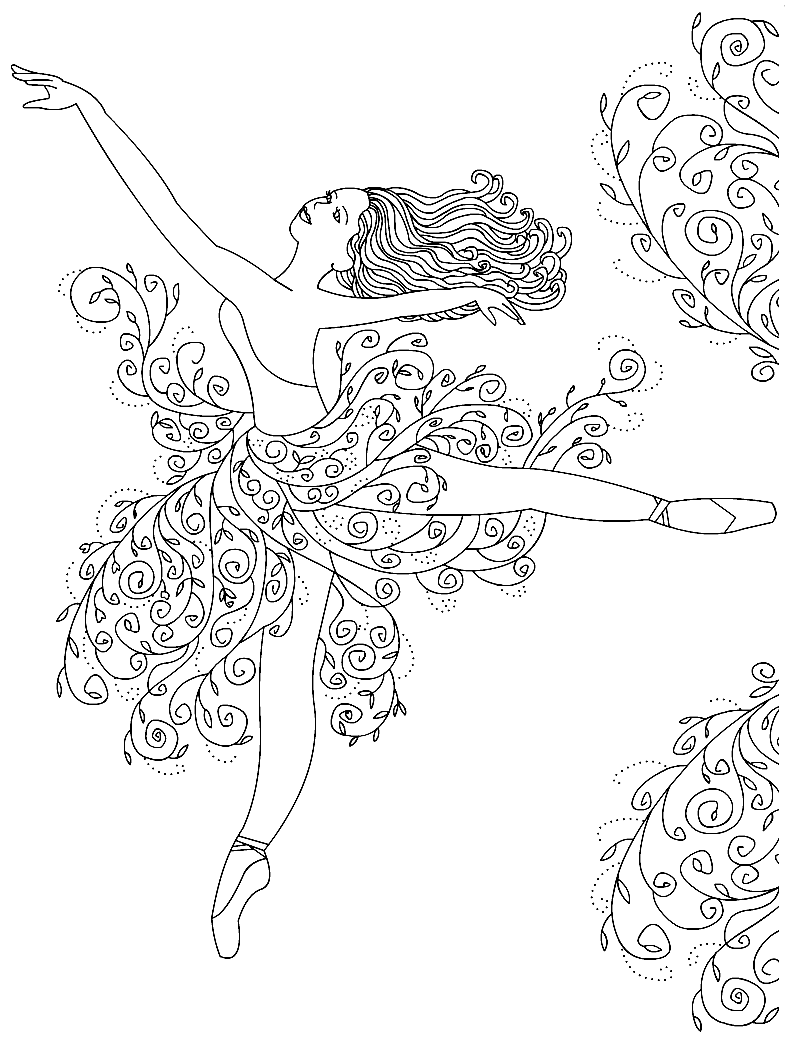
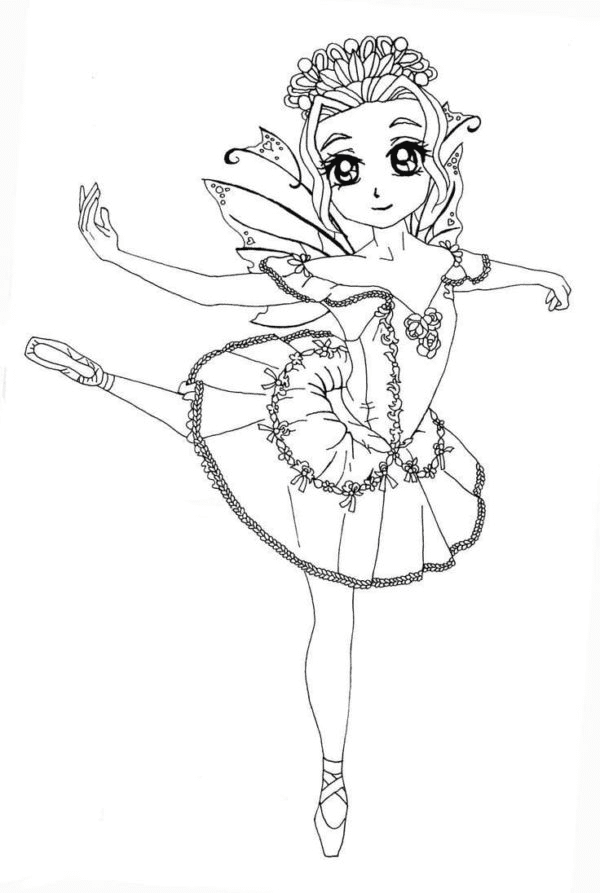
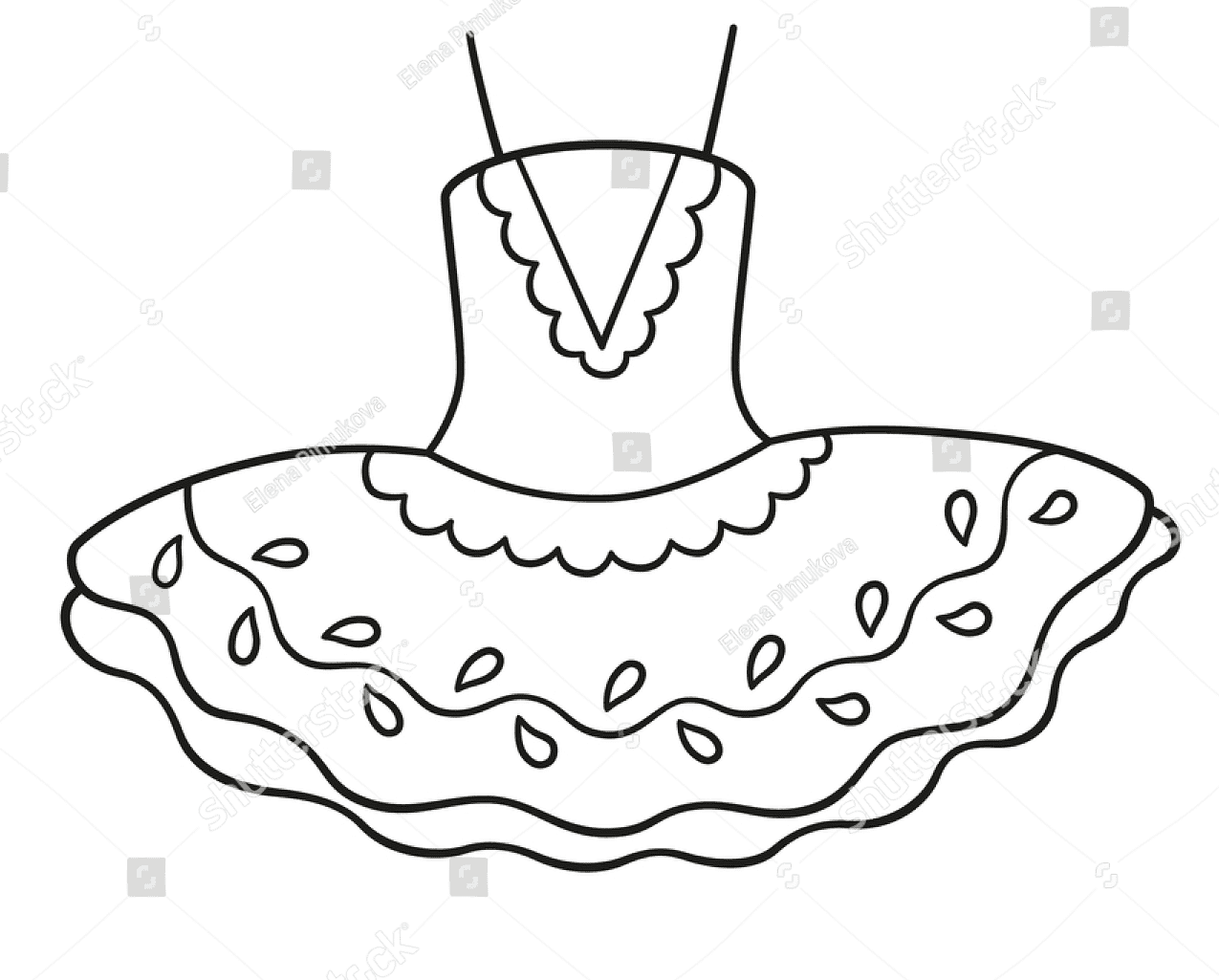
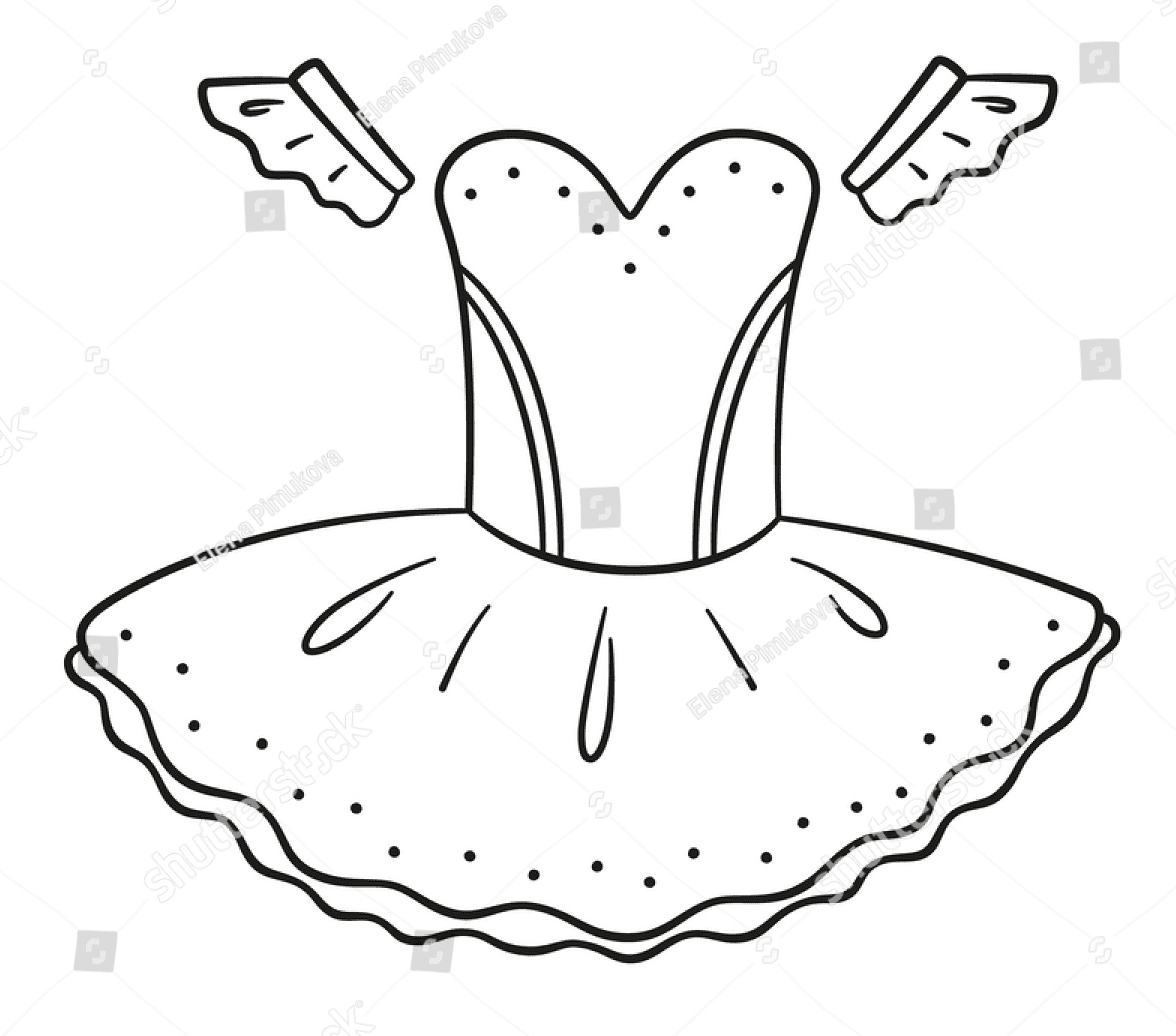
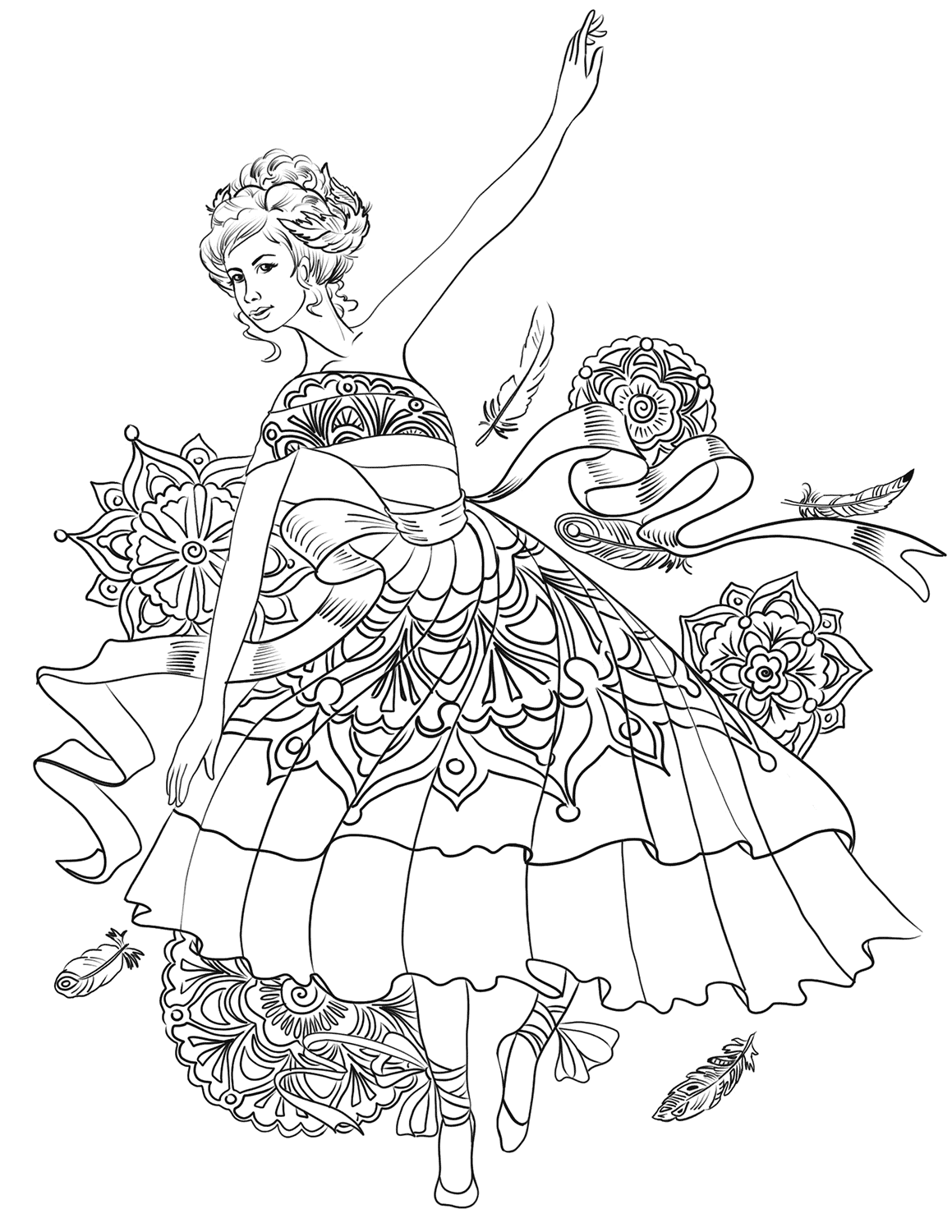
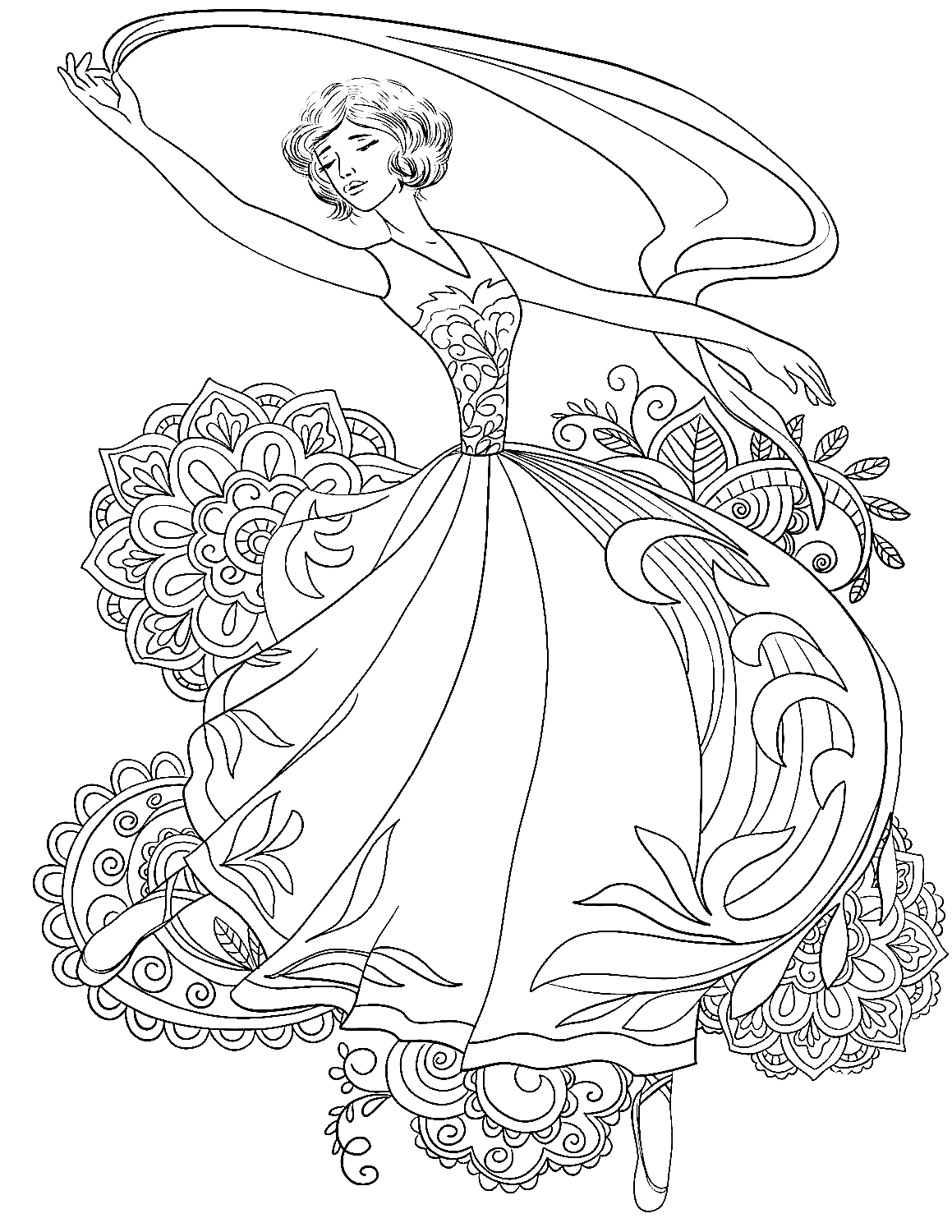
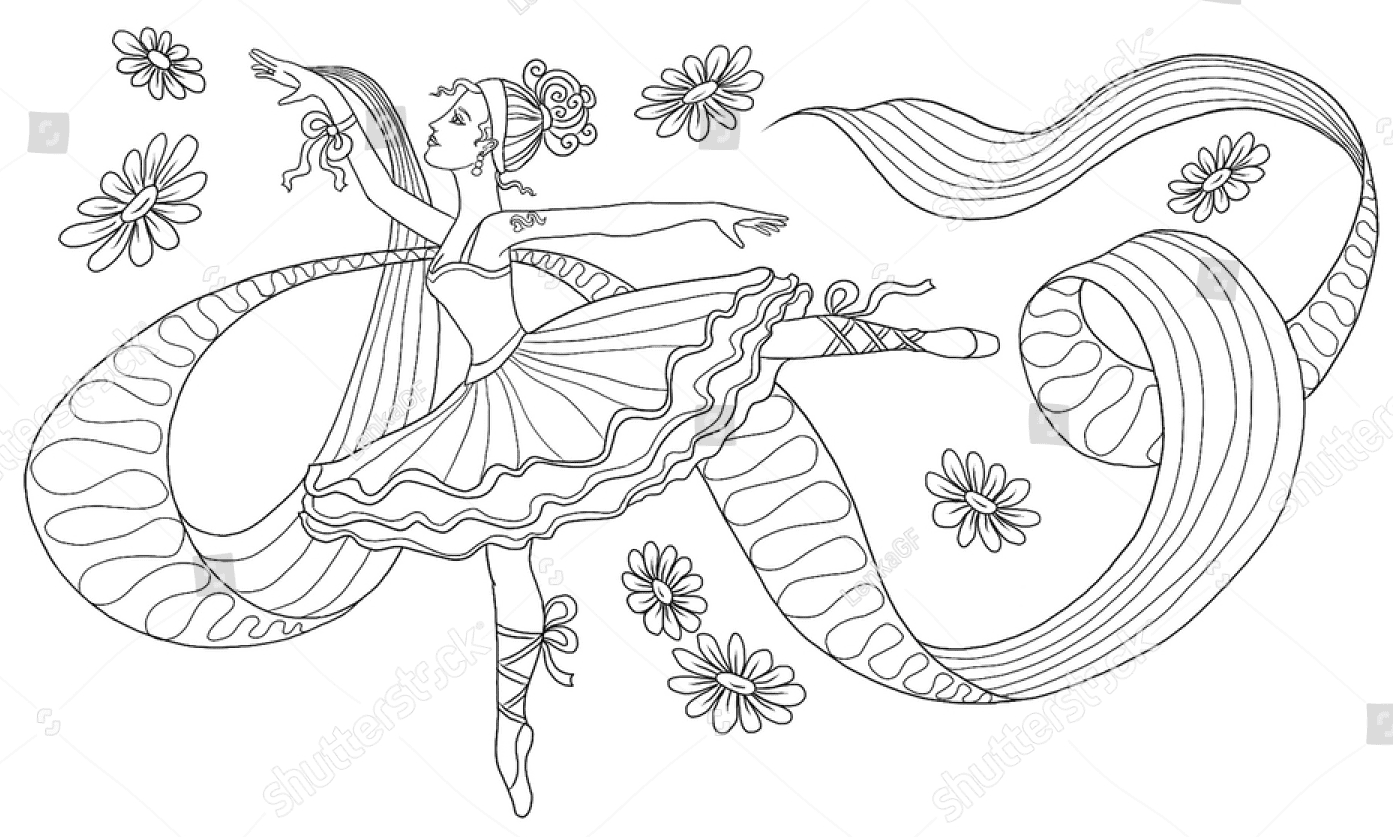
A second group puts more focus on the costume itself: a fan, a shawl, a ribbon, or an especially detailed dress. Use two or three shades of the same color family for the tutu’s layers, a pale Pink base with a slightly deeper Rose for the folds, so the layered fabric reads as three-dimensional rather than flat.
Dance Scenes and Performances
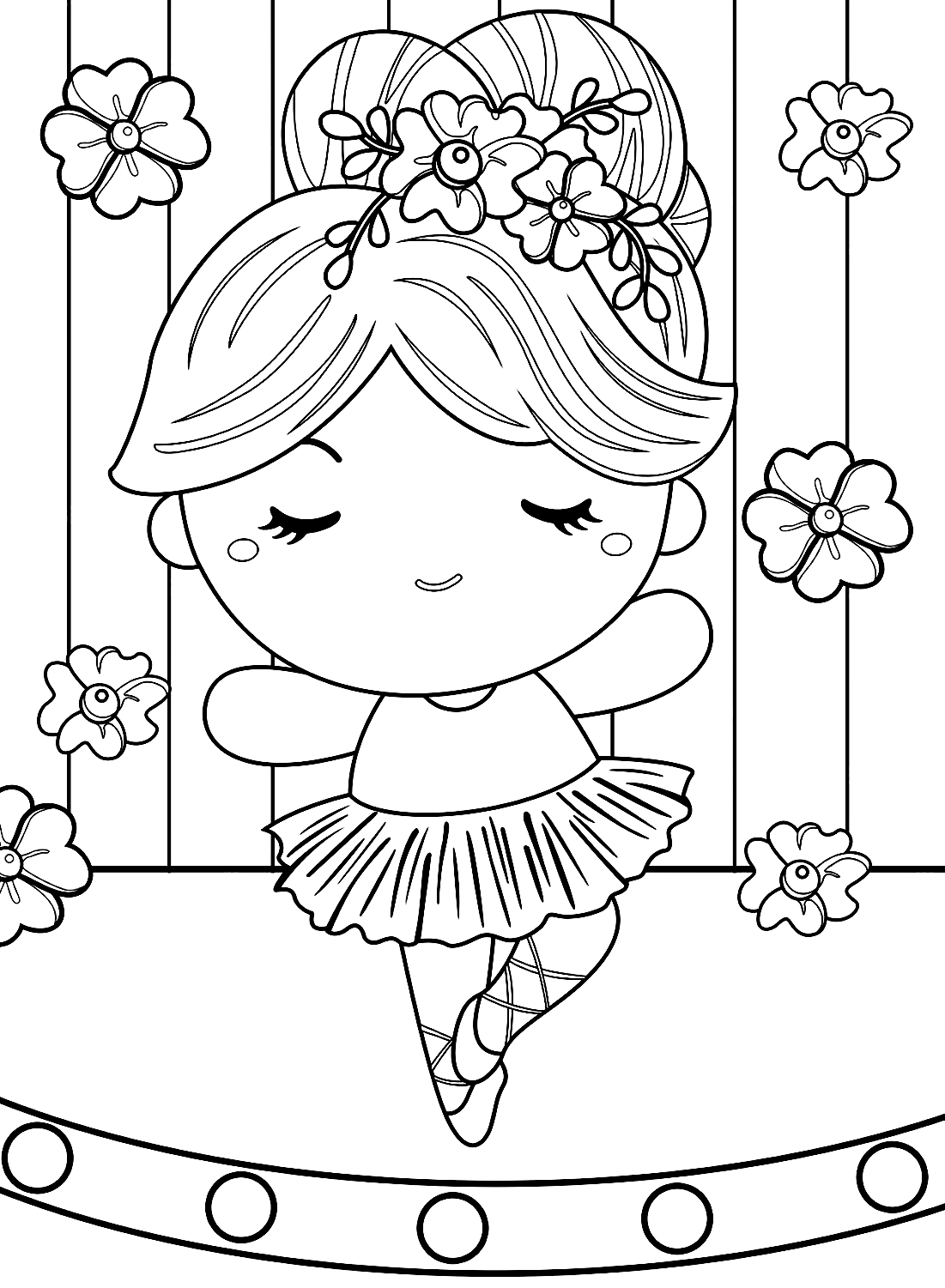
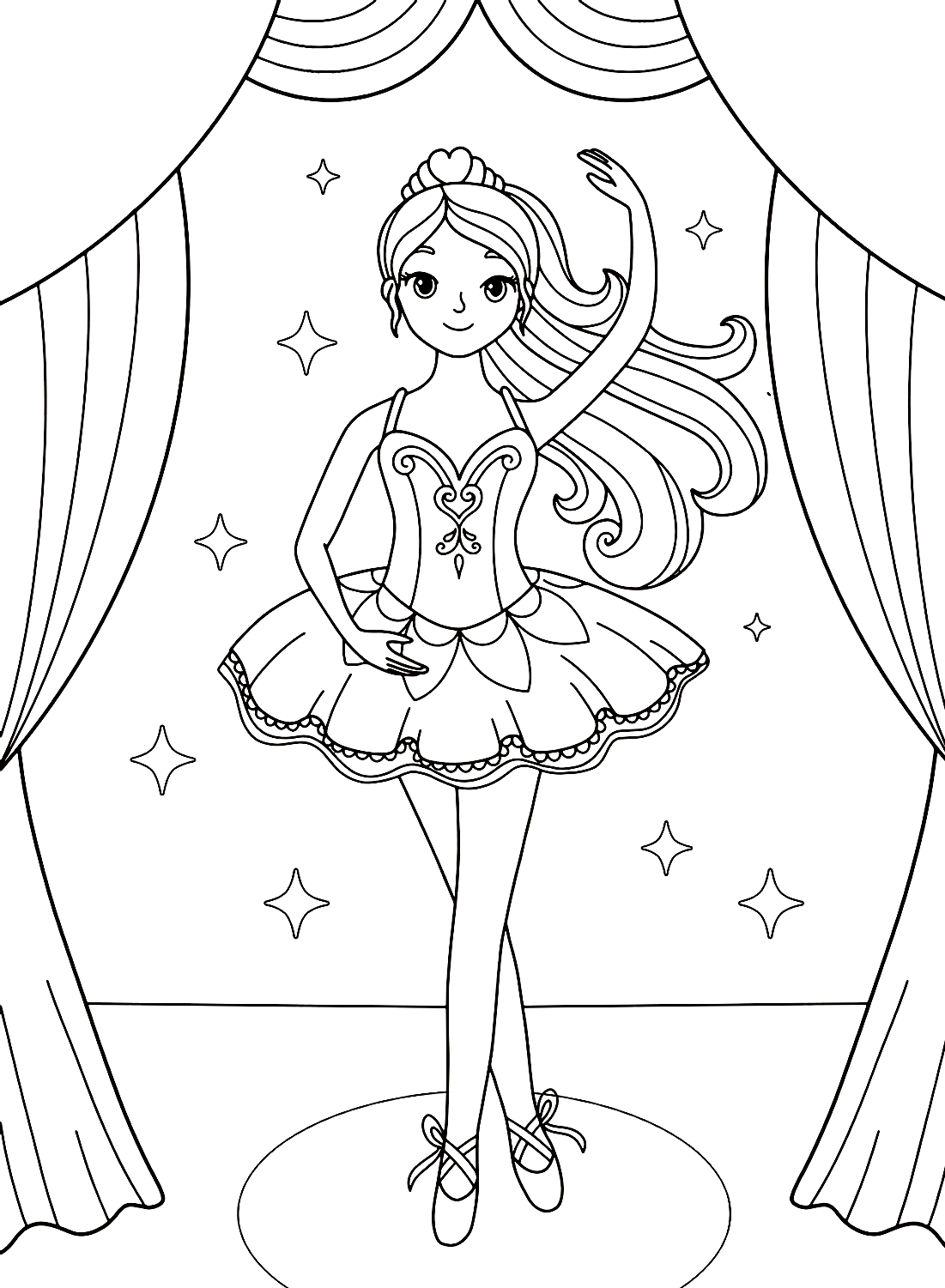
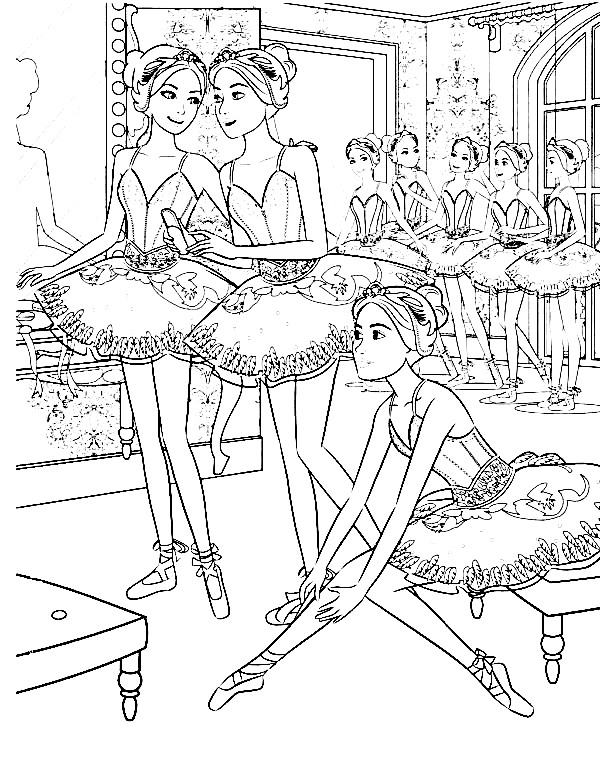
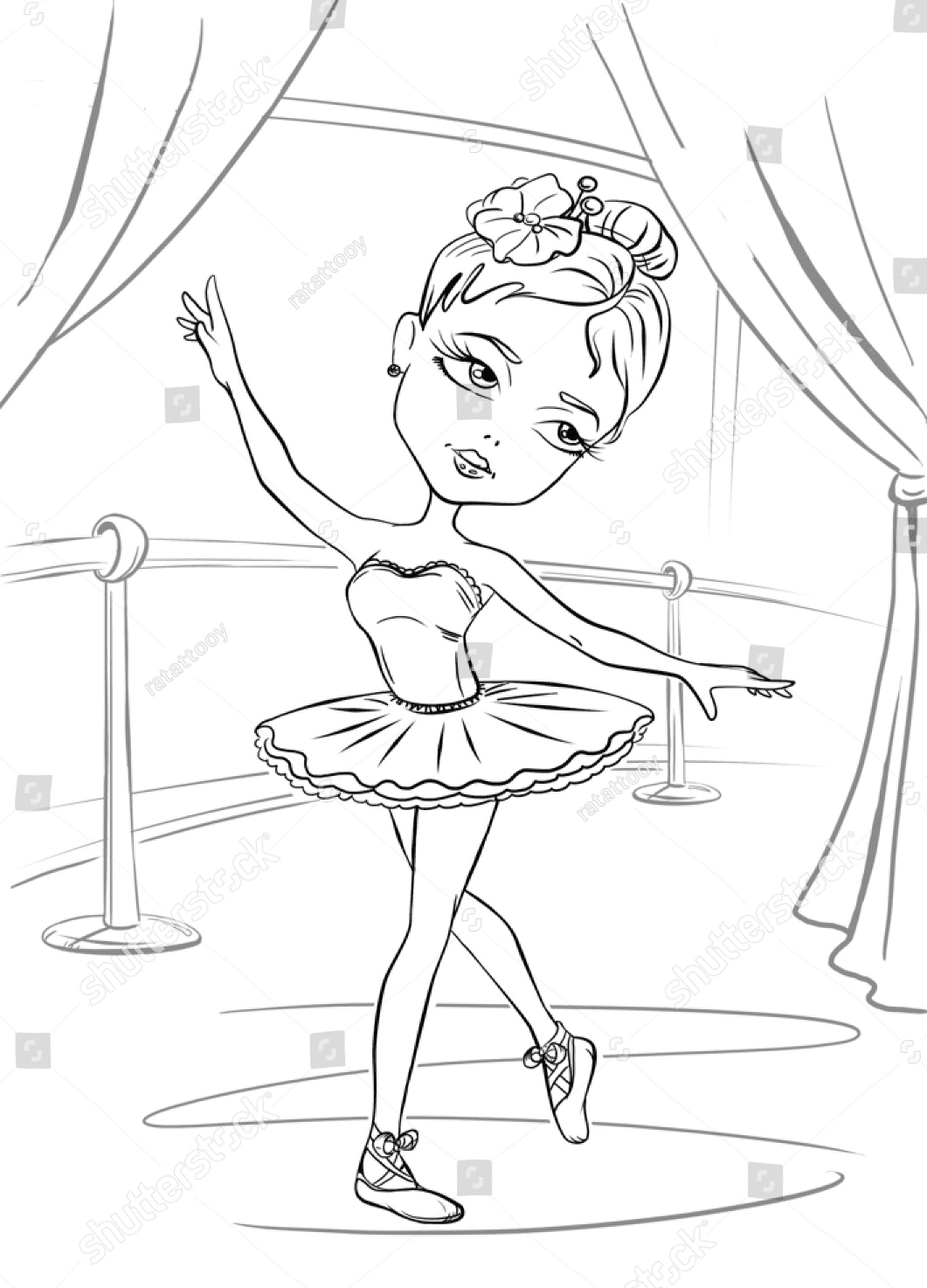
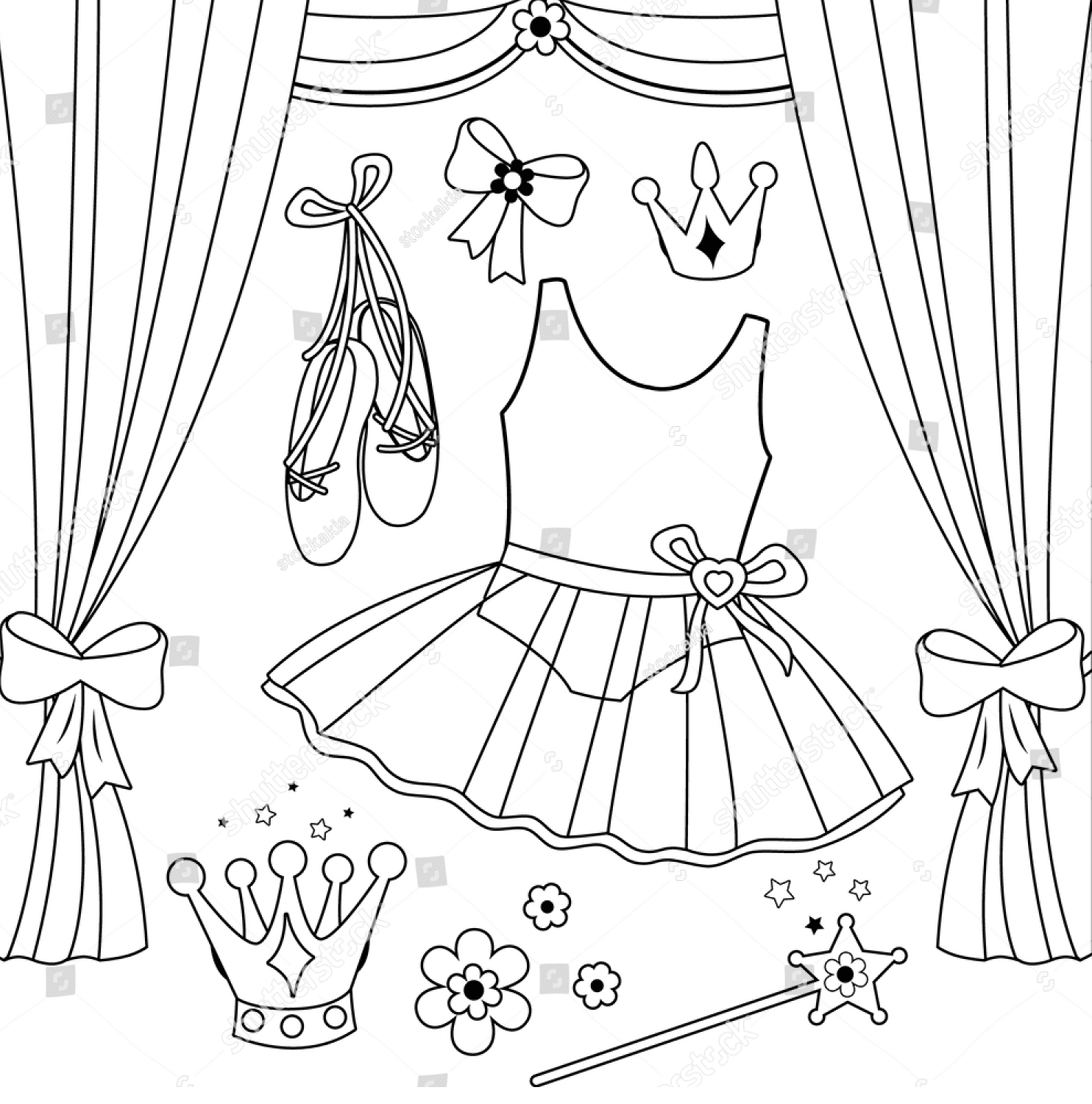
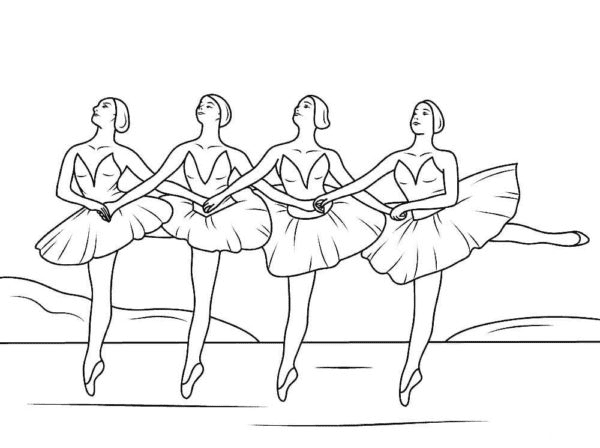
Several pages set a dancer on a stage or reference a specific ballet, including a Swan Lake page. Keep the stage background simpler and more muted than the dancer’s costume. Navy or dark green works well, so the dancer stays the clear focal point of the scene.
Animal and Whimsical Dancers
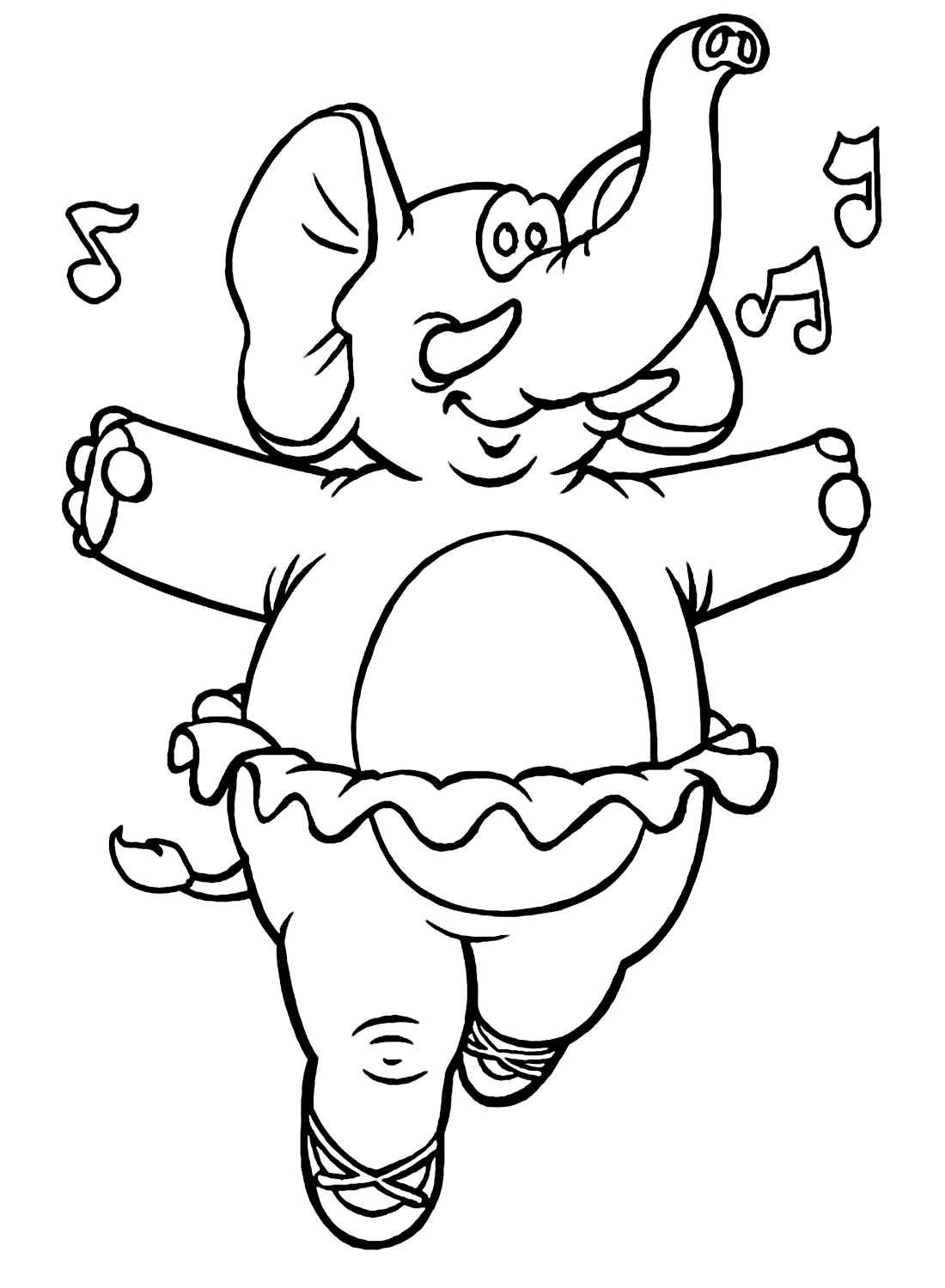
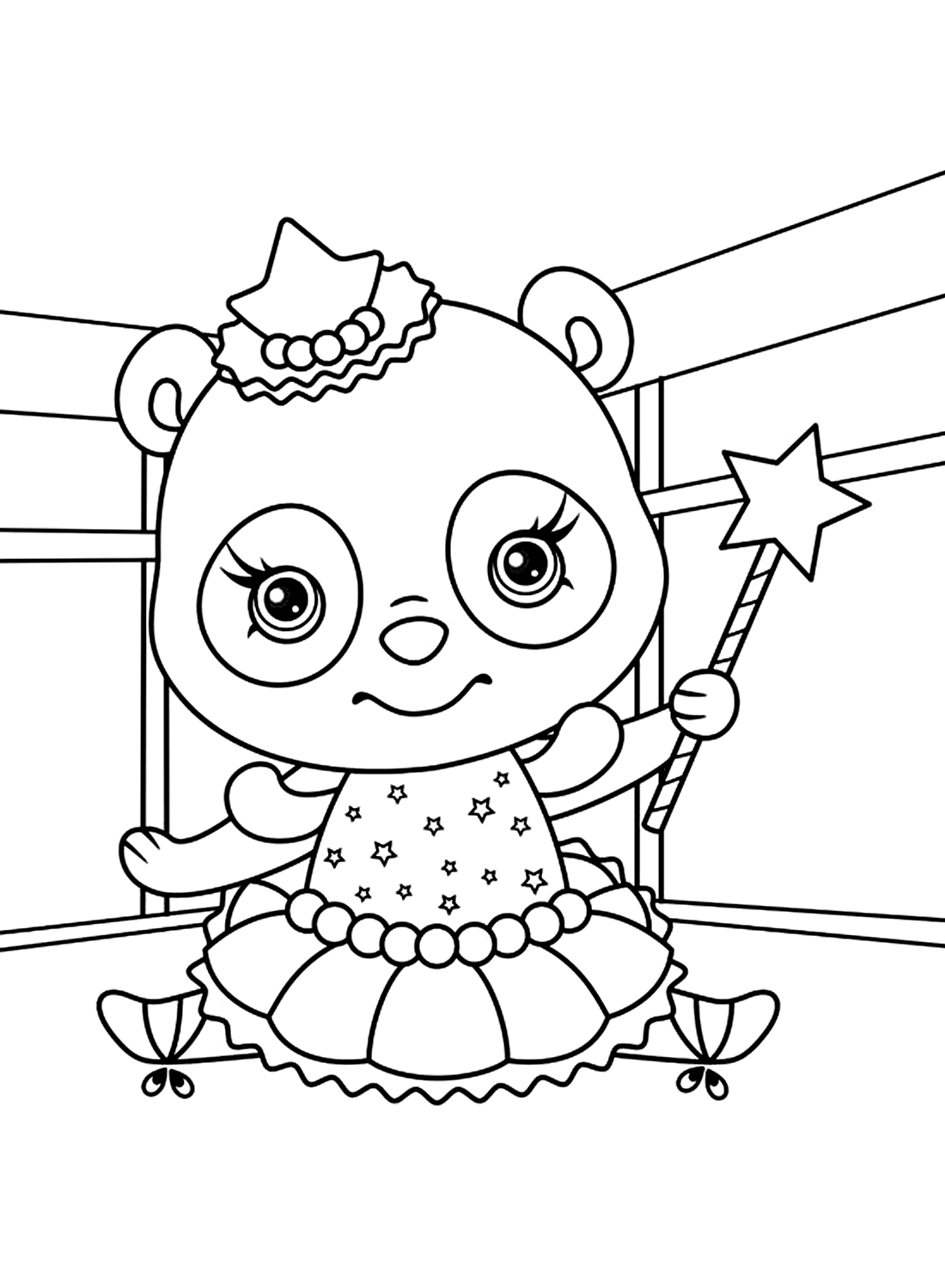
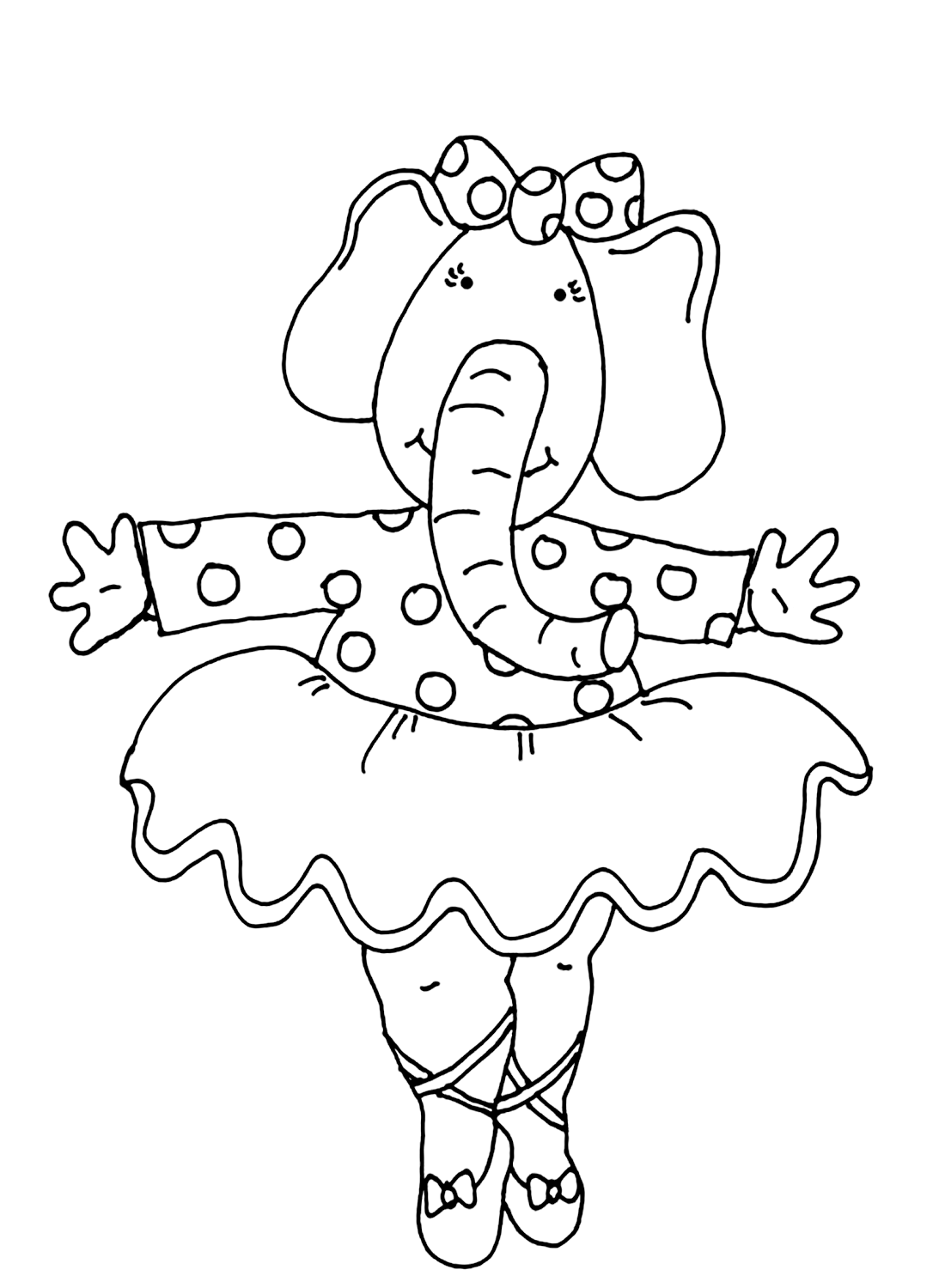
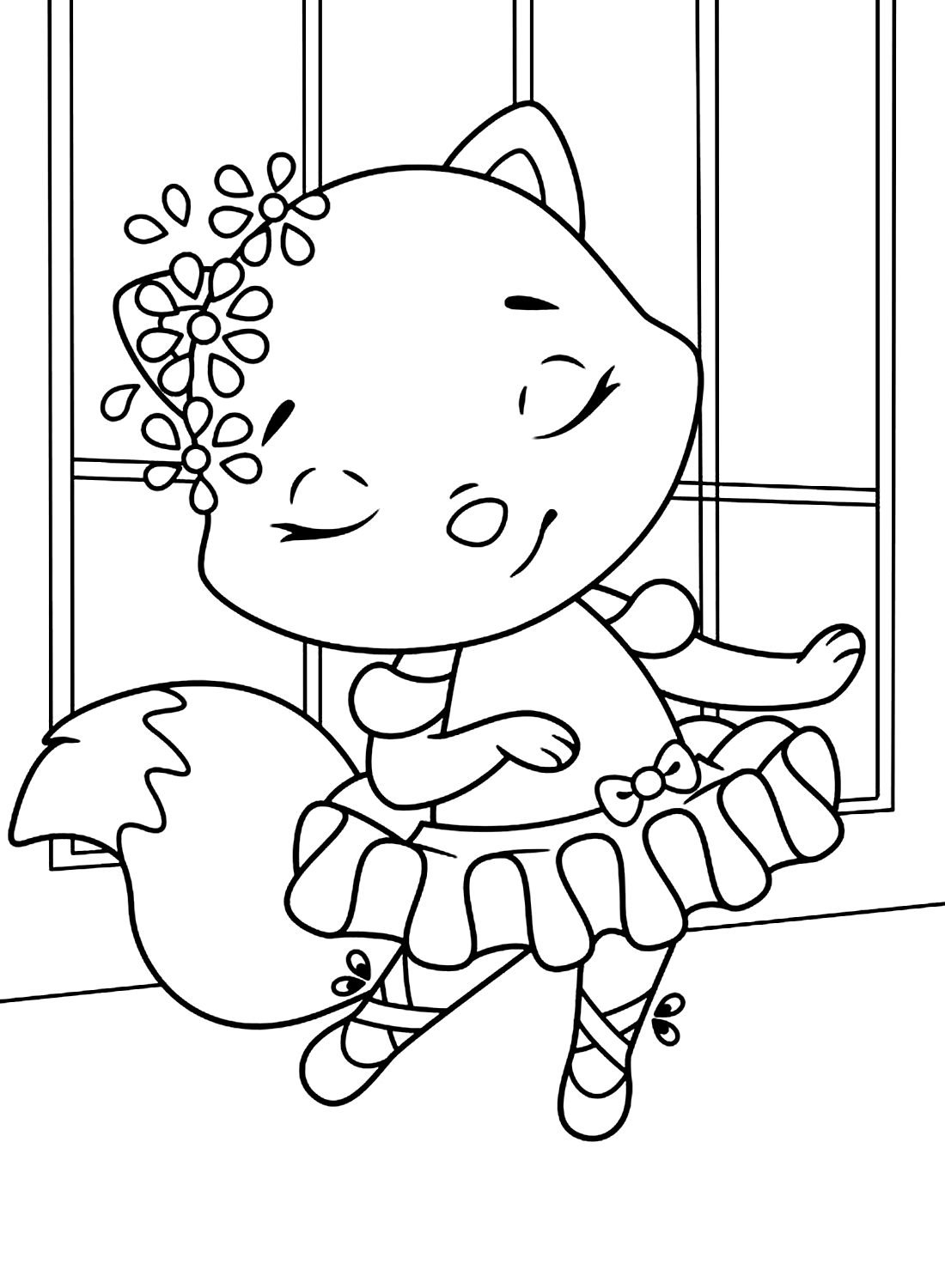
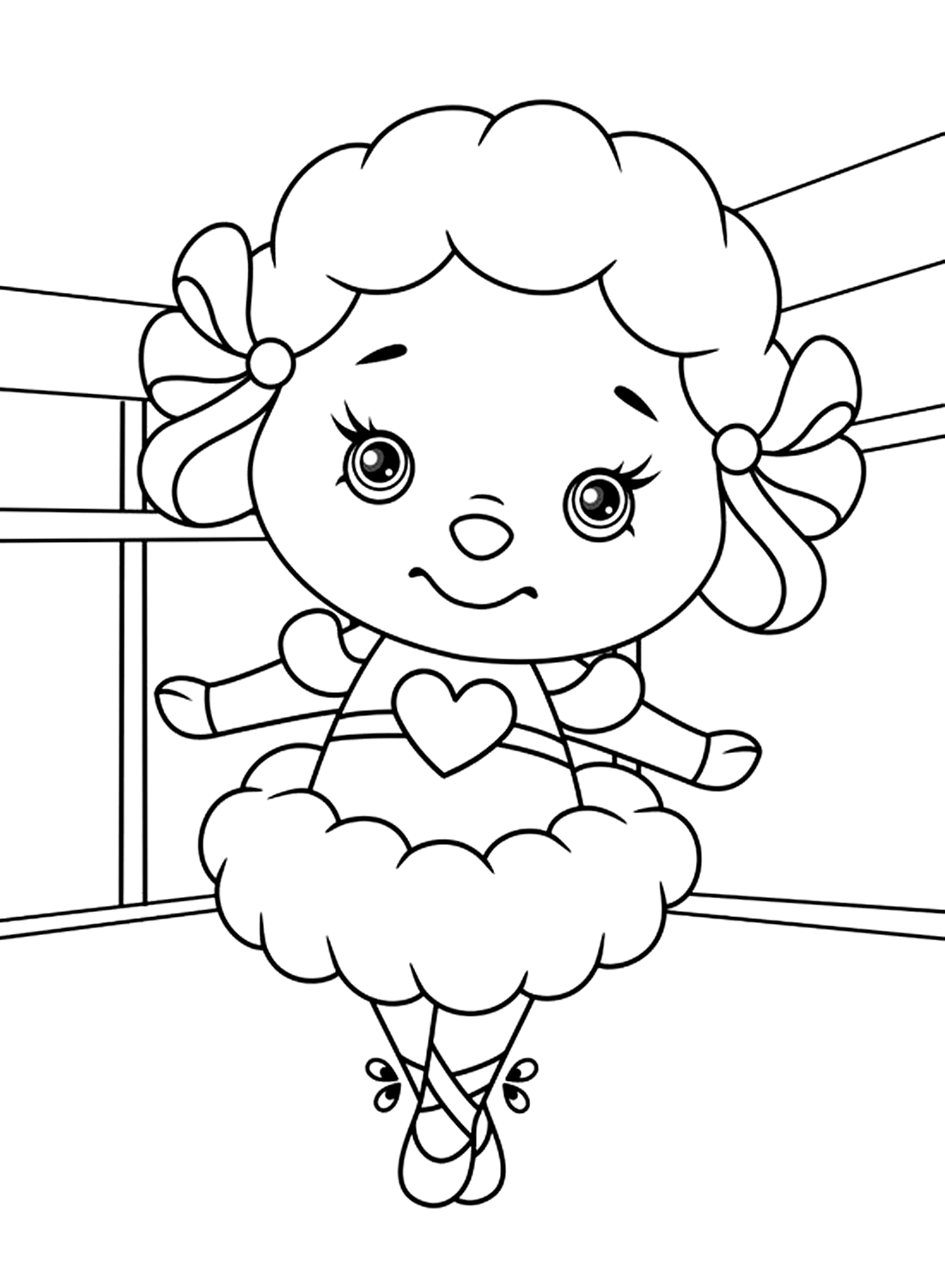
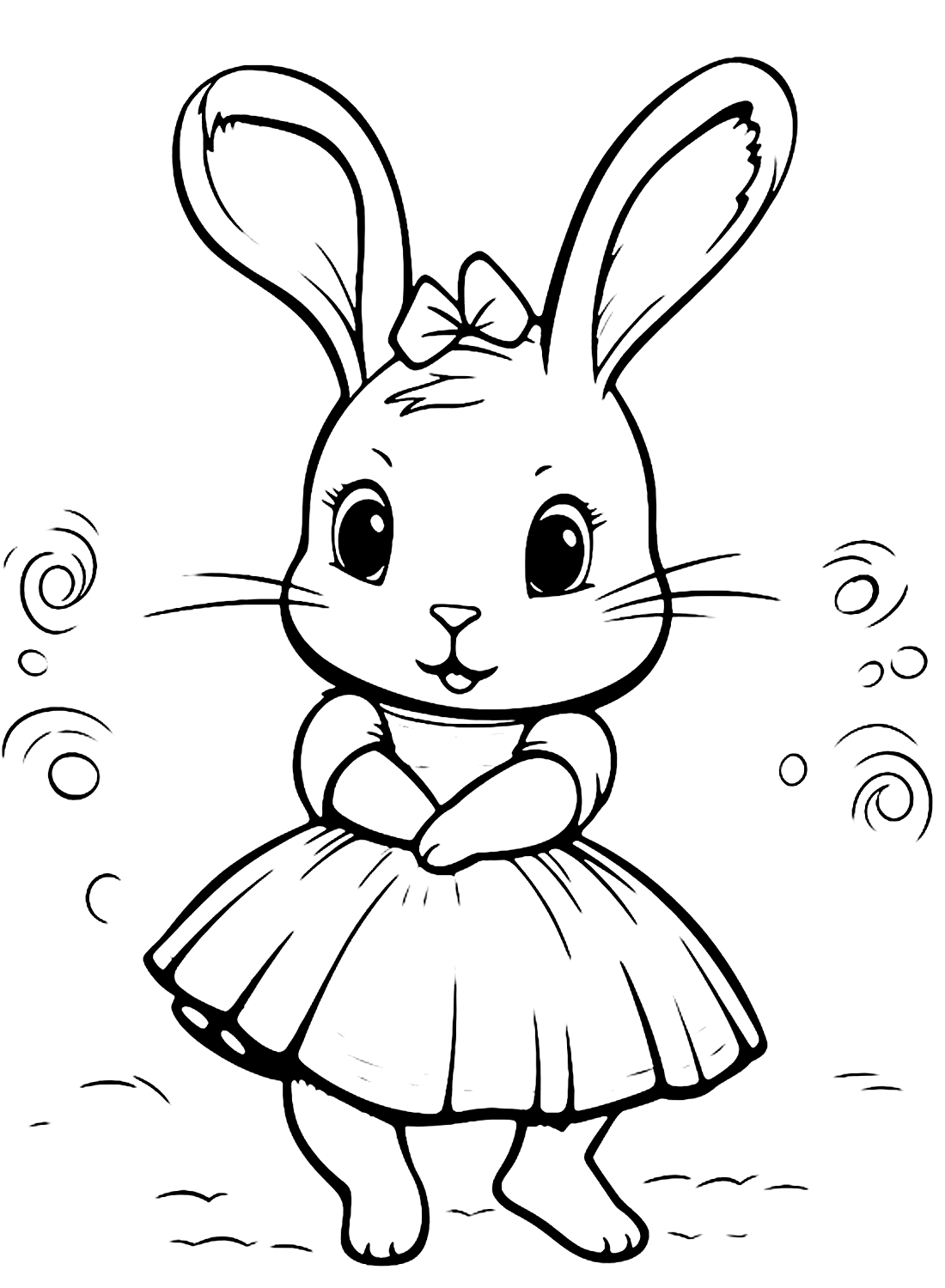
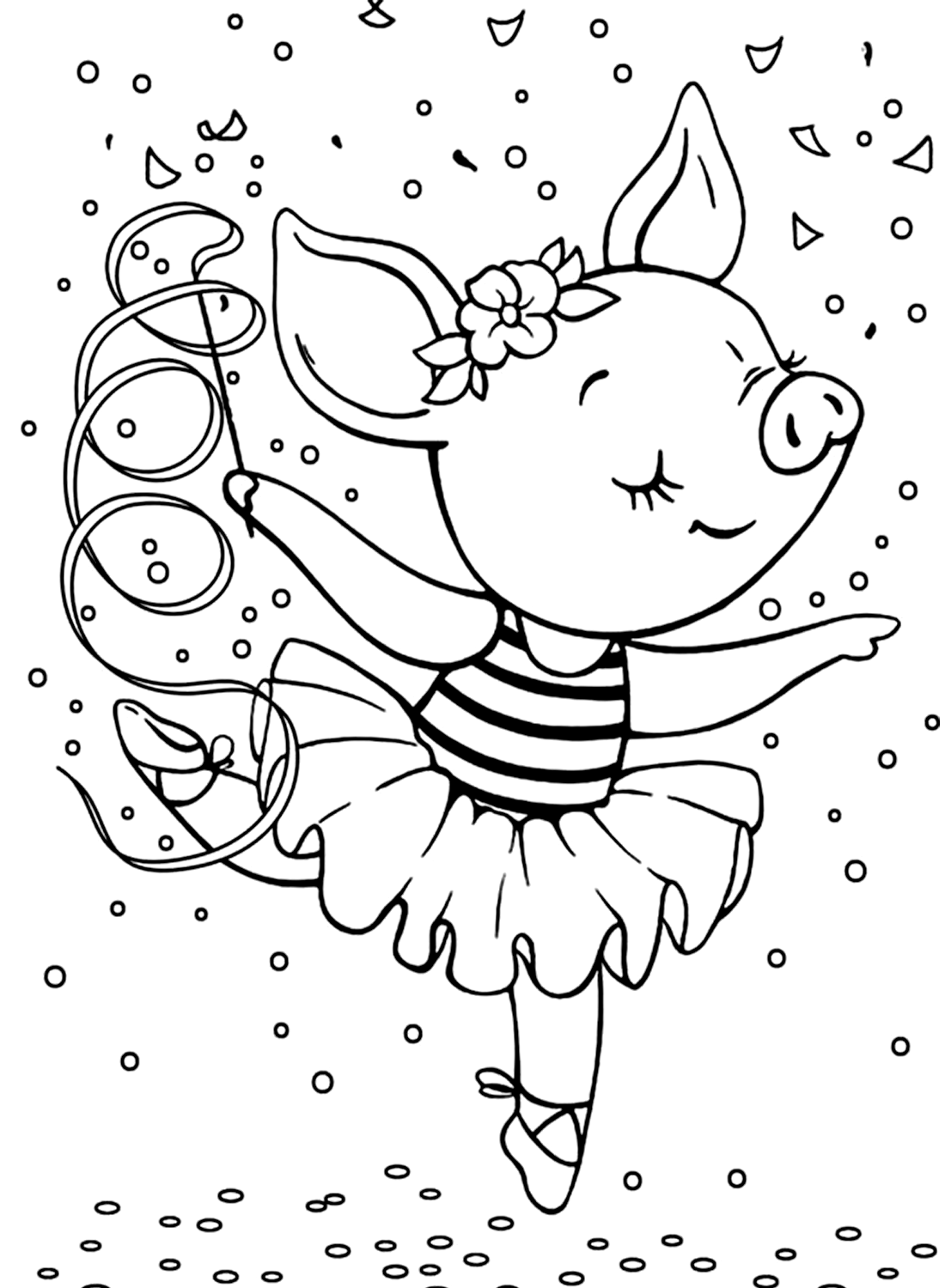
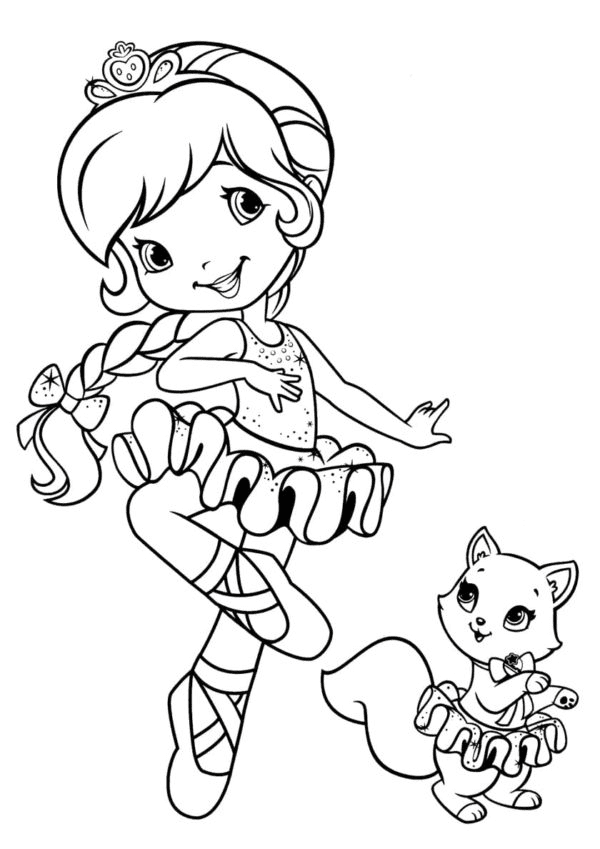
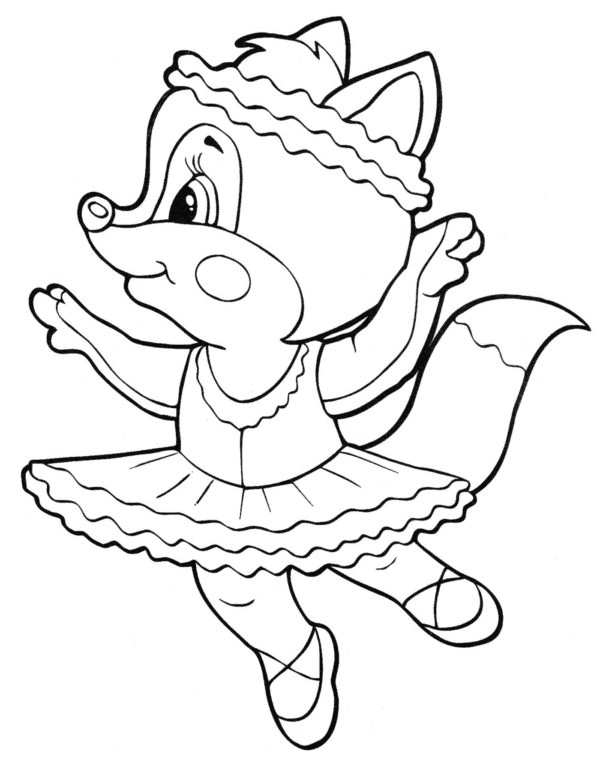
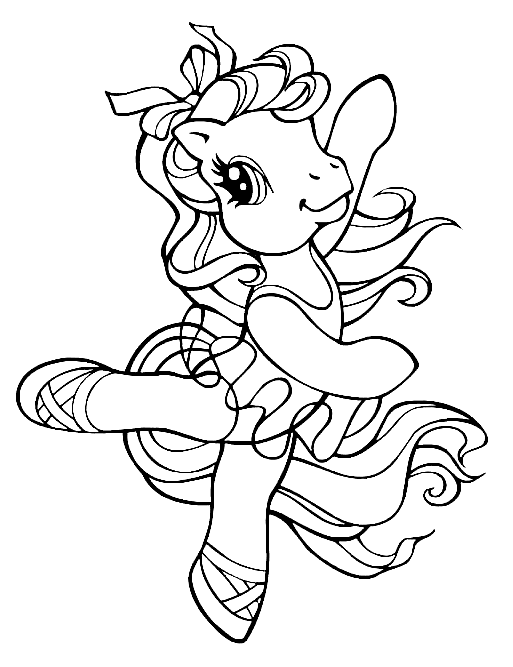
A playful group swaps the dancer for an animal instead, an elephant, a rabbit, a fox, or a pig, dressed in a tutu and pointe shoes. Keep the animal in its natural coloring and add the tutu and shoes in the same soft Pink used throughout the rest of the collection, so the costume reads clearly against the animal’s fur.
Familiar Character Guest Appearances
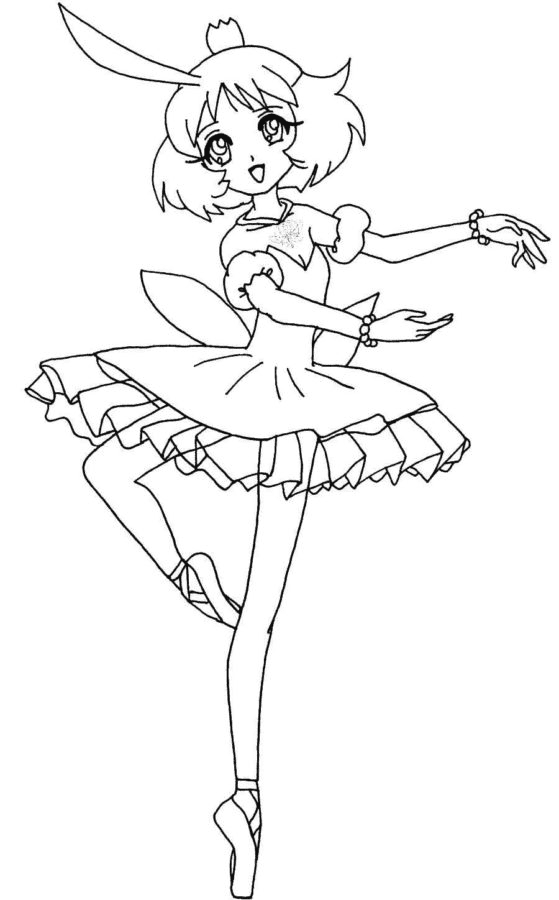
A handful of pages place familiar characters from other franchises in ballerina costumes. Color each character in its own usual, familiar colors and treat the tutu and pointe shoes as the one added detail rather than redesigning the character.
What Ballerina Coloring Pages Do
Flowing lines instead of flat shapes. A ballerina’s tutu, arms, and pointed foot are all drawn as long, curving lines rather than simple geometric shapes, which asks for smoother, more continuous hand movement than a page built from straight edges. The American Academy of Pediatrics identifies fine motor skill development as one of the benefits of structured coloring in early childhood, and following a long curved line without lifting the crayon is a specific kind of control that a page like this practices directly.
A graceful look built on real, physical work. Every pose in this collection, the pointed toe, the raised arm, the balanced stance, represents years of actual training rather than a natural gift, since professional dancers spend hours a day building the strength and flexibility a single photograph makes look effortless. Coloring a dancer mid-pose is a good moment to talk about the difference between how something looks and the work that goes into it.
A calming task with research behind it. A 2005 study in the Art Therapy Journal found that people who colored within a defined outline reported less anxiety afterward than those who drew freely. The layered tutu and detailed costume pages here, built from several small overlapping sections, suit that same contained, one-section-at-a-time kind of task.
Pointe shoes are younger than you’d think. Ballet had already existed for roughly two centuries as a court art form before dancers began rising onto their toes in the early 1800s, and the now-classic image of a ballerina in a tutu on pointe only became standard after dancer Marie Taglioni popularized it in 1832. Most of what people picture as timeless about ballet is, historically speaking, a fairly late addition to a much older art form.
How to Color Ballerina Pages Well
- Tutu (classic): use Pink or White as the base, with a slightly deeper Rose or Gray in the folds and layers to add dimension.
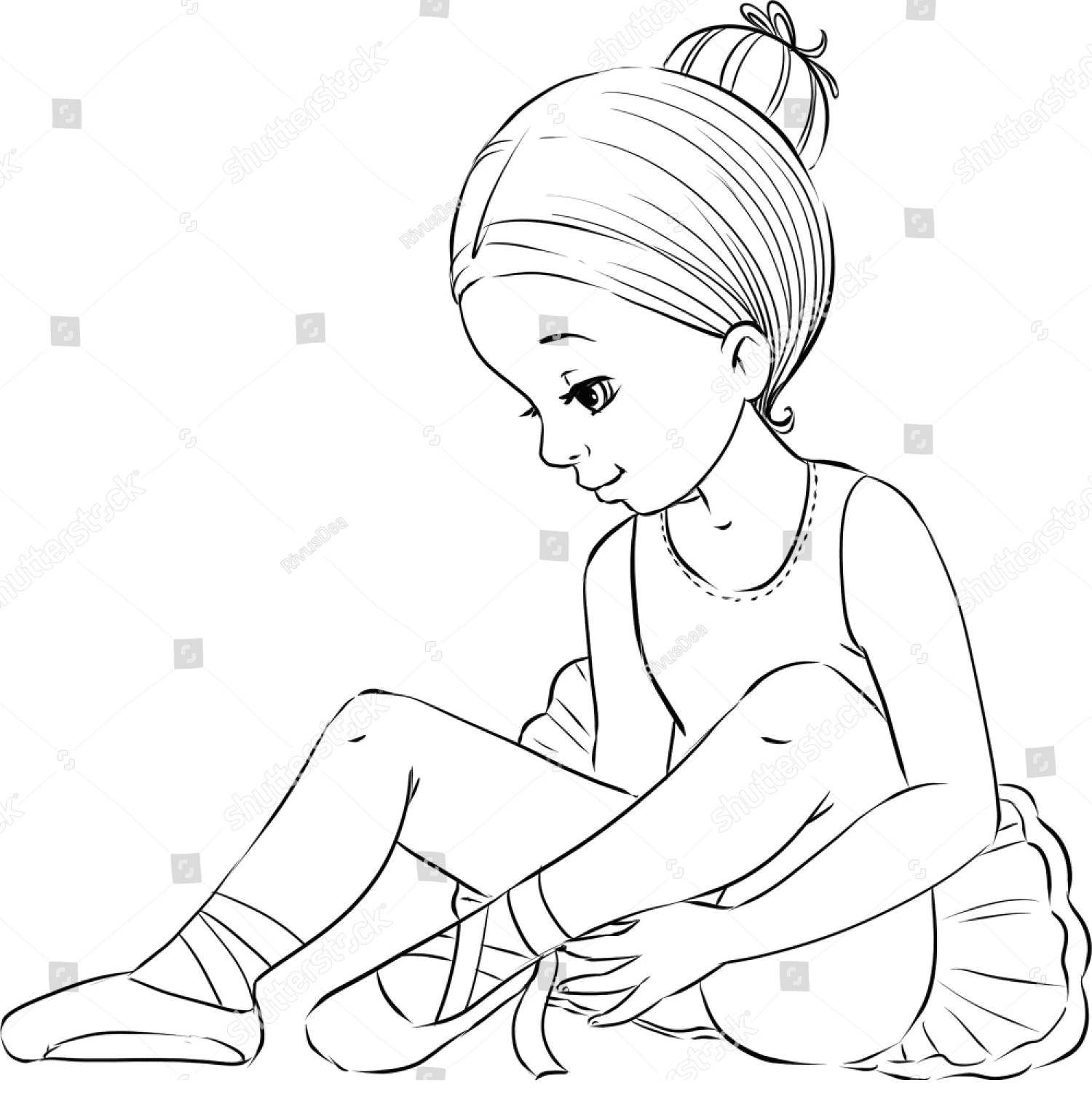
- Pointe shoes: color them a matching Pink or a soft satin tone, with visible ribbon ties in a slightly darker shade wrapped around the ankle.
- Tights: Use a pale, seamless Pink or Nude that matches the shoes closely, so the leg line reads as continuous.
- Hair: color it Brown, Black, or Blonde, usually pulled into a neat bun, with a small ribbon or hairpin detail in a contrasting color.
- Stage backgrounds: keep these muted and simple, Navy, dark Green, or Gray, so they recede behind the dancer rather than competing for attention.
- Animal dancers: color the animal in its natural coloring first, then add the tutu and shoes in the same soft Pink used on the human dancer pages.
5 Creative Craft Ideas With Ballerina Coloring Pages
- Ballerina Garland. Materials: several colored solo dancer pages, scissors, and a length of string. Cut out each colored dancer and string them along the twine spaced a few inches apart to hang across a window or wall.
- Twirling Ballerina Puppet. Materials: a colored ballerina page, scissors, a craft stick, and tape. Cut out the colored figure, tape it to the craft stick, and twirl it like a small puppet.
- Ballet Recital Program. Materials: several colored ballerina pages, a folded sheet of paper, glue, and a pen. Glue a colored dancer to the front, then write a pretend recital program inside listing made-up dances and dancers.
- Tutu Stencil Card. Materials: a colored ballerina page, a blank folded card, scissors, and glue. Cut out the colored figure and glue it to the card front, then write a message inside.
- Ballet Positions Poster. Materials: several colored solo pose pages, poster board, and glue. Arrange and glue the colored poses in a row to build a simple poster showing different dance positions.
Frequently Asked Questions
What are Ballerina coloring pages?
Printable designs featuring dancers in tutus, pointe shoes, classic poses, and stage scenes, along with a few pages featuring familiar characters. This collection offers 83 free designs as printable PDFs or online coloring pages.
Where did ballet come from?
Ballet began as a court entertainment in Renaissance Italy during the 15th and 16th centuries and spread to France after Catherine de’ Medici’s marriage to King Henry II.
Why is ballet terminology in French?
King Louis XIV founded the Académie Royale de Danse in 1661 and standardized ballet’s vocabulary during his reign, which is why so many ballet terms, like plié and arabesque, are still French today.
When did dancers start dancing on pointe?
Pointe work became widespread in the early 1800s, roughly two centuries after ballet first developed, and dancer Marie Taglioni helped popularize both pointe shoes and the shorter tutu in the 1832 ballet La Sylphide.
What is a tutu made of?
A classical tutu is made of stiff, layered tulle designed to show off a dancer’s legs and footwork, while the earlier romantic tutu was a softer, calf-length skirt.
Are any of these pages based on characters from other shows?
A few pages place familiar characters from other franchises in ballerina costumes, alongside the collection’s original dancer designs.
Are Ballerina coloring pages suitable for young children?
Yes. The simple solo poses suit ages 3 and up, while the busier stage scenes and detailed costumes suit ages 6 and up or an adult looking for more detail.
Can these pages be used for a lesson about ballet or dance?
Yes. The collection pairs well with a conversation about ballet’s history, its French terminology, or the training behind a dancer’s poses.
Start Coloring
Download any page by clicking the design. No account, email, or payment is required. Pages print directly from the browser at full resolution or open in the online coloring tool for screen use. Share finished pages on Facebook or Pinterest with the share buttons at the top of each design page.