Pomegranate Coloring Pages
 By:
Jennifer Thoa - Content Editor & Designer
Updated:
By:
Jennifer Thoa - Content Editor & Designer
Updated:
Free pomegranate coloring pages: 29 printable PDF designs featuring realistic whole fruit, a seed-filled cross-section, cartoon characters, sketch-style line art, and grouped fruit scenes. Each page can be downloaded as a PDF to print or colored online in the browser.
Pomegranates (Punica granatum) are one of the oldest cultivated fruits, with evidence of domestication stretching back roughly 5,000 years. The tree is native to the region spanning modern-day Iran and northern India, and Spanish missionaries brought it to California in the late 1700s, where the state now grows more than 90 percent of the pomegranates produced in the United States. A pomegranate’s tough, leathery skin ranges from pink to deep Red and hides hundreds of small, juicy seeds called arils, each packed in its own translucent, ruby-colored casing. The fruit’s short California season runs roughly from September through January, making it a fall and winter staple in produce sections.
This collection groups its 29 pages by style, from true-to-life whole fruit and a detailed seed cross-section to cartoon pomegranate characters with faces, so kids and adults can pick a version that matches their skill level. Each page is available as a downloadable PDF or as an online coloring tool that works directly in the browser.


What Is Inside This Collection
The 29 pages are split into five groups based on style and complexity, ranging from detailed, realistic fruit to simple cartoon shapes.
Realistic Pomegranate Fruit Designs
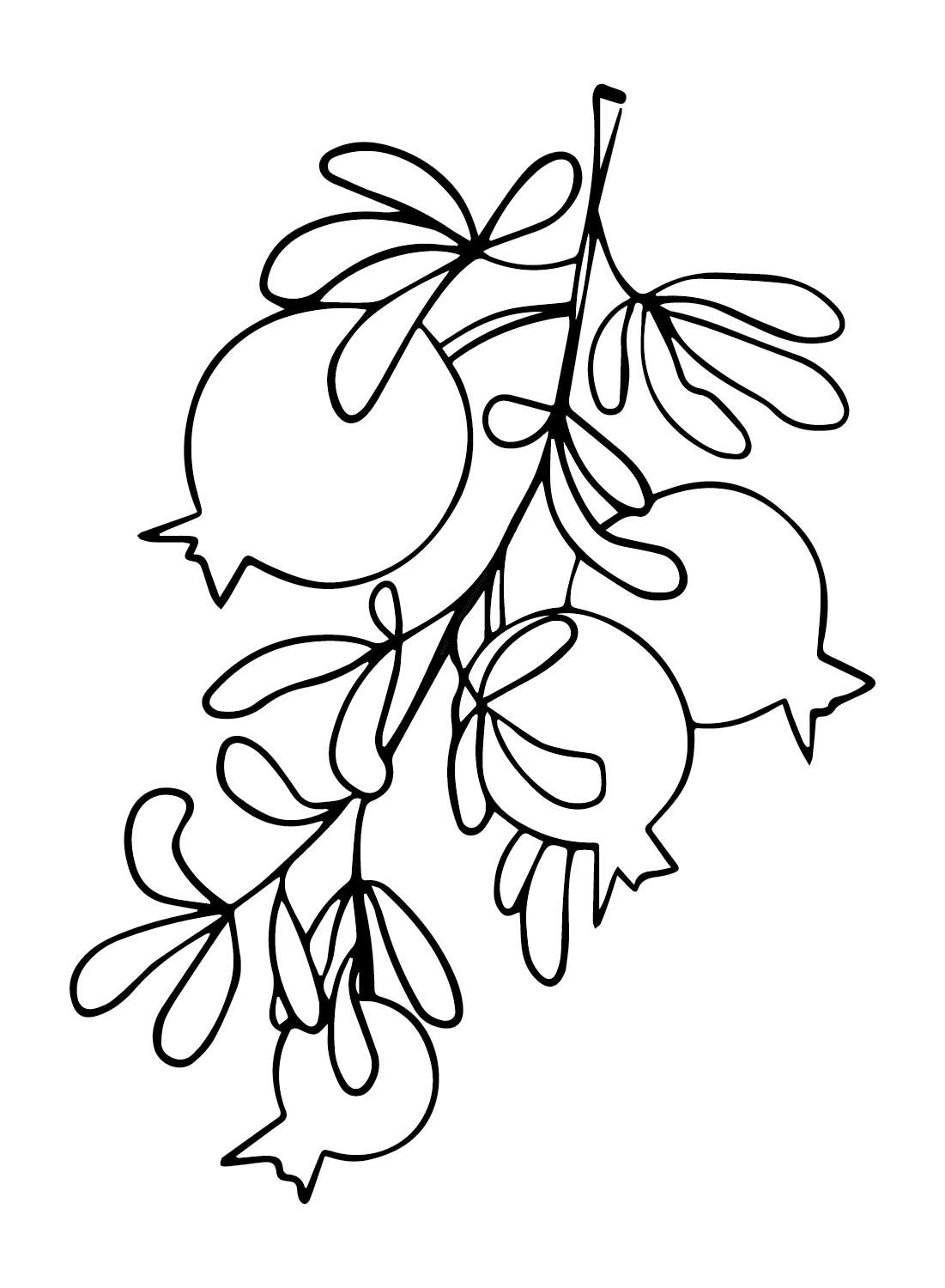
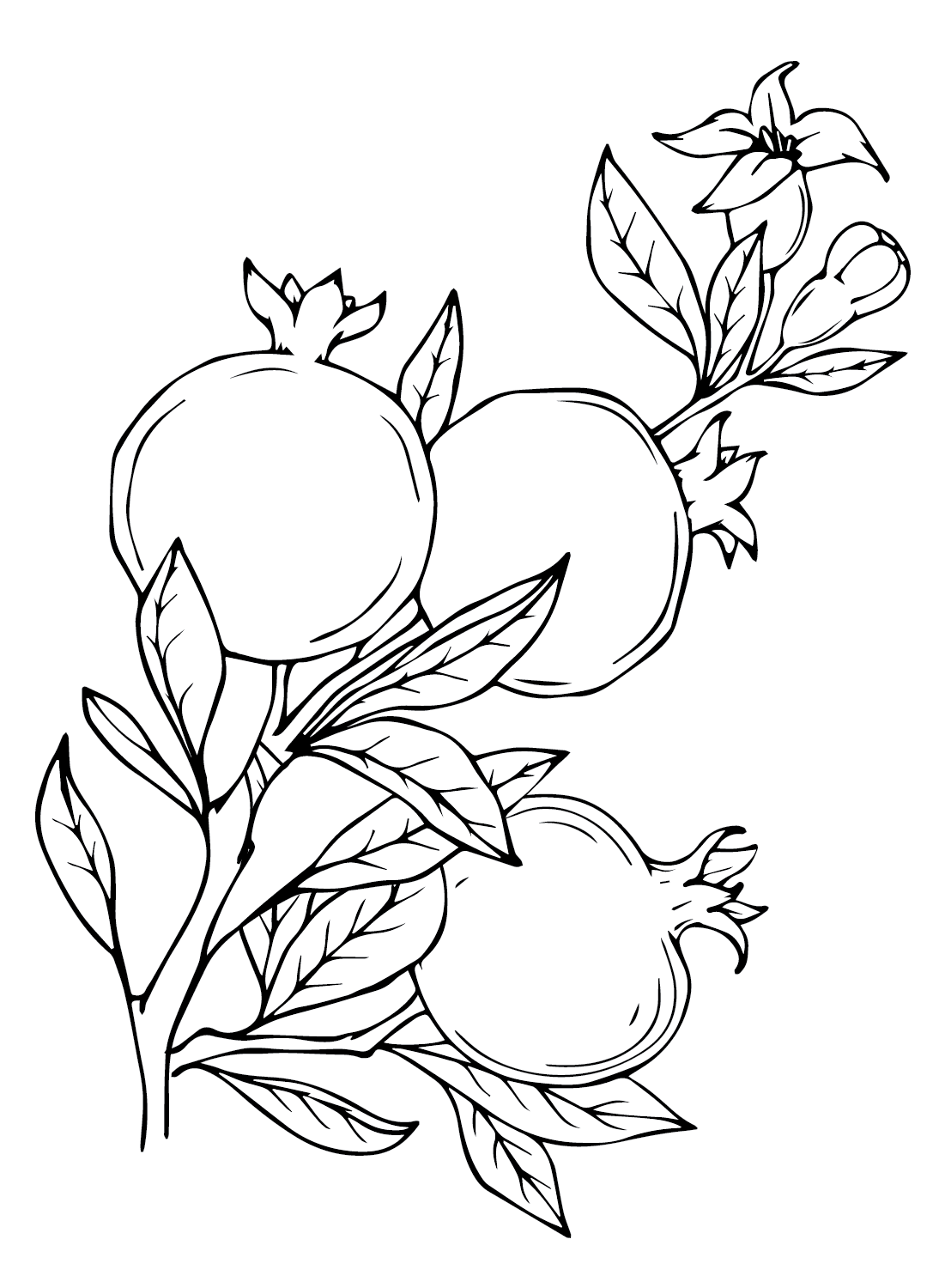
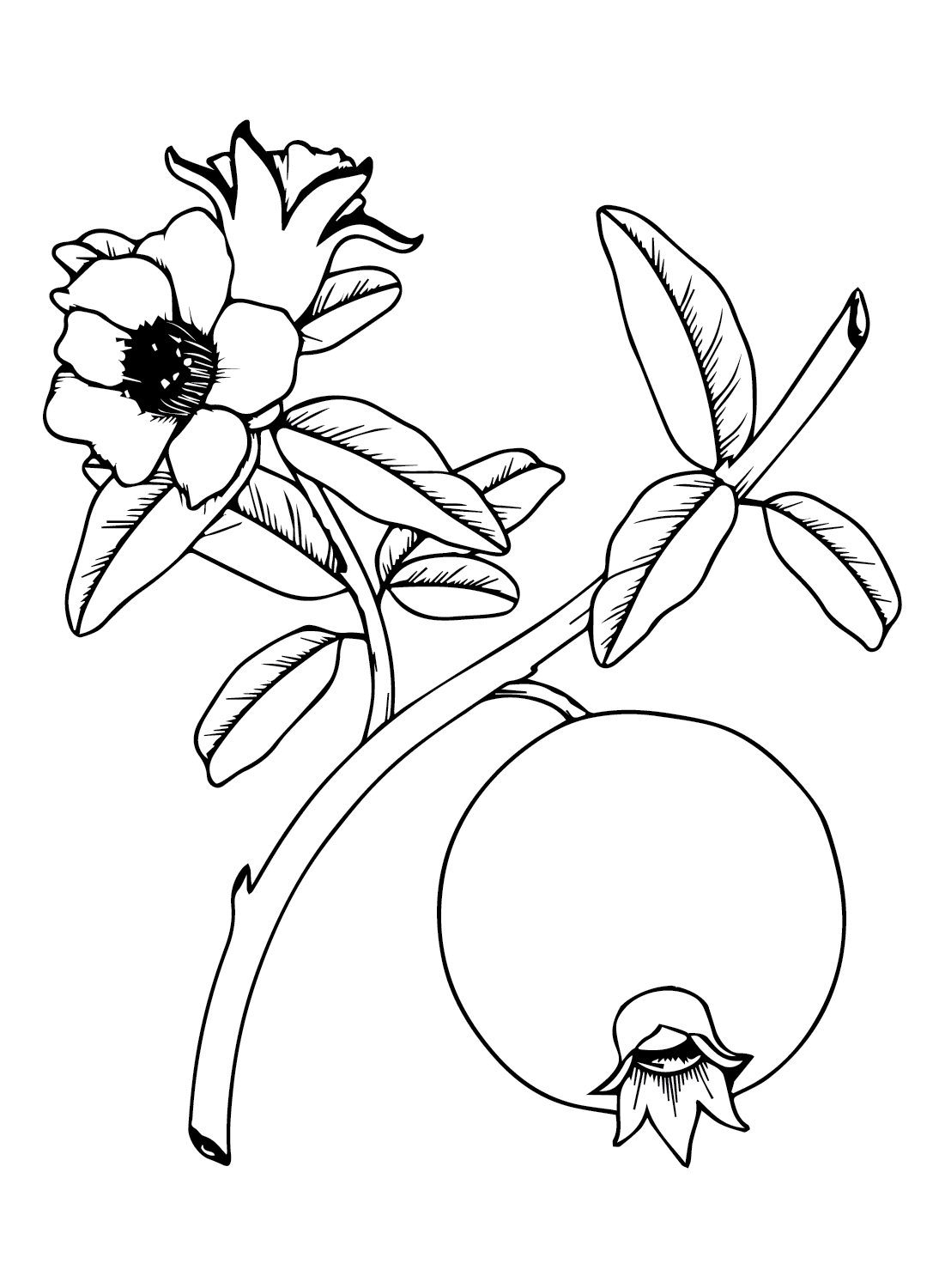
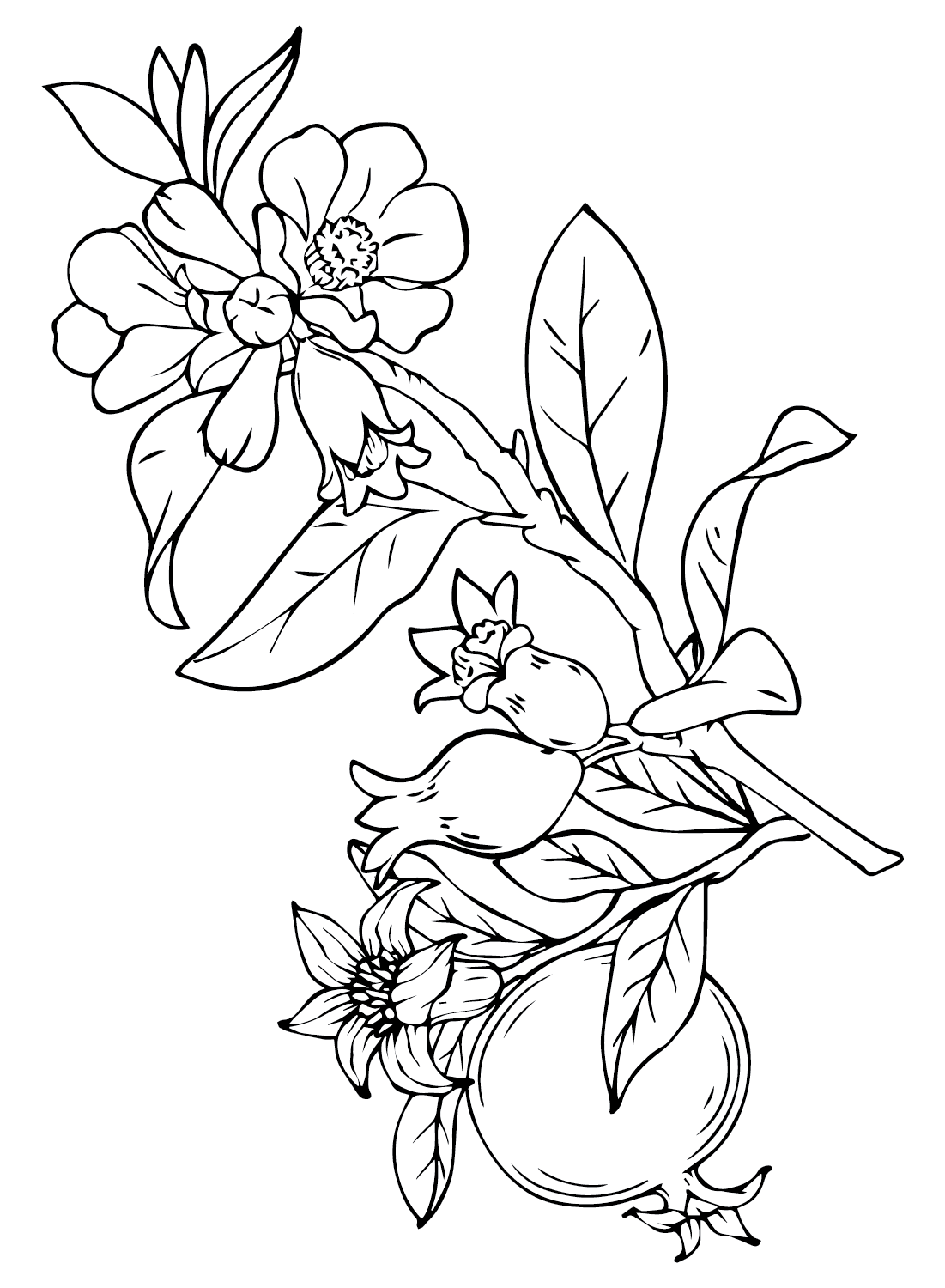
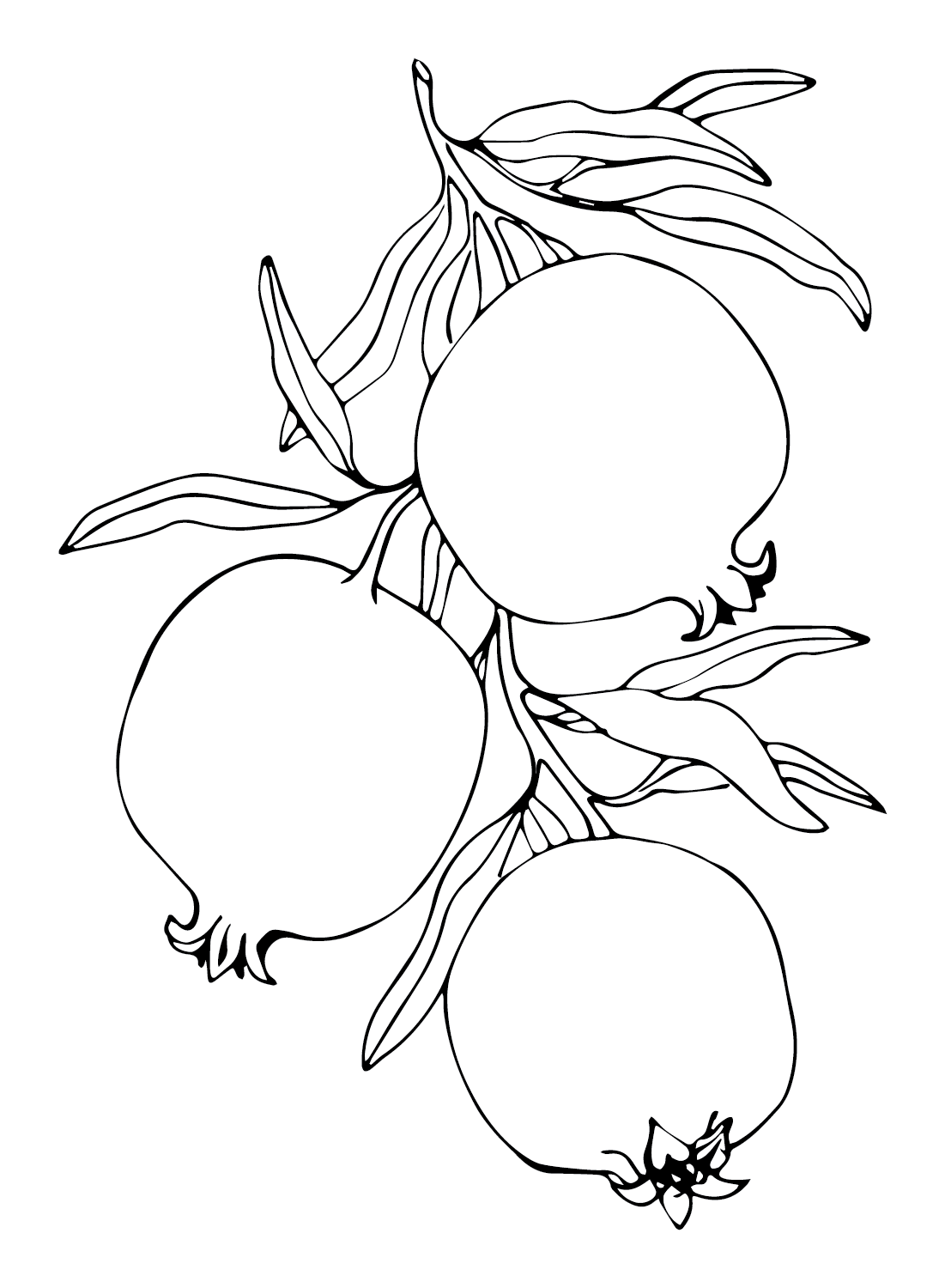
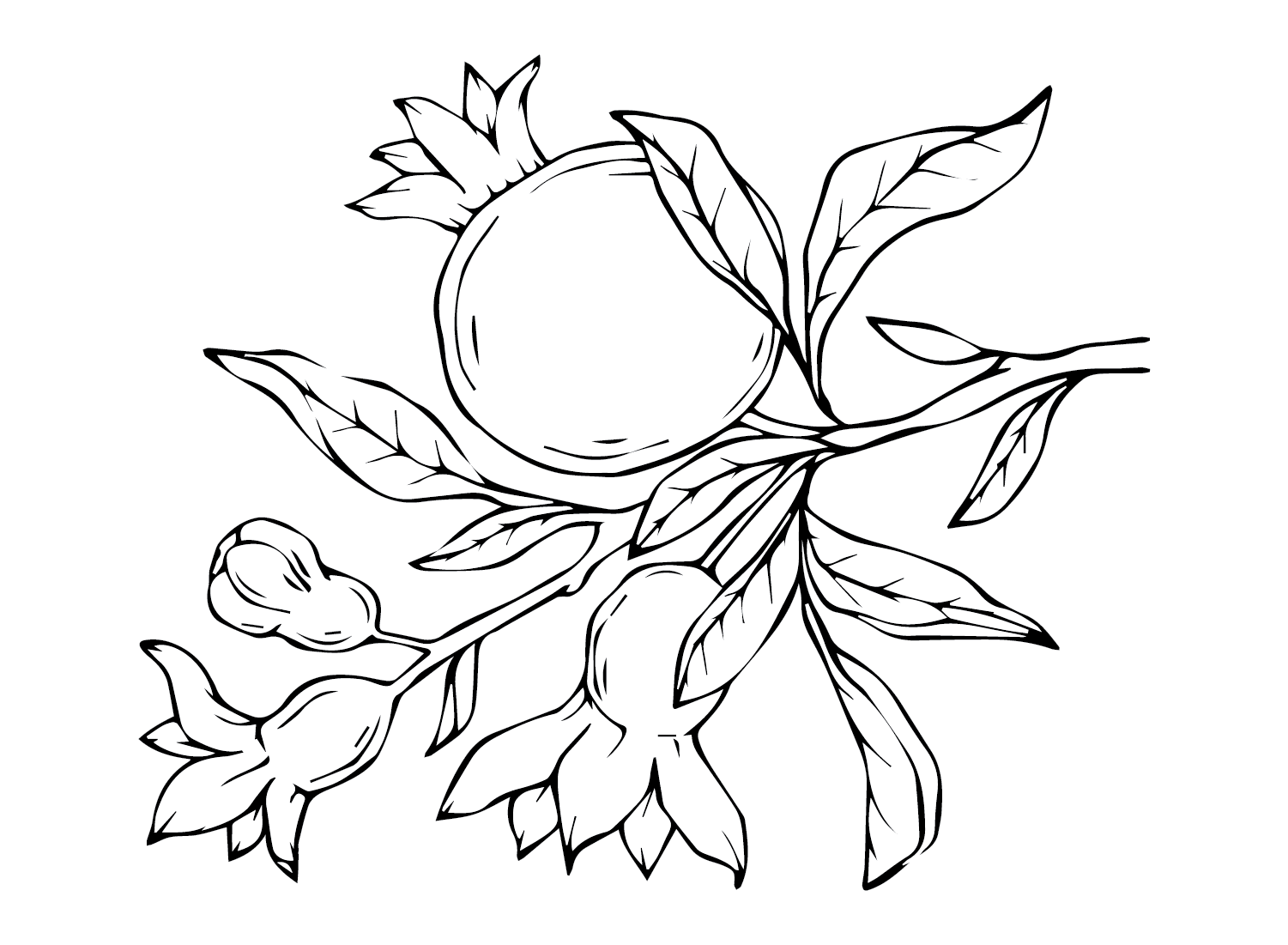
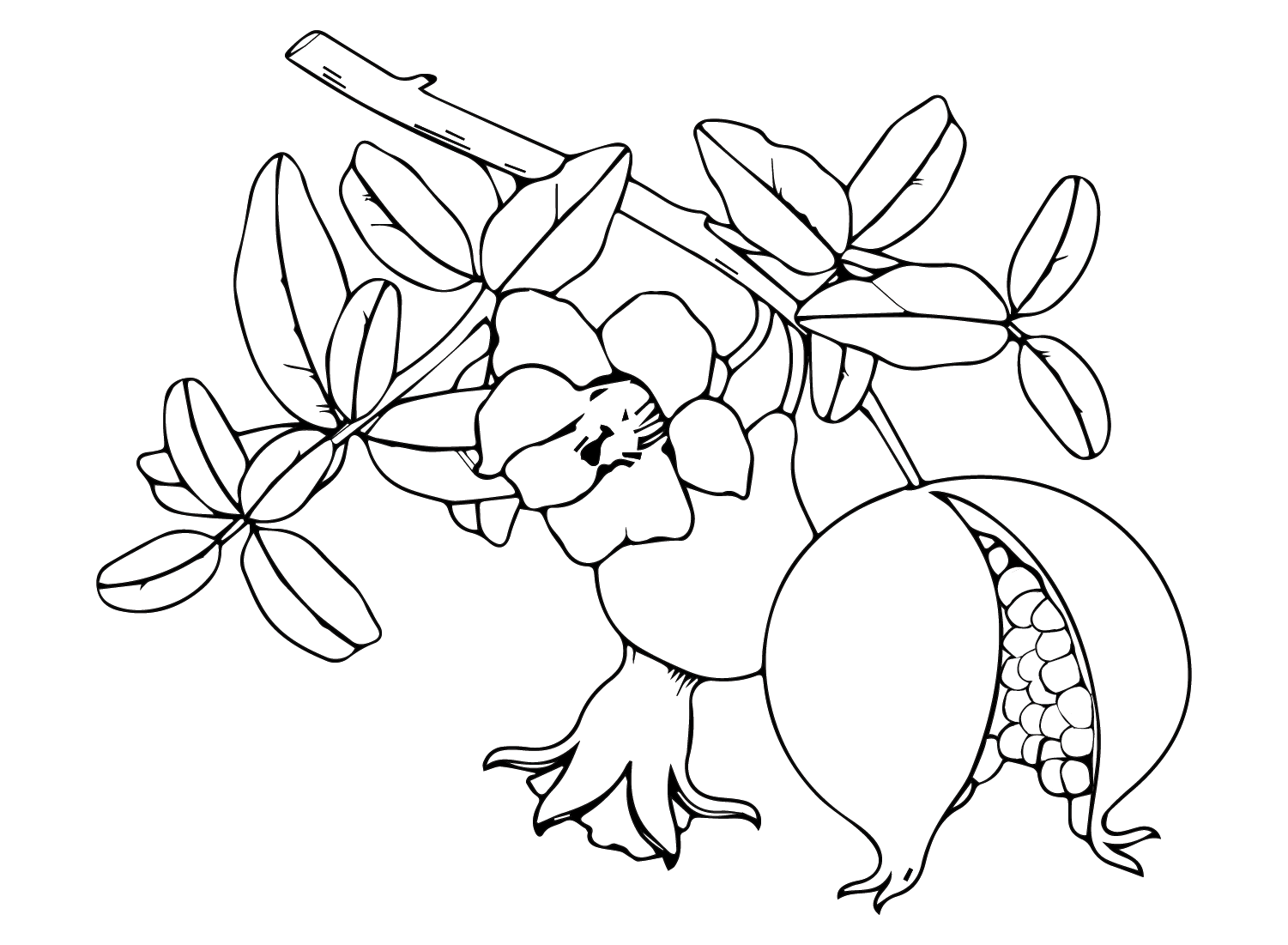
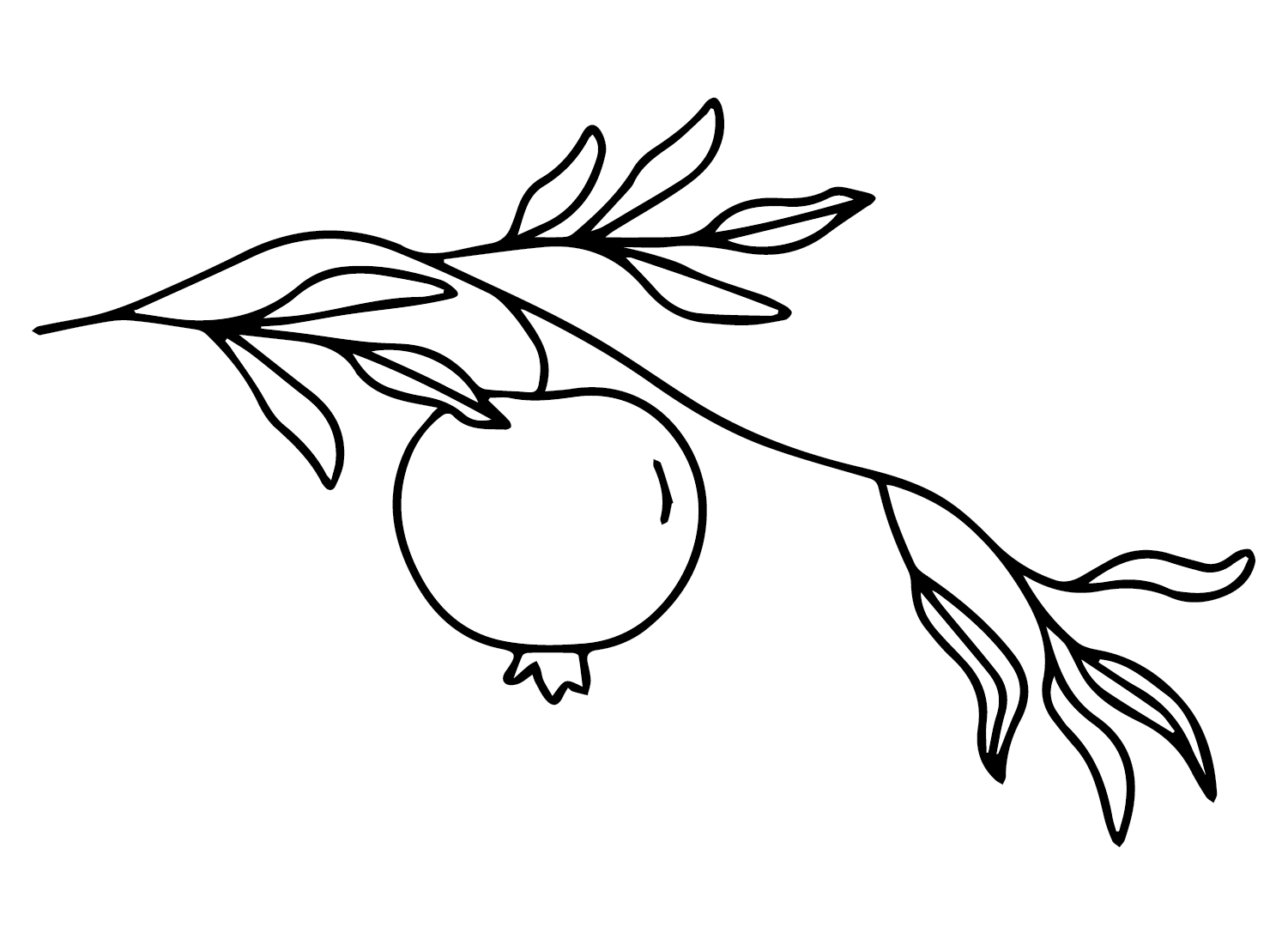
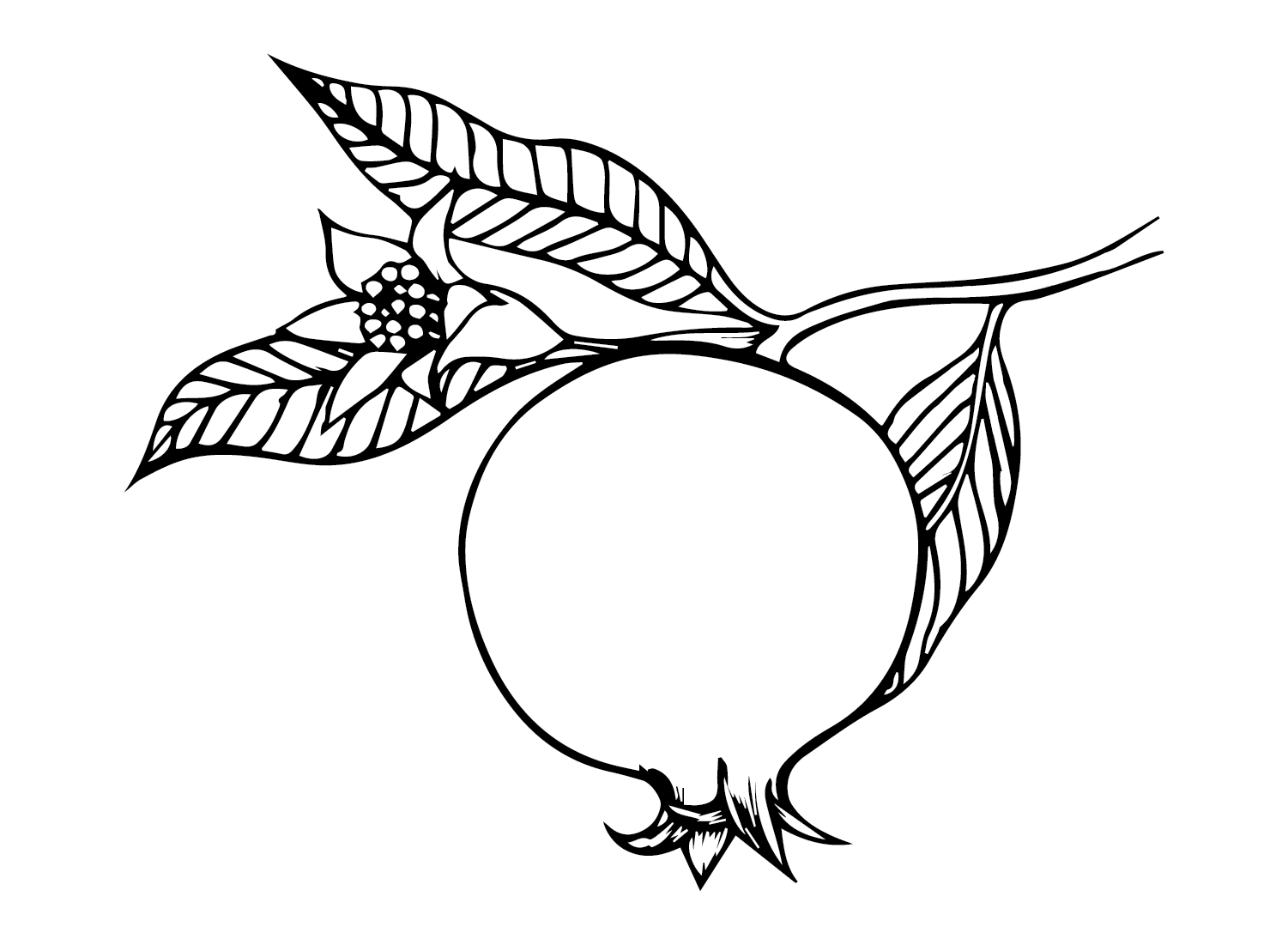
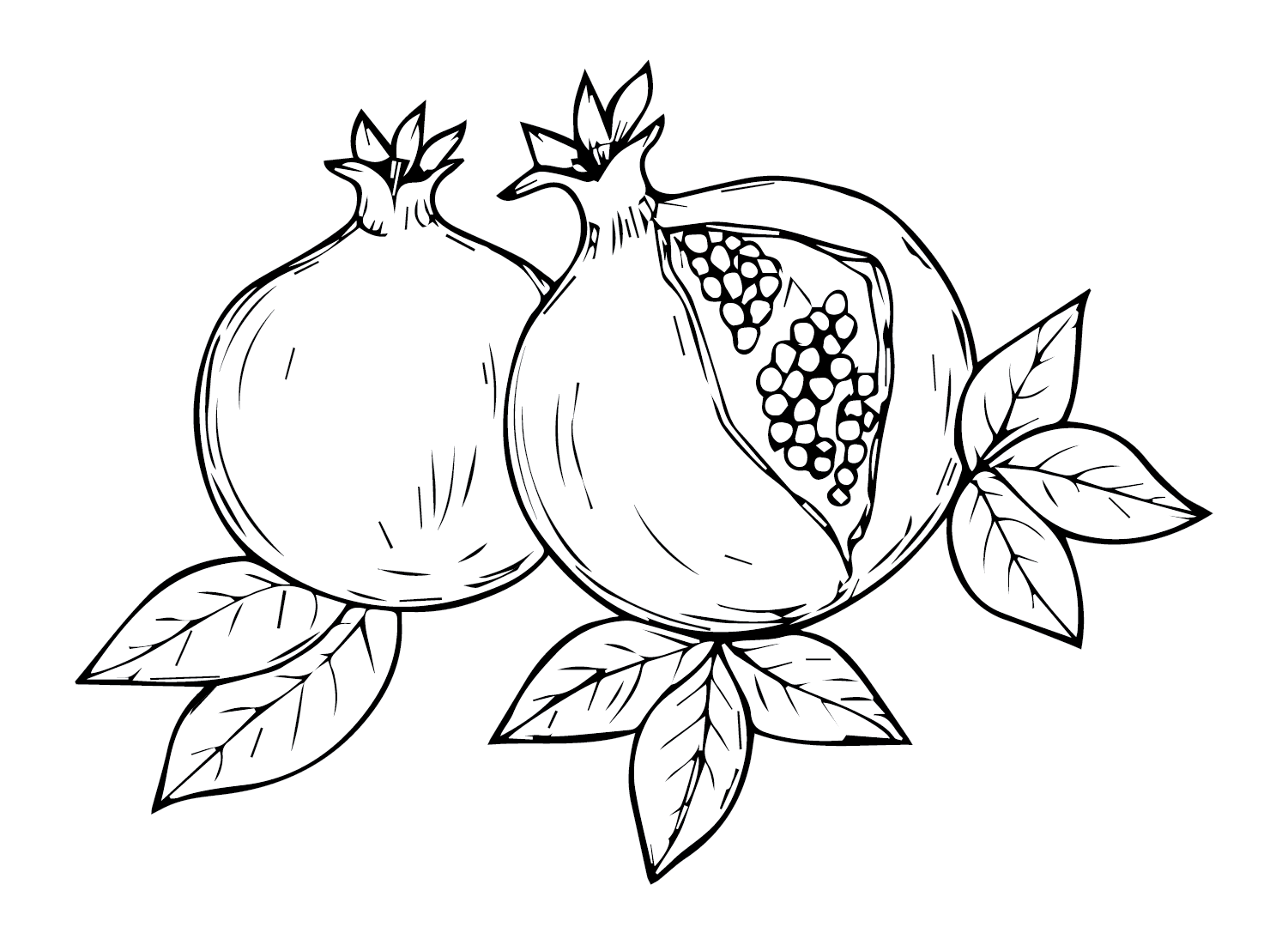
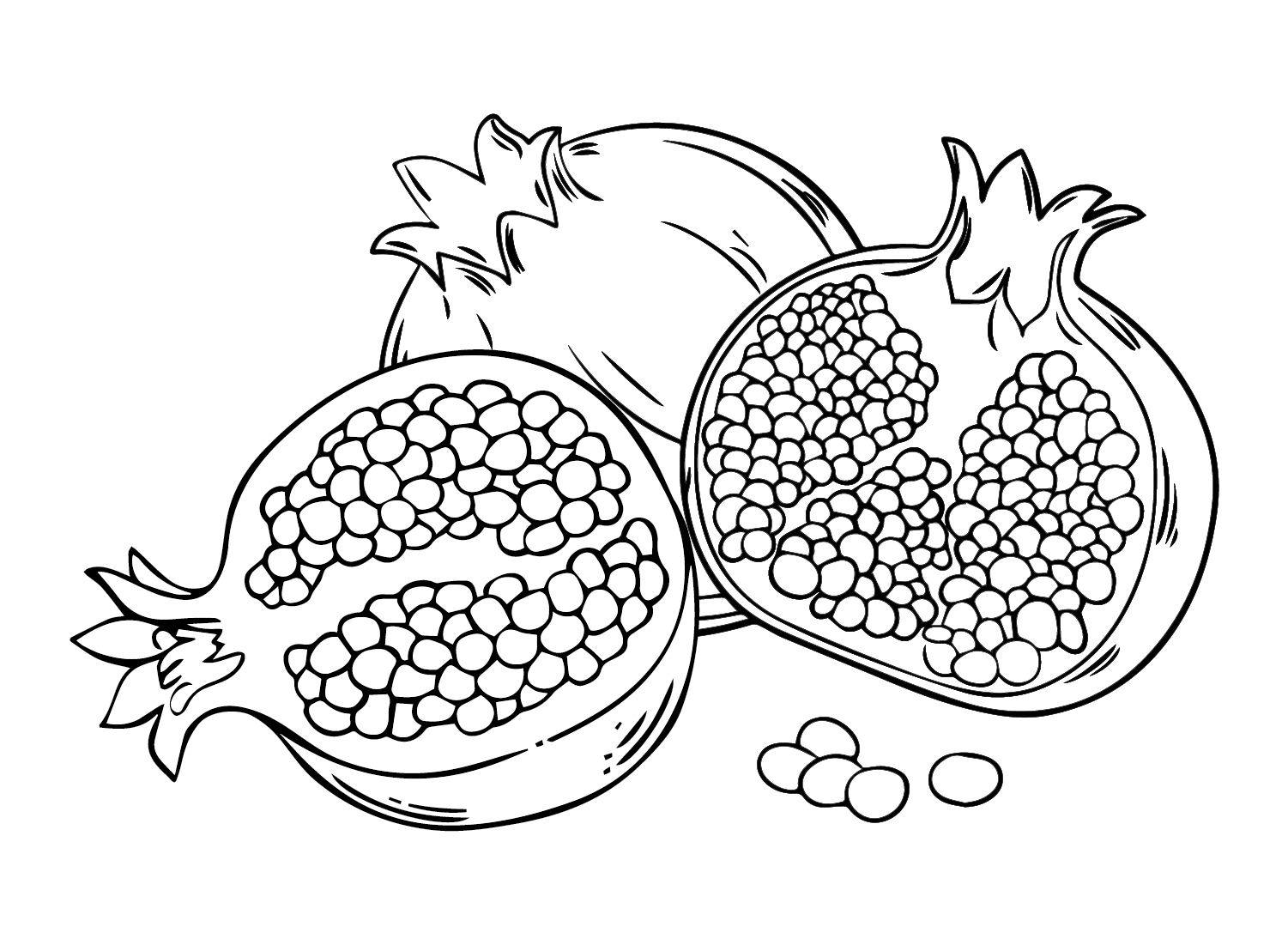
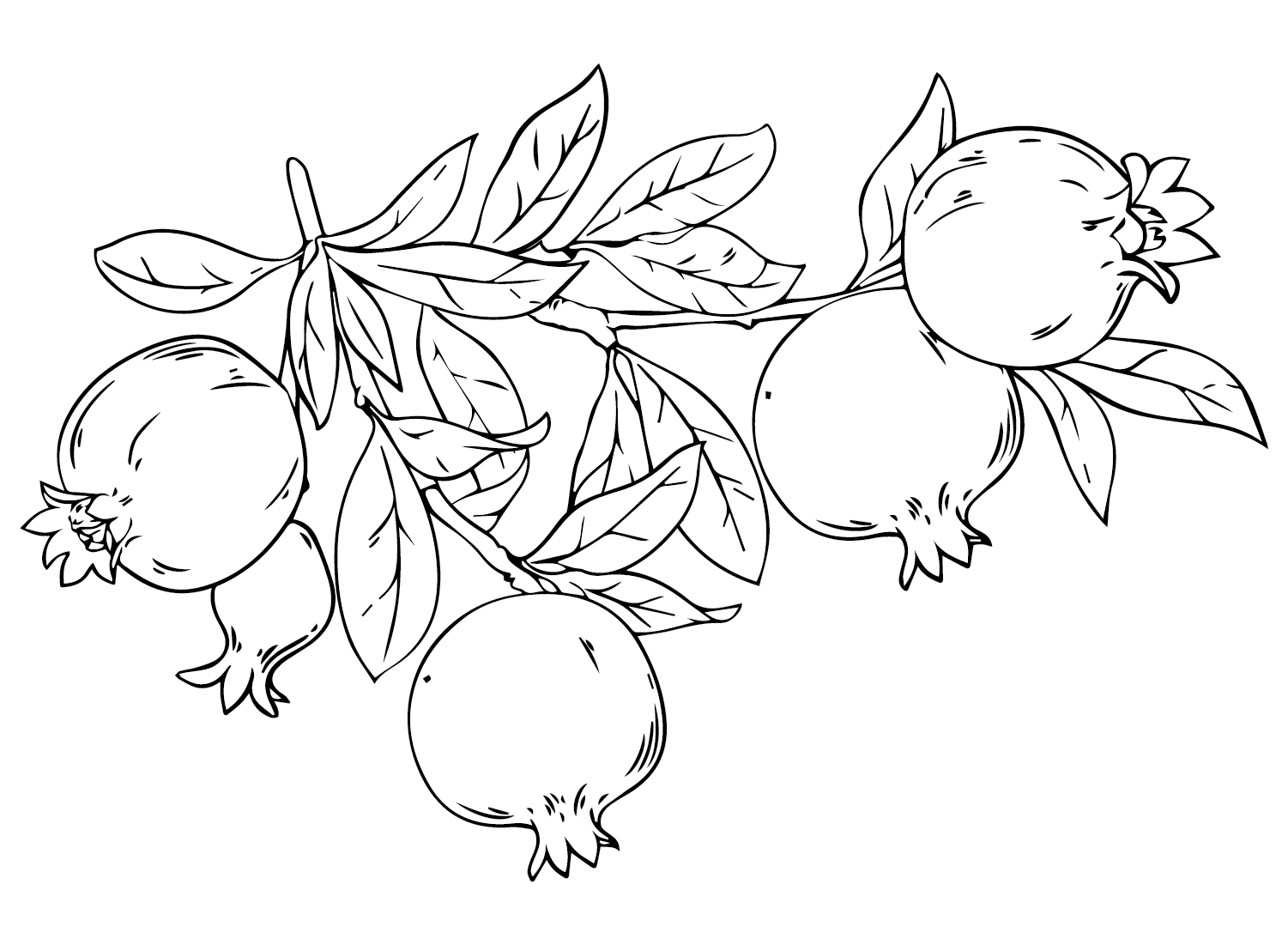
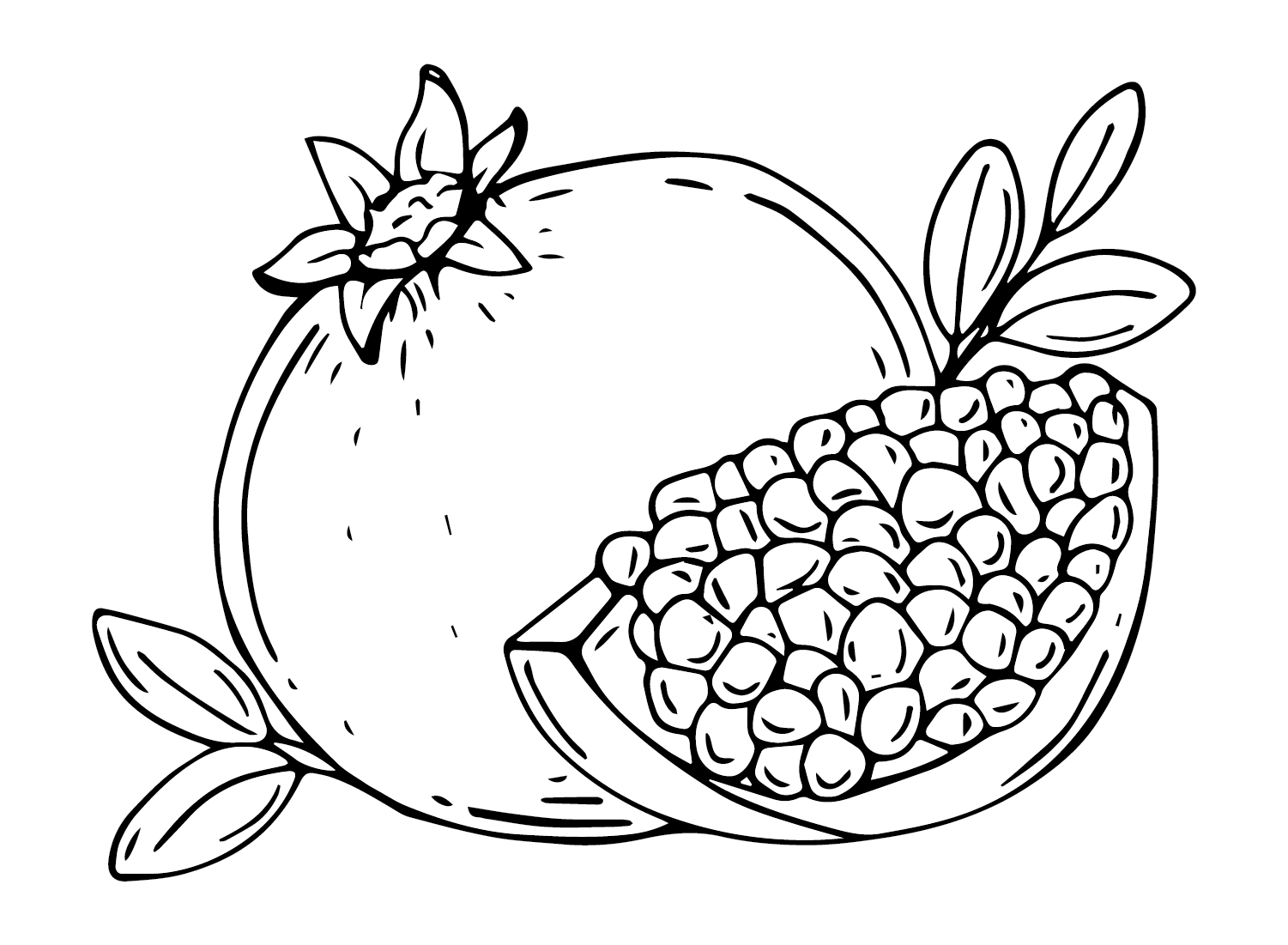
The largest group shows whole pomegranates on the branch, held in hand, or set alone against a plain background, with skin ranging from blush pink to deep Red. Use a base of Red or Mahogany for the leathery skin, then add a touch of Brown near the small crown-shaped calyx at the top for a realistic finish.
Pomegranate Seeds and Cross-Section Designs
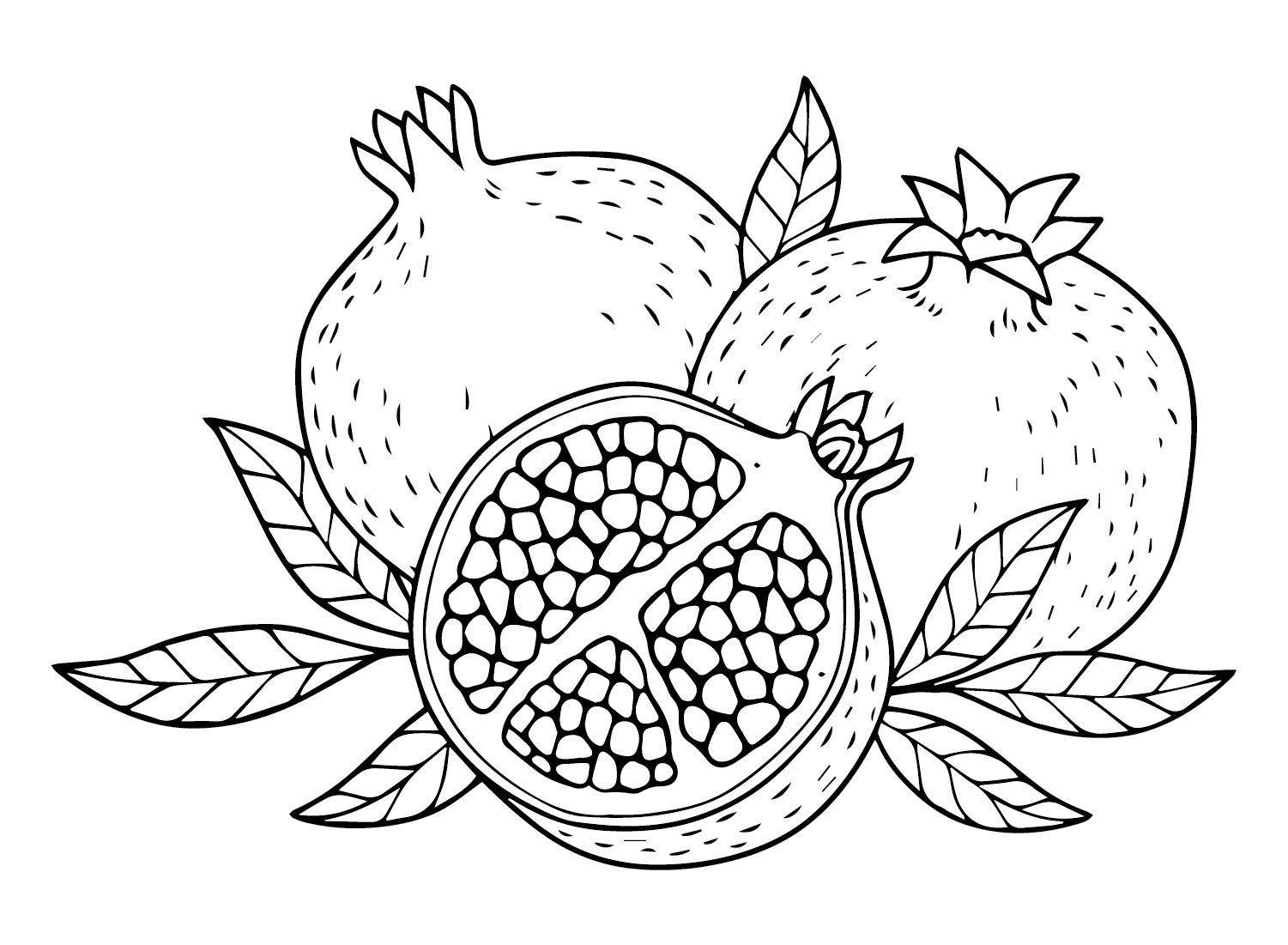
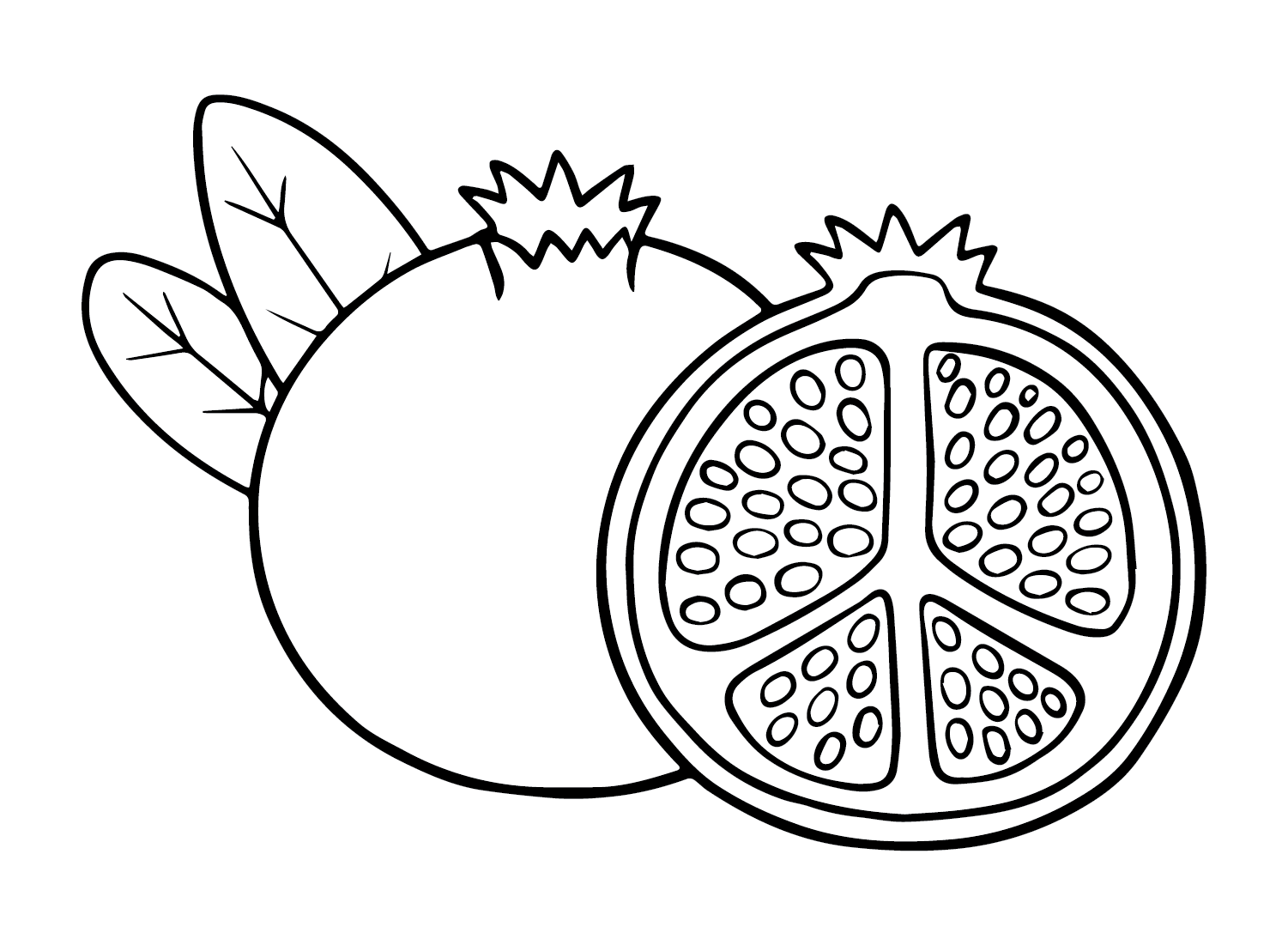
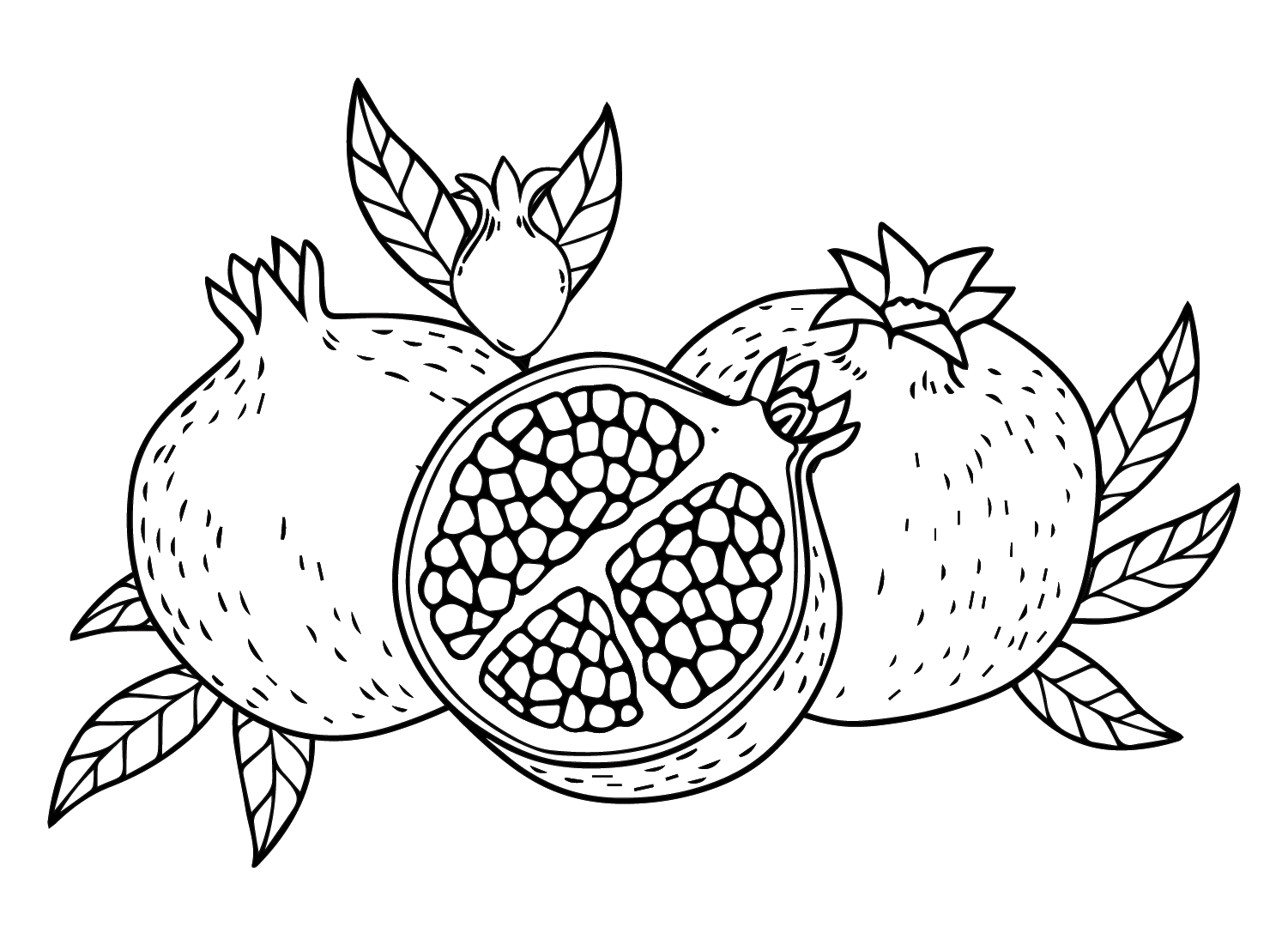
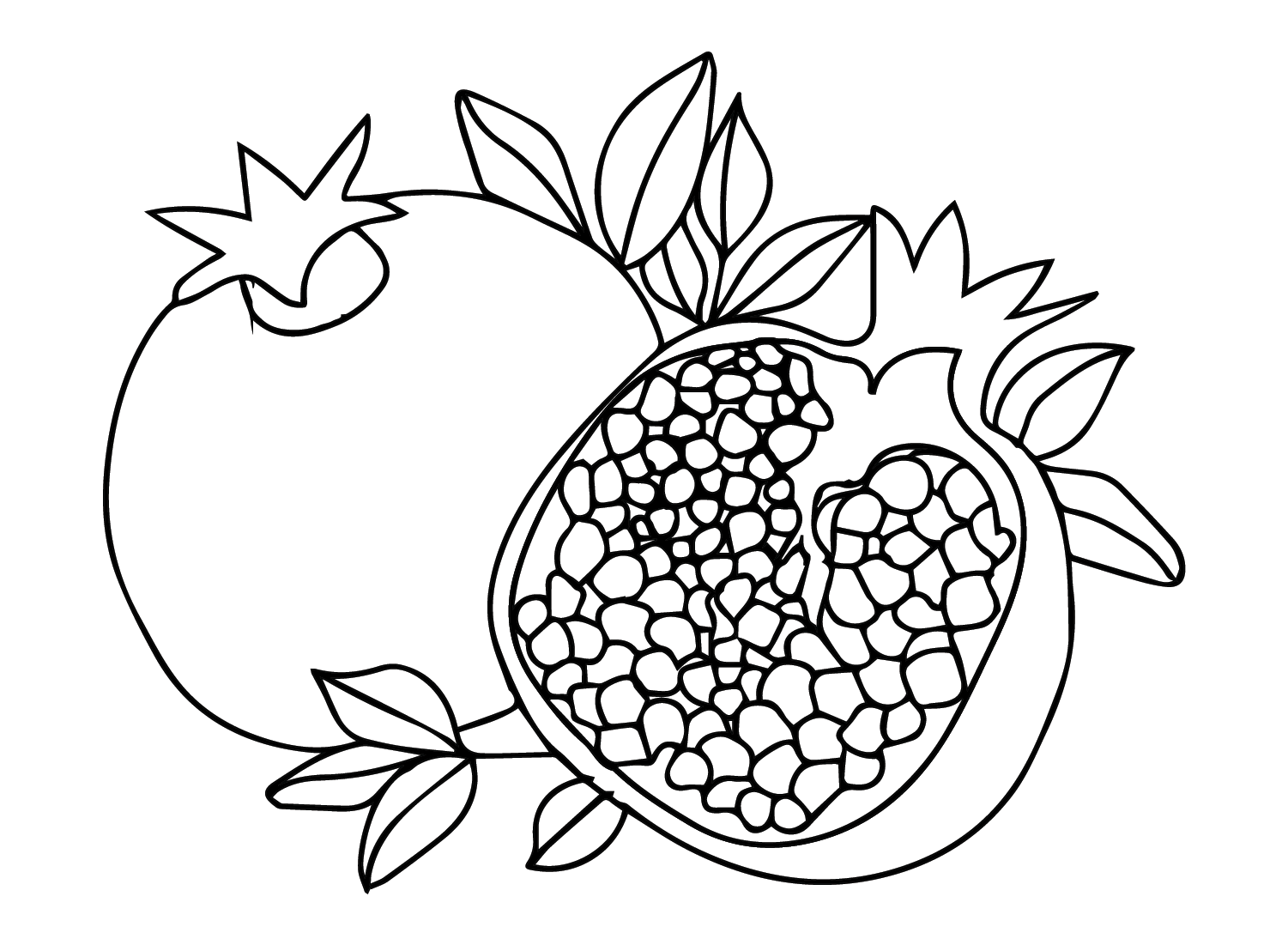
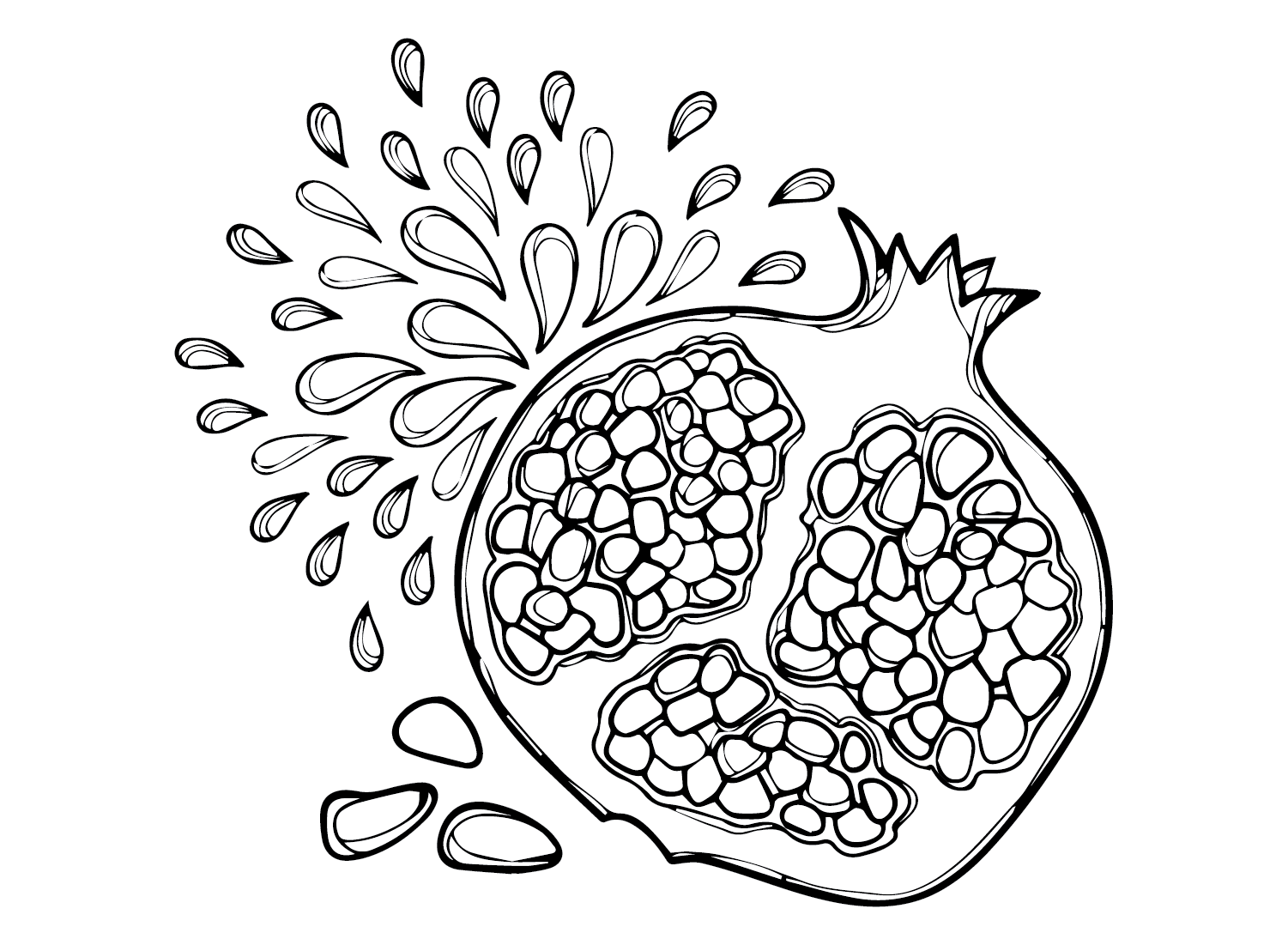
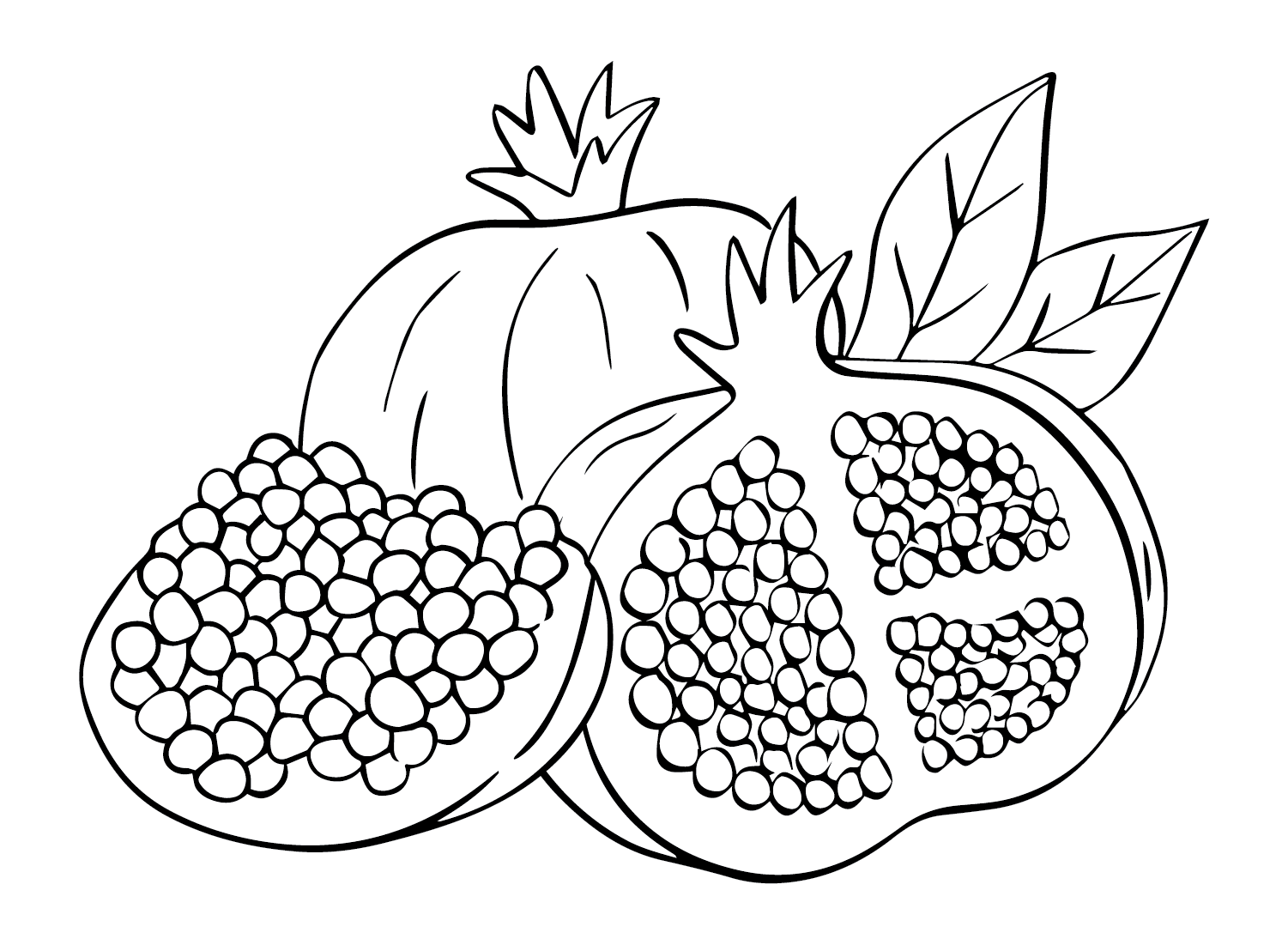
One page cuts the fruit open to reveal its cluster of jewel-toned seeds packed inside. Color each seed a slightly different shade of Red or Magenta rather than one flat color, and leave the thin membrane between the seed clusters uncolored or a pale cream.
Cartoon and Kid-Friendly Pomegranates
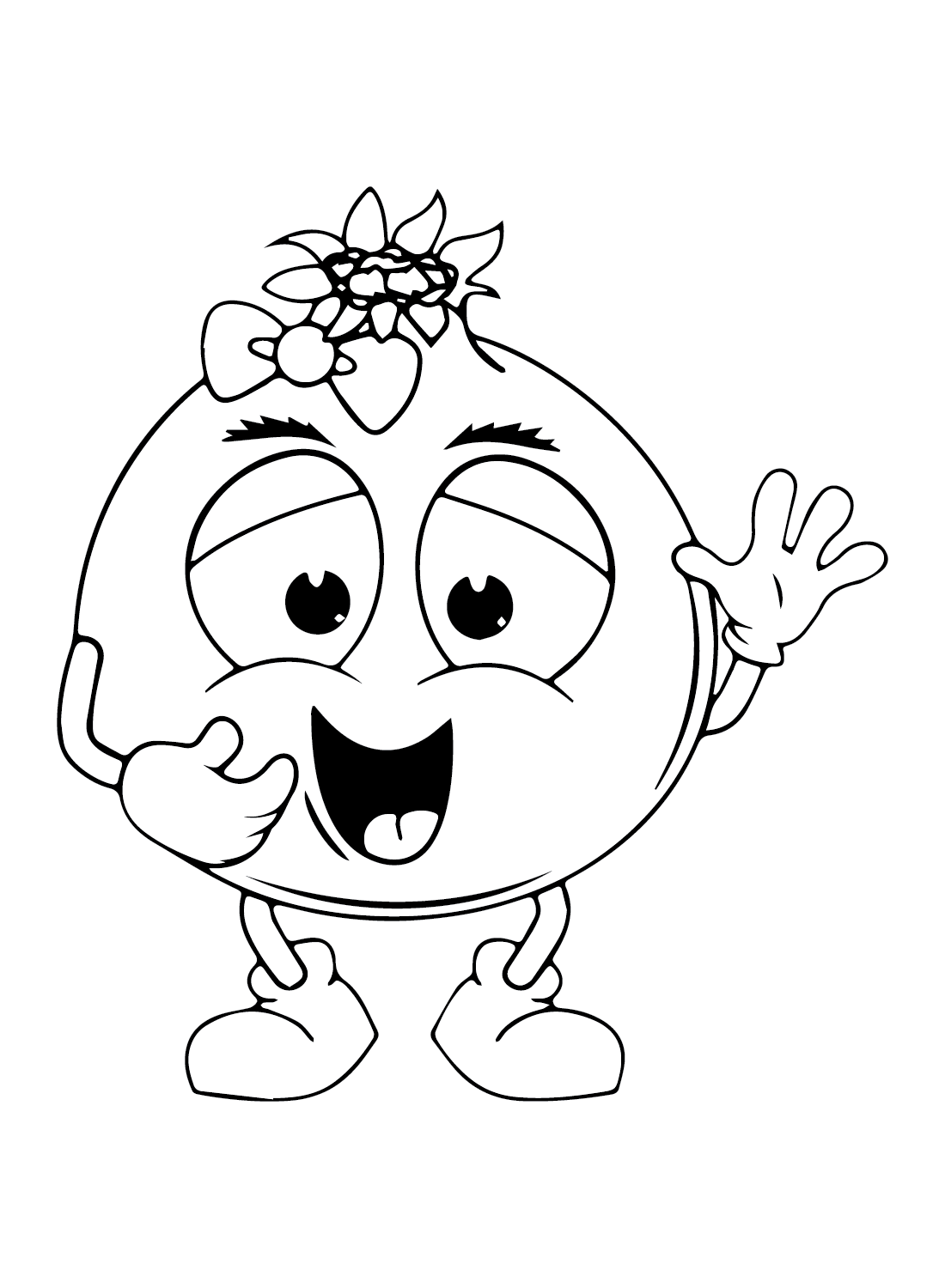
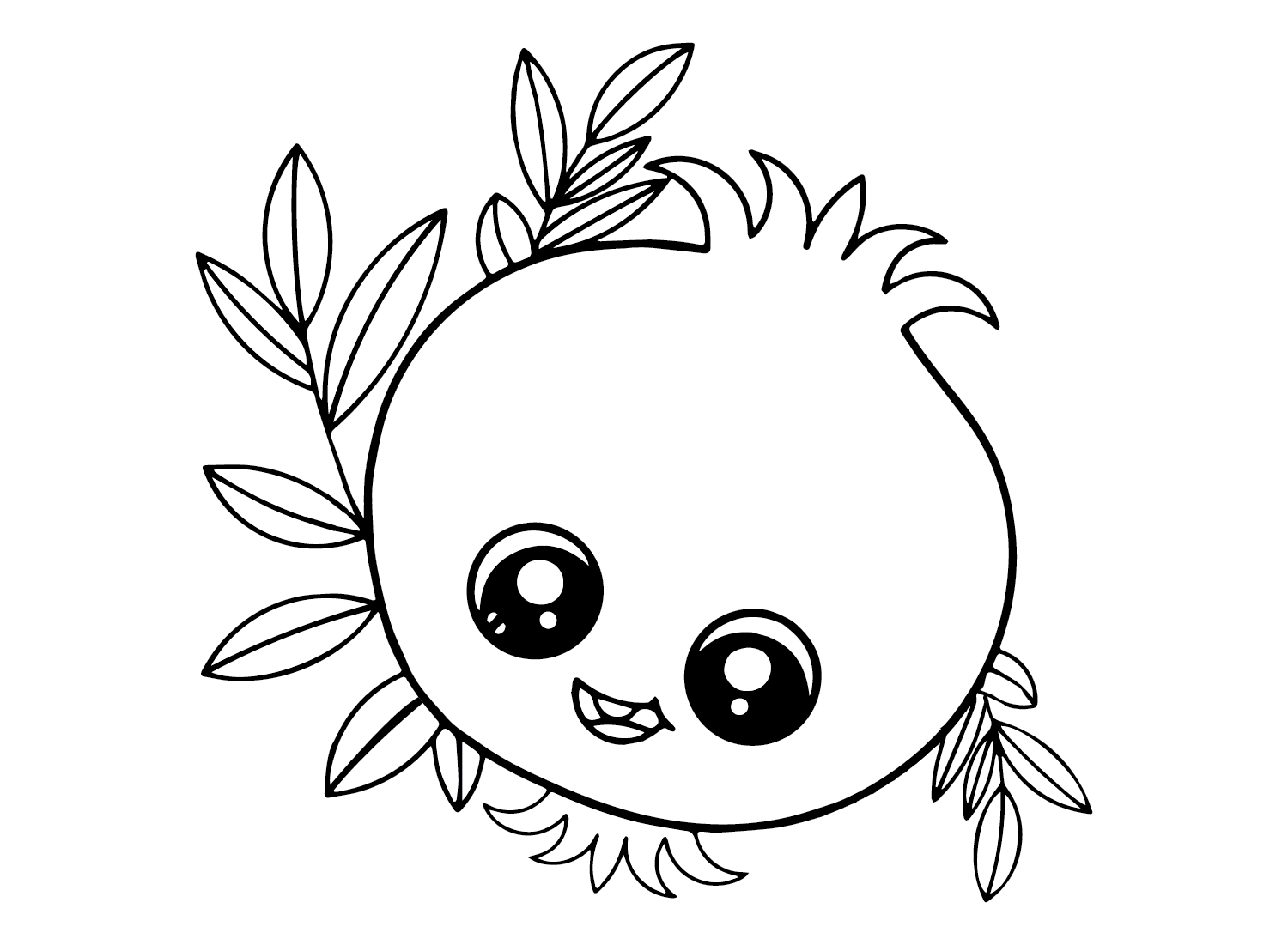
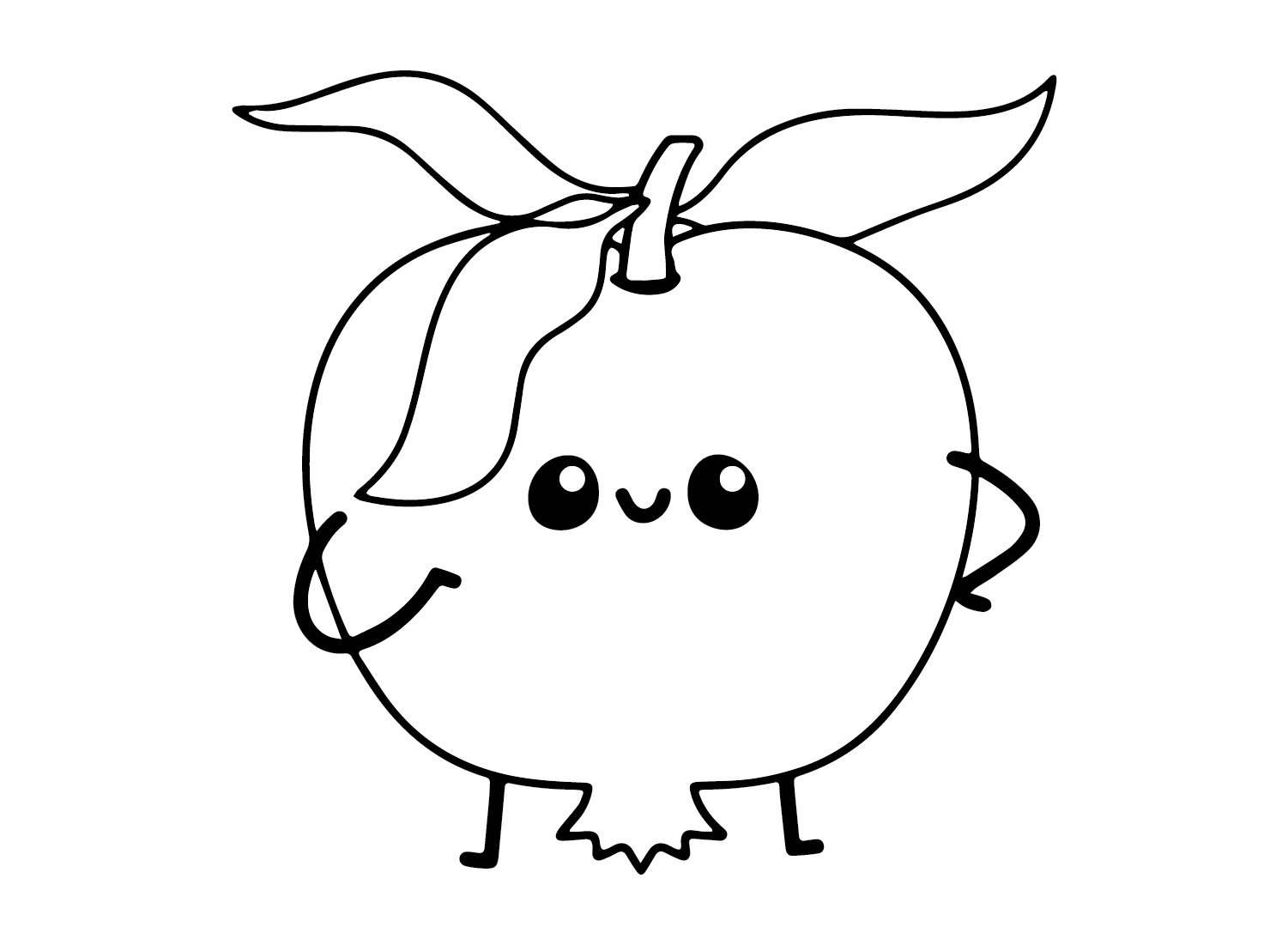
Five pages give the fruit a face or a rounder, softer shape, including a kawaii-style design and a page made for very young colorists. Keep these flat and bright with a warm Red or Carnation Pink body, simple Black facial features, and a small Green crown on top.
Sketch and Line-Art Styles
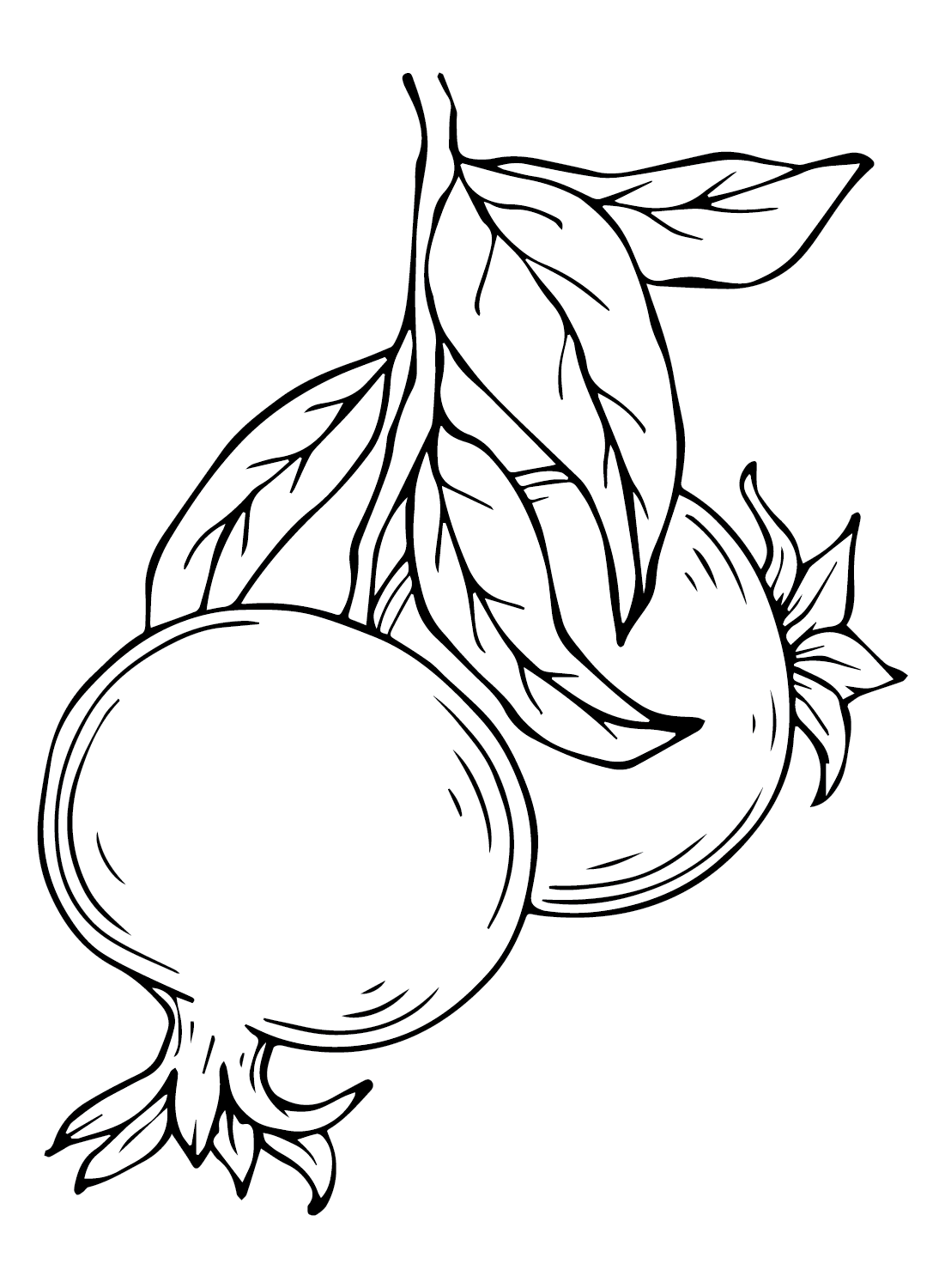
Two pages use a looser, hand-drawn outline instead of a clean cartoon line. Colored pencil works better than marker here, starting with a light Pink base and layering deeper Red only inside the shadowed folds of the skin.
Multiple Fruit Scenes
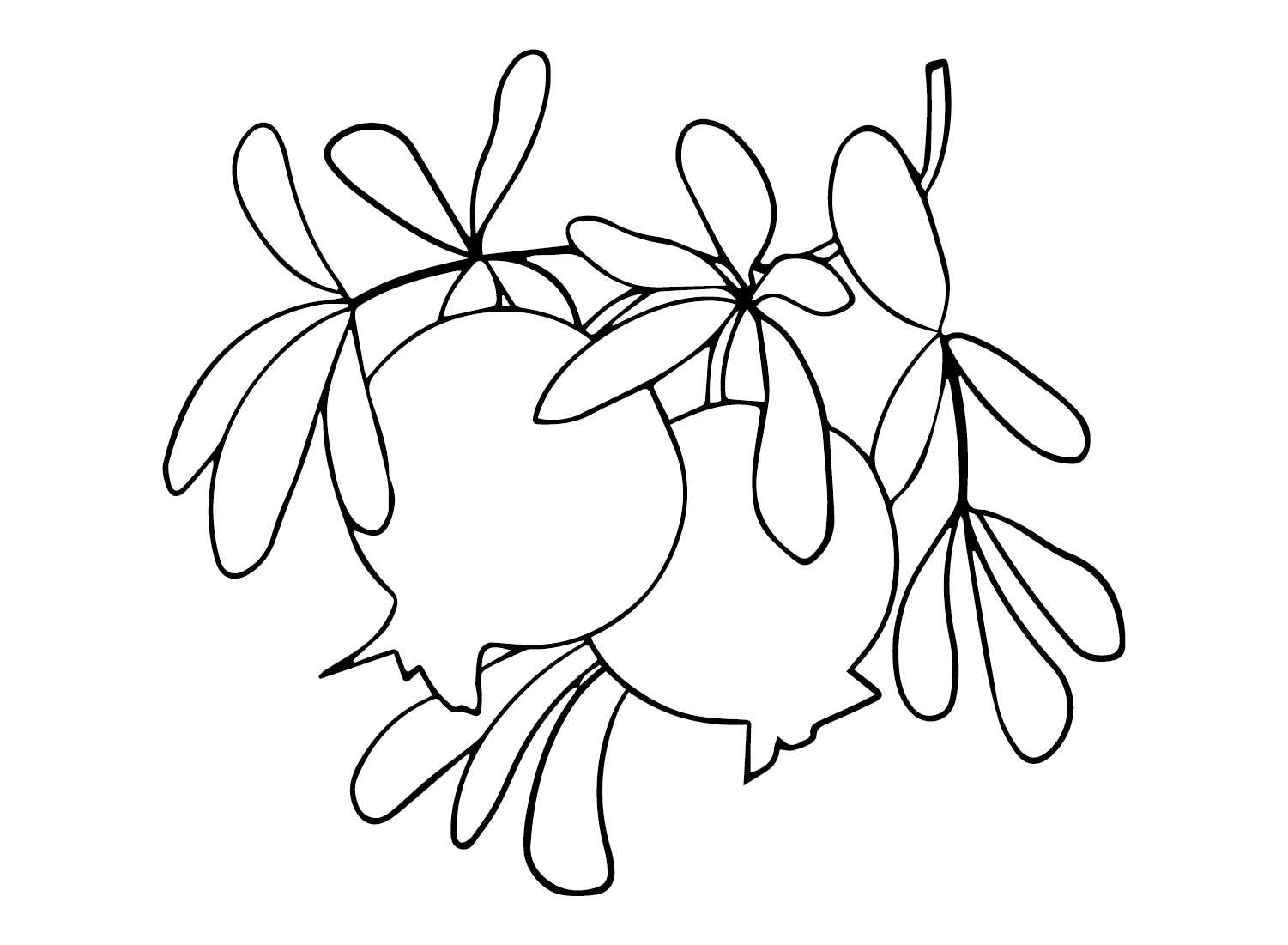
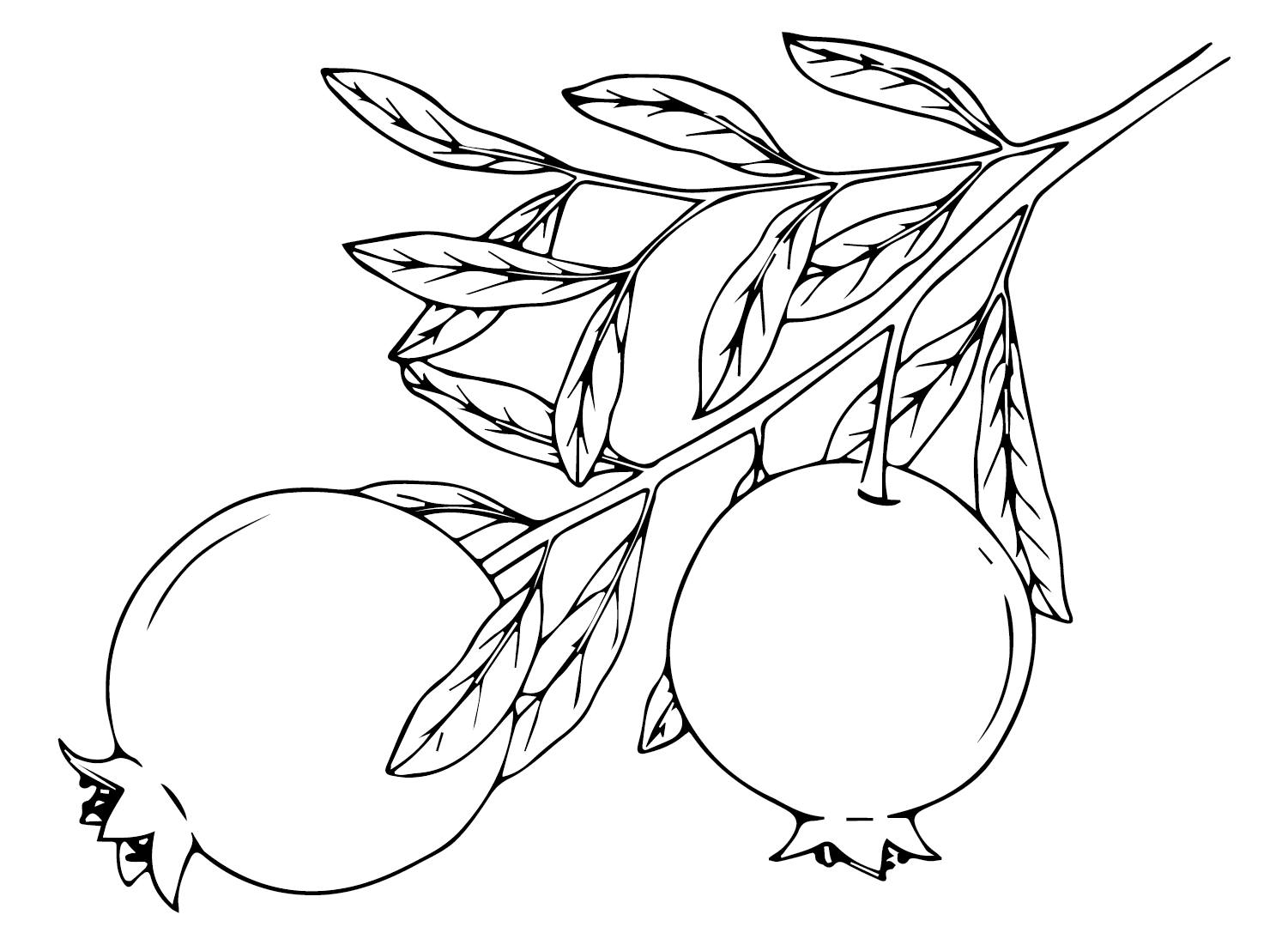
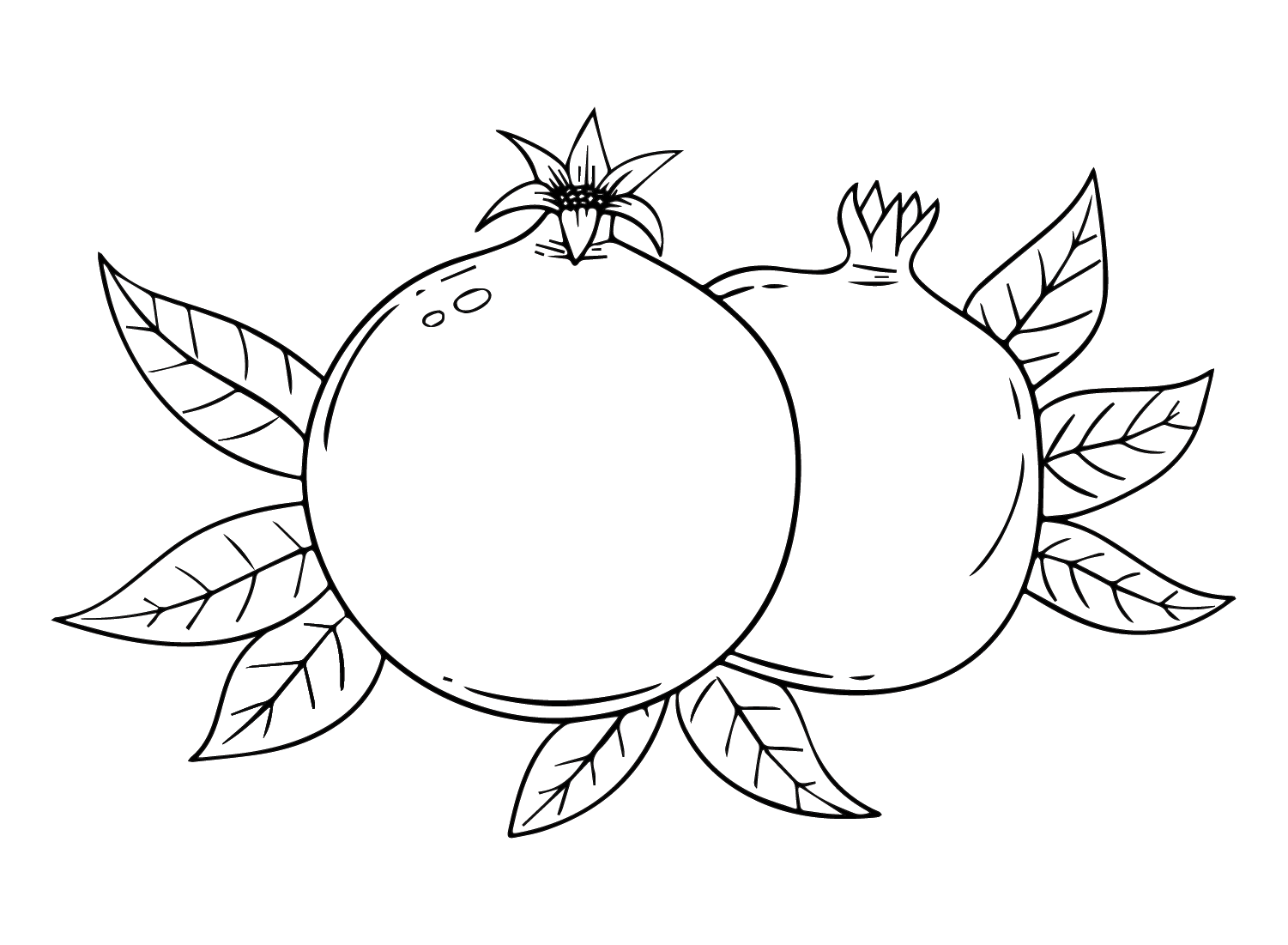
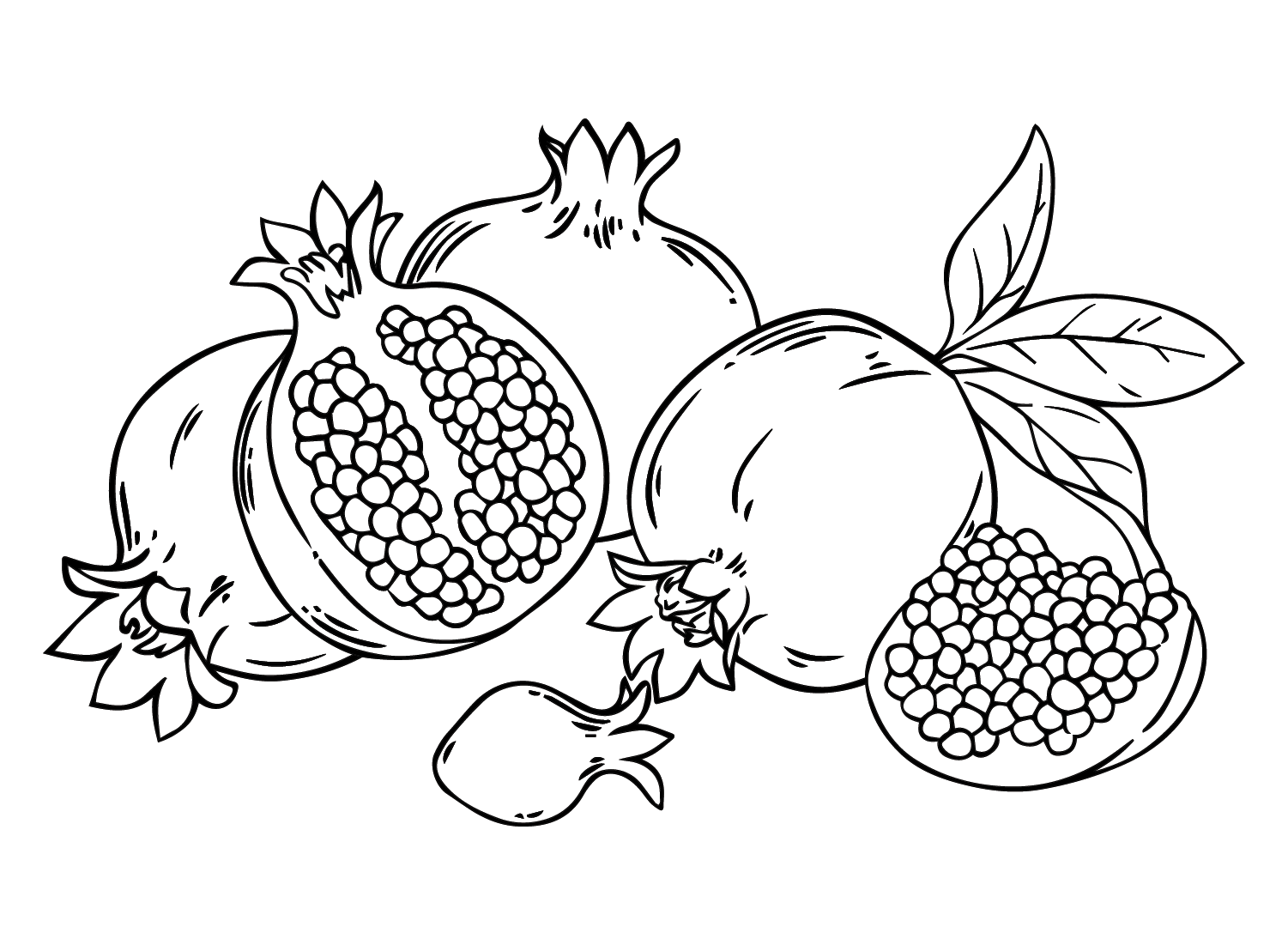
Two pages group two or three pomegranates together rather than showing a single fruit. Vary the red tone slightly between each pomegranate, since fruit picked at different times naturally ranges from pink-red to near-purple, so the group reads as freshly harvested rather than duplicated.
What Pomegranate Coloring Pages Do
Fine motor development. The cross-section design in this set fills its center with dozens of individual seed shapes rather than one large area, and staying inside each small aril takes more control than shading a single round fruit. The American Academy of Pediatrics identifies fine motor skill development as a core benefit of structured coloring for children ages 2 through 7, and a seed-by-seed pattern like this gives young hands unusually concentrated practice with small, repeated strokes.
A vocabulary lesson hiding in the name. The word pomegranate comes from the French pomme, meaning apple, and grenade, meaning seeded, a detail that gives coloring time a natural opening to talk about where fruit names come from and why this one describes the fruit’s hundreds of seeds rather than its outer shape.
Anxiety reduction through repetition. A 2005 study in the Art Therapy Journal documented measurable reductions in anxiety following structured coloring sessions, and filling row after row of small seed shapes offers exactly the kind of repetitive, low-stakes task that the study describes. The pattern rewards patience more than precision, which makes it a calming choice at the end of a long day.
Gradient and color-variation practice. A pomegranate rarely stays one shade, with skin that shifts from pale pink to deep red and sometimes near-purple depending on how long it ripened on the tree, and seeds that range from pale ruby to a much darker garnet within the same fruit. That natural variation gives this collection more color-blending practice than a fruit with a single uniform shade would offer.
How to Color Pomegranate Pages Well
- Pomegranate skin: Blend Crayola Red and Mahogany for the leathery outer skin, then add a touch of Violet Red near the crown for fruit that looks like it ripened longest on the tree.
- Pomegranate seeds (arils): Color individual seeds in varying shades of Red, Magenta, and Scarlet rather than one flat color, so the cluster reads as hundreds of individual seeds instead of a single mass.
- Calyx or crown: Use Brown or Tan for the small crown-shaped top, keeping it visually distinct from the surrounding red skin.
- Cartoon and kid-friendly characters: Keep the body a bright, even Red or Carnation Pink, use Black for simple facial features, and finish with a small Green crown on top.
- Multiple-fruit scenes: Vary each fruit between Red, Scarlet, and a touch of Violet Red so the group looks freshly picked rather than identical copies.
- Sketch-style line art: Layer colored pencil, starting with a light Pink base coat, then add Red shading only in the folds and shadows, since the loose lines show pencil texture more clearly than a flat marker fill.
5 Creative Craft Ideas With Pomegranate Coloring Pages
1. Pomegranate Seed Mosaic
Color several seed cross-section pages, cut out small circles from each colored seed, and arrange them into a mosaic pattern on a paper plate or cardstock.
2. Pomegranate Branch Diorama
Color several whole-fruit and branch pages, cut them out, and arrange them inside a shoebox turned on its side to build a small orchard scene.
3. Pomegranate Fact Poster
Color a large pomegranate page and add hand-written facts around it, such as where the fruit grows or what an aril is, for a simple classroom science poster.
4. Pomegranate Bookmark
Color one of the smaller pomegranate designs, trim it to a bookmark shape, and add a ribbon or paper tassel through a hole punched at the top.
5. Pomegranate Garland
Color multiple pomegranate pages, cut around each fruit, and string them together with twine for a kitchen or classroom garland.
Frequently Asked Questions
What are pomegranate coloring pages?
Pomegranate coloring pages are printable designs that show the fruit in different styles, including realistic whole fruit, a detailed seed cross-section, cartoon characters, sketch-style drawings, and grouped fruit scenes. This collection includes 29 pages, each downloadable as a PDF or available to color directly online in the browser.
Where do pomegranates come from?
Pomegranates are native to the region spanning modern-day Iran and northern India, and evidence suggests the fruit has been cultivated for roughly 5,000 years. Spanish missionaries brought pomegranates to California in the late 1700s, and the state now grows more than 90 percent of the pomegranates produced in the United States.
Why does a pomegranate have so many seeds?
A single pomegranate can hold several hundred seeds, called arils, packed inside its tough outer skin. Each aril is a small, juicy seed casing that grows from the fruit’s flower, and the sheer number is one of the traits that make the fruit visually distinct from most others.
What is the difference between a pomegranate seed and an aril?
The aril is the juicy, translucent, ruby-colored part people eat, and it surrounds a small, edible seed at its center. In everyday language, people usually call the entire aril a seed, even though the hard seed itself is only the small core inside it.
What color are ripe pomegranates?
A ripe pomegranate’s skin ranges from pink to deep Red, sometimes shifting toward a near-purple tone in fruit that stayed on the tree longest. The seeds inside follow a similar pattern, ranging from pale ruby to a much darker garnet within the same fruit.
How many pomegranate coloring pages are in this collection?
This collection includes 29 pomegranate coloring pages, split across realistic whole-fruit illustrations, a seed cross-section design, cartoon and kid-friendly characters, sketch-style line art, and pages showing multiple fruits together.
Are pomegranate coloring pages suitable for young children?
Yes. The cartoon and kid-friendly designs in this collection use simple, rounded shapes that suit toddlers and preschoolers. The seed cross-section and detailed, realistic pages, with their many small individual shapes, suit older children and adults who want extra fine-detail practice.
When is pomegranate season in the United States?
California’s pomegranate season generally runs from September through January, with the earliest varieties ready to pick in mid-September and the harvest continuing into early winter as later varieties ripen.
Start Coloring
Download any page by clicking the design. No account, email, or payment is required. Pages print directly from the browser at full resolution or open in the online coloring tool for screen use. Share finished pages on Facebook or Pinterest with the share buttons at the top of each design page.