Realistic Animal Coloring Pages
 By:
Jennifer Thoa - Content Editor & Designer
Updated:
By:
Jennifer Thoa - Content Editor & Designer
Updated:
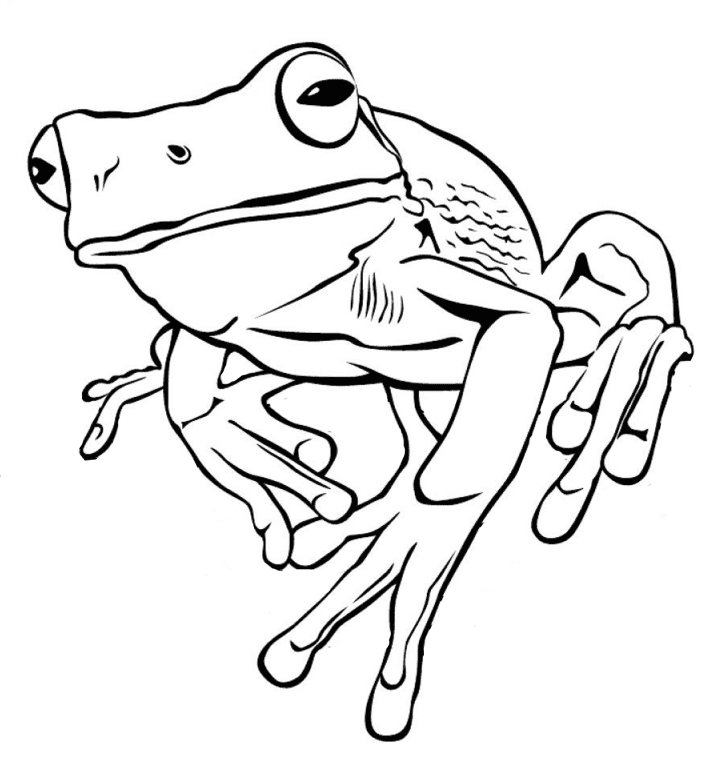
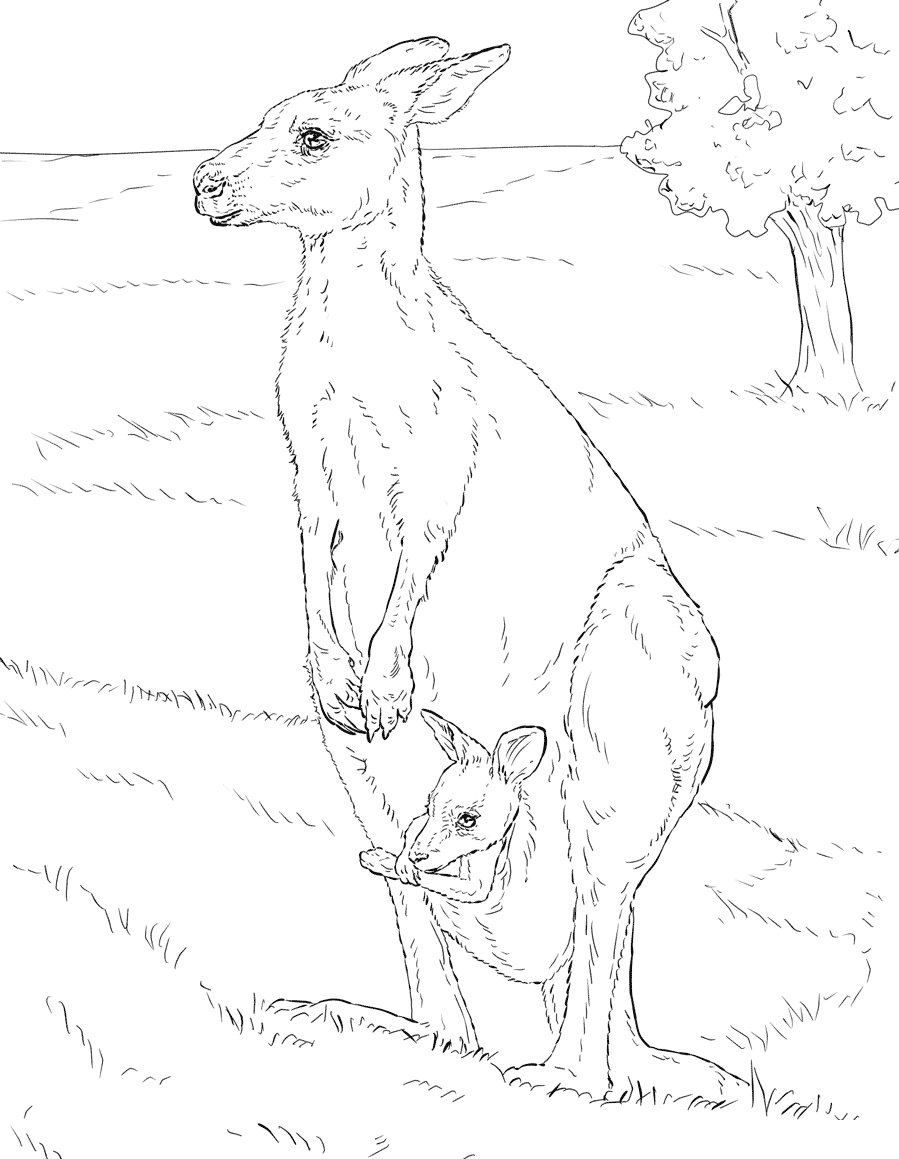
Free Realistic Animal Coloring Pages: 81 printable PDF designs featuring big cats, bears, birds, reptiles, and grazing animals drawn in accurate, true-to-life proportions. Each page can be downloaded as a PDF to print or colored online in the browser.
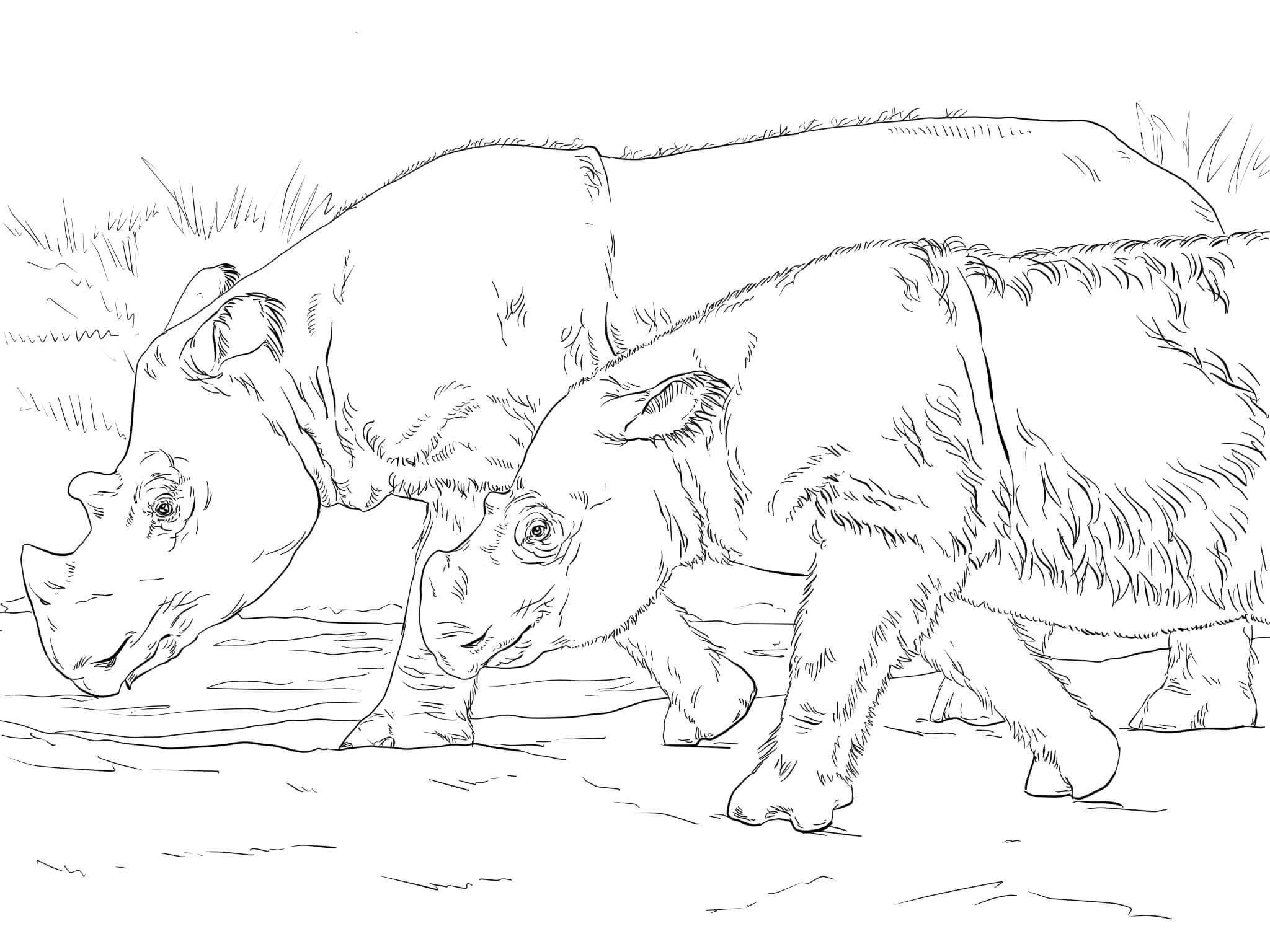
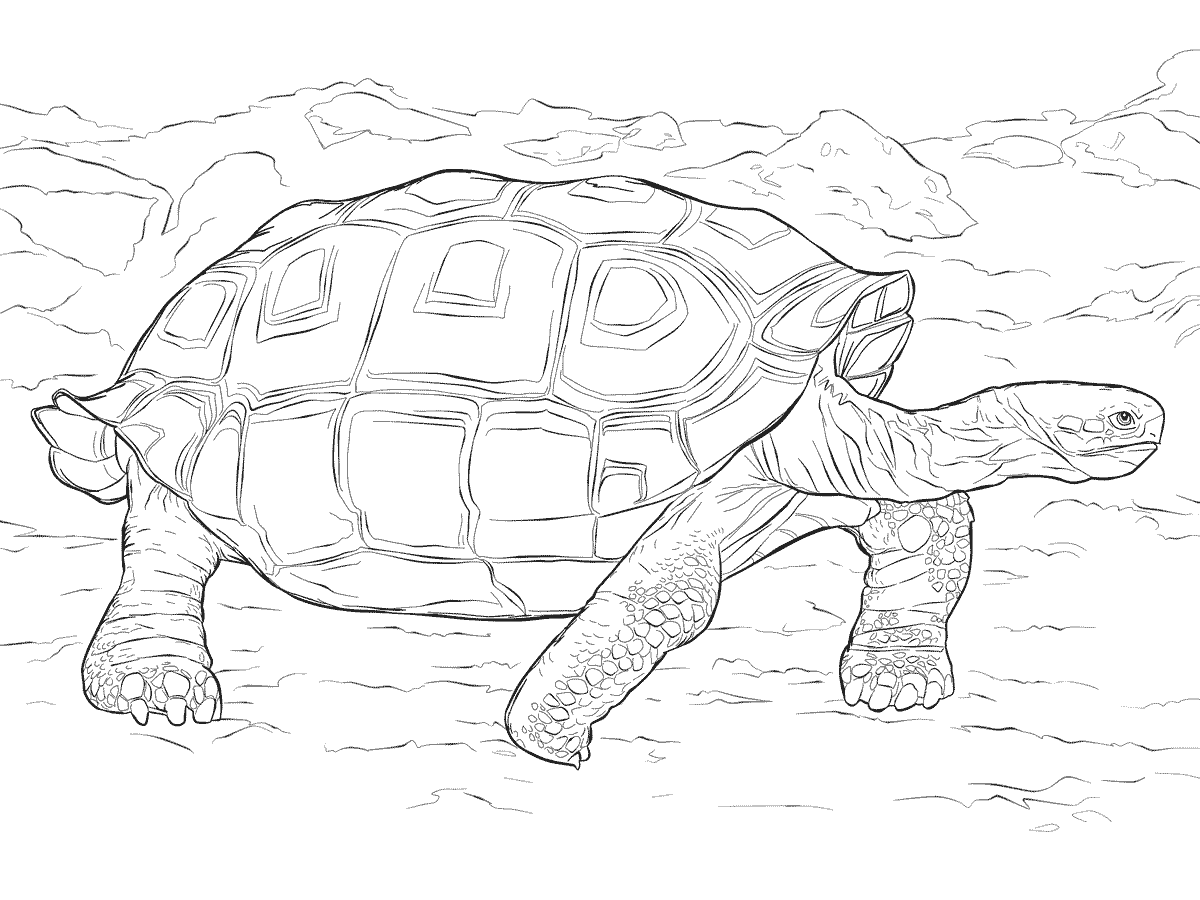
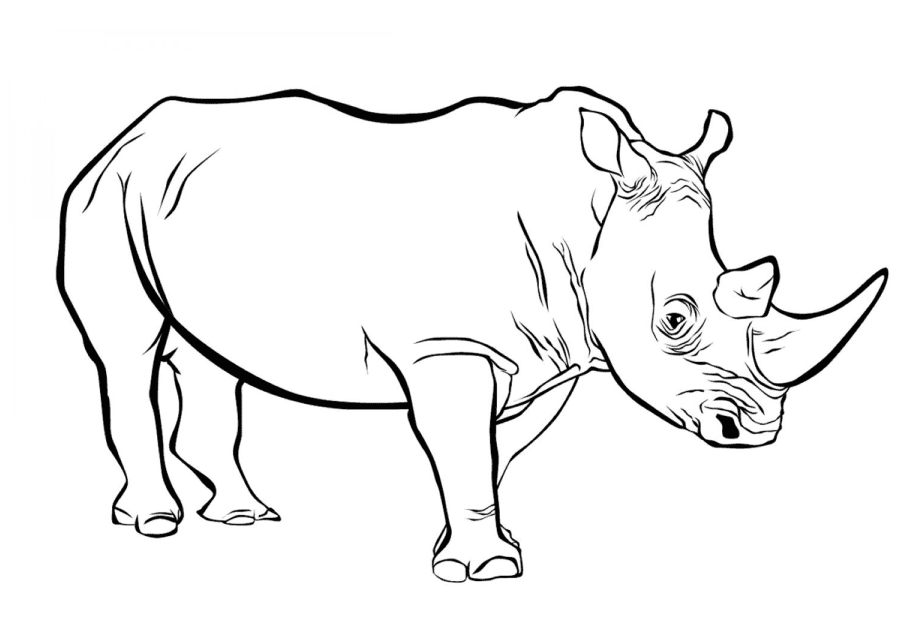
Unlike cartoon-style animal pages, this collection focuses on realistic anatomy, markings, and posture, giving colorists a closer look at how each species actually appears in the wild. Several animals featured here are also considered rare or threatened, including the Sumatran rhinoceros, with an estimated global population of fewer than 80 mature individuals remaining, and the Galápagos tortoise, one of the longest-living land animals, capable of living well over 100 years. Coloring these accurate designs offers a small window into the real diversity of the animal kingdom, from desert-dwelling camels to Arctic wolves and deep-sea sharks.
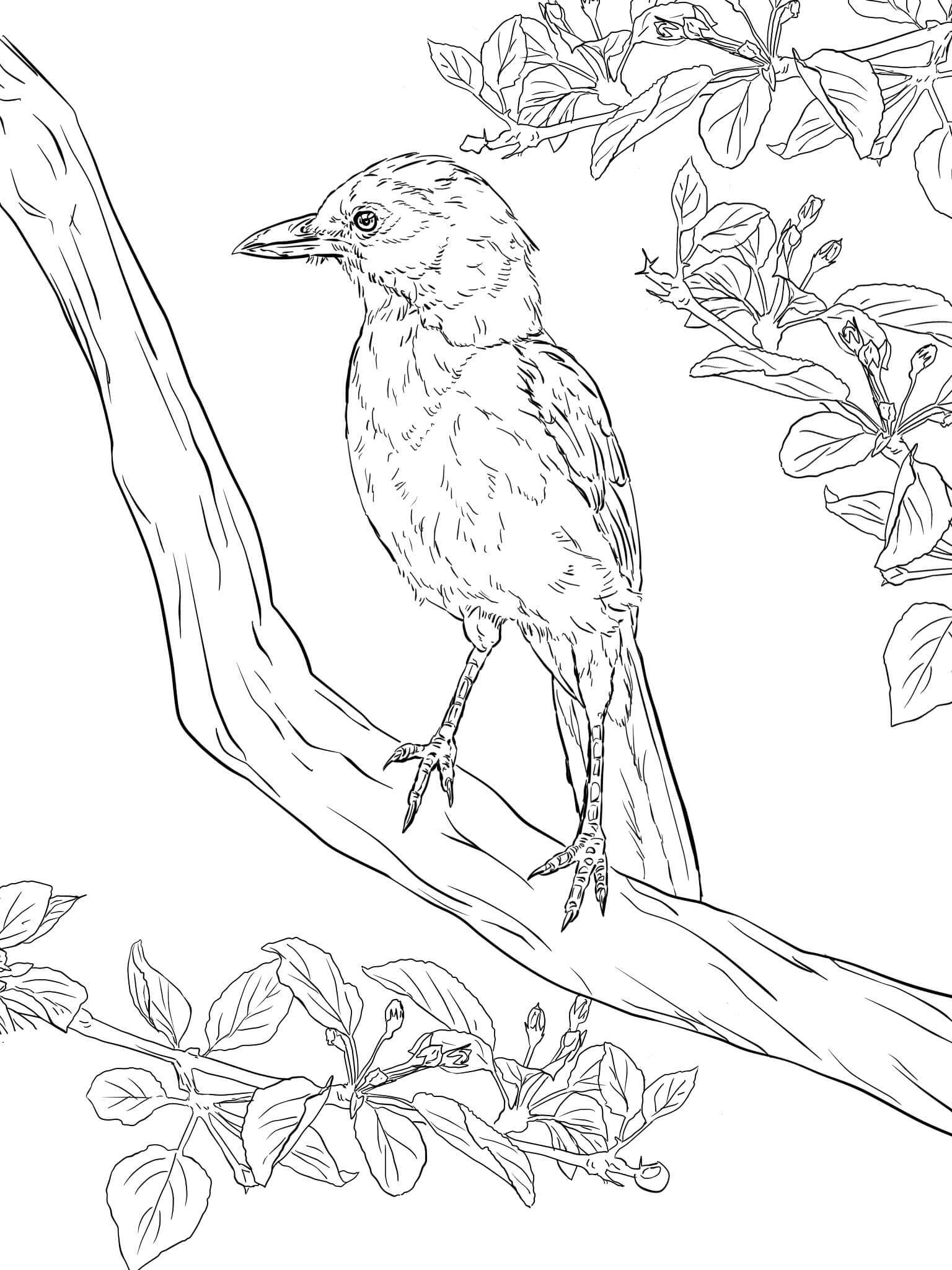
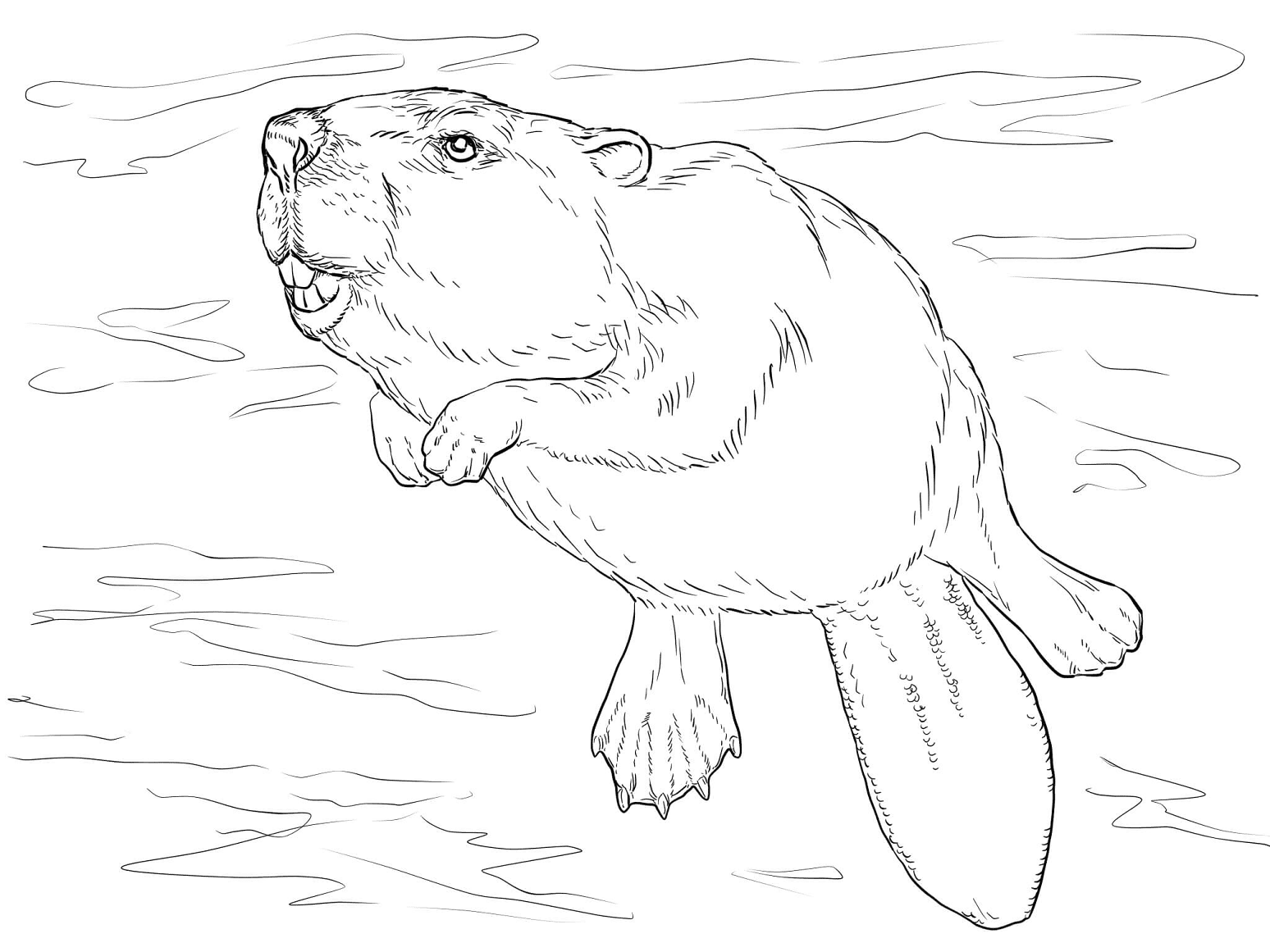
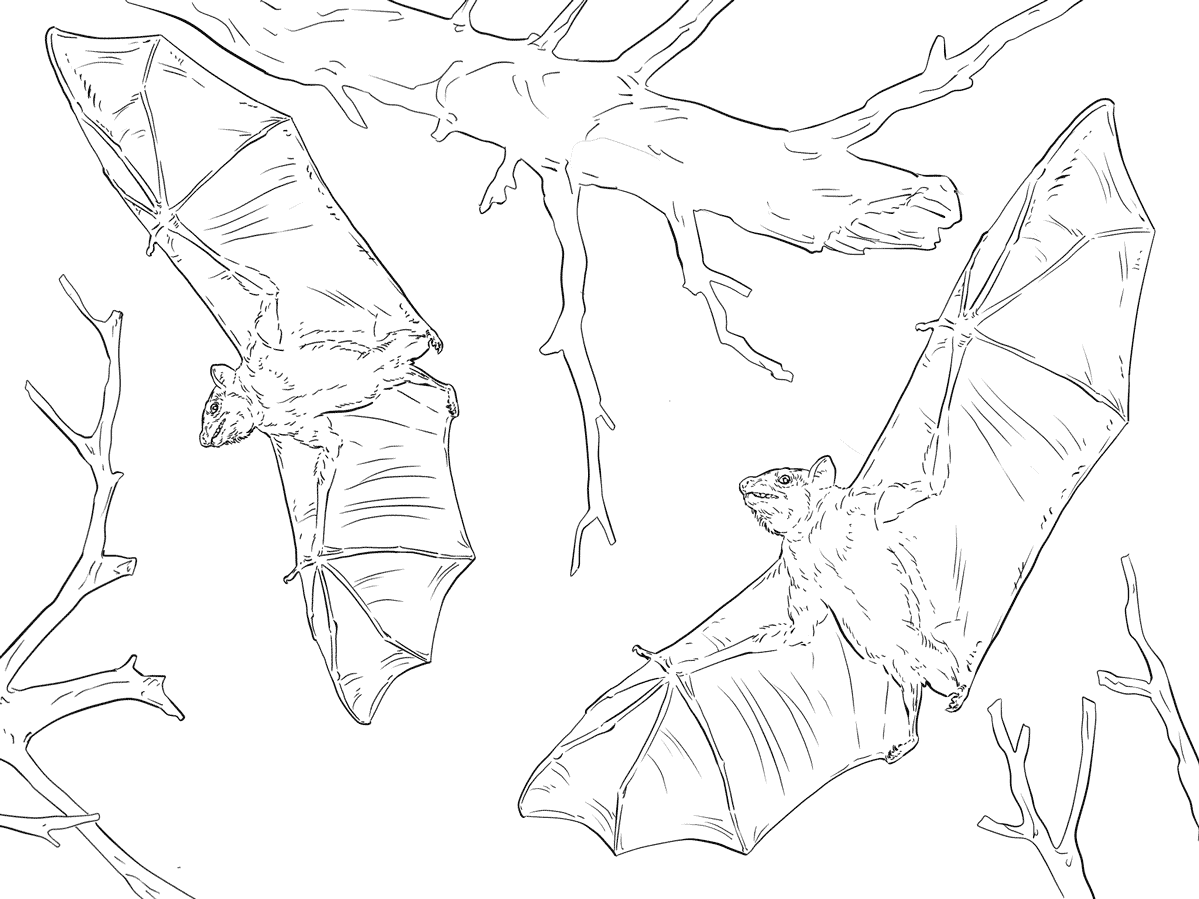
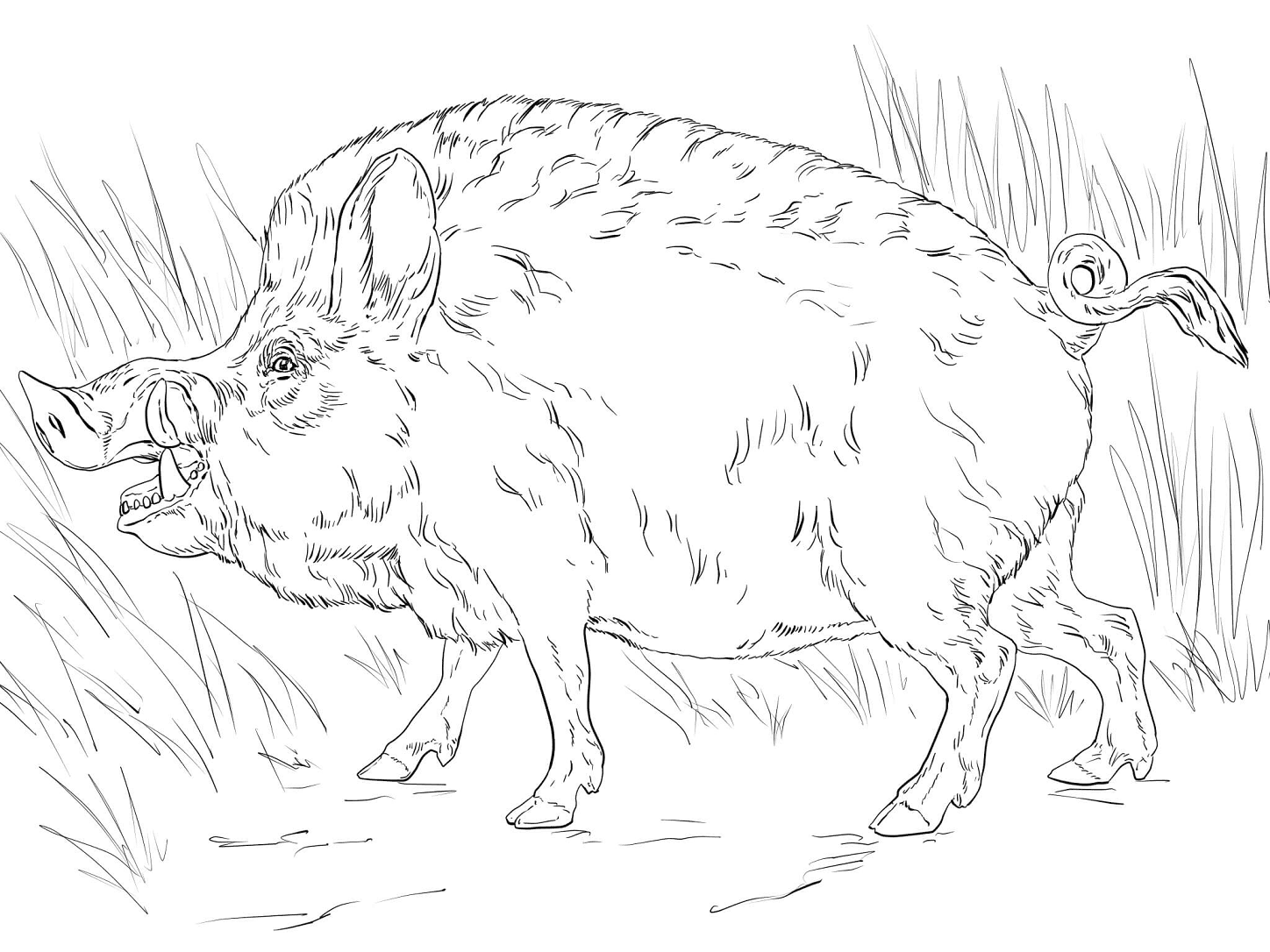
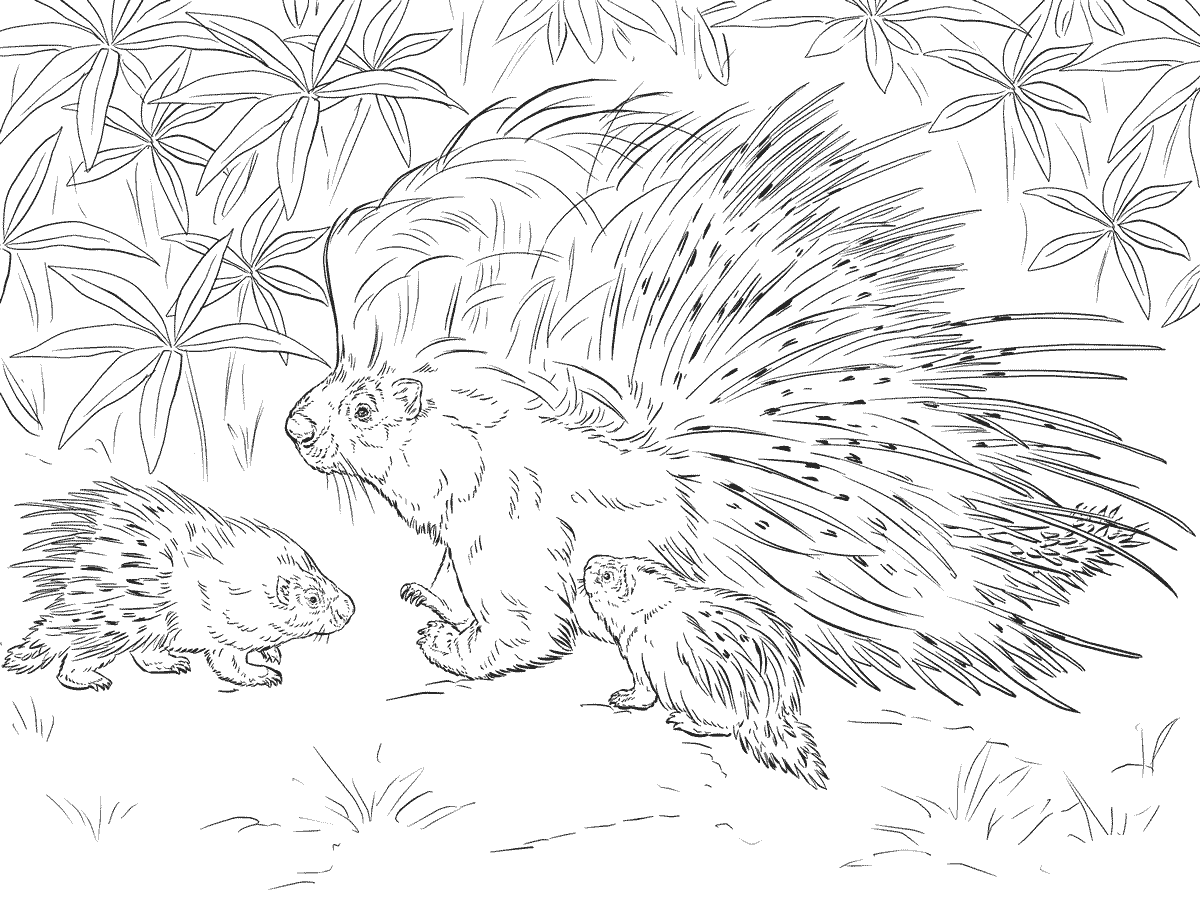
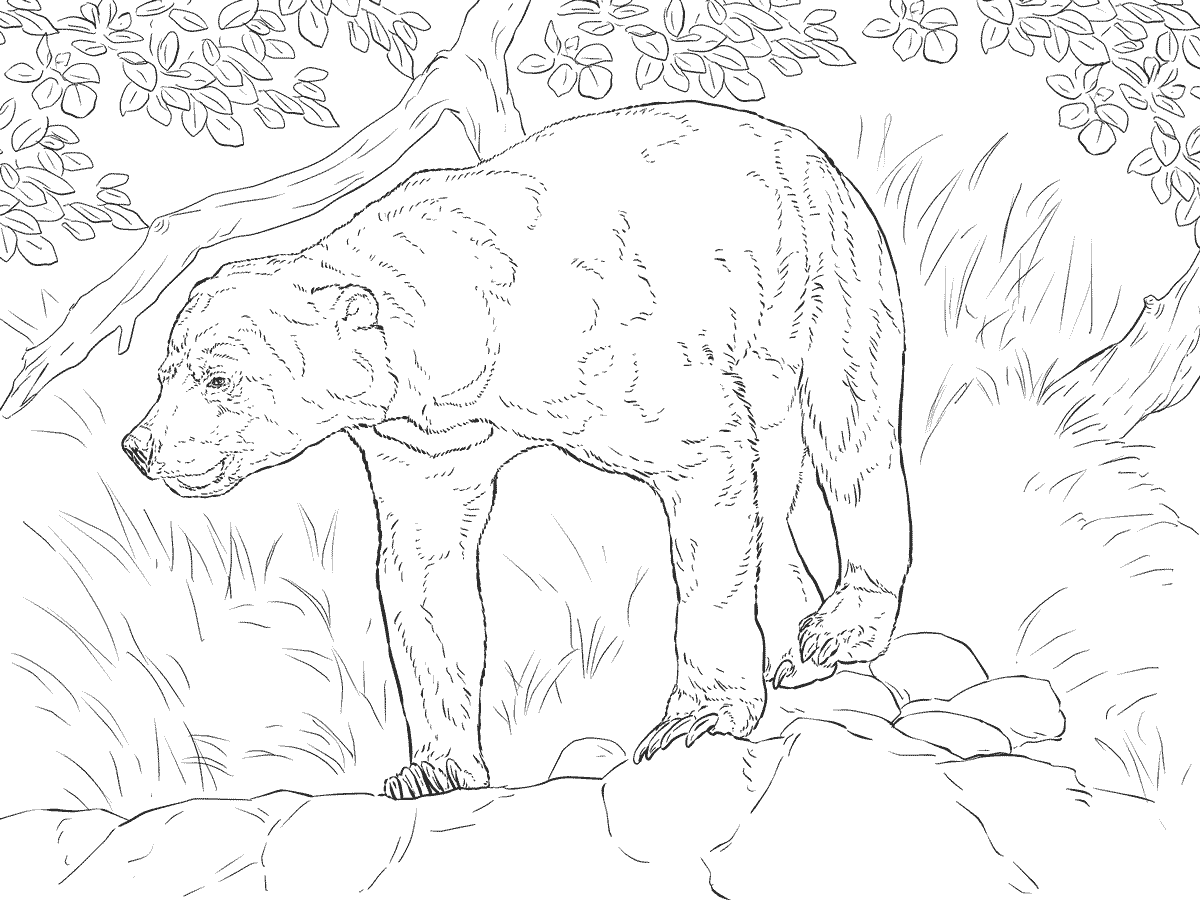
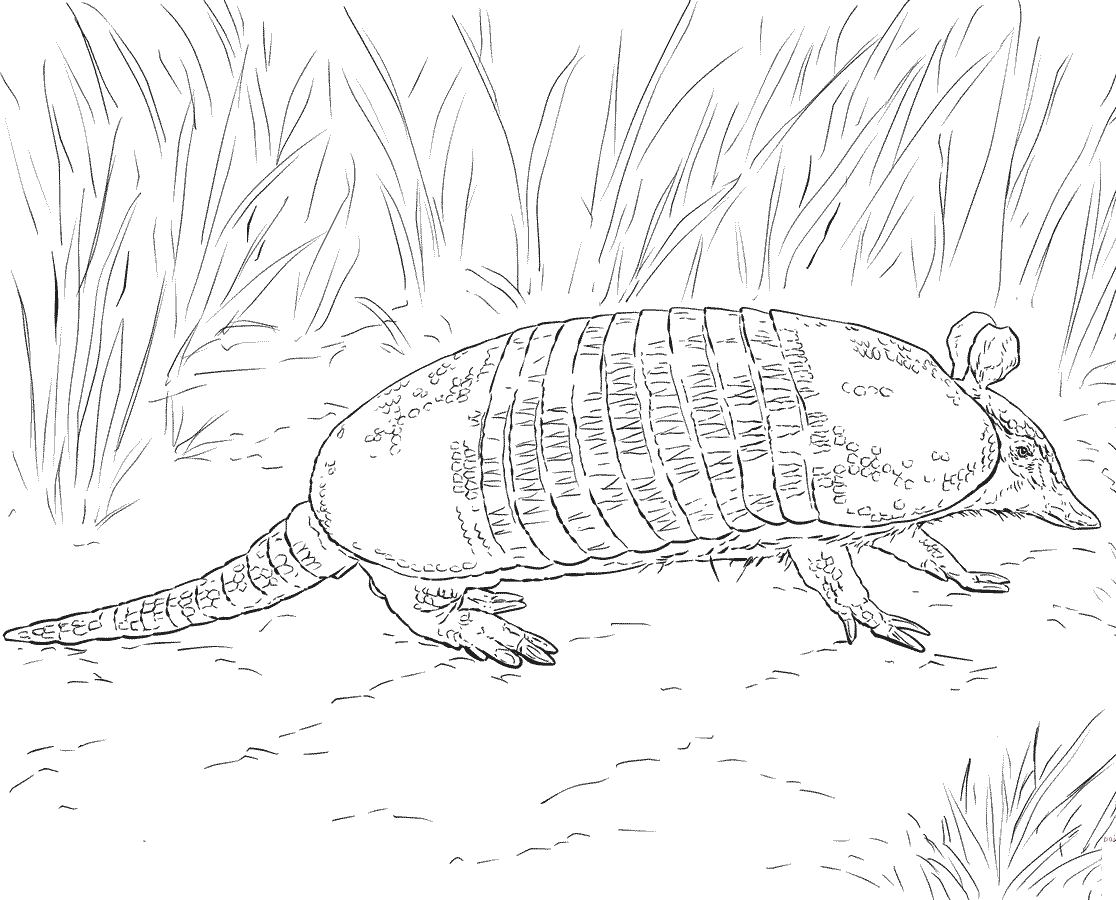
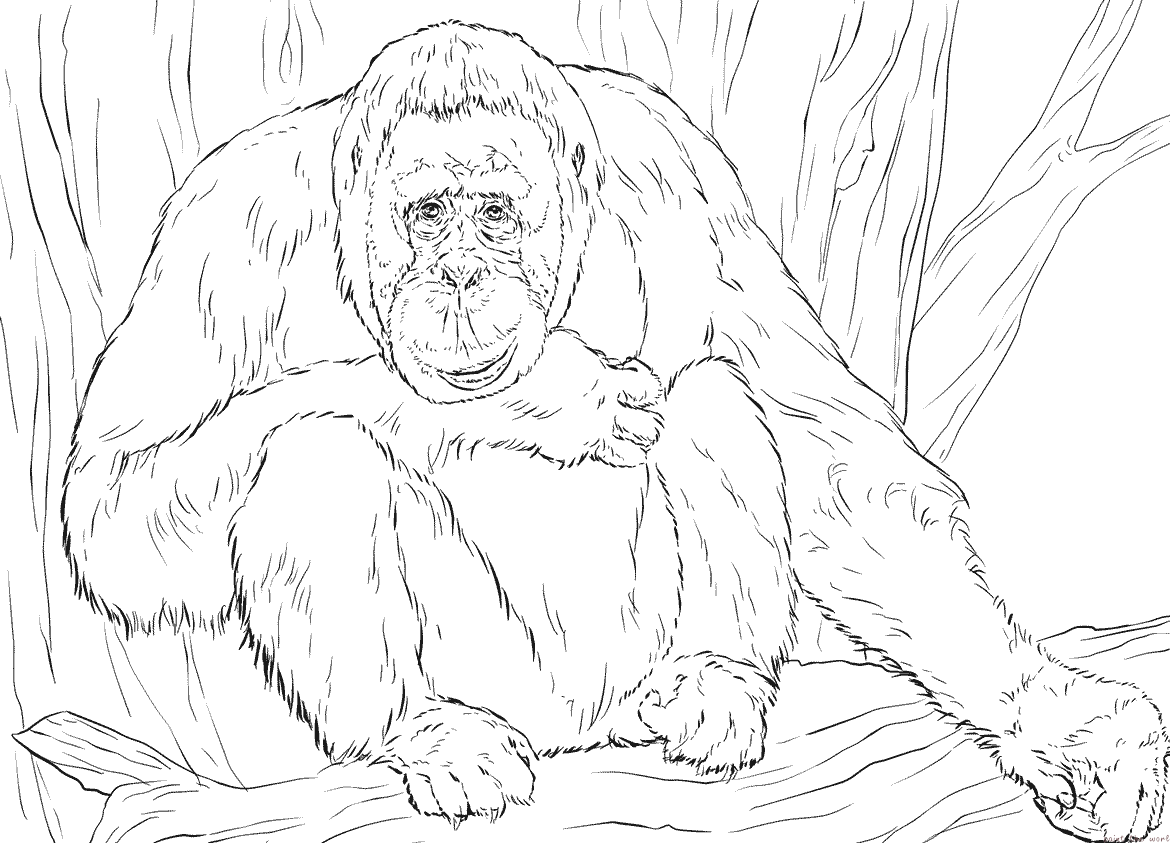
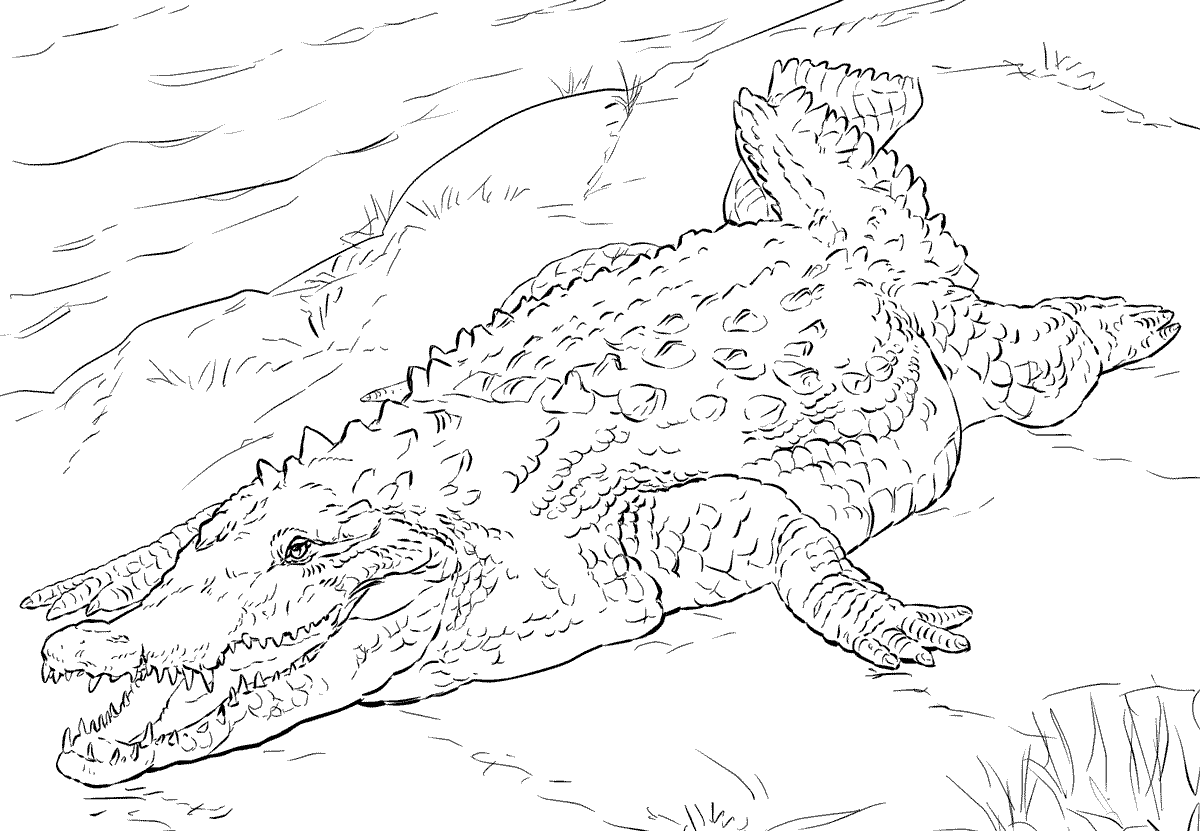
This collection spans 81 pages, split between big cats and large predators, bears and cold-climate wildlife, birds, reptiles, aquatic life, and grazing and everyday animals. The coloring angle stays detailed throughout, well-suited to colored pencils and careful shading.
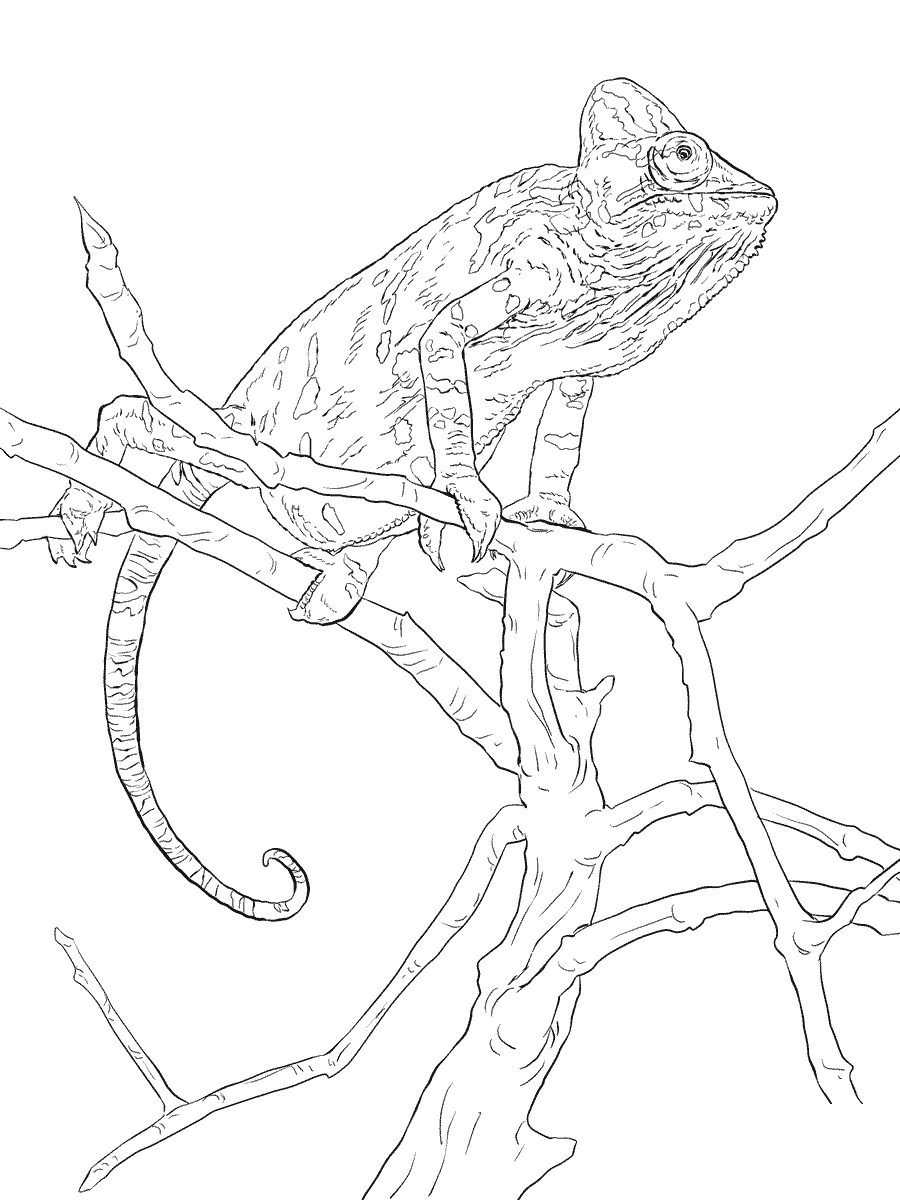
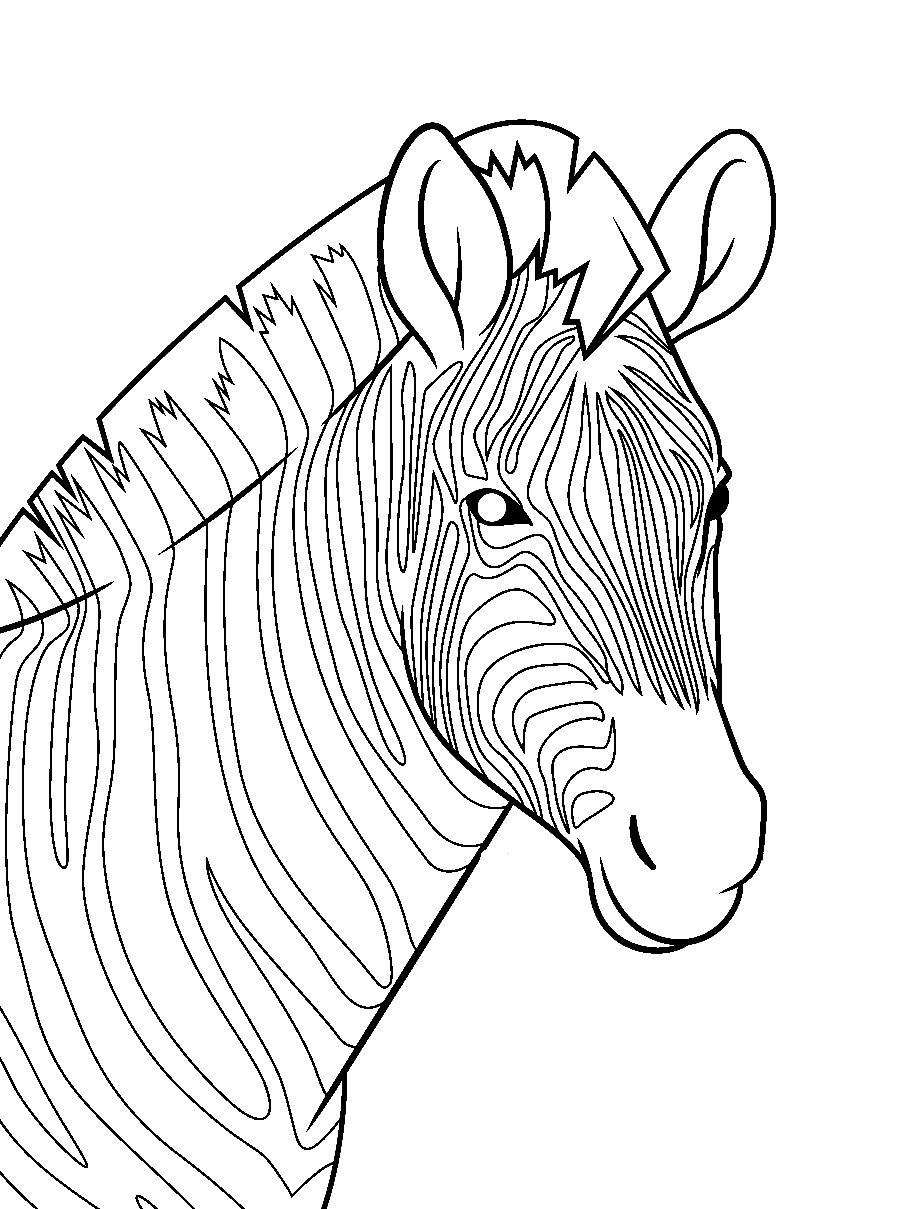
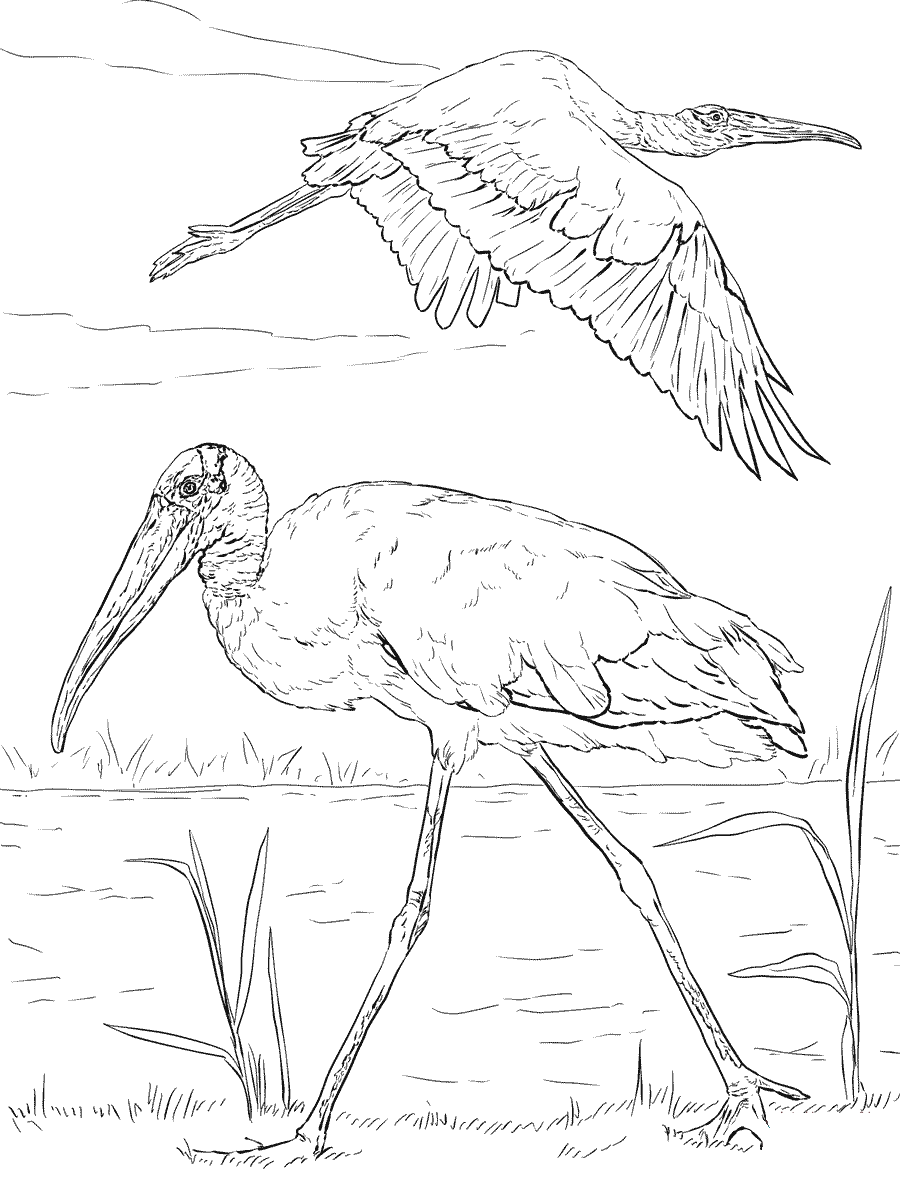
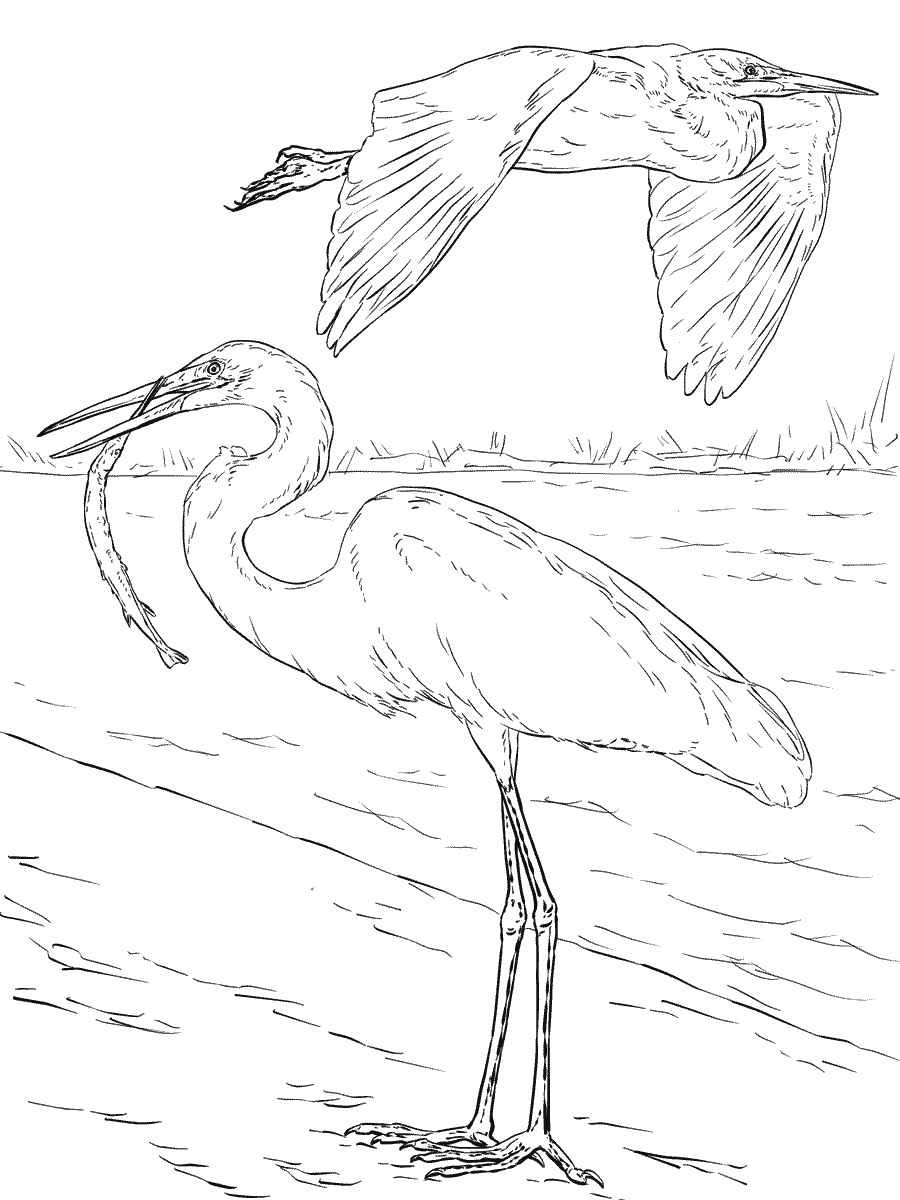



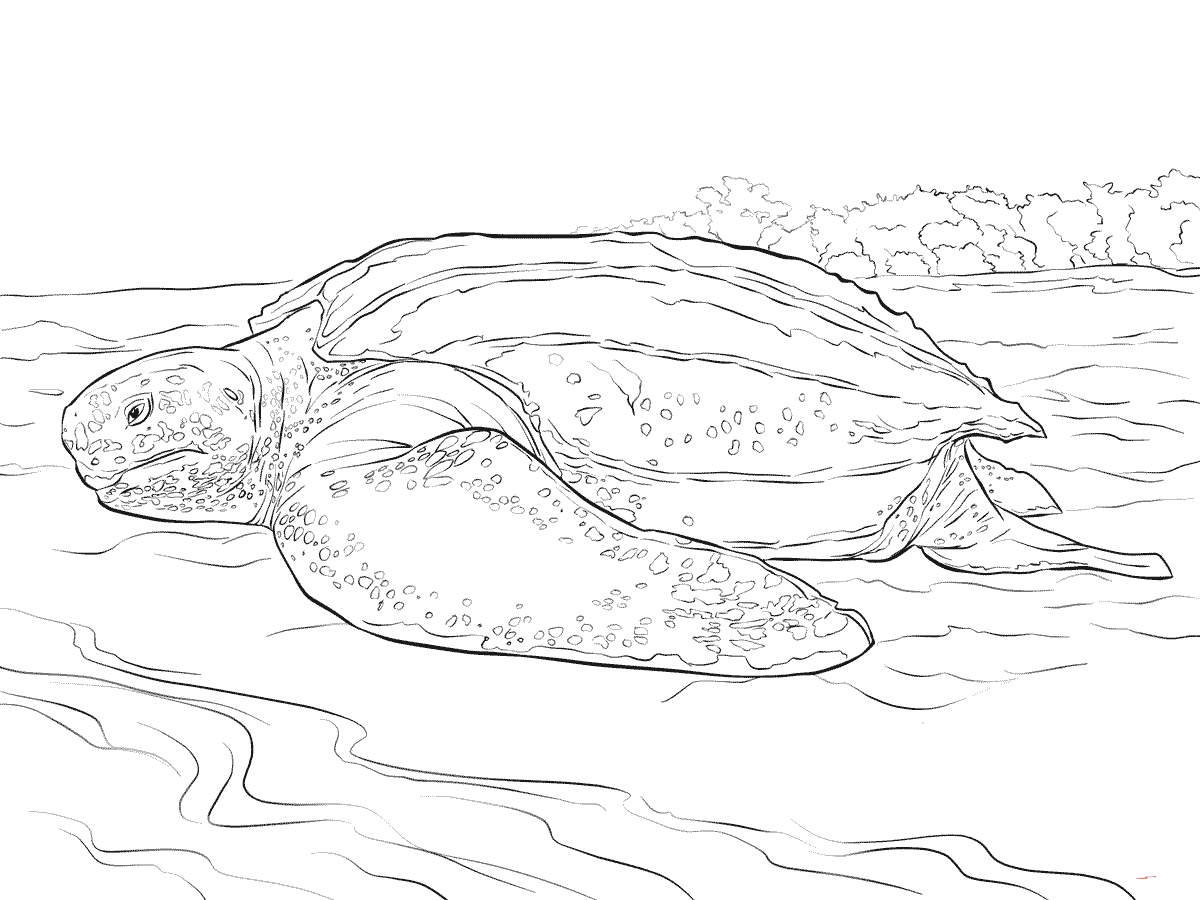

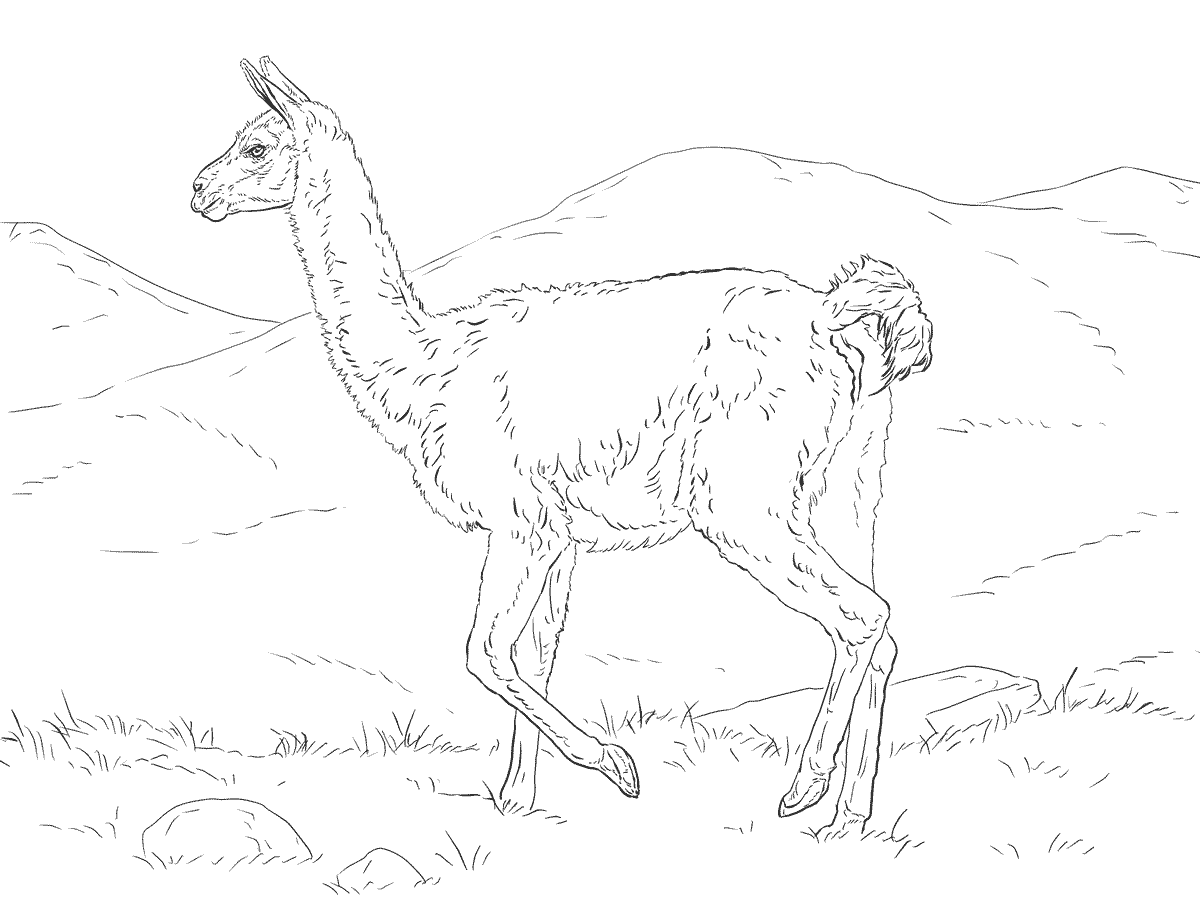
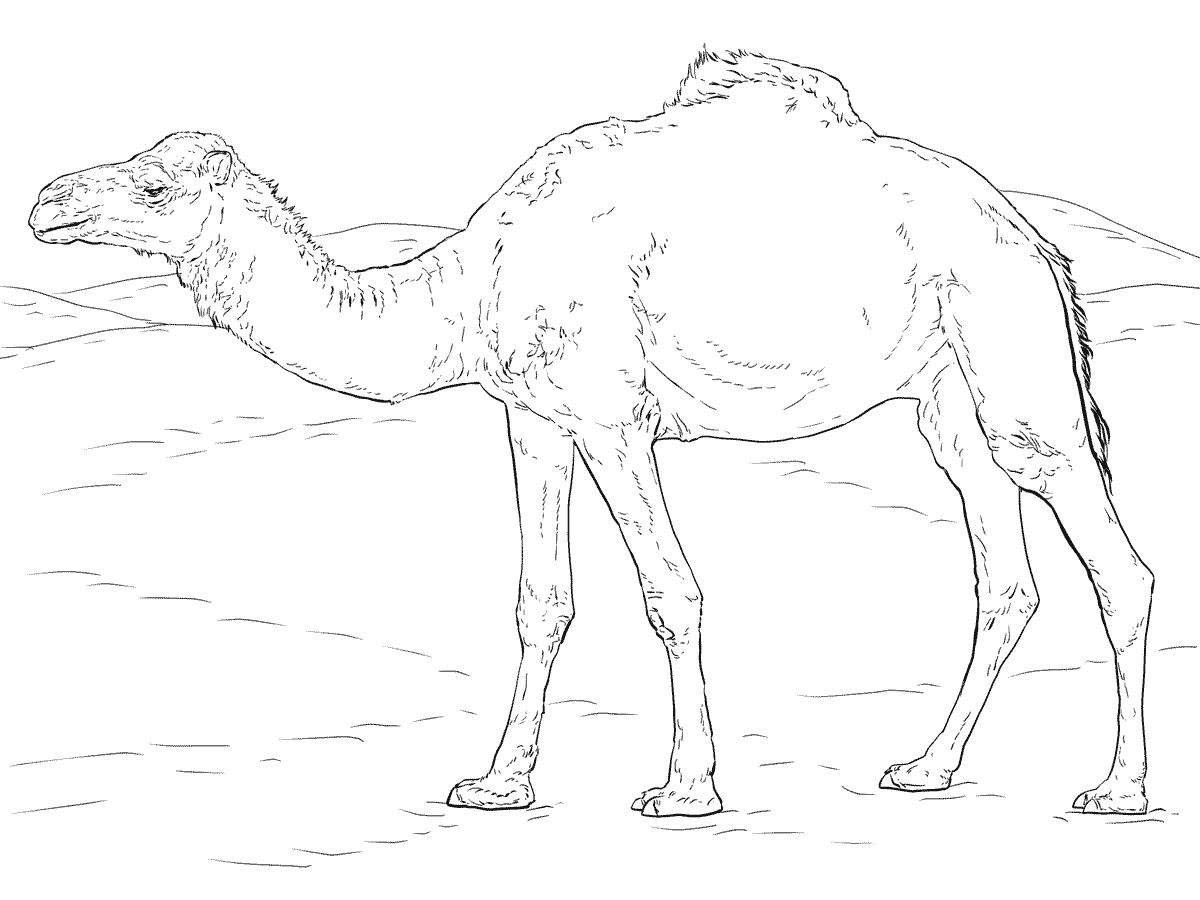
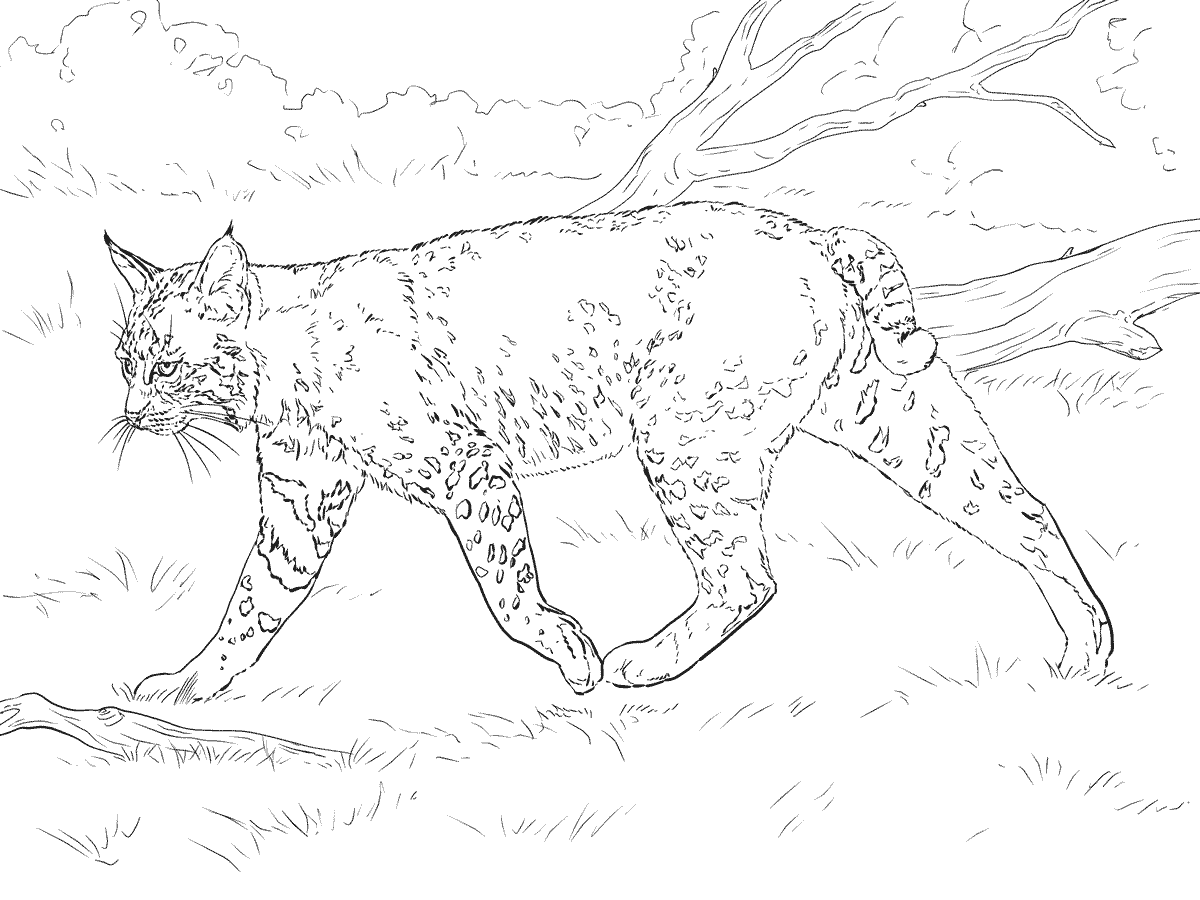

What’s Inside This Collection
The 81 designs group into five categories, from big cats and predators to grazing and everyday animals.
Big Cats and Large Predators
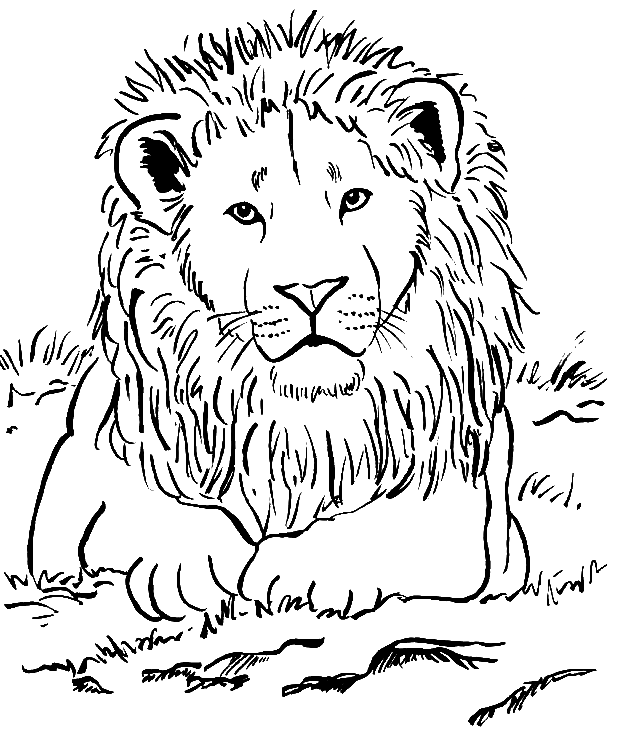
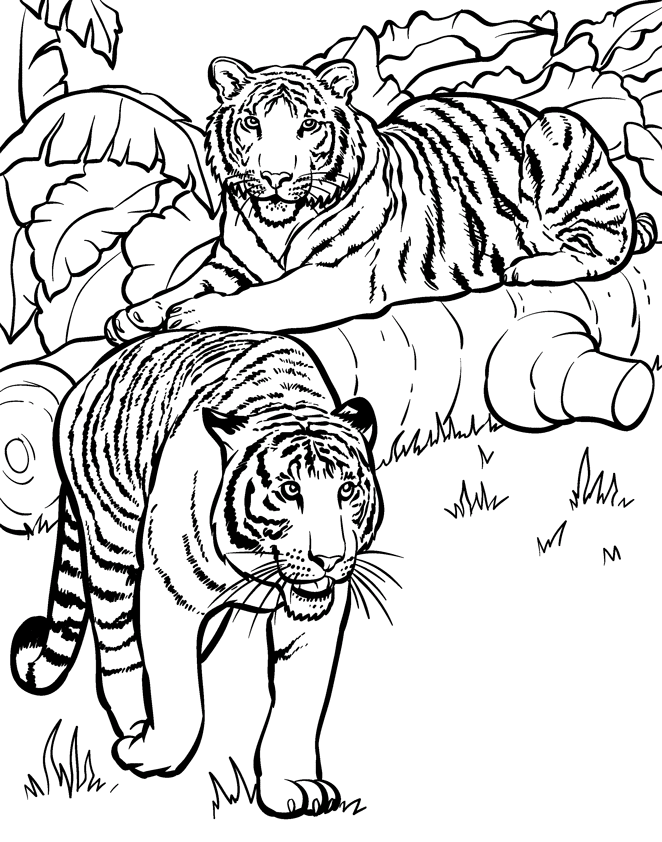
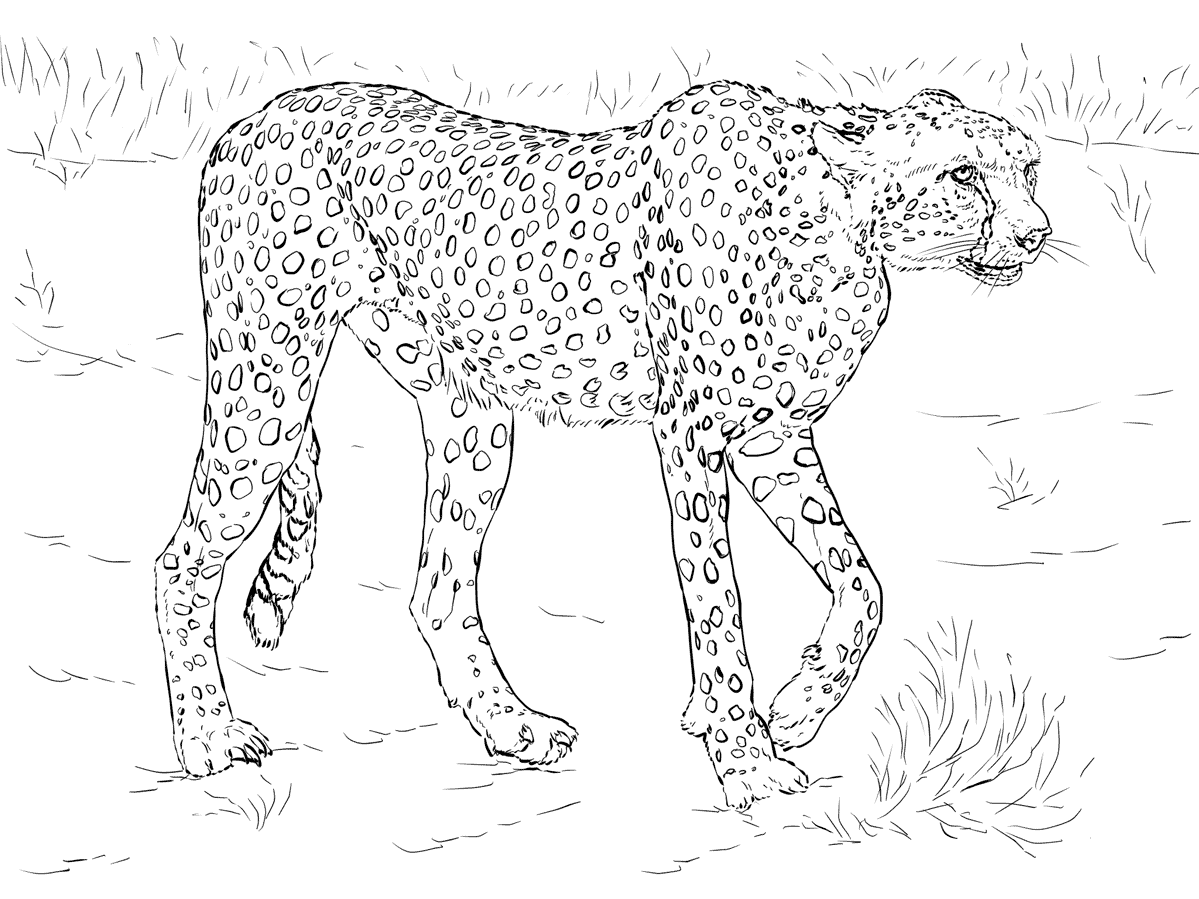
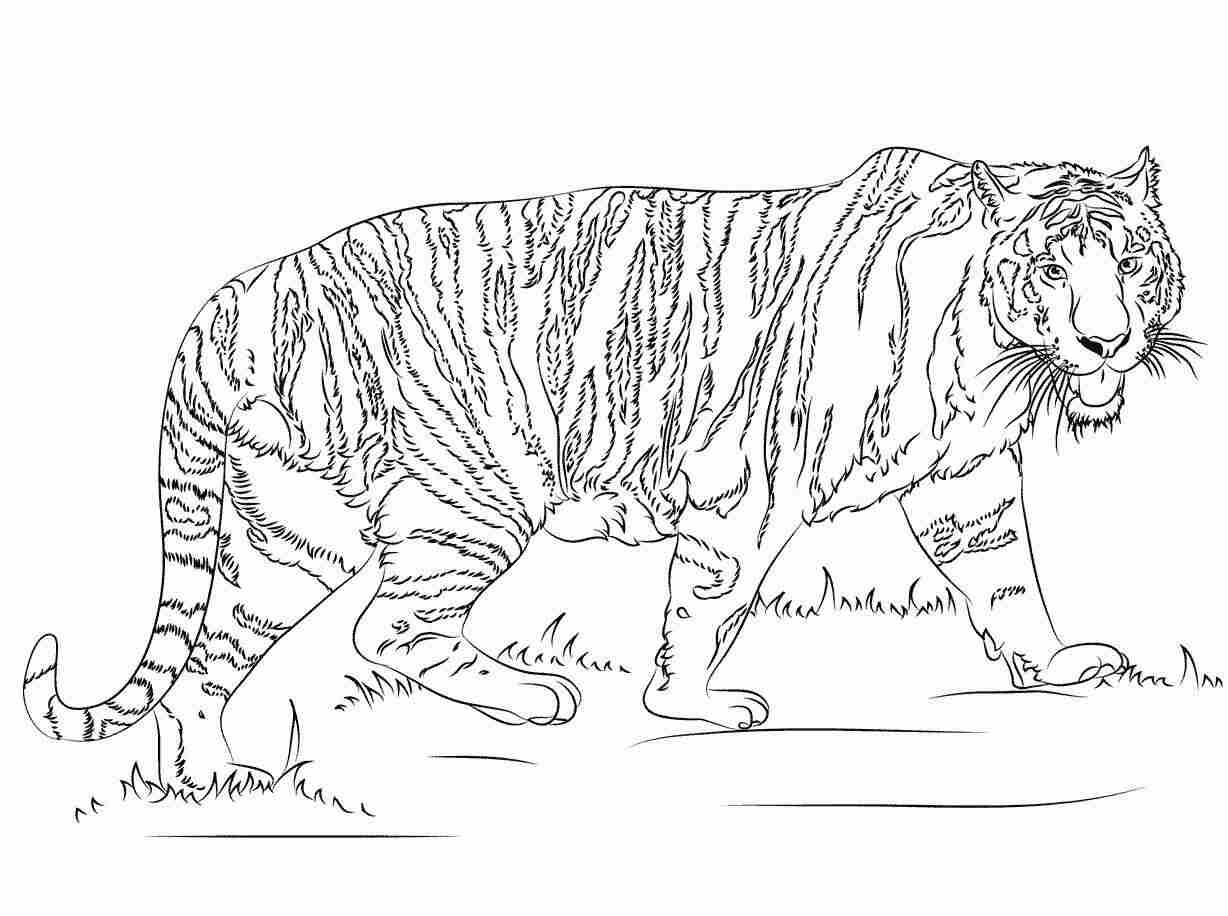
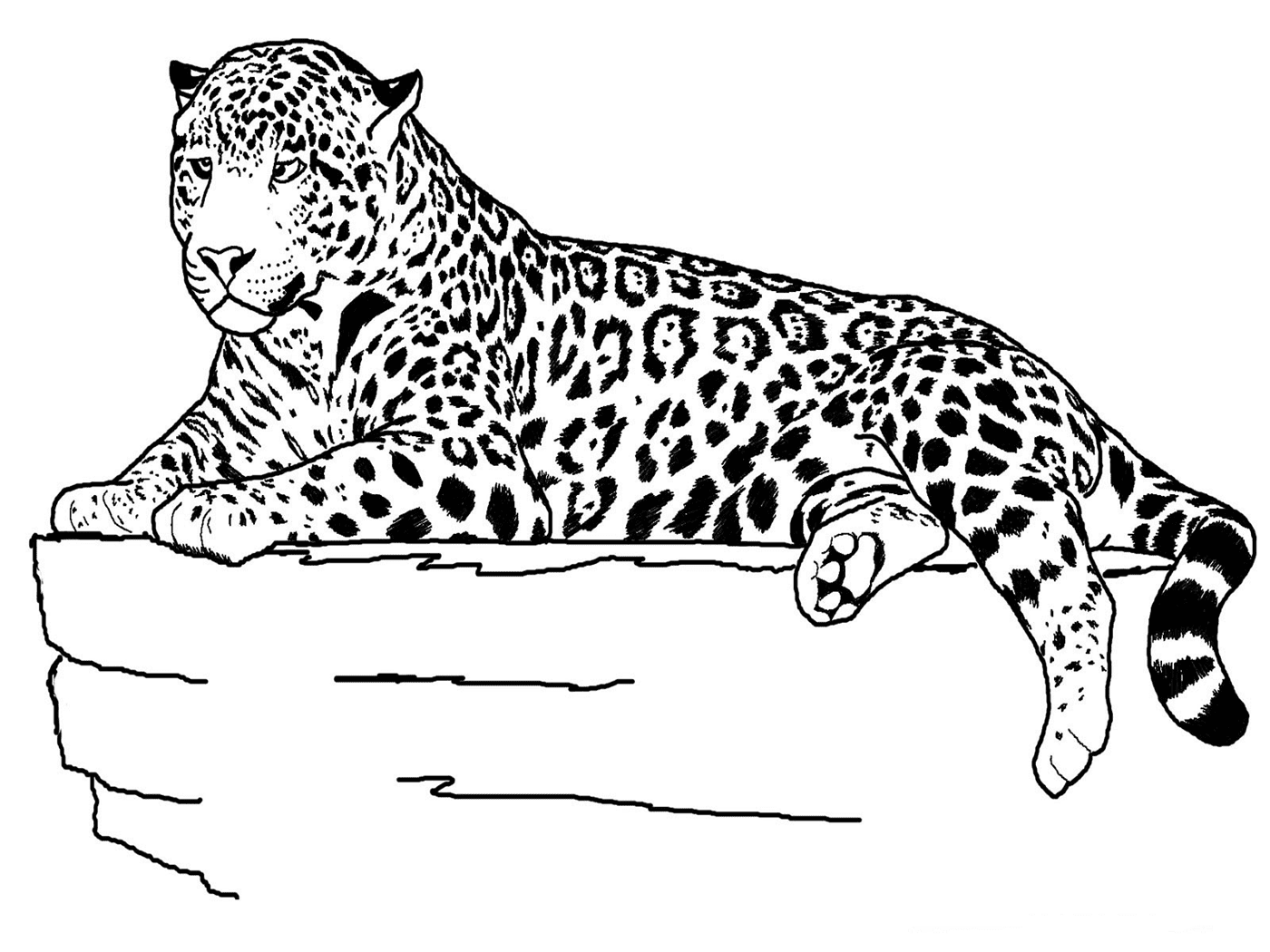
Six pages feature tigers, lions, cheetahs, and other large predators in accurate proportion and posture. Warm tans and blacks work well for most big cats, with careful attention to each species’ distinct stripe or spot pattern.
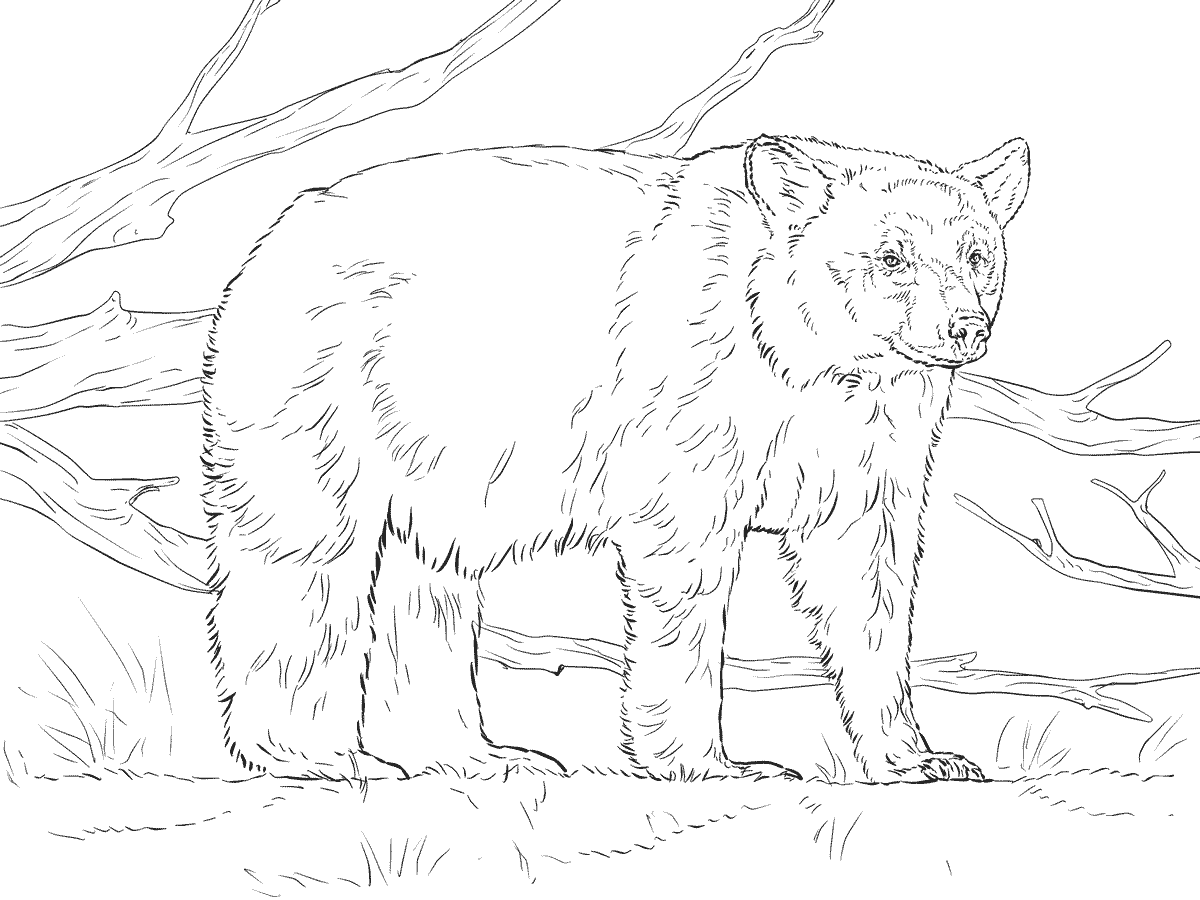
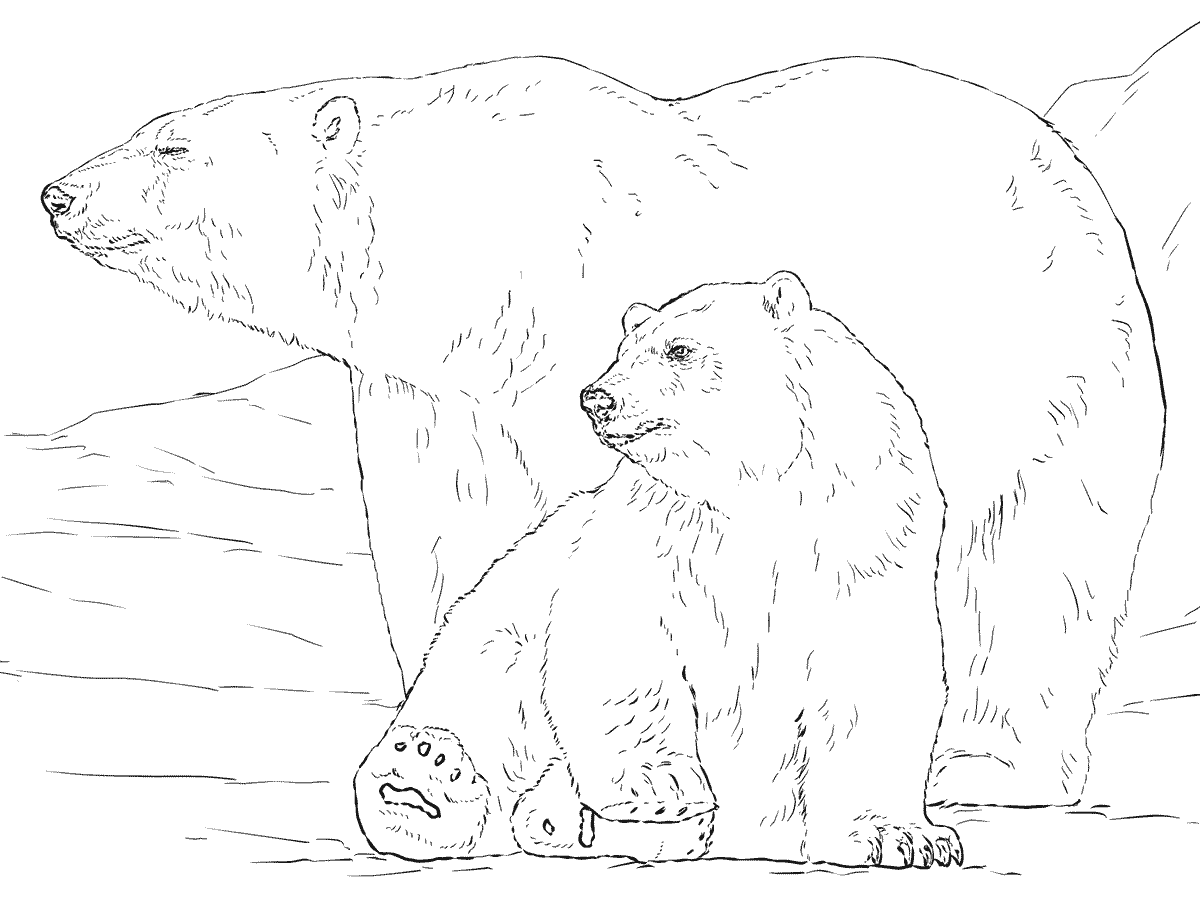
Bears and Cold-Climate Wildlife
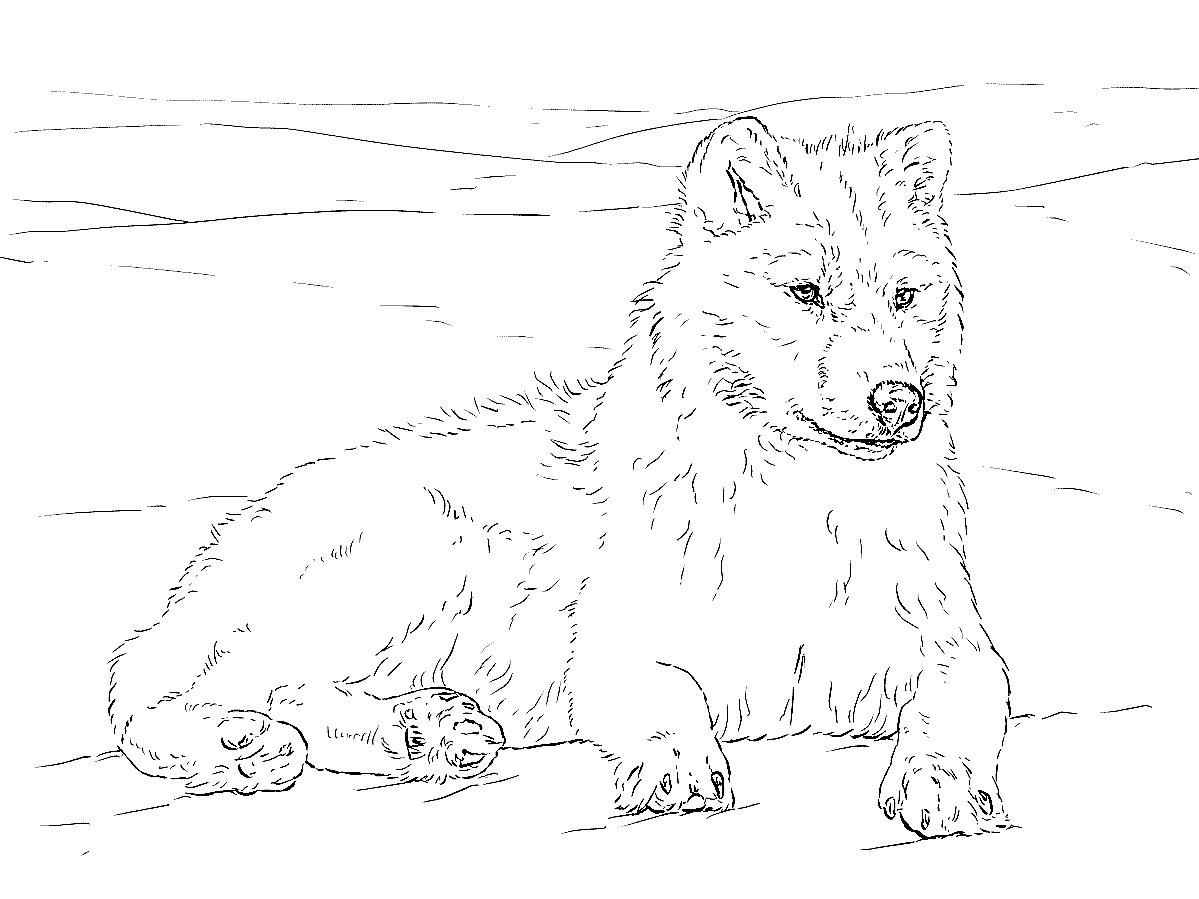
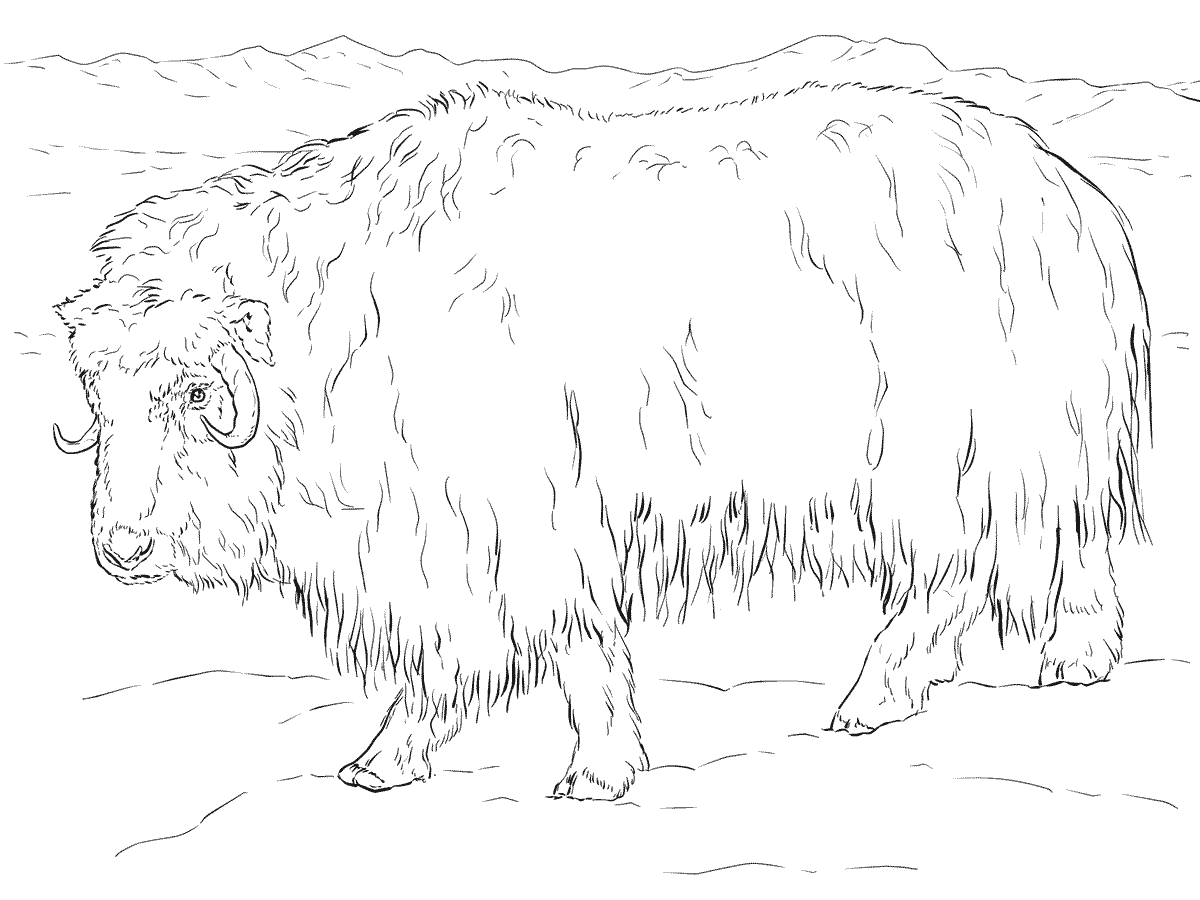
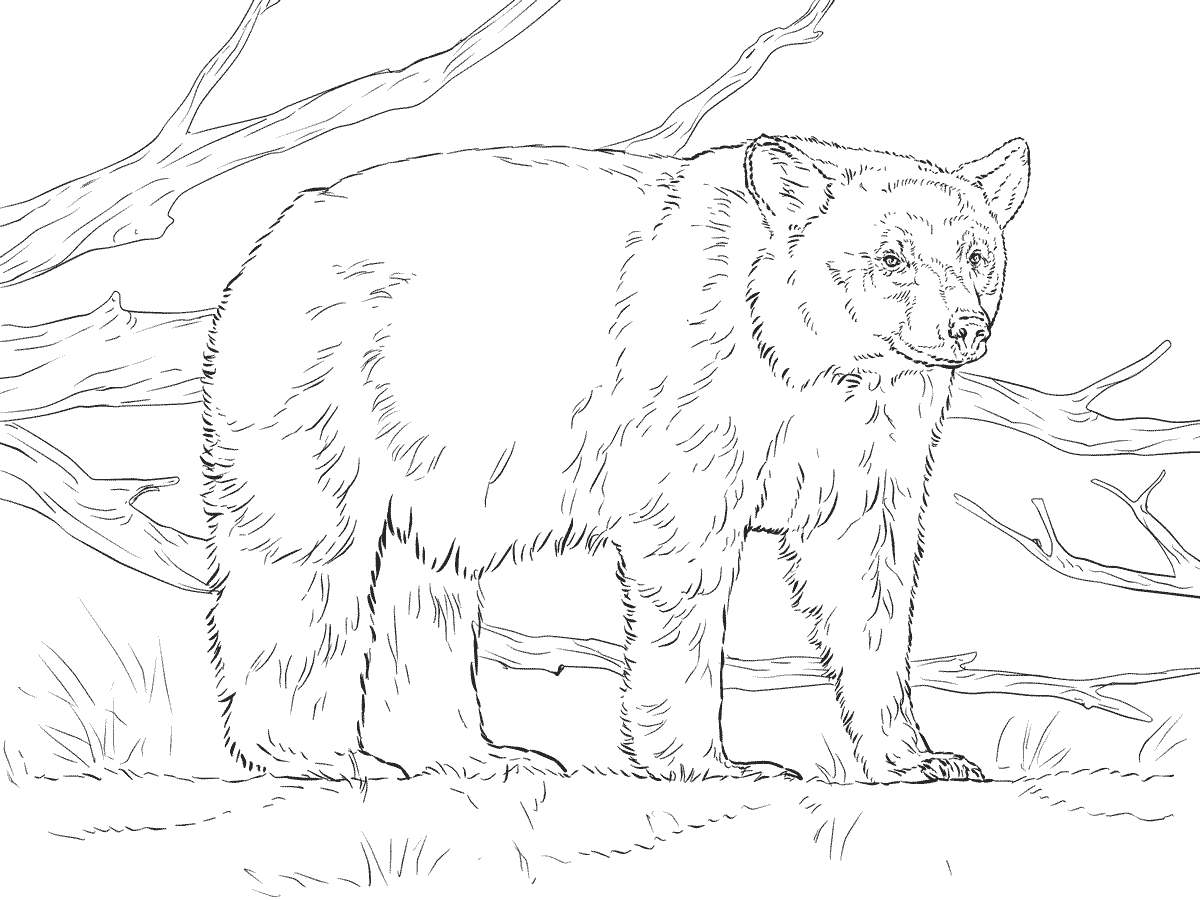
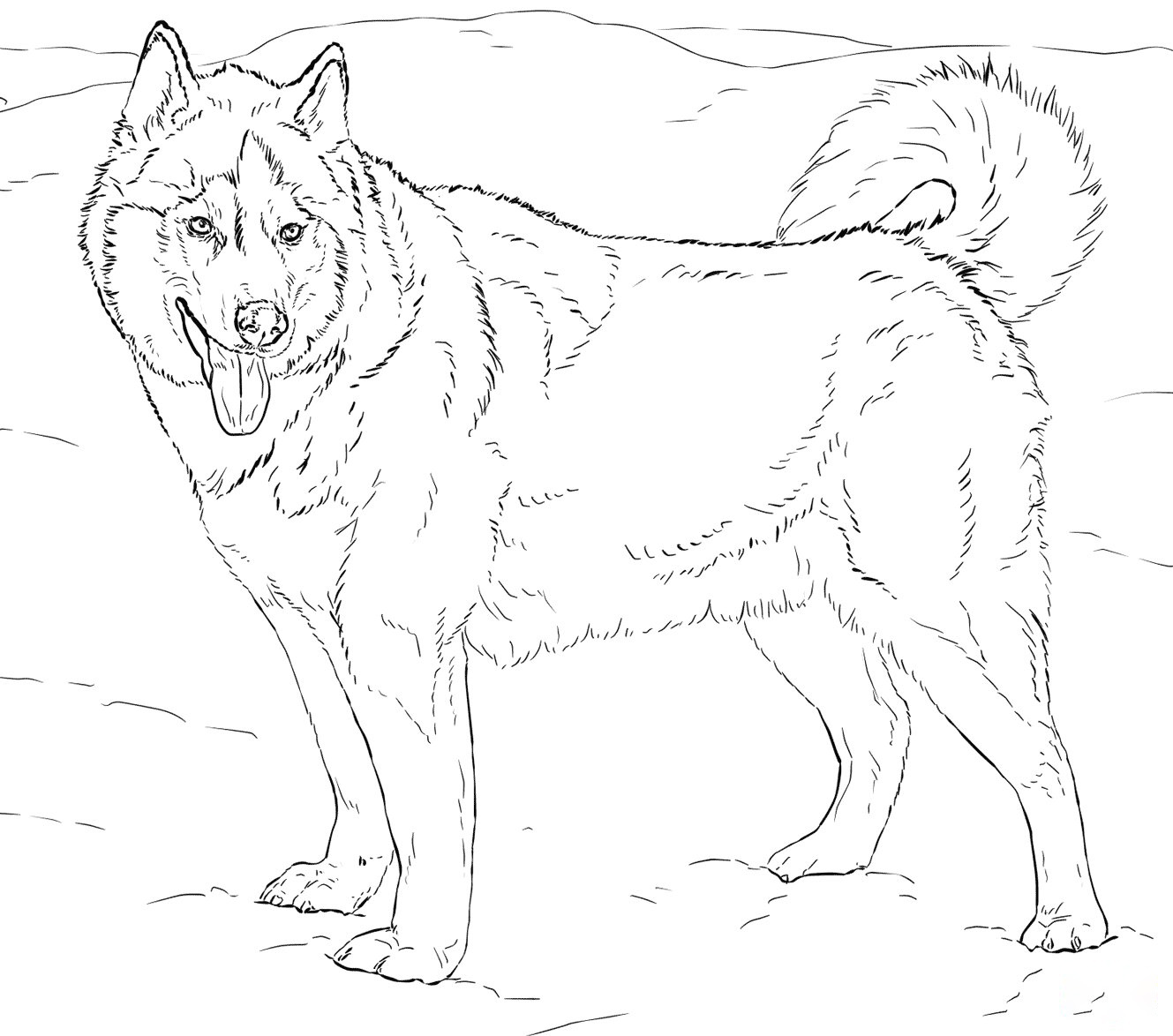
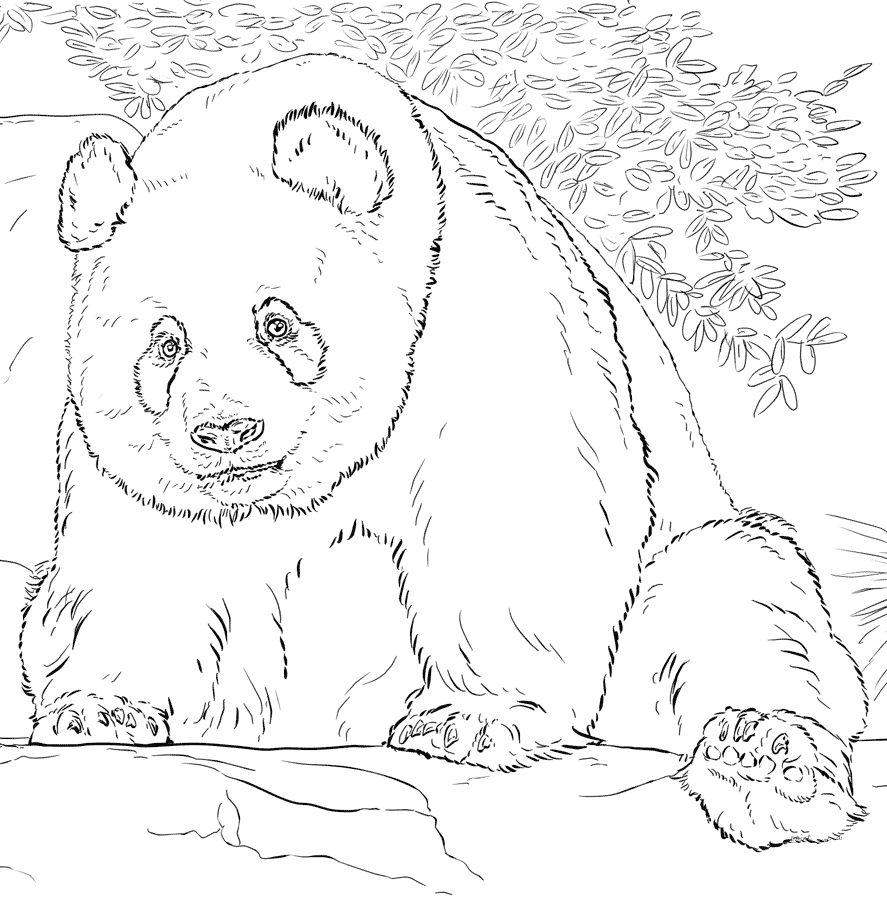
Eight pages cover bears, wolves, and other animals suited to colder climates, including a polar bear with a cub and a husky. Cool whites, grays, and browns suit these designs, reflecting the muted tones of northern habitats.
Birds
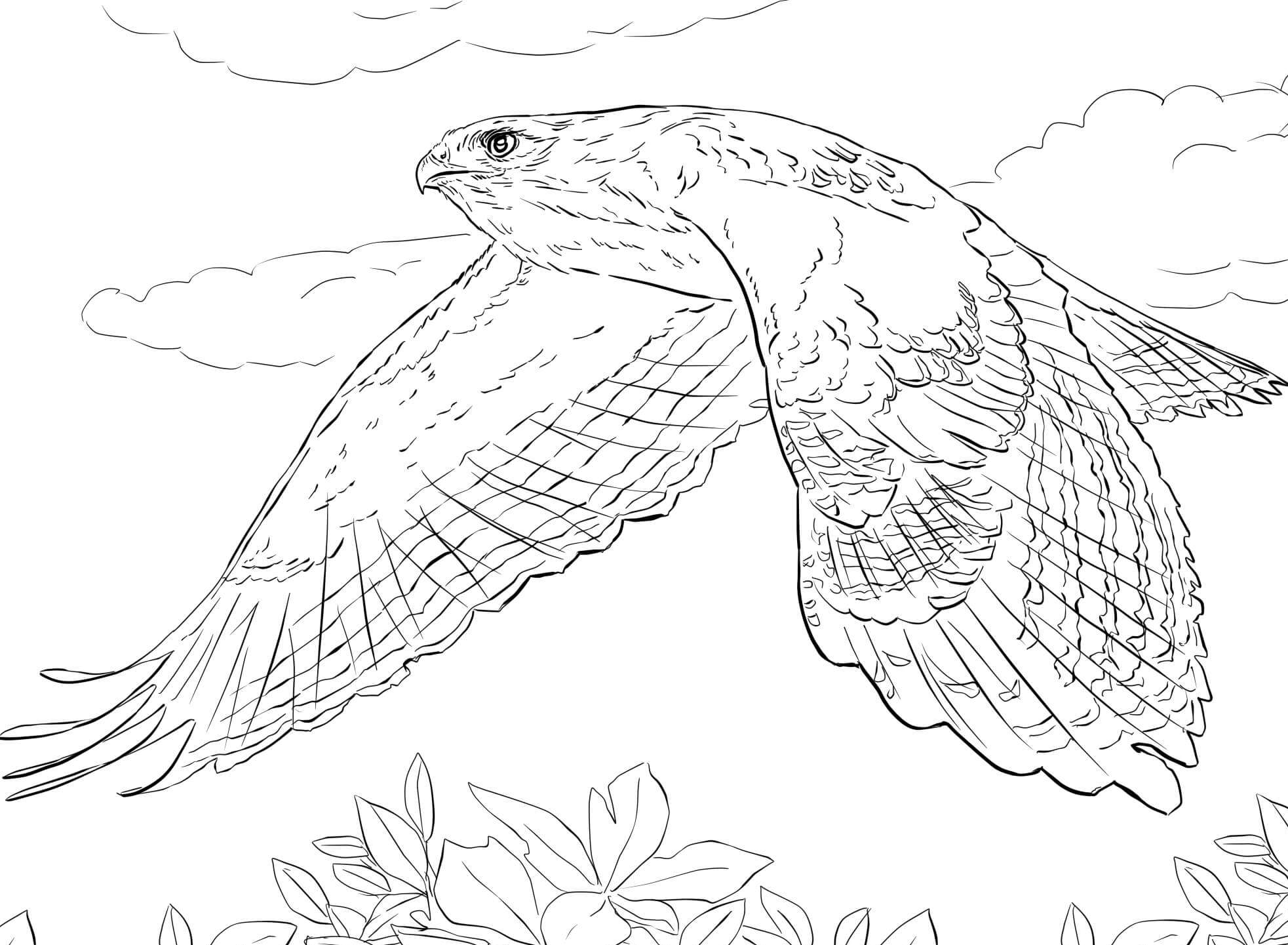
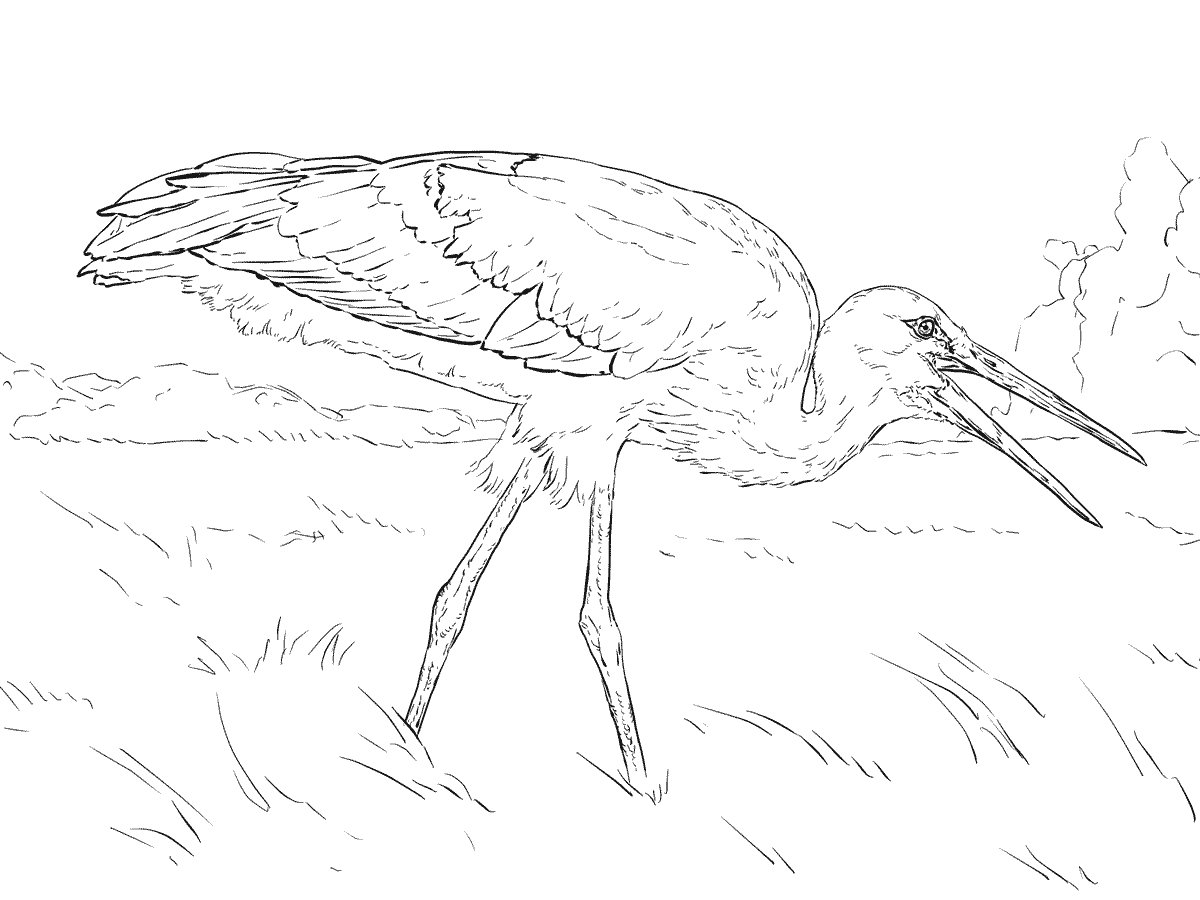
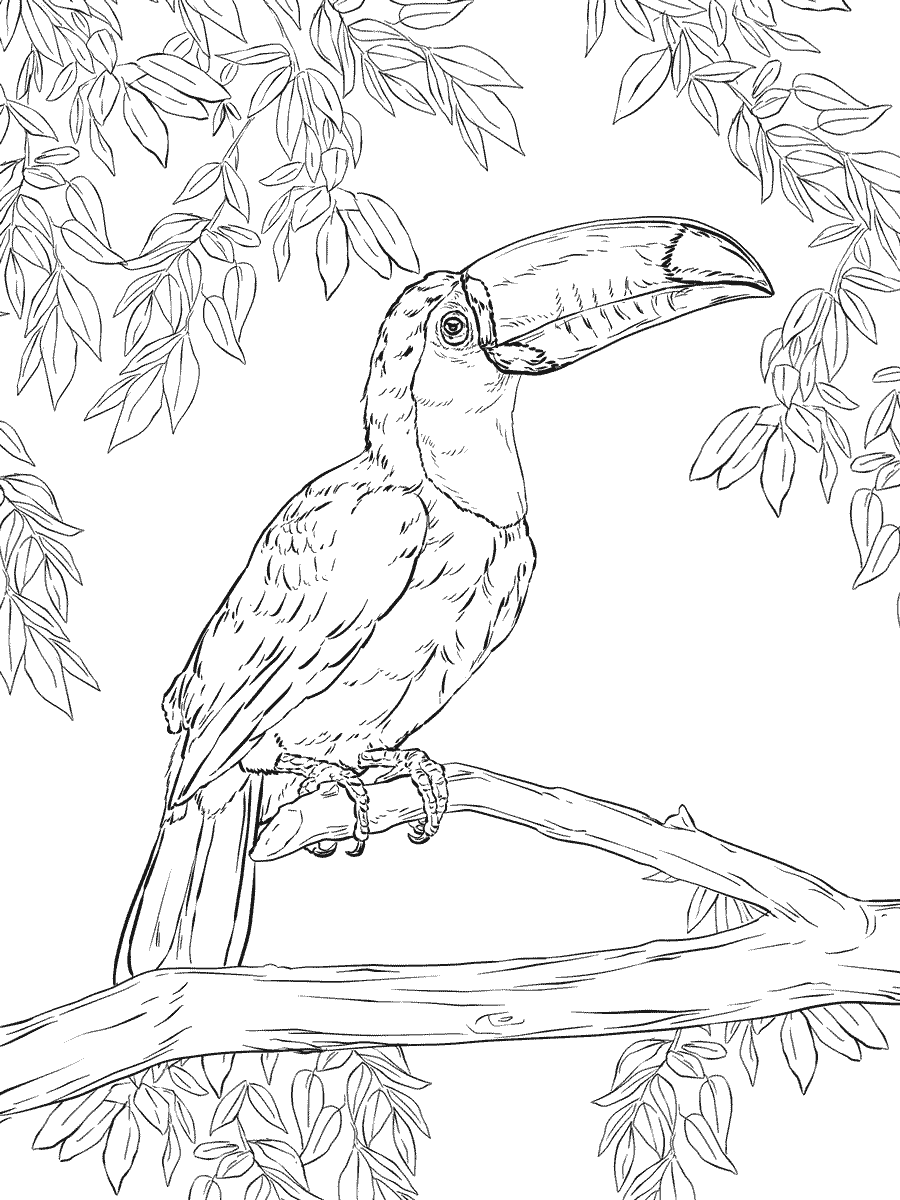
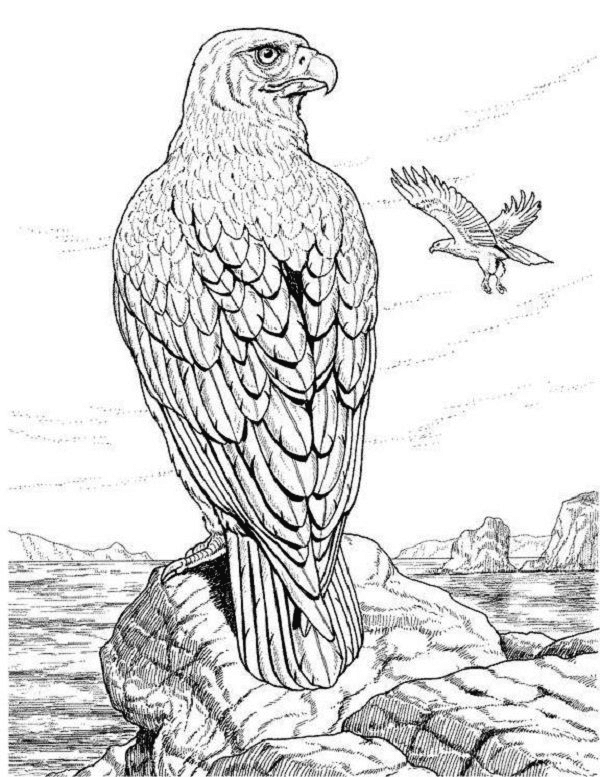
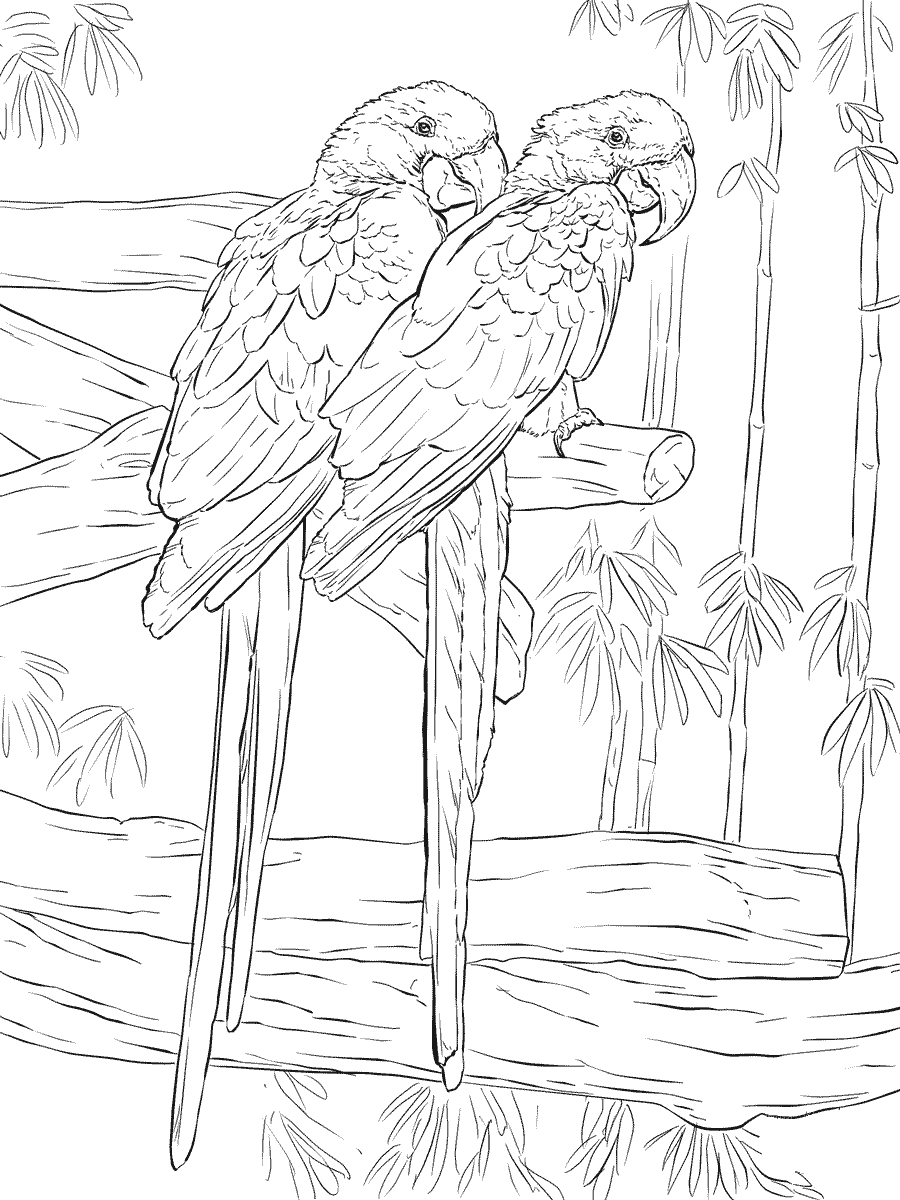
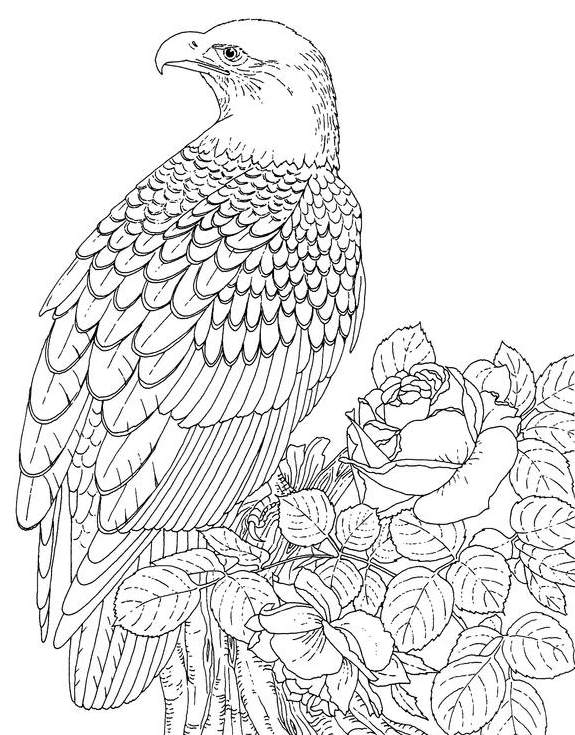
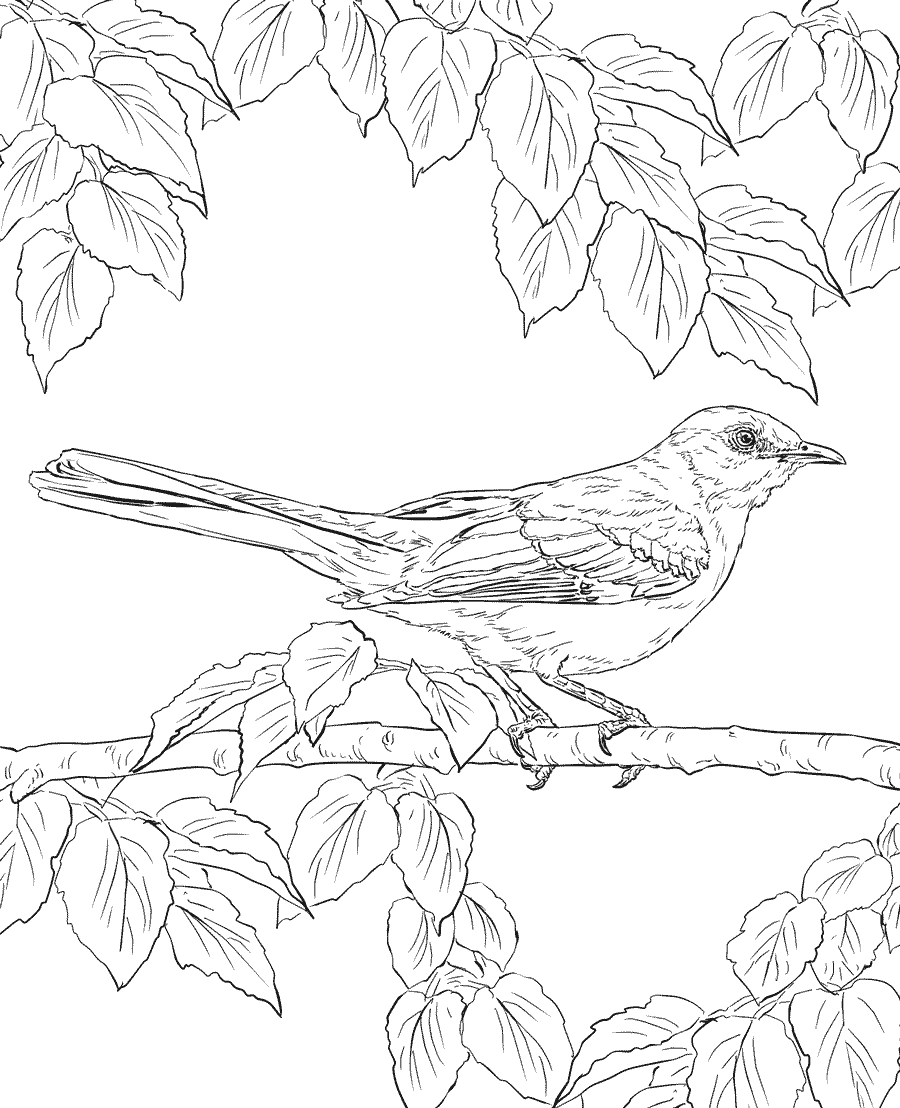
Eleven pages capture birds of prey, wading birds, and colorful tropical species in flight or at rest. Each species calls for its own accurate palette, from a bald eagle’s white head to a toucan’s bold orange bill.
Reptiles and Aquatic Life
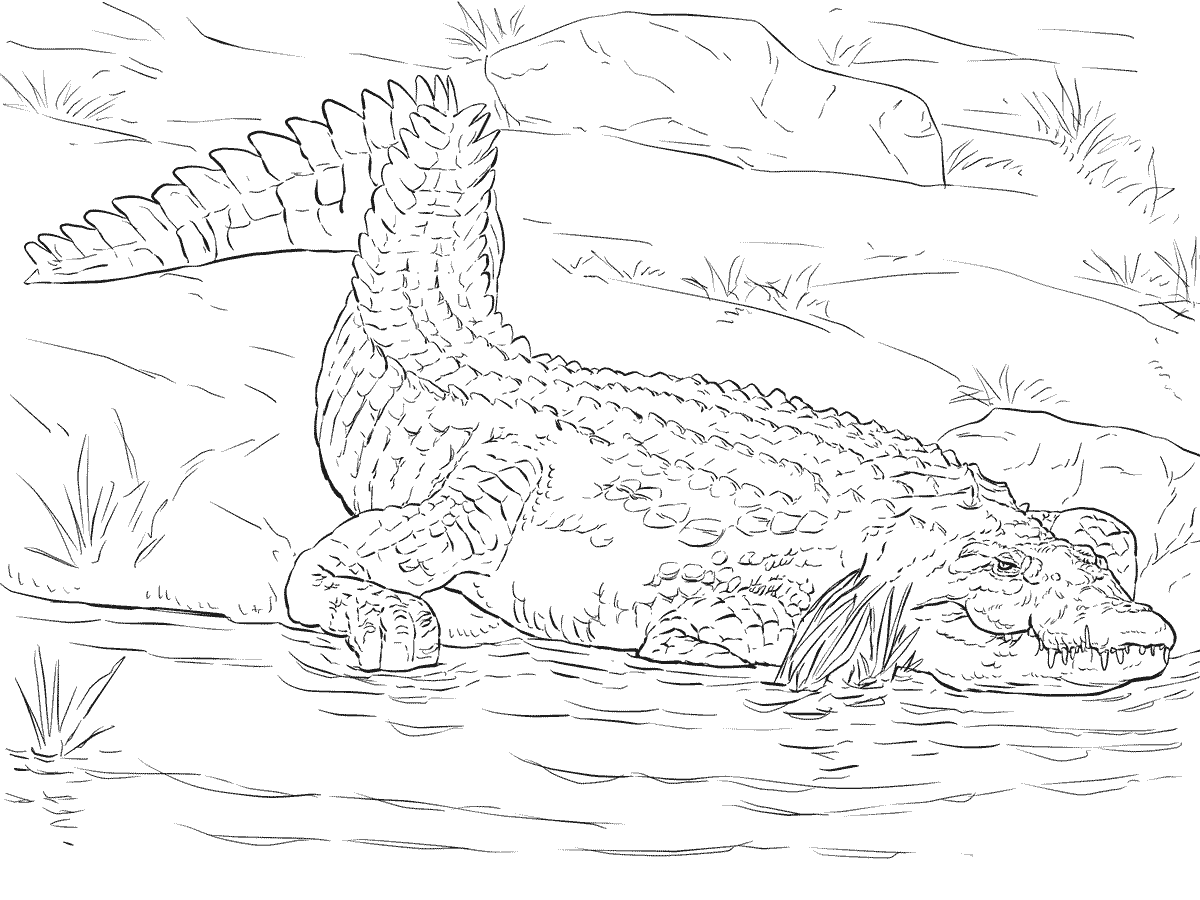
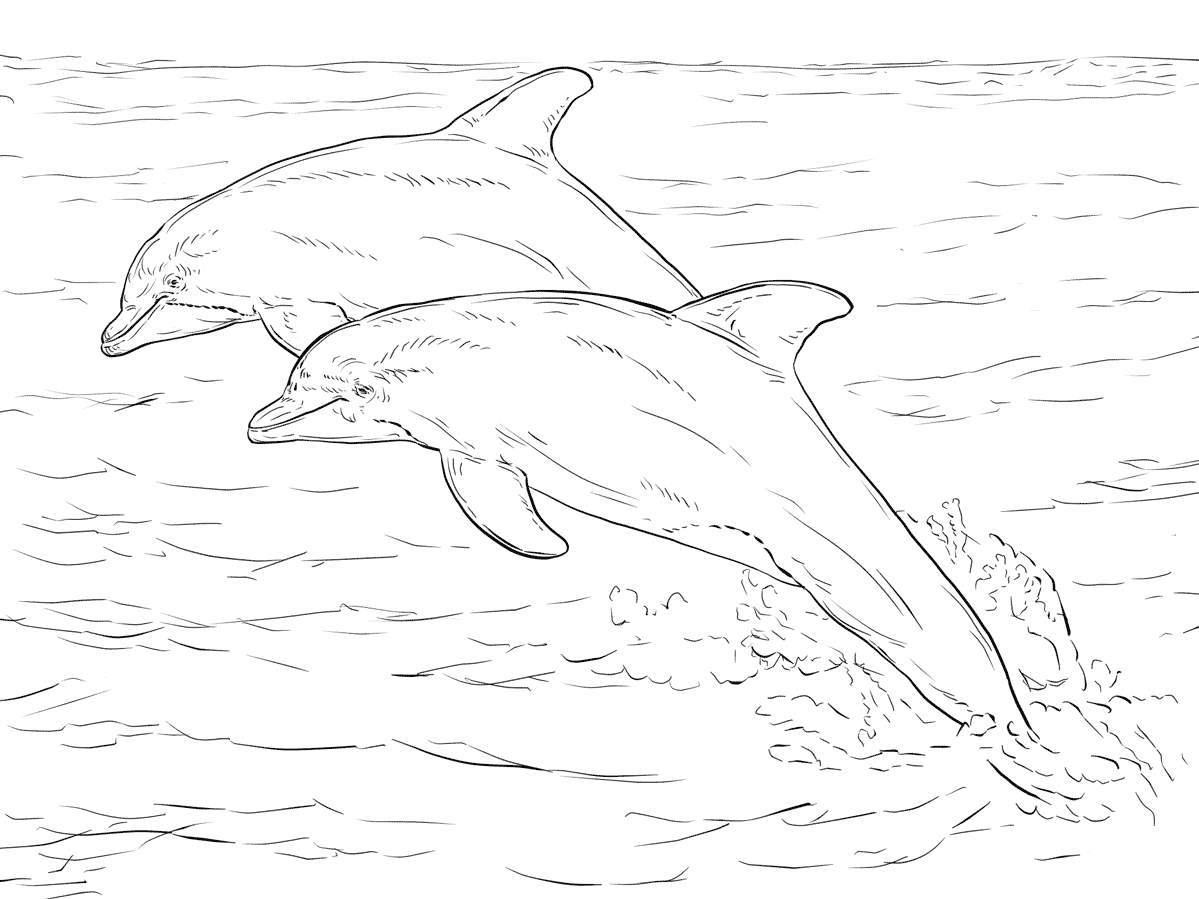
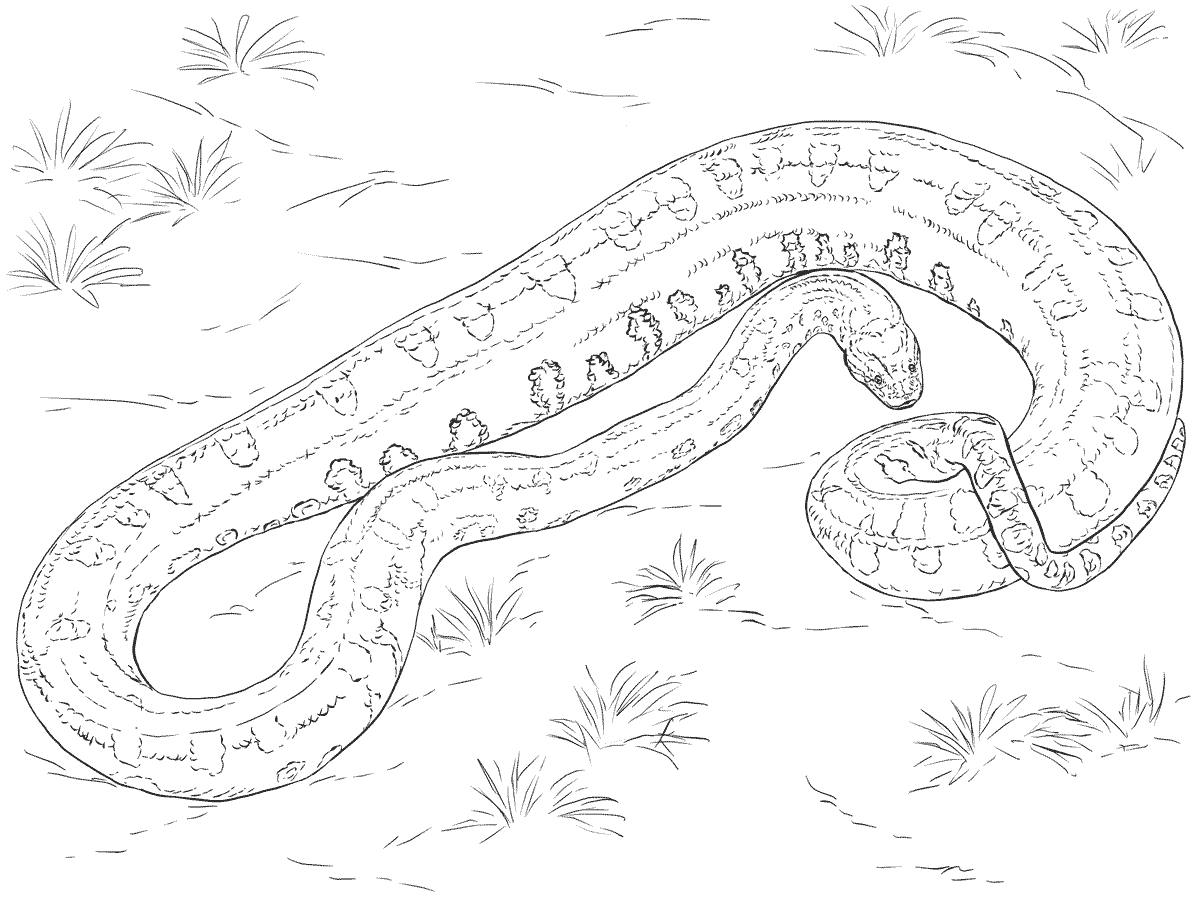
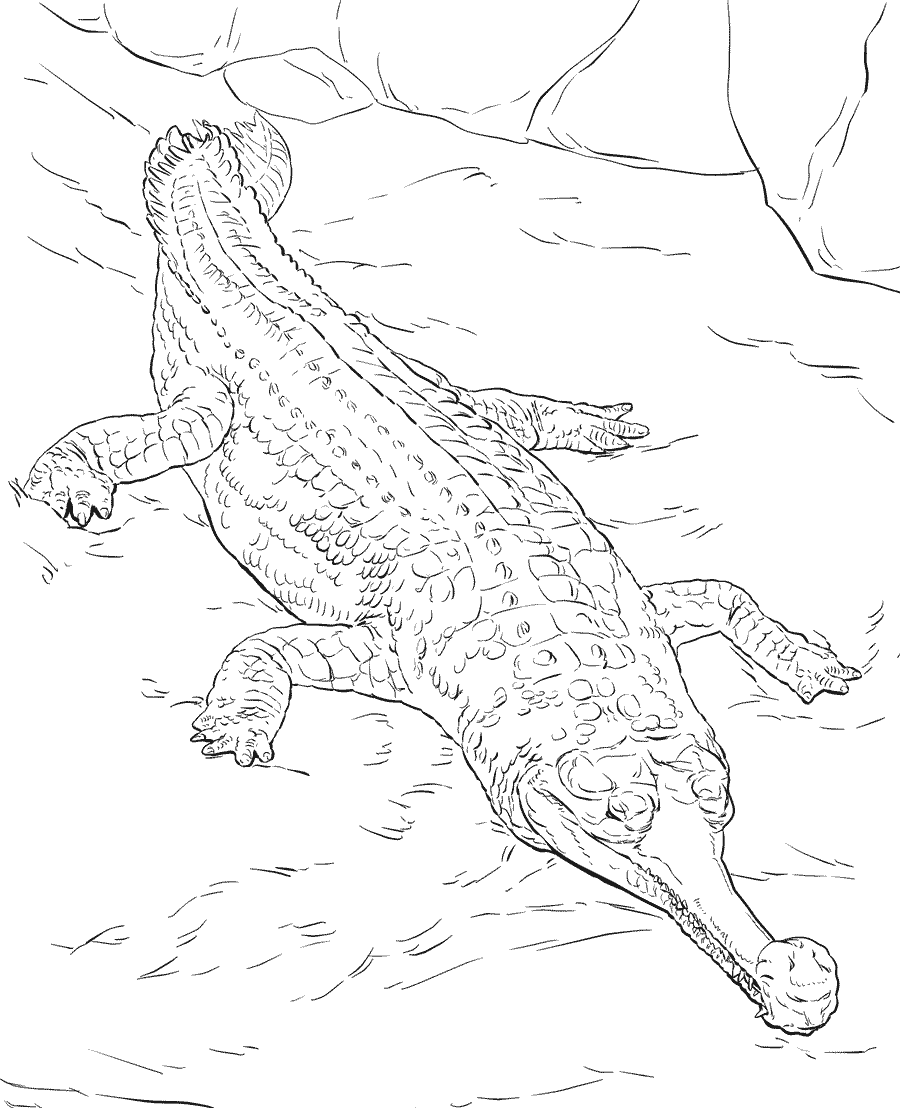
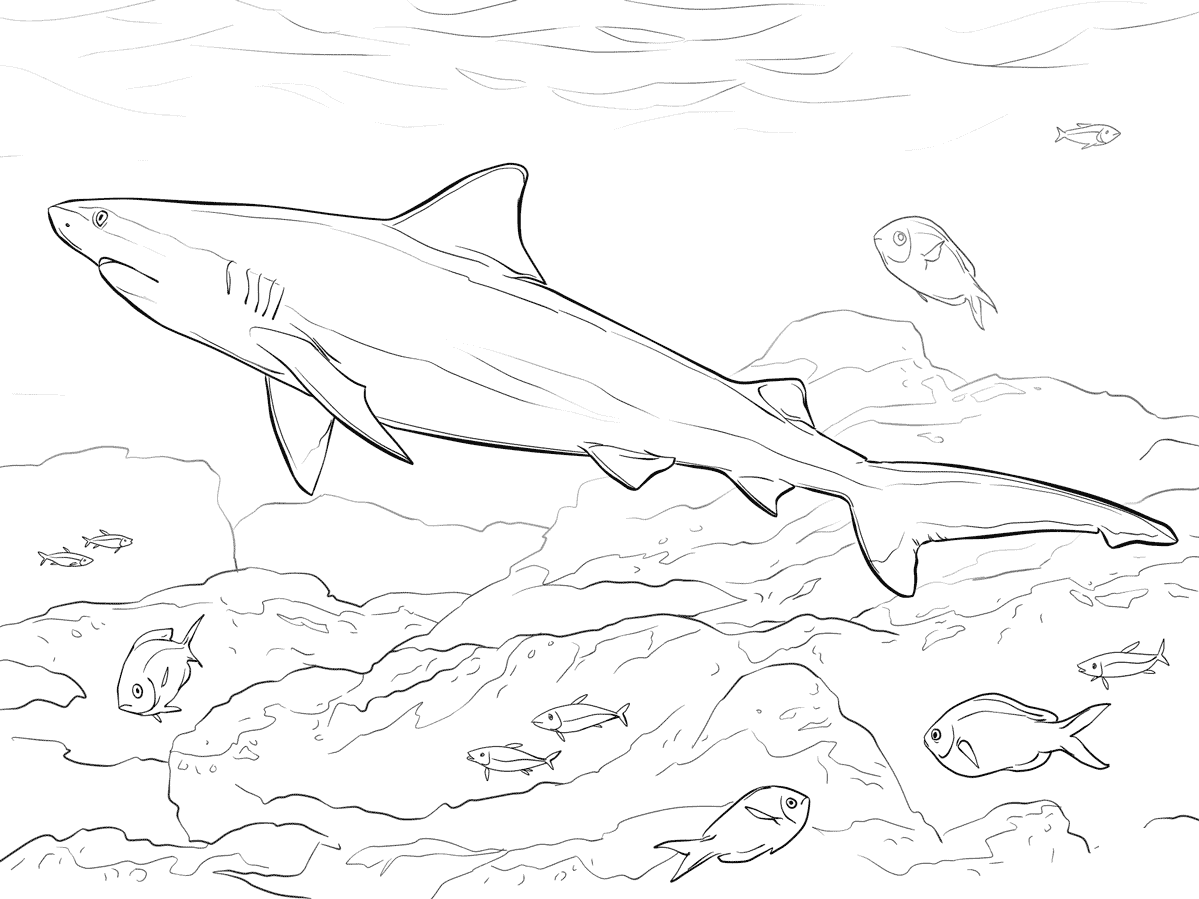
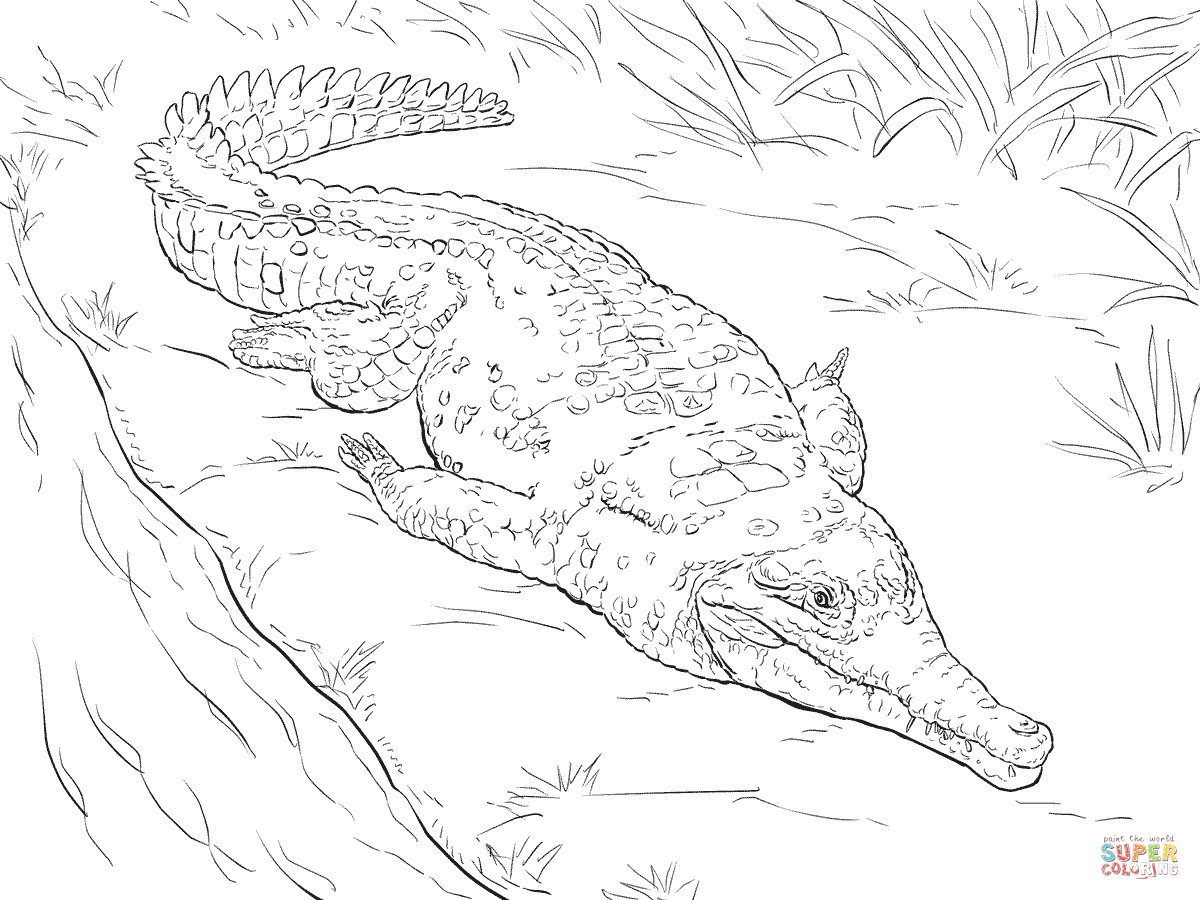
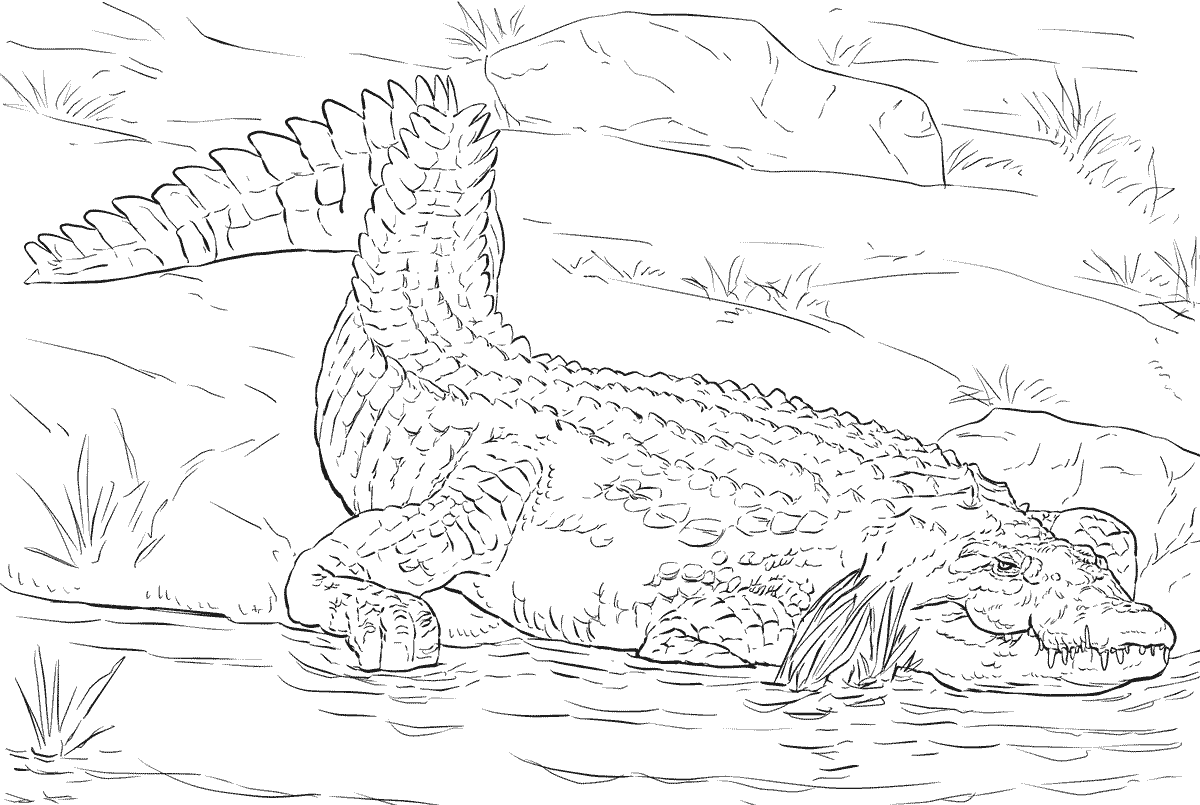
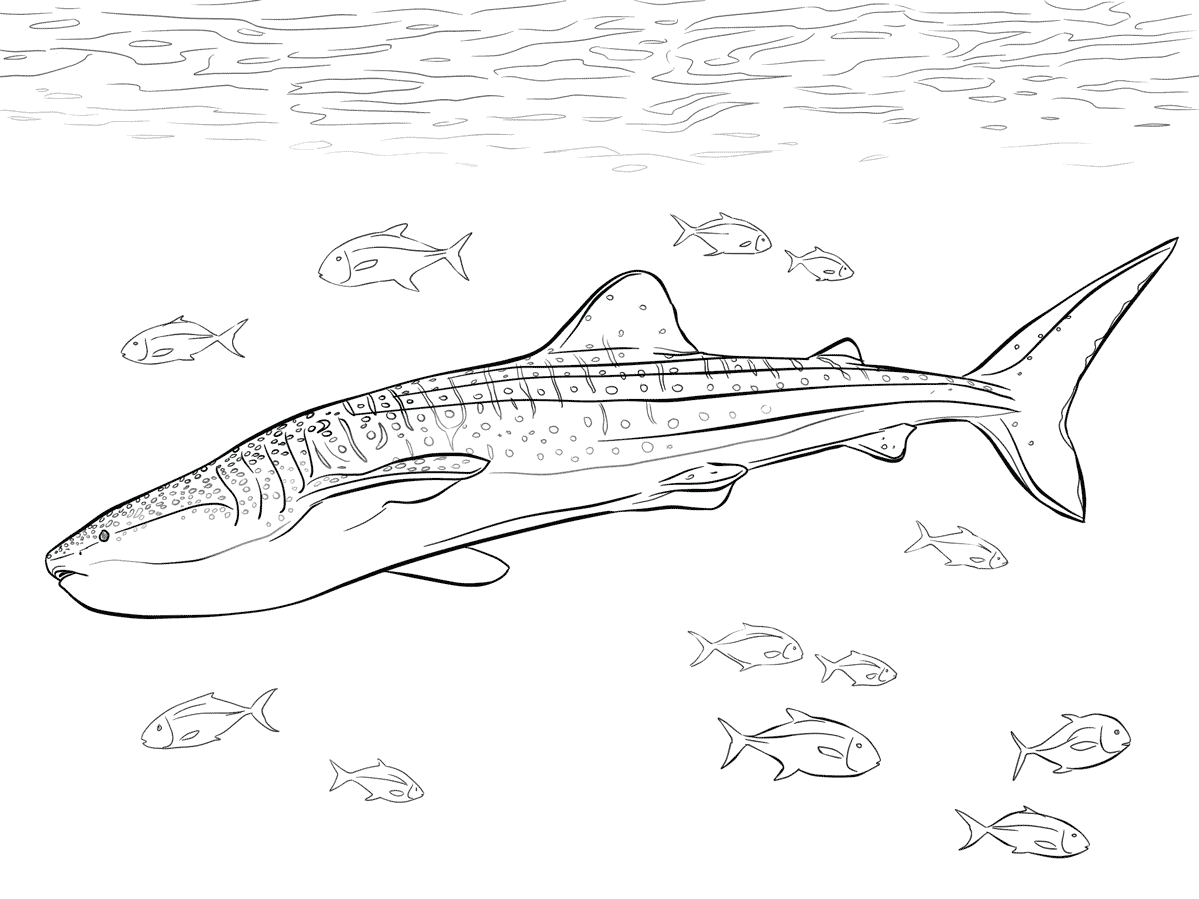
Seventeen pages feature crocodiles, turtles, sharks, and other reptiles and marine animals. Deep greens and grays suit most reptiles, while blues and grays work well for sharks and other ocean life.
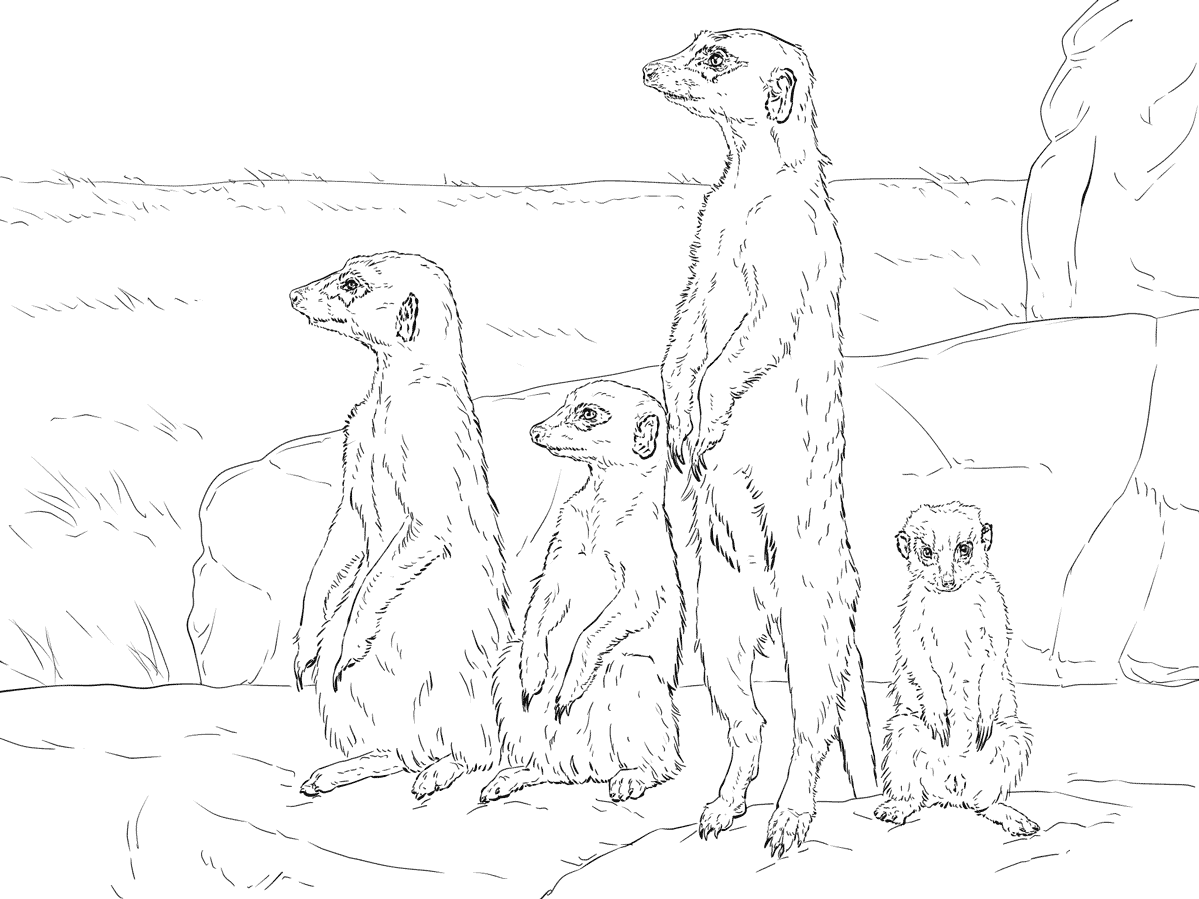
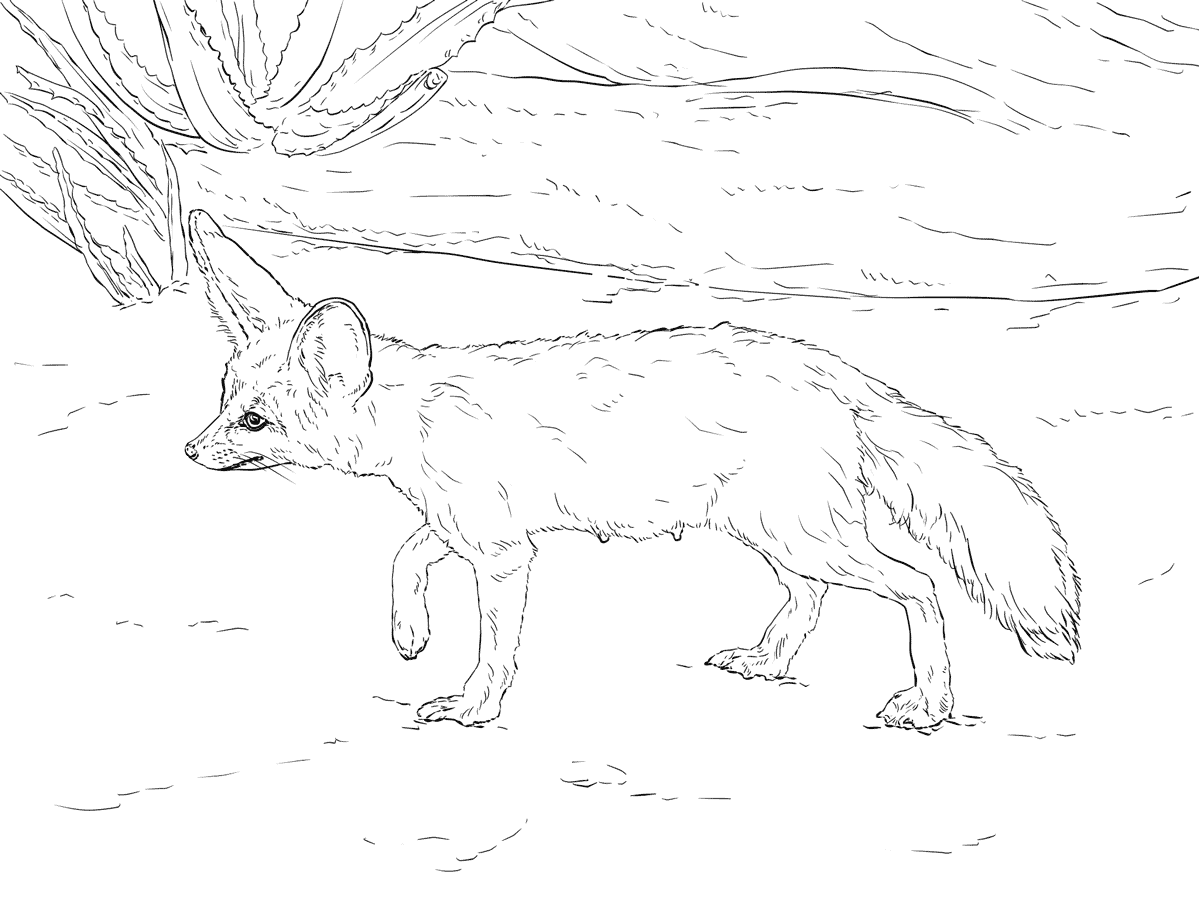
Grazing and Everyday Animals
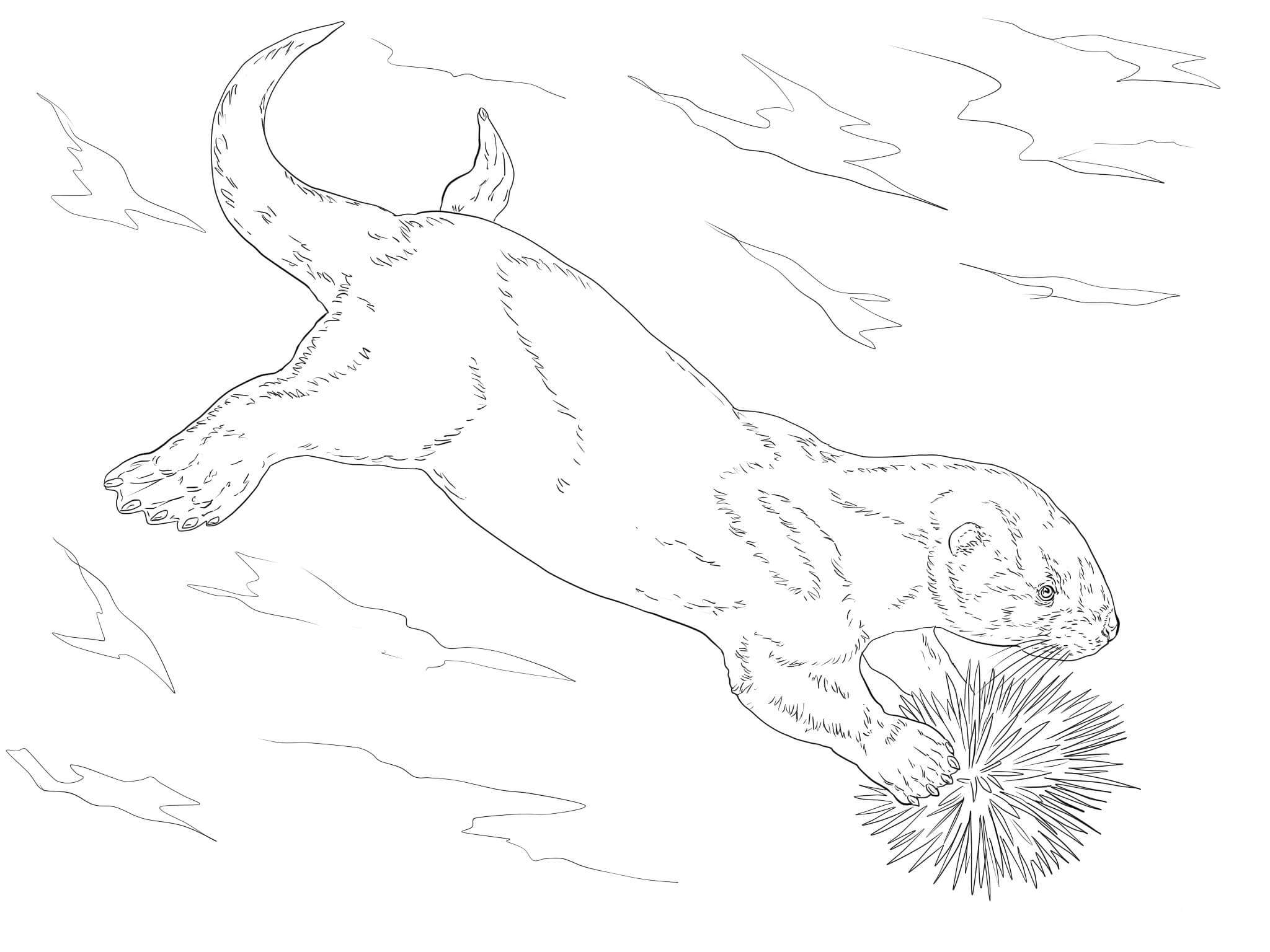
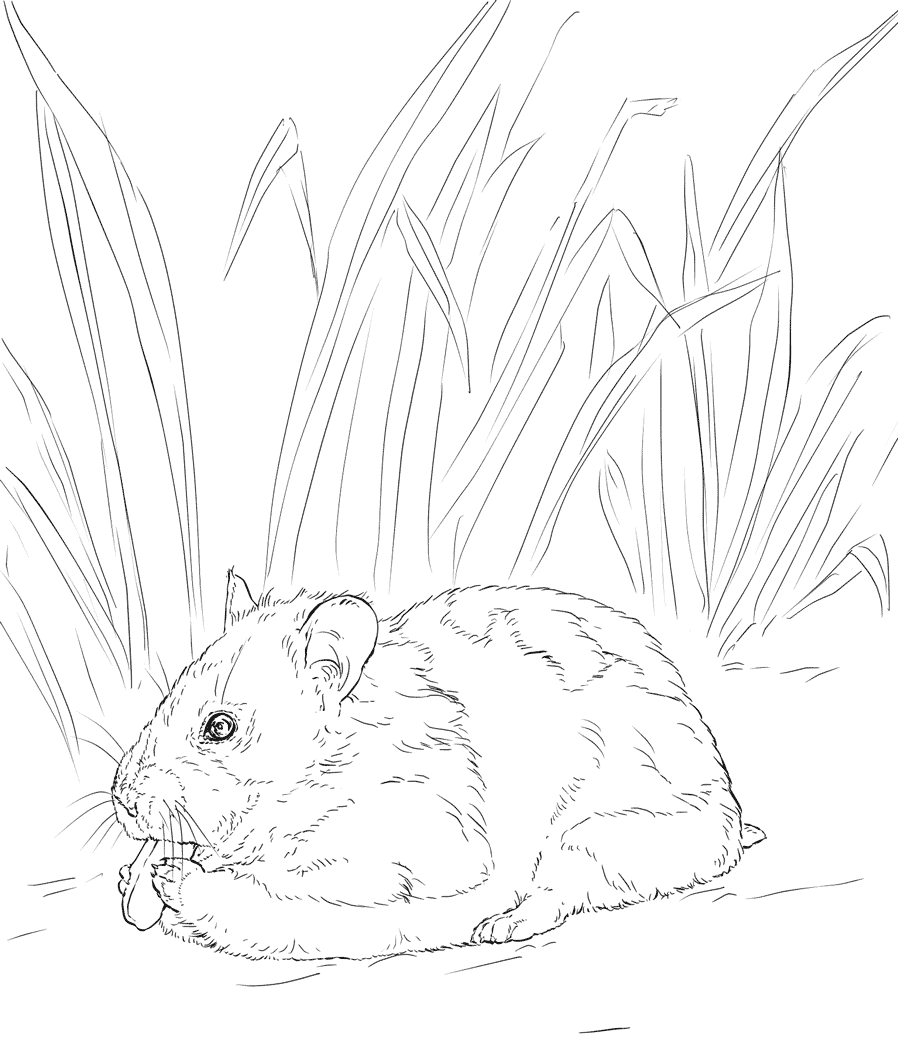
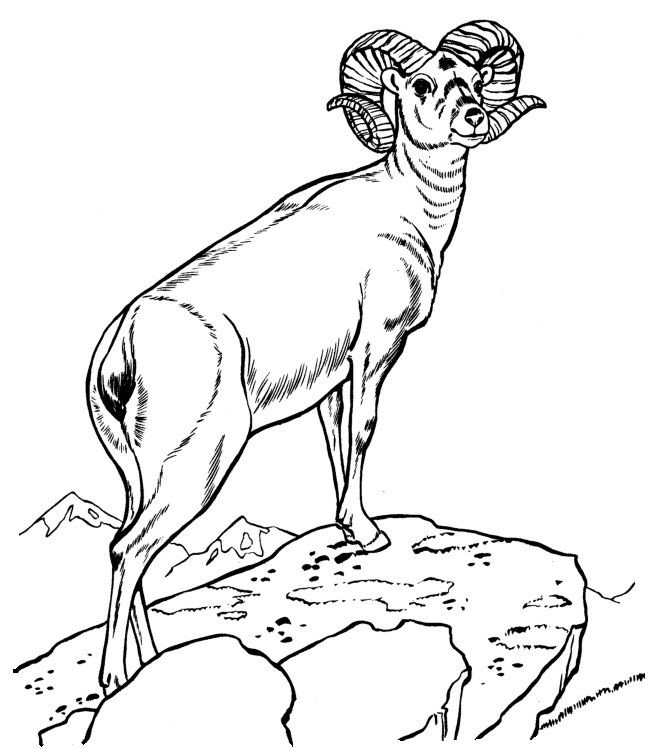
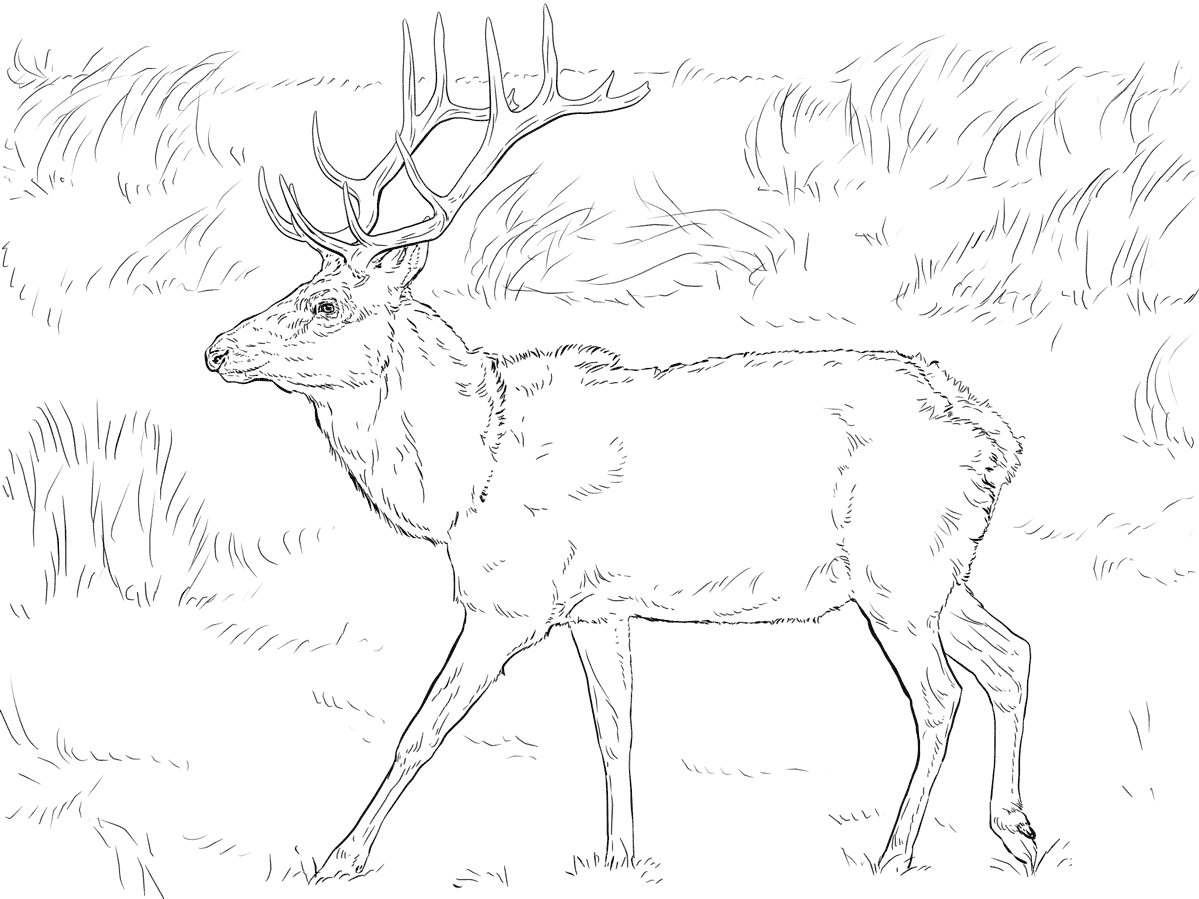
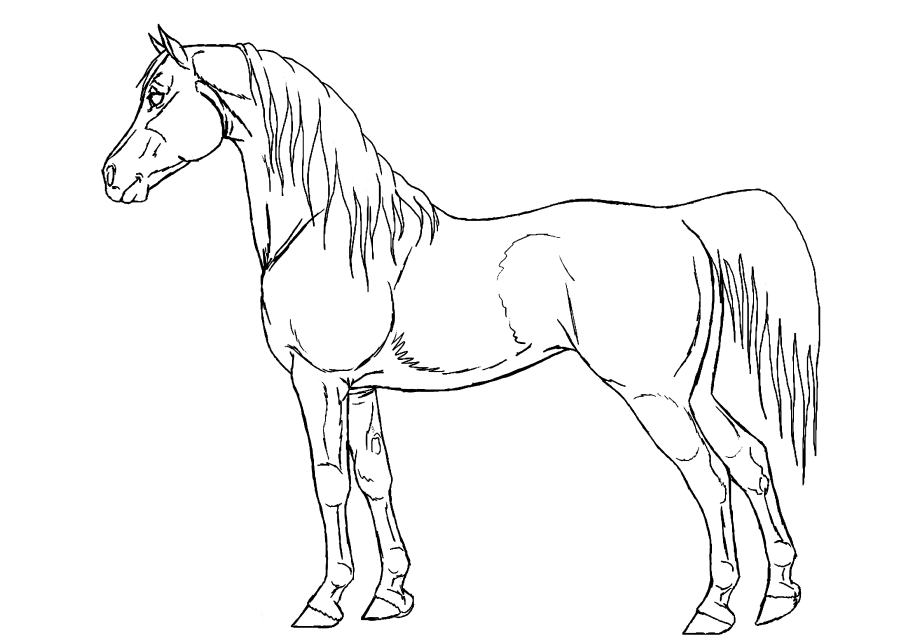
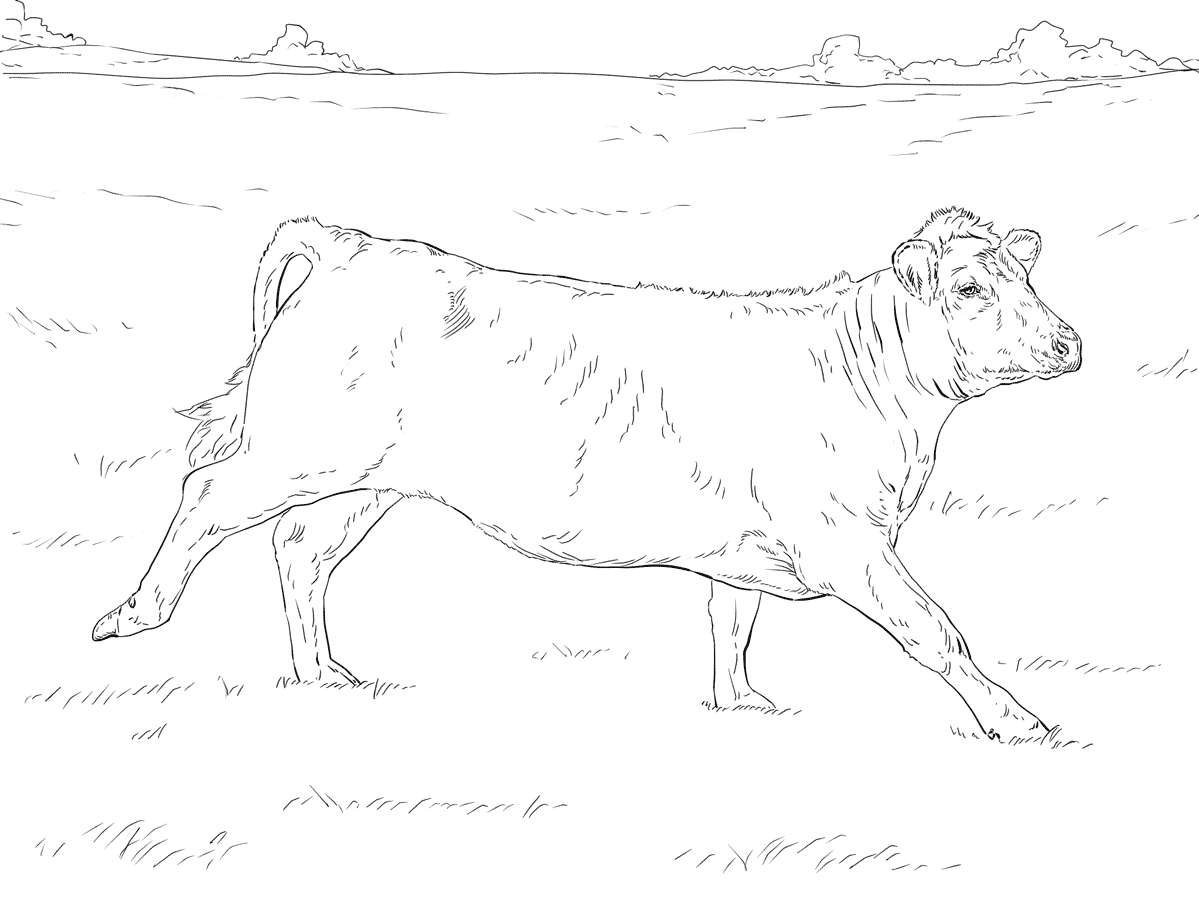
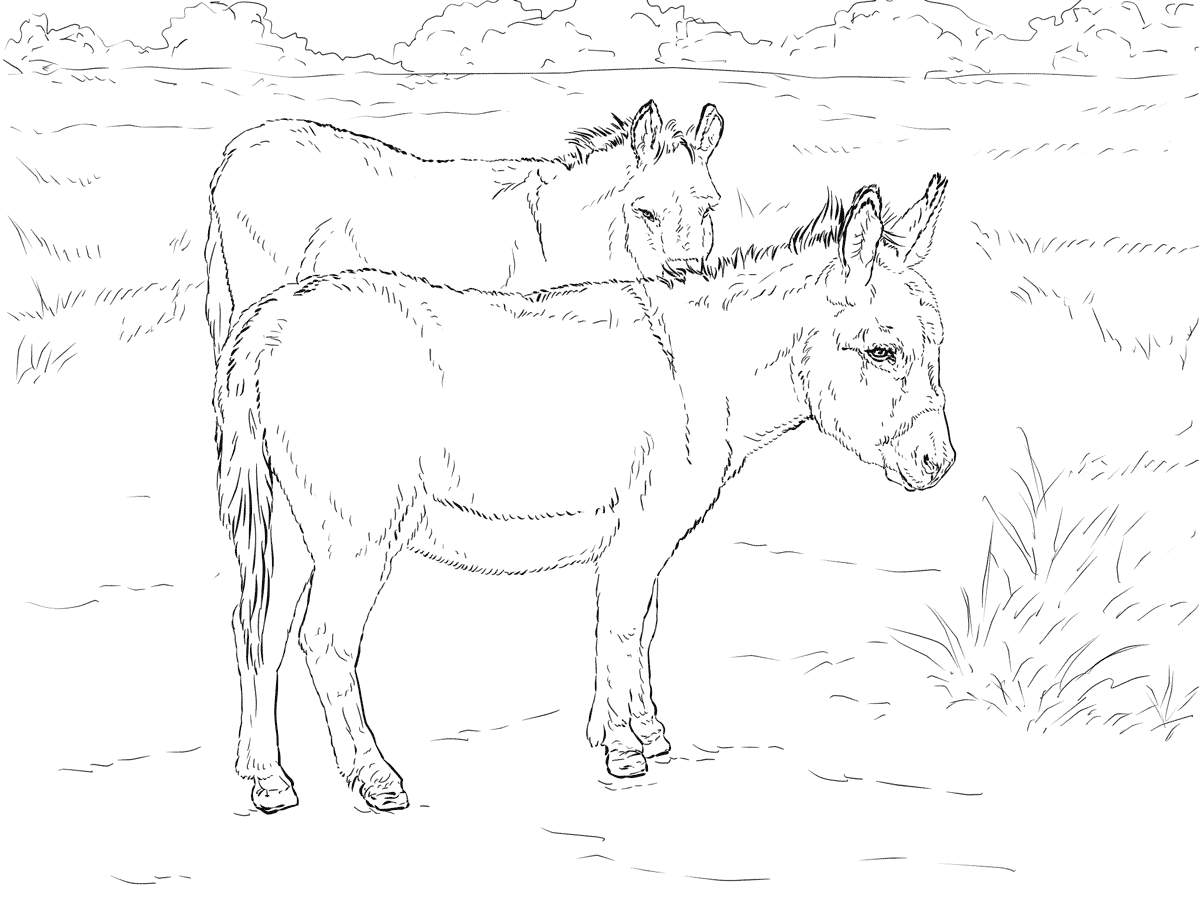
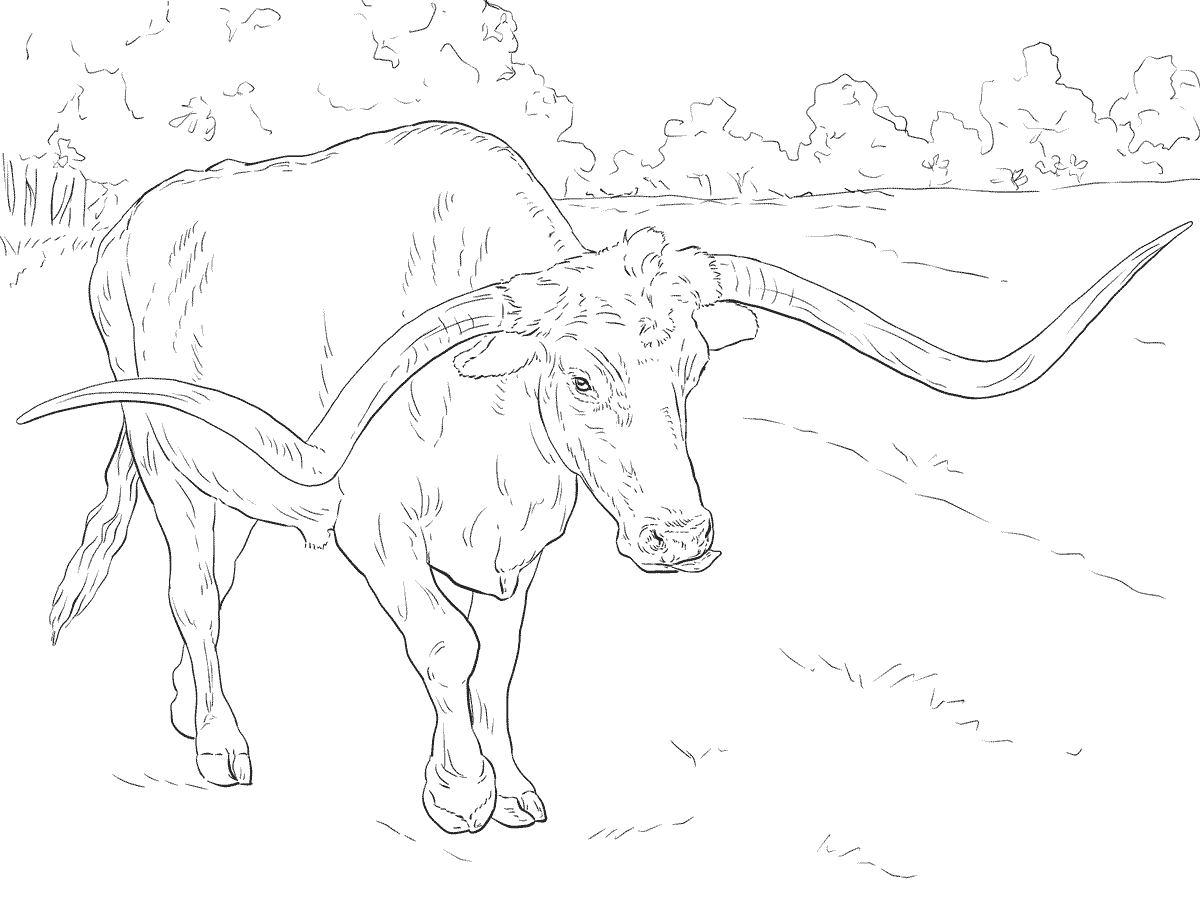
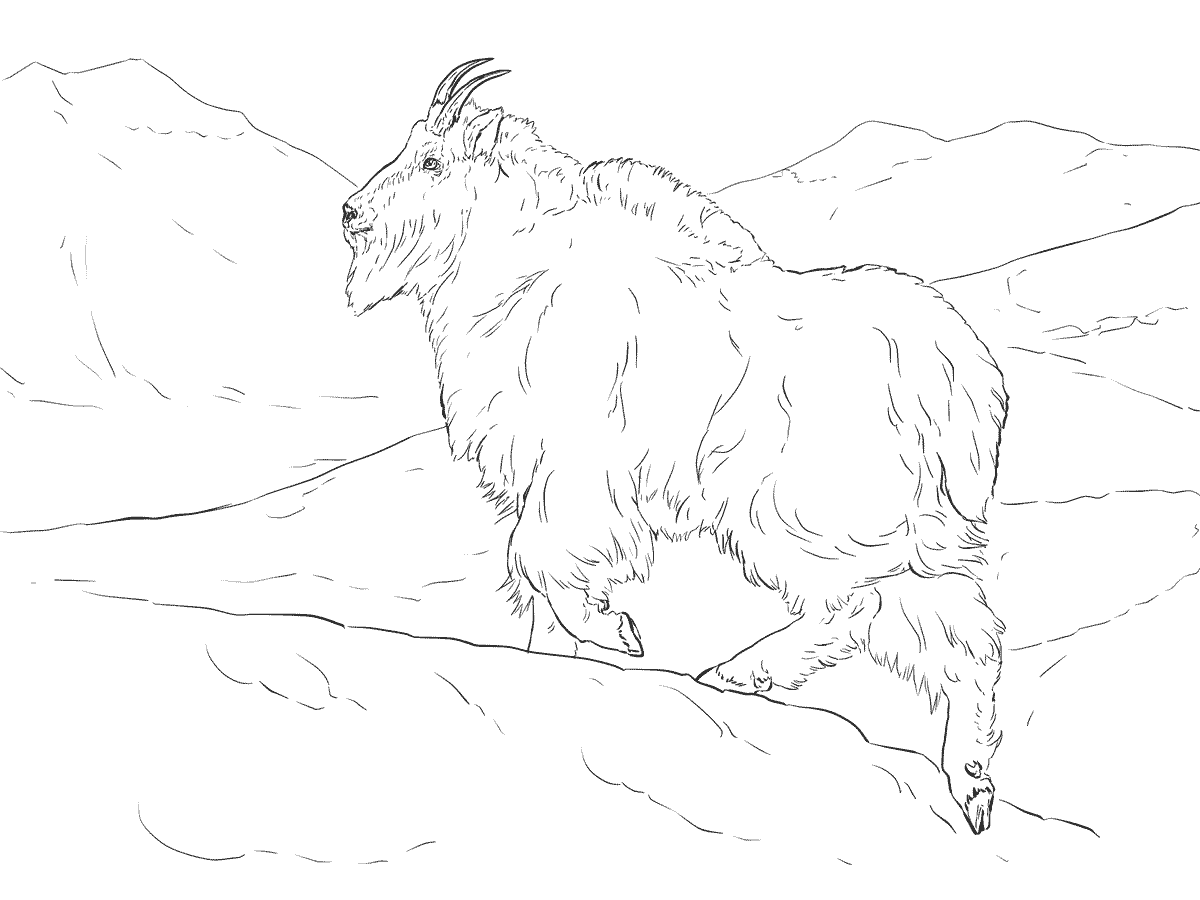
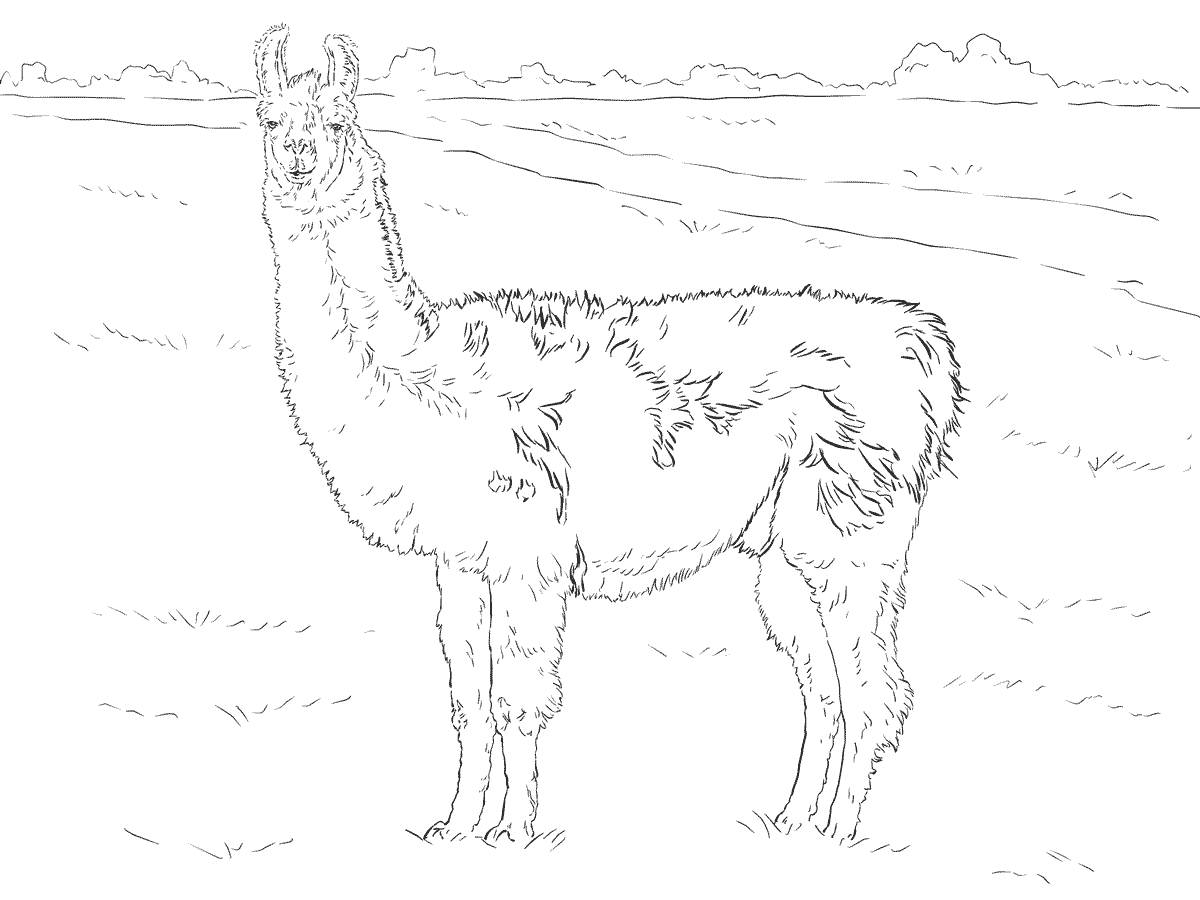
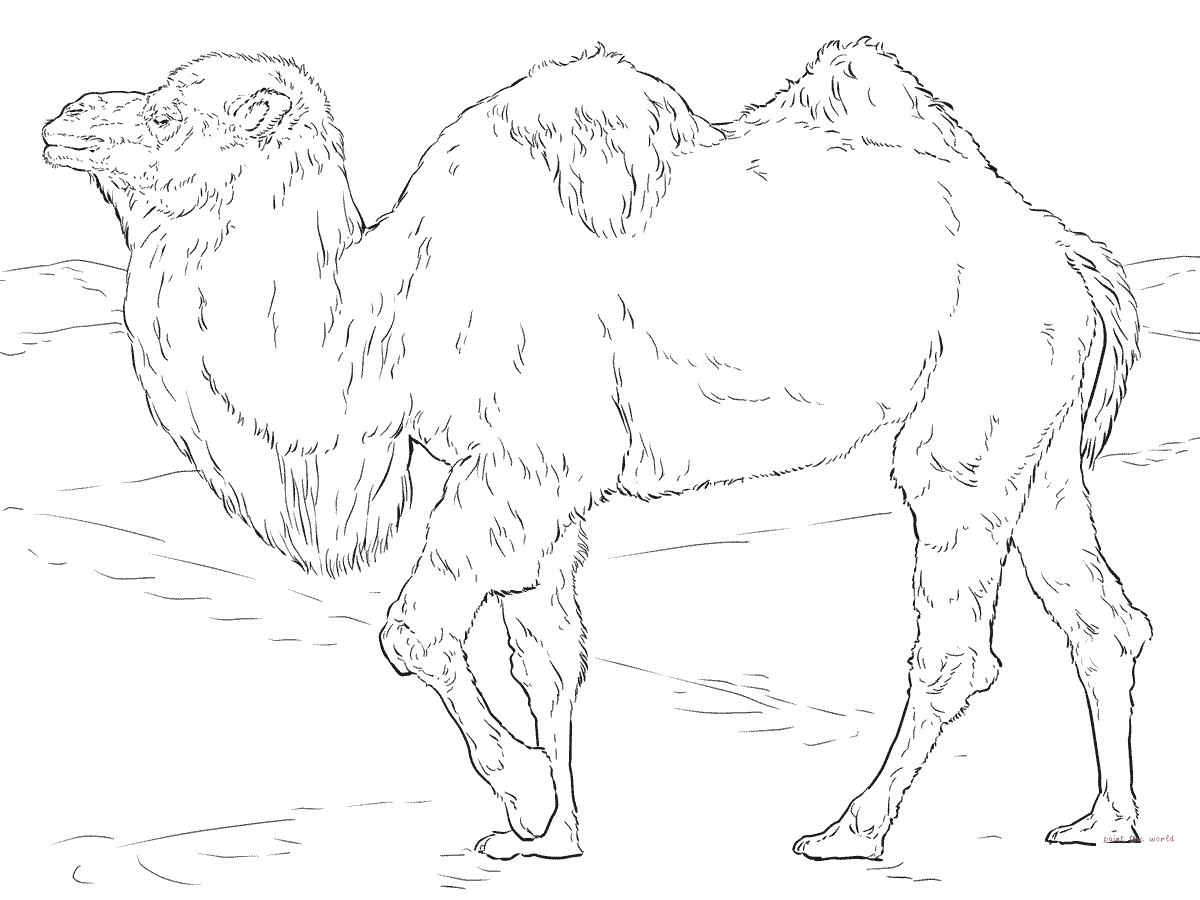
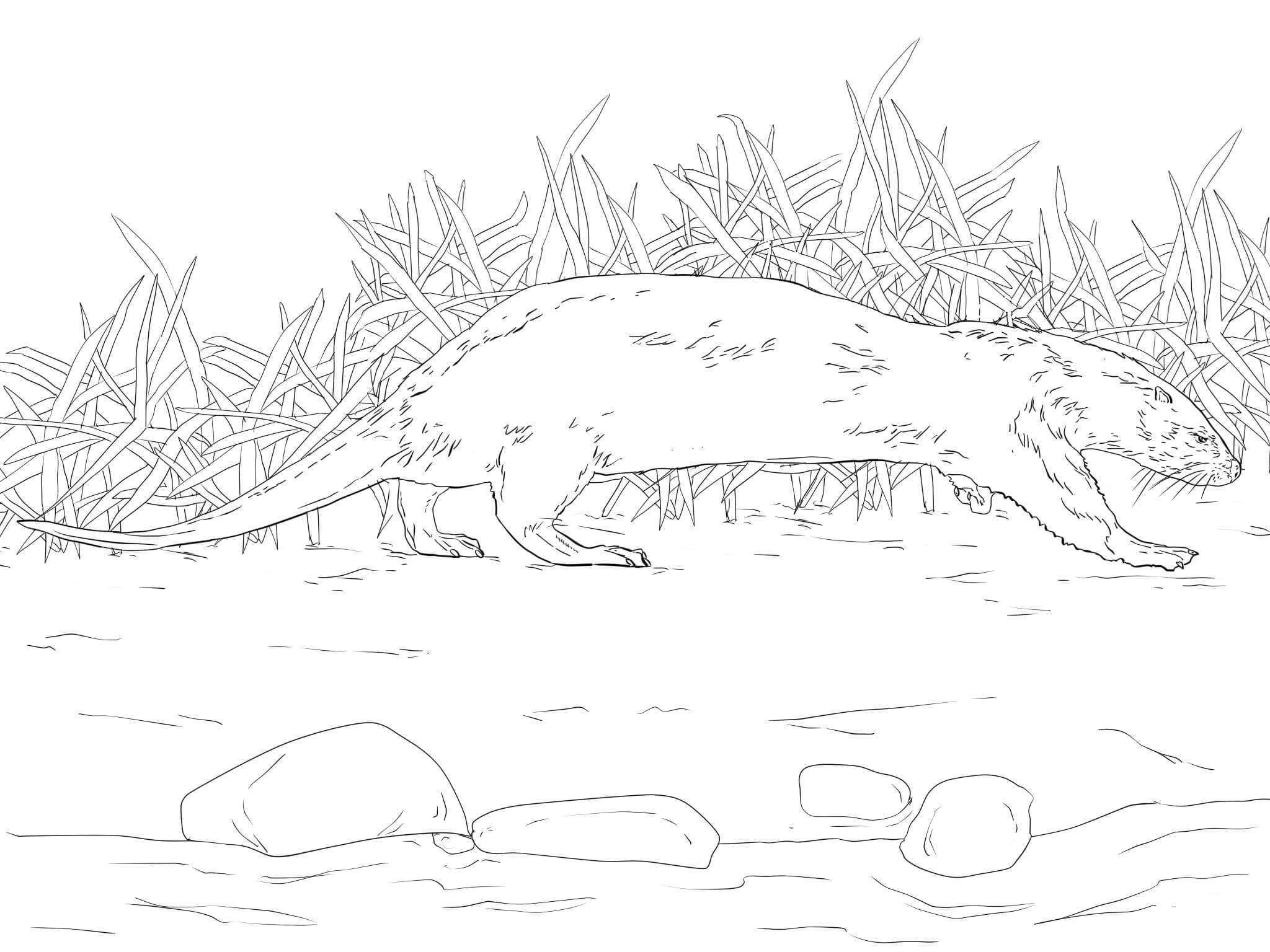
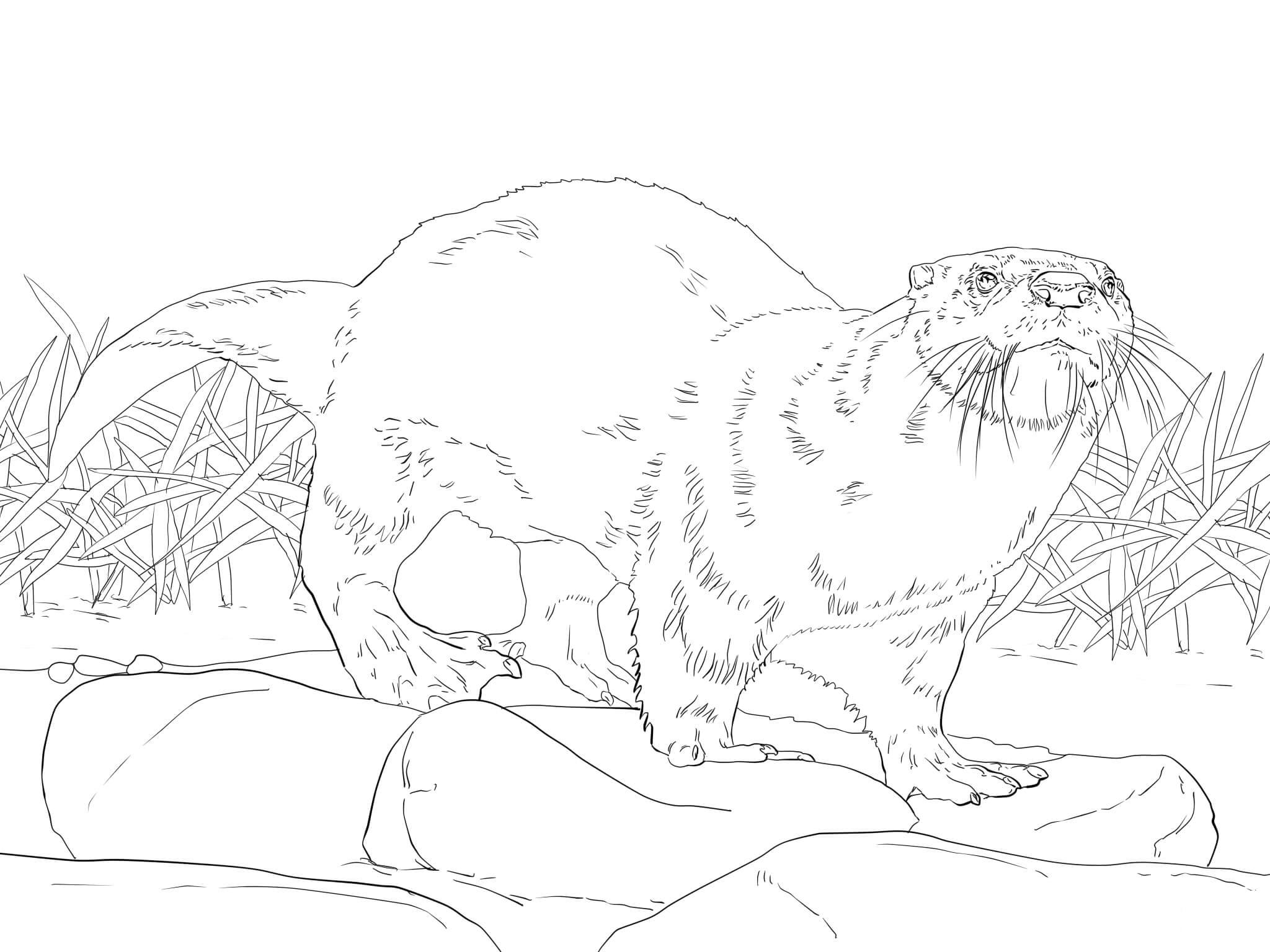
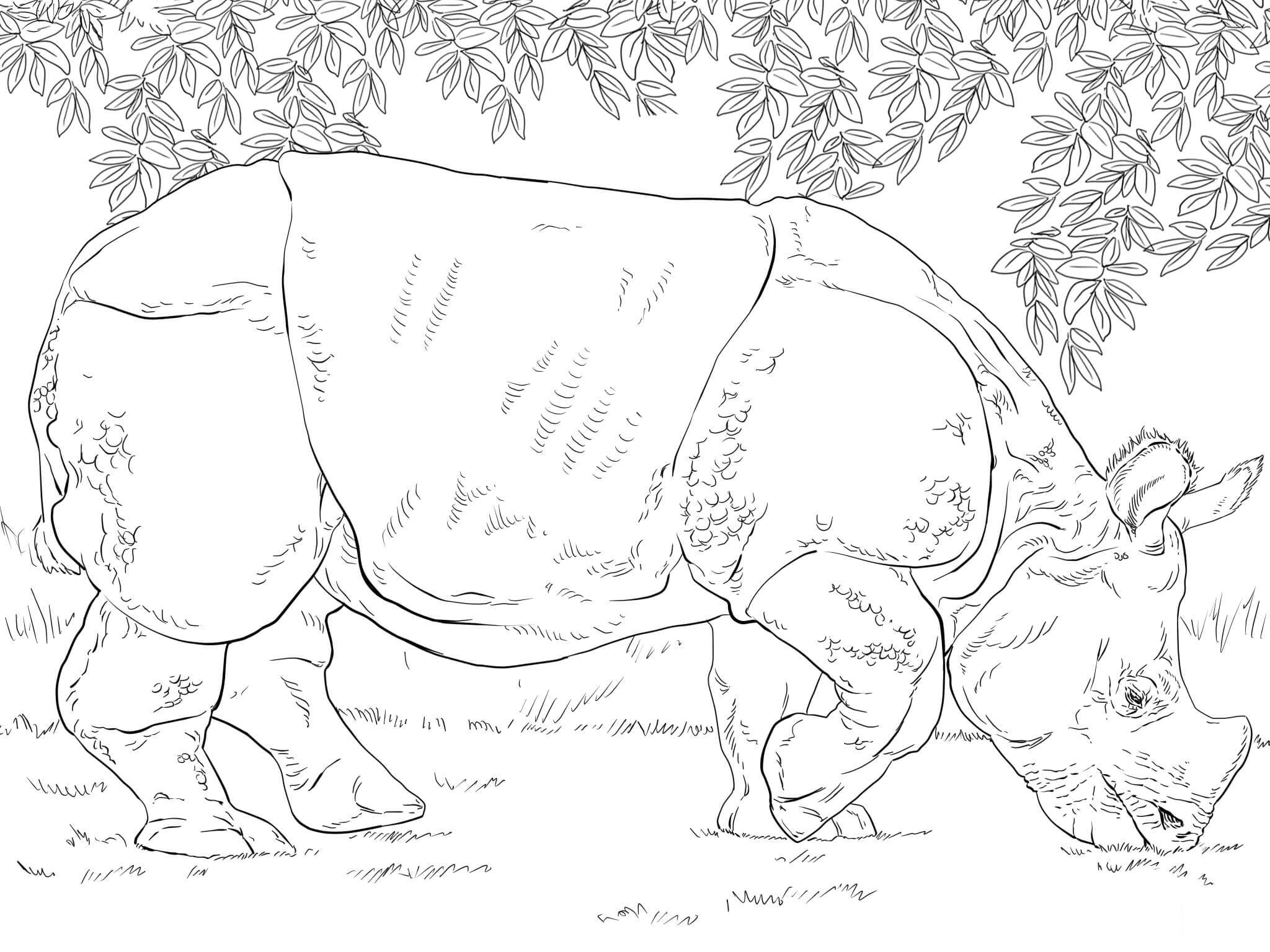
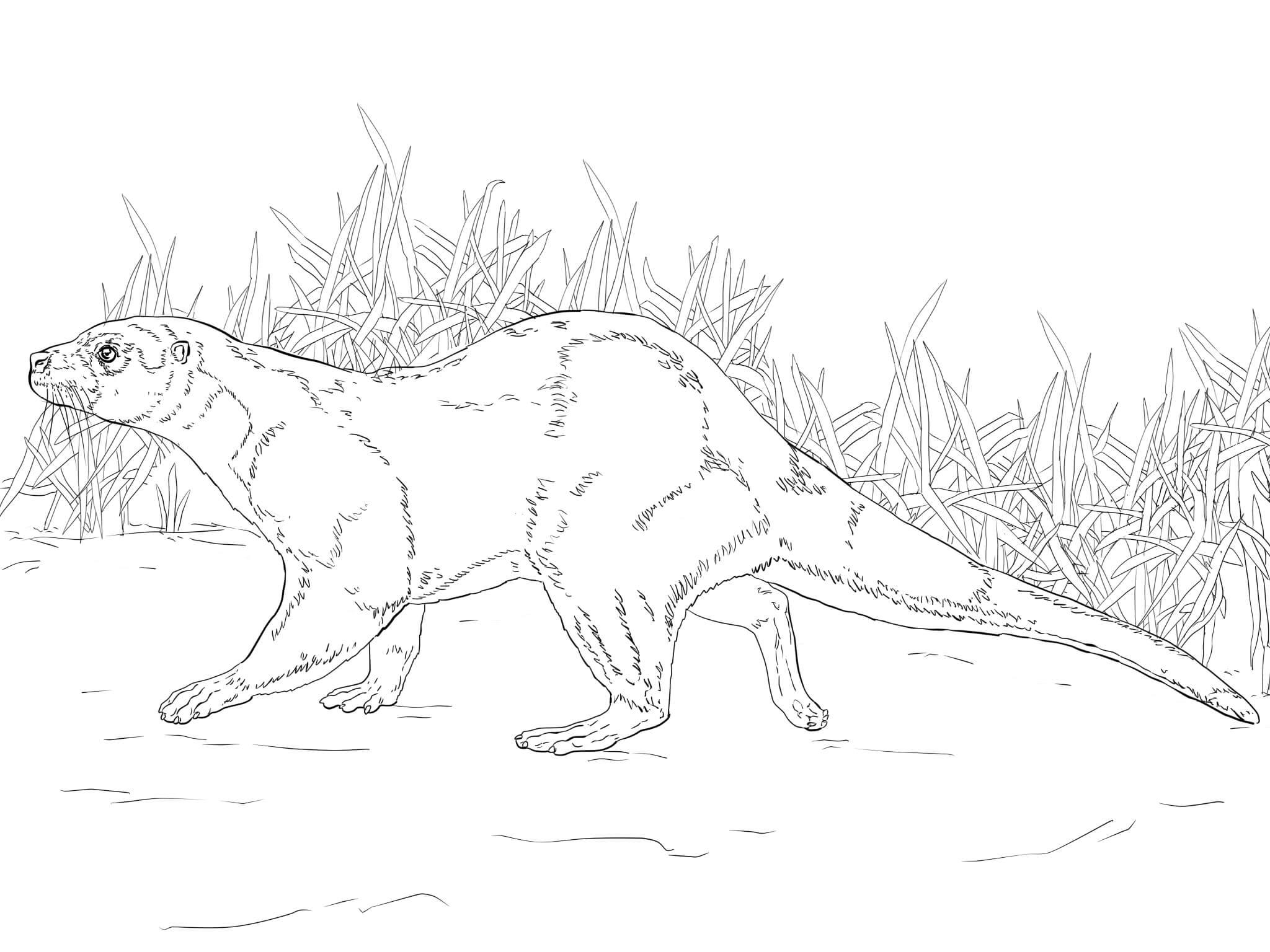
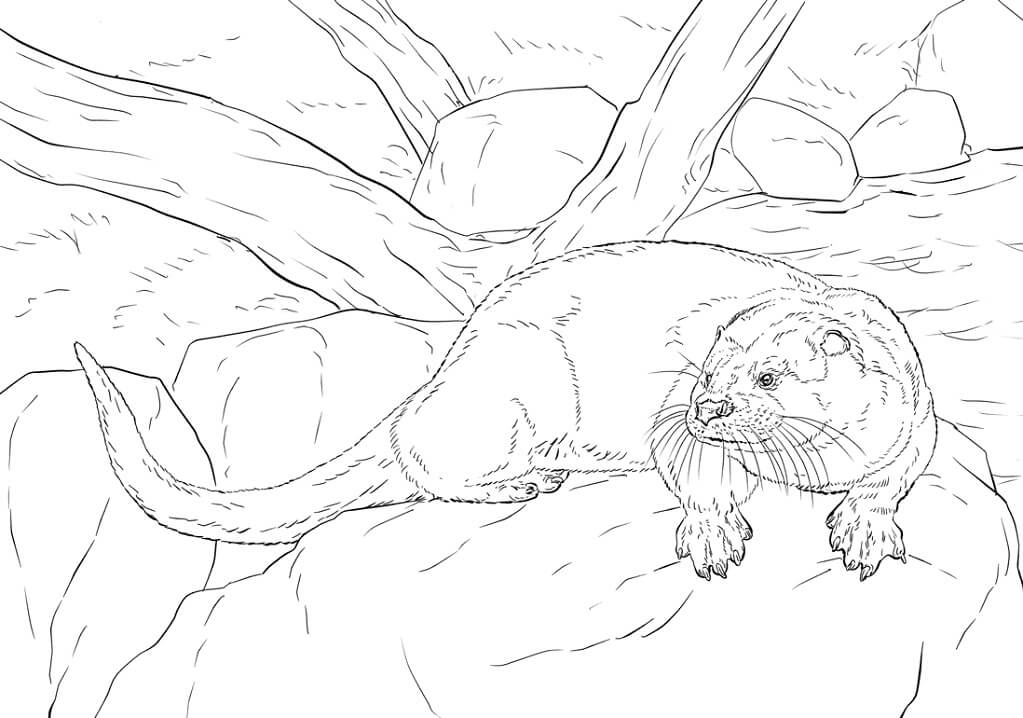
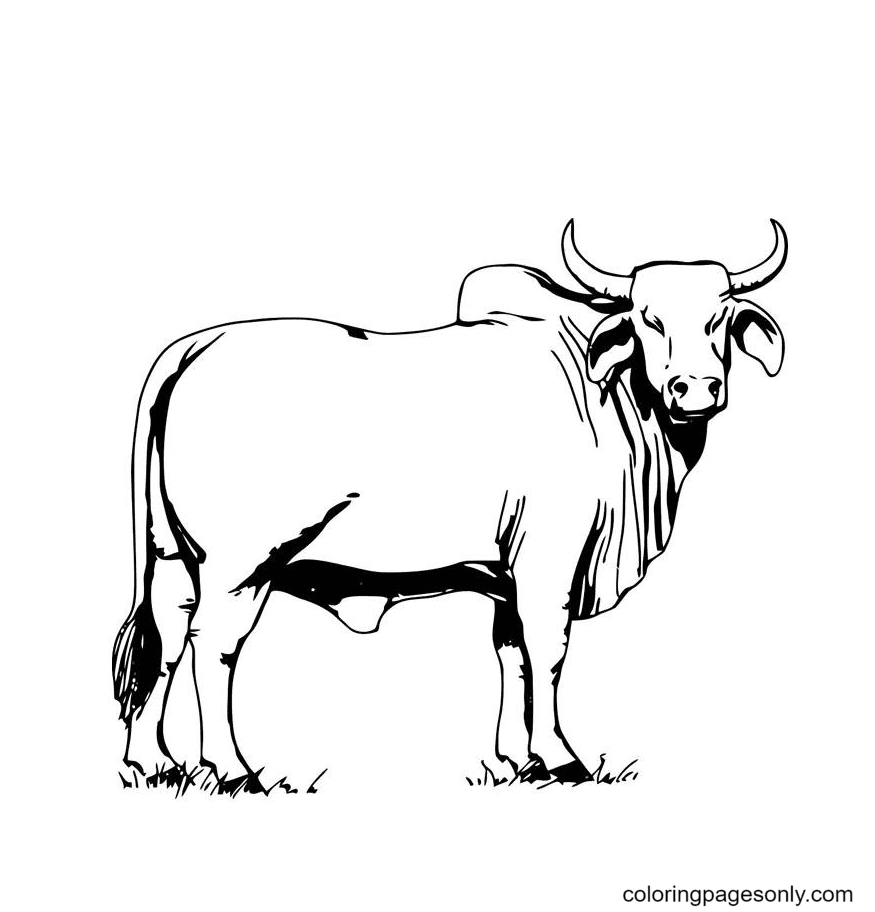
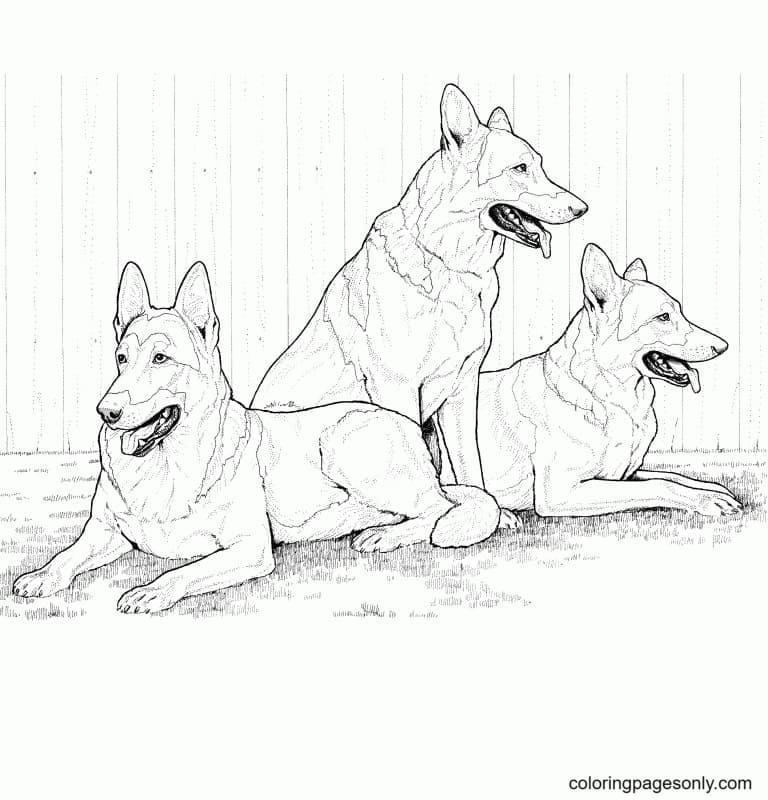
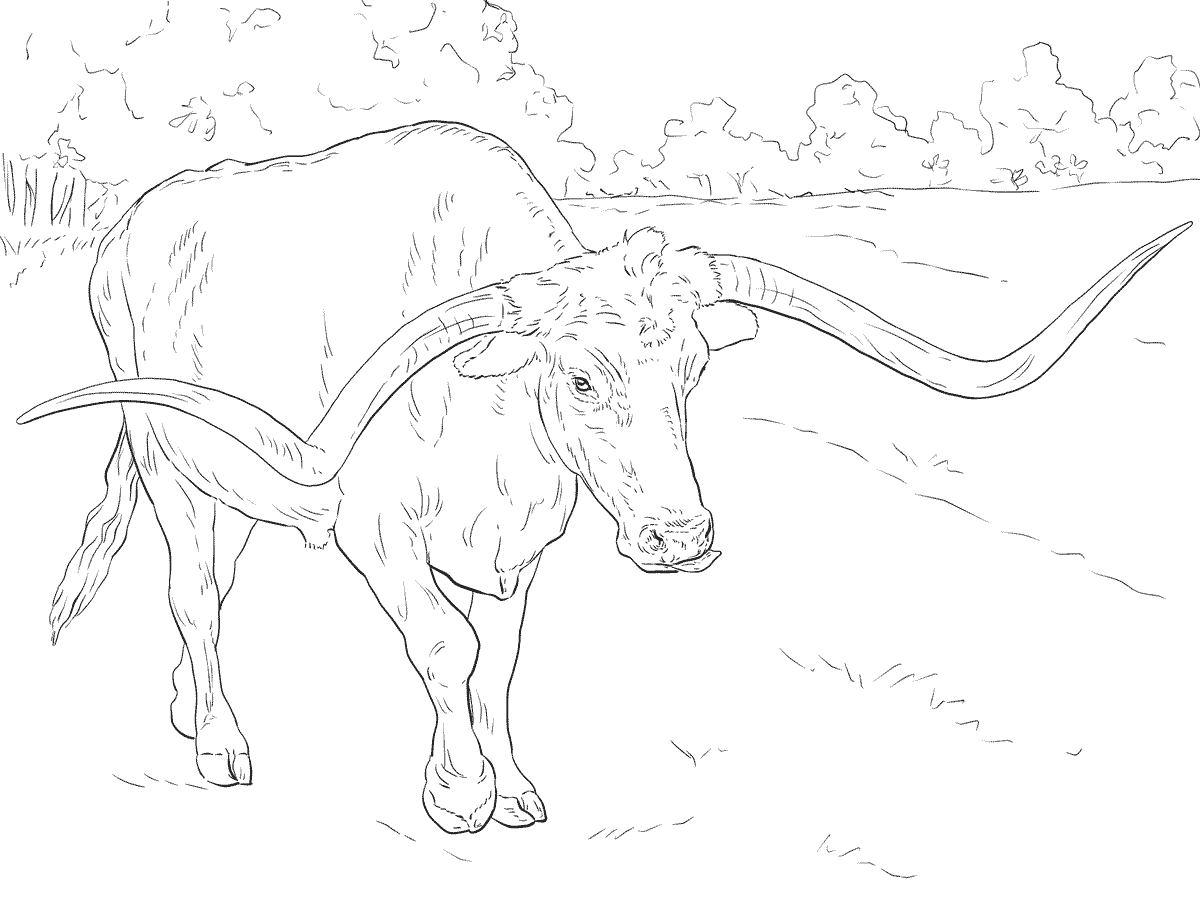
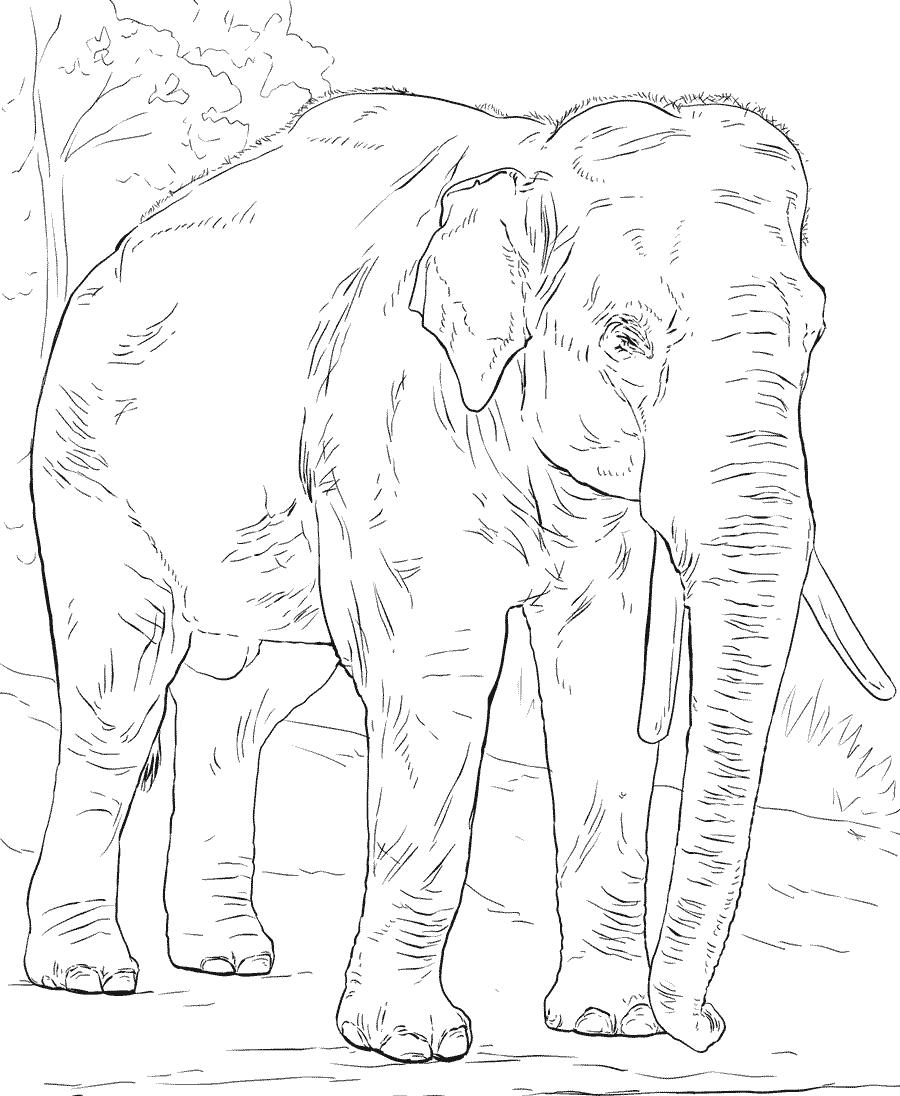
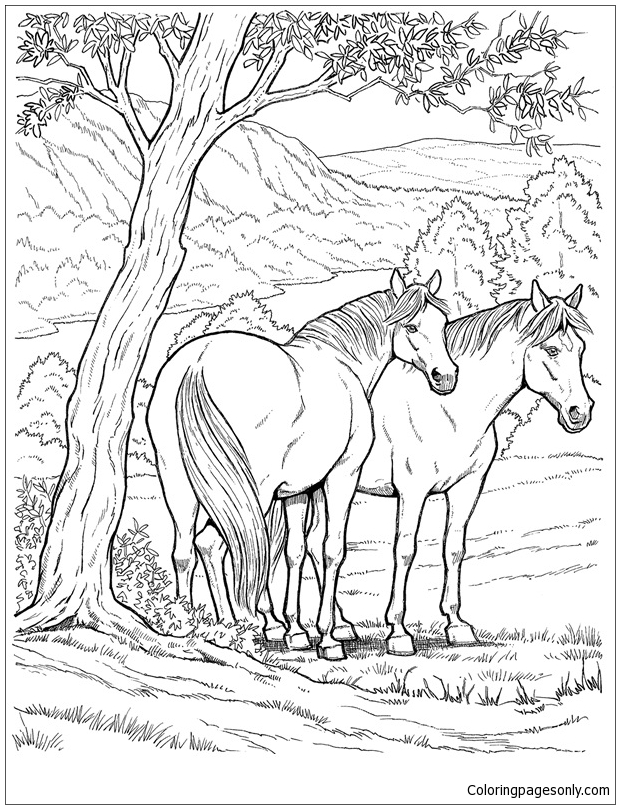
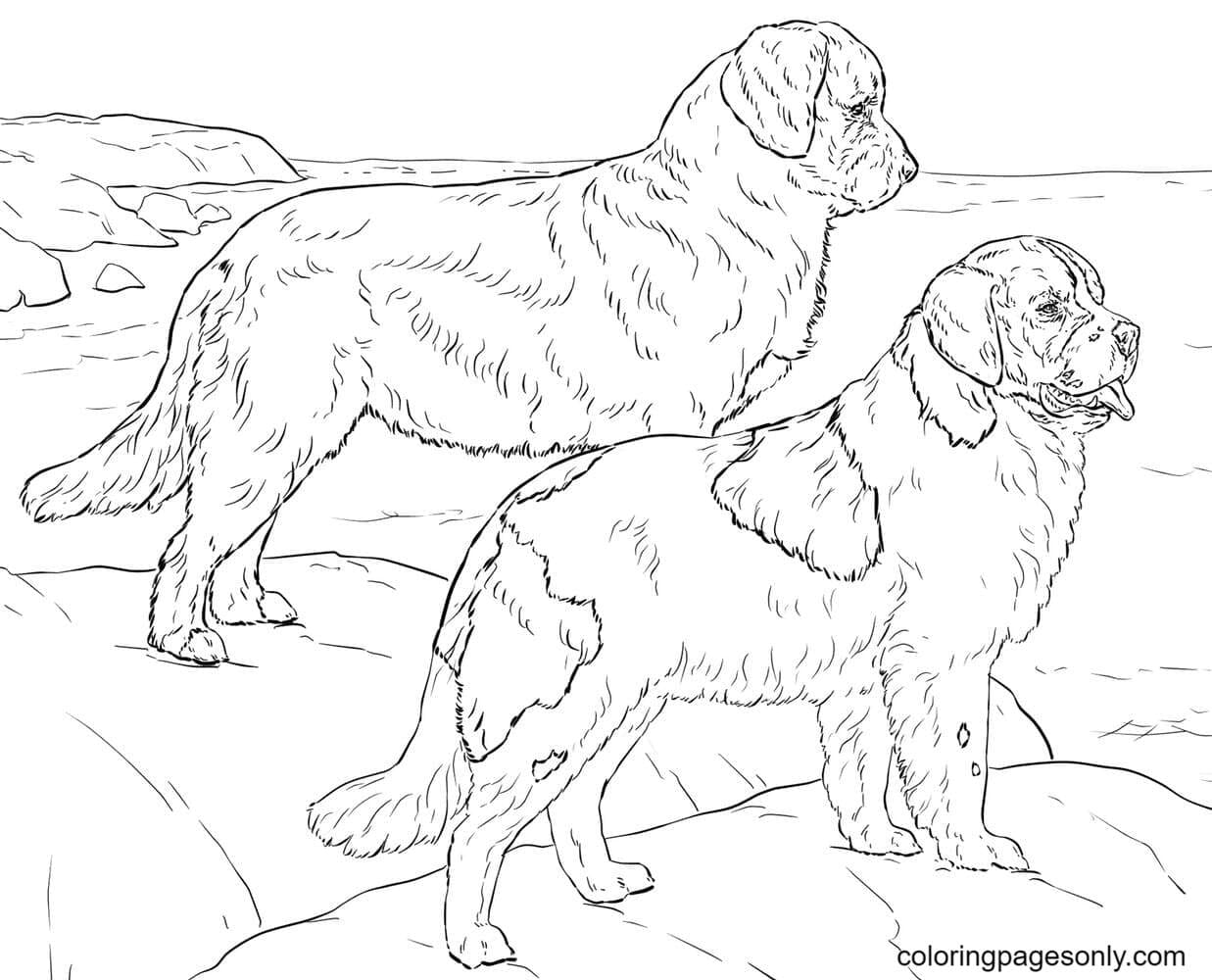
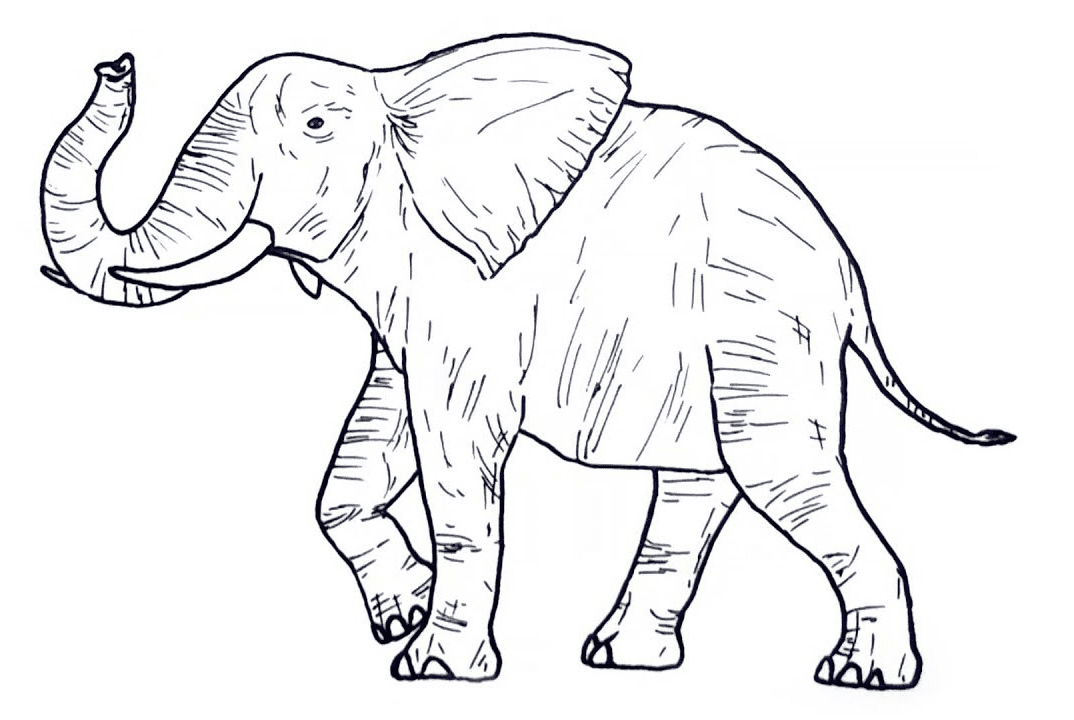
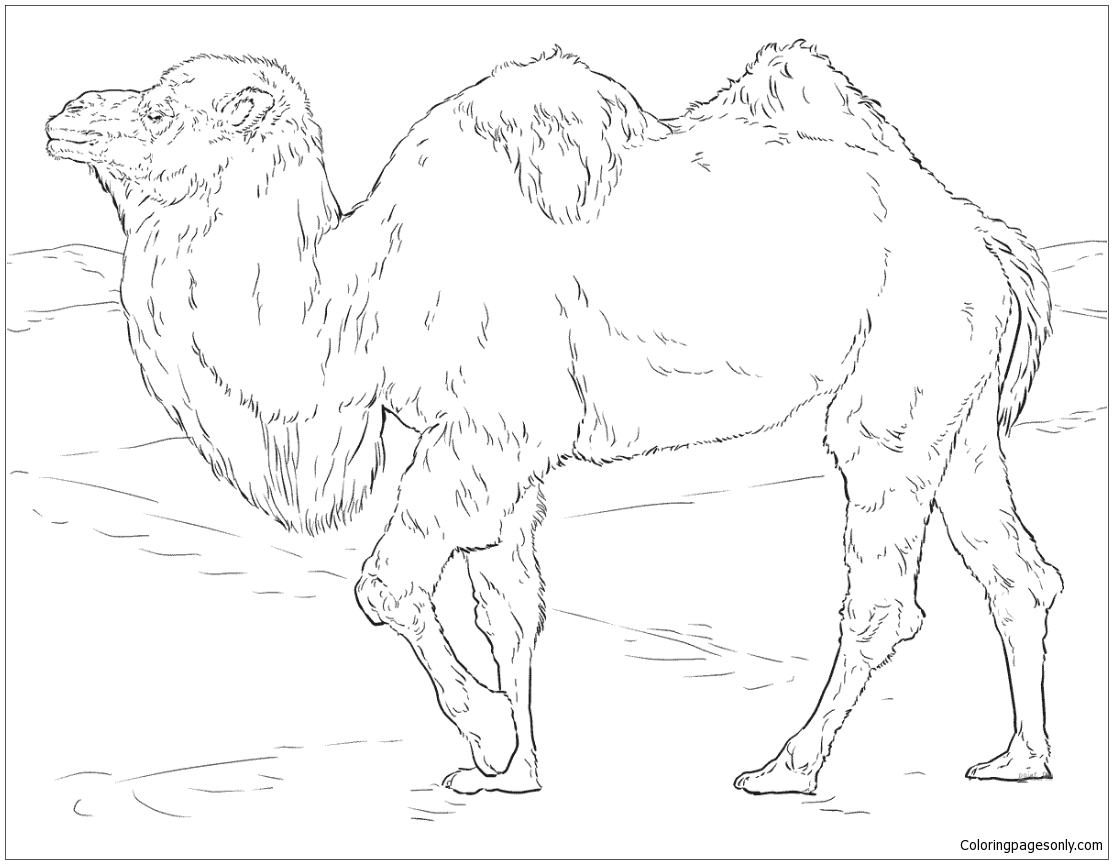
Thirty-nine pages cover horses, camels, elephants, otters, and other familiar and exotic grazing animals. Since this is the most varied group, research each species’ natural coloring individually for the most accurate result.
What Realistic Animal Coloring Pages Do
Careful strokes for accurate anatomy and markings. Filling in a tiger’s precise stripe pattern or a bird’s individual feathers without crossing the lines calls for controlled, contained pencil movement, and the American Academy of Pediatrics points to this kind of precise coloring as a way to build fine motor skills in children between ages 2 and 7.
A closer look at how animals actually appear. Because these designs are drawn with realistic proportions rather than a simplified cartoon style, coloring them gives children and adults alike a more accurate mental picture of a species’ true size, shape, and markings.
A steady, repeatable rhythm. A 2005 study published in the Art Therapy Journal recorded measurable drops in anxiety among participants who completed structured coloring sessions, and the detailed, focus-driven work required by these realistic designs offers that same steady, low-pressure task.
Practice with research-based color choices. Since many species in this collection have specific, factual coloring, coloring these pages naturally encourages looking up reference photos, turning a coloring session into a small research project along the way.
How to Color Realistic Animal Coloring Pages Well
- Fur and coat markings: Research each animal’s natural coloring before starting, since accuracy is the main appeal of this collection, from a tiger’s orange and black stripes to an Arctic wolf’s pale gray-white coat.
- Feathers: Build up bird feathers in thin, layered strokes rather than one flat color, since real feathers show subtle variation in shade from the base to the tip.
- Scales and reptile skin: Use small, varied strokes of green, gray, or brown for reptile skin, adding slightly darker shading in the ridges and folds for a more textured, three-dimensional look.
- Eyes: Keep an animal’s eyes a focused point of detail, since a small, well-placed highlight can make a realistic design feel much more lifelike.
- Backgrounds: Where a design includes a habitat, use muted, natural tones so the animal itself remains the clear focal point of the page.
- Shading: Use a slightly darker version of an animal’s main color in its shadowed areas, such as under the belly or around the joints, to add depth to a flat outline.
5 Creative Craft Ideas With Realistic Animal Coloring Pages
1. Wildlife Field Guide Book
Color several pages, add a short fact written beside each one, and bind them together into a simple homemade field guide.
2. Habitat Diorama
Color an animal page, cut it out, and glue it into a small shoebox diorama decorated to match its natural habitat.
3. Classroom World Map Display
Color several animals, cut them out, and pin each one to the region of a classroom world map where that species is found.
4. Bookmark
Trim a small colored animal design to size, laminate or cover with clear tape, and punch a hole for ribbon to make a durable reading bookmark.
5. Animal Fact Matching Game
Color several animal pages, write a matching fact card for each one, and use the set to play a simple matching game.
Frequently Asked Questions
What are realistic animal coloring pages?
Realistic animal coloring pages are printable line-art designs featuring big cats, bears, birds, reptiles, and grazing animals drawn in accurate, true-to-life proportions rather than a cartoon style. This collection includes 81 free designs available as PDFs or online coloring.
How is this collection different from cute or cartoon animal pages?
This collection focuses on accurate anatomy, markings, and posture for each species, giving colorists a closer look at how an animal actually appears in the wild rather than a simplified or exaggerated cartoon design.
Are any of the animals in this collection endangered?
Yes. Several featured species are considered rare or threatened, including the Sumatran rhinoceros, with an estimated global population of fewer than 80 mature individuals remaining in the wild.
How long can a Galápagos tortoise live?
Galápagos tortoises are among the longest-living land animals, capable of living well over 100 years in the wild.
Do realistic animal coloring pages help kids learn about wildlife?
Yes. Coloring an accurately drawn animal can naturally encourage looking up reference photos and facts, making these pages a useful, hands-on complement to learning about different species and habitats.
What supplies work best for detailed animal coloring pages?
Colored pencils are especially well-suited to these designs, since they allow for the layered shading and fine detail that realistic fur, feathers, and scales require.
Are realistic animal coloring pages suitable for young children?
Yes, though the level of detail in some designs may suit older children and adults best. Simpler pages in this collection still work well for younger colorists who enjoy animal subjects.
What colors work best for realistic animal designs?
Colors should be based on each animal’s true, natural coloring, researched individually, since accuracy rather than bright, decorative color is the main appeal of this collection.
Start Coloring
Download any page by clicking the design. No account, email, or payment is required. Pages print directly from the browser at full resolution or open in the online coloring tool for screen use. Share finished pages on Facebook or Pinterest with the share buttons at the top of each design page.