Free Ancient Egypt Coloring Pages: 23 printable PDF designs of pyramids, pharaohs, gods, and daily life from one of history’s most studied civilizations. Every design here can be downloaded as a PDF or colored online for free, with no account needed either way.
Much of what’s known about Ancient Egypt came from a single discovery: the Rosetta Stone, found in 1799 near the town of Rosetta, carved with the same decree in hieroglyphics, an everyday script called Demotic, and ancient Greek. French scholar Jean-François Champollion finally deciphered the hieroglyphics in 1822, after roughly two decades of failed attempts by other scholars, unlocking the meaning of inscriptions that had gone unread for over a thousand years.
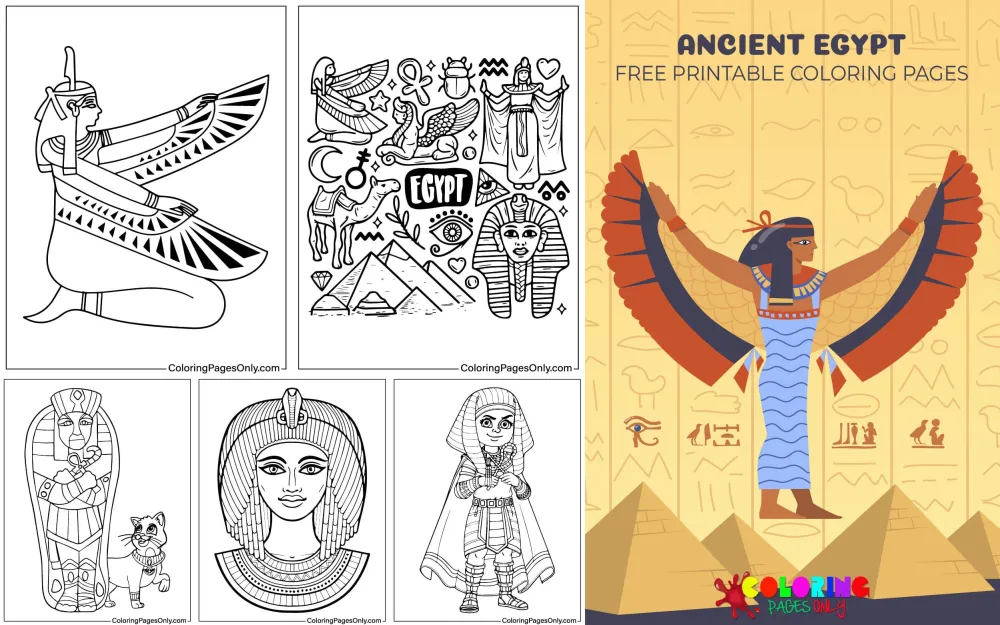
The 23 pages are split into five groups: simple solo portraits, pharaohs and guards, gods and goddesses, monuments and landscapes, and daily life and symbols. Since Ancient Egypt covers thousands of years of history, the coloring approach shifts considerably depending on whether a page focuses on royalty, religion, or everyday life.
What’s Inside This Collection
Five groups organize the 23 pages, ranging from simple portraits to full landscapes built around Egypt’s monuments and beliefs.
Simple Solo Portraits
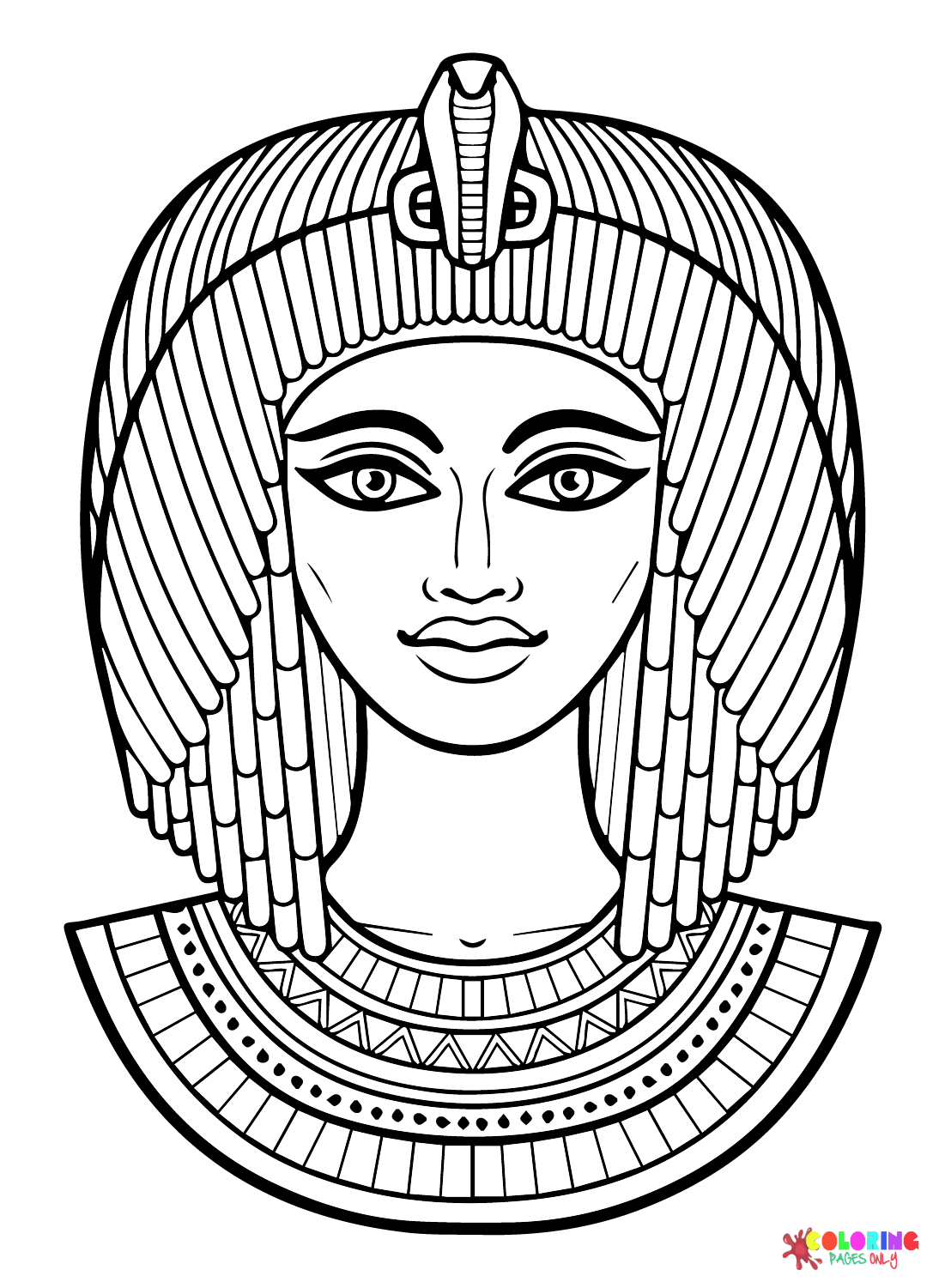
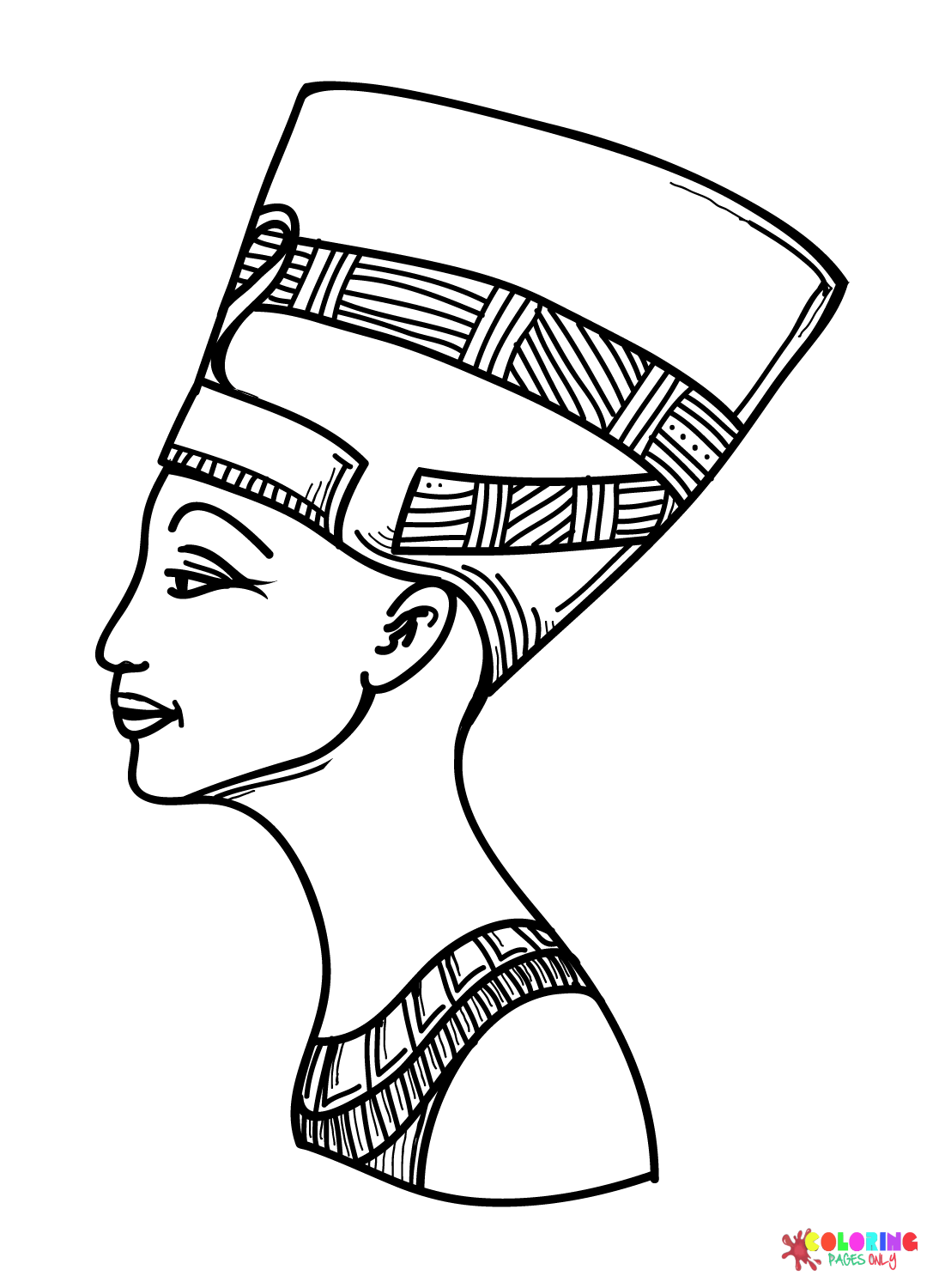
A group of pages presents a broad, general Ancient Egypt theme, repeated under different file names rather than tied to one specific figure or monument. Coloring suggestion: use this repetition to practice the flat, profile-style poses typical of Egyptian art, along with the gold and turquoise accents common in period jewelry.
Pharaohs and Guards
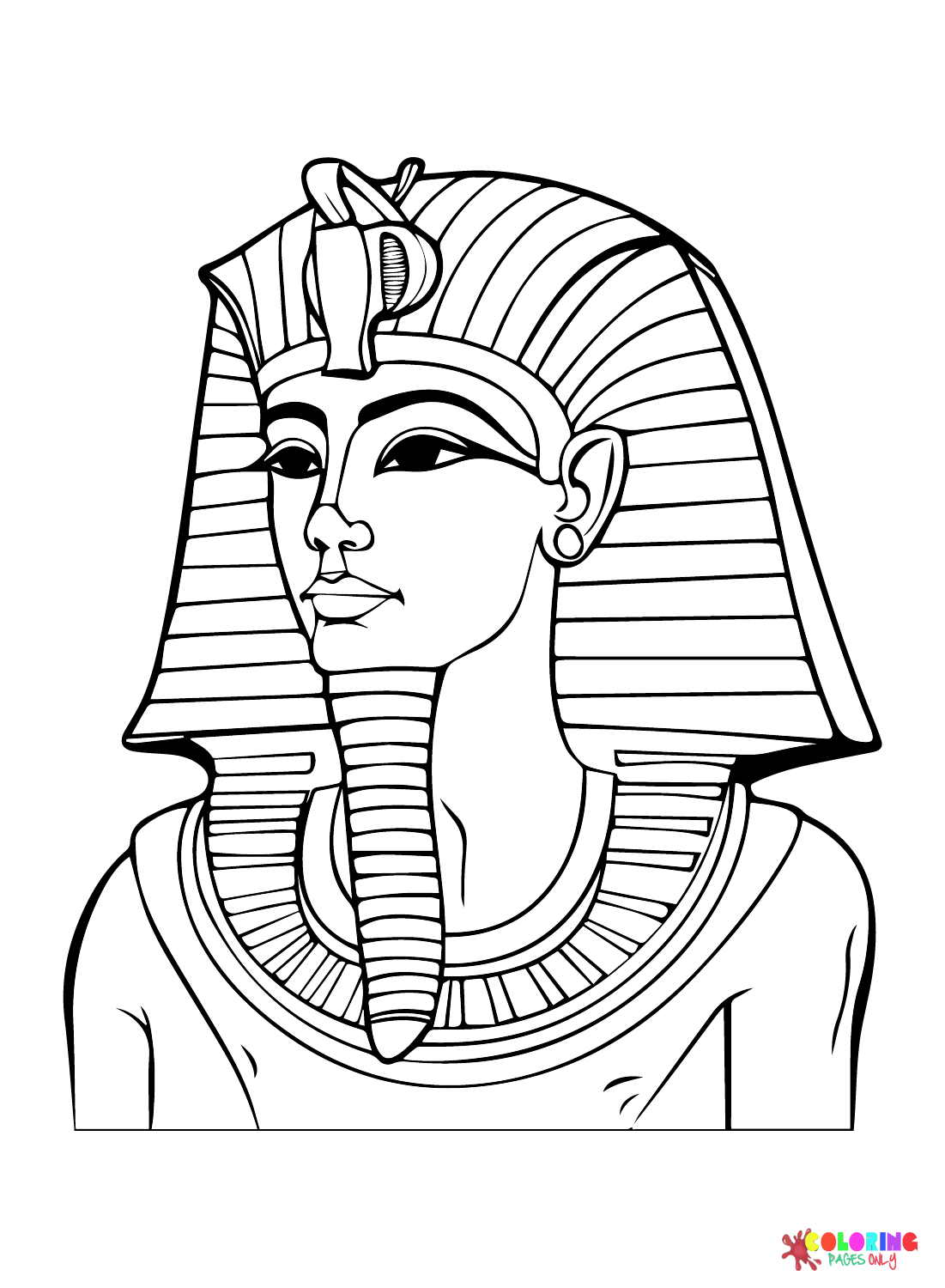
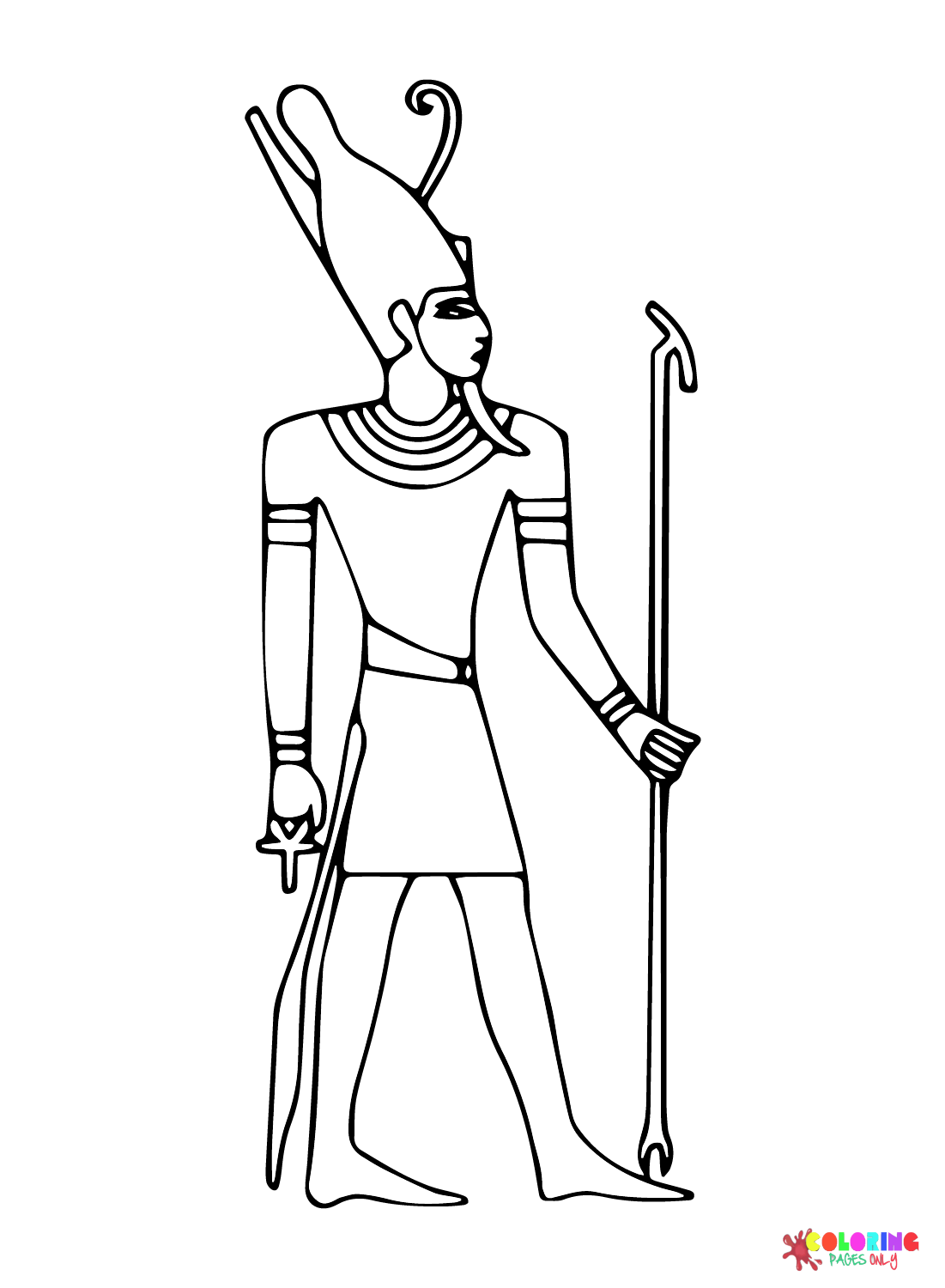
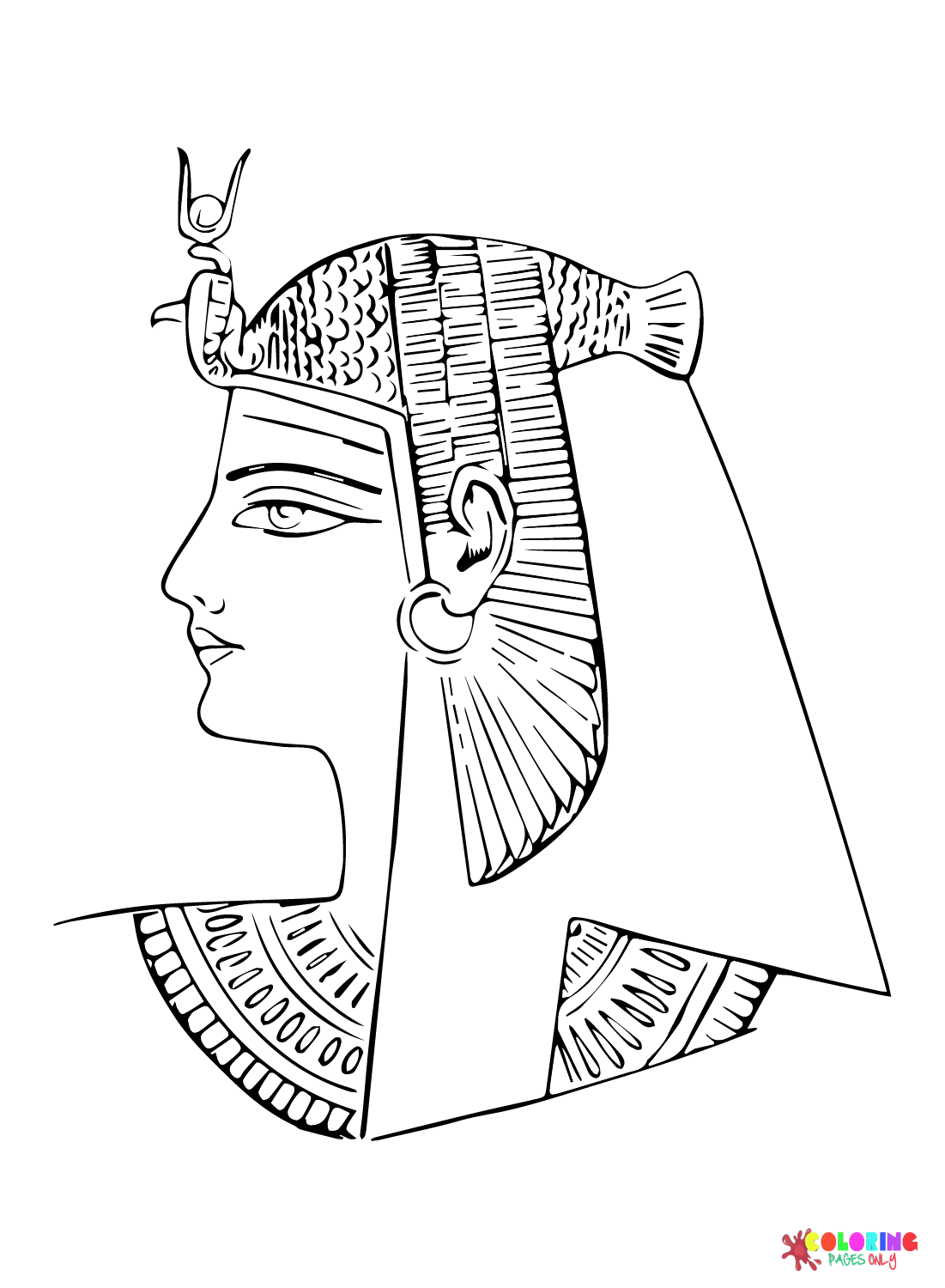
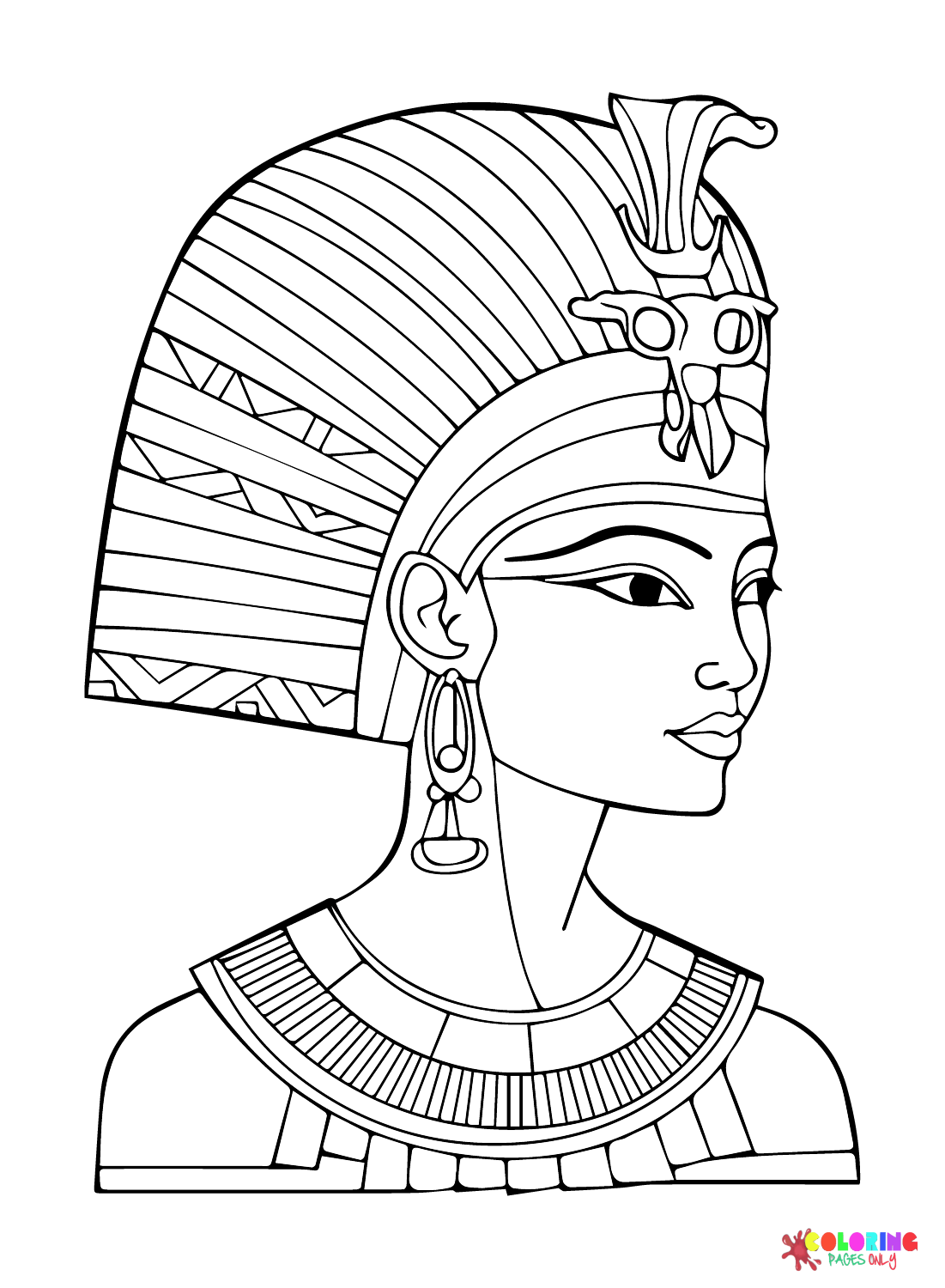
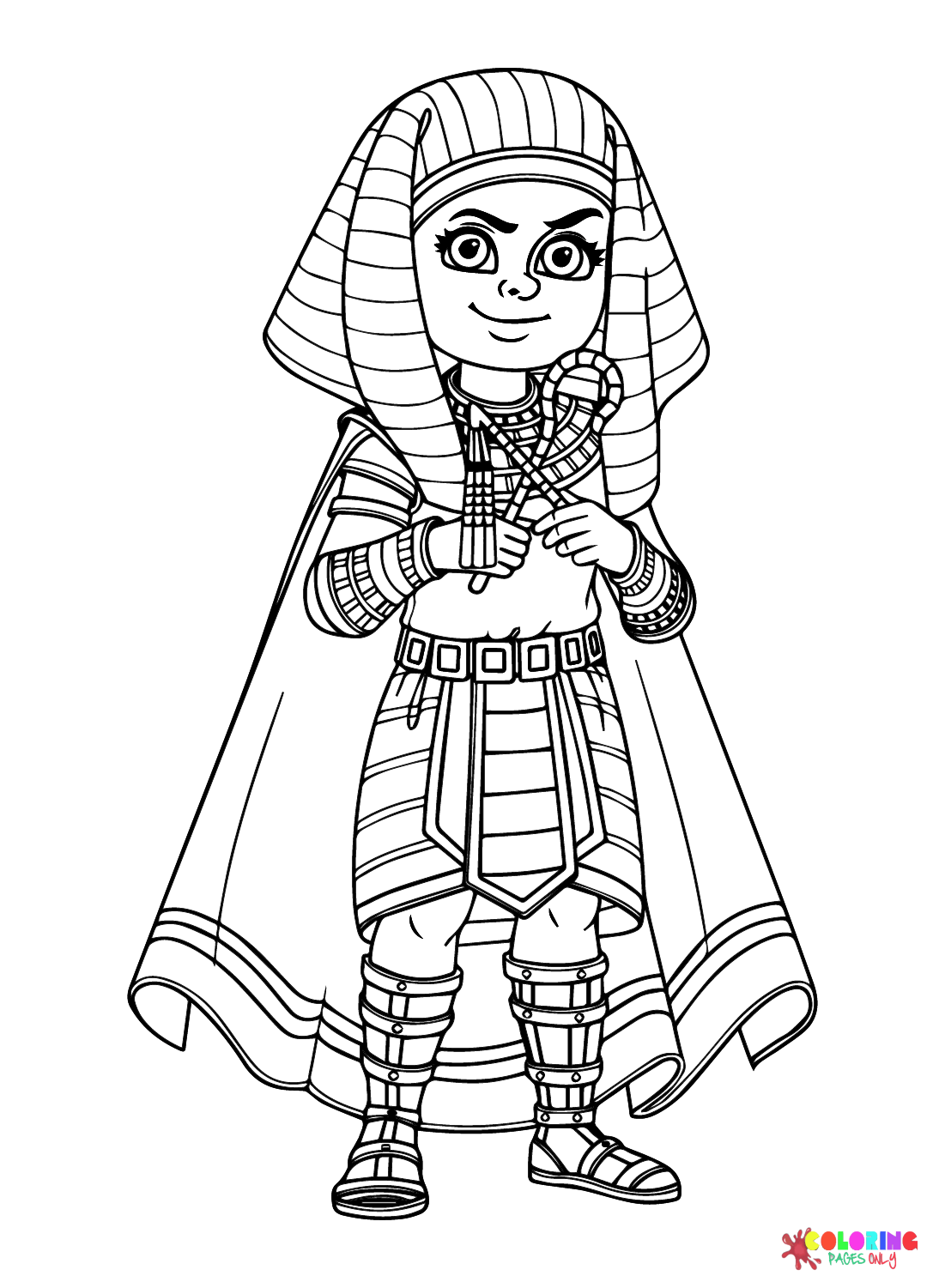
These pages show a king, palace guards, and a young figure in royal or noble dress. Coloring suggestion: use gold and deep blue for royal headdresses and collars, since these were the colors most associated with Egyptian royalty and status.
Gods and Goddesses
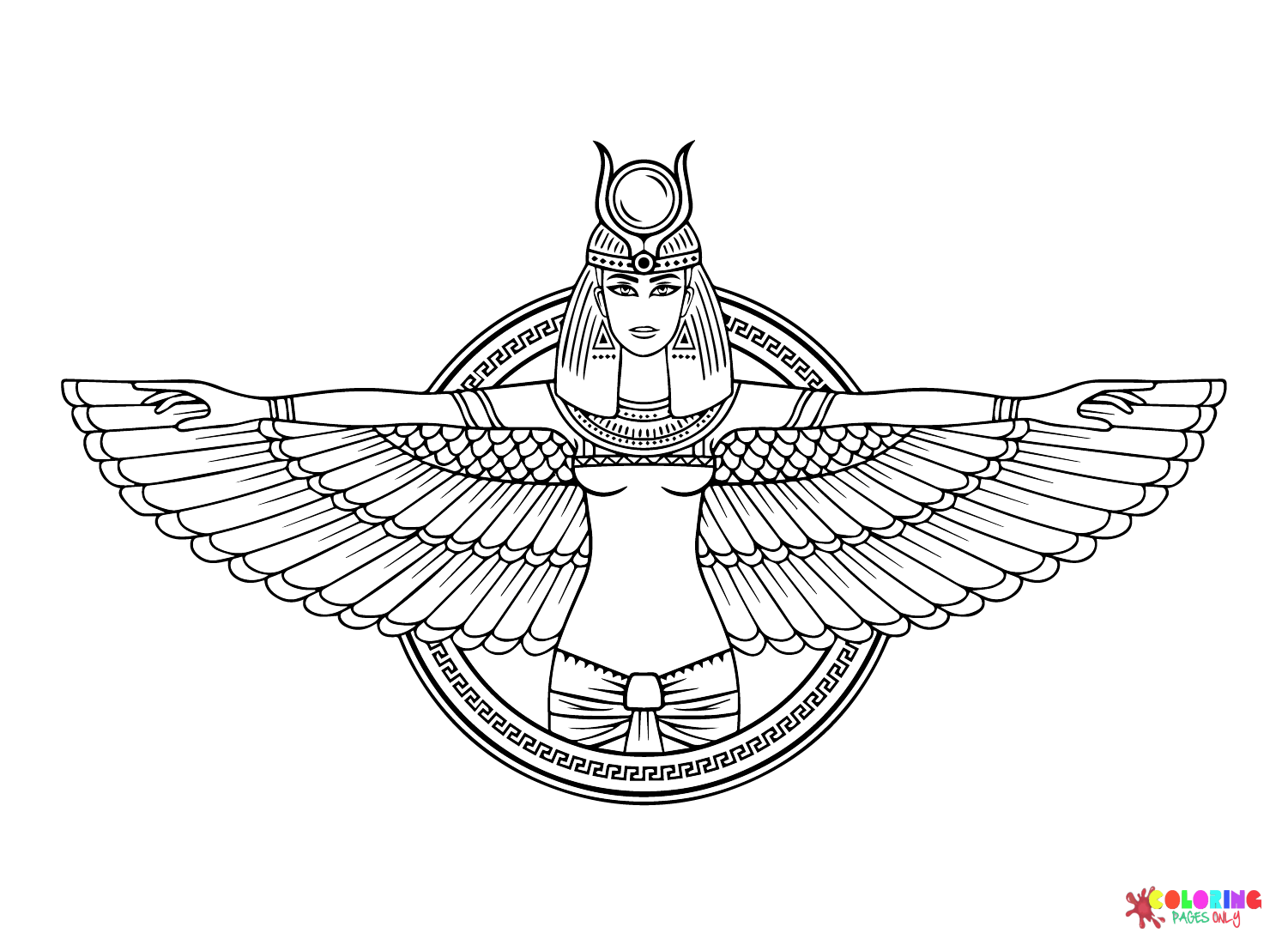
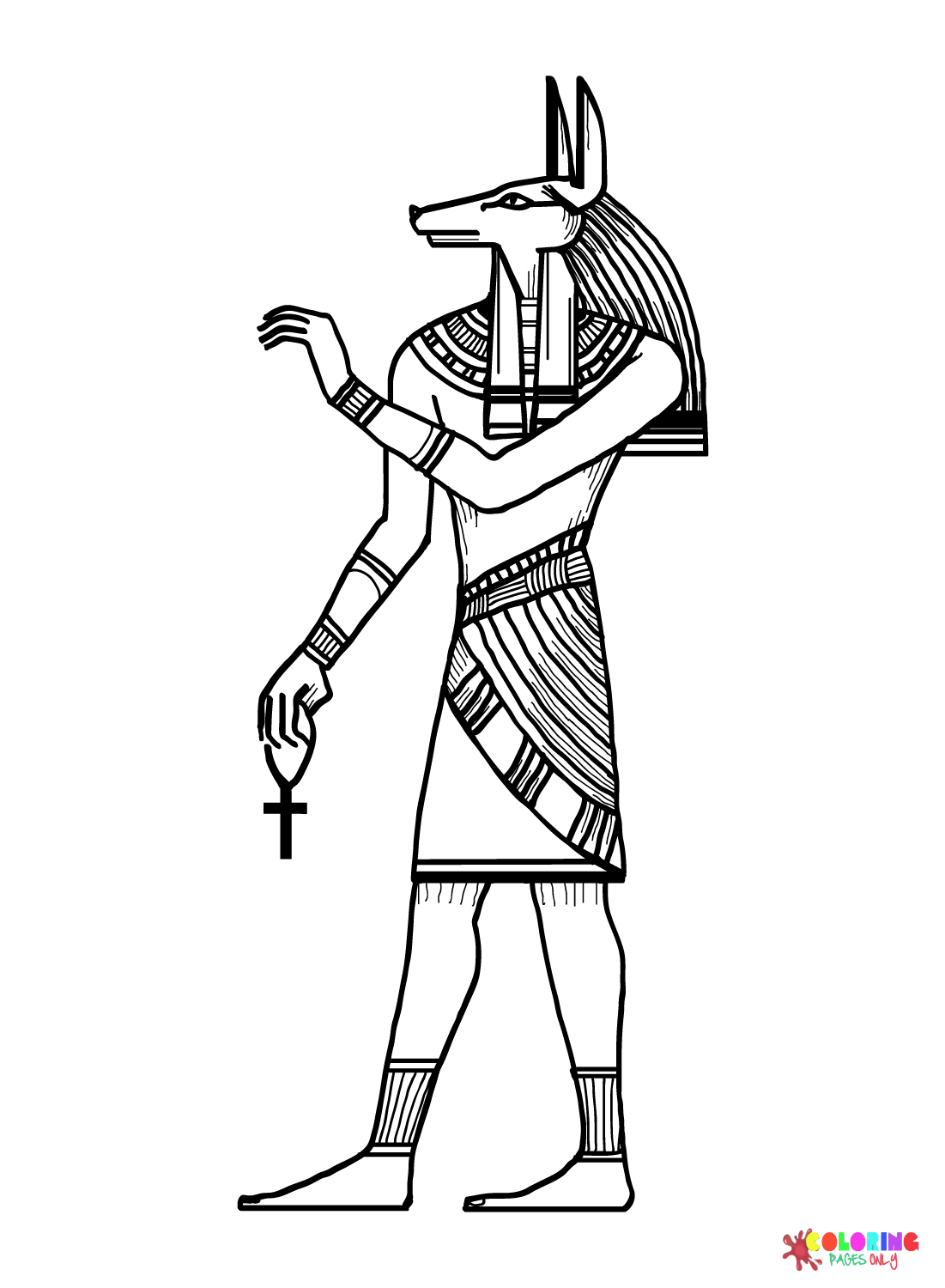
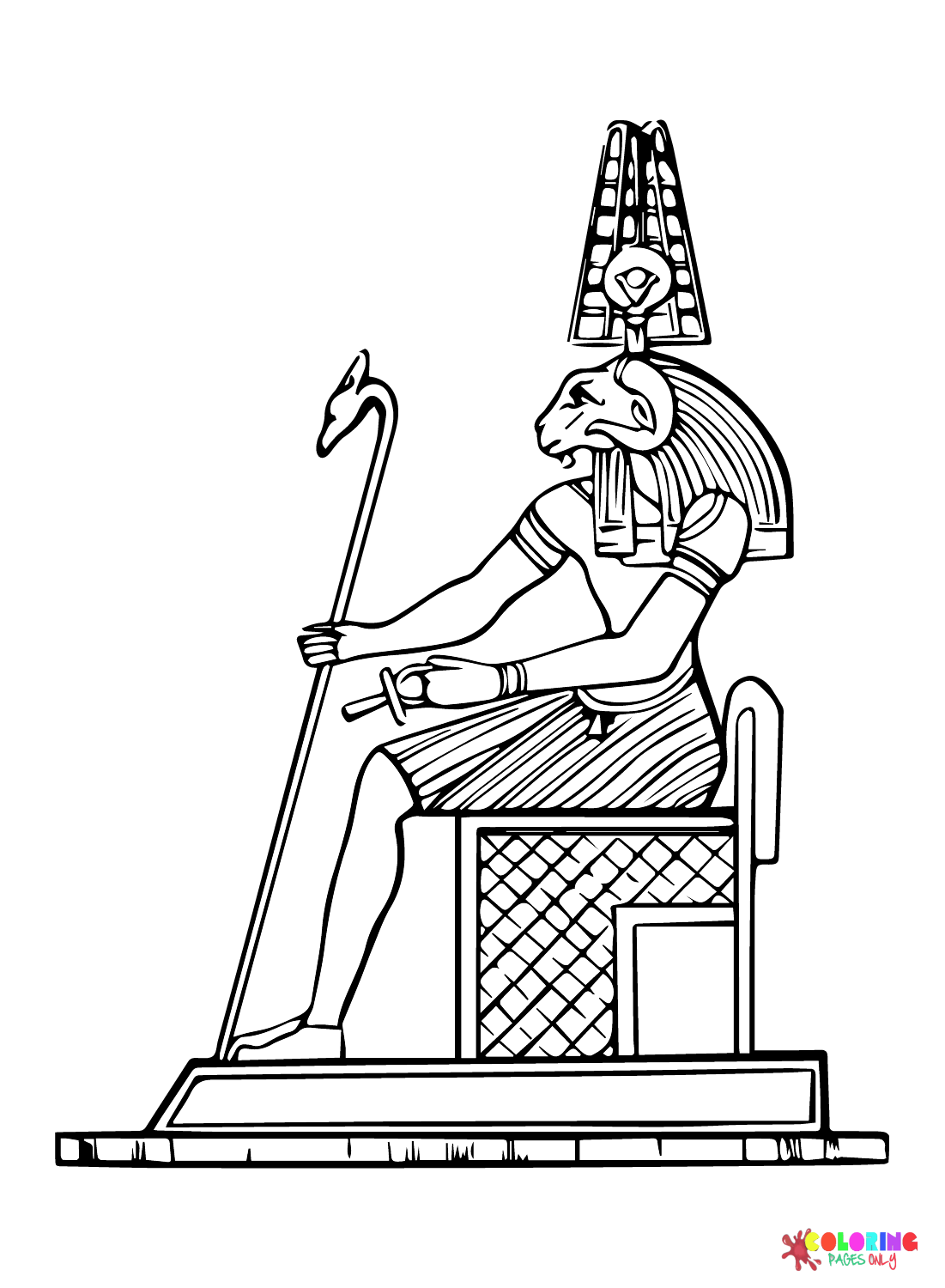
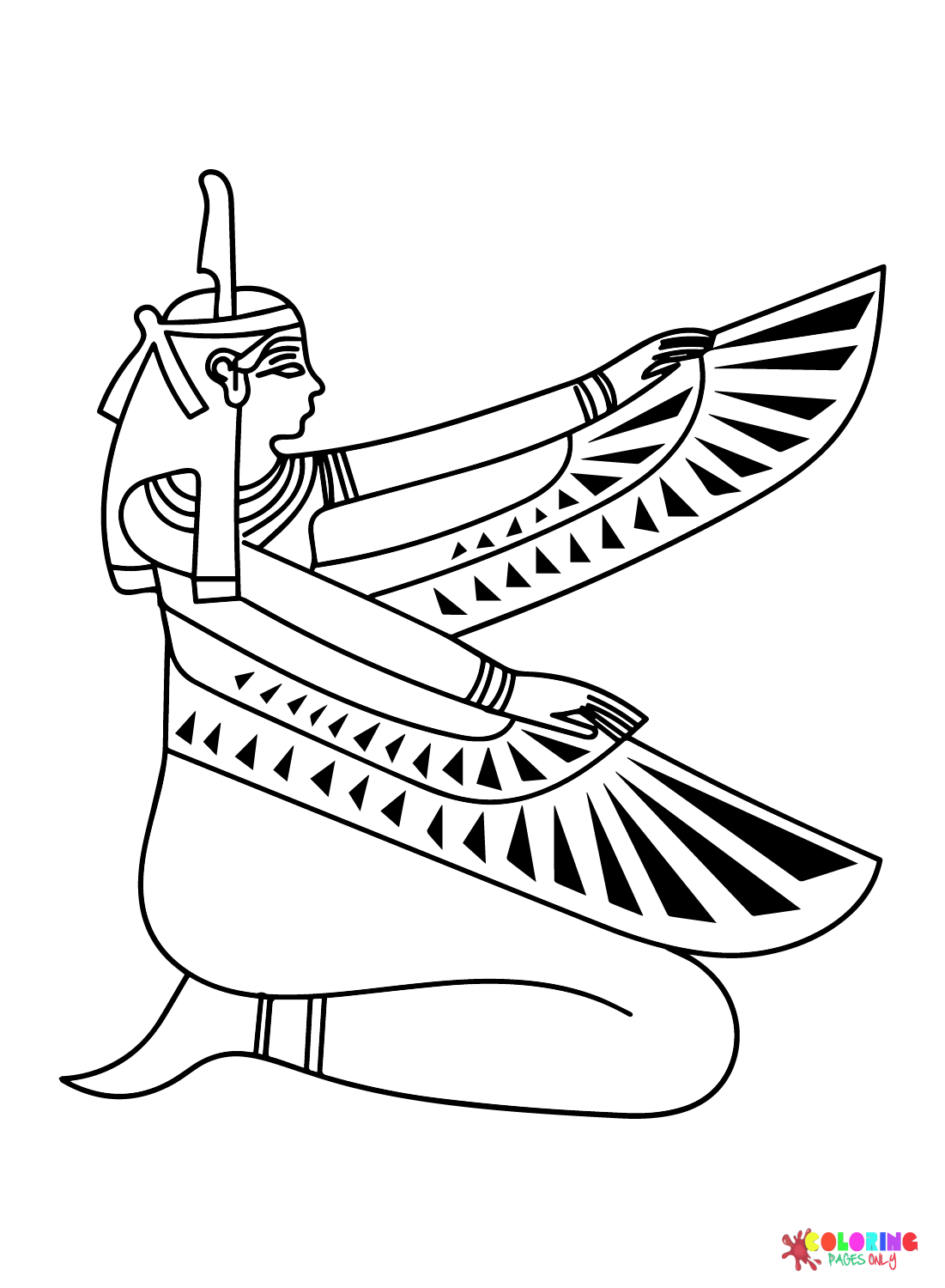
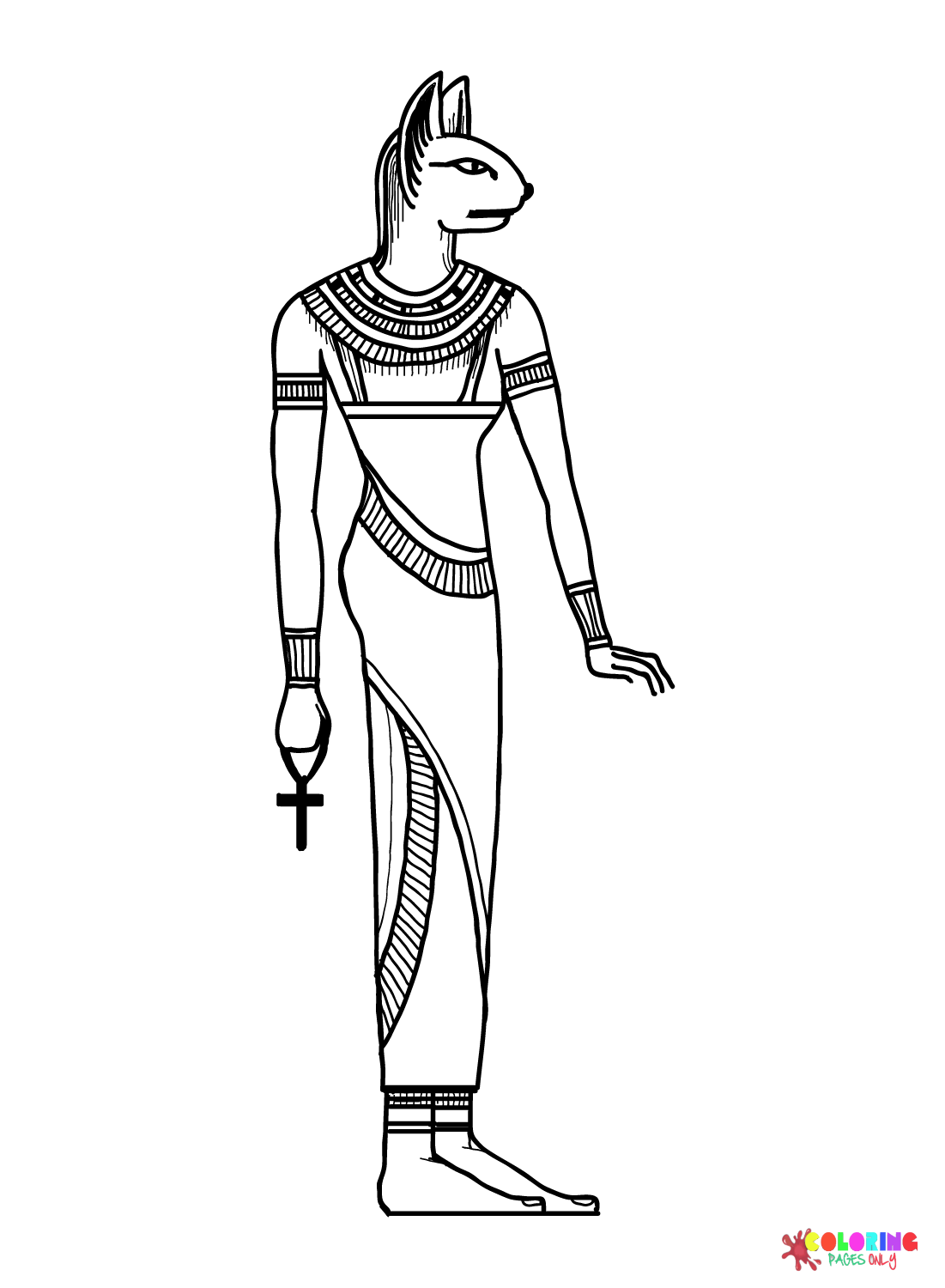
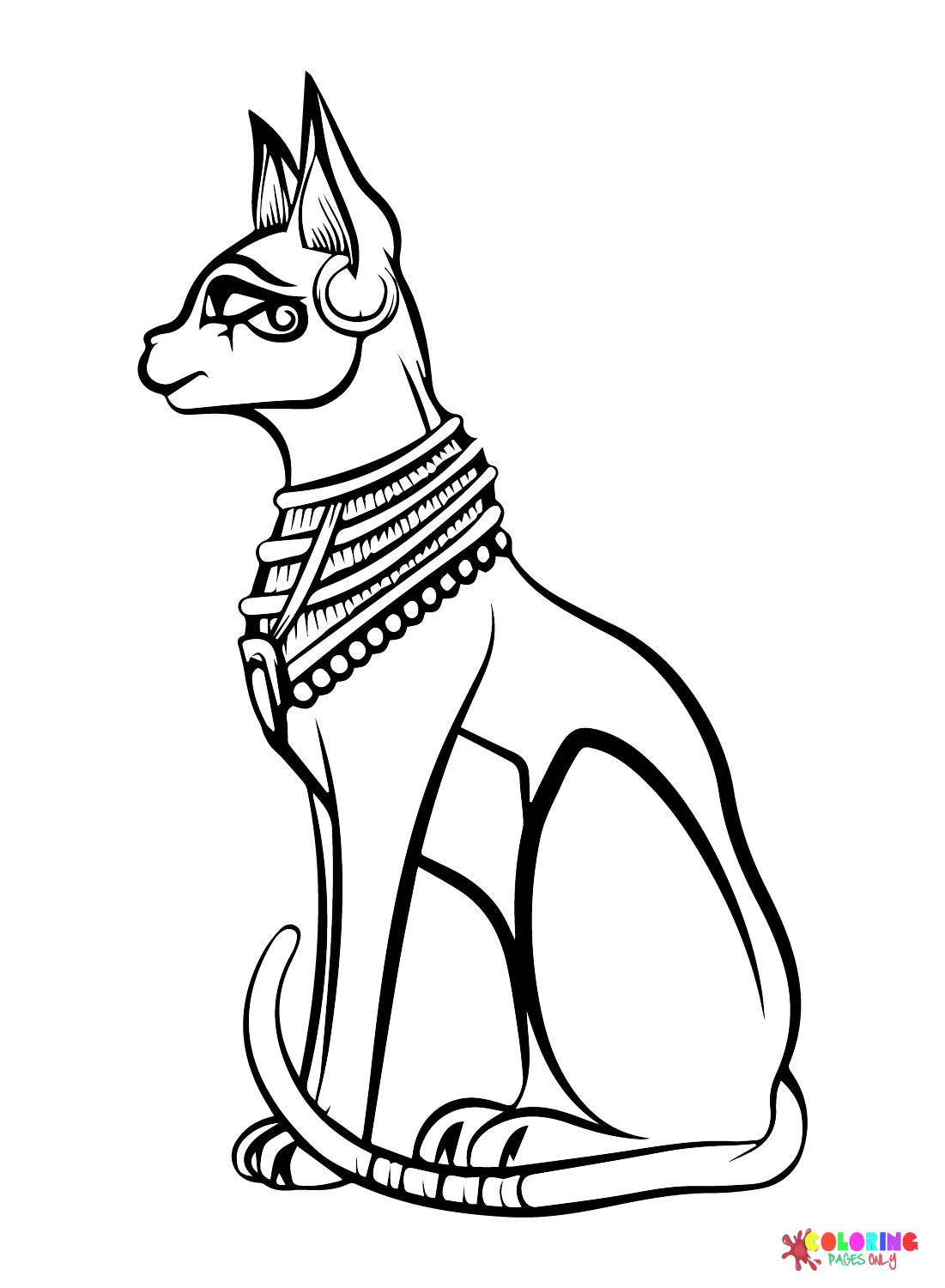
This group covers Egyptian deities, including a cat-associated goddess likely representing Bastet. Coloring suggestion: research the real animal or symbol tied to each deity, a cat for Bastet, a jackal for Anubis, before choosing colors, since these associations are specific and well-documented.
Monuments and Landscapes
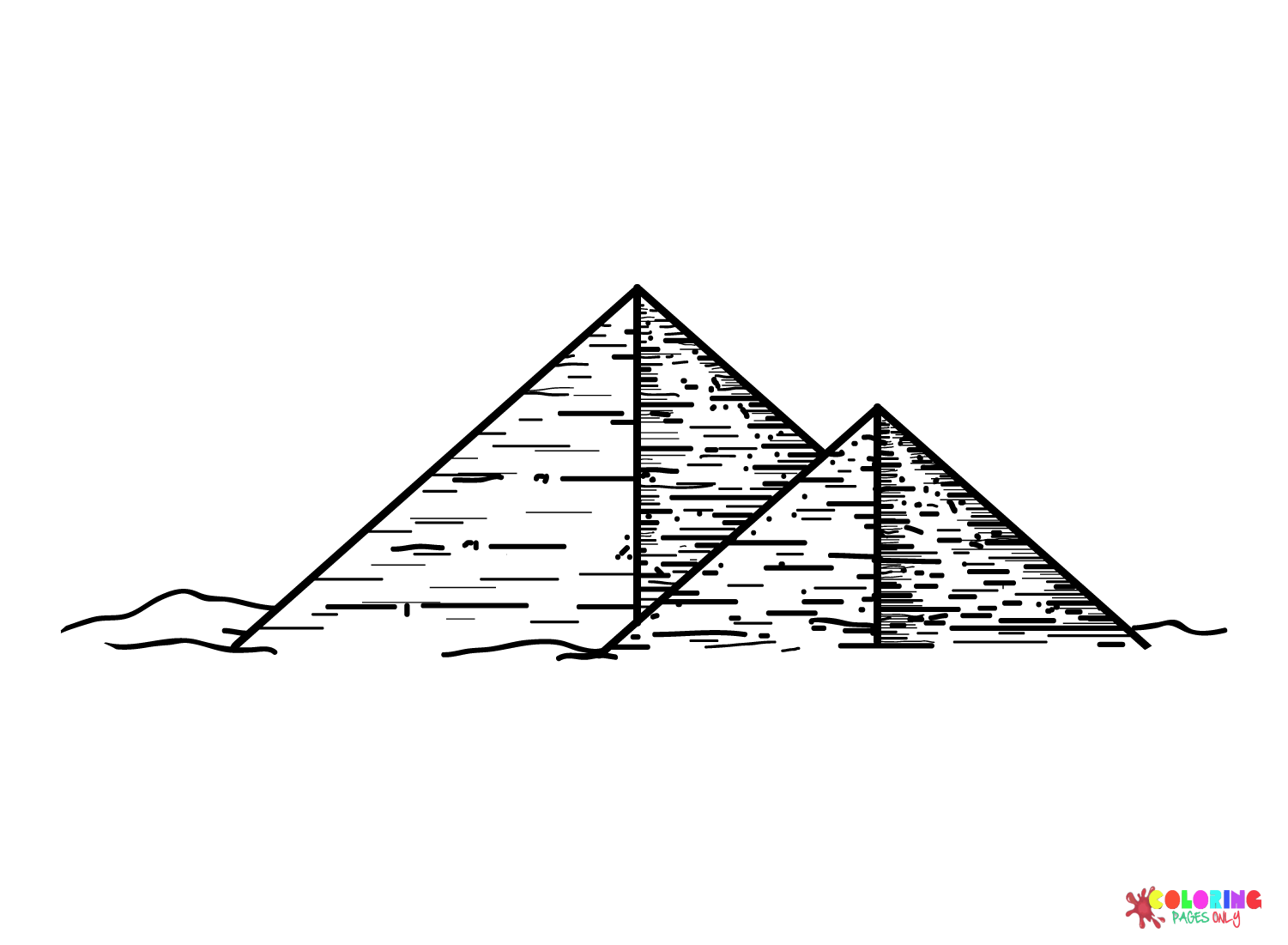
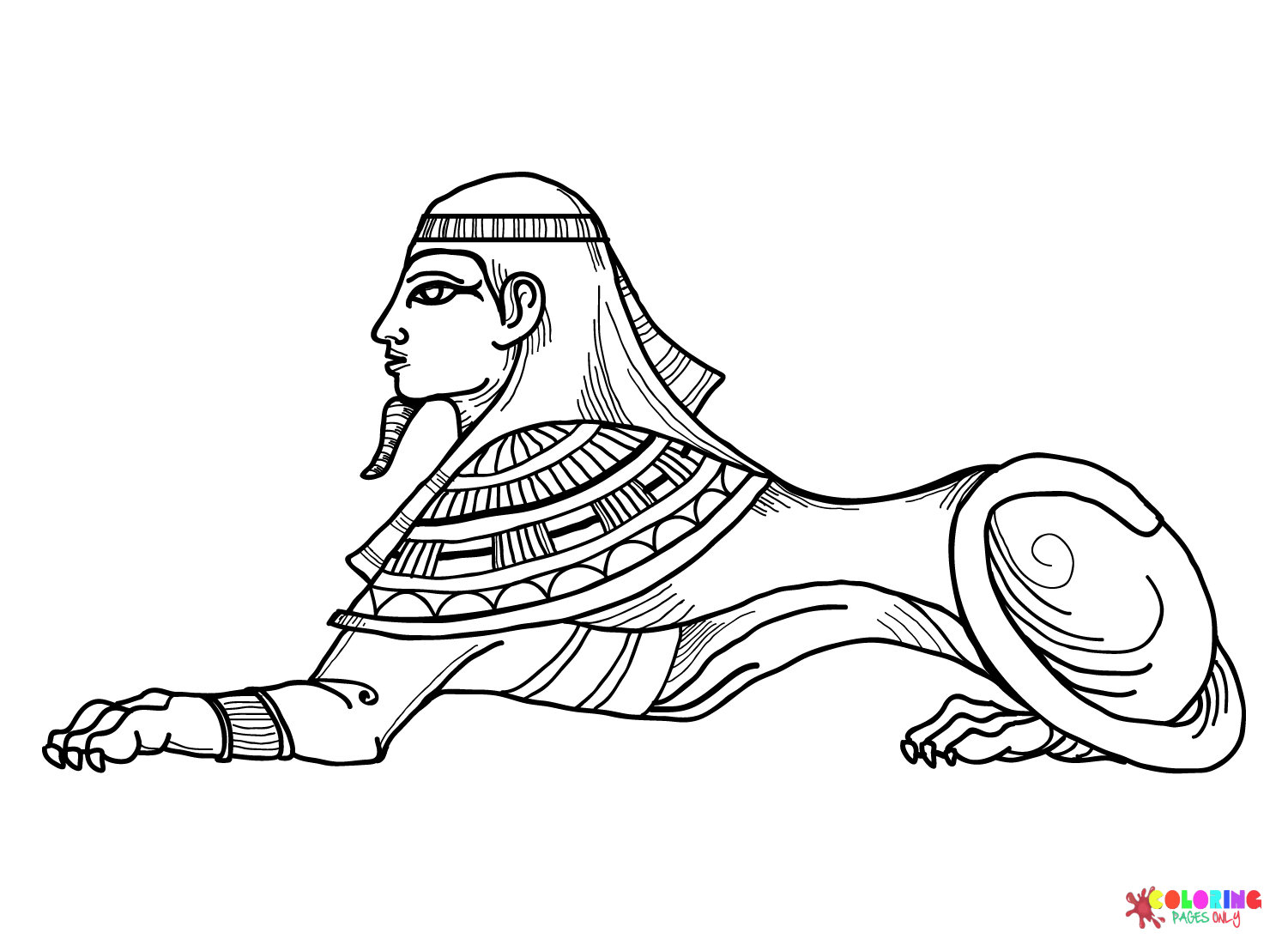
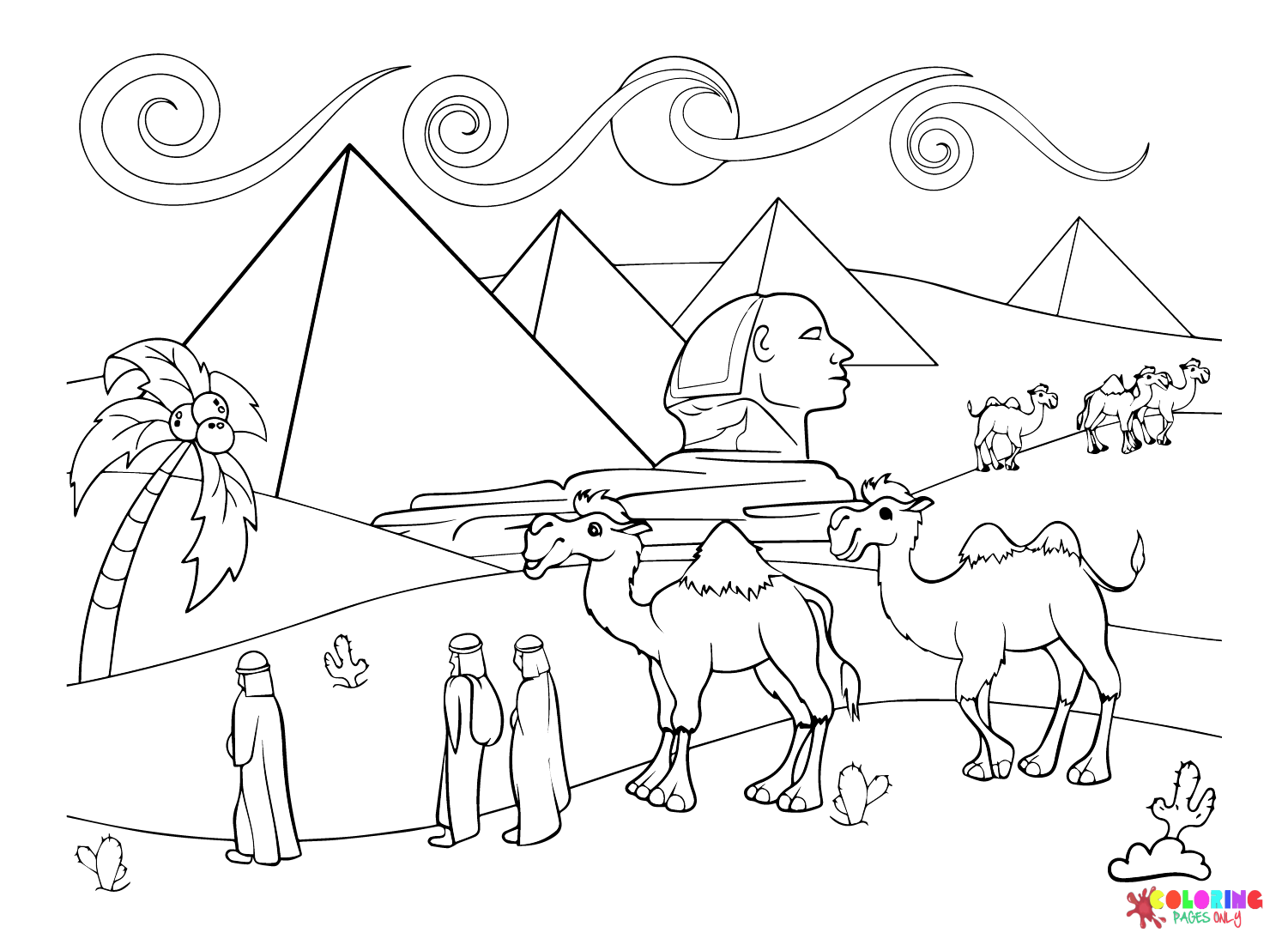
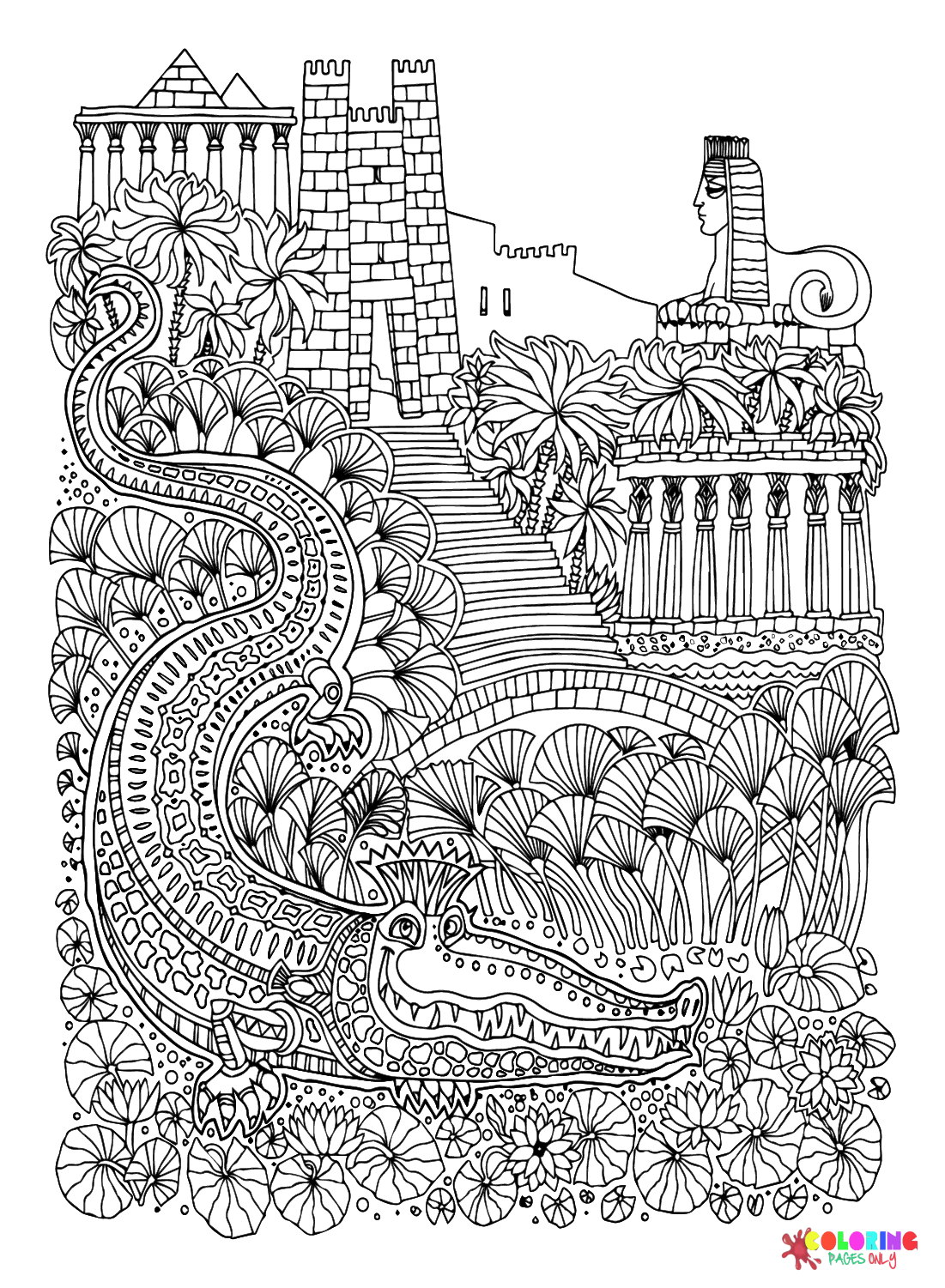
These pages show the Great Pyramids, the Sphinx, and a wider desert landscape. Coloring suggestion: layer at least two shades of tan and gold for sand and stone, keeping the sky a clear, warm blue to contrast with the desert tones below.
Daily Life and Symbols
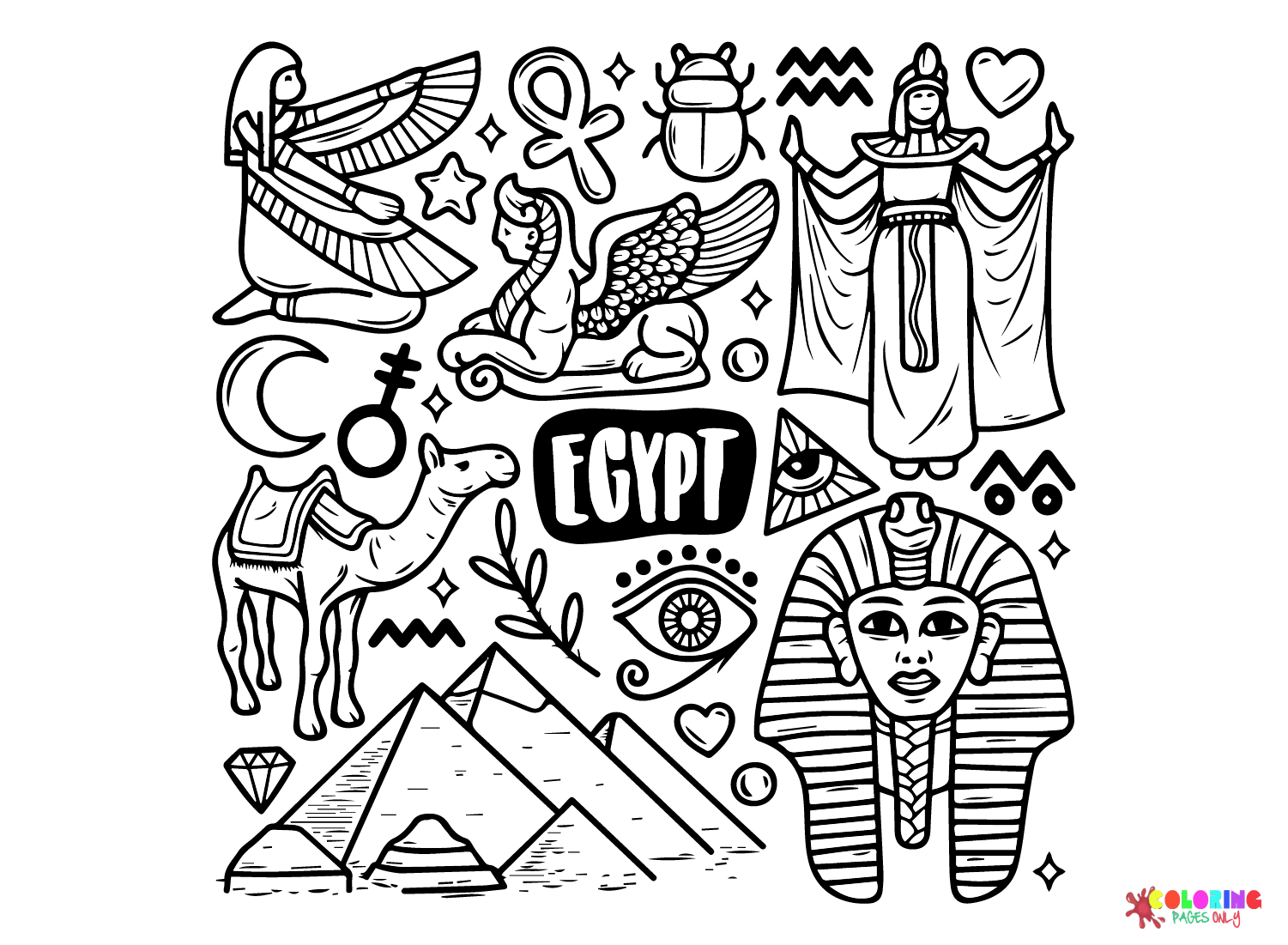
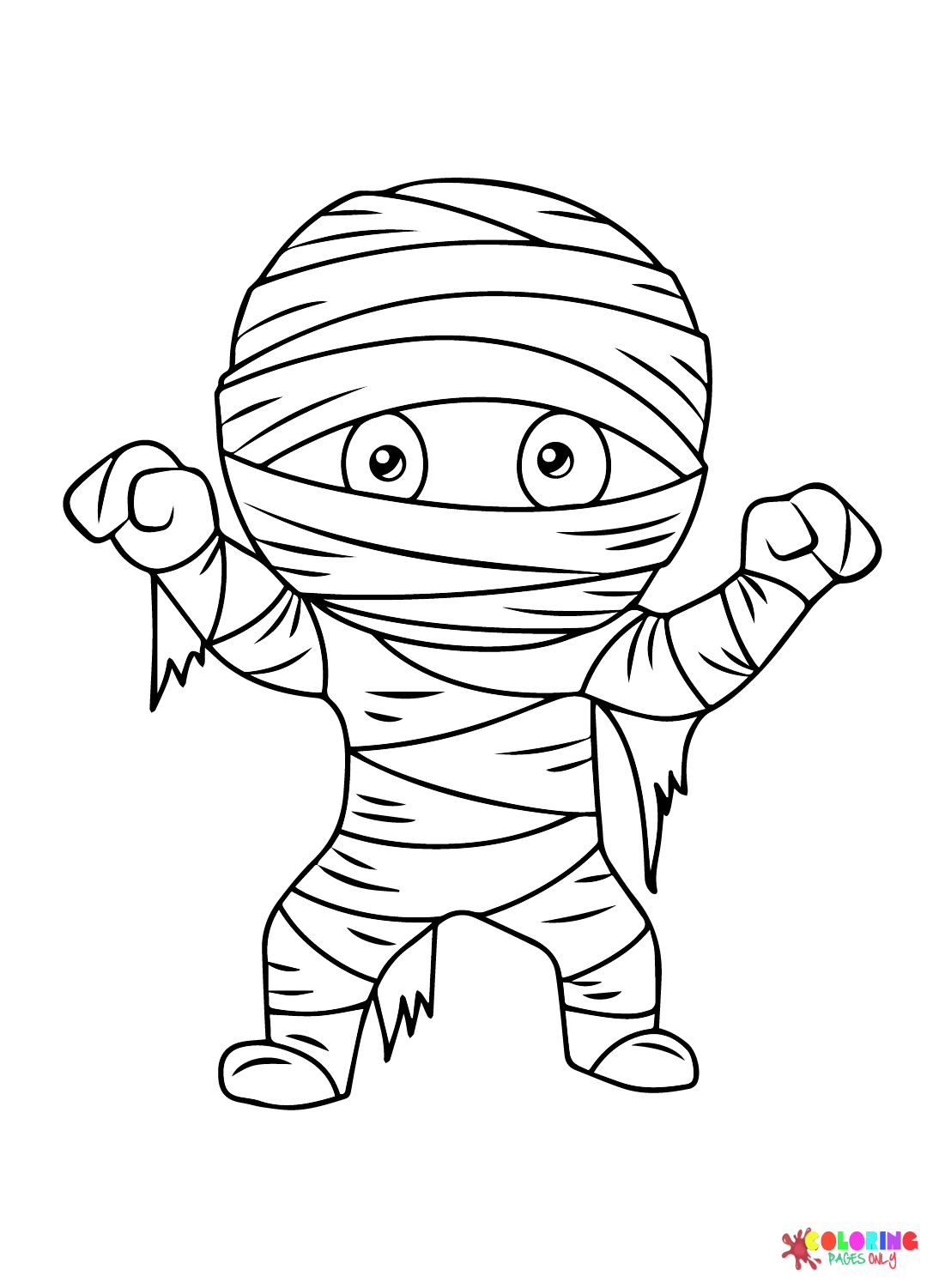
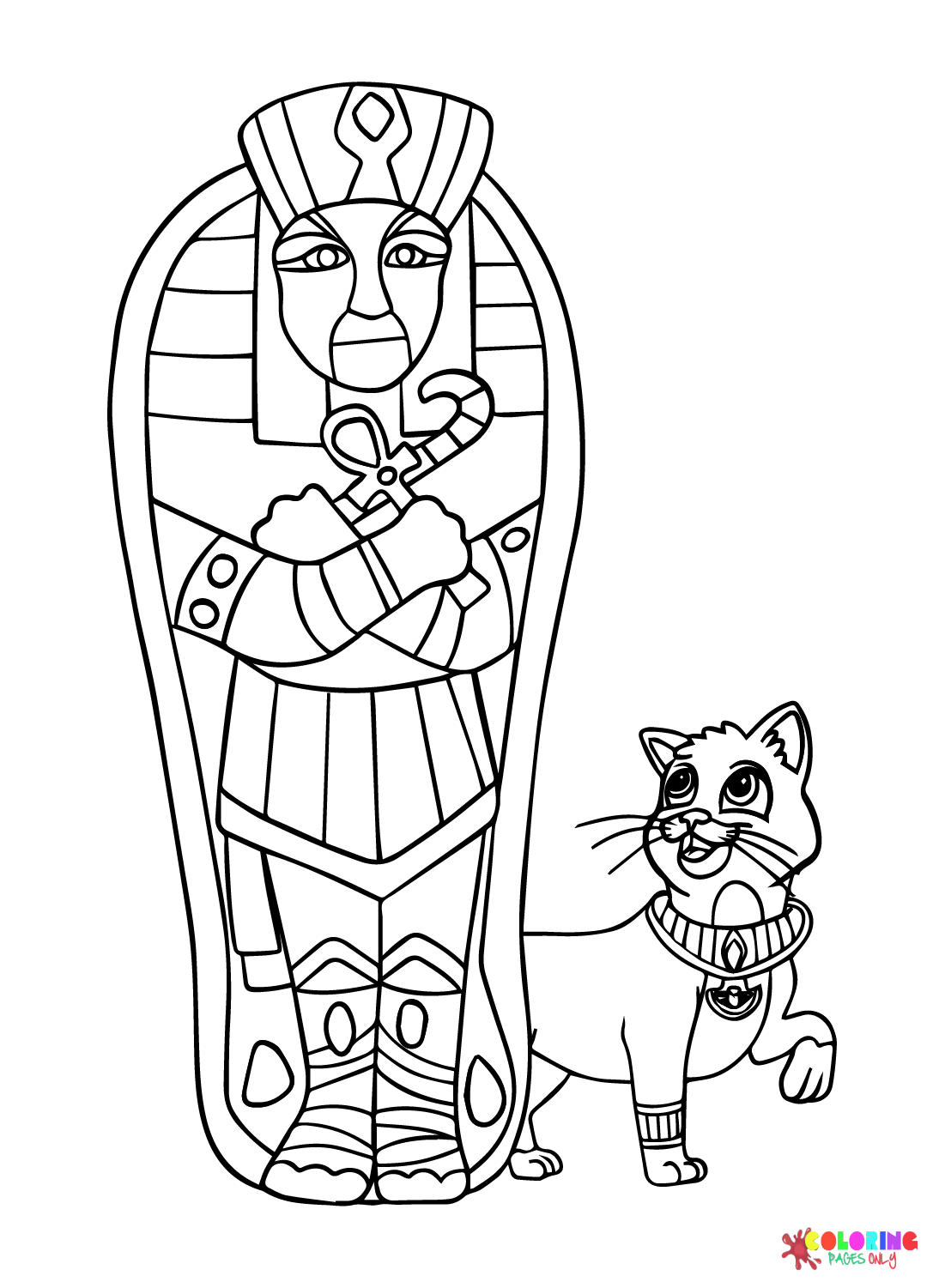
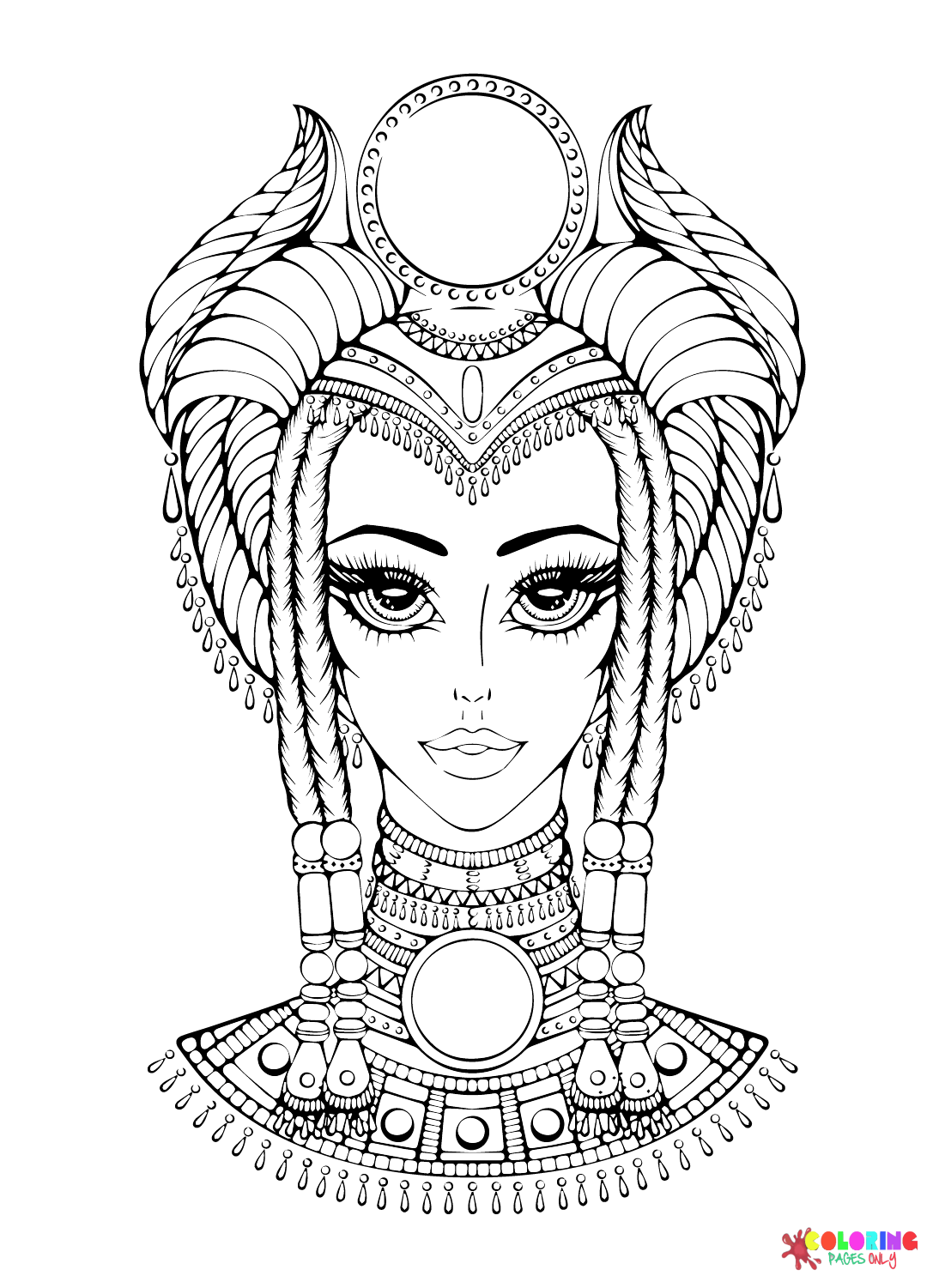
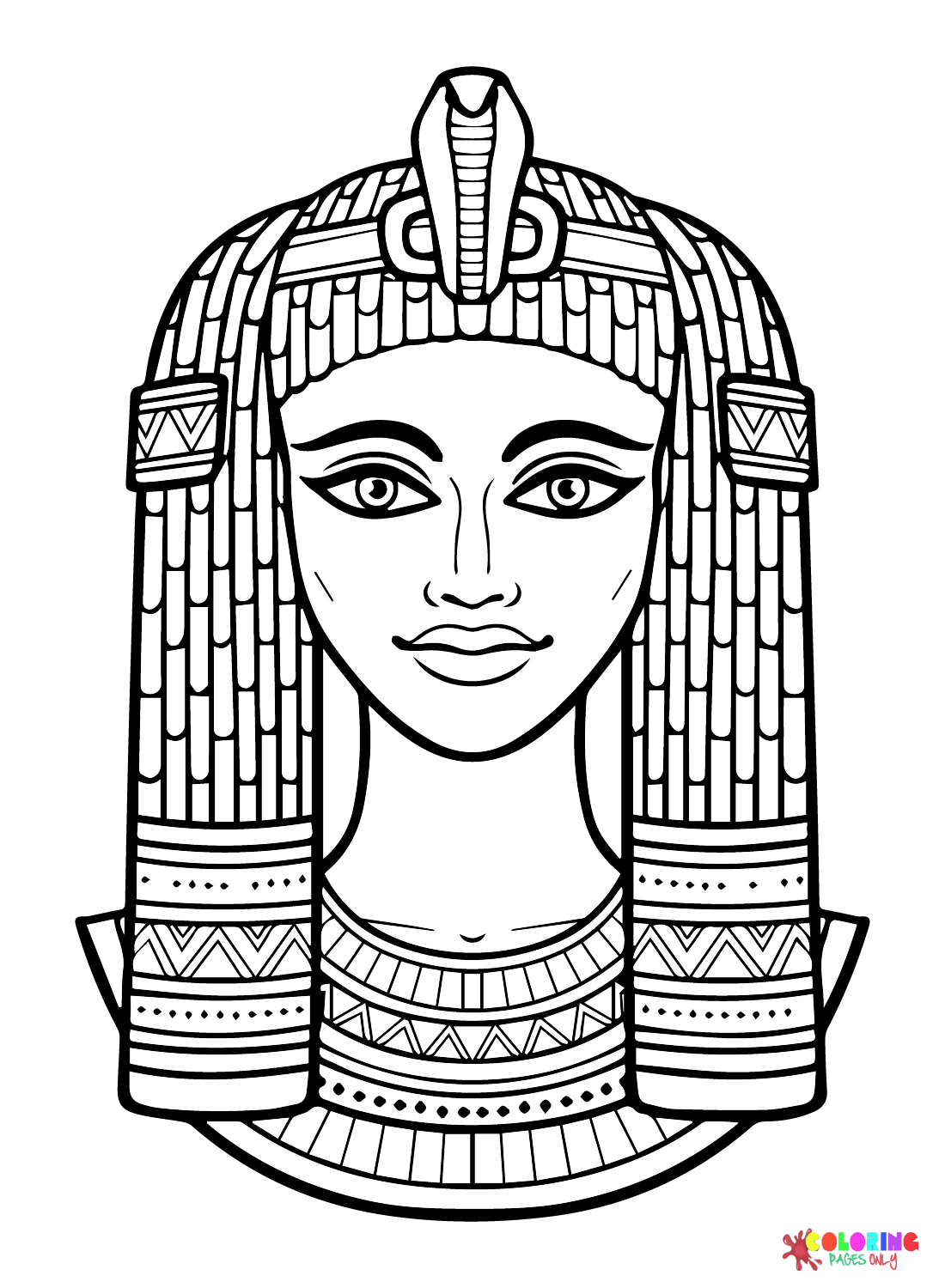
A varied group covers everyday and ceremonial elements: women in traditional dress, a cat alongside a sarcophagus, mummies, and a set of small Egyptian icons and symbols. Coloring suggestion: keep linen clothing in pale cream or white, saving bold color for jewelry, symbols, and decorative borders.
What Ancient Egypt Coloring Pages Do
A distinctive pose, carefully followed. Egyptian art traditionally shows the human body from a mix of angles at once, a profile head and legs with a front-facing torso, and following that distinctive, angular outline takes a different kind of attention than a naturally proportioned figure would, the kind of varied fine motor practice the American Academy of Pediatrics associates with structured coloring in children ages two through seven.
A find that unlocked a lost language. Before the Rosetta Stone was deciphered, Egyptian hieroglyphics had gone unread for well over a thousand years, meaning entire monuments covered in writing sat essentially silent until one scholar finally cracked the code.
Patience rewarded, twice over. Deciphering the Rosetta Stone took roughly two decades of patient, painstaking work before the breakthrough came, and there’s a small echo of that same patience in working carefully through a detailed page, the unhurried, structured focus a 2005 Art Therapy Journal study linked to reduced anxiety.
A scholar who fainted from excitement. According to popular accounts, Jean-François Champollion was so overwhelmed upon finally deciphering the hieroglyphics in 1822 that he reportedly collapsed after announcing his breakthrough to his brother, a very human reaction to solving a puzzle that had stumped scholars for centuries.
How to Color Ancient Egypt Pages Well
- Skin tone: use a warm terracotta or sienna, consistent with how the human figure is traditionally depicted in Egyptian art.
- Royalty and jewelry: use gold and deep blue for headdresses, collars, and crowns, the colors most associated with Egyptian royalty and status.
- Gods and goddesses: research the animal or symbol tied to each deity first, a cat for Bastet, a jackal for Anubis, before choosing a palette, since these associations are specific and well-documented.
- Monuments and landscapes: layer at least two shades of tan and gold for sand and stone, keeping the sky a clear, warm blue for contrast.
- Clothing: Use pale cream or white for linen garments, since that was the standard fabric color across most levels of Egyptian society.
- Hieroglyphs and symbols: Use a limited, consistent color set, gold, turquoise, and deep red, across all symbol-based pages so they read as part of one visual system.
5 Creative Craft Ideas With Ancient Egypt Coloring Pages
1. Hieroglyph Wall Art
Color a page featuring hieroglyphs or symbols, add metallic accents, and mount it on black or gold paper for a framed display.
2. Rosetta Stone Fact Card
Color a page and write the story of how Jean-François Champollion deciphered the Rosetta Stone in 1822 on the back.
3. Pharaoh Mask
Color a king or goddess page, cut it out with space for eyes, glue it to cardboard for sturdiness, and attach an elastic string to wear as a mask.
4. Mini Pyramid Model
Color a pyramid-themed page, cut it into a pyramid template, and fold and glue it into a small 3D model.
5. Egyptian Symbol Bookmark
Color a smaller symbol or hieroglyph page, cut it into a bookmark shape, and laminate or tape it for durability.
Frequently Asked Questions
What are Ancient Egypt coloring pages?
A free set of 23 printable designs covering pyramids, pharaohs, gods, and daily life from Ancient Egypt. Every page downloads as a PDF or opens in the online coloring tool without an account.
What was the Rosetta Stone, and why does it matter?
The Rosetta Stone is a stone slab discovered in 1799, inscribed with the same decree in hieroglyphics, Demotic script, and ancient Greek. Comparing the three versions allowed scholar Jean-François Champollion to decipher Egyptian hieroglyphics in 1822.
How long had hieroglyphics gone unread before the Rosetta Stone was deciphered?
Over a thousand years. Ancient Egyptian writing had stopped being actively used and understood long before scholars finally cracked the code in the 19th century.
What kinds of gods and goddesses appear in this collection?
The collection includes deities associated with specific animals and symbols, including a cat-associated goddess widely recognized as Bastet.
Are the Great Pyramids and the Sphinx both included in this collection?
Yes. Both appear as their own dedicated pages, alongside a wider desert landscape scene showing the pyramids from a distance.
Can these pages be colored without printing them?
Yes. Every page in the set opens directly in the site’s browser-based coloring tool, so a page can be finished on screen before deciding whether to print it.
Are Ancient Egypt coloring pages suitable for young children?
The simpler solo portrait and symbol pages work well for a young child. The pages with more elaborate scenes, guards, landscapes, and mummies suit an older child with more coloring experience.
Why do people in Egyptian art often look like they’re facing sideways?
Egyptian art traditionally combined multiple angles into one figure, a side-facing head and legs with a front-facing torso and eye, a stylistic convention meant to show the body’s most recognizable features rather than a single realistic viewpoint.
Start Coloring
A civilization that took two decades to translate, and a page that takes an afternoon: pick a design above, download the PDF, or color it online, free and without an account. Share the finished piece through the Facebook or Pinterest buttons at the top of the design.