Beans Coloring Pages
 By:
Jennifer Thoa - Content Editor & Designer
Updated:
By:
Jennifer Thoa - Content Editor & Designer
Updated:
Free Beans Coloring Pages: 35 printable PDF designs covering real bean varieties, sprouting seeds, and a handful of cartoon and holiday bean characters. Each page can be downloaded as a PDF to print or colored online in the browser, with no account required.
Beans are the edible seeds of flowering plants in the Fabaceae family. The shapes in this collection reflect just how much variety exists within that one family: the flat, cream-colored lima bean, the small, round mung bean, the dense black bean, the red-brown adzuki bean (commonly called red bean), the tan soybean, and the large flat fava, or broad, bean. A few pages also include peas, a closely related but separate legume from a different genus, alongside sprouting seeds, jelly beans, and simple cartoon bean characters.
The set splits into real bean varieties, sprouting and growing stages, cartoon and holiday characters, and a mix of peas and general bean-shaped pages. With 35 designs spanning that range, the collection works equally well as a plant-science coloring activity or a simple shape-and-color practice set.

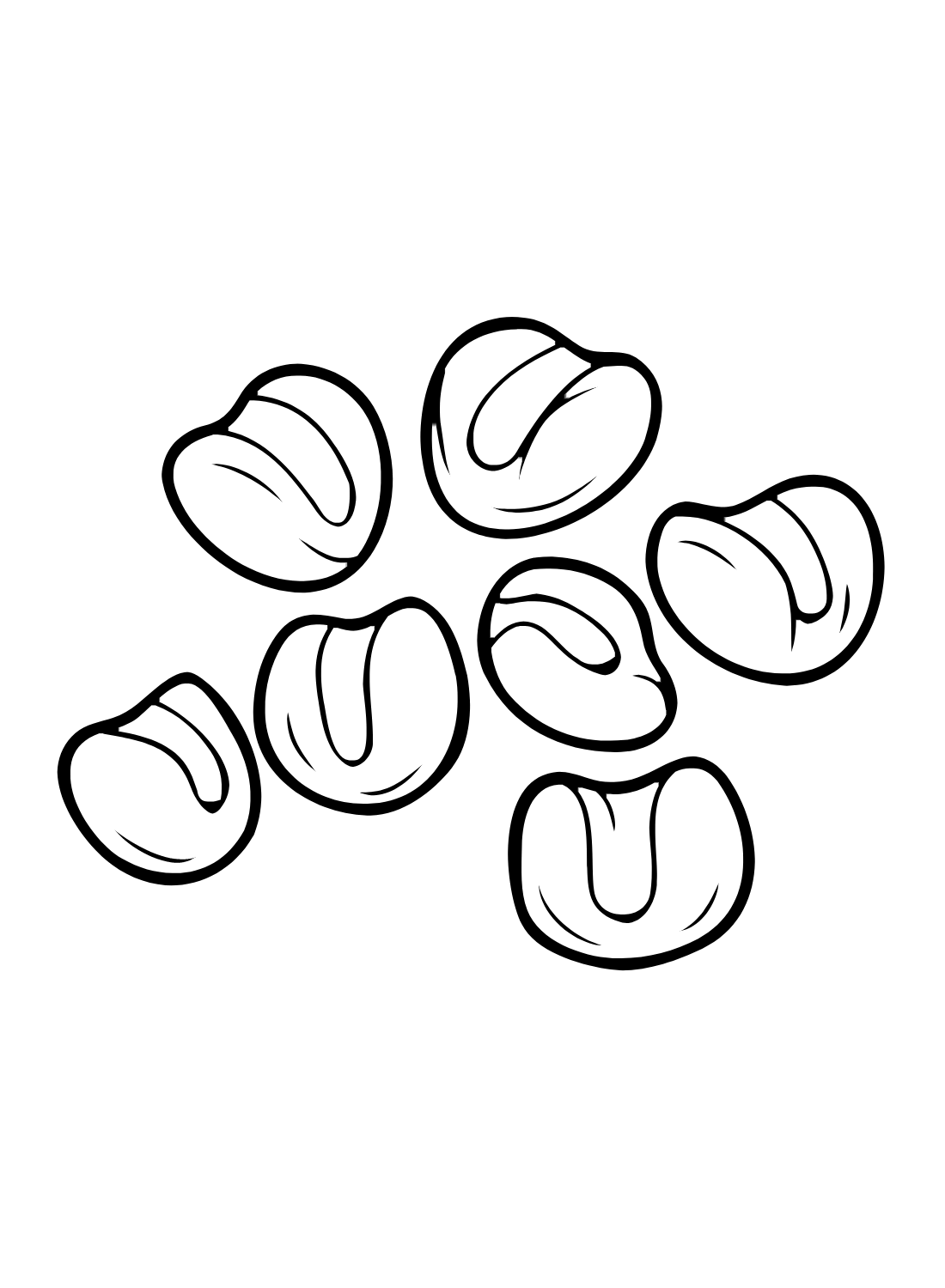
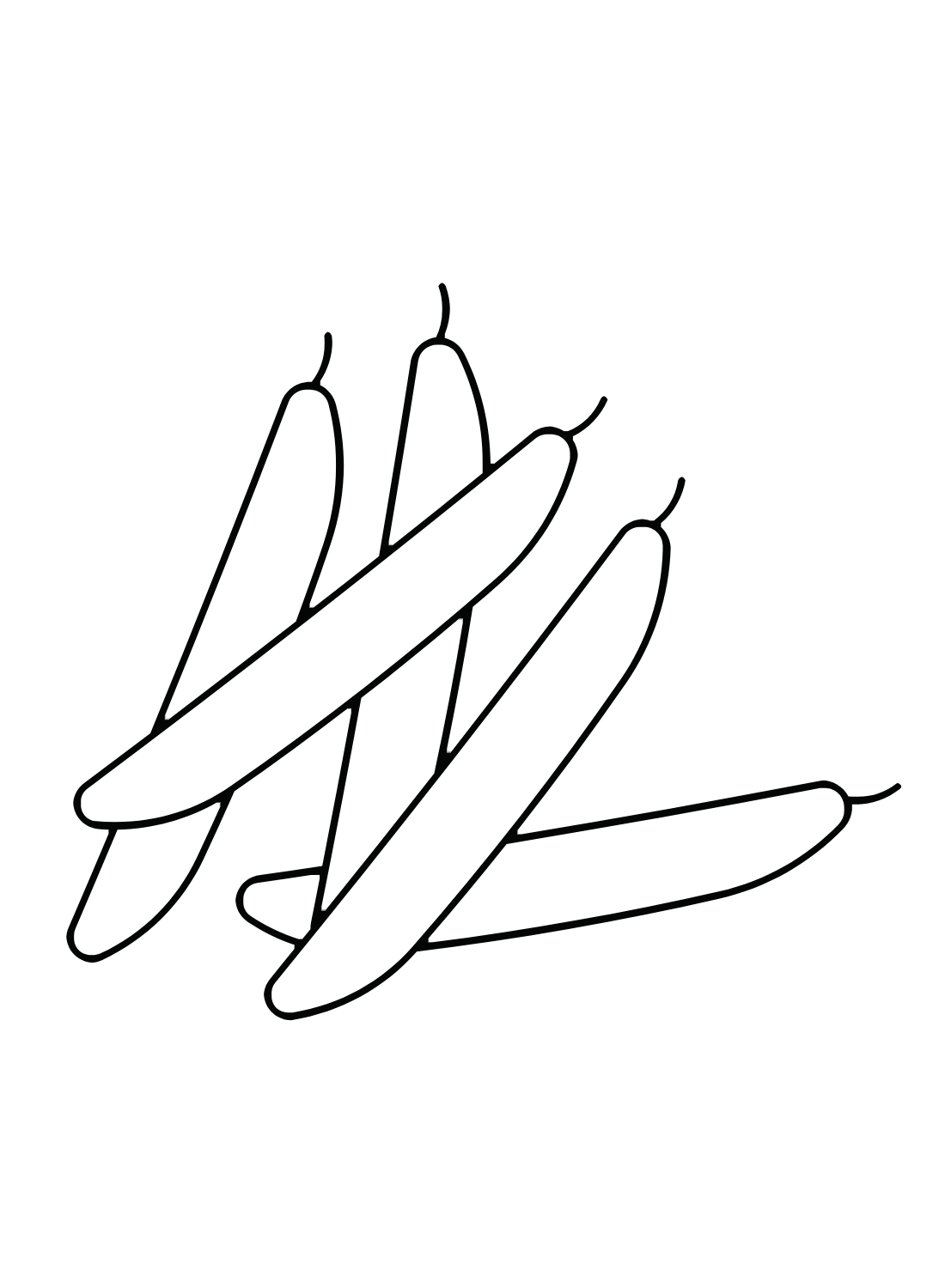
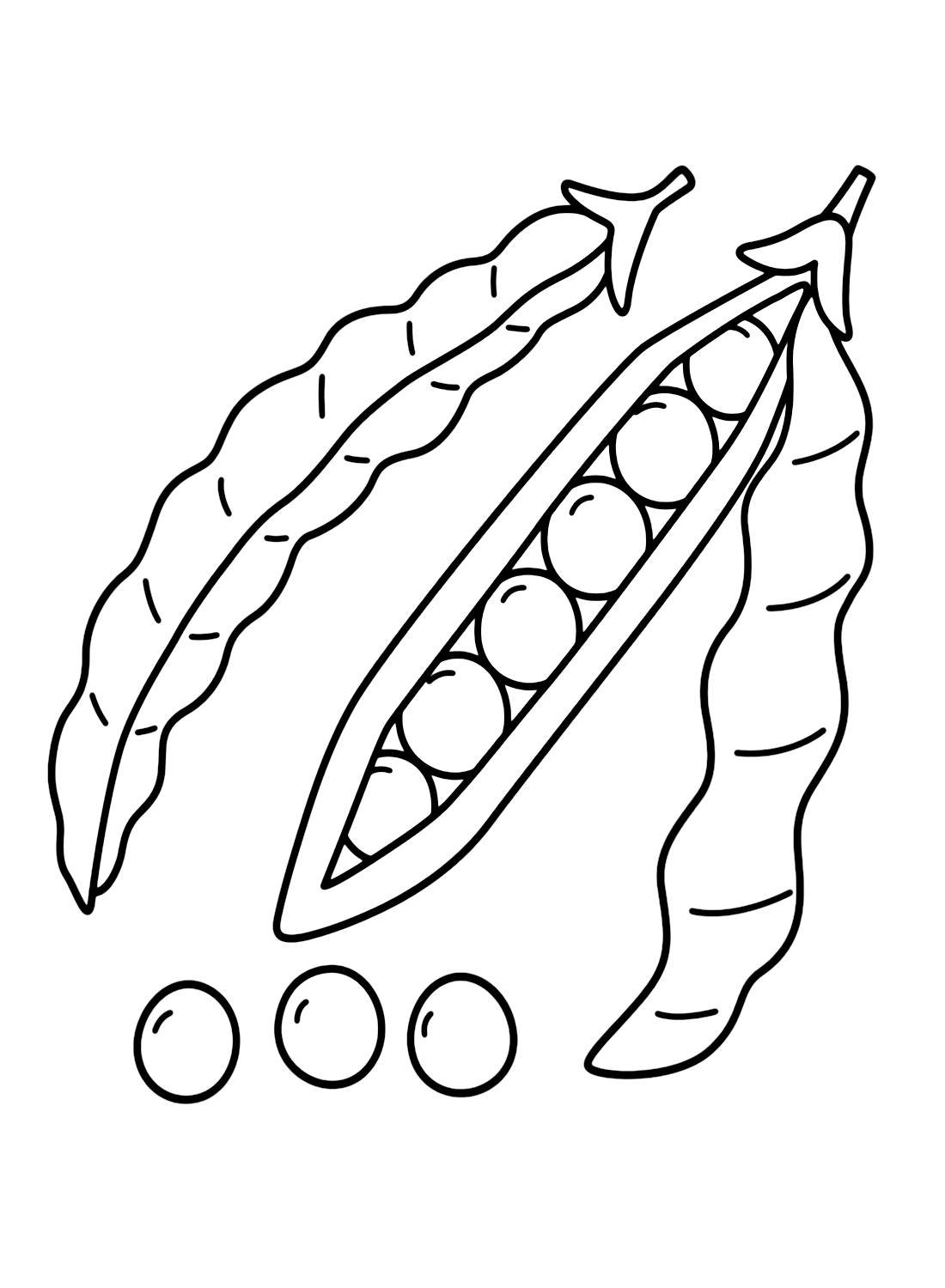
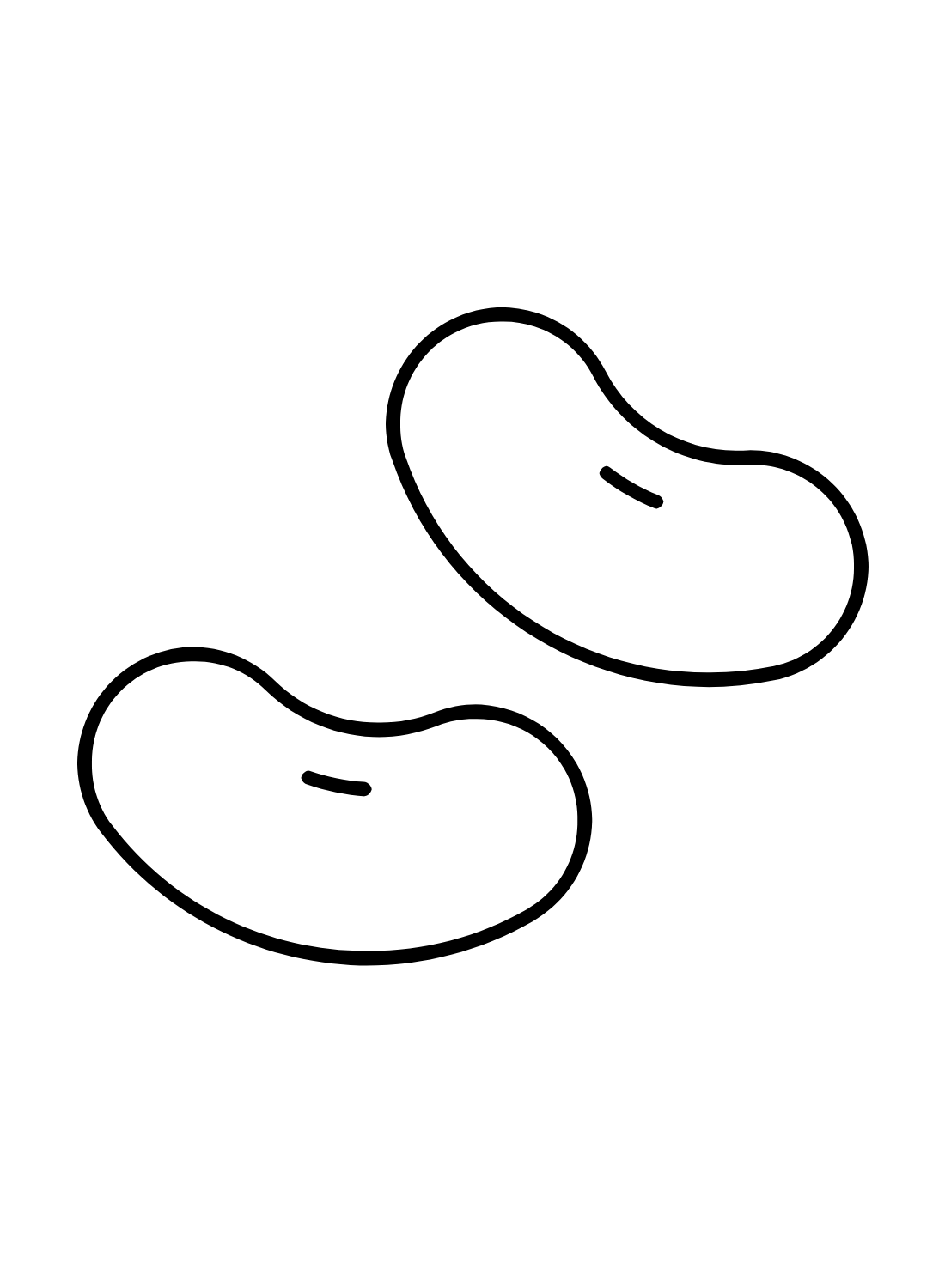

What Is Inside This Collection
The 35 pages are grouped into four categories by subject rather than by scene, since almost every design shows a single bean, pod, or sprout.
Real Bean Varieties
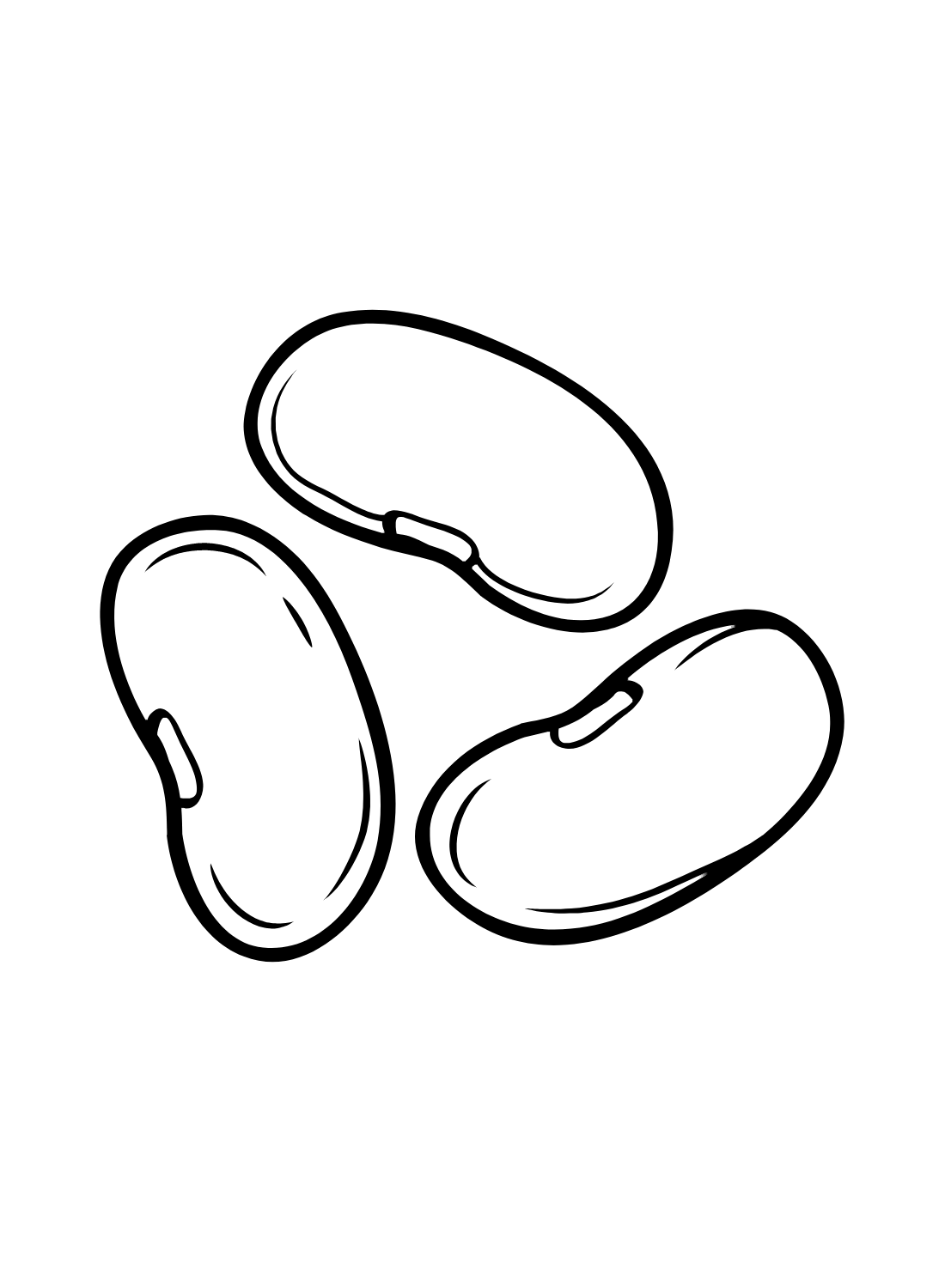
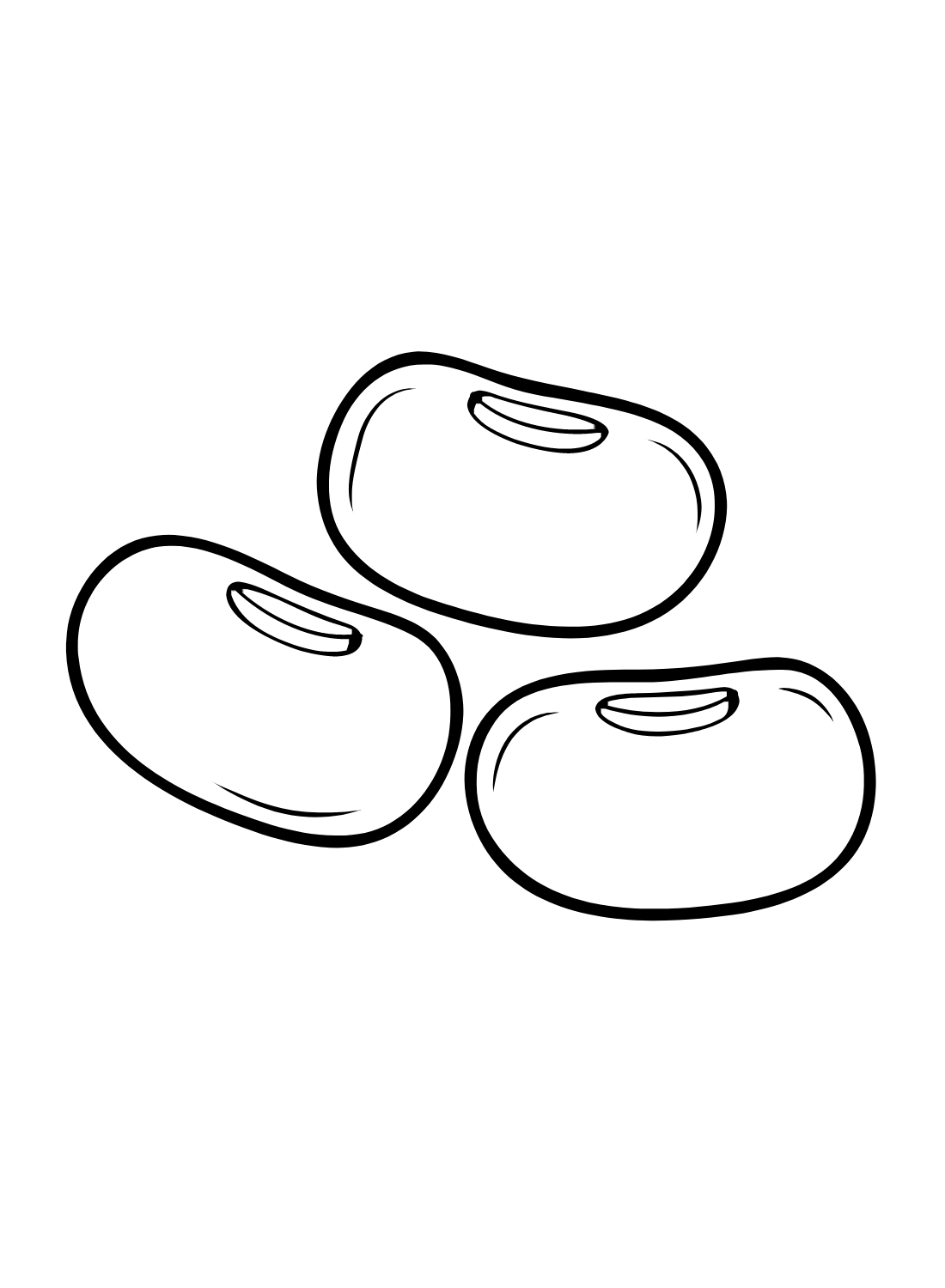
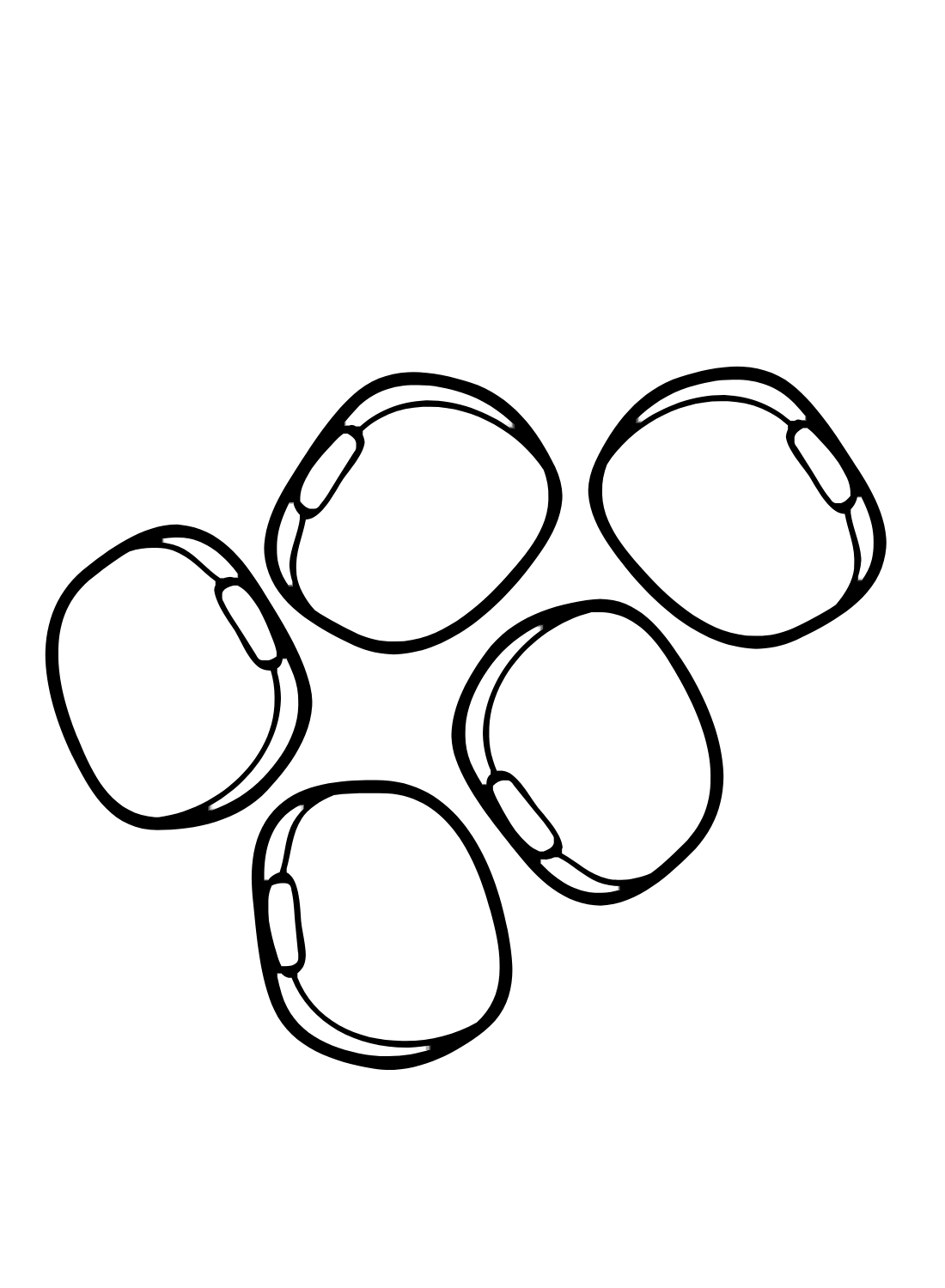
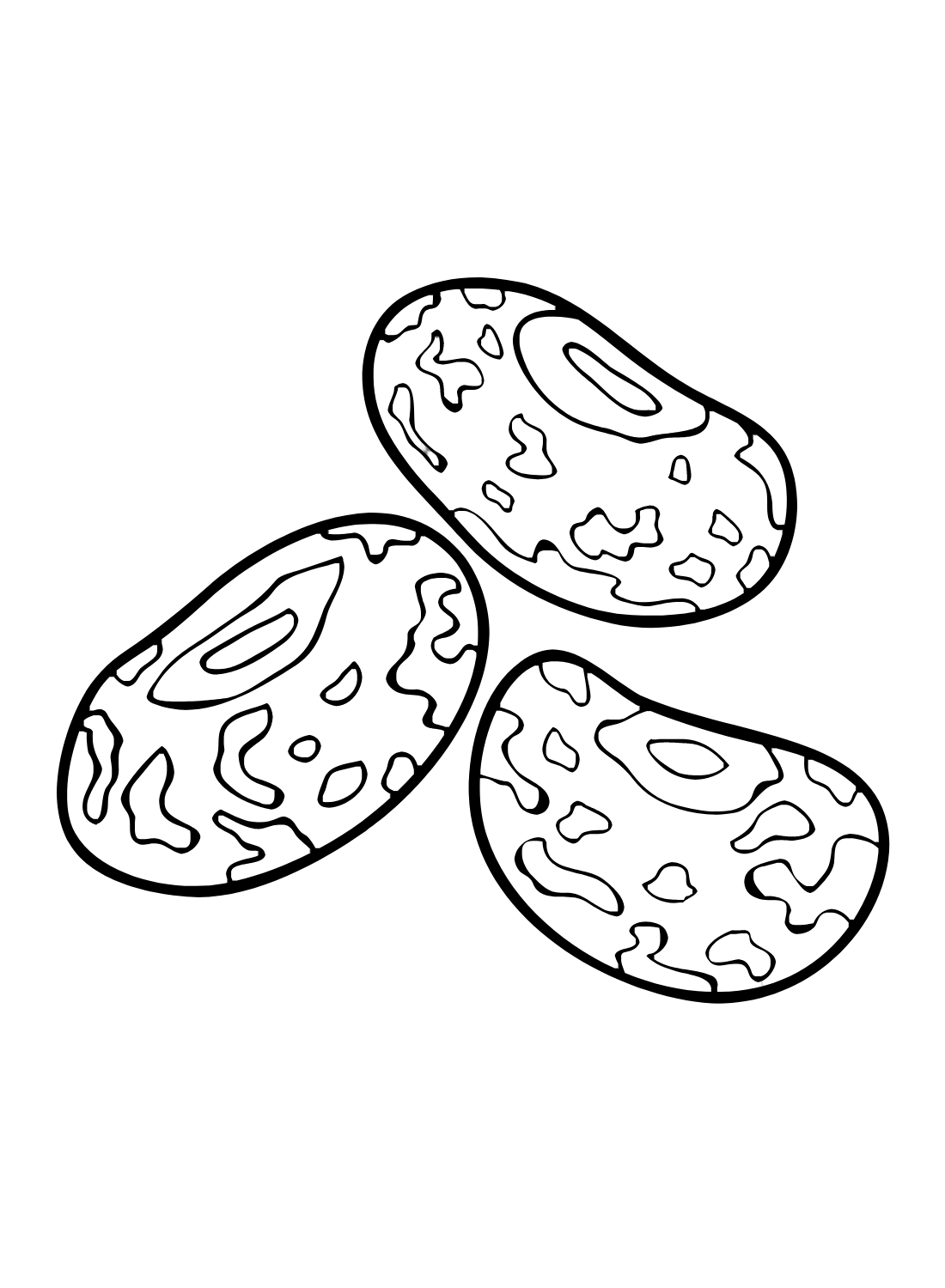
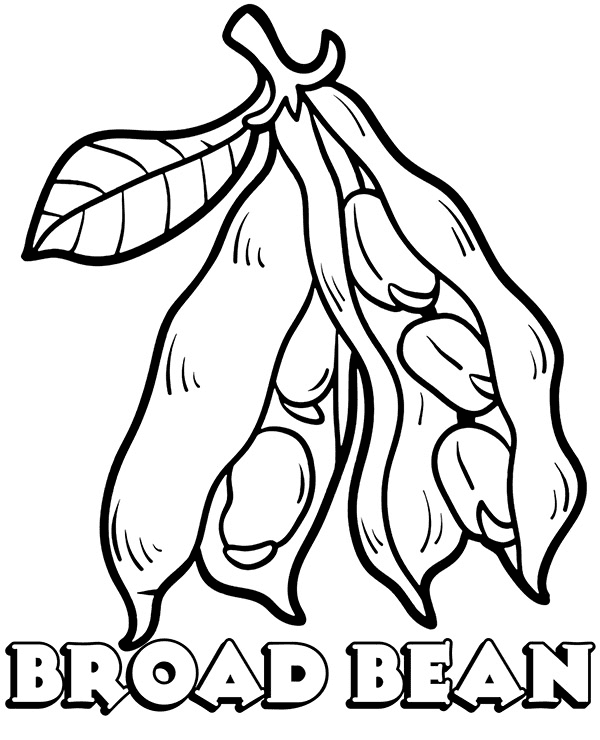
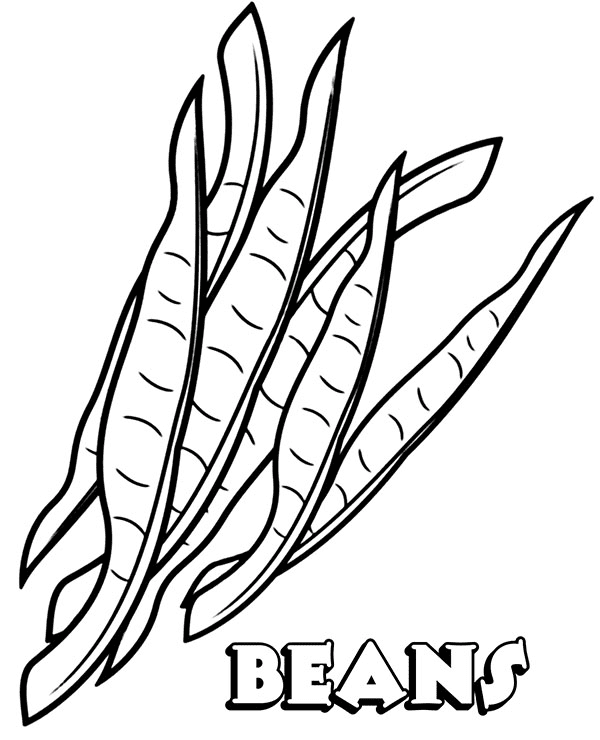
Twelve pages show specific, named bean types: Lima Bean, Mung Bean, Black Bean, Red Bean, Soybean, Broad Bean, Green Bean, Grain Bean, and their duplicate “free” variants. These suit a distinct color per type, from pale Apricot for lima beans to true Black for black beans.
Sprouting and Growing Beans
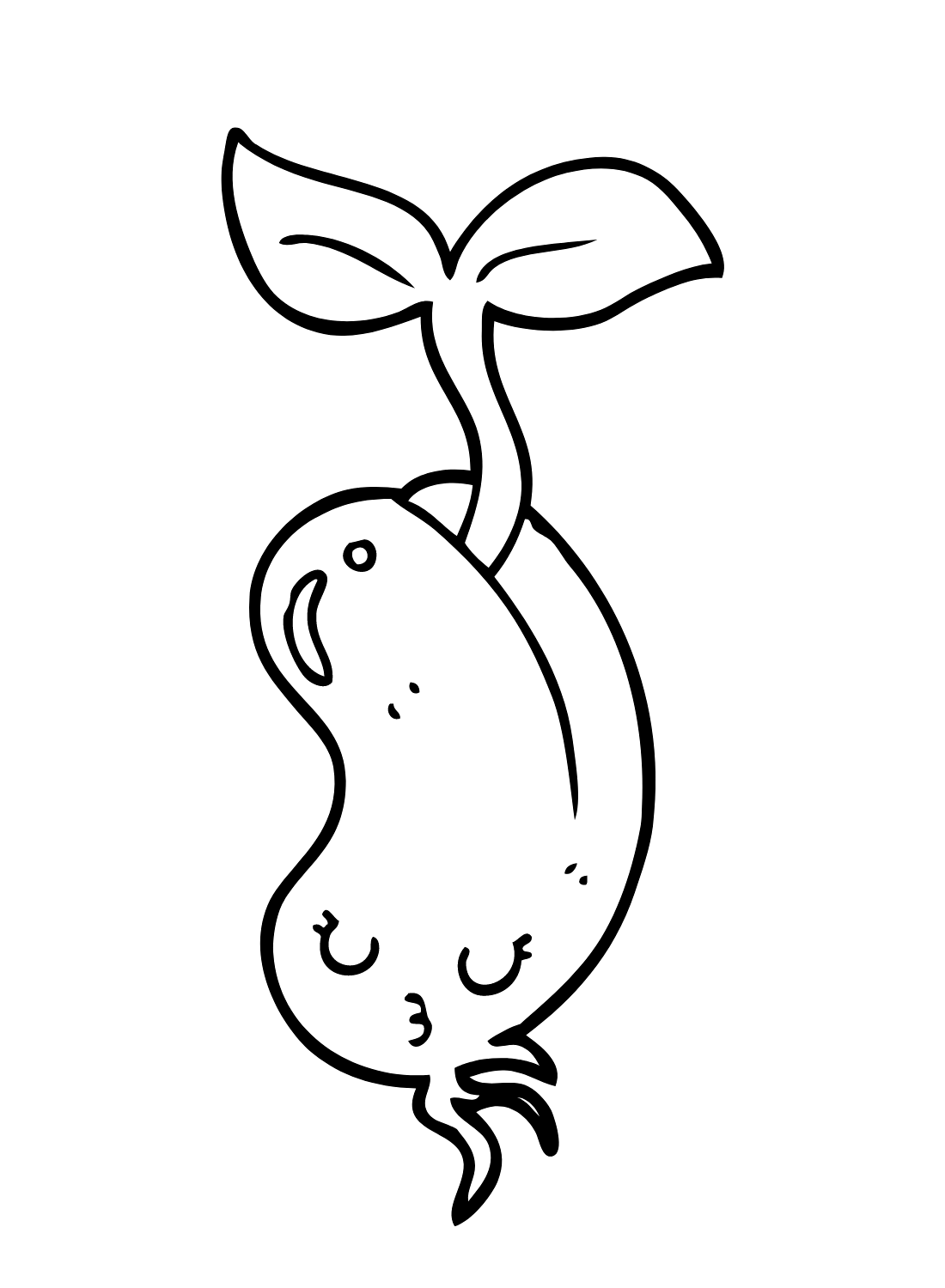
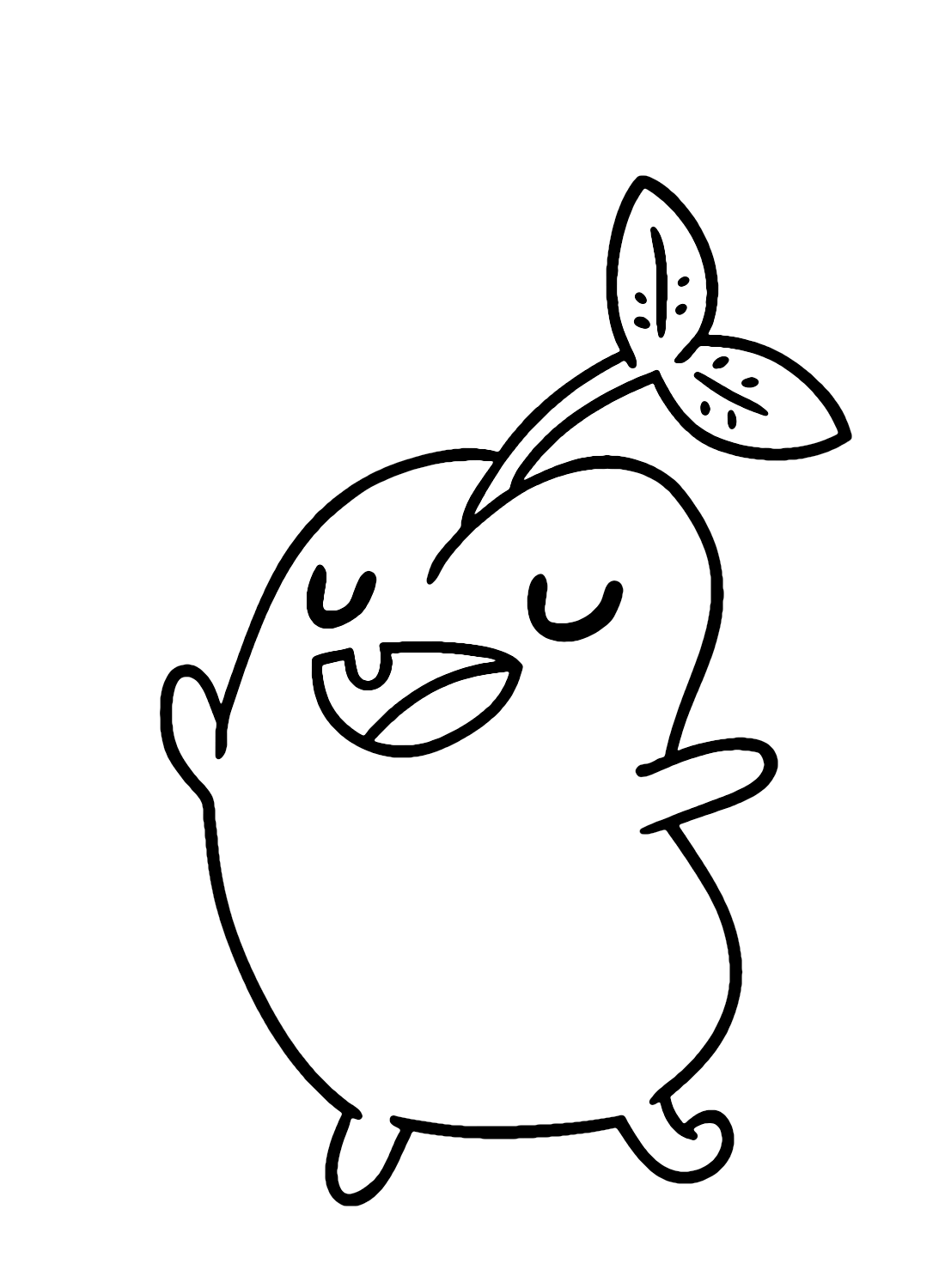
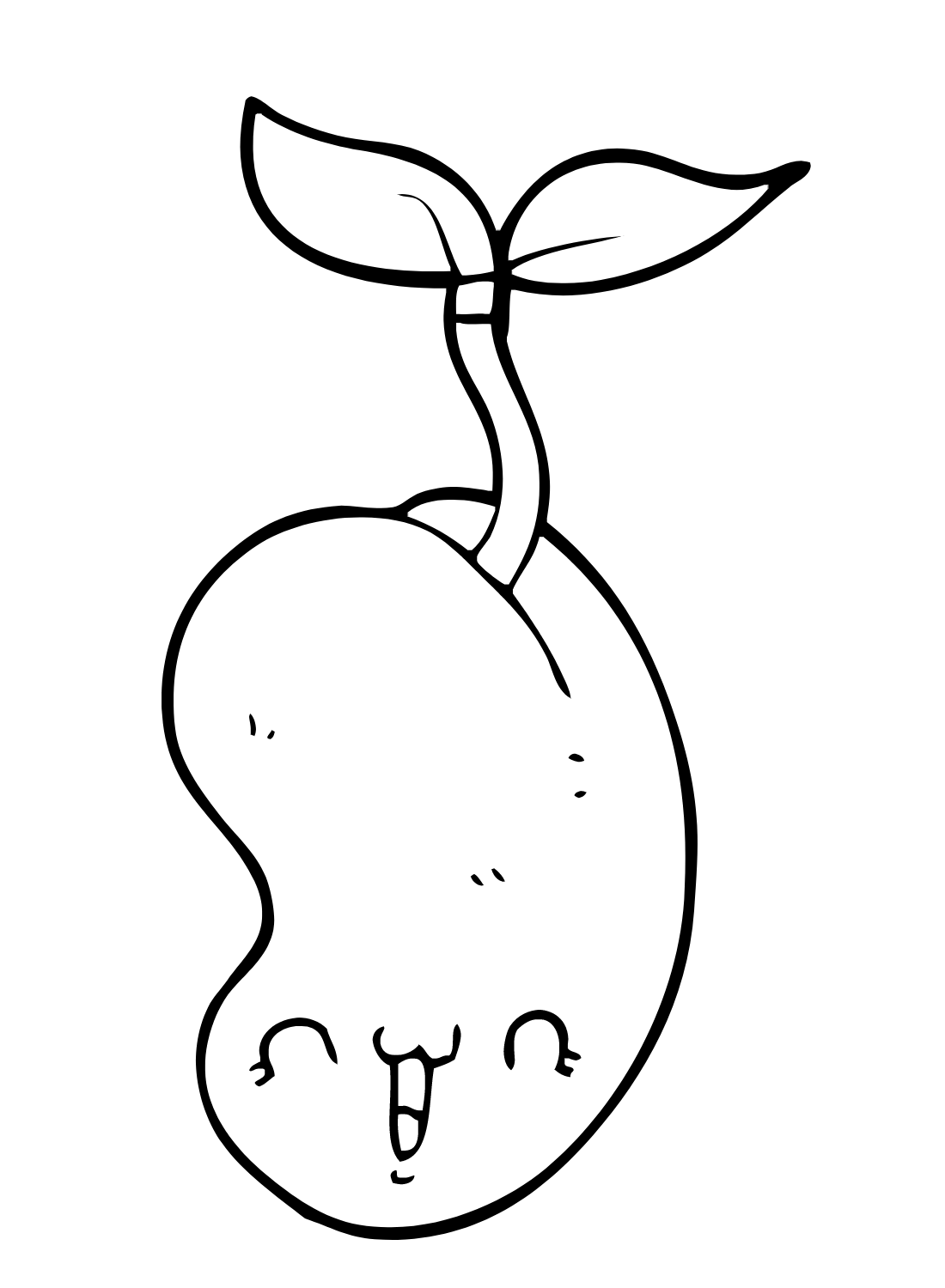
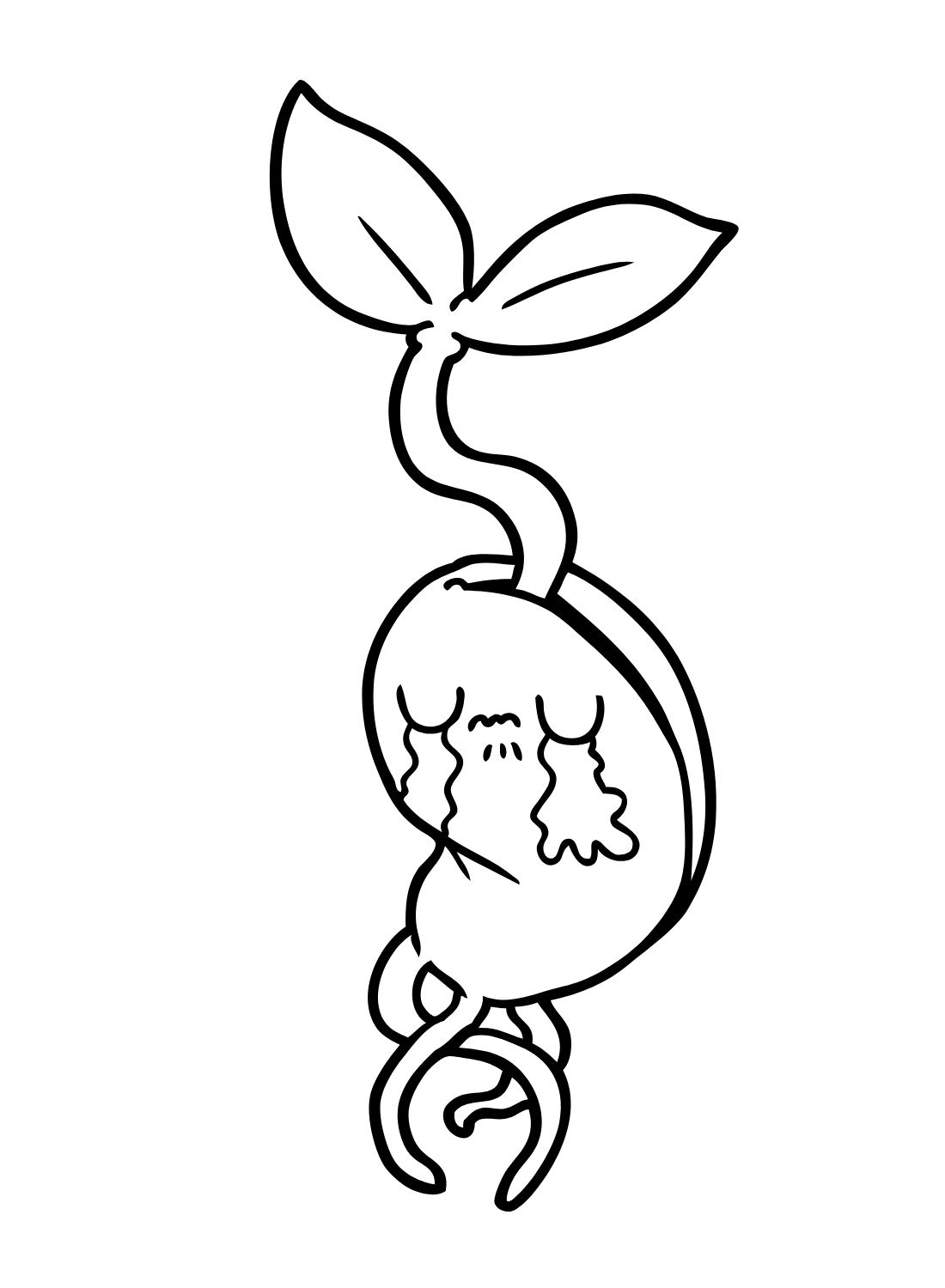
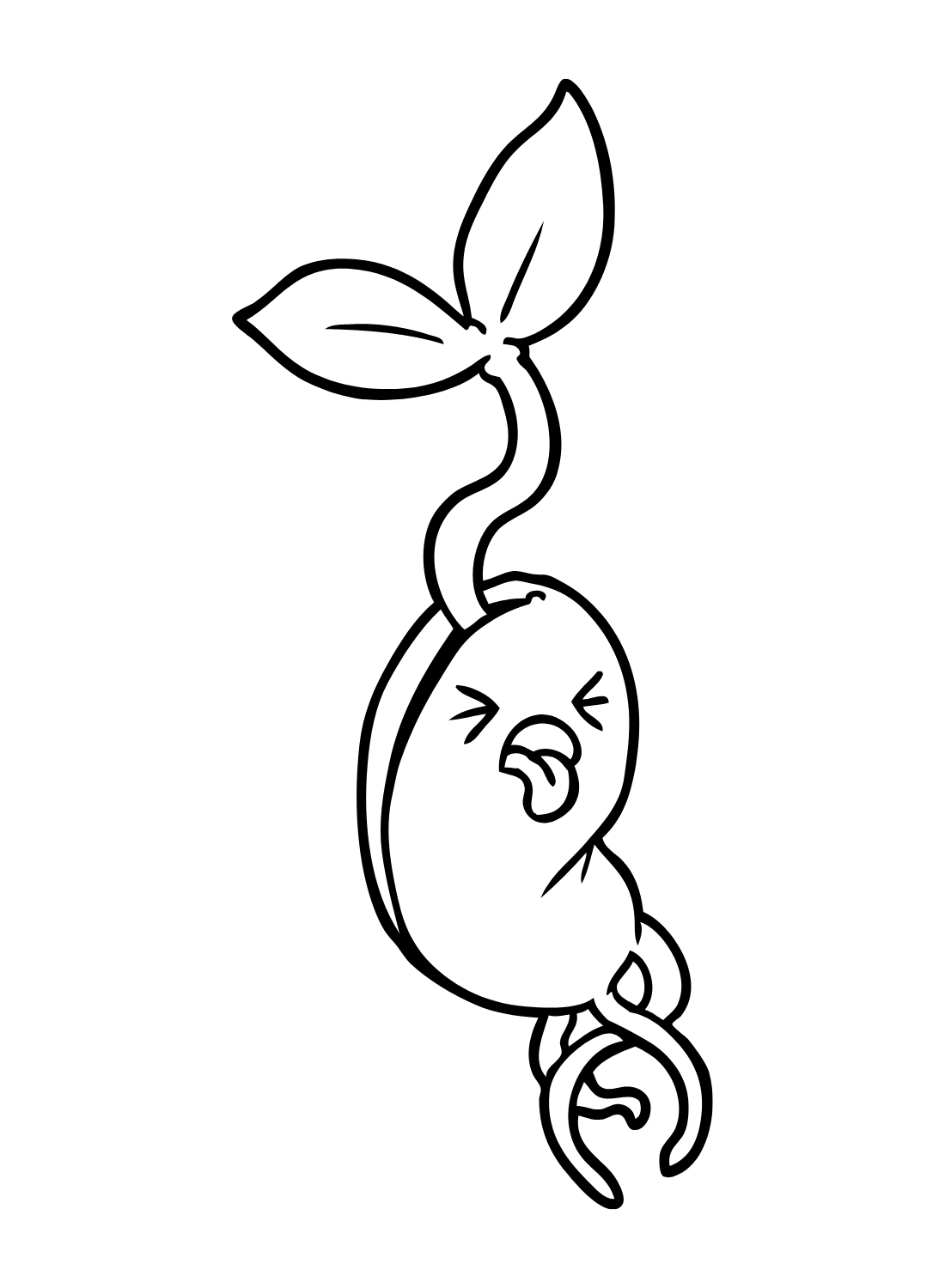
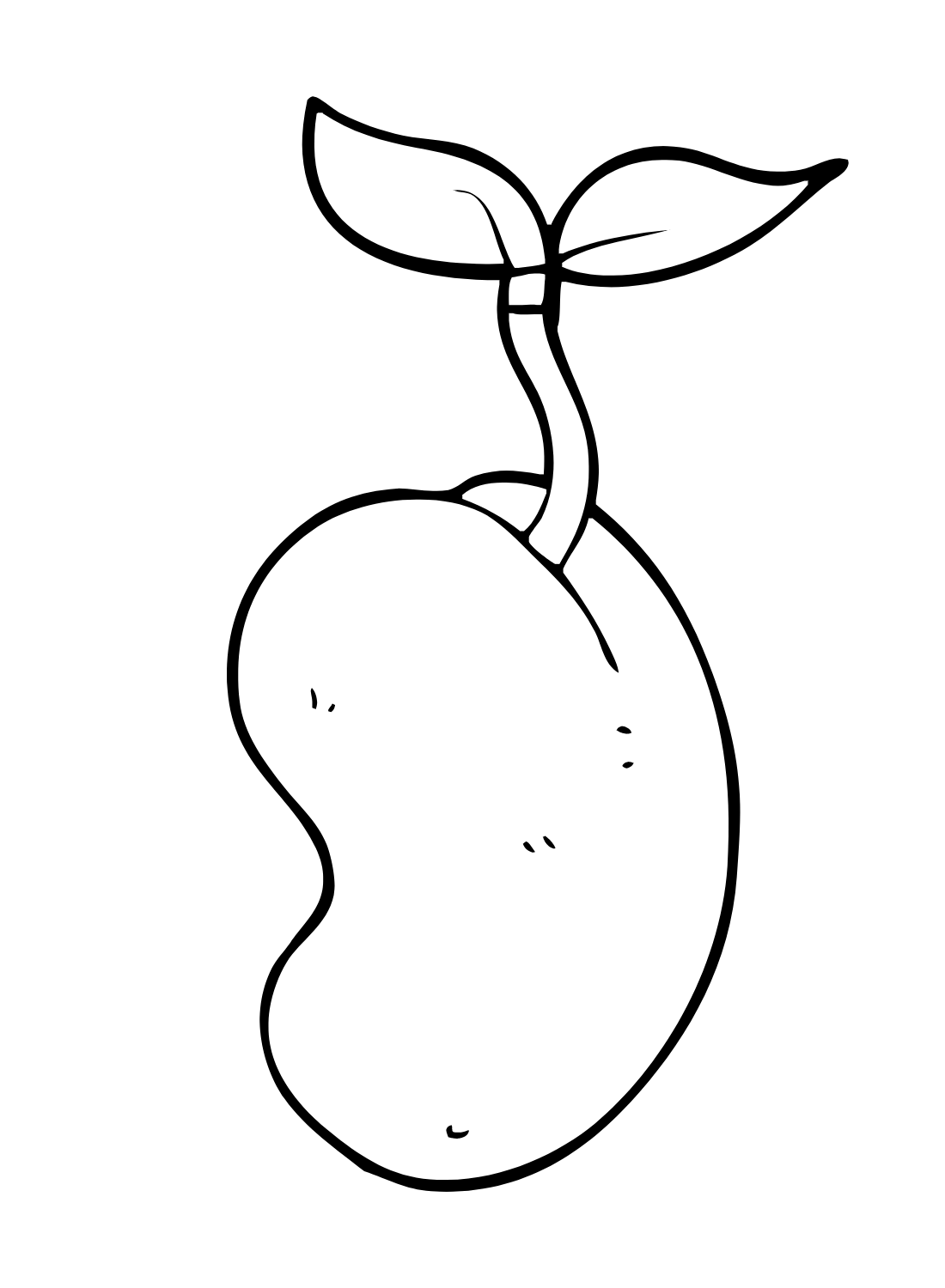
Seven pages follow beans through early growth: Sprouting Bean, Bean Sprouting Seed, Soybean Plant, Kawaii Sprouting Bean, Happy Sprouting Bean, Crying Bean Sprouts, and Cartoon Bean Sprouts. These pair a Sea Green sprout against a Tan or Sepia seed casing.
Cartoon and Holiday Beans
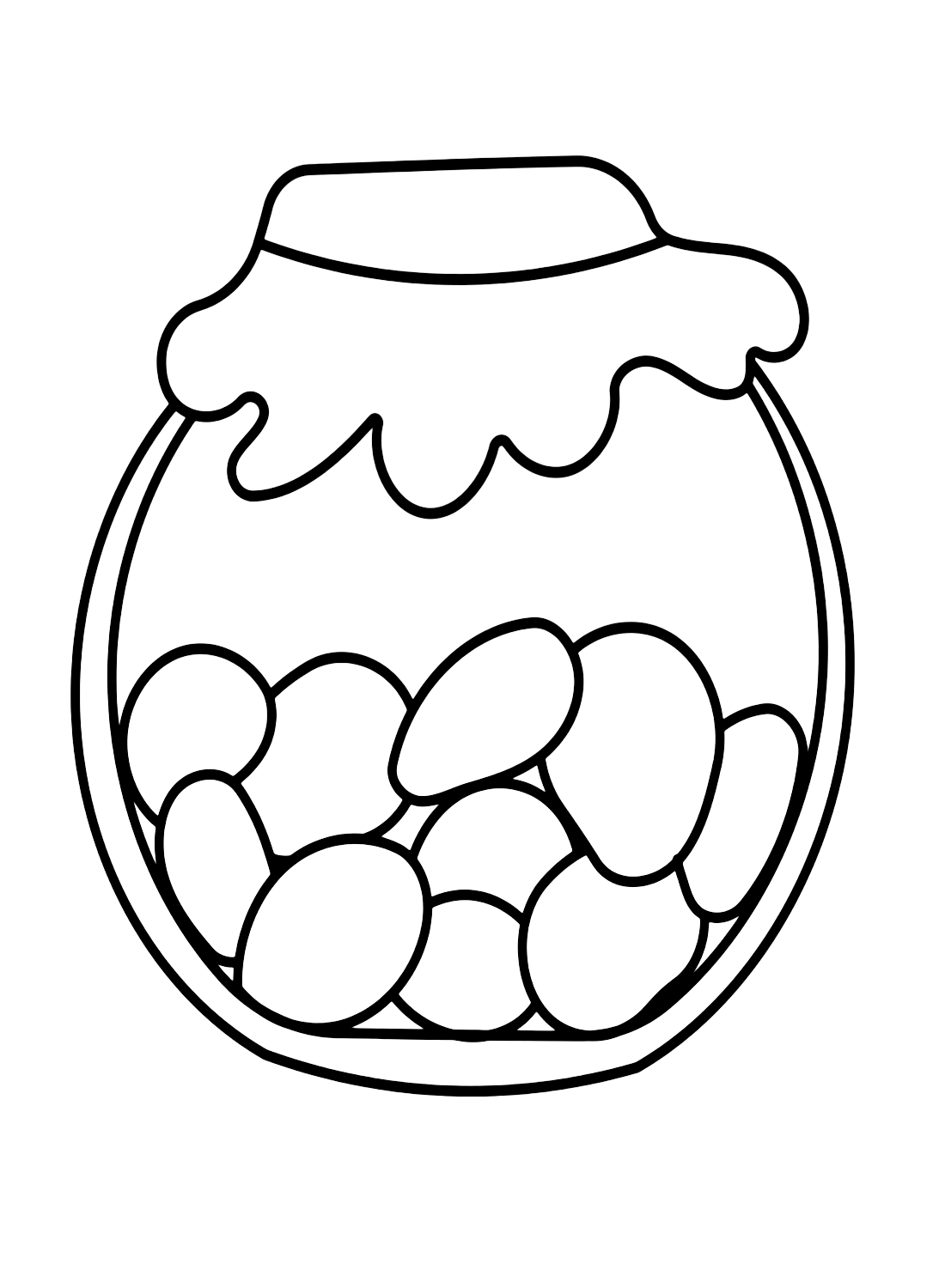
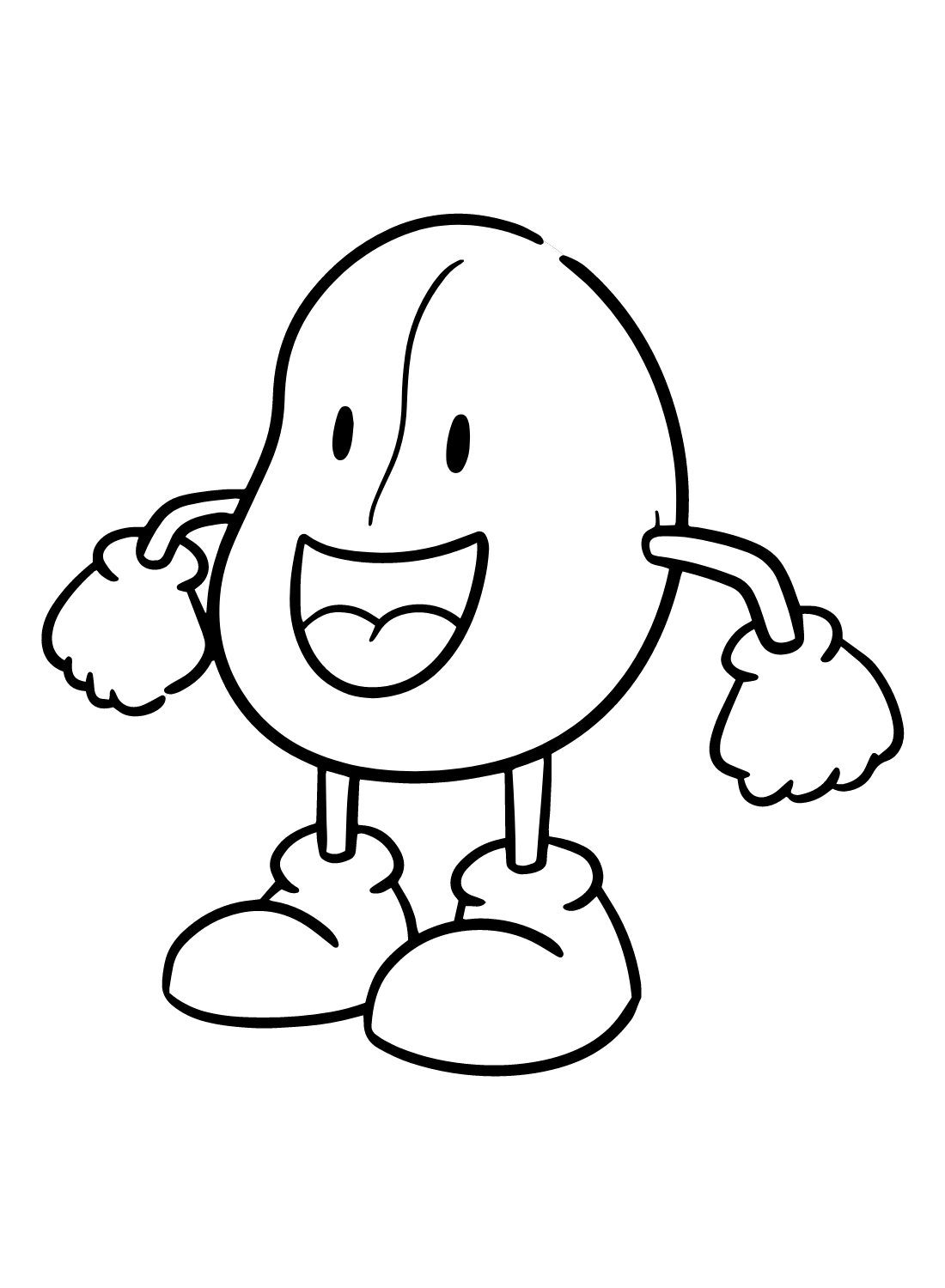
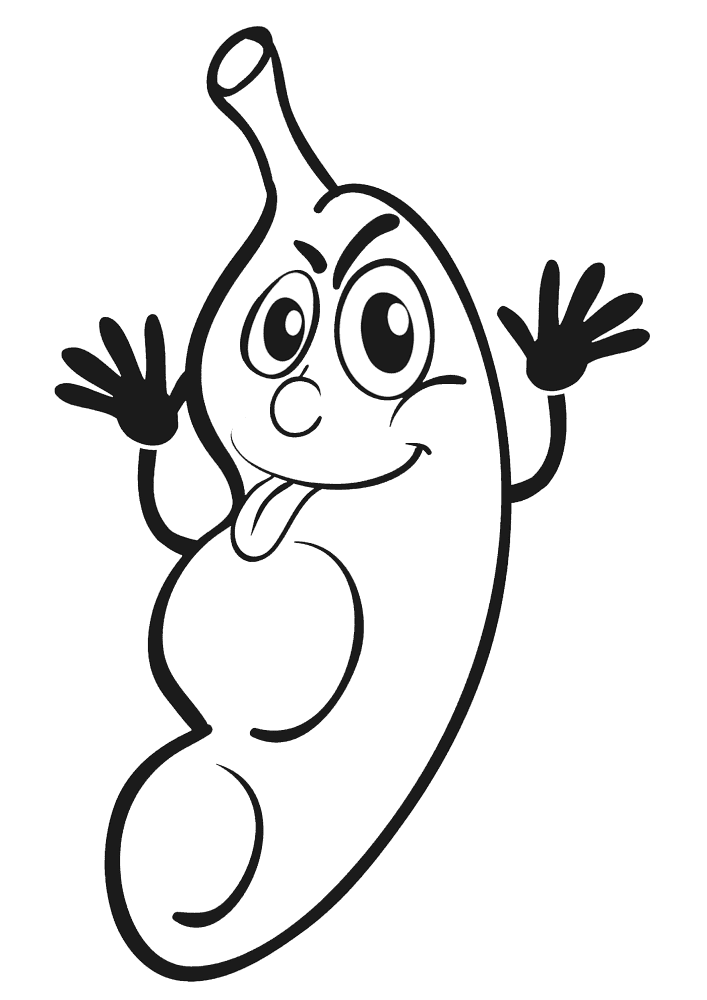
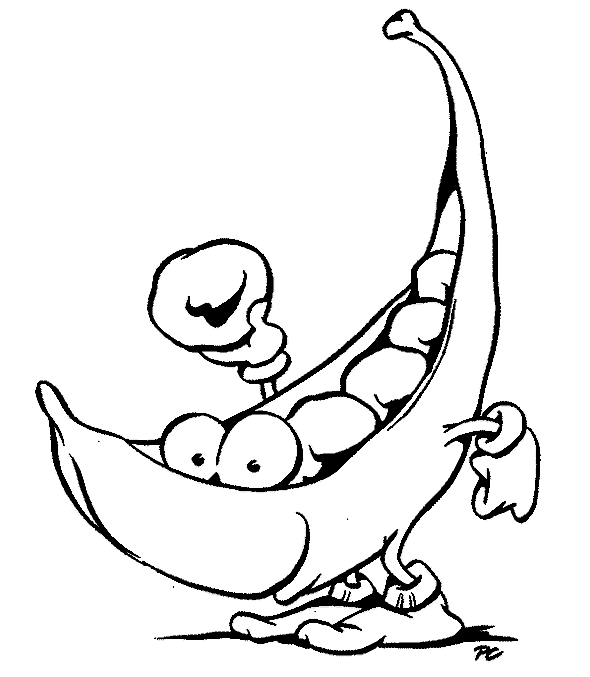
Four pages take a lighter approach: Cartoon Bean and Cartoon Pea give simple character faces and limbs, while Easter Jelly Beans and Funny Peas add a playful, holiday-adjacent tone with brighter, more varied color choices.
Peas and General Bean Shapes
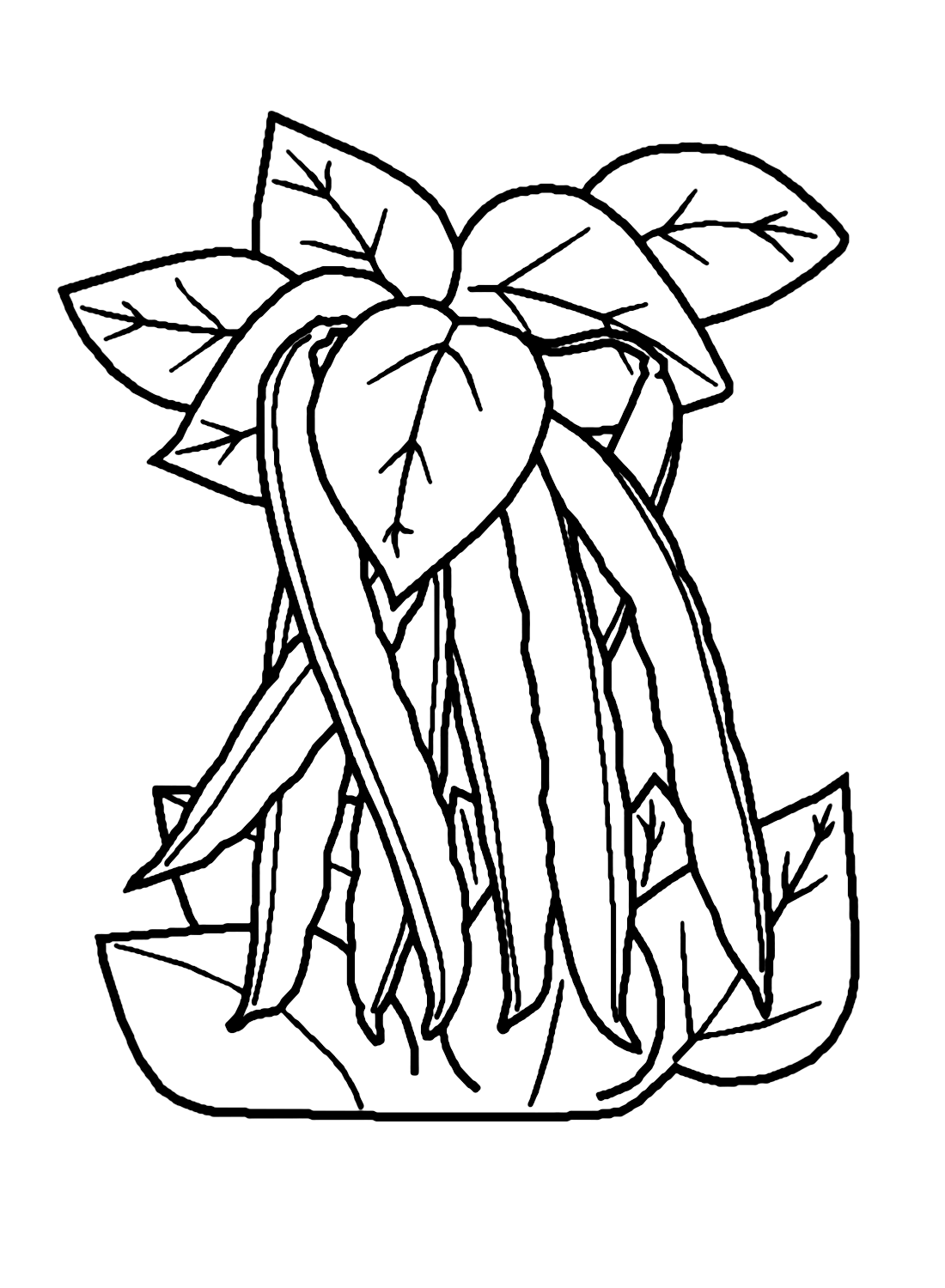
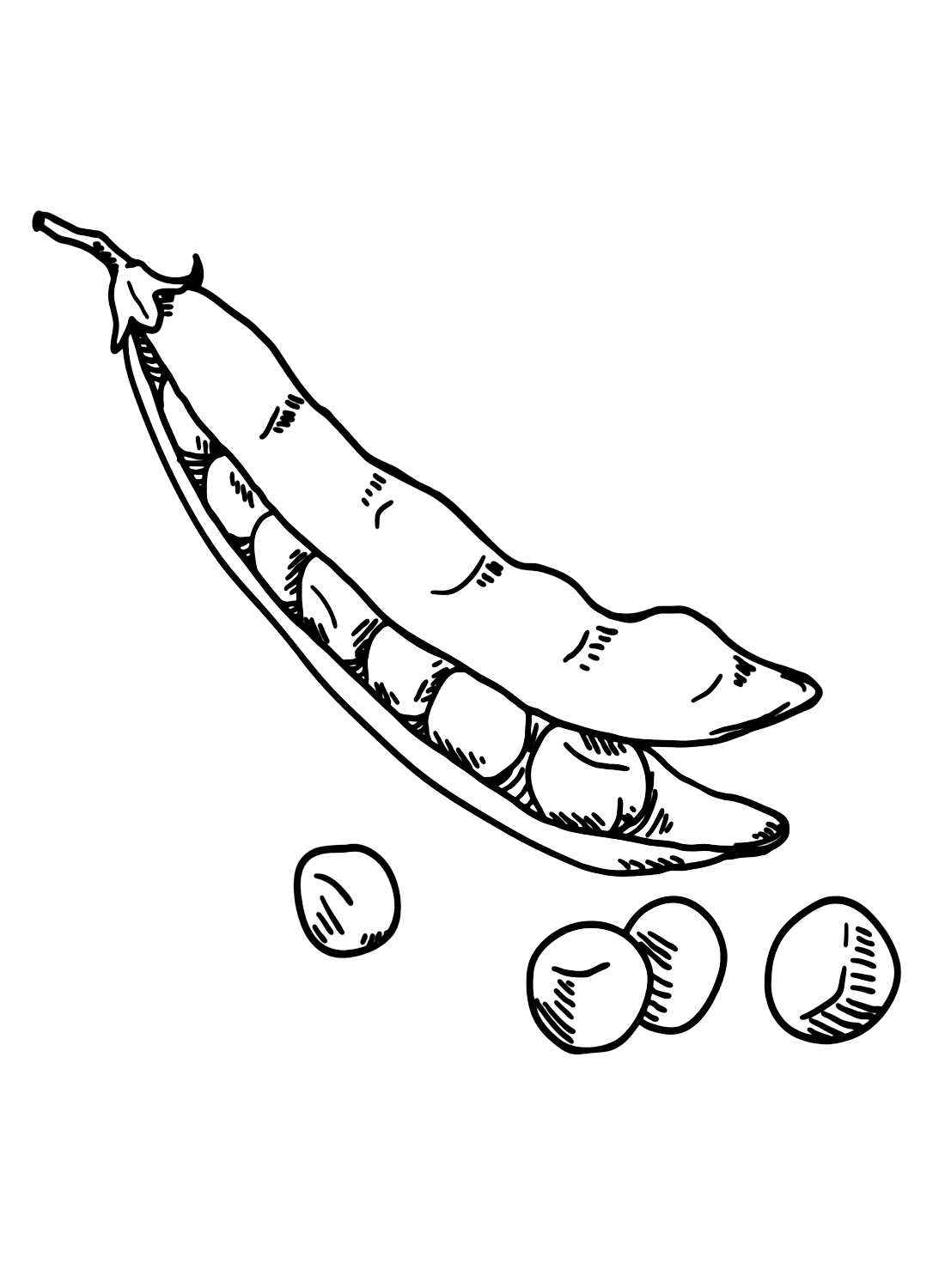
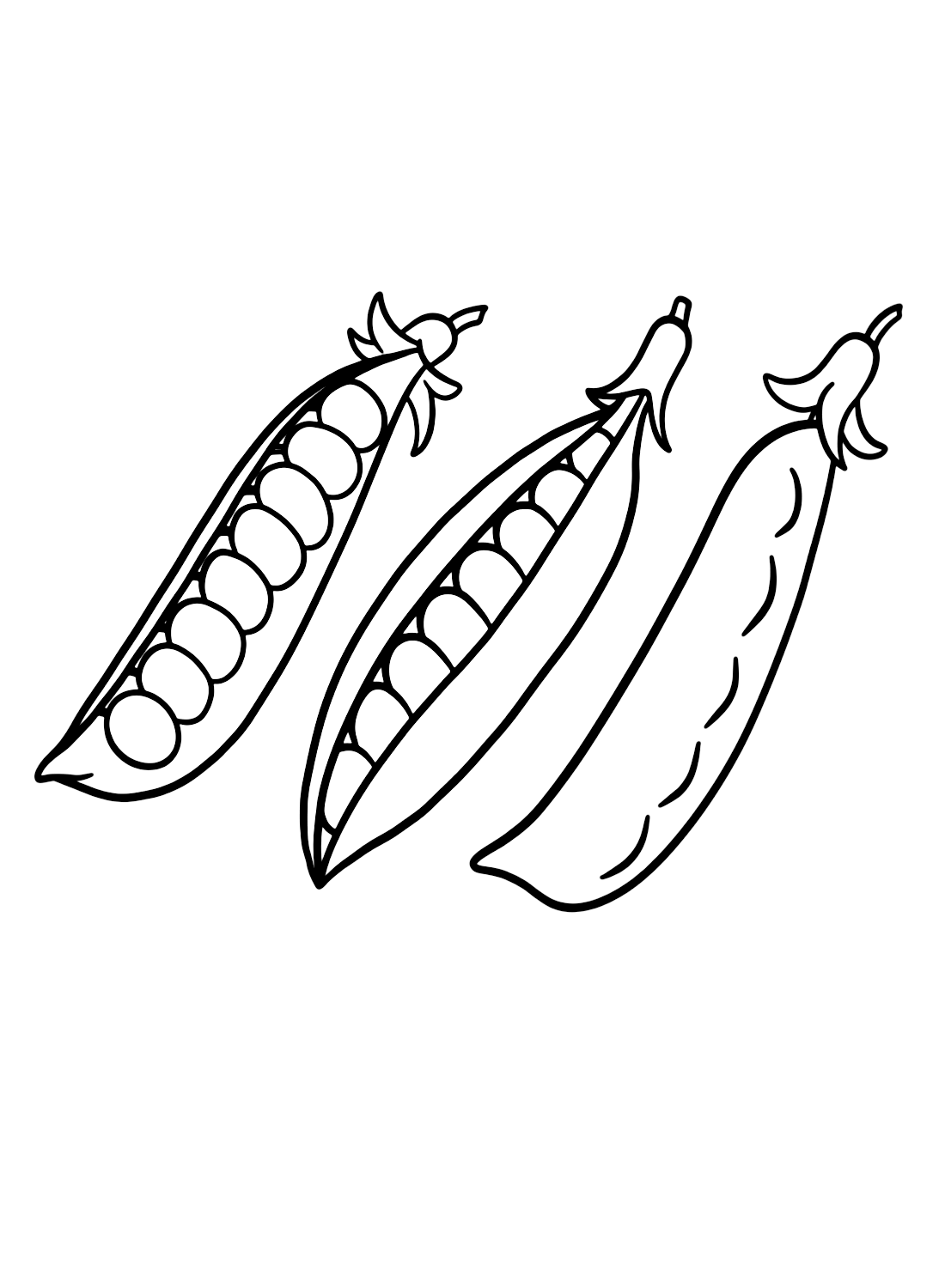
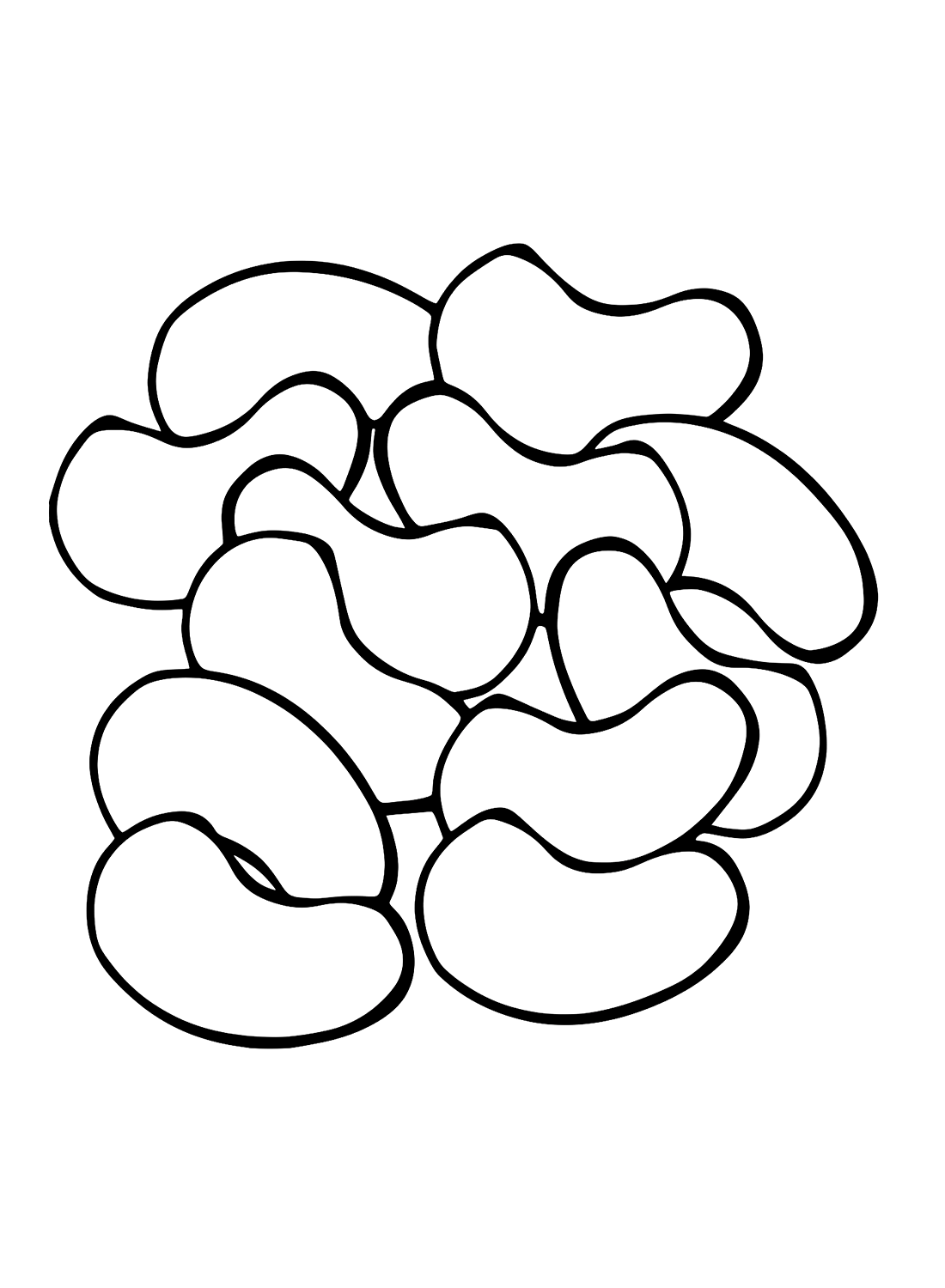
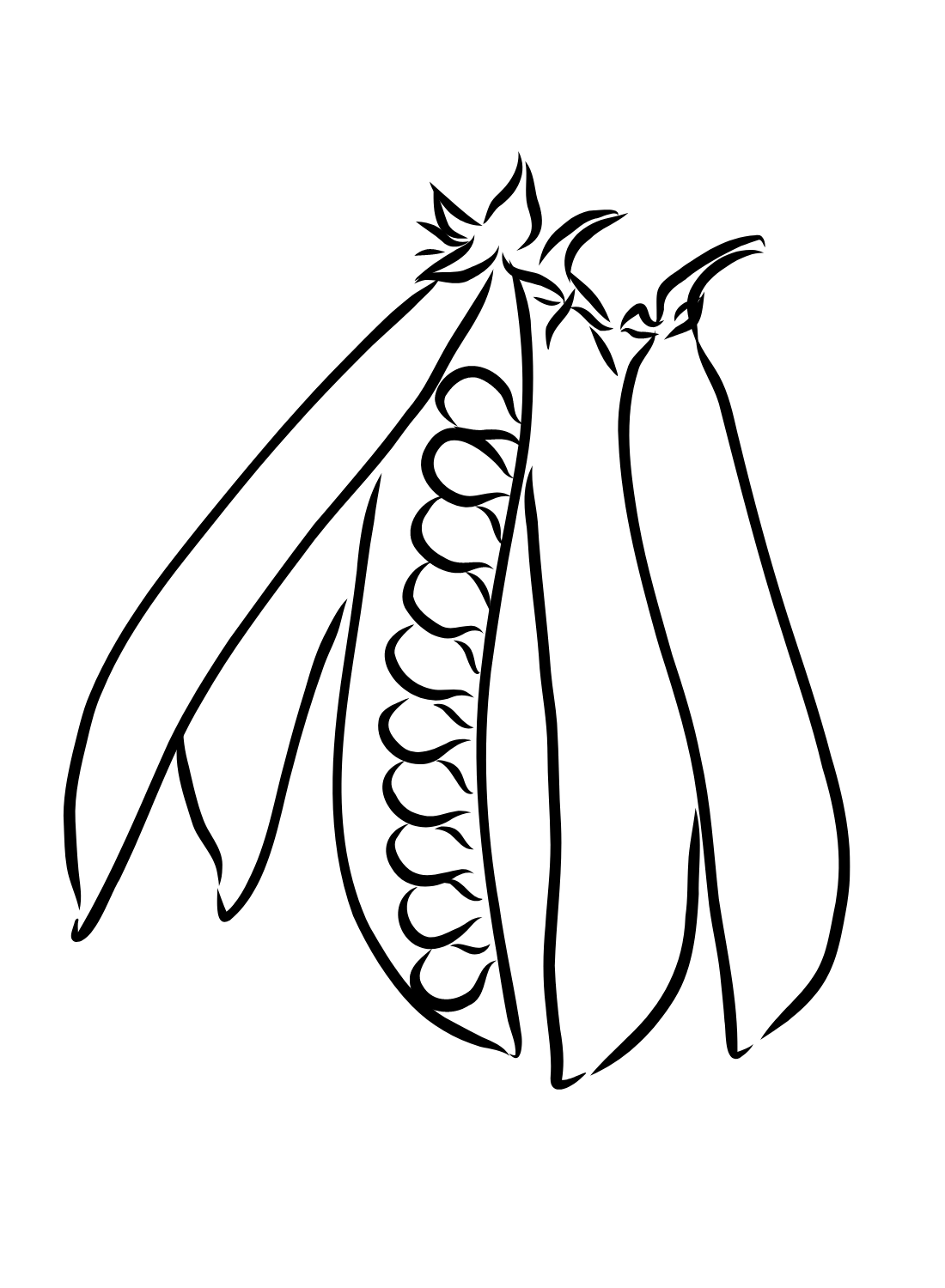
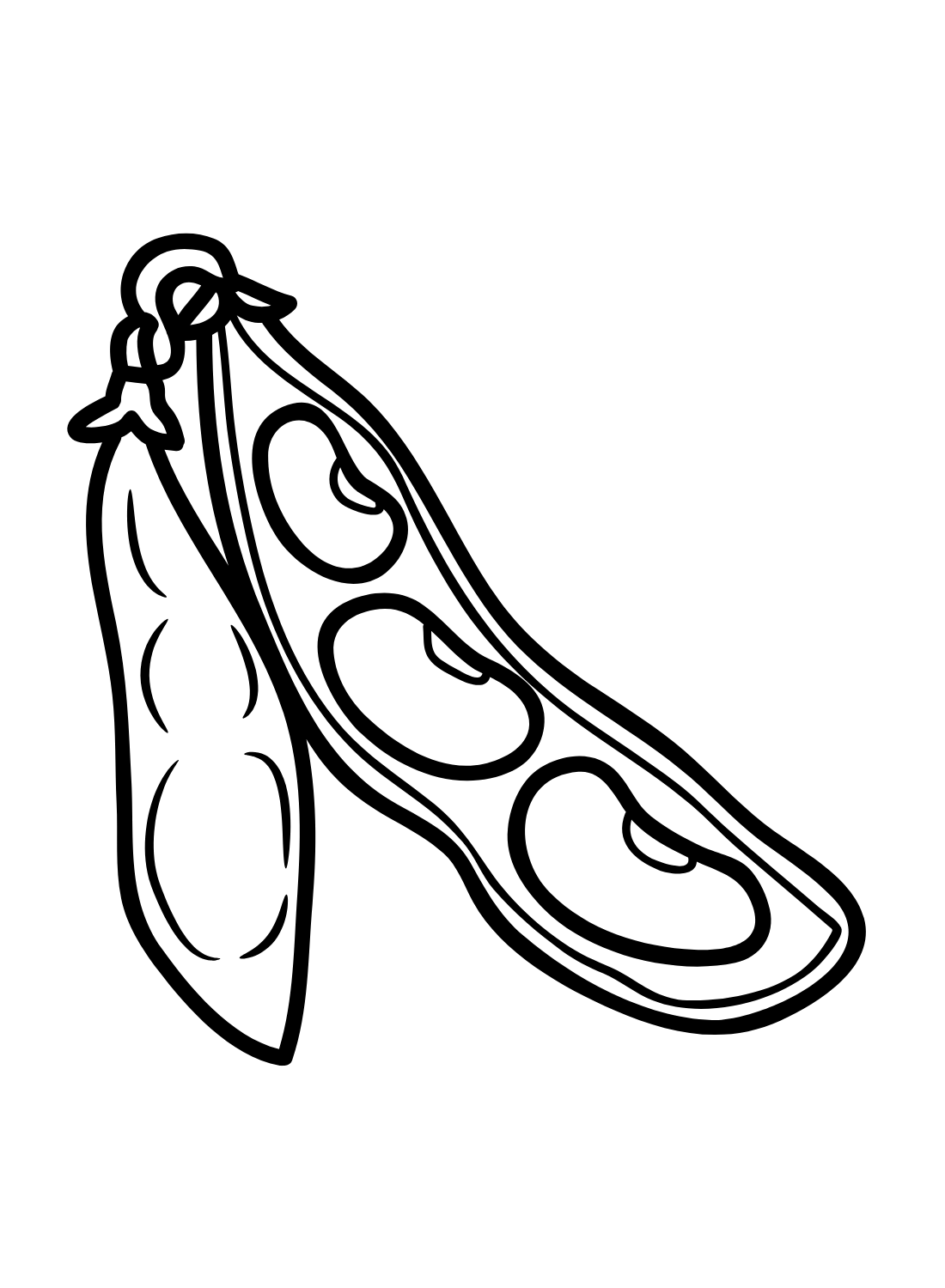
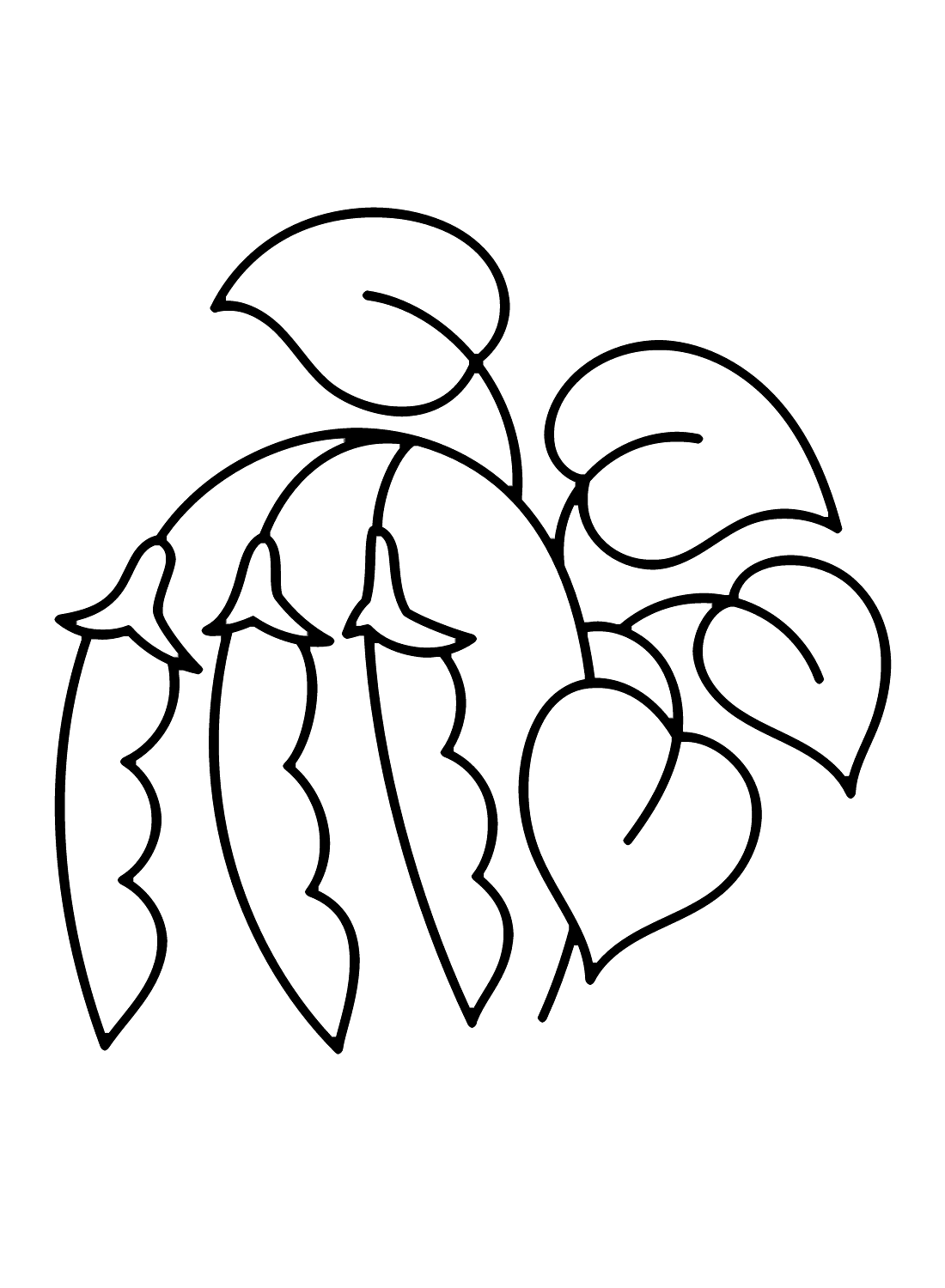
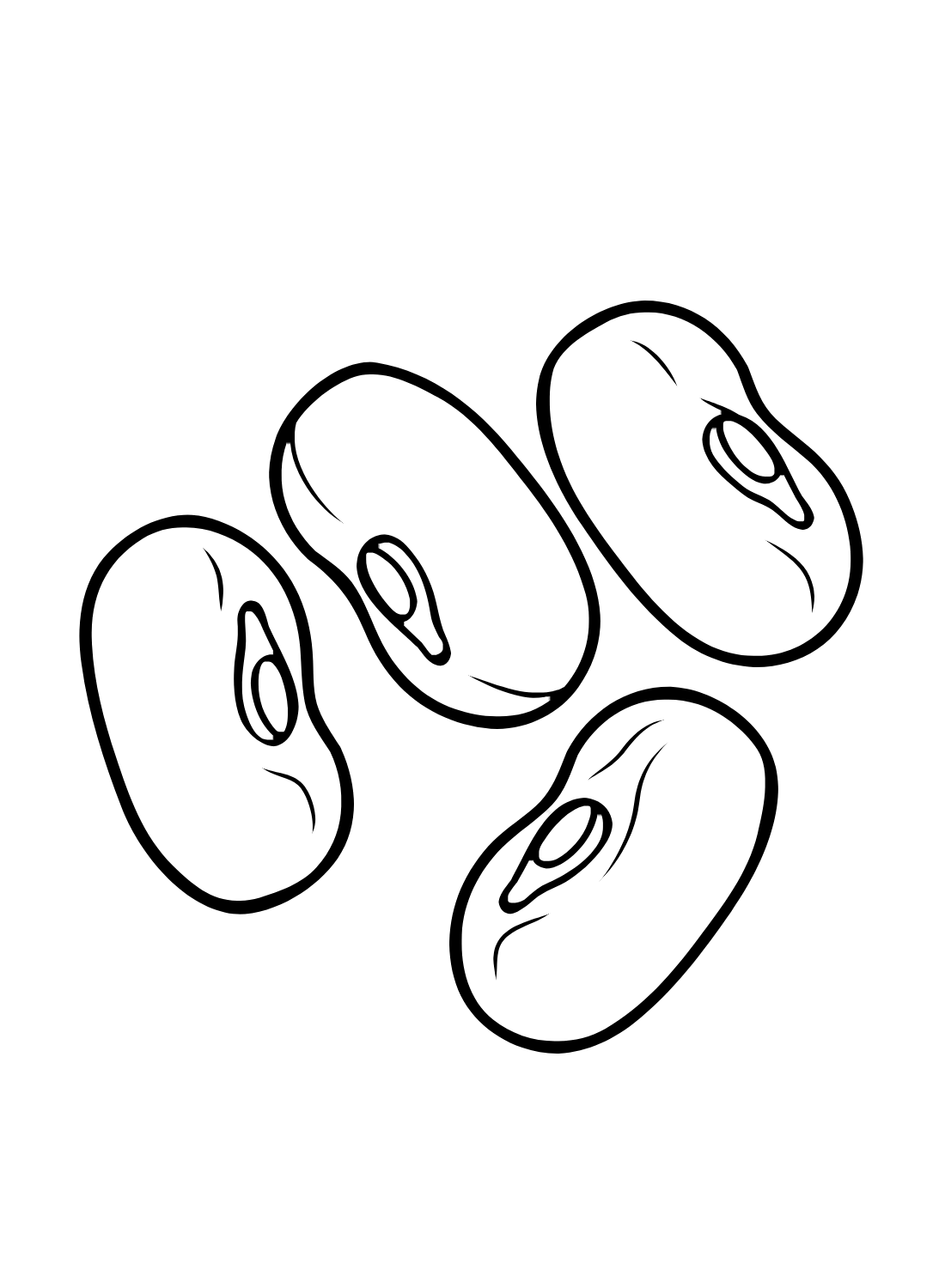
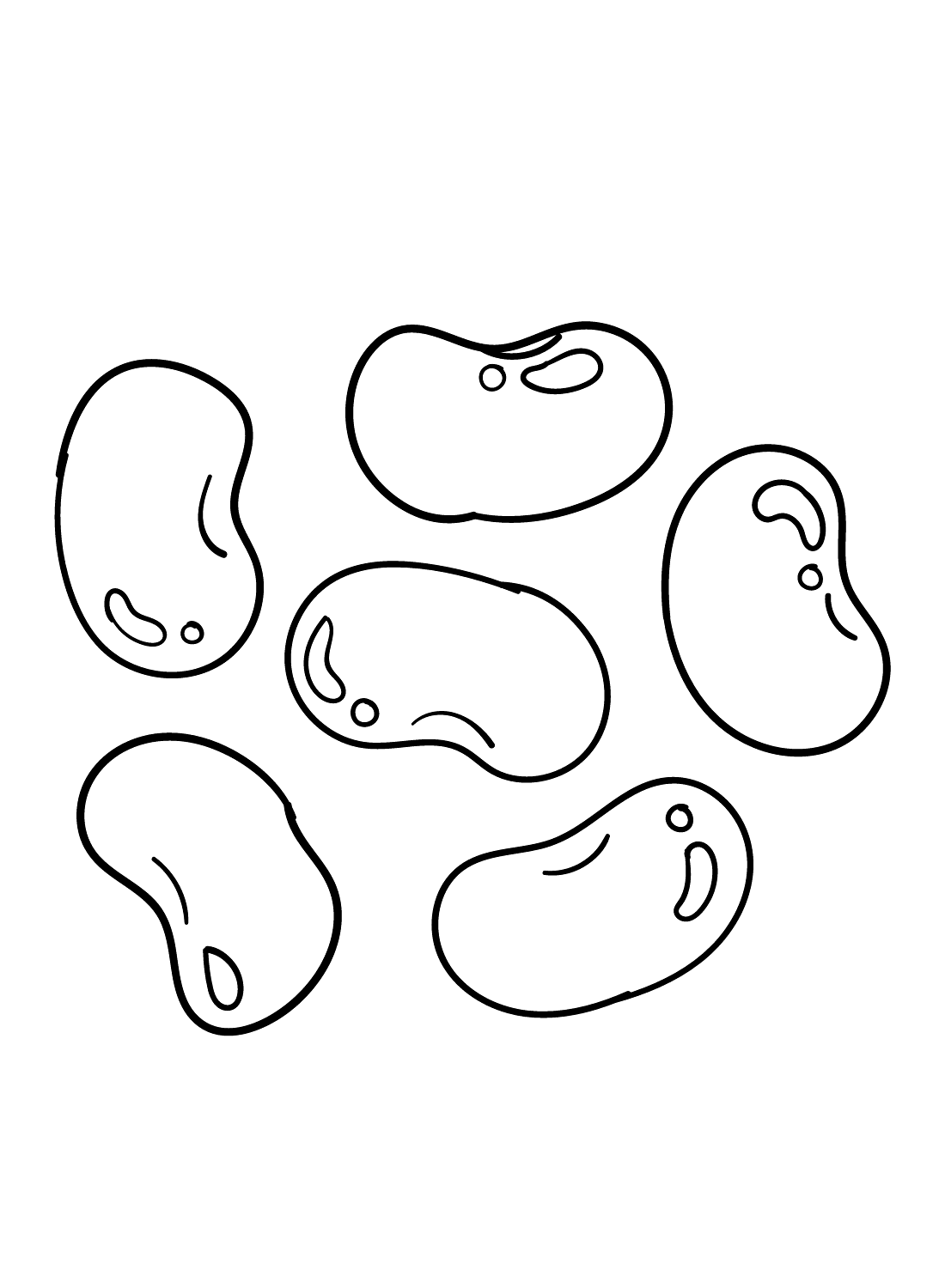
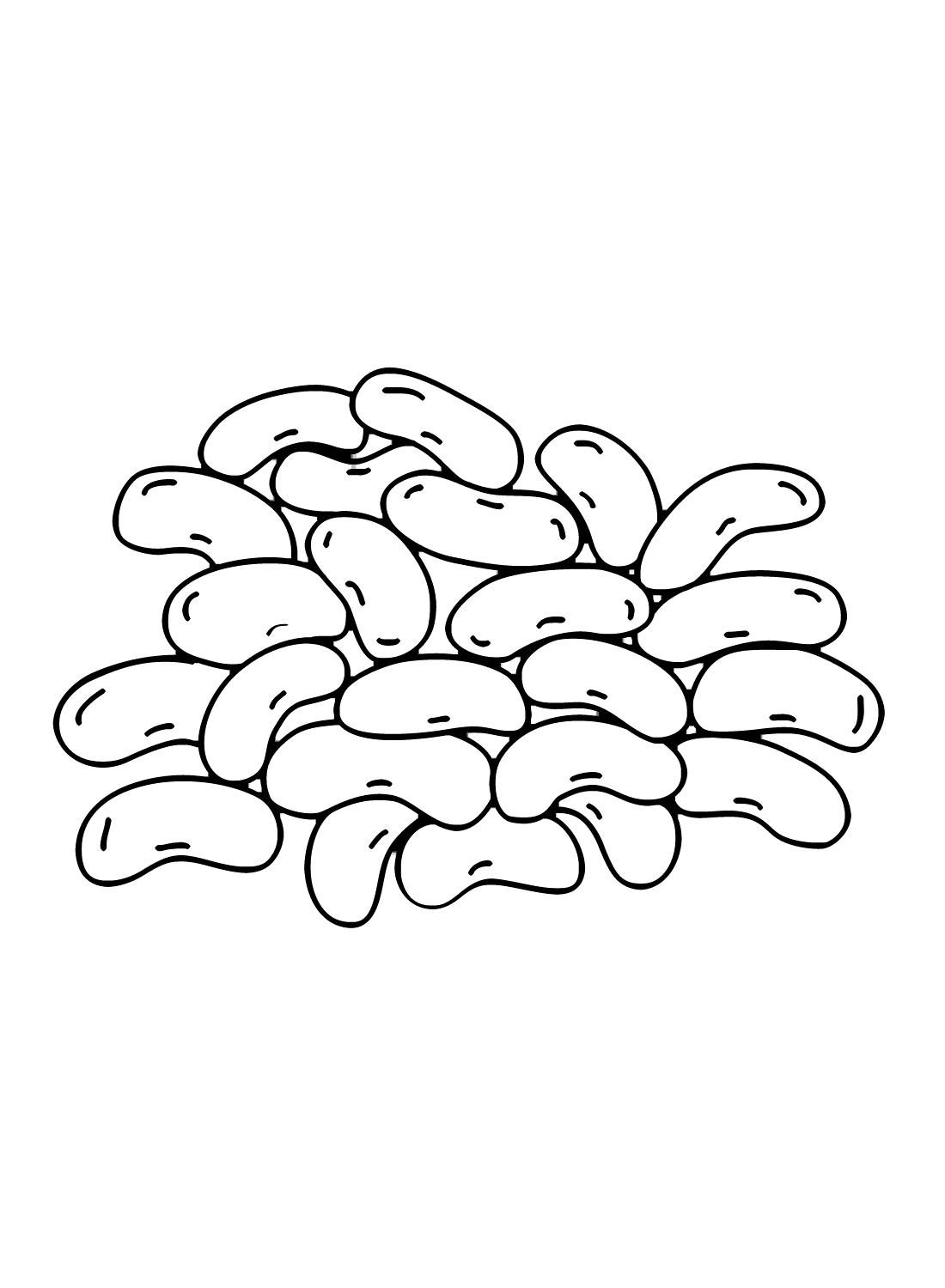
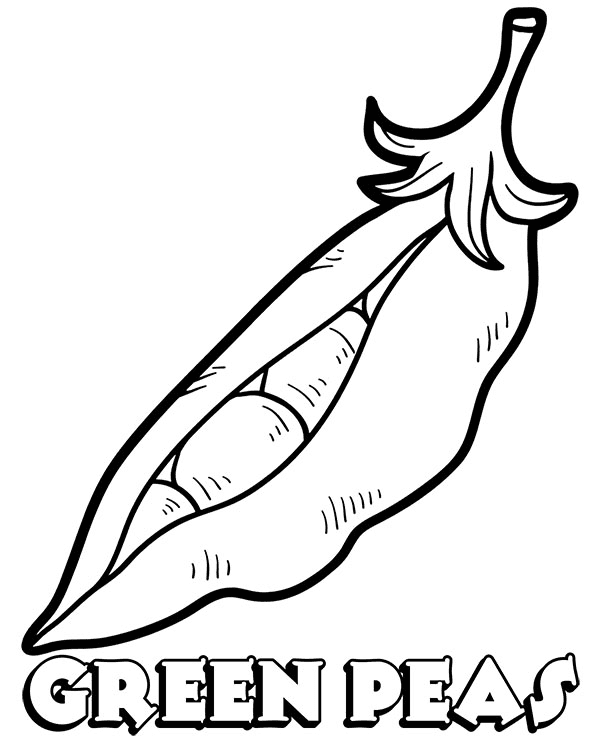
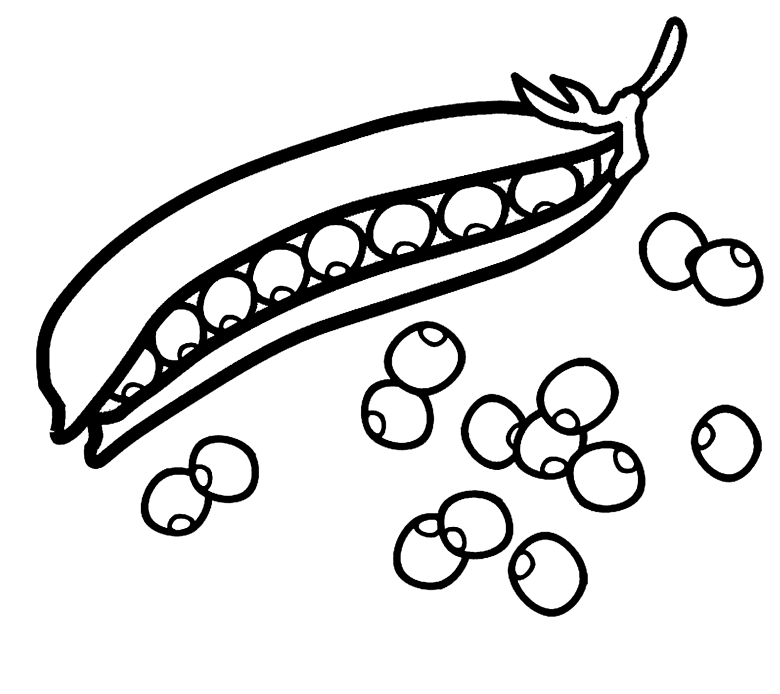
The remaining pages combine three pea designs (Peas, Open Peas, Green Peas) with nine labeled bean pages, such as Bunch of Beans and Printable Bean. Peas belong to a different genus than true beans, so this group is best treated as a general legume-shaped set rather than a single species.
What Beans Coloring Pages Do
Fine motor development. The American Academy of Pediatrics identifies fine motor skill development as a core benefit of structured coloring for children ages 2 through 7. The small, curved outlines of individual beans and pods in this set give that practice a compact, manageable shape to work within.
A visual introduction to plant variety. Seeing lima, mung, black, red, and soy beans side by side on separate pages makes a size and color comparison possible in a way a single mixed bag of dried beans does not, since each page isolates one type at full, clear scale.
Calm, repetitive focus through pattern. A 2005 study in the Art Therapy Journal documented measurable reductions in anxiety following structured coloring sessions. The sprouting-bean pages in particular, with their simple, repeating curve of seed and stem, support the same slow, low-pressure coloring pace associated with that calming effect.
A simple entry point for talking about seeds and growth: the sprouting and growing pages follow a bean from seed to stem in a way that pairs naturally with a real classroom or windowsill bean-growing activity, giving a coloring page a direct link to something a child can watch happen over the following weeks.
How to Color These Pages Well
- Lima beans: Use a pale Apricot or Cream base, since lima beans are typically flat and light in color rather than deeply pigmented.
- Mung beans: Color these small and round in Olive Green, keeping the shading even since mung beans have a smooth, uniform skin.
- Black beans: Use solid Black with a small White or Silver highlight dot to suggest the glossy sheen of a real black bean’s skin.
- Red or adzuki beans: Blend Mahogany into Brick Red for the reddish-brown tone that gives this bean its common name.
- Soybeans and fava beans: Use Tan or Yellow Green for soybeans, and a brighter Sea Green for fava beans, since the two are close in shape but different in typical color.
- Sprouts: Color the emerging stem and leaves in a fresh Yellow Green against a Sepia or Tan seed casing to show the contrast between new growth and the dried seed.
5 Creative Craft Ideas With Bean Coloring Pages
1. Bean Mosaic Collage.
Color a simple bean outline page, then glue real dried beans of matching colors onto the design to build texture over the flat coloring. This pairs a coloring activity with a tactile, hands-on material.
2. Sprout Growth Sequence.
Color the Bean Sprouting Seed, Sprouting Bean, and Soybean Plant pages in order and arrange them left to right to show a simple growth sequence from seed to plant.
3. Bean Variety Matching Cards.
Print two copies each of three or four named bean pages, color the pairs to match, and cut them into cards for a simple memory matching game.
4. Jelly Bean Greeting Card.
Color the Easter Jelly Beans page and glue it to the front of a folded card for a spring or Easter greeting.
5. Cartoon Bean Puppet.
Color the Cartoon Bean or Cartoon Pea page, cut it out, and glue it to a craft stick for a simple hand puppet.
Frequently Asked Questions
What are bean coloring pages?
A free set of 35 printable PDF and online coloring designs covering named bean varieties, sprouting seeds, and a few cartoon and holiday bean characters. Every page downloads free or opens for online coloring, with no account required.
What varieties of beans are included in this collection?
The set includes lima, mung, black, red, or adzuki, soy, fava or broad, and green beans, each shown on its own dedicated page alongside several unlabeled general bean-shape designs.
What’s the difference between the beans and the peas in this set?
Beans and peas are both legumes, but come from different plant genera. True beans in this collection belong mainly to Phaseolus, Vigna, and Glycine, while the pea pages depict Pisum sativum, a related but separate species.
What color are different types of beans?
Colors vary widely by type: lima beans are pale cream, black beans are solid black, adzuki beans are red-brown, mung beans are olive green, and soybeans are typically tan or pale yellow.
What is a sprouting bean, and why is it in this collection?
A sprouting bean shows the seed just after it has cracked open and begun growing a stem and leaves, a stage often used in classroom seed-growing activities, which is why several pages in this set follow that early growth.
Are jelly beans related to real beans?
No. Jelly beans are a candy shaped to resemble a bean but made from sugar and flavoring rather than any actual legume, included here for their bean-like shape rather than a botanical connection.
Are coloring pages of beans appropriate for young children?
Yes. The simple, single-shape bean and pea pages suit toddlers and preschoolers, while the more detailed sprouting and cartoon pages work well for older children who want more to color.
Can this collection be used for a classroom lesson on seeds or plants?
Yes. The sprouting-bean pages pair naturally with a real seed-growing activity, letting children compare their coloring page to an actual sprouting bean over the following days.
Start Coloring
Download any page by clicking the design. No account, email, or payment is required. Pages print directly from the browser at full resolution or open in the online coloring tool for screen use. Share finished pages on Facebook or Pinterest using the share buttons at the top of each design page.