Tanker Truck Coloring Pages
 By:
Jennifer Thoa - Content Editor & Designer
Updated:
By:
Jennifer Thoa - Content Editor & Designer
Updated:
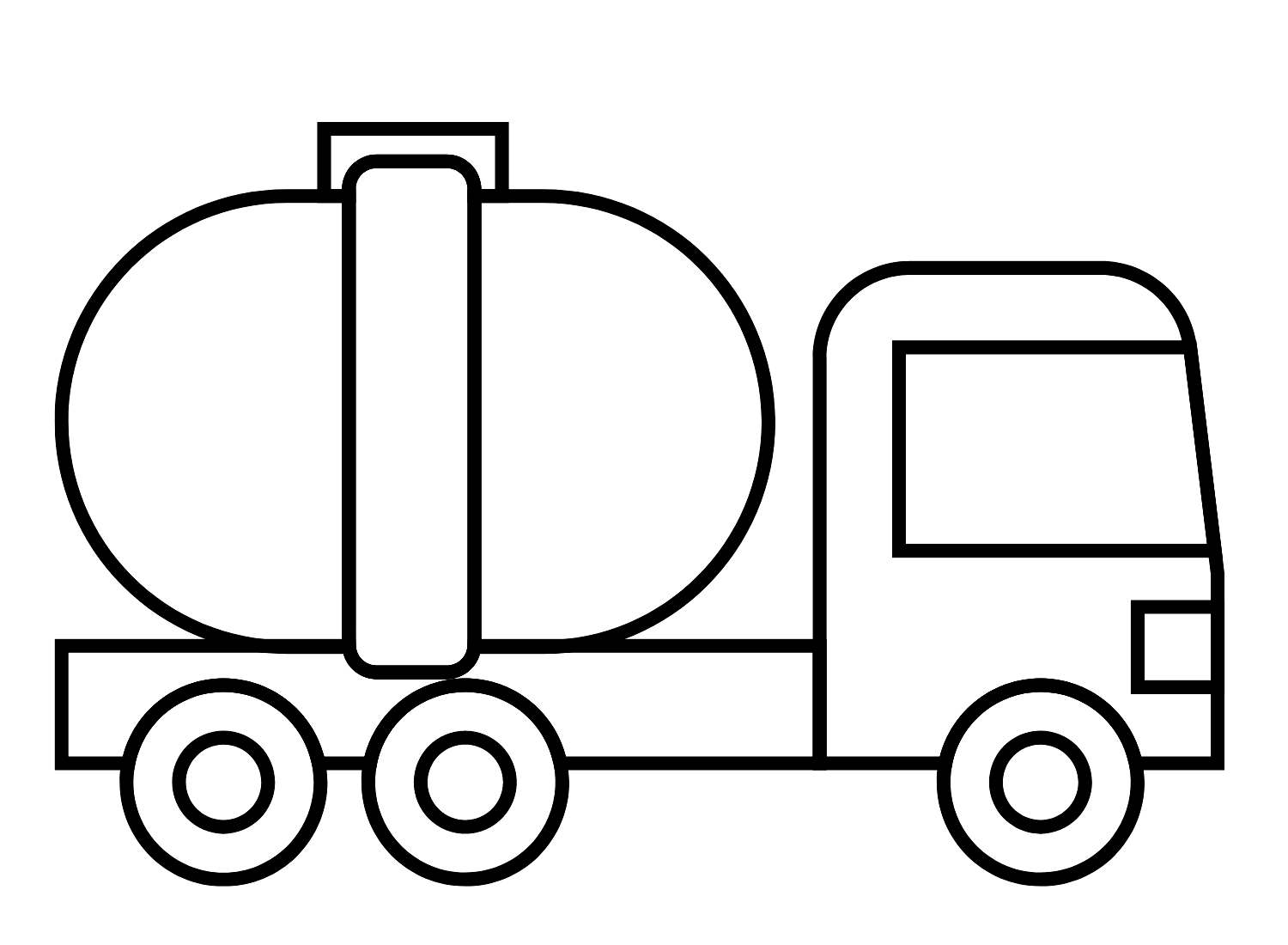
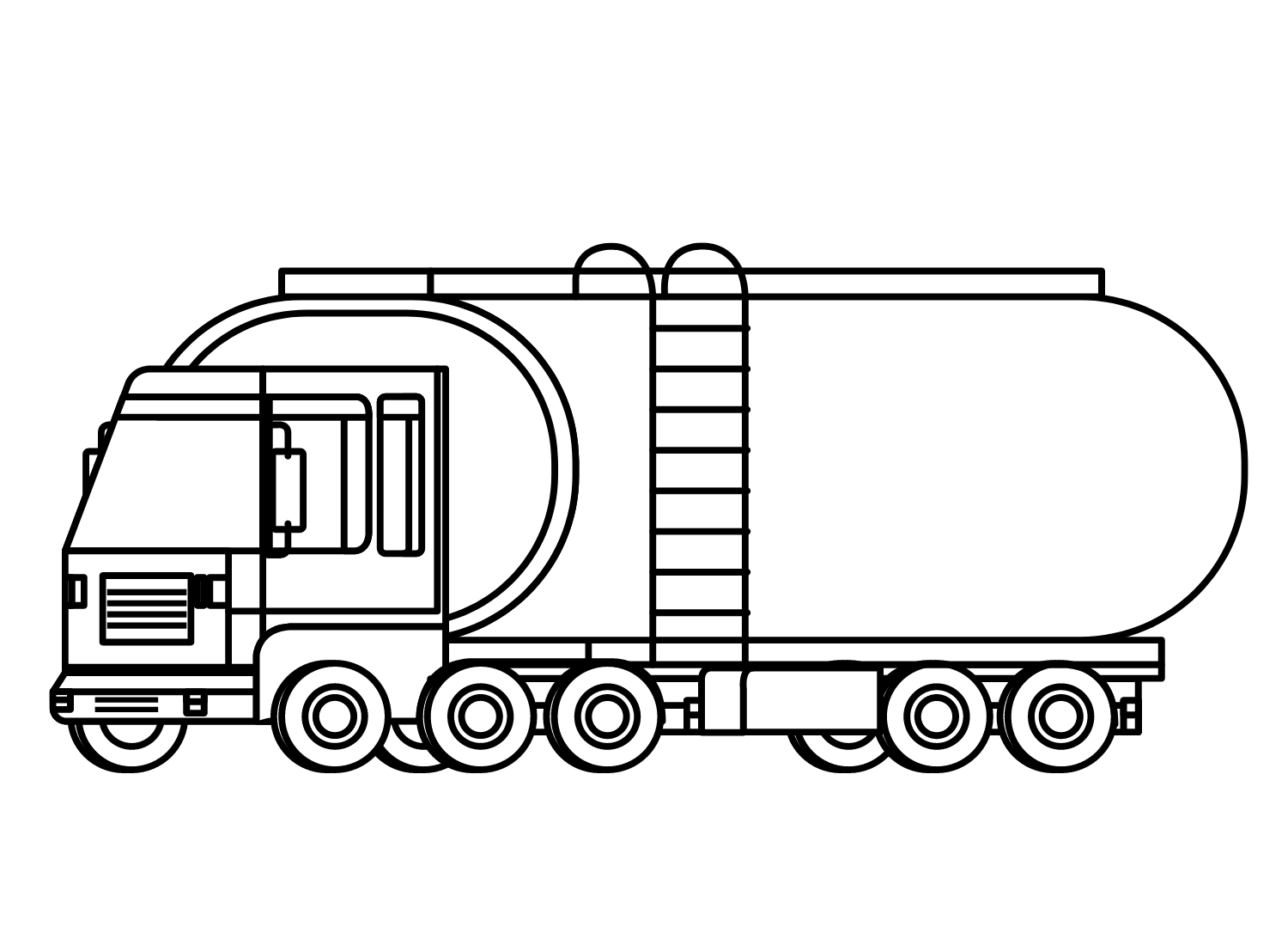
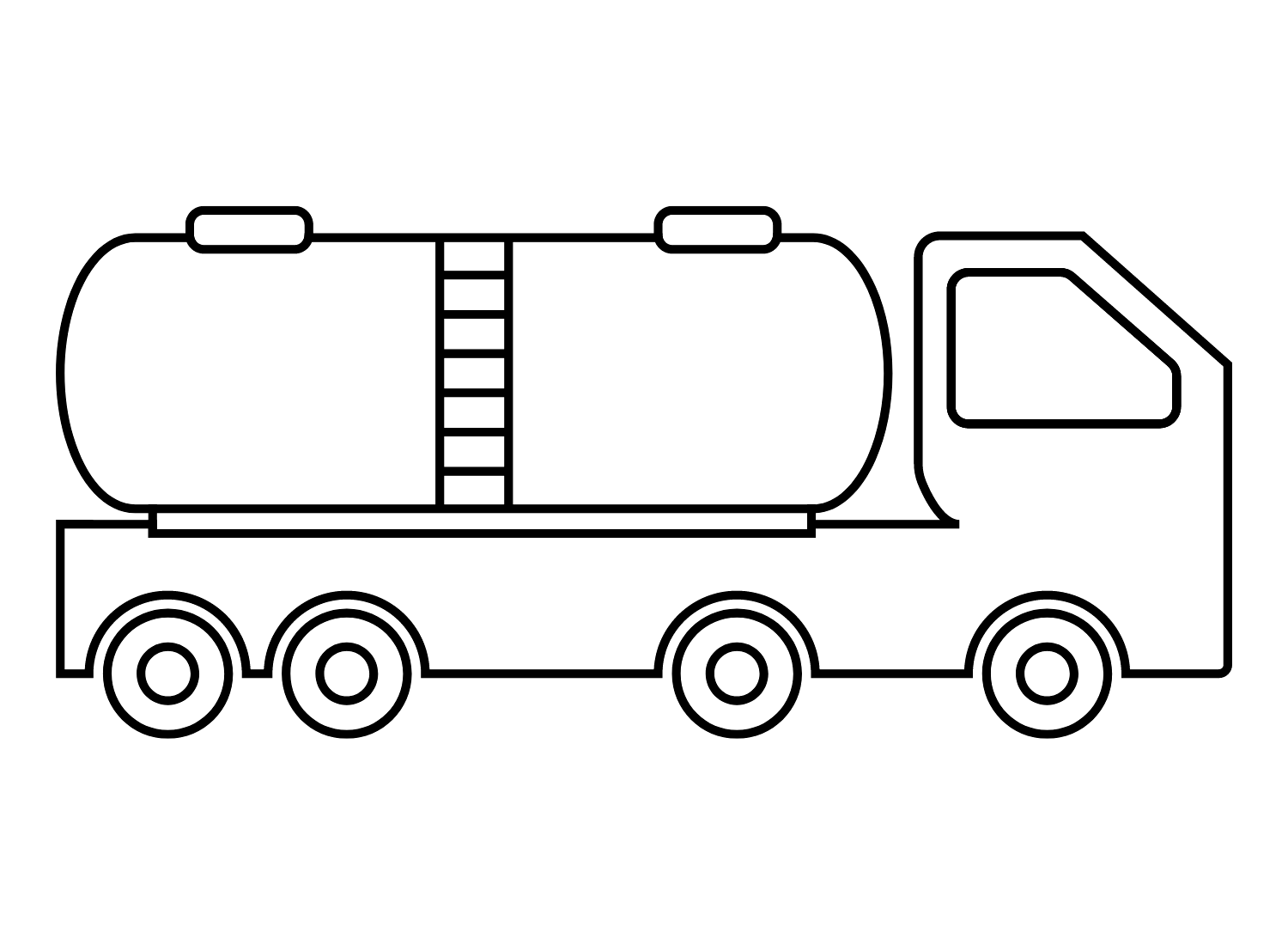
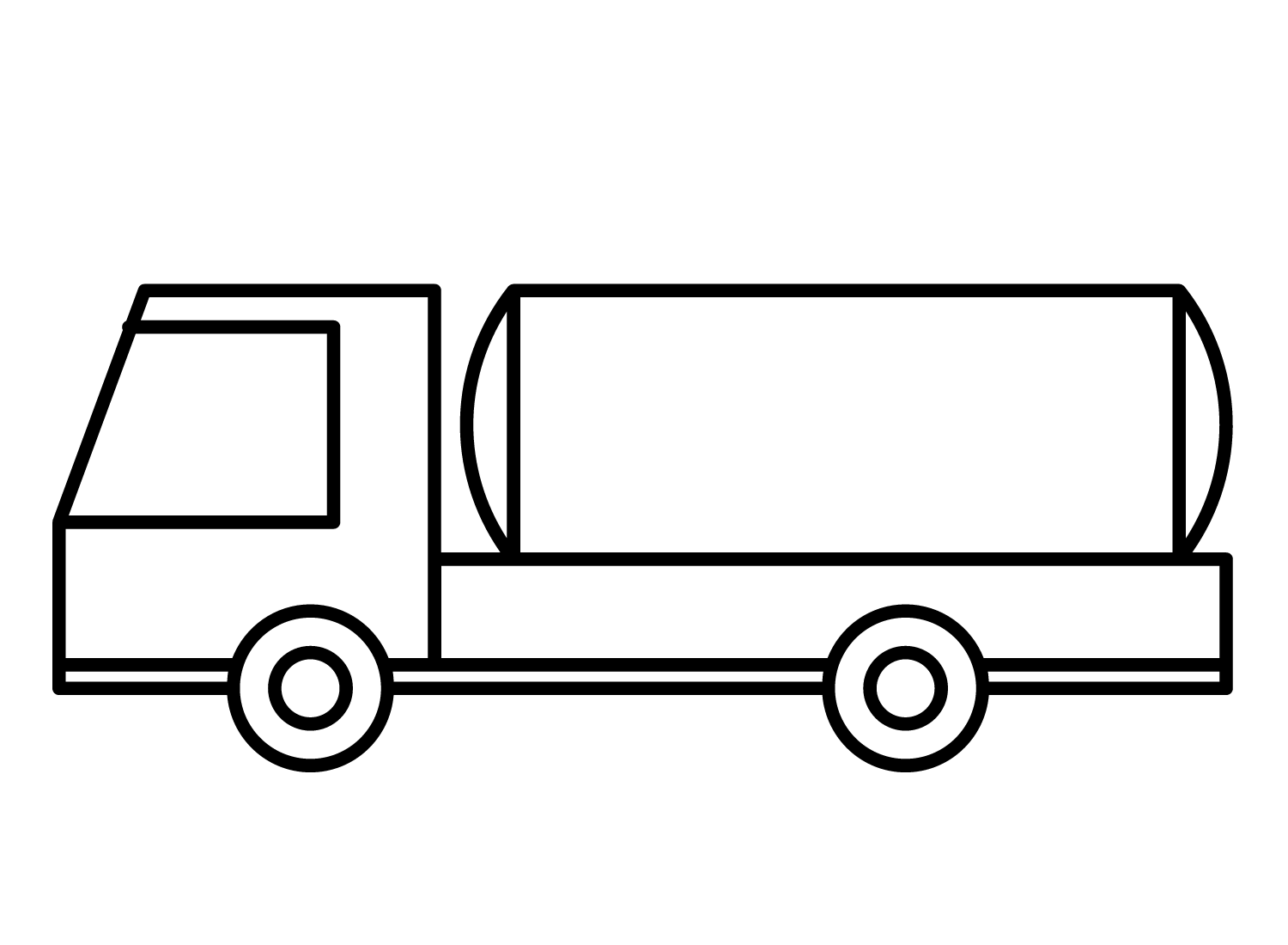
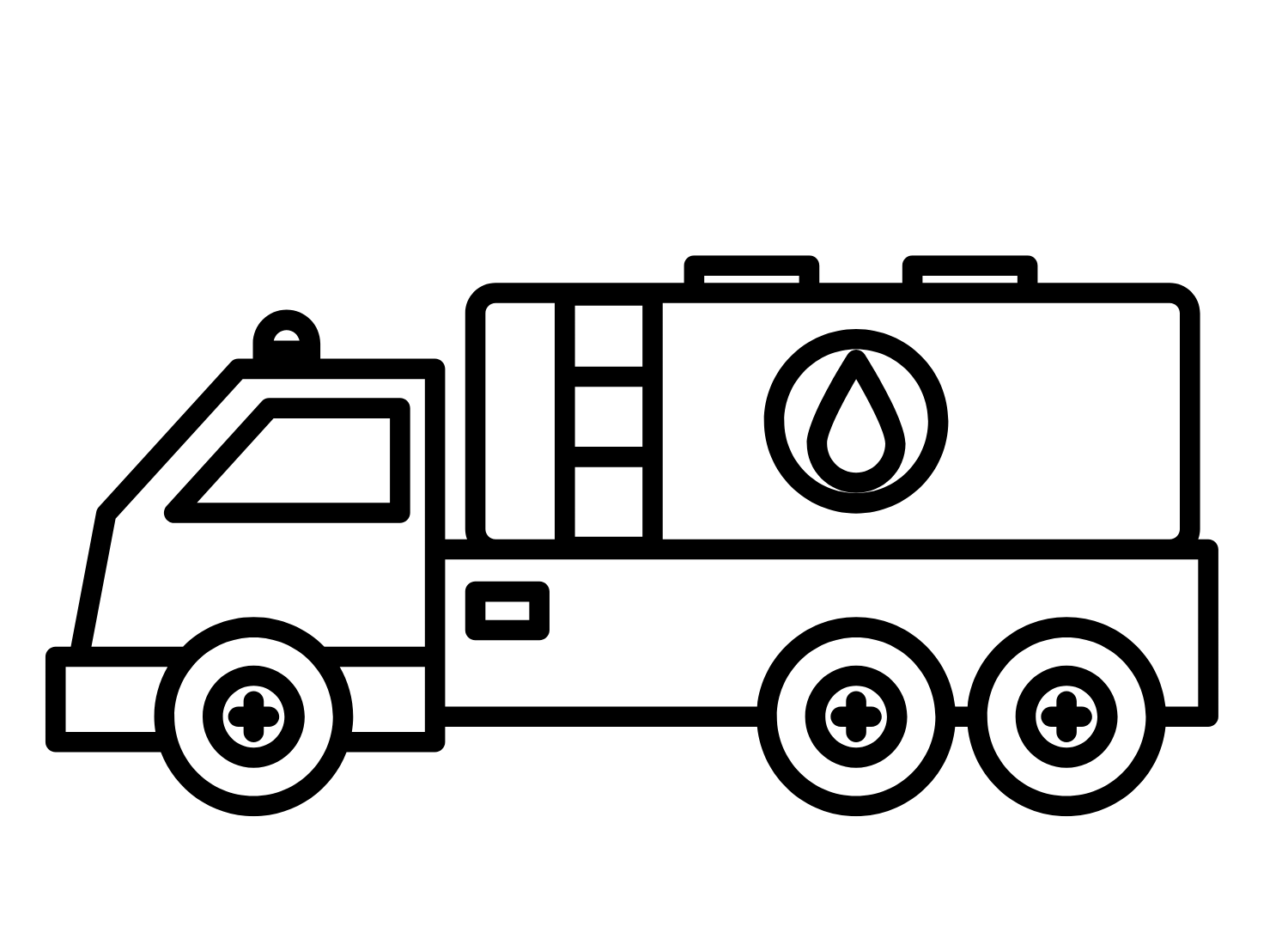
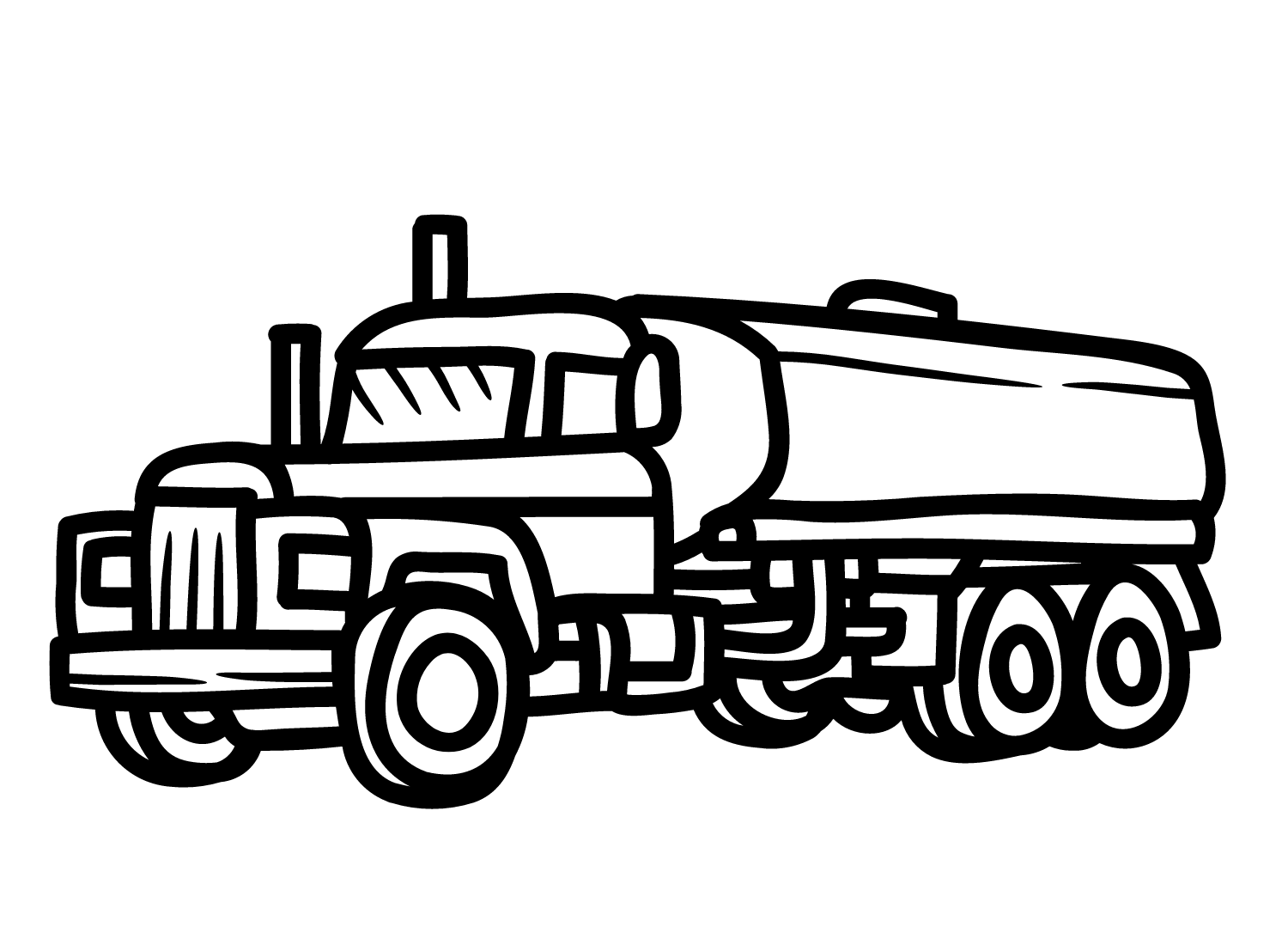
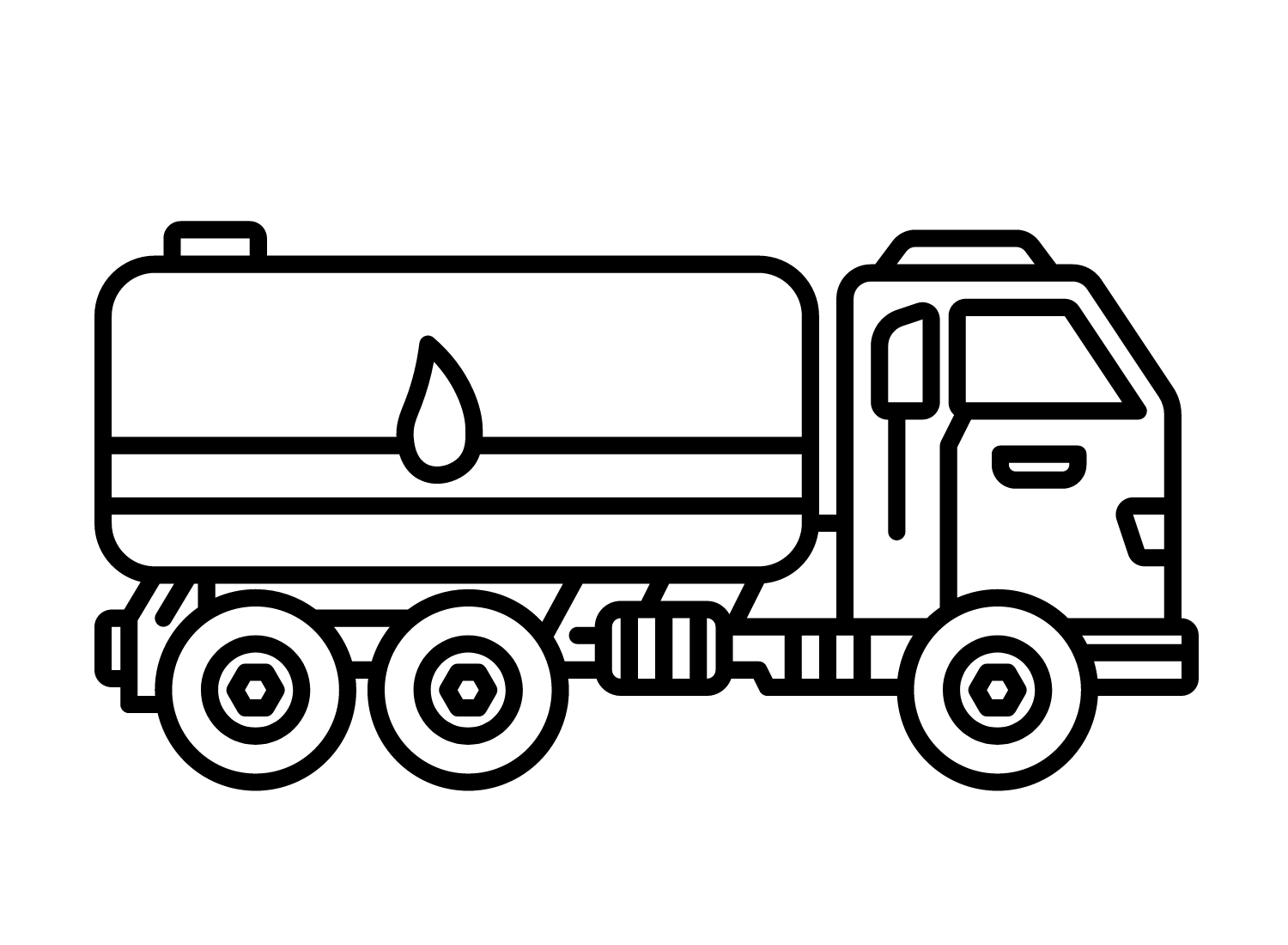
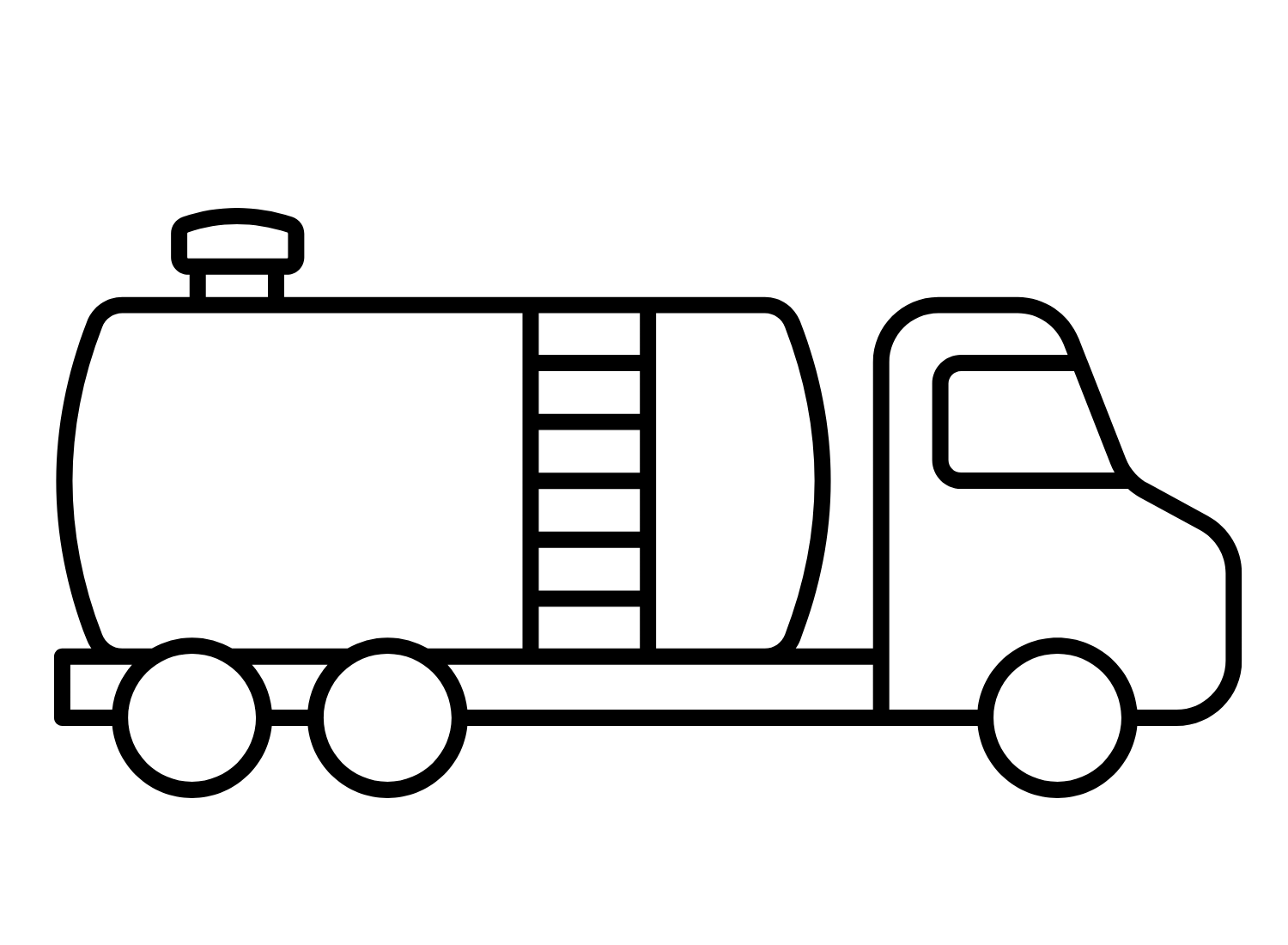
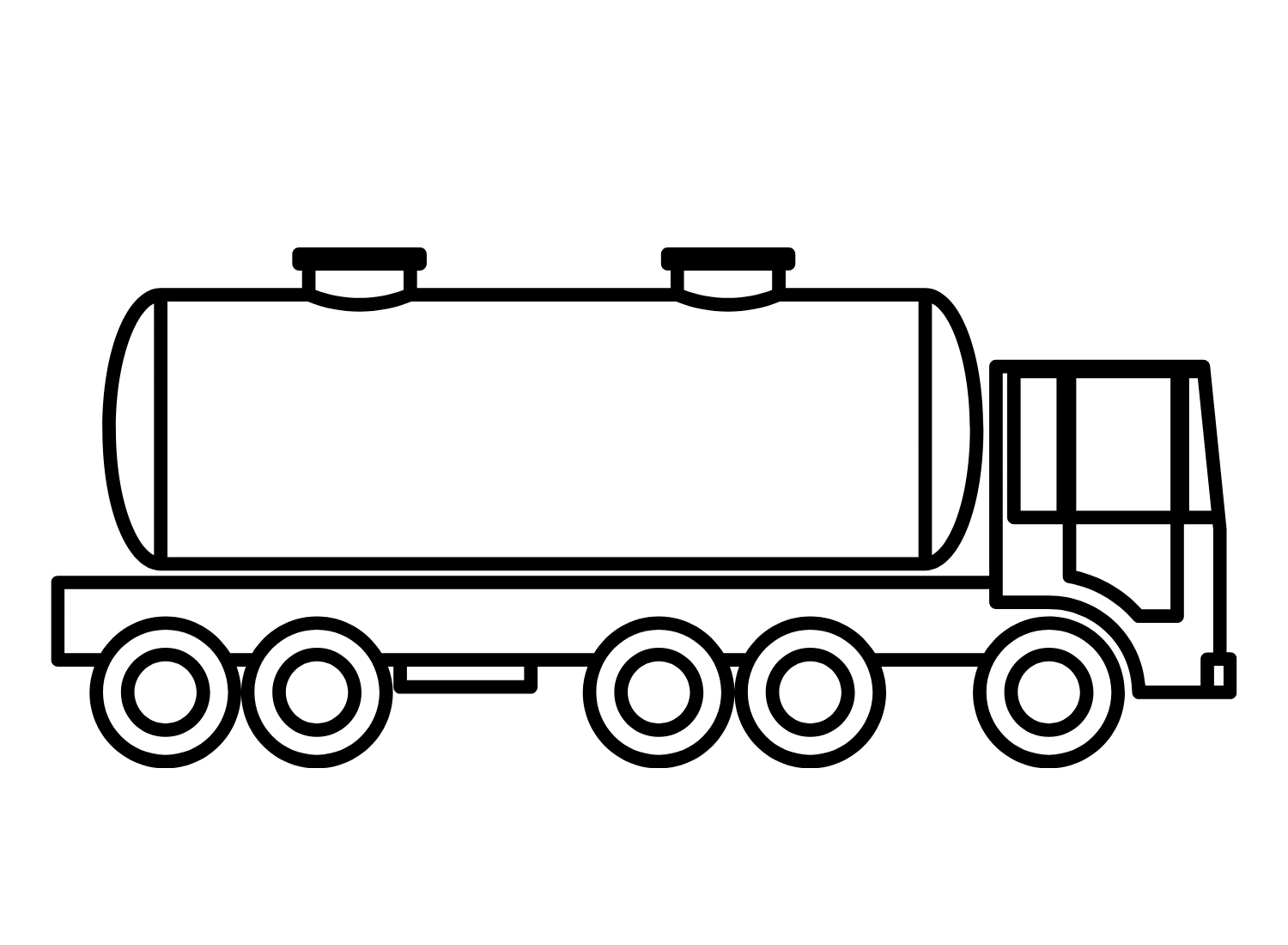
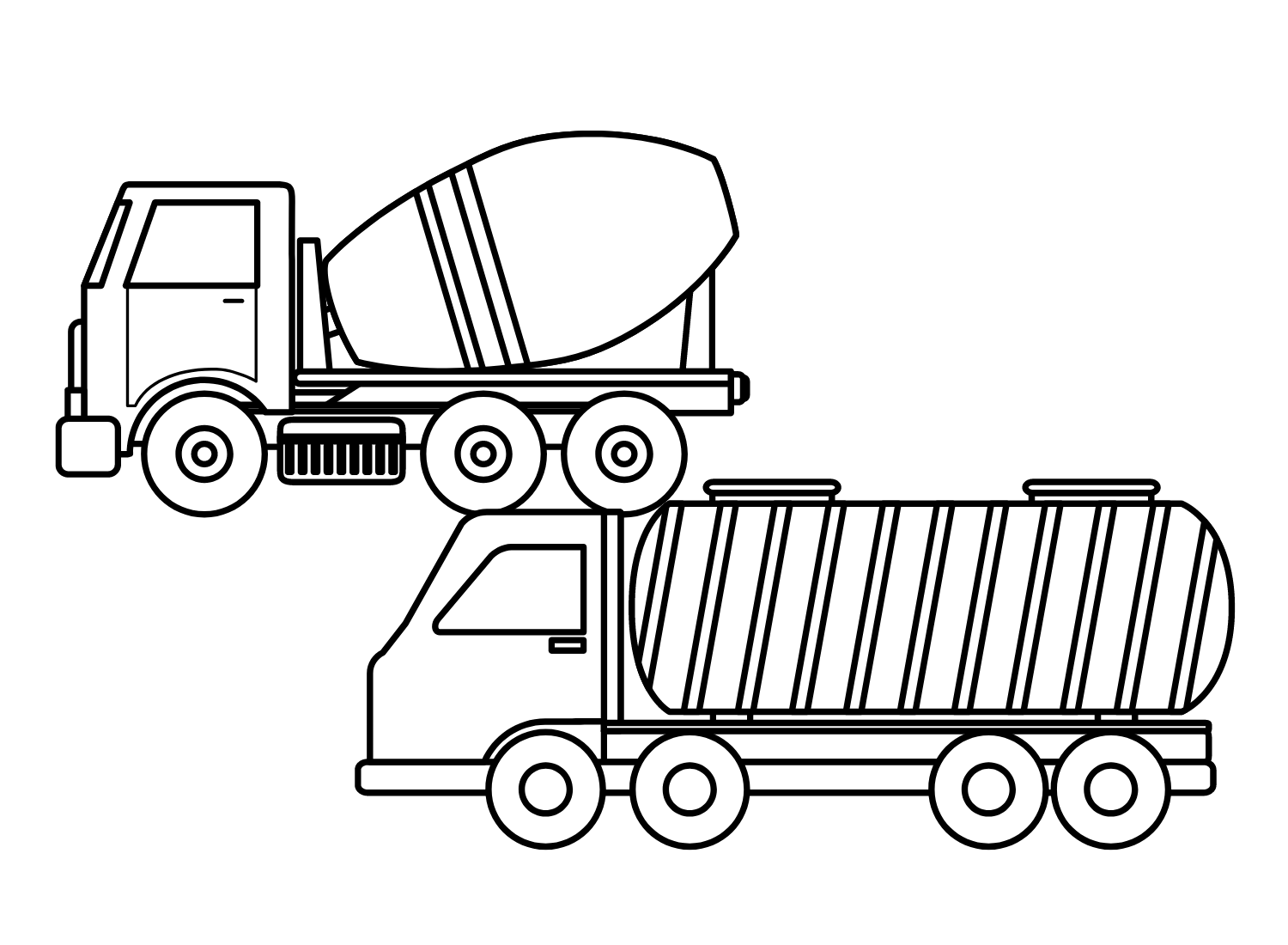
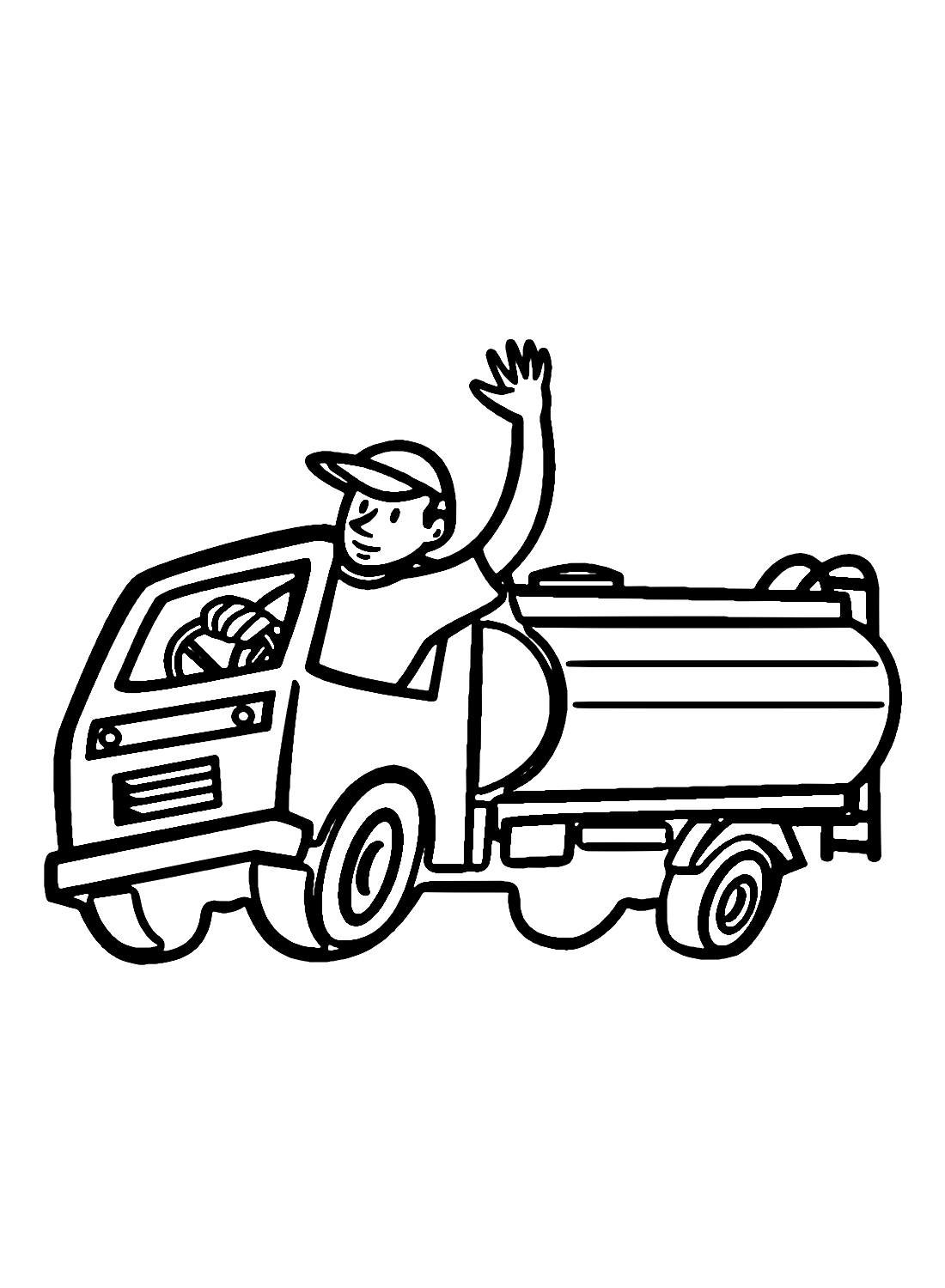
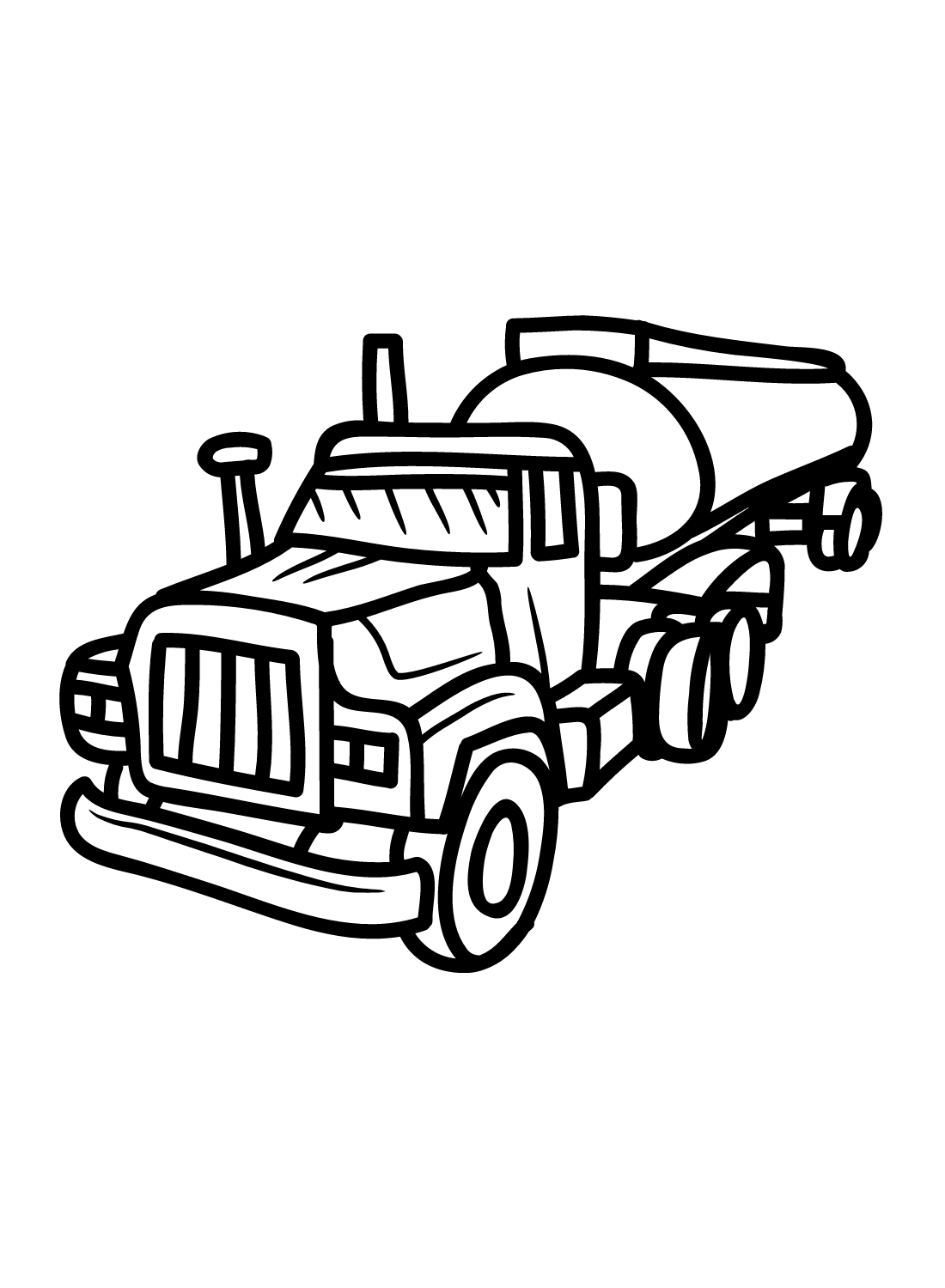
Free Tanker Truck Coloring Pages: 13 printable PDF designs featuring water tankers, oil and gas haulers, a big rig with a smiling driver, and a tanker parked beside a concrete mixer. Each sheet downloads as a PDF for the printer or opens straight into the online coloring tool.
A tanker truck is a heavy vehicle built to carry liquids or gases inside a large, rounded tank instead of a box trailer. Gasoline tankers deliver fuel to filling stations, water tankers supply construction sites and fight dust on dirt roads, and others carry milk, chemicals, or even cooking oil. The rounded shape helps the tank handle pressure from the liquid inside, and walls called baffles divide the tank so the load does not slosh hard enough to rock the truck. A typical gasoline tanker in the United States holds around 9,000 gallons.
The long, simple tank shapes make easy coloring for toddlers, while wheels, ladders, hoses, and cab details give older kids more to work on.
What’s Inside This Collection
Fuel tankers, water tankers, tankers on the road, and classic truck portraits make up the 13 sheets.
Oil and Gas Tankers
Two pages show fuel haulers built for oil and gasoline, with long tanks, hose fittings, and rows of wheels. Color the tank Silver or Light Gray, then add a bright Red or Orange stripe along the side for a classic fuel truck look.
Water Tankers
One design features a water tanker, the kind seen spraying dusty roads or refilling tanks on job sites. A Sky Blue tank with White highlights and a Navy cab keeps the water theme clear at a glance.
Tankers on the Job
A big 18-wheeler rolls along with its driver waving from the cab, and another page parks a tanker next to a spinning concrete mixer. Give each vehicle its own color, such as a Yellow mixer drum beside a Silver tanker, so that kids can tell the two trucks apart.
Classic Tanker Truck Portraits
The remaining sheets show tanker trucks from the side and at an angle, ready for any color scheme. These pages are perfect for experimenting, from a fire engine Red tank to a rainbow-striped one.
What Tanker Truck Coloring Pages Do
Showing how deliveries really work. Many children see tanker trucks on the highway without knowing what is inside. Coloring different tankers opens up easy conversations about where gas, water, and milk come from and how trucks carry them to stations, farms, and stores.
Practicing straight lines and round shapes. A tanker combines a long, curved tank with boxy cabs and circular wheels, which gives small hands practice with several kinds of shapes on one page. The American Academy of Pediatrics notes that coloring helps children ages 2 through 7 develop the fine motor skills behind writing, and staying inside a row of small wheels is a great workout for that control.
Settling into a quiet activity. Long, smooth strokes across a big tank are relaxing and easy to repeat. A 2005 study in the Art Therapy Journal documented measurable reductions in anxiety after structured coloring. Hence, a tanker page makes a calm choice for vehicle-loving kids after a busy morning.
Learning about road safety signs. Trucks that carry hazardous cargo display diamond-shaped placards with colors and numbers that tell firefighters what is inside. Parents can explain that these signs help keep everyone safe, and kids can design a pretend placard for a silly cargo like lemonade or bubbles.
How to Color Tanker Truck Pages Well
- Shiny tank: Color the tank Light Gray or Silver, then add a darker Gray along the bottom half and leave a thin white band near the top. The highlight makes the tank look round and metallic.
- Cab colors: Pick one bold color for the cab, such as Red, Blue, or Green, and keep it the same on the doors and hood. A solid cab color makes the truck look tidy and finished.
- Wheels and tires: Fill the tires with Black and the hubcaps with Silver or Gray. Leave a small white curve on each tire for shine, and keep the rows of wheels evenly spaced.
- Windows: Use Light Blue for the windshield and side windows, then add one diagonal white streak. This simple trick makes the glass look reflective.
- Water tanker accents: Choose Sky Blue or Teal for the tank and add darker Blue for hoses and valves. The cool colors tell viewers the truck carries water.
- Road and sky: Shade the road Charcoal with dashed Yellow lines, and color the sky soft Blue. A simple background keeps attention on the truck.
5 Creative Craft Ideas With Tanker Truck Coloring Pages
1. Paper Roll Tanker
Color a tanker page and cut out the cab. Glue it to the front of a cardboard tube painted silver, then add bottle cap wheels to build a 3D tanker truck.
2. Pretend Cargo Placard
Cut a diamond shape from colored paper and invent a silly cargo, such as rainbow juice or bubble soap. Write the cargo name inside and tape the placard to the side of a colored tanker.
3. Highway Convoy Display
Color several tanker pages, cut out the trucks, and line them up on a long strip of black paper with yellow road lines. Hang the convoy along a bedroom or classroom wall.
4. Delivery Route Map
Glue a colored tanker to one corner of a large sheet of paper. Draw a road that winds to a gas station, a farm, and a construction site, and label each stop.
5. Truck Birthday Card
Fold a piece of cardstock in half and glue a colored tanker on the front. Inside, write a birthday message for a friend who loves big trucks.
Frequently Asked Questions
What are Tanker Truck coloring pages?
There are 13 free printable sheets of tanker trucks, including oil, gas, and water tankers, a big rig with its driver, and a tanker beside a concrete mixer. Each design can be printed as a PDF or colored online.
What is a tanker truck?
A tanker truck is a large vehicle with a closed, rounded tank for carrying liquids or gases. It is used to transport fuel, water, milk, chemicals, and many other products over roads.
What do tanker trucks carry?
Many carry gasoline and diesel to filling stations, while others haul water, milk, cooking oil, or chemicals. Each tank is built for its specific cargo, so a milk tanker is never used for fuel.
Why are tanker truck tanks round?
A rounded or oval tank spreads pressure from the liquid evenly across its walls, making it strong and less likely to leak. The shape also keeps the load lower and steadier on the road.
What are baffles inside a tanker?
Baffles are walls inside the tank that divide the liquid into sections. They slow the sloshing that happens when the truck stops or turns, which helps the driver keep the truck stable.
How much can a tanker truck hold?
A typical gasoline tanker in the United States carries about 9,000 gallons, enough to fill hundreds of family cars. Smaller tankers that deliver heating oil or water to homes hold much less.
What age are Tanker Truck coloring pages for?
They work well for kids from about 3 to 8. Toddlers enjoy the big tank shapes, while older children can add details to wheels, ladders, and cabs.
What do the colored diamonds on tanker trucks mean?
The diamond-shaped placards identify hazardous cargo so emergency crews know how to respond. Colors give quick clues, such as red for flammable liquids and green for nonflammable gases.
Start Coloring
Pick a water tanker, a gas hauler, or the big rig with its waving driver, then print it or color it online with no account needed. Young truck fans can share their finished tankers on Facebook or Pinterest.