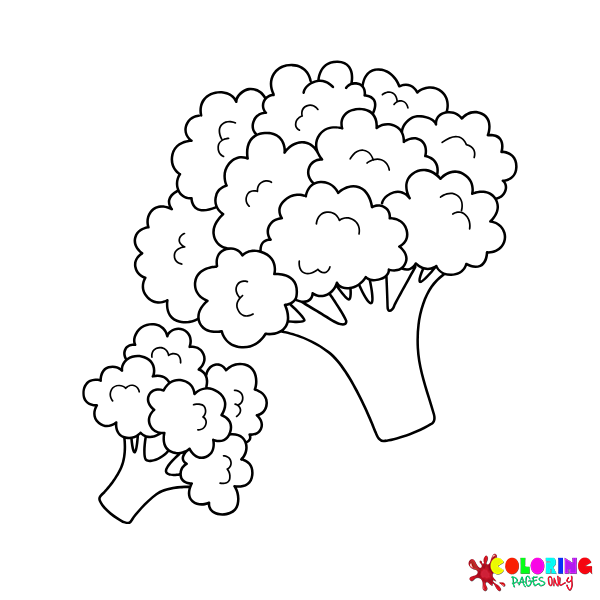
Cauliflower Coloring Pages
 By:
Jennifer Thoa - Content Editor & Designer
Updated:
By:
Jennifer Thoa - Content Editor & Designer
Updated:
Free Cauliflower Coloring Pages: 28 printable PDF designs of this Mediterranean vegetable, most drawn as a simple, single-subject line illustration. Whether the plan is to print a PDF or color right in the browser, every page here is free and doesn’t ask for an account.
Cauliflower traces back more than 2,000 years to the eastern Mediterranean, reaching Northern Europe by the 16th century and North America by the late 1600s. This collection reflects the vegetable’s own simplicity: the majority of pages are variations on one plain, realistic cauliflower line drawing, with a smaller handful offering a cartoon or kawaii-style redesign and one page that broadens out to a mixed vegetable scene rather than cauliflower alone.
Because so many pages share the same basic subject and pose, the 28 designs are best understood as three groups rather than a wide range of scenes: realistic line art, stylized cartoon versions, and one outlier vegetable-assortment page. Coloring here is more about shading technique on a single form than managing a busy scene.








What Is Inside This Collection
Rather than pretending this set covers more ground than it does, it’s worth naming plainly what’s actually here: one main subject rendered in a few different styles.
Realistic Cauliflower Line Art
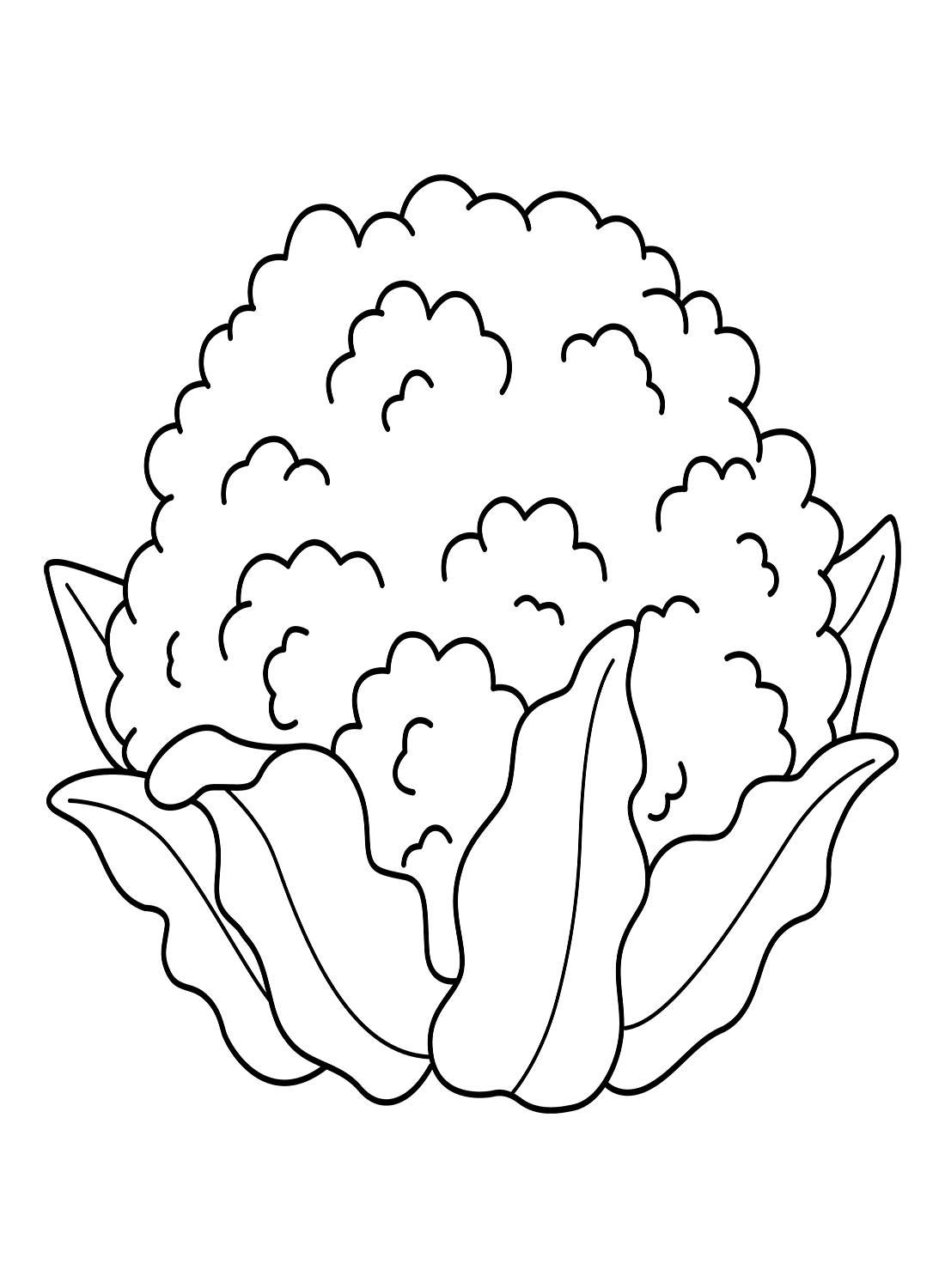
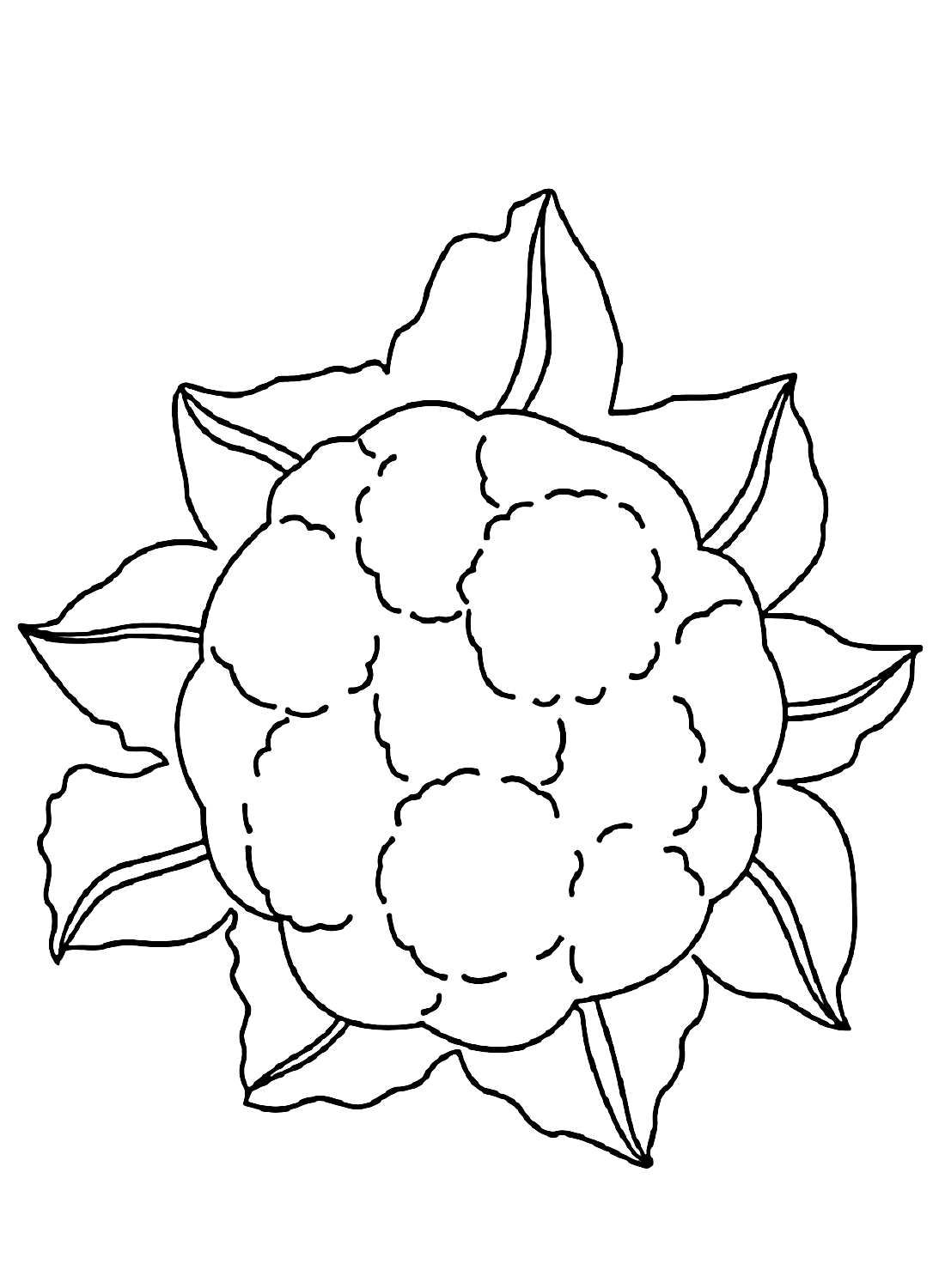
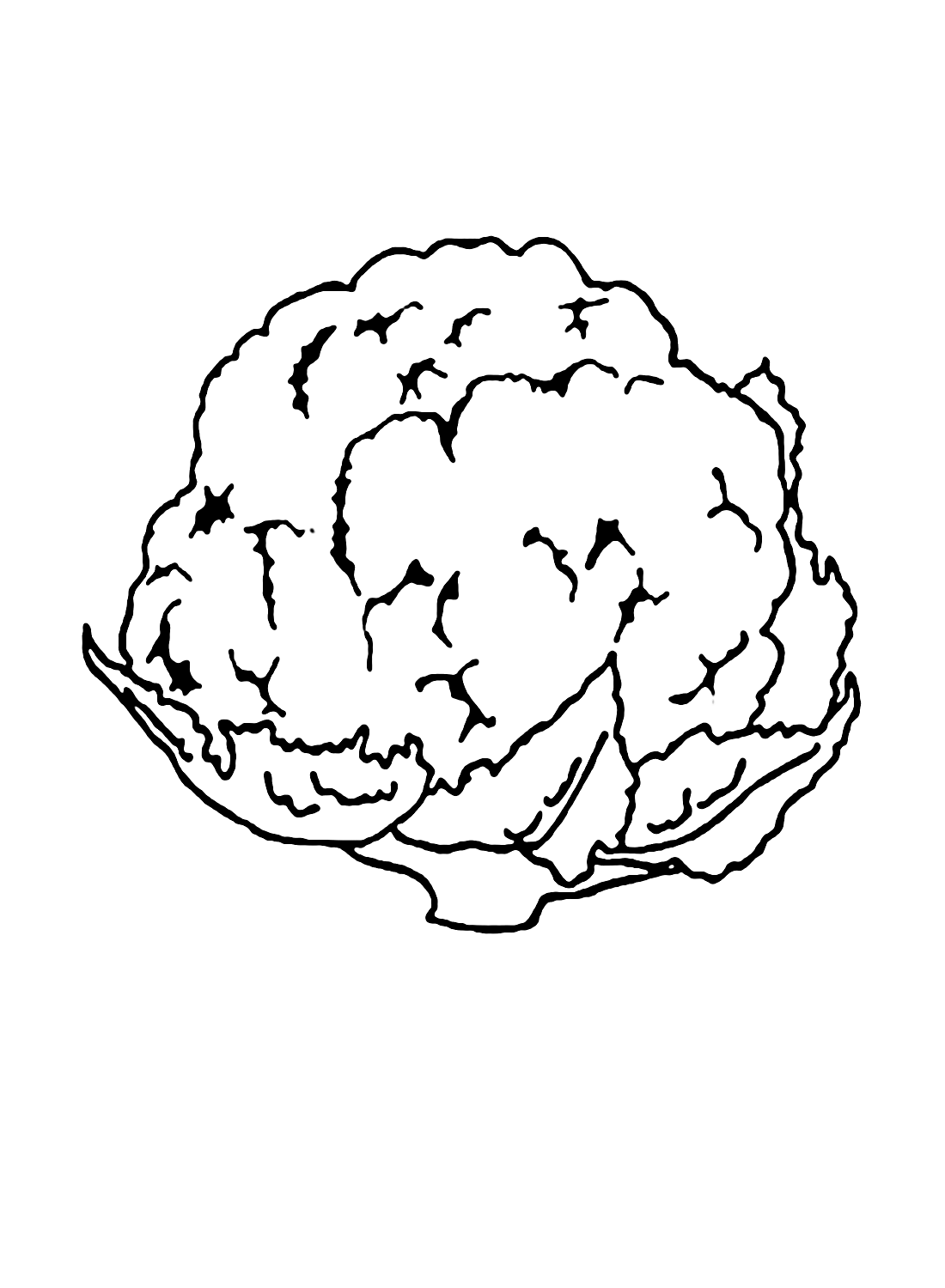
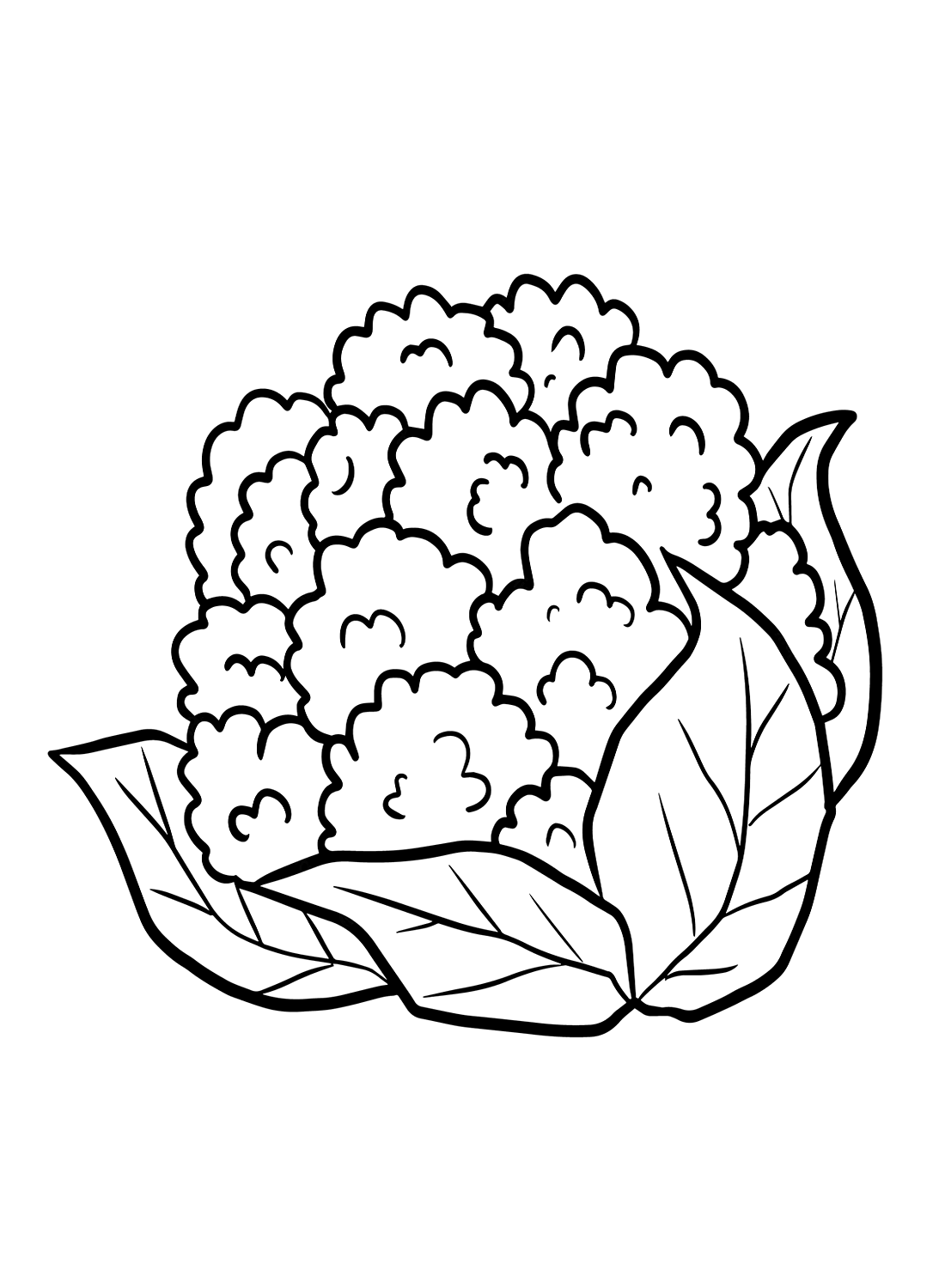
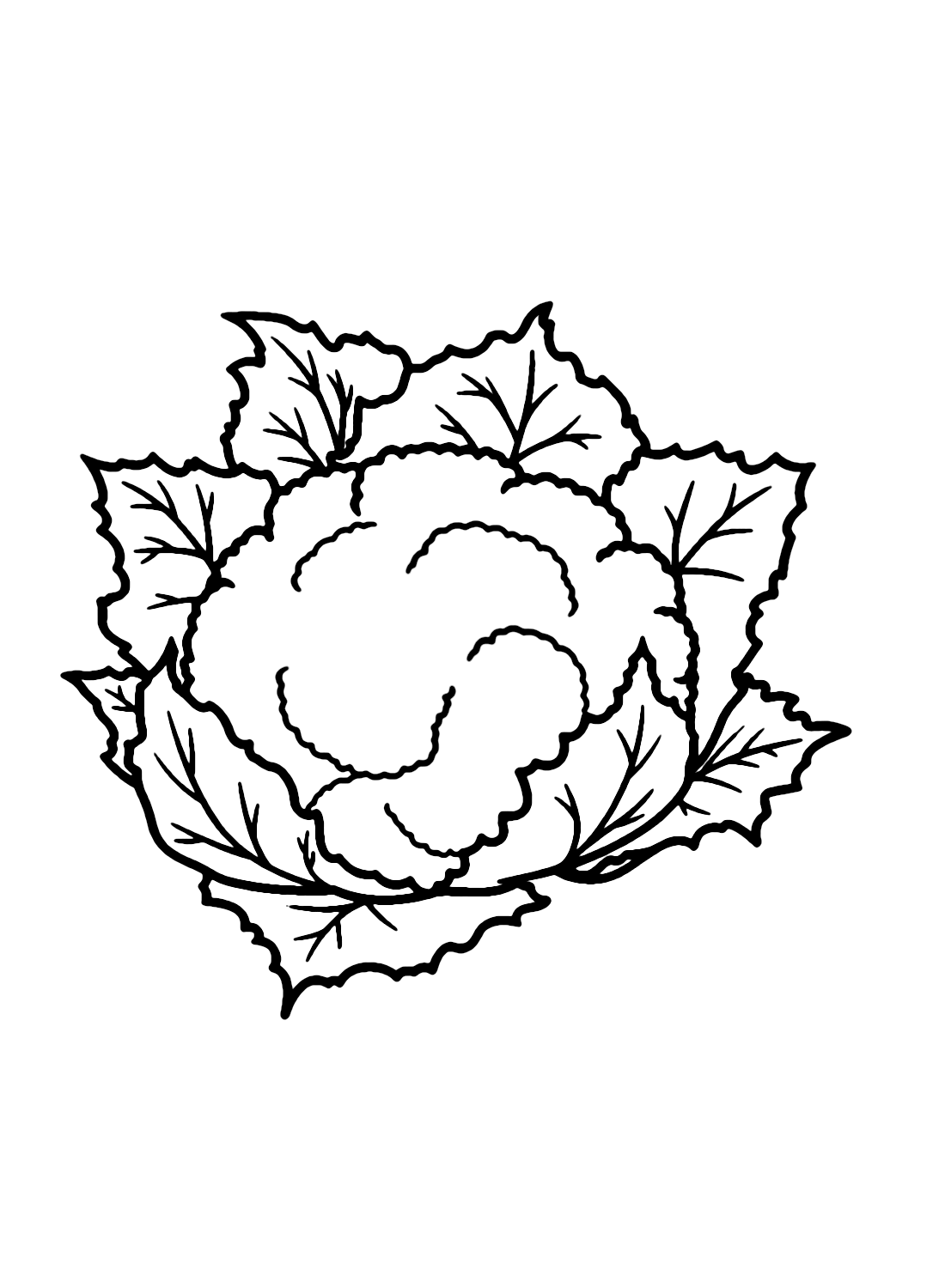
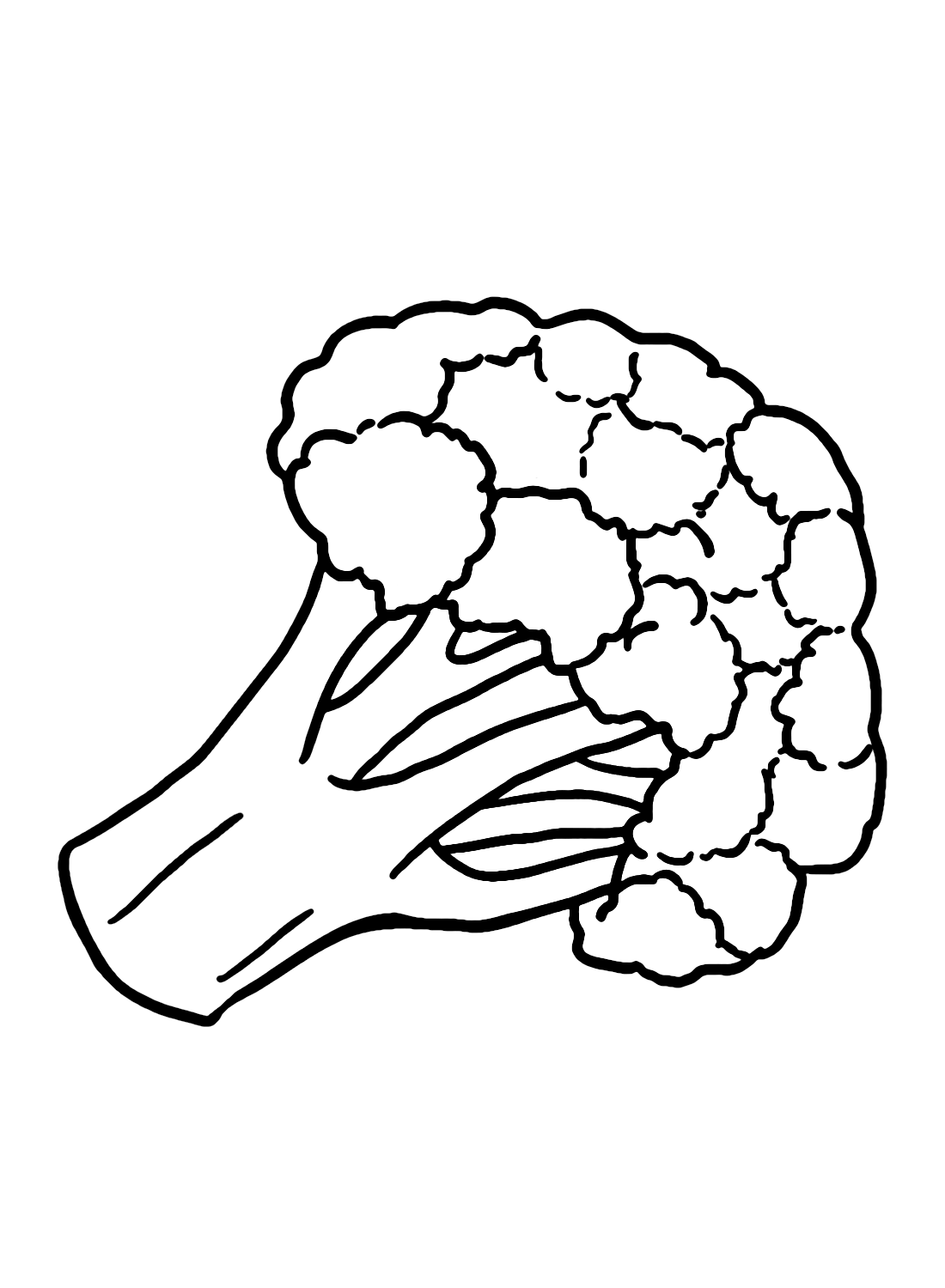
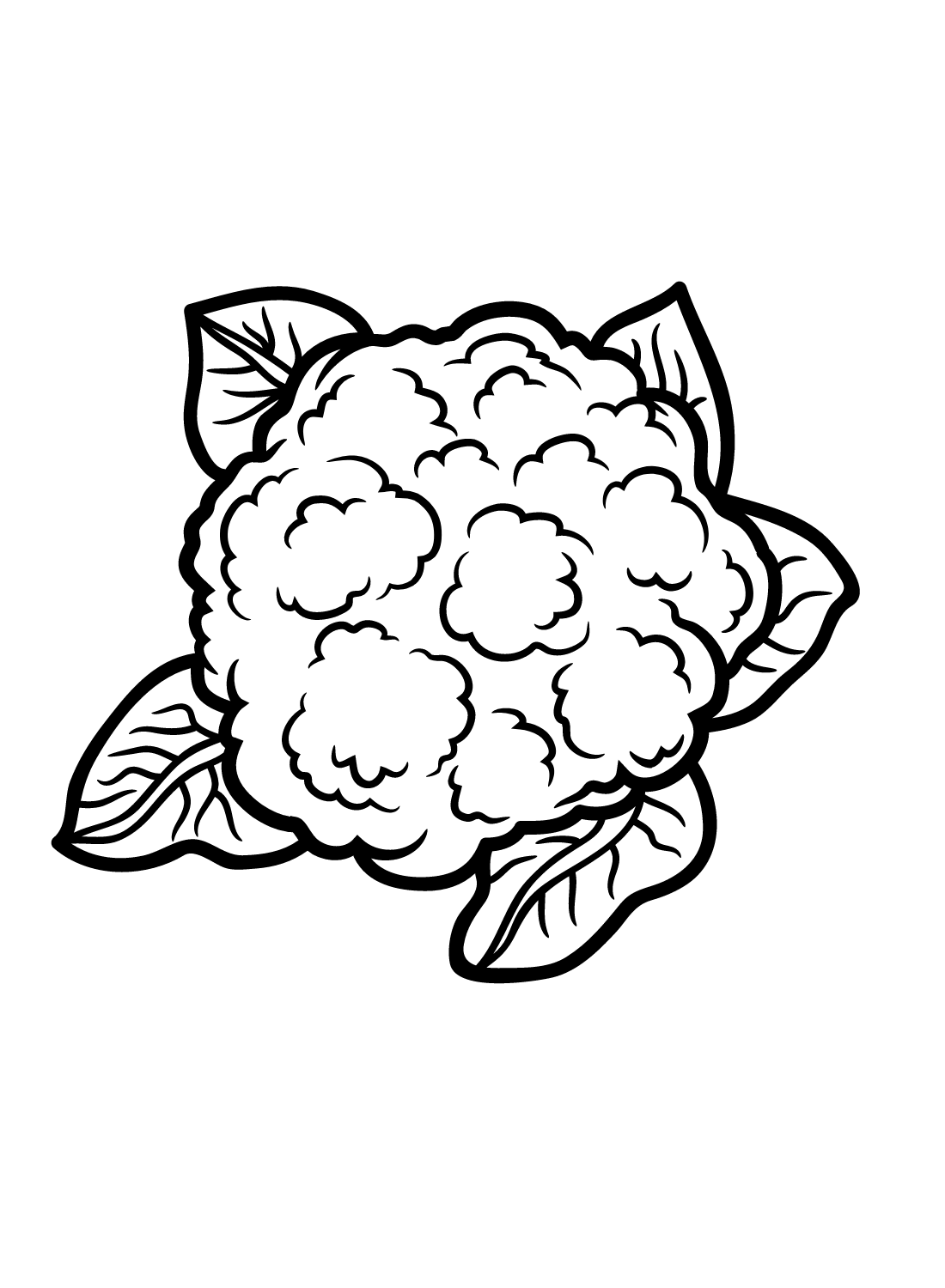
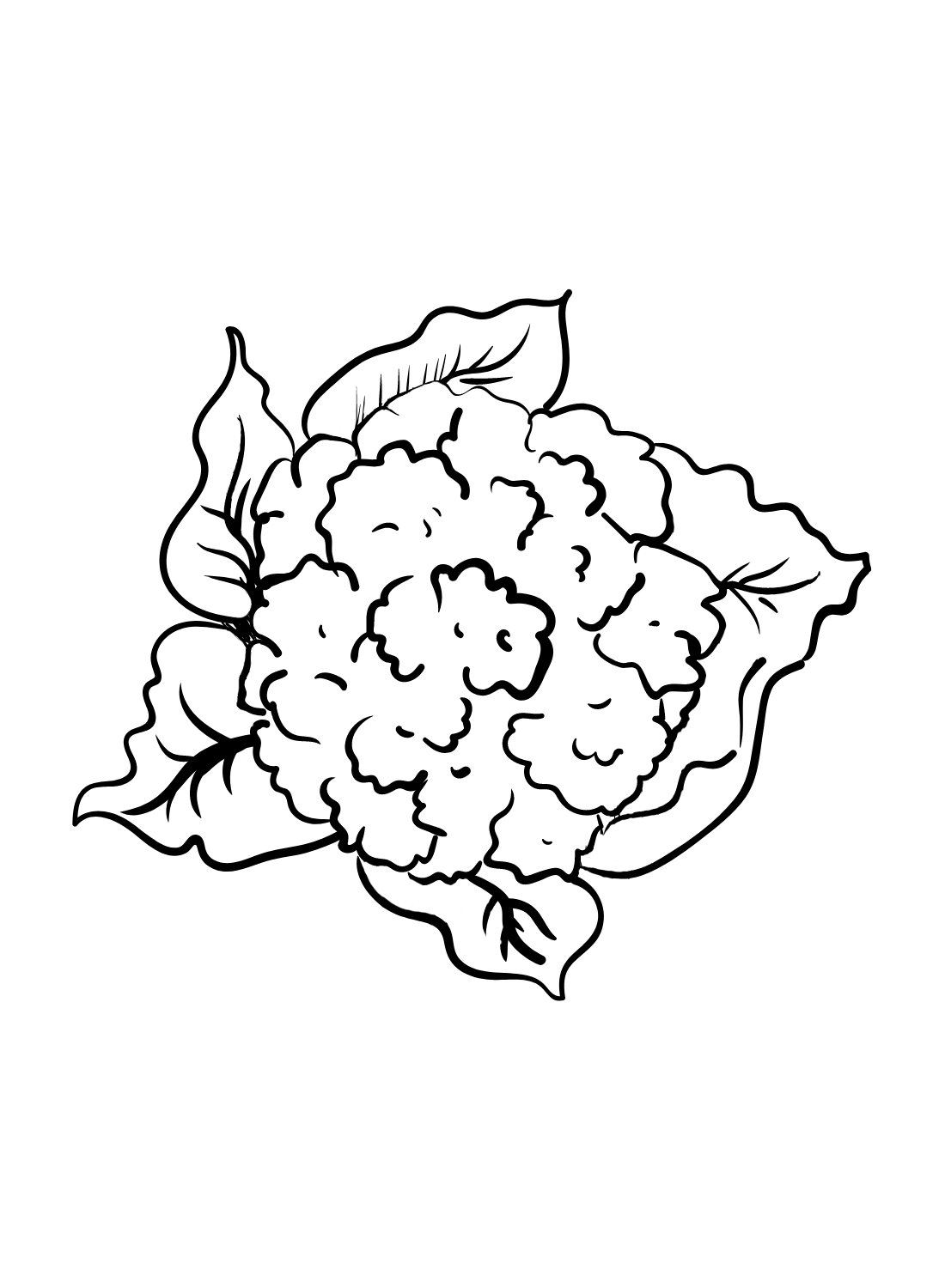
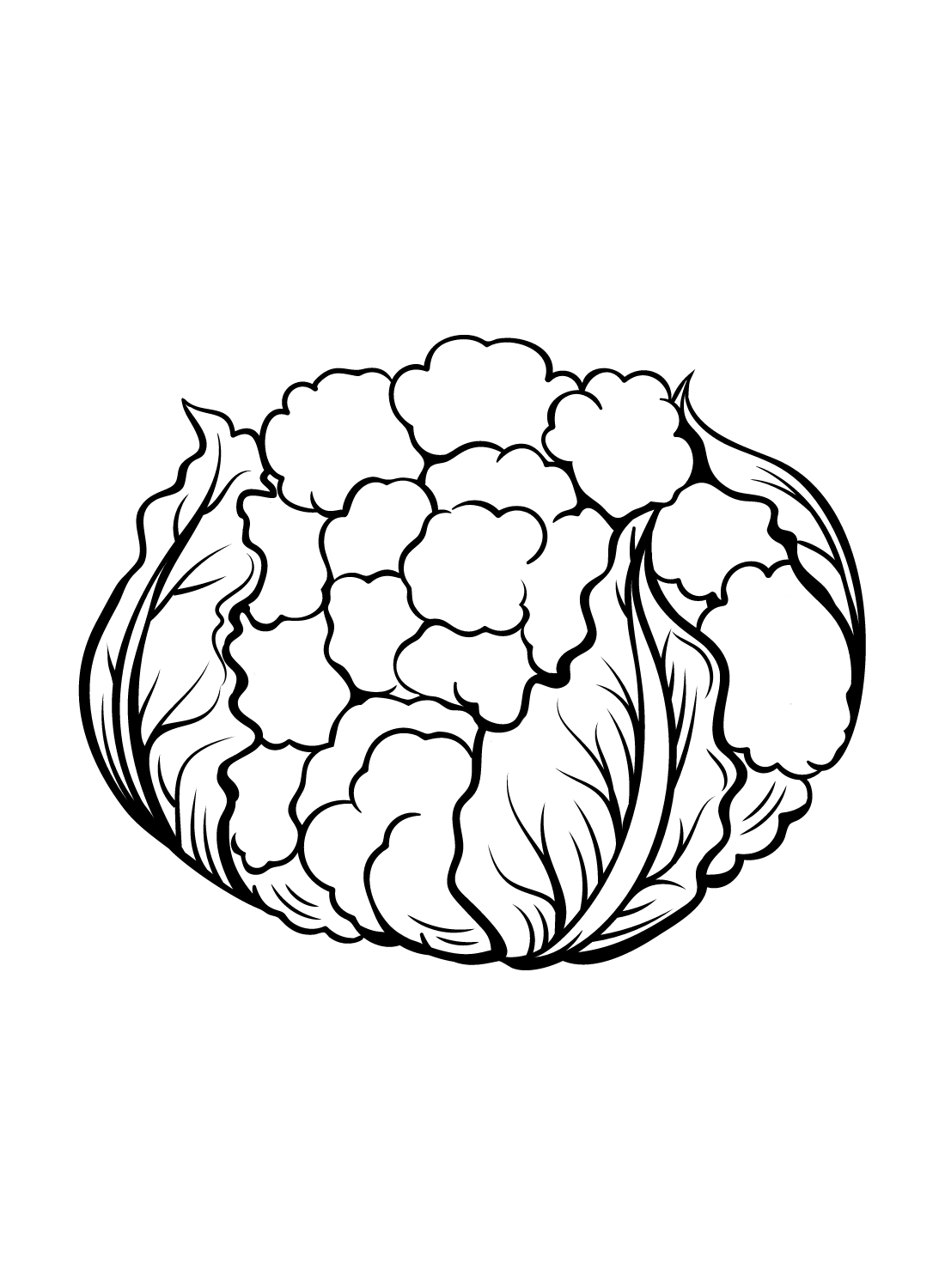
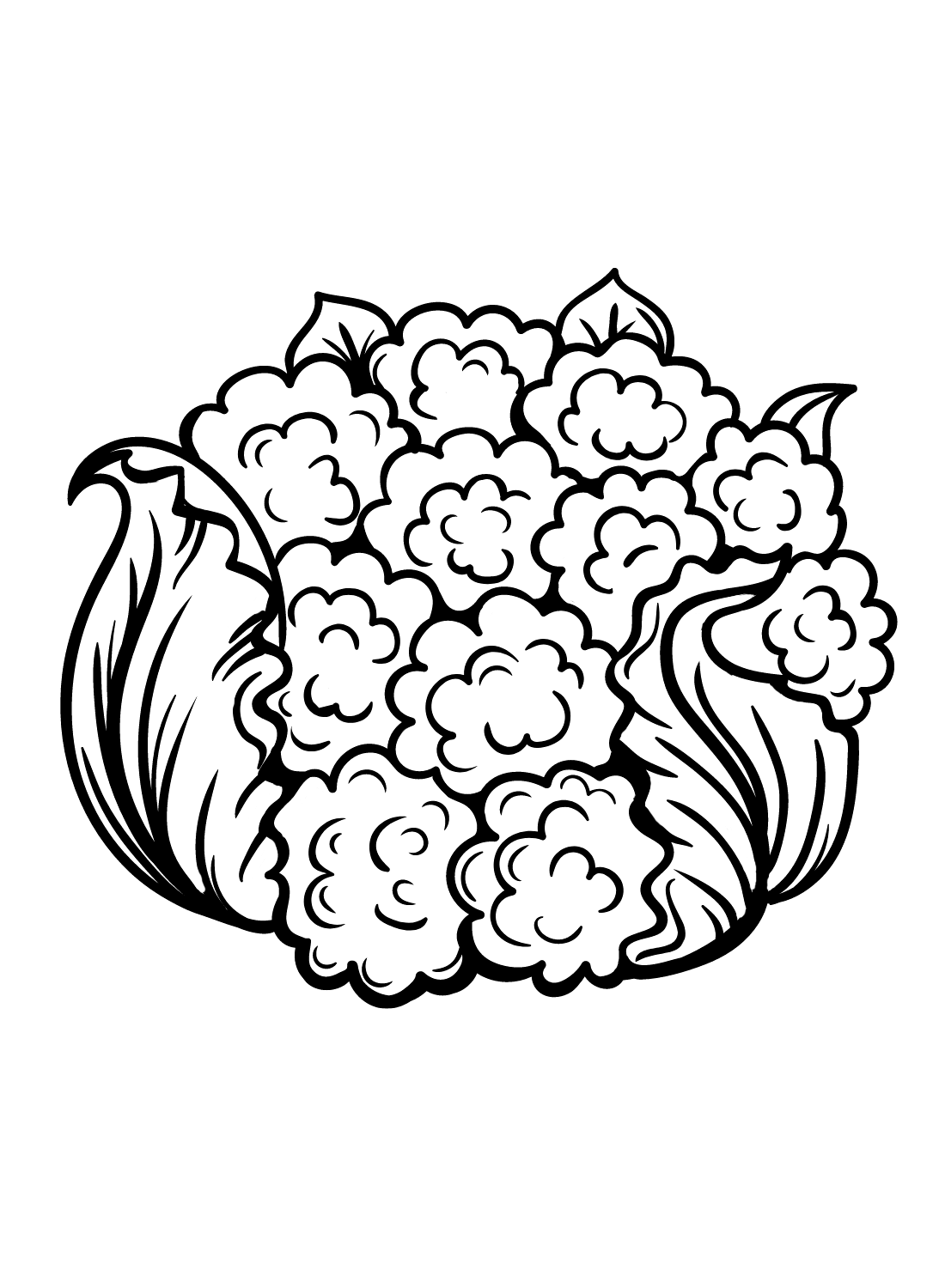
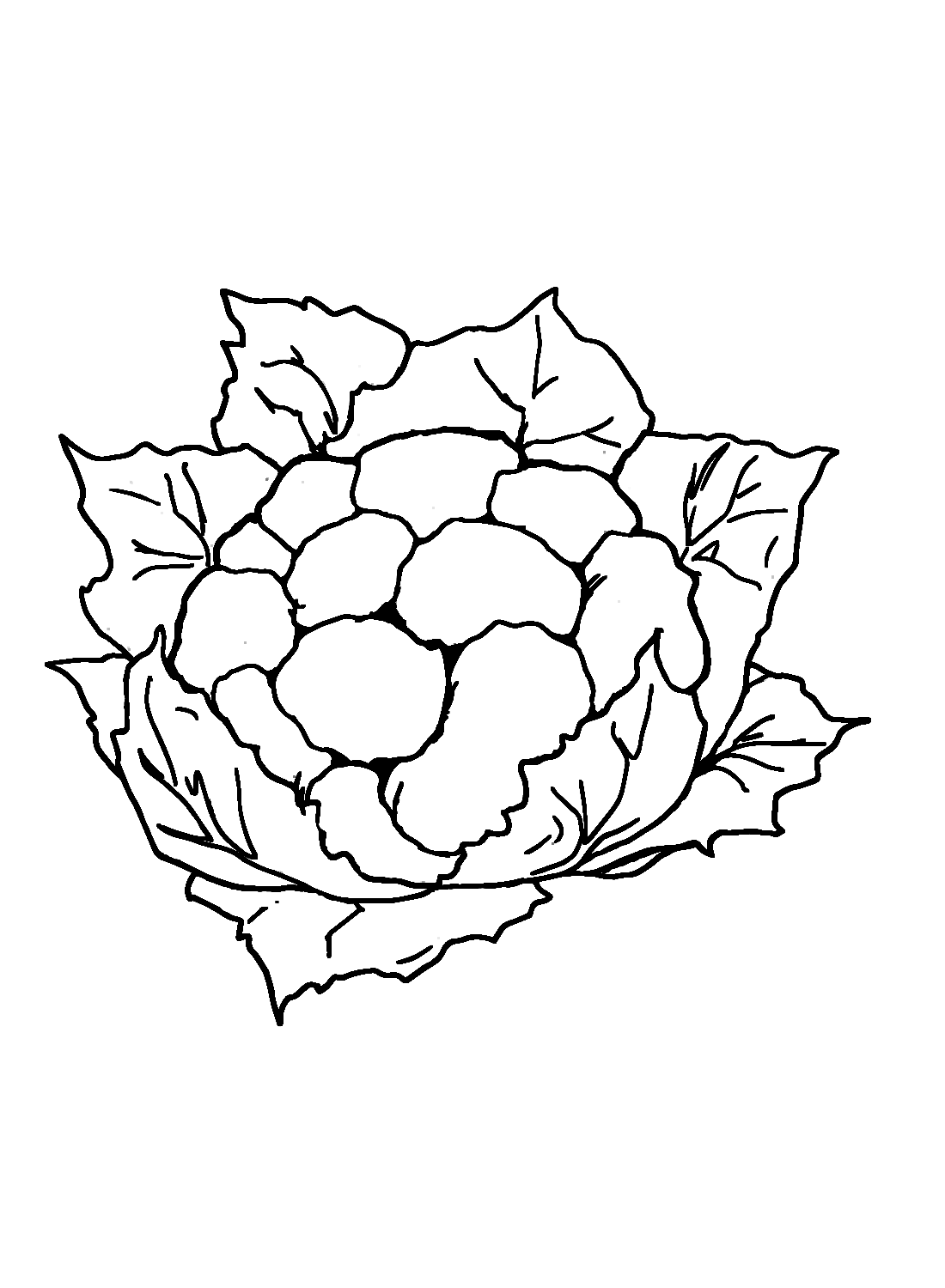
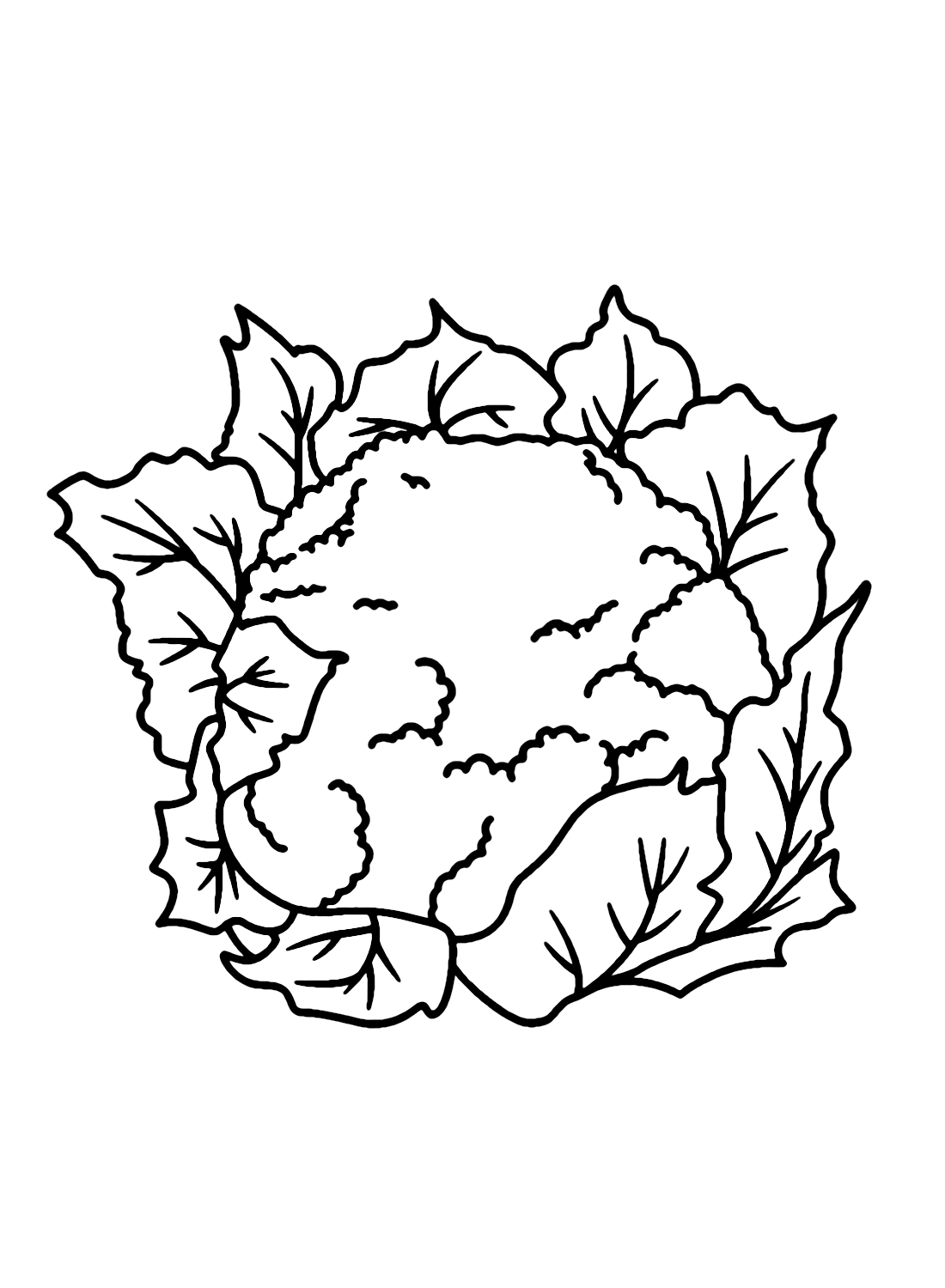
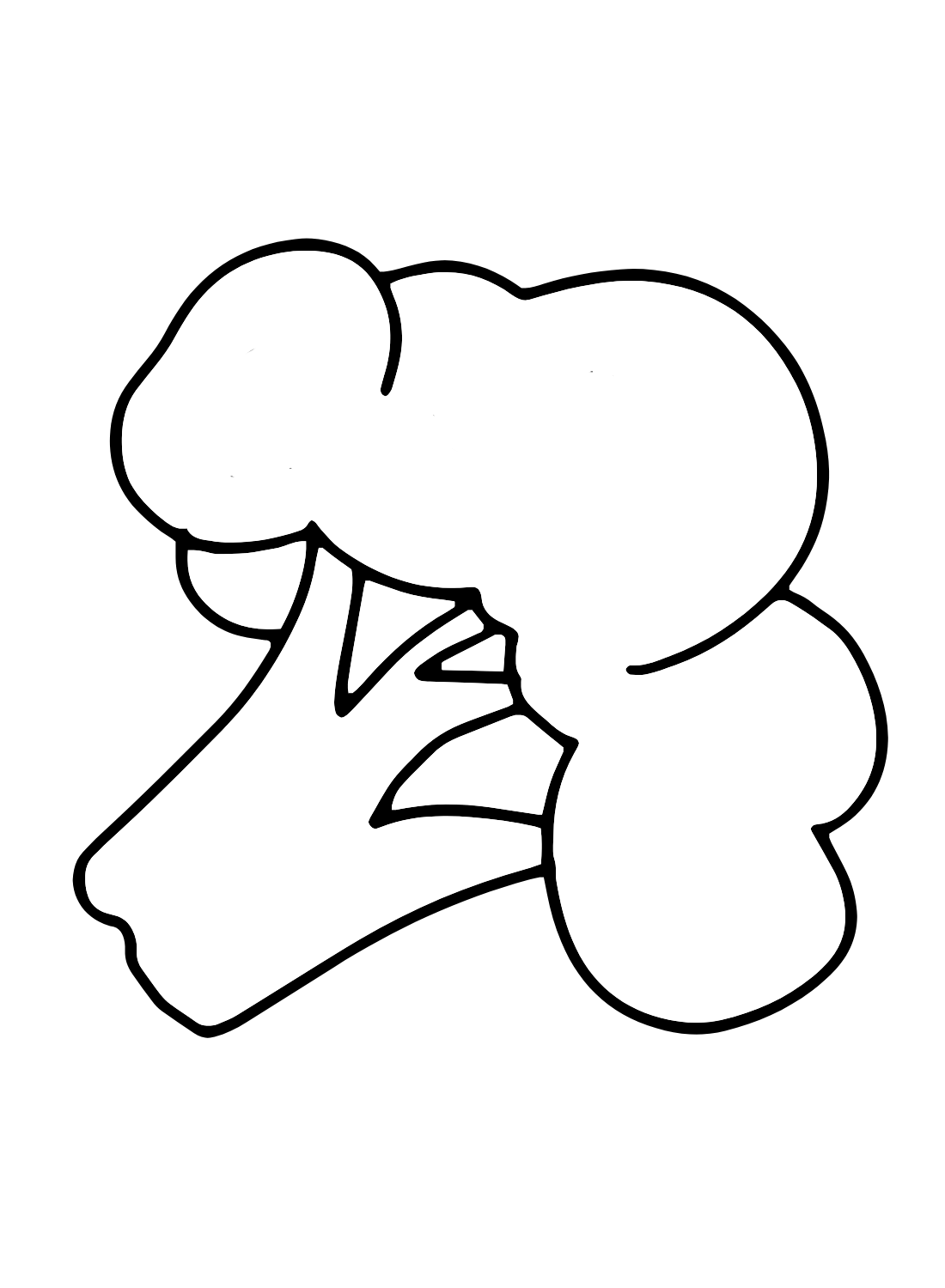
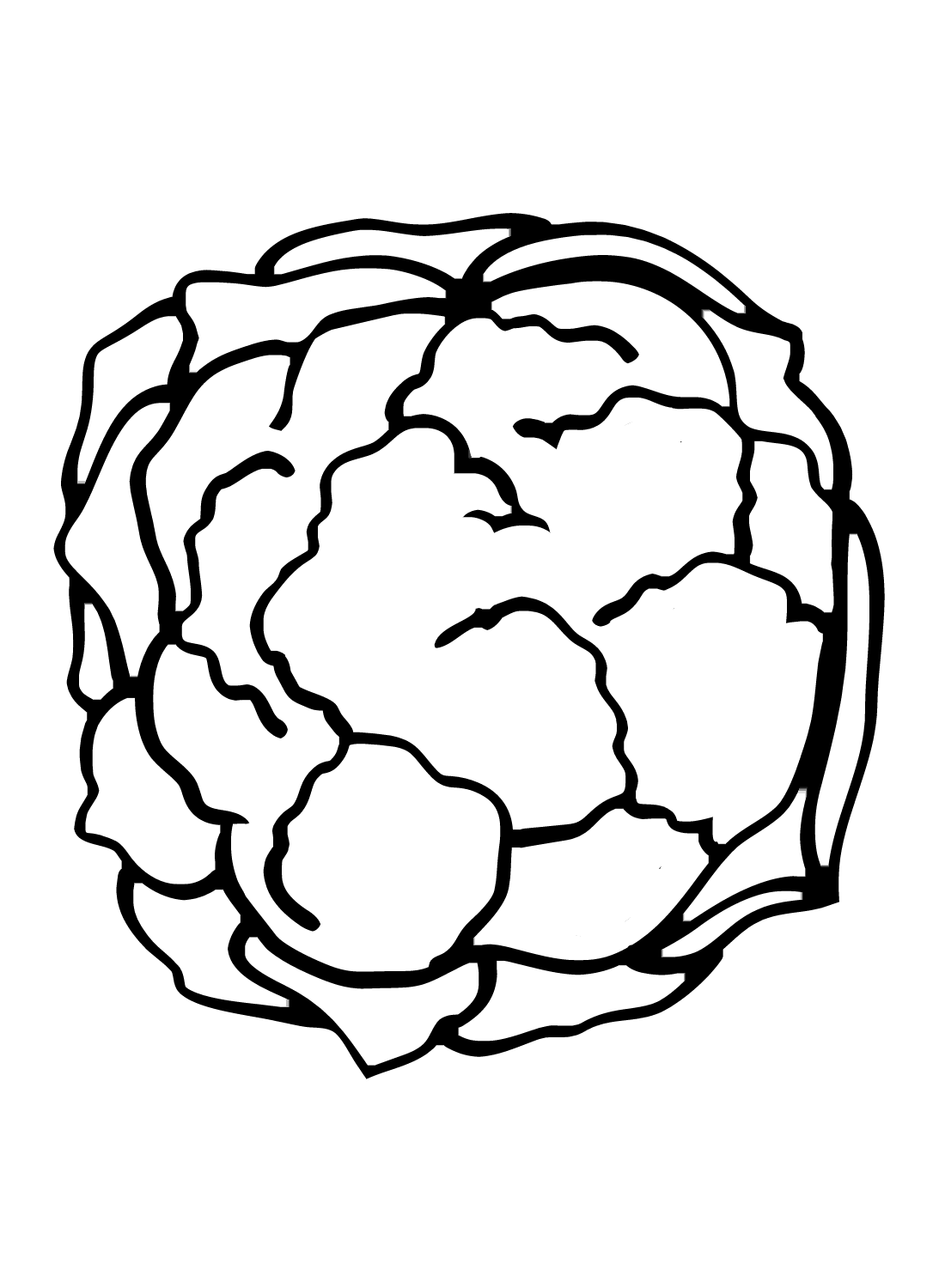
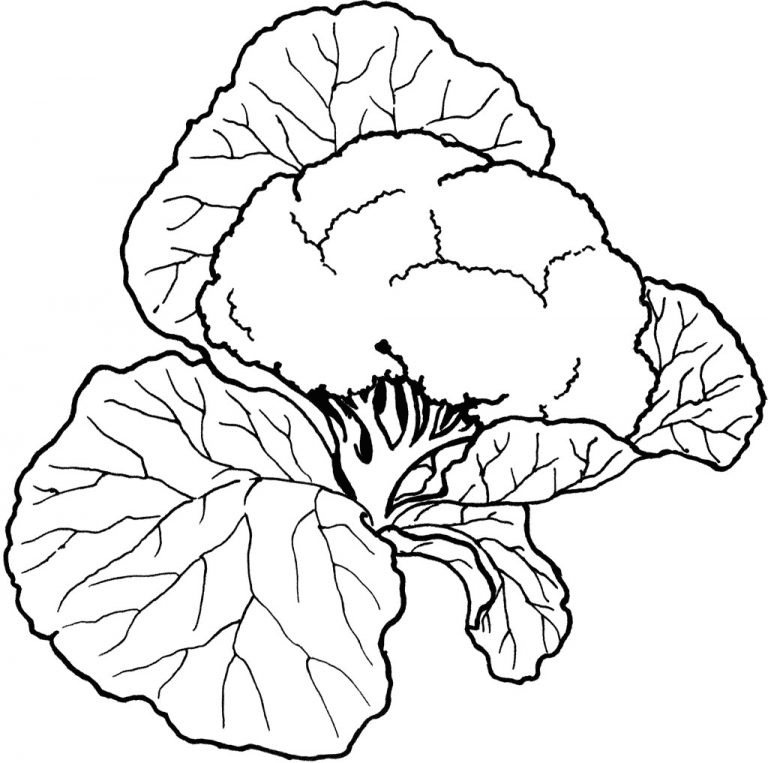
The large majority of these pages are a plain, single cauliflower head drawn in a realistic style, distinguished mostly by file name rather than by any real difference in composition or detail. Coloring suggestion: Use this repetition to your advantage by trying a different shading technique, cross-hatching, stippling, or smooth gradient, on each nearly identical page rather than treating them as separate creative decisions.
Cartoon and Kawaii Style
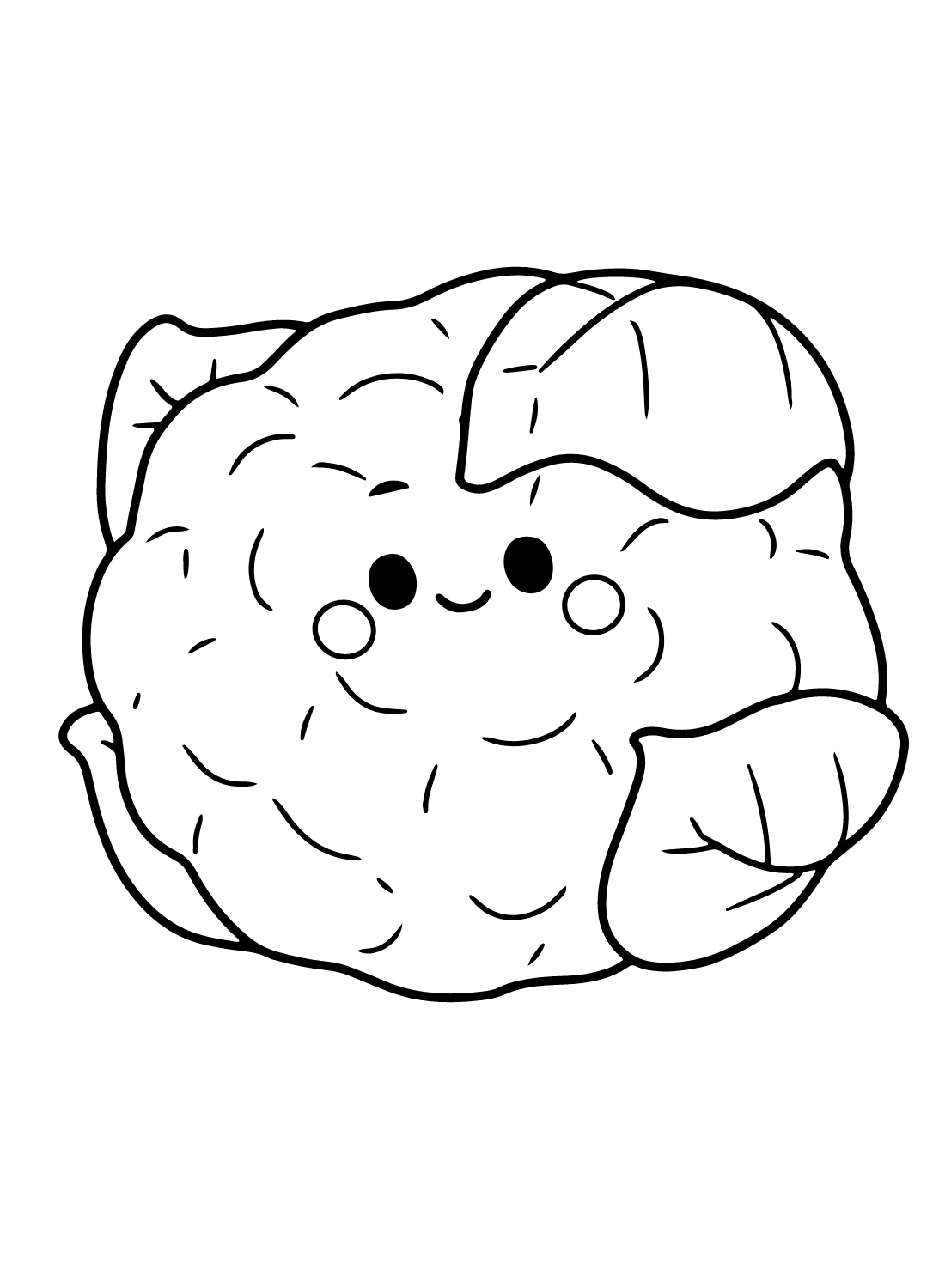
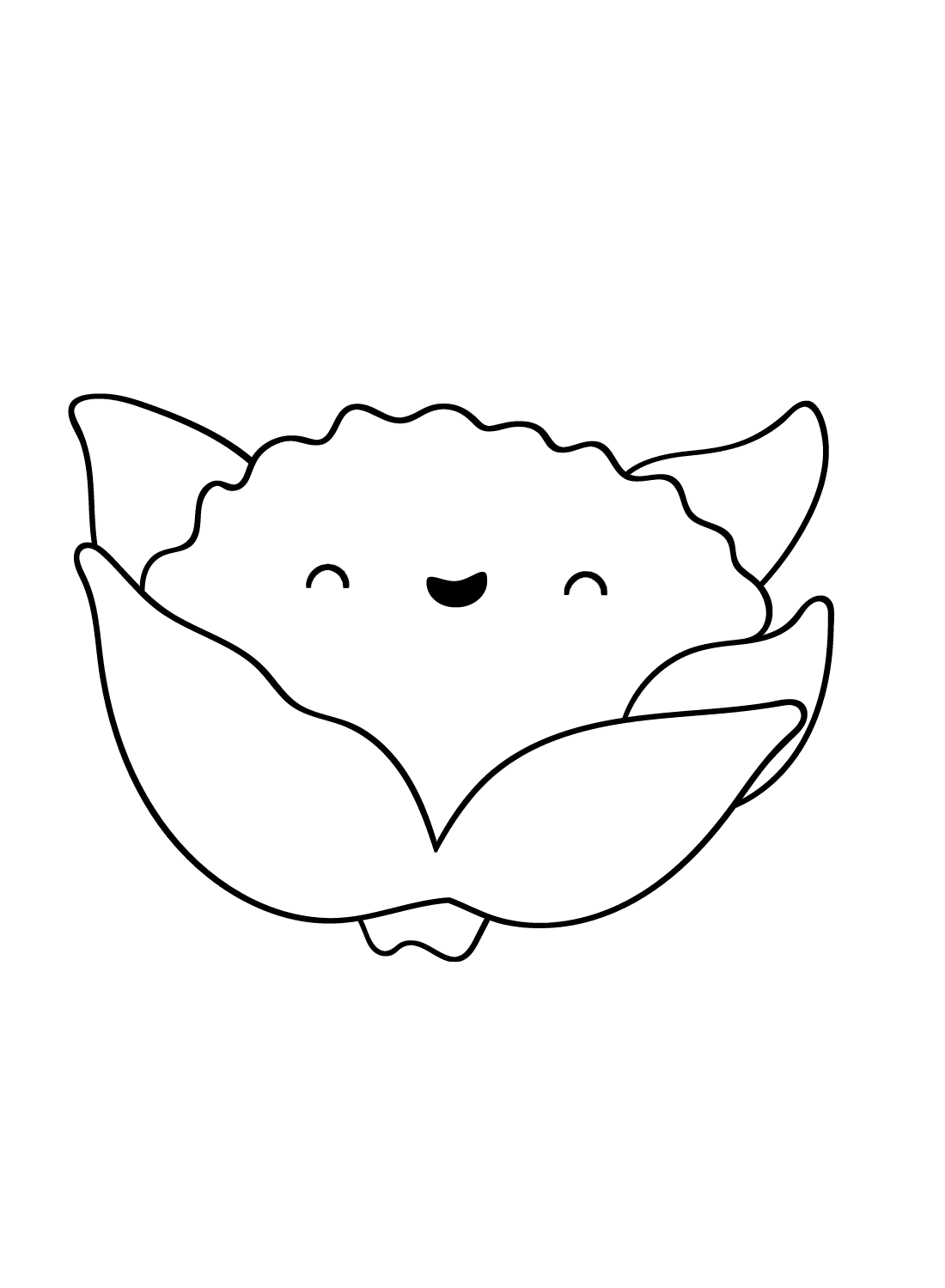
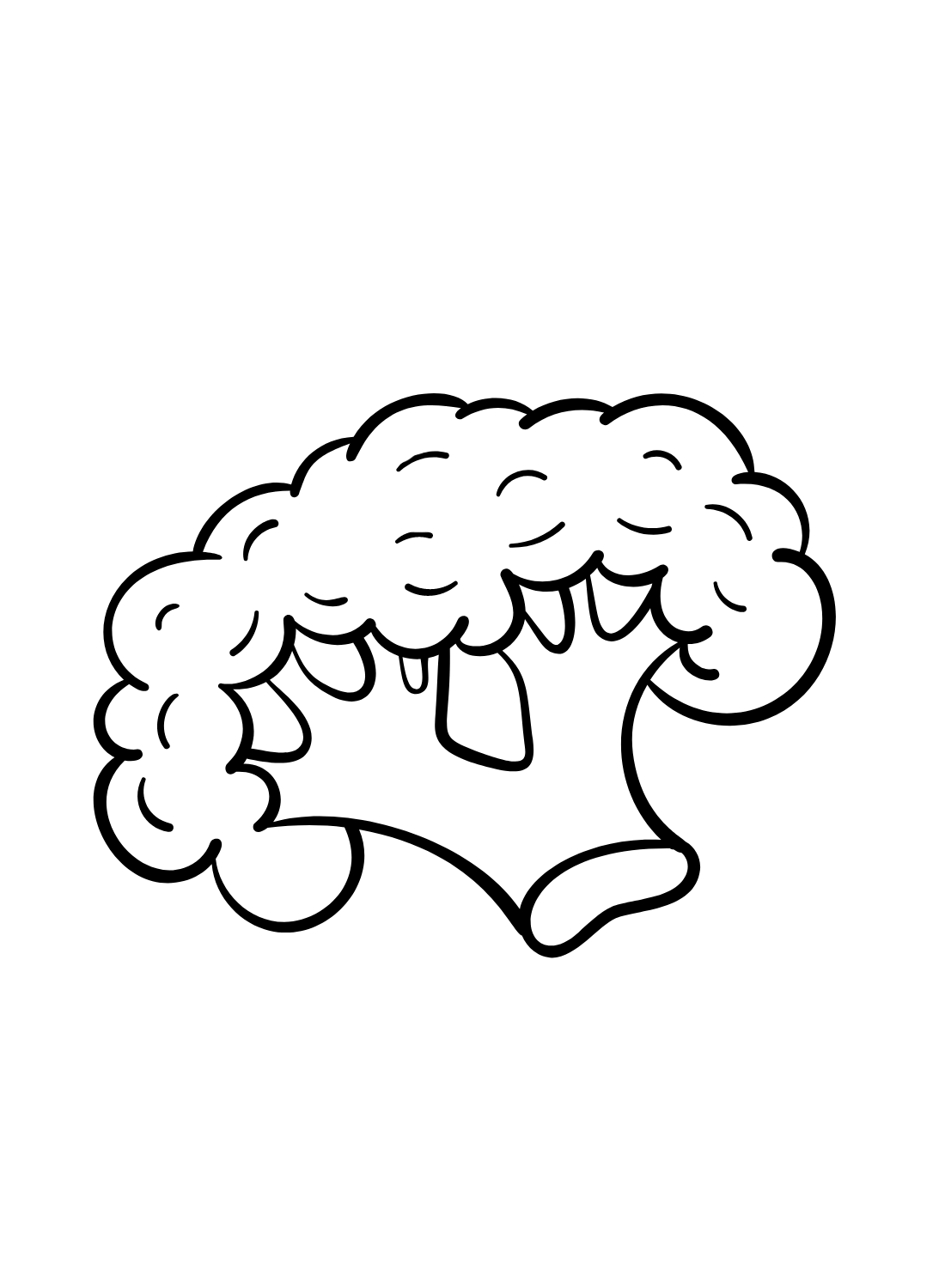
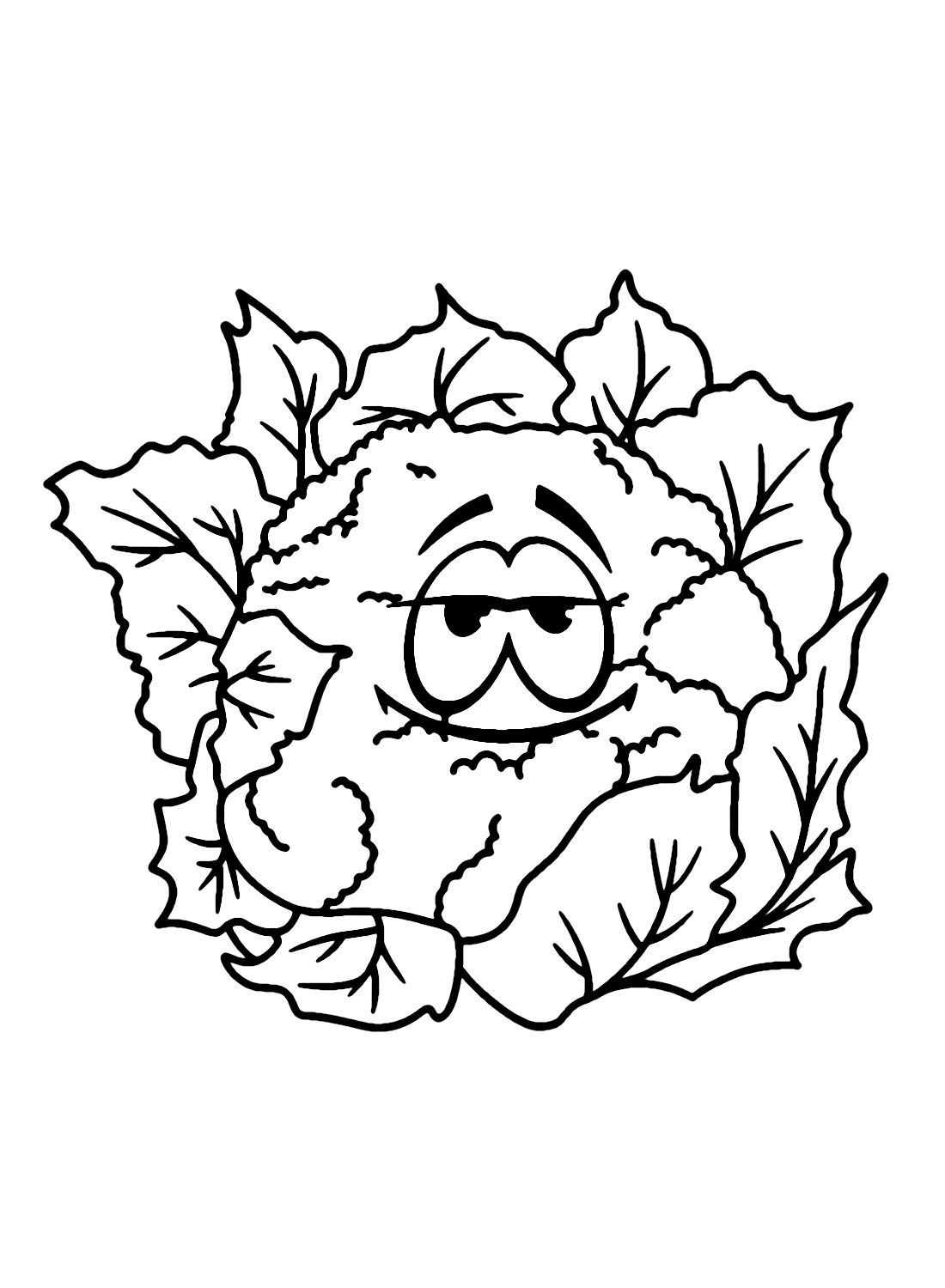
A smaller group redraws the vegetable with a simplified cartoon look or a kawaii face, giving it a personality the realistic pages don’t have. Coloring suggestion: keep the florets a soft Crayola White or Timberwolf and add pink Crayola Salmon cheeks or a simple blush to the kawaii page specifically, since that’s the one design in the set built for a cuter, more playful palette.
Mixed Vegetable Scene
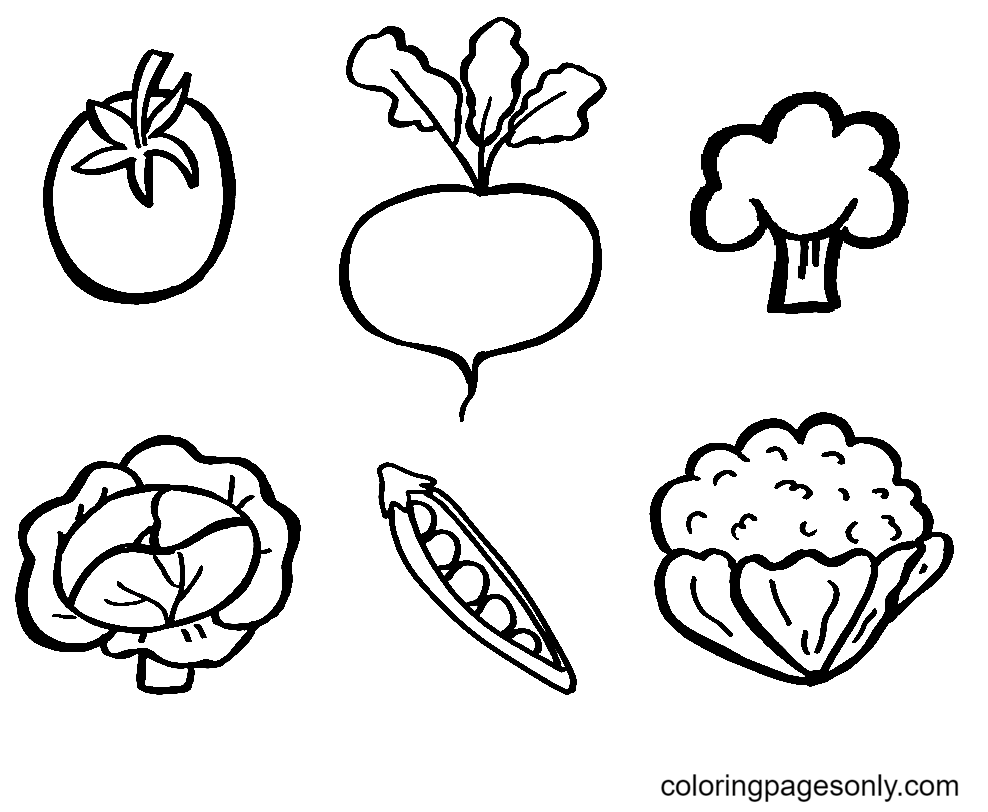
One page steps outside the cauliflower-only format to show a broader assortment of vegetables aimed at younger colorists. Coloring suggestion: since this page includes multiple vegetables rather than just cauliflower, it’s a good one to use for teaching color variety, a different shade for each vegetable, rather than the single-subject shading practice the rest of the set is built for.
What Cauliflower Coloring Pages Do
Repeated practice, not a new shape each time. Coloring nearly the same cauliflower shape more than a dozen times in a row builds the kind of repeated, low-variation hand practice that helps young children in the American Academy of Pediatrics’ two-to-seven fine motor window settle into a comfortable coloring rhythm, rather than facing a new shape to figure out on every page.
A collection built for one specific classroom use. A teacher running a lesson on shading technique or color-mixing doesn’t need thirty different scenes, just enough copies of one simple, recognizable shape to let every student practice the same skill without visual distractions from an elaborate background.
A meditative quality backed by research. Coloring the same simple shape many times over has a meditative quality that a 2005 Art Therapy Journal study’s anxiety-reduction findings line up with well, since repeating a familiar, low-complexity task is closer to what that study’s participants actually did than working through a page full of new, unfamiliar detail each time.
A vegetable most kids can’t name on sight. Cauliflower is less visually familiar to many children than an apple or a carrot, so a page built entirely around identifying and coloring it correctly, keeping the head white and the leaves green, doubles as simple food-recognition practice for a vegetable that doesn’t always make it onto a typical produce-themed coloring set.
How to Color Cauliflower Pages Well
- Cauliflower head: Use a soft Crayola White or Timberwolf rather than pure white, and add light Crayola Tan shading in the crevices between florets to give the head some dimension.
- Leaves: color the outer leaves in Crayola Forest Green or Fern, keeping them slightly darker than the head so the white florets stay the clear focal point.
- Realistic line art pages: since most of these pages repeat the same basic shape, try a new shading technique on each one, stippling, cross-hatching, or smooth blending, to keep the repetition useful rather than tedious.
- Cartoon and kawaii pages: use simple, flat color blocks rather than detailed shading, and add pink Crayola Salmon cheeks to the kawaii page for a softer, cuter finish.
- Mixed vegetable page: give each vegetable in this scene its own realistic color, orange for carrots, red for tomatoes, so the page reads as a varied garden rather than a monochrome cluster.
- Stems and crevices: Use a fine-tip marker or colored pencil for the small gaps between florets, since these tight spaces are the most detailed part of an otherwise simple subject.
5 Creative Craft Ideas With Cauliflower Coloring Pages
1. Cauliflower Garden Collage
Color several of the plain cauliflower pages, cut them out, and arrange them on green paper to build a simple vegetable-garden collage.
2. Veggie Recognition Flashcards
Color the cauliflower and mixed-vegetable pages, cut them into cards, and use them as homemade flashcards for naming different vegetables.
3. Shading Practice Sheet
Use several of the nearly identical realistic pages to practice a different shading technique on each one, then compare them side by side.
4. Kawaii Cauliflower Magnet
Color the kawaii page, cover it with clear tape, and glue a small magnet to the back for a cheerful fridge decoration.
5. Farmers Market Sign
Color a cauliflower page and use it to illustrate a homemade farmers’ market or grocery store sign for a pretend-play kitchen set.
Frequently Asked Questions
What are Cauliflower coloring pages?
A free set of 28 printable designs of the vegetable, mostly simple, realistic line art with a few cartoon and kawaii-style variations. Every page downloads as a PDF or opens in the online coloring tool without an account.
Where does cauliflower actually come from?
Cauliflower traces back more than 2,000 years to the eastern Mediterranean and Asia Minor, spreading to Northern Europe by the 16th century and reaching North America by the late 1600s.
Why do so many pages in this set look so similar?
Most of the collection is built around one basic cauliflower pose, with different file names rather than genuinely different scenes. A smaller group of cartoon and kawaii pages offers real style variation if a colorist wants something different from the realistic line art.
Is every page in the set just cauliflower by itself?
Nearly all of them, yes. One page breaks from that pattern to show a mixed assortment of vegetables rather than cauliflower alone.
Is it true that the first coloring book was published in 17th-century Switzerland?
No, that claim isn’t accurate. The first known coloring book, The Little Folks’ Painting Book, was published by the McLoughlin Brothers in the United States in the 1880s.
Can these pages be colored without printing them?
Yes. Every page in the set opens directly in the site’s browser-based coloring tool, so a page can be finished on screen before deciding whether to print it.
Are Cauliflower coloring pages suitable for young children?
The realistic and cartoon pages both use one simple, large shape, which makes nearly the entire collection approachable for very young children first learning to color inside the lines.
Why include so many near-identical pages instead of fewer, more varied ones?
The repetition suits a specific use case better than variety would: a child or classroom working through the same basic shape multiple times to practice a shading technique, rather than needing a new scene to interpret on every page.
Start Coloring
Whichever page looks appealing above can be downloaded as a PDF or colored online right away, at no cost and without an account. Finished pages are simple to share using the Facebook or Pinterest buttons at the top of the design.