Free Table Tennis Coloring Pages: 38 printable PDF designs featuring boys and girls mid-rally, doubles teams, group games, close-ups of paddles and balls, and famous cartoon guests at the table. Every sheet works as a PDF for printing or as an online page to color with a tap.
Table tennis, also known as ping pong, is a fast indoor racket sport played on a hard table split by a low net. Players use small paddles covered in rubber to hit a light plastic ball back and forth, and top players can put so much spin on the ball that it curves and jumps in surprising directions. The game began as an after-dinner pastime in Victorian England, and today it is played in basements, schools, and rec centers across the United States. Each game goes to 11 points, so matches are short, lively, and easy for beginners to follow.
Paddles, balls, and simple players make easy first pages for little kids, while doubles and group scenes give older children more action to color.


What’s Inside This Collection
Kids at the table, adult players, doubles and group games, and equipment close-ups make up the 38 sheets.
Kids at the Table
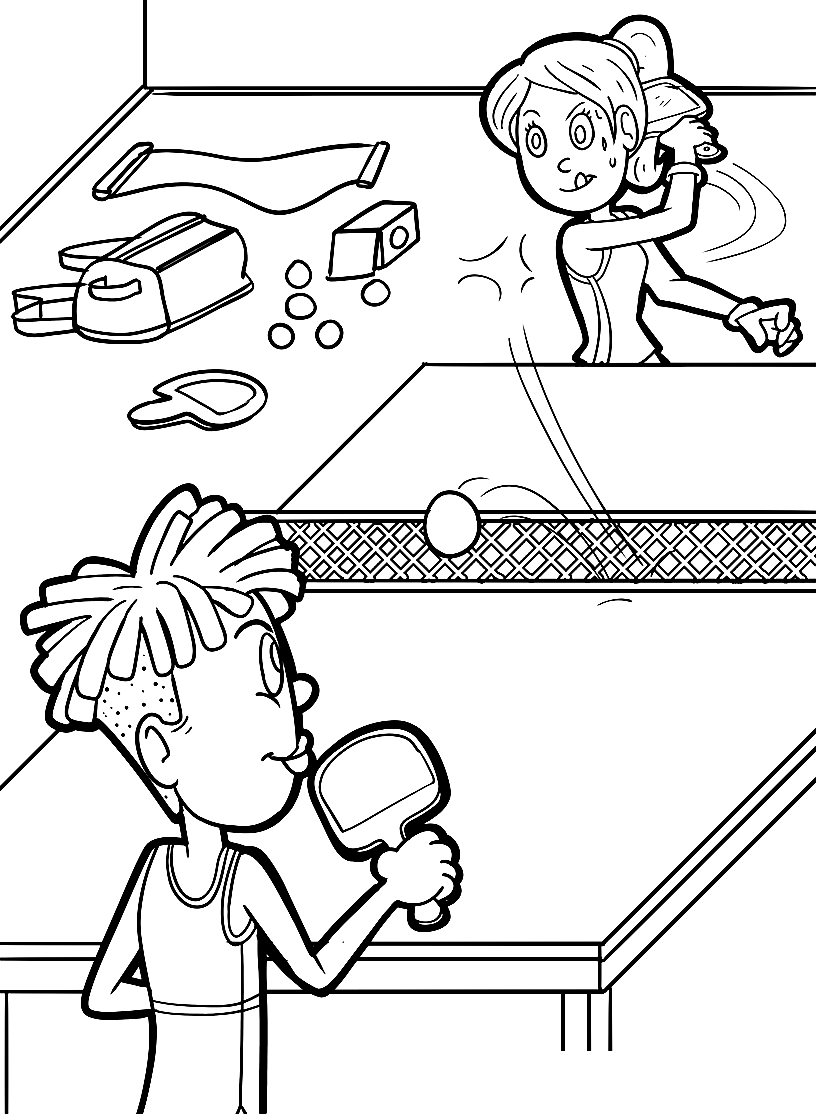
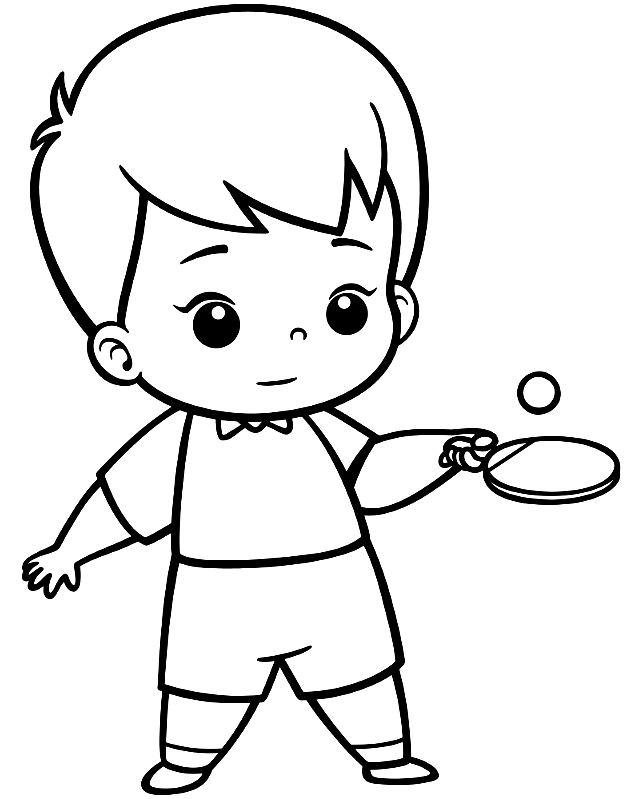
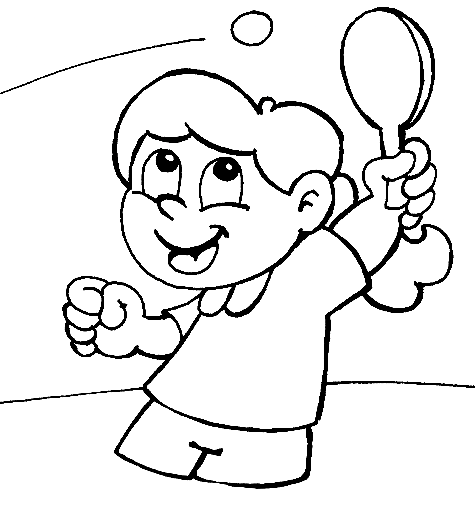
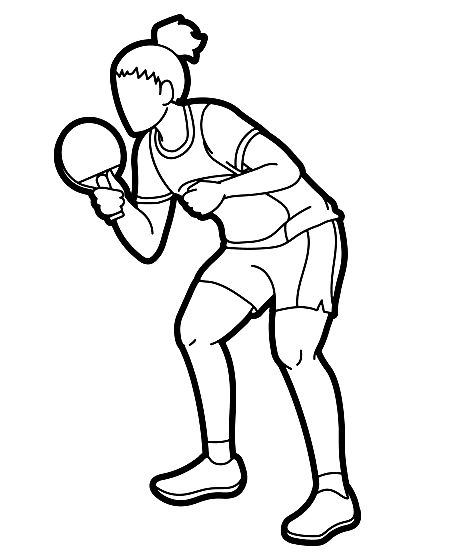
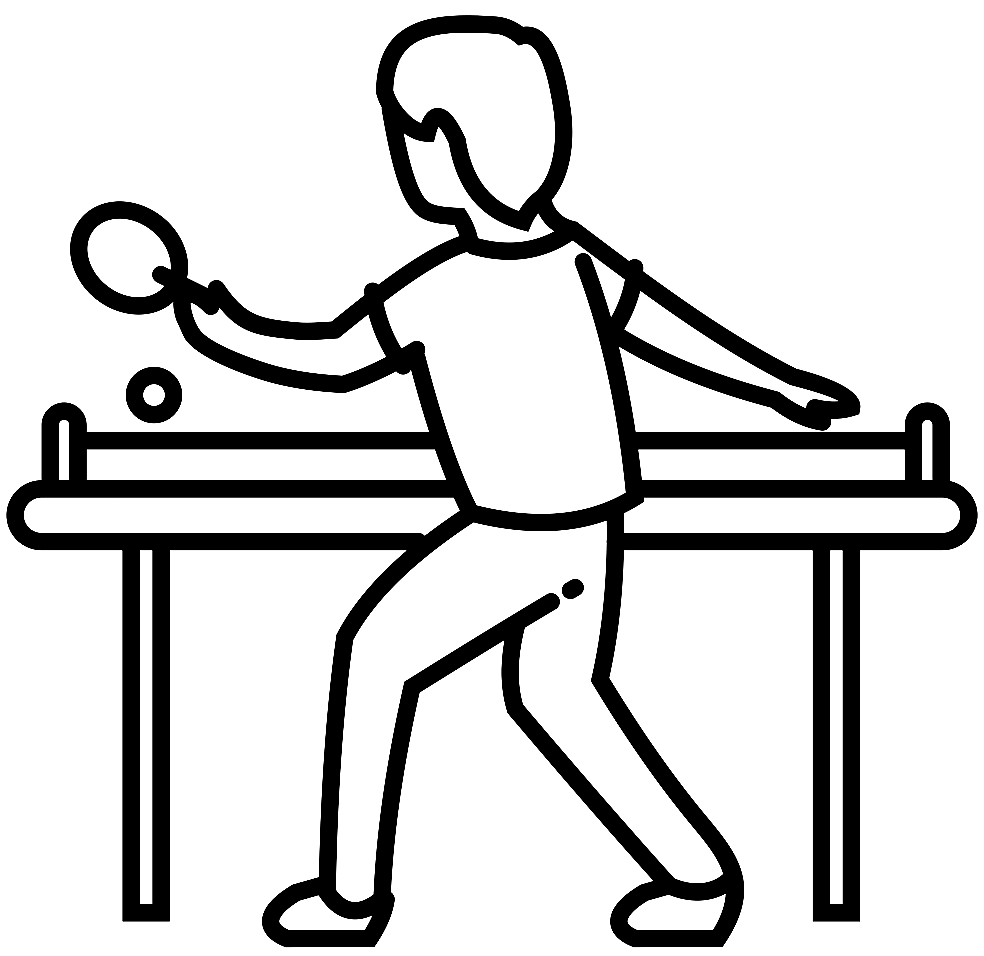
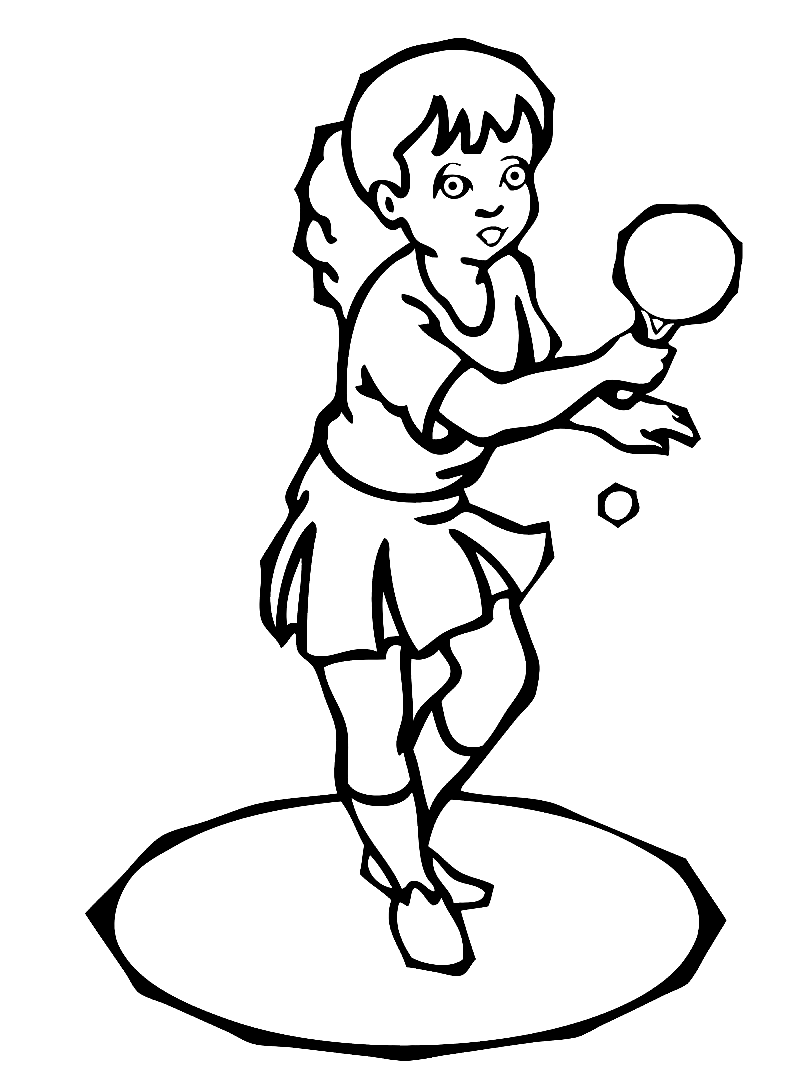
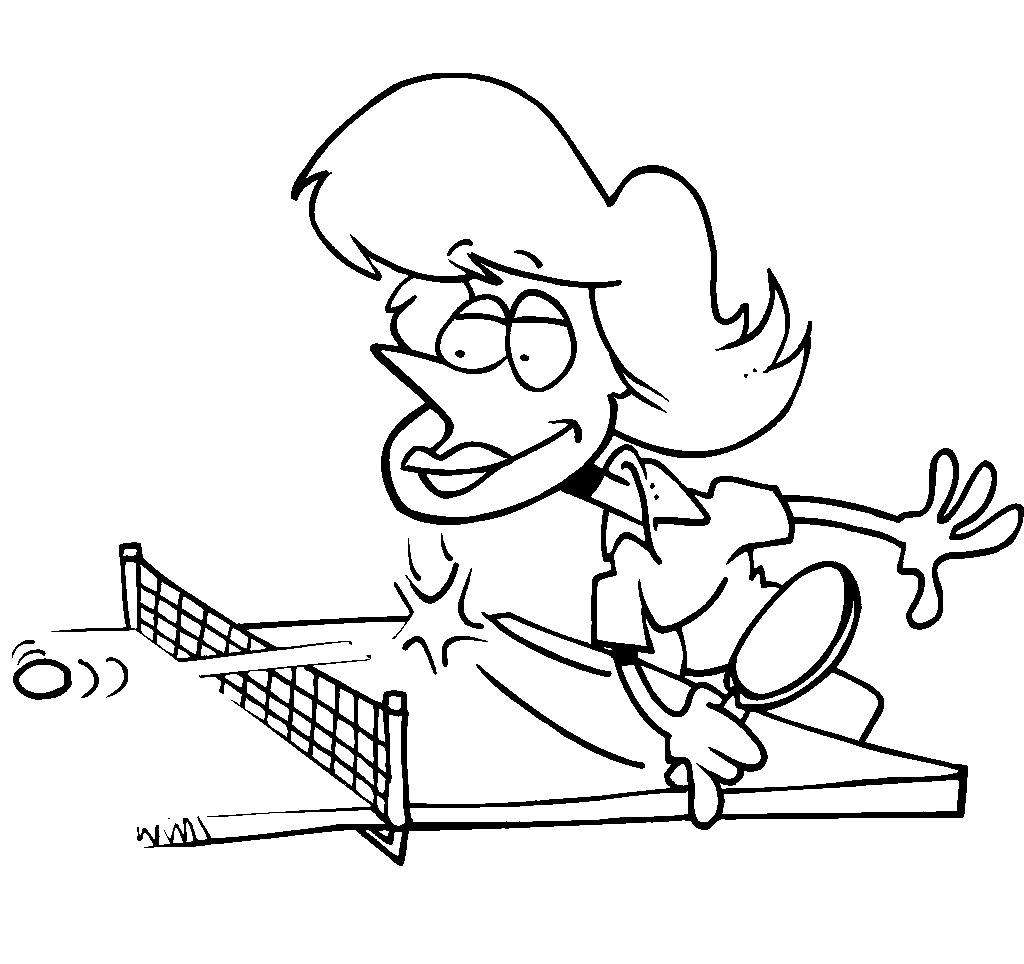
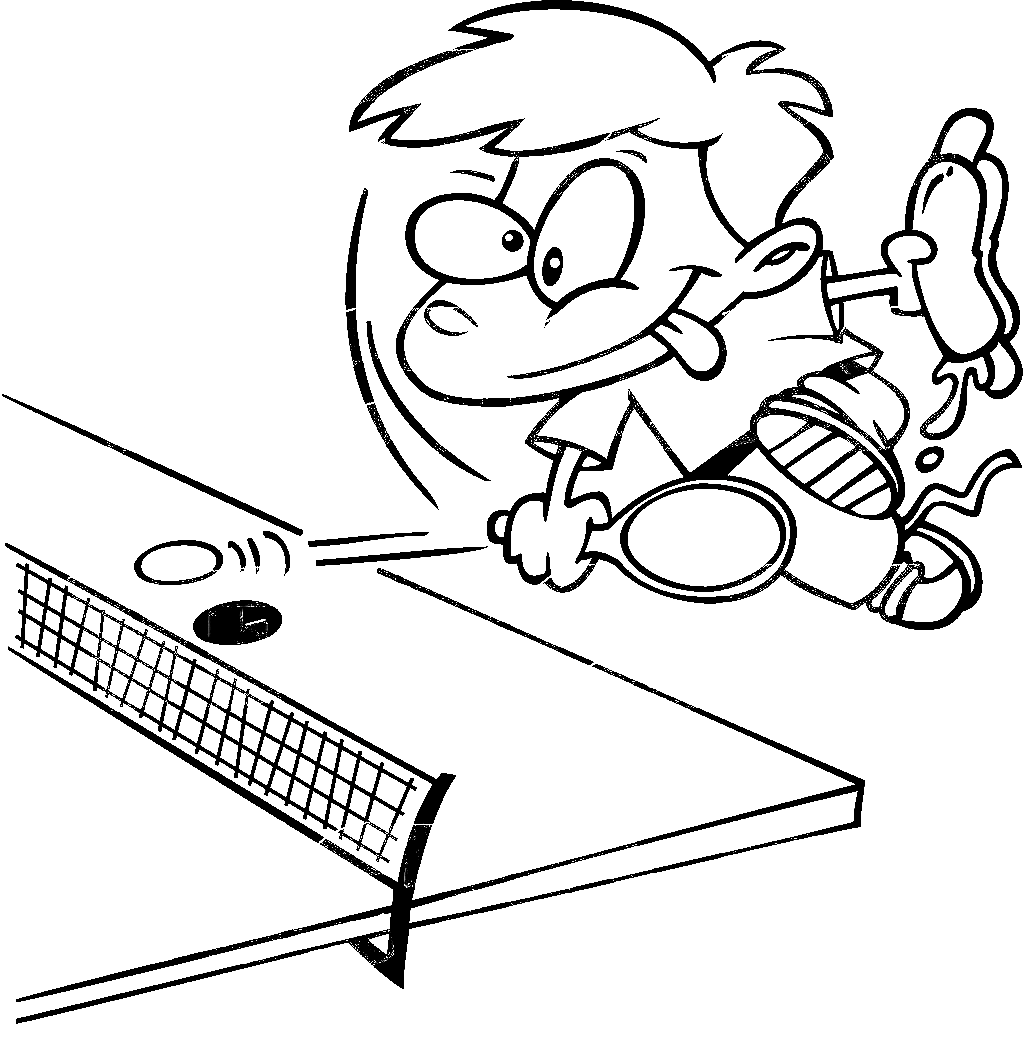
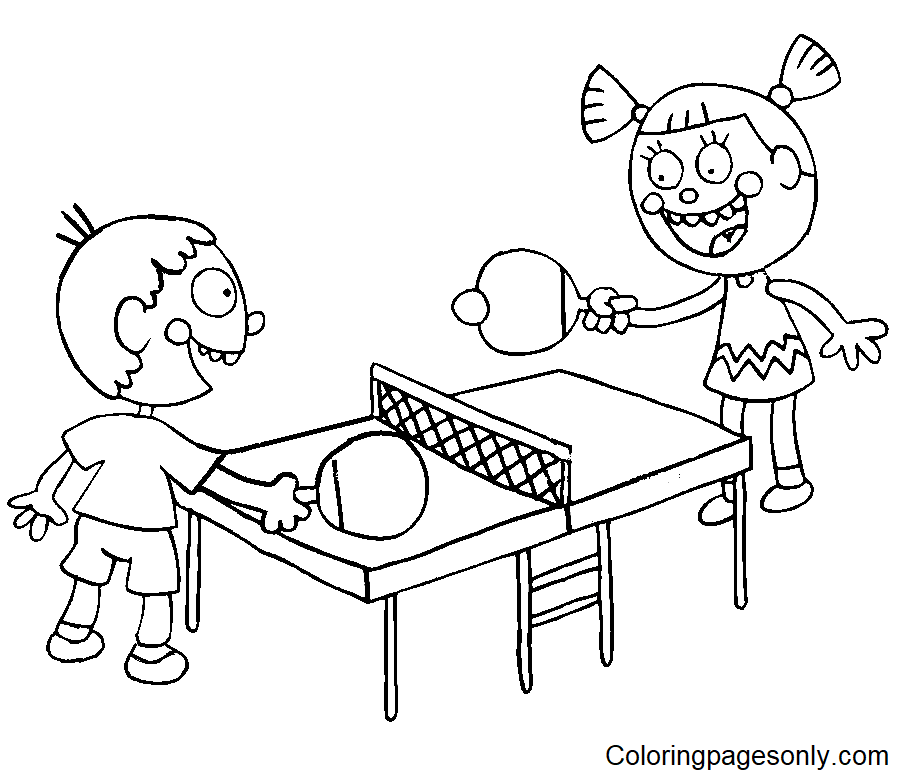
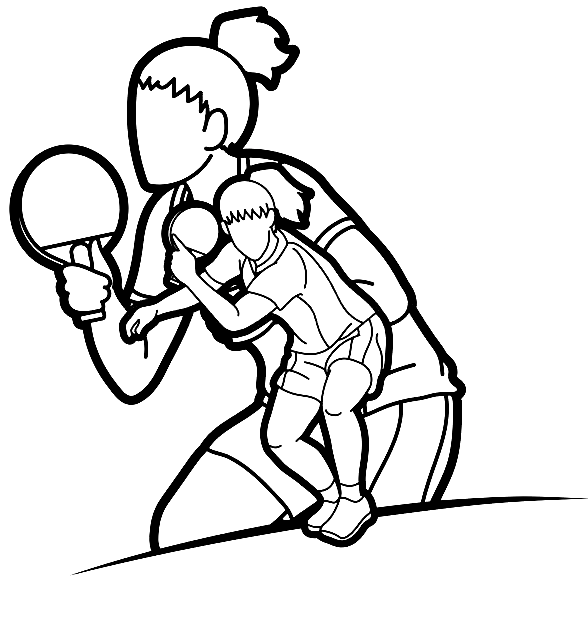
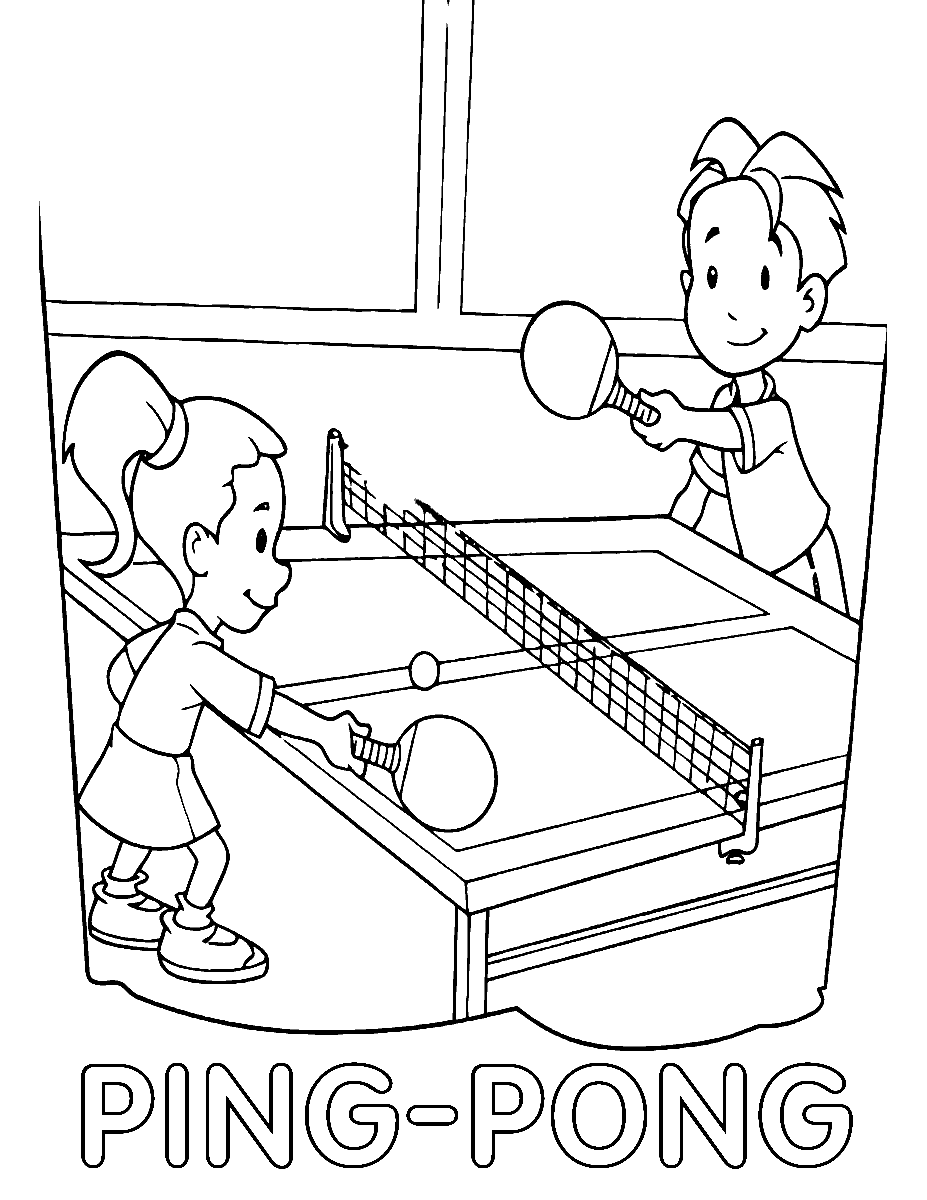
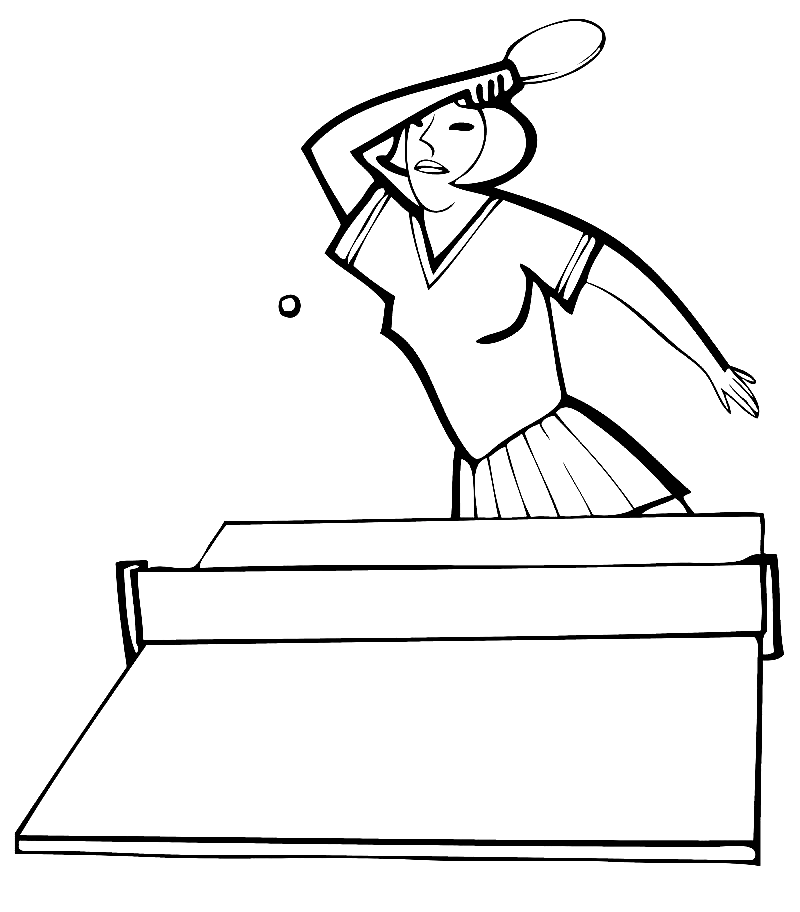
Boys and girls swing their paddles and chase the ball, including pages like Cute Girl Playing Table Tennis. Give each child a bright shirt, such as Sunshine Yellow or Turquoise, and keep the table a classic Dark Blue or Green.
Grown-Up Players
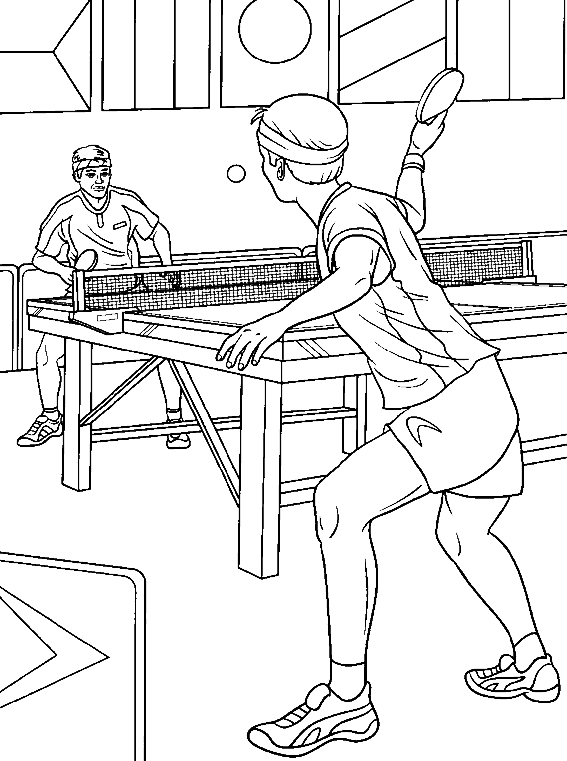
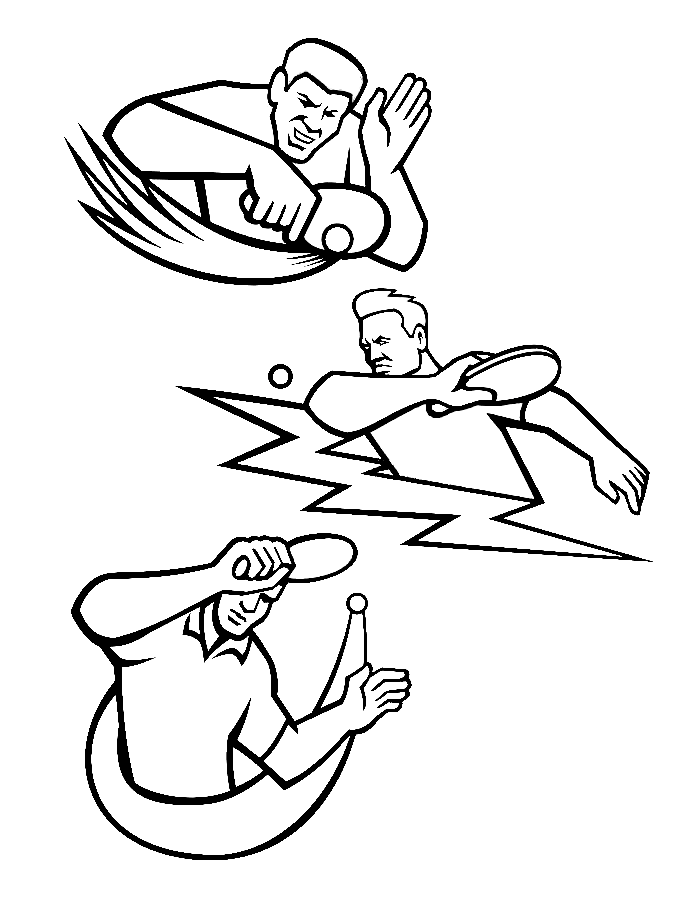
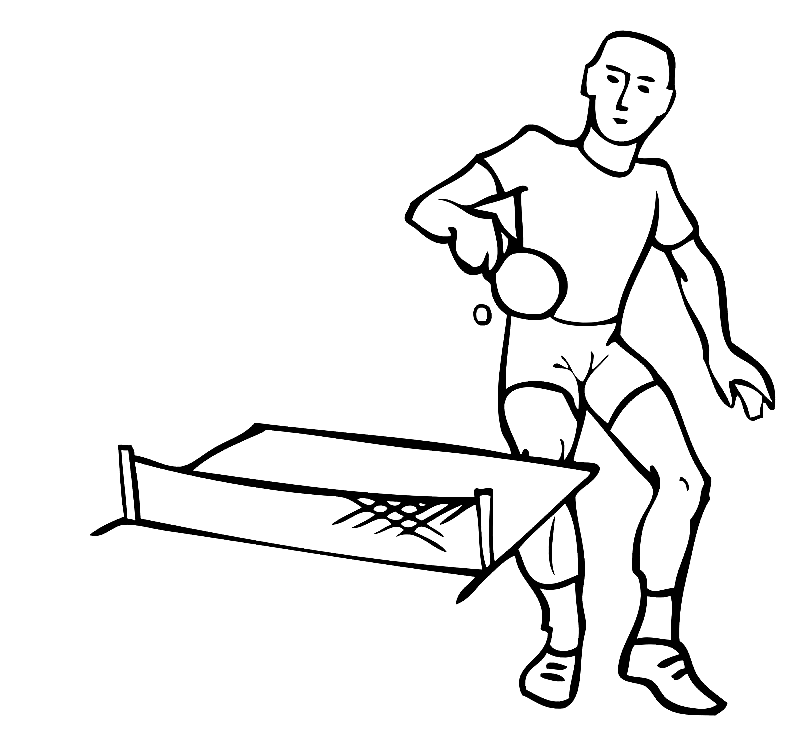
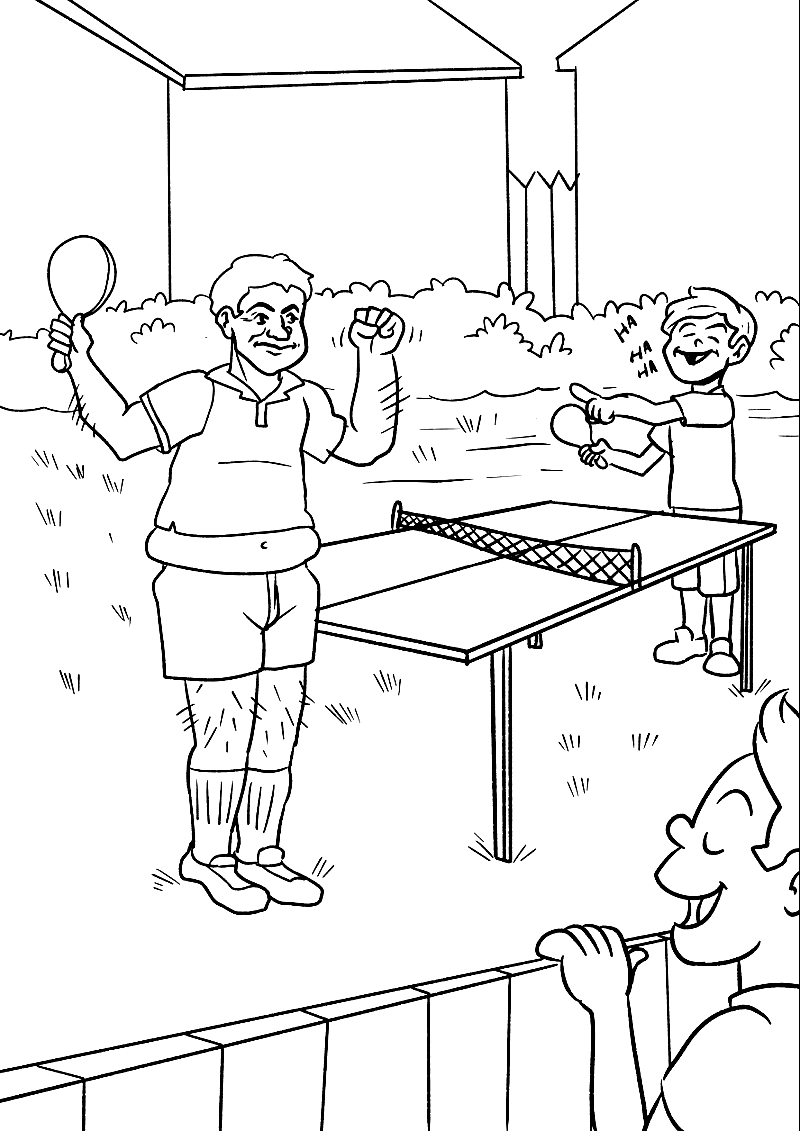
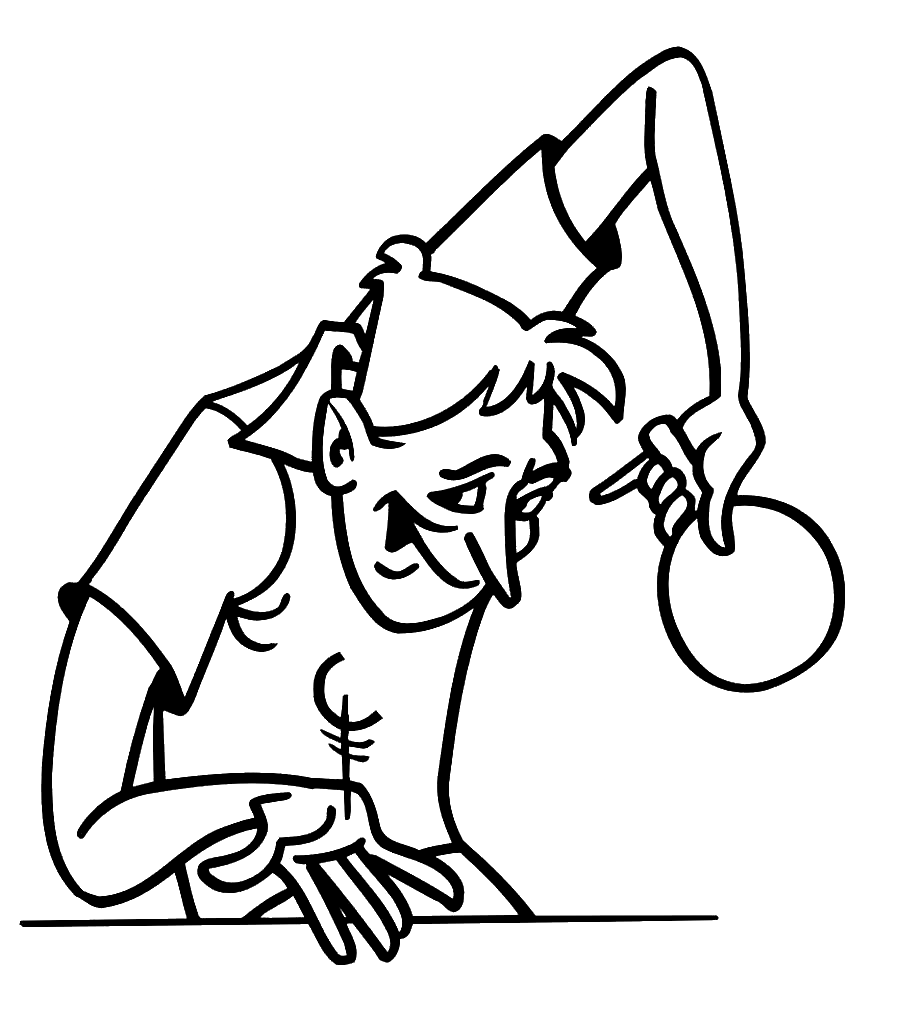
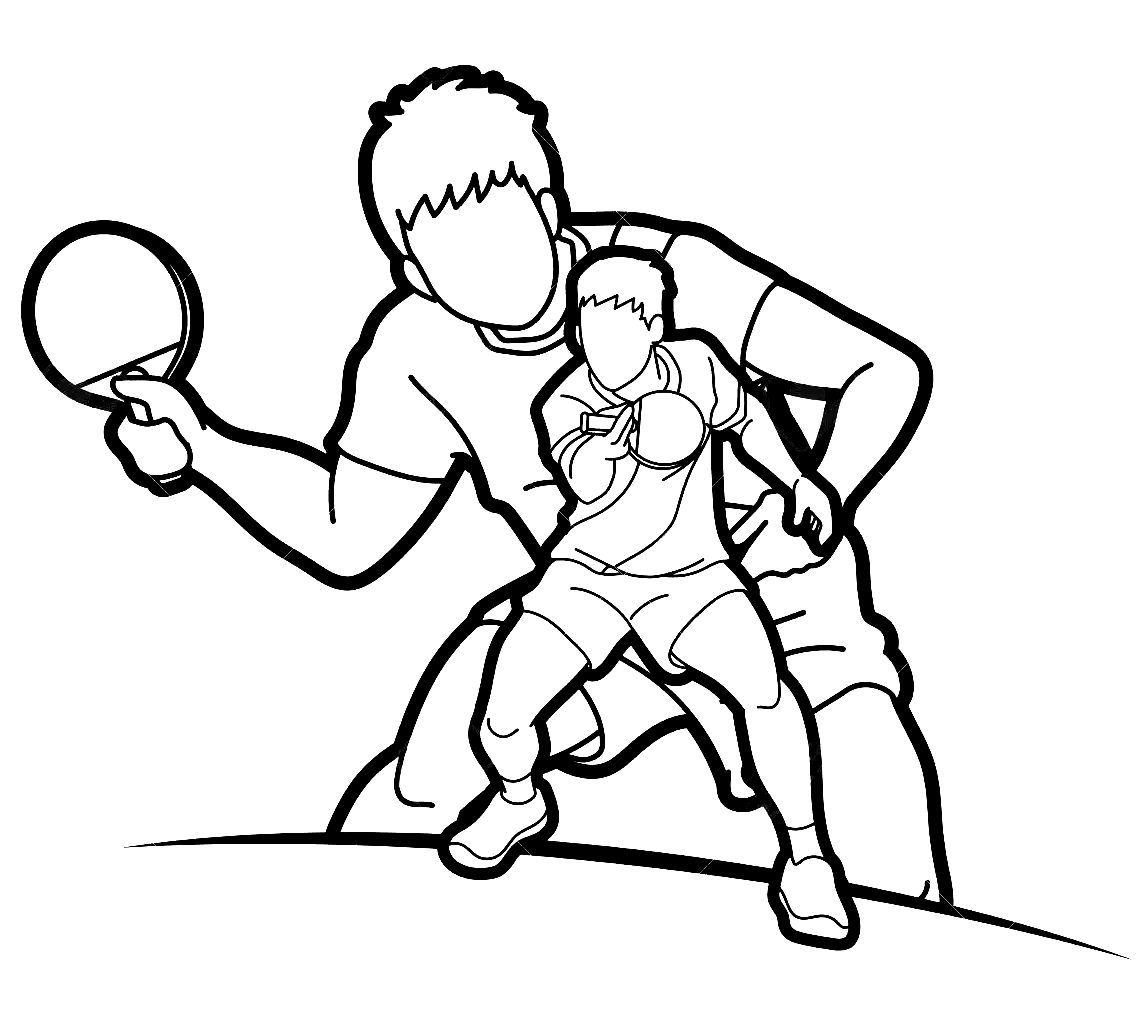
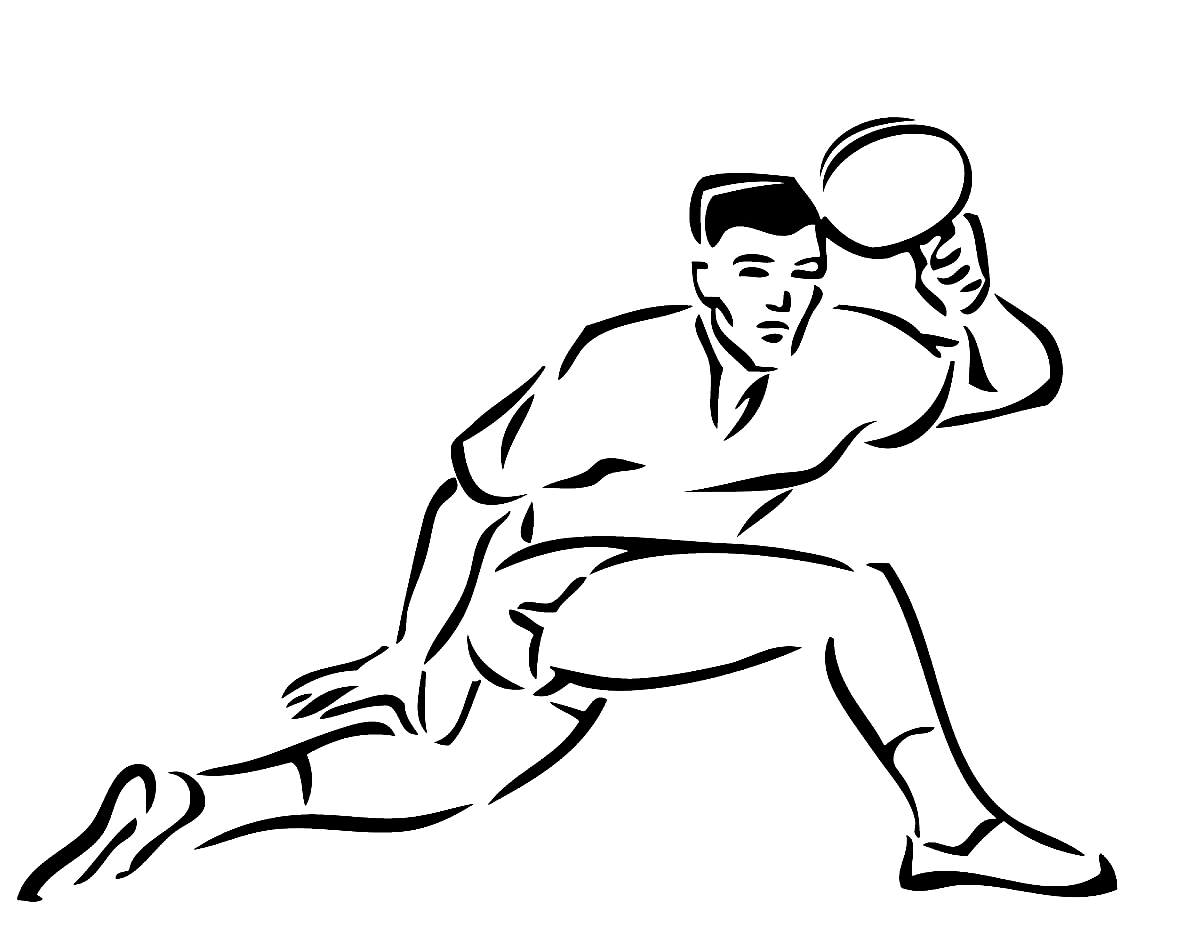
Men and women lean into powerful shots and quick returns. A Red and Black paddle in each hand makes the scenes look like a real tournament.
Doubles and Group Games
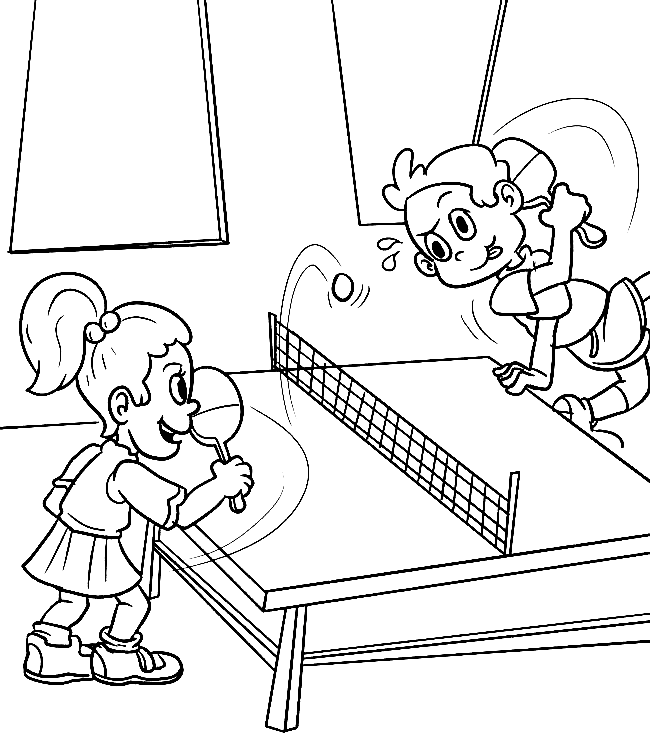
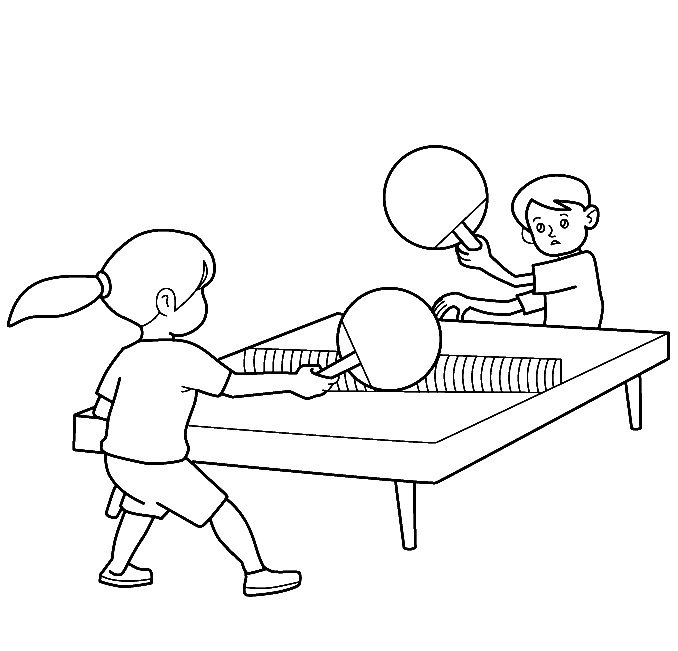
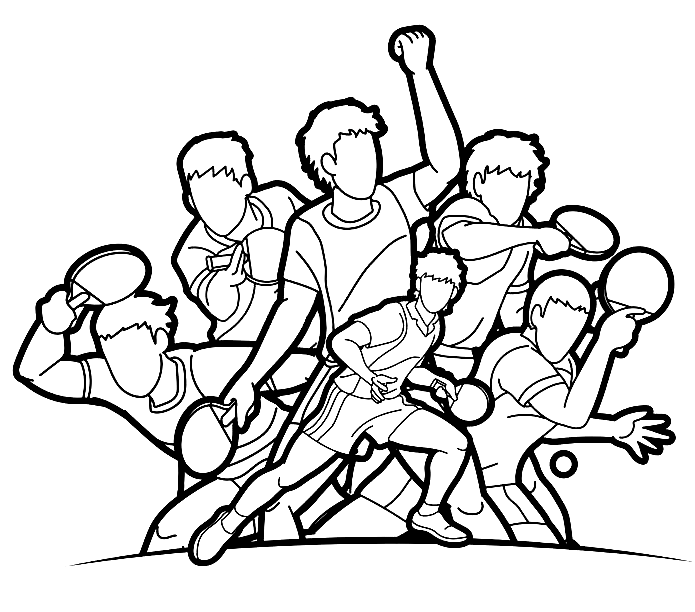
Pairs and groups gather around the table for friendly matches, with a group of Ping Pong Players showing a lively game. Dress each side of the table in matching colors so kids can tell the teams apart.
Paddles, Balls, and Tables
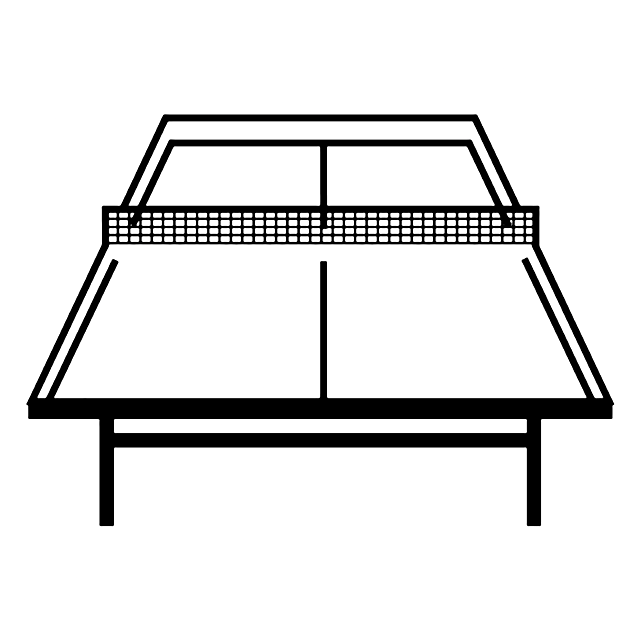
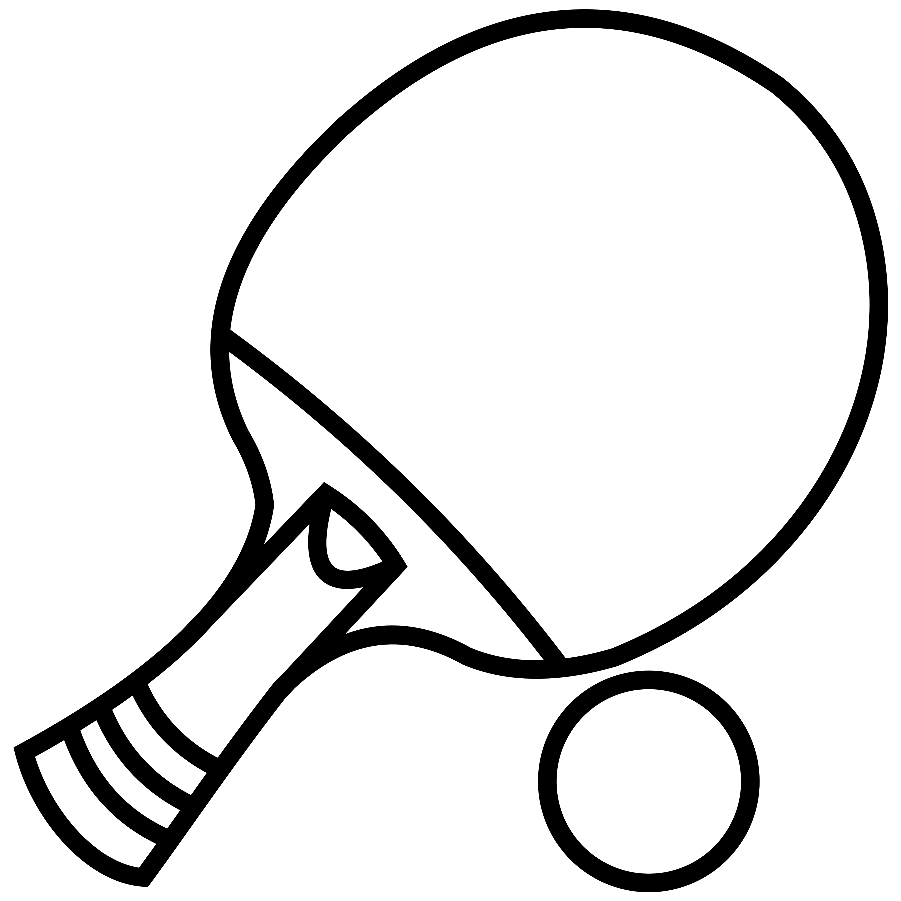
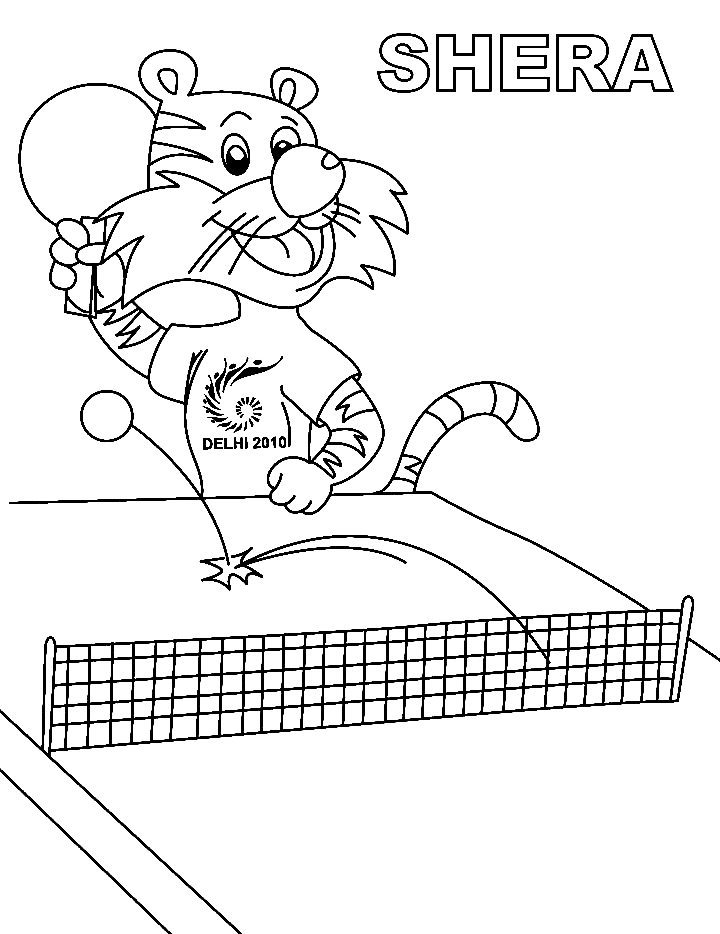
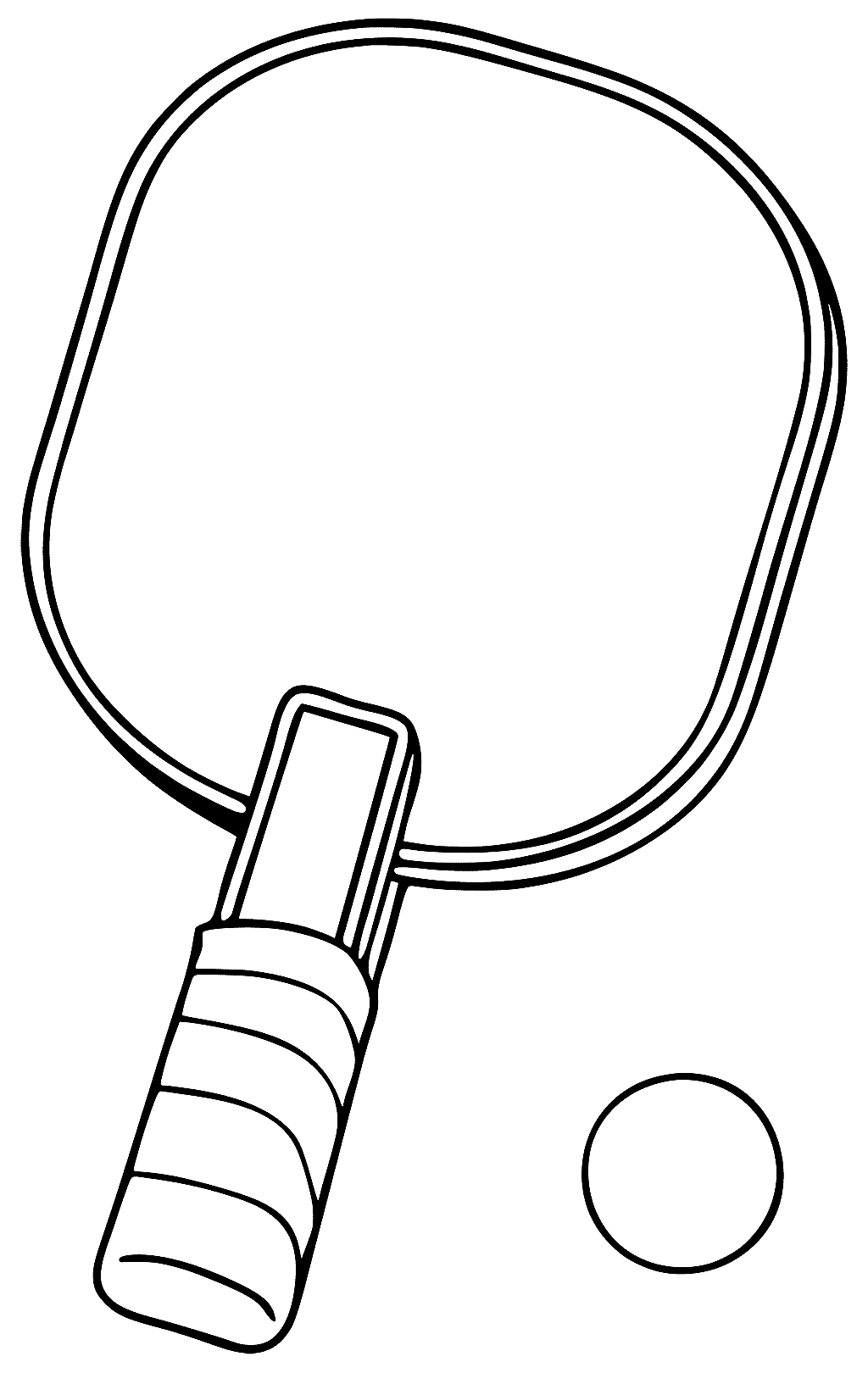
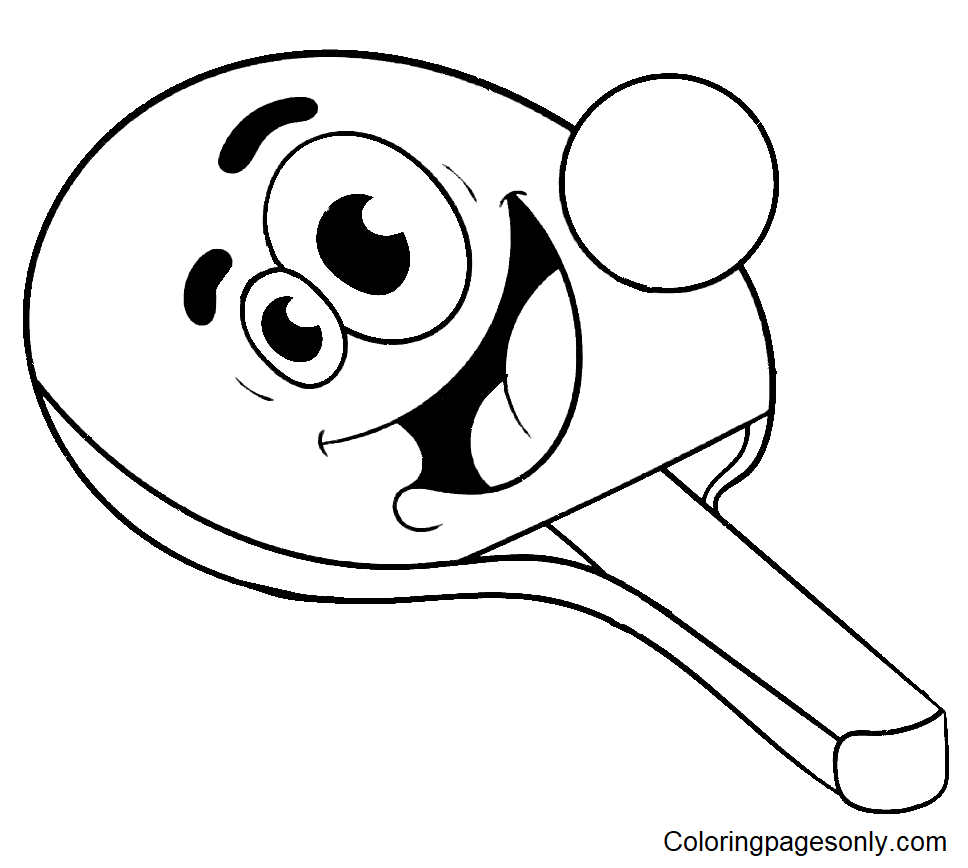
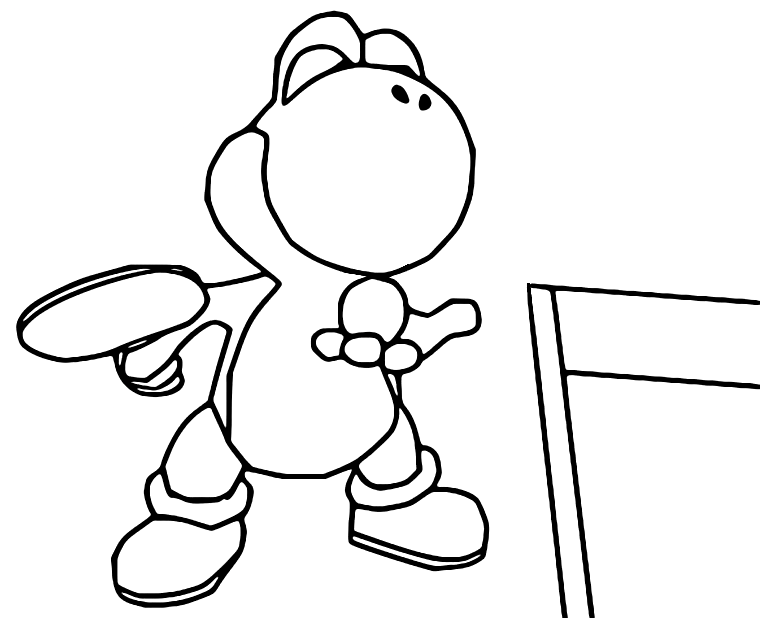
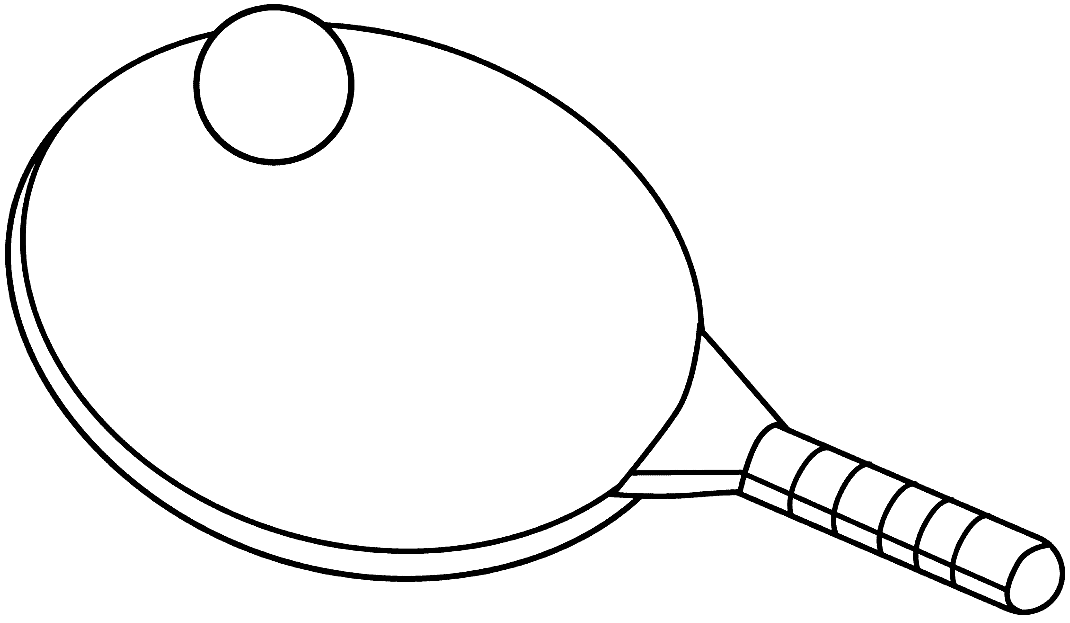
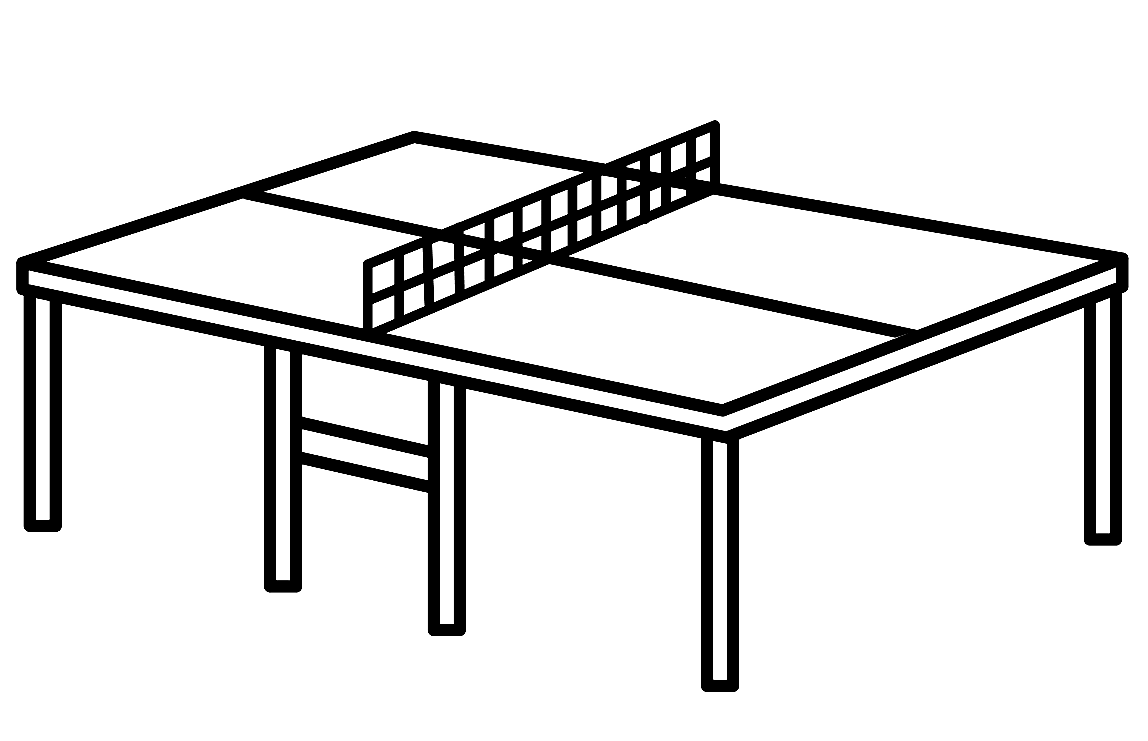
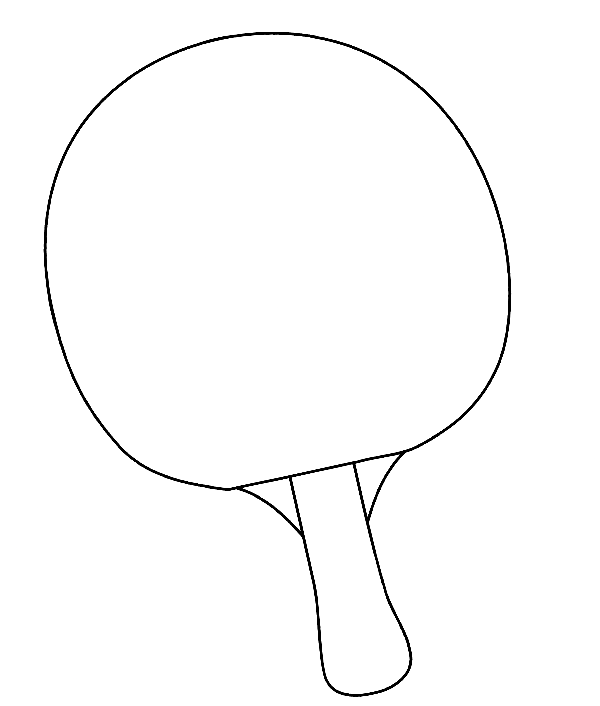
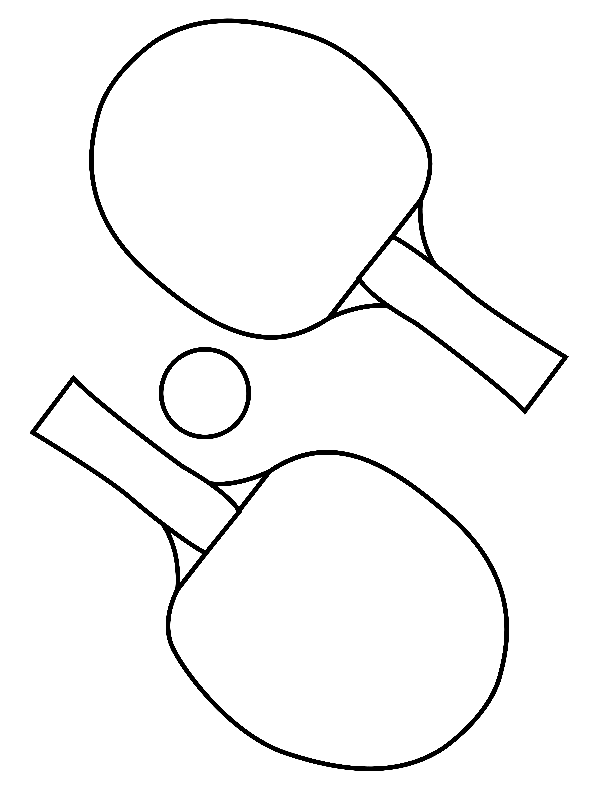
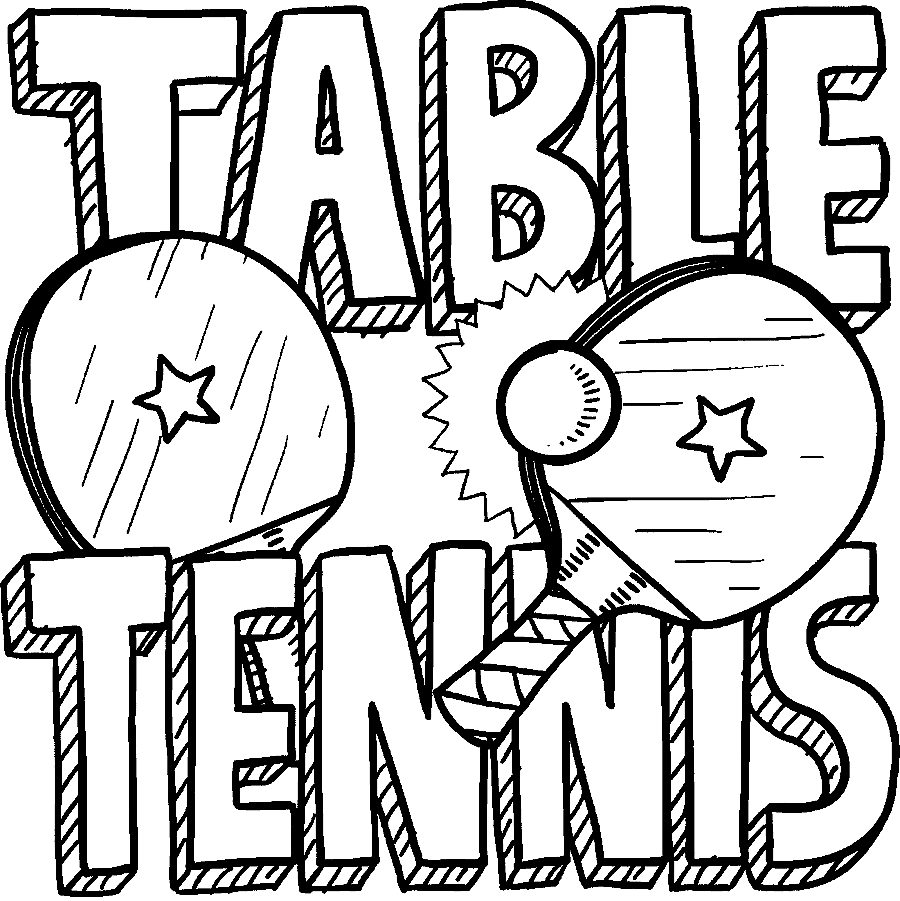
Close-up pages focus on rackets, balls, and the table itself, along with a few cartoon-style designs and familiar animated characters. Use White or Orange for the ball and a White line down the middle of the table.
What Table Tennis Coloring Pages Do
Showing how a fun game becomes a sport. Many kids play ping pong at home or at summer camp without knowing it is an Olympic event. Coloring tournament-style players opens up a conversation about practice, rules, and how a simple game can grow into a serious competition.
Strengthening hand and eye skills. Table tennis demands quick reflexes and careful hand control, and coloring the small ball and paddle edges builds steadiness more quietly. Small details like paddle handles match the kind of fine motor practice the American Academy of Pediatrics describes as important for children ages 2 through 7 as they get ready to write.
Settling down between games. After an exciting rally, sitting down with a coloring page helps kids catch their breath. In a study published in 2005, the Art Therapy Journal documented measurable reductions in anxiety after structured coloring, so a quick table tennis page works well as a calm break at a club, camp, or home.
Learning about friendship across countries. In 1971, a visit by the American table tennis team to China helped improve relations between the two nations, an event remembered as ping pong diplomacy. Older kids can talk about how sports bring people together, even when countries disagree.
How to Color Table Tennis Pages Well
- Paddle sides: Color one side of each paddle Red and the other Black, just like official rackets. Add a Tan or Brown handle to show the wood.
- The ball: Leave the ball White or color it bright Orange, then add a small Gray shadow underneath. A few curved lines behind it show spin and speed.
- Tabletop: Fill the table with Dark Blue or Forest Green and draw a thin White line around the edges and down the center. Keep the net Gray with a White top band.
- Player outfits: Choose a different color for each player’s shirt and shorts. In doubles scenes, give partners matching outfits so the teams are easy to spot.
- Motion lines: Add short Gray streaks behind swinging arms and the ball. This simple trick makes rallies look fast and exciting.
- Background: Use a light Gray or soft Blue wall and a Tan floor for a gym look. A simple background keeps the focus on the action at the table.
5 Creative Craft Ideas With Table Tennis Coloring Pages
1. Paper Paddle Fan
Color a racket page, cut out the paddle, and glue it to a craft stick. Kids can use it as a handheld fan or a cheering paddle during family games.
2. Tournament Bracket Poster
Draw a simple bracket on poster board and glue colored player pages next to each slot. Use it to track winners during a family or classroom ping pong tournament.
3. Mini Table Diorama
Glue a colored table page onto a piece of cardboard and fold small paper tabs to stand up two players. Add a strip of tissue paper across the middle for the net.
4. Ping Pong Diplomacy Card
Color a double-page spread and write a friendship message inside a folded card. Add one fact about how table tennis once helped bring two countries together.
5. Equipment Label Chart
Color the paddle, ball, and table pages and glue them side by side on a large sheet. Label each piece with its name and one rule, such as games going to 11 points.
Frequently Asked Questions
What are Table Tennis coloring pages?
There are 38 free printable sheets featuring kids and adults playing table tennis, doubles matches, group games, paddles, balls, and tables. Choose a PDF for paper or color the sheets online with a mouse or tablet.
Where did table tennis come from?
The game began in England in the late 1800s as an indoor version of tennis played on dining tables. Early players sometimes used books as a net and simple homemade paddles before proper equipment was sold.
Why is it called ping pong?
The name comes from the sound the ball makes bouncing off the paddle and the table. Ping-Pong was registered as a trademark in the early 1900s, so the official sport is called table tennis.
When did table tennis join the Olympics?
Table tennis became an Olympic sport at the 1988 Summer Games in Seoul, South Korea. Players now compete in singles, doubles, and team events.
Why are table tennis paddles two different colors?
Official rules require each side of the racket to be a different color, with one side black, so opponents can see which rubber was used to hit the ball. Different rubbers create different spins, so the colors help players react.
How many points win a table tennis game?
A game is won by the first player to reach 11 points with a lead of at least two. Most matches are played as the best of five or seven games.
What age are Table Tennis coloring pages for?
Paddle and ball pages suit children from about 3, while doubles and group scenes fit kids up to about 10. Clubs and coaches also use them for young players during breaks.
What was ping pong diplomacy?
In 1971, the United States table tennis team was invited to play in China, becoming one of the first American groups to visit the country in decades. The trip helped open the door to better relations between the two nations.
Start Coloring
Pick a doubles match, a kid with a paddle, or the racket close-up, then print it or color it online with no account needed. Young players can share their finished pages on Facebook or Pinterest.