Ice Cube Coloring Pages
 By:
Jennifer Thoa - Content Editor & Designer
Updated:
By:
Jennifer Thoa - Content Editor & Designer
Updated:
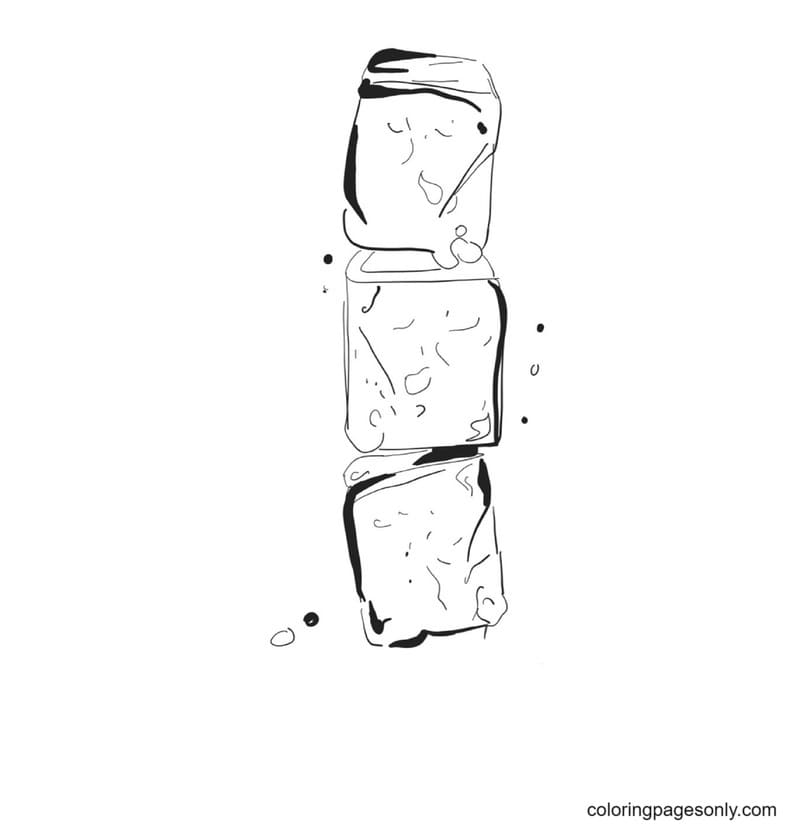
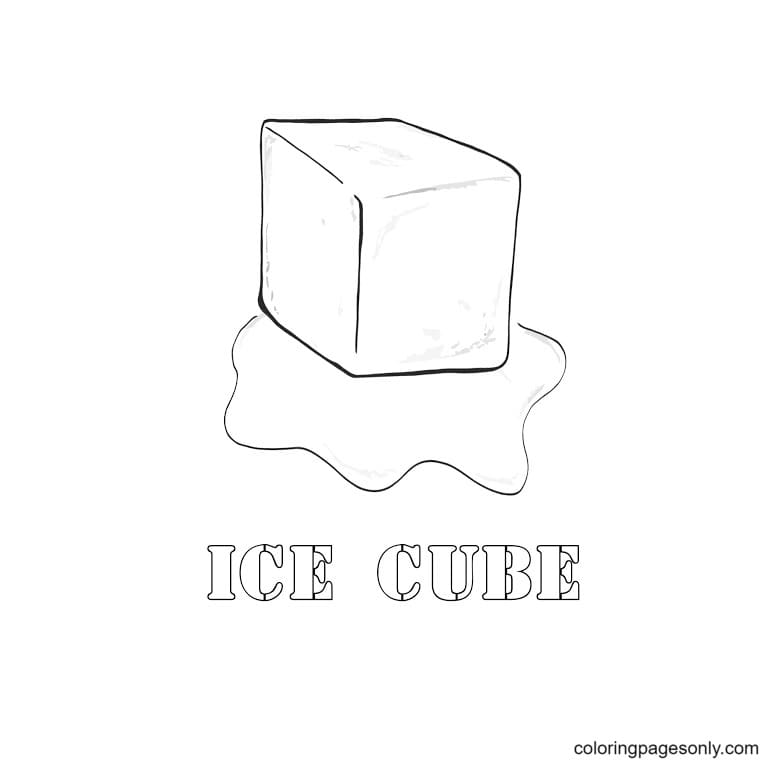
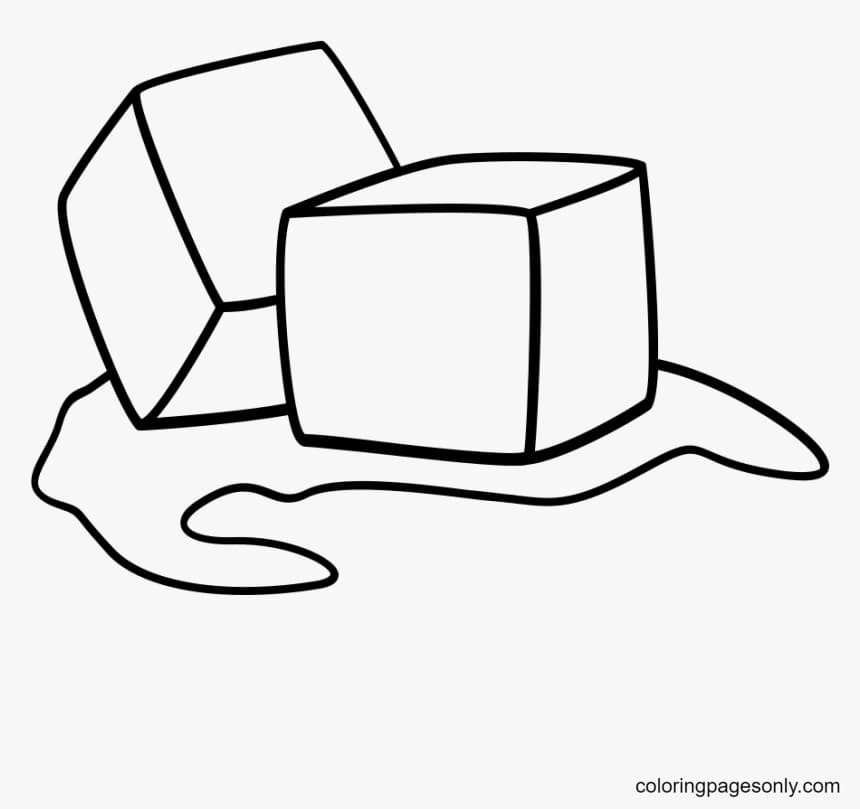
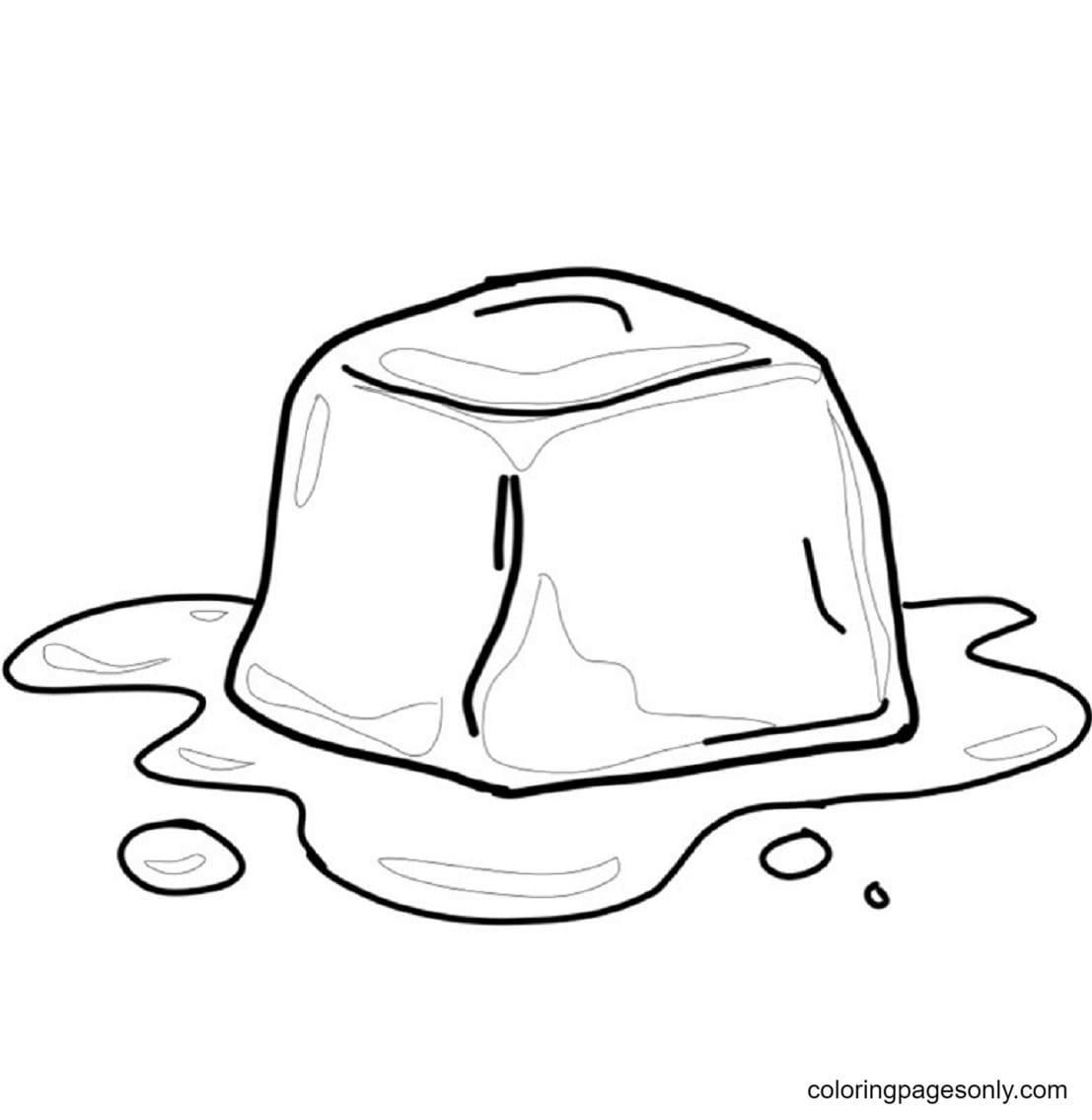
Free Ice Cube coloring pages: 20 printable PDF designs featuring melting ice, ice cube trays, and a couple of character crossovers. Each page can be downloaded as a PDF to print or colored online in the browser.
This collection focuses on the simple, everyday object of an ice cube, shown melting, sitting in a tray, and in a few playful scenes, including Disney’s Olaf peering through a block of ice and two Shopkins characters built around the ice cube shape. Because ice cubes are transparent and reflective, this collection offers useful practice for coloring see-through objects, a technique that comes up less often than opaque, solid-colored subjects. A few pages use general file names rather than describing a specific scene, so the exact content of those pages is best confirmed by viewing the design directly.
The 20 pages are split into melting ice cube scenes, character crossovers, ice cube objects and scenes, and a small set of general portrait-style designs, giving a focused set of options built around one everyday object.

What Is Inside This Collection
The 20 pages sort into four groups, covering melting ice scenes, character crossovers, ice cube objects, and general designs.
Melting Ice Cube Scenes
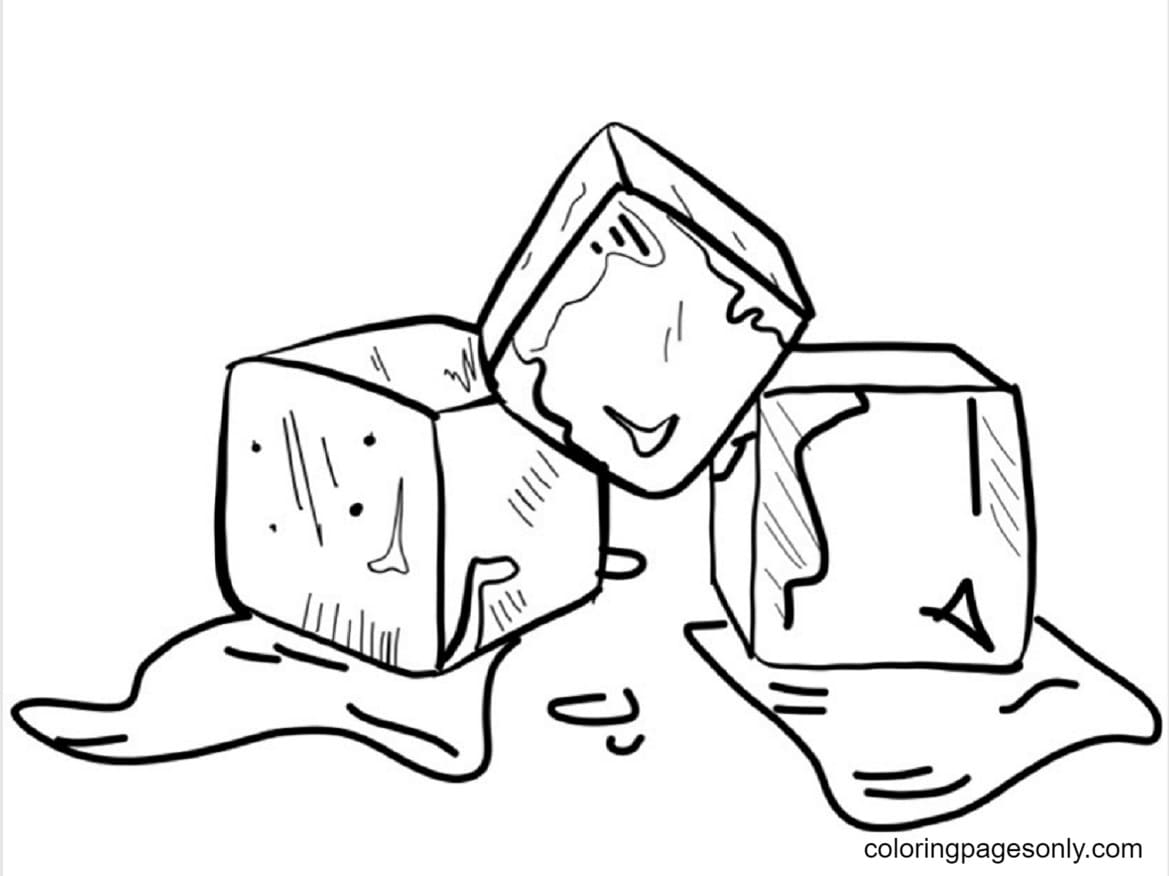
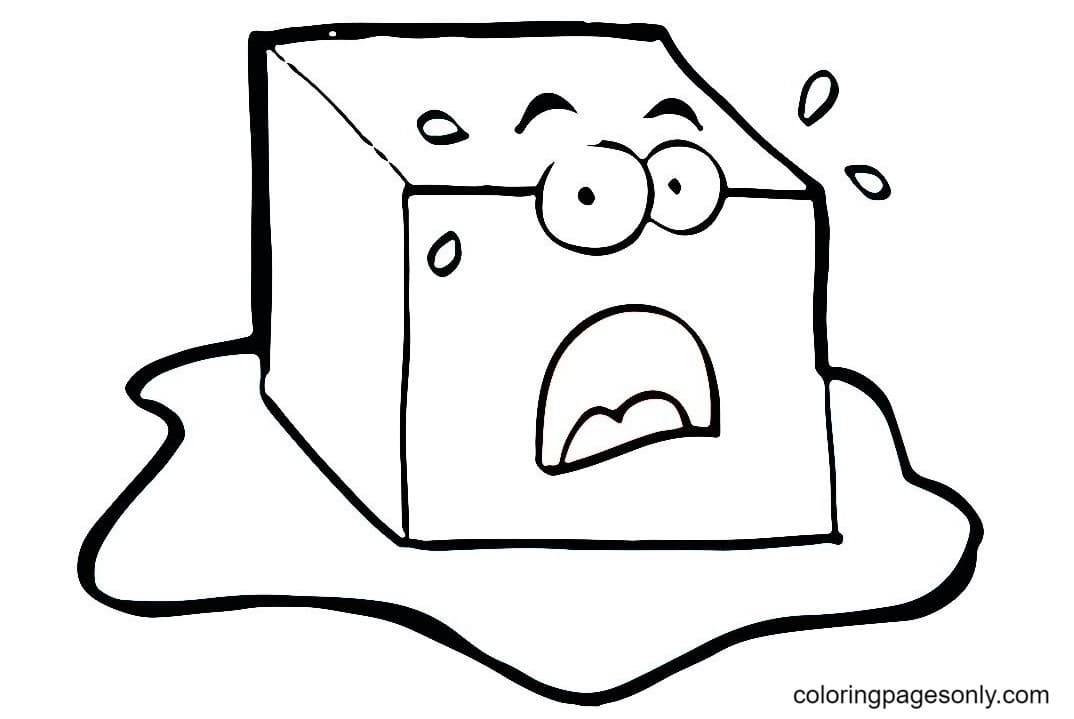
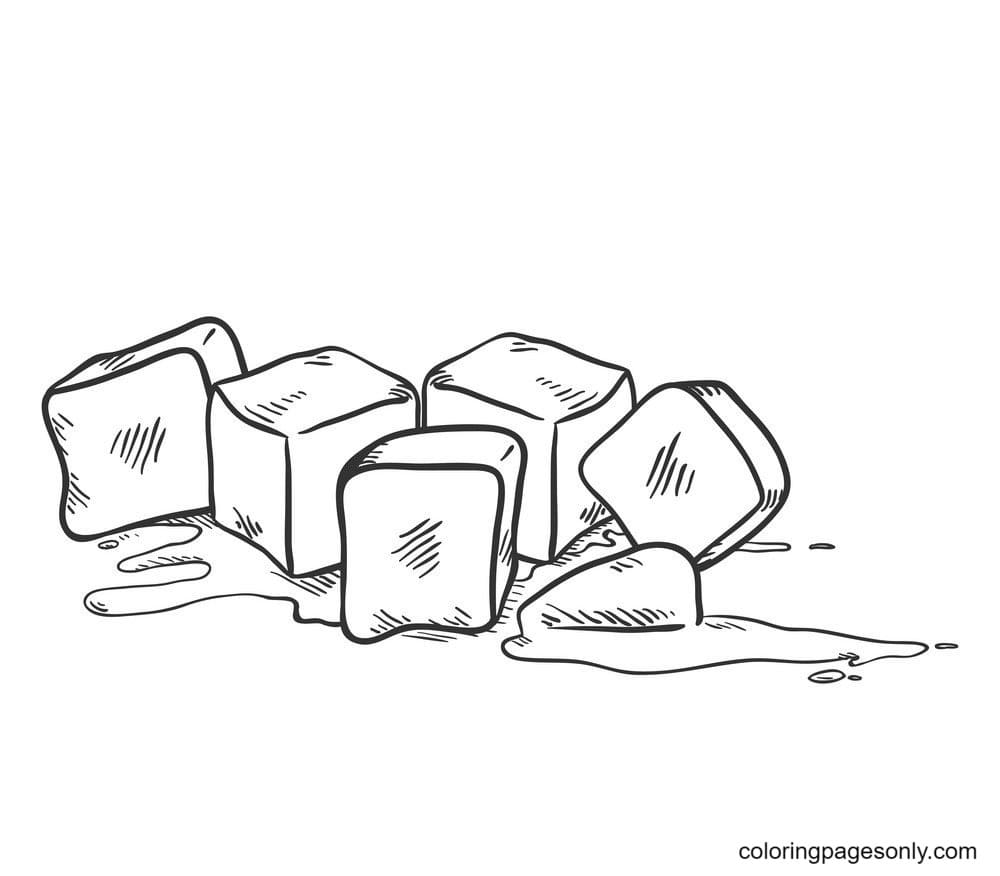
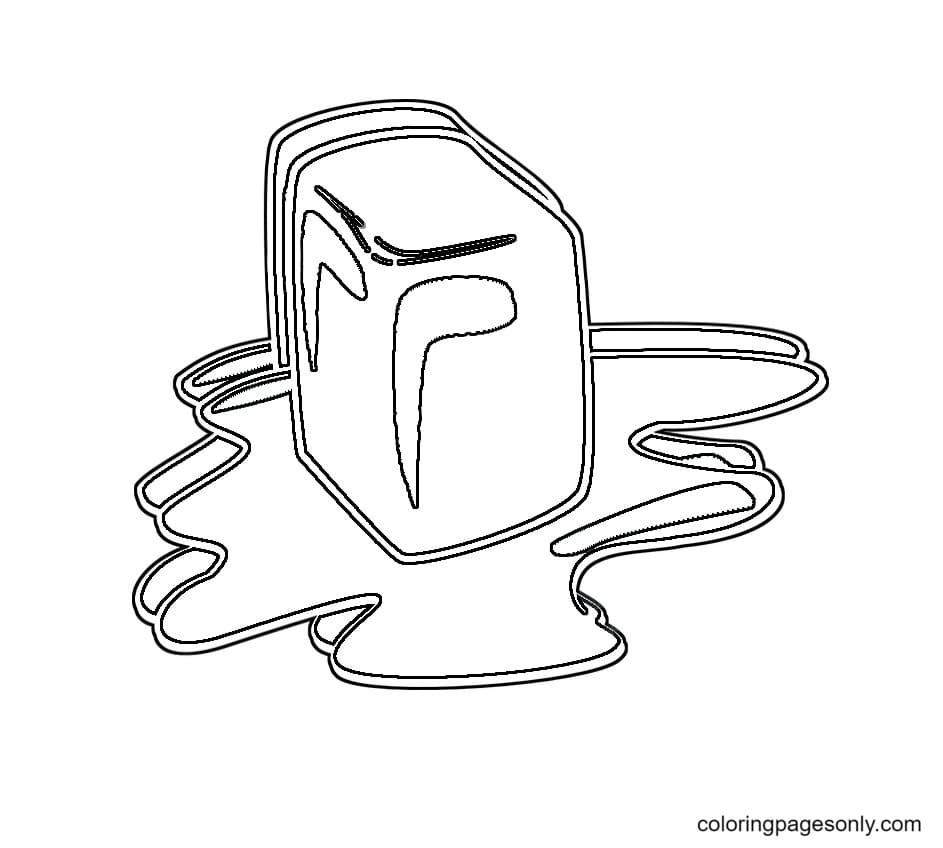
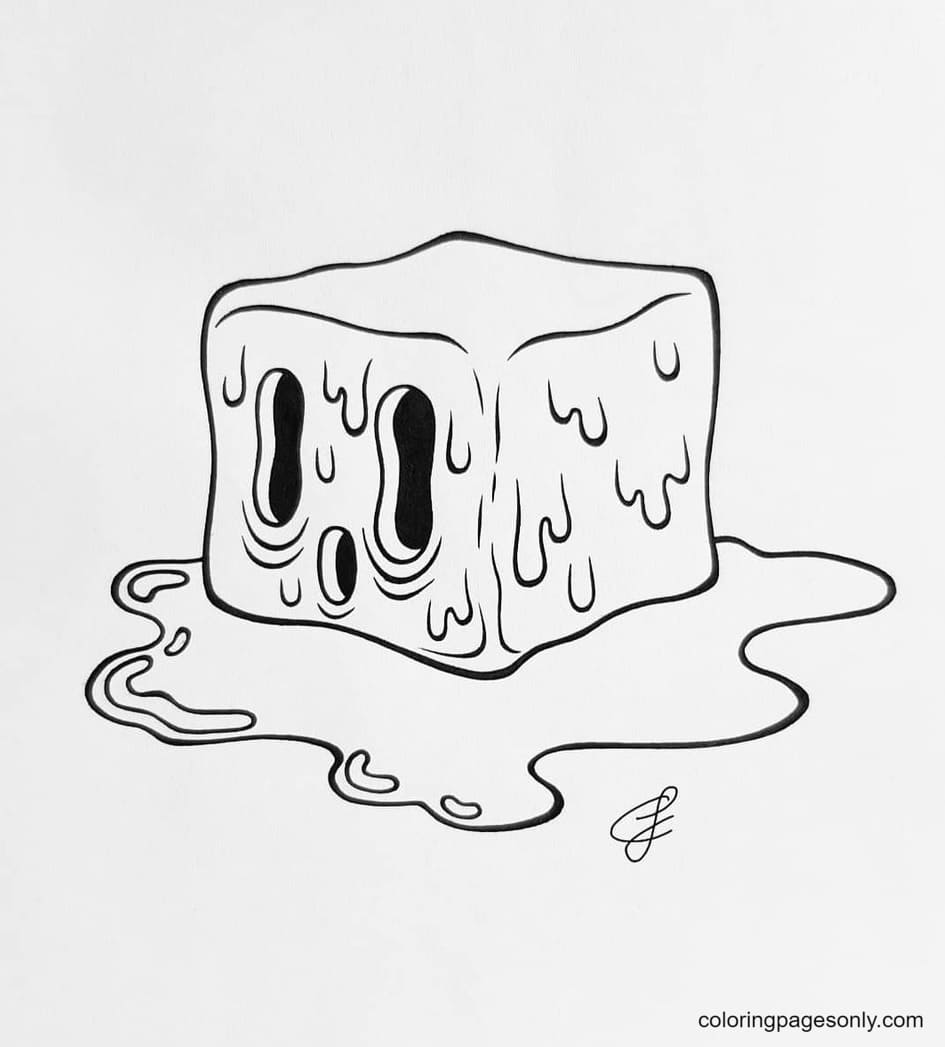
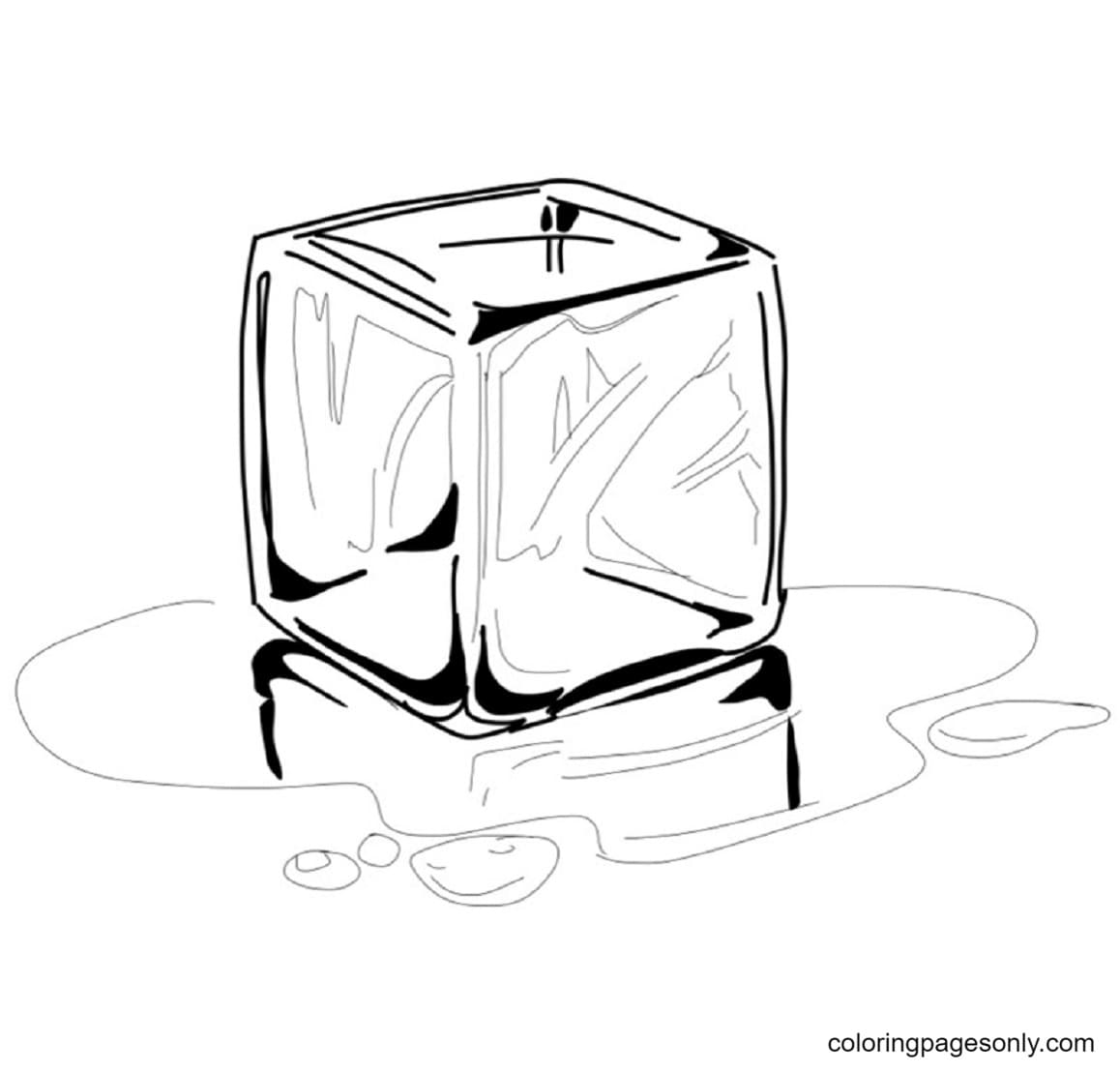
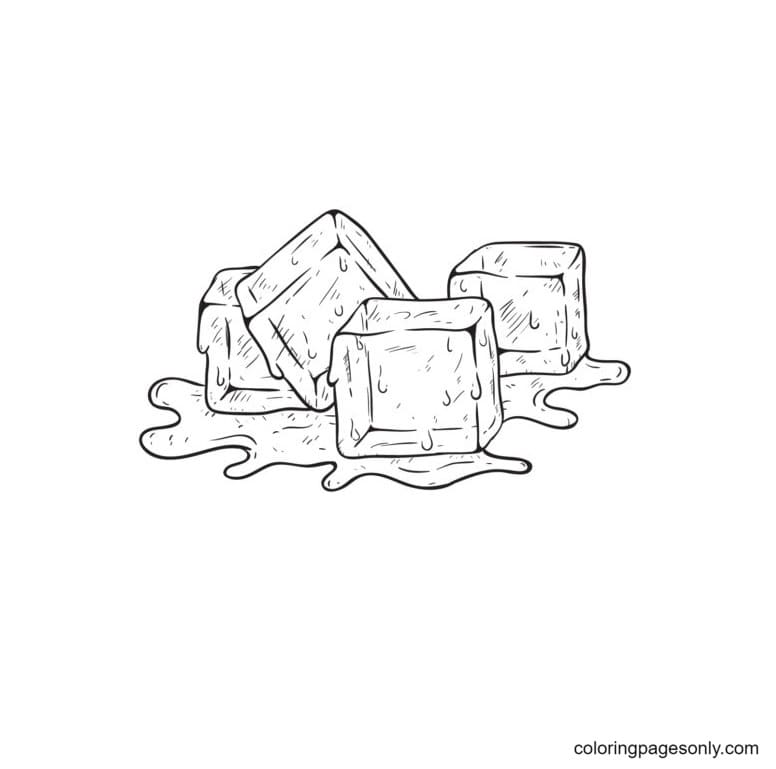
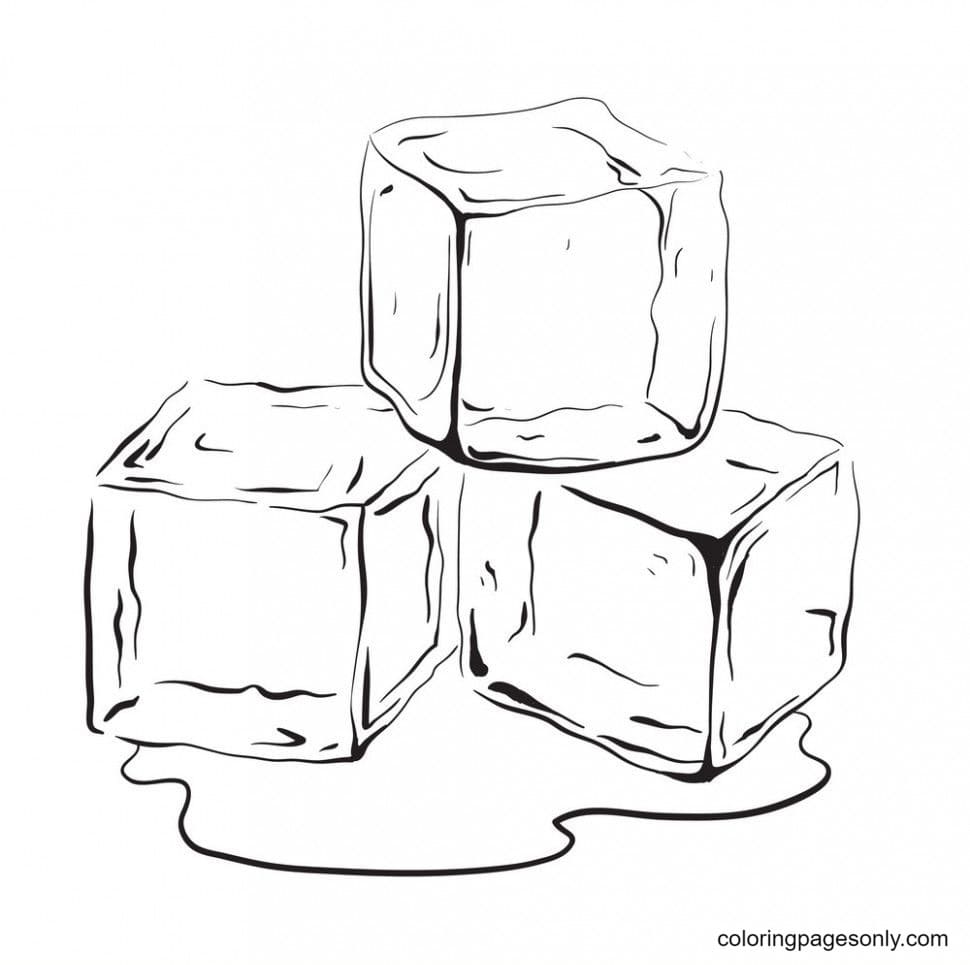
Seven pages show an ice cube in the process of melting, capturing different stages from a solid block to a puddle of water.
Character Crossovers
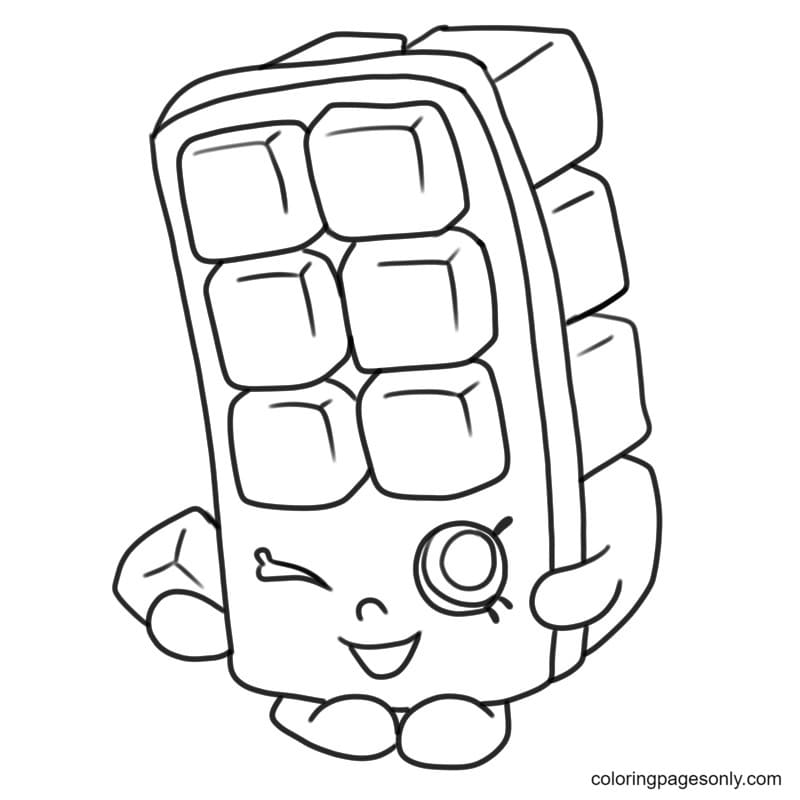
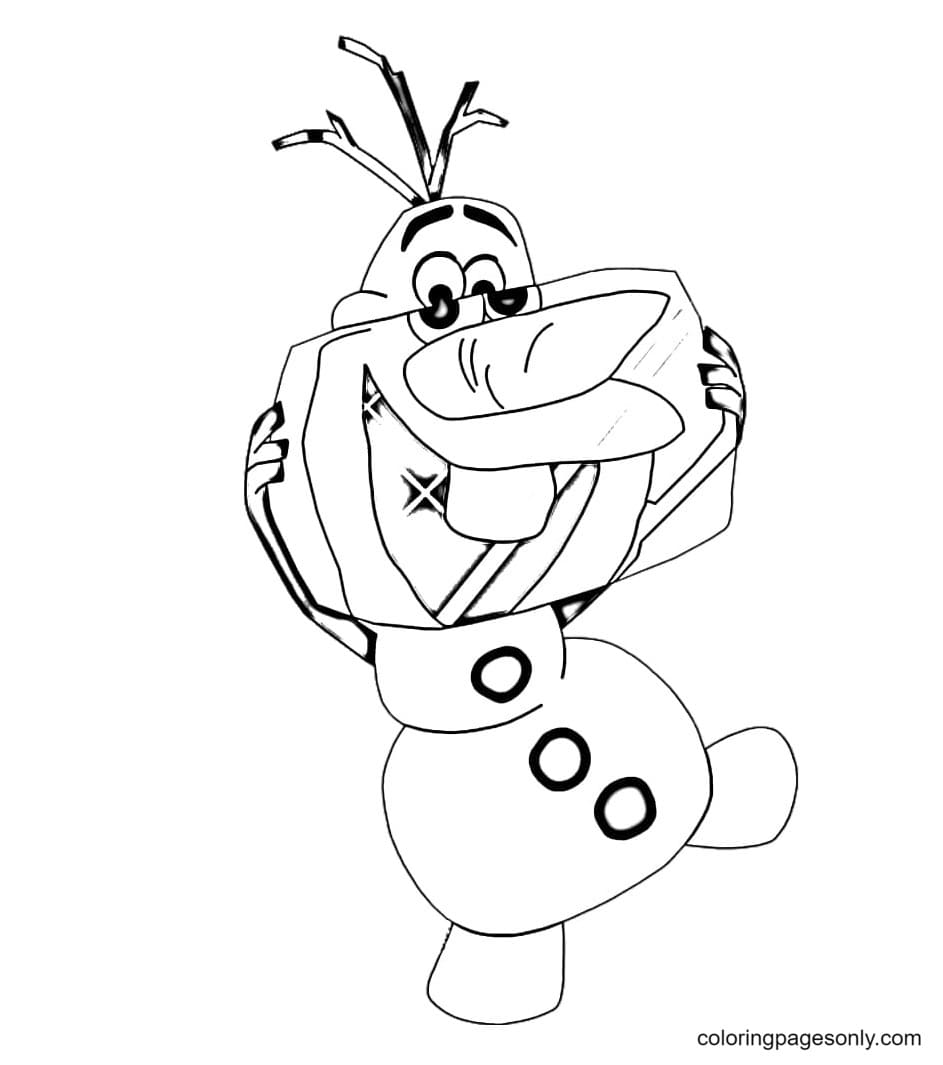
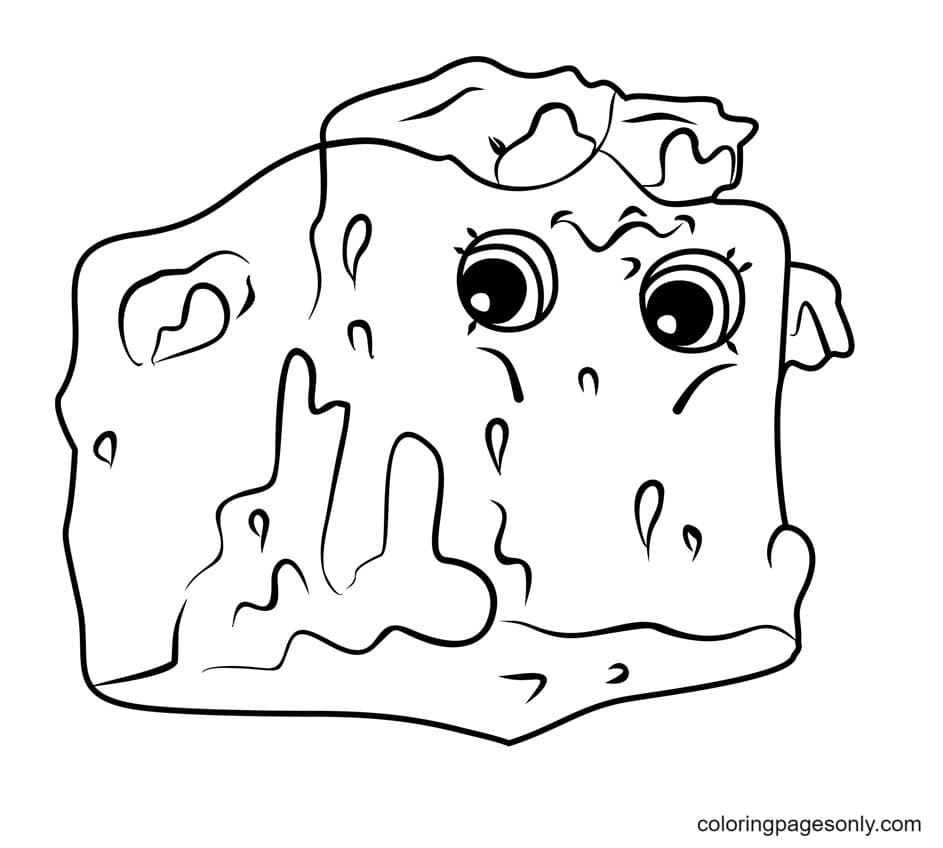
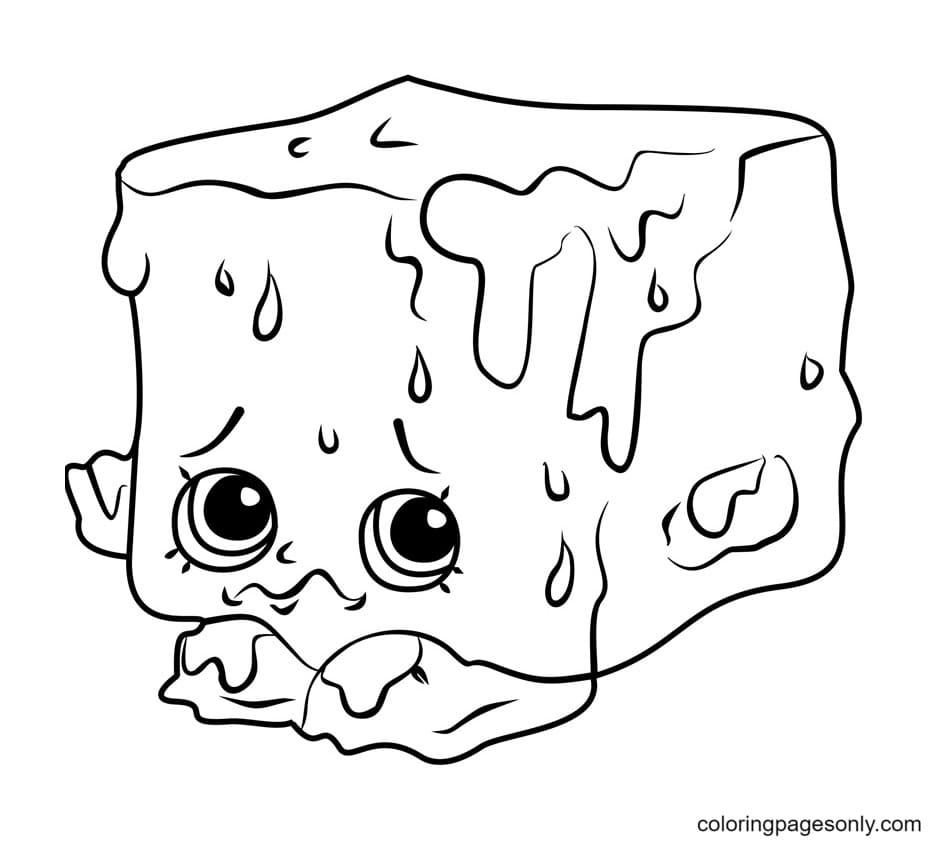
Four pages bring in outside characters, including Disney’s Olaf peering through a block of ice, and two pages featuring Shopkins characters built around the ice cube shape.
Ice Cube Objects and Scenes
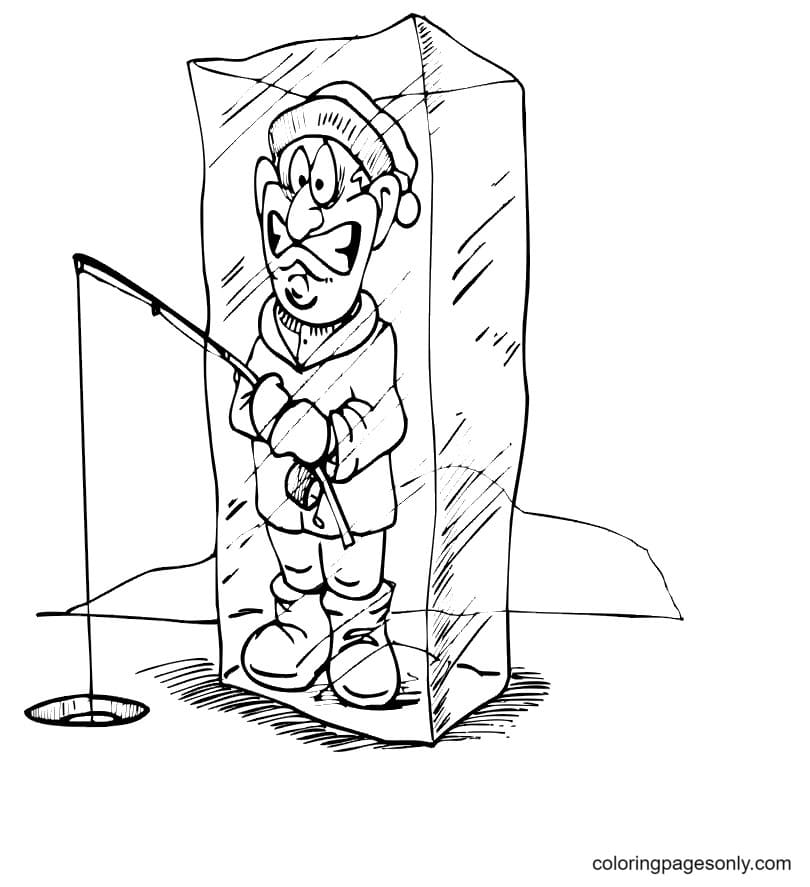
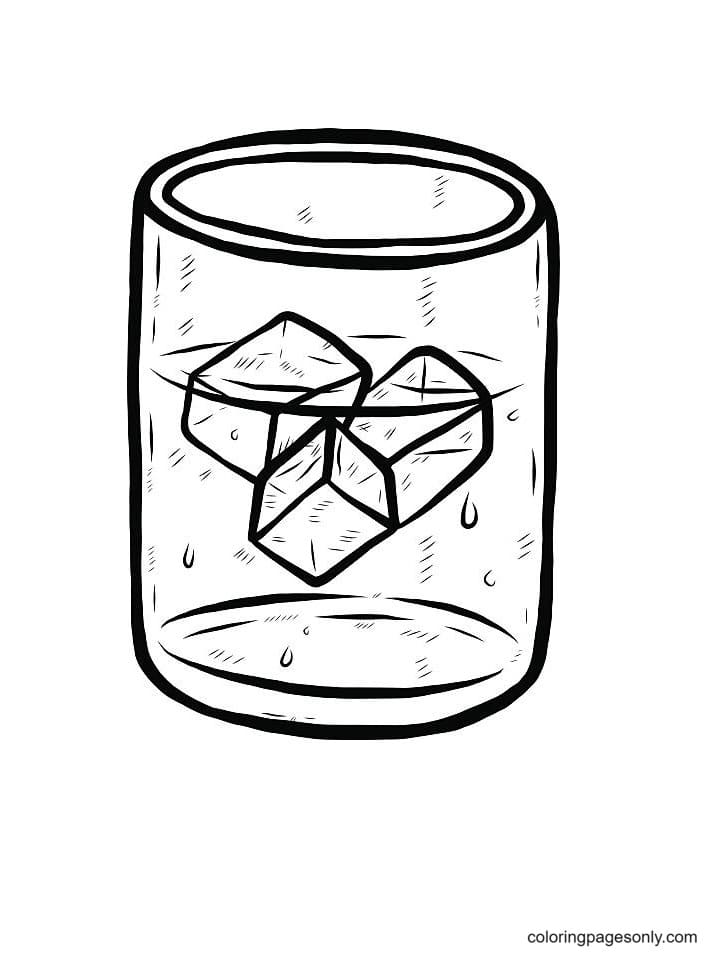
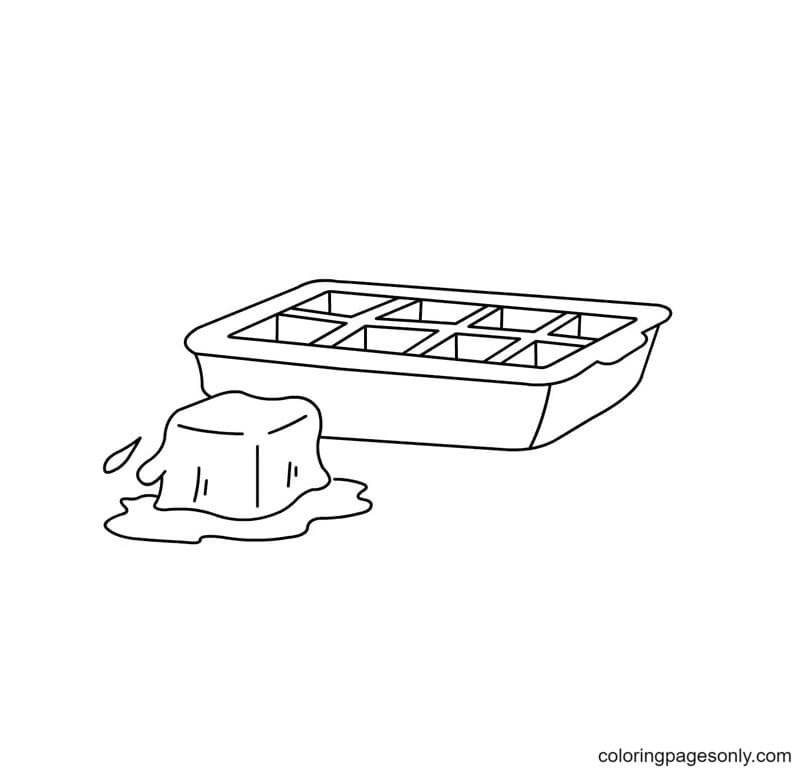
Six pages show ice cubes in a broader context, including an ice cube tray, a fisherman inside a block of ice, and general ice cube pictures.
General Portrait Variations
Three pages use simple numbered file names rather than describing a specific scene.
What Ice Cube Coloring Pages Do
Practicing transparent and reflective object coloring. Because ice is see-through and reflects light, this collection gives colorists practice with a technique, using light blues, whites, and small highlight areas, that differs from coloring solid, opaque objects.
Fine motor development. The American Academy of Pediatrics identifies fine motor skill development as a core benefit of structured coloring for children ages 2 through 7. The simple shapes throughout this collection suit that age range well.
Anxiety reduction through focus. A 2005 study in the Art Therapy Journal documented measurable reductions in anxiety following structured coloring sessions. A focused coloring session with a simple, everyday object can offer children the same kind of calming, absorbing activity described in that research.
Introducing basic science observation. Because several pages show an ice cube at different stages of melting, this collection can open a simple conversation about states of matter and how ice changes from solid to liquid.
How to Color Ice Cube Pages Well
- Ice base: Use pale Blue-White with White highlights on the lit surface.
- Shadows within ice: Use a soft Gray-Blue for the darker interior sections.
- Melting water: Use light Blue with a few White highlight lines to suggest wetness and reflection.
- Ice cube tray: Use Gray or pale Blue plastic tones, keeping each cube compartment consistent.
- Olaf crossover: Keep Olaf’s classic White snow body and Orange carrot nose, with the surrounding ice in pale Blue.
- Shopkins characters: Use bright, cheerful colors on the character’s face, keeping the ice cube body in pale blue-white, so it still reads as ice.
5 Creative Craft Ideas With Ice Cube Coloring Pages
1. Ice Cube Bookmark. Color a tall, narrow ice cube design, cut it into a bookmark shape, and glue it to cardstock to make a sturdy reading bookmark.
2. Melting Ice Sequence Display. Color all of the melting-stage pages, arrange them in order from solid to liquid, and mount them together to show the melting process step by step.
3. Summer Card. Color a favorite page, cut it out, and glue it to the front of a folded card, then write a summer-themed message inside.
4. Ice Tray Puzzle. Color the ice cube tray page, cut it into its individual cube-shaped sections, and reassemble the pieces as a simple matching puzzle.
5. Science Observation Chart. Color a melting page, label the stage of melting it shows, and add it to a simple classroom chart about how matter changes from solid to liquid.
Frequently Asked Questions
What are Ice Cube coloring pages?
Ice Cube coloring pages are printable designs featuring melting ice, ice cube trays, and a few playful character scenes. Each design in this collection can be downloaded as a PDF for printing or colored directly online in the browser, with no software required.
What scenes are included in this collection?
The 20 pages include ice cubes shown melting at different stages, an ice cube tray, a fisherman inside a block of ice, and two character crossovers featuring Disney’s Olaf and Shopkins.
What colors work best for coloring ice cube pages?
Use pale Blue-White for the ice with White highlights on the lit surface, soft Gray-Blue for shadowed interior sections, and light Blue with White highlight lines for melting water.
Why do Olaf and Shopkins appear in this collection?
One page features Disney’s Olaf from Frozen peering through a block of ice, and two pages feature Shopkins characters designed around the ice cube shape, bringing familiar characters into an otherwise object-focused collection.
Why do a few pages in this collection have generic names?
A small group of pages uses simple numbered file names, such as Ice Cube 1 or Ice Cube 2, rather than describing a specific scene. This means the exact content of those pages is best confirmed by viewing the design directly.
Can Ice Cube coloring pages be used for a classroom activity?
Yes. The melting-stage pages work well for a simple states-of-matter science lesson, and finished pages can be turned into a bookmark, a summer card, or part of a classroom observation chart.
Are Ice Cube coloring pages suitable for young children?
Yes. This collection uses simple, non-frightening imagery throughout, making it suitable for a wide age range, including young children.
Can this collection be used to teach basic science concepts?
Yes. Because several pages show an ice cube at different melting stages, from a solid block to a puddle of water, the collection offers a simple, visual way to introduce how matter changes from solid to liquid.
Start Coloring
Download any page by clicking the design. No account, email, or payment is required. Pages print directly from the browser at full resolution or open in the online coloring tool for screen use. Share finished pages on Facebook or Pinterest with the share buttons at the top of each design page.