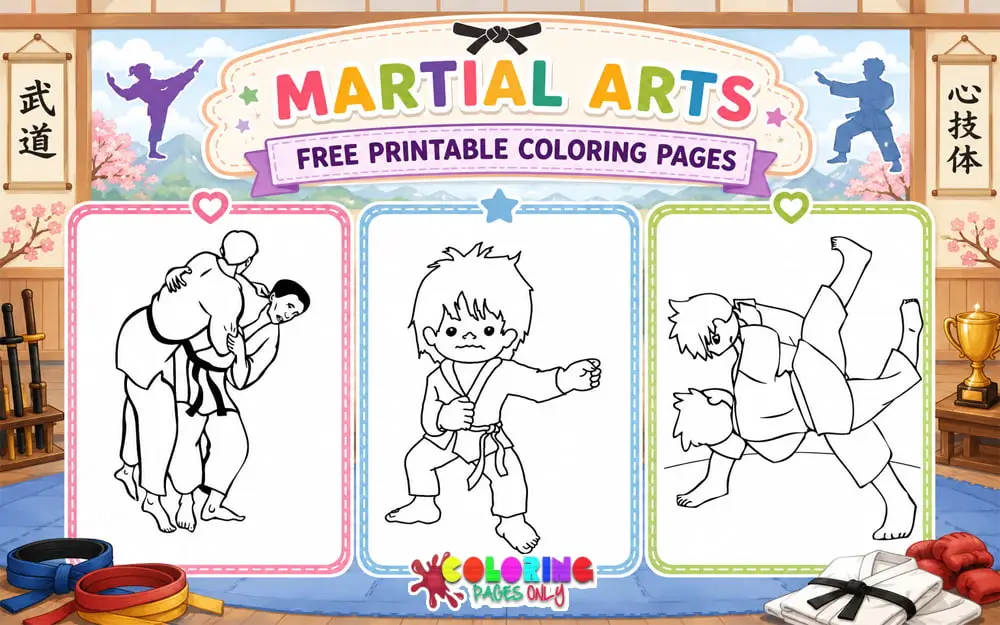
Free Martial Arts Coloring Pages: 65 printable PDF designs from the dojo, with karate kids in crisp white uniforms, taekwondo kicks, judo throws, freestyle wrestling, a ninja balancing on his hands, and a whole zoo of fighters, from a karate narwhal and a kung fu penguin to a taekwondo bunny, plus Po, Elmo, and Donald Duck. All 65 sheets are free.
Judo was founded by Jigoro Kano in Tokyo in 1882, and Kano is credited with introducing the ranking system that led to the colored belts used in many dojos today. Judo entered the Olympic program in Tokyo in 1964. Karate grew on the island of Okinawa, blending local fighting styles with Chinese techniques, and made its Olympic debut at Tokyo 2020. Taekwondo, from Korea, is known for high, fast kicks and became an official Olympic medal sport at Sydney in 2000. Wrestling is even older, appearing at the ancient Olympics in 708 BCE and at the first modern Games in 1896.
Cartoon animals and simple kicks suit young kids. Uniforms and sparring scenes give older students more detail.




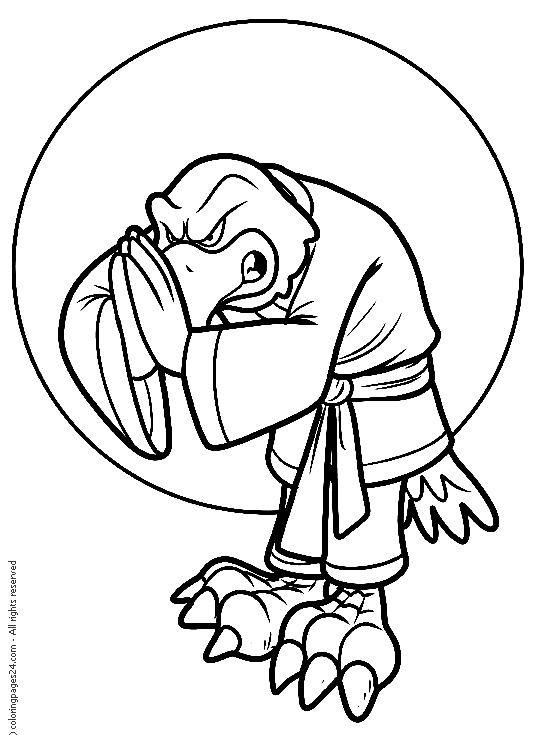
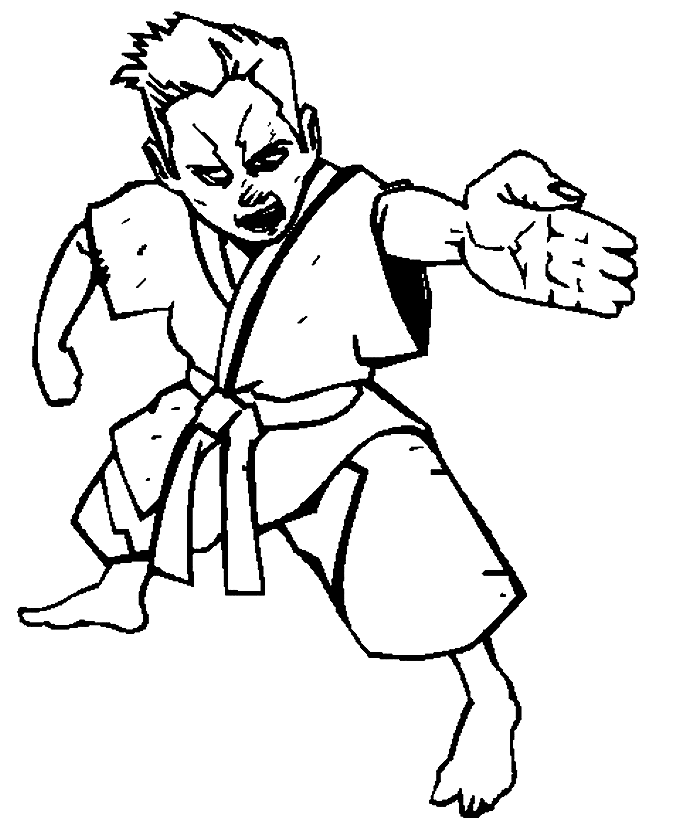
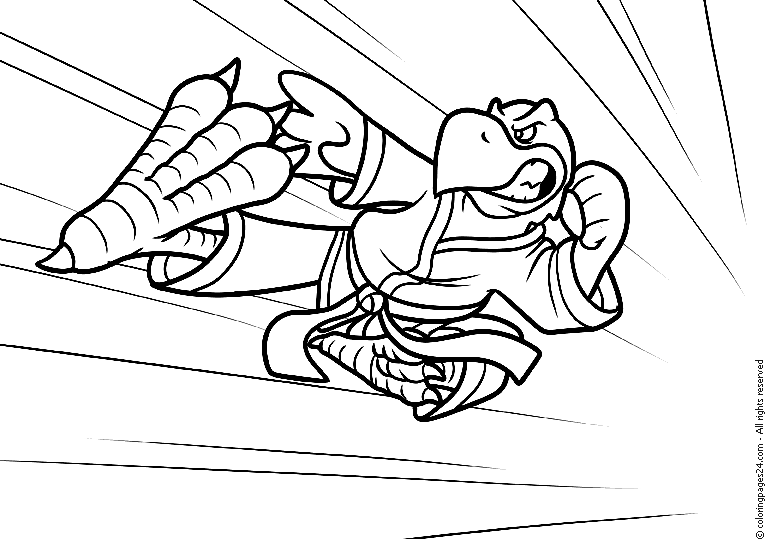
What’s Inside This Collection
Karate, taekwondo, judo, wrestling, kung fu, and ninja, kids and adults training, animal martial artists, and uniforms and printables make up the 65 designs.
Karate
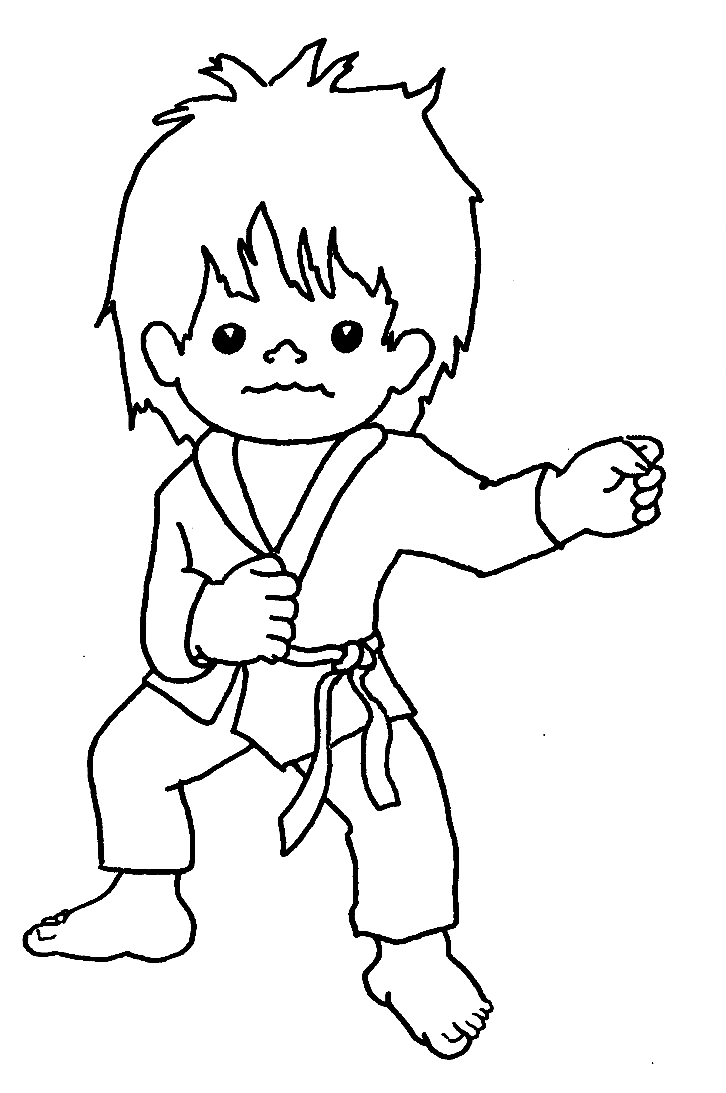
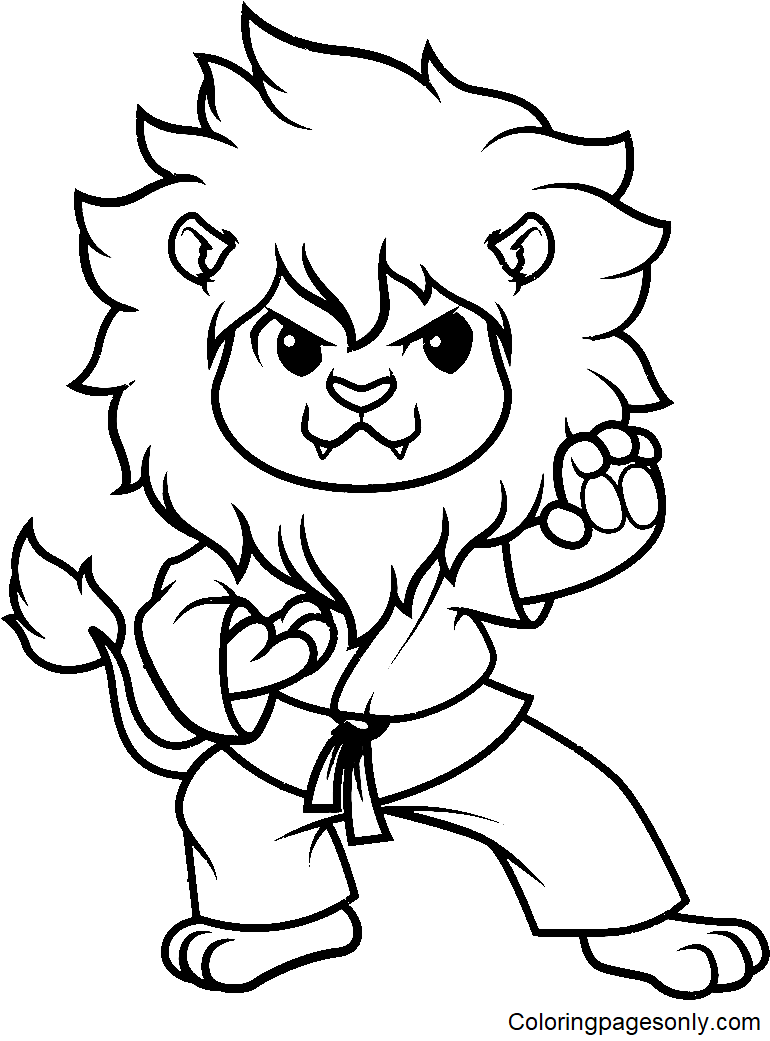
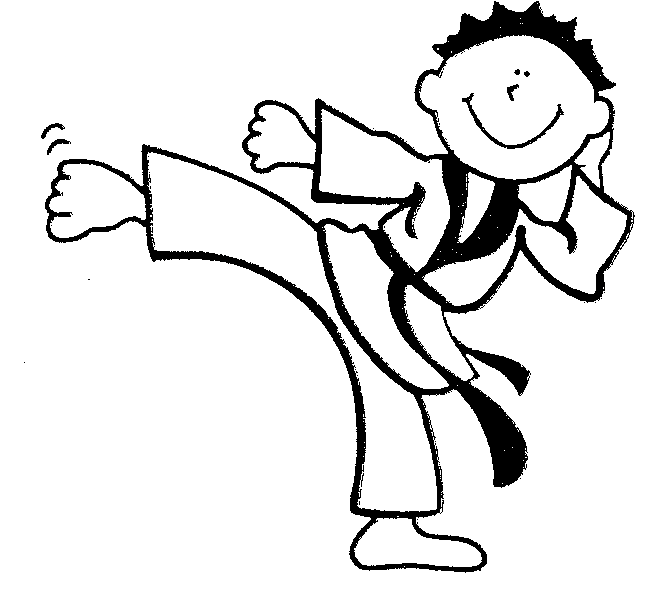
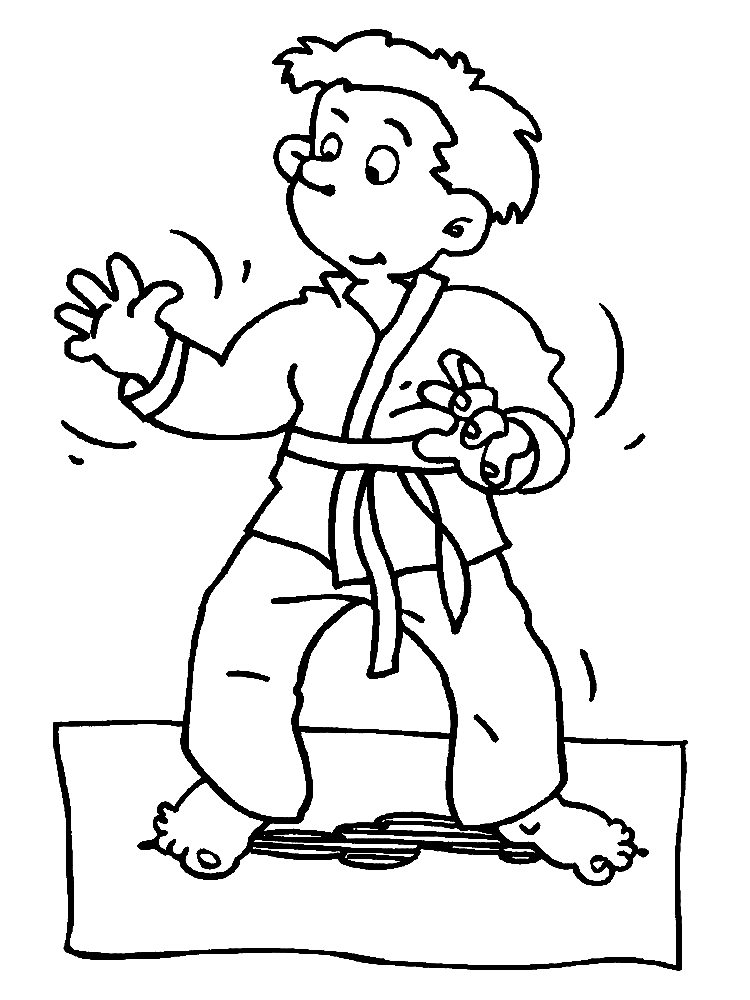
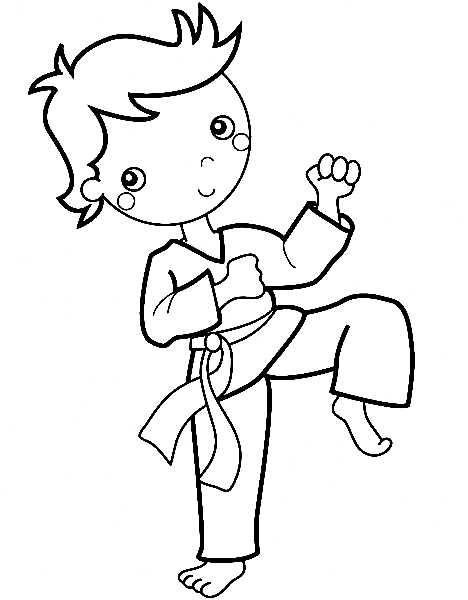
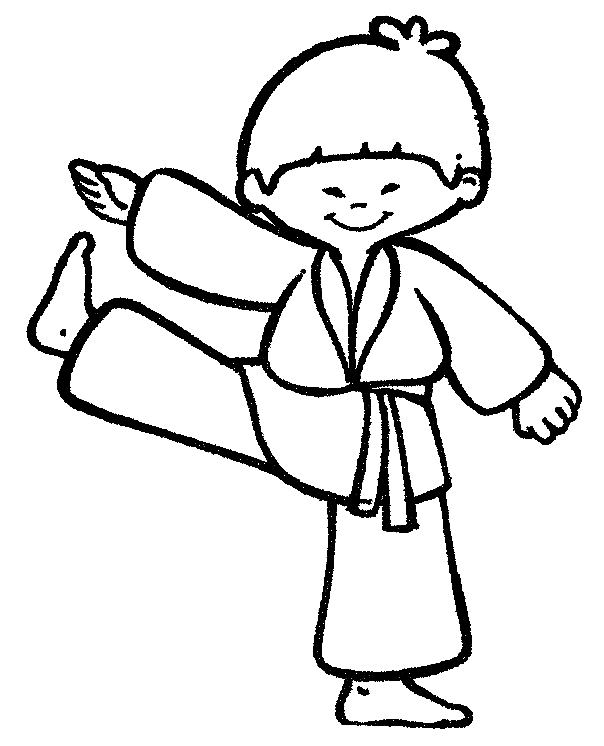
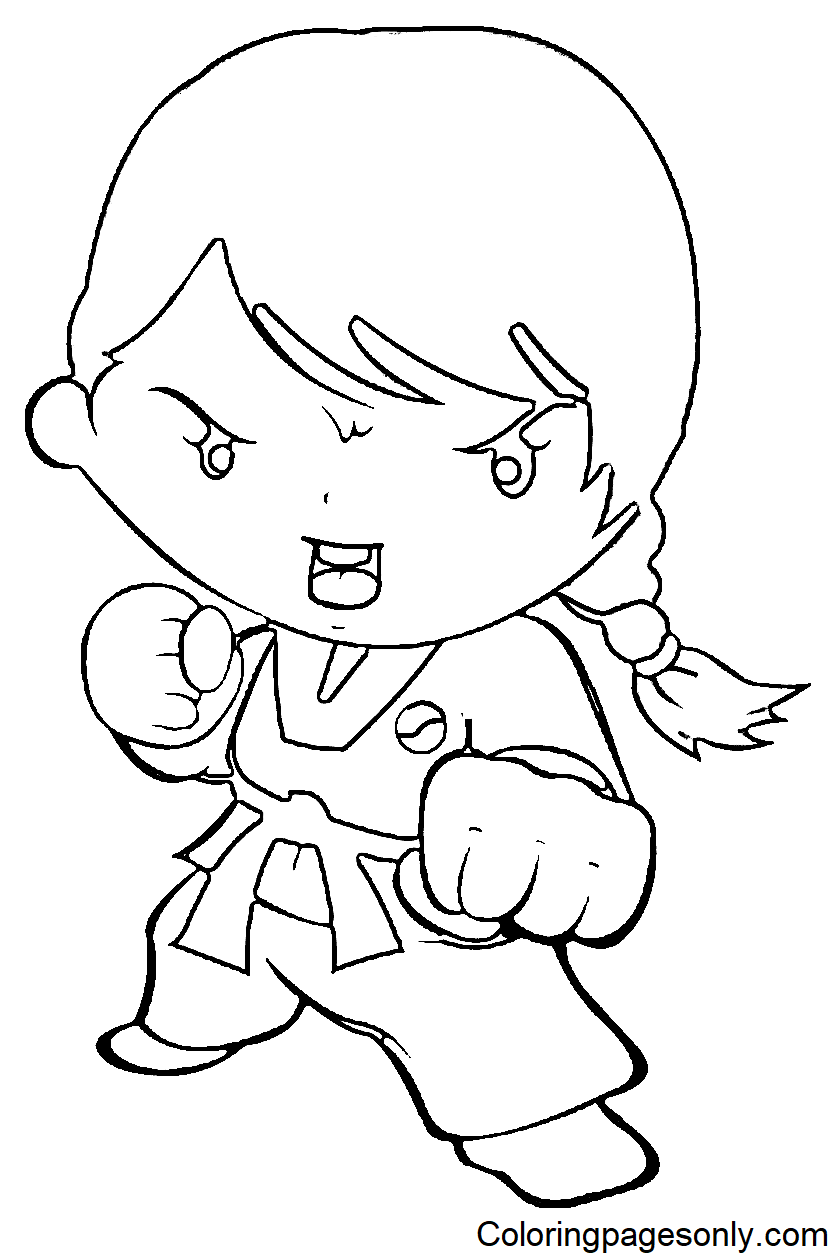
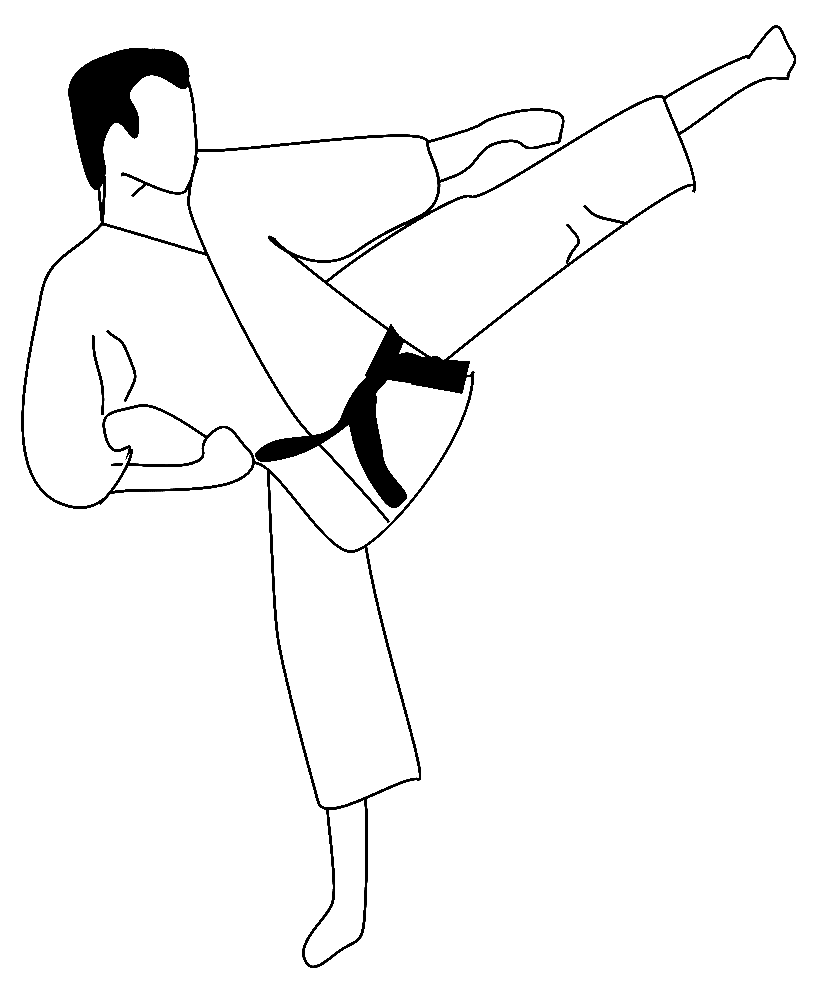
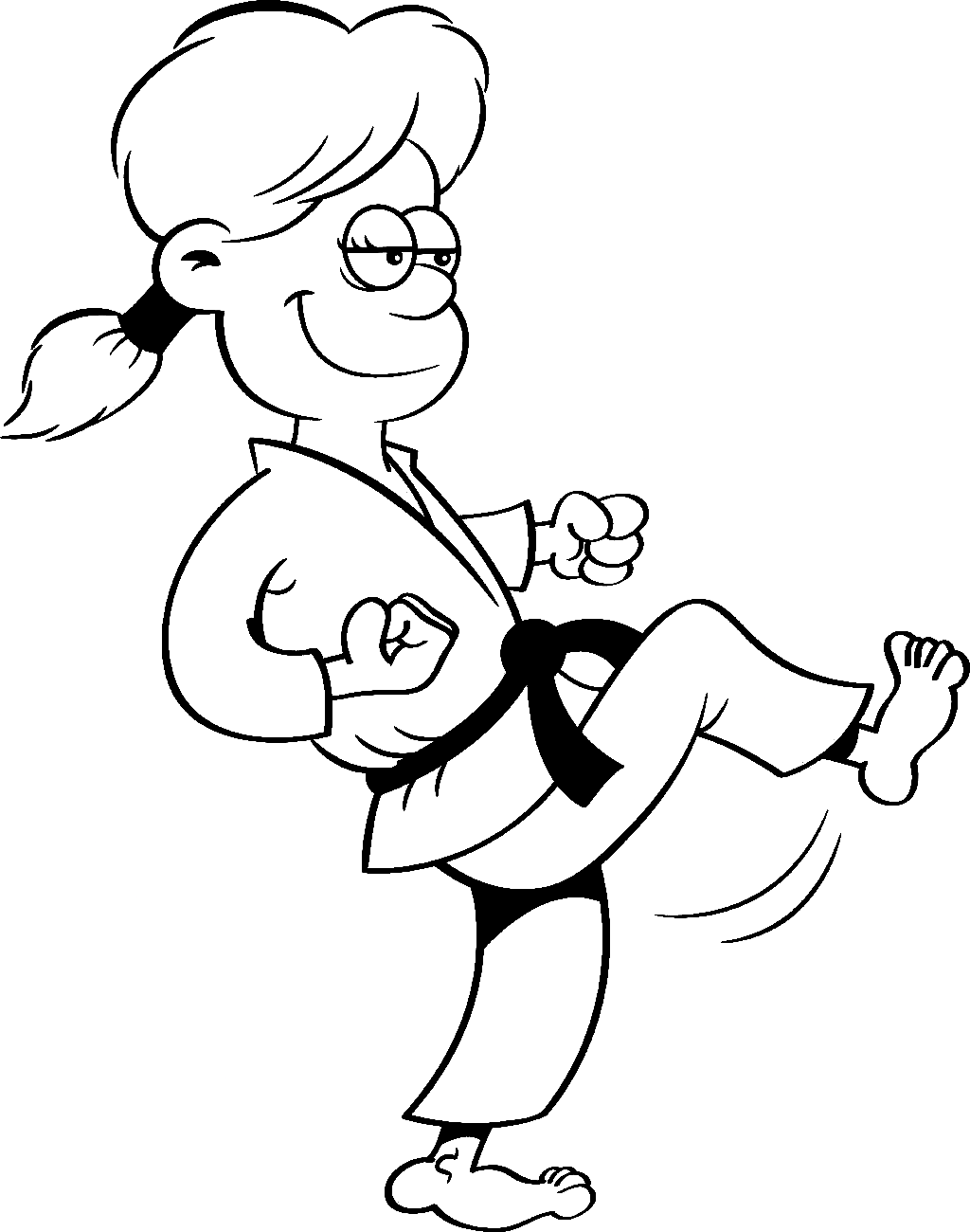
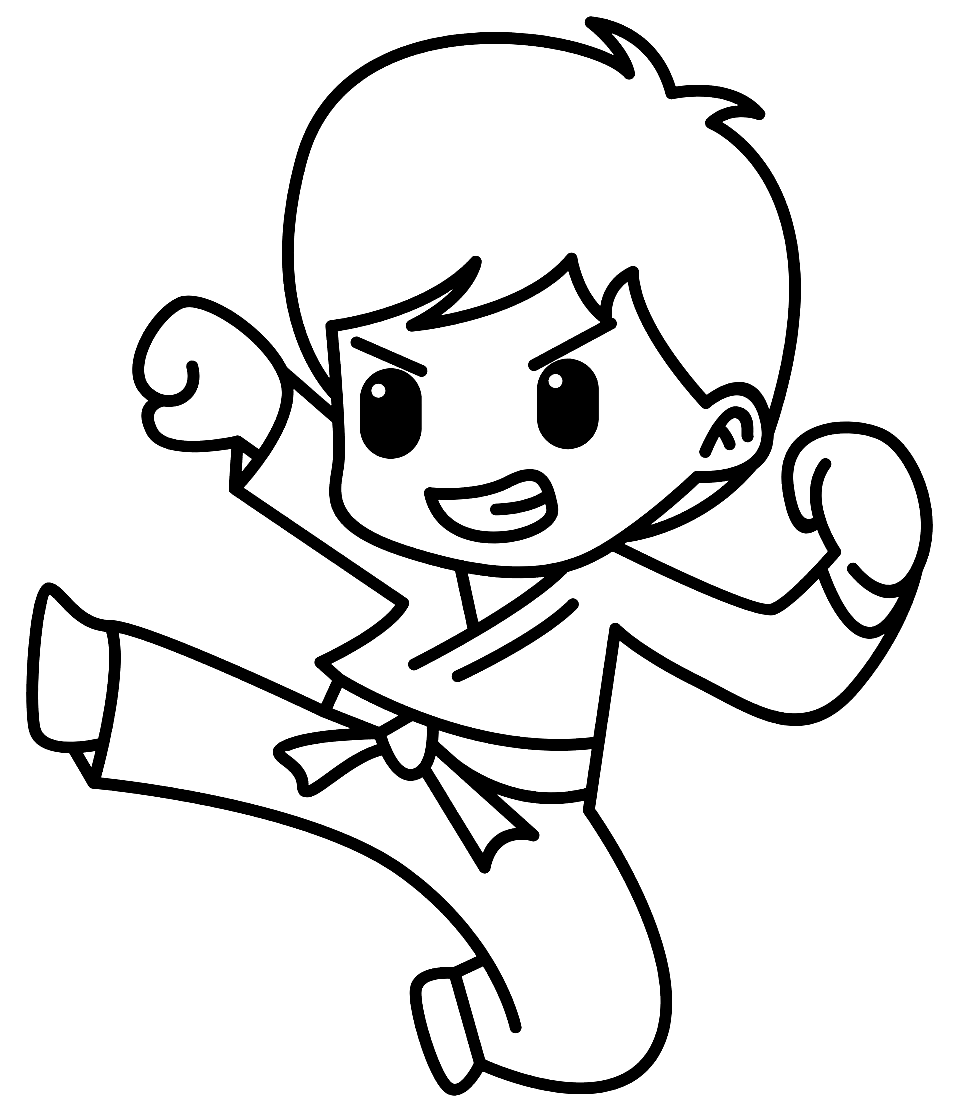
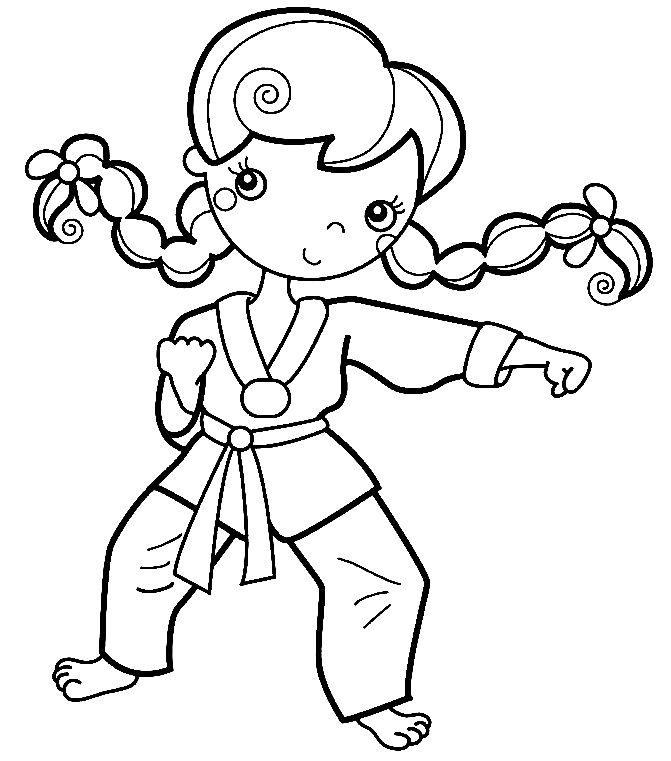
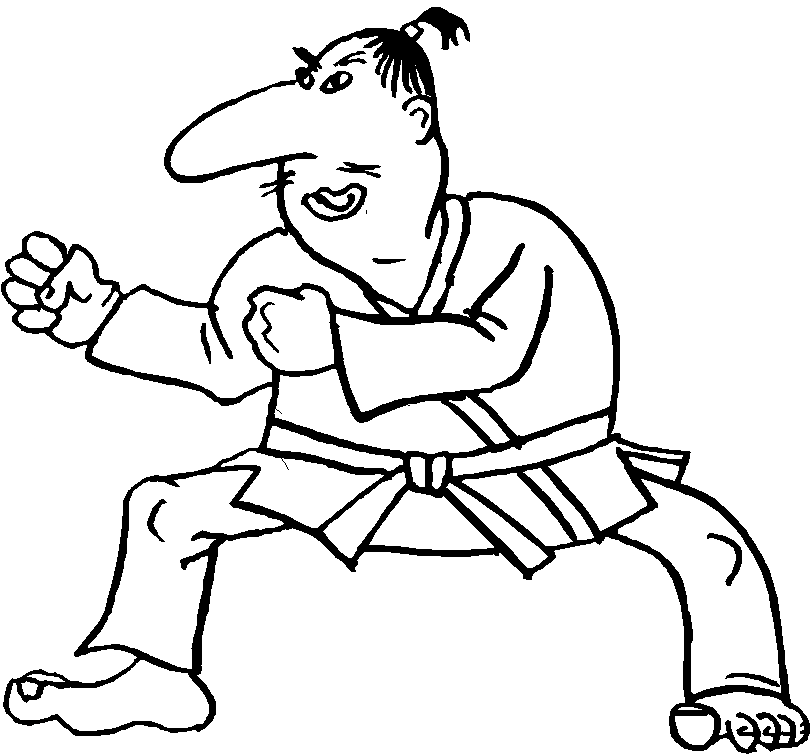
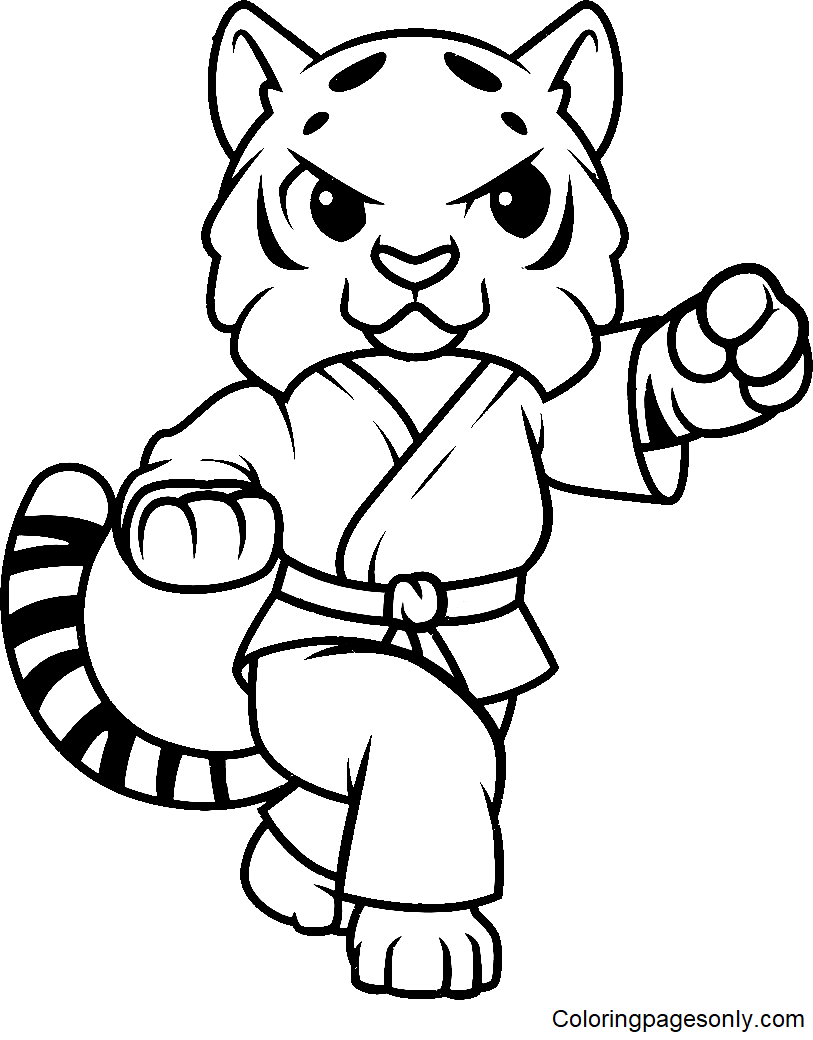
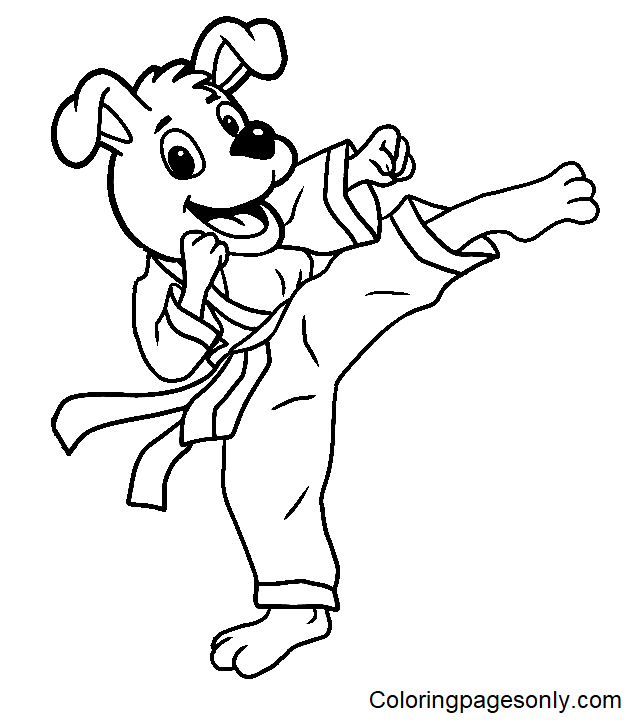
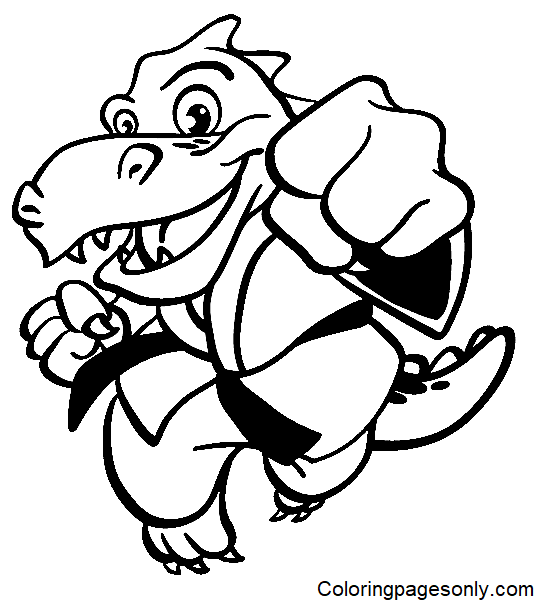
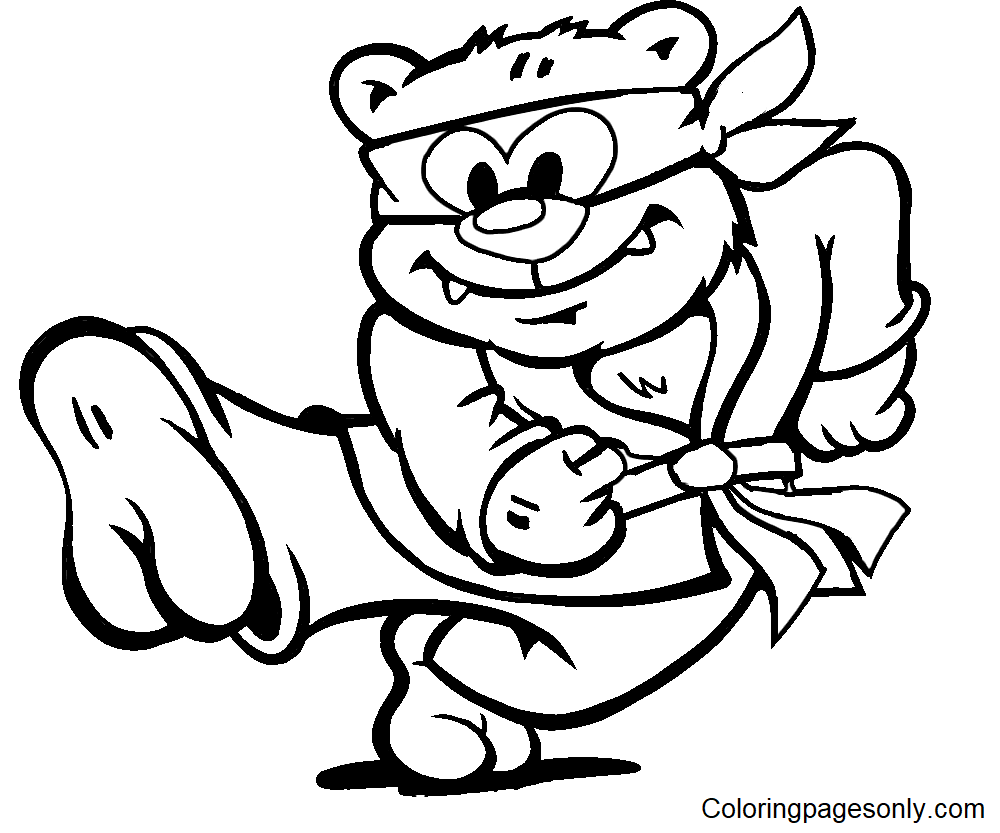
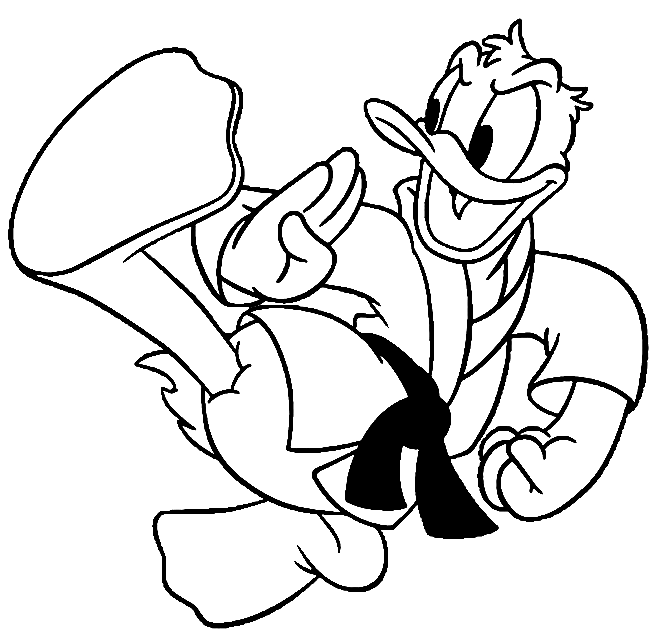
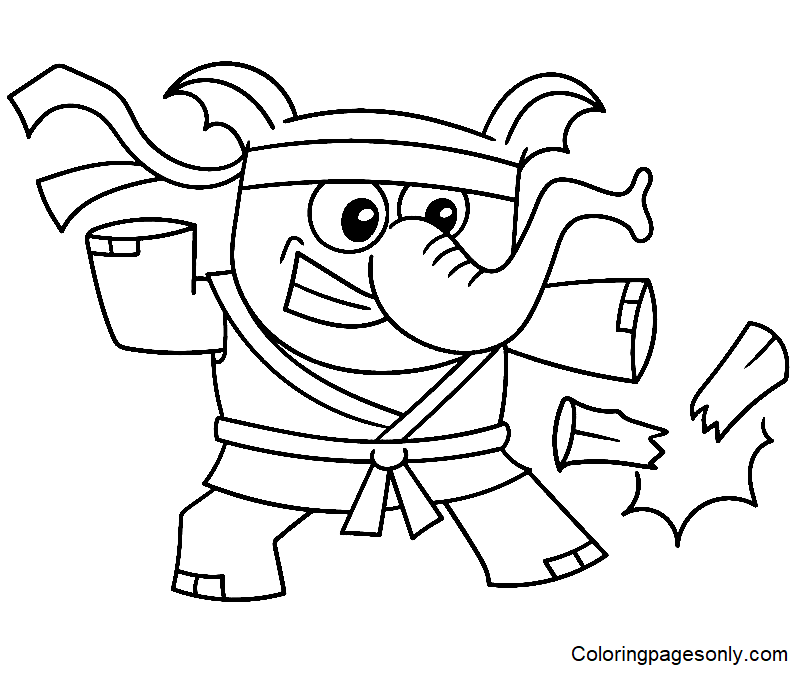
Seventeen pages show boys and girls learning karate, a cartoon karate man, and animals from a lion and a tiger to a dog, an elephant, and a narwhal, plus Donald Duck in a karate stance. Keep each gi a clean White with soft Gray folds, and tie on a belt in Yellow, Orange, Green, or Black.
Taekwondo
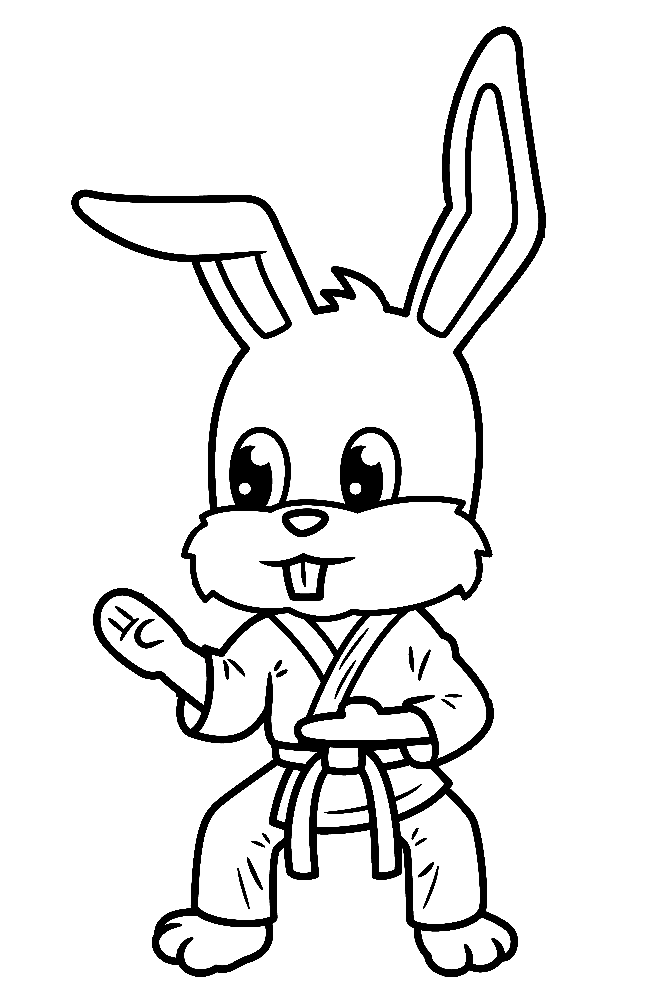
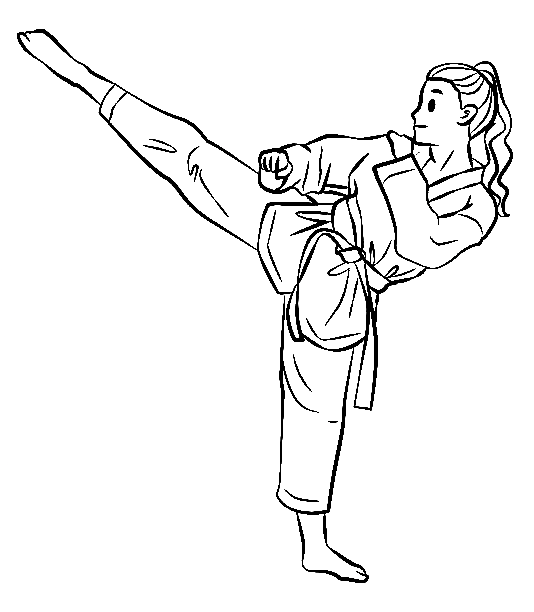
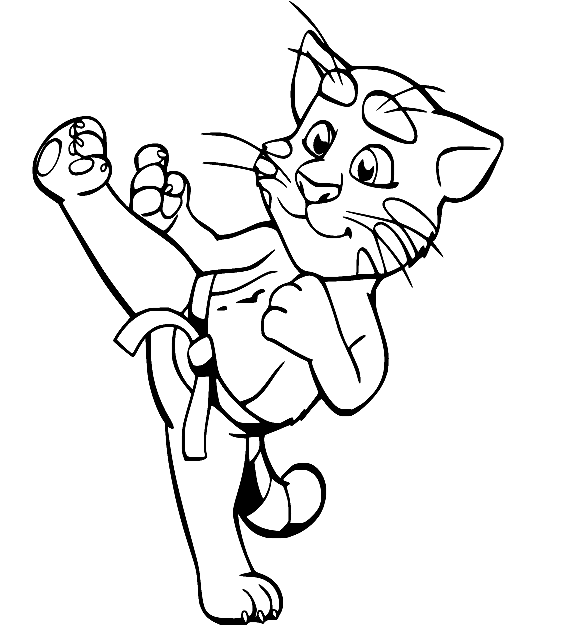
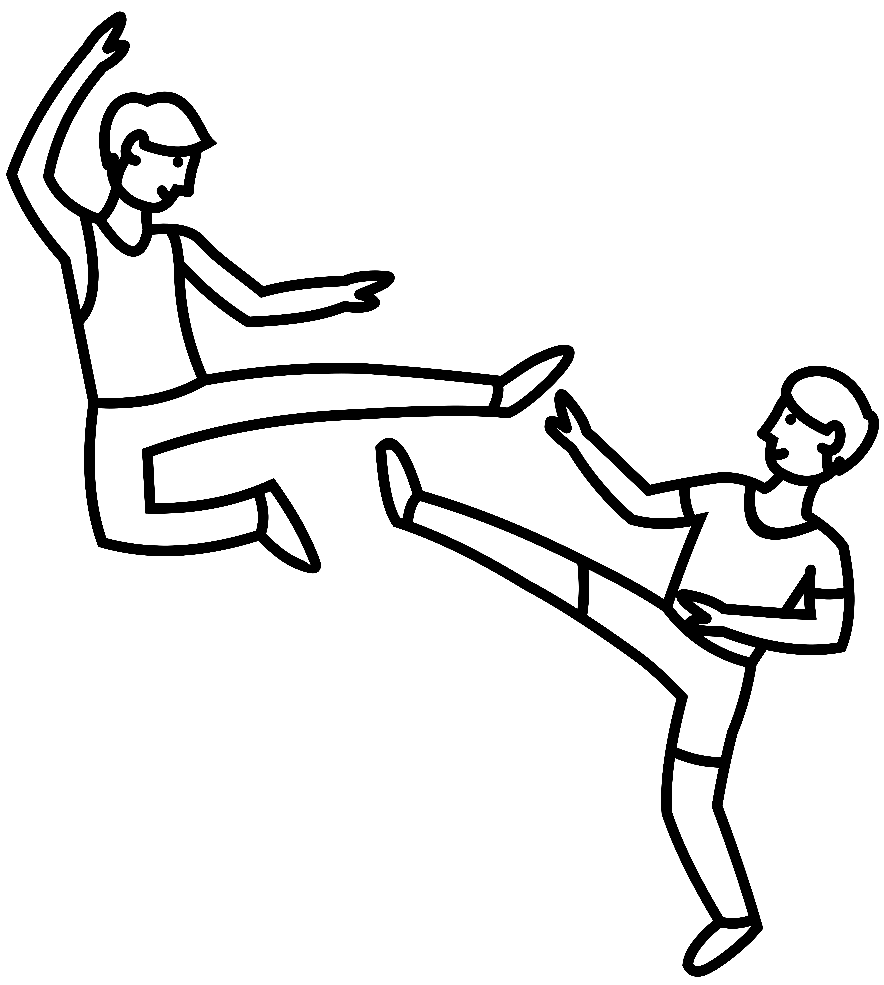
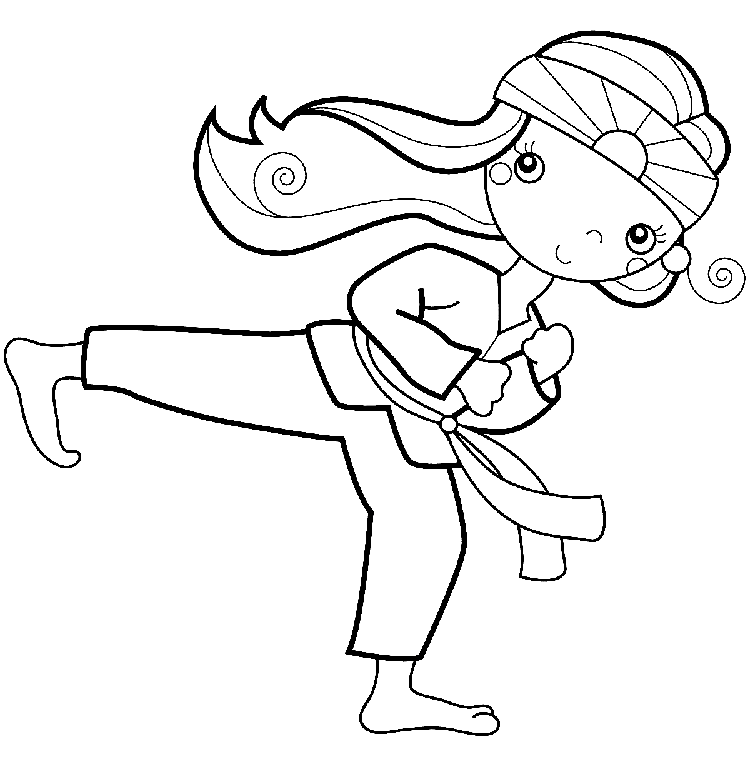
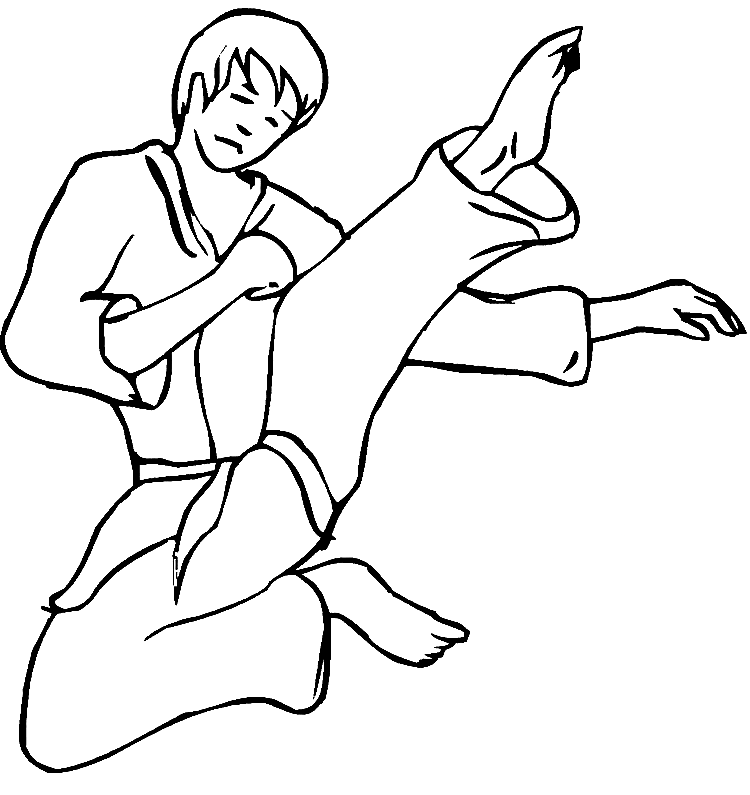
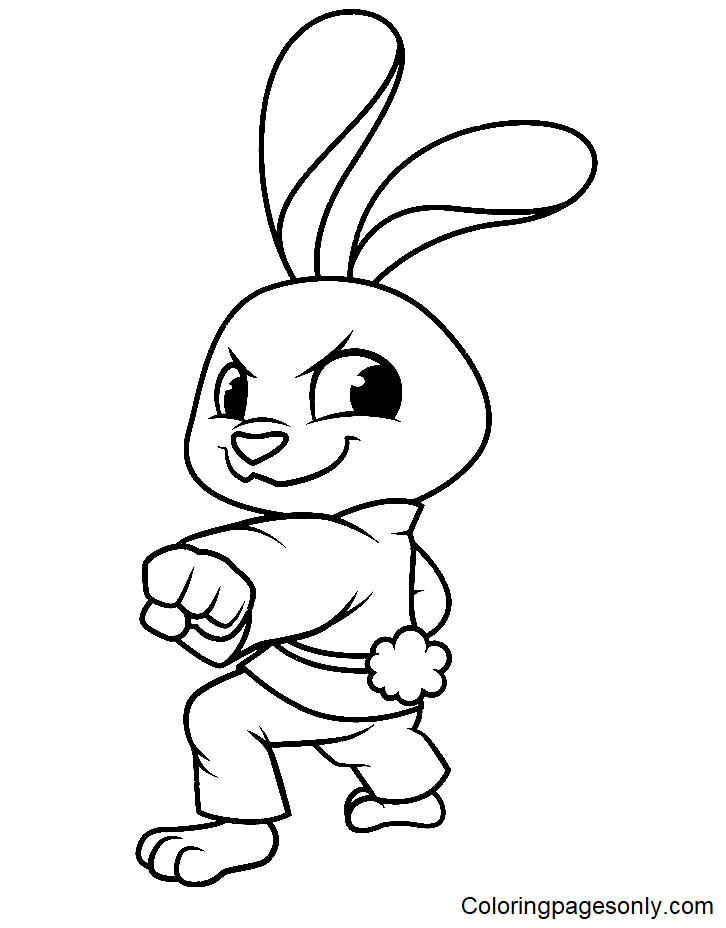
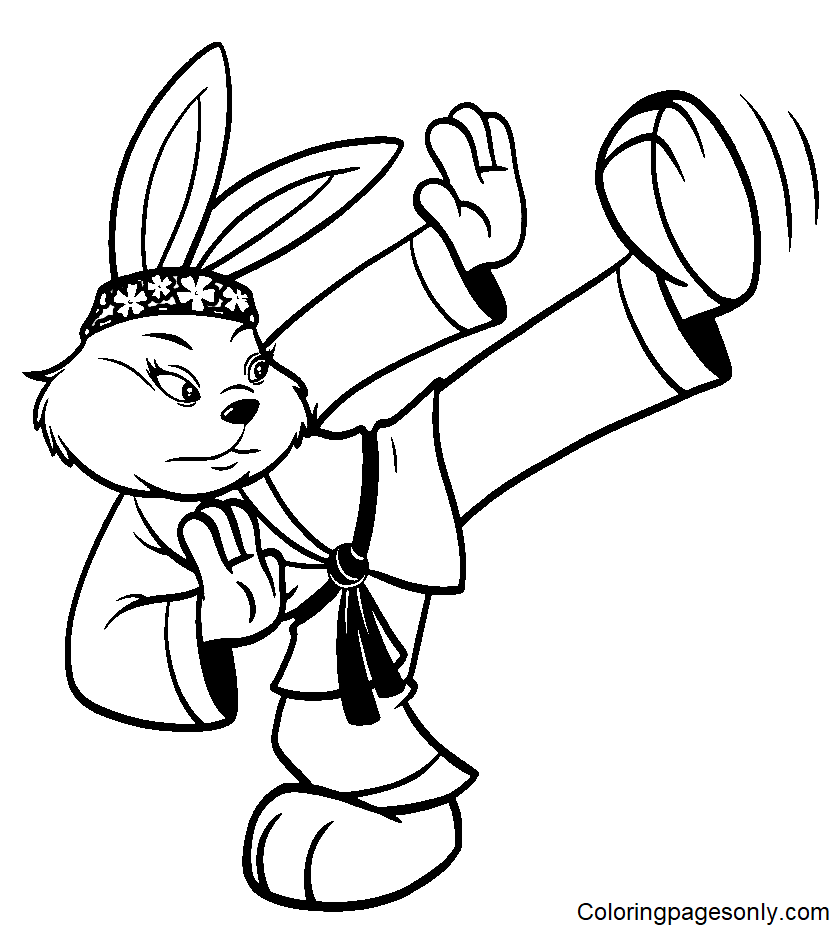
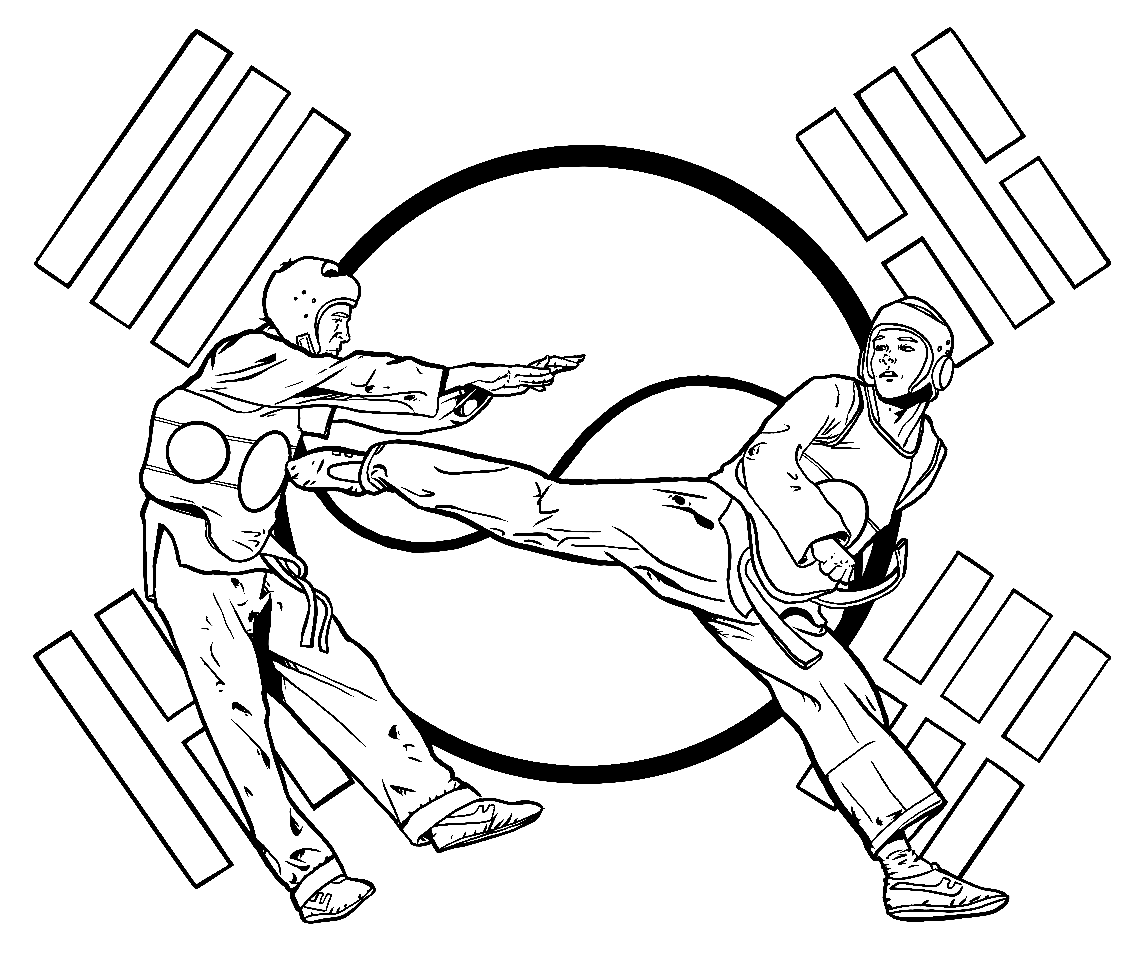
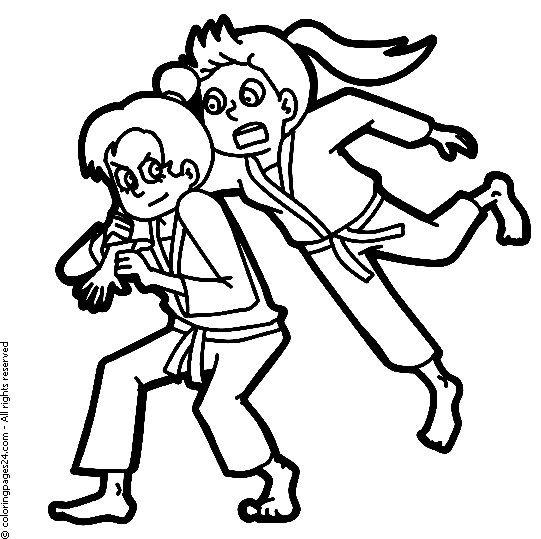
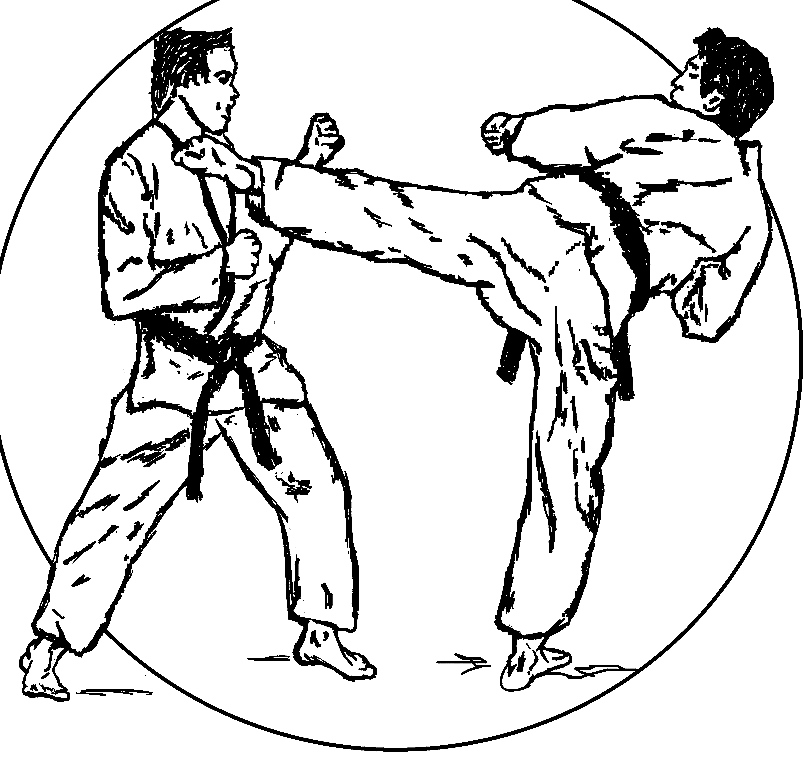
Six sheets feature taekwondo kicks, a match, two taekwondo girls, a taekwondo bunny, and Talking Tom training. Add a Navy collar to the uniform, a style common in taekwondo, and a Red or Blue chest protector for sparring.
Judo and Wrestling
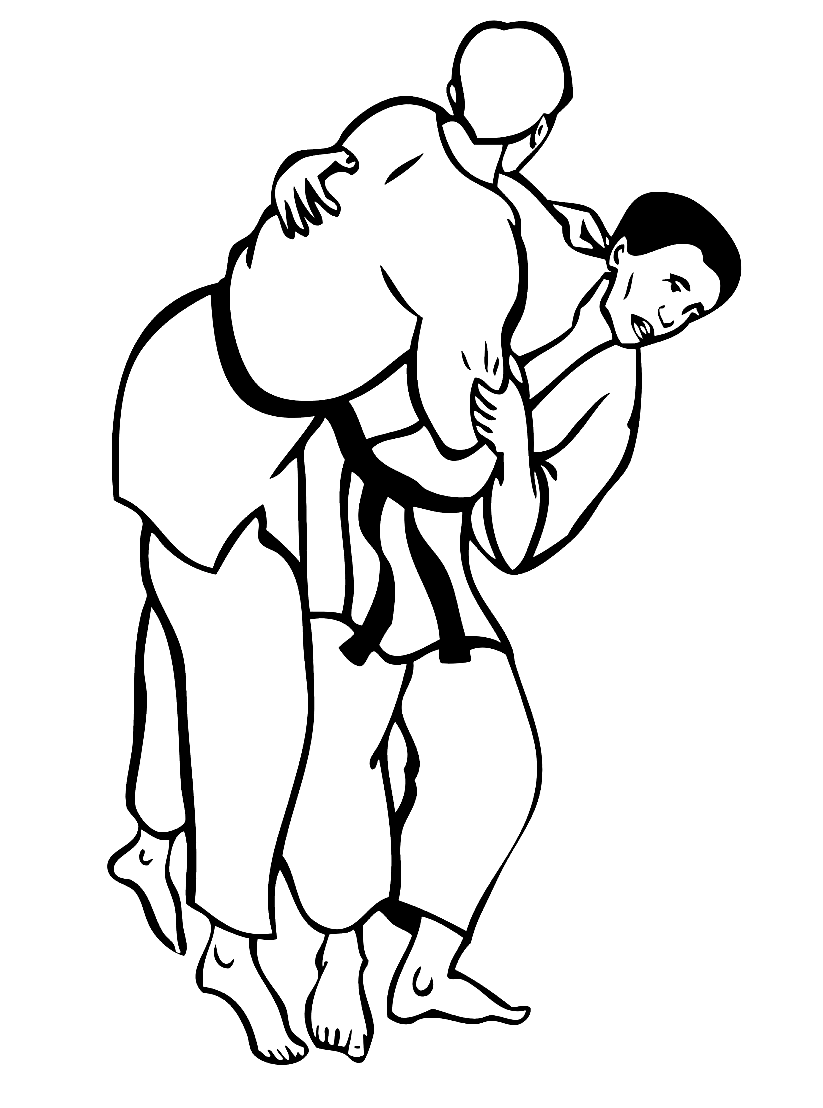
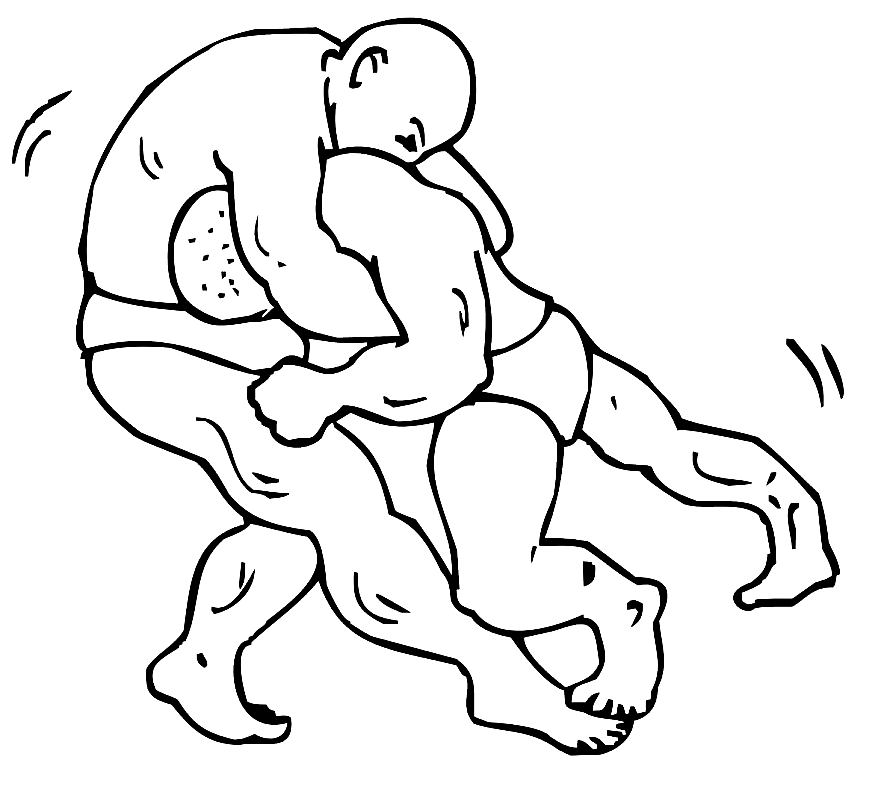
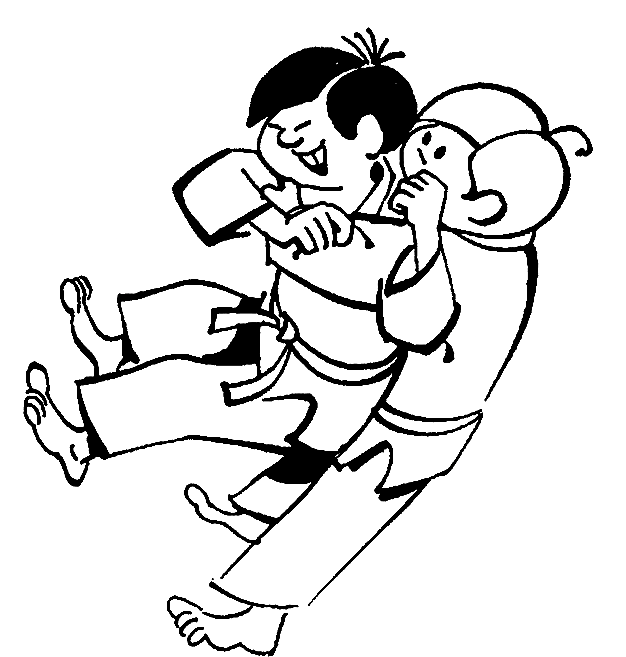
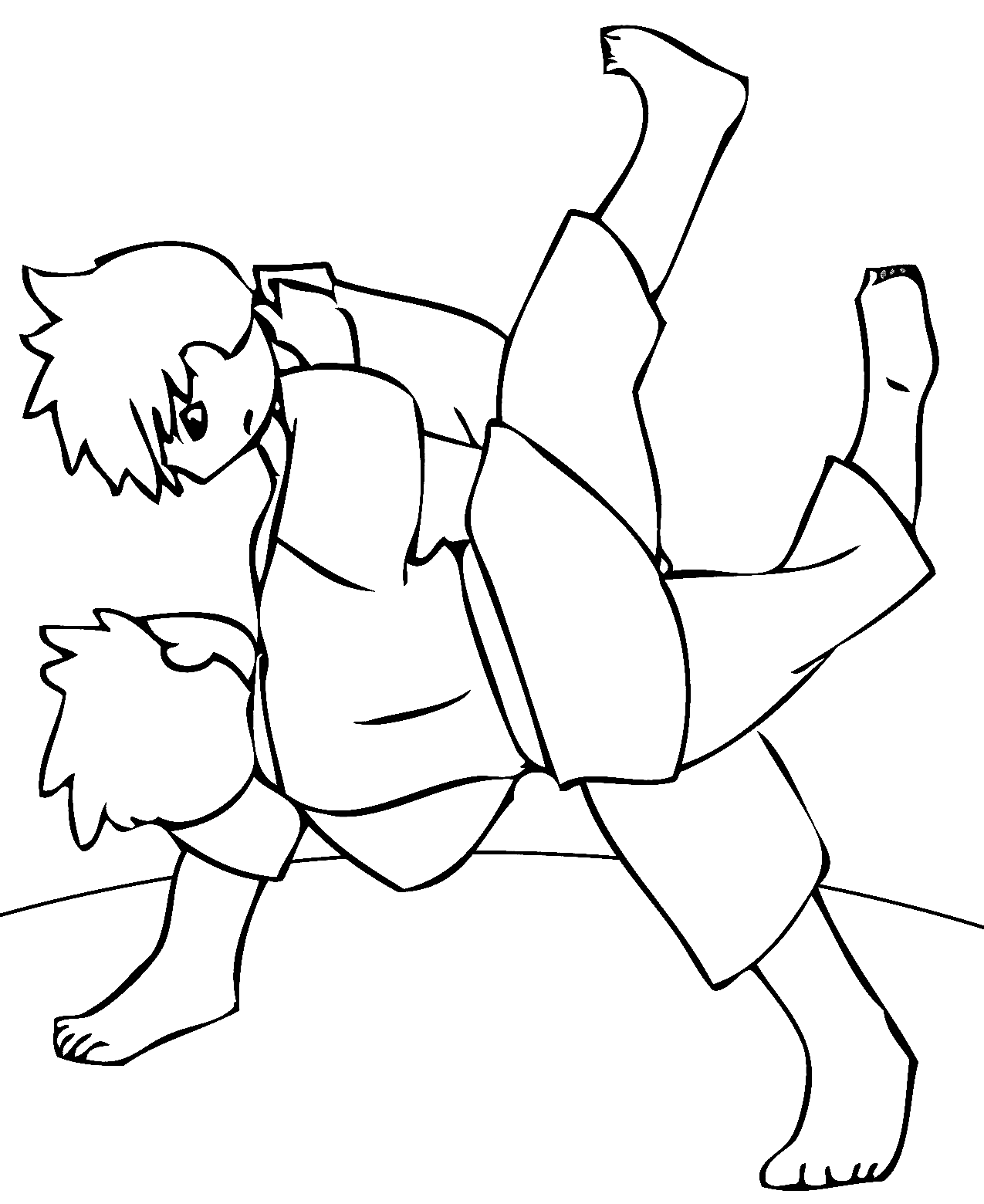
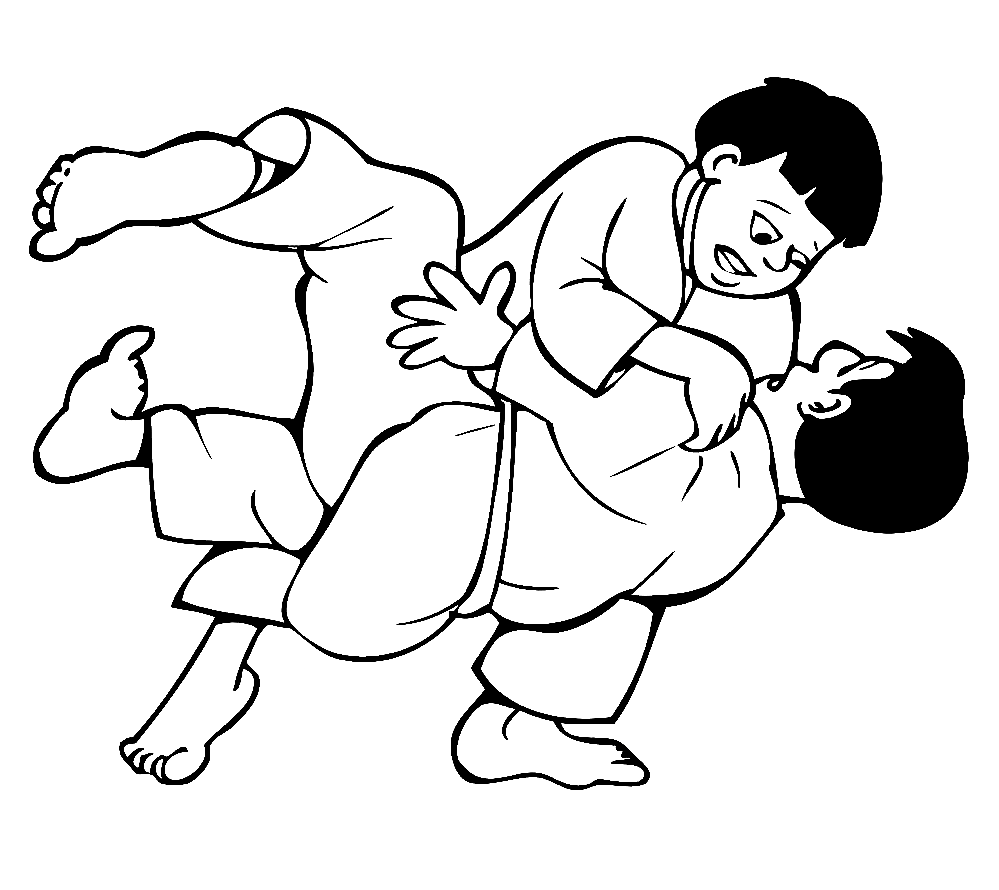
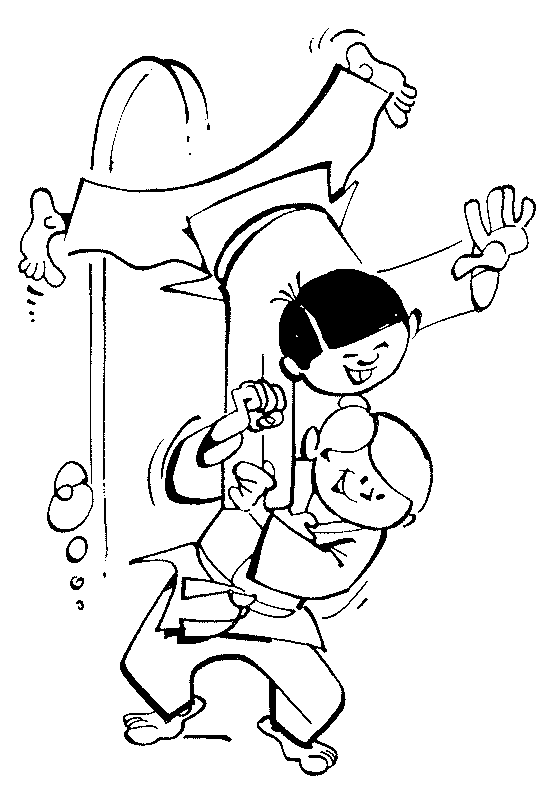
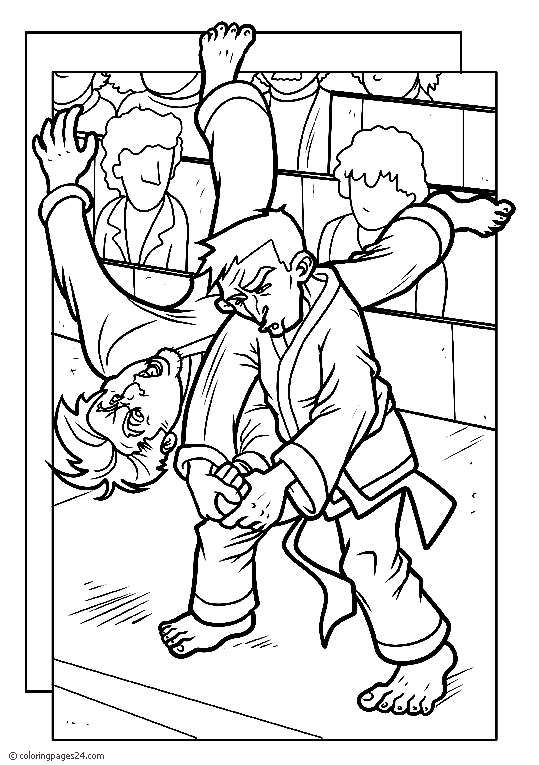
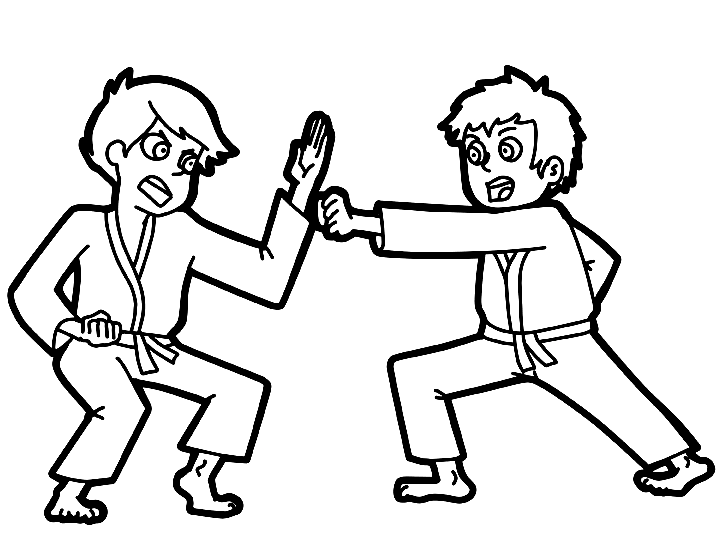
Four designs show a judo fight, kids practicing judo, a wrestling match, and freestyle wrestling. Color one judoka in White and the other in Royal Blue, the way the two players are told apart at major competitions.
Kung Fu and Ninja
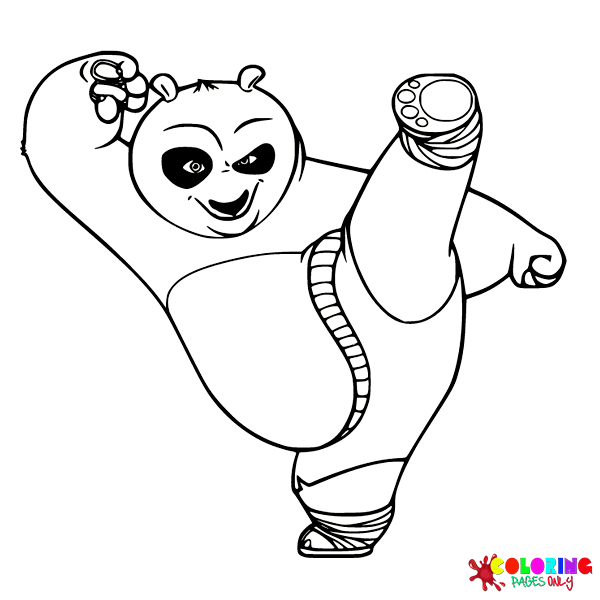
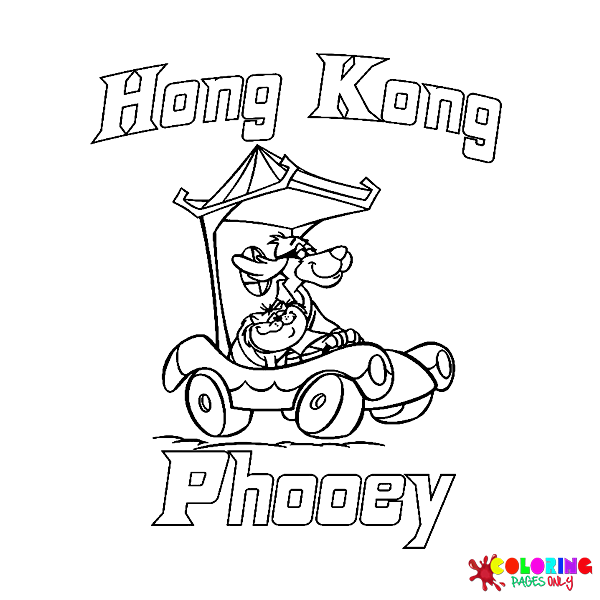
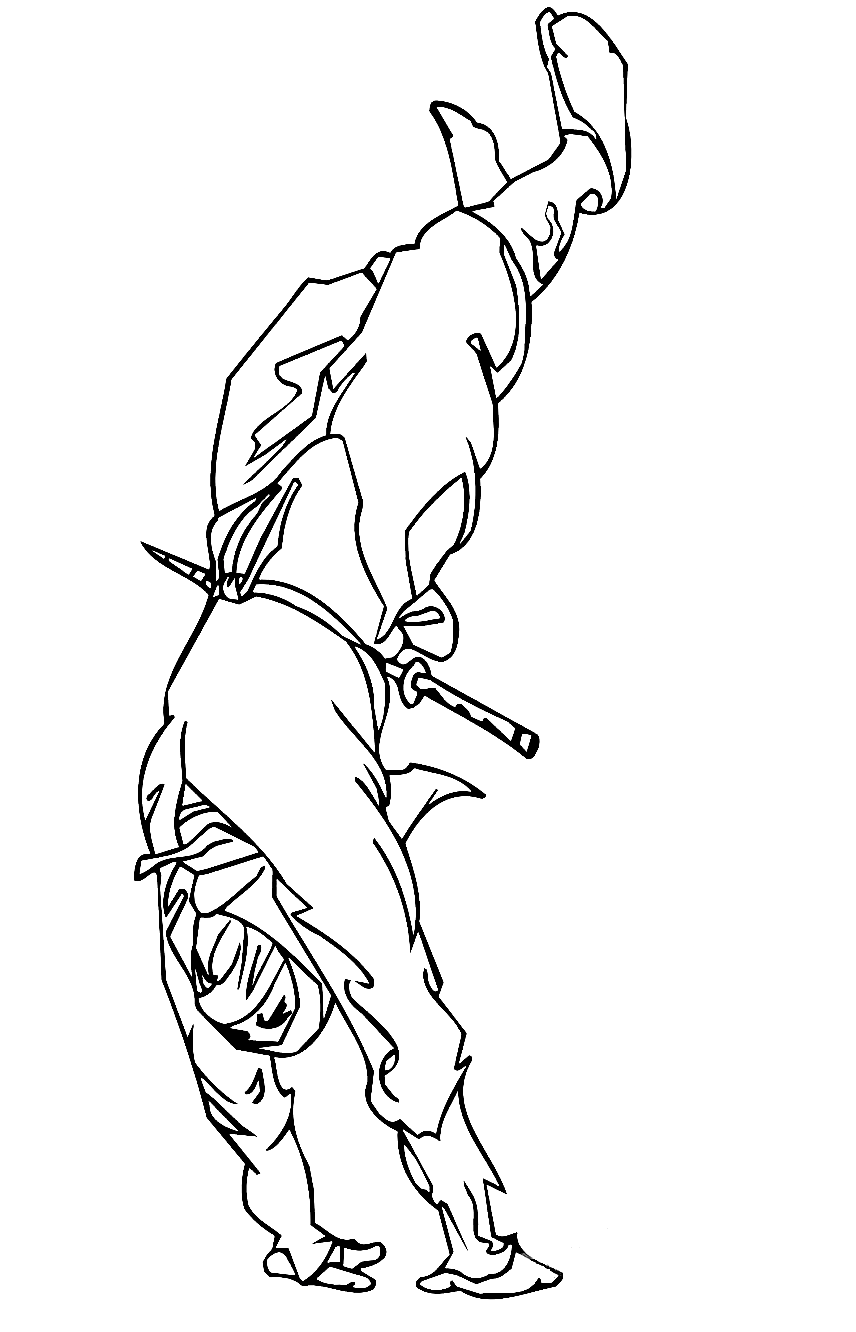
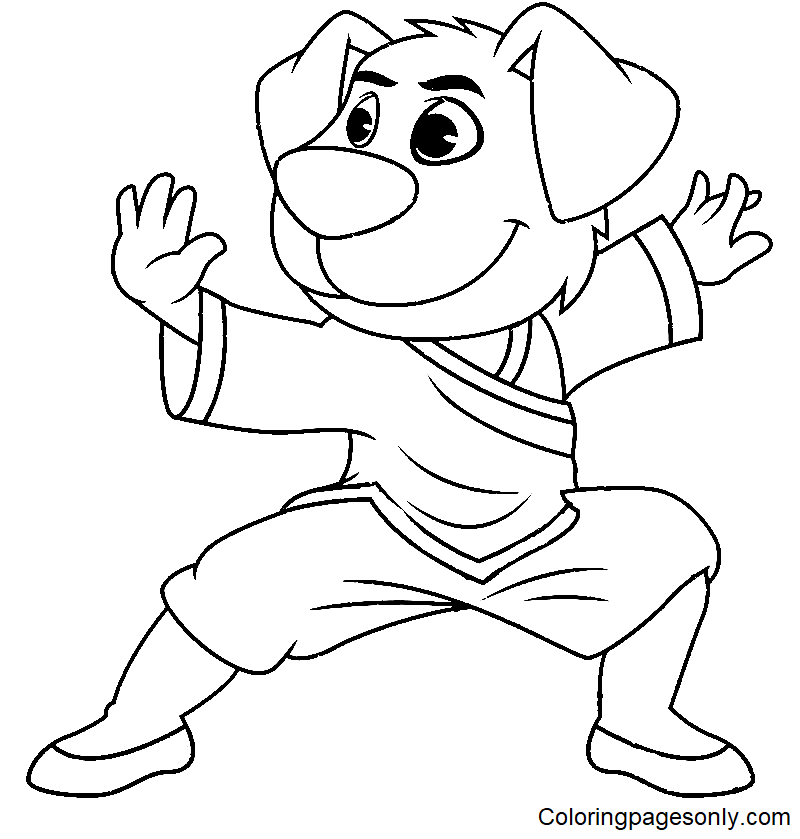
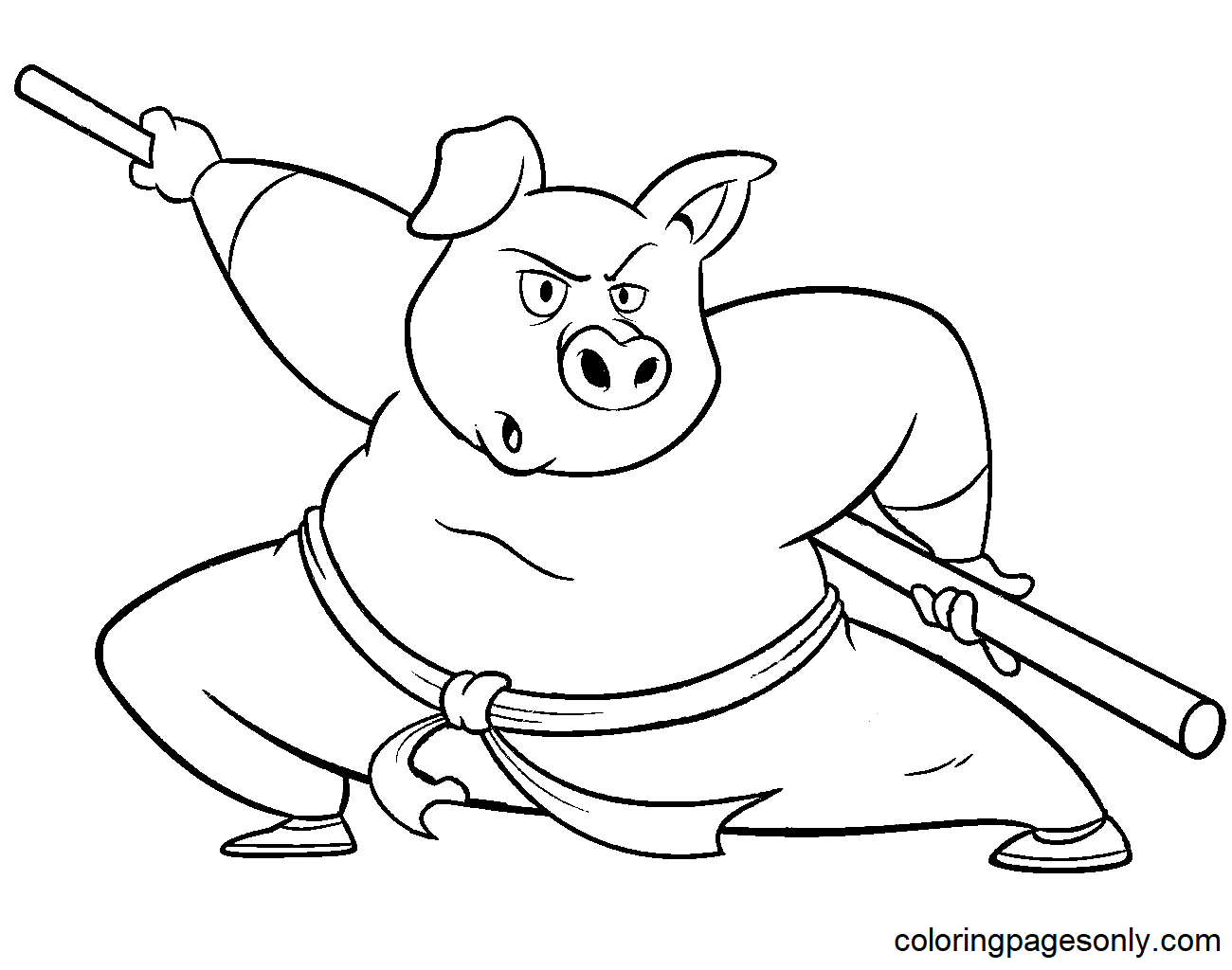
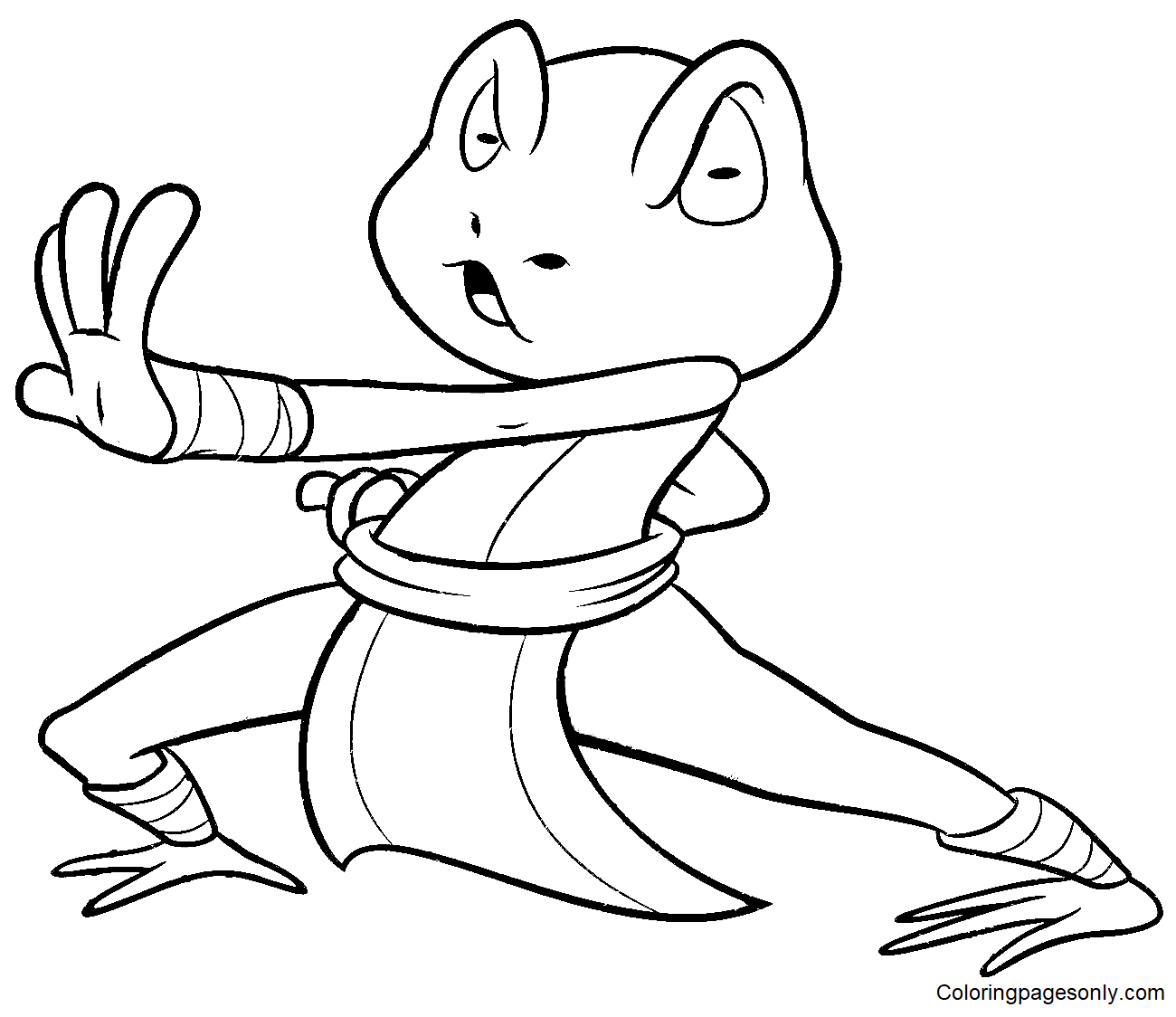
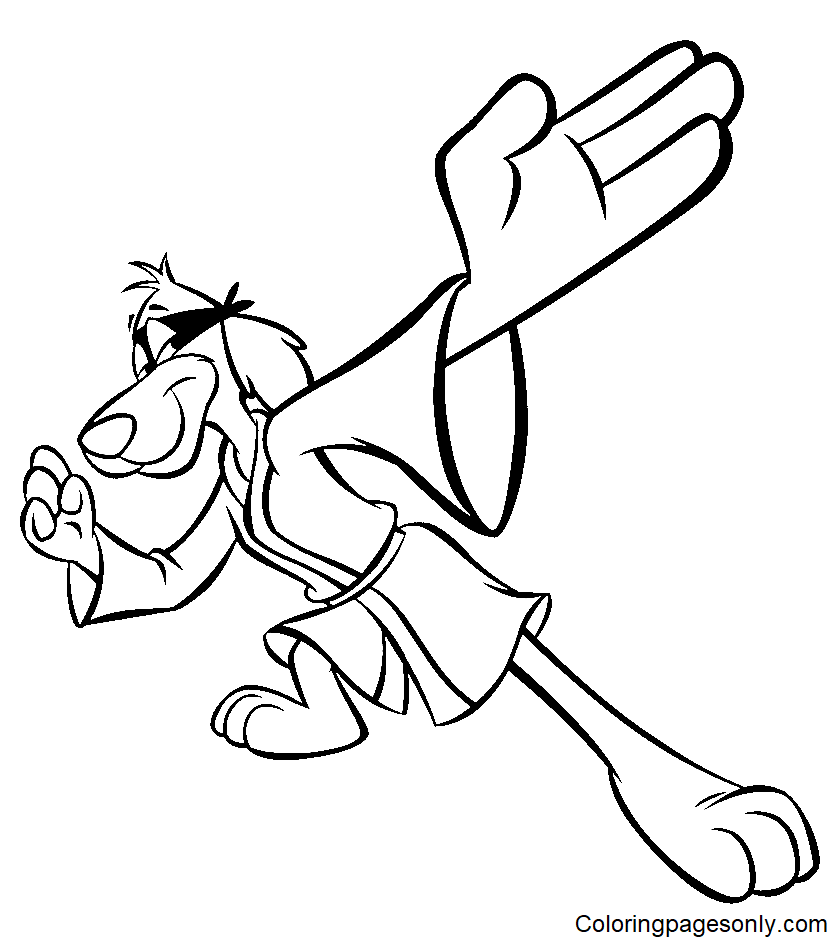
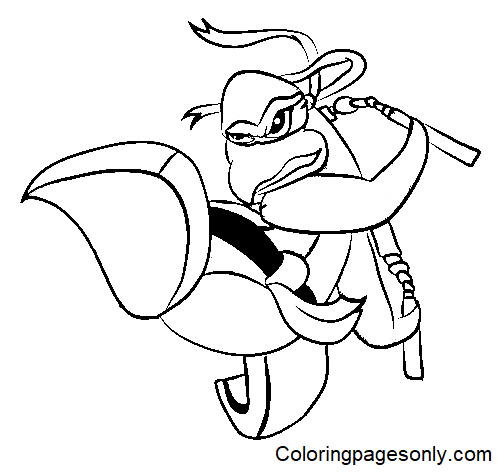
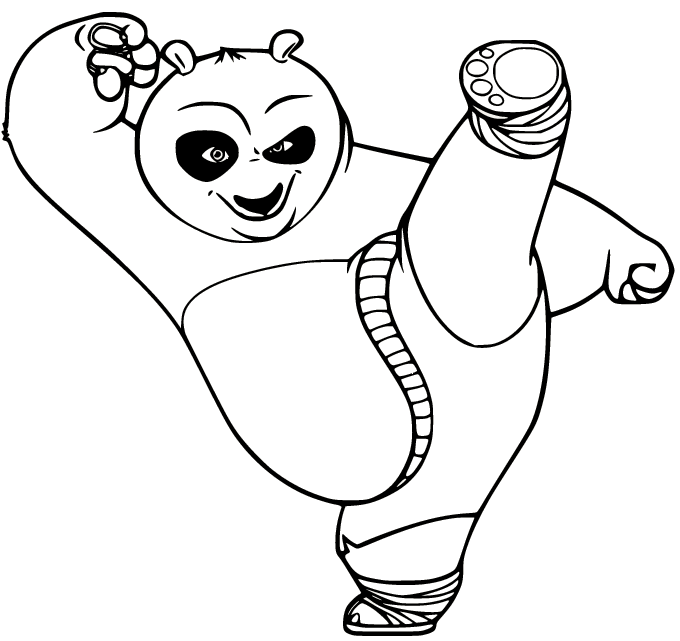
Seven pages include a kung fu pig, frog, penguin, and dog mascot, Po from Kung Fu Panda, Hong Kong Phooey, and a ninja balancing on his hands. Dress the ninja in Charcoal Black and the kung fu animals in Crimson and Gold.
Kids and Adults Training
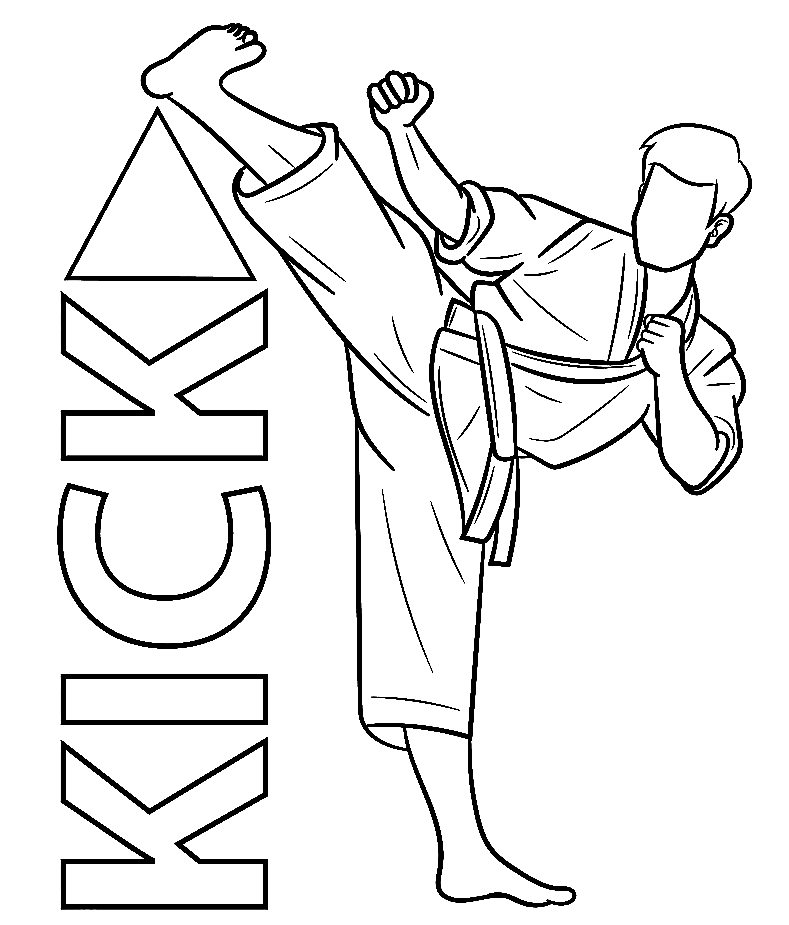
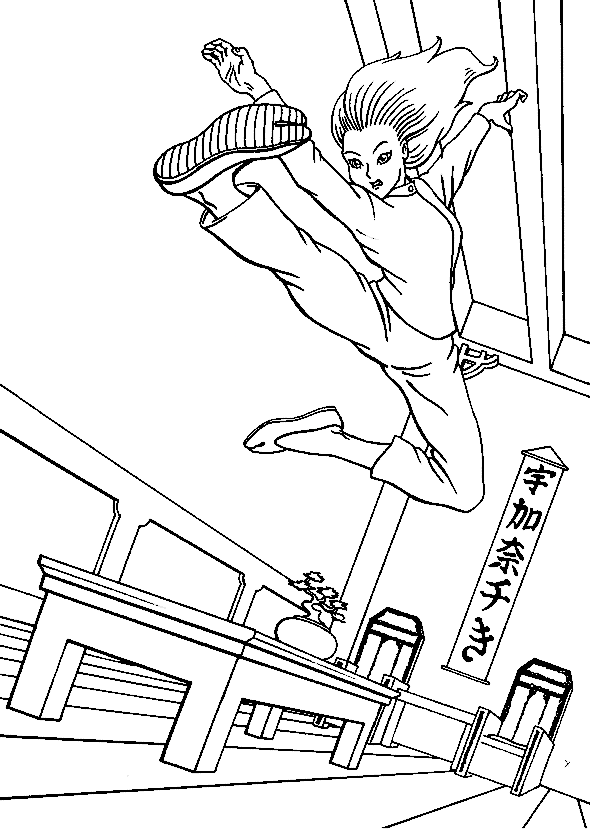
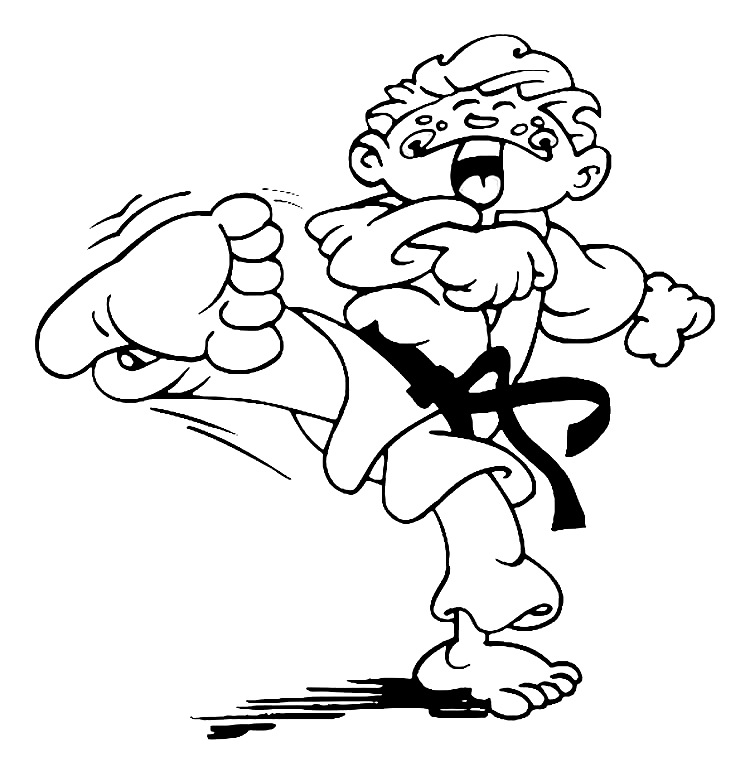
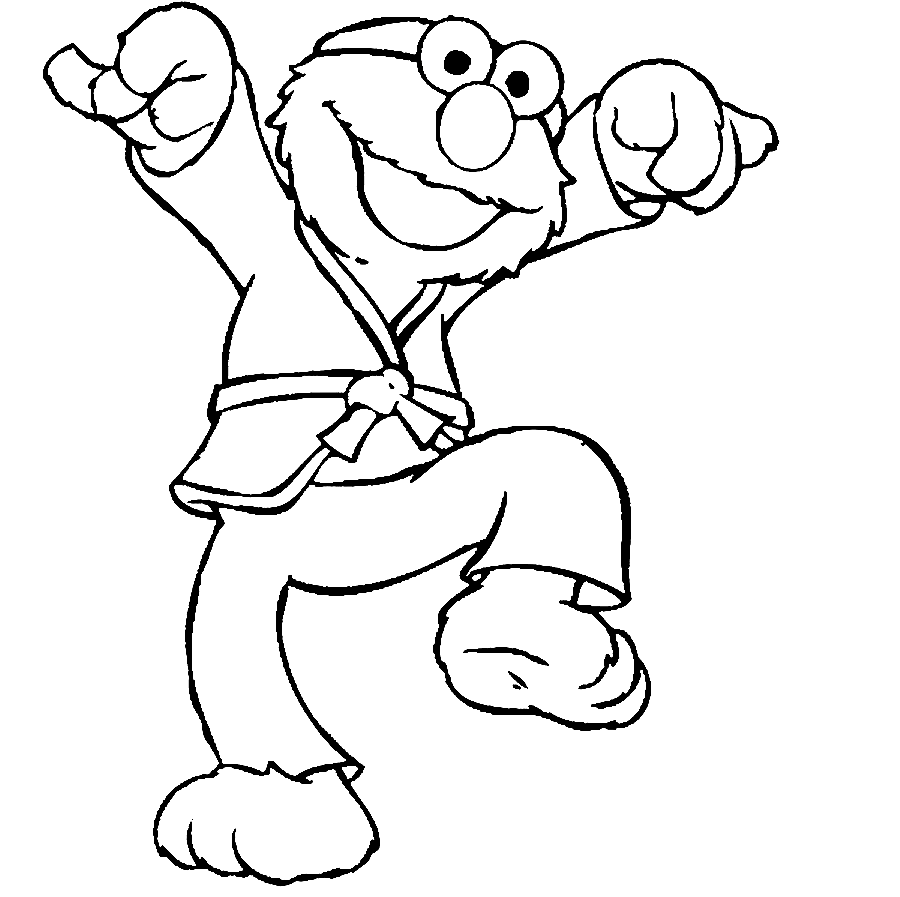
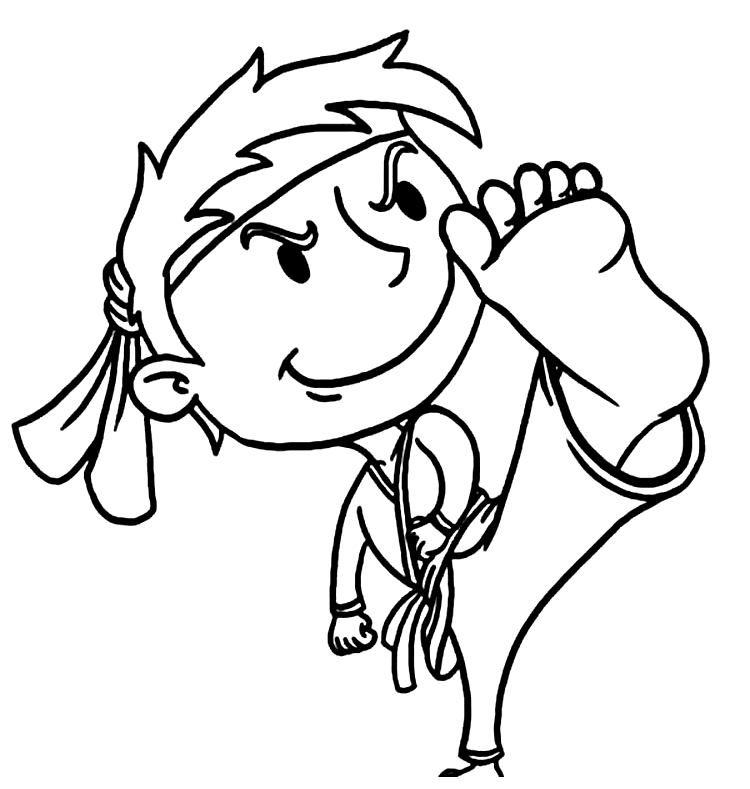
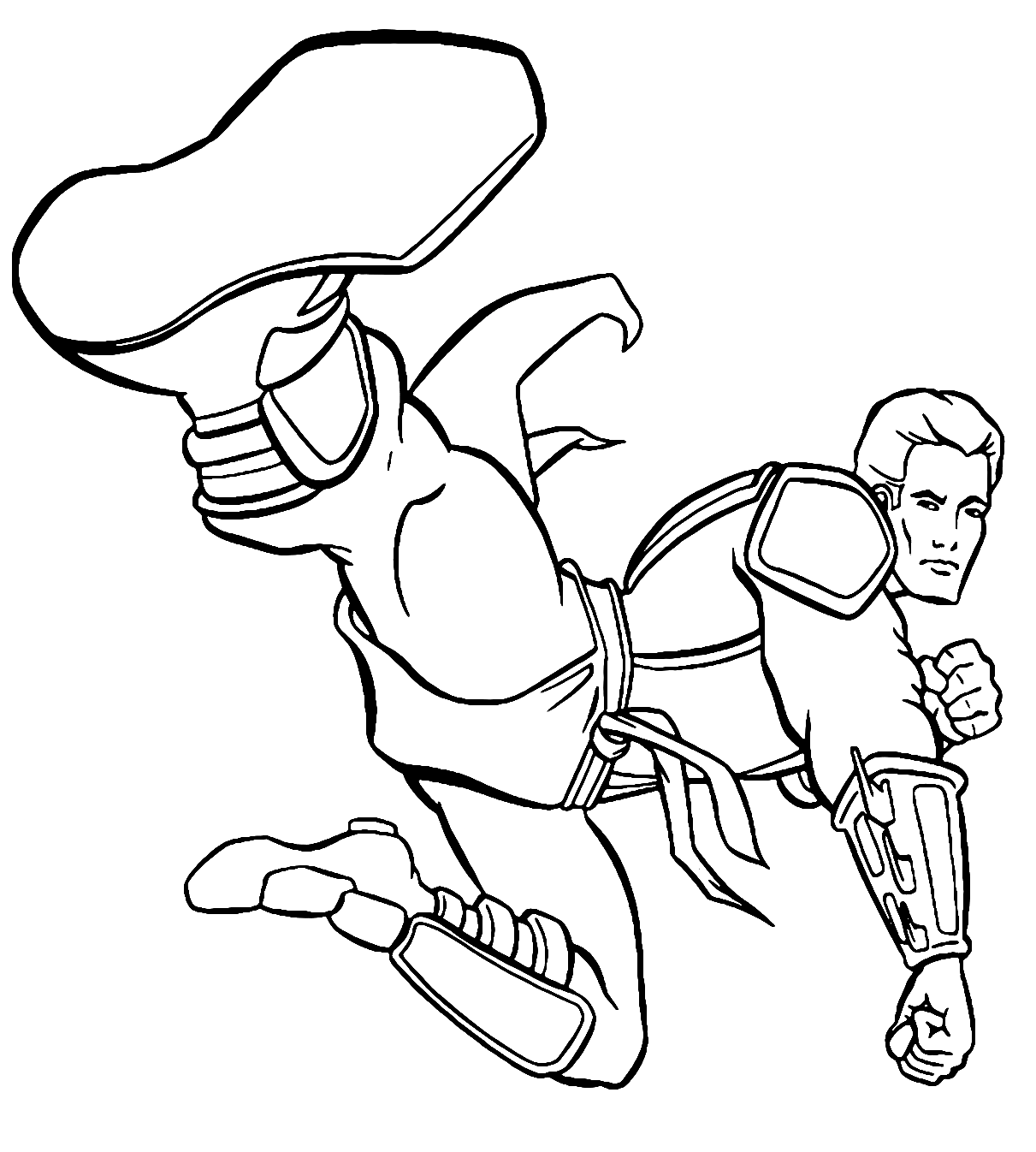
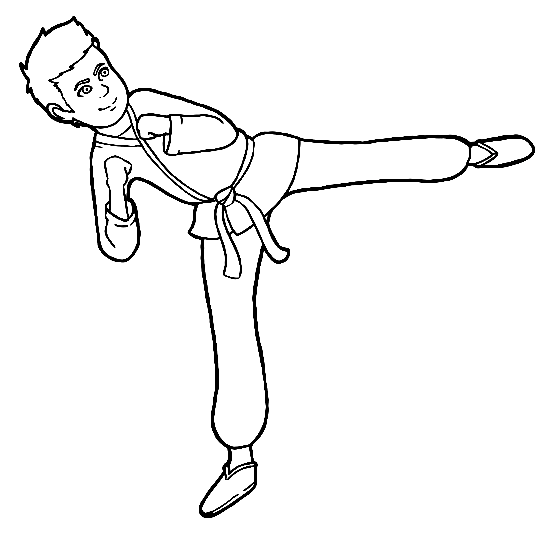
Thirteen sheets show boys, men, and cartoon fighters kicking and practicing, plus Elmo and Tien Shinhan from Dragon Ball. Use a bright Red belt or headband to make each fighter pop.
Animal Martial Artists
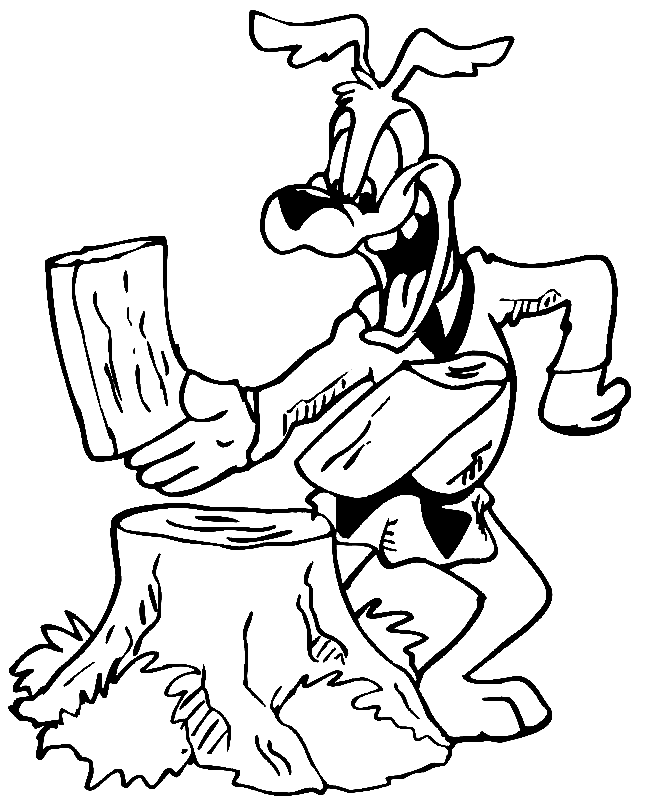
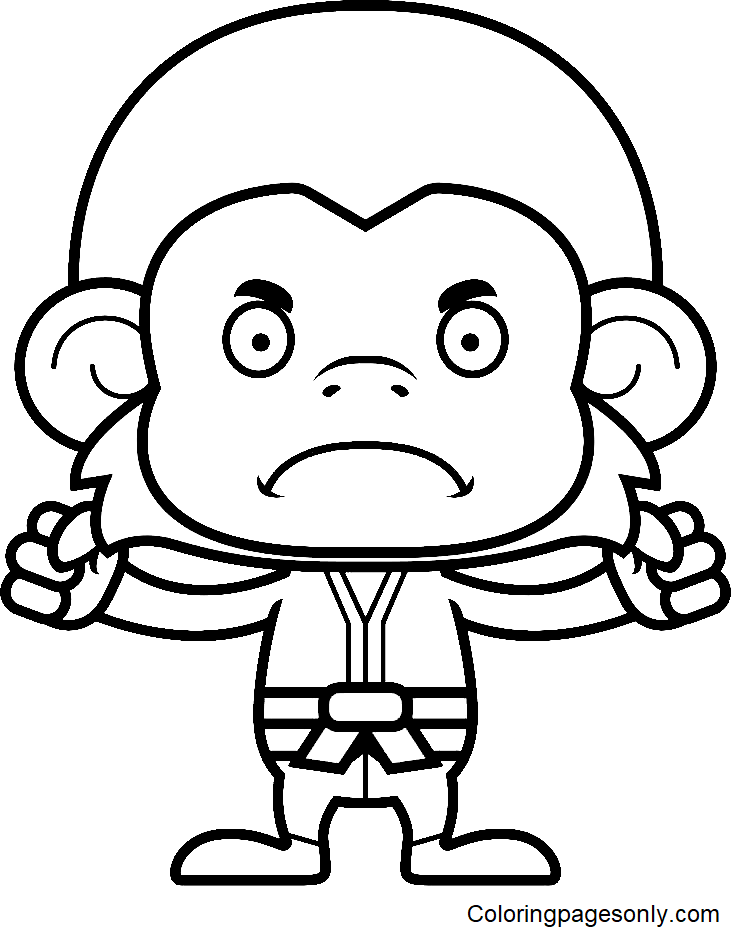
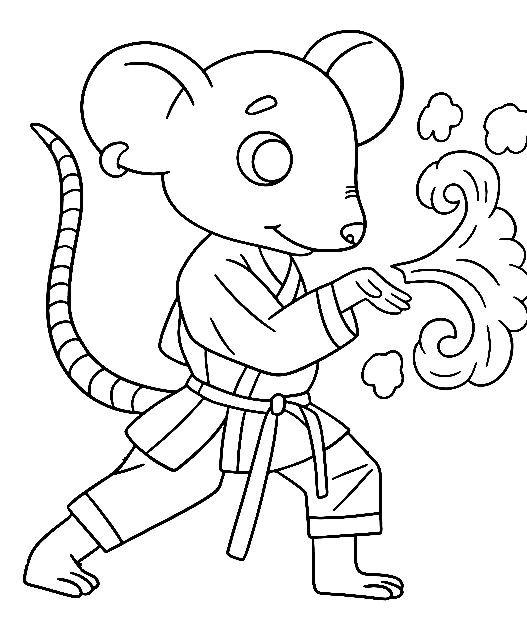
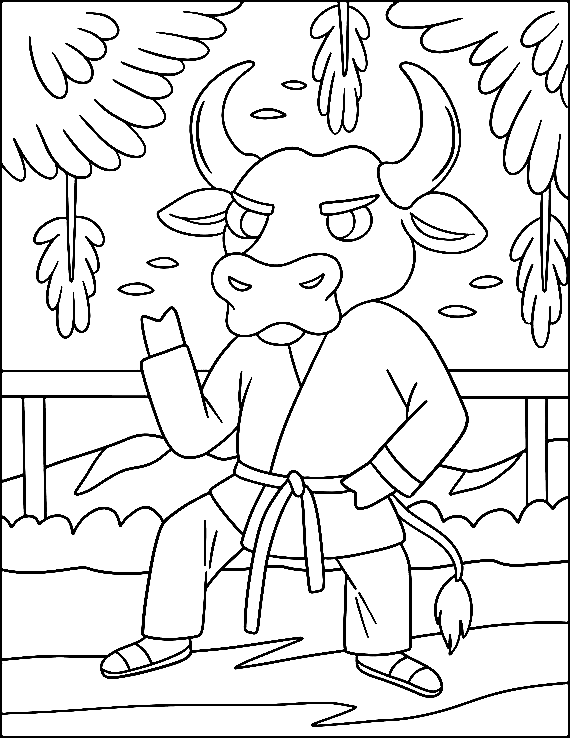
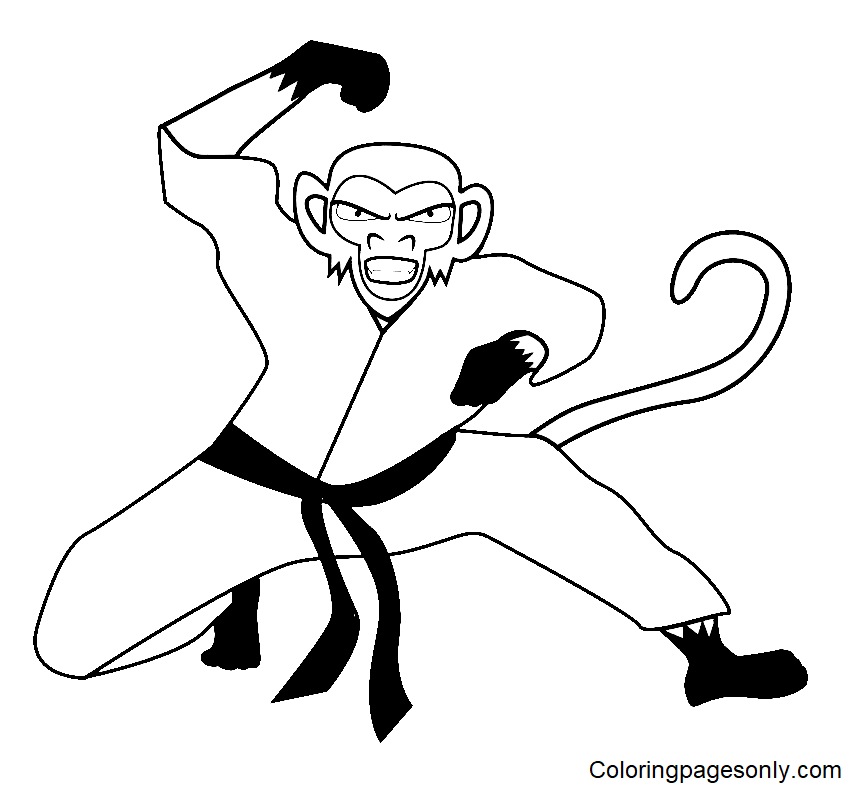
Ten designs feature bunnies, a monkey, a mouse, a buffalo, a dog, a dragon, and two birds practicing their moves. Give the dragon Emerald scales and the bunny’s soft Peach ears.
Uniforms and Printables
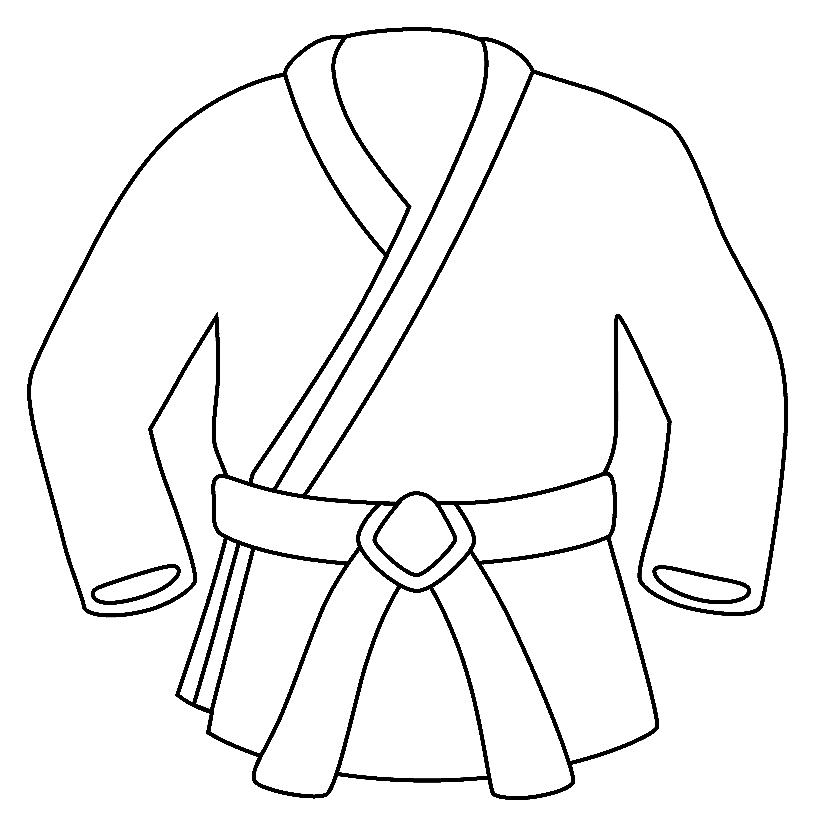
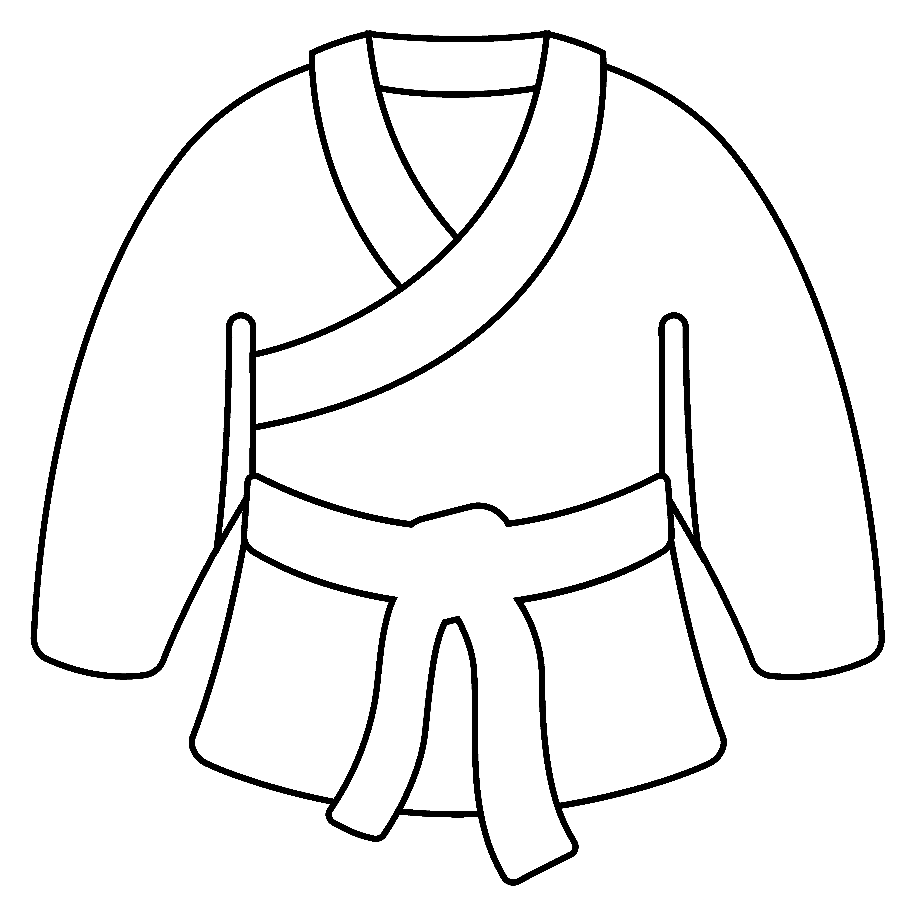
Eight pages offer two martial arts uniform sheets and general printable designs. These make a great place to design a custom belt color or dojo patch.
What Martial Arts Coloring Pages Do
Teaching respect and discipline. Martial arts classes begin and end with a bow, a sign of respect for teachers and training partners. Coloring karate and judo students opens a conversation about listening, patience, and self-control. Parents can ask kids why martial artists bow, then practice a bow together before starting a page, turning the coloring session into a small lesson in courtesy.
Explaining belts and goals. The colored belt system shows progress step by step, from white for beginners to black for experts. Coloring belts in different colors helps children understand that skills grow through practice over time. Kids can design a belt chart, coloring each level, and set a goal of their own, like learning a new kick or finishing a book.
Building fine motor skills. Belts, collars, and uniform folds call for careful coloring inside narrow shapes. That steady work strengthens grip and wrist control. Belt-tying fingers and pencil fingers use the same small muscles, so belt-color pages fit neatly with American Academy of Pediatrics parenting pages, which list coloring among everyday steps toward writing. Older kids can shade the gi folds to show movement in a kick.
Finding focus and calm. Martial artists rely on breathing and stillness before a bout, and a coloring page works in a similar way. Stressed volunteers who filled in structured outlines ended up calmer than free sketchers, a dojo-worthy lesson psychologists Curry and Kasser logged when the Art Therapy Journal printed their 2005 experiment. A tidy martial arts page with clear lines offers the same calm, focused rhythm.
How to Color Martial Arts Pages Well
- White uniforms: Leave the gi White and shade folds with very light Gray. Gentle shadows show movement without making the uniform look dirty.
- Belt colors: Choose one belt color per student, such as Yellow, Green, Brown, or Black. A colorful belt is the easiest way to show rank.
- Taekwondo trim: Add a dark collar to taekwondo uniforms and Red or Blue chest protectors for sparring. These details match real taekwondo matches.
- Kick motion: Draw curved lines behind a kicking foot in light Blue or Gray. Motion lines show speed and power.
- Kung fu style: Use Red and Gold for kung fu outfits and add simple trim along the edges. Warm colors give these pages a bold, traditional look.
- Dojo background: Fill the floor with Tan mats and add a simple wall in Cream. A plain background keeps attention on the martial artist.
5 Creative Craft Ideas With Martial Arts Coloring Pages
1. Belt Progress Chart
Color several belts from white through black and paste them in rank order across a strip of card. Kids can add a star when they reach a new goal.
2. Dojo Diorama
Color a few martial artists, snip around every figure, and set the class on a tan paper mat inside a shoebox. Add a small paper banner on the back wall.
3. Animal Fighter Trading Cards
Color the animal martial artists and mount each fighter on an index card. Write a made-up move name on each card, like “Narwhal Spin Kick.”
4. Good Effort Certificate
Color a karate or taekwondo page and add a border with the words “Great Effort.” Give it to a student after a class or test.
5. Kick Flip Book
Color several kicking poses, cut every sheet to one size, and bind the stack along one edge. Flip the pages to see the motion of the kick.
Frequently Asked Questions
What are Martial Arts coloring pages?
They are 65 free sheets featuring karate, taekwondo, judo, wrestling, kung fu, a ninja, animal martial artists, and cartoon characters. Each dojo scene comes as a PDF and also loads in the browser colorer.
Where did martial arts come from?
Martial arts developed in many places, including judo and karate in Japan, taekwondo in Korea, and kung fu in China. Wrestling is one of the oldest sports, practiced in ancient Greece and many other cultures.
Who founded judo?
Jigoro Kano founded judo in Tokyo in 1882. Judo joined the Olympics at the 1964 Tokyo Games.
What do the belt colors mean?
Belt colors show a student’s level, starting with white for beginners and ending with black for advanced students. The exact order of colors varies between schools and styles.
What is the difference between karate and taekwondo?
Karate, from Okinawa, uses a balance of punches, blocks, and kicks. Taekwondo, from Korea, is famous for high, spinning kicks.
Which martial arts are in the Olympics?
Judo, taekwondo, and wrestling are Olympic sports. Karate appeared at Tokyo 2020 but was not included at Paris 2024.
What age are Martial Arts coloring pages for?
The sweet spot is roughly ages 3 to 12, especially kids enrolled in classes. Cartoon animals suit younger children, while sparring scenes and uniforms fit older students.
Why do martial artists bow?
Bowing shows respect for teachers, training partners, and the practice space. Students usually bow when entering the dojo and before and after sparring.
Start Coloring
Choose a karate kid, a taekwondo kick, or the kung fu penguin, then download the PDF or fill in the gi on screen, registration-free. Young martial artists can post their black-belt work on Facebook or Pinterest.