Fitness Coloring Pages
 By:
Jennifer Thoa - Content Editor & Designer
Updated:
By:
Jennifer Thoa - Content Editor & Designer
Updated:
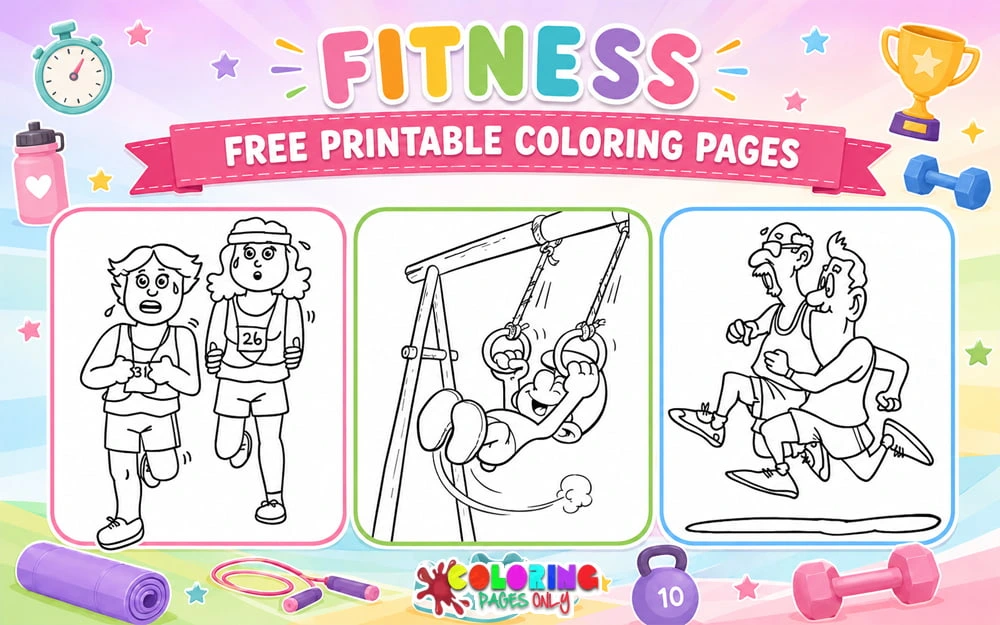
Fitness coloring pages: 30+ free printable PDF designs covering running and cardio, strength and core work, flexibility and mindful movement, and playful equipment and character crossovers. Every page is available as a printable PDF or to color in the browser, with no account required.
Every other collection on this site has a rulebook. Fencing has its scoring lights, soccer has its offside rule, and weightlifting has its two official lifts. Fitness doesn’t, because it isn’t a competition against anyone else; it’s a personal practice, and this set reflects that: no opposing team, no scoreboard, no referee, just a person doing something for their own body.
That mix of history runs deeper than it looks, too. The lotus position shown in a couple of these pages traces back thousands of years to ancient Indian tradition, making it older by a wide margin than any Olympic sport represented elsewhere on this site. A treadmill, by contrast, is a distinctly modern invention. This one collection quietly spans that entire range.
These pages suit kids building a new habit, families who exercise together at home, and anyone who wants a coloring set built around personal effort rather than winning.

Quick Answer
Fitness coloring pages are a free set of 30+ printable PDFs and browser-based coloring sheets covering running and cardio, strength and core work, flexibility and mindful movement, and playful equipment and character crossovers.
Best for: children aged 3 and up, families building an active routine together, and anyone who wants an exercise-themed set without any competitive element
Formats: printable PDF and online coloring
Popular pages: the running portrait, the hula hoop and jump rope pages, the lotus position pose, and the character crossovers
Creative uses: a personal-best achievement card, a calm corner display, an equipment shapes study, and a workout-and-cooldown pair
What’s Inside Fitness Coloring Pages
Running and Cardio
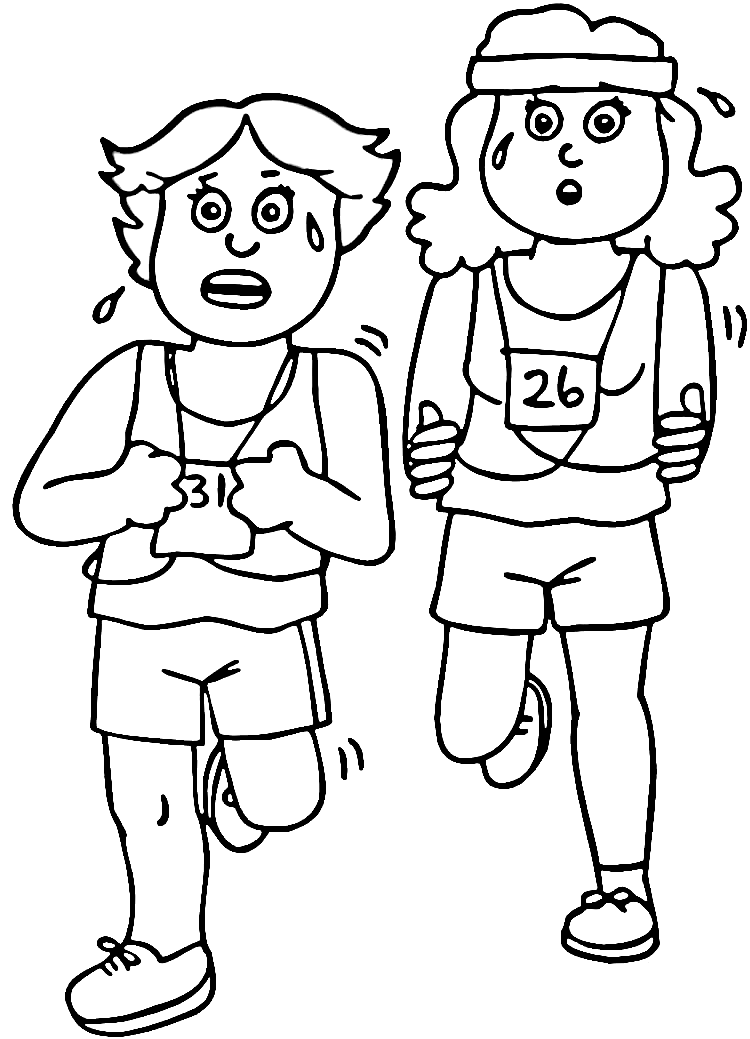
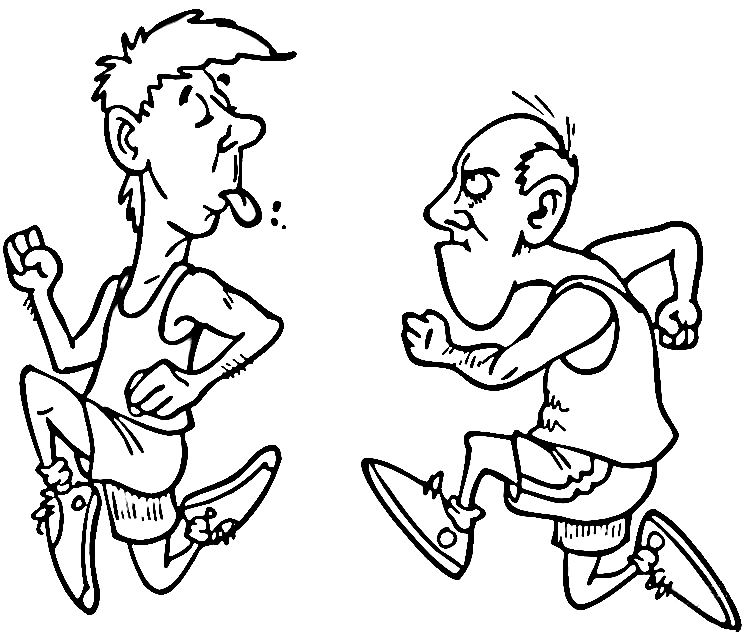
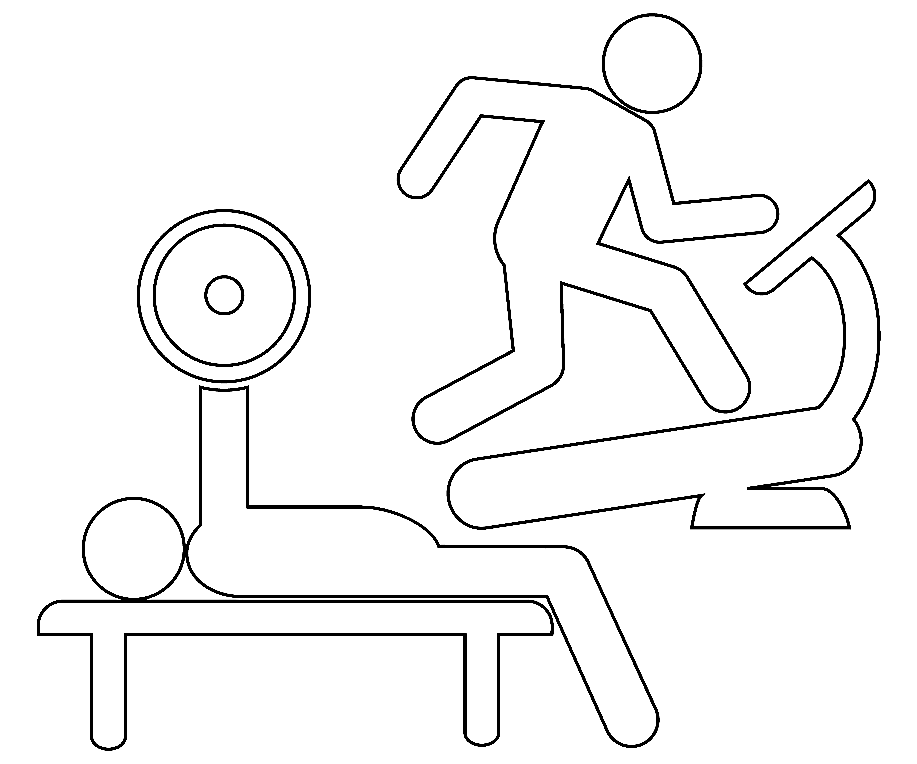
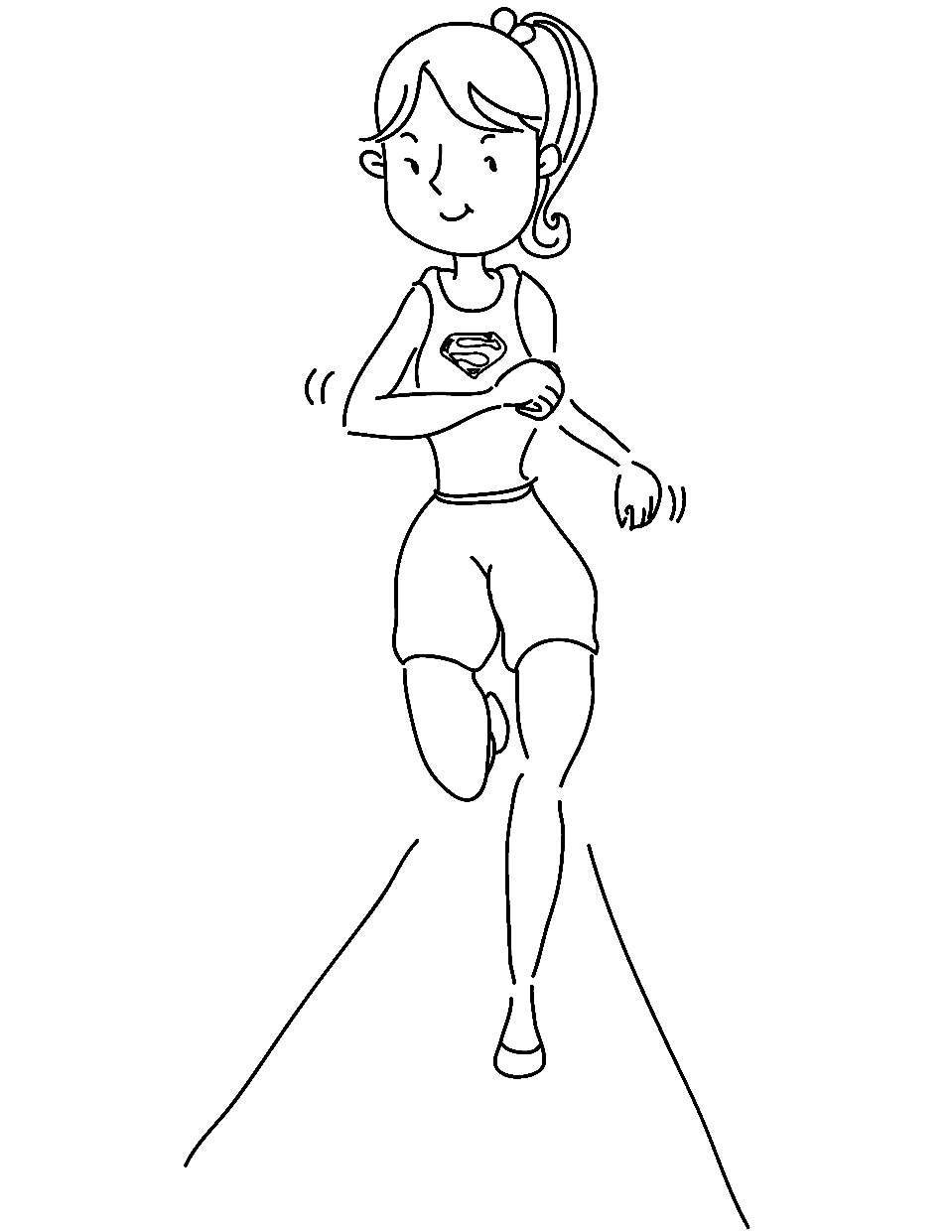
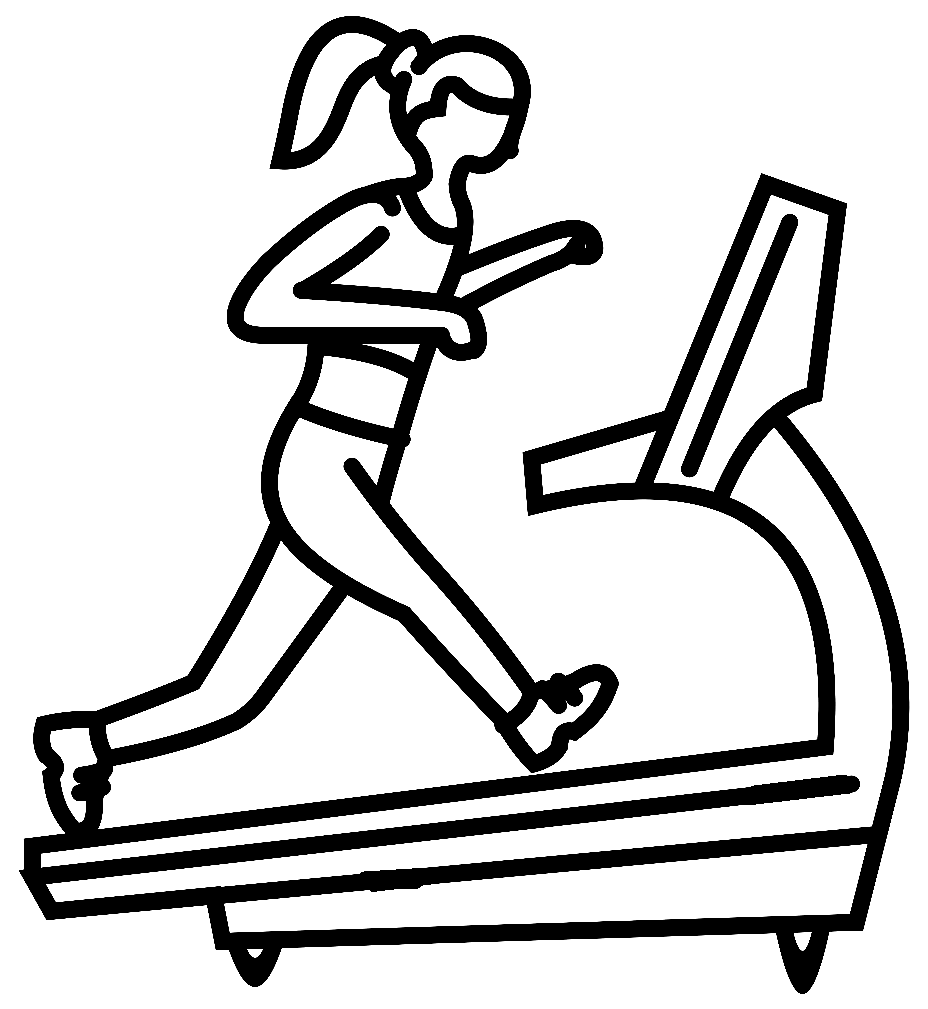
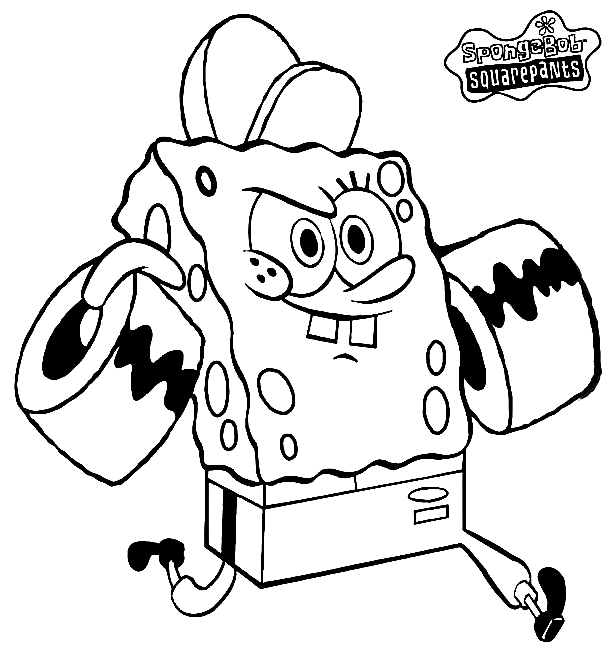
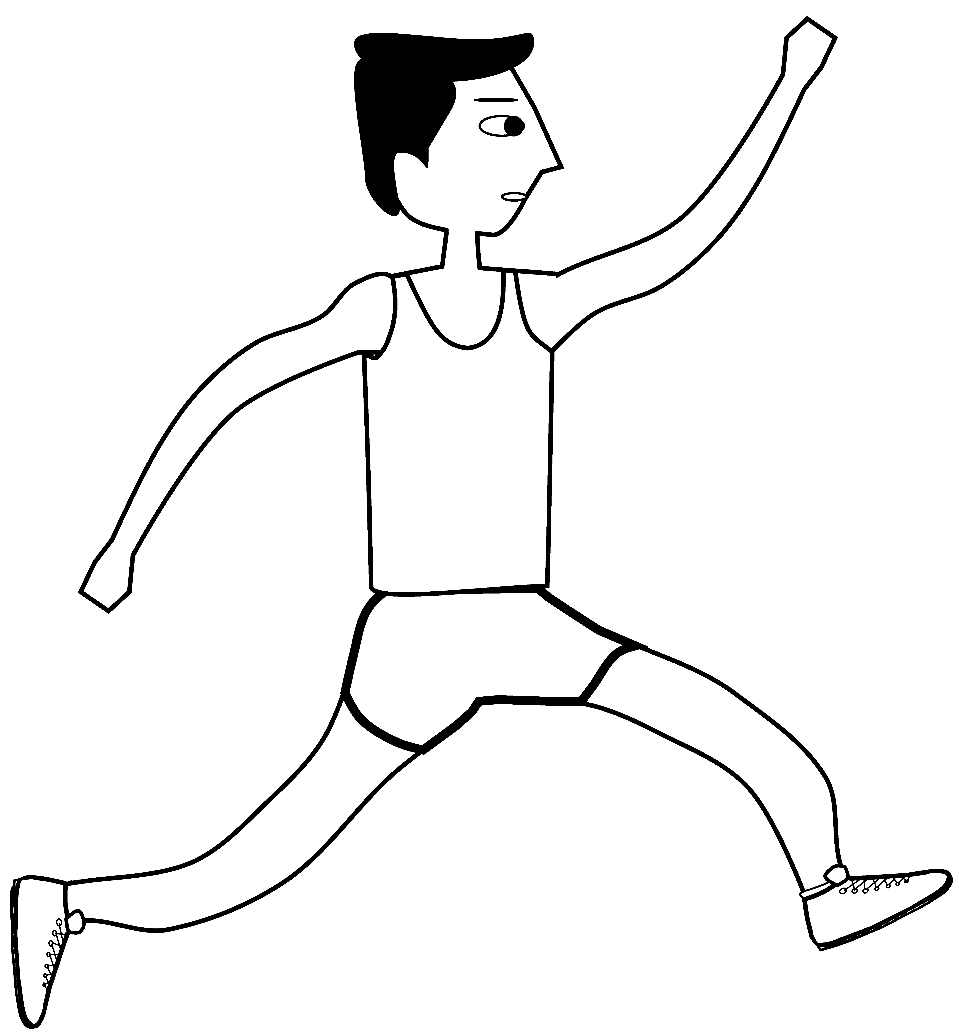
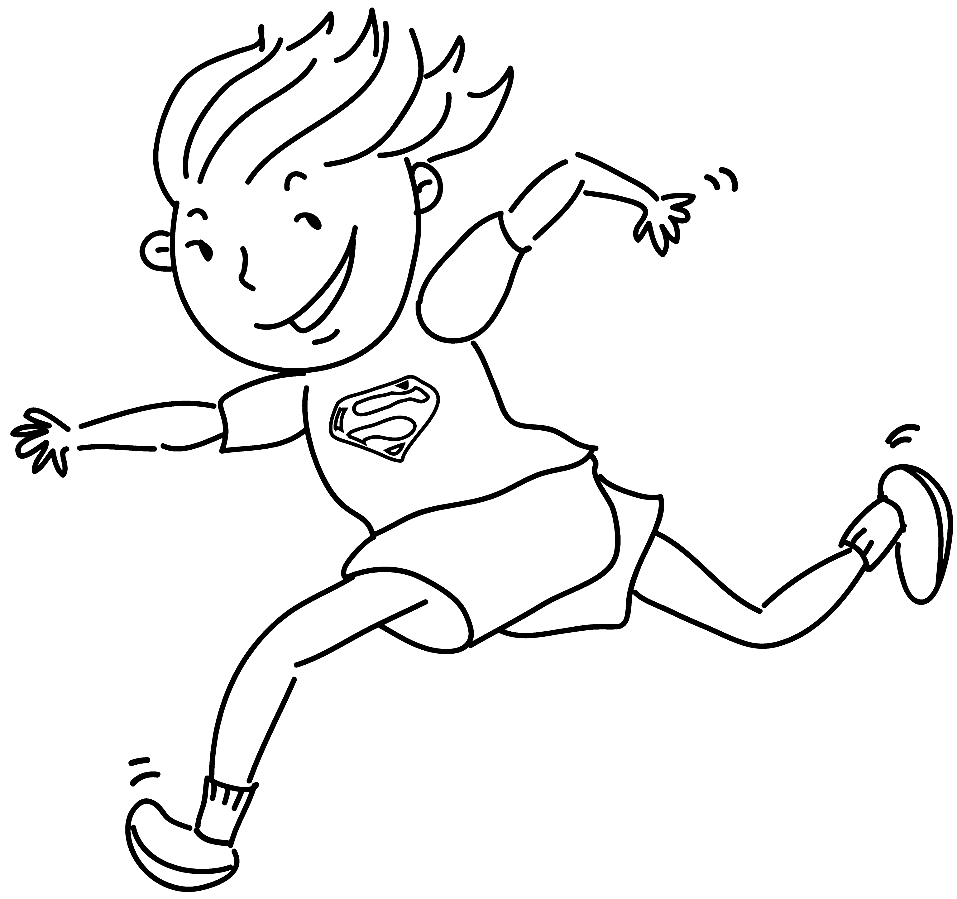
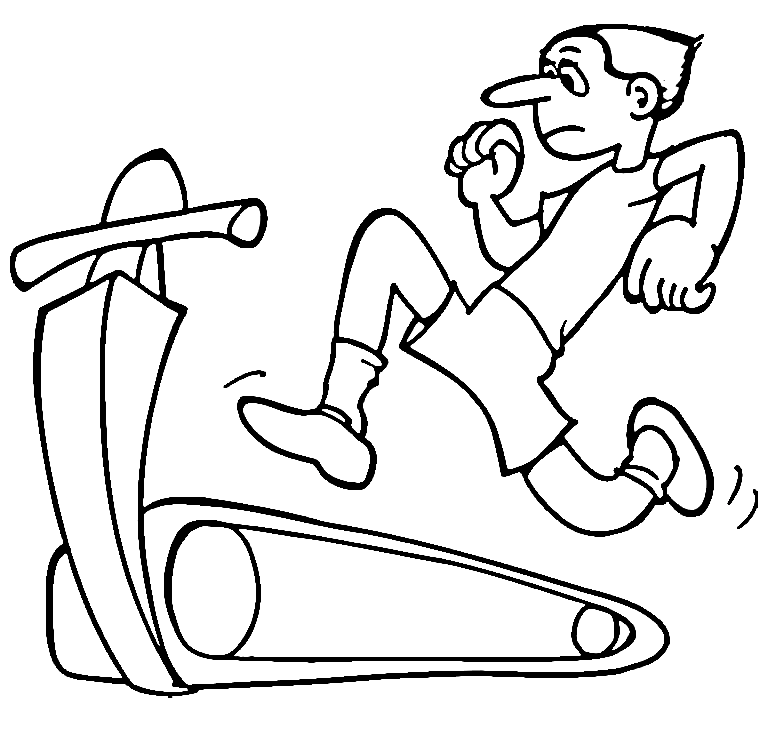
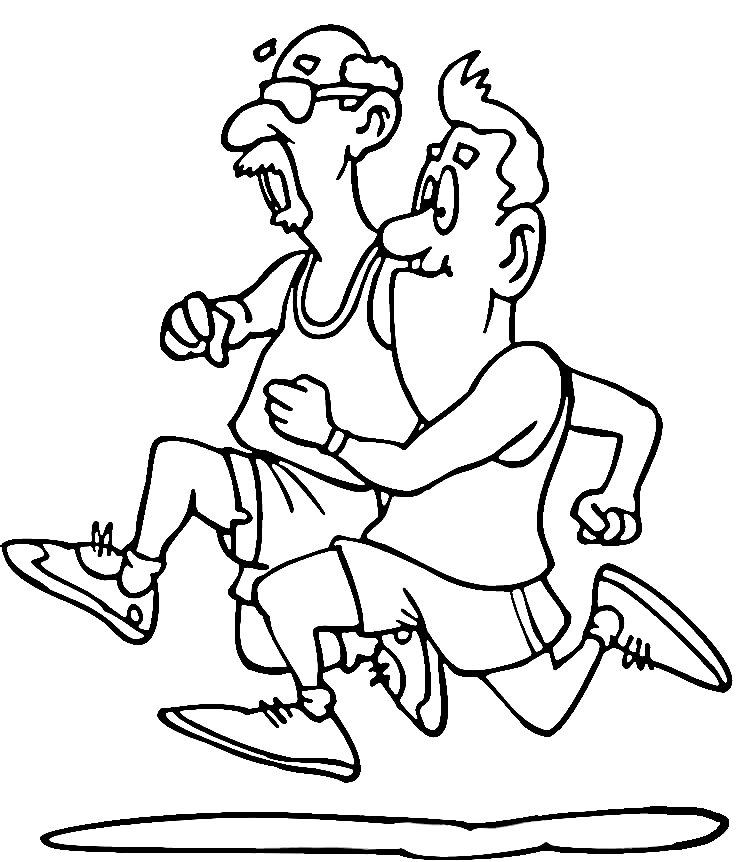
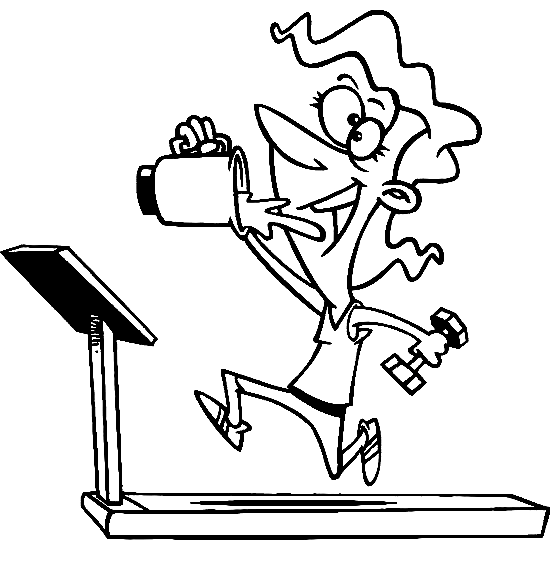
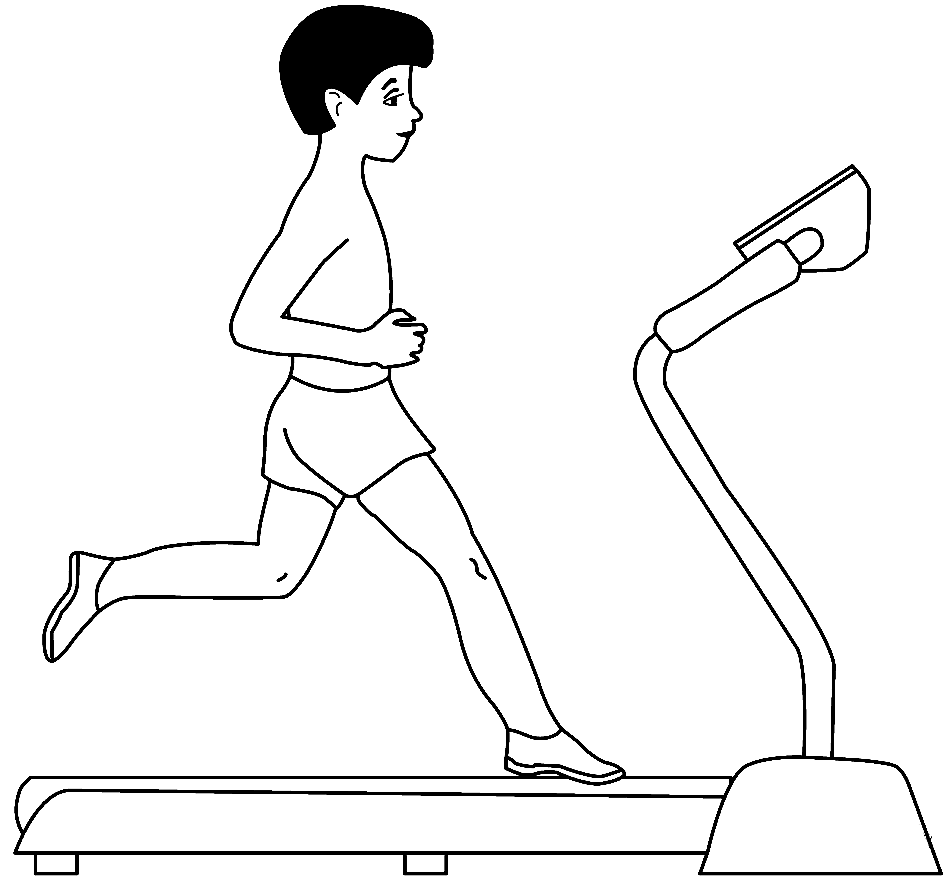
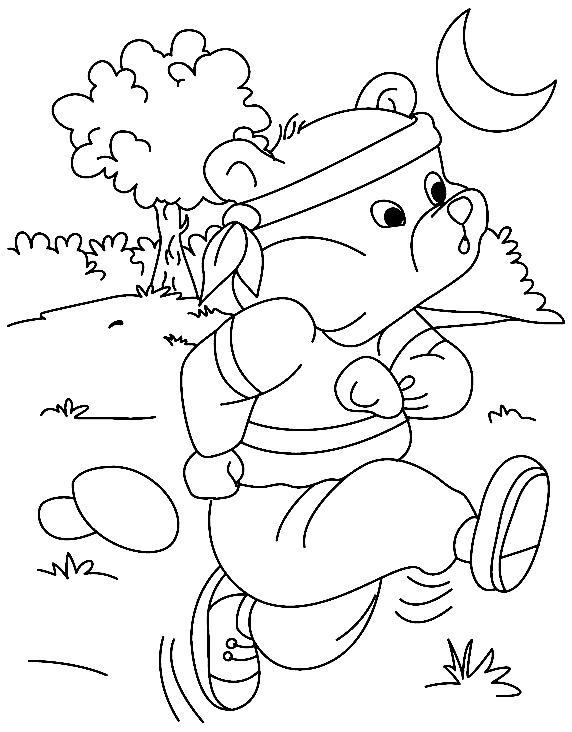
The largest group in the set covers movement built around speed and endurance: a treadmill, a running track, kids and adults mid-stride, and even a running bear among the more playful entries.
Motion is the whole point here, so diagonal lines trailing behind a runner’s feet, or a slight forward lean in the body, do more to sell the page than any specific color choice. This is the most dynamic, energetic category in the set, and it’s worth coloring that way.
Strength and Core Work
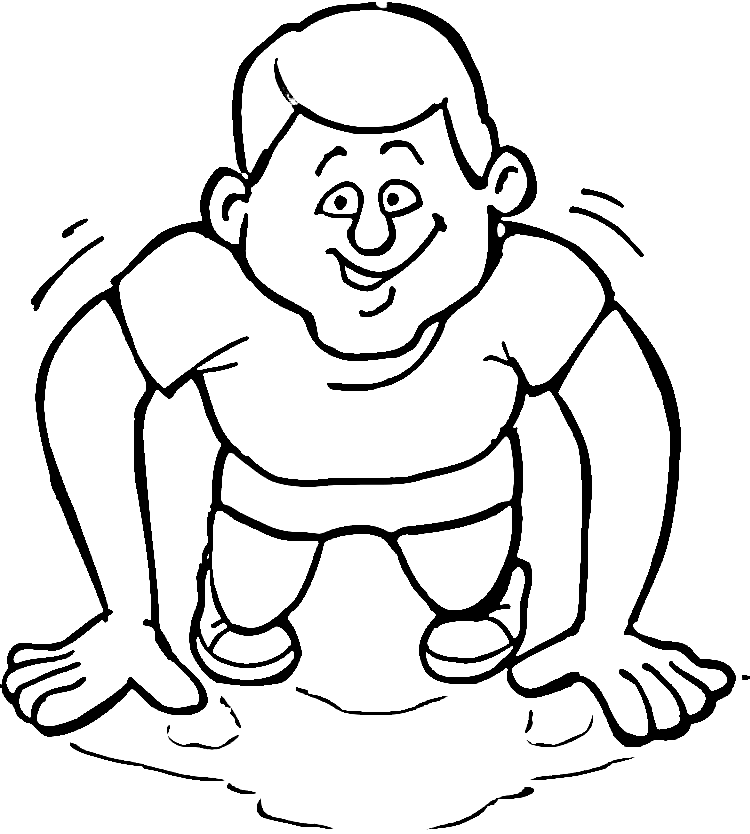
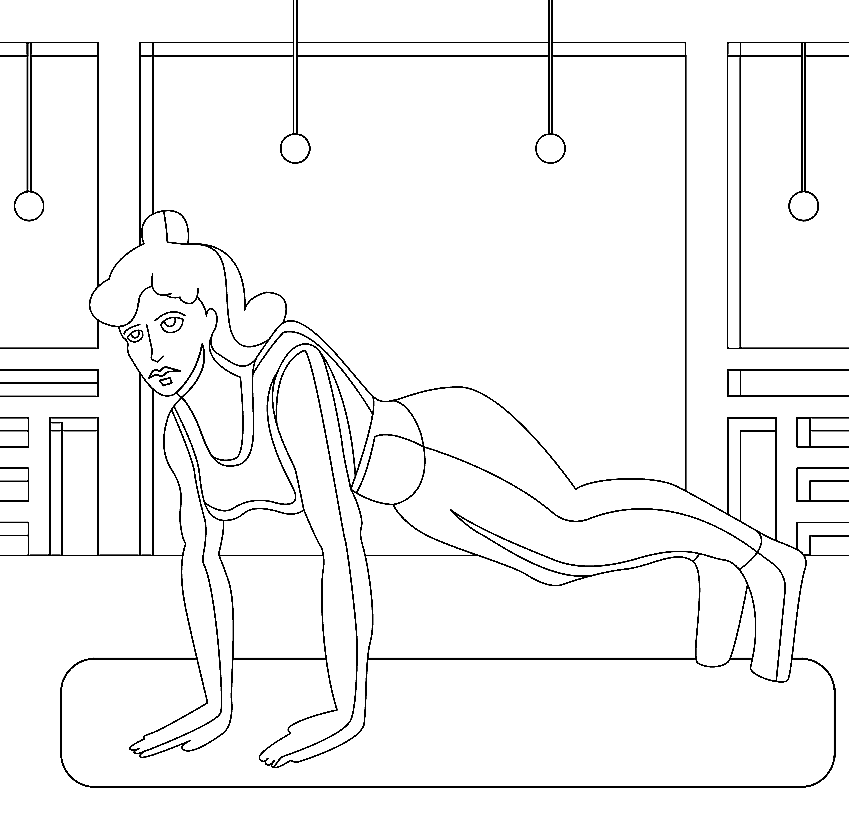
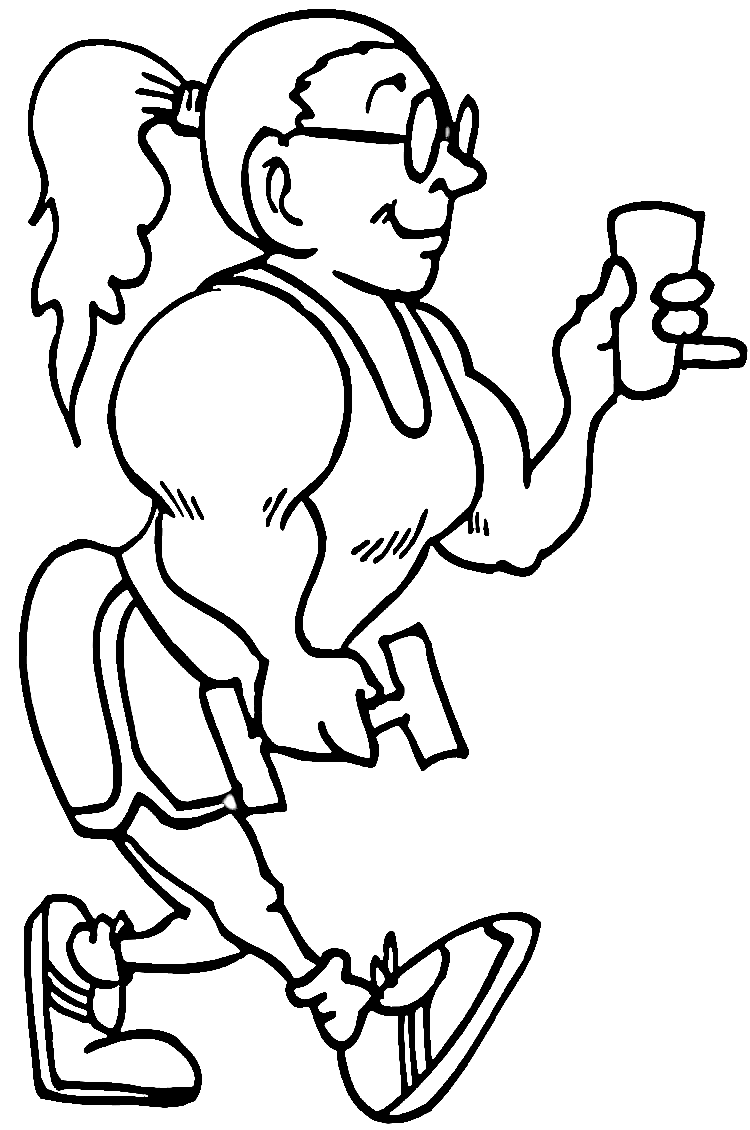
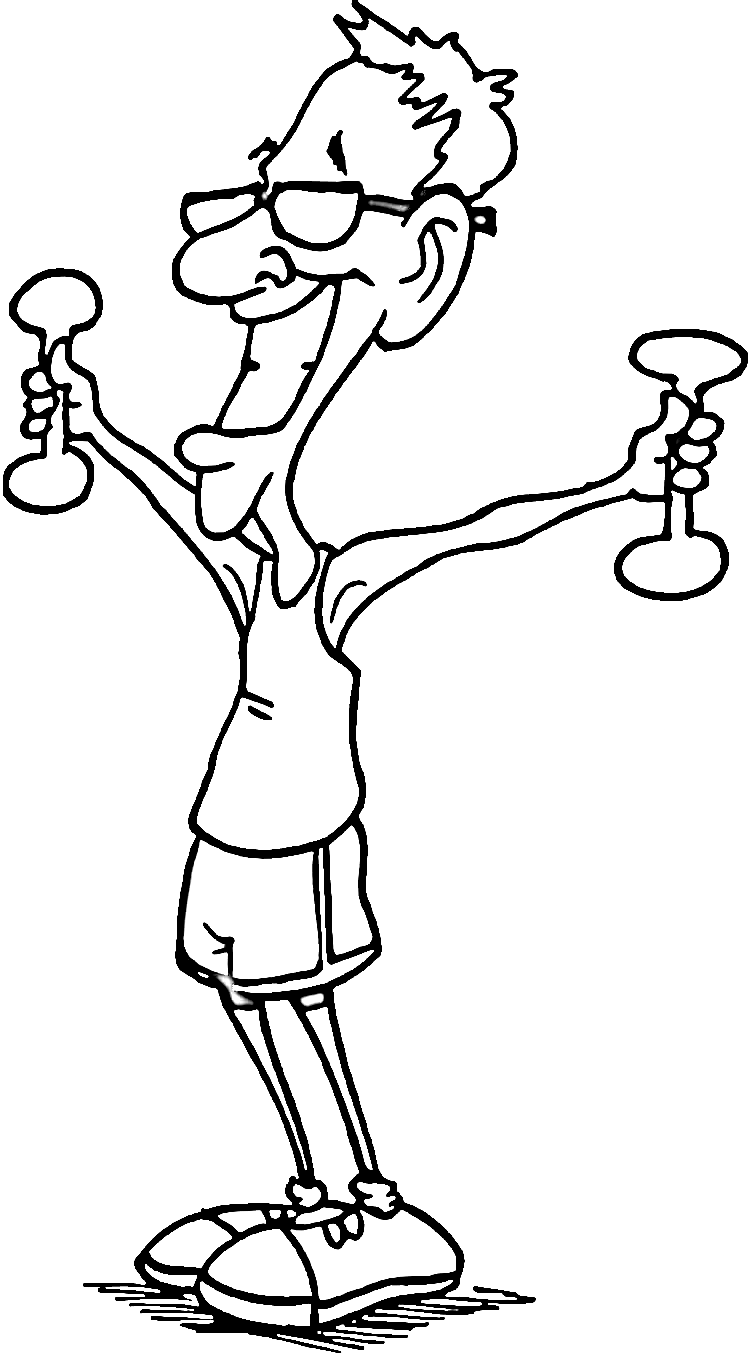
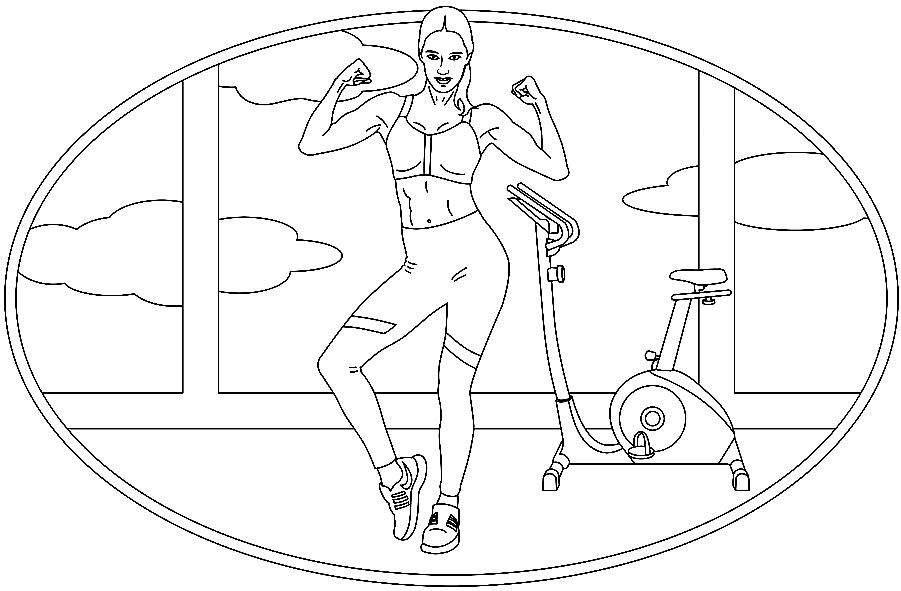
A dedicated group covers push-ups, arm exercises, core work, and a couple of portraits built specifically around visible muscle and strength.
Shading along the muscle lines already drawn into these pages adds real dimension without needing extra linework of your own. A flat, single skin tone across the whole body tends to flatten out the detail that the original illustration already worked to include.
Flexibility and Mindful Movement
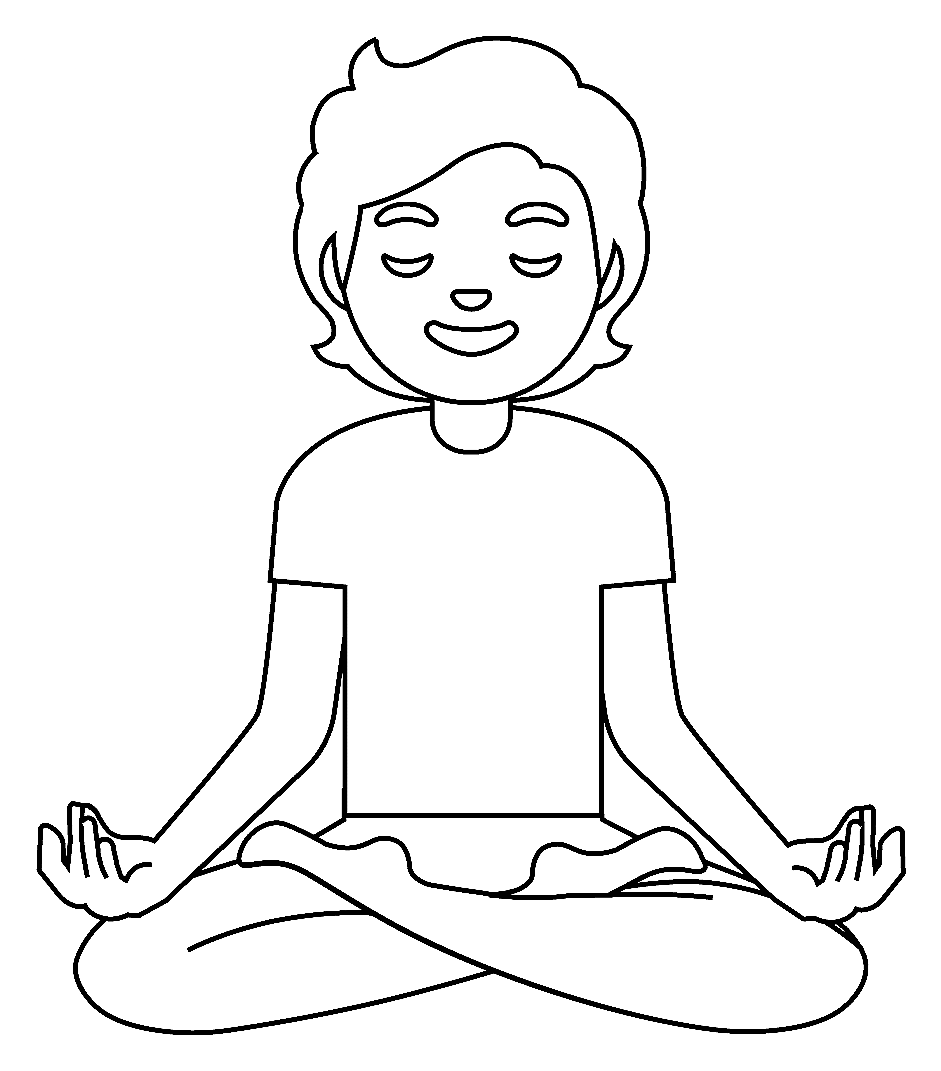
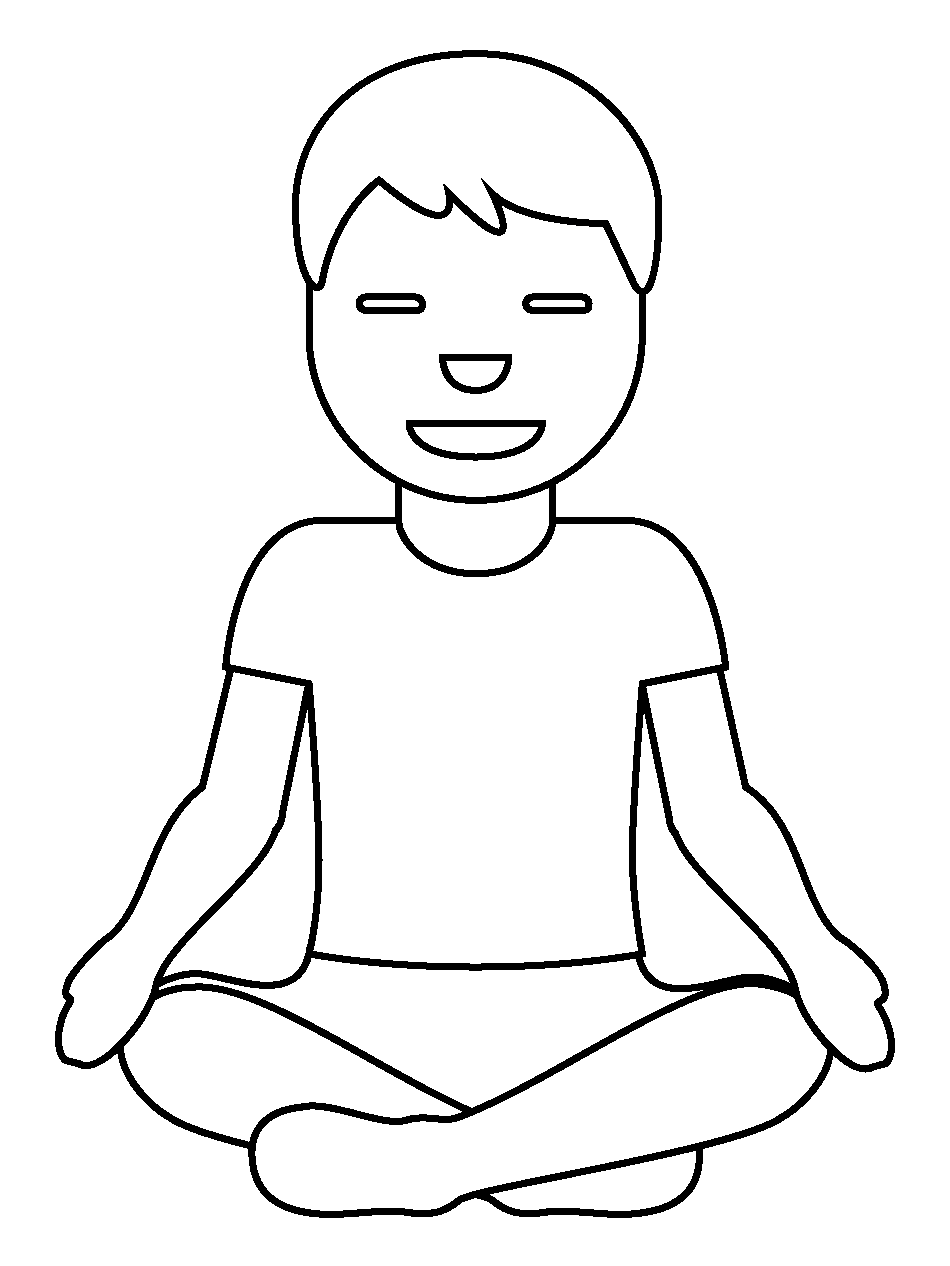
A small, quieter group sits at the opposite end of the set entirely: figures seated in the lotus position, a pose with roots going back thousands of years in yoga tradition.
Symmetry matters more here than anywhere else in the collection. A grounded, evenly balanced pose, with both sides of the crossed legs mirrored, suits the calm, centered feeling these particular pages are going for far better than a busy or lopsided color scheme would.
Playful Equipment, Kids’ Activities, and Character Crossovers
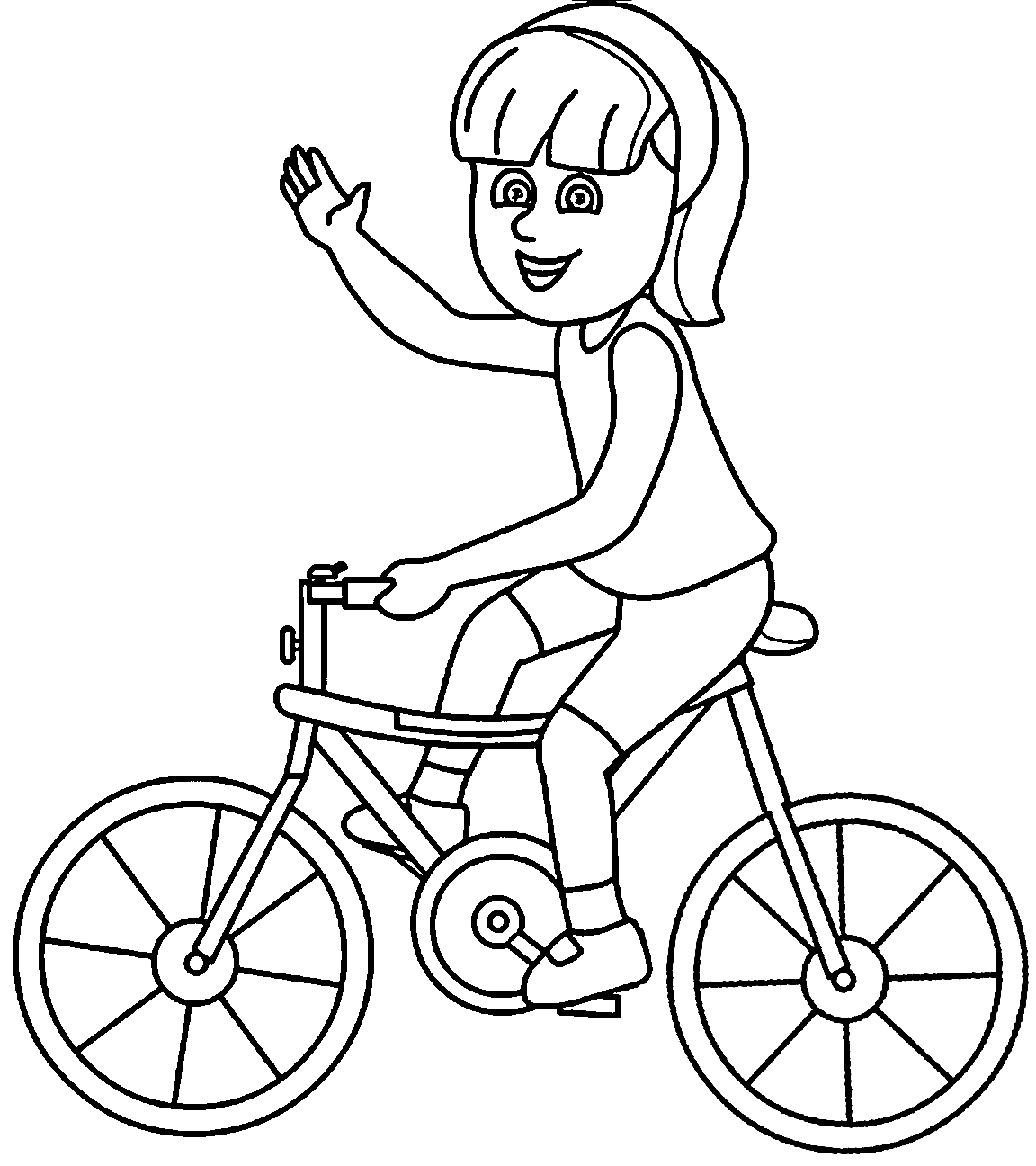
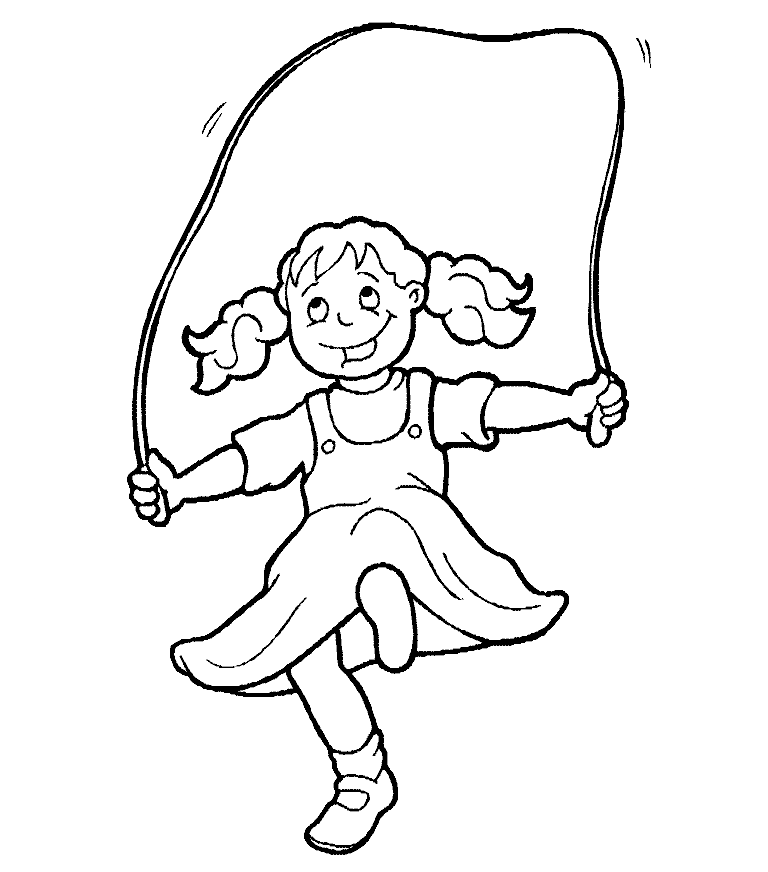
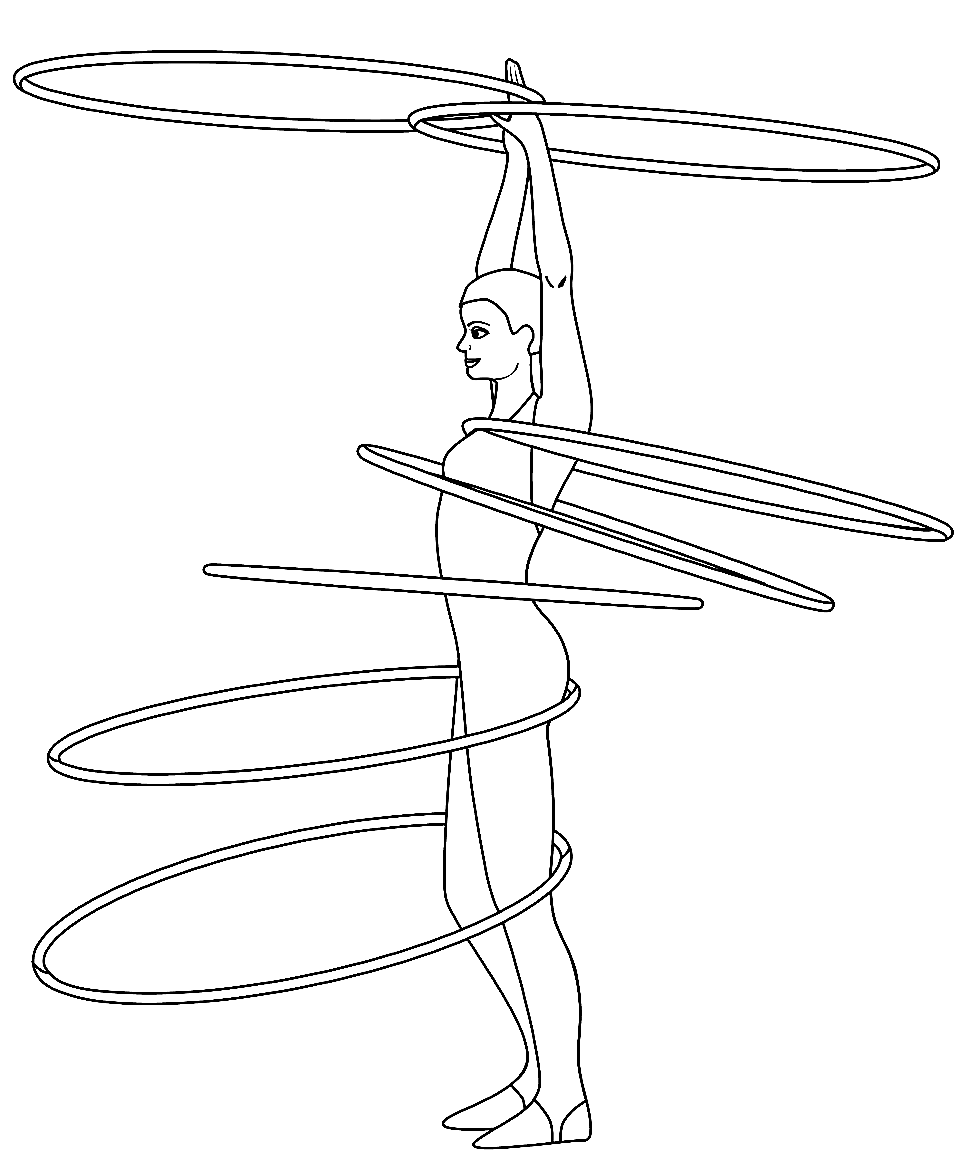
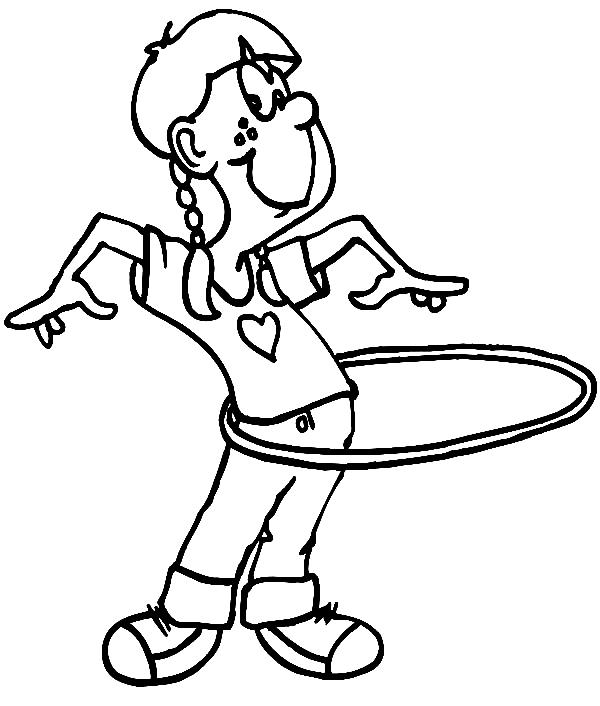
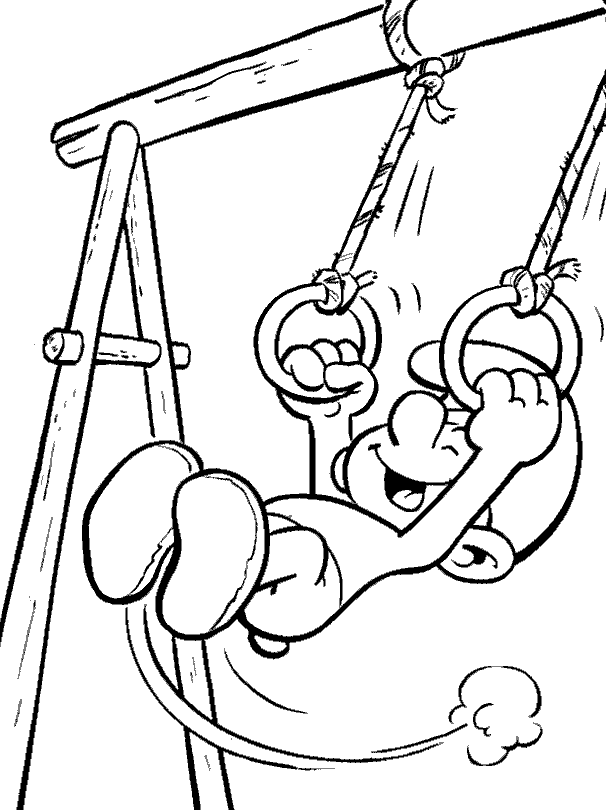
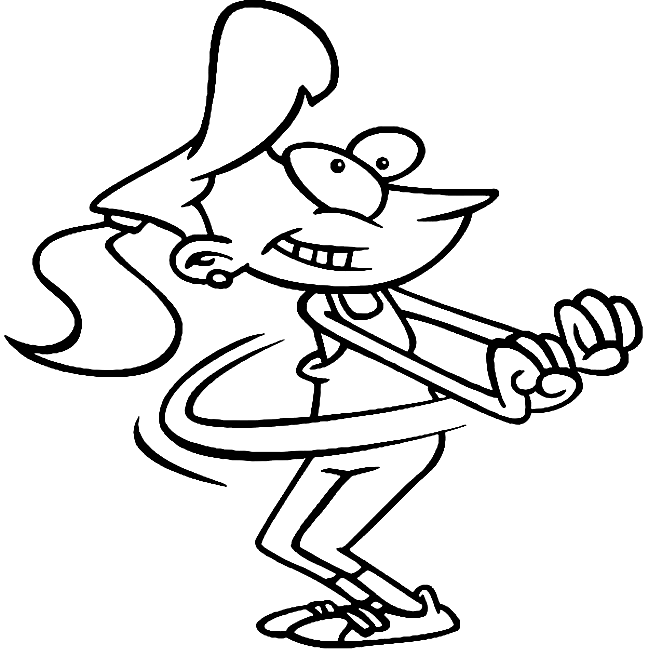
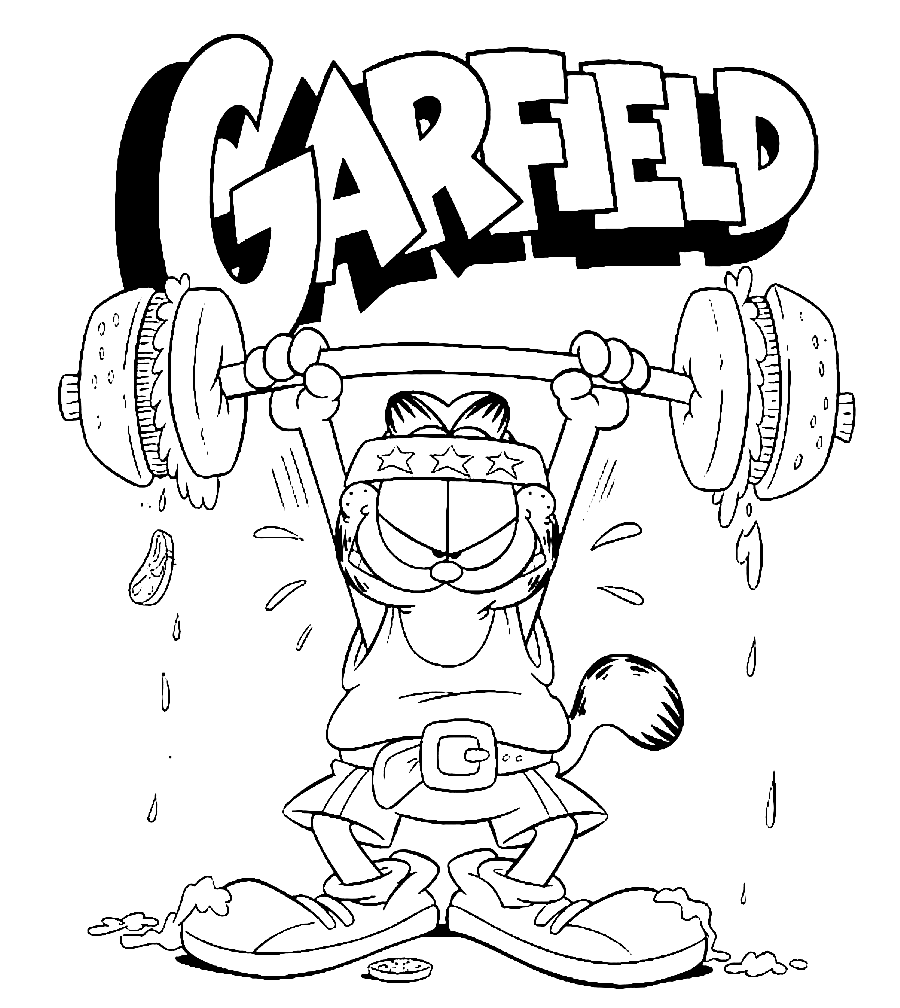
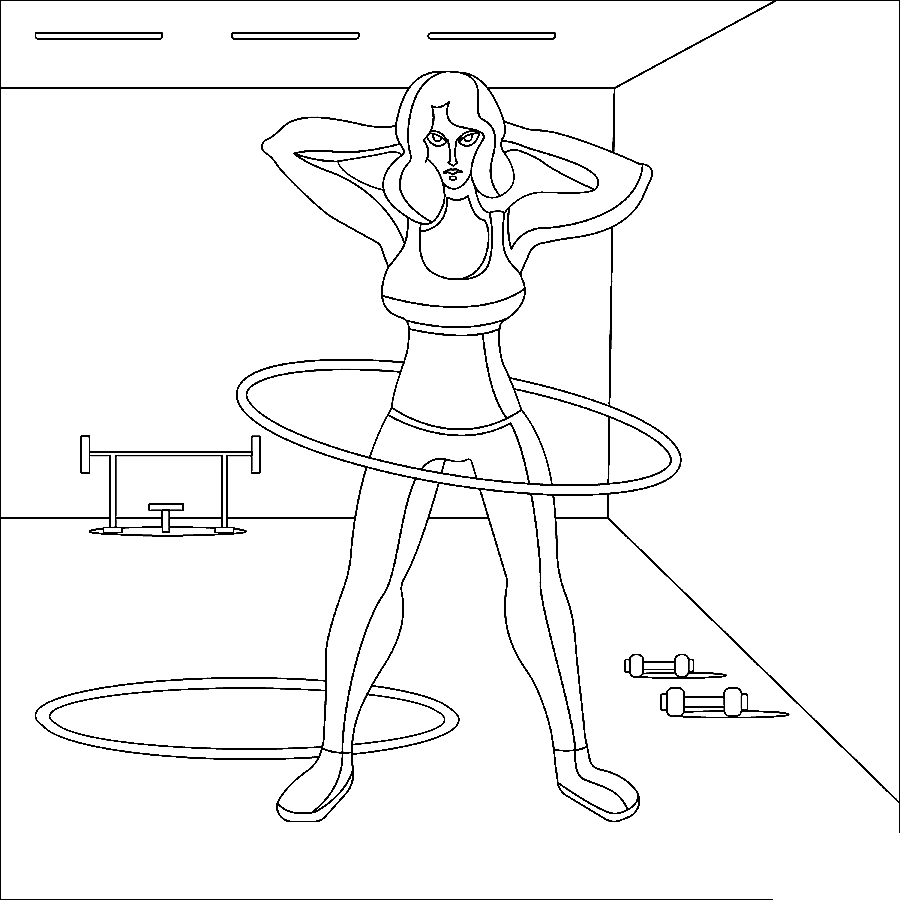
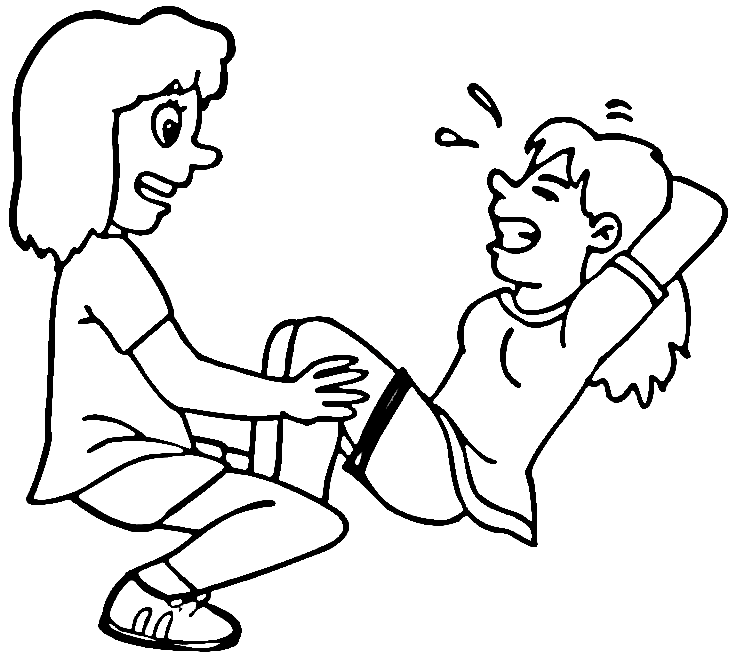
Jump ropes, hula hoops, a bike ride, general kids’ exercise scenes, and a trio of familiar characters getting in a workout of their own round out the set.
This is the most forgiving category here. There’s no muscle definition to shade, and no yoga symmetry to protect, so bright, fun, kid-chosen colors are exactly the right call, especially on the character pages, where keeping each character’s usual colors intact matters more than anything else.
What These Pages Do
The absence of competition in this set is worth sitting with for a moment. Every other collection on this site eventually explains a rule, a scoring system, an Olympic debut year. This one doesn’t need to, because fitness has never been about beating anyone else, and a child coloring these pages is absorbing that distinction whether or not it’s ever spelled out for them directly.
Fine motor development still gets a real variety here, just from a different source than usual. The American Academy of Pediatrics has pointed to structured coloring as a genuine contributor to fine motor development in children roughly between the ages of two and seven. This set’s equipment shapes ask for genuinely different care: a hula hoop’s perfect circle, a jump rope’s looping arc mid-swing, and a treadmill’s straight mechanical lines are three distinct drawing challenges sitting inside one collection.
There’s a specific kind of relief tied to a set with no scoreboard anywhere in it. Art Therapy Practitioners have noted that coloring scenes built around personal effort, rather than a contest against an opponent, can feel less pressured for a child who finds competition stressful, since there’s genuinely no one to lose to on any page in this set.
Real vocabulary still comes along for the ride. A child who can point to a core exercise, a cardio page, or the lotus position by name is picking up real fitness language, even in a collection with no official rules to memorize.
How to Color Fitness Coloring Pages
Add motion lines to running and cardio pages. A few diagonal strokes trailing behind a runner’s feet, plus a slight forward lean in the pose itself, do more to convey speed than color alone ever could.
Shade along existing muscle lines rather than flattening them out. A single flat skin tone across the whole body loses definition, the original illustration already built in; a touch of shading in the same family of color keeps that detail visible.
Keep the lotus position pages symmetrical and grounded. Both sides of the crossed legs should mirror each other, matching the calm, centered quality the pose is meant to convey.
Let the playful equipment pages be as bright as a child wants. Hula hoops, jump ropes, and character crossovers are the most forgiving category here, with no accuracy rule standing in the way of a favorite color.
5 Creative Craft Ideas with Fitness Coloring Pages
Personal Best Card
Color a running or cardio page, fold it into a card, and give it to mark a genuine personal fitness goal, a first full lap, a new personal best, anything measured against yourself rather than an opponent. About ten minutes for a card built around real, individual progress.
Calm Corner Display
Color the lotus position pages using soft, muted tones, and set them up as a small, deliberately quiet corner of a room. Fifteen minutes, and the display itself is meant to invite a slower moment.
Equipment Shapes Study
Color the hula hoop and jump rope pages side by side, paying attention to how differently a perfect circle and a looping arc behave on the page. Fifteen minutes for a small, satisfying shape comparison.
Character Workout Gallery
Color the three-character crossover pages together and give them their own lighthearted corner of the display, separate from the more realistic categories. Ten minutes, kept playful on purpose.
Workout and Cooldown Pair
Color one running or strength page alongside one lotus position page, and display them together as a “workout and cooldown” pair. Fifteen minutes for a small lesson in how real exercise sessions are actually structured, effort followed by rest.
FAQ About Fitness Coloring Pages
Are these fitness coloring pages free, and can I color them online?
Yes. Every page is free, with no account, email, or payment required. Download the PDF to print at home, or open it in the online coloring tool to color on screen.
What age group are these fitness coloring pages best suited for?
The playful equipment and character crossover pages work well for ages 3. The running, strength, and flexibility pages, with more detail in the pose and muscle definition, suit ages 5 and up.
Why doesn’t this fitness collection have a rulebook or competition like the other sports pages on this site?
Fitness isn’t a competitive sport with an opposing team or an official scoring system; it’s a personal practice, which is why this set is built around individual activities like running, stretching, and strength work rather than a match, a match result, or an opponent.
How old is the lotus position shown in some of these pages?
The pose traces back thousands of years within yoga tradition, considerably older than any Olympic sport featured elsewhere on this site, most of which date back less than a century and a half.
What’s the difference between this Fitness collection and the site’s individual sports pages, like Basketball or Volleyball?
Those pages cover specific competitive sports with teams, rules, and Olympic histories. This collection covers general personal exercise, running, strength training, and stretching, without any competitive structure attached, so the two kinds of collections serve different purposes.
Is coloring an exercise page actually good for kids, or is it pretend exercise?
Coloring itself isn’t a substitute for real physical activity. Still, it can build familiarity and enthusiasm around exercise vocabulary and habits, which is a reasonable complement to, rather than a replacement for, actually being active.
Are these pages based on a specific real fitness program or brand?
No. The poses, equipment, and scenes are generic and inspired by common exercise activities broadly, but they are not licensed by or affiliated with any specific fitness brand, program, or instructor.
Can I use these pages for a PE class, gym, or classroom activity?
Yes. PE teachers use the running and strength pages to introduce basic exercise vocabulary, gyms use them for kids’ program handouts, and the lotus position pages work well alongside a simple classroom introduction to stretching and mindfulness.
Start Coloring
Download any page by clicking the design. No account, email, or payment is required. Pages print directly from the browser at full resolution or open in the online coloring tool for screen use. Share finished pages on Facebook or Pinterest using the share buttons at the top of each design page.