
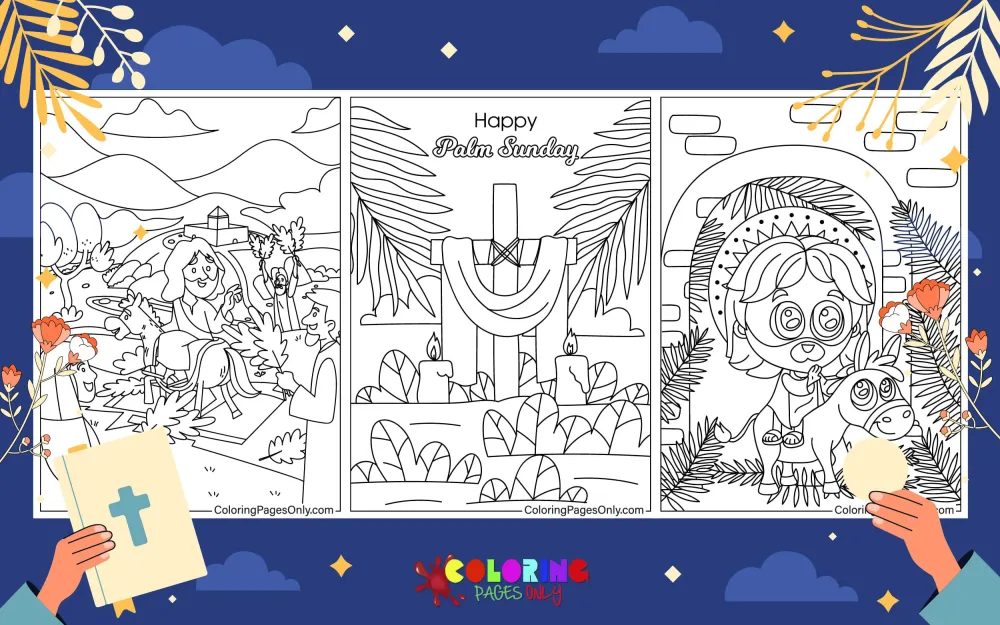
Free Palm Sunday Coloring Pages: 48 printable PDF designs featuring Jesus riding a donkey through the gates of Jerusalem, crowds spreading cloaks and waving palm branches, bold “Hosanna” lettering, single palm fronds, and simple Bible lesson sheets for Sunday school and home.
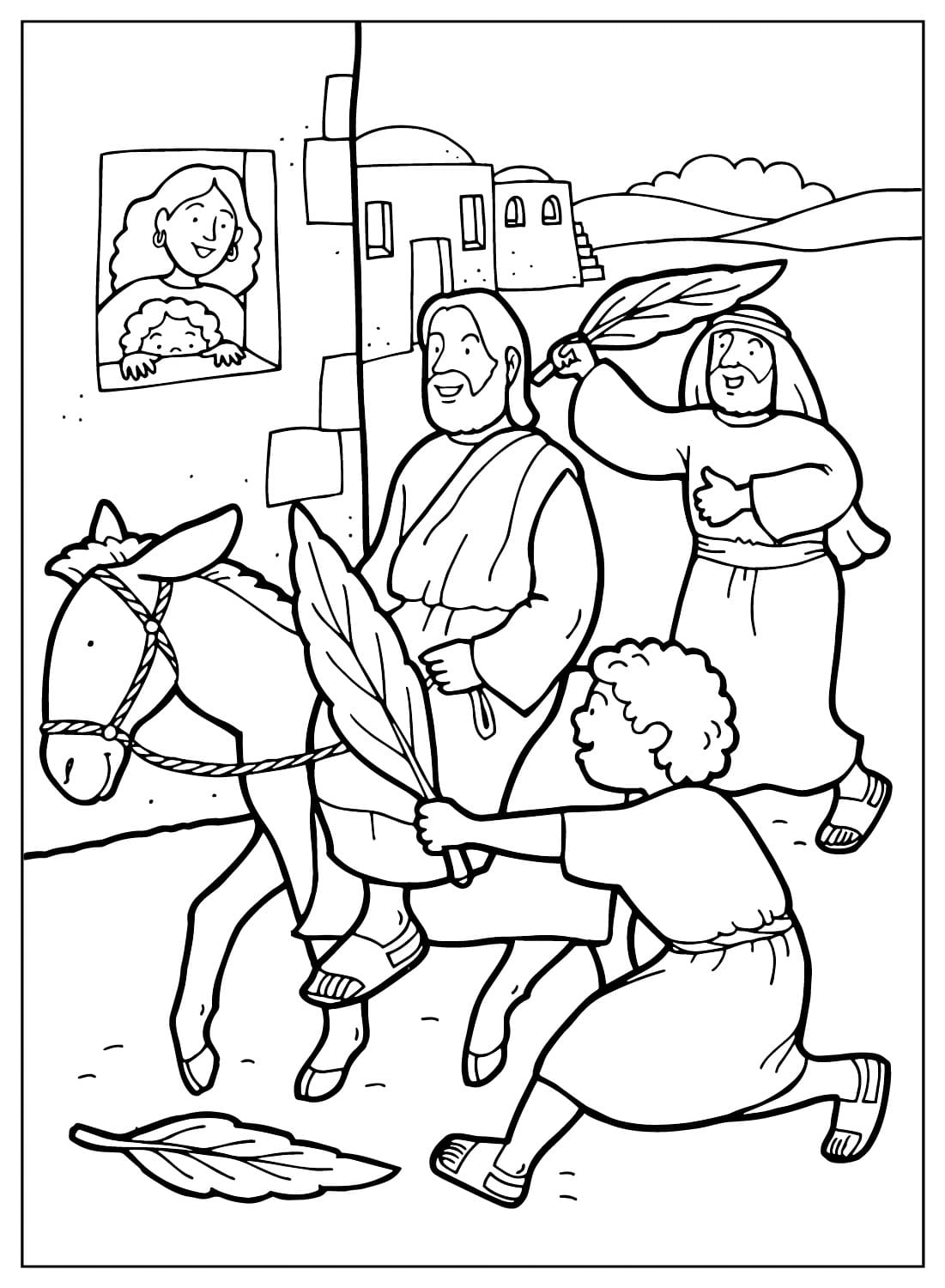
Palm Sunday falls on the Sunday before Easter and opens Holy Week in the Christian calendar. It remembers the day, described in all four Gospels, when Jesus entered Jerusalem shortly before the Passover festival. The Gospel of John is the one that specifically mentions palm branches, and the crowd’s shout of “Hosanna” comes from a Hebrew phrase meaning “save, please,” which had also become a cry of praise. The Gospel writers connect the humble donkey to a prophecy in the book of Zechariah about a peaceful king arriving on a donkey rather than a warhorse.
Churches around the world still hand out palms on this day, and many save them to burn on the ashes used on the following year’s Ash Wednesday. Where palm trees do not grow, congregations have long used local branches instead, such as pussy willow in parts of Eastern Europe. The pages here range from simple outlines for preschoolers to detailed crowd scenes.
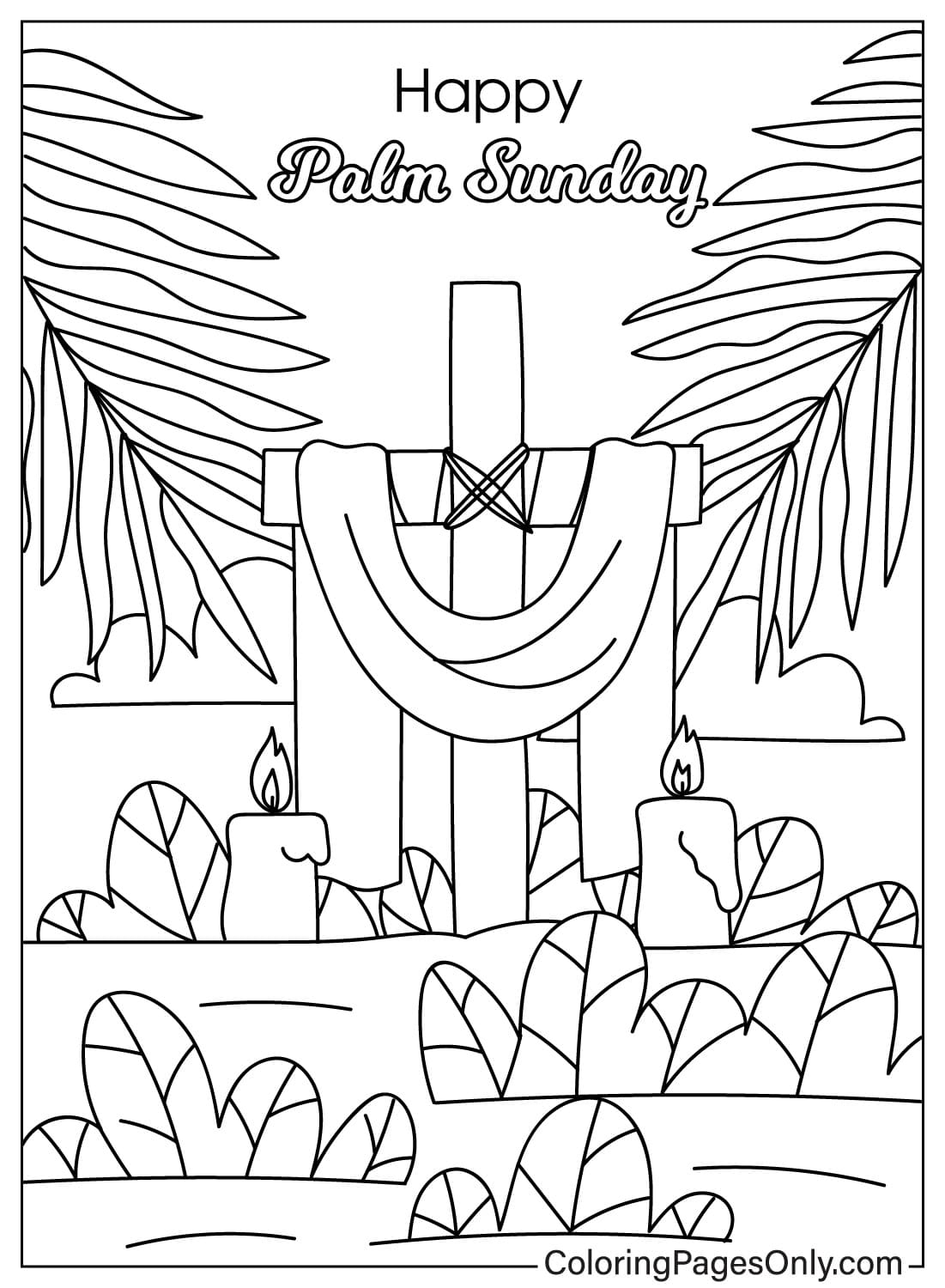
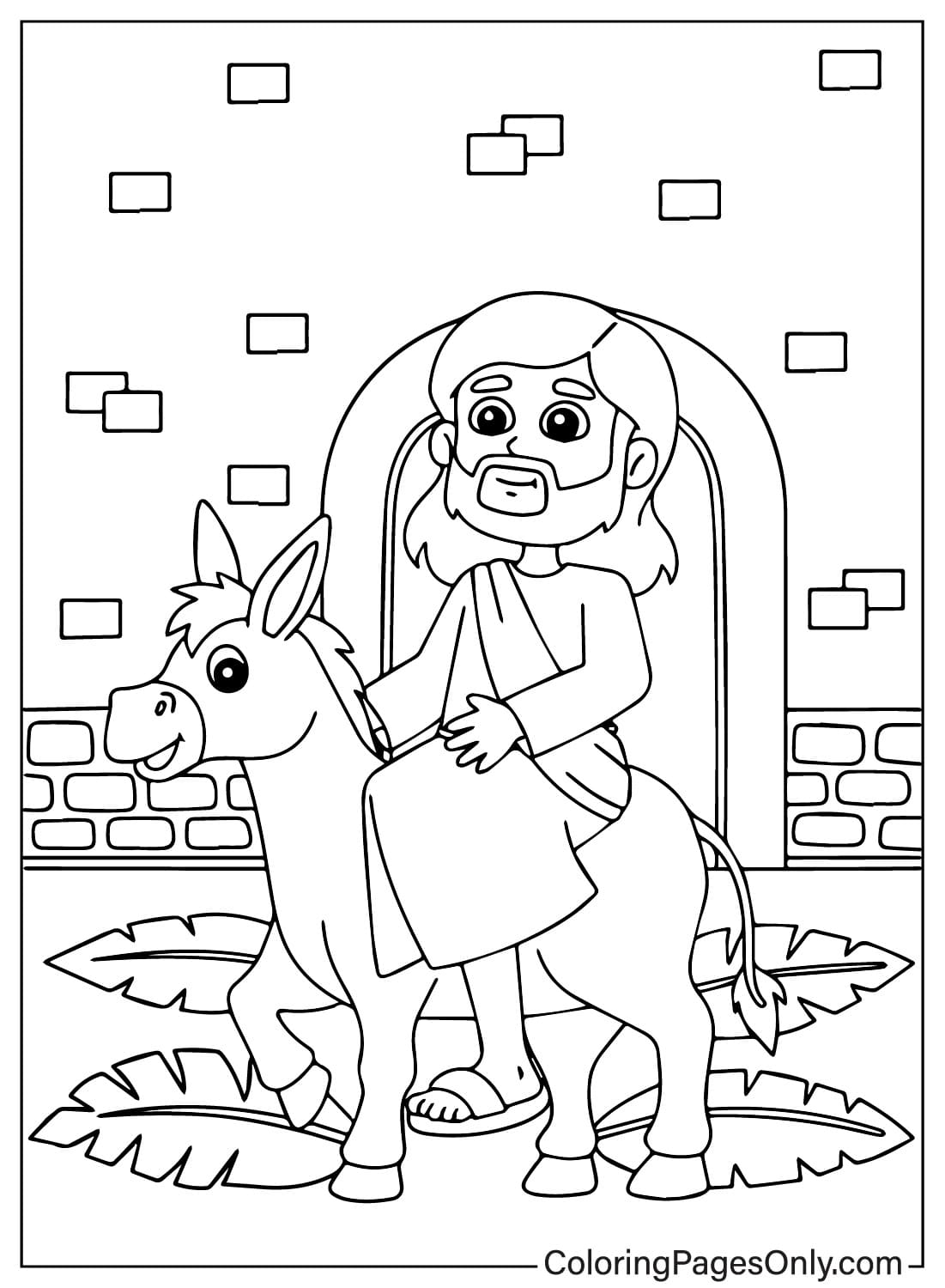
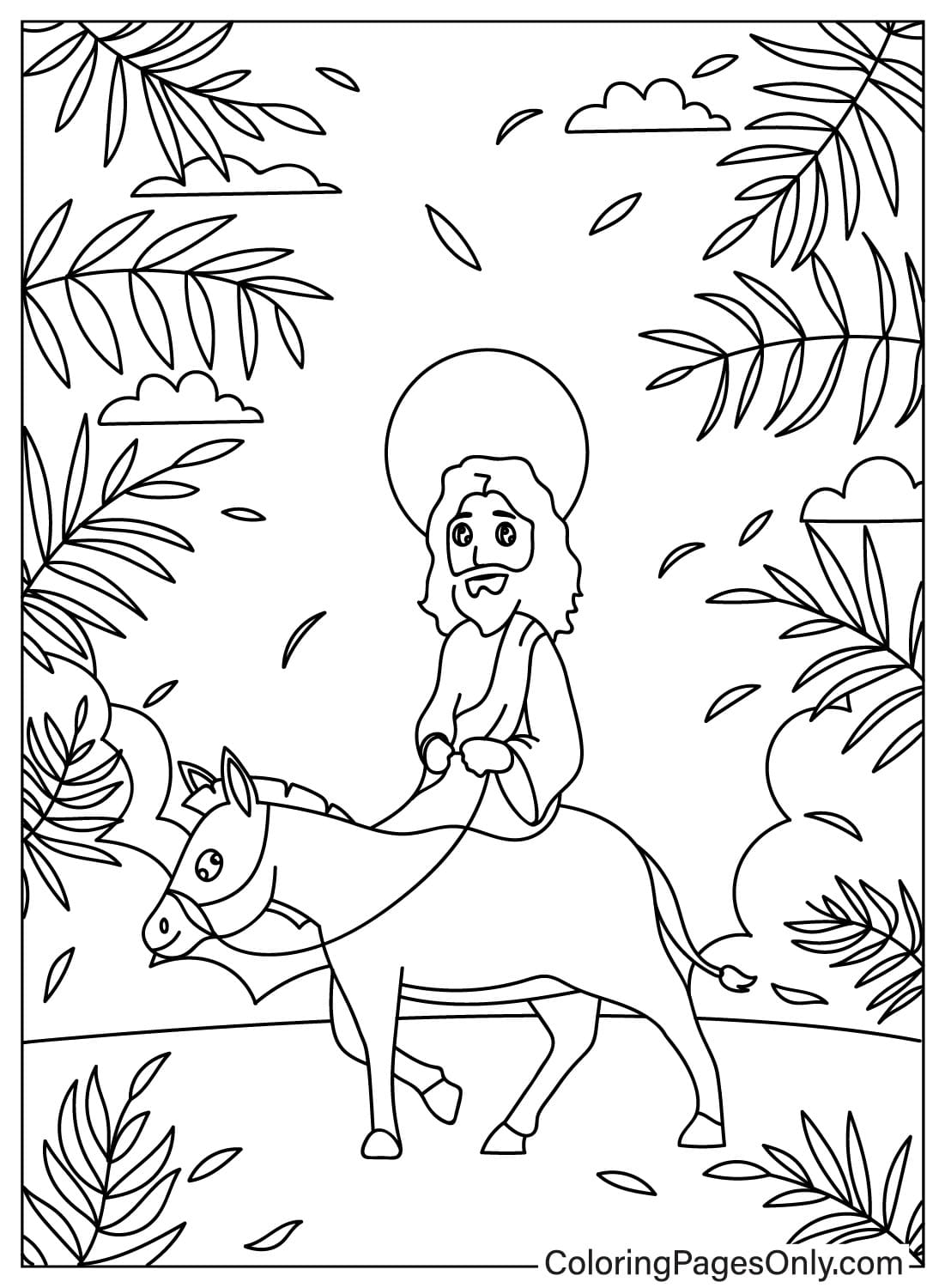
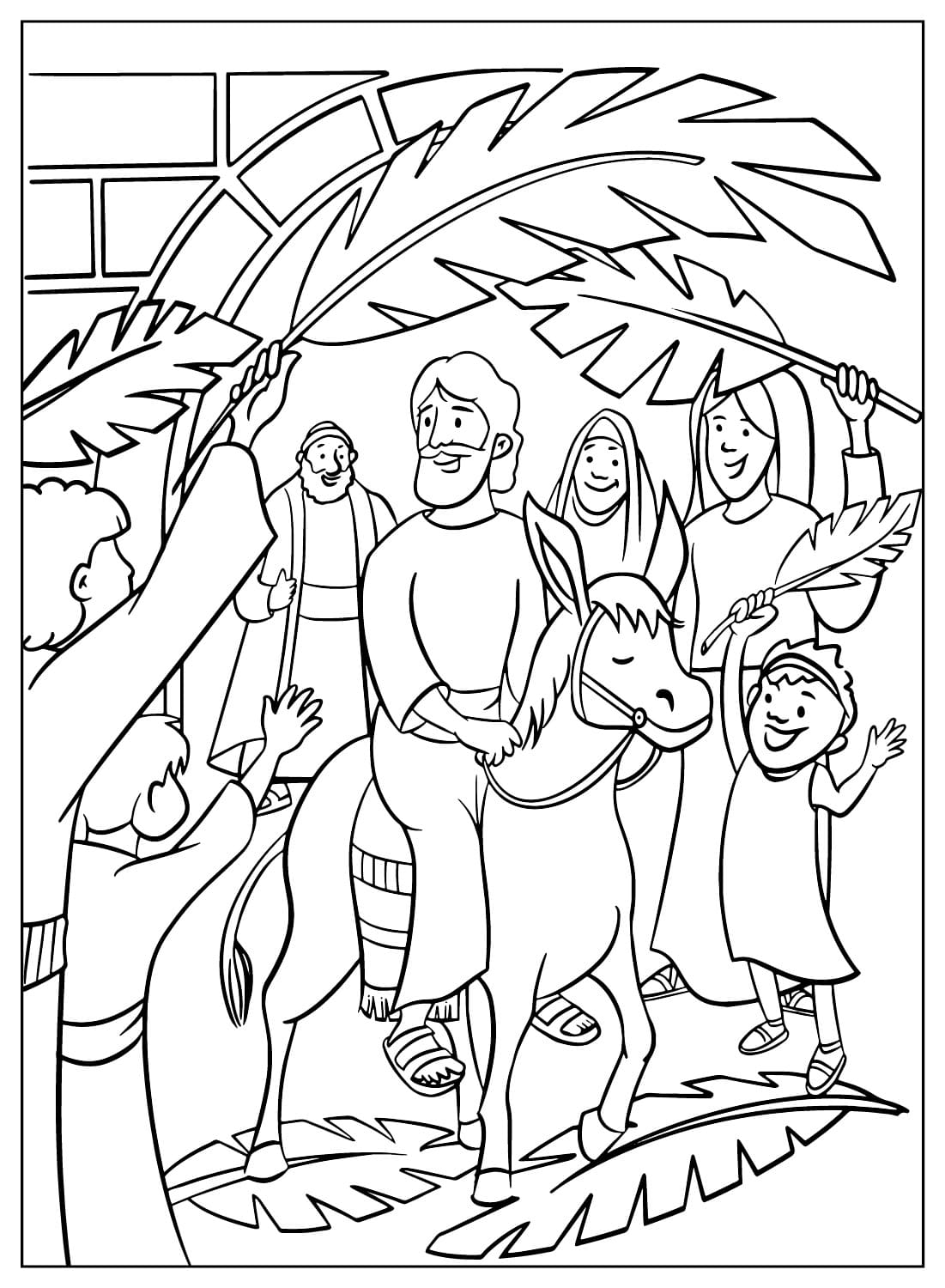

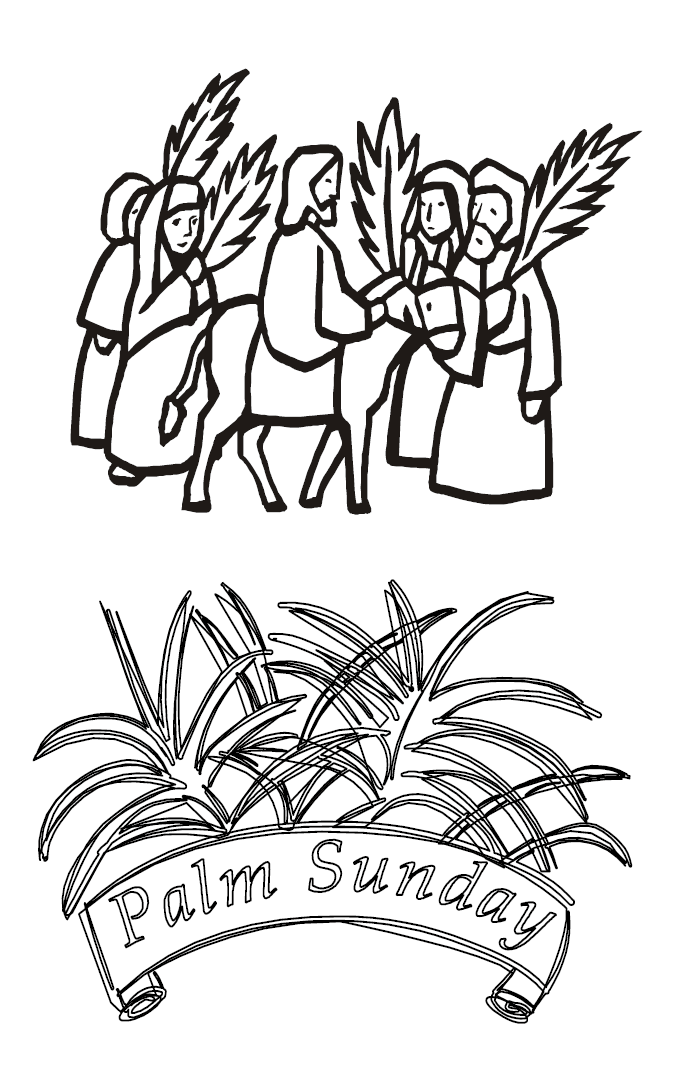
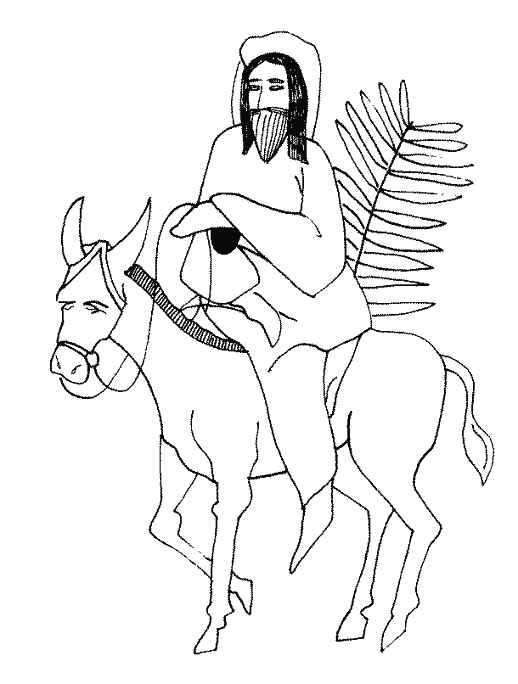
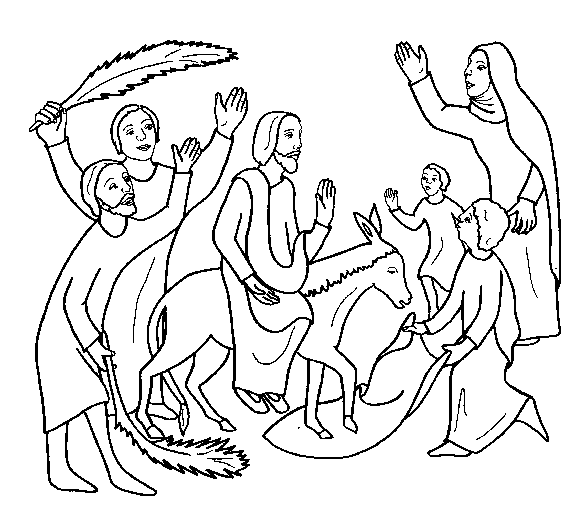
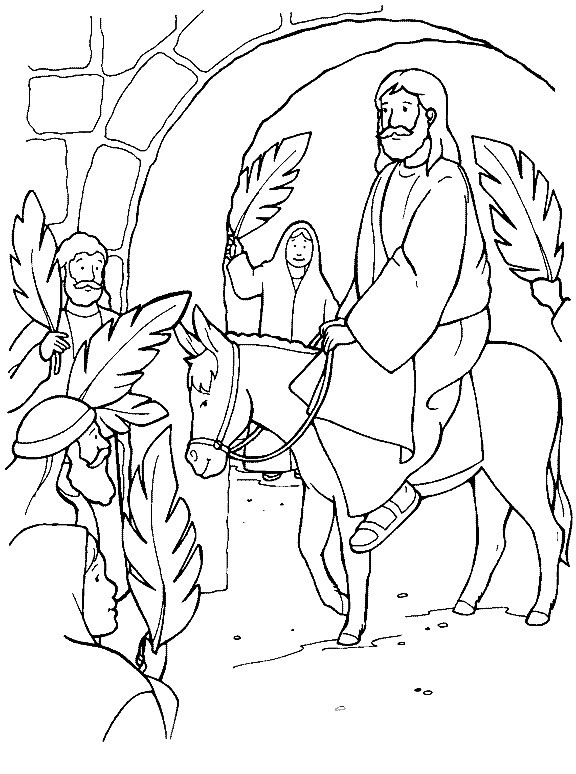
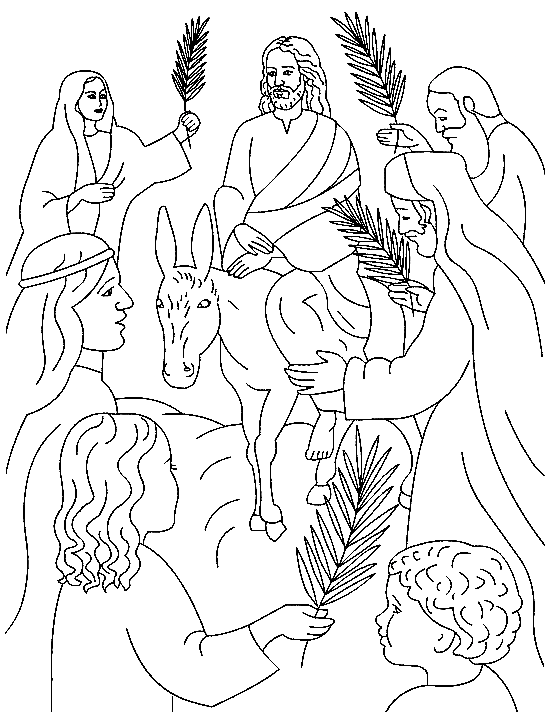
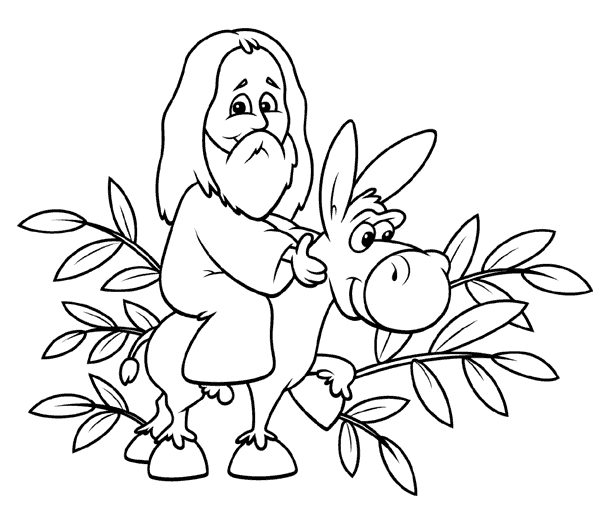
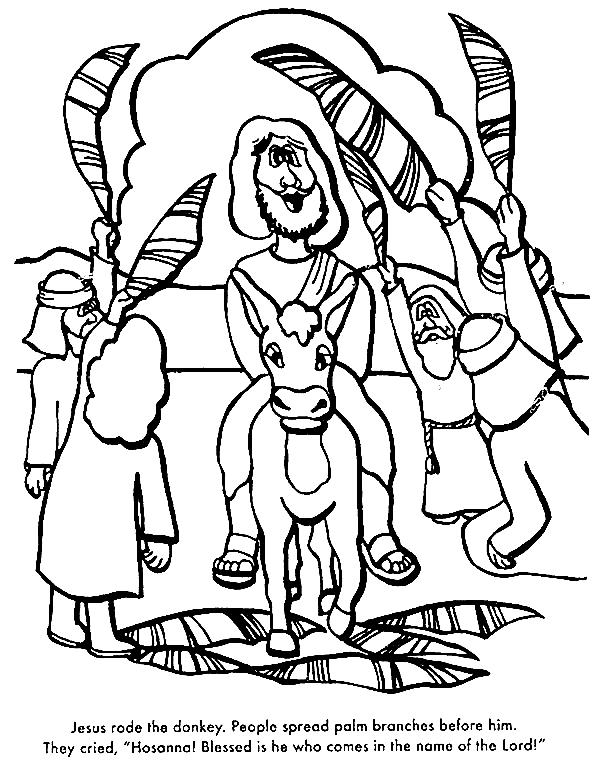
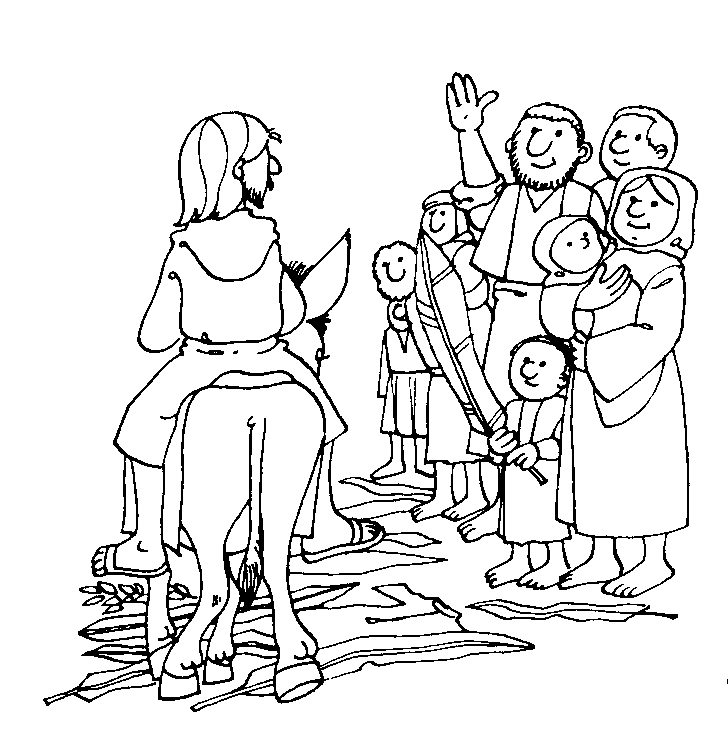
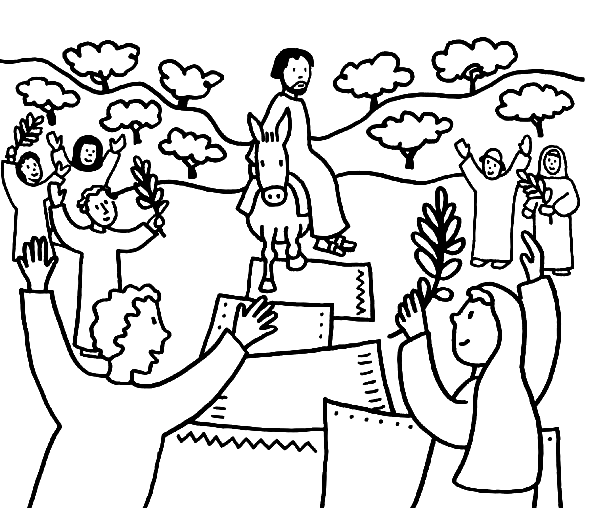
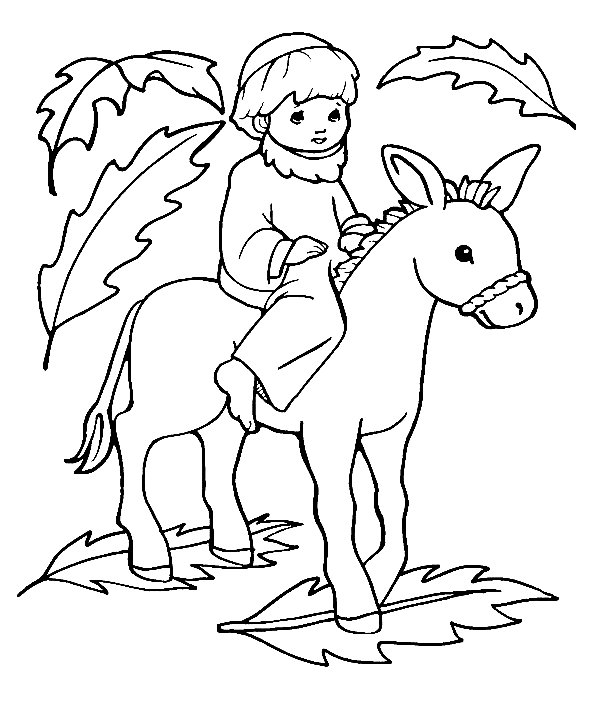
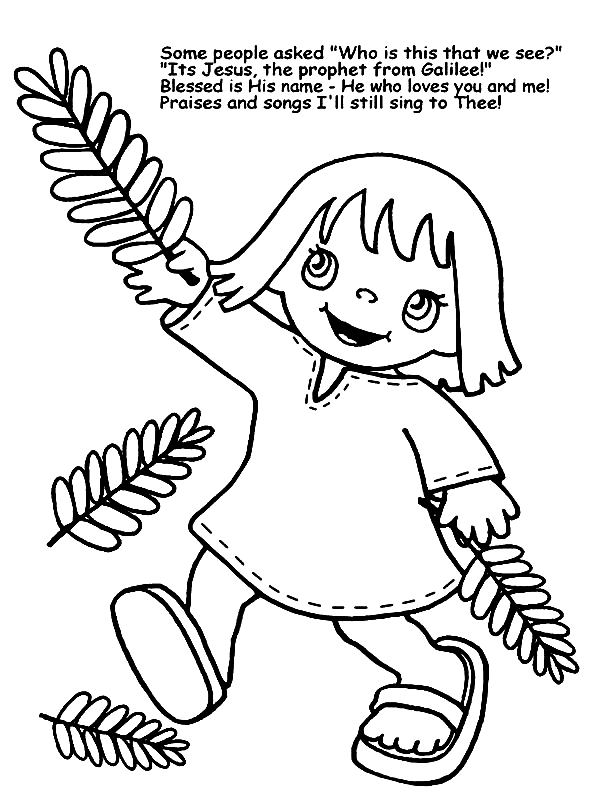
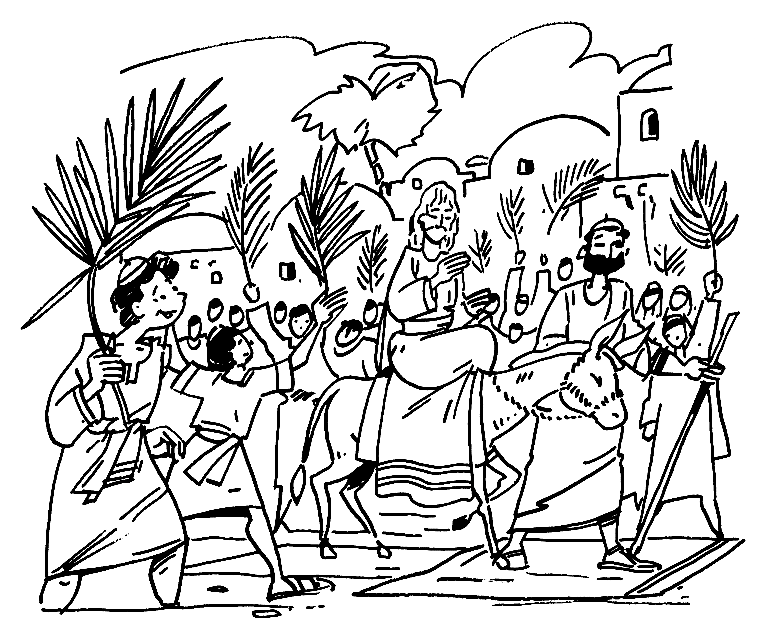
What’s Inside This Collection
The pages follow the story from the road into Jerusalem to the symbols and lessons that come from it.
The Entry Into Jerusalem
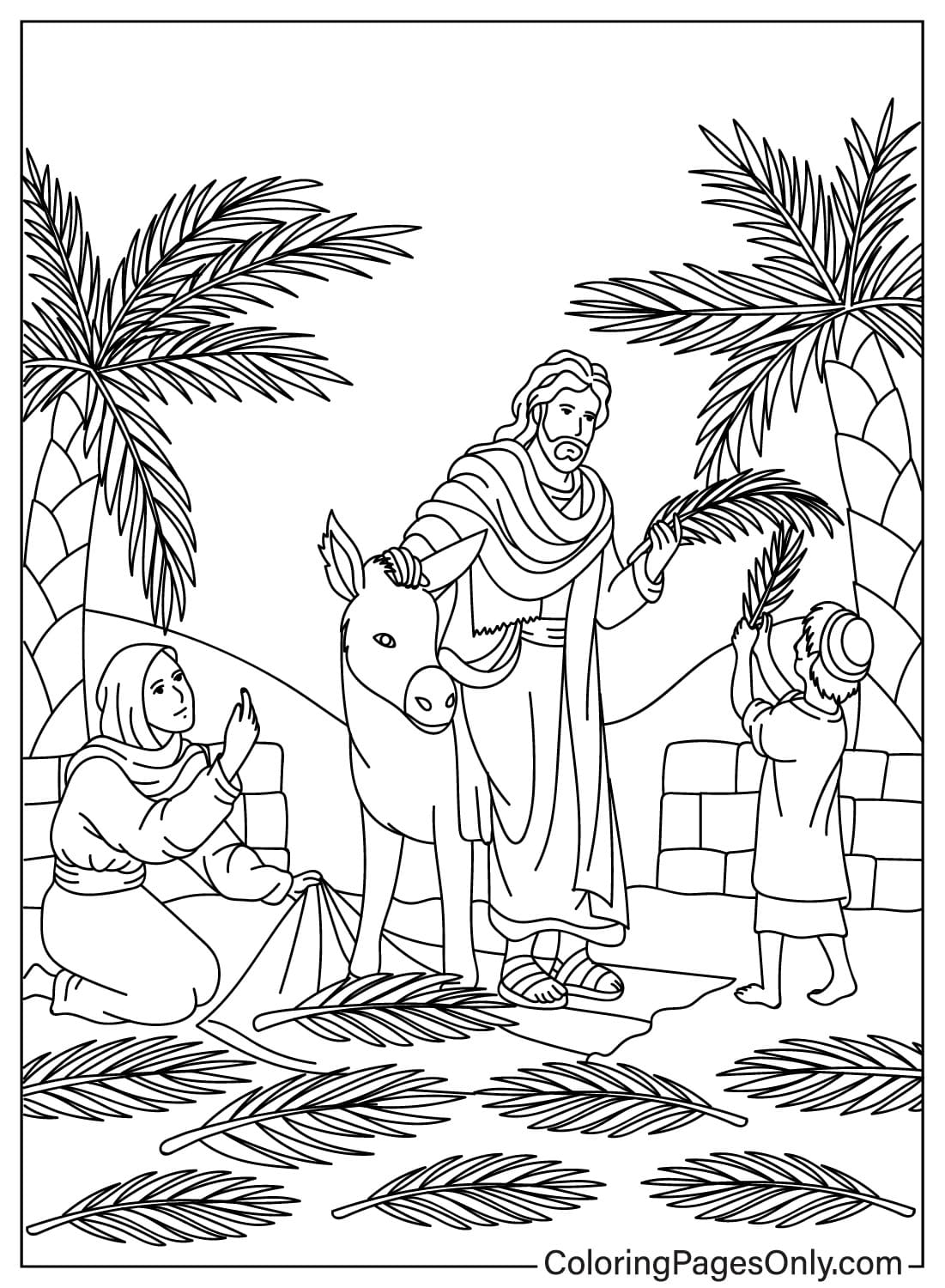
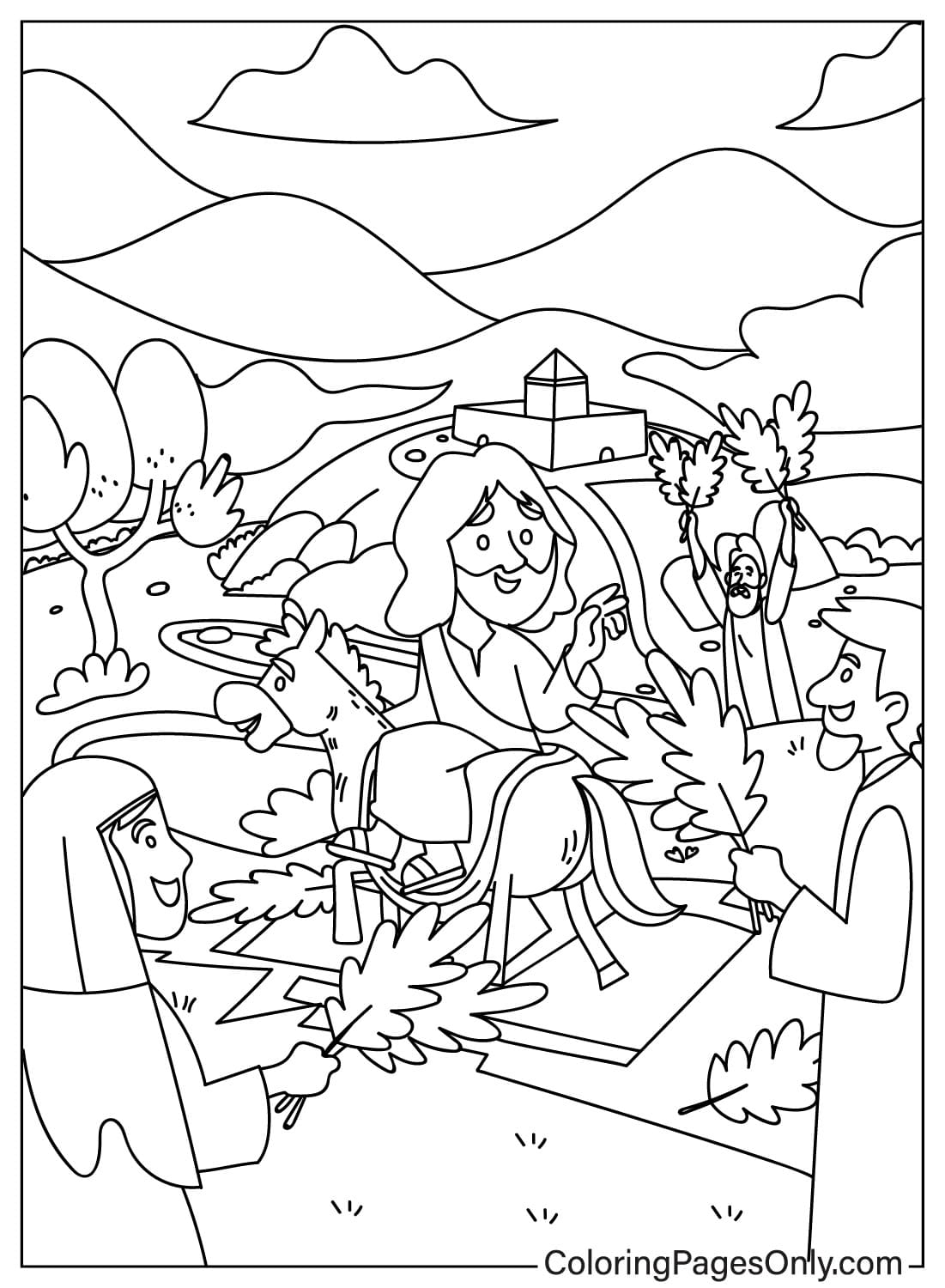
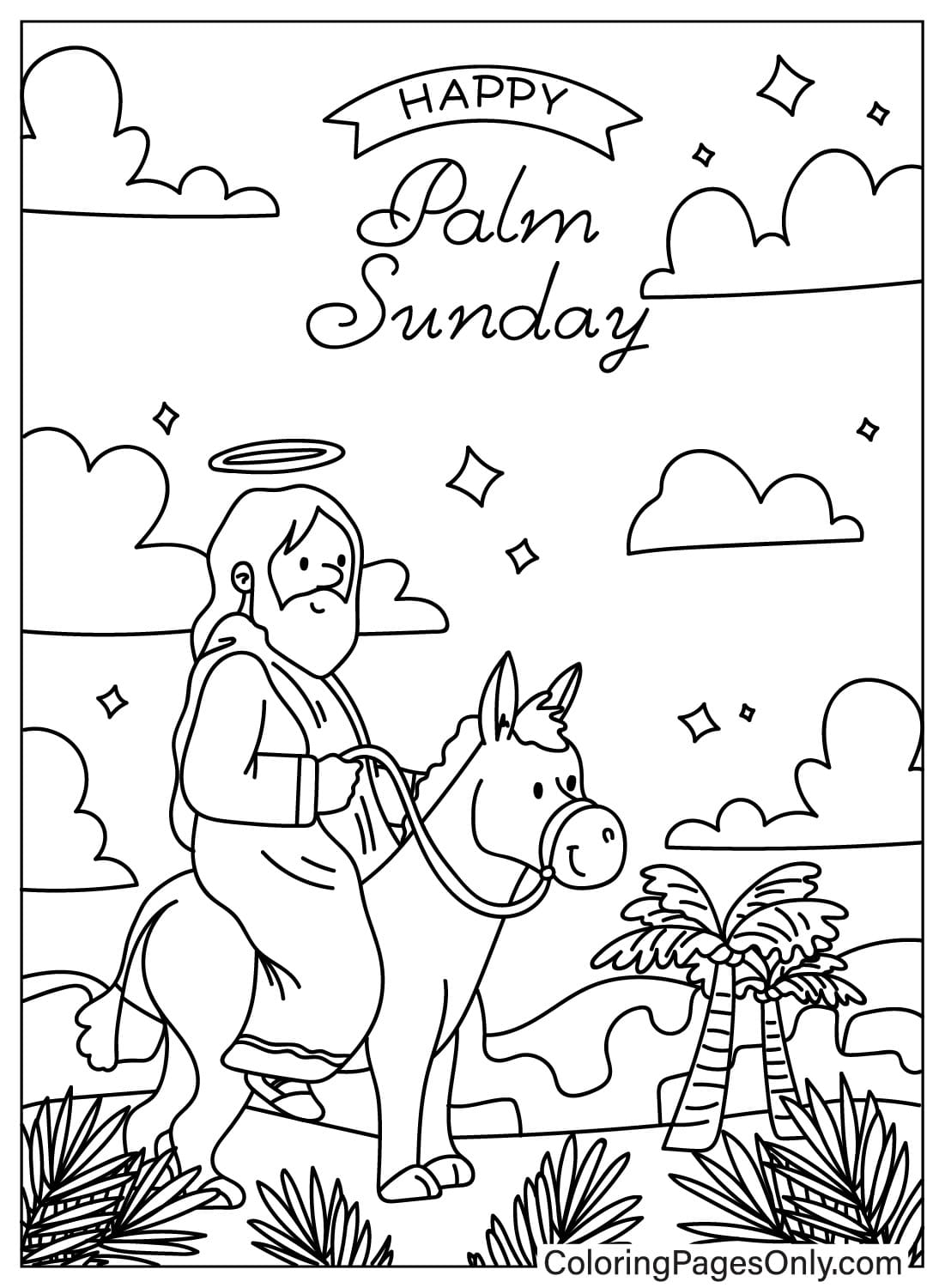
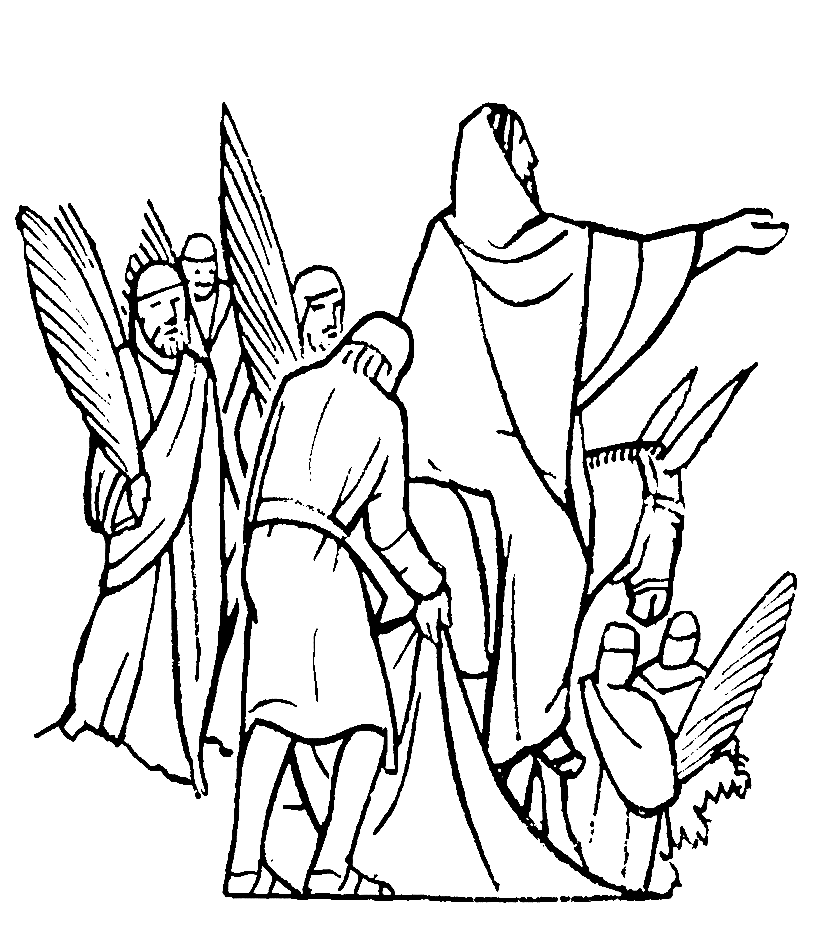
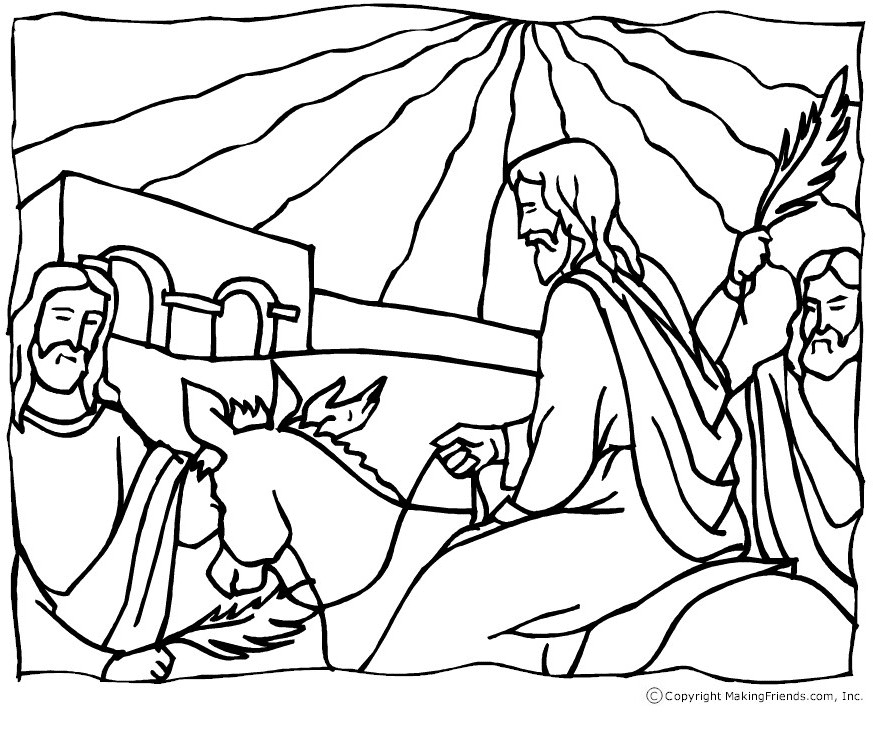
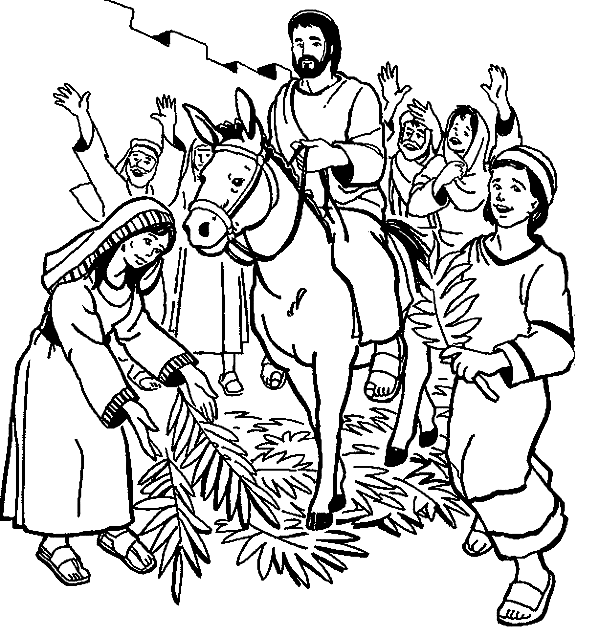
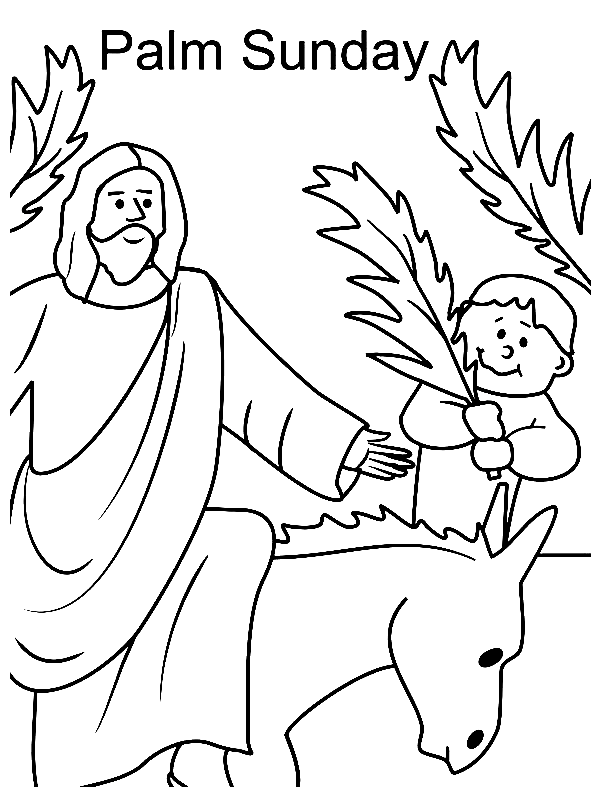
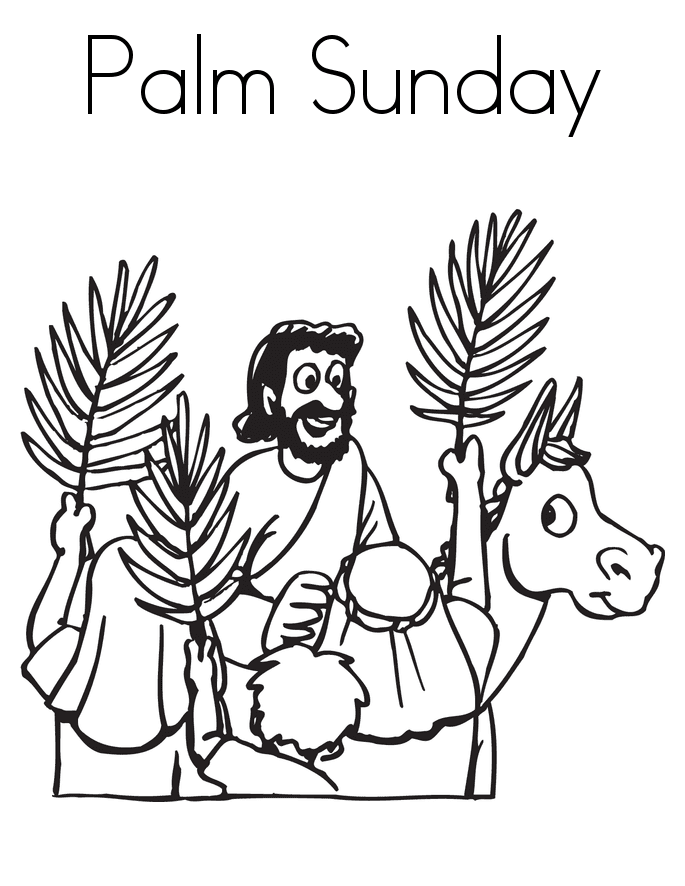
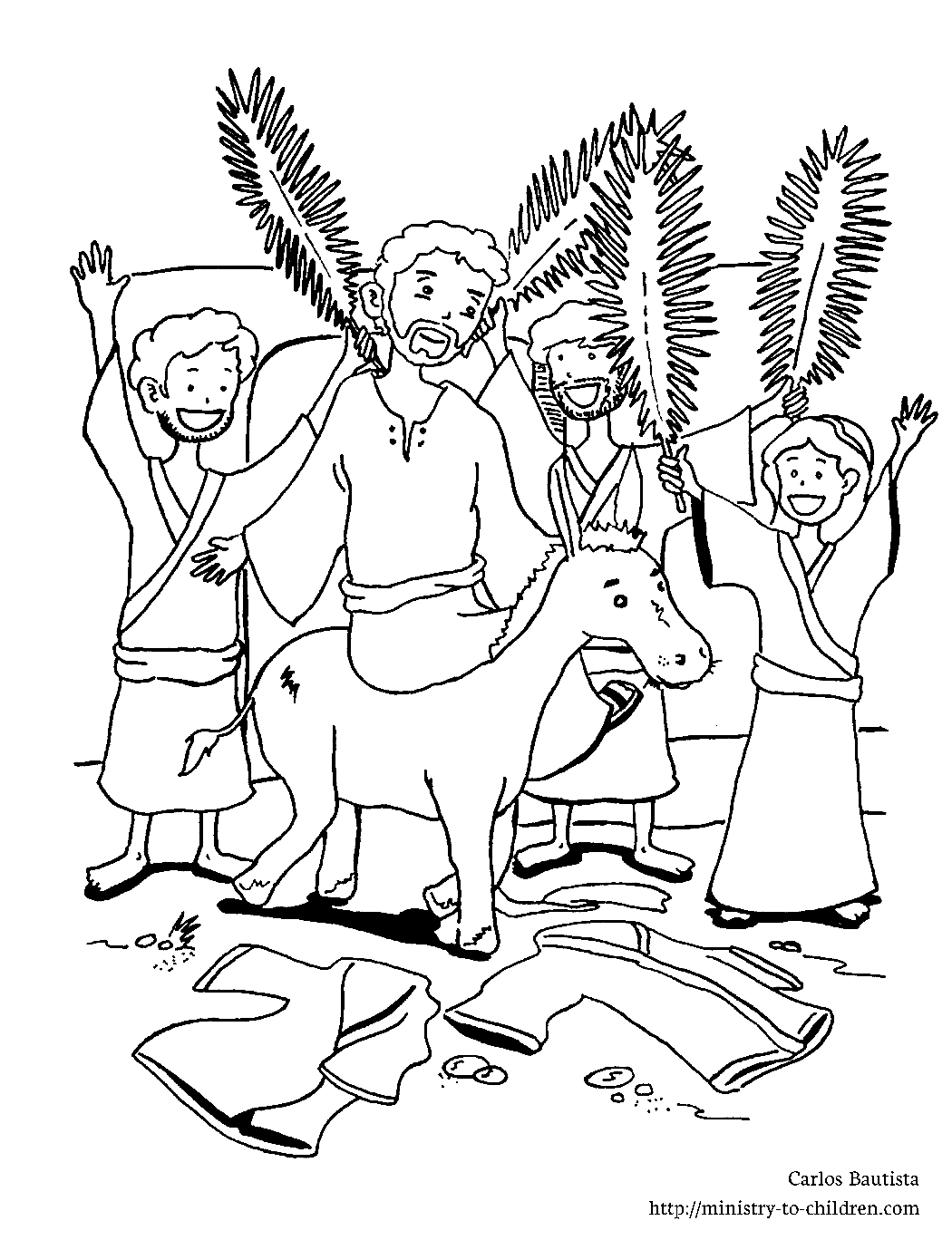
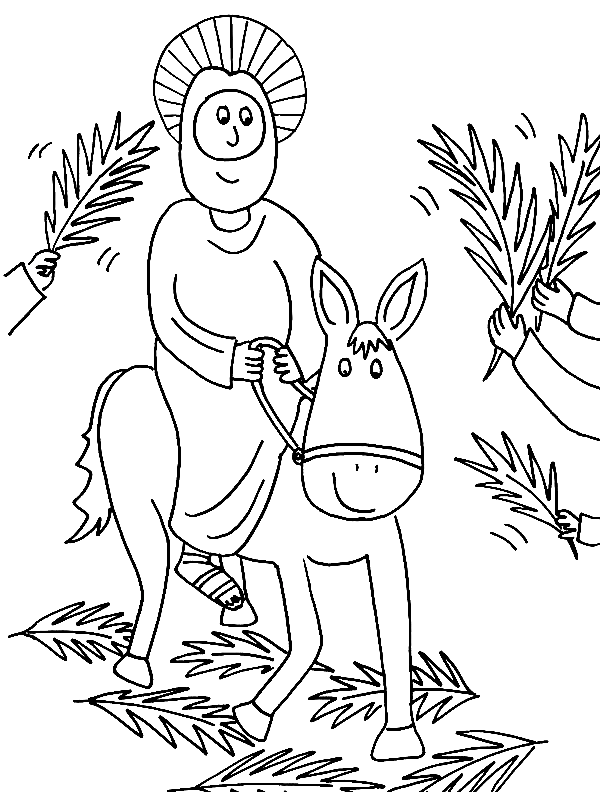
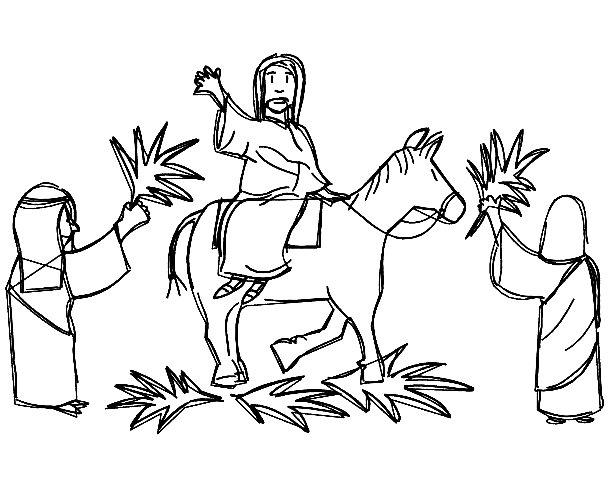
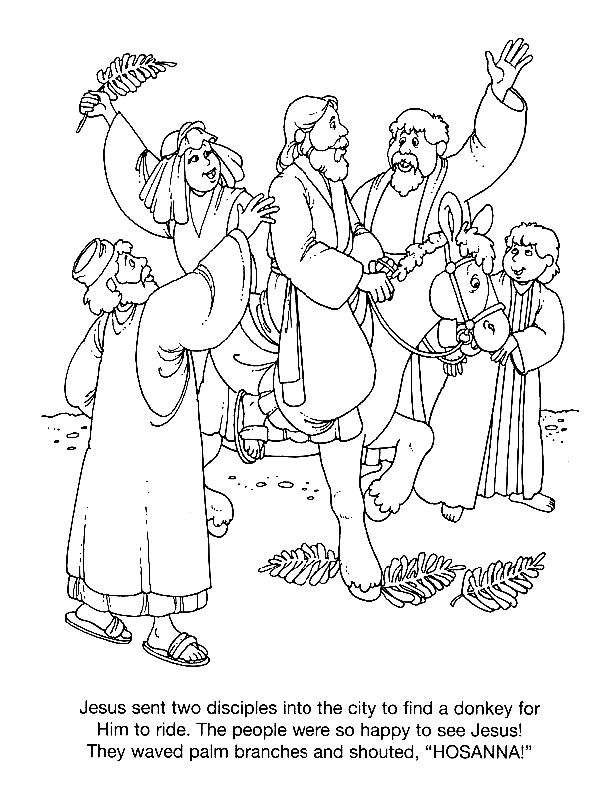
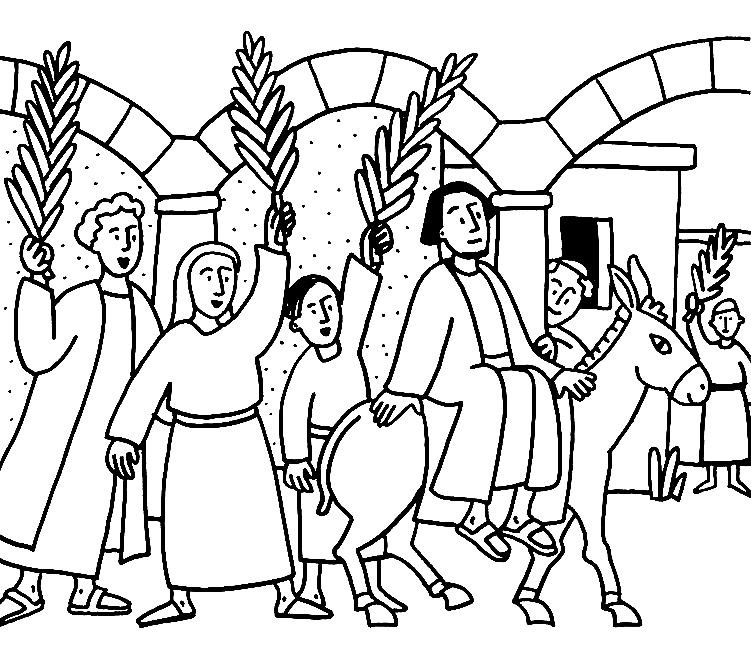
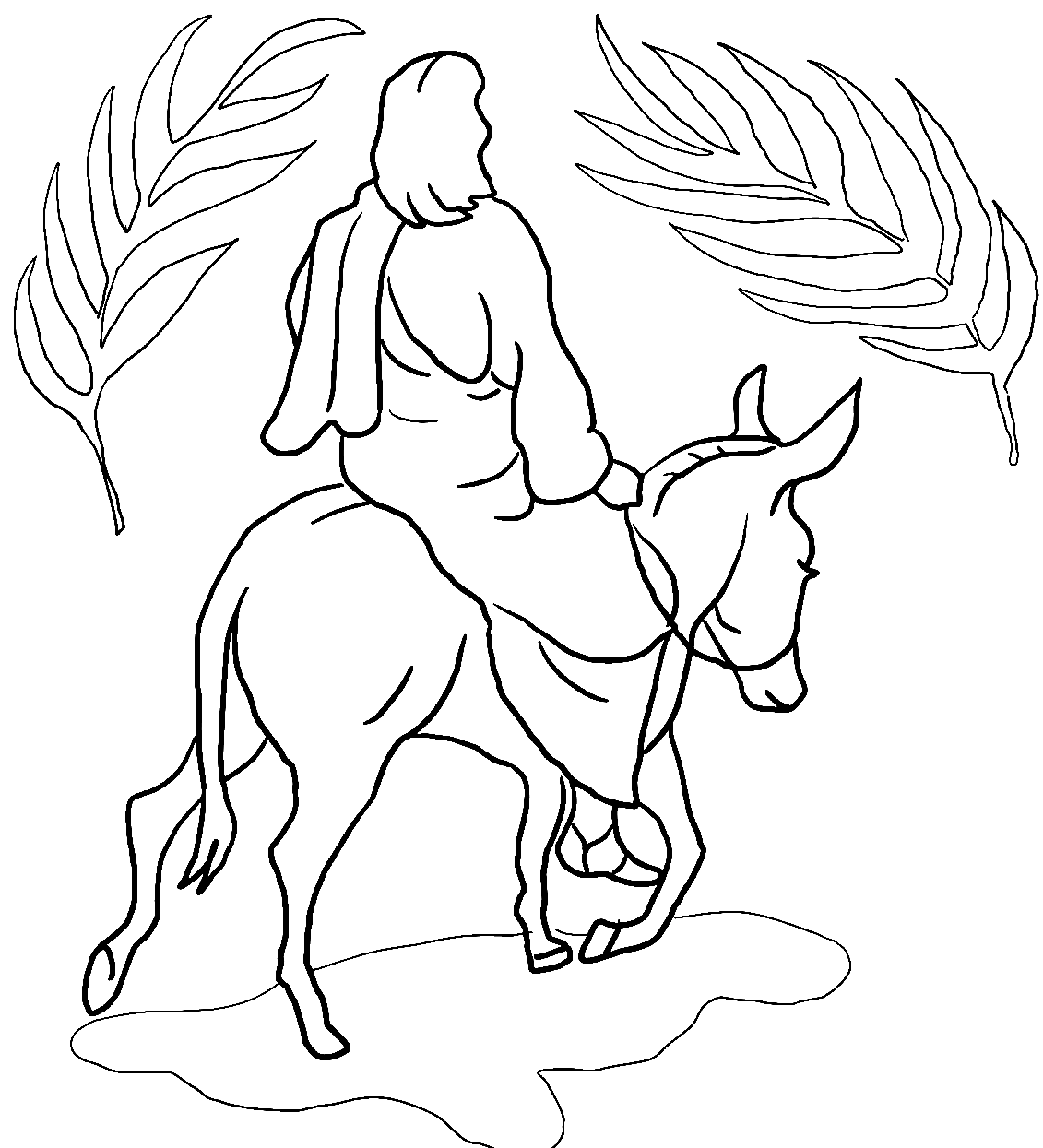
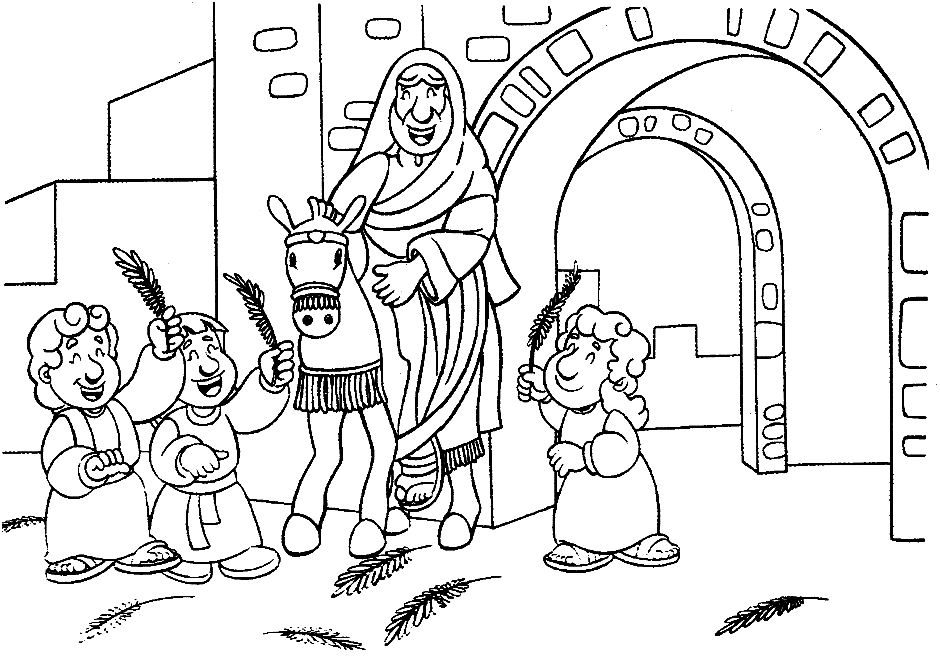
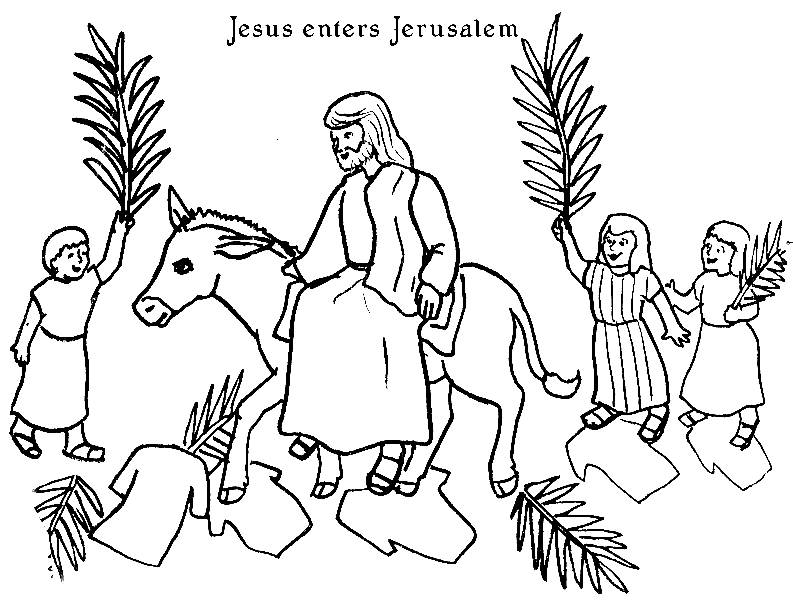
Scenes of Jesus on a donkey, greeted by crowds and passing through the city gates, form the center of the collection. Warm sandy tones for the road and walls help the green palms and colorful clothing stand out.
Palms and Hosanna
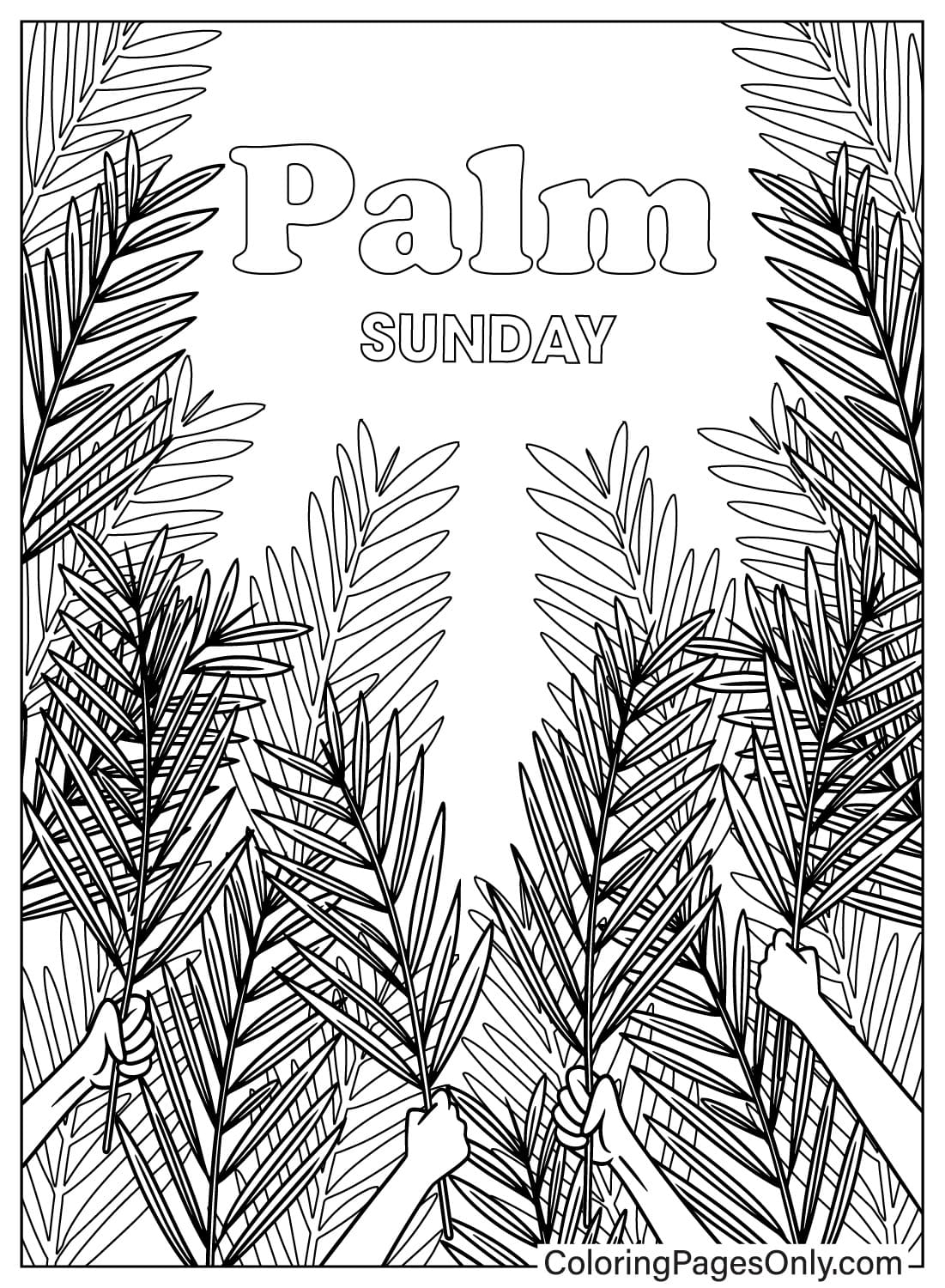
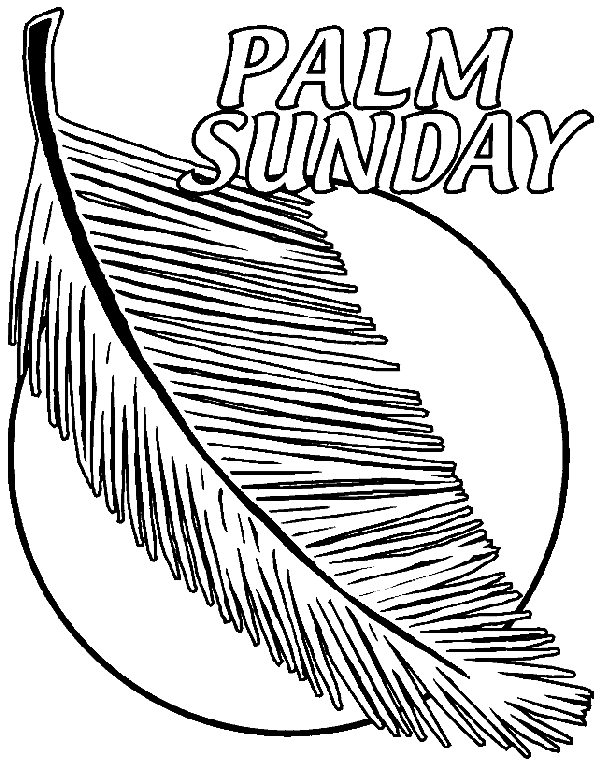
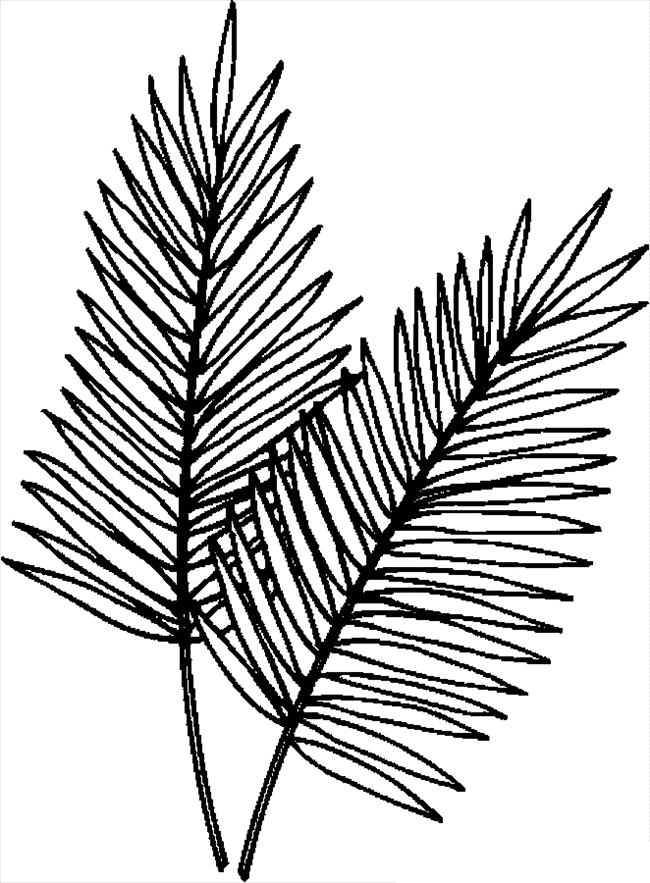
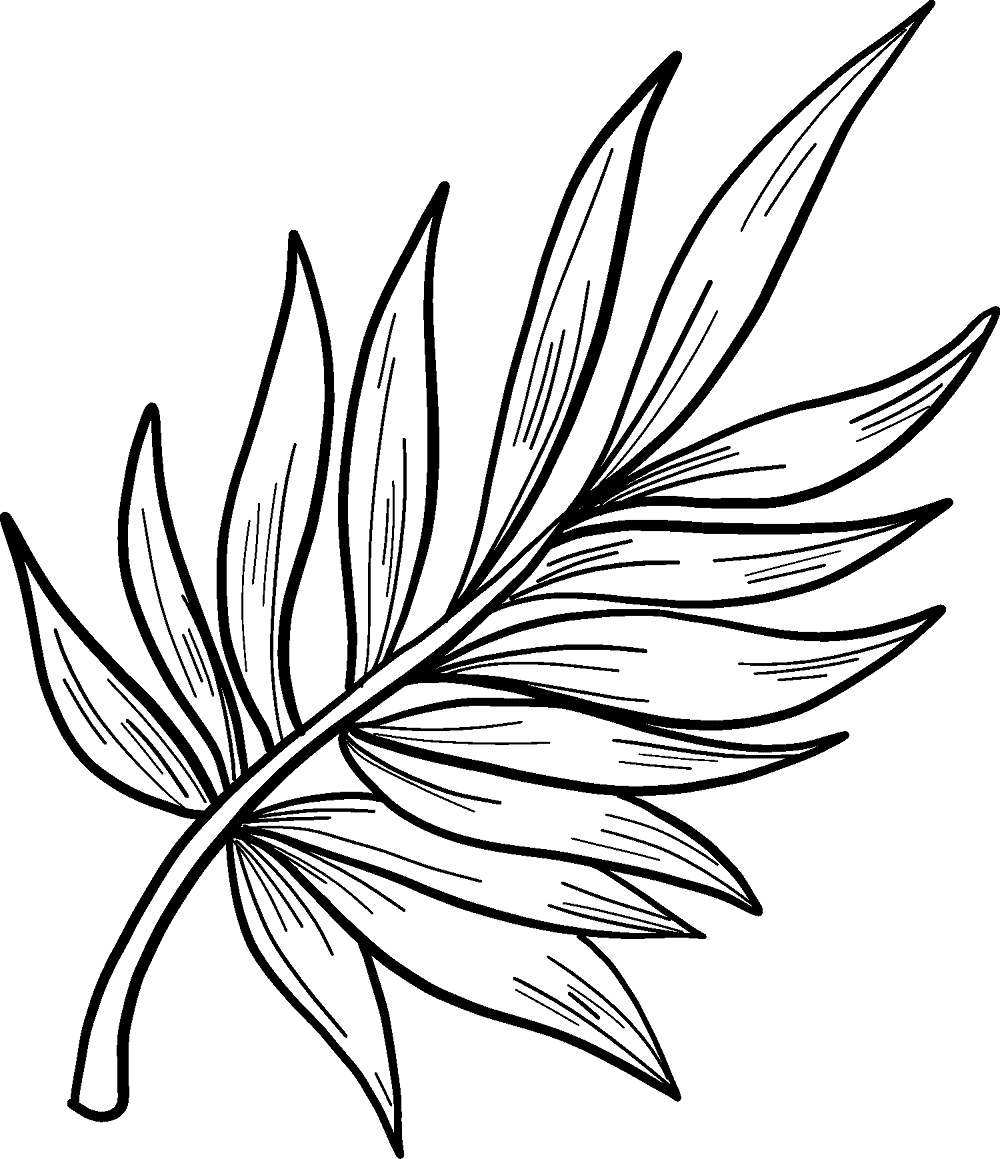
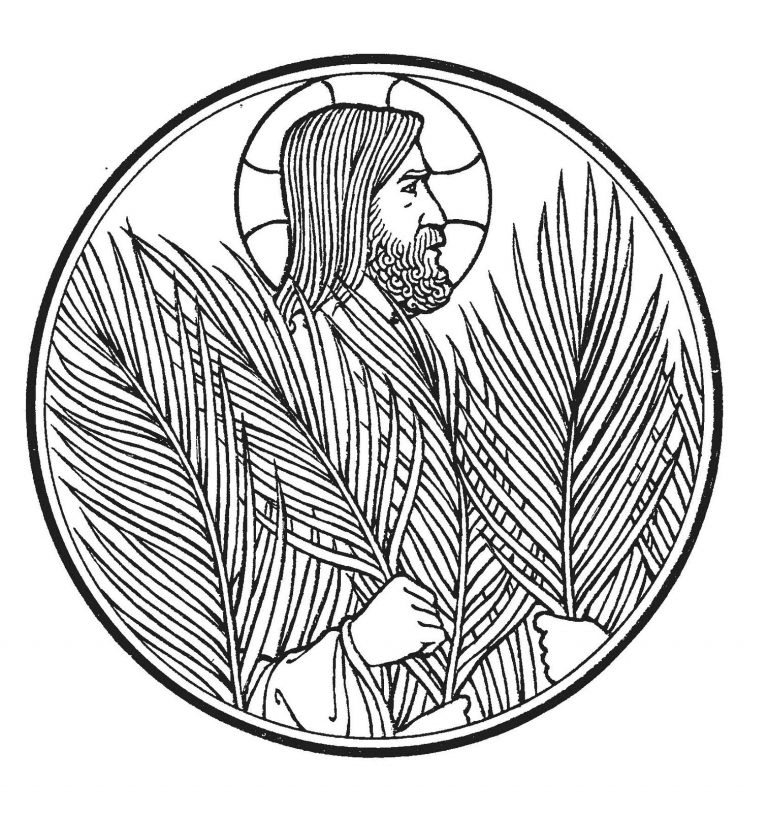
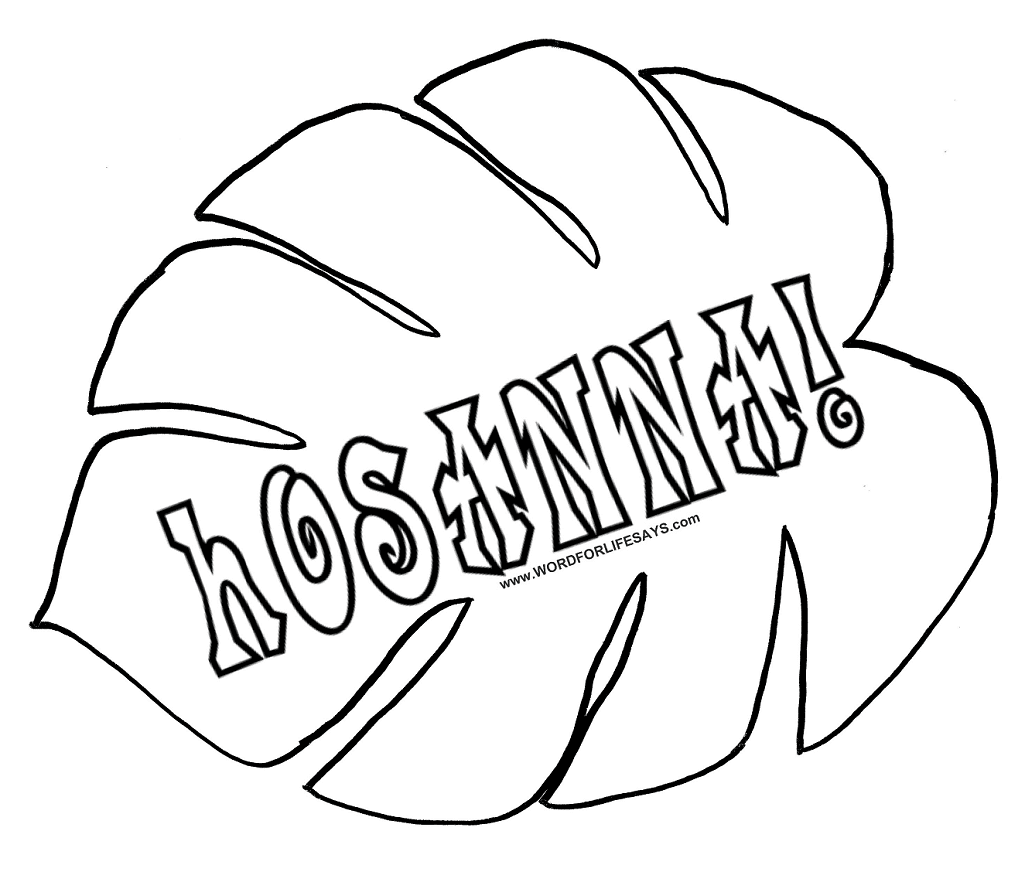
Standalone palm fronds and pages built around the word “Hosanna” make ideal banners, bulletin boards, and card fronts. Rich greens with gold lettering give them a festive, celebratory look.
Bible Lesson and Devotional Sheets
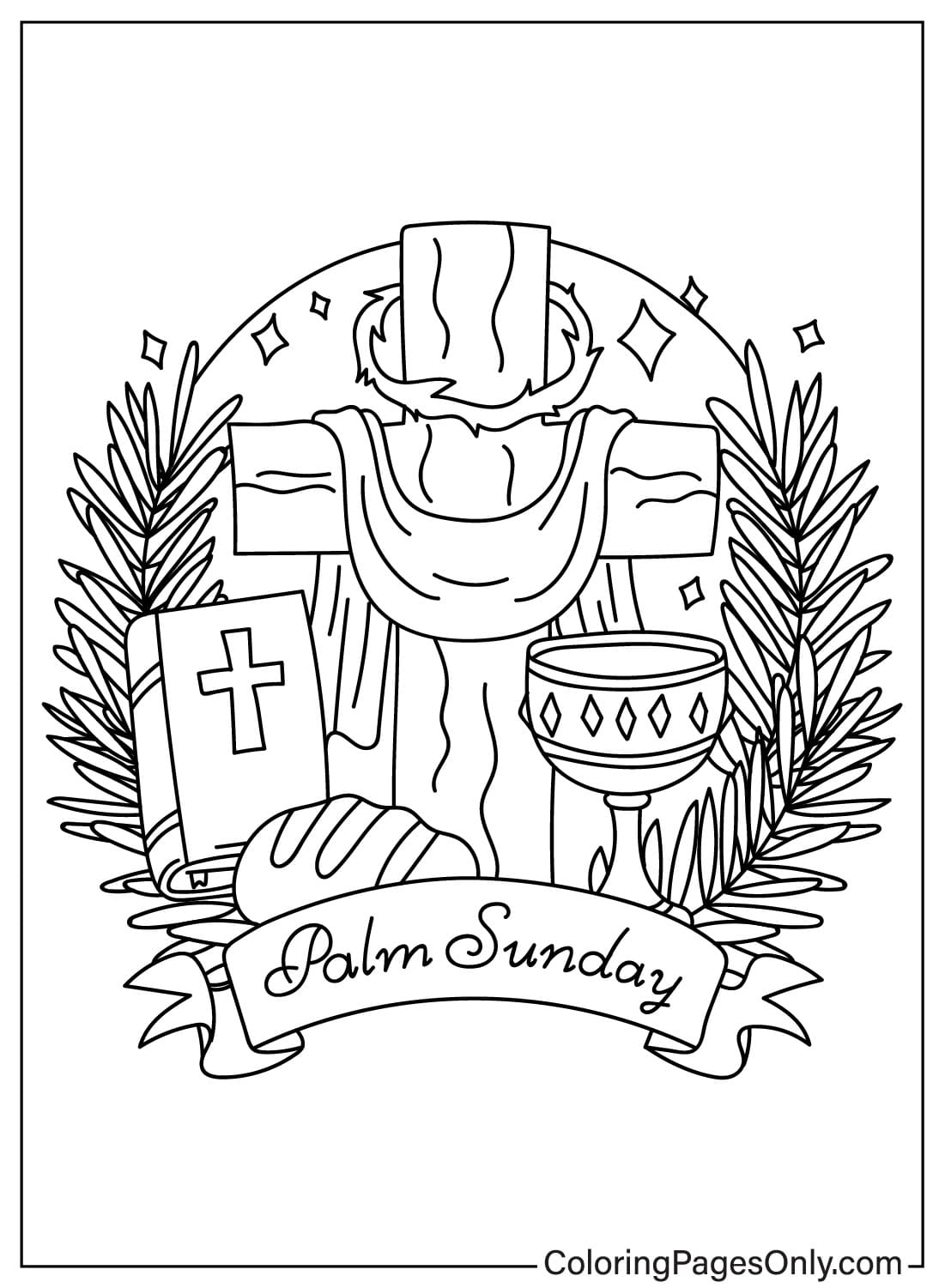
Pages designed with scripture study in mind pair the story with open space for teaching, perfect for Sunday school take-home activities. Soft, calm colors keep the focus on the lesson.
Pages for Young Children
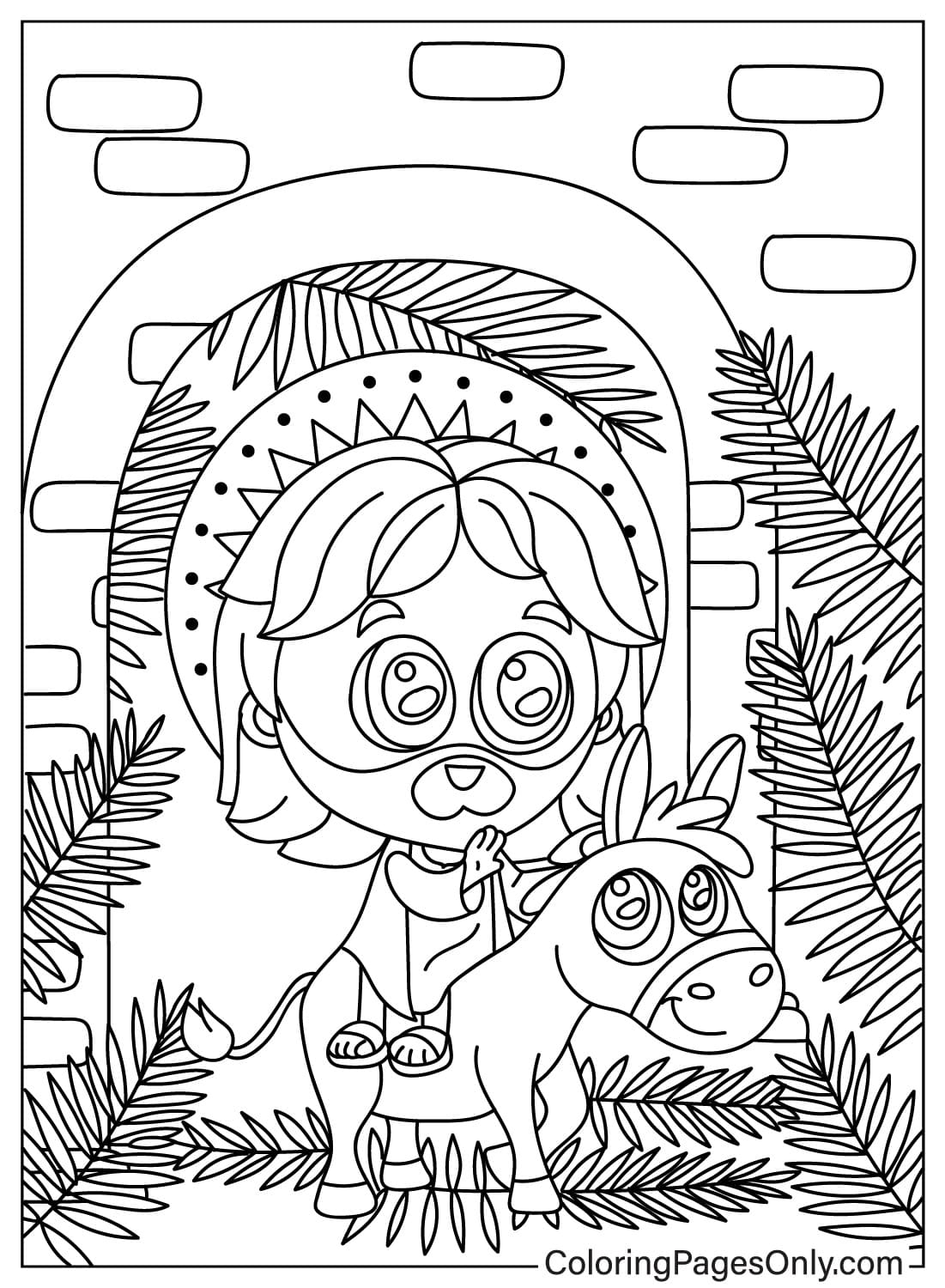
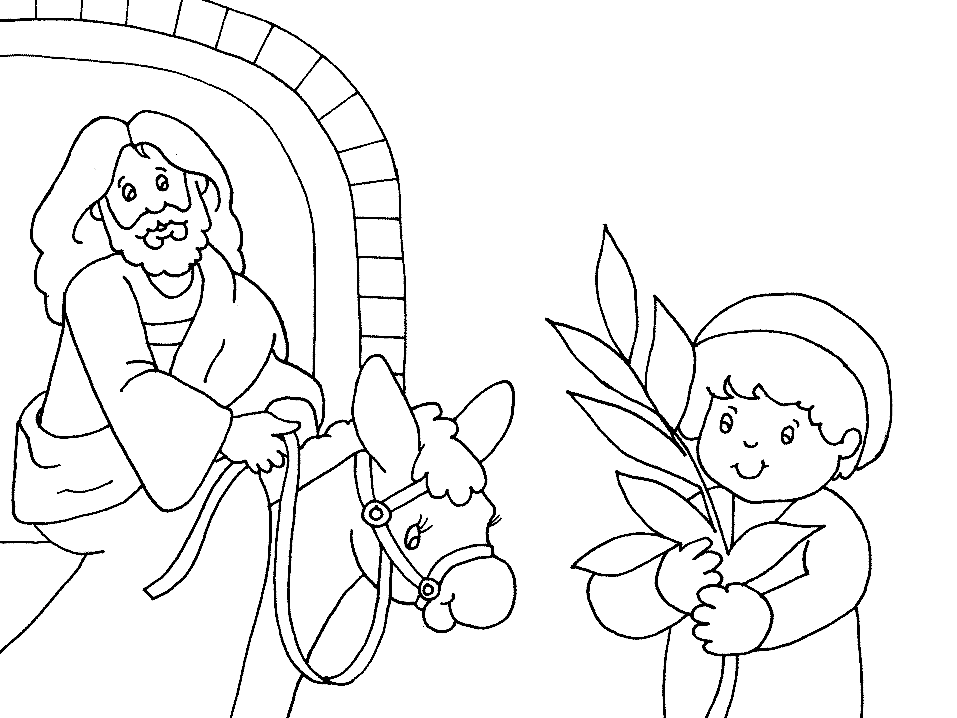
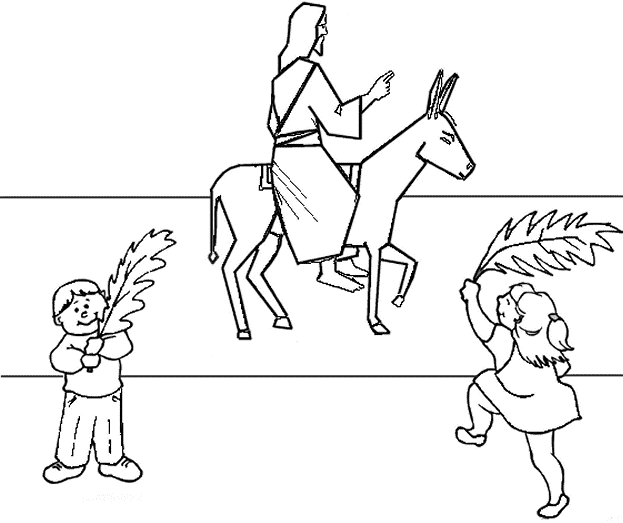
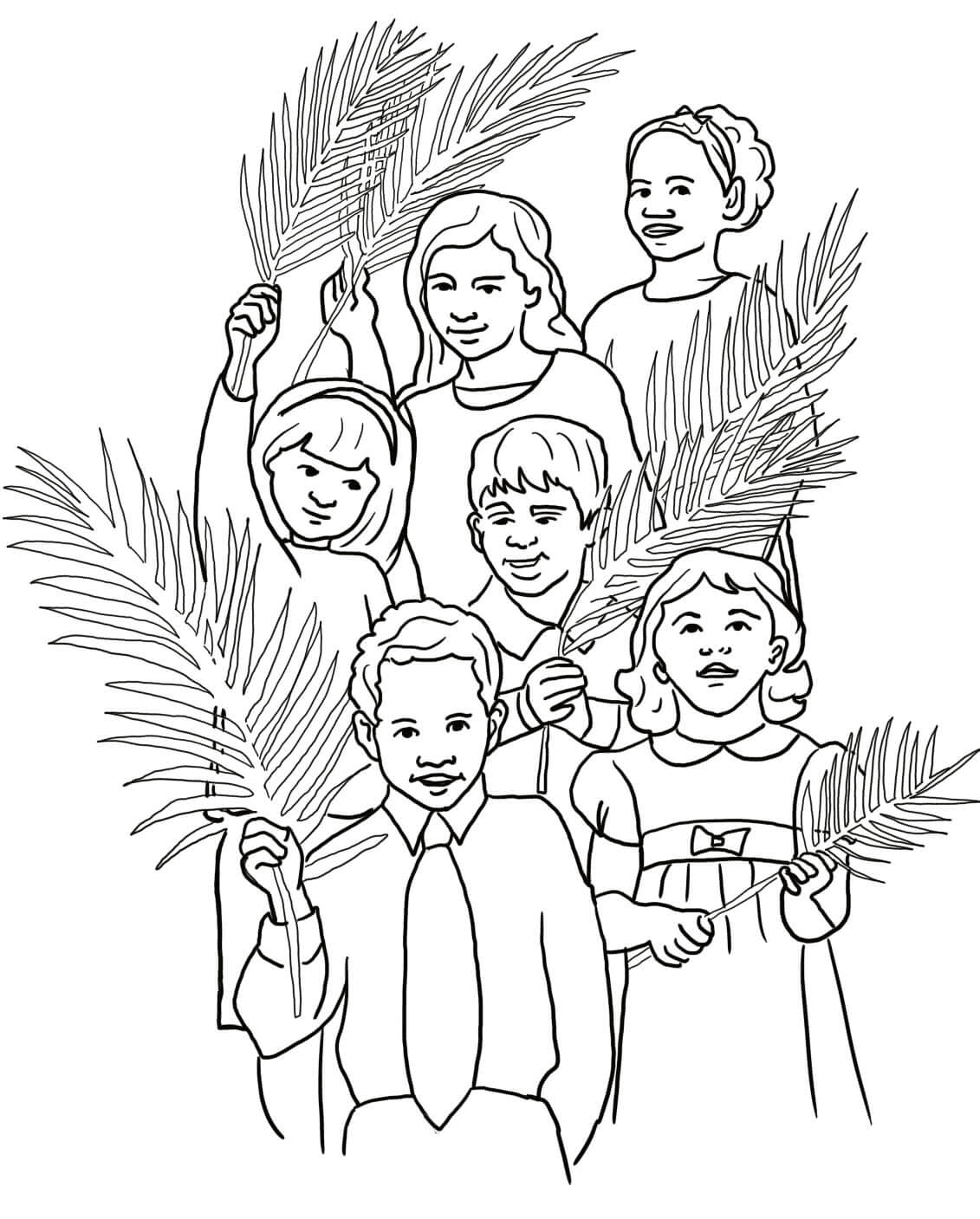
Simple designs, including a cute chibi-style version and a child joining the celebration, suit preschool and early elementary ages. Big shapes and thick lines make them easy to finish.
Posters and Scene Collections
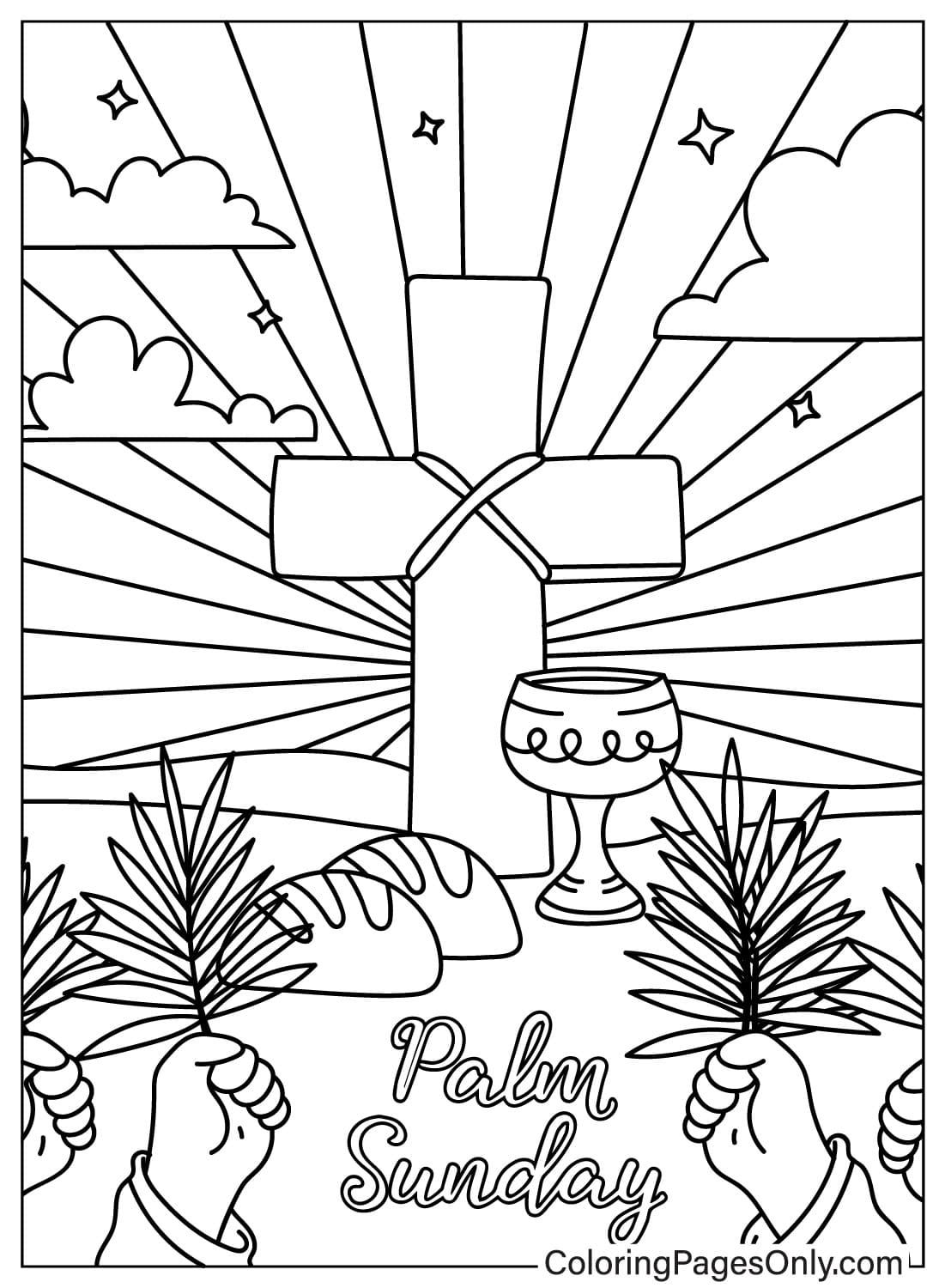
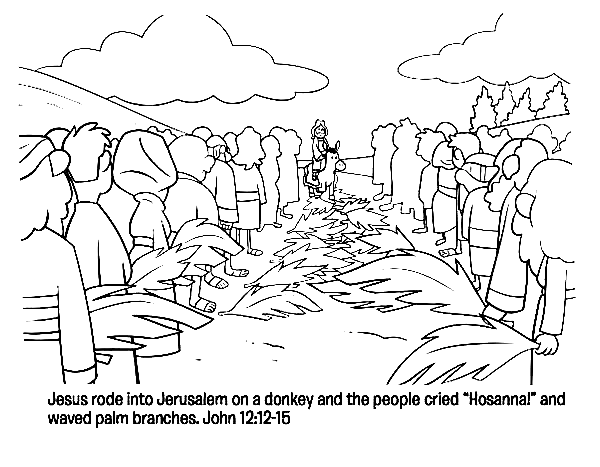
Several full-page compositions combine the donkey, crowd, and city skyline in a single picture. These reward older kids and adults who enjoy working on detailed scenes.
What Palm Sunday Coloring Pages Do
Bringing a Bible story to life. Children remember stories better when they have handled them. Coloring the donkey, the palms, and the crowd gives Sunday school lessons a concrete picture to return to.
Understanding symbols. Palm branches, the donkey, and the word Hosanna each carry meaning. Coloring them one at a time is a natural moment to explain what each symbol stands for.
Fine motor practice with purpose. Palm fronds are made of many narrow leaflets, which call for small, careful strokes. The American Academy of Pediatrics describes this kind of fine motor practice as central to development between ages 2 and 7.
A peaceful start to Holy Week. Quiet, focused activity can make a busy season feel calmer. A 2005 report in the Art Therapy Journal noted measurable anxiety reduction following structured coloring, making these pages a gentle family activity before a Palm Sunday service.
How to Color Palm Sunday Coloring Pages Well
- Deep palm greens: Use a rich mid-green for fronds, darker along the center stem, and lighter yellow-green at the tips.
- Warm earth for Jerusalem: Color roads and walls in sand, ochre, and pale terracotta instead of cool gray.
- Traditional robes: A soft cream or white outer robe over blue or red is the most familiar way artists show Jesus.
- Gentle donkey: Choose a warm gray-brown with a lighter muzzle and belly.
- Colorful crowds: Give the people varied reds, blues, oranges, and greens to show a joyful celebration.
- Gold for Hosanna: Letter the word in gold, royal blue, or red so it shines on a banner.
5 Creative Craft Ideas With Palm Sunday Coloring Pages
1. Palm Branch Procession
Print the palm frond pages on green cardstock, color and cut them out, and let children wave them while retelling the story.
2. Holy Week Timeline
Pair a Palm Sunday page with pages for Holy Thursday, Good Friday, and Easter, and hang them in order across a wall.
3. Hosanna Banner
Color the Hosanna pages, trim them, and string them together on ribbon for a classroom or church hallway.
4. Stand-Up Scene
Color and cut out Jesus, the donkey, and crowd figures, glue craft sticks to the back, and set them in a clay base along a paper road.
5. Palm Sunday Cards
Turn a finished page into a greeting card by mounting it on folded cardstock with a short blessing for family or church friends.
Frequently Asked Questions
What are Palm Sunday Coloring Pages?
Printable designs of Jesus entering Jerusalem, palm branches, Hosanna lettering, and Bible lesson sheets for Holy Week. There are 48 free pages.
What is Palm Sunday?
Palm Sunday is the Sunday before Easter and the first day of Holy Week. It marks Jesus’s entry into Jerusalem as described in the Gospels.
Where is Palm Sunday found in the Bible?
The entry into Jerusalem appears in all four Gospels: Matthew 21, Mark 11, Luke 19, and John 12.
Why did people wave palm branches?
Palms were a sign of celebration and victory. John’s Gospel describes the crowd taking palm branches to welcome Jesus.
What does Hosanna mean?
It comes from a Hebrew phrase meaning “save, please.” Over time, it also became a shout of praise.
Why did Jesus ride a donkey?
The Gospels link it to a prophecy in Zechariah describing a king arriving humbly on a donkey, a sign of peace rather than war.
What age are these pages for?
Simple and chibi-style pages suit ages 3 to 6, while detailed crowd and city scenes work well for older children and adults.
What happens to the palms after Palm Sunday?
Many churches keep the blessed palms and burn them to make the ashes used on Ash Wednesday the following year.
Start Coloring
Start with a single palm frond for little hands, then move on to the full procession for older children. A set of greens and a gold pencil will carry you through most of the collection. Share your Holy Week artwork with your church family on Facebook, or save your favorite Sunday school ideas to Pinterest.