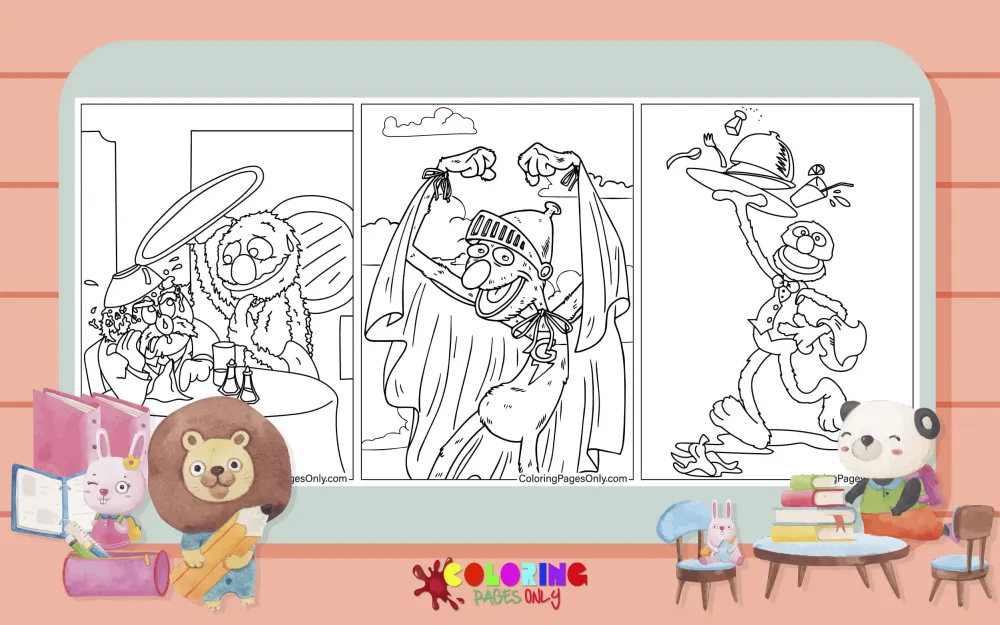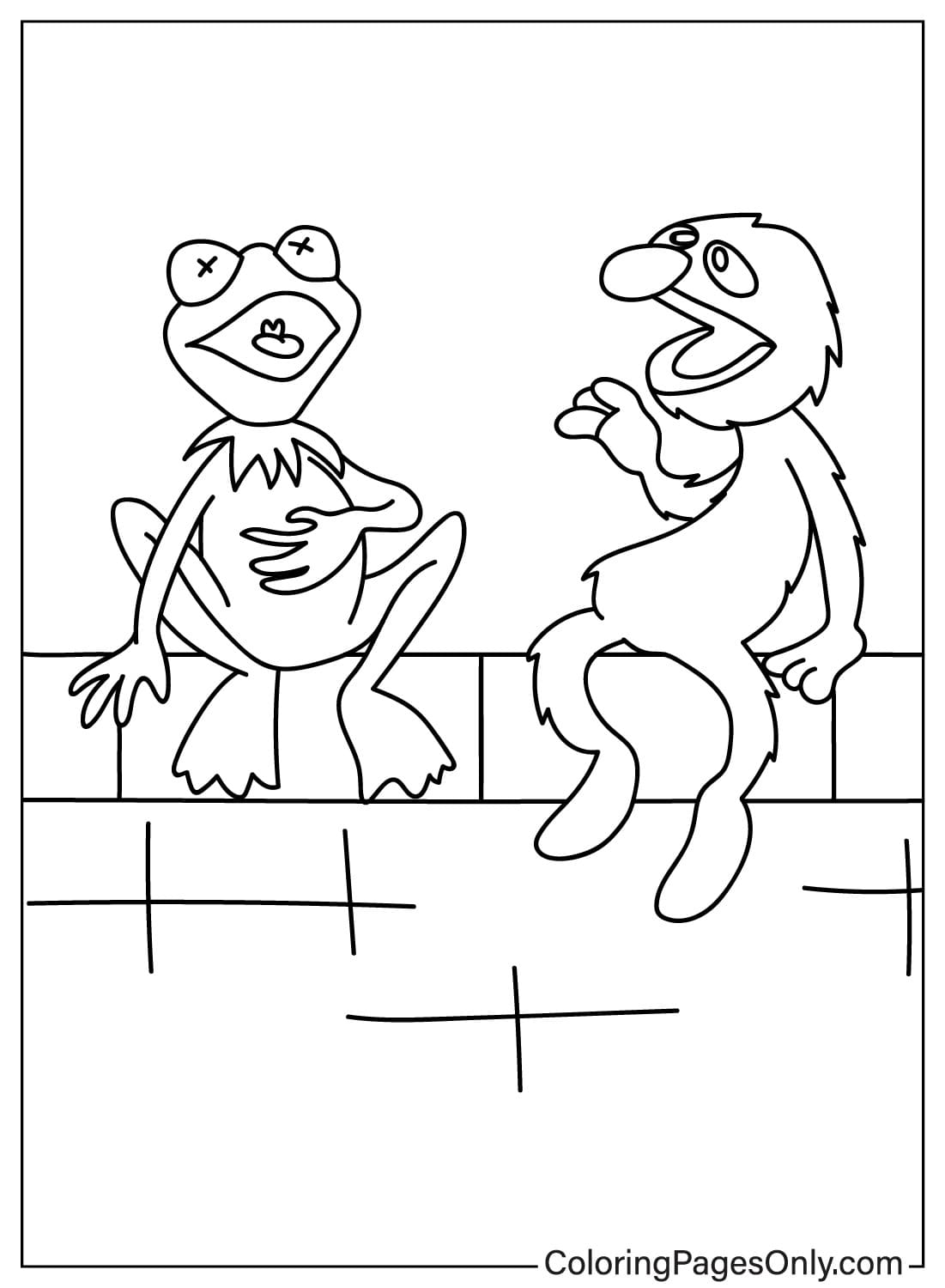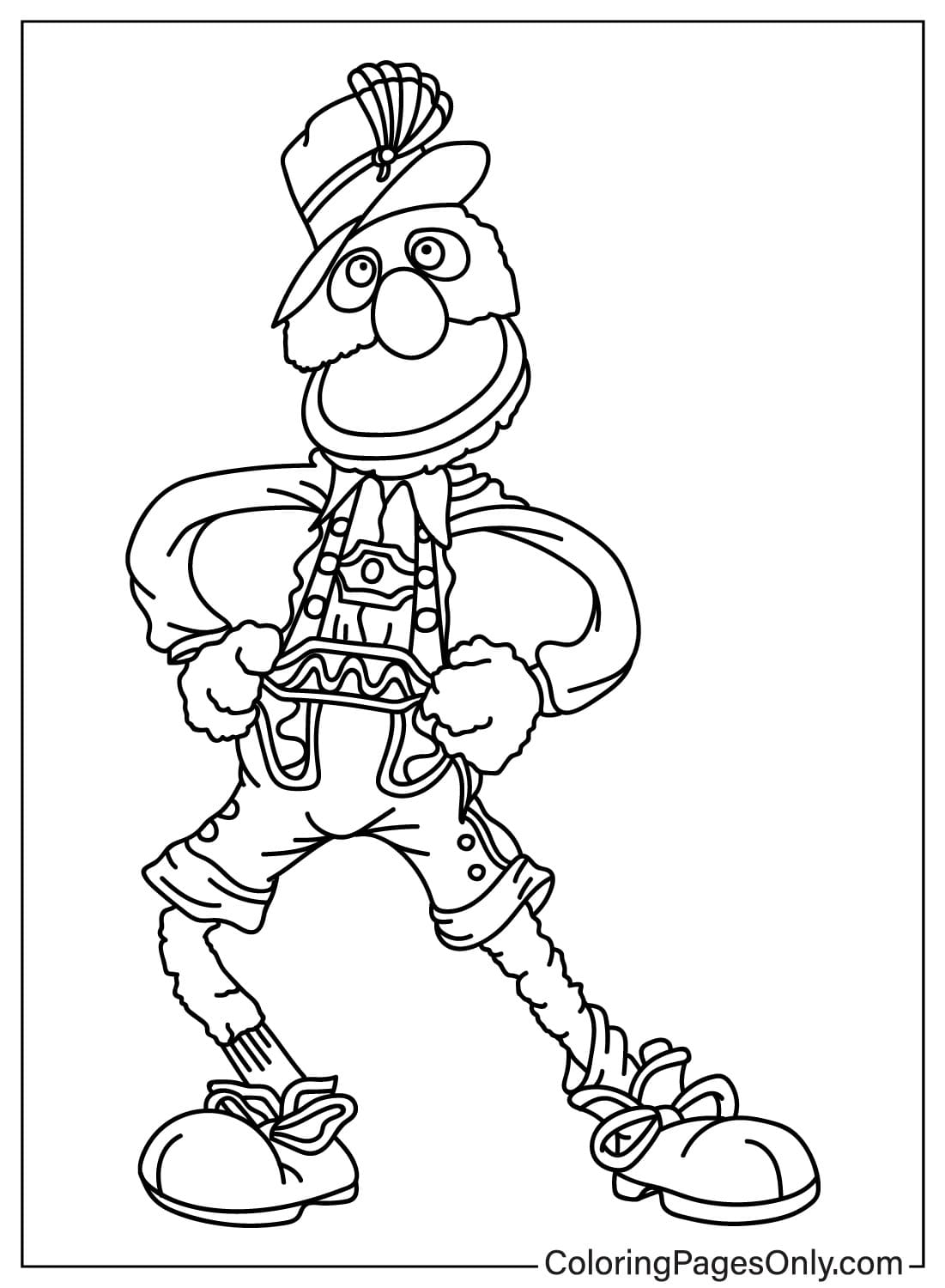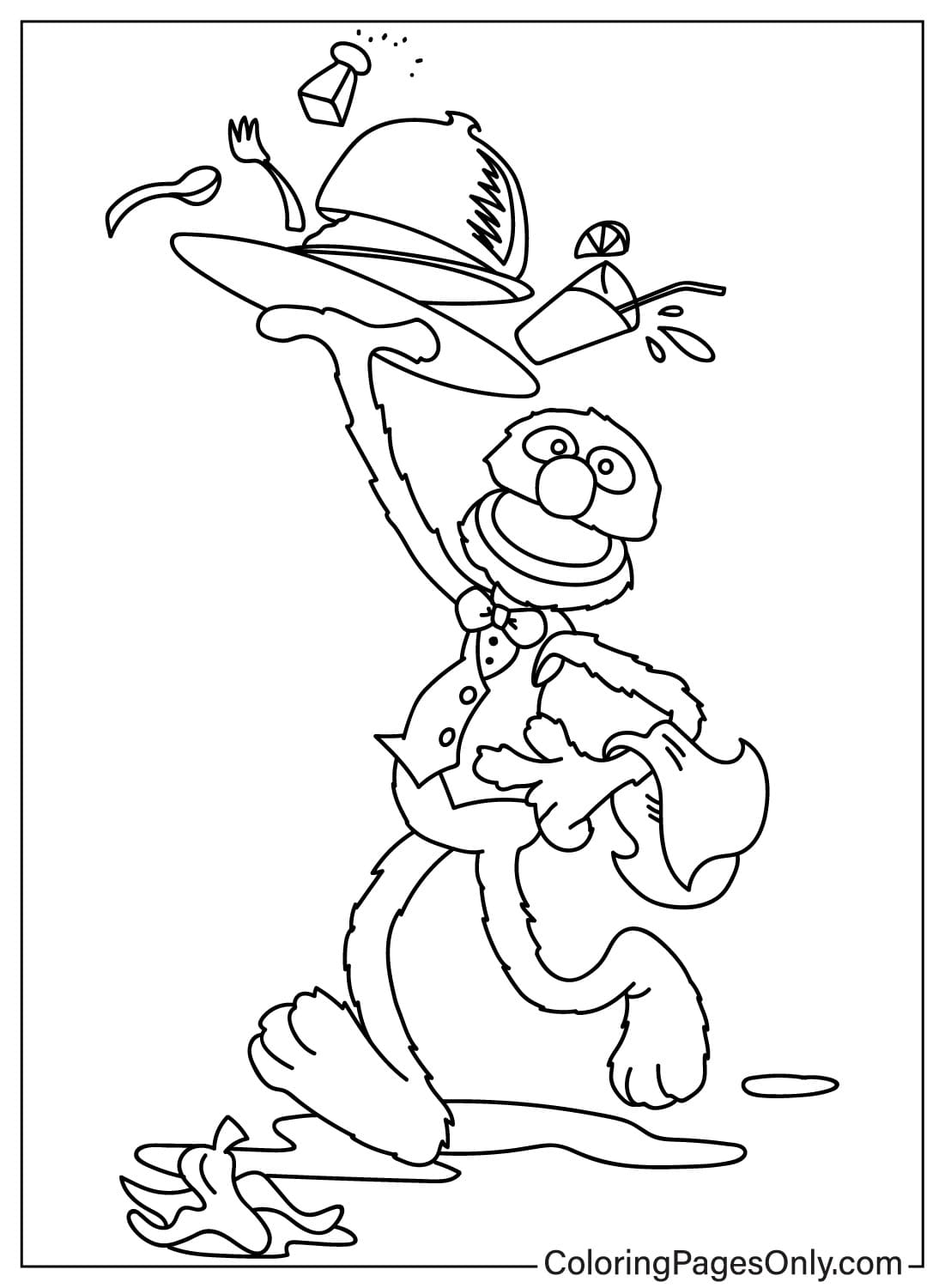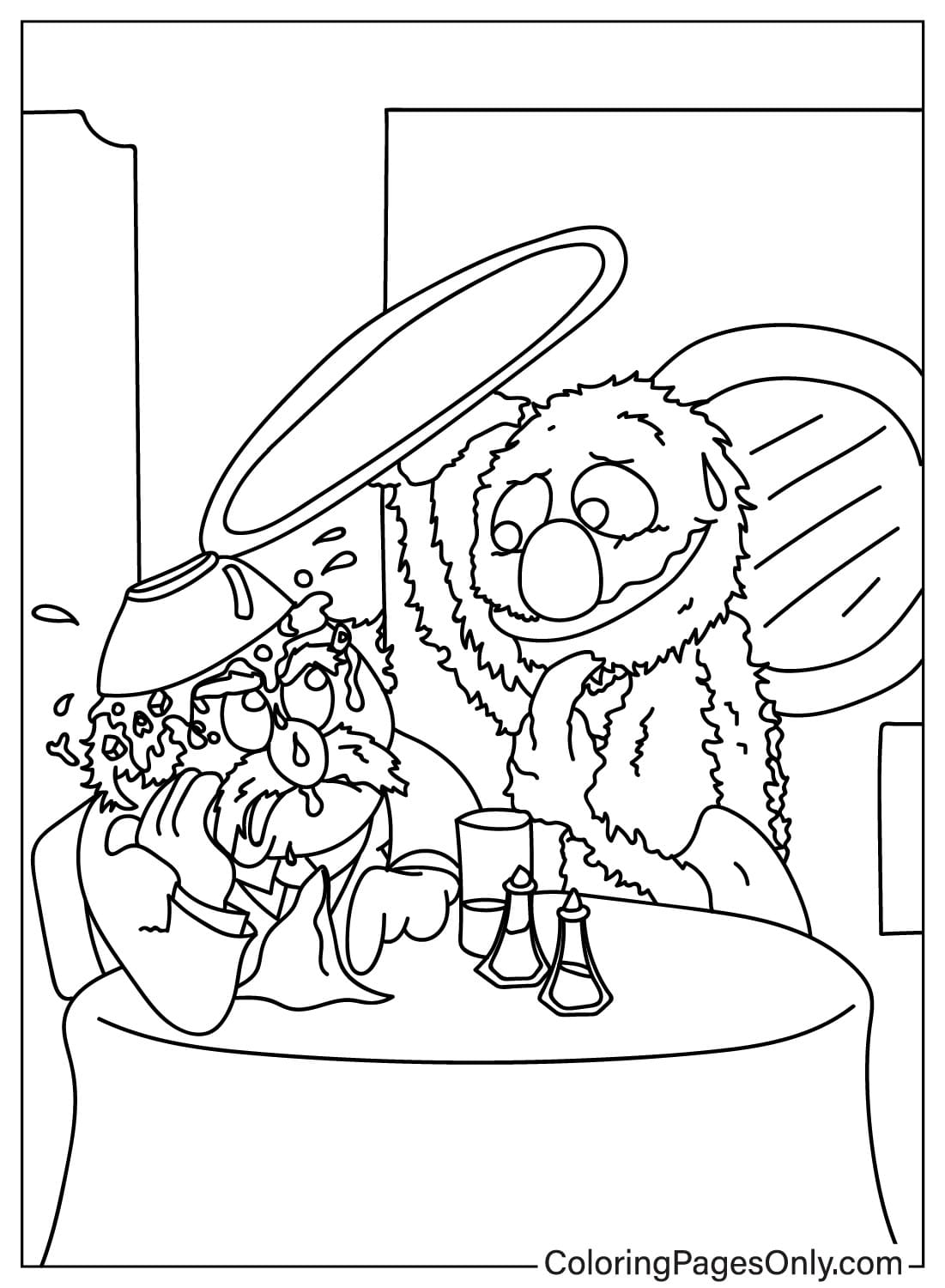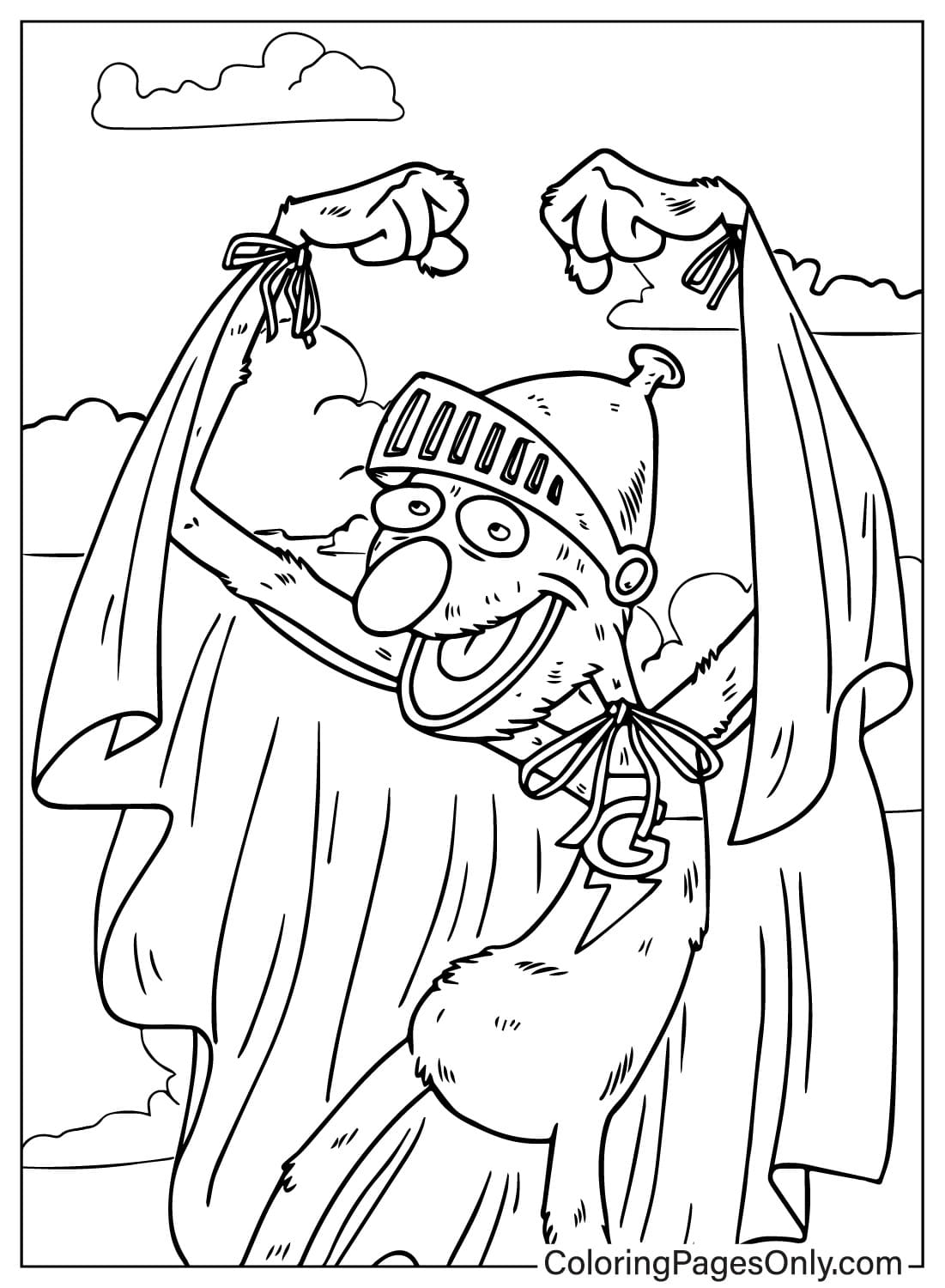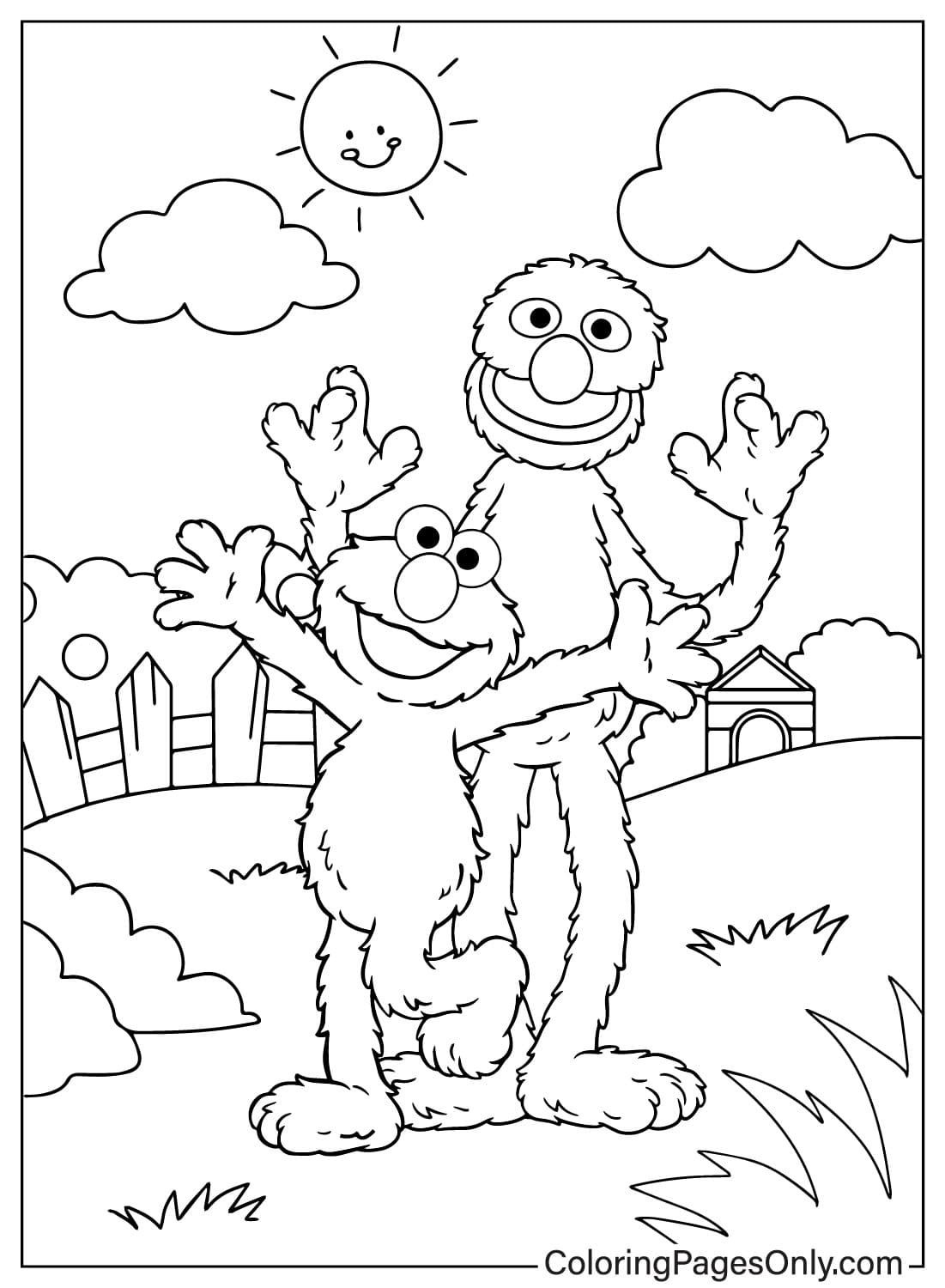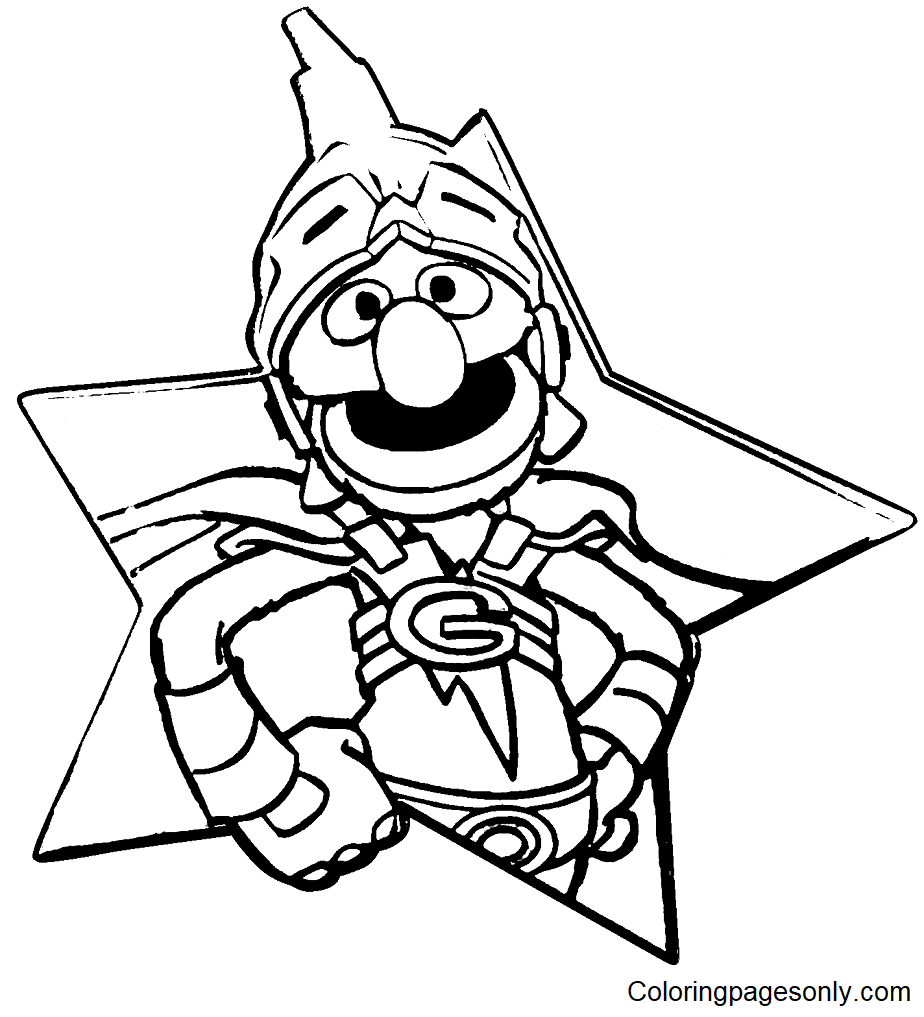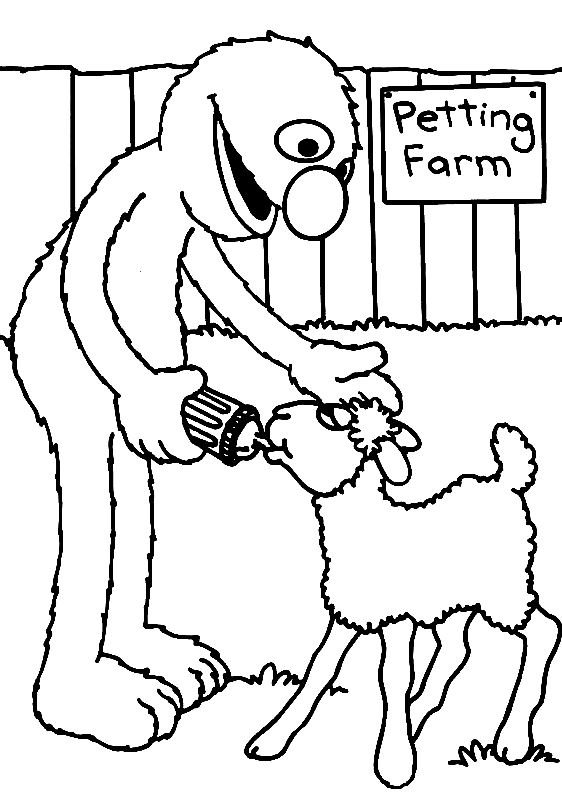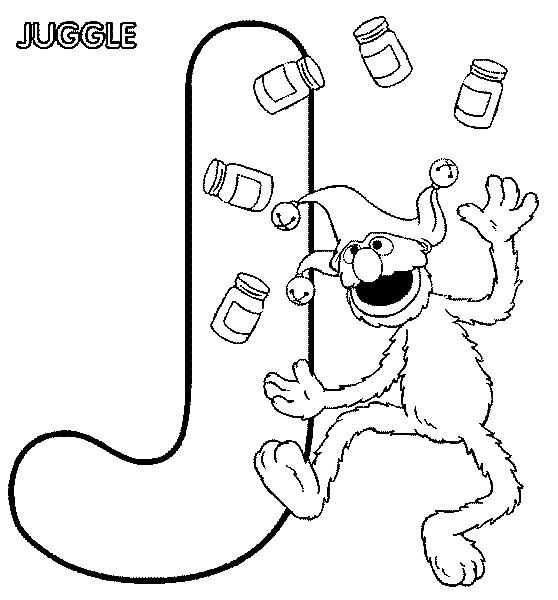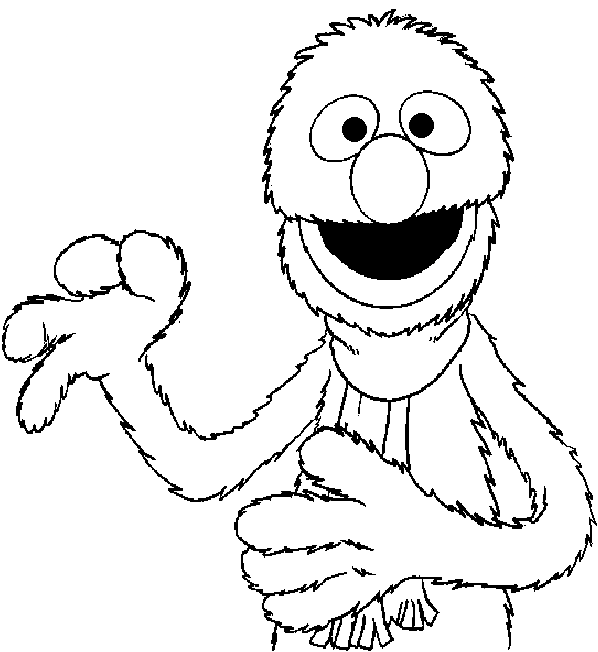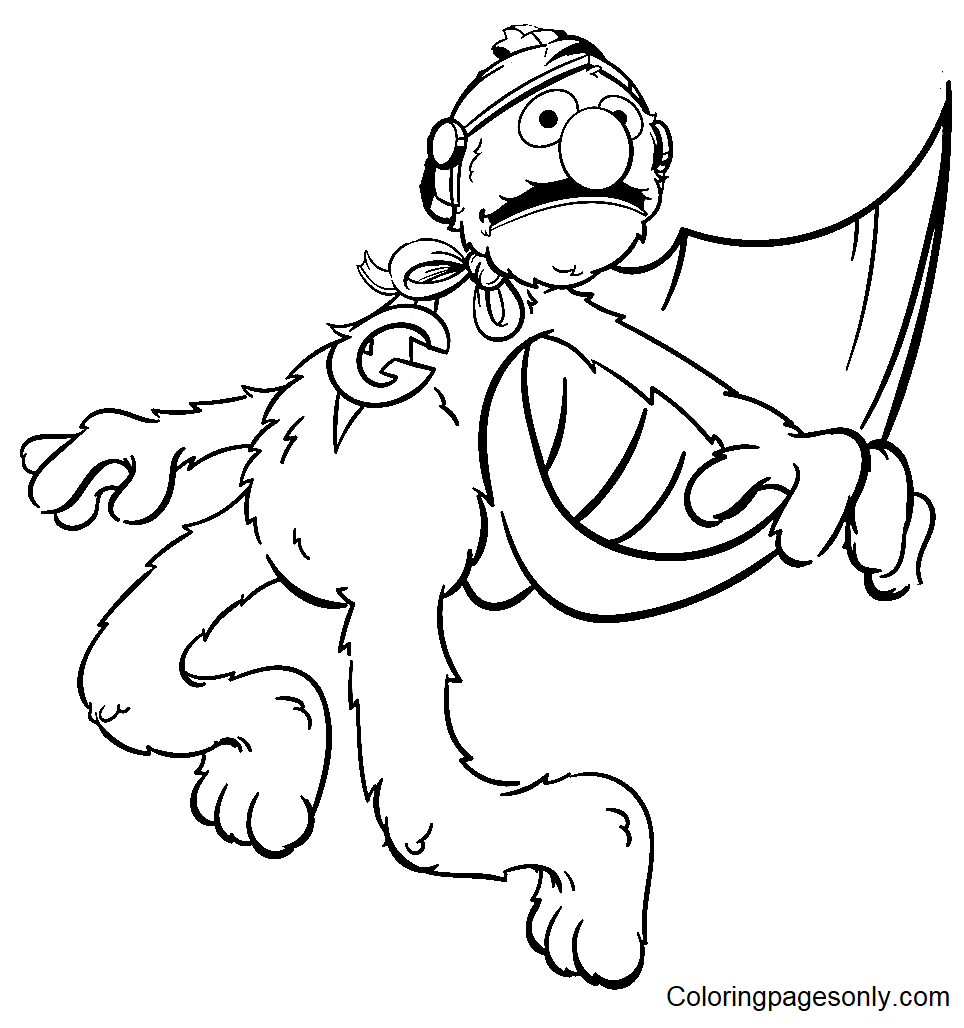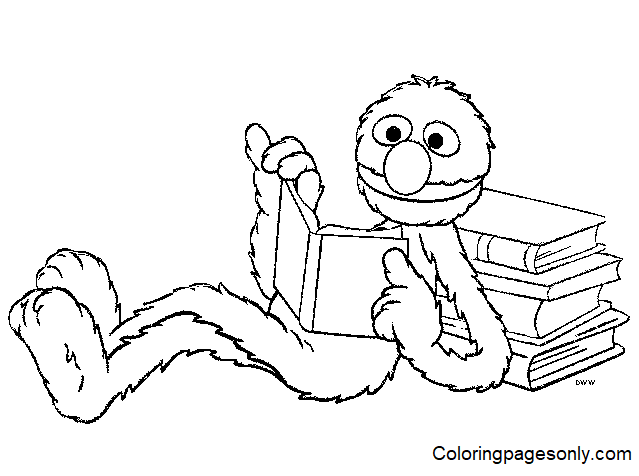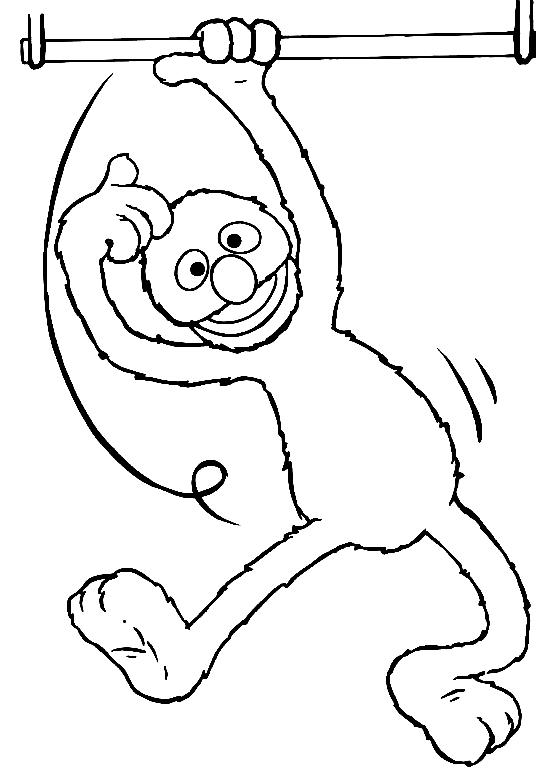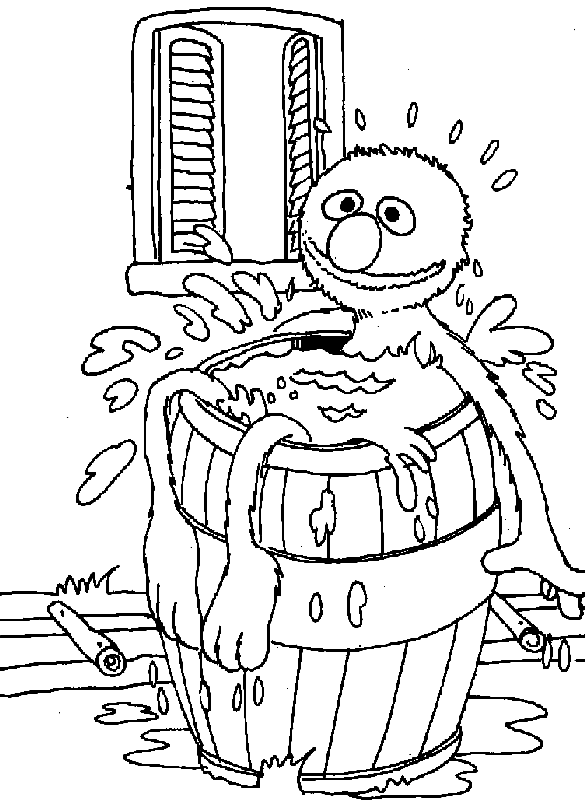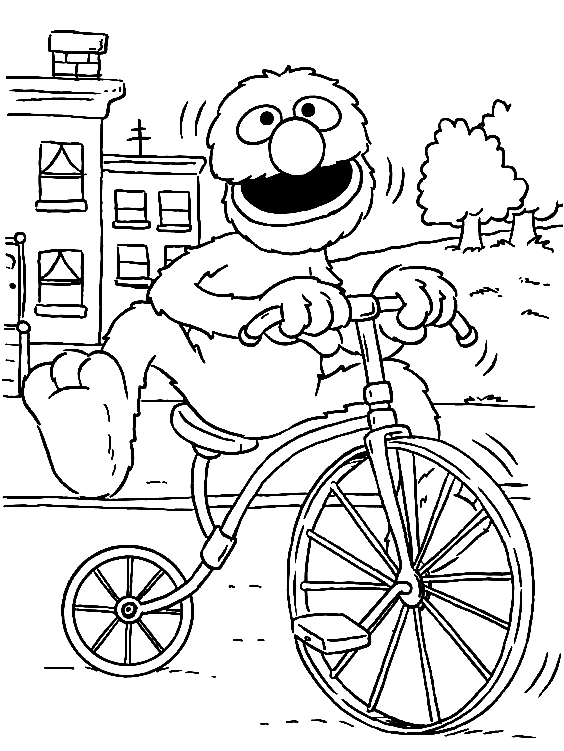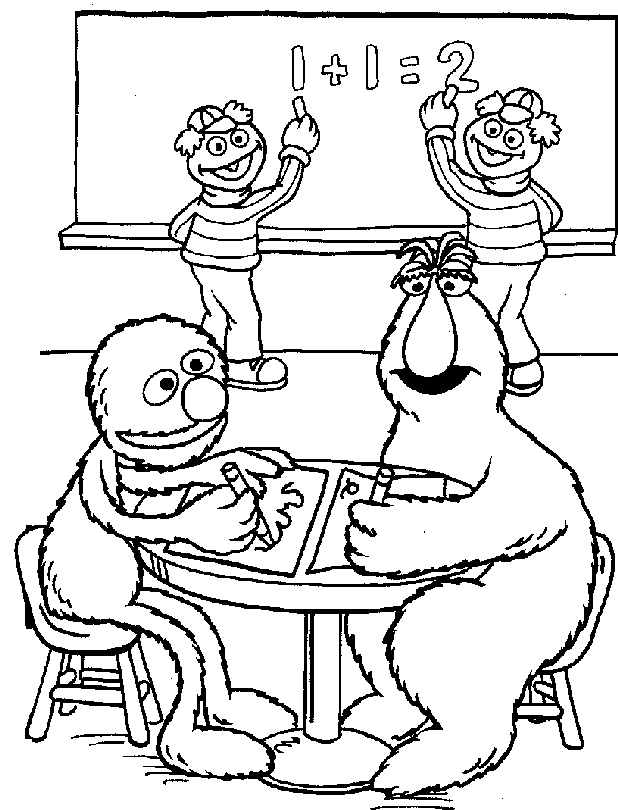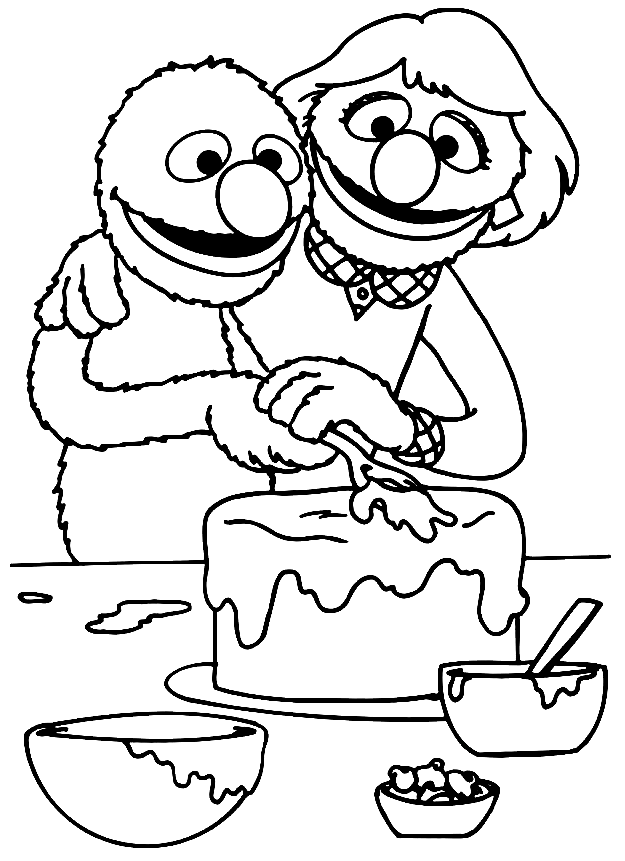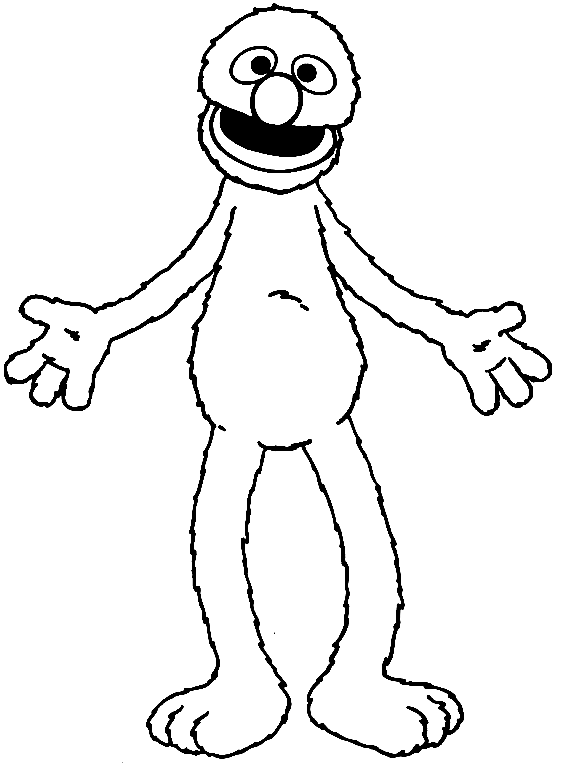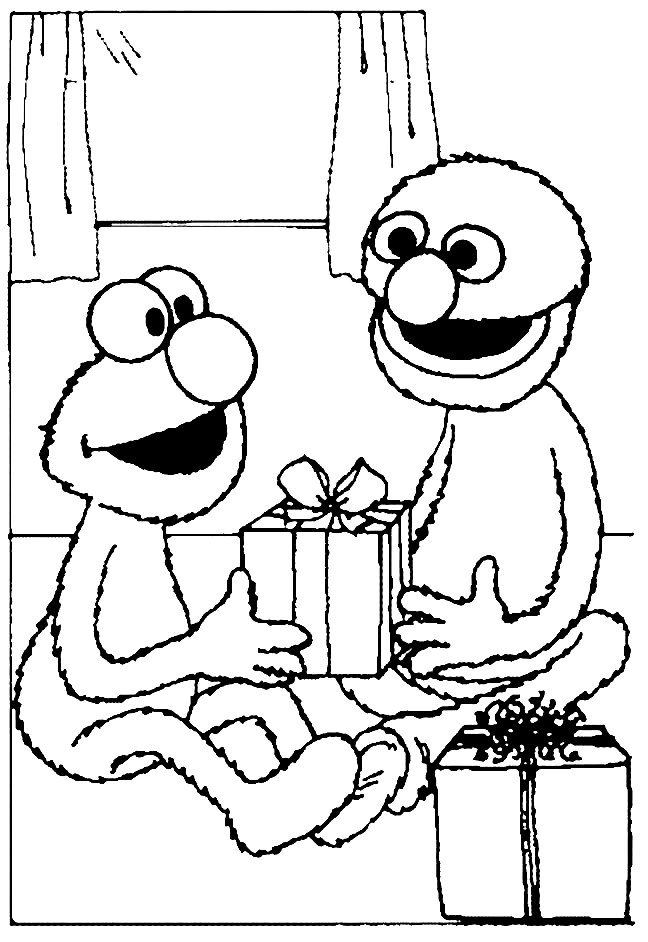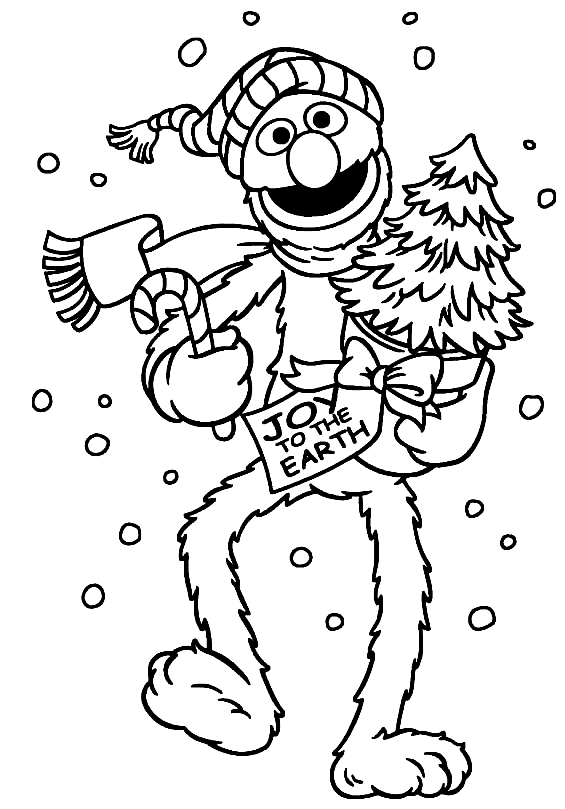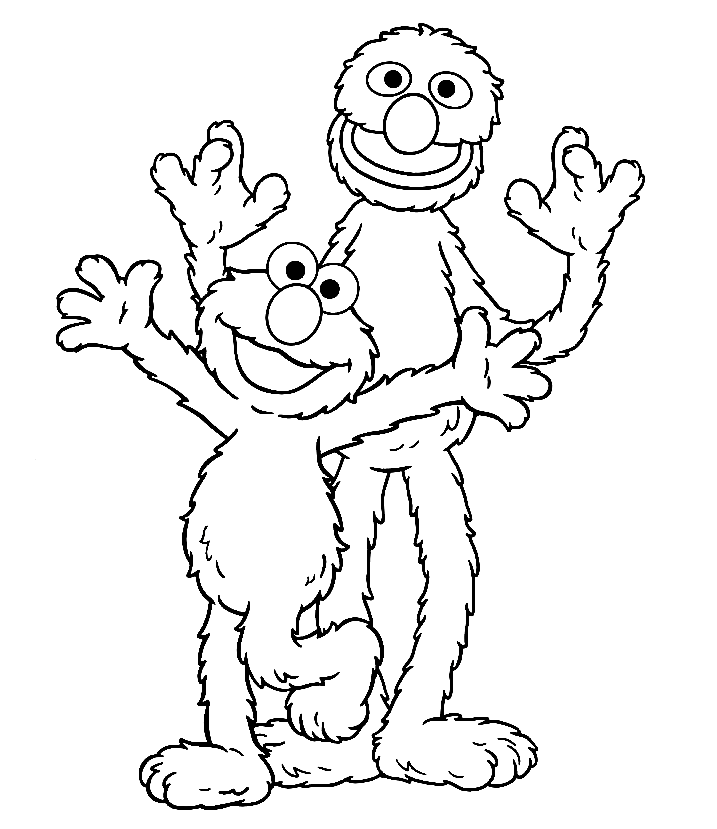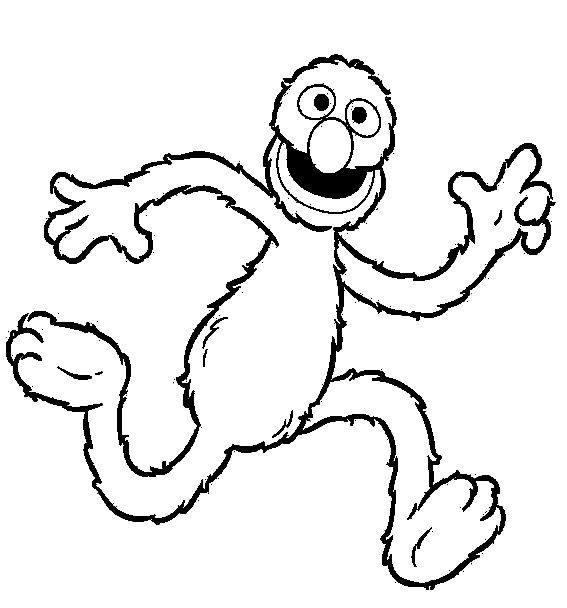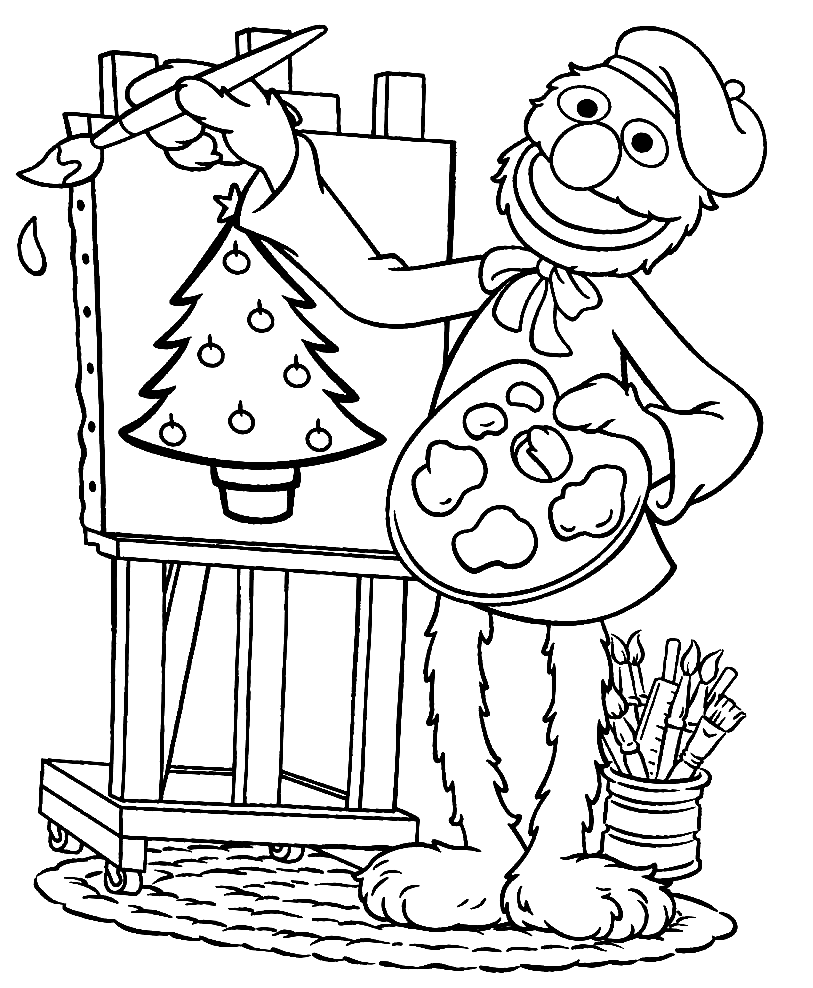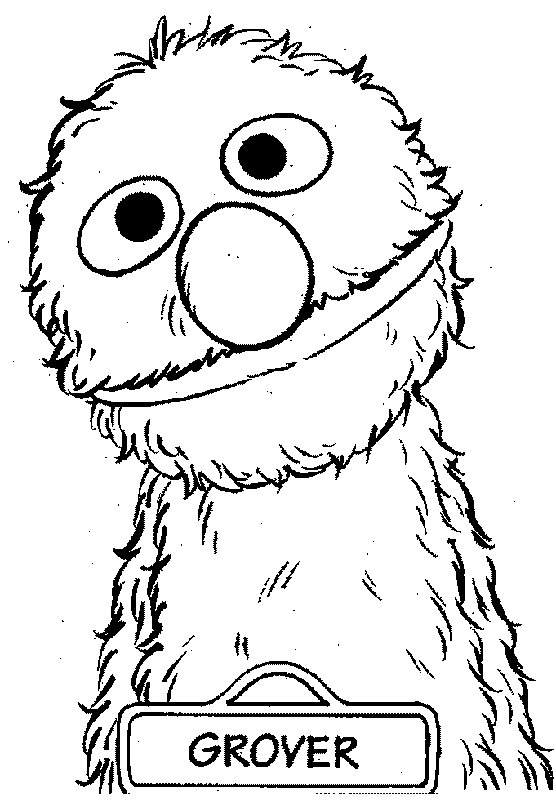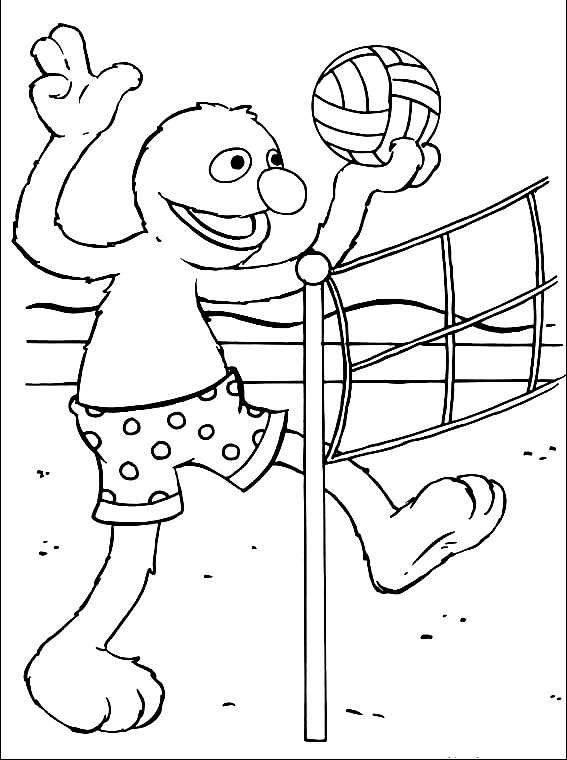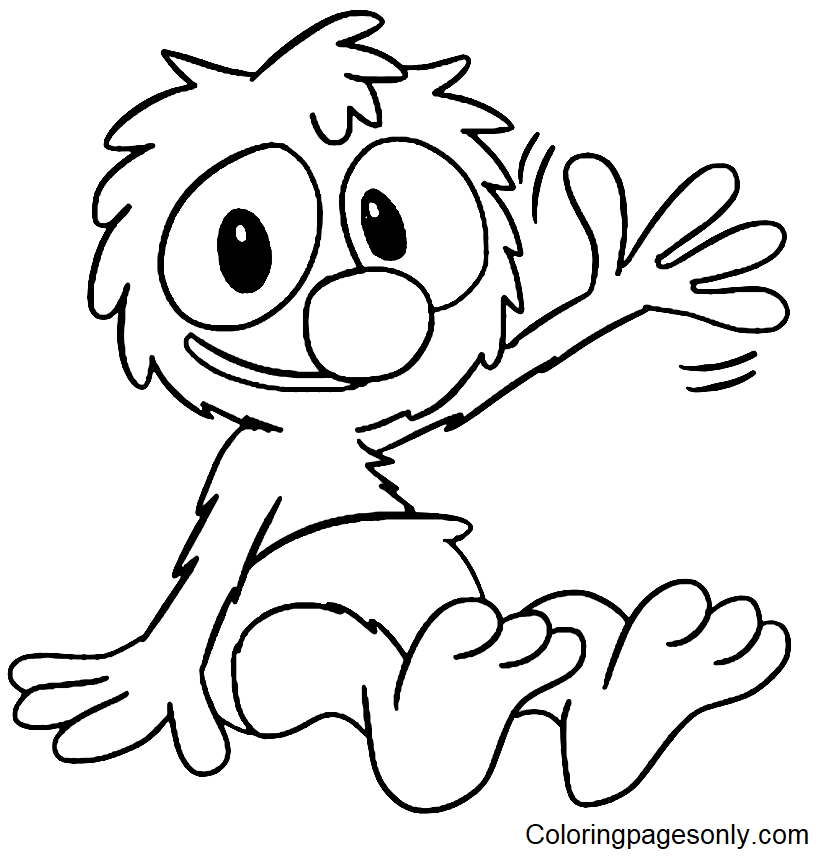
Grover Coloring Pages at ColoringPagesOnly.com brings together 40+ free pages featuring one of Sesame Street’s most beloved original Muppets – Grover in his classic blue-fur form, Super Grover in cape and helmet, Waiter Grover, holiday and birthday scenes, educational letter and counting pages, and duo compositions with Elmo, Cookie Monster, and Kermit the Frog. Download any page as a free PDF to print, or color online in your browser.

Grover lives alongside Elmo, Big Bird, and the full cast – explore related pages at TV Show and Films Coloring Pages, or browse Elmo Coloring Pages for more Sesame Street fun.

Who Is Grover?

Grover is a blue Muppet character on Sesame Street, the landmark American children’s educational television program that premiered on PBS on November 10, 1969. He has been part of the show’s permanent cast since its second season and remains one of the most recognizable Muppet characters in the world alongside Elmo, Cookie Monster, and Big Bird.

The character was created within Jim Henson’s Muppet workshop and made his first prototype appearance on The Ed Sullivan Show on Christmas Eve, 1967 – not yet named, not yet blue. That early puppet had greenish-brown fur and a red nose and was called “Gleep,” appearing as a monster in Santa’s workshop. Over the following two years, through appearances in The Muppets on Puppets (1968) and the Sesame Street Pitch Reel (1969), the character evolved. He received the name “Grover” officially on May 1, 1970, and in an Ed Sullivan Show appearance on May 31 of that year, acquired his now-permanent appearance: blue fur and a pink nose. Season 2 of Sesame Street introduced the fully realized Grover – his voice, personality, and distinctive speech pattern established in the form that has remained consistent for over fifty years.

Grover was originally performed by Frank Oz, one of the founding figures of the Muppet Workshop and Jim Henson’s primary creative partner. Oz performed Grover from 1970 through the late 1990s, a run during which he also performed Miss Piggy, Fozzie Bear, Animal, and Sam the Eagle on The Muppet Show, as well as Bert and Cookie Monster on Sesame Street, and Yoda in the Star Wars franchise. Oz has said that some of Grover’s mannerisms – particularly his characteristic head tilt – were inspired by his own dog. Eric Jacobson assumed the primary performance from approximately 1998 onward and has performed the character consistently since.

Sesame Street’s writers designed Grover to represent the psychological age of a four-year-old child. This deliberate choice shapes every aspect of his character: his eagerness to help despite frequent failure, his genuine pride in his abilities even when they don’t work as intended, and his belief that effort and good intentions are the most important things. In 2003, the United Nations named Grover its Honorary Ambassador of Global Citizenship, recognizing Sesame Street‘s long history of promoting diversity, education, and social understanding across cultures.

Sesame Street moved from PBS to HBO in 2015 for its 46th season, and the show is currently available on HBO Max/Max in the United States, with episodes premiering there before appearing on PBS. The show has now aired for over 55 seasons, making it one of the longest-running children’s television programs in history.

Grover’s Design – Canonical Colors

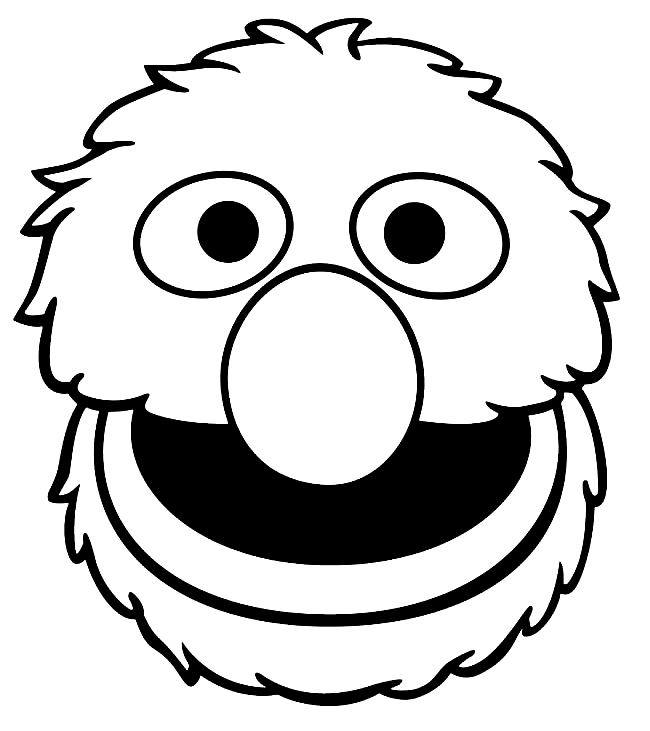
Grover’s canonical color is a specific medium-to-bright blue that reads as vivid and warm without being electric or neon. It is not navy blue, not sky blue, not periwinkle, but the specific Muppet-workshop blue that has been Grover’s signature since Season 2 of Sesame Street in 1970. The fur texture, as rendered in coloring page line work, typically shows soft, rounded edges that suggest the fluffy quality of a Muppet’s synthetic fur.

His nose is pink – a soft, rounded, protruding pink nose at the center of his face. This pink is a warm, medium pink, clearly distinct from the blue of his fur. The nose is one of the most important accuracy elements in any Grover portrait page, because it anchors the face and creates the primary warm-versus-cool contrast in his design: blue fur body against pink nose.

His eyes are round and white with dark pupils, typically depicted with a warm, expressive quality that communicates his earnest, eager personality. His mouth is wide and expressive, showing the full range of his emotions – from the cheerful open smile of his happy poses to the open-mouthed exclamation of his many surprised or alarmed moments.

Grover generally appears without clothing in his default form – his blue fur is his entire body. The fur alone, in its specific blue, is what most people mean when they picture him.

Super Grover – The Superhero Variant

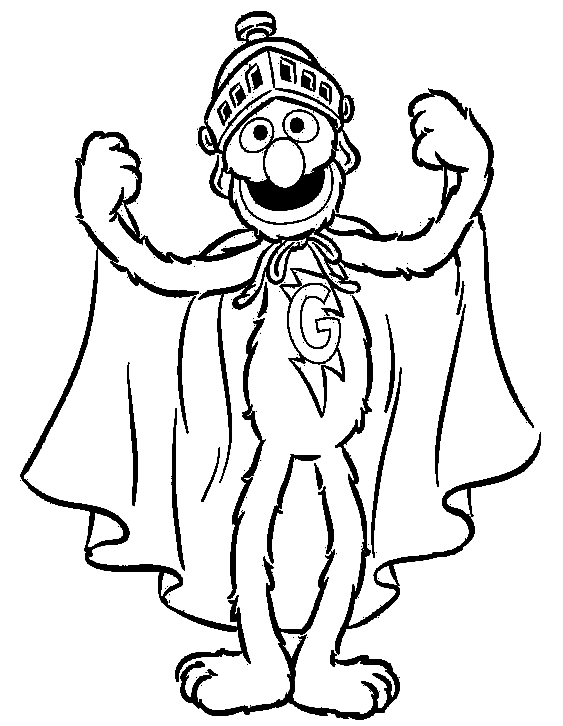
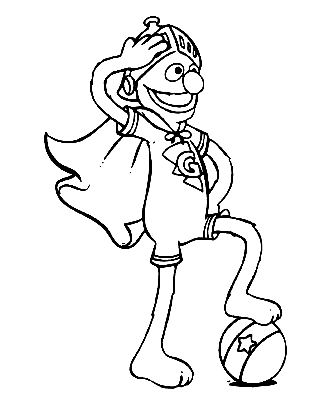
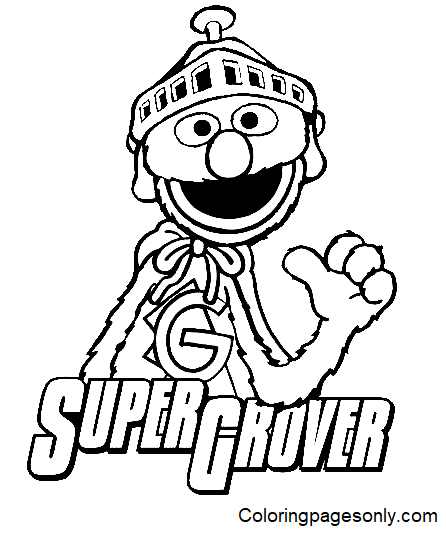
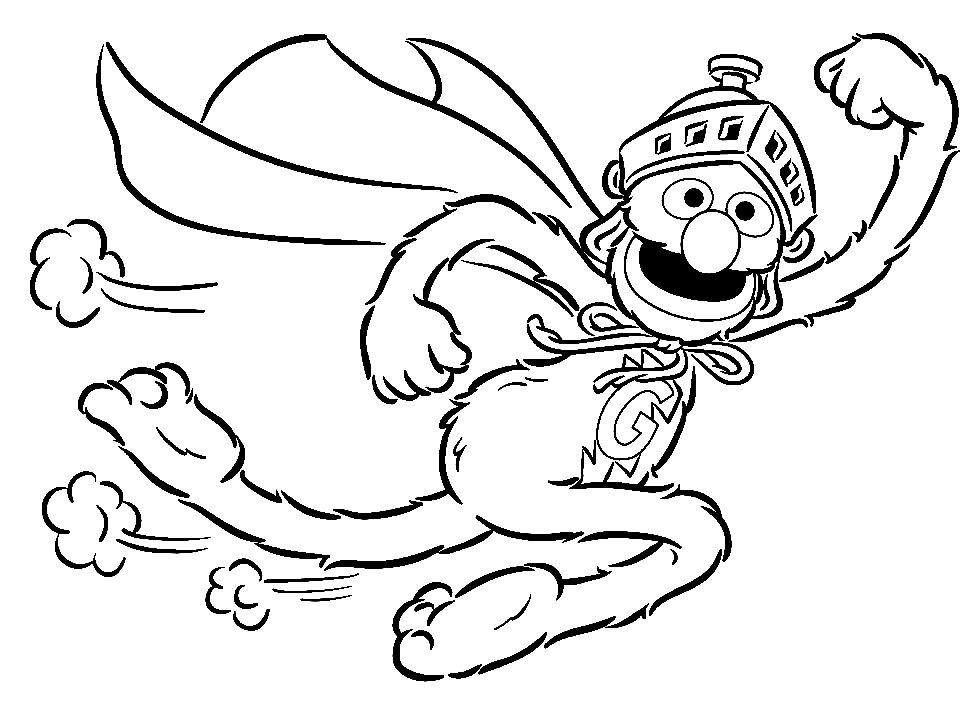
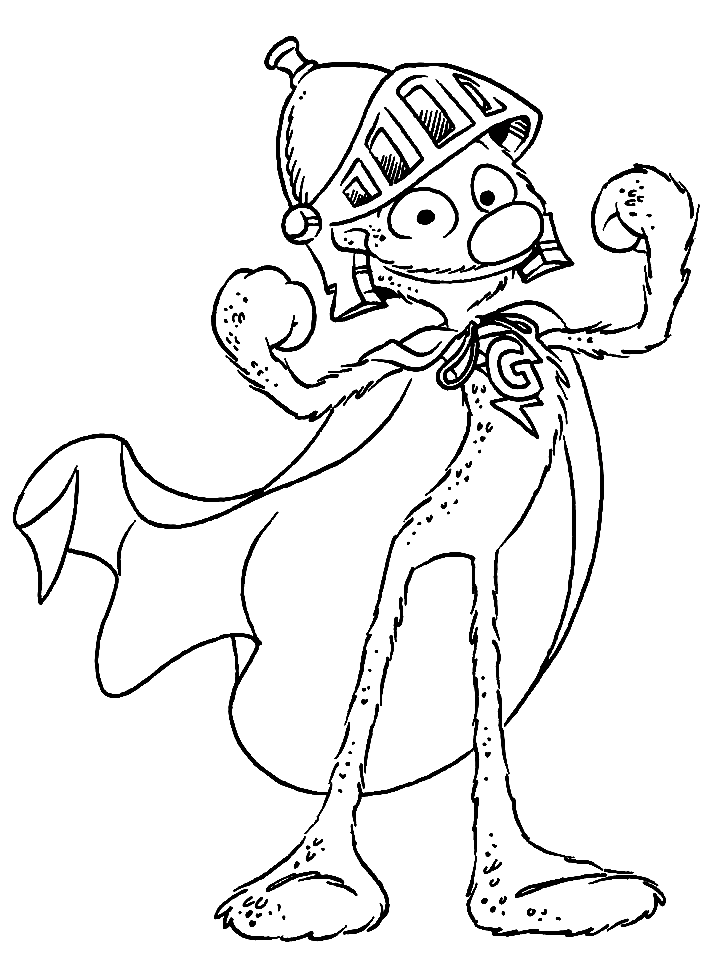
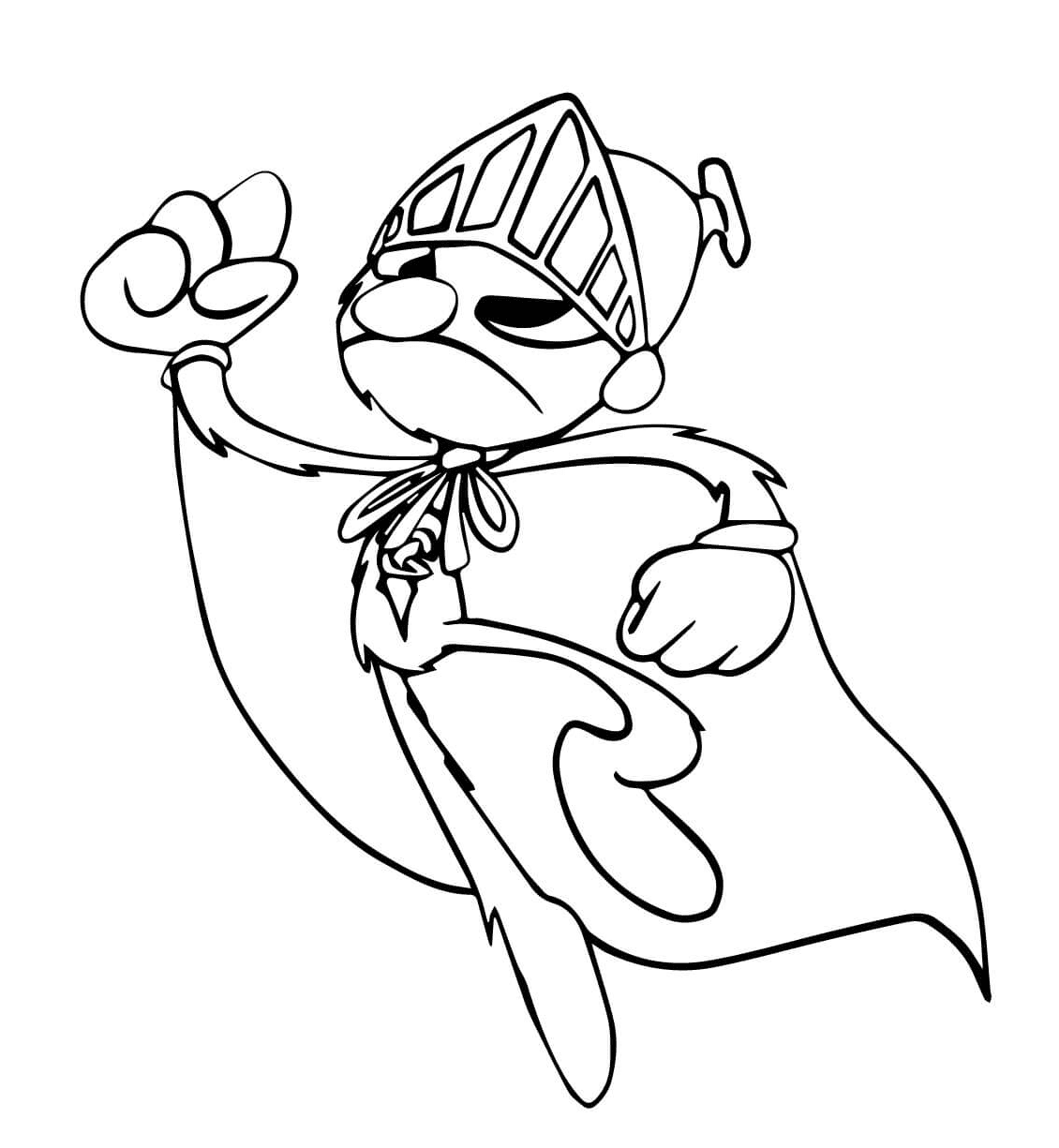
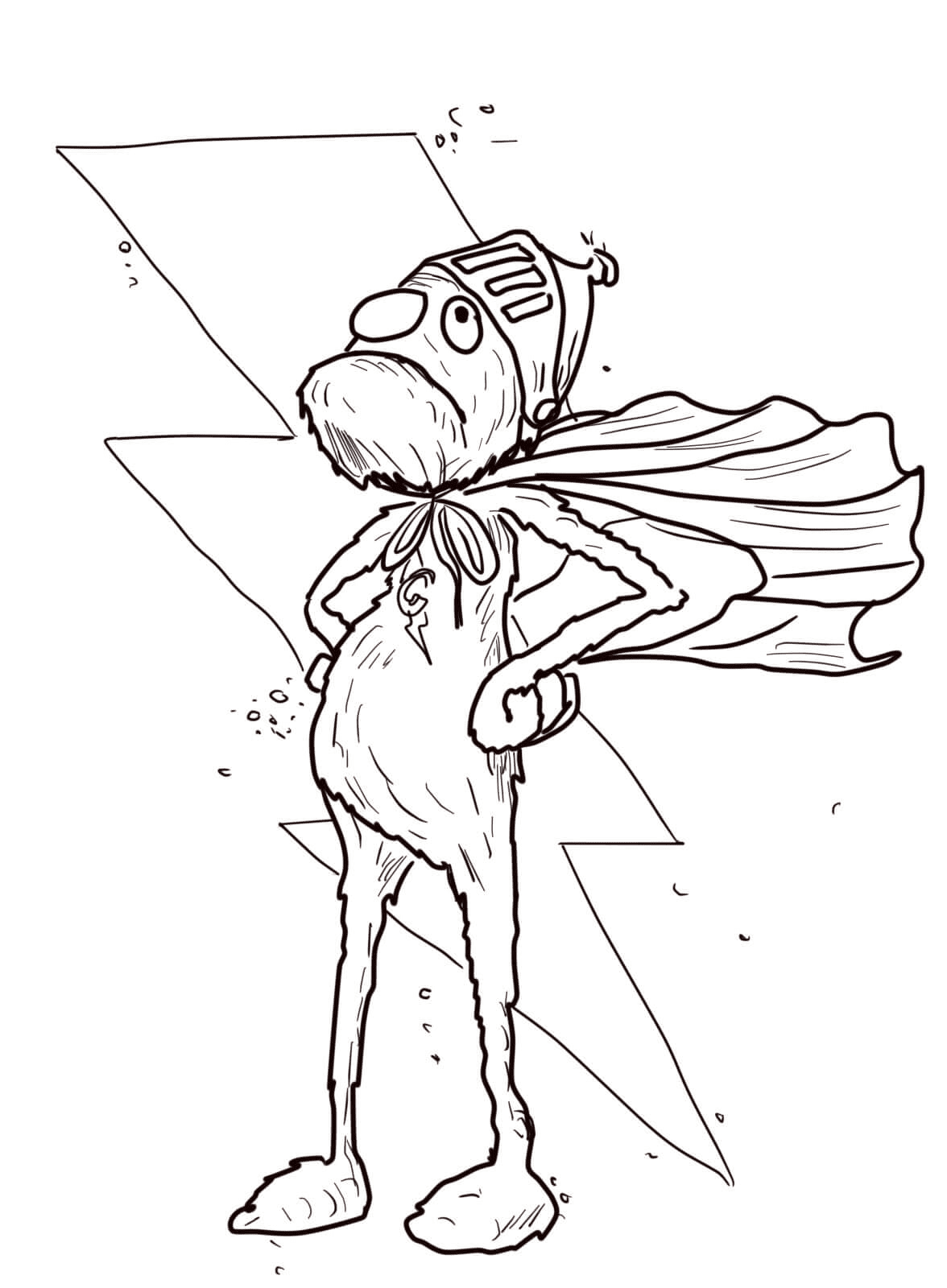
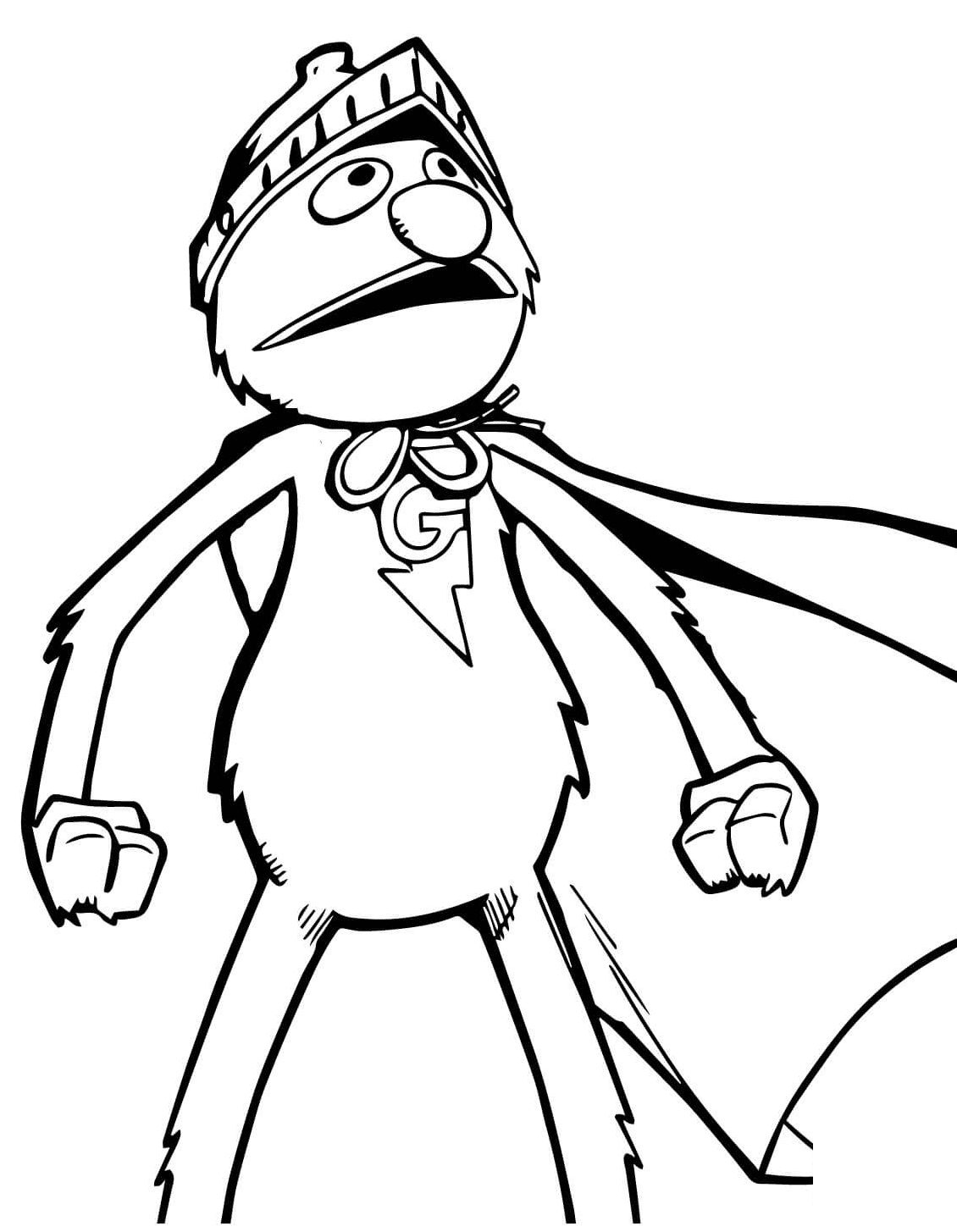
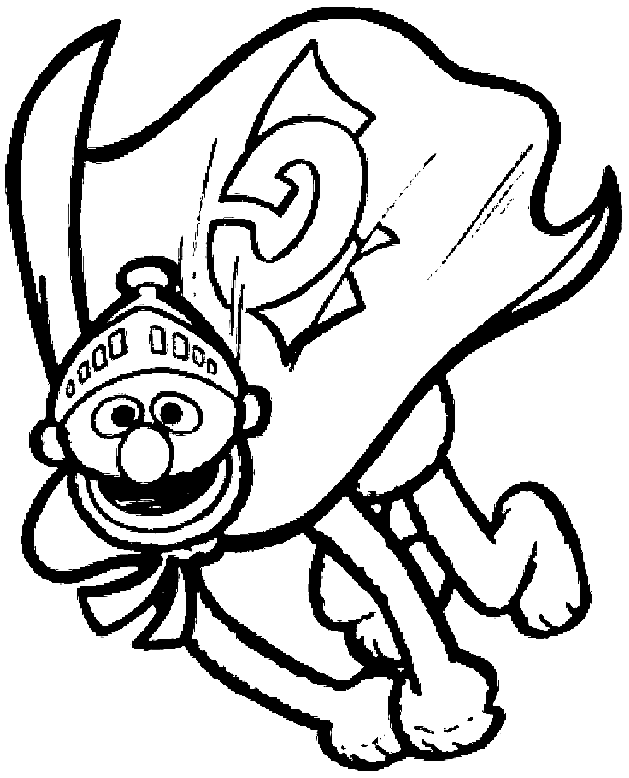
Super Grover is one of the most recognizable alternate personas in the show’s history, introduced in the 1970s as a sustained parody of the classic Adventures of Superman television series. The collection includes multiple Super Grover tiles, making this persona a significant portion of the available pages.

Super Grover’s costume consists of three elements:

  • A pink cape – the same warm pink as Grover’s nose, a deliberate choice that connects the superhero costume to his core design
  • A medieval knight’s helmet – silver-grey metal, which is typically too large and slides down over his eyes (a recurring visual gag central to the character)
  • A “G” emblem on his chest – rendered in the same visual convention as the “S” on Superman’s chest, but with a “G” for Grover

The visual comedy of Super Grover relies entirely on the mismatch between the earnest superhero aspiration (the cape and crest) and the execution (the helmet that doesn’t fit, the constant crash landings, the inability to actually solve the problems he arrives to address). For coloring pages showing Super Grover in flight or landing poses, the cape should be a clear pink – warm and vivid – against the blue fur body.

Waiter Grover

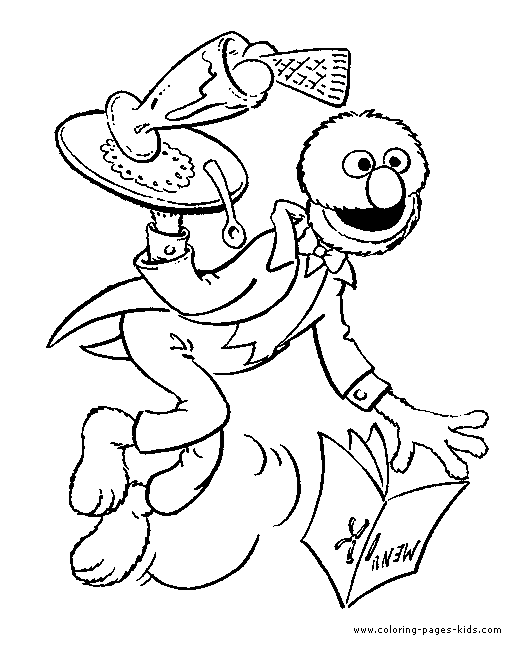
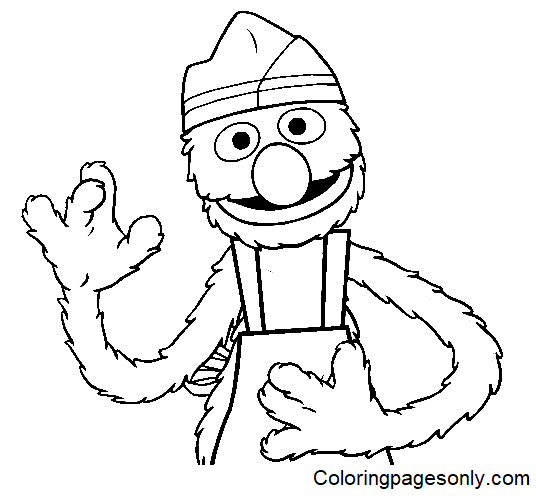
Waiter Grover is a recurring sketch character who serves an unnamed blue customer – typically referred to as “Mr. Johnson” in production materials – at Charlie’s Restaurant. In these pages, Grover wears a small white waiter’s apron and carries order pads and menus. His catchphrase in this persona is “Would you like a menu, sir?” The sketches are structured around escalating miscommunication and Grover’s enthusiastic but ultimately counterproductive attempts to be helpful.
Grover’s Speech – The “No Contractions” Rule

One of Grover’s most distinctive character traits, established from his earliest appearances and maintained across over fifty years and multiple performers, is that he rarely uses contractions when speaking. He says “I am” rather than “I’m,” “you are” rather than “you’re,” “I will” rather than “I’ll,” “it is” rather than “it’s.” This speech pattern gives him a formal, slightly exaggerated quality that is simultaneously funny and educational – children hearing Grover speak are constantly exposed to full, uncontracted word forms while finding his phrasing charmingly unusual.
Frank Oz has said this pattern reflects Grover’s desire to always speak accurately and correctly. It is one of the signature elements that makes Grover sound immediately identifiable even before you see him – his voice, his enthusiastic delivery, and the absence of contractions combine to create a speech signature as distinctive as Cookie Monster’s grunting or Big Bird’s earnest questioning.

Grover and Kermit – A Clarification

Several pages in this collection feature Grover alongside Kermit the Frog. This pairing represents one of the most important and frequently paired relationships in early Sesame Street history – Grover regularly assisted Kermit in his educational lectures and news reporter segments, demonstrating concepts like near/far, big/small, and other spatial and conceptual relationships. Grover himself has stated that Kermit is his best friend.

However, Kermit the Frog is primarily associated with The Muppet Show (1976–1981) and the subsequent Muppet films and productions, rather than with Sesame Street specifically. He appeared in early Sesame Street episodes before The Muppet Show began, but his appearances on Sesame Street became less frequent as the Muppets franchise developed separately. Pages featuring Kermit reflect this early golden era of their friendship.

For coloring Kermit: he is a medium green – a slightly muted, earthy green, not lime green and not dark forest green. His collar is a slightly darker, ruffled fabric element. The contrast between Kermit’s green and Grover’s blue makes these duo pages among the most visually interesting in the collection, because two cool colors at different hues create a harmonious but distinct pairing.

The Dual Audience – Children and Adults

Grover’s coloring pages serve two genuinely distinct audiences, and understanding both changes how you approach the collection.

Young children (ages 2–6) come to Grover through Sesame Street directly – the show remains one of the most-watched educational programs for preschool-age children globally. For this audience, the pages are about engaging with a beloved character, practicing coloring within simple shapes, and building familiarity with the bright, friendly blue that identifies Grover immediately. Simpler portrait pages and single-character compositions are ideal for this group.

Adult millennials and Generation X parents grew up watching Grover in the 1980s and 1990s, a period when Sesame Street was the dominant preschool television program in the United States and much of the world. For this audience, coloring a Grover page alongside their child is a form of memory sharing – connecting their own childhood viewing experience to their child’s present one. The Super Grover pages carry particular nostalgia for adults who remember the Superman parody sketches. The Monster at the End of This Book (1971) – the classic Little Golden Book in which Grover pleads with readers not to turn the pages, only to discover at the end that he himself was the monster all along – remains one of the most beloved Grover stories for adults who remember it from childhood.

Coloring Tips

Blue is the entire identity – match it carefully. Before touching any Grover page, establish your blue. Grover’s blue sits at a medium brightness and saturation – vivid enough to read as a primary color, warm enough to feel friendly rather than cold. Test your blue against a white background: if it reads as navy, it is too dark. If it reads as sky blue, it is too light. If it reads as electric or neon, it is too vivid. The target is the specific friendly blue that has been associated with the character for over fifty years, sometimes described by production sources as a medium cobalt-range blue with warmth.

The pink nose anchors the face. The nose is typically the warmest color element in any Grover composition – a soft, rounded pink that provides the primary warm accent against the blue. It should be clearly pink rather than red, clearly warm rather than neutral. In pages showing Grover’s face in expression, the nose and the eye rendering together carry the emotional communication of the image.

For Super Grover pages – pink cape, grey helmet. The cape should use the same pink as the nose – this color connection between two design elements is intentional and canonical. The medieval helmet is a cool grey-silver. The “G” emblem on the chest can be rendered in any high-contrast color against the fur, but gold or yellow gives it the most heroic read. The helmet’s comically oversized quality should be honored: if the helmet is shown sliding down over his eyes, that is the joke, and the coloring should make it clear that the helmet does not fit correctly.

For Waiter Grover pages. The waiter’s apron is white – clean, domestic white, the standard restaurant uniform element. The contrast between the crisp white apron and Grover’s blue fur is the visual marker of the persona. Any order pad or menu props should be kept in neutral tones (cream or off-white for menus, pencil-grey for the pad) to prevent them from competing with Grover himself.

For group pages with Cookie Monster. Cookie Monster is also blue – but a distinctly different blue from Grover. Cookie Monster’s blue is darker, slightly greener, and associated with a shaggier, rougher fur texture. When coloring pages showing both characters, the two blues must be visibly different: Grover’s blue should be lighter and warmer, Cookie Monster’s darker and cooler. If both blues look the same on the page, one must be adjusted.

For pages featuring both Grover and Elmo. The Grover-and-Elmo color pairing is one of the strongest complementary contrasts in the Sesame Street cast: Grover’s cool blue against Elmo’s warm red-orange. Push both colors to their respective warm and cool extremes to maximize the complementary contrast. Elmo’s red-orange should be a vivid, warm red – not scarlet, not brick, but the specific bright red-orange that characterizes him. The visual energy of this pairing is one of the reasons Grover-and-Elmo pages appear in this collection.

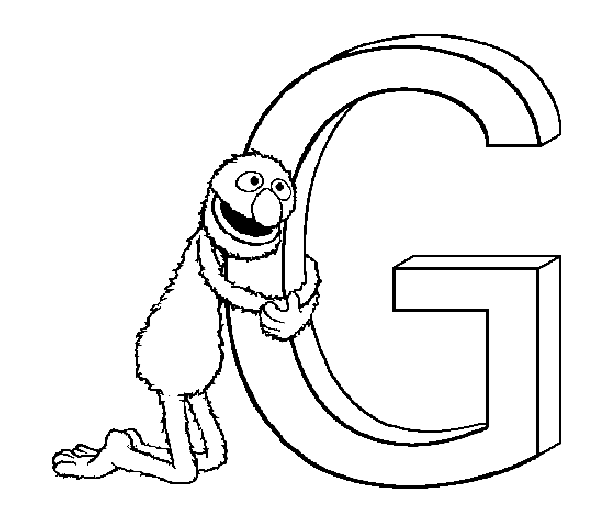
For educational letter pages (Grover with Letter J and similar). The letter element should be rendered in a color that clearly contrasts with Grover’s blue – yellow or red are the most readable choices, as they are warm and highly visible against the cool blue. The background, if shown, is typically simple, and Grover’s pose in these pages is usually pointing at, holding, or interacting with the letter in a way that directs the eye to the educational element.

5 Activities

The Near and Far exercise. One of the most famous recurring Sesame Street segments involves Grover demonstrating “near” and “far” by running back and forth between Kermit and the camera, getting progressively more exhausted. Print the Grover and Kermit coloring page and color it. Then, on the same page or a separate piece of paper, write two sentences in Grover’s formal non-contraction voice: one describing something in the picture that is “near” and one describing something that is “far.” The exercise replicates the exact educational concept the sketch was designed to teach – spatial vocabulary – while engaging with the canonical relationship between the two characters. Model the writing in Grover’s voice: “This is the lamp post. It is near. The building is far away.”

Color Grover across his three personas. Print one classic Grover portrait page, one Super Grover page, and one Waiter Grover page. Color each in an accurate canonical palette – the base blue fur is consistent across all three, but the distinctive costume elements of each persona are correctly rendered: pink cape and grey helmet for Super Grover, white apron for Waiter Grover, nothing extra for classic Grover. When all three are complete, arrange them side by side. The exercise demonstrates something about character design that applies broadly: a single consistent base appearance (the blue fur body) can accommodate radically different costume overlays while remaining immediately identifiable. The persona changes entirely; the character remains Grover.

The Monster at the End of This Book re-creation. The Monster at the End of This Book (1971) is the most famous Grover story ever told – Grover pleads with readers across every page not to turn to the next one, building to the reveal that the monster is Grover himself. Print multiple Grover portrait pages in different emotional states. Arrange them in page-turn order and add handwritten captions in Grover’s voice (no contractions): “Do NOT turn this page. I am warning you. I am begging you.” Color each page in sequence. This is a creative writing exercise, a coloring activity, and an engagement with one of the most beloved children’s books of the past century – simultaneously.

The full Sesame Street cast color palette study. Sesame Street‘s main Muppet characters were designed with an exceptional diversity of distinct color identities: Grover’s medium blue, Elmo’s red-orange, Cookie Monster’s darker blue, Big Bird’s yellow, Oscar’s green, and Zoe’s orange. If the CPO collection includes pages showing multiple Sesame Street characters together, print one and color every character in their canonical palette. Then step back and observe: the show’s designers created a cast whose color palette provides immediate visual identification for pre-reading children who might not yet know character names. The exercise demonstrates one of the most important principles of character design for young children’s media – color as identity rather than just appearance.

Grover’s Job Day. Grover has held dozens of fictional jobs across Sesame Street sketches – waiter, superhero, doctor, salesperson, firefighter, librarian, ship captain, farmer, knight, and many more. The collection likely includes pages corresponding to at least two or three of these personas. Print one page per Grover persona available. Color each in its canonical palette, then add a speech bubble on each page written in Grover’s voice (no contractions, enthusiastic, well-meaning). For Super Grover: “Have no fear! Super Grover is here!” For Waiter Grover: “I am your waiter, and I am here to serve you, sir!” For a birthday page: “I am so very happy to celebrate with you today!” This activity reinforces the no-contractions speech pattern while engaging with the character’s defining quality: his absolute commitment to every role he takes on, regardless of how it turns out.

These related coloring collections will help you explore the wonderful world of colors. Let’s choose, be creative, and show us your great pictures!

Bradhallett Bradley – Technology Lead

Hi, I’m Bradhallett, the tech lead at Coloringpagesonly.com. I’m thrilled to invite you to explore our site, where you can effortlessly download a wide variety of coloring pages and unleash your creativity with our interactive live coloring tools. Let’s bring your imagination to life!