Bicycle Coloring Pages
 By:
Jennifer Thoa - Content Editor & Designer
Updated:
By:
Jennifer Thoa - Content Editor & Designer
Updated:
Free Bicycle Coloring Pages: 43 printable PDF designs featuring rider scenes, decorative and themed artwork, historical and style variant designs, drawing-style pages, and printable sheets. Each page can be downloaded as a PDF to print or colored online in the browser.
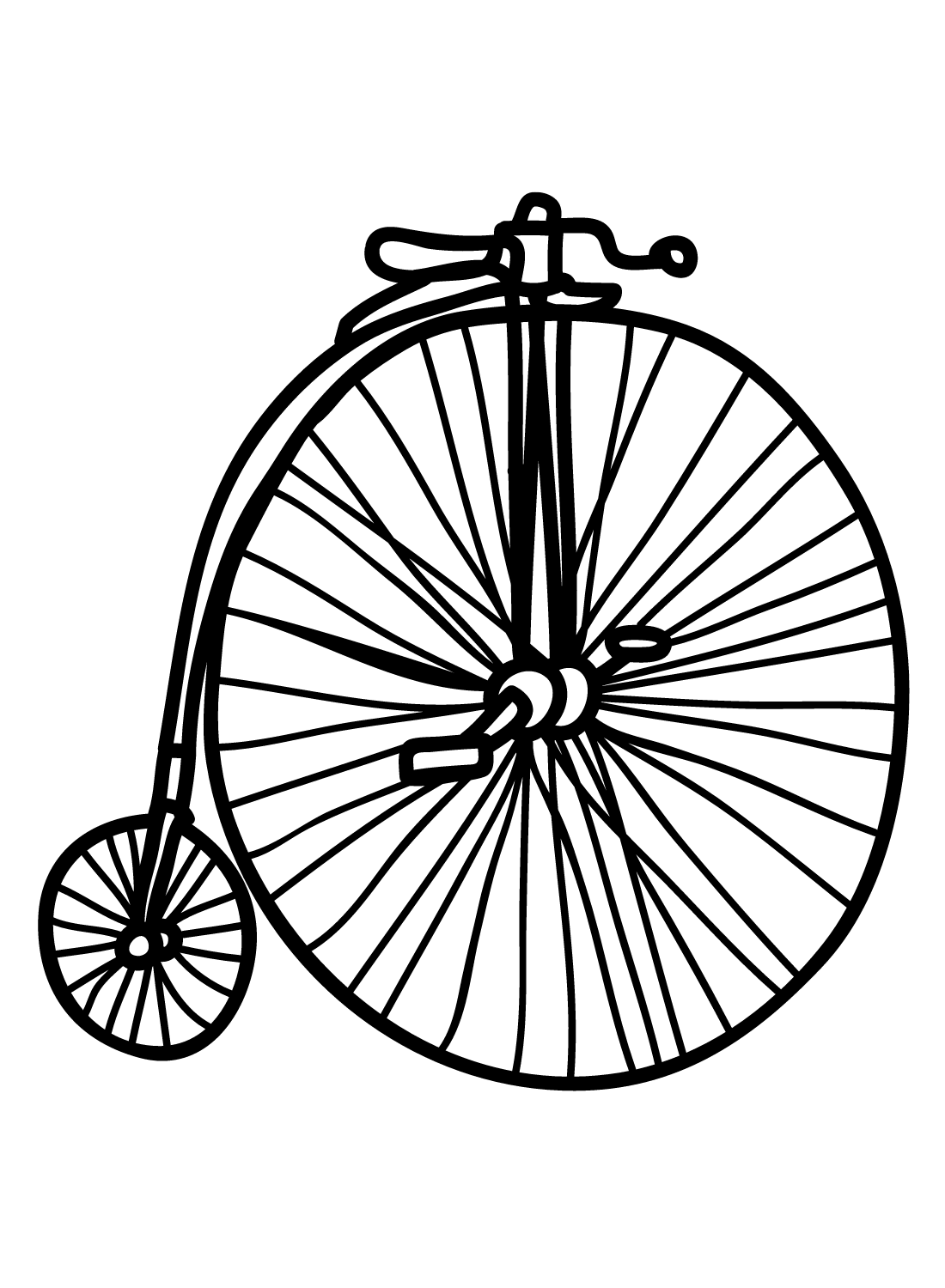
The bicycle’s earliest true pedal-powered ancestor was the velocipede, developed in France in the 1860s by the Michaux company. Built with a wrought-iron frame, wooden wheels, and iron tires with no springs to soften the ride, it quickly earned the nickname “boneshaker” for the teeth-rattling experience of riding it over cobblestone streets. Bicycle design steadily improved from there, eventually leading to the modern safety bicycle with two evenly sized wheels, pneumatic tires, and a chain-driven rear wheel. Today, bicycles remain one of the most efficient, affordable, and environmentally friendly forms of transportation in the world, used by millions of people for commuting, exercise, and recreation.
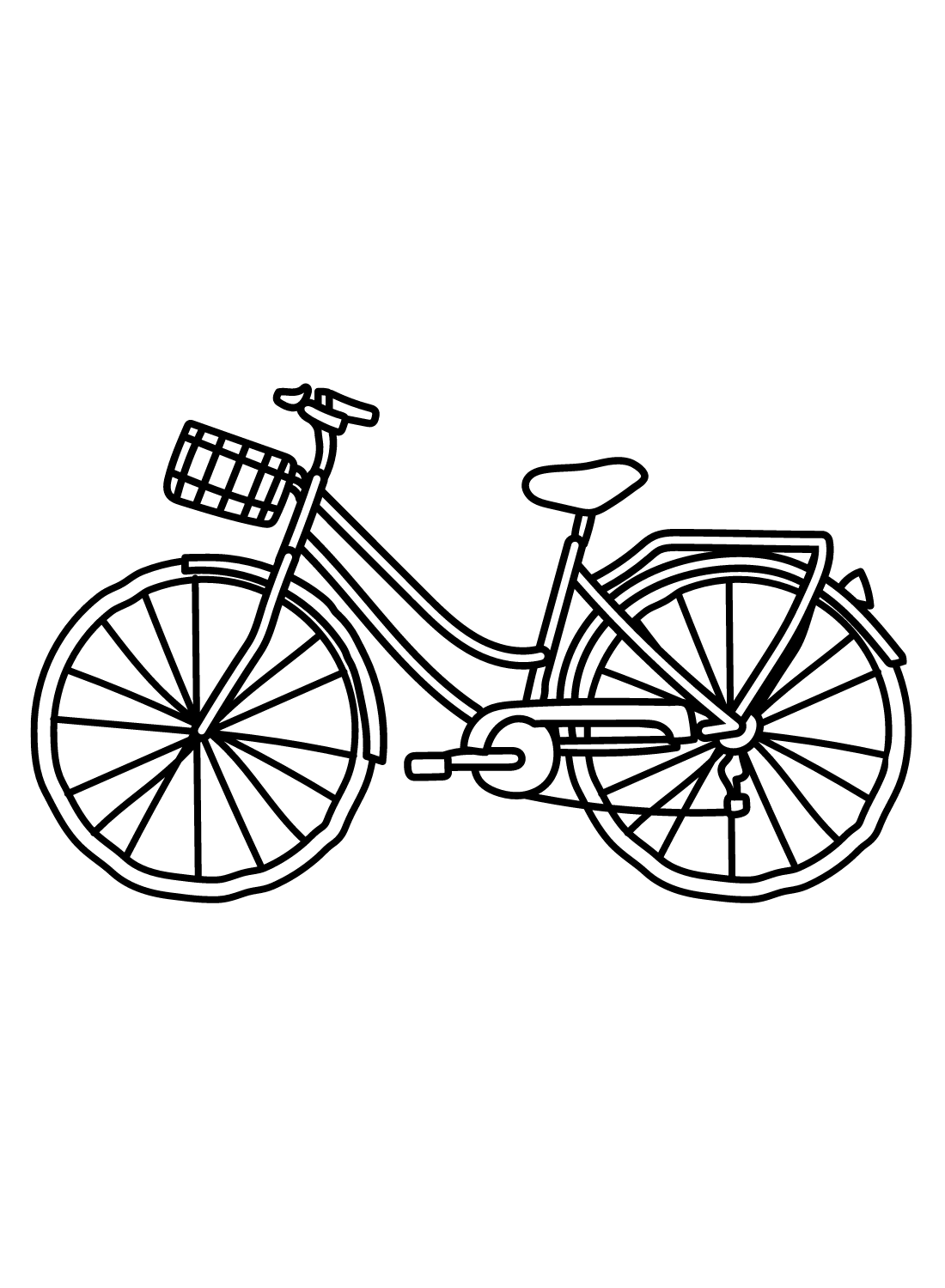
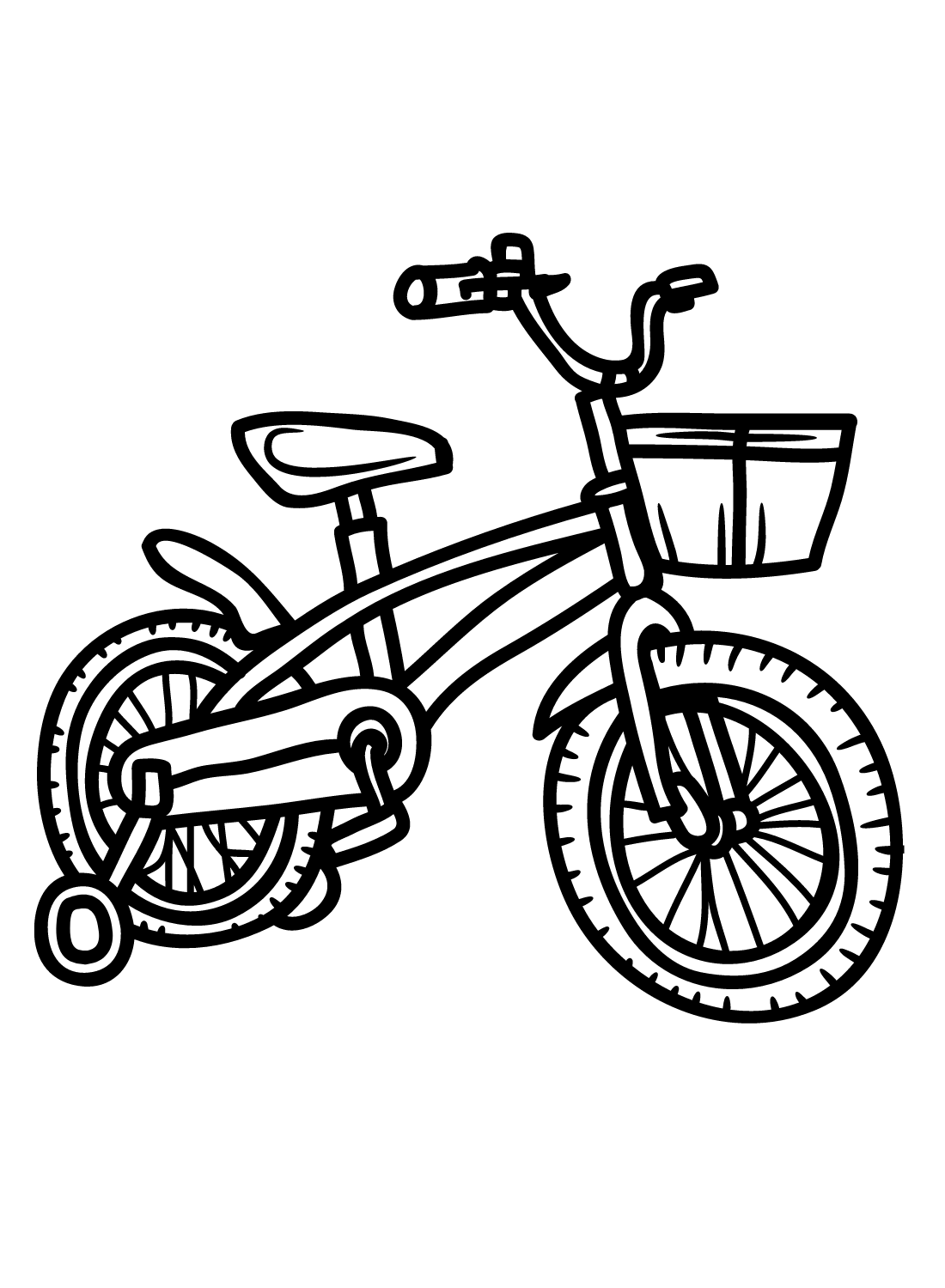
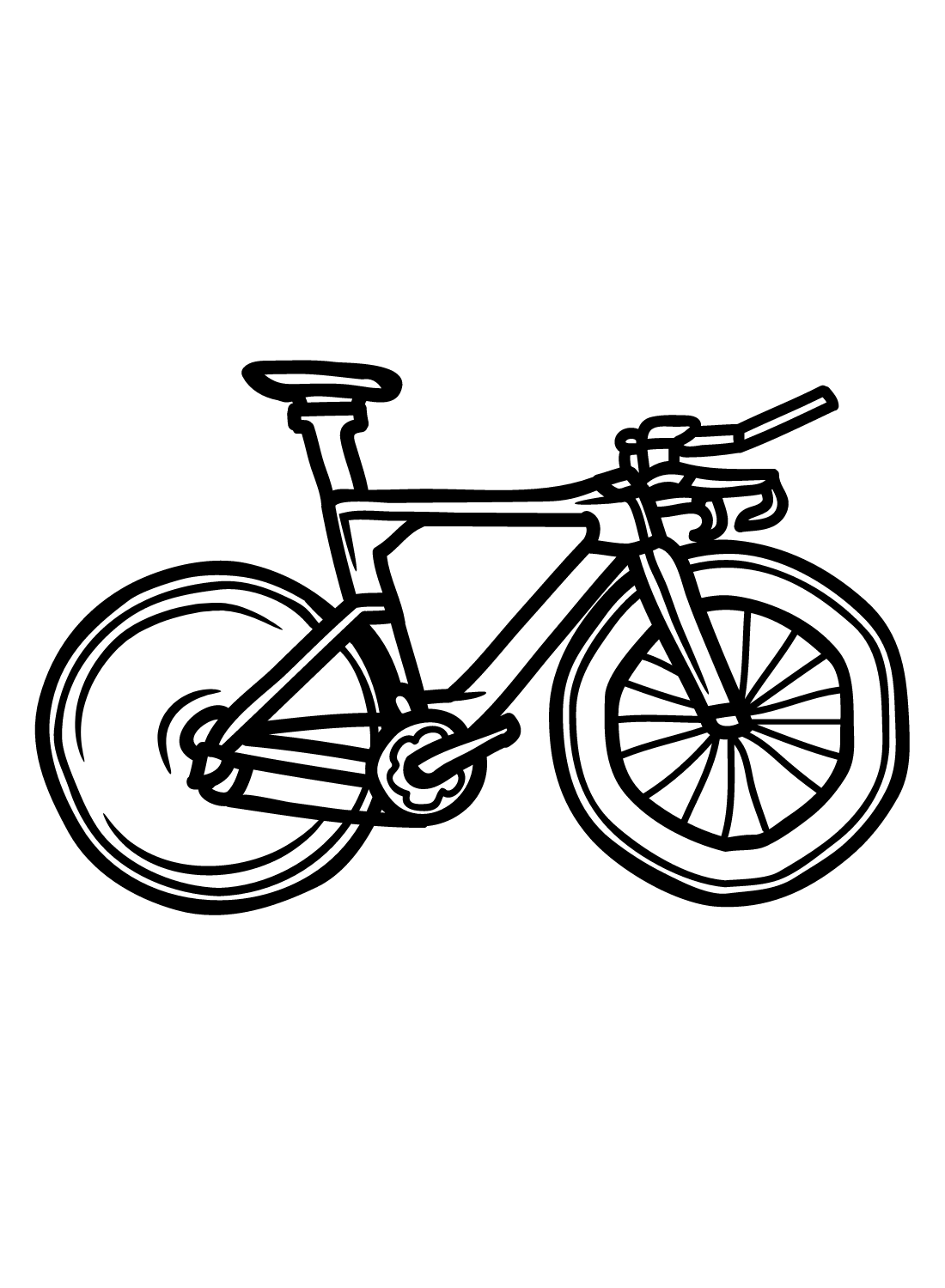
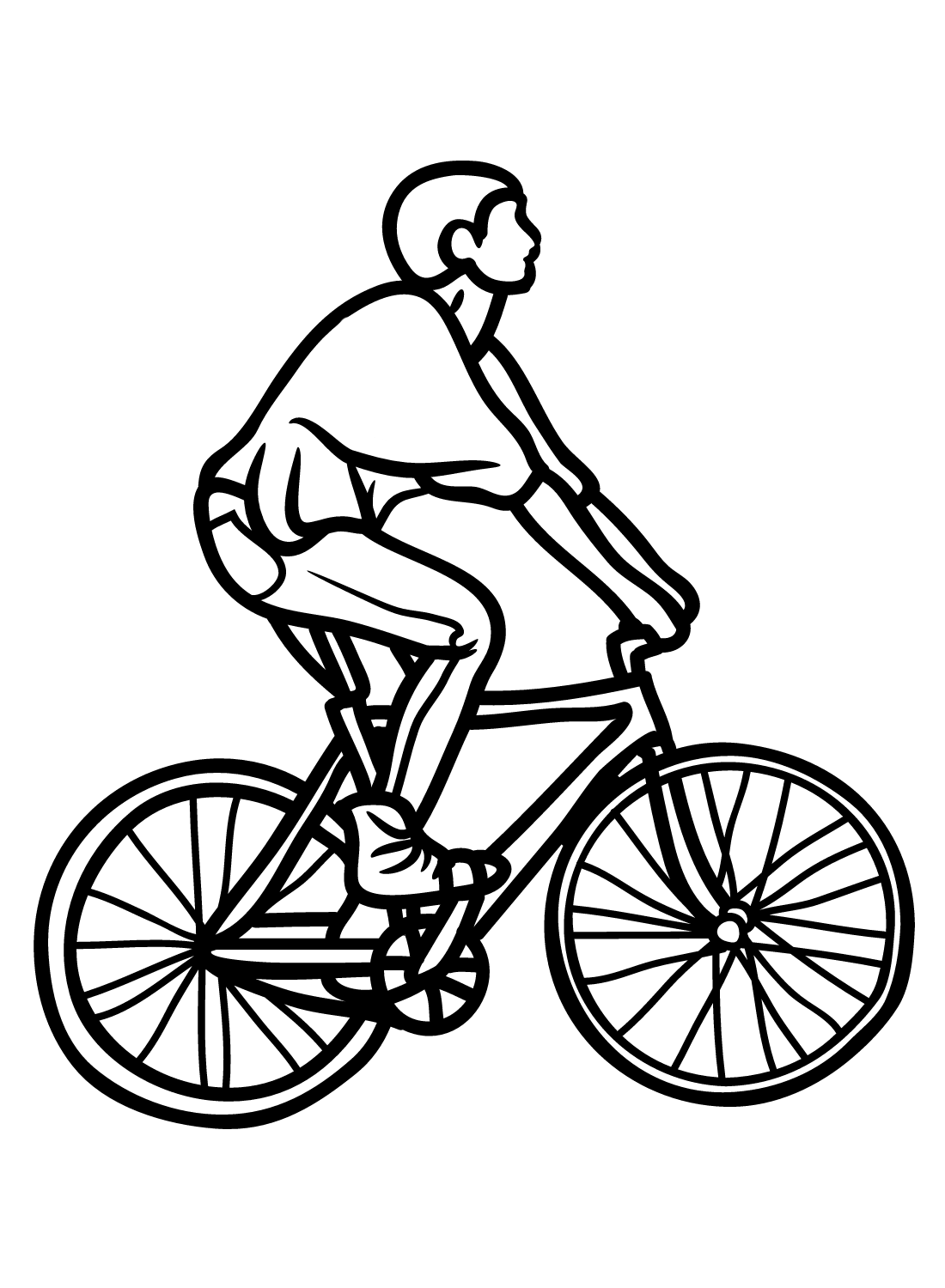
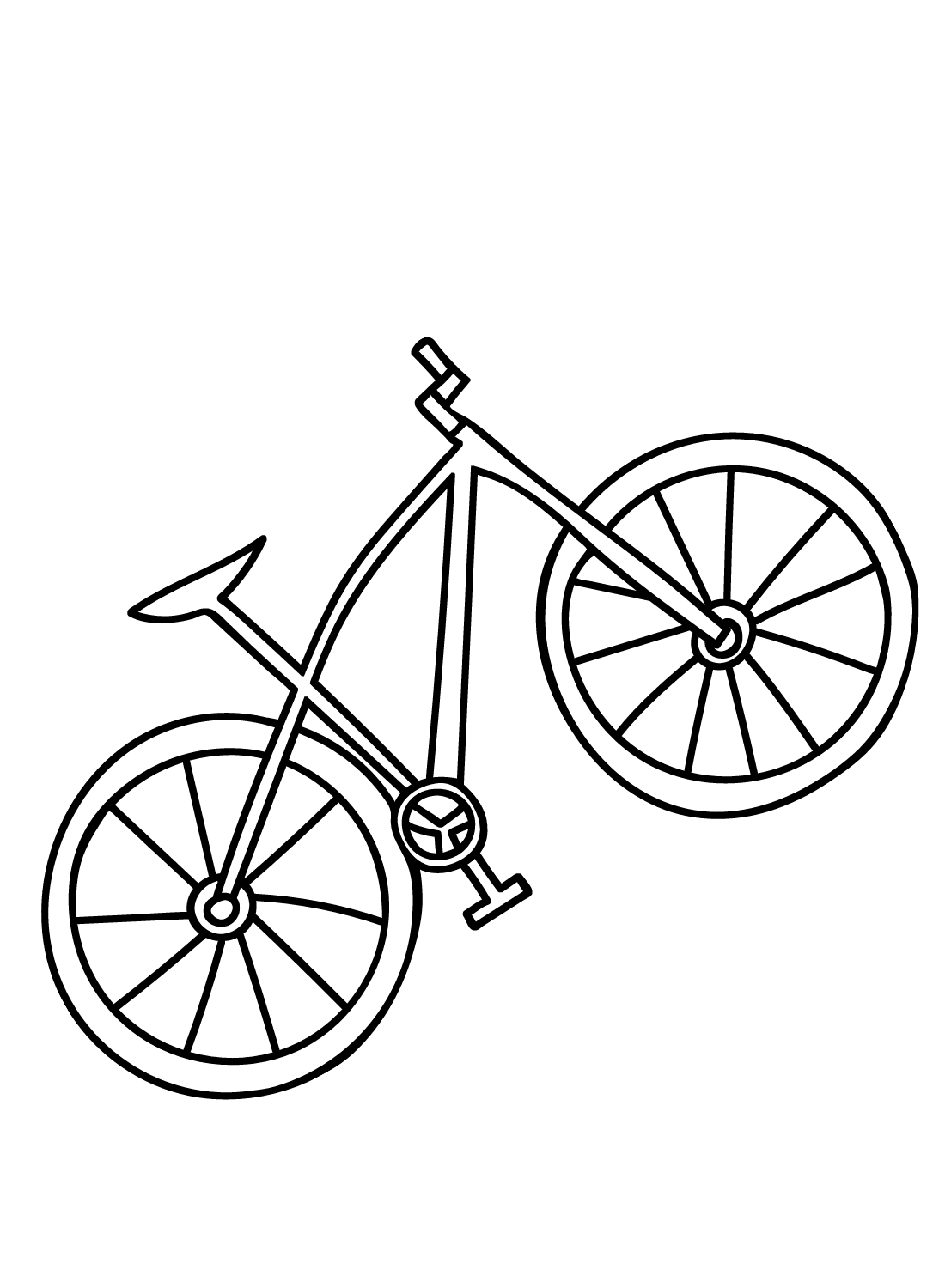
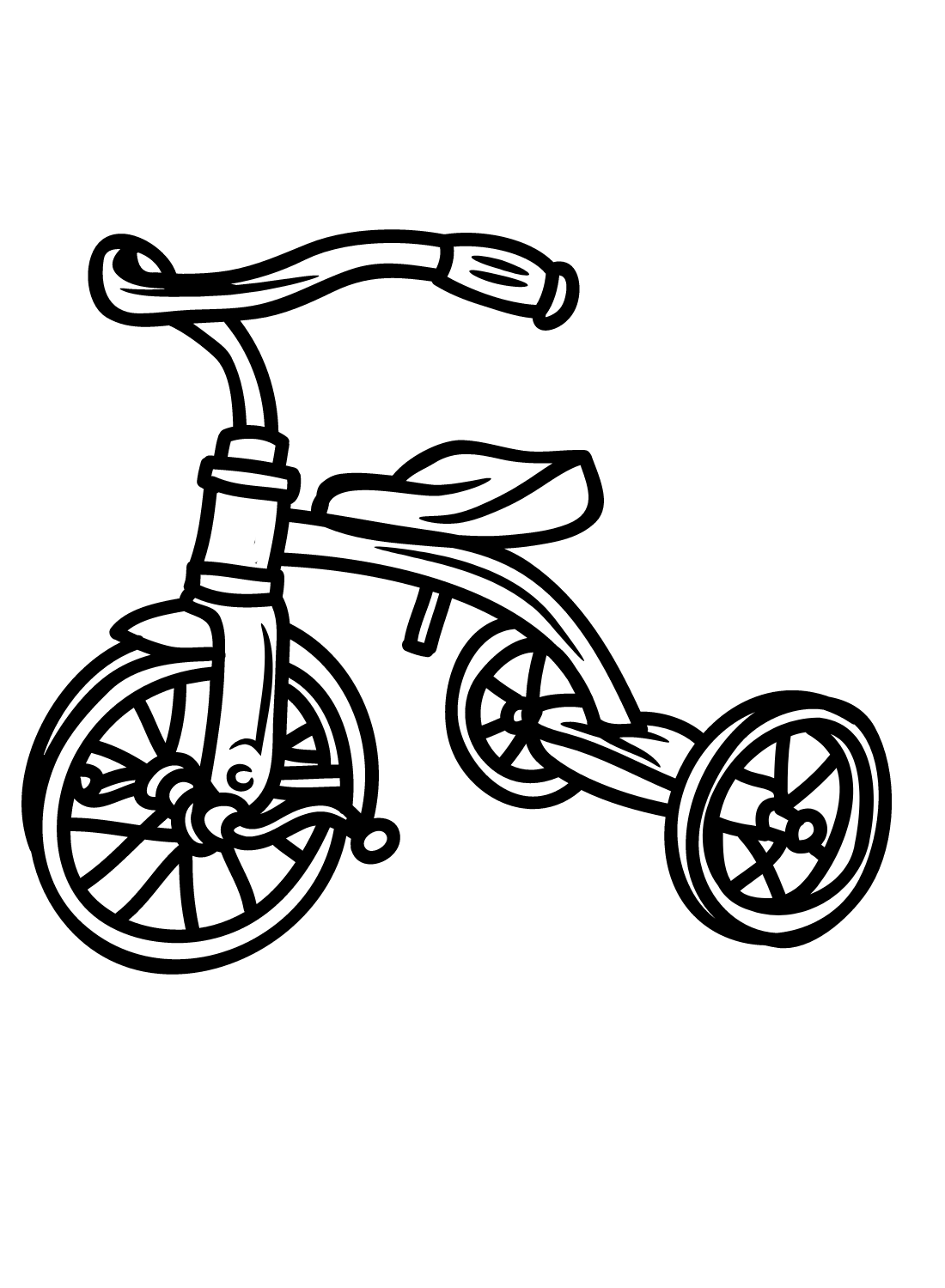
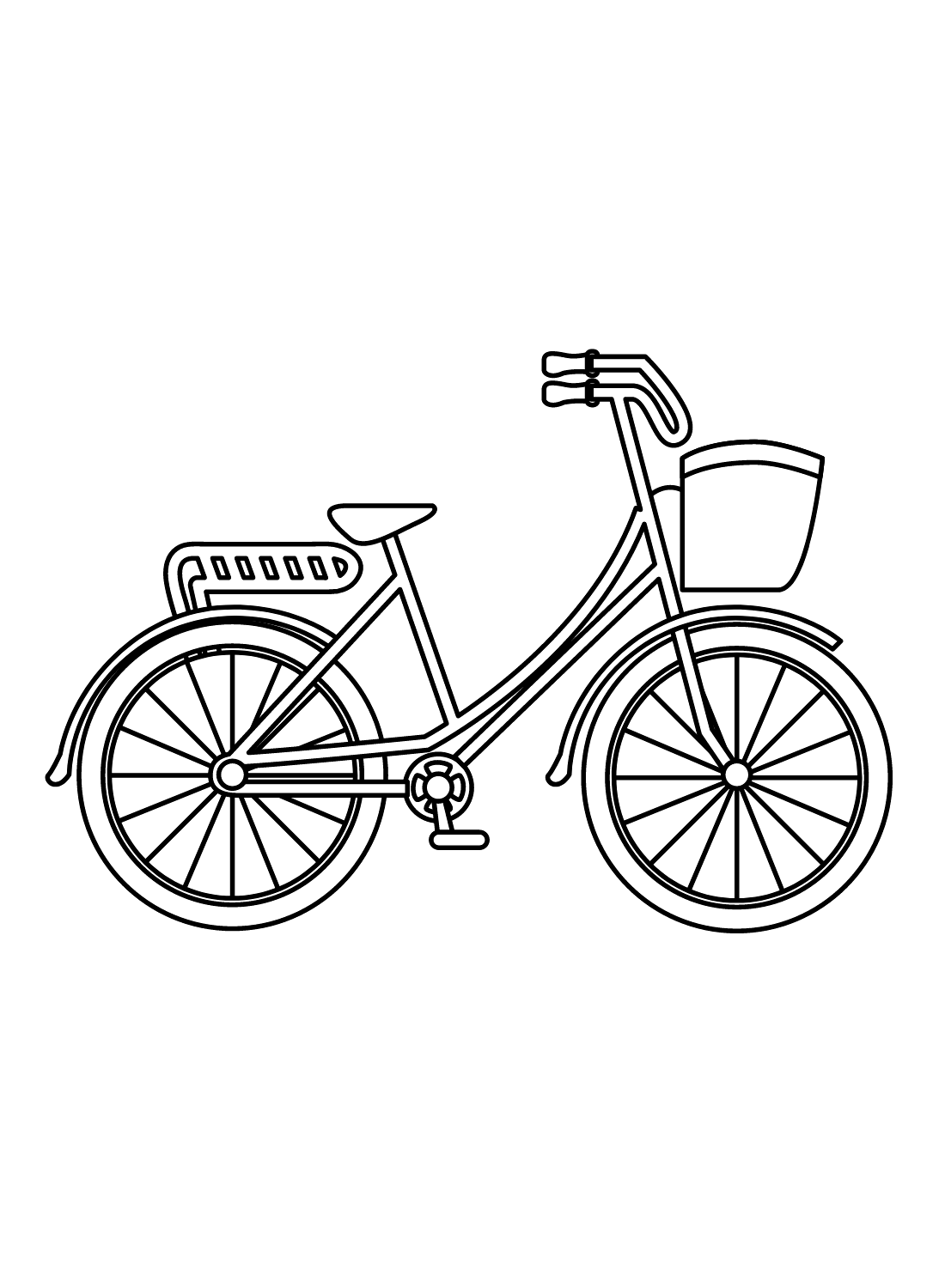
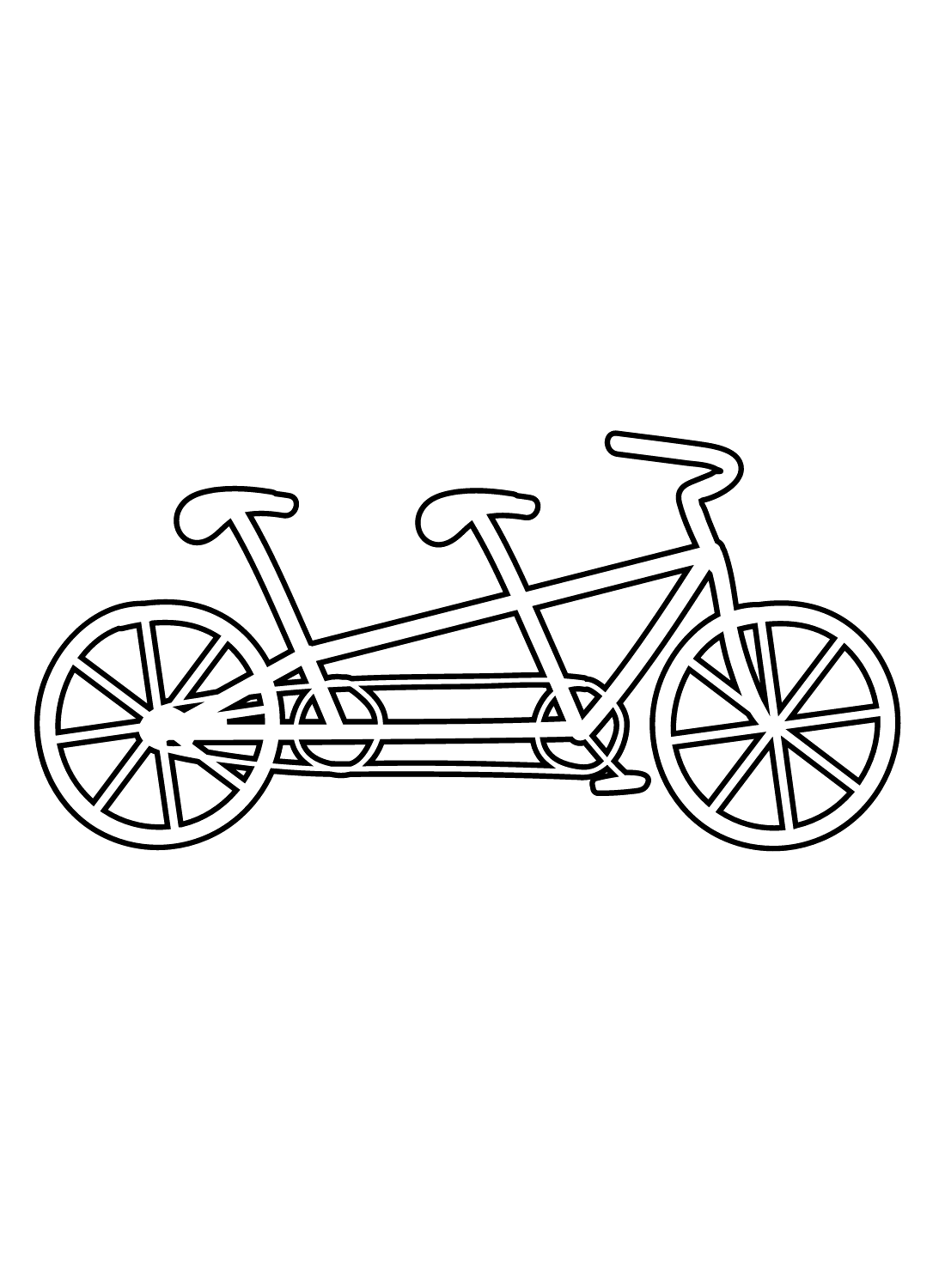
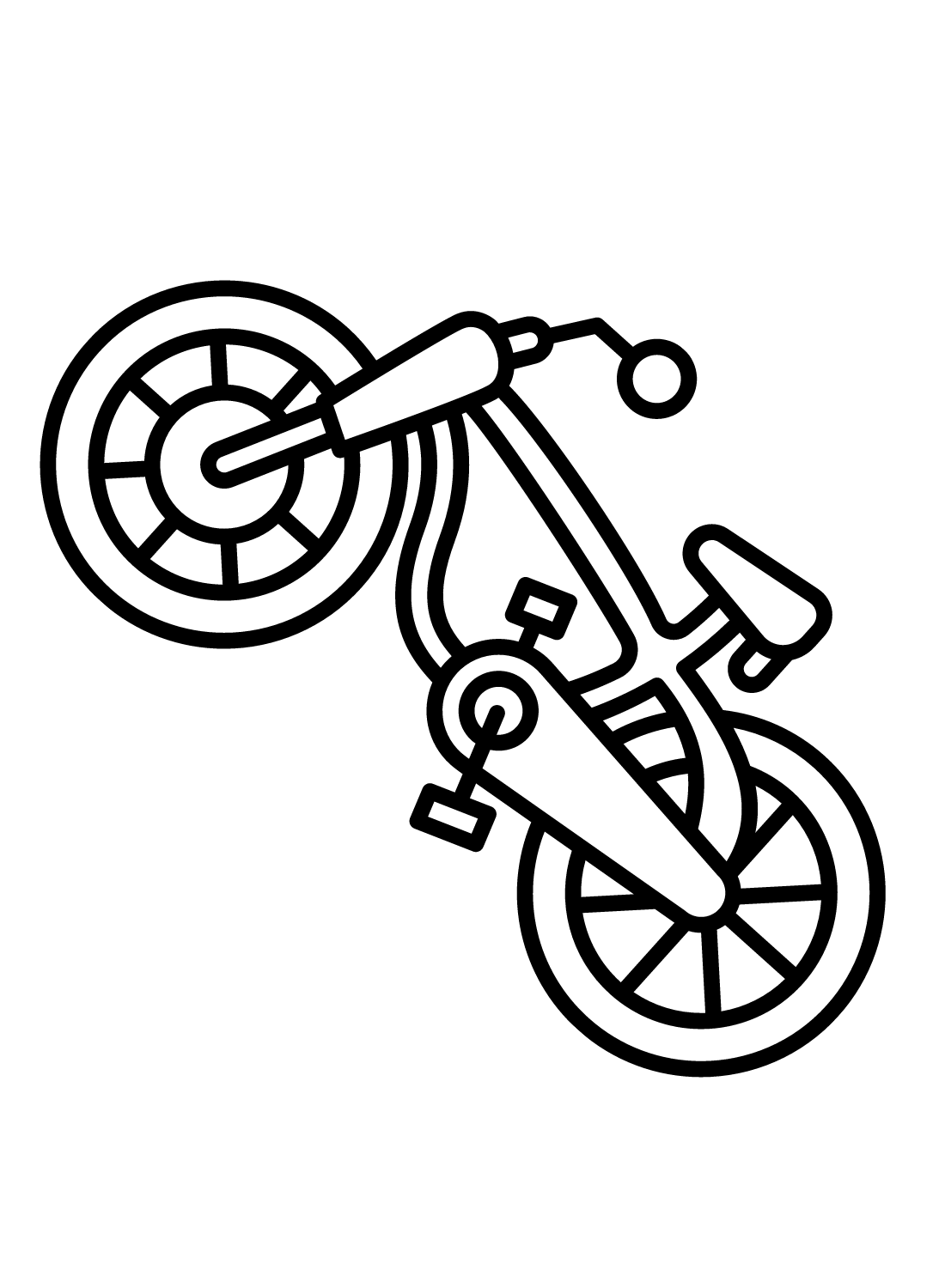
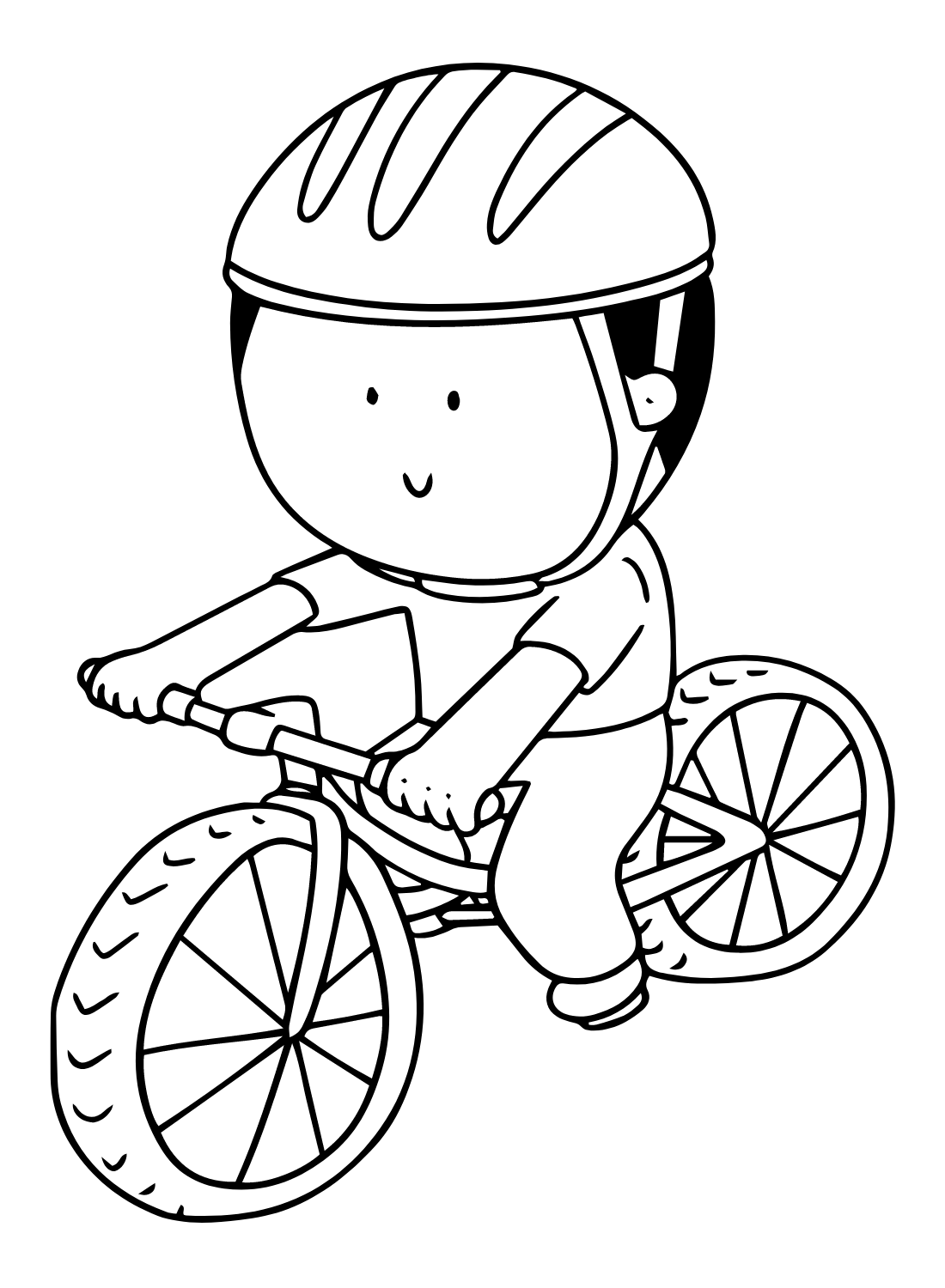
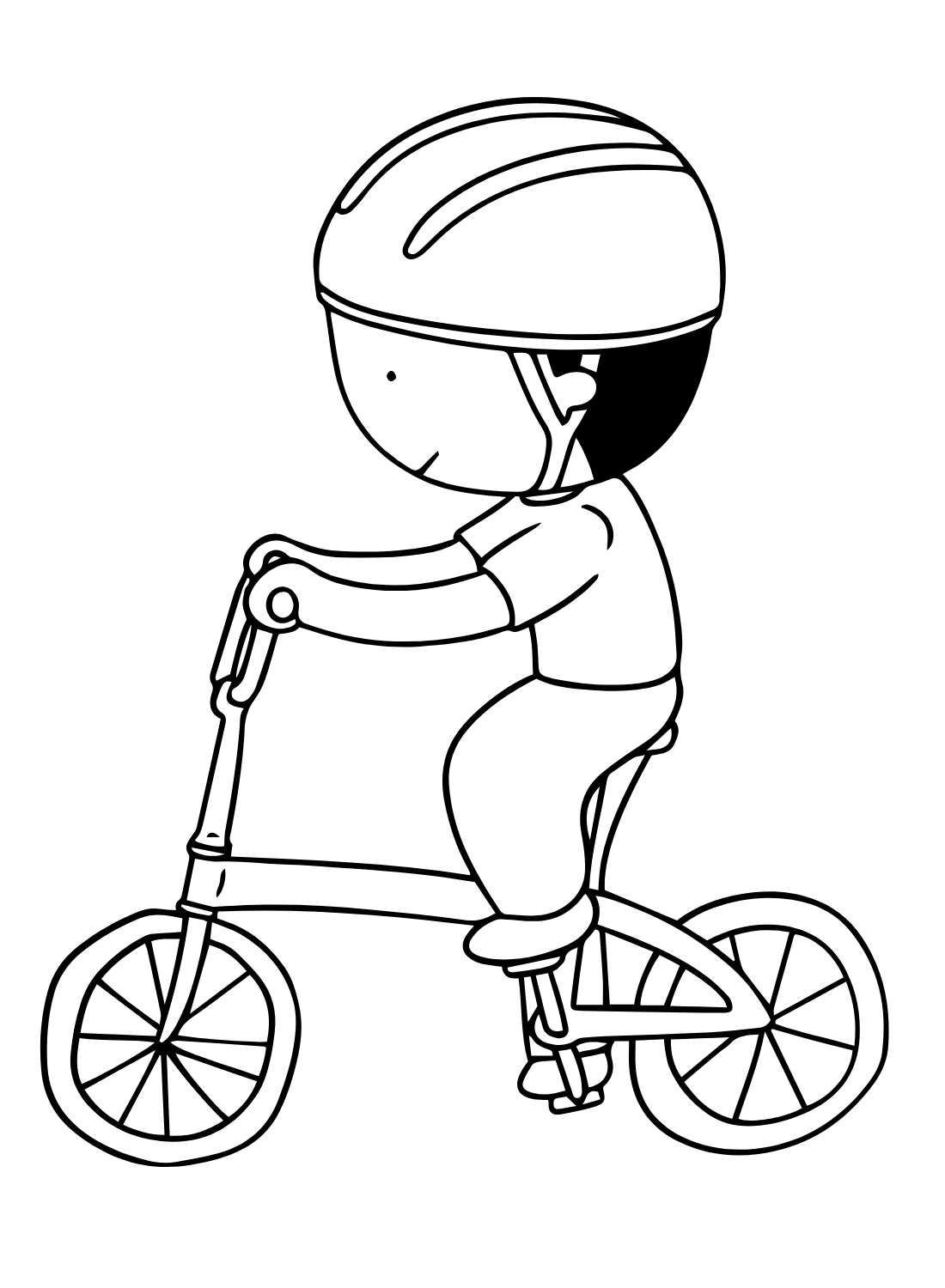
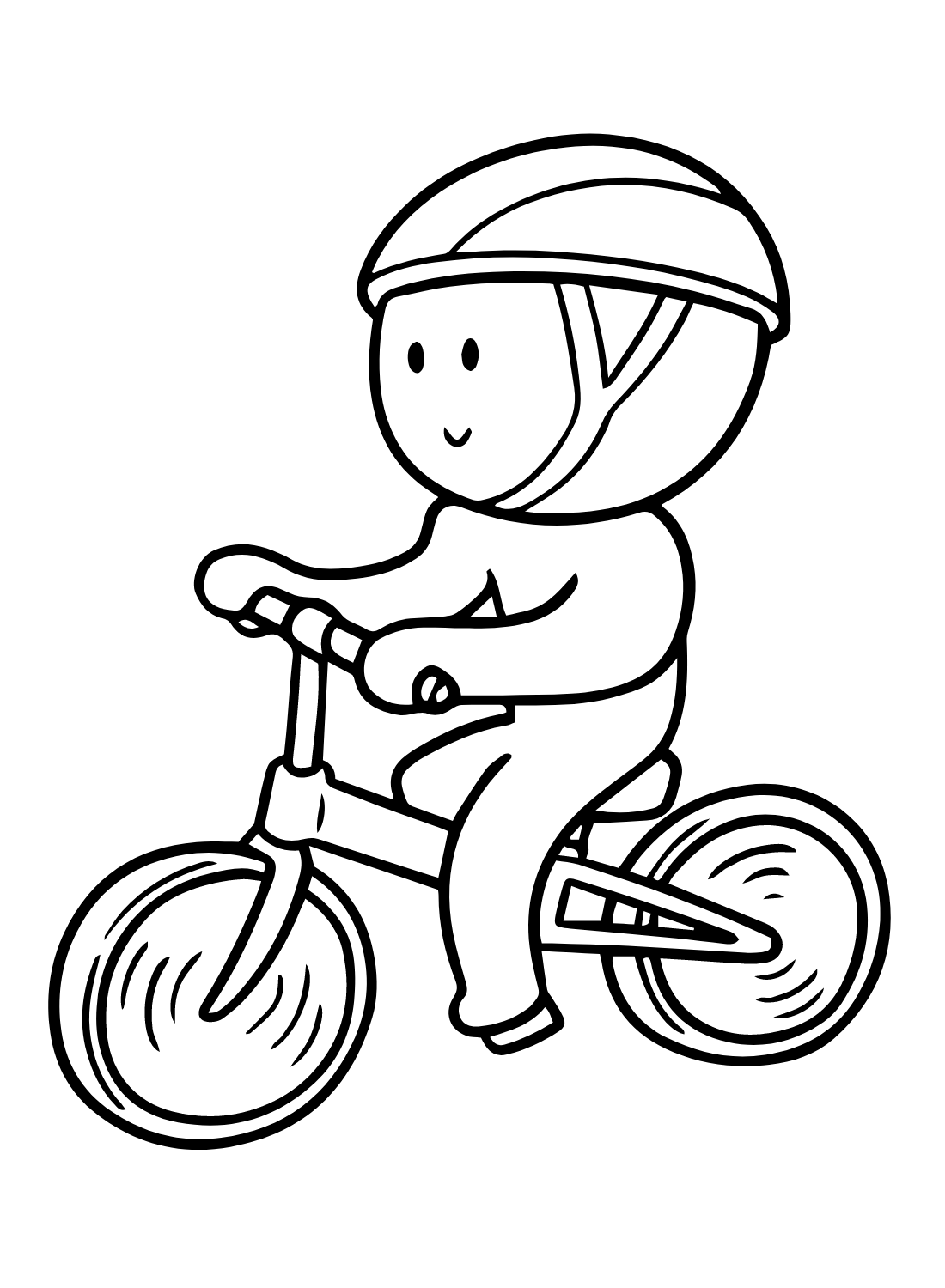
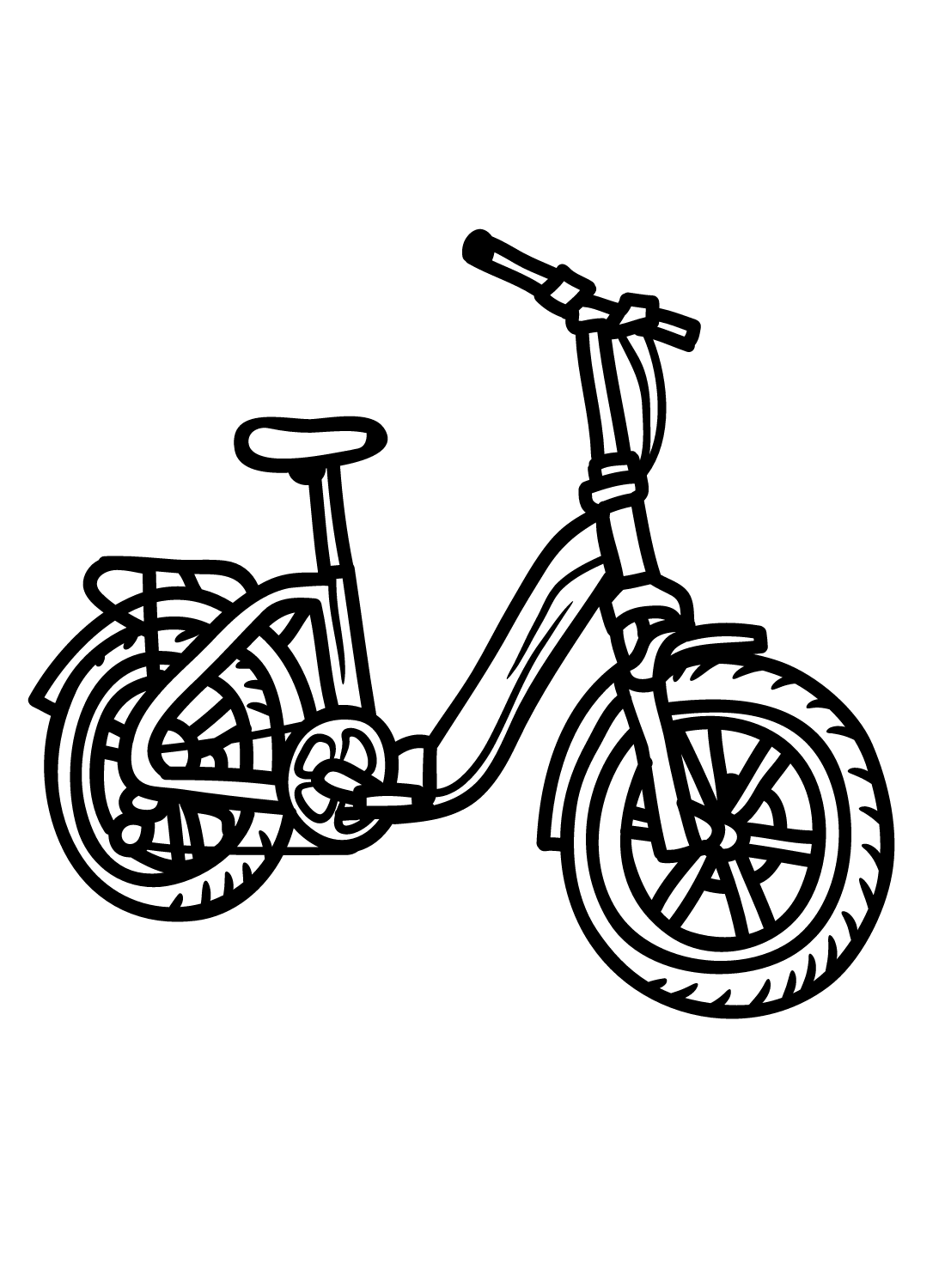
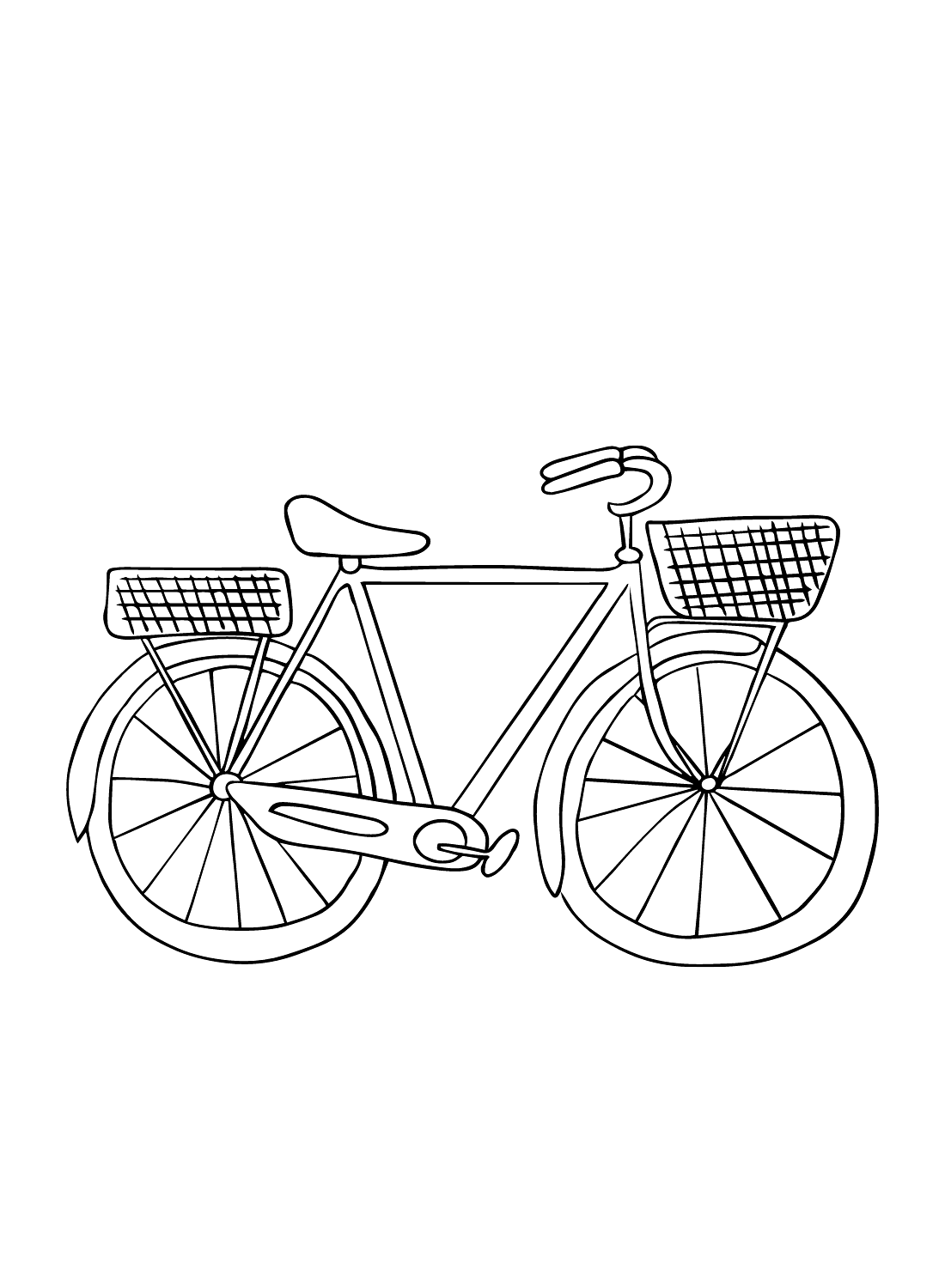
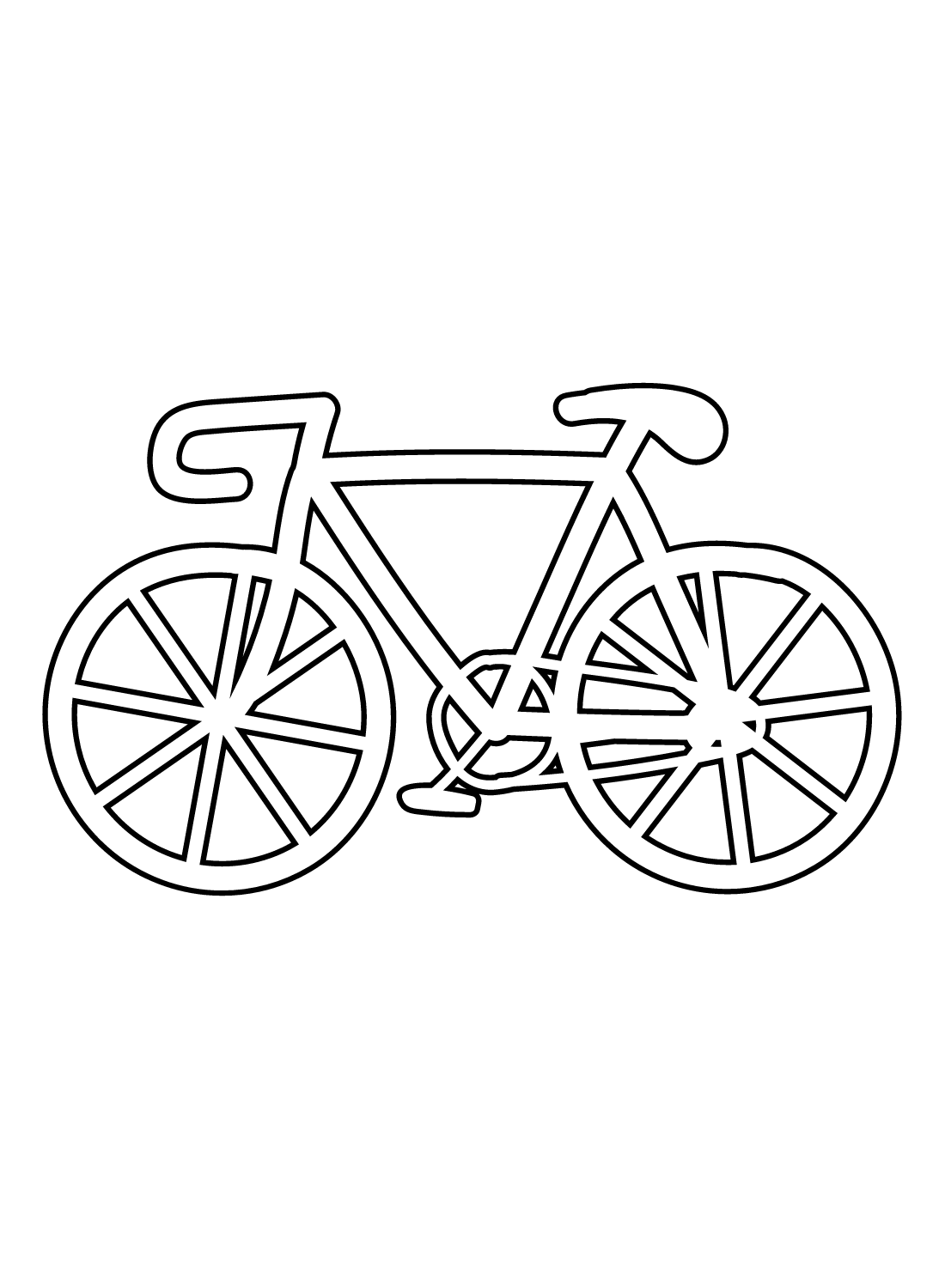
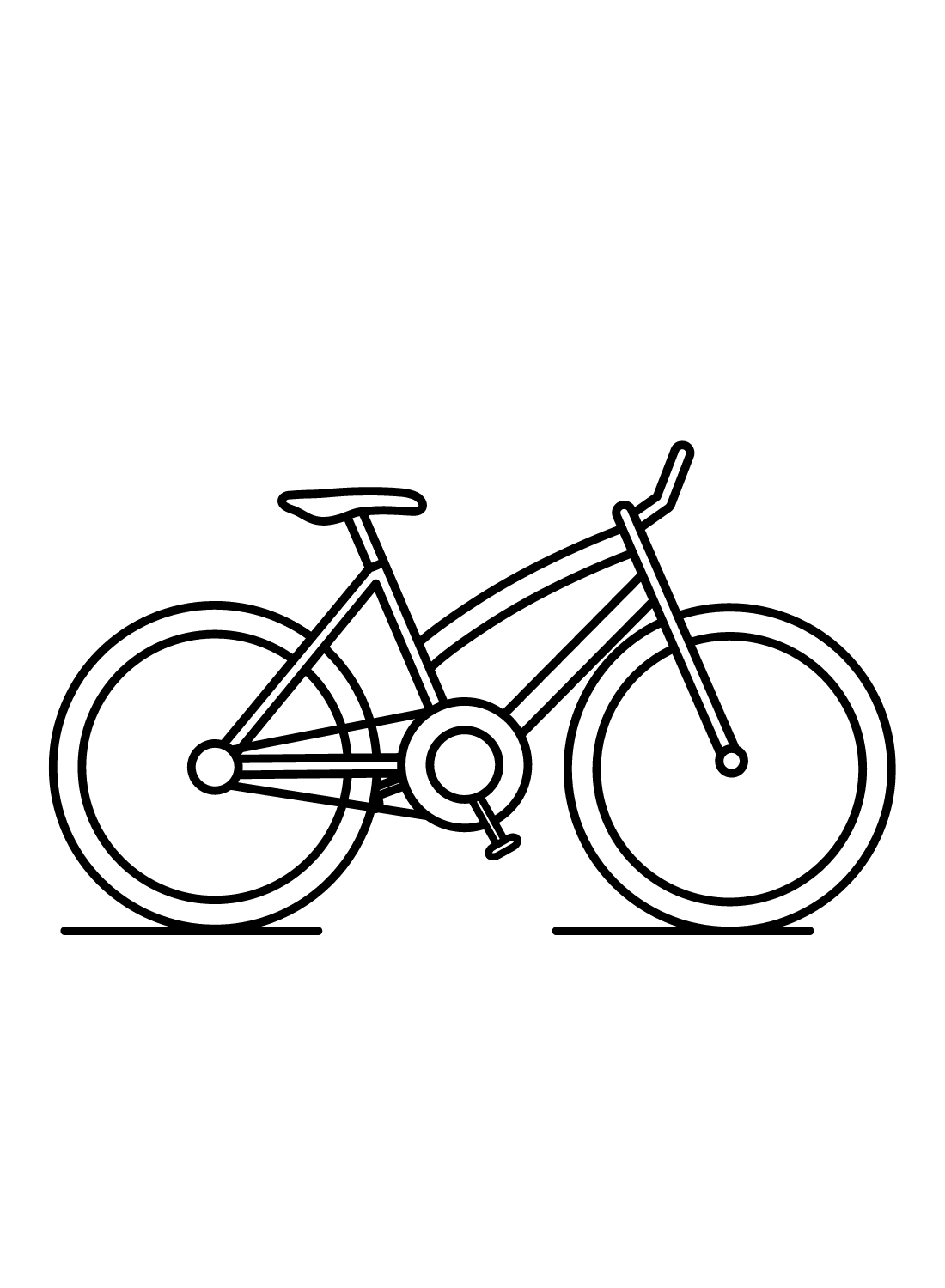
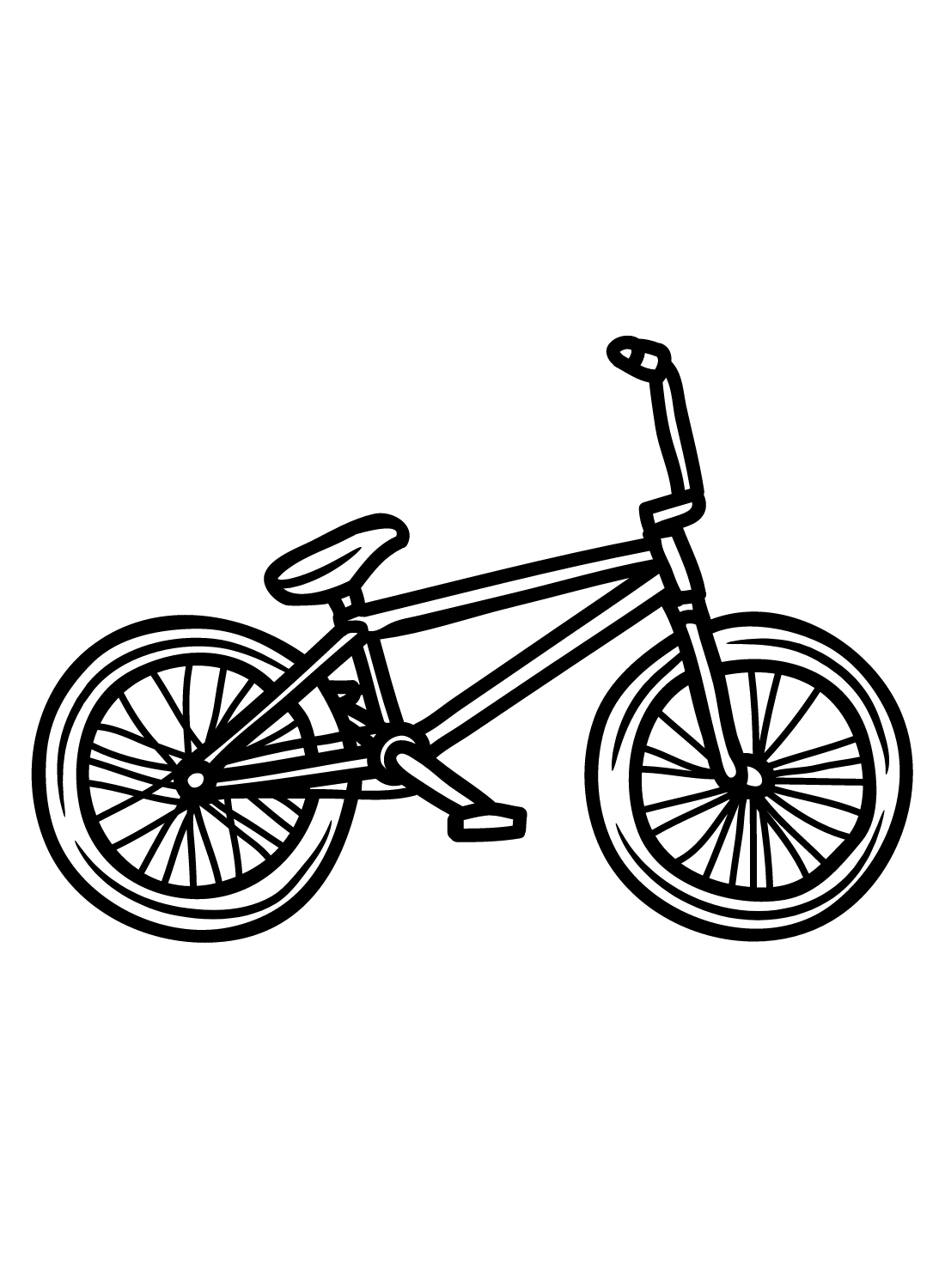
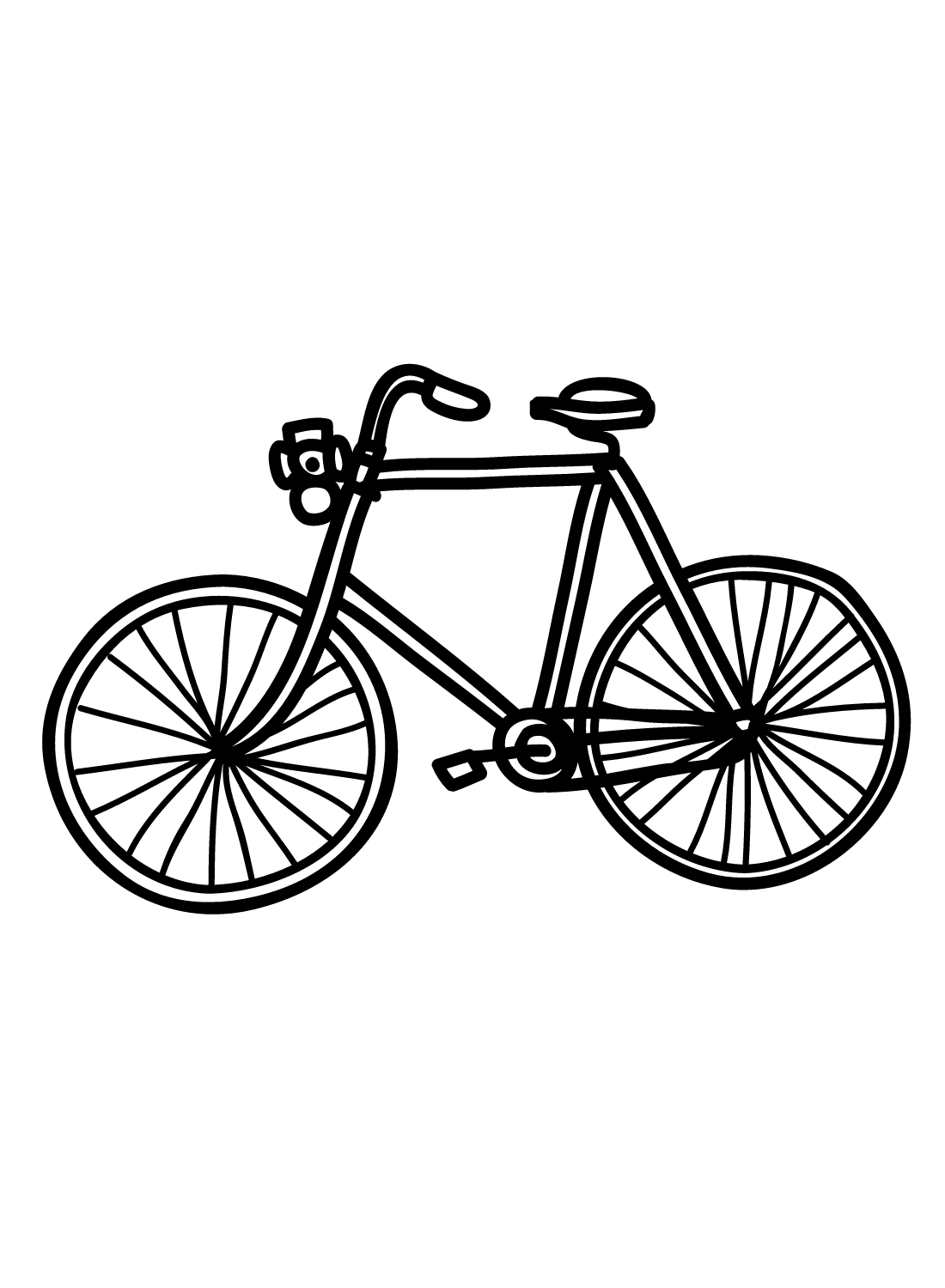
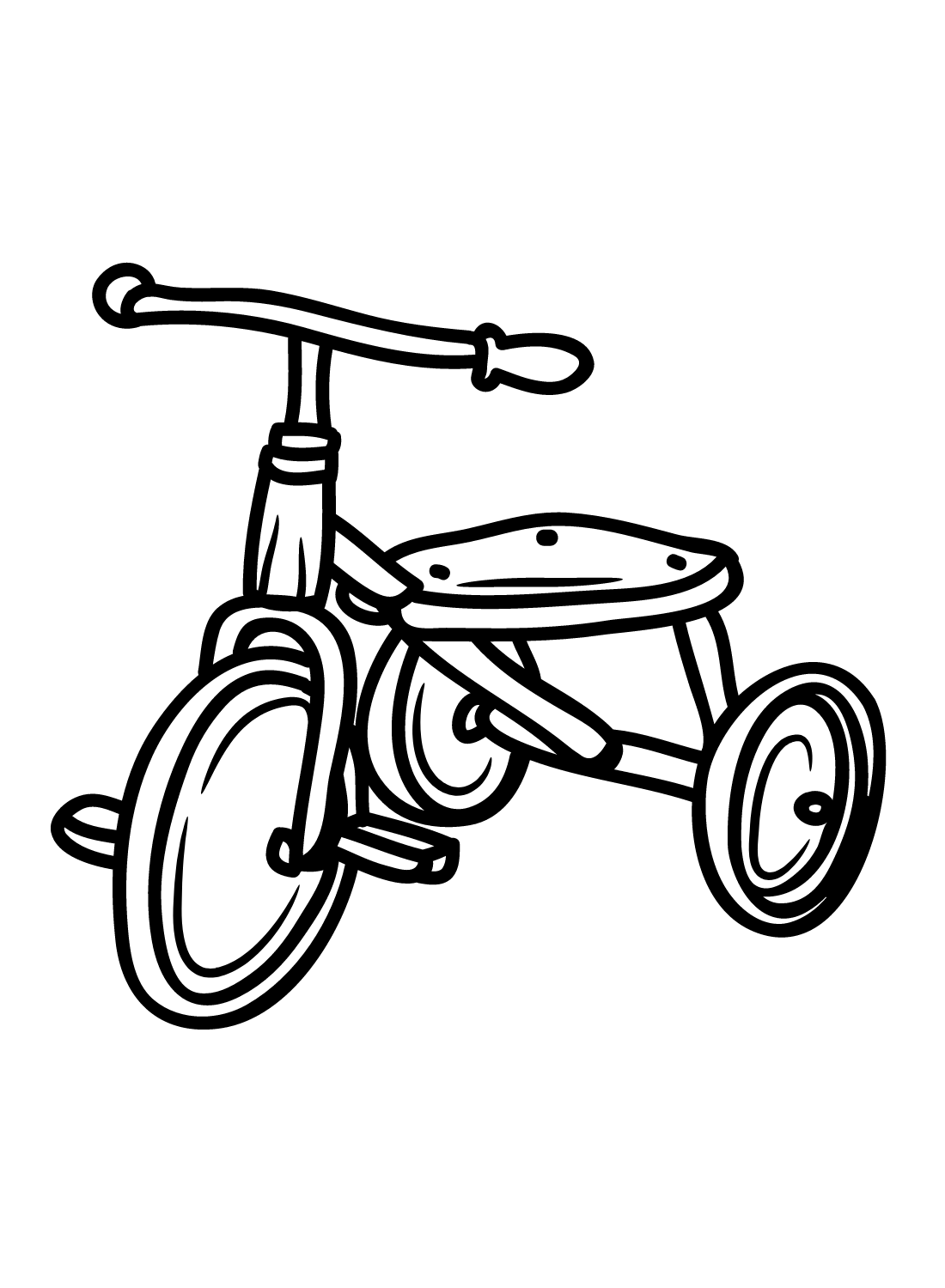
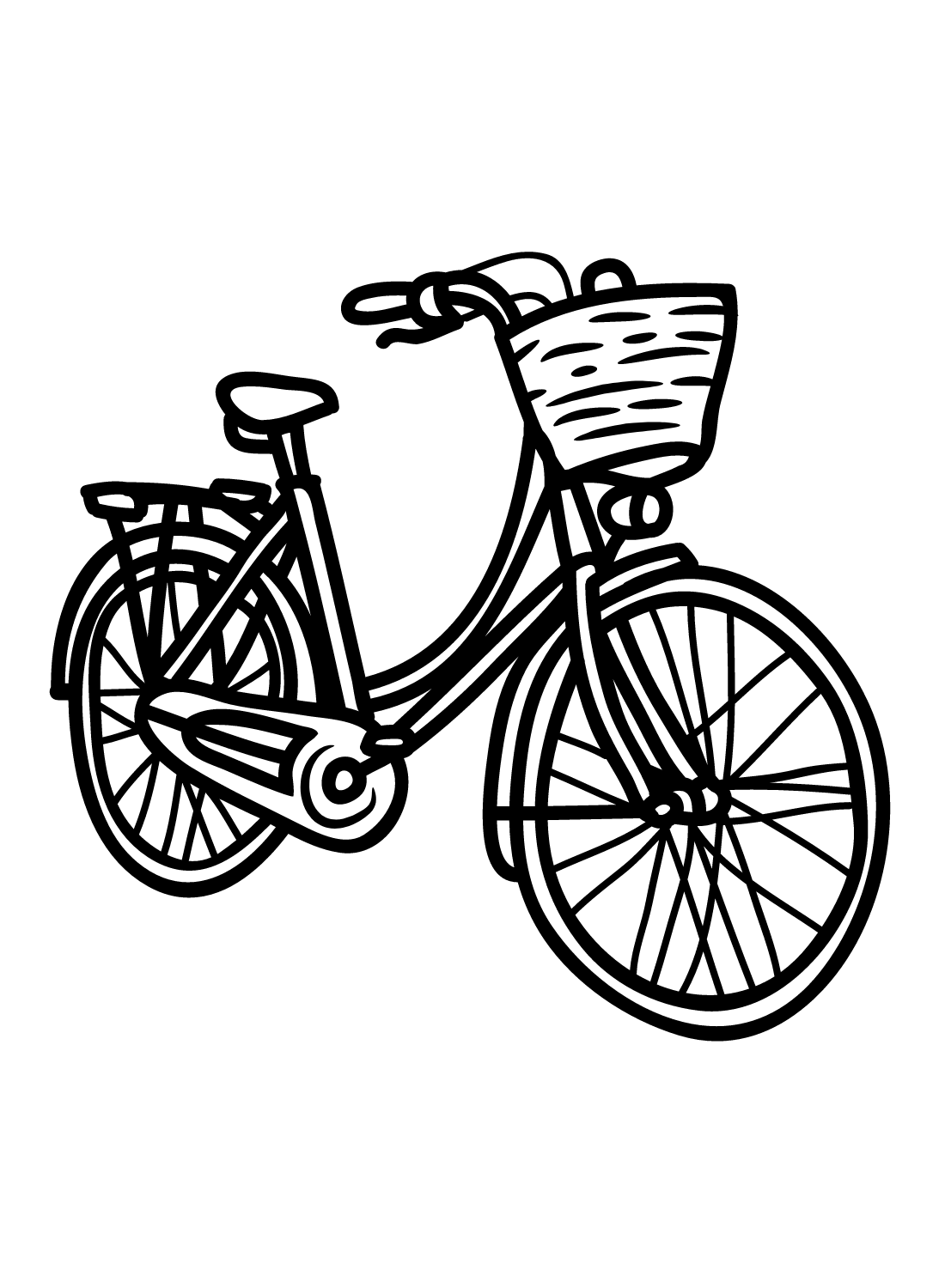
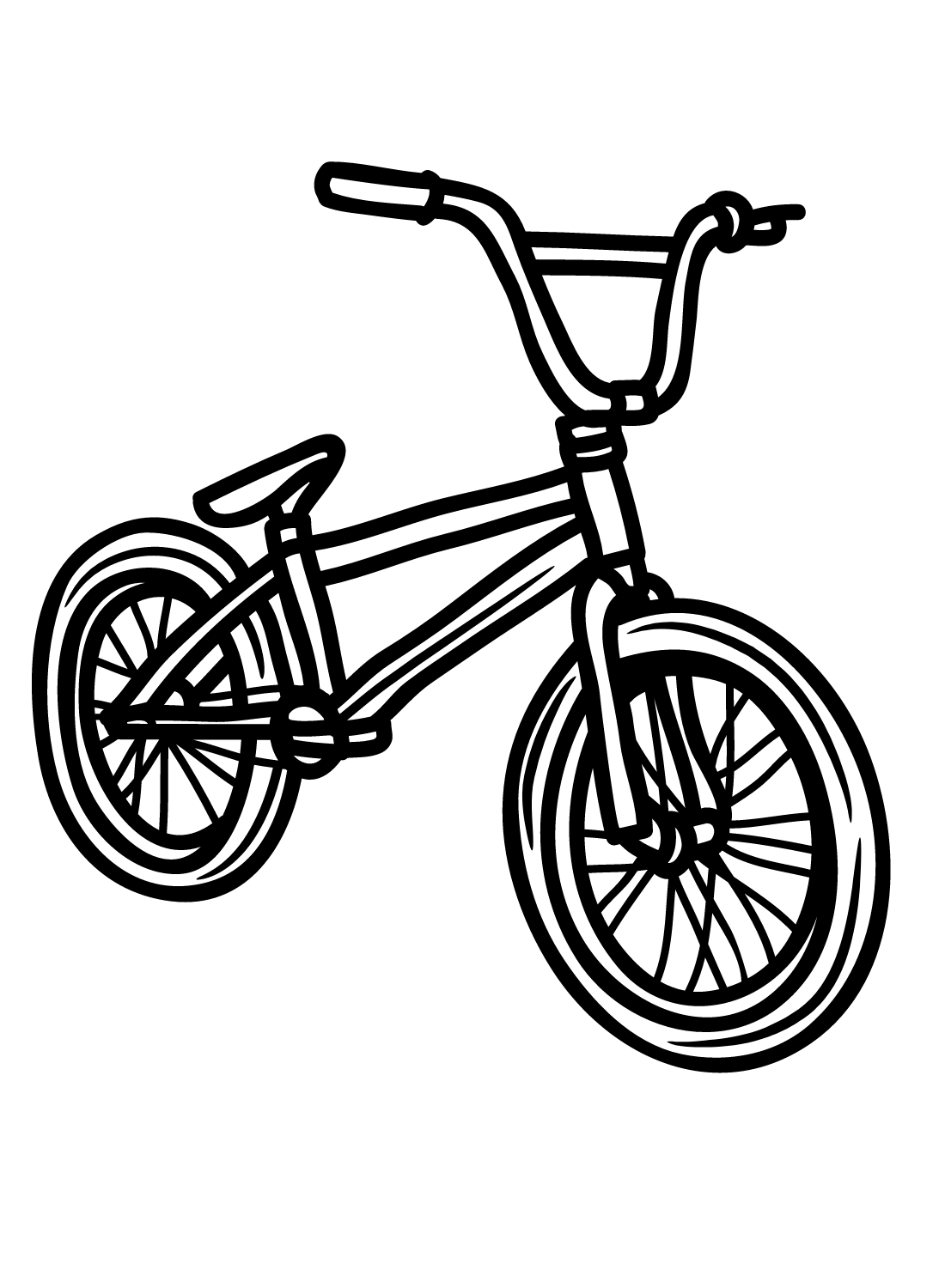
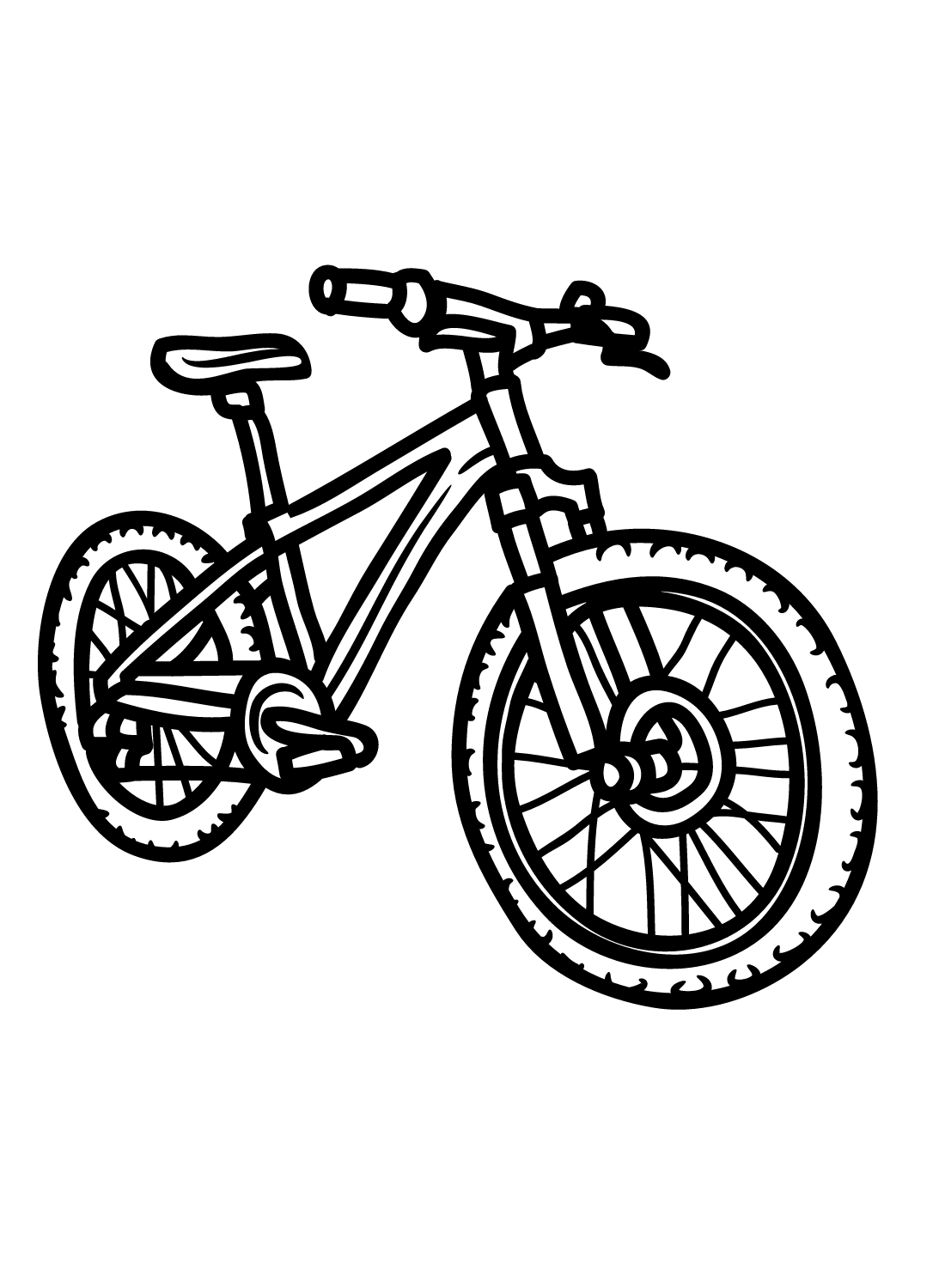
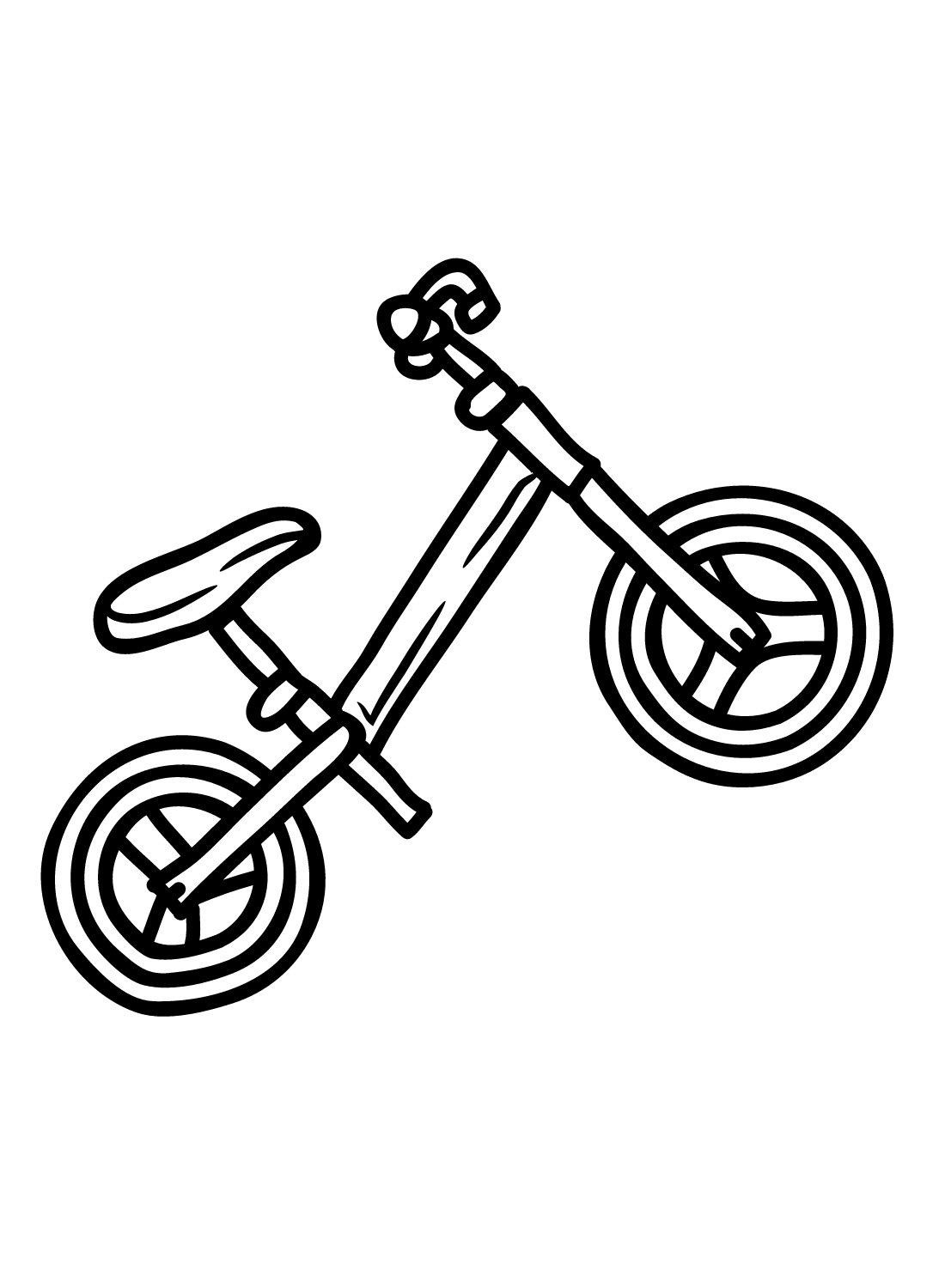
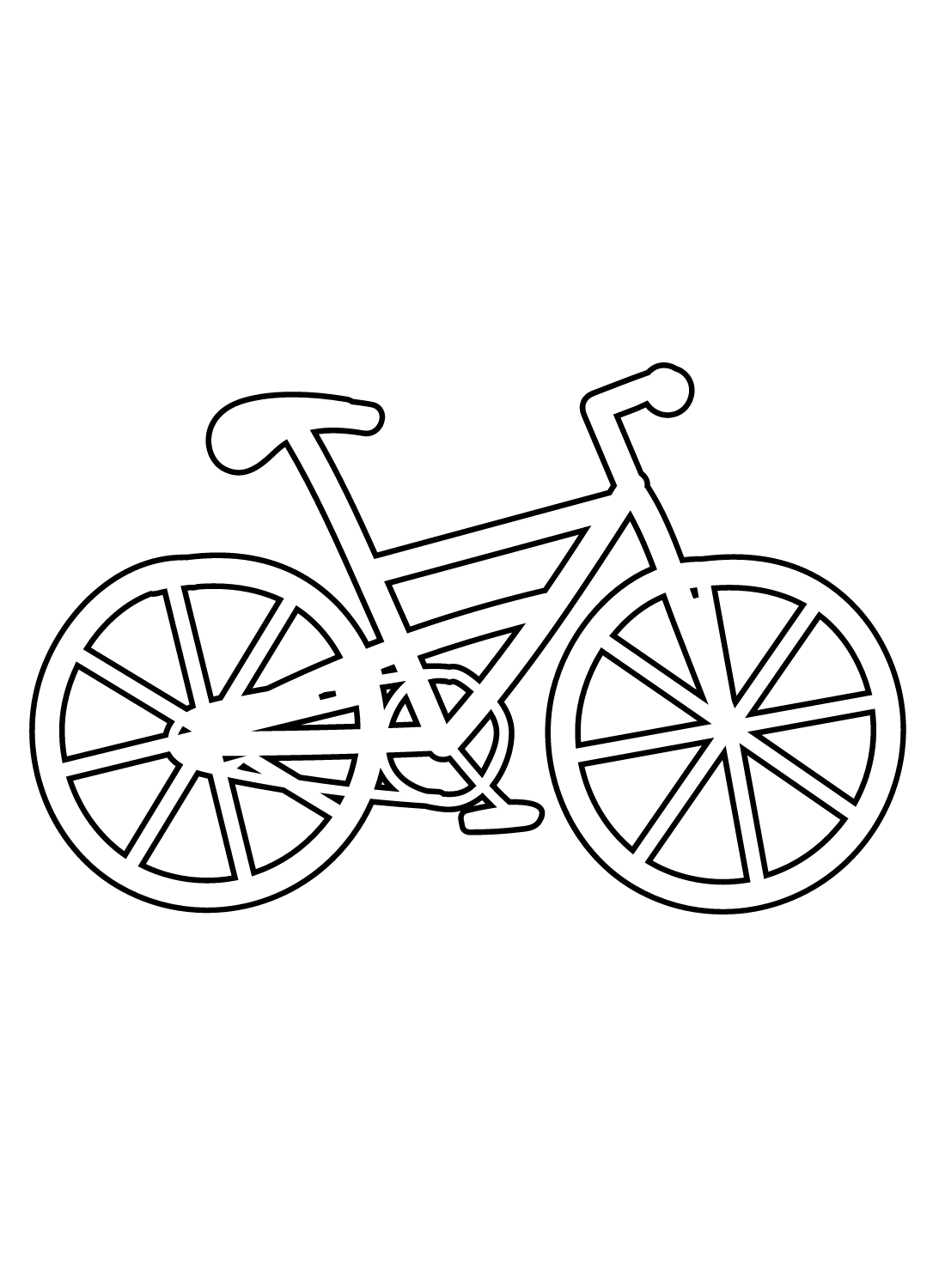
This collection spans 43 pages, grouped into rider scenes, decorative and themed designs, historical and style variant artwork, drawing-style pages, and printable sheets. The coloring angle ranges from simple standalone bicycles to fuller rider and decorated-bike scenes.

What Is Inside This Collection
The 43 designs group into five categories, from rider scenes to printable sheets.
Rider Scenes
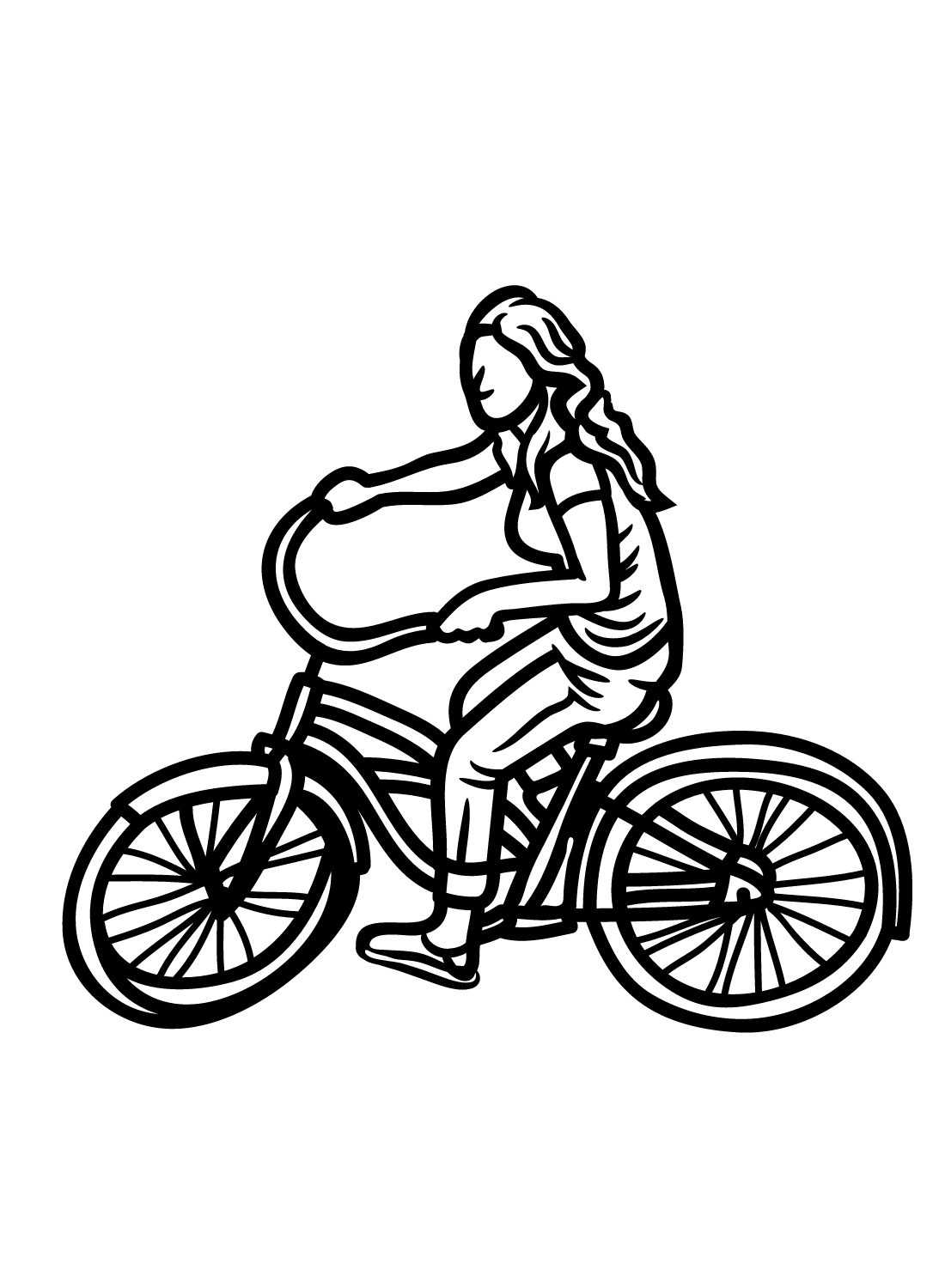
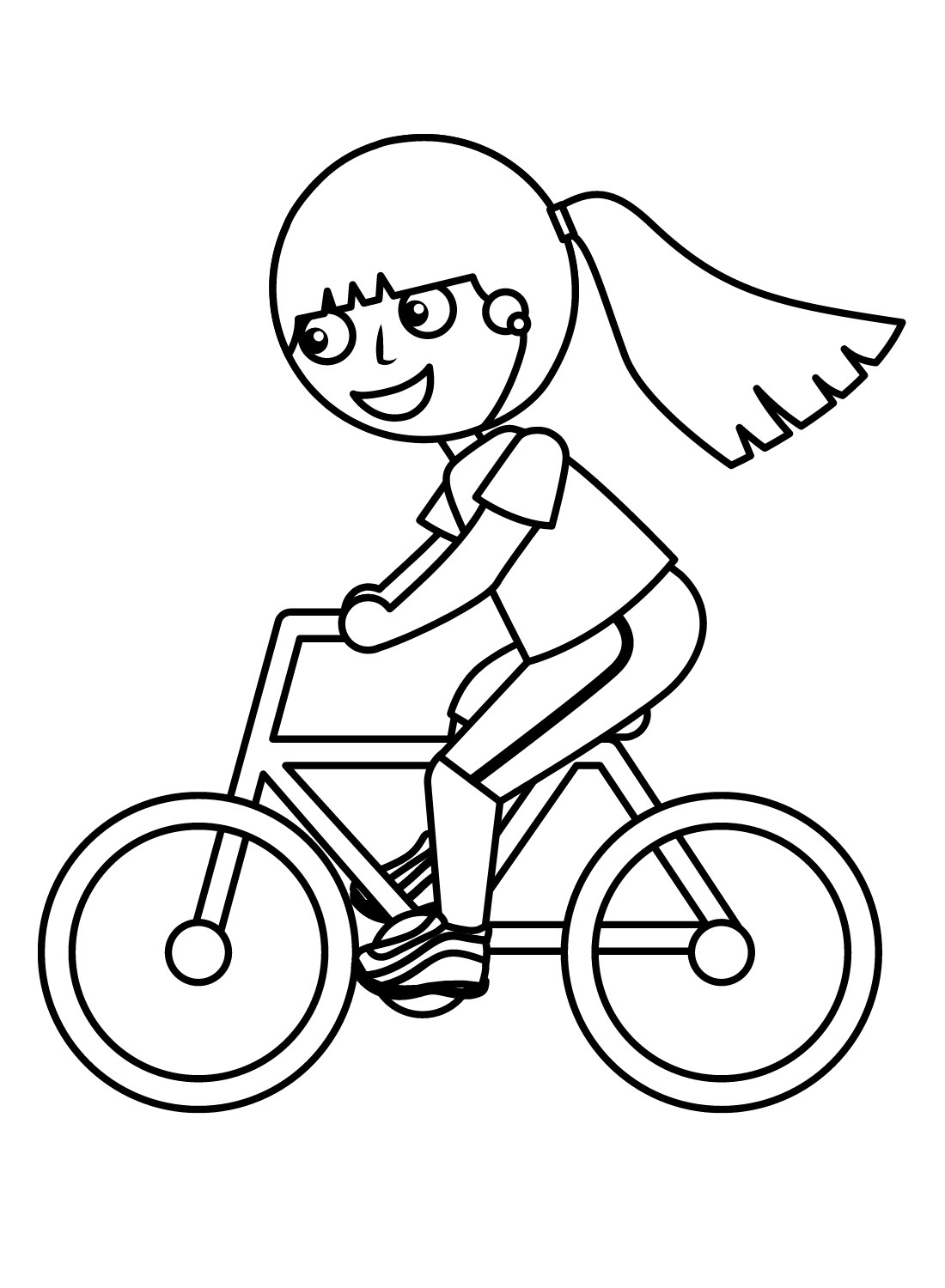
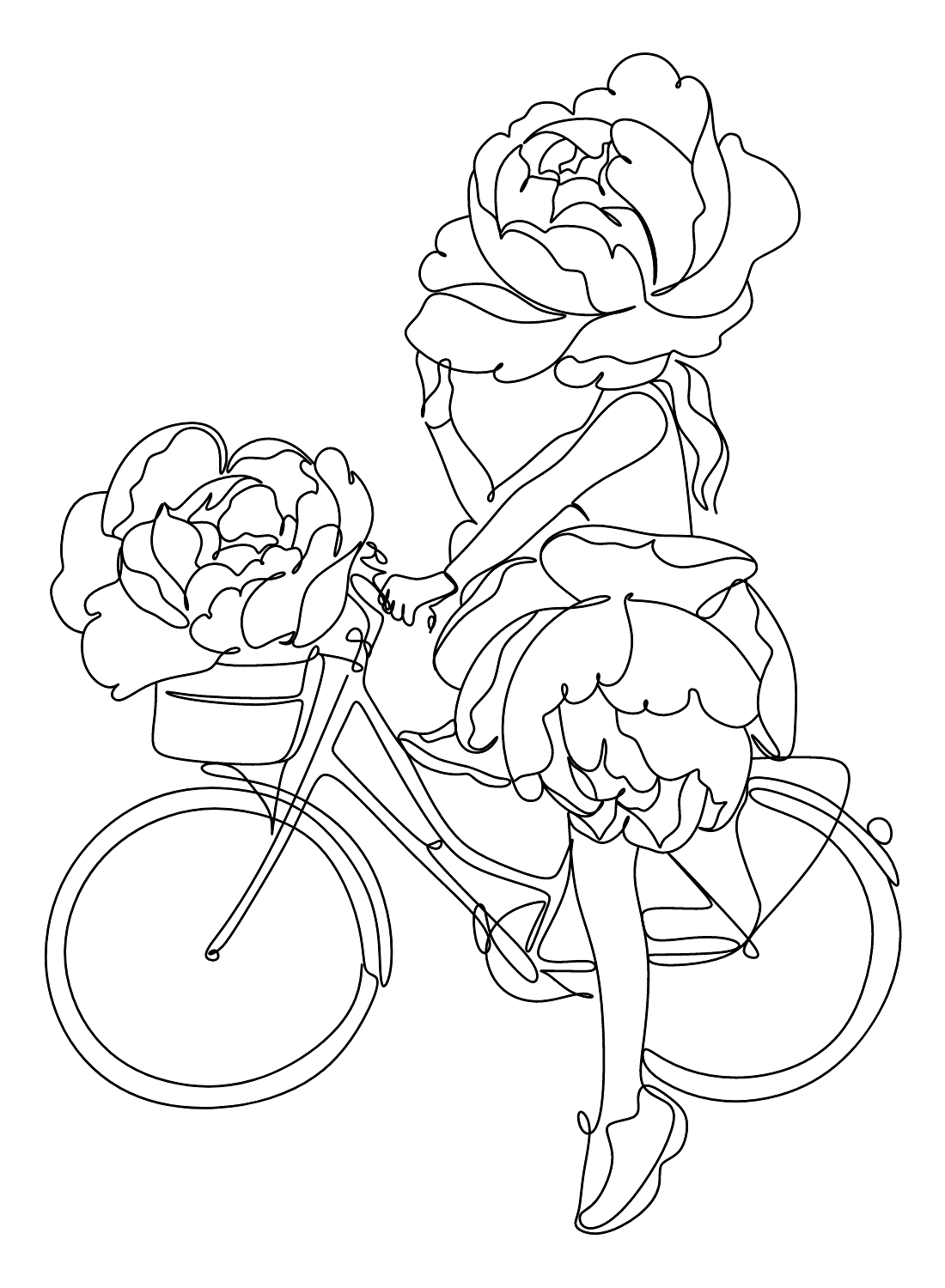
Eight pages show a person riding or standing with a bicycle, including boys, girls, and adults in a range of poses.
Decorative and Themed Designs
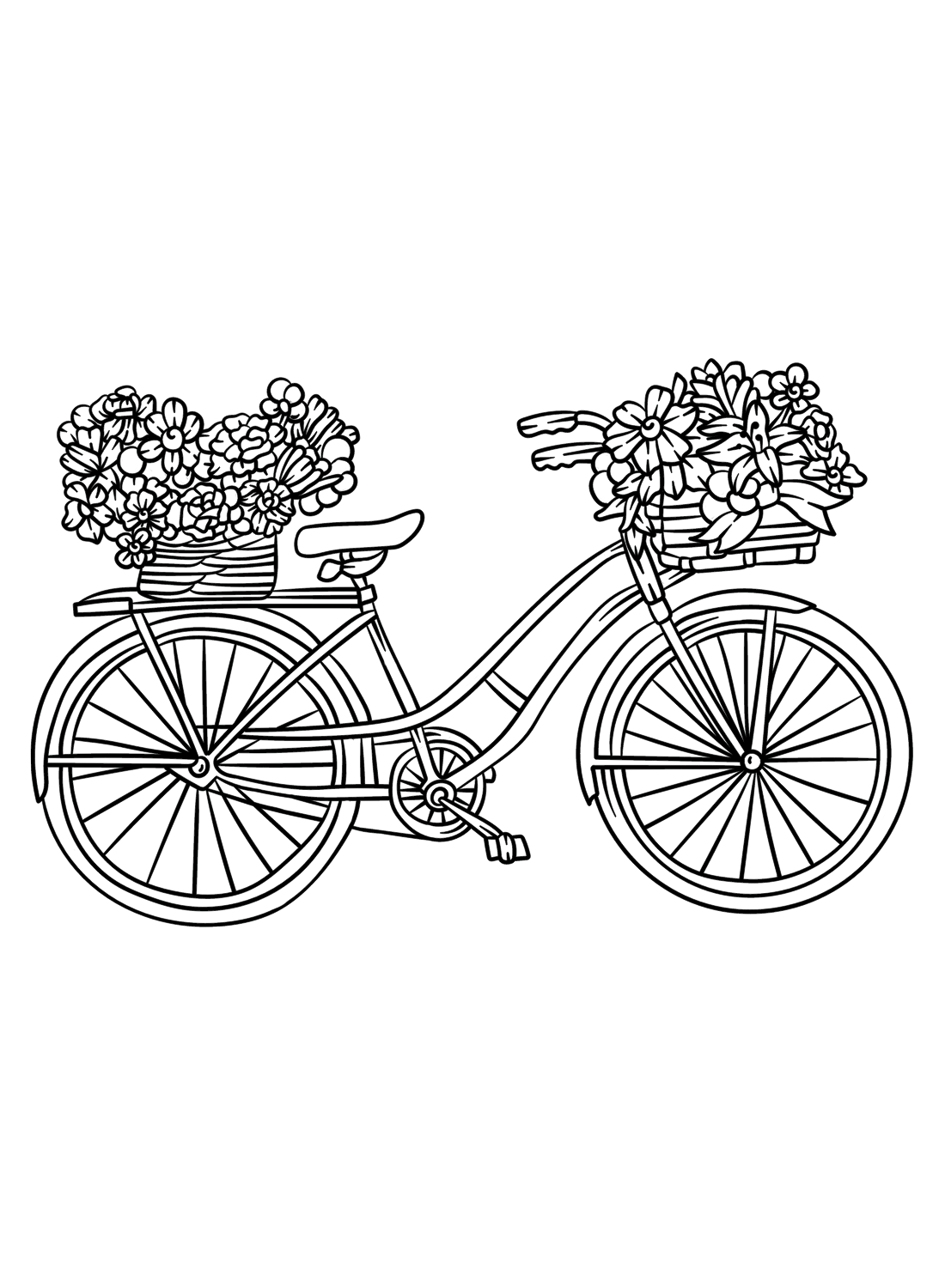
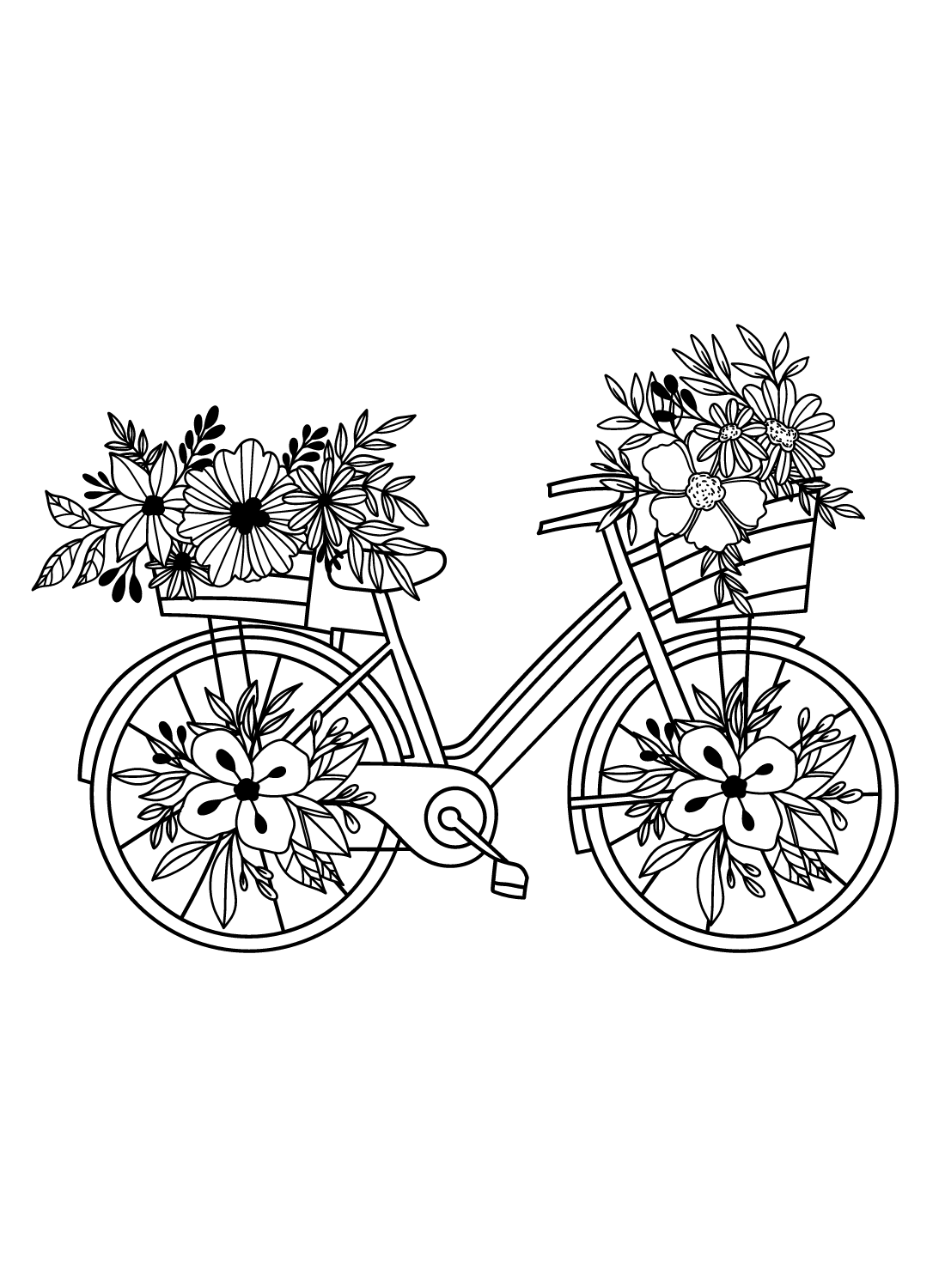
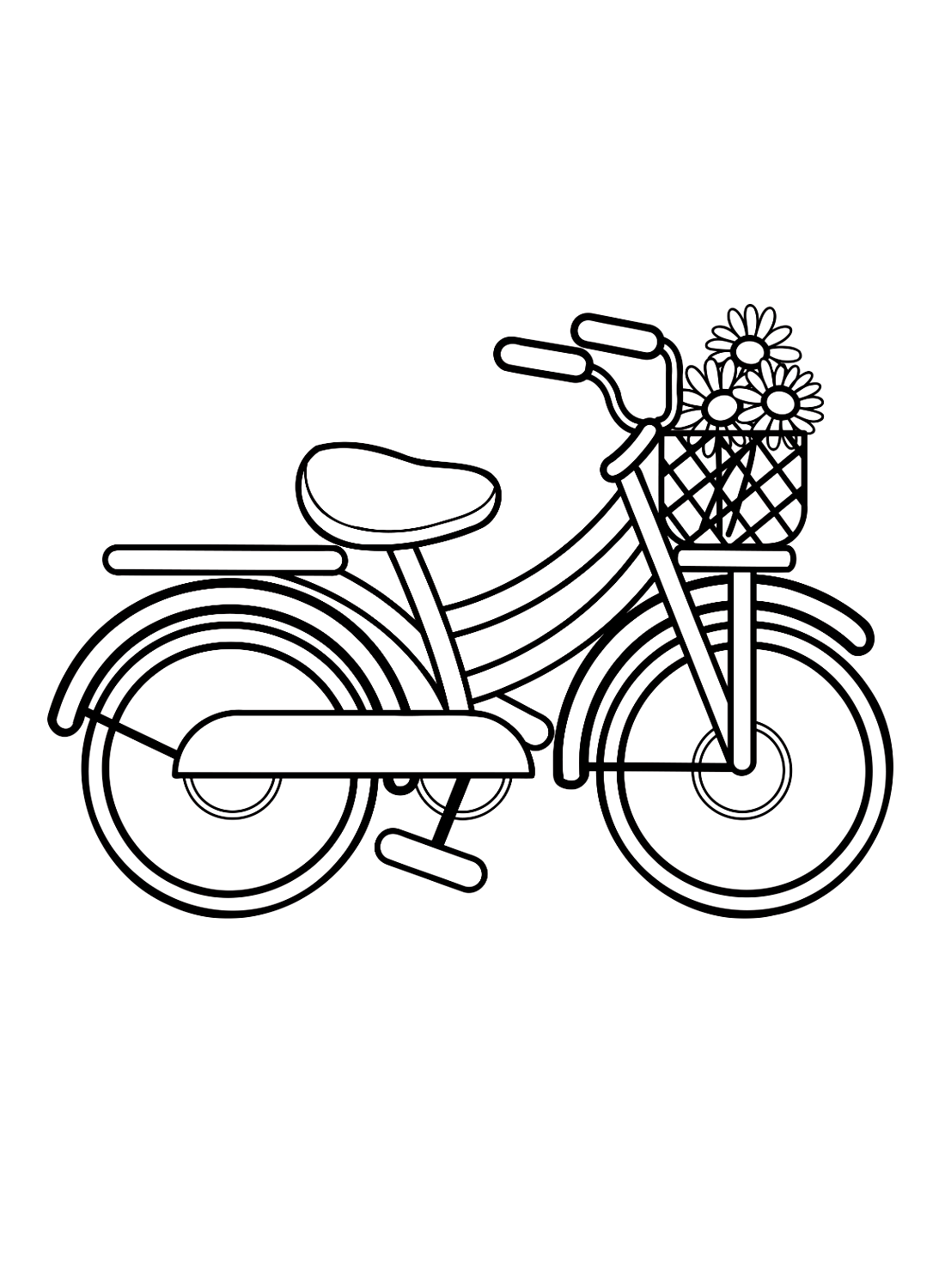
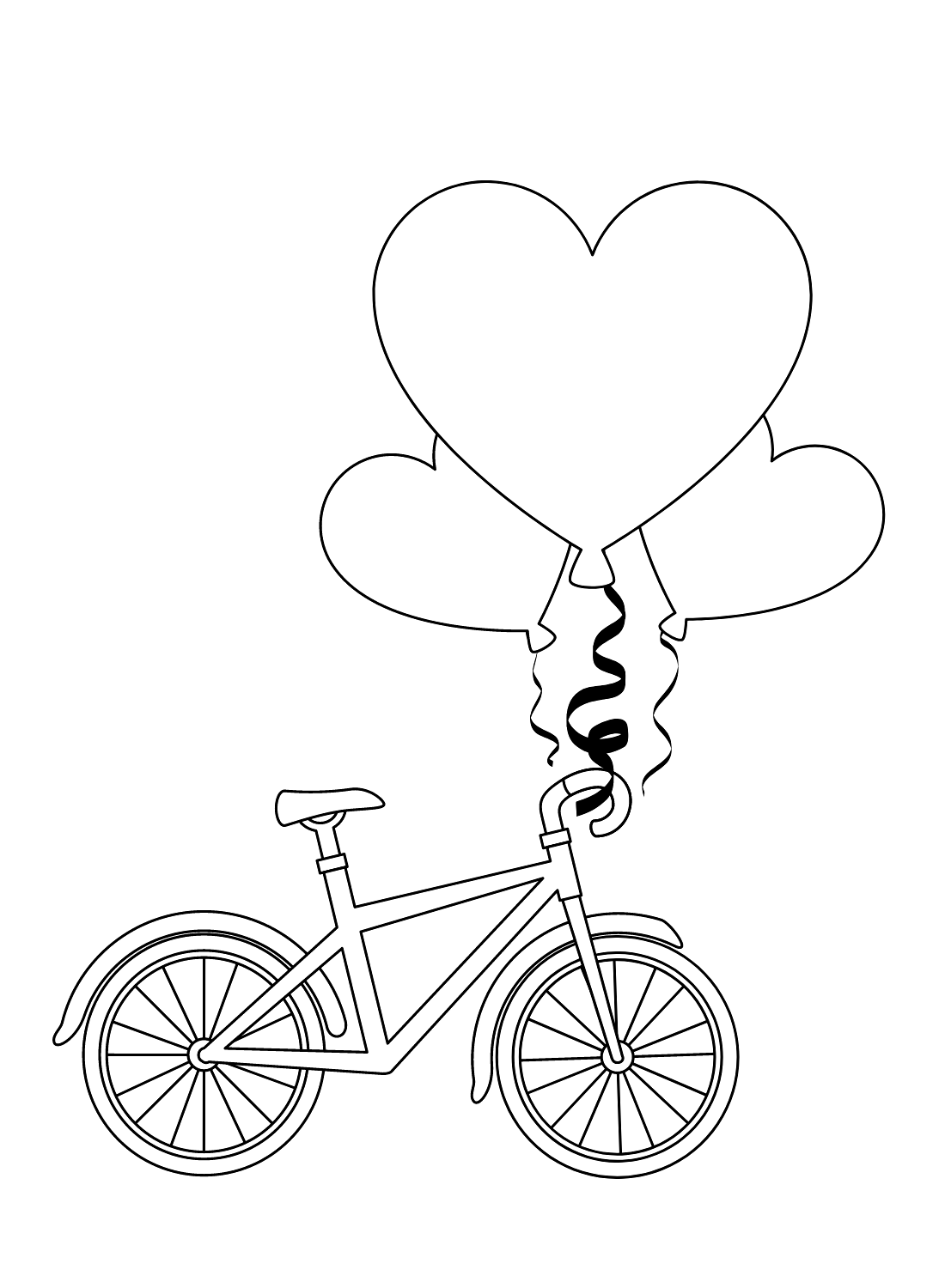
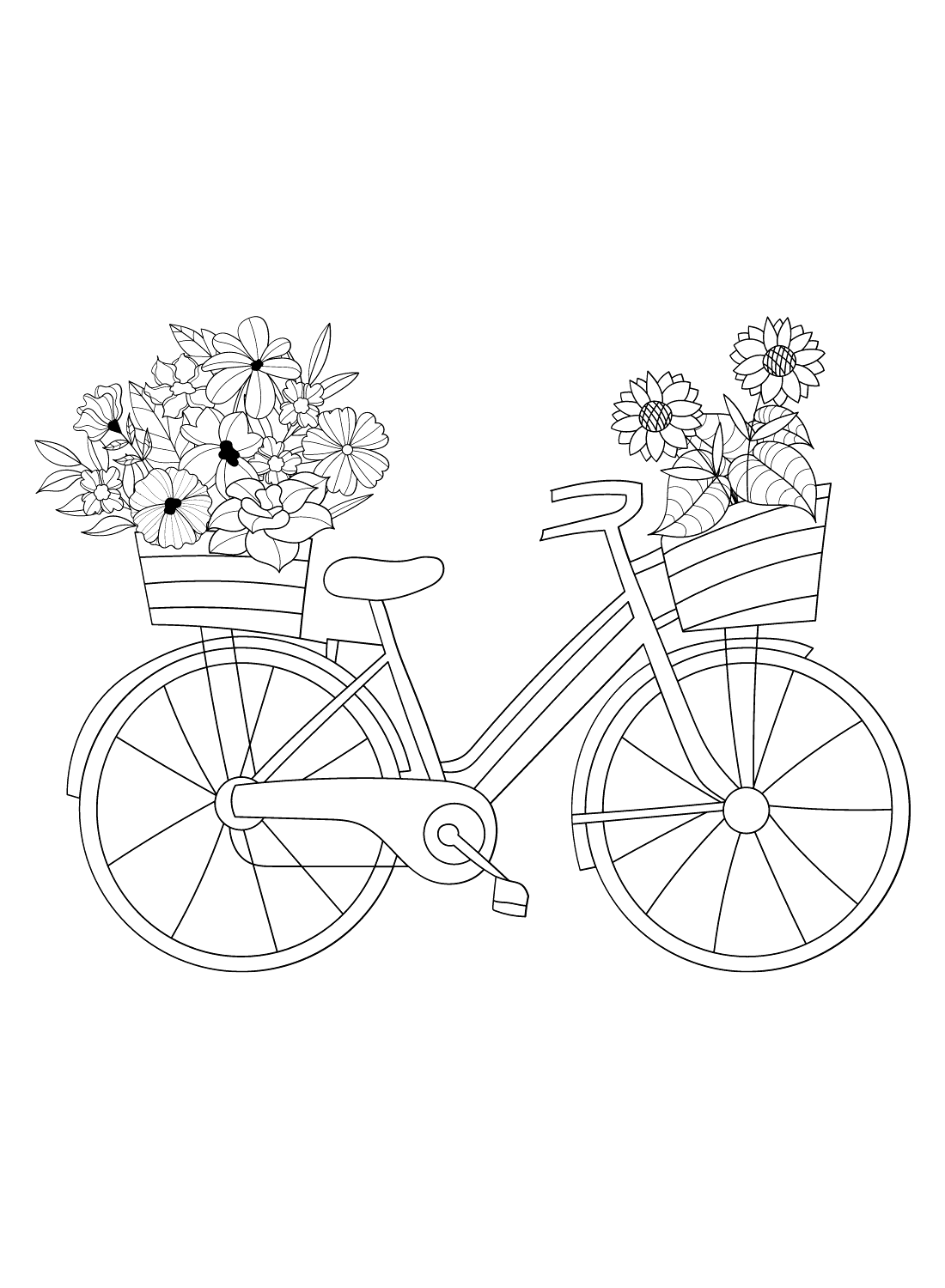
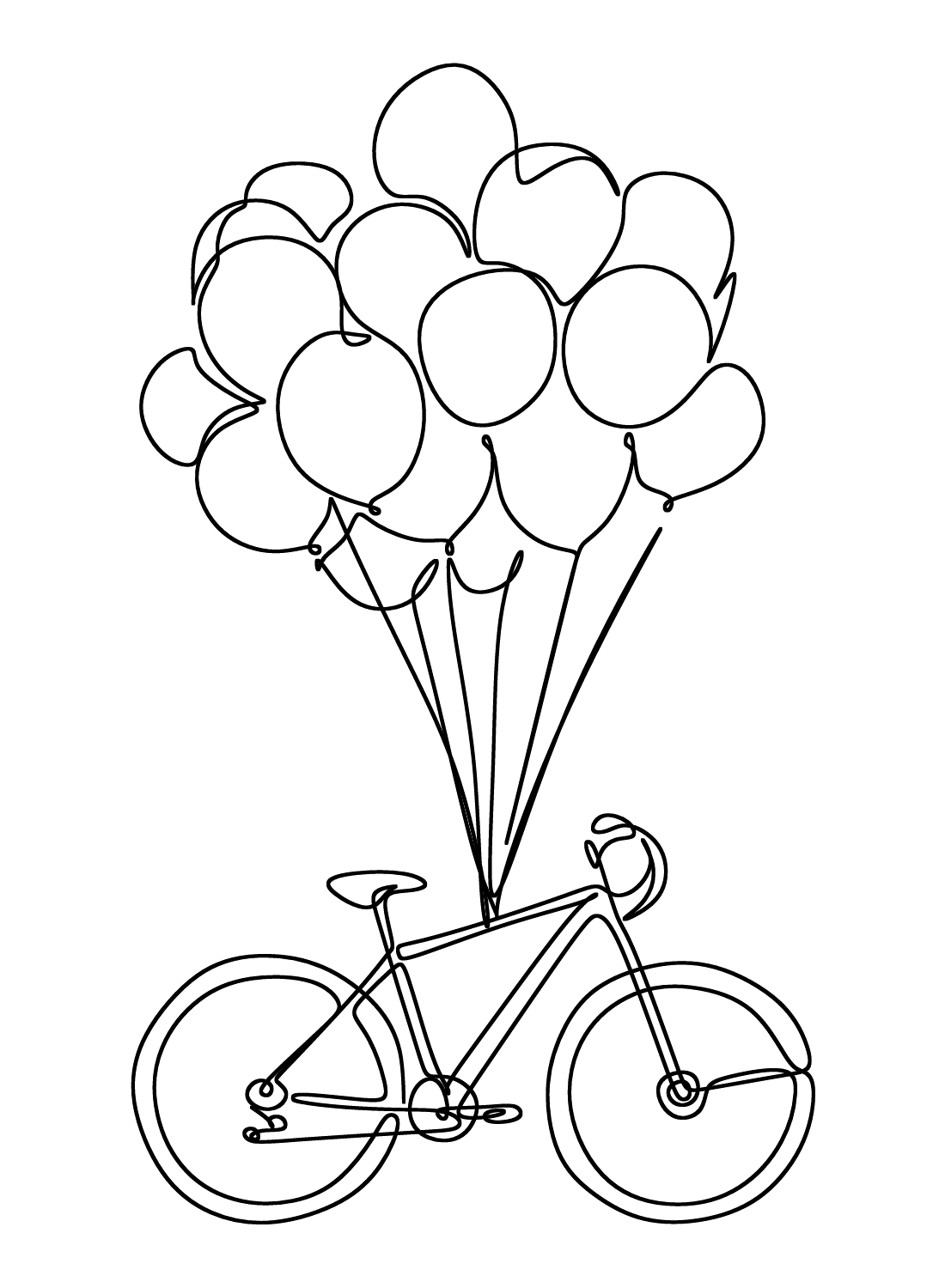
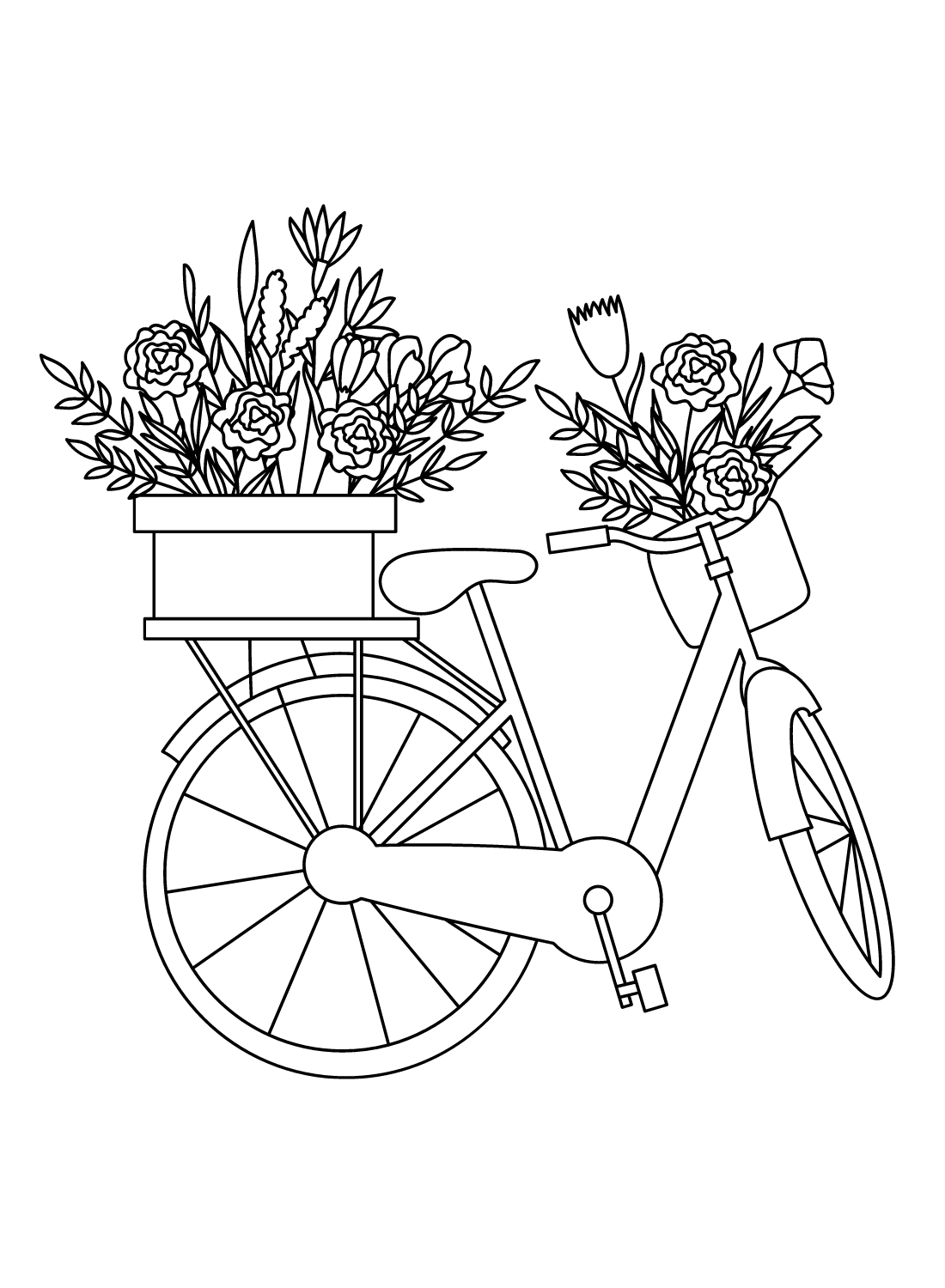
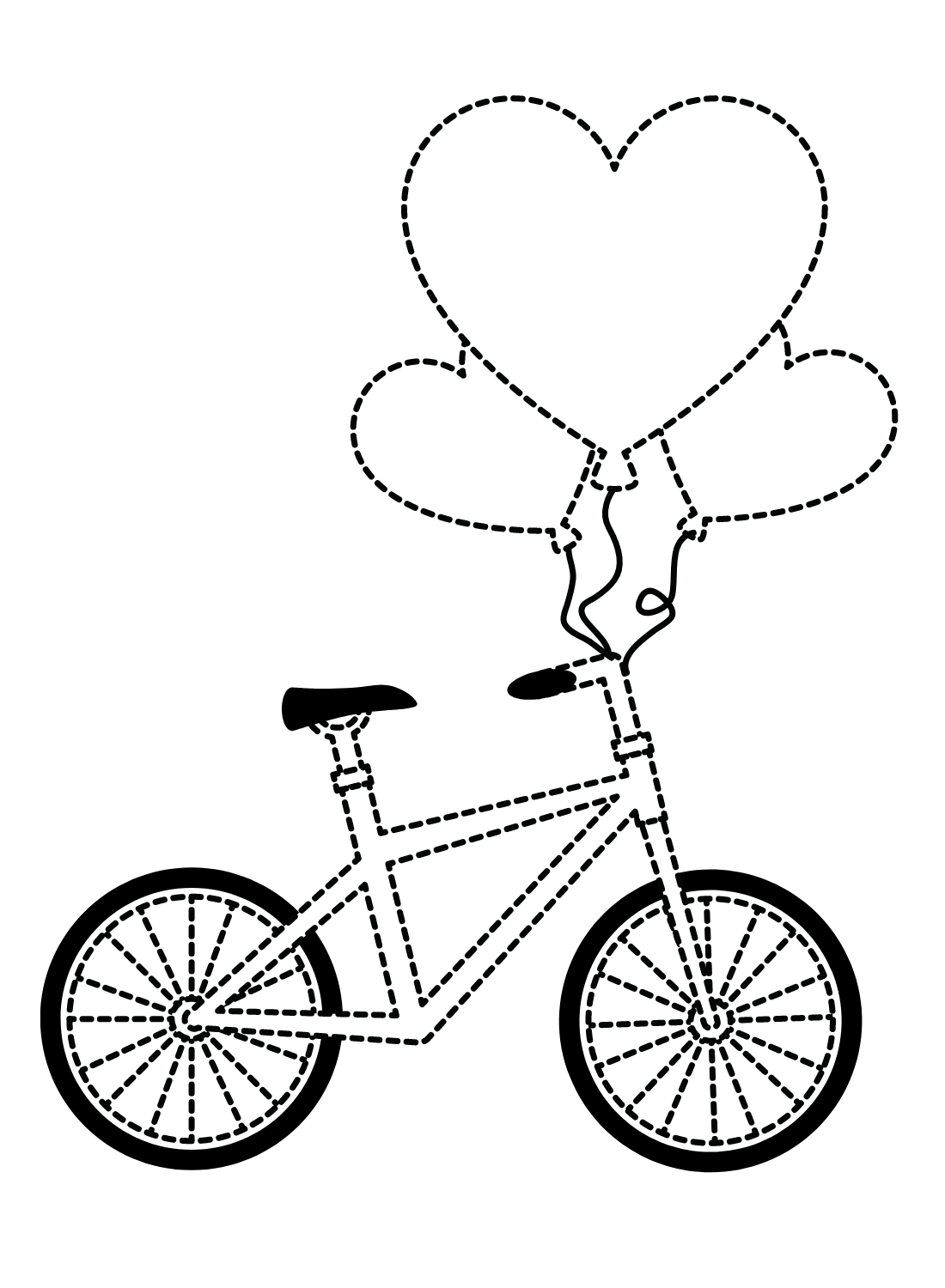
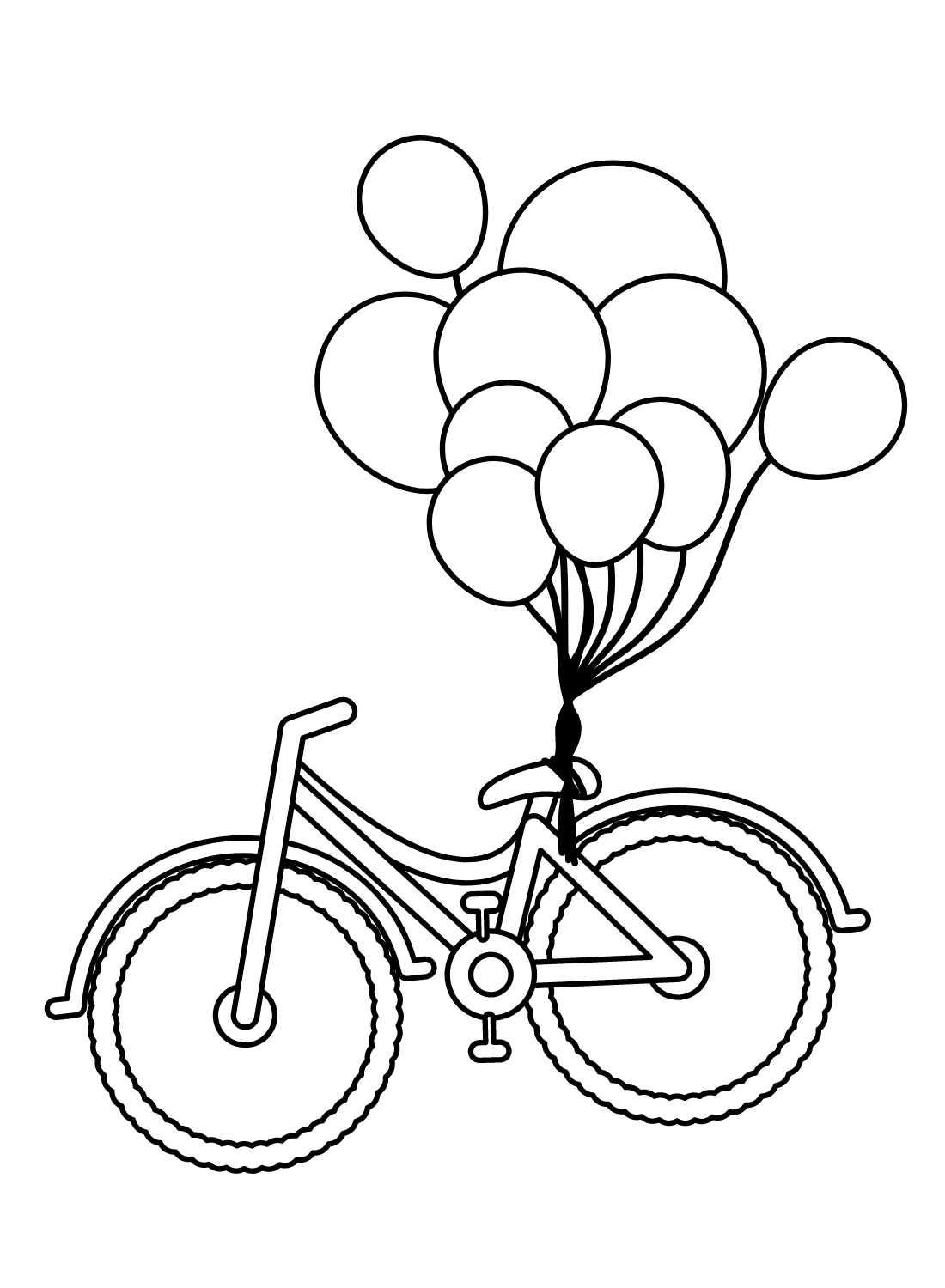
Ten pages dress up the bicycle with extra elements, including flowers, balloons, and heart decorations woven into the design.
Historical and Style Variant Designs
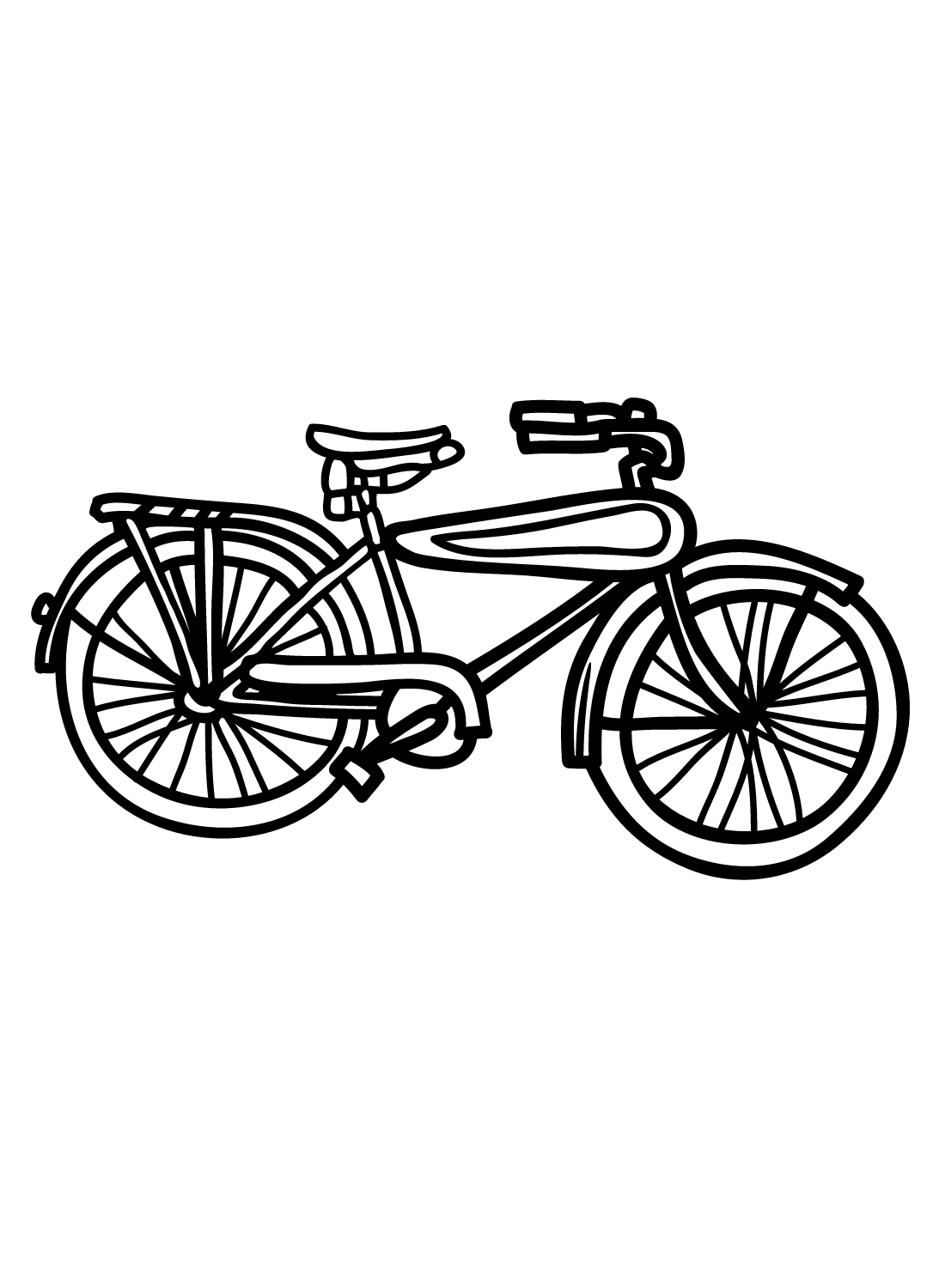
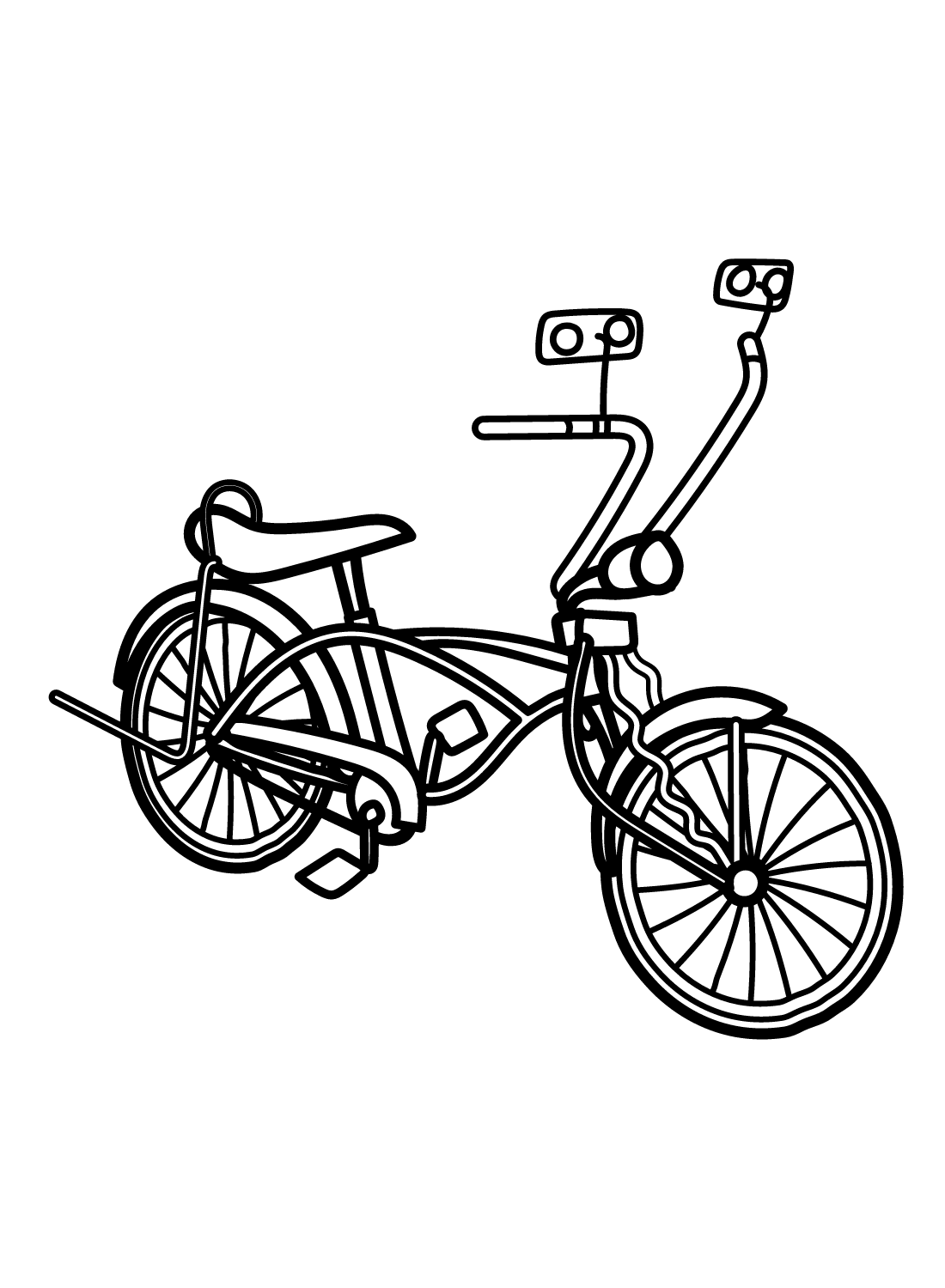
Two pages take a specific angle, including a boneshaker-style historical bicycle and a customized lowrider design.
Drawing-Style Designs
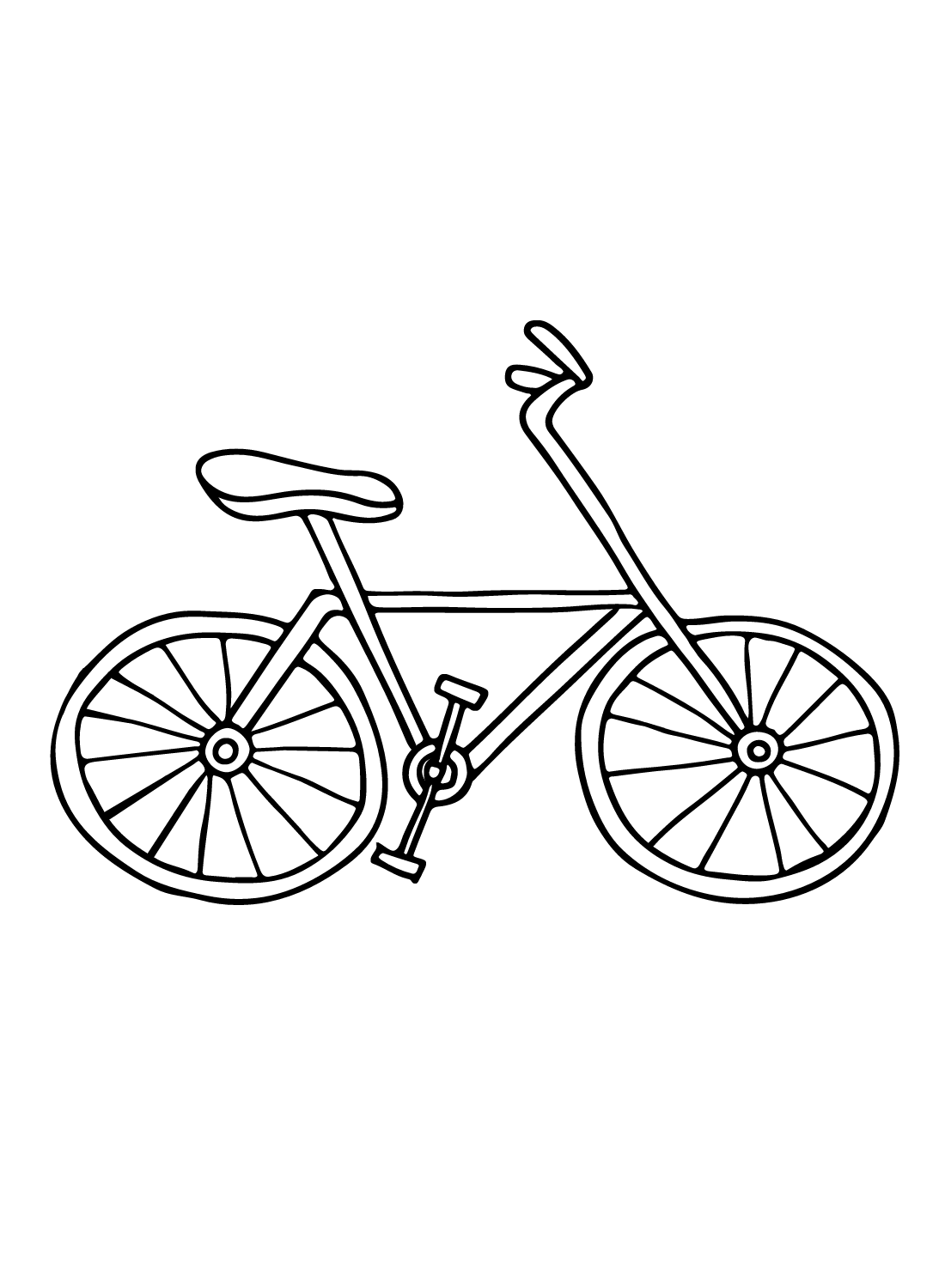
Four pages use a sketch or simplified line-drawing style, offering a lighter, more approachable version for beginner colorists.
Printable and Free Sheets
Nineteen pages are formatted as general printable sheets, making up the largest share of the collection and useful for a quick, single-session print at home or in the classroom.
What Bicycle Coloring Pages Do
Spokes that radiate from a single center point. A bicycle wheel is built from many thin spokes fanning out evenly from the hub, and keeping each one straight and consistently spaced without the lines drifting takes more careful, structured pencil control than a simple round shape. The American Academy of Pediatrics ties that precise, radiating linework to fine motor skill development in children ages 2 through 7.
A name with a genuinely rough history behind it. The “boneshaker” nickname comes directly from real 1860s bicycles, which had wooden wheels, iron tires, and no springs at all, making every cobblestone street a jarring ride, a concrete bit of transportation history tied to one of the exact designs in this collection.
A calming activity paired with an efficient, everyday machine. A 2005 study in the Art Therapy Journal found that structured coloring sessions produced measurable reductions in anxiety, and there’s a fitting, unhurried rhythm in coloring a bicycle, a vehicle whose entire design is built around steady, sustainable motion.
Decoration is a real bicycle tradition. Because people genuinely personalize their bikes with baskets, streamers, and decorative touches, the flower- and balloon-themed designs in this collection give colorists a realistic reason to add playful extras rather than sticking to a plain mechanical frame.
How to Color Bicycle Pages Well
- Frame: Use a bold, solid color like Red, Blue, or Green for the main frame, keeping the color consistent across all the connected tube shapes.
- Wheels and spokes: Use Black or dark Gray for the tires, with thin Silver or light Gray lines for the spokes radiating out from the hub.
- Seat and handlebar grips: Use Black or Brown for these smaller components, since they typically contrast with a brighter frame color.
- Boneshaker-style designs: Use warm Brown for the wooden wheels and a dull Gray or Silver for the iron tire bands, keeping the palette muted to match the vehicle’s rougher, more historical look.
- Decorative elements: Use bright, varied colors for flowers, balloons, and hearts, letting these extra touches stand out clearly against a simpler bicycle frame color.
- Rider clothing: Give riders their own distinct outfit colors, separate from the bicycle itself, so the character and the vehicle each read clearly.
5 Creative Craft Ideas With Bicycle Coloring Pages
1. Bicycle Bookmark
Color a small bicycle design, cut it into a bookmark shape, and use it to mark a place in a favorite book.
2. Greeting Card
Fold cardstock in half, glue on a colored bicycle design, and write a message inside for a friend who loves biking.
3. Framed Wall Art
Mount a finished decorative bicycle design in a simple frame for a bedroom or playroom display.
4. Classroom Transportation Poster
Color several bicycle pages as a group and arrange them on a poster board for a classroom lesson about different modes of transportation.
5. Paper Garland
Cut out three or four colored bicycle designs, punch a hole in each, and string them together with twine for a playful room garland.
Frequently Asked Questions
What are Bicycle coloring pages?
Bicycle coloring pages are printable line-art designs featuring riders, decorative bikes, and historical styles like the boneshaker. This collection includes 43 free designs available as PDFs or online coloring.
Why is an early bicycle called a “boneshaker”?
Early velocipede bicycles from the 1860s had wooden wheels, iron tires, and no springs, making for an extremely rough, jarring ride over cobblestone streets, which earned them the nickname “boneshaker.”
Who invented the first bicycle-like vehicle?
German inventor Karl Drais built an early two-wheeled “running machine” in 1817, though it had no pedals; true pedal-powered bicycles, like the boneshaker, followed decades later in the 1860s.
What is a lowrider bicycle?
A lowrider bicycle is a customized bike style, often featuring a stretched frame, curved handlebars, and decorative chrome details, closely associated with Chicano culture in California.
What are the main parts of a bicycle?
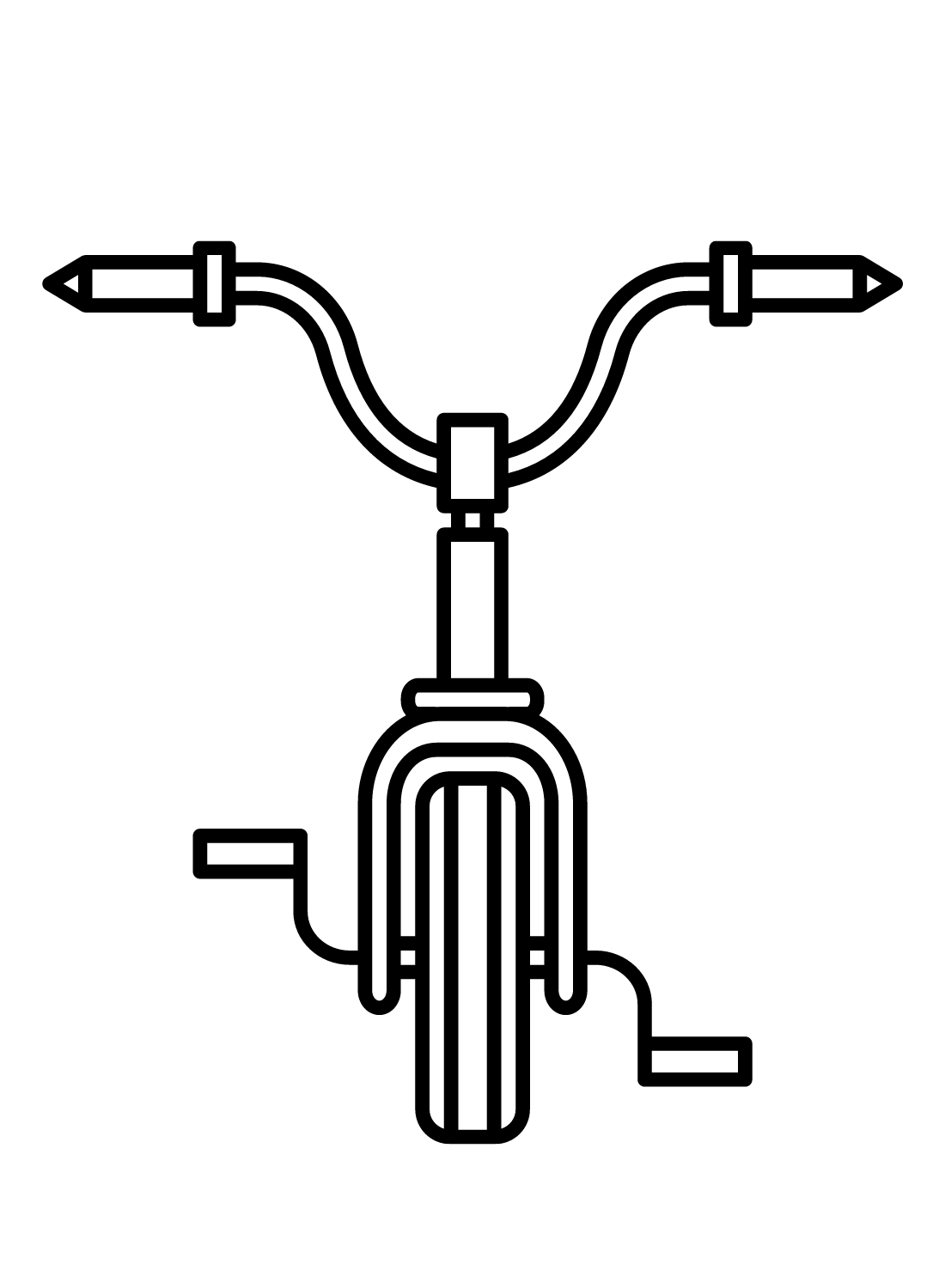
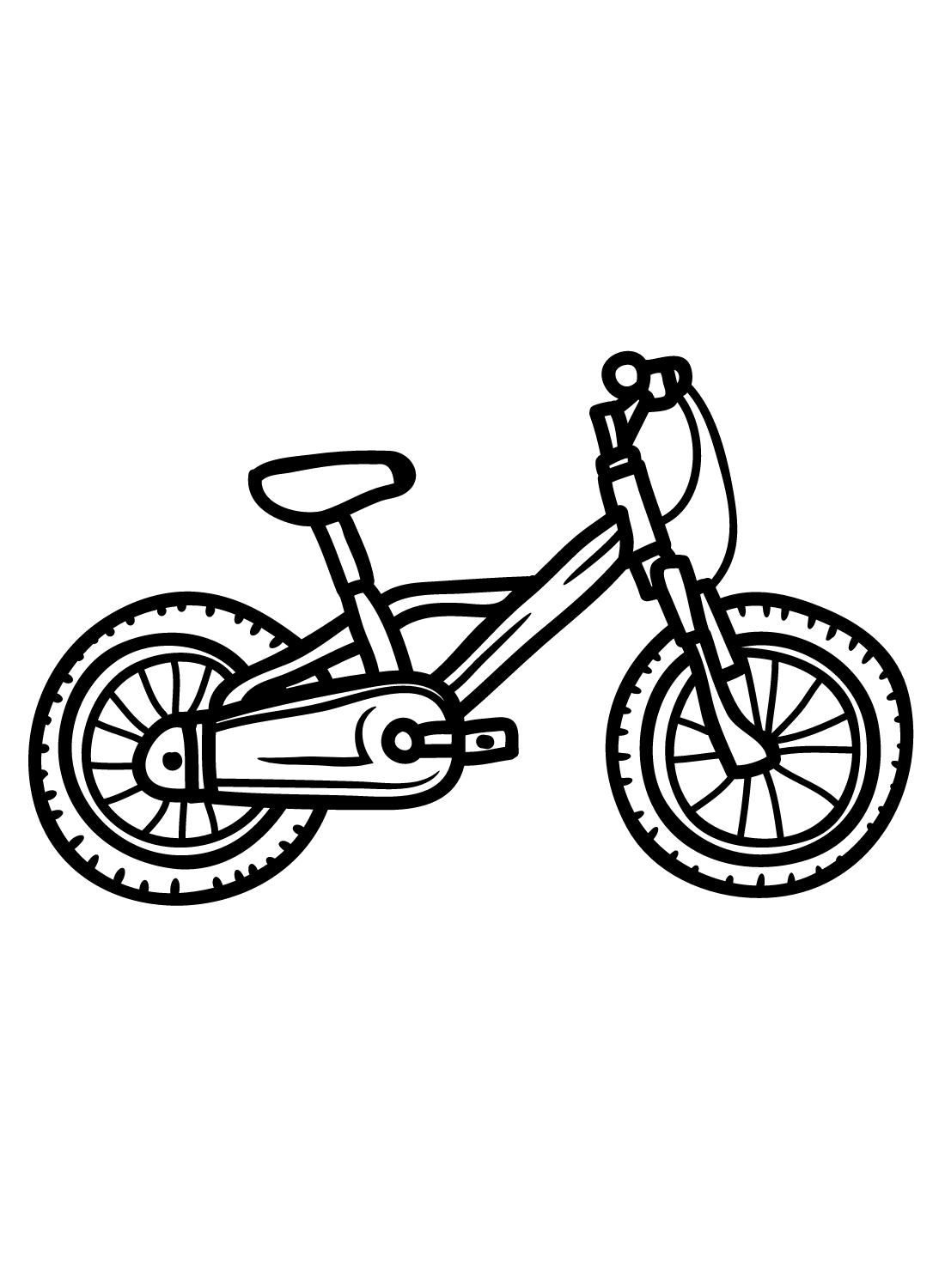
A bicycle’s main parts include the frame, two wheels, handlebars, a seat, pedals, and a chain that connects the pedals to the rear wheel.
What are the benefits of riding a bicycle?
Cycling is an efficient, low-cost, and environmentally friendly way to travel, and it also provides cardiovascular exercise and helps build leg strength.
Are Bicycle coloring pages suitable for young children?
Yes. The simple rider and drawing-style designs in this collection use bold, uncluttered outlines suited to preschool and early elementary colorists. At the same time, the decorative and historical pages offer more detail for older kids.
When were pedals added to bicycles?
Pedals were added to bicycle designs in the 1860s by the French Michaux company, creating the velocipede, nicknamed the “boneshaker.”
Start Coloring
Download any page by clicking the design. No account, email, or payment is required. Pages print directly from the browser at full resolution or open in the online coloring tool for screen use. Share finished pages on Facebook or Pinterest with the share buttons at the top of each design page.