Unicycle Coloring Pages
 By:
Jennifer Thoa - Content Editor & Designer
Updated:
By:
Jennifer Thoa - Content Editor & Designer
Updated:
Free Unicycle Coloring Pages: 28 printable PDF designs featuring circus and animal character artwork, fantasy and rider scenes, and printable sheets. Each page can be downloaded as a PDF to print or colored online in the browser.
The unicycle is widely believed to have evolved directly from the penny-farthing bicycle of the 1870s and 1880s, the vehicle famous for its oversized front wheel and tiny rear wheel. Riders discovered they could balance entirely on the large front wheel when the small back wheel lifted off the ground, and some eventually removed the rear wheel and handlebars altogether, giving rise to the unicycle as its own distinct vehicle. Unlike a bicycle, a unicycle uses direct drive, meaning the pedals connect straight to the wheel’s axle with no chain or gears in between. Unicycles have long been associated with circus performance, often ridden by clowns and acrobats, though they’ve also grown into a genuine competitive sport with disciplines like freestyle and mountain unicycling.
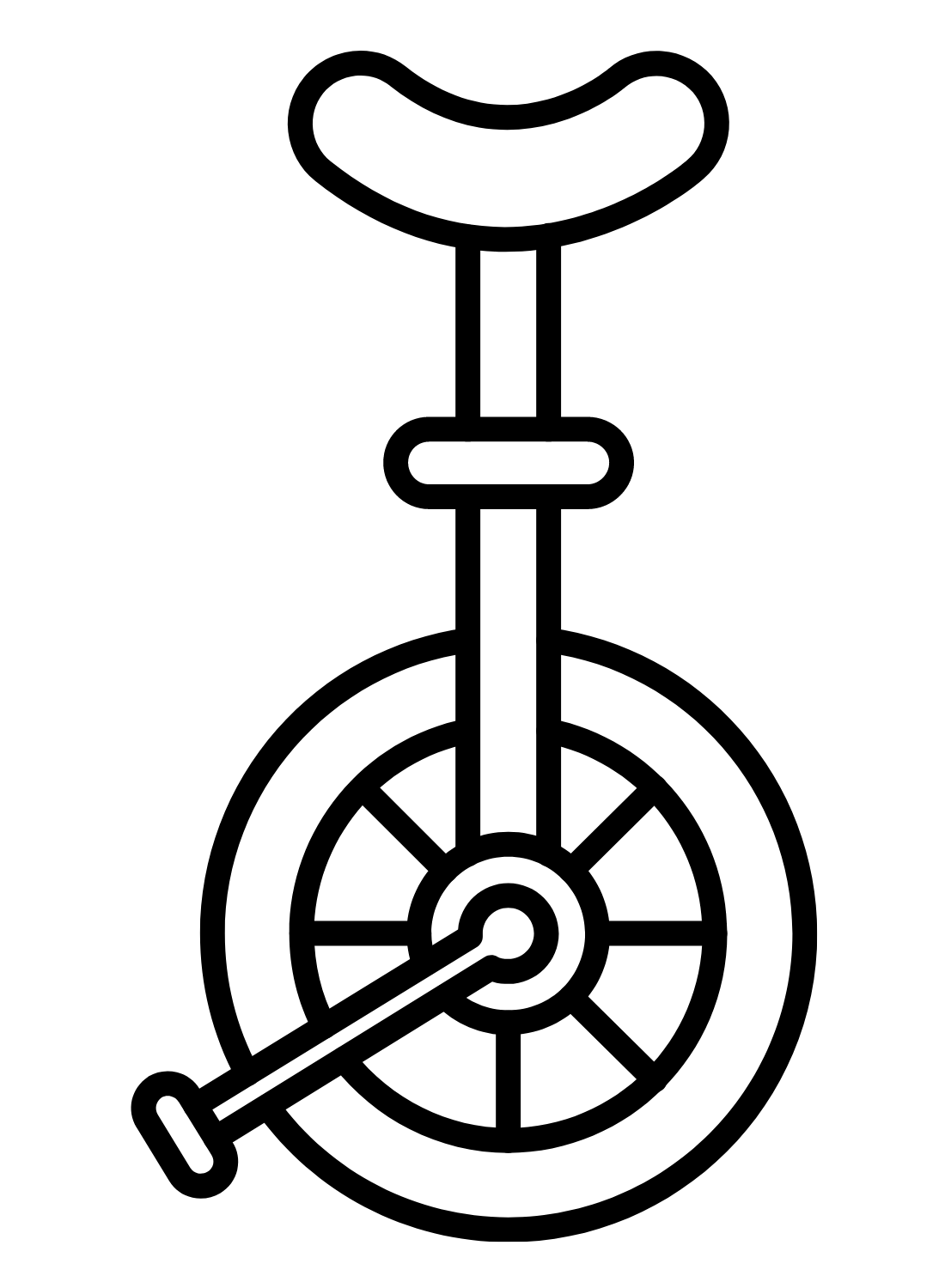
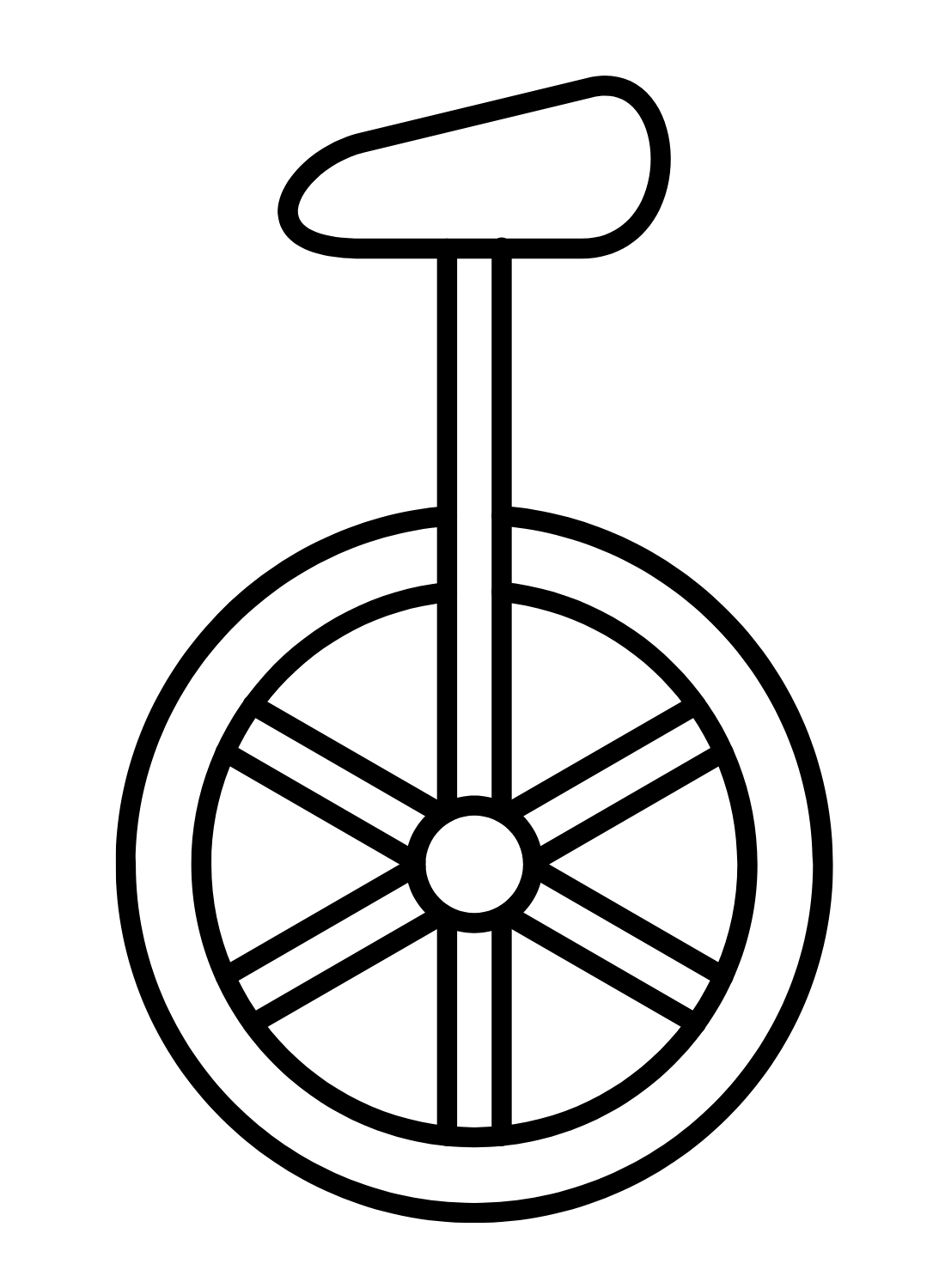
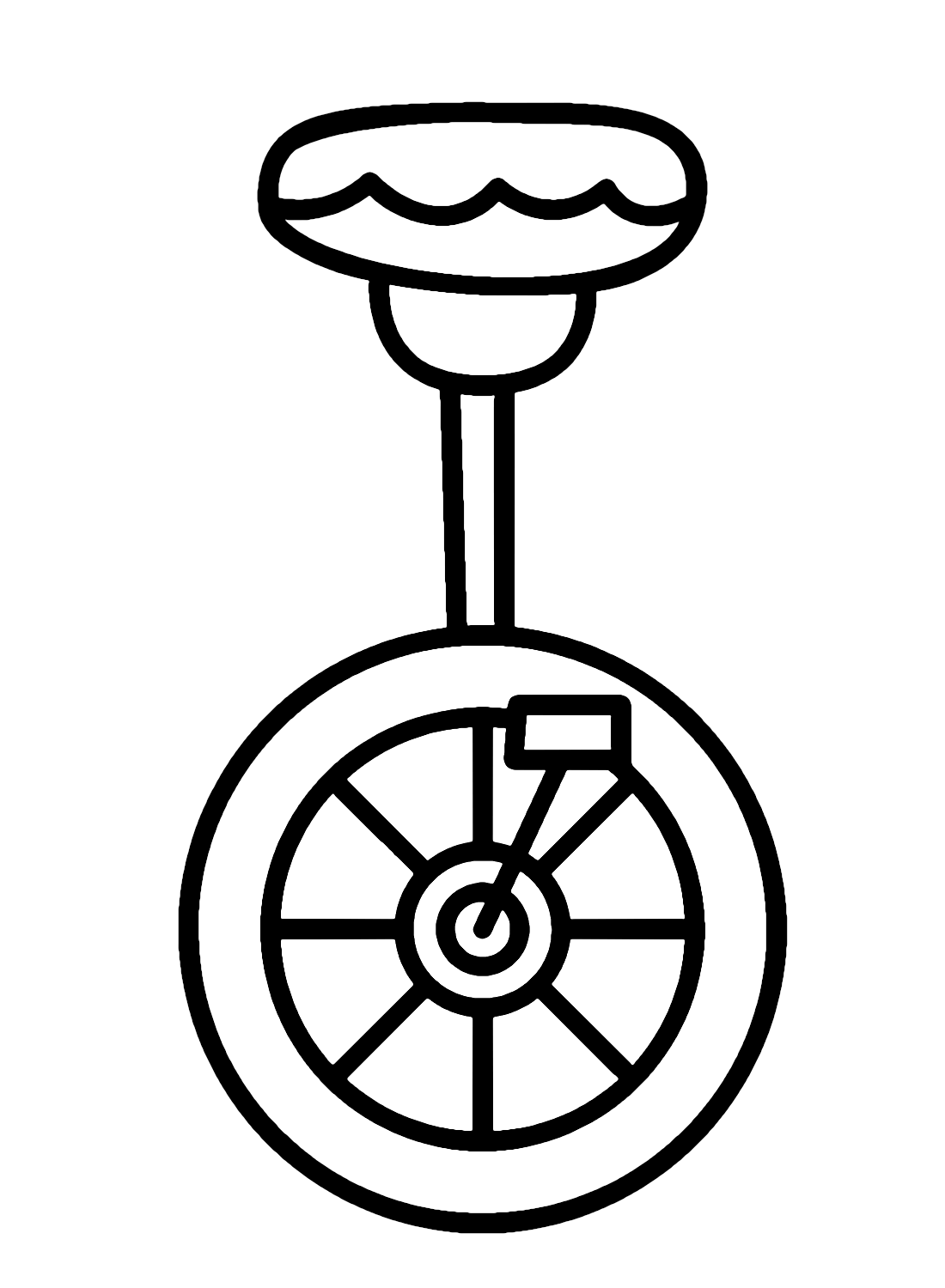
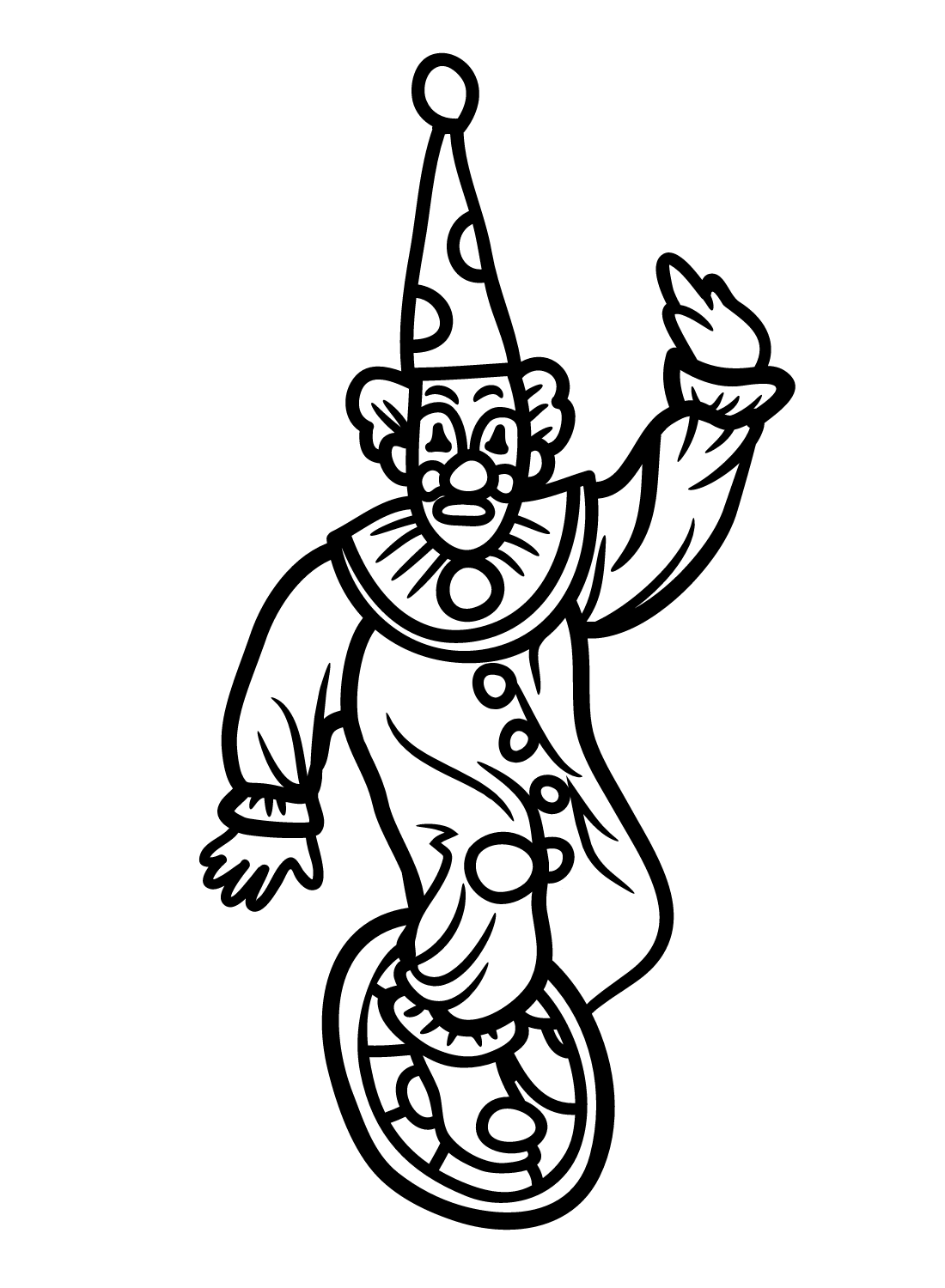
This collection spans 28 pages, grouped into circus and animal character designs, fantasy and rider scenes, additional style designs, and printable sheets. The coloring angle ranges from simple standalone unicycles to playful animal character scenes.

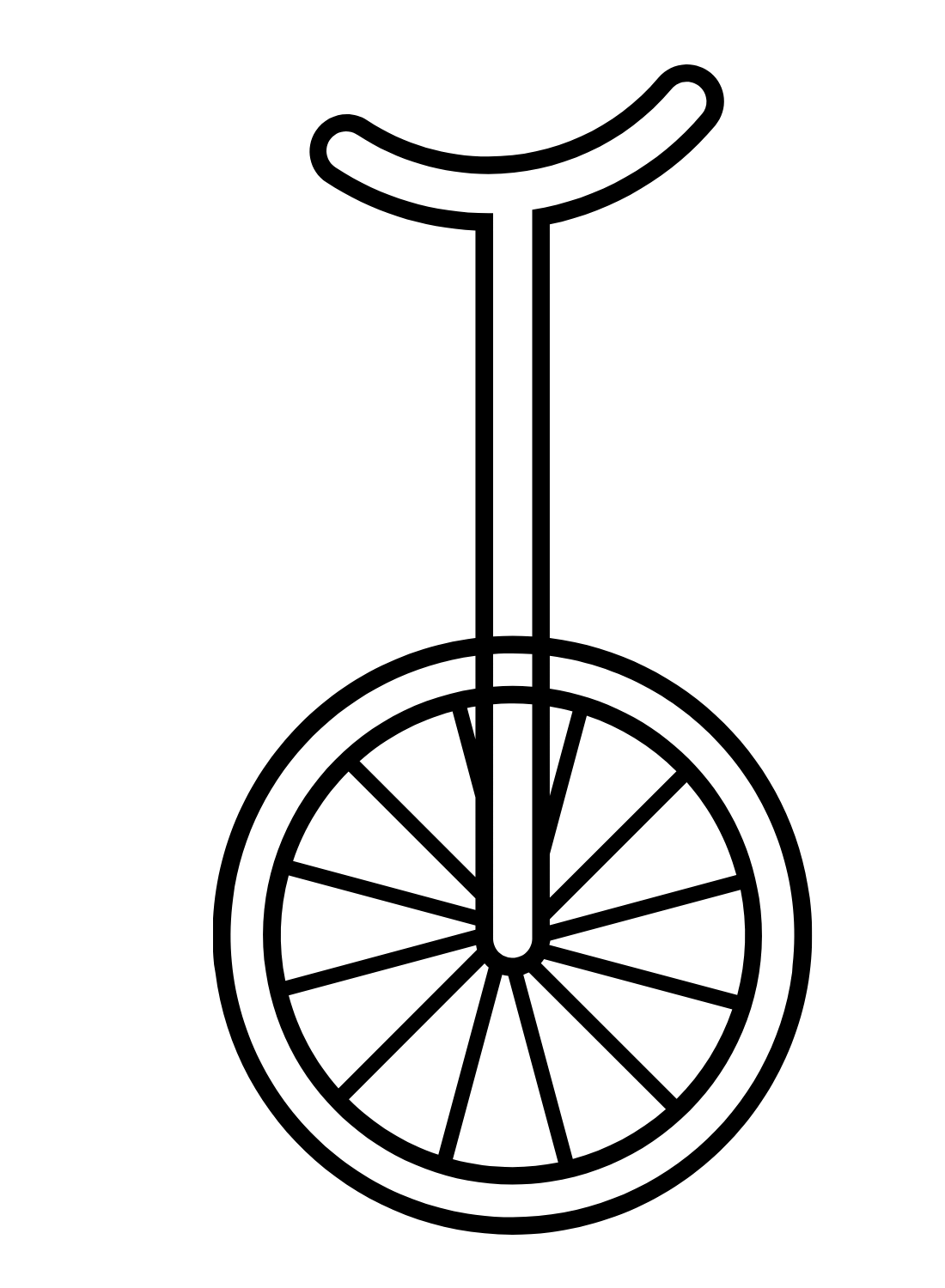

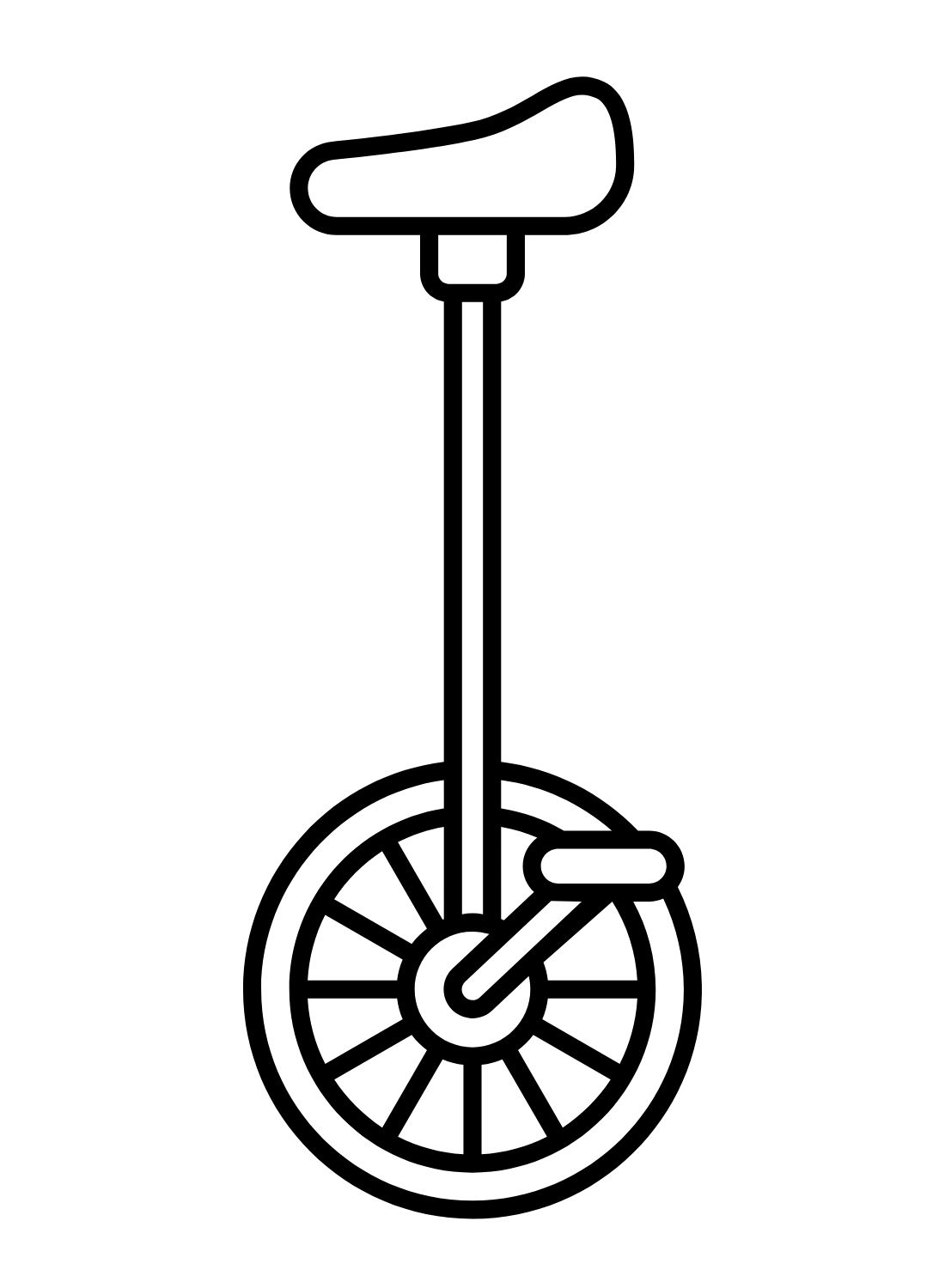
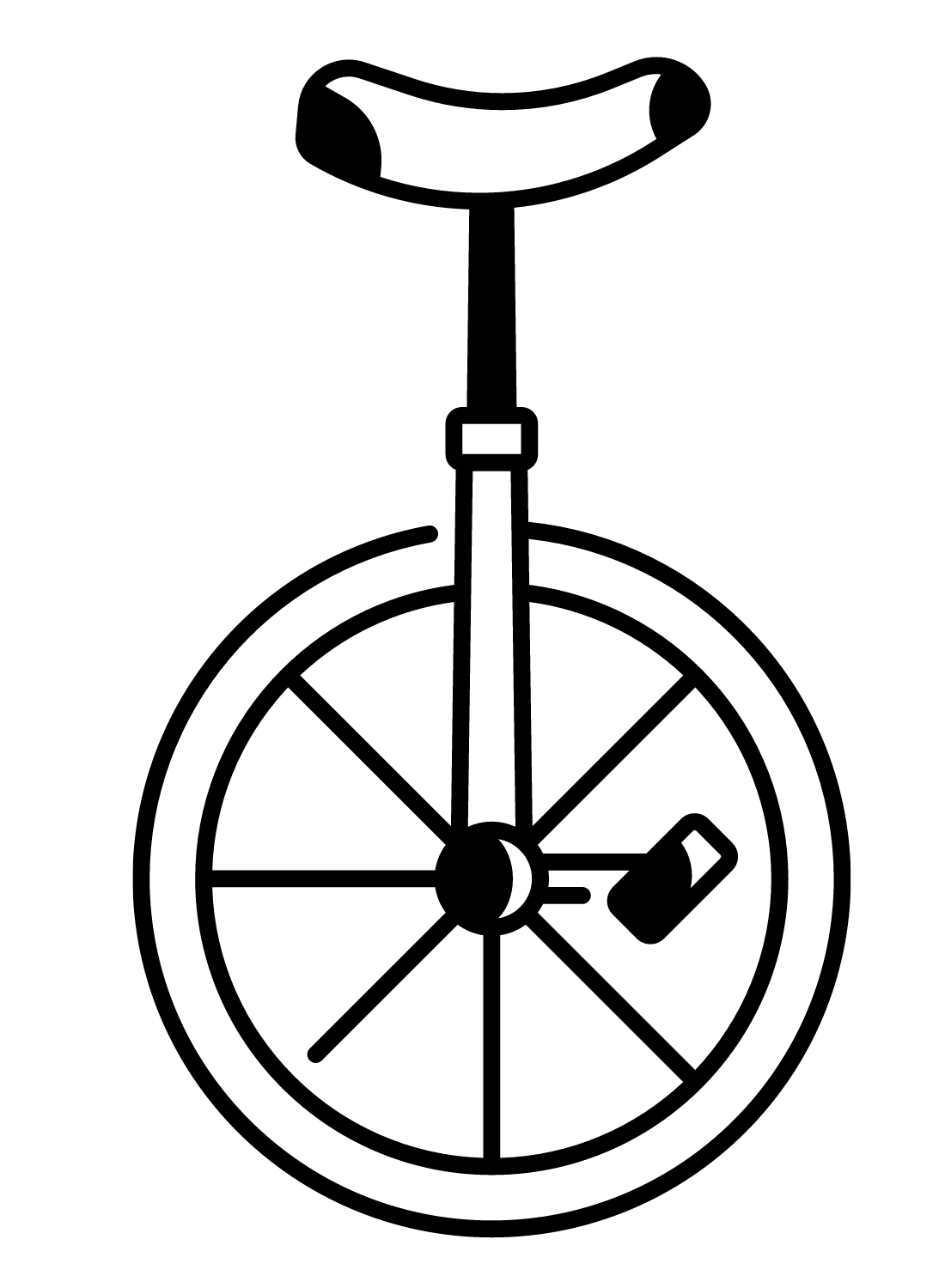
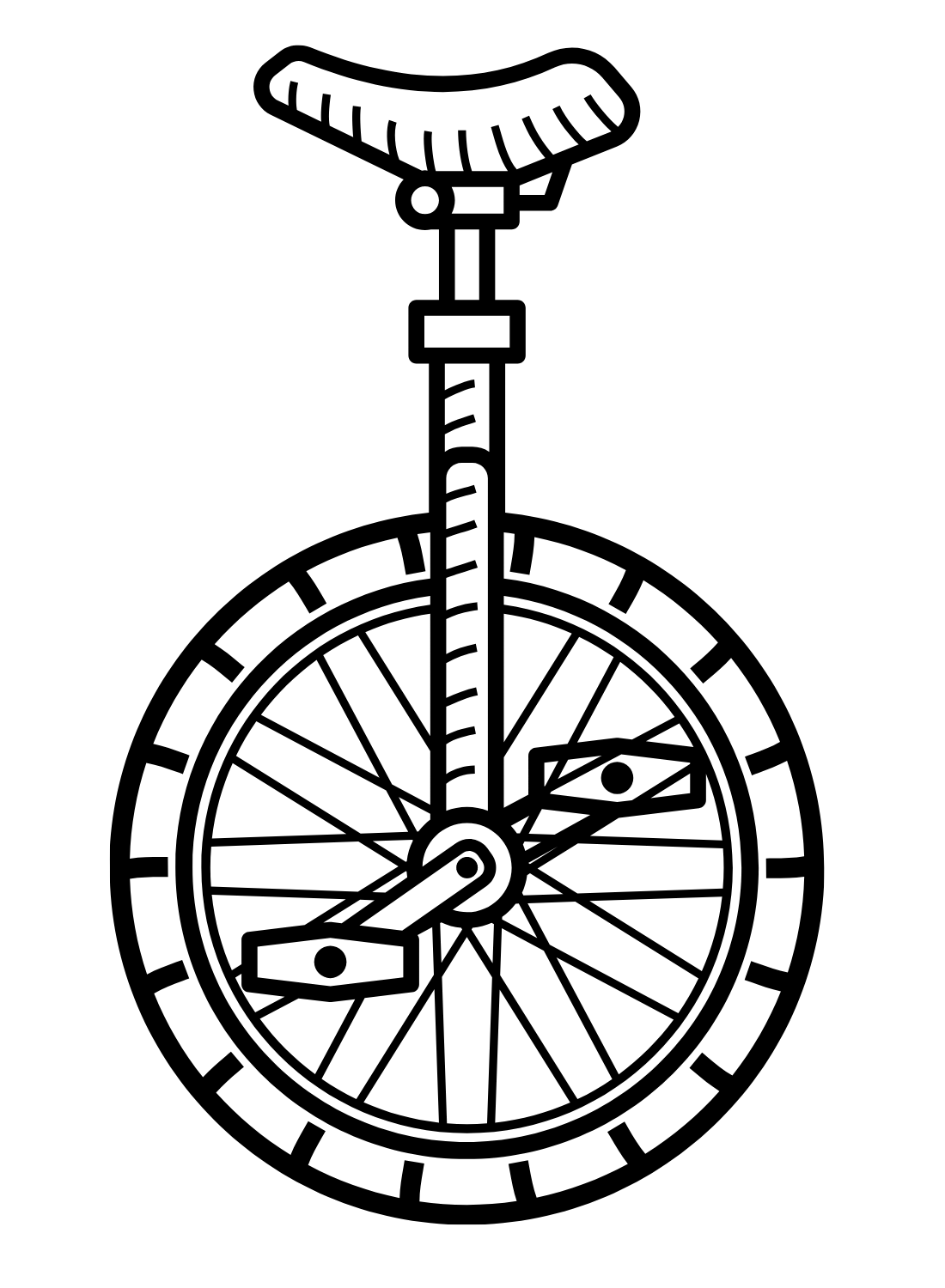

What Is Inside This Collection
The 28 designs group into four categories, from circus scenes to printable sheets.
Circus and Animal Character Designs
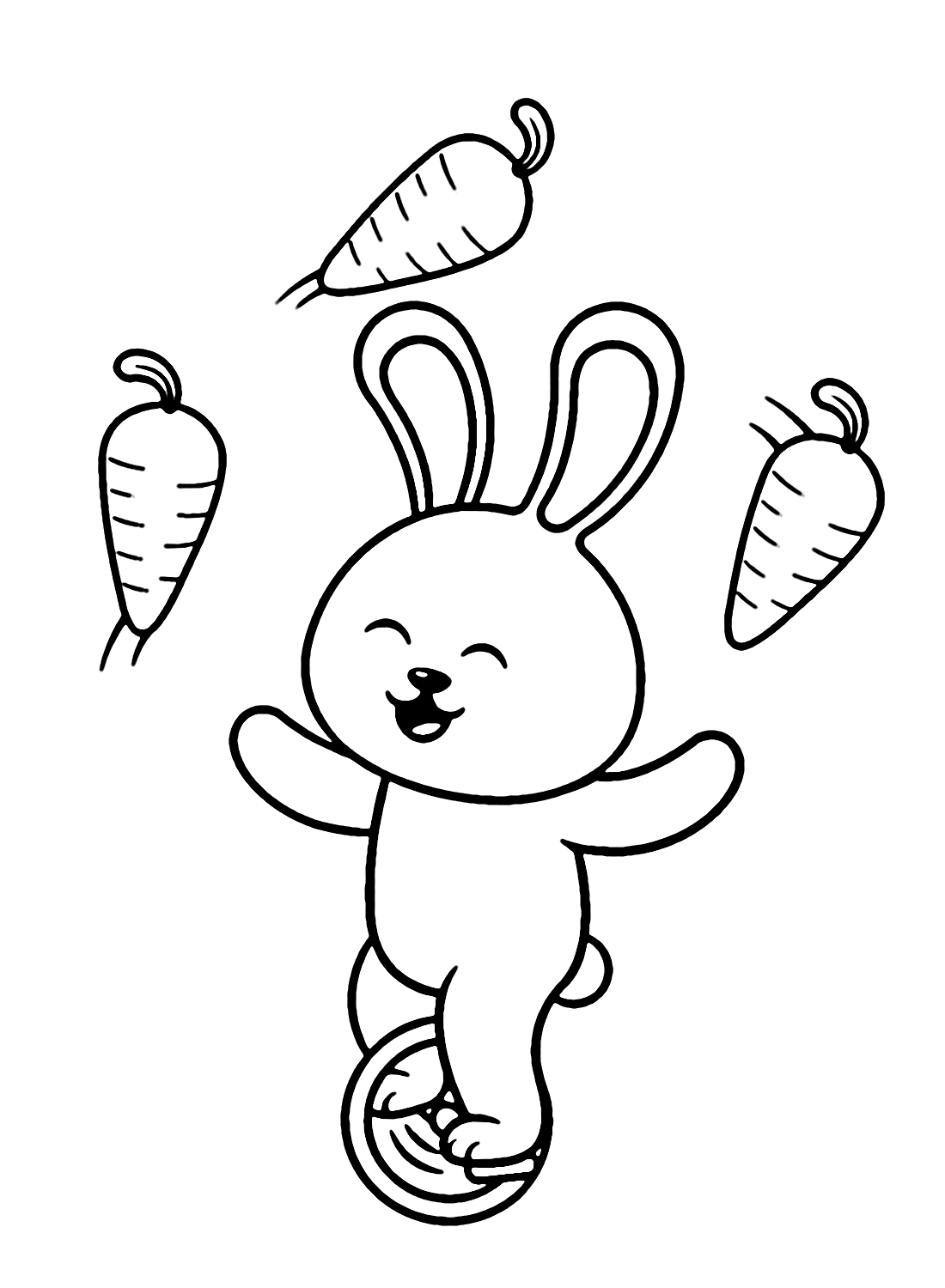
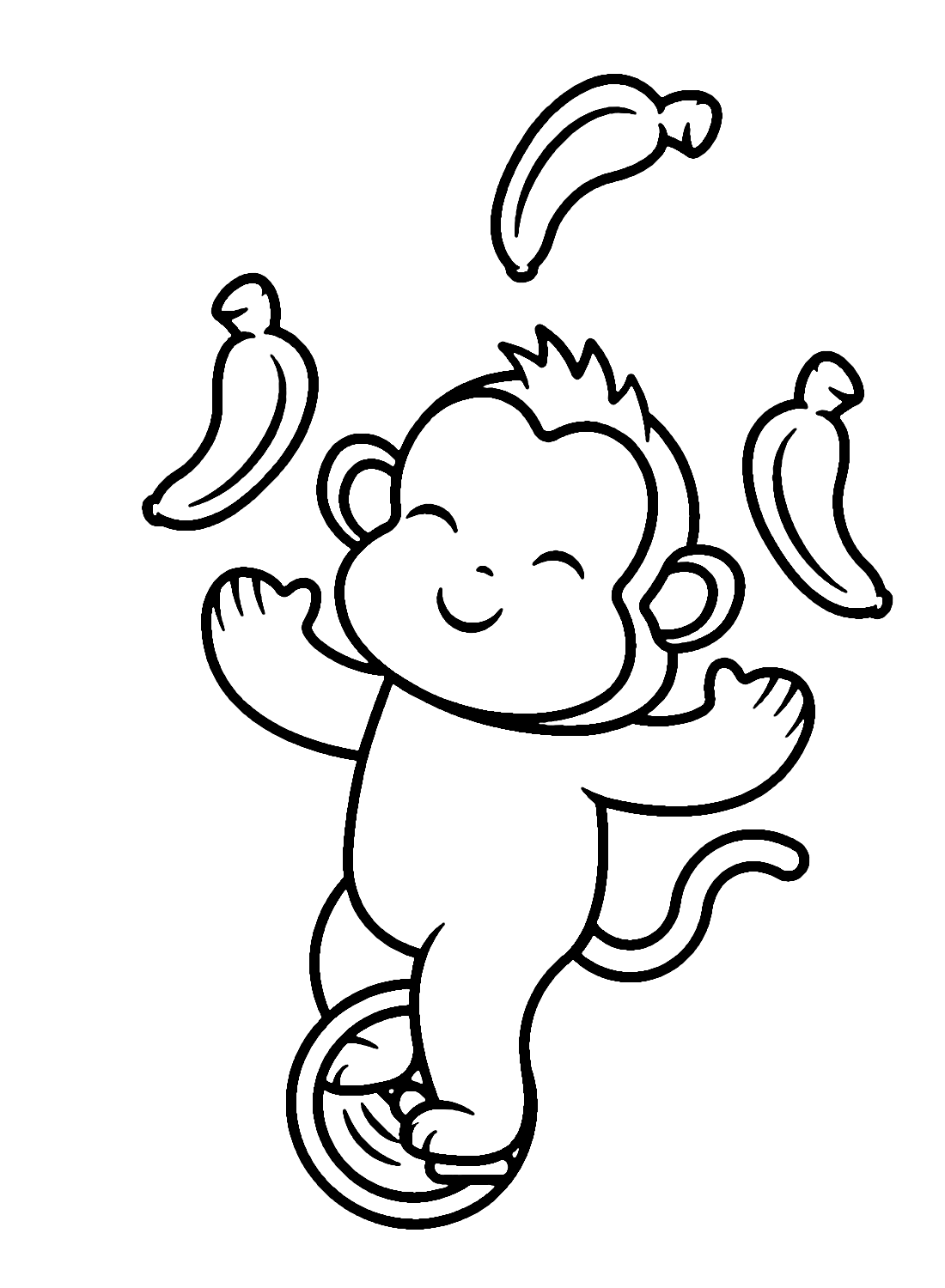
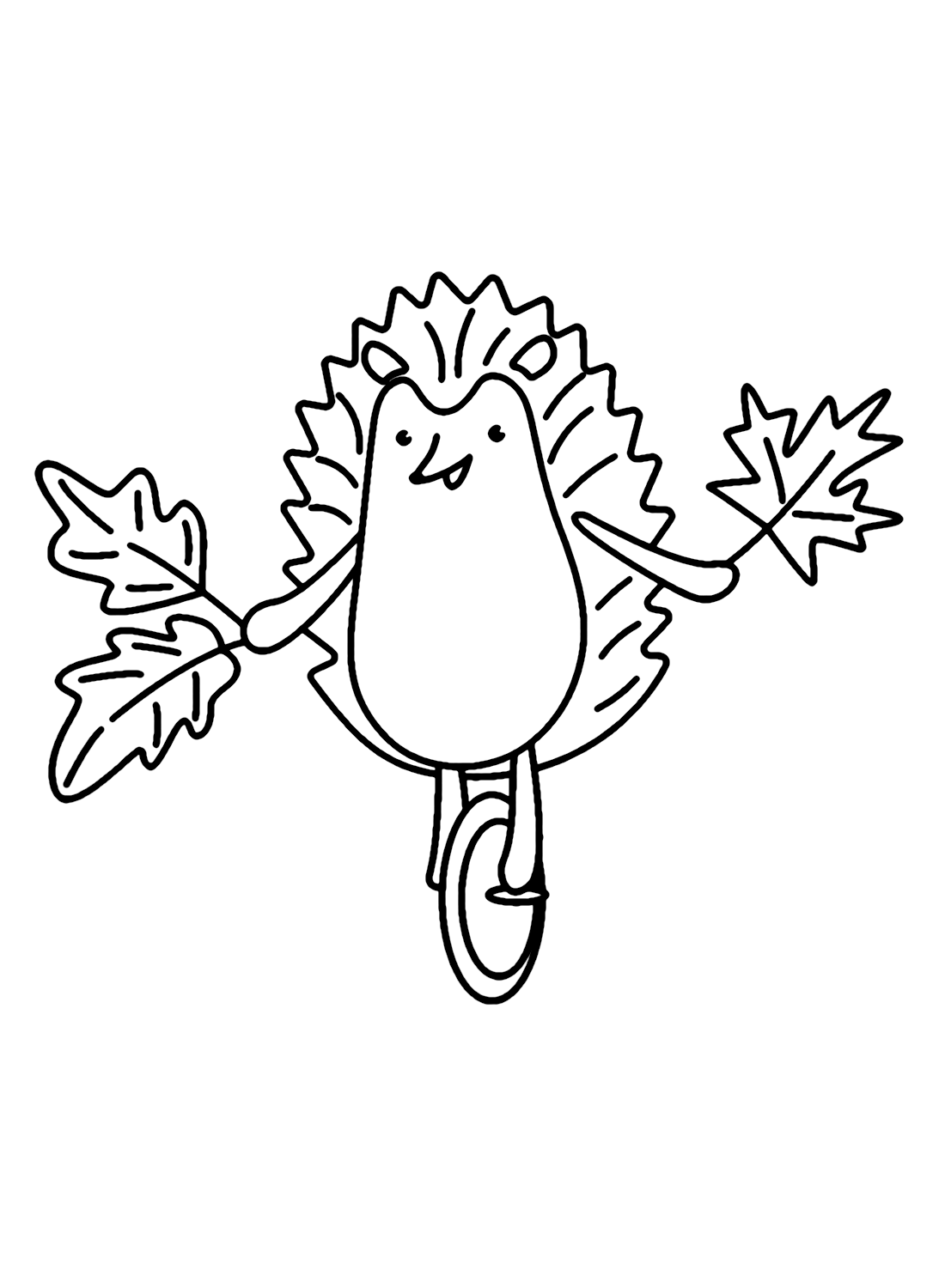
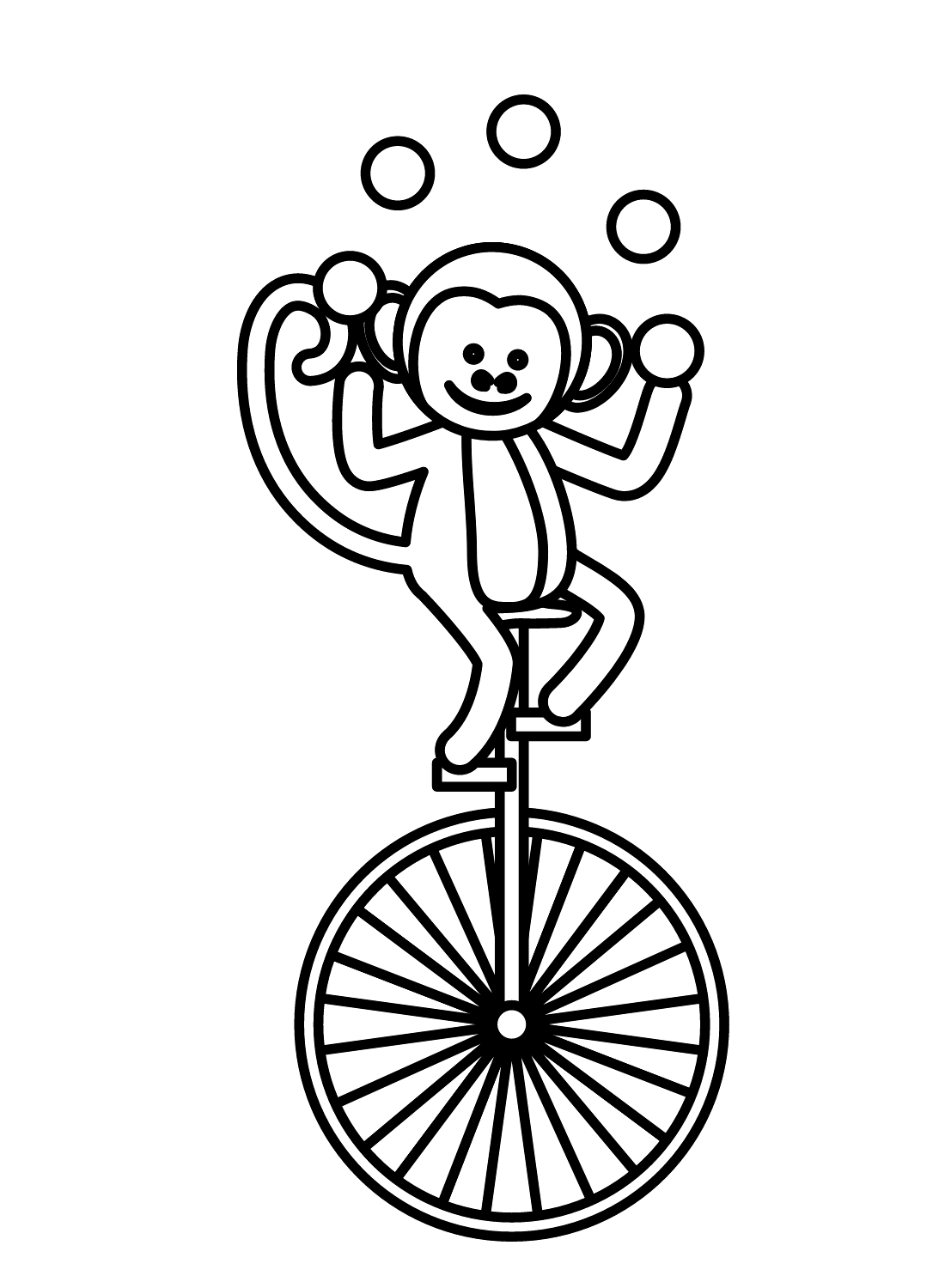
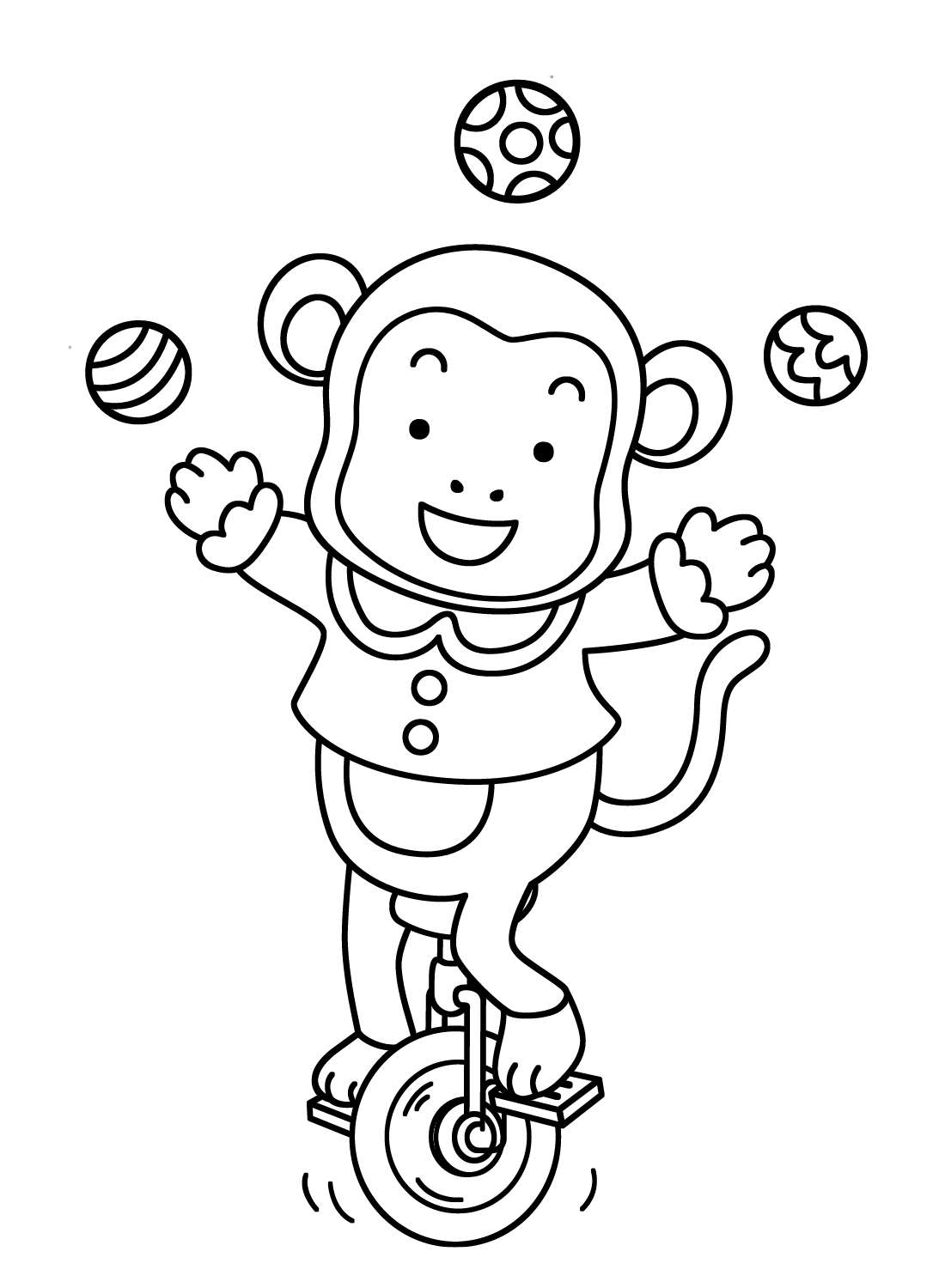
Seven pages pair the unicycle with a circus-style animal or clown character, including a rabbit, panda, monkey, and hedgehog balancing on a single wheel. Lean into bright, saturated colors for these pages, since real circus costumes and props are typically bold and eye-catching, and give each animal character its own natural coat color to keep the scene easy to read.
Fantasy and Rider Scenes
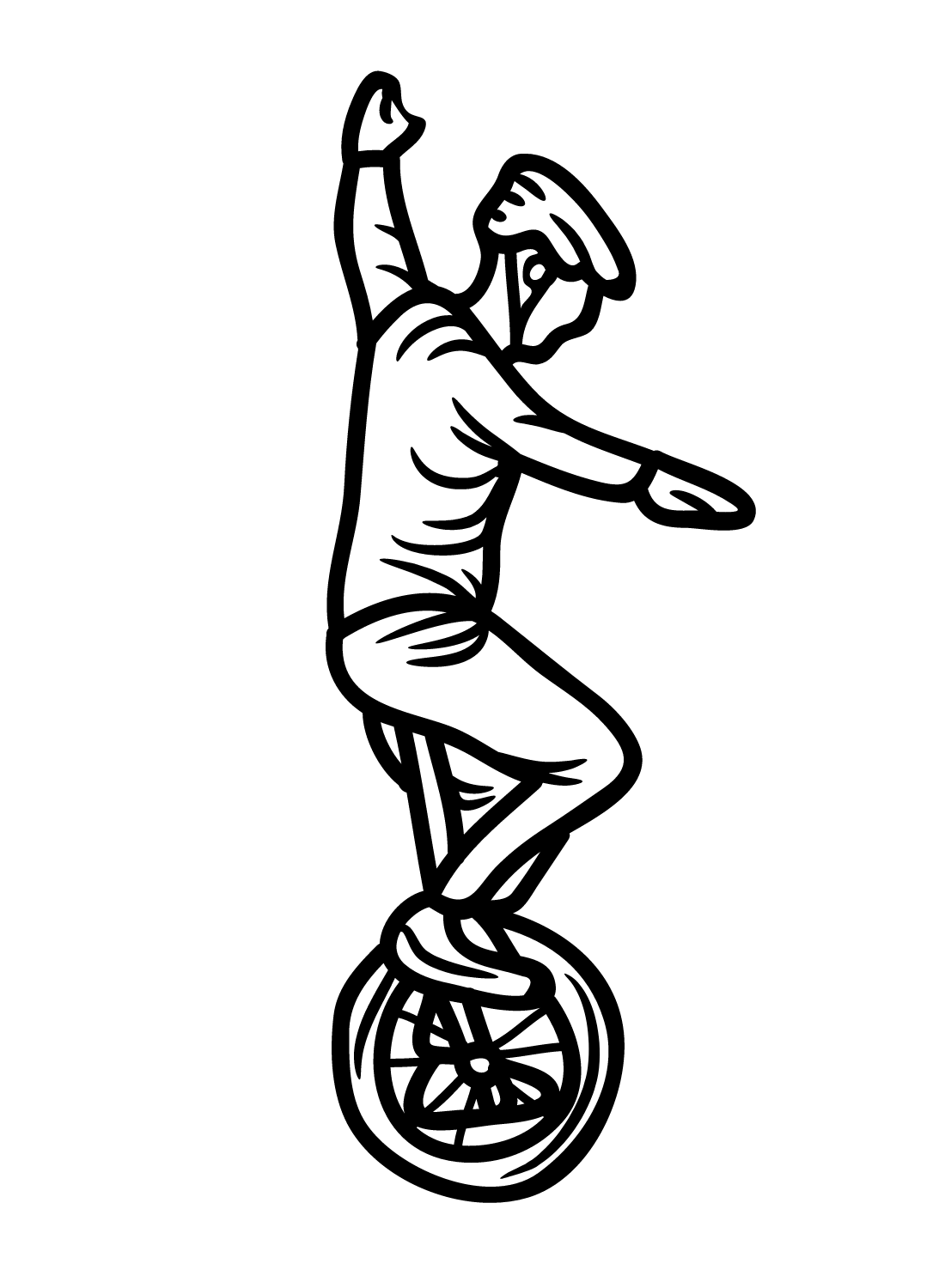
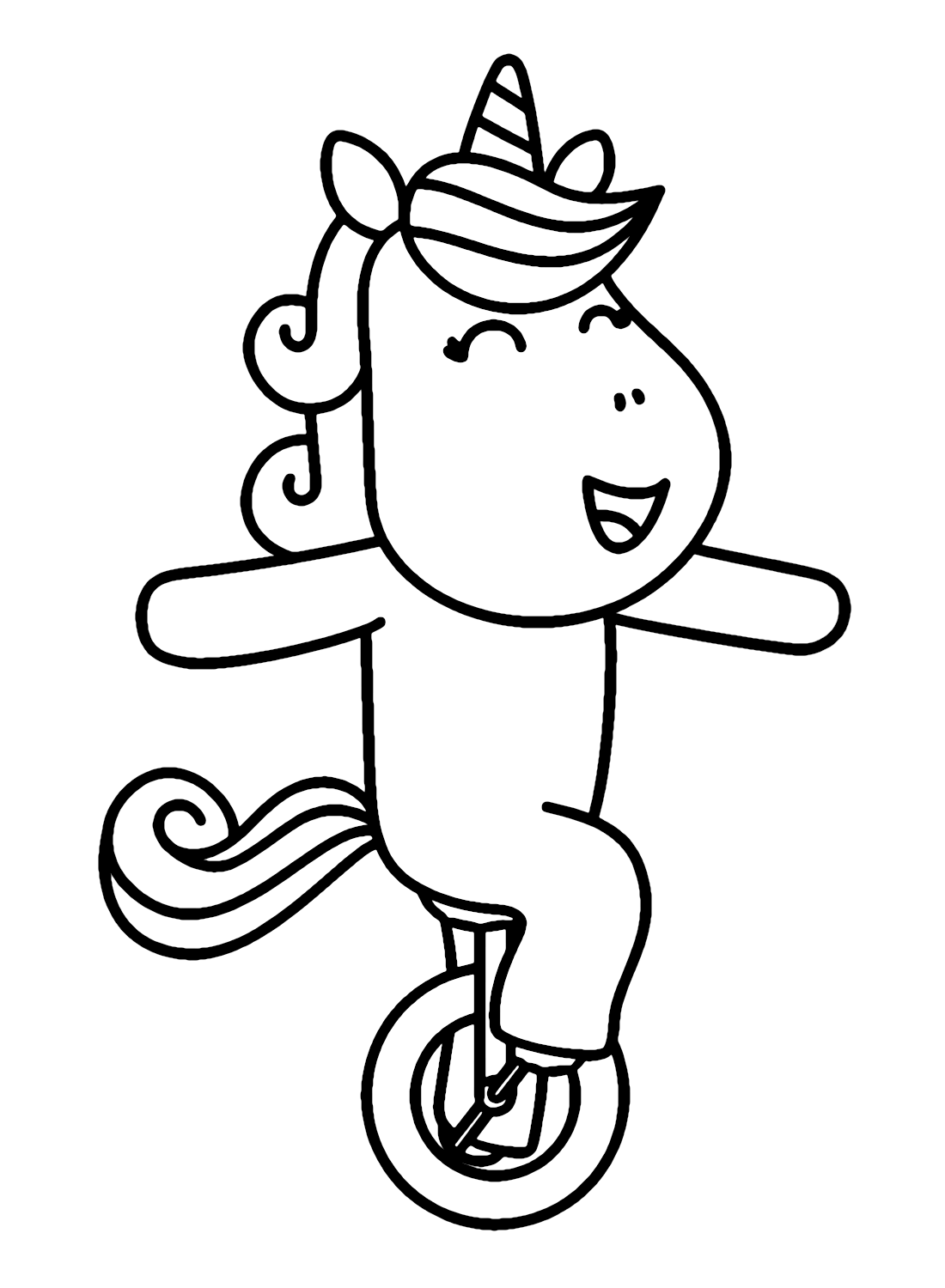
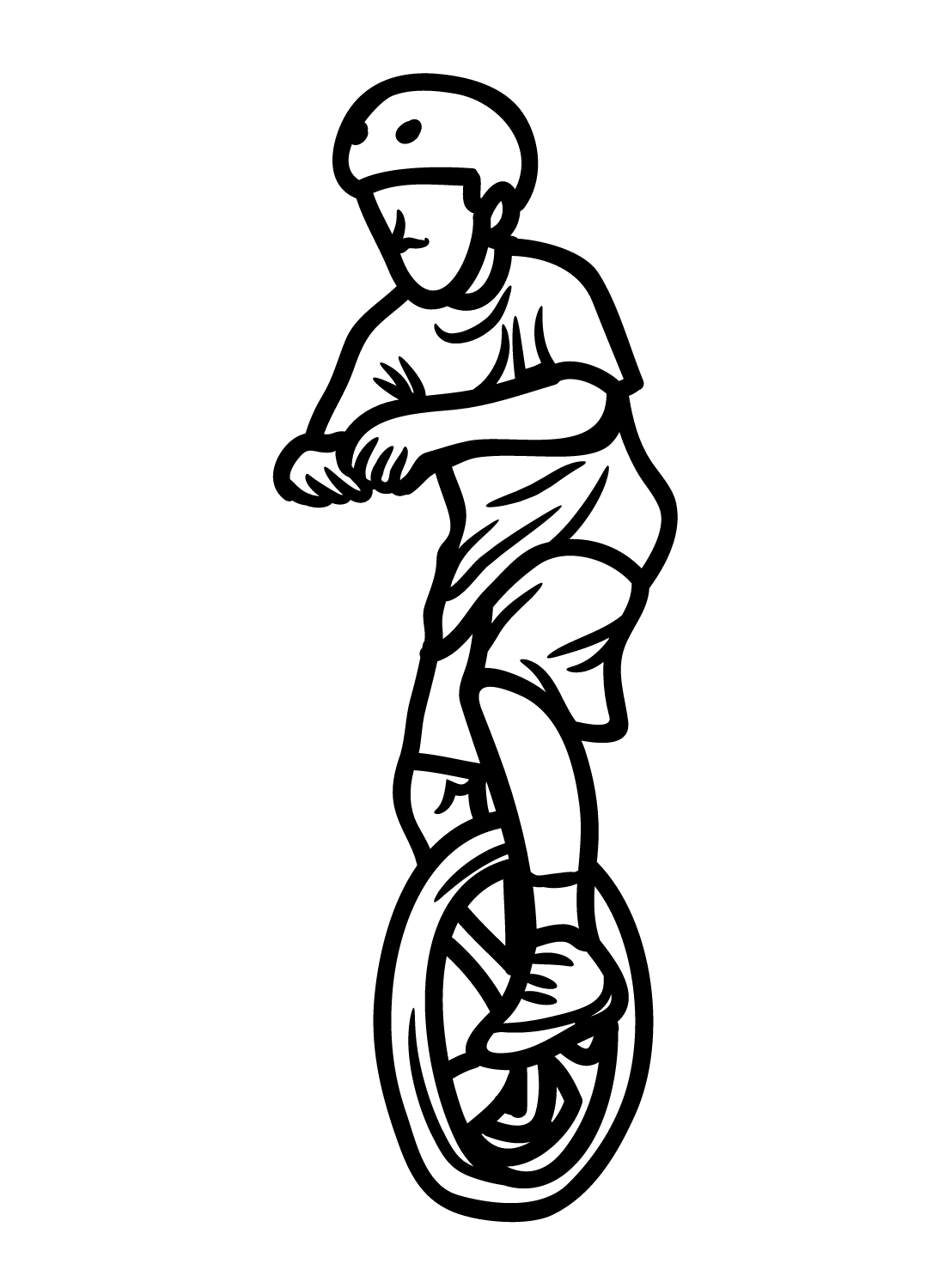
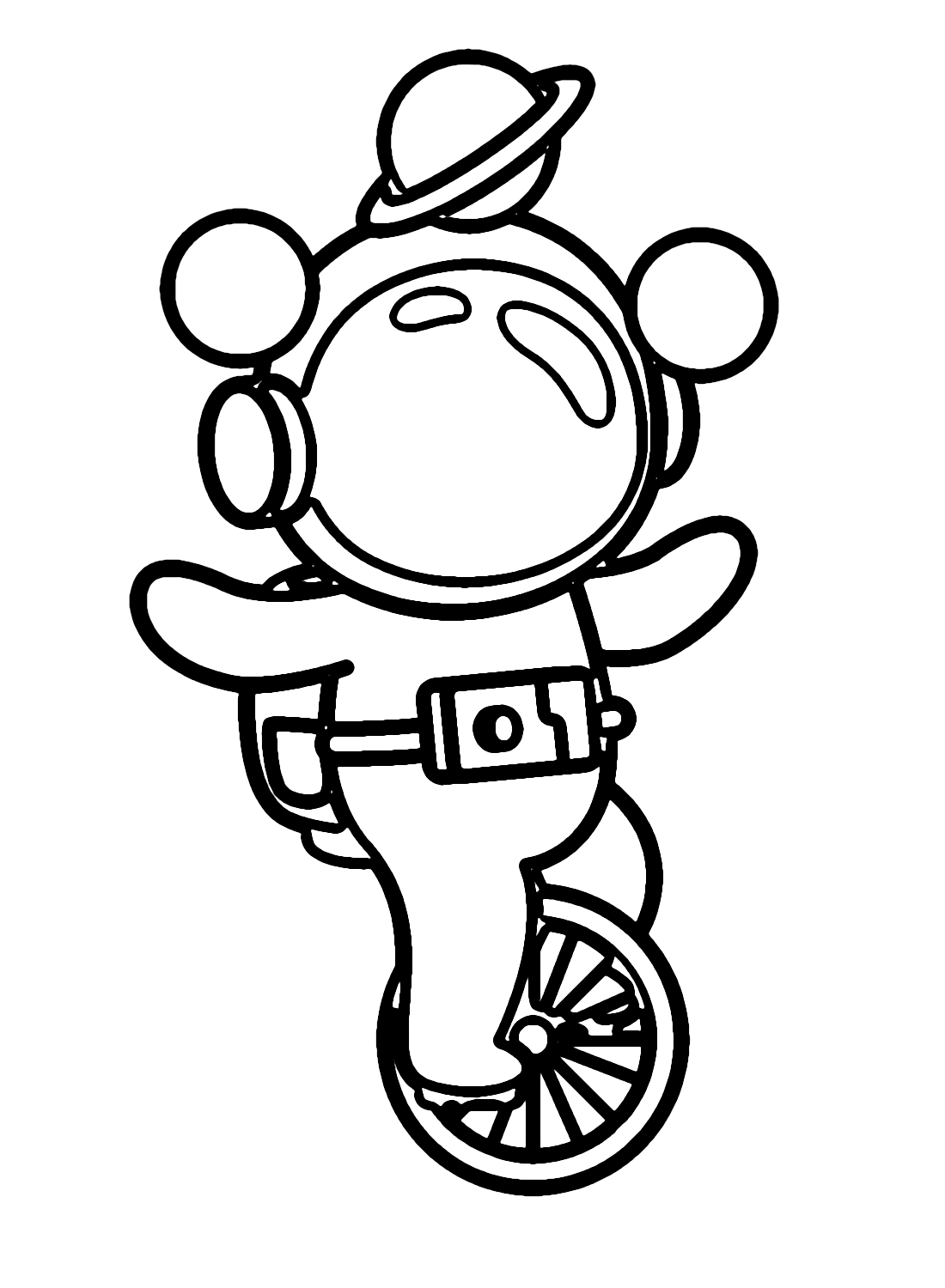
Four pages take a more imaginative or human-centered approach, including a unicorn, an astronaut among planets, and a boy riding a unicycle. Use a cooler, more atmospheric palette for the astronaut and unicorn pages, deep blues and purples for space, soft pastels for the unicorn, while keeping rider-focused pages in more everyday, natural clothing colors.
Possibly Miscategorized Designs
Four pages carry “Bicycle” in their file names rather than “Unicycle,” and may need review to confirm they belong in this collection. If these do turn out to be bicycle designs, a classic palette of Red, Blue, or Black for the frame with Gray tires works well; if they’re unicycle designs, after all, follow the same wheel and seat-post color guidance below.
Printable and Free Sheets
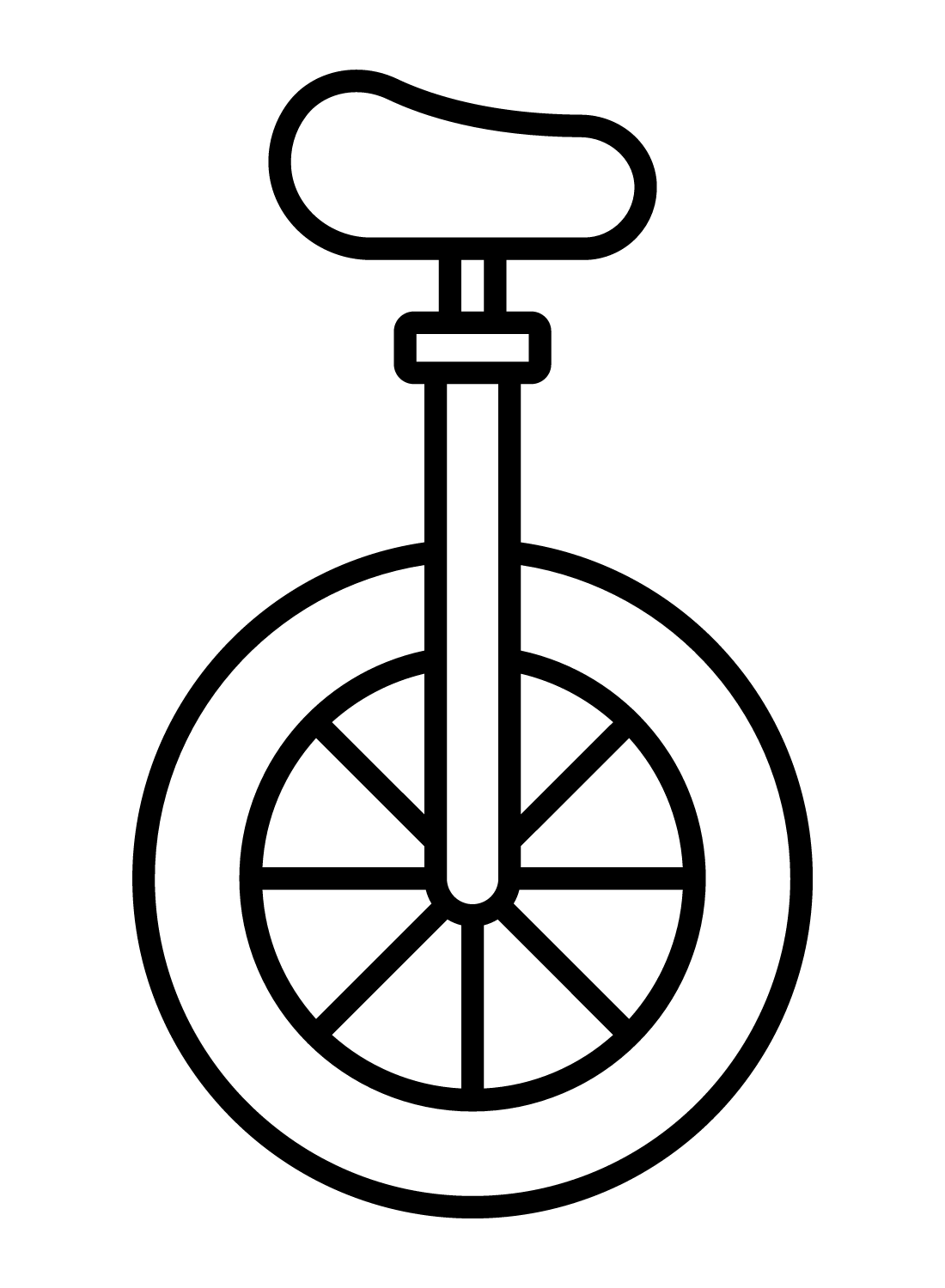
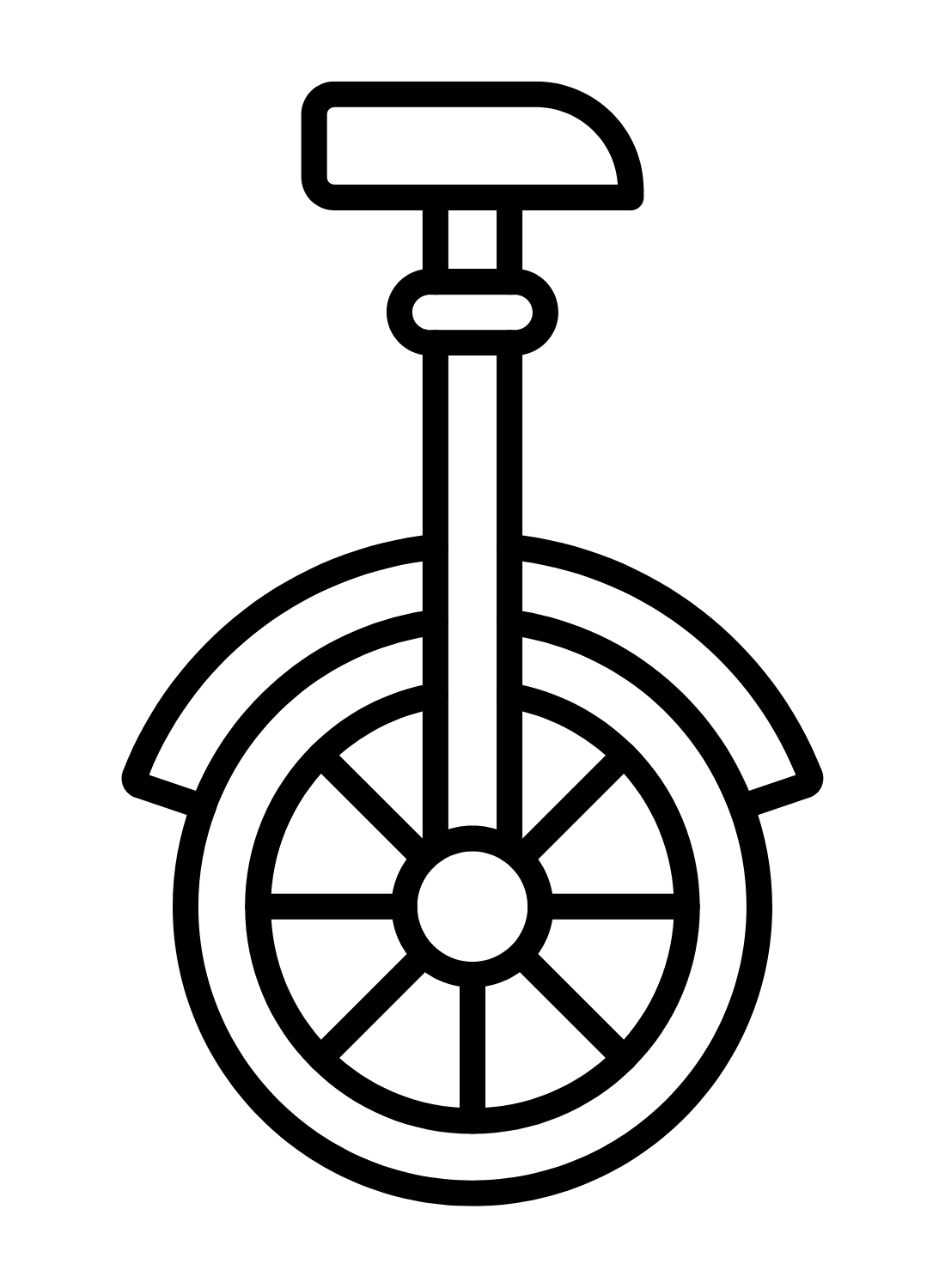
Thirteen pages are formatted as general printable sheets, making up the largest share of the collection and useful for a quick, single-session print at home or in the classroom. Since these are simpler line-art versions, a single bold color for the wheel paired with a contrasting seat color is often the cleanest, quickest approach.
What Unicycle Coloring Pages Do
A single wheel with nothing else to lean on. Because a unicycle has no second wheel to balance the composition visually, keeping the wheel perfectly round and the seat post straight and centered takes more careful spatial control than a bicycle page, where a second wheel naturally anchors the design. The American Academy of Pediatrics ties that kind of precise, balanced linework to fine motor skill development in children ages 2 through 7.
A vehicle born from an earlier vehicle’s flaw. The unicycle is widely believed to have emerged when riders of the penny-farthing bicycle discovered they could balance on just the oversized front wheel, eventually removing the small rear wheel entirely, a genuine piece of transportation history that follows directly from the “boneshaker” story explored in an earlier collection on this site.
A calming activity paired with a famously tricky skill. A 2005 study in the Art Therapy Journal found that structured coloring sessions produced measurable reductions in anxiety, and there’s a fitting contrast in that steady, low-pressure activity paired with a vehicle known for demanding real balance and coordination to ride.
Animal characters riding a genuinely real circus prop. Because unicycles have a real, documented history in circus performance, the animal-character pages in this collection aren’t purely fantastical; they’re playing on a real-world connection between this single-wheeled vehicle and the world of clowns and acrobats.
How to Color Unicycle Pages Well
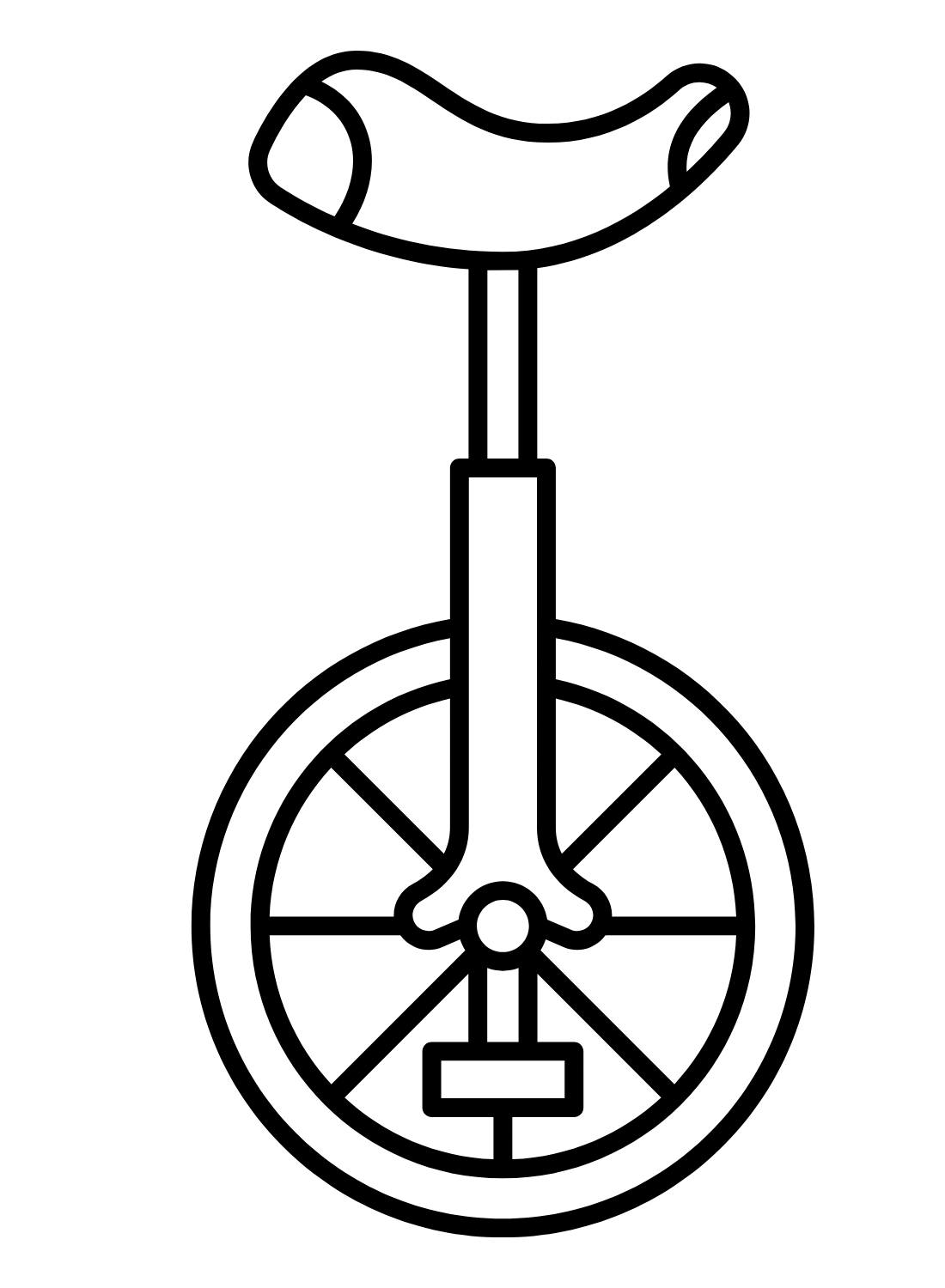
- Wheel: Use Black for the tire with Silver or Gray spokes radiating from the center hub, keeping the spoke lines thin and evenly spaced.
- Frame and seat post: Use a bold, solid color like Red, Blue, or Yellow for the frame, keeping it consistent from the wheel up to the seat.
- Seat: Use Black or Brown for the seat, since this smaller component typically contrasts with a brighter frame color.
- Circus and animal characters: Give each animal its own natural coat color, then add colorful costume details like a collar, hat, or vest in bold, contrasting tones.
- Fantasy designs: Use deep Blue or Purple for space-themed backgrounds on the astronaut page, and soft Pastels for the unicorn’s coat and mane.
- Backgrounds: Keep backgrounds simple with a plain White or soft color so the unicycle and its rider remain the clear focus of the page.
5 Creative Craft Ideas With Unicycle Coloring Pages
1. Circus Scene Diorama
Color a circus-animal unicycle page, cut it out, and glue it inside a shoebox decorated like a circus tent for a mini scene.
2. Unicycle Bookmark
Color a small unicycle design, cut it into a bookmark shape, and use it to mark a place in a favorite book.
3. Greeting Card
Fold cardstock in half, glue on a colored unicycle design, and write a message inside for a friend who loves the circus or unusual vehicles.
4. Classroom Transportation Poster
Color several unicycle pages as a group and arrange them on a poster board for a classroom lesson about unusual modes of transportation.
5. Paper Garland
Cut out three or four colored unicycle designs, punch a hole in each, and string them together with twine for a playful room garland.
Frequently Asked Questions
What are Unicycle coloring pages?
Unicycle coloring pages are printable line-art designs featuring circus animals, riders, and fantasy characters on a single-wheeled vehicle. This collection includes 28 free designs available as PDFs or online coloring.
How was the unicycle invented?
The unicycle is widely believed to have evolved from the penny-farthing bicycle of the 1870s and 1880s, after riders discovered they could balance on just the large front wheel and eventually removed the small rear wheel entirely.
What is the difference between a unicycle and a bicycle?
A unicycle has one wheel and uses direct drive, with pedals connected straight to the wheel’s axle, while a bicycle has two wheels and typically uses a chain to connect the pedals to the rear wheel.
Why are unicycles associated with the circus?
Unicycles have a long, genuine history in circus performance, often ridden by clowns and acrobats as part of balance-based acts.
What are the main parts of a unicycle?
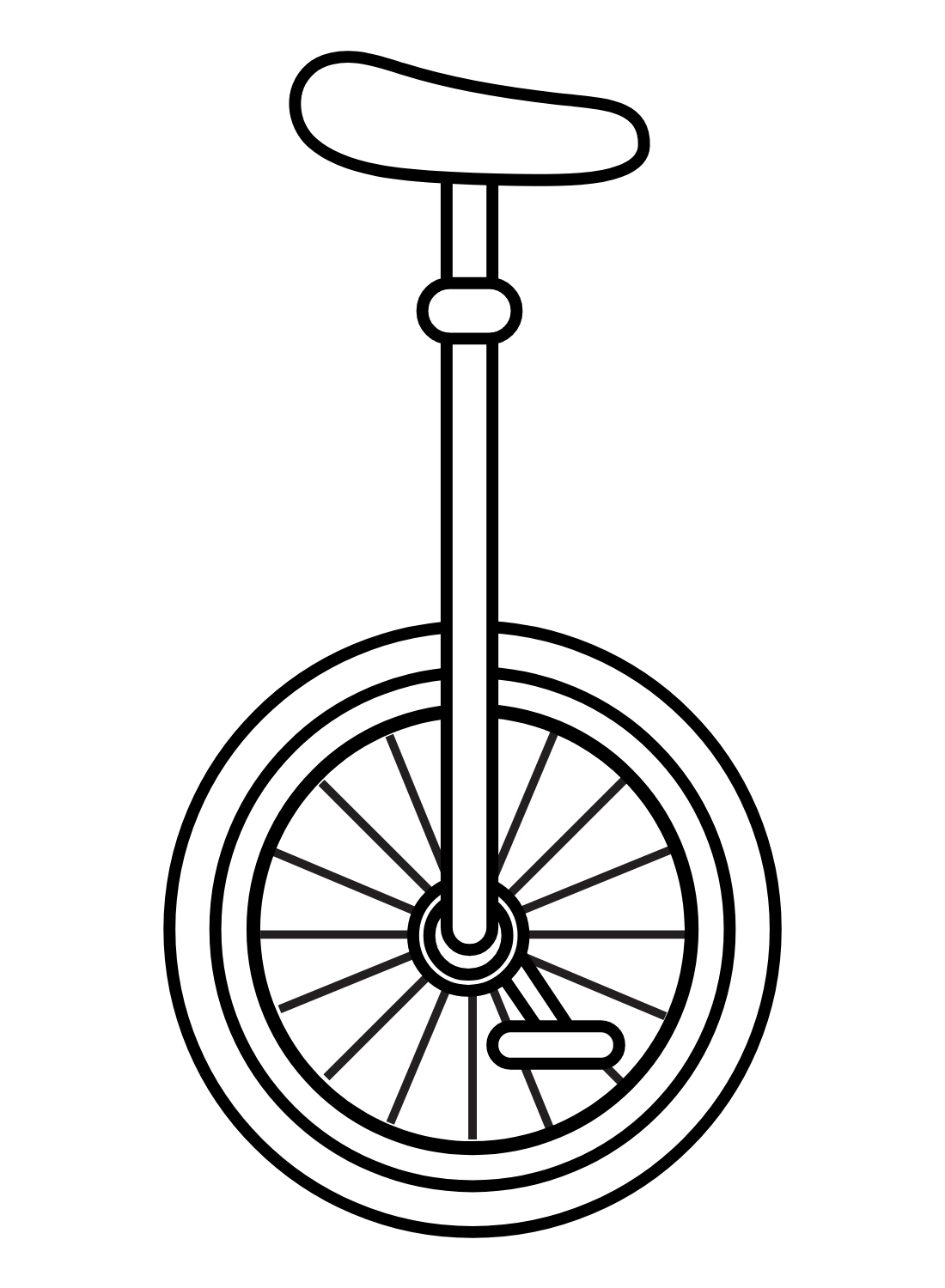
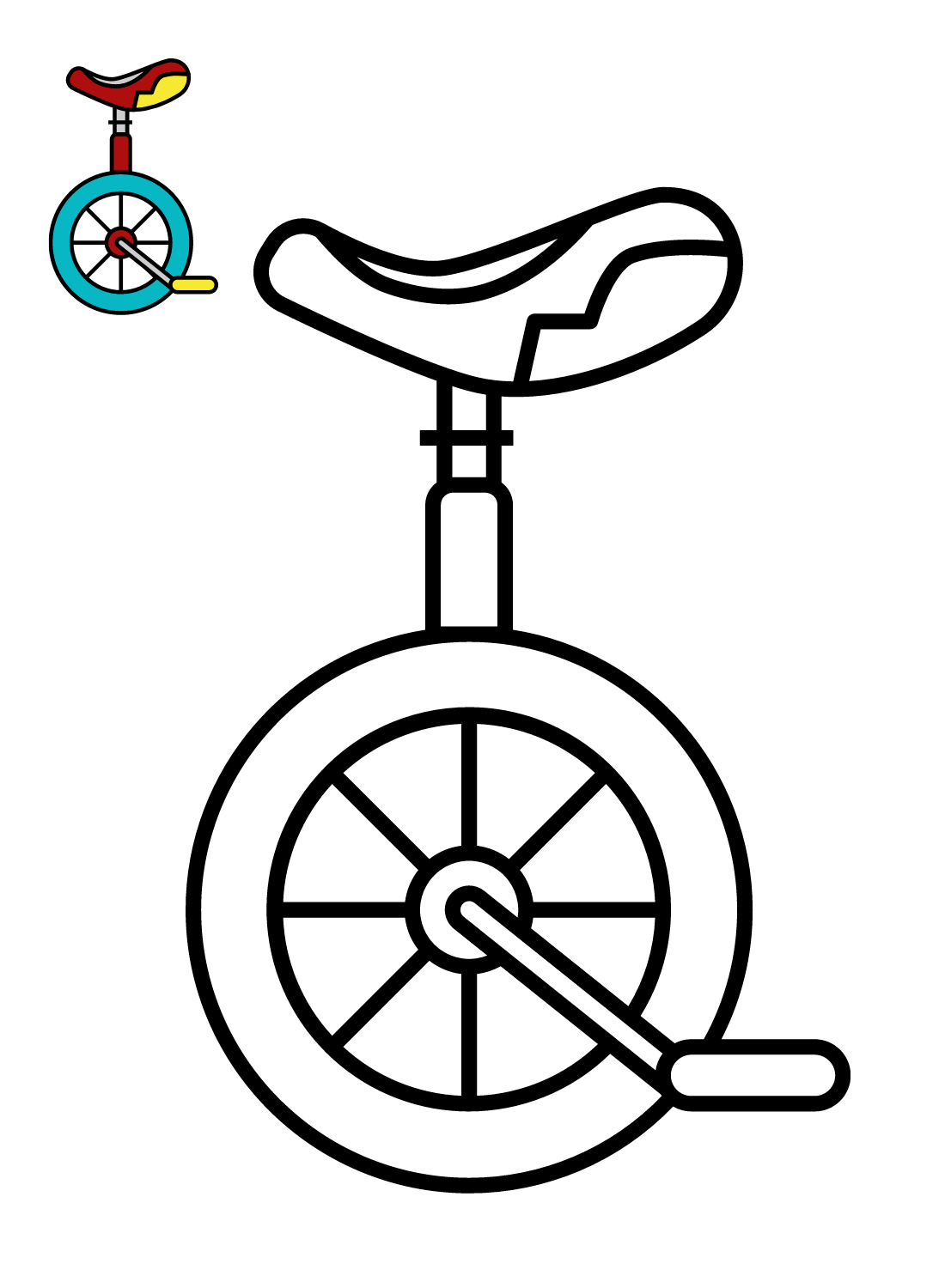
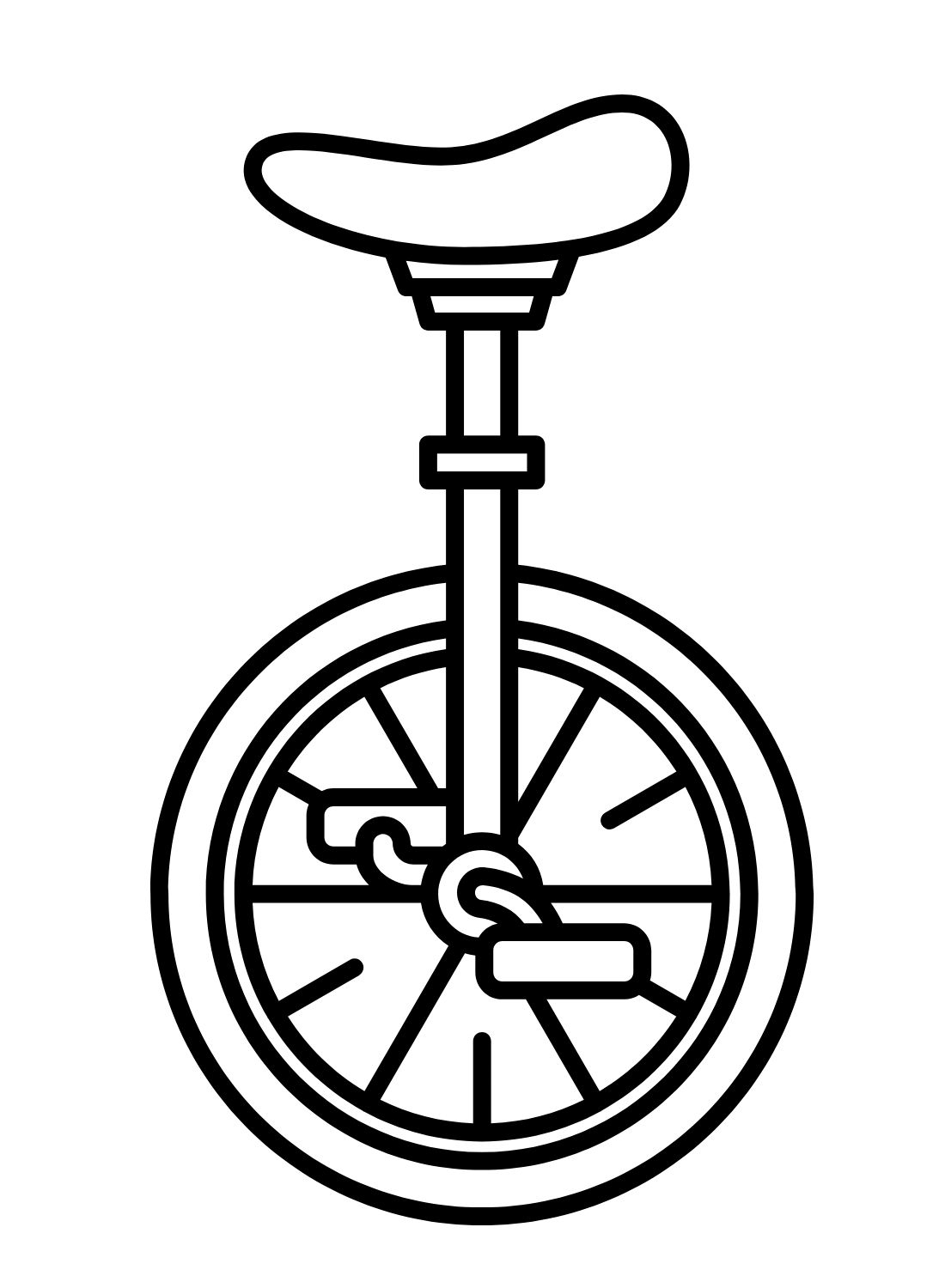
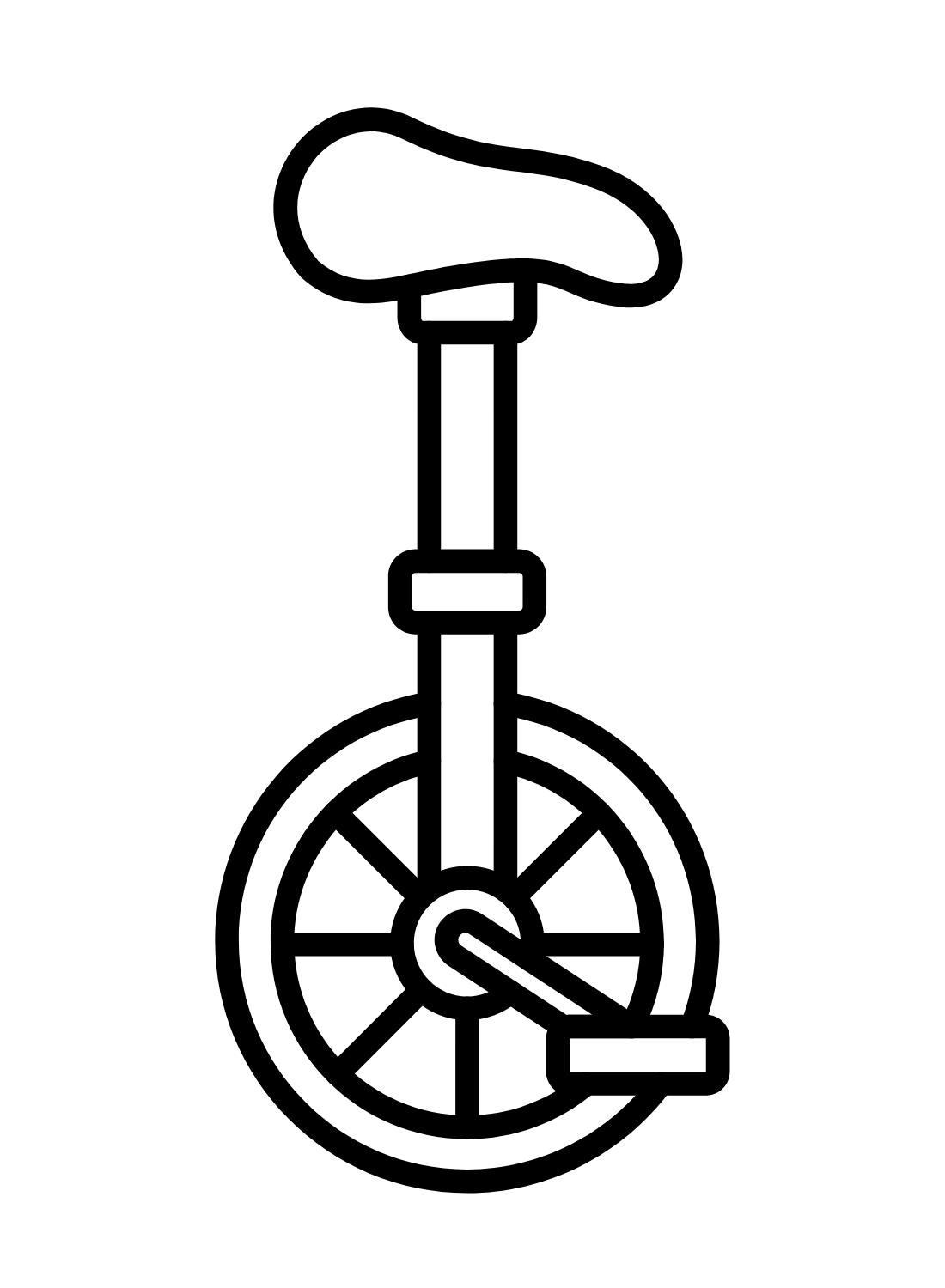
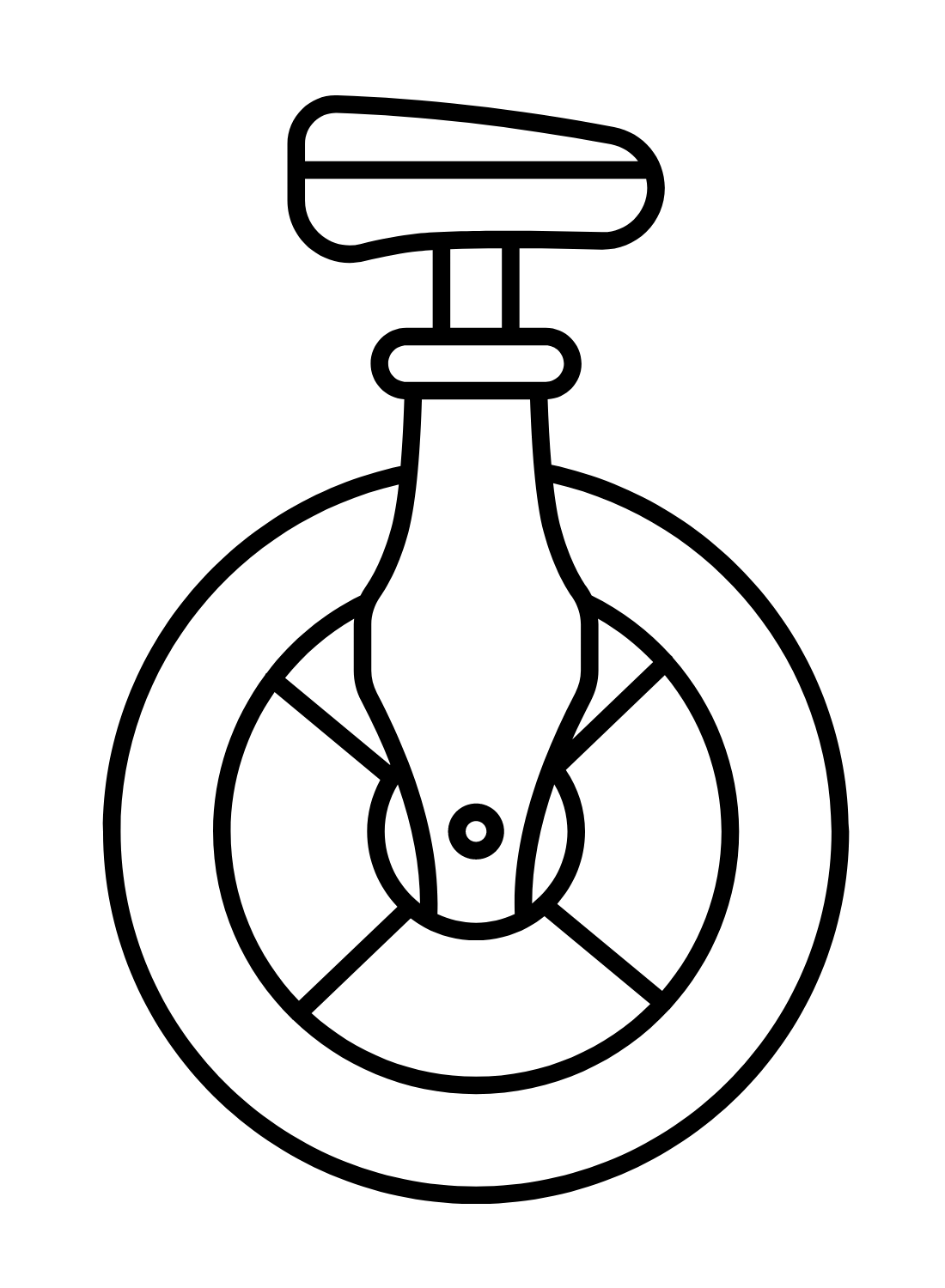
A unicycle’s main parts include a single wheel, a frame, a seat post, a seat, and pedals attached directly to the wheel’s axle.
Is a unicycle harder to ride than a bicycle?
Yes. A unicycle requires significantly more balance and coordination than a bicycle, since it has no second wheel to provide stability.
Are Unicycle coloring pages suitable for young children?
Yes. The simple portrait and printable designs in this collection use bold, uncluttered outlines suited to preschool and early elementary colorists. At the same time, the circus and fantasy scenes offer more detail for older kids.
What is competitive unicycling?
Competitive unicycling includes disciplines like freestyle unicycling and mountain unicycling (MUni), organized through events and federations dedicated to the sport.
Start Coloring
Download any page by clicking the design. No account, email, or payment is required. Pages print directly from the browser at full resolution or open in the online coloring tool for screen use. Share finished pages on Facebook or Pinterest with the share buttons at the top of each design page.