Lisa Frank Coloring Pages
 By:
Jennifer Thoa - Content Editor & Designer
Updated:
By:
Jennifer Thoa - Content Editor & Designer
Updated:
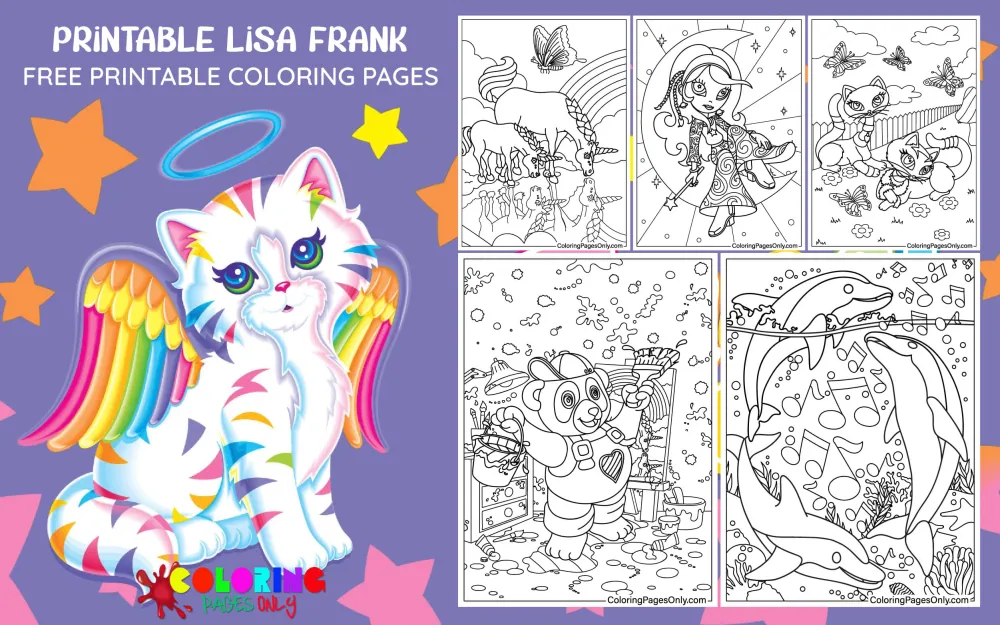
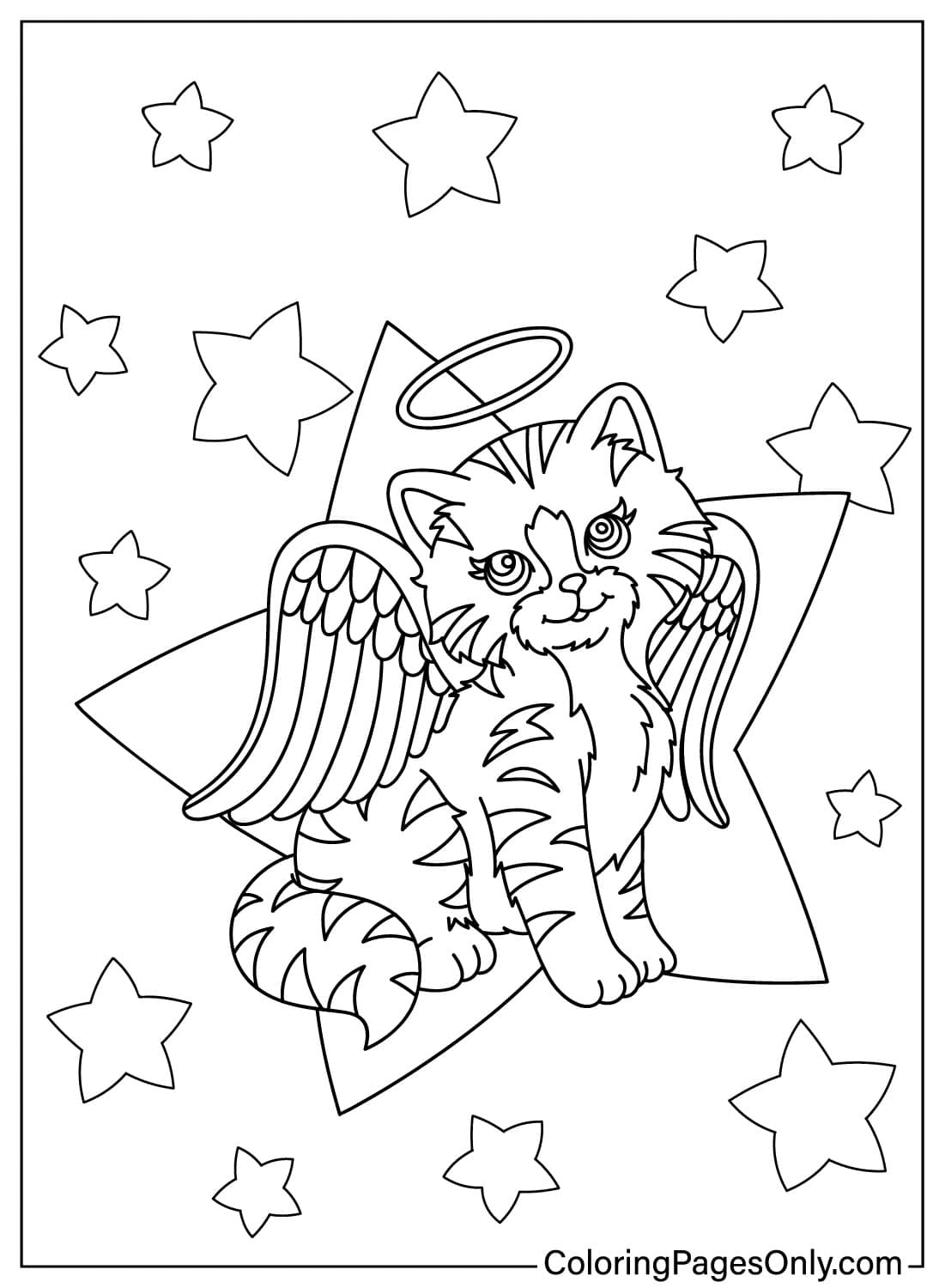
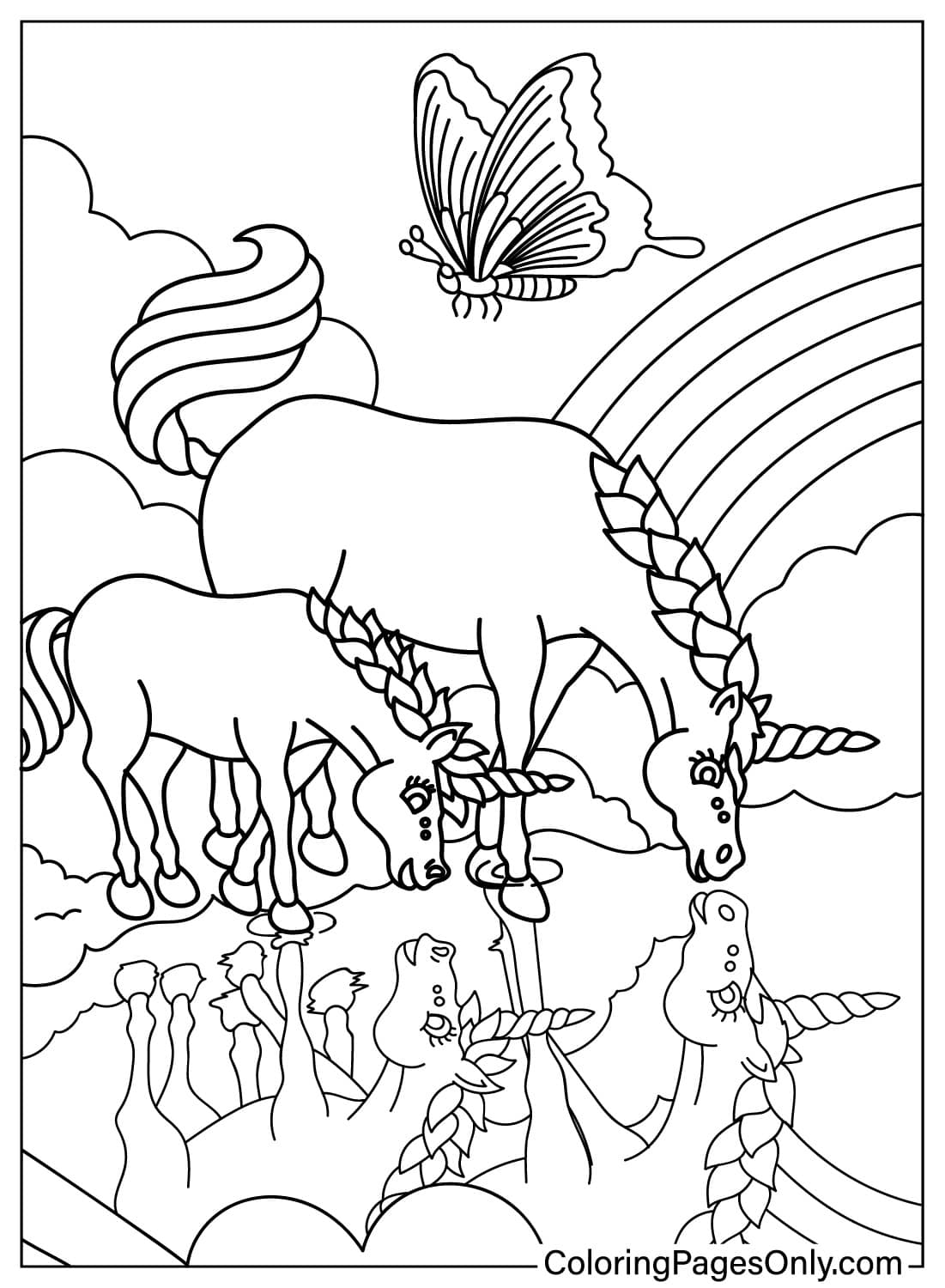
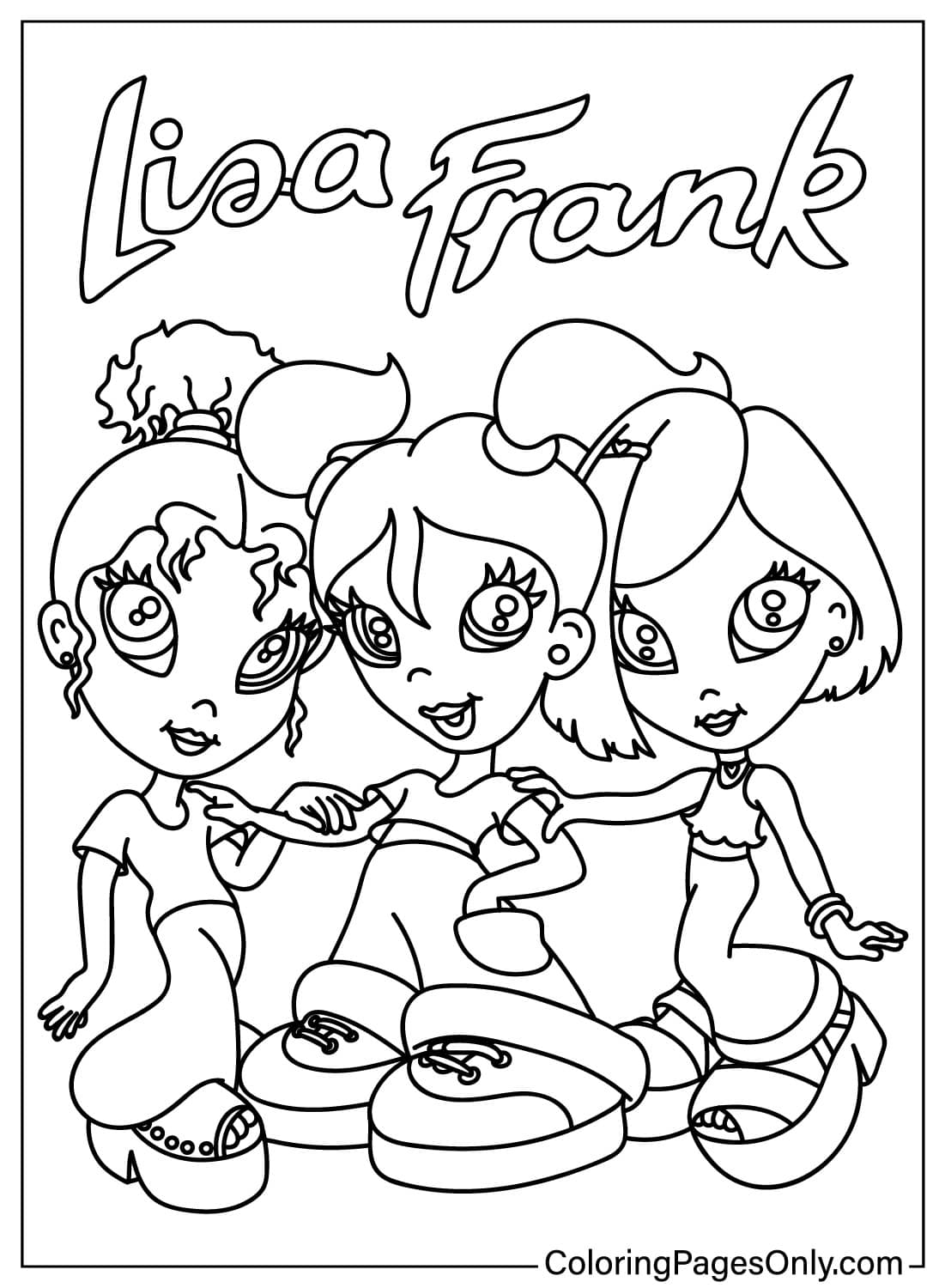
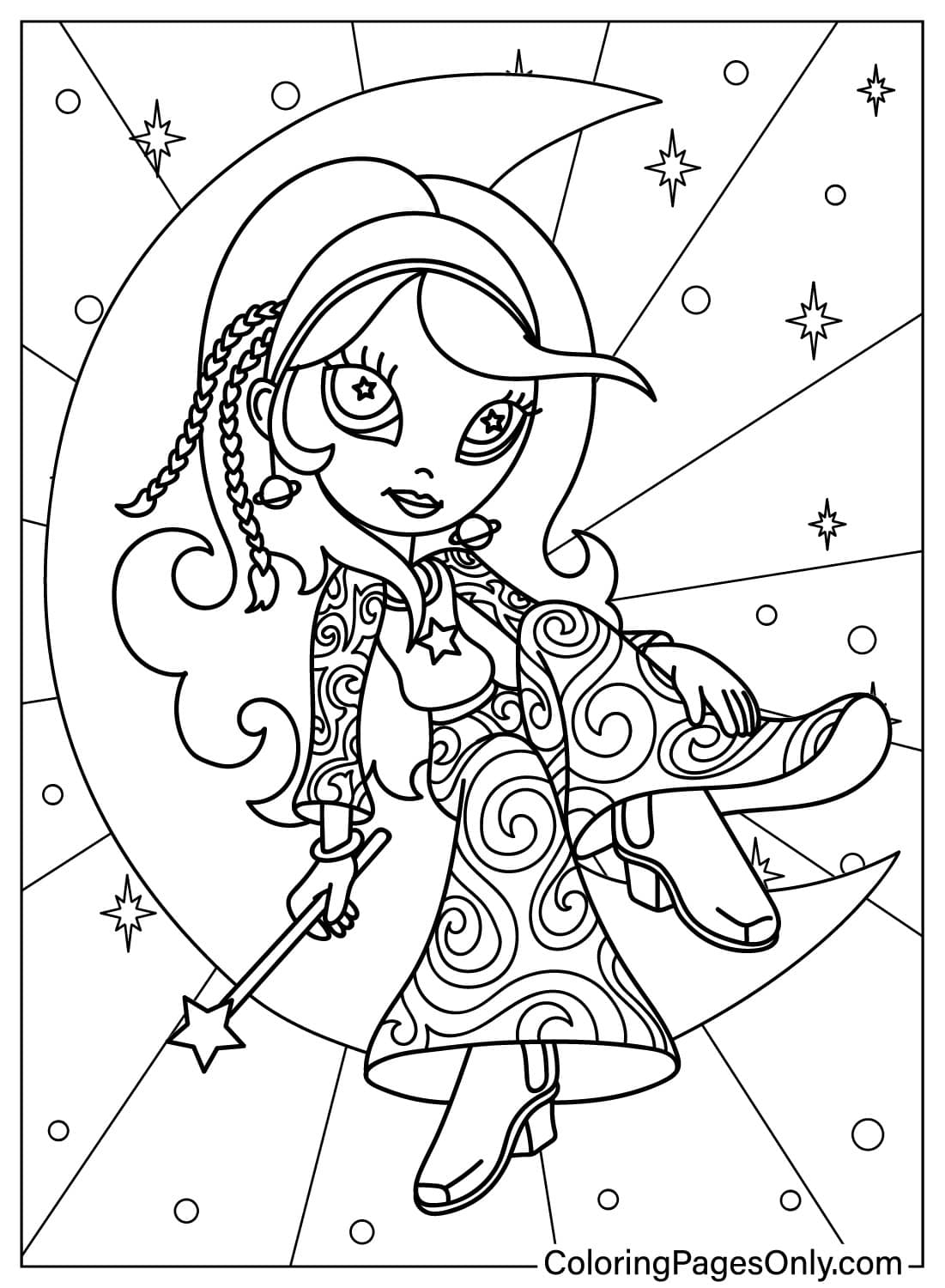
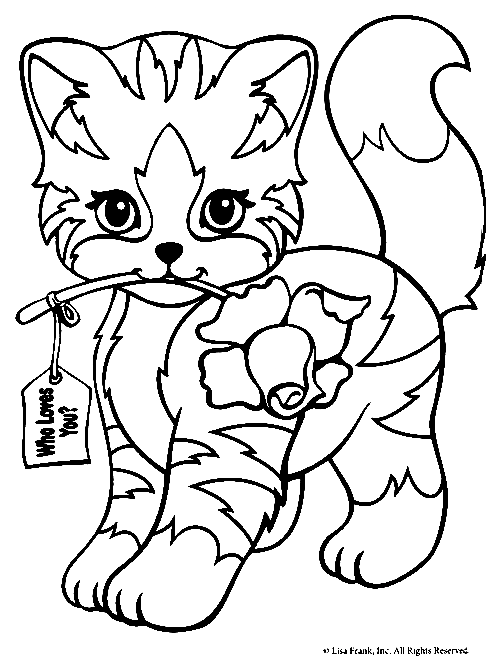
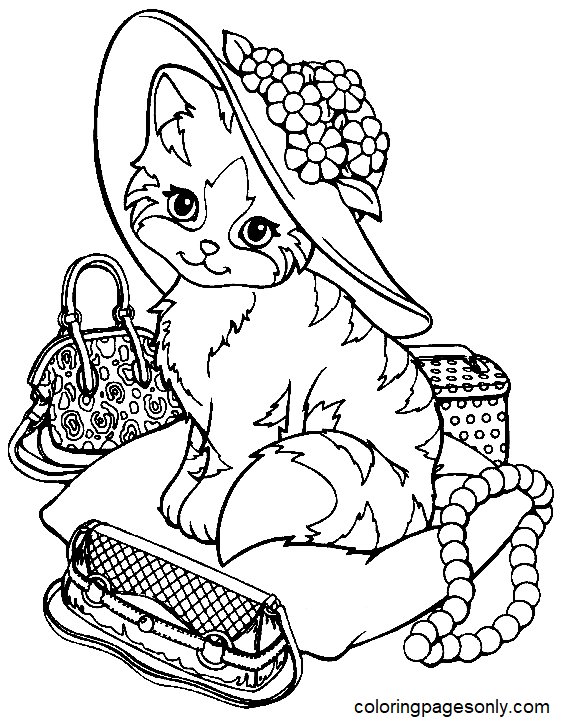
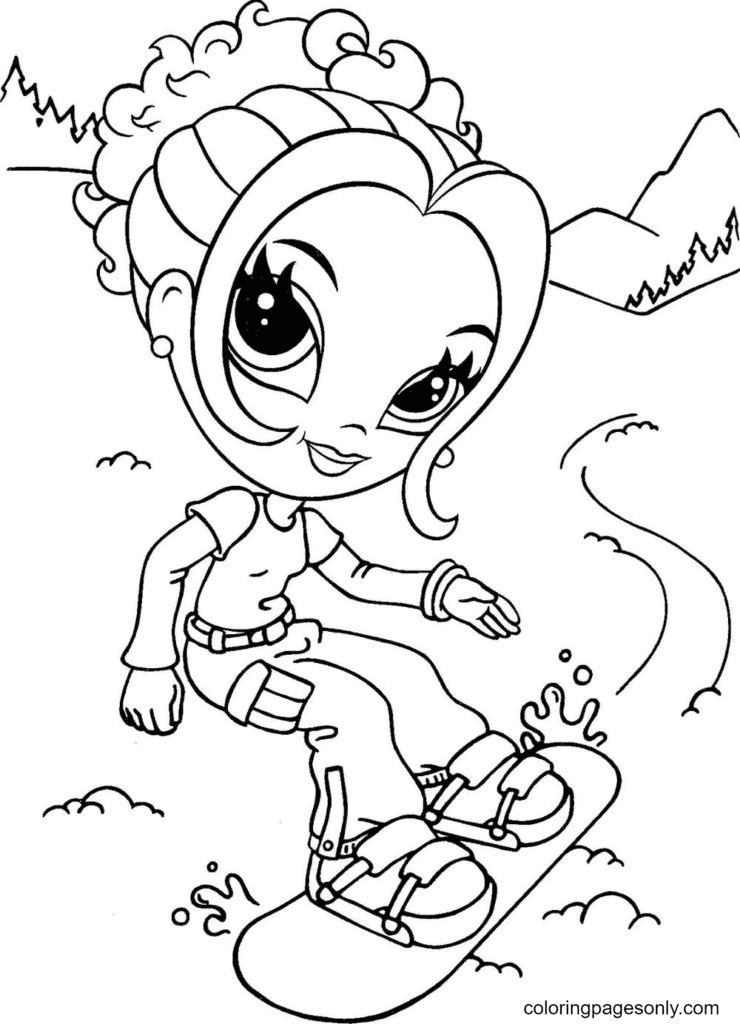
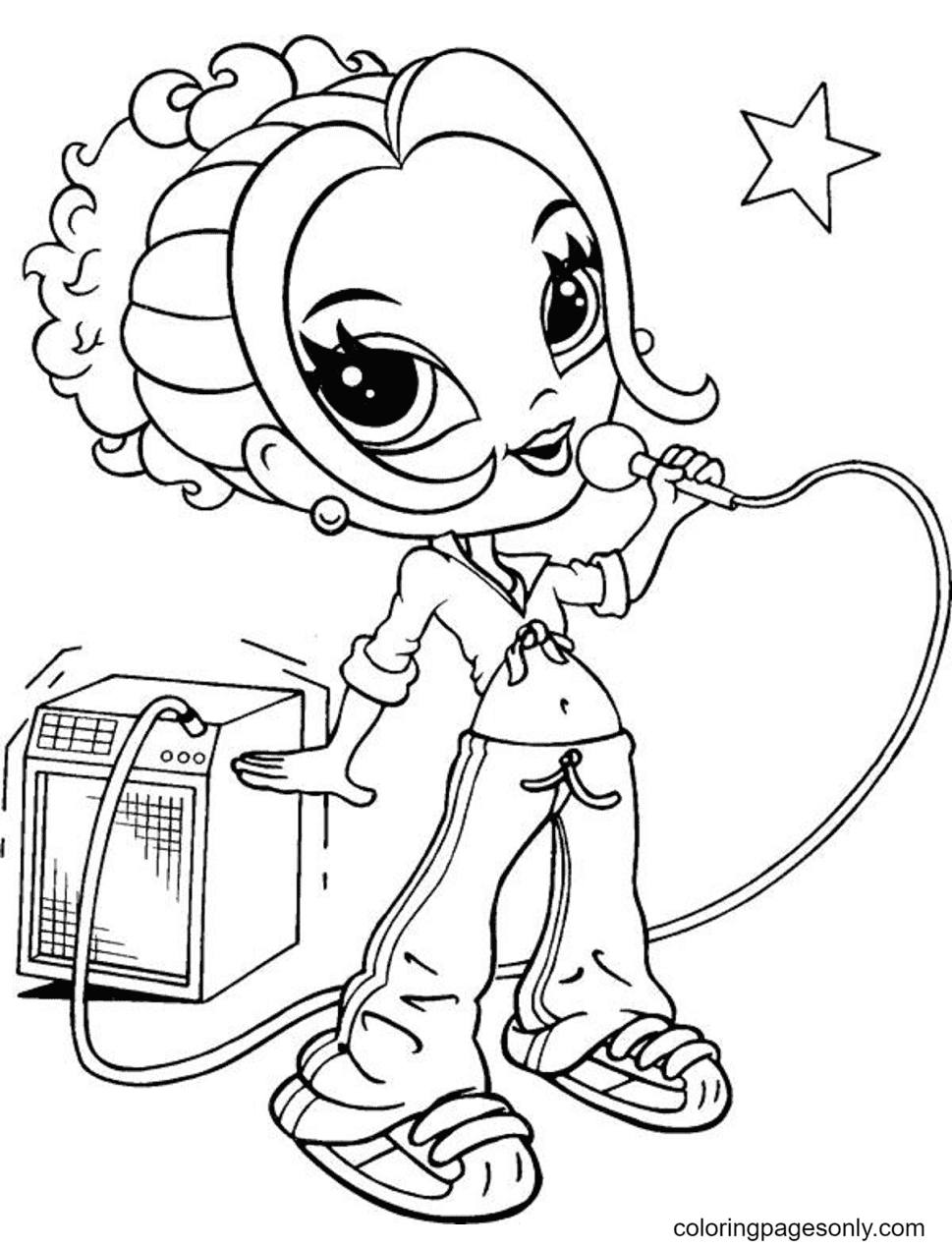
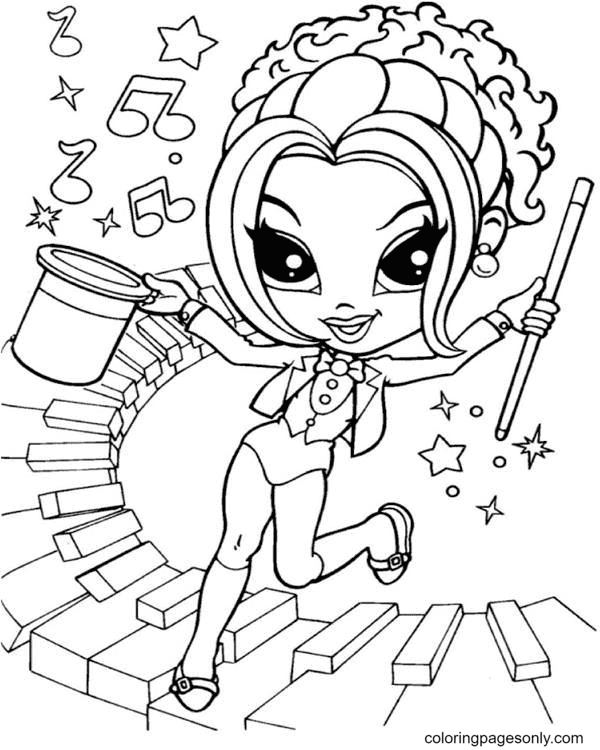
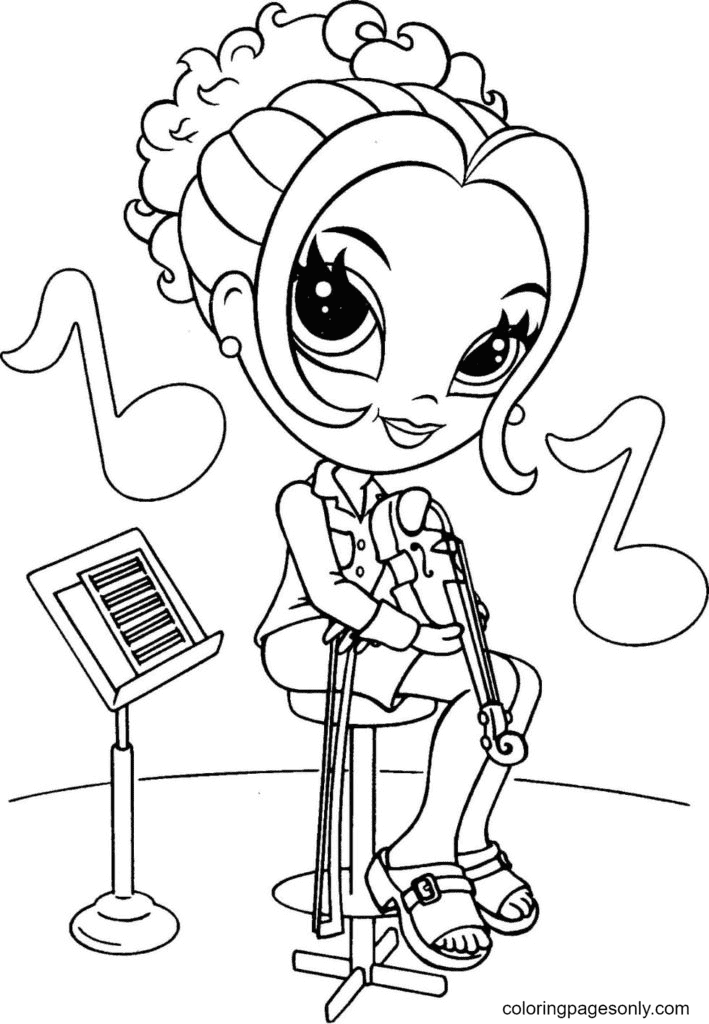
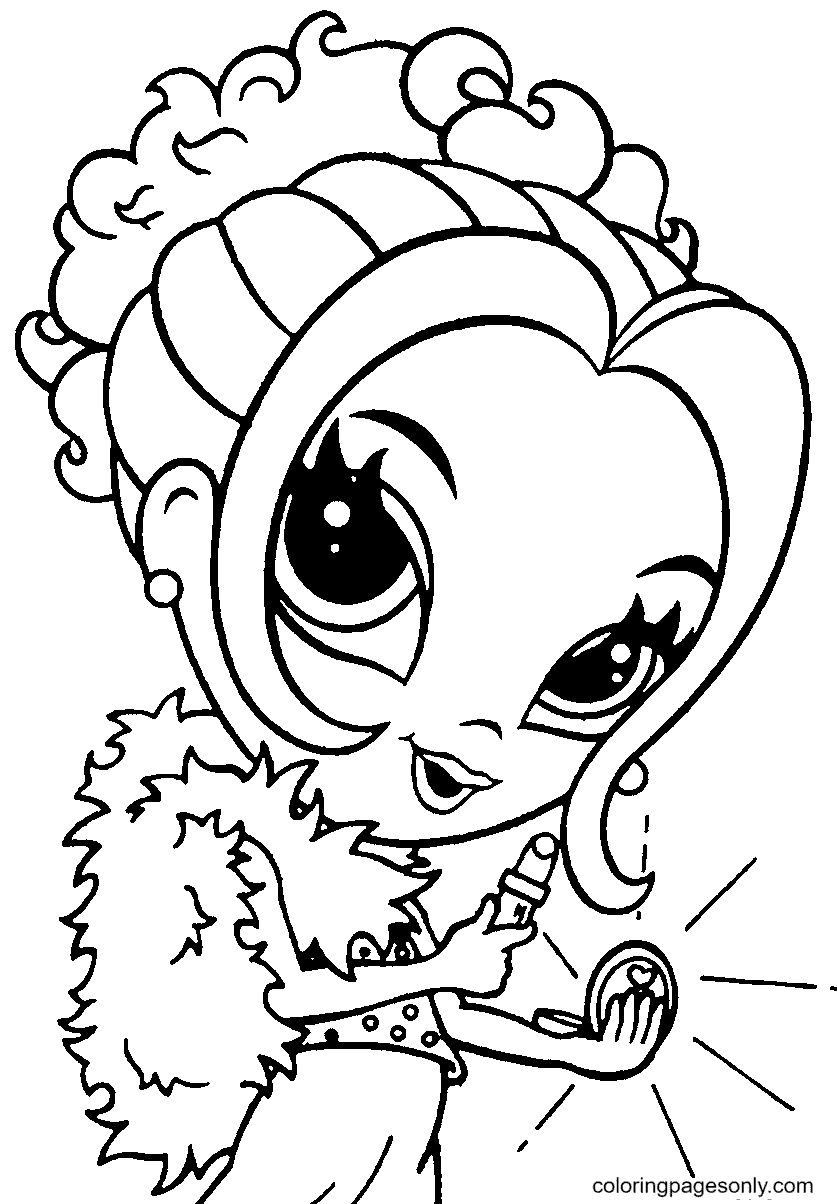
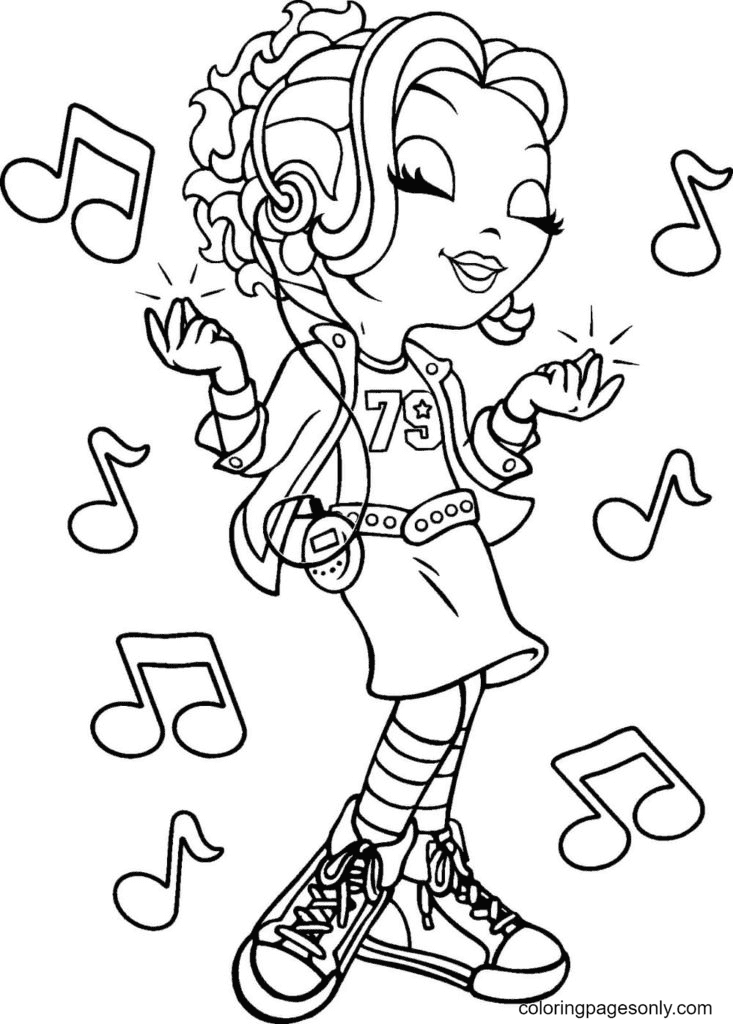
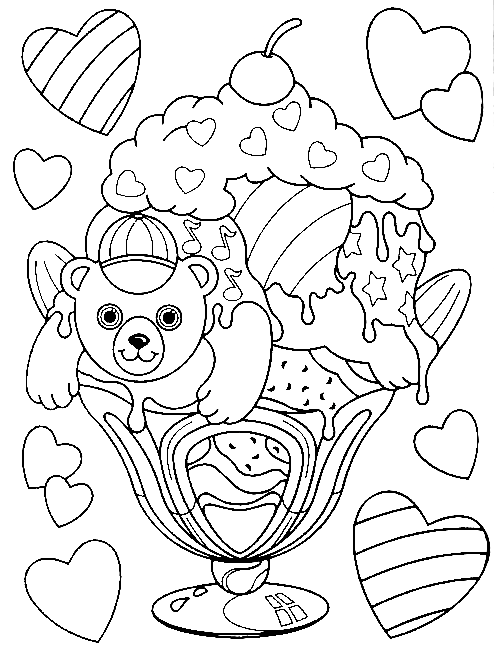
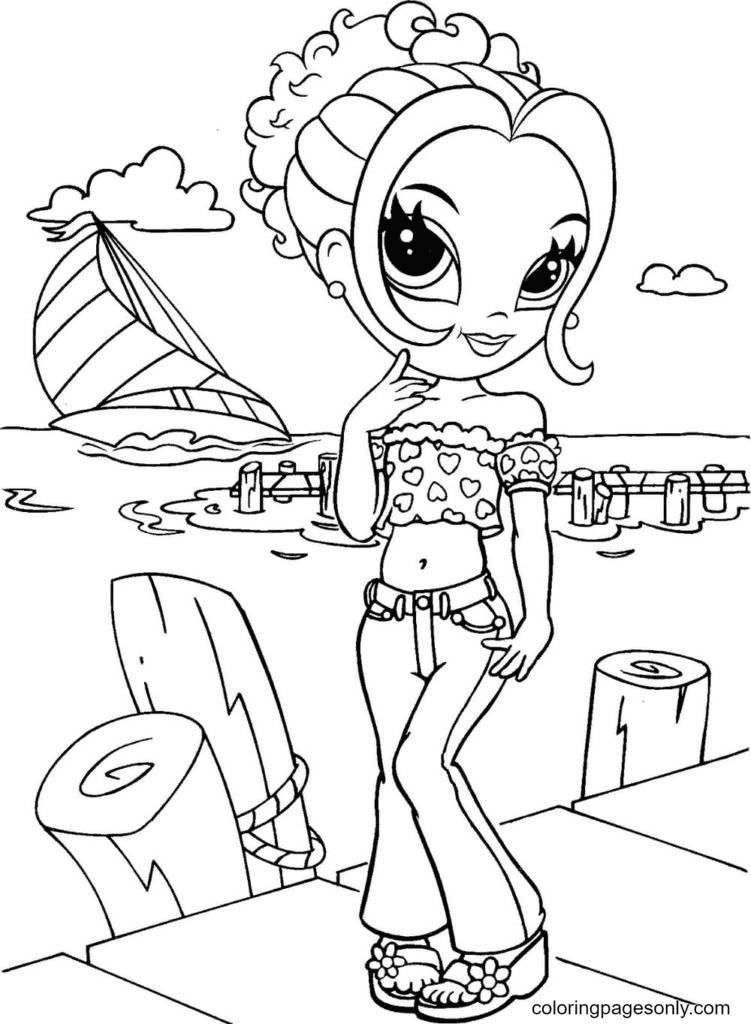
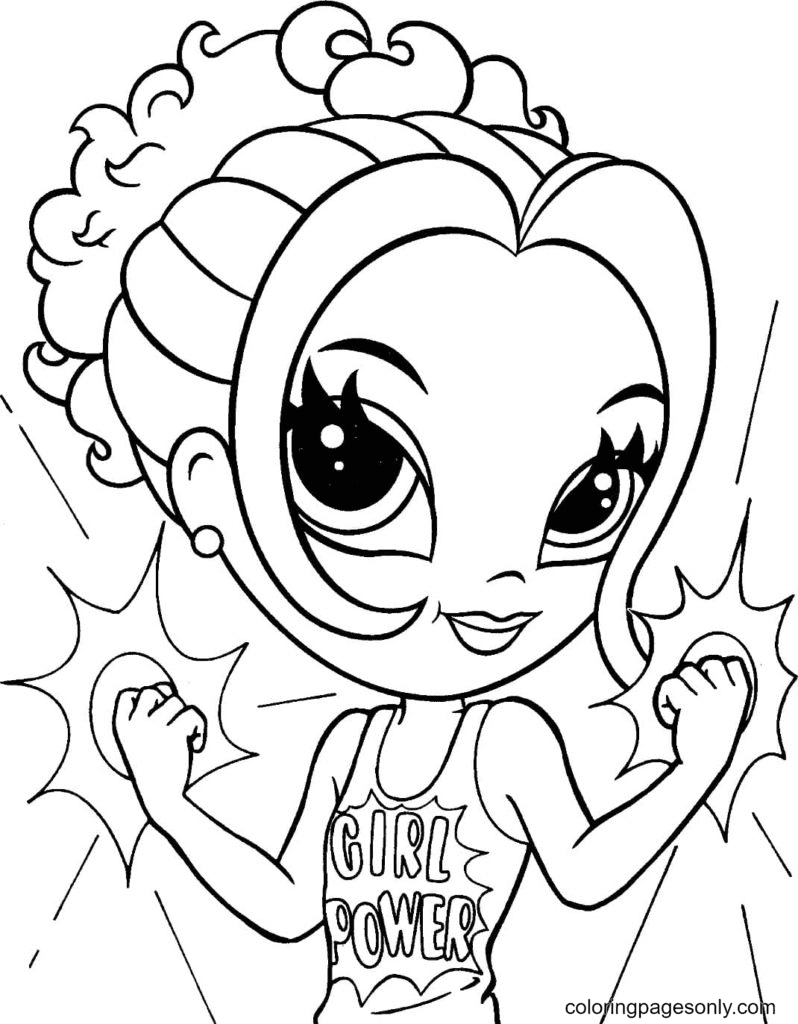
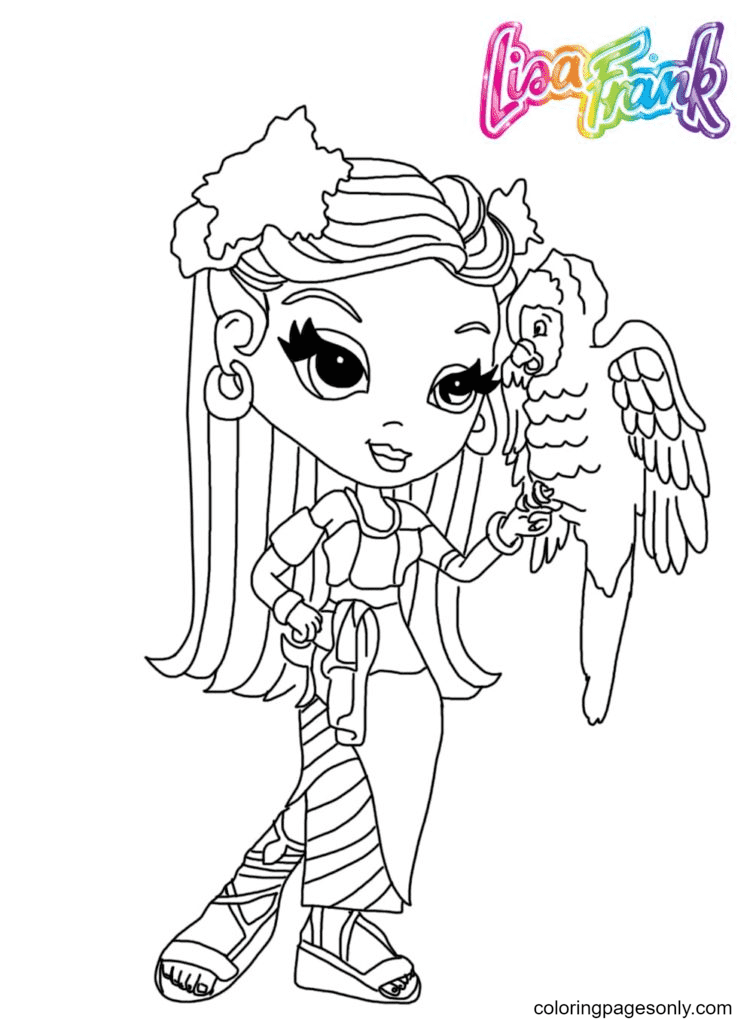
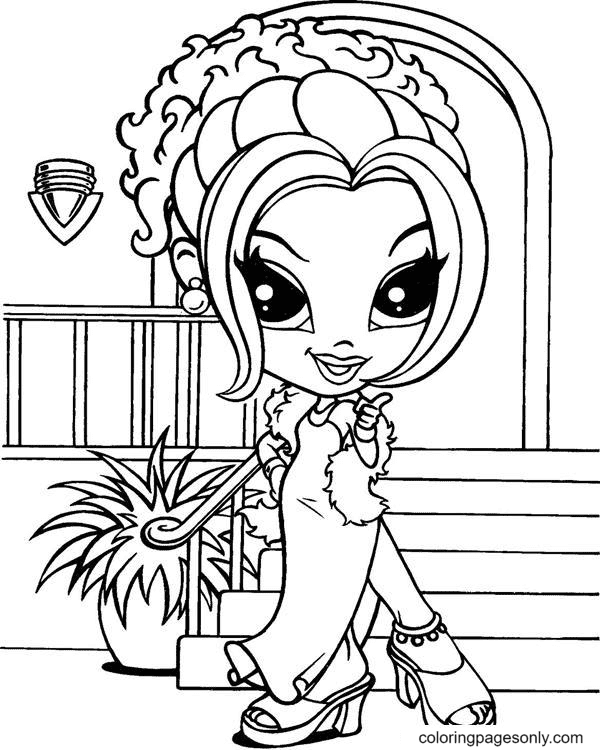
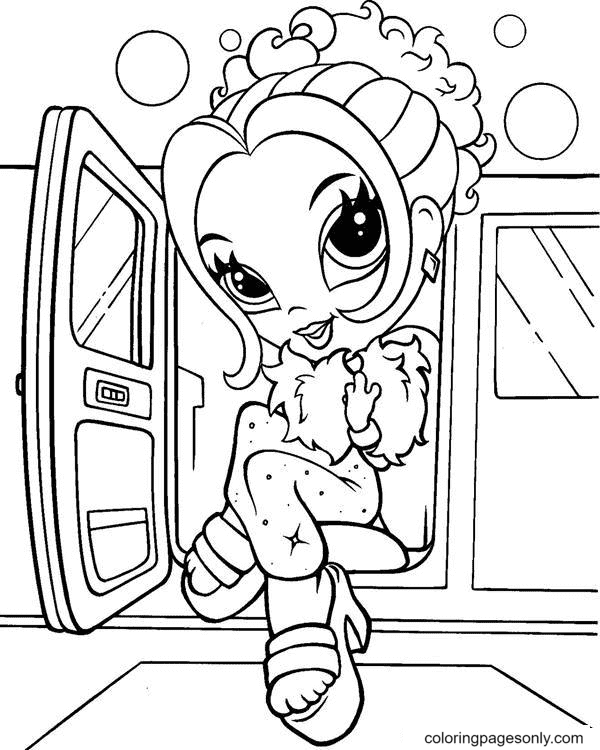
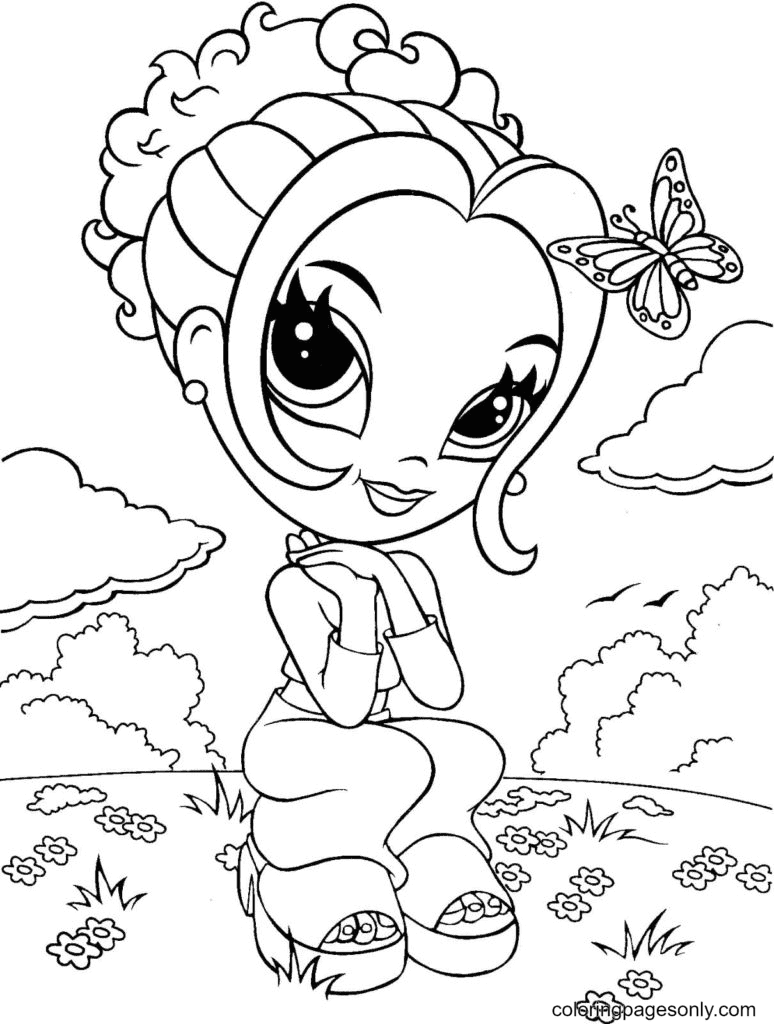
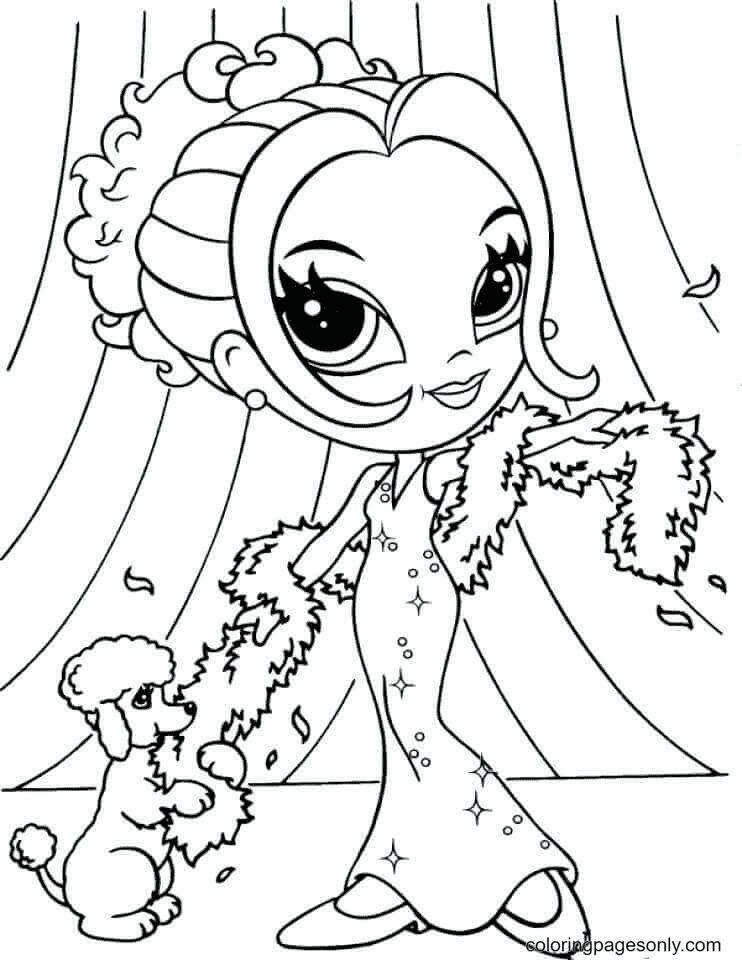
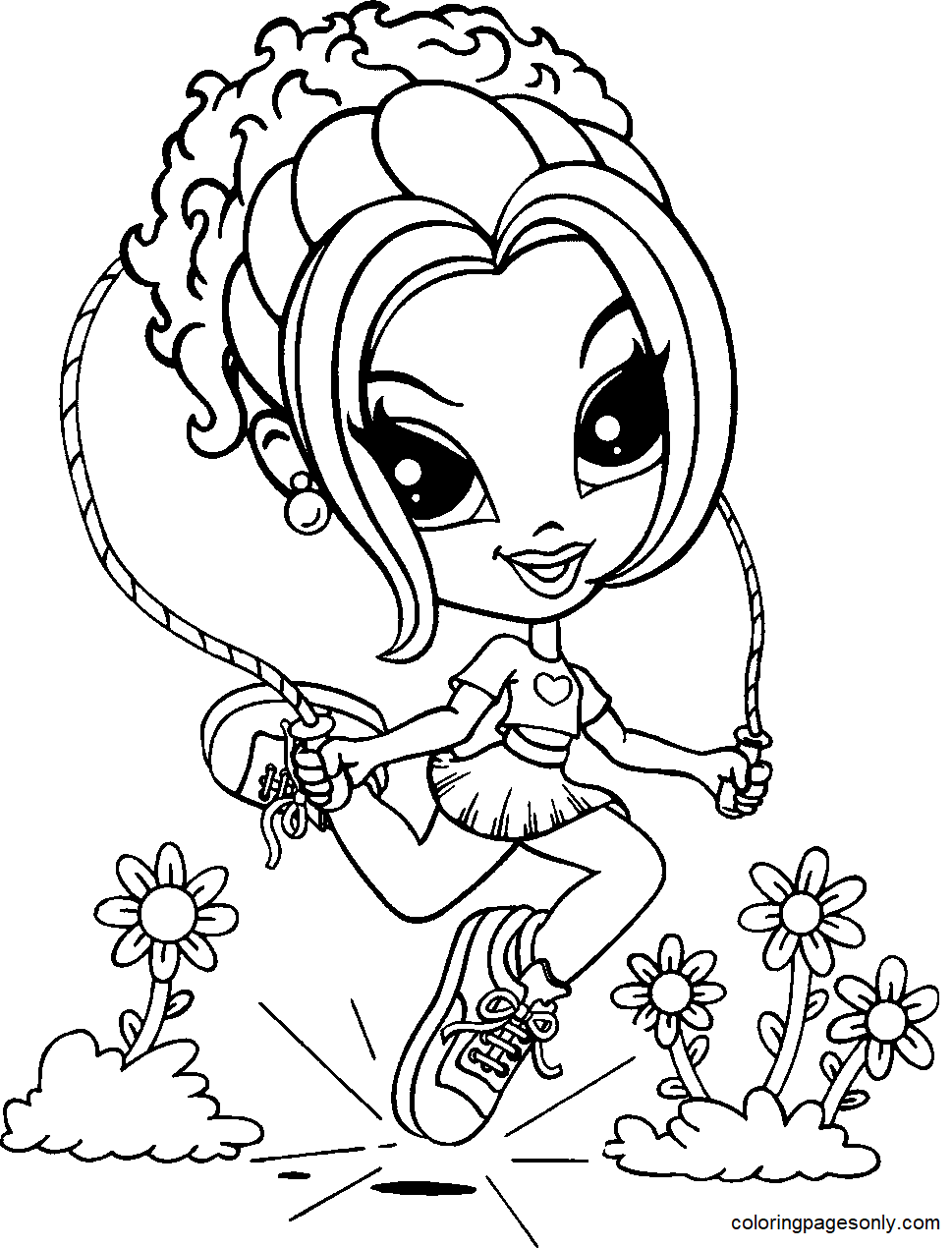
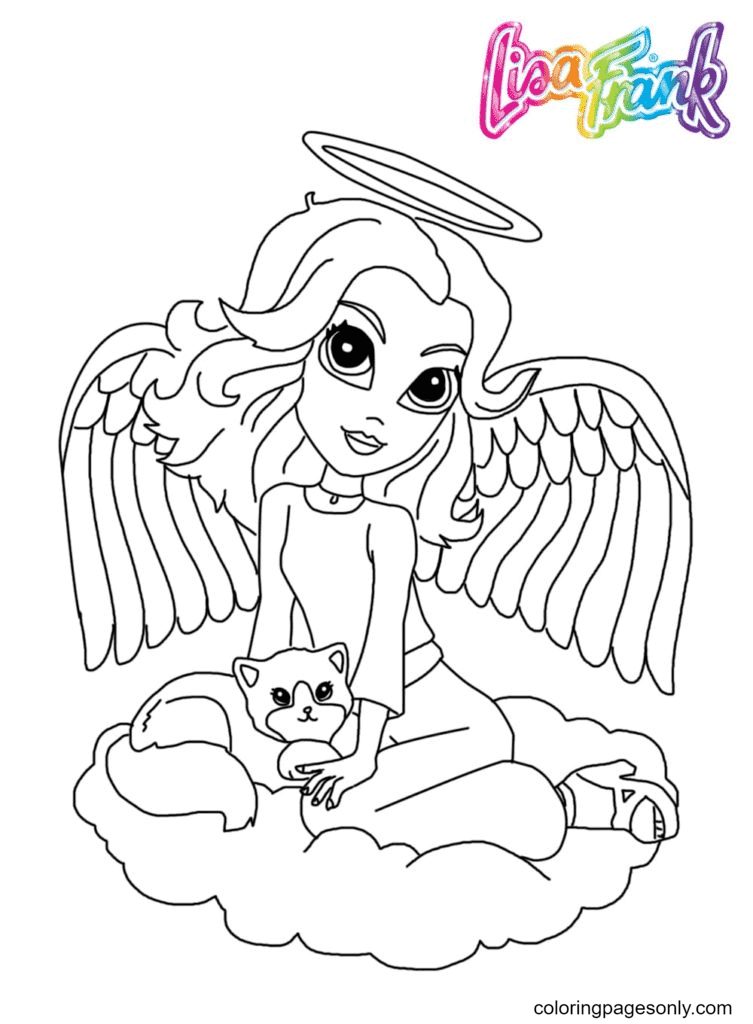
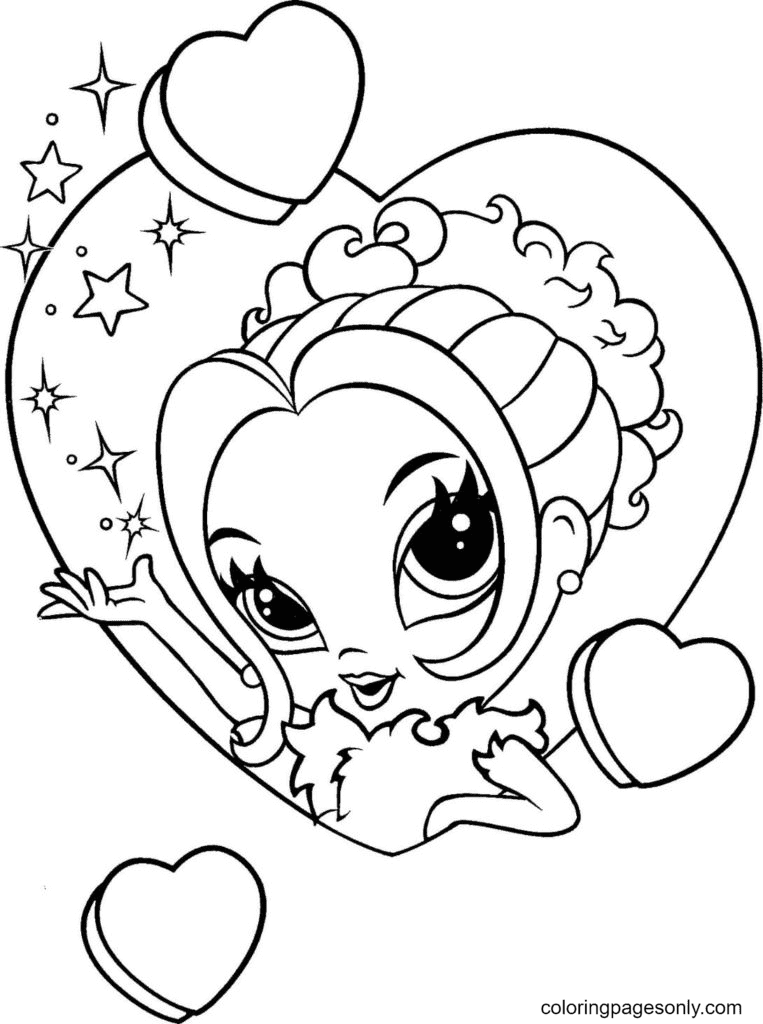
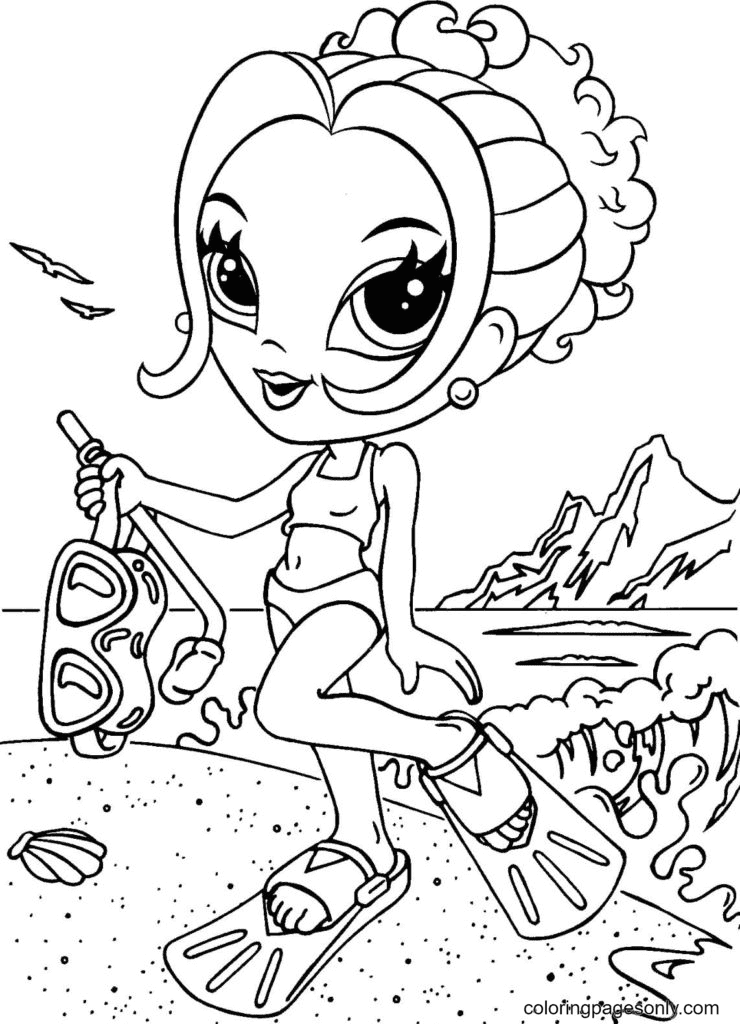
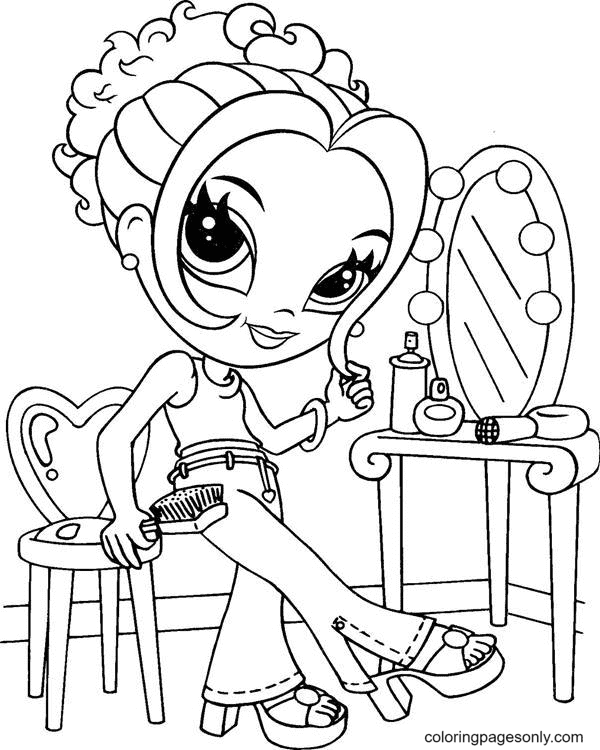
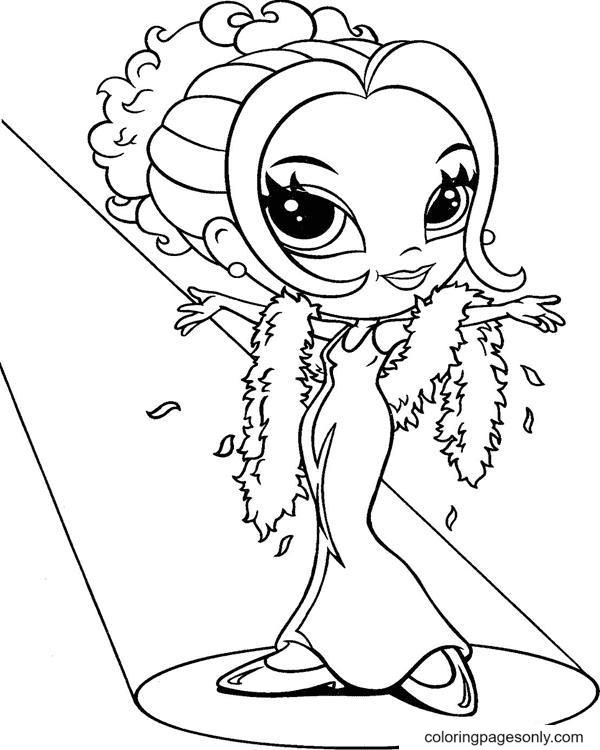
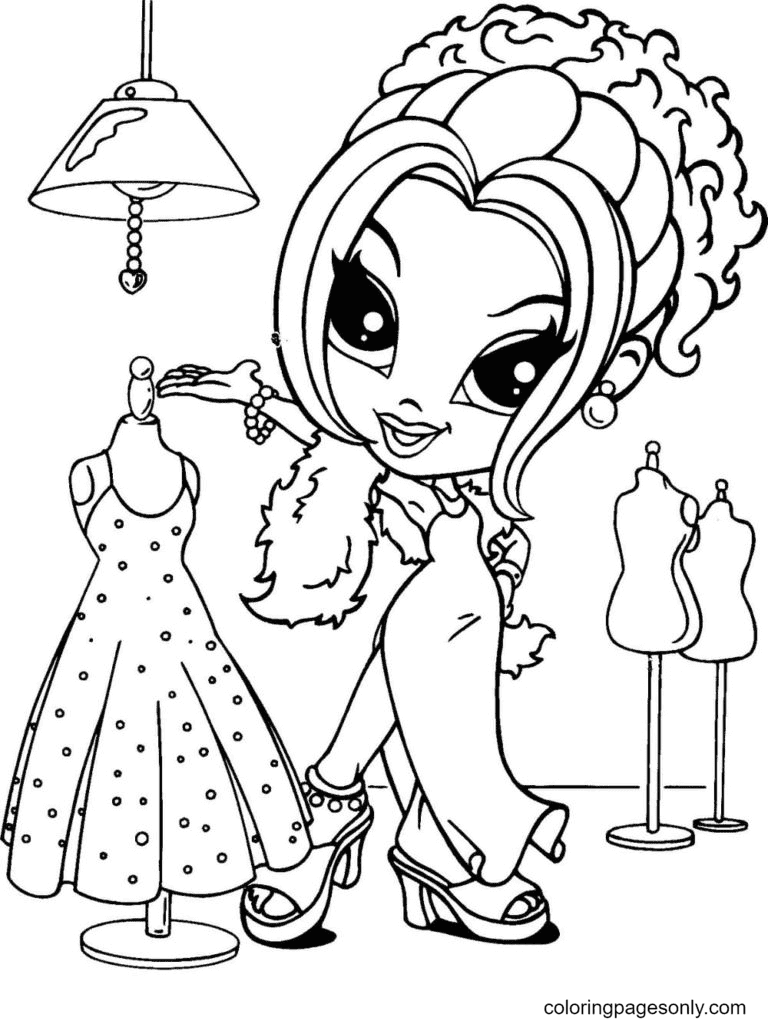
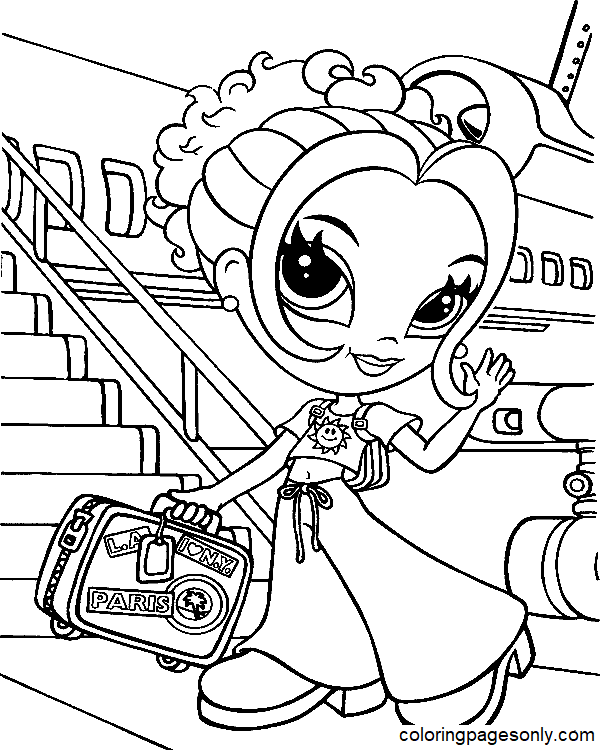
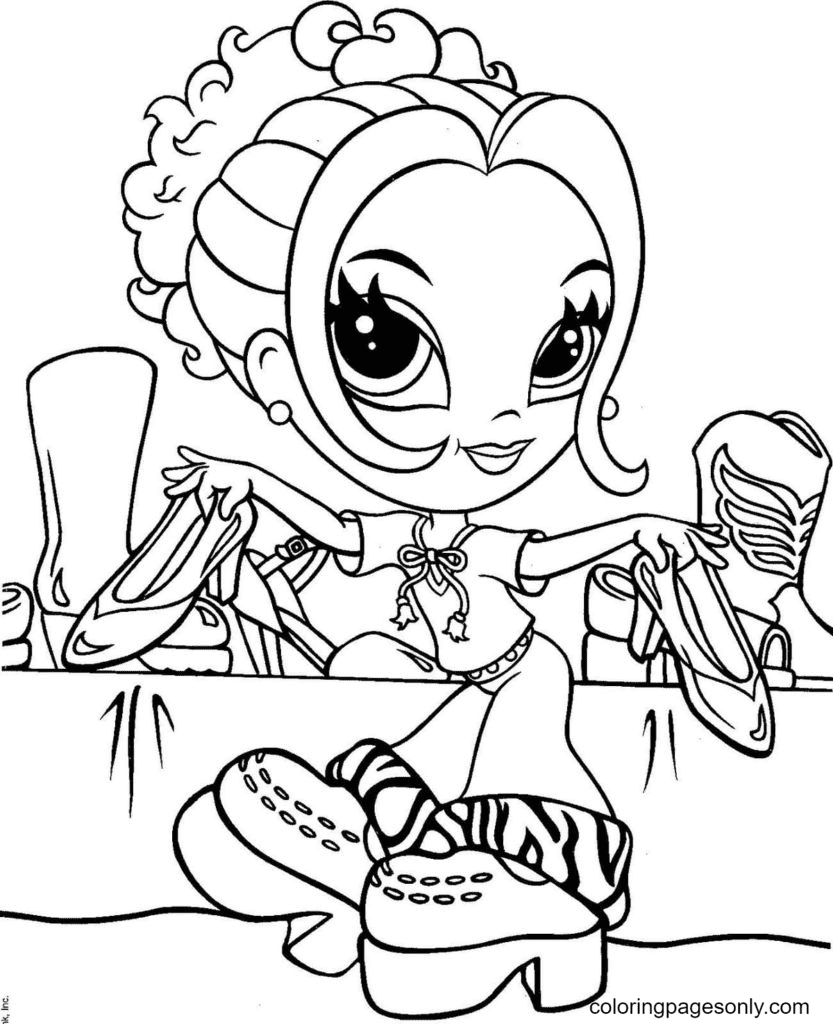
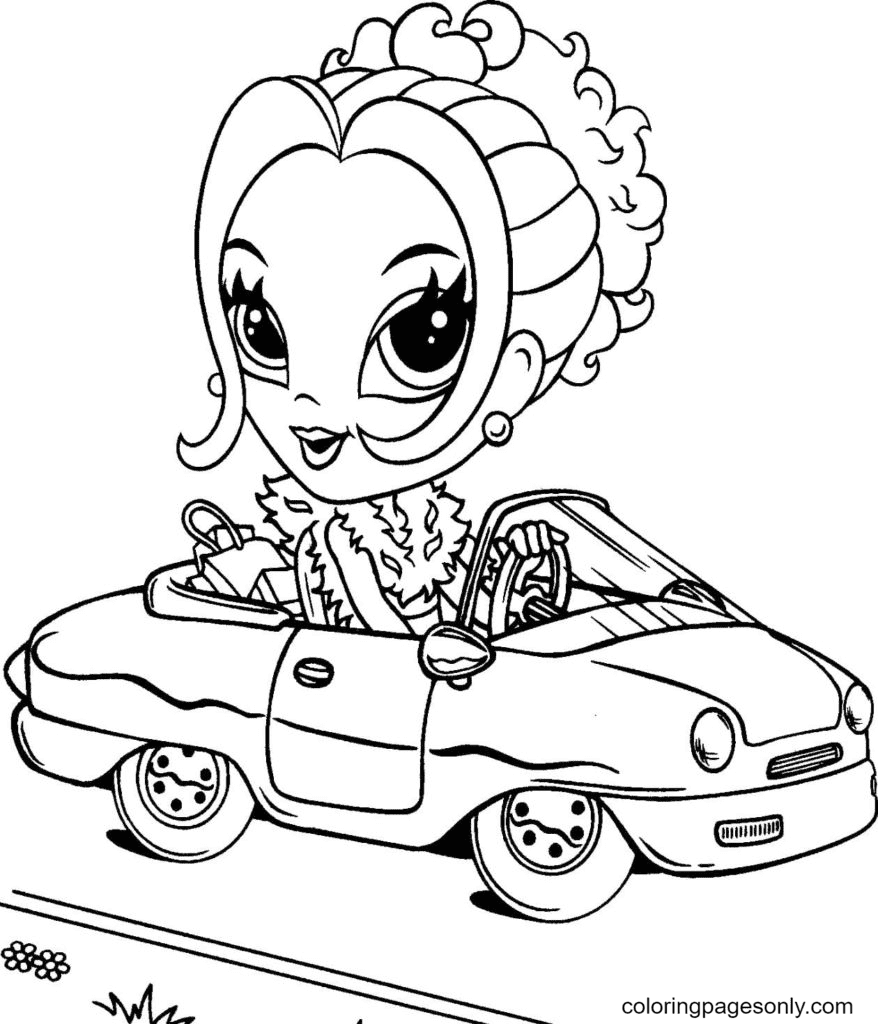
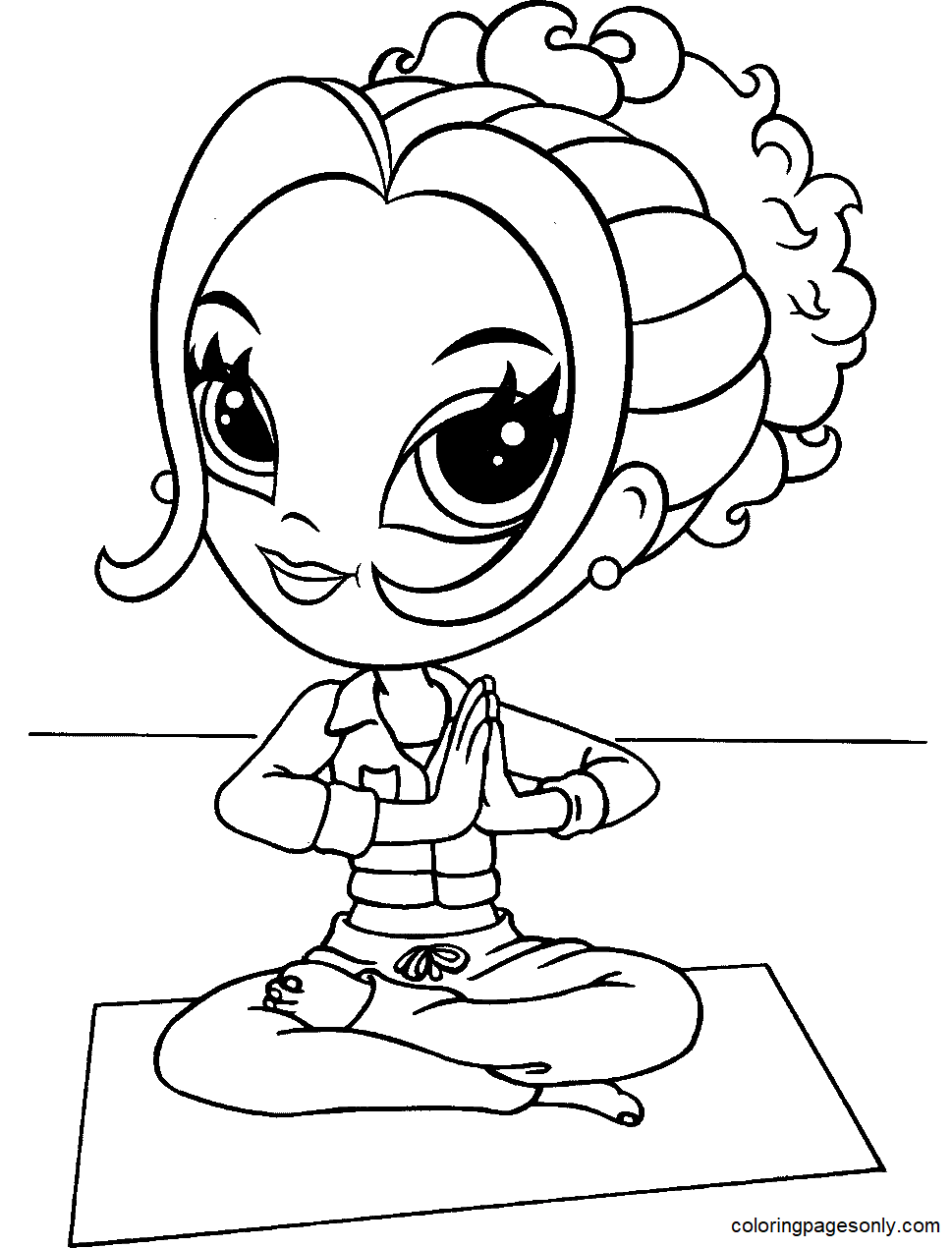
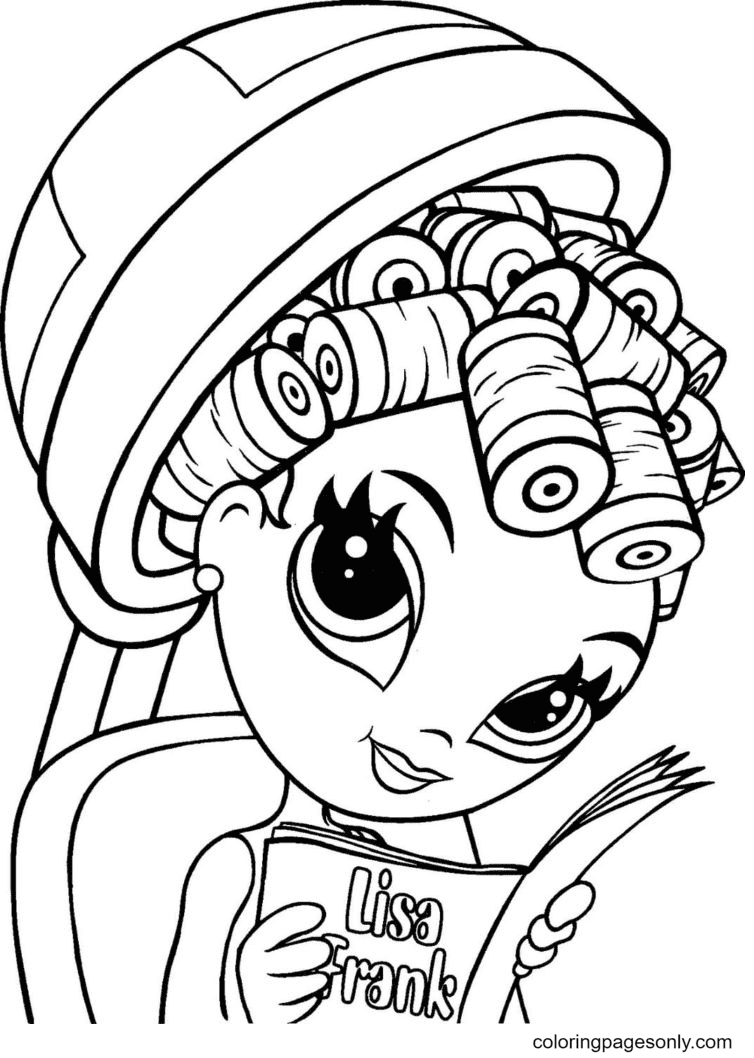
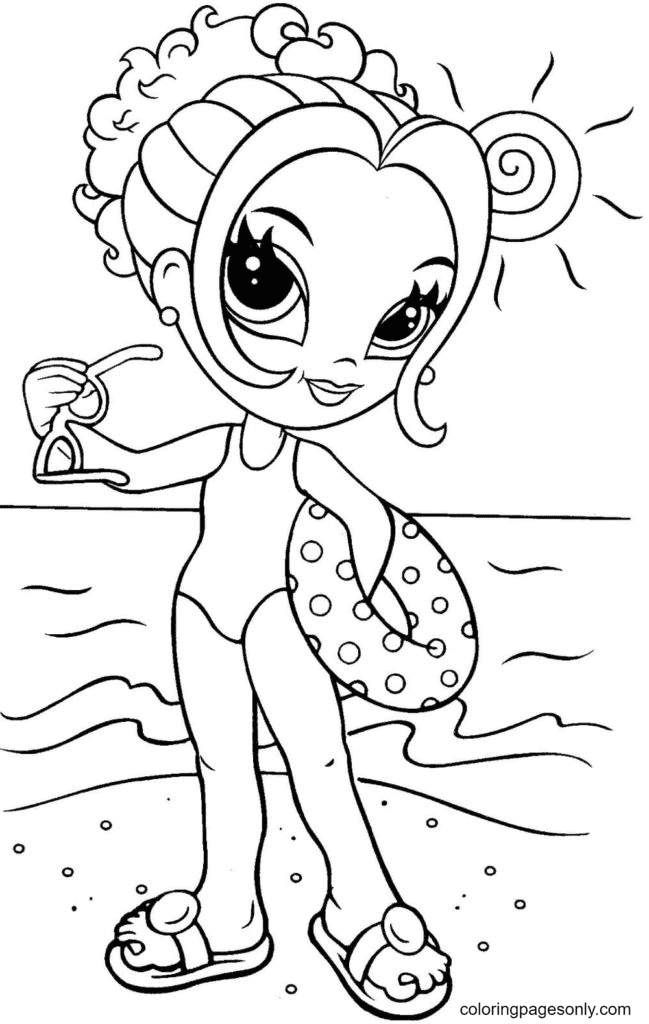
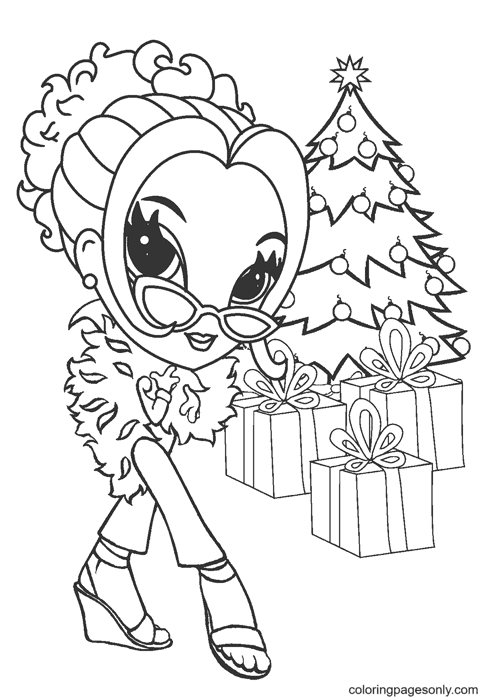
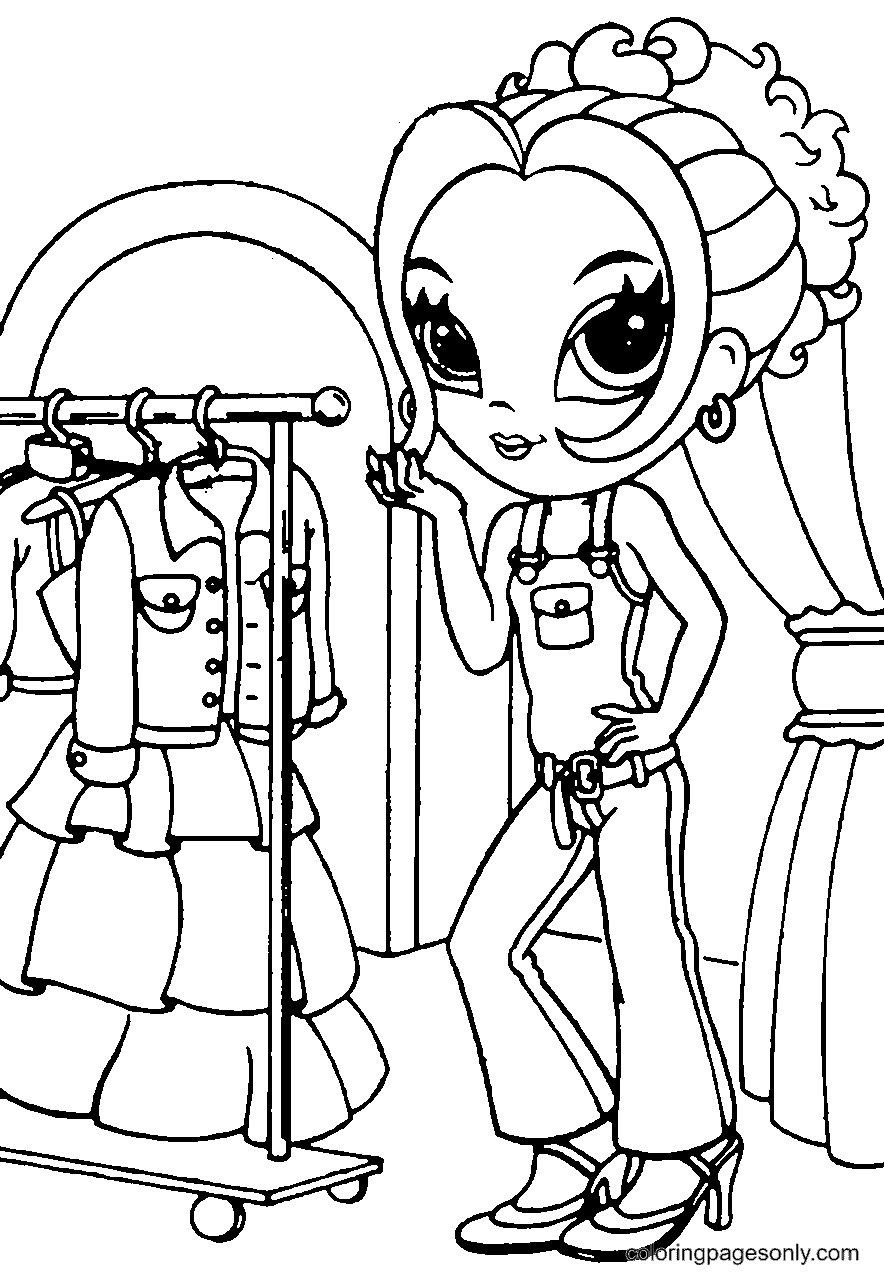
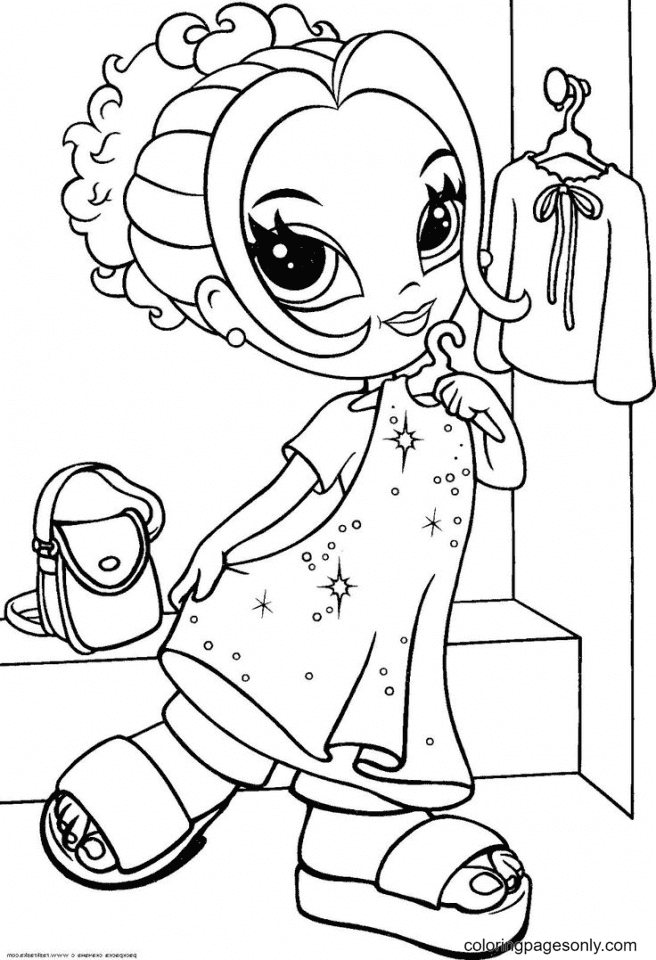
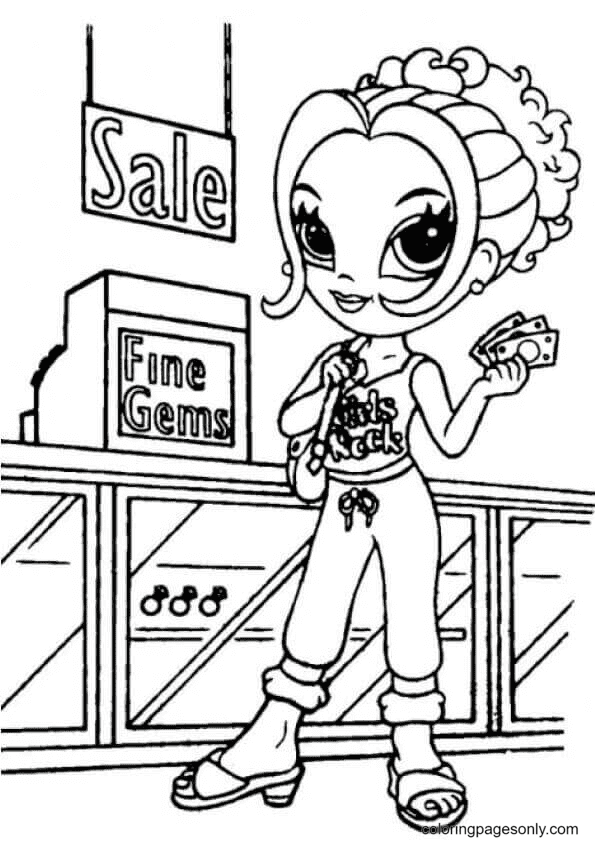
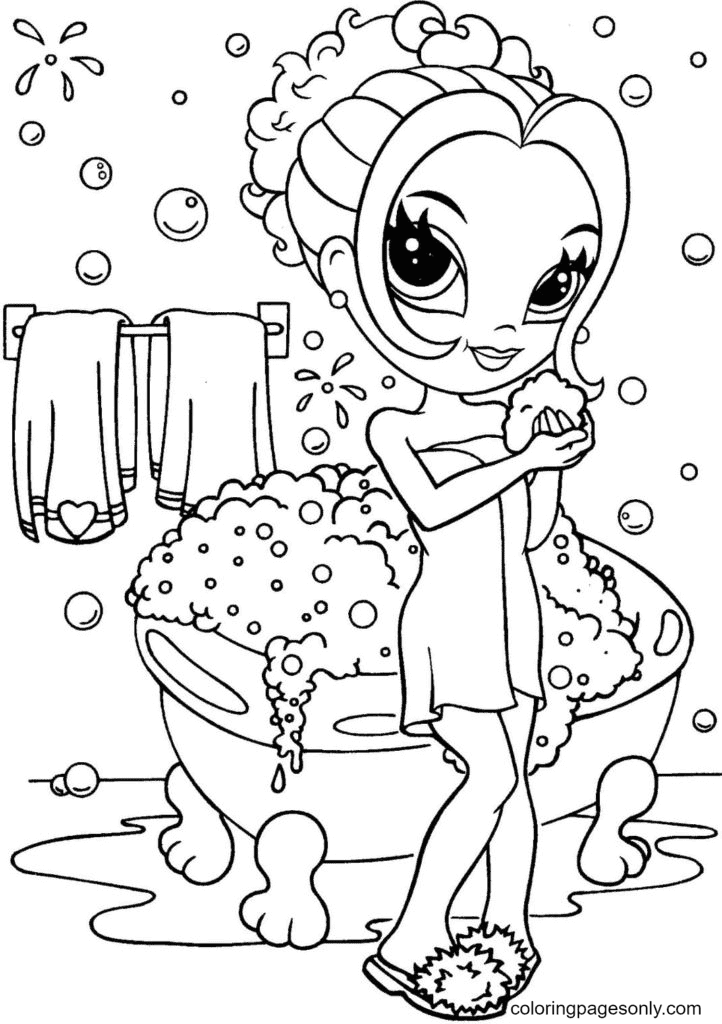
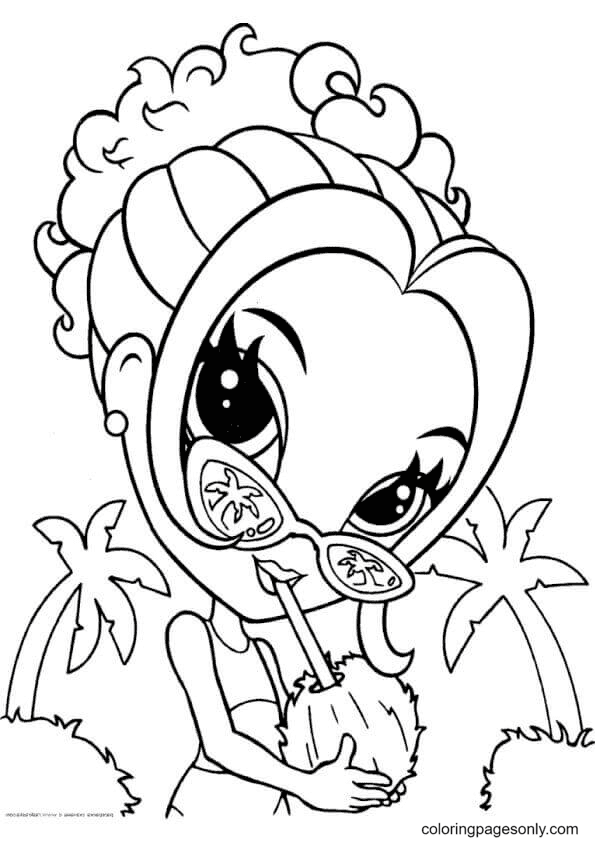
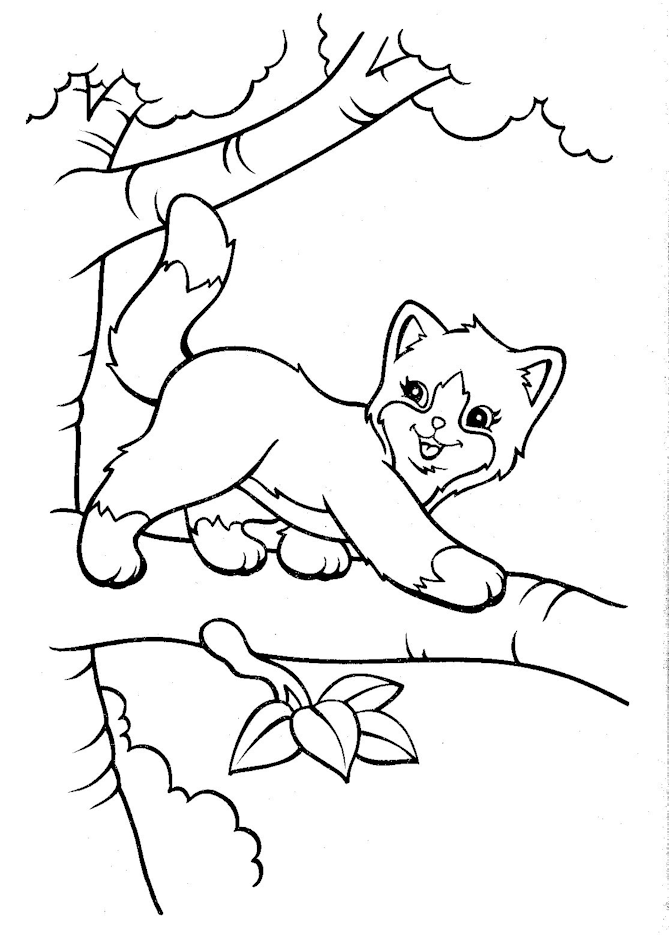
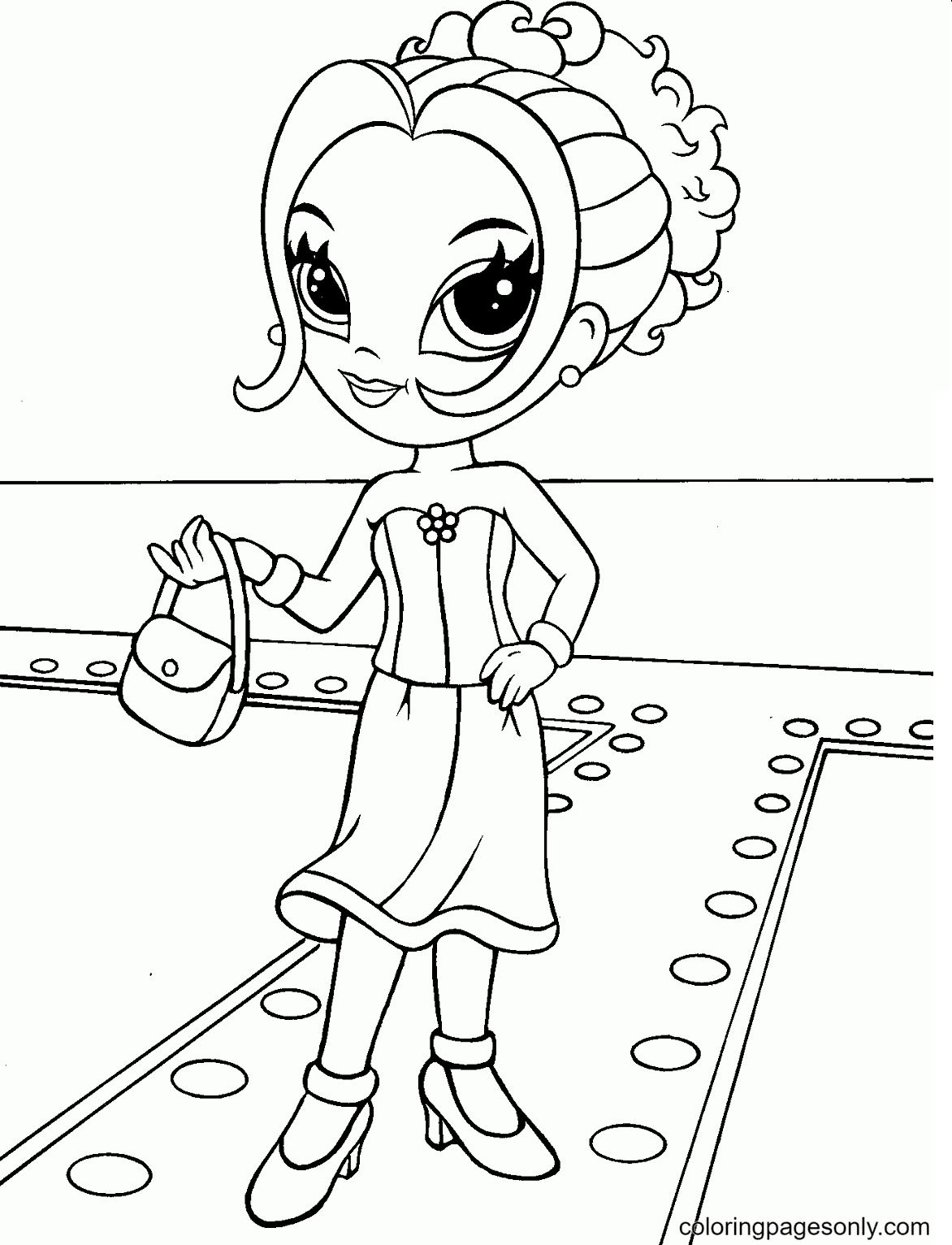
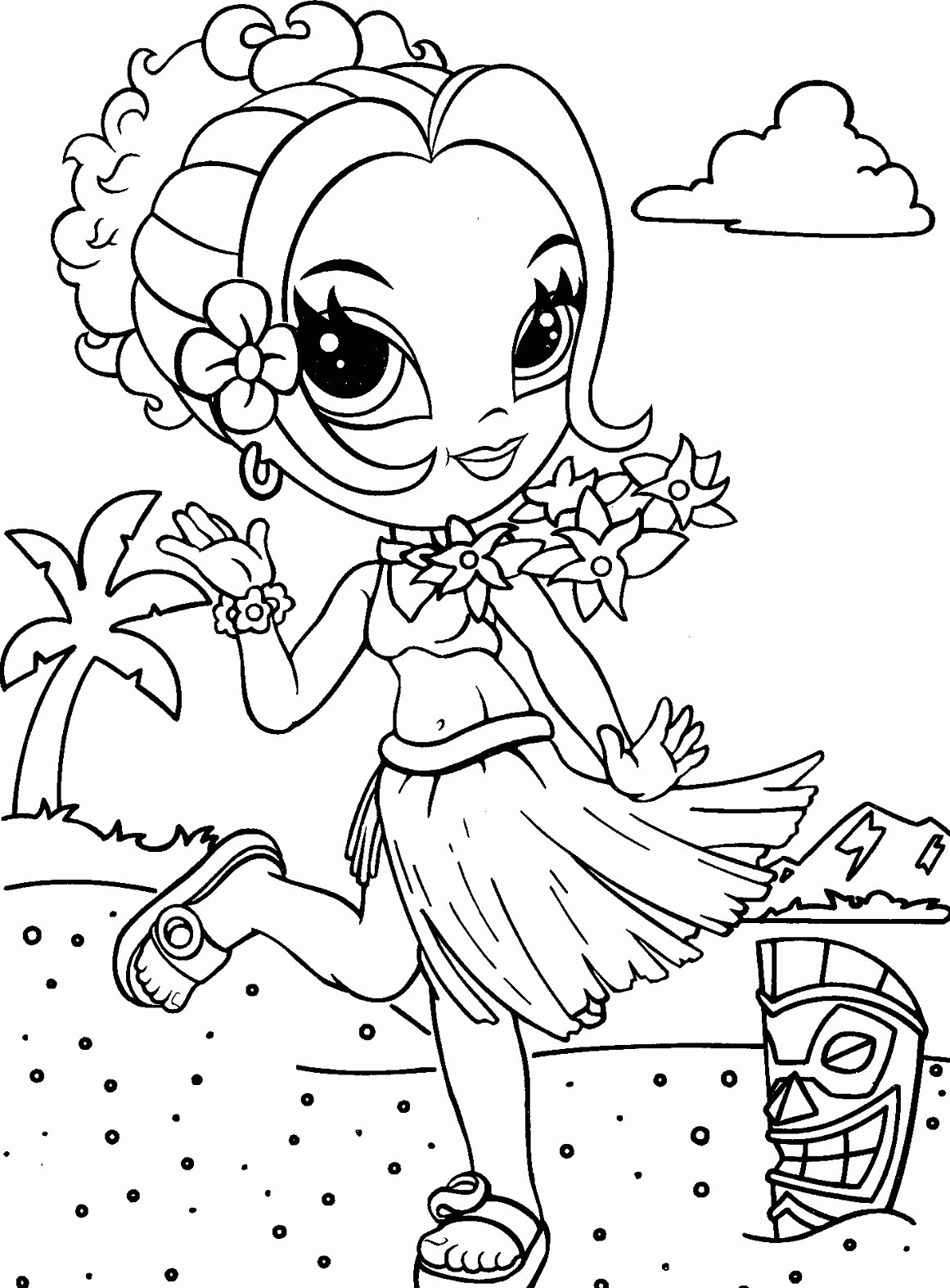
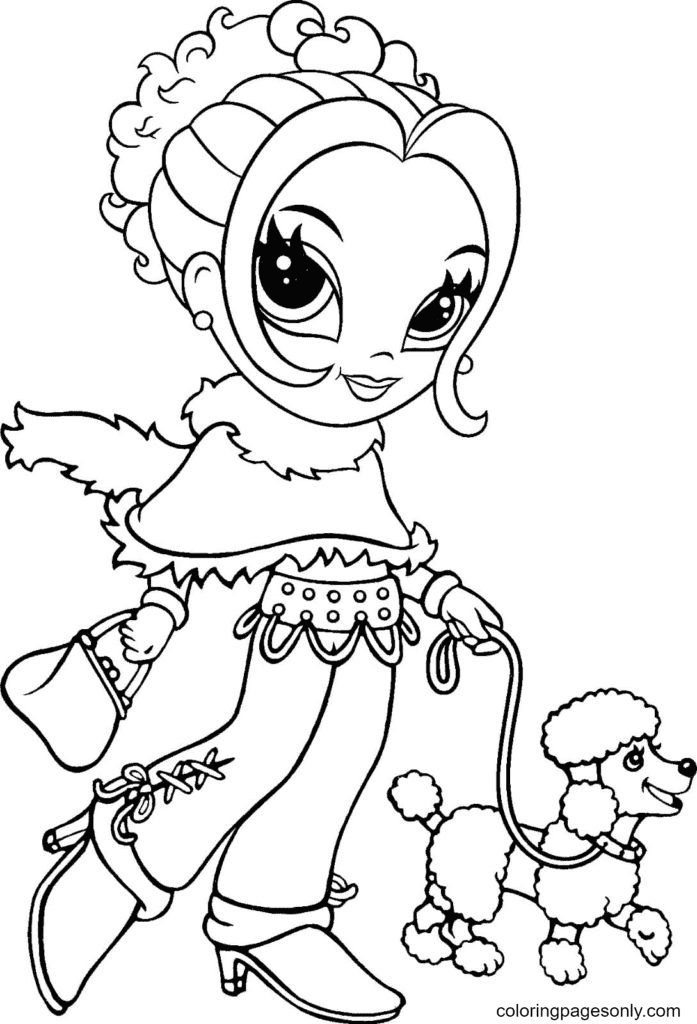
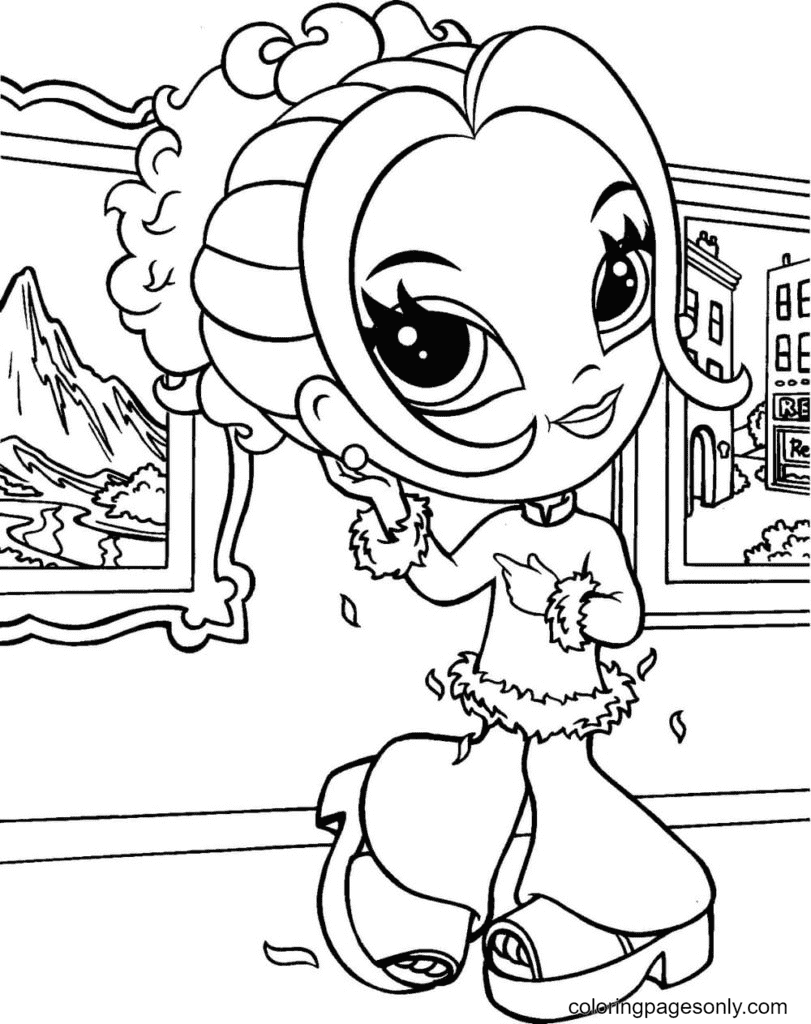
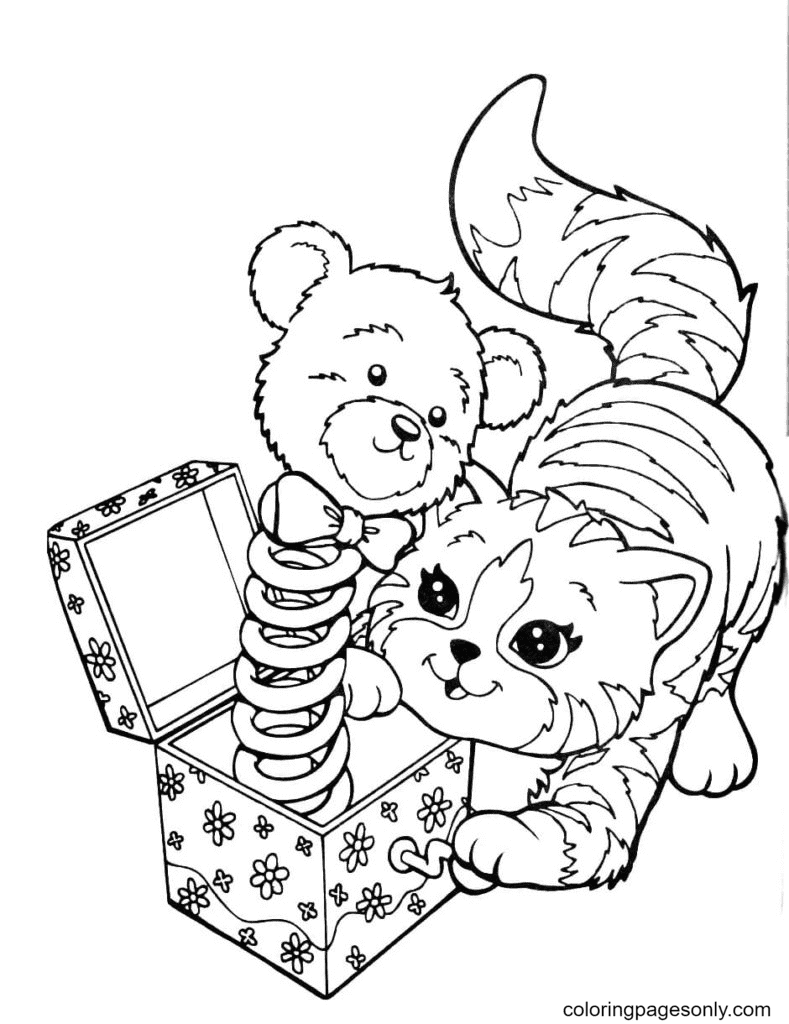
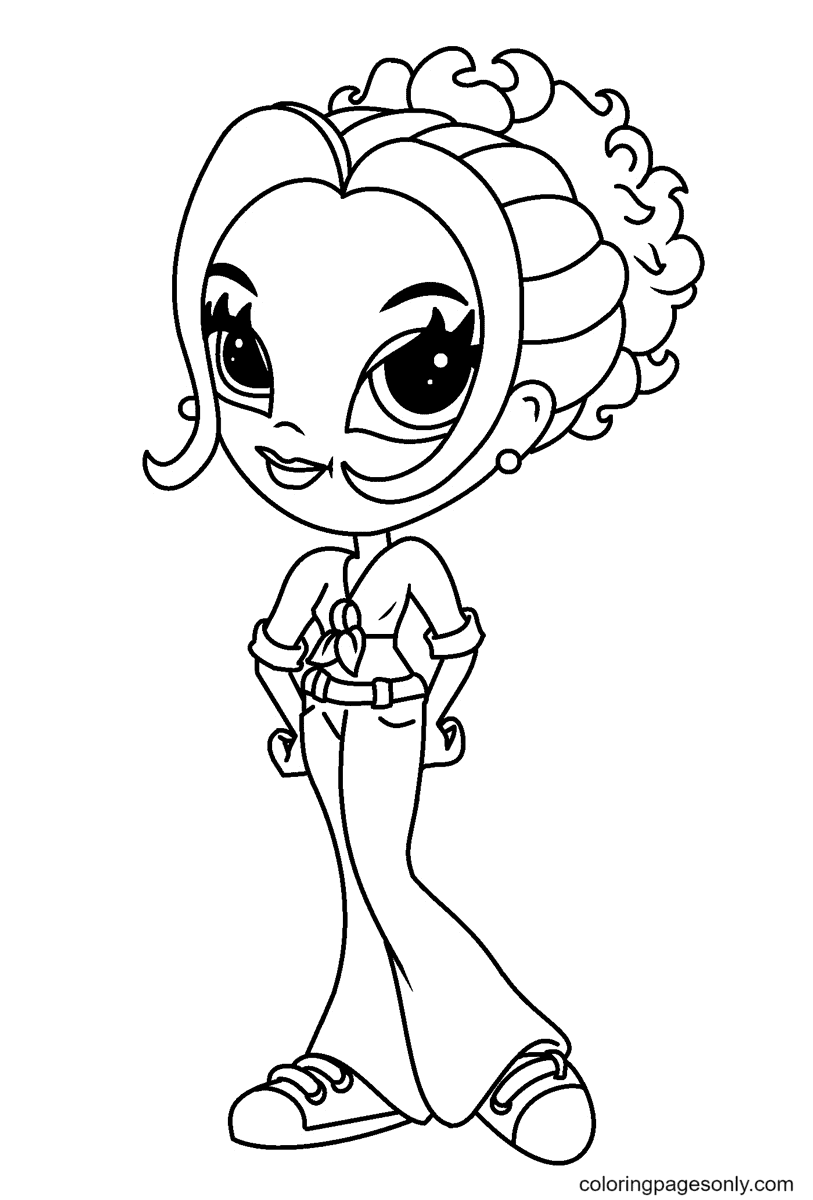
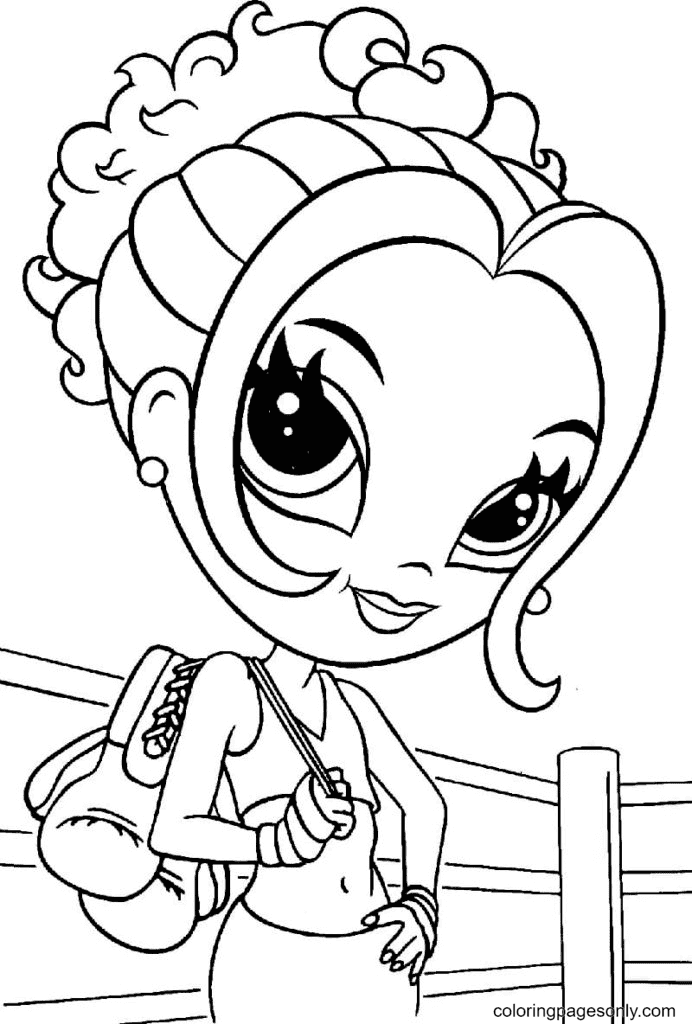
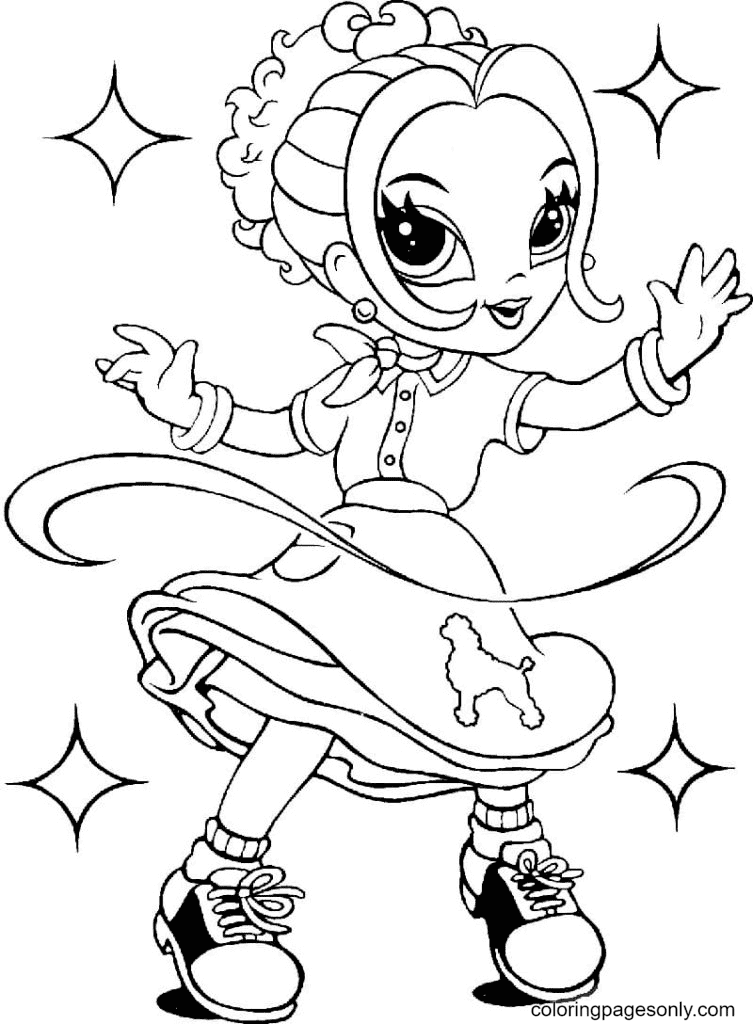
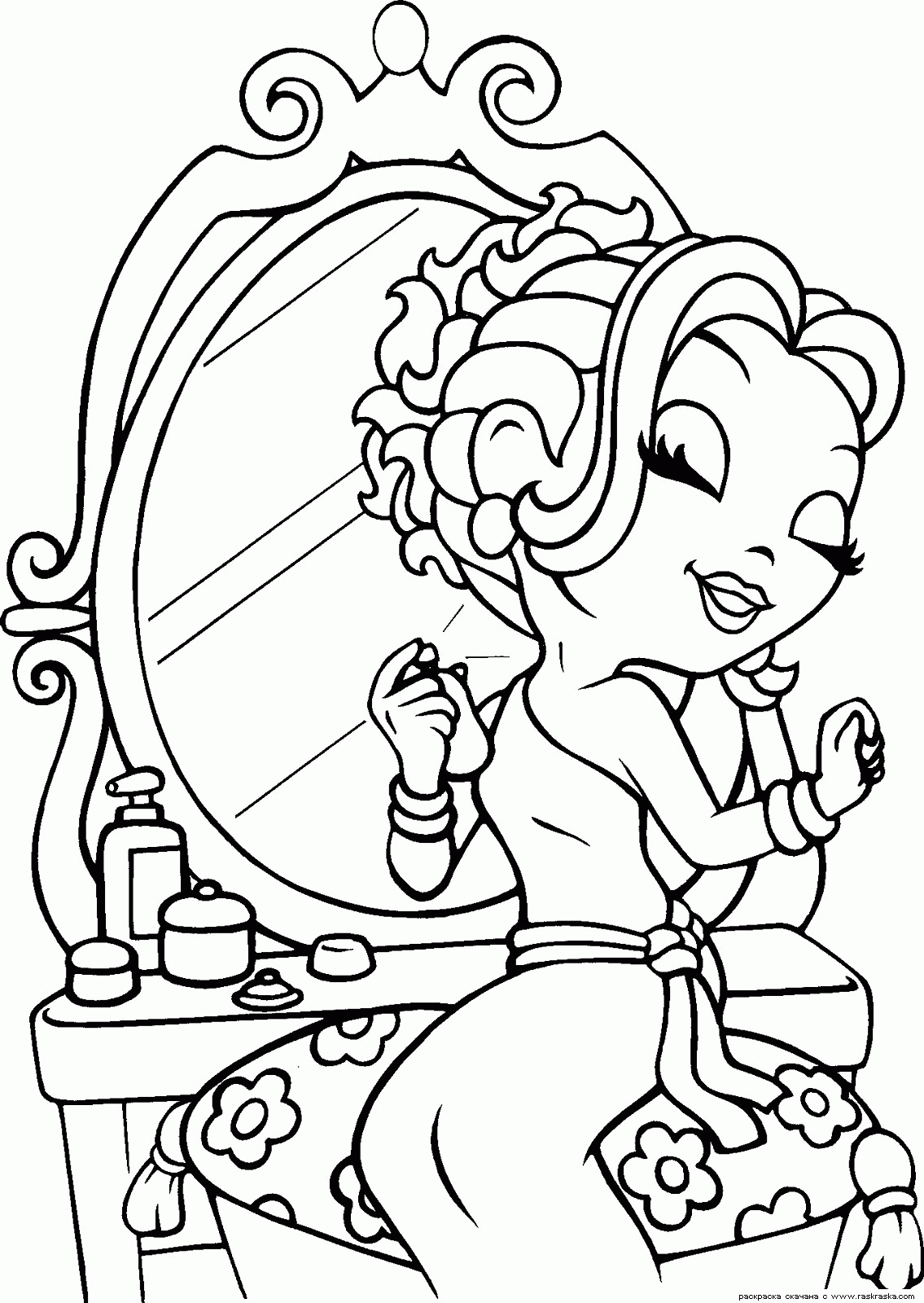
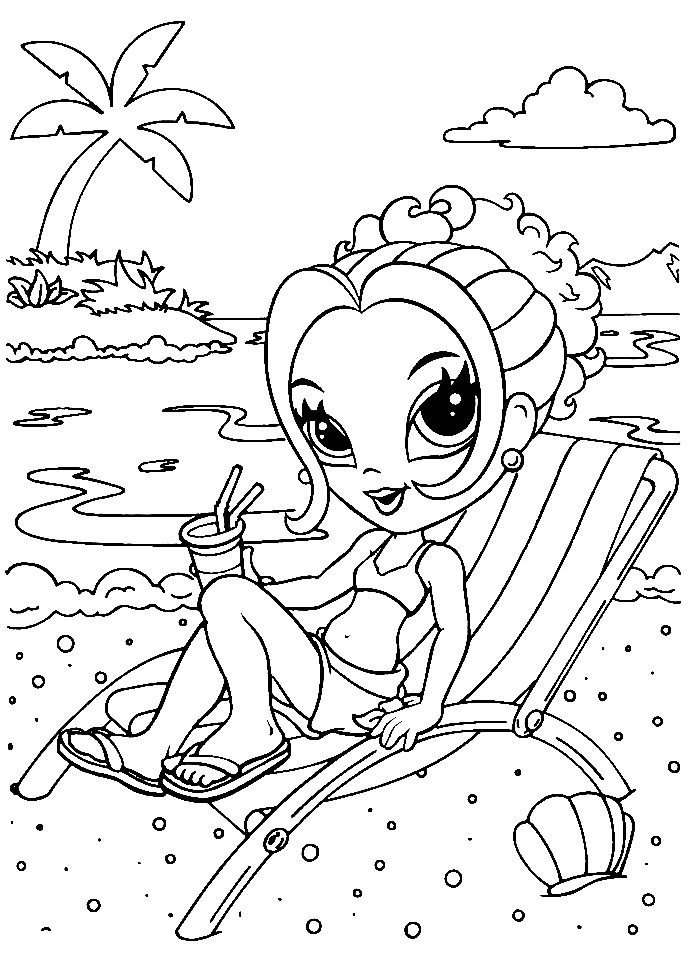
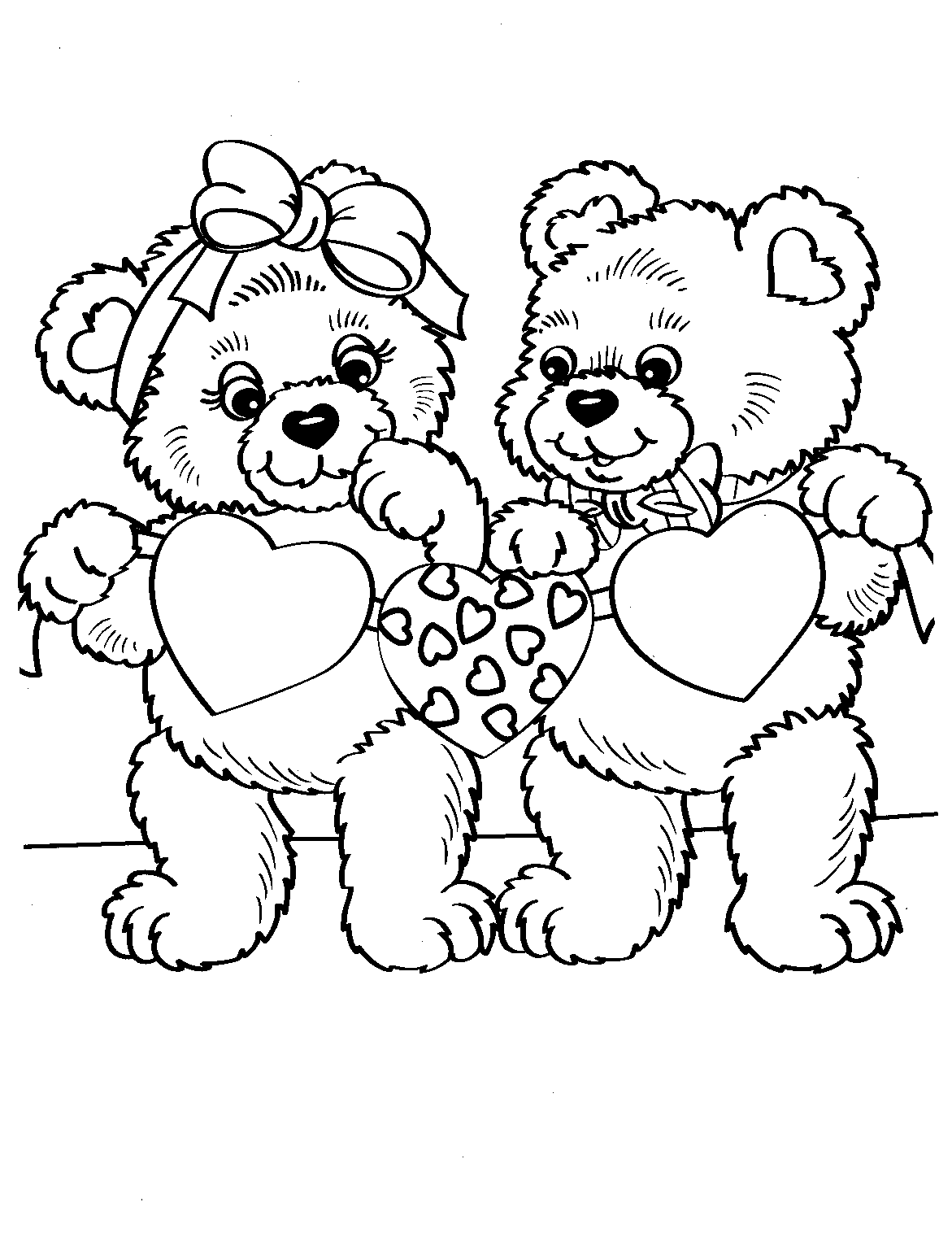
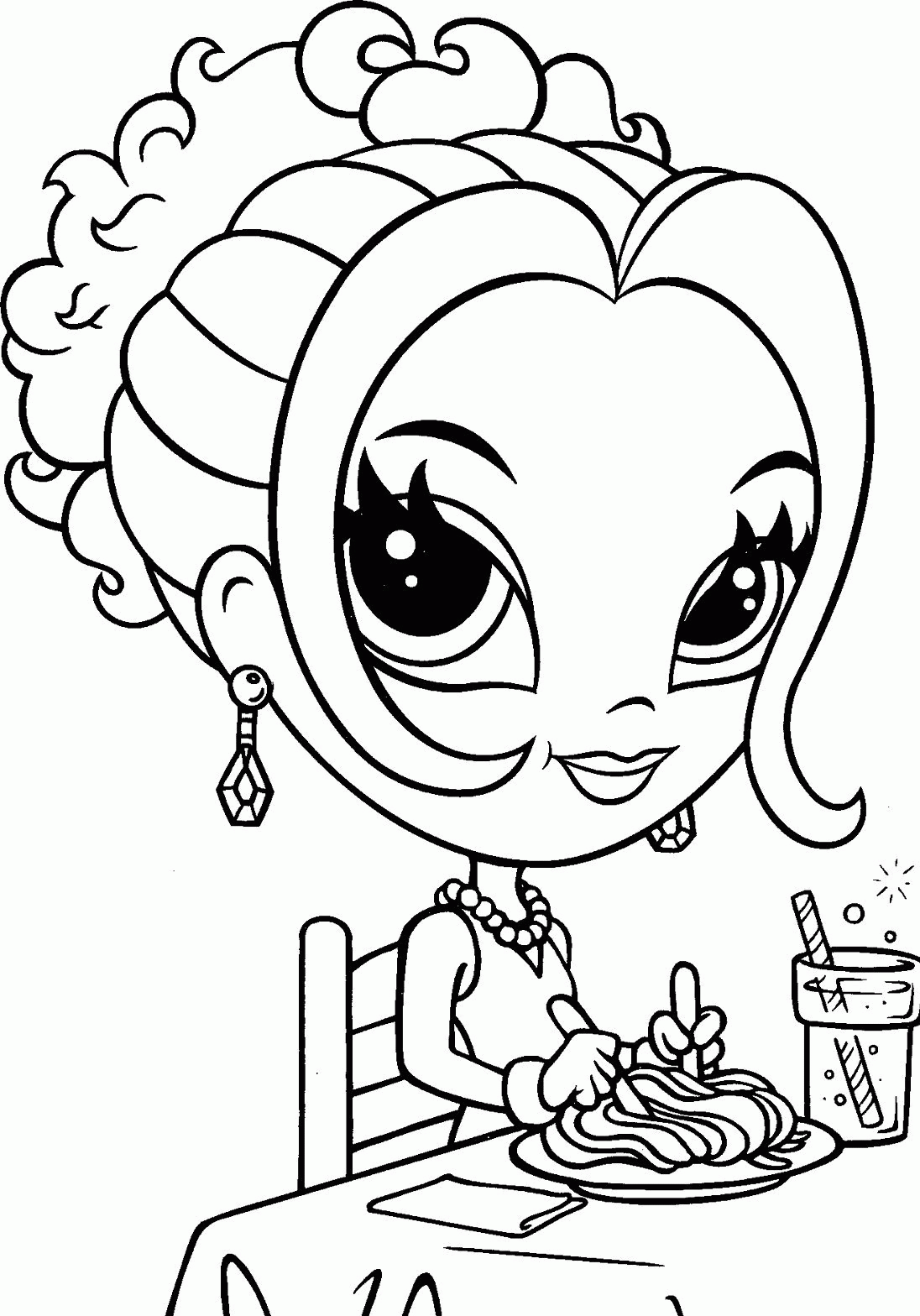
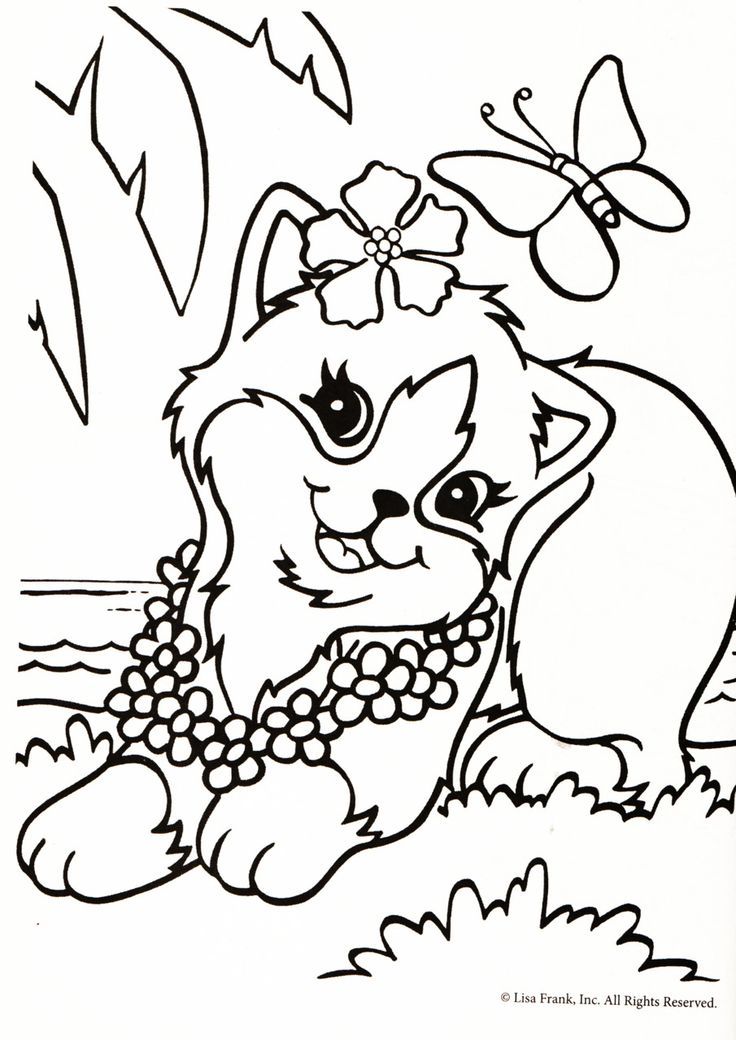
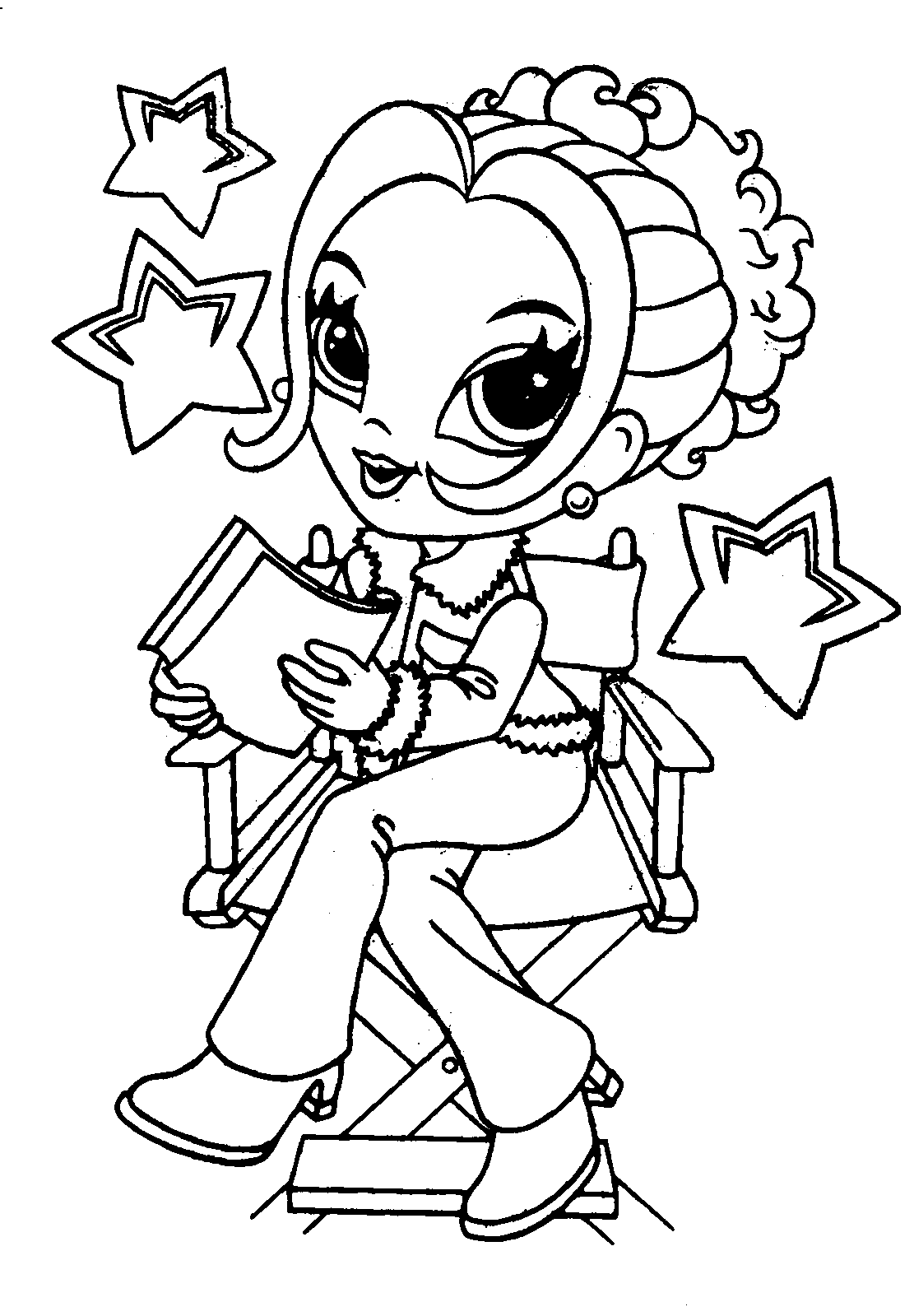
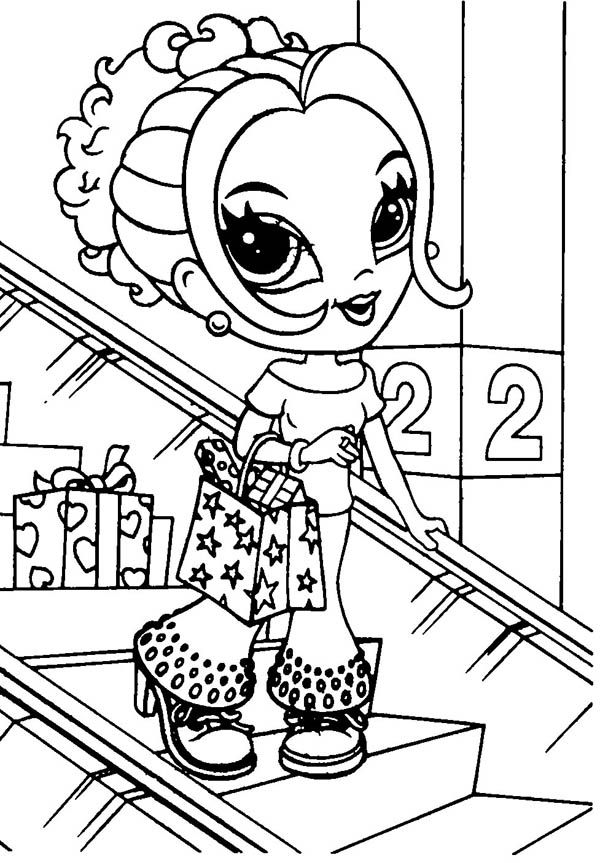
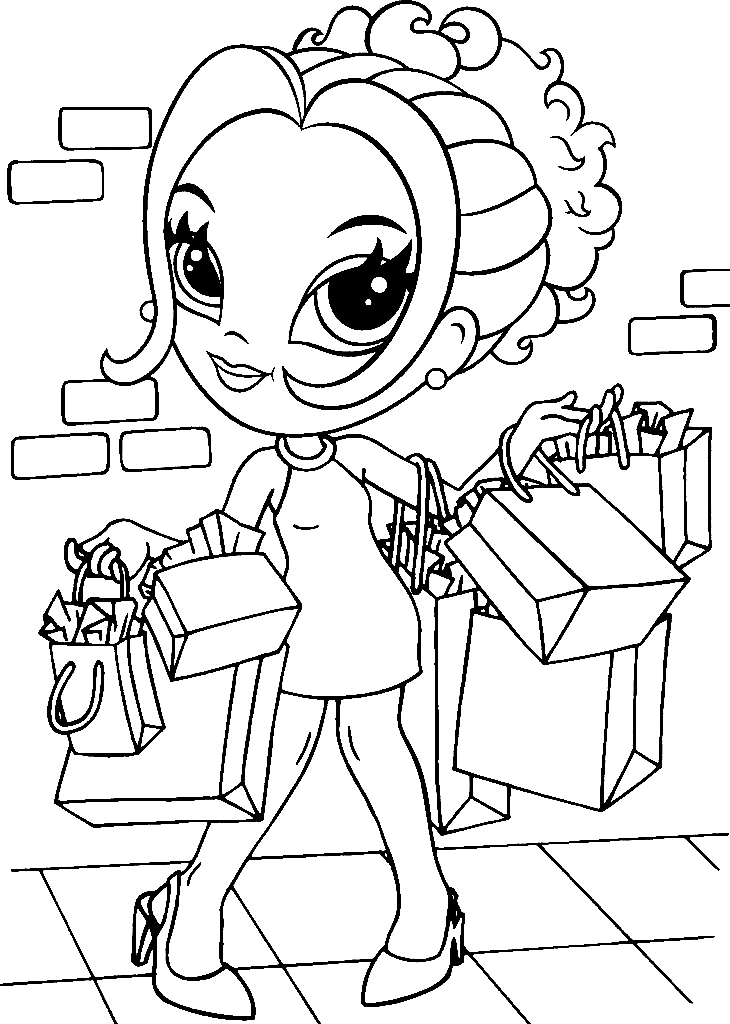
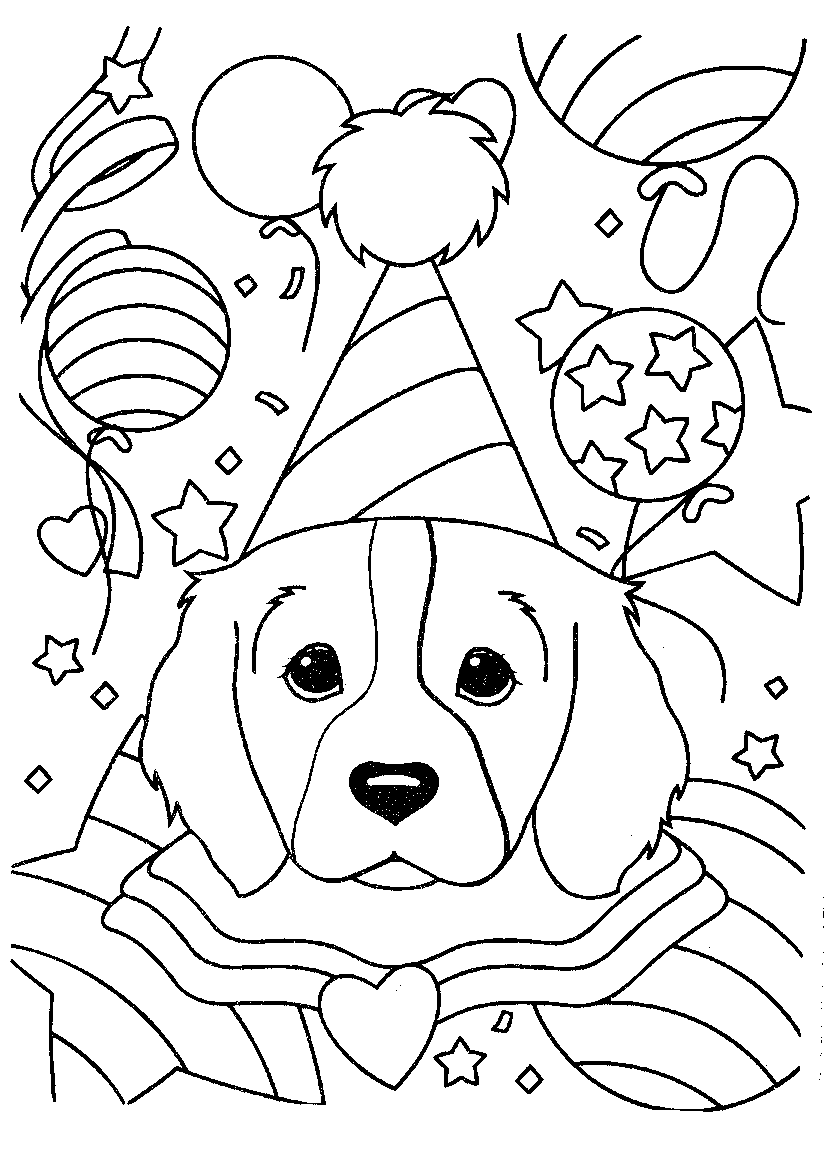
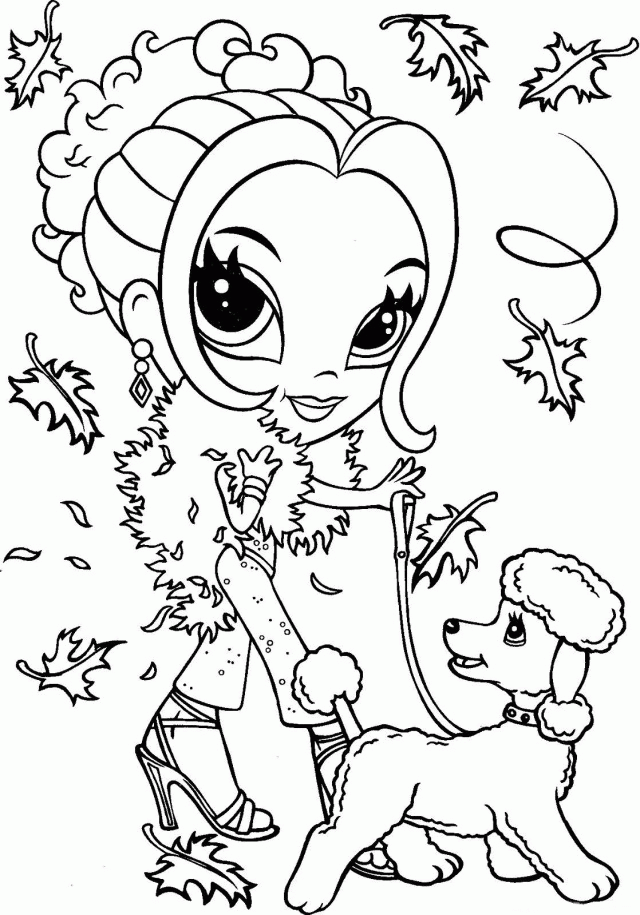
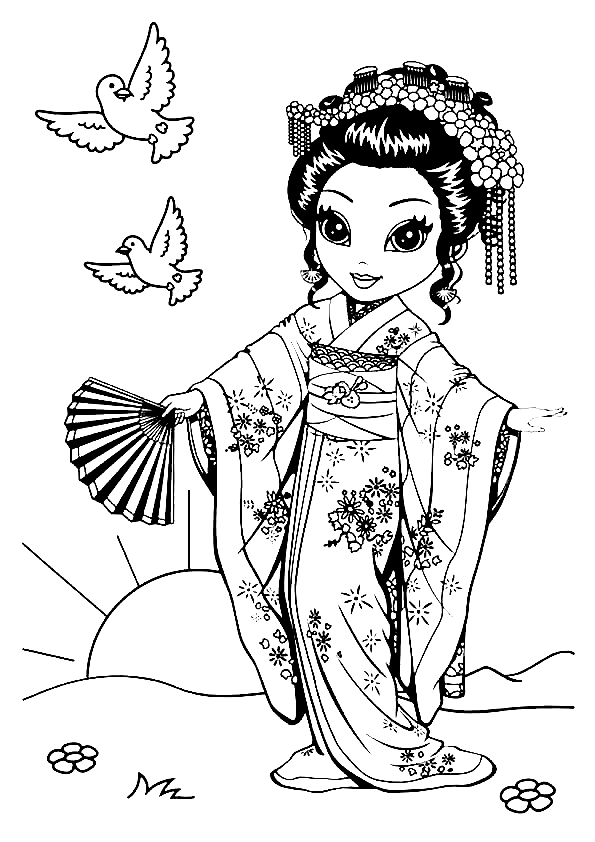
The rainbow-gradient world of a 1990s design icon gets its own coloring collection here: 104 free Lisa Frank coloring pages spanning named character portraits, group compositions, holiday variants, and underwater and fantasy scenes. Every page downloads as a print-ready PDF or opens in the online coloring tool.

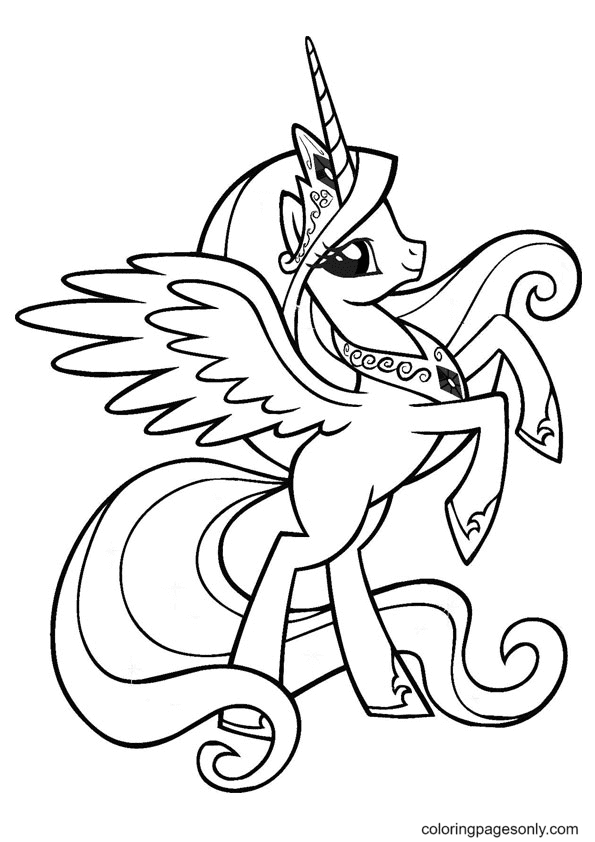

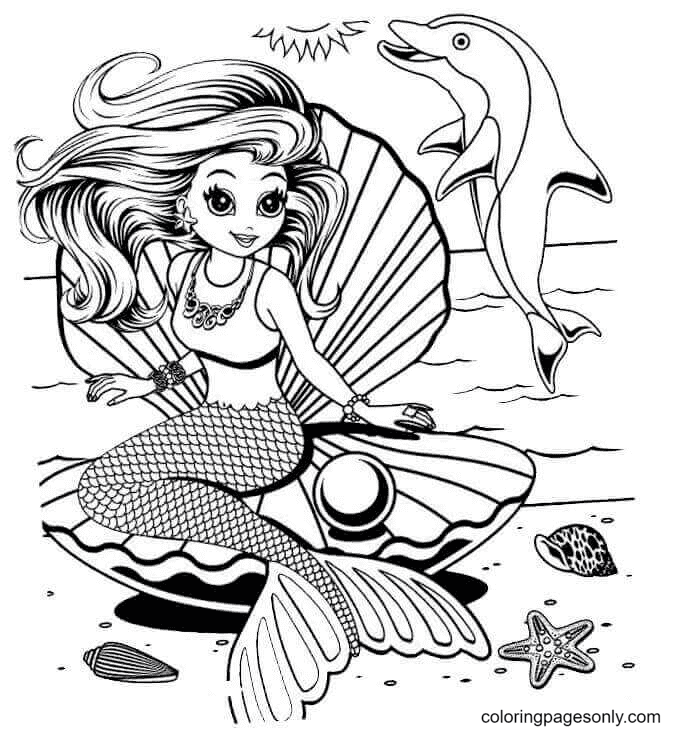
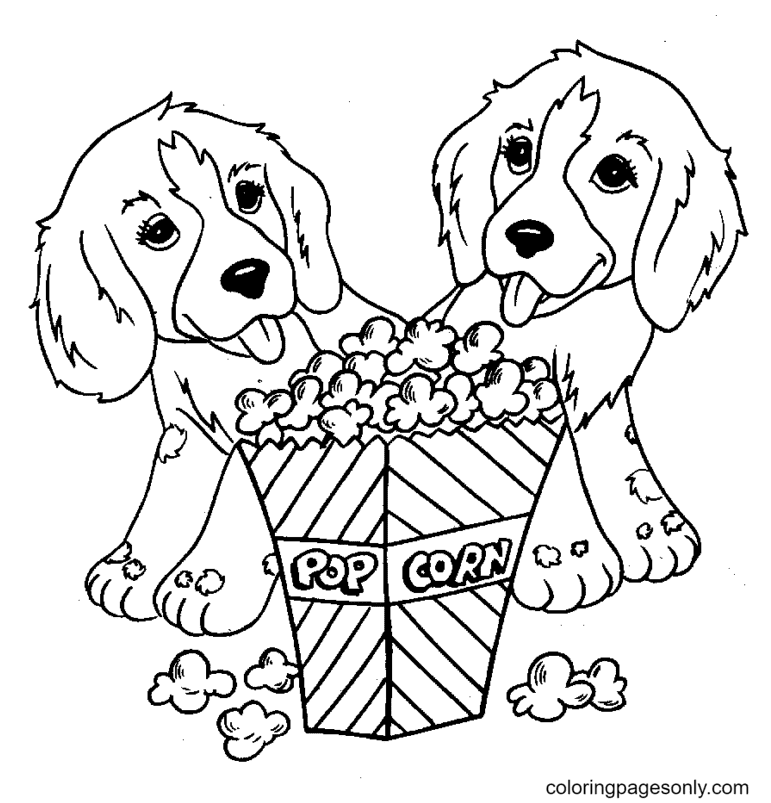
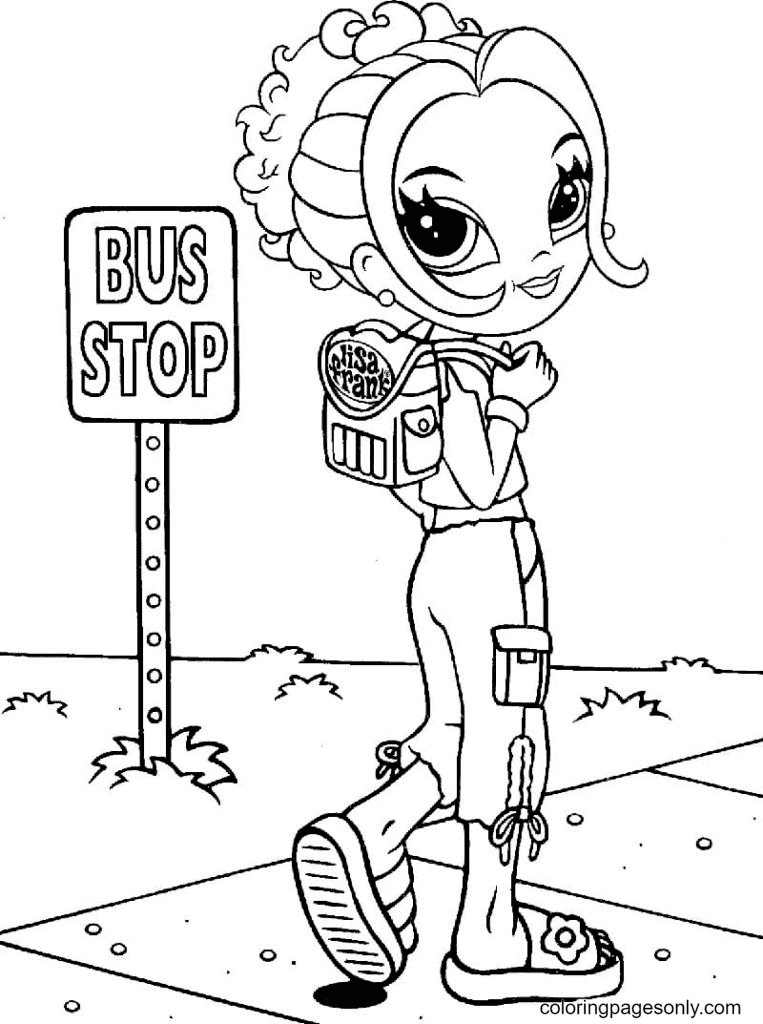




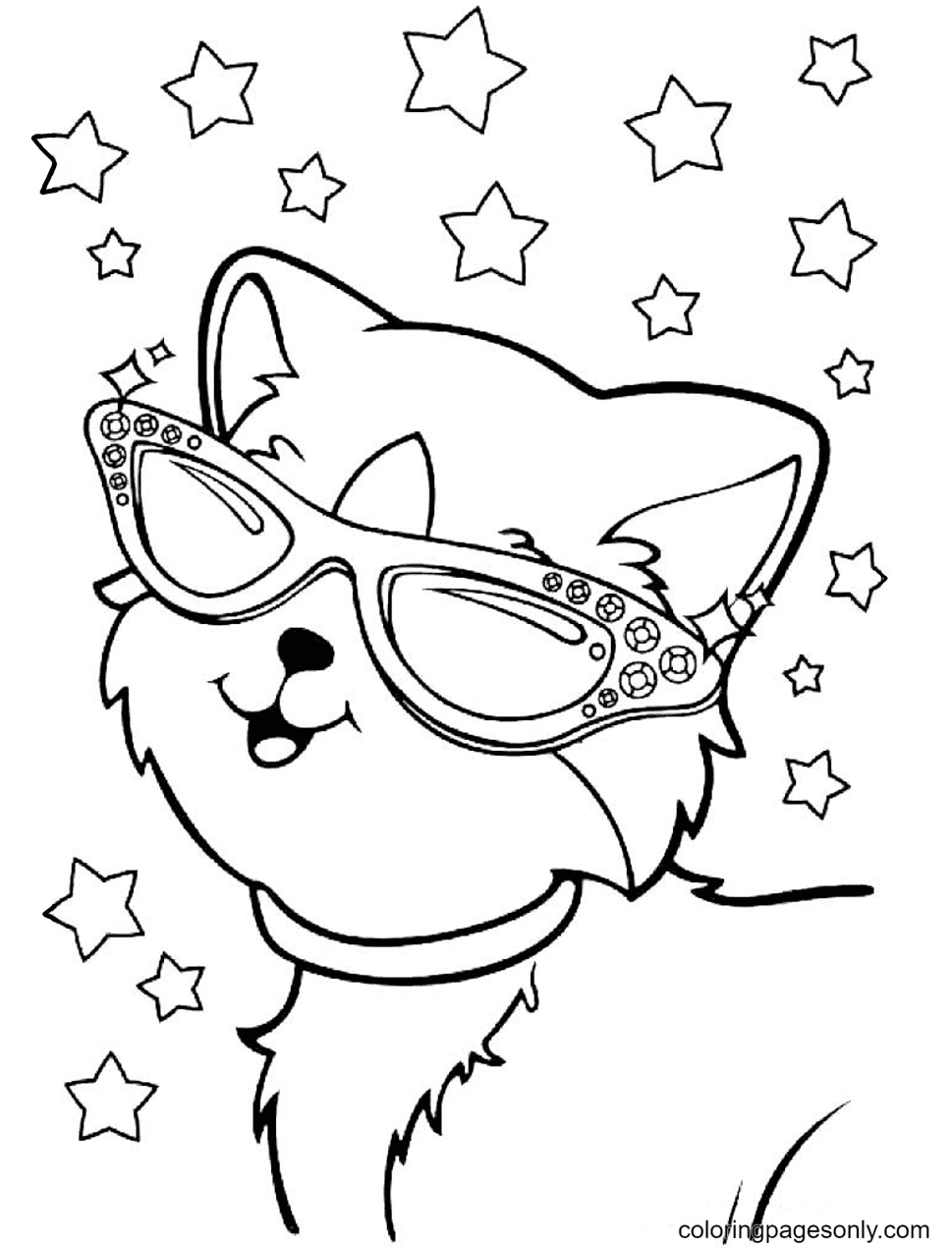

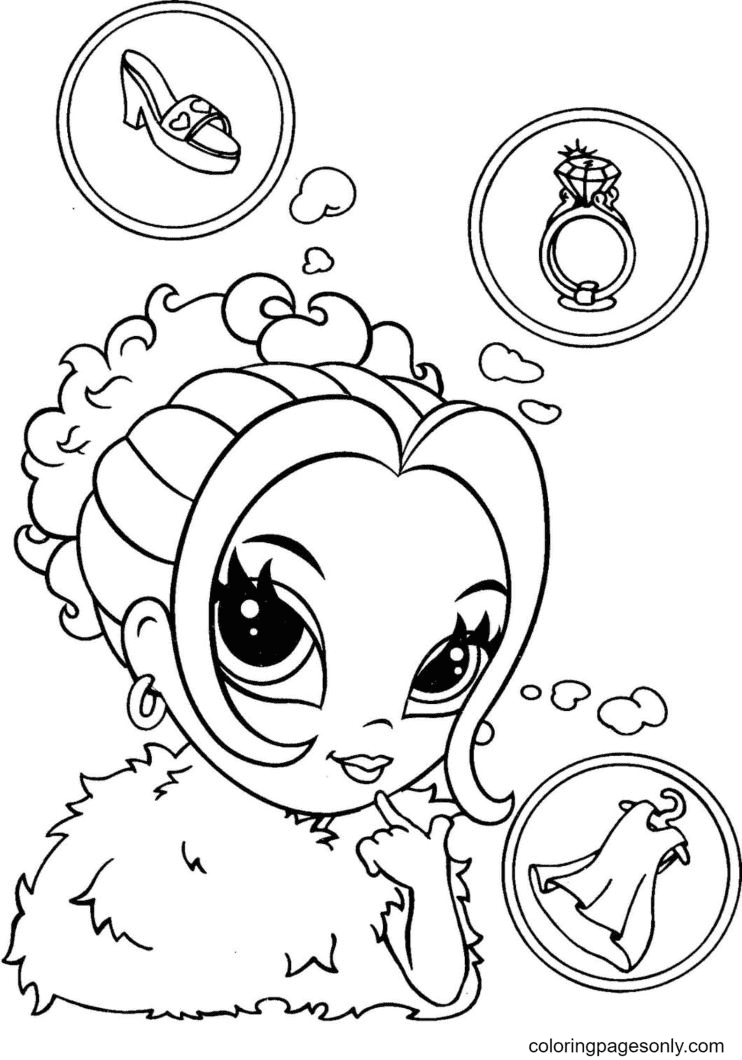
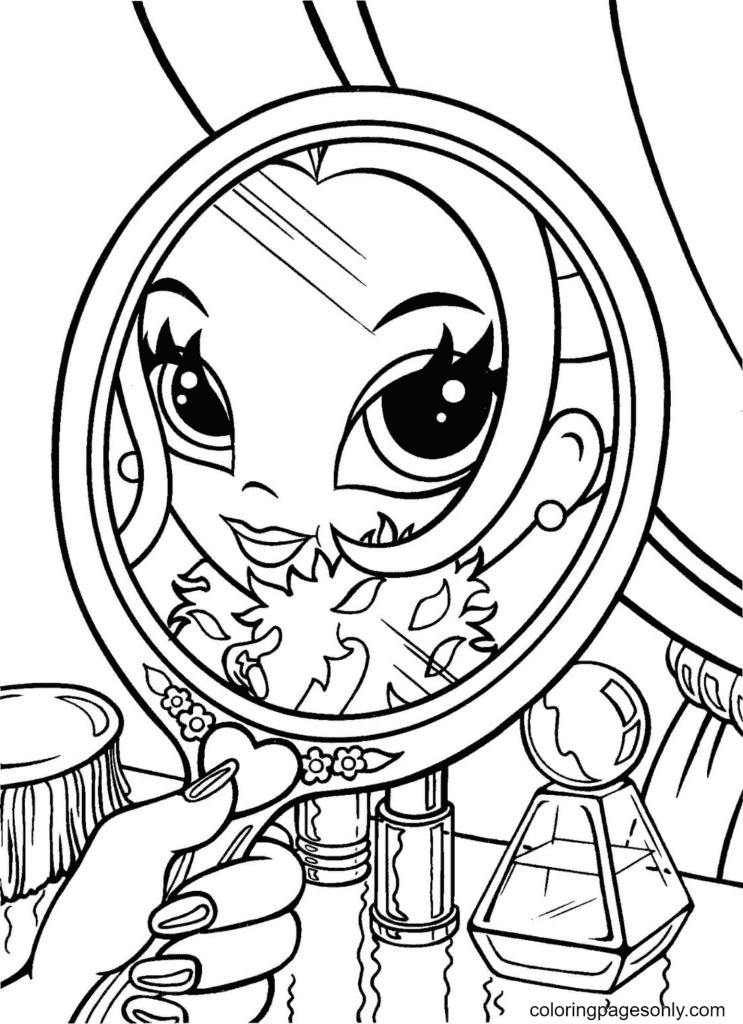
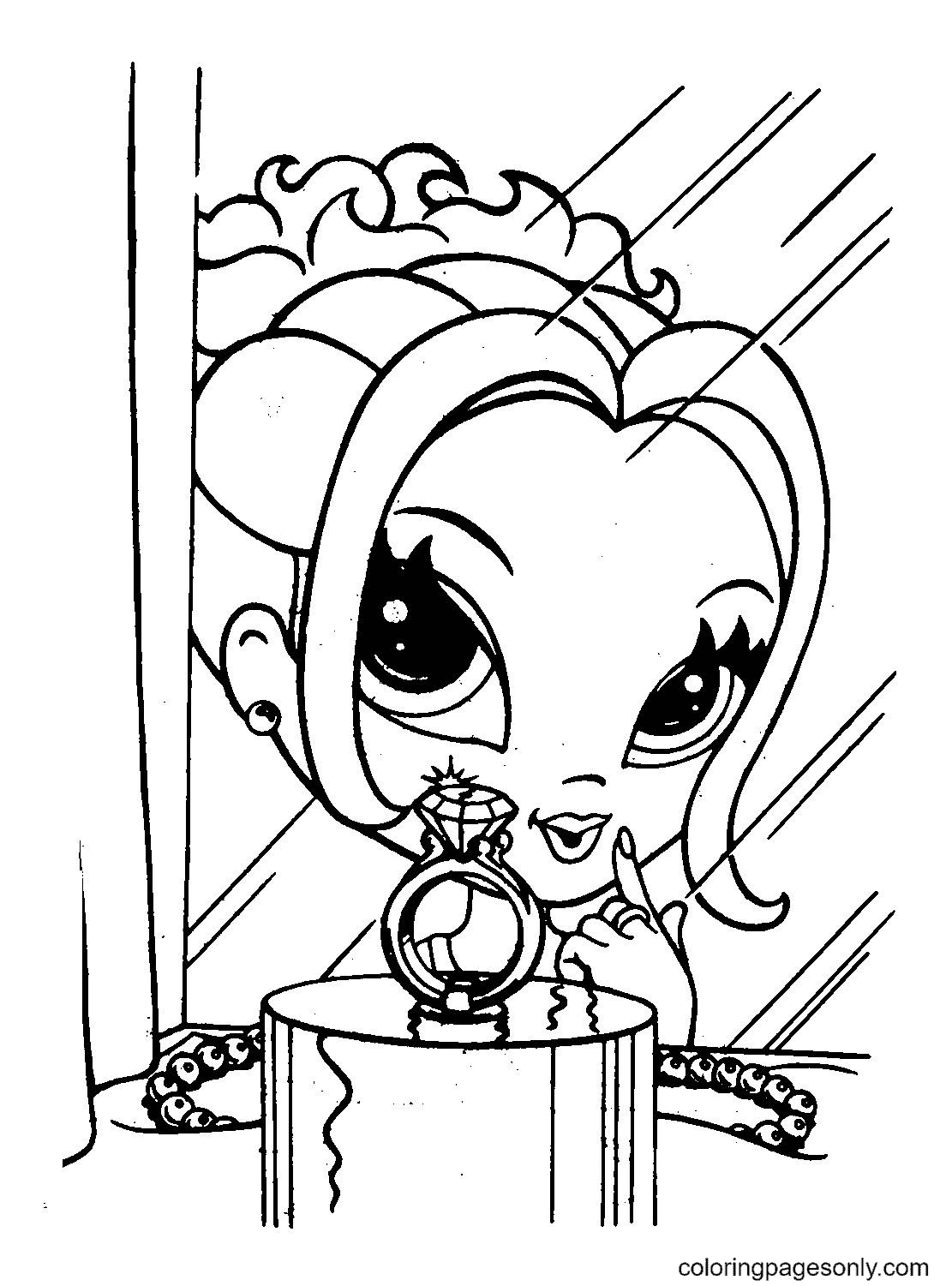




What Is Lisa Frank?
Lisa Frank is an American artist and businesswoman, born in 1955 in Bloomfield Hills, Michigan, who founded Lisa Frank Incorporated in 1979 in Tucson, Arizona. Every design the company produced through 1989 was hand-airbrushed, a process taking nine to thirty-six hours per image, which gave the brand its signature soft rainbow gradients and glowing color transitions. The company’s defining era ran from 1987 through the late 1990s, when its Trapper Keepers, binders, and sticker sheets became a fixture of American school supplies, and at its mid-1990s peak, the company grossed more than $60 million a year from a 320,000-square-foot Tucson factory. The Tucson factory closed in 2013, but in 2021, Lisa Frank’s son, Forrest Green, took over as Director of Business Development and rebuilt the brand’s social media presence, leading to collaborations with Morphe, Crocs, and other brands, and a 2024 Amazon Prime documentary, Glitter and Greed: The Lisa Frank Story, examined the company’s history.
What’s Inside This Collection
Named Character Portraits
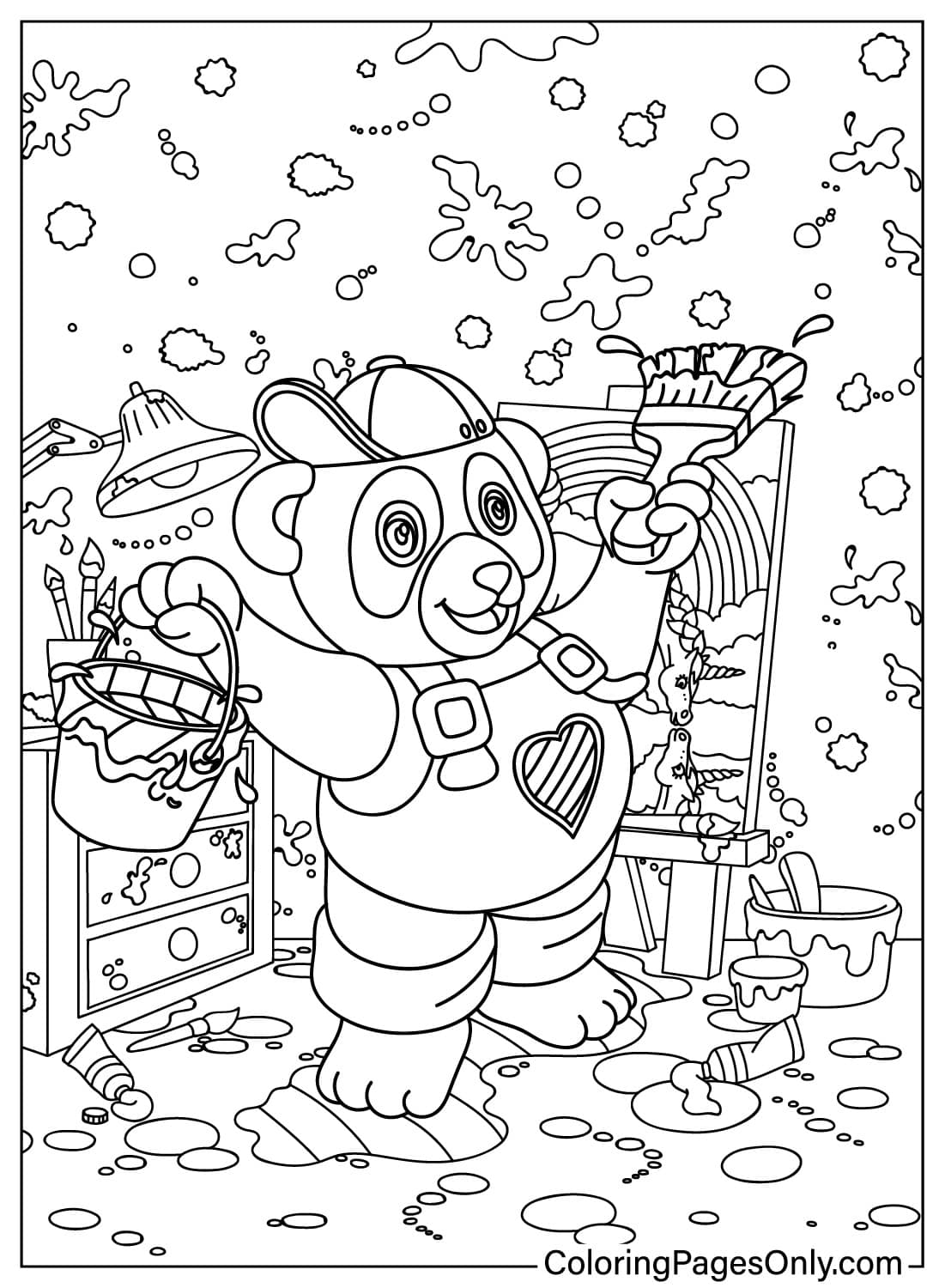
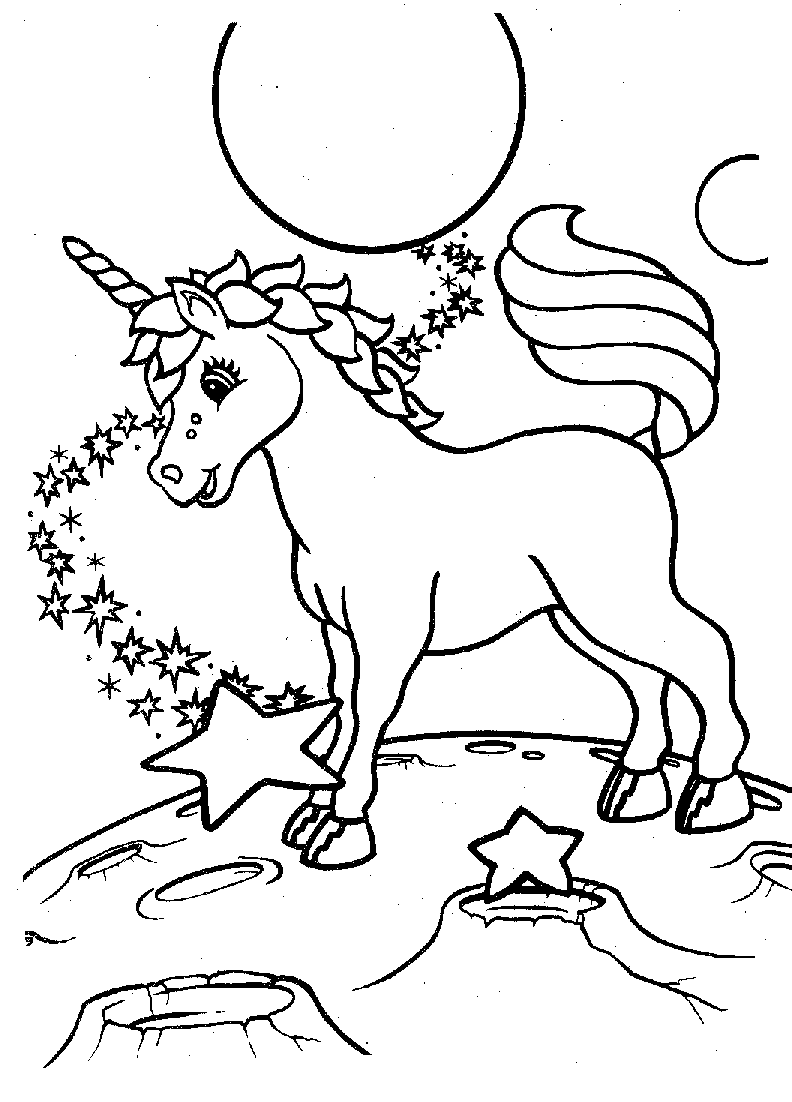
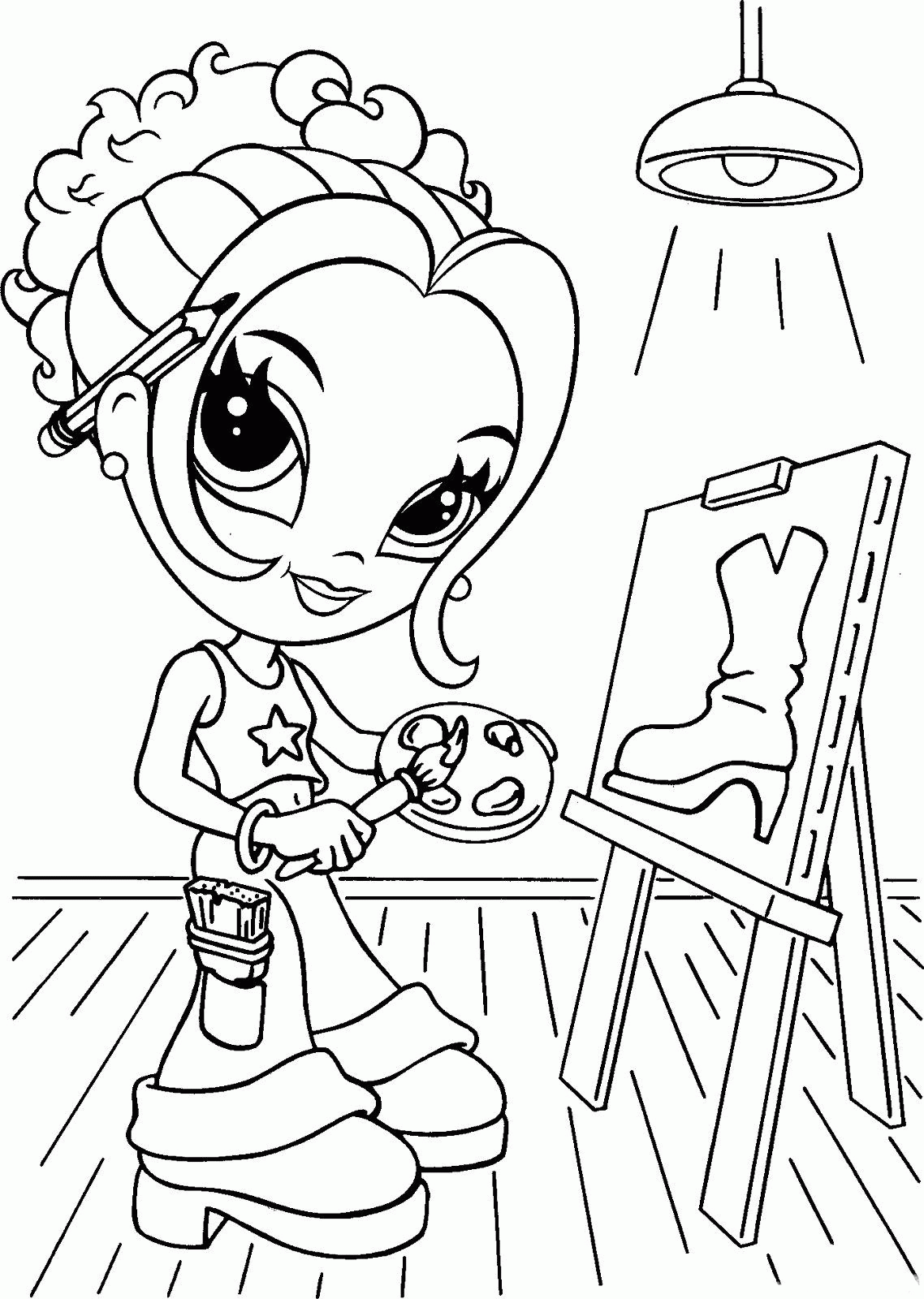
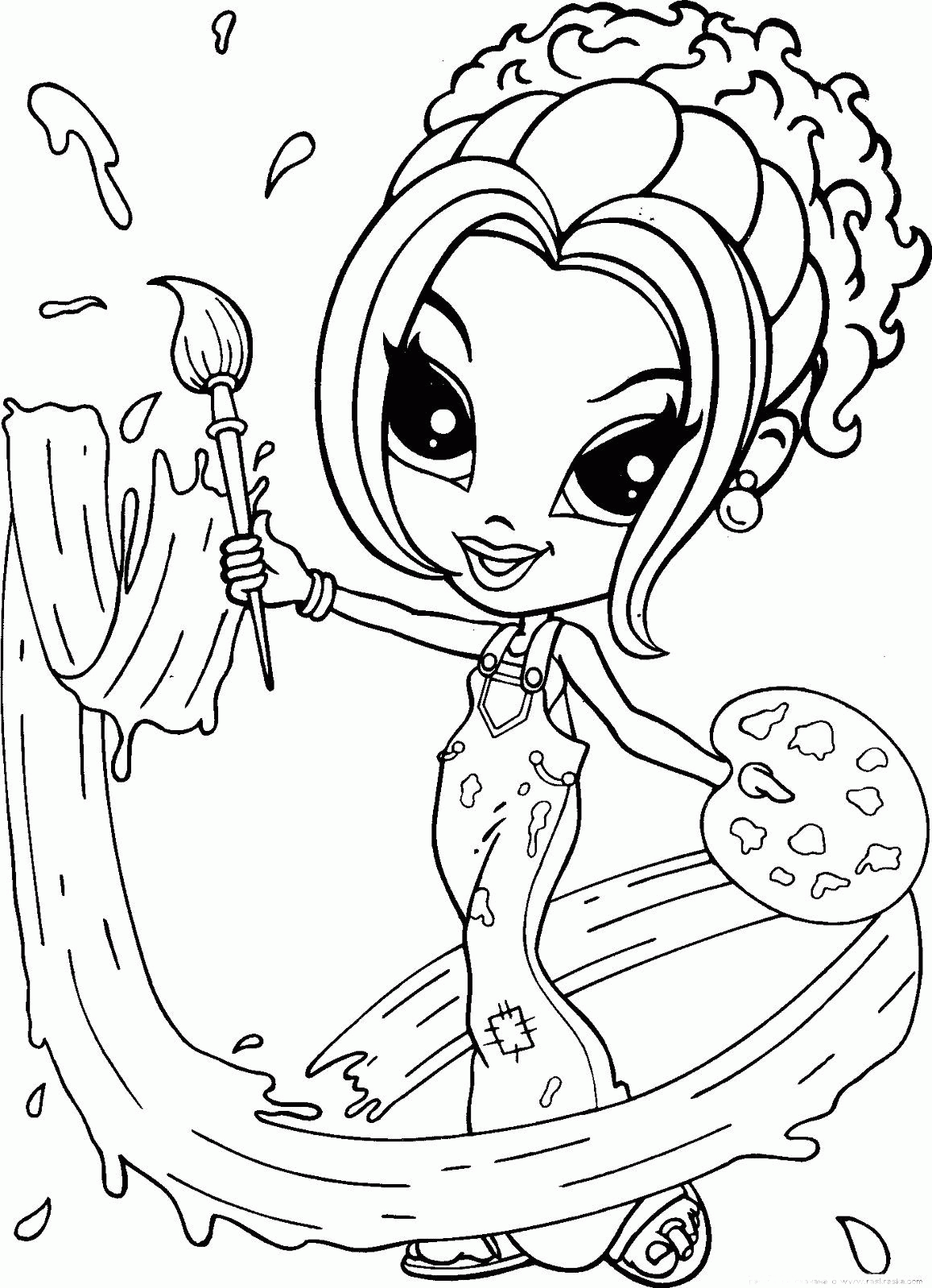
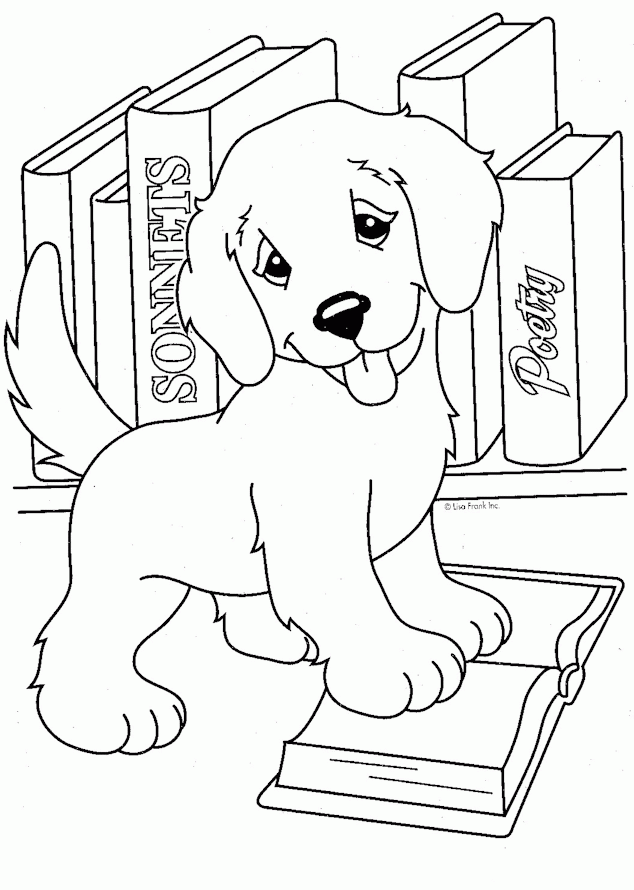
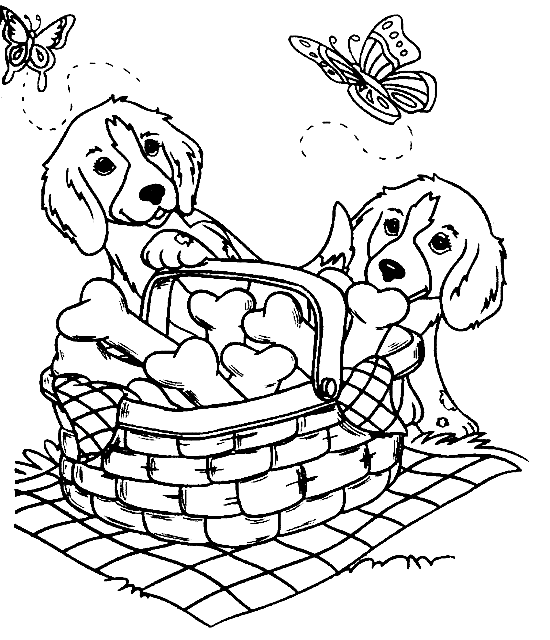
Solo pages cover the brand’s most recognizable characters: Hunter, the original rainbow leopard introduced in 1987; Forrest the tiger; Emerald the shy deer; Markie the unicorn with an elaborately beaded mane; Max Splash the dolphin; the puppy trio Ruckus, Raider, and Risky; and Panda Painter, one of the original 1987 launch characters.
Group Scenes and Compositions
Several pages bring multiple characters together in a single composition, giving colorists a chance to work through several rainbow gradients and background elements in one sitting.
Holiday and Seasonal Variants
A dedicated set of pages places the characters in seasonal settings, including an Easter Bunny Rainbow design, adapting the brand’s core aesthetic to specific times of year.
Fantasy and Underwater Scenes
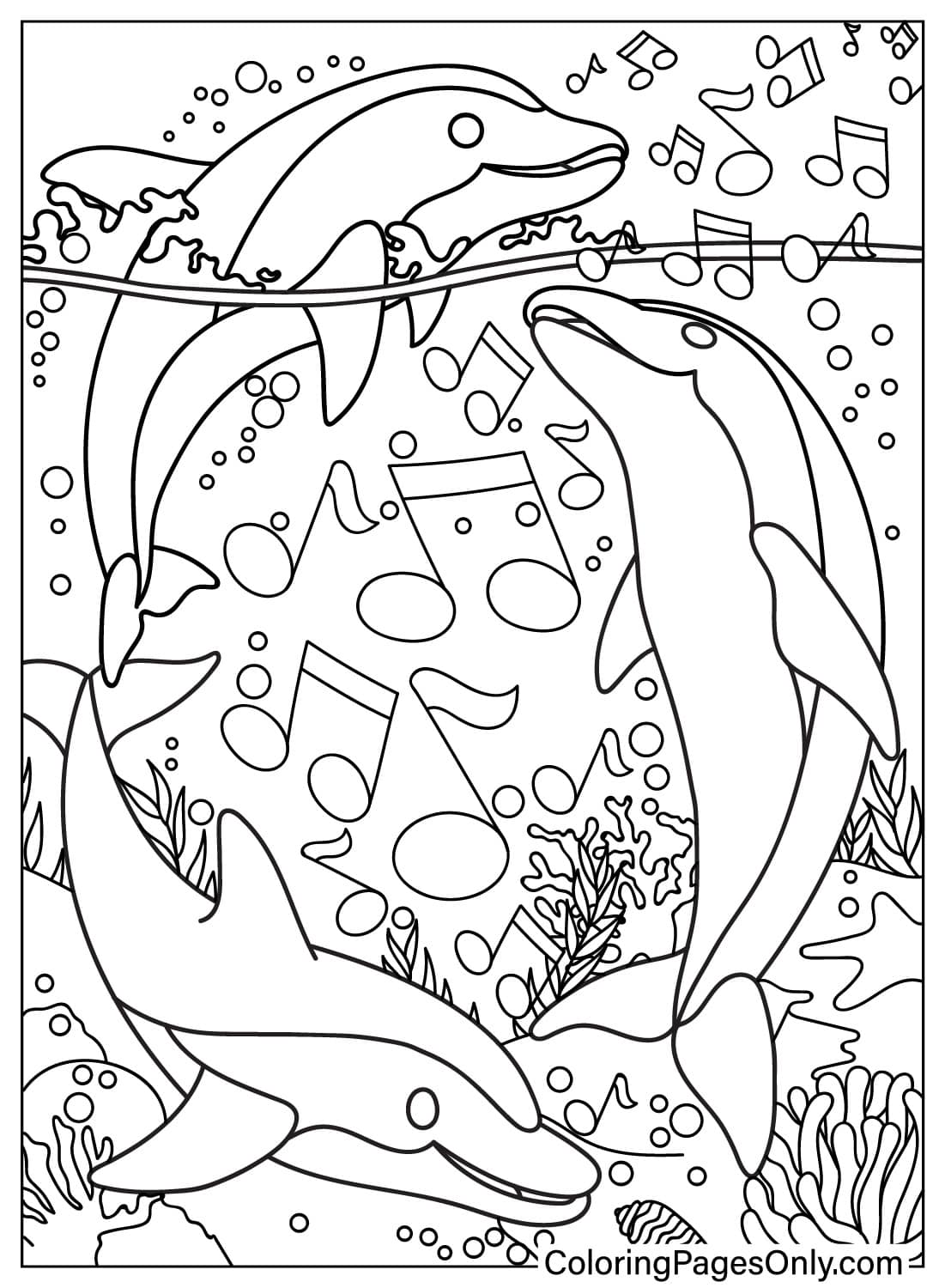
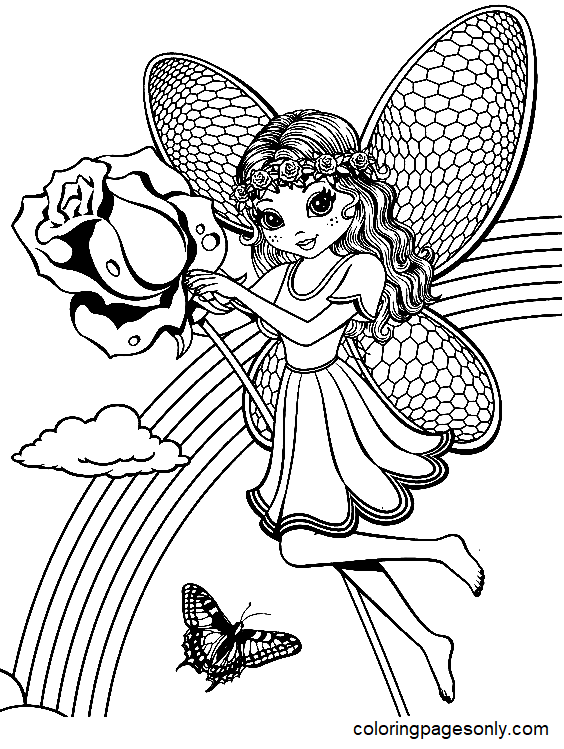
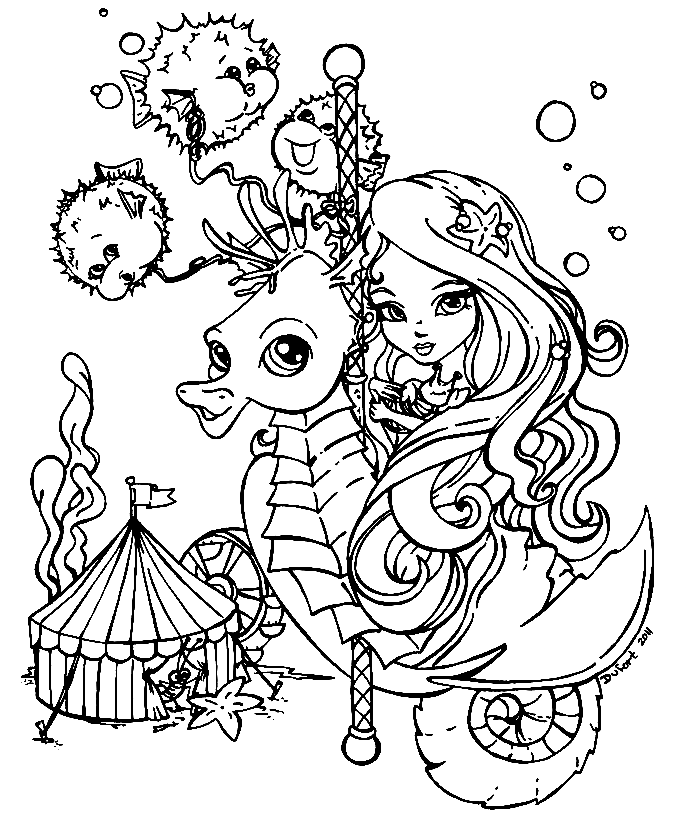
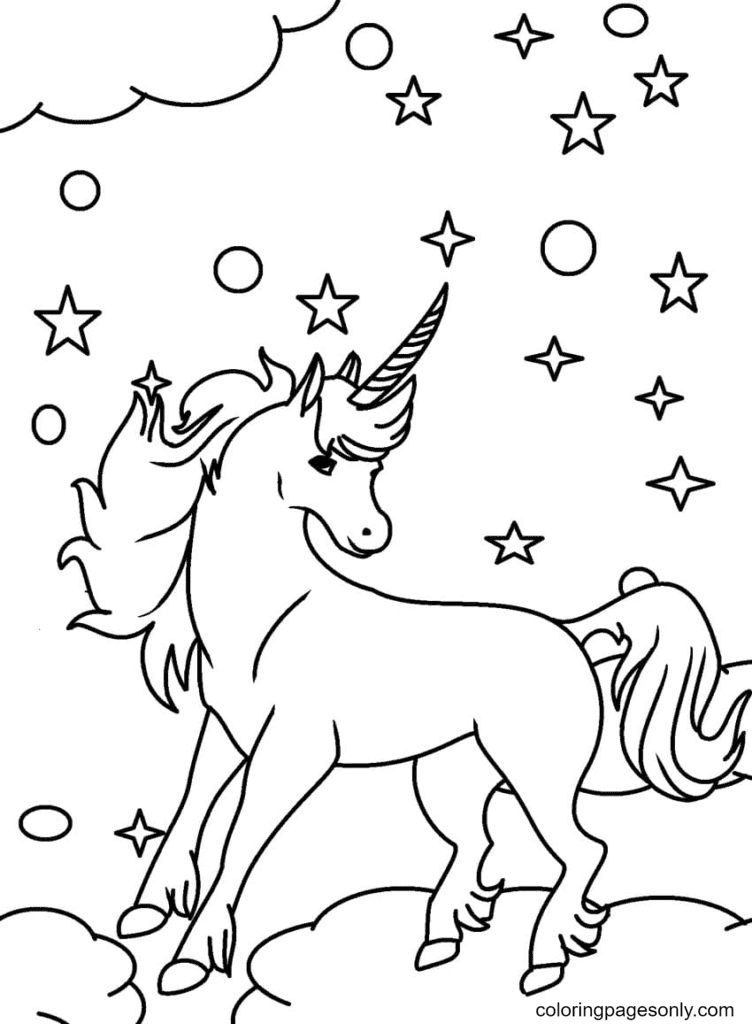
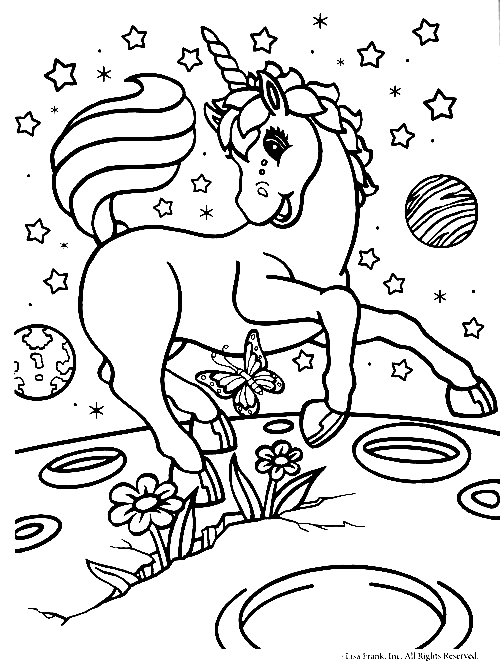
Other pages move beyond individual characters into full scenes, a fantasy composition set on the moon and an underwater sea scene, both built around the same dense, sparkle-filled background style.
Party Spreads
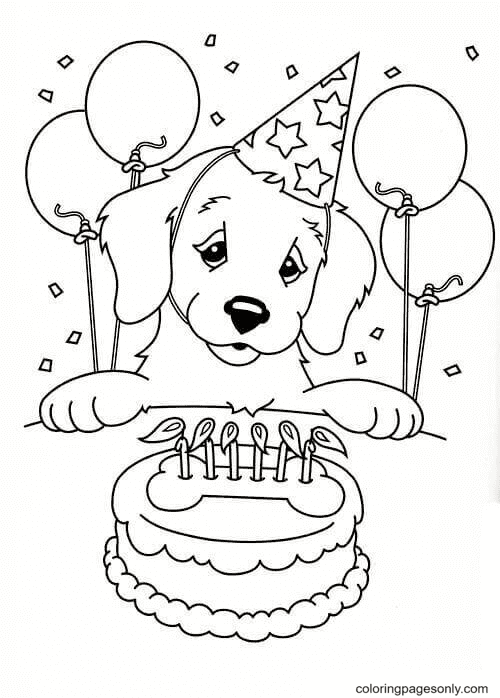
The remaining pages present celebration-themed compositions, bringing several characters and decorative elements together in a single festive scene.
Who These Pages Are For
Children discovering Lisa Frank today approach the collection the same way the original audience did, through vivid color, recognizable animals, and immediate visual energy, with younger children suited to the simpler solo portraits and older children drawn to the busier group and holiday scenes. Adult colorists who grew up with the original Trapper Keepers and sticker sheets make up a second, often more technically engaged audience, since recreating the brand’s specific rainbow-gradient color register can feel like a form of memory retrieval rather than simple coloring.
What These Pages Do
Every character page asks a colorist to plan a full rainbow gradient across one continuous shape, which is a different kind of fine motor and planning challenge than filling a single flat color region. The American Academy of Pediatrics names fine motor skill development as a real benefit of structured coloring for children ages 2 through 7, and the range here, from a simple solo portrait to a detailed group scene, lets that practice scale with a colorist’s ability.
A 2005 Art Therapy Journal study linked structured coloring sessions to a measurable drop in anxiety, and for adult colorists in particular, working slowly through a familiar character’s gradient and background detail offers a genuinely absorbing, nostalgic kind of focus.
How to Color Lisa Frank Pages Well
- Rainbow gradients: plan a full color sequence across each animal’s body rather than one flat color, blending smoothly from hue to hue rather than stepping abruptly between sections.
- Eyes: give them the most attention on the page, a dark pupil, a saturated iris color, a bright highlight ring, and a small white reflection spot for the brand’s signature glowing look.
- Backgrounds: fill every space with stars, hearts, bubbles, or sparkles in varied individual colors rather than leaving flat, empty areas.
- Neon and pastel together: let a neon tone soften into a pastel at the edge of a transition zone rather than keeping the two palettes separate.
- Markie’s mane: treat each braid section as its own small gradient, with individual beads rendered as tiny jewels, dark on one side, bright in the center, with a white highlight.
5 Creative Craft Ideas With Lisa Frank Coloring Pages
1. Airbrush Gradient Practice
Color a single animal page, planning the full color sequence from head to tail in advance, then blend each transition with light pencil pressure to remove any hard edges between hues.
2. Parent and Child Comparison Piece
Print the same character page twice, color one freely with a child and one carefully following the gradient and background rules, then display both together to compare the two approaches.
3. Full Rainbow Character Lineup
Color one page for each named character, assigning each a different dominant hue, then arrange the finished set in spectral order for a complete rainbow display.
4. Childhood Memory Color Study
Before coloring, write down the Lisa Frank colors and characters remembered from childhood, color a page from that memory, then compare the result to real reference images afterward.
5. Design a New Character
Sketch an original animal character following the brand’s rules, a dominant rainbow zone, large luminous eyes, and a sparkle-filled background, then write a one-line personality description to match.
Frequently Asked Questions
Who is Lisa Frank?
An American artist and businesswoman who founded Lisa Frank Incorporated in 1979 in Tucson, Arizona, known for rainbow-gradient animal characters used on school supplies.
How many Lisa Frank coloring pages are in this collection?
104 pages, spanning named character portraits, group scenes, holiday variants, and fantasy and underwater compositions.
What made the original Lisa Frank designs so distinctive?
Every design was hand-airbrushed through 1989, a technique that produced the brand’s soft rainbow gradients and glowing color transitions.
Which named characters appear in this collection?
Hunter the rainbow leopard, Forrest the tiger, Emerald the deer, Markie the unicorn, Max Splash the dolphin, the puppy trio Ruckus, Raider, and Risky, and Panda Painter.
Is Lisa Frank still in business today?
Yes, though the original Tucson factory closed in 2013, the company continues under Lisa Frank and her son Forrest Green, who has led recent collaborations with brands like Morphe and Crocs.
Are these pages better suited for kids or adults?
Both younger children enjoy the simple, colorful solo portraits, while adults who grew up with the original products often find the detailed gradient work a nostalgic, technically engaging activity.
What colors should be used for Lisa Frank pages?
Full rainbow gradients across each character’s body, combined with neon and pastel tones blended together rather than kept separate.
Can these Lisa Frank pages be colored without printing?
Yes, the online coloring tool lets any page be finished on screen in the browser, with a printable PDF also available.
Every design here can be grabbed with one click and no account needed, whether it ends up printed at home or finished right in the browser through the built-in tool. Posting a finished character page is just as easy, using the Facebook or Pinterest icon that sits alongside it.