Factory Coloring Pages
 By:
Jennifer Thoa - Content Editor & Designer
Updated:
By:
Jennifer Thoa - Content Editor & Designer
Updated:
Free factory coloring pages: 15 printable PDF designs featuring industrial buildings, smokestacks, and manufacturing scenes. Each page can be downloaded as a PDF to print or colored online in the browser.
A factory is a building or group of buildings where goods are manufactured on a large scale, typically using powered machinery and an organized division of labor. The modern factory system is generally traced back to the Industrial Revolution in 18th-century Britain, and Richard Arkwright’s Cromford Mill, opened in Derbyshire in 1771, is widely credited as one of the first true factories, using water-powered machinery to spin cotton thread on a scale no home workshop could match. From that starting point in the textile industry, the factory model spread to nearly every kind of manufacturing, from vehicles to household goods, and remains the basic structure behind how most everyday products are made today.
This collection spans 15 pages, grouped into classic factory designs and printable sheets. The coloring angle ranges from simple standalone buildings to more detailed industrial scenes.
What’s Inside This Collection
The 15 designs group into two categories, from classic factory buildings to printable sheets.
Classic Factory Designs
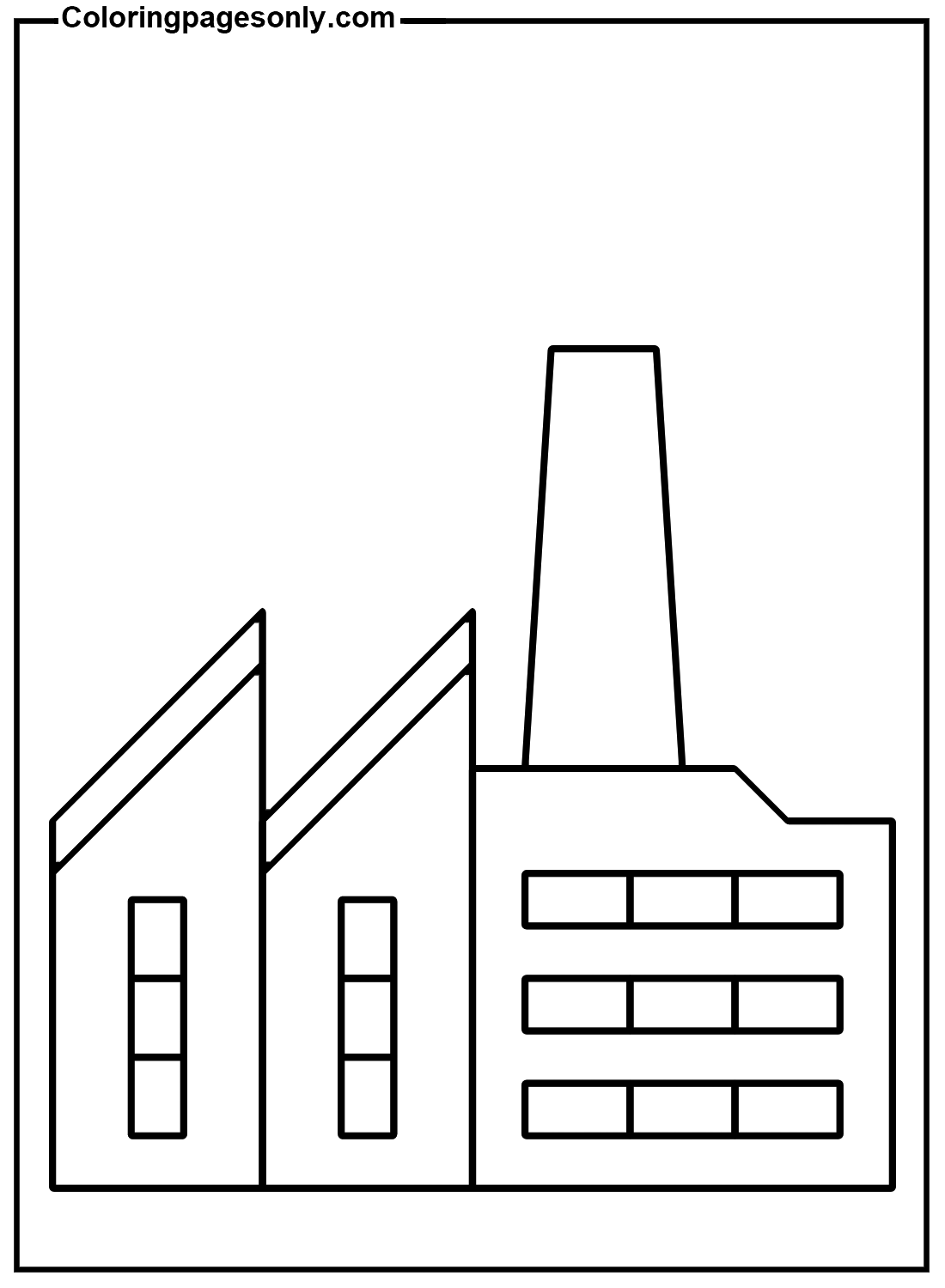
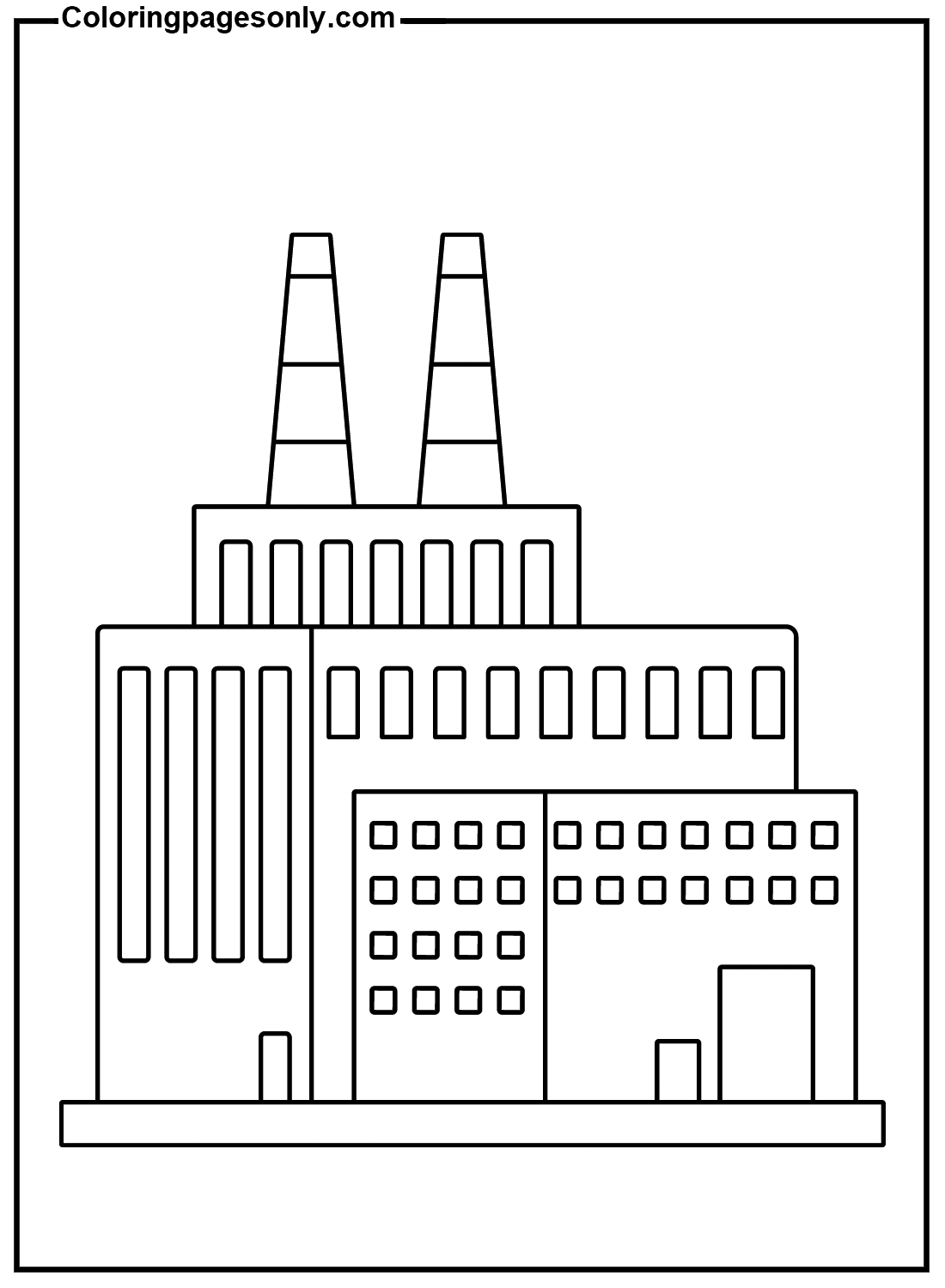
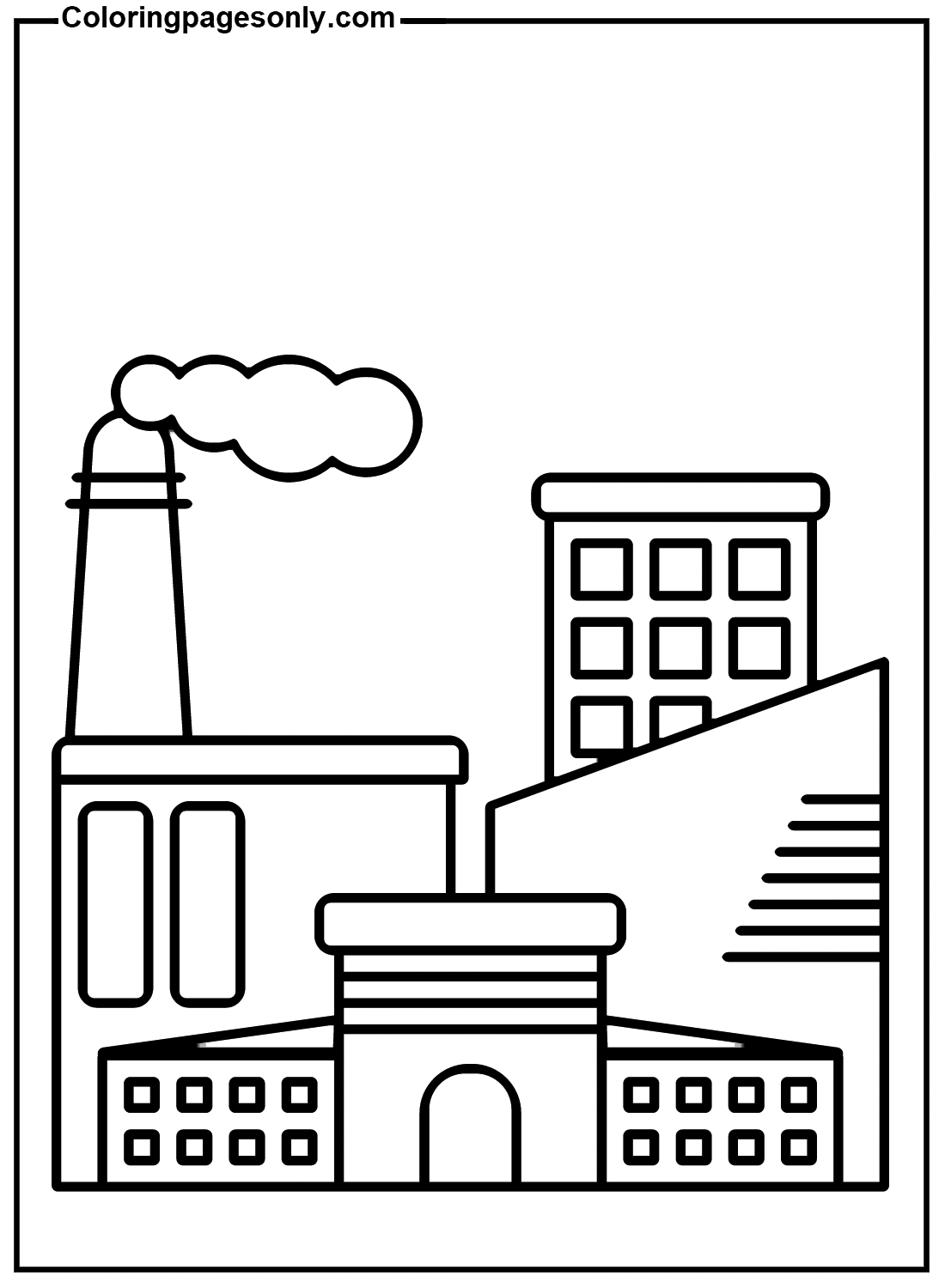
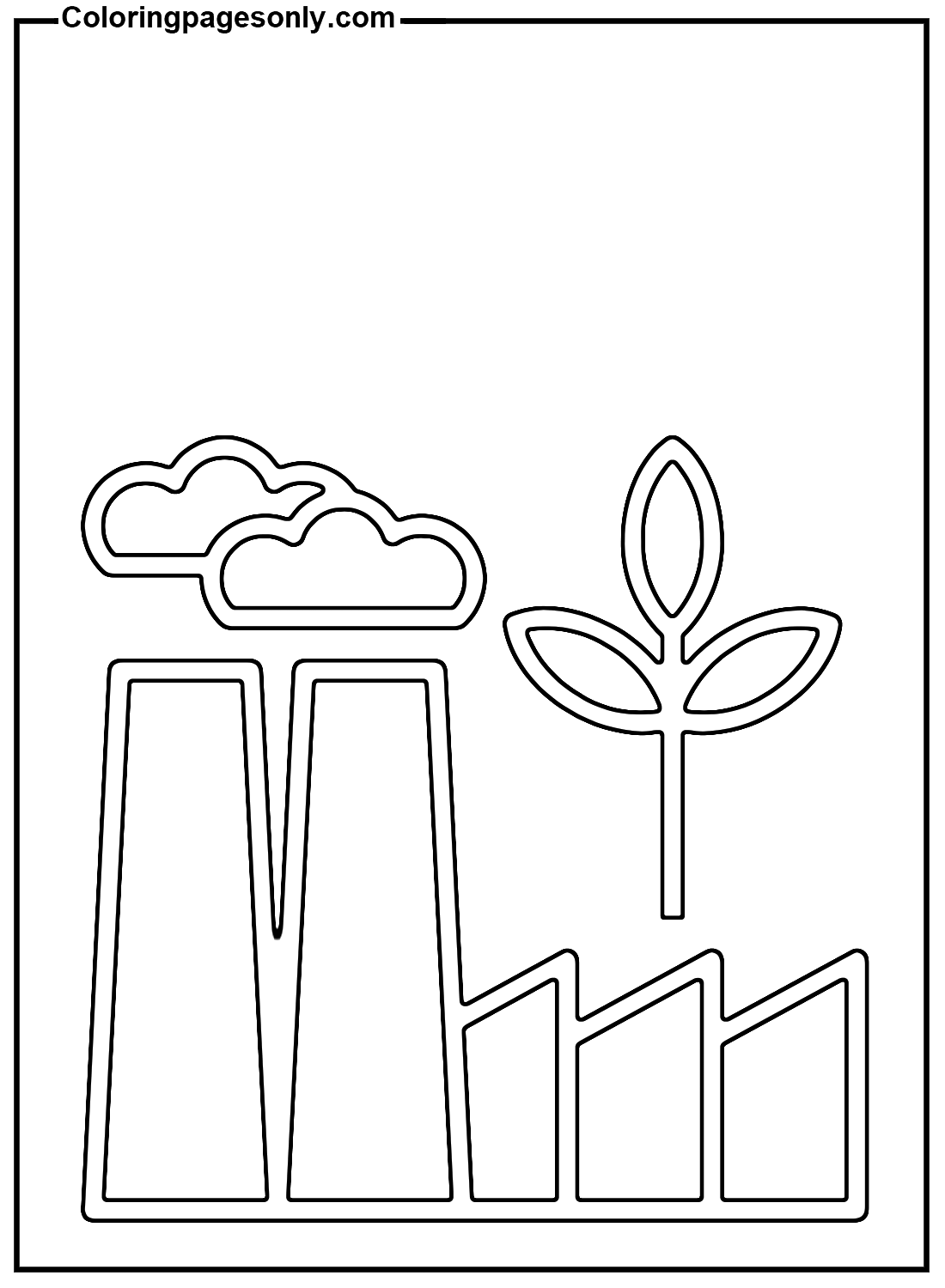
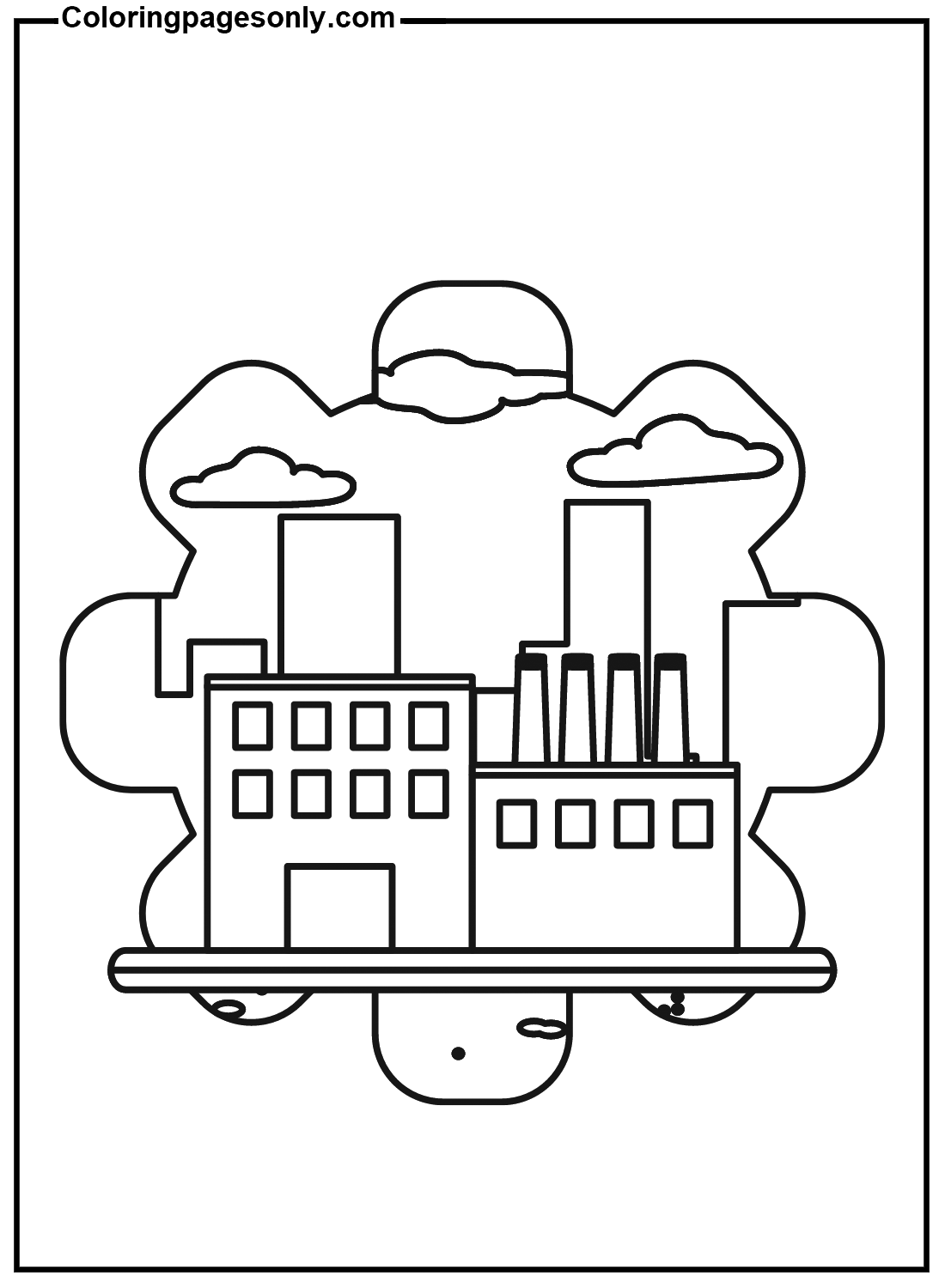
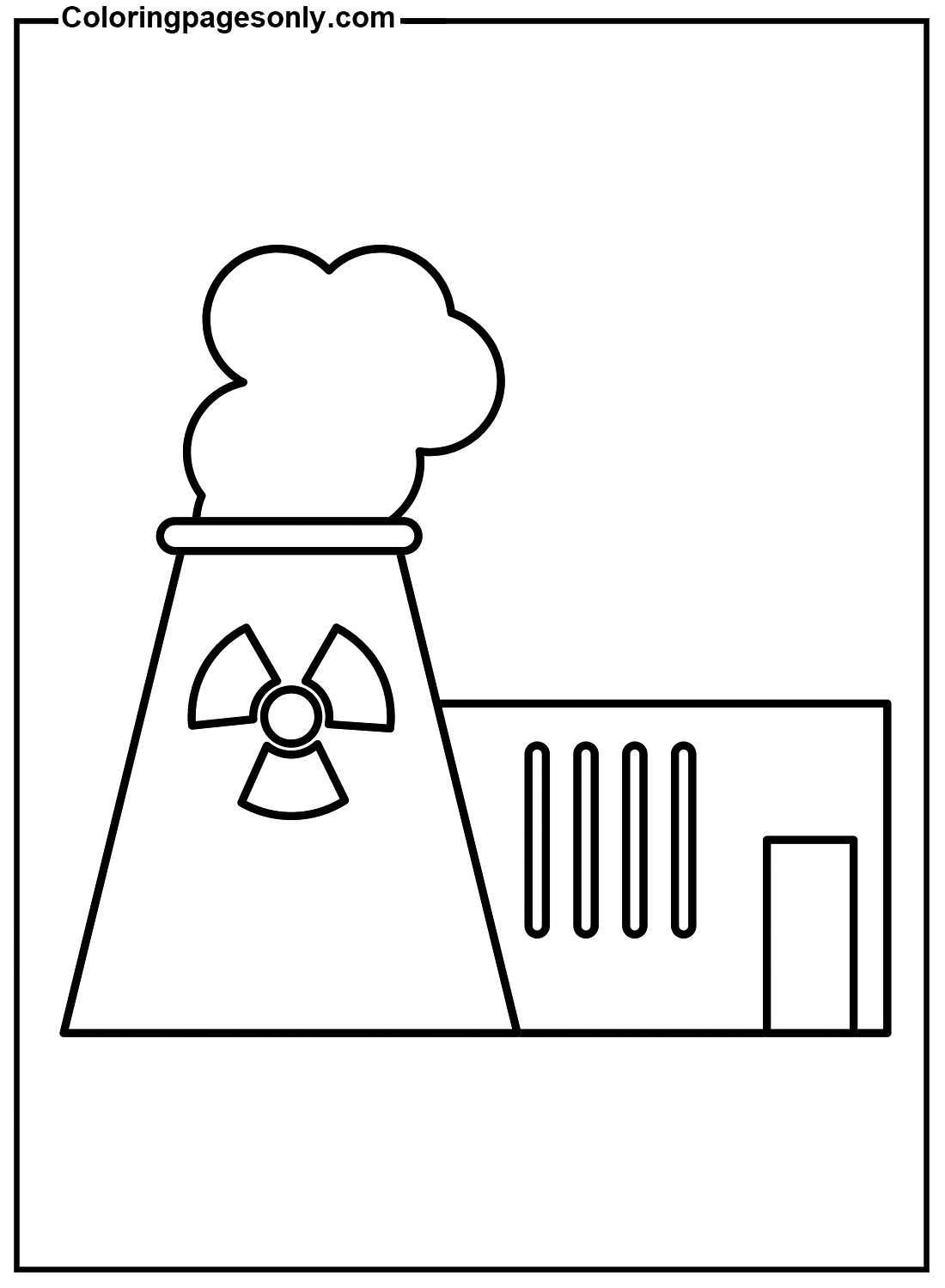
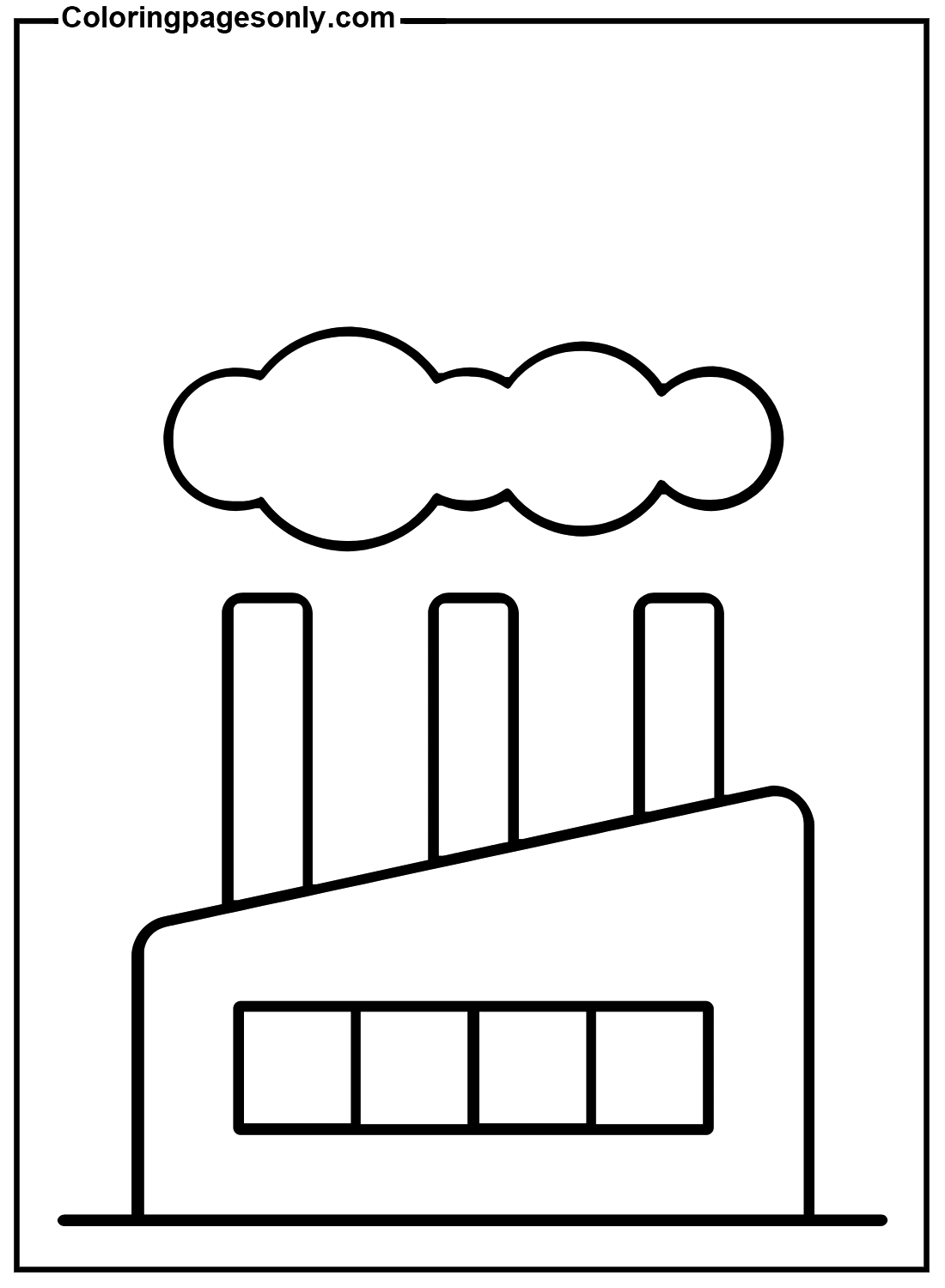
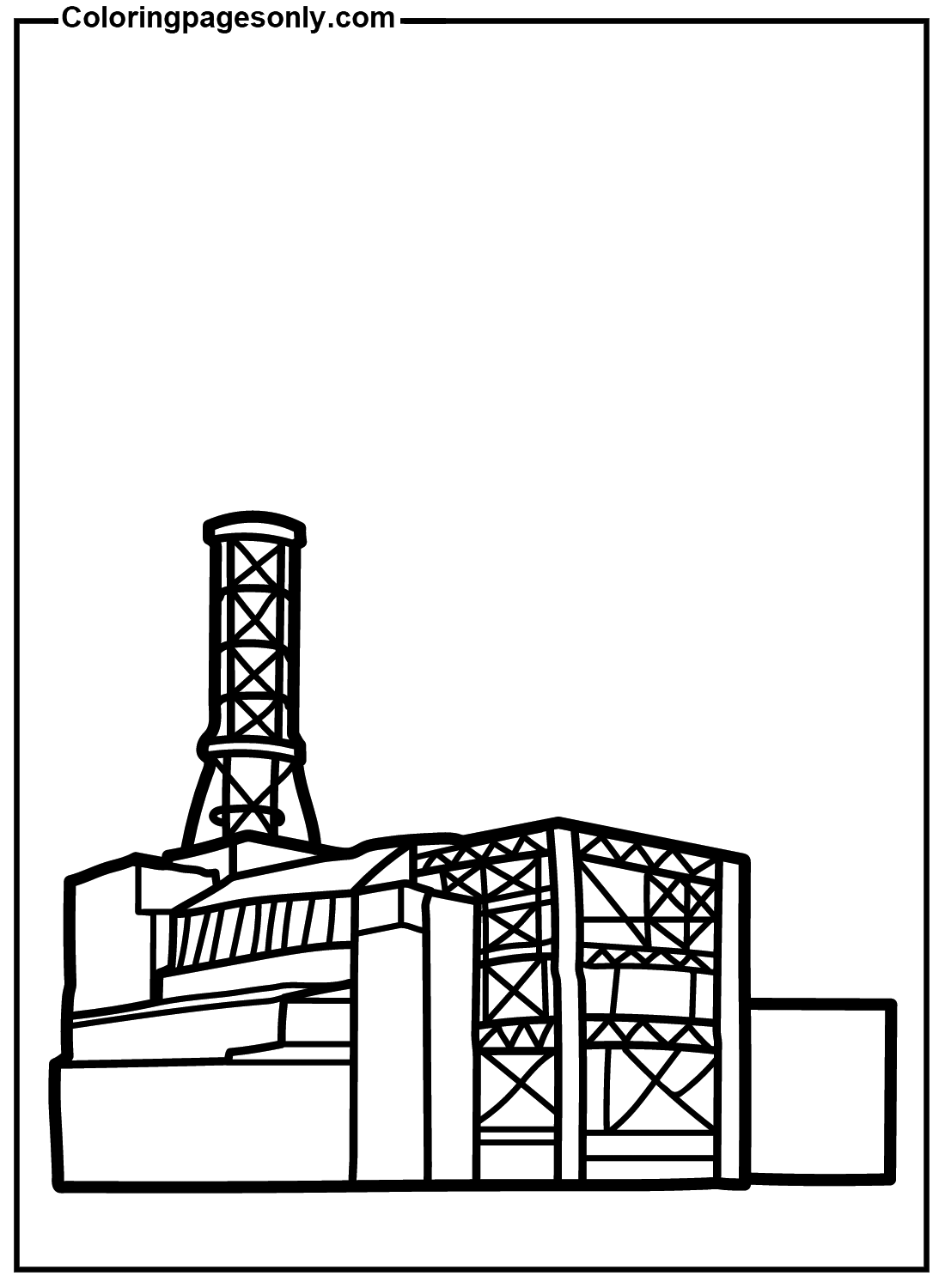
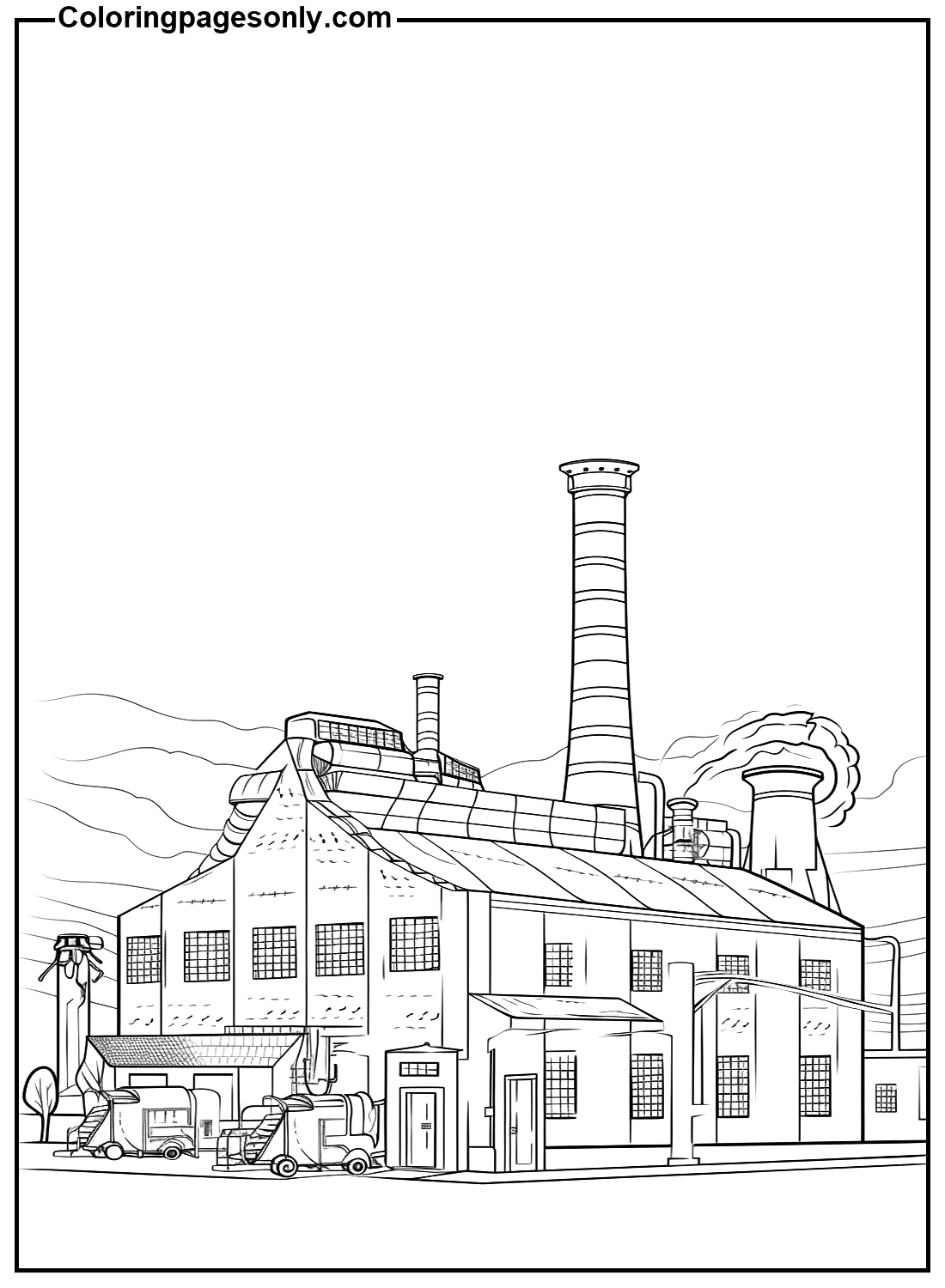
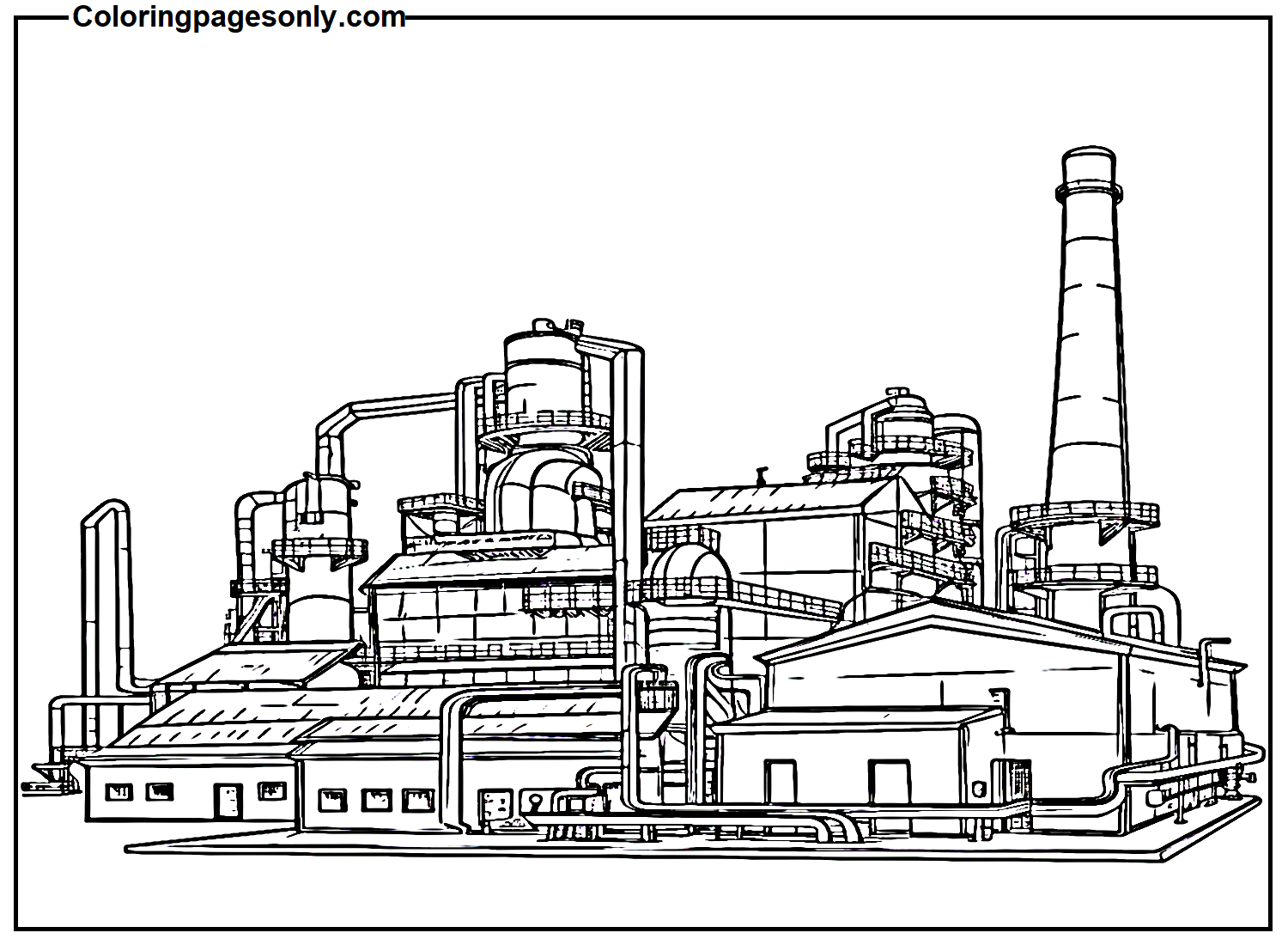
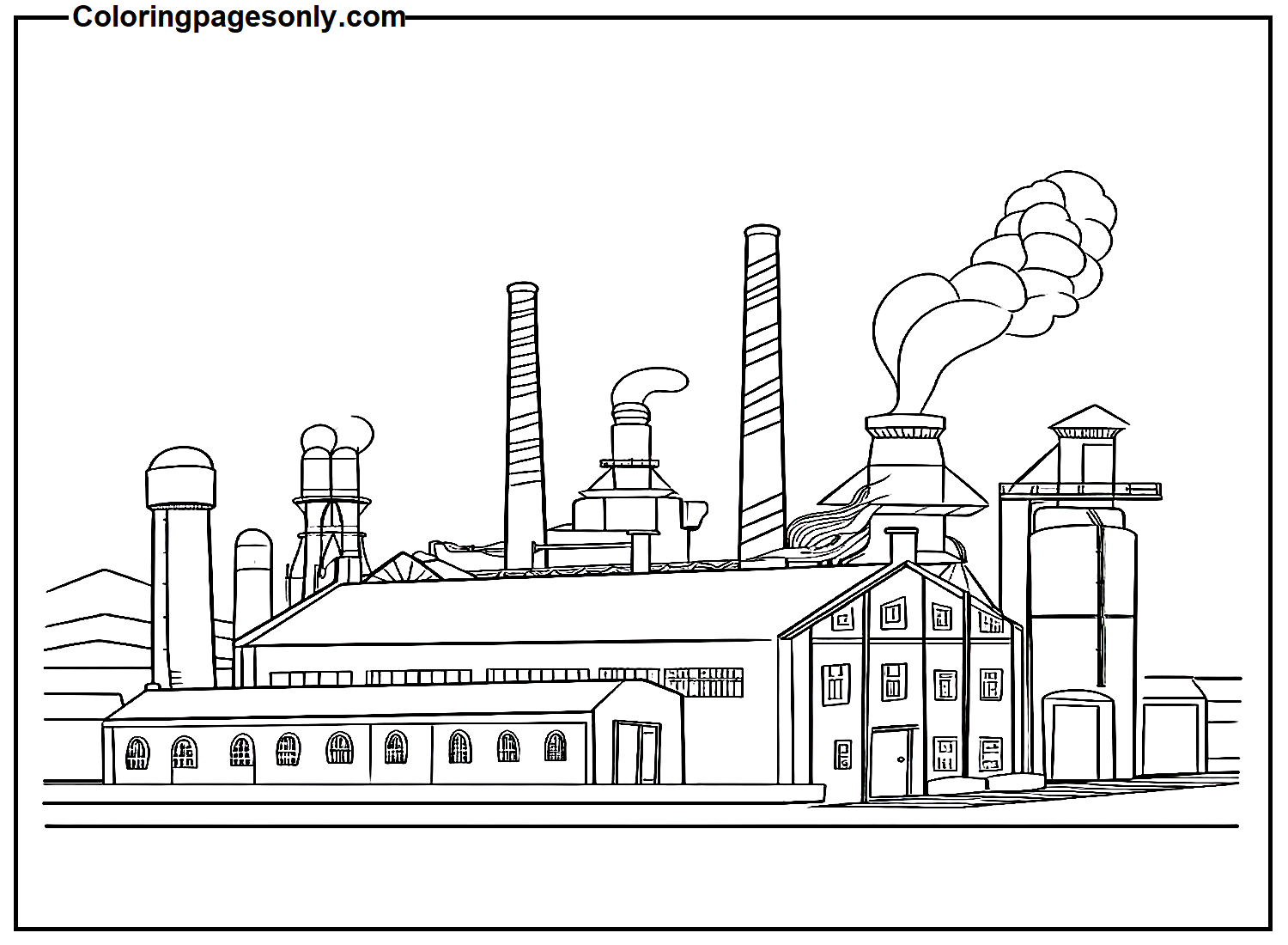
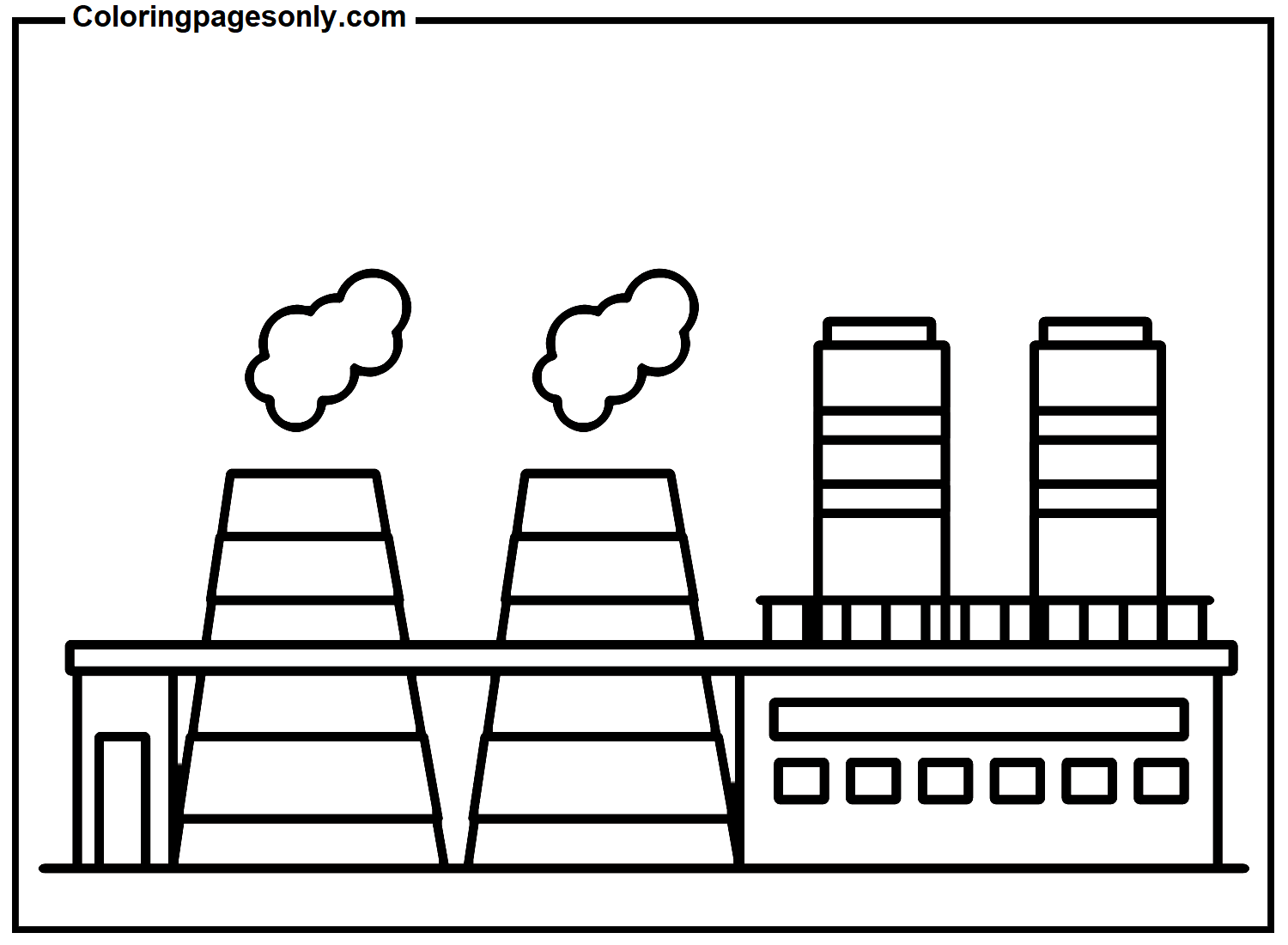
Five pages show a factory or industrial building directly, including a general industrial building, a factory building design, and a green factory scene that leans into an eco-friendly theme.
Printable and Free Sheets
Ten pages are formatted as general printable sheets, useful for a quick, single-session print at home or in the classroom.
What Factory Coloring Pages Do
Straight lines instead of soft curves. Factory buildings are built from rows of matching windows, straight smokestacks, and repeating geometric panels, and coloring those hard-edged shapes cleanly takes a different, more exacting kind of hand control than shading a rounded animal or character. The American Academy of Pediatrics ties that kind of careful, precise pencil work to fine motor skill development in children ages 2 through 7.
A building with a real starting point in history. The modern factory traces back to Richard Arkwright’s Cromford Mill, opened in 1771 as one of the first buildings to bring workers and water-powered machinery together under one roof, giving a coloring session a genuine historical anchor rather than an abstract building shape.
An orderly subject for an orderly activity. A 2005 study in the Art Therapy Journal found that structured coloring sessions produced measurable reductions in anxiety, and the repeating, evenly spaced windows and beams of a factory building echo that same sense of order and structure in the coloring process itself.
A quiet opening for a sustainability conversation. The green factory design in this collection gives colorists a chance to think about how modern manufacturing can look different from the smokestack imagery of the past, a small, visual entry point into a conversation about cleaner energy and production.
How to Color Factory Pages Well
- Main building walls: Use Gray, Brick Red, or industrial Tan for the main structure, keeping the color flat and even to match the building’s blocky shape.
- Windows: Use light Blue or pale Gray for glass panes, and keep window frames a consistent Dark Gray or Black across the whole building for a uniform, factory-standard look.
- Smokestacks and chimneys: Use Red Brick or Gray tones, with a lighter Gray or White for any smoke or steam rising from the top.
- Green factory design: Use Green for roof panels or add greenery, paired with Silver or Light Blue for solar panels or clean-energy elements if shown.
- Pipes and metal details: Use Silver or Gunmetal Gray for exposed pipes and metal framework, adding small White highlight lines to suggest a metallic shine.
- Backgrounds: Keep backgrounds simple with soft Blue or Gray sky tones so the building’s geometric details remain the clear focus of the page.
5 Creative Craft Ideas With Factory Coloring Pages
1. Cardboard Factory Model
Color a factory page, glue it onto a small cardboard box, and add craft-stick smokestacks for a simple 3D building model.
2. Mini Town Diorama
Color several building-style pages, cut them out, and arrange them inside a shoebox alongside toy vehicles for a small industrial town scene.
3. Greeting Card
Fold cardstock in half, glue on a colored factory design, and write a message inside for a friend interested in architecture or engineering.
4. Classroom Community Poster
Color several factory pages as a group and arrange them on a poster board for a classroom lesson about how everyday goods are made.
5. Framed Wall Art
Mount a finished factory page in a simple frame for a study room or office display with an industrial theme.
Frequently Asked Questions
What are factory coloring pages?
Factory coloring pages are printable line-art designs featuring industrial buildings, smokestacks, and manufacturing scenes. This collection includes 15 free designs available as PDFs or online coloring.
What is a factory?
A factory is a building or group of buildings where goods are manufactured on a large scale, typically using powered machinery and an organized division of labor.
When was the first modern factory built?
Richard Arkwright’s Cromford Mill, opened in Derbyshire, England, in 1771, is widely credited as one of the first true modern factories.
Who is considered the father of the factory system?
Richard Arkwright is commonly credited as the father of the modern factory system, thanks to his water-powered cotton mill at Cromford and his organized approach to production.
What powered early factories before electricity?
Early factories were typically powered by water wheels, and later by steam engines, before electricity became the standard power source for manufacturing.
What is the difference between a factory and a mill?
A mill traditionally refers to a building that processes raw materials, such as grinding grain or spinning thread. At the same time, a factory is a broader term for any large building where goods are manufactured, often using machinery.
Are factory coloring pages suitable for young children?
Yes. The simple building designs in this collection use bold, uncluttered outlines suited to preschool and early elementary colorists. At the same time, the more detailed industrial scenes offer more of a challenge for older kids.
What are some things made in factories today?
Modern factories produce an enormous range of goods, including vehicles, electronics, clothing, food products, furniture, and countless everyday household items.
Start Coloring
Download any page by clicking the design. No account, email, or payment is required. Pages print directly from the browser at full resolution or open in the online coloring tool for screen use. Share finished pages on Facebook or Pinterest with the share buttons at the top of each design page.