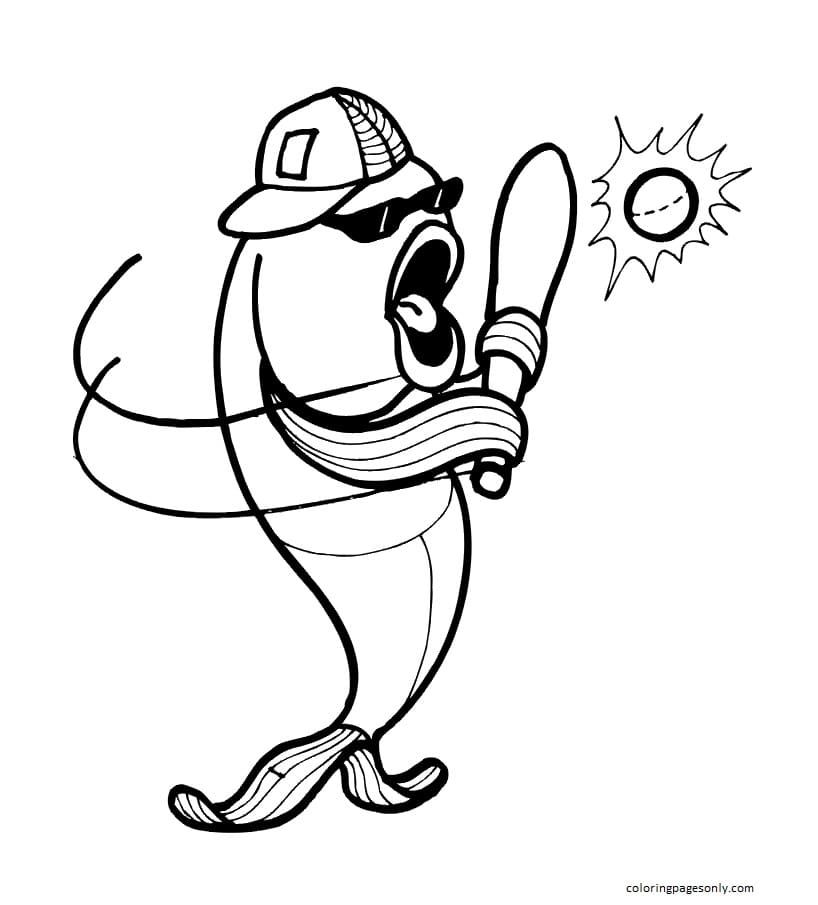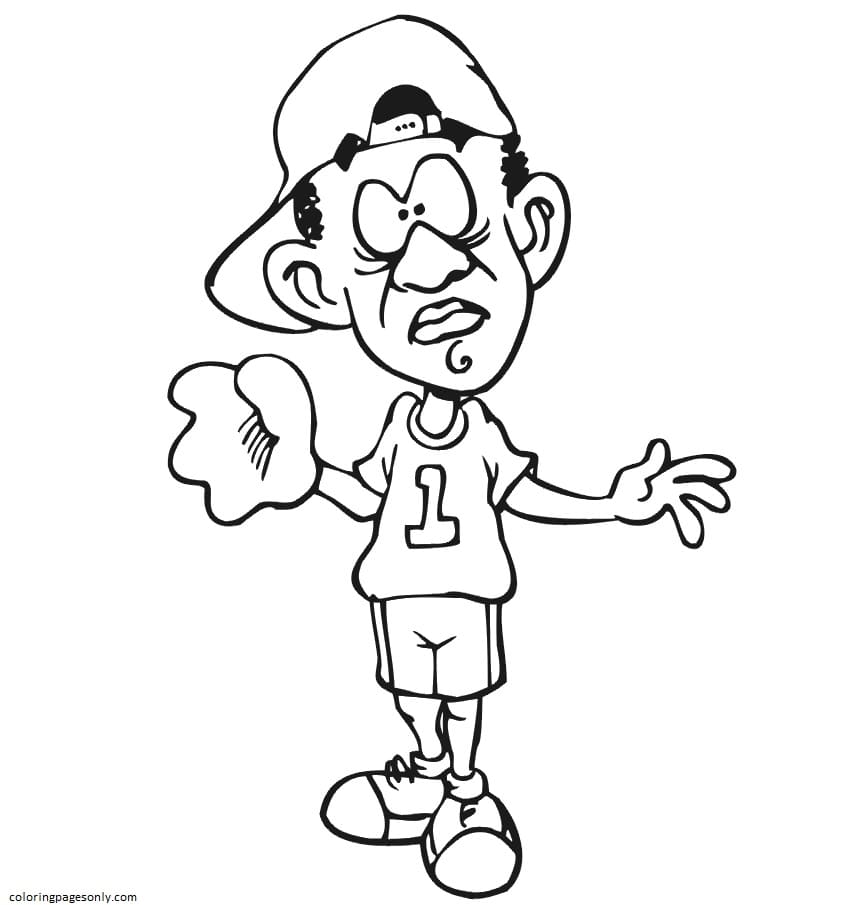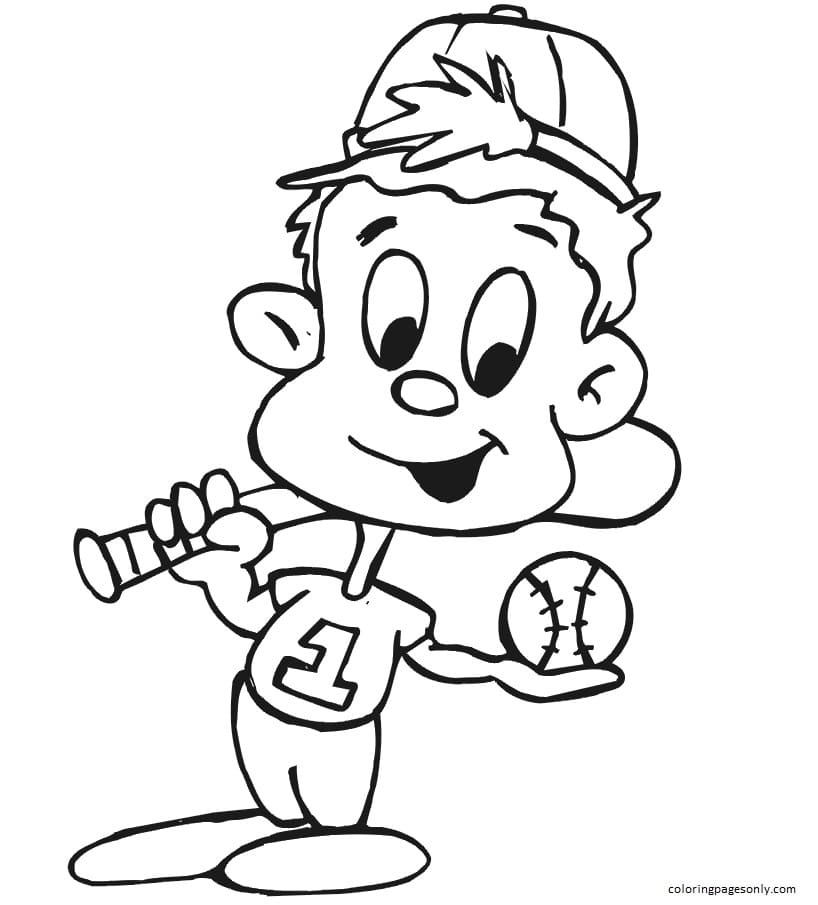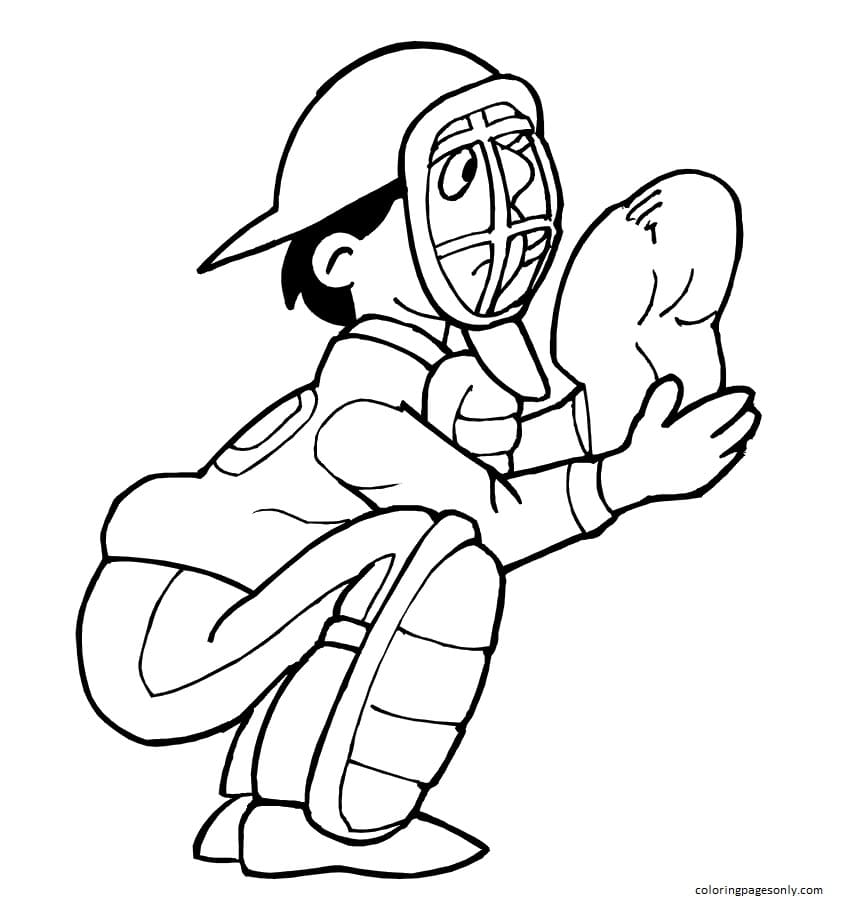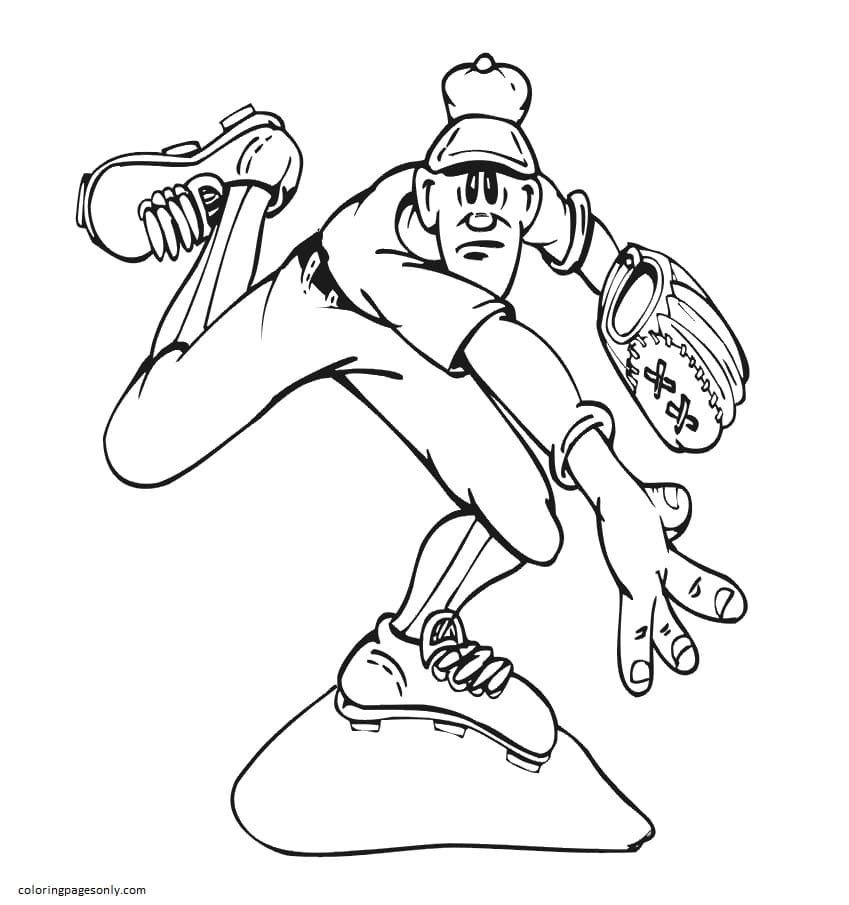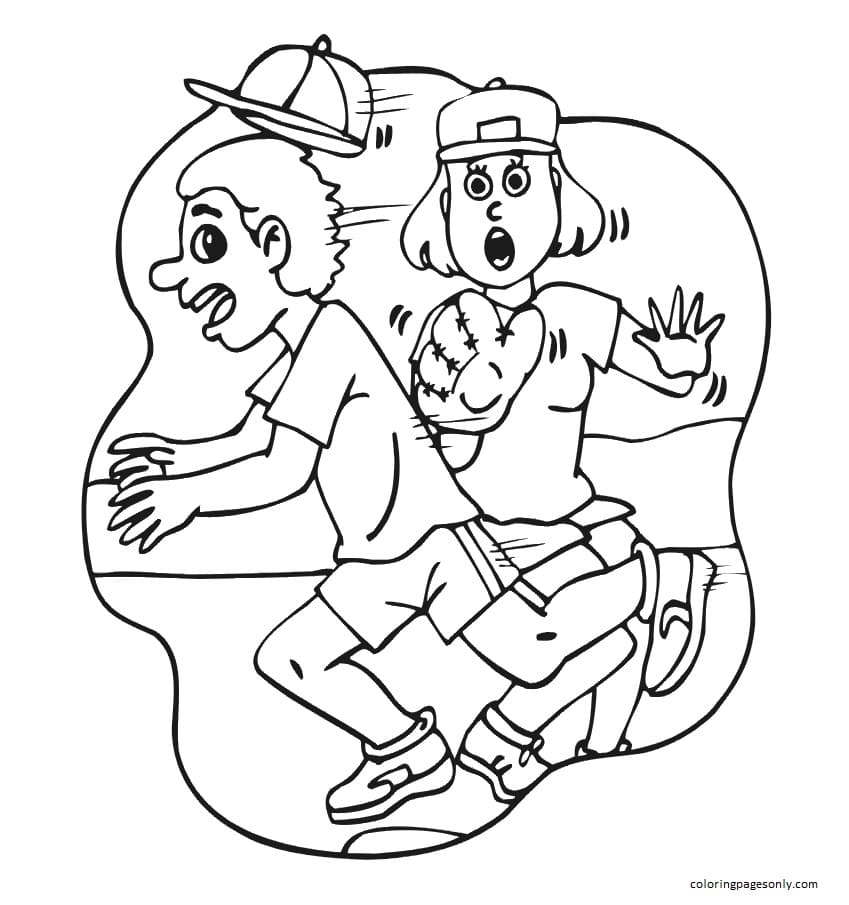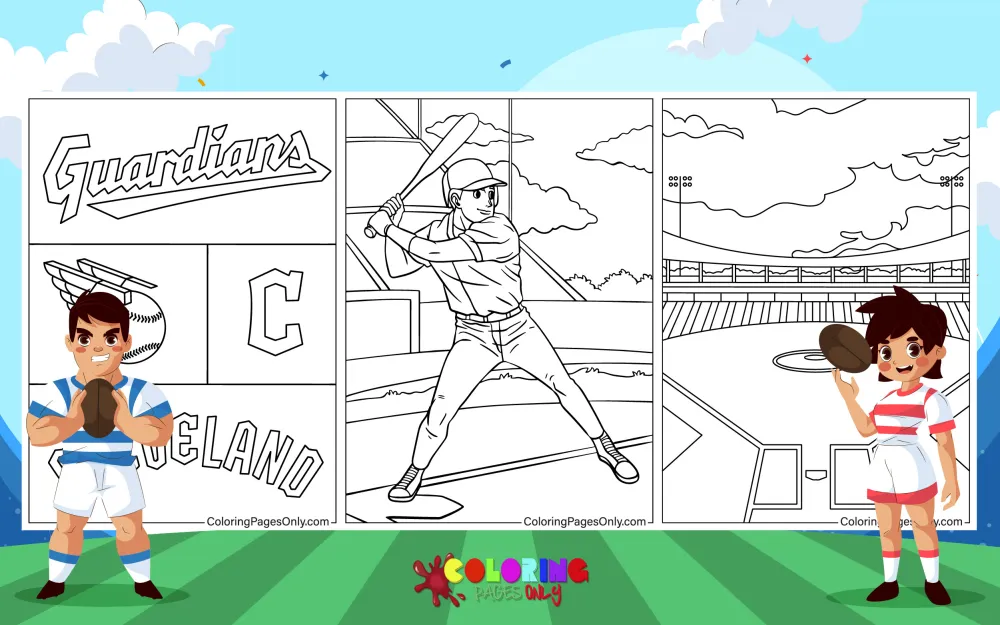
Baseball Coloring Pages at ColoringPagesOnly.com brings together 48 free printable pages covering America’s pastime across every dimension of the game – player action poses, baseball equipment, MLB team logos, stadium scenes, character crossovers, and animal players. The collection covers pitchers, batters, catchers, and fielders in authentic athletic positions; the full complement of equipment (glove, bat, ball, cap, uniform); logos for the Philadelphia Phillies, Los Angeles Dodgers, New York Mets, San Francisco Giants, Pittsburgh Pirates, and Cleveland Guardians; character tiles featuring Mickey Mouse, Elmo, Franklin the turtle, Tigger, and dogs; and a dedicated portrait of Houston Astros second baseman Jose Altuve. The full Sports collection is available through our Sports Coloring Pages hub, with dedicated coverage of professional baseball at MLB Coloring Pages.
Every page is completely free – download as PDF to print or color online in your browser. No sign-up, no cost.
About Baseball
Baseball is a bat-and-ball sport played between two teams of nine players on a diamond-shaped infield with four bases – home plate, first base, second base, and third base – set at 90-foot intervals. Teams alternate between batting and fielding over nine innings, with the objective of scoring runs by advancing baserunners around the diamond to cross home plate. The team with the most runs at the end of nine innings wins.
Baseball has been played in its modern organized form since the mid-19th century, with the first professional league – the National Association of Professional Base Ball Players – established in 1871, followed by the National League in 1876 and the American League in 1901. The merger of these two leagues into Major League Baseball (MLB) created the structure that governs professional baseball in the United States and Canada today, with 30 teams divided into two leagues of three divisions each.
Baseball’s cultural significance in the United States extends well beyond sport. The phrase “America’s Pastime” – while sometimes contested, given the relative growth of American football’s popularity – reflects baseball’s deep roots in American civic and cultural life from the Civil War era onward. The sport has generated an extraordinary literary, cinematic, and artistic tradition: Field of Dreams, Bull Durham, The Natural, Moneyball, and the writing of Roger Angell stand alongside the game’s statistical and strategic complexity as evidence of baseball’s unique capacity to sustain both emotional and intellectual engagement.
The game is also one of the most globally distributed American sports – deeply rooted in Japan, South Korea, Taiwan, the Dominican Republic, Cuba, Venezuela, and Puerto Rico, all of which have produced generations of MLB talent and maintain their own professional leagues.
What’s in This Collection
Player Action Tiles
The largest category in the collection covers baseball players in the sport’s fundamental athletic positions – the physical poses that define the game visually and kinetically.
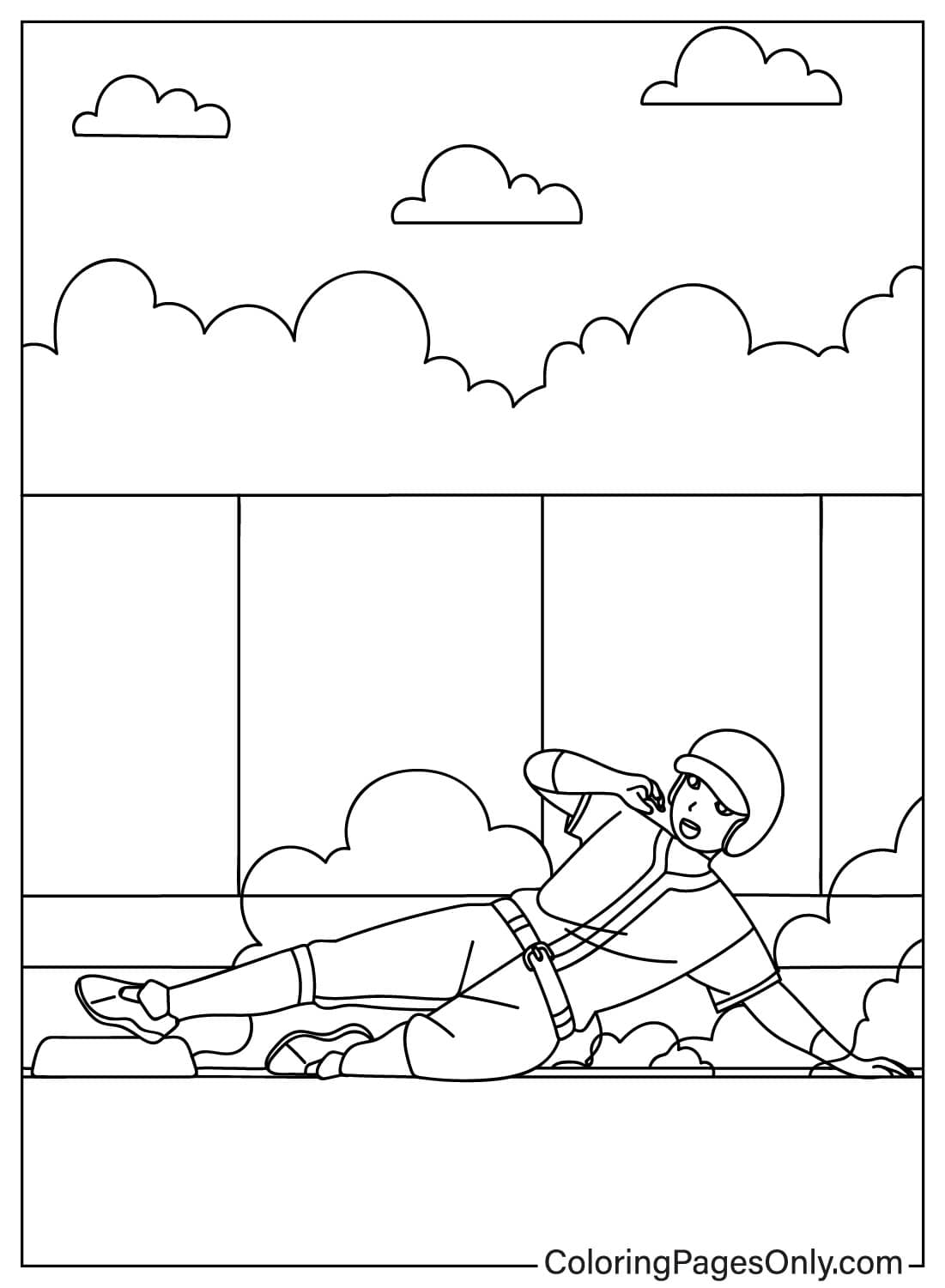
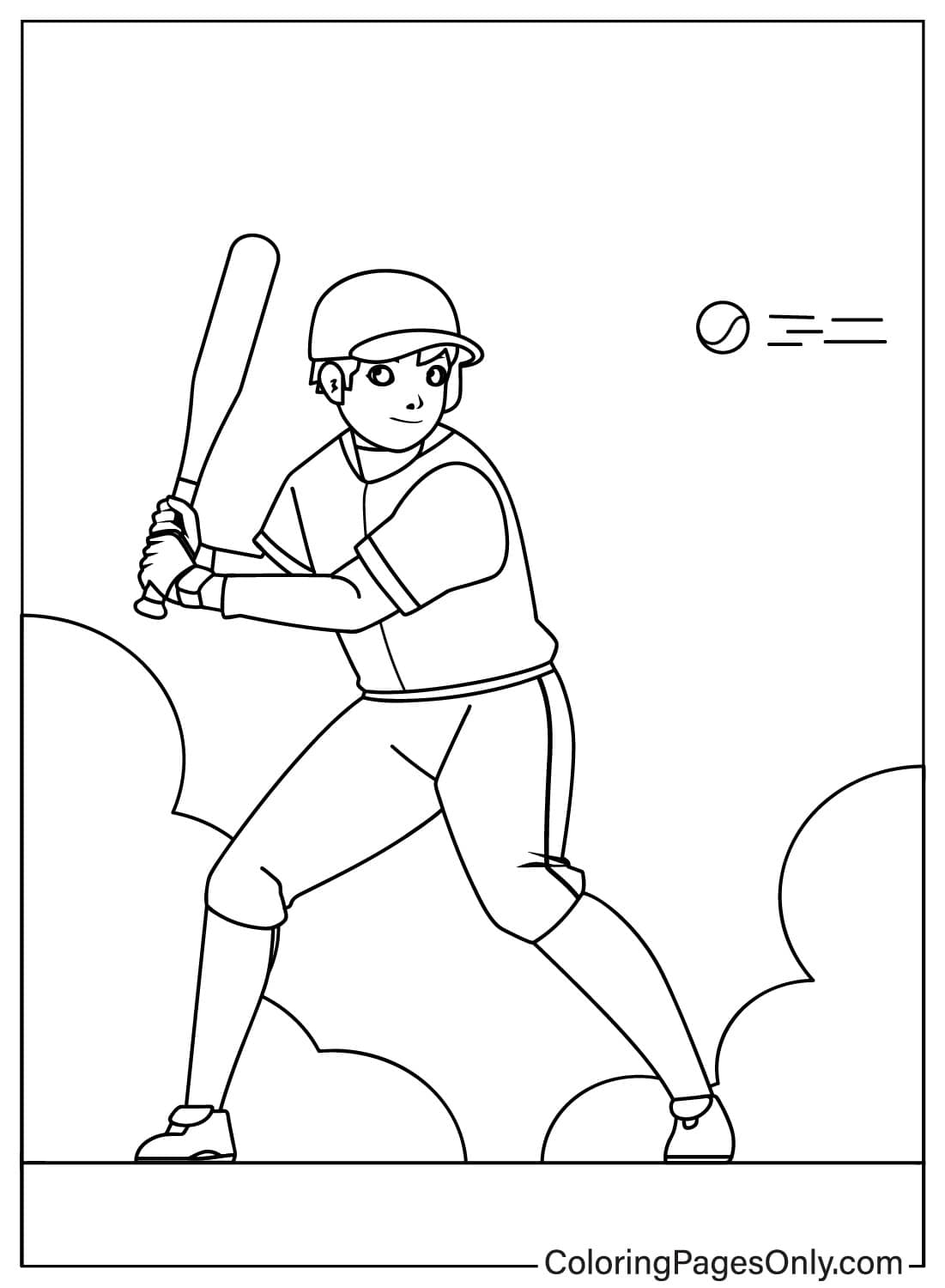
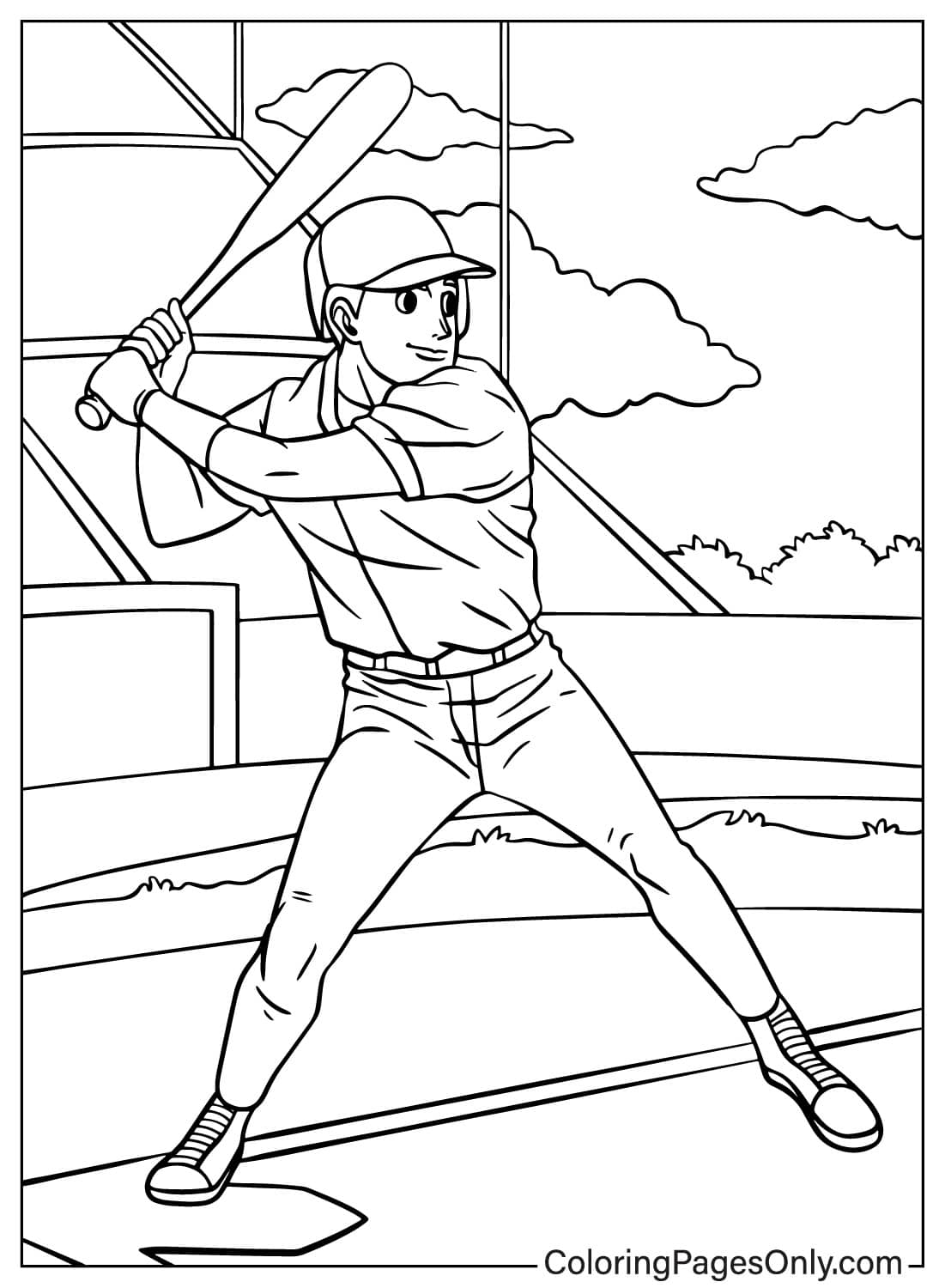
Batting tiles – Player Batting Baseball, Baseball Hitting Posture, Home Run Baseball Hit, Extra-base Hit – depict the batter at different stages of the swing. The batting stance and swing are among the most biomechanically complex athletic movements in professional sport, requiring the coordinated rotation of hips, torso, shoulders, and arms in a sequence timed to a pitch traveling at up to 100 miles per hour. The Home Run Baseball Hit tile captures the follow-through after contact – the extended, twisted position of a batter who has made full contact with the ball. The Extra-base Hit tile depicts the immediate aftermath of a significant hit.
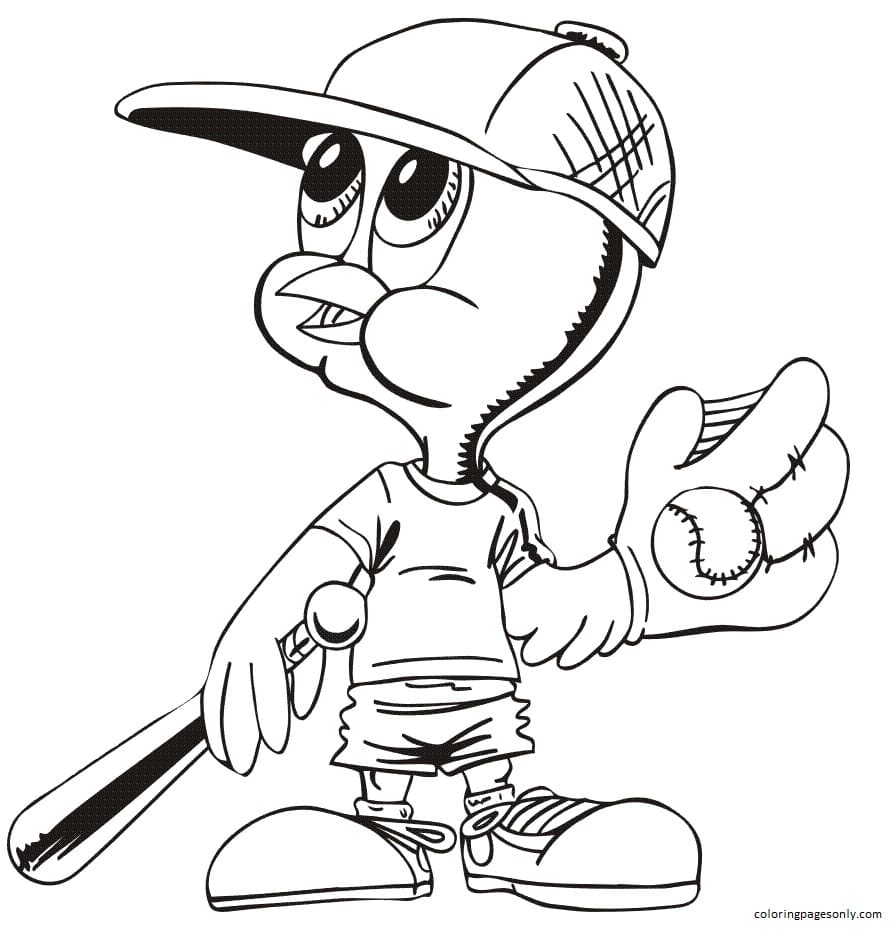
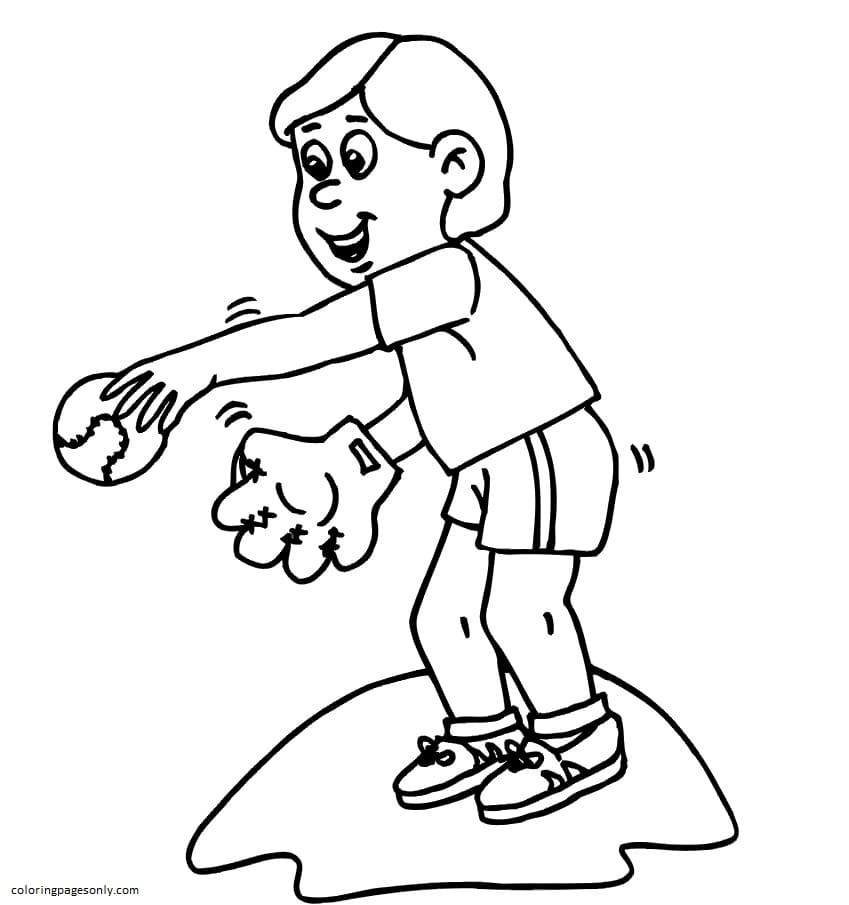
Pitching tiles – Baseball Pitcher, Baseball Pitcher. The Stare Down – covers the pitcher’s delivery and the psychological component of the pitcher-batter confrontation. The Stare Down tile specifically depicts the moment of maximum tension before the pitch – the pitcher’s focused gaze at the catcher’s sign before beginning the windup. The pitcher’s mound is elevated 10 inches above home plate, and the distance between the rubber and home plate is exactly 60 feet 6 inches – a measurement whose odd precision traces to a clerical error in 1893 that was later standardized.
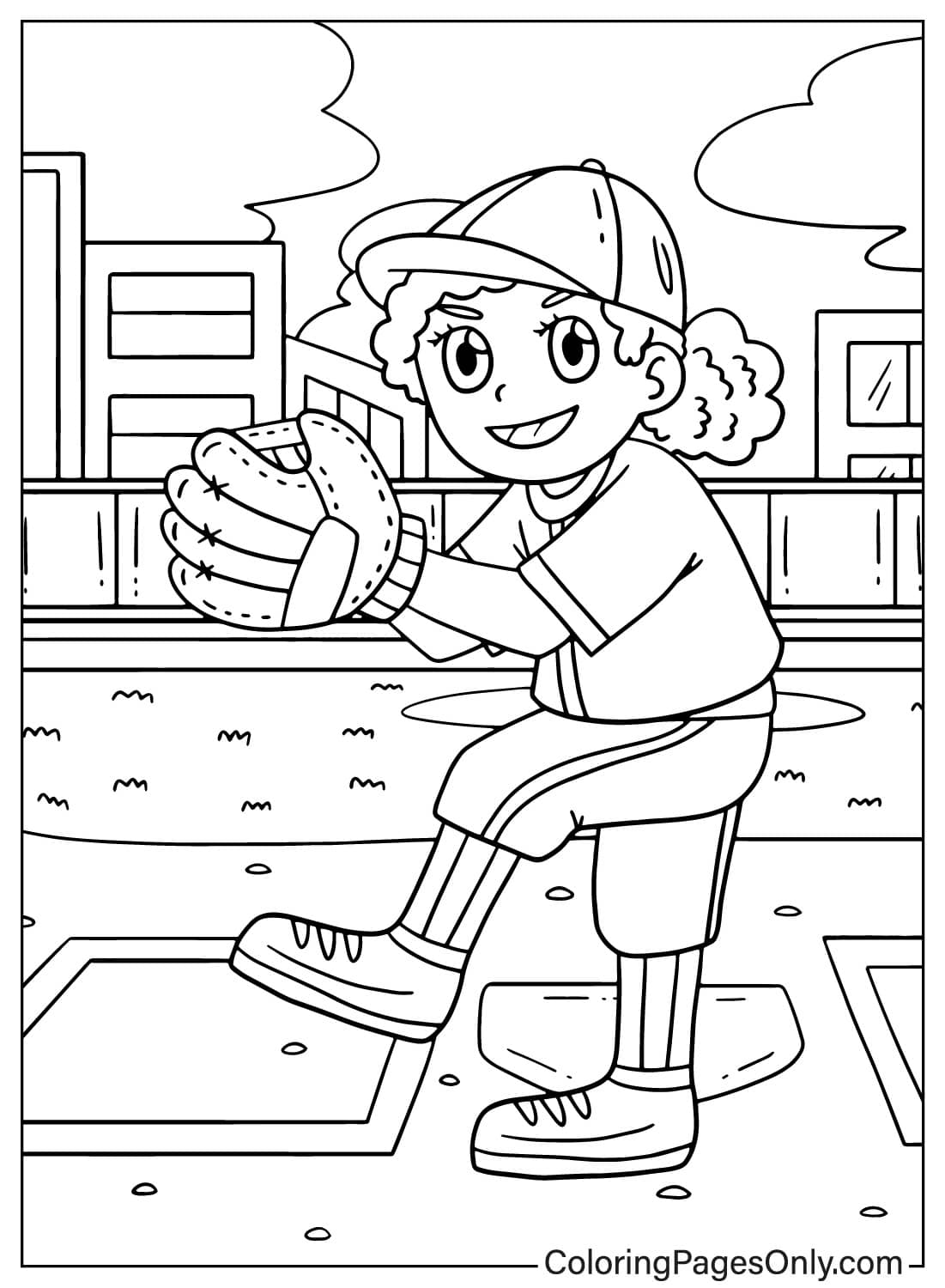
Catching tiles – Baseball Catching Pose, Boy Catcher Side View, Girl Catching Ball – depict the catcher’s position, which is the most physically demanding position in baseball. The catcher squats behind home plate for every pitch, directs the pitching staff, and is responsible for blocking wild pitches and preventing stolen bases. The full catcher’s equipment – chest protector, shin guards, helmet with face mask, and mitt – makes the catcher one of the most visually complex players to depict and color.
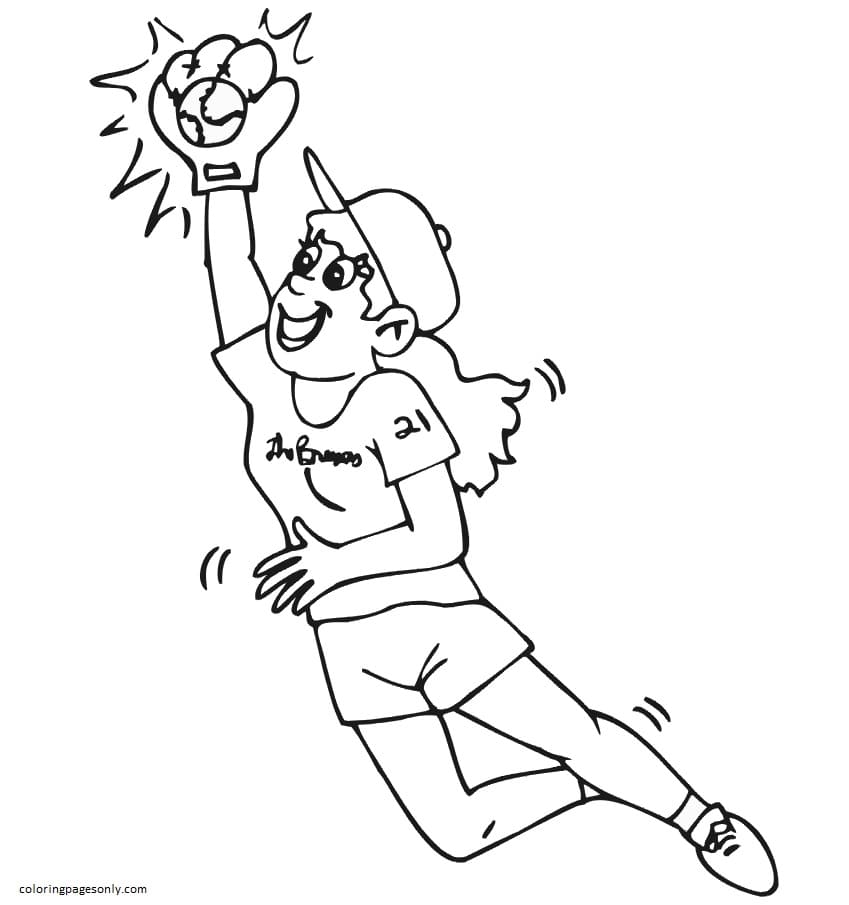
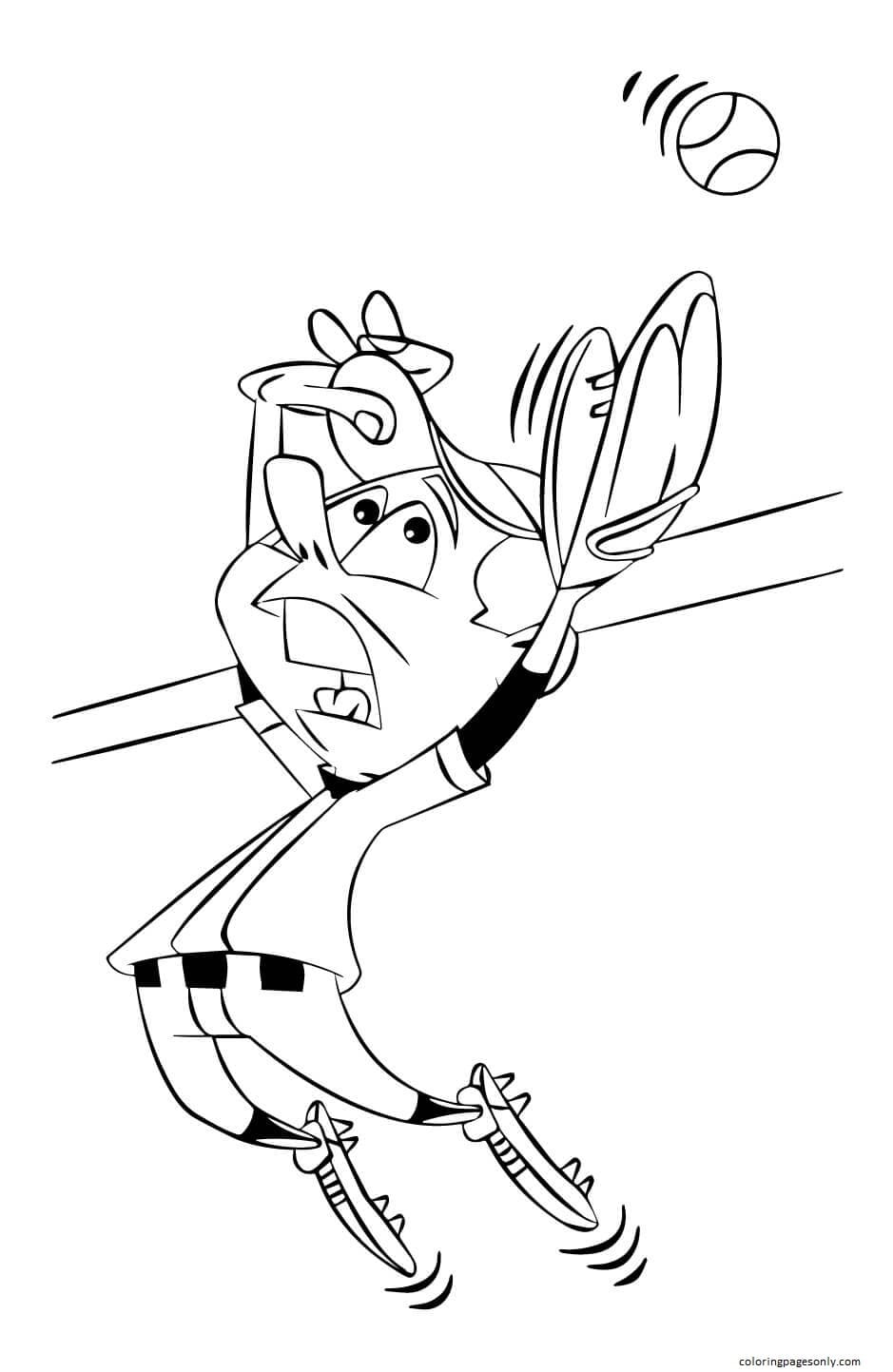
Fielding and blocking – Player Blocking, Baseball Player Jumping to Catch Ball – capture the defensive athleticism of fielders in motion. The jumping catch tile is one of the collection’s most dynamic compositions – a fielder fully extended, leaping to reach a ball at the limit of their range.
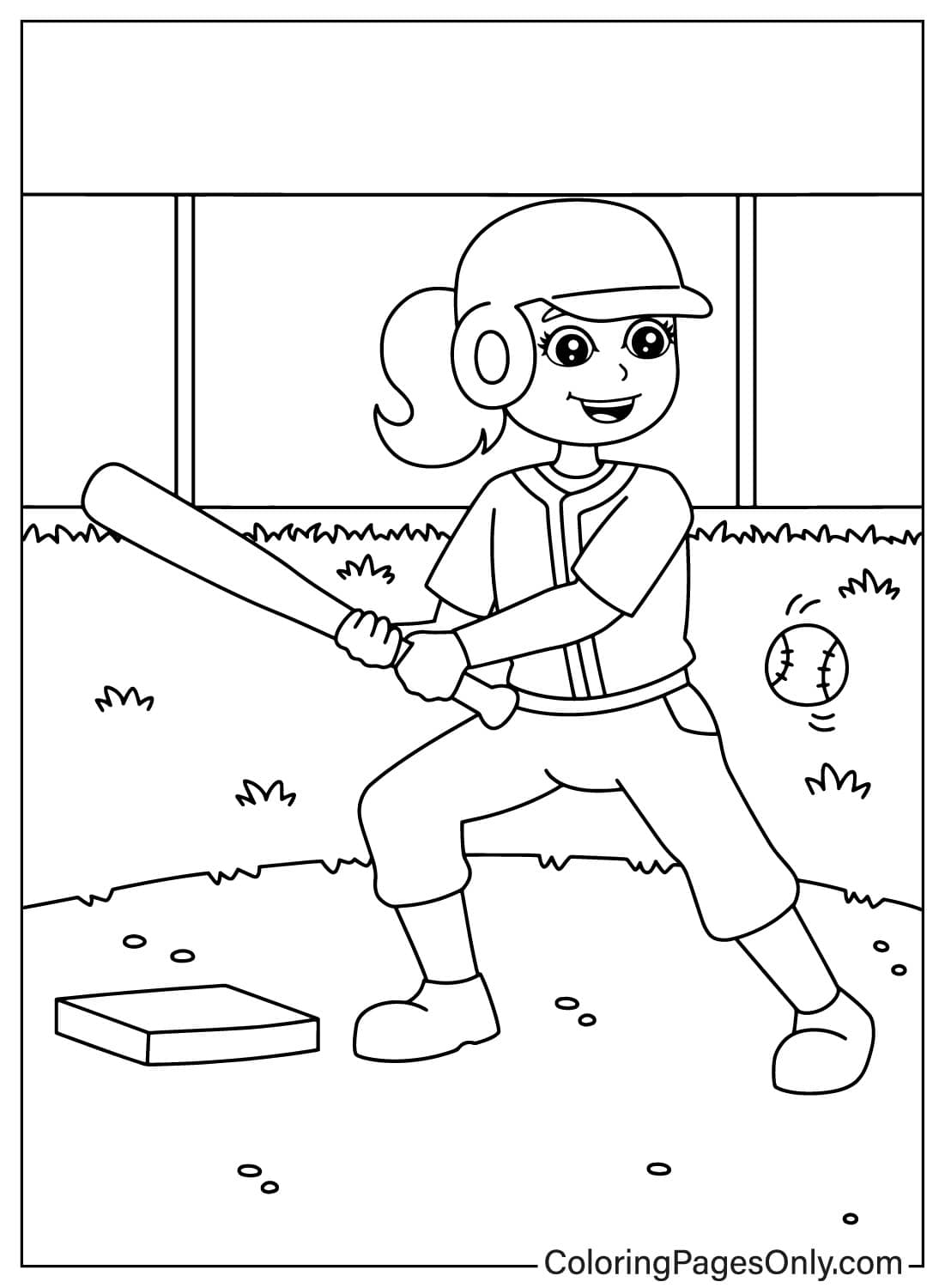
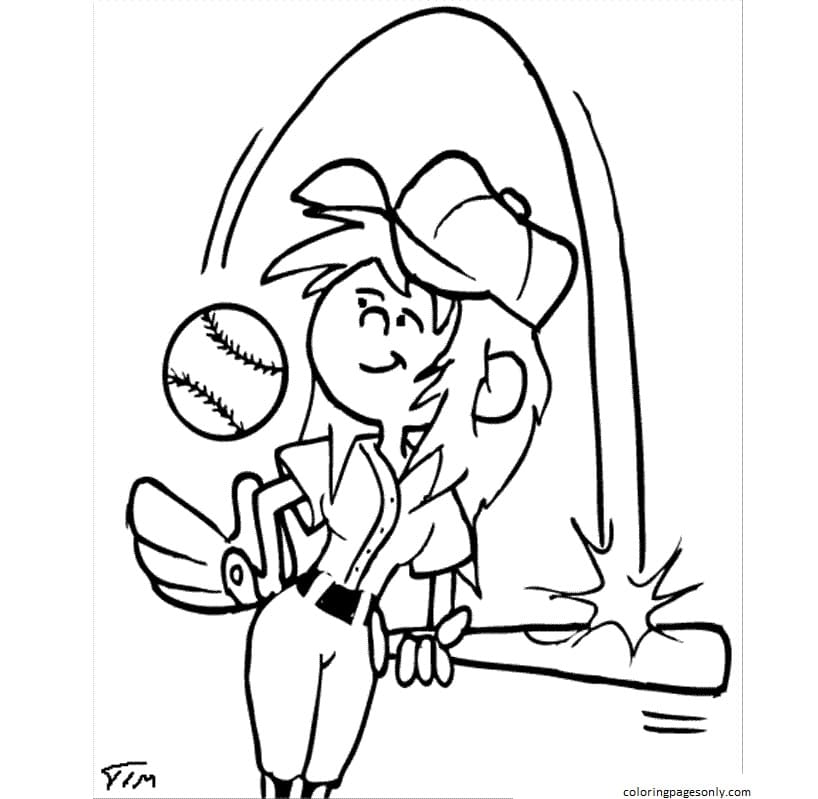
Girl player tiles – The Girl Playing Baseball, Baseball Girl – are part of the collection’s explicit inclusion of female players. Girls’ baseball participation through Little League, high school programs, and international competition has grown substantially, and the collection’s inclusion of female players reflects the sport’s expanding demographic reach.
Baseball Equipment
Baseball Glove – the fielder’s mitt – is one of the most recognizable objects in American sports and one of the most individually distinctive pieces of equipment in athletics. Each player’s glove is broken in and shaped to that player’s specific hand over years of use, developing creases and a pocket depth unique to its owner. The baseball glove uses a characteristic tan or brown leather palette – the natural color of the cowhide leather used in professional and high-quality amateur gloves, darkened and softened through use. The pocket area is typically darker than the back of the glove from years of oil and ball contact.
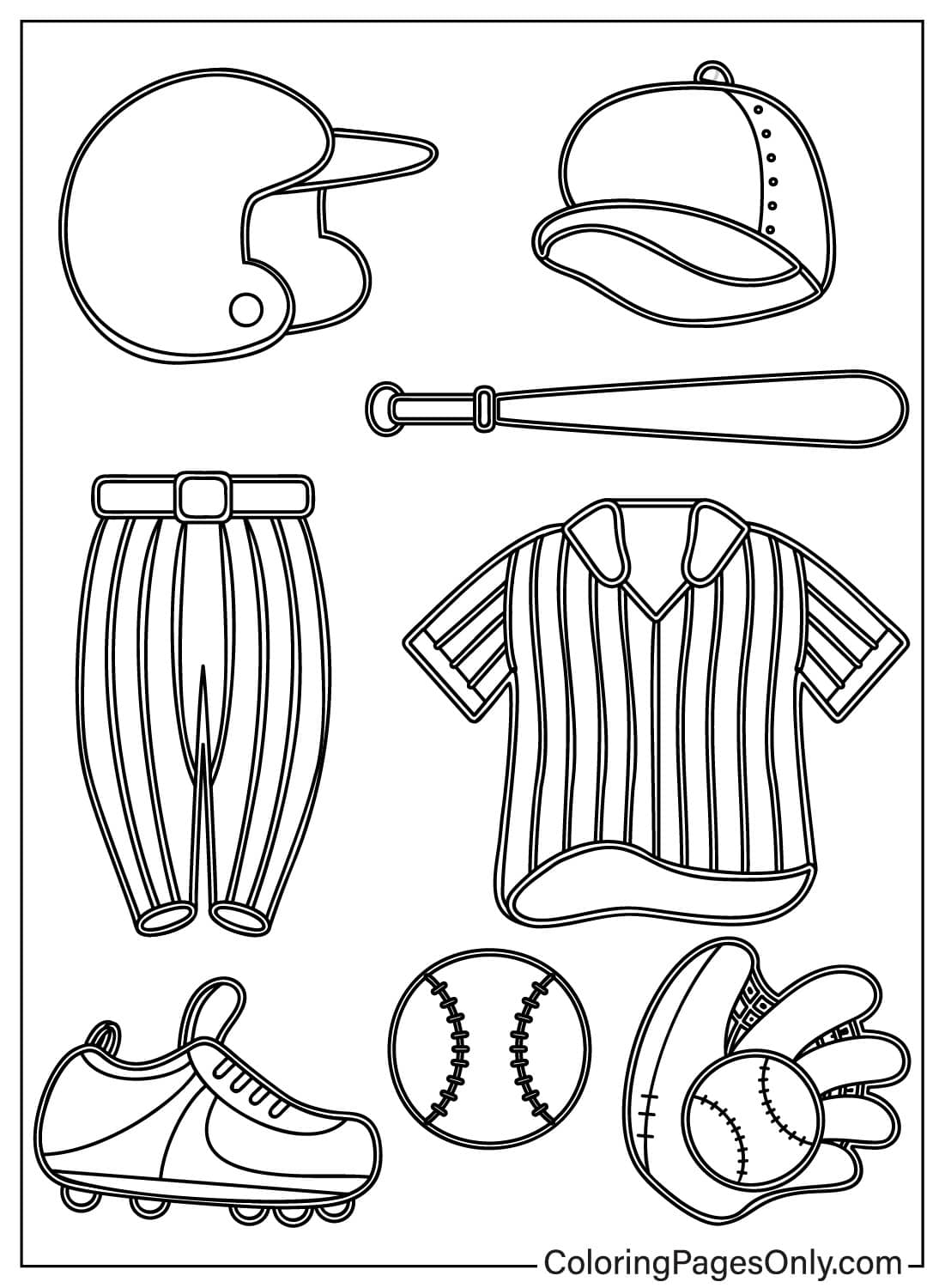
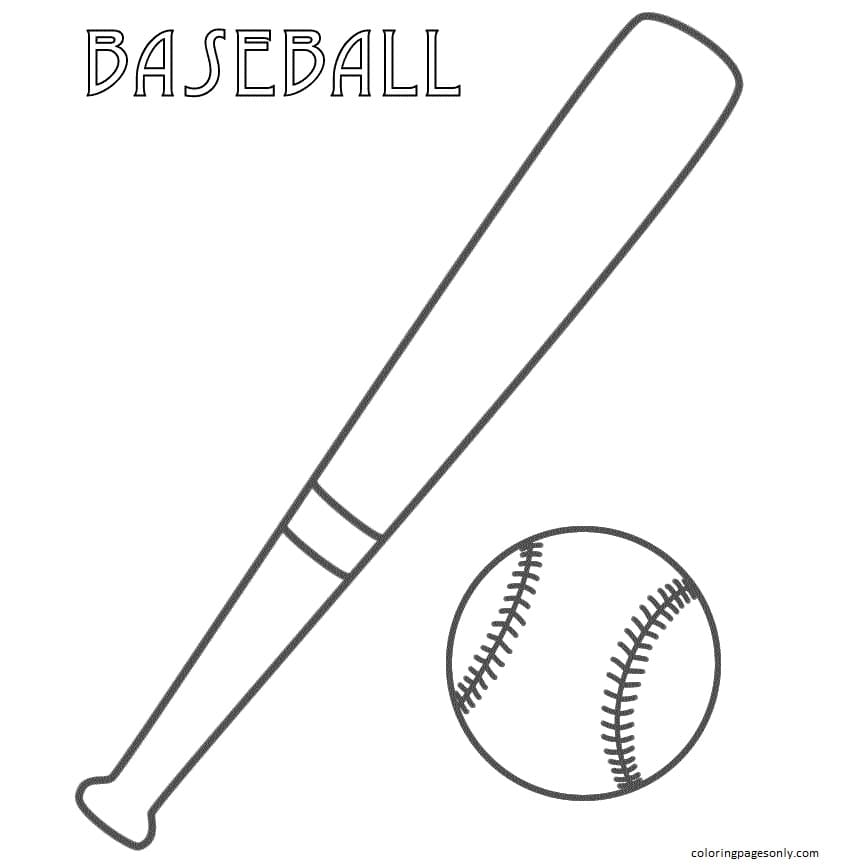
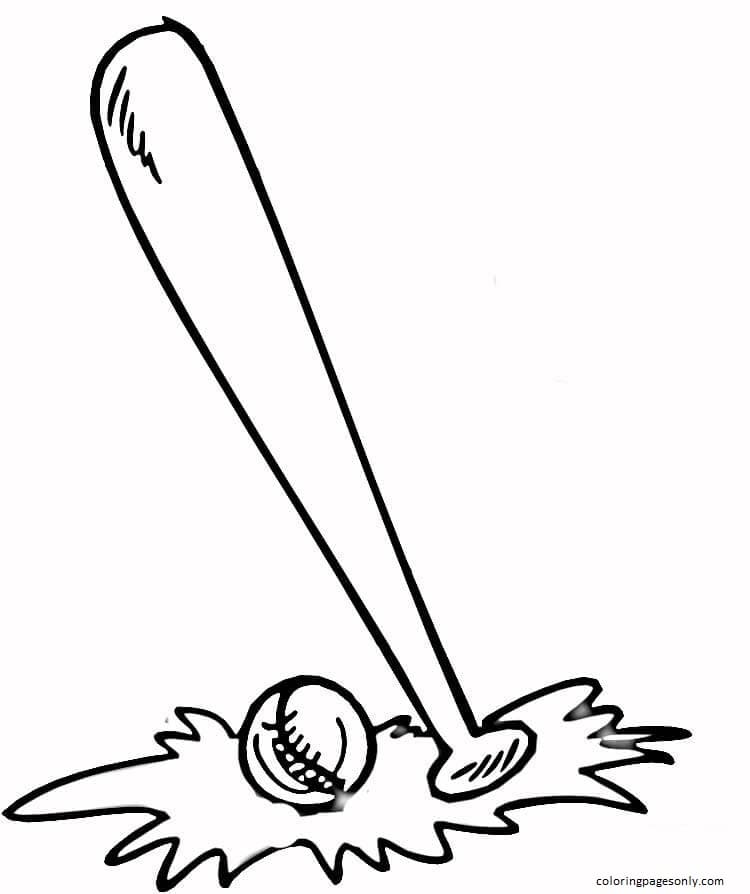
Baseball Bat is depicted in two tiles: the standalone Baseball Bat and the composition tile Baseball Bat and Ball. Wooden bats – the standard for professional baseball – use a specific palette: the natural warm tan of ash or maple wood for the barrel and handle, with a darker knob and end cap. Ash bats have a slightly more open grain pattern than maple; maple bats are denser and more uniform in color. The bat’s length is typically 34 inches for professional players, tapering from a wider barrel to a narrower handle.
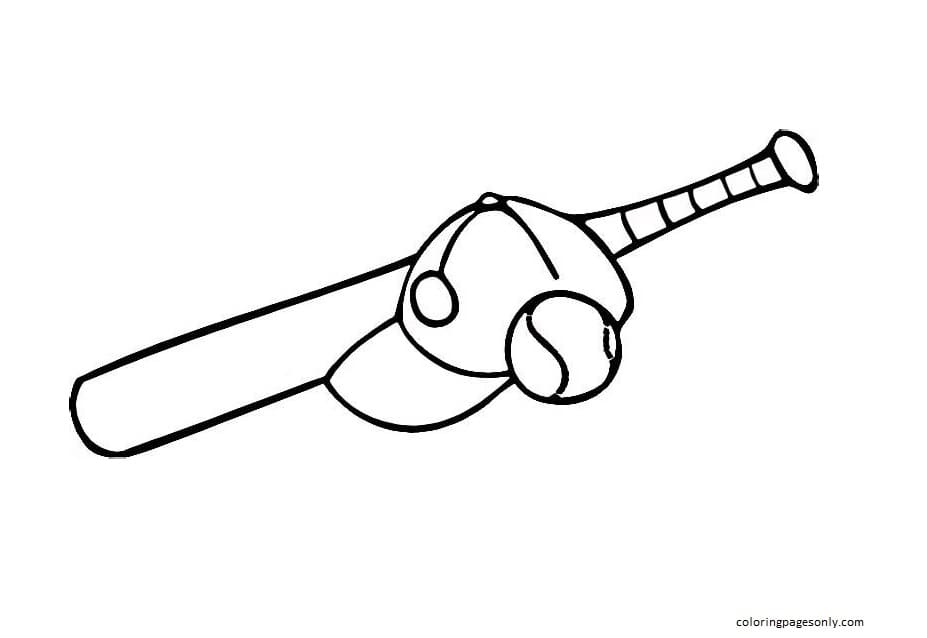
Baseball Bat and Ball/baseball bat, ball, and cap – equipment still-life compositions suited to younger children who want to engage with baseball imagery without the complexity of a player figure. The baseball itself is pure white with red raised-seam stitching – 108 double stitches in a specific curved pattern that gives the ball its characteristic appearance and affects its aerodynamic behavior in flight.
MLB Team Logos
Six MLB team logos appear in the collection, each presenting a specific coloring challenge based on that team’s established visual identity.
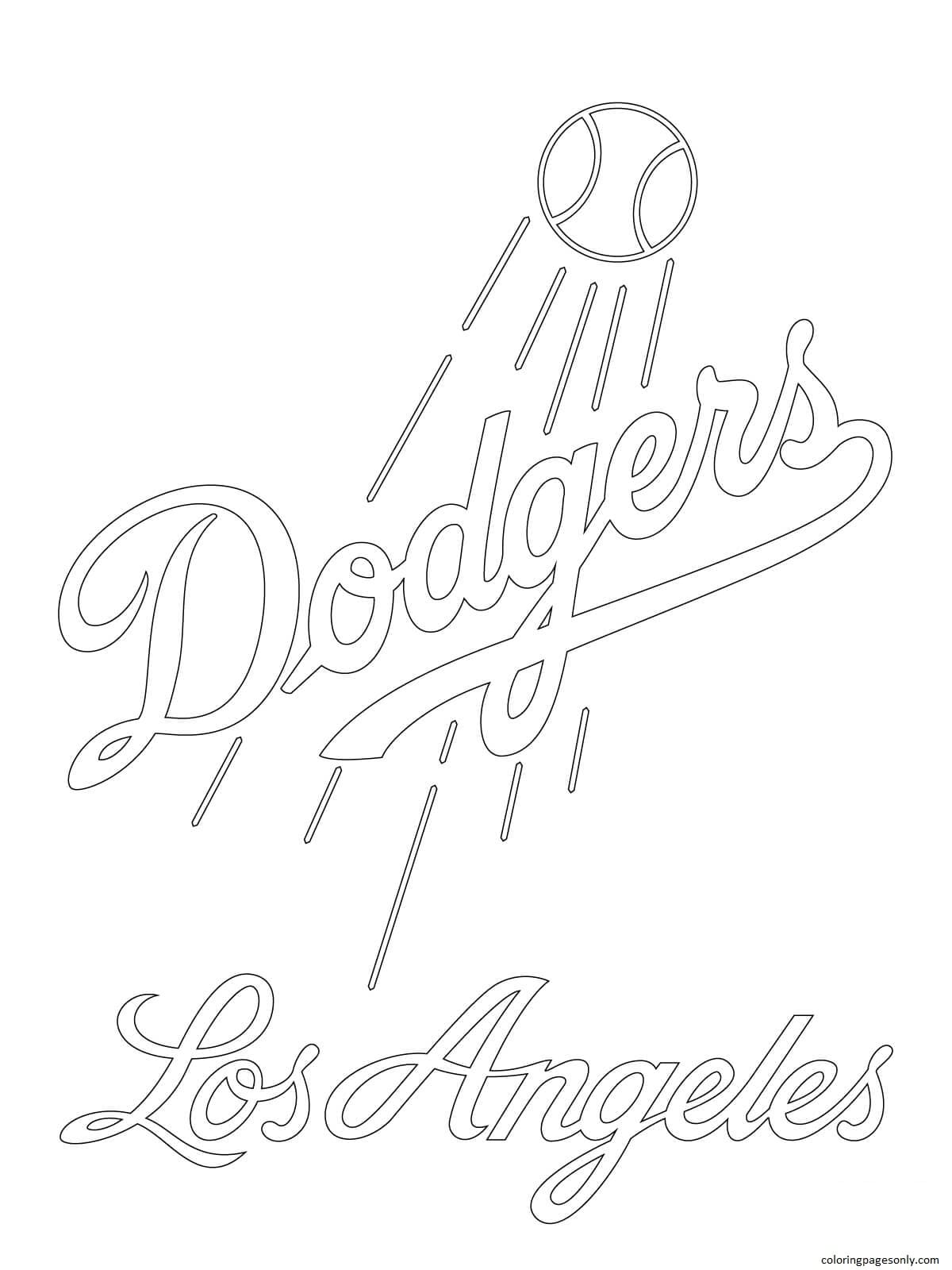
The Los Angeles Dodgers Logo uses the team’s iconic script “Dodgers” lettering in royal blue – one of the most recognized wordmarks in professional sports. The Dodgers’ color system is royal blue and white with a red accent, established in their Brooklyn era and maintained through the move to Los Angeles in 1958.
Philadelphia Phillies (Philadelphia Philie Baseball Team tile) uses the team’s red and white primary color system with the interlocking “P” or script “Phillies” depending on which logo treatment is depicted. The Phillies’ vivid red is one of the most saturated primary reds in professional baseball.
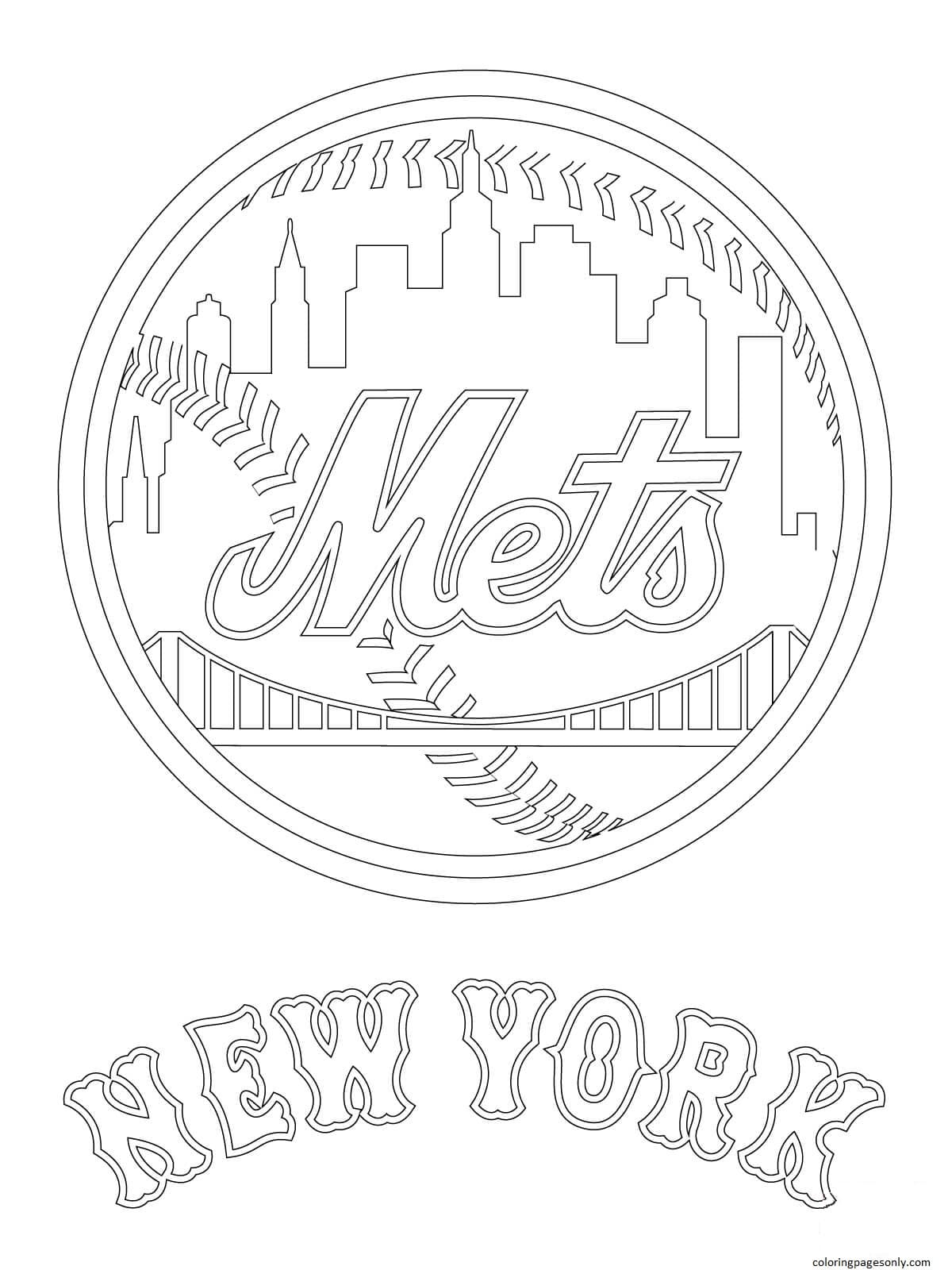
The New York Mets Logo uses the team’s royal blue and orange color system – a deliberate combination of the colors of the two departed New York NL teams (Brooklyn Dodgers’ blue, New York Giants’ orange) when the Mets were established as the city’s National League replacement in 1962.
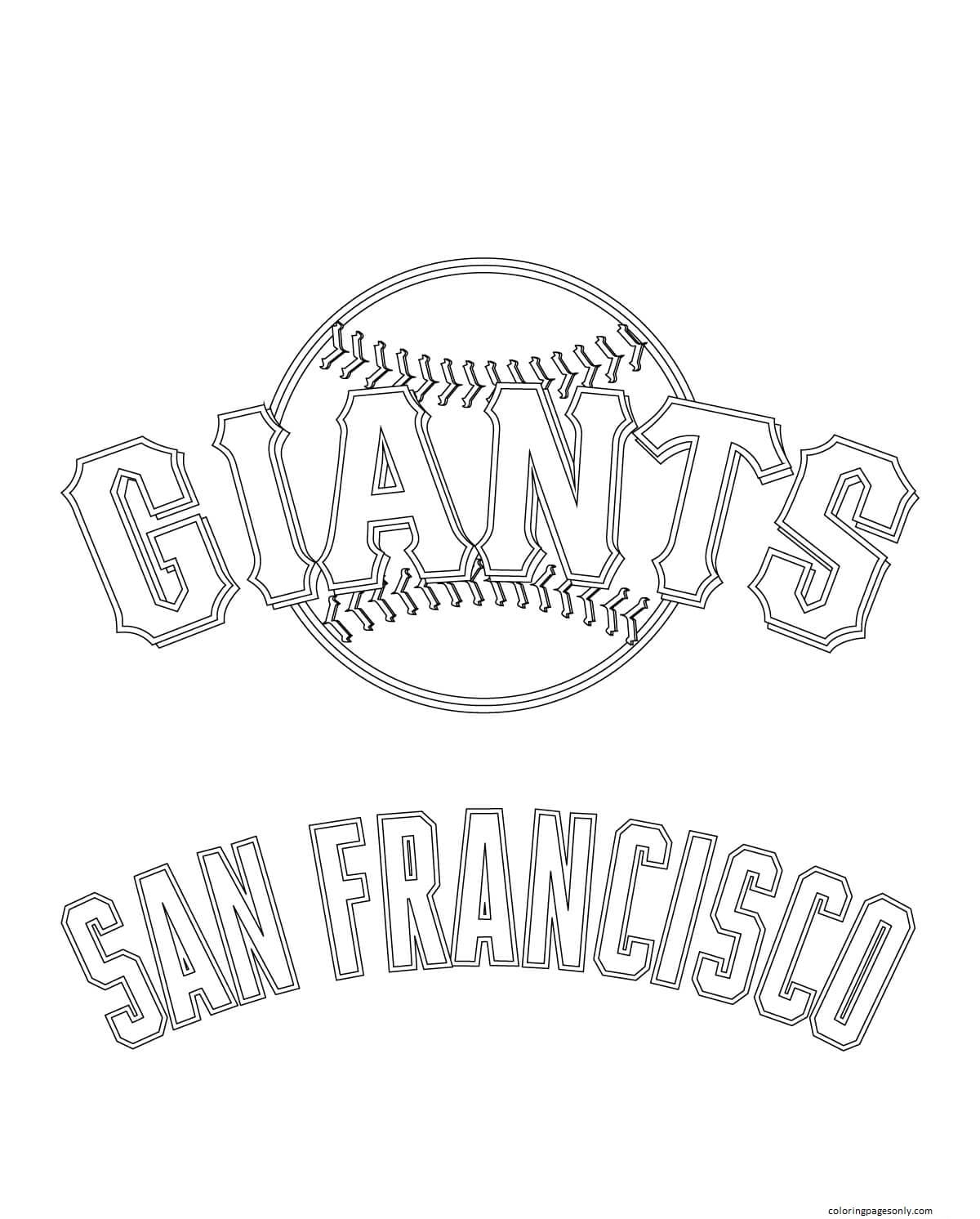
San Francisco Giants Logo uses the team’s black, orange, and cream color system – the vivid orange most associated with San Francisco’s visual identity, paired with black outlines and cream or white fill areas.
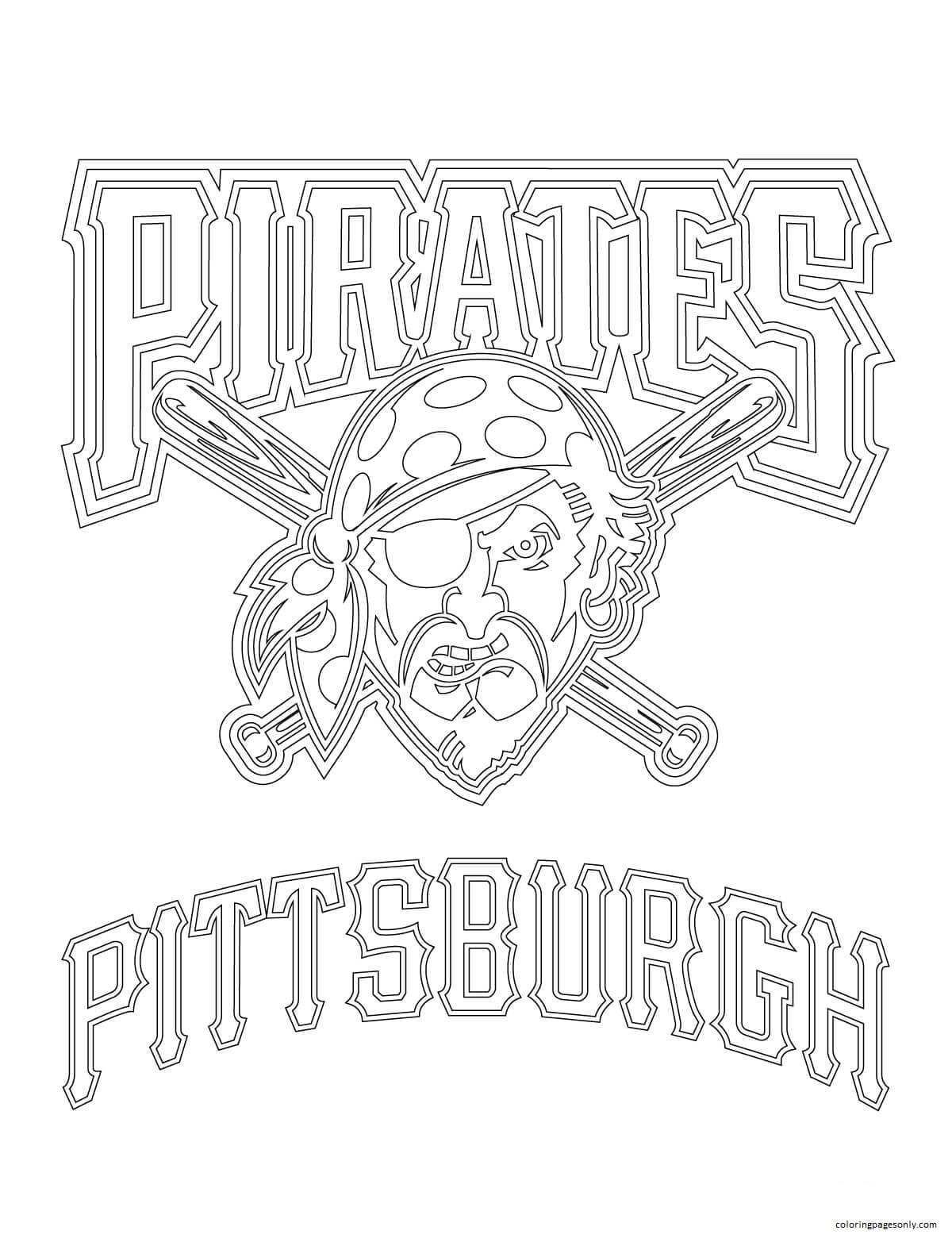
Pittsburgh Pirates Logo uses the team’s black and gold – the same black and gold that defines all of Pittsburgh’s professional sports franchises, reflecting the colors of the city flag. The Pirates’ skull-and-crossbones “Jolly Roger” pirate imagery gives them one of baseball’s most dramatically themed visual identities.
Cleveland Guardians (Guardians Cleveland Baseball Team tile) – note that the collection also contains a Cleveland Indians Logo tile from the team’s previous identity. The Cleveland franchise officially renamed itself the Guardians in November 2021, completing the transition before the 2022 season. The Guardian’s logo uses navy blue, red, and white with a new wordmark identity. When coloring the older Indians logo tile, the original identity used bright red, navy, and white.
Character and Animal Baseball Tiles
A dedicated sub-cluster covers baseball played by beloved characters and animals – combining the sport with established beloved character aesthetics to produce tiles with particular appeal for younger children.
Mickey Catching Baseball depicts Mickey Mouse in a fielding pose – Mickey’s canonical black body, white gloves, red shorts provide one of the most immediately recognizable character color profiles in the entire collection.
Elmo Baseball – Elmo from Sesame Street in baseball attire – uses Elmo’s vivid red fur, orange nose, and large white eyes within the baseball player uniform context. Elmo’s red makes him one of the most color-saturated tiles in the collection.
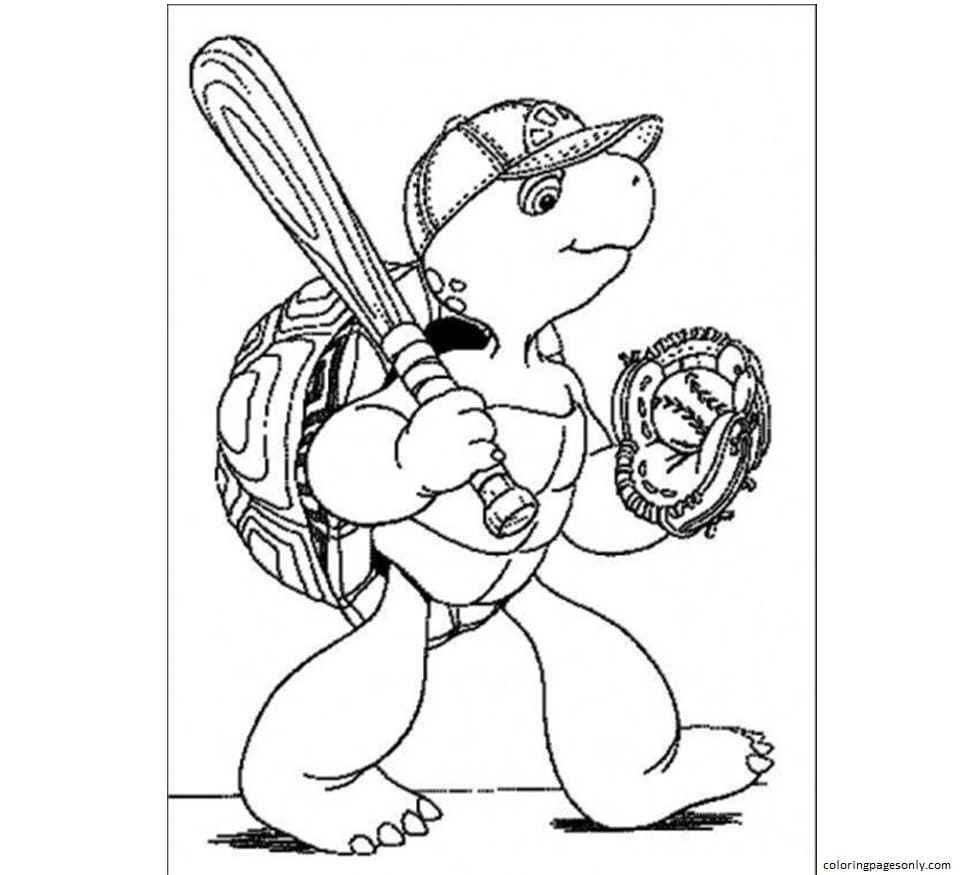
Franklin Is Playing Baseball depicts Franklin the turtle – the Canadian animated series character – in his characteristic green and brown turtle coloring alongside baseball equipment. Franklin’s calm, methodical personality makes him a natural baseball player character.
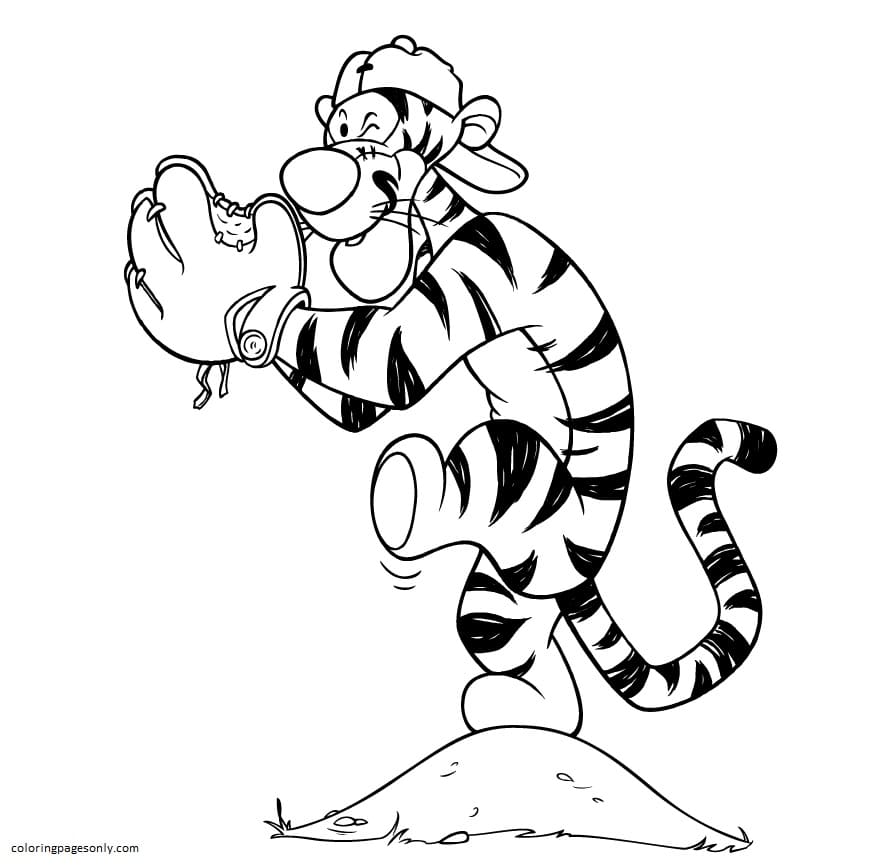
Tigger Play Baseball places the Winnie the Pooh tiger character in batting position – Tigger’s vivid orange with black stripes and cream belly creates a naturally high-contrast coloring subject.
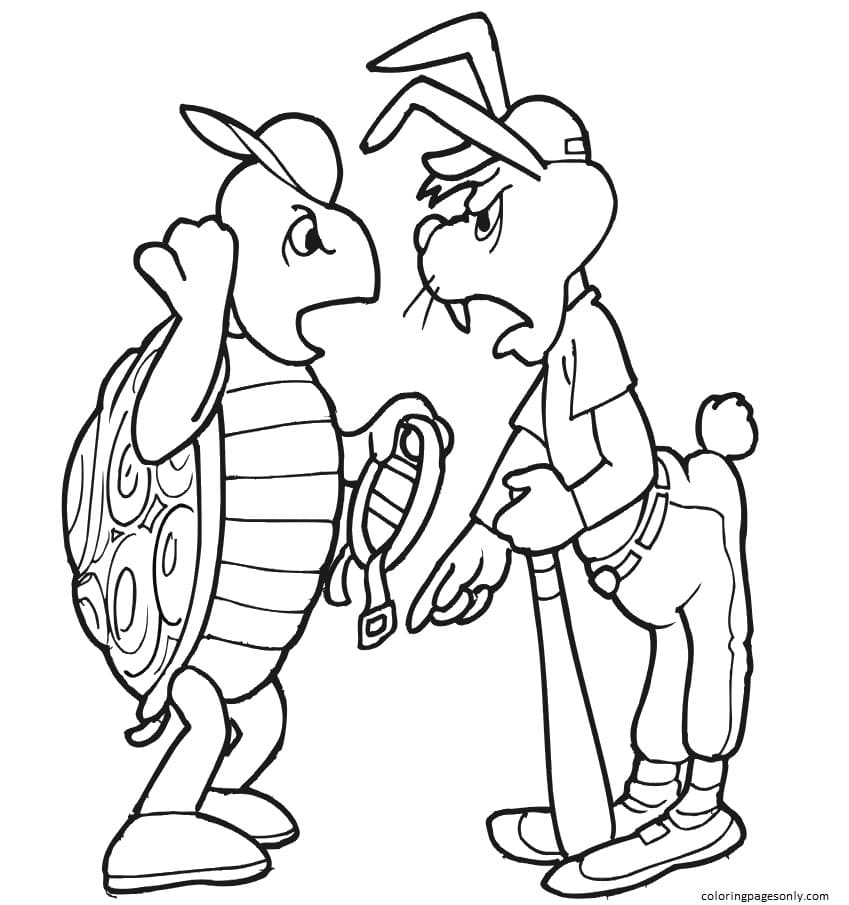
Turtle And Hare Play Baseball references the Aesop fable characters in a baseball context – a charming combination of classic children’s literature and sport.
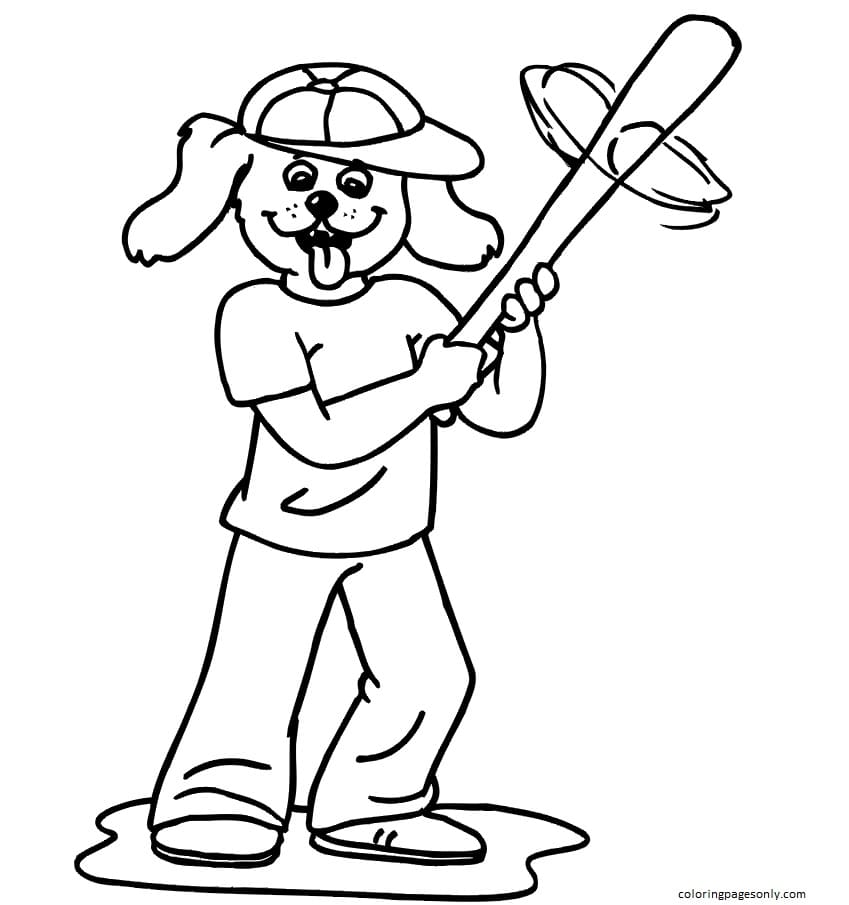
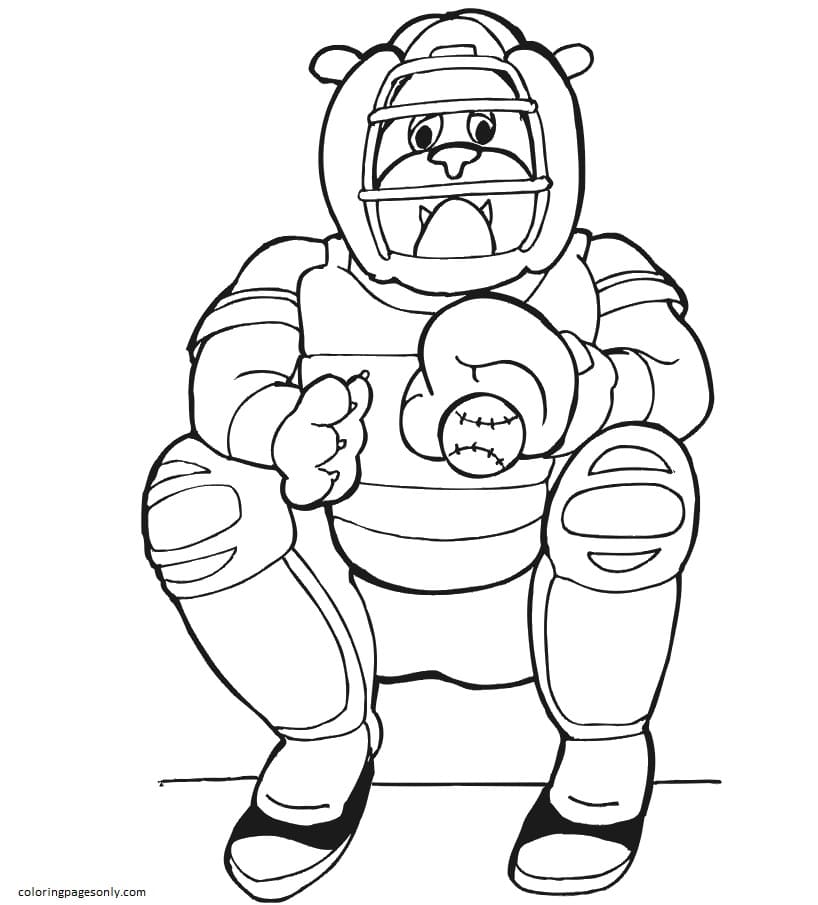
Dog Baseball, Dog Baseball Catcher, and Dog Baseball Player continue the animal player tradition with dog characters in full baseball uniform and equipment. The dog baseball catcher tile is particularly detailed, showing the full catcher’s equipment on a cartoon dog figure.
Jose Altuve Portrait
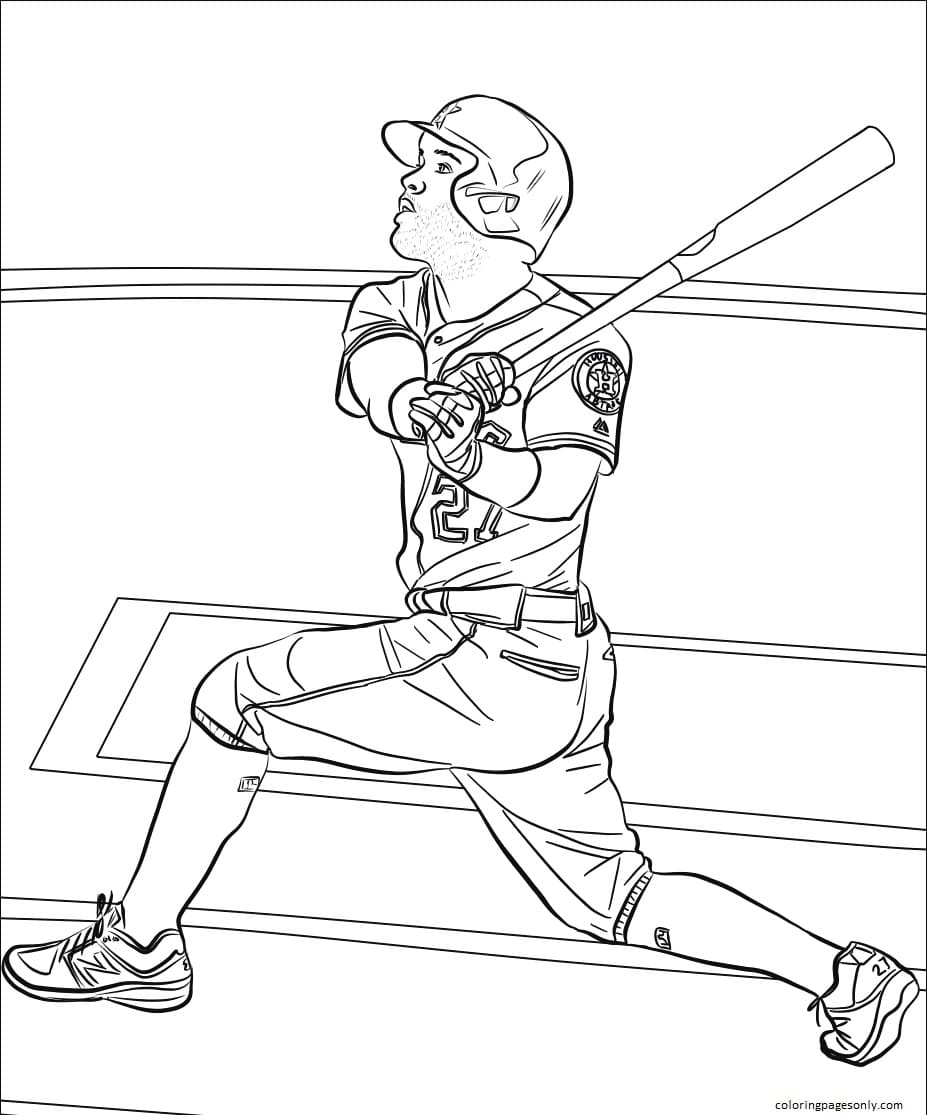
Jose Altuve is the Houston Astros second baseman and one of the most celebrated players in contemporary baseball. At 5 feet 6 inches, Altuve is among the shortest position players in MLB history and has used his compact frame to become a seven-time All-Star, 2017 AL MVP, and one of the sport’s most consistent hitters over a decade of professional play. His tile depicts him in his Astros uniform – deep orange and navy blue, the Astros’ current primary color system that returned to the team’s 1970s-era “Tequila Sunrise” color legacy.
The Umpire Tile
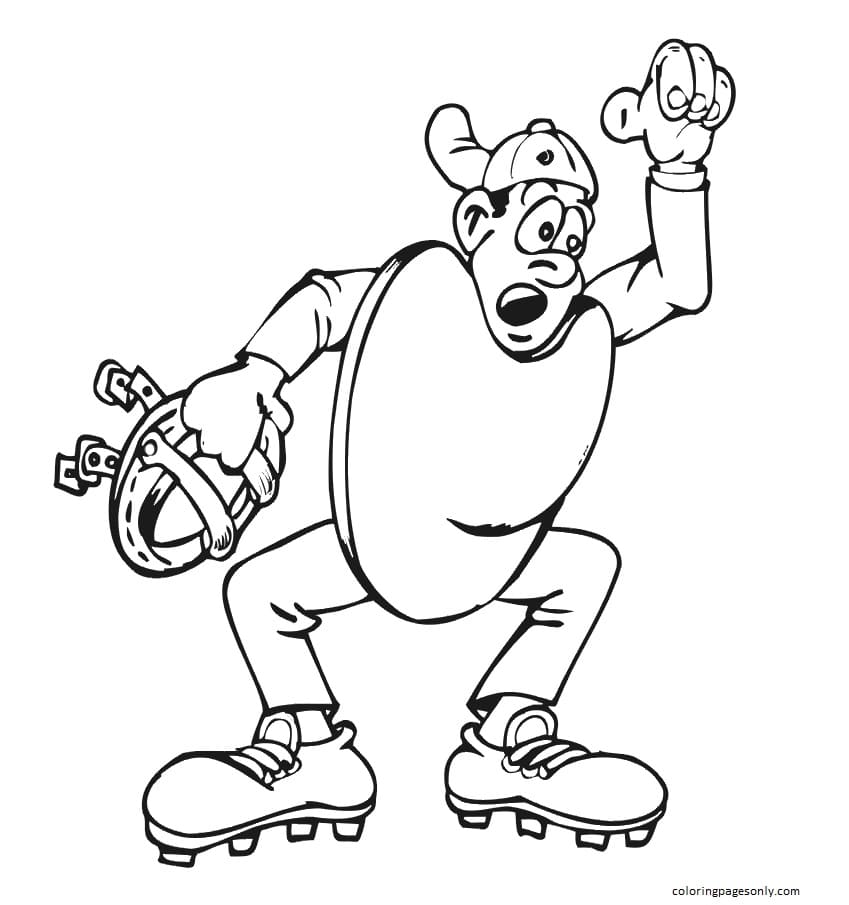
Umpire Baseball is the collection’s only tile dedicated to the game’s officiating personnel – the home plate umpire in full protective equipment calling a play. Umpires wear solid black as their standard working uniform, with a chest protector, ball bag, and face mask. The umpire tile captures one of baseball’s most dramatic recurring moments: the call at home plate.
Coloring Guide: Baseball’s Visual World
The Baseball Uniform
The baseball uniform has one of the most consistent visual languages in team sports – evolved over 150 years into a highly functional, highly traditional form. Standard home uniforms use white as the dominant color with team color lettering, piping, and numbering. Road uniforms traditionally use gray as the dominant color with the same team color accents. The cap is the most team-specific element – matching the team’s primary color with the logo centered on the crown.
Player numbers appear on the back of the jersey – large block numerals in the team’s accent color, outlined in a contrasting color. Names typically appear above the number on road jerseys. The stirrup sock and sanitarily system – visible at the ankle on many players – uses the team’s color system in a striped arrangement.
Pinstripes, the narrow vertical stripes associated most strongly with the New York Yankees (though used by multiple teams), appear as very fine pale gray lines on a white background – barely perceptible at normal viewing distance but visible in close detail.
Grass and Field Surfaces
The infield dirt is the most important environmental color in any baseball field tile – a warm, slightly orange-red clay in most MLB stadiums, or gray-brown sandy clay depending on the specific ballpark. The warning track (the dirt path running along the outfield wall) uses the same dirt color. The grass of the outfield and infield grass areas uses a rich, medium-dark green – the well-maintained professional turf that appears nearly uniform in color with very subtle directional variation from mowing patterns.
The pitcher’s mound uses the same clay as the infield dirt, slightly elevated with a rubber plate at the center. The four bases are white canvas – bright white squares at first, second, and third; the five-sided home plate is in white rubber.
The Baseball’s Red Stitching
The baseball’s 108 red stitches are its most distinctive visual element for coloring purposes. The stitching follows a specific curved path across the ball’s surface, creating the characteristic “figure-8” seam pattern. Use a vivid red – the specific medium-bright red of the official baseball stitching – applied carefully along the curved seam line. The ball itself is pure white – the cleanest white in any baseball scene tile, as the ball is bright, new-looking at the start of play.
5 Activities Using Baseball Coloring Pages
Design Baseball Cards
Baseball cards are one of the sport’s most beloved traditions – collectible printed cards featuring player portraits and statistics, continuously produced since the late 19th century. Use the player action tiles and portrait tiles to create custom baseball card designs: print the coloring page, color the player illustration, then cut to standard baseball card dimensions (2.5 × 3.5 inches) and add the player’s name and a fictional stats line on the back with a marker. The Jose Altuve portrait tile is particularly well-suited to this format.

Image source: Etsy.
Make Baseball Stickers
Color and cut out the equipment tiles – Baseball Glove, Baseball Bat, Baseball Bat and Ball, baseball bat ball, and cap – at a small scale and back with adhesive tape to create baseball-themed stickers for notebooks, water bottles, and equipment bags. The circular baseball itself is the simplest shape to cut cleanly; the glove’s complex, curved shape requires more careful cutting but produces the most distinctive result.

Image source: AliExpress.
Create a Framed Baseball Art Print
Color one of the player action tiles – the Home Run Baseball Hit or Baseball Pitcher. The Stare Down is a particularly dramatic composition, with vivid, fully saturated colors, treating the coloring page as a piece of sports illustration art rather than a children’s activity. Frame the completed page in a standard 8.5×11 frame for a piece of wall art that looks intentional and celebratory in a child’s room or a family sports space.

Build a 3D Baseball Field
Color all the player position tiles (pitcher, batter, catcher, fielders) and cut out each figure with a cardboard tab folded at the base so they stand upright. Print and color the Baseball Stadium tile as a background. Arrange the standing player figures on a handmade field base – a piece of cardboard painted or covered with green paper for grass, brown paper or sand for the infield dirt, and white paper squares for the bases. The result is a three-dimensional baseball scene that combines coloring, cutting, and simple construction.

Image source: Etsy.
Make a Baseball Puzzle
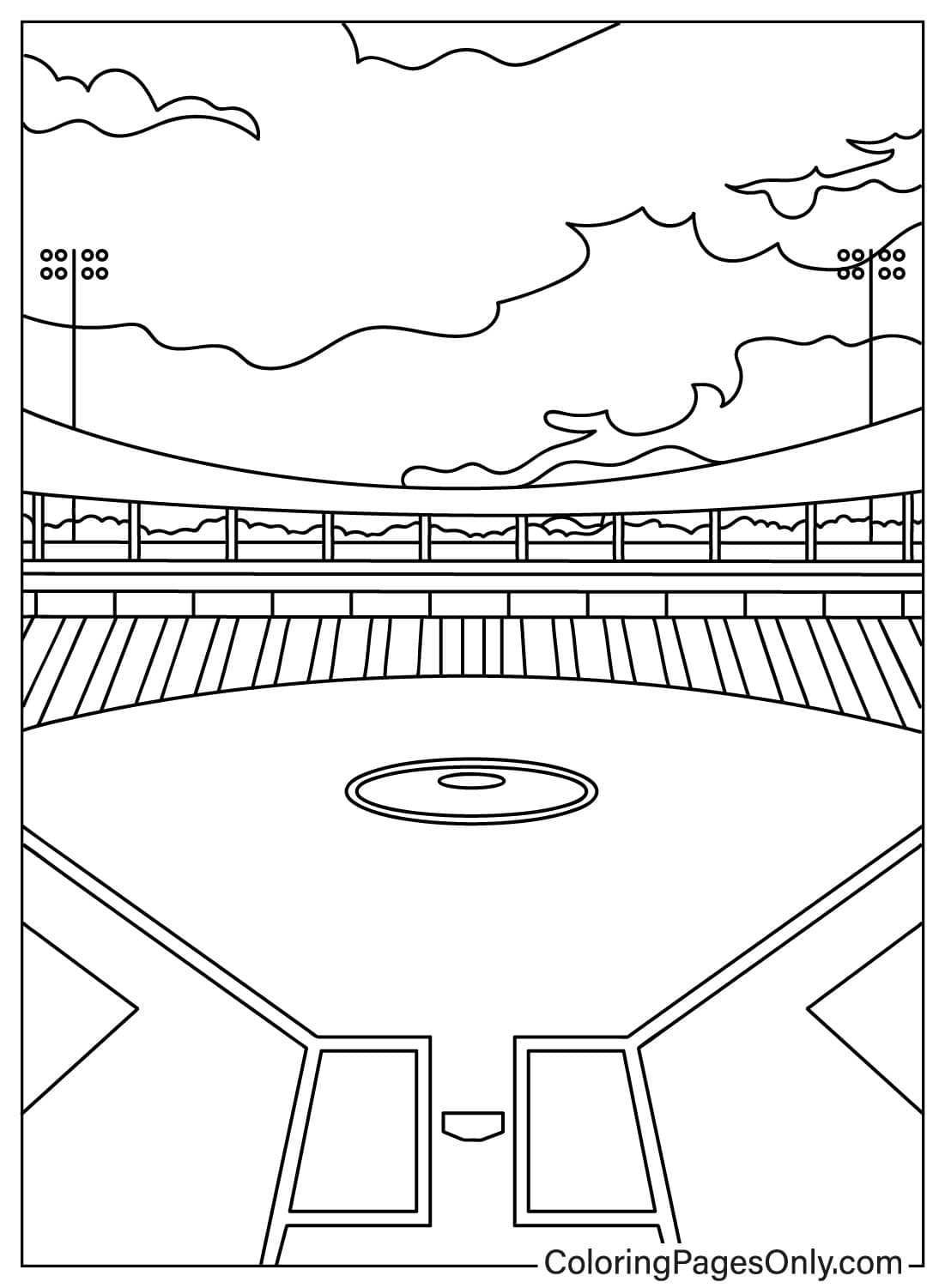
Print any of the larger composition tiles – Baseball Stadium, Baseball Game, or one of the player action scenes – on thick cardstock at full 8.5×11 size. Color it carefully. Once dry, draw irregular puzzle piece shapes on the back and cut them out with scissors. The more irregularly cut and numerous the pieces, the more challenging the puzzle. Store in a small zip-lock bag and use as a rainy-day activity or a game to play with younger siblings.
FAQs
What are the basic rules of baseball? Two teams of nine players alternate between batting and fielding over nine innings. The batting team tries to score runs by advancing players around four bases – home plate, first, second, and third – back to home plate. The fielding team tries to get three outs per inning by striking batters out, catching fly balls, or throwing to a base before the runner arrives. The team with the most runs after nine innings wins.
What is a home run? A home run occurs when a batter hits the ball over the outfield fence in fair territory, allowing the batter and all baserunners to score. A solo home run scores one run; a grand slam (bases loaded) scores four. The home run is the sport’s most dramatic offensive event and the most celebrated individual achievement in a single at-bat.
What is the MLB? MLB stands for Major League Baseball – the professional baseball organization governing 30 teams divided into the American League and National League, each with three divisions (East, Central, West). The MLB season runs from April through early October, followed by playoffs ending in the World Series championship in late October.
Why did the Cleveland Indians change their name? The Cleveland franchise announced in 2021 that it would retire the “Indians” team name, which had faced criticism for decades as inappropriate given its representation of Native American identity, and renamed itself the Cleveland Guardians beginning with the 2022 season. The collection includes both the historical Indians logo tile and a newer Guardians tile.
What is the difference between the pitcher and the catcher? The pitcher throws the ball from the elevated pitcher’s mound toward home plate, attempting to prevent the batter from making contact. The catcher crouches behind home plate to receive pitches, signals pitch selection to the pitcher, and handles balls that reach the plate. They work together as a battery – the most important defensive partnership in the game.
Which MLB team logos are in this collection? The collection includes logo tiles for the Los Angeles Dodgers, Philadelphia Phillies, New York Mets, San Francisco Giants, Pittsburgh Pirates, and Cleveland (depicted in both the historical Indians identity and the current Guardians identity). For a broader collection of MLB team materials, see our MLB Coloring Pages.
What age group is this collection for? All ages. The simple equipment still-life tiles (Baseball Bat, Baseball Glove, Baseball Bat and Ball) and character tiles (Elmo Baseball, Mickey Catching Baseball) suit children ages 3–6. Player action and team logo tiles work well for ages 6 and up. The more detailed stadium and uniform tiles are appropriate for older children, teens, and adults. For developmental guidance on coloring page complexity by age, see our coloring pages by age guide.
All 48 Baseball Coloring Pages are free – download as PDF or color online. Share your finished pages on Facebook and Pinterest.