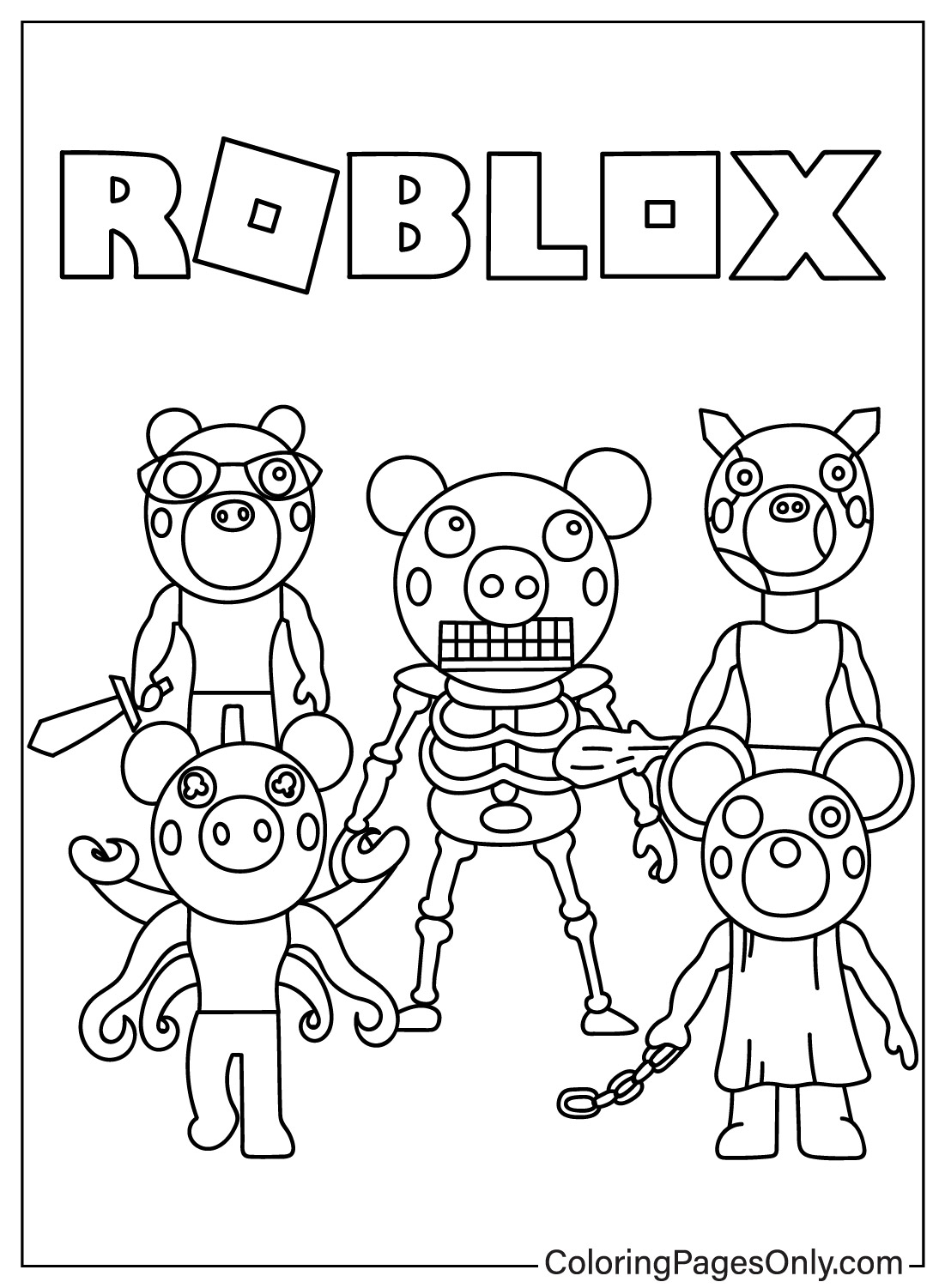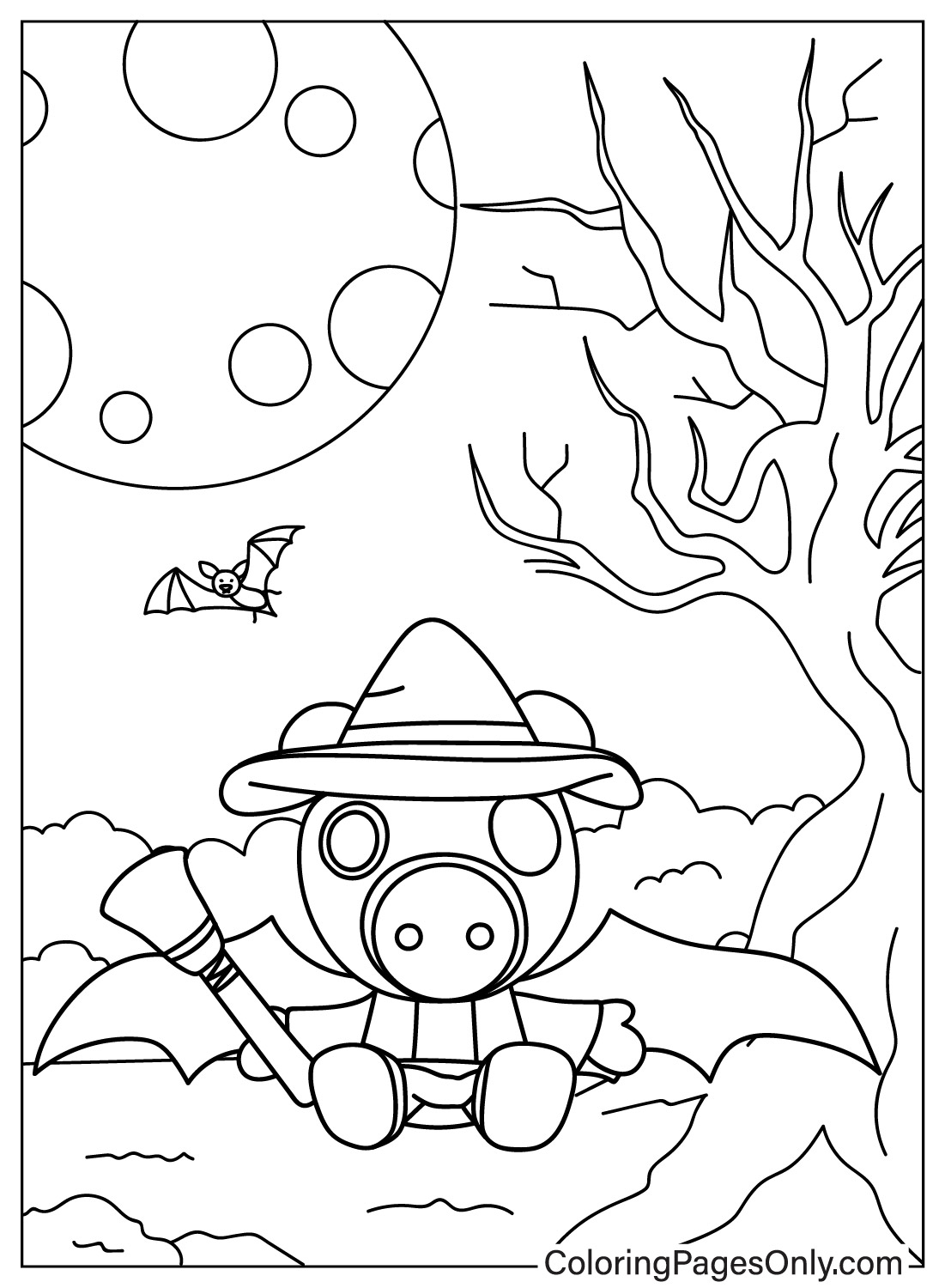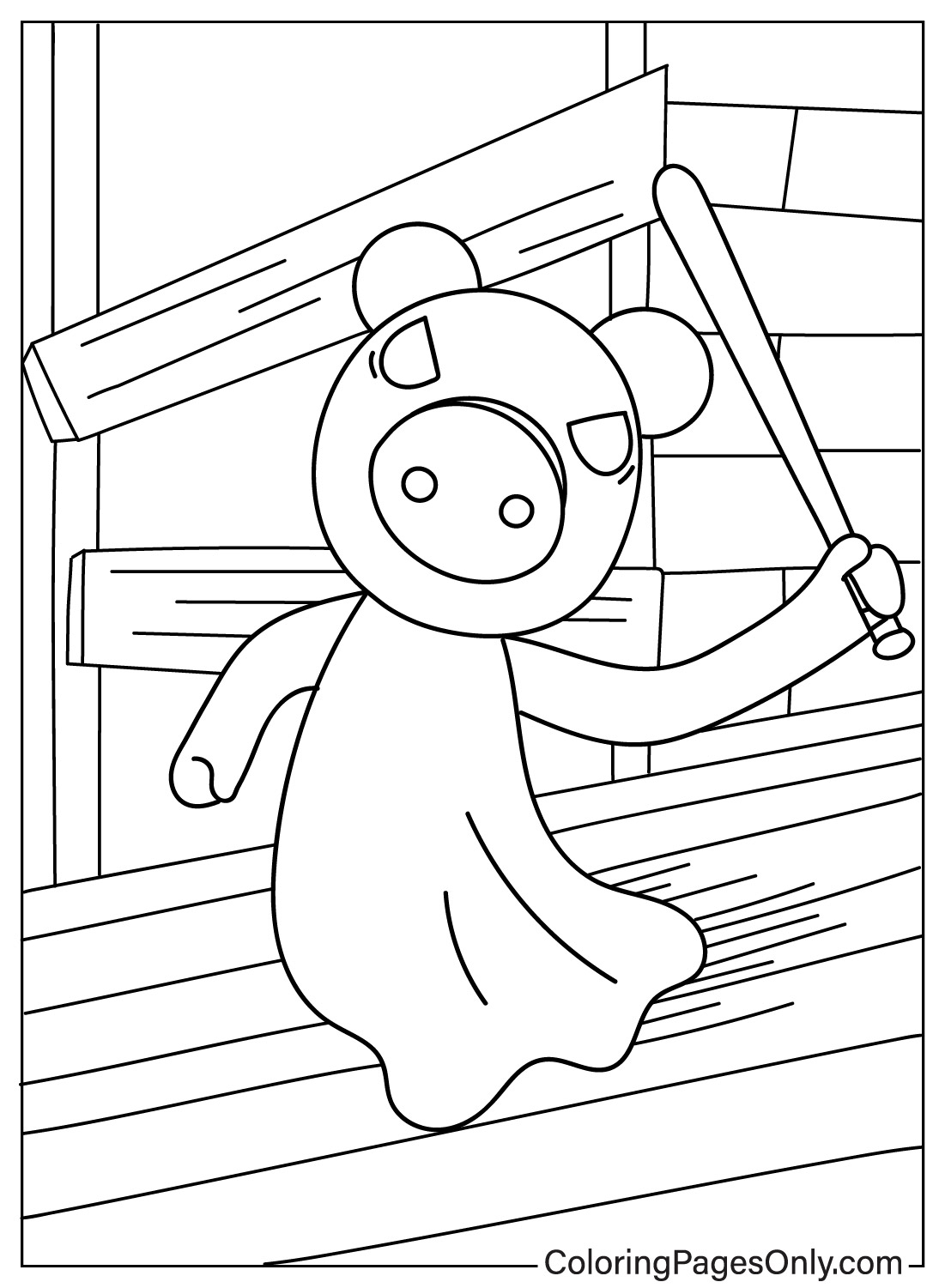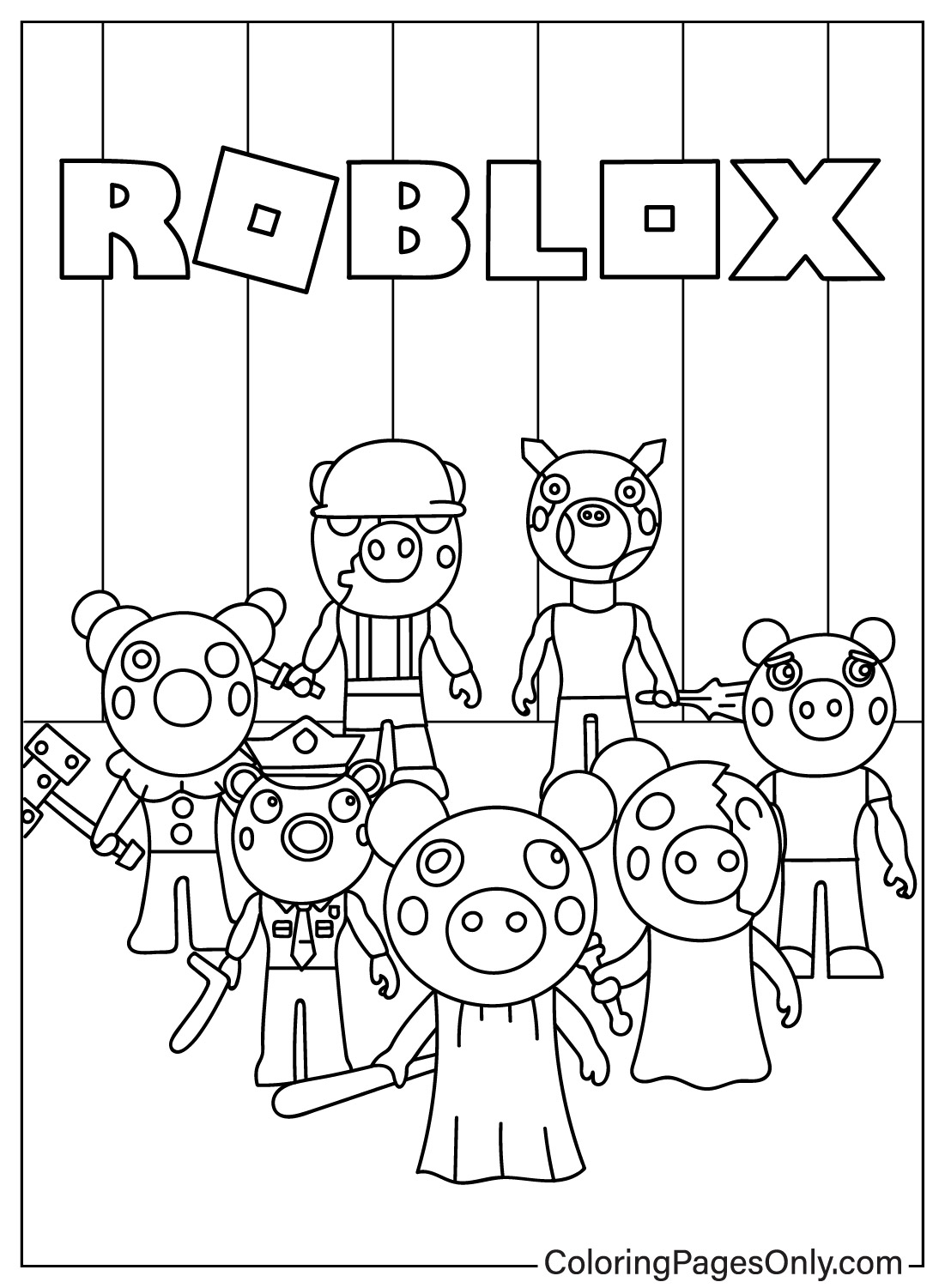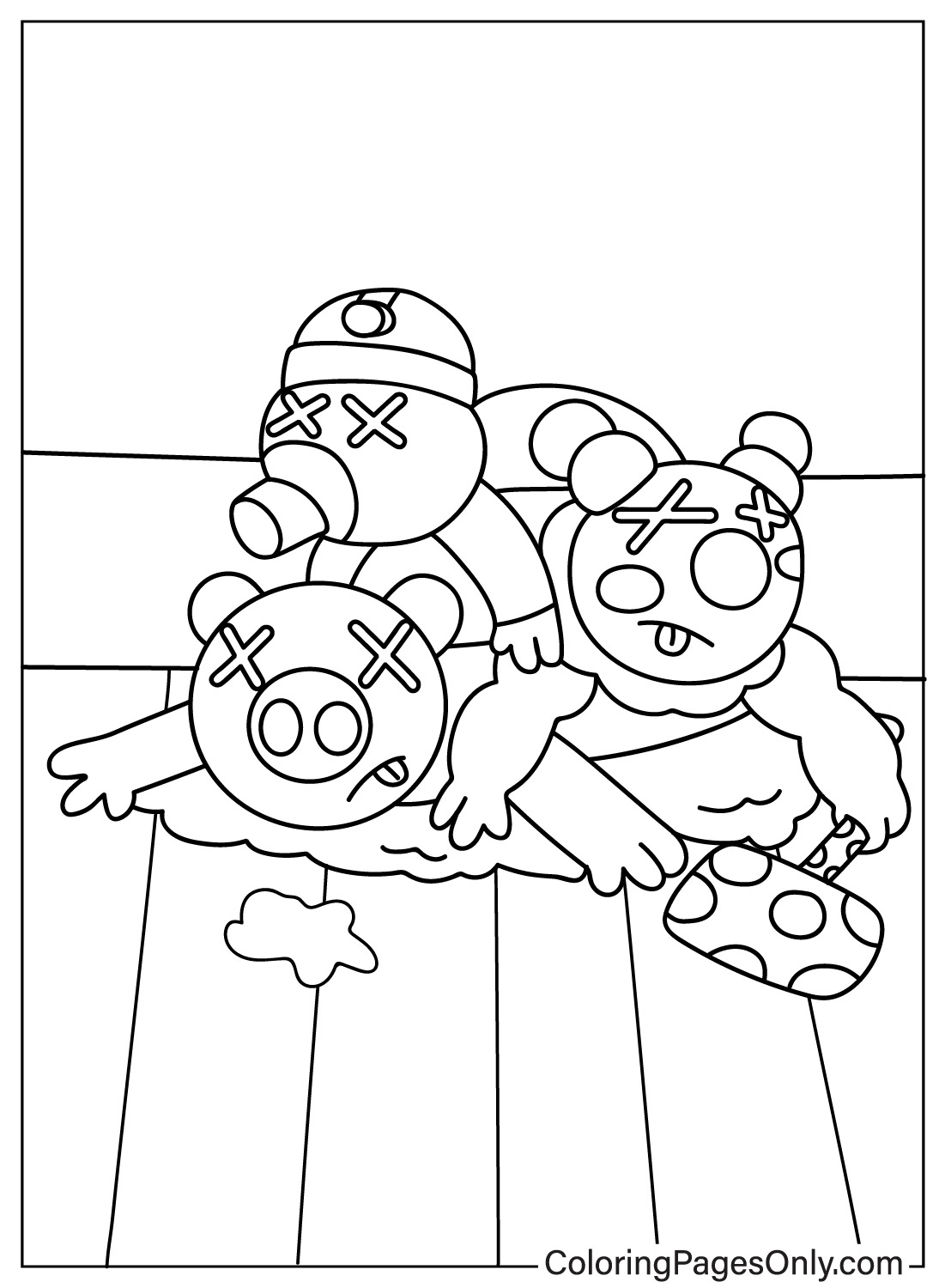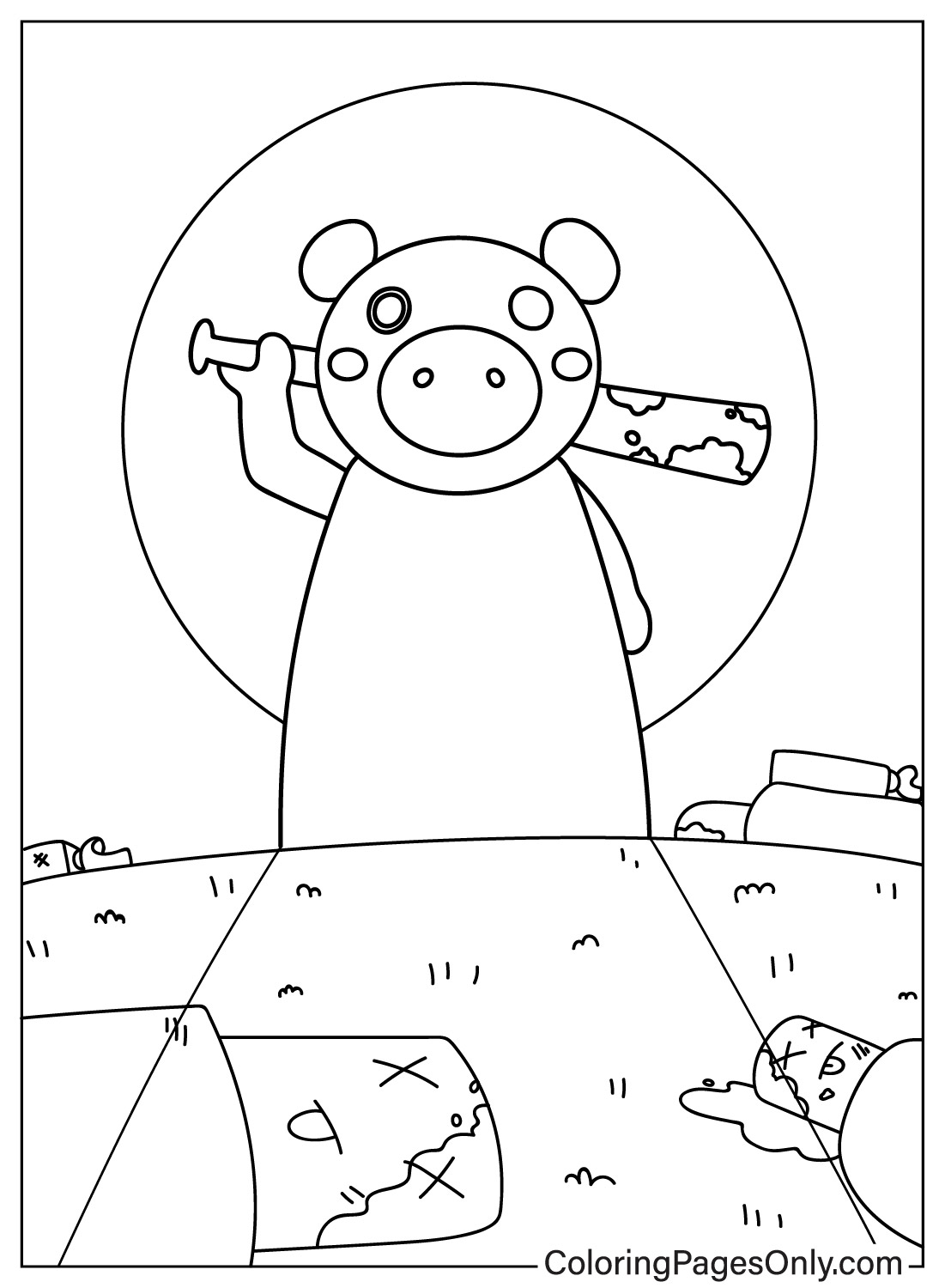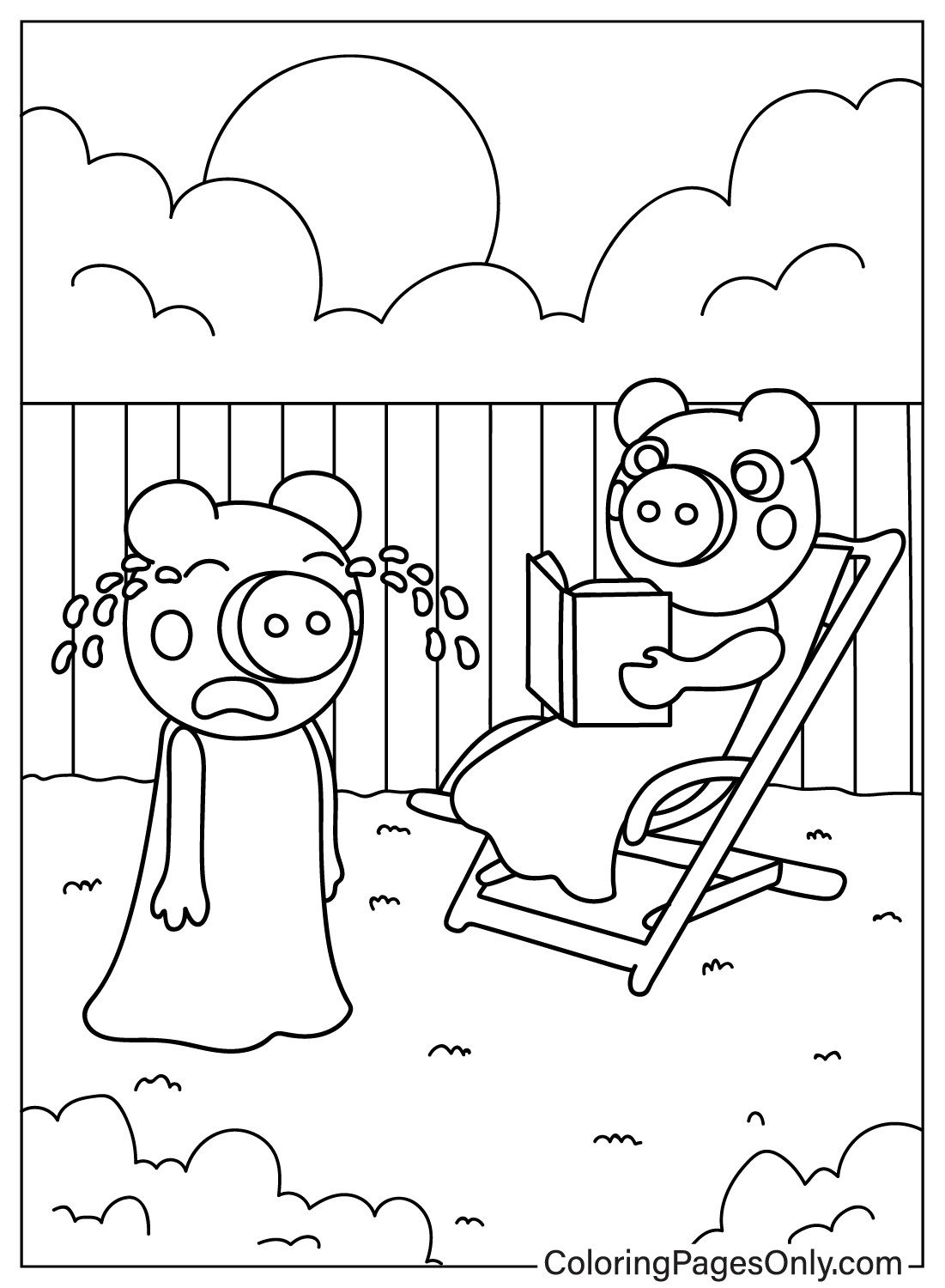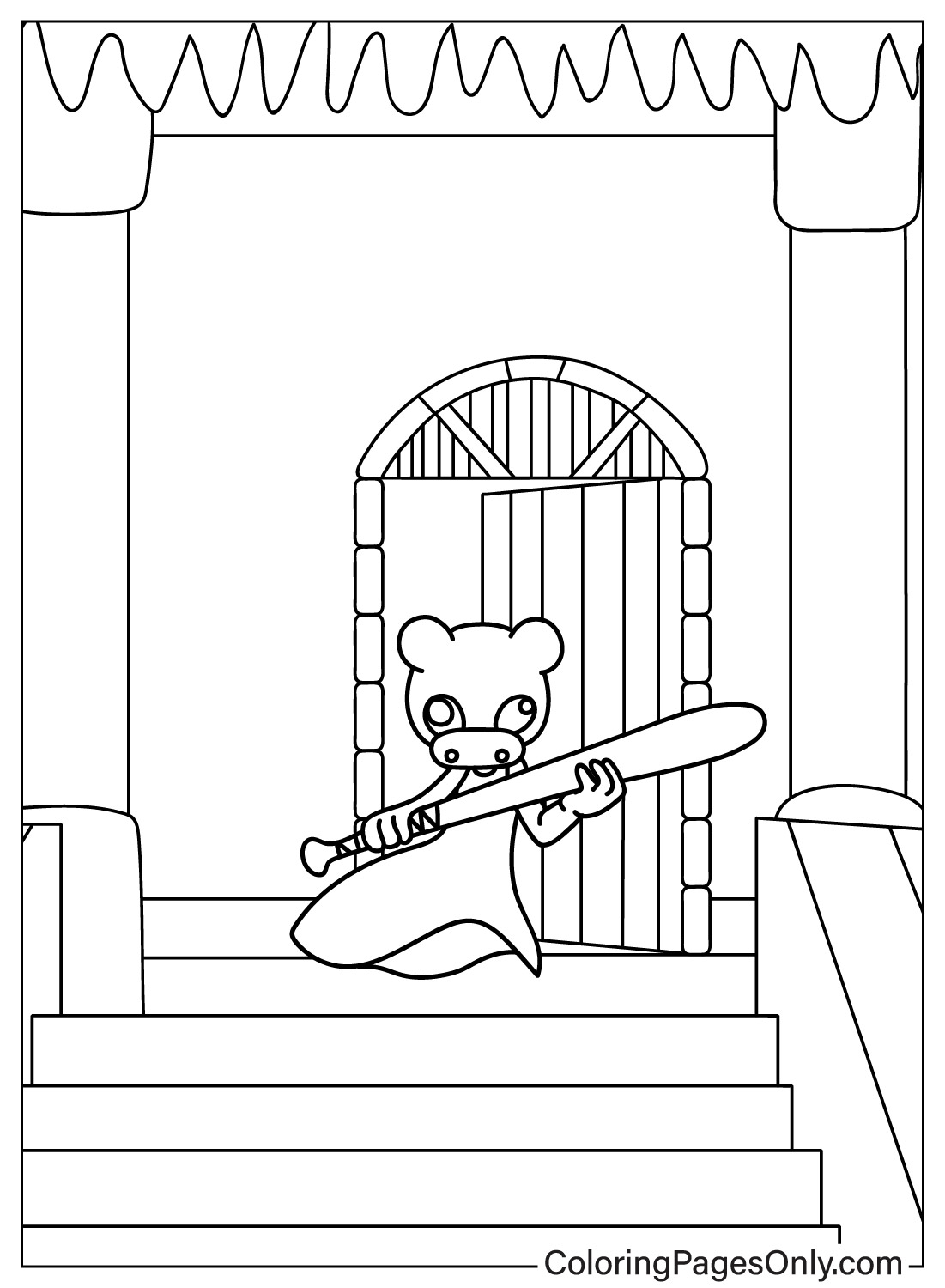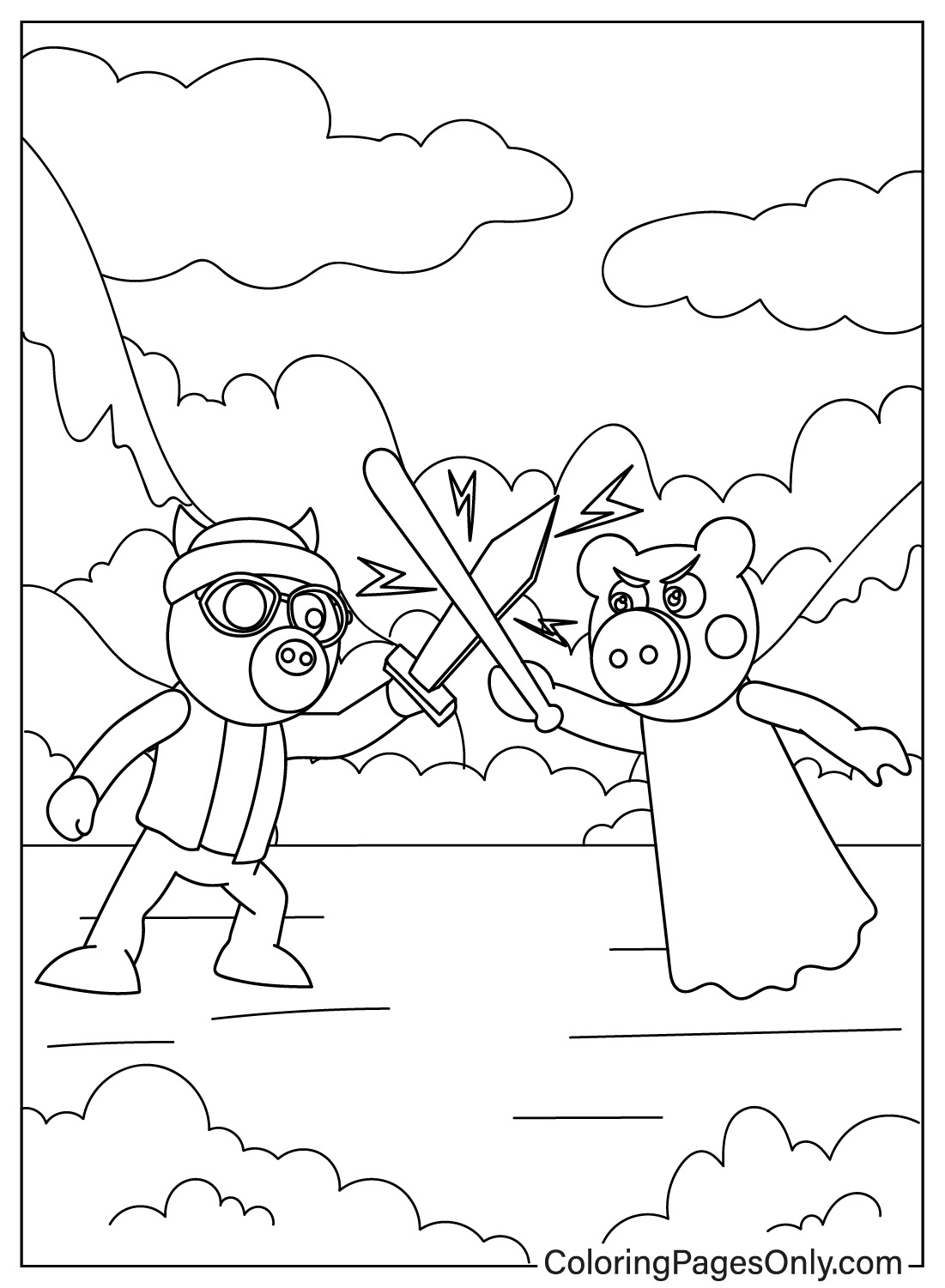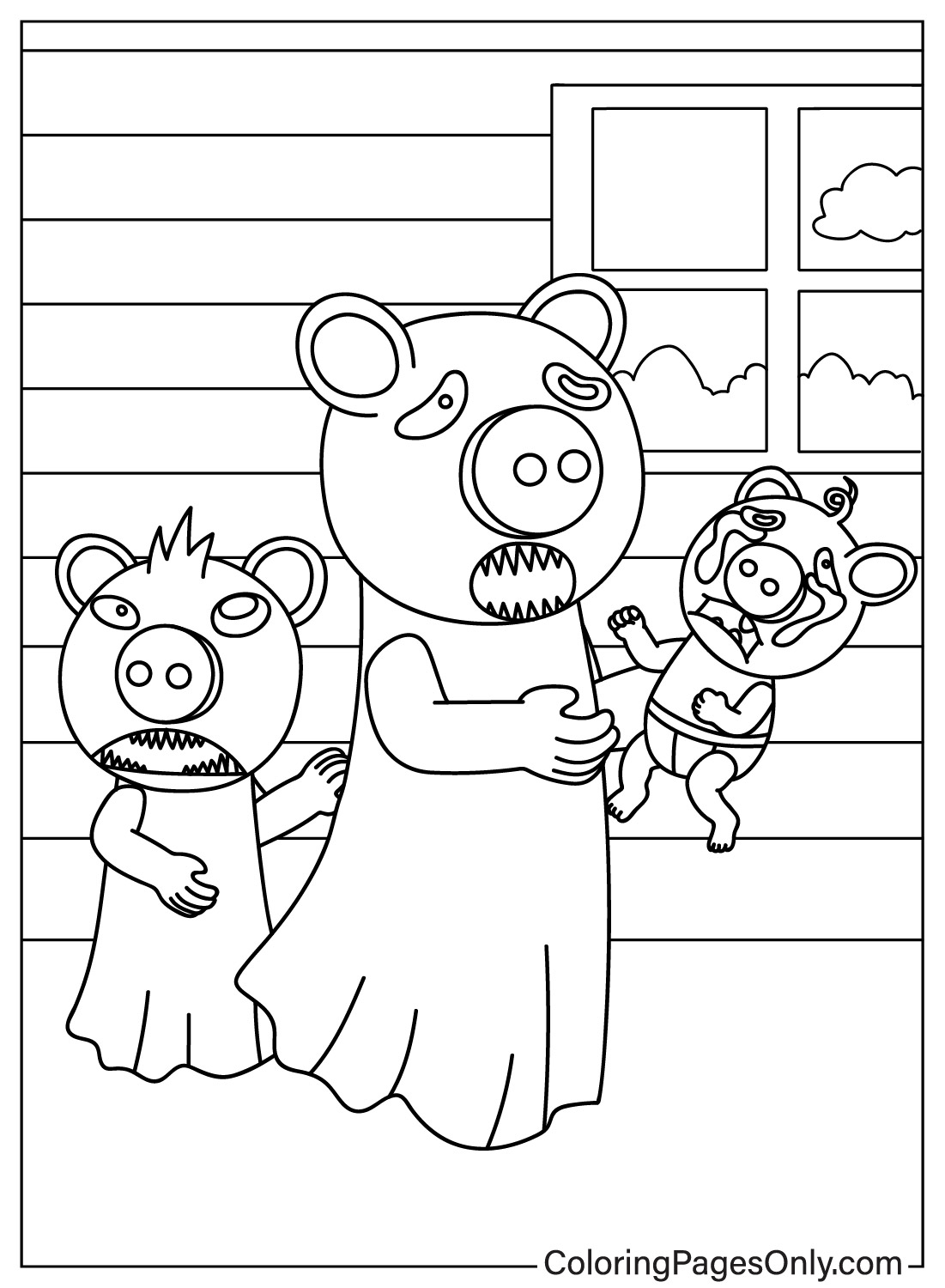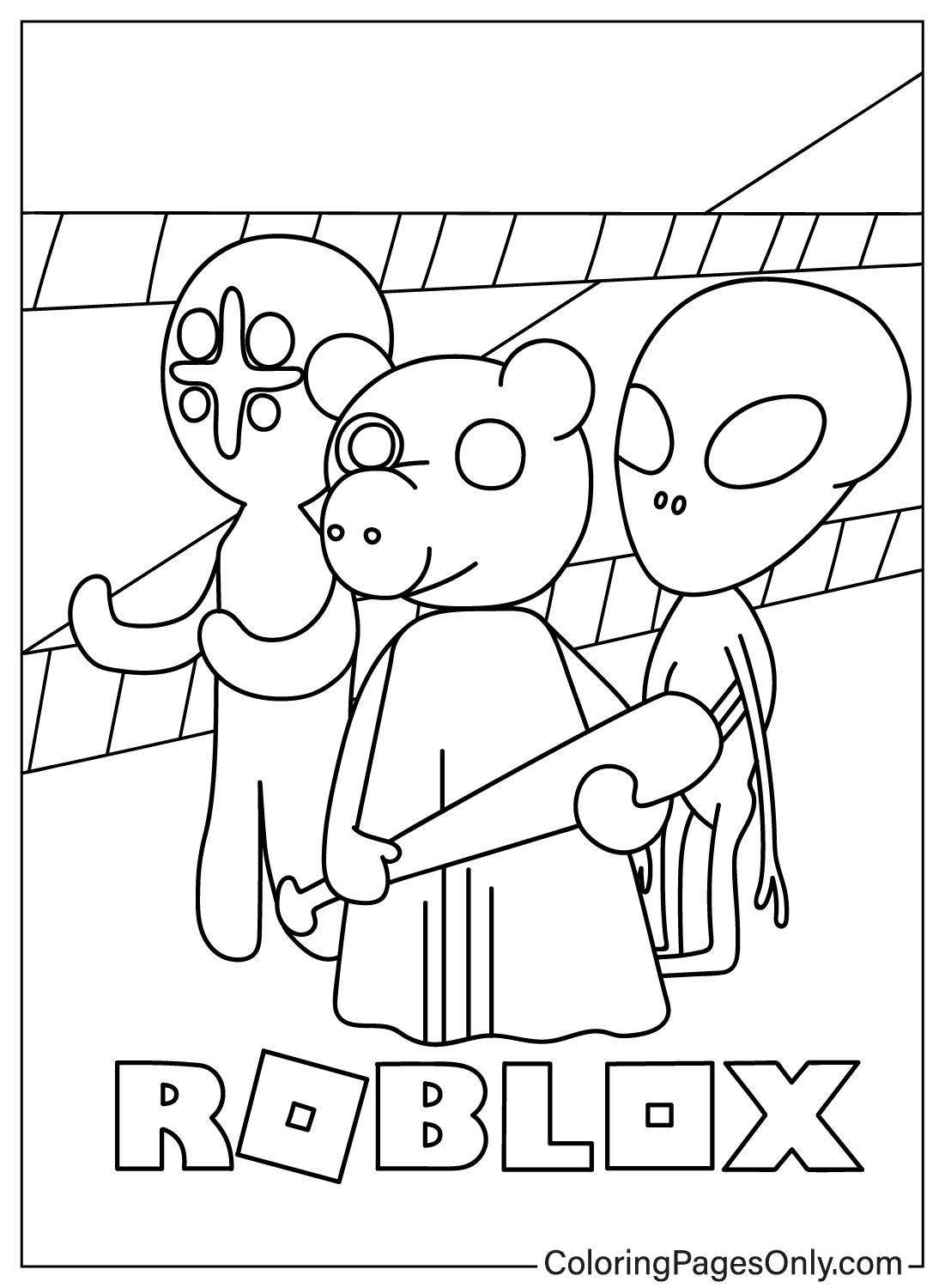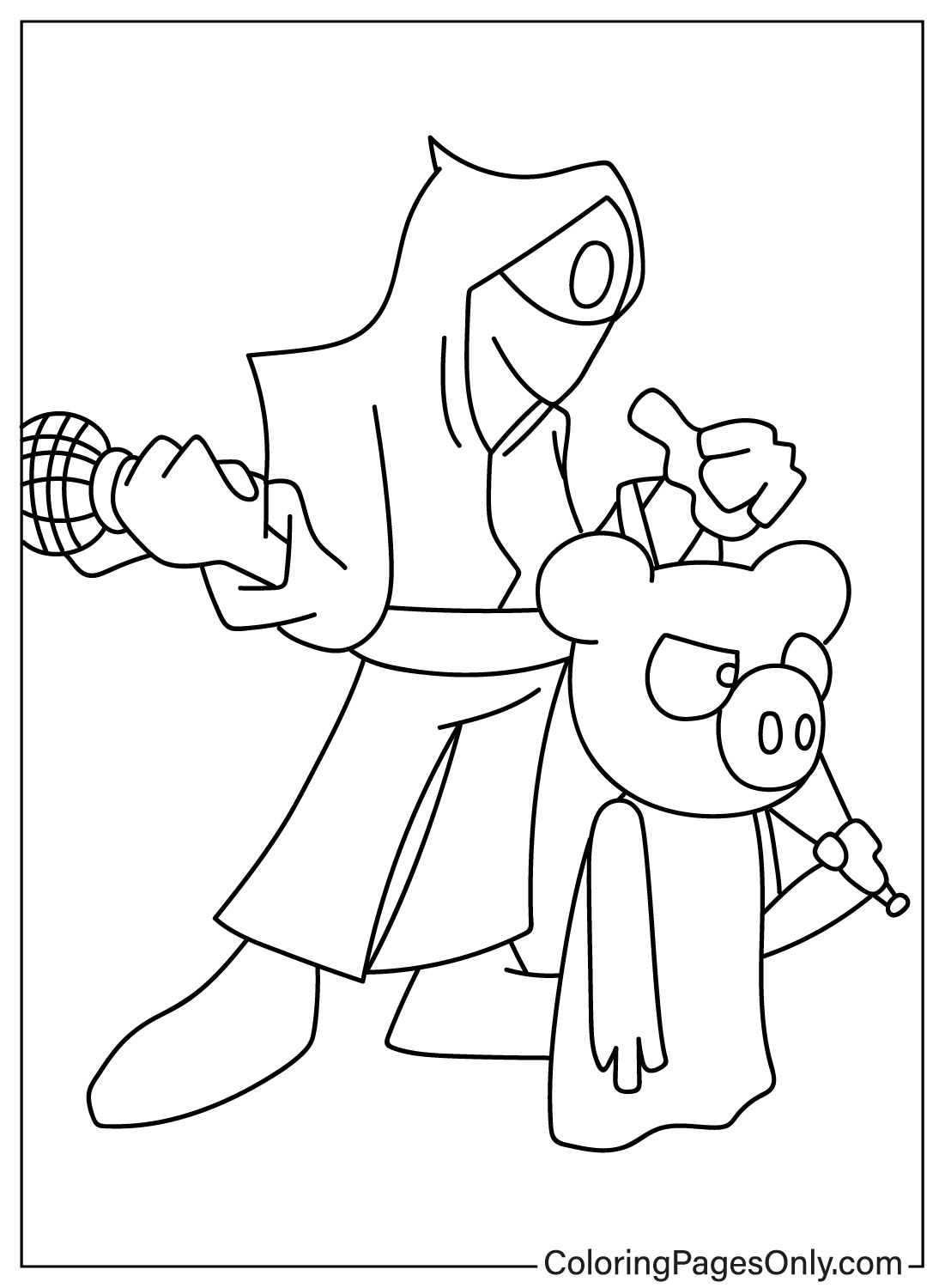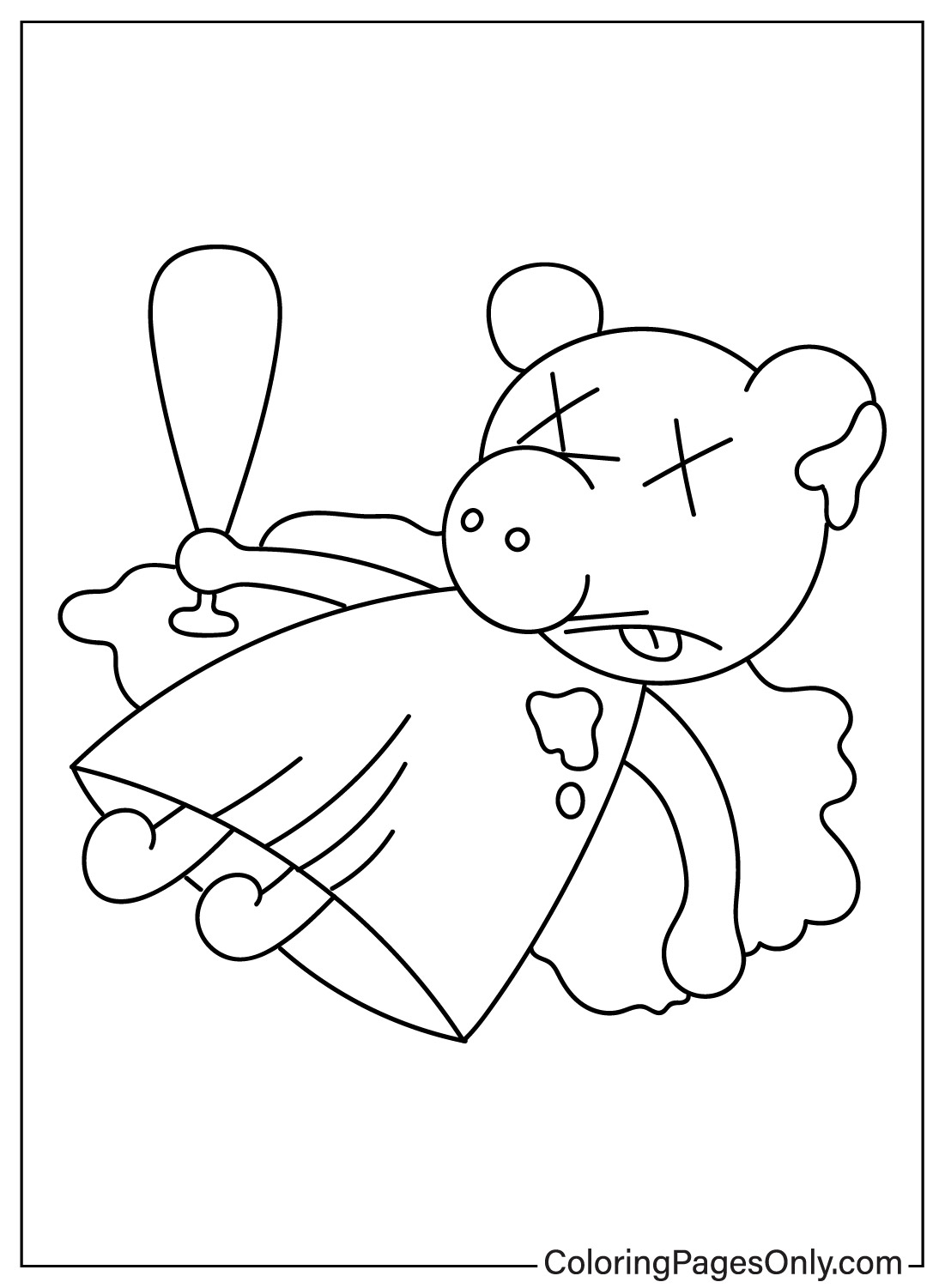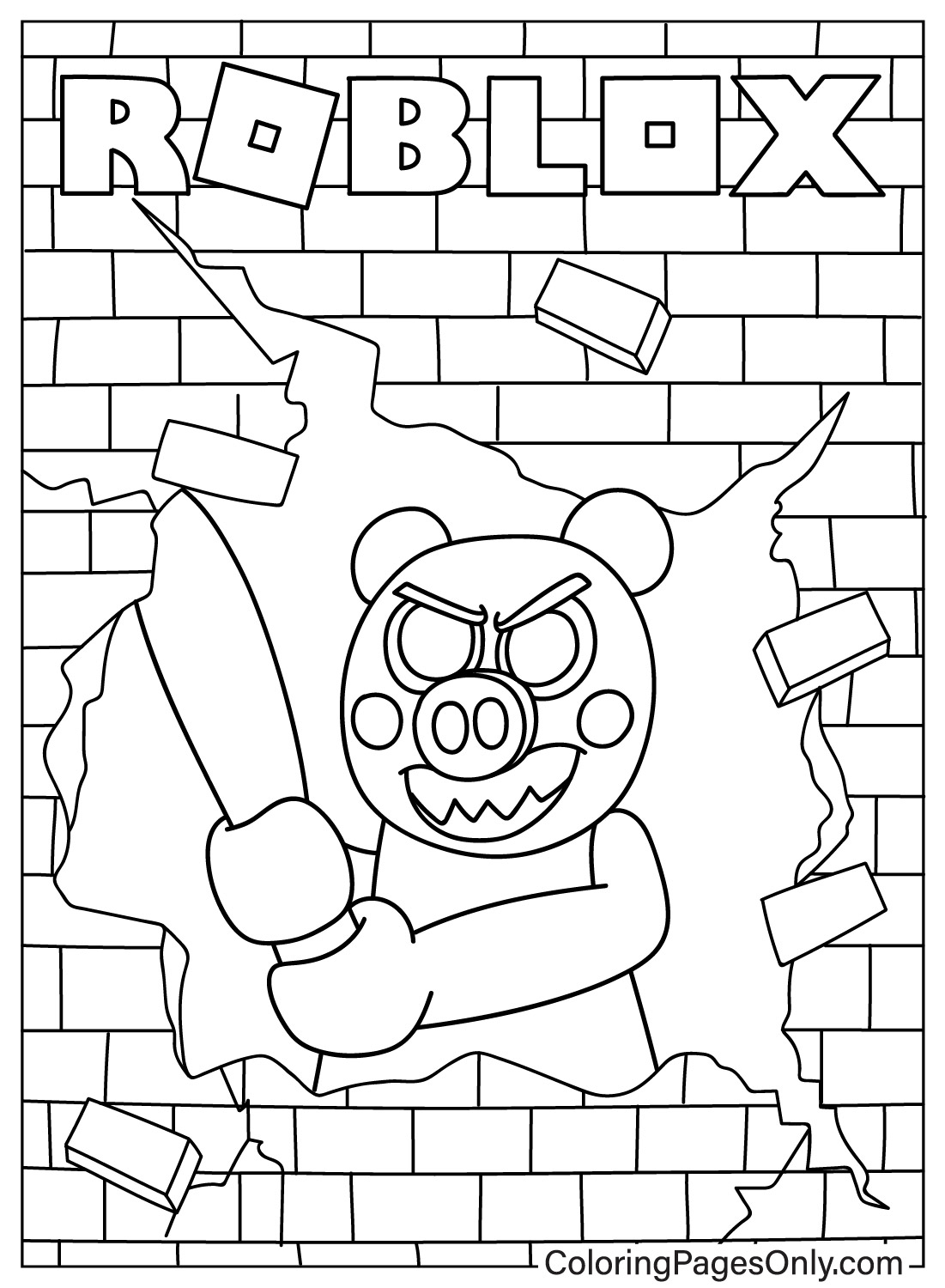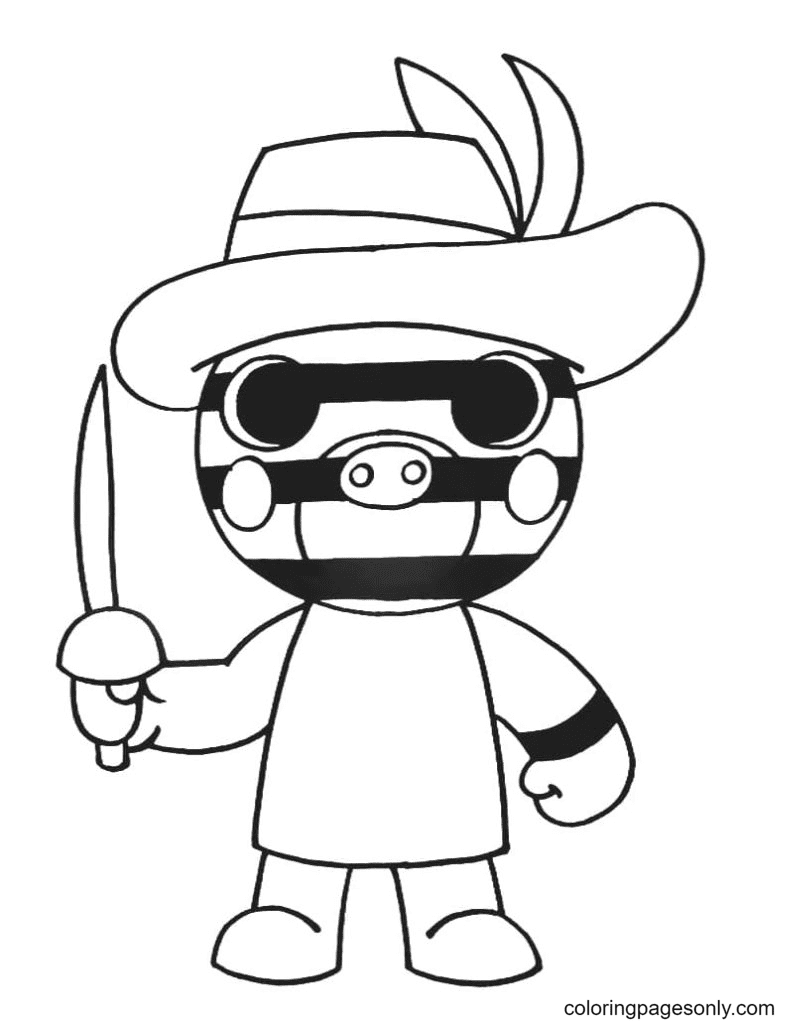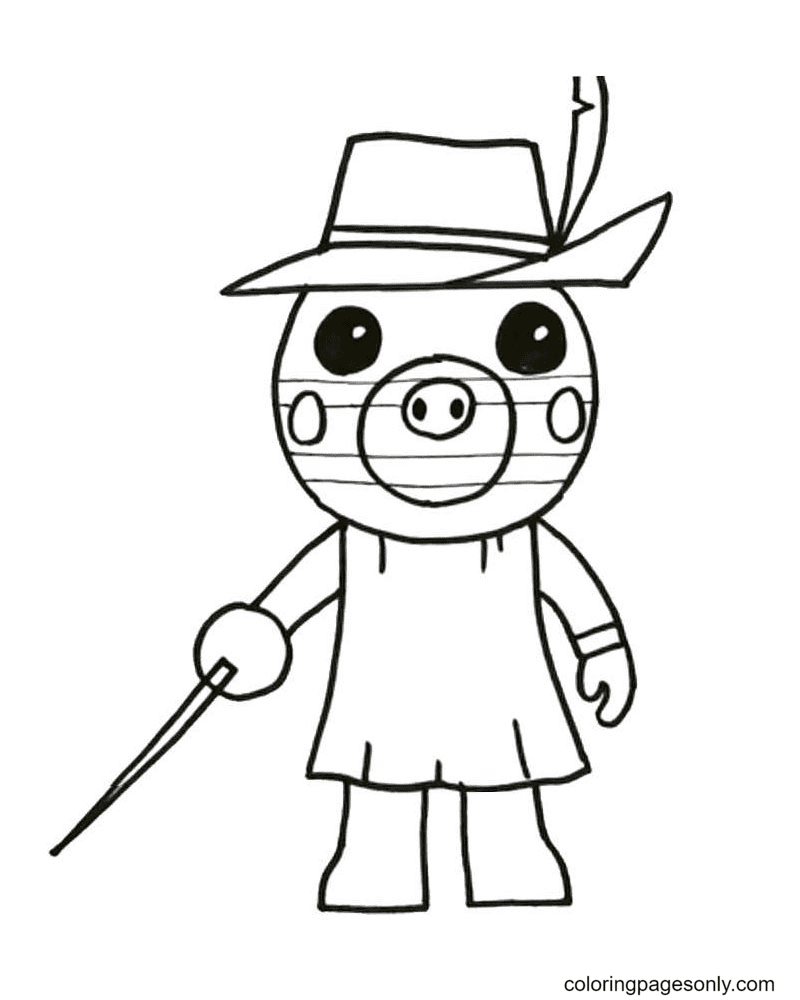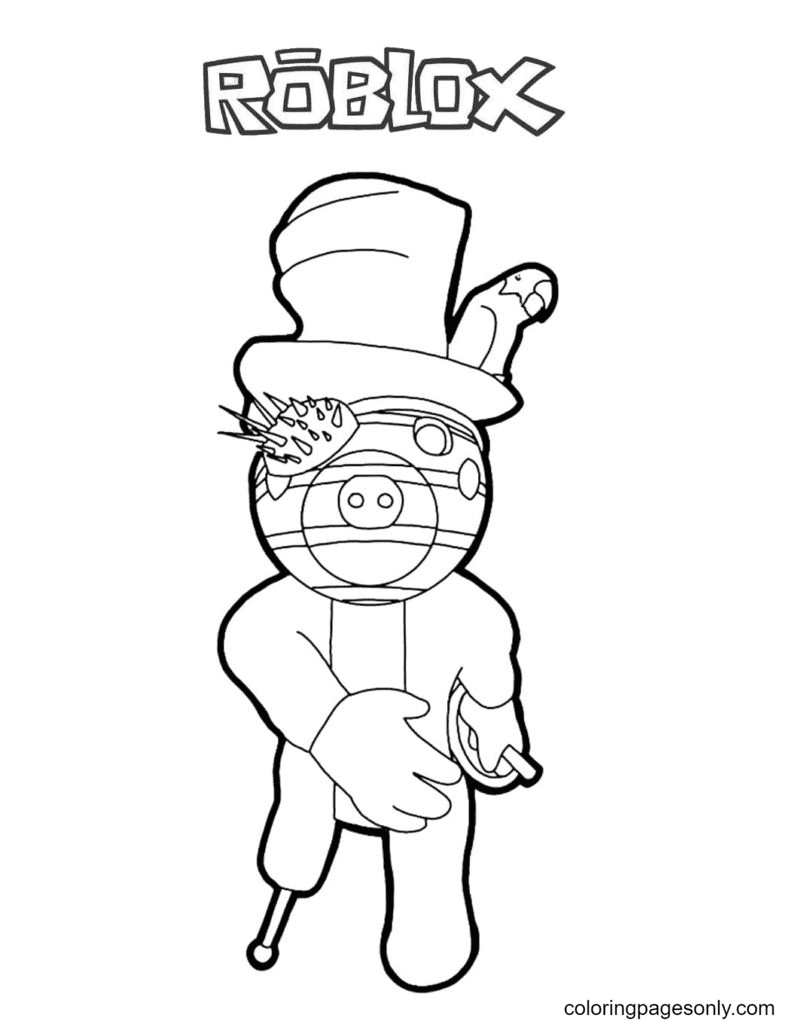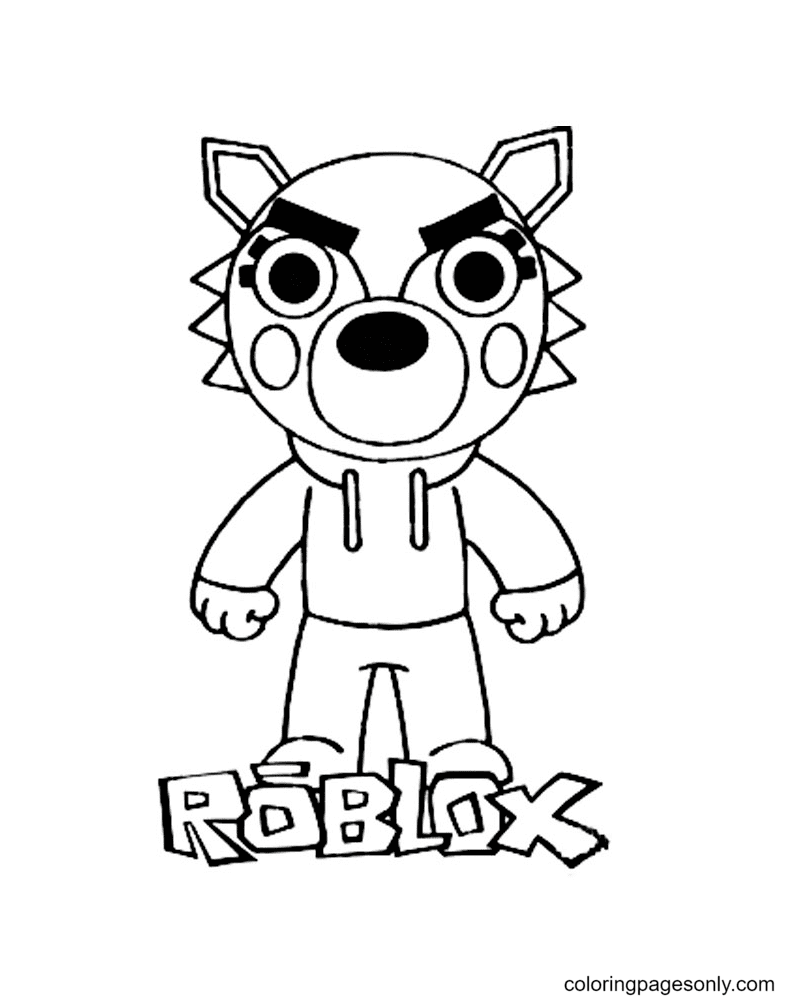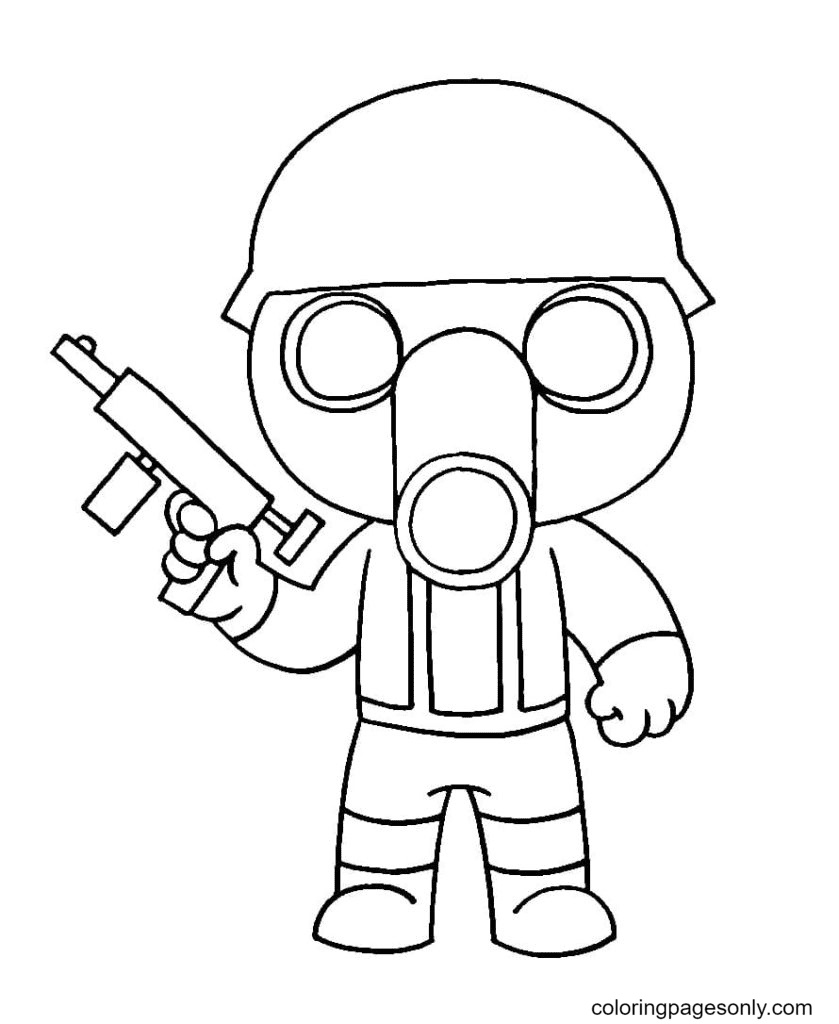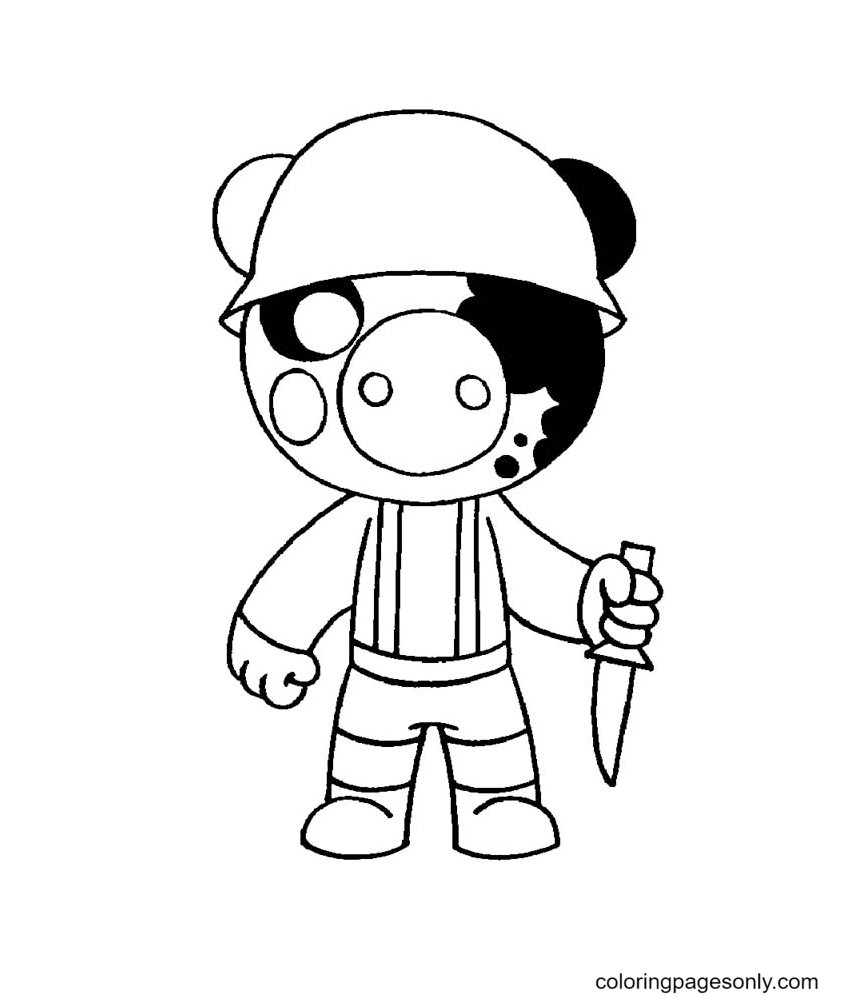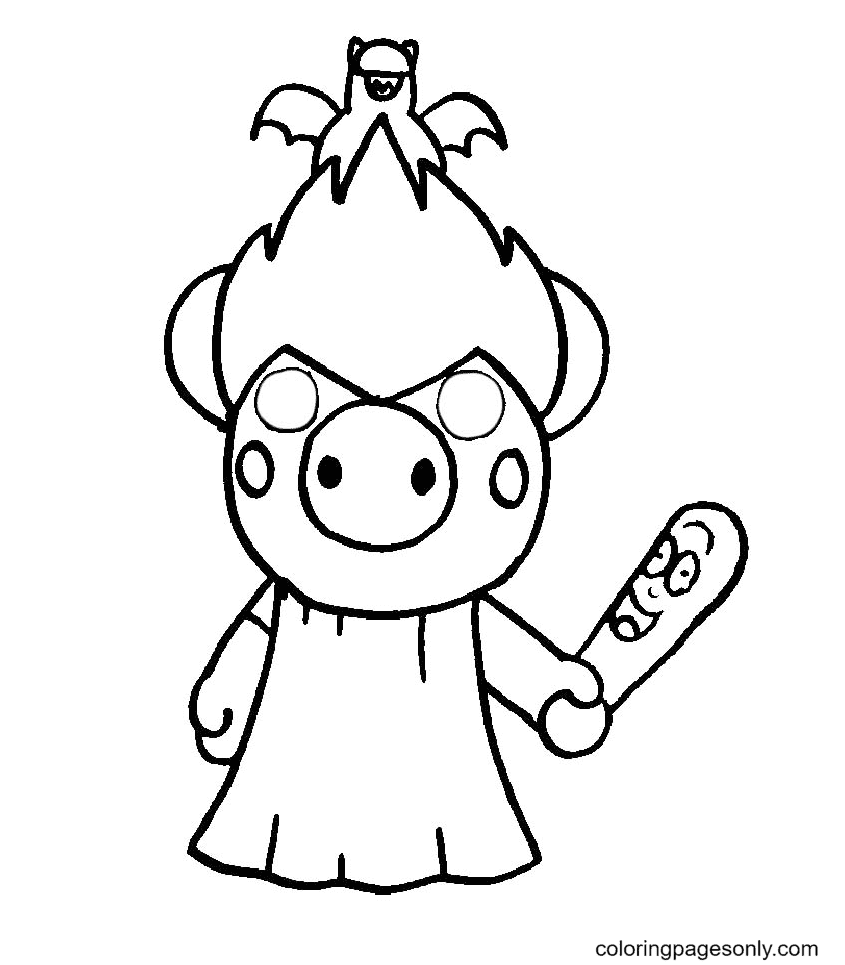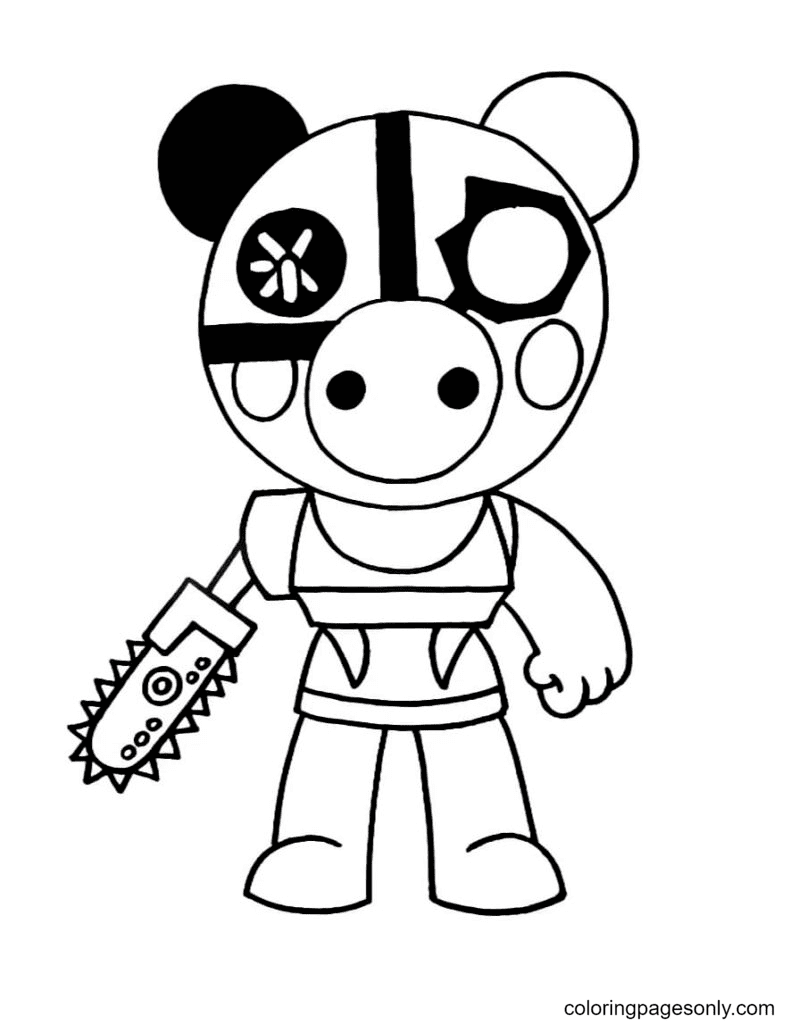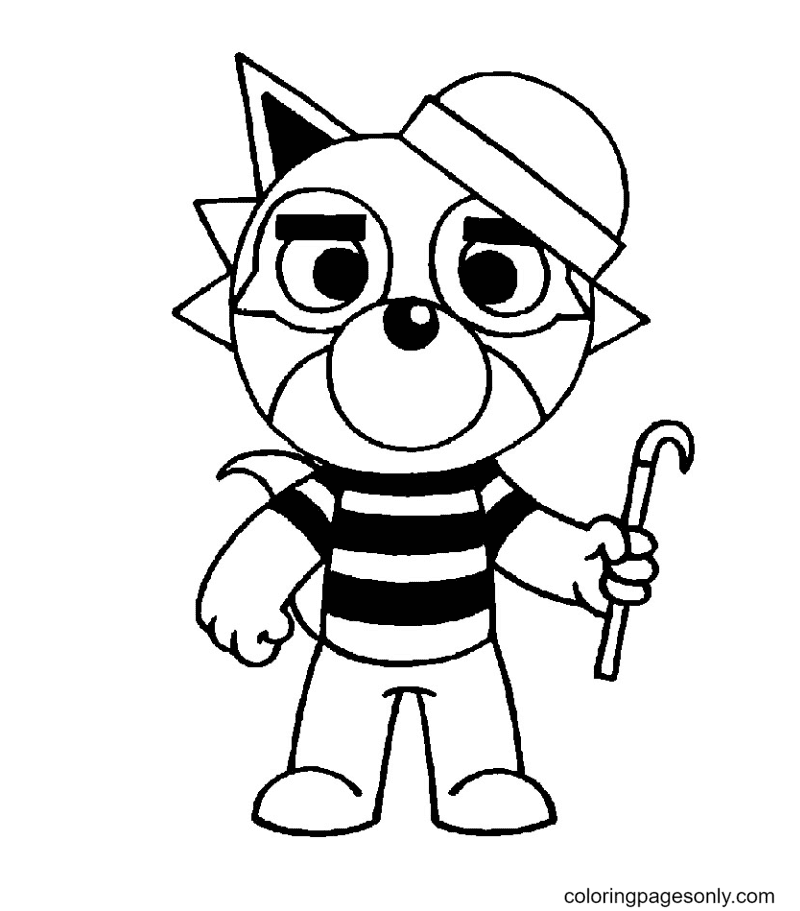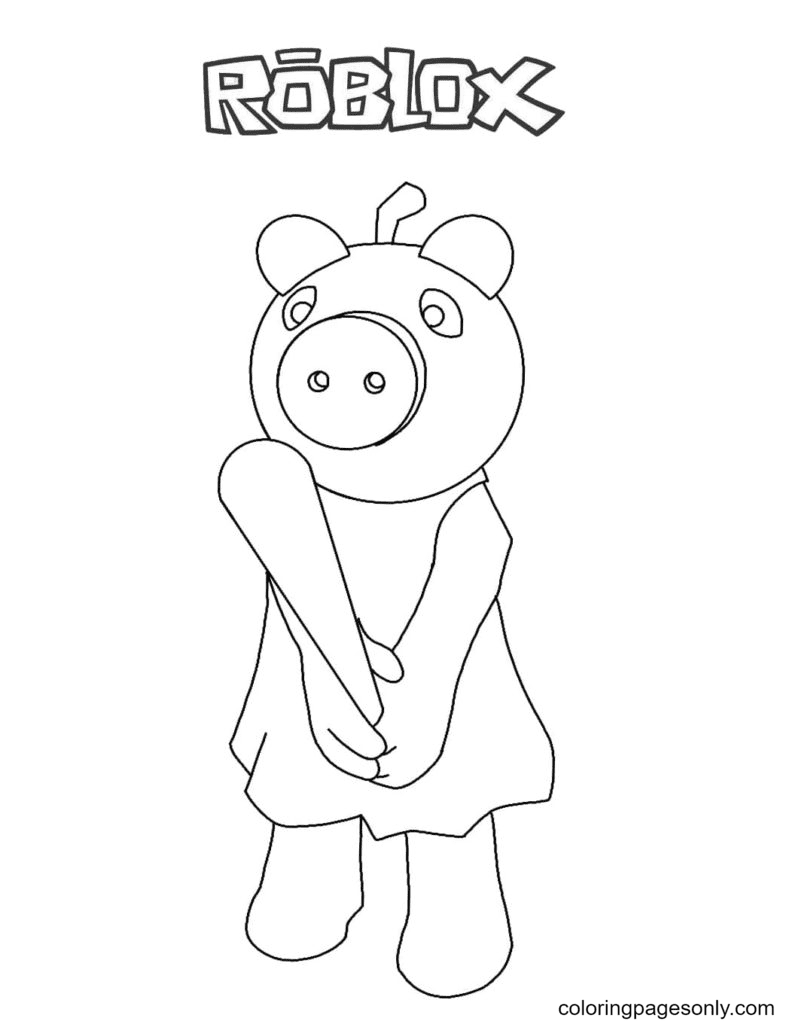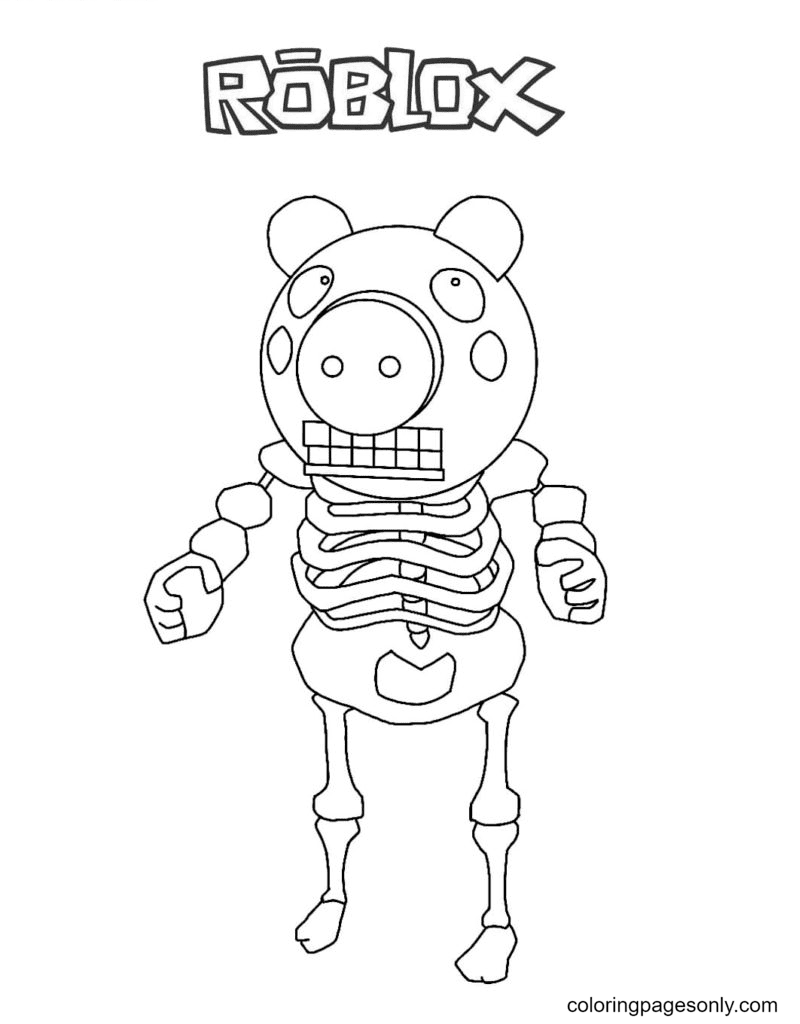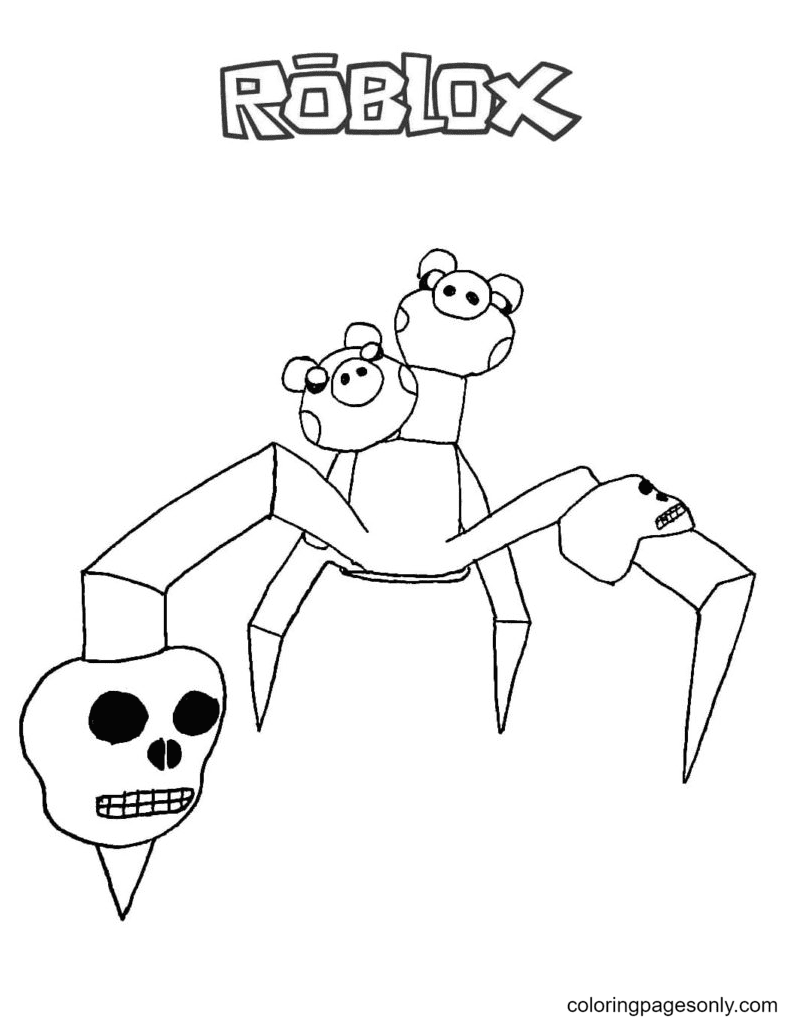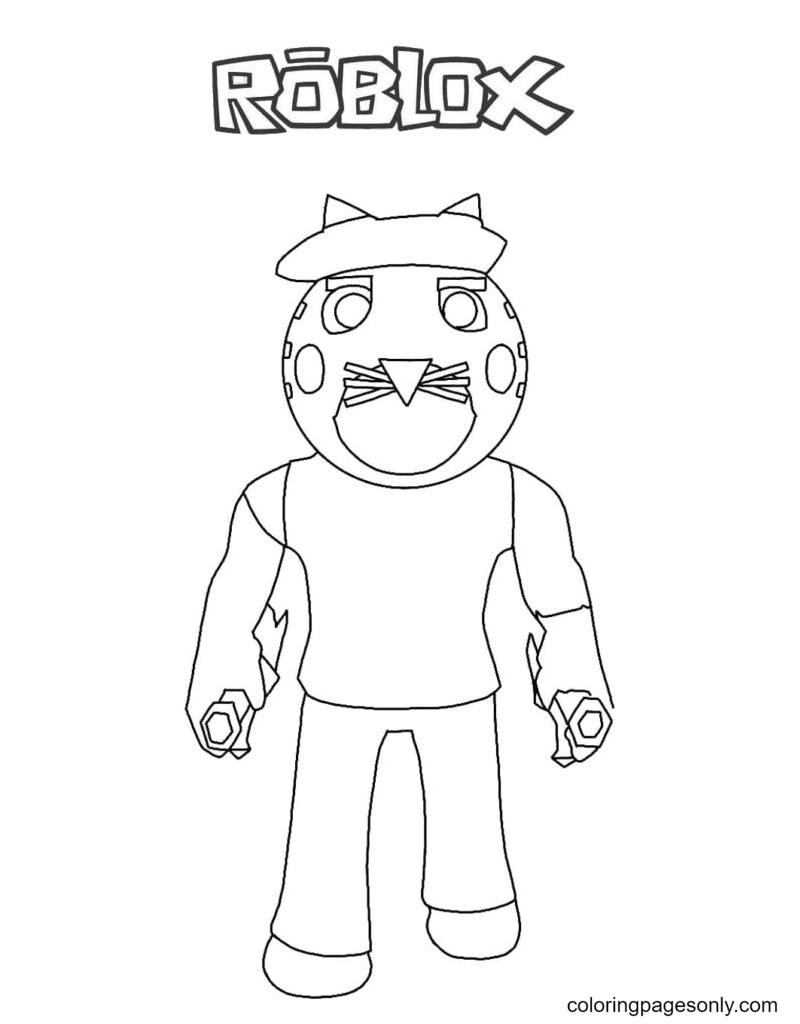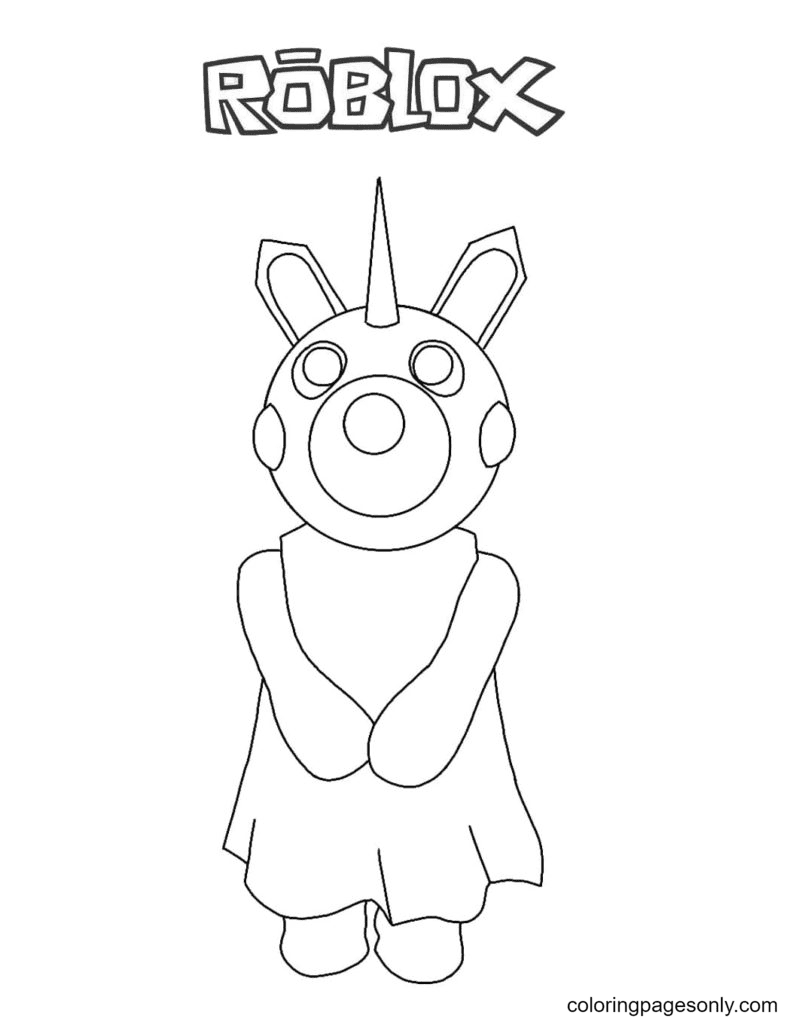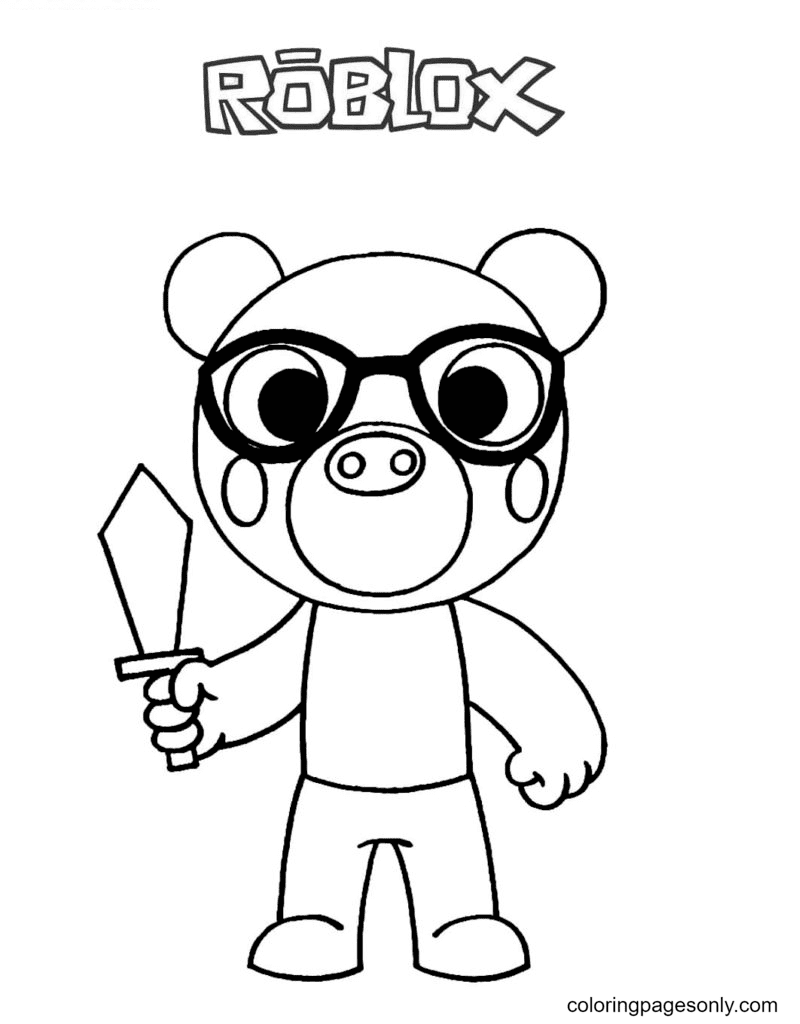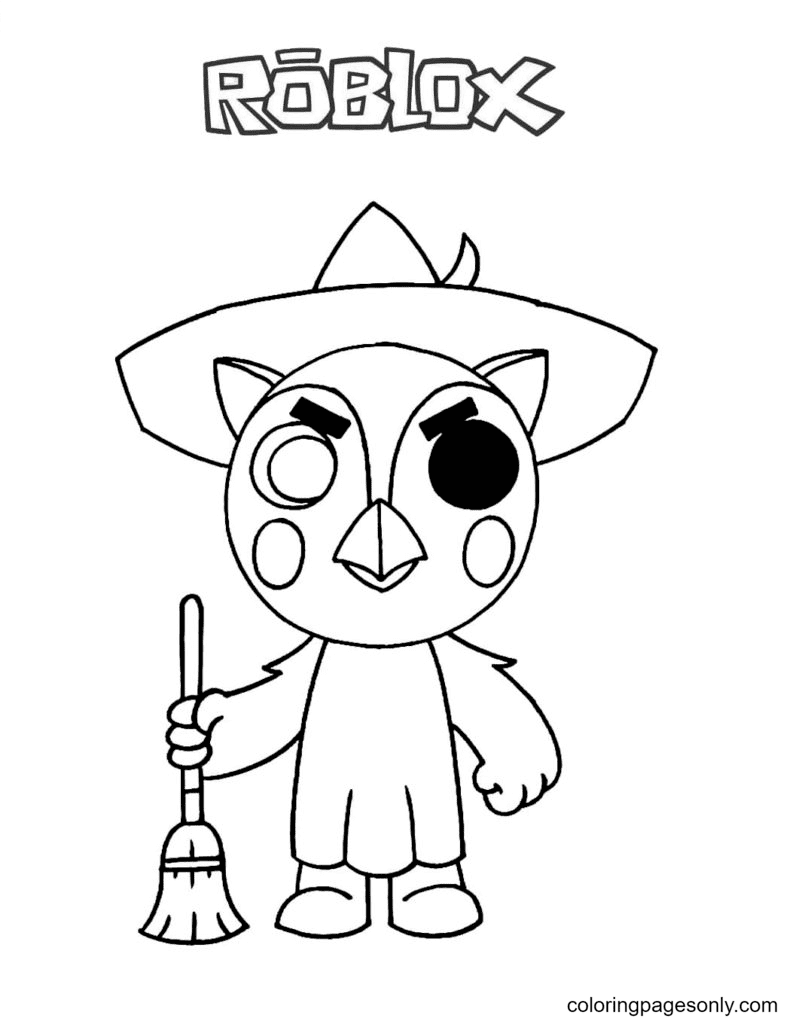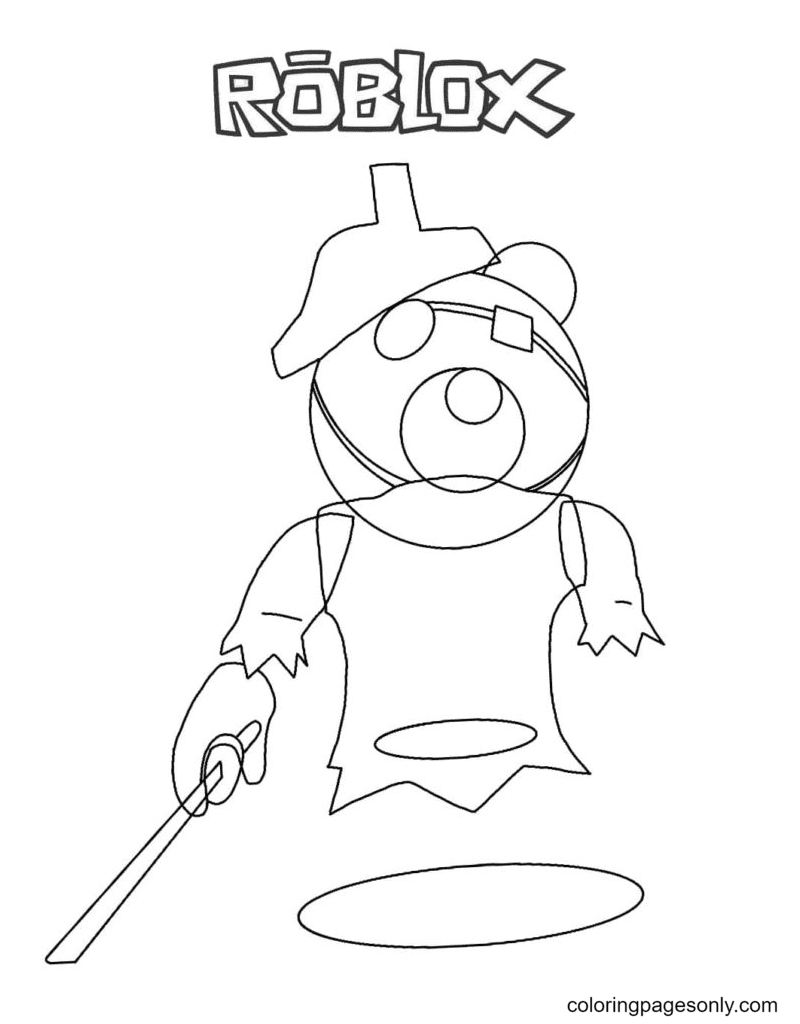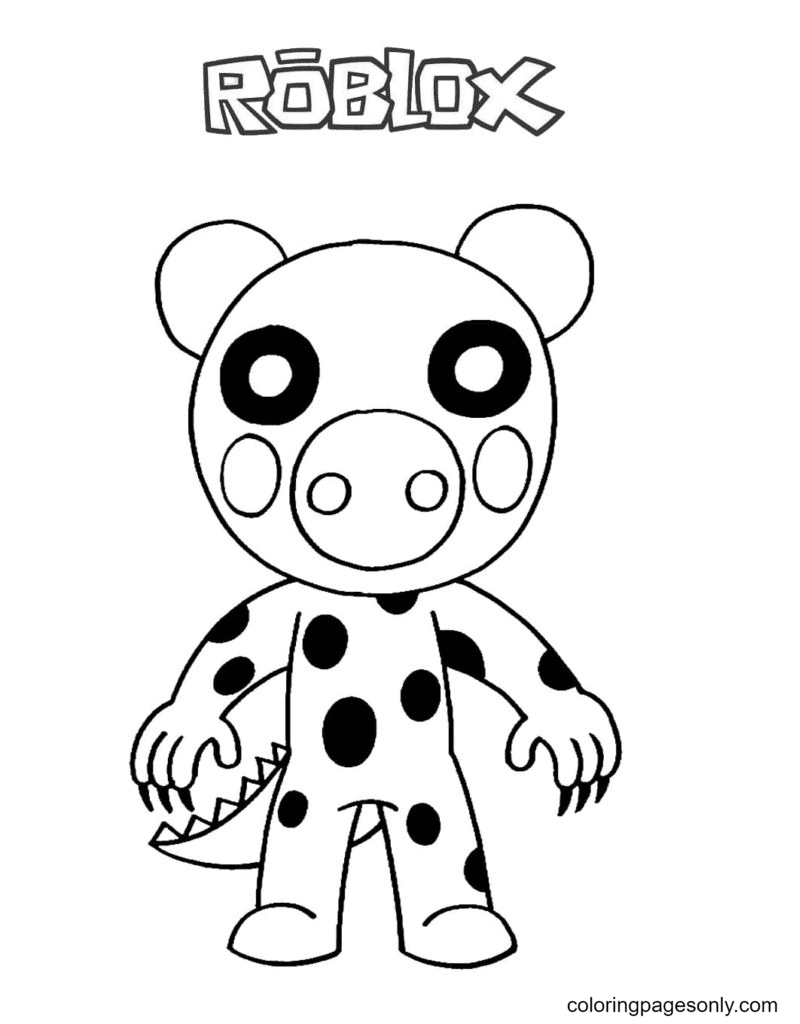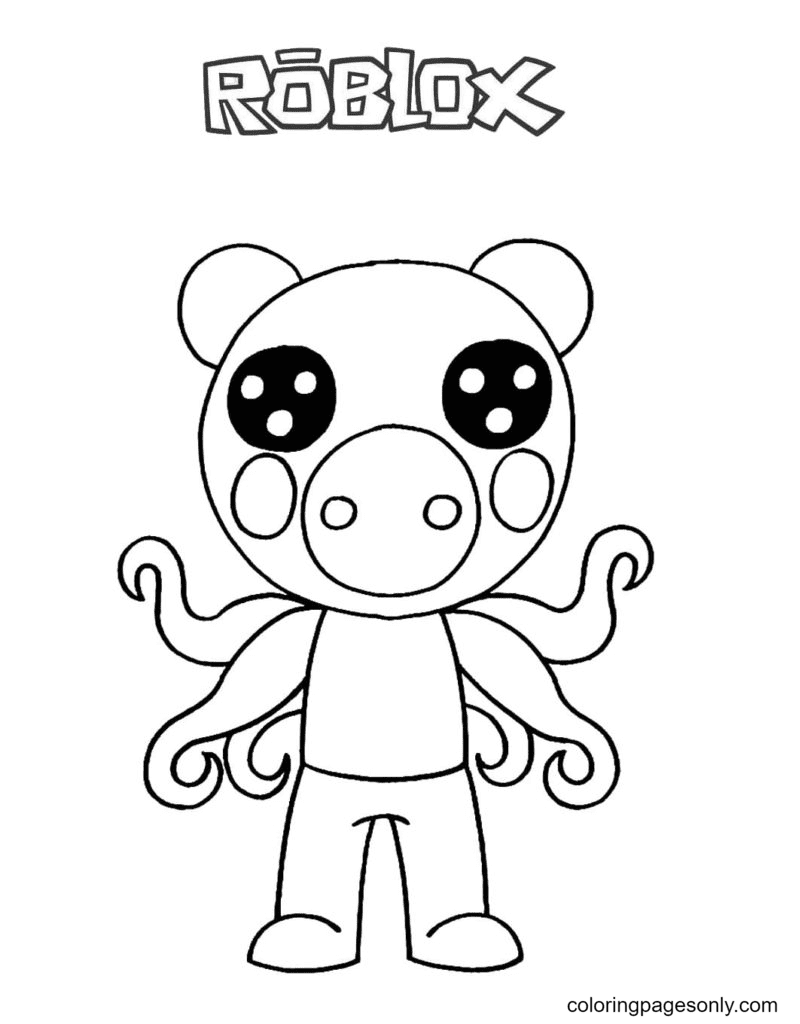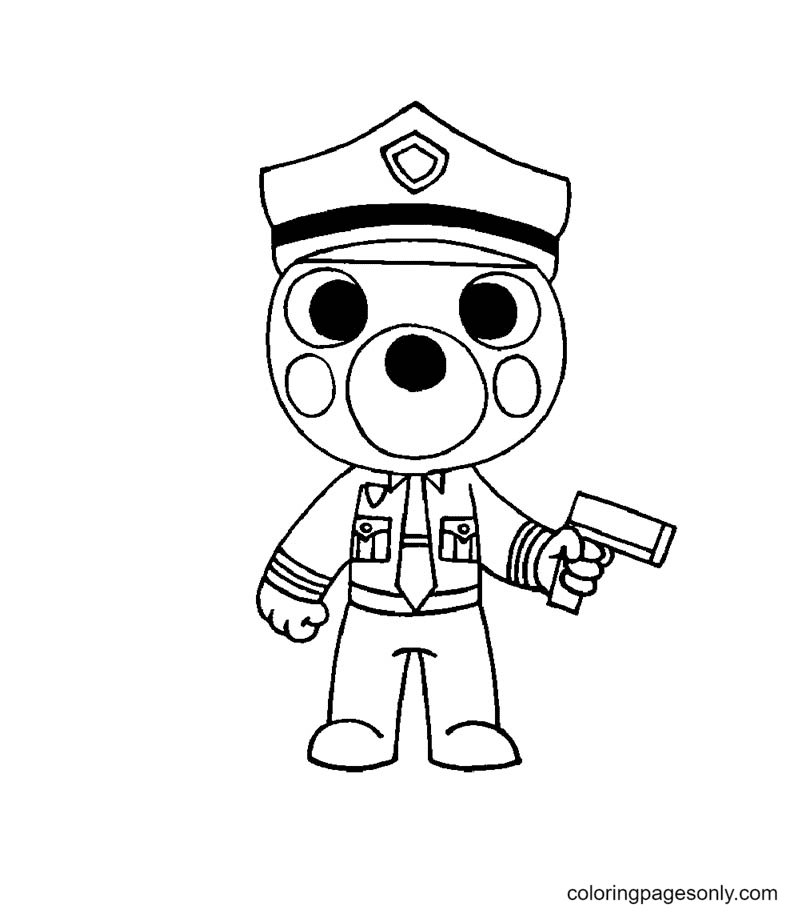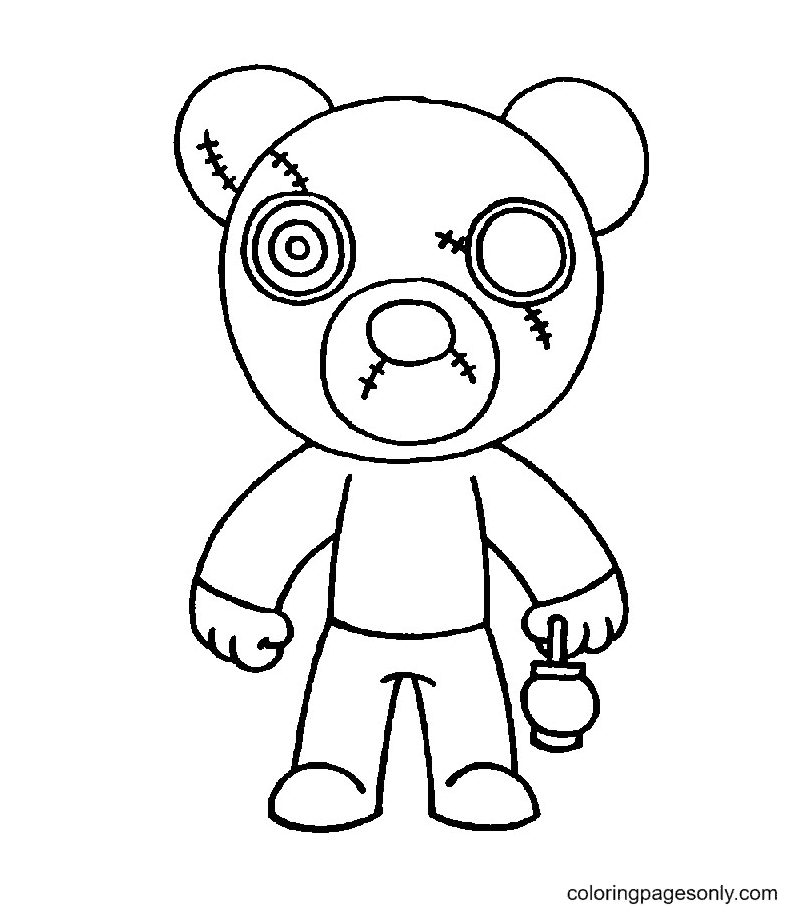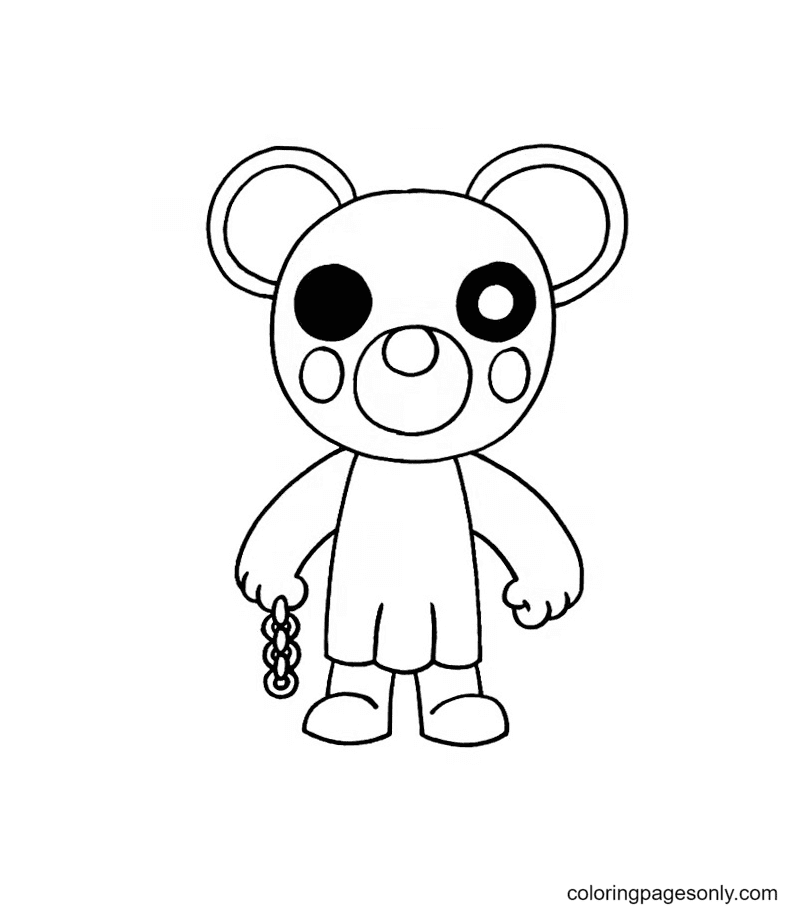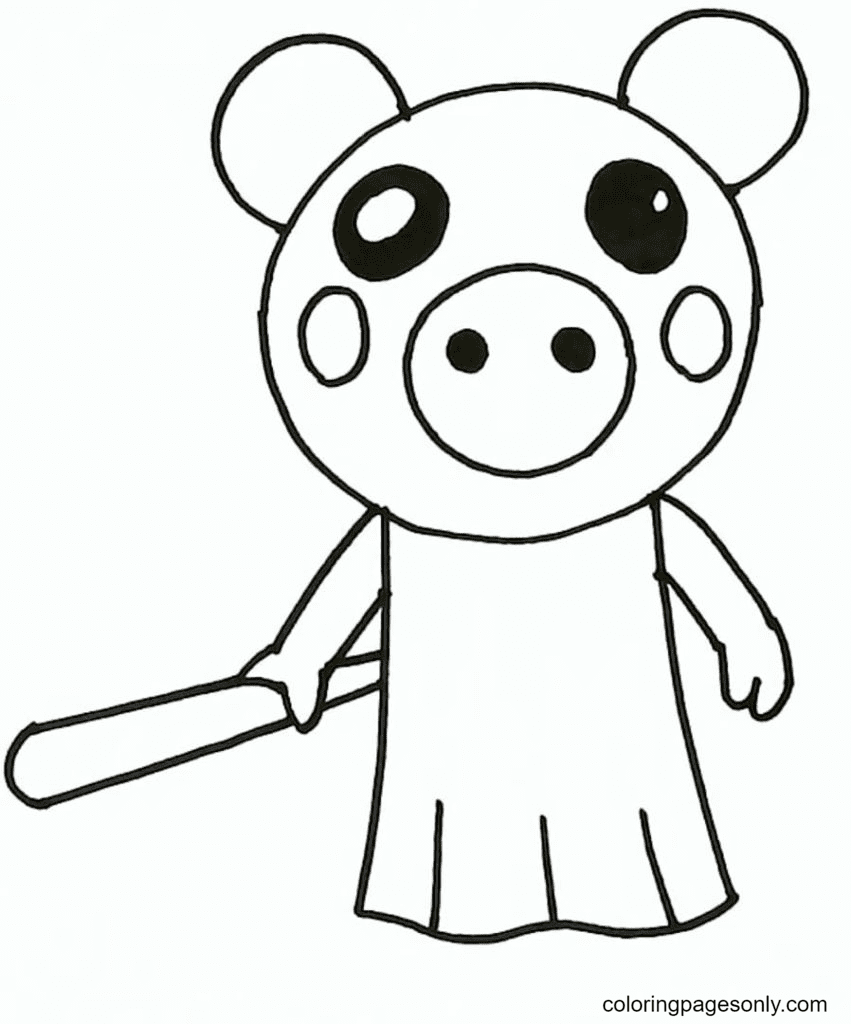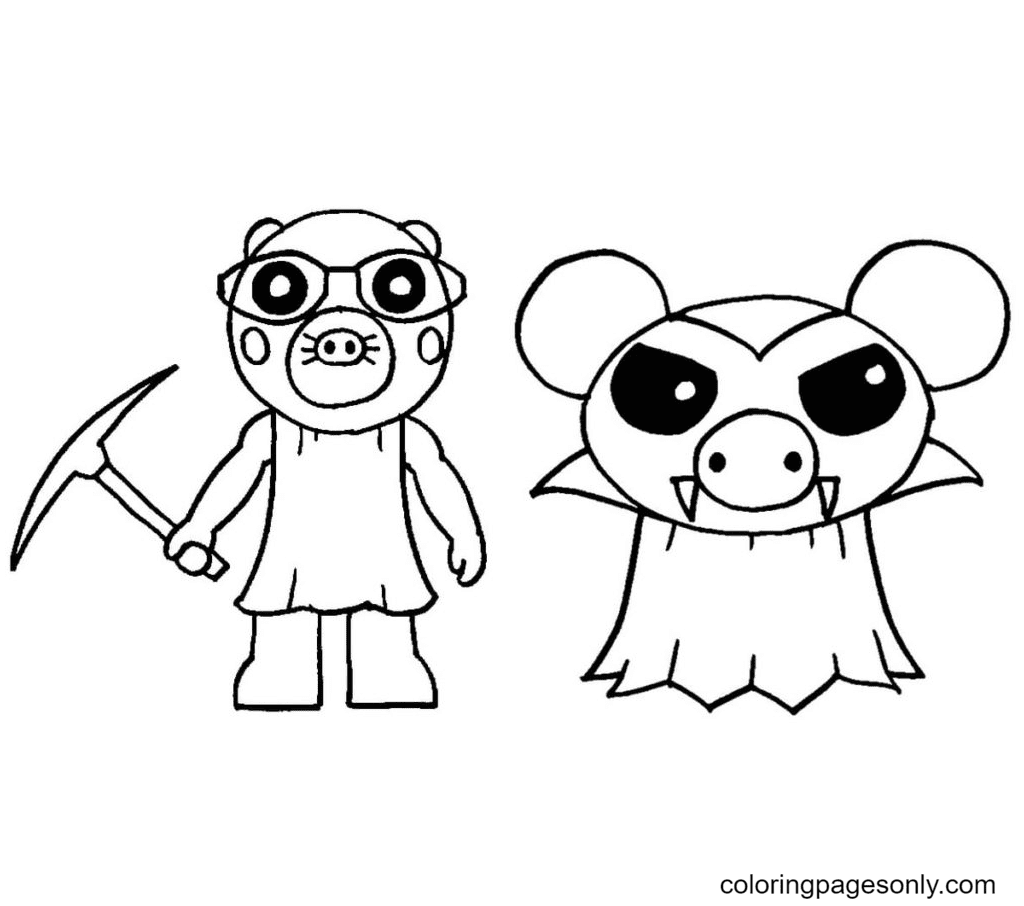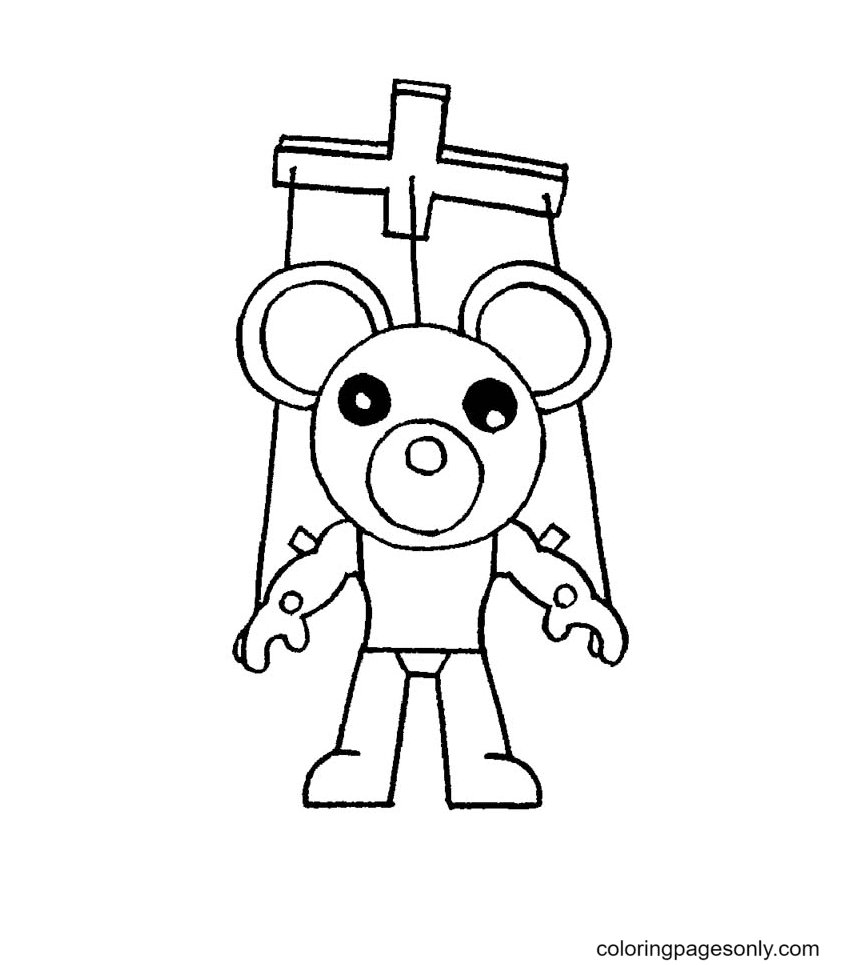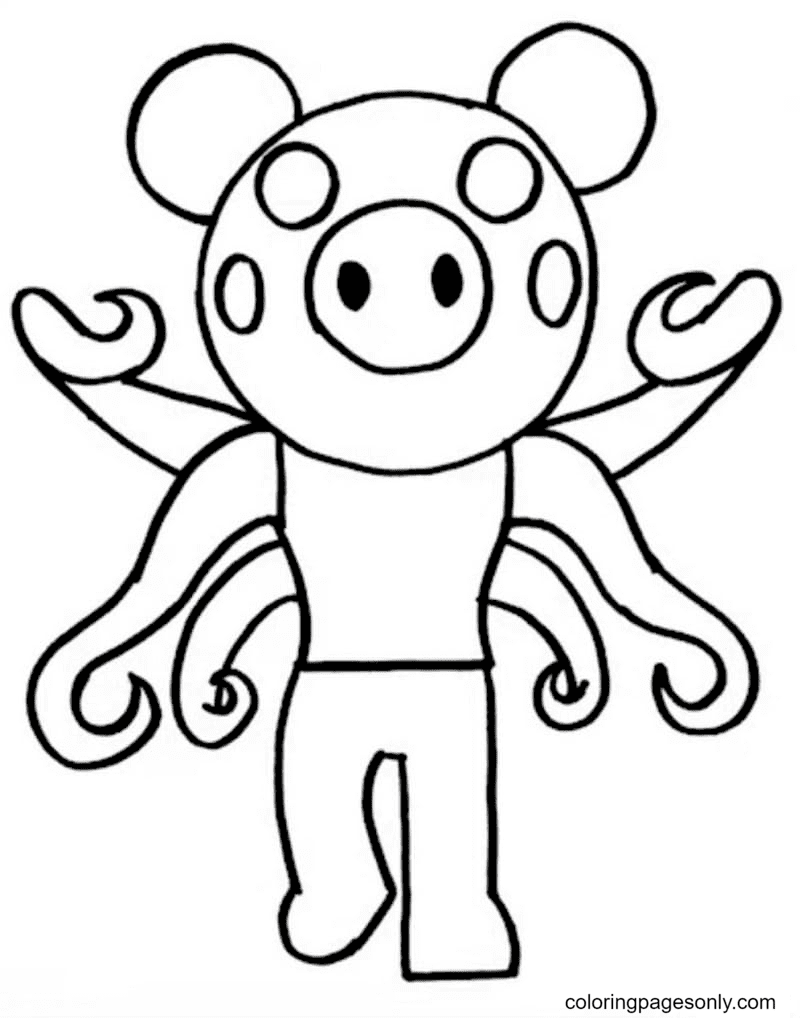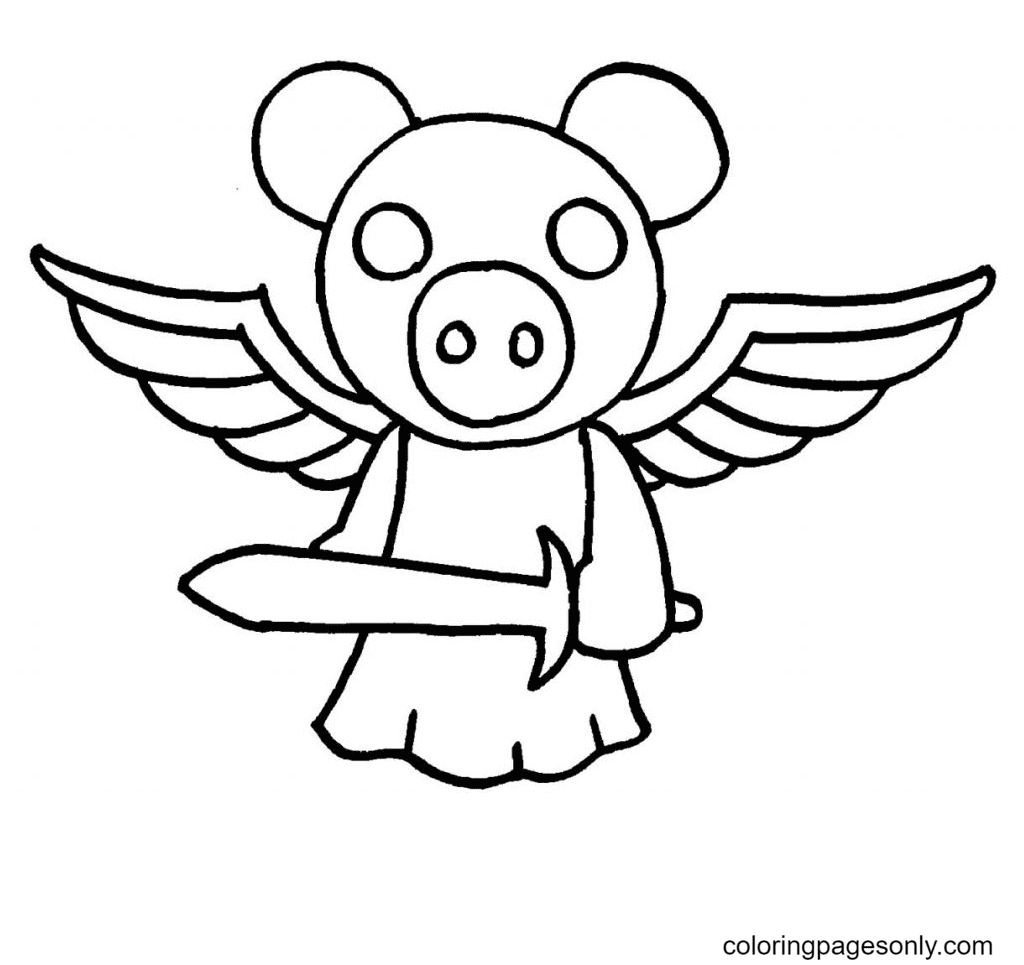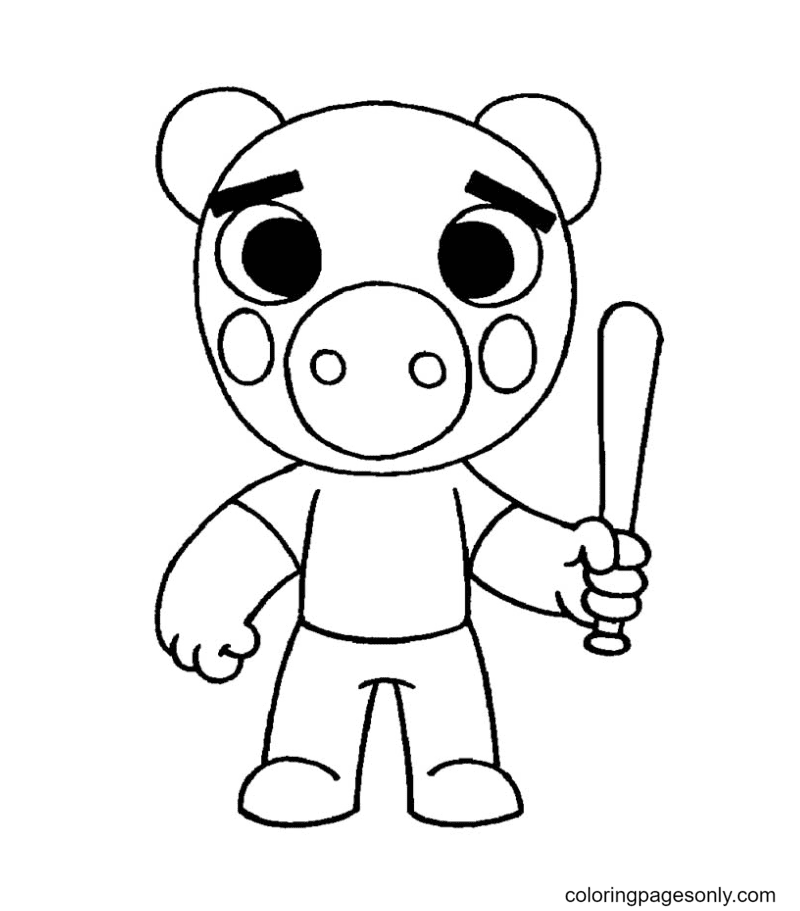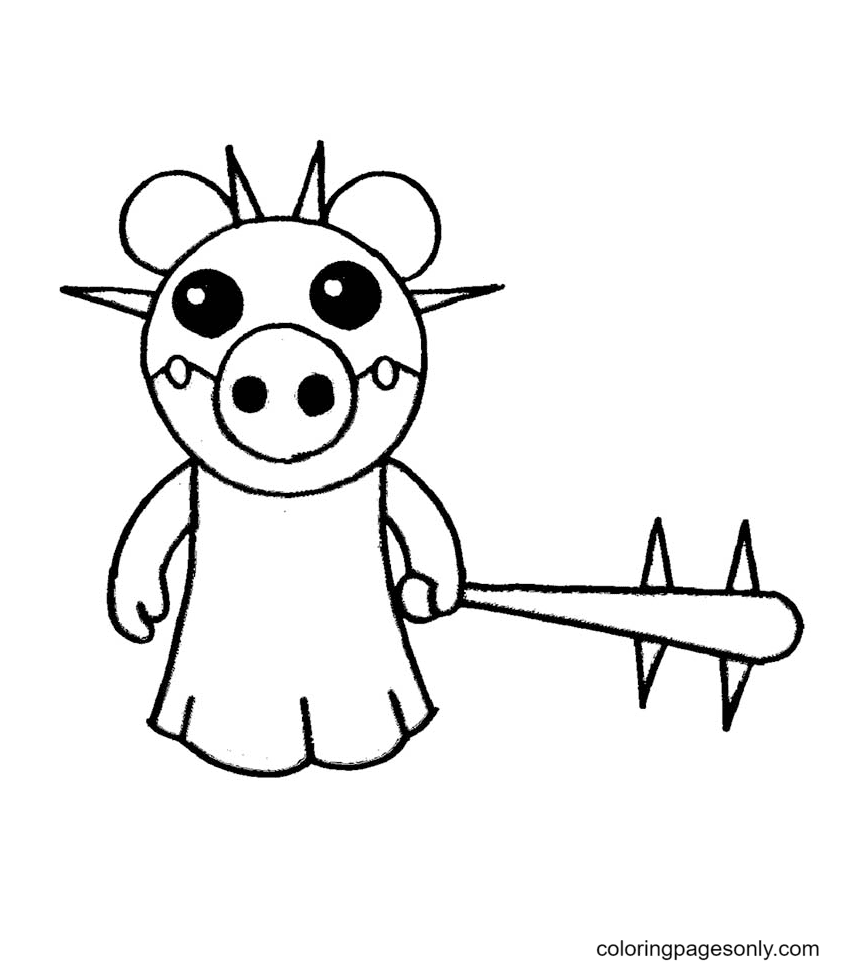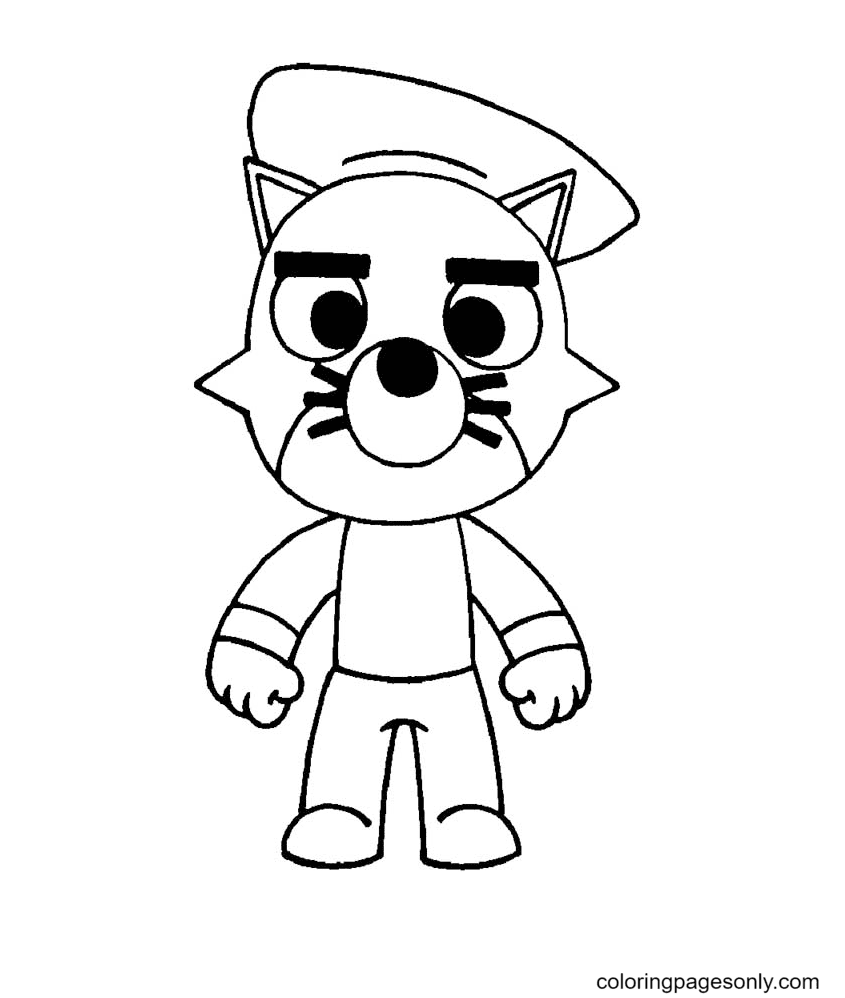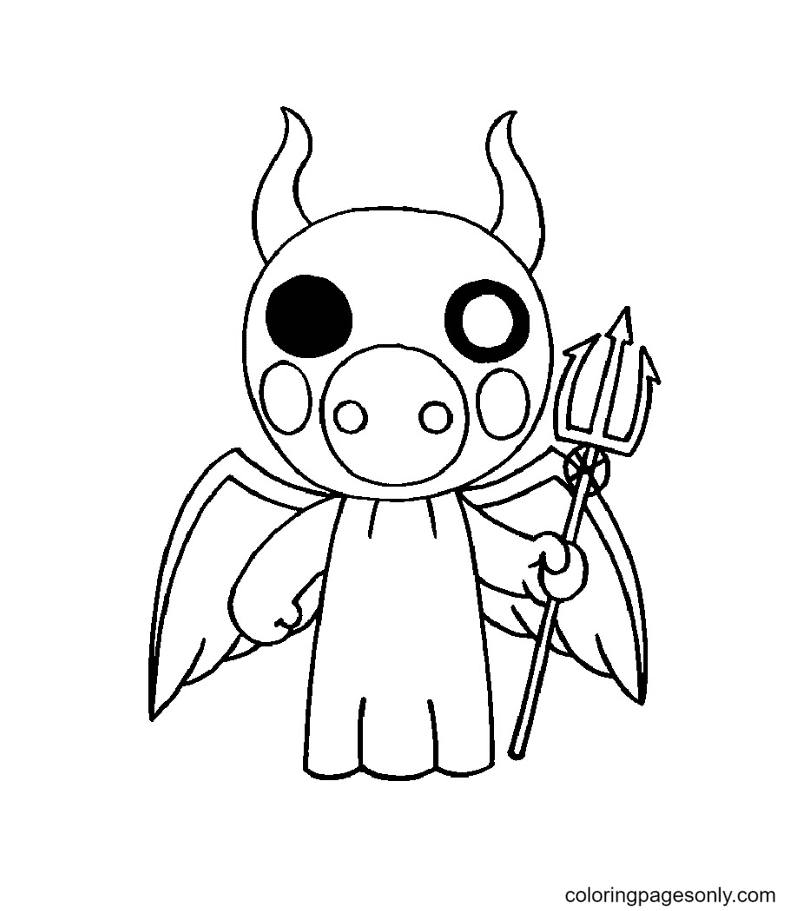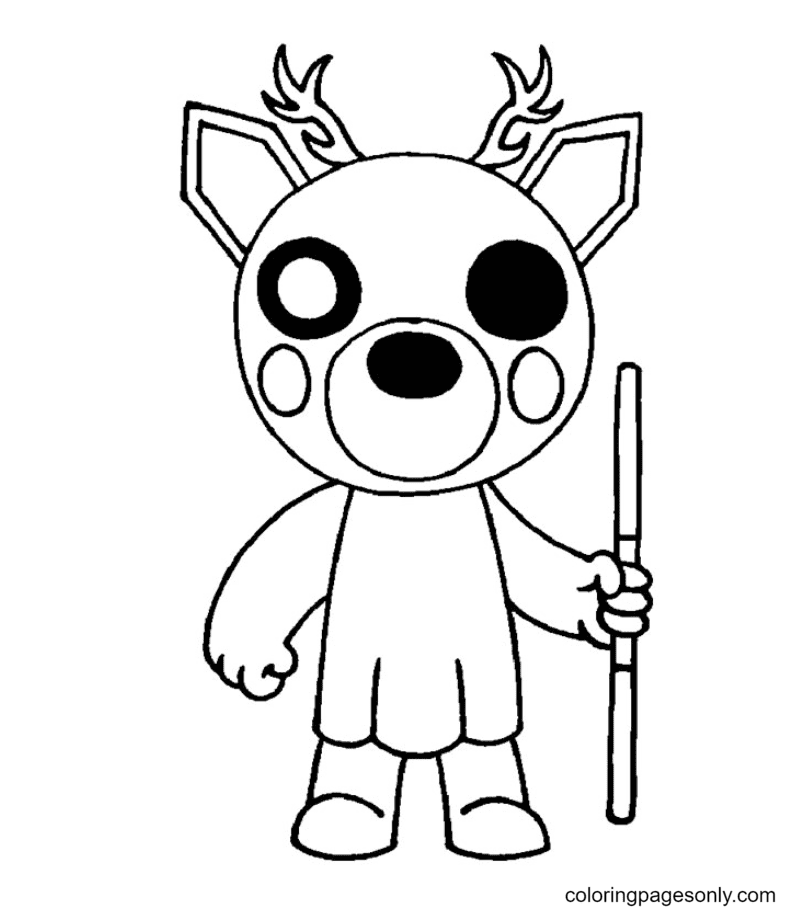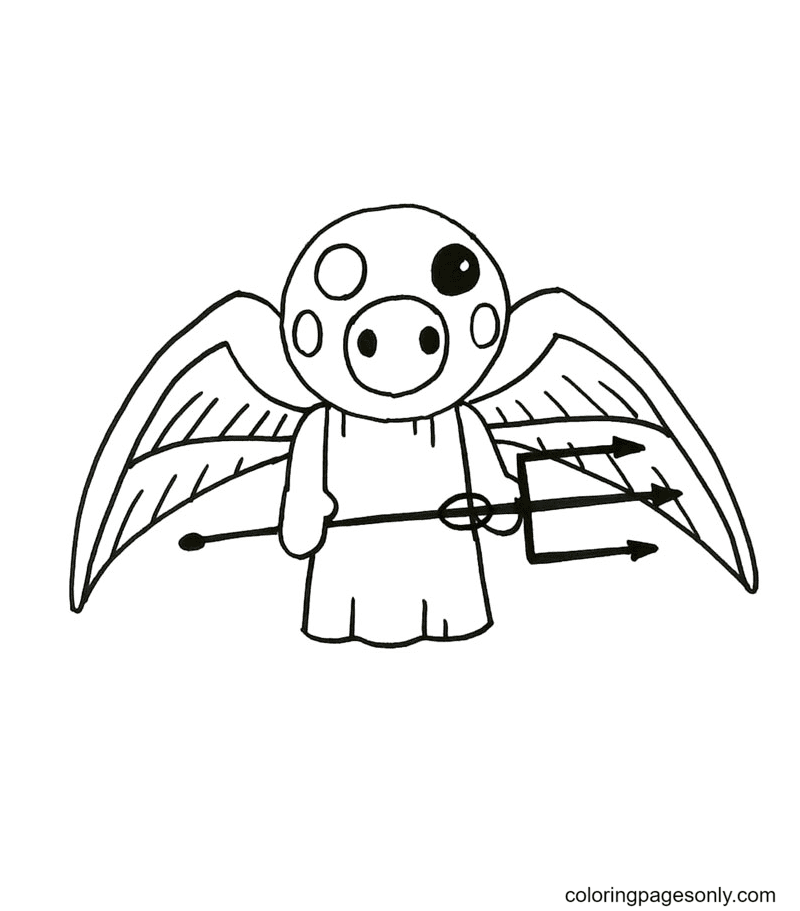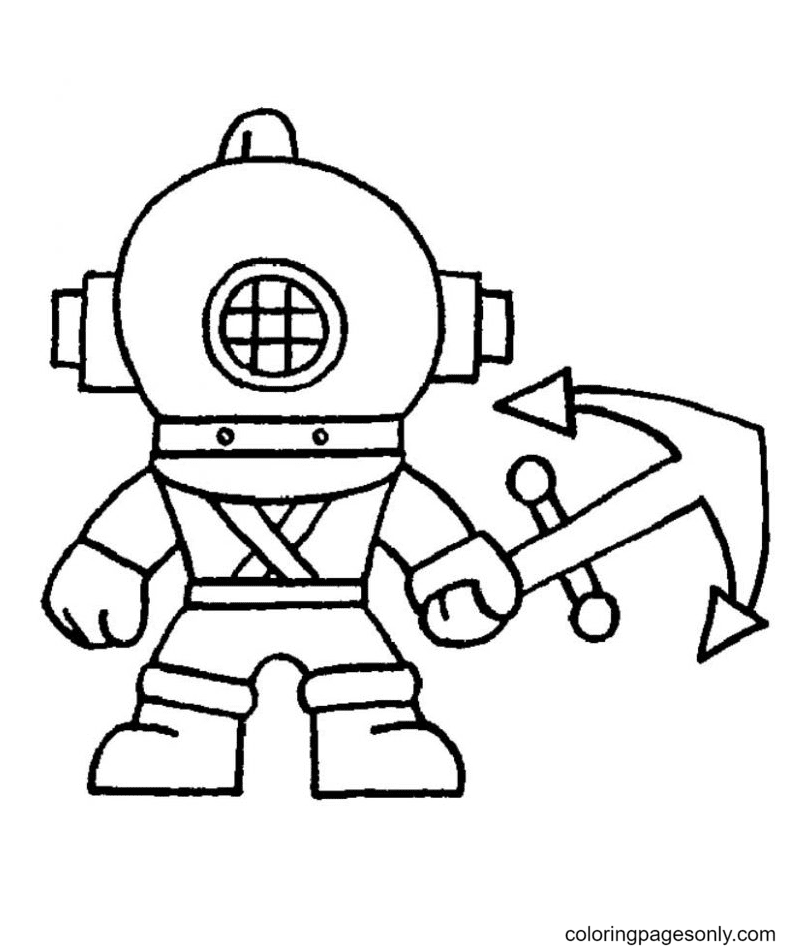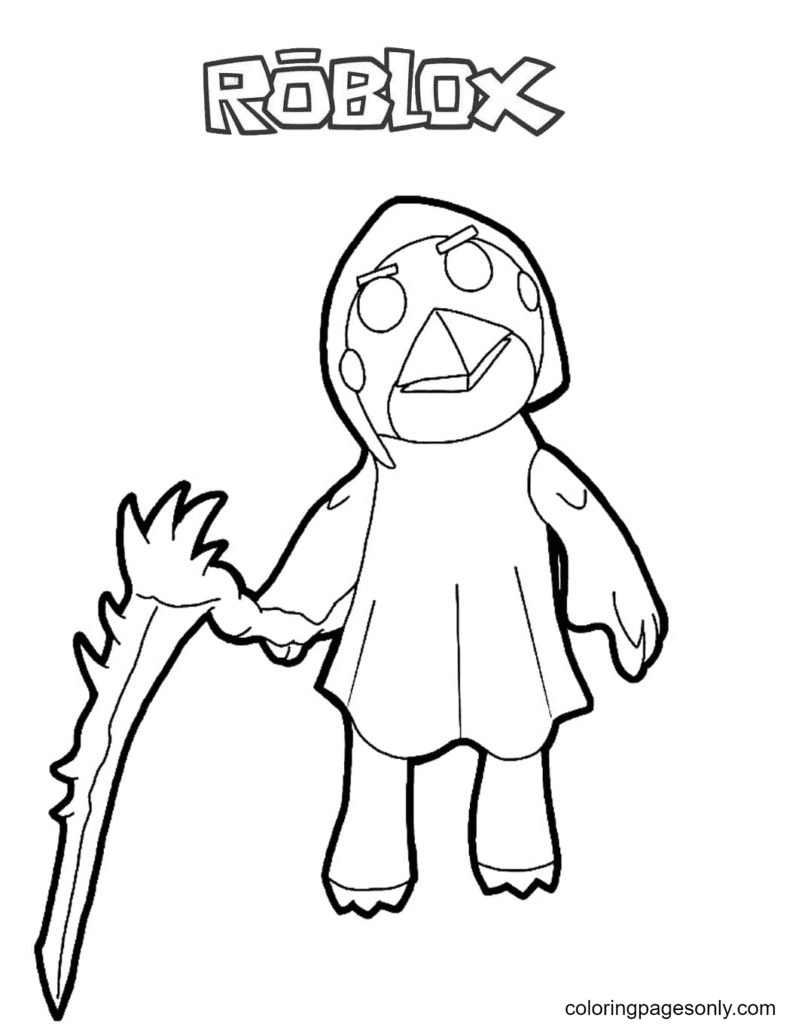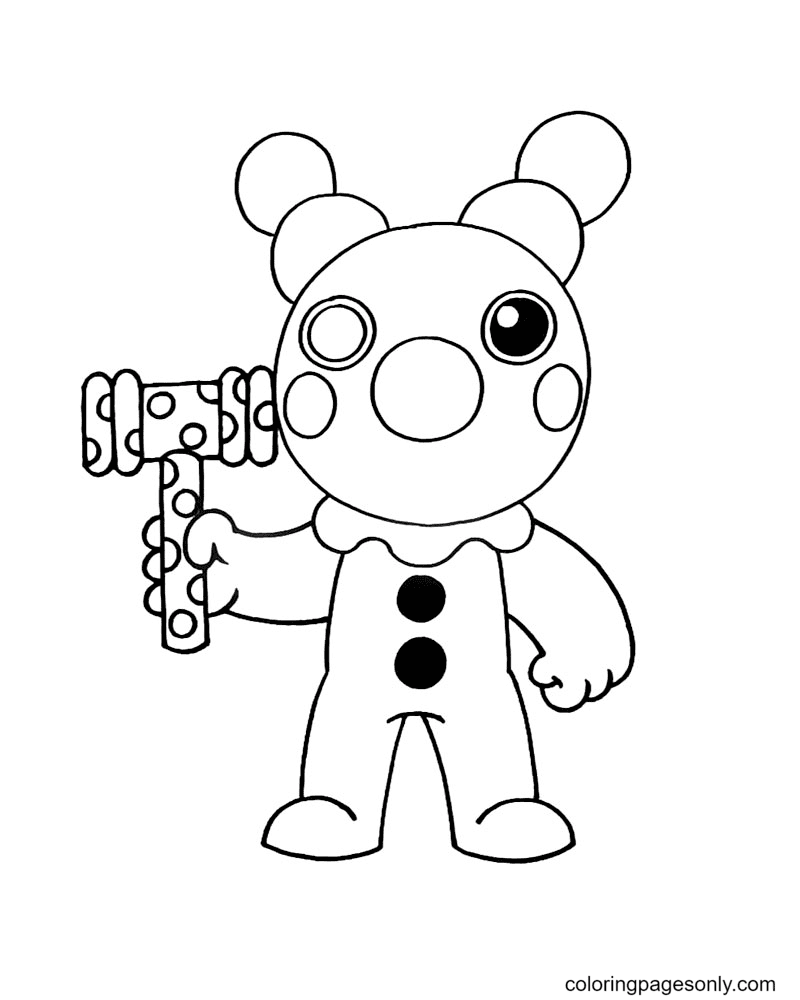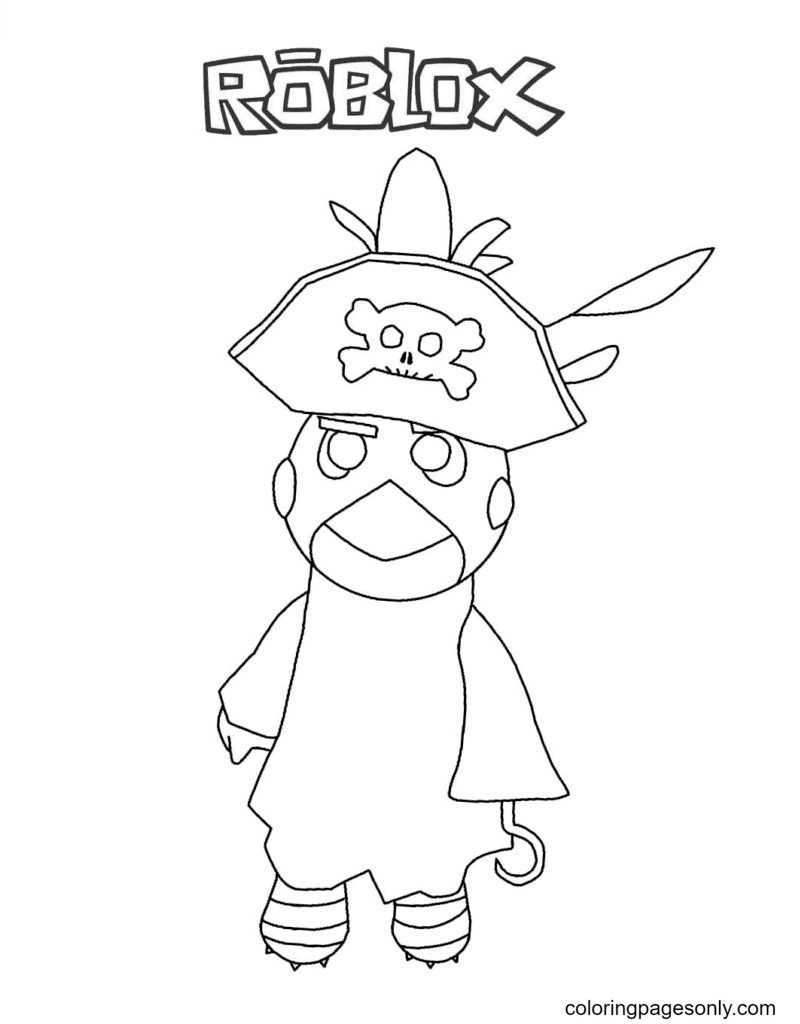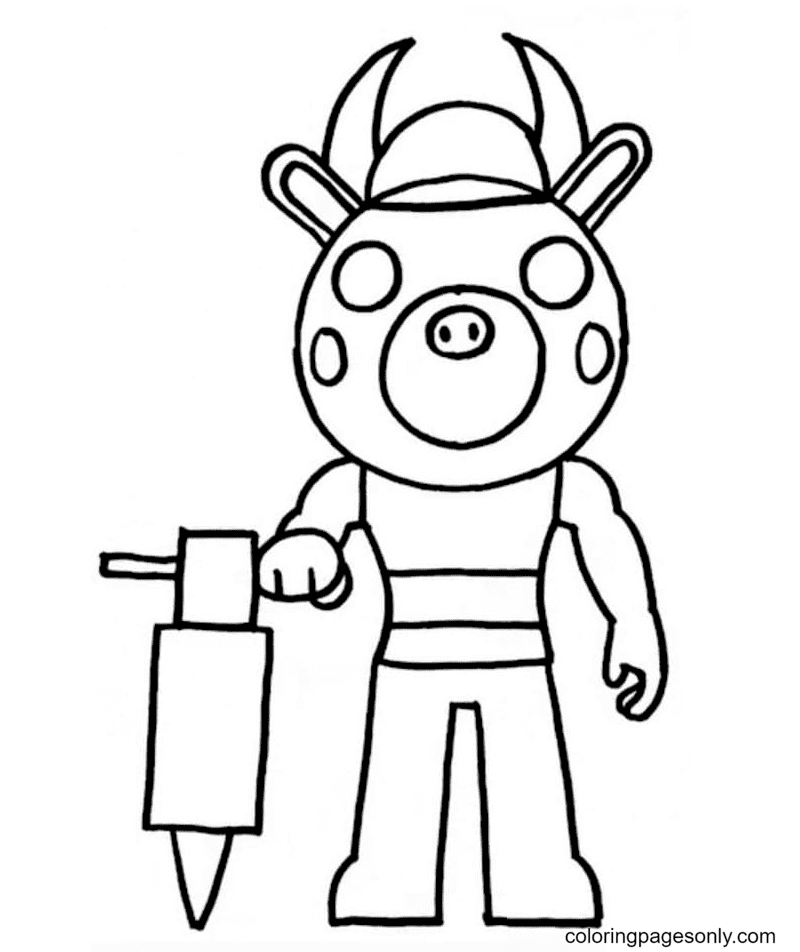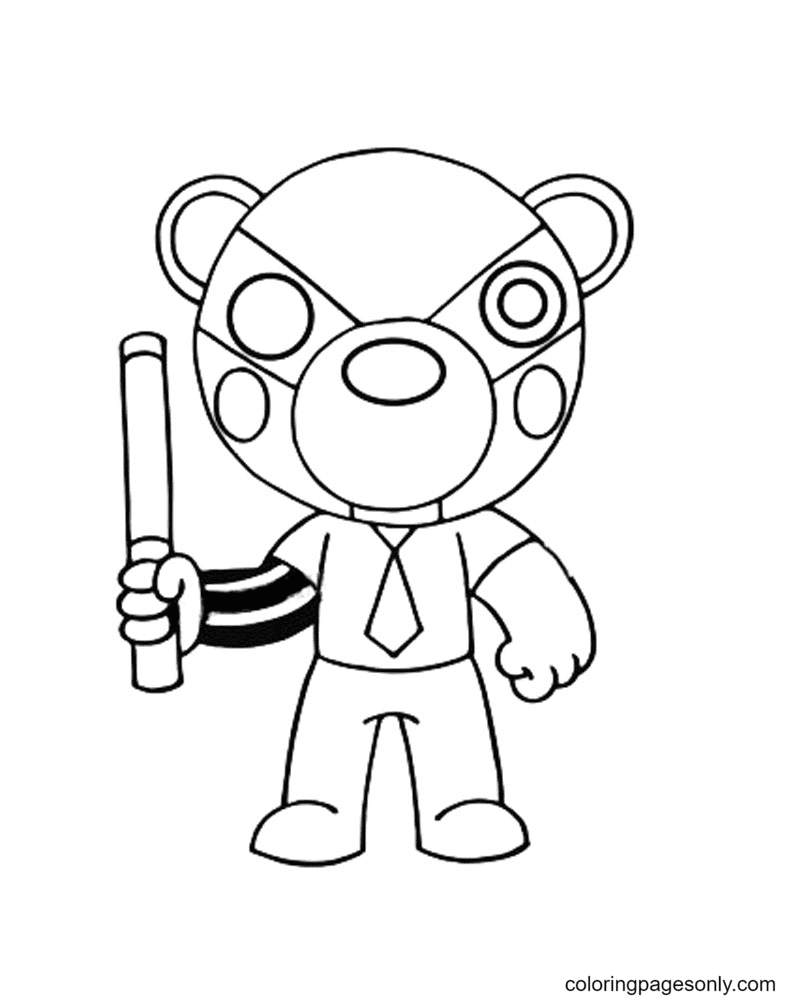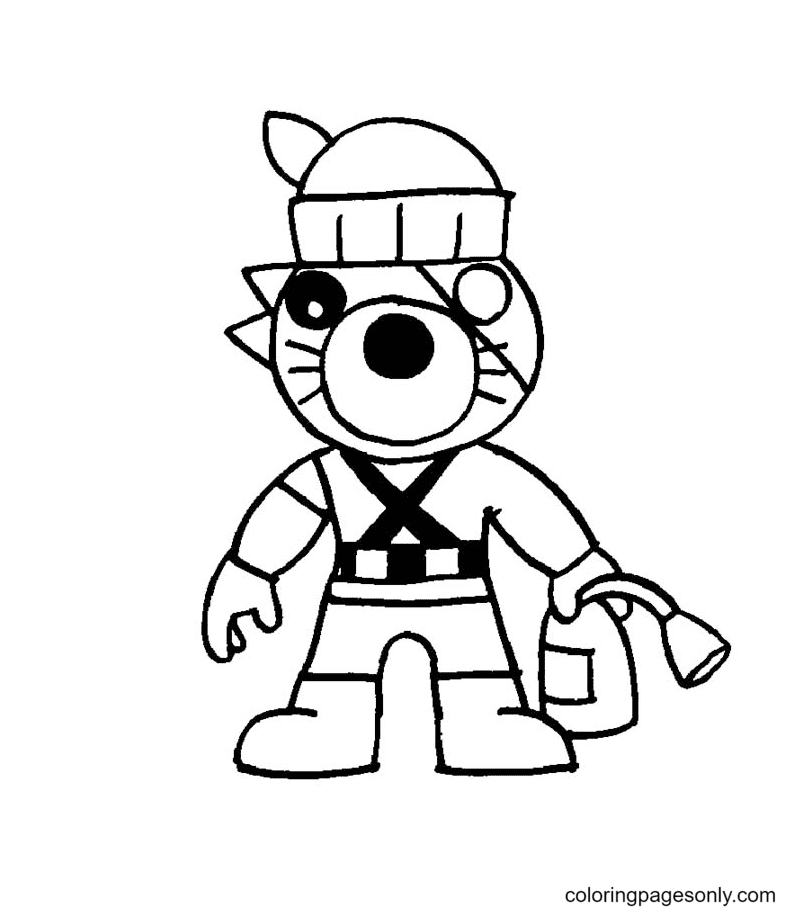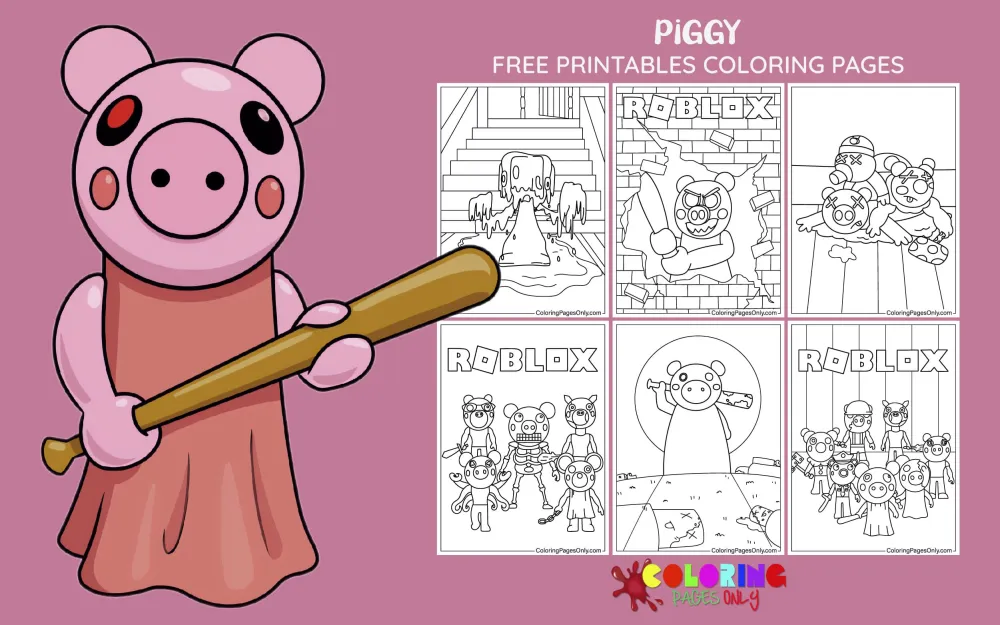
On this page, you’ll find 70+ Piggy coloring pages – all free to download as PDFs or color online! This collection covers the full cast of MiniToon’s iconic Roblox survival horror game: Piggy herself, fan-favorites Zizzy and Pony, the mysterious Mr. P, Bat Piggy, Torcher, and many more. Whether your child loves the story, the scares, or just the characters, they’ll find something awesome to color here!

These printables are perfect for Roblox fans, birthday parties, school activity breaks, or any time your kid wants to bring their favorite Piggy characters to life. Once colored, use them as wall art, bookmarks, gift wrapping, or room decorations!

While you’re here, grab these related pages! Roblox Coloring Pages · Games Coloring Pages · Blox Fruits Coloring Pages · Cartoon Coloring Pages

What Is Piggy? The Roblox Phenomenon Explained

Piggy is a free-to-play survival horror game on Roblox created by developer MiniToon (Kohl Couture) and officially released on January 28, 2020. The game started as something almost accidental – MiniToon originally built it in a 5-day timeframe as a non-serious test for AI pathfinding, something he and a small group of friends could play around with. Nobody expected what happened next.

Within weeks, Piggy had spread virally across the Roblox community. By April 2020 – just 83 days after launch – the game had reached 1 billion visits, making it at that time the fastest Roblox game ever to hit that milestone. It went on to win multiple Bloxy Awards at the 8th Annual Bloxy Awards ceremony, including the top prize of Game of the Year. What began as a private AI test had become one of the most iconic games in Roblox history.

The game’s concept draws from two very different sources that should not work together – but absolutely do. The visual aesthetic is inspired by Peppa Pig, the beloved British children’s cartoon, giving the game its cast of cute anthropomorphic pig and animal characters. The gameplay is inspired by Granny, the Swedish indie survival horror game, where players must escape a threatening figure while solving puzzles under time pressure. The result is a game that looks adorable and plays terrifying – a combination that proved irresistible to millions of players.

Since its launch, Piggy has expanded into a full franchise under MiniToon, Inc., encompassing a sequel (Piggy: Book 2), a standalone spin-off on Steam (Piggy: Hunt), further expansions (PIG 64, Piggy: Intercity), a novel series, officially licensed merchandise through toy company PhatMojo, and major collaborations with Roblox events and external brands including Metallica and the horror film M3GAN.

The Story – From a Missing Boy to a Global Infection

Piggy’s narrative is more substantial than most Roblox games, running across two complete story arcs – Book 1 and Book 2 – with escalating complexity, genuine plot twists, and character development that keeps players emotionally invested across dozens of hours of gameplay.

Book 1 – The Outbreak. You play as a police officer called to investigate the disappearance of a boy named Georgie Piggy. On arrival at the Piggy household, you’re knocked unconscious and wake up trapped inside – with a zombified, red-eyed pig hunting you through the building. The mission starts simply: escape. But as you break free and return to the police station, you discover the infection has already spread. Your partner Doggy vanishes overnight. Chapter by chapter – House, Station, Gallery, Forest, School, Hospital, Metro, Carnival – you uncover more of the truth behind the outbreak: a mysterious figure known as Mr. P has been distributing potions that transform the infected into hostile, red-eyed creatures. The story moves through 12 chapters, each set on a distinct map, ending with a confrontation at a military outpost and a choice that determines the ending you receive.

Book 2 – Factions, Betrayal, and a Cure. The sequel begins immediately after Book 1, with your group – including allies Zizzy and Pony – trying to survive at a place called The Safe Place. The stakes escalate: Zizzy becomes infected, a criminal wolf named Willow and her faction, The Silver Paw, become entangled with your group, and a mysterious entity called TIO emerges as the overarching villain. Book 2 features multiple endings based on player choices, deeper character dialogue, cinematic story moments, and a more complex moral landscape than the first arc – with themes of working alongside former enemies and choosing between revenge and reconciliation.

The Characters – Who’s Who in the Piggy Universe

The game’s cast is one of its most beloved elements, and understanding each character makes the coloring pages in this collection significantly richer as creative subjects.

Piggy is the game’s iconic antagonist and title character – a pig based in visual design on Peppa Pig’s family aesthetic, but transformed by the infection into a red-eyed pursuer armed with a baseball bat. In earlier versions, Piggy’s design was more directly derivative of the children’s show; MiniToon redesigned the character over time to create a distinct visual identity. Piggy’s canonical color palette is pink skin (warm bubblegum pink, not candy pink), dark clothing, and the distinctive red glow of infected eyes. In the game’s lore, the figure chasing you in each chapter isn’t always the same individual – the infection has spread to many characters who might appear as “Piggy” across different maps.

Georgie Piggy is the missing boy whose disappearance sets the entire story in motion. He’s a young pig character – smaller in scale than adult characters, visually more childlike – who turns out to be hiding in a mall, armed with a bat and terrified of everyone, having watched his family become infected after a hospital visit. Georgie is central to the emotional stakes of the game: he represents the human cost of the outbreak and the reason the player’s mission matters beyond simple survival.

Doggy is your police partner – the familiar companion who disappears early in the story and whose fate becomes one of Book 1’s most emotionally resonant mysteries. Doggy is a dog character in a police uniform, rendered in the browns and blues of law enforcement attire.

Zizzy is a zebra character and one of the most popular characters in the entire Piggy universe – regularly cited by the community as a fan favorite. Before the infection, Zizzy was a fencing coach (a detail reflected in her gameplay appearance, where she carries a sword). She’s one of your most reliable allies across Books 1 and 2, helping the player navigate the infected world with both combat skill and strategic intelligence. Her canonical design features black-and-white zebra striping with her signature sword.

Pony is Zizzy’s companion and the game’s heart – loyal, occasionally comic, and deeply caring toward the group. Before the infection, Pony was studying to become an optometrist like his father. He appears with Zizzy in Chapter 8 (Carnival) and remains a consistent presence through Book 2. The “Piggy Fencing” tile in this collection directly references Zizzy’s skill – shown in the coloring page as a fencing scene.
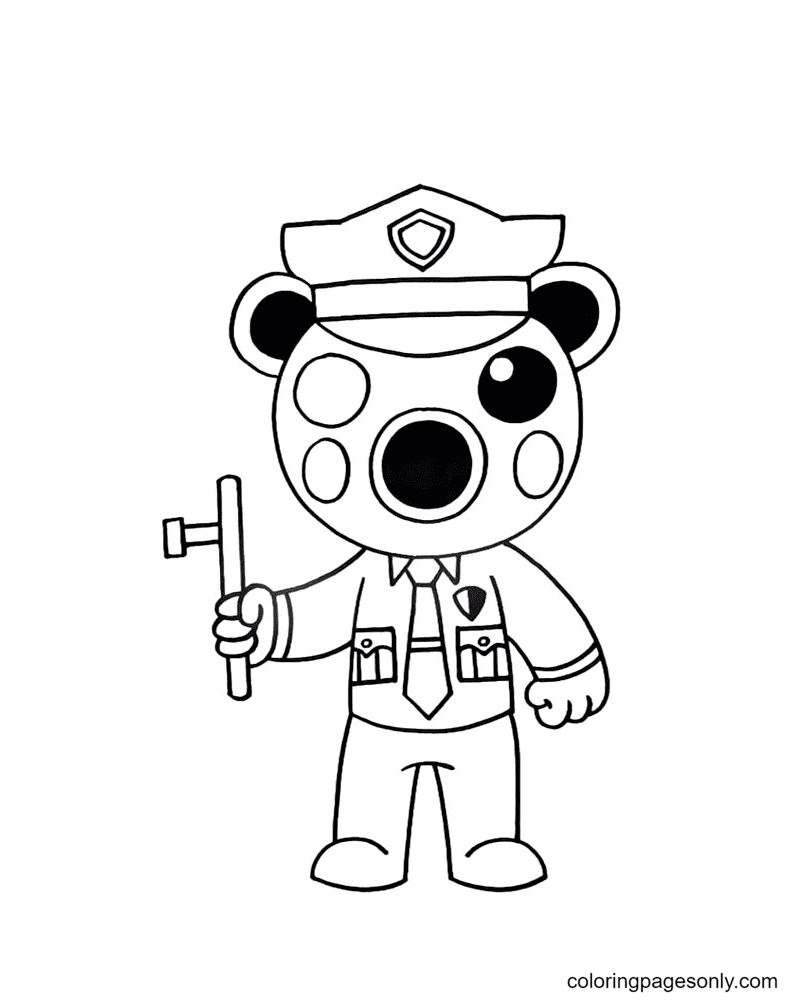
Mr. P is the game’s primary villain in Book 1 – a mysterious figure the player only communicates with via radio for most of the game, finally encountered in person in Chapter 11 at a military outpost. By this point, Mr. P has been partially mechanized – his body showing the results of his own experiments. His backstory reveals a tragic dimension: the infection was not created from malice alone but from a grief-driven obsession to restore someone he lost. Mr. P’s design features a half-mechanical body, representing the intersection of the human and the monstrous.
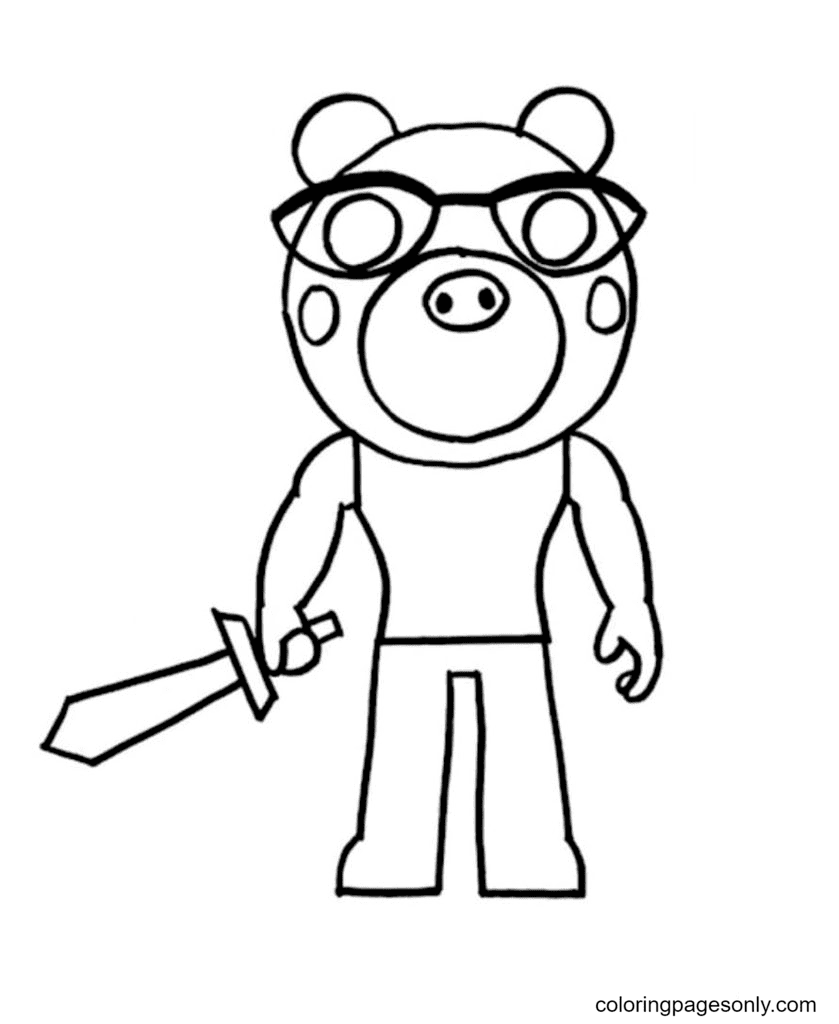
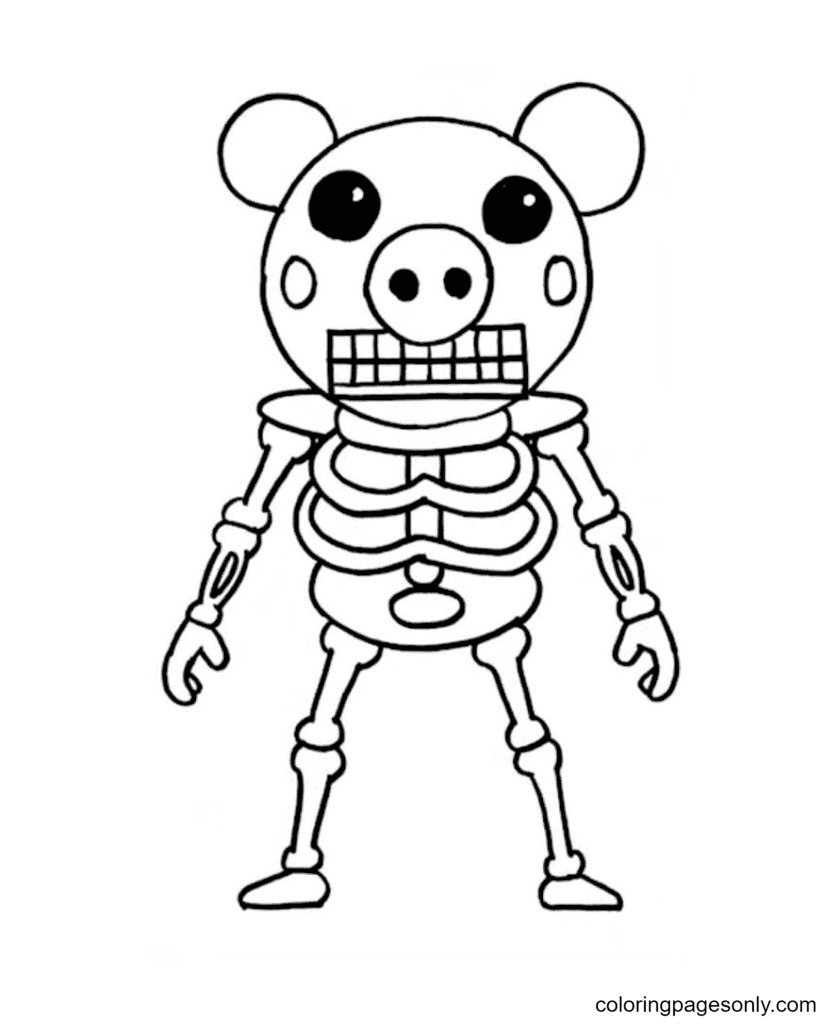
Torcher is a fan-favorite skin and the main bot of Chapter 11 (Outpost) – a character notable enough that MiniToon confirmed there are multiple Torchers within the Piggy universe. Torcher’s distinctive design makes for one of the most dramatically colored pages in this collection.

Bat Piggy – directly represented in the “Bat Piggy” tile of this collection – is a variant skin combining the core Piggy design with bat wings and dark coloring, one of the game’s most visually striking skin designs.

Willow is introduced in Book 2 as a morally complex character – initially an antagonist leading the criminal faction The Silver Paw, but gradually revealed to have her own wounds and reasons. Her arc is one of Book 2’s most compelling character studies.

Game Modes – More Than Just Running Away

One of Piggy’s most important features for long-term engagement is its variety of game modes, which completely change the dynamics of each session:

Player mode randomly selects one player to become Piggy – visible to everyone, with the goal of catching all survivors before they escape. Bot mode replaces the human Piggy with a computer-controlled AI, adjusting the difficulty for players who want a more consistent challenge. Infection mode escalates the stakes: caught survivors don’t leave the game – they join Piggy’s side, turning the match into a spreading threat. Traitor mode introduces social deception: one player secretly works with Piggy without being identified. Swarm mode generates new Piggies over time, creating increasing pressure as the match progresses. Build mode – developed by collaborator Optikk – gives players a complete map creation tool, allowing them to build their own Piggy horror maps and game modes without any knowledge of Roblox Studio.

This variety is directly relevant to the coloring collection: children who play primarily in Bot mode (a gentler, solo-friendly experience) may engage differently with the character pages than those who play in Infection mode (the most socially intense format). The collection’s range of character designs – from cute to menacing – reflects this same spectrum of player experiences.

Coloring Tips for Piggy Pages

Piggy’s core palette – get the pink right. The canonical Piggy color is a warm, medium bubblegum pink – not too bright, not too pale, and distinctly warmer than the cool pinks associated with Barbie or fairy aesthetics. Think of a slightly desaturated strawberry milkshake rather than a neon pink. The infected red eyes are the critical accent: a vivid, saturated red-orange that should be the most intense color on the page, since in the game, those eyes are the visual signal that tells you something is terribly wrong.

Zizzy’s black-and-white challenge. Zizzy’s zebra stripes look simple but require careful technique. The key: render the black stripes first with consistent, deliberate lines – not random but following the body’s contours the way real zebra striping does (the stripes narrow at the face, widen across the body, and create distinctive horizontal bands along the neck). Then fill the white areas with a very light warm grey rather than pure white – this gives the white areas visual weight and makes them read as a coat rather than blank paper. Zizzy’s sword should be a cool grey steel color to contrast with the warm organic tones of her body.

Mr. P’s half-mechanical design. Pages featuring Mr. P present one of the collection’s most technically interesting coloring challenges: the organic human side and the mechanical side require completely different palettes. The biological half should use warm skin tones with signs of aging and wear (darker shadows, slightly sallow tone). The mechanical half should be rendered in cool metallic greys and silvers – hard edges, geometric highlights suggesting reflected light on metal panels, bolts rendered as small circles of slightly lighter grey within a darker metal field.

Bat Piggy – darkness with detail. The Bat Piggy design is built around deep, dark tones – near-black wings, very dark body coloring – but rendered poorly, these tones can merge into a flat, detail-obscuring mass. The technique: use the darkest available purple-black as the base for the wings, then use a slightly lighter dark purple to define the wing membrane structure. Leave the wing veins (the structural lines radiating from the wing’s leading edge) in a slightly warmer dark tone to suggest the translucency that real bat wing membranes have. The eyes retain the red-orange infected glow, which appears even more dramatic against the surrounding darkness.

Torcher – fire and dark contrast. Any Torcher-inspired pages benefit from the classic fire-rendering technique: the hottest part of the flame (near the base and center) in white or pale yellow, transitioning through bright yellow to deep orange at the mid-flame, and reaching red-orange at the tips and edges. The surrounding darkness of Torcher’s design should be deep enough that the fire reads as genuinely luminous – light appearing to come from the flame itself, illuminating nearby surfaces.

5 Activities

The character identification game. Print five or six pages from the collection featuring different named characters – Piggy, Zizzy, Pony, Mr. P, Bat Piggy, Torcher. Before coloring, research each character’s backstory: what were they doing before the infection? What is their role in the story? What personality trait is each character most known for? Write one sentence on the back of each page summarizing the character. Then color each page using that character’s canonical palette. The finished set becomes a hand-colored character reference guide – something a new player could use to learn the cast before starting the game, or something an experienced player uses to demonstrate their knowledge of the lore.

The “before the infection” alternate story. Choose any page featuring a named character and color it not in the character’s infected/menacing design but in a color scheme representing that character as they were before the outbreak. Zizzy as a fencing coach: warm athletic colors, no blood-red eyes, sword held in training stance rather than threat. Pony as an optometry student: soft, professional colors, academic setting. Mr. P, before his transformation: conventional clothing, intact body, no mechanical elements. Write a brief “before the infection” biography on the back – who was this character, what did they do, what did they care about? This activity engages directly with the game’s core emotional premise: the horror of the infection is amplified by knowing who these characters were before it changed them.

The Book 1 chapter map. After coloring any scene-based pages from the collection, recreate the Book 1 chapter map on a large piece of paper: 12 boxes arranged in sequence, labeled House, Station, Gallery, Forest, School, Hospital, Metro, Carnival, City, Mall, Outpost, Lab. In each box, draw or paste a small reference to what happens in that chapter (a key item found, a character encountered, a plot revelation). Color the boxes using a consistent palette – earlier chapters in cooler, more uncertain tones; later chapters in warmer, more intense tones as the story escalates. The colored Piggy pages from the collection can be placed alongside the relevant chapter boxes to show which characters appear at which points in the story.

The fan skin design challenge. Piggy’s build mode and skin system mean that fan-created content is a core part of the game’s culture – MiniToon even hosted official skin design contests, with fan-inspired designs (like Mousy) winning community votes and being added to the game. Using any blank character outline from the collection, design your own Piggy universe skin: choose the animal species, the infection variant (what color are the eyes? what stage of infection?), any special weapon or equipment, and the color scheme. Then write a brief character card on the back: the character’s name, their species, what they did before the infection, and what makes them unique as an infected. This activity mirrors the actual creative process MiniToon used when building the game’s cast.

The multiplayer strategy coloring session. This activity works best with a group – a playdate, classroom activity, or siblings. Each player chooses a different character from the collection to color. As everyone colors, one person narrates a scenario: “You’re playing Infection mode. Zizzy has just been turned. Pony has the exit key, but Torcher is blocking the door. The timer shows 45 seconds.” Each player must decide – based on their character’s established personality and abilities – what their character would do in this scenario. Discuss the choices: Does Pony try to run past Torcher? Does the player character try to distract while Pony escapes? Does Bat Piggy join the infected side? The coloring activity provides a shared creative focus while the scenario discussion builds narrative thinking, collaborative problem-solving, and engagement with character-specific knowledge that the game itself rewards.

These related coloring collections will help you explore the wonderful world of colors. Let’s choose, be creative, and show us your great pictures!

Jennifer Thoa – Writer and Content Creator

Hi there! I’m Jennifer Thoa, a writer and content creator at Coloringpagesonly.com. With a love for storytelling and a passion for creativity, I’m here to inspire and share exciting ideas that bring color and joy to your world. Let’s dive into a fun and imaginative adventure together!