Lobster Coloring Pages
 By:
Jennifer Thoa - Content Editor & Designer
Updated:
By:
Jennifer Thoa - Content Editor & Designer
Updated:
Free Lobster Coloring Pages: 18 printable PDF designs featuring classic portraits and expressions, themed and drawing-style artwork, and printable sheets. Each page can be downloaded as a PDF to print or colored online in the browser.
A lobster is a large marine crustacean in the family Nephropidae, recognized by its hard exoskeleton, long antennae, and two large front claws used for catching prey and self-defense. Contrary to popular belief, a live lobster is not naturally bright red; it typically appears in mottled shades of blue-green, brown, or olive. That familiar red-orange color only appears after cooking: heat breaks down a protein called crustacyanin that normally binds tightly to a red pigment called astaxanthin, and once the protein unravels, the pigment’s true red color is finally revealed. Lobster is also a lean, high-protein food, prized both as a culinary delicacy and as a good source of vitamin B12, zinc, and selenium.
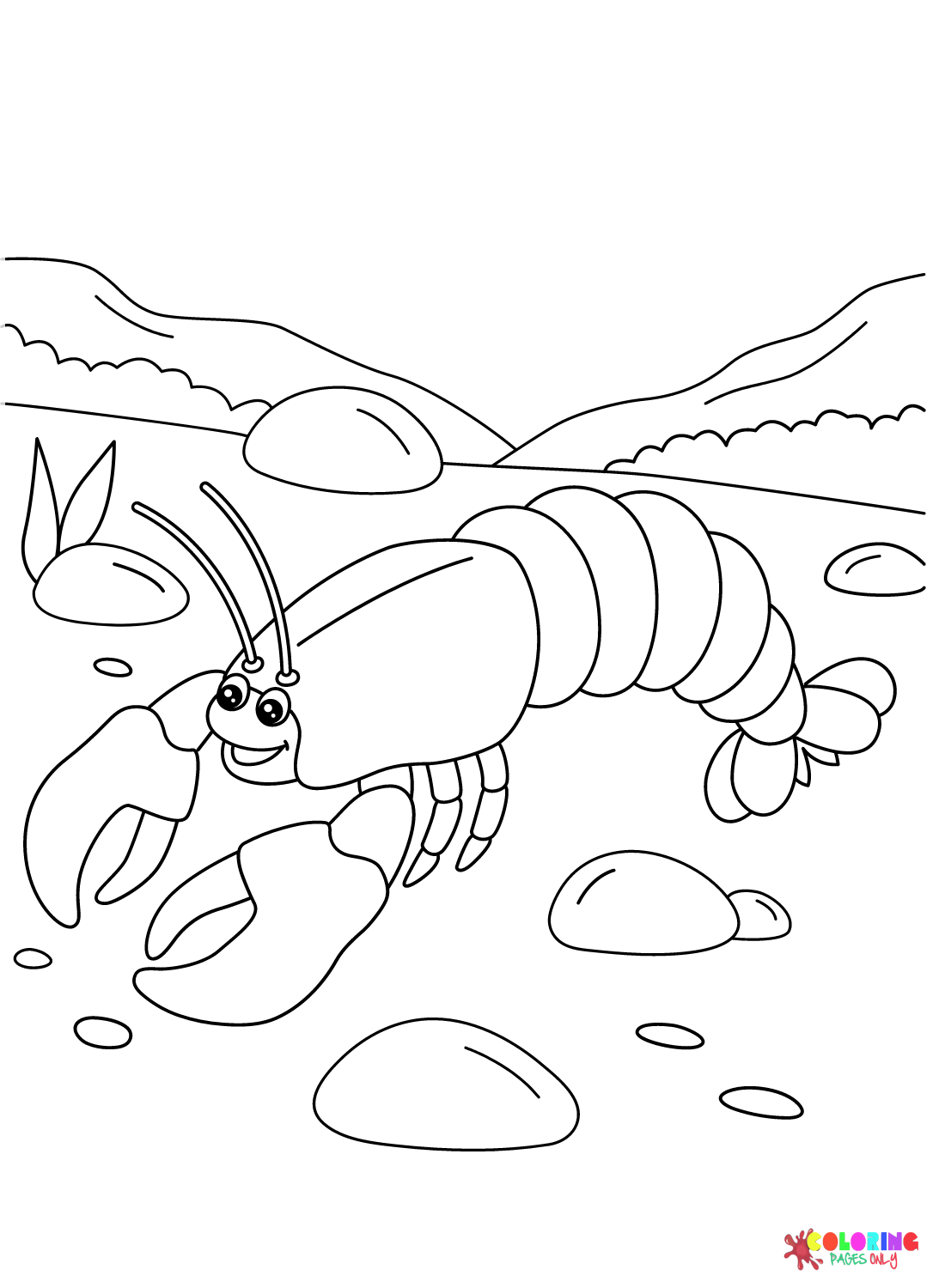
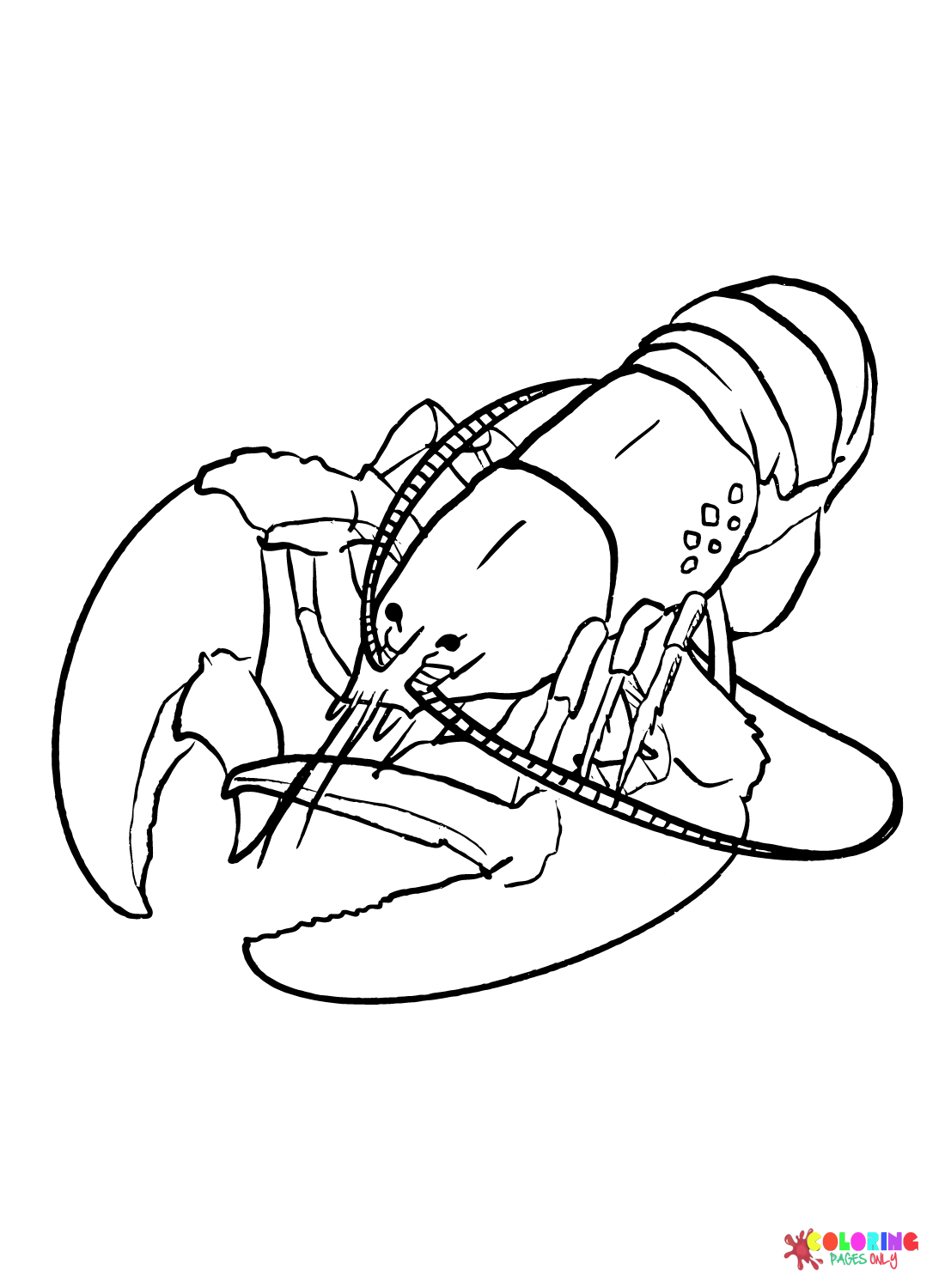
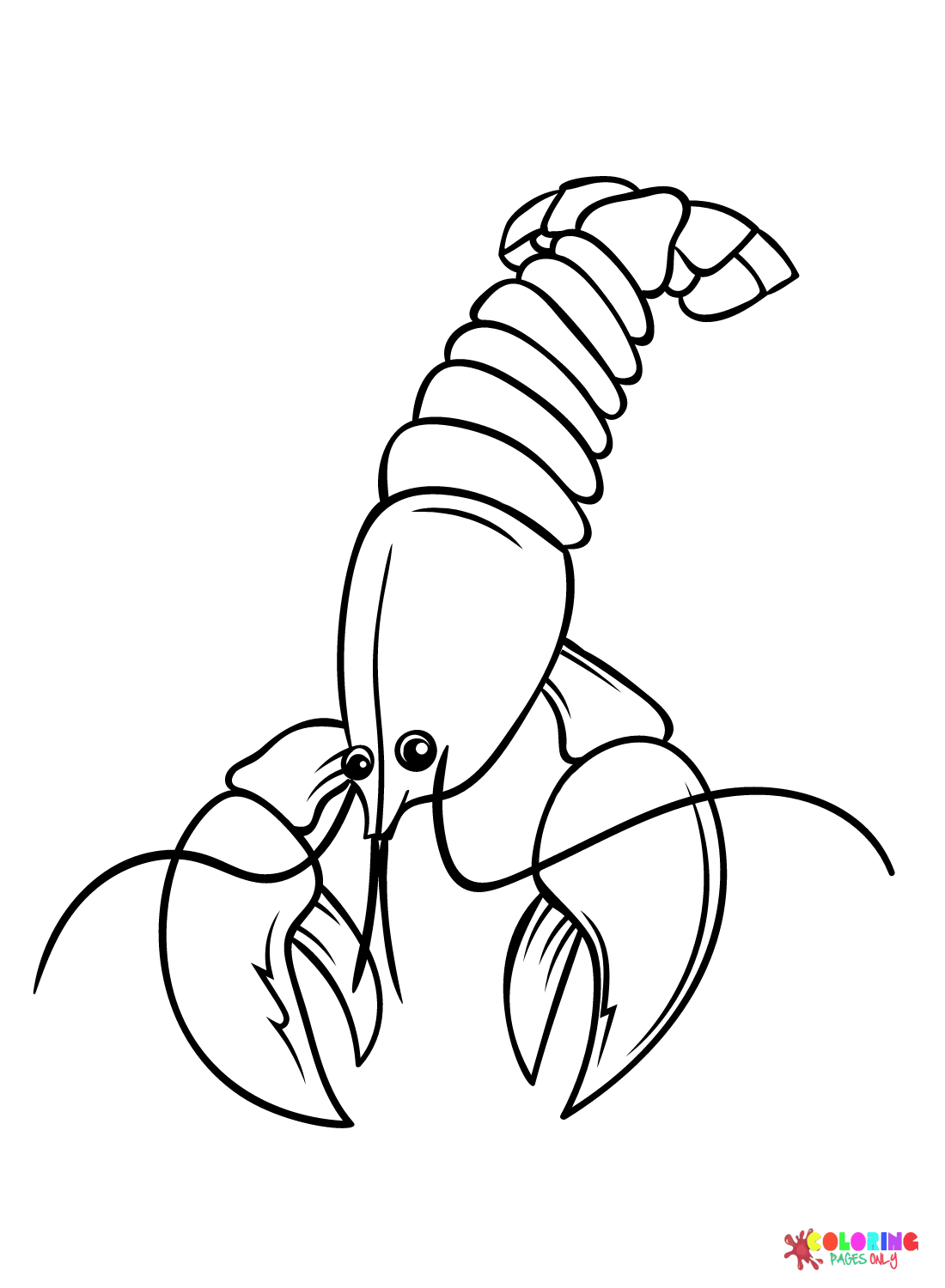
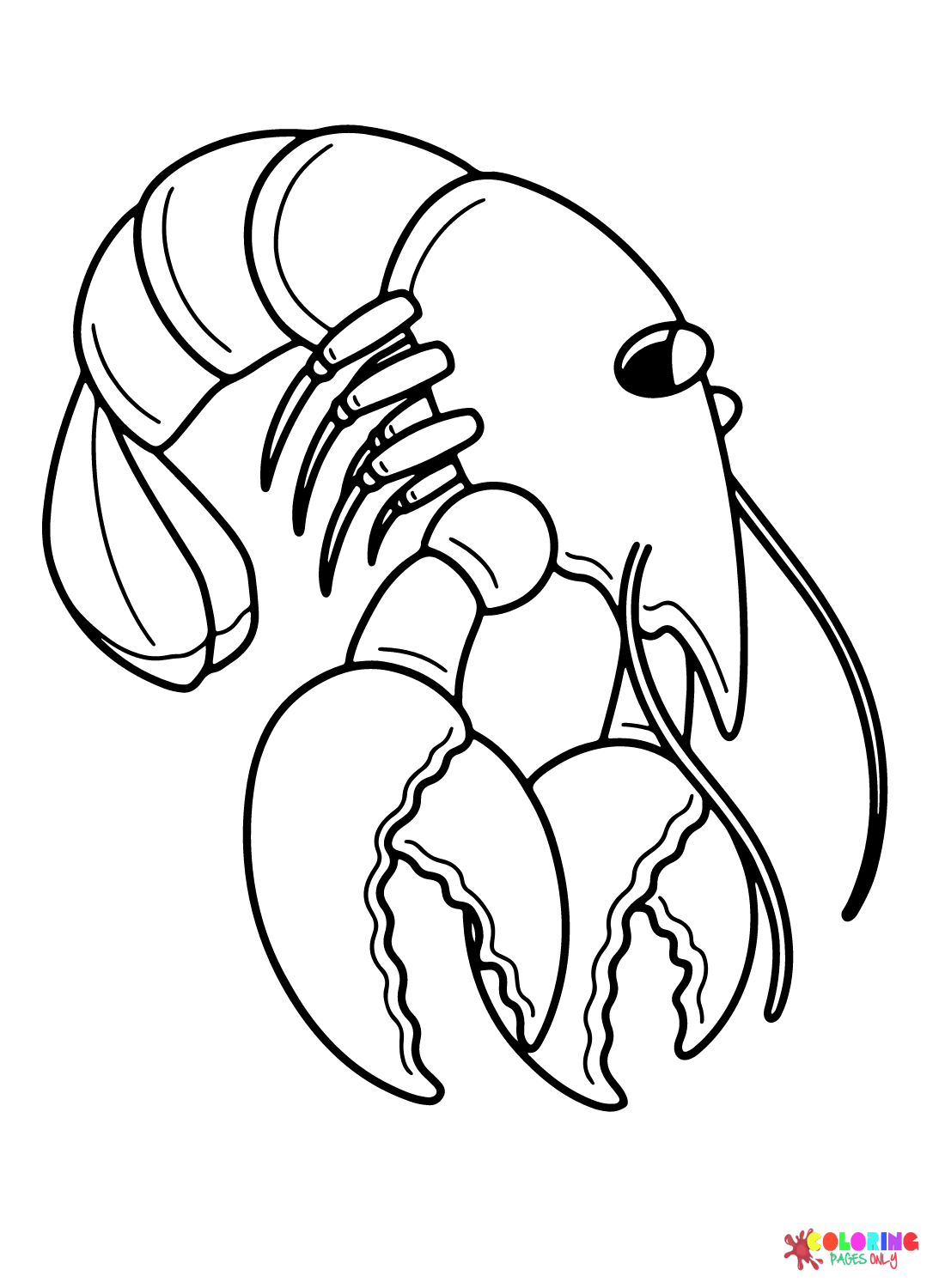
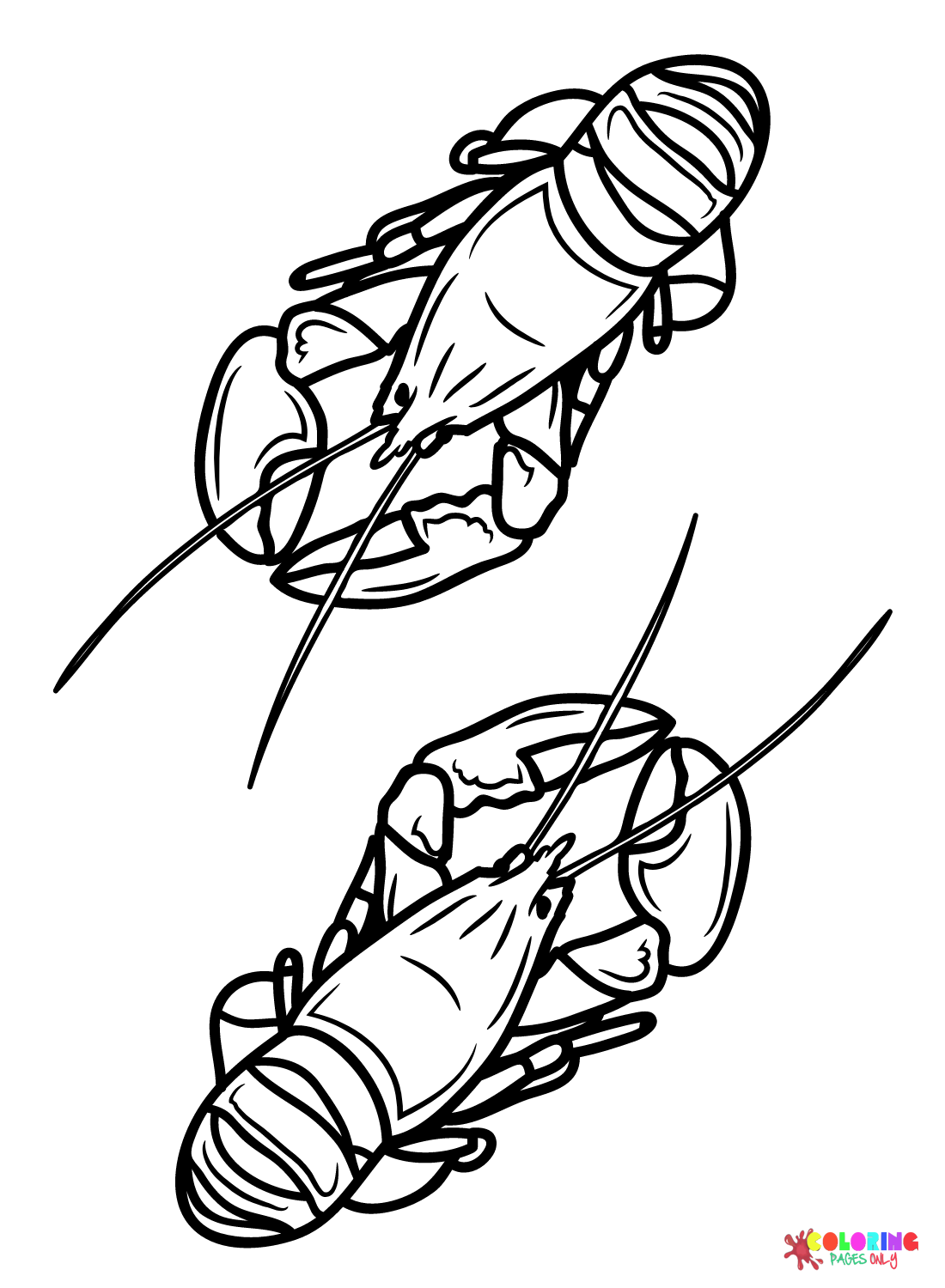
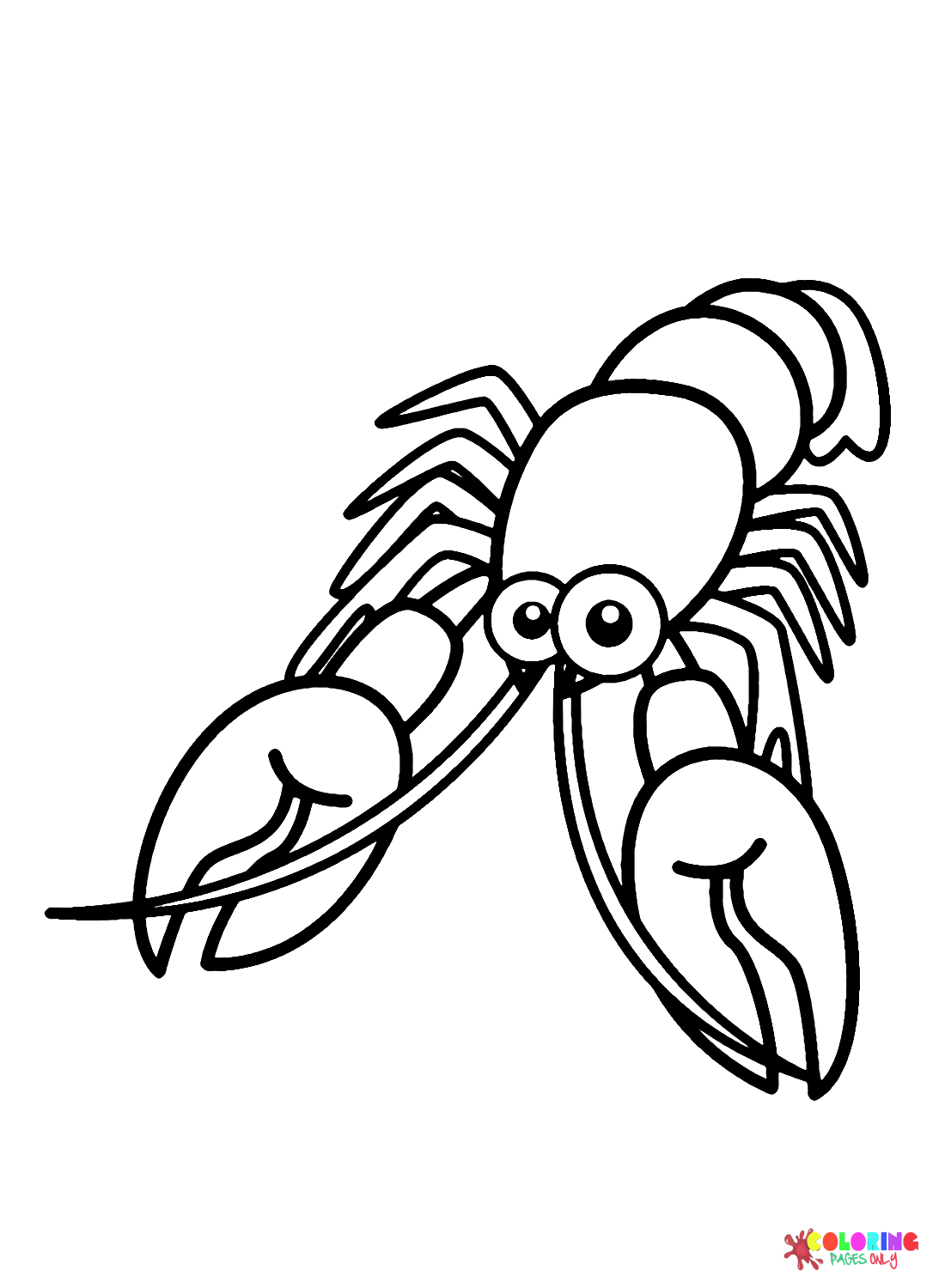
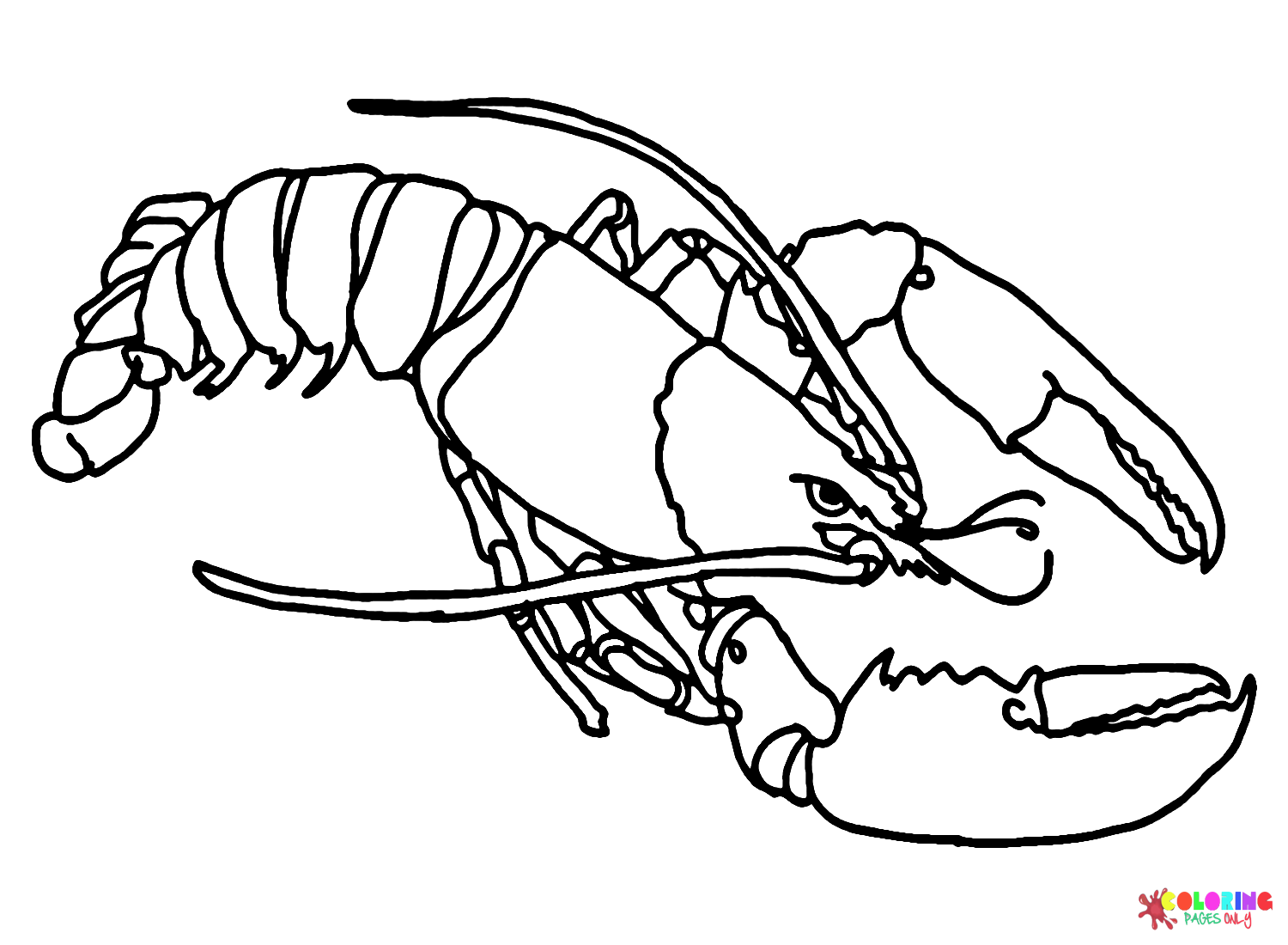
This collection spans 18 pages, grouped into classic portraits and expressions, themed and drawing-style designs, and printable sheets. The coloring angle ranges from simple standalone lobsters to playful character scenes.

What Is Inside This Collection
The 18 designs group into three categories, from classic portraits to printable sheets.
Classic Portraits and Expressions
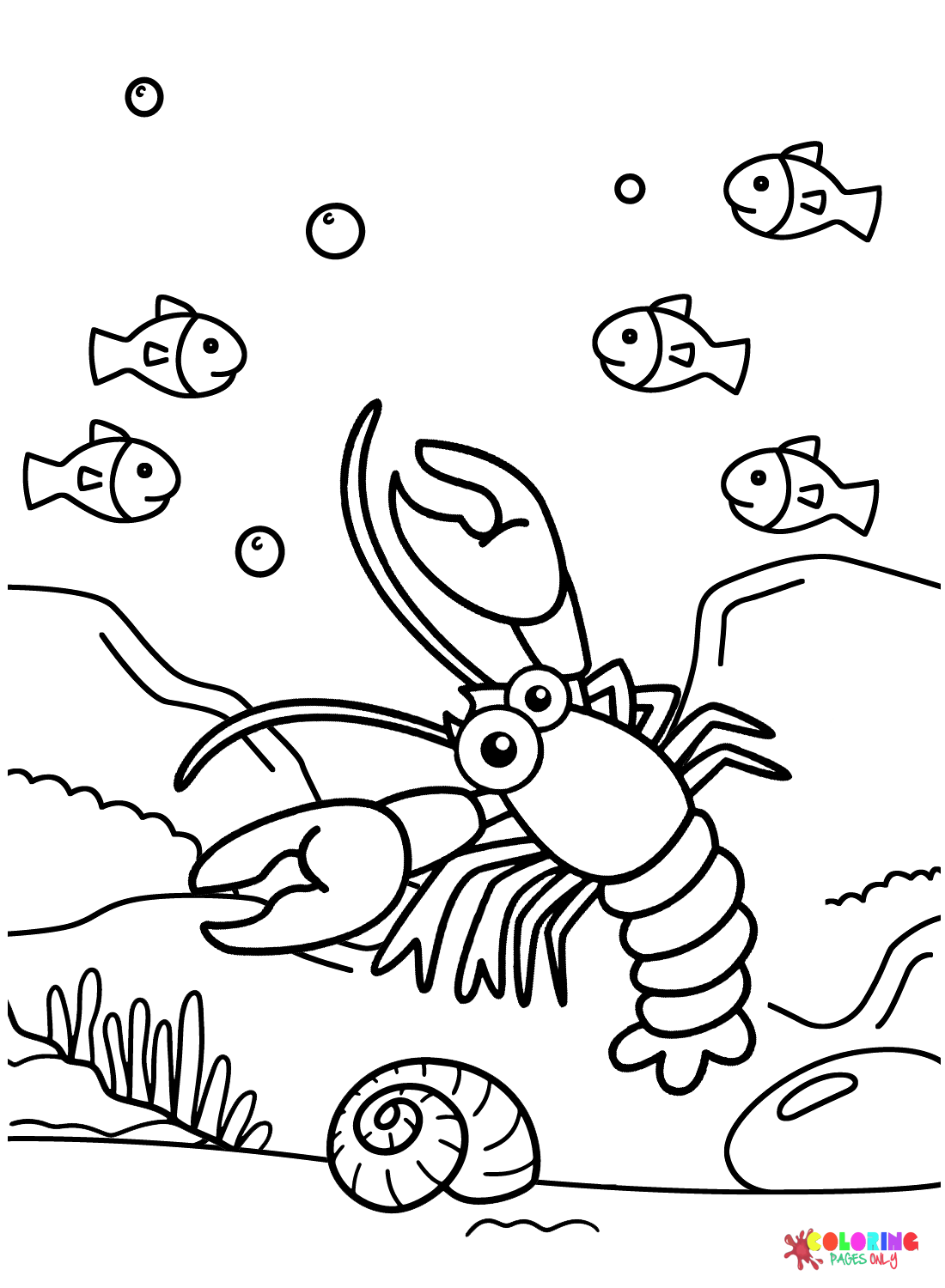
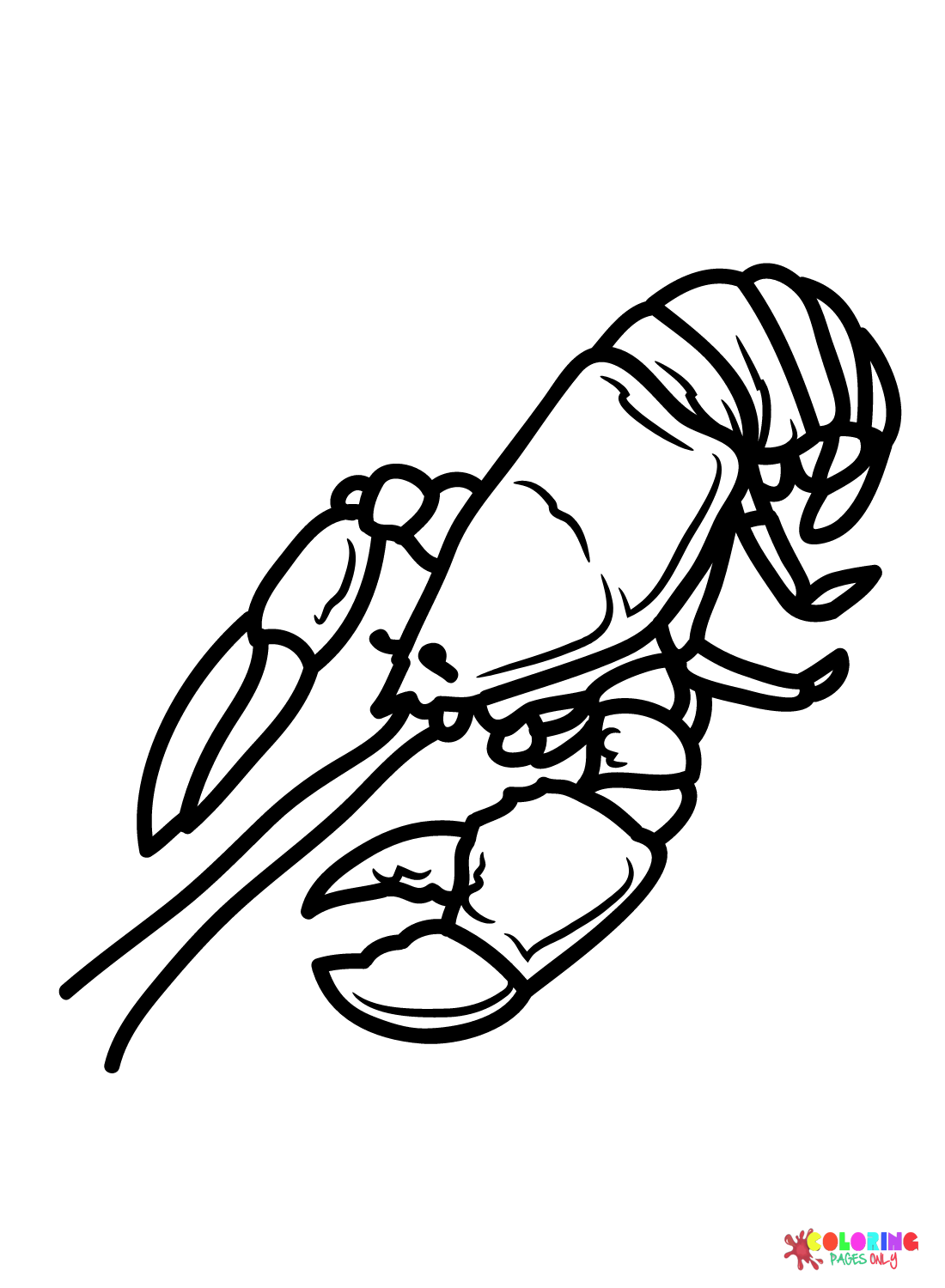
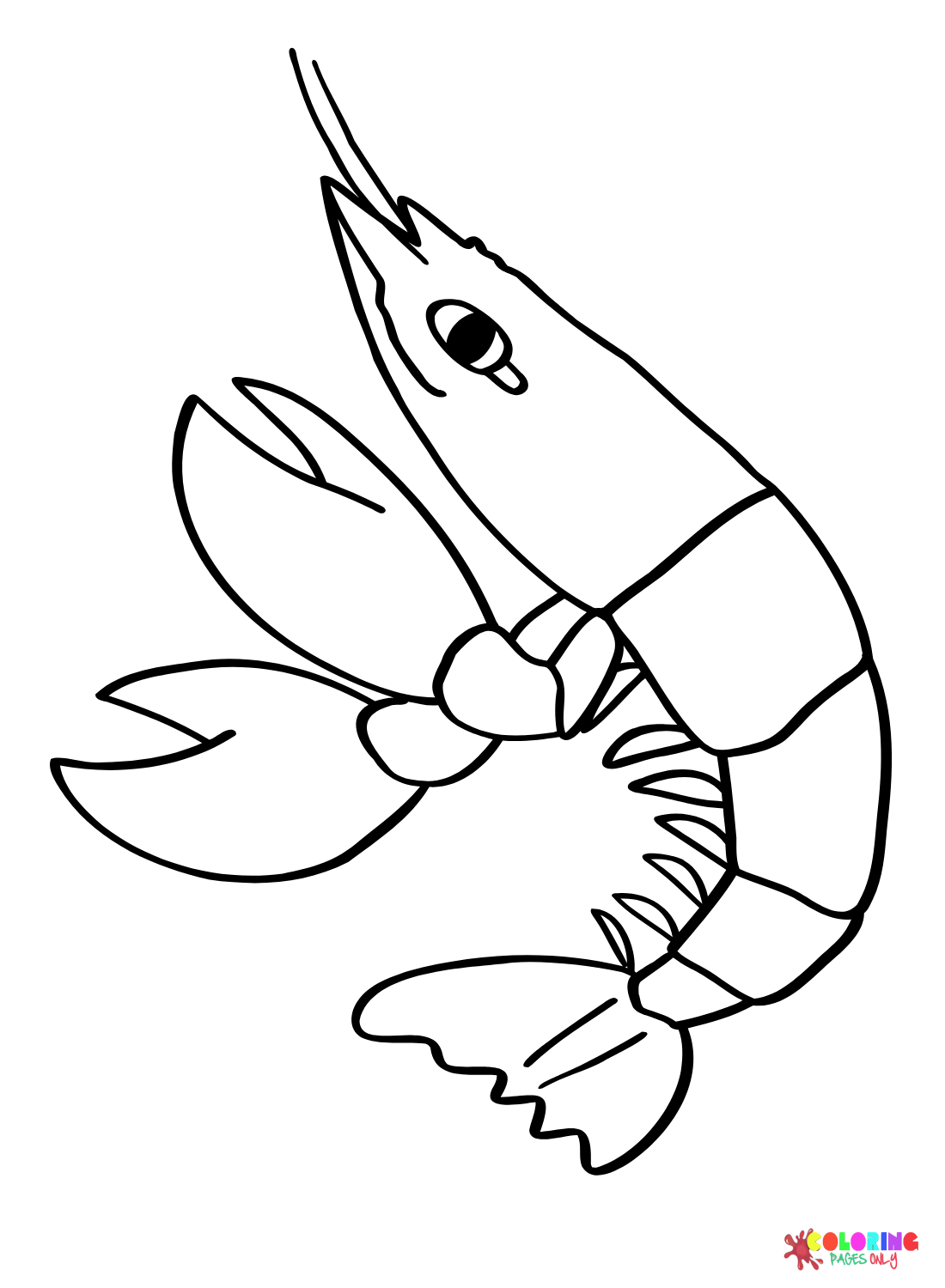
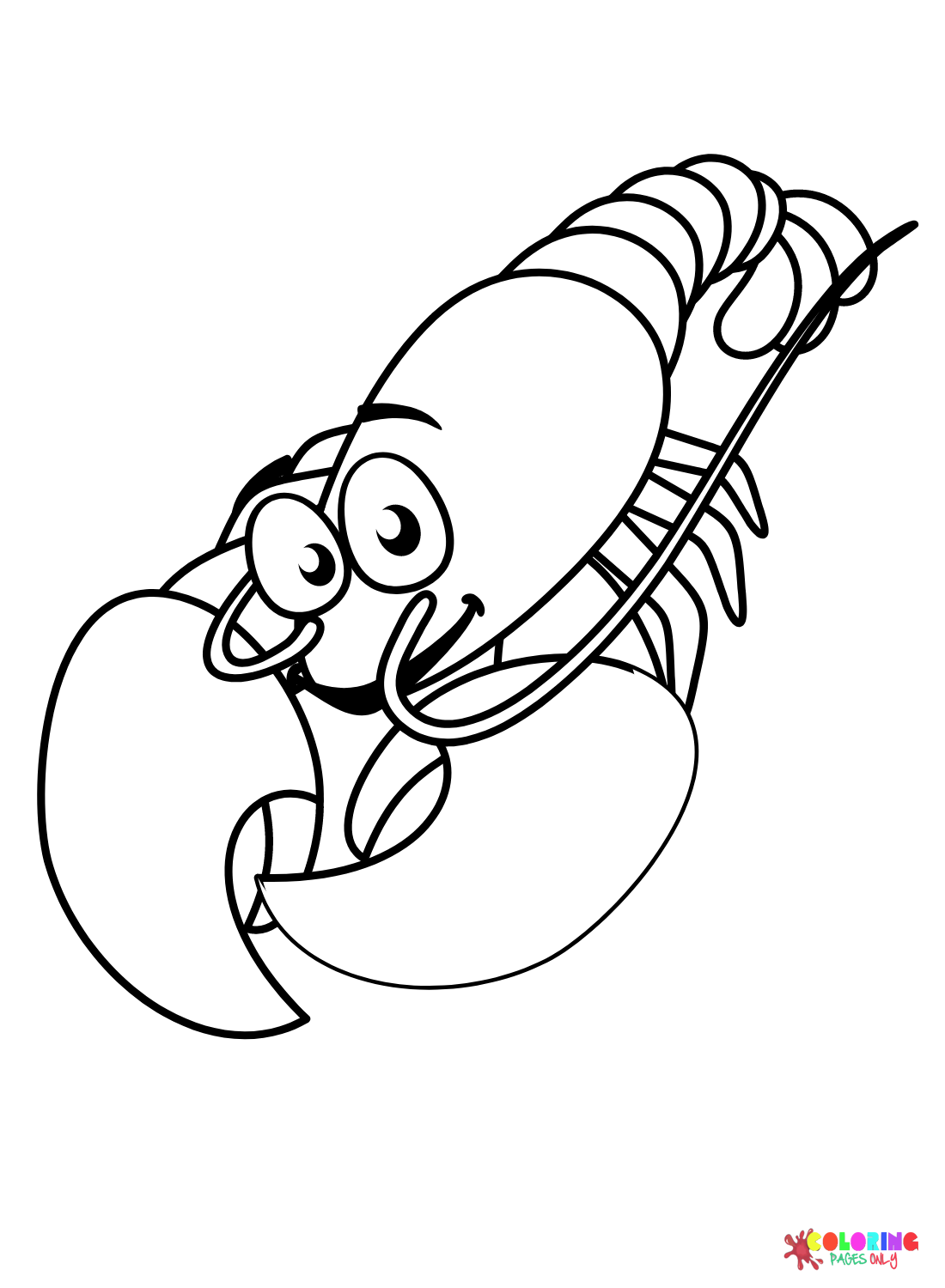
Seven pages show a lobster in a straightforward pose, including a range of expressions from smiling to funny, cartoon-style renderings.
Themed and Drawing-Style Designs
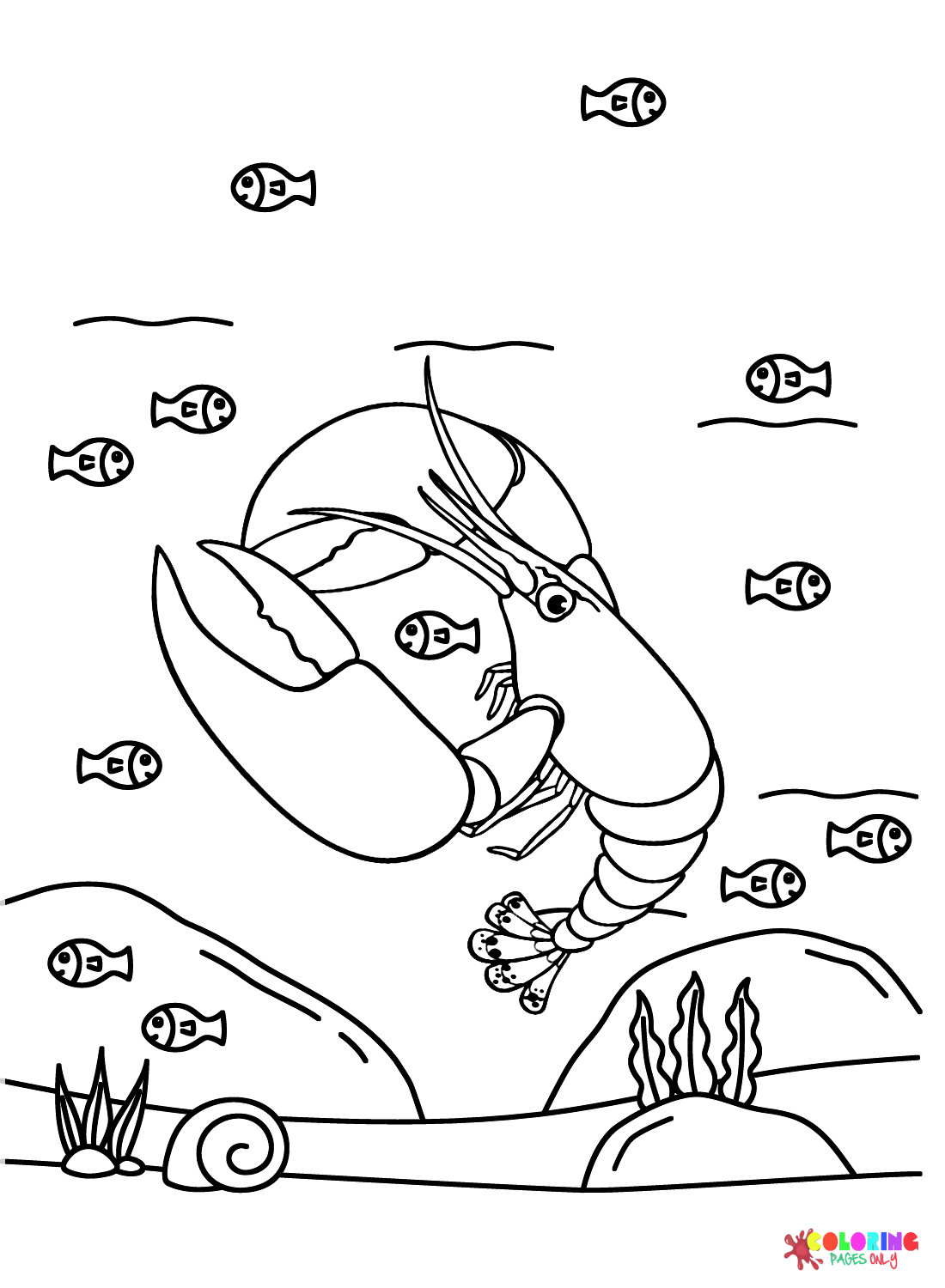
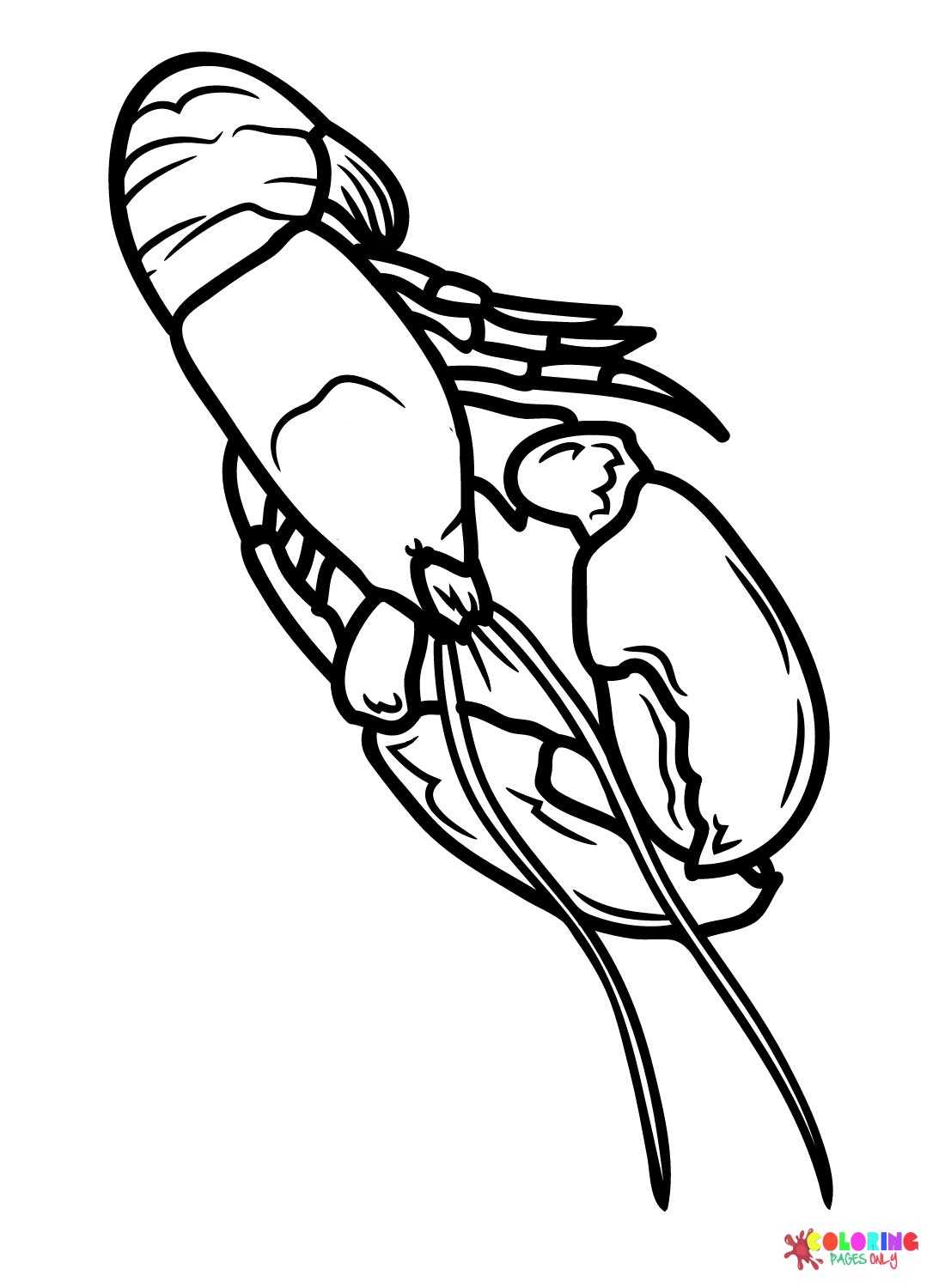
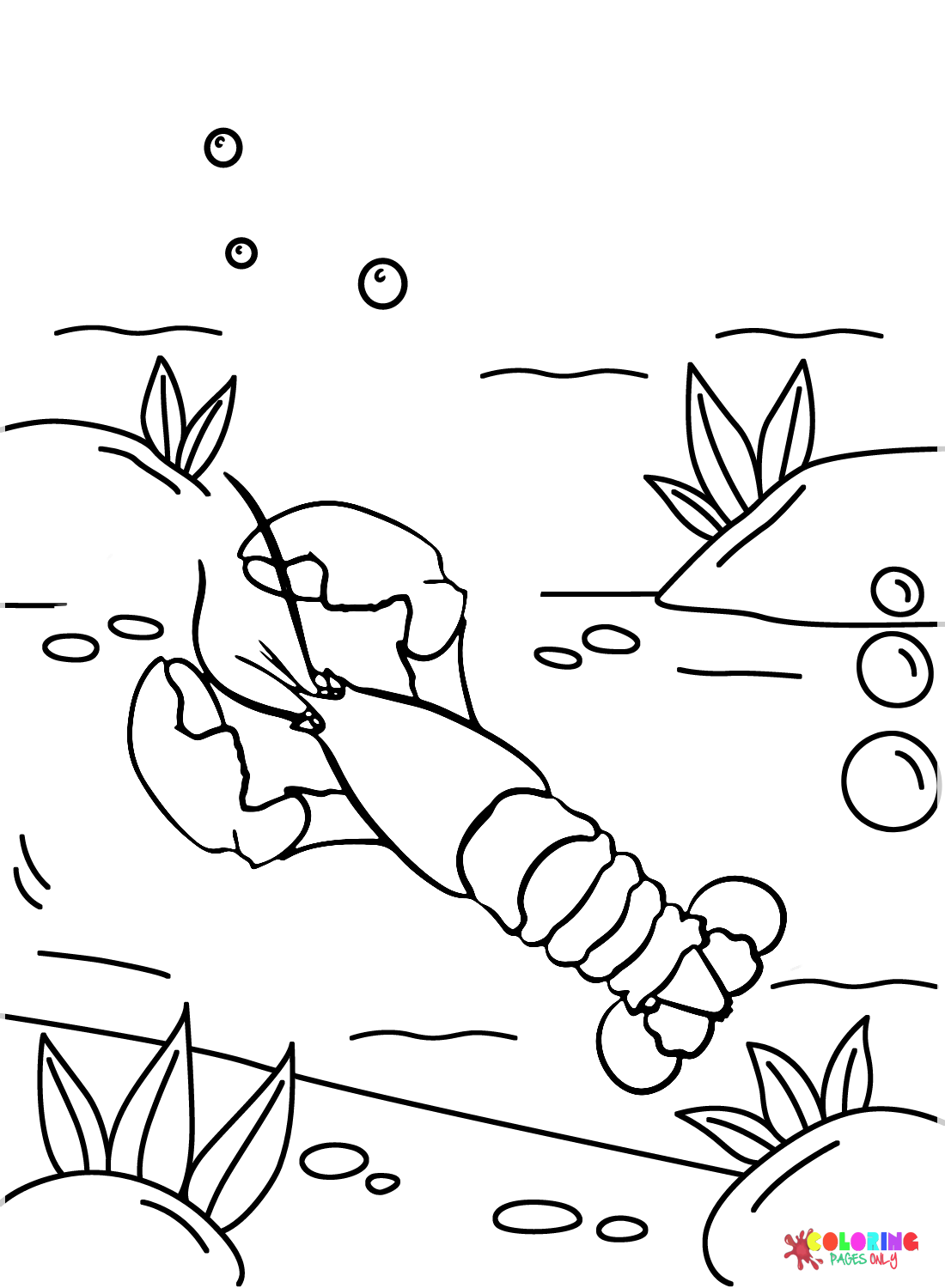
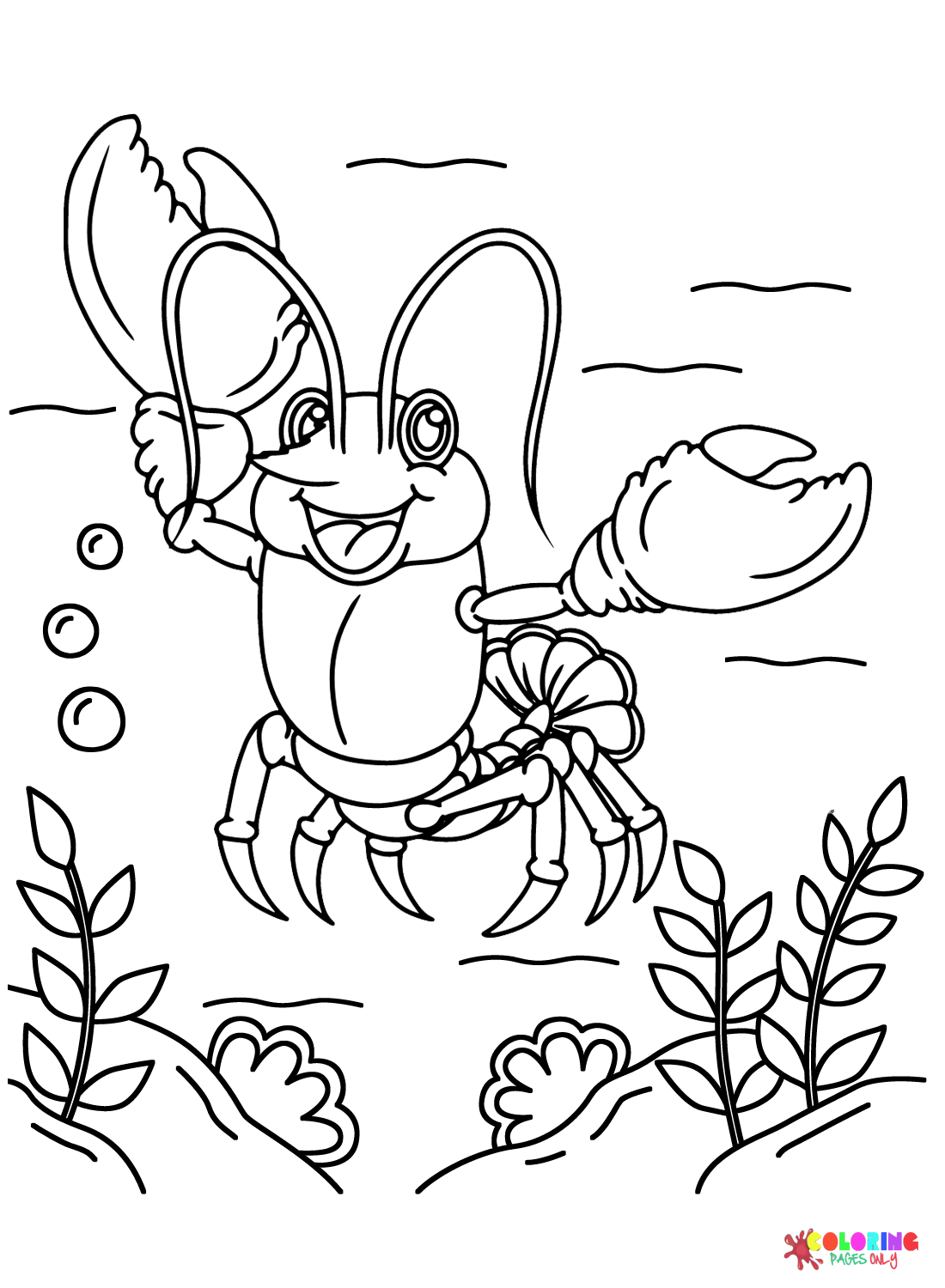
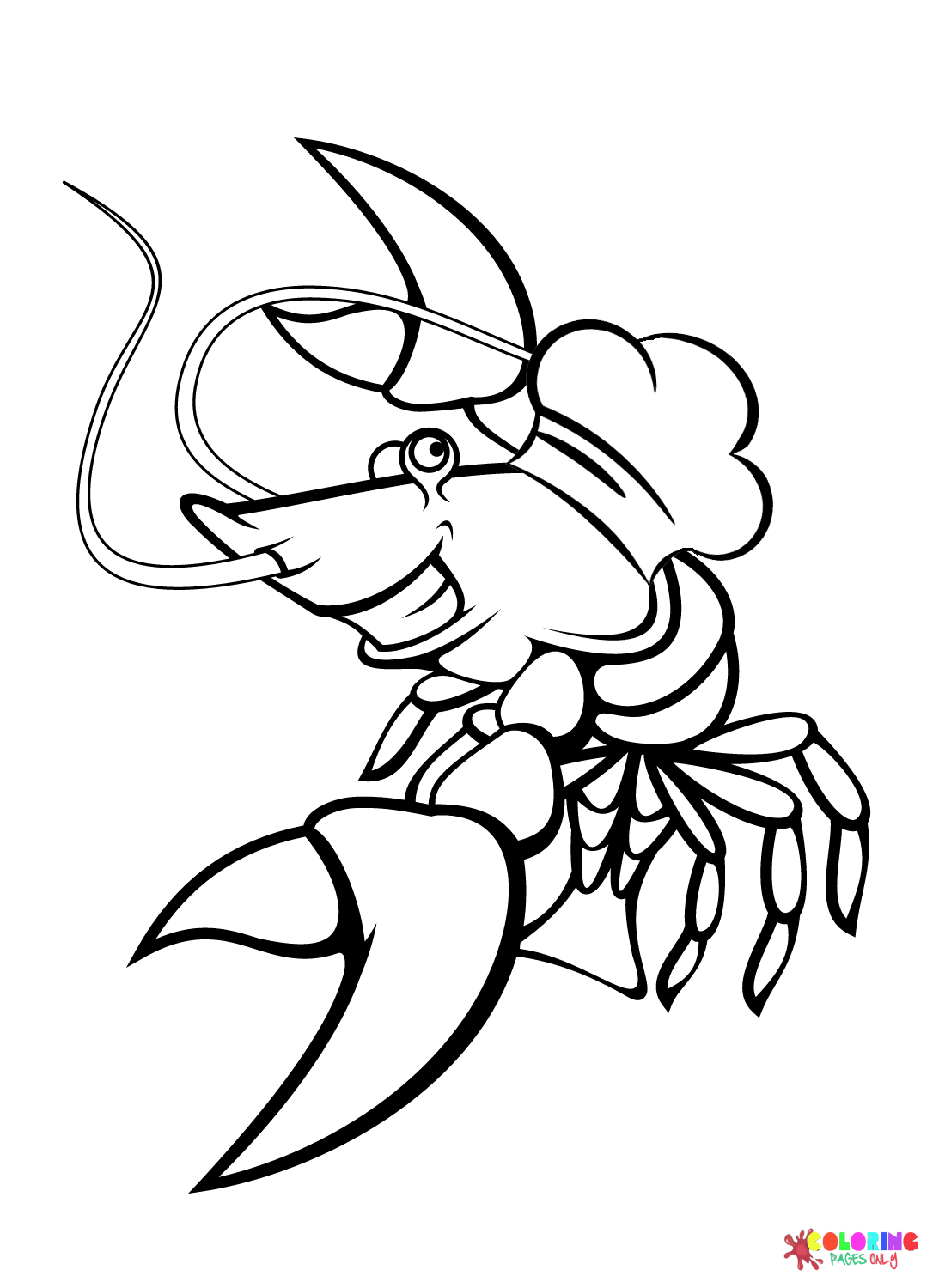
Three pages take a more specific angle, including an underwater scene, a lobster dressed as a chef, and a sketch-style drawing.
Printable and Free Sheets
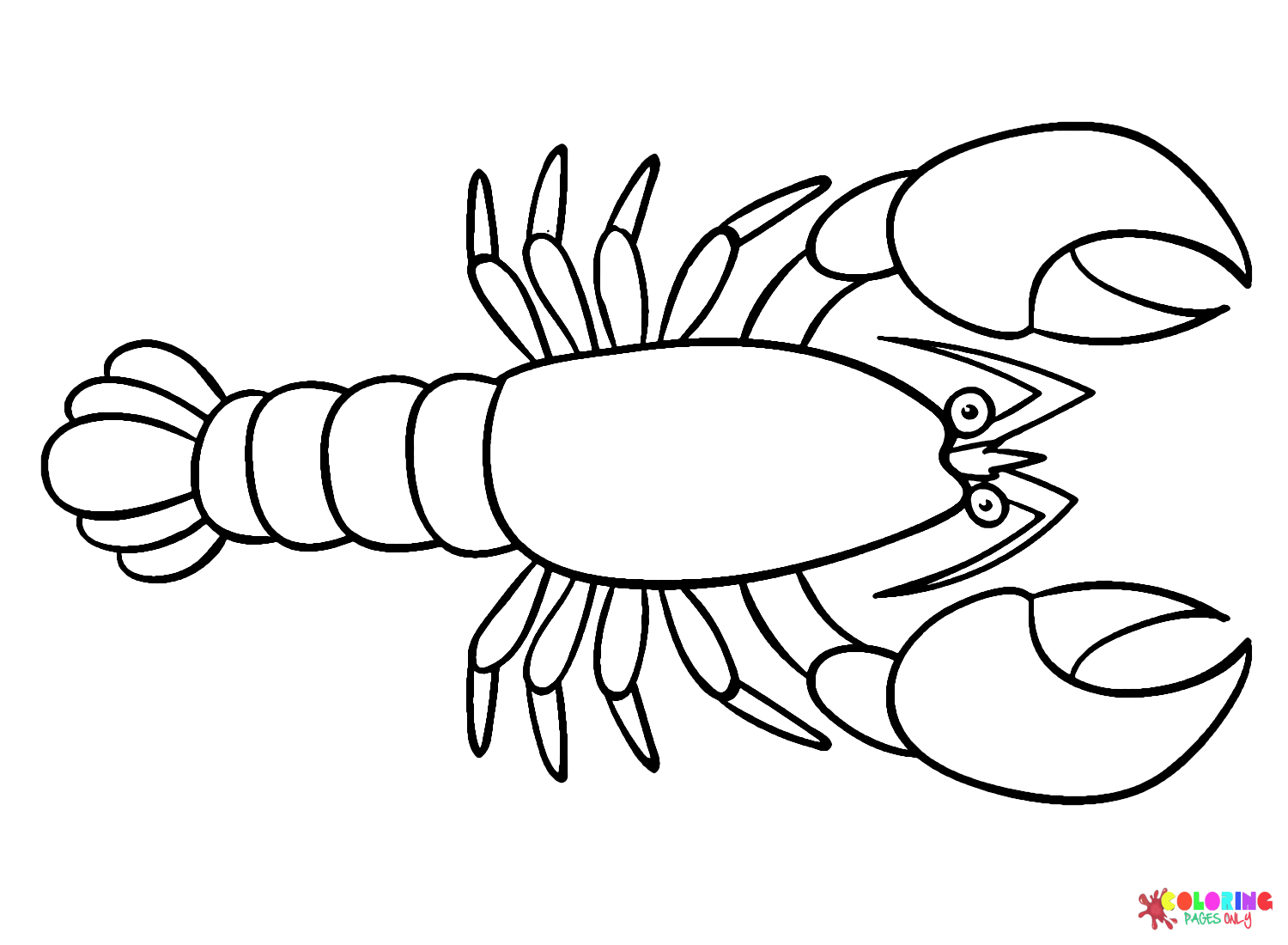
Eight pages are formatted as general printable sheets, making up the largest share of the collection and useful for a quick, single-session print at home or in the classroom.
What Lobster Coloring Pages Do
Many small armored segments in a row. A lobster’s body is made up of several distinct, jointed shell segments plus a pair of long antennae and two oversized claws, and coloring each section cleanly without letting them blur together takes more careful, structured pencil work than a single continuous body shape. The American Academy of Pediatrics ties that kind of segmented, deliberate coloring work to fine motor skill development in children ages 2 through 7.
Two accurate colors, one genuinely surprising reason why. Because a live lobster is naturally a muted blue-green or brown and only turns red after cooking, colorists have a real, fact-based choice between two very different but equally correct color schemes, a rare case where “wrong” and “right” both work depending on which moment in the lobster’s life a page is meant to capture.
A calming activity paired with a slow-moving animal. A 2005 study in the Art Therapy Journal found that structured coloring sessions produced measurable reductions in anxiety, and lobsters themselves are slow, deliberate bottom-dwellers, a fitting pairing for an unhurried, careful coloring session.
Costume detail on top of natural texture. The chef-themed lobster page asks colorists to layer a soft fabric hat and apron over the hard, segmented shell underneath, a useful bit of practice combining two very different surface textures on a single character.
How to Color Lobster Pages Well
- Live-style lobster: Use a muted Blue-Green, Olive, or dark Brown as the base color, since this reflects a lobster’s true, natural coloring before cooking.
- Cooked-style lobster: Use bright Red-Orange as the base, since this is the color a lobster turns only after the heat of cooking releases its red pigment.
- Claws: Keep the two large front claws a slightly darker shade of the body color, adding small highlight lines along the ridges to suggest their hard, curved shell.
- Antennae and legs: Use thin, consistent lines in the same base color for the antennae and smaller walking legs, keeping them proportionally delicate compared to the bulkier claws and body.
- Chef-themed designs: Use crisp White for the chef’s hat and apron, keeping the lobster’s natural shell color visible underneath the costume details.
- Backgrounds: Keep backgrounds simple with soft Blue tones for underwater scenes or a plain, neutral color for standalone portrait pages.
5 Creative Craft Ideas With Lobster Coloring Pages
1. Ocean Scene Diorama
Color a lobster page, cut it out, and glue it inside a shoebox decorated with blue paper and sand for a simple underwater scene.
2. Lobster Bookmark
Color a small lobster design, cut it into a bookmark shape, and use it to mark a place in a favorite book.
3. Greeting Card
Fold cardstock in half, glue on a colored lobster design, and write a message inside for a friend who loves ocean animals or seafood.
4. Classroom Ocean Poster
Color several lobster pages as a group and arrange them on a poster board for a classroom lesson about crustaceans and sea life.
5. Paper Garland
Cut out three or four colored lobster designs, punch a hole in each, and string them together with twine for a simple ocean-themed garland.
Frequently Asked Questions
What are Lobster coloring pages?
Lobster coloring pages are printable line-art designs featuring this ocean crustacean in classic portrait, themed, and printable sheet artwork. This collection includes 18 free designs available as PDFs or online coloring.
What color is a lobster before it’s cooked?
A live lobster is typically a mottled blue-green, brown, or olive color, not the bright red most people associate with the animal.
Why do lobsters turn red when cooked?
Cooking breaks down a protein called crustacyanin that normally binds tightly to a red pigment called astaxanthin. Once the protein denatures from heat, the pigment’s natural red color is revealed.
What family of crustacean does a lobster belong to?
Lobsters belong to the family Nephropidae, a group of large marine crustaceans found in the Atlantic Ocean, the Mediterranean, and other coastal waters worldwide.
What do lobsters use their large claws for?
Lobsters use their two large front claws to catch and crush prey and to defend themselves against predators.
What are the health benefits of eating lobster?
Lobster is a lean, high-protein food and a good source of vitamin B12, zinc, copper, and selenium.
Are Lobster coloring pages suitable for young children?
Yes. The simple portrait and expression designs in this collection use bold, uncluttered outlines suited to preschool and early elementary colorists, while the themed pages offer more detail for older kids.
Can lobsters be colors other than the usual blue-green or red?
Yes. Rare genetic variations can produce lobsters in unusual colors, including a striking blue coloring found in roughly one in two million lobsters.
Start Coloring
Download any page by clicking the design. No account, email, or payment is required. Pages print directly from the browser at full resolution or open in the online coloring tool for screen use. Share finished pages on Facebook or Pinterest with the share buttons at the top of each design page.