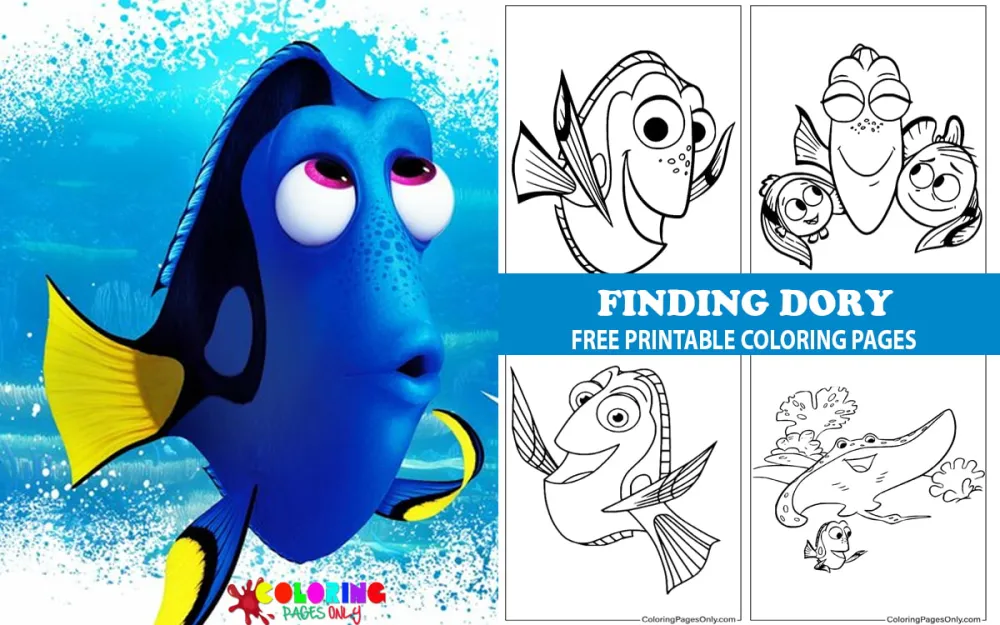
Free Finding Dory coloring pages: 40 printable PDF designs built around Pixar’s 2016 film. Each page can be downloaded as a PDF to print or colored directly online in the browser, with no account required.
Free Finding Dory Coloring Pages cover the cast of the 2016 Disney-Pixar film, the sequel to 2003’s Finding Nemo. Dory is a regal blue tang voiced by Ellen DeGeneres, who lives with short-term memory loss and sets out to find the parents she was separated from as a young fish. She is joined by the returning clownfish pair Marlin and Nemo, and by Hank, a short-tempered octopus missing one of his eight arms.
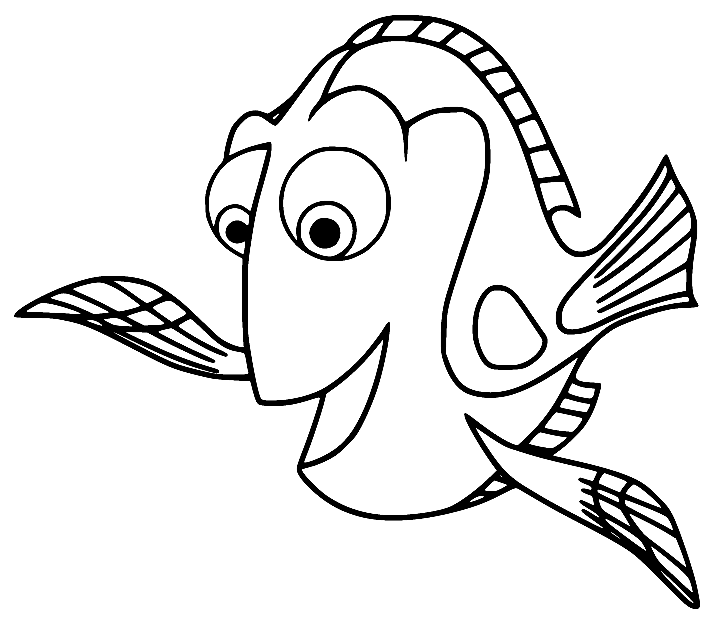
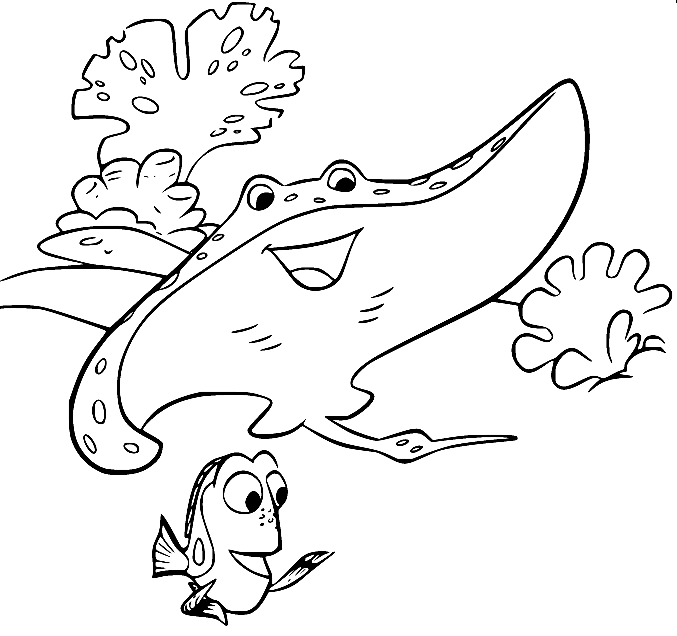
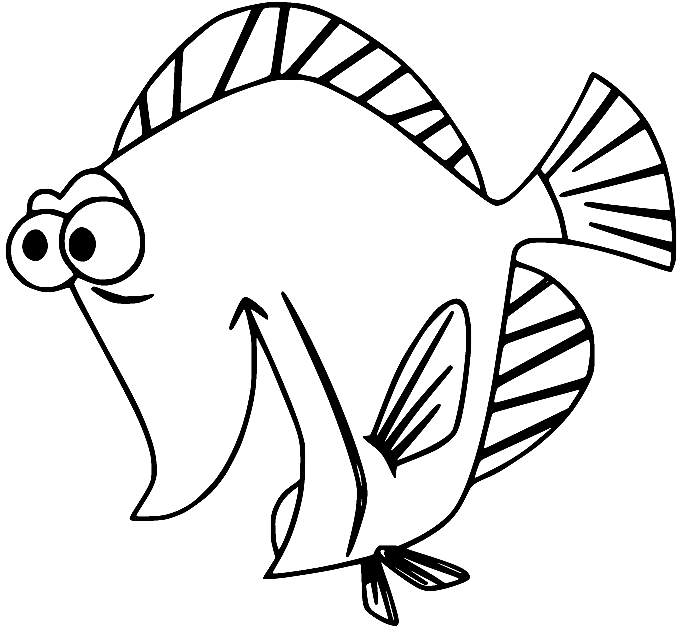
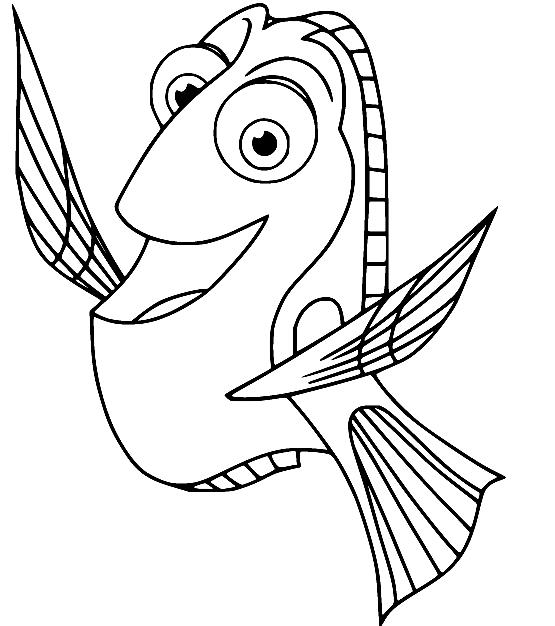
The 40 pages span solo portraits of Dory, family scenes with Marlin and Nemo, and scenes with the newer characters from the Marine Life Institute. Poses range from simple close-ups suited to first-time colorers to busier multi-character scenes for kids who want more detail to work through. Every design keeps clean, printable-friendly linework, whether the page shows a single fish or a full group scene.


What Is Inside This Collection
The 40 pages are grouped into five loose sets, from quiet solo portraits of Dory to busy scenes with the Institute’s wider cast.
Dory on Her Own
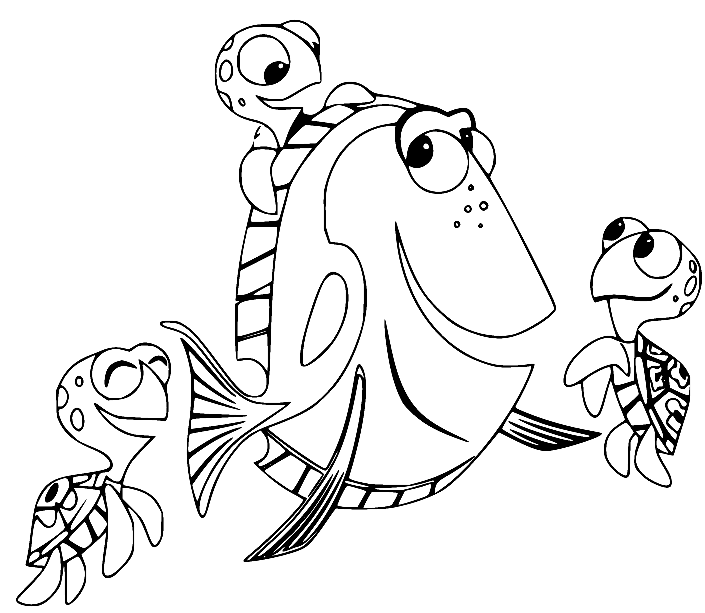
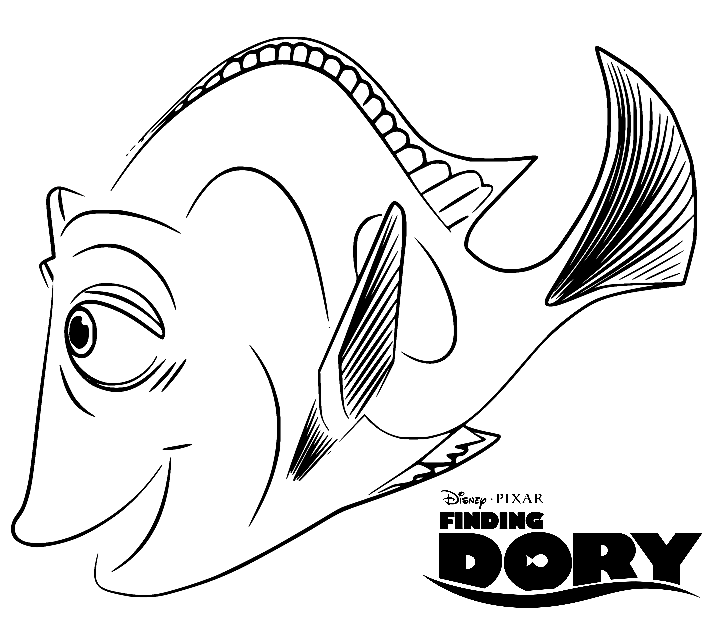
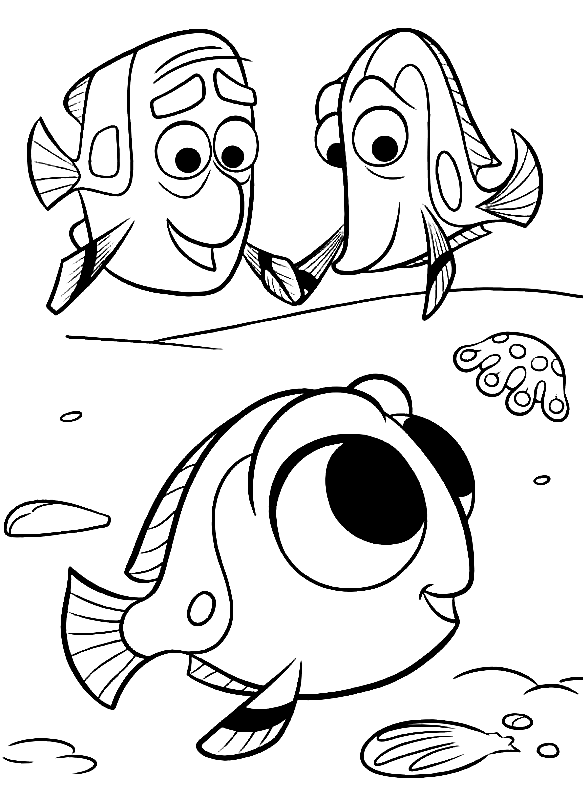
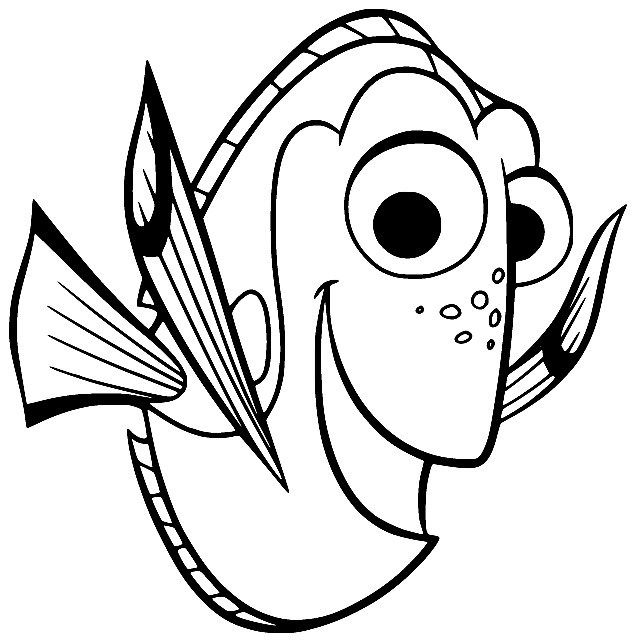
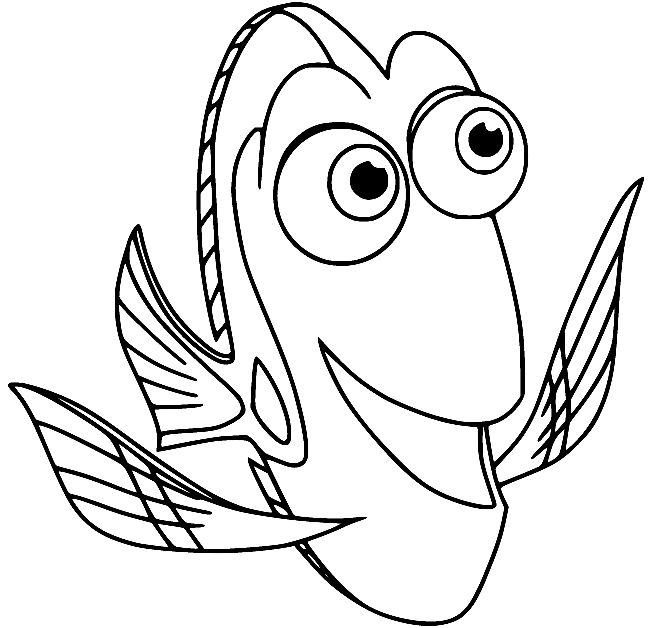
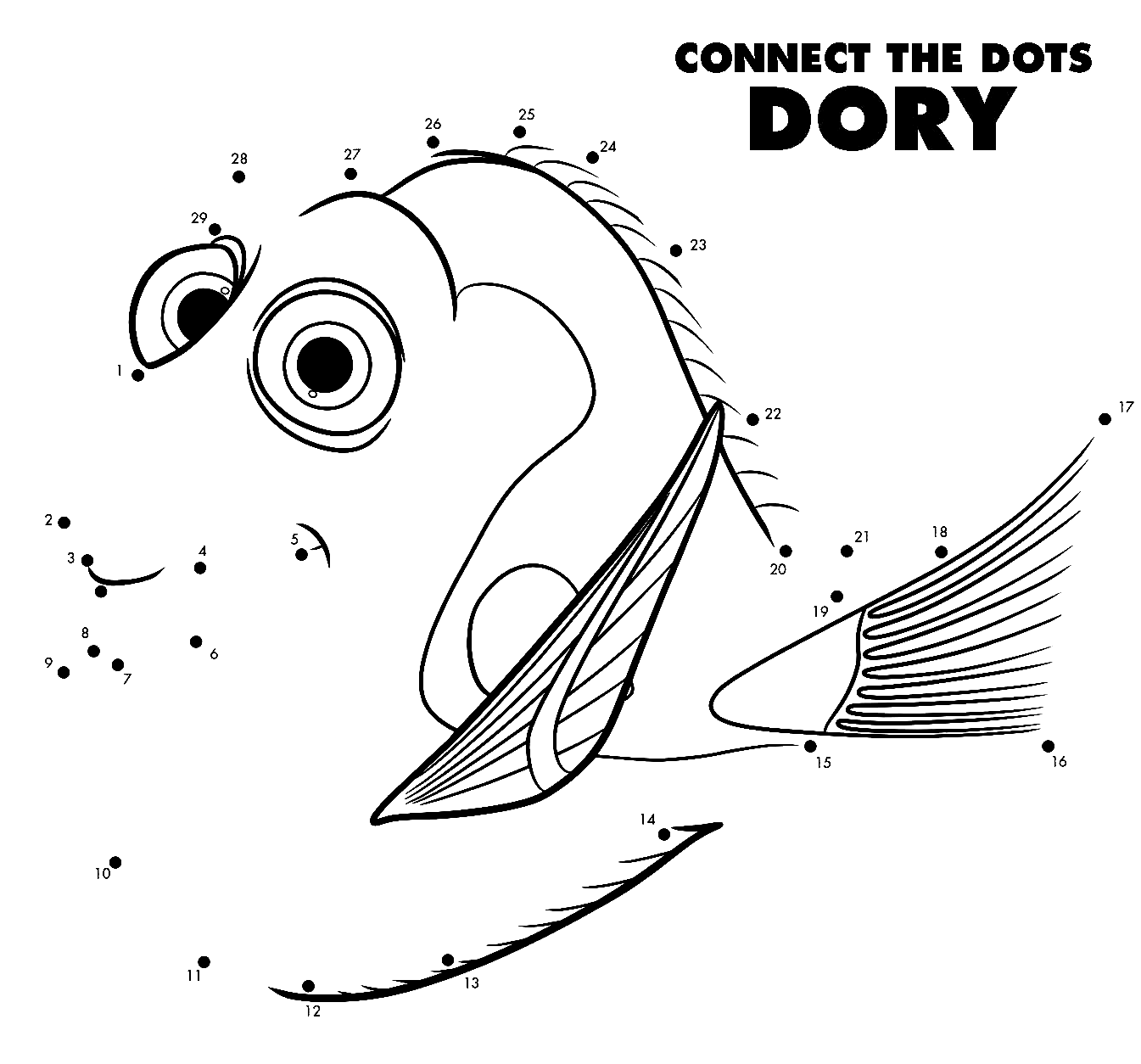
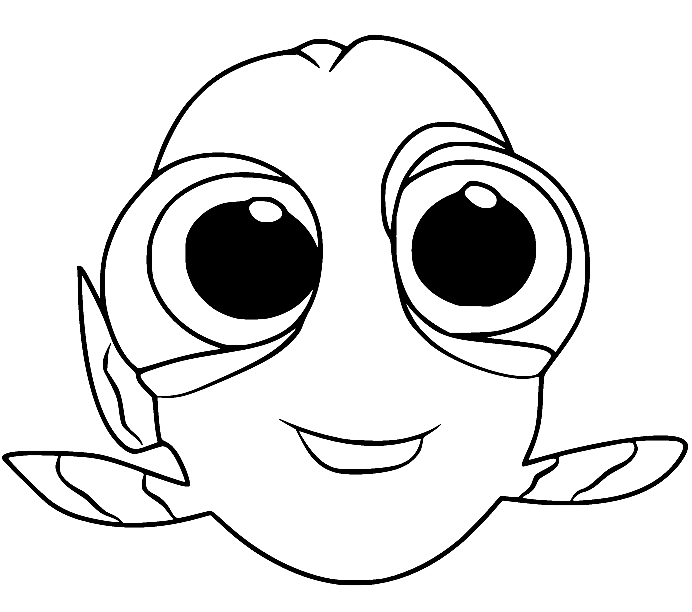
Nine pages show Dory by herself: swimming, smiling, laughing, connecting the dots, and as a rounder, smaller Baby Dory alongside a group of sea turtles. Keep her signature blue consistent across every page in this group so the set reads as one character even when the poses vary widely.
Dory, Marlin, and Nemo Together
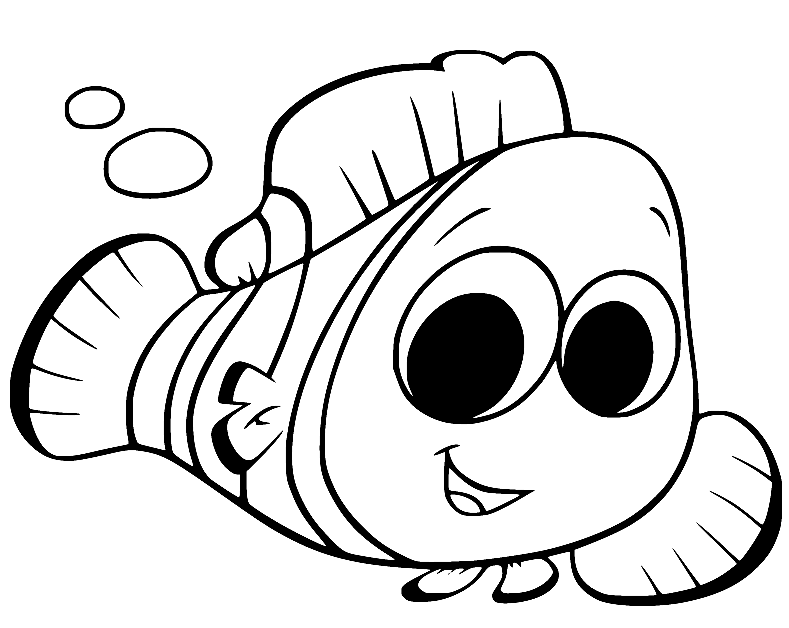
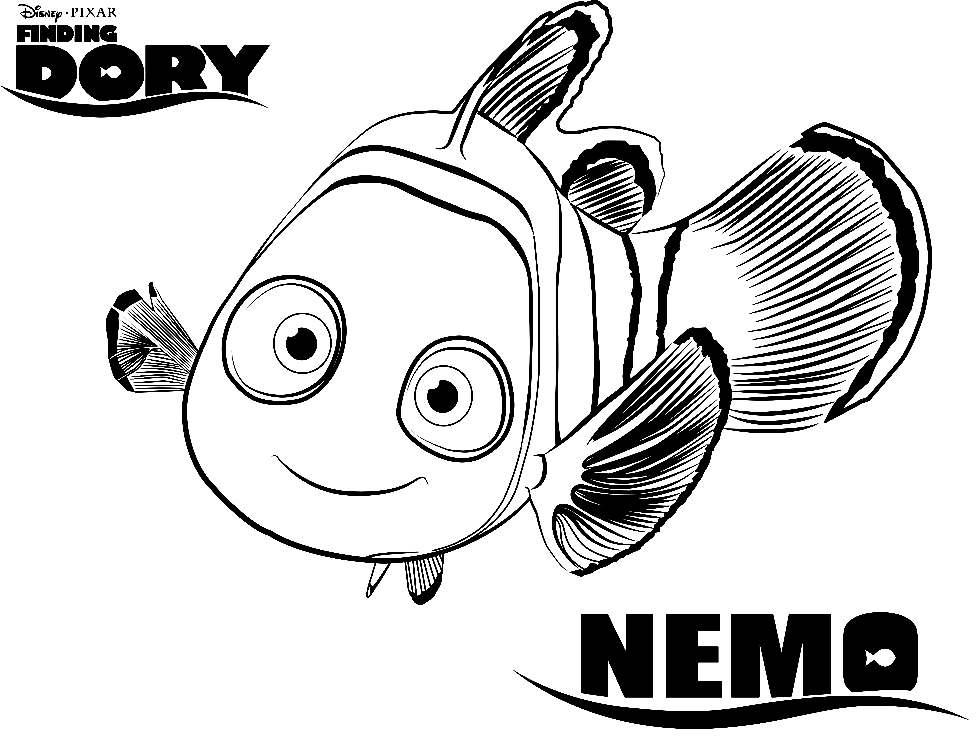
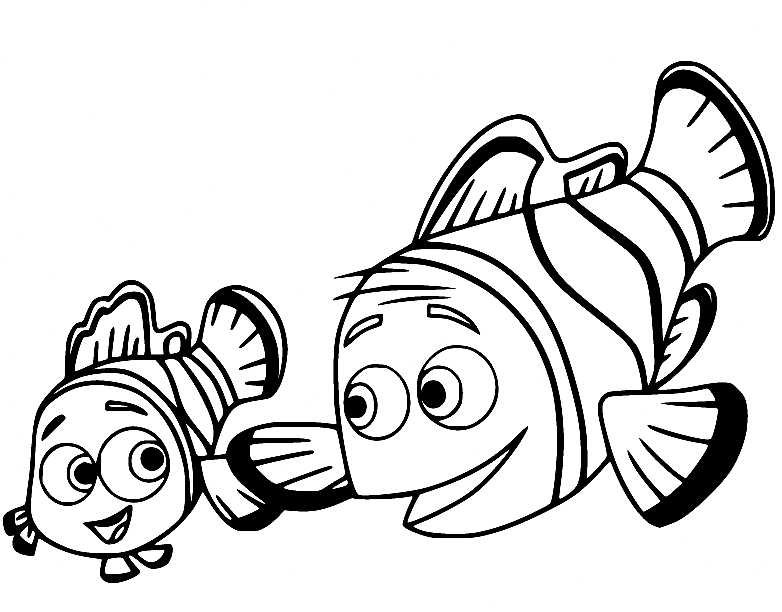
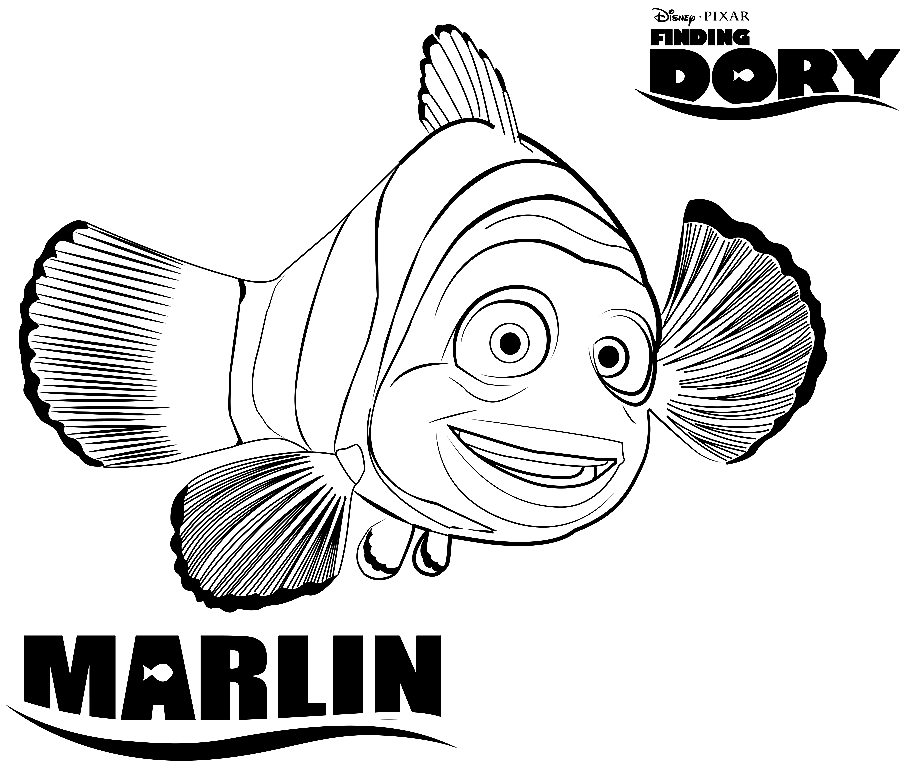
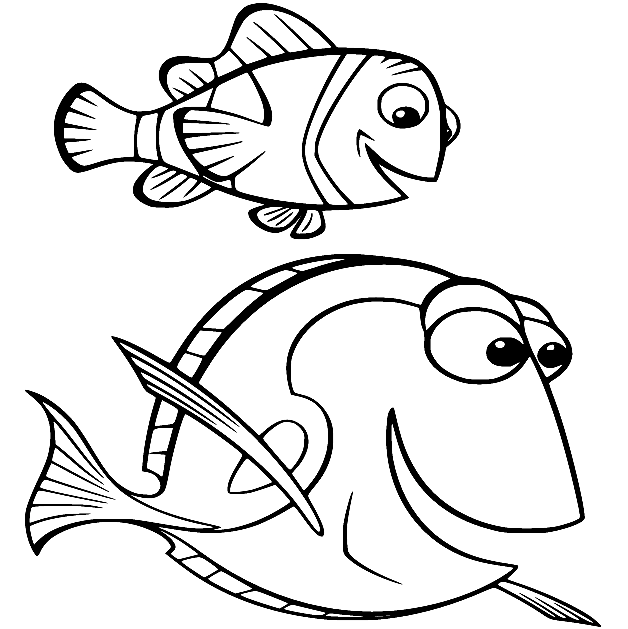
Six pages bring back the father-and-son pair from the first film, showing Marlin and Nemo swimming alongside Dory or talking things through mid-adventure. Since Marlin and Nemo share the same orange-and-white coloring, use slightly different stripe widths or fin shading to keep the two clownfish visually distinct on group pages.
Hank and the Reef
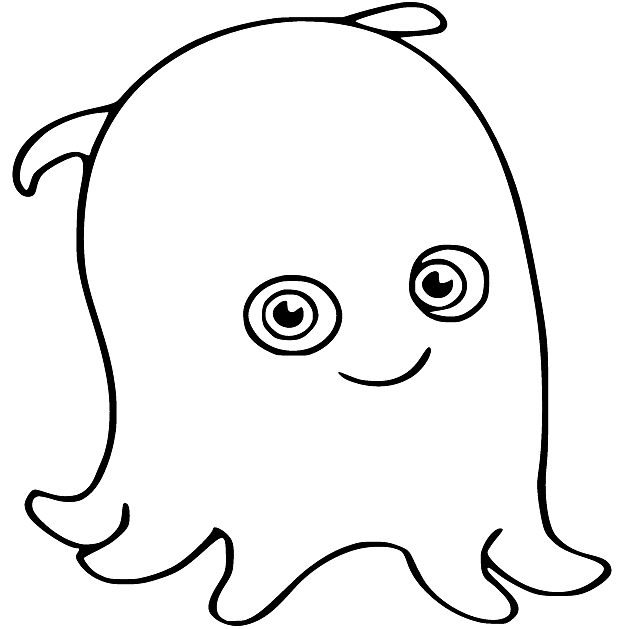
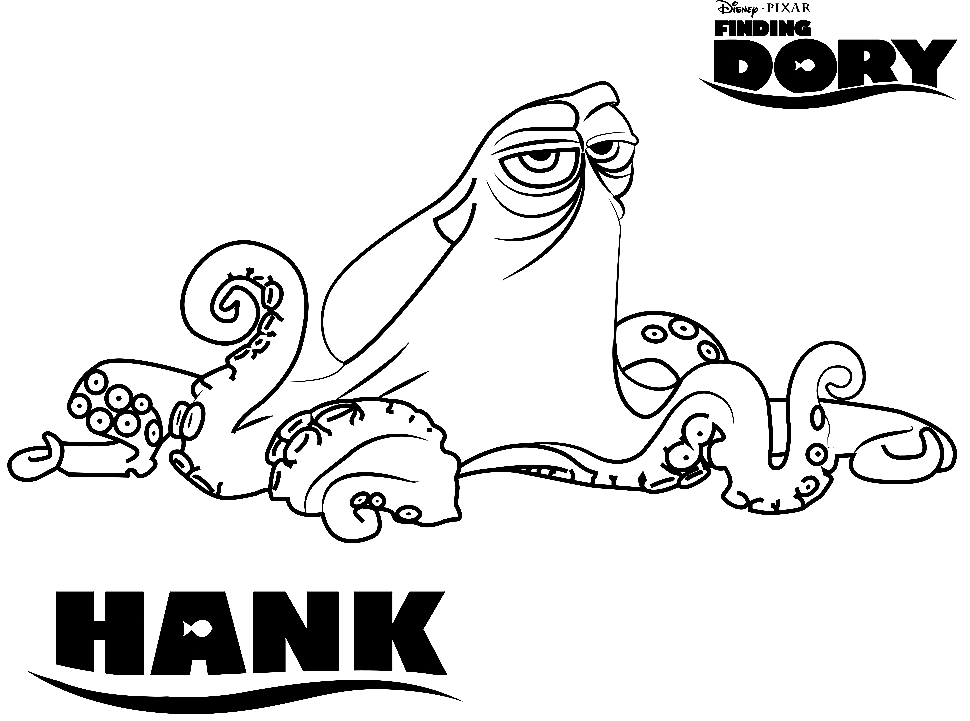
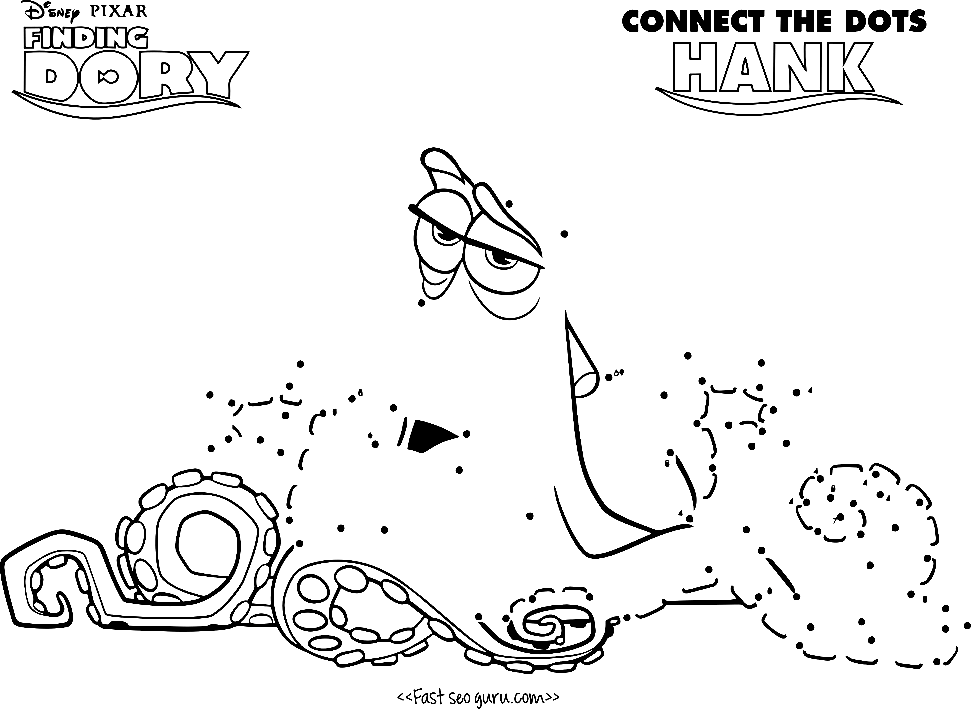
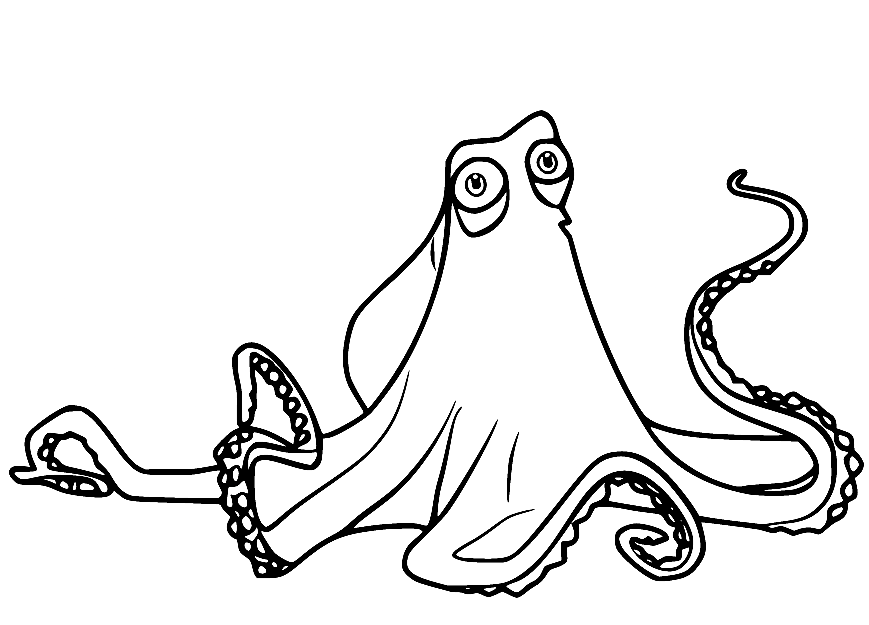
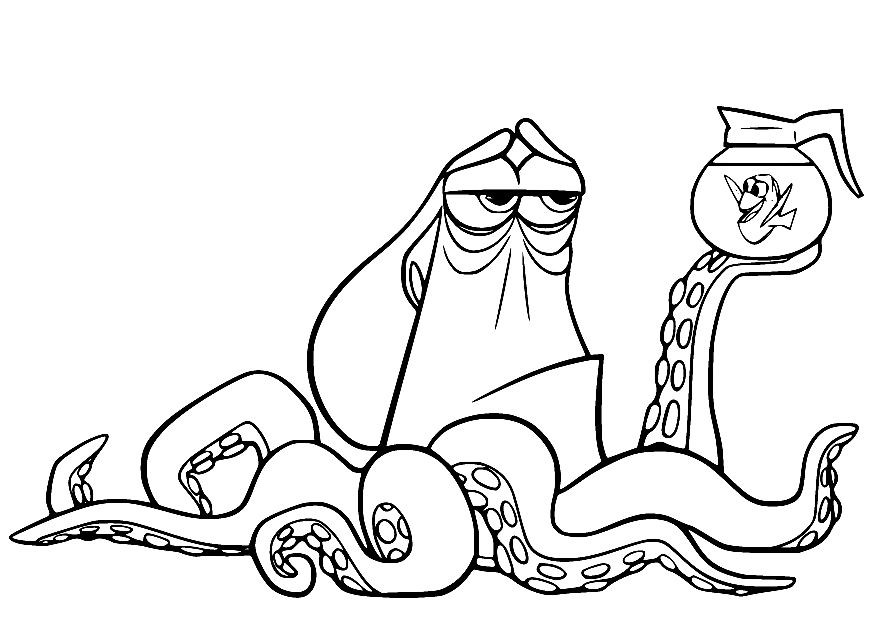
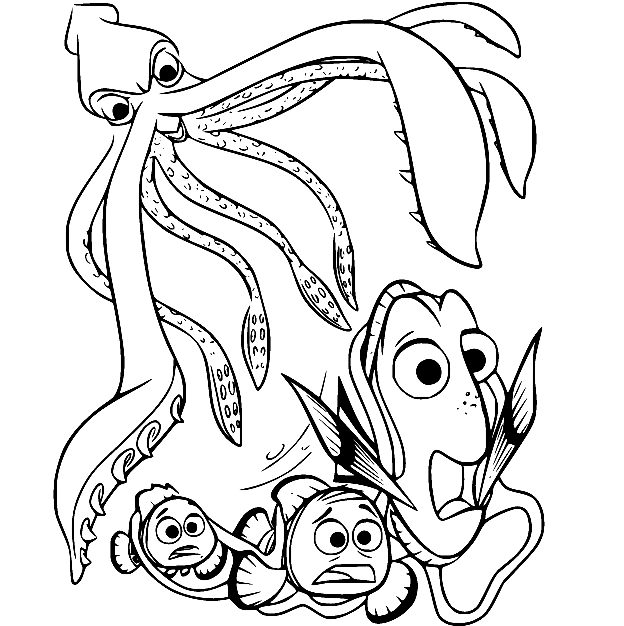
Six pages focus on Hank the octopus, including a connect-the-dots sheet, a giant squid encounter, and Pearl the flapjack octopus. Hank’s real-world counterparts can shift color to hide from predators, so a mottled or two-tone red-brown works better here than a single flat color.
New Ocean Friends
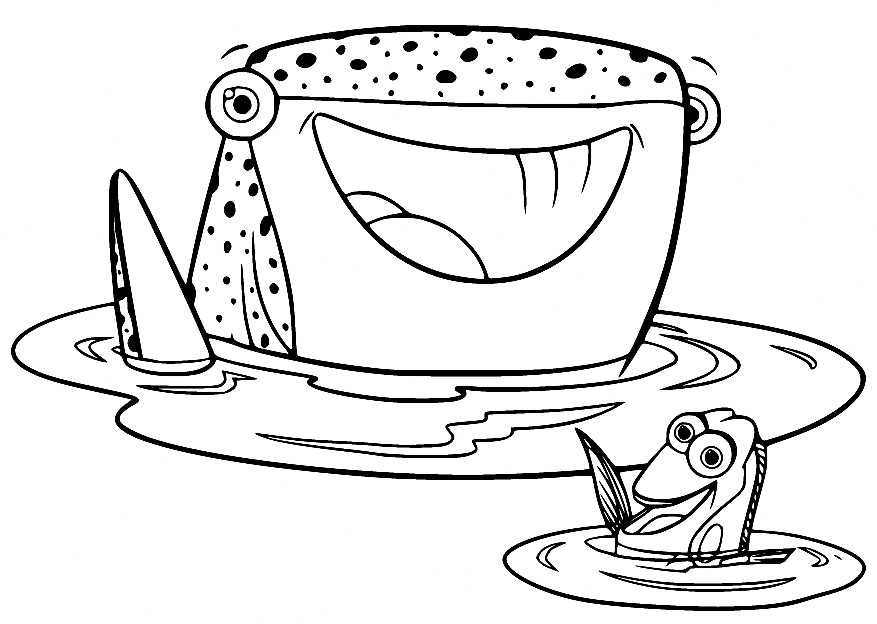
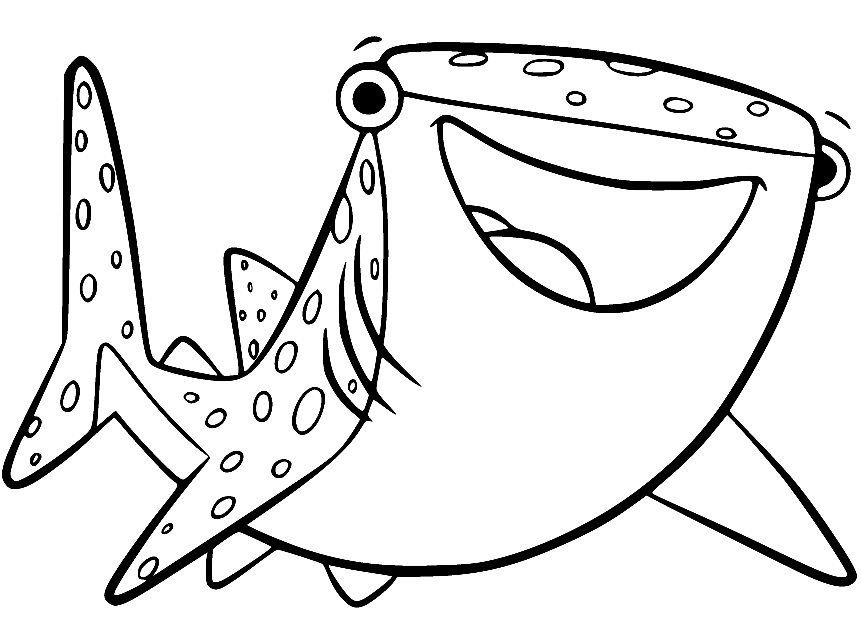
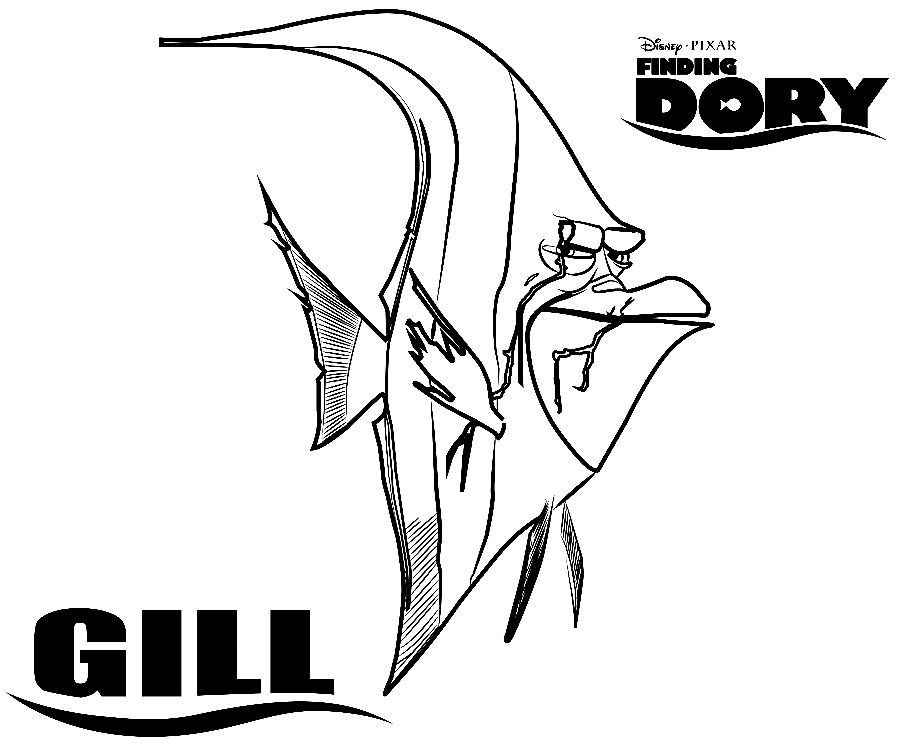
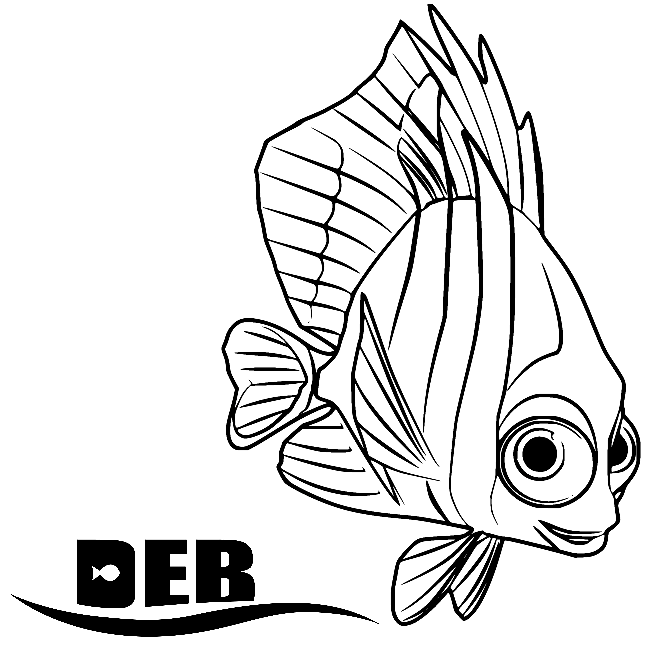
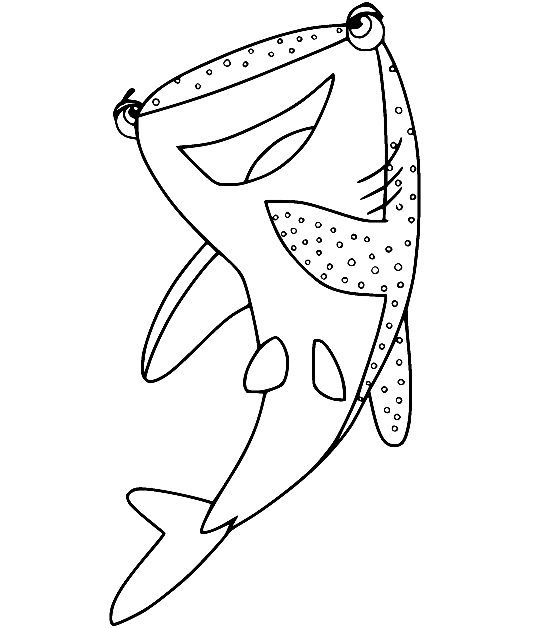
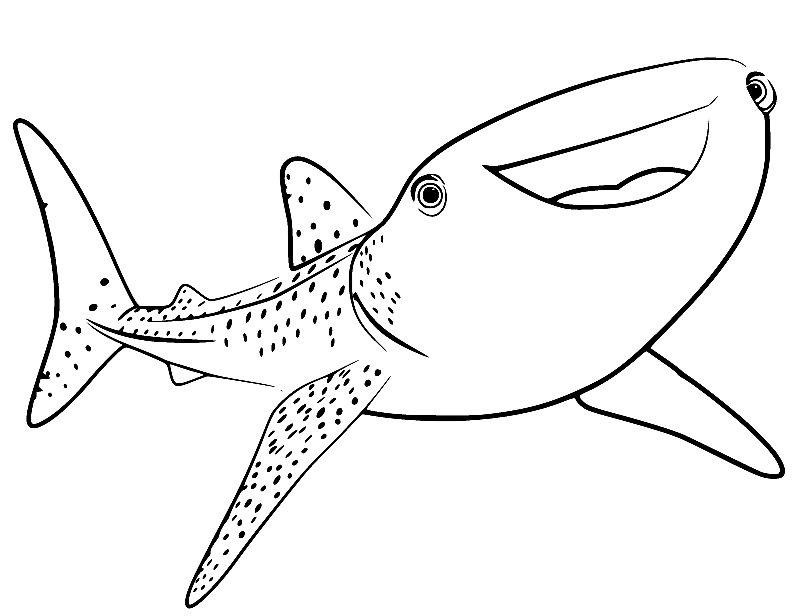
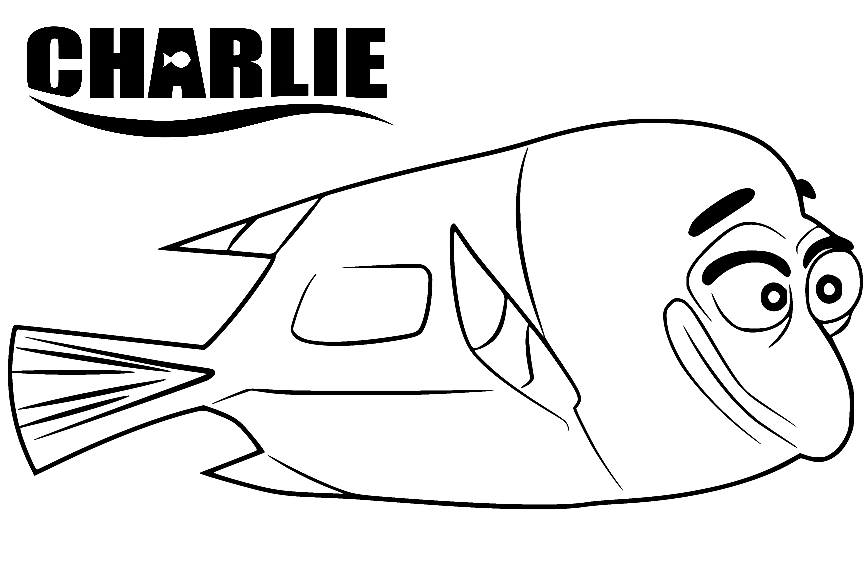
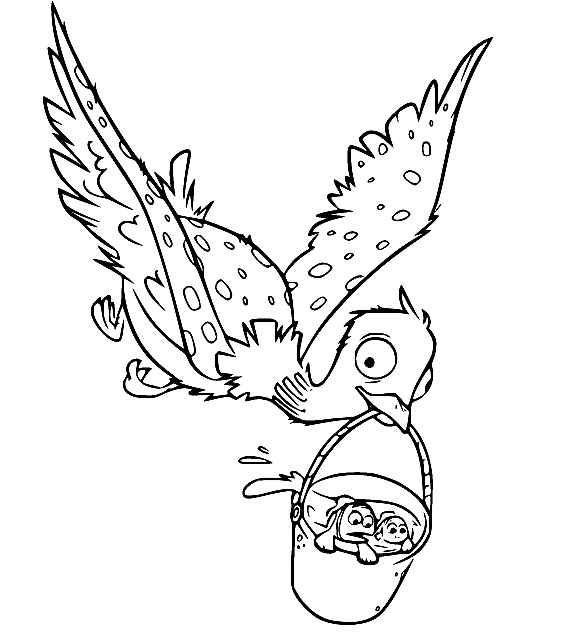
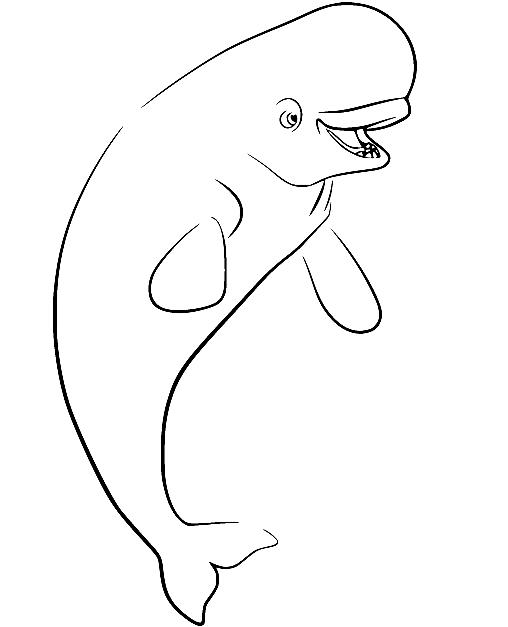
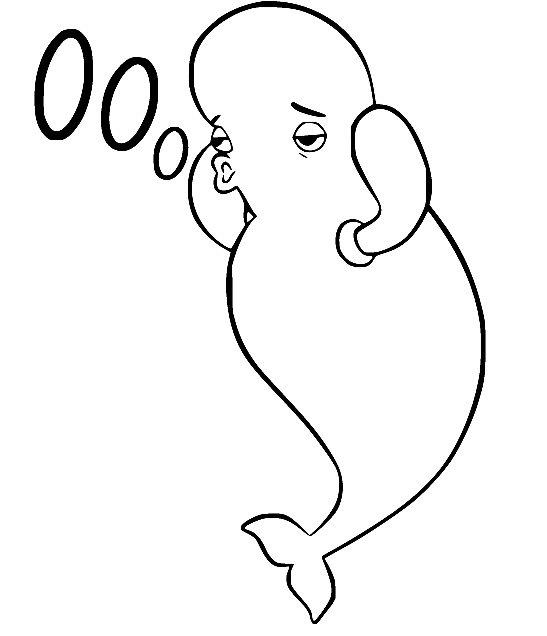
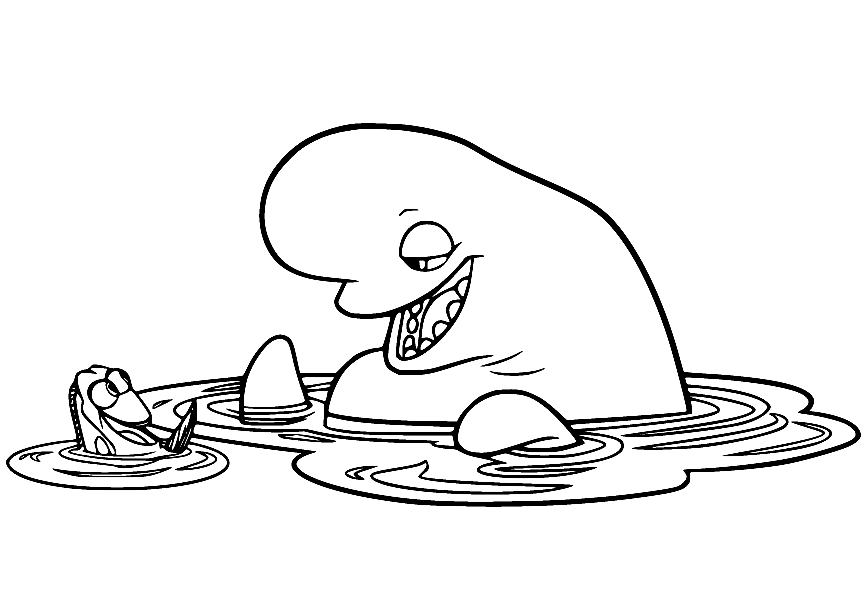
Thirteen pages introduce the characters Dory meets at the Institute: Destiny, the whale shark; Bailey, the beluga; Dory’s parents, Jenny and Charlie; Gill, the moorish idol; Deb, the damselfish; Bubbles, a yellow tang; and Becky, the loon. This is the largest group in the set, and each species keeps a distinct, real-world palette, from Destiny’s spotted grey-blue skin to Bailey’s near-white body.
Marine Life Institute Scenes
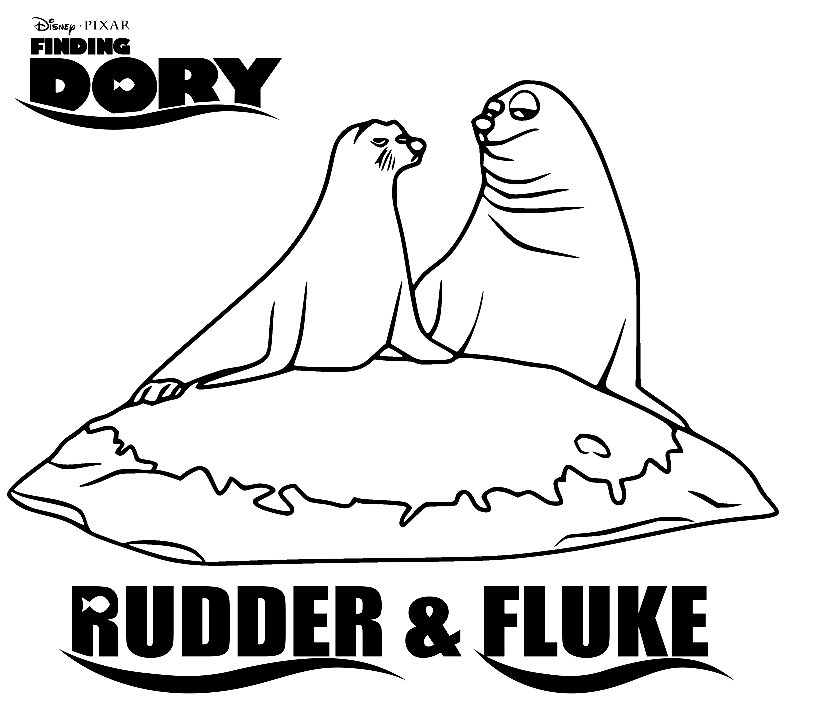
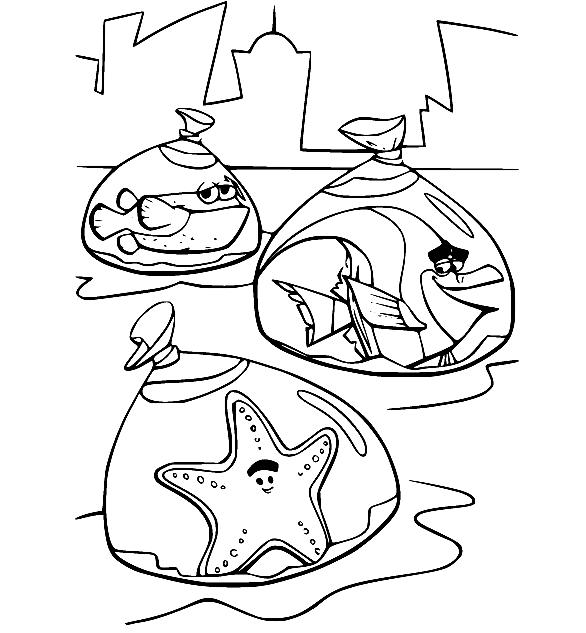
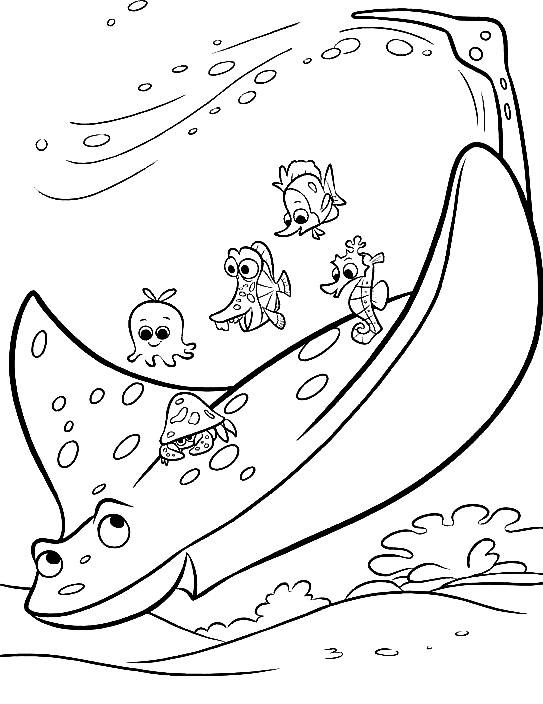
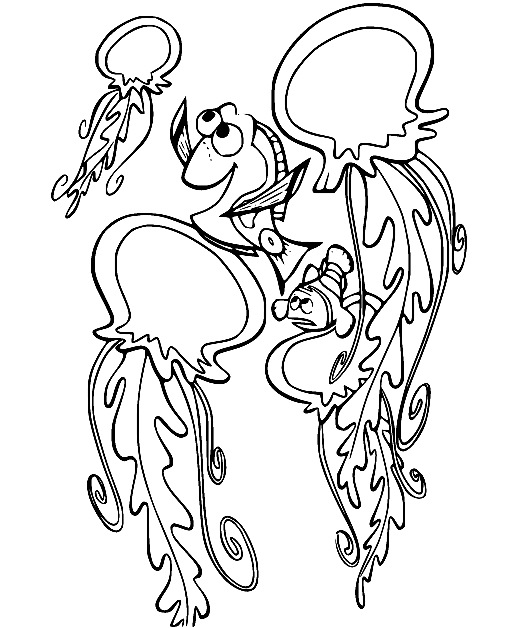
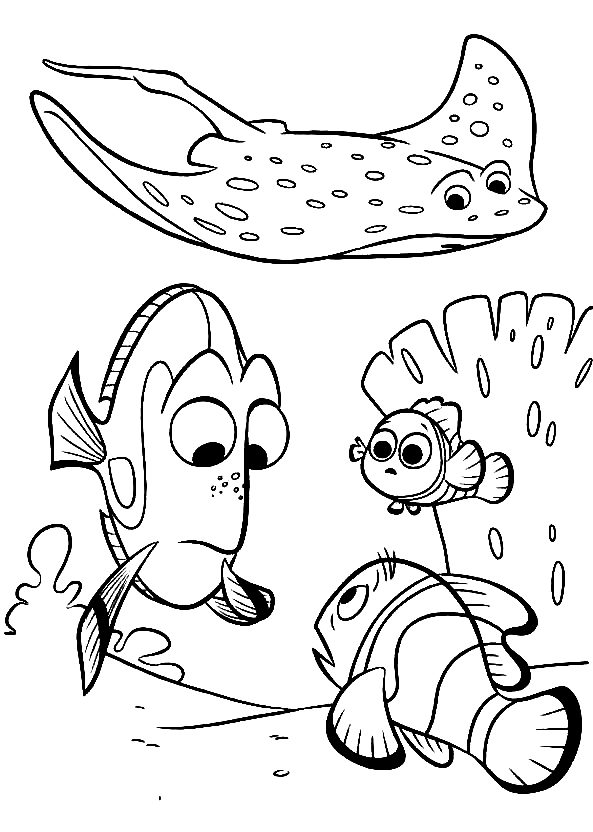
Six pages show the Institute setting itself: Mr. Ray teaching a class, the sea lions Rudder and Fluke, and quieter moments like Dory drifting past a jellyfish. These pages work well for filling in background water tones in blues and greens once the characters in front are finished.
What Finding Dory Coloring Pages Do
A story about memory and trying again: Dory forgets things almost as soon as they happen, yet keeps going anyway. For children who get frustrated when a coloring page does not come out the way they pictured it, that same “just keep swimming” persistence gives them a familiar character who models starting over without giving up.
Fine motor development. The American Academy of Pediatrics identifies structured coloring as a core contributor to fine motor skill growth in children ages 2 through 7. The range of detail across this set, from Hank’s eight suckered arms to a jellyfish’s trailing tentacles, gives that practice plenty of variety within a single collection.
Learning ocean biology through familiar faces. Several characters are based on real species with real behaviors: octopuses that change color to hide, beluga whales that navigate by echolocation, and whale sharks that filter-feed despite their size. Coloring these pages gives children a low-pressure way to notice those details before or after learning the facts behind them.
Anxiety reduction through focus. Measurable reductions in anxiety following structured coloring sessions were documented in a 2005 study published in the Art Therapy Journal. A single-character portrait page, like one of the nine solo Dory designs in this set, gives a child a shorter, calmer task to complete than a busy group scene when they need something quick and low-stakes.
How to Color Finding Dory Pages Well
- Dory’s blue tang body: Use a bright true blue, such as Crayola Blue or Cerulean, for her body, a black stripe running through her eye, and Dandelion yellow for her tail and pectoral fins.
- Nemo and Marlin’s stripes: base both clownfish in Orange or Burnt Orange with three white stripes outlined in black; a fine-tip black marker keeps those outlines crisp on smaller pages.
- Hank’s camouflage: color his body in Brick Red or Mahogany with mottled darker patches rather than one flat shade, echoing how real octopuses shift color to hide.
- Destiny the whale shark: Use a pale Cadet Blue or grey-blue base with small white dots scattered across her back and fins.
- Bailey the beluga: keep him nearly white or a very pale Timberwolf grey, with a rounded, bulging forehead and no visible dorsal fin.
- Background water and reef: vary blues and greens between pages so busy group scenes do not blend, and save the brightest colors for the characters in front.
5 Creative Craft Ideas With Finding Dory Coloring Pages
1. Marine Life Institute Shoebox Diorama
Color several reef and Institute background pages, cut out the characters, and glue them into a shoebox lined with blue paper to build a mini aquarium scene. Add torn paper seaweed for extra depth. Position Hank low in the box near a corner so he looks like he is hiding, the way the character does throughout the film.
2. Ocean Friends Standee Set
Color Dory, Hank, Destiny, and Bailey, mount each on folded cardstock, and stand them up as a small tabletop cast. Kids can use the set to act out their own underwater story. Line the standees up by size, from Baby Dory to full-grown Destiny, to turn the set into an easy sorting activity, too.
3. “Just Keep Swimming” Bookmark Set
Color the smaller solo portrait pages, trim them into bookmark strips, and add a hole punch and ribbon at the top. A quick set of five or six makes an easy gift for a classroom. Write “Just Keep Swimming” along the bottom edge of each one before laminating, so the bookmark carries Dory’s line into everyday reading.
4. Underwater Scene Collage
Color multiple character pages, cut them out, and arrange them on a large sheet of blue paper to build one big shared reef scene. Works well as a group activity for siblings or a classroom table. Let each child claim one character to color and place, so the finished collage becomes a group project rather than one person’s page.
5. Ocean Friends Note Card Set
Color a few of the smaller character pages, fold blank cardstock in half, and glue one colored design to the front of each card. Use the set for birthday or thank-you notes. Match the character to the occasion: Bailey and Destiny for a get-well card, Dory for a note about trying something new.
FAQ About Finding Dory Coloring Pages
What are Finding Dory coloring pages?
A free set of 40 printable PDF designs based on Pixar’s 2016 film Finding Dory, featuring Dory, Nemo, Marlin, Hank, and other sea creatures from the movie, available to print or color online at no cost.
When was Finding Dory released, and who directed it?
Finding Dory opened in US theaters on June 17, 2016. Andrew Stanton directed the film, with Angus MacLane as co-director, thirteen years after the original Finding Nemo debuted in 2003.
What kind of fish is Dory?
Dory is a Pacific regal blue tang, a real reef fish species. In the film, she lives with short-term memory loss and is voiced by Ellen DeGeneres as she searches for the family she cannot fully remember.
Why does Hank the octopus only have seven arms?
Hank lost one of his eight arms before the story begins, which the characters jokingly call being a “septopus.” Ed O’Neill voices him and can change color to blend into his surroundings.
Who are Destiny and Bailey?
Destiny is a nearsighted whale shark voiced by Kaitlin Olson, and Bailey is a beluga whale voiced by Ty Burrell, who believes his echolocation is broken. Both are childhood friends of Dory from the Institute.
Is Finding Dory a sequel to Finding Nemo?
Yes. Finding Dory is the sequel to 2003’s Finding Nemo, picking up roughly a year later and following Dory as she searches for the parents she was separated from as a young fish.
Are Finding Dory coloring pages suitable for young children?
Yes. The collection includes simple solo character portraits suited to preschoolers alongside more detailed multi-character scenes, so families can pick pages that match a child’s age and coloring experience.
Where does most of Finding Dory take place?
Most of the film is set at the fictional Marine Life Institute, a rescue and research facility on the California coast, which is why several pages show tanks, pipes, and the characters Dory meets there.
Start Coloring
Download any page by clicking the design. No account, email, or payment is required. Pages print directly from the browser at full resolution or open in the online coloring tool for screen use. Share finished pages on Facebook or Pinterest using the share buttons at the top of each design page.