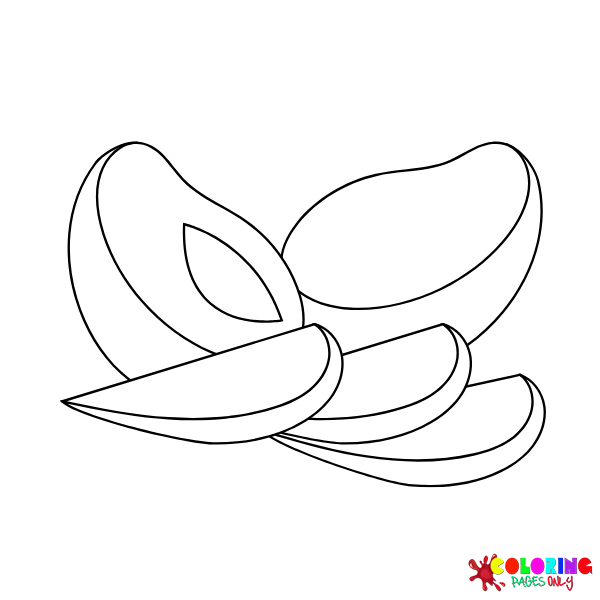
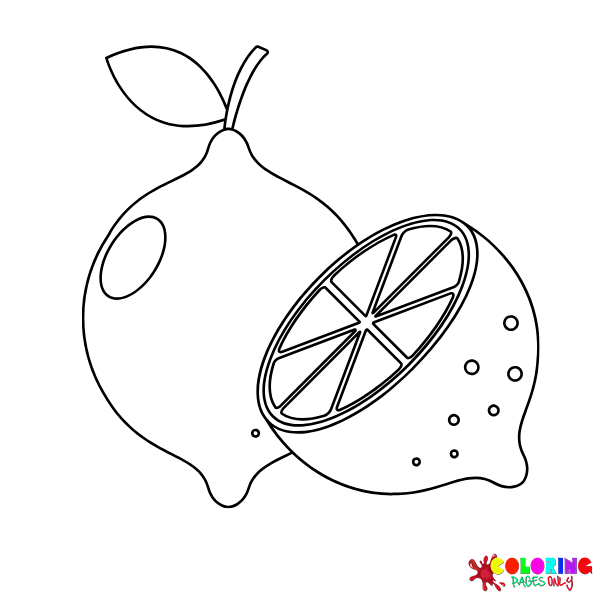
Grapefruit Coloring Pages
 By:
Jennifer Thoa - Content Editor & Designer
Updated:
By:
Jennifer Thoa - Content Editor & Designer
Updated:
Free Grapefruit Coloring Pages: 19 printable PDF designs featuring classic portraits, branch and cross-section artwork, and printable sheets. Each page can be downloaded as a PDF to print or colored online in the browser.
Grapefruit (Citrus × paradisi) is a hybrid citrus fruit believed to have arisen accidentally in Barbados during the 18th century, a natural cross between the pomelo and the sweet orange. It gets its name not from any relation to grapes, but because the fruit grows in cluster-like groups on the tree that early growers thought resembled bunches of grapes. Grapefruit flesh ranges from pale yellow to deep pink or ruby red, depending on the variety, and the fruit is a good source of vitamin C and fiber. One important note worth knowing: grapefruit contains natural compounds called furanocoumarins that can interfere with how the body processes a wide range of medications, including certain statins, blood pressure drugs, and other prescriptions, so anyone taking regular medication should check with a doctor or pharmacist before making grapefruit a frequent part of their diet.
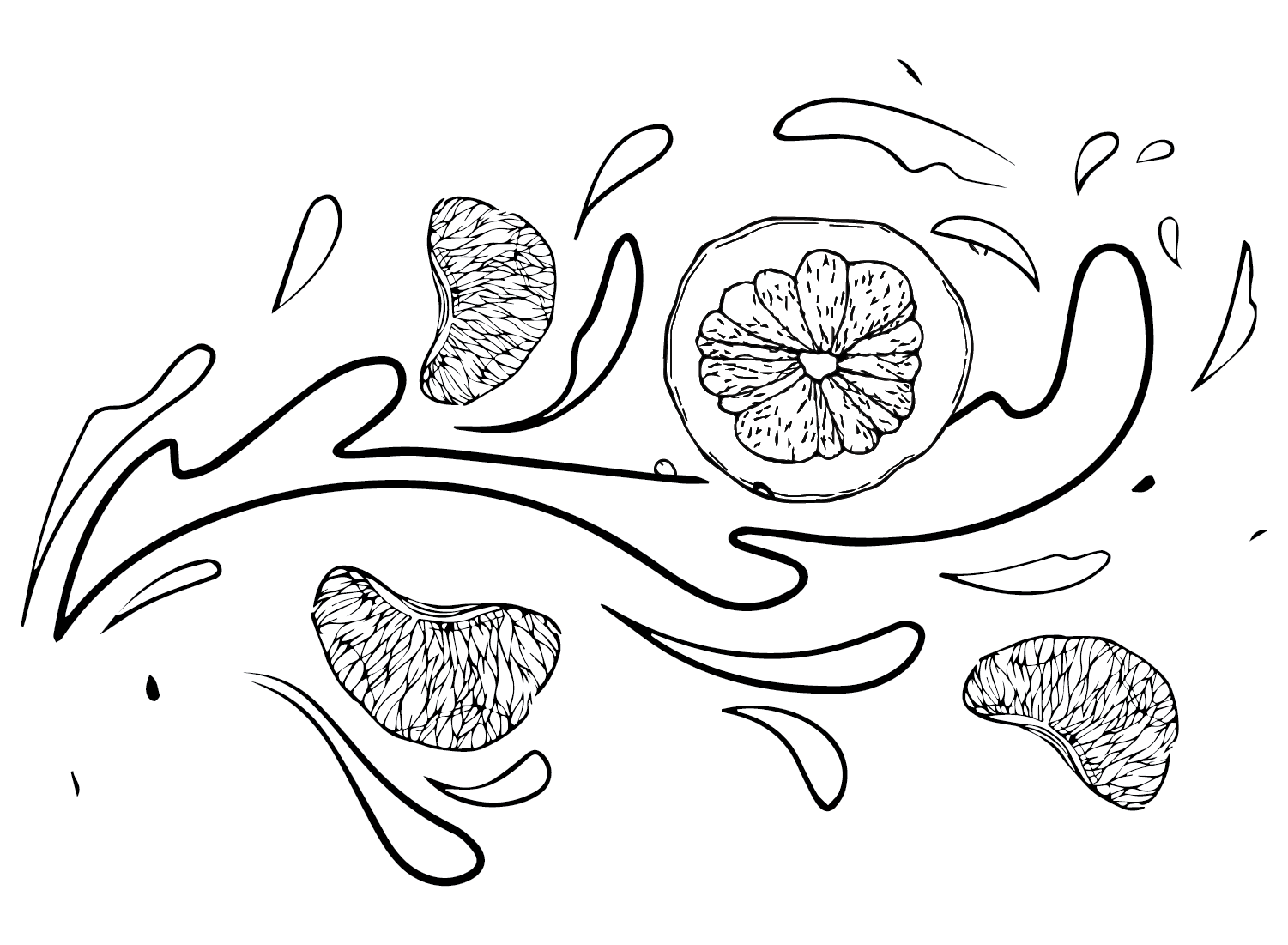
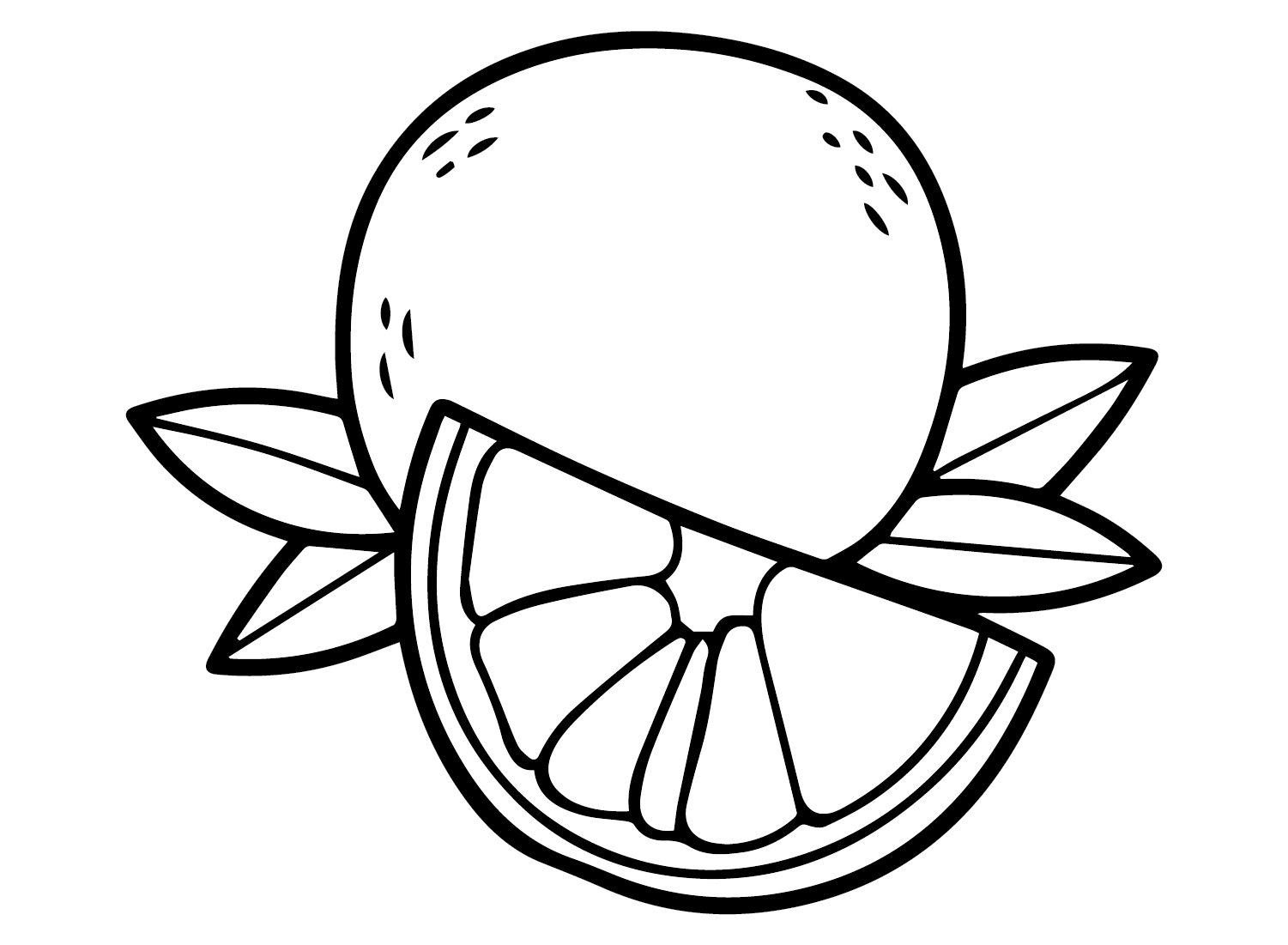
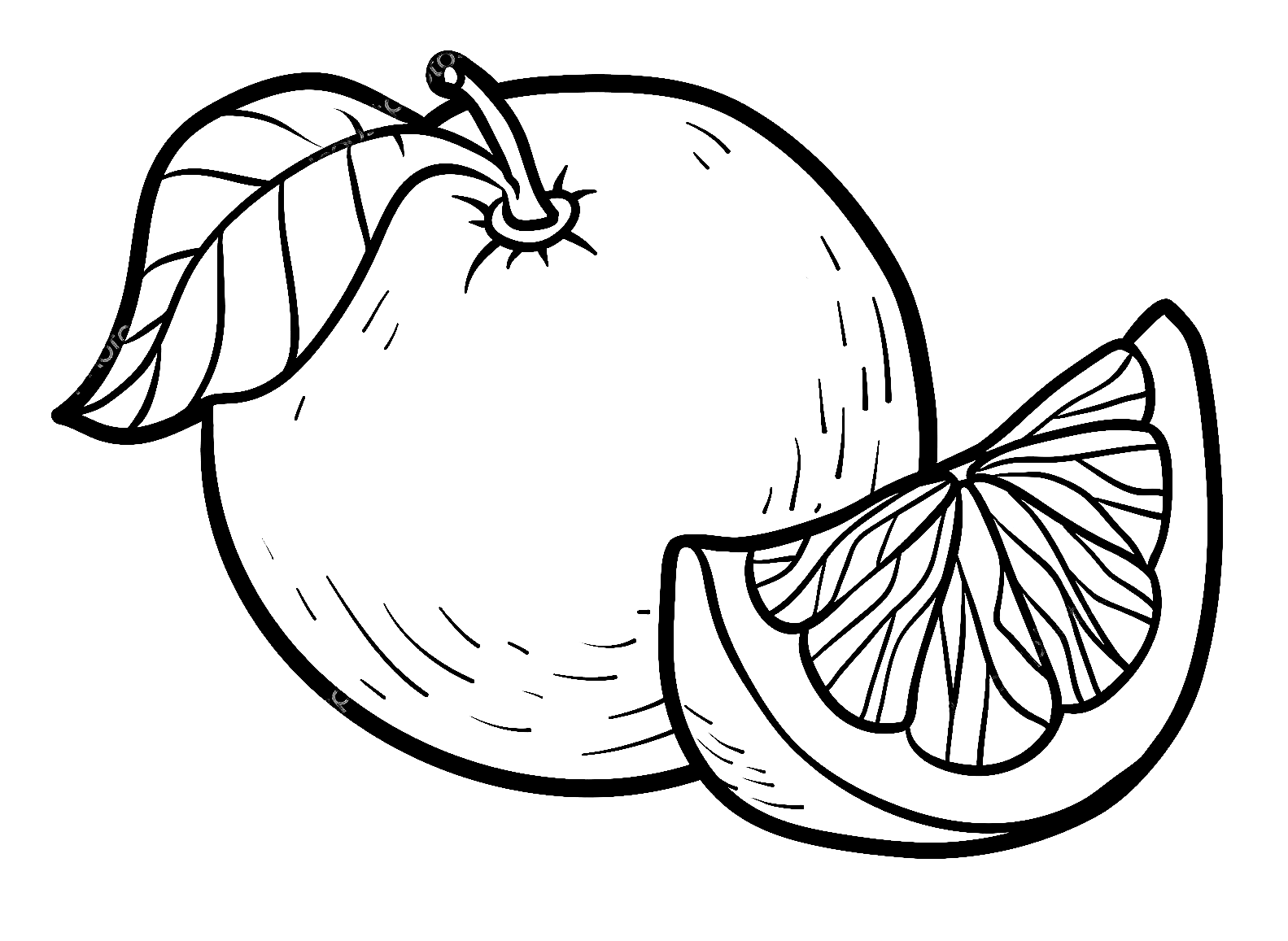
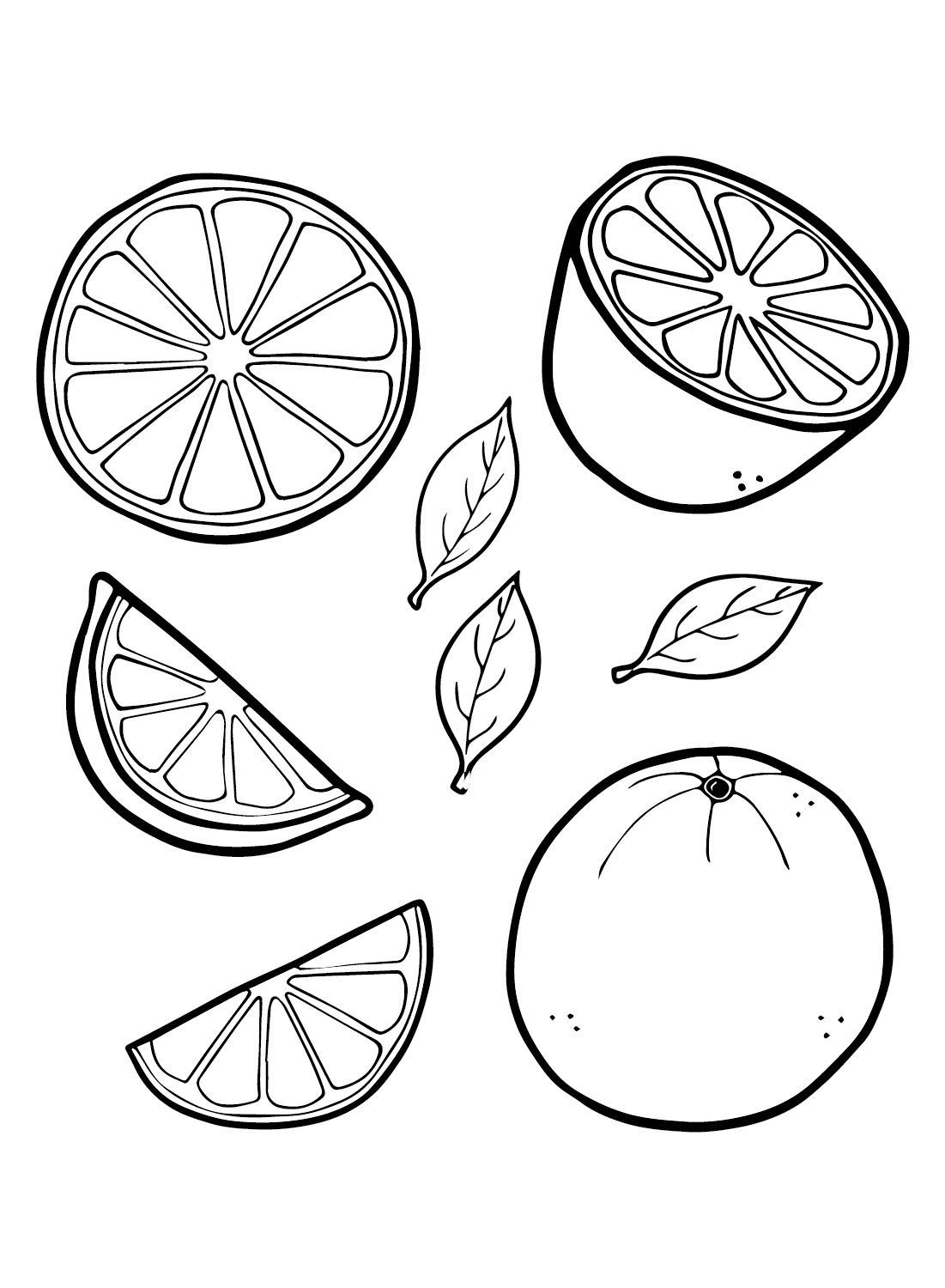
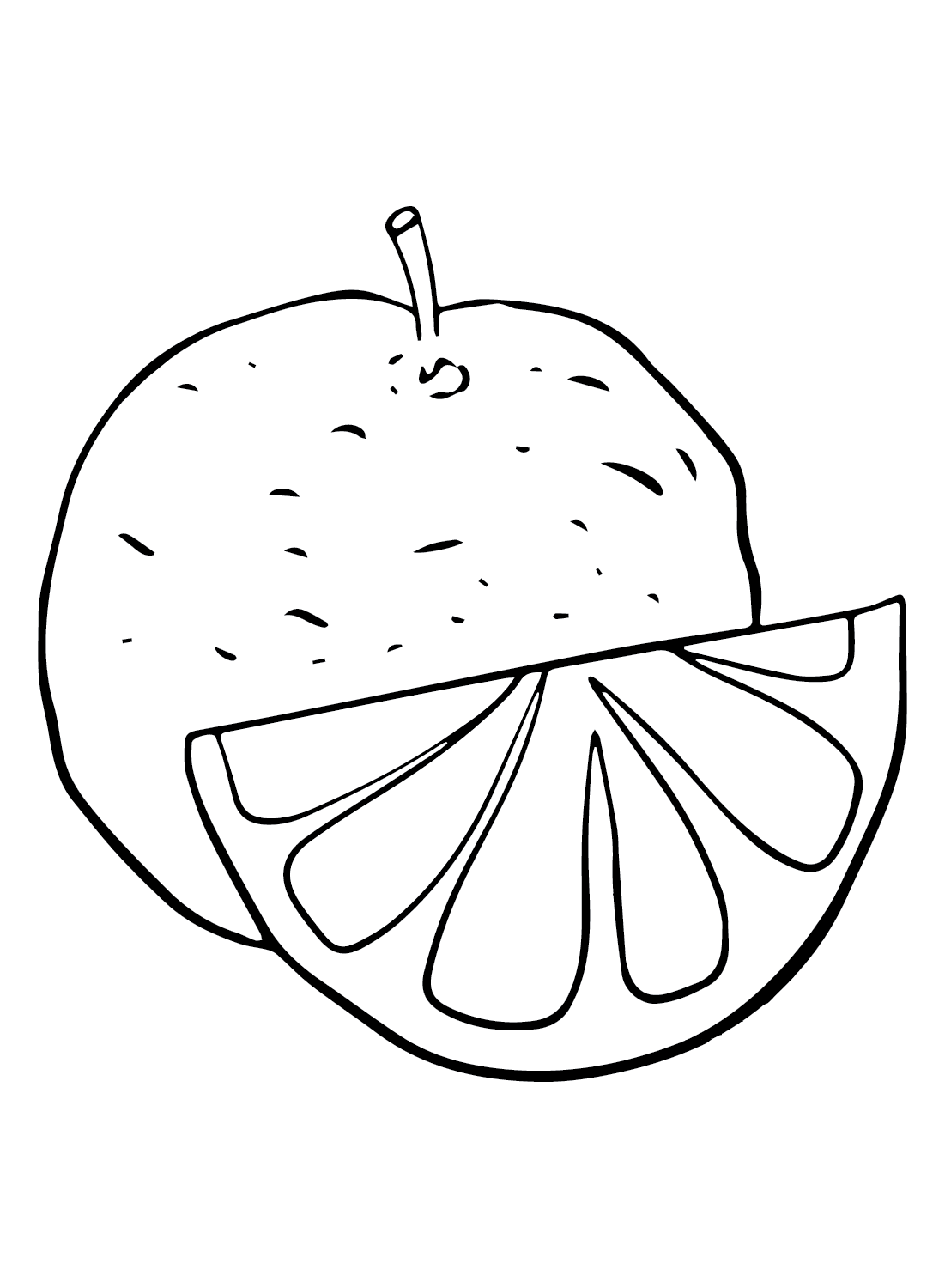
This collection spans 19 pages, grouped into classic portraits, branch and cross-section designs, and printable sheets. The coloring angle ranges from simple, standalone fruit to fuller, cut-open compositions.


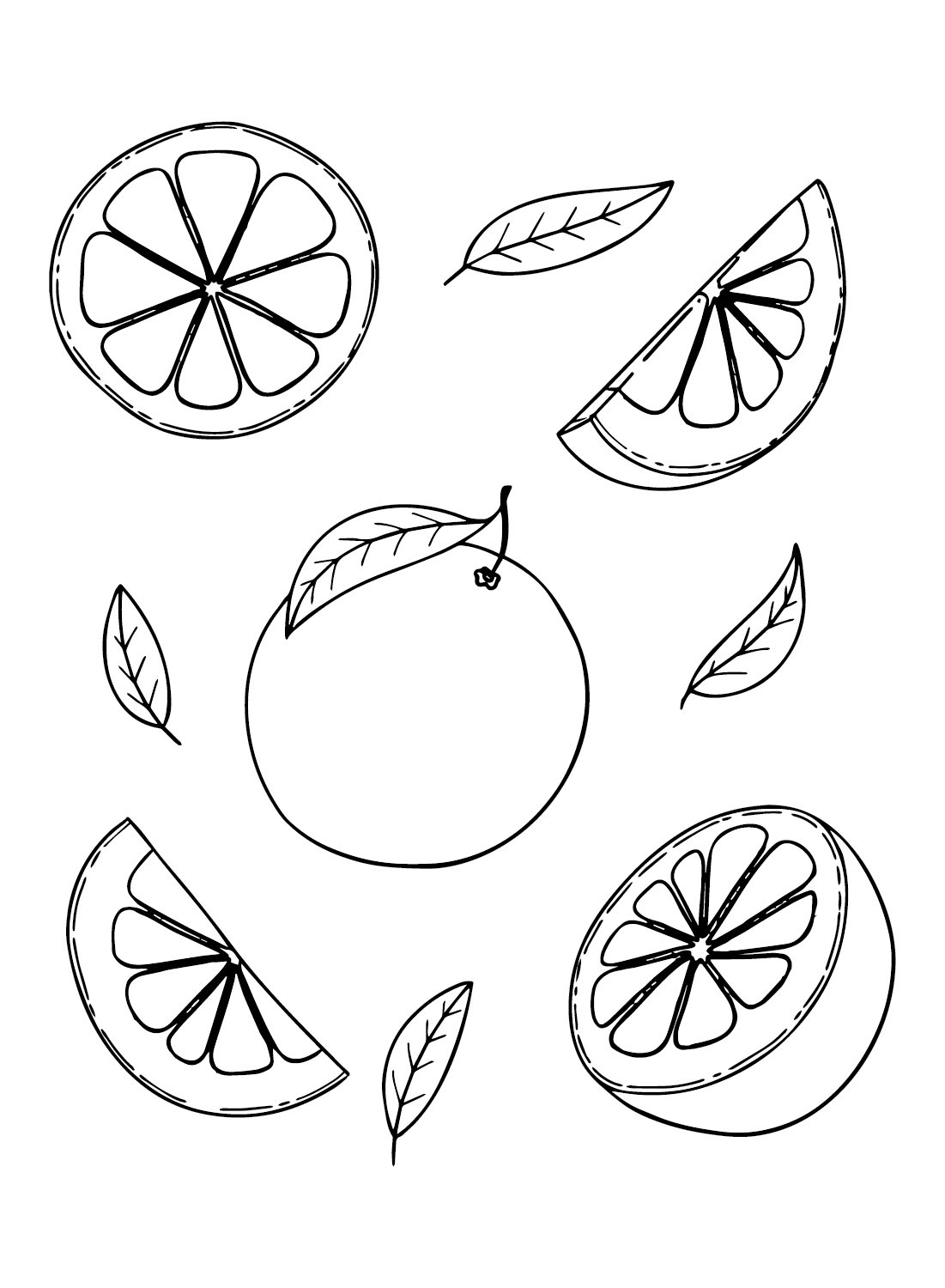
What Is Inside This Collection
The 19 designs group into three categories, from classic portraits to printable sheets.
Classic Portraits
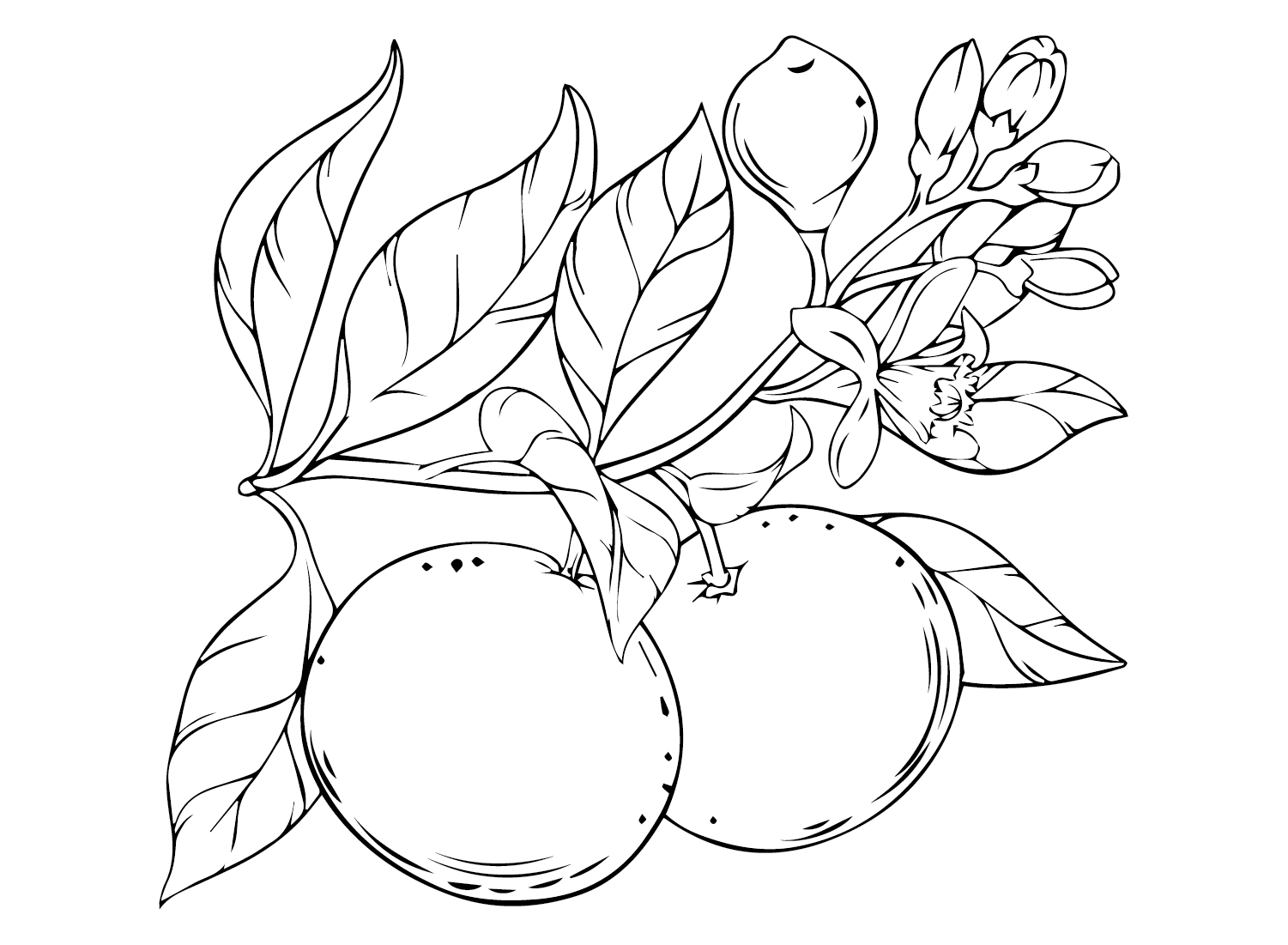
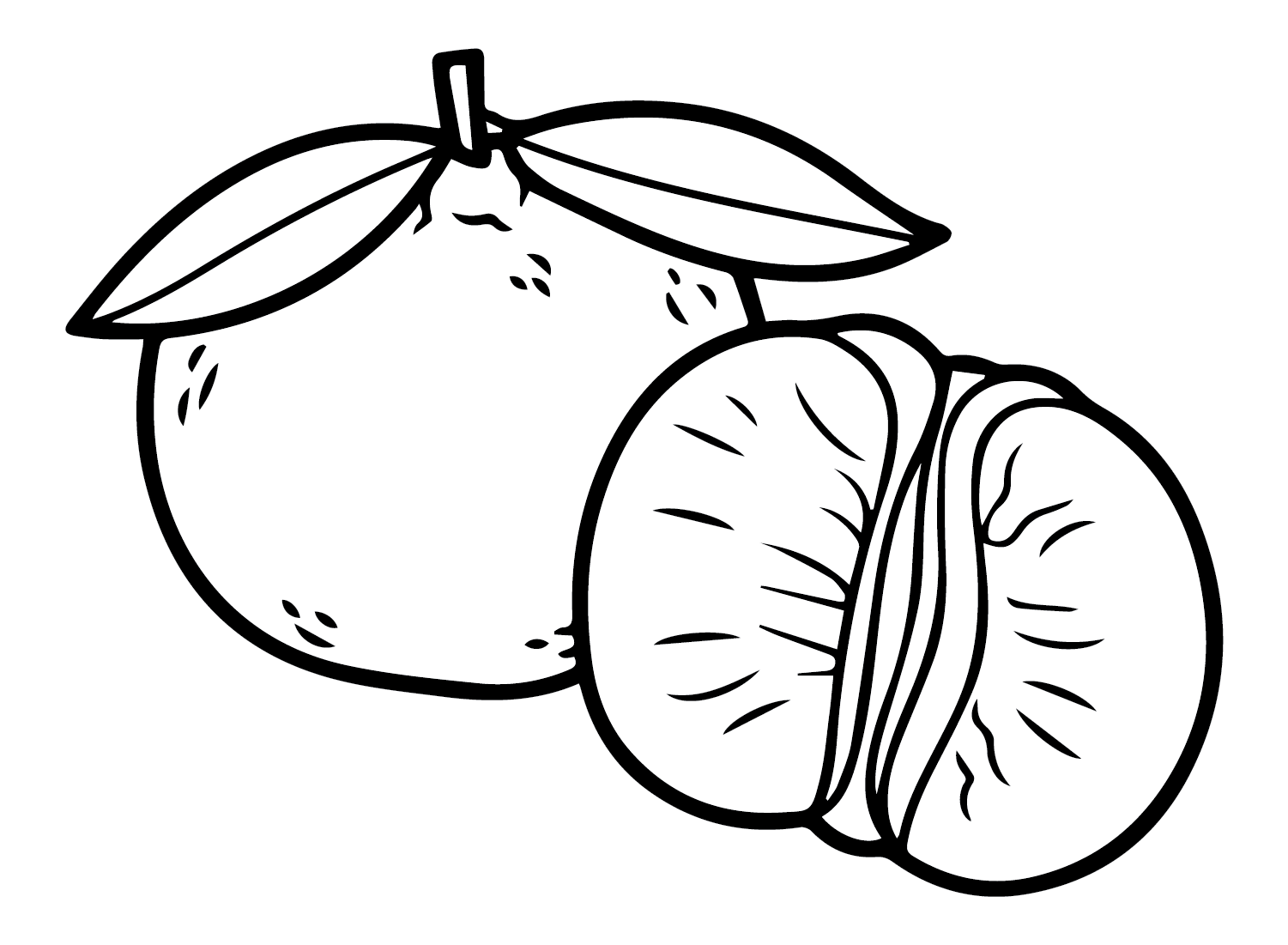
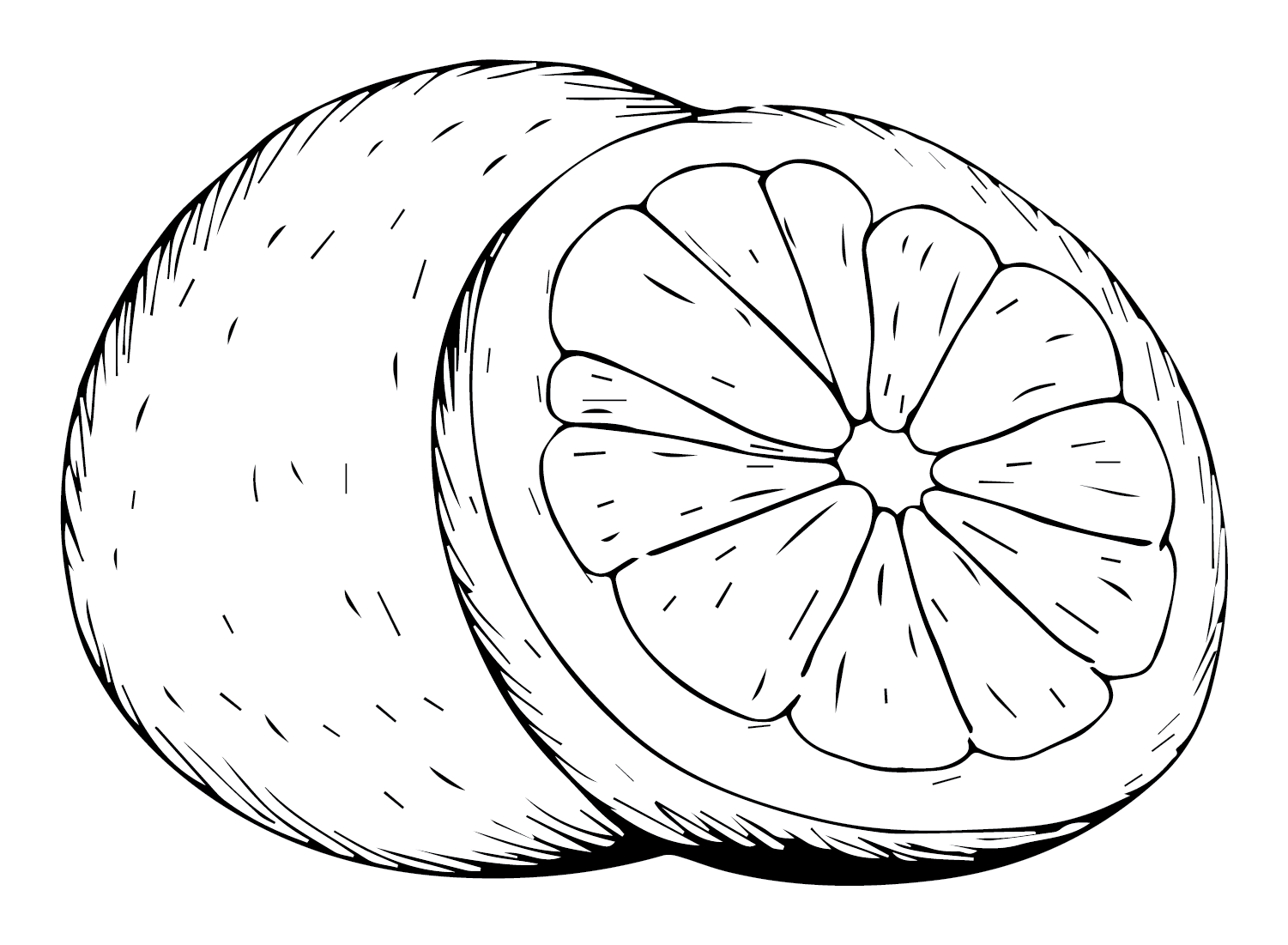
Five pages show a standalone grapefruit in a straightforward pose, including cute, kid-friendly, and sketch-style renderings.
Branch and Cross-Section Designs
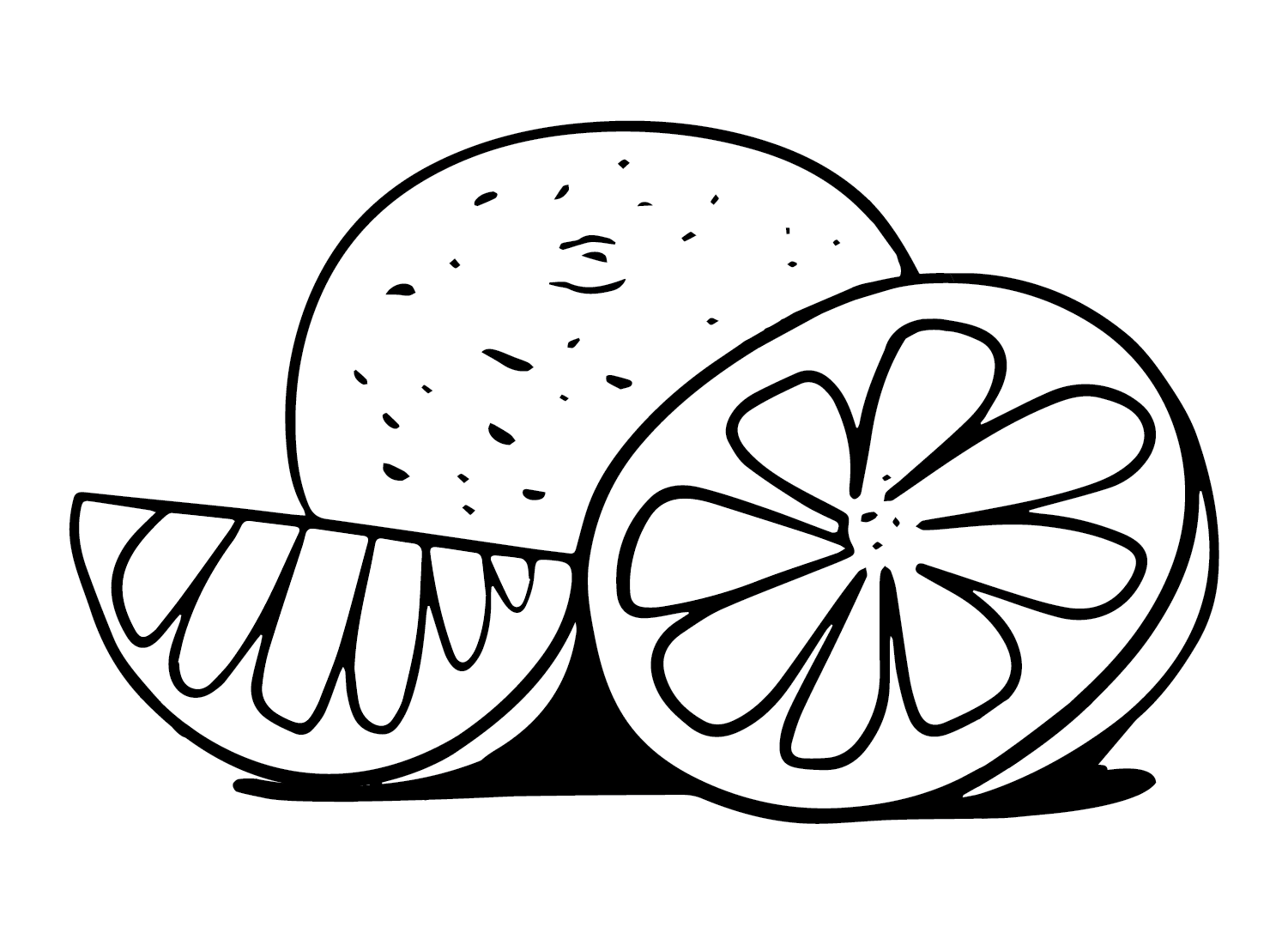
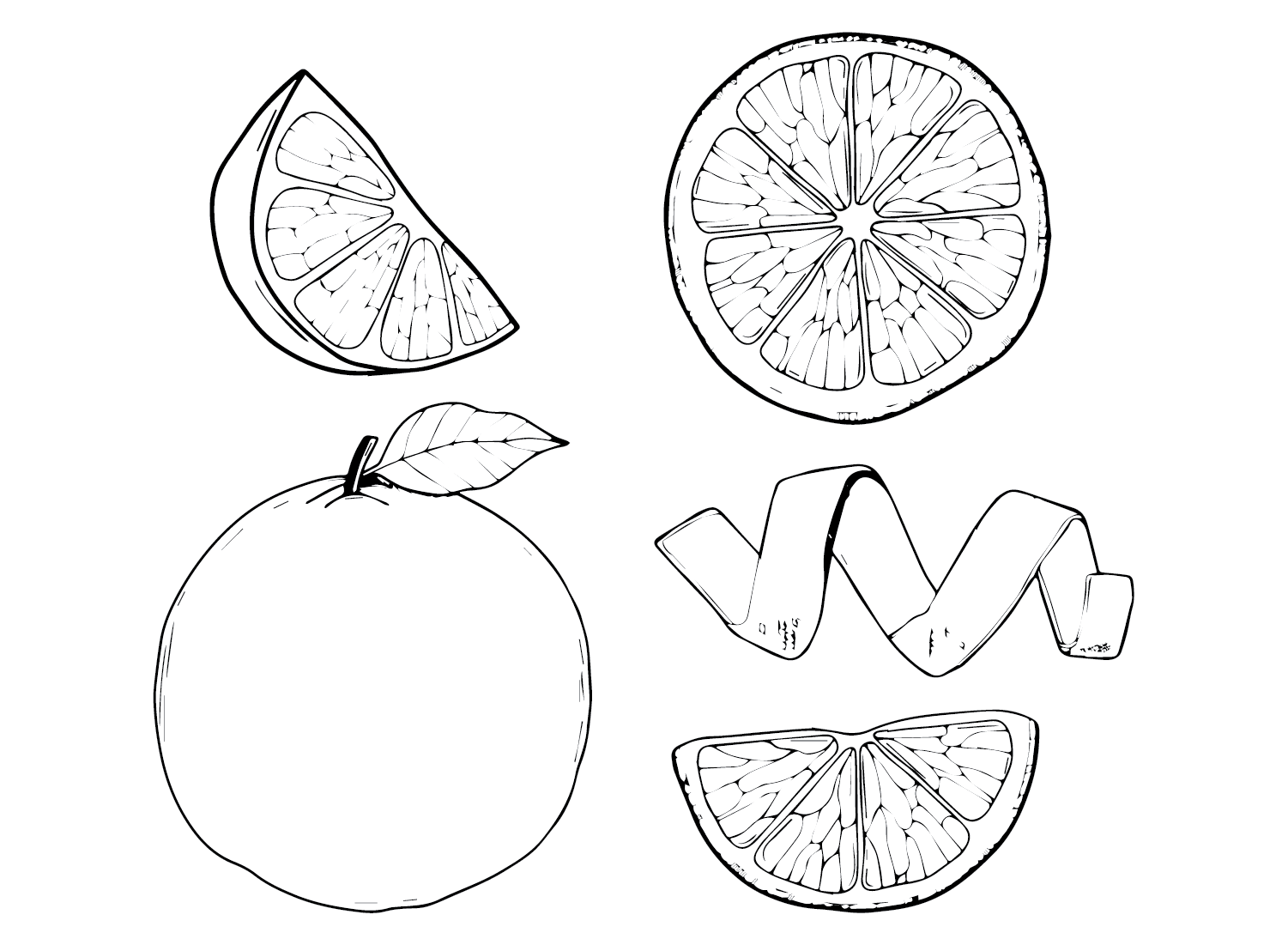
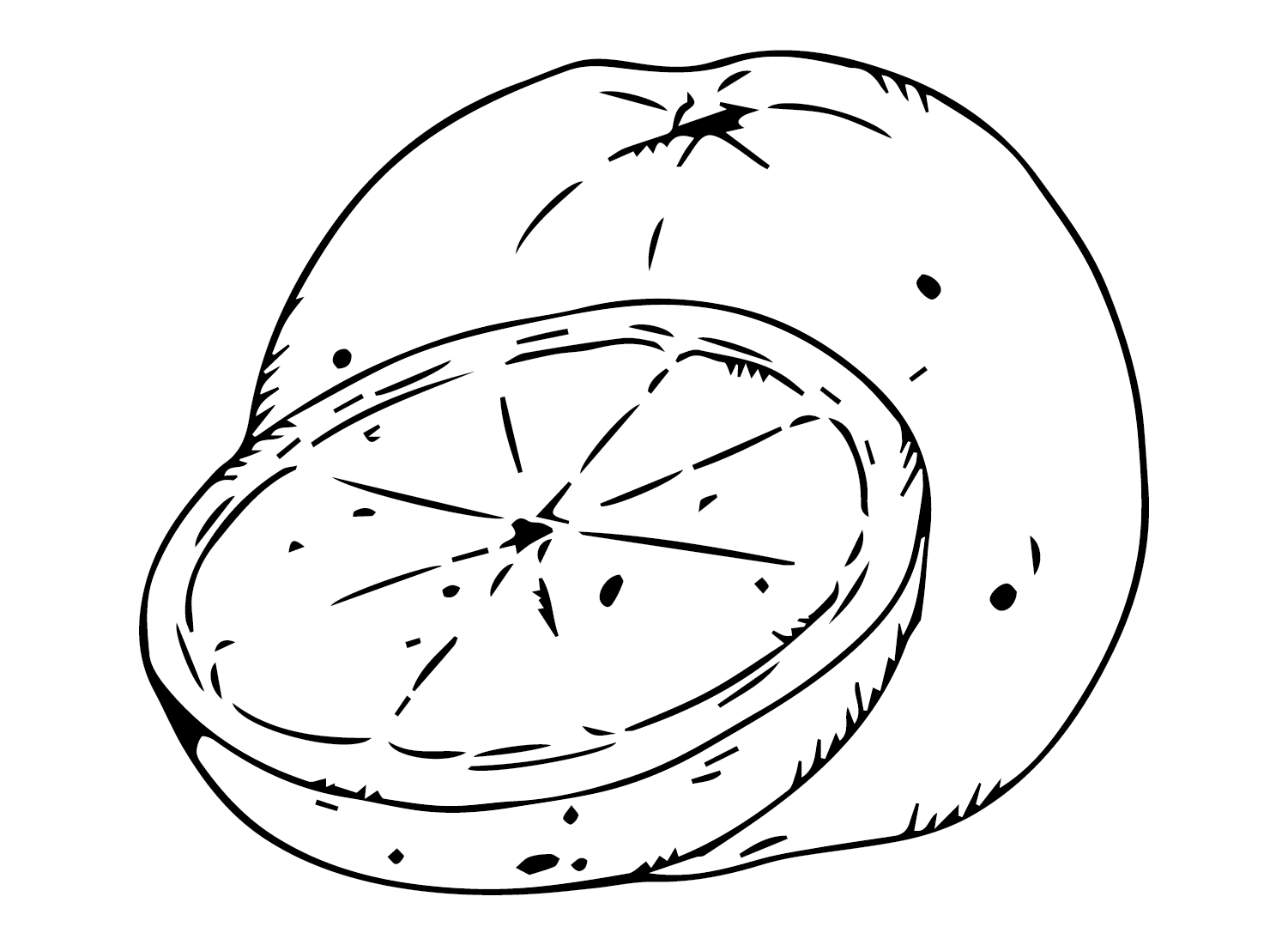
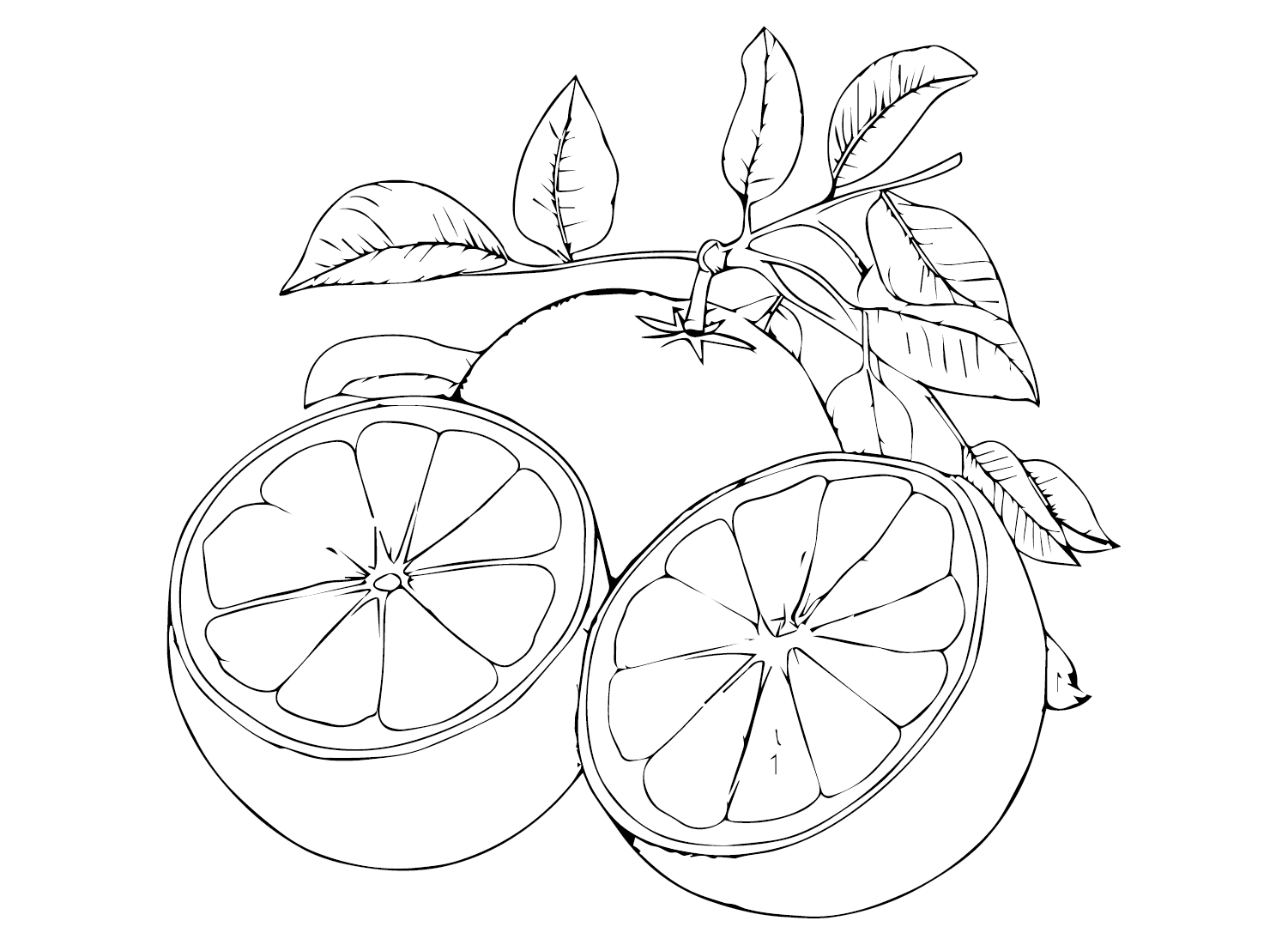
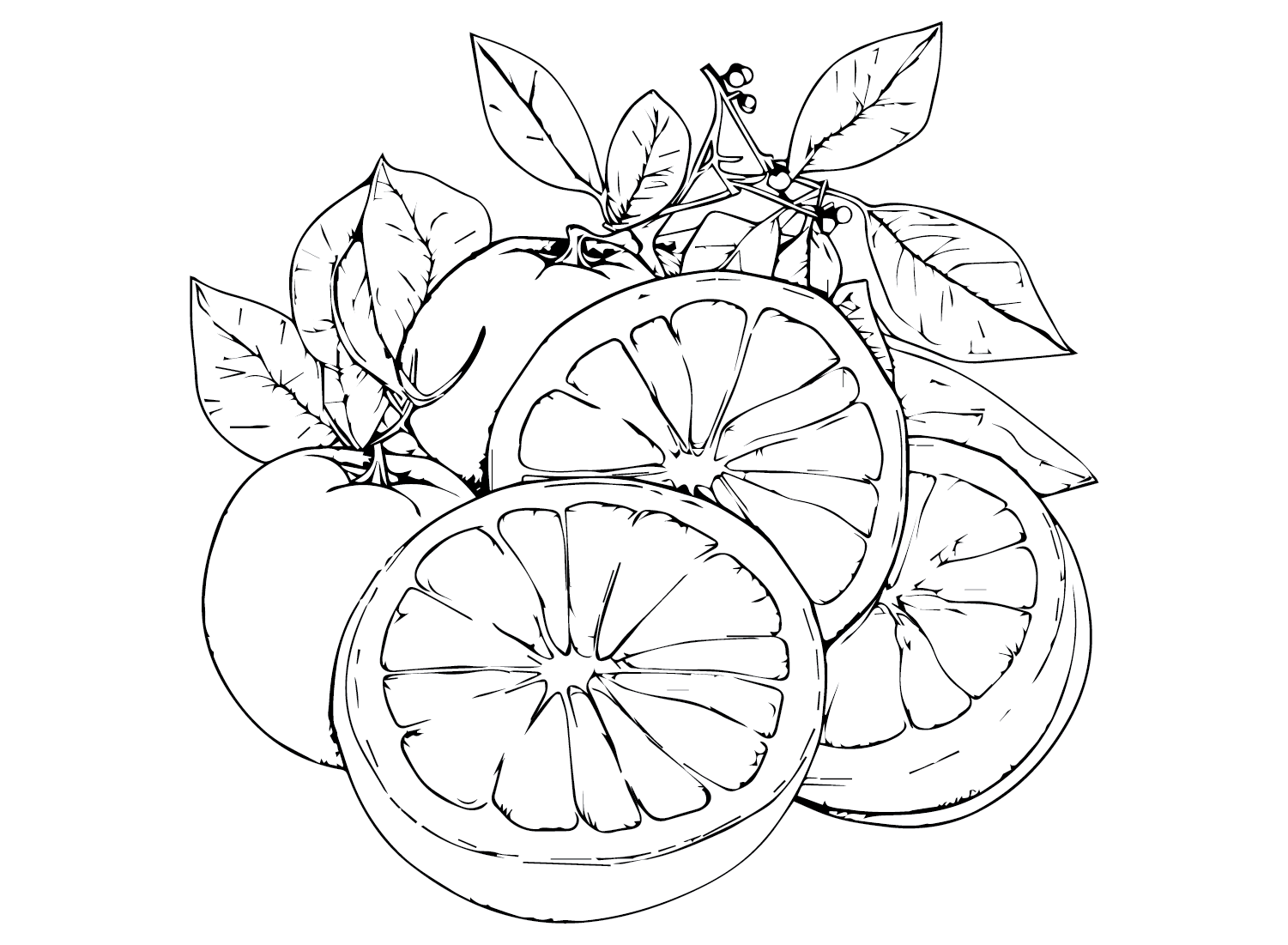
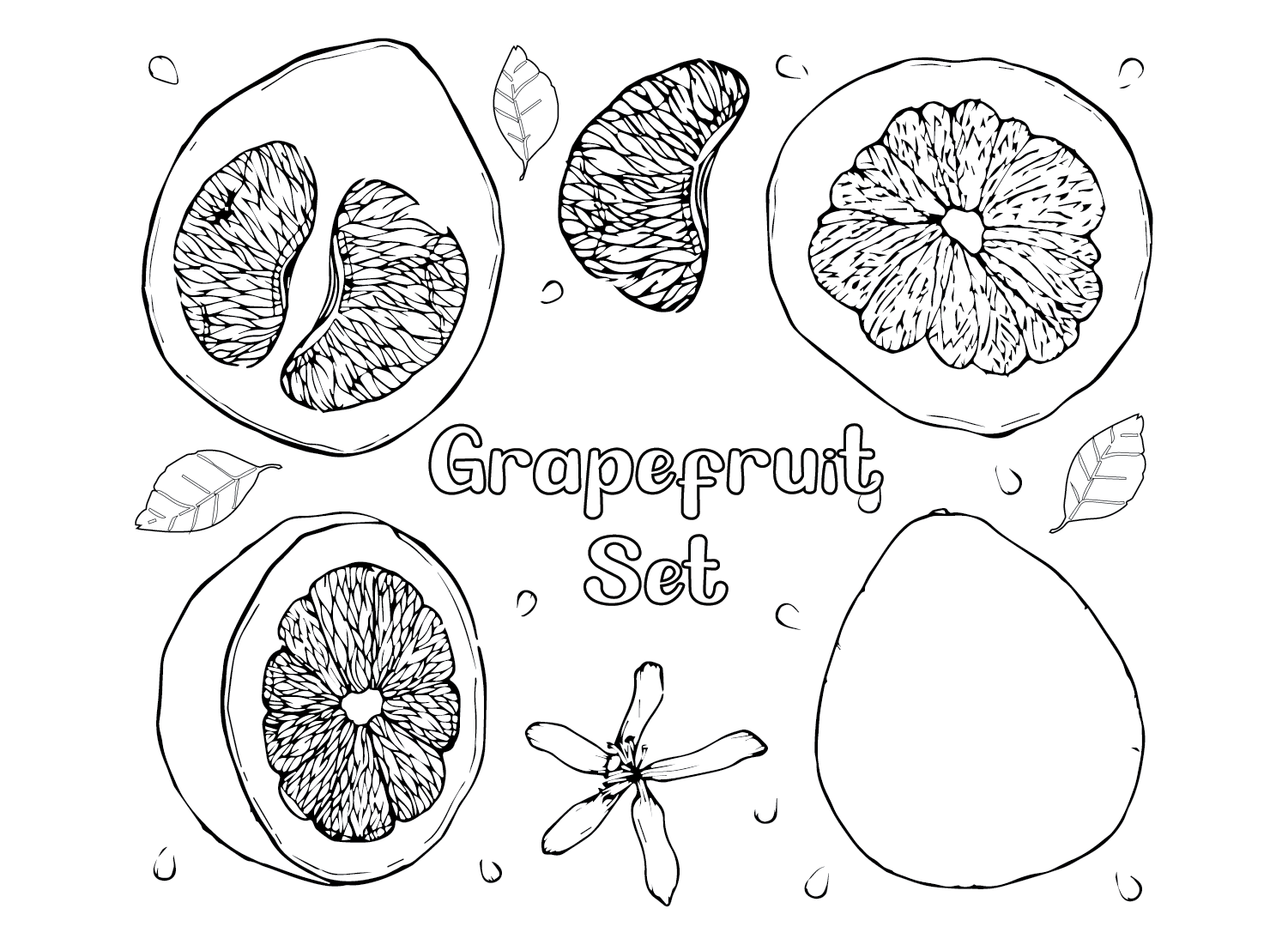
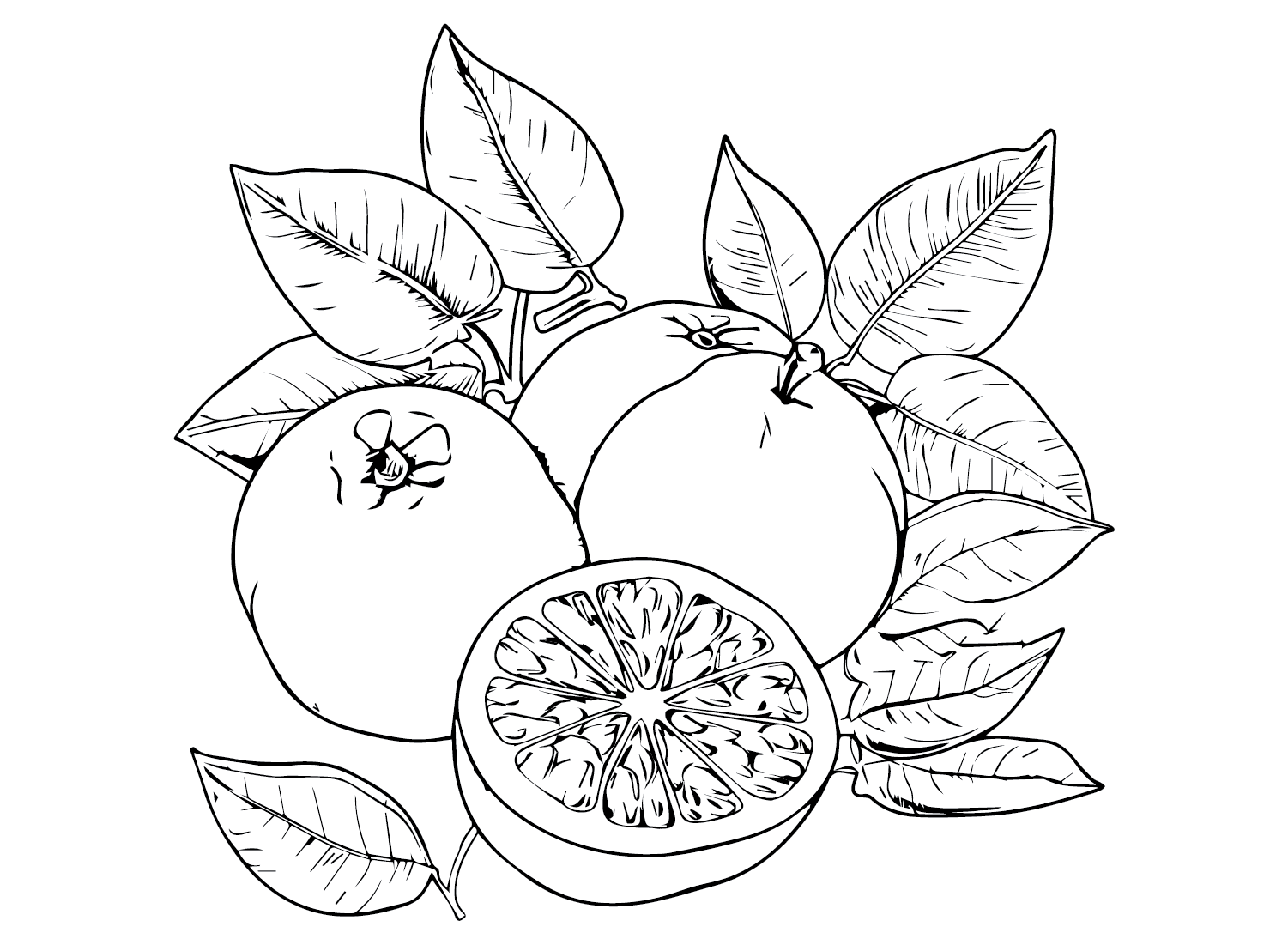
Four pages take a closer, more structural look, including the fruit on its branch and cut-open halves showing the segmented interior.
Printable and Free Sheets
Ten pages are formatted as general printable sheets, making up the largest share of the collection and useful for a quick, single-session print at home or in the classroom.
What Grapefruit Coloring Pages Do
A cross-section that rewards careful segment work. The cut-open grapefruit pages reveal wedge-shaped segments radiating from a central point, and keeping each one distinct without the lines drifting off-center takes more careful spatial planning than a simple round outline. The American Academy of Pediatrics ties that structured, radiating linework to fine motor skill development in children ages 2 through 7.
A second chapter in the citrus family tree. Where an earlier collection introduced the three ancestral citrus species behind most familiar fruit, grapefruit adds a fresh twist: it’s not one of those originals at all, but an accidental cross between pomelo and sweet orange that first appeared in Barbados in the 1700s, a genuinely surprising origin story for a fruit found in nearly every grocery store today.
A calming activity paired with a fruit that carries real health benefits. A 2005 study in the Art Therapy Journal found that structured coloring sessions produced measurable reductions in anxiety, and grapefruit’s well-documented medication interaction offers a rare, genuinely useful bit of health knowledge to pair with a slow, focused coloring session.
A name that doesn’t match its family. Because grapefruit shares no real relation to grapes despite its name, coloring these pages offers a small, fun opportunity to talk about how food names don’t always describe what a plant is actually related to.
How to Color Grapefruit Pages Well
- Peel: Use Yellow or a Yellow-Orange blend as the base for the outer peel, since most grapefruit varieties have a bright yellow rind, sometimes with a slight pink blush.
- Flesh (in cross-section designs): Use pale Yellow, Pink, or deep red, depending on the variety being depicted, since grapefruit flesh color varies significantly by type.
- Segment membranes: Use a thin White or very light Yellow line to separate each individual segment, helping the radiating wedge pattern read clearly.
- Pith and rind layer: Use White for the spongy inner layer between the colored peel and the fruit segments, a detail visible in cross-section and half designs.
- Branch and leaves: Use warm Brown for the branch and rich Green for the leaves, keeping these simpler so the fruit itself remains the page’s clear focus.
- Backgrounds: Keep backgrounds simple with soft Cream or light Blue tones so the grapefruit’s color and segmented detail stay the clear focus of the page.
5 Creative Craft Ideas With Grapefruit Coloring Pages
1. Kitchen Recipe Card
Color a grapefruit cross-section page, glue it to the front of an index card, and use it as a decorative cover for a favorite breakfast recipe.
2. Grapefruit Bookmark
Color a small grapefruit design, cut it into a bookmark shape, and use it to mark a place in a favorite book.
3. Greeting Card
Fold cardstock in half, glue on a colored grapefruit design, and write a message inside for a friend who loves fresh citrus.
4. Classroom Fruit Anatomy Poster
Color a cross-section page and label the parts, then arrange it on a poster board for a classroom lesson about the different parts of a citrus fruit.
5. Paper Garland
Cut out three or four colored grapefruit designs, punch a hole in each, and string them together with twine for a bright kitchen garland.
Frequently Asked Questions
What are Grapefruit coloring pages?
Grapefruit coloring pages are printable line-art designs featuring this citrus fruit in classic portrait, branch, and cross-section artwork. This collection includes 19 free designs available as PDFs or online coloring.
Where did grapefruit come from?
Grapefruit is believed to have arisen accidentally in Barbados during the 18th century, as a natural hybrid cross between the pomelo and the sweet orange.
Why is it called “grapefruit” if it isn’t related to grapes?
Grapefruit gets its name because the fruit grows in cluster-like groups on the tree that early growers thought resembled bunches of grapes, not from any actual relation to grapevines.
Does grapefruit interact with medications?
Yes. Grapefruit contains natural compounds called furanocoumarins that can affect how the body processes a range of medications, including certain statins and blood pressure drugs, so people on regular medication should check with a doctor or pharmacist.
What are the different colors of grapefruit flesh?
Grapefruit flesh ranges from pale yellow to deep pink or ruby red, depending on the variety.
What are the health benefits of grapefruit?
Grapefruit is a good source of vitamin C and fiber, and is generally low in calories.
Are Grapefruit coloring pages suitable for young children?
Yes. The simple portrait designs in this collection use bold, uncluttered outlines suited to preschool and early elementary colorists, while the cross-section pages offer more detail for older kids.
What is the difference between grapefruit and pomelo?
Pomelo is one of grapefruit’s parent fruits, generally larger, milder in flavor, and less acidic, while grapefruit tends to be smaller, juicier, and more tart.
Start Coloring
Download any page by clicking the design. No account, email, or payment is required. Pages print directly from the browser at full resolution or open in the online coloring tool for screen use. Share finished pages on Facebook or Pinterest with the share buttons at the top of each design page.