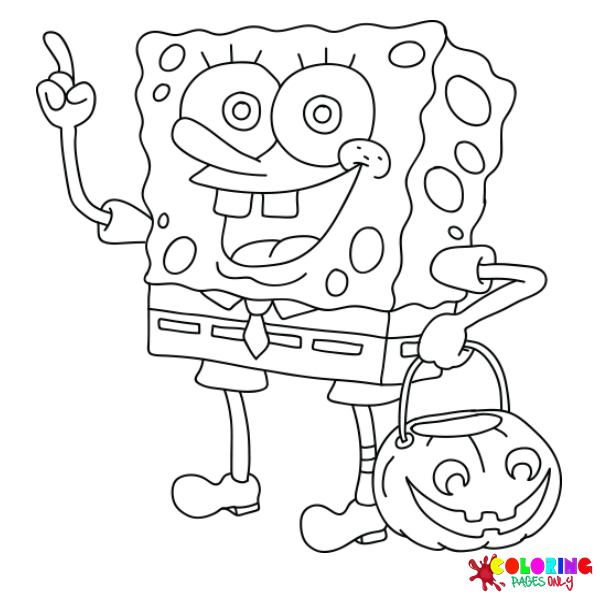
Halloween Cards Coloring Pages

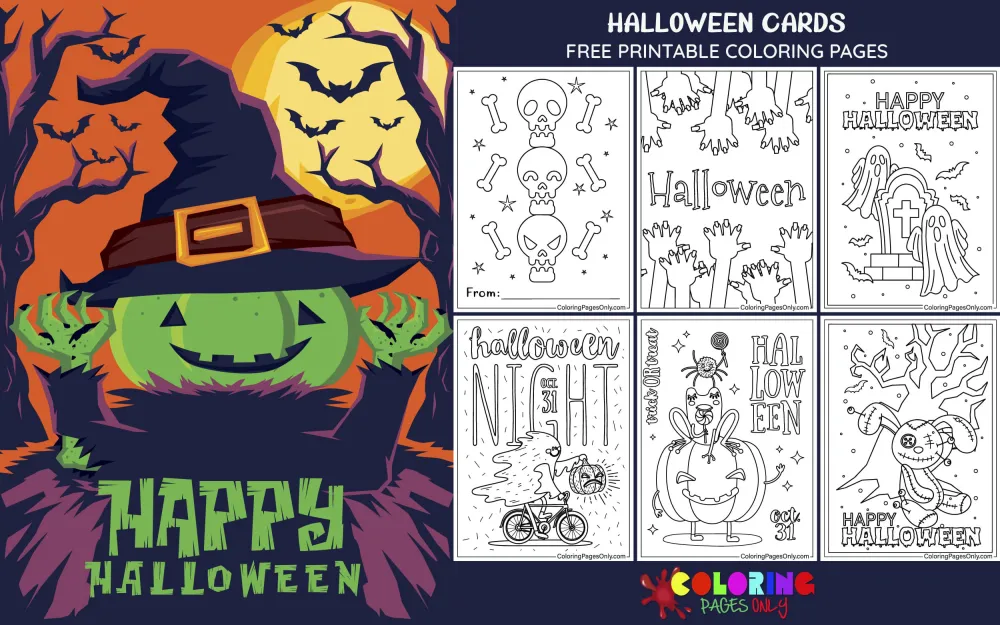
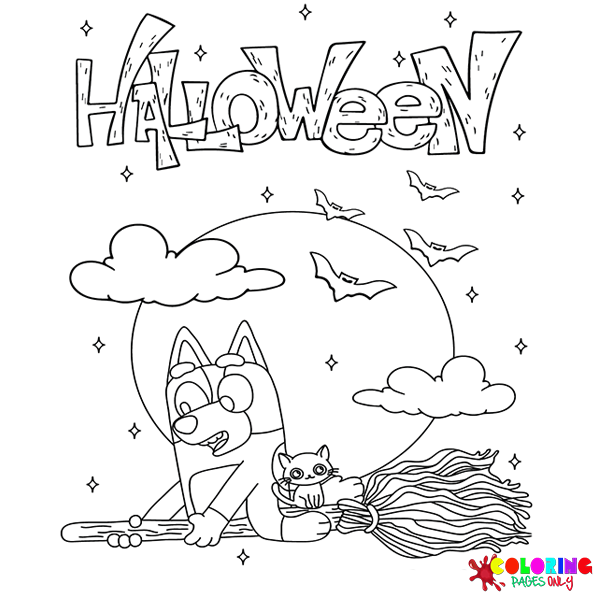
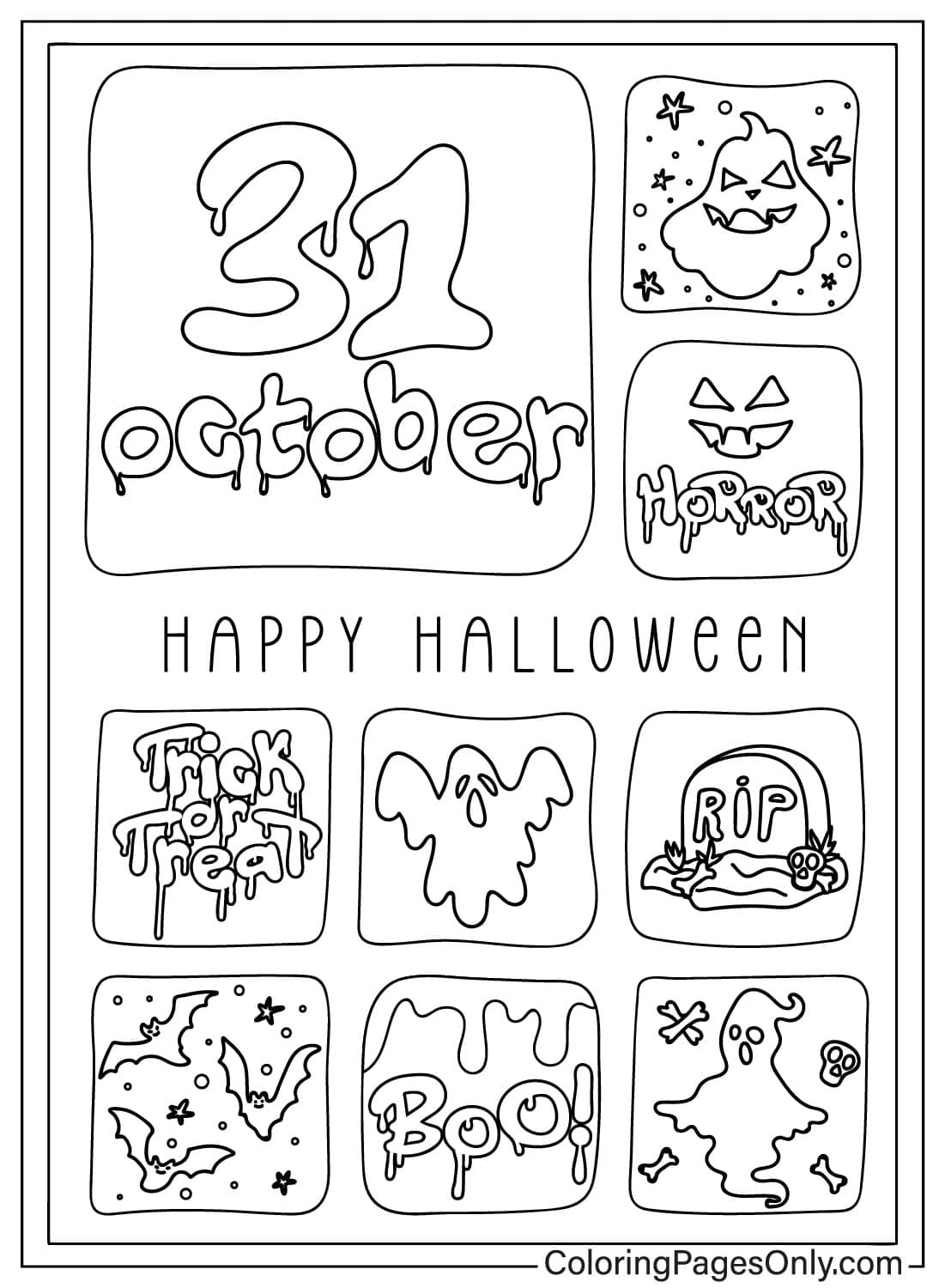
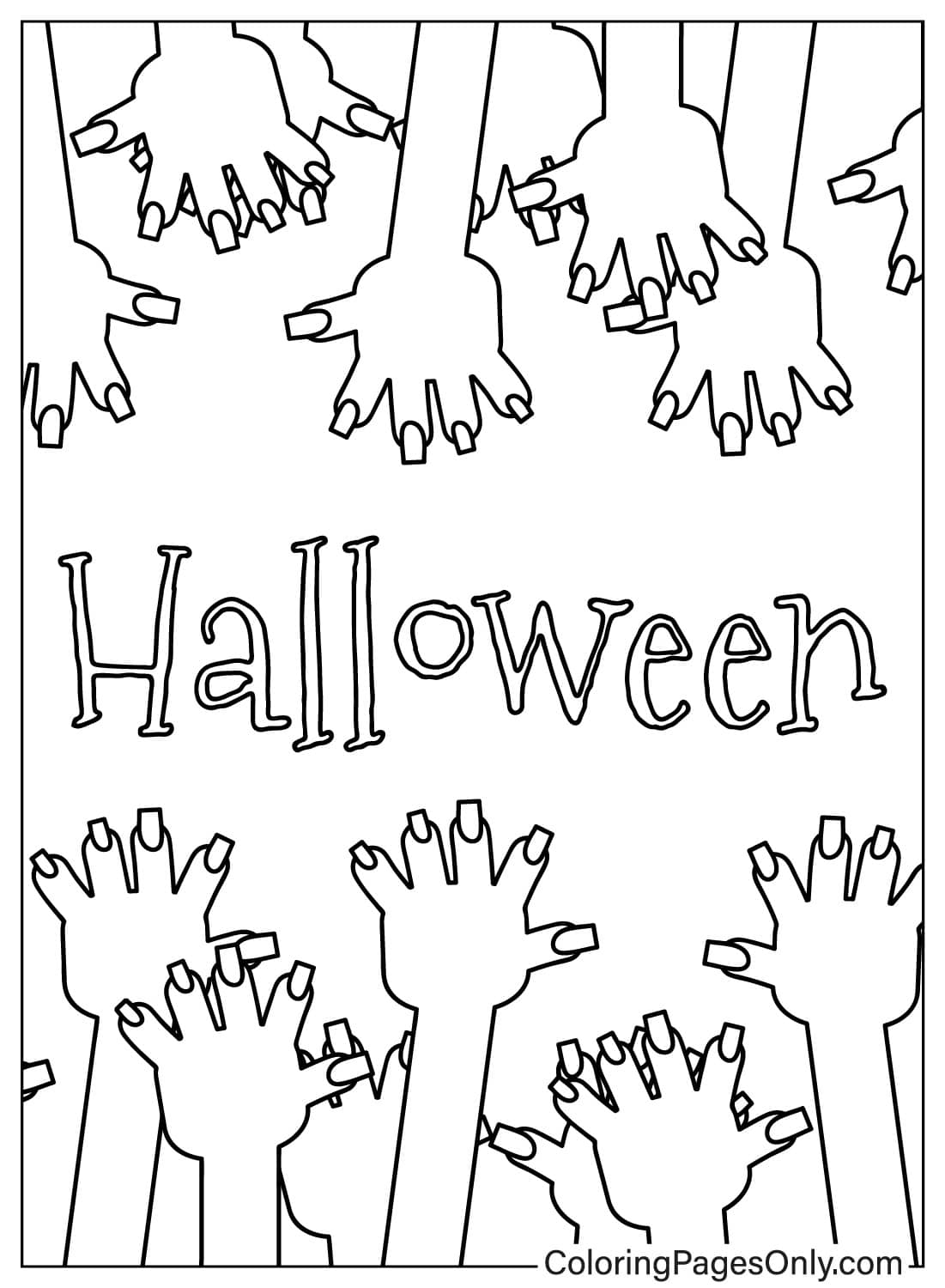
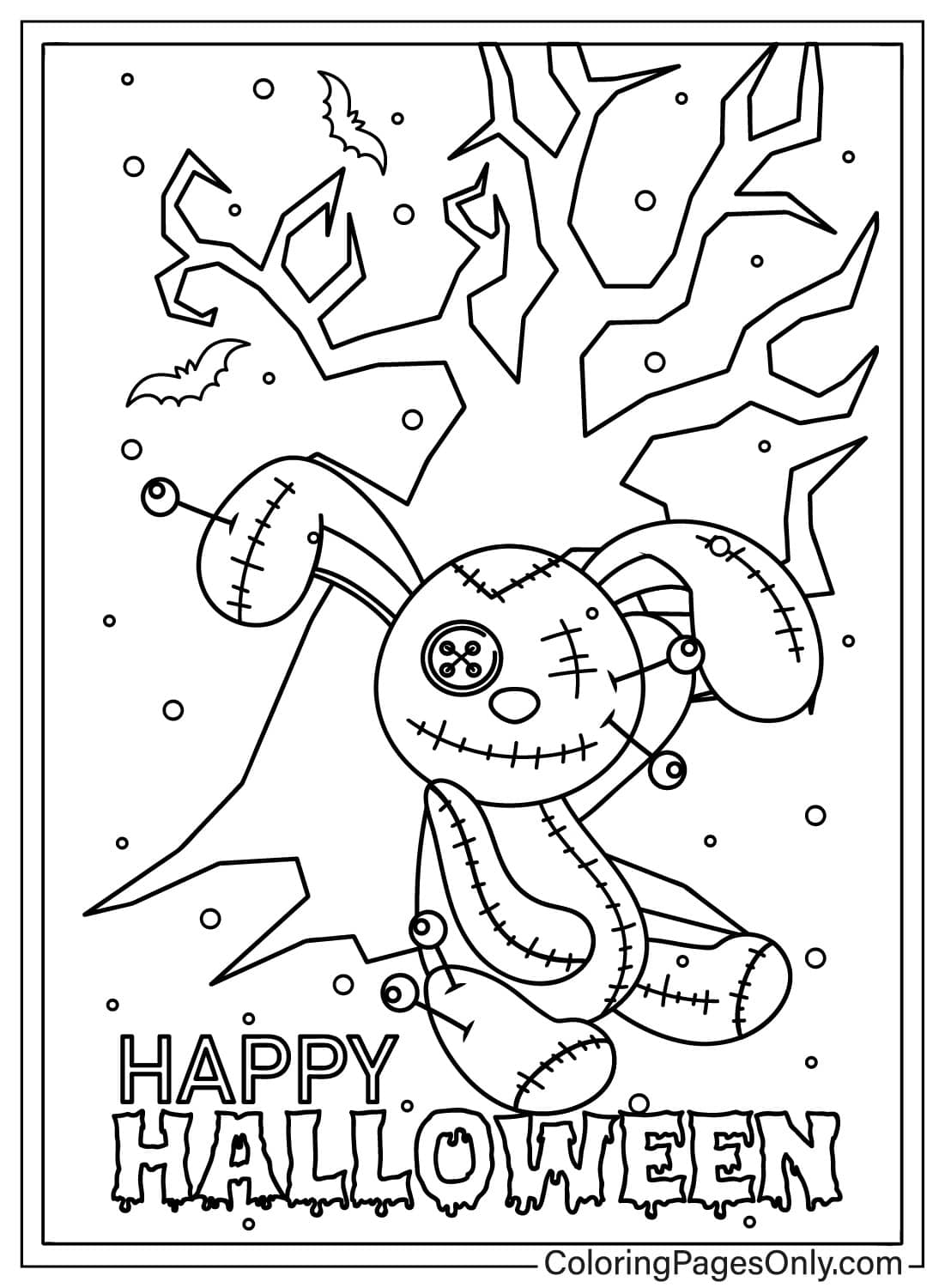
Halloween Cards Coloring Pages at ColoringPagesOnly.com brings together 14 free printable card designs for one of October’s most enjoyable Halloween traditions – making and sending handmade cards to friends, family, classmates, and neighbors. The collection covers the full range of Halloween card aesthetics: playful ghost cards, funny pumpkin cards, spooky skull cards, cute witch-and-frog designs, candle-lit scenes, party themes, and dedicated easy designs for younger children. Every page is sized and formatted to print, color, cut, fold, and send as a finished card. The full Halloween collection is available through our Halloween Coloring Pages hub.
Every page is completely free – download as PDF to print or color online in your browser. No sign-up, no cost.


About Halloween Cards
Halloween is celebrated annually on October 31 and is one of the most creatively expressive holidays in the American calendar – a day built around costumes, decorations, candy, and the theatrical pleasure of controlled fear. Card-giving is a smaller but genuine Halloween tradition, particularly in school settings where children exchange cards with classmates, and among adults who want to send seasonal greetings with more personality than a store-bought card allows.
A hand-colored Halloween card carries something a purchased card cannot: the specific color choices, the care in coloring, and the personal message are entirely the maker’s own. A child who colors and writes a Halloween card for a grandparent, teacher, or best friend is giving something genuinely handmade, which is rarer and more meaningful than most holiday gifts.
Halloween card coloring pages also function as a complete activity in themselves, independent of whether the finished card gets sent. The coloring, decorating, and personalizing process is the activity – producing a finished, usable artifact as a byproduct.
What’s in This Collection
The 14 cards in this collection cover distinct Halloween themes and difficulty levels, making the set useful across a wide age range.
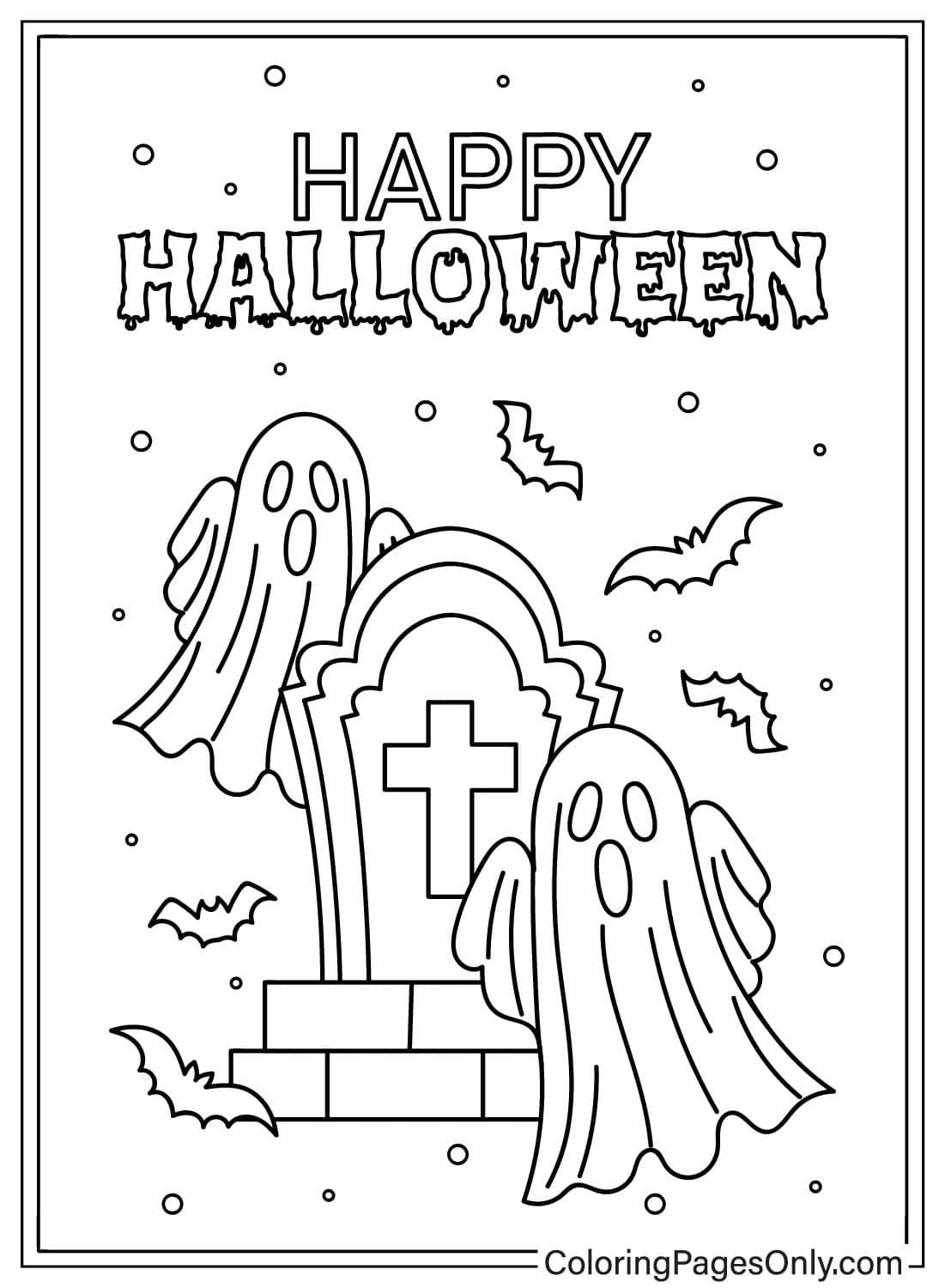
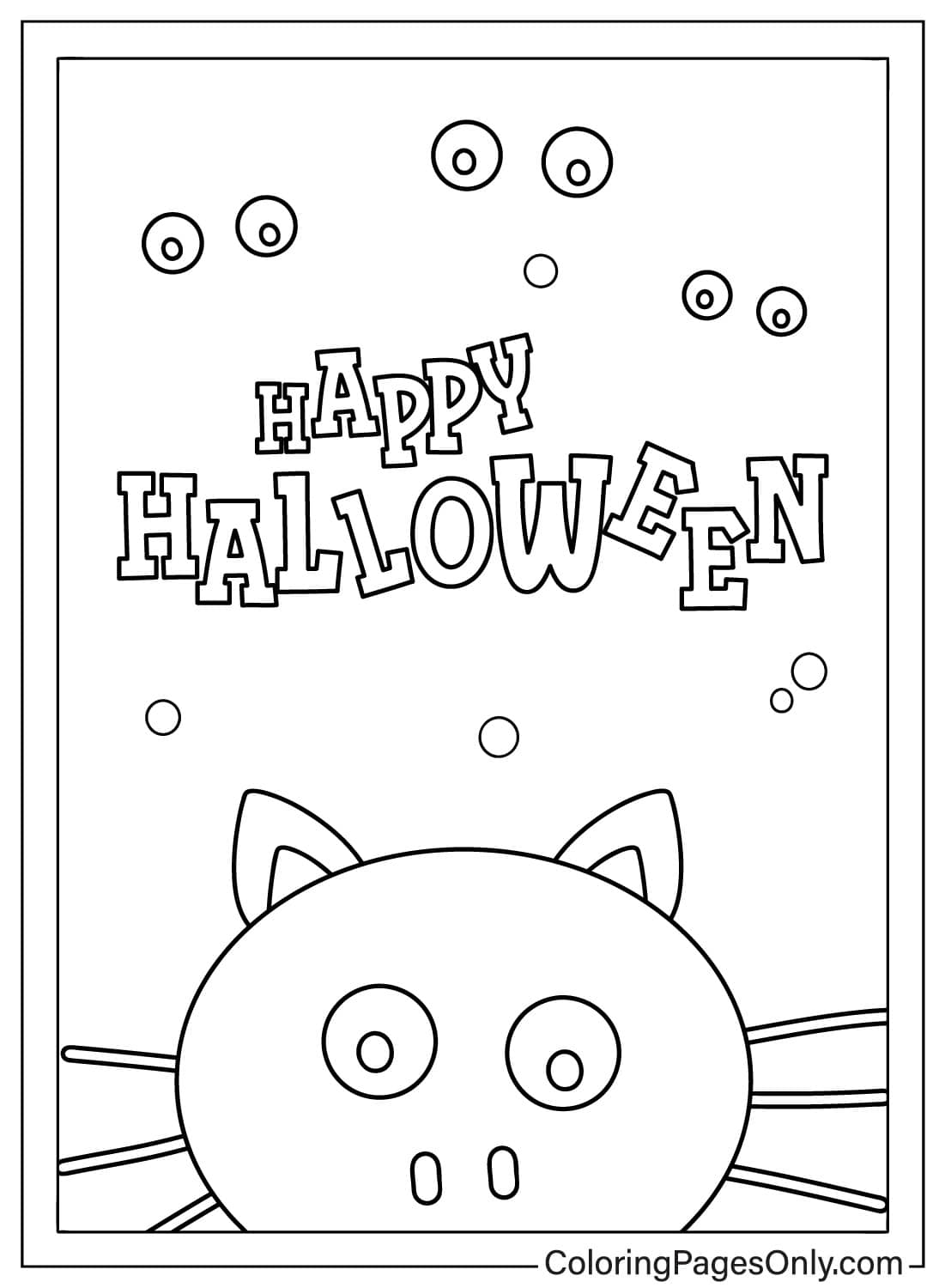
Happy Halloween Card and Fun Halloween Card are the collection’s most versatile general designs – broad Halloween imagery with “Happy Halloween” lettering integrated into the design. These work as all-purpose cards suitable for any recipient.
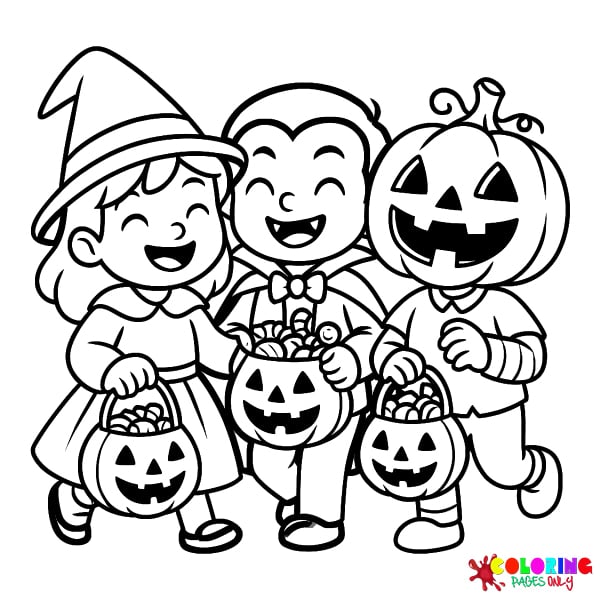
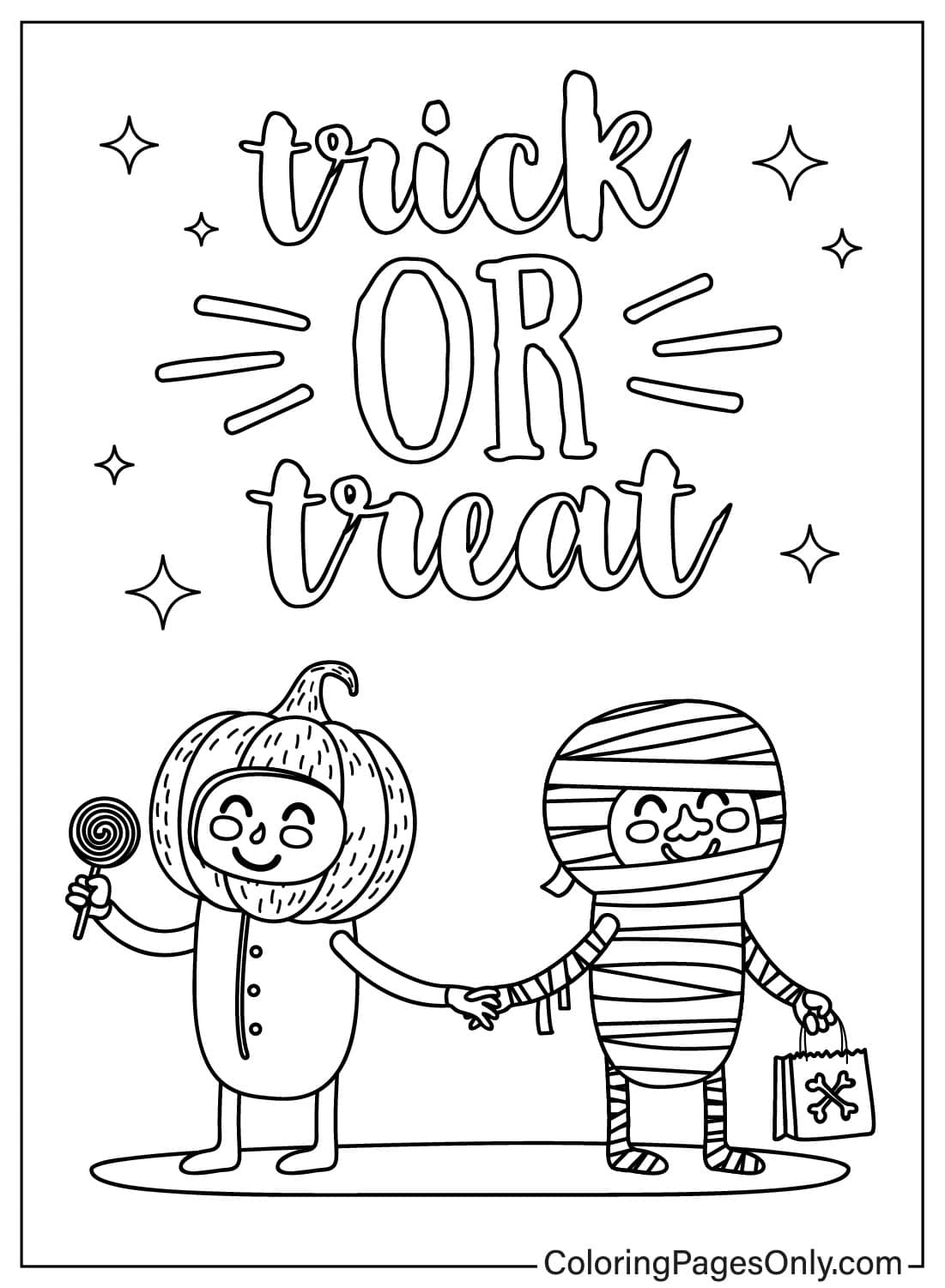
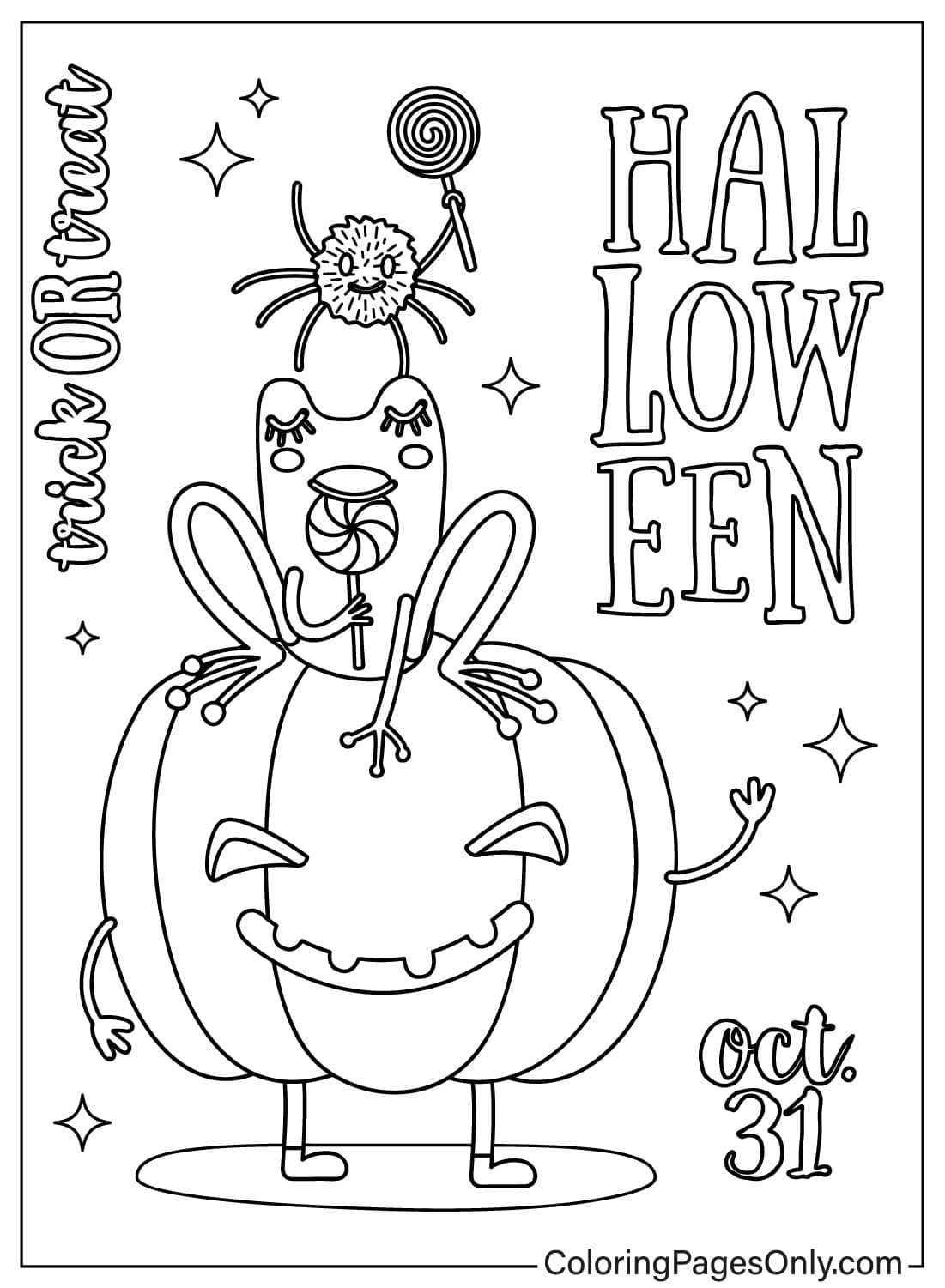
Trick or Treat Halloween Card is themed around the holiday’s central activity for children – the classic candy-collecting tradition. This card is particularly appropriate for children to send to or receive from peers, and the “Trick or Treat” phrasing gives it a playful, energetic tone.
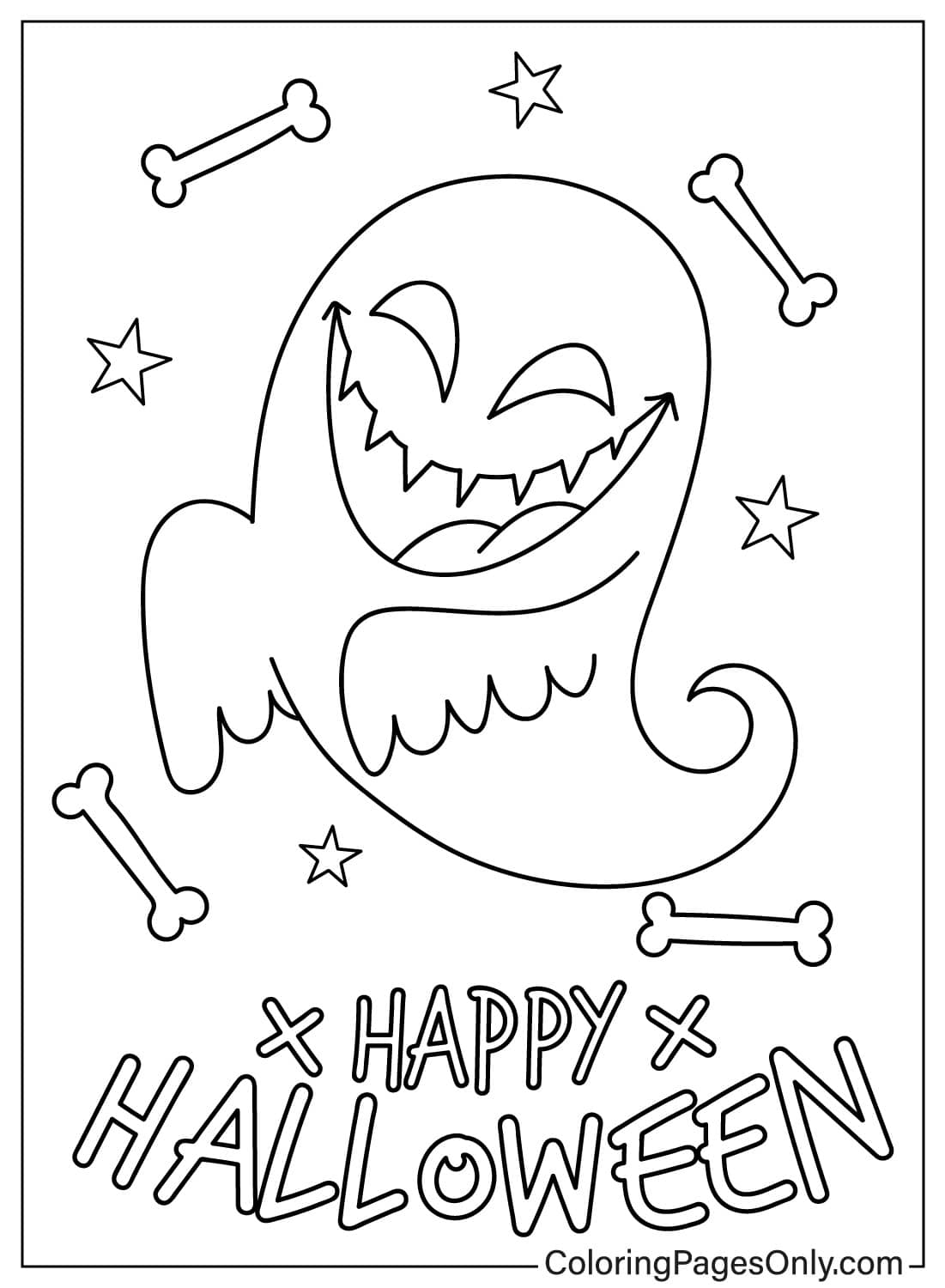
Halloween Ghost Card and Halloween Card Funny Ghost cover the ghost character – one of Halloween’s most universally recognized symbols – in two distinct treatments. The Funny Ghost card leans into comic character design, while the Ghost Card takes a more atmospheric approach. Ghost imagery in the Halloween universe connects to the broader ghost coloring pages tradition across the site.
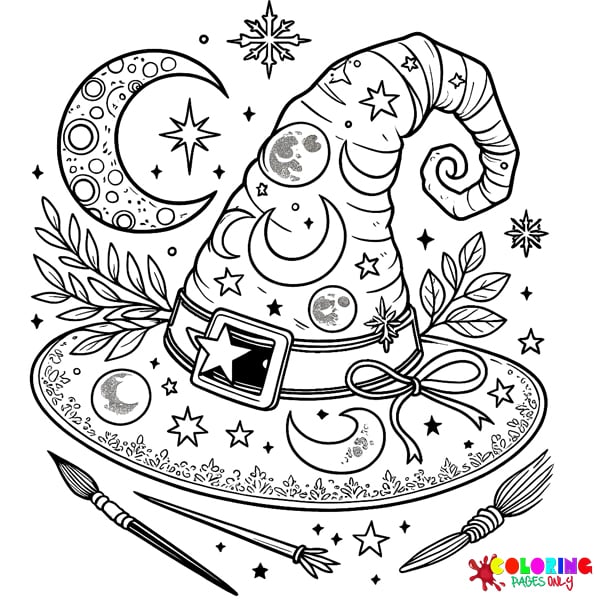
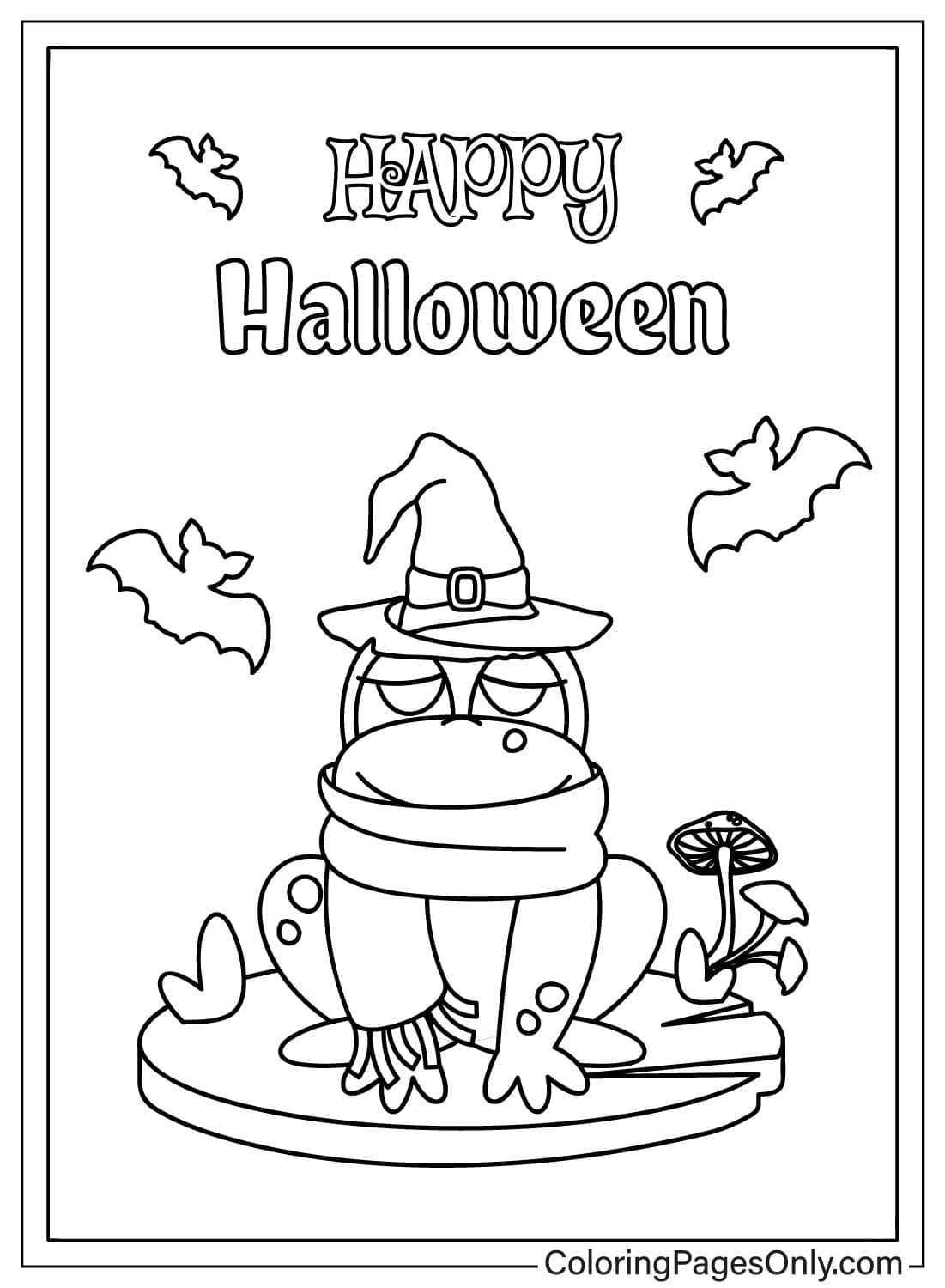
Halloween Witch Frog Card is the collection’s most distinctive design – combining the witch figure (broomstick, pointed hat, magical atmosphere) with a frog character in a single card composition. Witch imagery throughout Halloween coloring connects to the broader Halloween Witch Coloring Pages collection.
Funny Halloween Pumpkin Card features the Jack-o’-lantern – the carved pumpkin that is Halloween’s most immediately recognizable symbol – in a comic treatment that emphasizes the character and personality of the carved face rather than spooky atmosphere. Pumpkin designs throughout the Halloween universe are covered in the Halloween Pumpkin Coloring Pages collection.
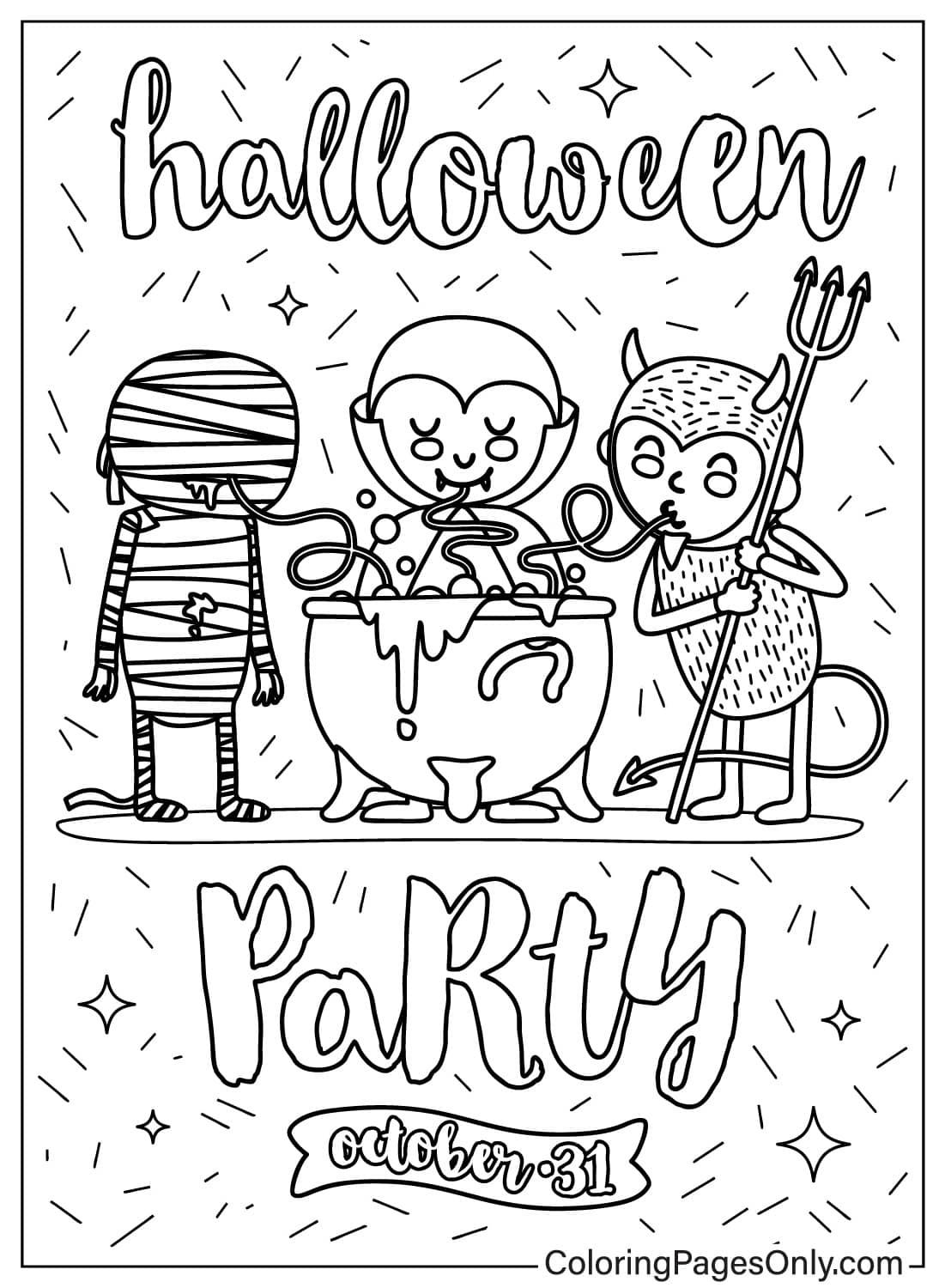
Funny Party in Halloween Card depicts a Halloween party scene – characters in costume, festive gathering energy. This card is particularly appropriate for birthday-and-Halloween overlap events (both common in late October) and class party invitations.
Halloween Candle Card uses candlelight imagery – dripping wax candles, flame glow, the atmospheric warmth of orange-yellow flame against dark Halloween surroundings. This is the collection’s most atmospheric and mood-driven design, suited to adults or older children who prefer Halloween’s eerie, candlelit aesthetic over its comic or cute registers.
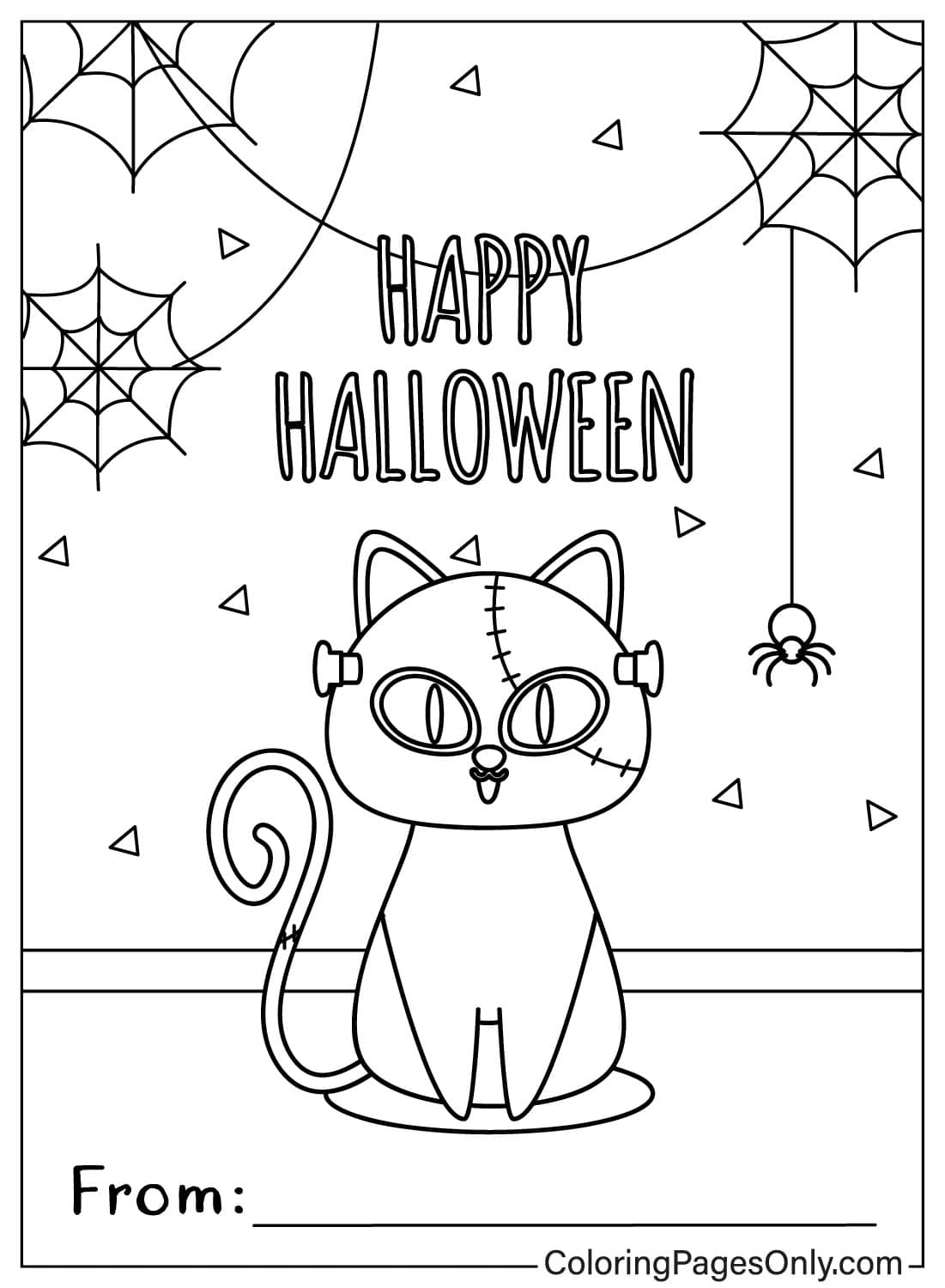
Black Cat of Halloween Card features the black cat – one of Halloween’s core symbolic animals alongside the bat and the spider. Black cat imagery throughout Halloween connects to the cat coloring pages tradition as well as the specifically Halloween-coded context. For other Halloween creature designs, see Halloween Spider Coloring Pages and Halloween Bats Coloring Pages.
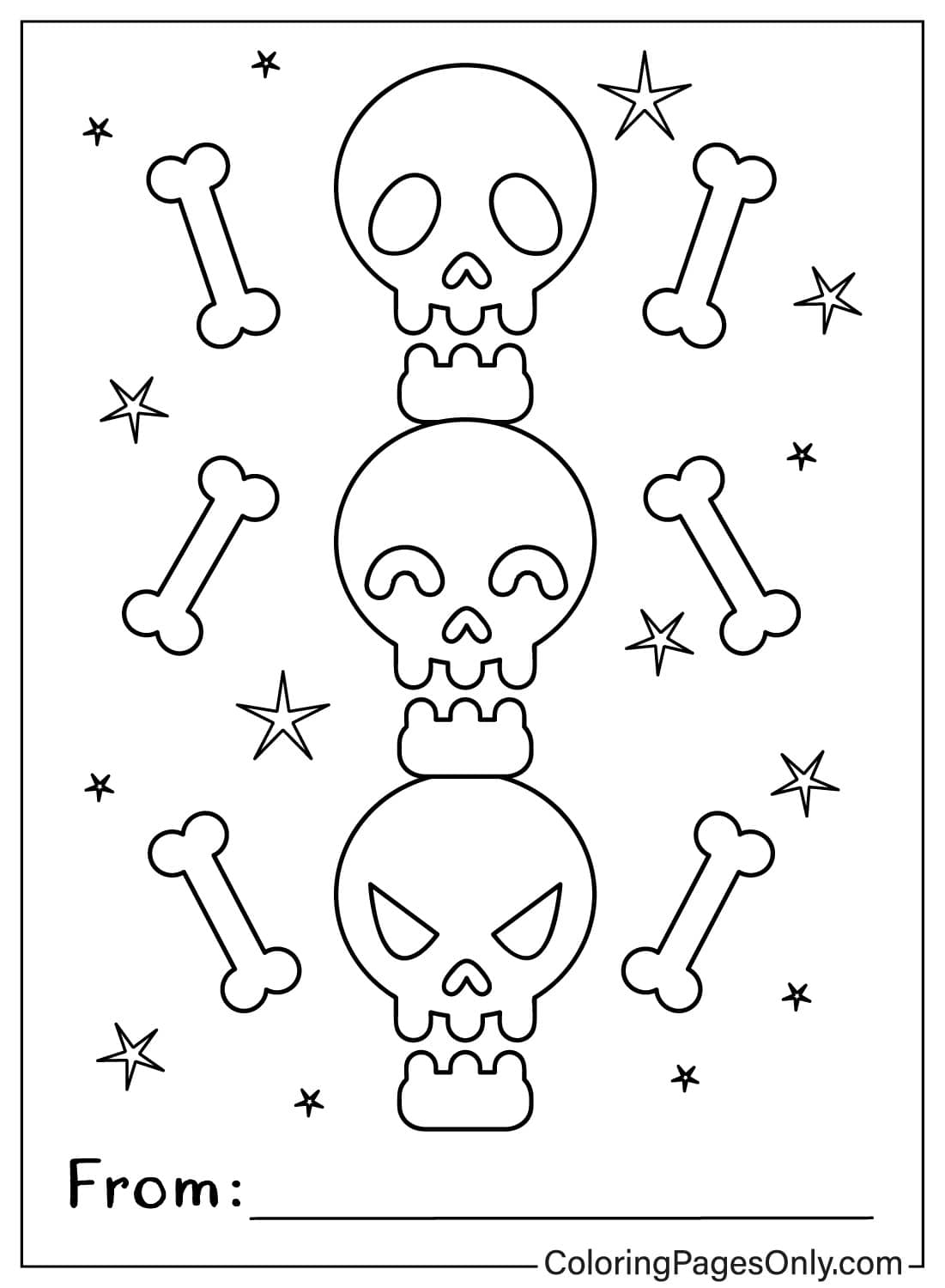
Fun Skull of Halloween Card is the collection’s most mature design – the skull motif associated with the Day of the Dead aesthetic as well as traditional Halloween spookiness. The “Fun Skull” treatment keeps the imagery playful rather than genuinely frightening. For the Mummy character tradition in Halloween, see Mummy Coloring Pages.
Free Halloween Card for Kids and Easy Halloween Card for Kids are specifically designed for younger children – simpler outlines, larger color zones, and designs that are achievable for children ages 4–7 without requiring fine motor precision beyond their developmental stage. These two tiles are the collection’s best starting point for preschool and early elementary card-making activities. For age-appropriate coloring guidance, see our coloring pages by age guide.
Cute Halloween Card takes the holiday’s imagery in a kawaii-adjacent direction – rounded forms, large eyes, softened Halloween symbols that emphasize charm over spookiness. This design appeals most strongly to younger children and anyone who prefers Halloween’s cute register. For more in this aesthetic direction, see Kawaii Halloween Coloring Pages.
Coloring Guide: The Halloween Card Palette
Halloween has one of the most strongly codified color palettes of any holiday – orange, black, purple, and green are the four canonical Halloween colors, each carrying specific symbolic weight. Understanding this palette helps colorists make choices that read immediately as Halloween-appropriate while still leaving room for personal creative expression.
Orange is Halloween’s primary color – the color of carved pumpkins, autumn leaves, candlelight, and the harvest moon. It should be vivid and fully saturated in any pumpkin imagery. For candle flames, use a warm orange-yellow for the flame center, transitioning to orange at the outer edge. For autumn leaf details in background elements, orange in its full range from yellow-orange to red-orange adds seasonal texture.
Black is Halloween’s shadow color – appearing in outlines, witch hats and capes, cat silhouettes, bat wings, and spider bodies. For the black cat card specifically, the cat’s body should be a very deep black with only the subtlest suggestion of reflected highlight (a very dark navy line along the top curve of the back where light would catch). Avoid leaving black areas entirely flat – a slight blue or purple sheen where light catches the surface adds depth.
Purple is Halloween’s magic color – associated with witchcraft, mystery, and the supernatural. Witch capes and robes typically use purple in a range from medium violet through deep plum. Purple also works effectively as a night-sky color in outdoor Halloween scenes, either as a flat color or graduated from medium violet at the horizon to deep purple-black at the top of the frame.
Green serves two distinct functions in Halloween imagery: the sickly green of monster skin, swamp settings, and witches’ potions; and the natural dark green of leaves and vines in autumnal settings. The Halloween green is specifically a yellow-green – slightly sickly, slightly unnatural – rather than the warm forest green of spring and summer nature imagery.
White appears in ghost designs, skulls, bone imagery, and candy. For the ghost cards, the ghost body itself is best represented by leaving the paper’s natural white uncolored; applying white pigment over the area yields a flatter, less luminous result than the untouched paper. Add very pale gray-blue only in the deepest shadow areas (the undersides of folds in the ghost’s form, beneath the eyes) to suggest three-dimensionality while maintaining the ethereal whiteness.
Background options for card coloring: A card without a colored background has a crisp, graphic quality that works well when the central image is complex. A card with a colored background reads as more finished and intentional. The most effective Halloween card backgrounds use a solid deep color – dark navy, deep purple, or true black – that makes the orange and white foreground elements pop by contrast. A midnight blue sky behind a jack-o’-lantern is one of the most visually effective Halloween color combinations.
6 Creative Activities with Halloween Cards
Choosing the Right Design
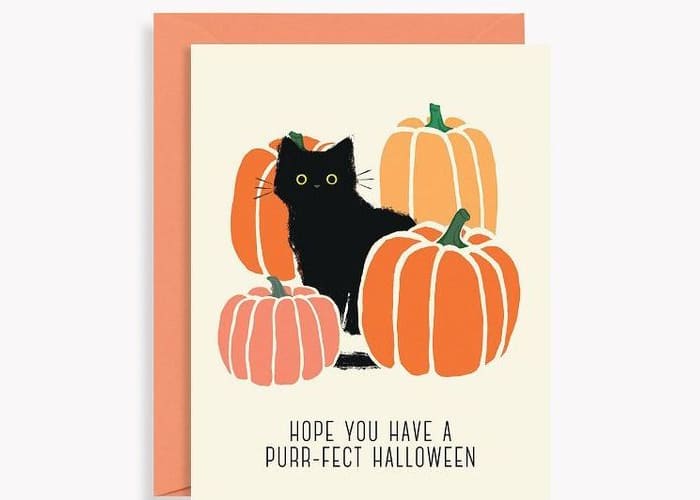
The first creative decision is matching the card design to both your own style and the recipient’s personality. For a young child sending a card to a grandparent, the Cute Halloween Card or Easy Halloween Card for Kids offers simple, friendly imagery that any recipient will appreciate. For a Halloween enthusiast, the Fun Skull Card or Halloween Candle Card offers a greater atmospheric intensity. For a teacher or classmate, the Trick-or-Treat Card or Happy Halloween Card is universally welcome.
Consider the card’s shape as well as its imagery – the finished card does not need to be a rectangle. Cutting the Funny Pumpkin Card in the outline of the pumpkin itself, or cutting the ghost cards in the ghost’s silhouette, transforms the card into a shaped piece that looks far more deliberately crafted than a standard rectangular card.
Using Creative Colors
Halloween’s four-color palette is a strong starting point, not a constraint. Personal color choices that deviate from tradition can produce equally striking results – a purple pumpkin, a green ghost, an orange skull – if the choices are deliberate and internally consistent throughout the card.
For younger colorists, the freedom to use any color they prefer is the activity itself. A five-year-old’s choice to color the Halloween ghost bright pink and the pumpkin blue produces a finished card that is genuinely theirs in a way that careful adherence to traditional colors would not. Encourage color confidence rather than color accuracy – the recipient will value the maker’s personality in the choices.
For older children and adults who want to use the traditional palette creatively, consider adding metallic accents with gold or silver gel pens over completed areas – the candle flames, the skull details, the witch’s star imagery – for a sparkle effect that standard colored pencil or crayon cannot achieve. For tips on tools and techniques, our beginner coloring guide covers blending and layering in detail.
Adding Personal Details
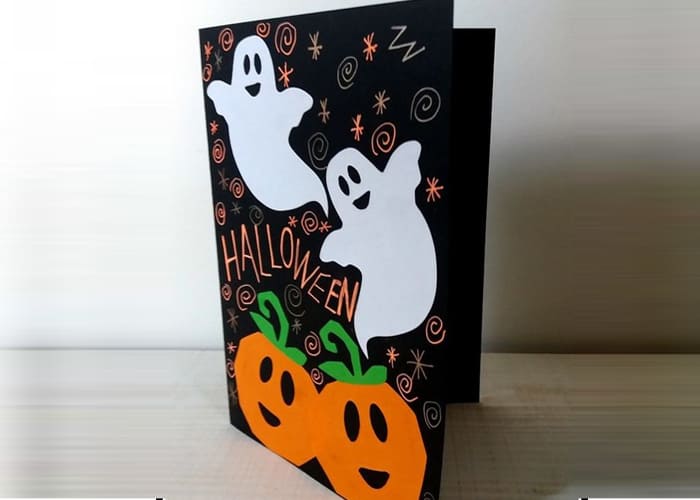
A colored card becomes a personal card when a handwritten message is added. The back of the finished card is the natural place for the message – write directly on the back with a fine-tip pen after the front is fully colored and dry. For cards being sent by young children who are not yet writing independently, an adult can write the message while the child dictates it.
Inside a folded card (if the design is cut and folded in half), the interior provides space for a longer personal message, a drawing, or a sticker. The combination of a colored exterior and a handwritten interior is what distinguishes a handmade card from anything store-bought.
Adding the recipient’s name to the card design itself – written in the margins, incorporated into a banner element within the image, or spelled out on the back – personalizes the card further and shows the recipient that it was made specifically for them rather than as a generic seasonal piece.
Decorating with Accessories
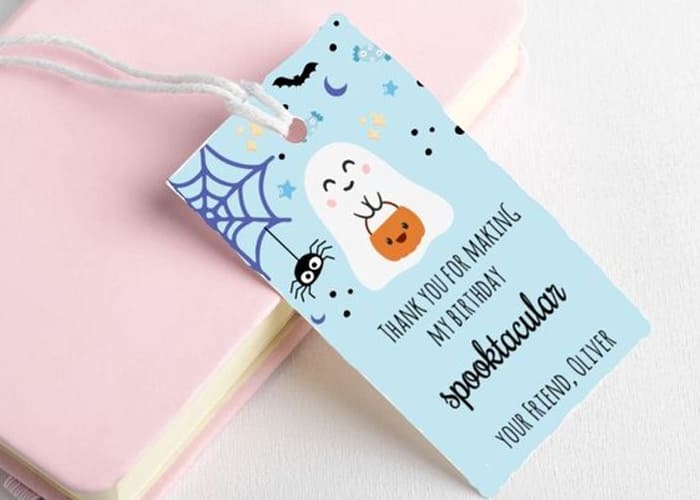
Physical embellishments applied after coloring give Halloween cards a tactile dimension that printing and coloring alone cannot achieve. The most accessible options: stickers (Halloween-themed repositionable stickers are widely available in October), glitter applied with a glue stick over specific areas (the candle flame, the pumpkin outline, the skull’s eye sockets), and ribbon or twine tied through a hole punched at the top corner.
Washi tape – decorative adhesive tape – creates a quick, clean border effect along the edges of a card that looks deliberately designed. Halloween-themed washi tape in orange, black, or purple is widely available in craft stores in October and applies in seconds. For very young children making cards for classmates, a glitter sticker applied to the finished colored card is a satisfying single embellishment step that produces visible results without requiring fine motor precision.

Creating 3D Effects
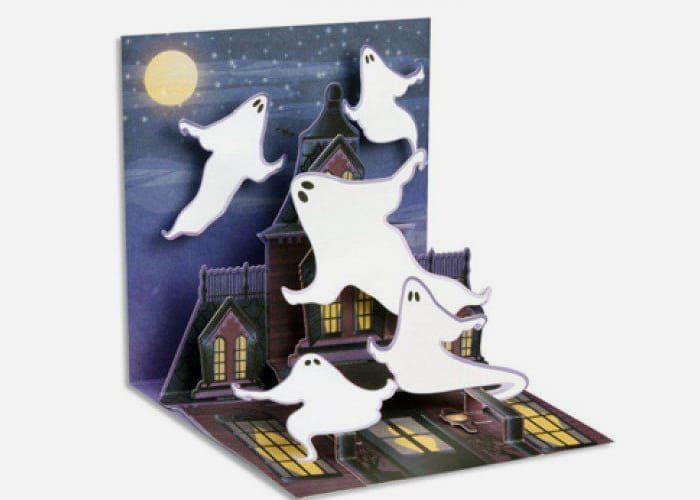
Cutting and layering sections of the card image creates dimensional relief that photographs well and impresses recipients more than flat coloring alone. The technique: print two copies of the same card design, color both, cut out a central element from the second copy (the pumpkin from the Pumpkin Card, the ghost from the Ghost Card, the skull from the Skull Card), and mount this cut-out element on small foam squares or folded paper tabs over the same element on the first copy. The raised element reflects light differently from the background, creating visible depth.
For the Funny Party in Halloween Card with its multiple characters, different characters can be raised to different heights – foreground characters higher, background characters flush or minimally raised – creating a scene with genuine spatial depth.
Group Card-Making Session
Organizing a Halloween card-making session with friends, classmates, or family members transforms card-making from a solo activity into a shared event. Each participant selects their preferred design and colors independently, then the group exchanges finished cards, so everyone leaves with as many cards as there were participants. This format works particularly well for classroom Halloween parties, after-school programs, and family Halloween gatherings.
For school classroom use, the Easy Halloween Card for Kids and Free Halloween Card for Kids tiles are the practical choices – simple enough for the full age range of an elementary classroom, bold enough to color quickly in a 20–30 minute session. Print one copy per student, provide crayons and markers, and allow free color choice. For guidance on running coloring activities in classroom settings, see our article on coloring tips for beginners, which covers tool selection and technique for group settings.
The benefits of shared coloring activities for children – including the social connection and the creative confidence that come from coloring alongside peers – are covered in our benefits of coloring for children guide.
FAQs
Can I actually send these as real cards? Yes – that is precisely what they are designed for. Print on 120–160gsm cardstock rather than standard printer paper for a card that feels substantial and holds up through the mail. After coloring, fold in half if the design suits folding, write your message on the back or inside, and send. For detailed printing guidance, including paper weight recommendations for different uses, see our How to Print Coloring Pages guide.
What paper weight should I use for printing Halloween cards? For cards that will be mailed or handled frequently, 160–200gsm cardstock is ideal – it holds its shape, resists marker bleed-through, and feels like a real card. For cards colored with crayons or colored pencils only, 120gsm works well and is more widely available.
Which cards are best for young children? The Free Halloween Card for Kids and Easy Halloween Card for Kids are specifically designed for ages 4–7 with large color zones and simple outlines. The Cute Halloween Card and the Happy Halloween Card are also accessible for younger colorists. For children under 4, supervise with crayons on the simpler designs rather than attempting the detail-heavy skull or candle cards.
How do I make the card look finished rather than like a coloring page? Three steps make the biggest difference: color the background (don’t leave large white areas around the central image), add a colored or decorative border, and write a personal message on the back in pen before giving. A colored background, a deliberate border treatment, and a handwritten message distinguish a finished card from a work-in-progress coloring page.
Can these be used for classroom Halloween parties? Yes – they are particularly well-suited to classroom use. Print multiples, set up a coloring station, and let children color and exchange cards with classmates. The Easy and Free Halloween Card for Kids tiles are designed specifically for classroom-age ranges.
What is the Halloween color palette? The four canonical Halloween colors are orange (pumpkins, candlelight, autumn leaves), black (night, silhouettes, shadows), purple (magic, witchcraft, mystery), and green (potions, monster skin, swamp). White adds ghost and skull imagery. These are starting points rather than rules – personal color choices are always encouraged.
All 14 Halloween Cards Coloring Pages are free – download as PDF or color online. Share your finished cards on Facebook and Pinterest.