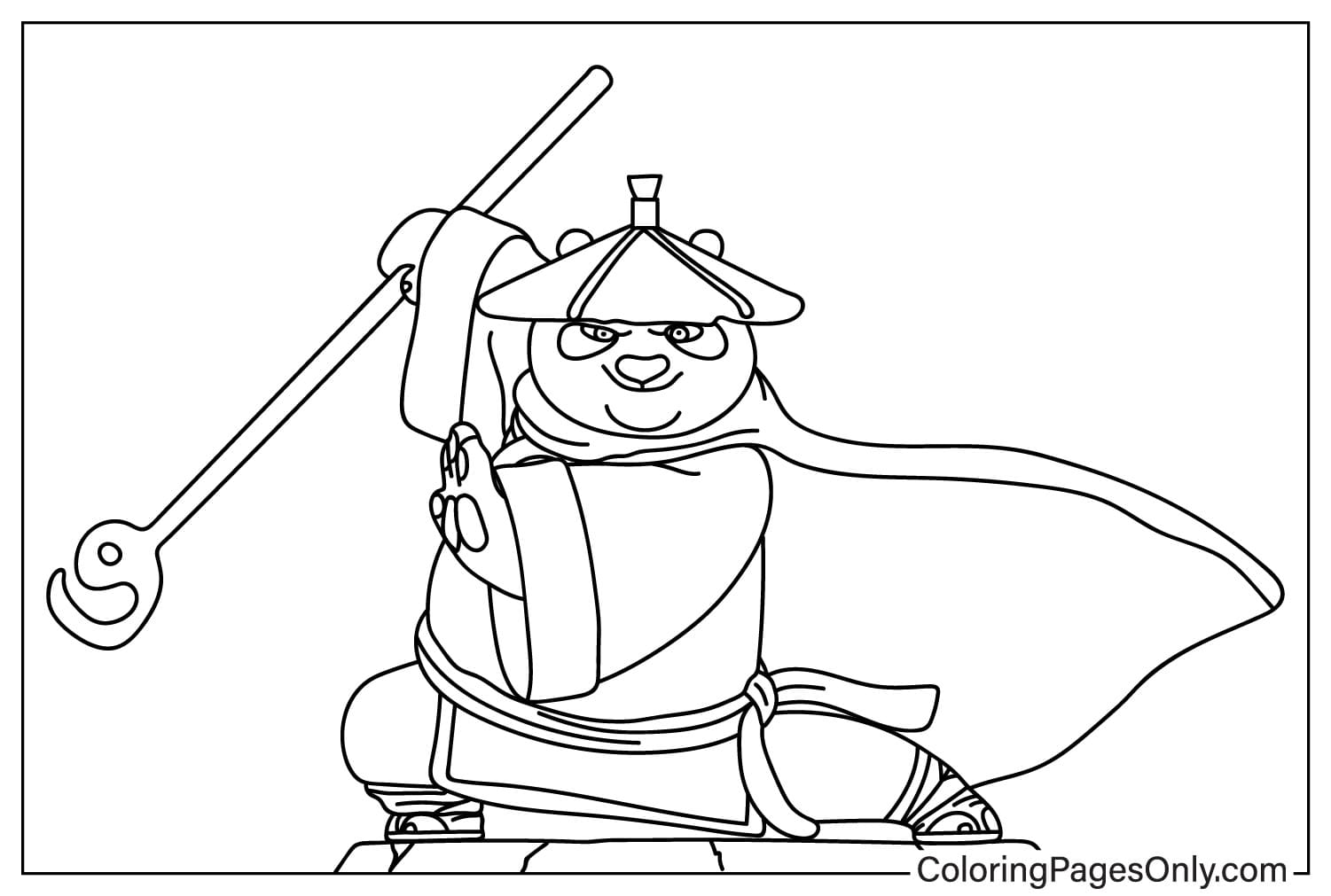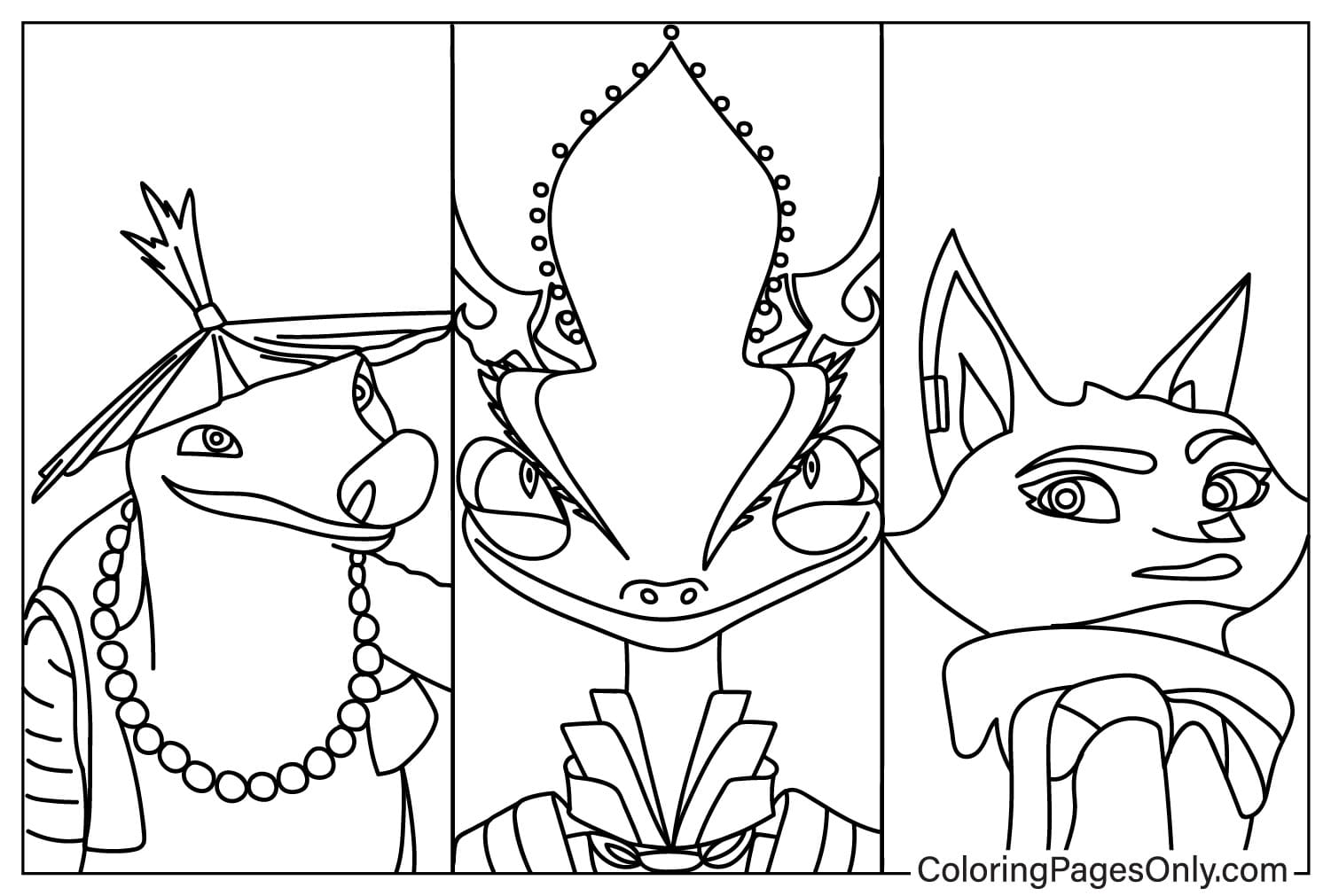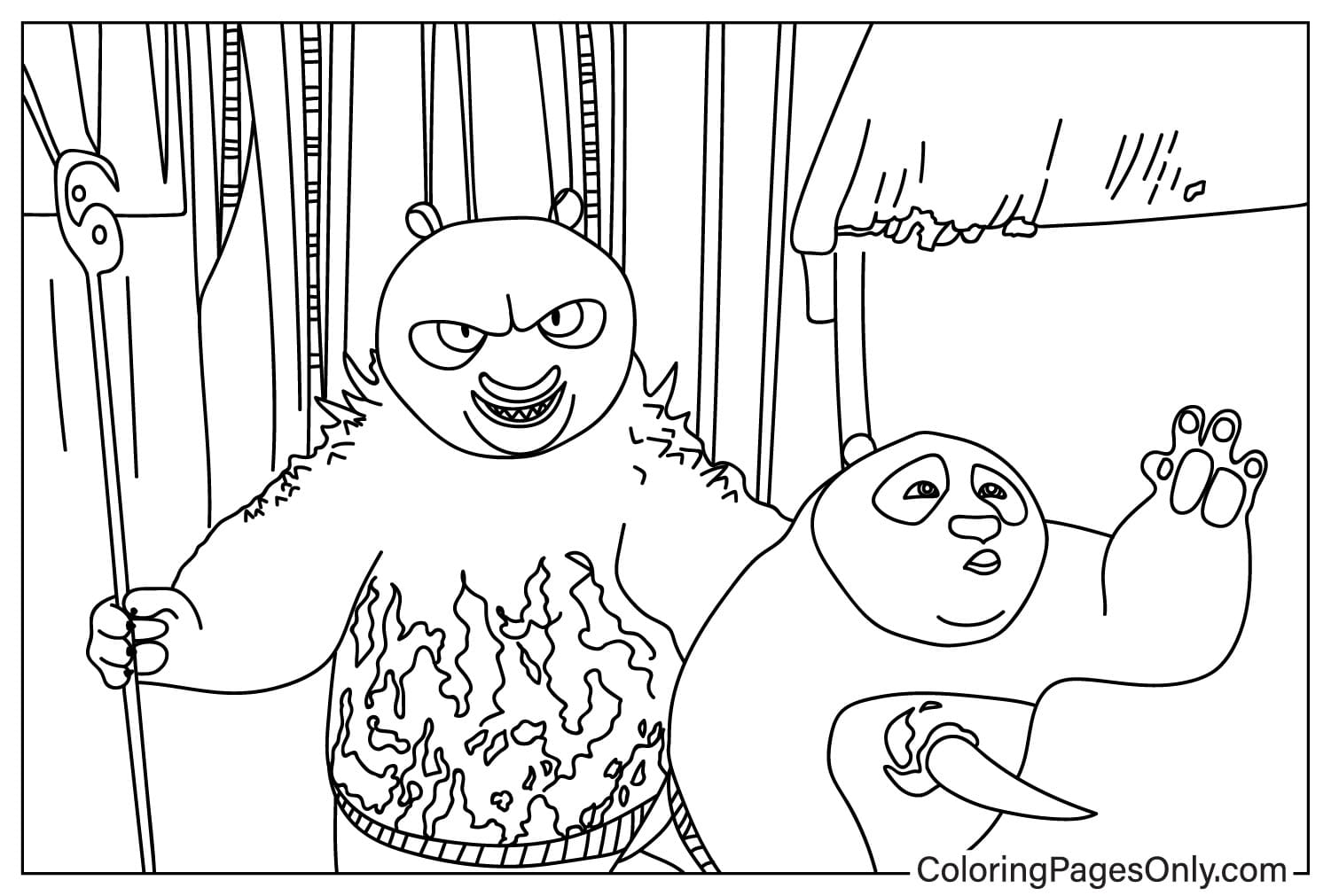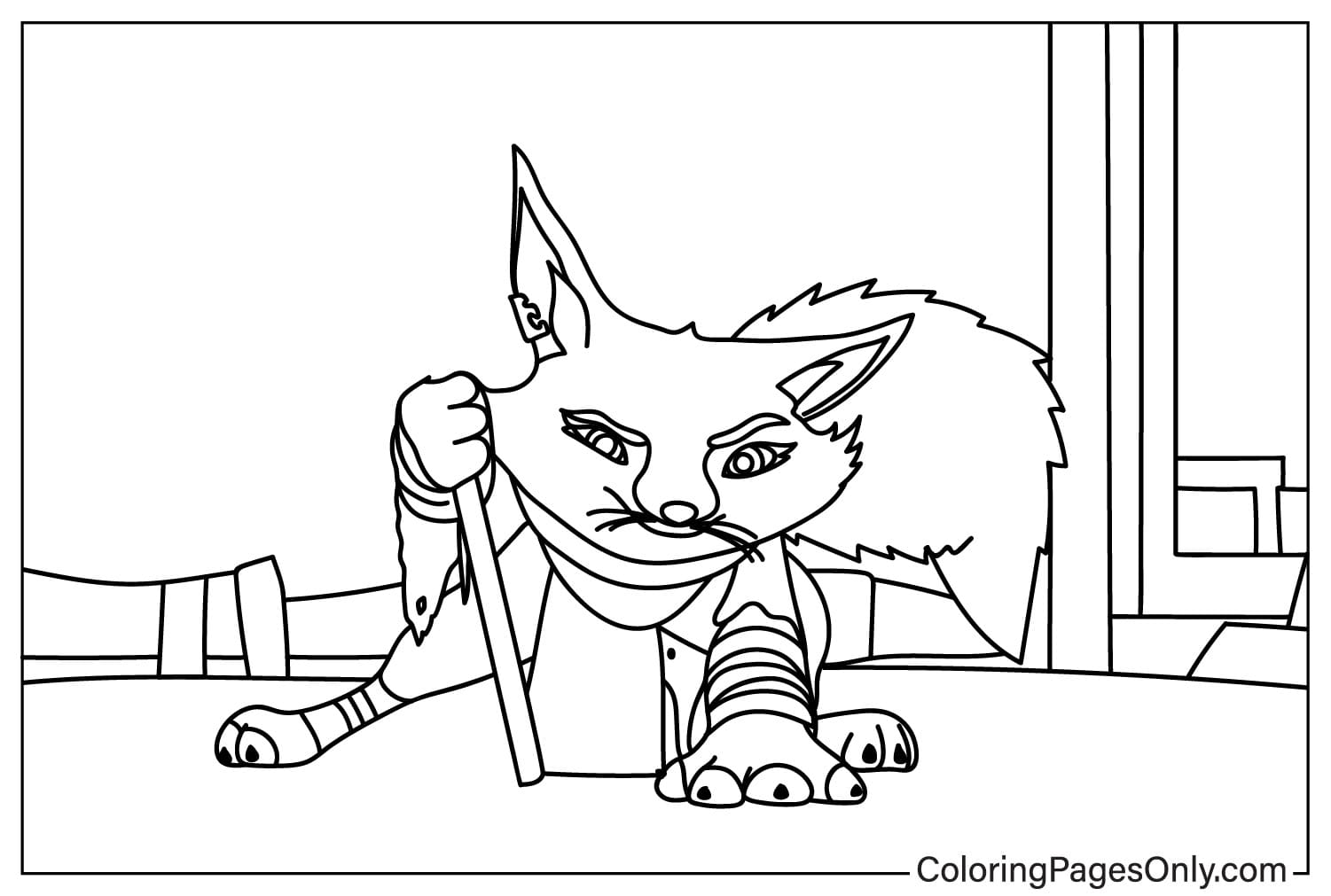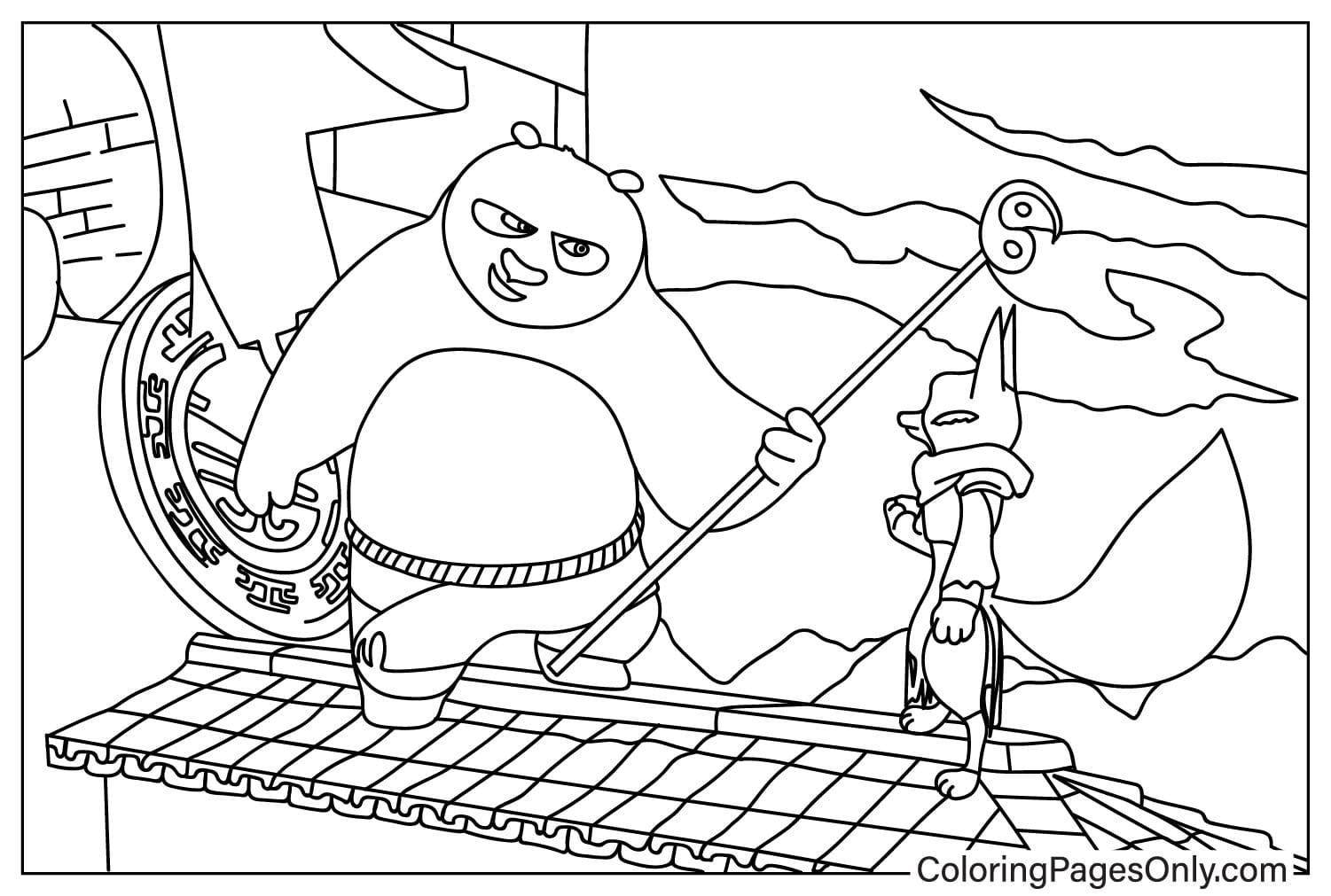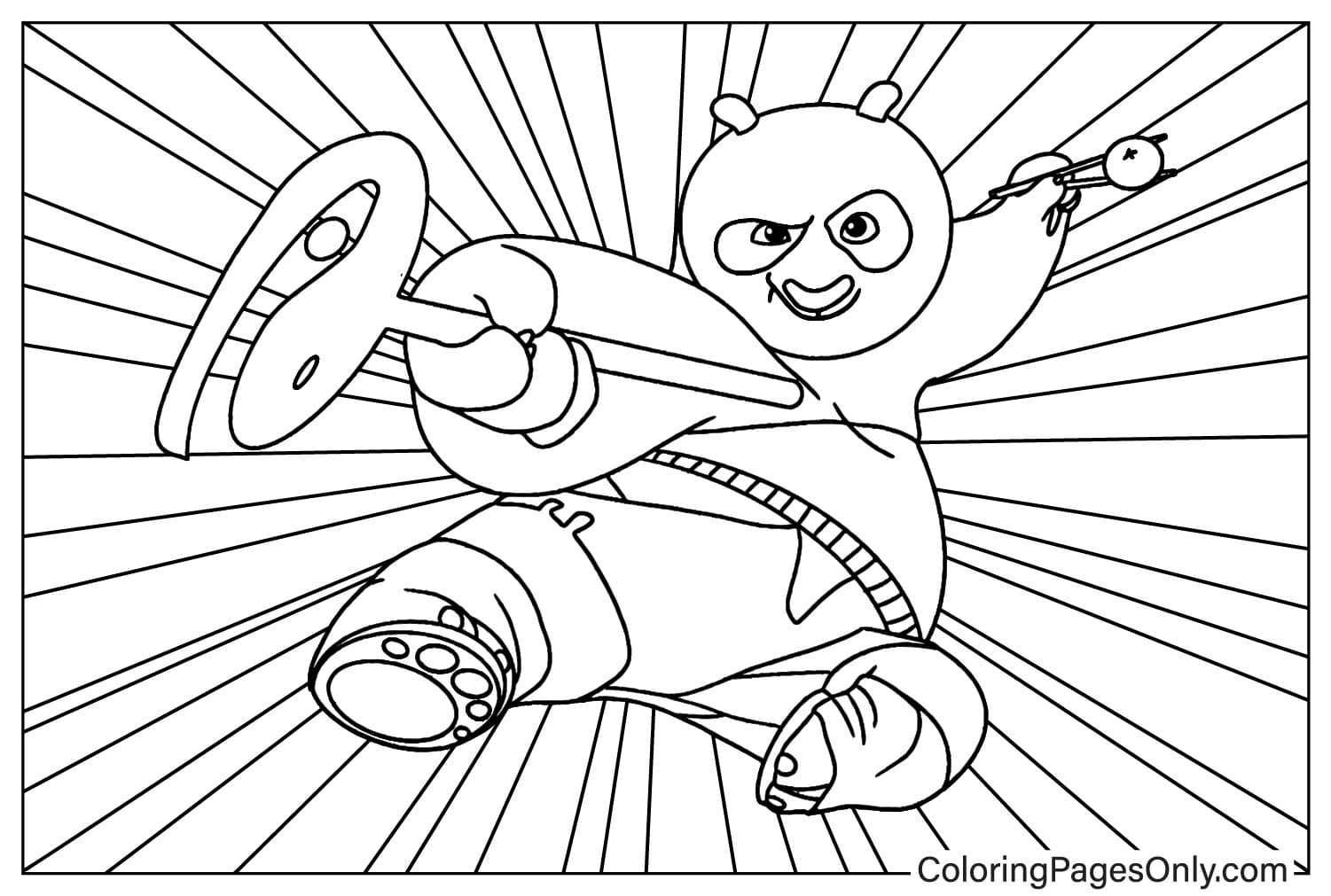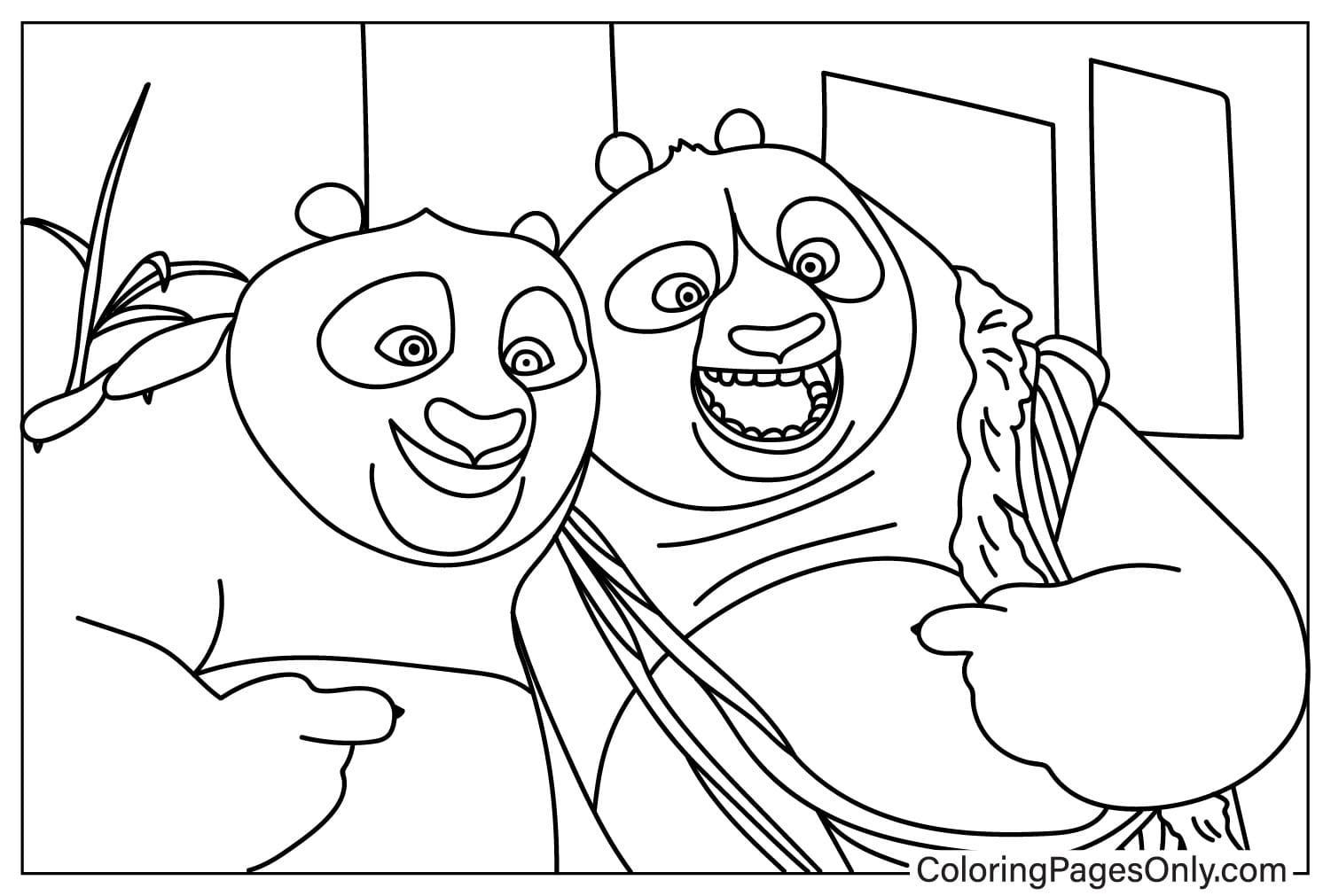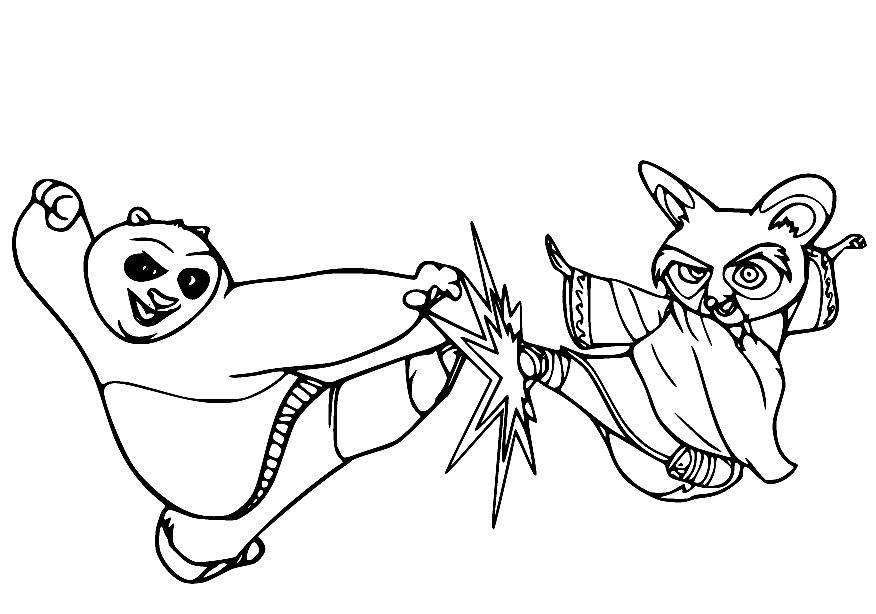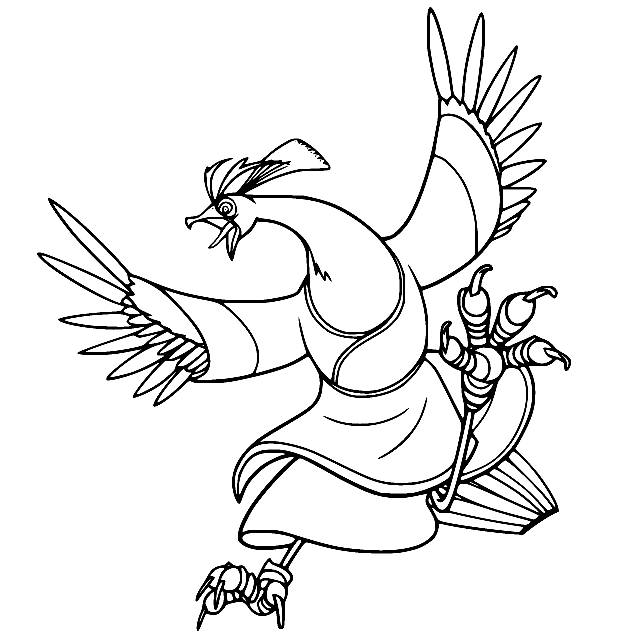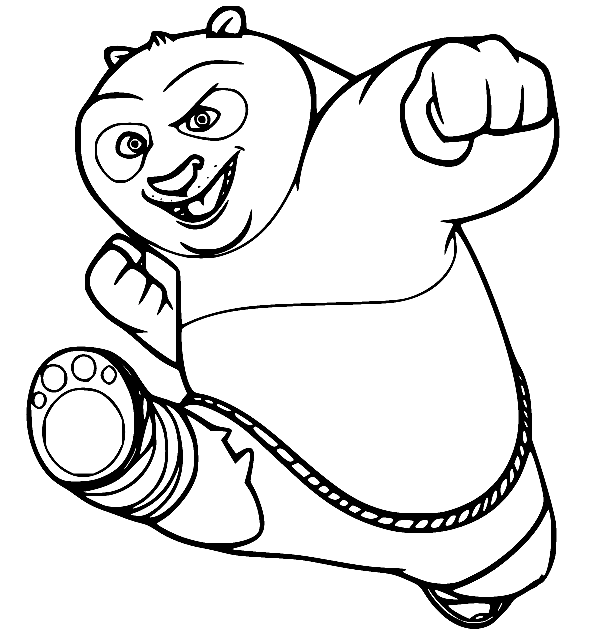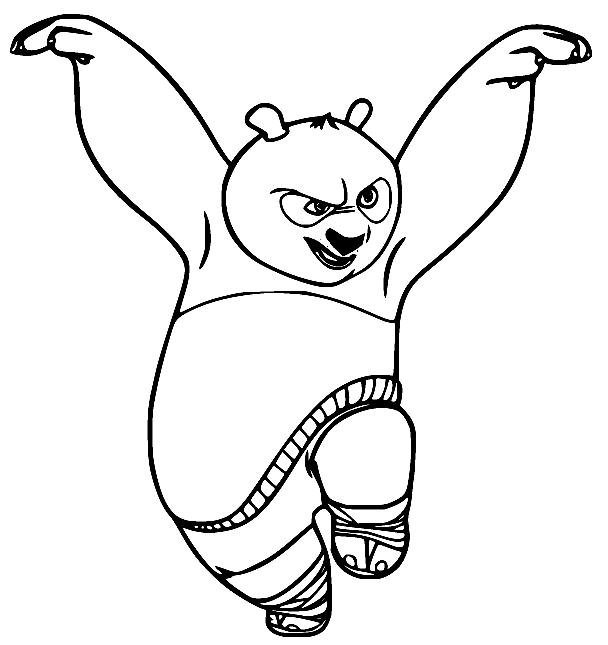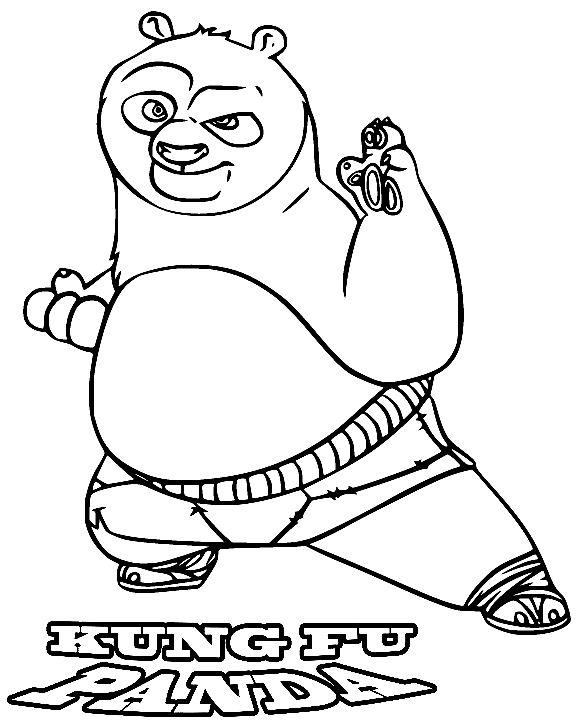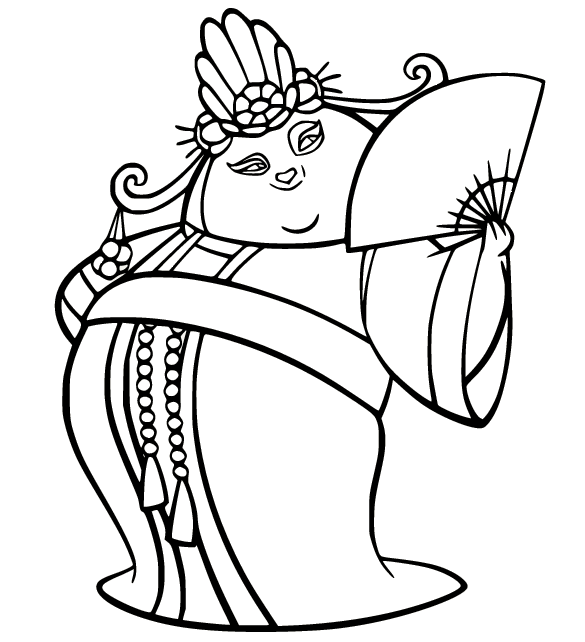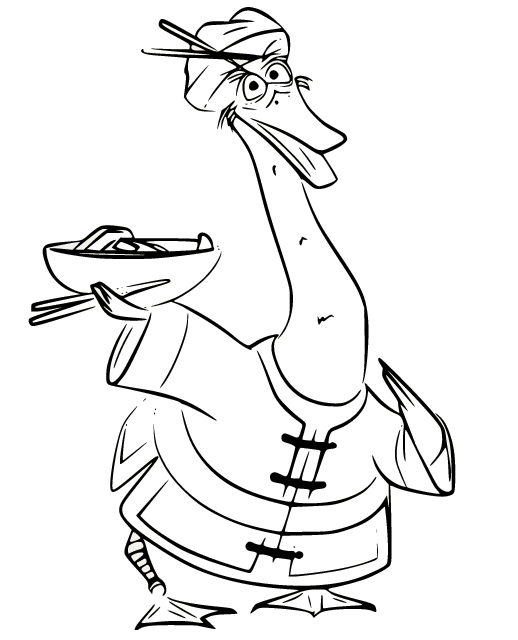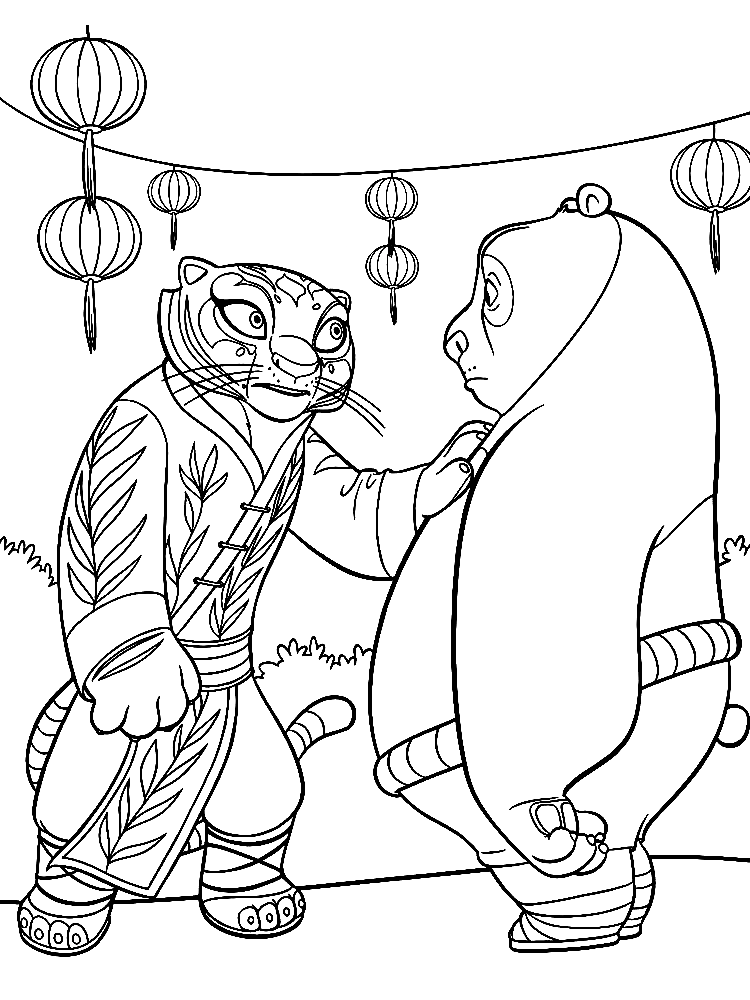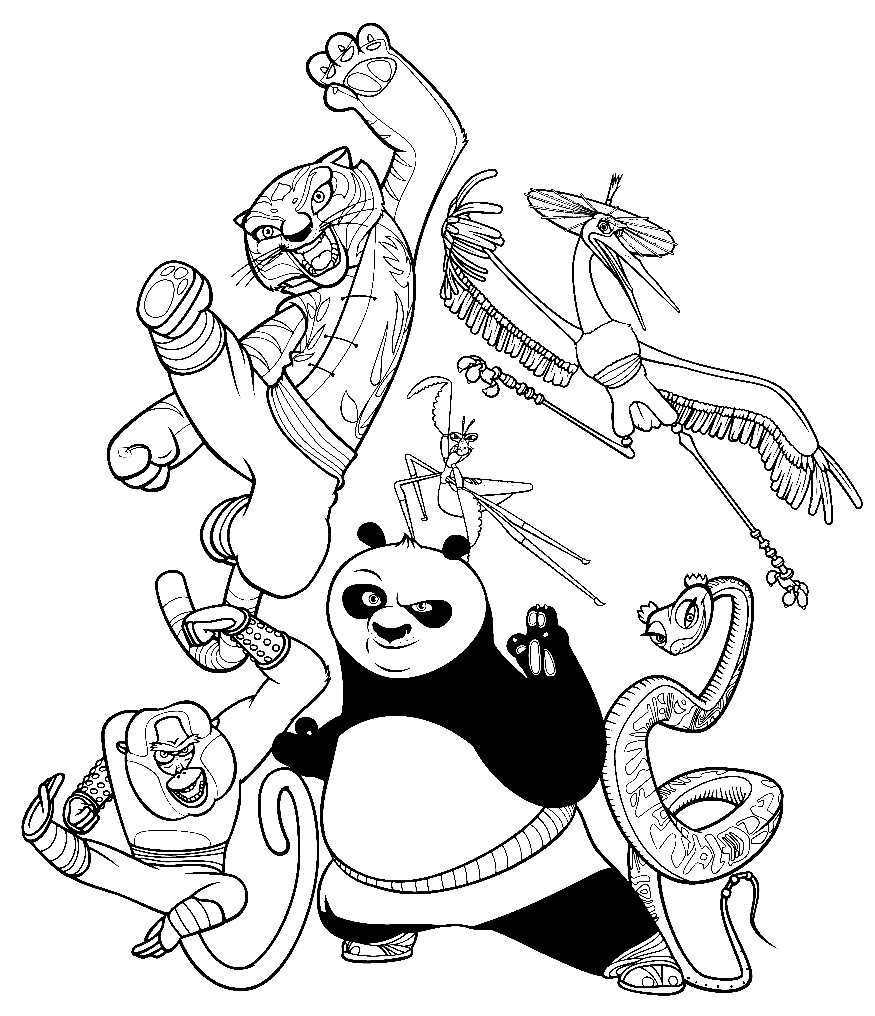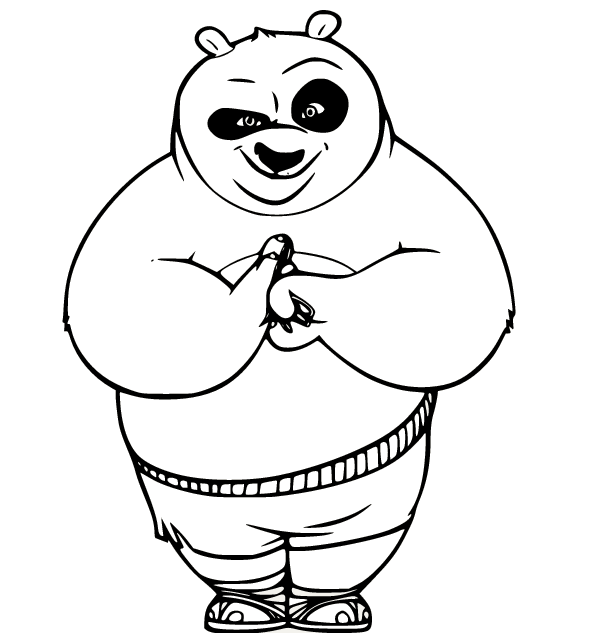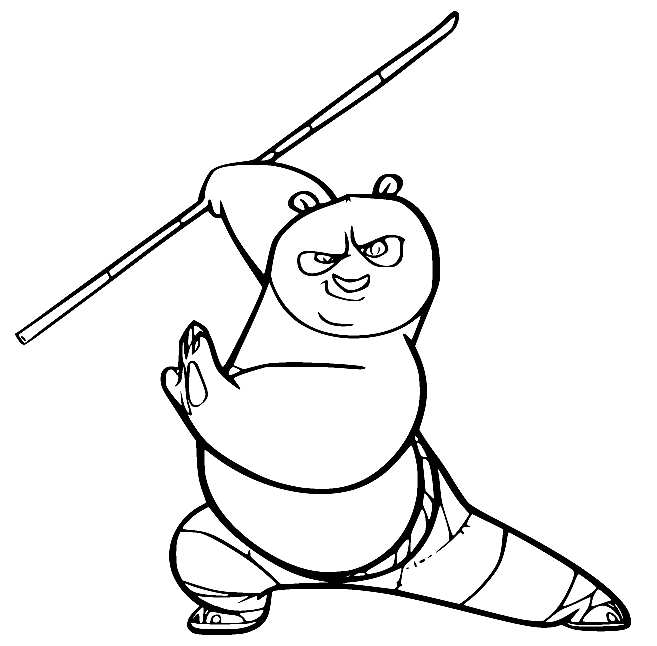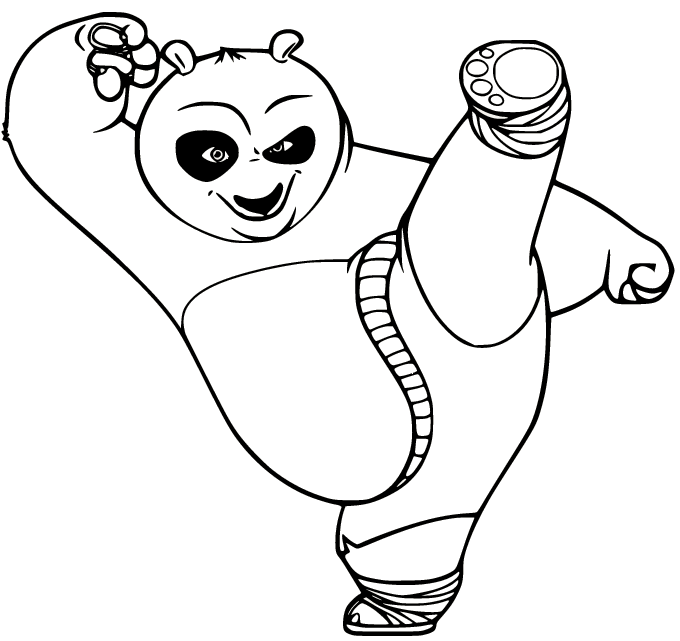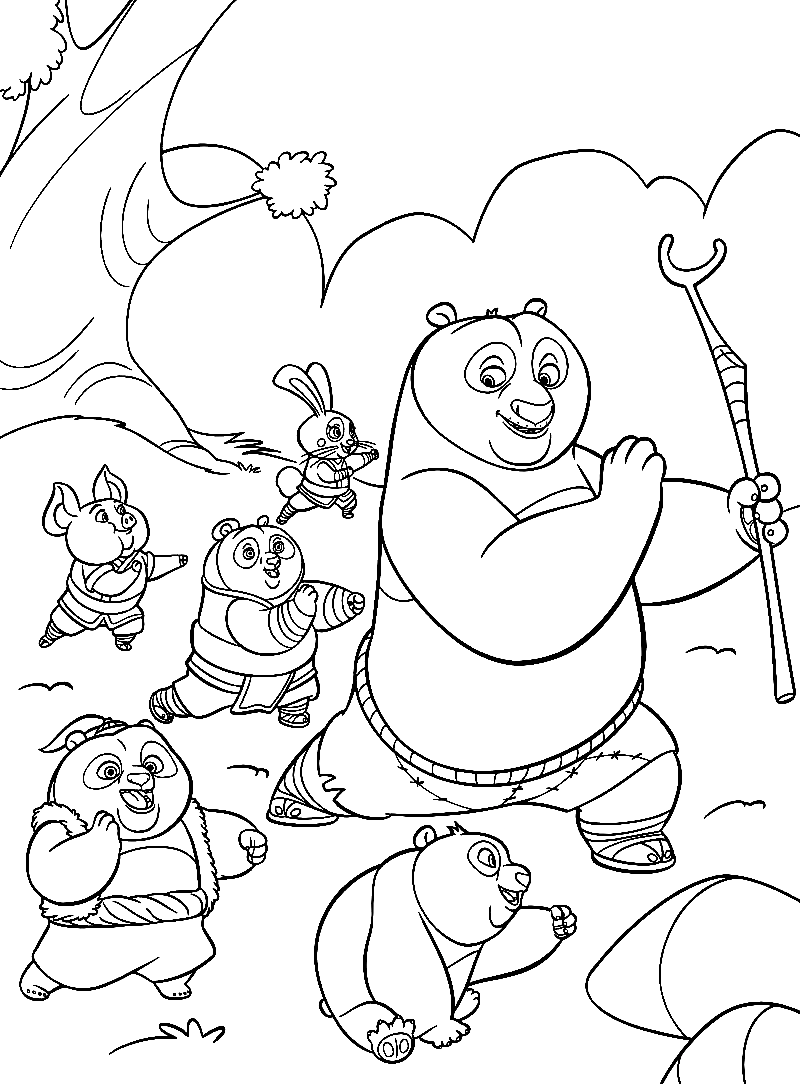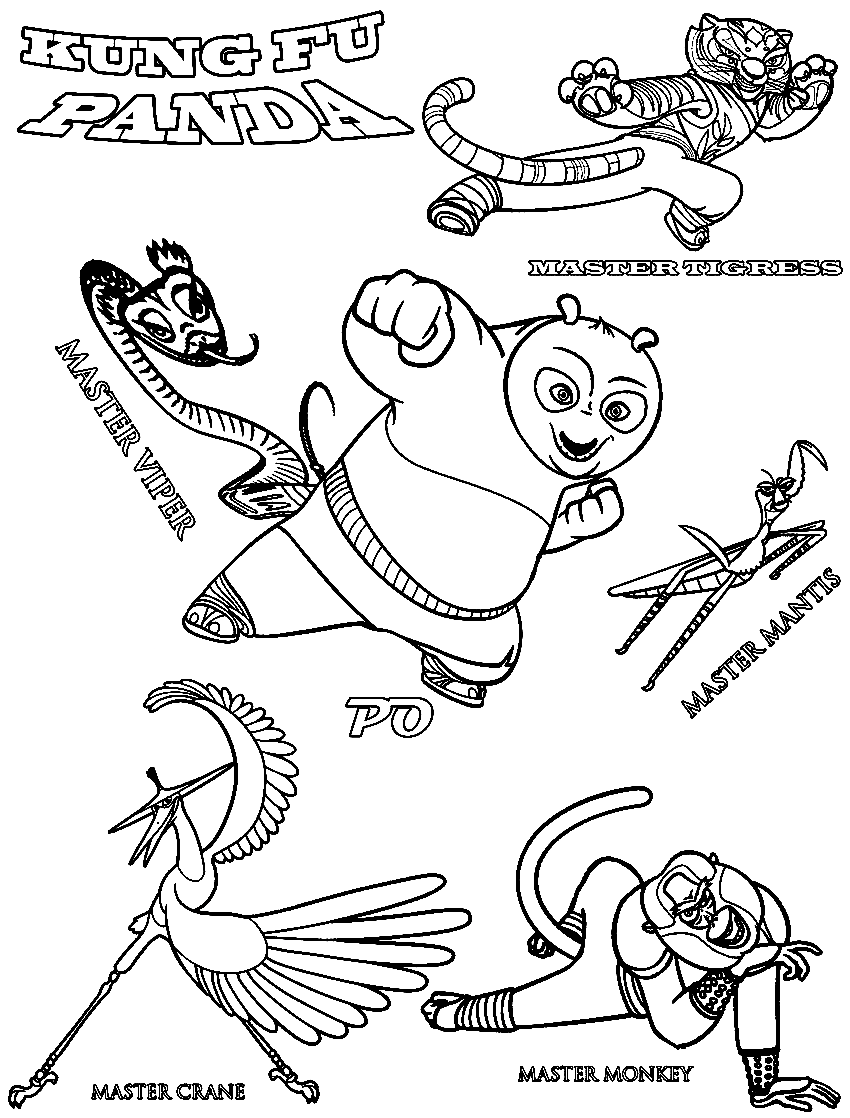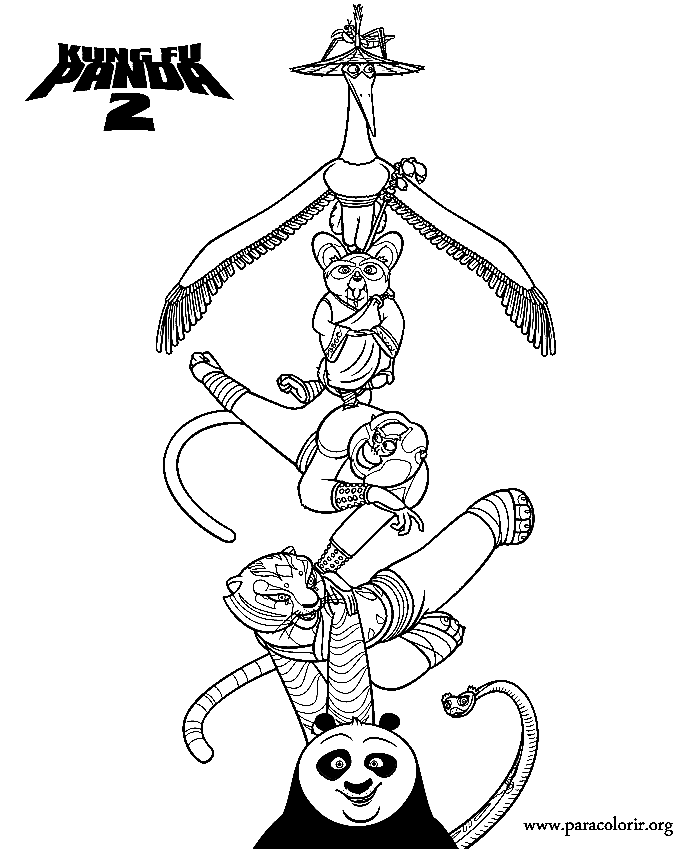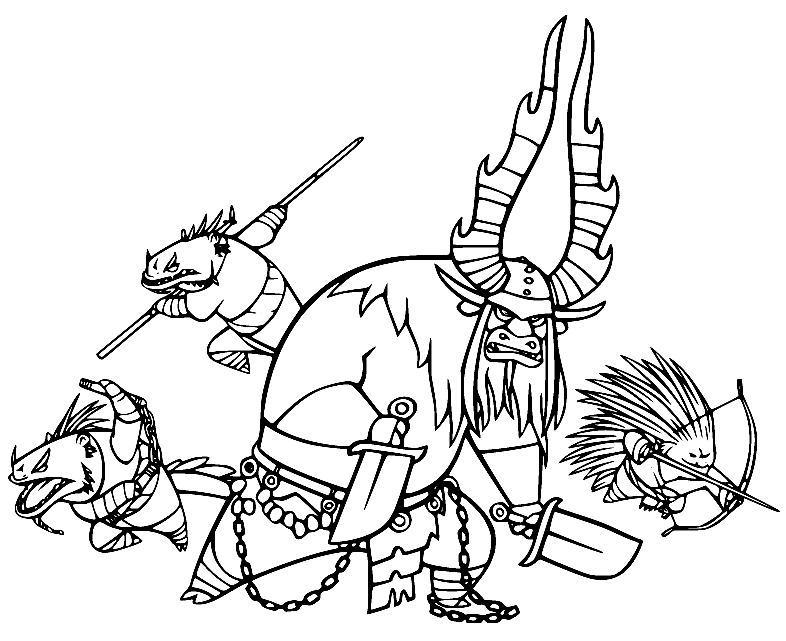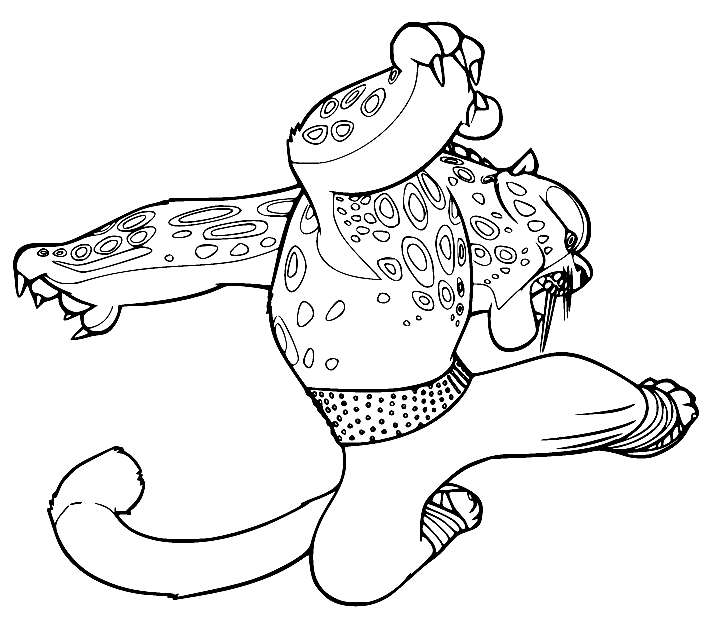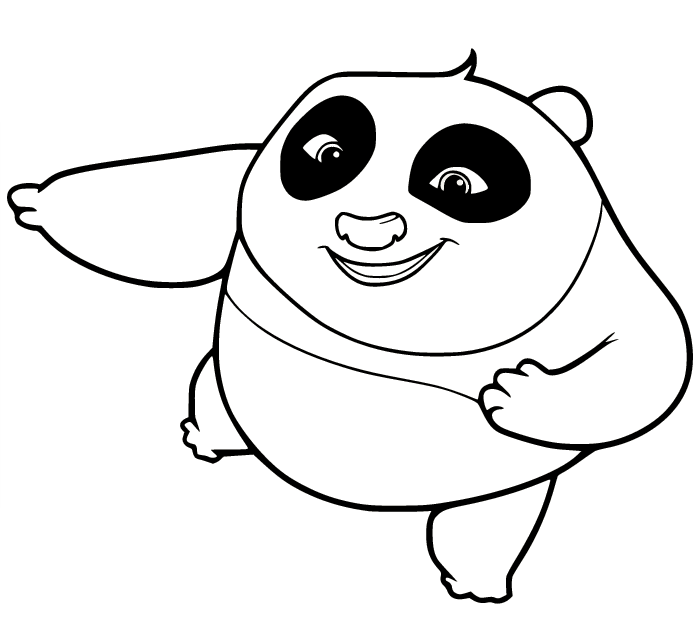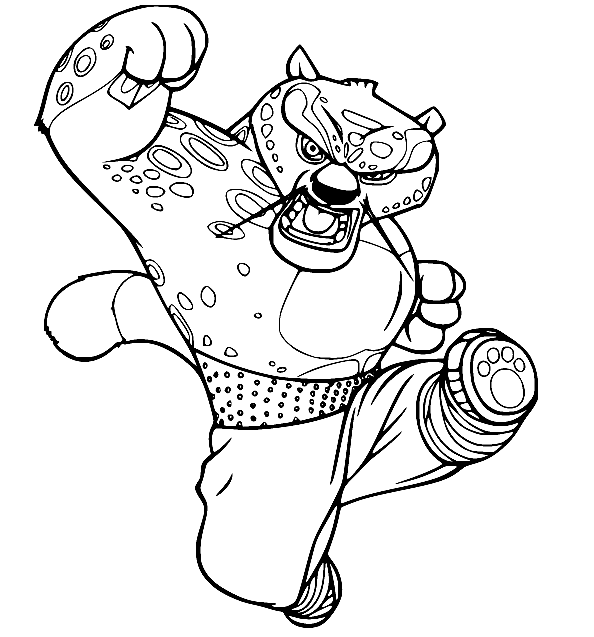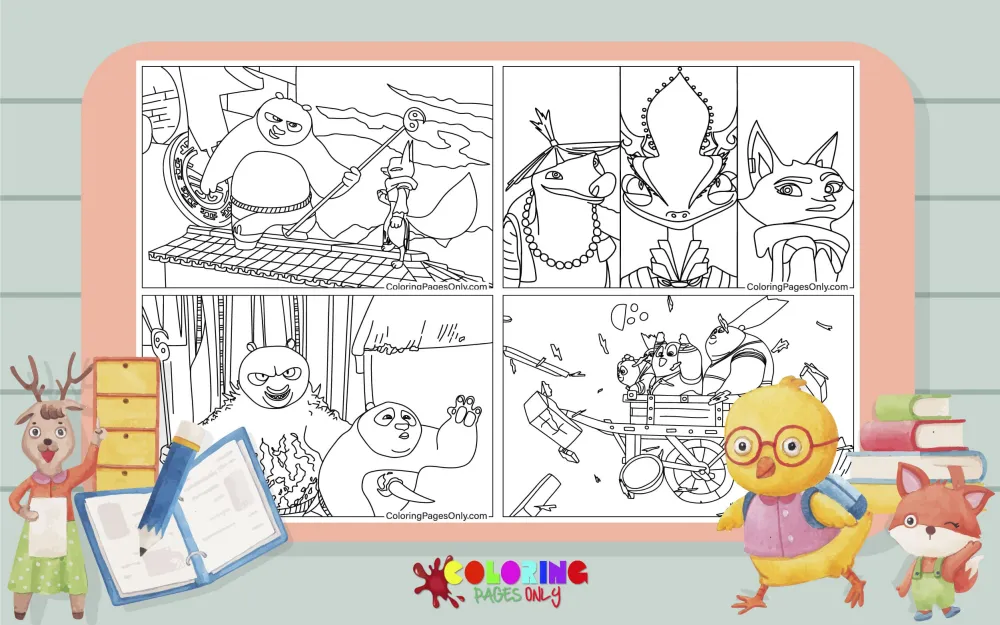
Free Kung Fu Panda coloring pages – 70+ pages featuring Po the Dragon Warrior, Master Shifu, Tigress, Monkey, Mantis, Viper, Crane, Tai Lung, Master Oogway, Lord Shen, The Chameleon, Zhen, the Jade Palace, and the Valley of Peace – spanning all four DreamWorks Animation films through Kung Fu Panda 4 (released March 8, 2024) – free printable PDF and online coloring for fans of all ages.

Kung Fu Panda is a DreamWorks Animation franchise whose first film, directed by Mark Osborne and John Stevenson, was released on June 6, 2008. It earned $631.7 million worldwide and was nominated for the Academy Award for Best Animated Feature. Three sequels followed: Kung Fu Panda 2 (directed by Jennifer Yuh Nelson, released May 26, 2011), Kung Fu Panda 3 (directed by Jennifer Yuh Nelson and Alessandro Carloni, released January 29, 2016), and Kung Fu Panda 4 (directed by Mike Mitchell, released March 8, 2024, earning over $545 million worldwide). Kung Fu Panda 2 holds a specific distinction beyond its $665.7 million gross: Jennifer Yuh Nelson became the first woman to solo-direct a major animated sequel.
The franchise follows Po, a giant panda who works at his adoptive goose father’s noodle shop in the Valley of Peace and dreams of kung fu, accidentally becomes the Dragon Warrior, and grows across four films from unlikely hero to spiritual leader. Its most quoted piece of wisdom comes from Master Oogway: “Yesterday is history, tomorrow is a mystery, but today is a gift – that is why it is called the present.” Its most quoted structural lesson comes from Mr. Ping’s noodle shop and the Dragon Scroll simultaneously: there is no secret ingredient. The power was always within.
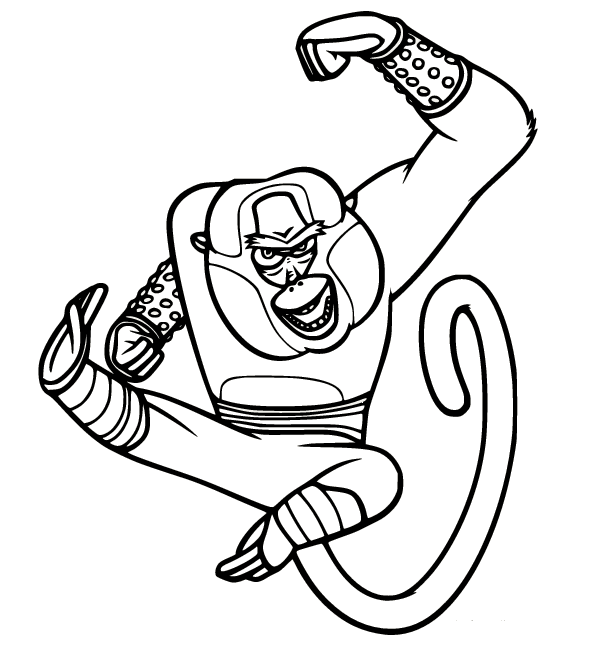
These 70+ free pages at ColoringPagesOnly.com cover the full Kung Fu Panda world through the most recent film. All free, PDF or PNG, print or color online.

What’s Inside

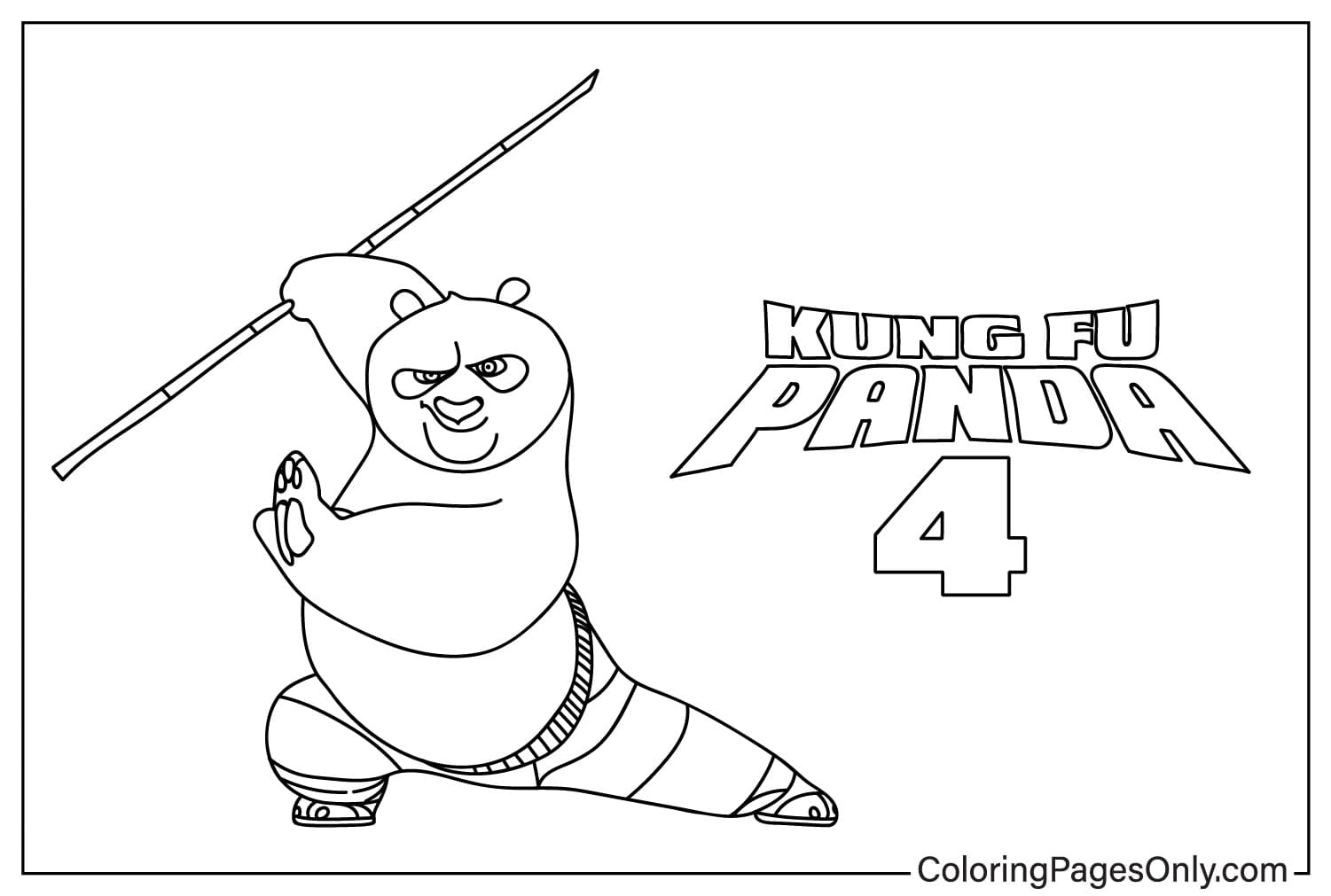
Po – The Dragon Warrior

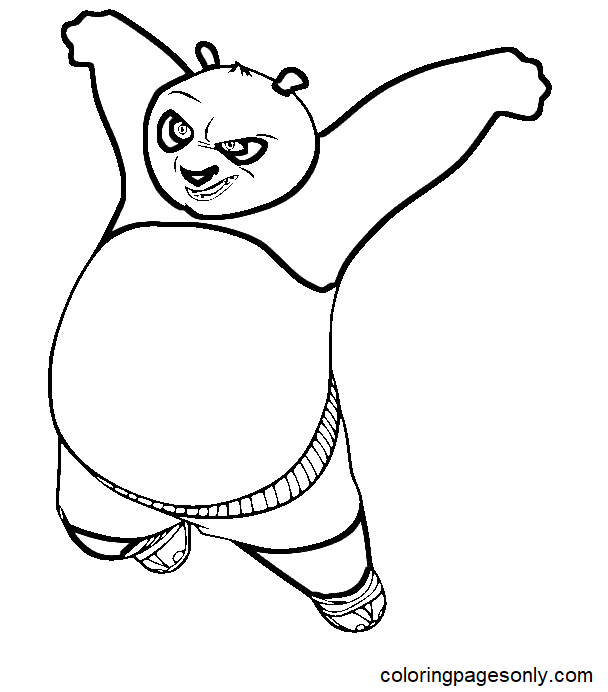
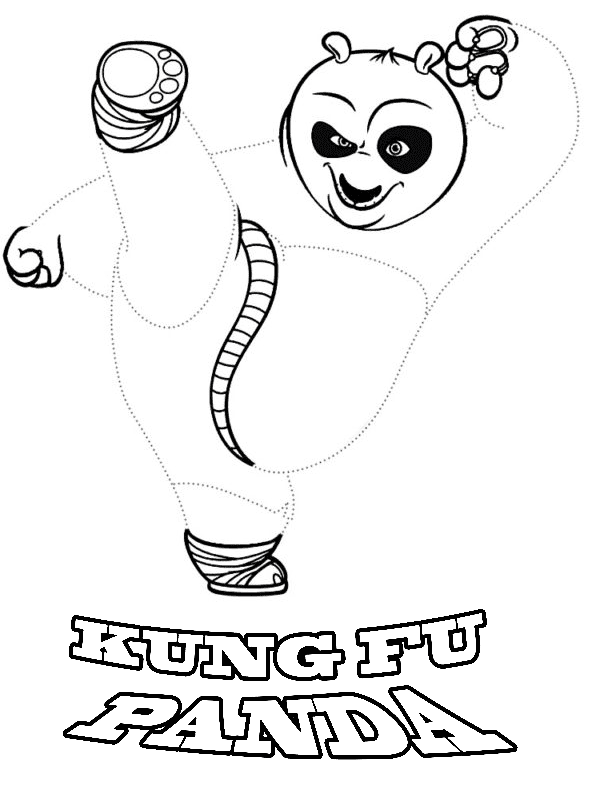
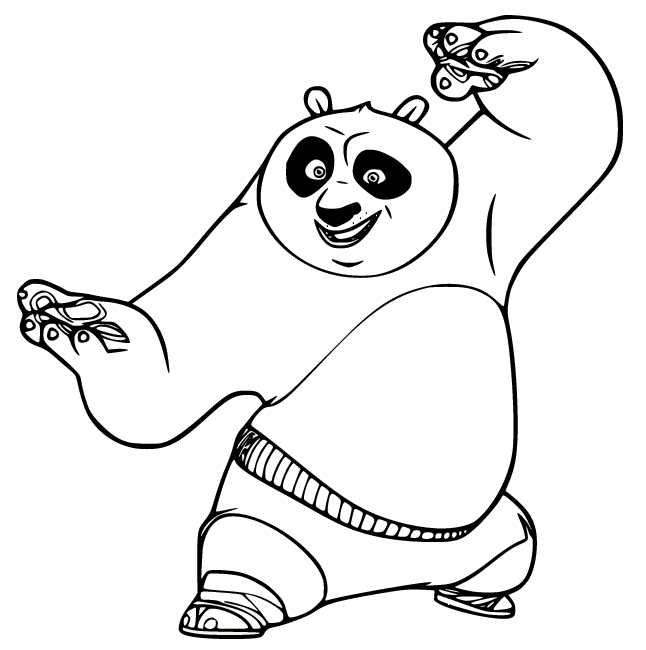
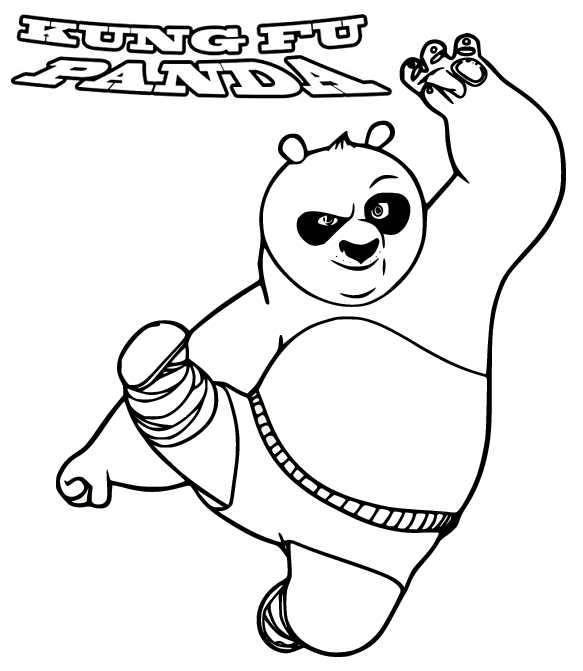
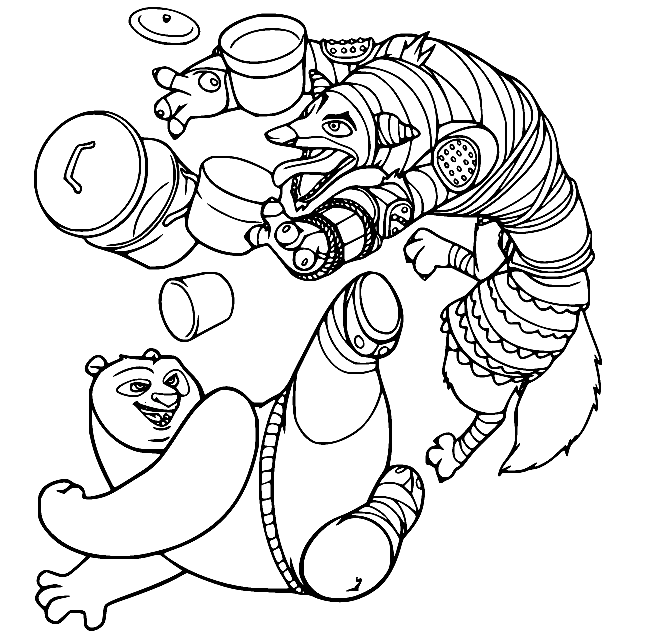
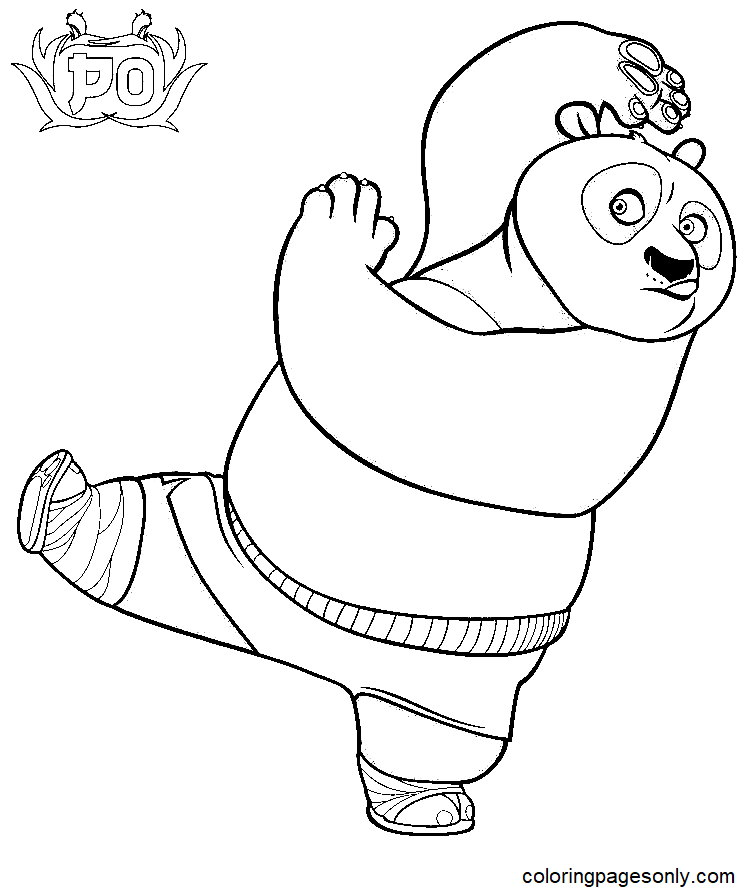
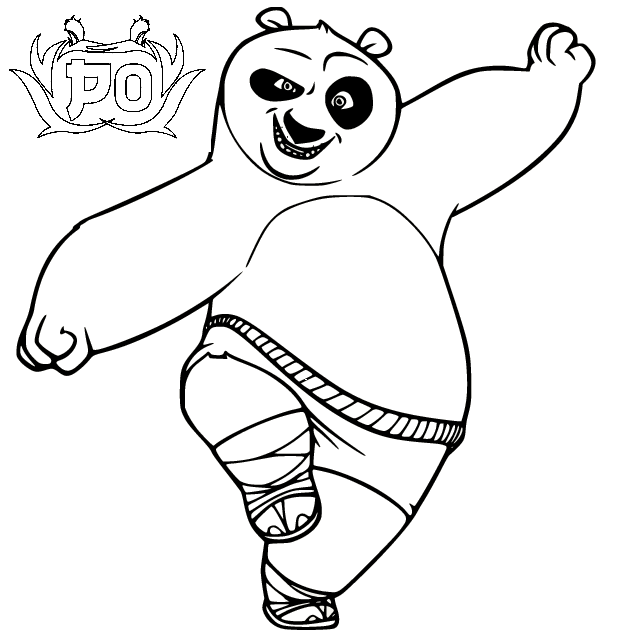
Po is the franchise’s protagonist and one of animated film’s most carefully constructed “unlikely hero” characters – a giant panda who genuinely loves kung fu, genuinely loves dumplings, was genuinely raised by a goose in a noodle shop, and is genuinely not the person anyone would have predicted would receive the Dragon Warrior designation. His design communicates this immediately: the panda’s round body, the combination of the black-and-white pattern and the specific round quality of the giant panda’s face, and the addition of kung fu training gear that sits with more humor than menace on someone who looks like he would rather be eating than fighting.

Voiced by Jack Black, Po carries the performance’s energy through four films – the enthusiasm of someone who wanted this so much that when he got it, the wanting did not disappear but transformed into the working. His arc across the franchise is the most sustained treatment of imposter syndrome in animated film: the feeling of not belonging in the role that has been given, not deserved, in the place that has been earned, replaced gradually by the specific confidence of someone who has learned through doing rather than through being told.

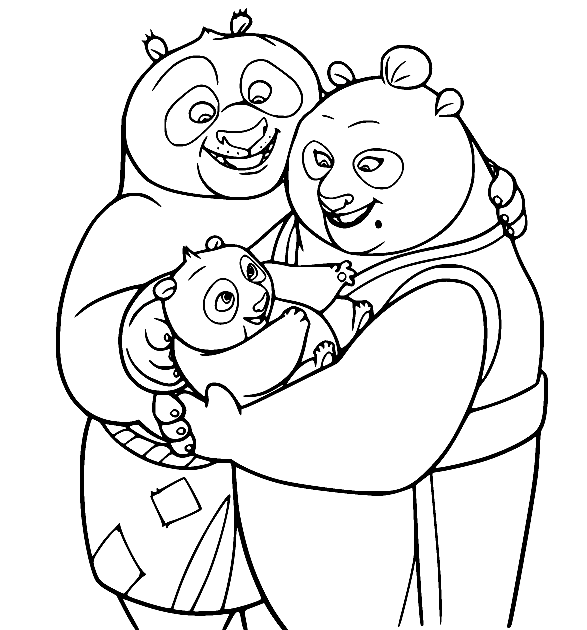
His adoptive father is Mr. Ping – a goose who runs a noodle shop. His biological father, discovered in the third film, is Li Shan – a giant panda voiced by Bryan Cranston. Both fathers are real; neither replaces the other. The film handles this with more care than most.

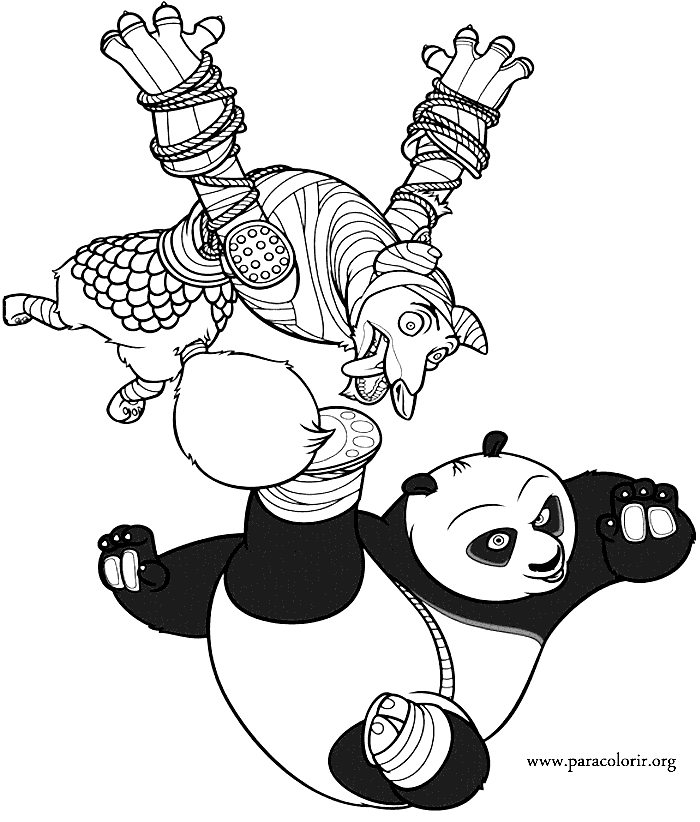
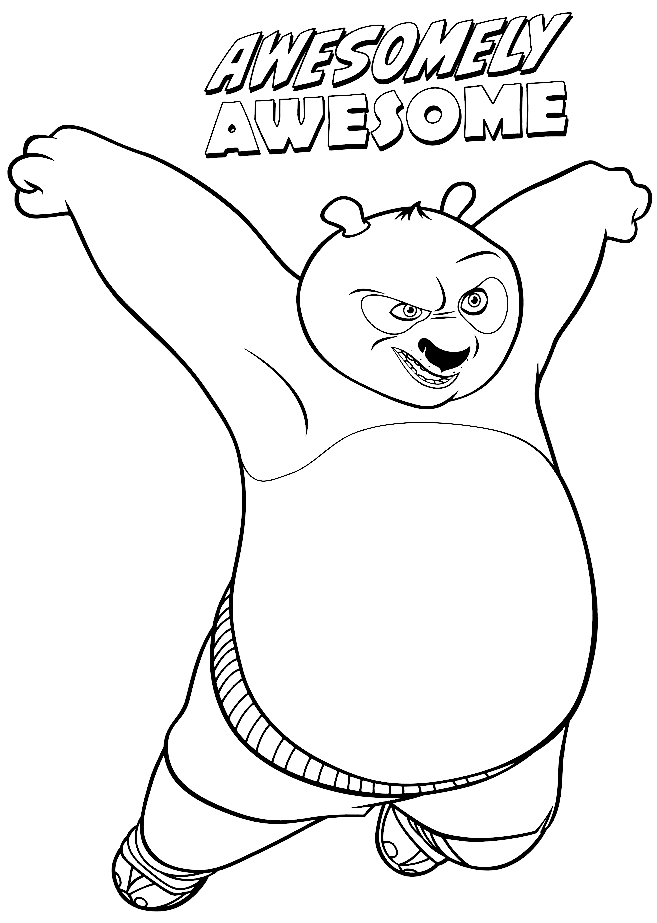
Coloring Po: His black-and-white panda coloring follows the giant panda’s actual pattern – black patches covering the eyes, ears, shoulders, arms, and legs; white on the face (except eye patches), neck, chest, belly, and back. His kung fu training gear is typically shown as a simple brown or earth-toned fabric wrap. His black patches should be near-black with very subtle dark grey highlighting along the edges where they catch light. His white areas carry the warm cream quality of real panda fur.

Master Shifu – The Red Panda

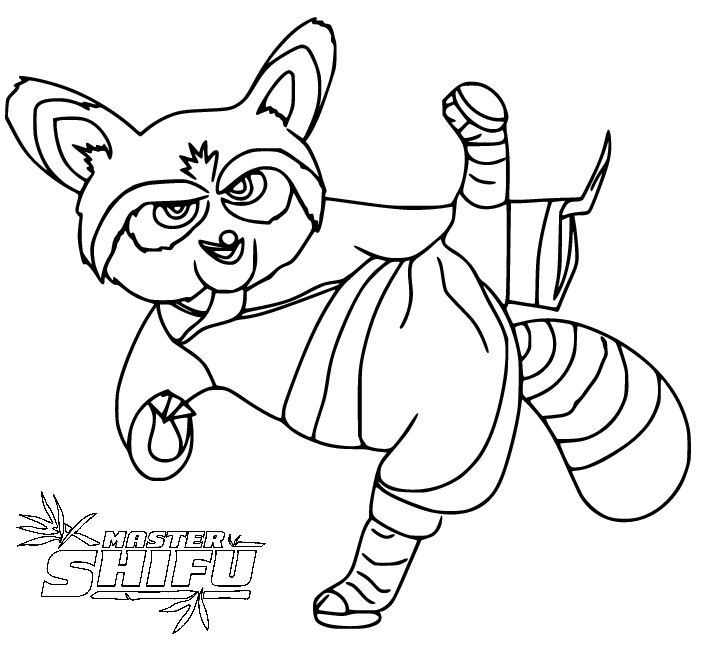
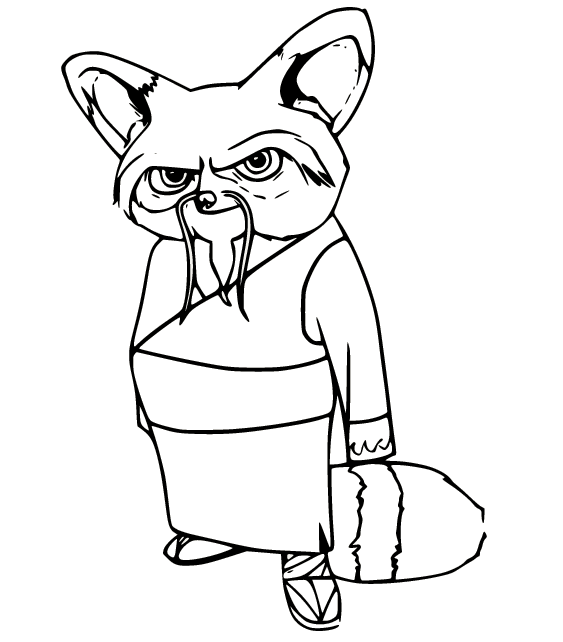
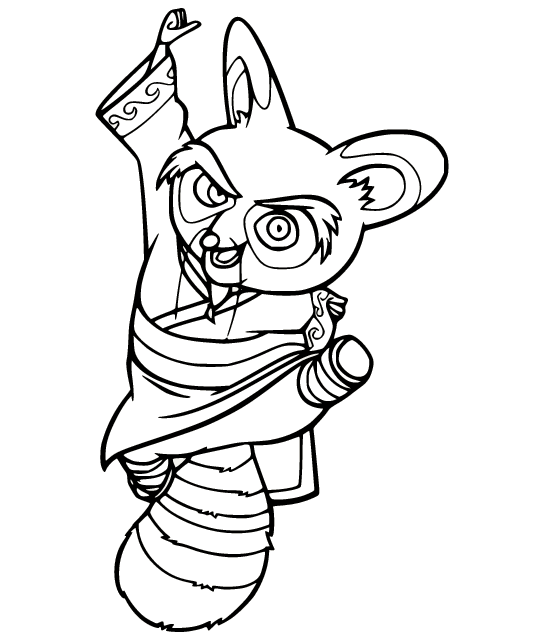
Master Shifu is the Jade Palace’s trainer – the master who must find a way to teach an untrained, apparently unsuitable panda the skills required to fulfill the Dragon Warrior role. His most important biological fact for coloring purposes: Shifu is a red panda (Ailurus fulgens), not a giant panda. He is entirely different from Po in species, size, and visual design: small, rust-red, with the white-tipped ears and the specific facial mask of the red panda, and none of the giant panda’s black-and-white pattern.

His name means “master” in Chinese (師父, shīfu) – a naming choice that placed the title directly into the character’s identity.

His arc across the franchise is about learning how to teach rather than how to fight. He was demanding, exacting, and driven by his own unresolved feelings about Tai Lung – the former student he raised and who became the first film’s villain. The films ask him to become something other than what produced that outcome. He works at it across four films.

Coloring Shifu: Rust-red fur across his body – the specific warm, vivid red-orange of the red panda, applied at full saturation across his body, head, and tail. His face has lighter coloring – the white-cream mask area around the eyes and muzzle, distinguishing him from the otherwise red fur. His ears have white-cream tips. His grey-white beard and the grey areas of his aging face are secondary details applied over the base. His small fighting staff is wood-brown.

The Furious Five – The Jade Palace Masters

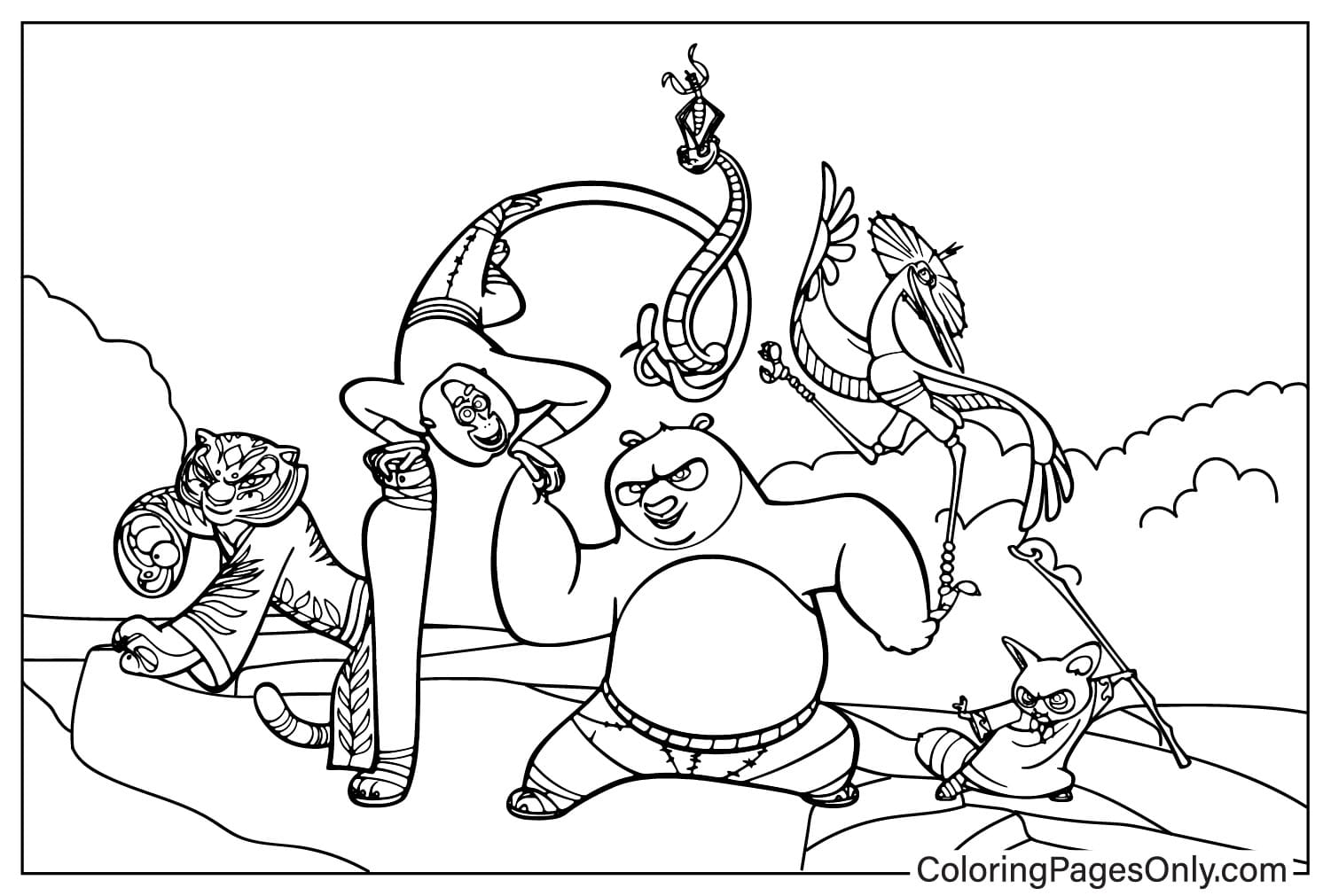
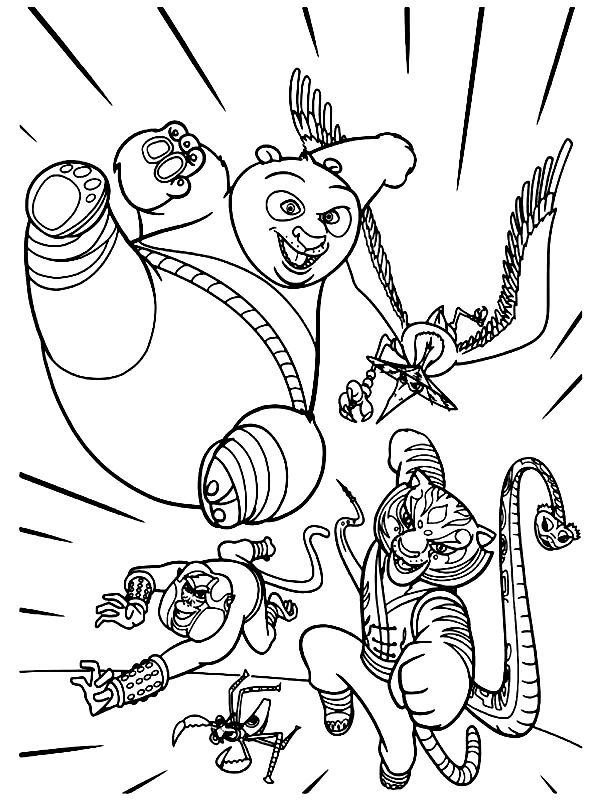
The Furious Five are Tigress, Monkey, Mantis, Viper, and Crane – the five masters whose training under Shifu preceded Po’s arrival and who expected one of them to be named Dragon Warrior. Their designs are each based on a specific animal, and each animal’s characteristics are integrated into their fighting style and personality.

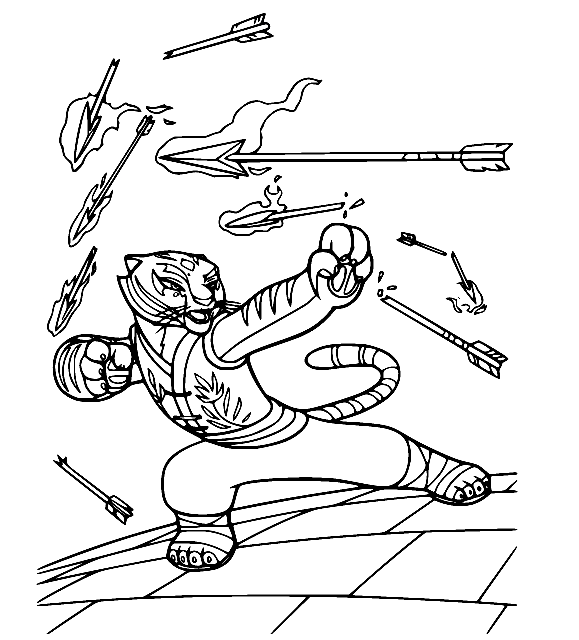
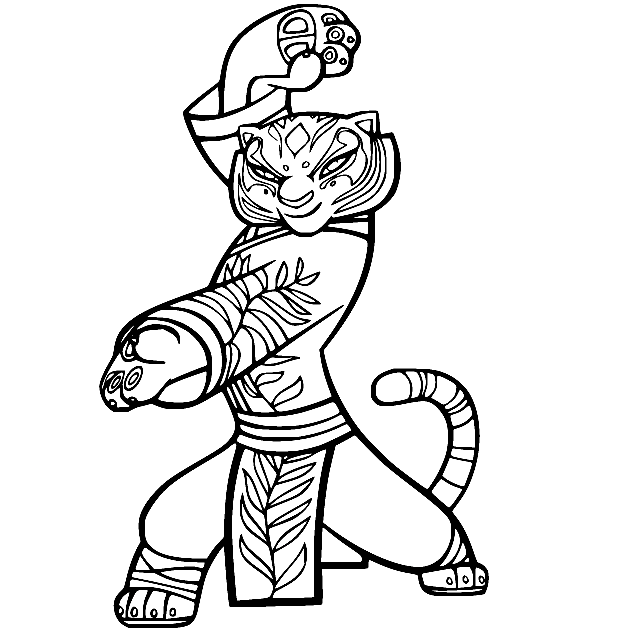
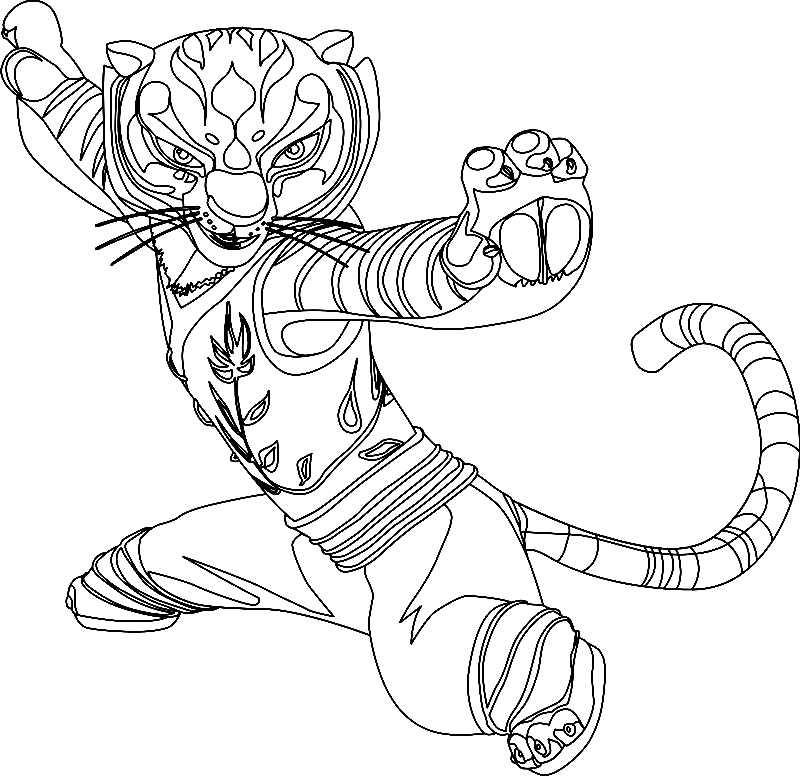
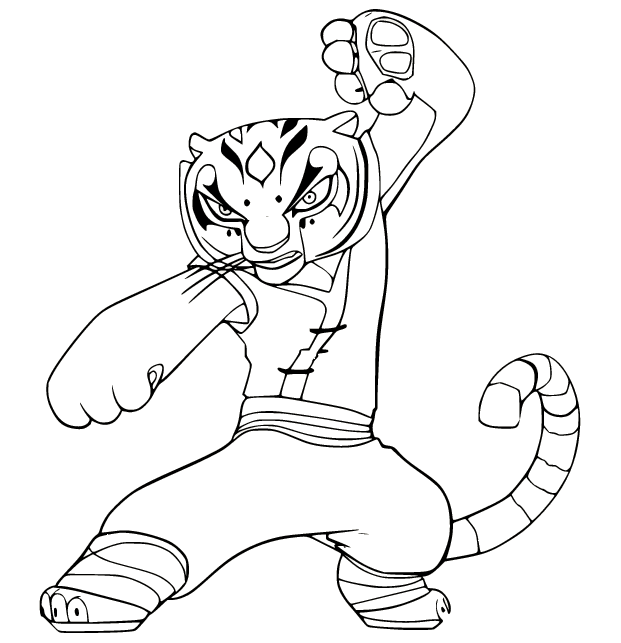
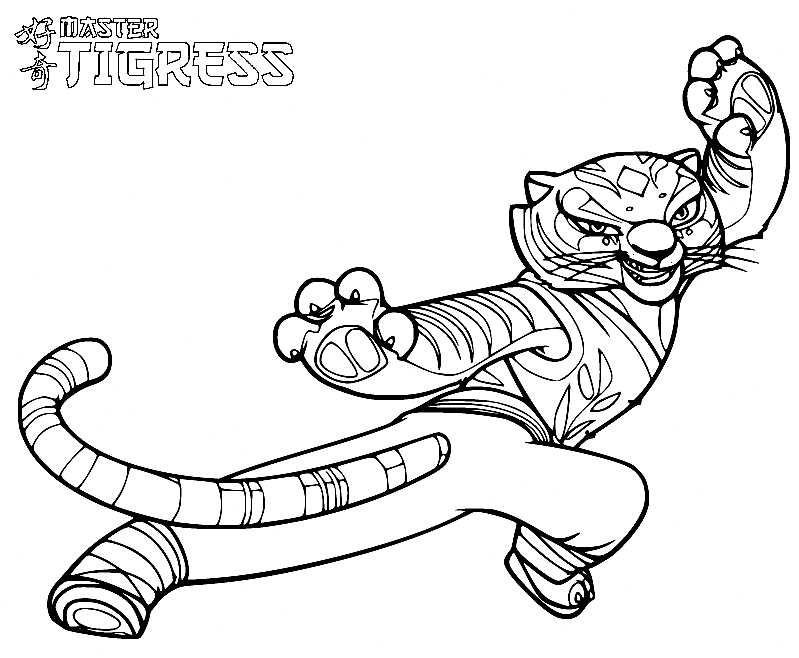
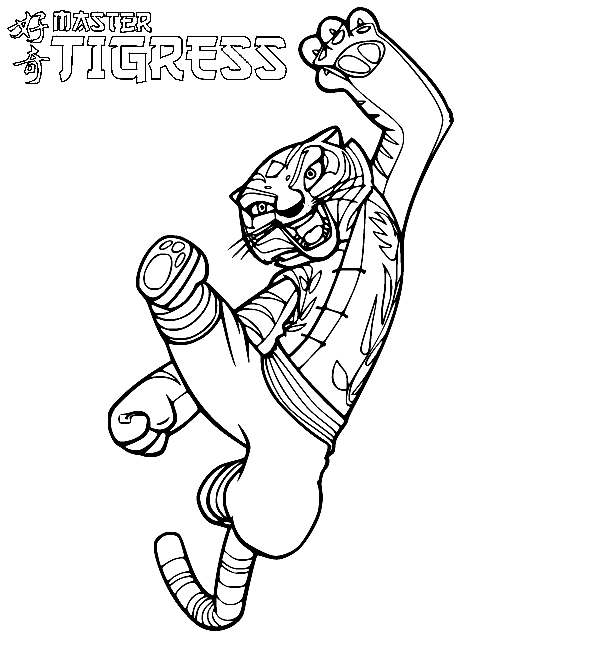
Master Tigress – voiced by Angelina Jolie, a South China tiger, orange with black stripes – is the most skilled fighter and the one with the most at stake when Po is named Dragon Warrior instead of her. Her backstory, revealed across the films, involves a childhood defined by being too powerful to be kept safely, raised in an orphanage, and trained by Shifu to control herself. She is the most serious of the Five and the most complex emotionally.

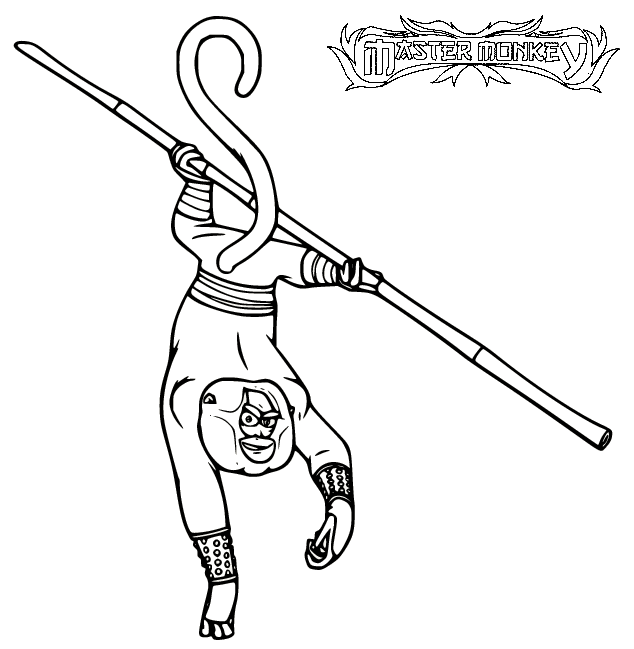
Master Monkey – voiced by Jackie Chan, uses a fighting staff – has the specific visual of the golden snub-nosed monkey, with orange-gold fur and a distinctive face. Jackie Chan’s involvement gave the franchise significant cultural resonance in Chinese markets.

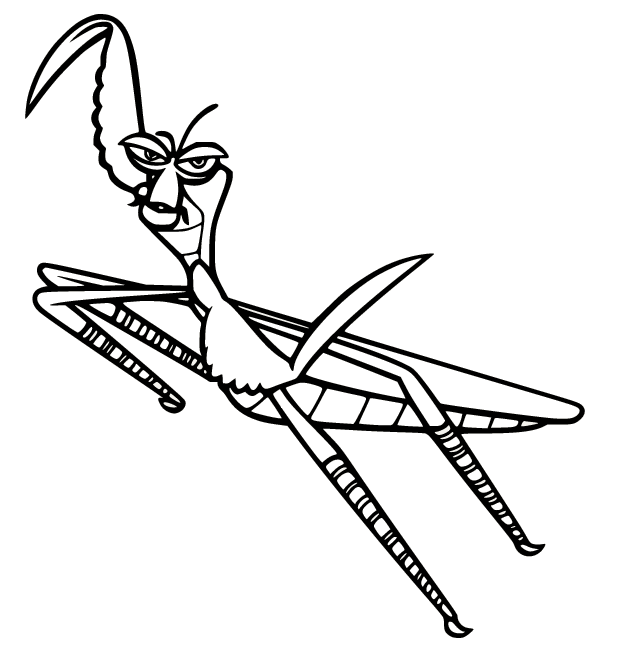
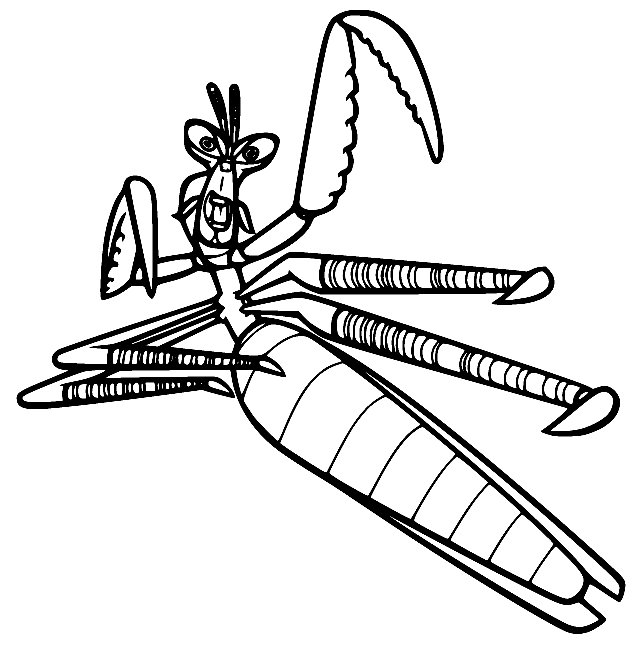
Master Mantis – voiced by Seth Rogen, the smallest physically and one of the most powerful fighters – is a praying mantis, rendered in vivid green.

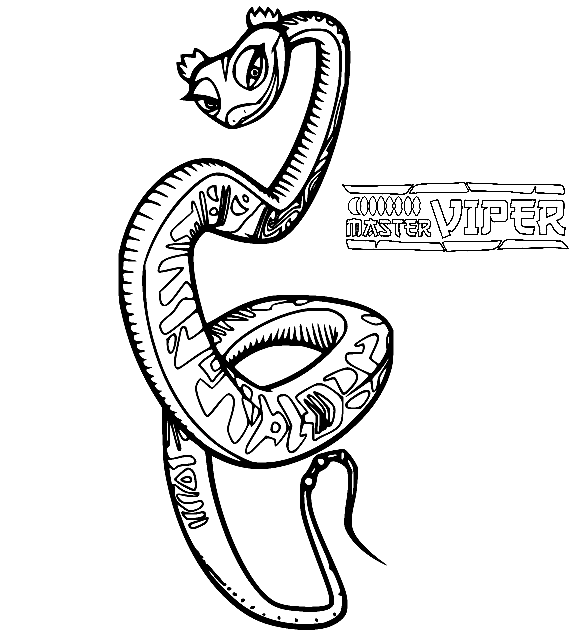
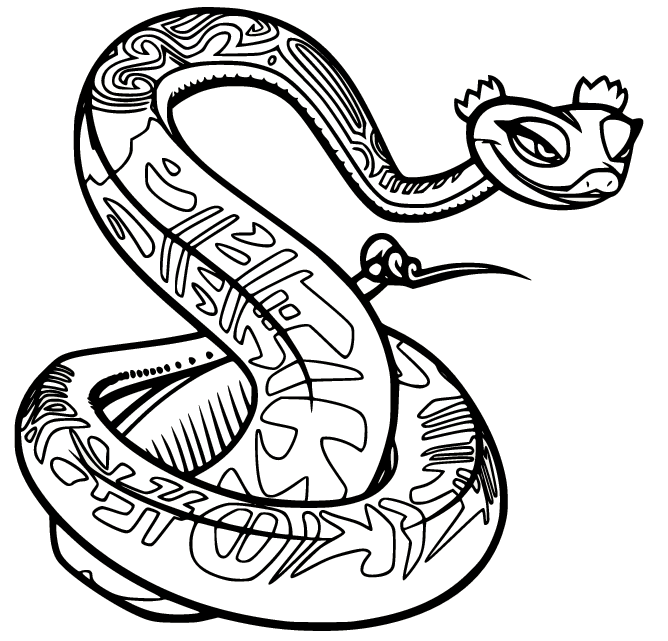
Master Viper – voiced by Lucy Liu – is a green tree viper whose fighting style uses ribbon-like, flowing techniques despite having no limbs.

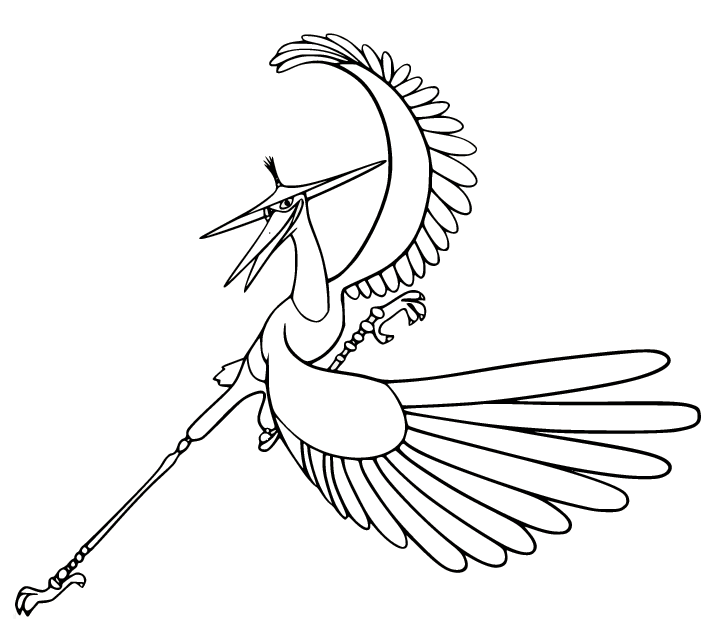
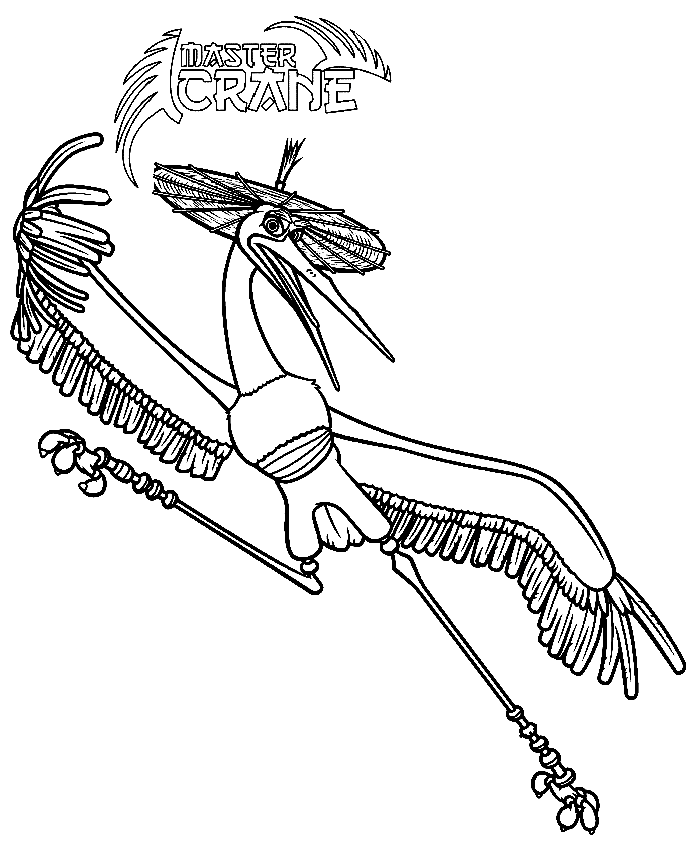
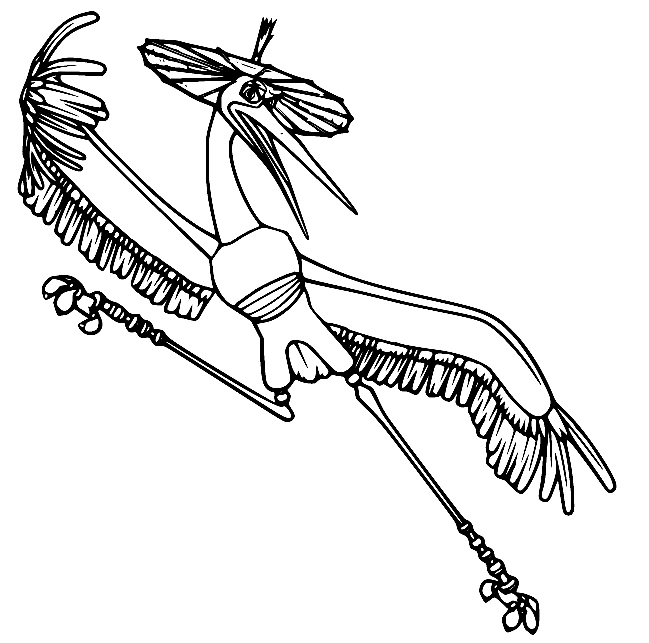
Master Crane – voiced by David Cross – is a red-crowned crane with the distinctive white body, black neck, and red crown marking of that species.

Coloring the Furious Five: Tigress: orange body with black stripes, white inner ear and muzzle area, amber eyes. The tiger stripe pattern should be applied over an orange base – the stripes are dark brown-to-black, irregular in width. Monkey: warm golden-orange fur with a distinctive face that references the snub-nosed monkey’s actual appearance. Mantis: vivid green, with the praying mantis’s forelegs as its primary combat tools. Viper: vivid green snake scales with lighter underbelly. Crane: primarily white body with black neck/head detailing, vivid red crown marking.

Master Oogway – The Ancient Tortoise

Oogway is the franchise’s most quoted and most philosophically significant character – the ancient tortoise who founded kung fu in the Valley of Peace (in the film’s mythology) and whose calm, unhurried relationship with time gives the franchise its central thematic register. He ascends to the Spirit Realm during the first film, which means he appears in the films primarily through memories, the Spirit Realm, and as the spiritual framework that Po’s entire journey is built within.

His design communicates his age and equanimity: an ancient tortoise, moving slowly but without any anxious quality about the slowness, with a simple staff that is as much a walking aid as a weapon.

His “today is a gift” quote has been reproduced on approximately every motivational poster format available since 2008 and remains the franchise’s most enduring linguistic export.

Coloring Oogway: The warm olive-brown of an ancient tortoise shell across the carapace – rendered with the three-zone scute technique, the shell’s raised plate pattern clearly indicated. His skin is a darker, slightly cooler grey-brown with the specific wrinkled quality of extreme age. His simple robes are a muted, earthy yellow-ochre. His staff is warm, wood-brown.

Tai Lung – The Snow Leopard

Tai Lung is the franchise’s most compelling antagonist because he has the best case for his grievance. He was raised by Shifu as a son, trained from childhood to be the Dragon Warrior, given every skill and confidence that the role required – and then denied the Dragon Scroll by Master Oogway, who saw something in Tai Lung’s heart that made the decision. The denial did not destroy him; it produced him.

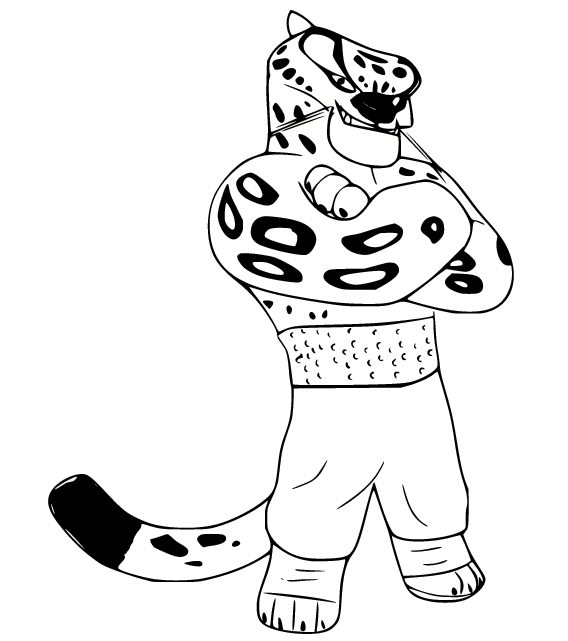
His design is a snow leopard – the specific grey-white spotted pattern of the high-altitude mountain predator, rendered in the franchise’s animation style with a powerful, lean build and the specific expression of someone who has spent years in a prison he believes was unjust. He returns in Kung Fu Panda 4, brought back from the Spirit Realm by The Chameleon.

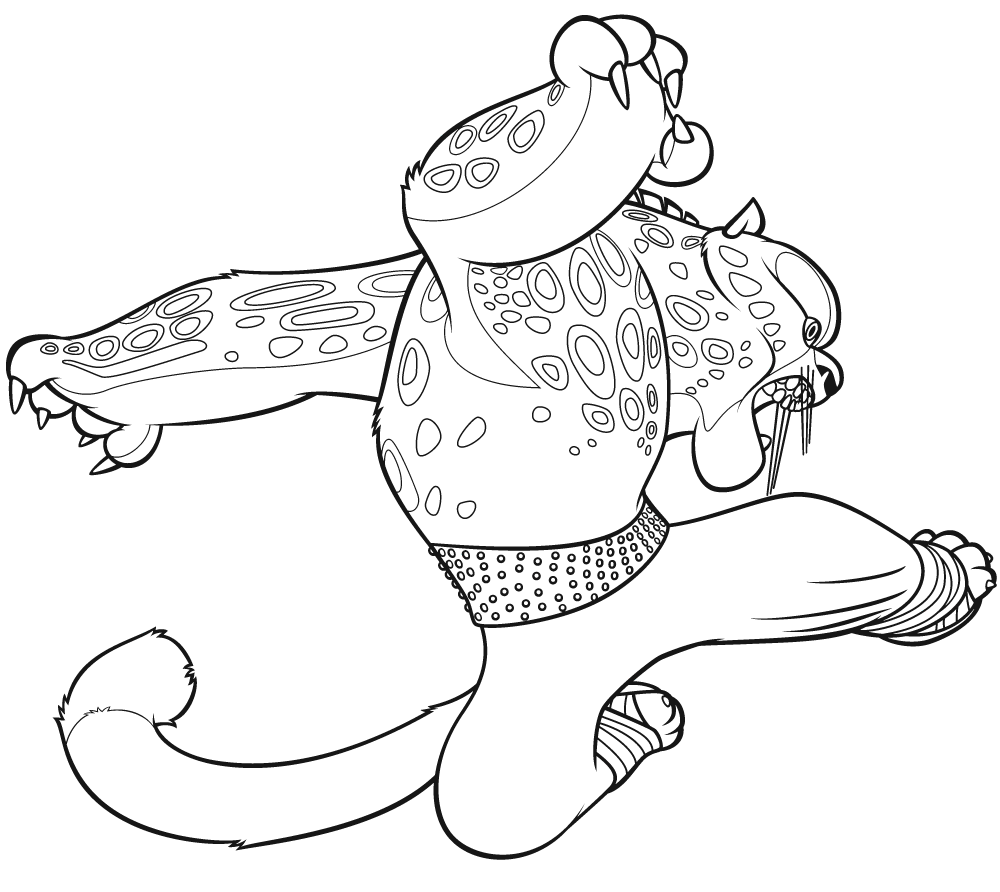
Coloring Tai Lung: The snow leopard’s grey-white base fur – a cool, pale grey-white applied across the entire body. The distinctive spots are dark grey to black rosettes – large, irregular circles across the back and sides, slightly smaller on the head. The spots should be rendered with their actual snow leopard shape: large, irregular dark rings rather than simple circles. His eyes are amber-gold.

The Chameleon and Zhen – New Film 4 Characters

Kung Fu Panda 4 (March 8, 2024) introduced two new major characters.

The Chameleon – voiced by Viola Davis – is the film’s primary antagonist: a small chameleon who can transform her body to replicate any kung fu master’s appearance and abilities. Her design is one of the franchise’s most visually distinctive villains – a small creature capable of becoming any large creature, using the ability to steal other masters’ styles. Her color-changing capability is both her species-accurate ability and her plot function.

Zhen – voiced by Awkwafina – is a fox who partners with Po and ultimately becomes the new Dragon Warrior, allowing Po to transition into the role of Spiritual Leader. She represents the franchise’s most direct passing of the torch.

Coloring The Chameleon: Chameleon skin has a specific, c-scaled, rough texture – apply a base green across the body and add slightly darker green scales in a regular pattern. Her color-changing states (if depicted) use vivid transformation effects. Coloring Zhen: Fox orange across the body with the typical fox white underbelly, white around the muzzle, black legs, and ear tips.

What These Pages Do

The franchise’s philosophical foundation draws from actual Chinese cultural and martial arts traditions. The concepts of chi, inner peace, the cultivation of character through practice, and the relationship between master and student – these are not invented for the film but adapted from real philosophical traditions. The franchise’s creators worked with Chinese cultural consultants and visual artists to develop the aesthetic, and its reception in China, where it performed significantly, reflected that the cultural references were recognized and respected rather than appropriated casually.

The “there is no secret ingredient” teaching is the franchise’s most direct philosophical statement. Mr. Ping’s secret ingredient soup has no secret ingredient. The Dragon Scroll, when opened, reflects only the reader’s face. Both are teaching the same thing: the belief that something external will produce capability is itself the barrier to capability. The capability exists when the belief shifts from external to internal. This is a specific teaching from multiple real philosophical traditions, rendered in the simplest possible form for a children’s film and landing with the precision of something genuinely meant.

Jennifer Yuh Nelson directing Kung Fu Panda 2 solo is a documented milestone in animation history. She is the first woman to solo-direct a major studio animated sequel. The film she directed earned $665.7 million and was nominated for the Academy Award for Best Animated Feature. This biographical fact gives the collection a specific historical reference point beyond the stories the films contain.

Fine motor development. The American Academy of Pediatrics identifies fine motor skill development as a key childhood milestone throughout early childhood. The Tai Lung snow leopard spot pattern, Tigress’s tiger stripes, Shifu’s red panda facial mask detail, and Oogway’s shell scute work all provide motivated, sustained fine motor practice across every developmental level the collection serves. The 2005 Art Therapy Journal study on structured coloring and anxiety reduction applies throughout.

How to Color These Pages Well

Po’s black patches need the near-black of real giant panda fur. The same technique as any giant panda page: near-black (not pure black) applied at maximum pressure across the eye patches, ears, shoulders, and limbs. The white areas carry a very subtle warm cream. The boundary between black and white is sharp – the panda’s patches transition cleanly rather than blending gradually. In kung fu training pages where he is in martial arts poses, his black patches should read as the most visually defined elements of the composition.

Shifu’s rust-red is warm and vivid throughout. The red panda’s fur is a specific warm red-orange – apply it at full saturation across Shifu’s body, maintaining the warmth even in shadow areas. Shadow areas should use a deeper, more saturated dark red-orange rather than a cooled-down grey-red. His facial mask (the lighter cream-white around the eyes and muzzle) should be clearly distinct from the surrounding red fur – a sharp boundary between the white-cream face mask and the red forehead and cheeks.

Tiger stripes require a base coat first. Tigress’s orange base should cover the entire body before any stripe application. Apply warm, vivid orange across all fur surfaces. Then apply the dark brown-to-black stripes over the orange base, working from the most prominent stripes (the face stripes, the dorsal stripes) outward to the smaller stripes on the limbs. Each stripe should taper at its ends and widen slightly at its widest point – the natural tiger stripe shape. The result of base-then-stripe reads as natural tiger patterning; stripes applied without the base look like painted marks.

Snow leopard spots are rosettes, not dots. Tai Lung’s spots are the specific snow leopard rosette pattern – large, irregular rings of dark spots rather than solid circles. Apply the grey-white base across the entire body. Then apply the dark grey-to-black spots as an irregular ring shape. Each rosette has a darker outer ring and a slightly lighter inner area, creating the specific open-circle quality of a leopard’s spot. Solid circles read as generic spots; the rosette structure reads as the specific snow leopard pattern.

The Jade Palace environment pages want Chinese landscape painting colors. The mountainous setting of the Jade Palace draws explicitly from the aesthetic of Chinese ink-and-wash landscape painting (山水画, shānshuǐhuà) – the high mountain peaks, the misty atmosphere, the specific quality of light that Chinese landscape painting uses. Apply blue-grey to distant mountains (progressively lighter as mountains recede into mist). The foreground is vivid green and warm stone. The palace architecture itself – the curved rooflines, the ornate woodwork – should be rendered in warm red-brown lacquer with gold and green accent details.

5 Creative Craft Ideas

The Dragon Scroll

The Dragon Scroll – the most sacred object at the Jade Palace – is blank when opened, reflecting the reader’s face. This is the franchise’s central visual metaphor. Print any Po portrait page. Color it in canonical black-and-white panda coloring.

On a separate piece of paper, draw a simple scroll shape – rolled parchment with a golden sheen. Inside the scroll opening, draw a mirror or reflective surface. Add text along the scroll’s border: “There is no secret ingredient. It is just you.”

Mount the scroll beside the Po portrait – his face beside the scroll that reflects exactly what he has. The display makes the franchise’s central lesson visible as a two-object conversation.

Kung Fu Panda Coloring Pages Craft 1

Master-to-Student – The Lineage

The Kung Fu Panda franchise traces a specific master-student lineage: Oogway trained Shifu; Shifu trained Tai Lung and the Furious Five; Shifu (and circumstances) trained Po; Po trains Zhen in film 4. Print one portrait page for each: Oogway, Shifu, Tigress (representing the Five), Po, and Zhen. Color all in canonical colors.

Mount all five in a vertical line connected by a simple arrow from each to the next. Add each character’s name and role: “Oogway – The founder.” “Shifu – The master.” “Tigress – The student.” “Po – The Dragon Warrior.” “Zhen – The next.”

Kung Fu Panda Coloring Pages Craft 2

The Furious Five – Animal Identification

The Furious Five’s designs are each based on a specific real animal species. Print one page for each of the five characters. Color each in the species-accurate palette: Tigress in orange-and-black, Monkey in golden-orange, Mantis in vivid green, Viper in green-and-white, Crane in white-and-black with red crown.

On each page, add a small label: the character name, the real animal species, and one fact about that species’ actual fighting-relevant characteristics. Tigress: “South China Tiger. Ambush predator. Strongest bite of any big cat.” Crane: “Red-crowned crane. Wing span 2.4 meters. Balances on one leg.”

The finished set is a character-and-species reference display.

Kung Fu Panda Coloring Pages Craft 3

Oogway’s Gift

“Today is a gift – that is why it is called the present.” Print the most serene Oogway portrait available. Color it in the warm olive-brown and ochre of the ancient tortoise and his simple robes.

On the backing sheet, render the quote in careful hand-lettering, framed by simple bamboo and cherry blossom decorations: “Yesterday is history. Tomorrow is a mystery. Today is a gift. That is why it is called the present. – Master Oogway.”

The finished page is a gift card or framed display built from the franchise’s most quoted wisdom.

Kung Fu Panda Coloring Pages Craft 4

Then and Now – Po’s Journey

Print the most uncertain, awkward-posture Po page from an early film scene and the most confident, Dragon Warrior Po from a later film. Color both in identical panda black-and-white.

Mount side by side: “Film 1: The noodle shop panda who wanted to be a kung fu master.” “Film 4: The Dragon Warrior who must find the next Dragon Warrior.” Between them: “The secret ingredient was never noodles.”

Frequently Asked Questions

What is Kung Fu Panda, and who are the main characters? Kung Fu Panda is a DreamWorks Animation franchise following Po, a giant panda voiced by Jack Black,k who works in his adoptive father’s noodle shop and accidentally becomes the Dragon Warrior – the prophesied greatest kung fu practitioner – in the Valley of Peace. The franchise includes four films released in 2008, 2011, 2016, and 2024. Po’s companions include Master Shifu (a red panda, voiced by Dustin Hoffman), the Furious Five (Tigress, Monkey, Mantis, Viper, and Crane), Master Oogway (an ancient tortoise), a, nd in the fourth film, Zhen (a fox, voiced by Awkwafina).

What is the Dragon Scroll, and what is its secret? The Dragon Scroll is the most sacred object at the Jade Palace – a scroll said to contain the ultimate secret of kung fu. When Po opens it in the first film, it appears blank. His reflection appears in the smooth inner surface. The teaching is that the scroll has no external secret: the power comes from within the person who holds it. The belief that there is a secret ingredient or a secret scroll is itself the barrier. The film mirrors this with Mr. Ping’s noodle shop, where the secret ingredient soup has no secret ingredient – “the secret ingredient is… nothing.” Both teachings are the same teaching delivered in the same film.

Who is Master Shifu, and what animal is he? Master Shifu is the trainer of the Jade Palace – the master responsible for Po’s development as the Dragon Warrior. Voiced by Dustin Hoffman, Shifu is a red panda (Ailurus fulgens) – a completely different animal from Po’s giant panda species. Red pandas are cat-sized, rust-red furred animals related to raccoons and weasels, native to the eastern Himalayas and southwestern China. Shifu’s name means “master” in Chinese (師父). His arc across the franchise involves learning to teach differently than the demanding, achievement-focused method that produced Tai Lung, and finding the inner peace that allows him to be both effective and present.

Who is Tai Lun,g and why is he the most complex villain in the franchise? Tai Lung is the antagonist of the first Kung Fu Panda film and returns in the fourth. He is a snow leopard, voiced by Ian McShane, who was raised by Master Shifu from childhood to be the Dragon Warrior – trained with every expectation that the Dragon Scroll would be his. Master Oogway denied him the scroll at the moment of presentation, seeing something in Tai Lung’s heart. The denial triggered his imprisonment and his villainy. What makes him compelling is that his grievance is legitimate: he was shaped by Shifu’s ambition for him as much as by his own. The franchise does not ignore this. Tai Lung returns in Kung Fu Panda 4 when The Chameleon resurrects him from the Spirit Realm.

What is new in Kung Fu Panda 4? Kung Fu Panda 4, directed by Mike Mitchell and released on March 8, 2024, follows Po as he must transition from his role as Dragon Warrior to become the Spiritual Leader of the Valley of Peace, which requires finding and training a new Dragon Warrior. The new primary antagonist is The Chameleon, voiced by Viola Davis, who can transform to mimic any kung fu master. A new protagonist character, Zhen (a fox, voiced by Awkwafina), partners with Po and ultimately becomes the new Dragon Warrior. The film brings back Tai Lung as a significant character through the Chameleon’s resurrection abilities.

What distinction did Jennifer Yuh Nelson achieve with Kung Fu Panda 2? Jennifer Yuh Nelson, who directed Kung Fu Panda 2 (2011), became the first woman to solo-direct a major studio animated sequel – a milestone documented in animation history. The film earned $665.7 million worldwide and was nominated for the Academy Award for Best Animated Feature. Nelson had served as head of story and story artist on the first Kung Fu Panda film before stepping up to direct its sequel. She co-directed Kung Fu Panda 3 with Alessandro Carloni.

What age group are these pages best suited for? The simplest panda portrait pages and friendly character poses work well from ages three and four for young fans of the franchise. The more detailed pages – the Furious Five with their species-specific markings (tiger stripes, snow leopard spots, crane markings), multi-character action scenes, and the Jade Palace environment – are most rewarding from ages six to ten. The philosophically rich craft projects – the Dragon Scroll display, Oogway’s quote card, the master-student lineage – are most engaging for ages eight and up and for adult fans who appreciate the franchise’s layered content. The collection’s 70+ pages span this full age range.

Browse the full collection at ColoringPagesOnly.com. All 70+ pages free, no sign-up, PDF or PNG, print or color online.

Mark Osborne and John Stevenson made a film about a panda who wanted to be a kung fu master and accidentally became one. The Dragon Scroll he was given to prove his worth was blank. The secret was his reflection. The noodle soup had no secret ingredient. Both secrets were the same secret.

Jennifer Yuh Nelson directed the sequel and became the first woman to solo-direct a major animated sequel. The film earned $665.7 million. The franchise expanded to four films and a series of animated shorts.

Oogway said today is a gift. The Dragon Warrior’s secret was himself. There was no other secret.

Pick up your near-black for Po’s eye patches. The boundary between black and white is the most important edge.

Share your work on Facebook and Pinterest and tag #Coloringpagesonly. We especially want to see the Dragon Scroll pages and the master-to-student lineage displays.

Color the Dragon Warrior. Read the Dragon Scroll. The secret was always you.

These related coloring collections will help you explore the wonderful world of colors. Let’s choose, be creative, and show us your great pictures!

Emma Wilson – Illustrator

Hey there, young artists! I’m Emma Wilson, a freelance illustrator who loves children and the magic of art. I dream of building a vibrant community where we can all come together to draw, color, and bring unique creations to life with every brush or pencil stroke. Let’s unleash our imagination in ColoringPagesOnly.Com!