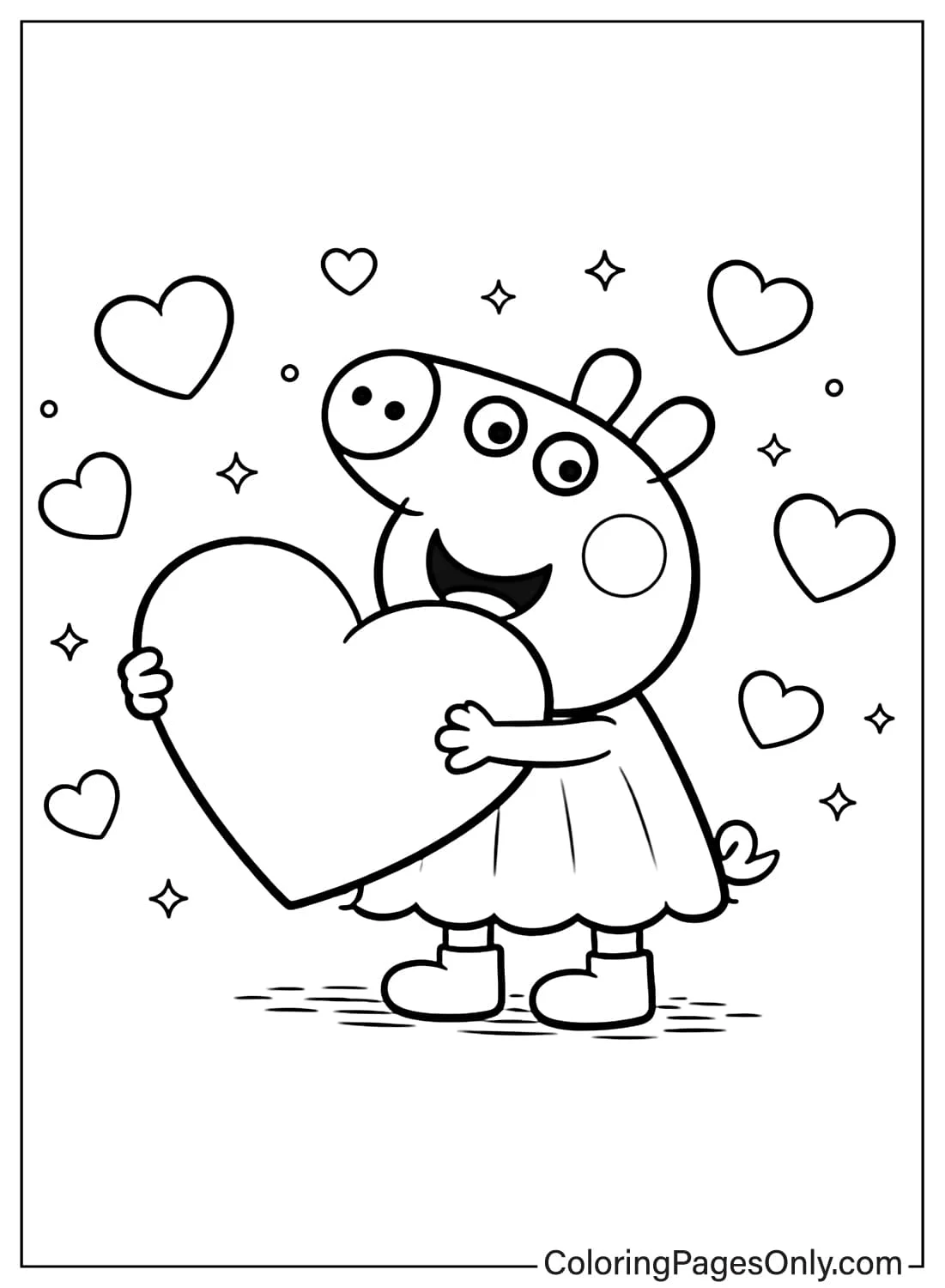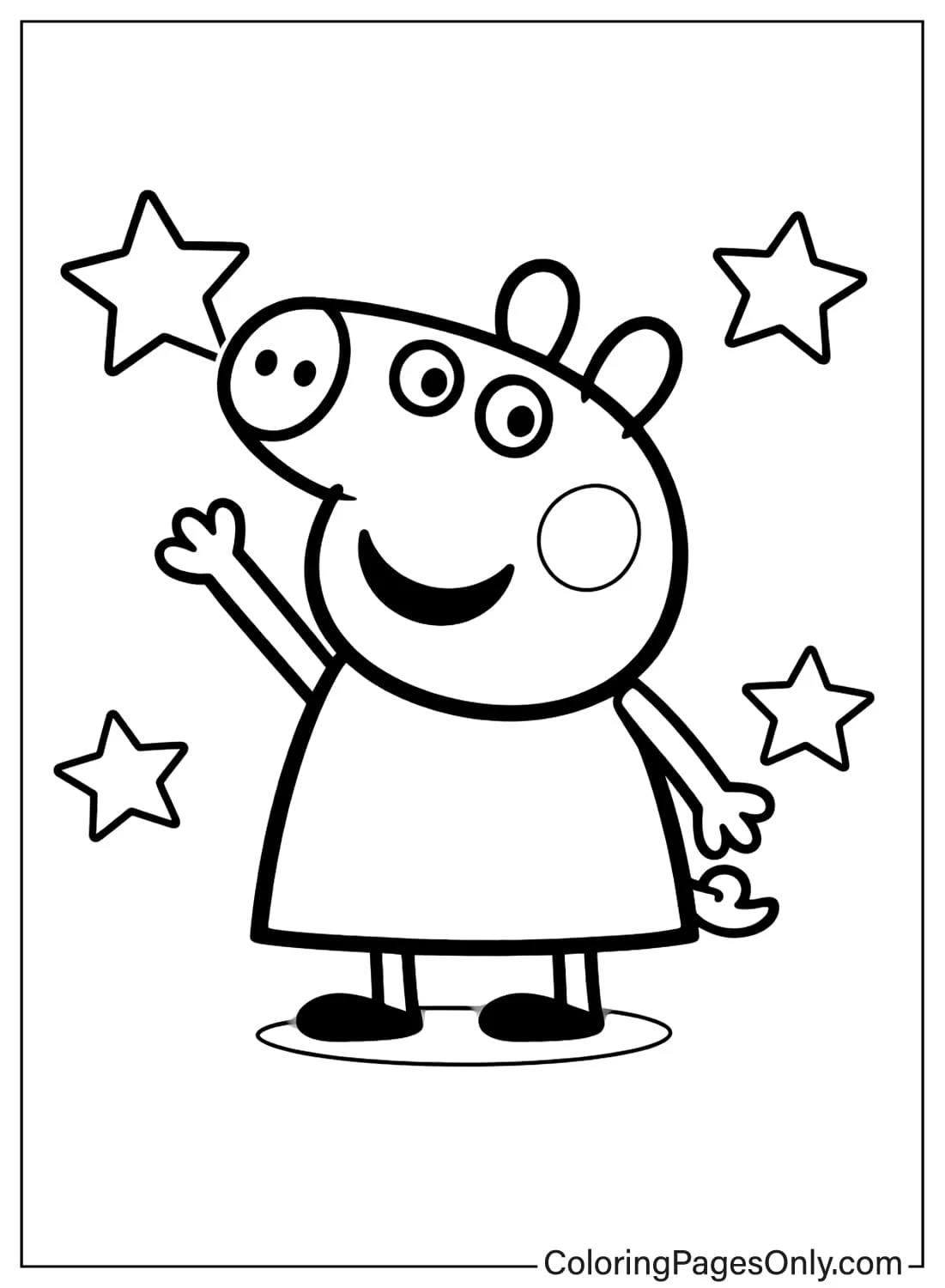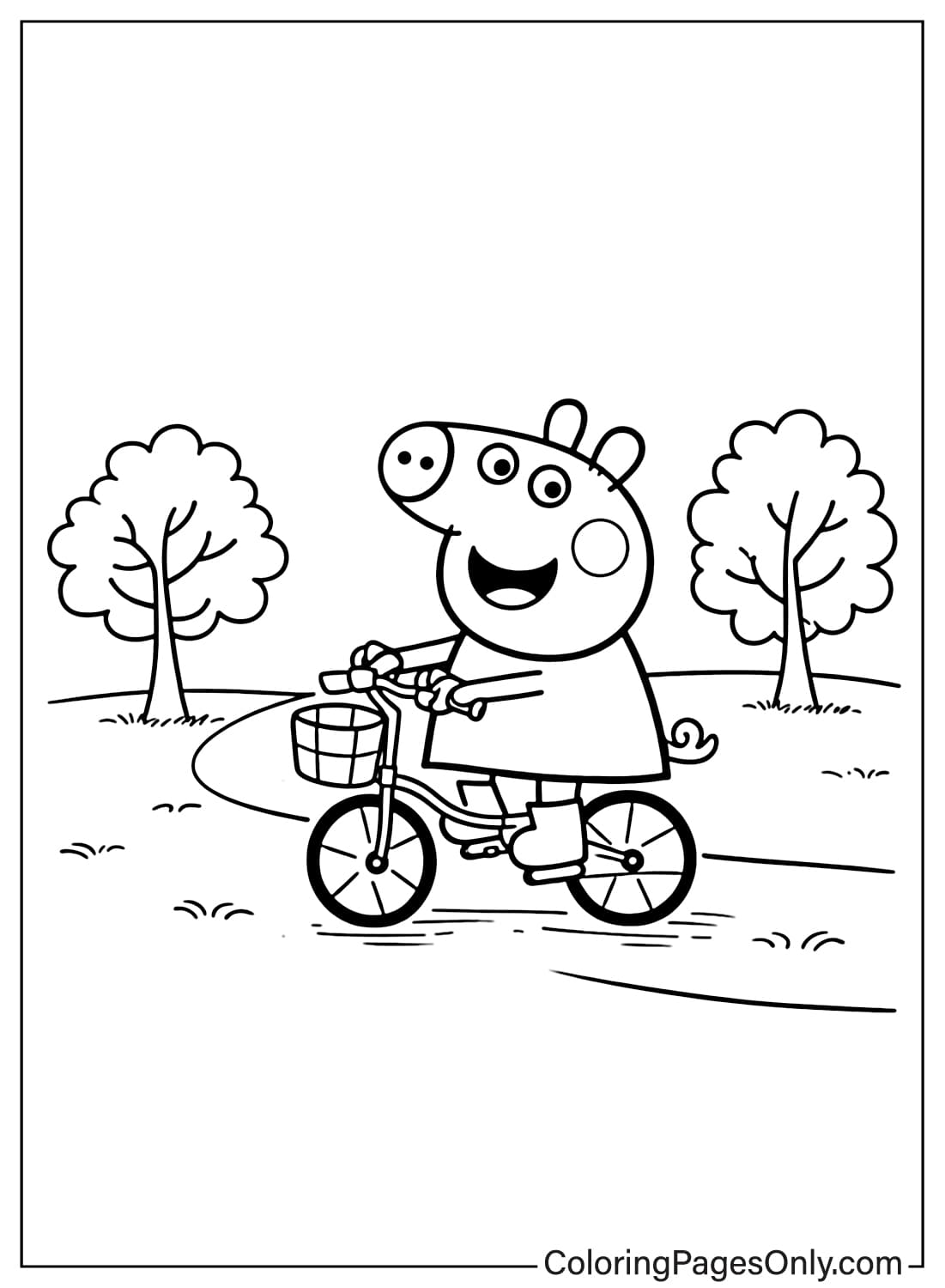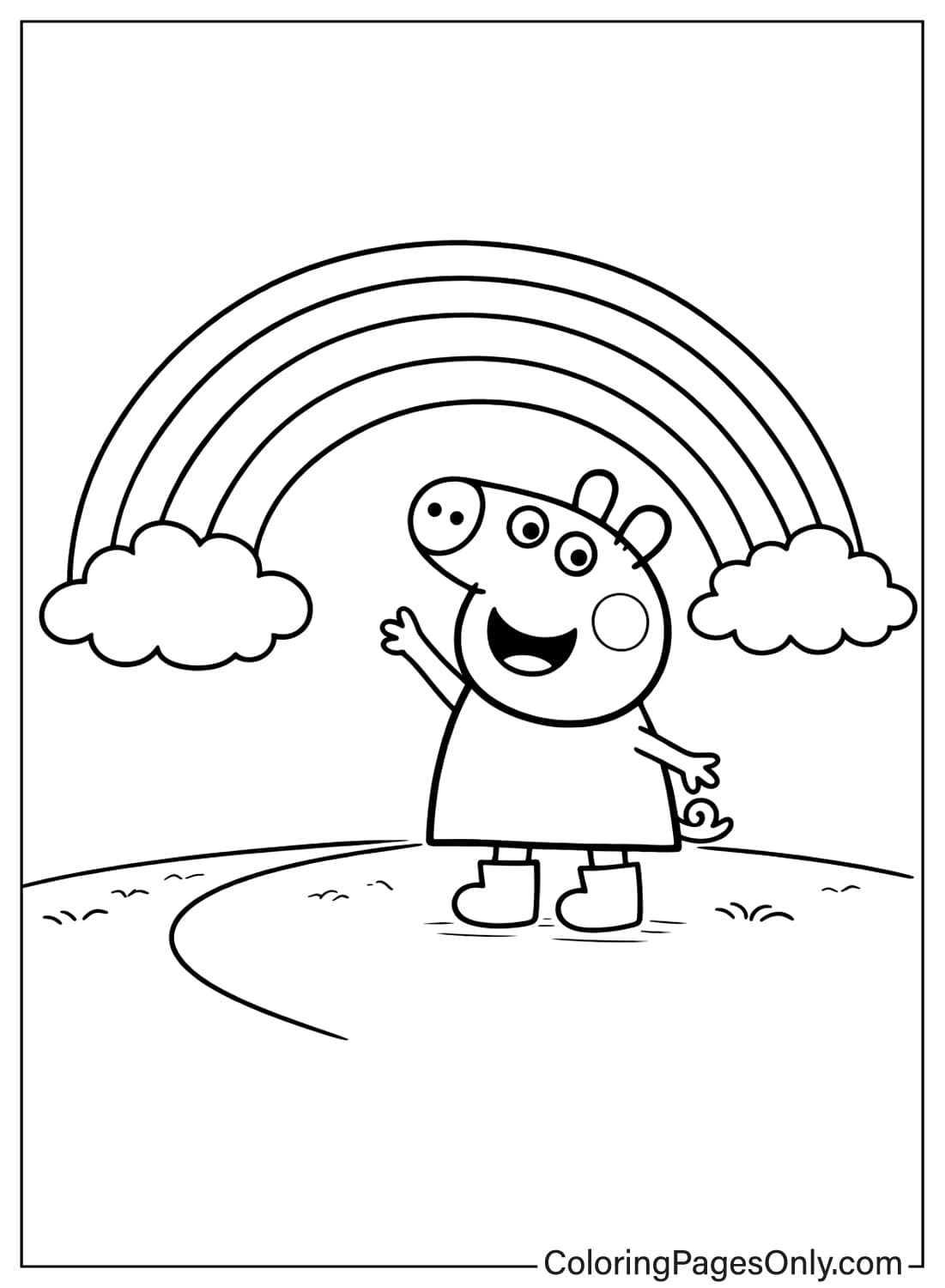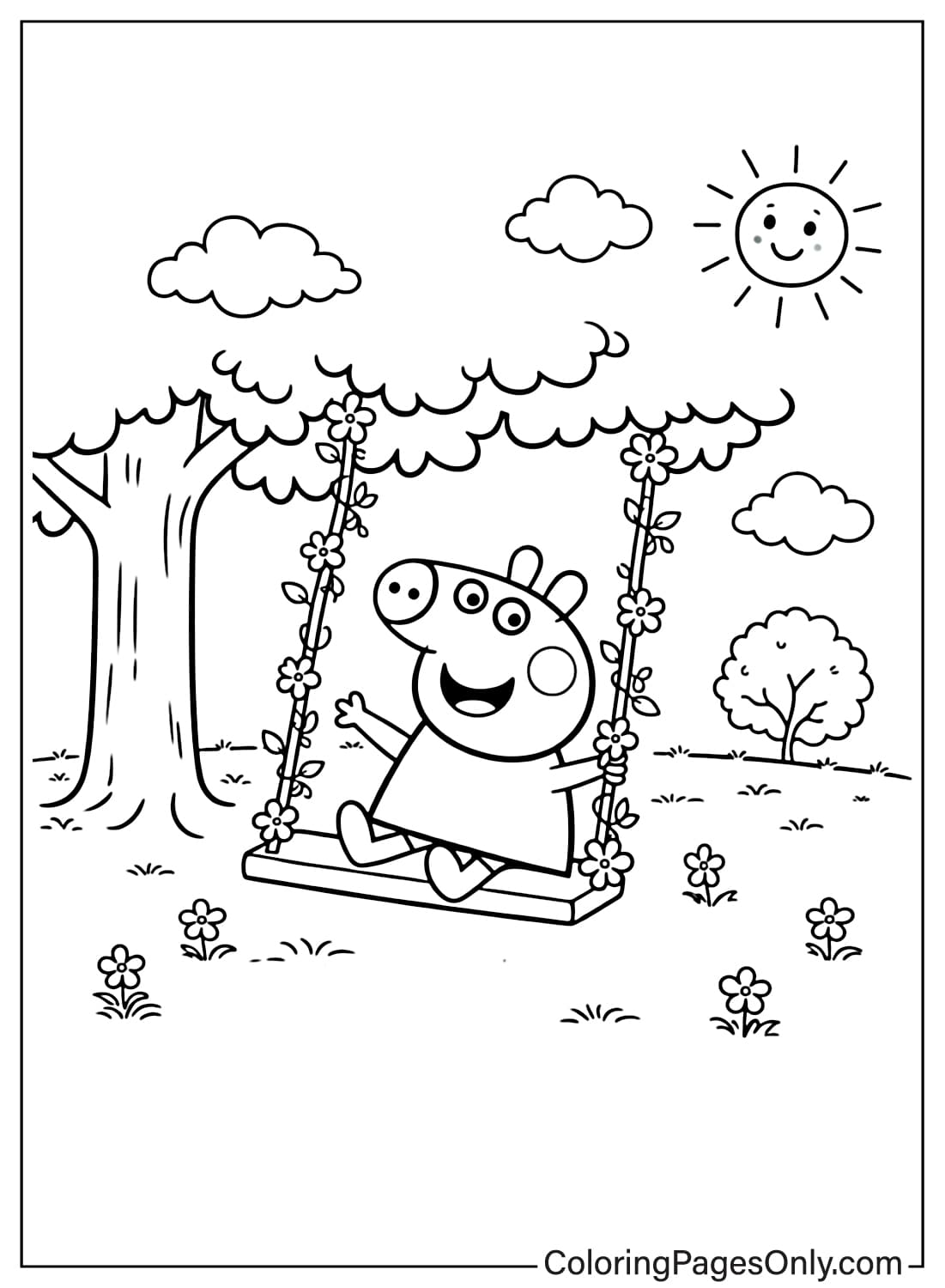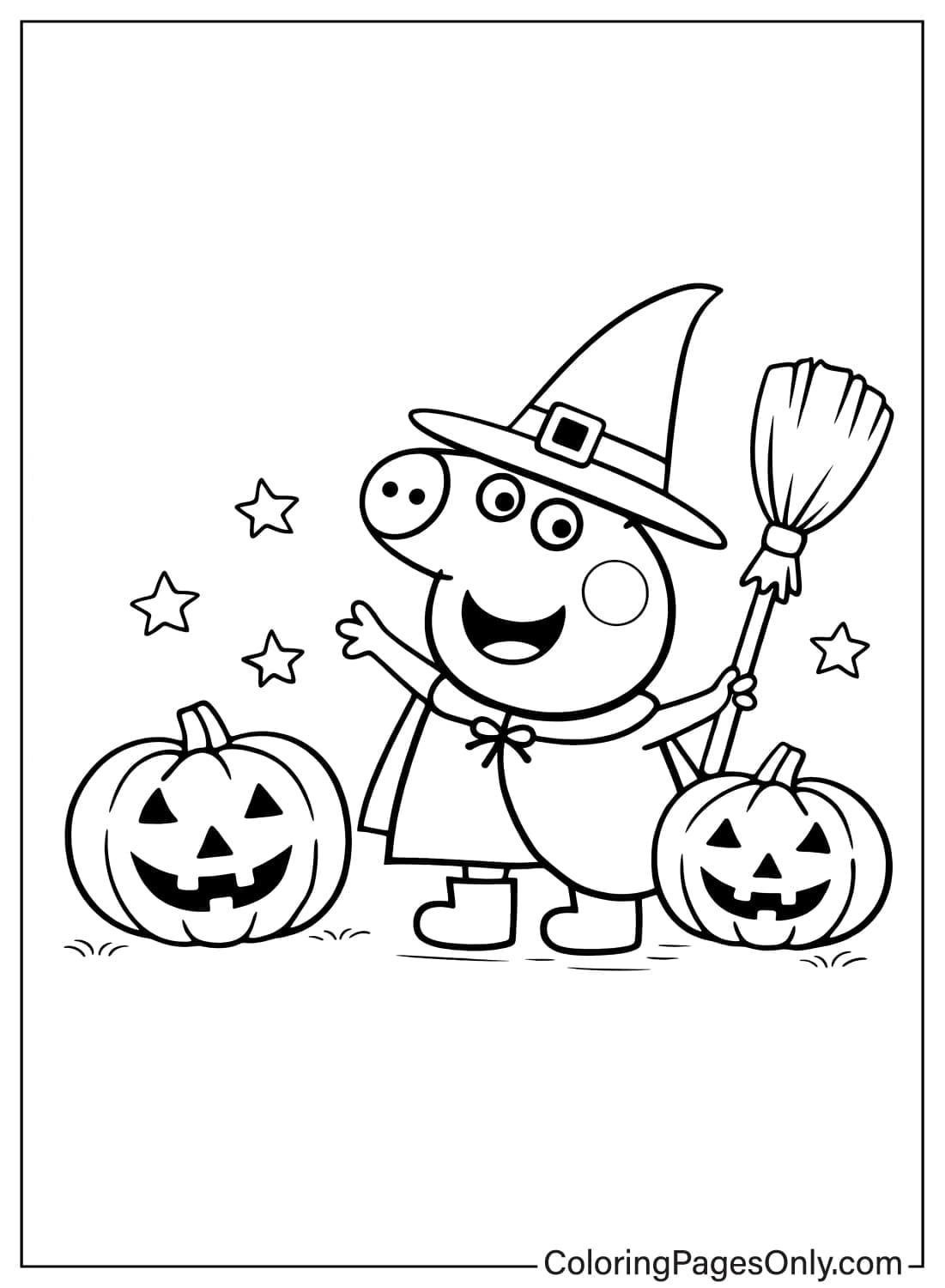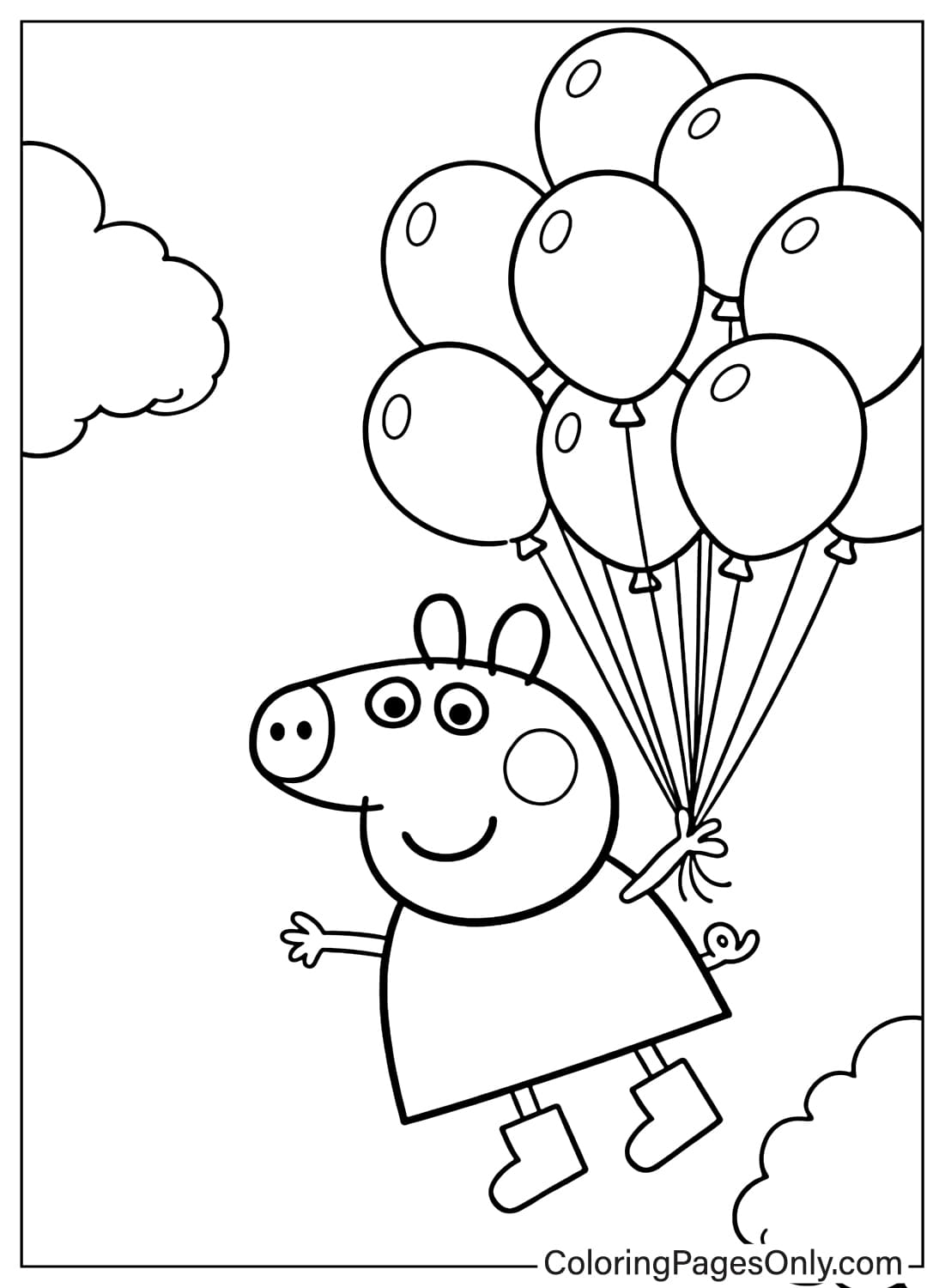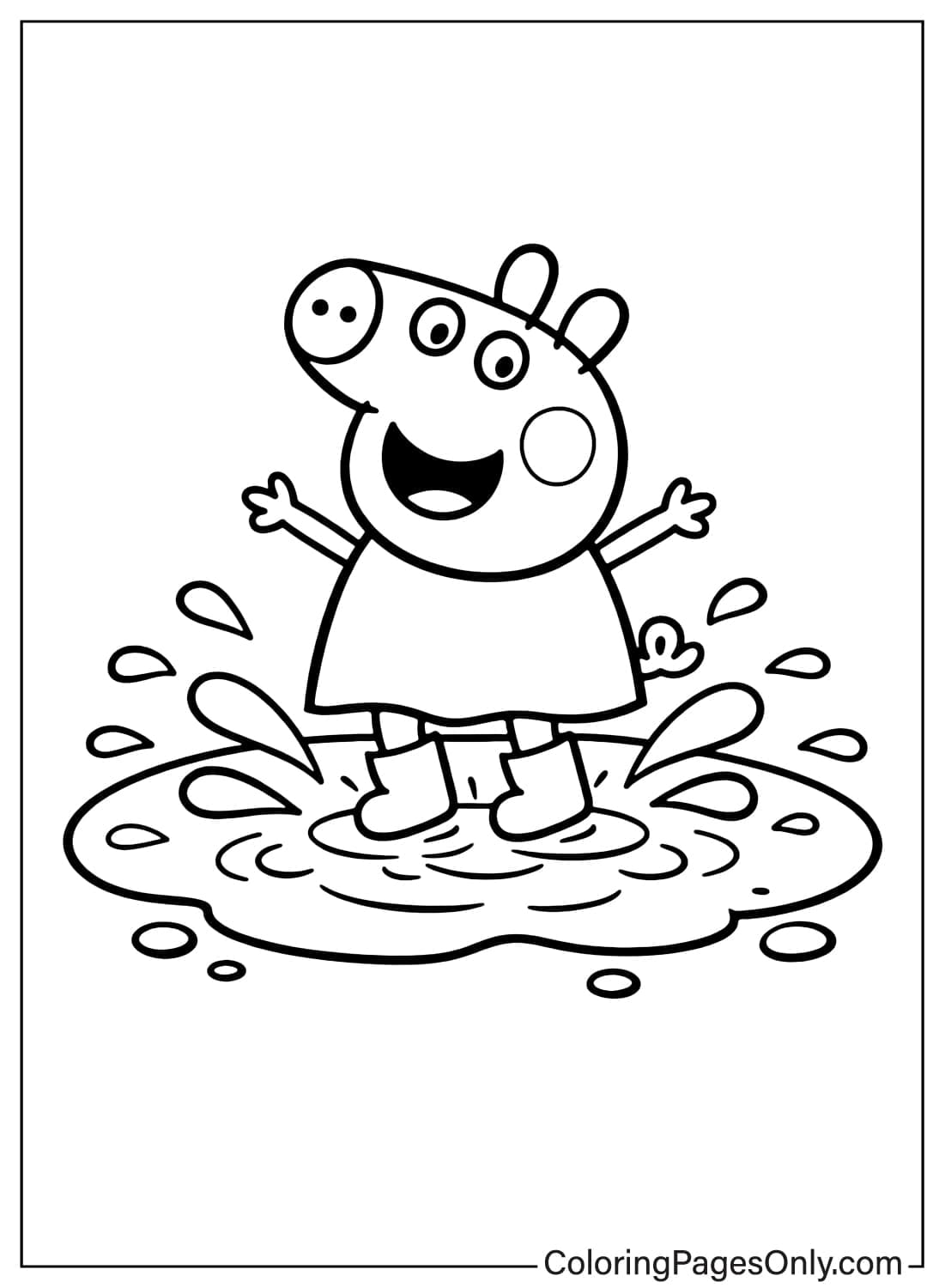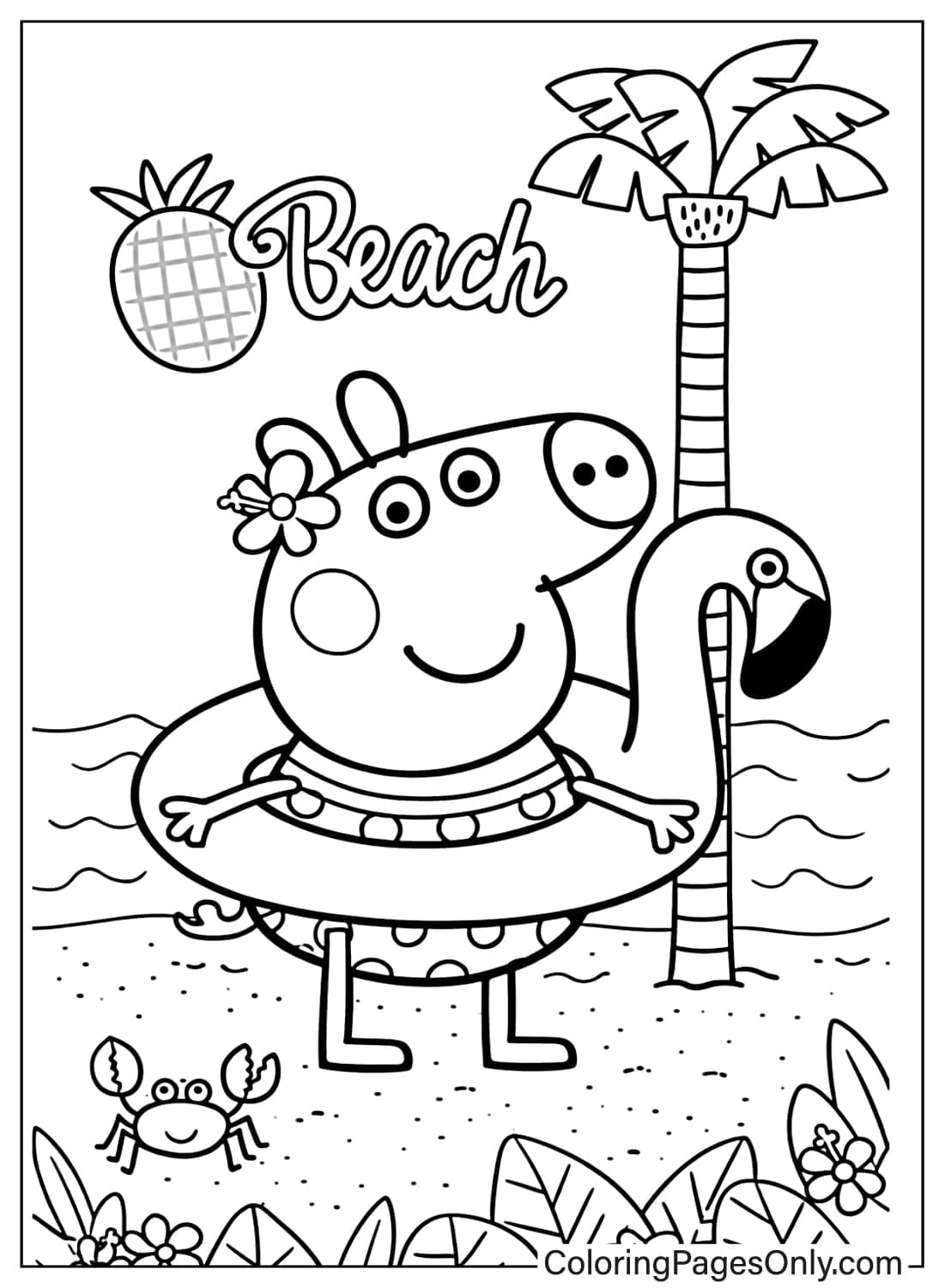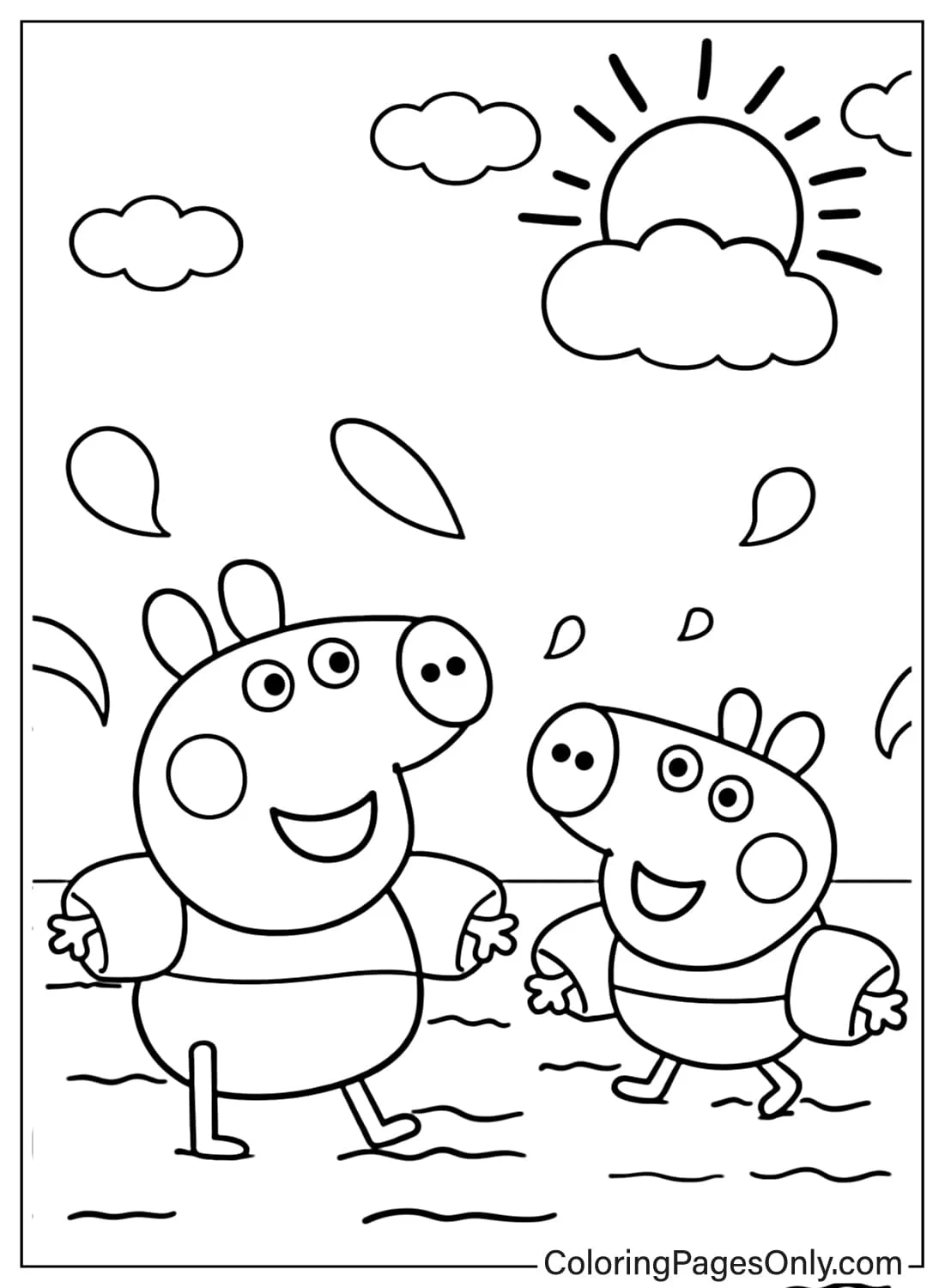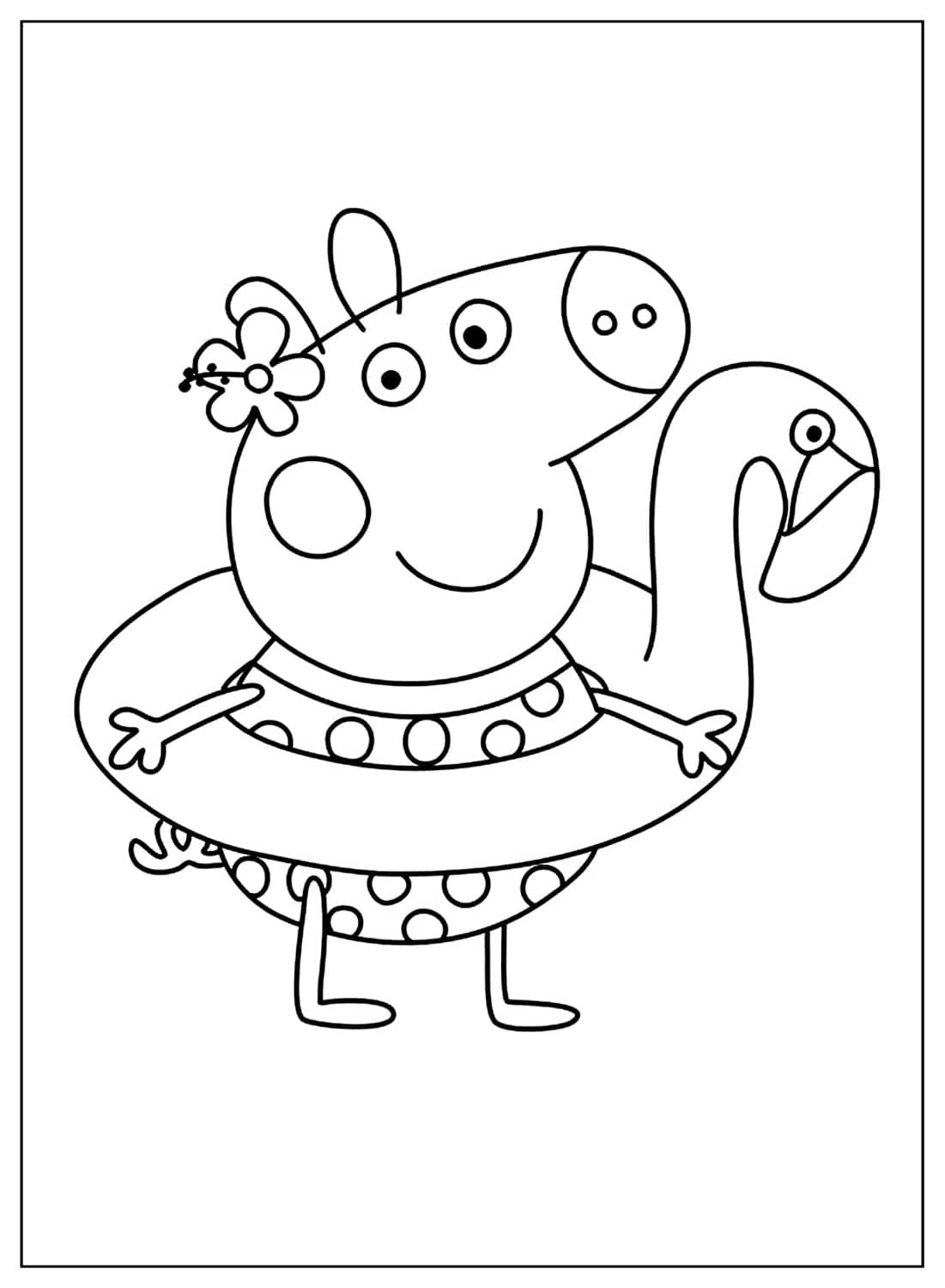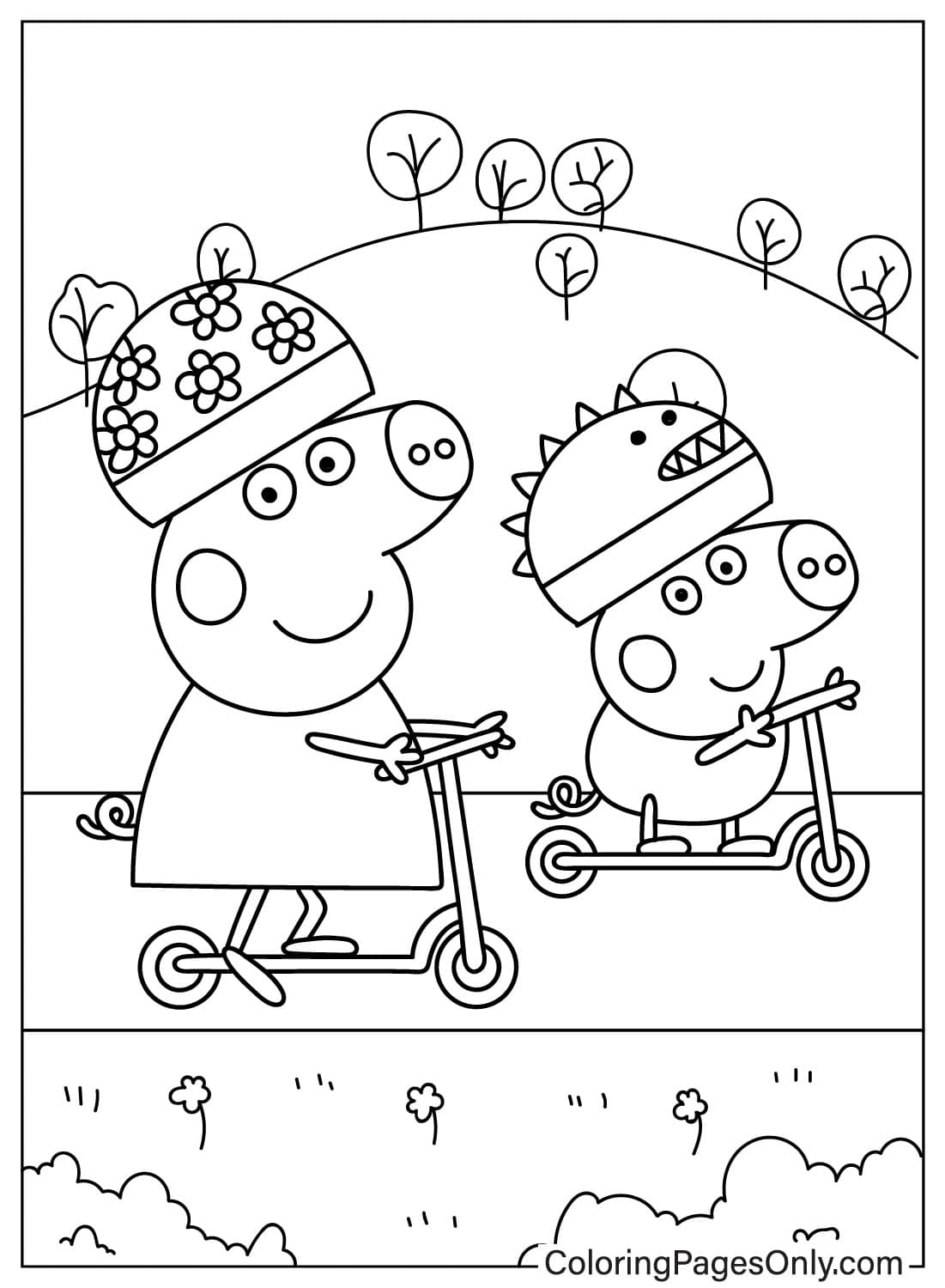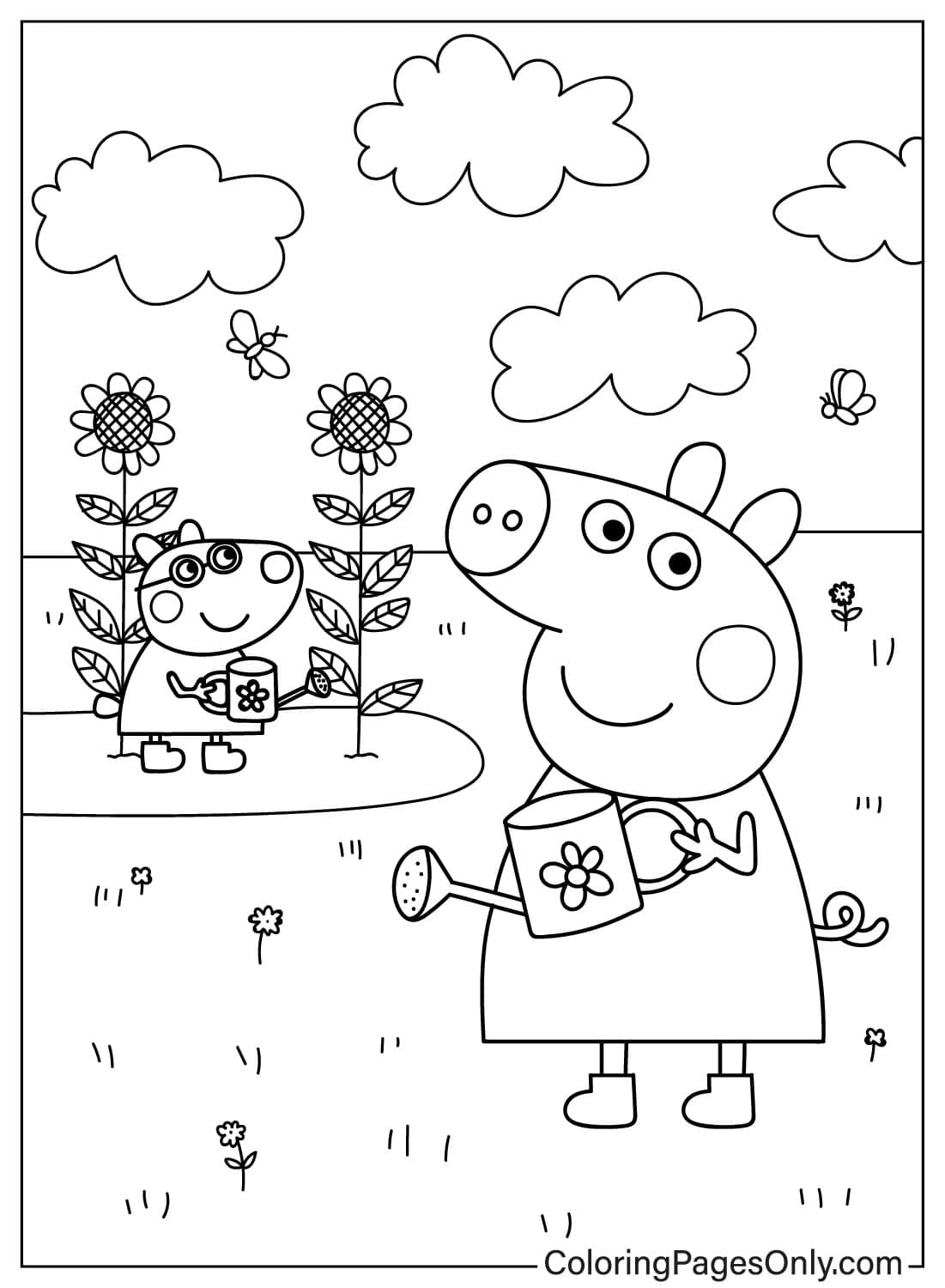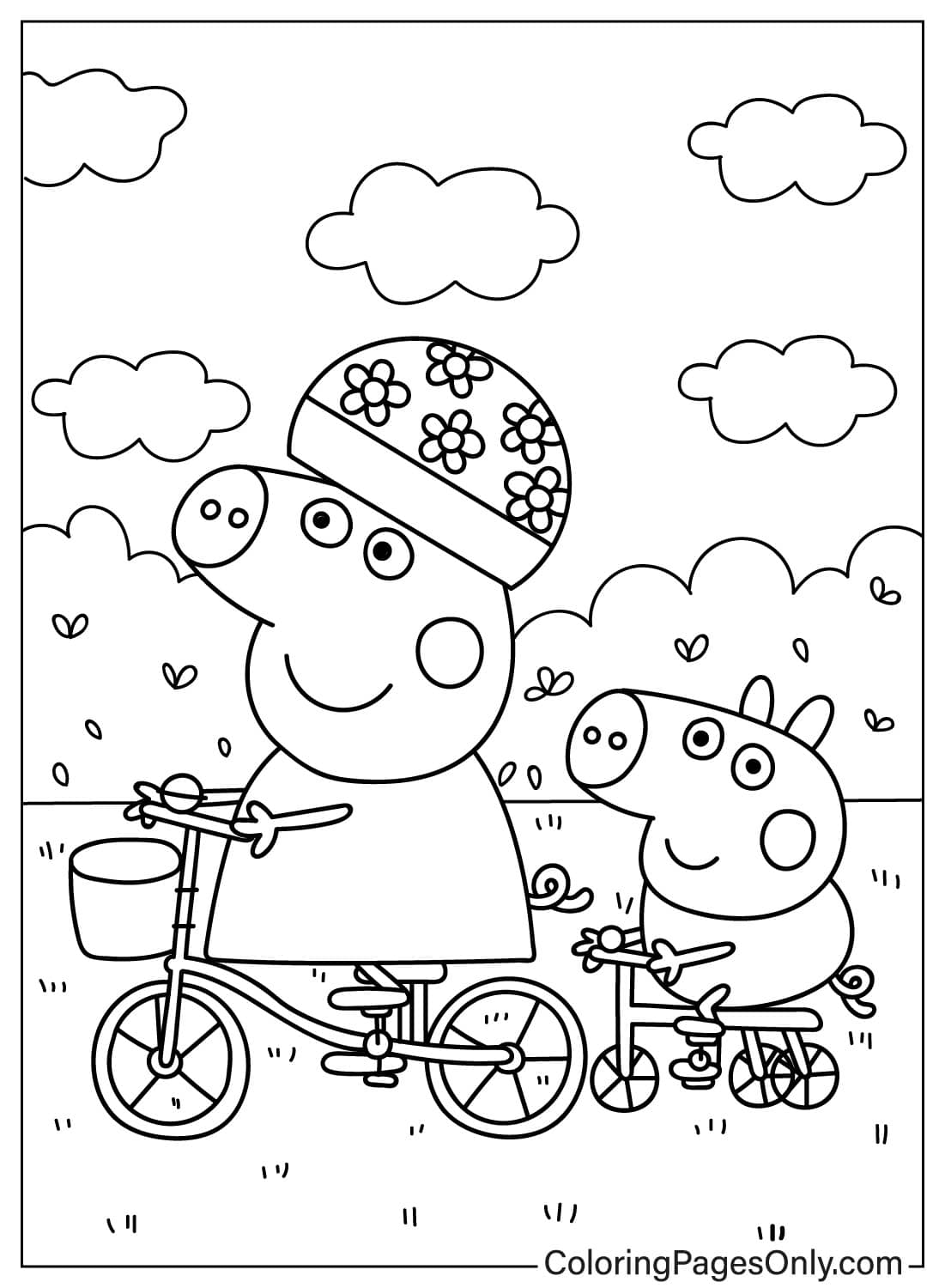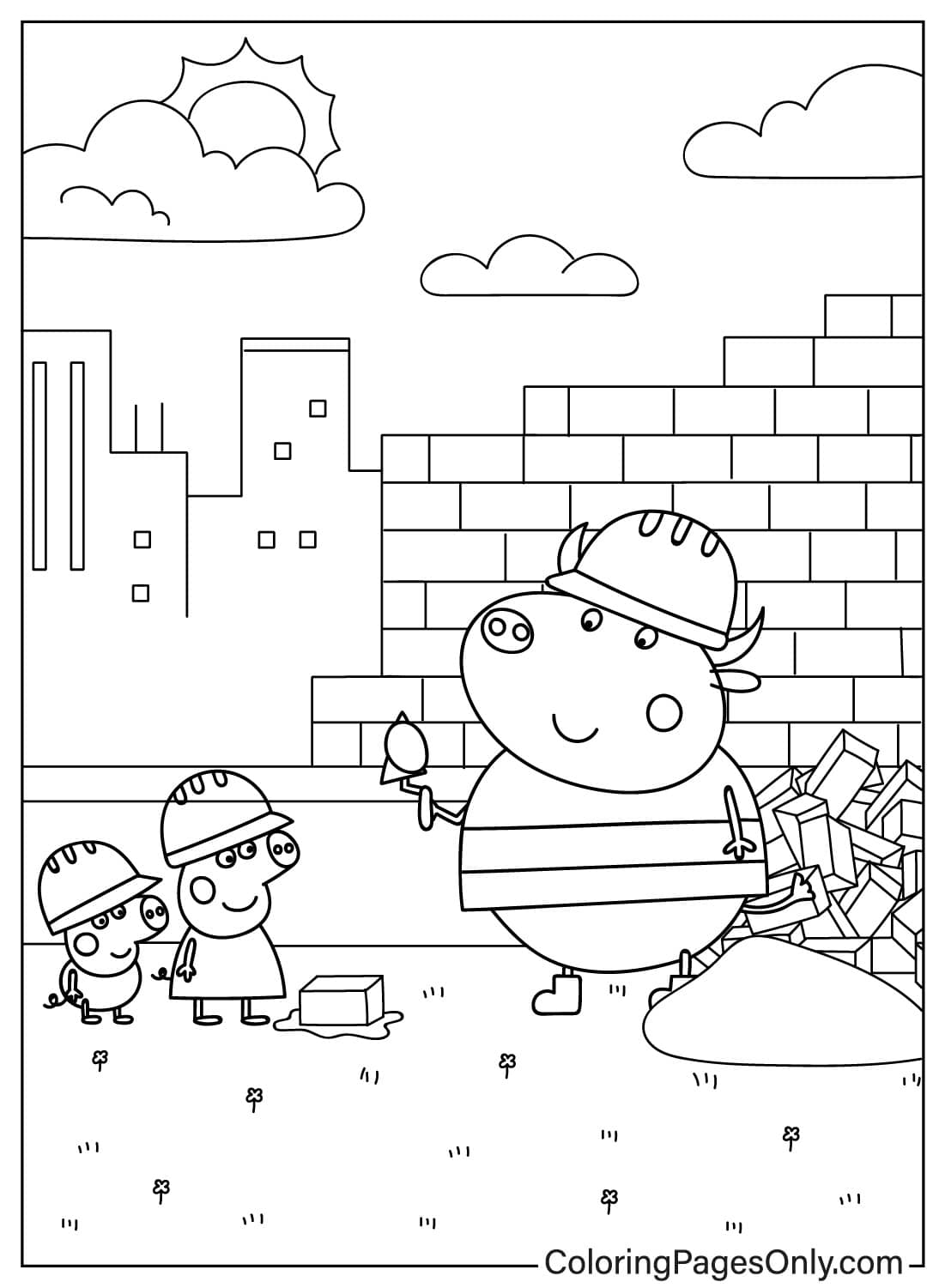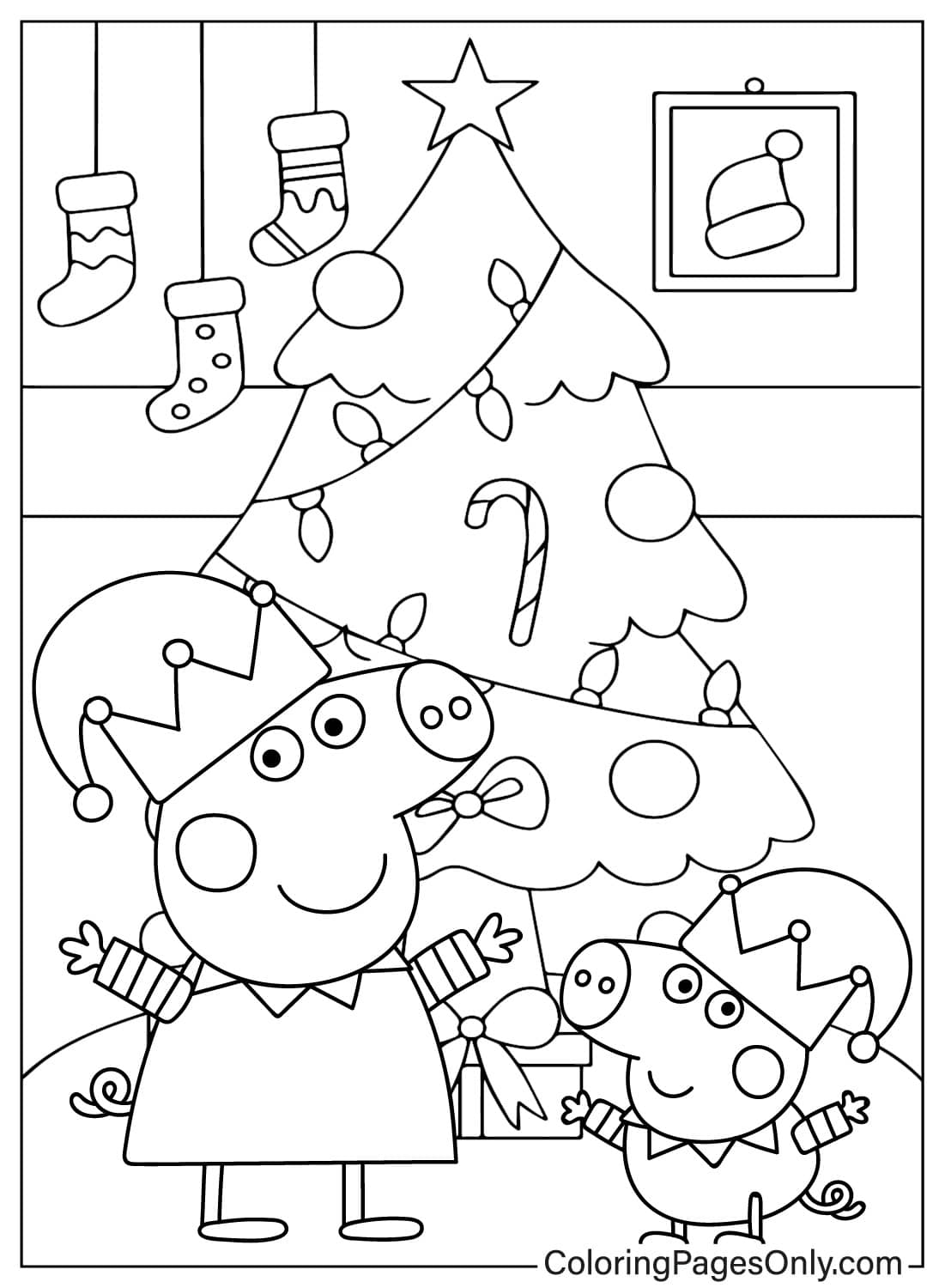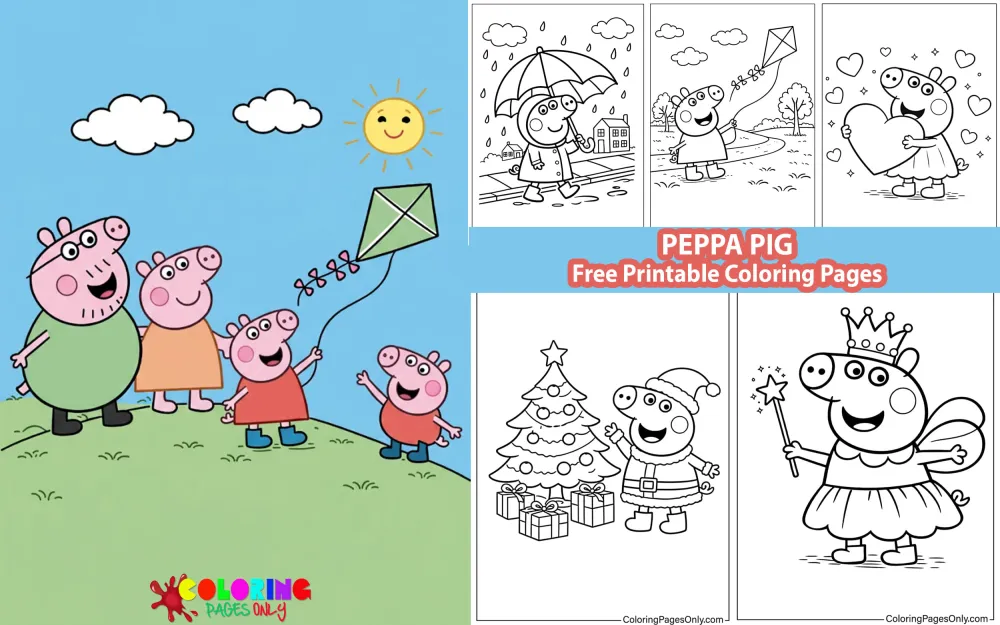
Free Peppa Pig coloring pages – 40+ pages featuring Peppa, George, Mummy Pig, Daddy Pig, muddy puddles, bike rides, rainbows, birthday scenes, holiday pages, beach days, snow play, picnics, toys, animals, and many more gentle printable designs. Download your favorite pages as PDF, print them at home, or color online.

Peppa Pig is easy for young children to recognize because the design is simple, soft, and friendly. Peppa’s round face, small ears, oval snout, bright dress, little shoes, and cheerful expressions make her clear even before any color is added. A child can see the snout, the dress shape, or the playful pose and immediately know this is Peppa.

Peppa Pig coloring pages work especially well for preschool and early elementary children because the scenes often come from everyday life. Peppa jumps in muddy puddles, rides a bike, plays outside, celebrates holidays, spends time with family, meets animals, enjoys parties, and explores simple activities that children already understand.

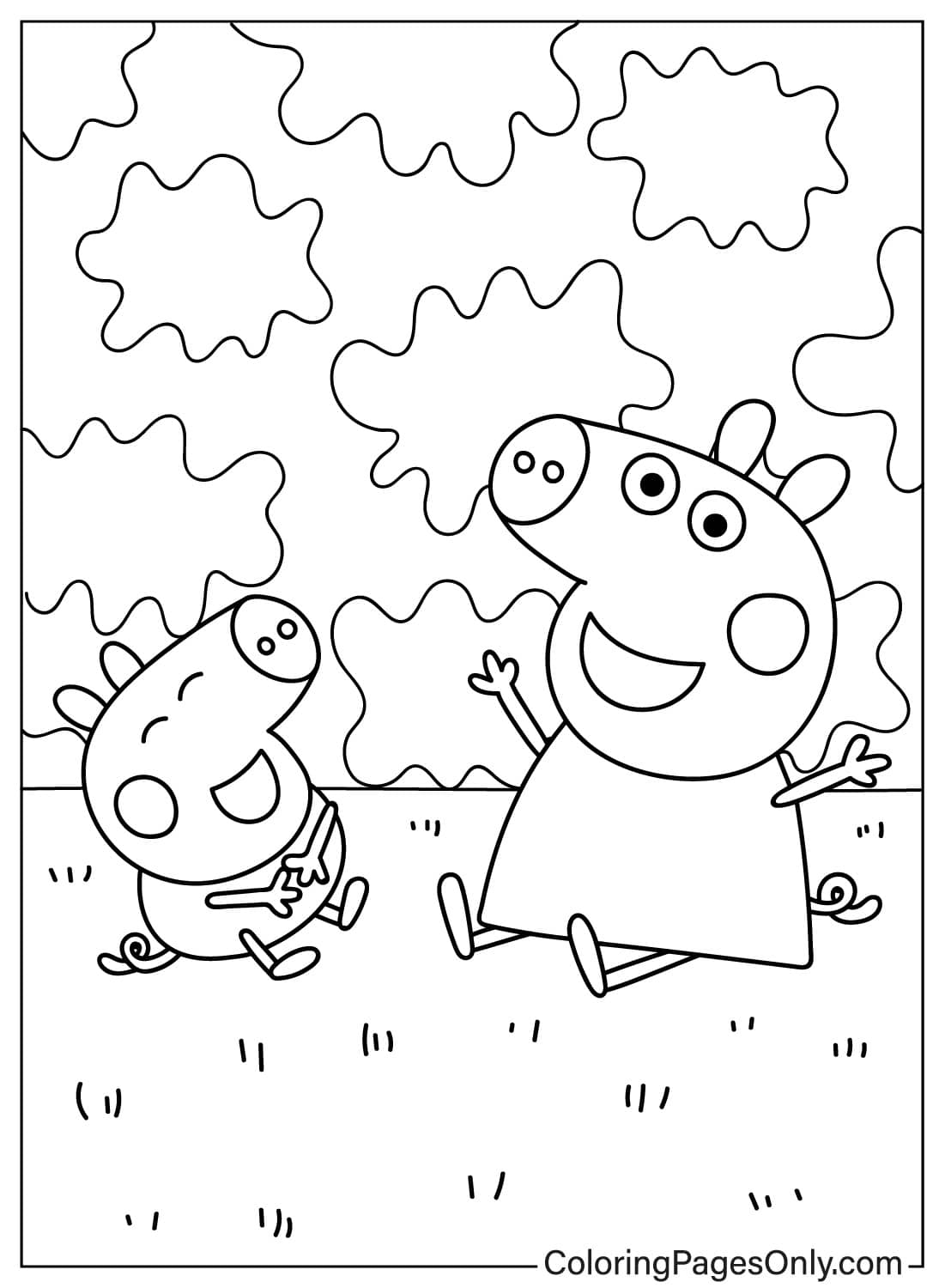
This collection includes many moods and moments. Some pages are very easy, with Peppa smiling, standing, holding balloons, or playing with simple objects. Some pages include George, Mummy Pig, Daddy Pig, friends, animals, toys, or family activities. Others bring in seasonal scenes such as Christmas, Halloween, autumn, snow, beach days, rain, flowers, and birthday celebrations.

A simple Peppa page can be finished quickly by young children. A more detailed page with family, outdoor scenery, decorations, or seasonal objects can become a longer activity for home, preschool, kindergarten, or classroom art time.

All 40+ pages are free at ColoringPagesOnly.com. Print your favorite Peppa Pig page at home or color it online.

What’s Inside

Classic Peppa Pig Coloring Pages

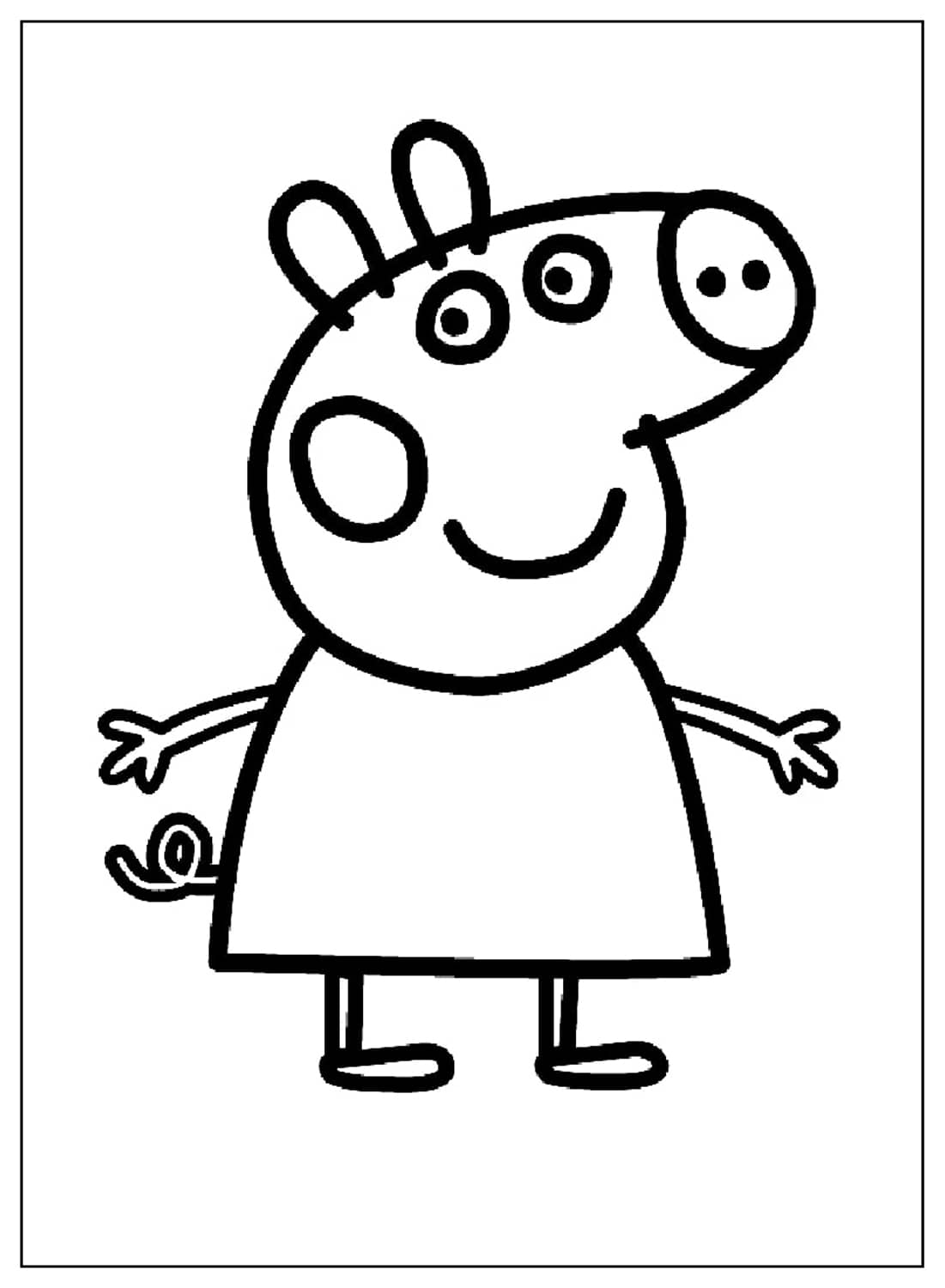
Classic Peppa Pig coloring pages focus on the most familiar look: Peppa standing, smiling, waving, walking, or enjoying a simple moment. These pages usually have large outlines, a clear body shape, and very few small details.

The strength of a classic Peppa page is simplicity. Young children do not need to manage a busy background before the picture starts to feel complete. Peppa’s face, dress, arms, shoes, and smile give them enough structure to color with confidence.

These pages are especially useful for preschoolers and kindergarten children. The face and dress offer larger spaces for crayons, while the snout, ears, eyes, cheeks, and shoes introduce smaller details without making the page frustrating.

For coloring, keep Peppa’s face and body soft pink, her dress bright red, and her shoes dark. The cheeks can be a slightly warmer pink or red-pink. A pale blue sky, light green grass, or a few small flowers can make the page feel cheerful without adding too much work.

Classic Peppa pages are a good starting point before children move into family scenes, muddy puddles, holiday pages, or more detailed outdoor activities.

Peppa, George, and Family Coloring Pages

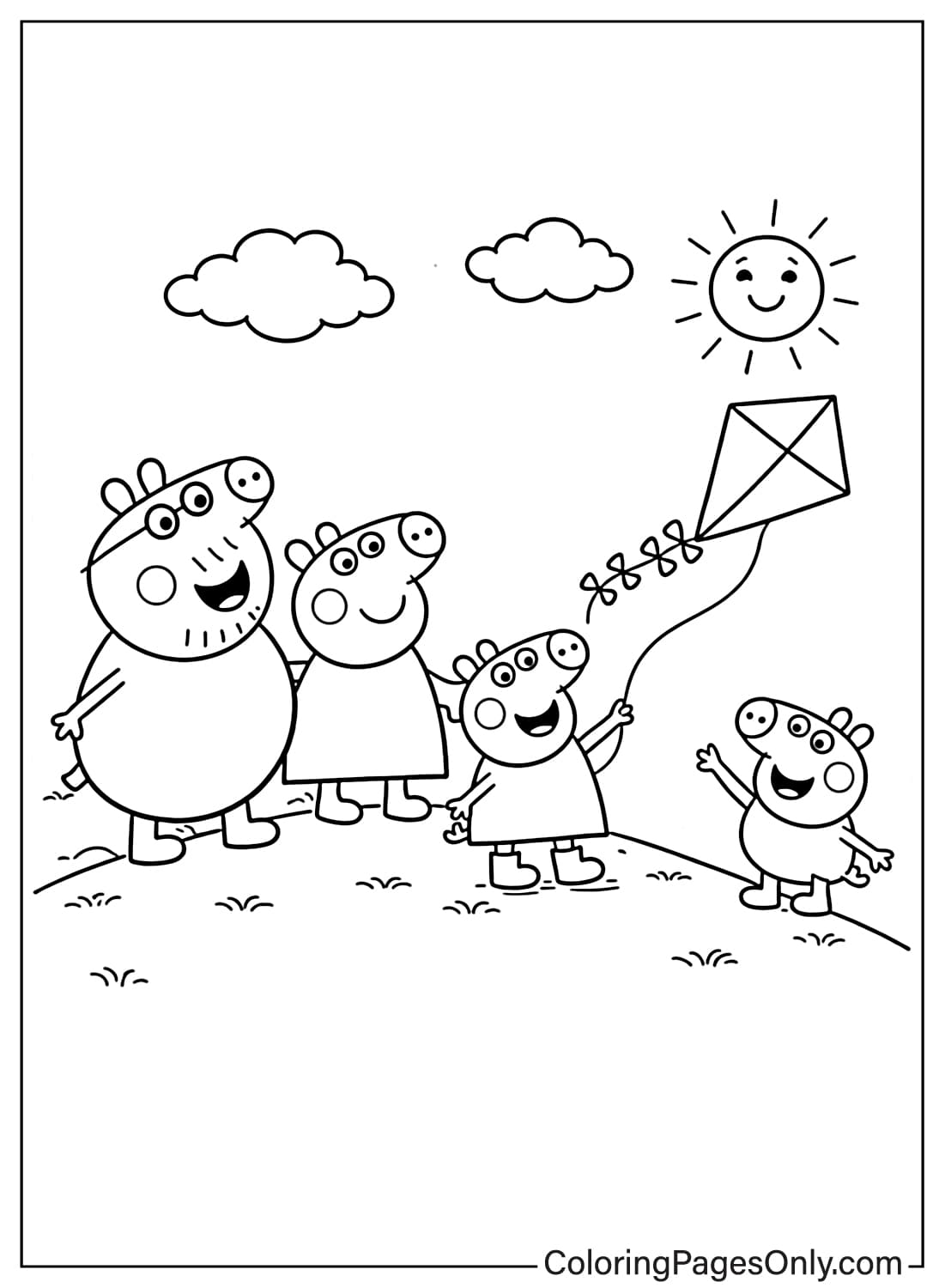
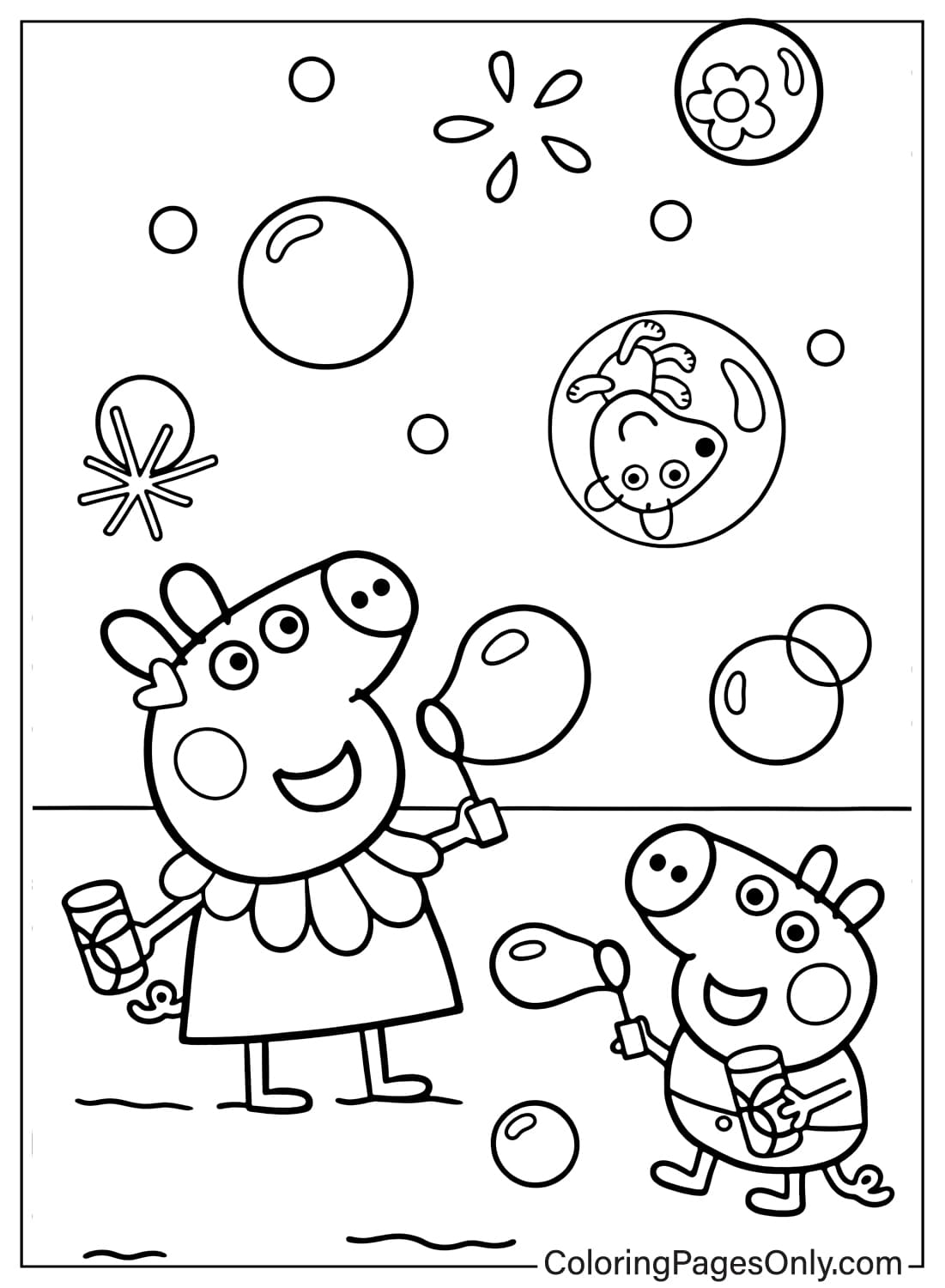
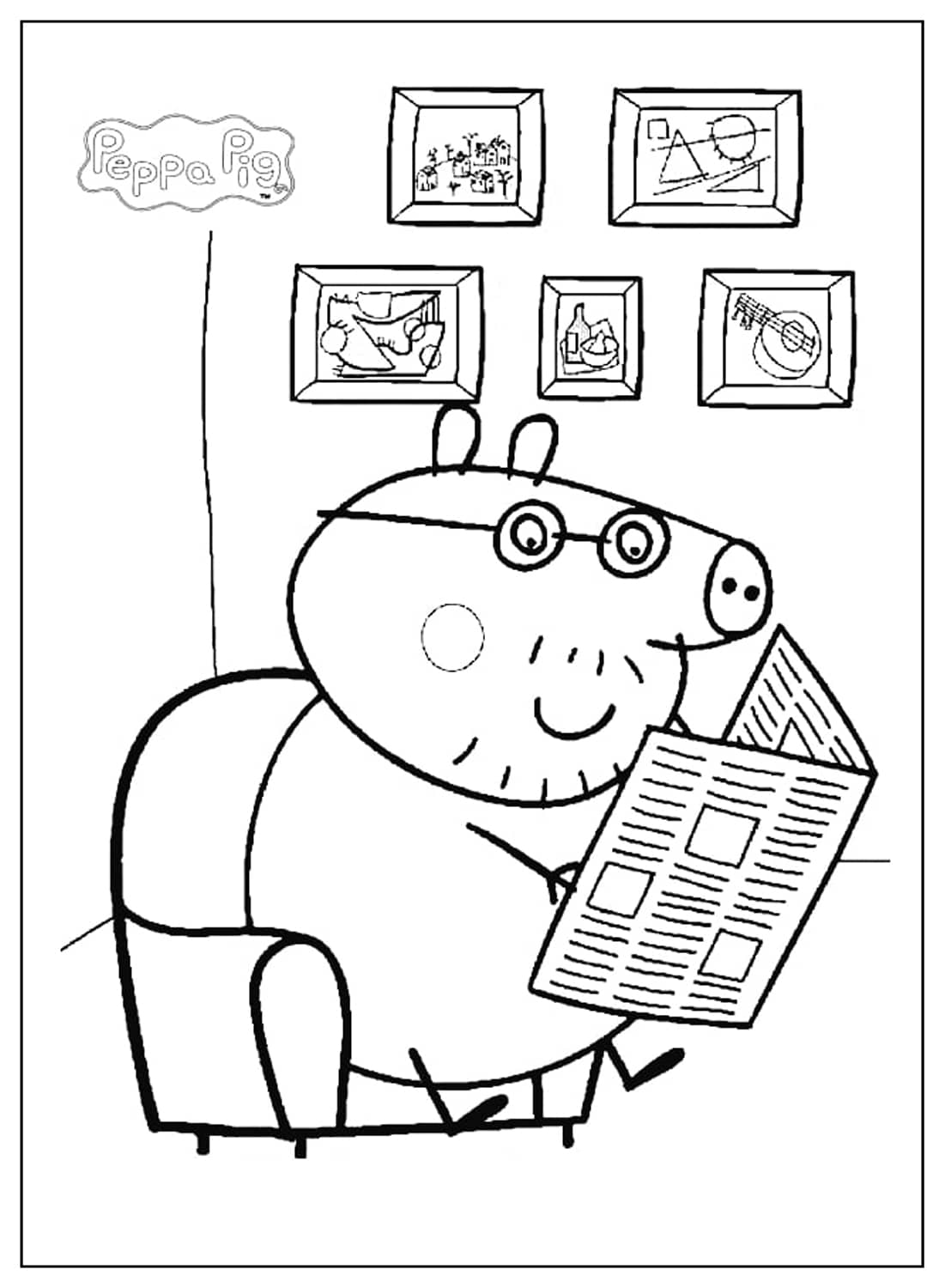
Family pages bring more warmth and storytelling into the collection. These designs may show Peppa with George, Mummy Pig, Daddy Pig, or a full family moment. Some pages may include reading, playing, walking, swimming, picnics, or quiet home scenes.

The main value of family pages is the relationship. Peppa alone feels playful, but Peppa with George feels like a sibling moment. A page with Mummy Pig or Daddy Pig can feel calm, caring, or funny. A full family page gives children more characters to color and more story to imagine.

These pages also help children practice color separation. Peppa can stay pink with a red dress, George can use soft pink with a blue shirt, Mummy Pig can use warm orange or coral tones, and Daddy Pig can use teal, green-blue, or soft blue clothing. Keeping each character’s outfit distinct makes the family scene easier to read.

For younger children, choose pages with two large characters and minimal background. Older kids can enjoy family pages with more objects, furniture, outdoor scenery, or small props.

Family pages are also useful for simple conversation. Children can talk about who is in the picture, what the family is doing, and what might happen next.

Muddy Puddles, Rain, and Outdoor Play Pages

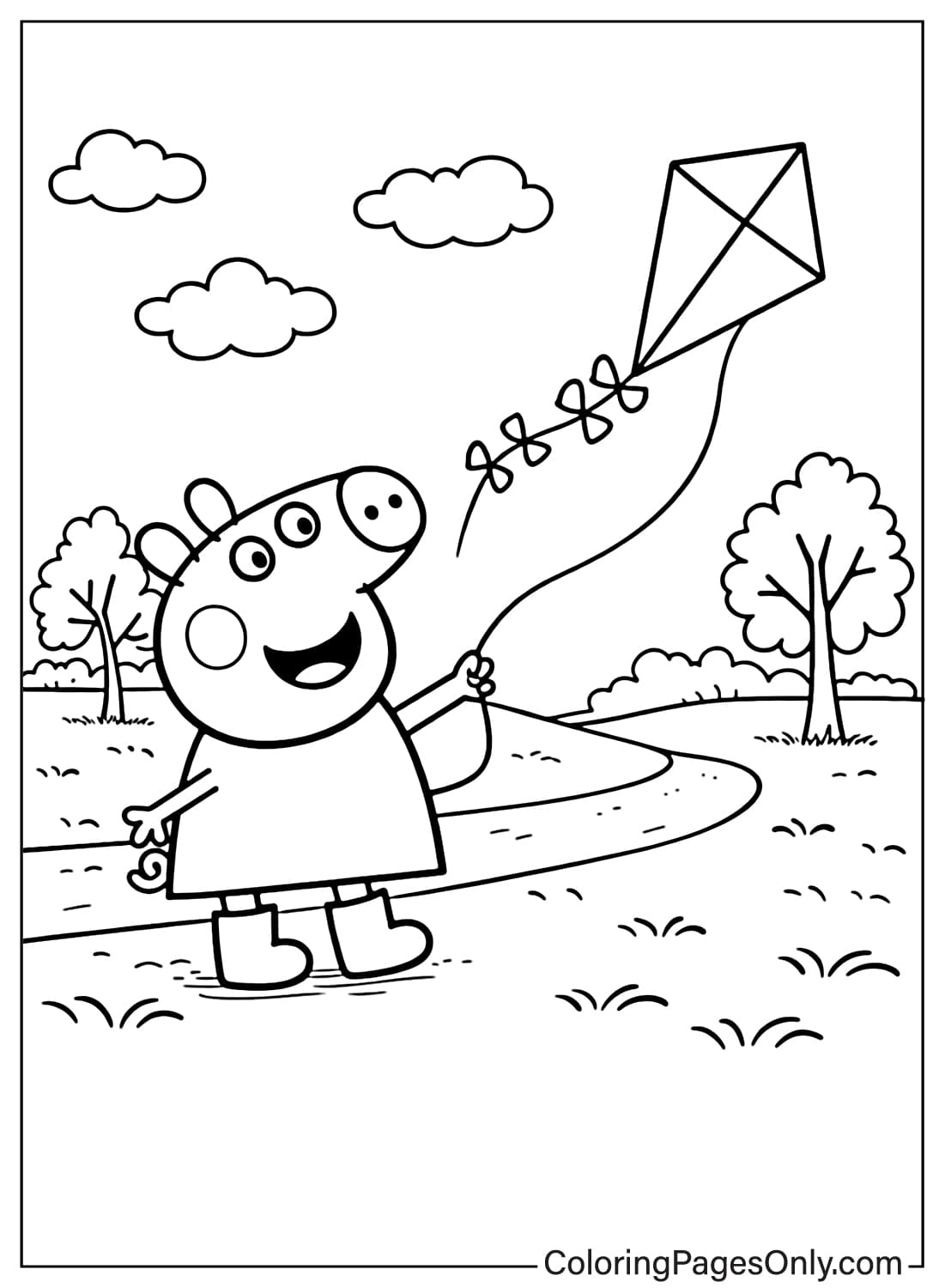
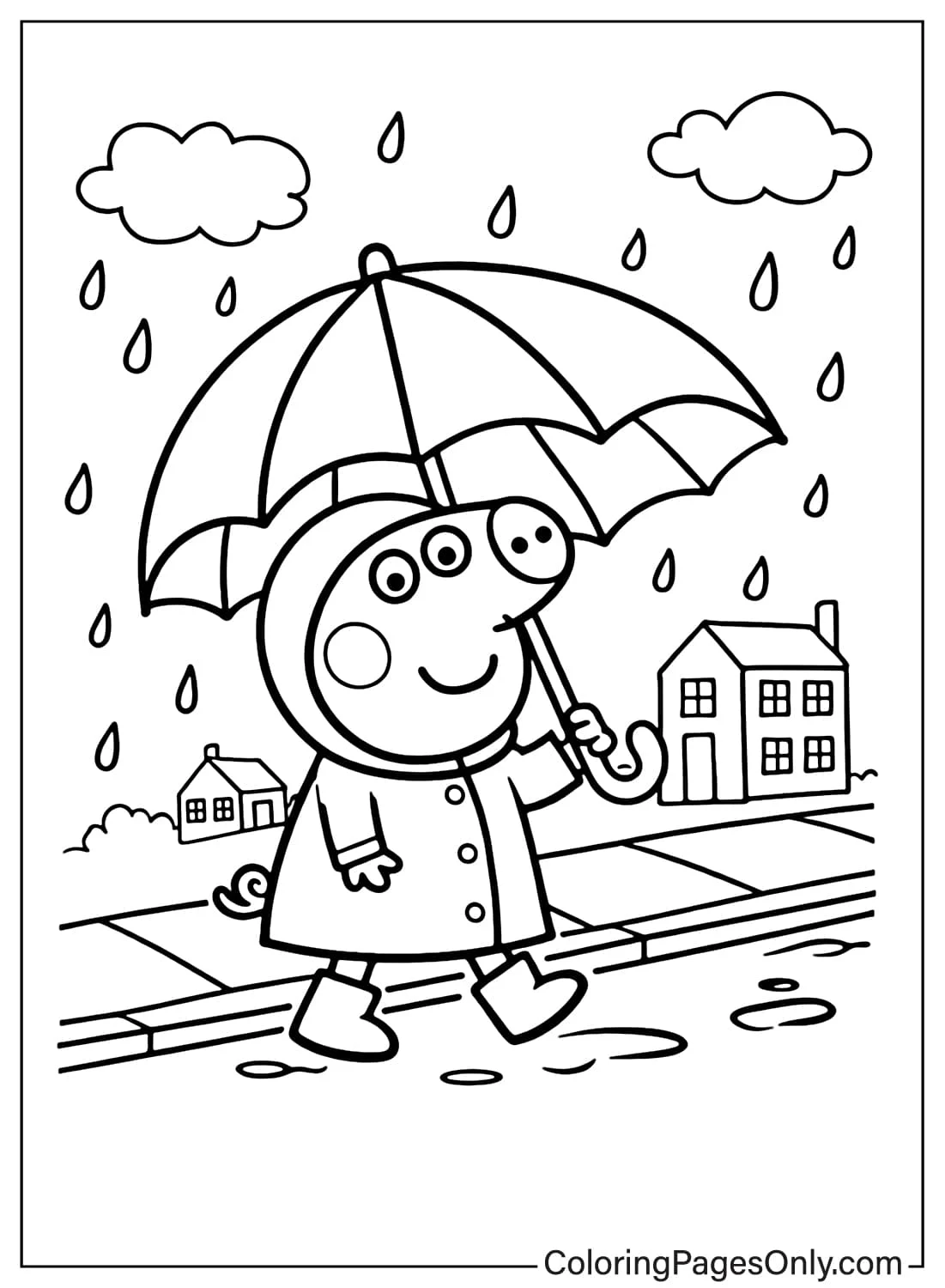
Muddy puddle pages are some of the most recognizable Peppa Pig designs. These pages may show Peppa jumping, walking in the rain, playing outside, splashing in puddles, holding an umbrella, flying a kite, riding a bike, or enjoying a park scene.

The movement in these pages is gentle, not intense. Peppa might jump with both feet, wave her arms, ride slowly, or stand happily in the rain. This makes the pages active enough to feel fun but still easy enough for young children to color.

Outdoor play pages give children familiar objects to work with: puddles, grass, trees, clouds, umbrellas, kites, bicycles, flowers, and paths. These shapes are usually easy to understand, which makes the page feel connected to real-life play.

For coloring muddy puddles, use brown, tan, or soft gray-brown. Rain scenes can use pale blue, gray, and light purple. Grass can be green, flowers can be bright, and the sky can stay soft, so Peppa remains the focus.

These pages are good for children who enjoy simple action scenes, weather themes, and playful outdoor activities.

Birthday, Holiday, and Seasonal Peppa Pages

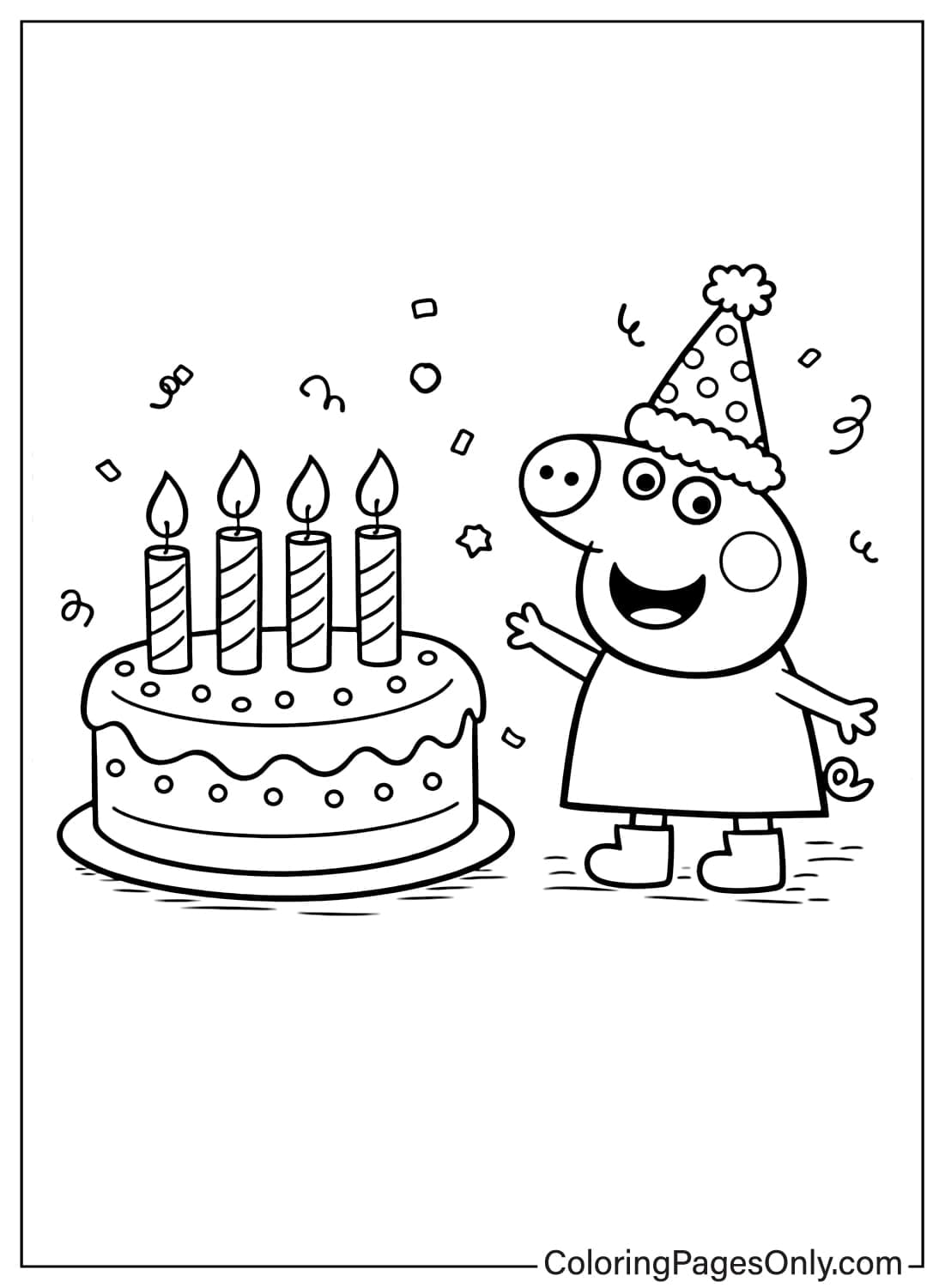
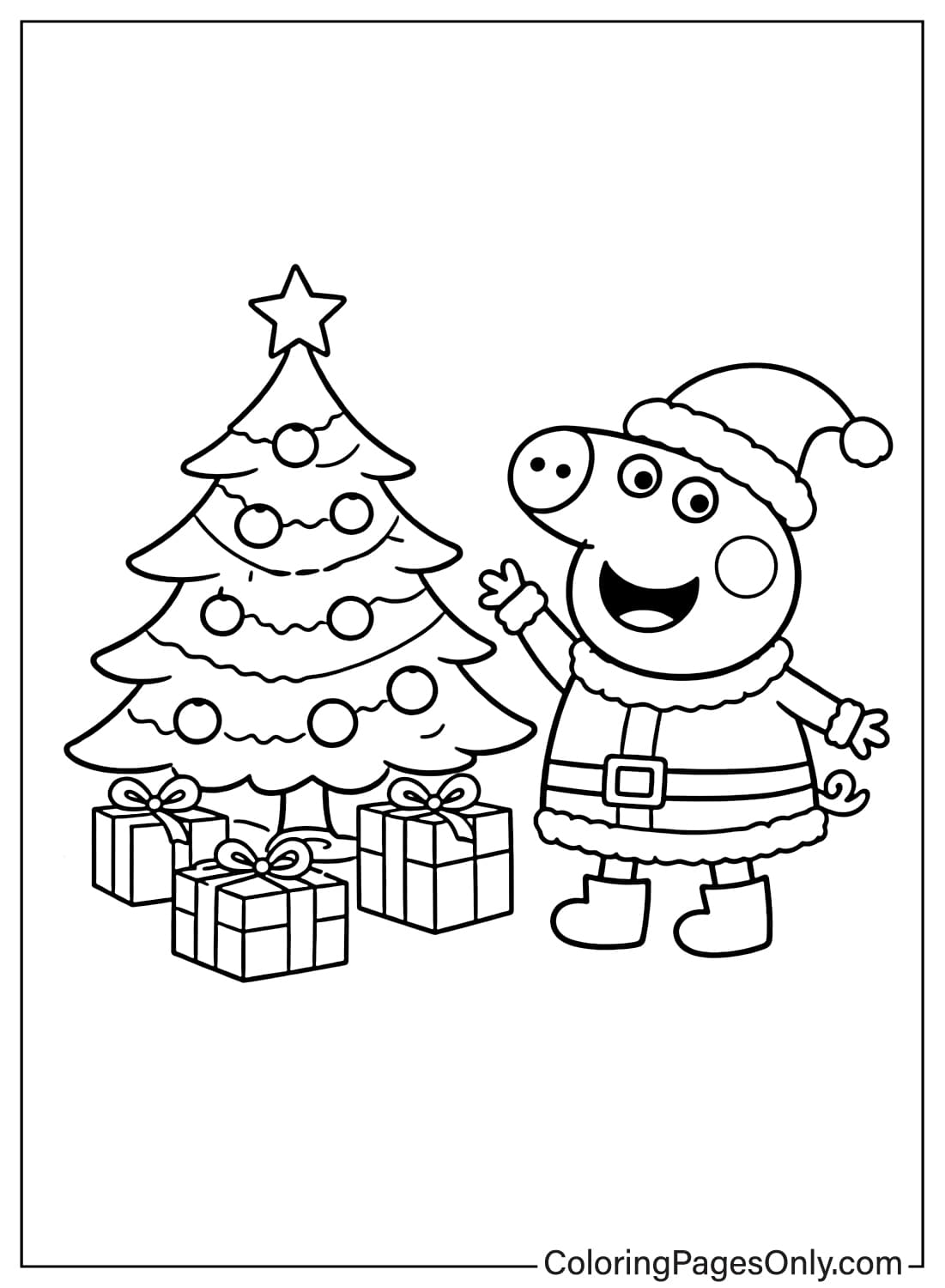
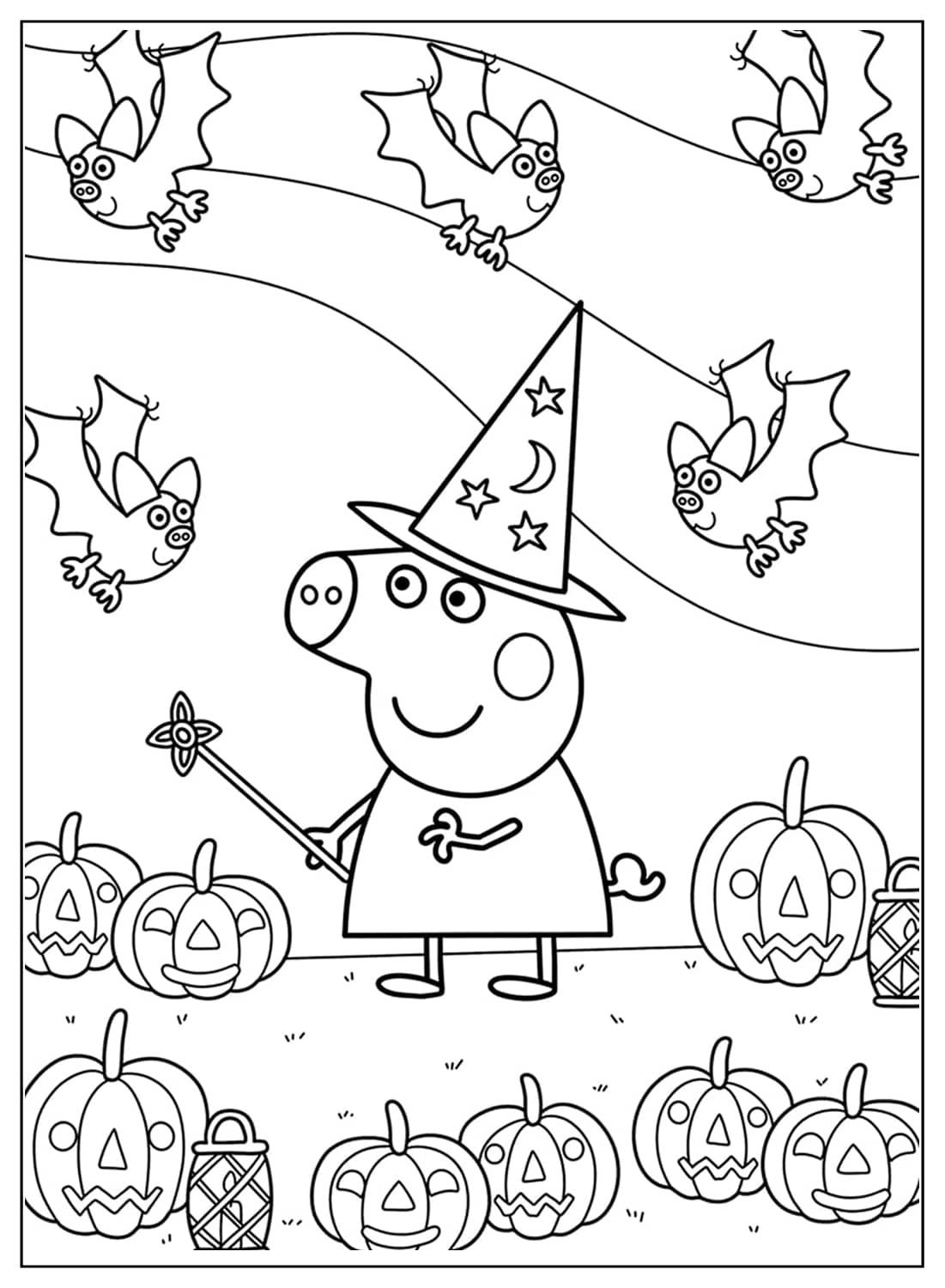
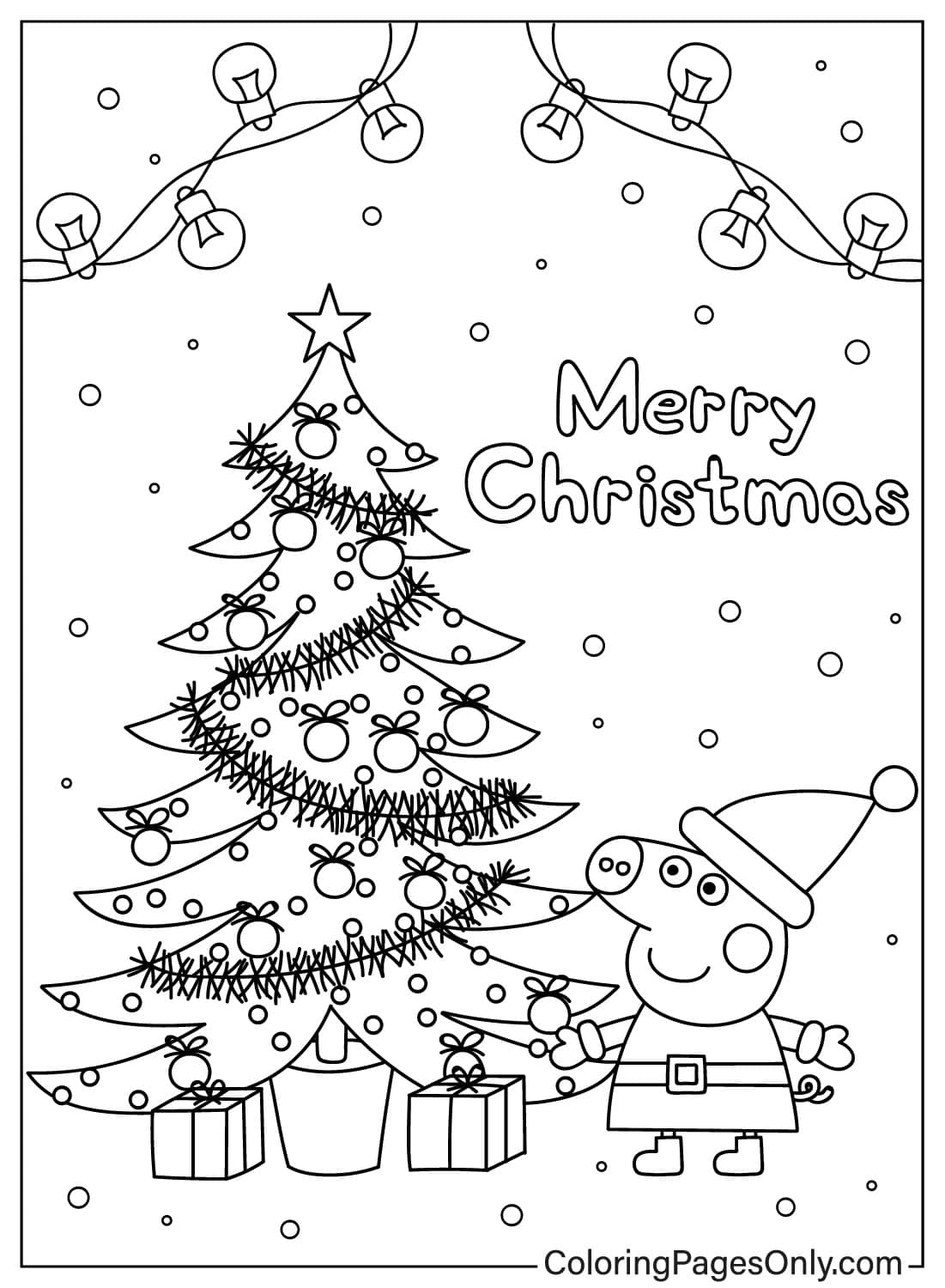
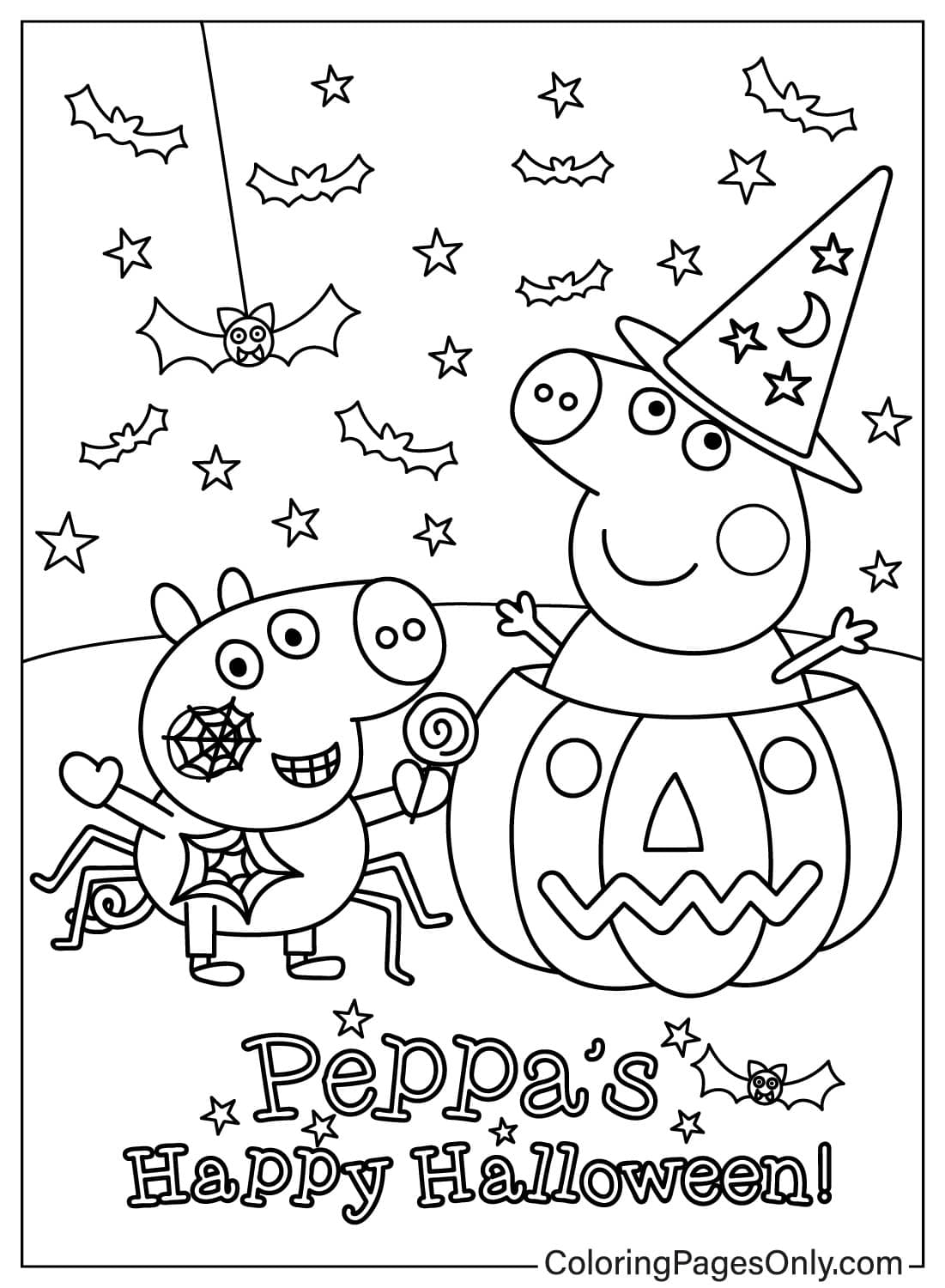
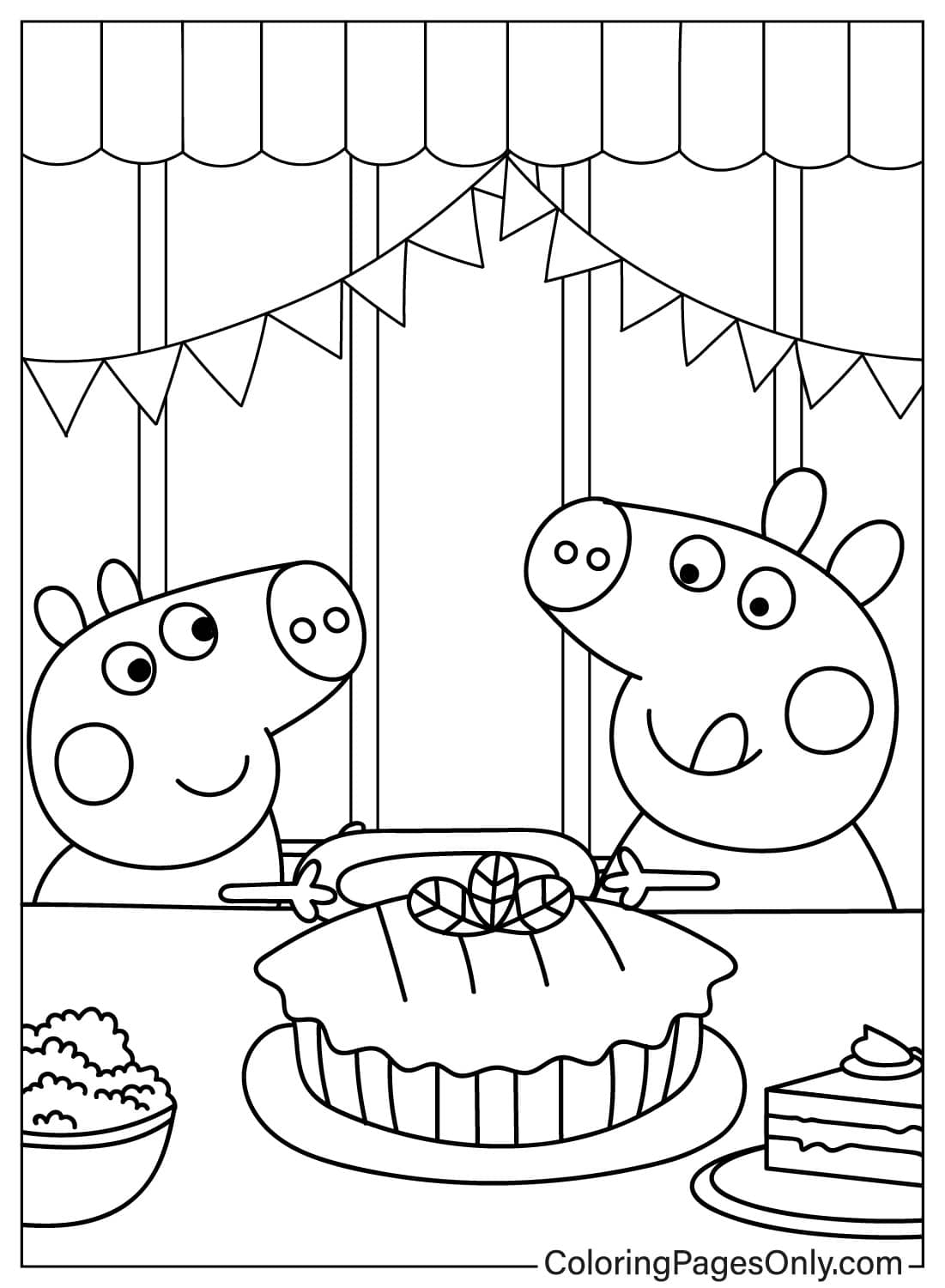
Birthday and holiday Peppa pages place the character inside a special event. These pages may include birthday cakes, balloons, Valentine hearts, Halloween pumpkins, Christmas trees, snow scenes, autumn leaves, gifts, stars, or party decorations.

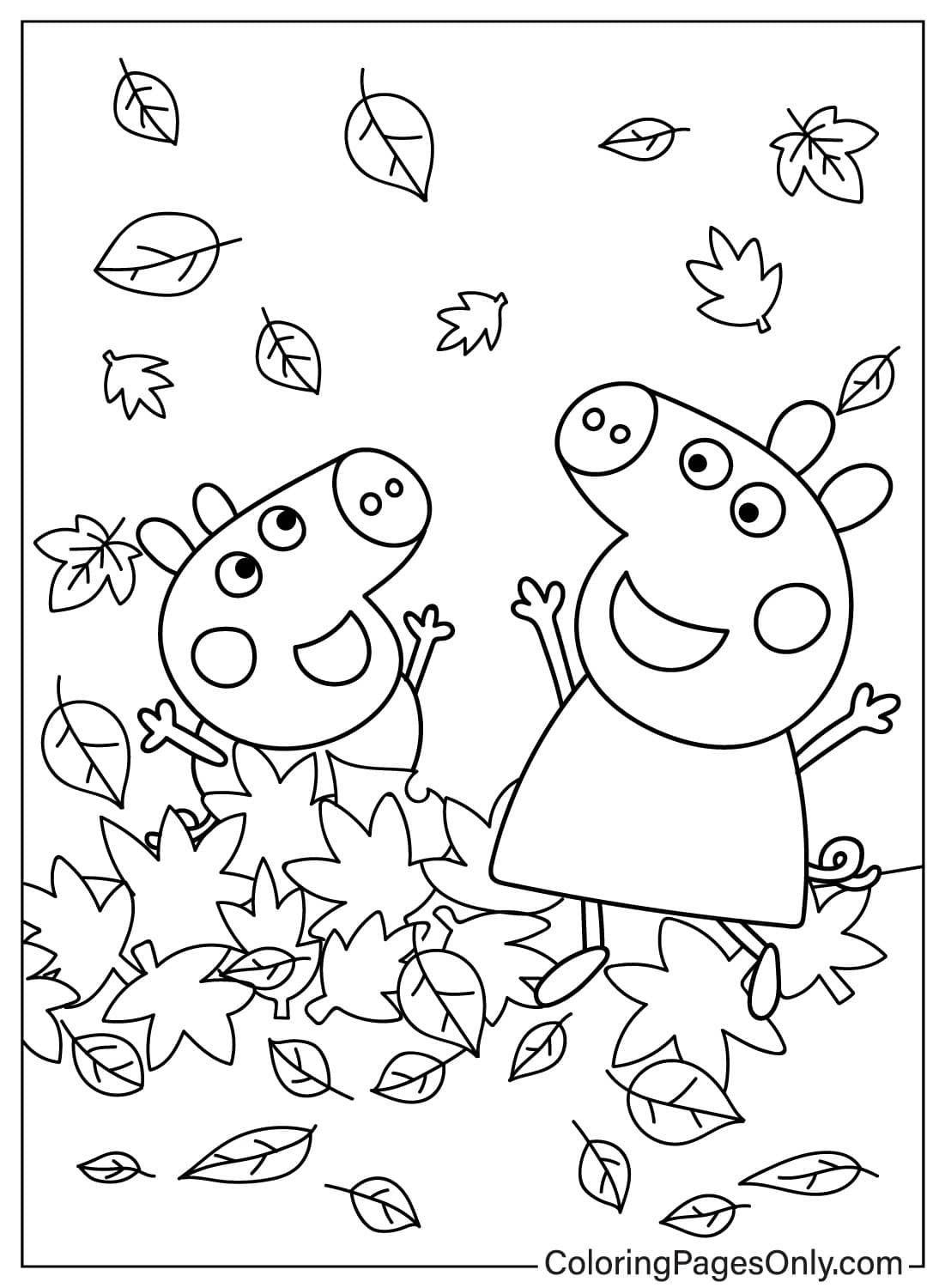
A theme changes the feeling of the whole page. Birthday pages should feel bright and cheerful, with cake, candles, balloons, and confetti. Christmas pages can use red, green, gold, white, and snowy details. Halloween pages can use orange, purple, black, and yellow while still staying friendly. Autumn pages can use warm brown, orange, yellow, and red leaves.

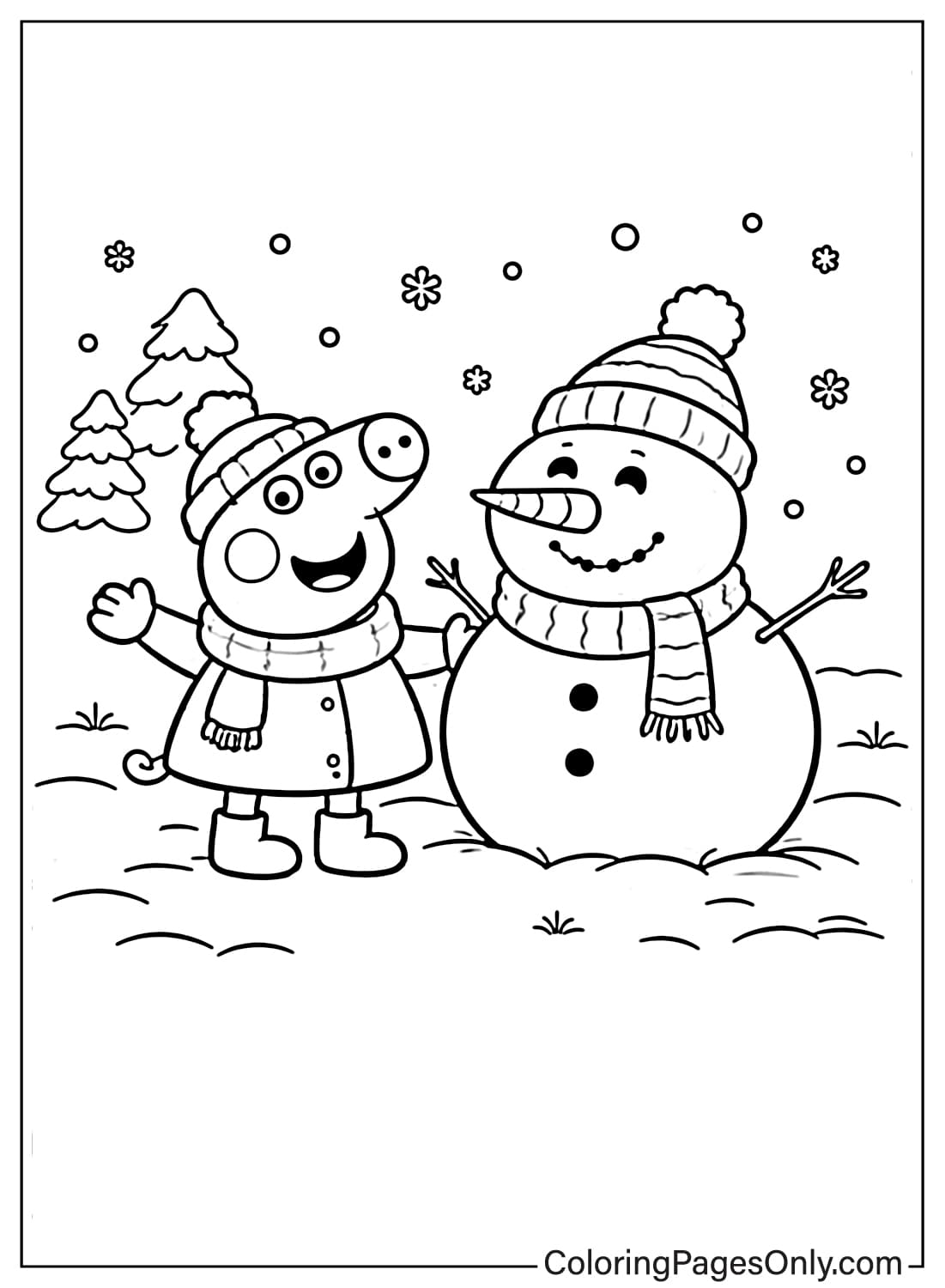
Here, children are coloring a moment, not just a character. Peppa can be celebrating, dressing up, playing in the snow, holding a heart, standing near a Christmas tree, or enjoying a seasonal activity. The page already has a mood before the first color is added.

Seasonal pages often include more small objects than classic Peppa pages. A good order is to color Peppa first, then the main holiday object, then the smaller decorations. This helps the character stay clear inside the scene.
These pages work well for classroom crafts, party activities, holiday printables, or quiet seasonal coloring at home.

Beach, Picnic, and Nature Peppa Pages

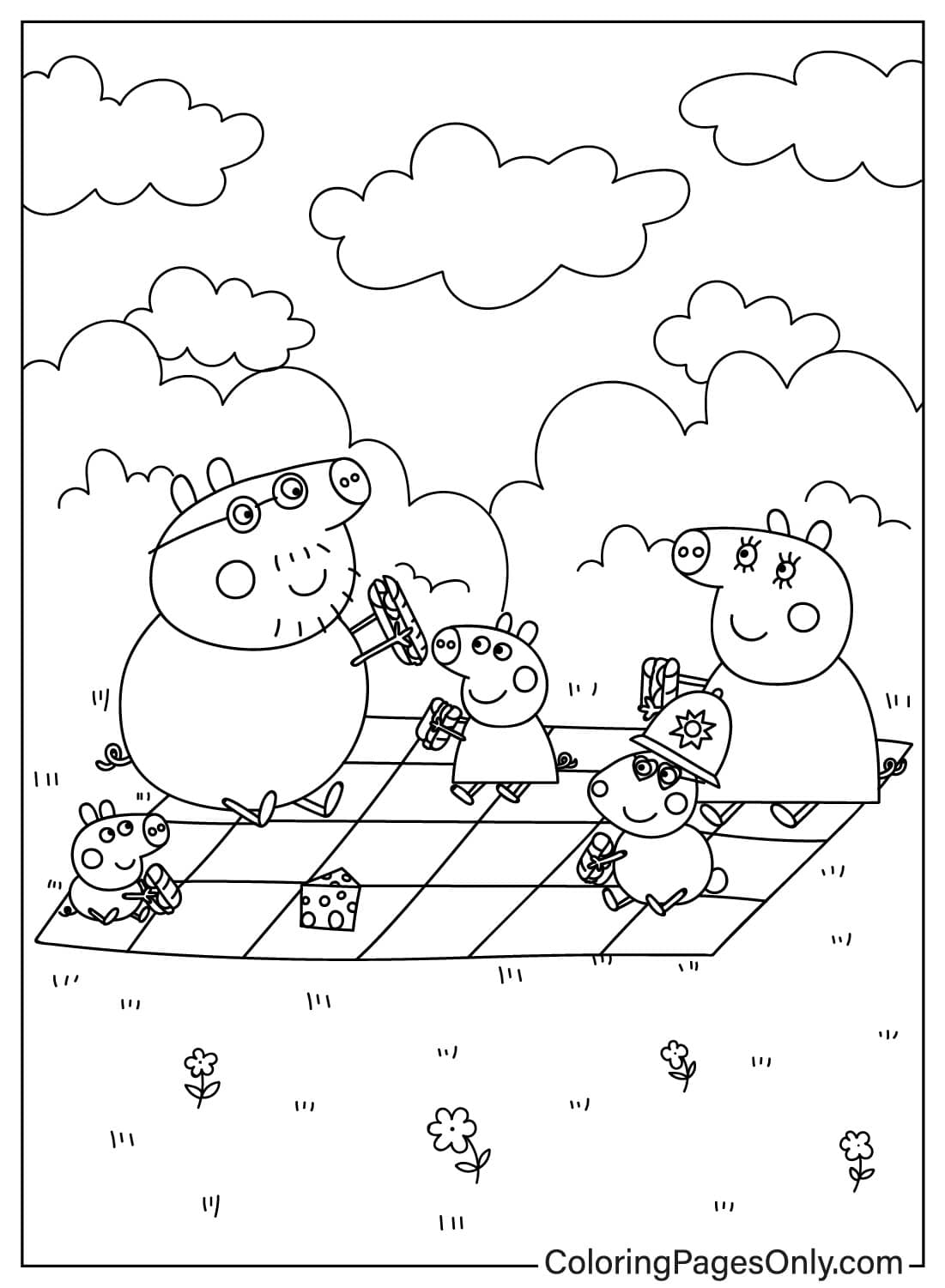
Beach, picnic, flowers, autumn, and nature pages show Peppa in calm outdoor settings. These designs may include sand, water, shells, picnic blankets, trees, flowers, leaves, animals, grass, or sunny skies.
Nature pages give the collection a softer feeling. They are less about action and more about place. A beach page can feel open and sunny. A picnic page can feel friendly and relaxed. A flower page can feel gentle and creative. An autumn page can introduce warm seasonal colors.
The background becomes important here, but it should not overpower Peppa. Beach pages can use pale yellow sand, light blue water, and soft sky colors. Picnic pages can use green grass, red or blue blanket patterns, fruit colors, and simple tree shapes. Flower pages can use pink, yellow, purple, red, and green.
These pages help children connect coloring with everyday environments. They can talk about the weather, what Peppa is doing, what season it might be, or what they would bring to a picnic or beach day.

For younger children, choose nature pages with one large Peppa figure and only a few background objects. Older children can add patterns, shadows, flowers, clouds, waves, or extra scenery.

Fantasy, Dress-Up, and Imaginative Peppa Pages

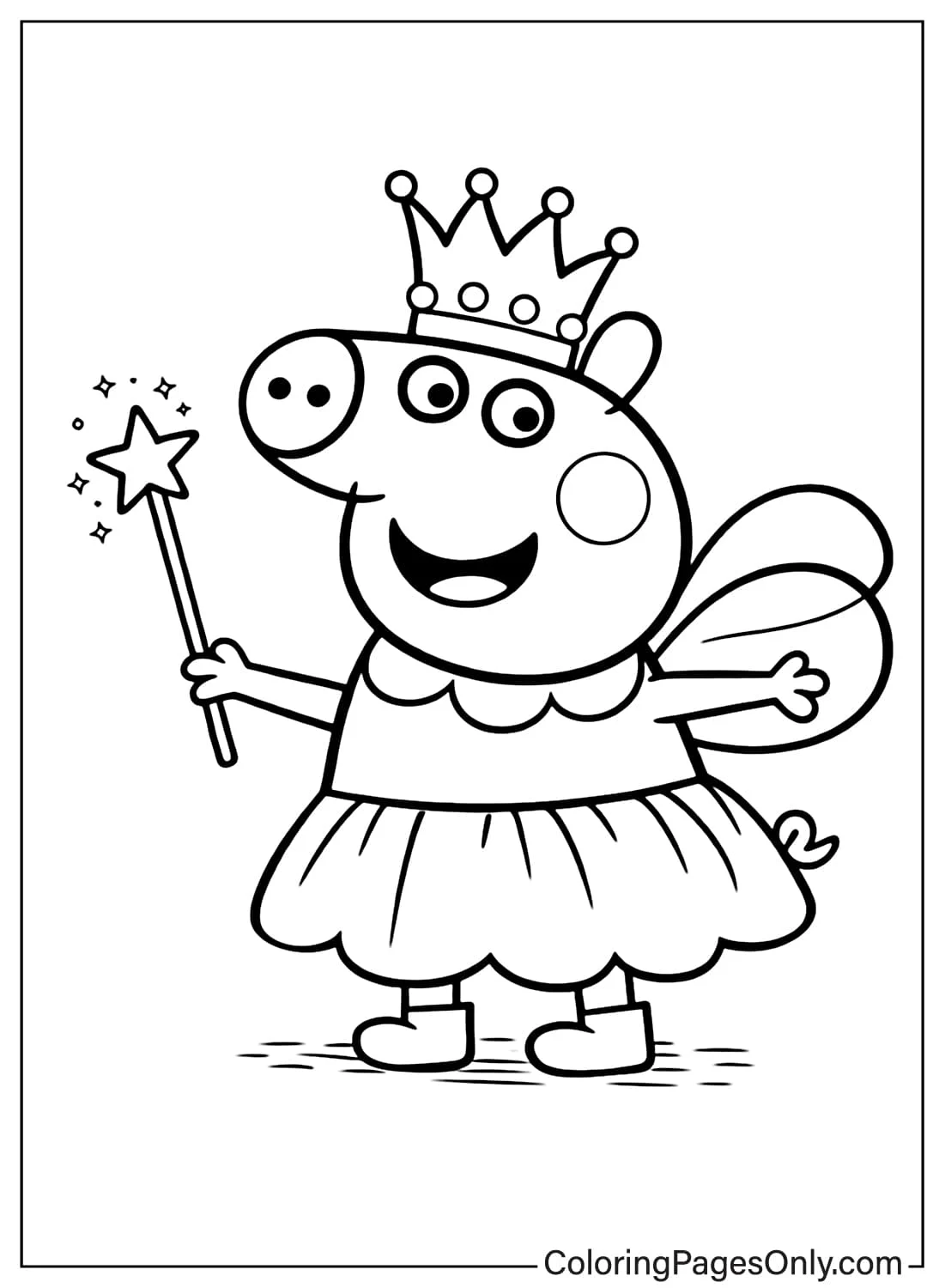
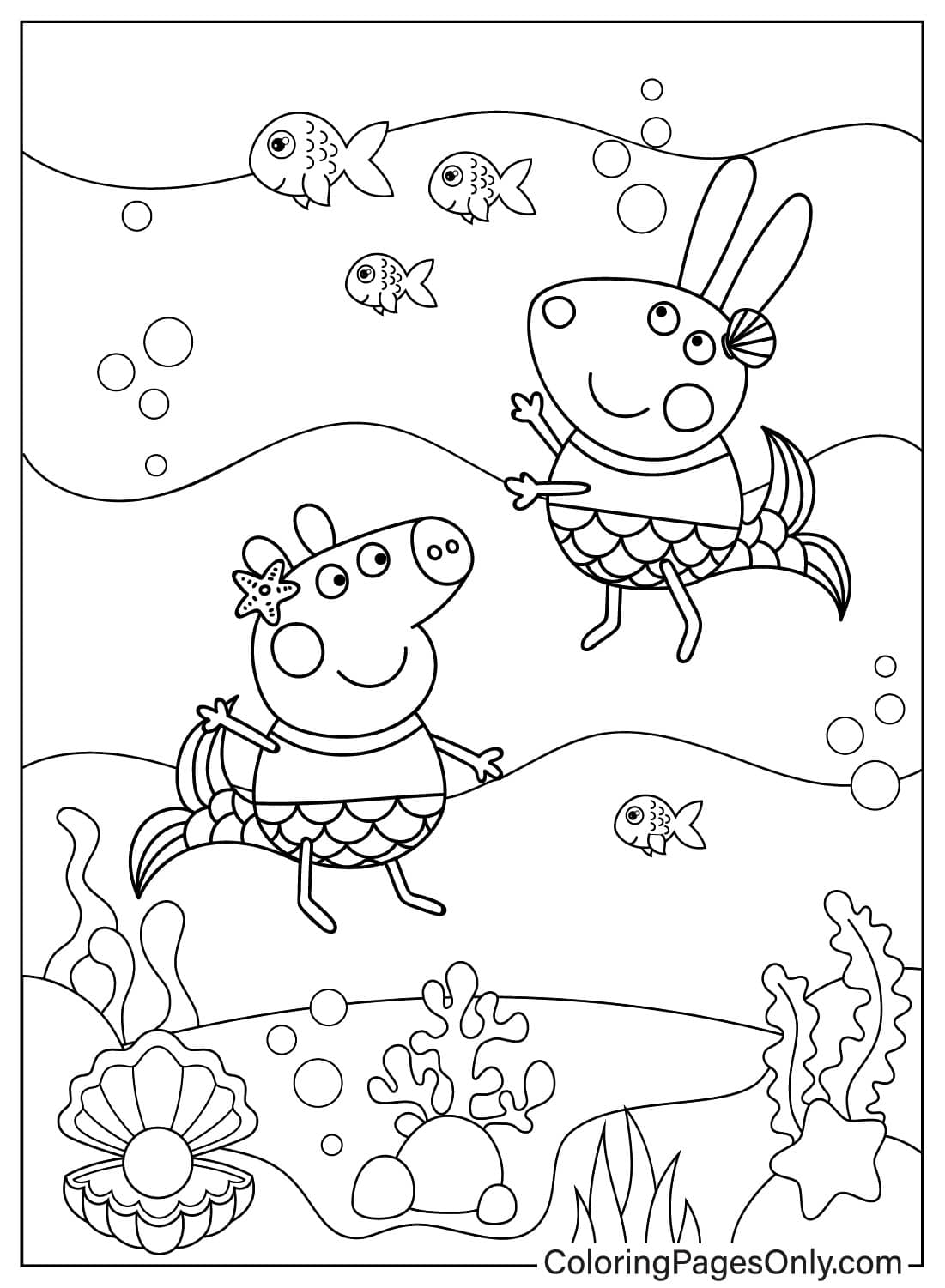
Some Peppa Pig pages move into more imaginative scenes. These may include mermaid Peppa, costume pages, Peppa with stars, Peppa with balloons, toy scenes, or playful pretend settings.

Dress-up pages are useful because they let children color beyond Peppa’s usual red dress. A mermaid page can use teal, turquoise, coral, and sea colors. A costume page can use bolder colors depending on the theme. A starry page can use soft yellow, pale blue, lavender, or gentle nighttime colors.

The key is to keep Peppa recognizable while letting the fantasy details feel special. Her face, snout, ears, and expression should stay clear. The costume, tail, crown, stars, toys, or accessories can add extra color around the character.

These pages are especially good for imaginative children. They can color the page and then invent a short story: Where is Peppa going? What is she pretending to be? What adventure is happening?

Fantasy and dress-up pages also work well for craft projects because children can add glitter-style stars, paper crowns, sticker decorations, or extra hand-drawn details after coloring.

Friends, Animals, and Playtime Peppa Pages

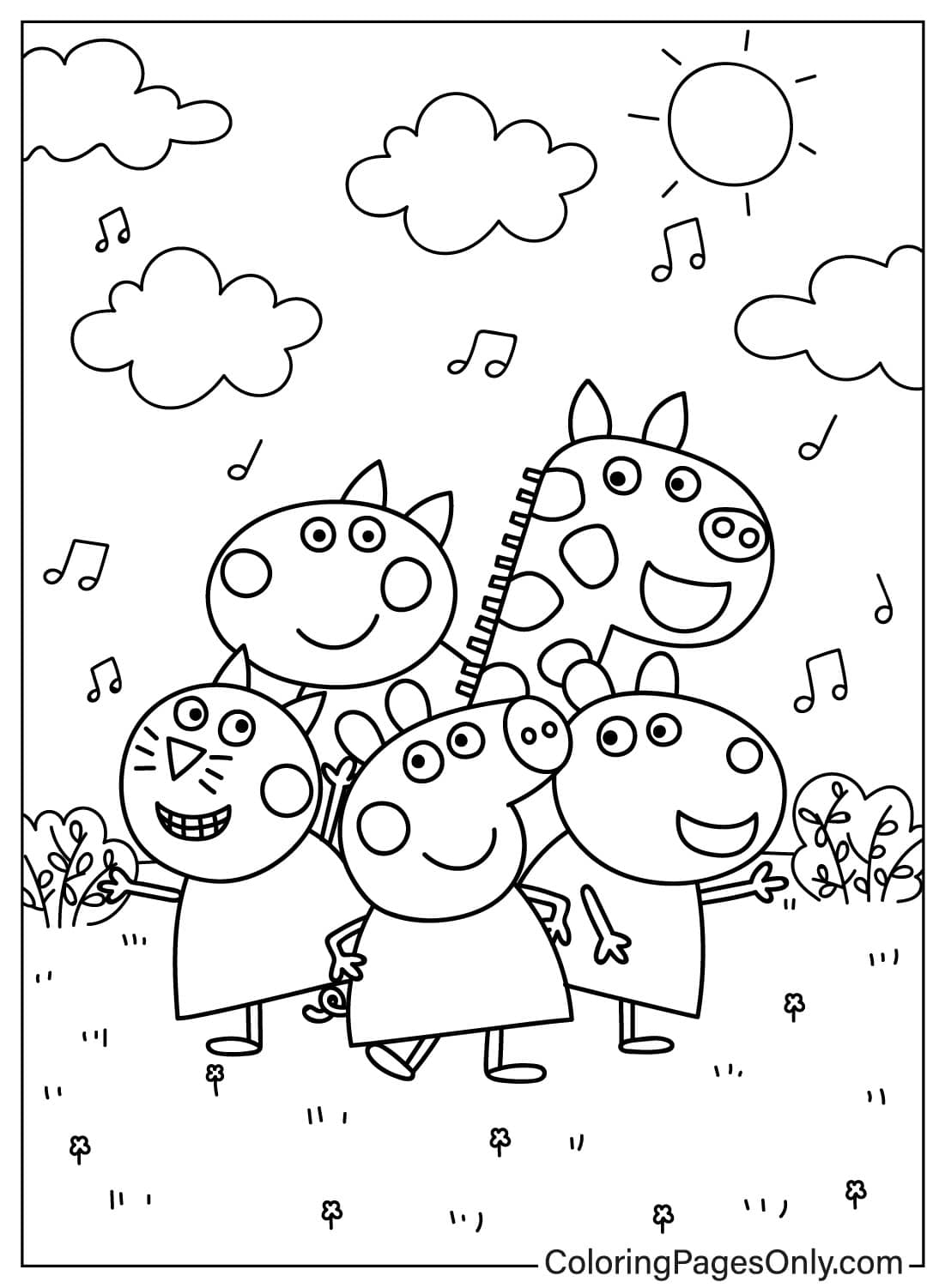
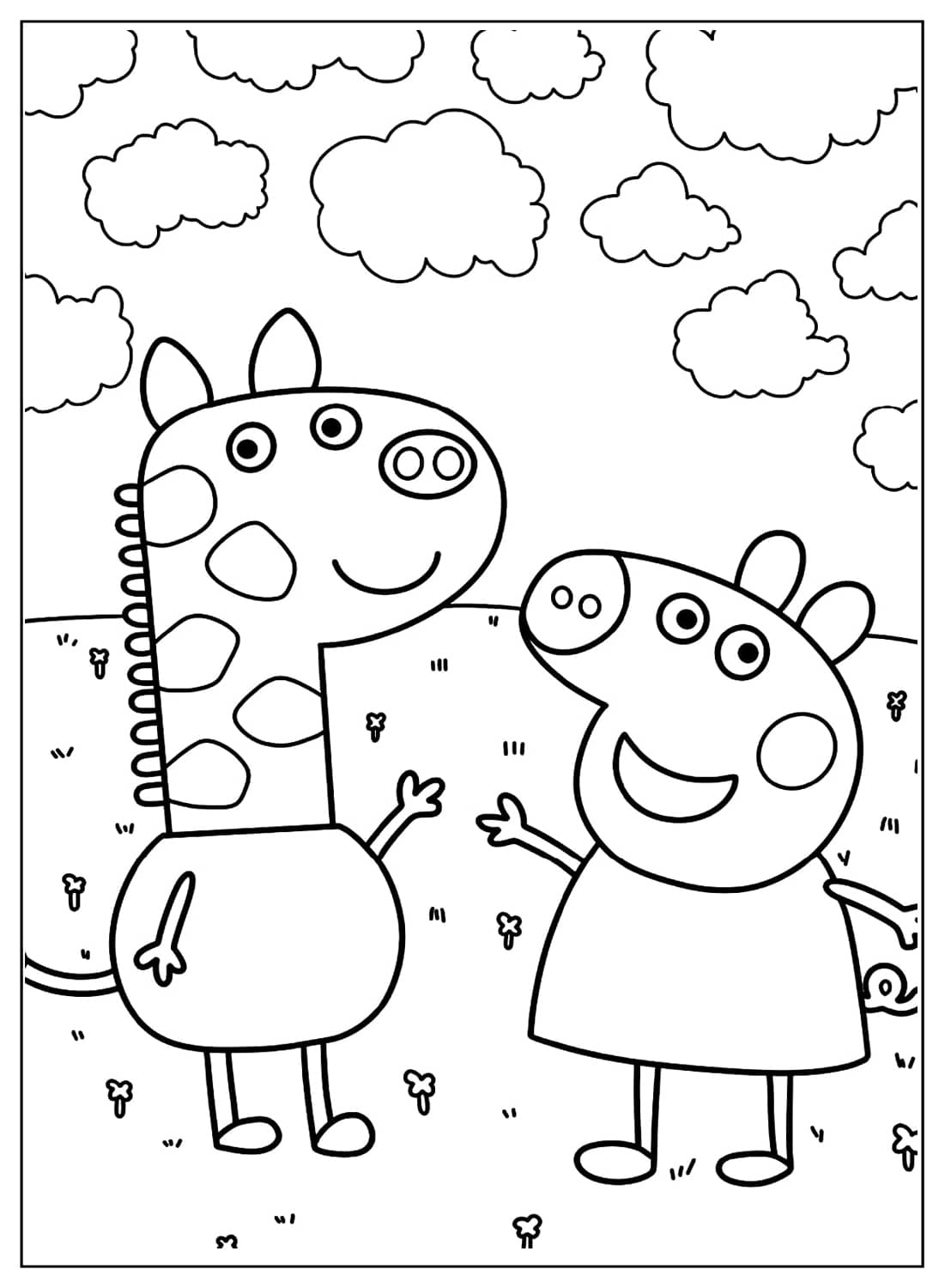
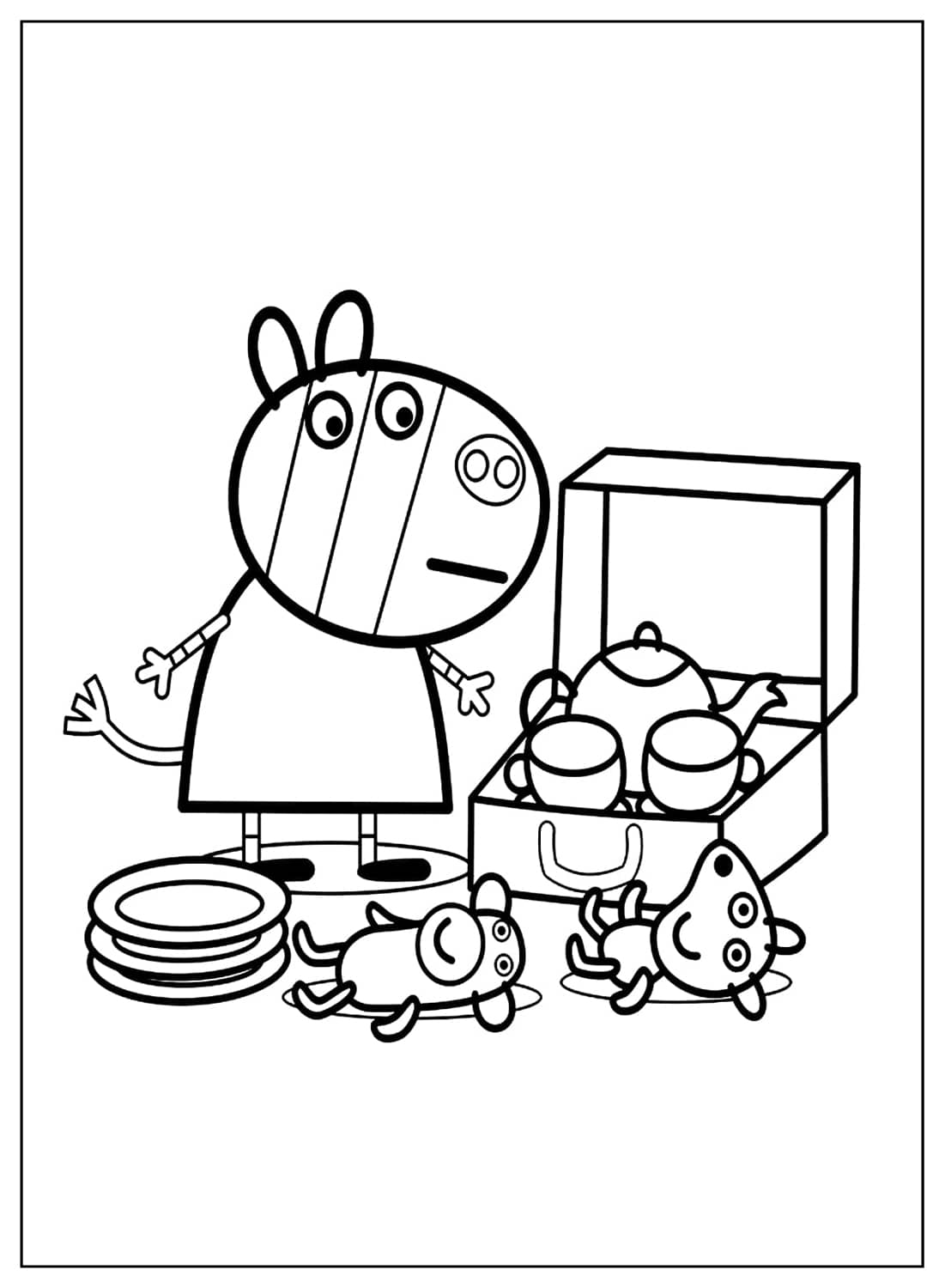
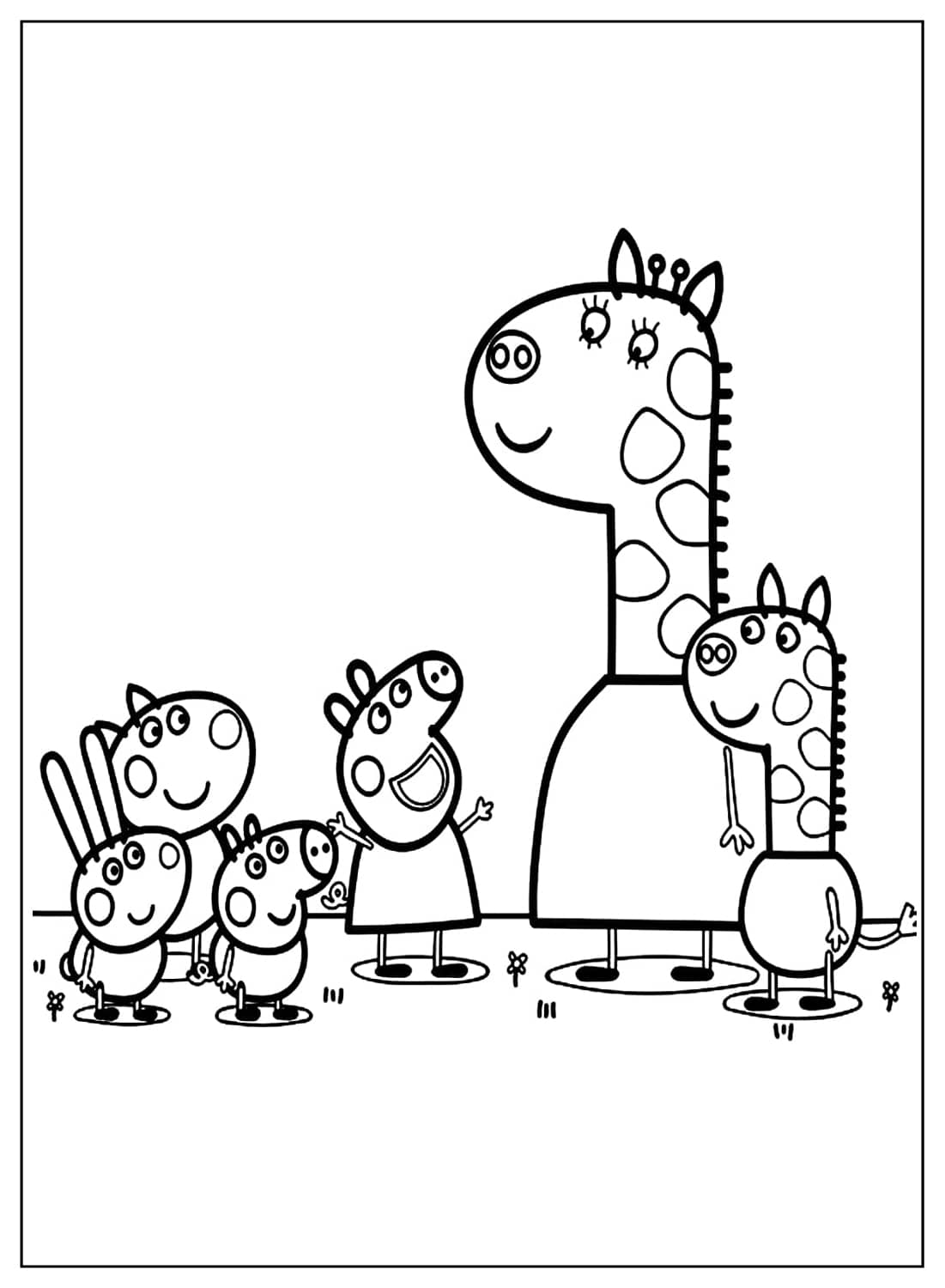
Peppa Pig pages with friends, animals, giraffes, toys, robots, or playful objects give children more to talk about while they color. These pages may show Peppa playing with a giraffe, standing near animals, holding toys, playing with a robot, or sharing a scene with other characters.

The main skill here is keeping the scene organized. Peppa should stay clear, while the friend, animal, or toy gets its own color space. If every object is colored too brightly, the page can feel busy. Softer background colors help the main characters remain readable.

Animal pages allow natural colors or playful colors. A giraffe can use yellow and brown spots, a robot can use gray, blue, silver, or bright buttons, and toys can use cheerful colors such as red, green, blue, pink, or yellow.

These pages encourage language and imagination. Children can describe what Peppa is playing with, what the animal is doing, or what the toy might do next. That makes them useful for preschool storytelling, classroom art time, or parent-child coloring.

For young children, choose pages with one animal or one toy. Older kids can handle busier scenes with several objects, patterns, or background details.

What These Pages Do

Peppa Pig coloring pages help young children connect colors with everyday stories. Peppa is not a complex character to color; that is exactly why she works so well for preschool and early elementary activities. The simple face, dress, arms, shoes, and gentle scenes give children a clear picture they can finish with confidence.

Coloring Peppa also helps children read familiar situations. A muddy puddle means outdoor play. A cake means a birthday. A Christmas tree means a holiday. A kite means a park day. A page with George or the family becomes a relationship scene. Children are not only filling shapes with color; they are recognizing moments from everyday life.

For younger children, the pages support early coloring control. Large spaces help them practice steady hand movement, while small details such as cheeks, eyes, flowers, balloons, or shoes help build careful attention.

For older children, the value comes from scene-building. They can add patterns to dresses, color backgrounds, decorate party scenes, shade puddles, add snow, design fantasy costumes, or write a short sentence about what Peppa is doing.

The pages also encourage talking and storytelling. Children can describe the weather, name the characters, explain the activity, or make up a short story after coloring. This makes Peppa Pig pages useful for both home activities and classroom learning.

Parents can use these pages for quiet time, rainy days, holiday crafts, birthday activities, or screen-free play. Teachers can use them for preschool art centers, story prompts, weather themes, family topics, seasonal lessons, or simple group coloring.

How to Color These Pages Well

Peppa Pig pages are simple, but clean colors make them look much better. Peppa usually works well with soft pink for the face and body, red for the dress, darker pink or red-pink for the cheeks, black or dark gray for the shoes, and small black dots for the eyes.

The face should stay light and clear. If the pink is too dark, the snout, cheek, and eye details may become harder to see. A soft pink or peach-pink works best for young children using crayons.

The dress is usually the strongest color area. Bright red makes Peppa easy to recognize. Younger children can use one flat red. Older children can add a slightly darker red near the bottom edge or under the arms to make the dress look more finished.

George and family pages need simple color separation. George can use a blue shirt, Mummy Pig can use warm orange or coral tones, and Daddy Pig can use teal, blue-green, or soft blue clothing. Keeping each outfit different helps children see the characters clearly.

Muddy puddles should not be the same color as Peppa. Use light brown, tan, gray-brown, or a soft muddy color. A small, darker edge under the puddle can make it look like Peppa is standing or jumping in it.

Rain and snow pages need soft backgrounds. Rain can use pale blue, light gray, and soft purple. Snow scenes can use light blue shadows, white spaces, pale gray, and gentle sky colors. The page should still feel friendly, not dark.

Birthday pages can use bright party colors. Balloons, cake, candles, gifts, and confetti can be used in red, yellow, blue, green, purple, and pink. Color Peppa first, then the cake or balloons, then the small decorations.

Christmas and Halloween pages should stay cheerful. Christmas scenes can use red, green, gold, white, and soft blue. Halloween pages can use orange, purple, black, and yellow, but the character should still look friendly and child-safe.

Beach and outdoor pages can use light natural colors. Sand can be pale yellow or tan, water can be light blue, grass can be green, and flowers can bring small bright accents. Keep the background soft so Peppa remains easy to see.

For younger kids, the easiest order is face and body first, dress second, shoes third, main object fourth, and background last. Older kids can add patterns, shadows, flower colors, weather effects, small details, and simple scene decoration after the main colors are done.

5 Creative Craft Ideas

Peppa Muddy Puddle Scene

Choose a Peppa page with a puddle, rain, boots, or outdoor play. After coloring Peppa, glue the page onto a larger sheet of paper.

Children can draw extra puddles, raindrops, clouds, grass, flowers, or a path around the picture. They can also add a short sentence such as “Peppa jumps in muddy puddles!”

This craft is simple, familiar, and perfect for preschool weather activities.

Peppa Family Story Page

Print a page with Peppa, George, Mummy Pig, Daddy Pig, or a family scene. After coloring, children can add a story box under the picture.

They can answer: Who is in the picture? Where are they? What are they doing? What happens next?

This turns a coloring page into a gentle storytelling activity. It works well for preschool, kindergarten, homeschool, or parent-child coloring time.

Peppa Birthday Party Card

Choose a birthday Peppa page with cake, balloons, gifts, or candles. Color the page, then cut out Peppa or the party scene and glue it onto a folded card.

Children can add confetti, stickers, paper balloons, or a message inside the card. A simple message such as “Happy Birthday!” or “Have a fun day!” works well.

This craft is useful for birthday parties, classroom celebrations, or take-home activities.

Dress-Up Peppa Design

Choose a simple Peppa page with a clear body shape. After coloring Peppa’s face and shoes, children can design a new outfit.

They can create a raincoat, princess outfit, beach outfit, Halloween costume, winter coat, party dress, or pretend-play costume. The goal is to keep Peppa recognizable while changing the style.

This activity helps children think about costume design, color choice, and character identity in a very simple way.

Peppa Weather Wheel

Print several Peppa pages with different weather or seasonal scenes: rain, snow, beach, autumn, flowers, or outdoor play. Color the scenes and cut out small parts from each page.

Glue them around a paper circle divided into weather sections: sunny, rainy, snowy, windy, cloudy, or autumn day. Add an arrow in the middle with a paper fastener if available.

This craft helps children connect coloring with weather words and seasonal observation.

Frequently Asked Questions

Are Peppa Pig coloring pages good for preschoolers?

Yes. Peppa Pig pages work well for preschoolers because most scenes are built from everyday activities children already understand: family time, weather, birthdays, outdoor play, and simple pretend scenes.

The pages also match early coloring skills. A large Peppa figure gives children space to color, while small details like cheeks, shoes, flowers, or balloons give them gentle practice with control.

What colors should I use for Peppa Pig?

Peppa usually looks best with soft pink for the face and body, red for the dress, a warmer pink or red-pink for the cheeks, and dark colors for the shoes. The eyes should stay simple and clear.

Children can use more creativity in the background. Grass, sky, flowers, balloons, puddles, snow, cake, or holiday decorations can carry extra colors while Peppa stays easy to recognize.

Which Peppa Pig pages are easiest for young children?

The easiest pages are classic Peppa pages with a large face, simple dress, clear shoes, and only one or two extra objects. Smiling Peppa, Peppa holding balloons, Peppa standing, Peppa with a simple heart, or Peppa with a small flower are good choices.

Pages with many characters, small decorations, or detailed seasonal backgrounds may be better for older children who can handle more coloring areas.

Do Peppa Pig pages include family and friends?

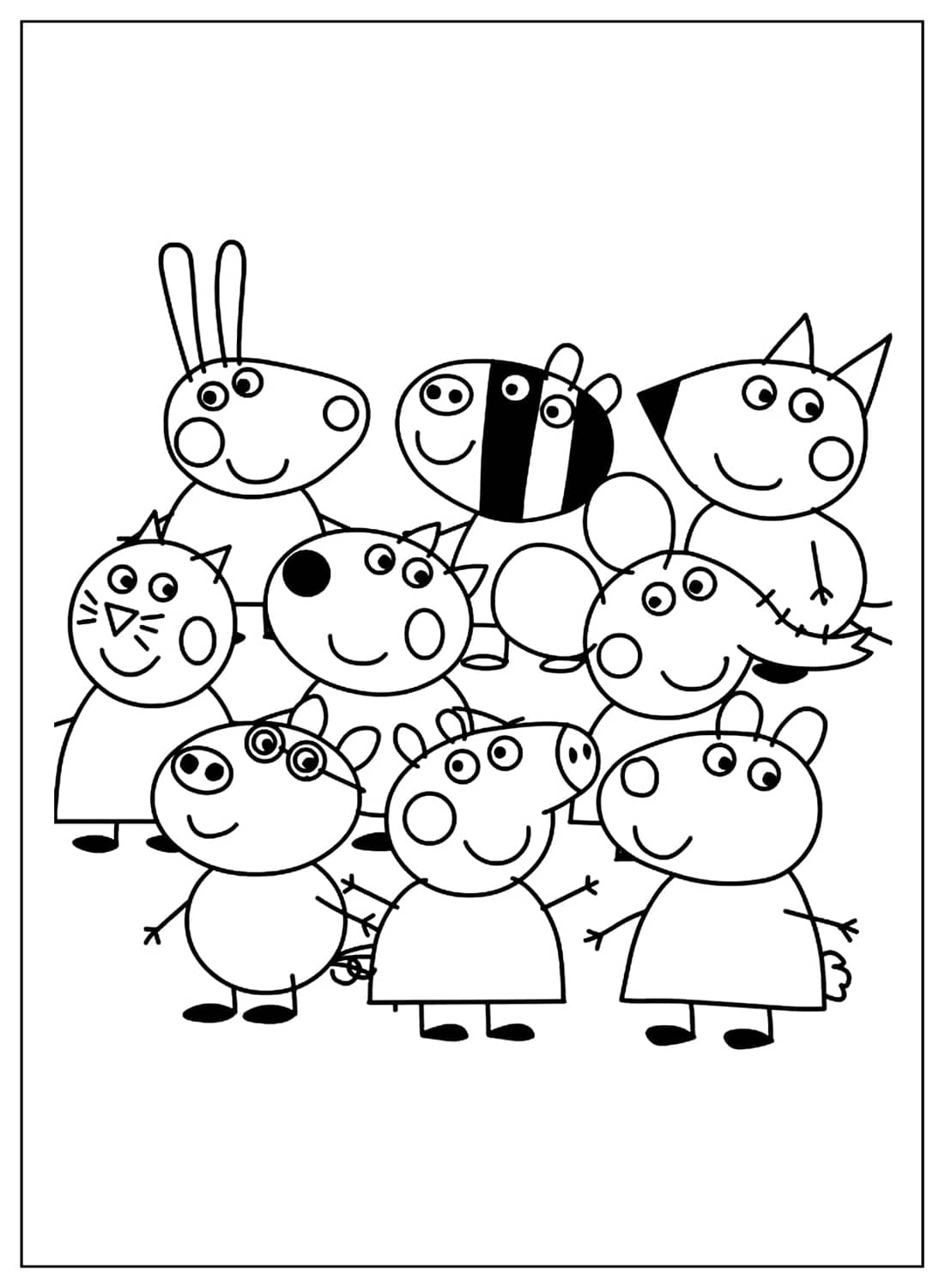
Yes. Many Peppa Pig pages include George, Mummy Pig, Daddy Pig, friends, animals, toys, and family activities. These pages are useful because they give children more to talk about while coloring.

A family page can become a simple storytelling activity. Children can name the characters, describe what they are doing, and imagine what happens next.

How can teachers use Peppa Pig coloring pages in class?

Teachers can use Peppa Pig pages for art centers, quiet activities, story prompts, weather lessons, holiday crafts, family themes, and preschool classroom displays. The pages are simple enough for young children and familiar enough to start a conversation.

For language practice, children can color a page and say or write one sentence about it. For example: “Peppa is flying a kite,” “Peppa is playing in the snow,” or “Peppa is with George.”

Are seasonal Peppa Pig pages useful for classroom activities?

Yes. Seasonal Peppa pages are very useful because they connect coloring with real-world moments. Christmas, Halloween, autumn, snow, rain, beach, and birthday pages can all support simple classroom themes.

Teachers can use them during holiday weeks, weather units, birthday boards, or seasonal art activities. Children can also compare colors: warm autumn colors, cool snow colors, bright birthday colors, or soft rainy-day colors.

How can I make Peppa Pig coloring pages more creative?

Children can make the page more creative by adding small details around the main picture: extra flowers, a sun, clouds, toys, a house, a path, stickers, or a simple pattern on Peppa’s dress.

Another easy idea is to let children choose a mood for the page before coloring. A rainy page can feel calm, a birthday page can feel bright, and a beach page can feel sunny and relaxed.

Can kids color Peppa Pig in different colors?

Yes. Children can use imaginative colors if they want. They can create rainbow Peppa, winter Peppa, party Peppa, mermaid Peppa, or a new dress-up version.

If they want Peppa to stay easy to recognize, it helps to keep the round face, snout, dress shape, and cheerful expression clear. The background and outfit details can carry most of the creative colors.

What paper and coloring tools work best?

Regular printer paper works well for crayons and colored pencils. If children use markers, place a blank sheet underneath to protect the table and the next page. Thicker paper is better if the finished page will be used for a card, craft, or classroom display.

Crayons are best for younger children because they are easy to hold and control. Colored pencils are good for smaller details such as flowers, balloons, eyes, shoes, or decorations. Markers create bright colors but should be used slowly around the face and dress.

Can Peppa Pig coloring pages be used for storytelling?

Yes. After coloring, children can turn the page into a mini story by adding one sentence, a speech bubble, or a simple title. A muddy puddle page can become “Peppa’s Rainy Day,” while a family page can become “A Picnic with George.”

This works well for preschool and kindergarten because the scenes are easy to understand. Children can practice naming characters, choosing action words, and connecting the picture to a familiar daily activity.

Choose a Peppa Pig page you love, print it at home, or color it online anytime. We’d love to see your finished artwork – share it on Facebook or Pinterest and tag #Coloringpagesonly.

More from Our Preschool Cartoon Collections

More from our preschool cartoon collections:

Jennifer Thoa – Content Editor & Designer

Jennifer Thoa is Content Editor and Designer at ColoringPagesOnly.com. Degree in Journalism and Creative Writing, University of Kansas. She writes and edits long-form educational articles on anime, film, animals, world cultures, and automotive history - verified against named primary sources before publication.