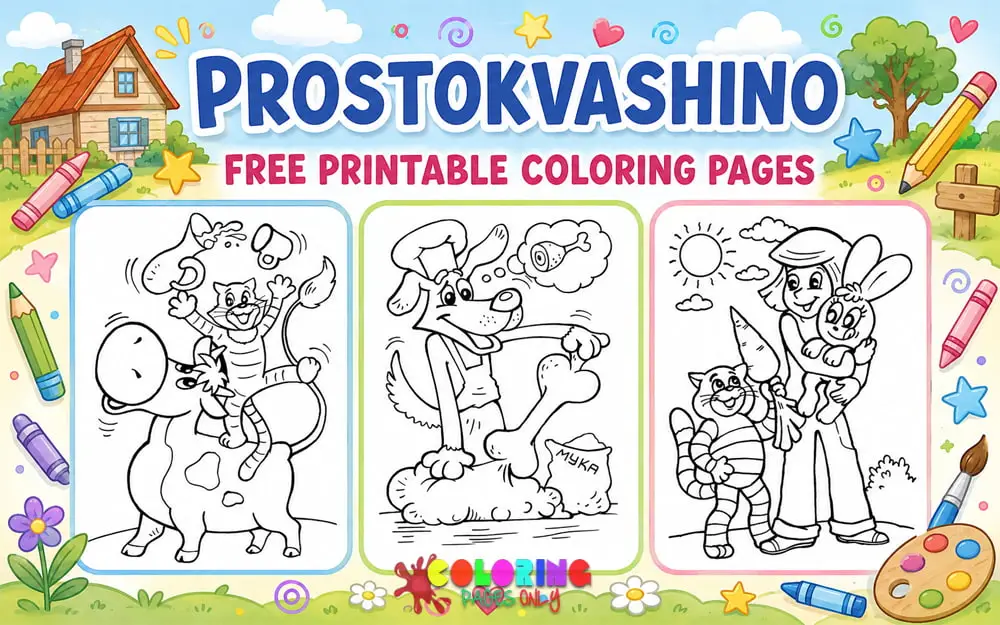
Free Prostokvashino Coloring Pages: 32 printable PDF designs from the beloved Soviet animated classic, starring the serious little boy Uncle Fyodor, his thrifty talking cat Matroskin strumming a guitar and caring for the calf Gavryusha, the cheerful dog Sharik with his bones and his hunting adventures, the grumpy village mailman Pechkin, the cow Murka, a talkative little jackdaw, and Uncle Fyodor’s worried mom and dad. Village scenes add a rooster strolling down the street, a hare, and the beaver who pulls Sharik from the river. Printable PDFs cost nothing for any of these pages, and every drawing also opens for digital coloring.
The story comes from Eduard Uspensky’s 1974 children’s book Uncle Fedya, His Dog, and His Cat, about a six-year-old city boy who moves to the countryside village of Prostokvashino with a talking cat and dog. Soyuzmultfilm, the largest animation studio of the Soviet Union, turned it into three short films directed by Vladimir Popov: Three from Prostokvashino in 1978, Vacation in Prostokvashino in 1980, and Winter in Prostokvashino in 1984. Oleg Tabakov’s voice for Matroskin and Lev Durov’s for Sharik made the characters famous, and lines from the films are still quoted across Russia and other post-Soviet countries. A new animated series called Prostokvashino has been airing since 2018.
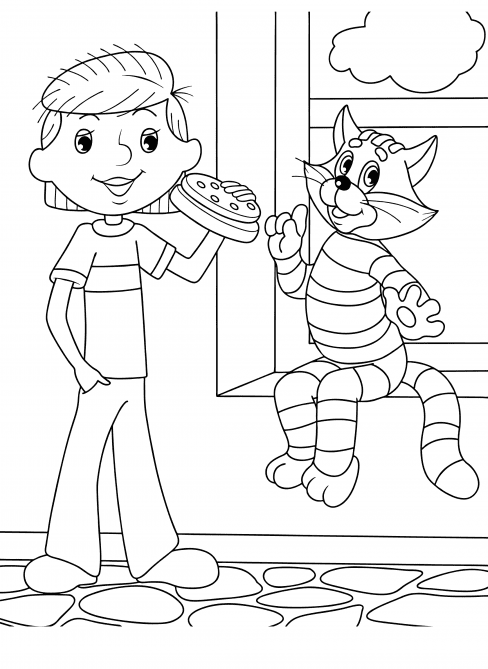
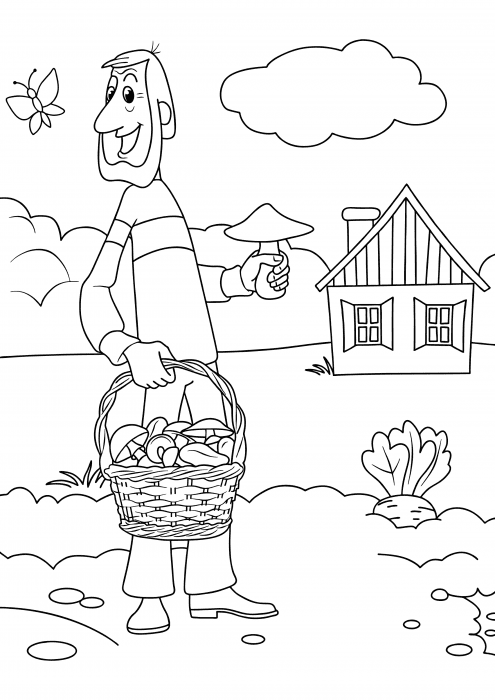
The drawings follow the soft, hand-drawn style of 1970s and 1980s Soviet animation. Single-character pages of Matroskin, Sharik, and Pechkin use rounded shapes that young children can color easily. At the same time, the family and village scenes add furniture, houses, farm animals, and props like a guitar, sausages, and a sandwich for older kids who enjoy more detail.



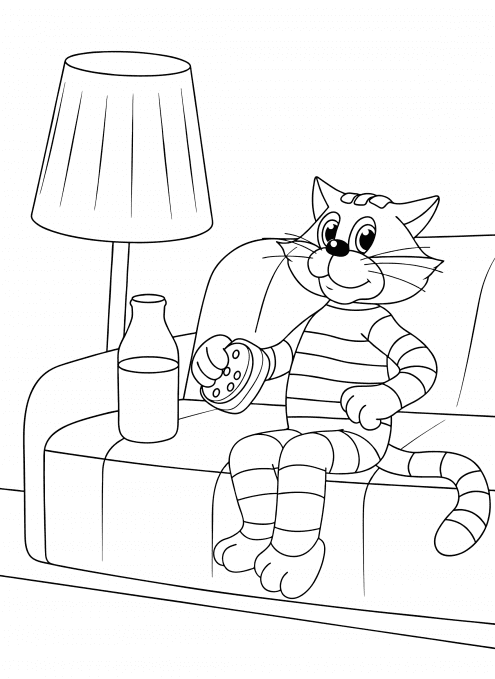
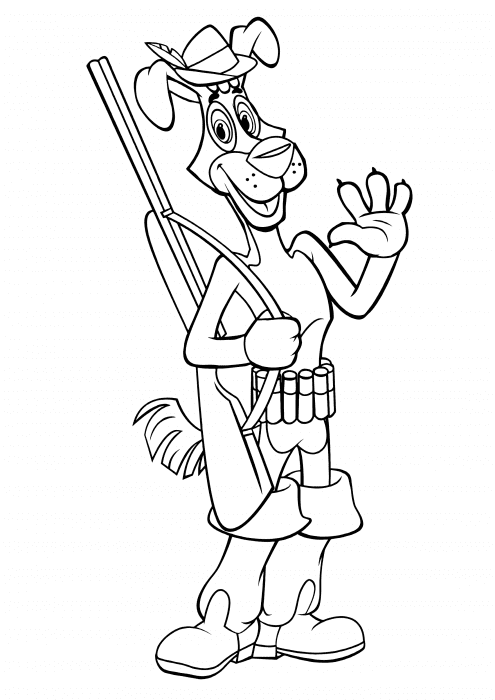
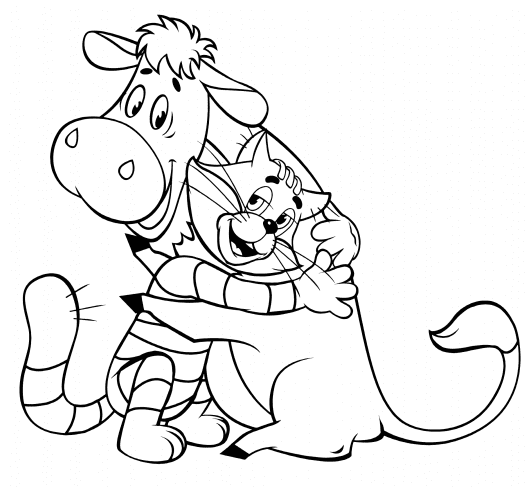
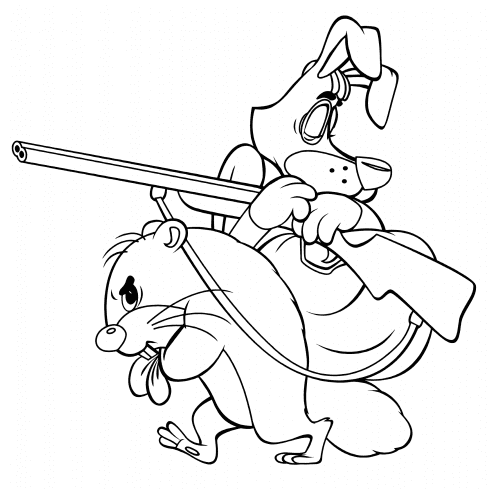
What’s Inside This Collection
Matroskin leads a cast spread over 32 designs, alongside Sharik, Uncle Fyodor, Pechkin, the family, and the village animals.
Matroskin the Cat
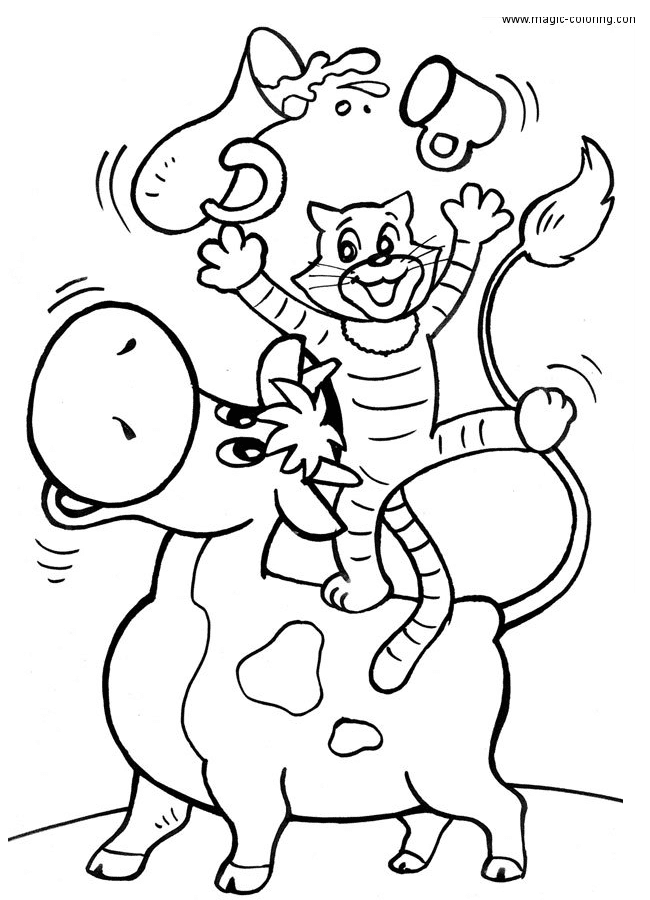
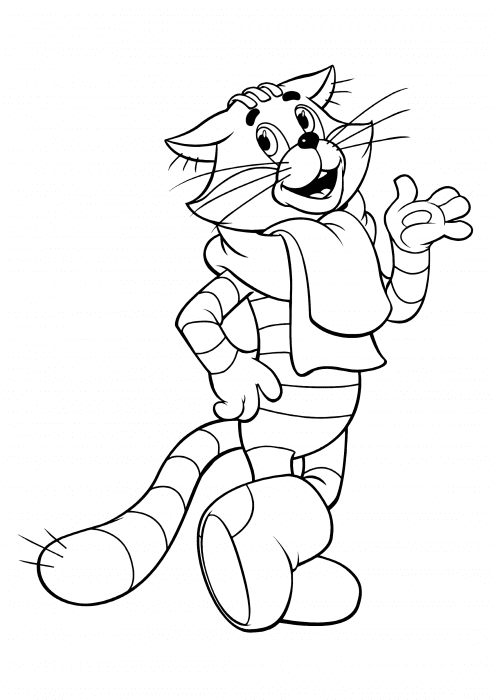
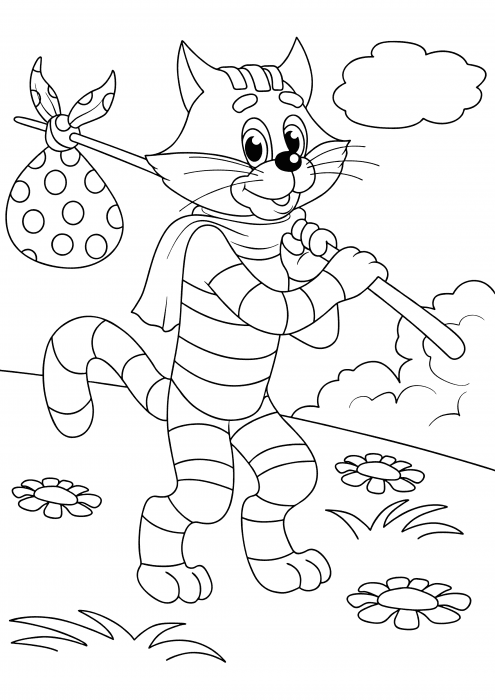
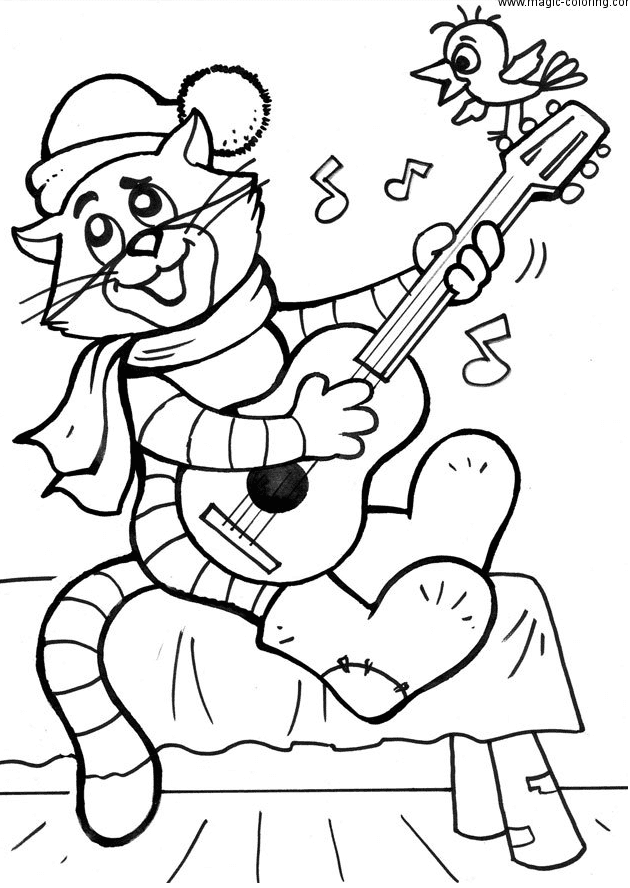
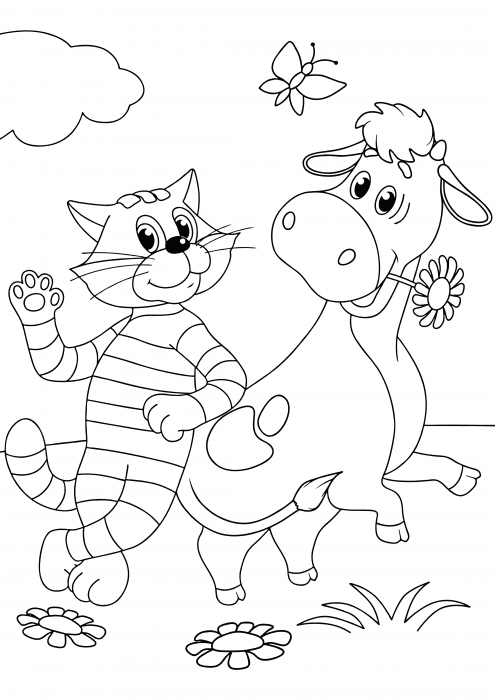
Matroskin arrives in Prostokvashino, plays guitar, visits Uncle Fyodor, cares for Gavryusha, and stands beside Murka the cow. Try a soft Gray body with darker Gray stripes, a White muzzle and chest, and Green eyes, matching the striped sailor look his name hints at.
Sharik the Dog
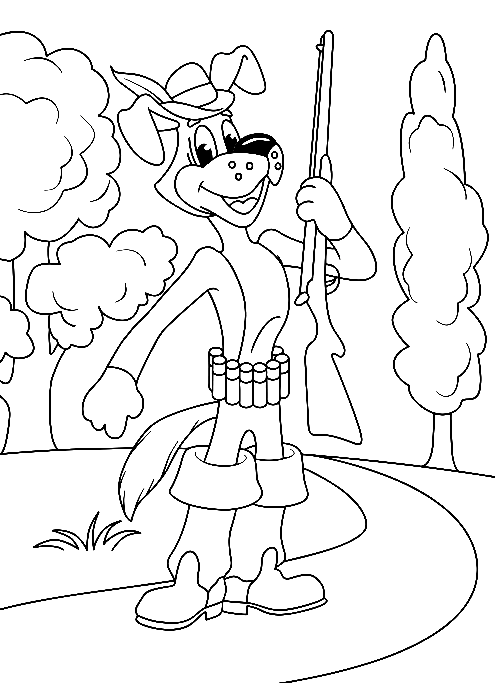
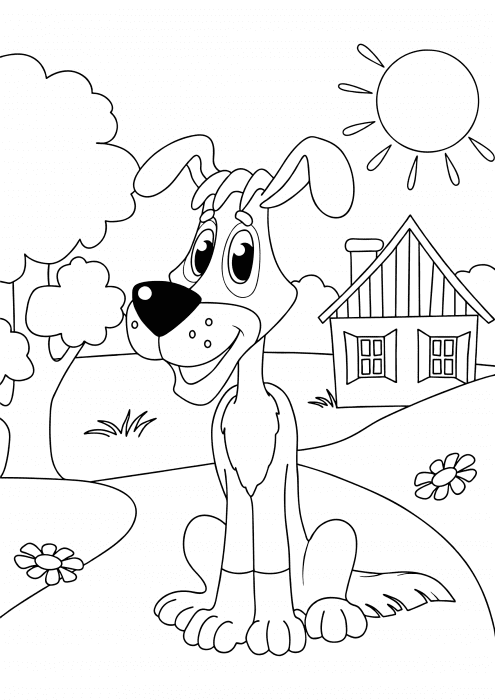
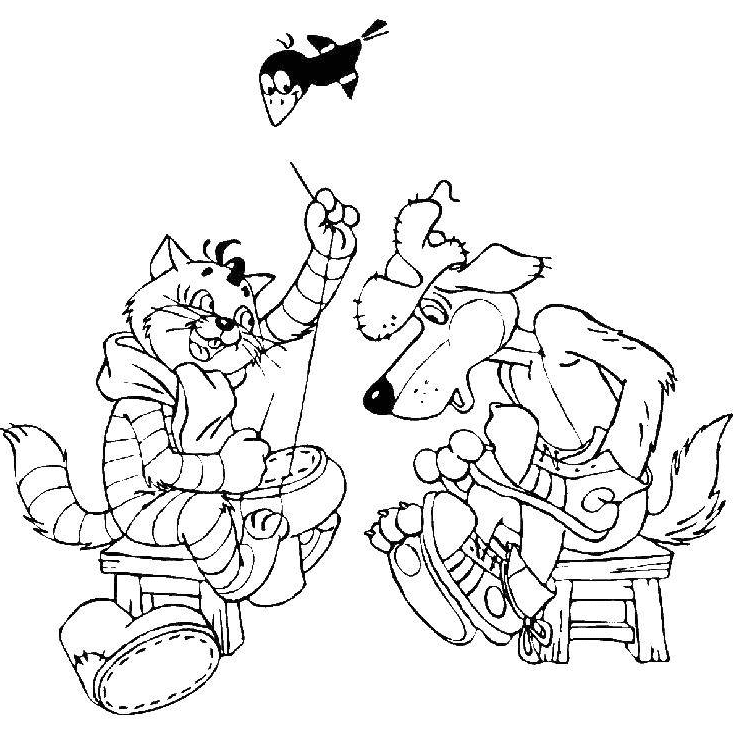
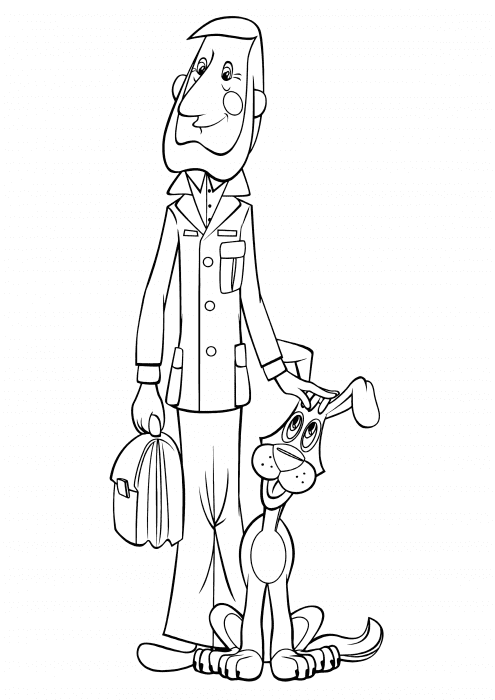
Sharik appears on his own, with bones, with Uncle Fyodor’s dad, and is rescued by a beaver. Color him a light Cream or Tan with Brown ears and spots, and give him a bright Red tongue for his happy-go-lucky look.
Uncle Fyodor
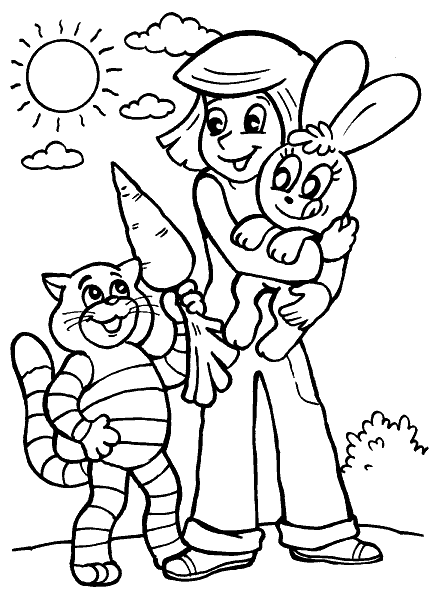
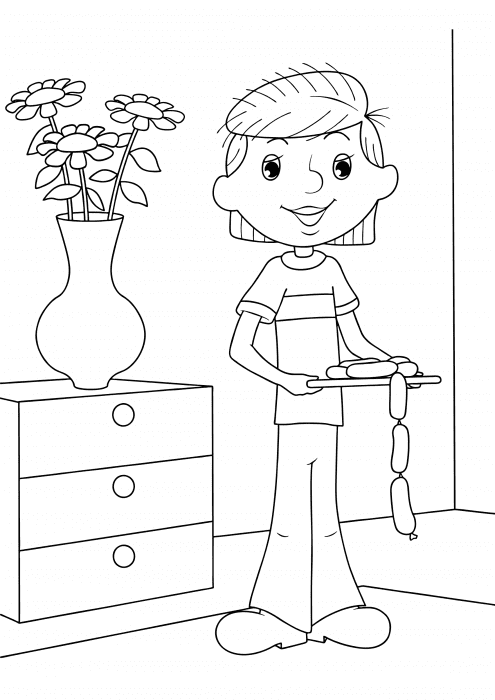
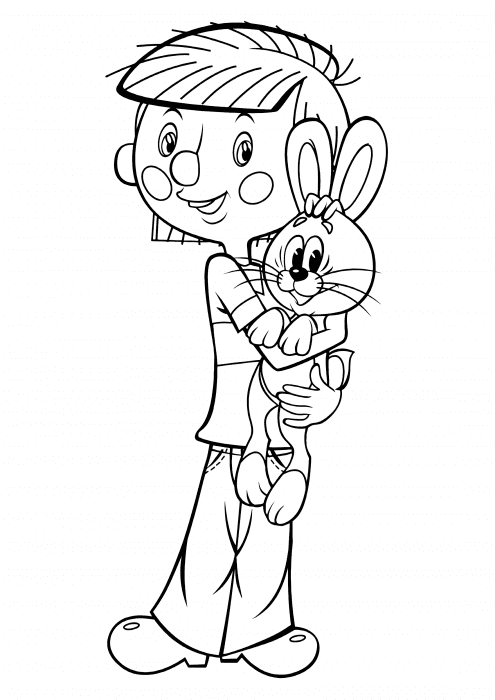
Uncle Fyodor eats sausages and a sandwich, meets a hare, and spends time with Matroskin. Give him short Light Brown hair, a cozy sweater in Red or Blue, and dark trousers.
Postman Pechkin and the Jackdaw
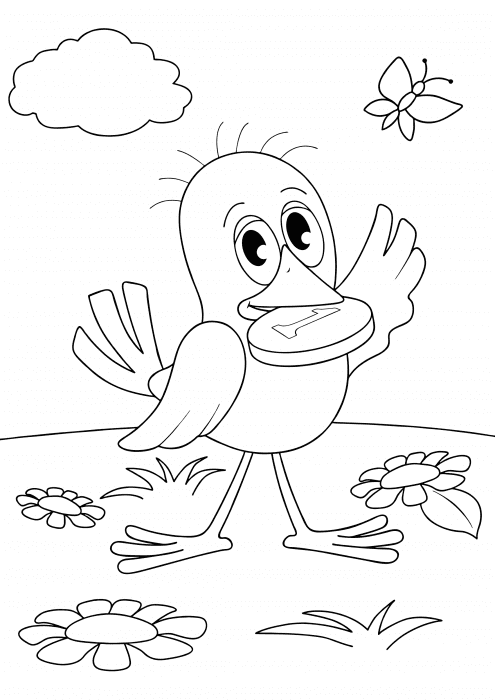
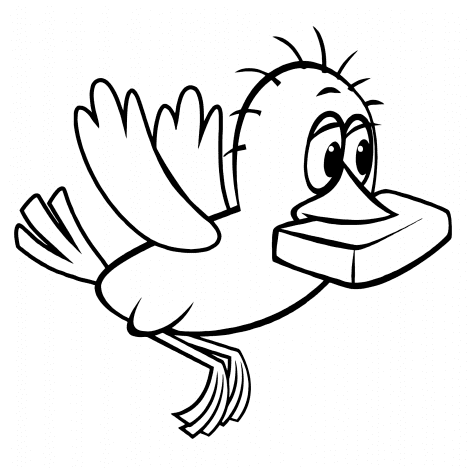
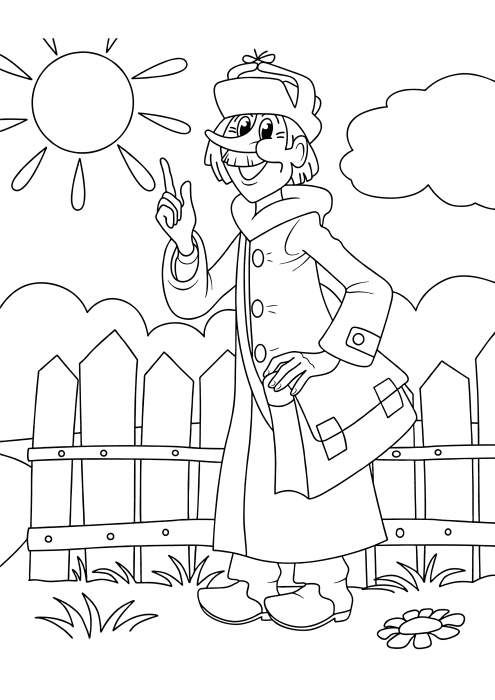
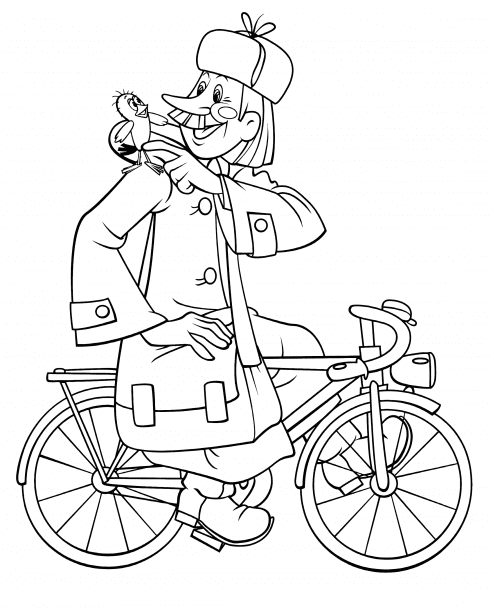
Pechkin delivers the mail, appears with the little jackdaw, and the jackdaw holds a jubilee ruble on its own page. Use a Navy Blue postal uniform and cap for Pechkin, and color the jackdaw Black and Gray with a pale Silver eye.
Mom, Dad, and Family Scenes
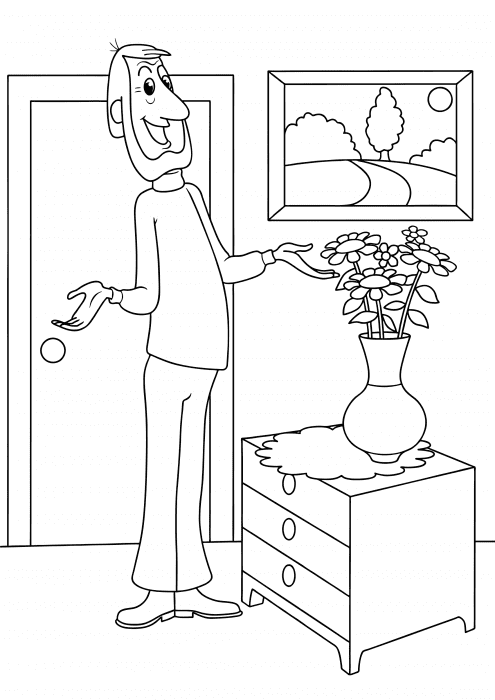
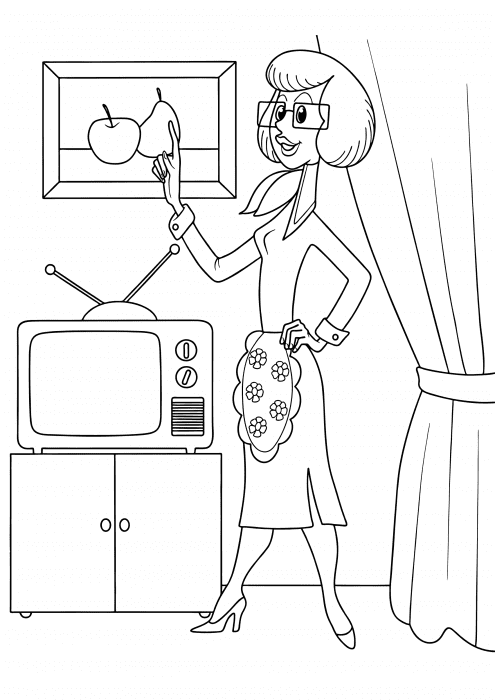
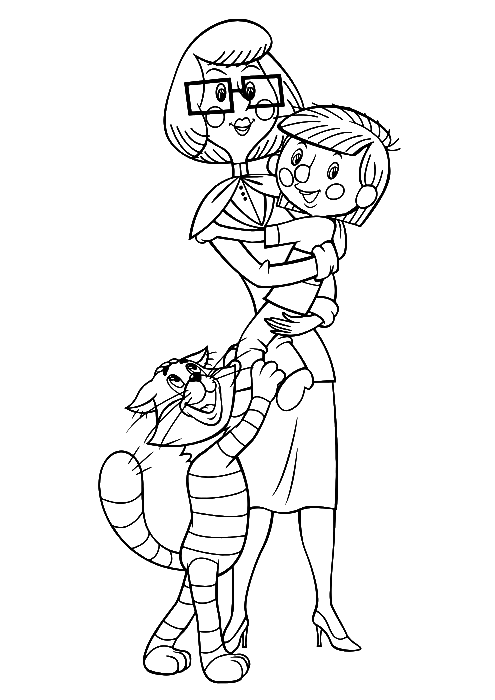
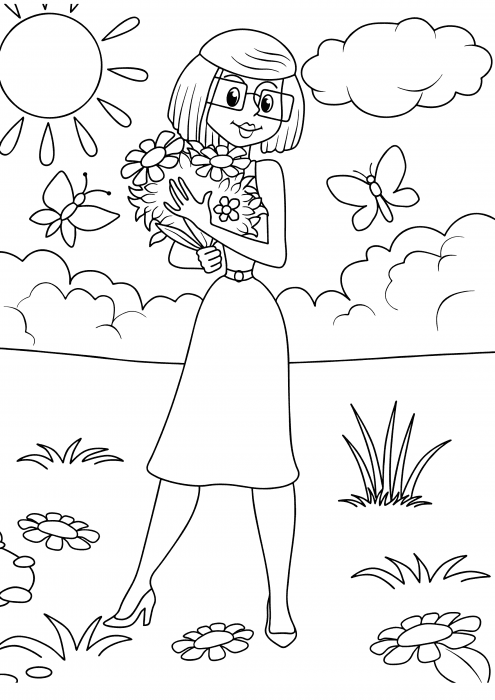
Uncle Fyodor’s mom, his dad, a page where dad agrees to keep the cat, and a “mom vs cat” scene show the family’s side of the story. Pick warm, simple 1970s colors such as Mustard, Olive, and Rust for their clothes.
Village and Farm Animals
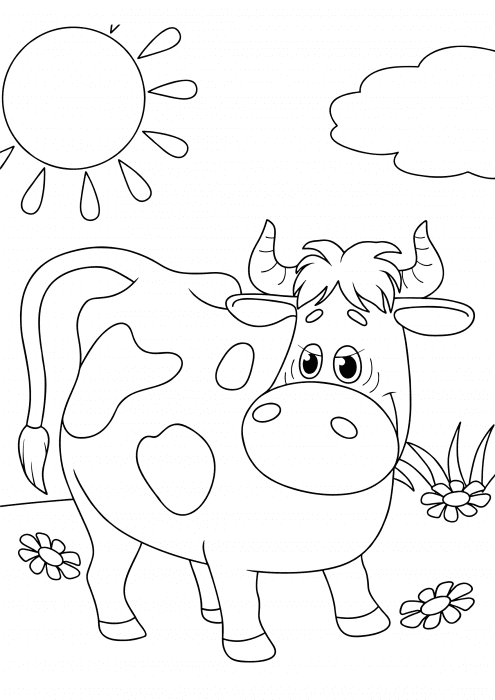
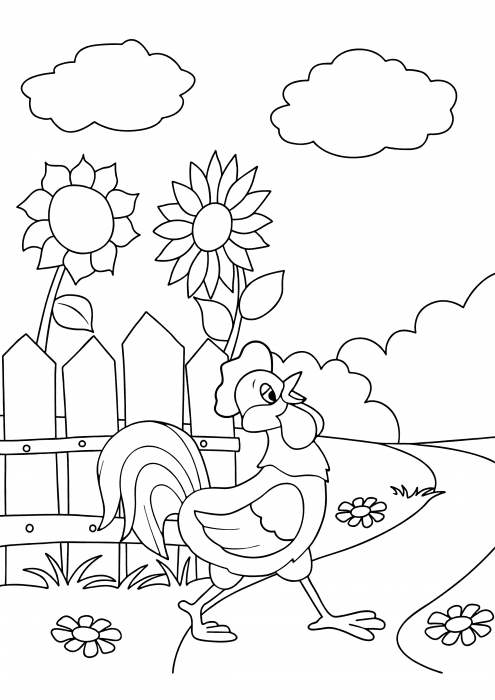
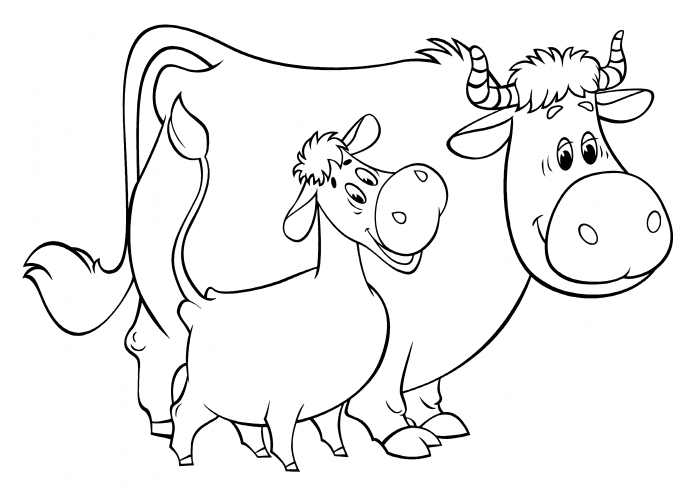
Murka the cow, Gavryusha the calf, a rooster, a hare, and a beaver round out the village. Color Murka Brown and White, Gavryusha a lighter Tan, and the rooster in Red, Orange, and Green.
What Prostokvashino Coloring Pages Do
Sharing a classic across generations. Prostokvashino is one of the most loved cartoons in Russian-speaking families. Coloring these pages lets parents and grandparents share a favorite childhood story with children.
Building early hand skills. Matroskin’s stripes, Sharik’s spots, and simple village houses give young colorists varied practice. From 2 to 7, kids build the hand strength later used for writing, while simple drawing and coloring are featured in the American Academy of Pediatrics tips for supporting that growth.
Relaxing with gentle humor. Grown-ups felt calmer after structured coloring in a 2005 experiment reported by Art Therapy Journal. The cozy village scenes and funny animal characters make these pages a peaceful choice for quiet time.
Learning about farm and country life. Cows, calves, roosters, and hares introduce children to rural life and the animals that live on a farm. Kids can compare life in Prostokvashino with life in a city.
How to Color Prostokvashino Pages Well
- Cat stripes: Color Matroskin’s base Gray first, then add darker stripes in short curved lines.
- Dog spots: Leave Sharik’s body light and add Brown patches only on the ears and back.
- Retro palette: Use slightly muted colors like Olive, Mustard, and Brick Red for a vintage cartoon feel.
- Village houses: Color wooden houses in warm Browns with Red roofs and Blue window frames.
- Snowy scenes: For winter pages, leave snow White and shade with light Blue.
- Farm animals: Give Murka bold Brown and White patches so she pops against grass and fences.
5 Creative Craft Ideas With Prostokvashino Coloring Pages
1. Village Scene Arrangement
Color Matroskin, Sharik, Uncle Fyodor, and the farm animals, trim around each figure, and paste the group beside a hand-sketched village cottage. Add a fence, a garden, and a sun to complete the country scene.
2. Postcard to a Grandparent
Color Postman Pechkin or the family scene and fold it into a postcard. Write a short message to a grandparent who remembers watching the cartoon.
3. Character Personality Wall
Color Matroskin, Sharik, Uncle Fyodor, and Pechkin, and display the four side by side on a wall. Under each picture, write one word that describes the character, such as thrifty, cheerful, serious, or grumpy.
4. Winter in Prostokvashino Series
Color several pages using a winter palette with snowy roofs and cold blue skies. Display them together as a homemade tribute to the 1984 winter film.
5. Murka and Gavryusha Portrait
Color the cow Murka and the calf Gavryusha page and mount it on green paper like a farm meadow. Add paper flowers around them to make a cheerful countryside portrait.
Frequently Asked Questions
What are Prostokvashino Coloring Pages?
Uncle Fyodor, Matroskin, Sharik, Pechkin, the family, and village animals from the Soviet animated series appear in 32 free outlines, each usable on paper or online.
Who created Prostokvashino?
Eduard Uspensky wrote the original 1974 book. Soyuzmultfilm turned it into animated films directed by Vladimir Popov, released in 1978, 1980, and 1984.
Who is Matroskin?
Matroskin is Uncle Fyodor’s clever, practical talking cat who loves running the household and caring for the farm animals. Oleg Tabakov voiced him in the original films.
Who is Sharik?
Sharik is a friendly, energetic dog who joins Uncle Fyodor and Matroskin in Prostokvashino. He loves hunting and photography and often argues playfully with Matroskin.
Who is Postman Pechkin?
Pechkin is the village mailman, known for being suspicious and grumpy at first but becoming a friend over time.
Who is Uncle Fyodor?
Uncle Fyodor is a serious, independent six-year-old boy who moves to the village of Prostokvashino with his cat and dog.
What age are Prostokvashino coloring pages for?
Kids around 3 can handle the single-character sheets, while family and village scenes suit children 5 and older, plus grown-ups who loved the films in childhood.
Is there a new Prostokvashino series?
Yes. A new animated series called Prostokvashino has been airing in Russia since 2018, bringing the characters to a new generation.
Start Coloring
Choose Matroskin, Sharik, Uncle Fyodor, or Pechkin among the 32 designs, and pick between a free printout and online coloring, no sign-up required. Share finished village scenes on Facebook or Pinterest.