
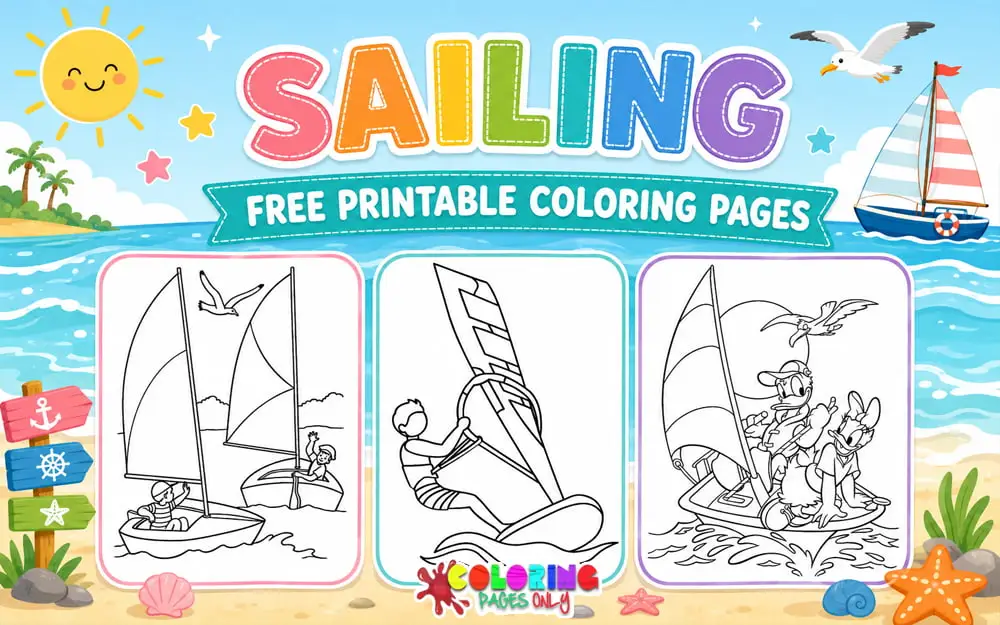
Sailing coloring pages: 28 free printable PDF designs covering windsurfing portraits and action, dinghy and yacht sailing scenes, an Olympic sailing page, and character crossovers. Every page is available as a printable PDF or to color in the browser, with no account required.
Sailing as a recreational and competitive pursuit is generally traced back to the Netherlands in the 1600s, where the Dutch word “jacht,” meaning a light, fast vessel used for hunting or pursuit, gave the sport its English name, “yacht.” Windsurfing came much later, developed in the 1960s as a way to combine a surfboard with a sail, and it has been part of the Olympic sailing program since board classes were added at the 1984 Los Angeles Games.
These pages suit kids who love wind and water in general, families who already know the difference between a windsurfer and a dinghy sailor, and anyone who wants a sport theme built around open air rather than a court or field.
One coloring detail that belongs only to this set: windsurfing pages make up the largest single group here, and that is not a mismatch. Windsurfing has been one of the official board classes within Olympic sailing since 1984, so a “sailing” collection weighted toward windsurfing is actually reflecting how the sport is organized internationally, not mixing in an unrelated activity.


Quick Answer
Sailing coloring pages are a free set of 28 printable PDFs and browser-based coloring sheets covering windsurfing, dinghy, and yacht sailing, an Olympic sailing scene, and character crossovers.
Best for: children aged 3 and up, young sailors and windsurfers, and anyone who wants a sport theme built around wind and open water
Formats: printable PDF and online coloring
Popular pages: the windsurfing action scene, the dinghy boat, the Olympic sailing page, and the character crossovers
Creative uses: a windsurfing-versus-dinghy comparison, an Olympic sailing tribute, a regatta-day display, and a wind and water color study
What’s Inside Sailing Coloring Pages
With 28 pages spanning two related but distinct disciplines, the set is organized by equipment type rather than by character, since a windsurfer and a dinghy sailor are drawn and rigged quite differently.
Windsurfing Portraits and Action
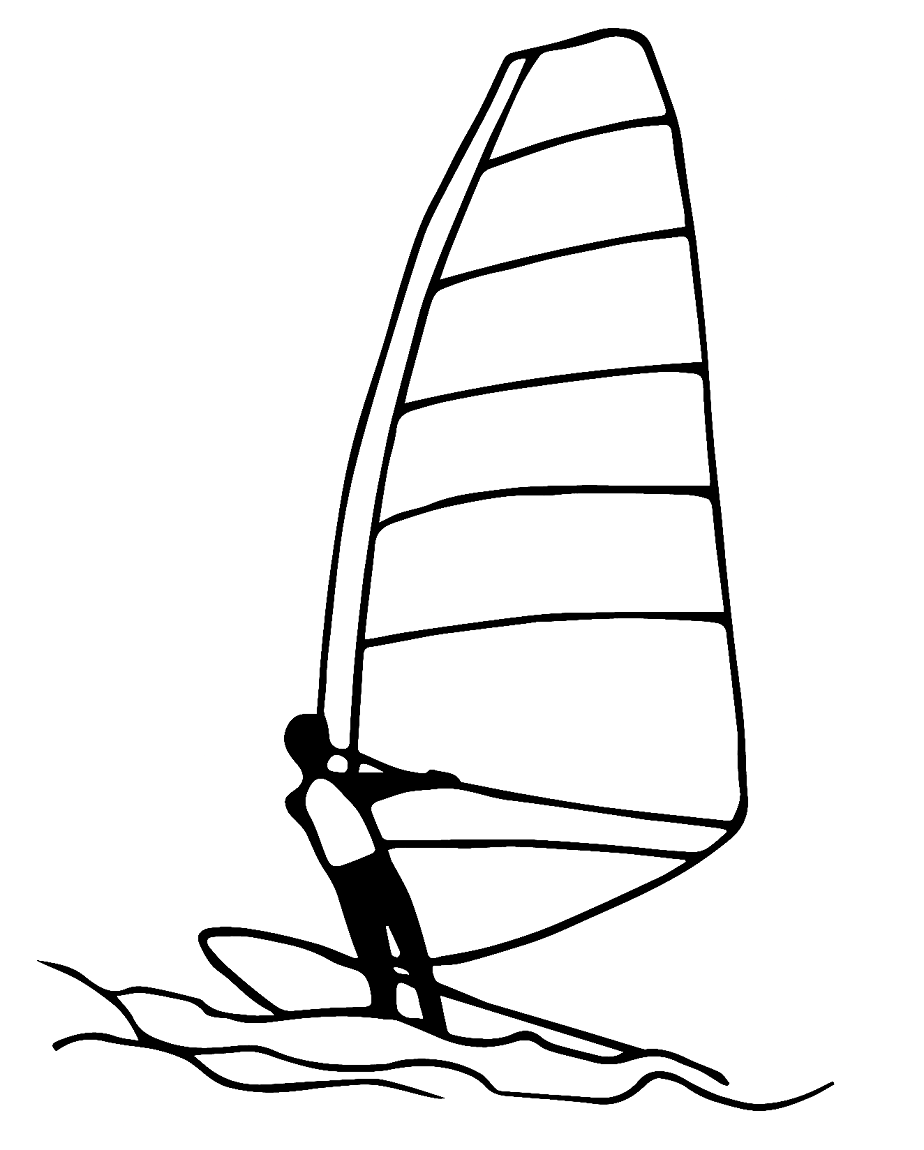
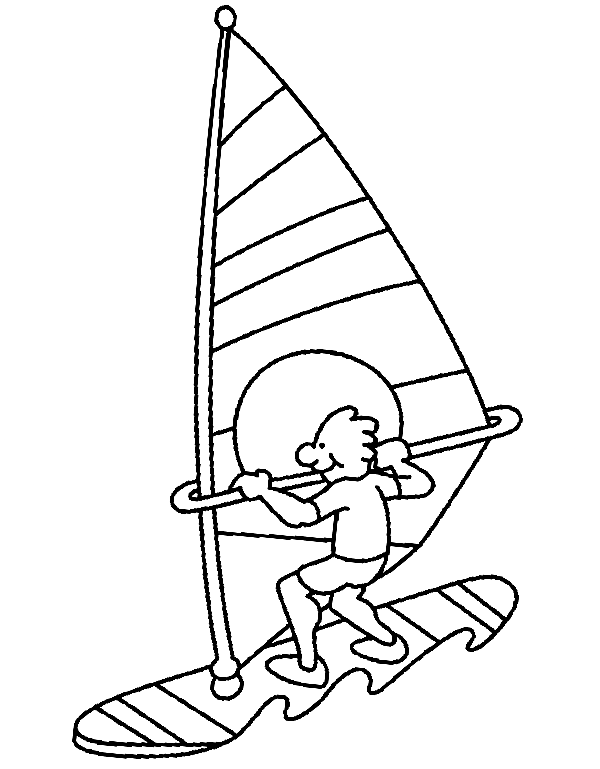
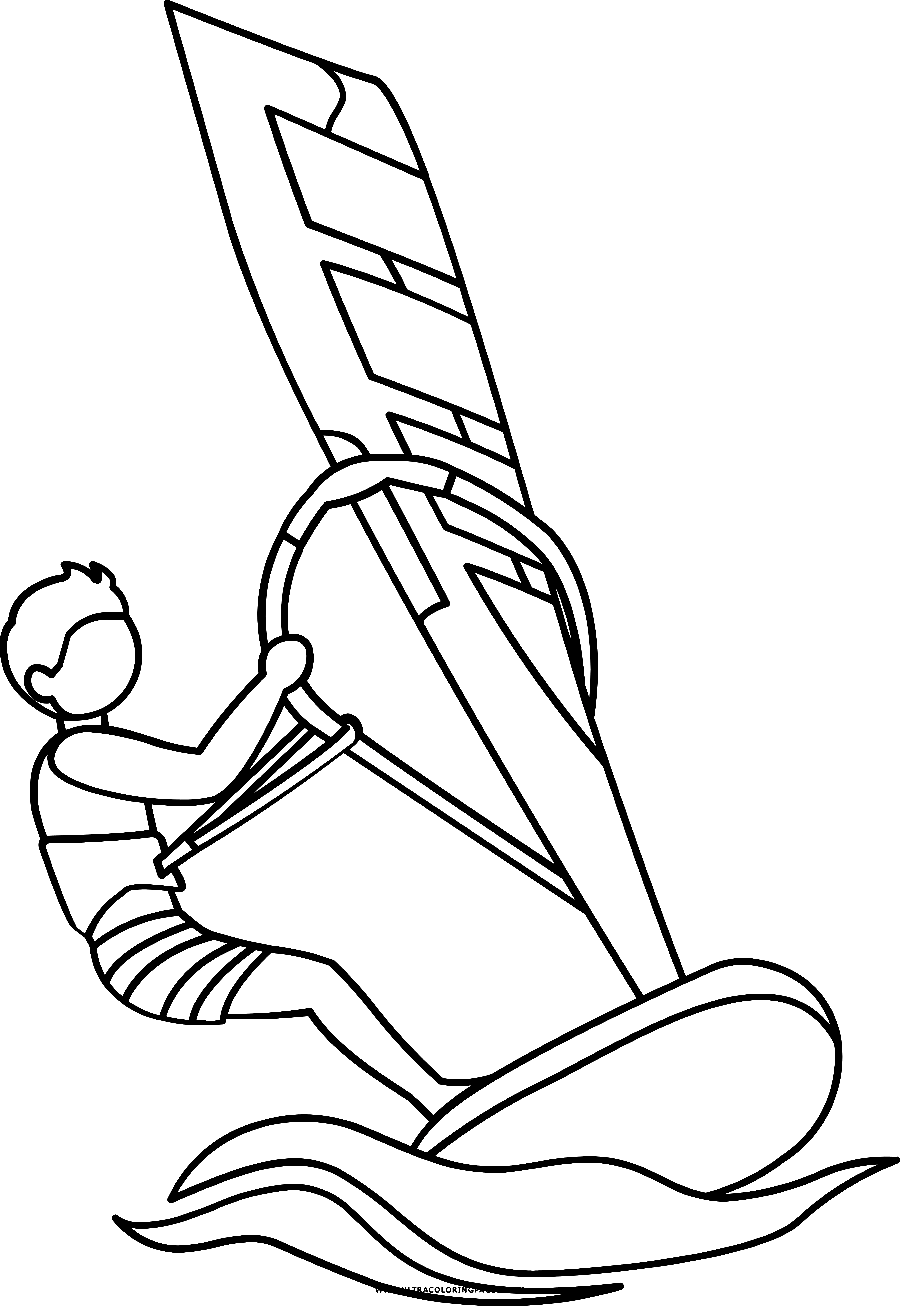
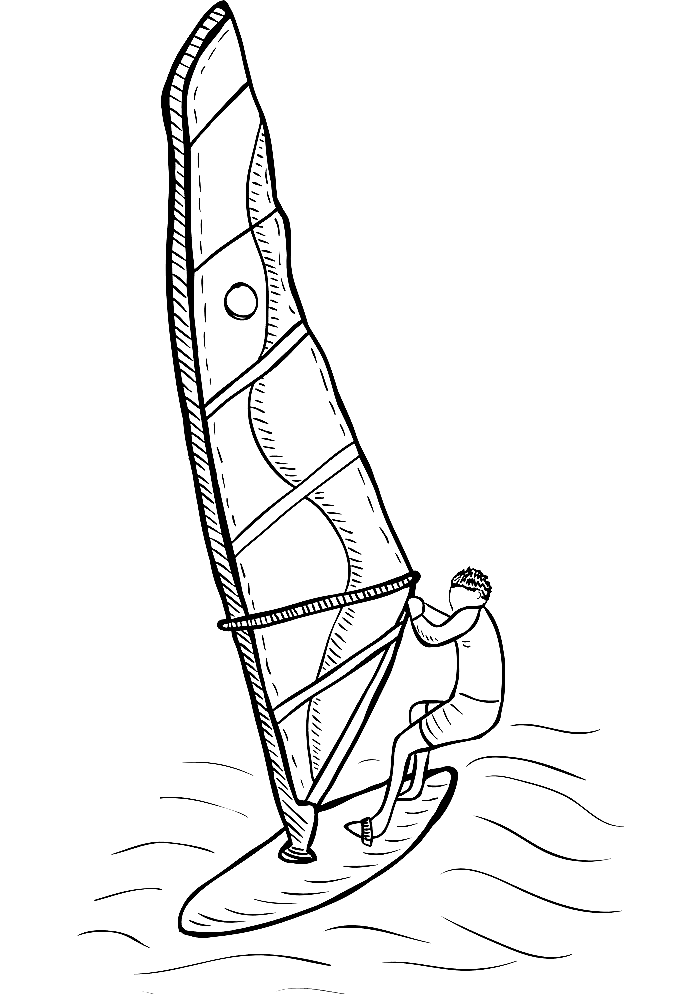
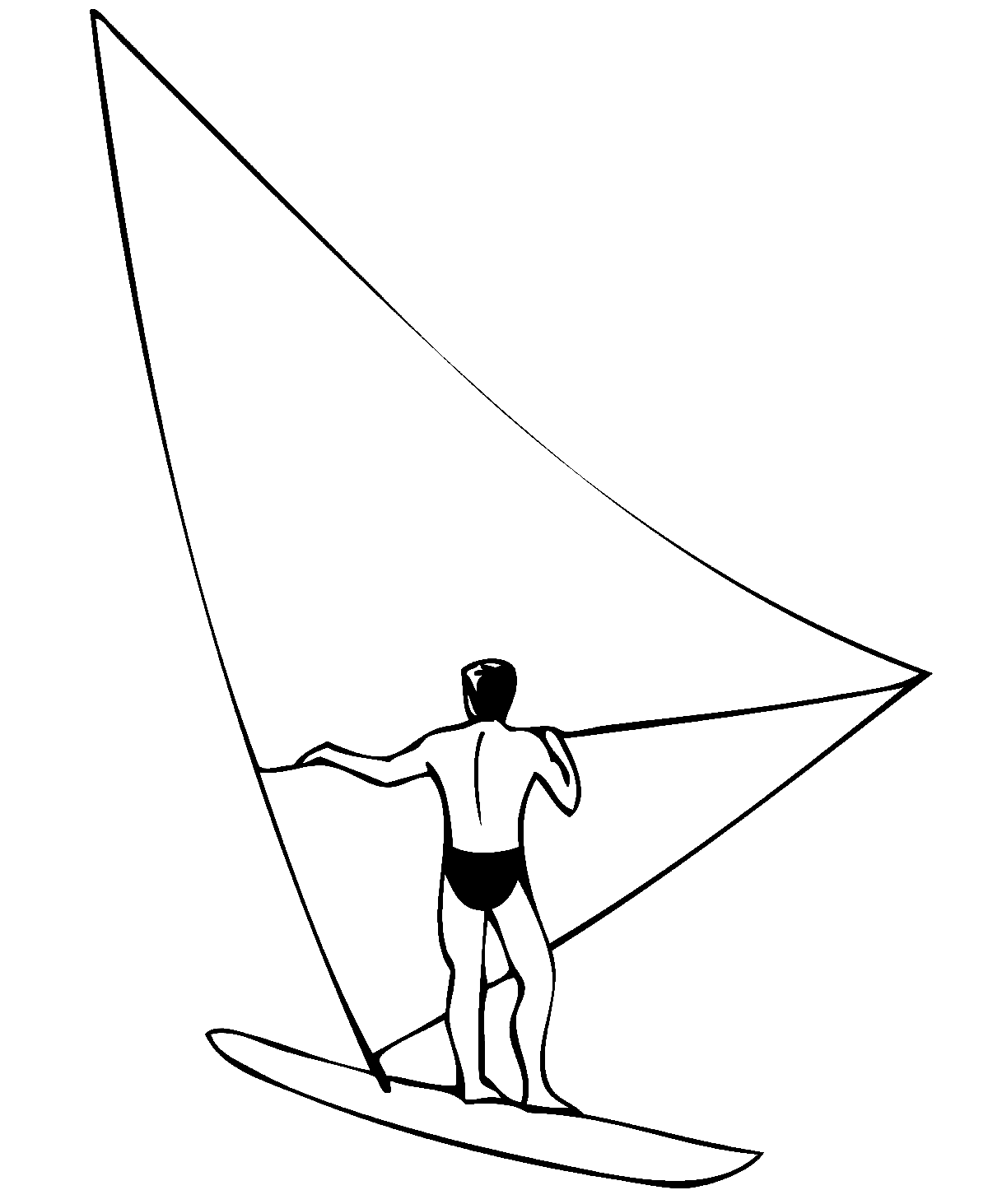
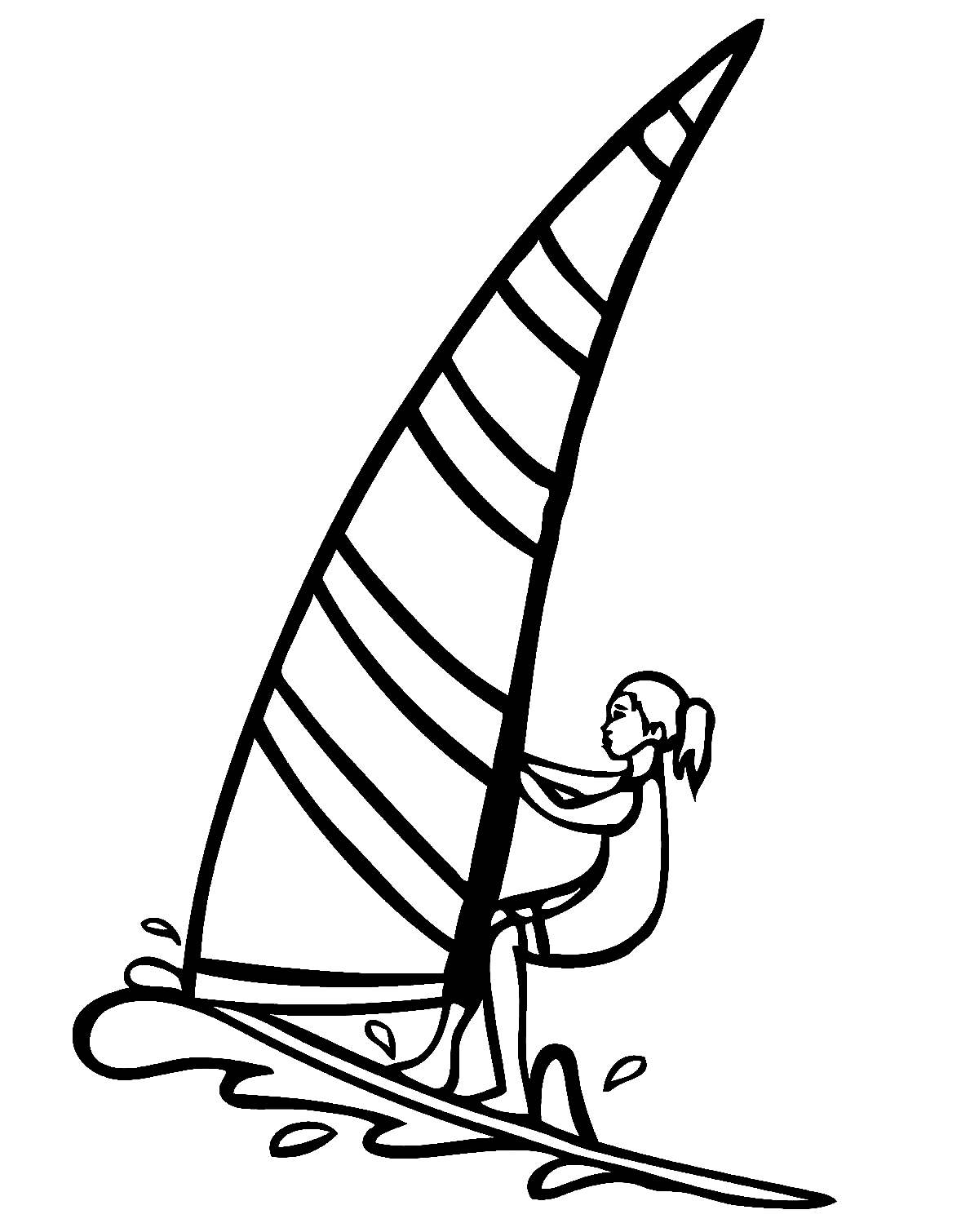
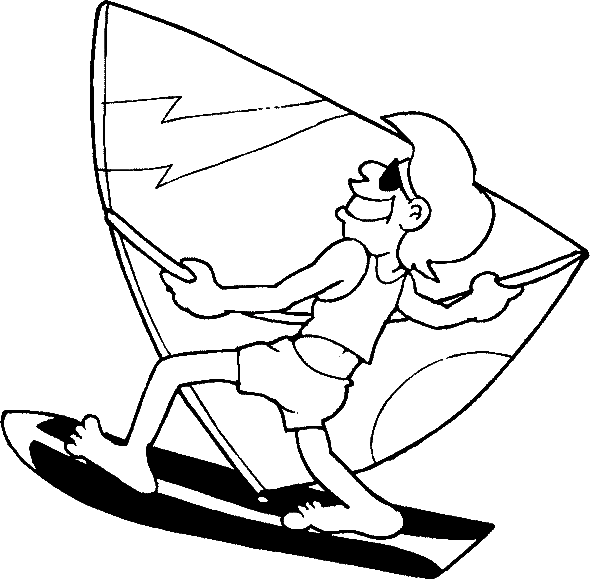
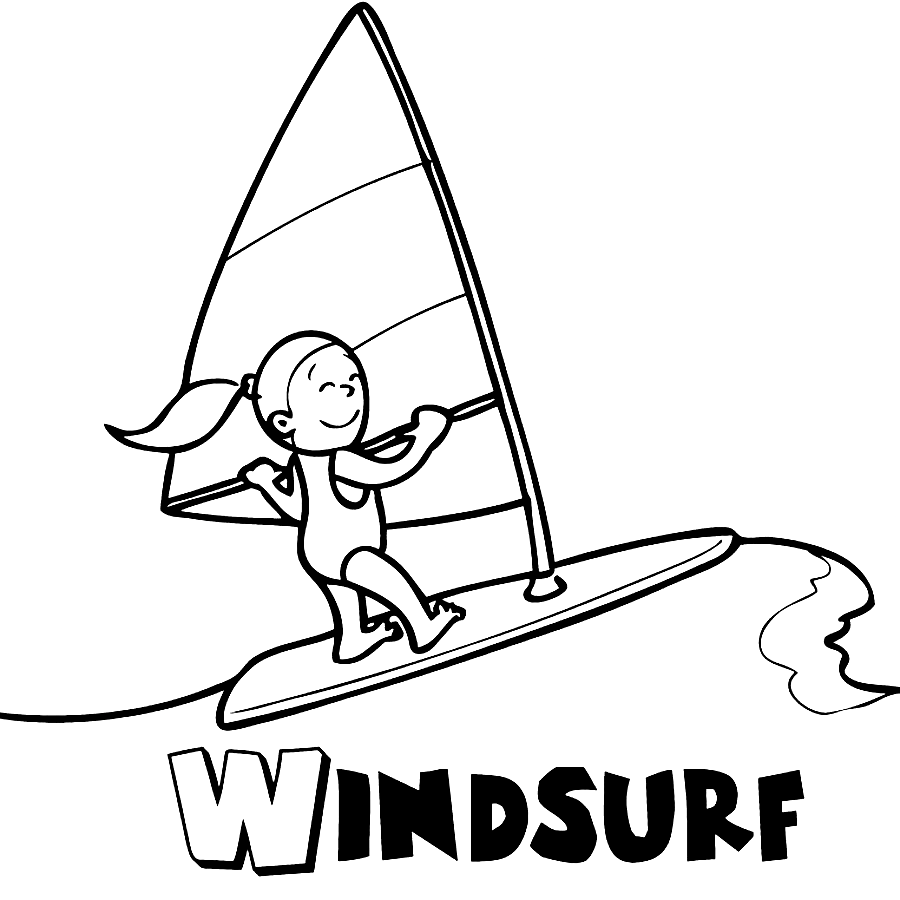
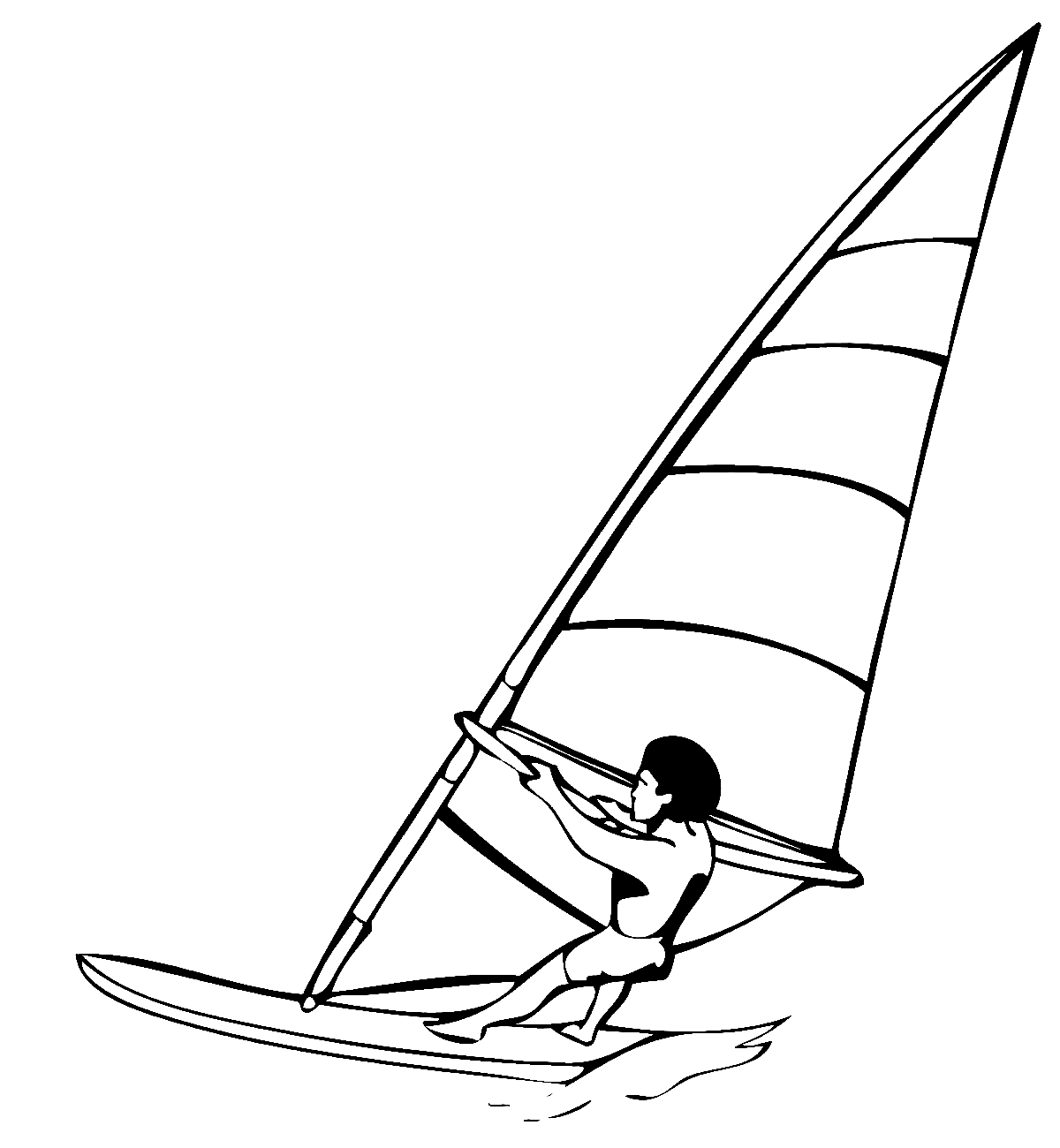
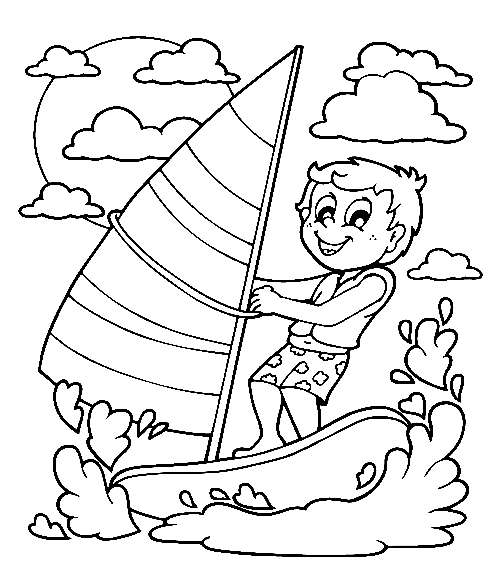
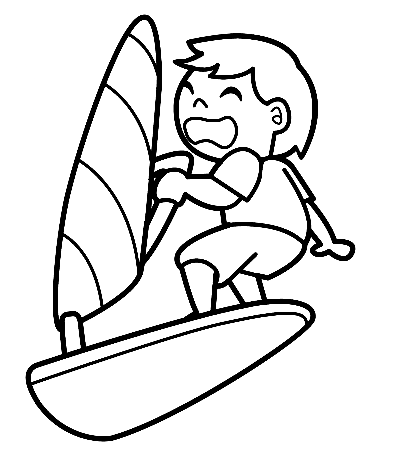
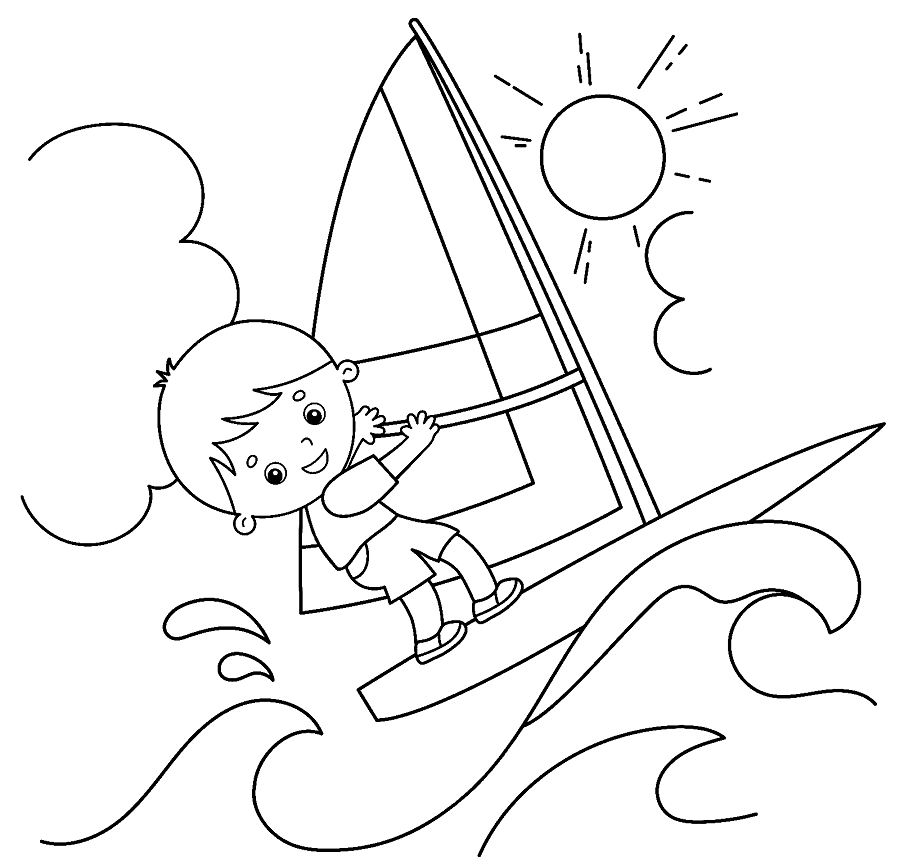
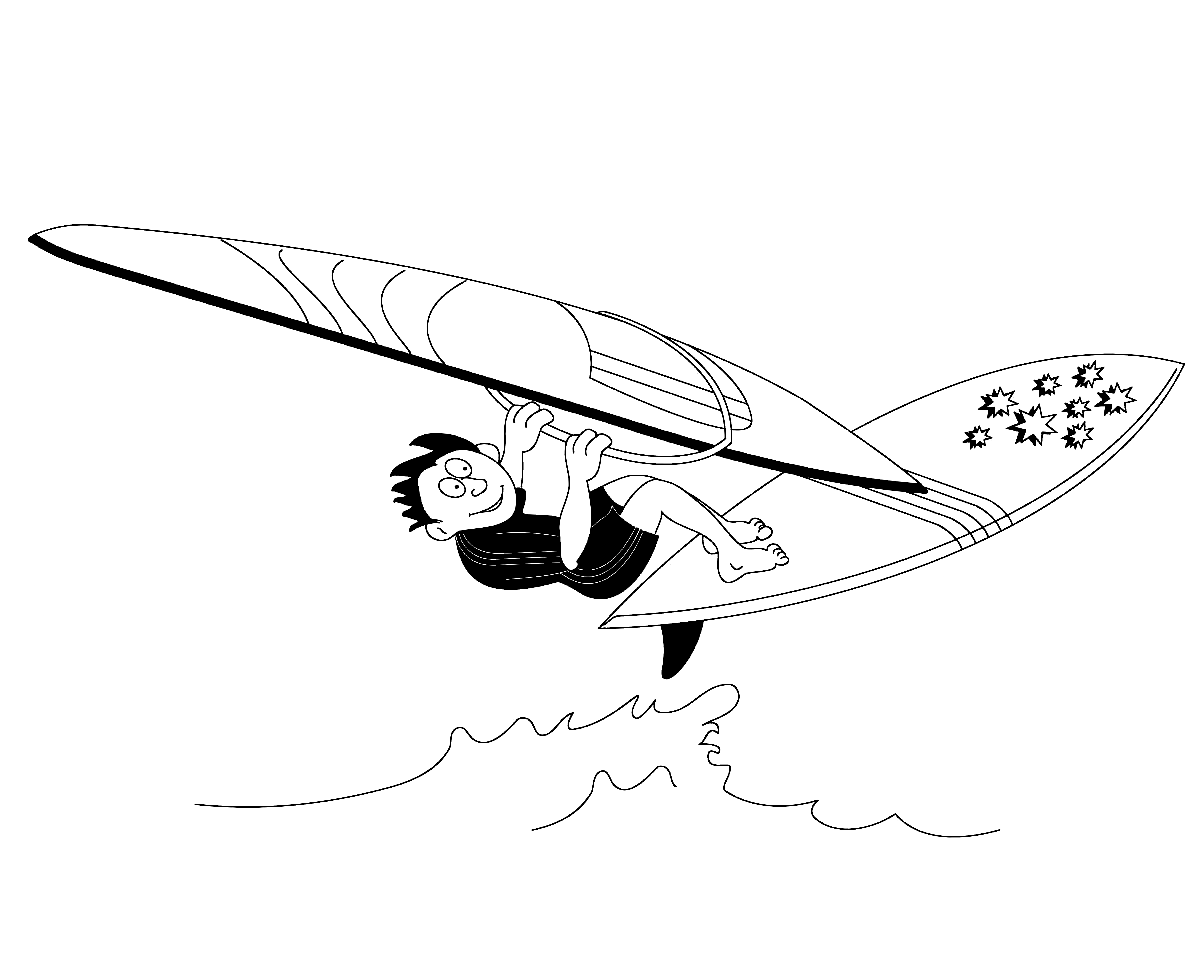
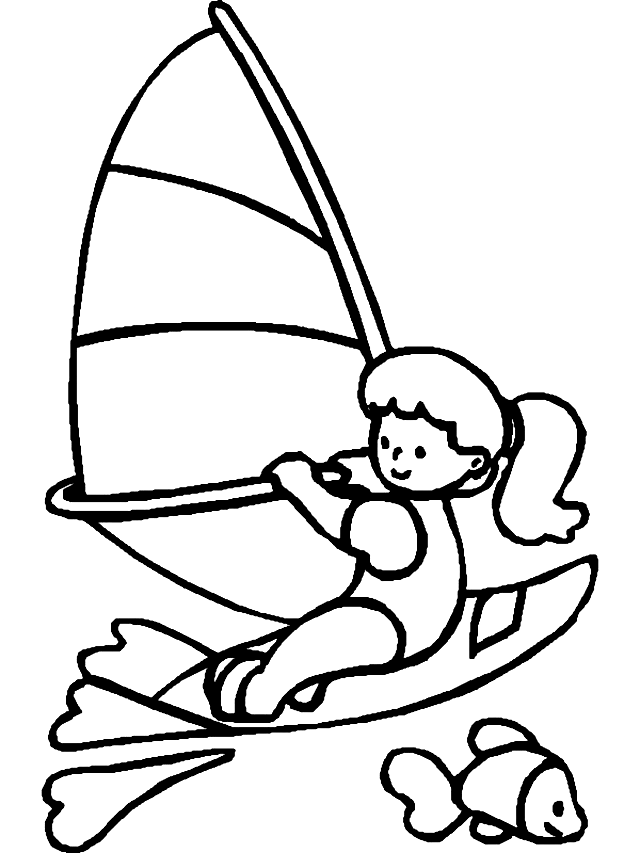
The largest group in the set covers windsurfing specifically: a rider mid-jump over a wave, general windsurfer portraits, and a range of kids’ and cartoon-style takes on the sport.
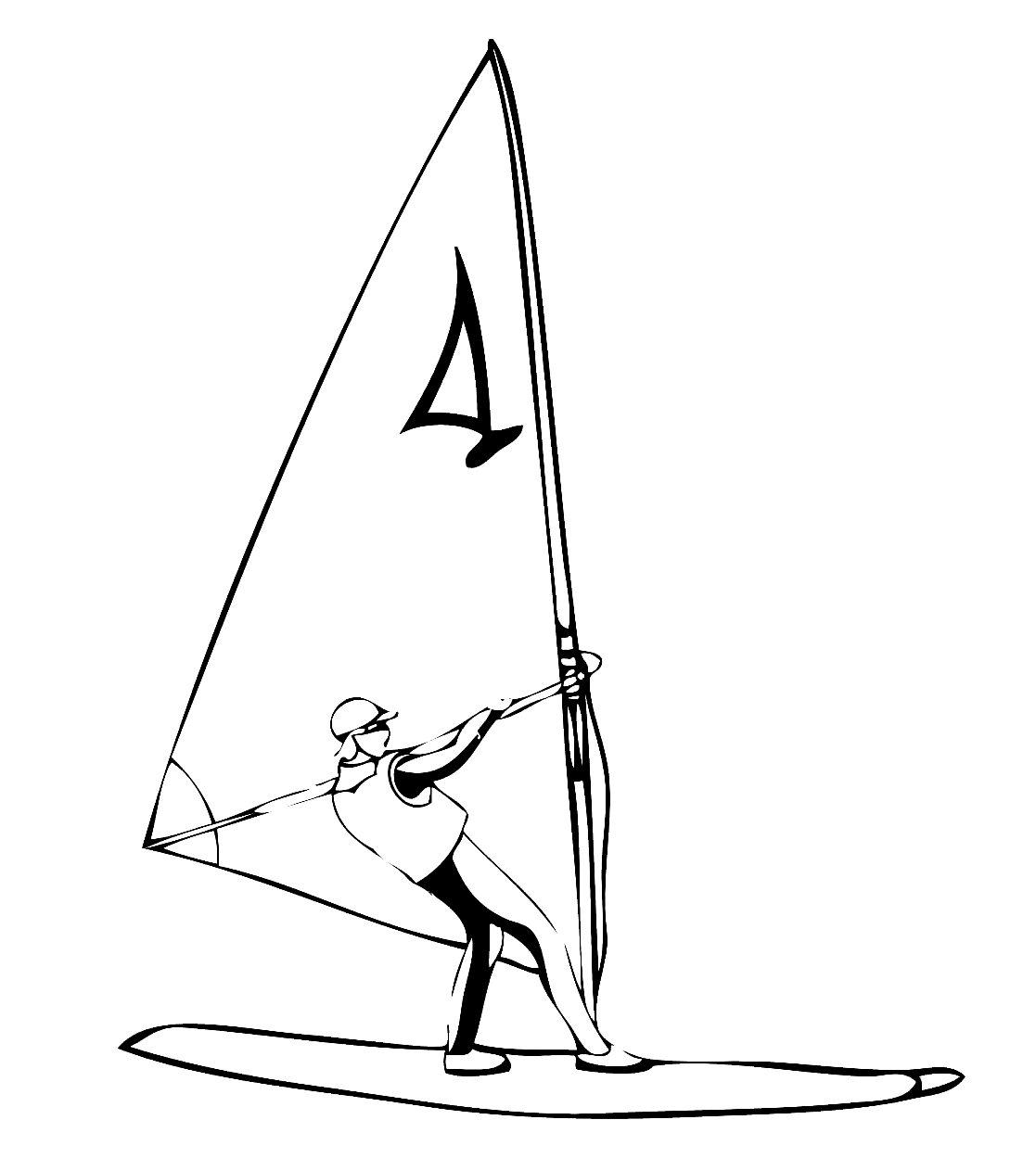
Coloring windsurfing pages: the rider’s hands grip a single horizontal bar, called the boom, directly attached to the sail, and the whole body typically leans back against the pull of the wind. Getting that leaning, both-hands-on-the-boom posture right is what separates a windsurfing page from a general sailing one.
Dinghy and Yacht Sailing Scenes
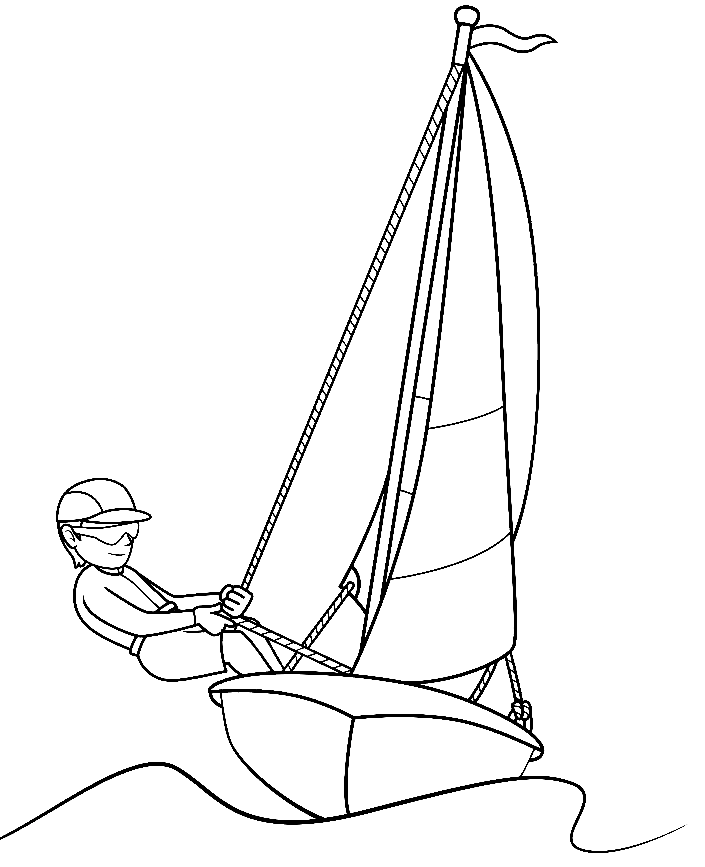
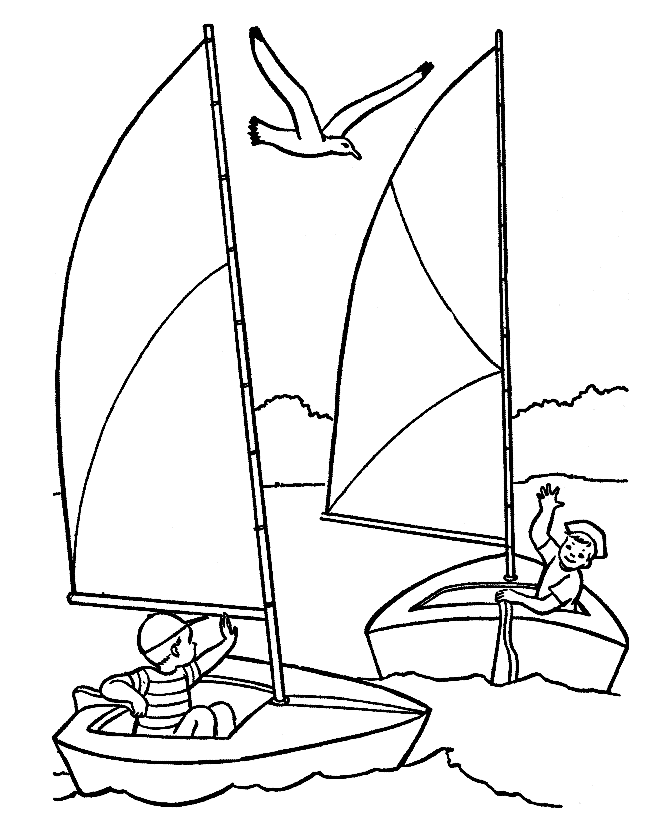
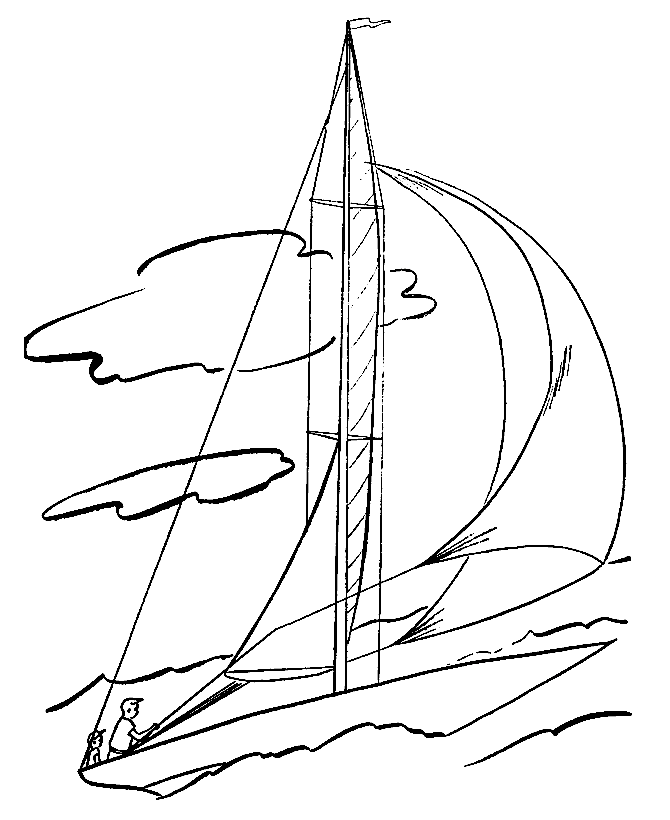
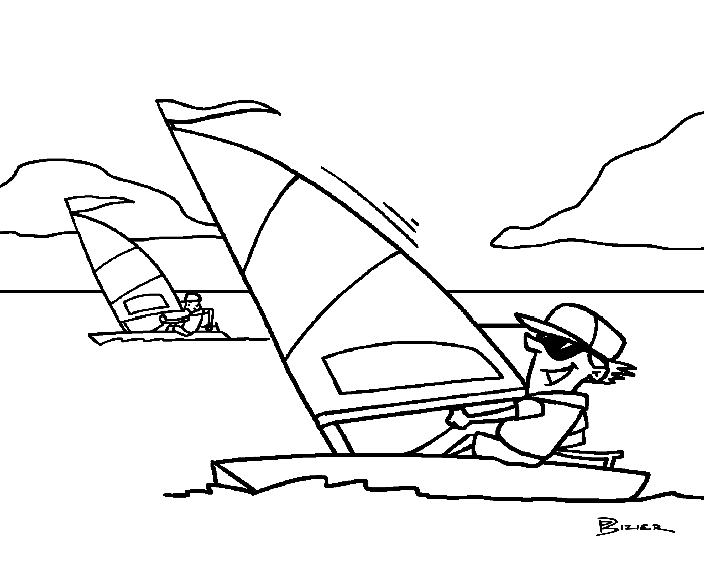
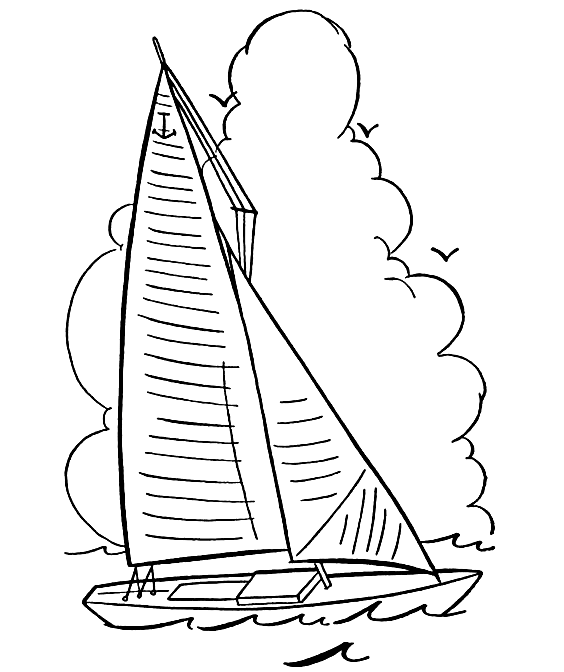
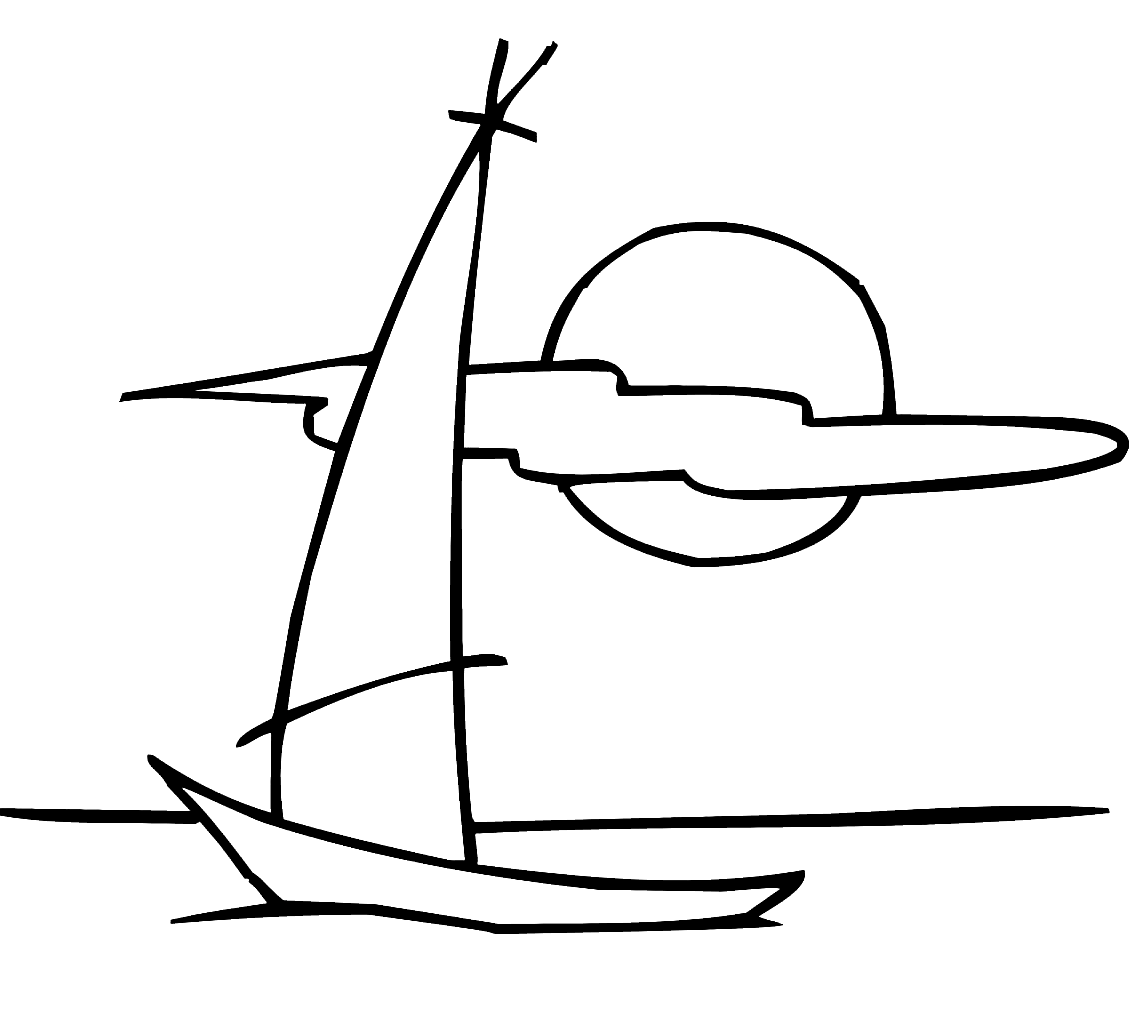
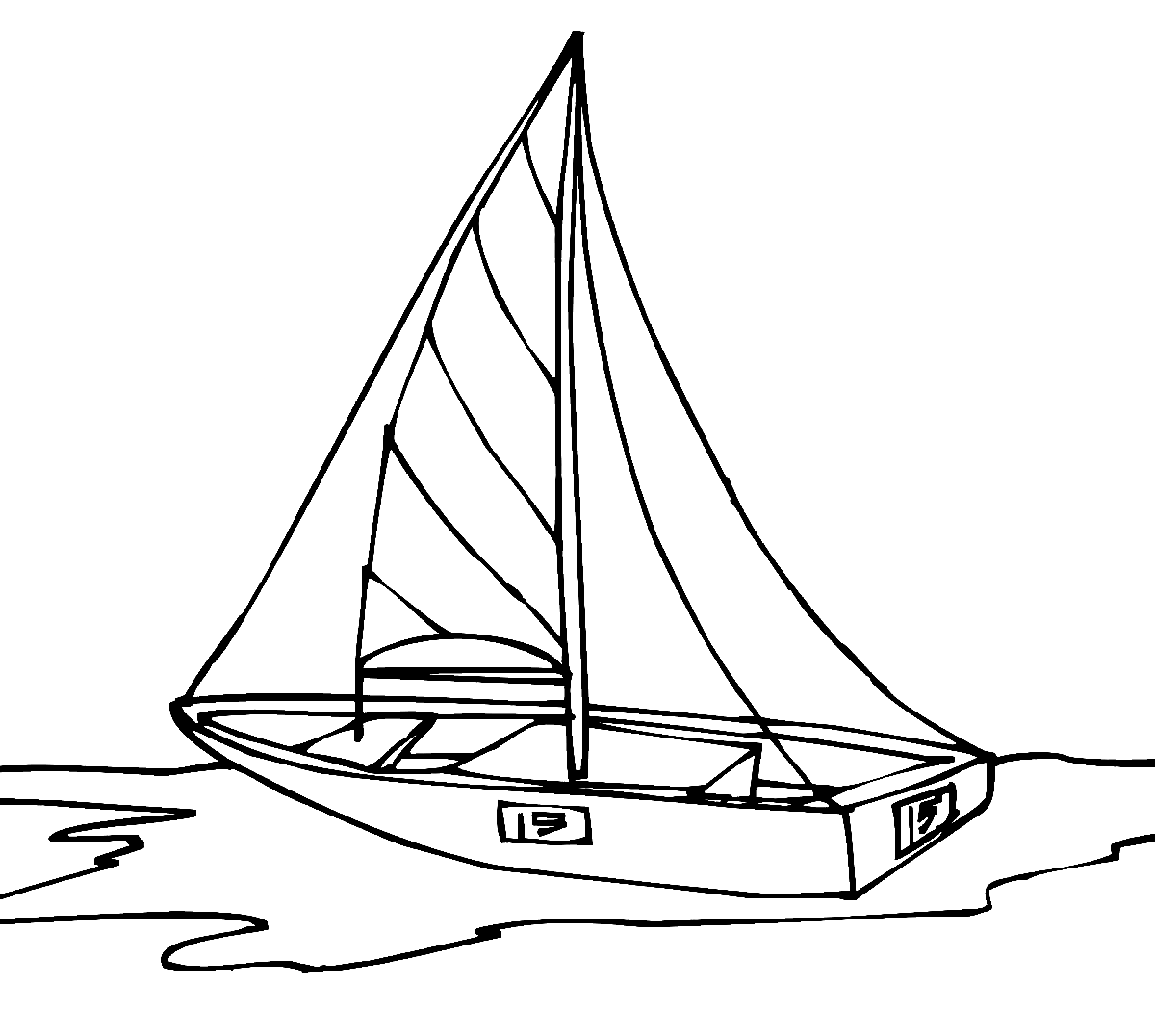
A dedicated group of pages covers traditional boat sailing: a small dinghy, general sailing portraits, and kids’ scenes built around a boat with a separate hull, sail, and rudder.
Coloring dinghy and yacht pages: unlike a windsurfer, a dinghy sailor usually has one hand on a tiller for steering and the other on a rope called a sheet that controls the sail, often while leaning out over the side of the boat for balance. That two-handed, different-task posture is the detail that makes these pages read as traditional sailing rather than windsurfing.
Olympic Sailing
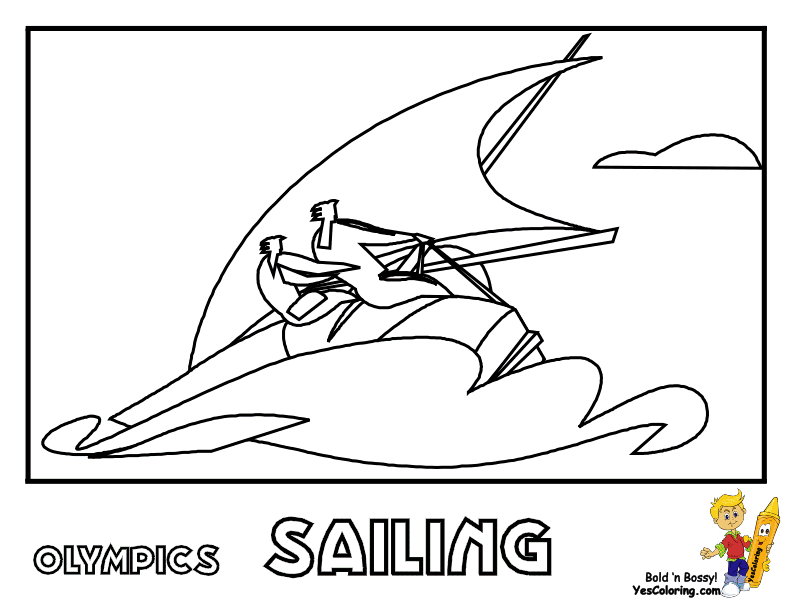
A single page ties this set directly to the sport’s Olympic history, connecting the general collection to real international competition.
Coloring the Olympic sailing page: a clean, simple sail color works well here, since the point of the page is the competitive context rather than a specific boat class or national team.
Character Crossovers
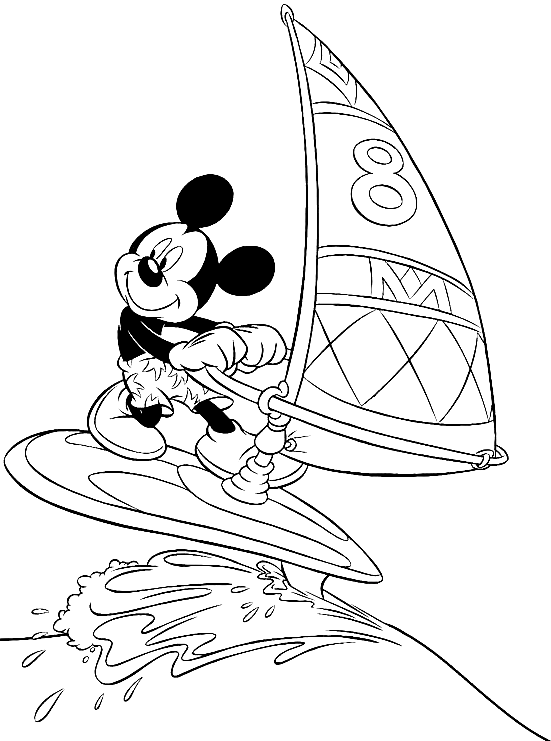
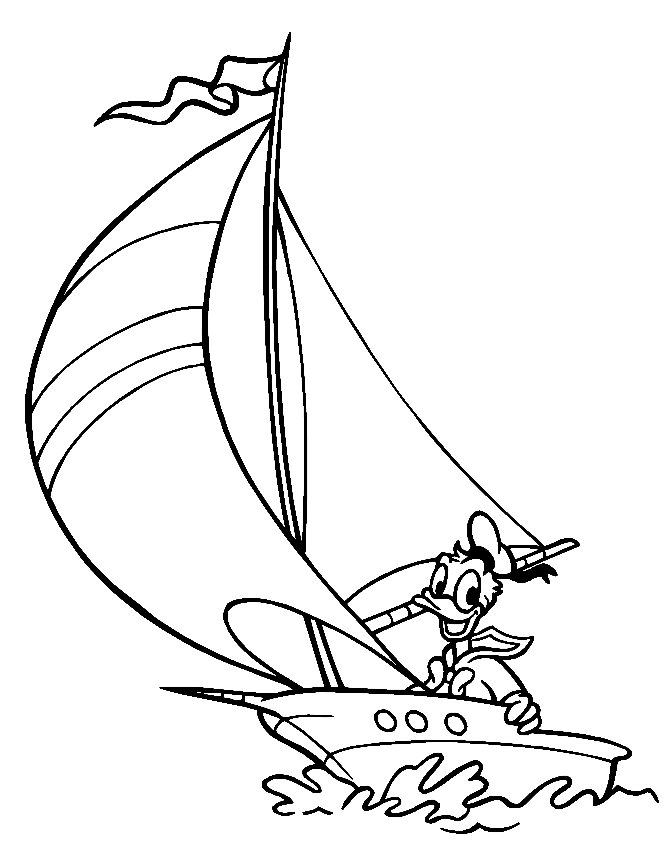
A small group of pages puts well-known characters on the water for a lighter, more playful take on the sport.
Coloring character crossover pages: since these characters already have established color schemes, keeping their usual colors intact while adding the boat, sail, and water in whatever colors suit the scene works better than redesigning the character from scratch.
What These Pages Do
Sailing’s own history gives this set real depth: a sport with roots in seventeenth-century Dutch pursuit boats, a name borrowed directly from that history, and a modern Olympic program old enough to have added windsurfing as its own class back in 1984.
The set also builds a specific kind of fine motor attention. The American Academy of Pediatrics has pointed to structured coloring as a genuine contributor to fine motor development in children roughly between the ages of two and seven. The contrast between this set’s two disciplines puts that practice to a distinct use: a windsurfer’s simple, both-hands-on-one-bar grip asks for a different kind of careful linework than a dinghy sailor’s two separate tasks, one hand steering and one hand trimming the sail.
There is a calmer benefit tied to the subject matter itself, rather than to the sport’s rules. Open water and wind are naturally soothing visual subjects, and coloring a scene built around sky and sea, rather than a court, field, or ring, tends to invite a slower, more graduated approach to color that a busier team-sport page does not.
The pages also carry real vocabulary. A child who colors a boom, a tiller, or a sheet by name is picking up the actual language that separates windsurfing from dinghy sailing, alongside the coloring practice itself.
How to Color Sailing Coloring Pages
Give windsurfers a both-hands-on-the-boom grip, leaning back. The rider holds one horizontal bar with both hands and leans away from the sail to balance against the wind’s pull, rather than standing upright.
Give dinghy and yacht sailors two separate jobs for two hands. One hand holds a tiller for steering, the other holds a sheet, a rope that trims the sail, and the sailor is often leaning out over the side rather than sitting centered in the boat.
Use graduated blues for open water and sky. A smooth transition from a deeper blue at the horizon to a lighter shade near the boat suits the naturally calm, wide-open subject matter better than one flat color block.
Keep character crossover colors consistent with the character’s usual palette. Add the boat, sail, and water in whatever colors suit the scene, rather than changing the character’s own established colors.
5 Creative Craft Ideas with Sailing Coloring Pages
Windsurfing Versus Dinghy Comparison
Color one windsurfing page and one dinghy sailing page side by side, paying close attention to the different hand positions, boom versus tiller, and sheet.
A simple, accurate explainer for two related but genuinely different disciplines, built entirely from coloring pages. Takes about twenty minutes.
Olympic Sailing Tribute
Color the Olympic sailing page carefully and display it on its own as a small tribute to the sport’s Olympic history.
A short, focused project connecting directly to real international competition. Takes about ten minutes.
Regatta-Day Display
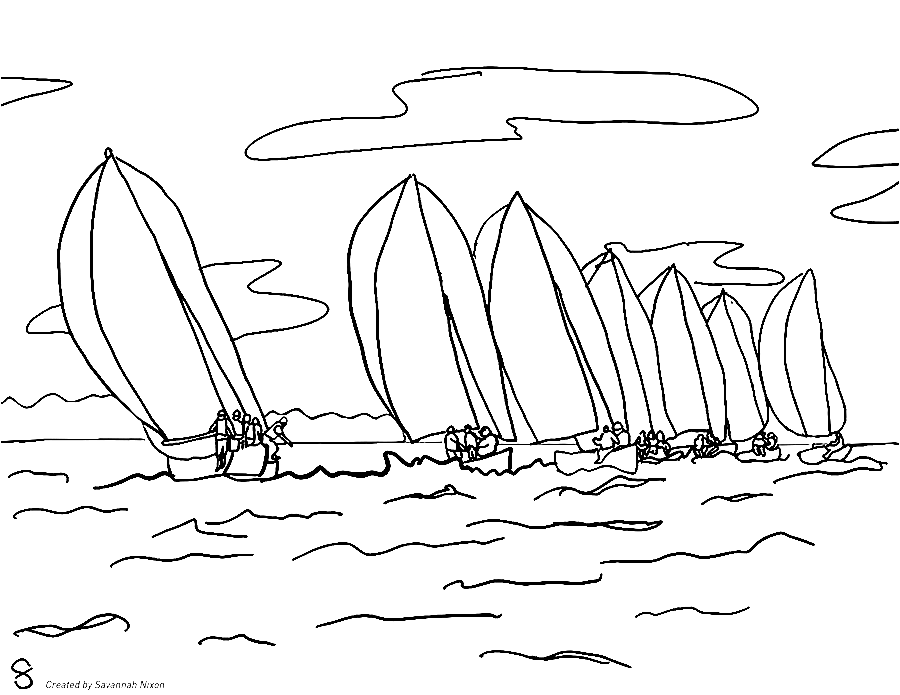
Color three or four dinghy and general sailing pages together and display them as a small regatta-day set, evoking the atmosphere of a real sailing event without needing to depict any one specific race.
A display that captures the feeling of a sailing competition day using only the pages in this set. Takes about twenty minutes.
Character Crossover Voyage
Color the character crossover pages together and arrange them as a lighthearted little “voyage.”
A quick, playful project that keeps the set’s lighter pages doing something fun together. Takes about fifteen minutes.
Wind and Water Color Study
Color a sailing or windsurfing page using smooth, graduated blues for the water and sky, practicing a calm blending technique rather than flat, single-color fills.
A slower, more meditative project built around the set’s naturally calming subject matter. Takes about fifteen minutes.
FAQ About Sailing Coloring Pages
Are these sailing coloring pages free, and can I color them online?
Yes. Every page is free, with no account, email, or payment required. Download the PDF to print at home, or open it in the online coloring tool to color on screen.
What age group are these sailing coloring pages best suited for?
The general sailing and windsurfing portraits work well from age 3. The action and Olympic pages, with more detail in the pose and rigging, suit ages 5 and up. The character crossover pages work for any age, including adults looking for something lighter.
Why does this sailing set include so many windsurfing pages?
Windsurfing has been an official board class within the Olympic sailing program since the 1984 Los Angeles Games, so it is genuinely part of the sport of sailing at an international level, not a separate activity mixed in by mistake.
What’s the difference between windsurfing and dinghy sailing?
A windsurfer stands on a single board and controls a sail attached directly to it by gripping a horizontal boom with both hands, leaning back against the wind. A dinghy or yacht sailor sits in a separate hull and steers with a tiller in one hand while trimming the sail with a rope, called a sheet, in the other.
Has sailing always been part of the Olympics?
Sailing has been part of the Olympics since the 1900 Paris Games, after planned events at the 1896 Athens Games were canceled due to weather. Windsurfing was added as its own board class later, at the 1984 Los Angeles Games.
Where does the sport of sailing come from historically?
Sailing as a recreational and competitive pursuit is generally traced to the Netherlands in the 1600s. The English word “yacht” comes directly from the Dutch word for a light, fast pursuit vessel used at the time.
Are these pages based on a specific real regatta or brand?
No. The boats, boards, and scenes are generic and inspired by the sport broadly, including its real Olympic and historical background. Still, they are not licensed by or affiliated with any specific regatta, team, or brand.
Can I use these pages for a sailing club, summer camp, or classroom activity?
Yes. Sailing clubs use the dinghy and windsurfing pages for youth recruitment and beginner lessons, summer camps use them to introduce basic vocabulary before time on the water, and the character crossover pages work well as a lighter activity for younger kids.
Start Coloring
Download any page by clicking the design. No account, email, or payment is required. Pages print directly from the browser at full resolution or open in the online coloring tool for screen use. Share finished pages on Facebook or Pinterest using the share buttons at the top of each design page.