Alarm Clock Coloring Pages
 By:
Jennifer Thoa - Content Editor & Designer
Updated:
By:
Jennifer Thoa - Content Editor & Designer
Updated:
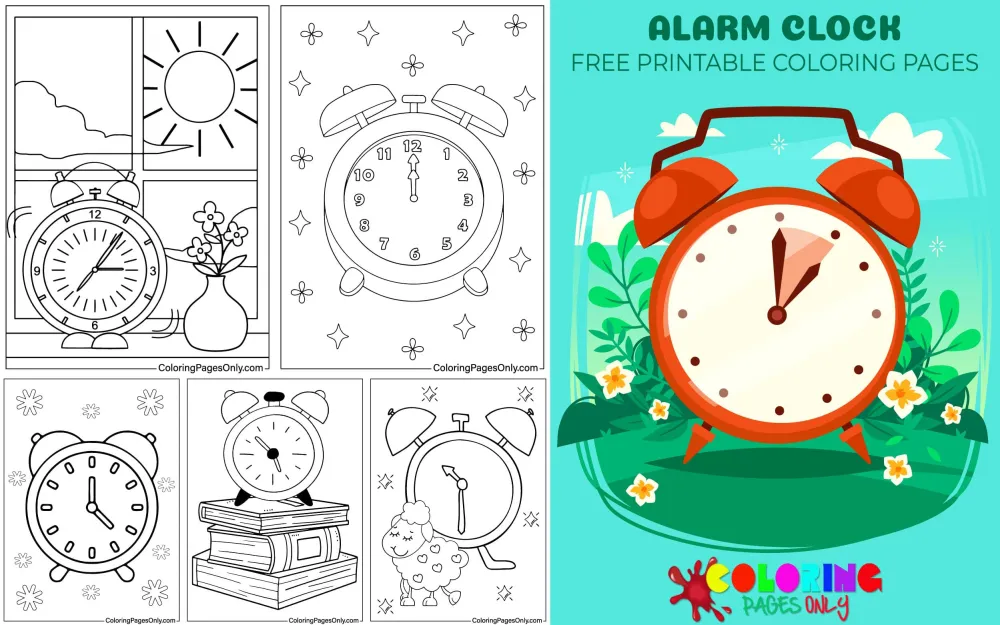
Free Alarm Clock Coloring Pages: 21 printable PDF designs ranging from simple classic clock faces to cute, retro, and cartoon styles. Every page works as a free PDF download or a browser-based coloring page, with no account needed either way.
The alarm clock has a surprisingly long history: the earliest known version was a Greek water clock built by Ctesibius of Alexandria around 250 BCE, which dropped pebbles onto a gong once the water reached a set level. The first personal mechanical alarm clock came much later, built by Levi Hutchins in 1787, though it could only ring at one fixed time, 4 a.m. The adjustable alarm clock most people would recognize today wasn’t patented until 1847 by French inventor Antoine Redier.
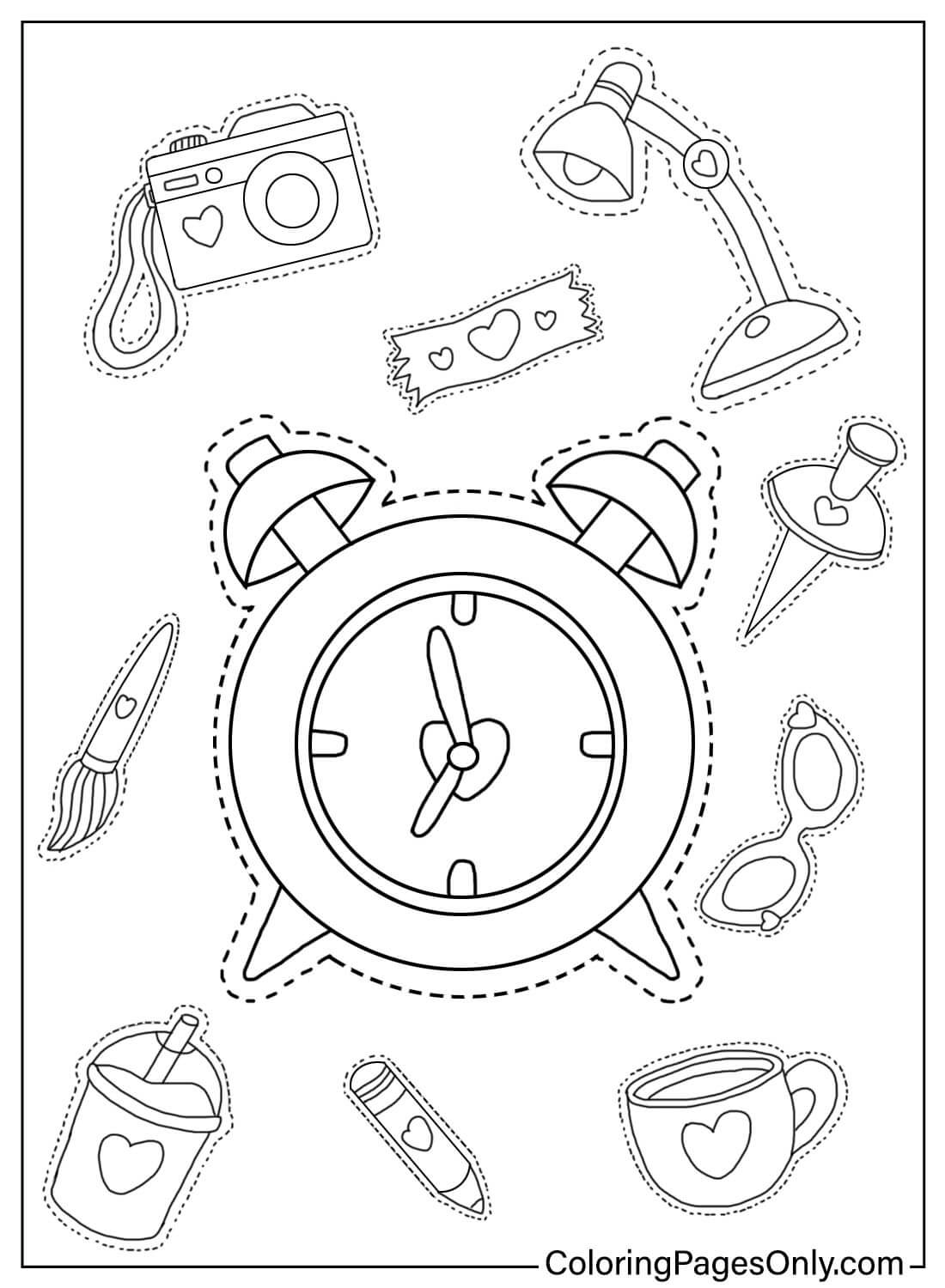
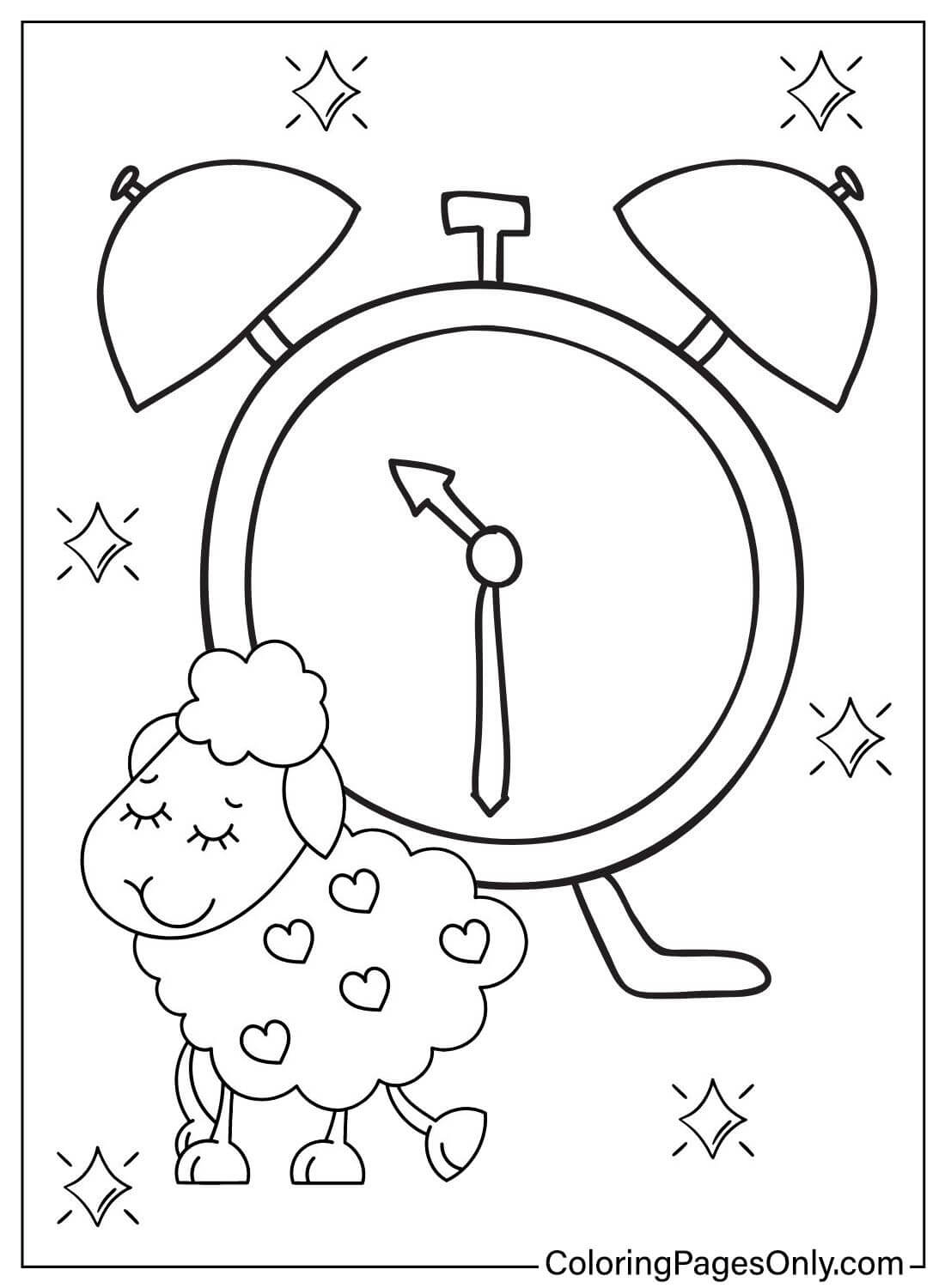
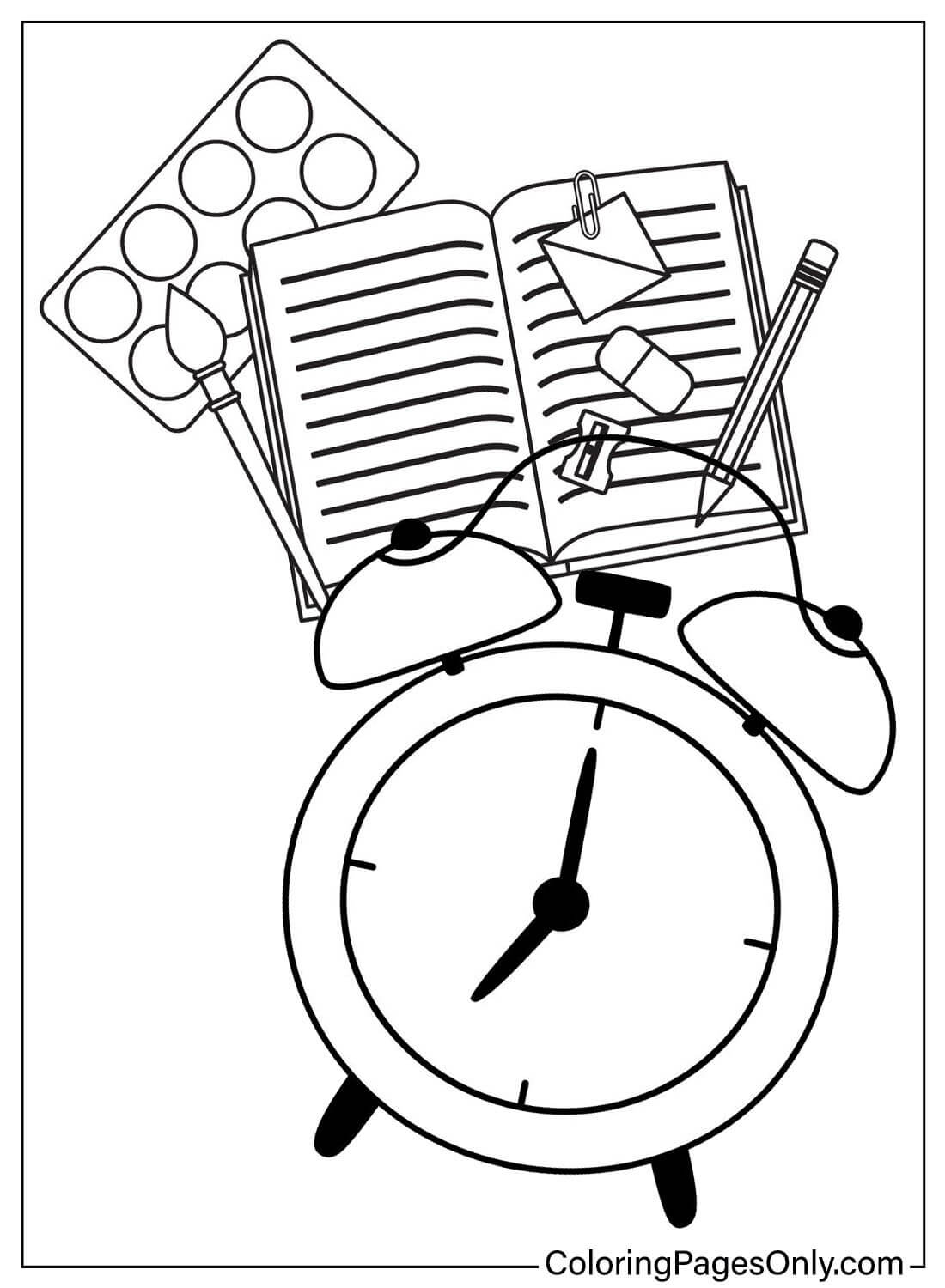
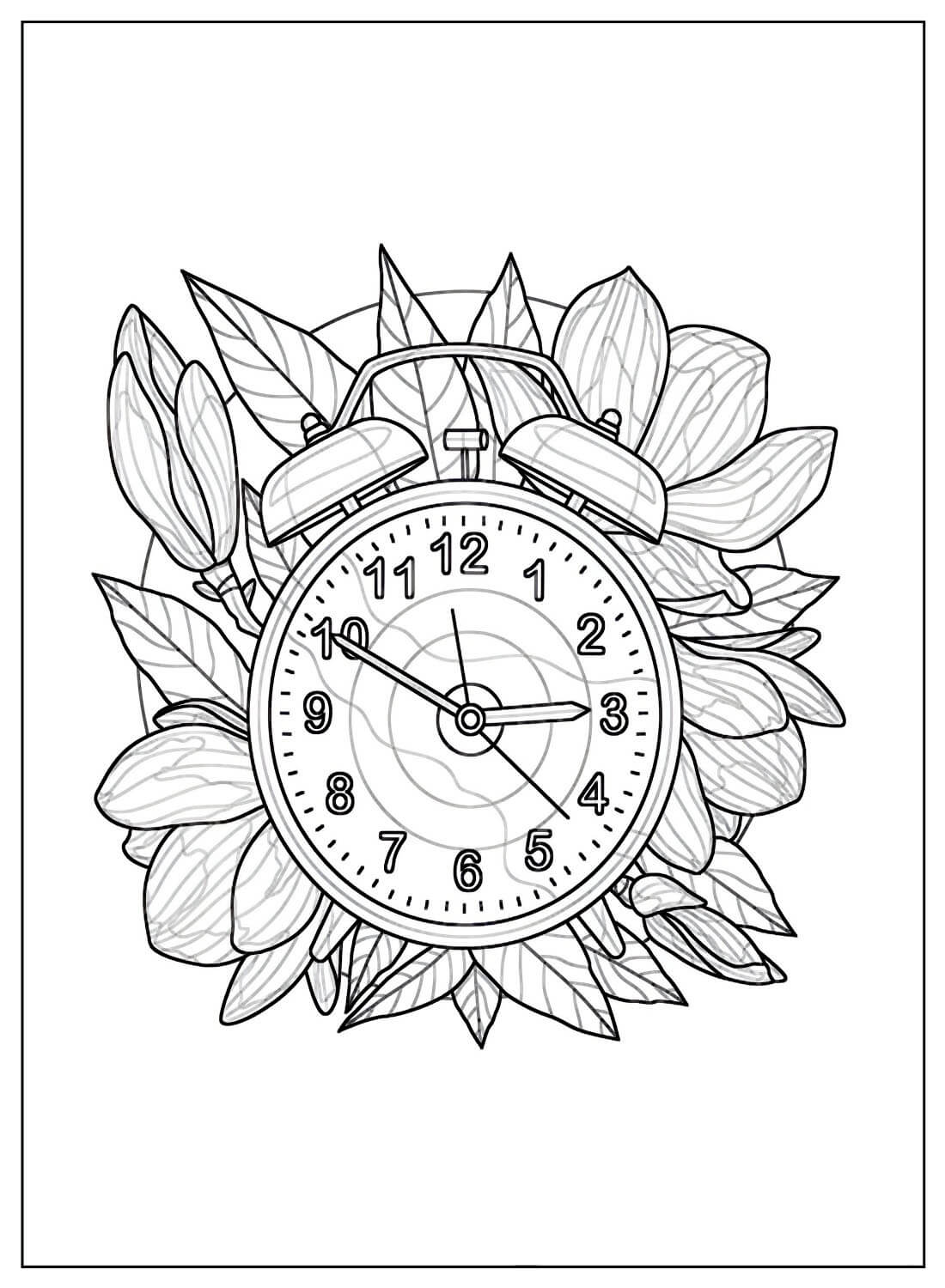
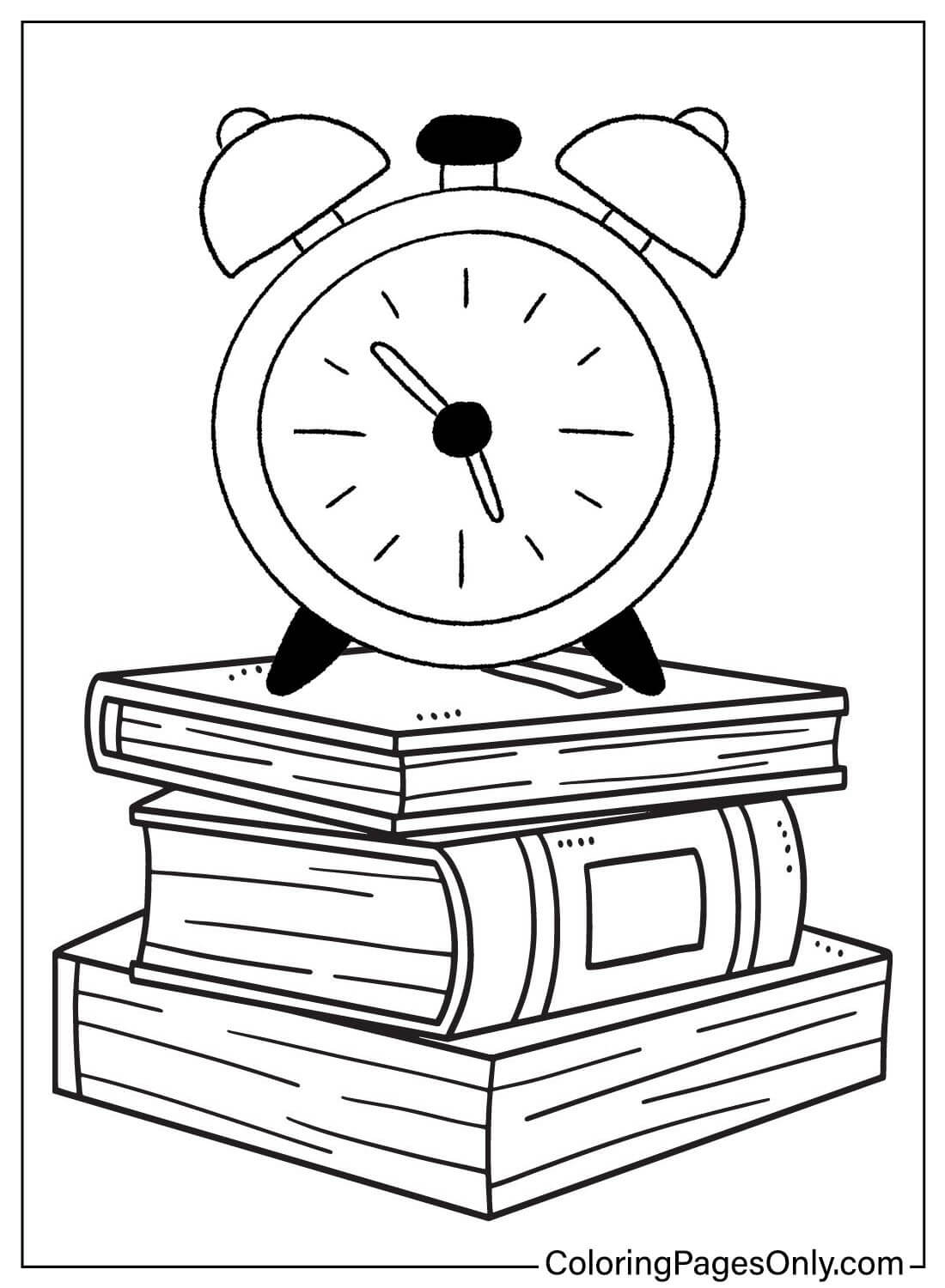
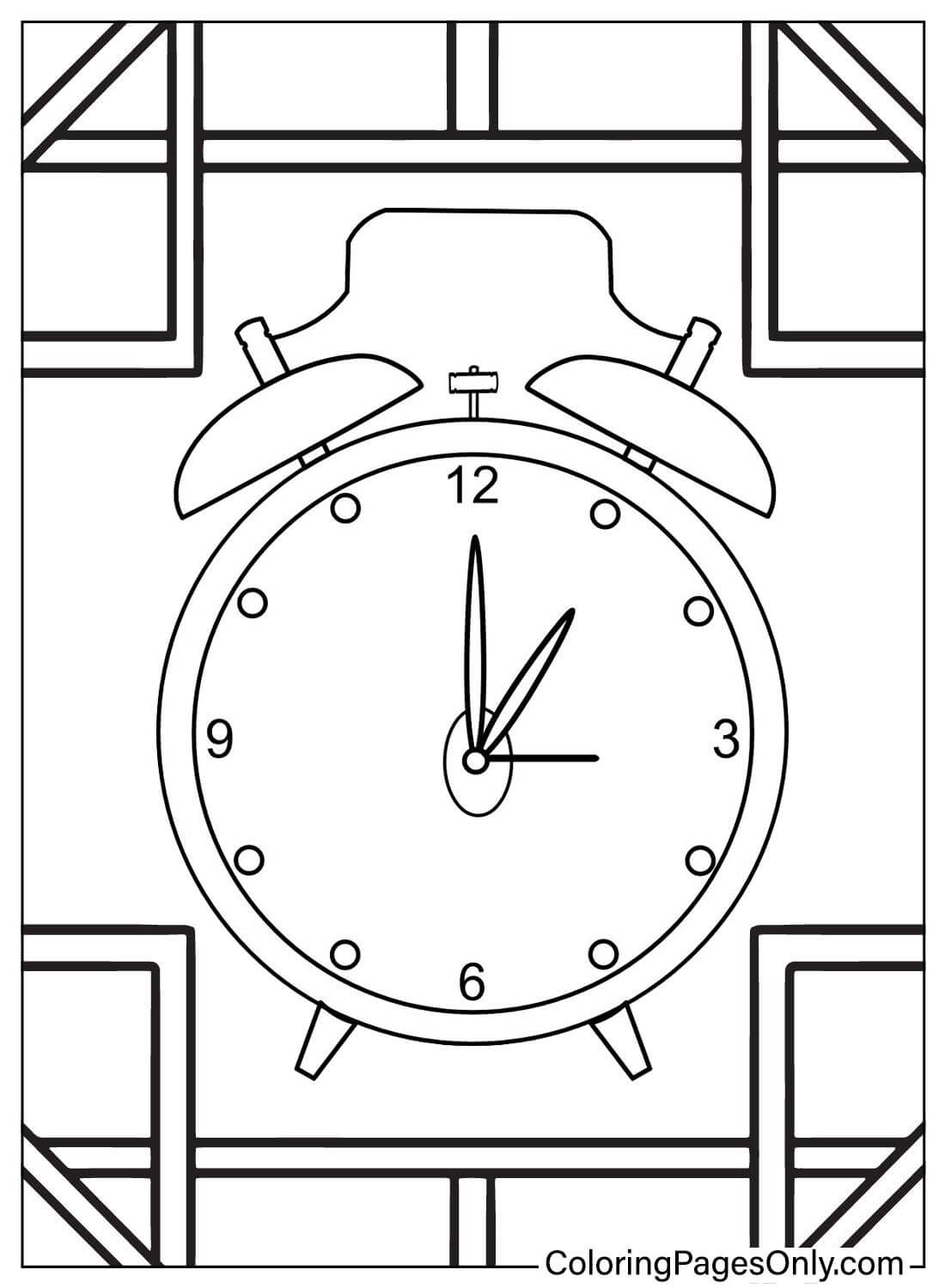
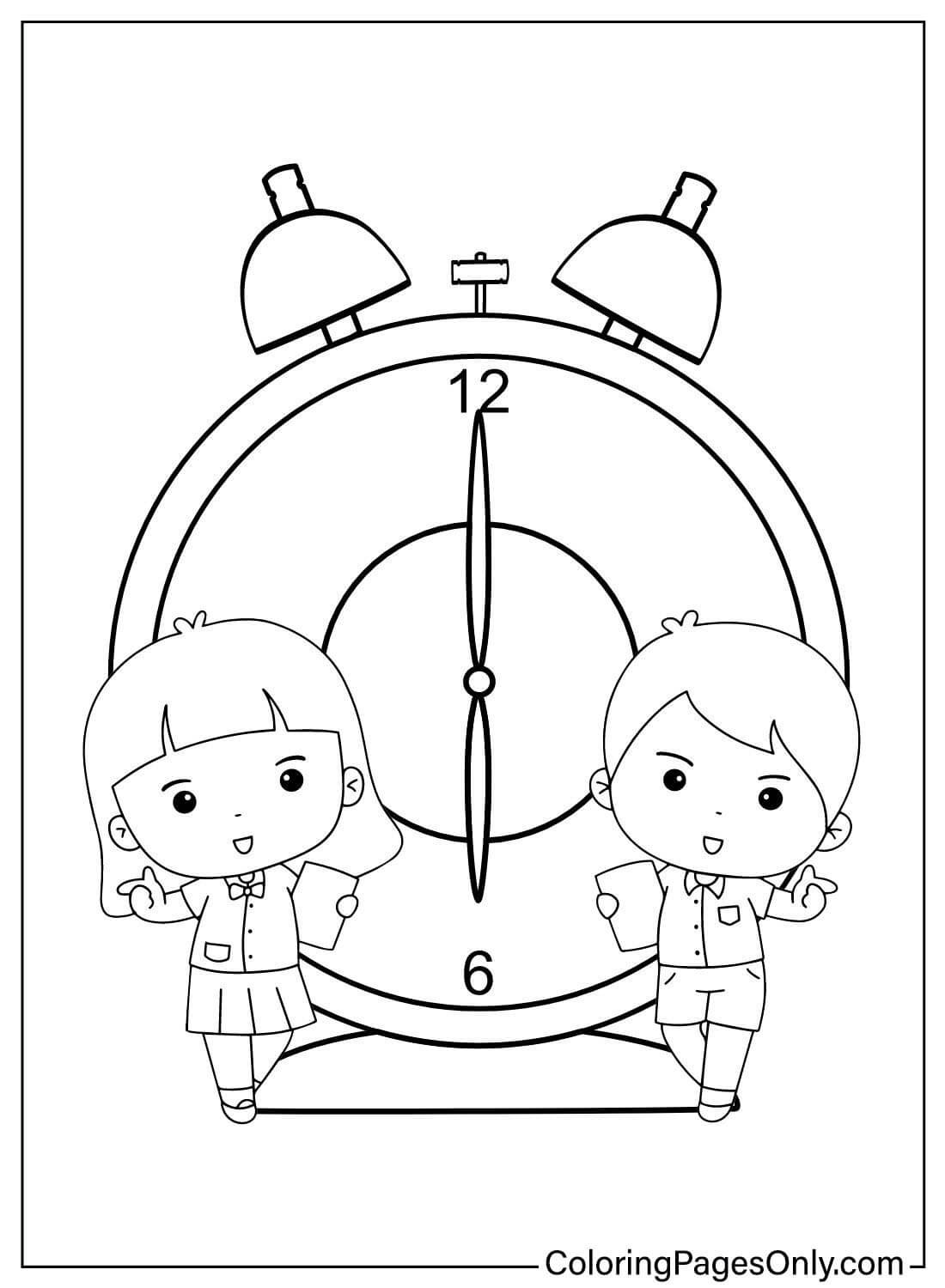
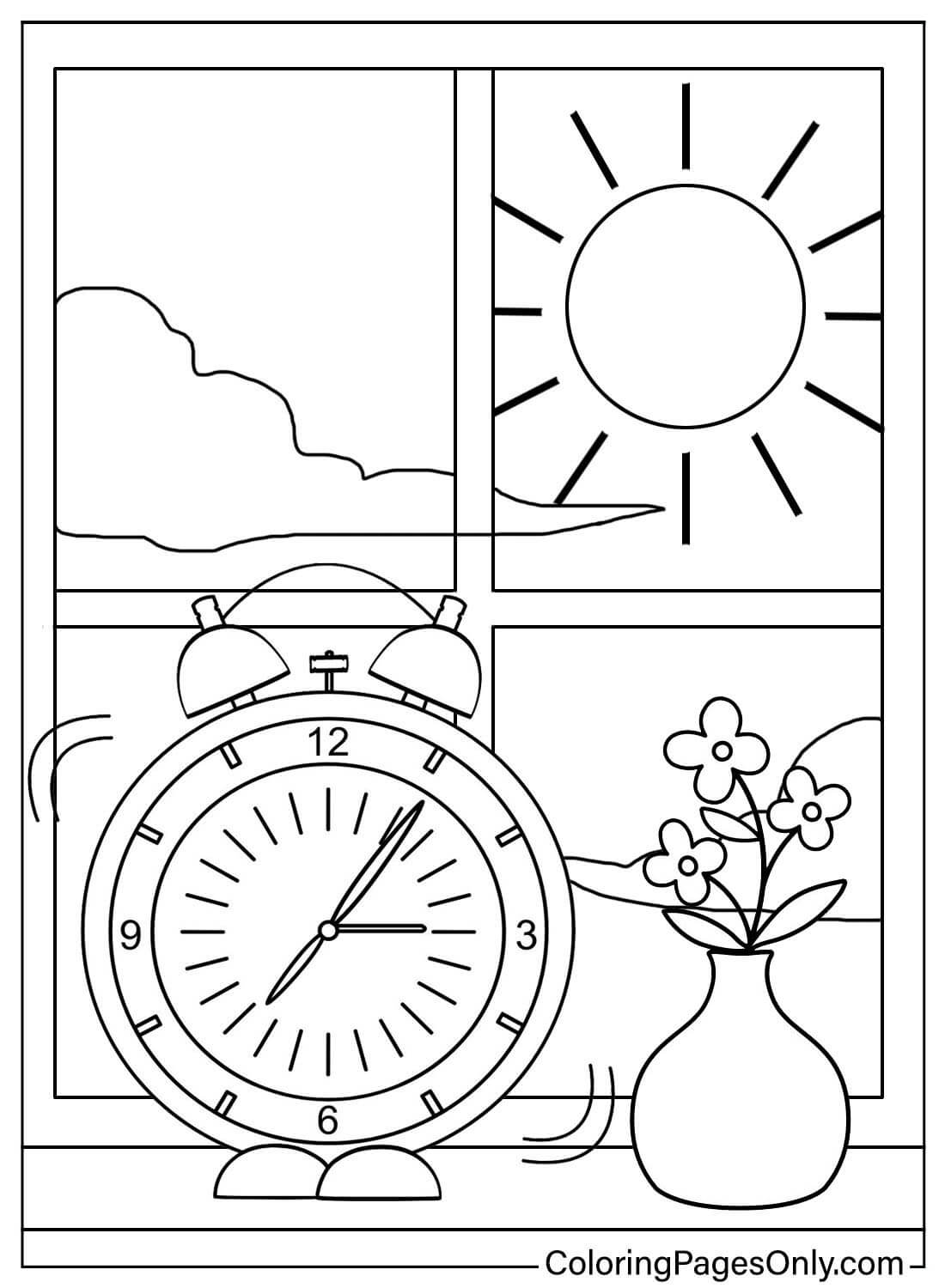
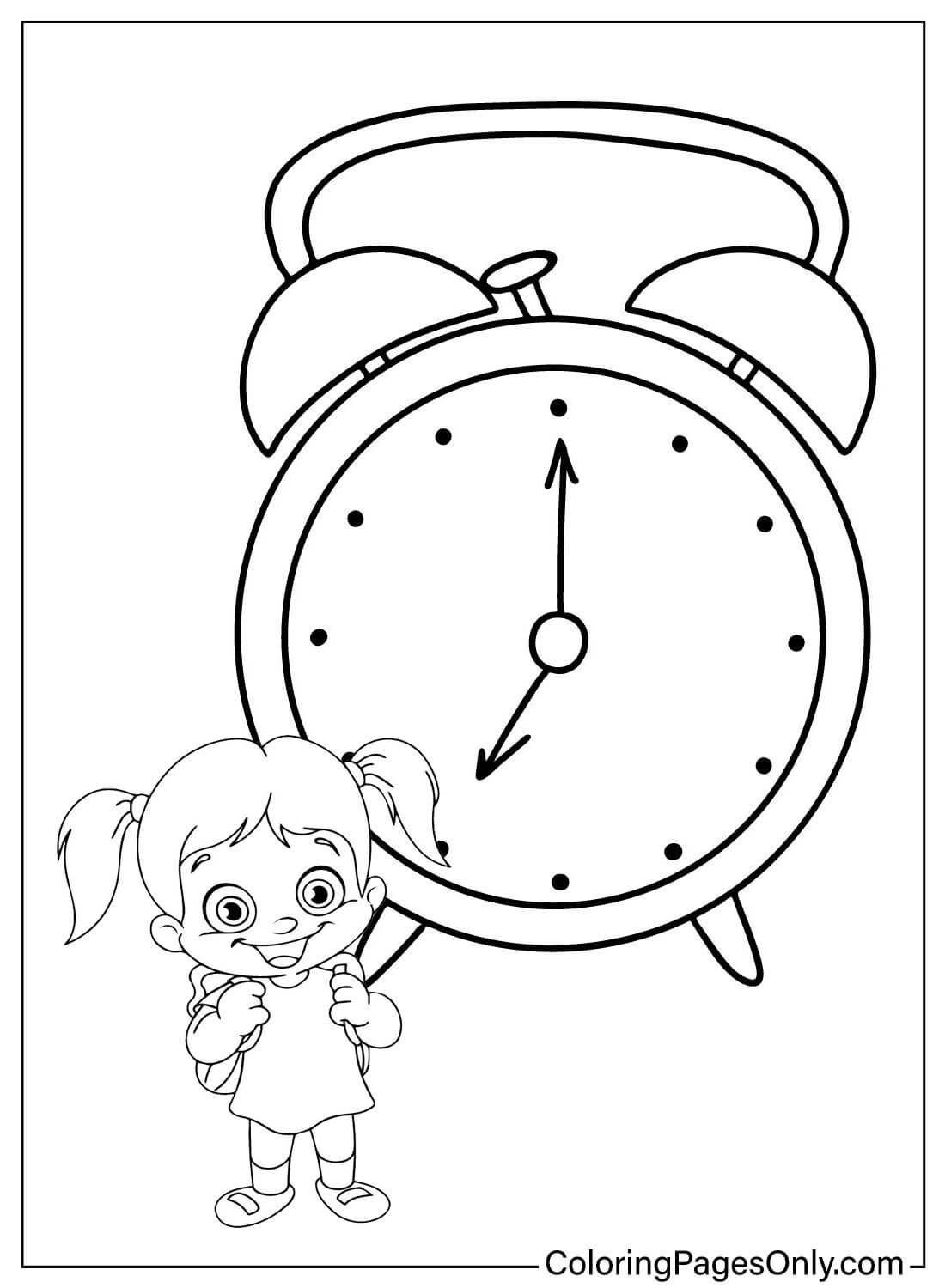
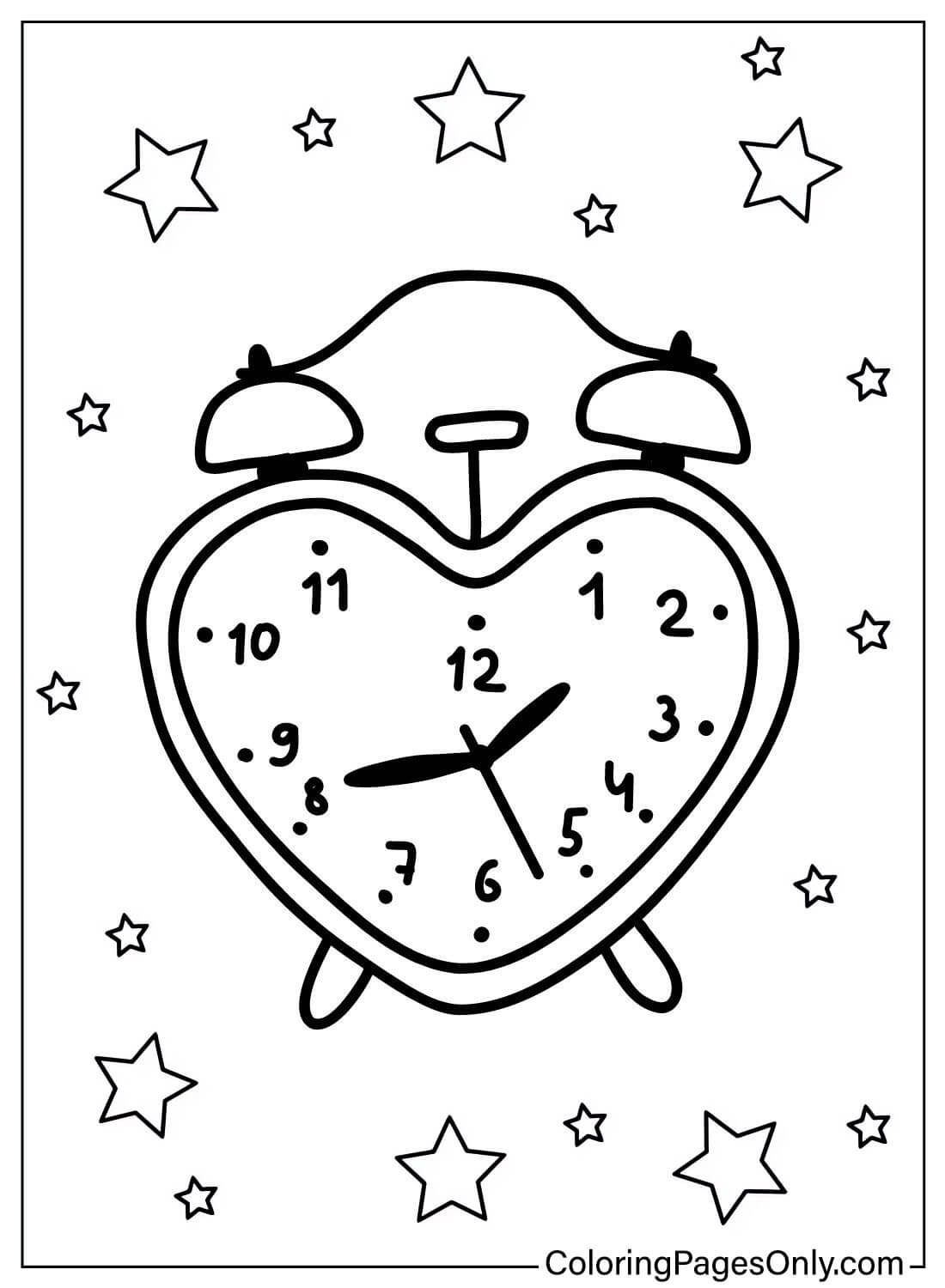
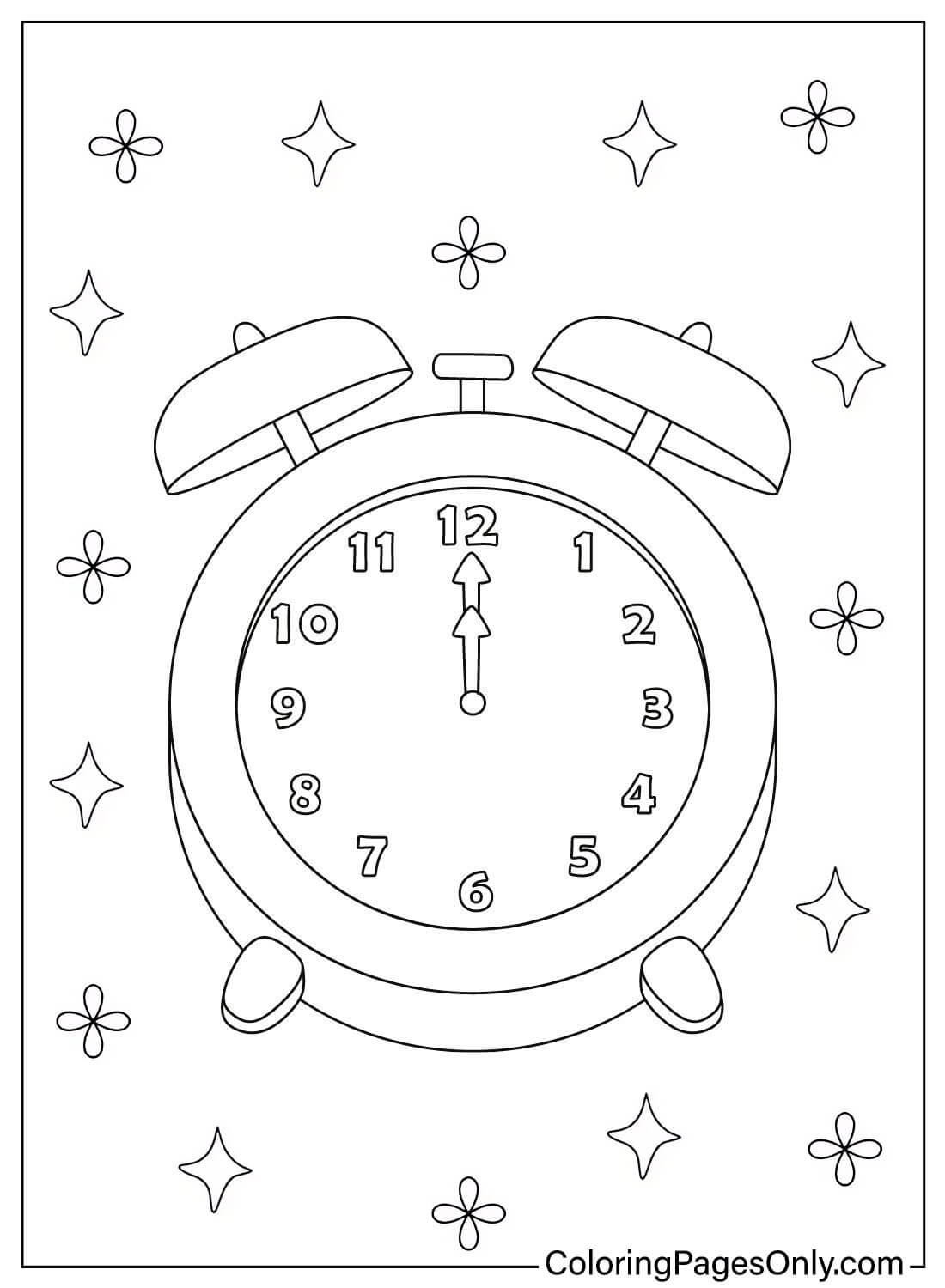
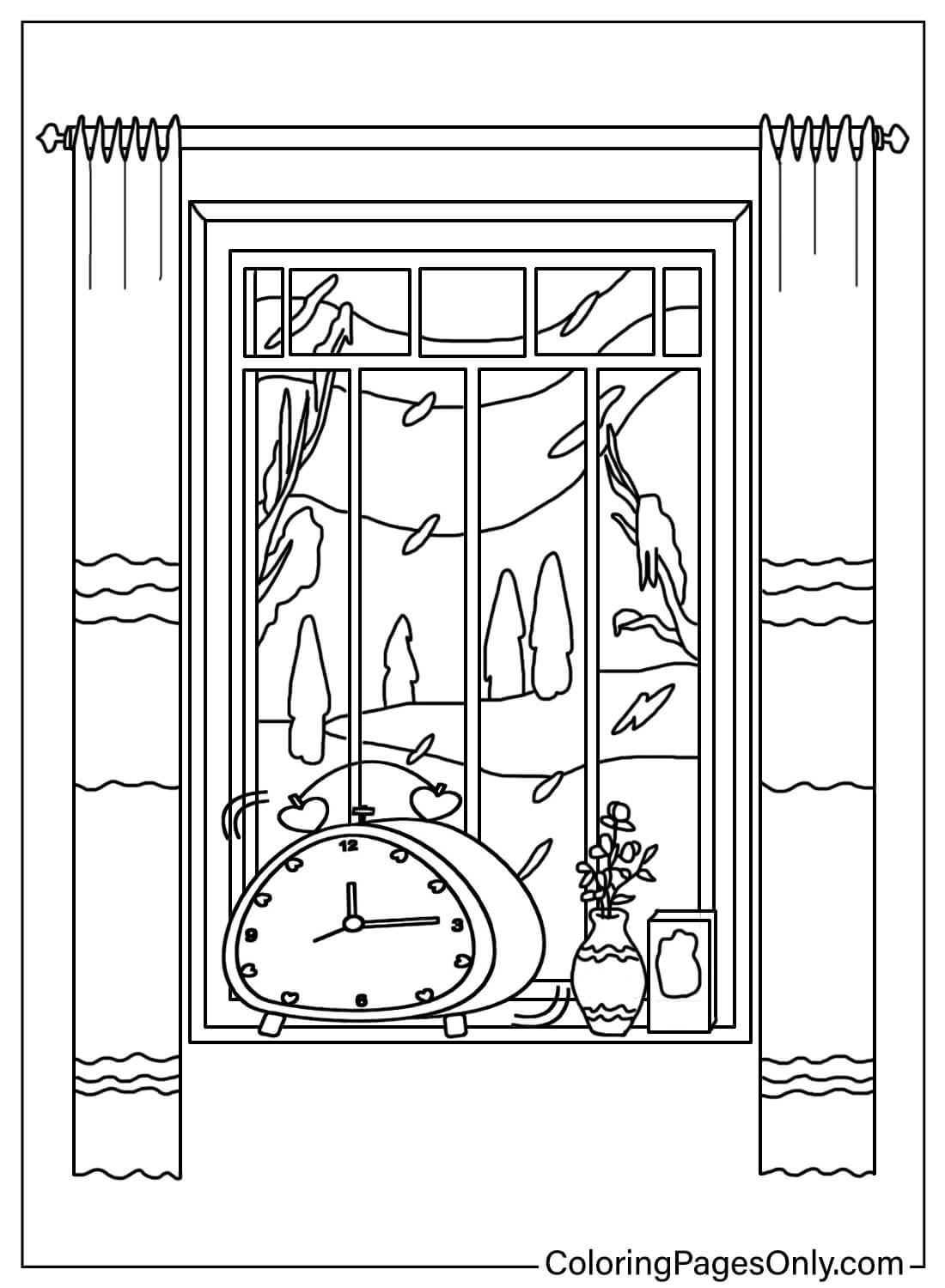
Most of the 21 pages are simple clock-face portraits distinguished mostly by file name, with a small group of cute, retro, and cartoon-style variants, plus one page pairing a clock with the letter A. Since the clock shape itself stays fairly consistent, the main coloring decisions come down to face color, hand color, and whether to add a background.
What Is Inside This Collection
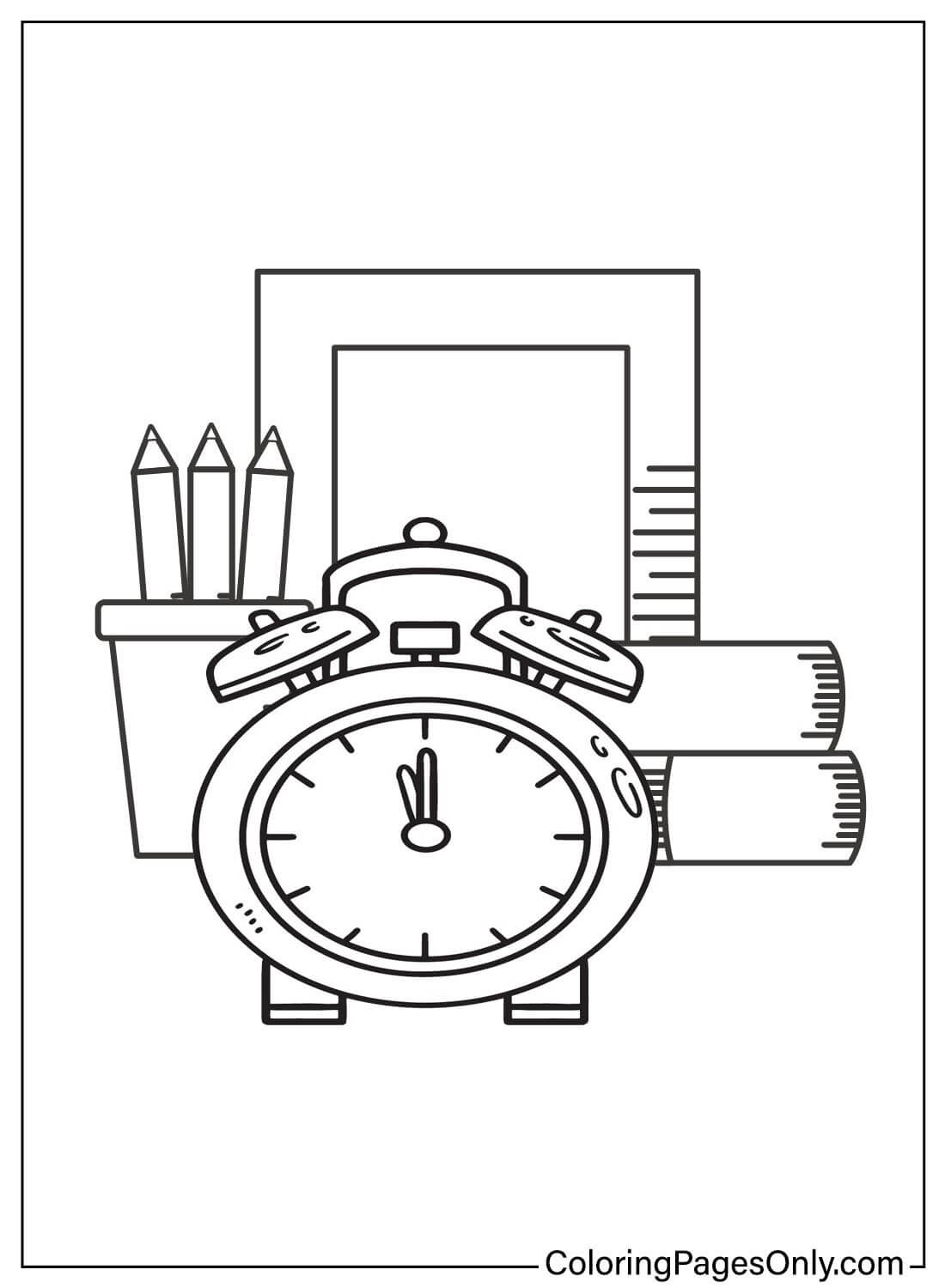
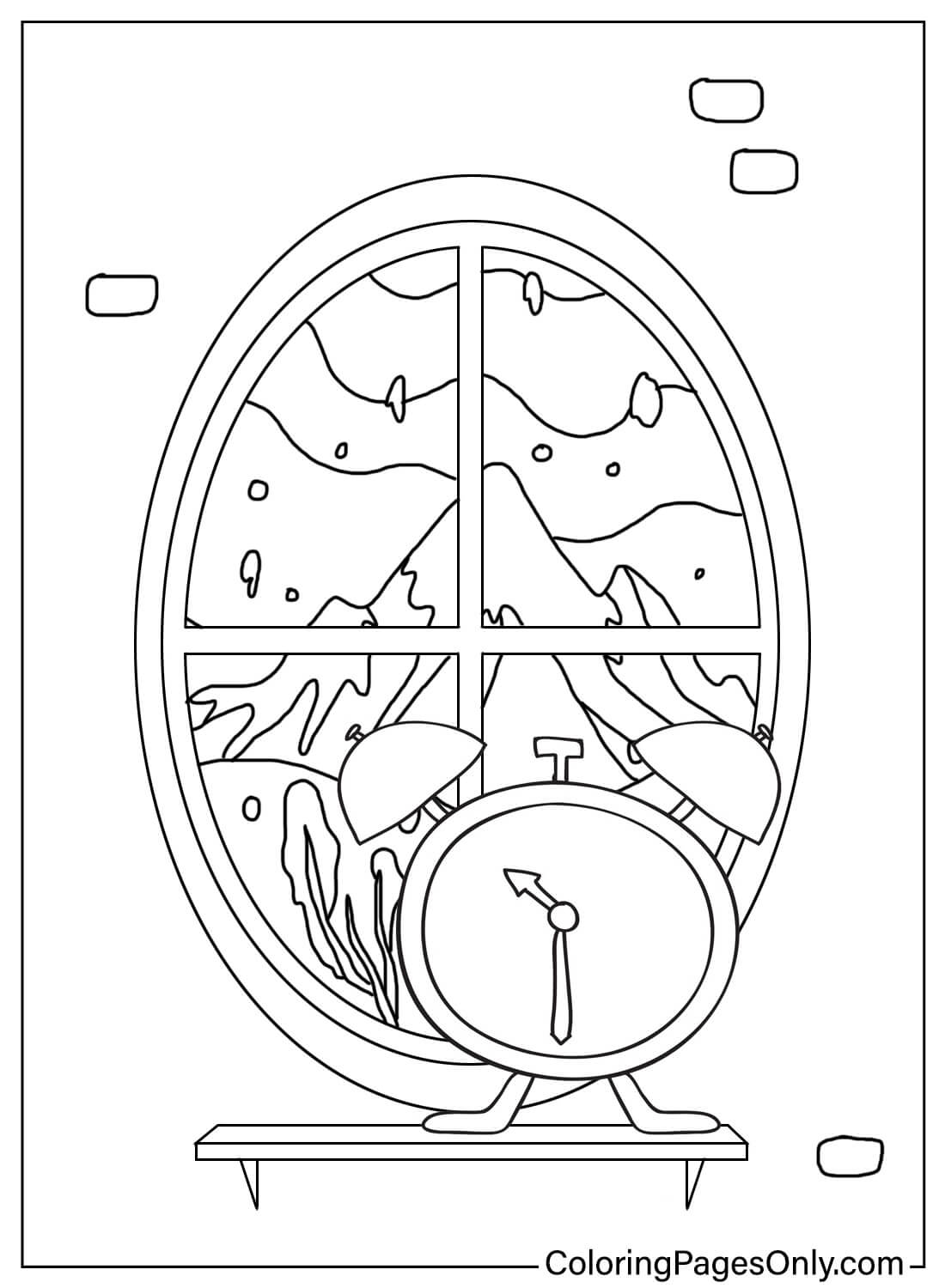
Twenty-one pages make up this set, and the split leans heavily toward one plain clock design repeated under different file names, with a smaller group offering real style variation.
Simple Clock Portraits
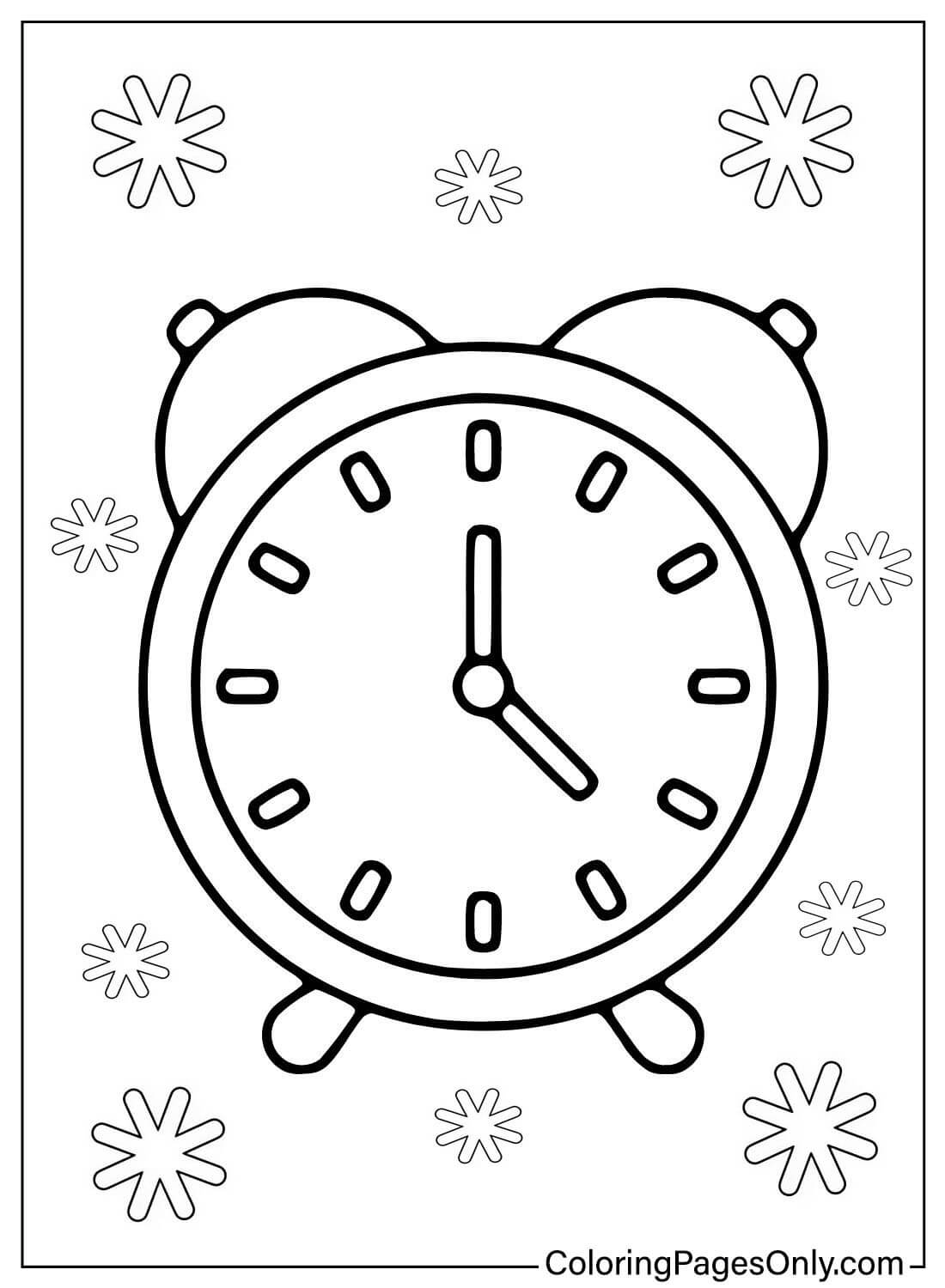
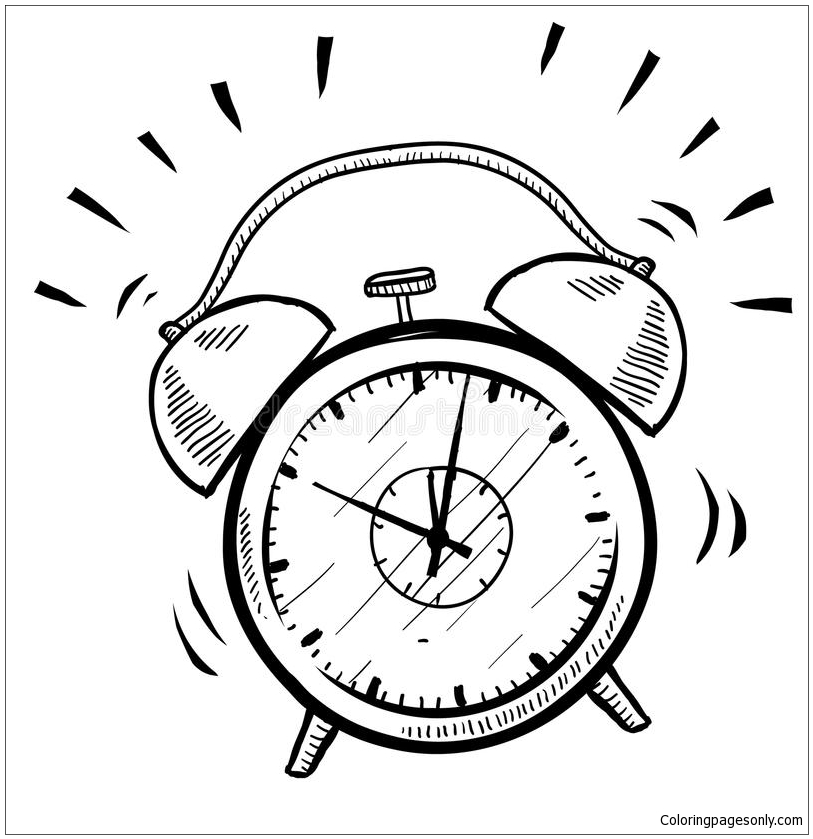
The majority of this collection is a plain alarm clock shown on its own, repeated across many pages under different file names rather than genuinely different designs. Coloring suggestion: use this repetition to practice a specific detail, the twin bells on top, the clock hands, a different metallic shade for the clock body, on each nearly identical page, rather than treating every one as a separate design.
Style Variants
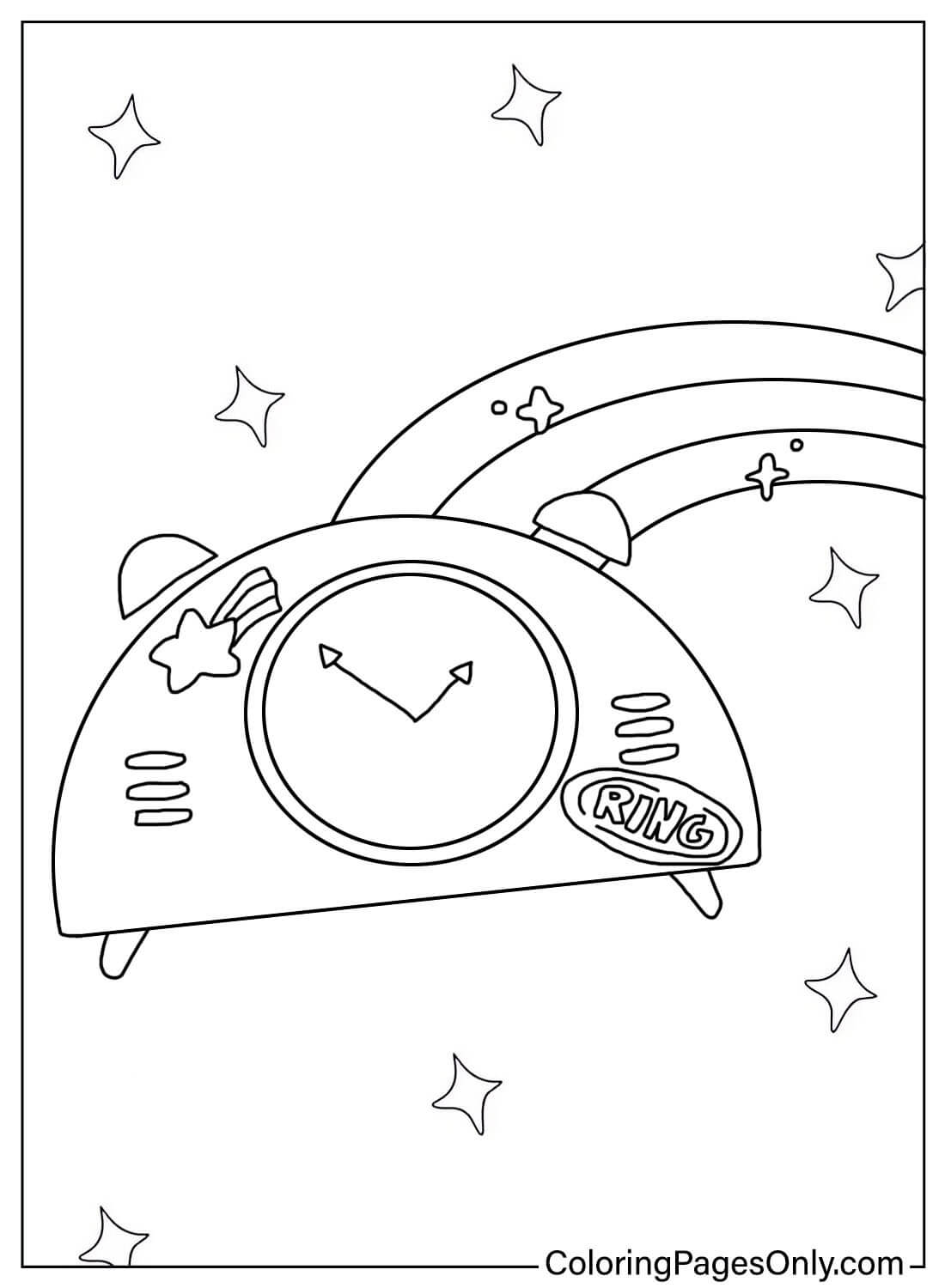
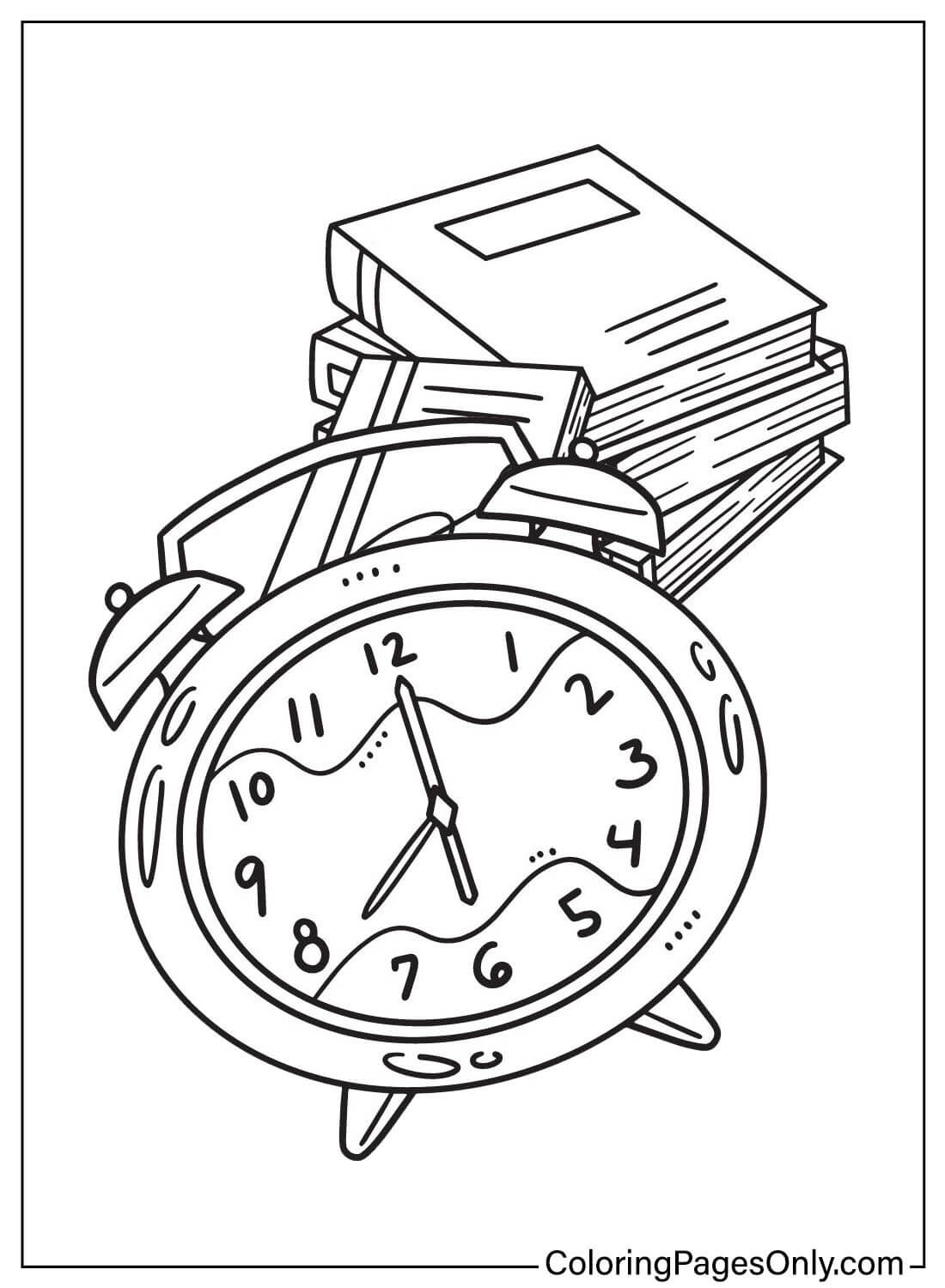
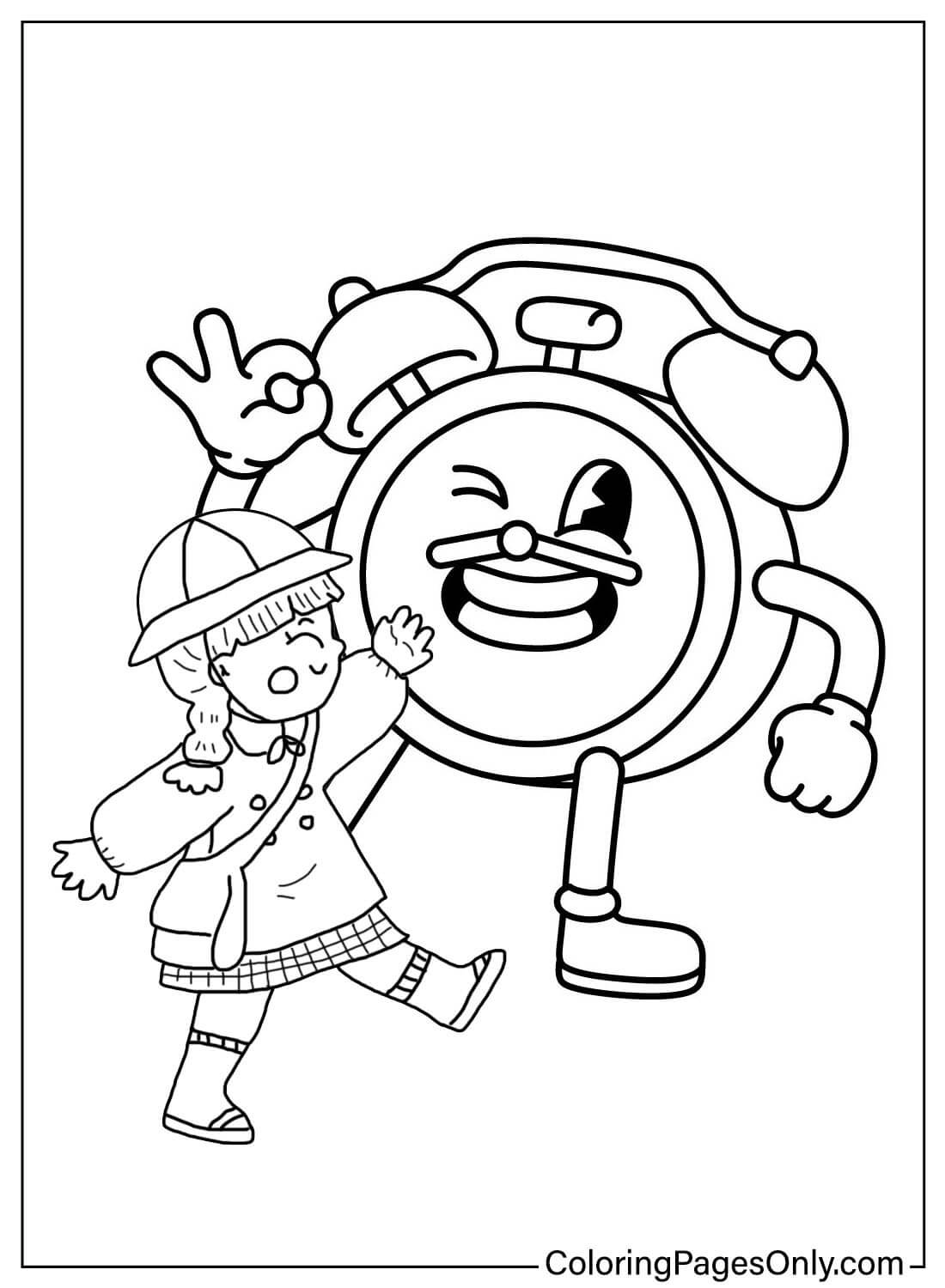
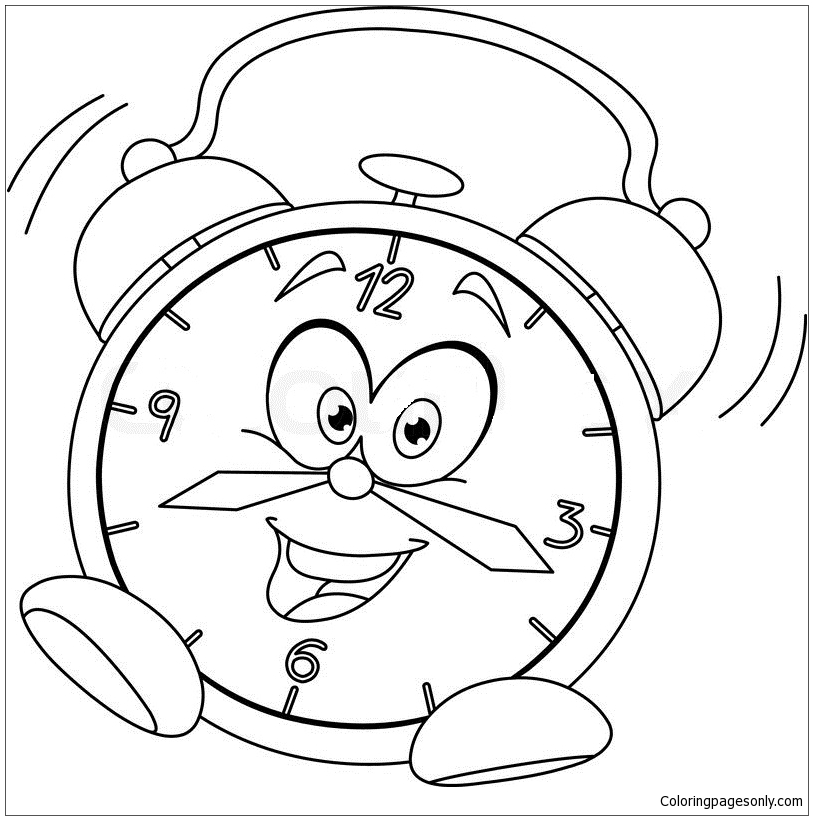
A smaller group offers real visual variety: a sticker-sheet layout, a cute, rounded design, a retro-styled clock, and a cartoon version. Coloring suggestion: lean into a distinct palette for each style, muted brass and cream tones for the retro clock, bright primary colors for the cartoon version, so these four pages read as genuinely different from the plain portraits.
Letter A Pairing
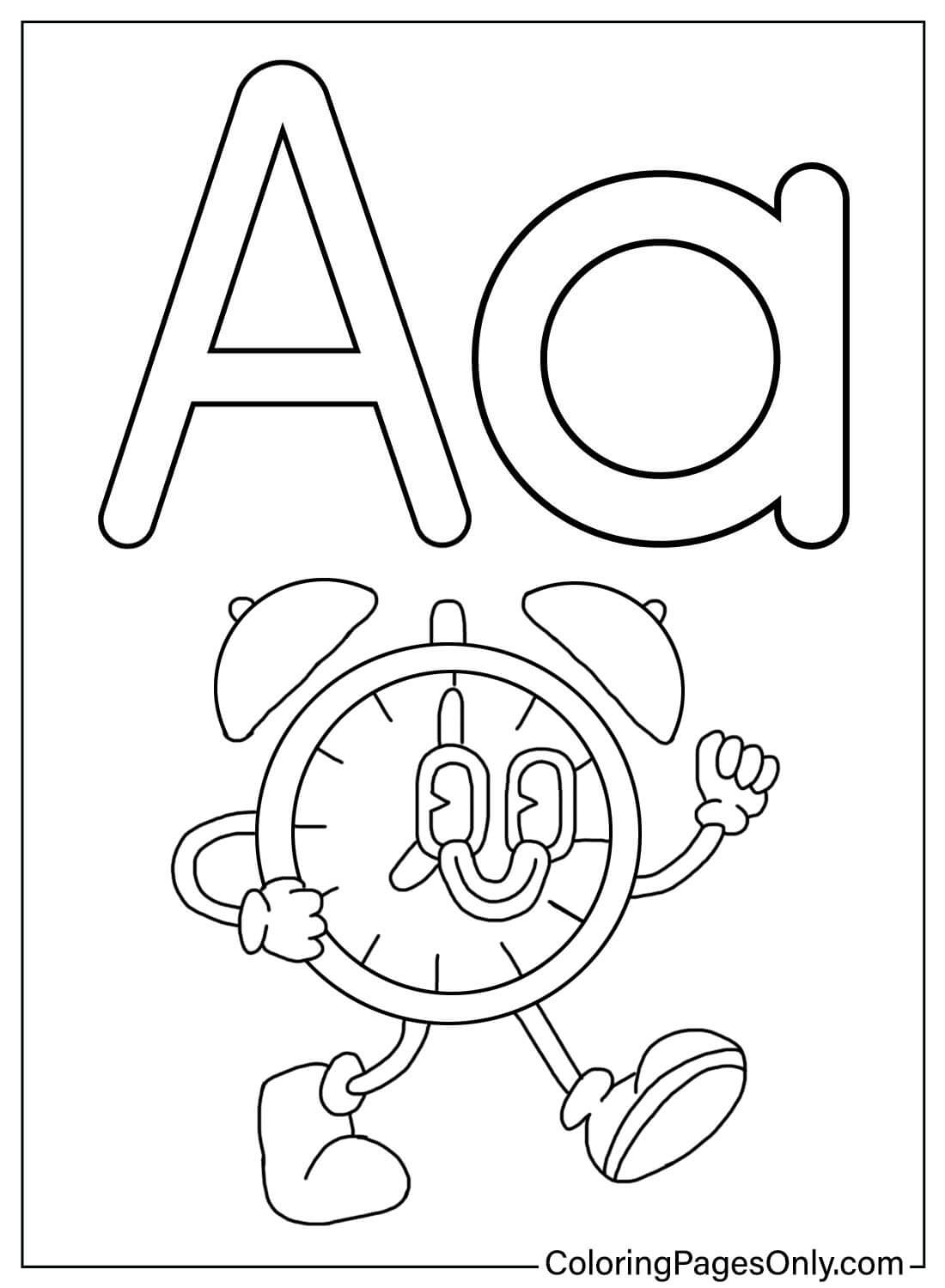
One page pairs an alarm clock with the letter A, likely intended as an alphabet-learning aid. Coloring suggestion: keep the letter itself in a bold, contrasting color from the clock so both elements are easy to identify at a glance.
What Alarm Clock Coloring Pages Do
A mirrored pair, matched carefully. A classic alarm clock’s twin bells sit in a mirrored pair, which asks a child to match color and shading across two separate but identical shapes, a small exercise in symmetry and consistency. The American Academy of Pediatrics counts among the fine motor benefits of structured coloring in children ages two through seven.
An invention built around one person’s problem. Levi Hutchins didn’t build the first personal alarm clock to sell it; he built it purely to solve his own problem of oversleeping past 4 a.m., and never bothered patenting it, a small, human reminder that plenty of useful inventions start out solving one specific, personal annoyance.
A set block of unhurried time. An alarm clock’s whole purpose is marking a fixed, repeating moment in the day, and there’s a loose parallel in a coloring session itself, a set block of unhurried, repeated time that a 2005 Art Therapy Journal study linked to measurably reduced anxiety.
A tool for learning to read time, not just tell it. Since most of these pages show a full clock face with numbers and hands, coloring one doubles as a natural, low-pressure way to practice reading analog time, a skill that digital displays don’t require but is still worth building.
How to Color Alarm Clock Pages Well
- Clock face: Use a clean Crayola White or cream for the dial, keeping the numbers and hands in a strong contrasting black or navy so they stay easy to read.
- Bells: color both twin bells the same metallic silver or gold, matching them exactly since they’re meant to be an identical mirrored pair.
- Clock body: Use a warm Crayola Copper or Silver for a classic metal alarm clock body, or a soft pastel for the cute and cartoon-style variants.
- Retro-style page: lean into muted brass, cream, and faded red tones to match the vintage look this design is going for.
- Cartoon-style page: Use bright, saturated primary colors instead of realistic metal tones, since this page is built for a playful look rather than accuracy.
- Letter A page: keep the letter in a bold, single color distinct from the clock itself, so it’s clear which element is meant to be read as a letter.
5 Creative Craft Ideas With Alarm Clock Coloring Pages
1. Personal Wake-Up Reminder
Color a clock page, write a wake-up-time goal on it, and tape it near a real alarm clock or bed as a visual reminder.
2. Time-Telling Practice Cards
Color a few clock pages, then draw in different hand positions on each and practice reading the time out loud.
3. Alarm Clock Bookmark
Color a smaller clock page, cut it into a bookmark shape, and cover it with clear tape for a durable reading marker.
4. Retro vs. Modern Comparison
Color the retro-style page and a plain modern-style page side by side to compare how alarm clock design has changed.
5. Alphabet Clock Flashcard
Color the letter A page and use it as the first card in a homemade alphabet flashcard set, adding more letters over time.
Frequently Asked Questions
What are Alarm Clock coloring pages?
A free set of 21 printable designs of alarm clocks, ranging from simple classic clock faces to cute, retro, and cartoon styles. Every page downloads as a PDF or opens in the online coloring tool without an account.
What was the first alarm clock?
The earliest known version was a Greek water clock built by Ctesibius of Alexandria around 250 BCE, which dropped pebbles onto a gong once the water reached a set level.
Who invented the modern mechanical alarm clock?
Levi Hutchins built the first personal mechanical alarm clock in 1787, though it could only ring at one fixed time, 4 a.m. The first adjustable version wasn’t patented until 1847 by French inventor Antoine Redier.
Why do so many pages show the same basic alarm clock?
Most of the collection uses one core clock design with different file names rather than a wide variety of styles, while the retro, cute, and cartoon pages offer the set’s real visual variation.
Is the letter A page meant for a specific purpose?
It appears designed as a simple alphabet-learning aid, pairing the letter A with an alarm clock as a memorable visual association.
Can these pages be colored without printing them?
Yes. Every page in the set opens directly in the site’s browser-based coloring tool, so a page can be finished on screen before deciding whether to print it.
Are Alarm Clock coloring pages suitable for young children?
Nearly every page in this set uses one simple, large shape with minimal background. That makes the whole collection approachable for young children, including those just starting to color inside the lines.
Can these pages help a child learn to tell time?
Yes, informally. Since most designs show a full clock face with numbers and hands, coloring one is a natural, low-pressure opportunity to talk through how to read an analog clock.
Start Coloring
There’s no wrong time to start: pick a page above, download the PDF, or color it online for free, no account needed. Once it’s finished, share it through the Facebook or Pinterest buttons at the top of the design.