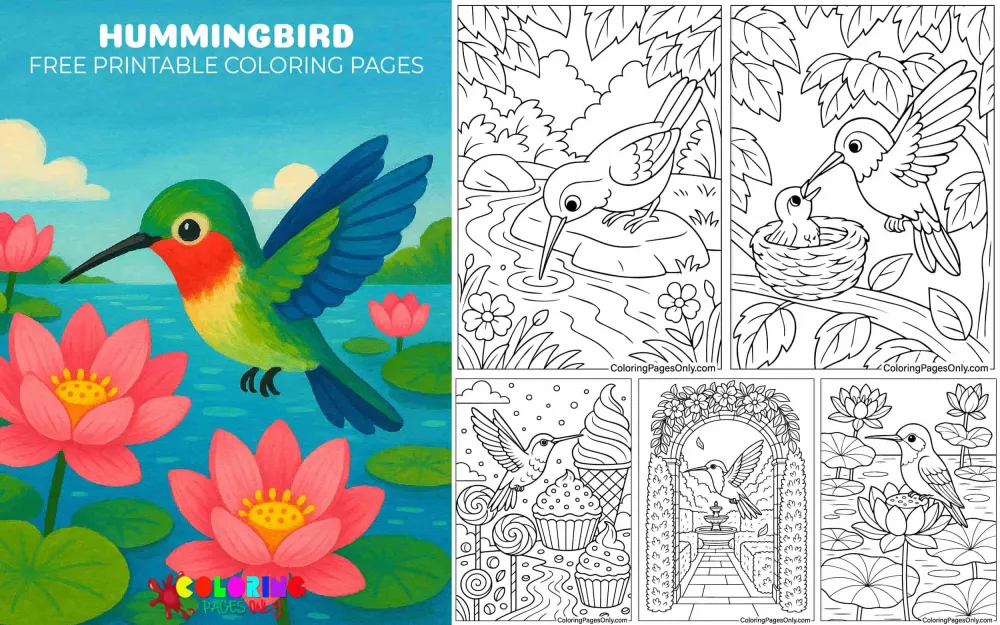
Free Hummingbird coloring pages: 69 printable PDF designs featuring real named species, hummingbirds feeding at flowers, flying and perched portraits, and simple printable sheets. Each page can be downloaded as a PDF to print or colored online in the browser.
A hummingbird’s wings beat between 50 and 80 times per second, depending on the species, fast enough that they are the only birds able to fly backward and briefly upside down. That speed comes at a real cost: a hummingbird’s heart rate can climb past 1,200 beats per minute in flight, and to keep up with that pace, the bird has to drink roughly its own body weight in nectar every day. At night, many species drop into torpor, a deep, hibernation-like rest where the heart rate can fall to around 50 beats per minute to conserve energy until morning. This set works for a backyard birdwatcher, a classroom covering fast metabolisms and adaptation, and any child who wants a bird page built around genuinely surprising biology.
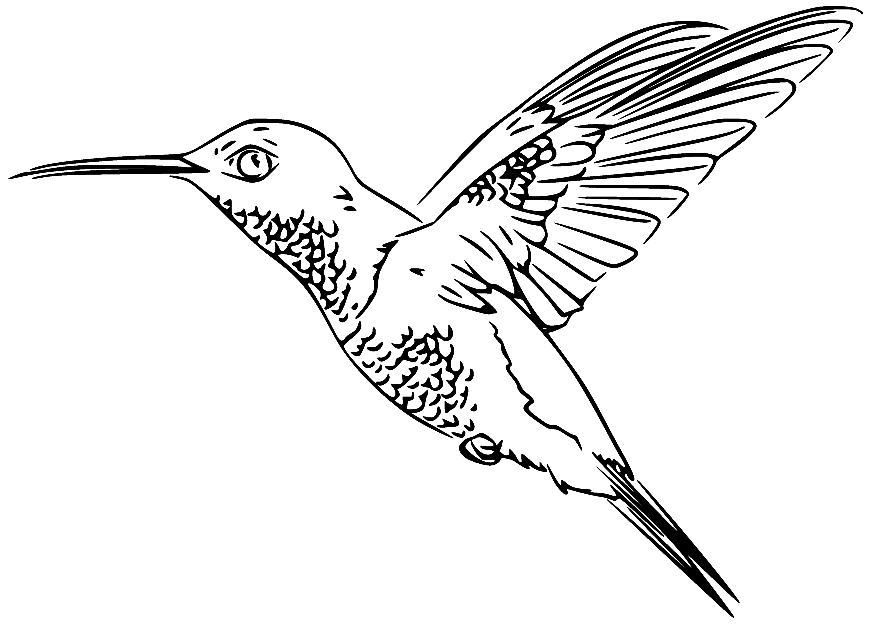
A hummingbird’s throat feathers, called a gorget, are the one detail that separates a generic bird page from a specific, identifiable species. Getting that small patch of color right, ruby-red, pink, or another iridescent shade, depending on the species shown, is a bigger identification test than most bird pages ask for.
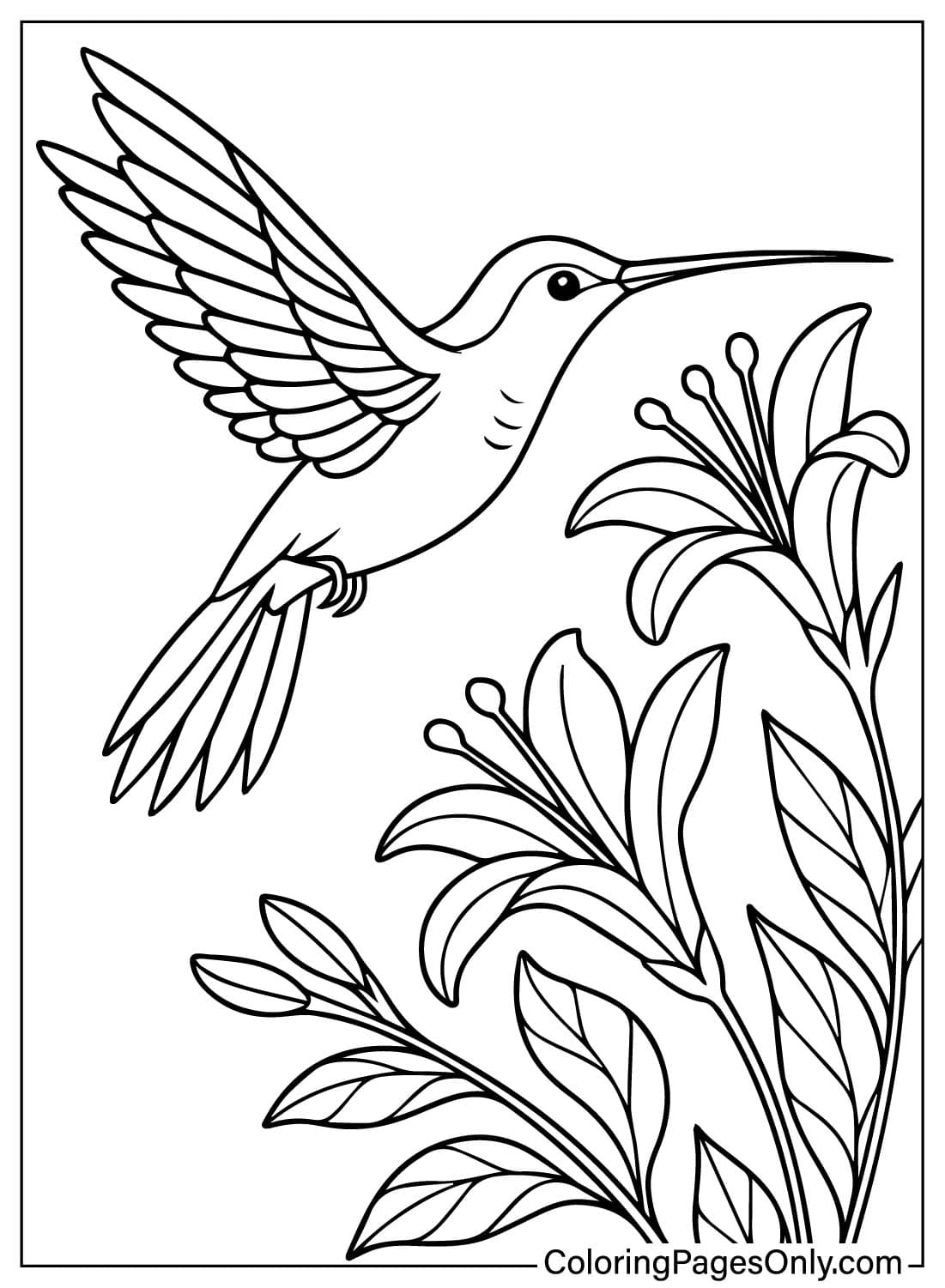
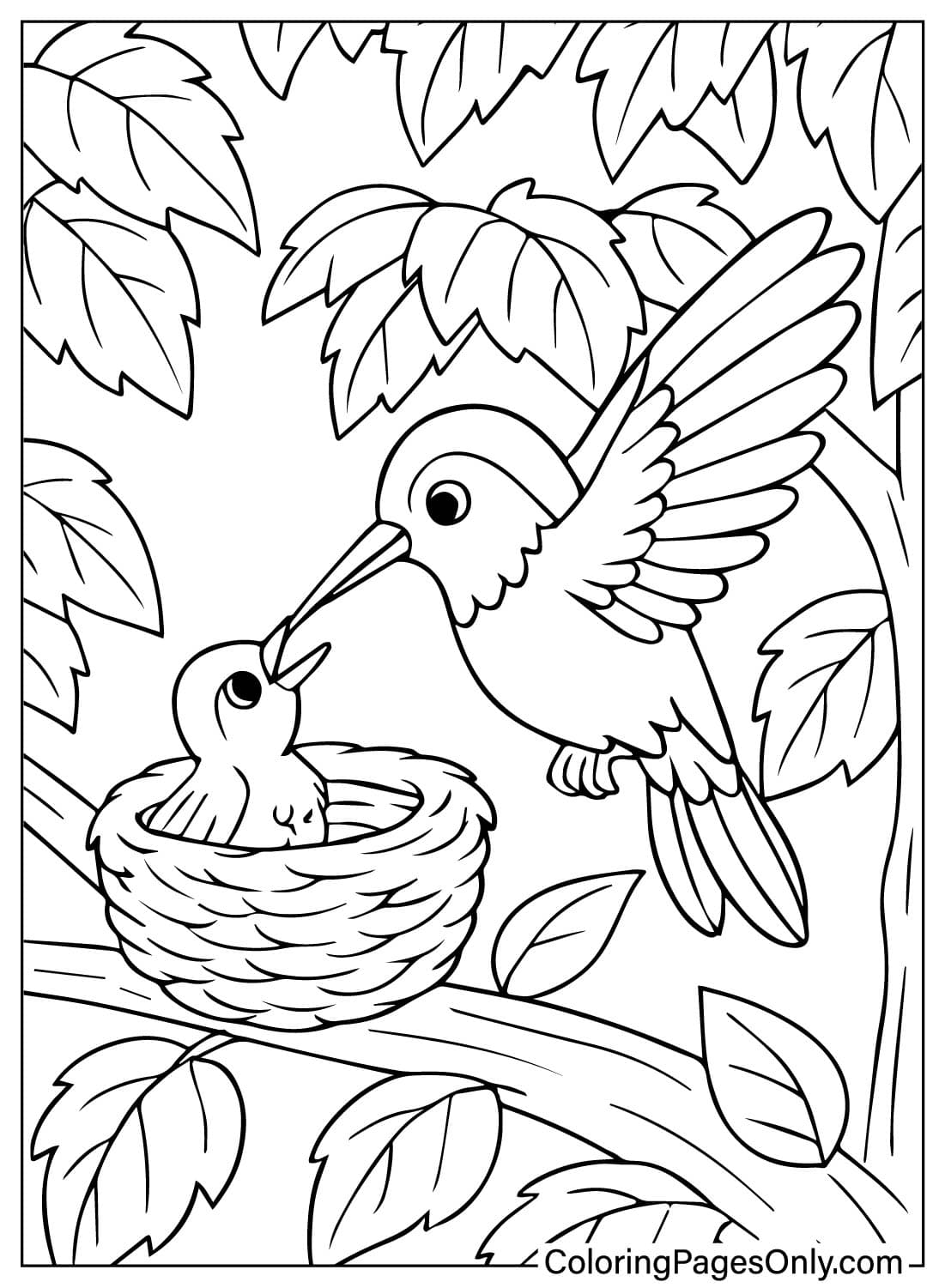
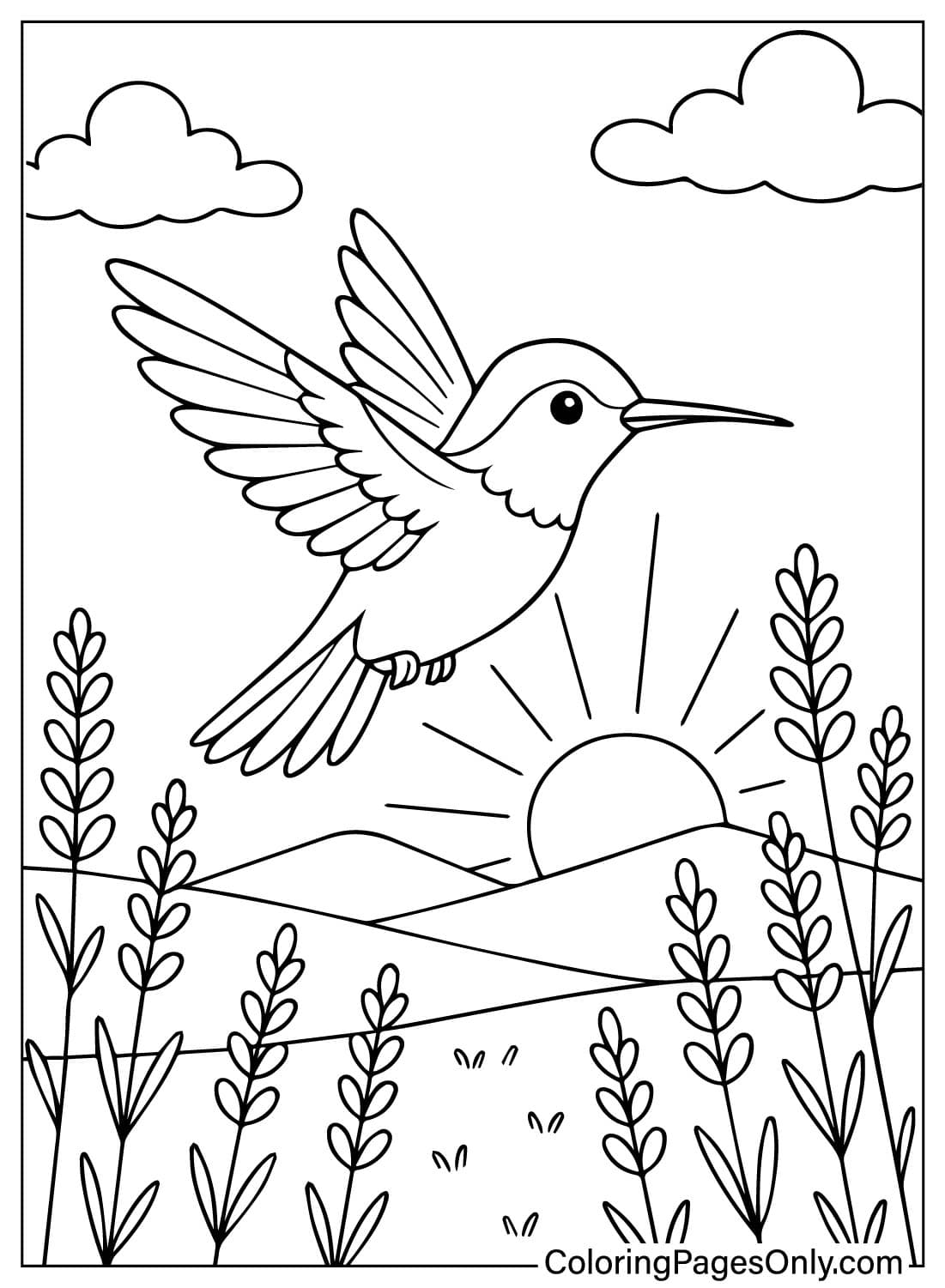
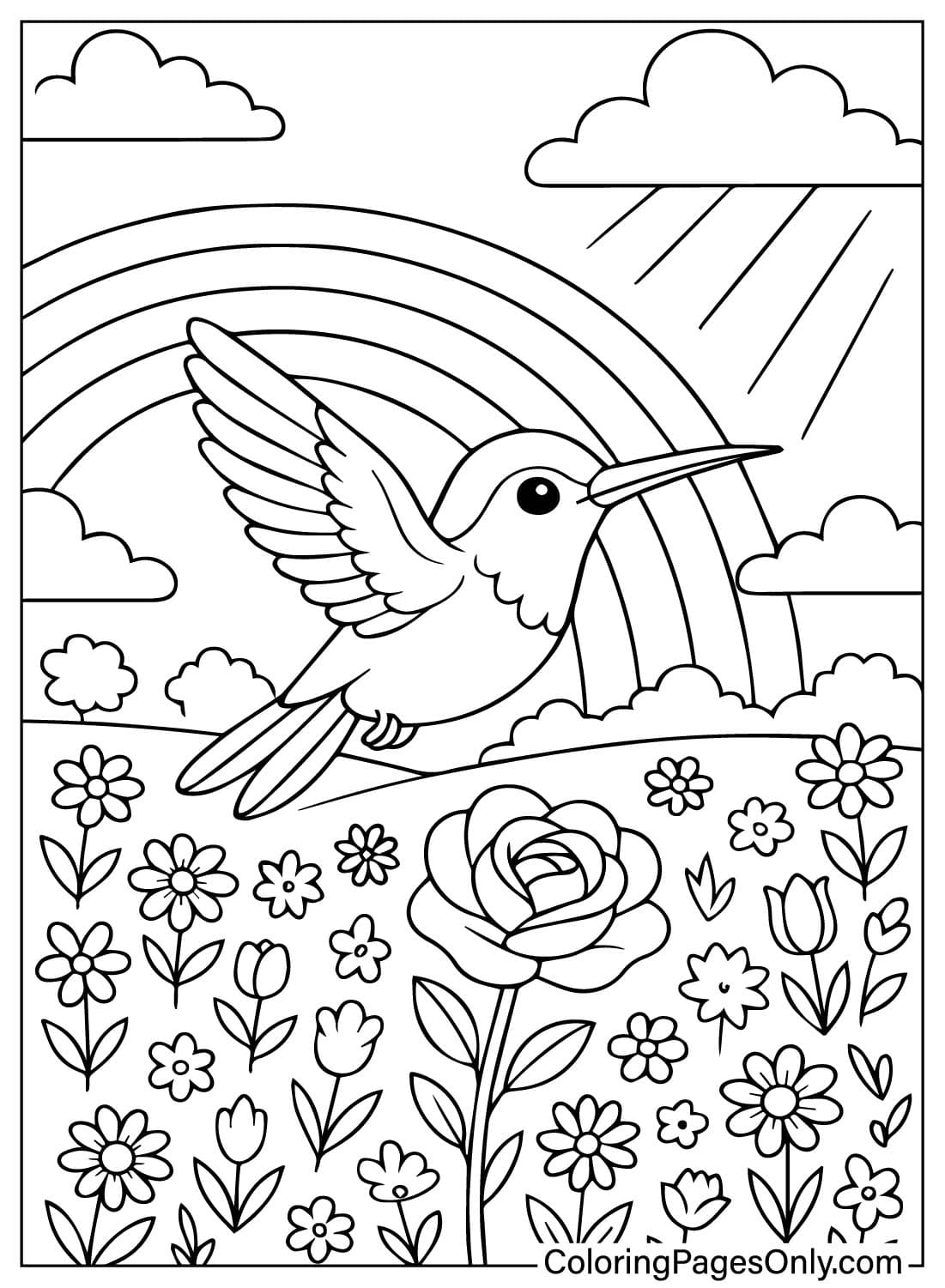
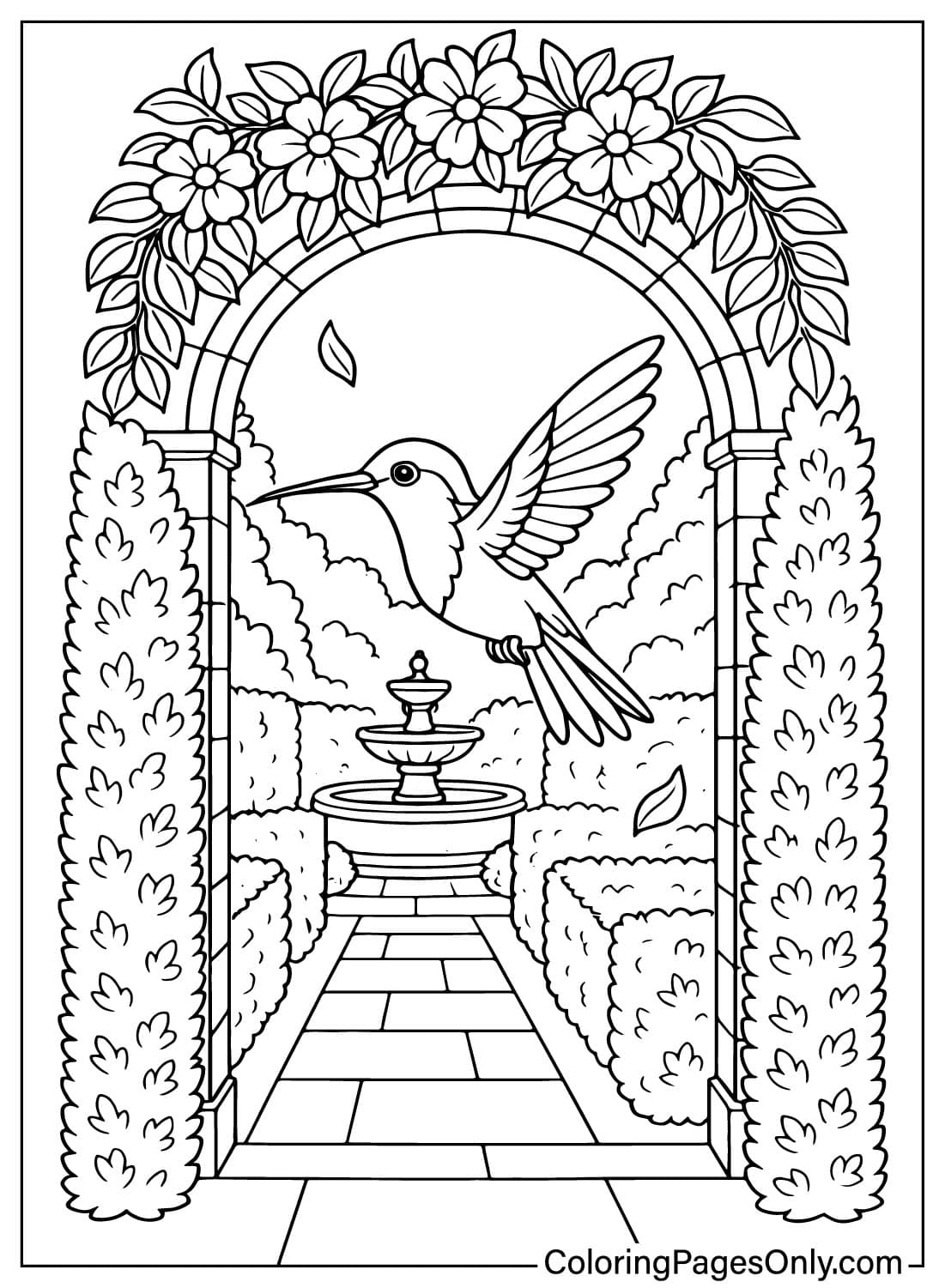
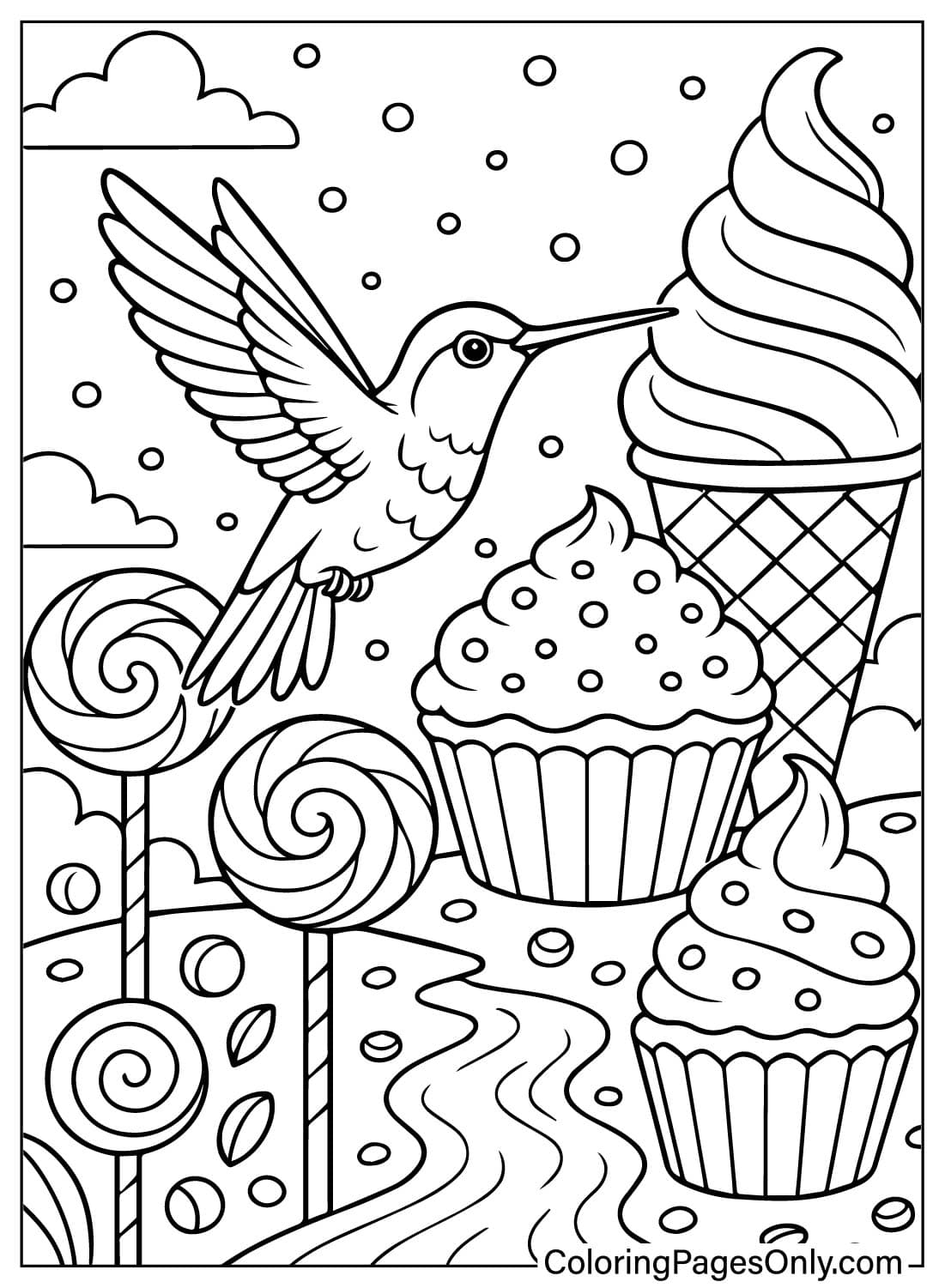
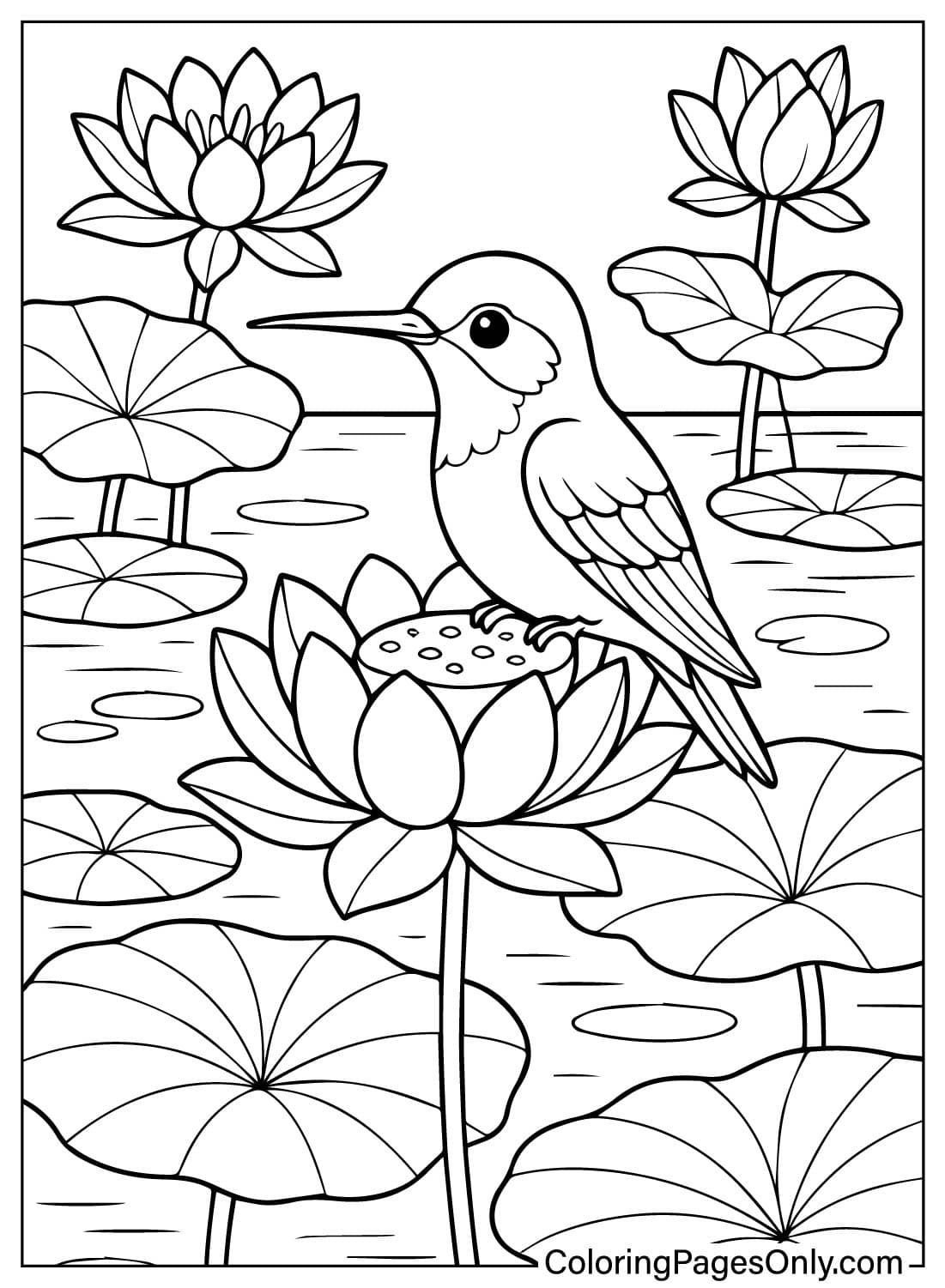
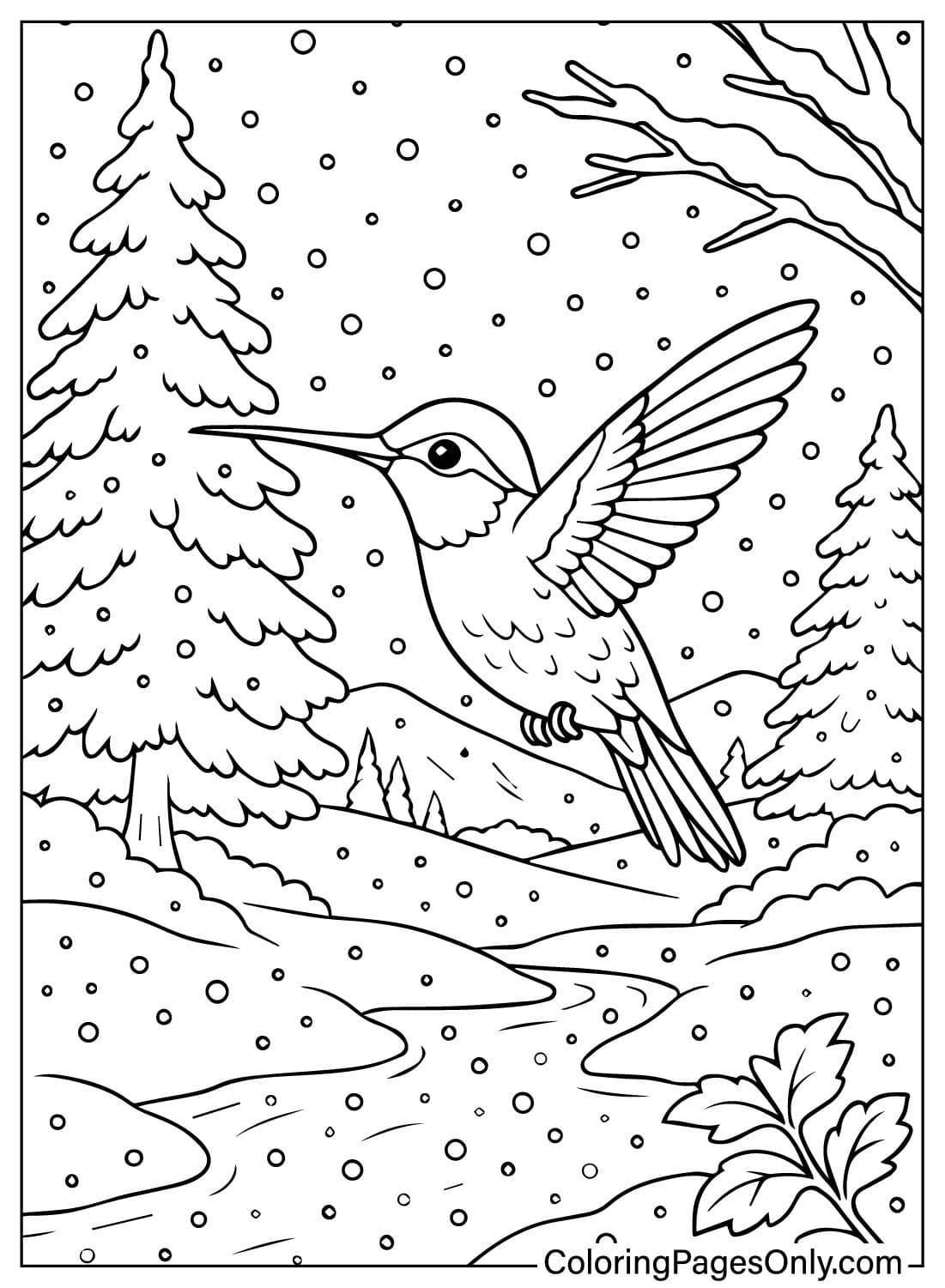
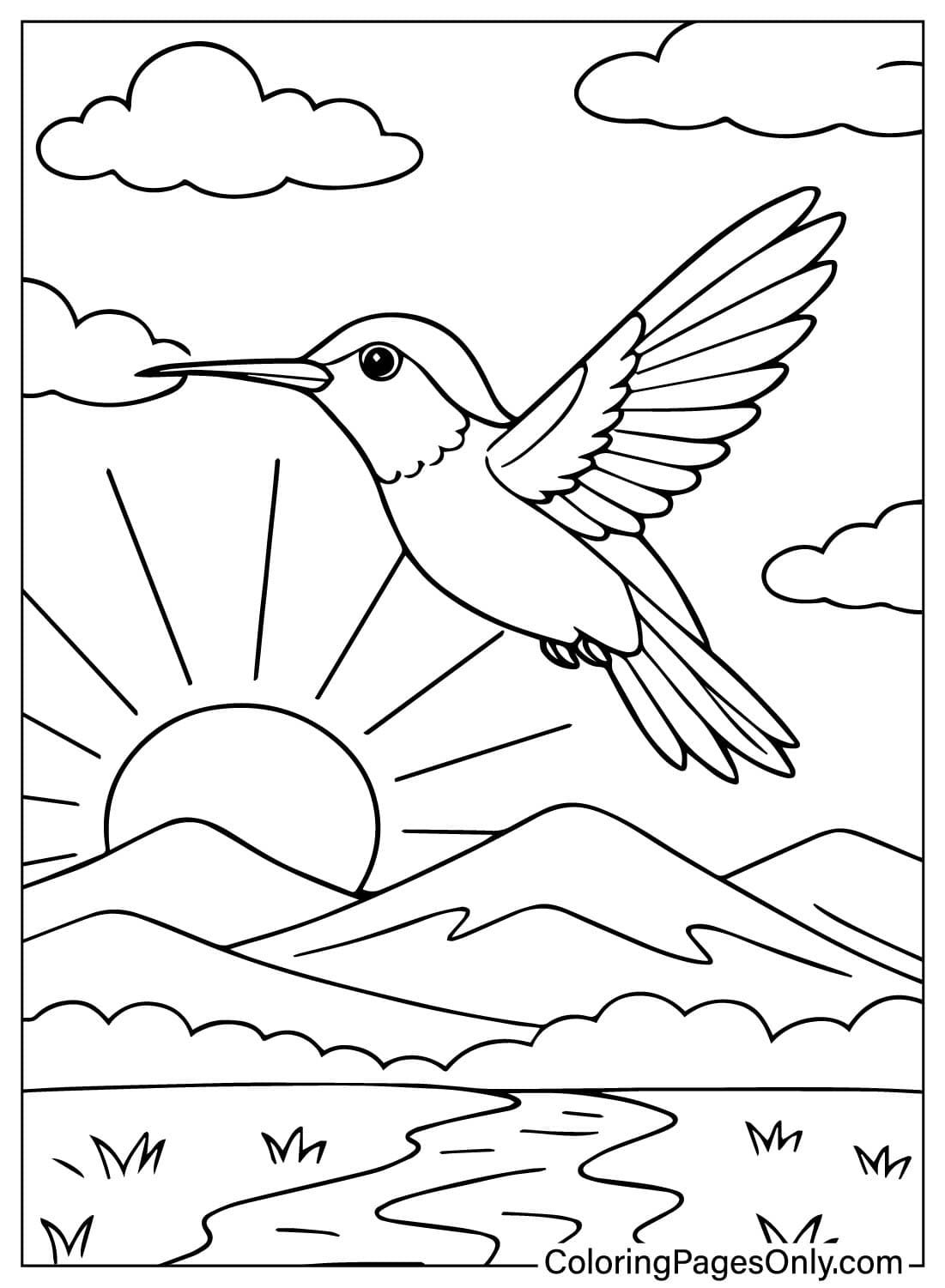
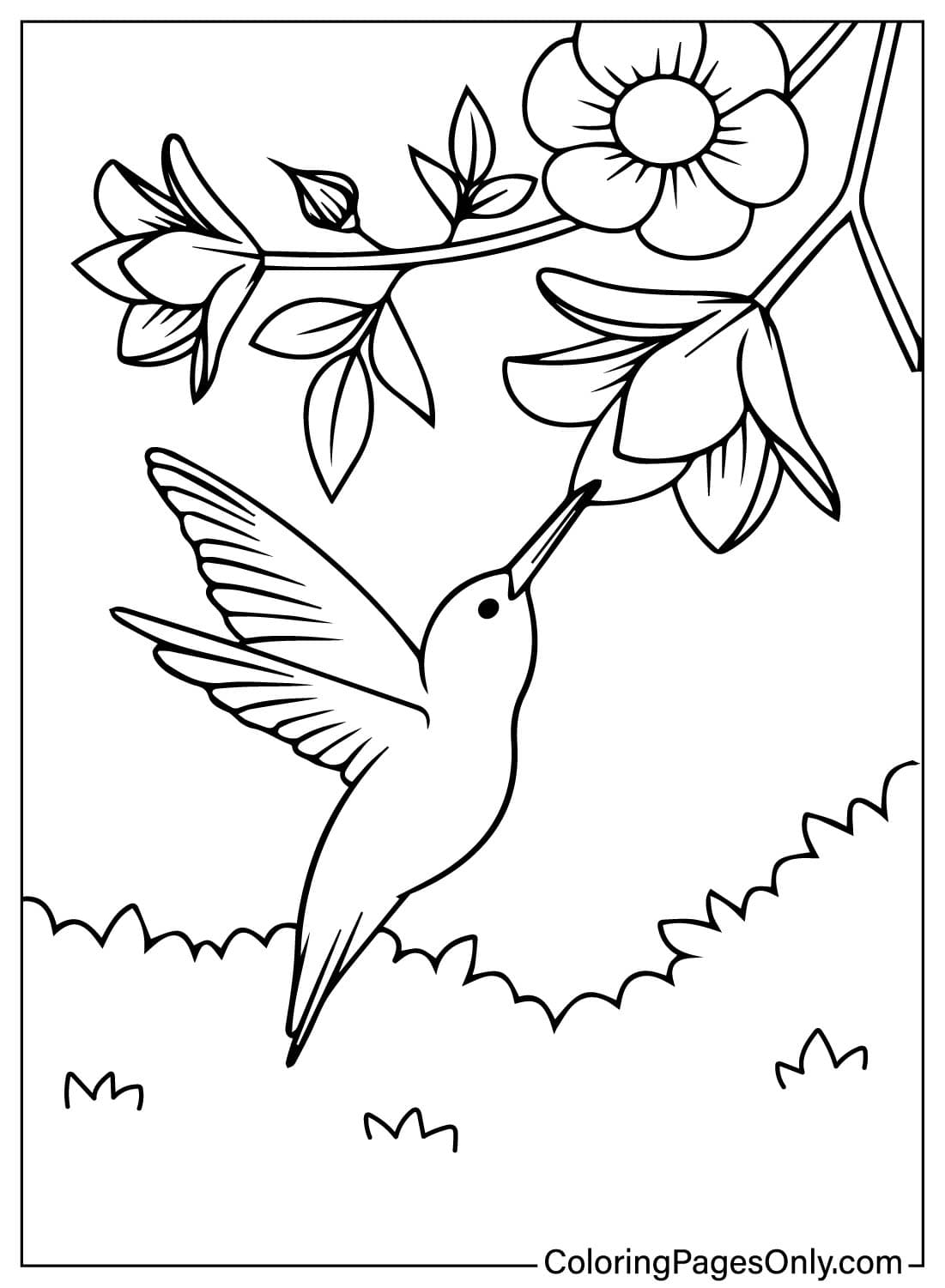
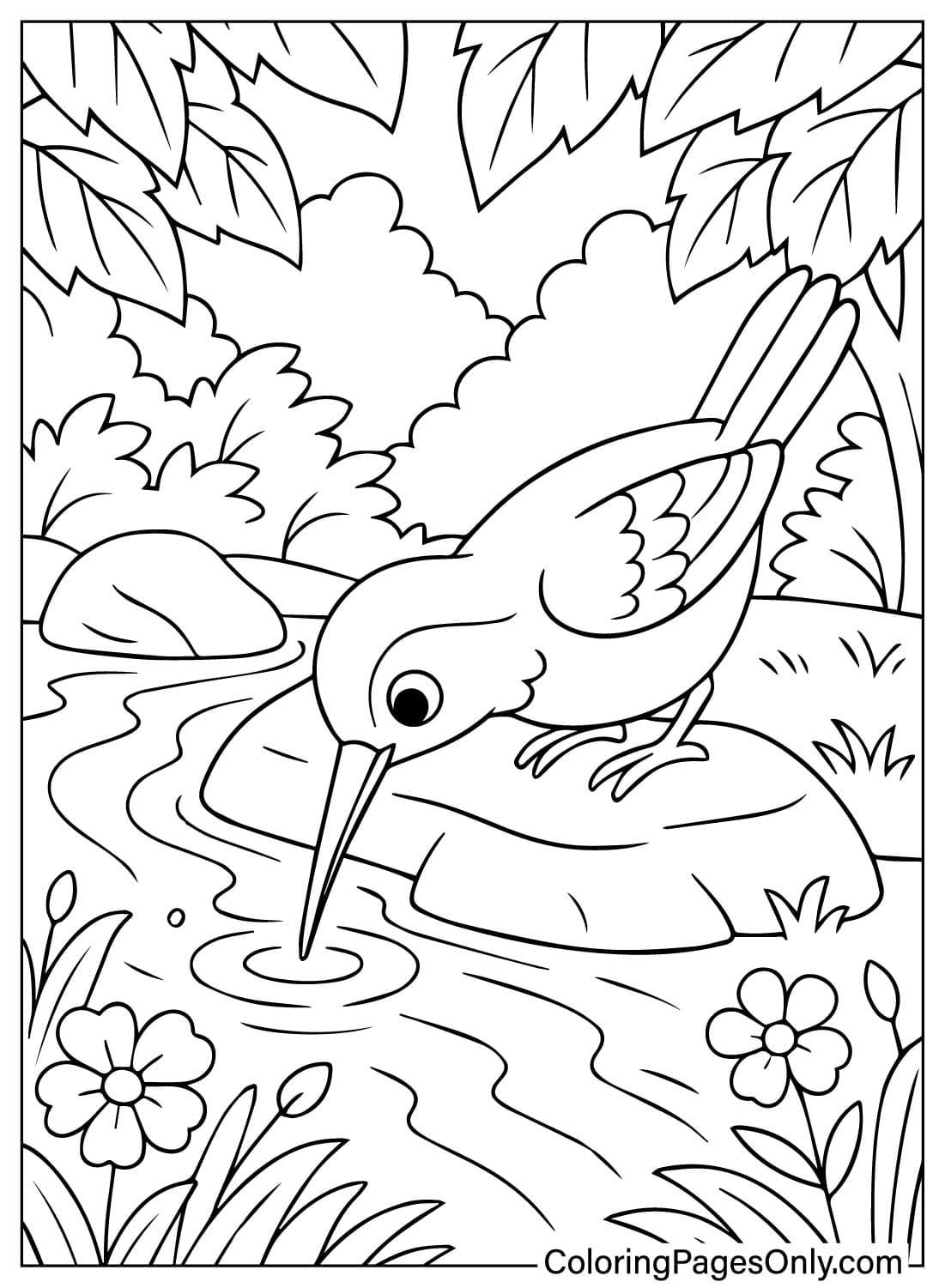
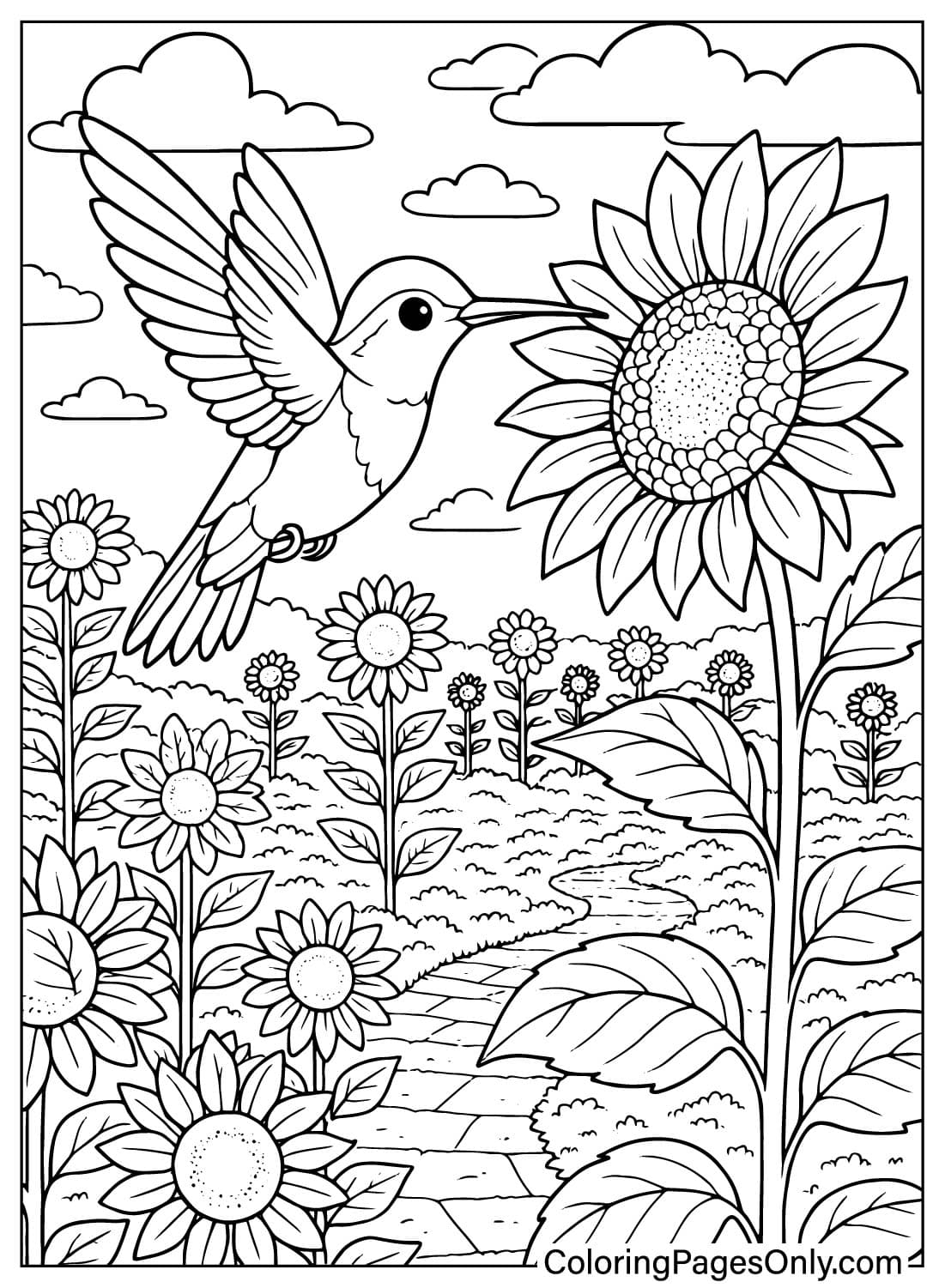
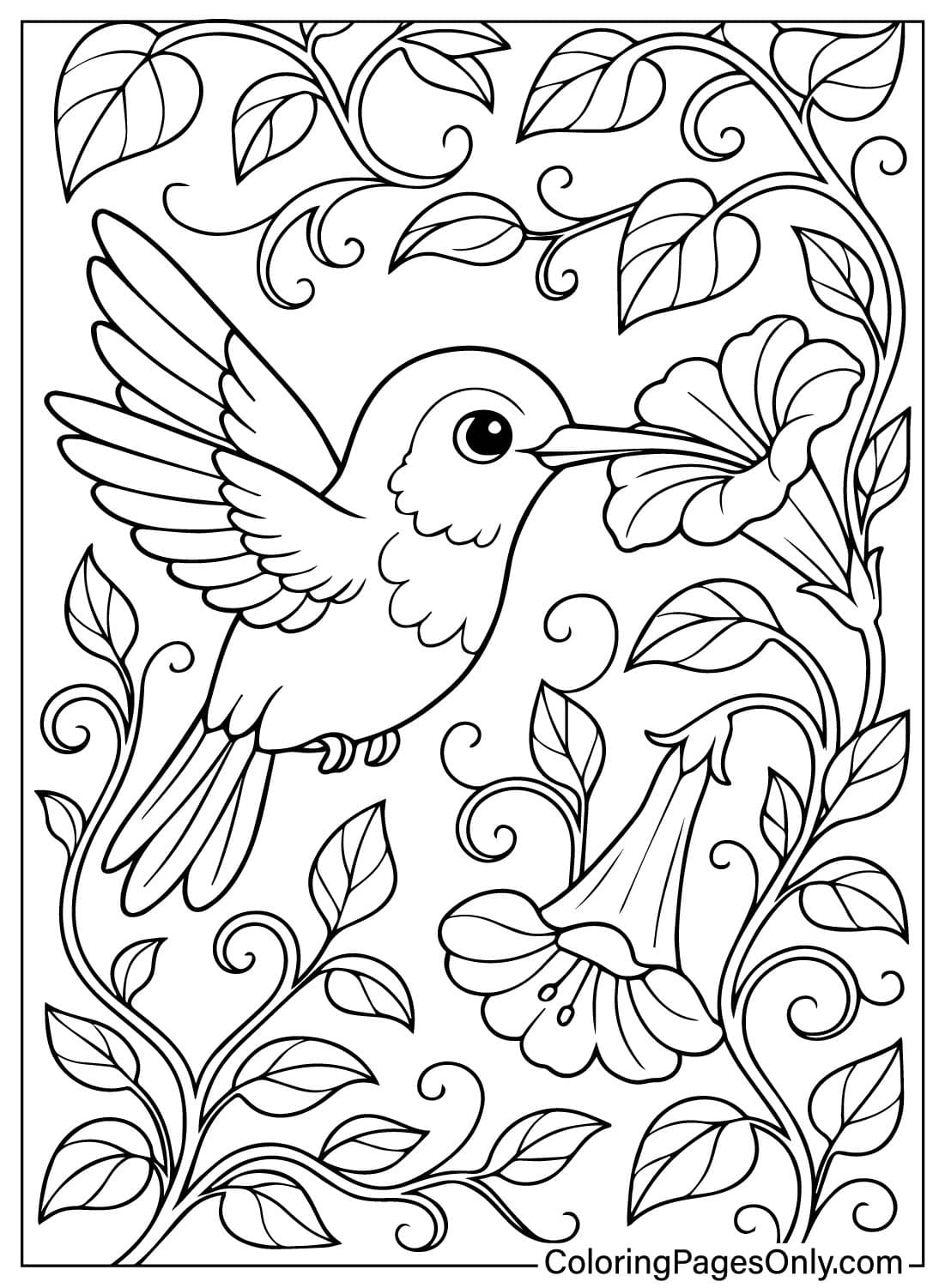
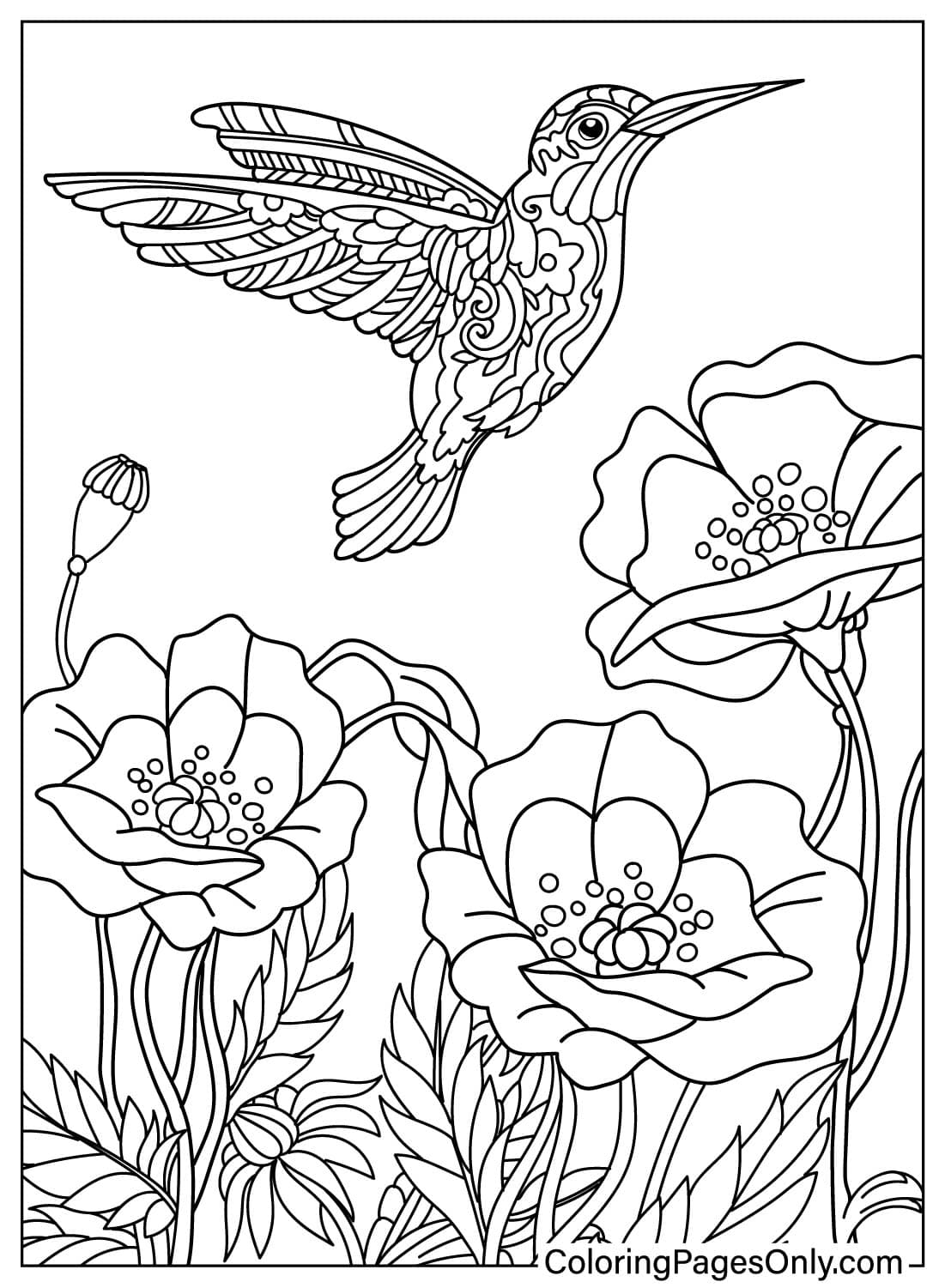
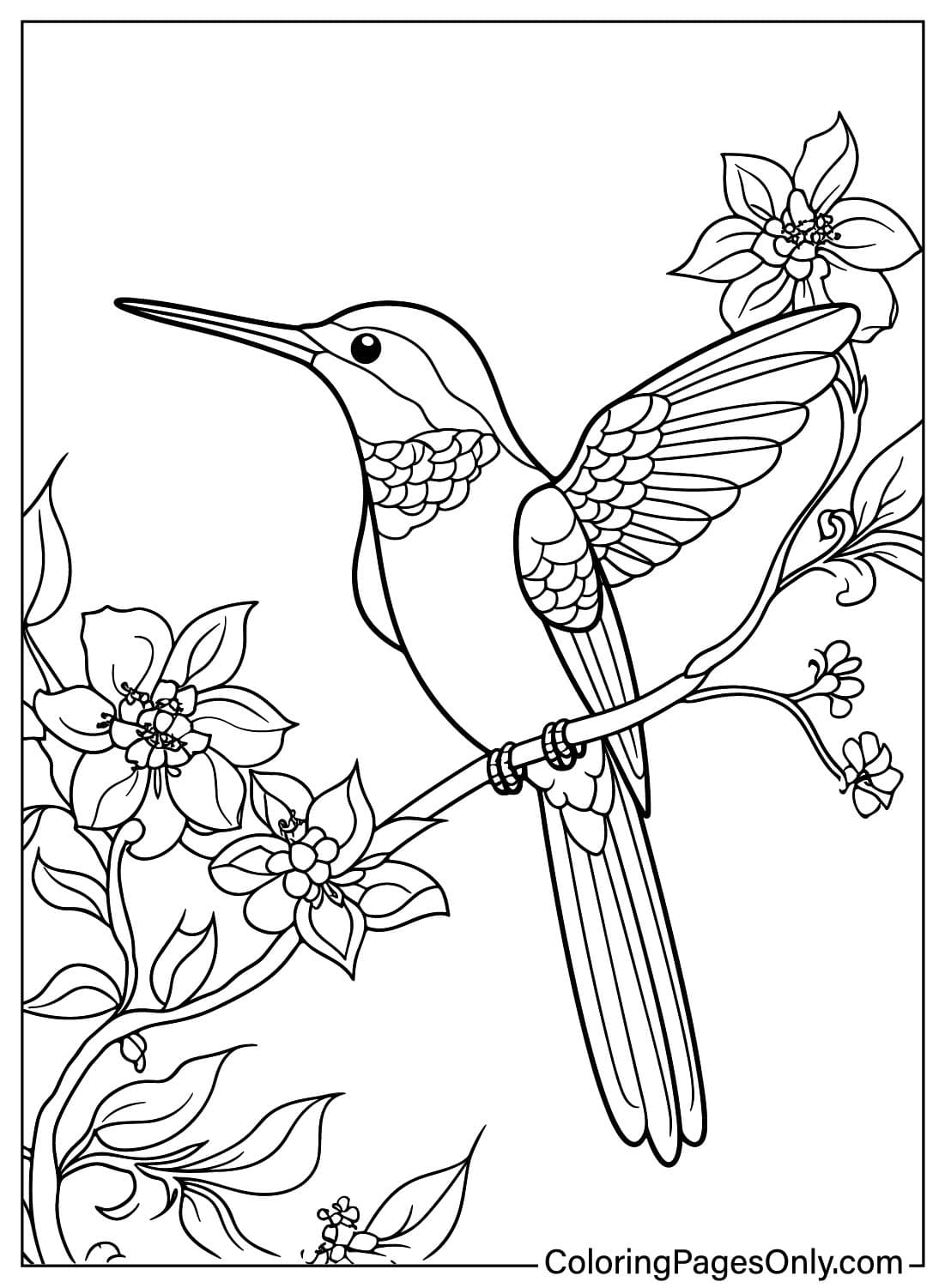
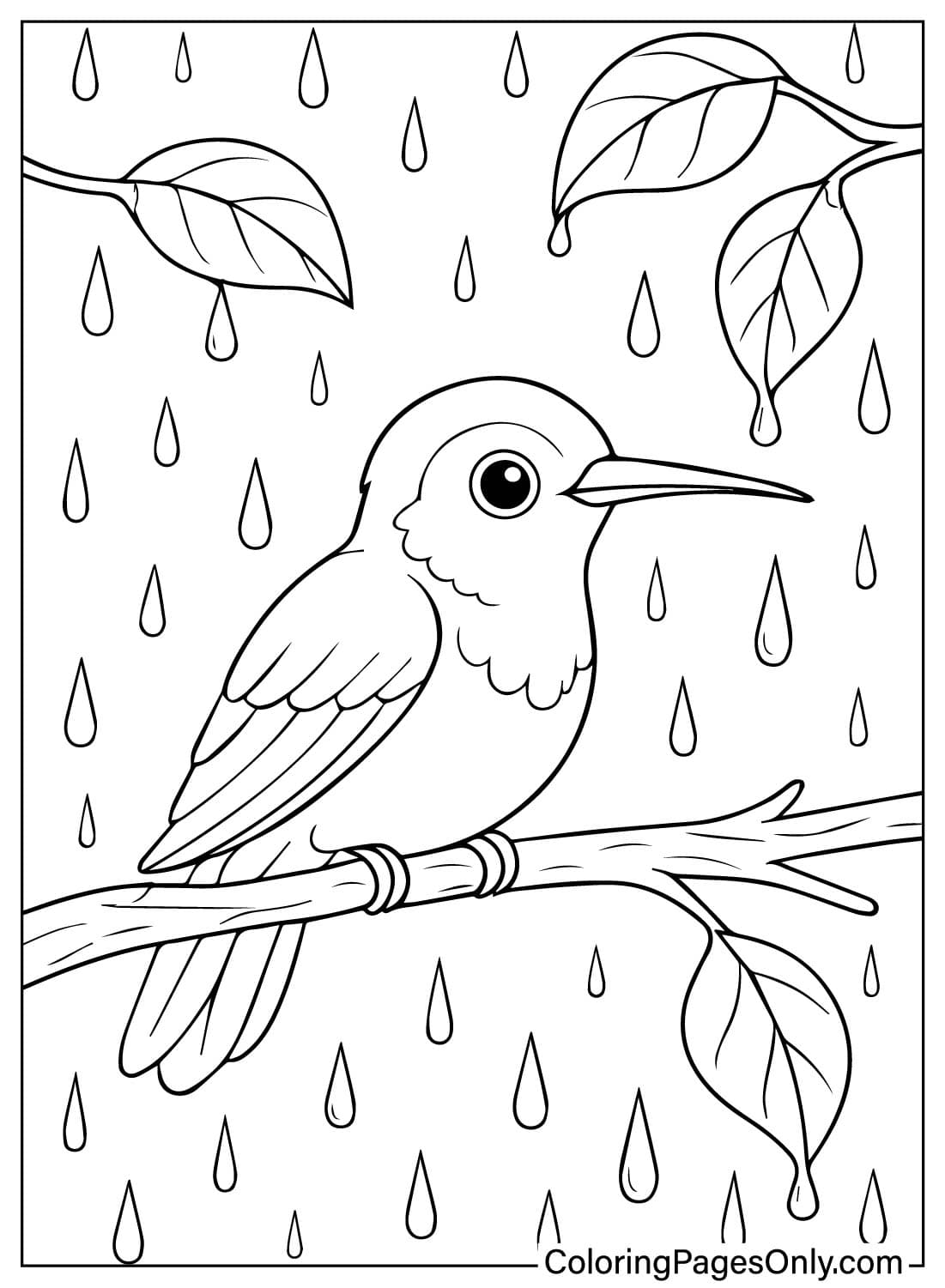
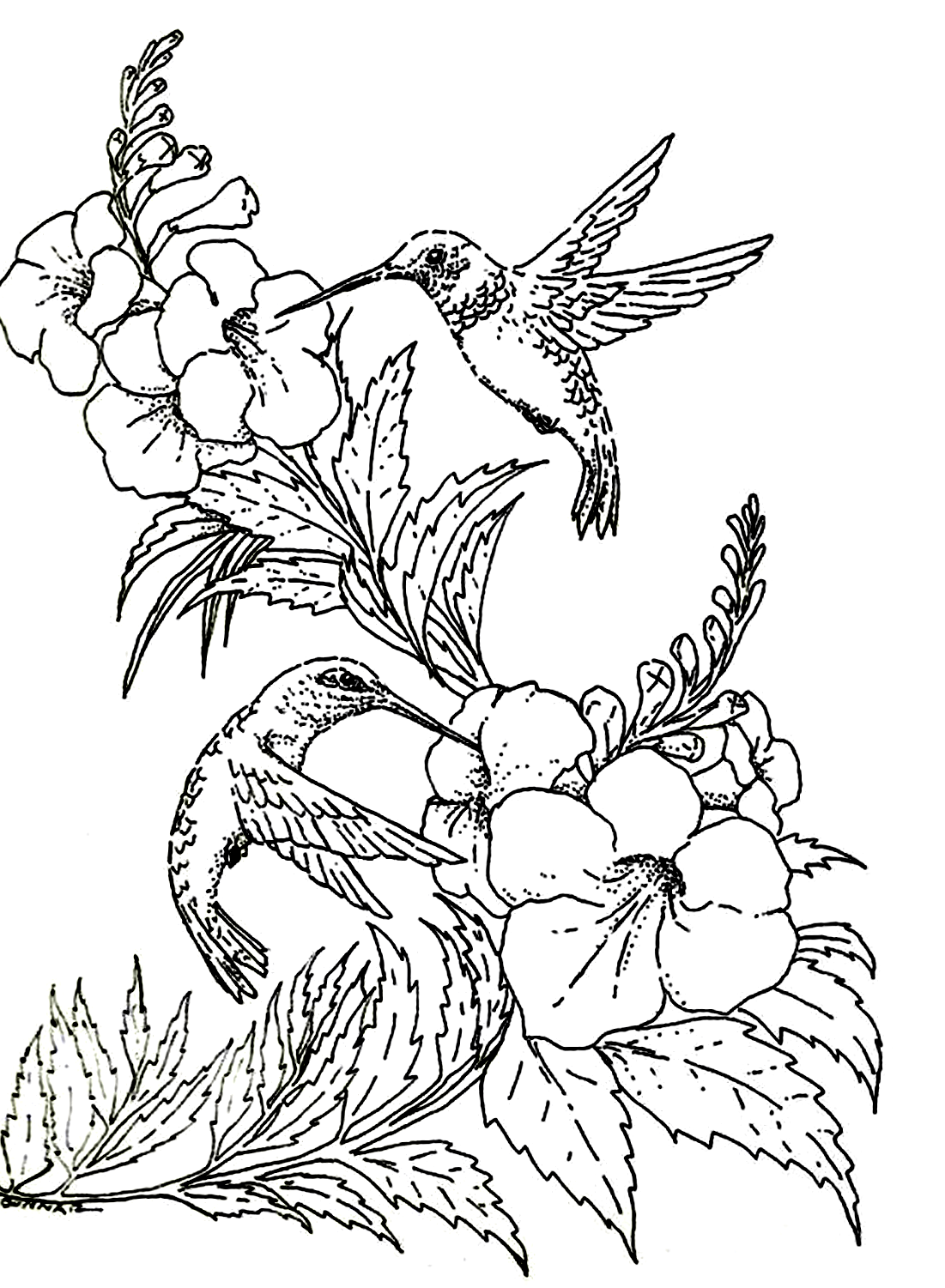
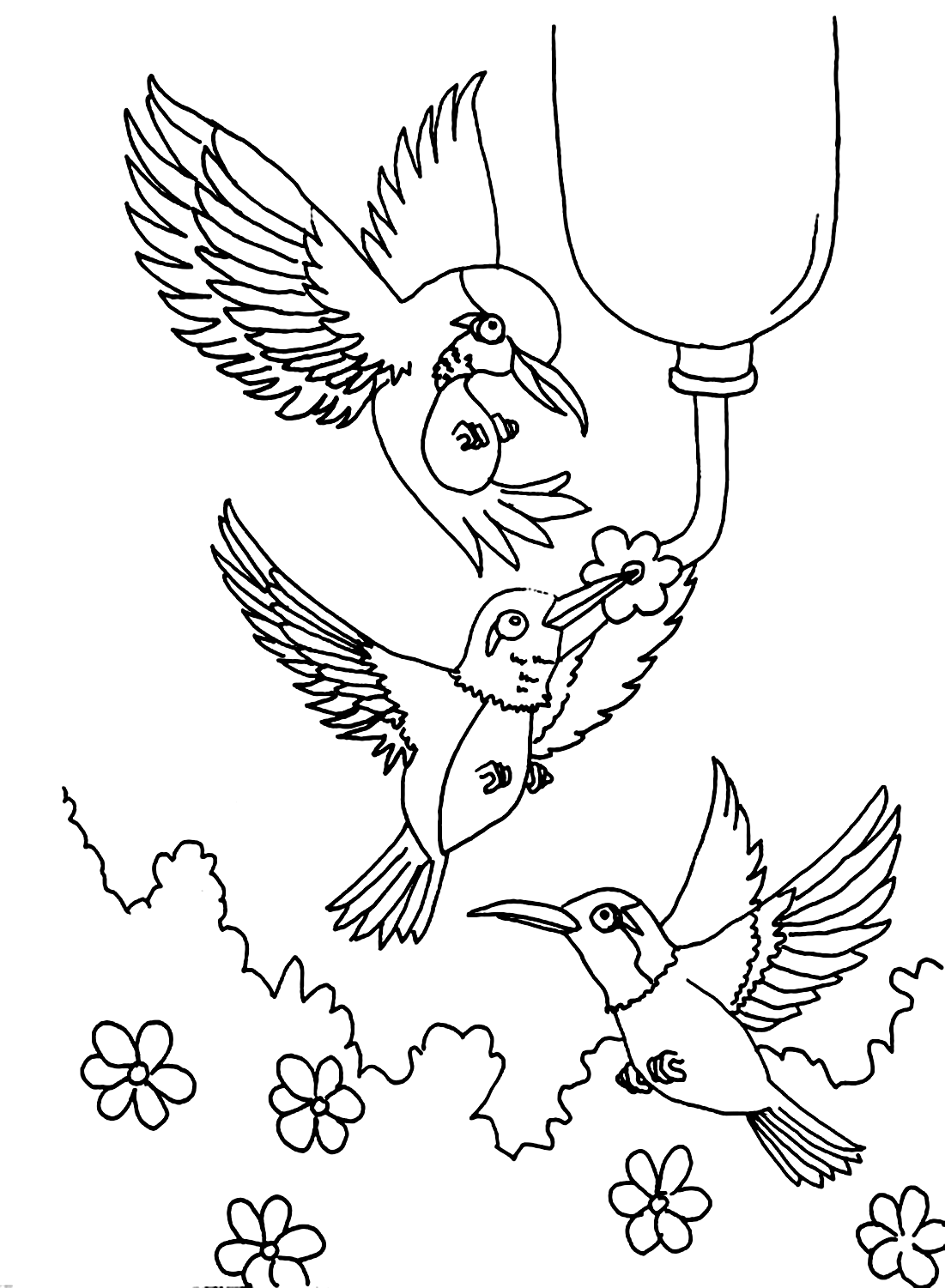
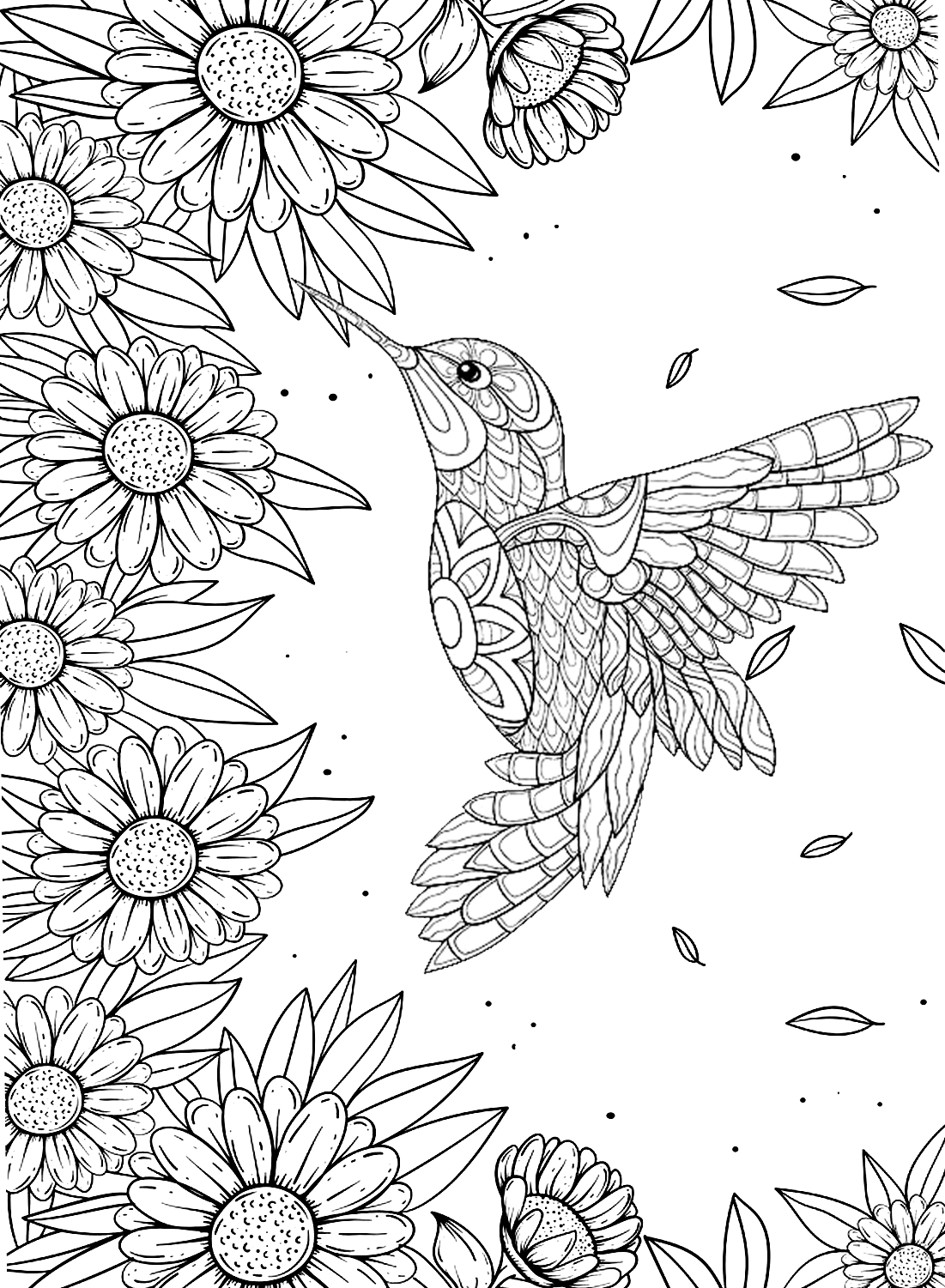
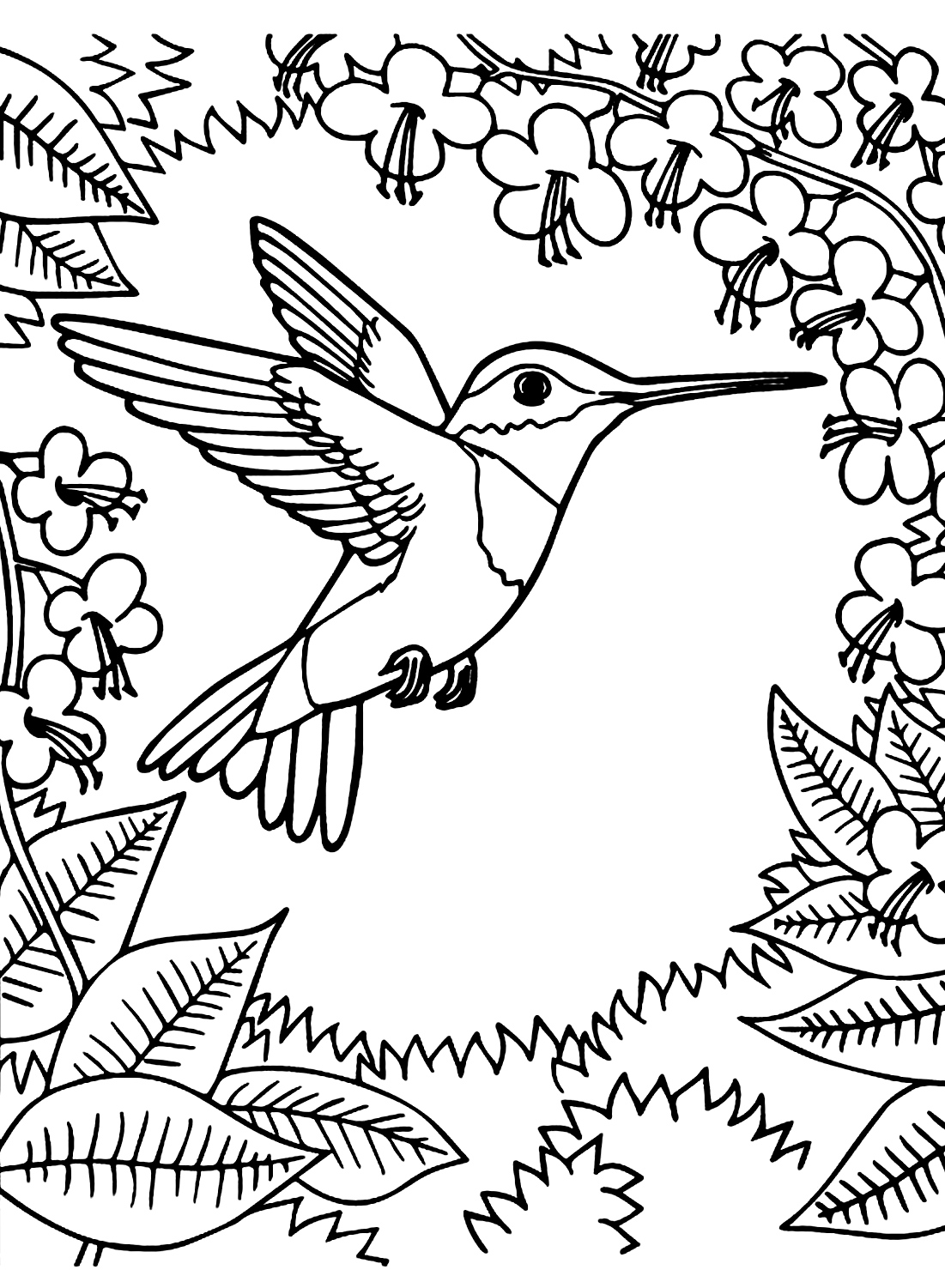
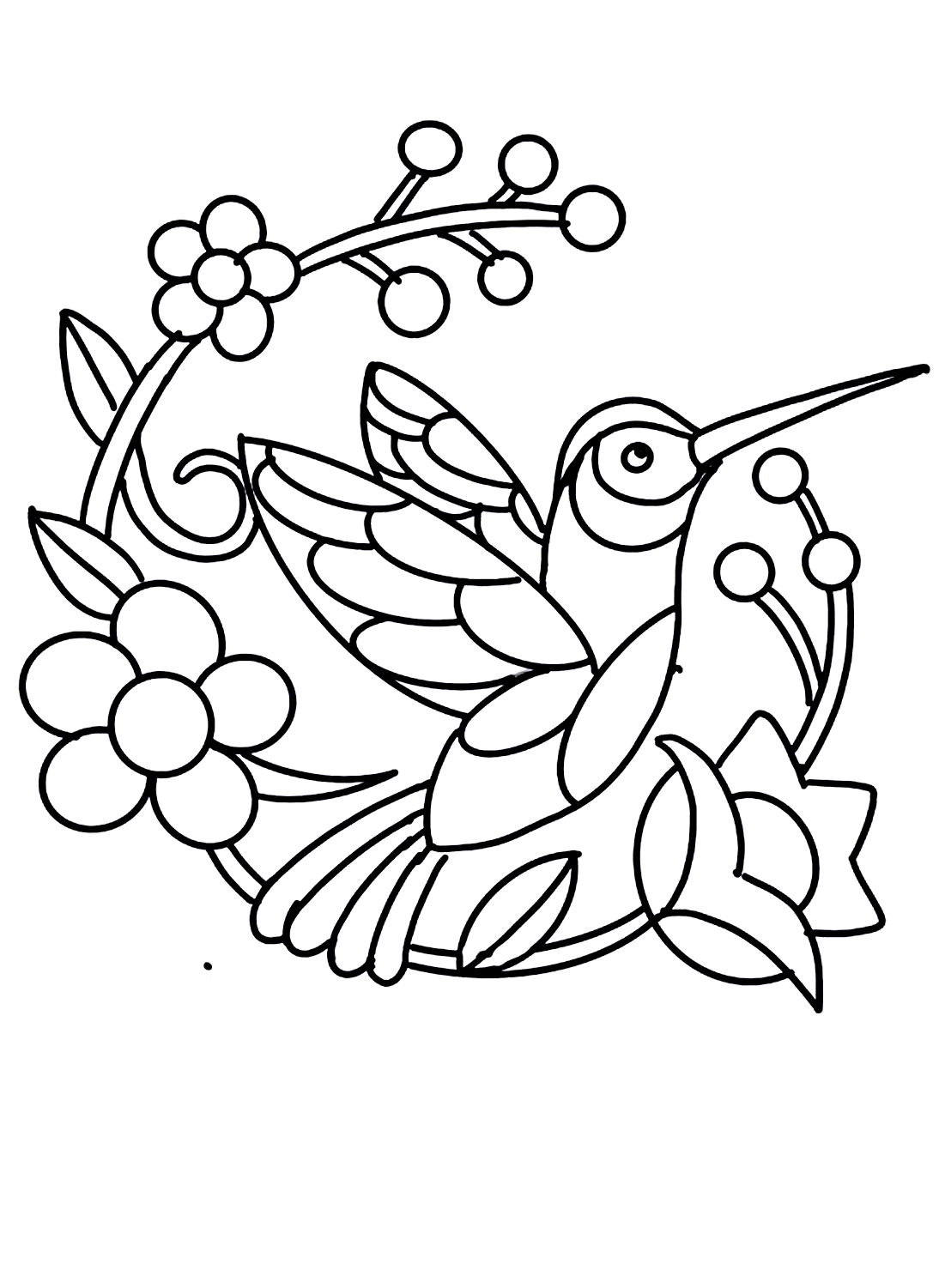
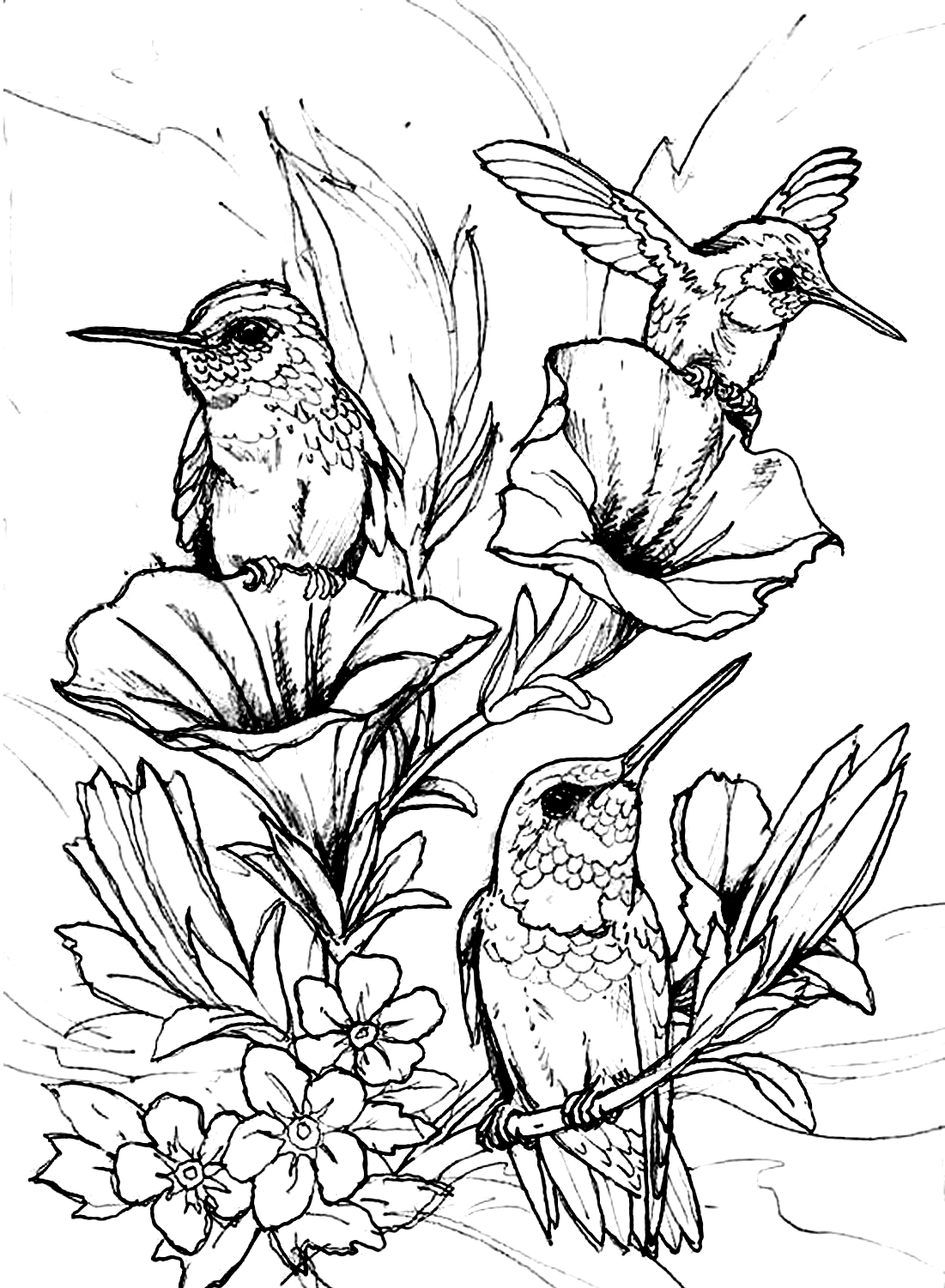
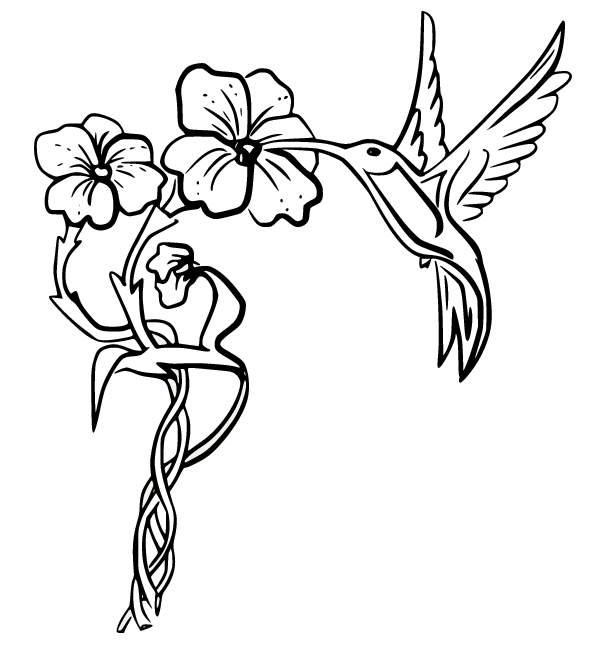
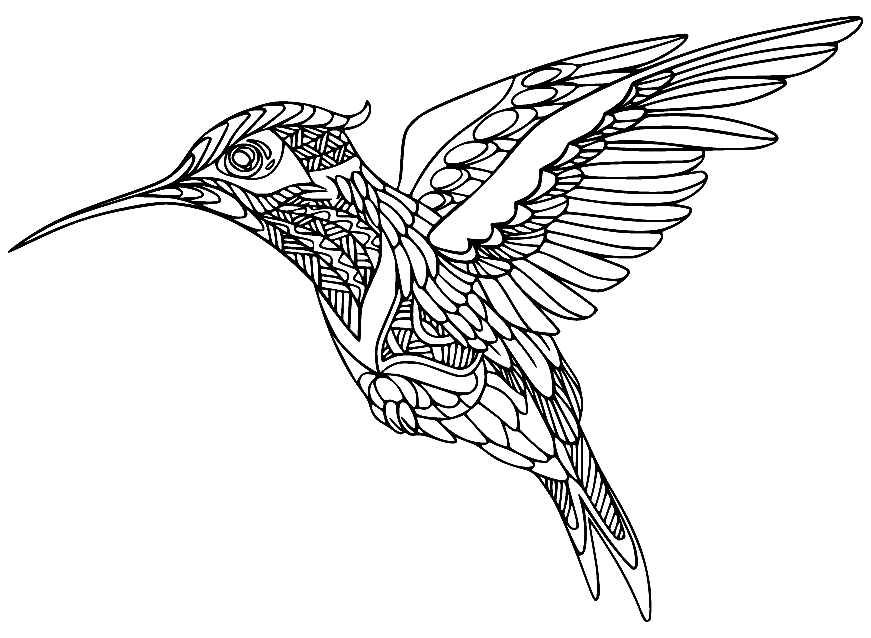
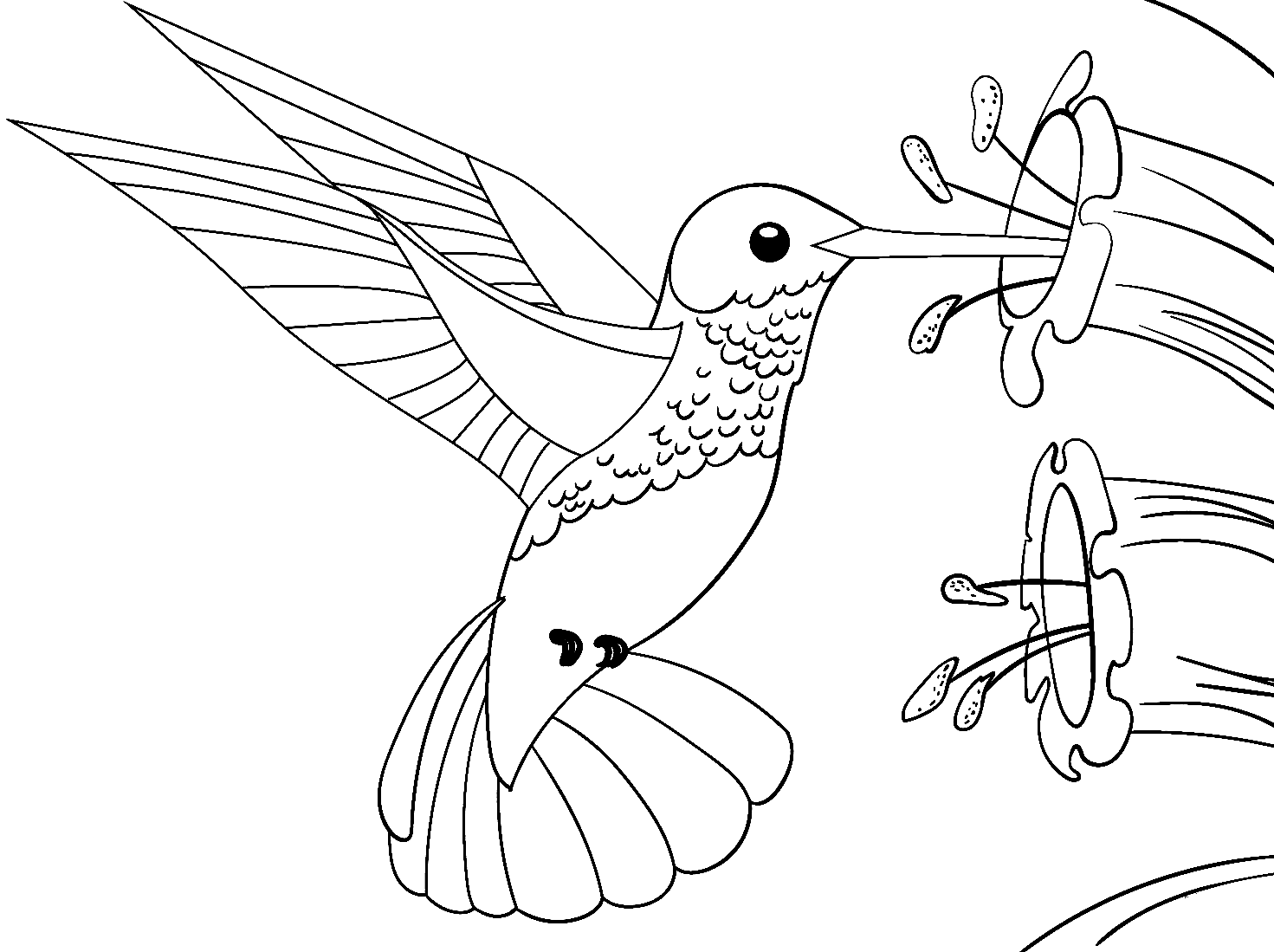
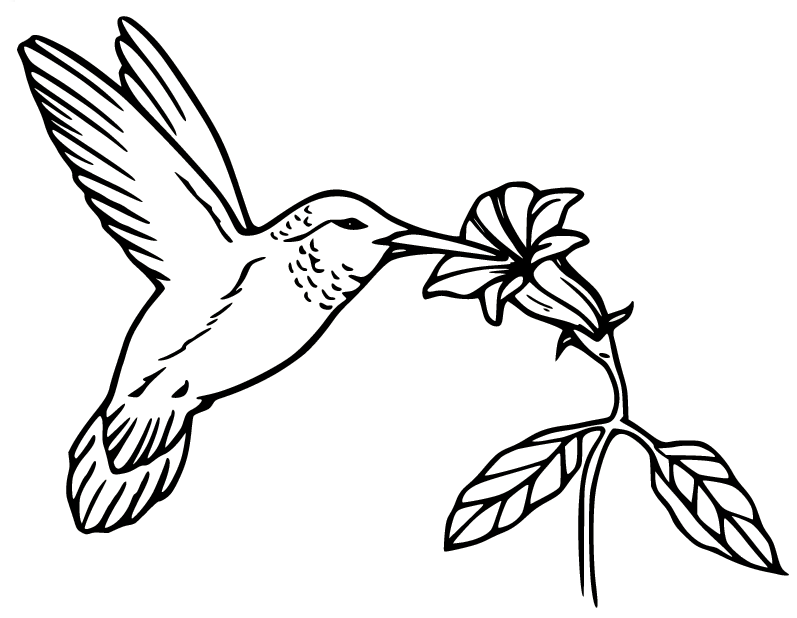
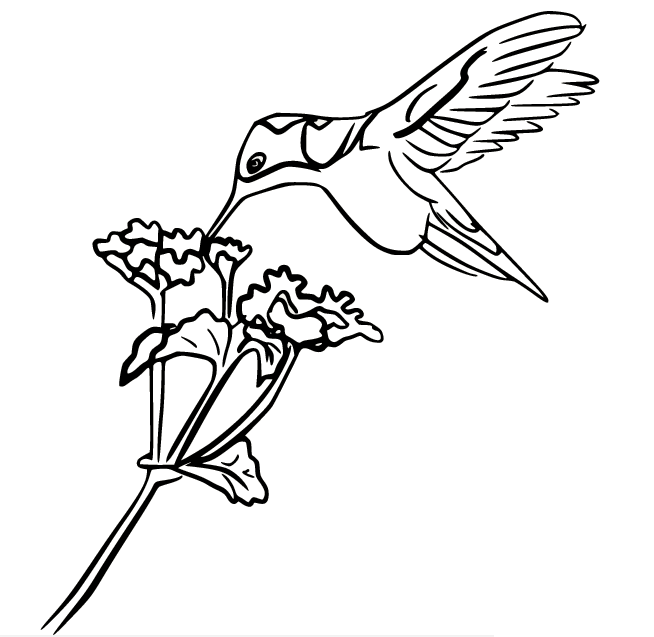
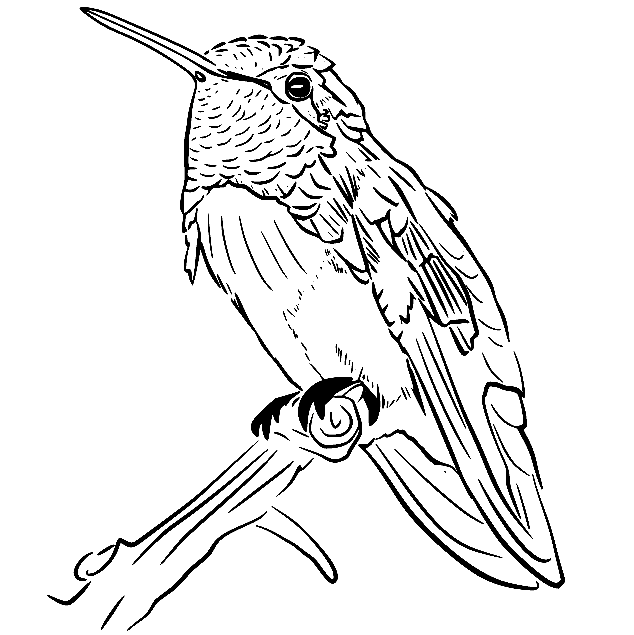
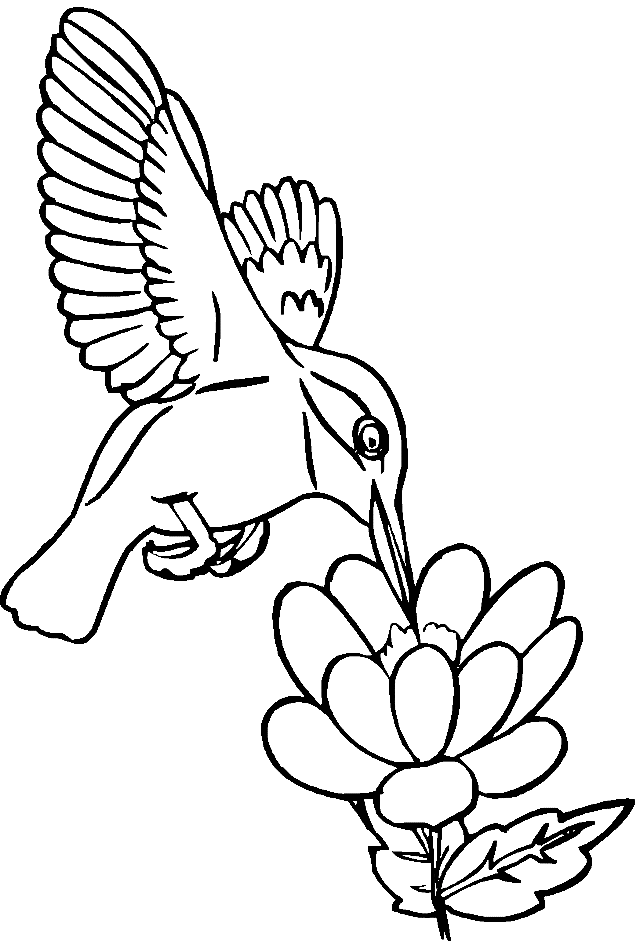

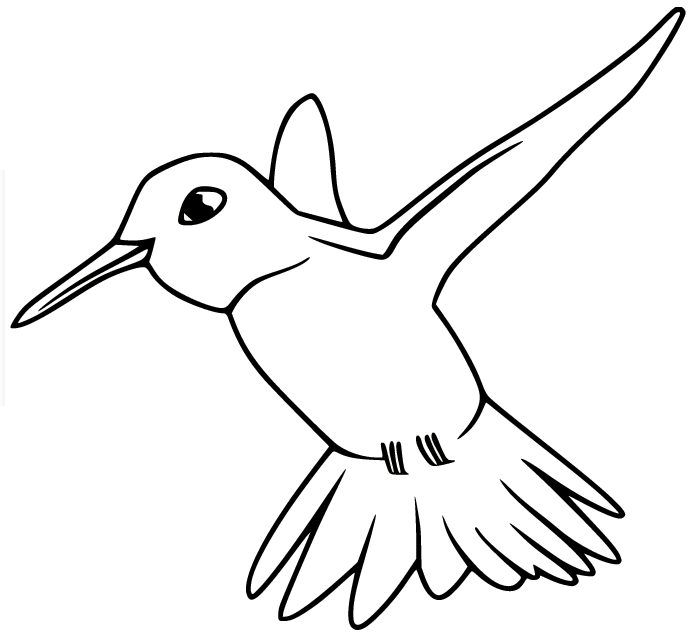
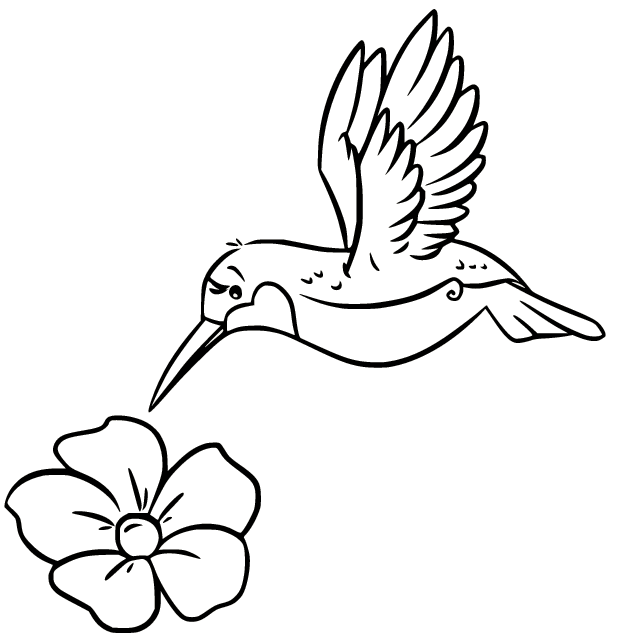
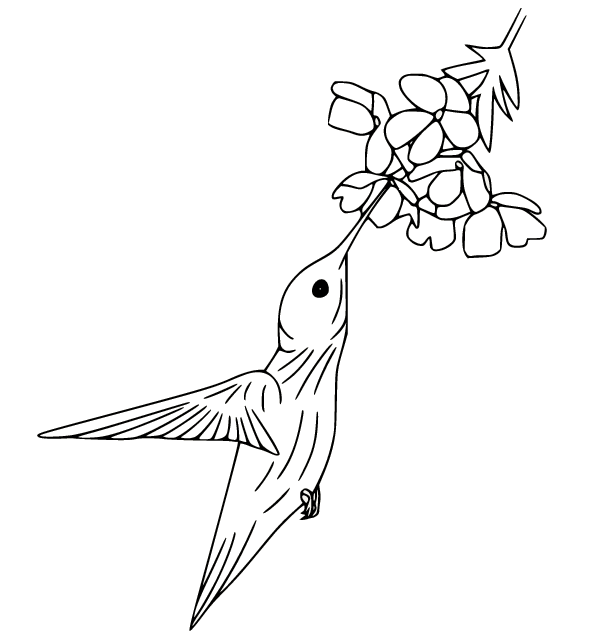
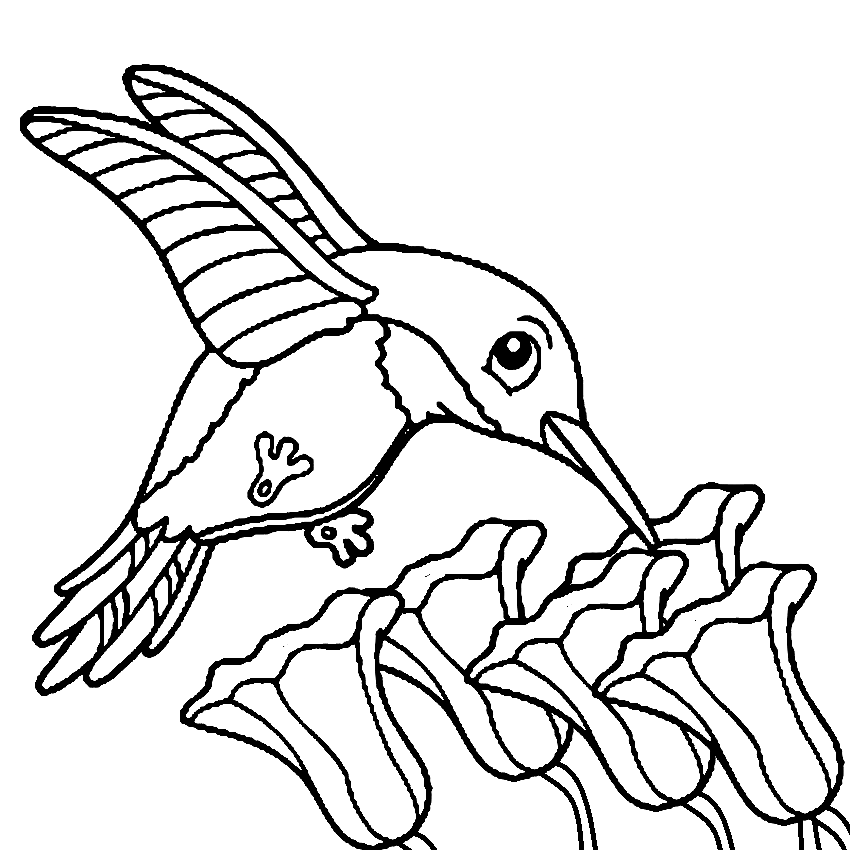

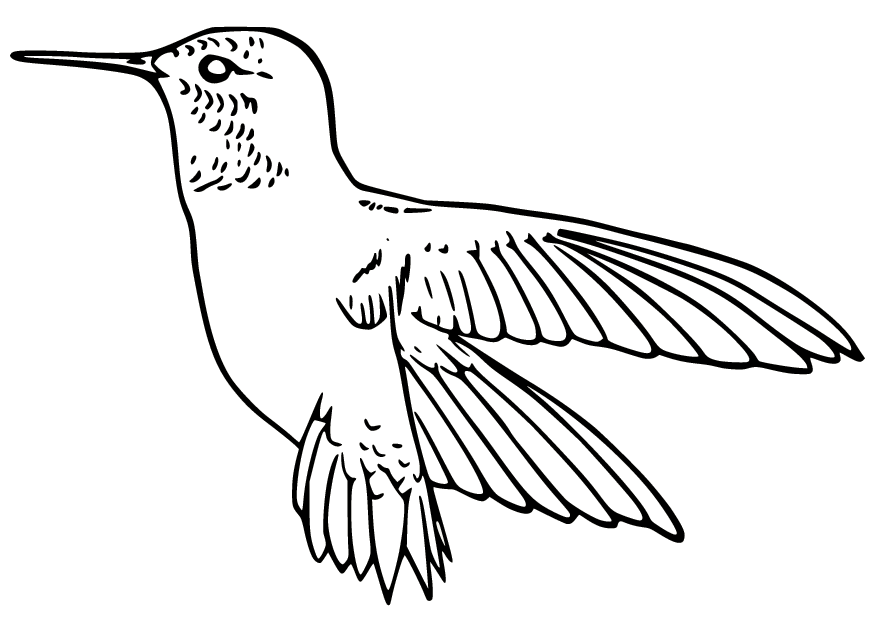
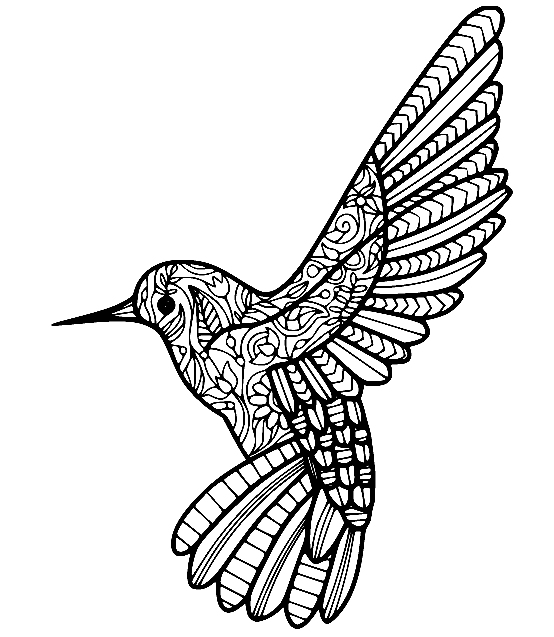
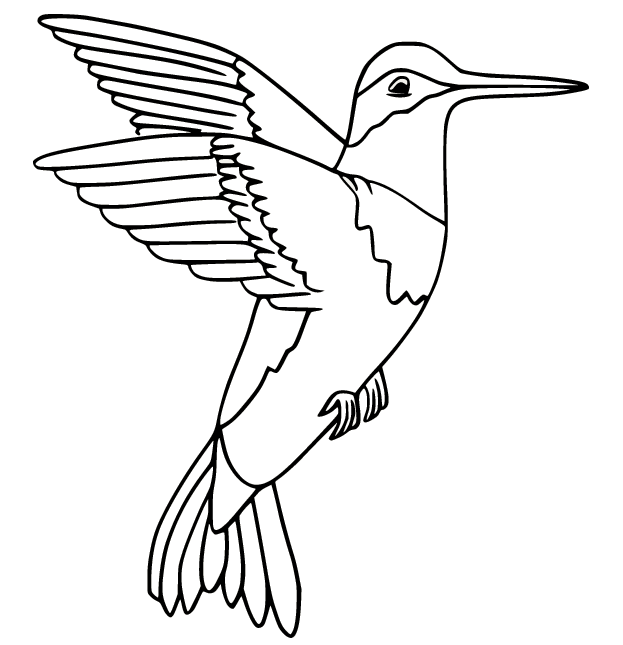
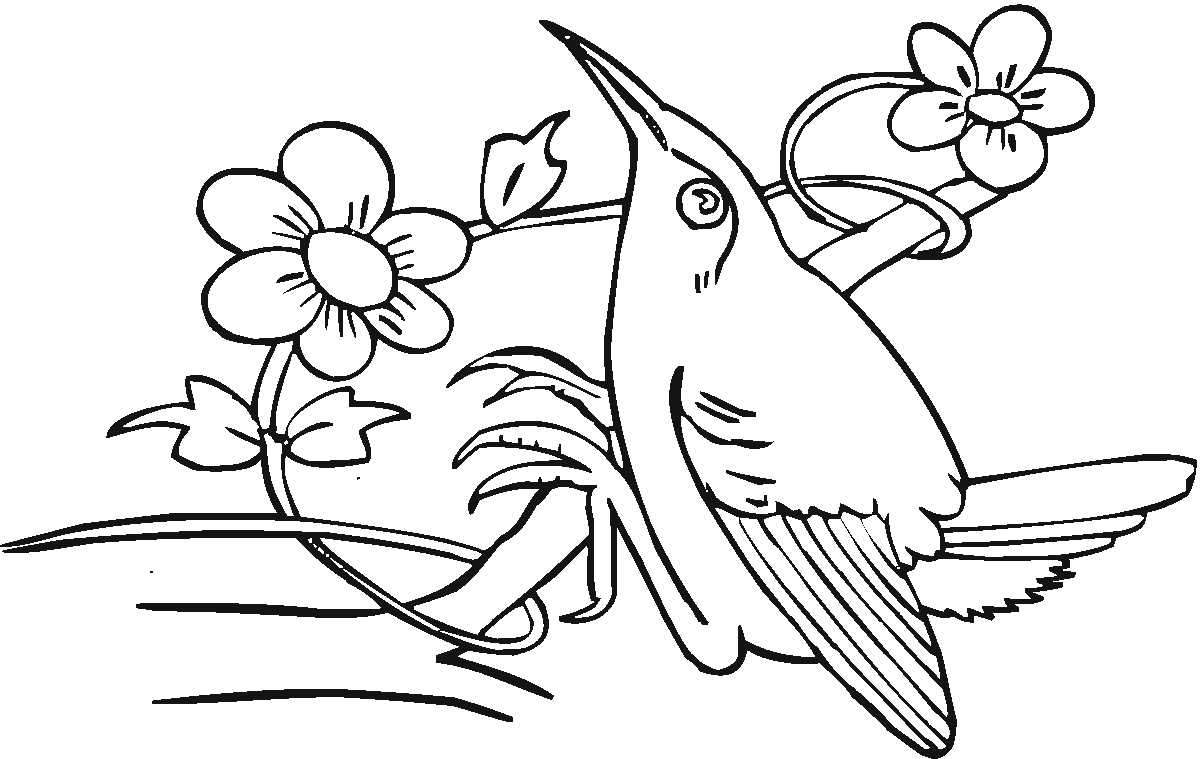
What Is Inside This Collection
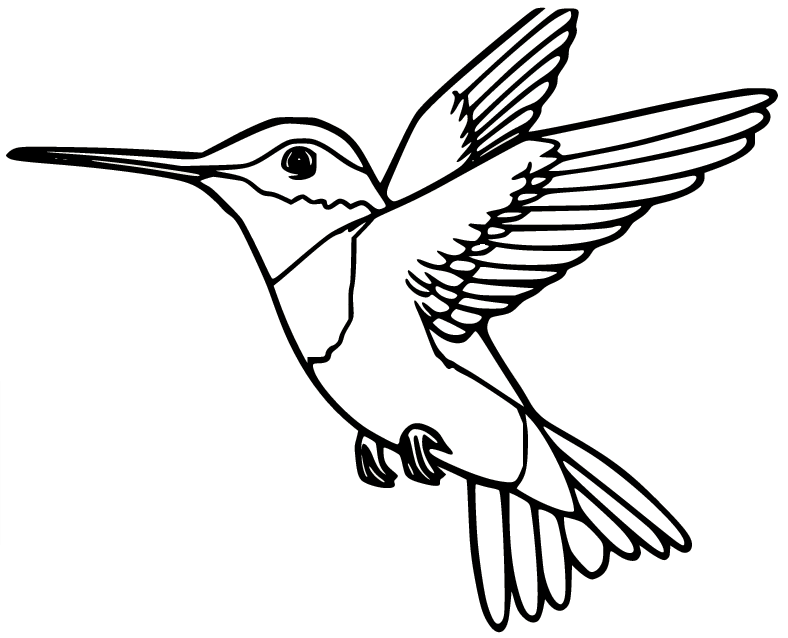
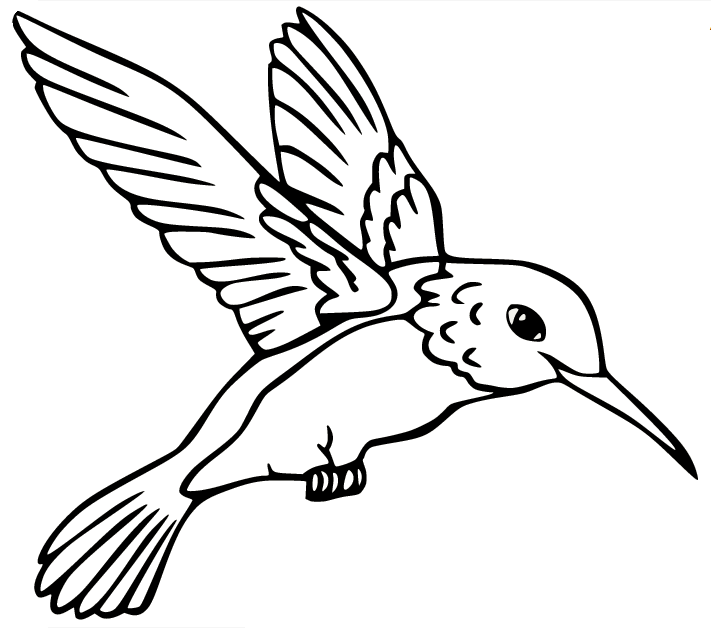
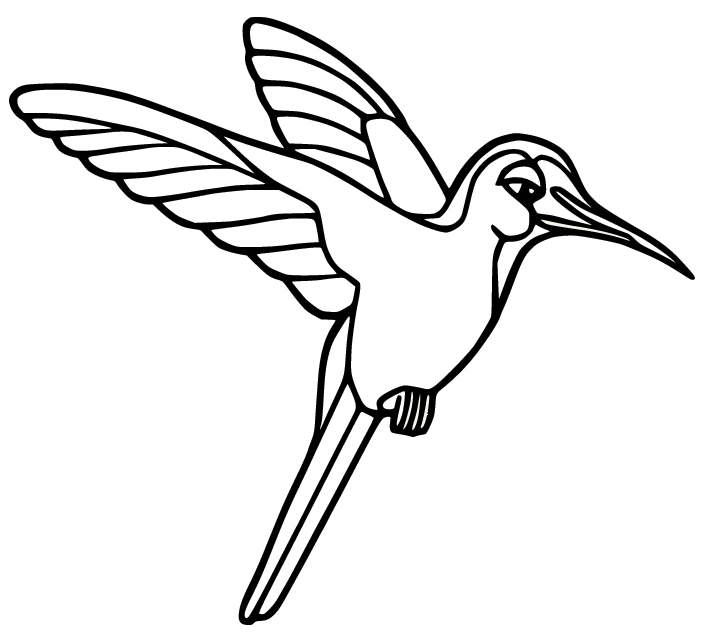
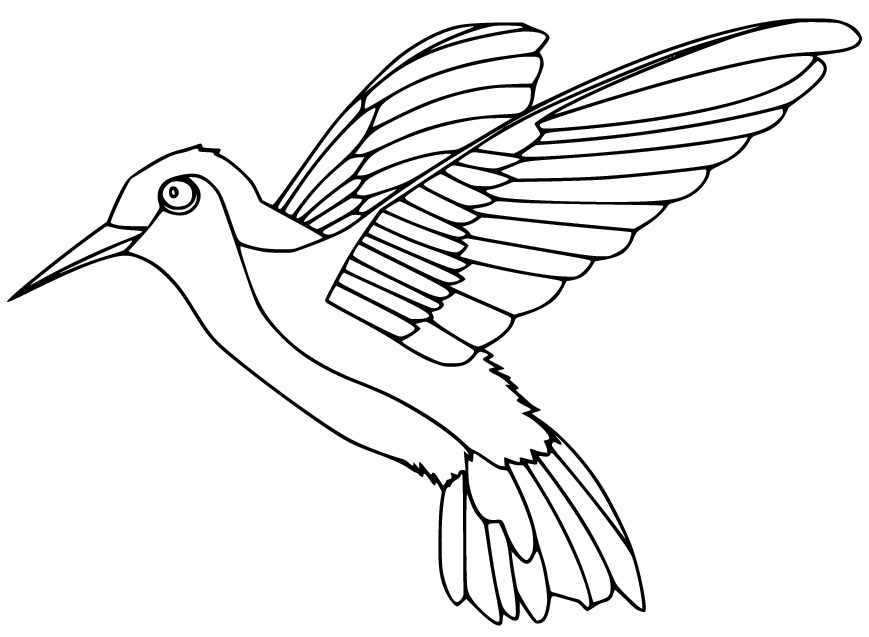
The 69 pages fall into a few clear groups, built around real named species, feeding and flower scenes, flying and perched portraits, and simple printable sheets.
Real Named Species
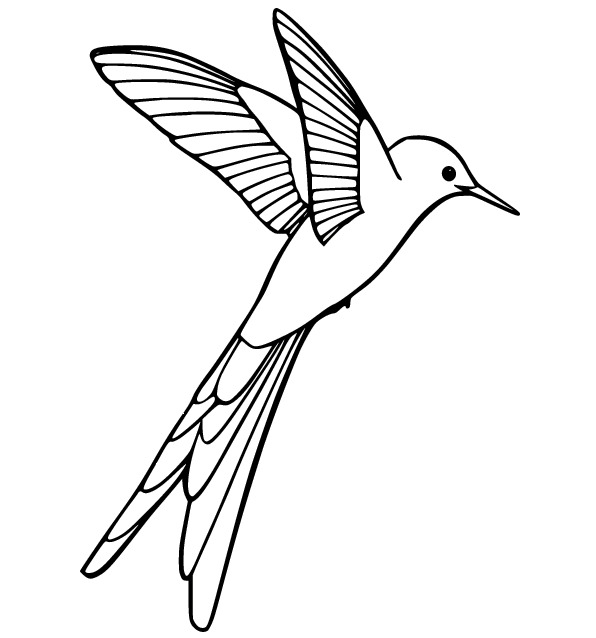
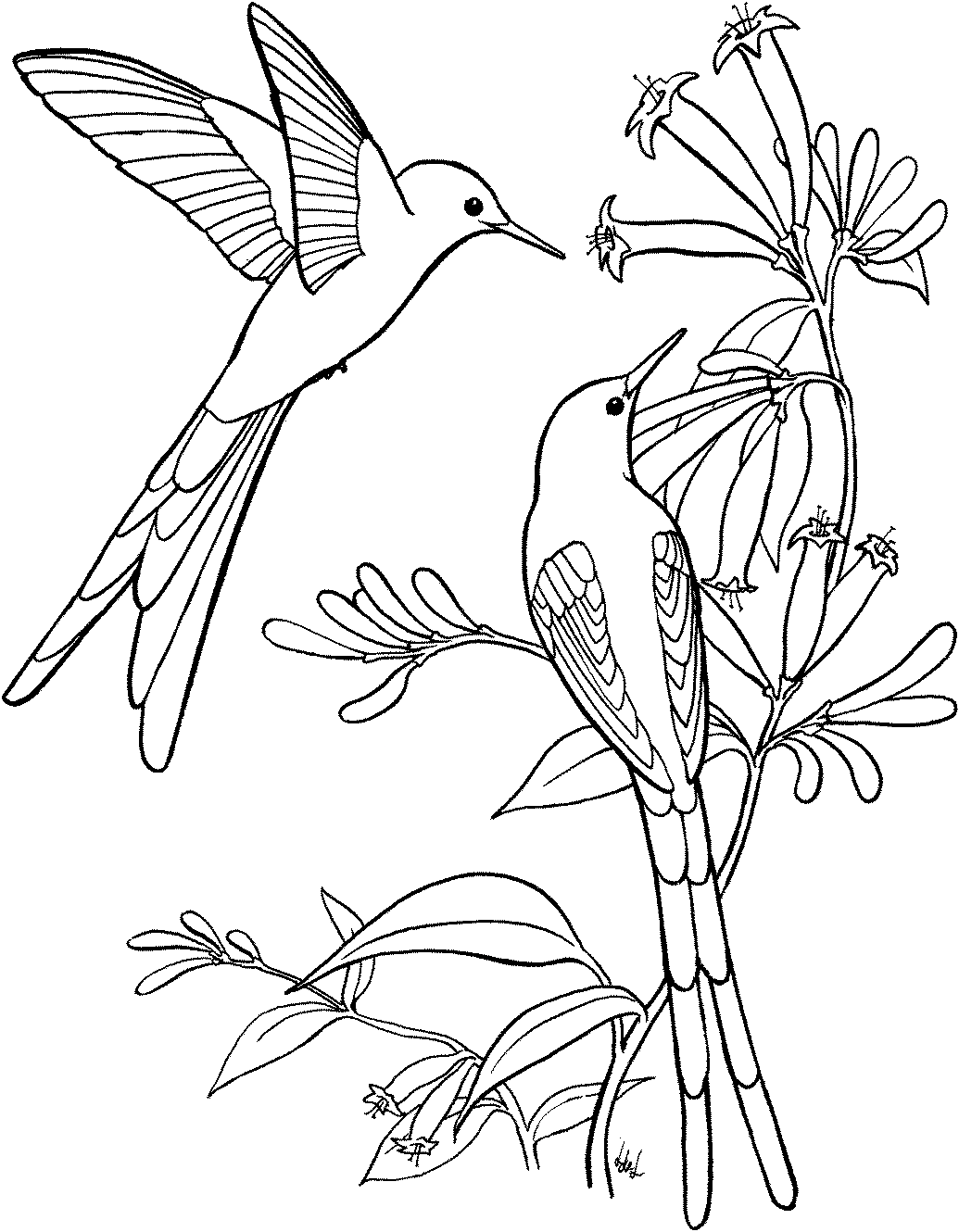
Ten pages are modeled on specific, real hummingbird species: Ruby-Throated, Anna’s, Rufous, Costa’s, Allen’s, Black-Chinned, Broad-Tailed, Broad-Billed, Xantus’s, and the Long-Tailed Sylph. These pages reward the most accuracy, since each species has its own distinct gorget color and body pattern.
Feeding and Flower Scenes
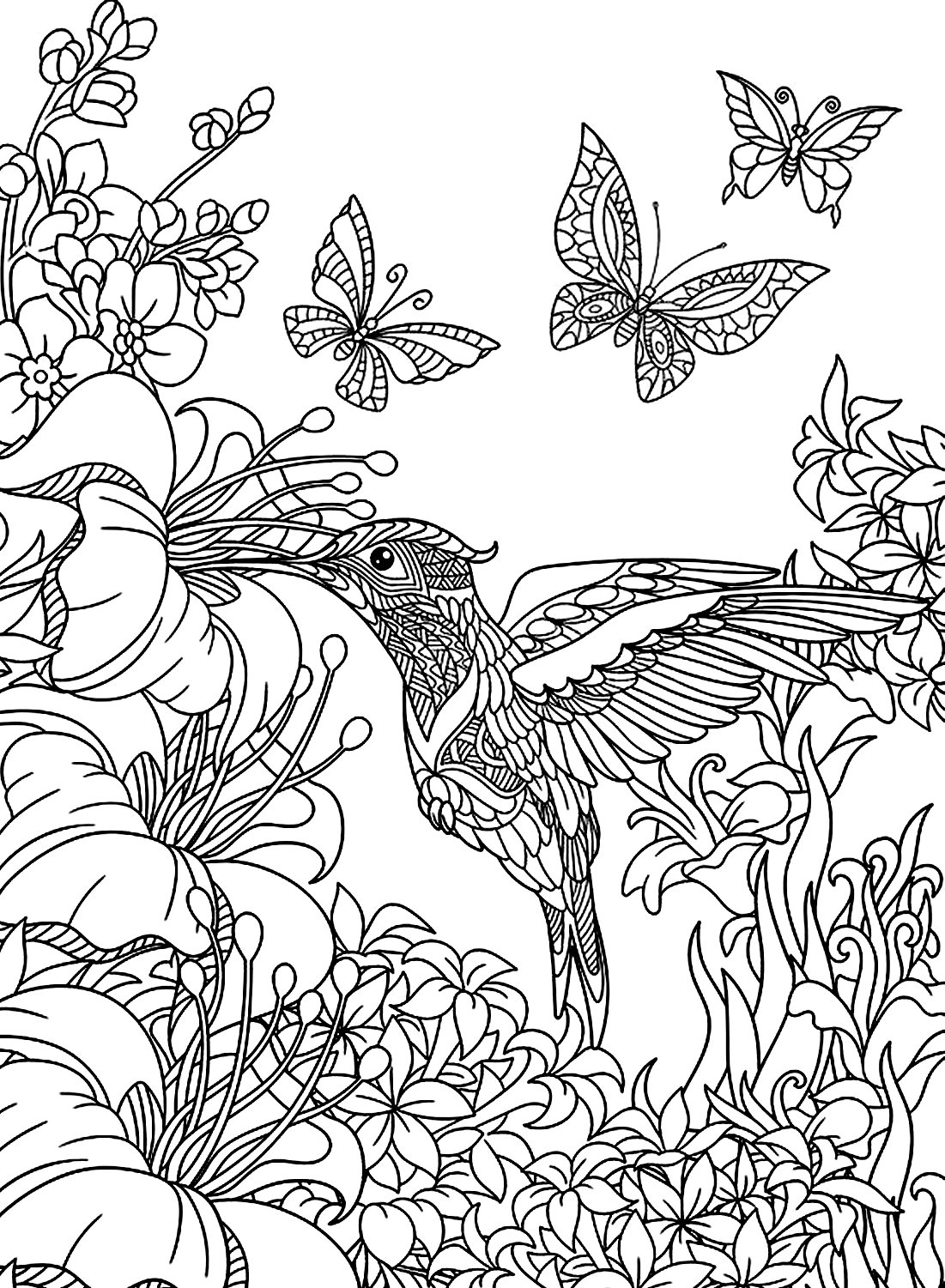
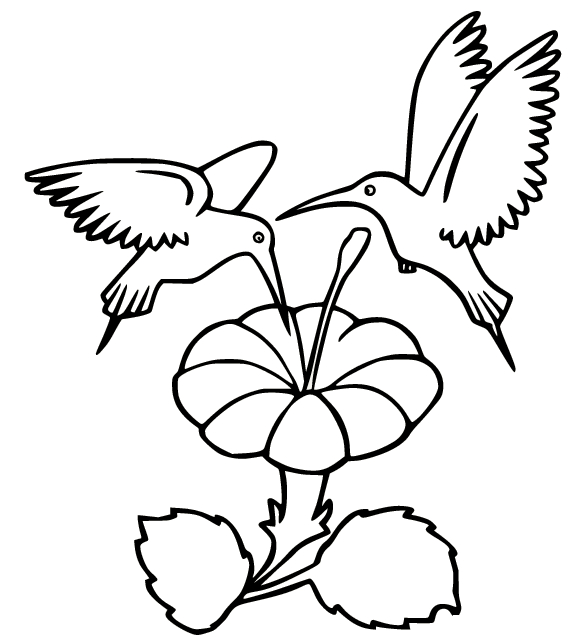
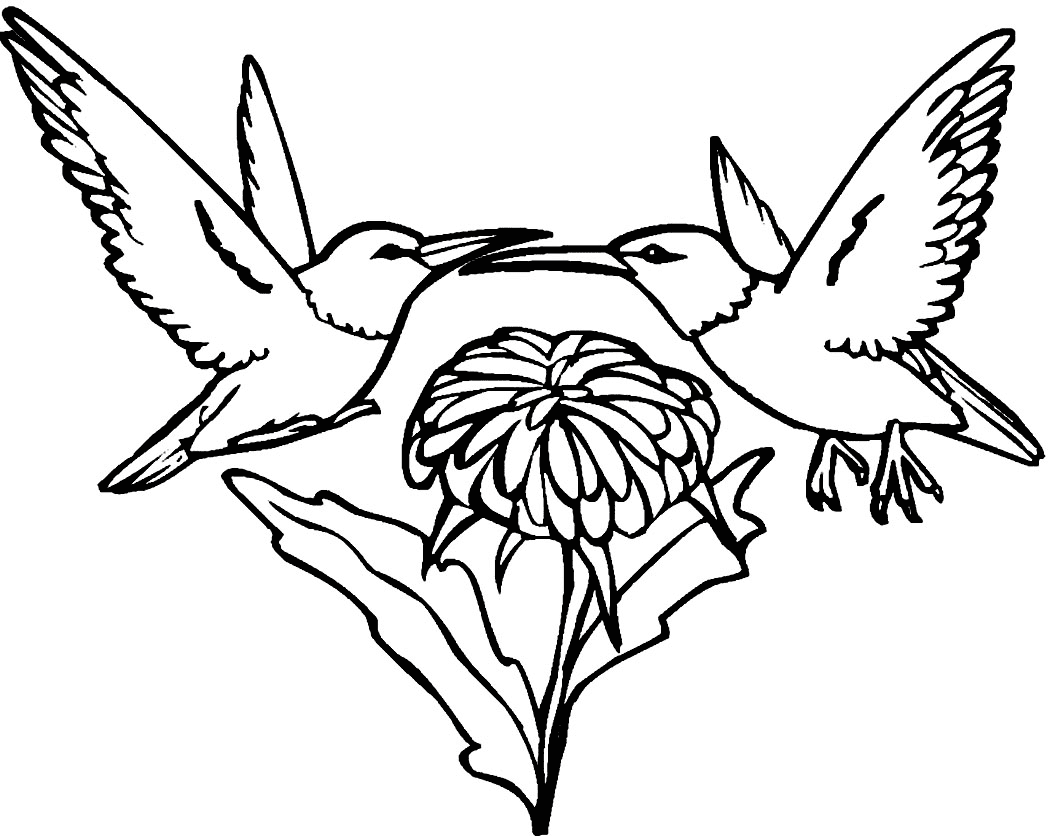
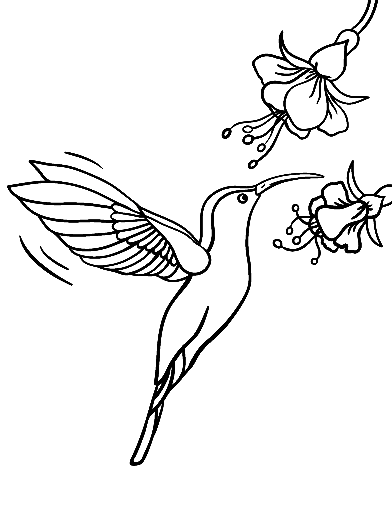
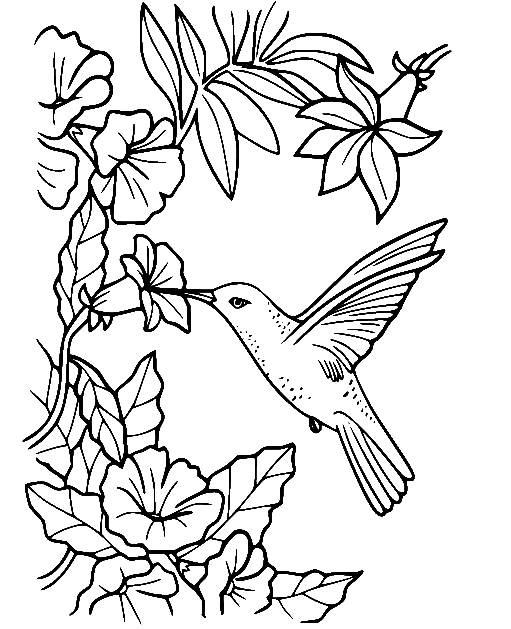
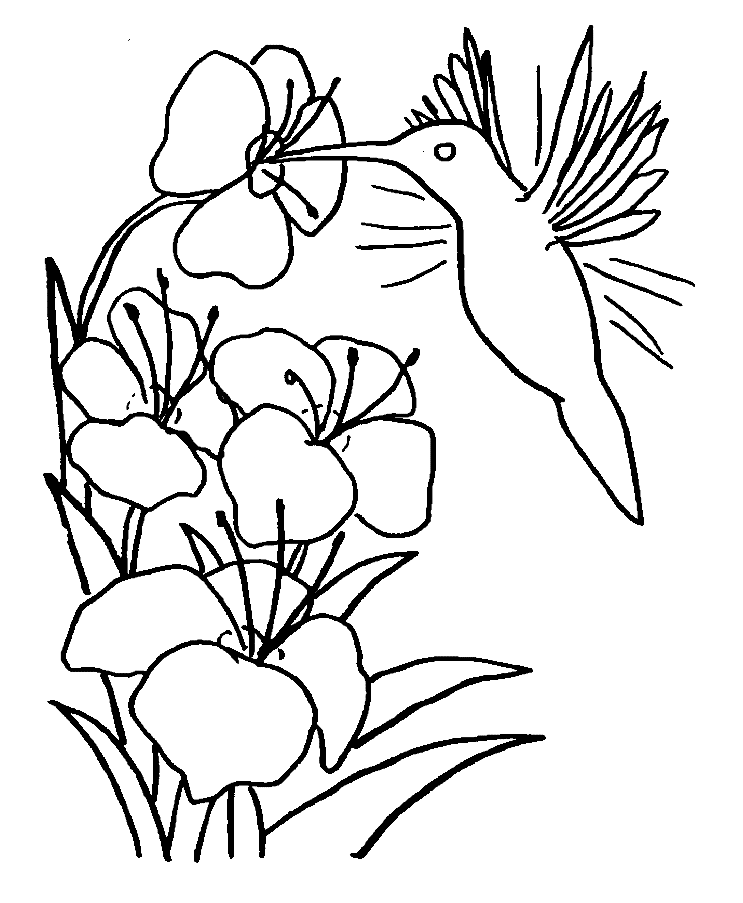
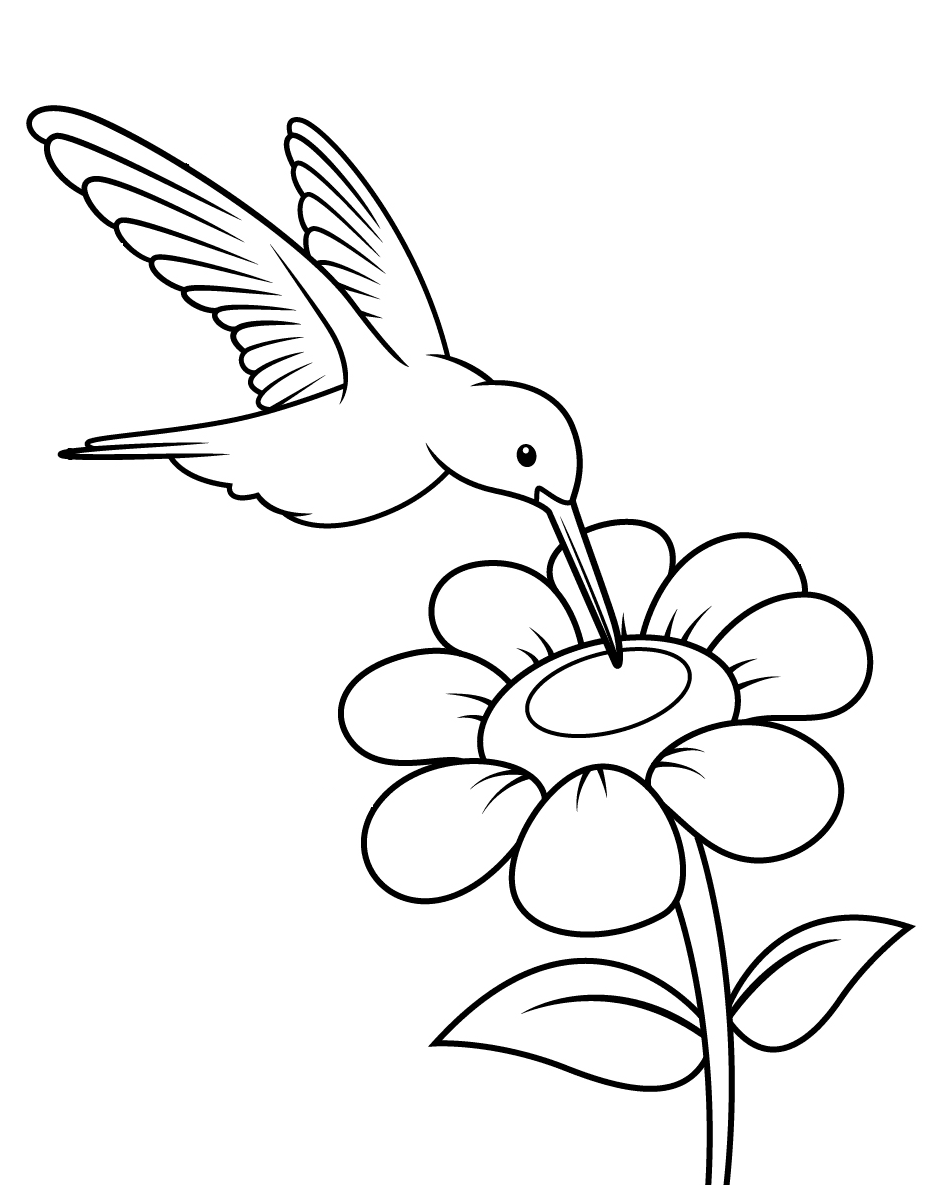
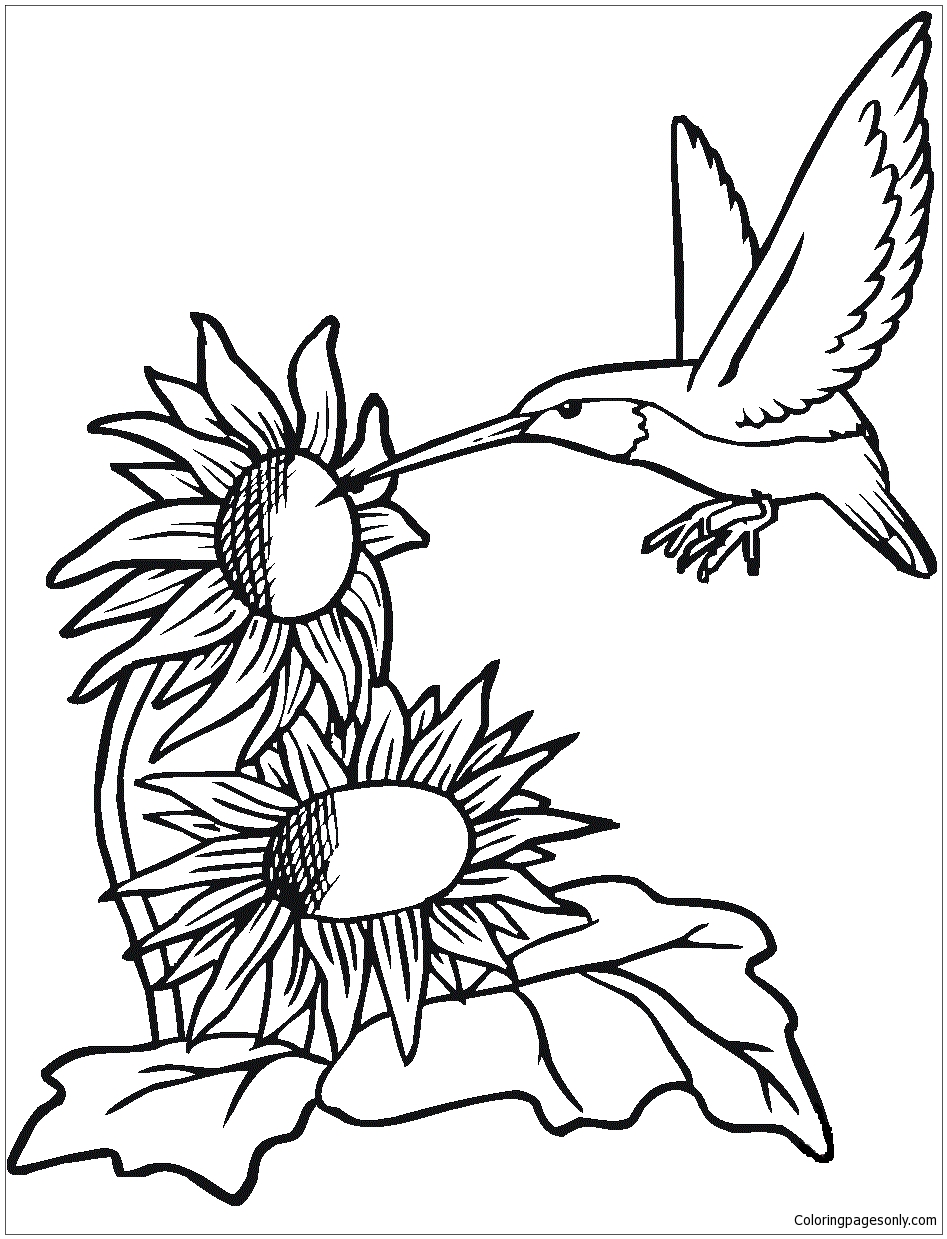
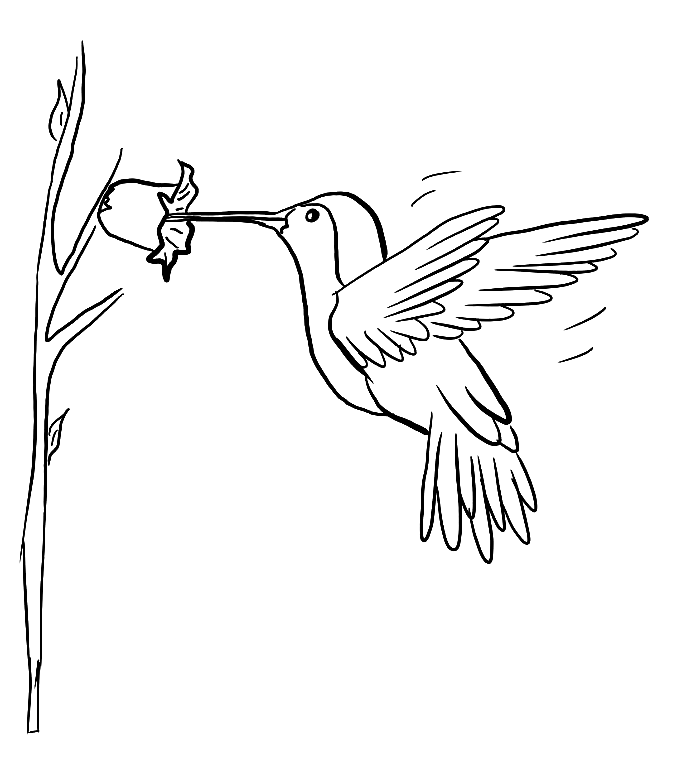
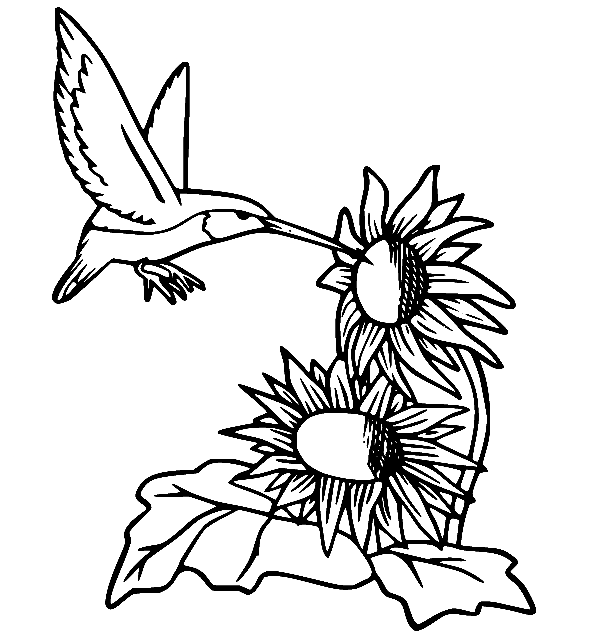
Seventeen pages show a hummingbird drinking nectar, hovering at a flower, or surrounded by a garden setting. These pages ask for two accurate palettes at once: the bird’s own colors and the flowers it feeds from.
Flying and Perched Portraits
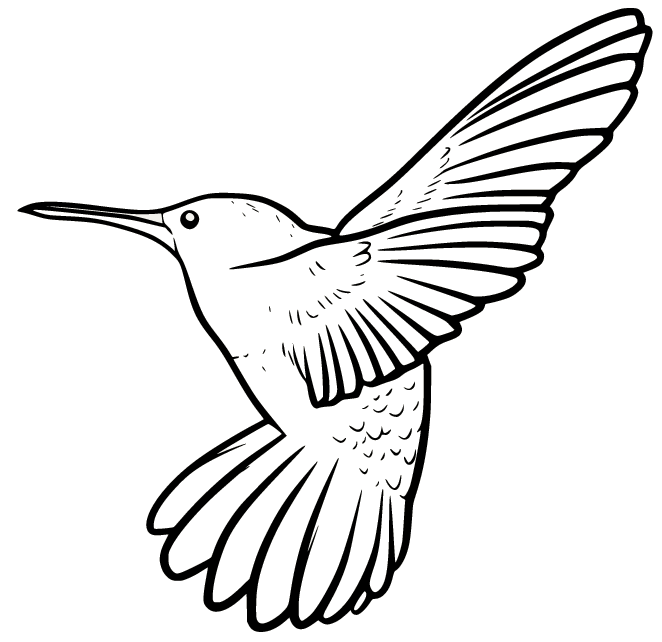
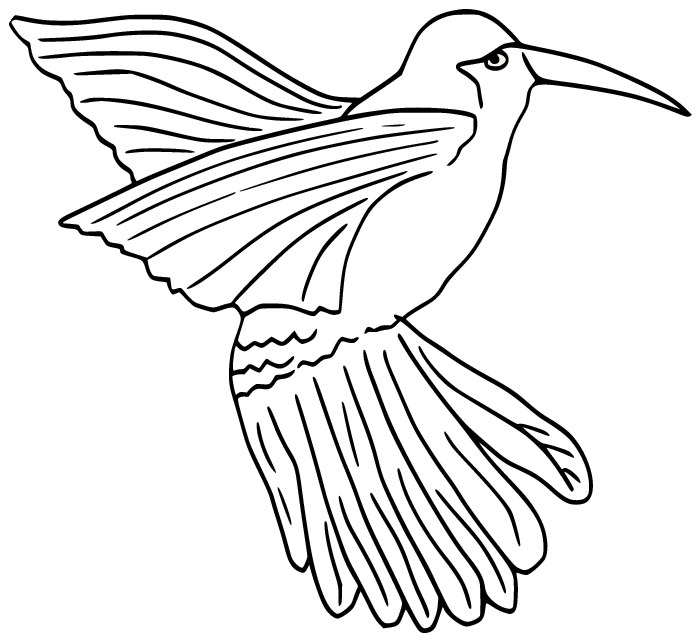
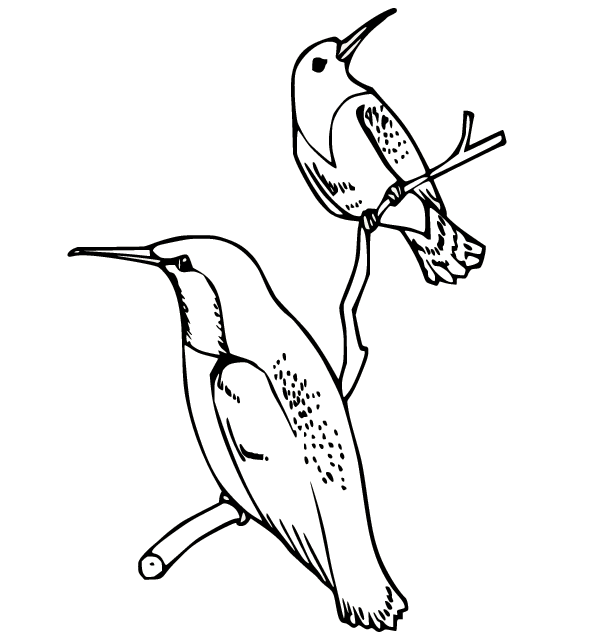
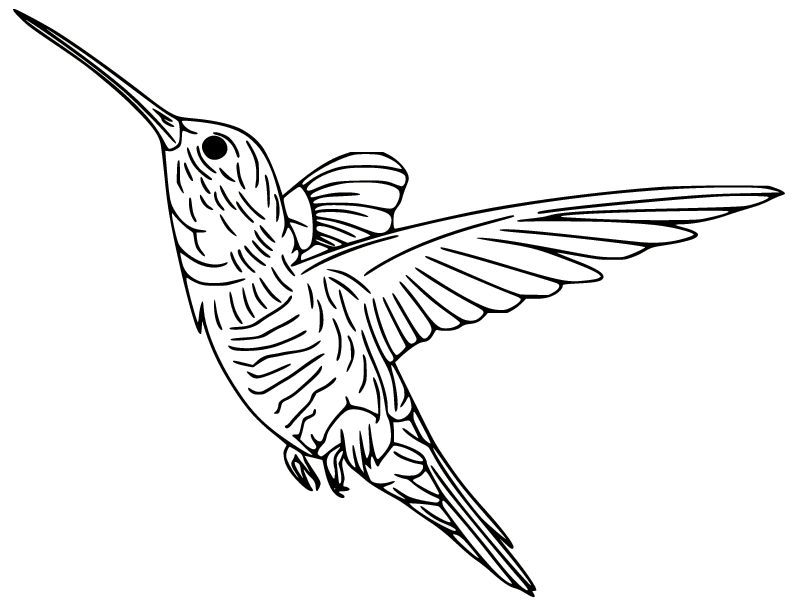
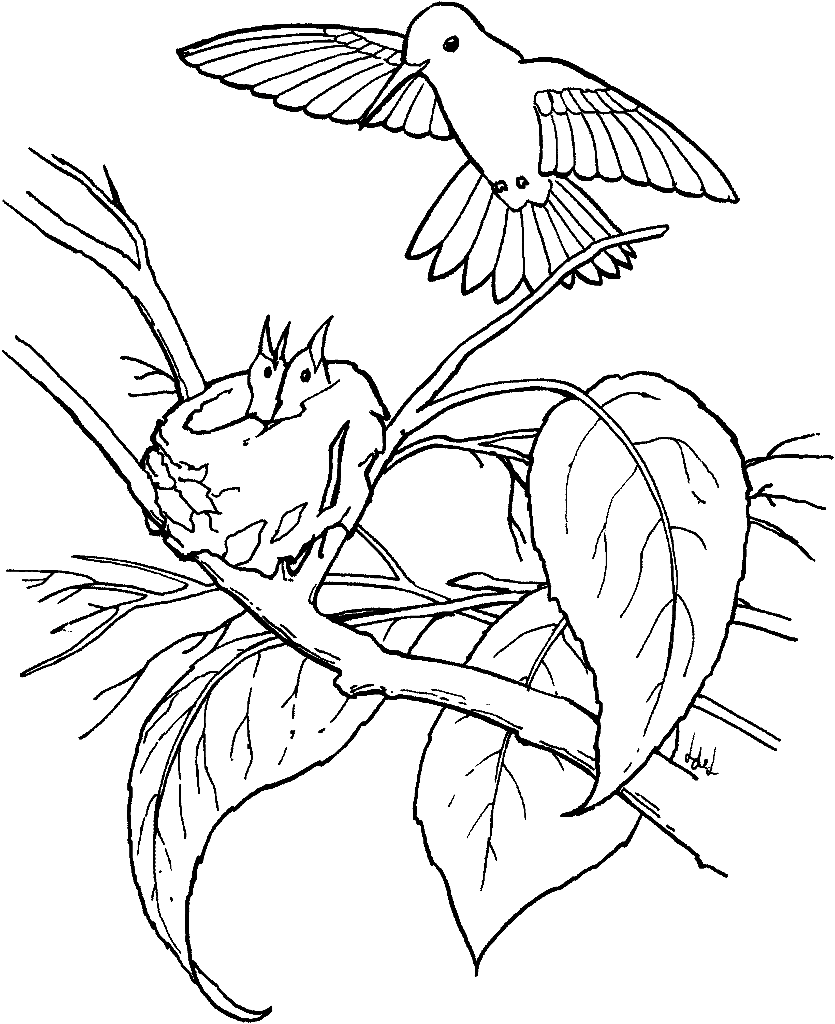
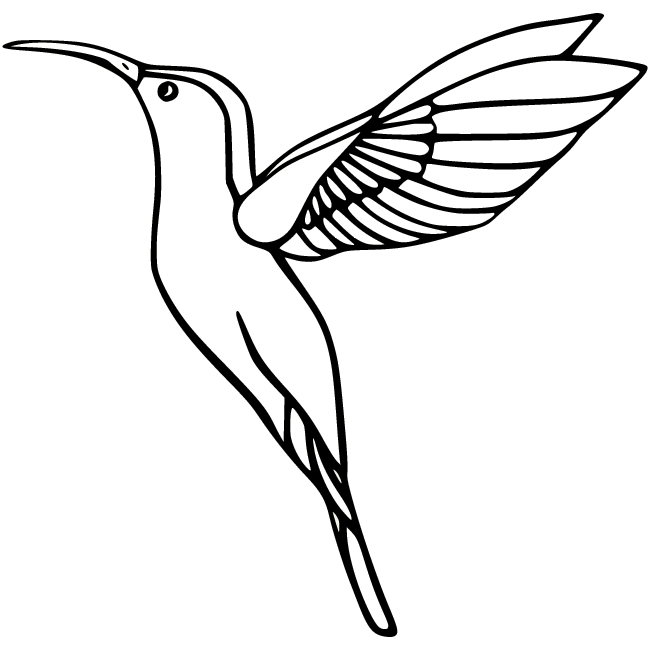
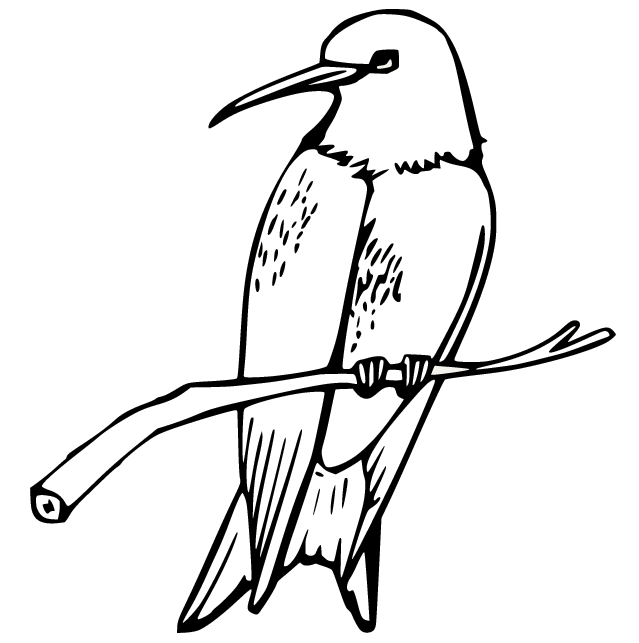
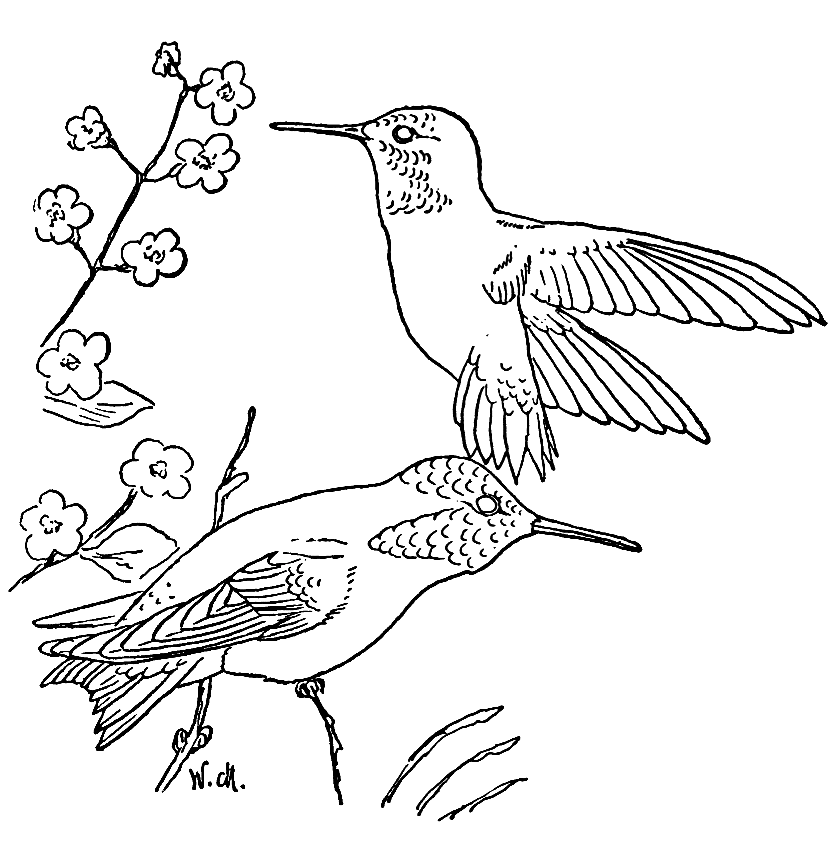
Sixteen pages show a hummingbird in motion or resting on a branch, including a few pages with a parent and baby or multiple birds together. These pages lean on wing position and posture as much as color to capture real hummingbird movement.
Simple Printable Sheets and Special Styles
Twenty-six pages, the largest group, are simple portraits, cartoon versions, or specialty designs like zentangle patterns, without a specific species or scene. These work well as a fast handout or a first attempt at the subject.
What These Pages Do
One small patch of color does the identifying. A hummingbird’s gorget, the patch of iridescent feathers on its throat, is often the single detail that separates one species from another, which gives a colorist a real reason to slow down on a small area most animal pages would treat as an afterthought.
Fine, layered feather work builds real hand control. Coloring the small, overlapping feather sections around a hummingbird’s throat and wings without letting the colors bleed together takes the careful, contained movement that pediatric development guidance, the American Academy of Pediatrics included, links to stronger hand control in children around two to seven years old.
A bird with genuinely strange biology to talk about: a resting heart rate that can exceed a thousand beats a minute, and a nightly shutdown that drops it to a fraction of that, gives a coloring session an actual scientific hook rather than a generic “birds are pretty” observation.
A slow, repeatable activity calms the mind. Back in 2005, the Art Therapy Journal published a study showing that coloring within a defined shape lowered anxiety more than free drawing did, and a hummingbird’s small, structured feather sections give a colorist exactly that steady, contained work to settle into.
How to Color Hummingbird Pages Well
- Give the gorget its own bright, saturated color: Color the throat patch a bold Ruby Red, Pink, or Magenta, distinct from the rest of the body, since this small feature is the main way a specific species gets identified.
- Layer body feathers in two related greens: Use a base Emerald Green with darker Forest Green shading along the wing and back, rather than one flat green, to suggest the iridescent shimmer real hummingbird feathers show.
- Keep the beak long, thin, and dark: Color the long, narrow beak a consistent Black or dark Gray, since its length and shape are as identifying as any body color.
- Match flowers to real nectar-source colors: Use bright Red, Orange, or Pink for tubular flowers like trumpet vine or fuchsia, since these are the shapes and colors real hummingbirds are drawn to.
- Add motion lines to flying scenes: On pages showing a hummingbird in flight, add a few soft blur lines around the wings to suggest their extremely fast beat rate.
- Keep zentangle and pattern pages high-contrast: On the specialty-style pages, alternate two or three strongly contrasting colors through the repeating pattern sections so the design stays readable rather than blending into a single tone.
5 Creative Craft Ideas With Hummingbird Coloring Pages
1. Backyard Bird Fact Poster. Materials: several colored species pages, a poster board, glue, and a marker. Glue the colored hummingbirds onto the poster board, then write one real fact about each species underneath.
2. Hummingbird Bookmark Set. Materials: two or three colored pages, scissors, clear contact paper, and a hole punch. Cut each colored page into a bookmark-sized strip, cover both sides with contact paper, and punch a hole for a ribbon.
3. Garden Window Cling. Materials: a colored flower-and-hummingbird page, scissors, and clear contact paper. Cut out the colored scene, laminate it with contact paper, and stick it to a window to look like a small stained-glass piece.
4. Hummingbird Greeting Card. Materials: a colored page, folded cardstock, scissors, and glue. Trim the colored page to fit the card front, glue it in place, and write a message inside for a birthday or spring card.
5. Species Comparison Chart. Materials: two or three colored real-species pages, a large sheet of paper, glue, and a marker. Glue the colored birds side by side and write each one’s real name and gorget color underneath for a simple comparison chart.
Frequently Asked Questions
What are Hummingbird coloring pages?
Hummingbird coloring pages are printable designs featuring real named species, feeding and flower scenes, flying and perched portraits, and simple printable sheets. This collection includes 69 free designs available as printable PDFs or online coloring pages.
How fast do hummingbird wings actually beat?
A hummingbird’s wings beat between 50 and 80 times per second, depending on the species, fast enough to let it hover, fly backward, and briefly fly upside down.
Is it true that a hummingbird’s heart beats over a thousand times a minute?
Yes. A hummingbird’s heart rate can exceed 1,200 beats per minute during flight, though it drops much lower at rest.
What is torpor?
Torpor is a deep, hibernation-like resting state many hummingbird species enter overnight, during which the heart rate can drop to around 50 beats per minute to conserve energy.
What is a gorget?
A gorget is the patch of often iridescent feathers on a hummingbird’s throat, and its specific color is one of the main ways different species are told apart.
How much does a hummingbird eat in a day?
A hummingbird needs to consume roughly its own body weight in nectar each day to fuel its extremely high metabolism.
Are Hummingbird coloring pages suitable for young children?
Yes. The simple printable sheets and cartoon-style pages suit ages 3 and 4. The real species and detailed flower scenes, with more accuracy involved, suit ages 6 and up.
Can these pages be downloaded or printed without an account?
Yes. Every page can be downloaded or printed directly with no account, email, or payment required.
Start Coloring
Download any page by clicking the design. No account, email, or payment is required. Pages print directly from the browser at full resolution or open in the online coloring tool for screen use. Share finished pages on Facebook or Pinterest with the share buttons at the top of each design page.