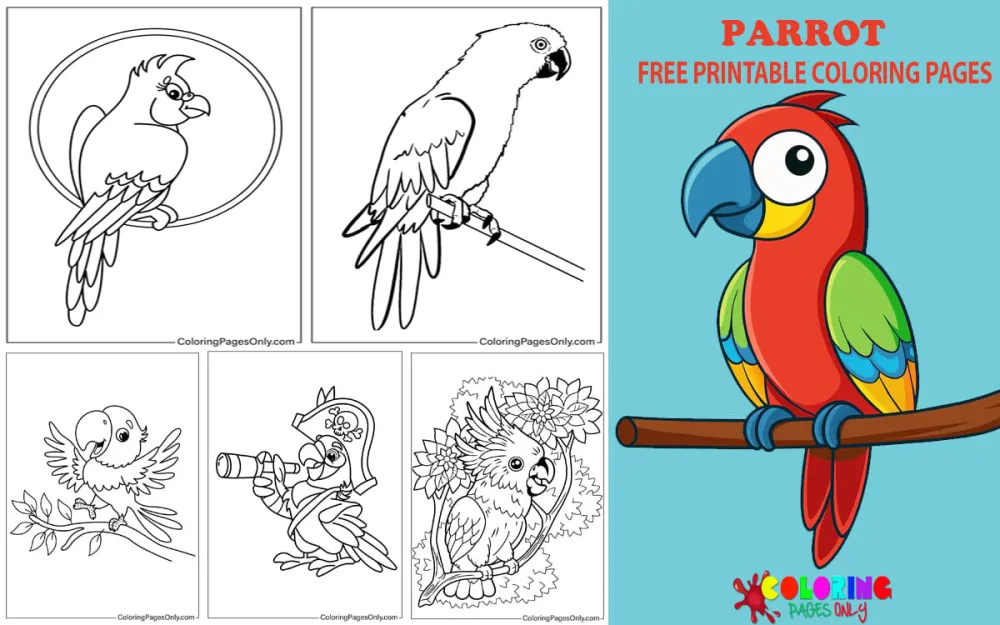
Free Parrot coloring pages: 80 printable PDF designs ranging from scientifically named species to purely playful, costumed poses. Any page’s PDF prints with one click, and the online coloring tool loads that same design for anyone finishing it without paper.
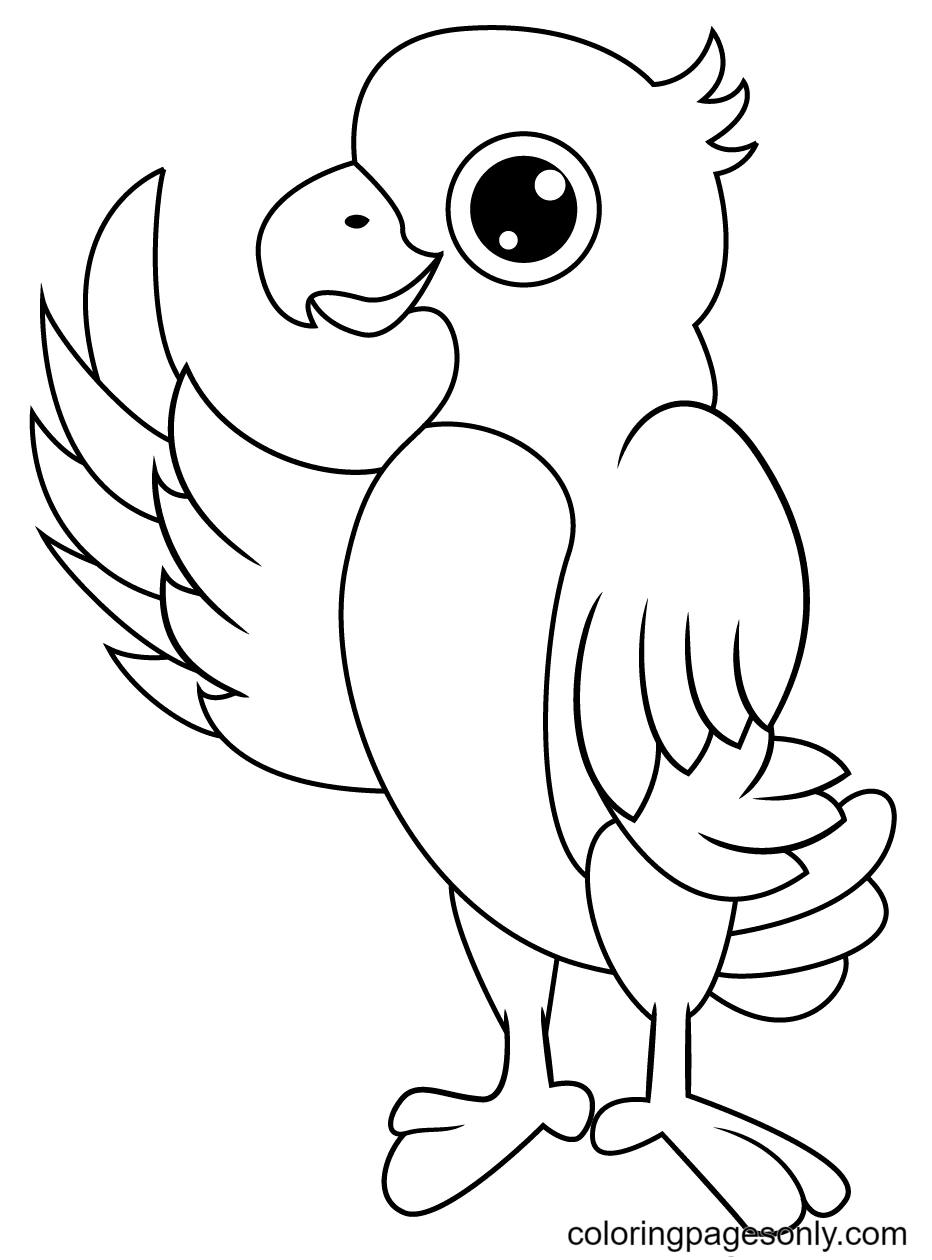
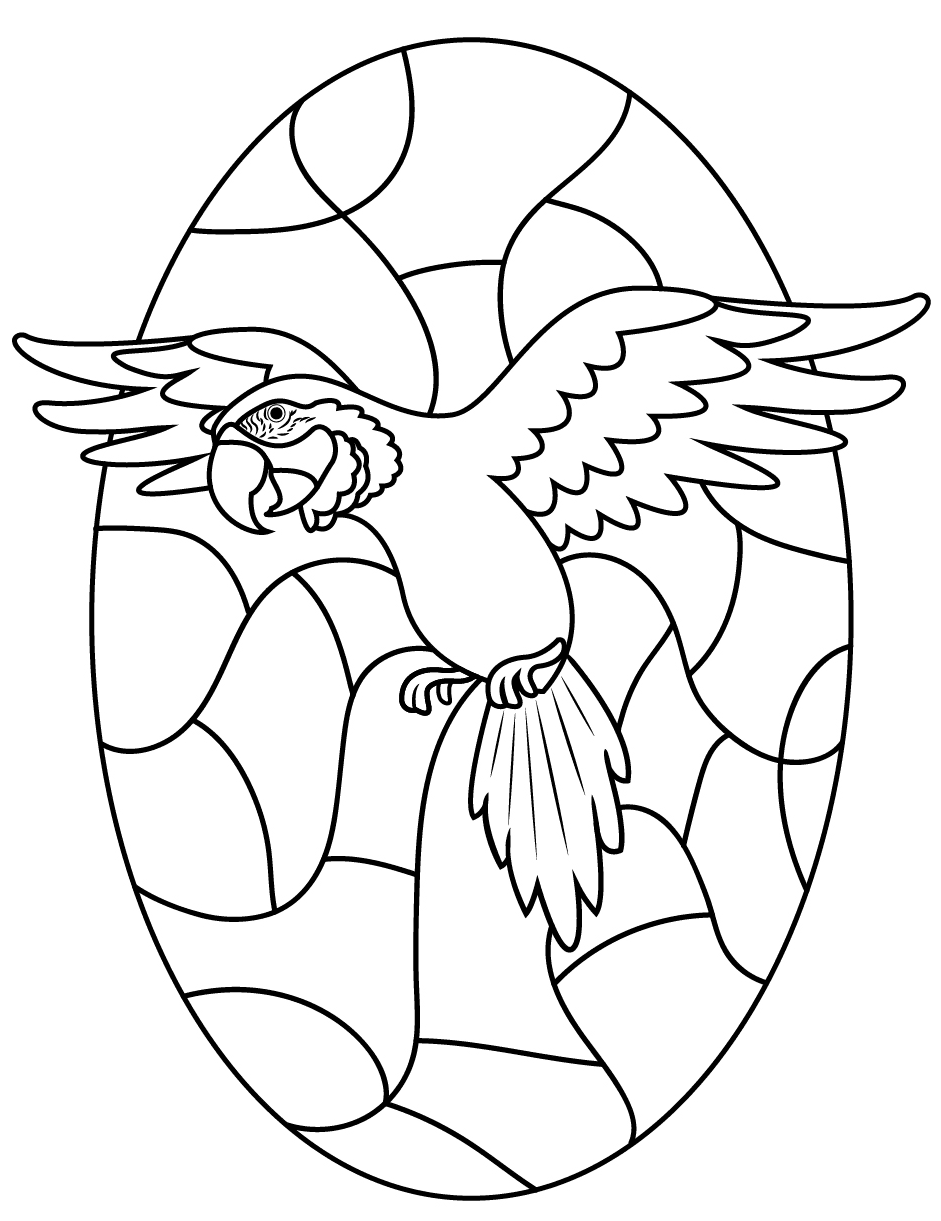
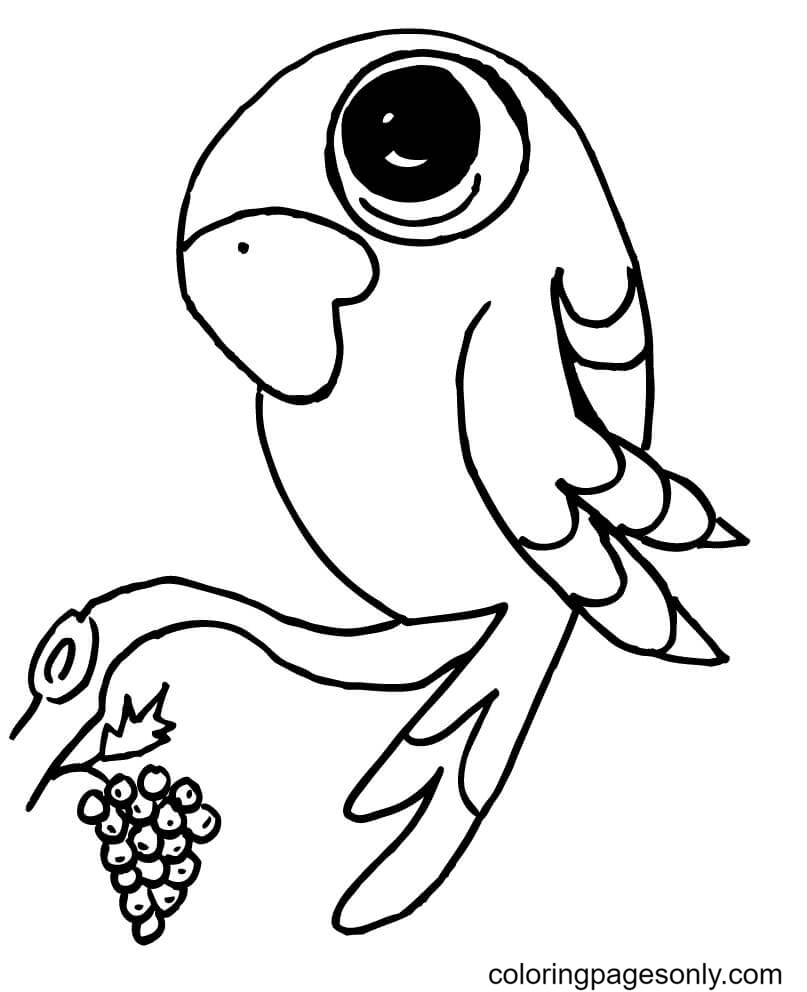
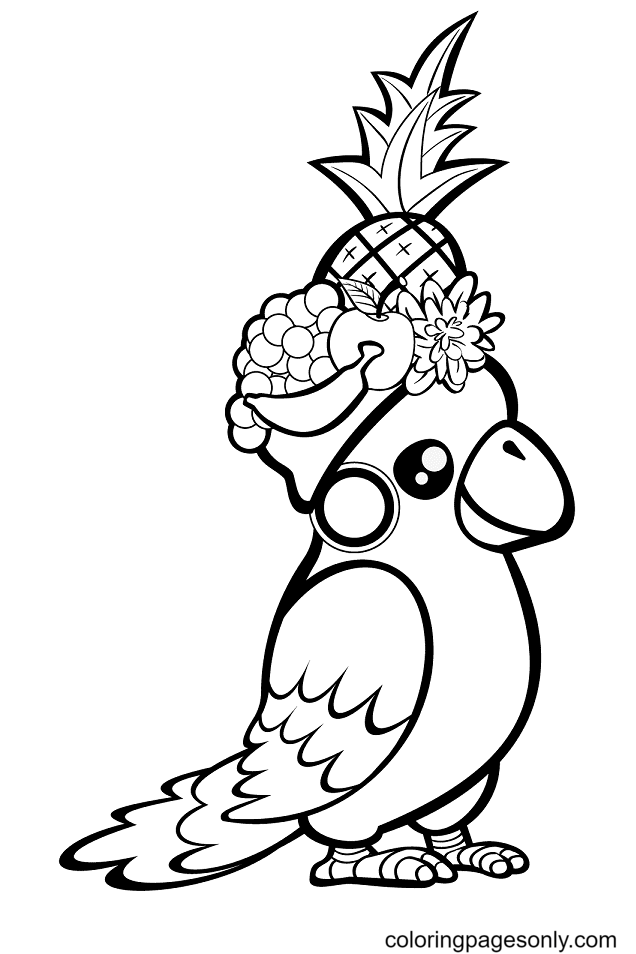
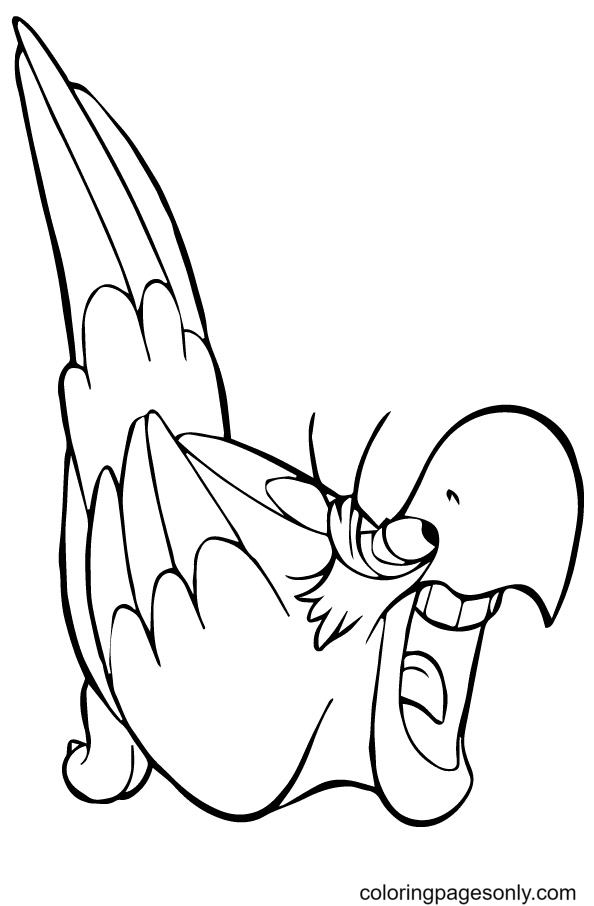
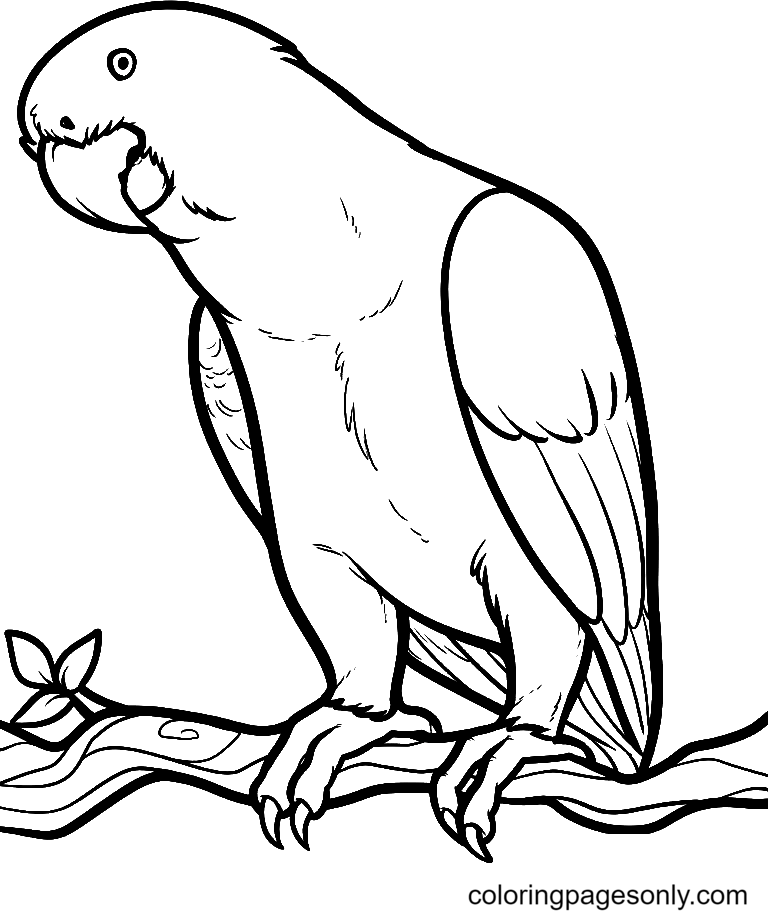
With 80 pages built around one bird, the set spans from scientifically accurate named species to purely playful, costumed poses. A meaningful share of the collection names a real species directly, cockatoos, macaws, a budgerigar, and even the critically endangered Sisserou parrot of Dominica. Another large group leans into pure fun, parrots dressed as pirates, floating in space, or striking a cartoon pose with no real-world counterpart. A third group shows parrots simply going about ordinary bird behavior, perched on a branch, flying, or resting in a cage, and the rest focus on baby parrots specifically, smaller and rounder than the adult designs around them.
Eighty pages covering one bird from a scientific angle and a purely playful one give this set enough range to suit a nature-focused coloring session or a purely silly one.
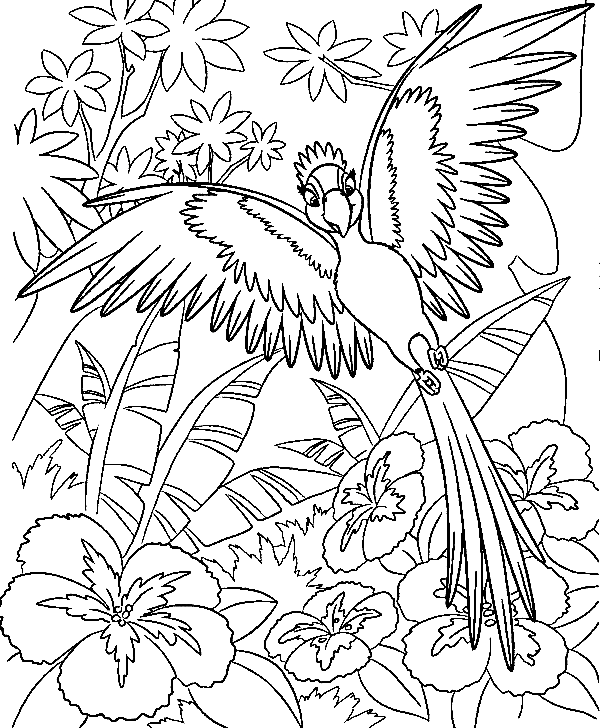
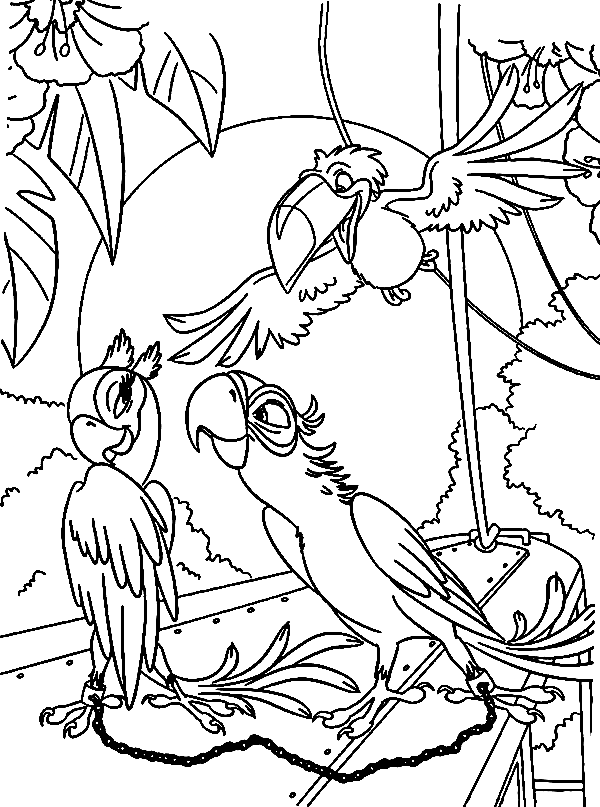
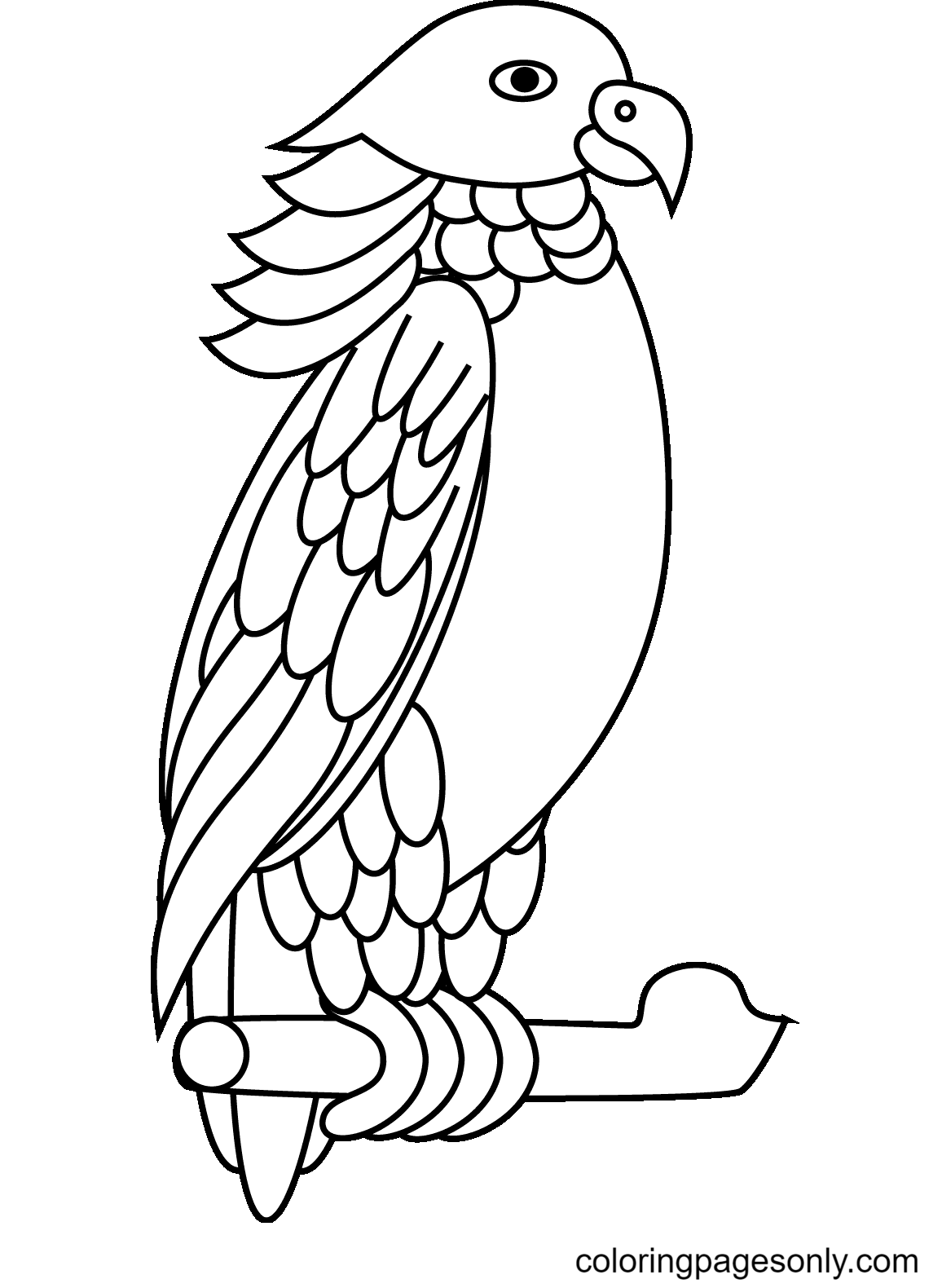
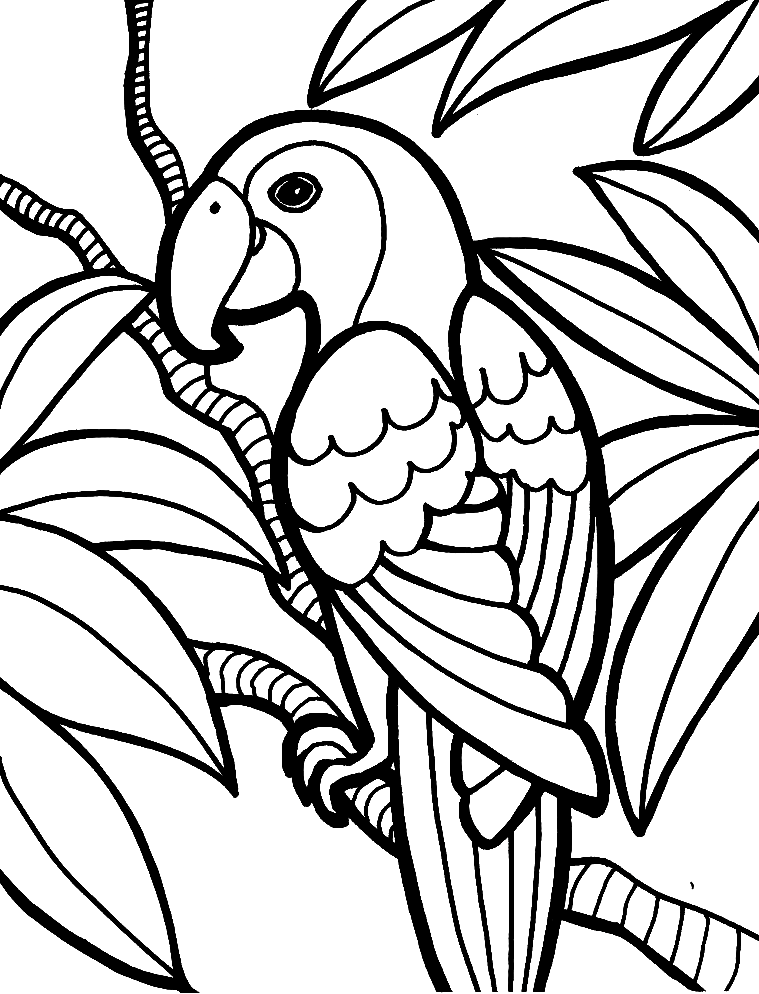
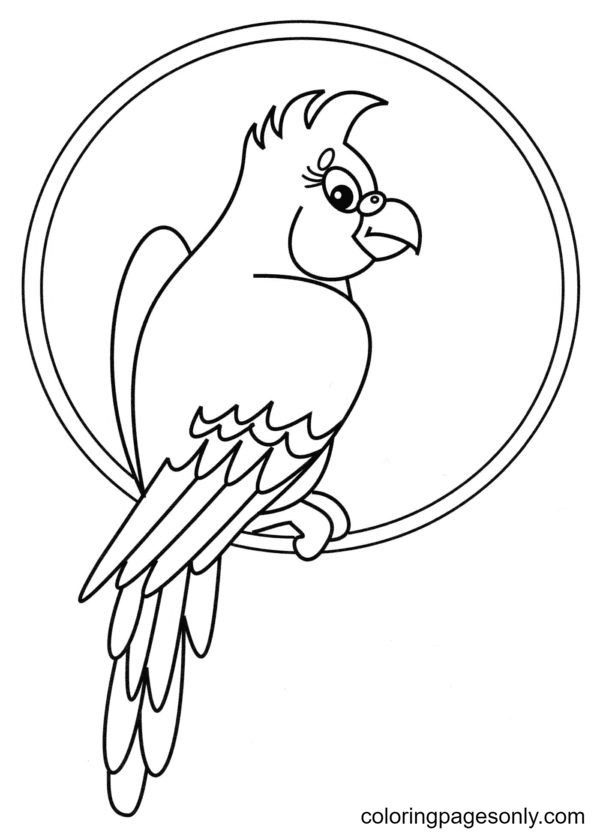
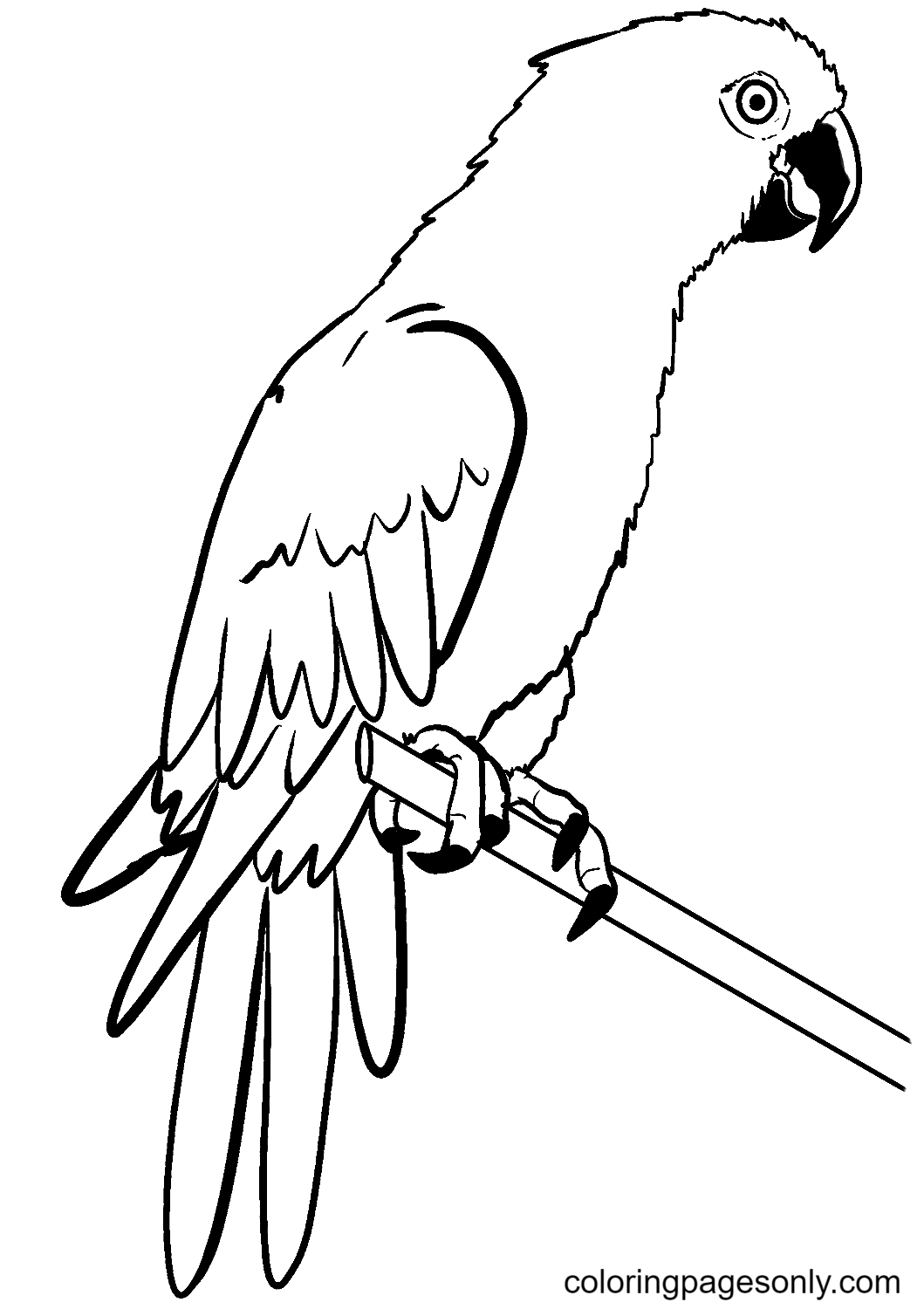
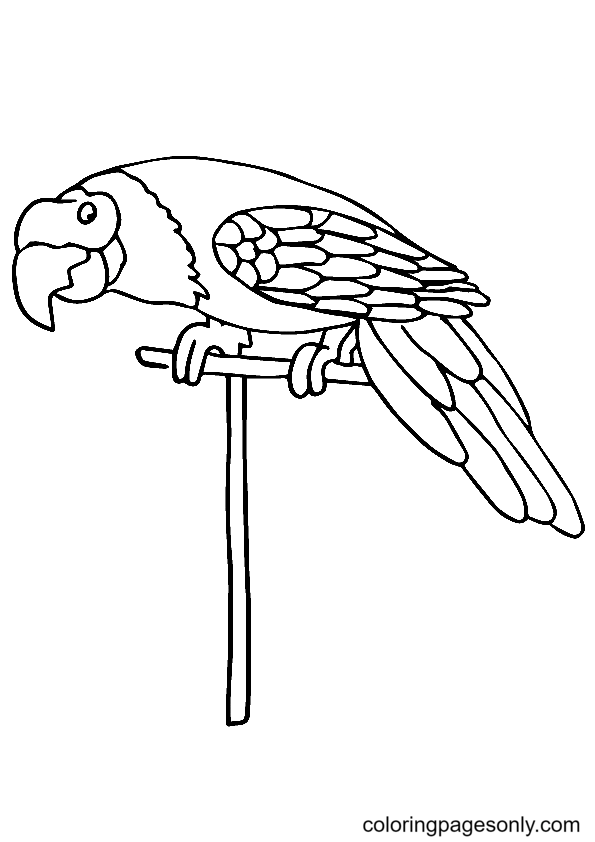
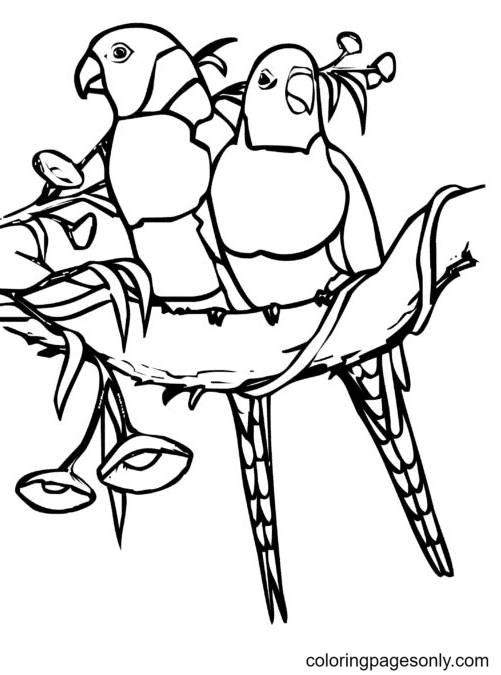
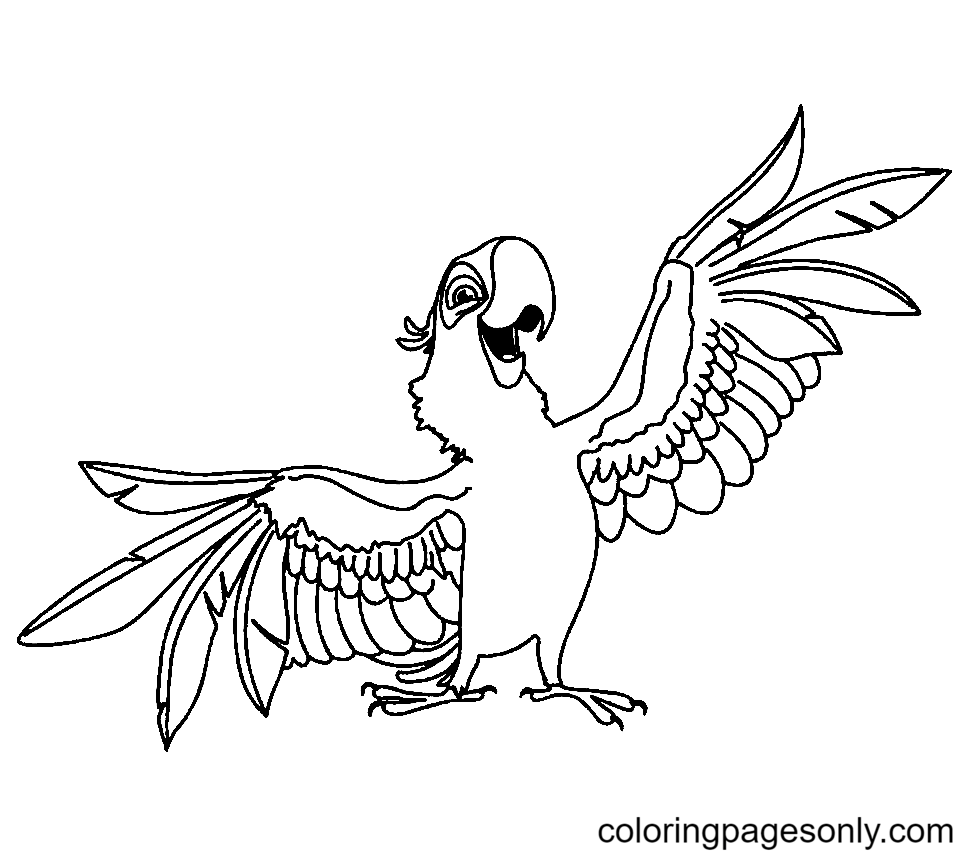
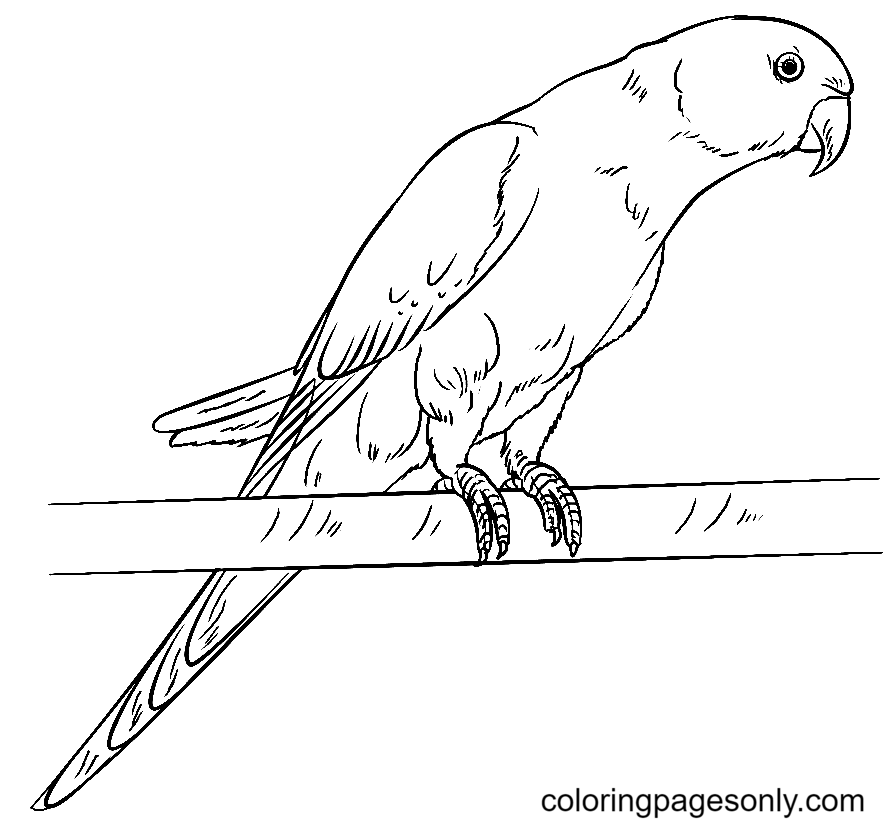
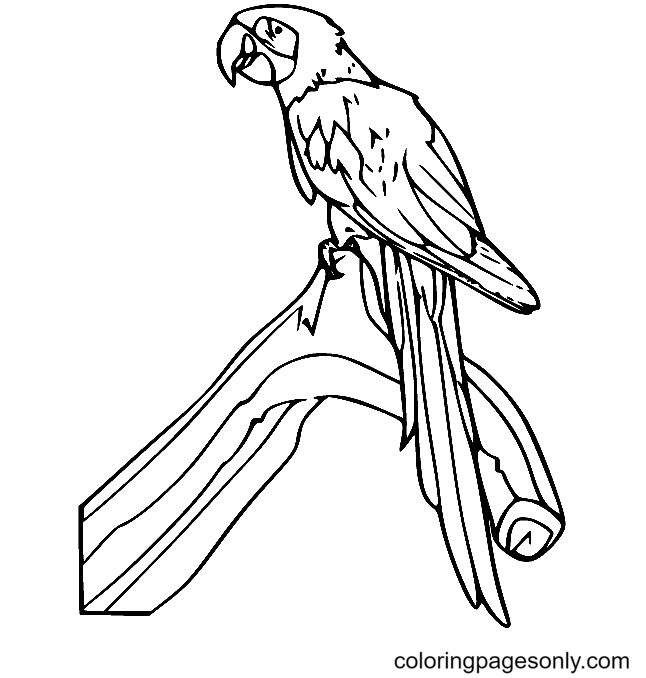

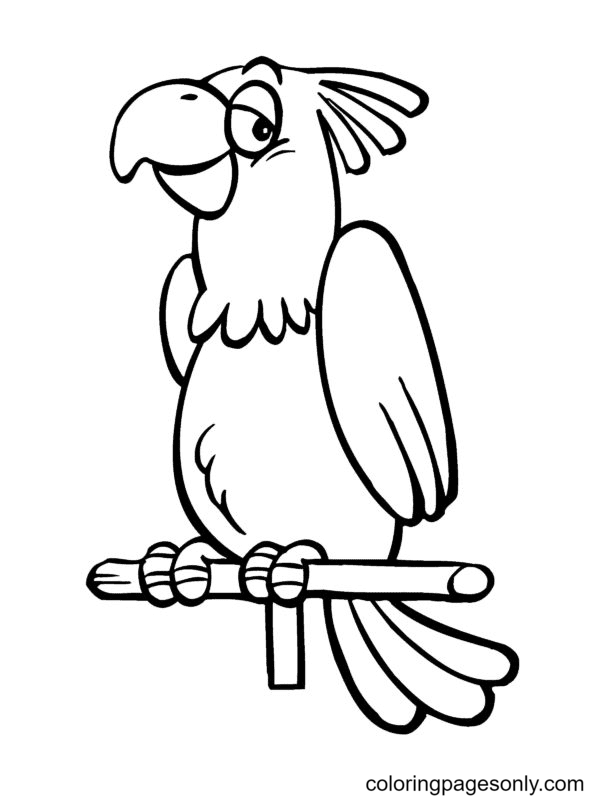
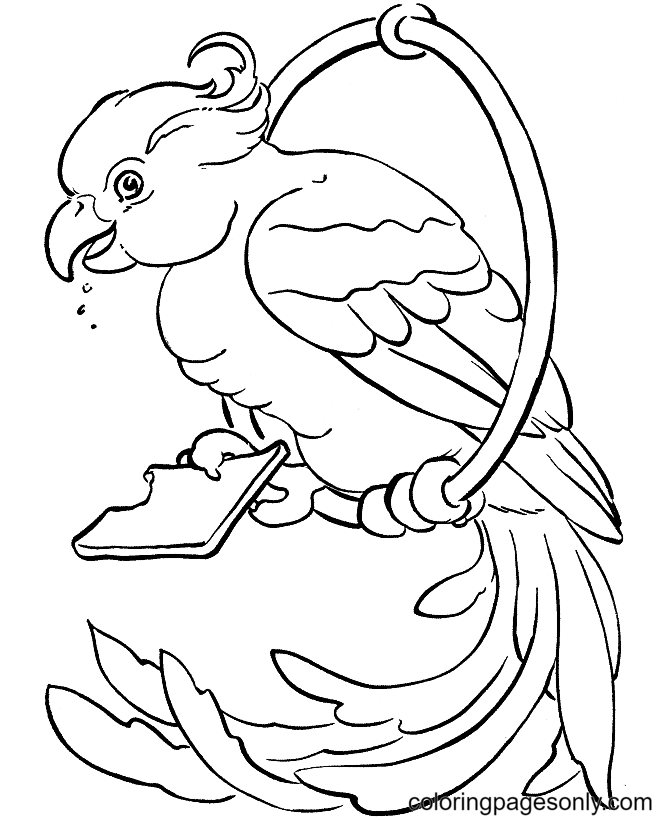
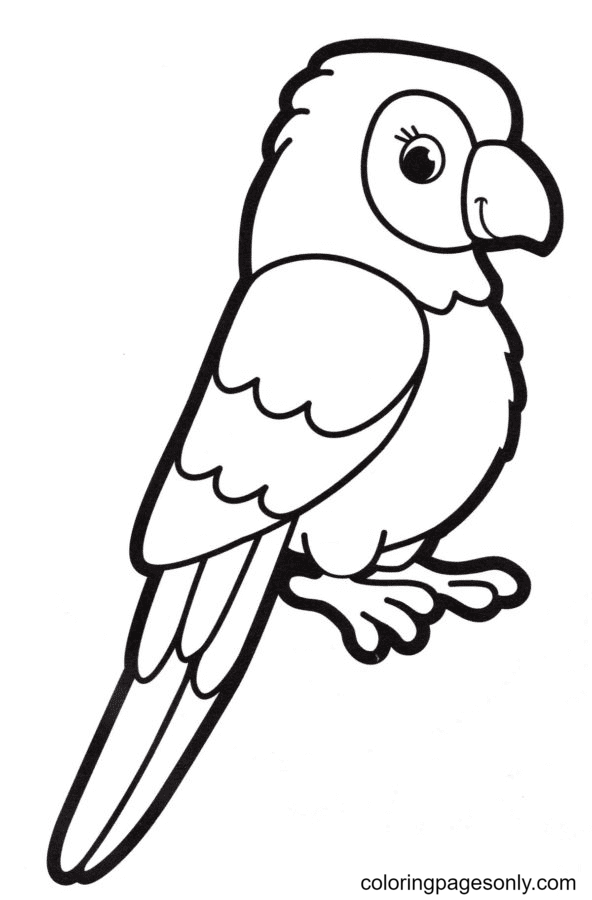
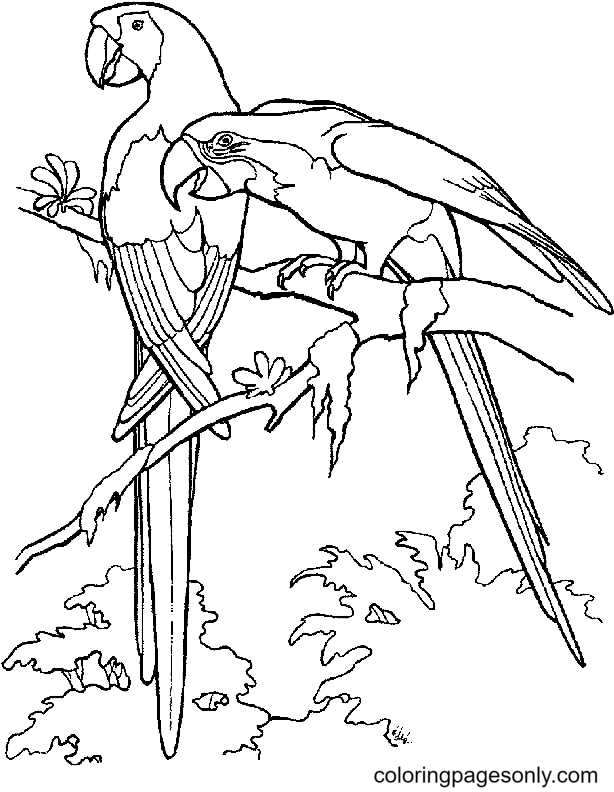
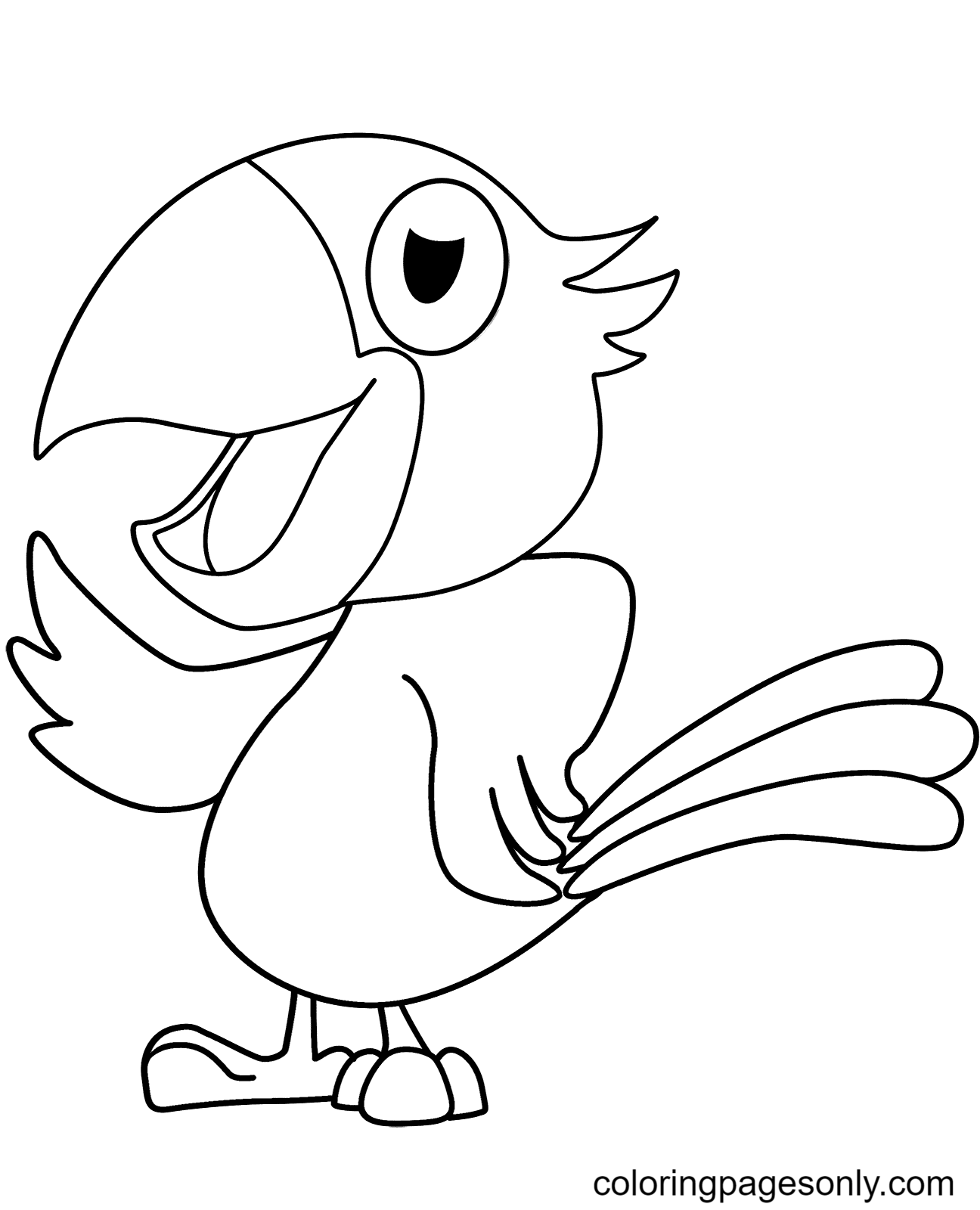
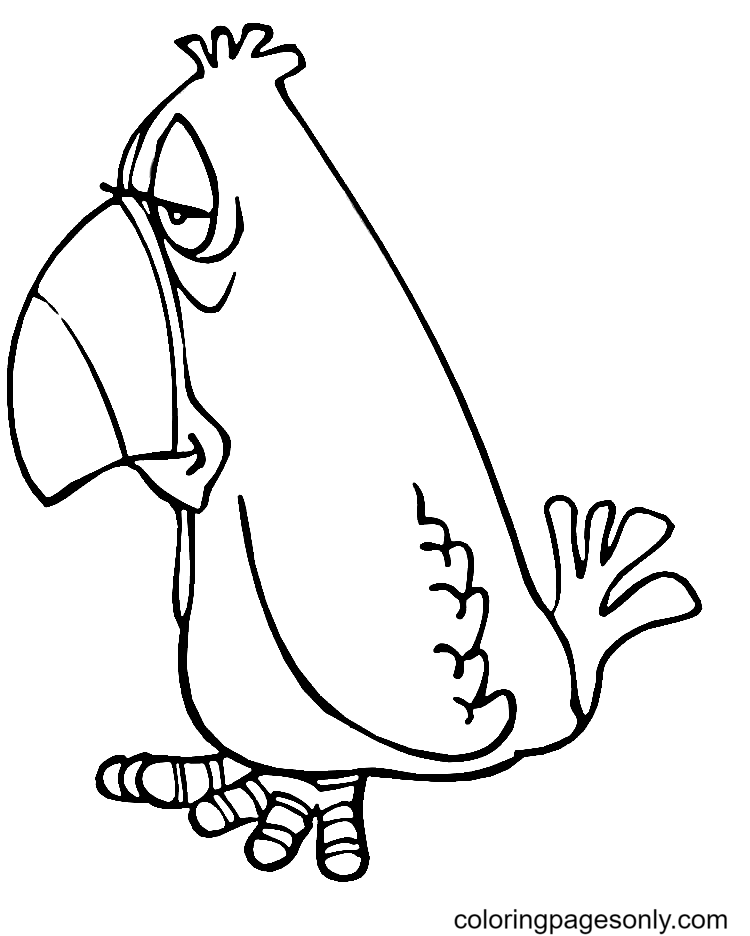
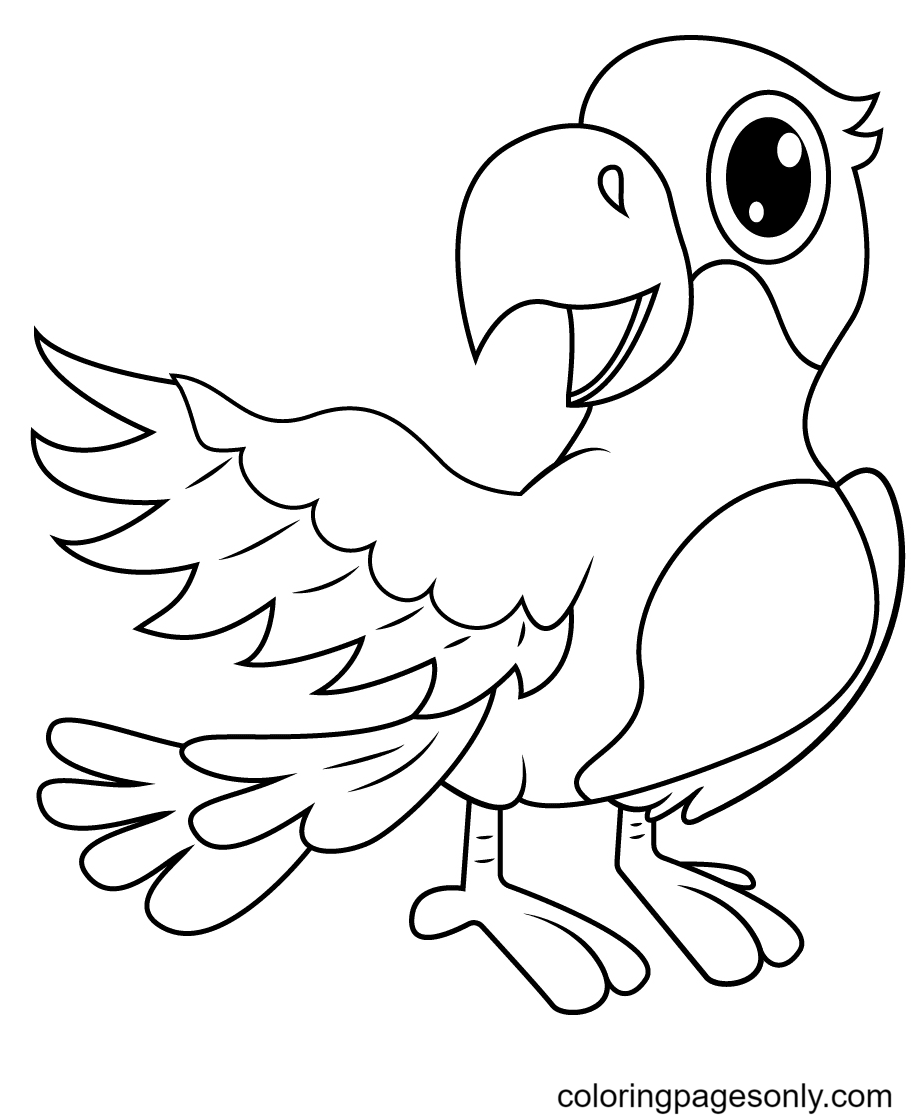
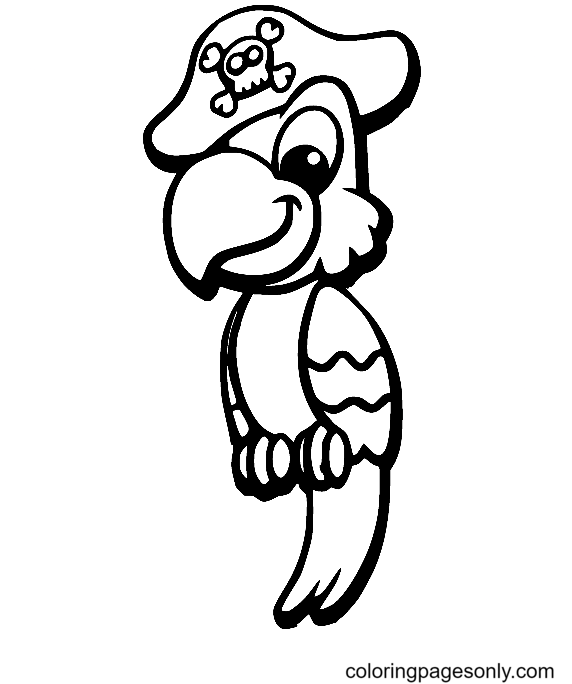
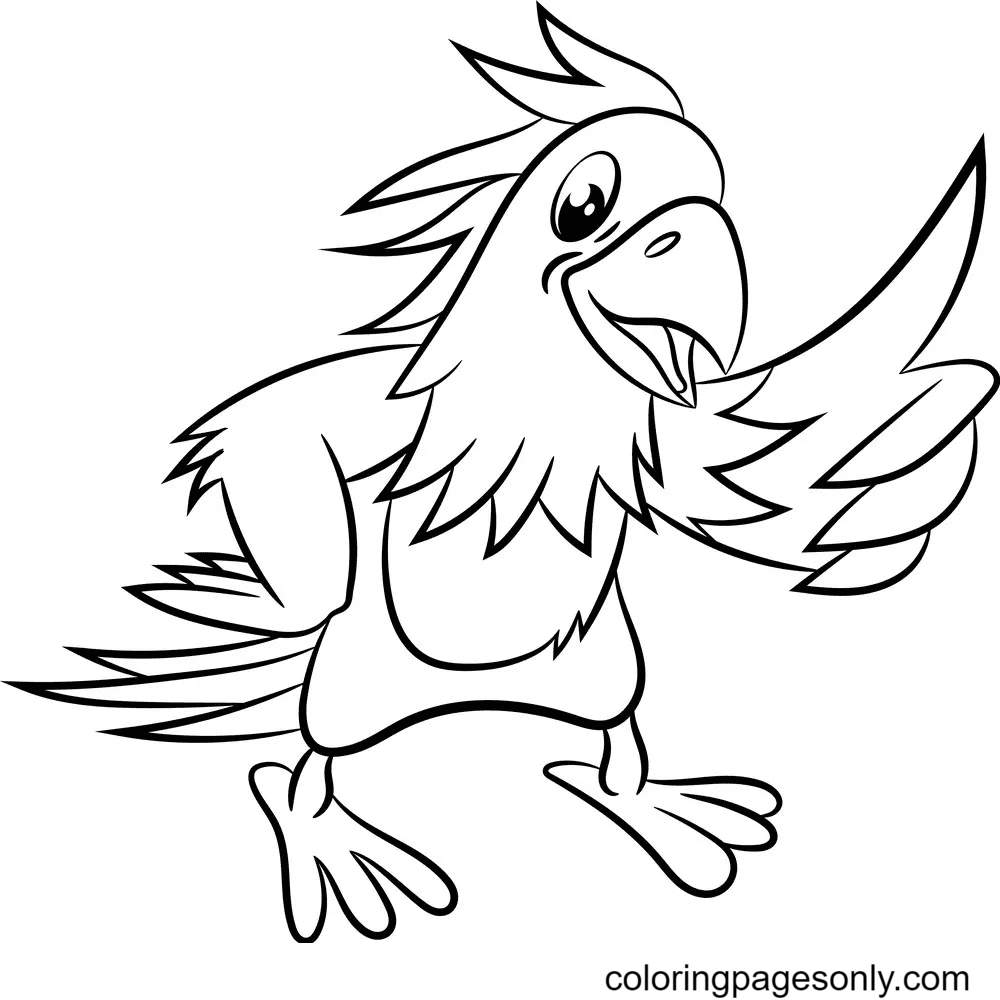

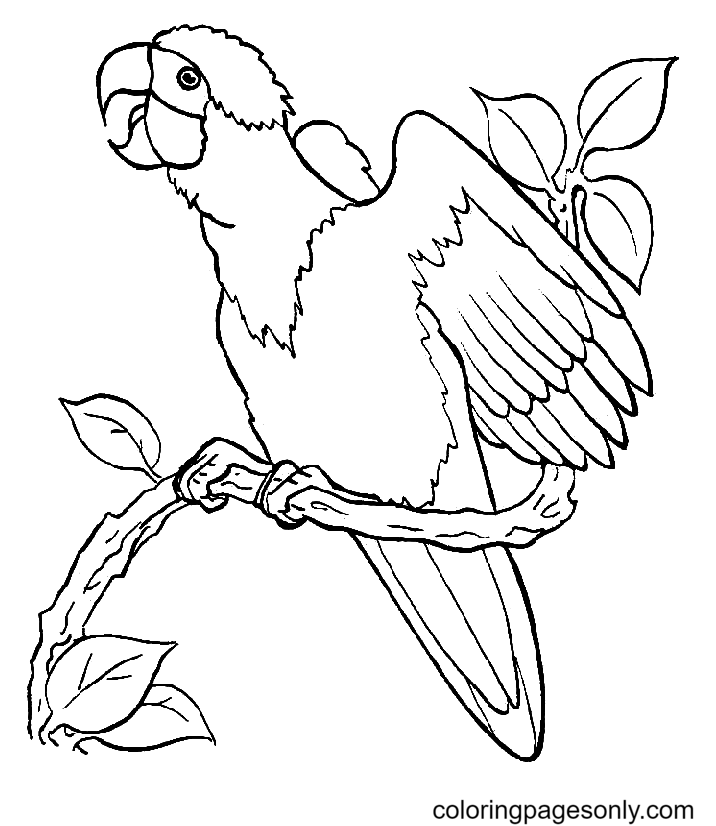
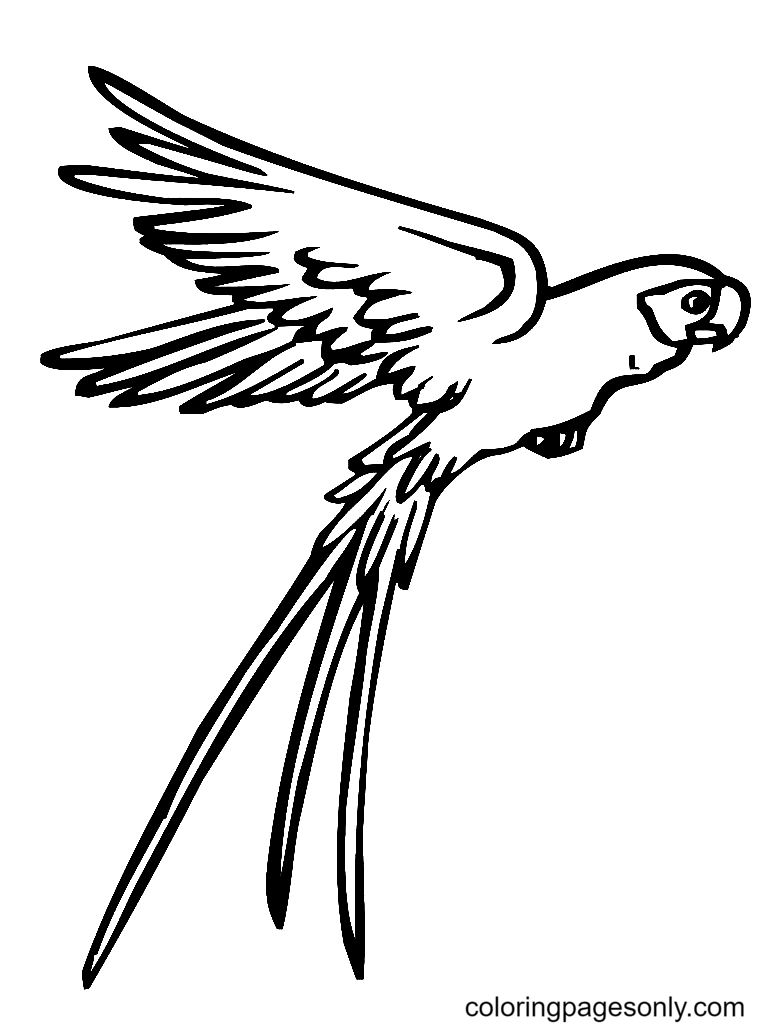
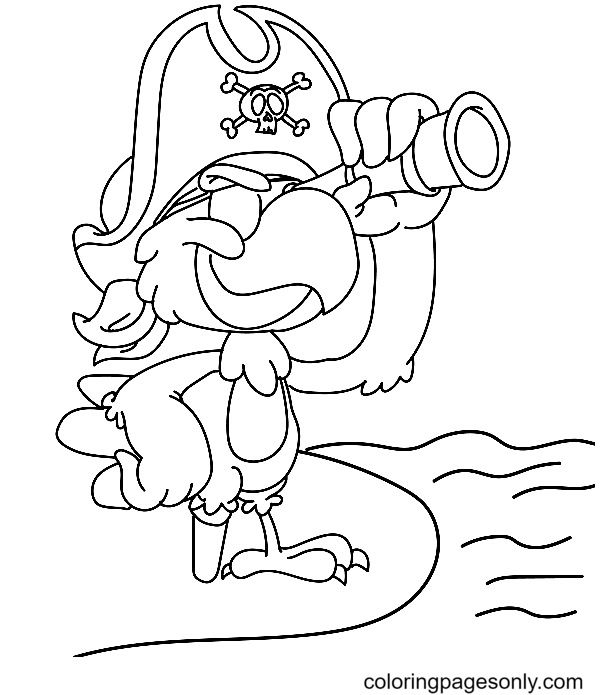
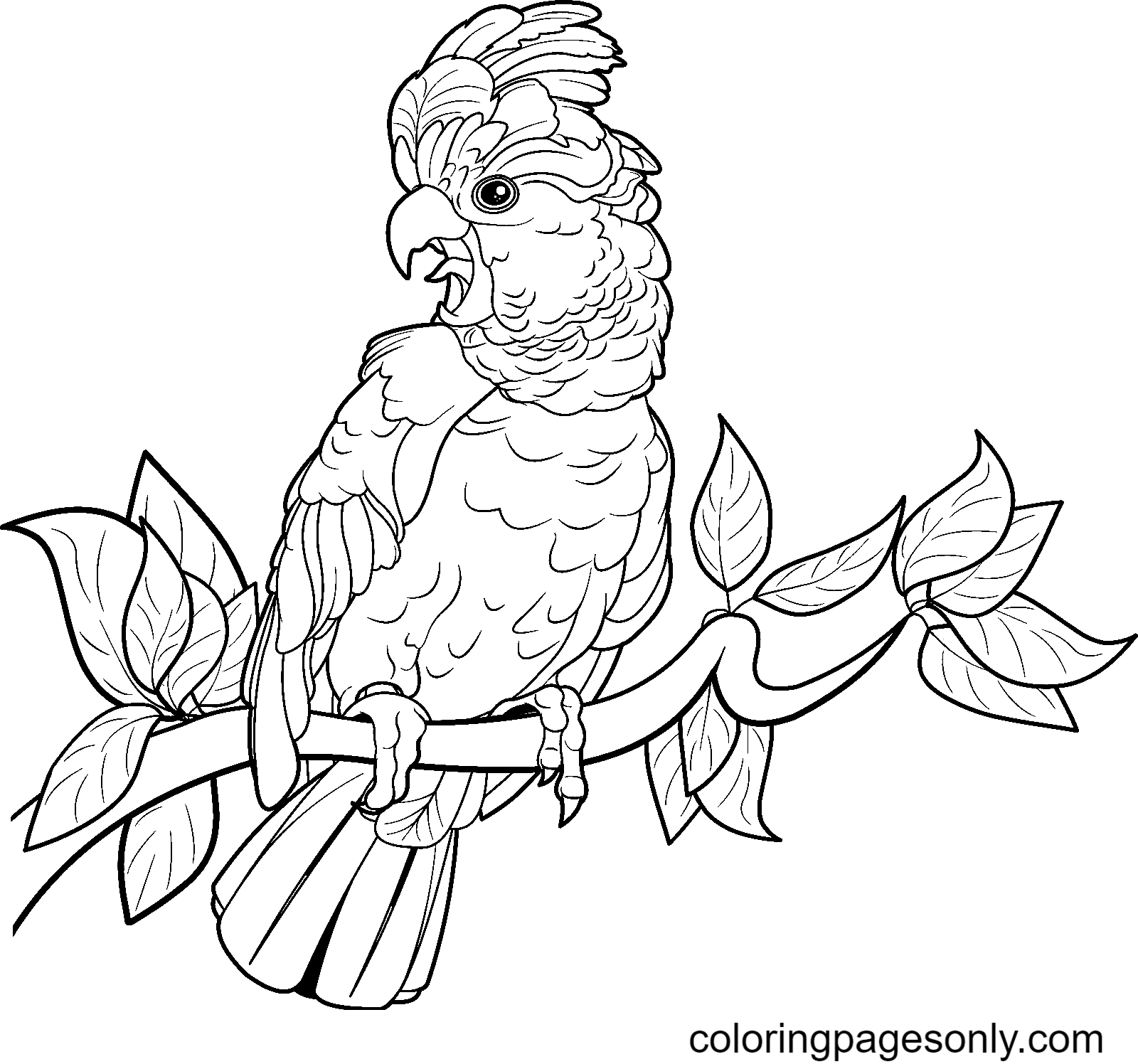
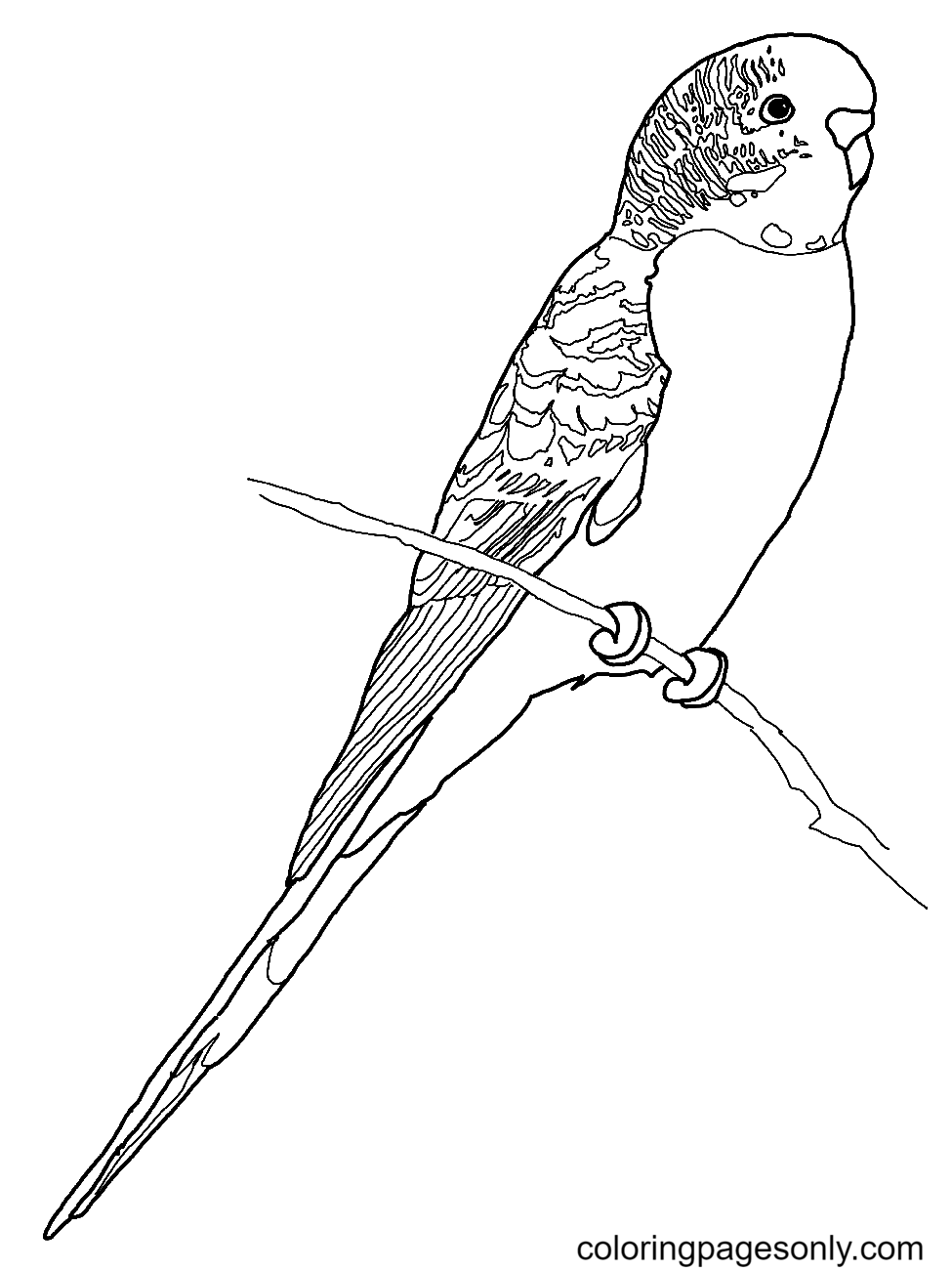
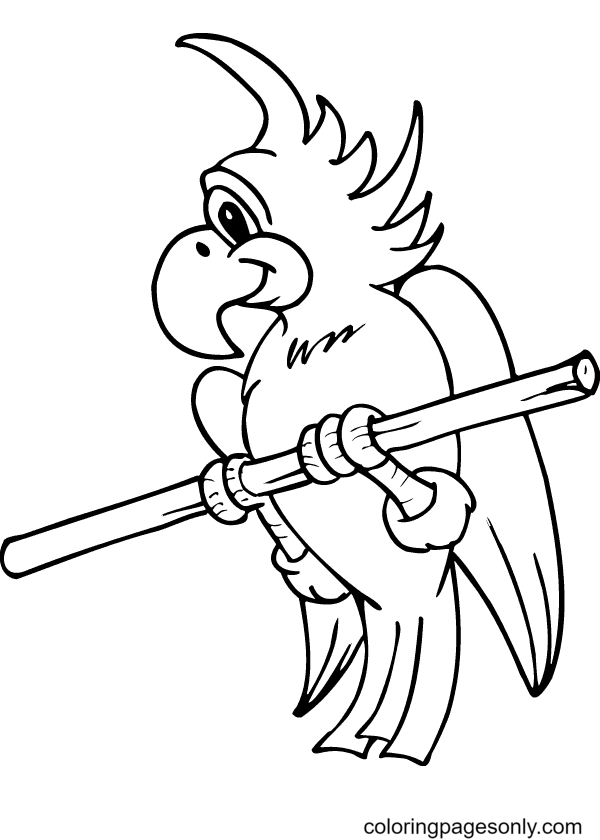
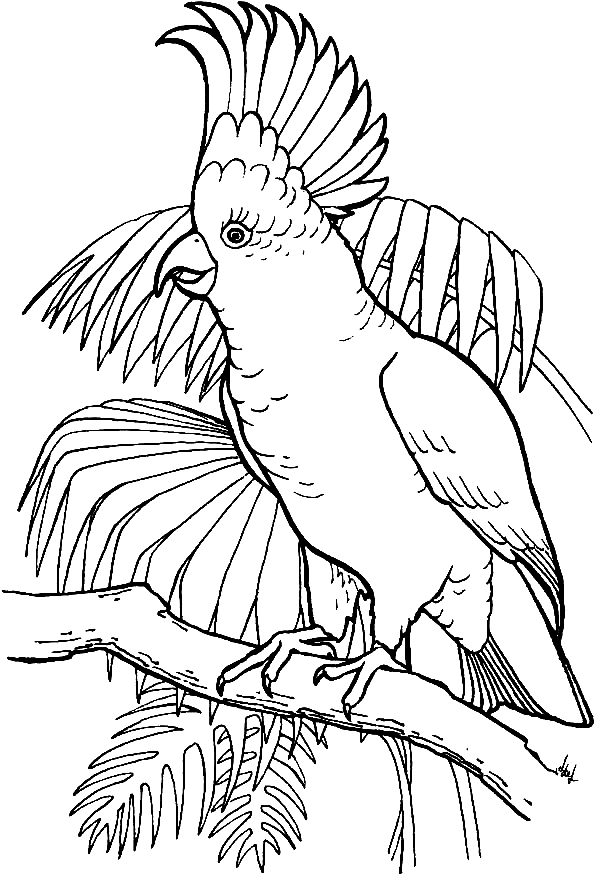
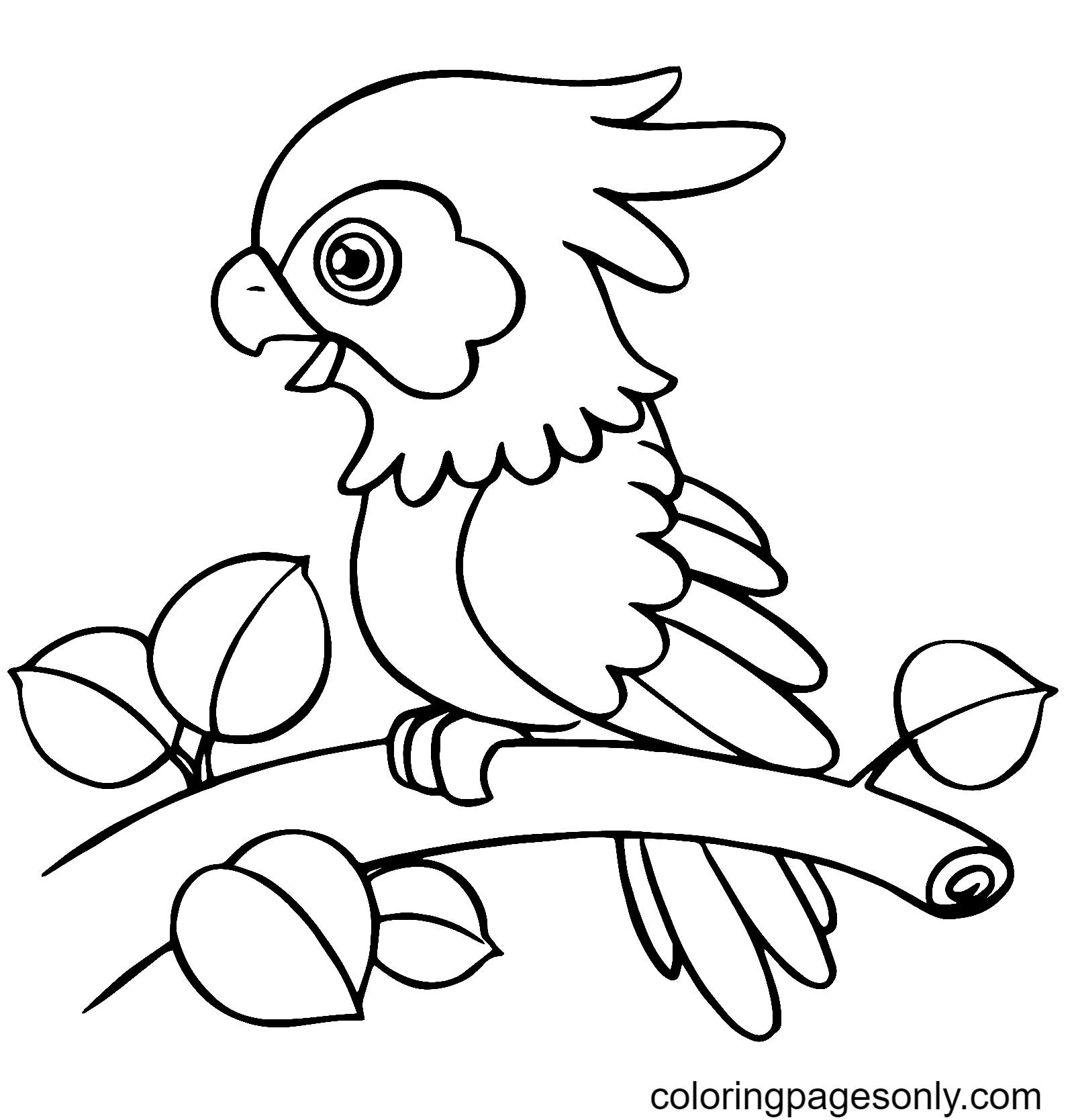
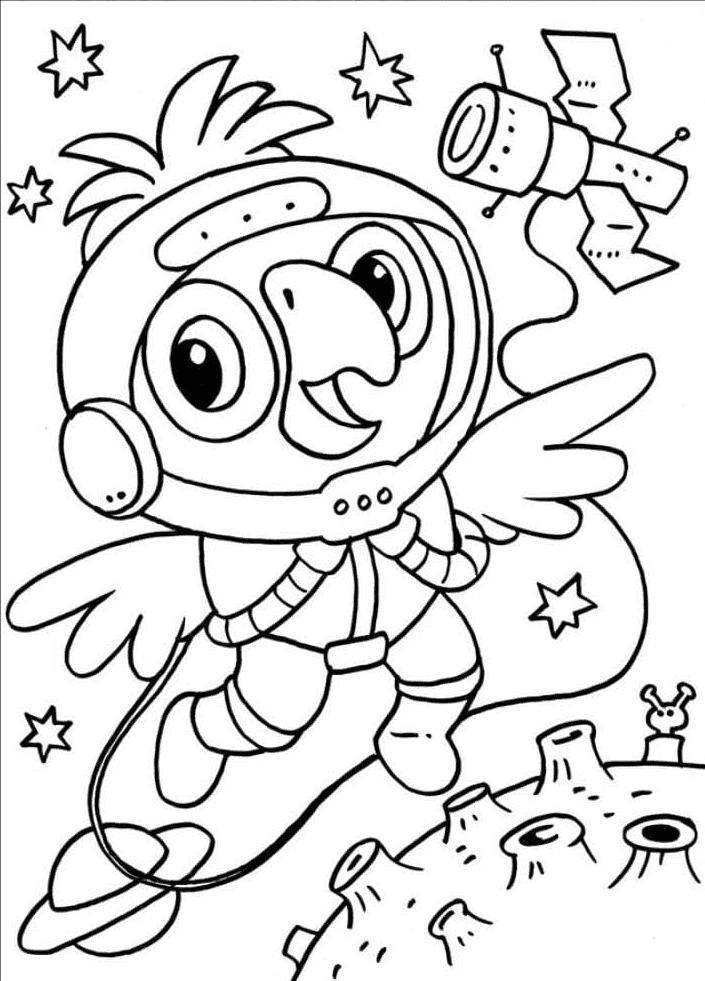
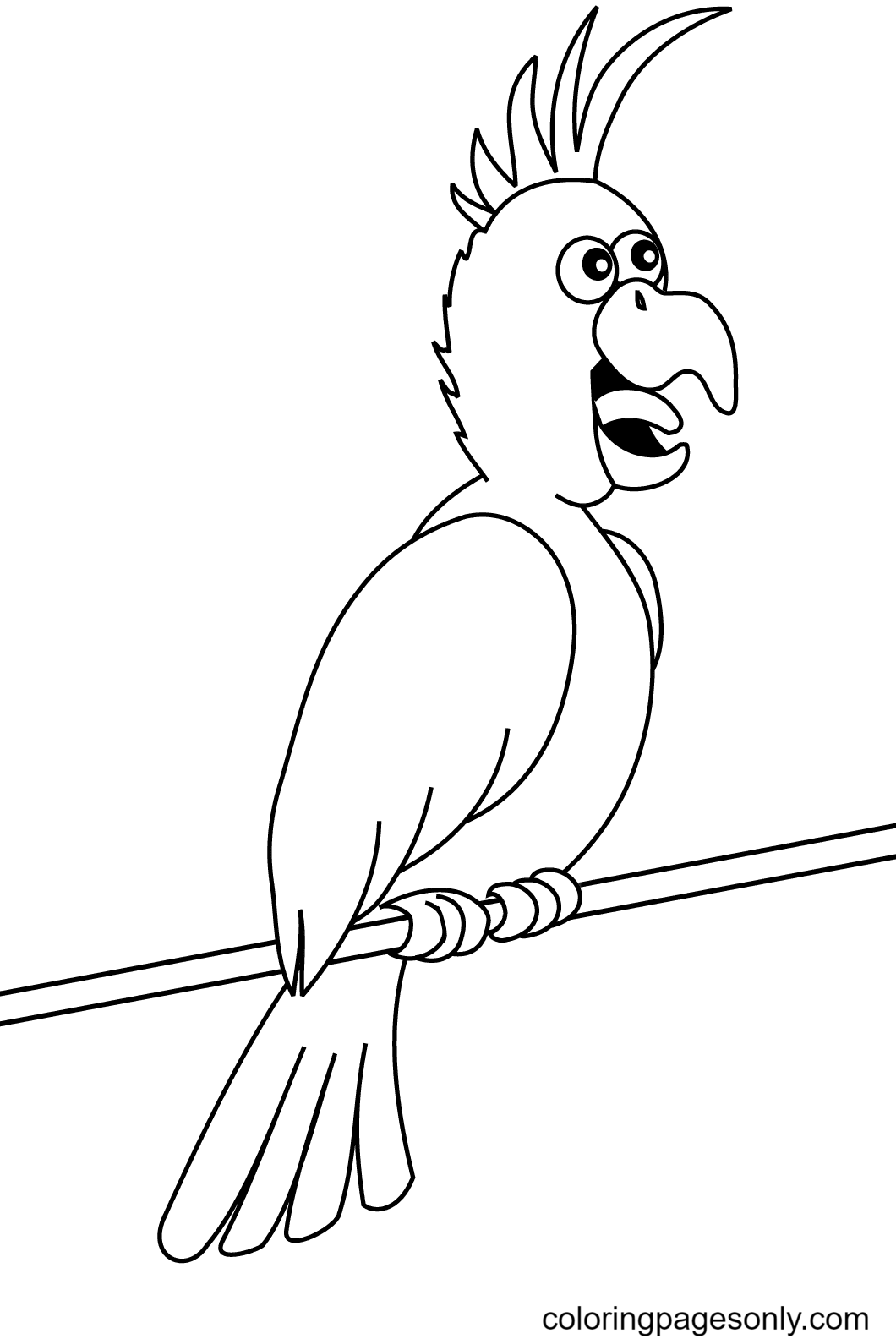
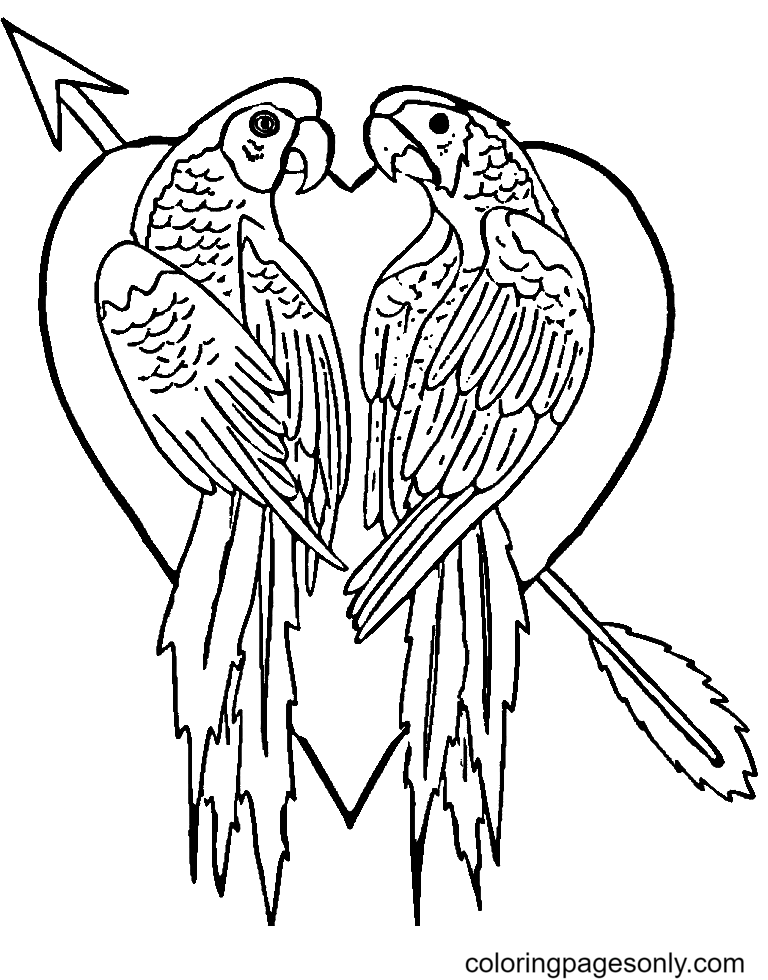
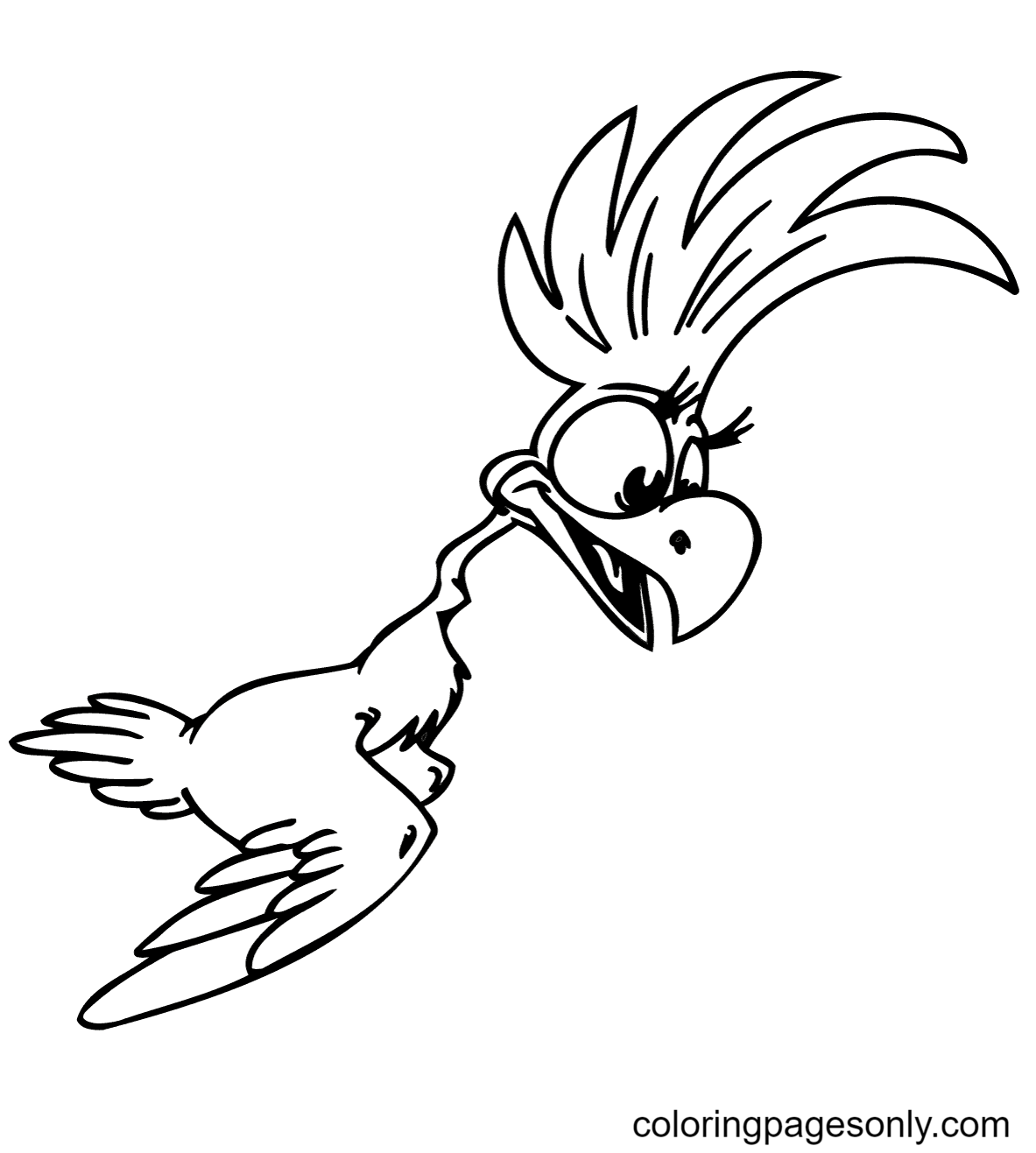
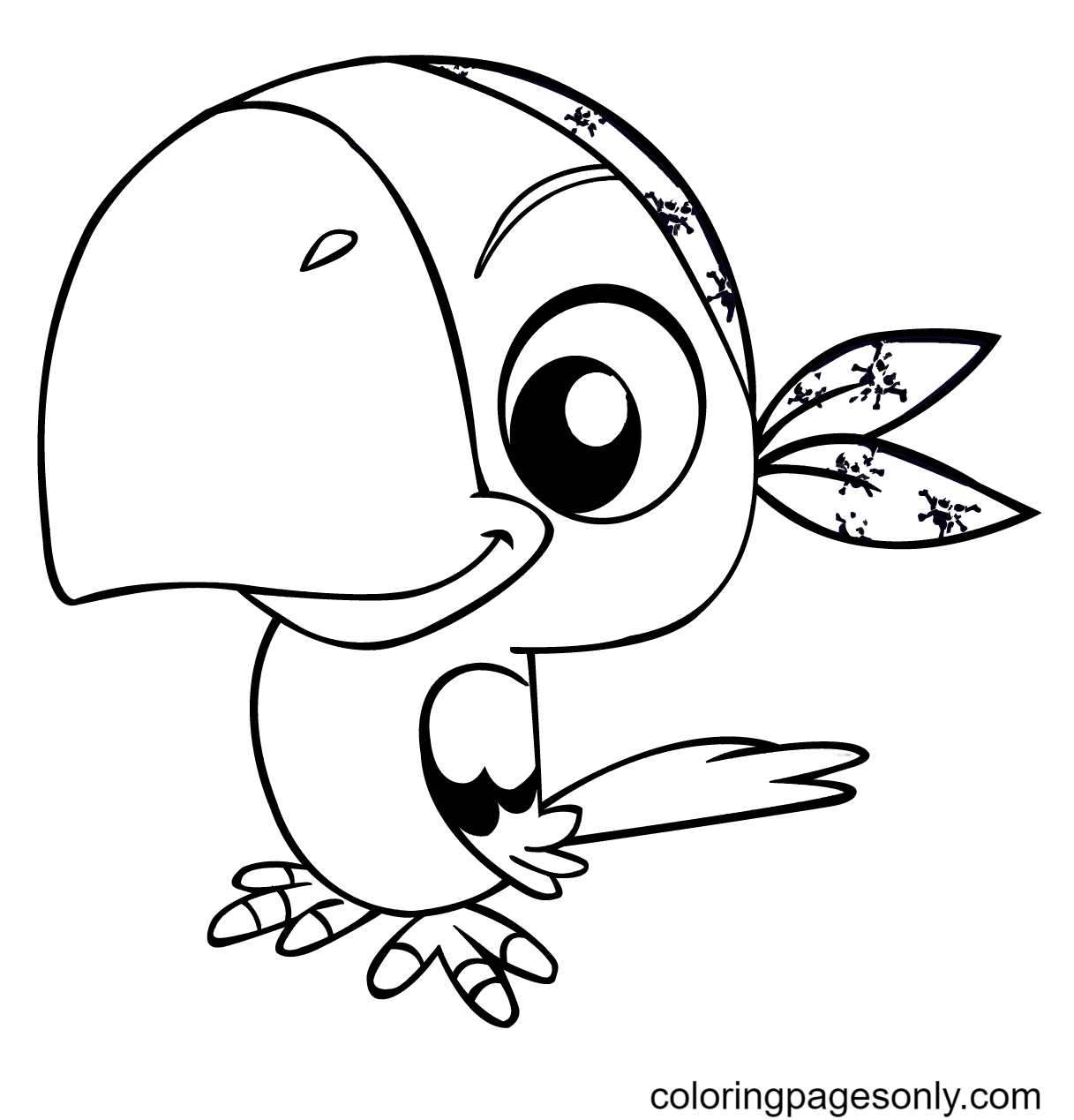
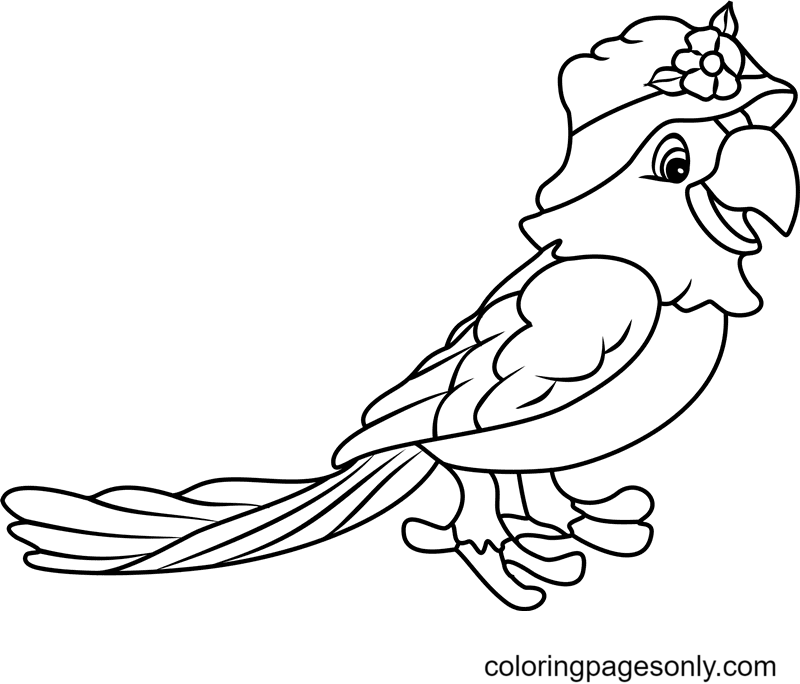
What Is Inside This Collection
Named Real Parrot Species
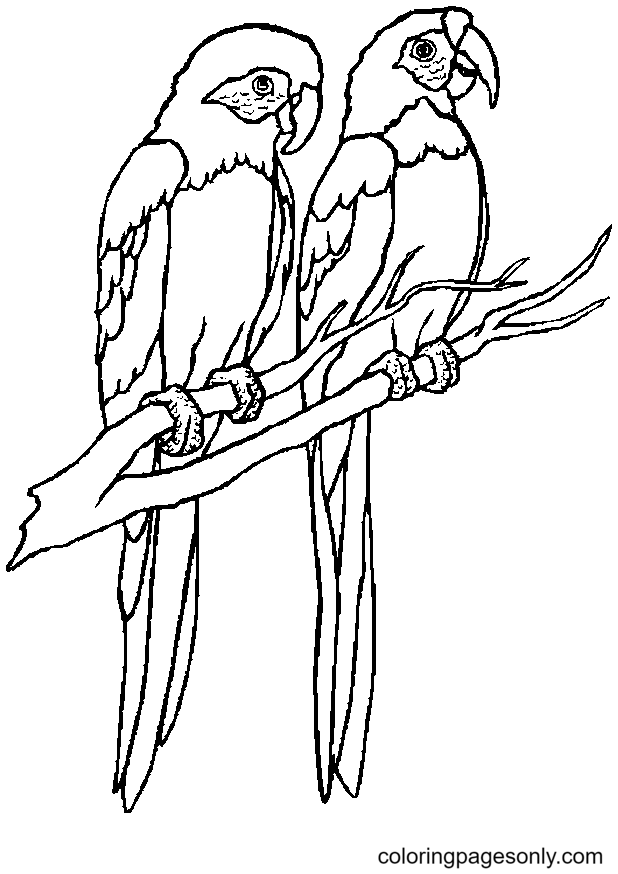
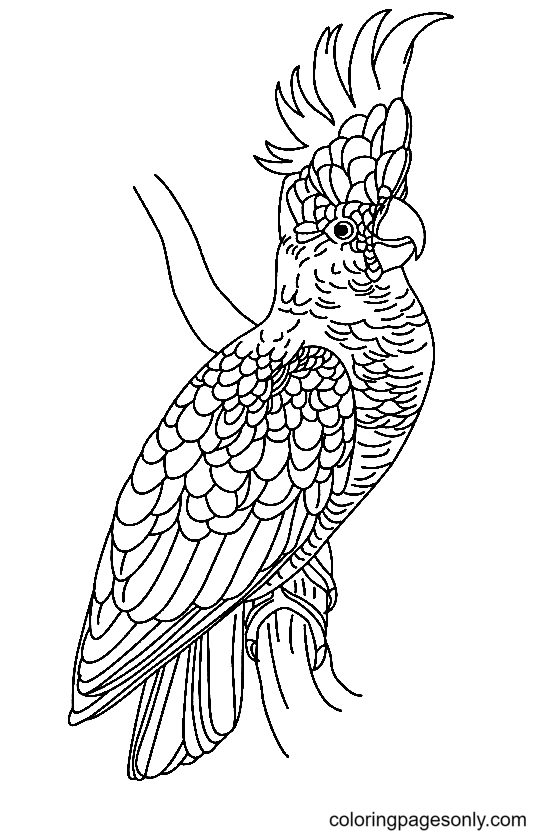
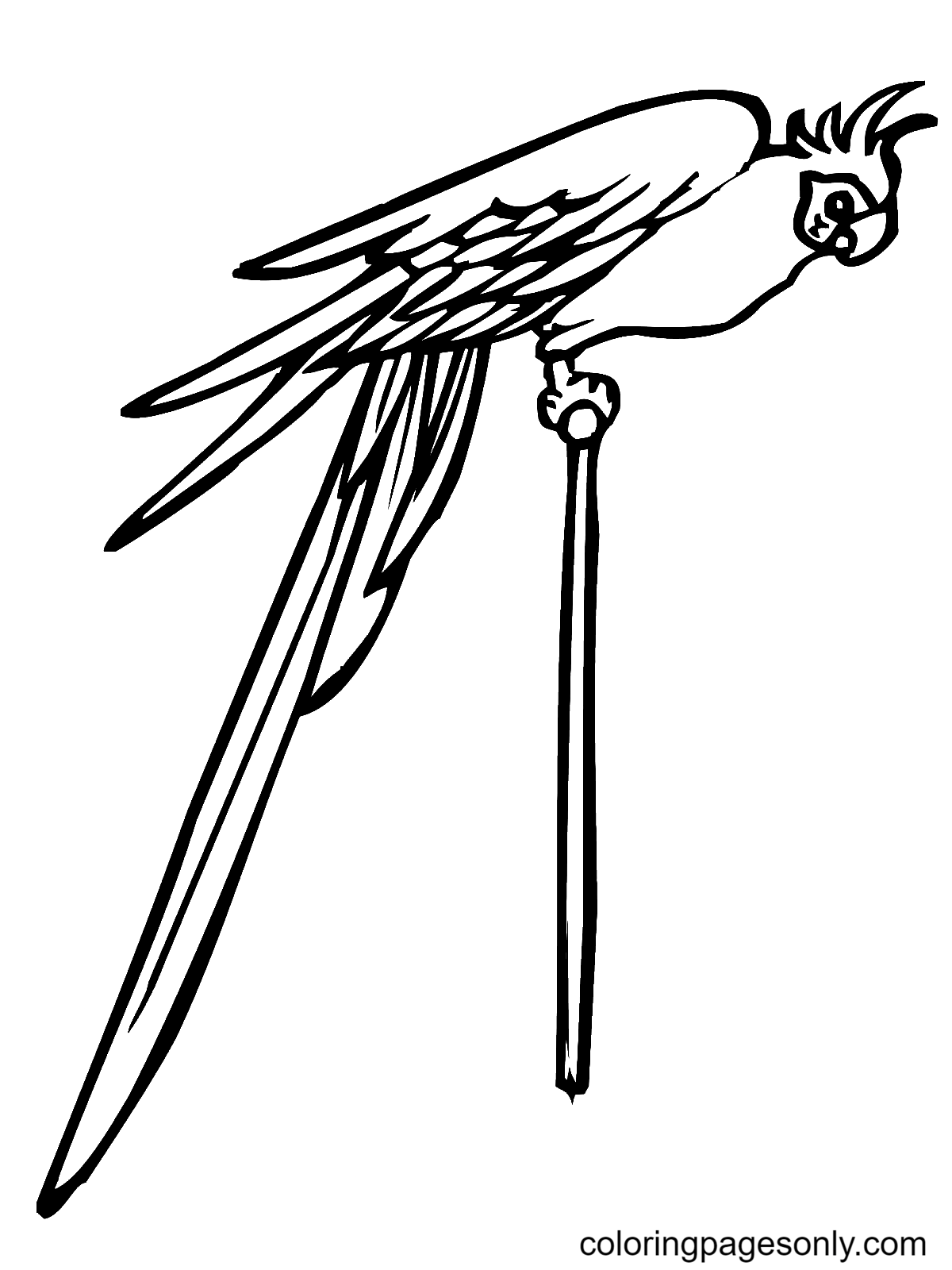
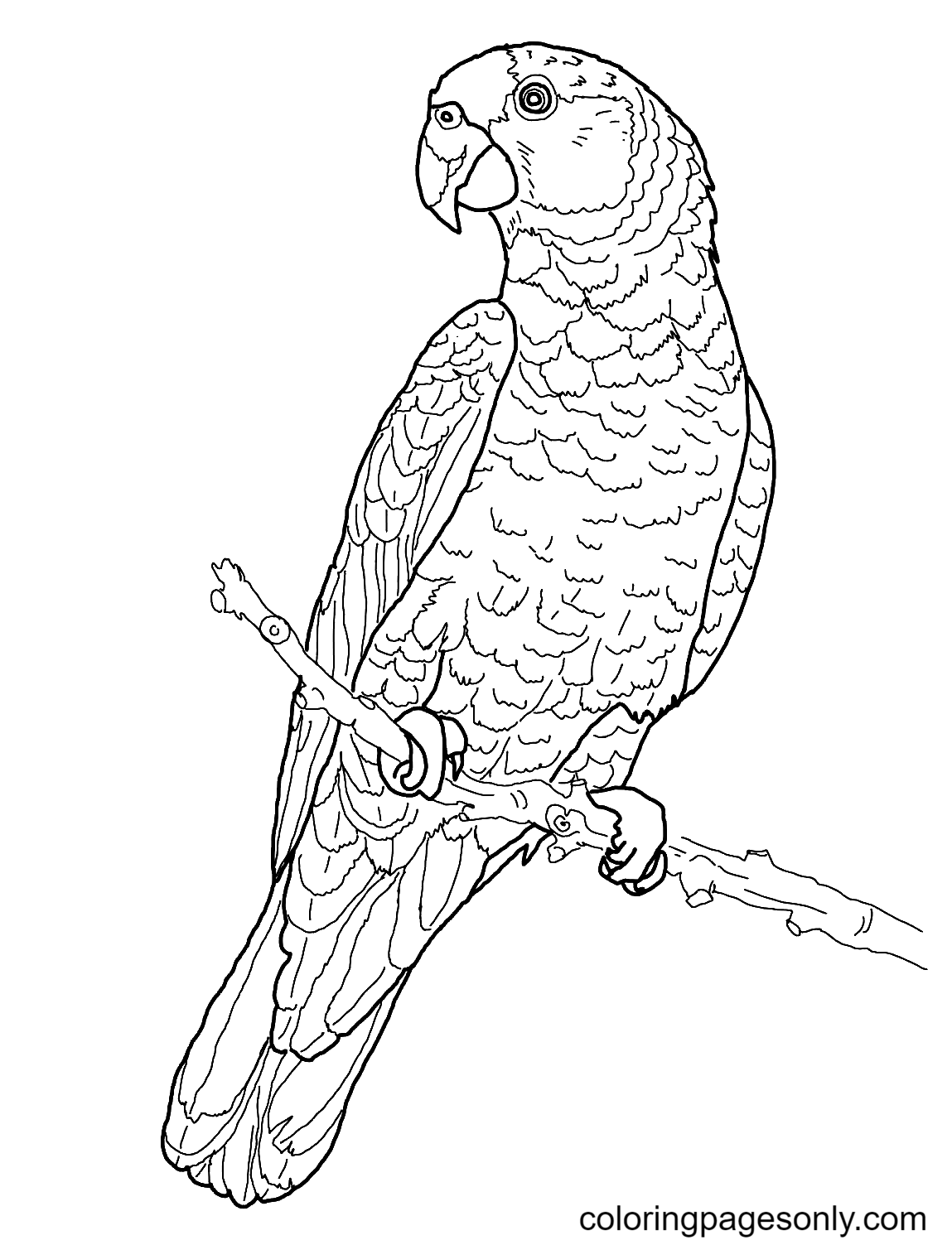
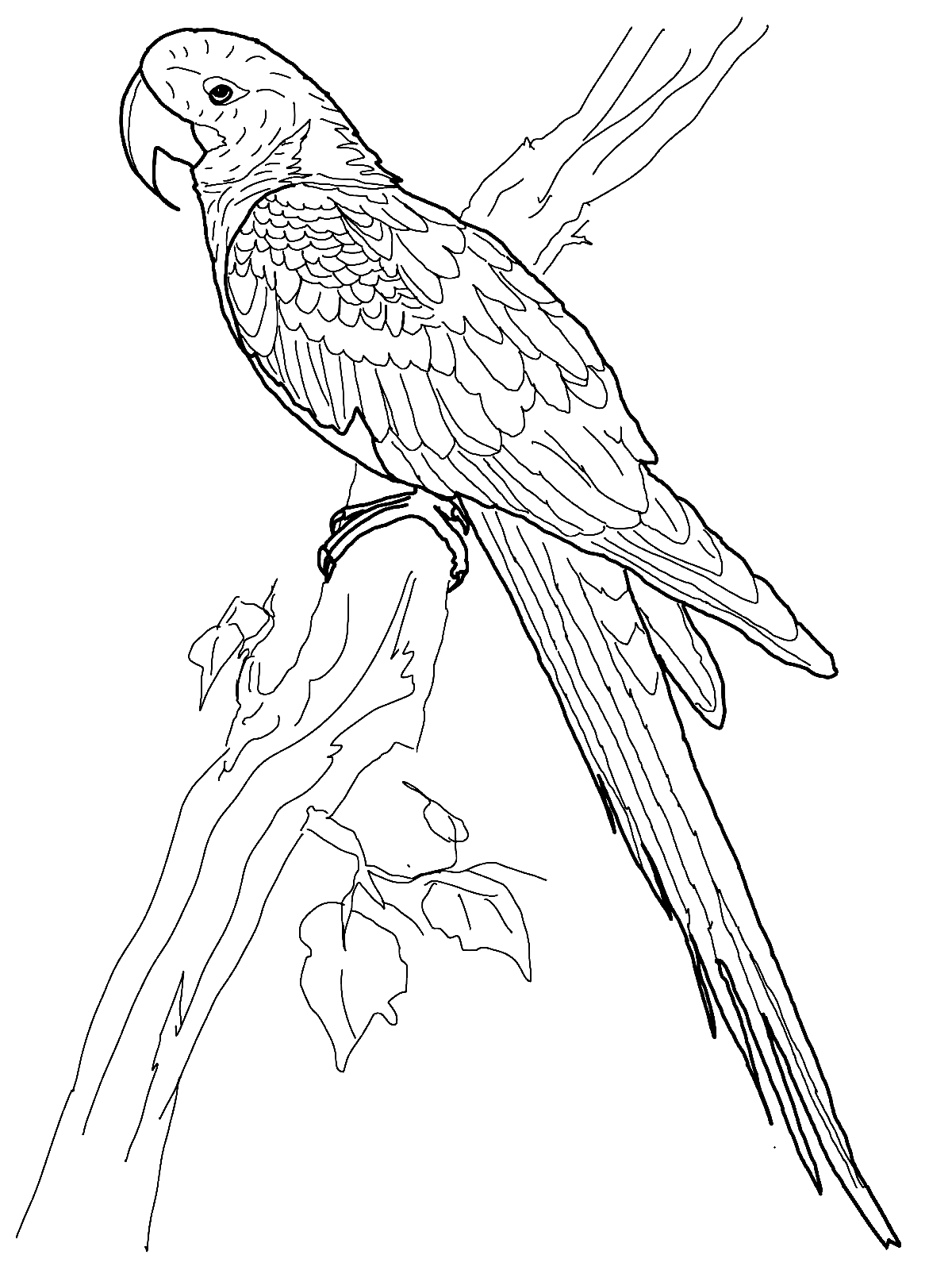
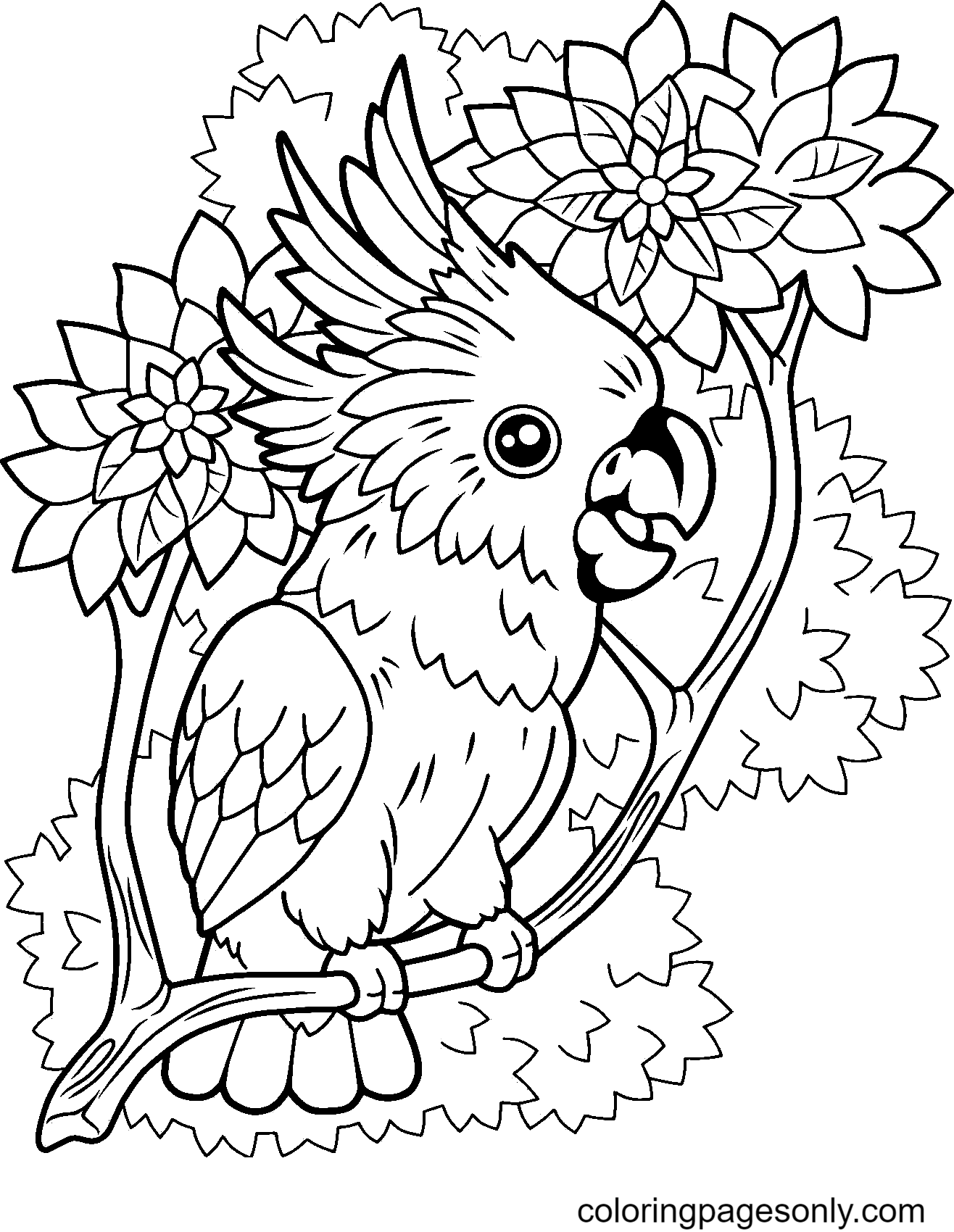
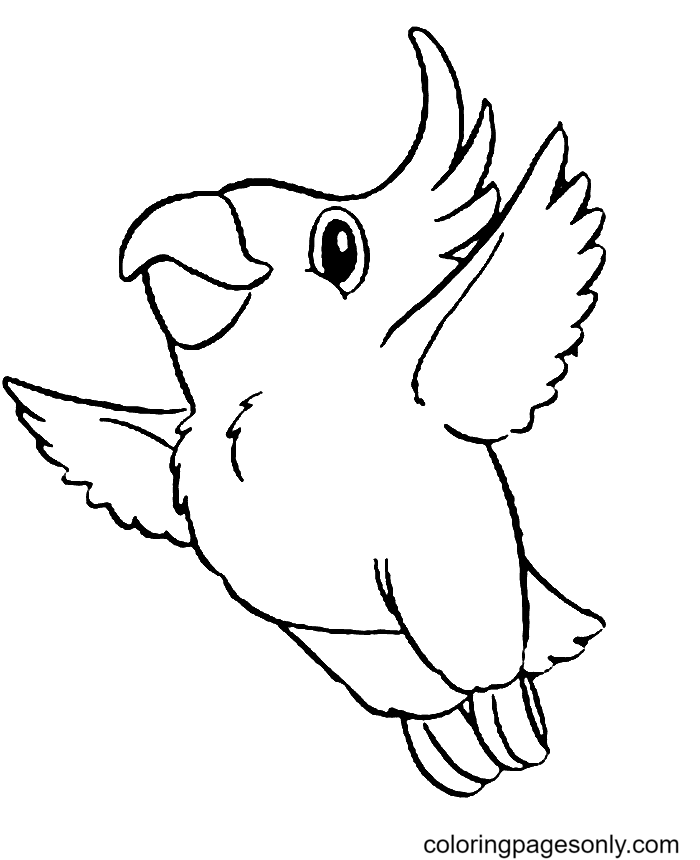
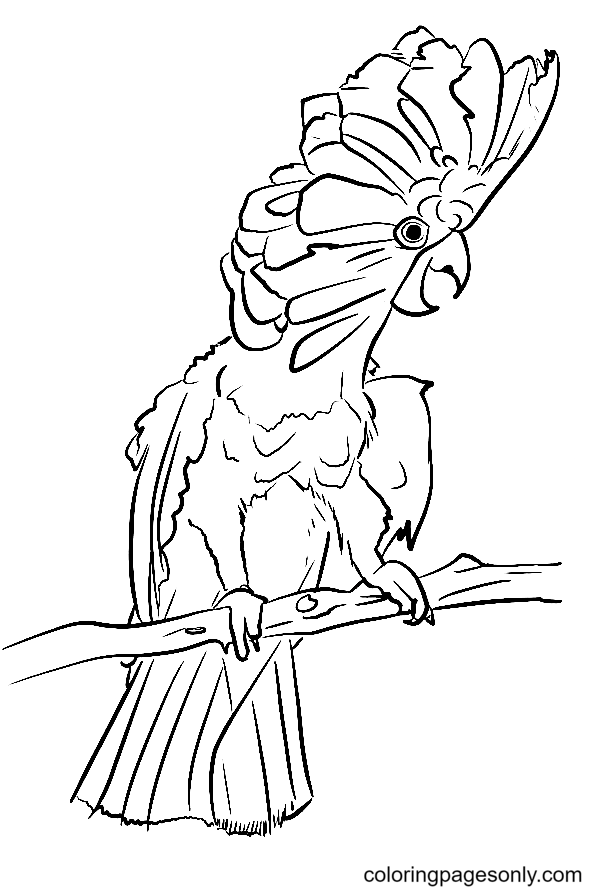
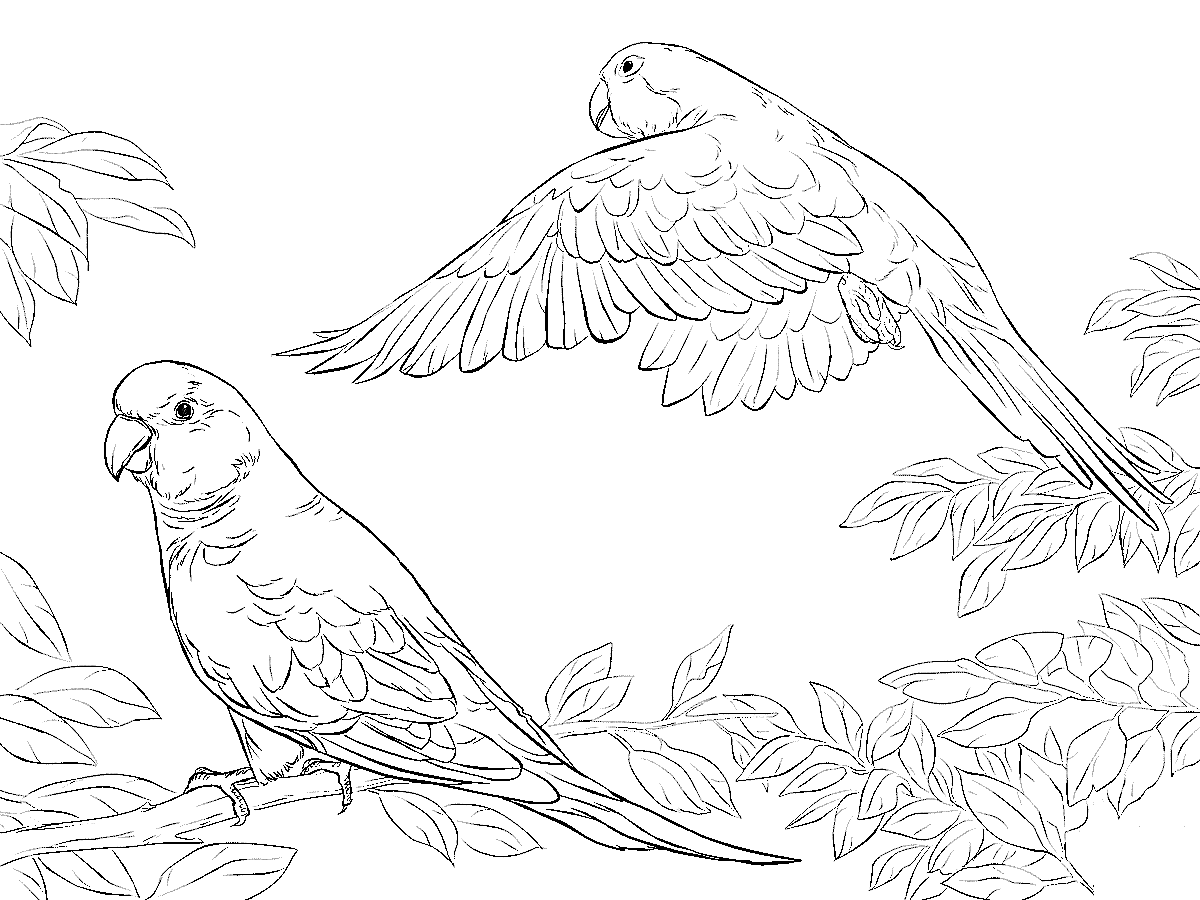
The largest identifiable group names a specific real species: cockatoos, macaws, a budgerigar, a rose-ringed parakeet, and the rare Sisserou parrot, each grounded in an actual bird rather than a generic design.
Playful, Pirate, and Costume Parrots
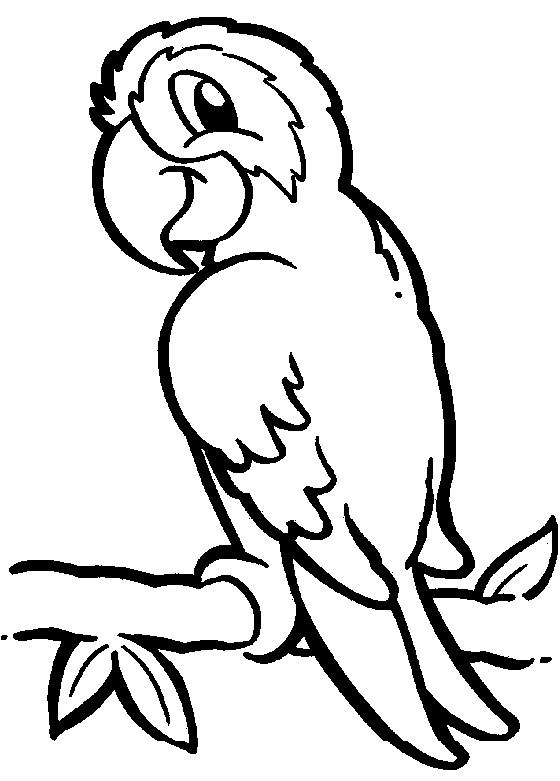
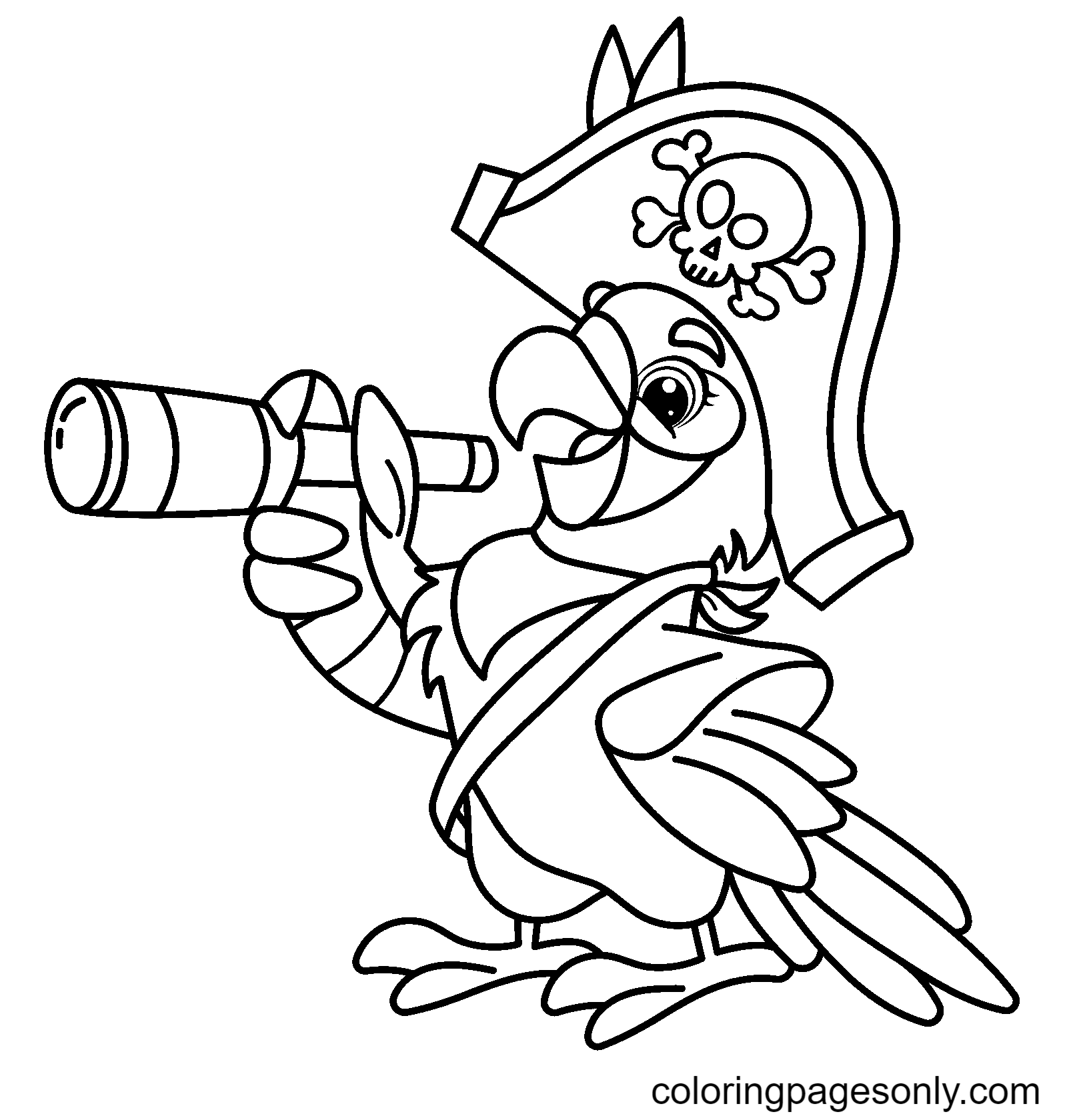
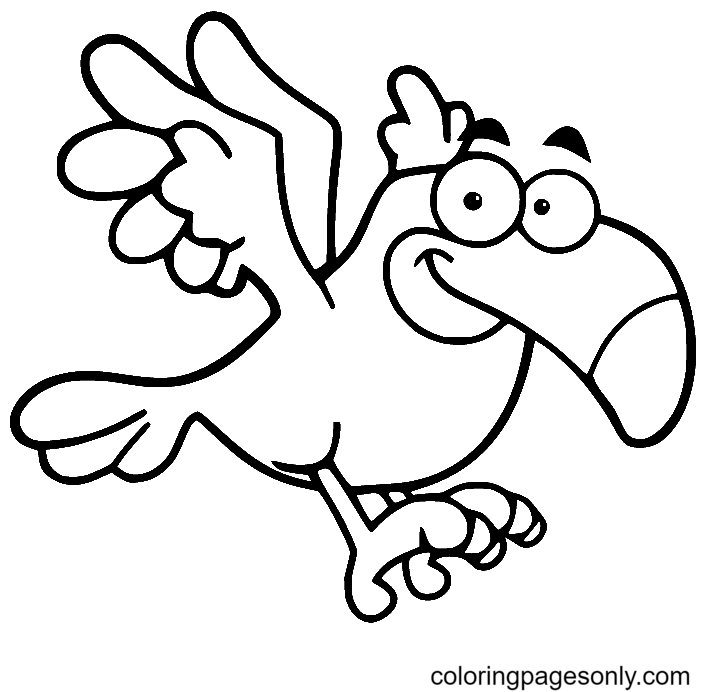
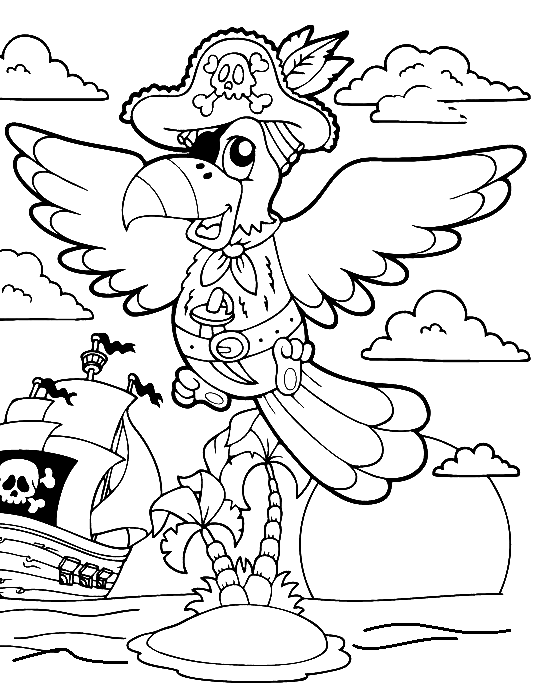
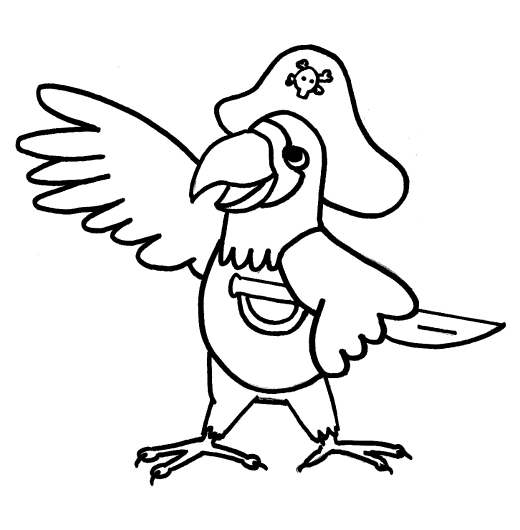
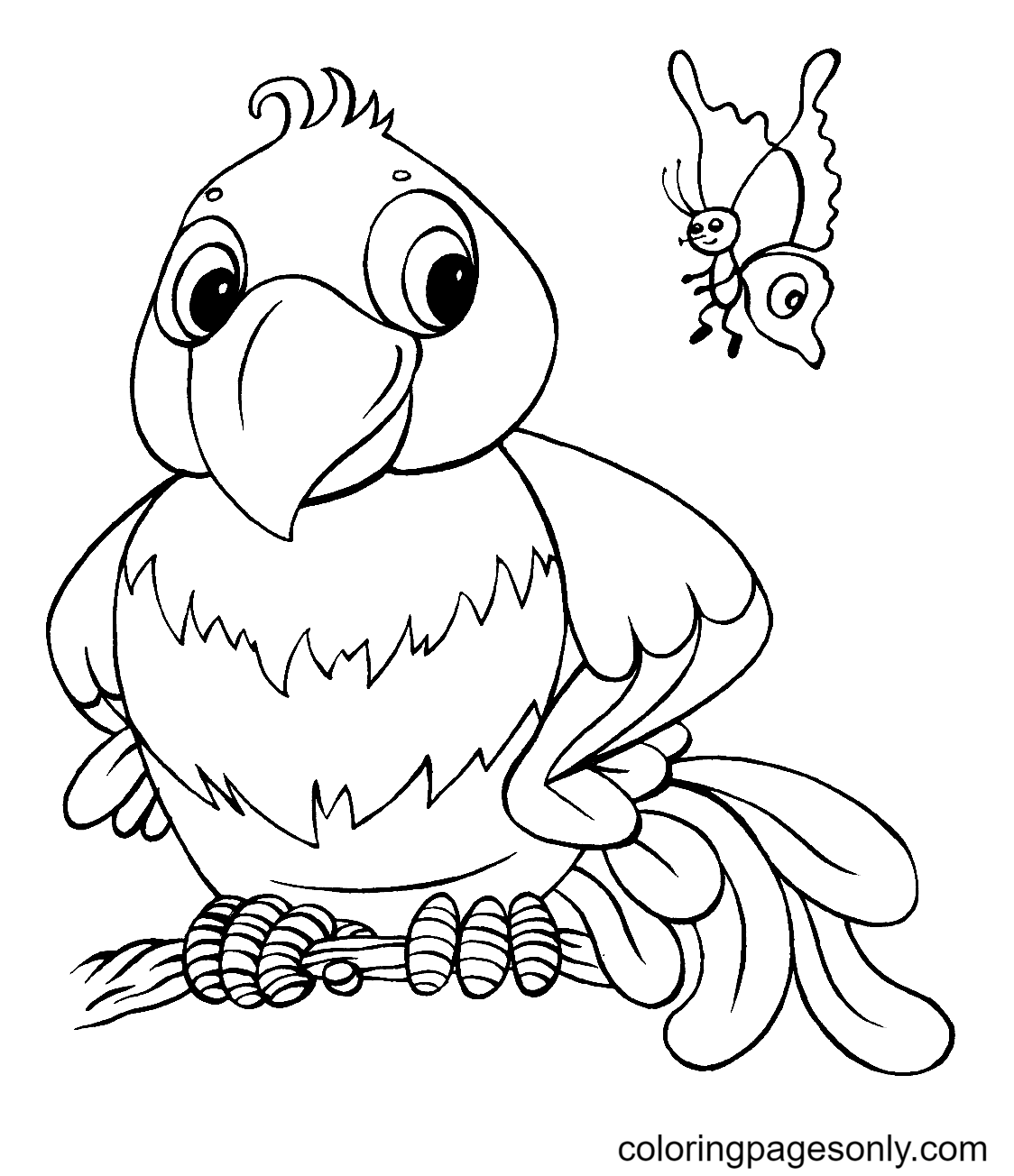
Another group leans fully into fantasy, parrots dressed as pirates, floating in space as astronauts, or posed for pure comic effect rather than accuracy.
Parrots in Everyday Poses and Settings
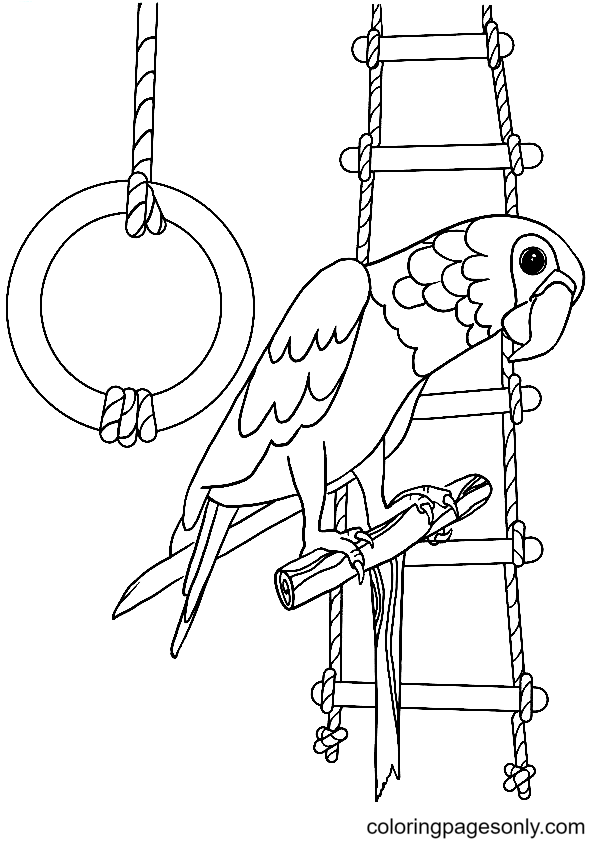
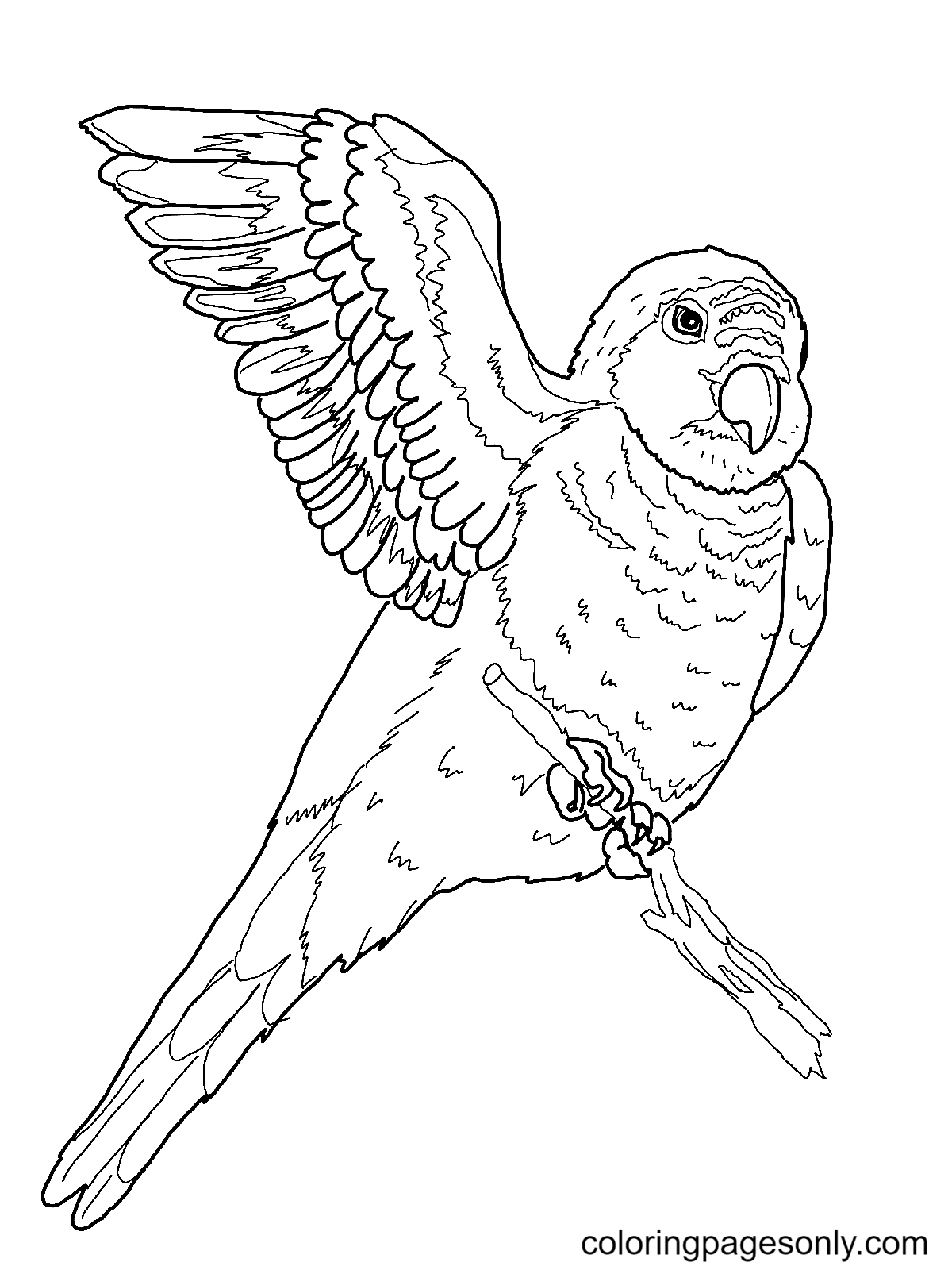
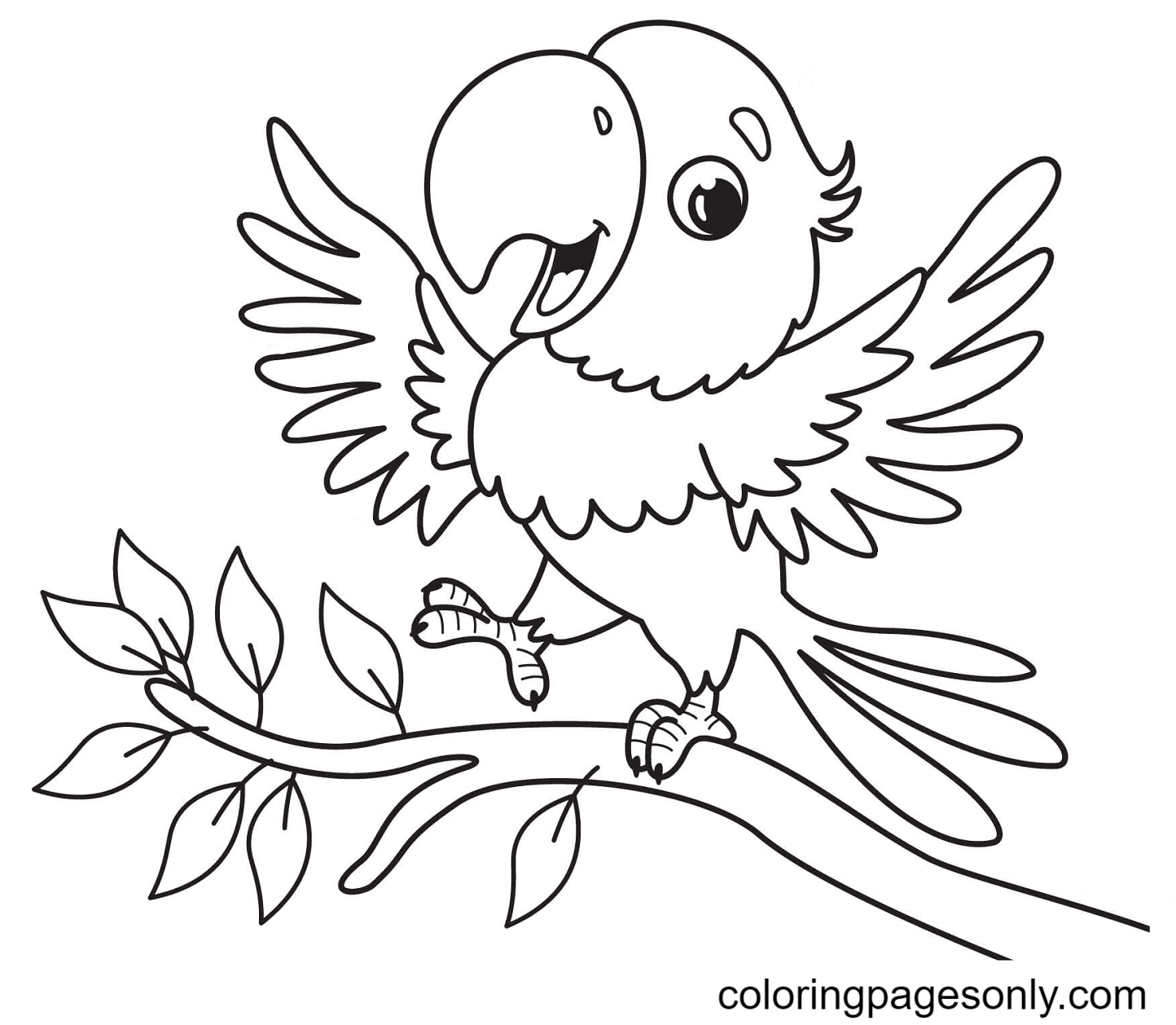
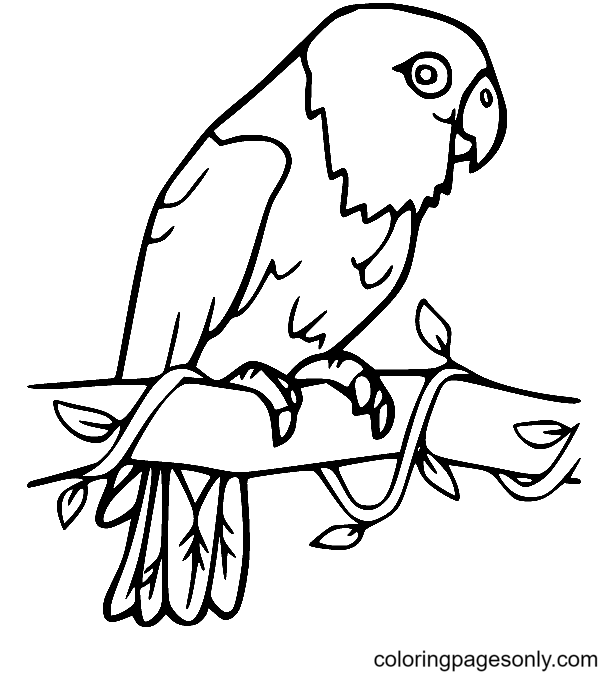
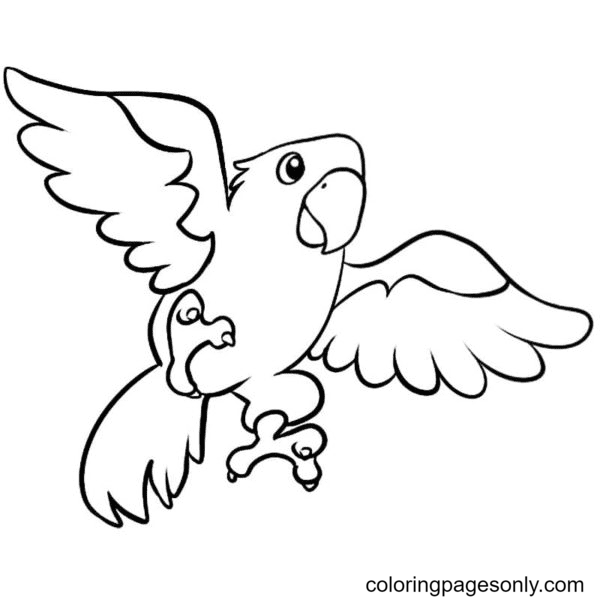
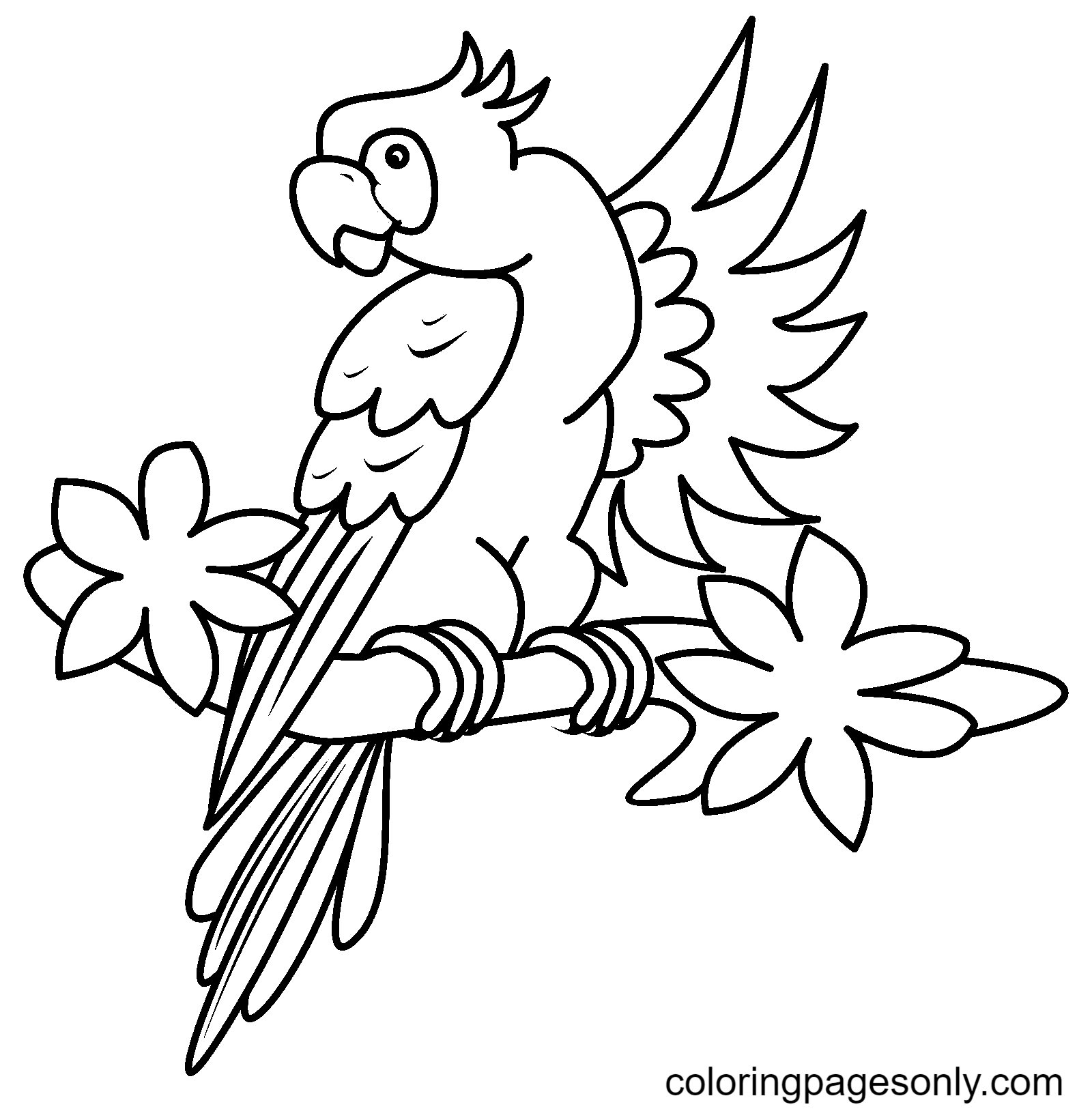
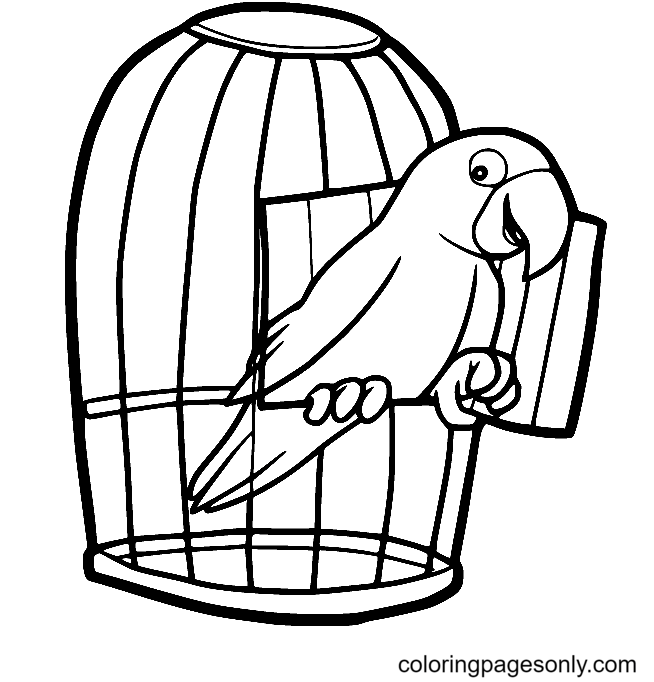
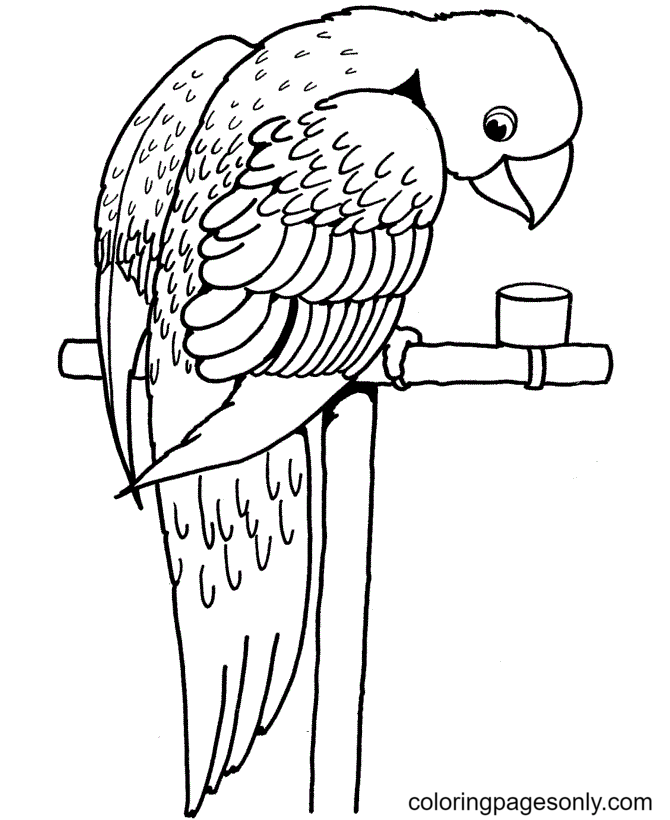
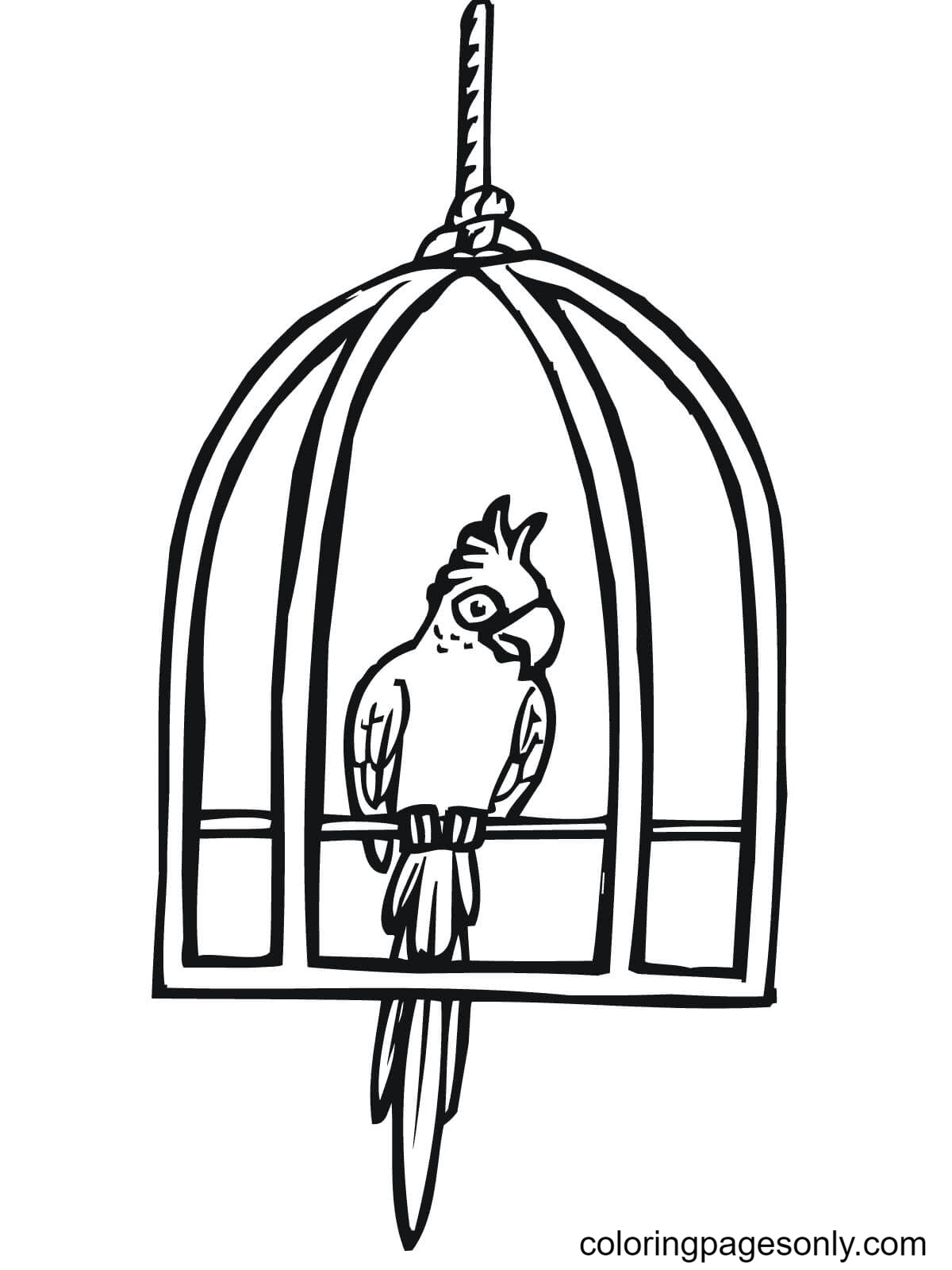
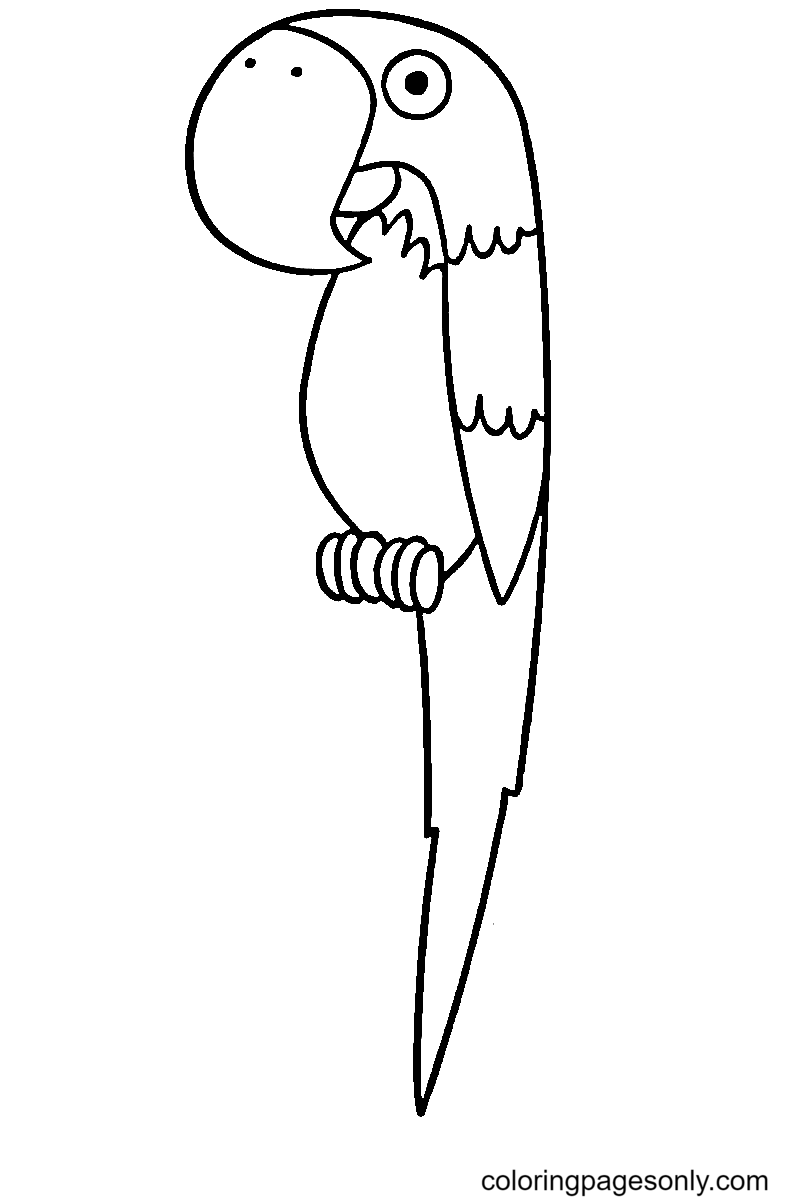
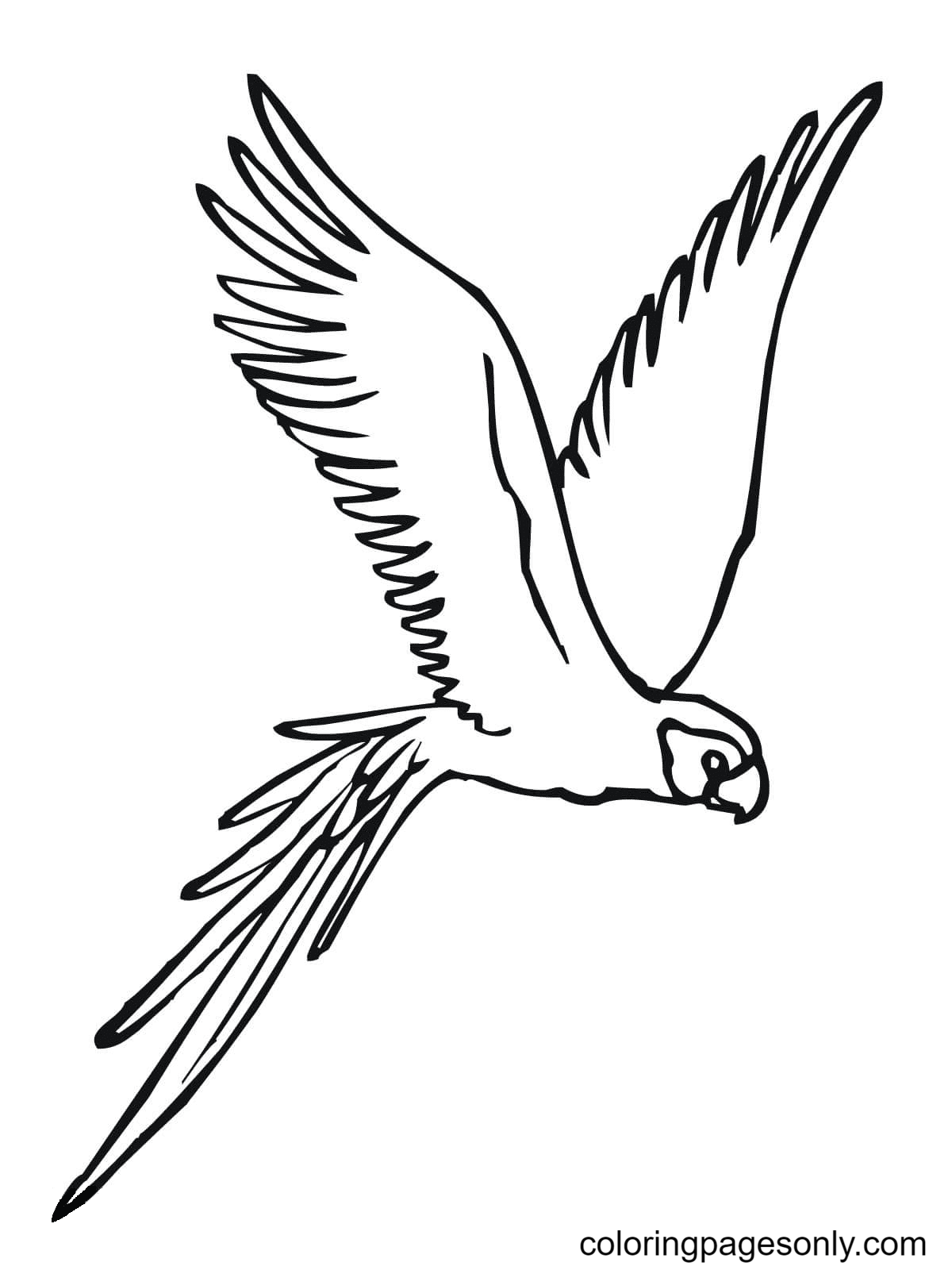
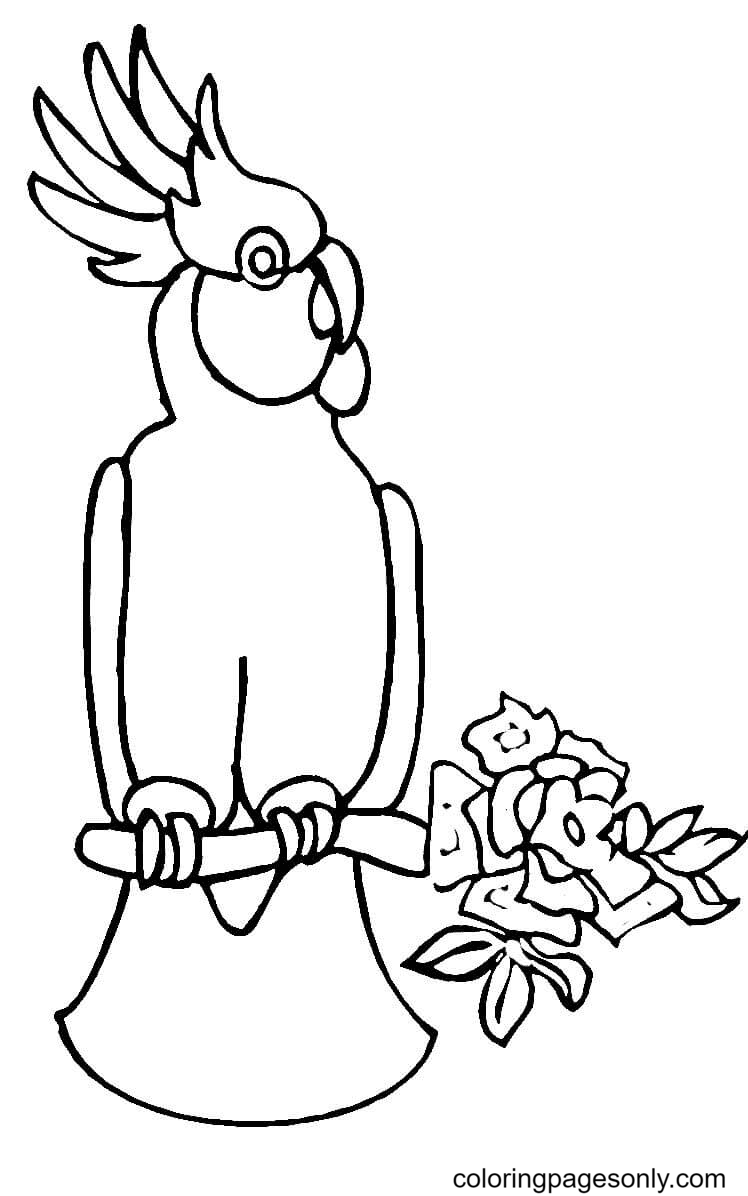
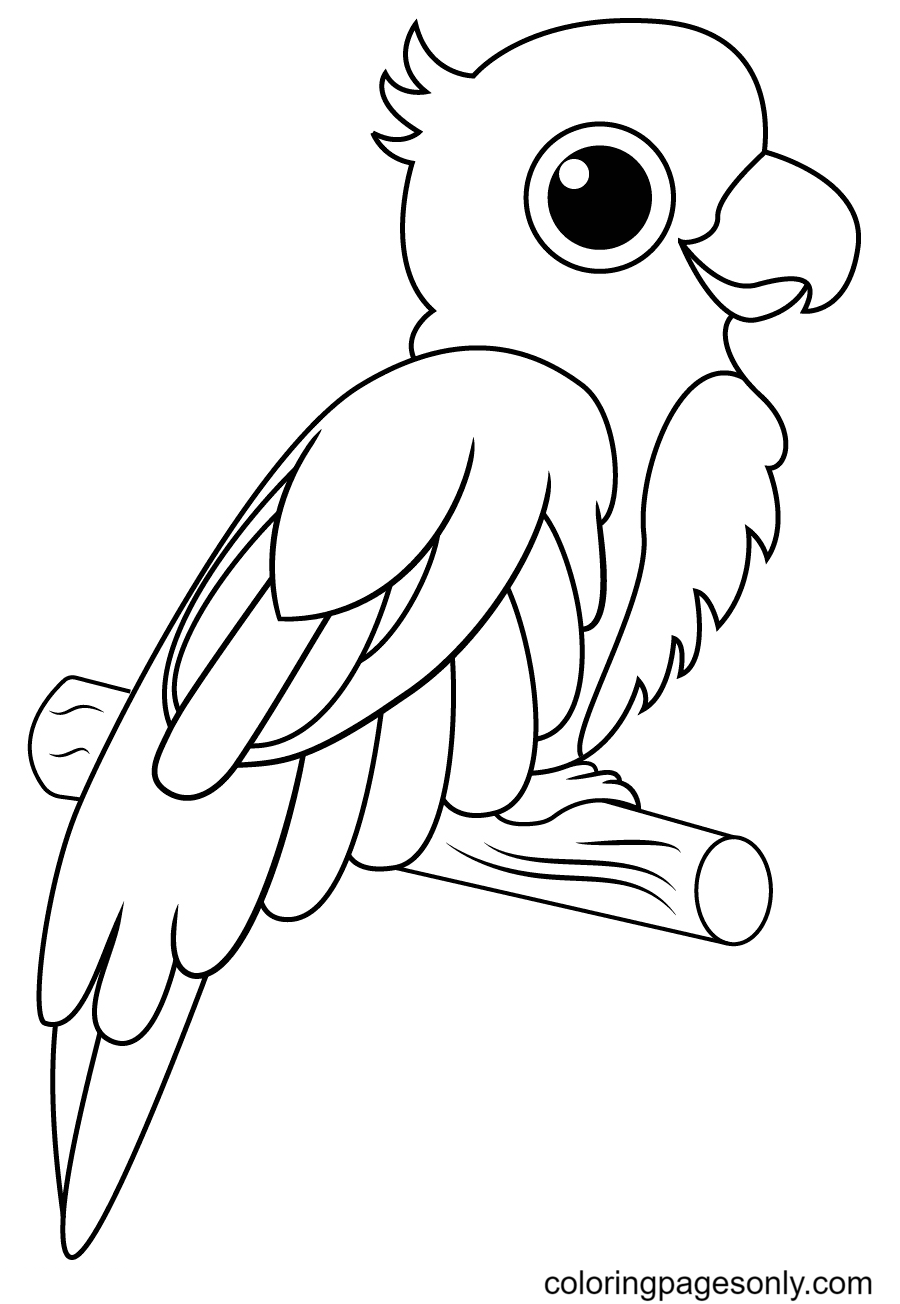
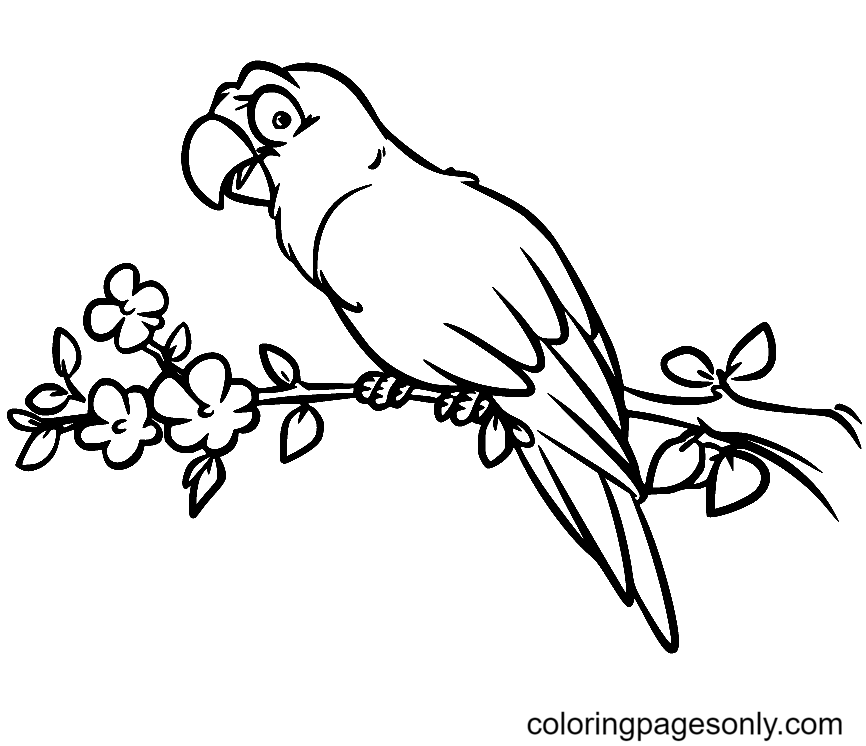
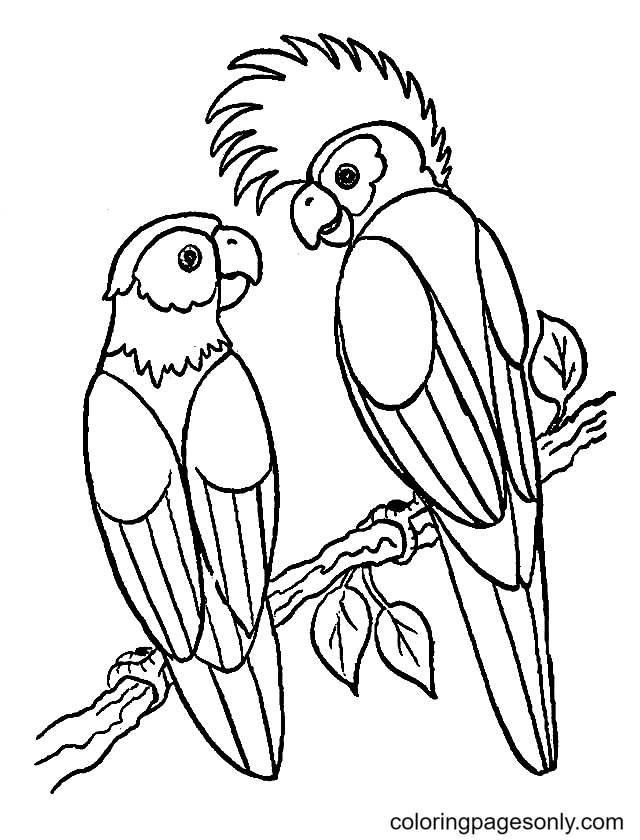
A third group shows parrots going about ordinary behavior, perched on a branch or swing, flying, or resting near a window or cage, without leaning toward either the scientific or the costumed extreme.
Baby and Young Parrots
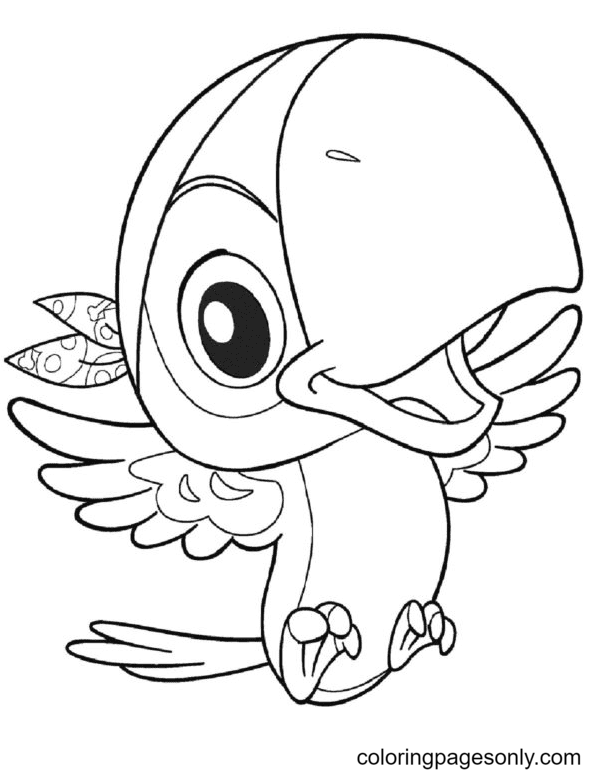
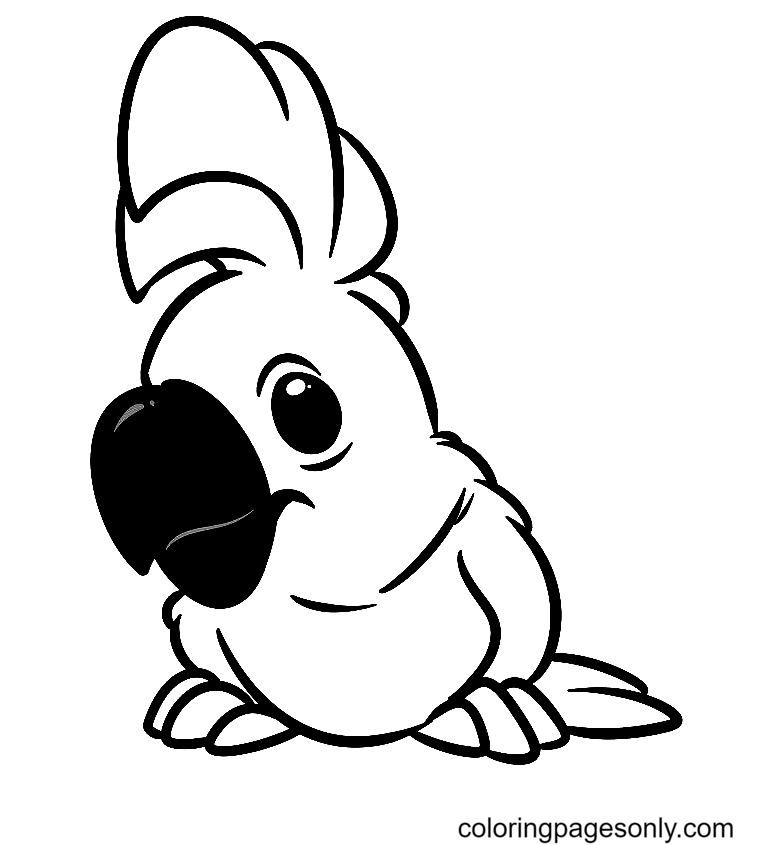
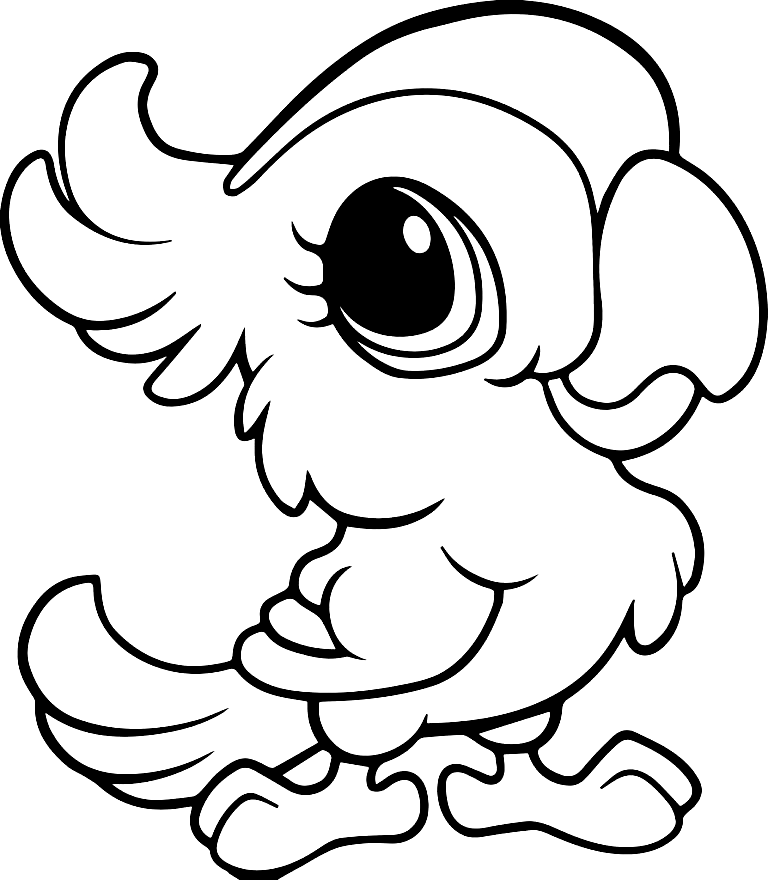
The remaining pages focus on baby parrots specifically, drawn rounder and softer than the adult designs found throughout the rest of the set.
What Parrot Coloring Pages Do
Fine motor development. Fine motor skill practice for children ages 2 through 7 is a documented benefit of structured coloring according to the American Academy of Pediatrics, and the layered feather detail on a parrot’s wing and tail gives a young hand plenty of small shapes to work through.
Exposure to real, named bird species. Coloring a page labeled Sisserou or Budgerigar rather than a generic parrot gives a child a small, concrete piece of real ornithology to connect a picture to.
Anxiety reduction through focus. A 2005 Art Therapy Journal study found structured coloring sessions led to measurably lower anxiety afterward, and the bright, saturated colors natural to parrot feathers give that calming focus a genuinely vivid subject to work with.
A low-pressure way to compare species. Coloring several different-named parrots back to back gives a child a hands-on way to notice how much size, color, and shape can vary even within one bird family.
How to Color Parrot Pages Well
- Macaws: Use bold, saturated Crayola Scarlet, Yellow Orange, and Sky Blue in large solid blocks, since macaw feathers show some of the most vivid, high-contrast color combinations of any parrot.
- Cockatoos: Keep the body mostly Crayola White or Tan, saving bright Crayola Yellow or Scarlet for the signature crest feathers that fan up from the top of the head.
- The Sisserou parrot: Color the body in deep Crayola Forest Green with a Crayola Violet chest and neck, matching the real bird’s distinctive purple-and-green coloring found only on the island of Dominica.
- Budgerigars: Use Crayola Yellow Green or Sky Blue as a base with small black barring across the back, since wild budgerigars are naturally green with a scalloped black-and-yellow pattern.
- Pirate and costume parrots: Lean into bright, high-contrast colors and add a Crayola Black eyepatch or a Crayola Scarlet bandana for the costume details that set these designs apart from the realistic pages.
- Baby parrots: Use softer, lighter versions of the adult colors, pale Crayola Yellow Green instead of deep green, to suggest the fluffier, less developed feathers of a young bird.
5 Creative Craft Ideas With Parrot Coloring Pages
1. Parrot Species Fact Poster
Color one of the named-species pages and mount it on a sheet of paper. Write two or three real facts about that species underneath, such as where it lives or how rare it is. The finished poster pairs the coloring activity with a small science lesson.
2. Parrot Bookmark
Color one of the simpler parrot pages and cut it into a narrow bookmark shape. Laminate or cover with clear contact paper for durability. The finished bookmark makes an easy, small gift for another young bird lover.
3. Hanging Perch Mobile
Color four or five of the smaller parrot pages and cut around each bird. Attach each cutout to a length of string tied at different heights along a stick or hanger. The finished mobile turns flat pages into a small flock in motion.
4. Parrot Stick Puppet
Color one of the simpler parrot pages and glue it to a popsicle stick or wooden dowel. Use the finished puppet to act out a short scene or fact about parrots. The puppet turns a coloring page into a hands-on prop.
5. Feather Color Comparison Chart
Color three or four different named species side by side on one large sheet. Label each one and note how their colors and sizes differ. The finished chart turns the coloring activity into a simple side-by-side comparison exercise.
Frequently Asked Questions
What are Parrot coloring pages?
A free set of 80 printable designs ranging from named real parrot species to purely playful, costumed poses, plus everyday bird behavior and a smaller group of baby parrots.
What real parrot species appear in the collection?
The set names cockatoos, macaws, a budgerigar, a rose-ringed parakeet, a Pionus parrot, a Quaker parrot, and the critically endangered Sisserou parrot, among others.
What makes the Sisserou Parrot significant?
The Sisserou, also known as the Imperial Amazon, is found only on the Caribbean island of Dominica, where it is the national bird and appears on the country’s flag. It is critically endangered, with an estimated wild population of only around 50 mature birds.
Is the Kakapo really unable to fly?
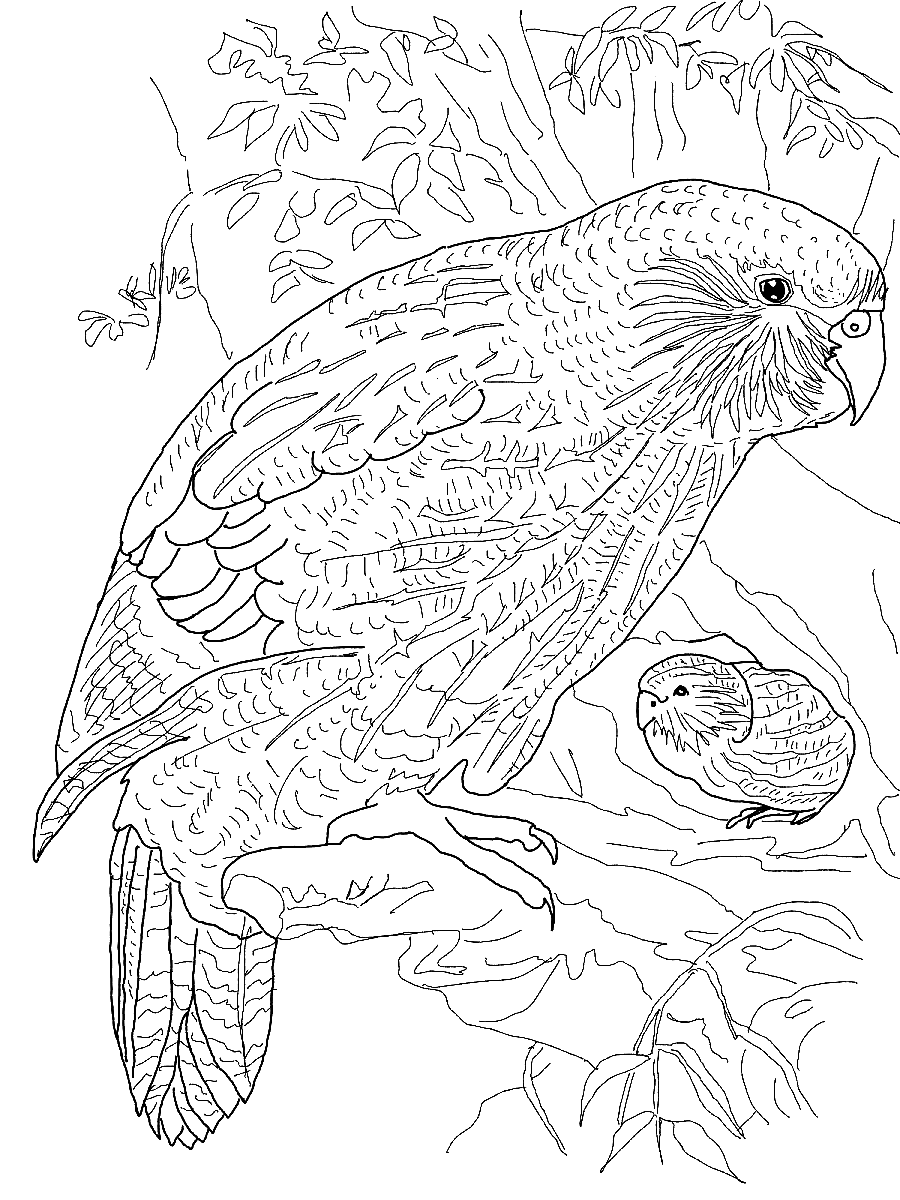
Yes. The Kakapo is a flightless, nocturnal parrot native to New Zealand and is also critically endangered, making it one of the rarer real species represented in this set.
What colors work best for coloring different parrot species?
Bold, saturated primary colors suit macaws well, softer white and yellow work for cockatoos, and deep green with violet accents captures the Sisserou’s distinctive coloring.
Can these pages be colored online instead of being printed?
Yes. Every design in the set opens in the browser-based coloring tool, so a page can be finished on a tablet or computer without printing anything first.
Are Parrot coloring pages suitable for young children?
The simplest single-parrot pages, drawn without a busy background, suit a child around age three. Pages naming a specific species or showing more detailed feather patterns fit better with a child six or older.
Can this set be used for a lesson on bird species or conservation?
Yes. The named species in this set, especially the critically endangered Sisserou and Kakapo, give a teacher or parent a real, documented starting point for a conversation about bird diversity and conservation.
Start Coloring
Opening any design costs nothing and needs no sign-up, just a click. The online coloring tool is available for anyone finishing a page without a printer. A completed parrot reaches Facebook or Pinterest through the share buttons above it.