Nectarine Coloring Pages
 By:
Jennifer Thoa - Content Editor & Designer
Updated:
By:
Jennifer Thoa - Content Editor & Designer
Updated:
Free Nectarine Coloring Pages: 23 printable PDF designs featuring classic portraits, branch scenes, dessert artwork, and peach-comparison designs. Each page can be downloaded as a PDF to print or colored online in the browser.
A nectarine is not, as a common myth suggests, a cross between a peach and a plum. Nectarines and peaches are the same species, Prunus persica, differing by a single recessive gene that controls whether the fruit’s skin grows fine hairs, called trichomes. Peaches carry the dominant version of the gene and develop the familiar fuzzy coat, while nectarines carry two copies of the recessive version and grow smooth, glossy skin instead. Nectarines are believed to have originated in China thousands of years ago and are now cultivated widely, including in the United States, Spain, and Italy. They’re a good source of vitamin C, potassium, and dietary fiber.
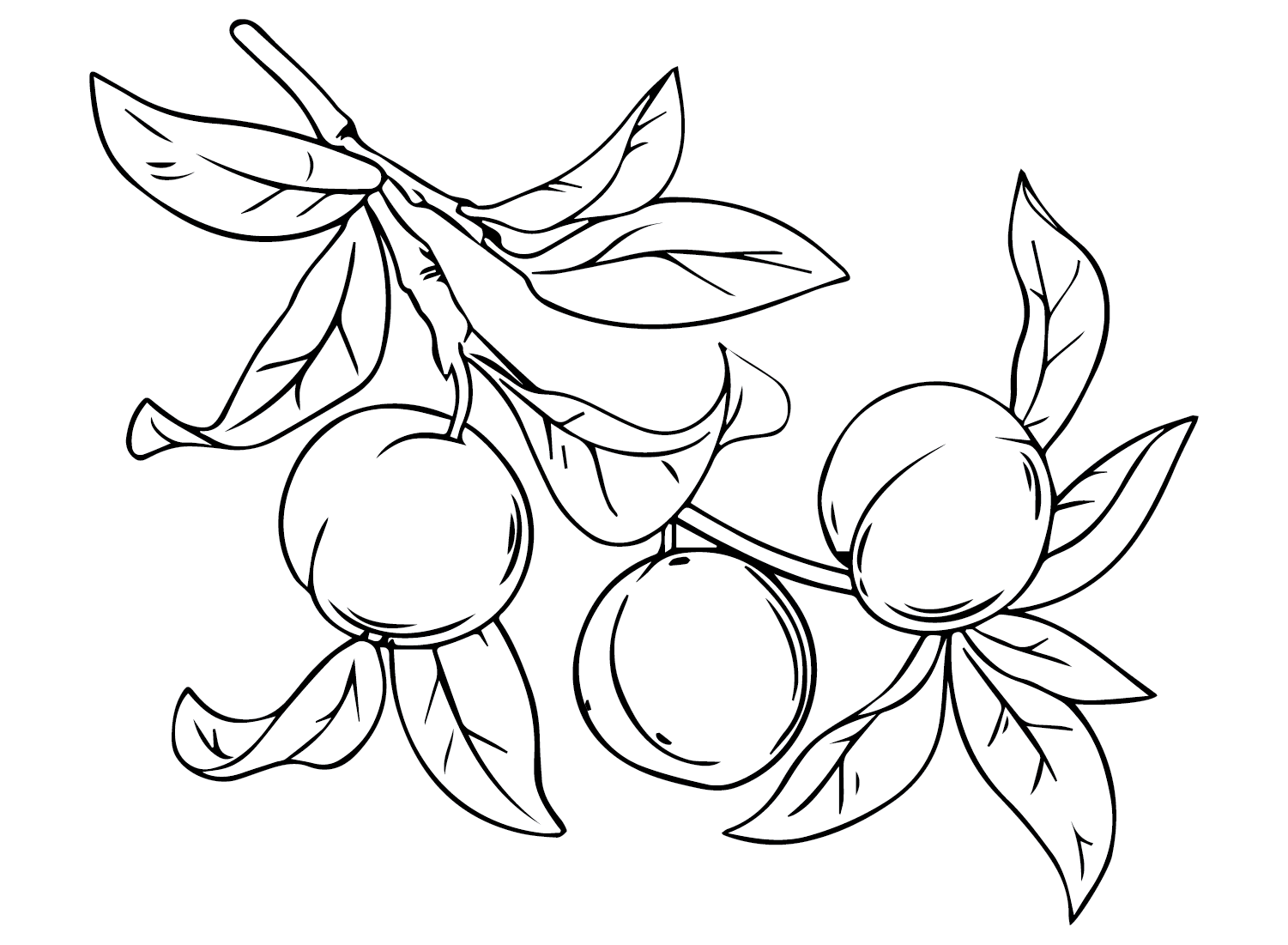
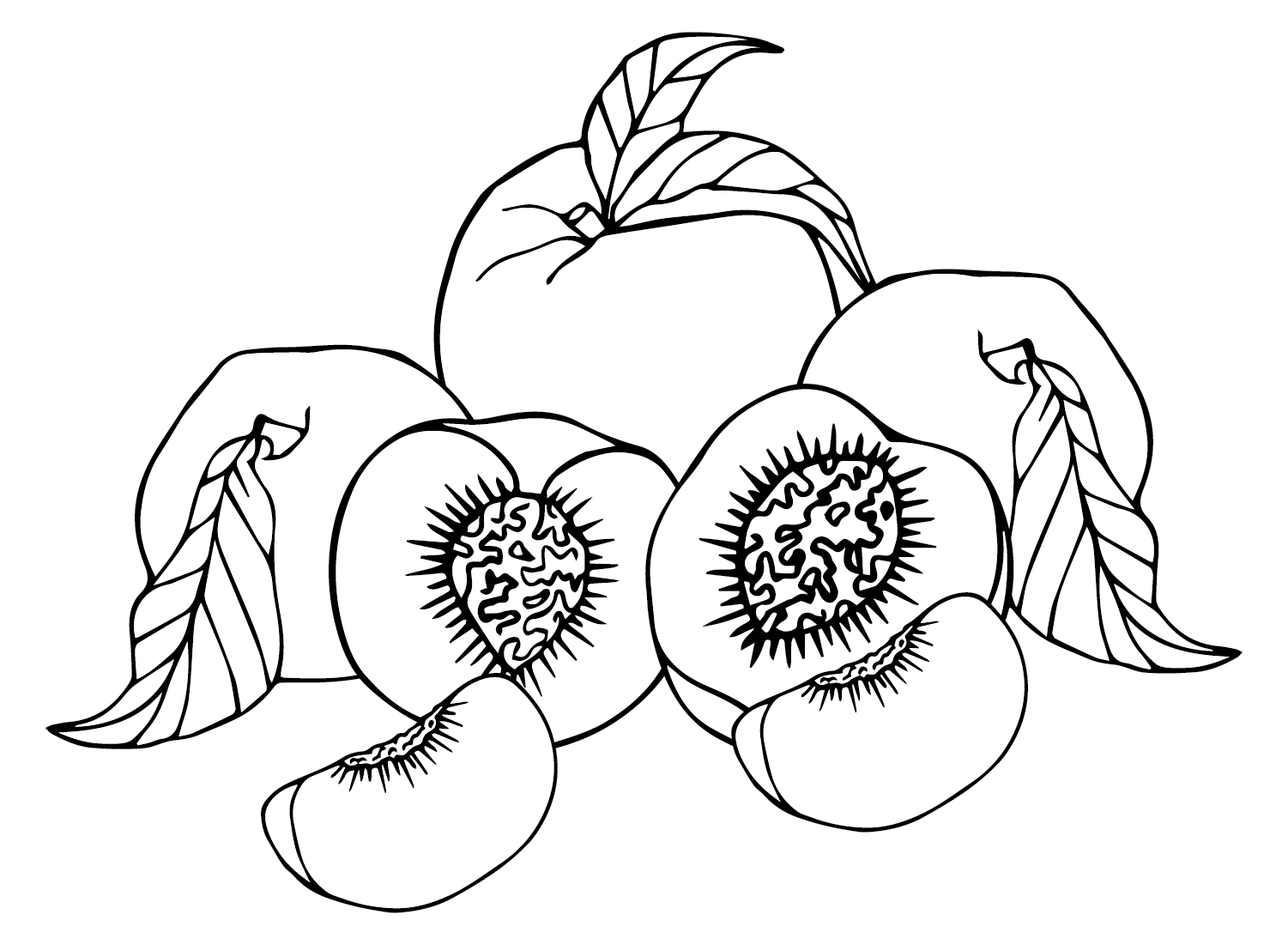
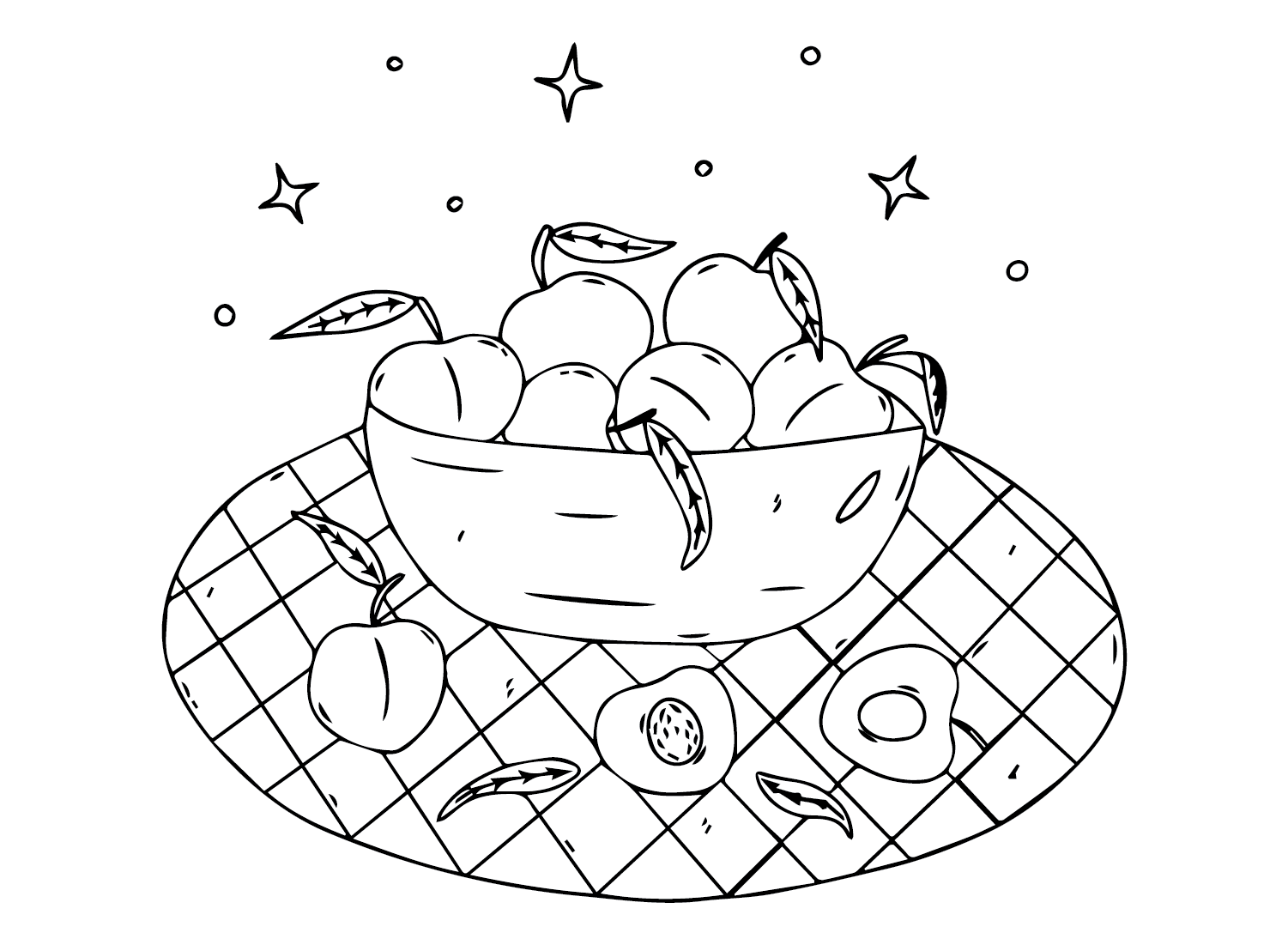
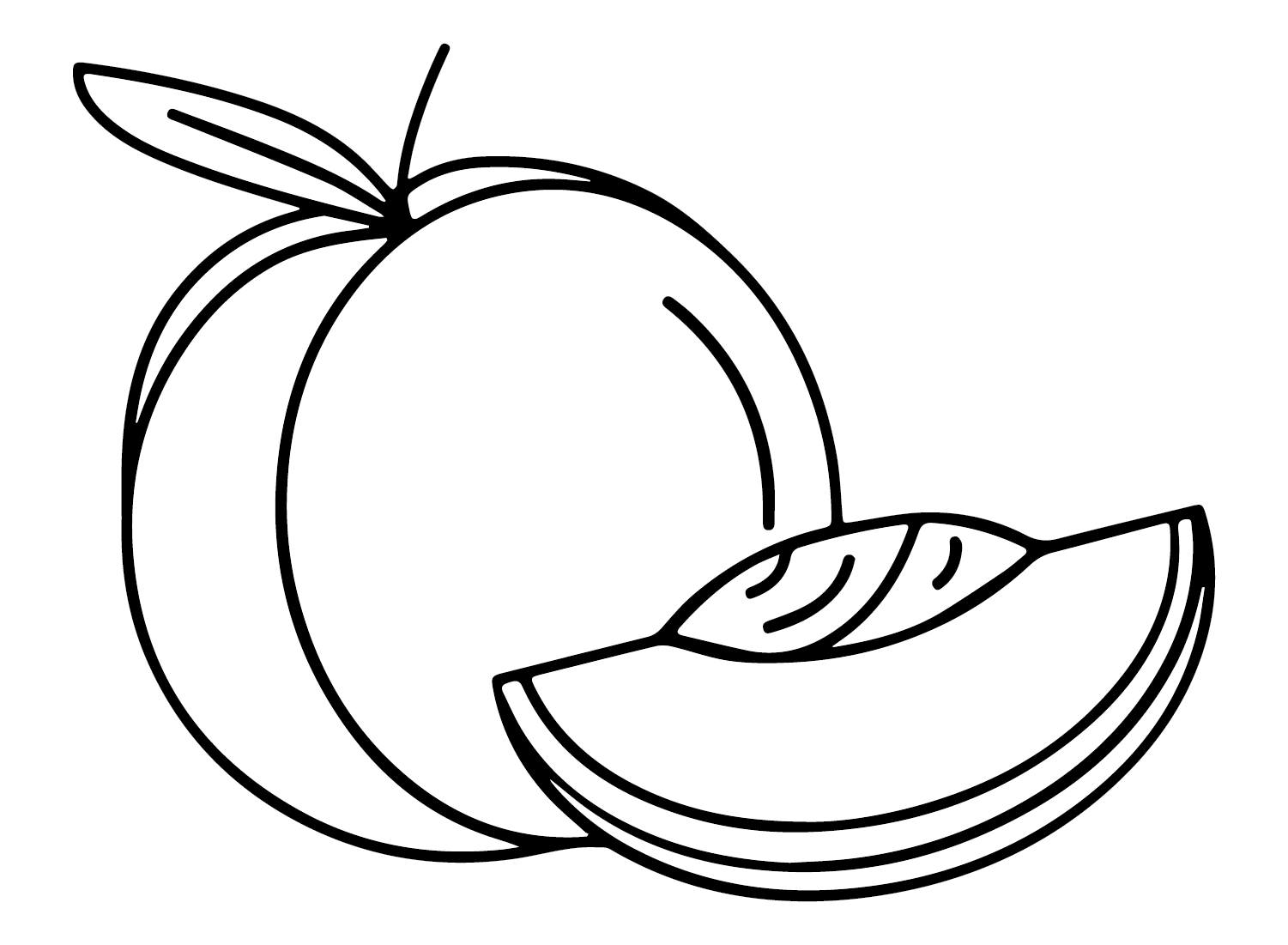
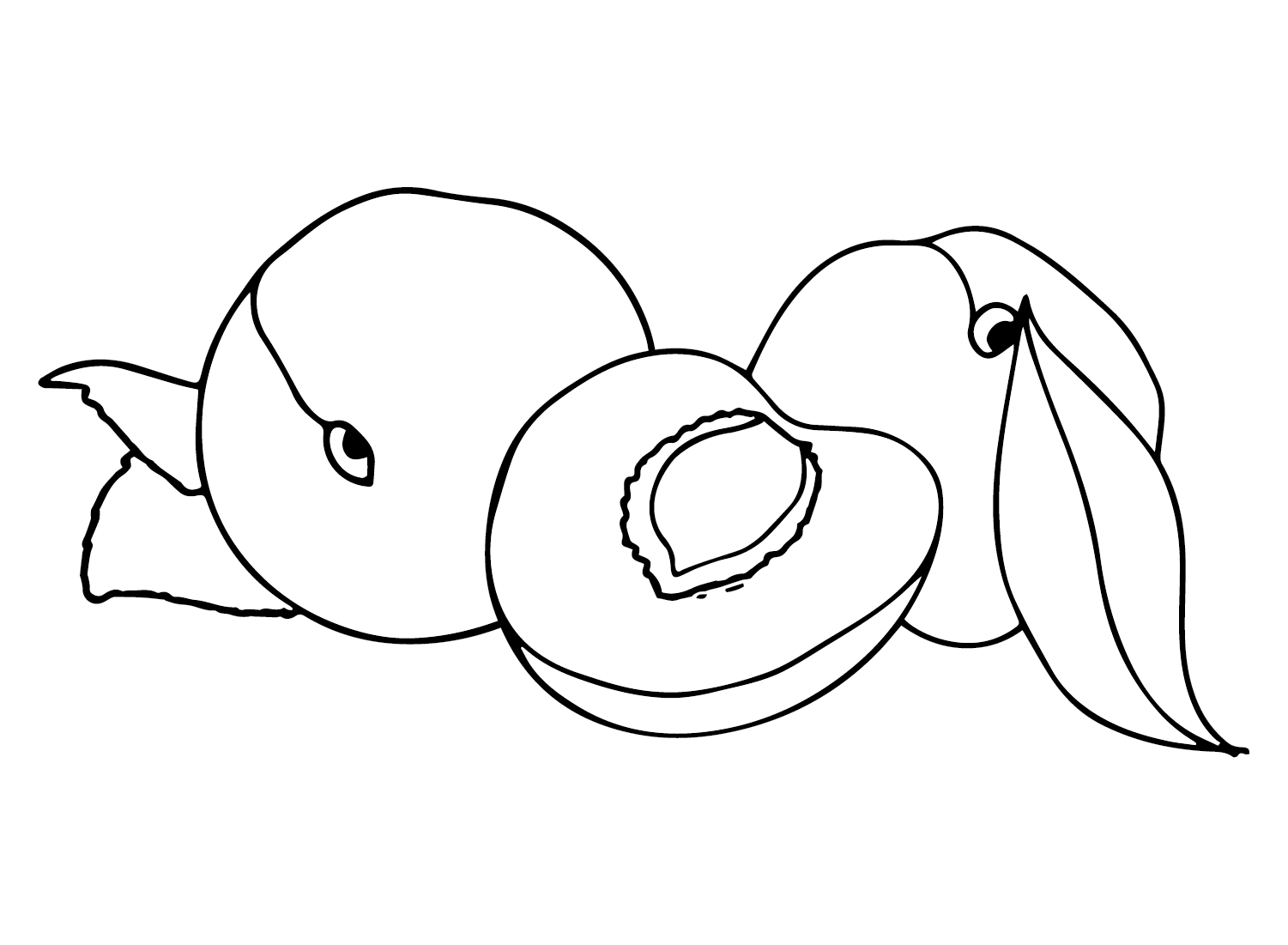
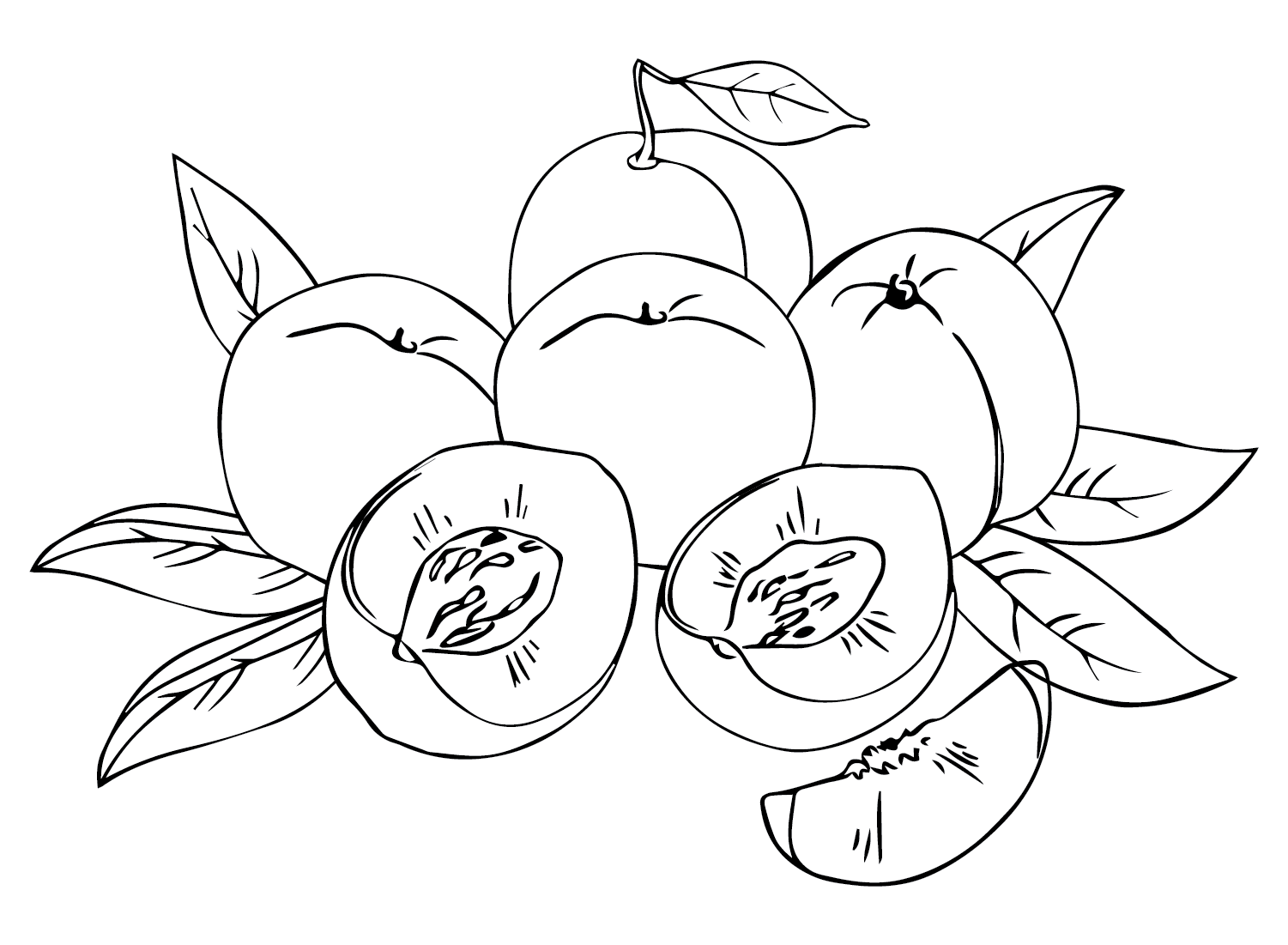
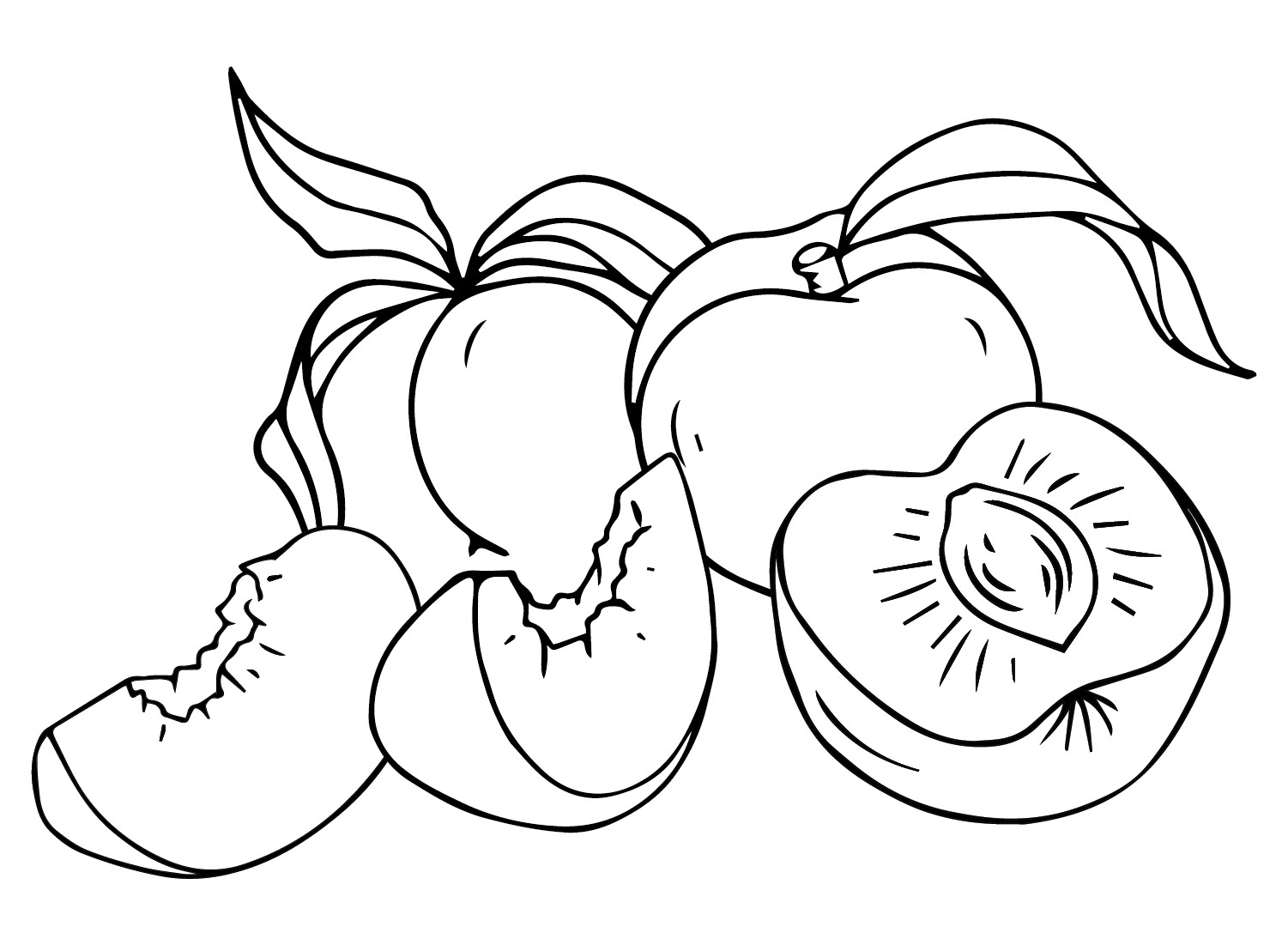
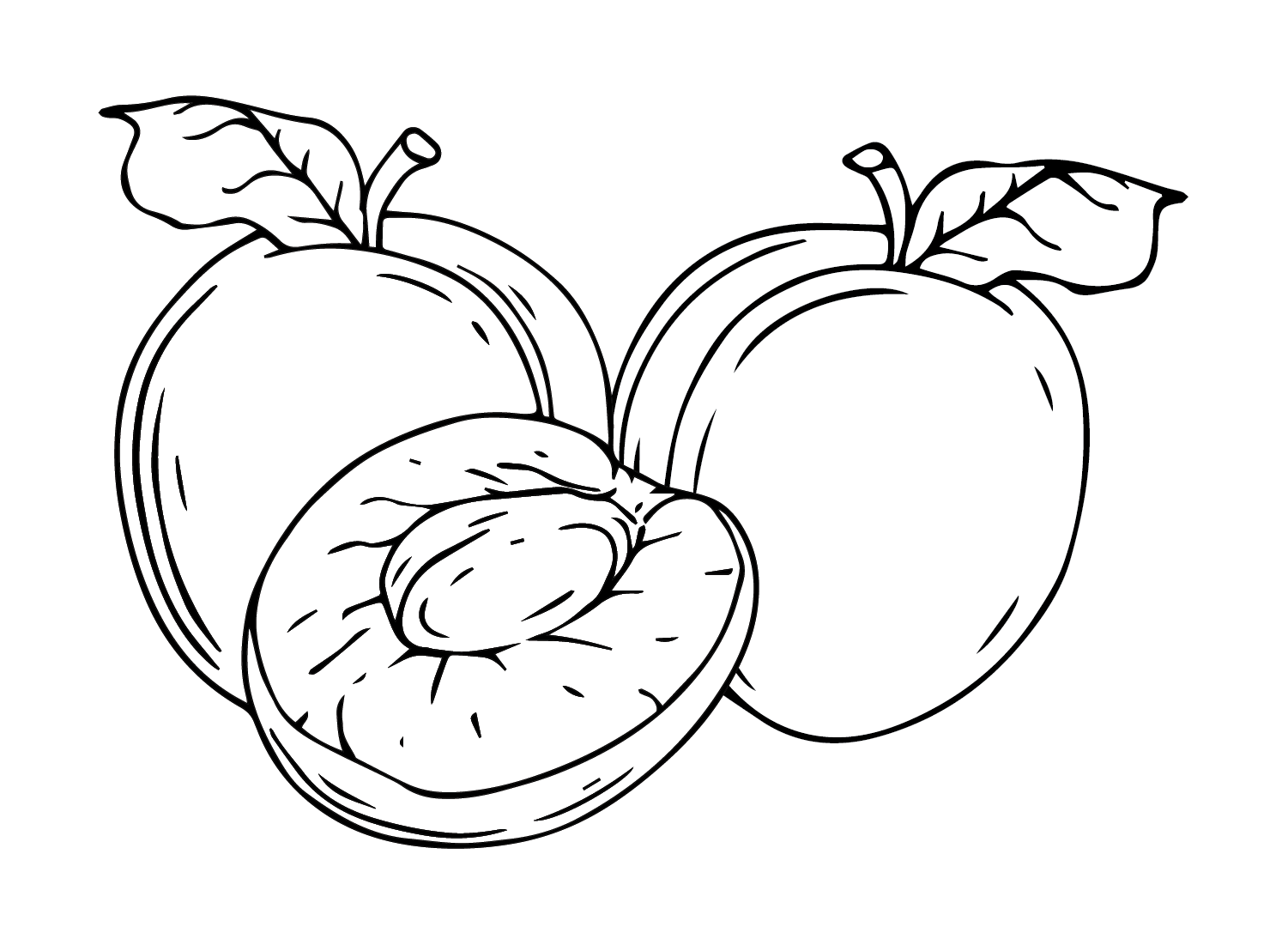
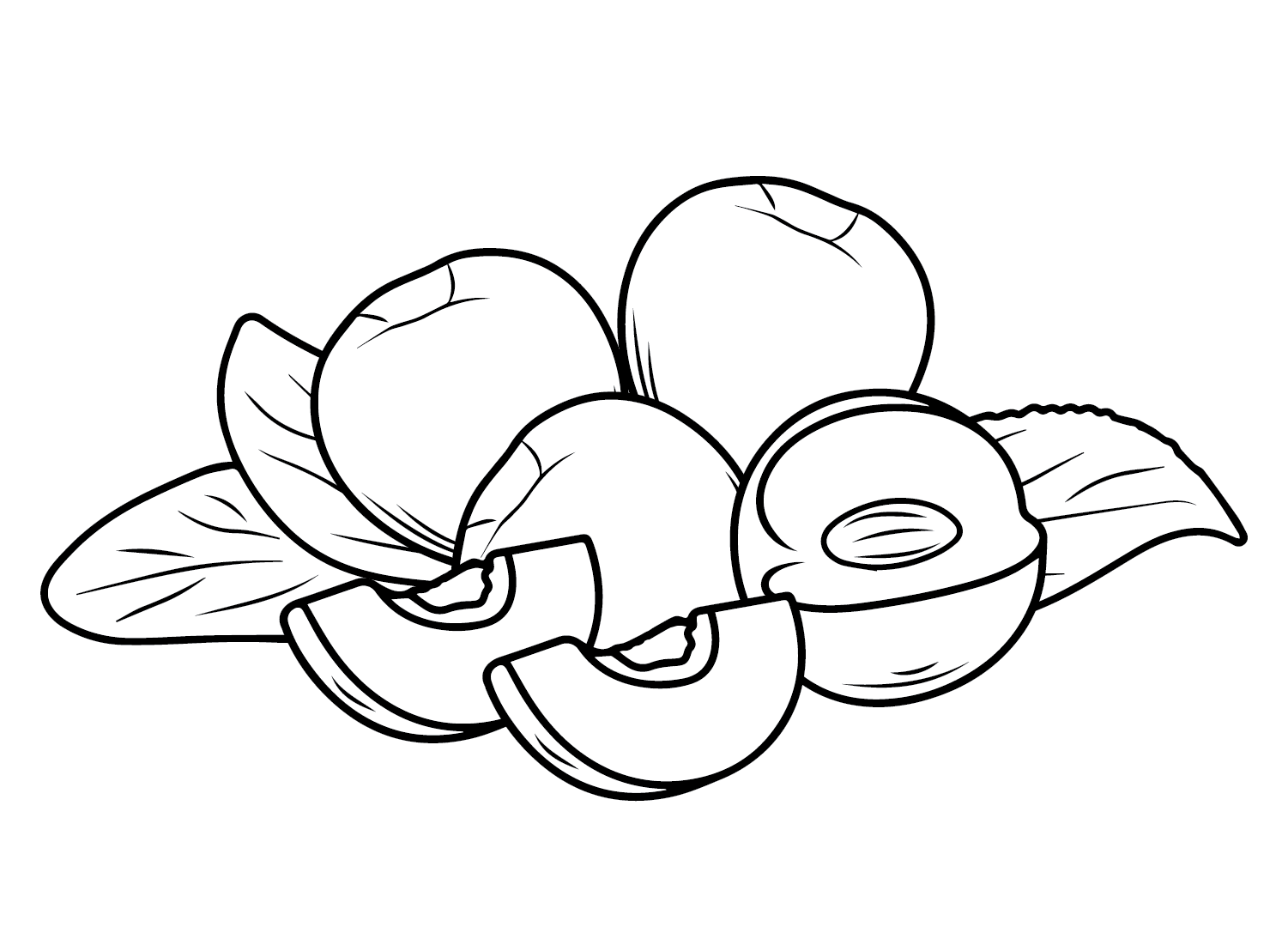
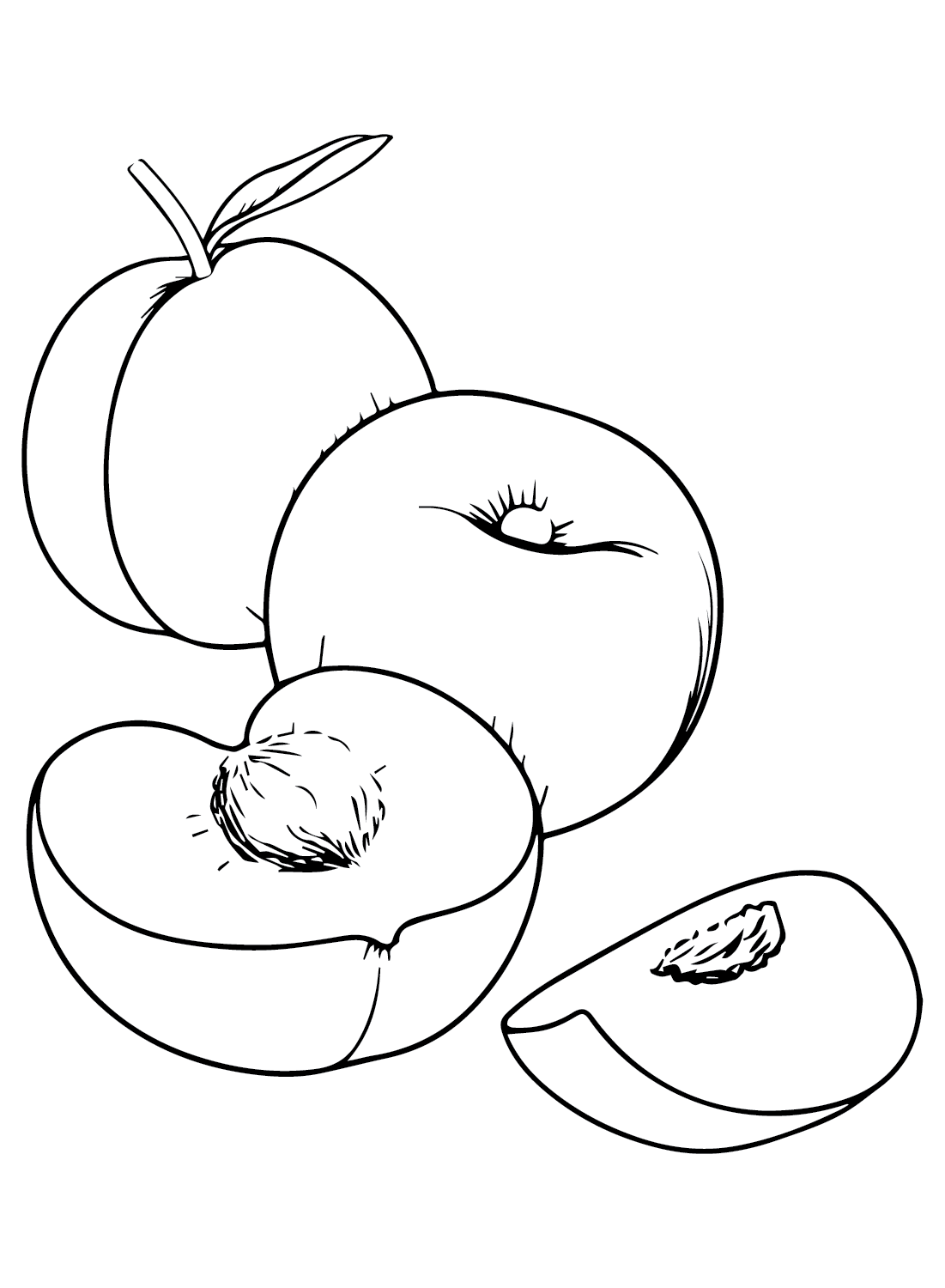
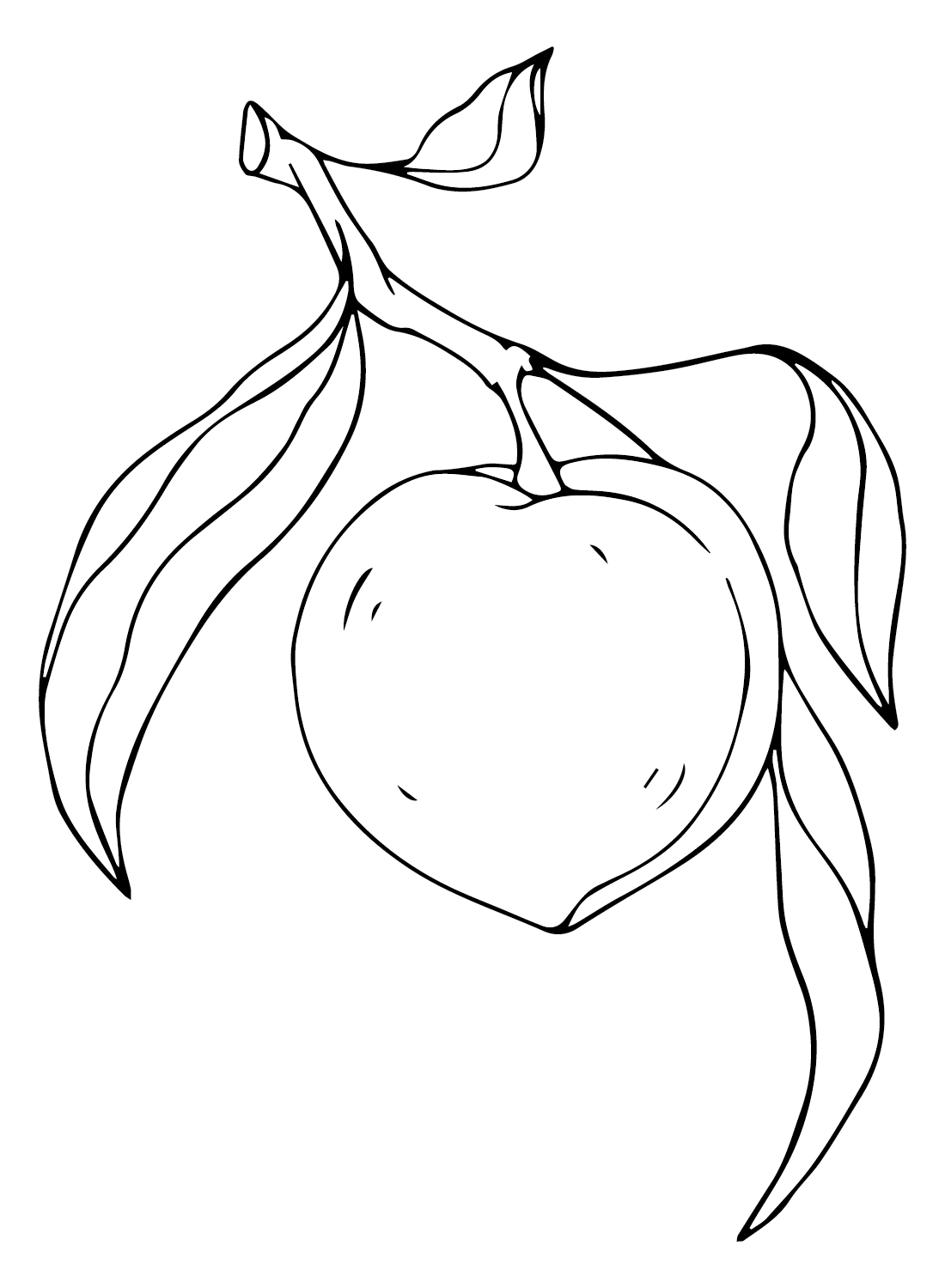
This collection spans 23 pages, grouped into classic portraits, branch designs, dessert artwork, peach-comparison and drawing-style pages, and printable sheets. The coloring angle ranges from simple, standalone fruit to baked dessert scenes.
What Is Inside This Collection
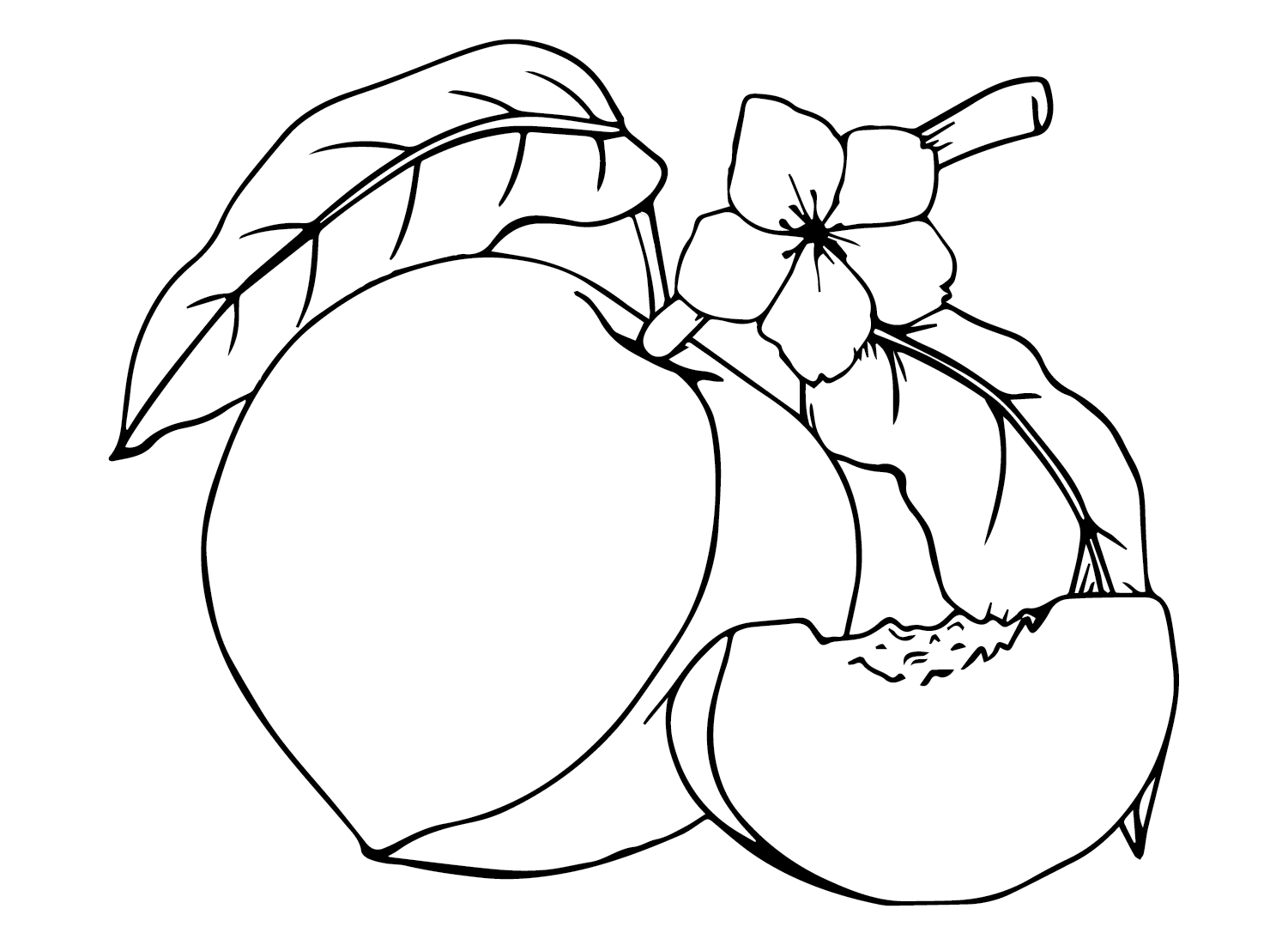
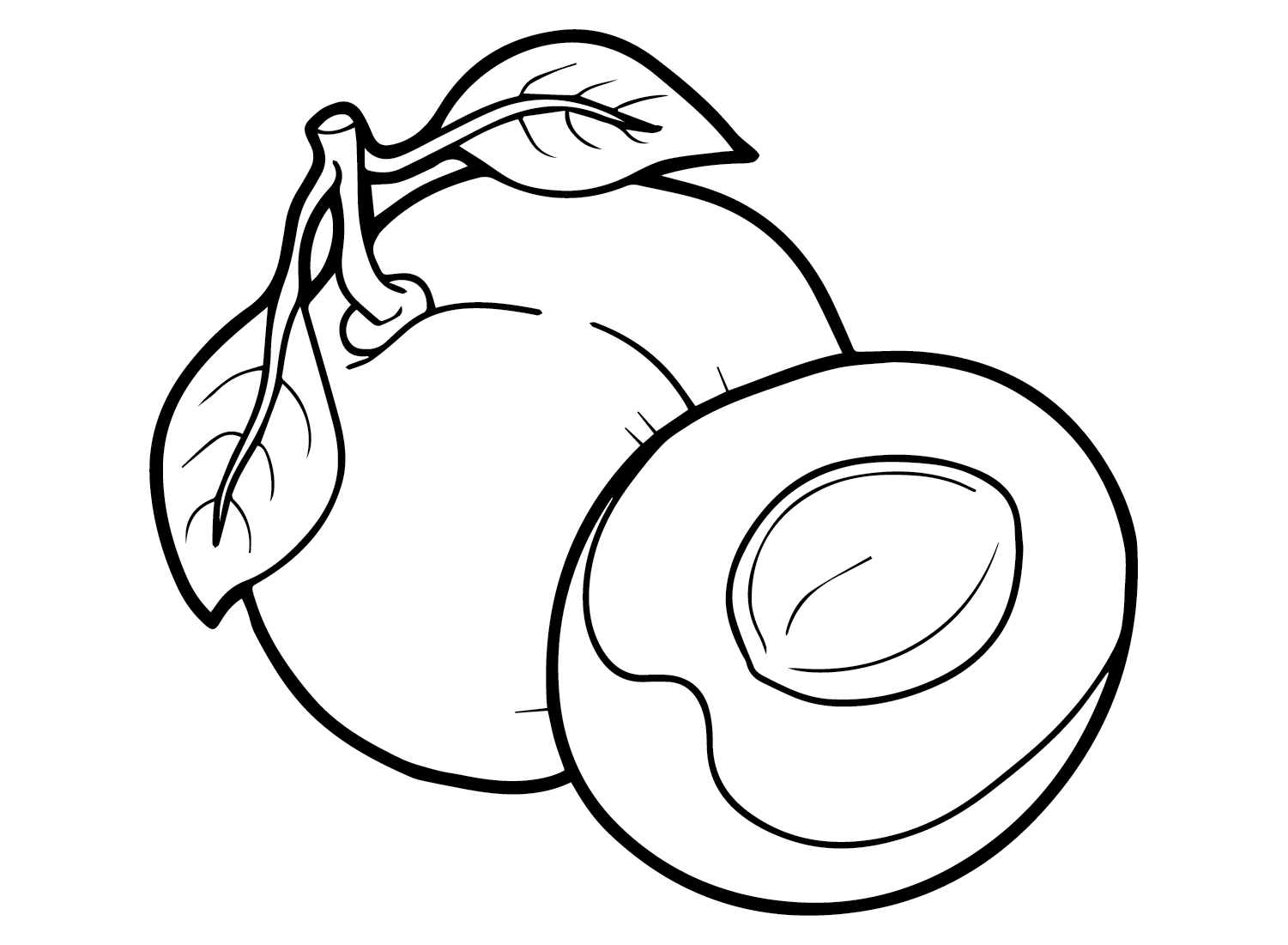
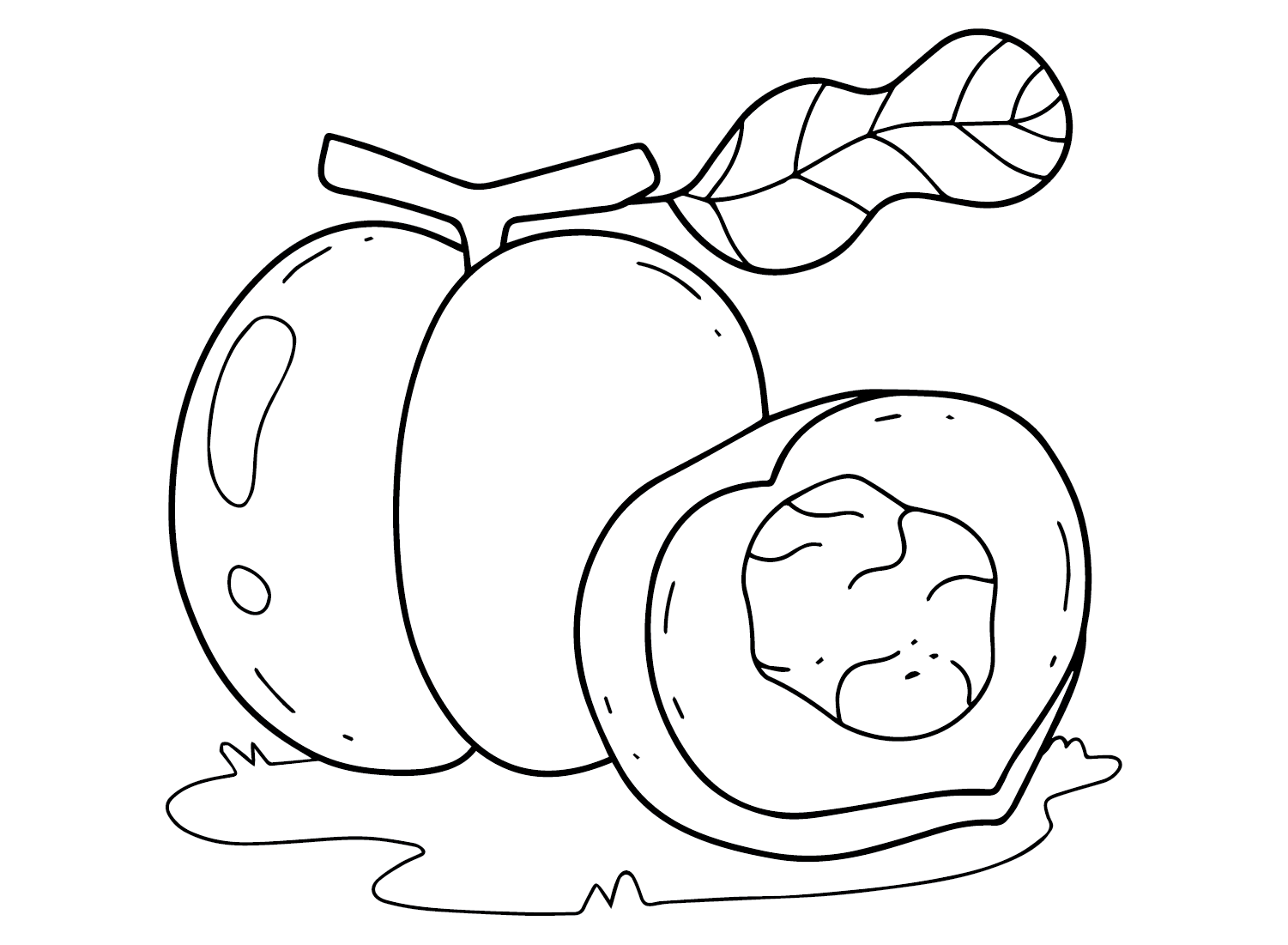
The 23 designs group into five categories, from classic portraits to printable sheets.
Classic Portraits
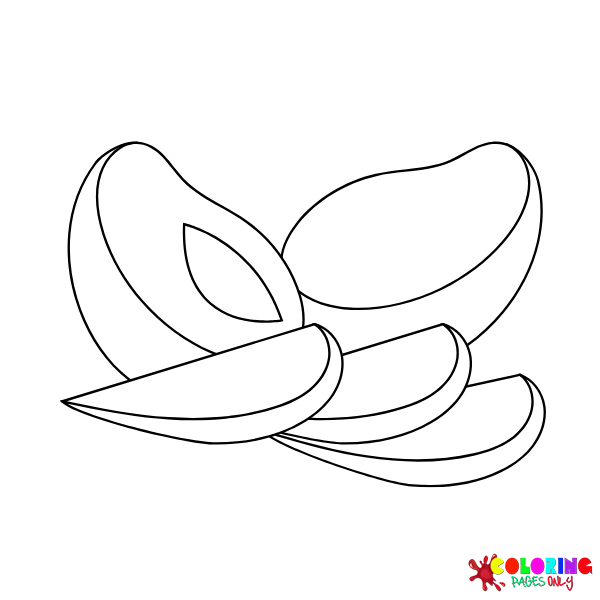
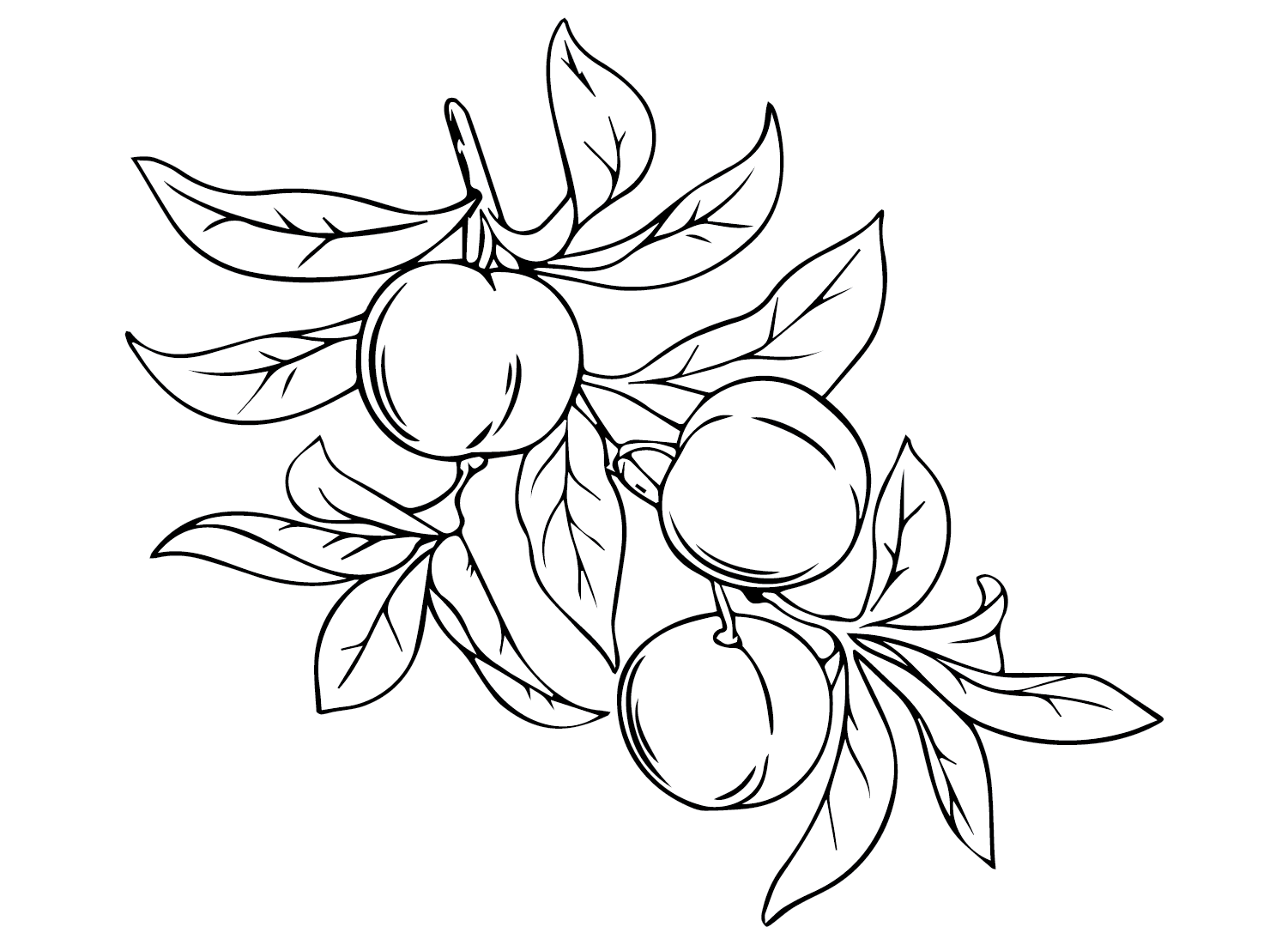
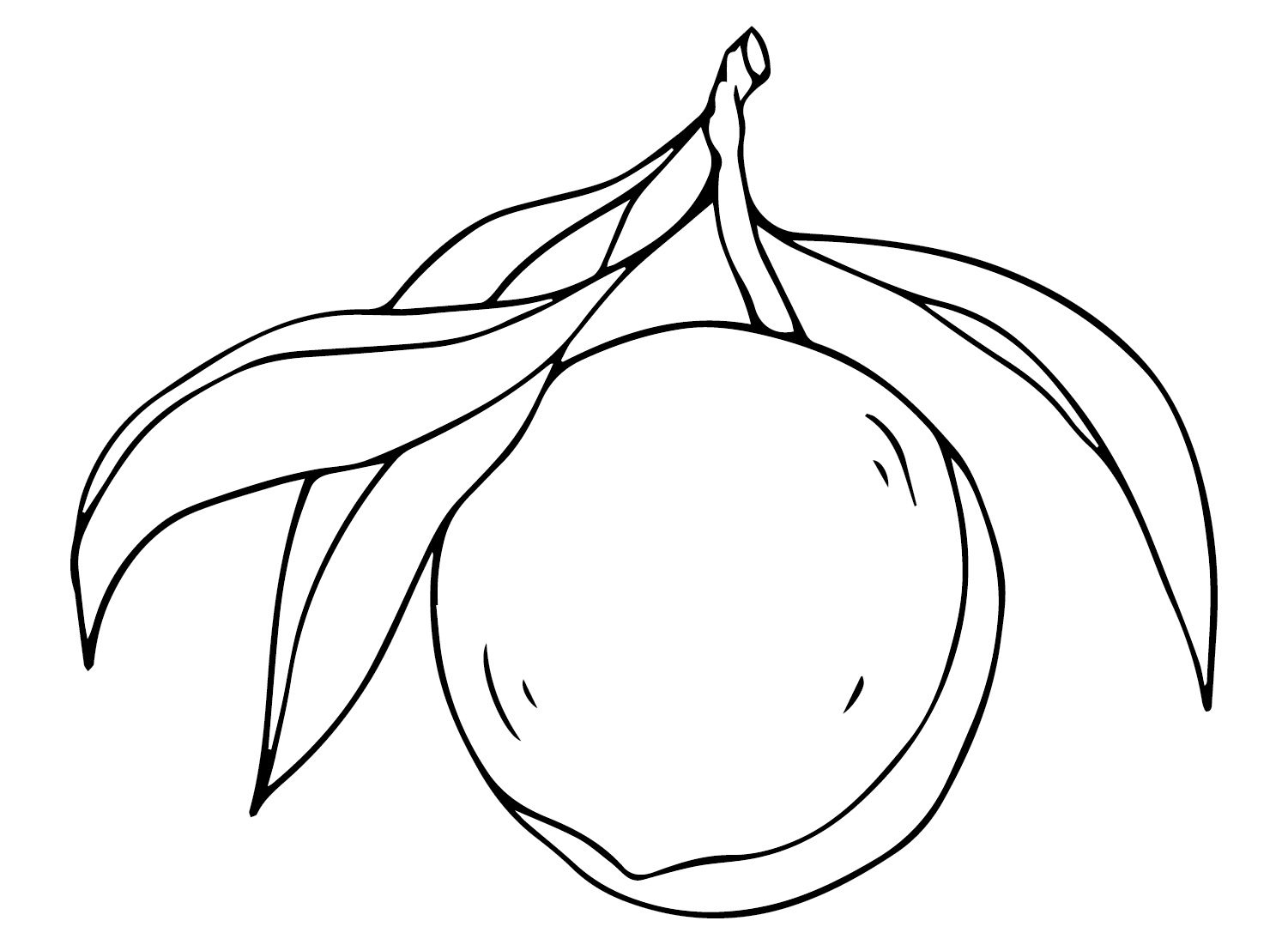
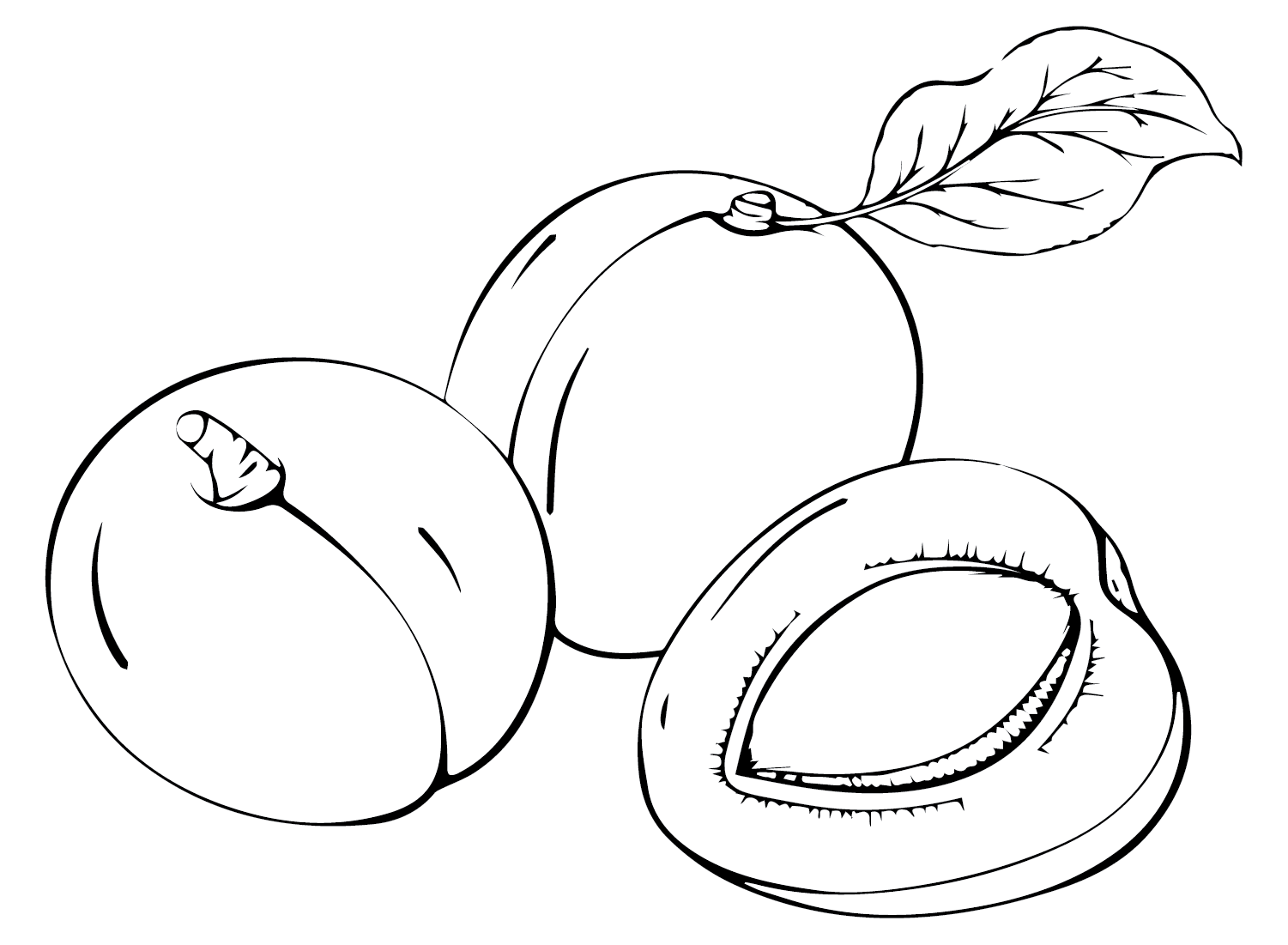
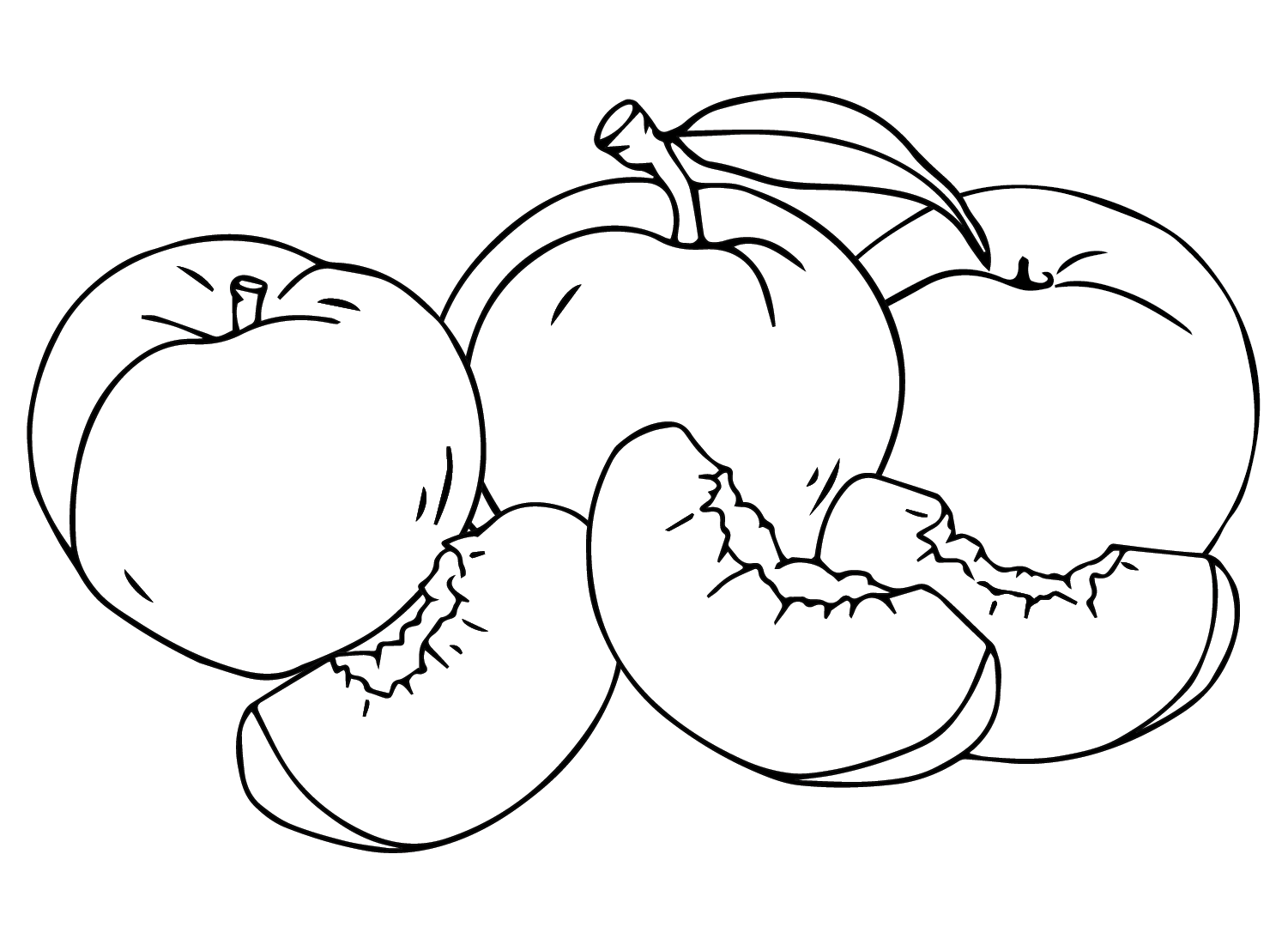
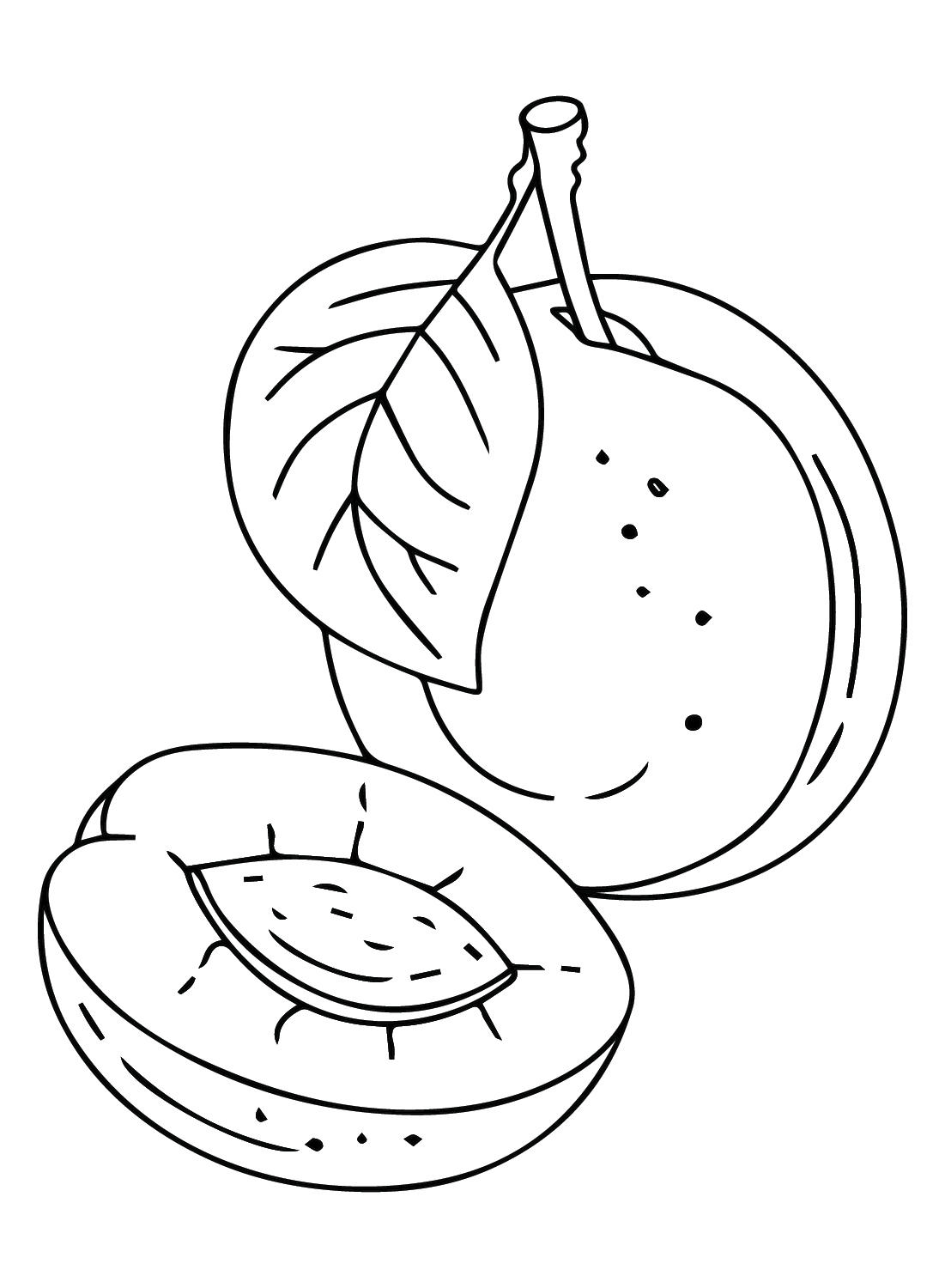
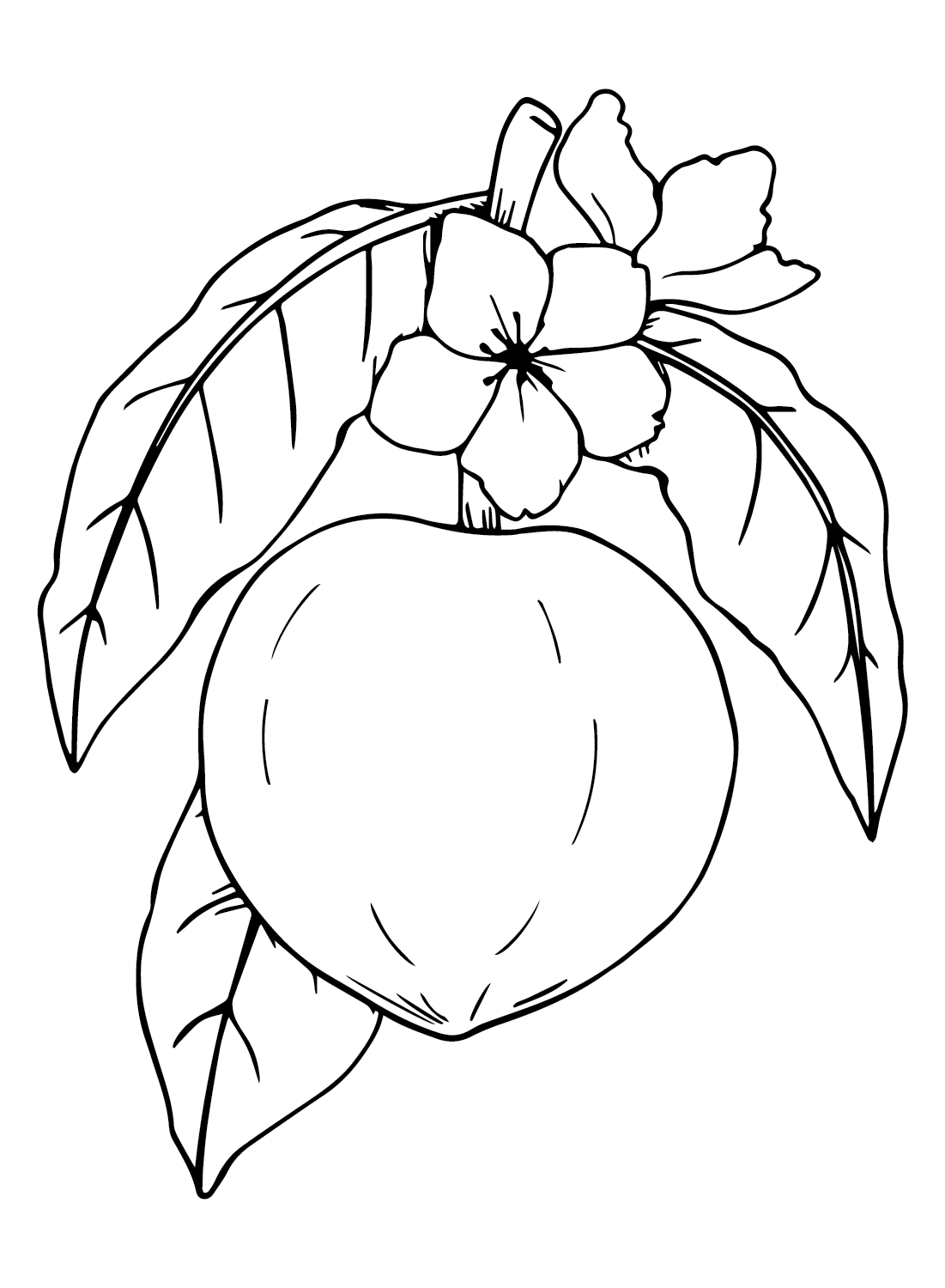
Six pages show a standalone nectarine or small cluster, including ripe and general fruit renderings.
Branch Designs
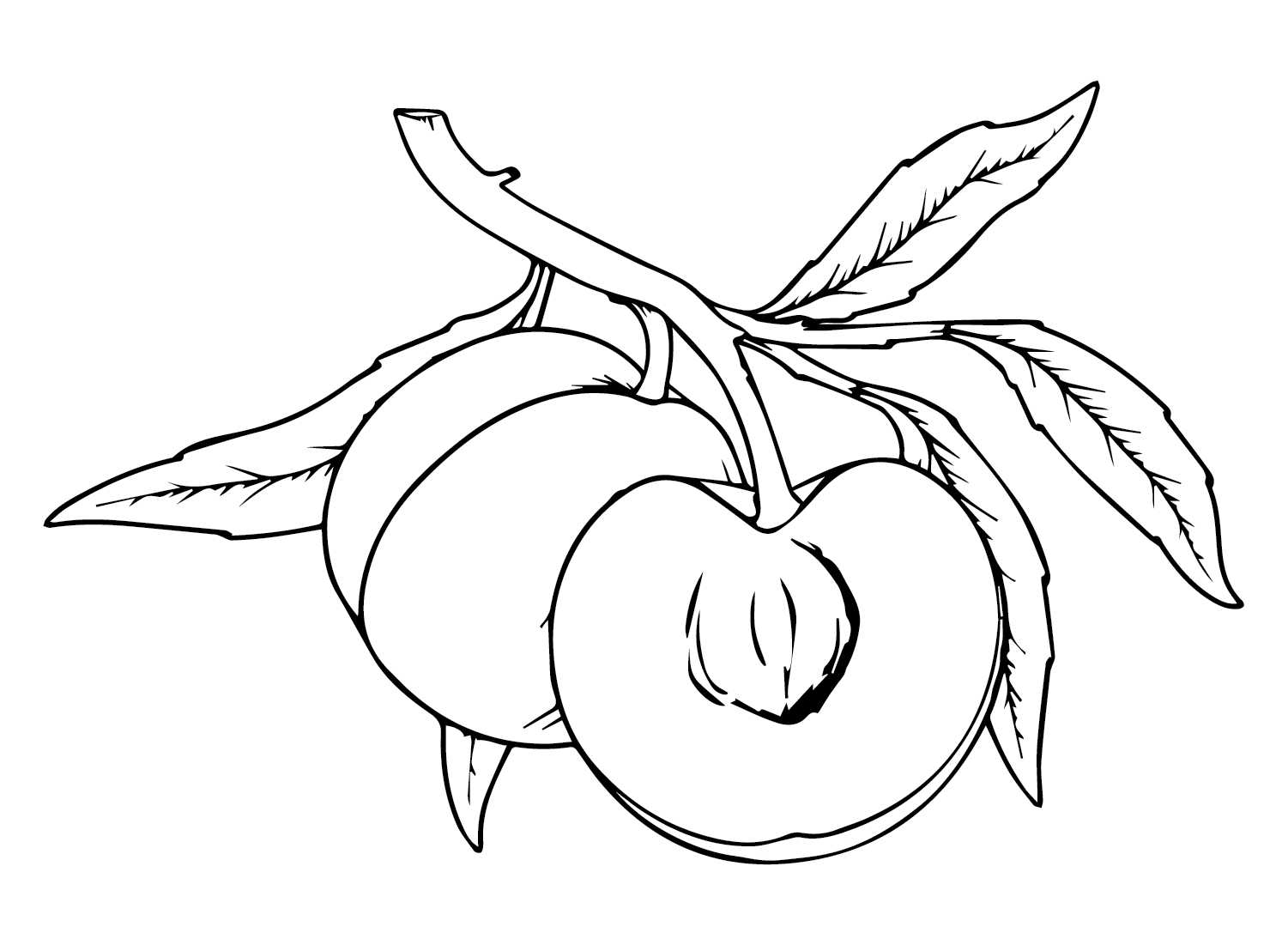
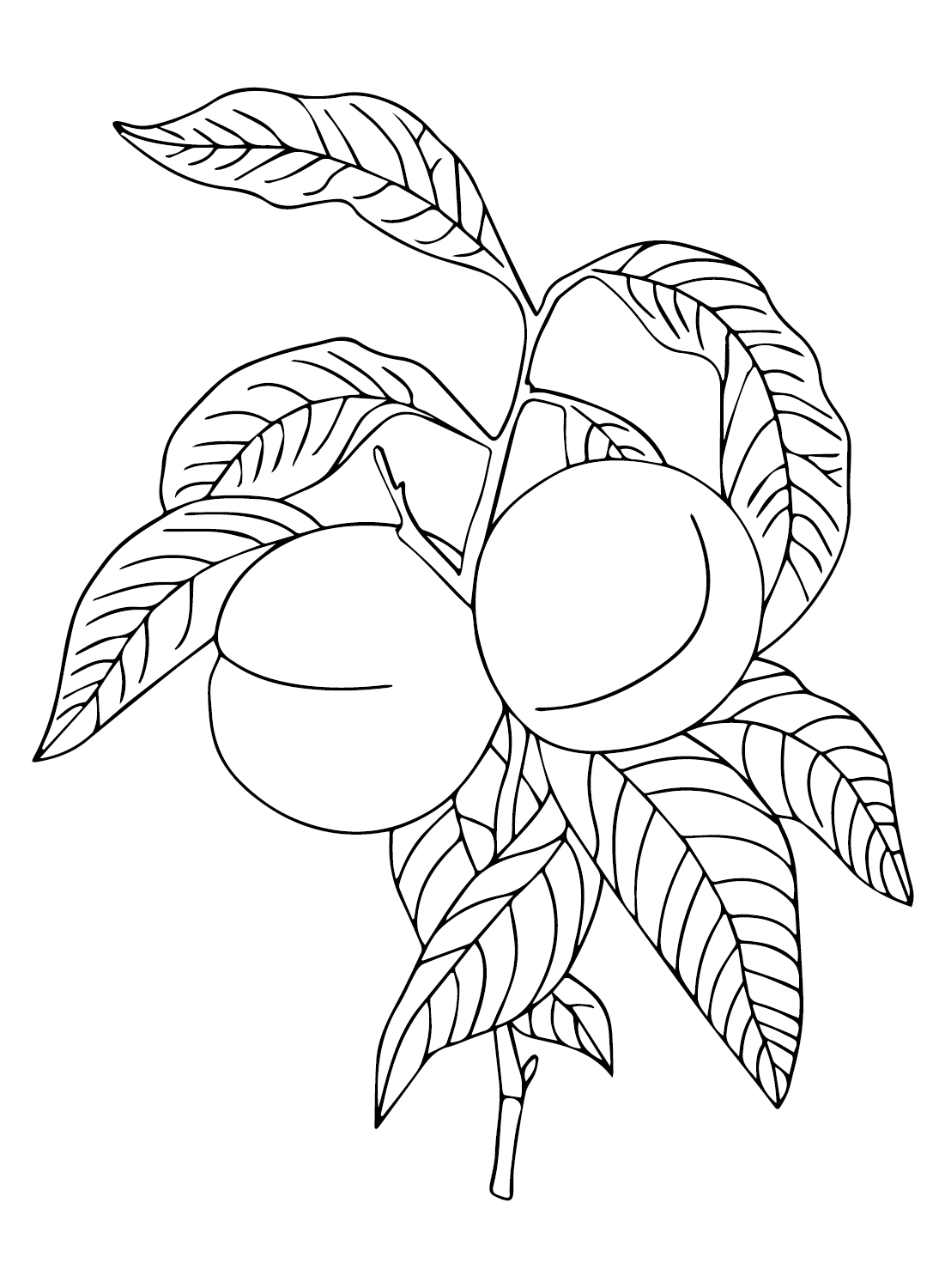
Two pages place the nectarine on its branch, giving colorists a fuller composition that includes the plant’s leaves.
Dessert Artwork
Three pages take a culinary approach, including a cobbler, a crisp, and a general dessert design.
Peach-Comparison and Drawing-Style Pages
Four pages take a more specific angle, including designs that pair nectarines with peaches and a sketch-style rendering.
Printable and Free Sheets
Eight pages are formatted as general printable sheets, making up the largest share of the collection and useful for a quick, single-session print at home or in the classroom.
What Nectarine Coloring Pages Do
Smooth skin that rewards even shading. A nectarine’s glossy, unbroken skin calls for smooth, consistent color application, a cleaner coloring challenge than a fuzzy-textured fruit that benefits from choppier, layered strokes. The American Academy of Pediatrics ties controlled, even shading, to fine motor skill development in children ages 2 through 7.
One gene, one entirely different fruit identity. Nectarines and peaches are genetically the same species, separated by a single recessive gene controlling whether the skin grows fuzz, a genuinely surprising fact that echoes a similar single-gene story colorists may recognize from earlier collections on chili and bell peppers.
A calming activity paired with a genuinely juicy subject. A 2005 study in the Art Therapy Journal found that structured coloring sessions produced measurable reductions in anxiety, and there’s a fitting, unhurried quality in coloring a fruit best enjoyed slowly, whether eaten fresh or baked into a warm dessert.
Fresh fruit and baked dessert as two different color stories. Because this collection includes both fresh nectarine portraits and baked dessert designs like a cobbler and a crisp, colorists get practice shifting between bright, glossy fruit tones and warmer, golden-brown baked tones within the same set of pages.
How to Color Nectarine Pages Well
- Skin: Use warm Yellow-Orange as the base, blending in a deep Red or Pink blush on one side to capture the fruit’s natural sun-exposed coloring.
- Flesh (if shown in a cut cross-section): Use pale Yellow or soft White depending on the variety, with a small reddish ring near the pit.
- Pit: Use deep Brown for the large central pit visible in cross-section designs.
- Branch and leaves: Use warm Brown for the branch and rich Green for the narrow, pointed leaves.
- Cobbler and crisp designs: Use warm Golden Brown for the baked crust or topping, with a rich Orange-Red filling to suggest the cooked fruit inside.
- Backgrounds: Keep backgrounds simple with soft Cream or light Blue tones so the fruit’s warm color remains the clear focus of the page.
5 Creative Craft Ideas With Nectarine Coloring Pages
1. Kitchen Recipe Card
Color a nectarine dessert page, glue it to the front of an index card, and use it as a decorative cover for a favorite summer recipe.
2. Nectarine Bookmark
Color a small nectarine design, cut it into a bookmark shape, and use it to mark a place in a favorite book.
3. Greeting Card
Fold cardstock in half, glue on a colored nectarine design, and write a message inside for a friend who loves fresh fruit.
4. Classroom Fruit Family Poster
Color a nectarine and a peach page side by side, then arrange them on a poster board for a classroom lesson about how two fruits can be nearly identical genetically.
5. Paper Garland
Cut out three or four colored nectarine designs, punch a hole in each, and string them together with twine for a bright kitchen or summer party garland.
Frequently Asked Questions
What are Nectarine coloring pages?
Nectarine coloring pages are printable line-art designs featuring this fruit in classic portrait, branch, and dessert artwork. This collection includes 23 free designs available as PDFs or online coloring.
Is a nectarine a hybrid of a peach and a plum?
No. Despite the common myth, a nectarine is not a cross between a peach and a plum. It’s the same species as a peach, Prunus persica.
What is the real difference between a nectarine and a peach?
Nectarines and peaches differ by a single recessive gene that controls whether the fruit’s skin grows fine hairs, called trichomes. Peaches have fuzzy skin, while nectarines have smooth, glossy skin.
Where do nectarines come from?
Nectarines are believed to have originated in China thousands of years ago and are now cultivated widely, including in the United States, Spain, and Italy.
What are the health benefits of nectarines?
Nectarines are a good source of vitamin C, potassium, and dietary fiber, and are low in calories and fat.
When are nectarines in season?
Nectarines are typically in season during the summer months, though exact timing varies by growing region.
Are Nectarine coloring pages suitable for young children?
Yes. The simple portrait designs in this collection use bold, uncluttered outlines suited to preschool and early elementary colorists, while the branch and dessert pages offer more detail for older kids.
What are some ways to eat nectarines?
Nectarines are typically eaten fresh but can also be baked into cobblers and crisps, added to salads, or used in jams and other desserts.
Start Coloring
Download any page by clicking the design. No account, email, or payment is required. Pages print directly from the browser at full resolution or open in the online coloring tool for screen use. Share finished pages on Facebook or Pinterest with the share buttons at the top of each design page.