Ornithischian Dinosaurs Coloring Pages
 By:
Jennifer Thoa - Content Editor & Designer
Updated:
By:
Jennifer Thoa - Content Editor & Designer
Updated:
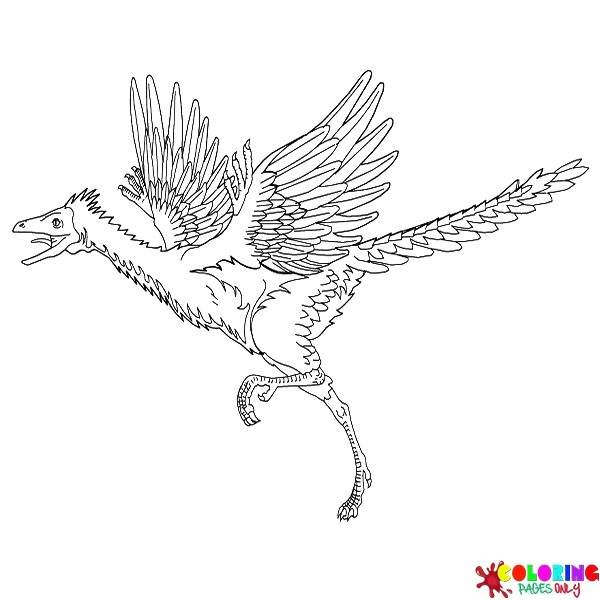
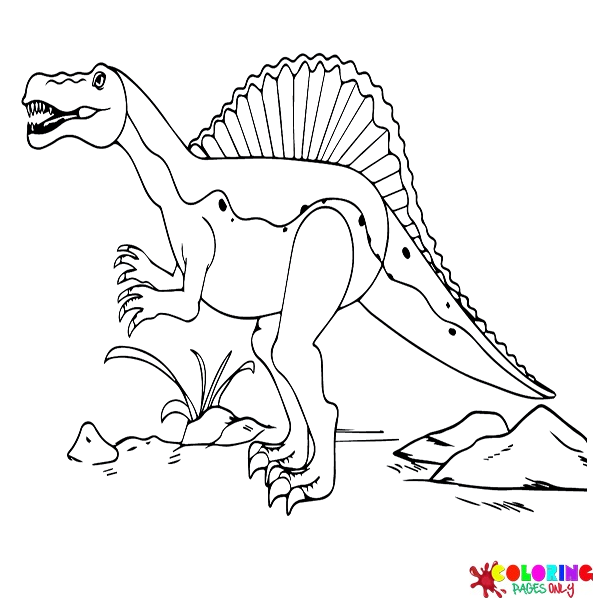
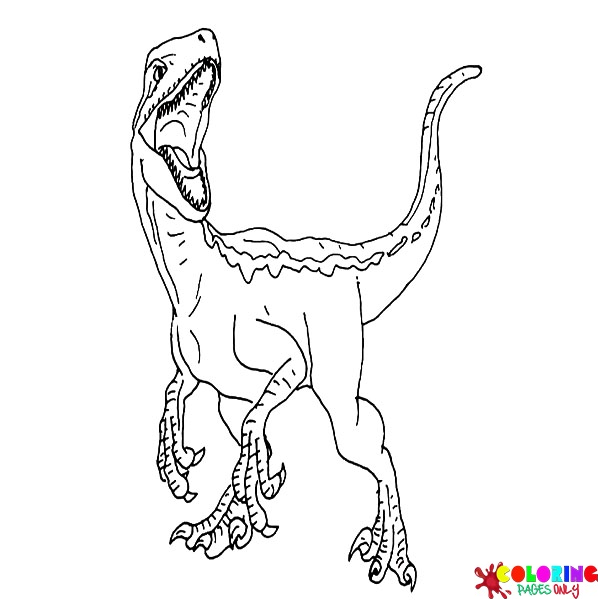
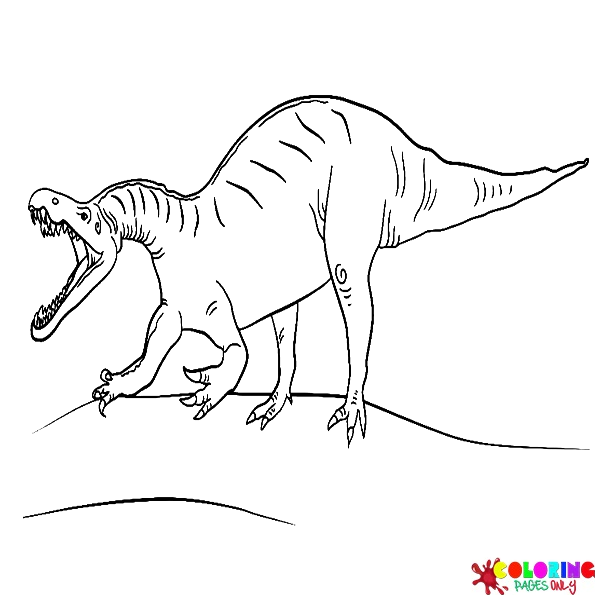
Free Ornithischian Dinosaurs coloring pages: 15 printable PDF designs of horned ceratopsians, thick-skulled pachycephalosaurs, and other plant-eating dinosaurs. Each page can be downloaded as a PDF to print or colored online in the browser.
Ornithischia is a major group of dinosaurs named for a pelvic structure that looks similar to a bird’s hip, from the Greek words for “bird” and “hip.” British scientist Harry Seeley coined the name in the 1880s, but despite the name, birds actually descended from the other major dinosaur group, Saurischia, not from ornithischians. Every known ornithischian was a plant-eater, and the group includes horned ceratopsians like Triceratops and Protoceratops, dome-headed pachycephalosaurs, armored stegosaurs and ankylosaurs, and duck-billed ornithopods. All ornithischians share a distinctive extra bone at the tip of the lower jaw, called a predentary, along with leaf-shaped teeth suited to eating tough plants.
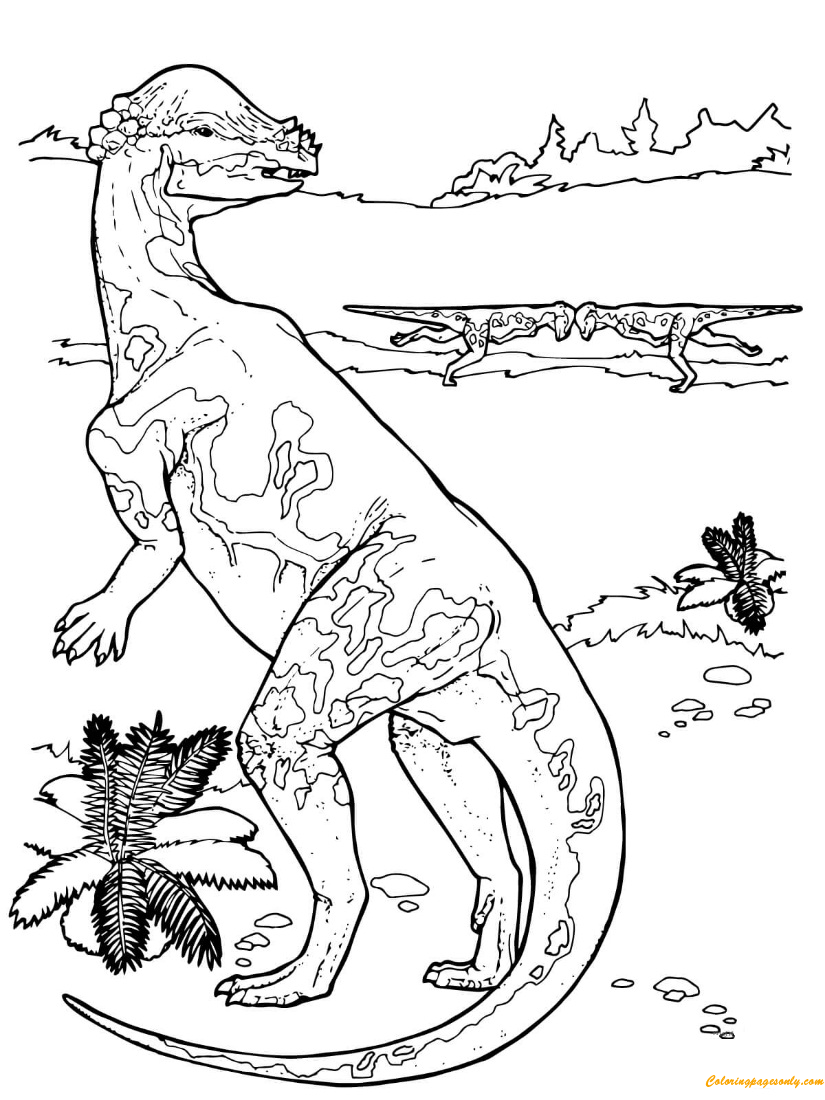
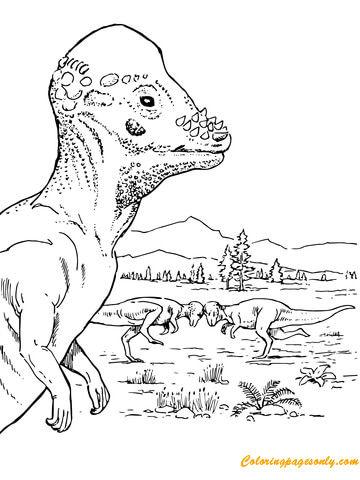
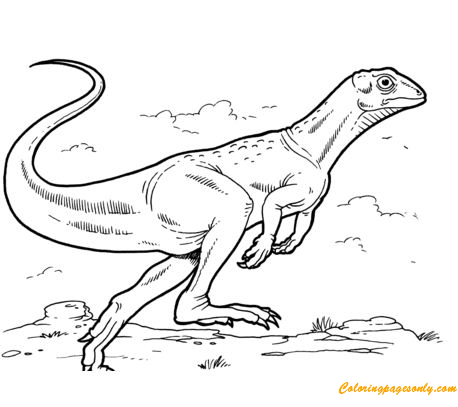
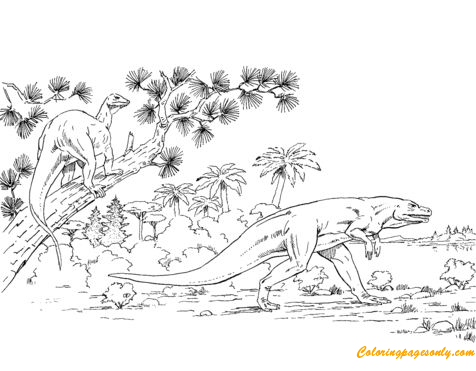
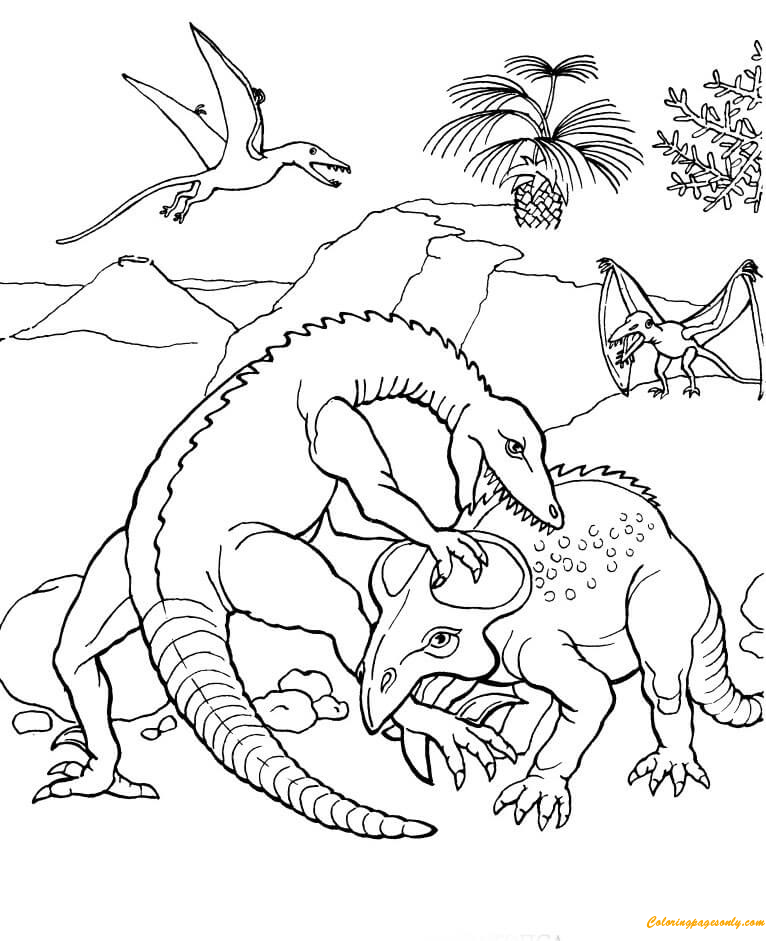
This collection spans 15 pages, grouped into ceratopsians, pachycephalosaurs, and ornithopods and early ornithischians. The coloring angle ranges from simple solo portraits to more dynamic scenes showing dinosaurs fighting or interacting with other prehistoric animals.


What’s Inside This Collection
The 15 designs group into three categories, reflecting the major branches of the ornithischian family tree.
Ceratopsians: The Horned and Frilled Dinosaurs
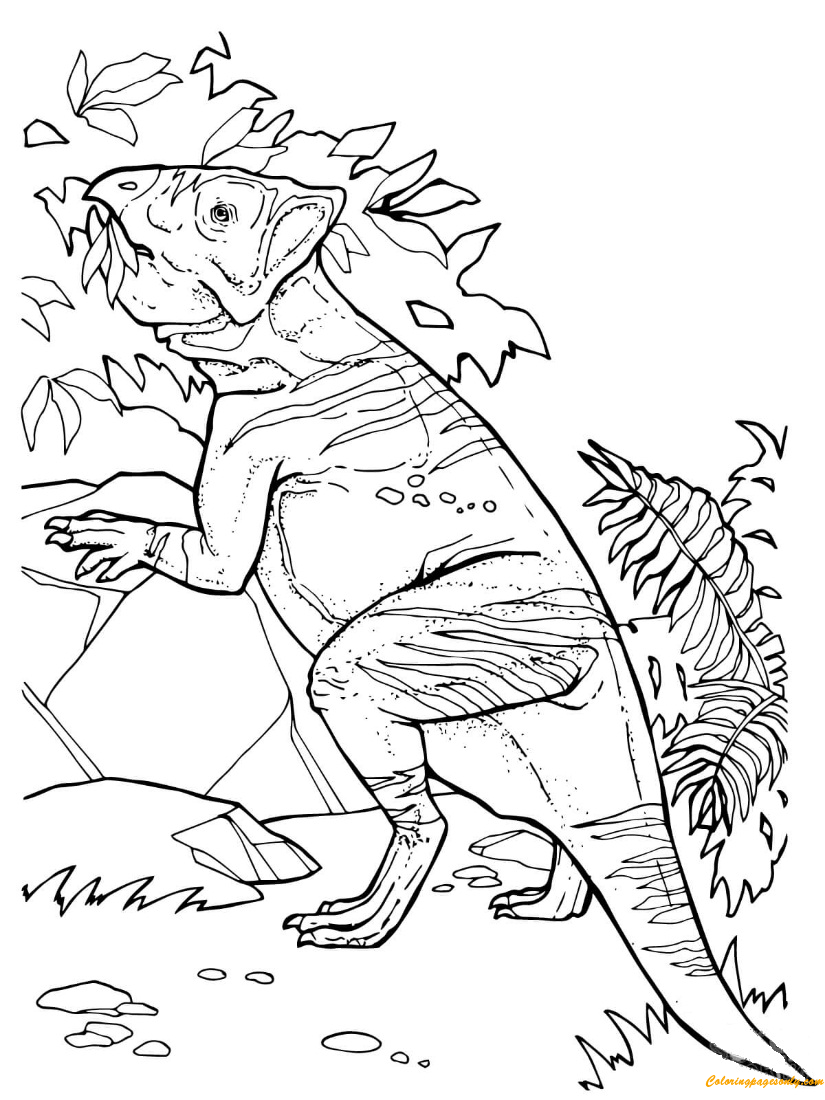
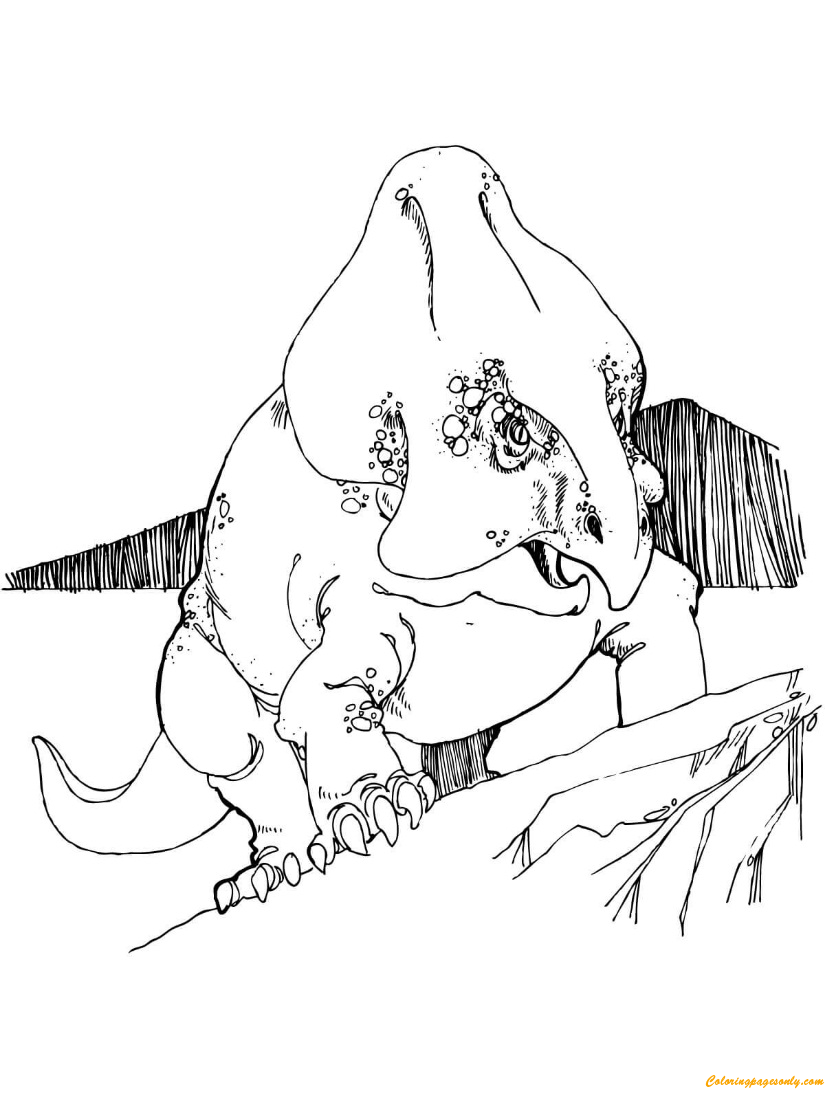
Several pages feature ceratopsians, including Protoceratops shown alone, fighting, and near a nest of eggs, along with Leptoceratops and Psittacosaurus, two of its smaller relatives.
Pachycephalosaurs: The Thick-Headed Dinosaurs
A group of pages shows the dome-skulled Pachycephalosaurus and Stegoceras, including one page depicting Stegoceras in a head-to-head confrontation.
Ornithopods and Early Ornithischians
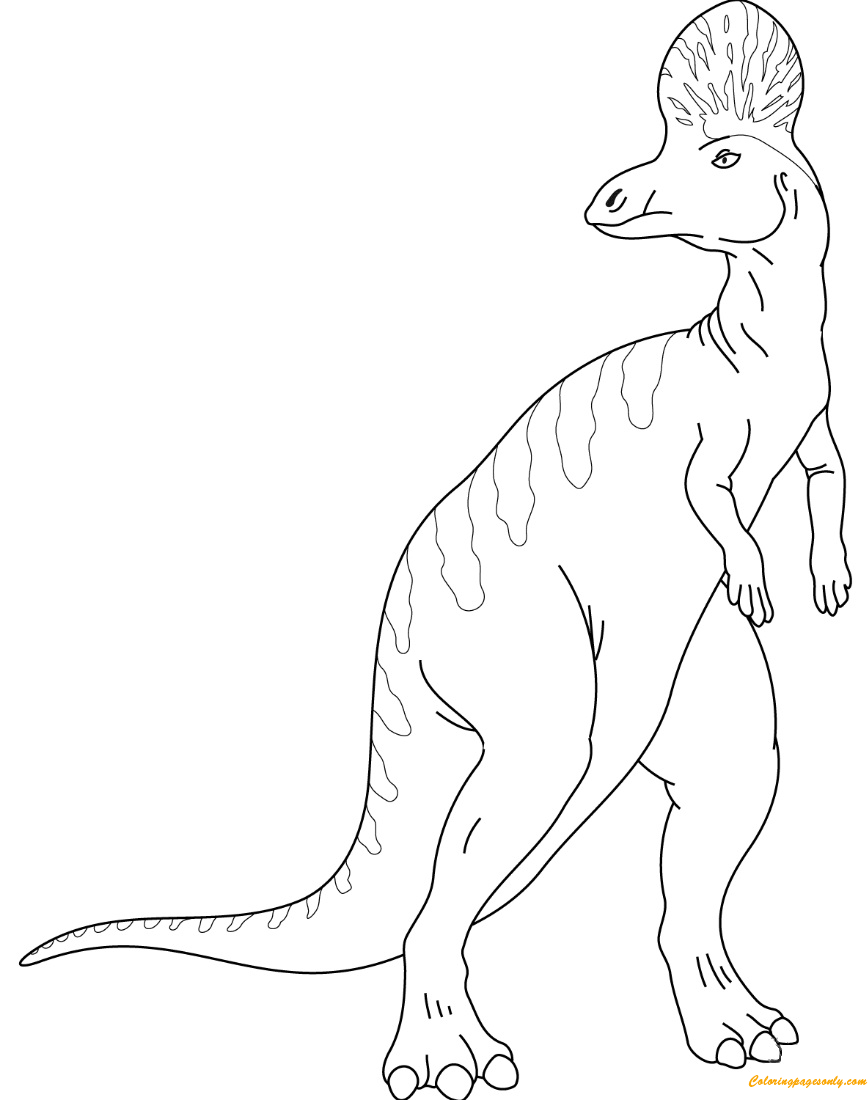
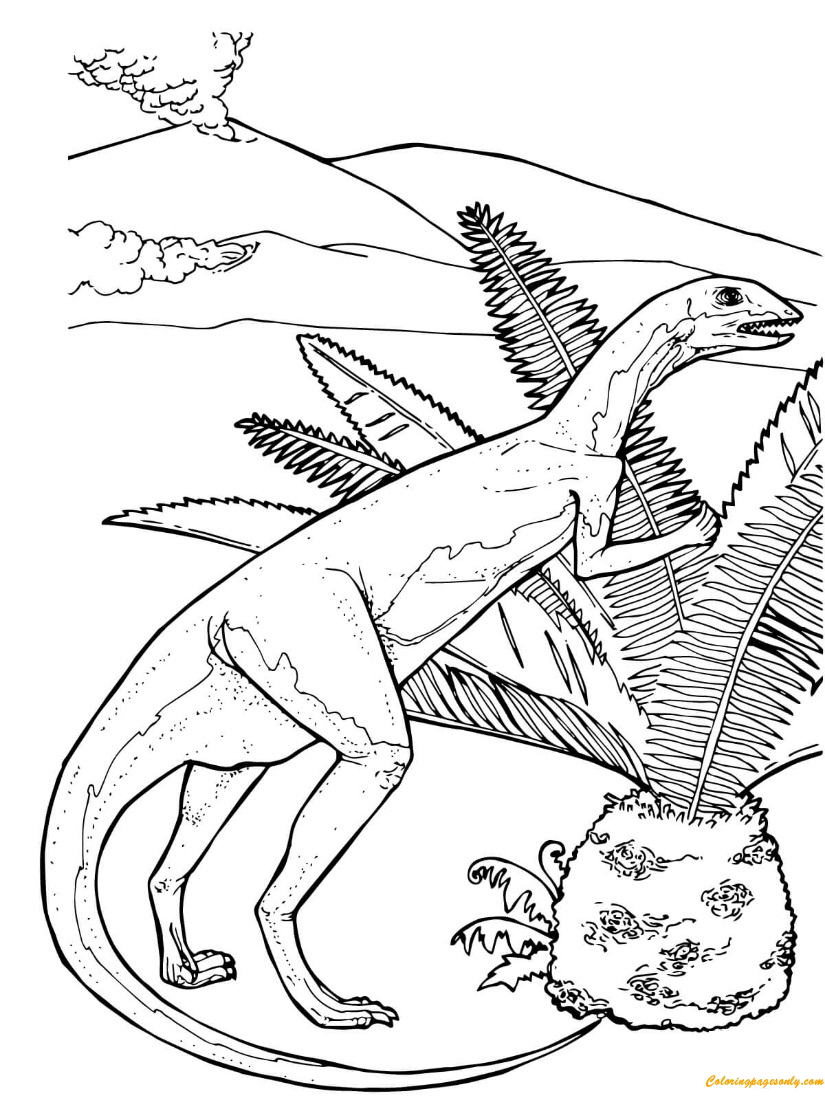
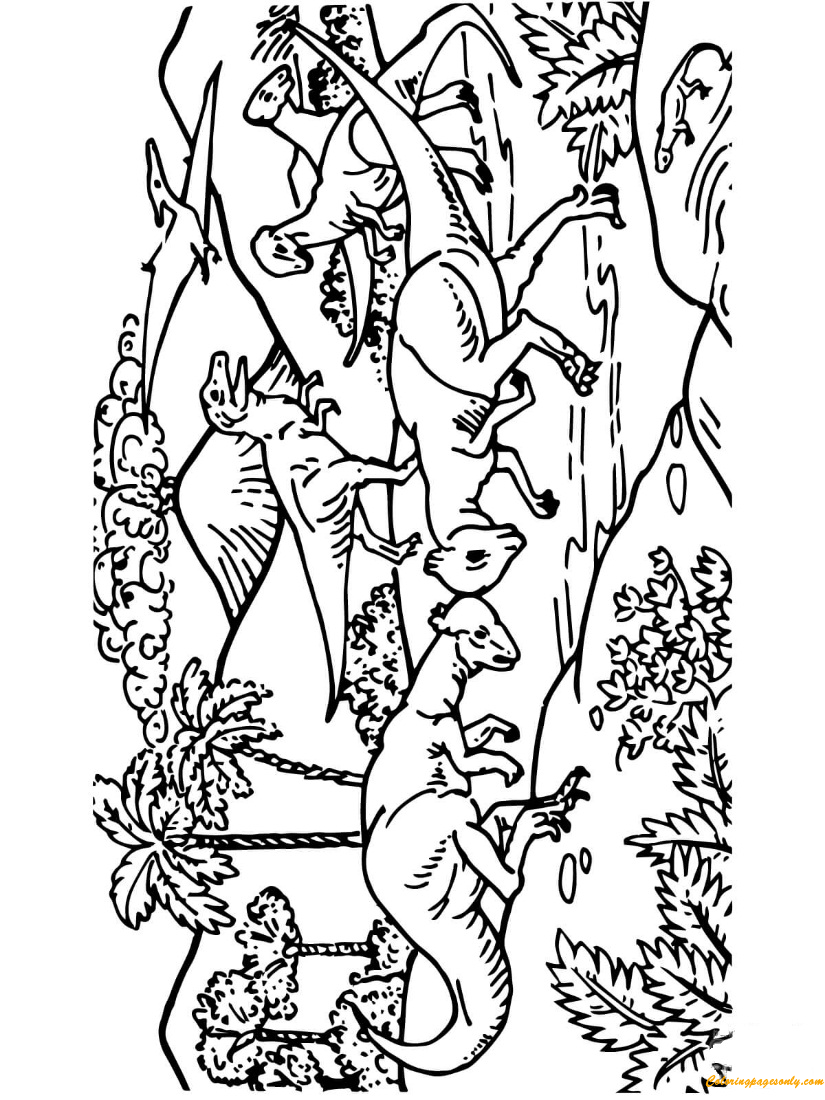
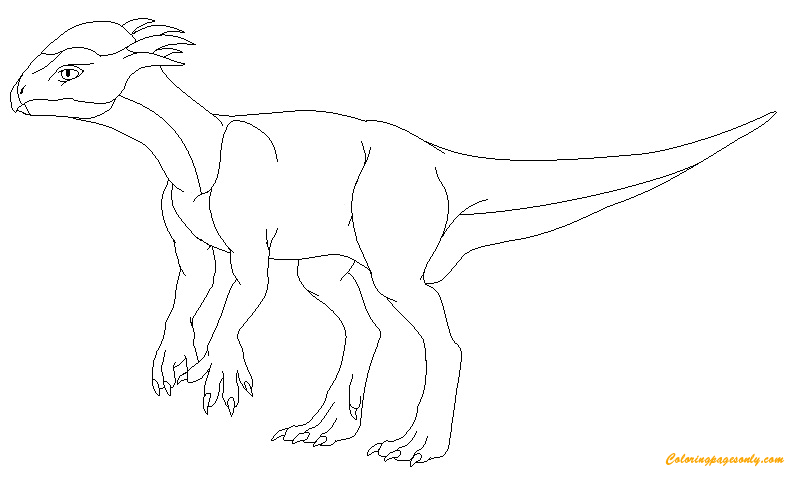
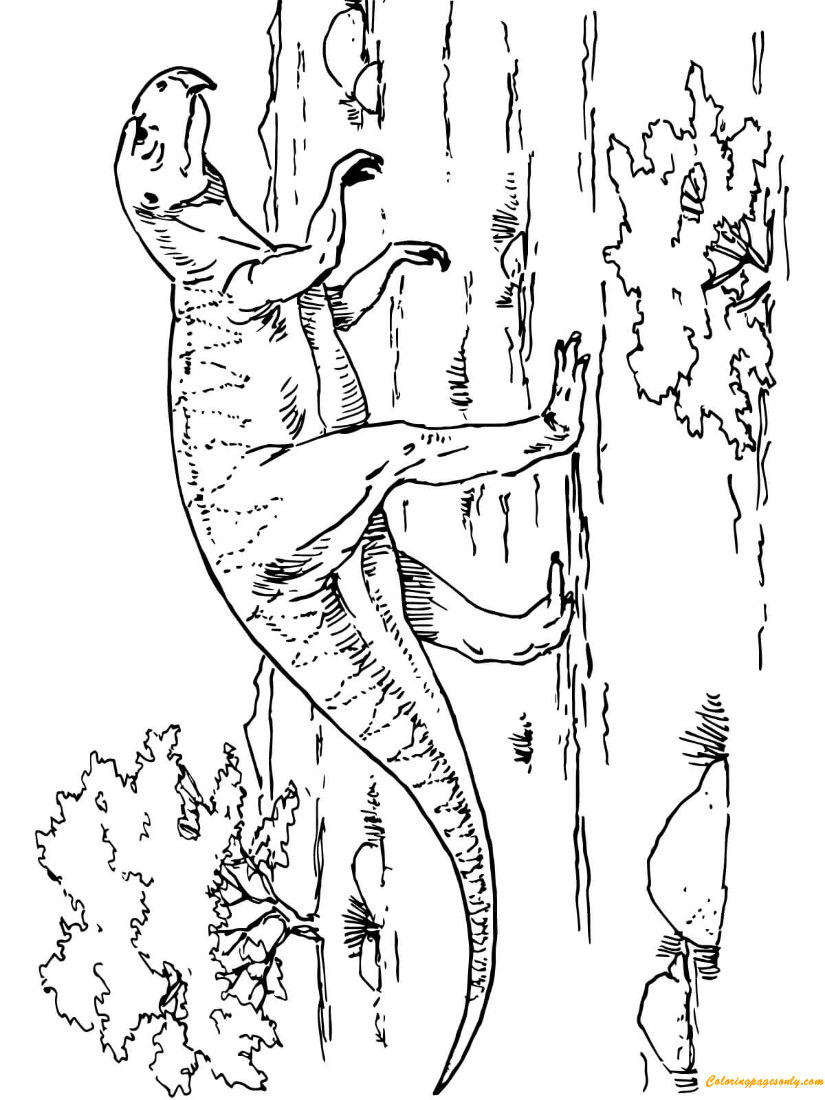
The remaining pages cover Corythosaurus, Hypsilophodon, Fabrosaurus, and Lesothosaurus, along with a scene pairing Hypsilophodon with the theropod predator Megalosaurus.
What Ornithischian Dinosaurs Coloring Pages Do
Fine motor development through detailed anatomy. The American Academy of Pediatrics identifies fine motor skill development as a core benefit of structured coloring for children ages 2 through 7, and staying inside the lines of a ceratopsian’s frill or a pachycephalosaur’s domed skull calls for exactly that kind of controlled, contained pencil movement.
An introduction to dinosaur classification. Coloring a set of ceratopsians, pachycephalosaurs, and ornithopods side by side gives colorists a simple, visual way to see how paleontologists group dinosaurs by shared physical features rather than by size or era alone.
Anxiety reduction through focus. A 2005 study in the Art Therapy Journal documented measurable reductions in anxiety following structured coloring sessions, and working through a set of similarly detailed dinosaur pages offers that same steady, repetitive rhythm.
A window into real paleontology history. Because this collection includes a scene of Oviraptor near a Protoceratops nest, coloring can pair naturally with the well-documented story of how scientists corrected their original interpretation of that famous fossil find.
How to Color Ornithischian Dinosaur Pages Well
- Ceratopsian frills: Use a base of Olive Green or Tan, adding a Rust or Burnt Orange edge around the rim of the frill to make it stand out.
- Horns and beaks: Color horns and the beak-like predentary a pale Gray or Bone White, since these hard structures likely stood out against softer skin tones.
- Pachycephalosaur domes: Keep the thick, rounded skull a smooth Tan or light Brown, with small Gray bumps or nodules dotted around the edges.
- Ornithopod bodies: Use Sage Green or Olive for the main body, since many ornithopods likely had coloring suited to blending into forest and floodplain environments.
- Skin texture: Add small patches of a second, related shade, such as Forest Green over Olive, instead of one flat color, to suggest a scaly, textured hide.
- Backgrounds: Use warm Tan or Beige for open floodplain scenes, or deeper Green tones for pages set in denser prehistoric forest.
5 Creative Craft Ideas With Ornithischian Dinosaur Pages
1. Dinosaur Family Tree. Color one page from each group in this collection, then arrange and label them on a poster to show how ceratopsians, pachycephalosaurs, and ornithopods relate to one another.
2. Fossil Fact Cards. Color and cut out a few designs, then write a fact about each dinosaur on the back to use as a simple study tool.
3. Prehistoric Diorama. Decorate a shoebox to look like a Cretaceous floodplain, then add colored dinosaur cutouts for a 3D scene.
4. Dinosaur Bookmark. Color a smaller design, laminate it, and trim it into a bookmark-sized strip.
5. Museum Label Cards. Color a page and mount it on cardstock with a small hand-written label, similar to a museum fossil display, for a classroom exhibit.
Frequently Asked Questions
What are Ornithischian Dinosaurs coloring pages?
Ornithischian Dinosaurs coloring pages are printable line-art designs of horned ceratopsians, thick-skulled pachycephalosaurs, and other plant-eating dinosaurs. This collection includes 15 free designs available as PDFs or online coloring.
What does Ornithischia mean?
Ornithischia means “bird-hipped” in Greek, a name chosen because these dinosaurs had a pelvic structure that looked similar to a bird’s hip bones.
Are ornithischian dinosaurs related to birds?
No. Despite the name, birds actually descended from Saurischia, the other major dinosaur group, making ornithischians only distantly related to birds.
What kind of diet did ornithischian dinosaurs have?
All known ornithischian dinosaurs were herbivores, using their beak-like predentary bone and leaf-shaped teeth to eat tough plant material.
What is a ceratopsian?
A ceratopsian is a horned, frilled dinosaur, such as Triceratops or Protoceratops, named from the Greek for “horn-faced.”
What is a pachycephalosaur?
A pachycephalosaur is a dinosaur with a thick, domed skull, such as Pachycephalosaurus or Stegoceras, and the name means “thick-headed” in Greek.
Are Ornithischian dinosaur coloring pages suitable for young children?
Yes. The simpler solo portraits in this collection suit preschool and early elementary colorists, while the more detailed fighting and nesting scenes work well for older children interested in paleontology.
Did Oviraptor really steal Protoceratops eggs?
No. Oviraptor was originally named “egg thief” after fossils were found near a nest thought to belong to Protoceratops, but later discoveries showed the nest actually belonged to Oviraptor itself, which was likely brooding its own eggs rather than raiding another dinosaur’s nest.
Start Coloring
Download any page by clicking the design. No account, email, or payment is required. Pages print directly from the browser at full resolution or open in the online coloring tool for screen use. Share finished pages on Facebook or Pinterest with the share buttons at the top of each design page.