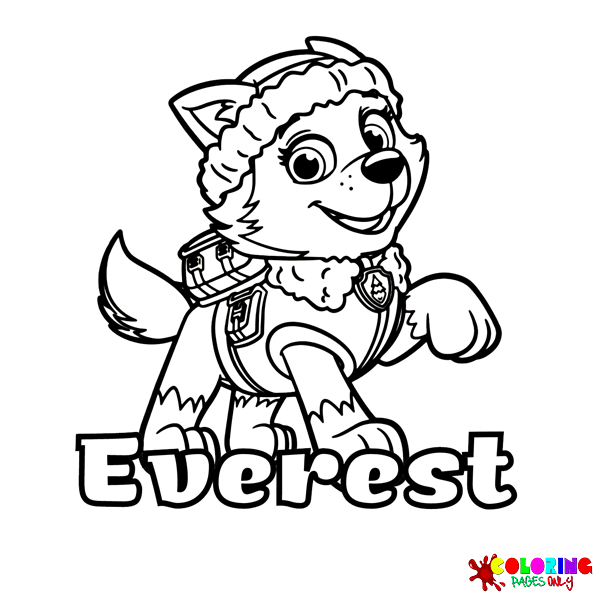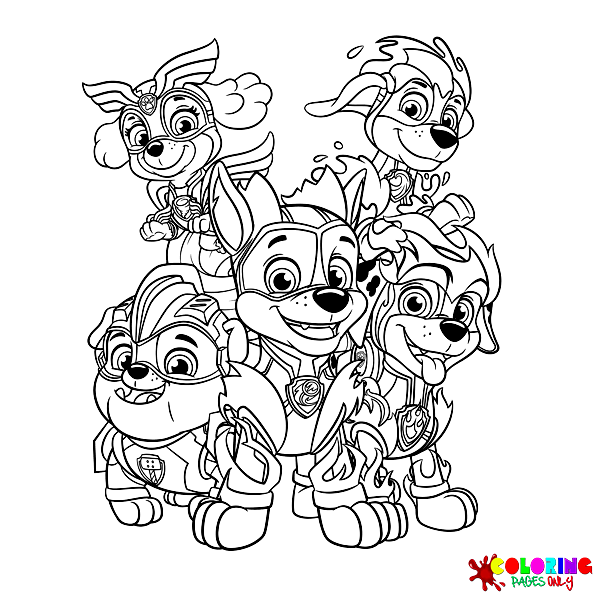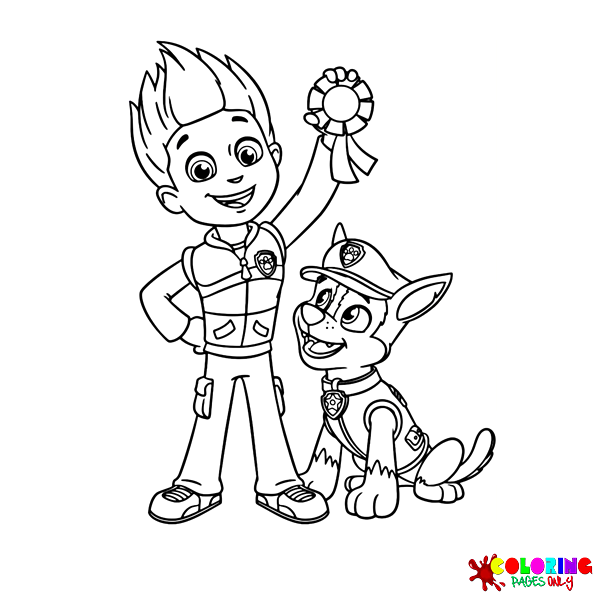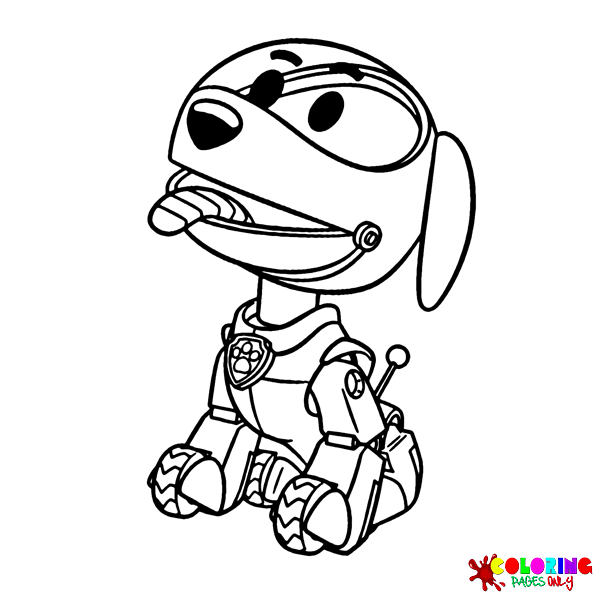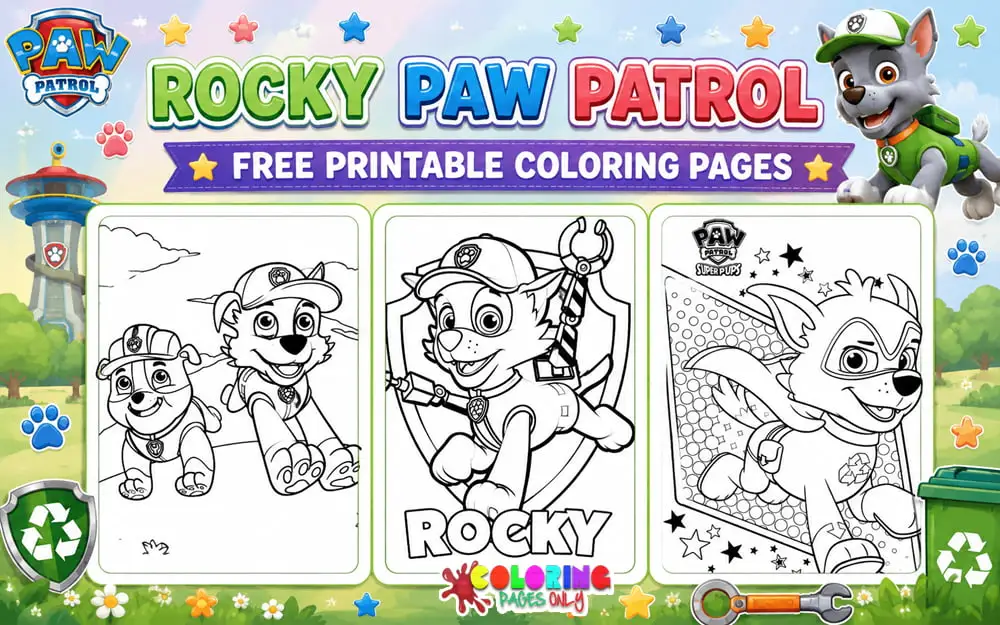
Free Rocky Paw Patrol Coloring Pages: 25 printable PDF designs featuring the PAW Patrol’s gray recycling pup on his own, beside best buddies like Rubble and Zuma, and in team lineups for Christmas, Halloween, and birthdays. Send a sheet to the printer or color it right on a tablet.
Rocky is the PAW Patrol’s recycling and repair expert, a clever mixed-breed pup who can turn almost any piece of junk into something useful. His green uniform and pup pack hold handy gadgets like a claw, a screwdriver, and a roll of tape, and he races to rescues in a green recycling truck. Rocky loves to tinker and build, but he really does not like getting wet, so baths and splashy missions make him nervous. His pup tag shows the recycling symbol, a reminder that he never lets anything go to waste.
Rocky portraits and buddy pages make friendly starters for toddlers, and the busy team and holiday scenes give preschoolers lots of pups to color.


What’s Inside This Collection
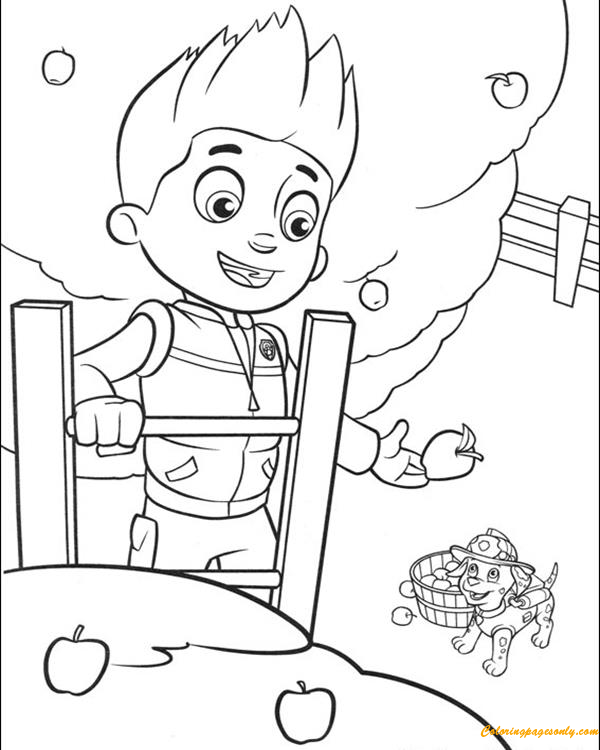
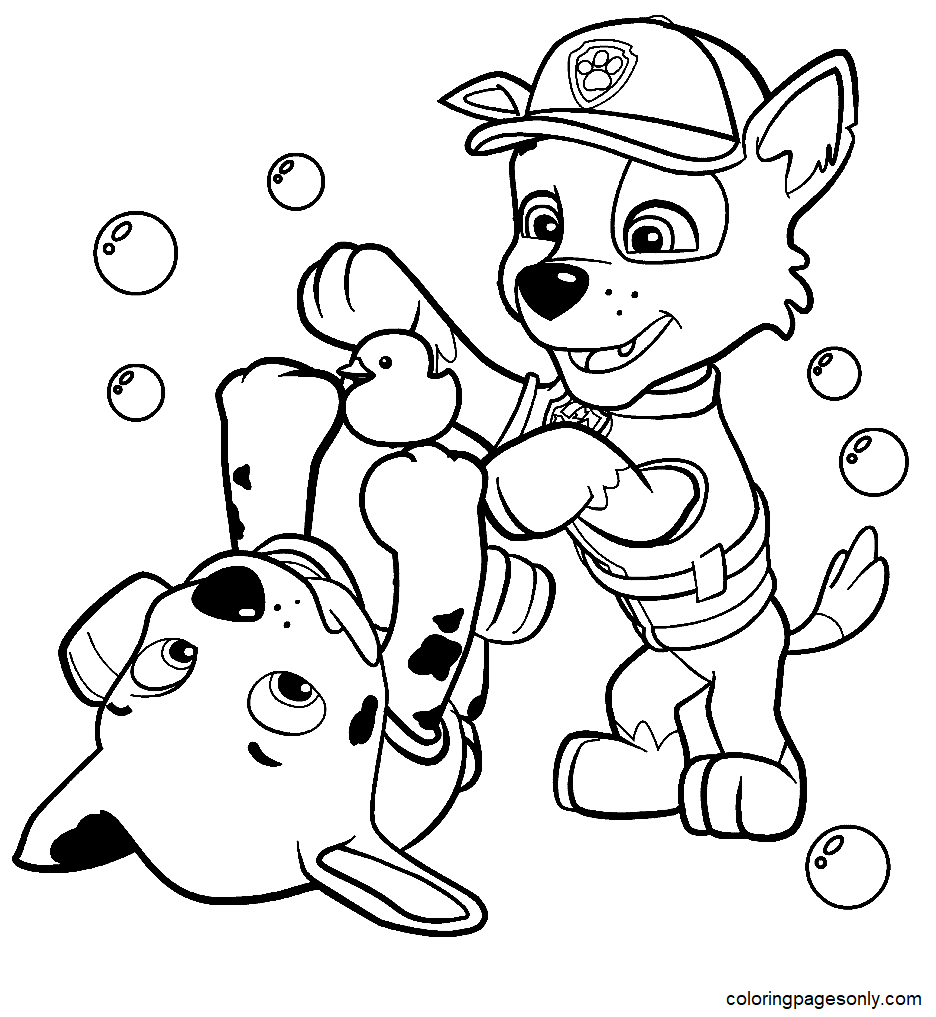
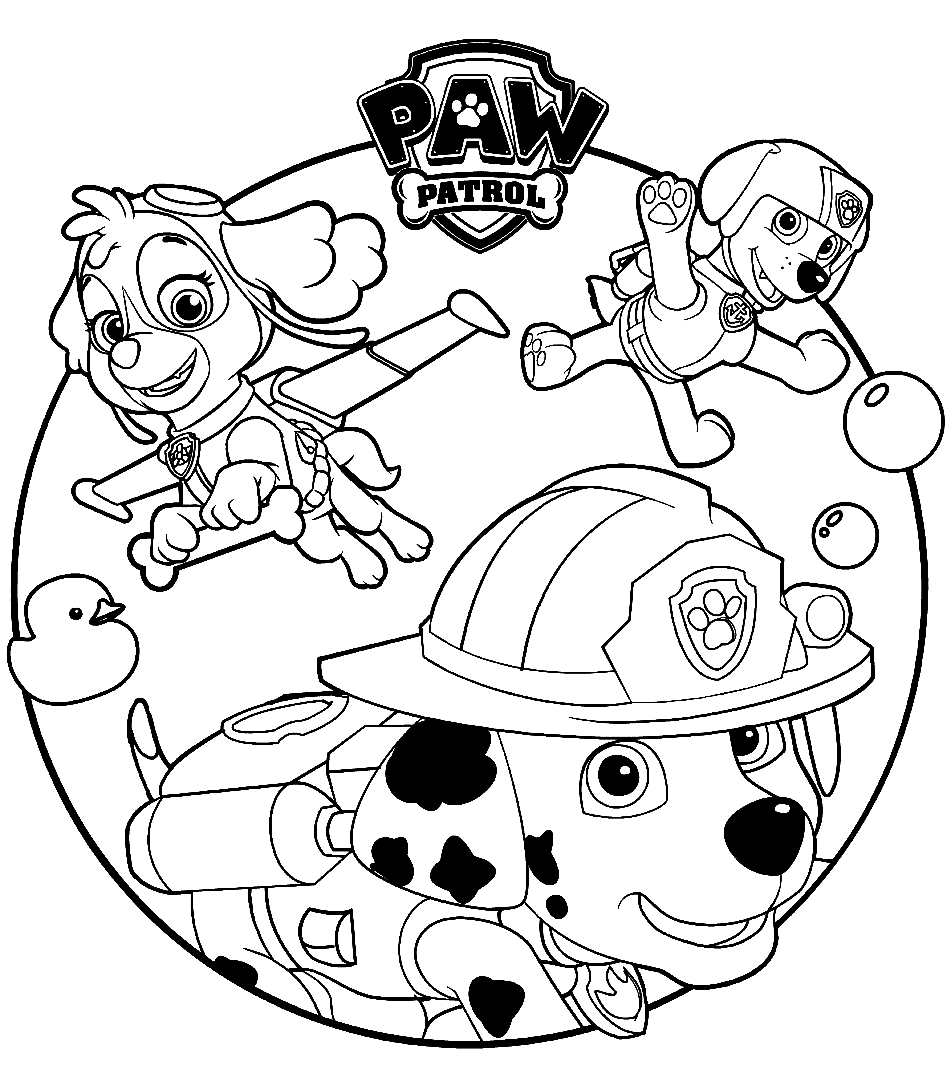
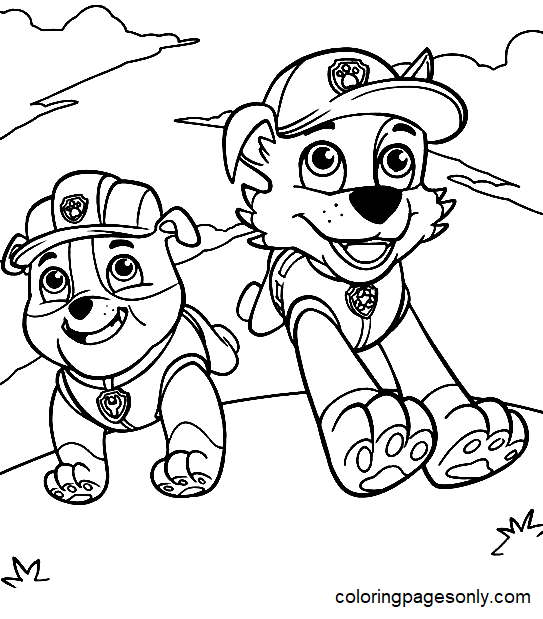
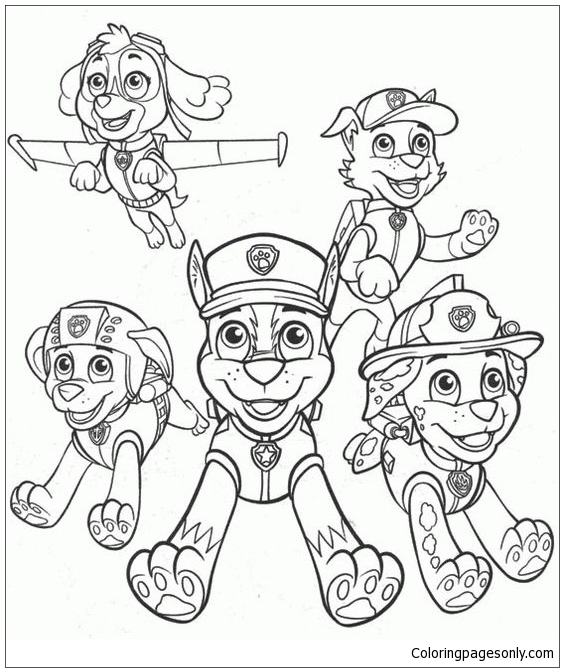
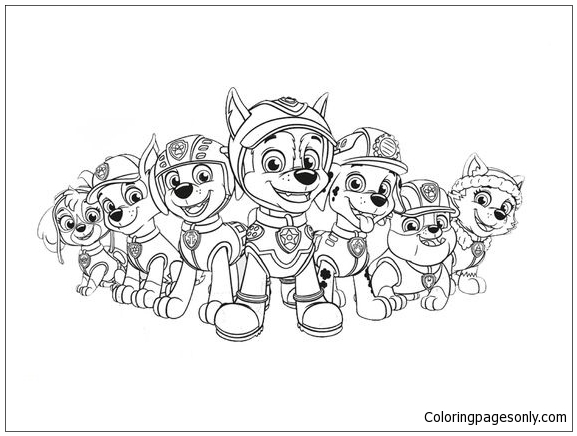
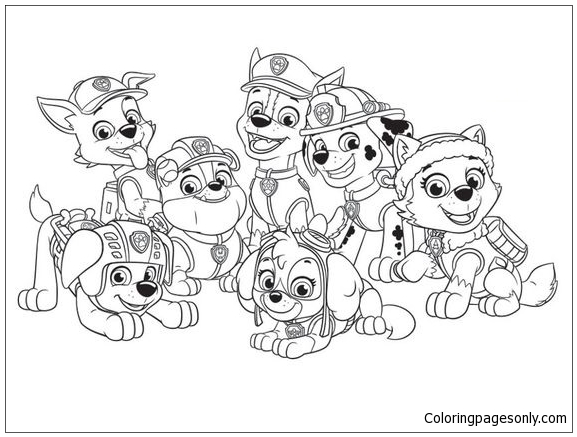
Rocky portraits, buddy pages, team lineups, and holiday scenes make up the 25 sheets.
Rocky Portraits
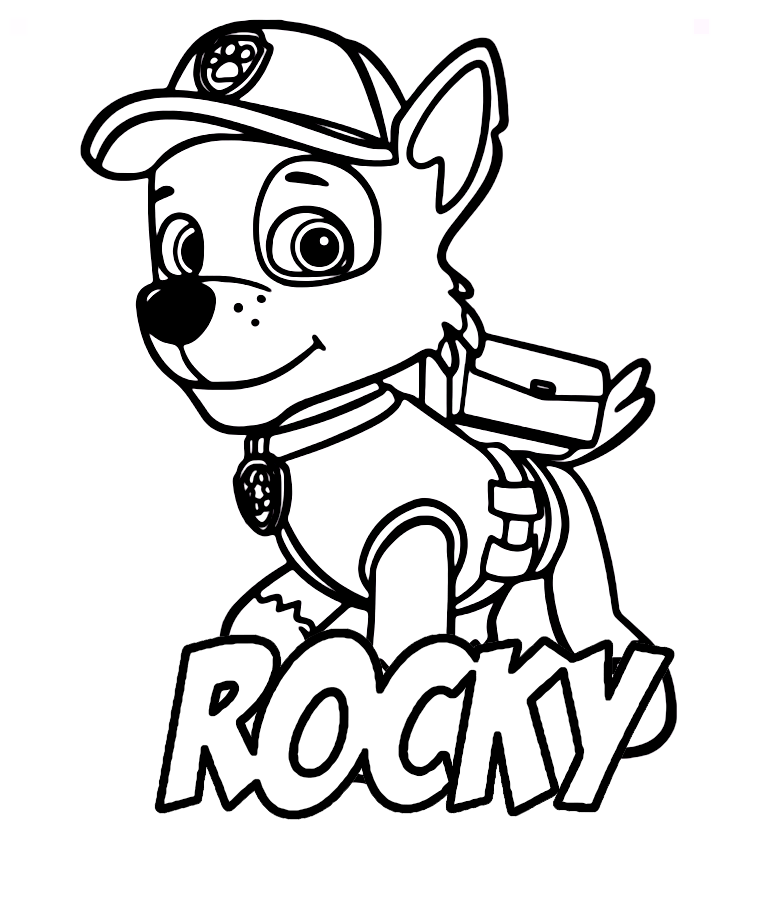
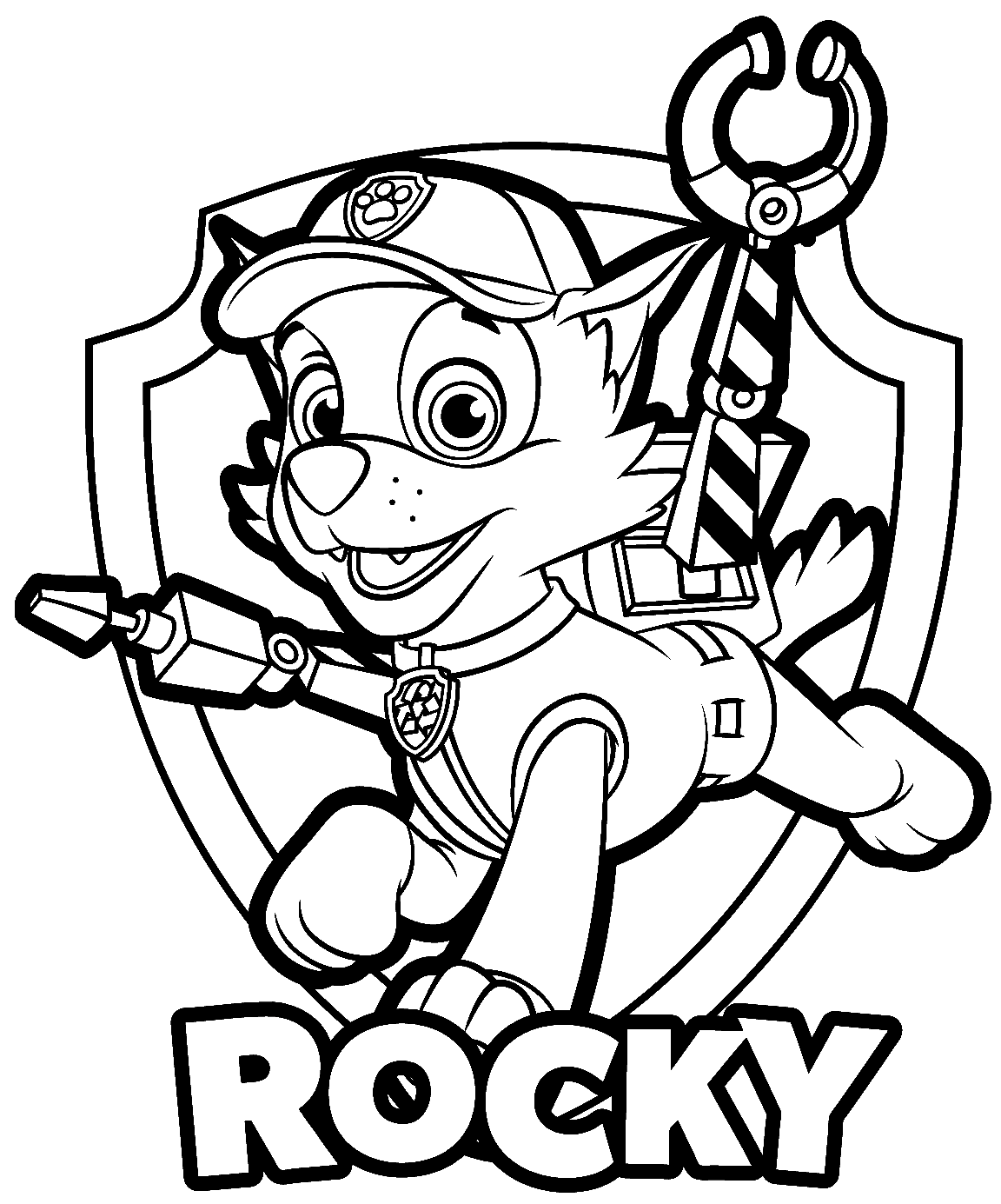
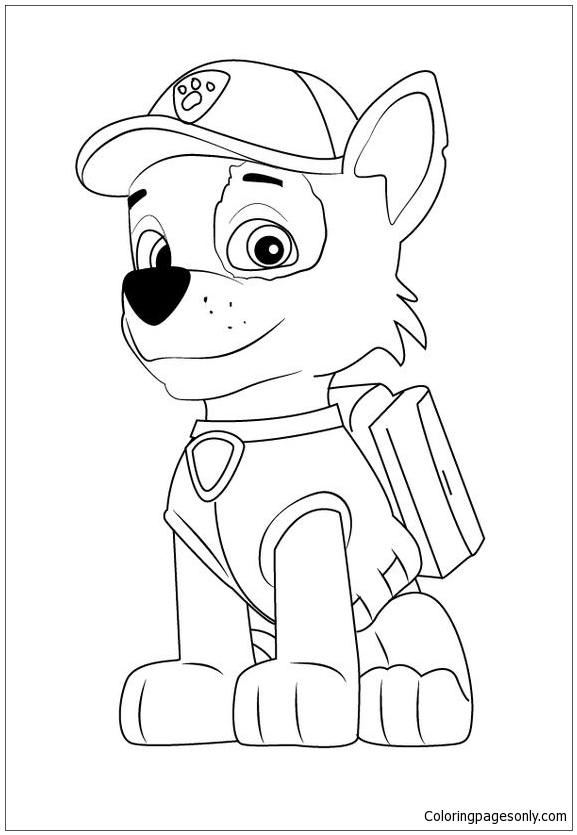
Rocky grins, sits, and poses in his rescue gear, such as the page titled Rocky from Paw Patrol. Color his fur a soft Gray with White paws and tail tip, and keep his uniform a bright Green.
Rocky and His Buddies
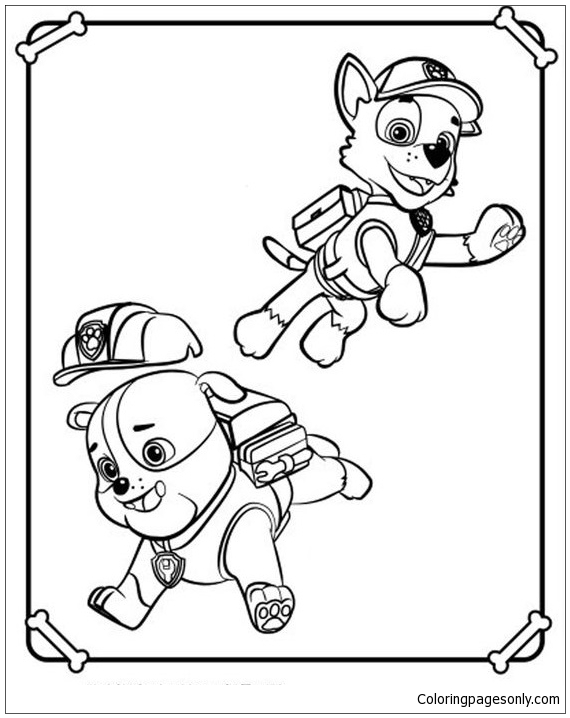
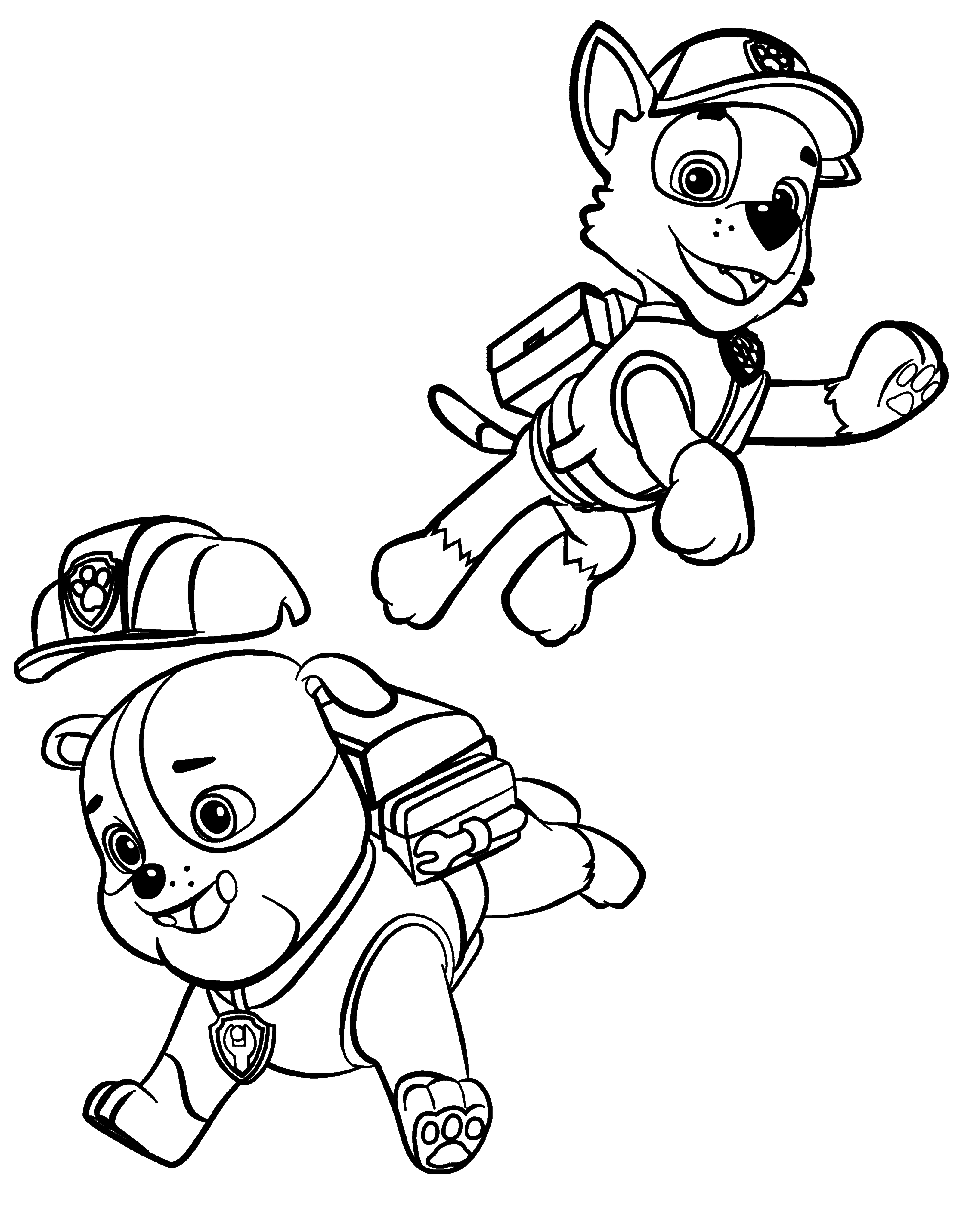
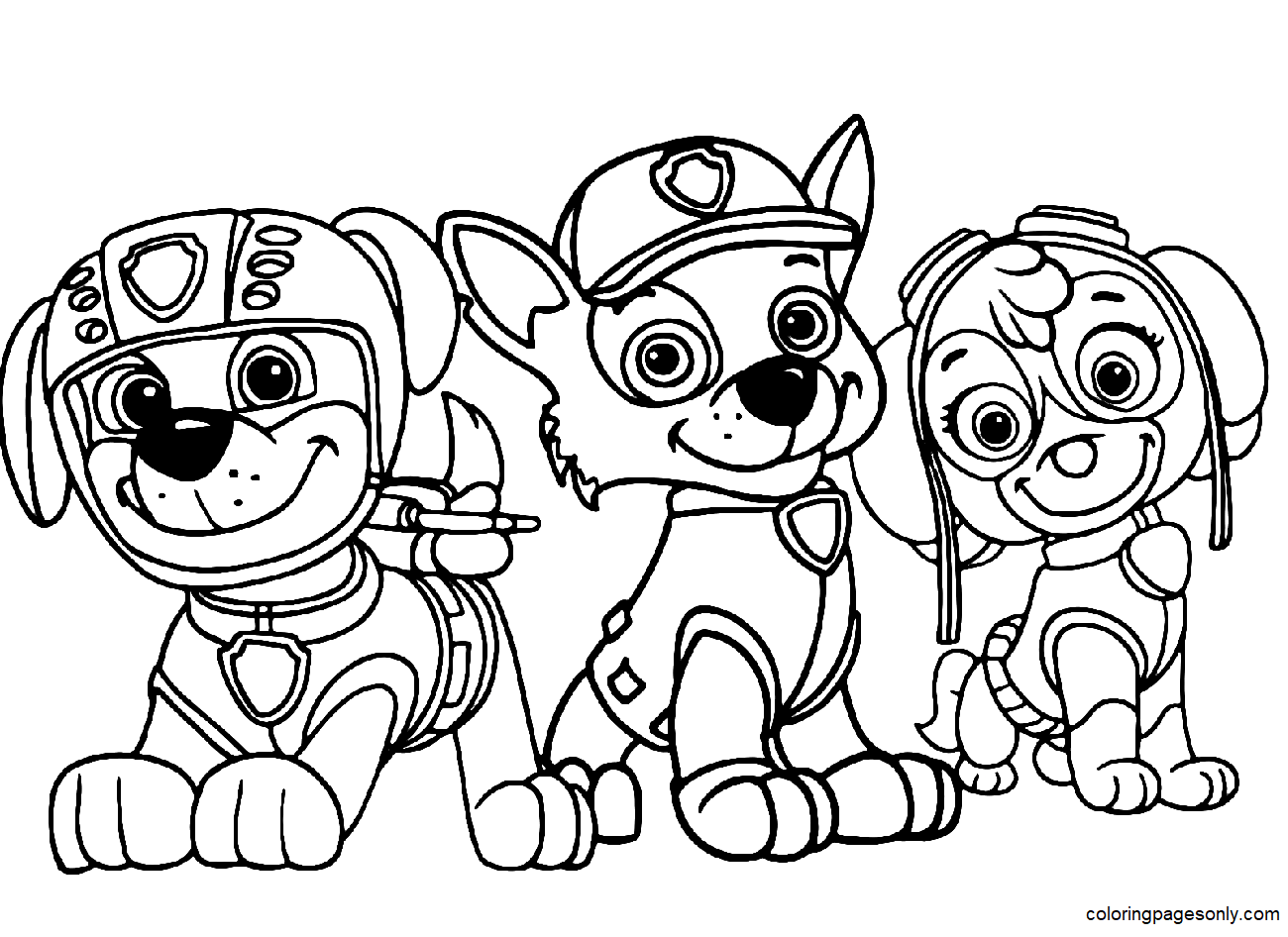
He teams up with Rubble, Marshall, Skye, and Zuma in friendly duo and trio pages. Give Rubble a Yellow uniform and Marshall Red so Rocky’s green gear stands out between them.
Full Team Lineups
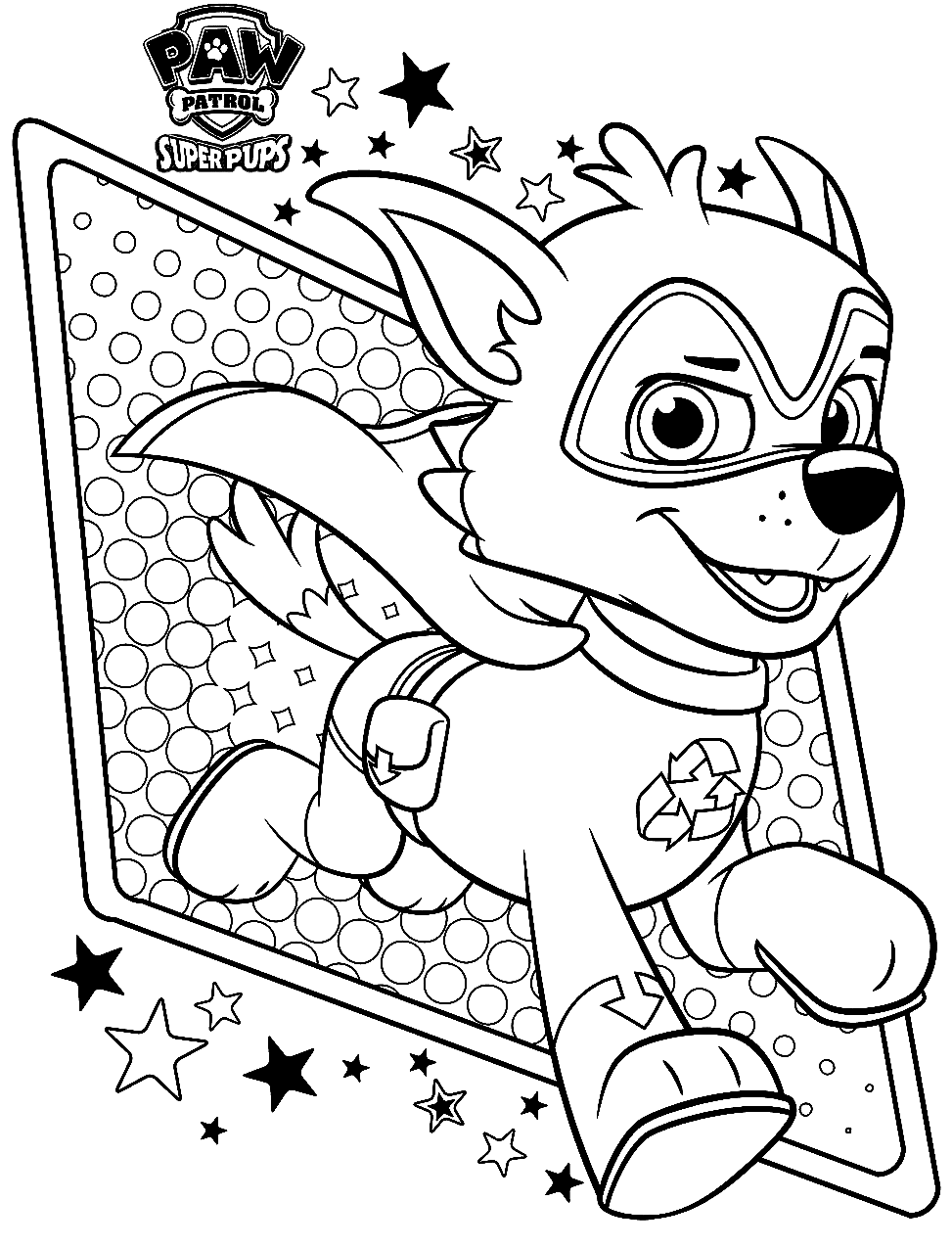
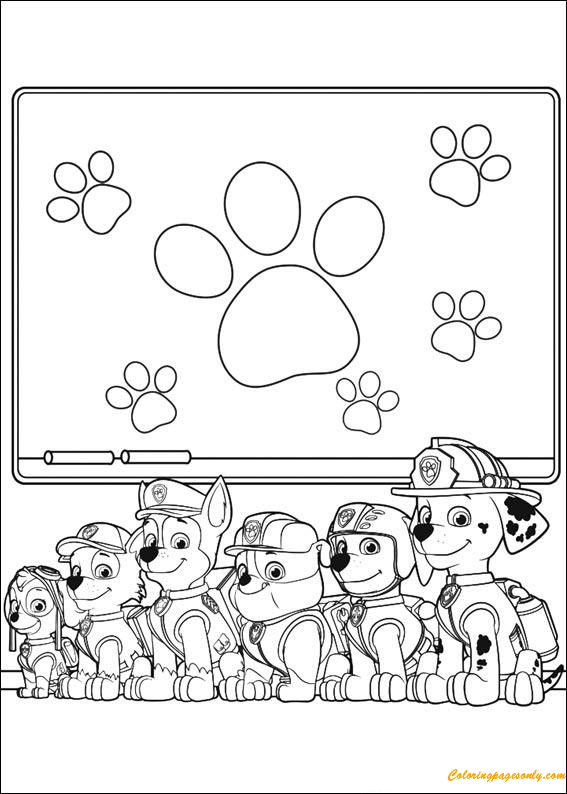
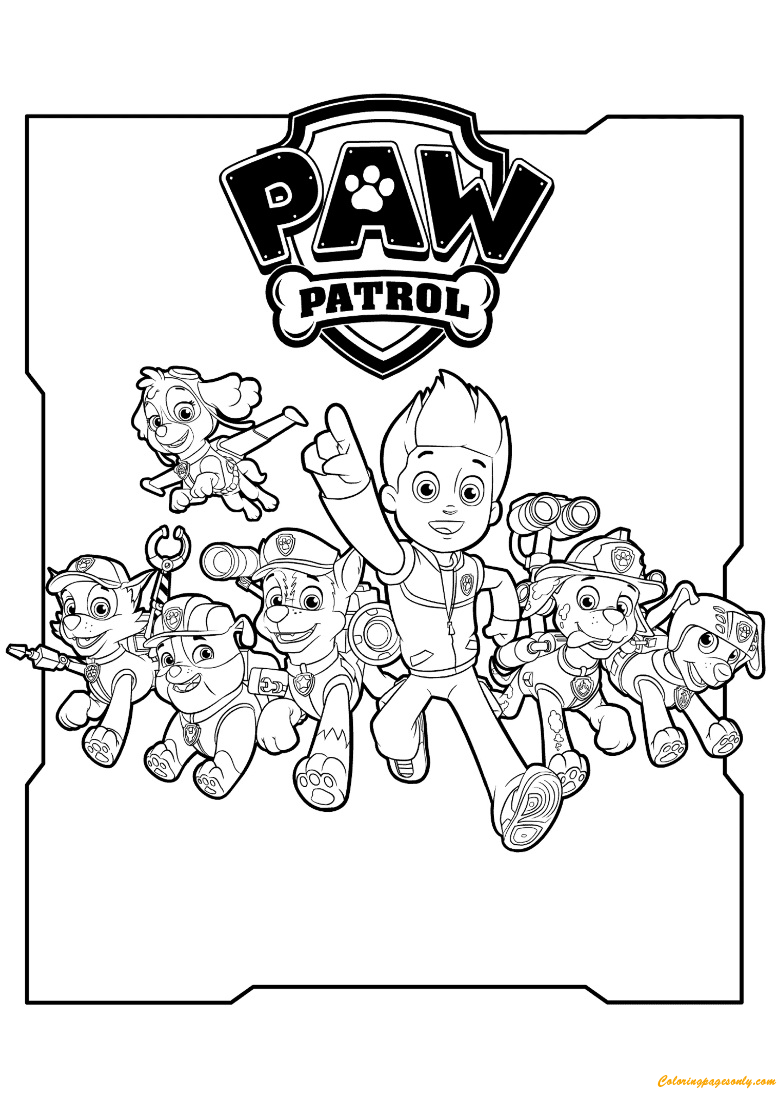
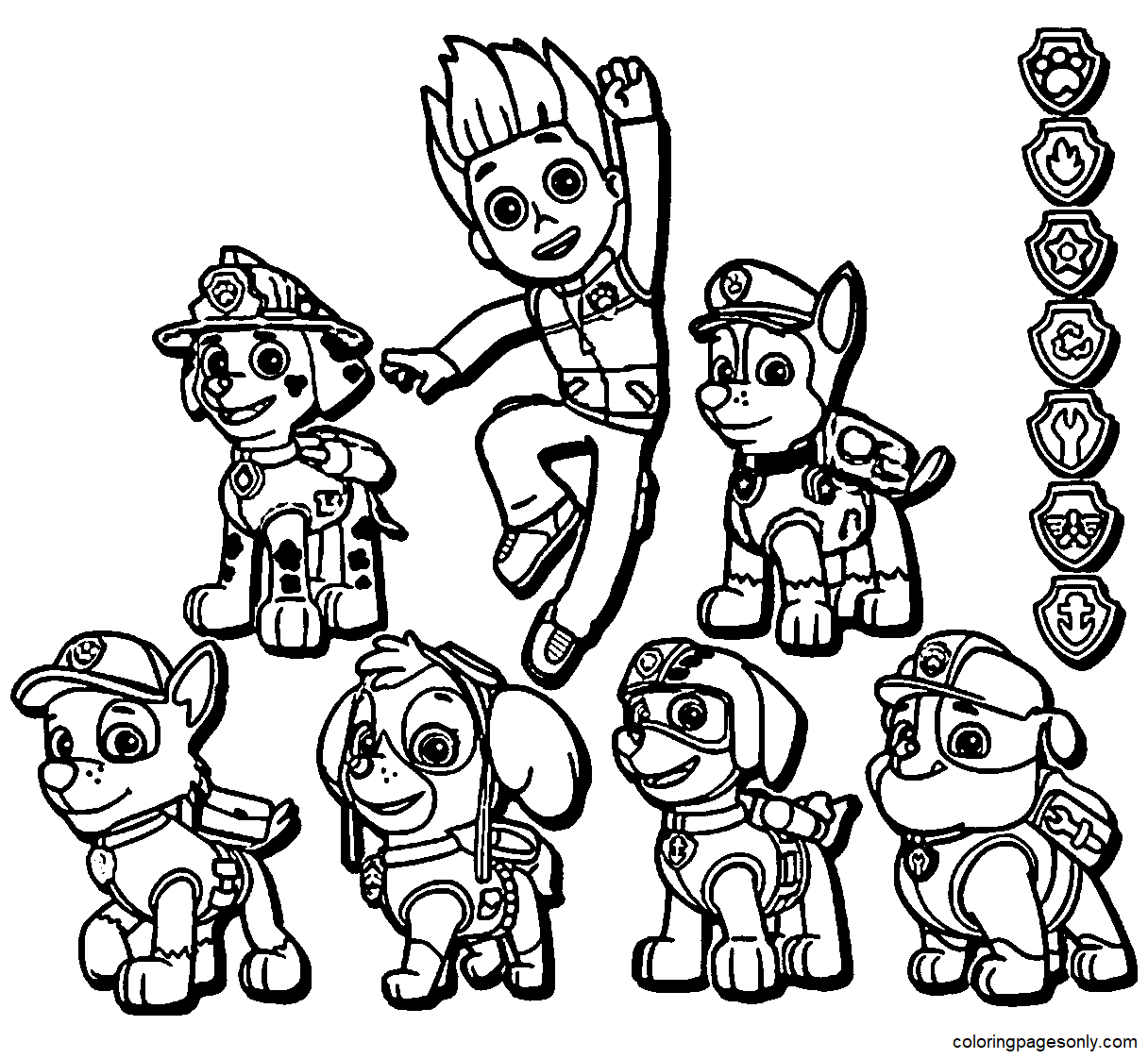
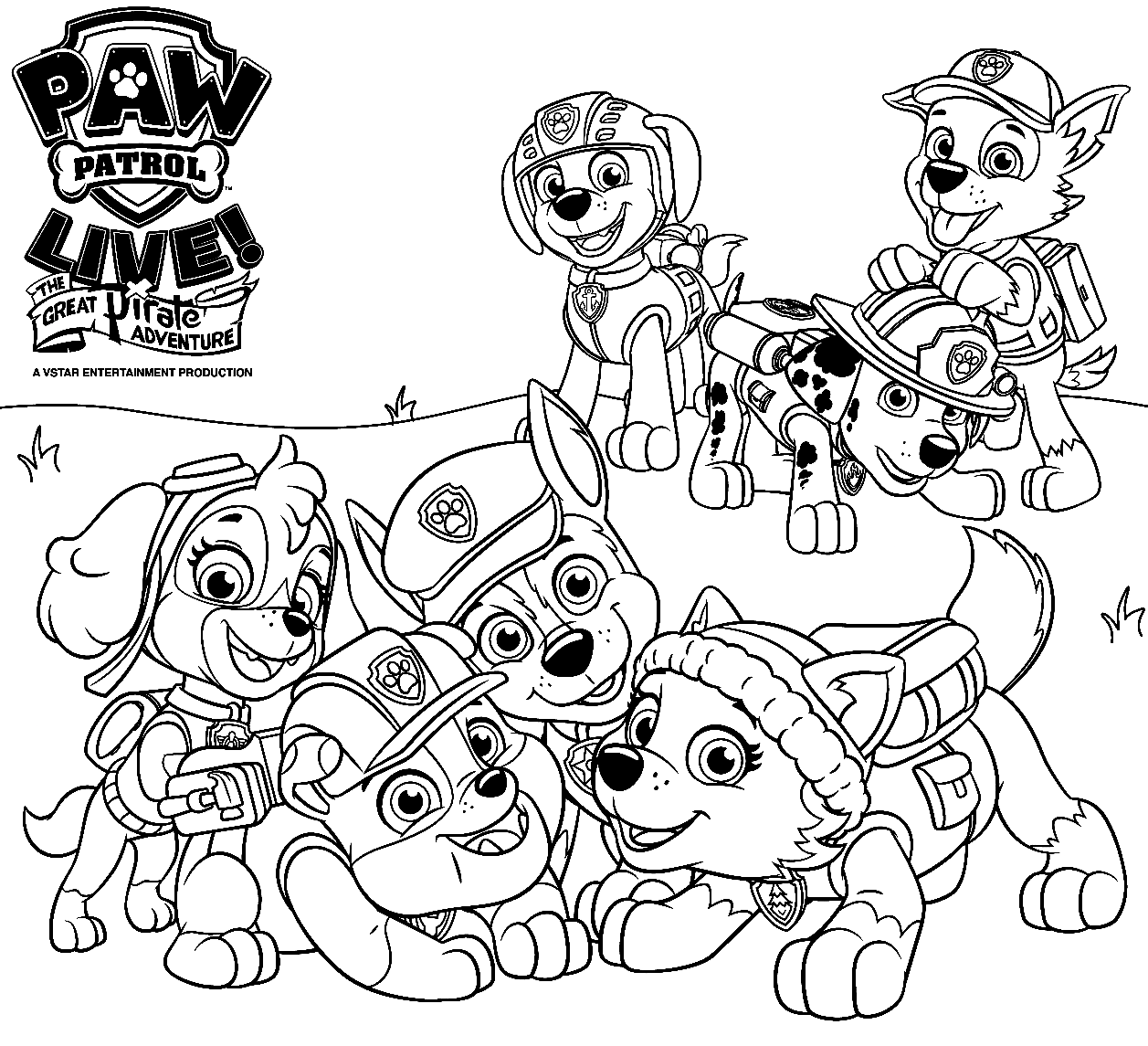
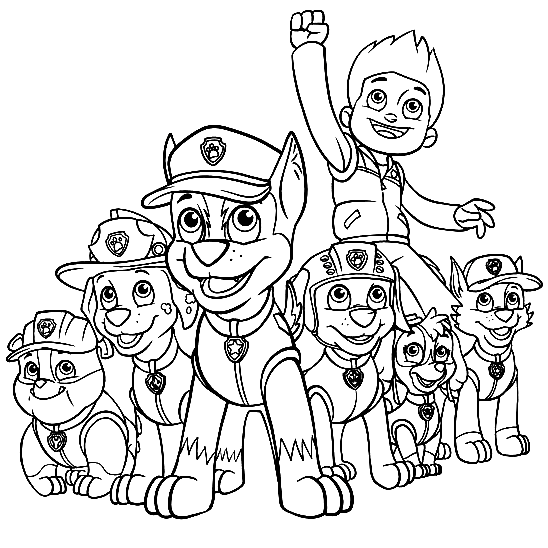
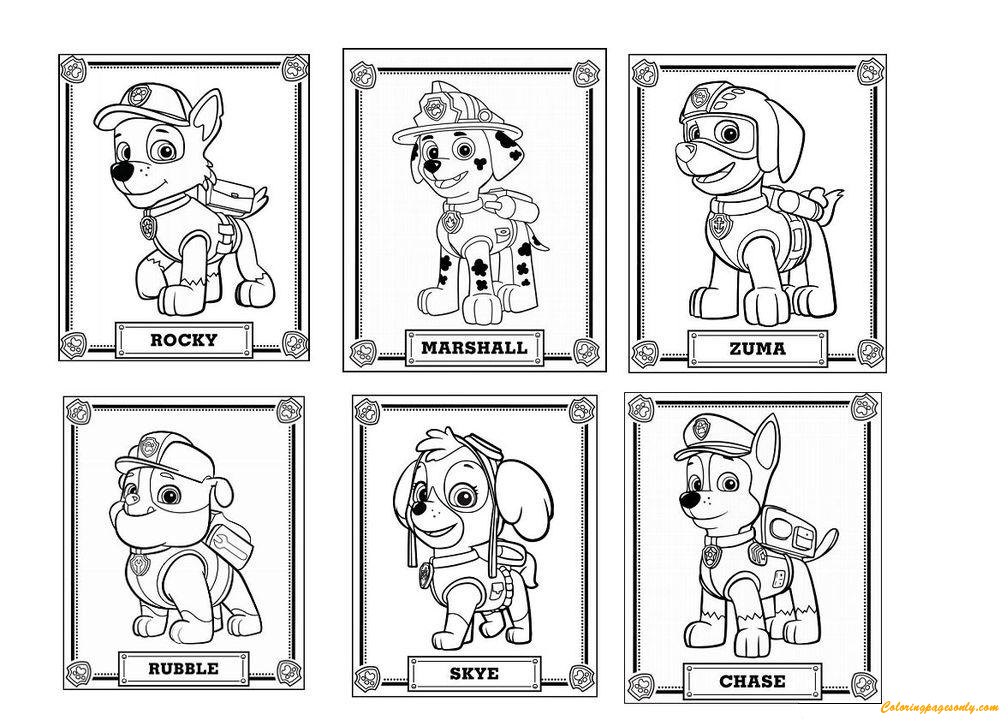
Group sheets gather all the pups together, along with character collections, team symbols, and super pup poses. Keep each pup in a signature color, from Chase’s Blue to Skye’s Pink, so that kids can name every member.
Holidays and Celebrations
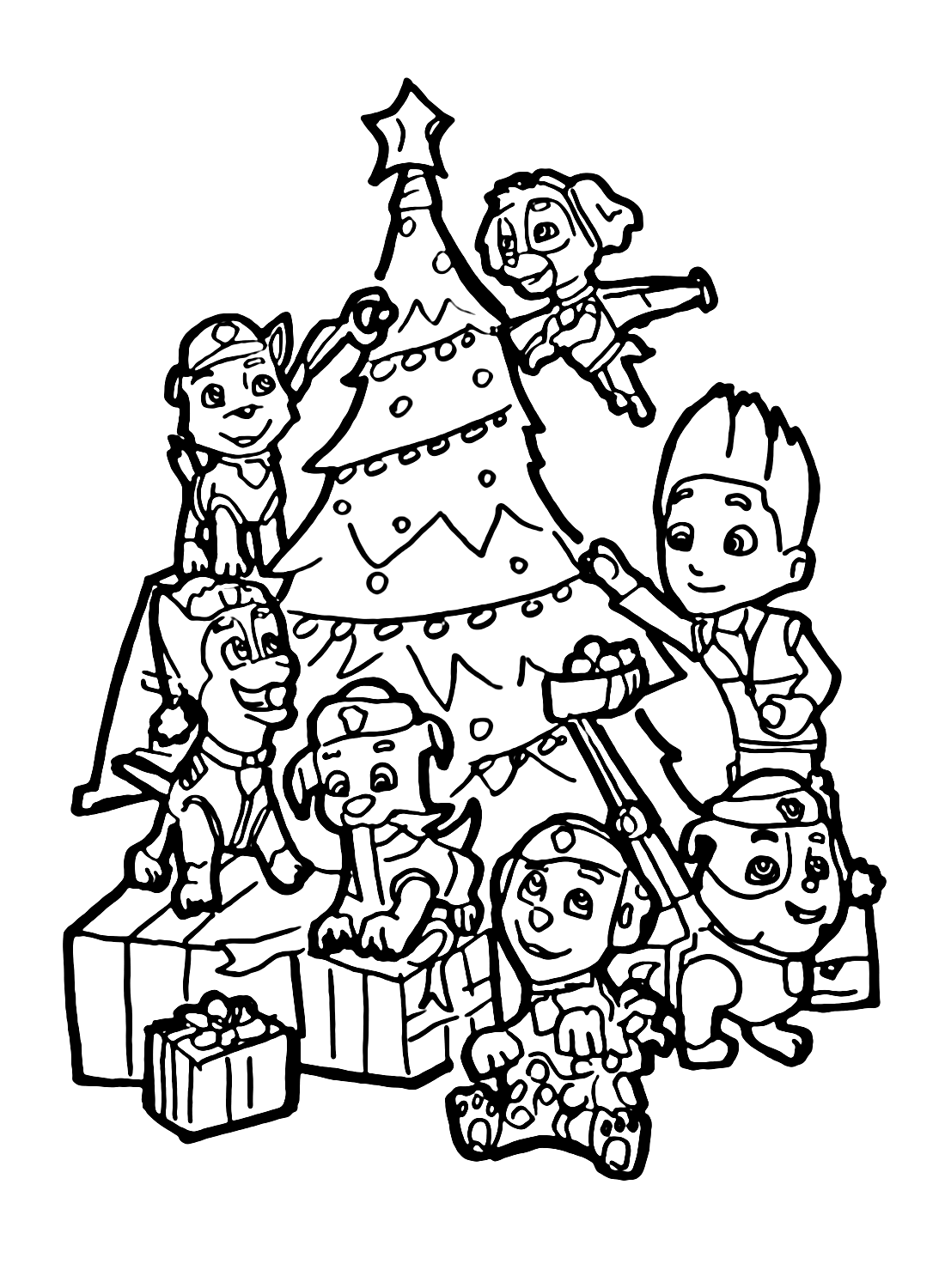
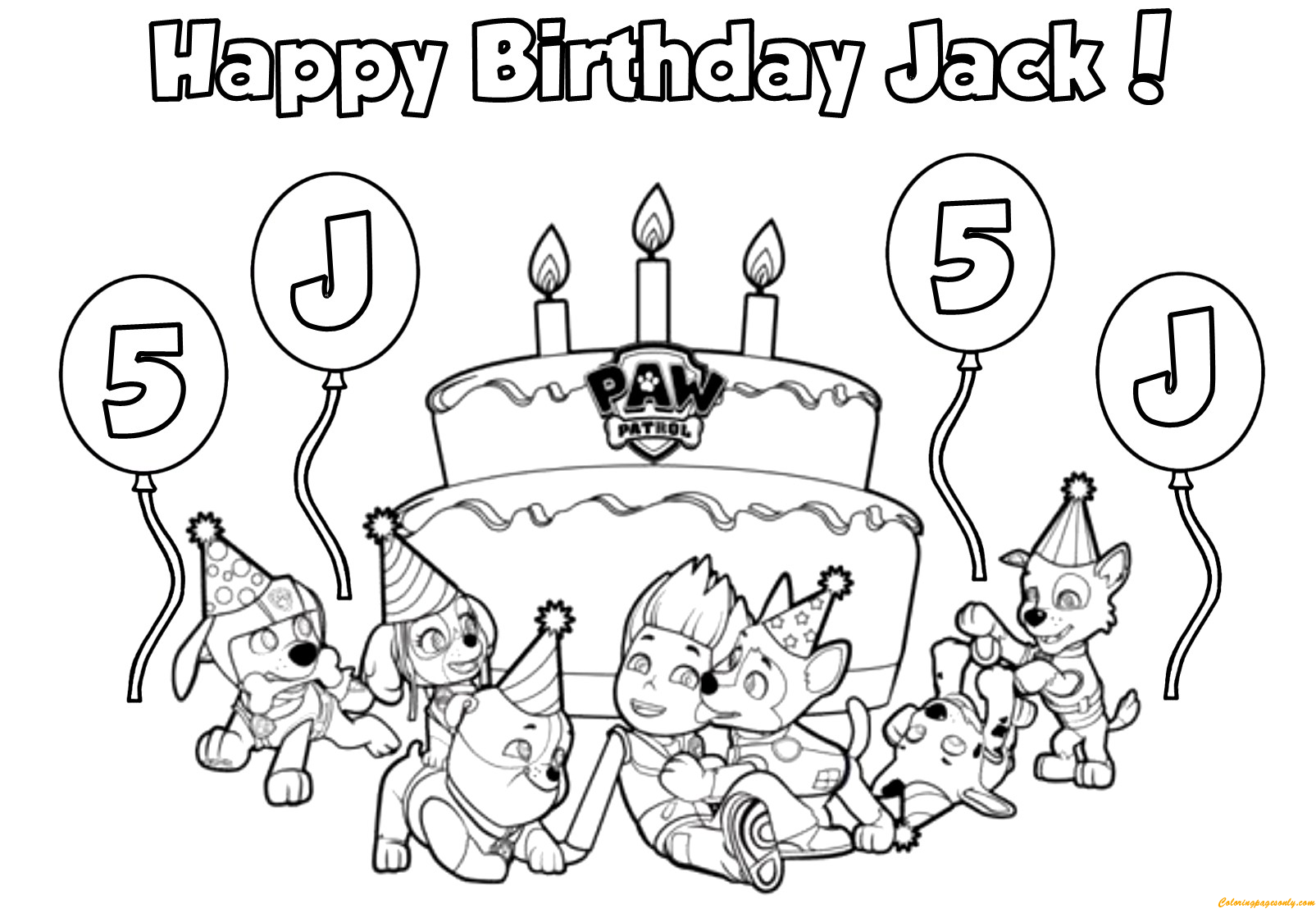
The team decorates a Christmas tree, celebrates Halloween, and throws a birthday party. Festive mixes like Holly Green with Red or Orange with Purple make these pages bright and fun.
What Rocky Paw Patrol Coloring Pages Do
Teaching kids to reuse and recycle. Rocky’s whole job is giving old things a new purpose, which makes him a perfect guide to recycling. After coloring, families can sort cans, paper, and plastic at home and talk about how reusing items helps keep parks and oceans clean.
Building early hand strength. Rocky’s tufted fur, small tools, and round pup tag invite careful strokes in tight spaces. Children between 2 and 7 strengthen the muscles they later use for writing through simple coloring, as the American Academy of Pediatrics emphasizes, and the outlines of each tool give little hands a clear target.
Calming busy little minds. A quiet coloring session can help energetic preschoolers settle down after play. Researchers documented measurable reductions in anxiety following structured coloring in the Art Therapy Journal in 2005, so a Rocky page makes a peaceful pre-nap or bedtime activity.
Talking about feelings and fears. Rocky is brave on rescues but still feels nervous around water, and his friends never tease him for it. Parents can use his story to help kids talk about their own worries and how good friends offer support.
How to Color Rocky Paw Patrol Pages Well
- Gray fur: Fill Rocky’s body with medium Gray, then add darker Gray patches around one eye and on his back. Leave his paws, tail tip, and face tufts White.
- Green uniform: Color his vest and pup pack in Green with darker Pine Green shading along the edges. A small Orange accent on his gear adds contrast.
- Recycling pup tag: Fill the tag Green and draw the three chasing arrows in White or Light Gray. Outline the tag in Black to keep it crisp.
- Eyes and nose: Use warm Brown for his eyes with a tiny white highlight, and color his nose Black. Bright eyes give him a curious, inventive look.
- Buddy pages: Keep each friend in their own color, such as Yellow for Rubble, Red for Marshall, and Orange for Zuma. Matching colors across pages helps kids learn the team.
- Holiday scenes: Use Red and Green for Christmas ornaments, Orange and Black for Halloween pumpkins, and rainbow colors for birthday balloons. Seasonal colors make each celebration feel special.
5 Creative Craft Ideas With Rocky Paw Patrol Coloring Pages
1. Recycled Robot Rocky
Color a Rocky portrait and glue it onto a small cardboard box. Add bottle caps, paper tubes, and egg carton pieces to build a junk-art robot just like one of his inventions.
2. Recycling Sorting Station
Decorate three shoeboxes with colored Rocky pages and label them Paper, Plastic, and Cans. Kids can use the boxes to sort clean recyclables around the house.
3. Pup Tag Magnet
Color a pup tag page, cut out the circle, and glue it to thin cardboard. Attach a craft magnet on the back so Rocky’s recycling badge can hang on the fridge.
4. Buddy Friendship Card
Color a page of Rocky with Rubble or Zuma and glue it onto a folded sheet of green paper. Inside, kids can thank a pal who always lends a hand.
5. PAW Patrol Holiday Garland
Color the Christmas and party pages, cut out each pup, and clip them to a length of ribbon. Hang the garland across a mantel or bedroom wall for the holidays.
Frequently Asked Questions
What are Rocky Paw Patrol coloring pages?
They are 25 free printable sheets featuring Rocky, the recycling pup from PAW Patrol, along with his friends, team lineups, and holiday scenes. Every sheet prints from a PDF or opens in the online coloring tool.
Who is Rocky in PAW Patrol?
Rocky is the team’s recycling and repair pup, known for building clever gadgets out of old parts. He is one of the six original pups who joined Ryder from the very first season.
What kind of dog is Rocky?
Rocky is a mixed-breed pup, and the show never names the exact breeds in his family tree. His gray coat with white markings gives him a scruffy, friendly look.
What vehicle does Rocky drive?
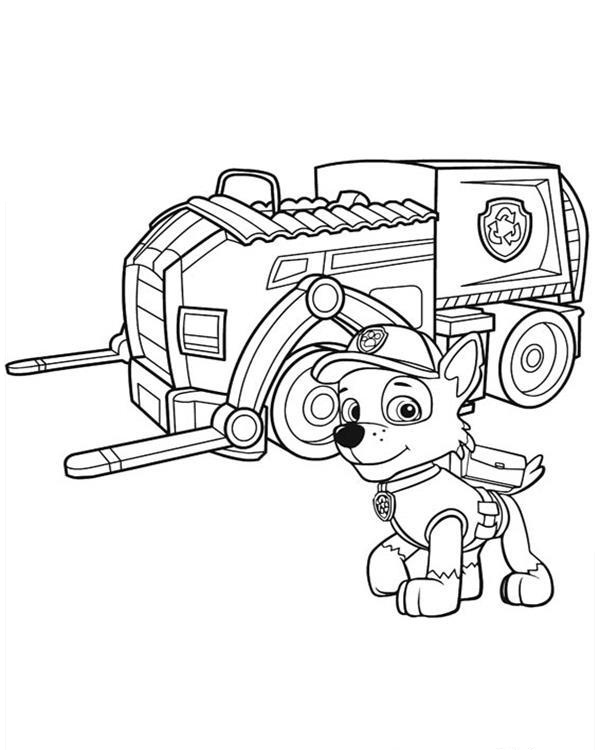
He drives a green recycling truck that carries tools and materials for repairs. The truck can scoop up junk that Rocky later turns into useful inventions.
Why doesn’t Rocky like water?
Rocky dislikes getting wet, so he avoids baths and splashing whenever possible. His friends support him, and he still helps on rescues near water when the team needs him.
What is on Rocky’s pup tag?
His pup tag shows a recycling symbol on a green background. It matches his job of reusing and repairing things instead of throwing them away.
What age are Rocky Paw Patrol coloring pages for?
They suit toddlers and preschoolers from about 2 to 6, with simple portraits for the youngest and busier team and holiday scenes for older kids. Coloring alongside an episode makes a fun way to learn each pup’s name.
Who is Rocky’s best friend?
Rocky is especially close to Zuma, and the two often team up for missions and games. He also gets along well with Rubble, since both pups love building and fixing things.
Start Coloring
Choose a Rocky portrait, a buddy page with Rubble, or a holiday team scene, then print it or color it online with no account needed. Young recyclers can share their finished projects on Facebook or Pinterest.