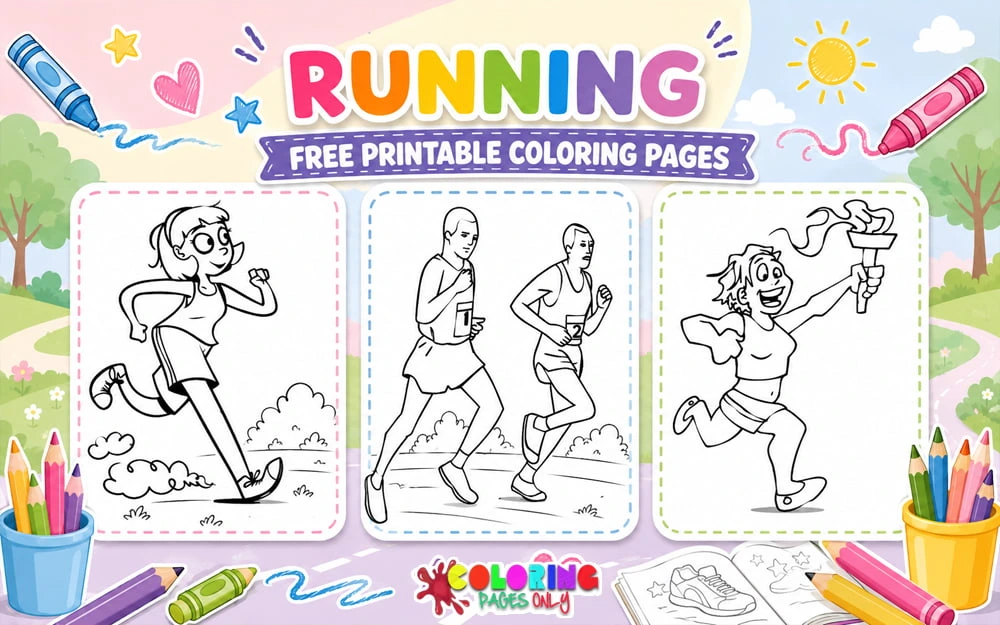
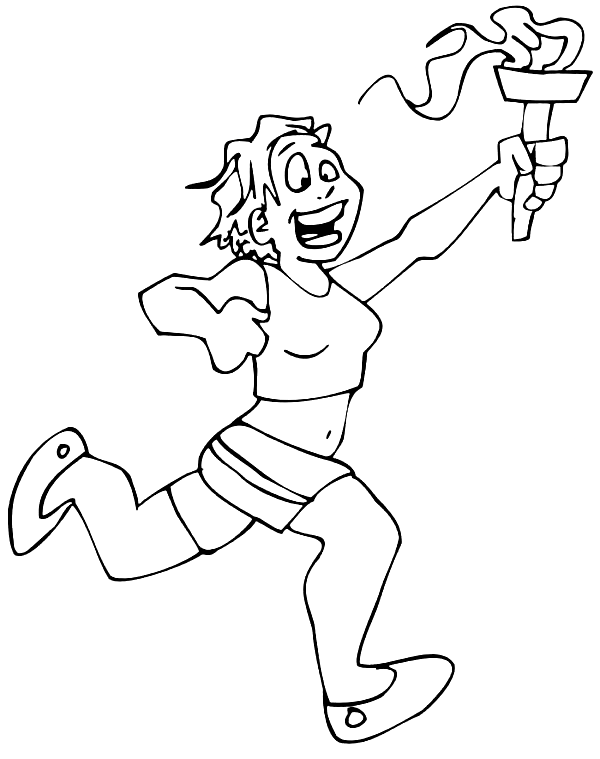
Free Running Coloring Pages: 20 printable PDF designs celebrating the world’s simplest sport, from marathon runners and a relay handoff to an Olympic race, a winner crossing the line, a second-place finisher, kids sprinting across the page, a funny jogger, and Santa on the run. Each design is free for home printing or online coloring.
Few sports have a longer record than running: the first ancient Olympic Games in 776 BC featured just one event, a sprint called the stadion. The marathon was inspired by the legend of a Greek messenger who ran from Marathon to Athens, and its 26.2-mile distance comes from the 1908 London Olympics, made official in 1921. The Boston Marathon, first run in 1897, is the world’s oldest annual marathon. In 1954, Roger Banister became the first person to run a mile in under four minutes, and in 2009, Usain Bolt set the 100-meter world record of 9.58 seconds. Today, Global Running Day is celebrated on the first Wednesday of June.
Single runners give young kids big shapes to fill. Race scenes with numbers, tracks, and crowds suit older colorists.
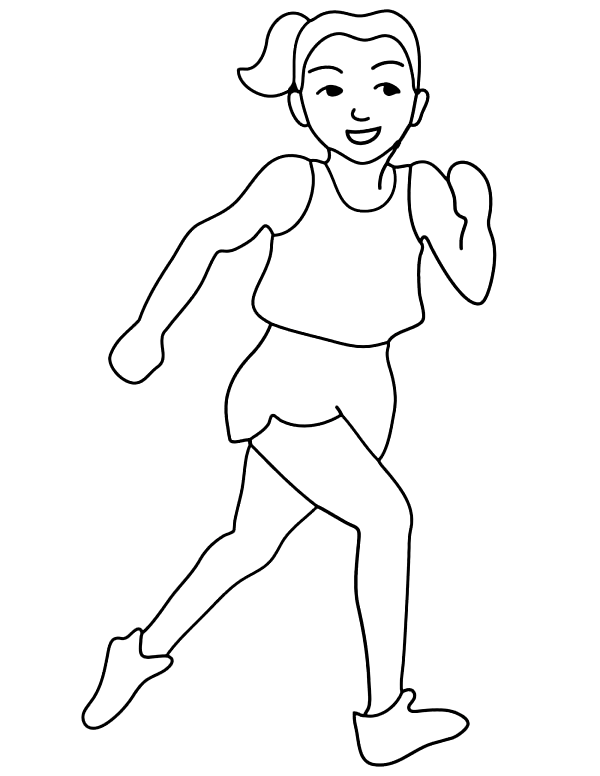
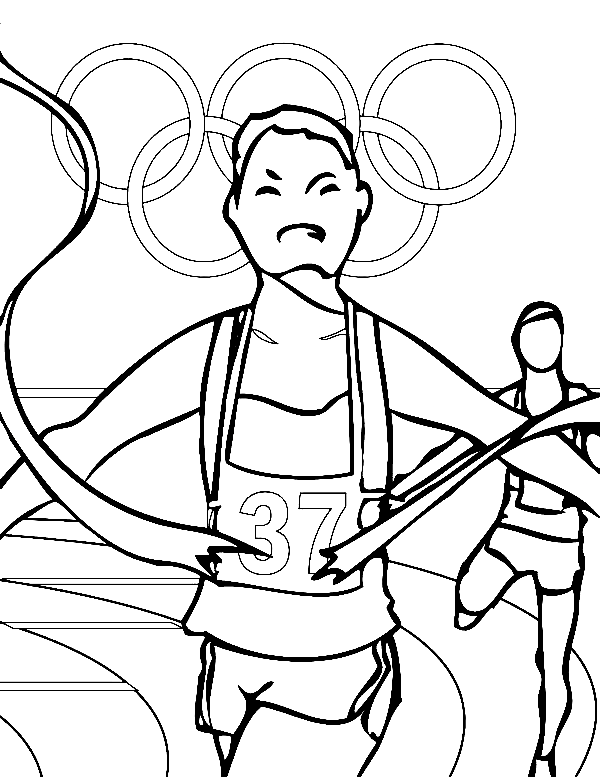
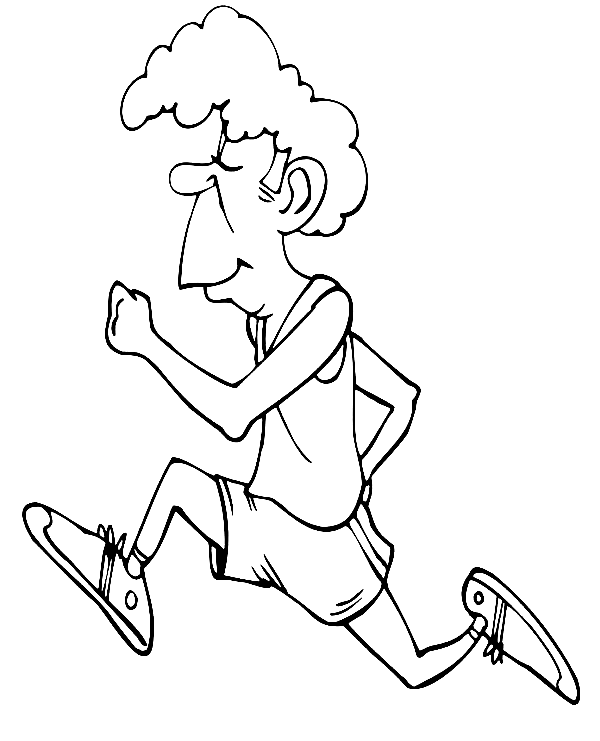
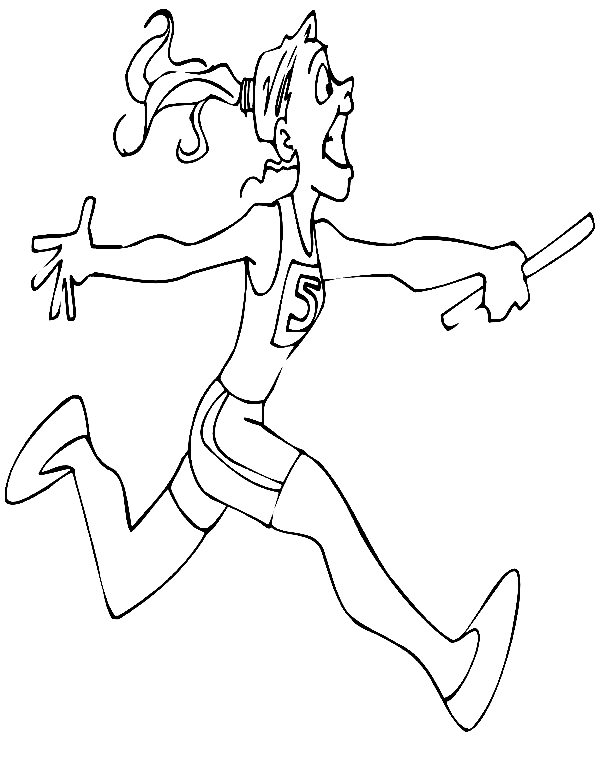
What’s Inside This Collection
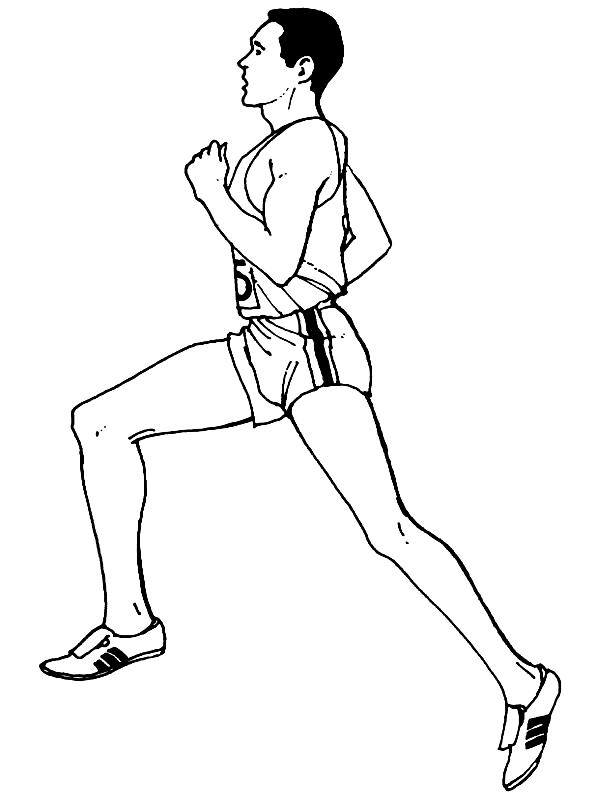
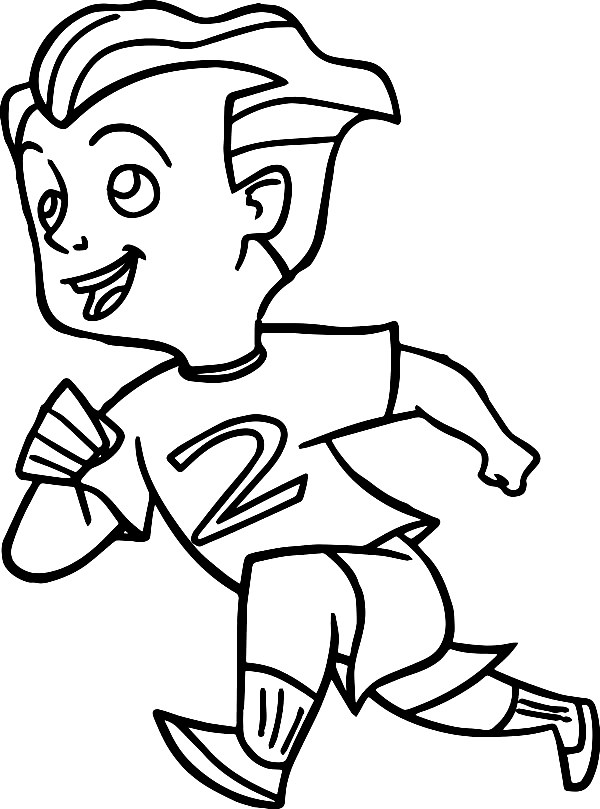
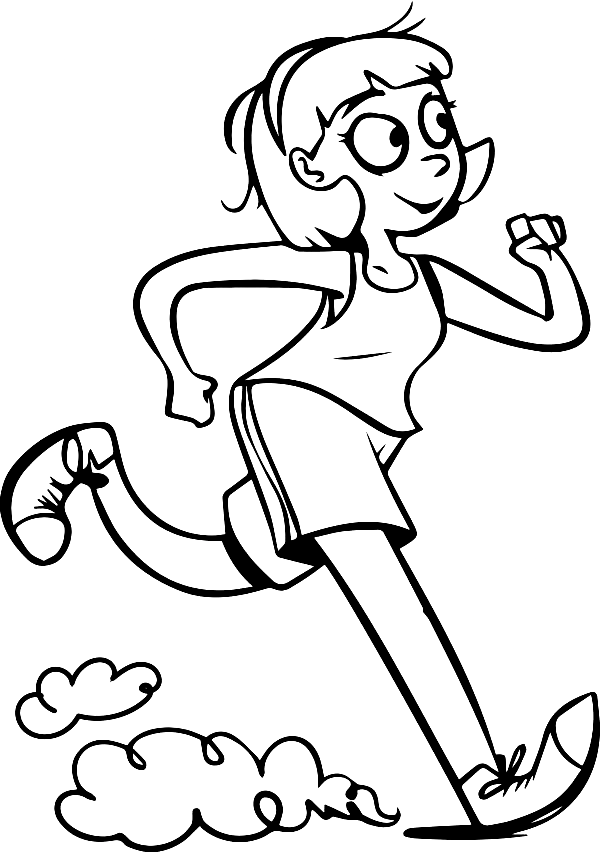
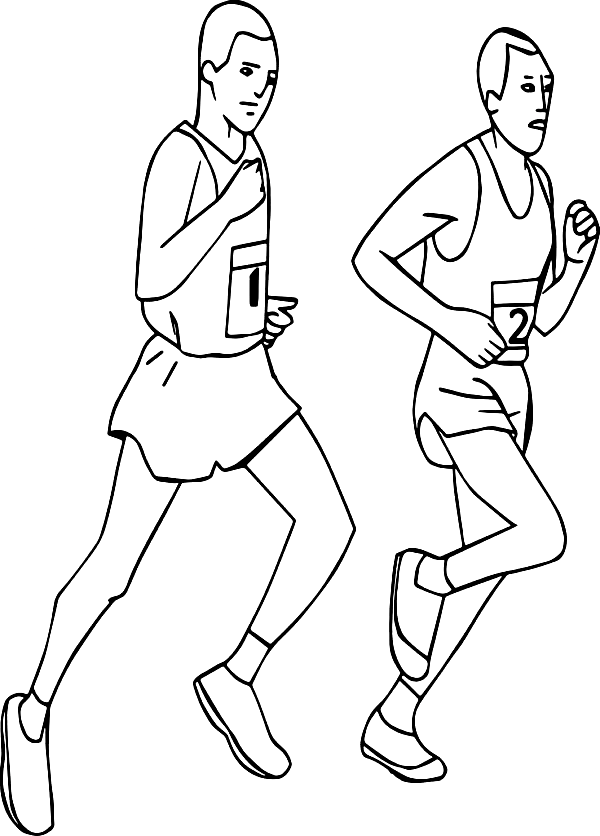
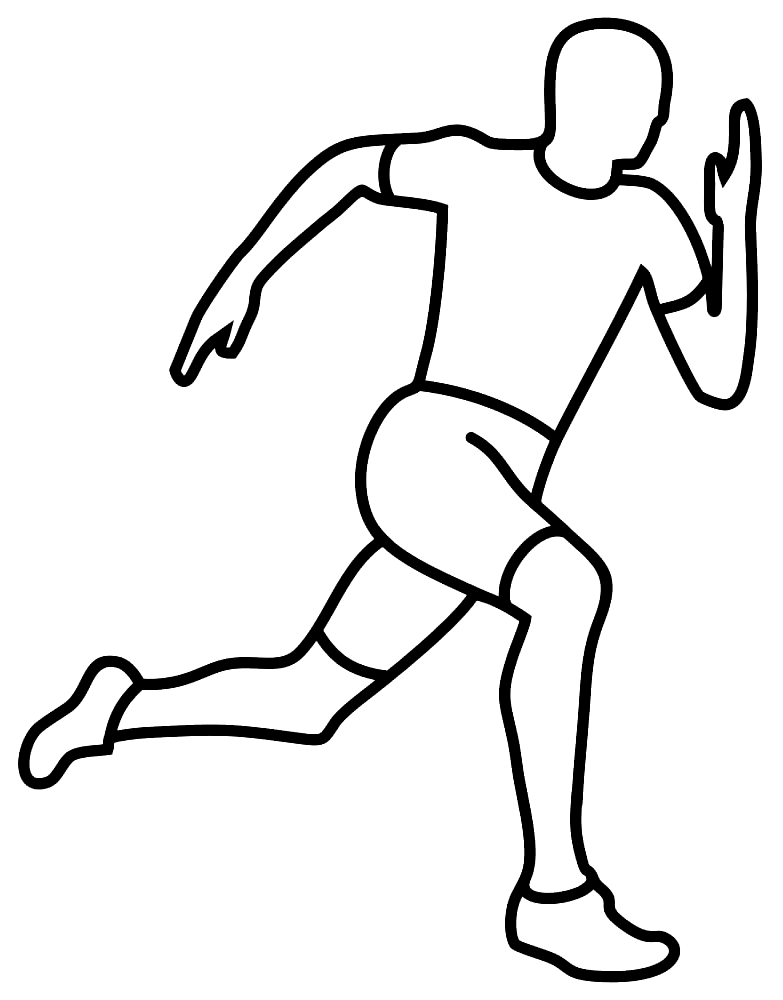
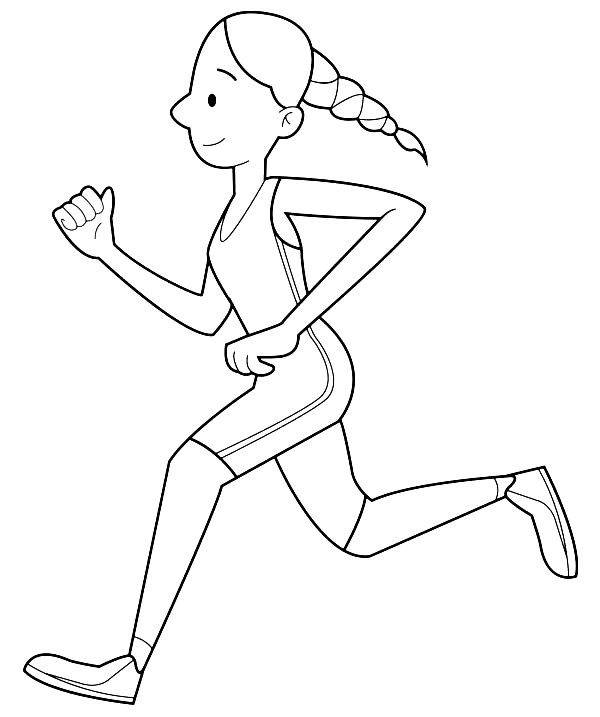
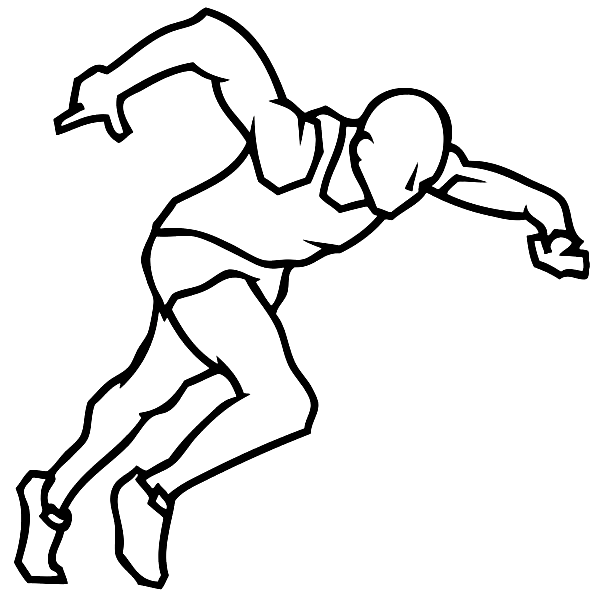
Kids running, races and competitions, fun and holiday runners, and classic runner portraits make up the 20 designs.
Kids on the Move
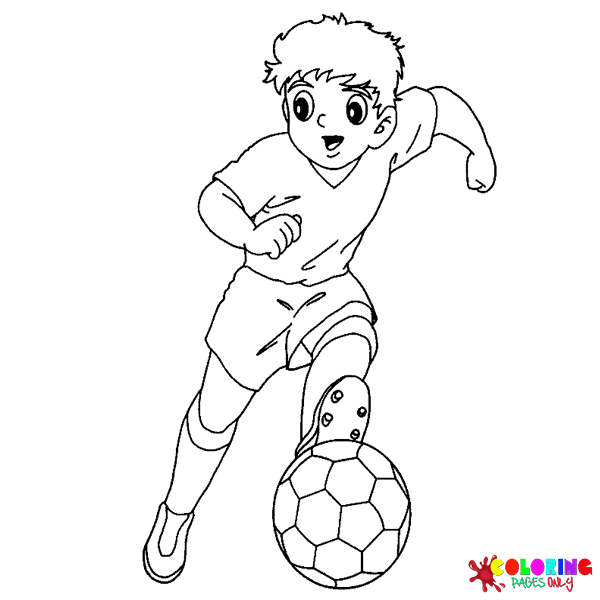
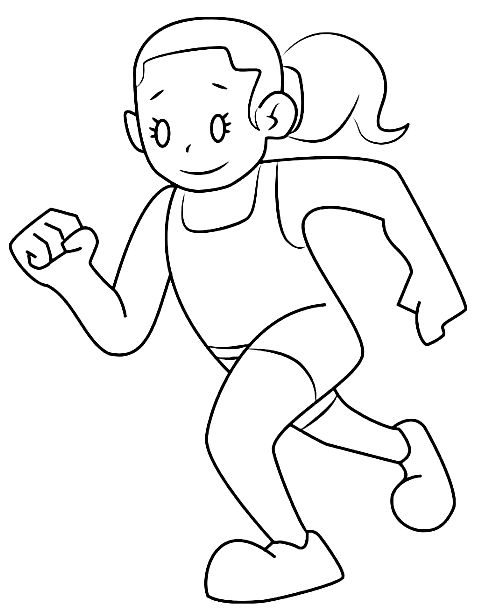
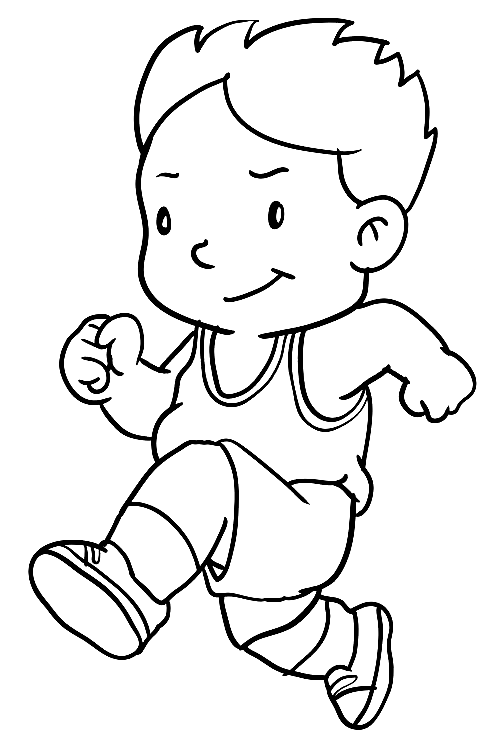
A small girl, a grinning boy, and two more youngsters dash across four pages. Dress them in bright Coral and Aqua shirts with White sneakers and Lime laces.
Races and Competitions
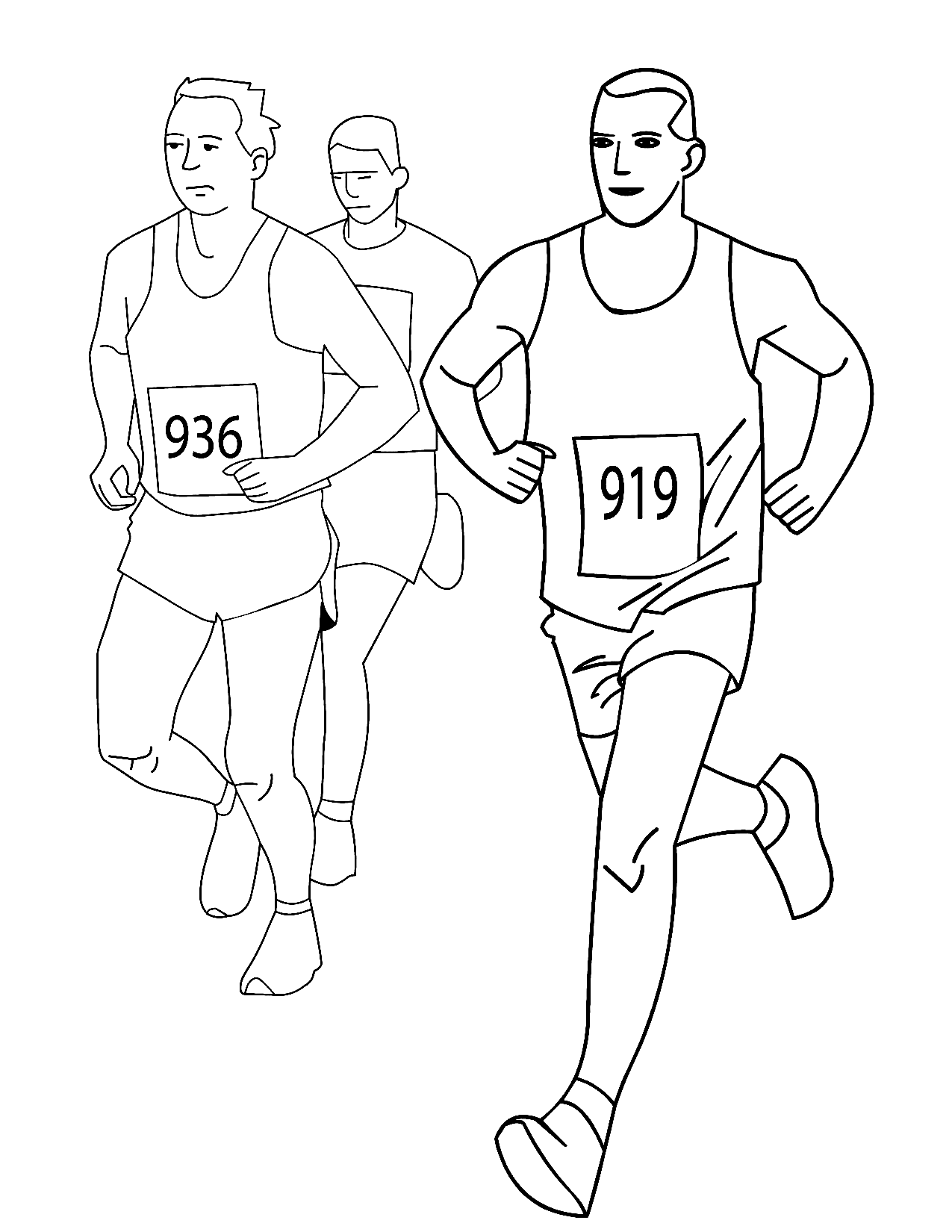
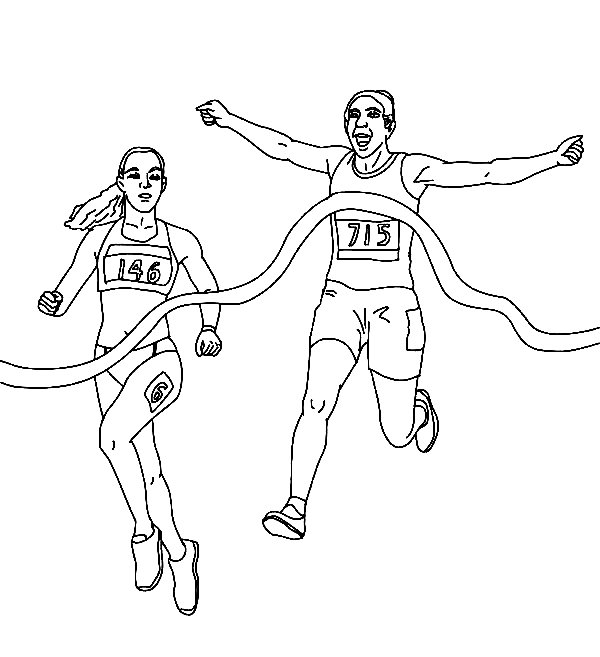
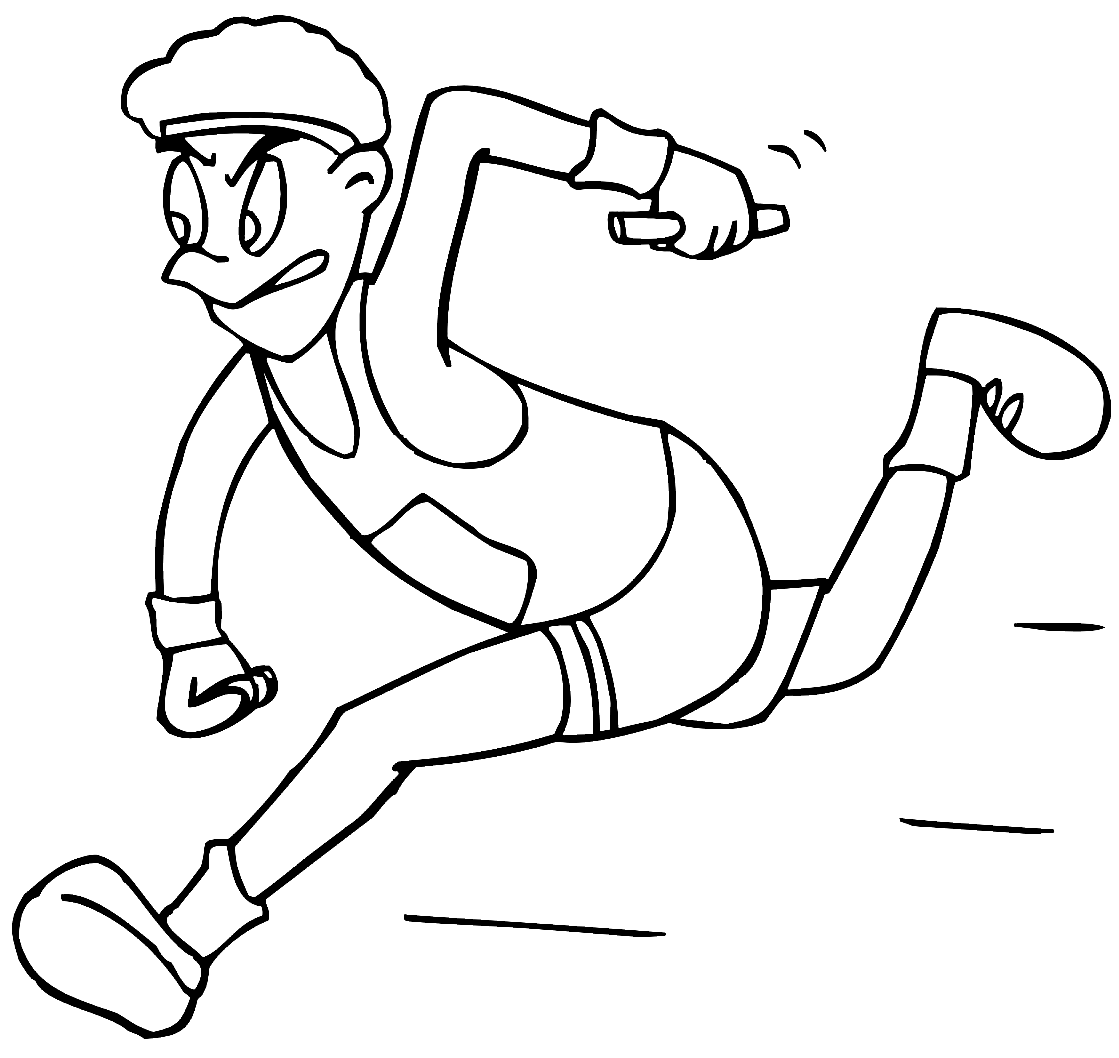
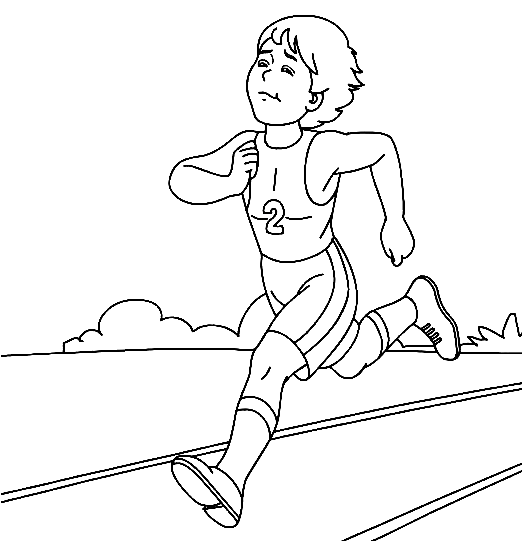
Six sheets include marathon runners, a relay race, an Olympic event, two men racing side by side, a winner, and a runner wearing the number two. Color the track a classic Brick Red with White lane lines, and give each racer a different bib color.
Fun and Holiday Runners
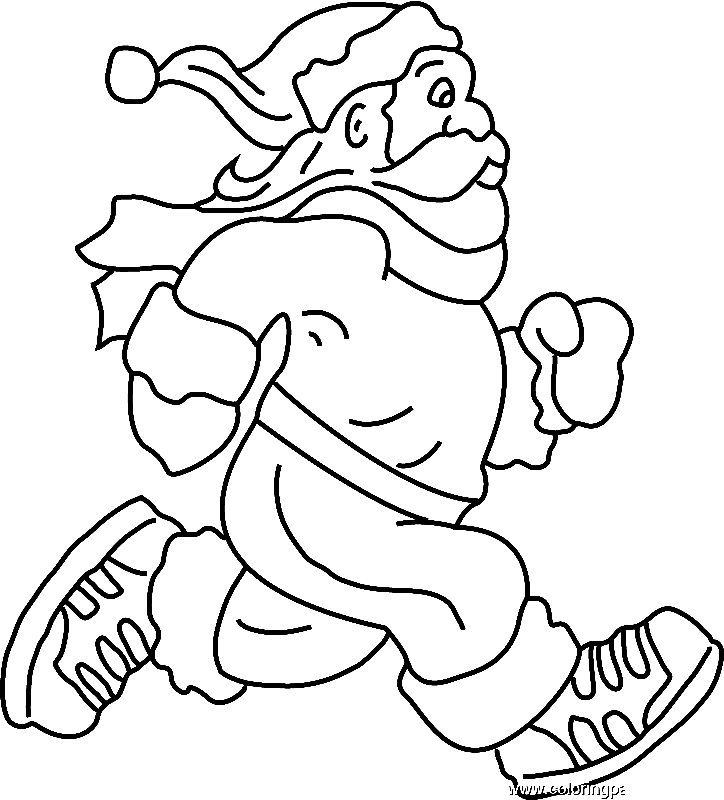
Two designs show a funny runner and Santa jogging. Keep Santa’s suit Cherry Red with White trim, and add a Black belt with a Gold buckle.
Classic Running Portraits
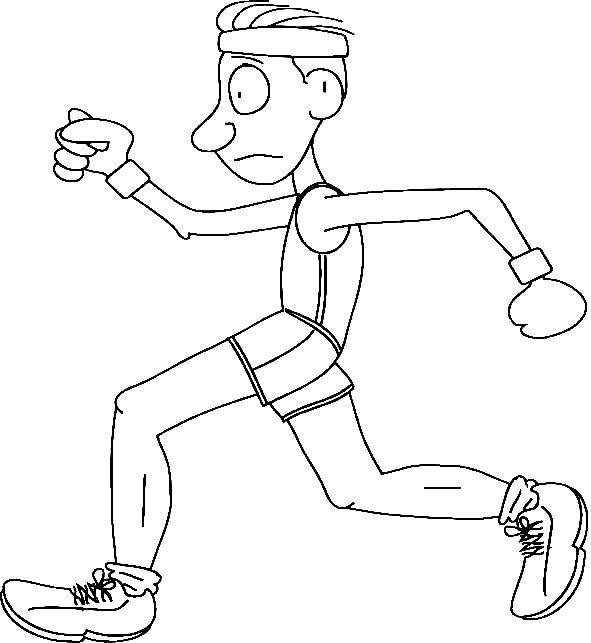
Eight general pages show athletes in mid-stride. Use Navy shorts, a Sunshine Yellow tank top, and a sky in soft Morning Blue.
What Running Coloring Pages Do
Encouraging an active lifestyle. The CDC recommends that children and teens get at least 60 minutes of physical activity every day, and running is one of the easiest ways to meet that goal. Coloring runners can spark curiosity about racing, and families can follow a page with a quick backyard sprint or a walk-jog around the block. Kids can even design their own race bib on the back of the sheet before heading outside.
Practicing motion and body shapes. Runners are drawn with bent knees, swinging arms, and leaning bodies, which teach kids how artists show movement. Coloring these poses builds hand control as well; pediatric milestone guidance ties everyday drawing to the finger dexterity that buttoning, zipping, and handwriting demand (American Academy of Pediatrics). Older children can add speed lines and shading to make figures look even faster.
Settling the mind after activity. Running burns off energy, and coloring helps calm what is left. Curry and Kasser compared volunteers coloring plaid or mandala templates against others sketching freely, and the template group finished calmer; their results ran in Art Therapy in 2005. A runner page is a natural cool-down after sports practice, recess, or a family race day.
Learning about history and records. From the ancient Olympic stadium to Banister’s four-minute mile and Bolt’s 9.58 seconds, running is full of famous moments. Kids can look up a record, write it on their finished page, and compare it with how long it takes them to run the same distance. Numbers, history, and personal goals all meet on one sheet.
How to Color Running Pages Well
- Race bibs: Use White bibs with bold Black numbers so they look official.
- Speed lines: Flick three or four quick pencil dashes trailing off each heel.
- Running track: Color the track Brick Red with crisp White lane lines.
- Sneakers: Pick a bright color like Neon Green or Hot Pink to make the shoes pop.
- Skin and muscles: Darken the calves and the inside of each bent elbow a touch to suggest working muscles.
- Finish line: Add a Red ribbon or a checkered Black and White banner.
5 Creative Craft Ideas With Running Coloring Pages
1. Personal Race Bib
Color a runner page, then make a matching paper bib with your own number to wear on race day.
2. Family Fun Run Medal
Color a winner page, cut out a circle, and attach a ribbon to make a homemade medal.
3. Relay Baton Craft
Color the relay page and roll a cardboard tube in matching colors to use as a baton.
4. Running Goals Chart
Paste a colored runner above a weekly grid and log daily laps or minutes beneath.
5. Holiday Jog Card
Turn the jogging Santa into the front of a folded holiday note inviting friends to a December fun run.
Frequently Asked Questions
What are running coloring pages?
These are 20 free printable sheets about running, with marathon and relay scenes, Olympic racers, kids running, and fun holiday runners. Download a PDF or color online.
When did running become a sport?
It goes back thousands of years. The first ancient Olympic Games in 776 BC included only one event, a footrace called the stadion.
How long is a marathon?
A marathon is 26.2 miles, or 42.195 kilometers. The distance was standardized after the 1908 London Olympics.
What is the oldest annual marathon?
The Boston Marathon, first held in 1897, is the world’s oldest annual marathon.
Who holds the 100-meter world record?
Usain Bolt of Jamaica set the 100-meter world record of 9.58 seconds in 2009.
What is a relay race?
A relay race is a team event in which runners take turns, passing a baton to the next teammate after each leg.
What age are the running coloring pages for?
Preschoolers near age 3 can enjoy the single runners, while race scenes and Olympic designs fit ages 6 to 12.
When is Global Running Day?
Global Running Day is celebrated on the first Wednesday of June each year.
Start Coloring
Pick a marathon scene, a relay race, or a cute kid runner, print it, or paint the track digitally, account-free. Young athletes can post their finished race on Facebook or Pinterest.