Wizard of Oz Coloring Pages
 By:
Jennifer Thoa - Content Editor & Designer
Updated:
By:
Jennifer Thoa - Content Editor & Designer
Updated:
Free Wizard of Oz Coloring Pages: 18 printable PDF designs drawn from L. Frank Baum’s land of Oz: Dorothy and Toto, the Tin Man, the Cowardly Lion, Glinda, the Wicked Witch, the Munchkins, the ruby slippers, the twister, the Horse of a Different Color, the Emerald City, and two later Oz films. Each sheet is free.
The story began as The Wonderful Wizard of Oz, a children’s novel by L. Frank Baum published in 1900 with pictures by W. W. Denslow. In 1939, MGM turned the tale into a musical starring 16-year-old Judy Garland, famously opening in sepia-toned Kansas and bursting into Technicolor when Dorothy steps into Oz. The film changed Dorothy’s silver shoes from the book into ruby slippers to show off the new color process, and “Over the Rainbow” took home an Oscar for its songwriters. Disney later returned to the land of Oz with Return to Oz in 1985 and Oz the Great and Powerful in 2013.
Dorothy and Toto pages have friendly, open shapes for younger kids. The Emerald City, tornado, and group scenes reward older colorists with more detail.
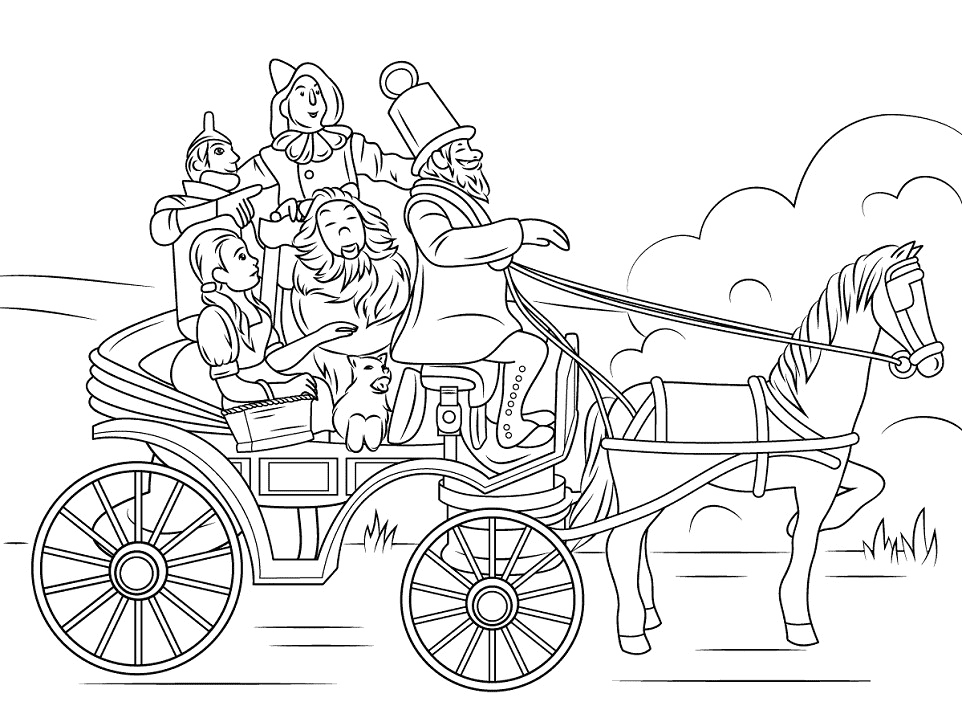
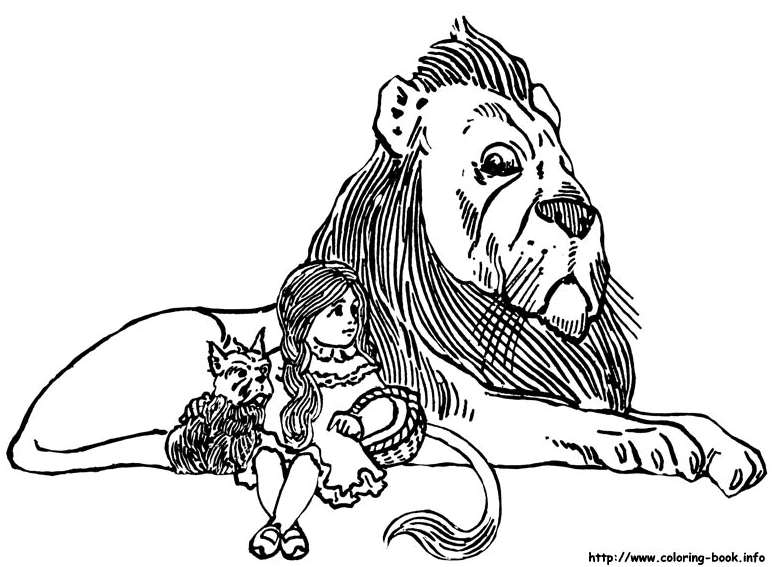
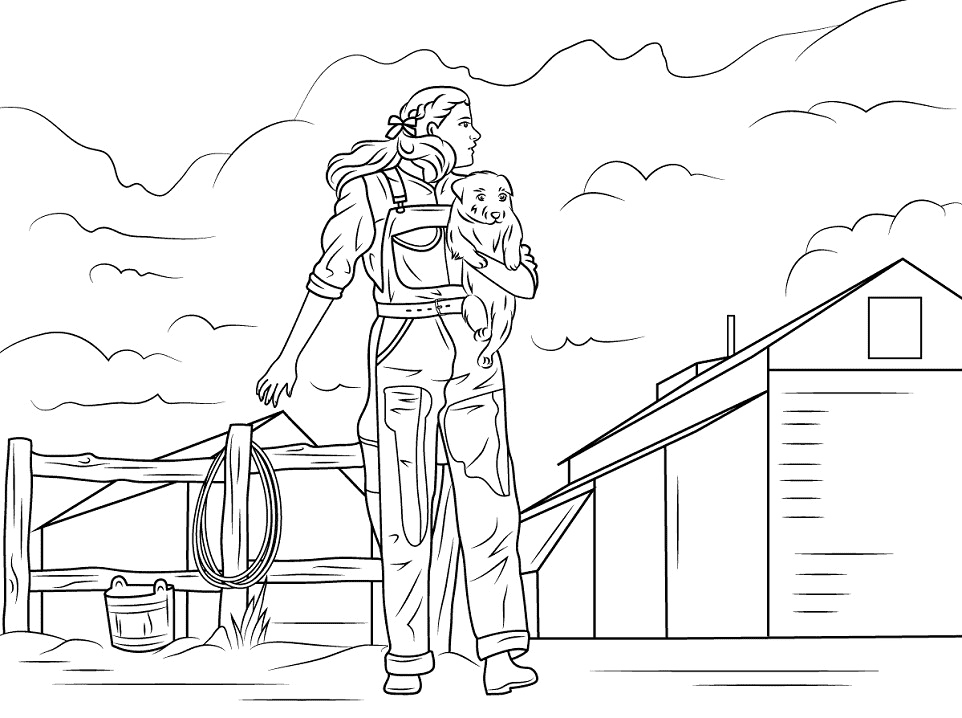
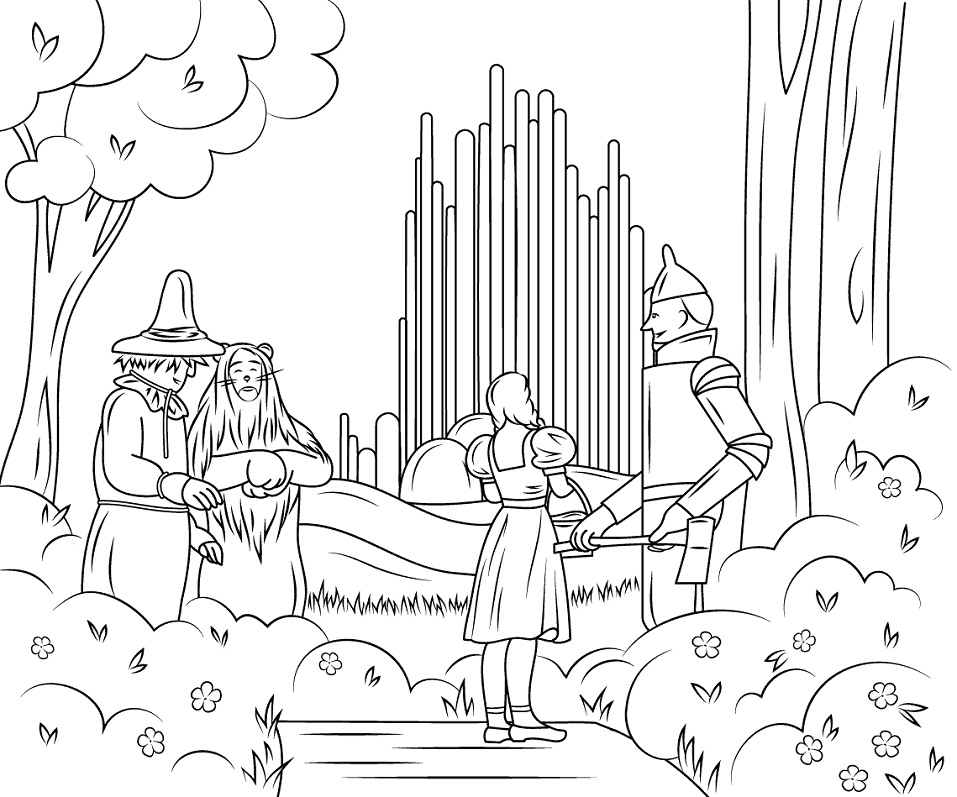
What’s Inside This Collection
Dorothy and Toto, friends and witches, iconic places and moments, later Oz films, and general printables fill the 18 designs.
Dorothy and Toto
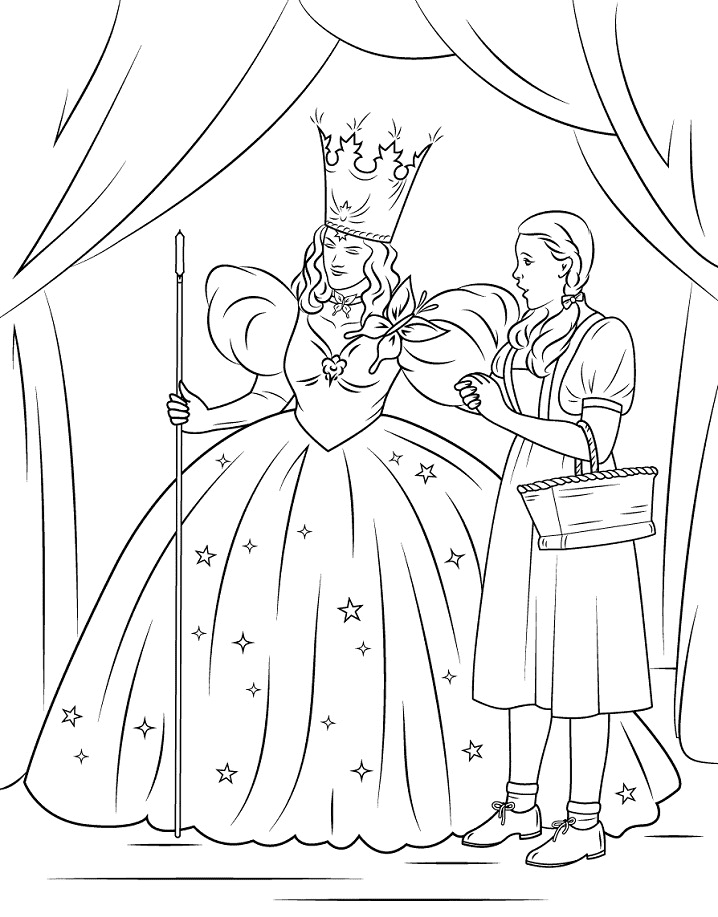
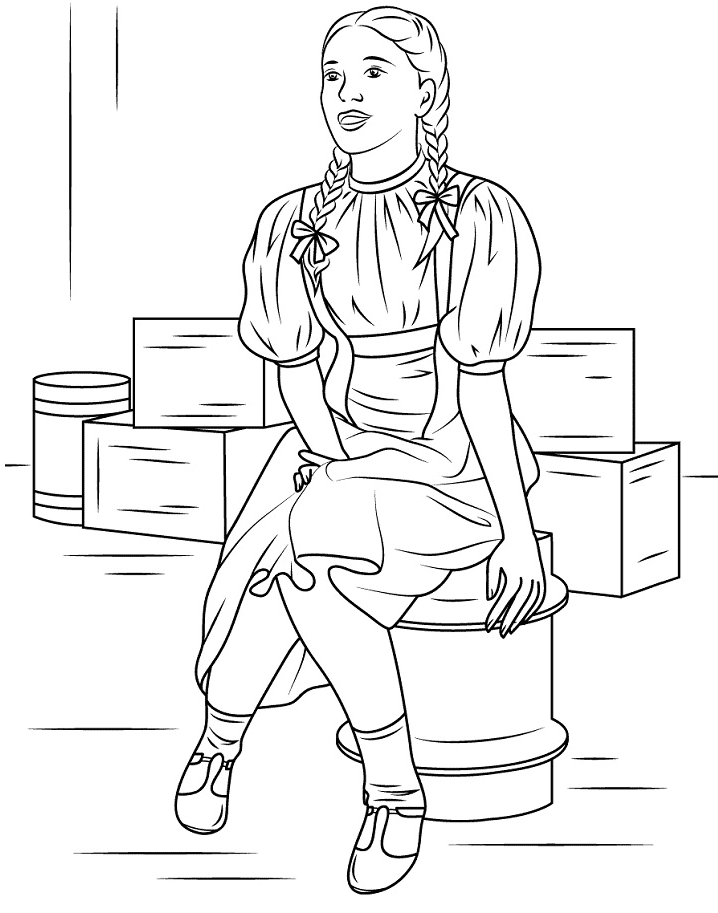
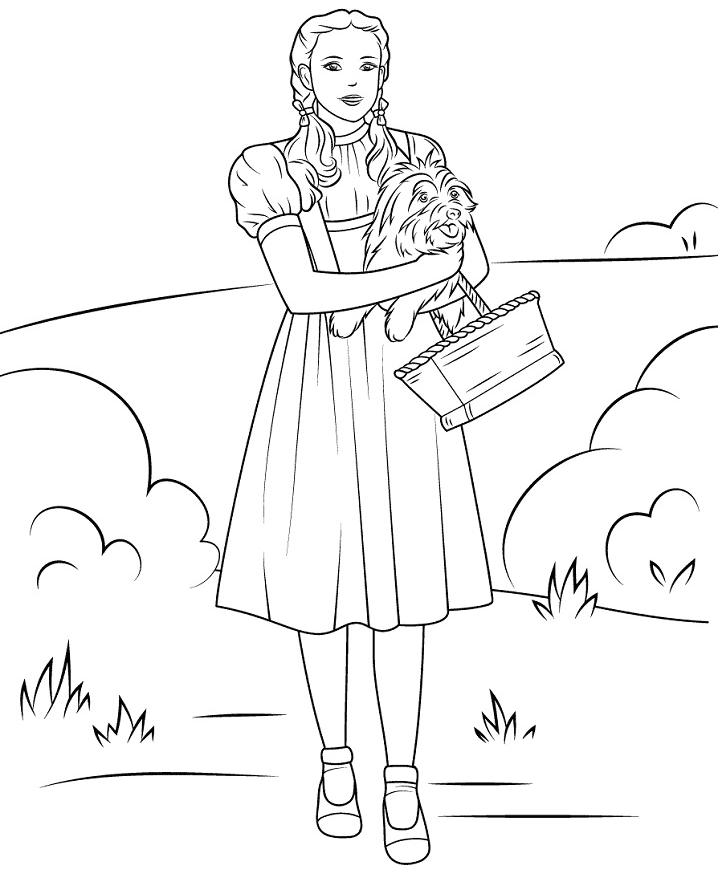
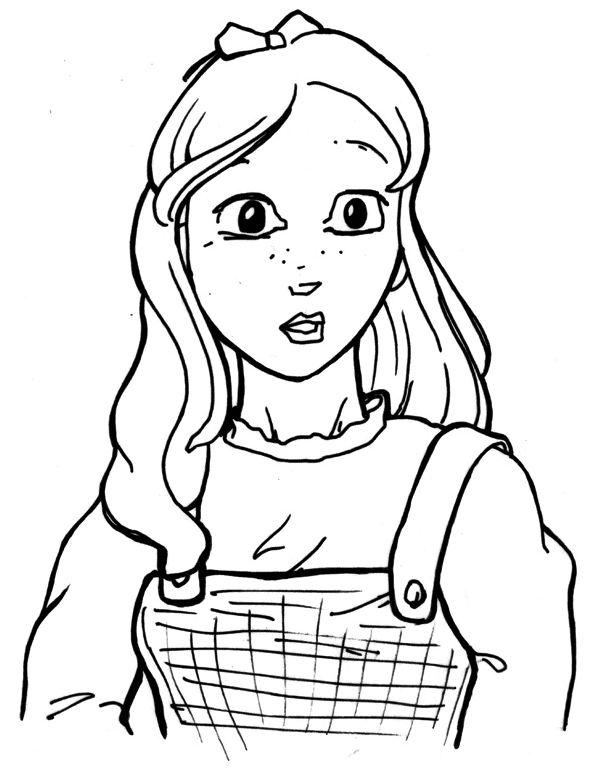
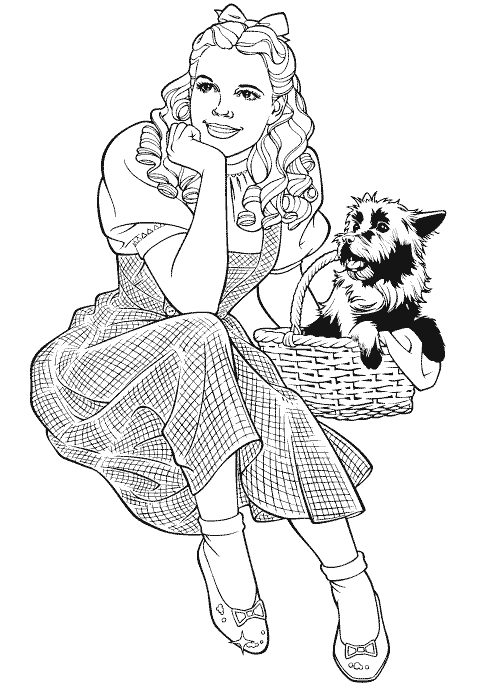
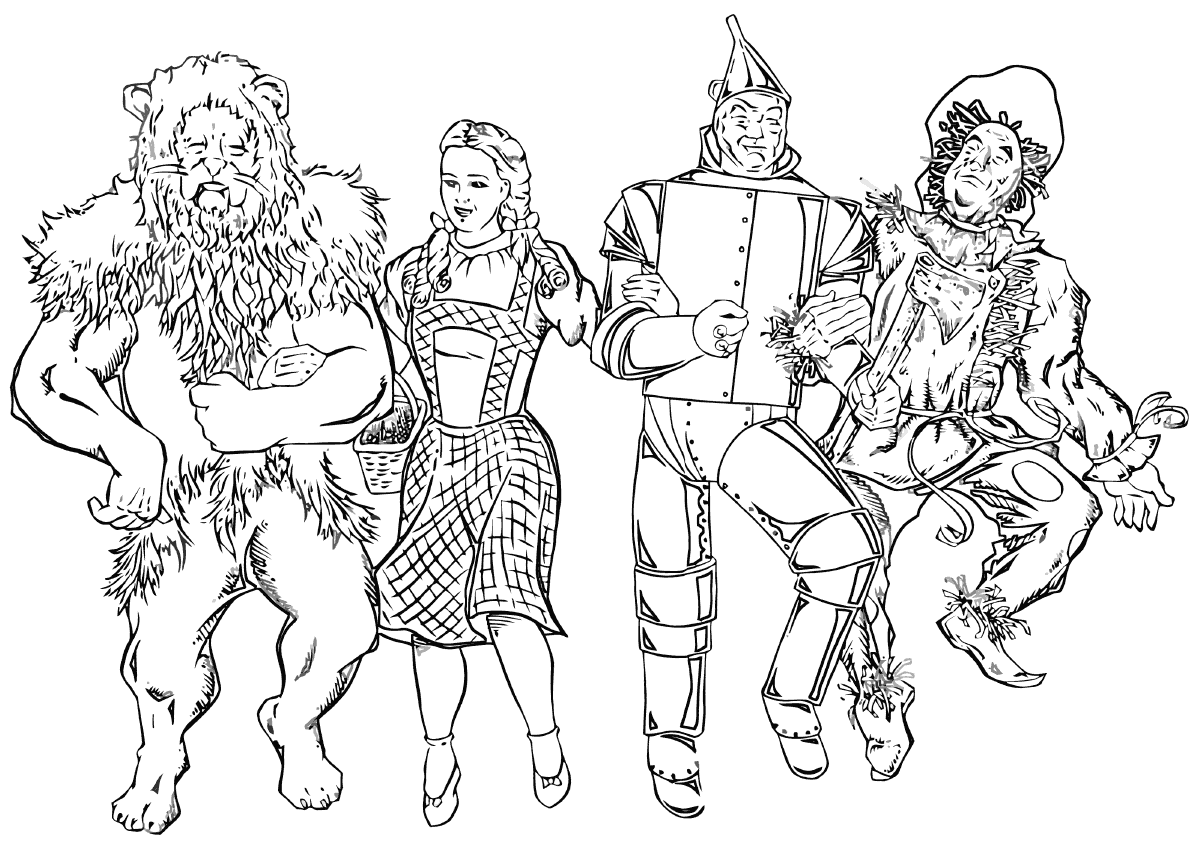
Six sheets show Dorothy Gale holding Toto, walking with the Cowardly Lion, and meeting Glinda the Good Witch – Color Dorothy’s dress in Blue-and-White gingham, her braids Auburn, and Toto a soft Charcoal Gray.
Friends and Witches
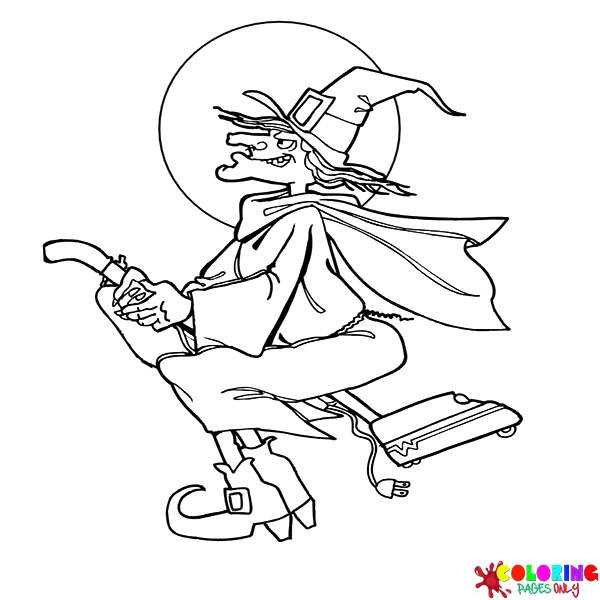
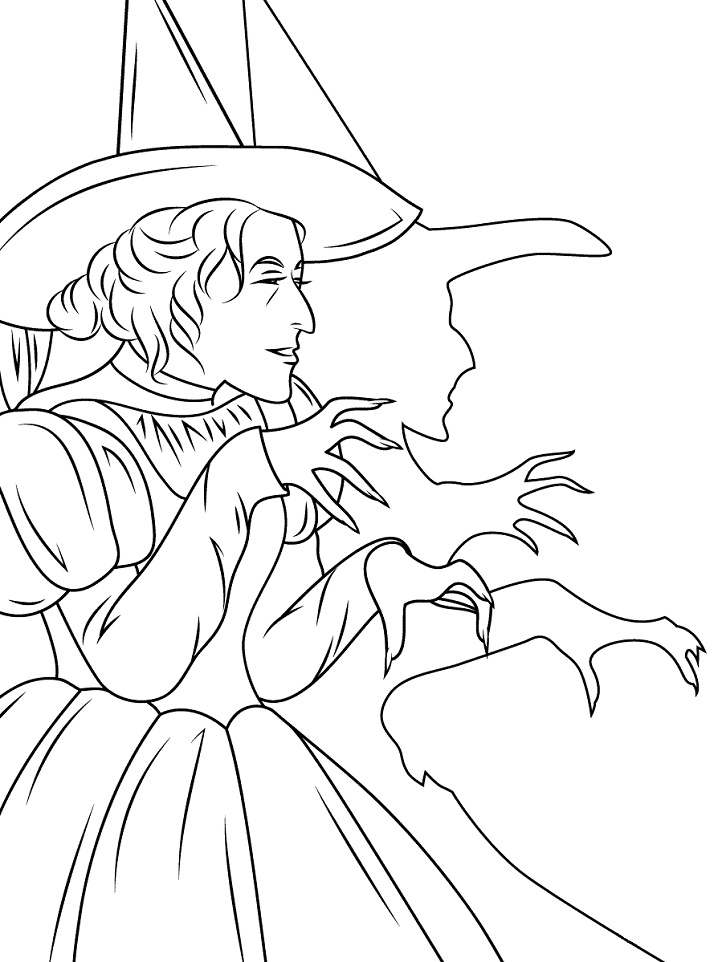
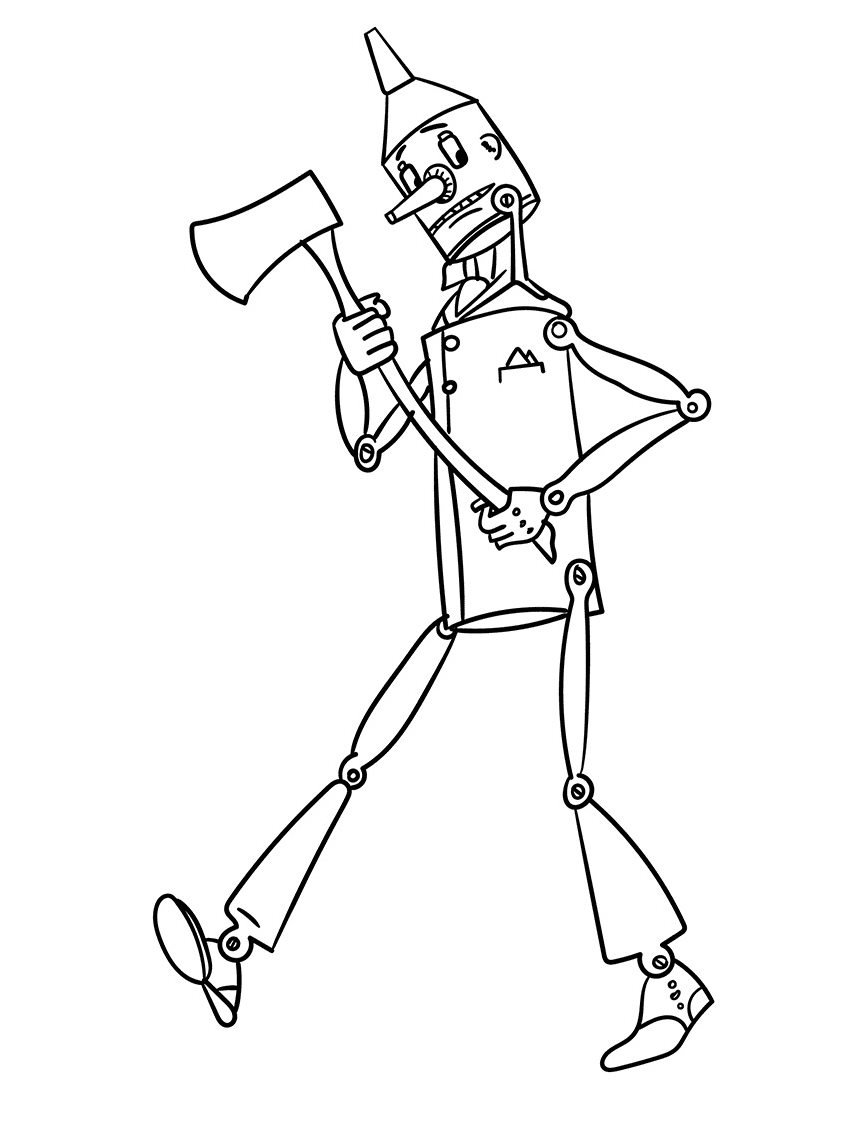
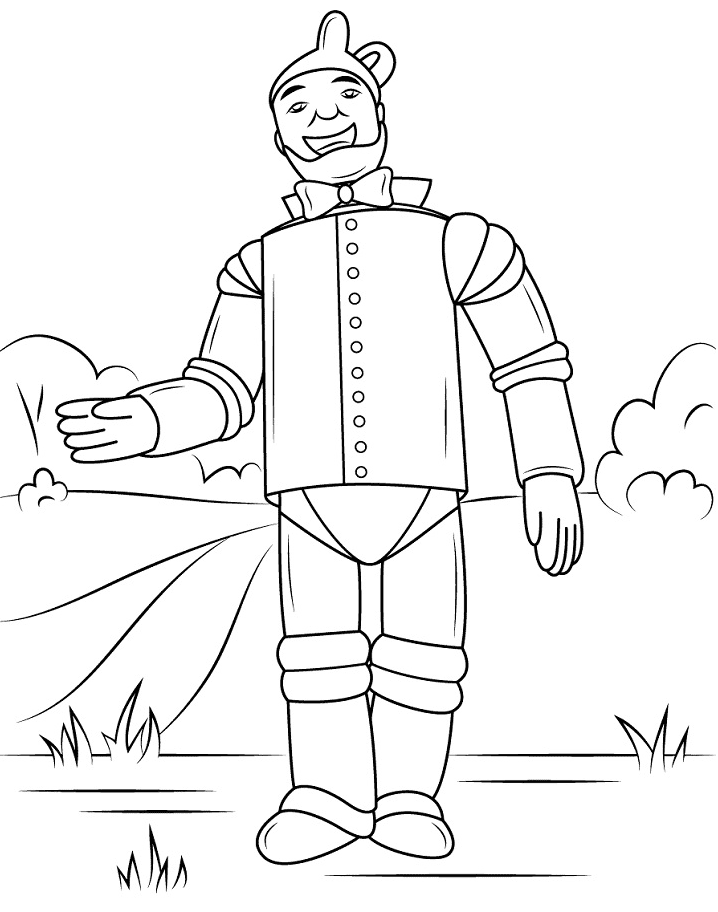
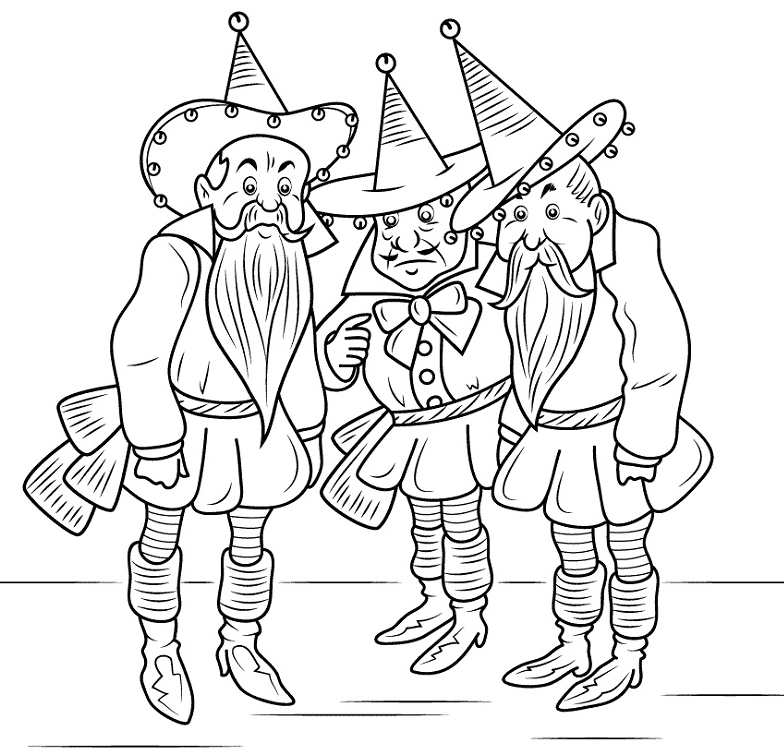
Four pages feature the Tin Man, the Wicked Witch of the West, and the Munchkins. Use Silver and Gray for the Tin Man, give the Wicked Witch Emerald Green skin and a Black hat, and dress the Munchkins in bright candy colors.
Iconic Places and Moments
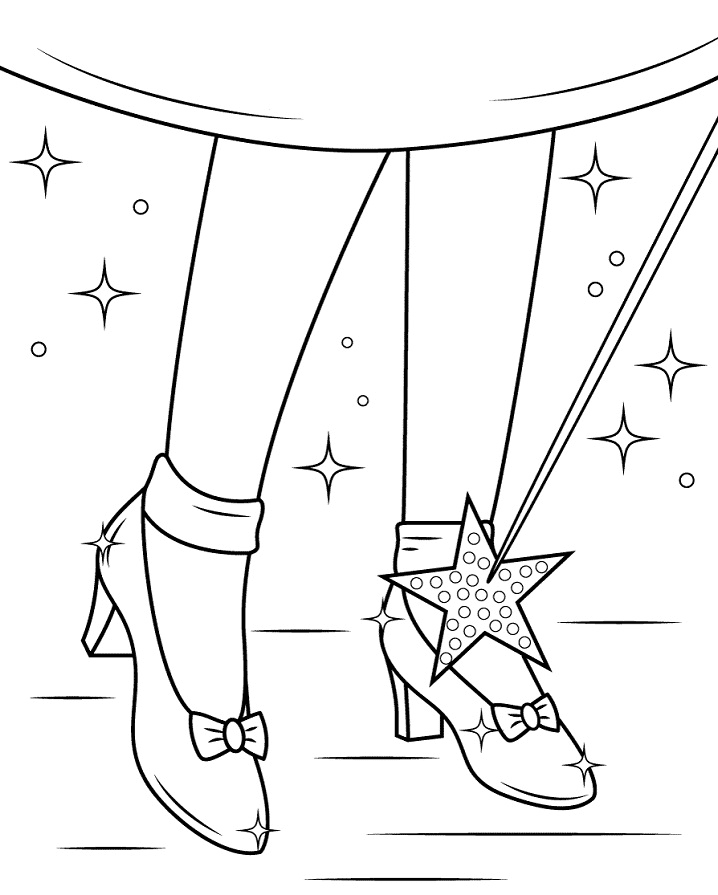
Four designs include the ruby slippers, the Kansas twister, the Horse of a Different Color, and the Emerald City. Add Ruby Red glitter to the shoes, swirl Slate Gray through the tornado, and color the city in layered shades of Jade and Mint.
Other Oz Films
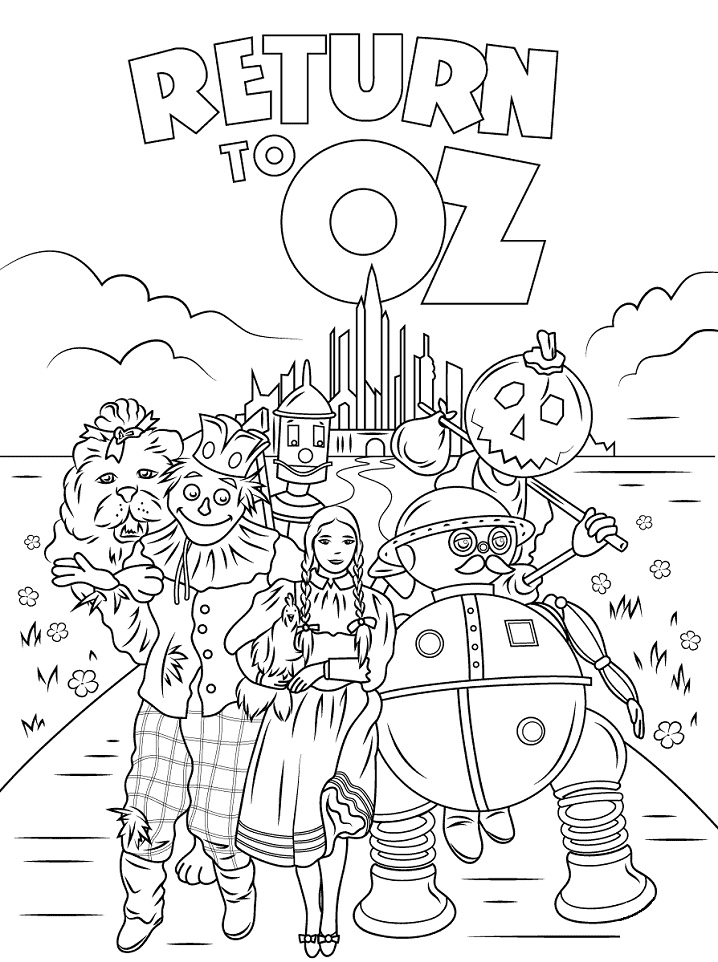
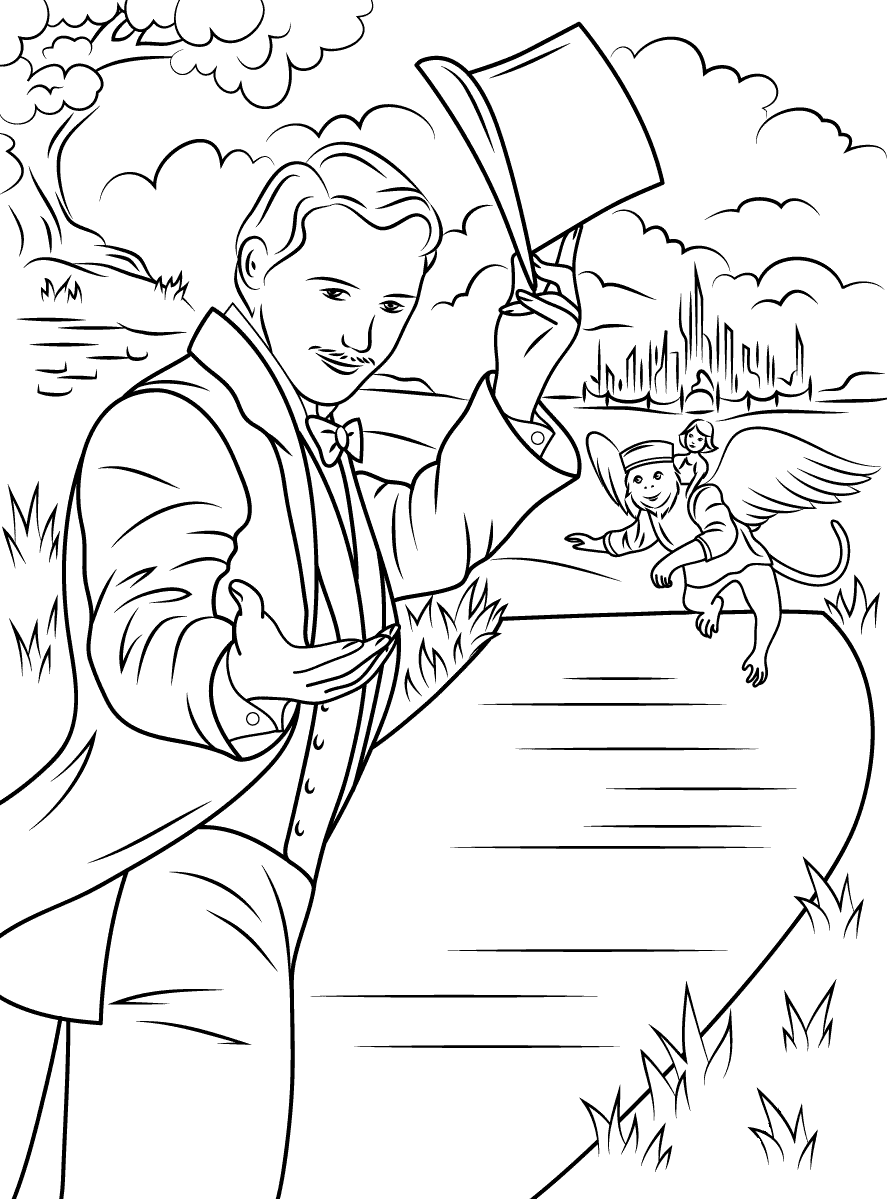
Two sheets come from Return to Oz and Oz the Great and Powerful. Try darker, moodier greens for the 1985 film and bright jewel tones for the 2013 movie.
General Oz Printables
Two general pages show scenes from the classic story. Add a Yellow brick road winding toward the horizon.
What Wizard of Oz Coloring Pages Do
Introducing a classic story. The Wizard of Oz has been read and watched by families for more than a century. Coloring Dorothy, Toto, and their friends is a natural lead-in to reading a picture-book version or watching the 1939 film together. Children can retell the journey along the yellow brick road in their own words, which builds memory, sequencing, and early storytelling skills.
Talking about courage, heart, and brains. The Scarecrow wants a brain, the Tin Man wants a heart, and the Lion wants courage, yet each one already shows those qualities along the way. Coloring their pages invites kids to think about strengths they already have but might not notice. Adults might ask a child which traveler feels most familiar and why, turning art time into a short conversation about self-confidence.
Building fine motor skills with patterns. Gingham dresses, brick paths, and the Tin Man’s rivets all ask for neat, repeated strokes. Grip and finger control for handwriting keep developing through the early grades (American Academy of Pediatrics); patterned coloring like this gives that development plenty of repetitions. Big shapes like the tornado give younger children space to practice bold, sweeping strokes.
Encouraging calm, focused time. When Curry and Kasser compared plaid and mandala outlines with blank paper, the patterned templates left people calmer, according to findings published in the journal Art Therapy in 2005. Rows of yellow bricks and checked gingham supply that same steady repetition. A quiet Oz page can fill a rainy afternoon, settle a classroom after recess, or close out a bedtime routine, especially paired with a chapter of Baum’s book read aloud.
How to Color Wizard of Oz Pages Well
- Gingham dress: Draw thin Blue lines in a grid over a White dress for Dorothy’s checks.
- Ruby slippers: Layer Red and Crimson and dot the shoes with White sparkles.
- Yellow brick road: Alternate Golden Yellow and Lemon on each brick for texture.
- Emerald City: Use several greens, from pale Mint to deep Emerald, to build sparkling towers.
- Tin Man shines: Leave thin White streaks on his metal body for reflections.
- Tornado: Blend Gray and Charcoal in swirling strokes, darkest at the base.
5 Creative Craft Ideas With Wizard of Oz Coloring Pages
1. Yellow Brick Road Game Board
Lay colored characters at intervals on a winding strip of yellow paper and roll a die to move from Munchkinland to the city gates.
2. Ruby Slipper Sparkle Art
Color the ruby shoes page and add red glitter glue for a dazzling finish.
3. Emerald City Window
Color the Emerald City and tape green tissue paper behind the cut-out windows so light shines through.
4. Courage, Heart, and Brain Badges
Color the characters and make paper badges with the qualities they wanted.
5. Tornado in a Jar Display
Color the twister page and pair it with a simple water-and-dish-soap tornado jar experiment.
Frequently Asked Questions
What are Wizard of Oz coloring pages?
These are 18 free printable sheets from the Oz story, featuring Dorothy, Toto, the Tin Man, the Wicked Witch, the Emerald City, and scenes from later Oz films. Simple portraits and busier story scenes let kids of different ages share the set, on paper or online.
Who wrote The Wizard of Oz?
L. Frank Baum wrote The Wonderful Wizard of Oz, published in 1900 and illustrated by W. W. Denslow. The book proved so popular that Baum followed it with 13 more Oz novels.
When did the Wizard of Oz movie come out?
The famous MGM film starring Judy Garland was released in 1939. In 1989, it joined the first group of movies chosen for the Library of Congress’s National Film Registry.
Why are Dorothy’s shoes red in the movie?
In the book, they are silver, but the 1939 film made them ruby red to show off its new Technicolor process. The bright red stood out sharply against the yellow brick road, which made the slippers one of the most recognizable props in film history.
What does each of Dorothy’s friends want?
The Scarecrow wants a brain, the Tin Man wants a heart, and the Cowardly Lion wants courage. By the end of the journey, each friend learns he already had that quality all along.
What is the Horse of a Different Color?
It is a horse in the Emerald City that changes colors as it pulls Dorothy and her friends through town. For the 1939 film, the crew reportedly tinted real horses with gelatin powder to create the effect.
What age are the Wizard of Oz coloring pages for?
Four-year-olds can manage Dorothy and Toto, while the city and film sheets keep fans busy for about 12. Teens and adults who love classic movies also enjoy shading the Emerald City’s many greens.
Where are the ruby slippers today?
One of the original pairs from the 1939 film is displayed at the Smithsonian’s National Museum of American History in Washington, D.C. Several pairs were made for filming, and they remain among the most valuable pieces of movie memorabilia.
Start Coloring
Choose Dorothy and Toto, the sparkling ruby slippers, or the Emerald City, print it, or travel the yellow brick road digitally without registering. Friends of Oz can share every finished sheet on Facebook or Pinterest.