Oyster Coloring Pages
 By:
Jennifer Thoa - Content Editor & Designer
Updated:
By:
Jennifer Thoa - Content Editor & Designer
Updated:
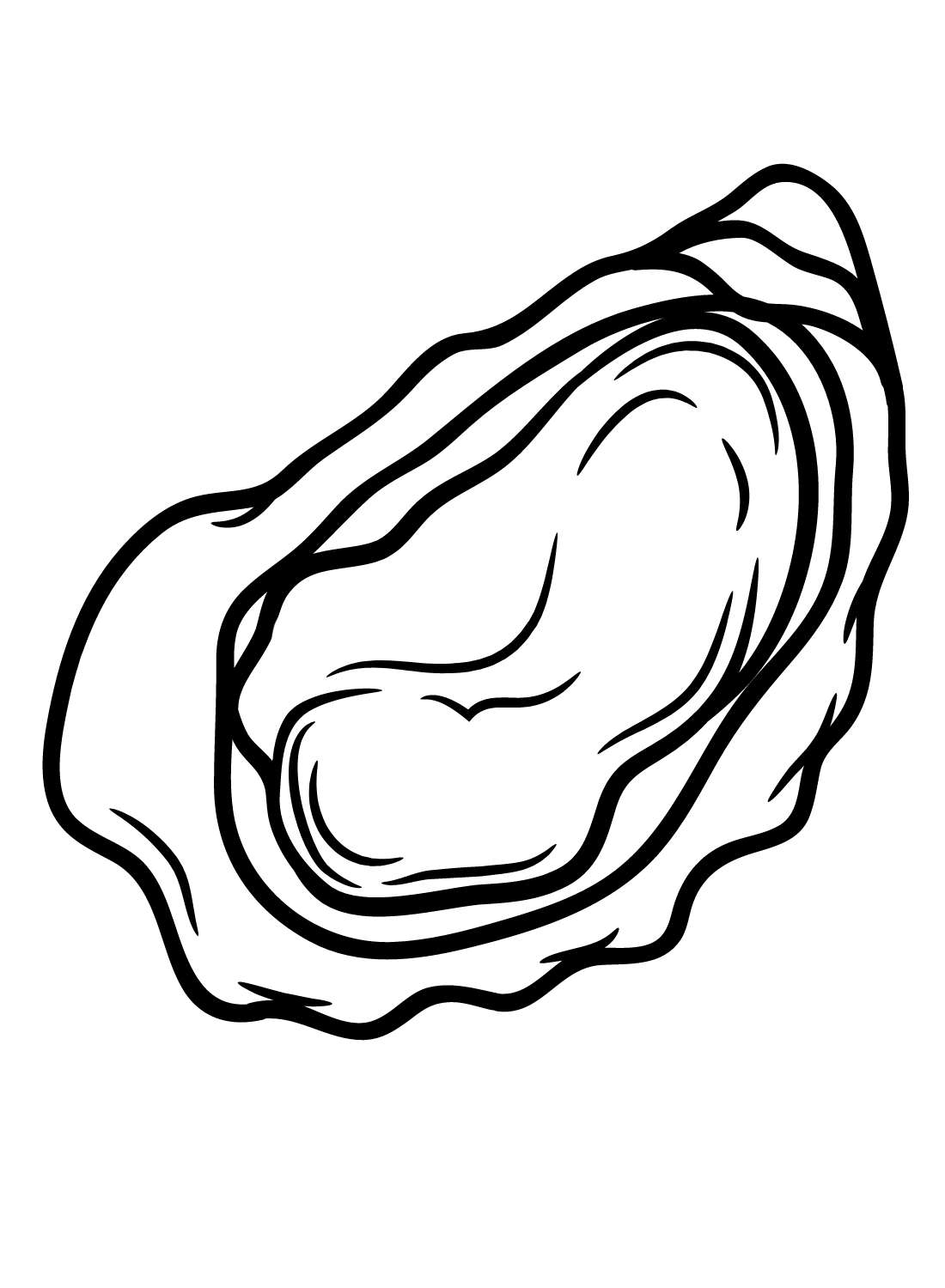
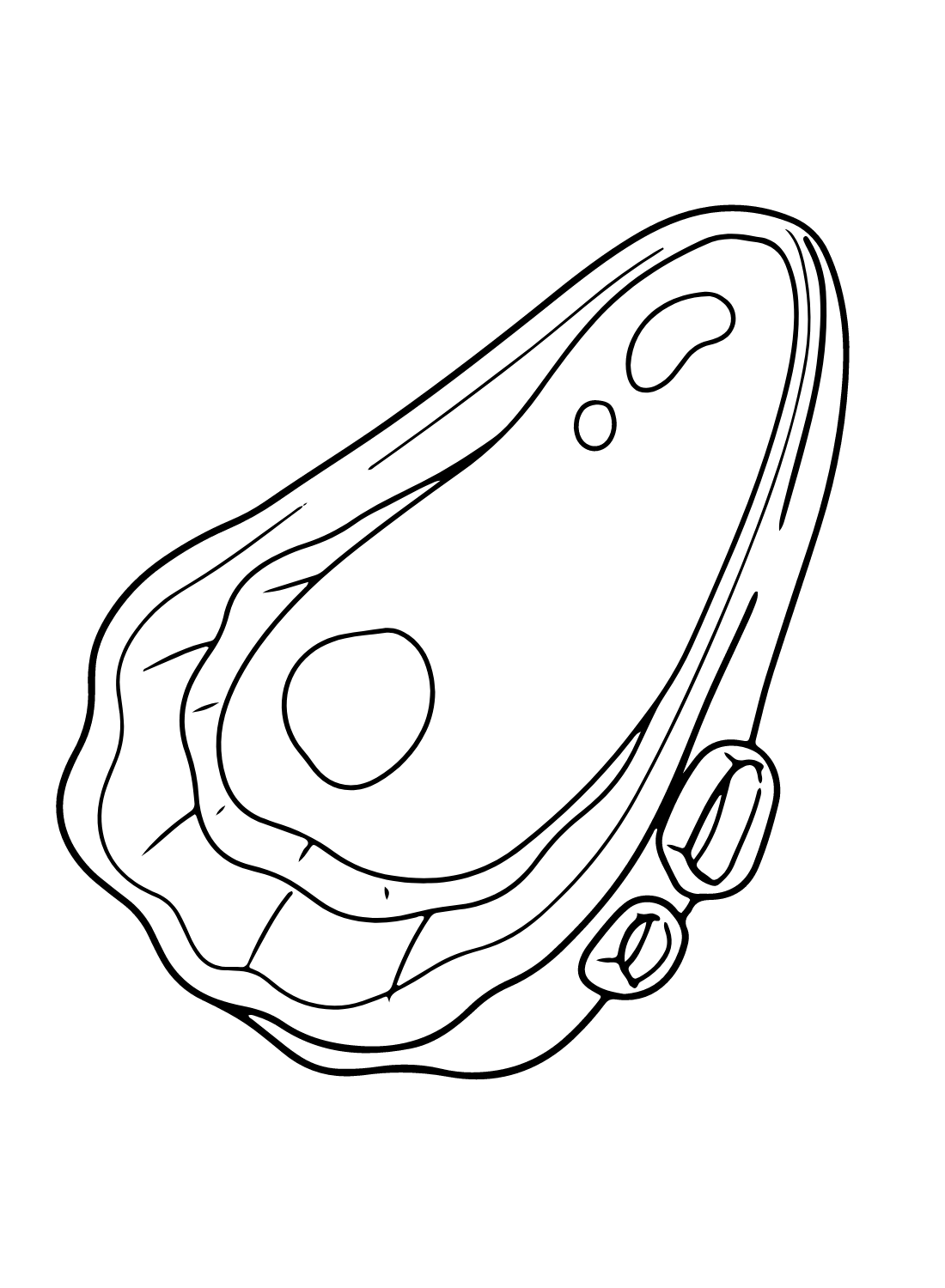
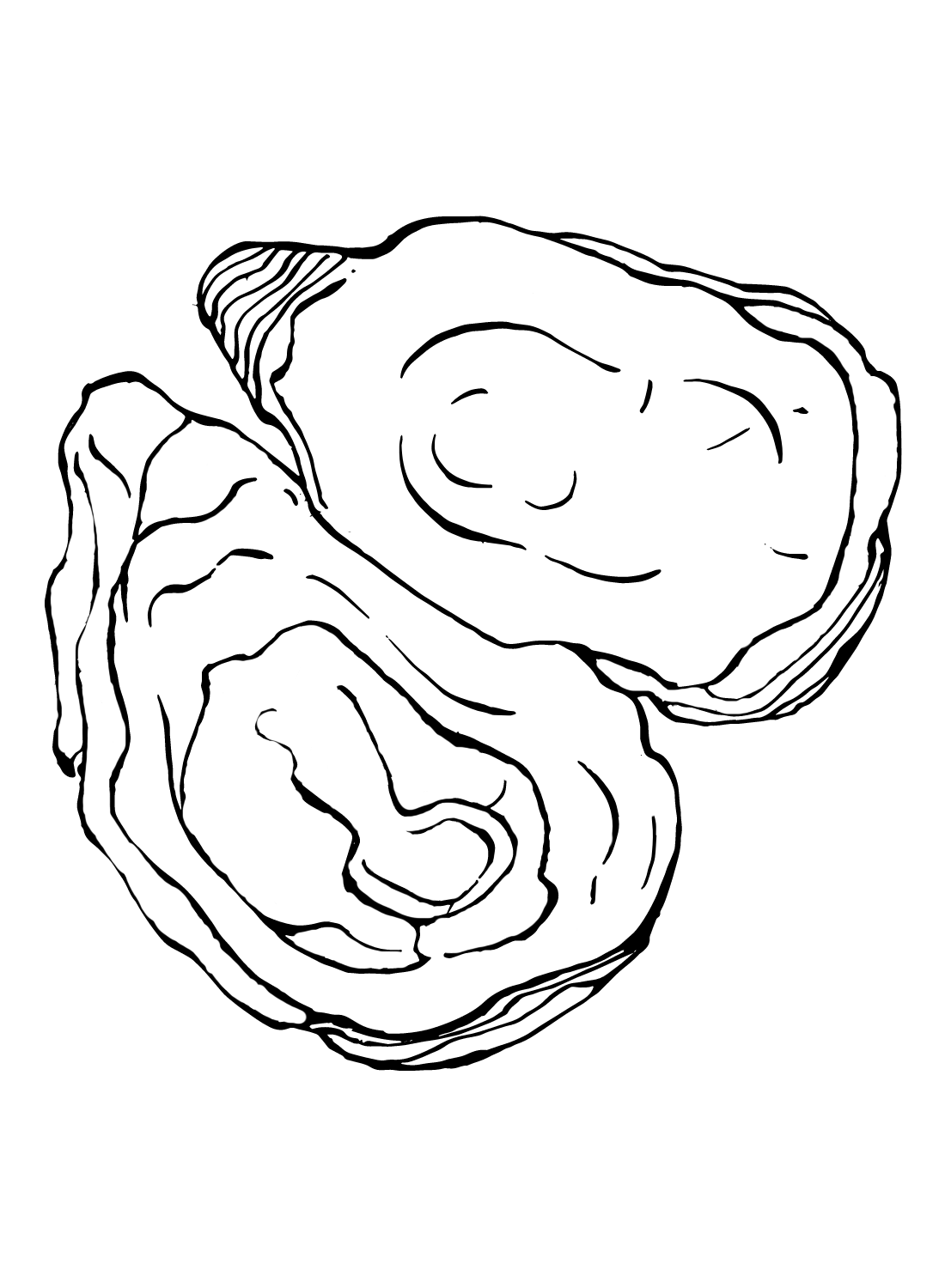
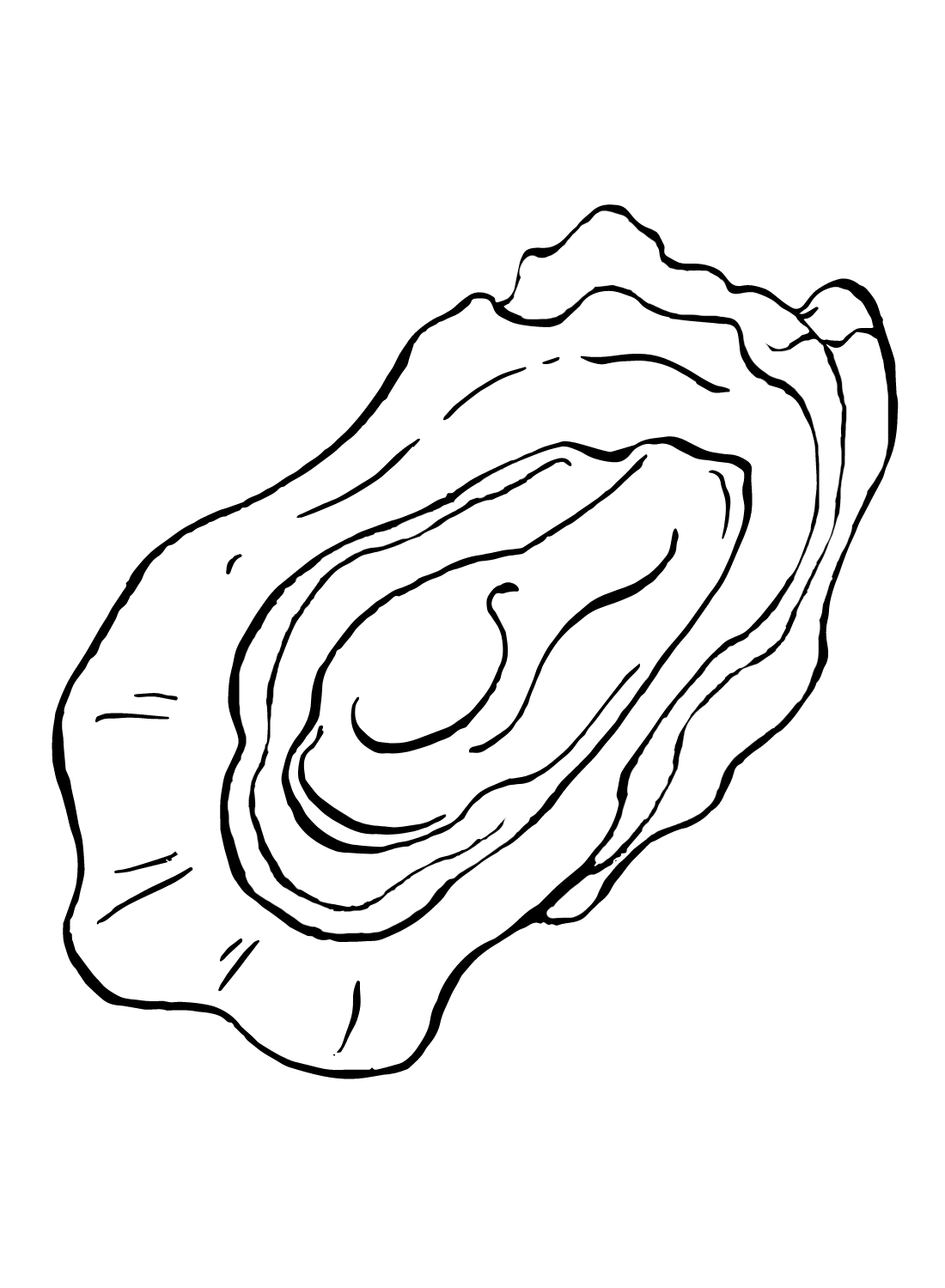
Free Oyster Coloring Pages: 16 printable PDF designs featuring realistic oyster illustrations, a pearl cross-section, and simple kid-friendly sheets. Each page can be downloaded as a PDF to print or colored online in the browser.
Oysters are bivalve mollusks in the family Ostreidae, with a rough, irregular outer shell that hides a smooth, pearly interior. An adult oyster is a powerful filter feeder, drawing water through its gills and straining out plankton and other tiny particles, with a single oyster capable of filtering dozens of gallons of water in a single day. Many true oysters are also sequential hermaphrodites, starting life as males and later developing into females as they mature. While any oyster can occasionally form a small pearl if an irritant gets trapped inside its shell, most commercially valuable pearls actually come from a completely different family of bivalves, the true pearl oysters in the genus Pinctada, rather than the edible oysters people eat.
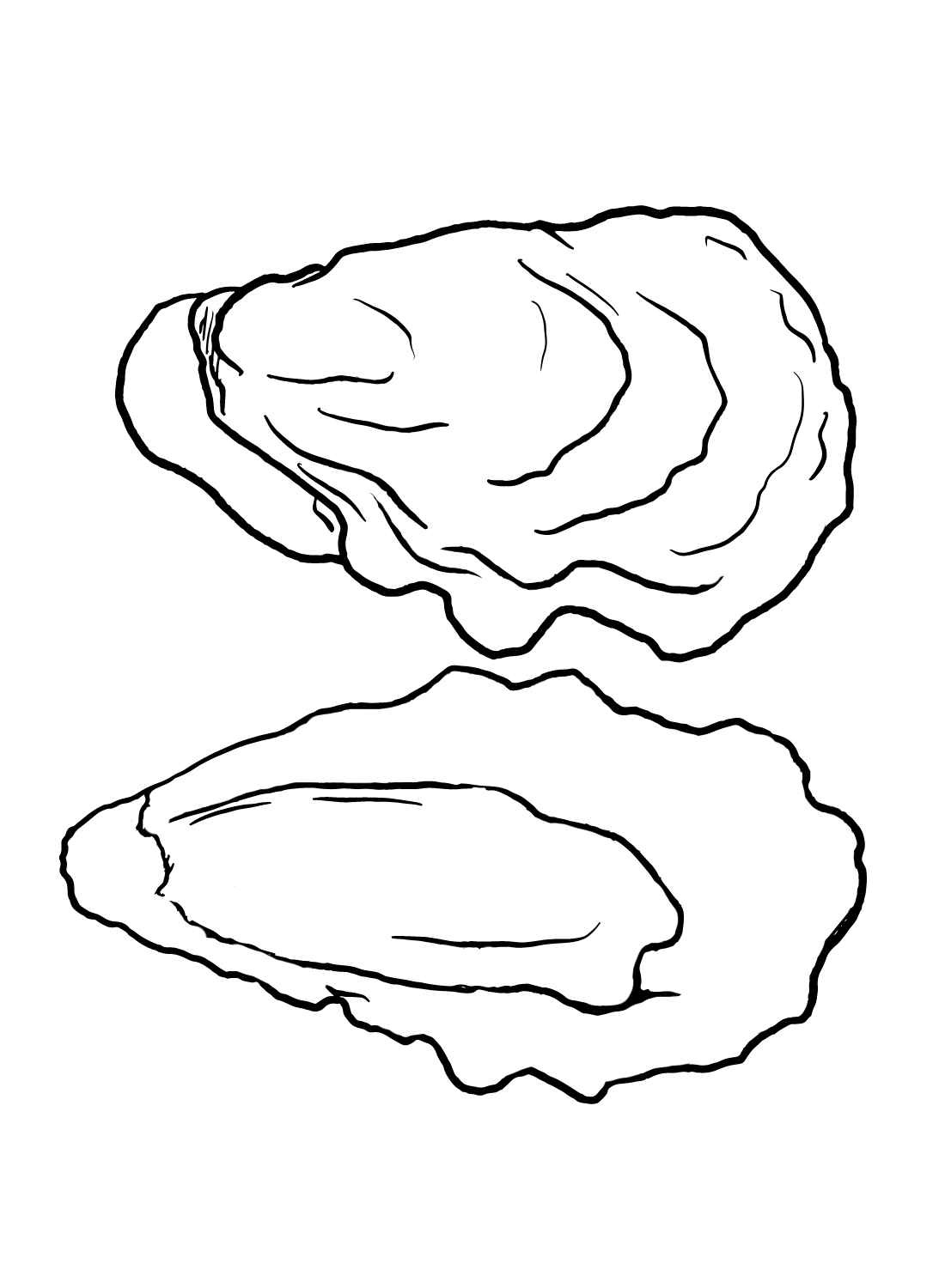
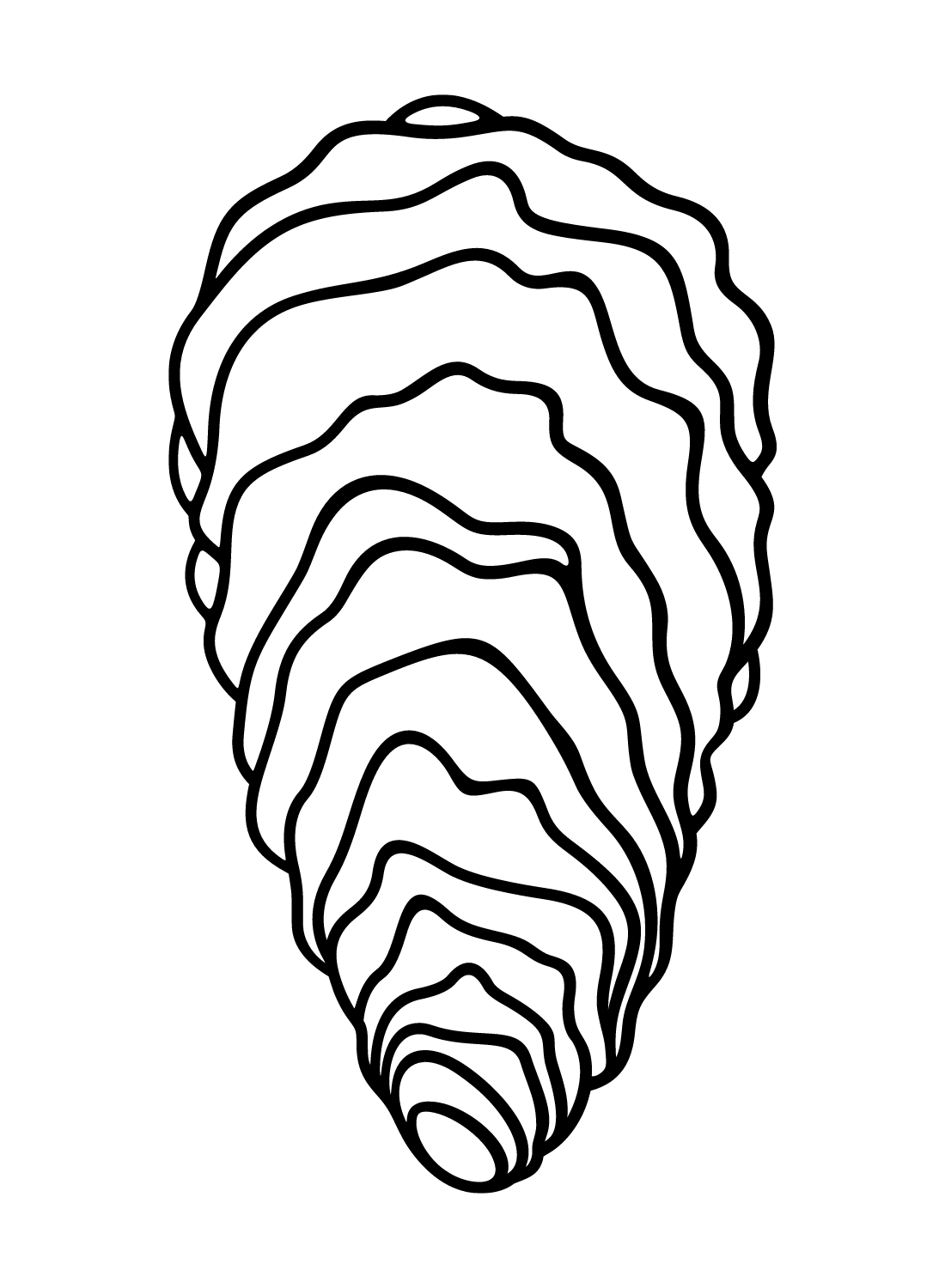
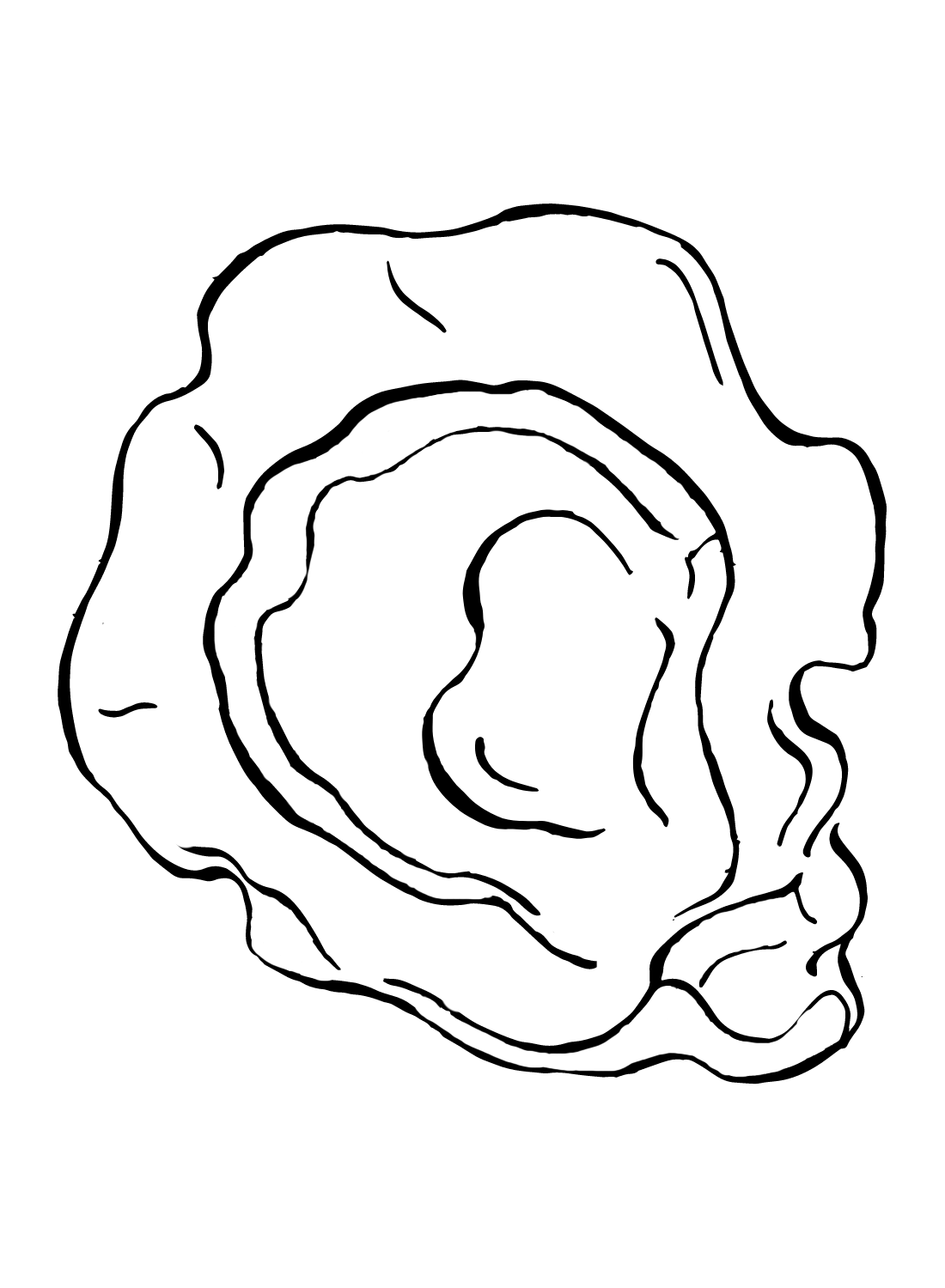
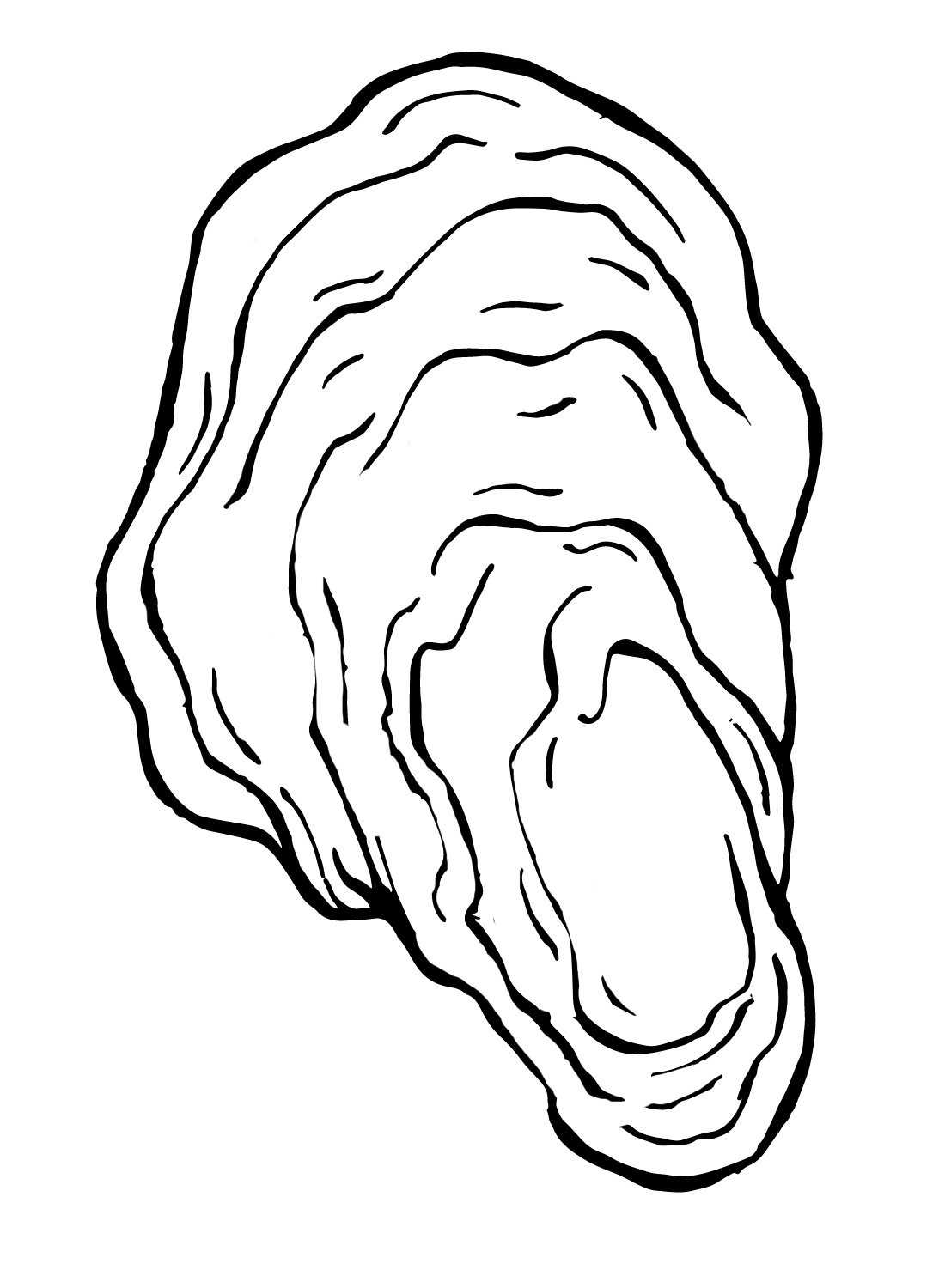
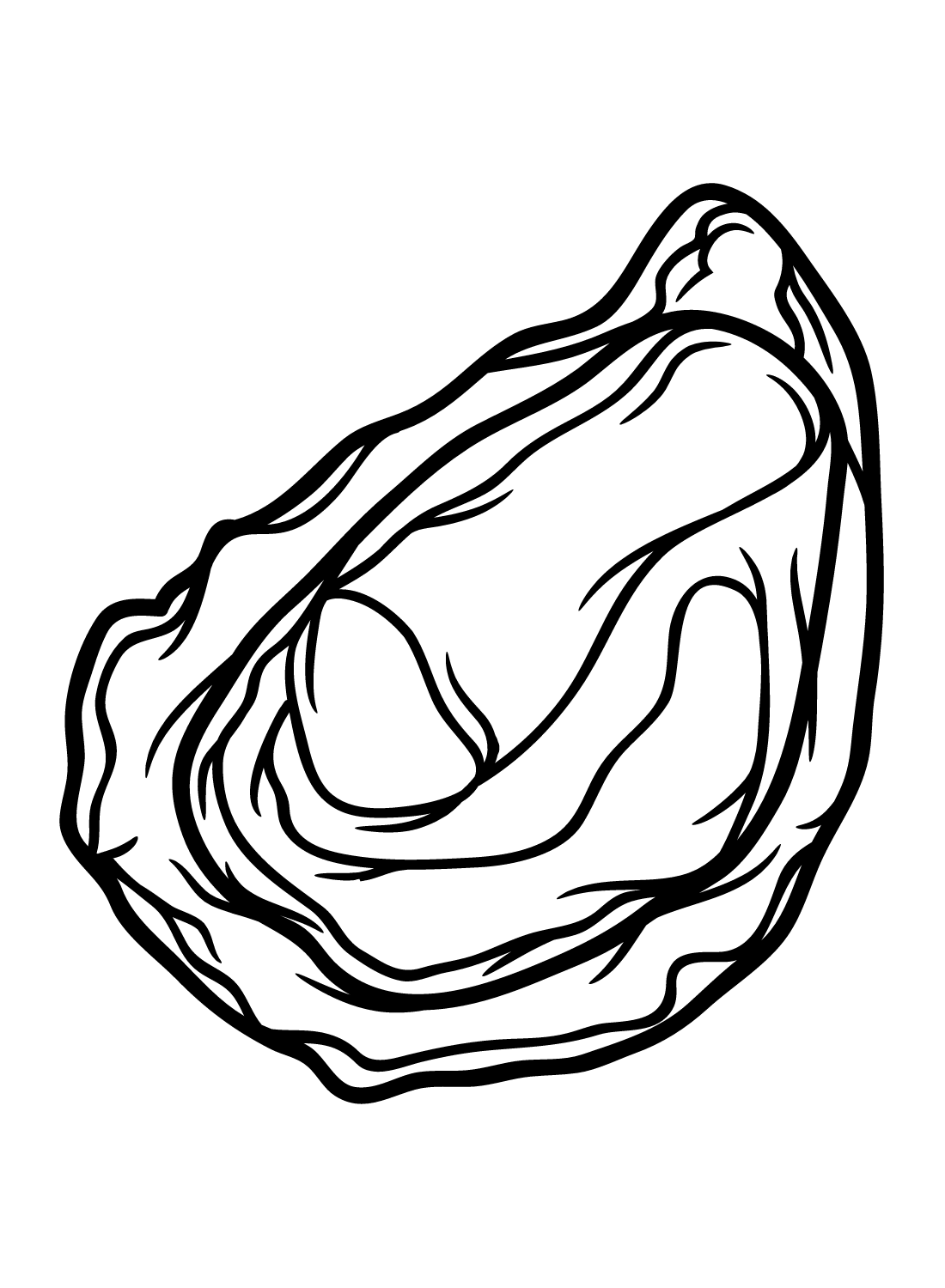
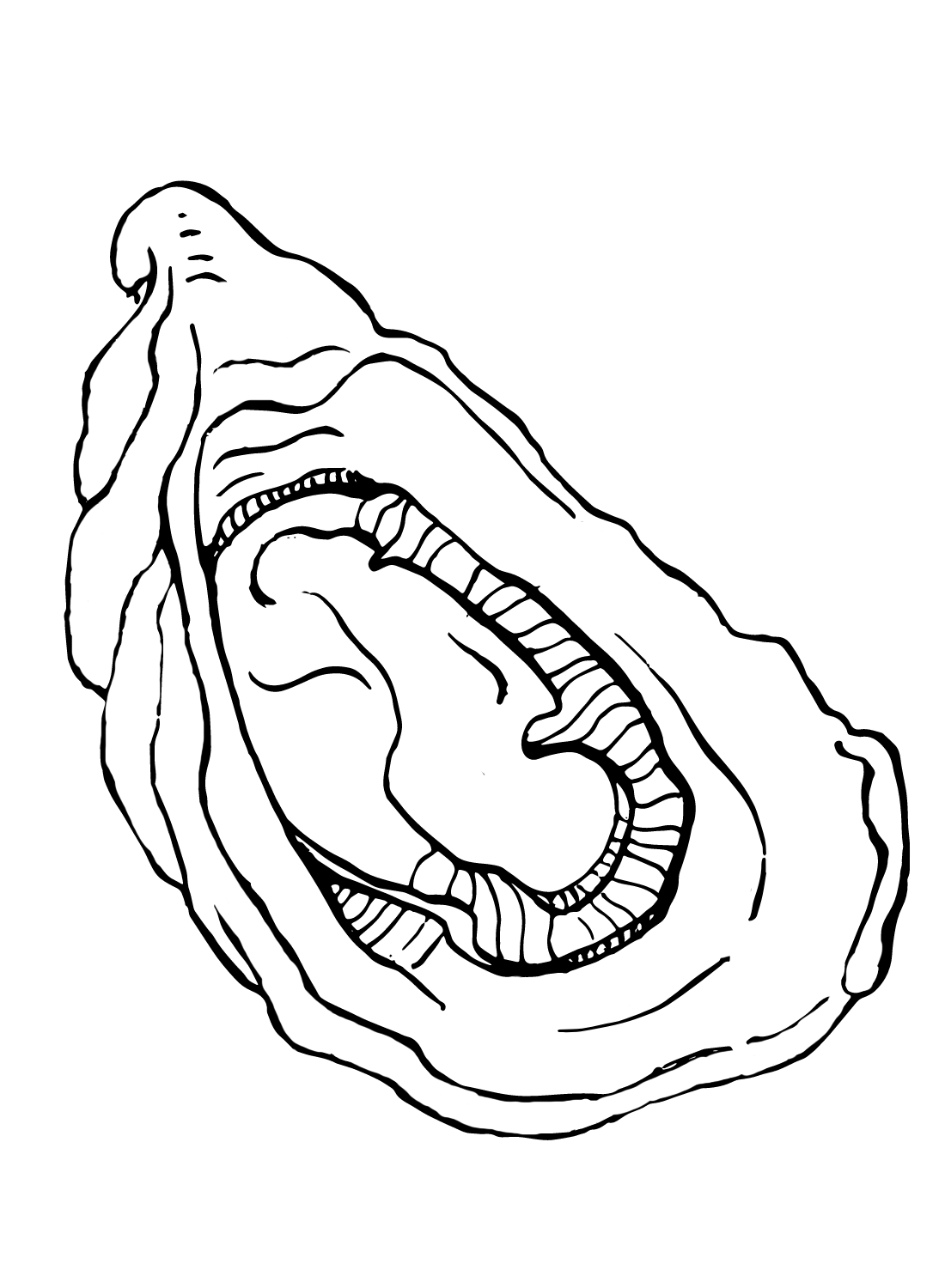
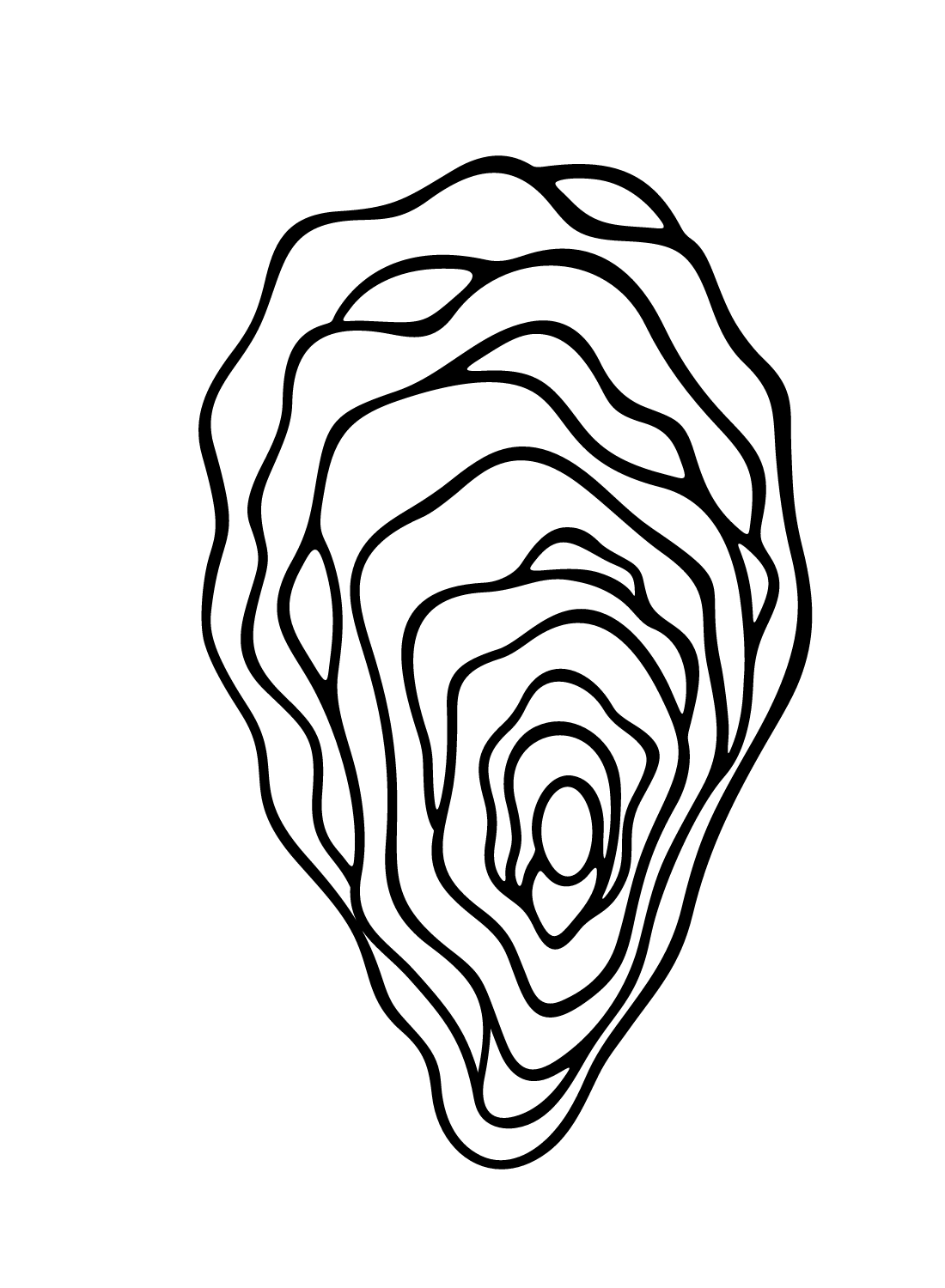
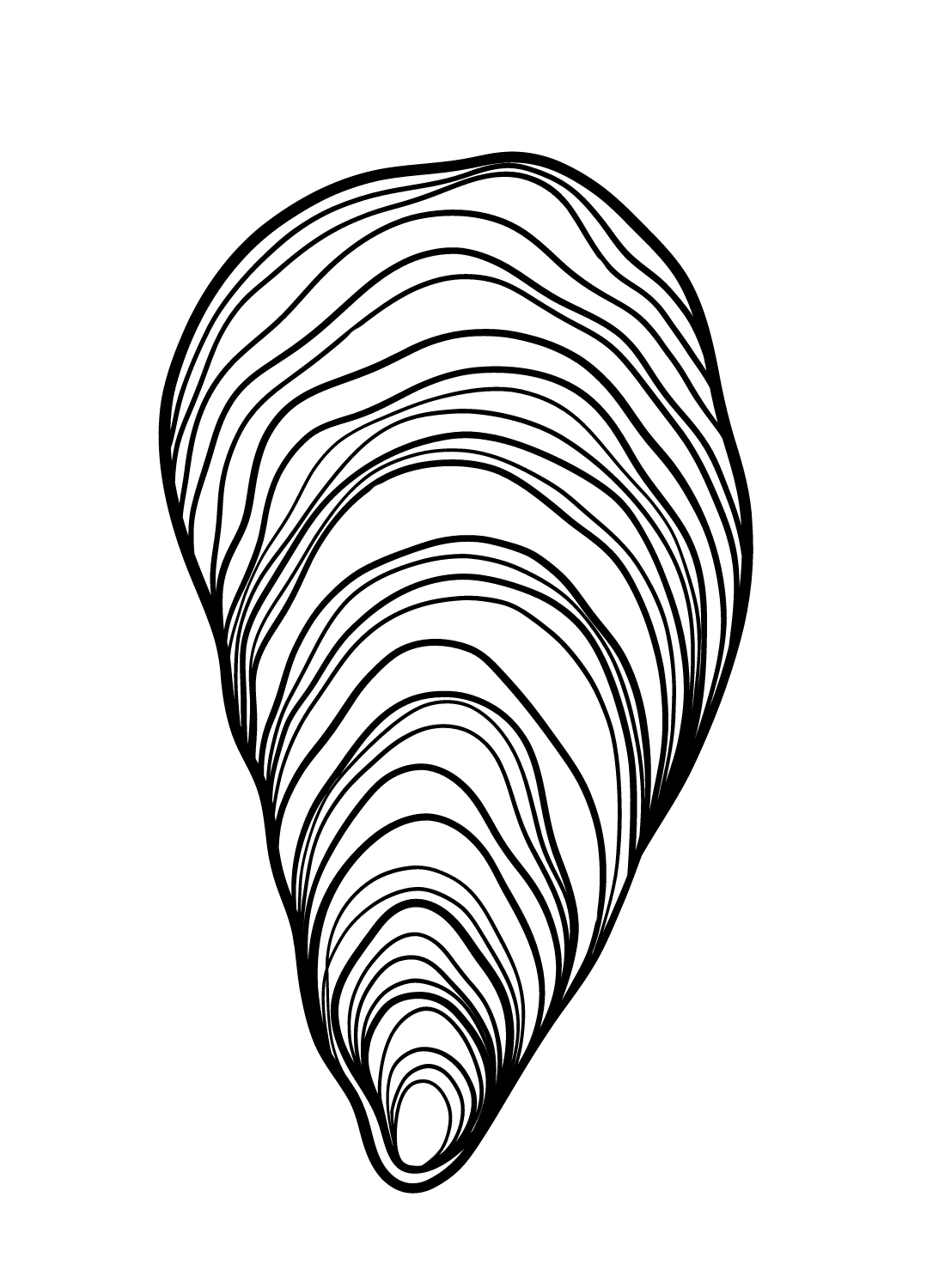
This collection groups its 16 pages by style, from true-to-life oyster illustrations to a pearl cross-section and simple sheets, so kids and adults can pick a page that matches their skill level. Each page is available as a downloadable PDF or as an online coloring tool that works directly in the browser.
What Is Inside This Collection
The 16 pages are split into three groups based on style and detail level.
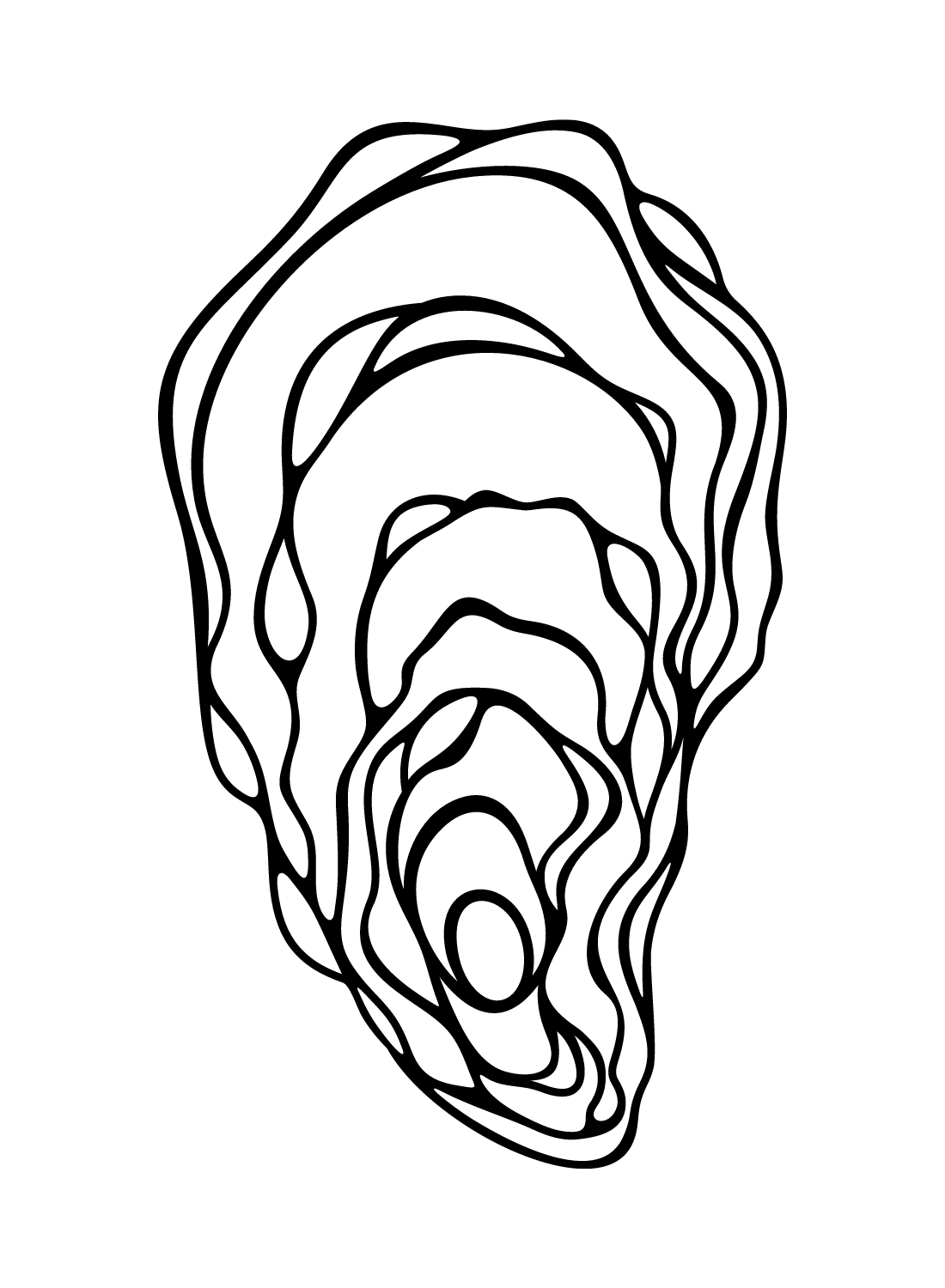
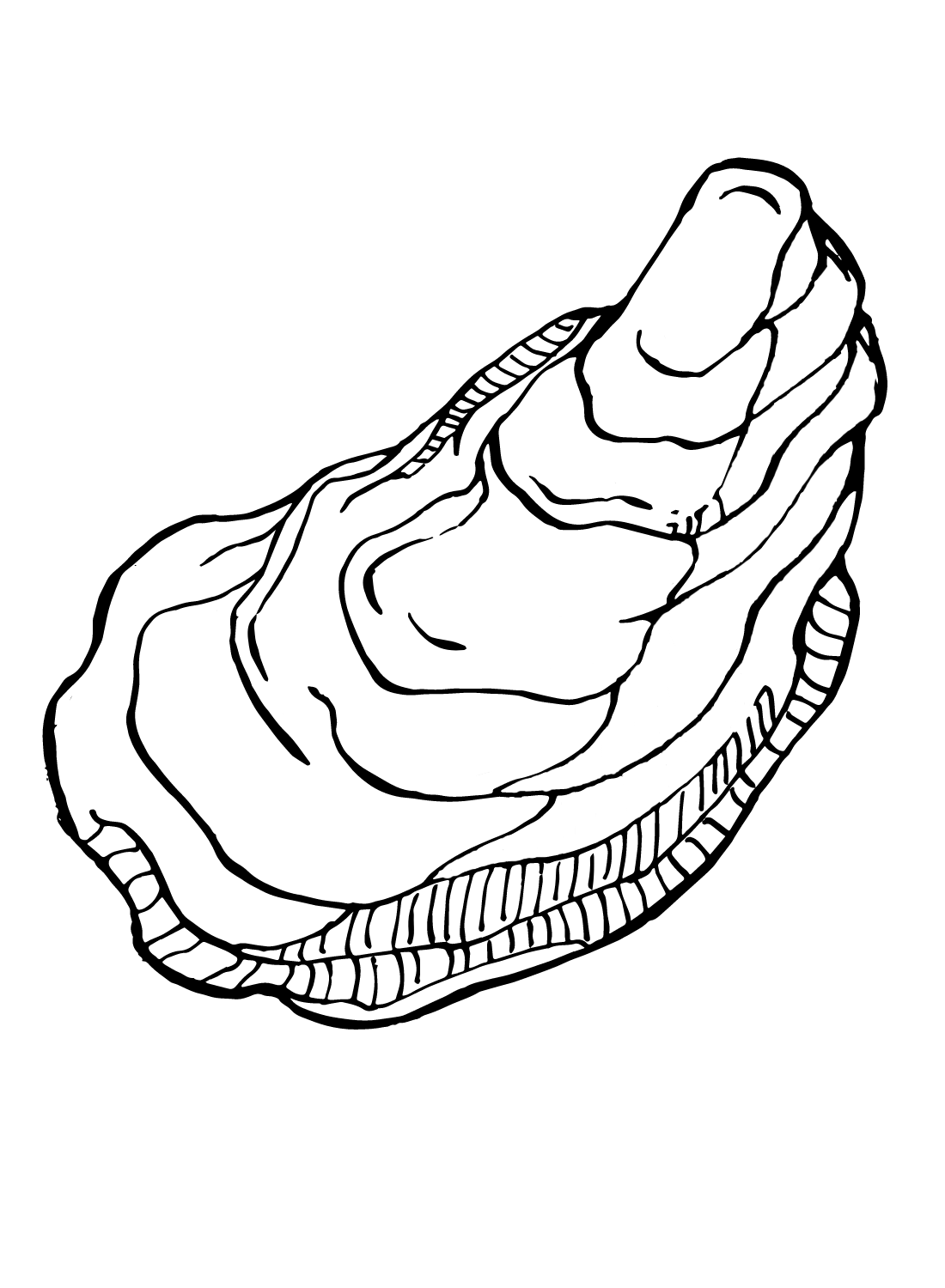
Realistic Oyster Designs
The largest group shows a whole oyster shell set against a plain background. Use a rough Gray or Tan for the ridged outer shell, and a smooth White or pale Cream for the polished interior lining.
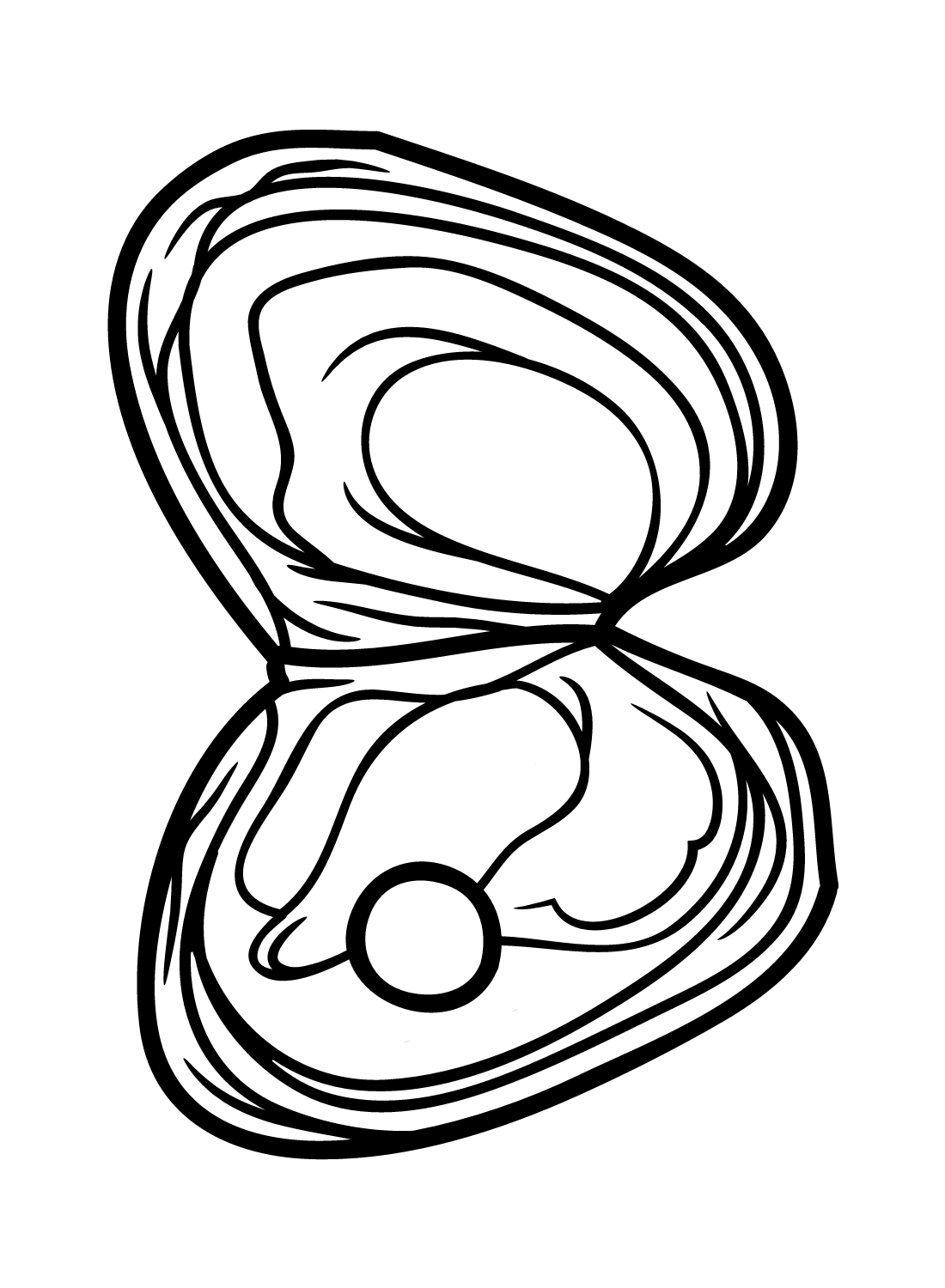
Pearl Oyster Cross-Section
One page shows an oyster shell open to reveal a pearl resting inside. Color the outer shell Gray or Tan, the smooth interior a pearly White, and the pearl itself a soft Cream or blush Pink with a small White highlight to suggest its natural shine.
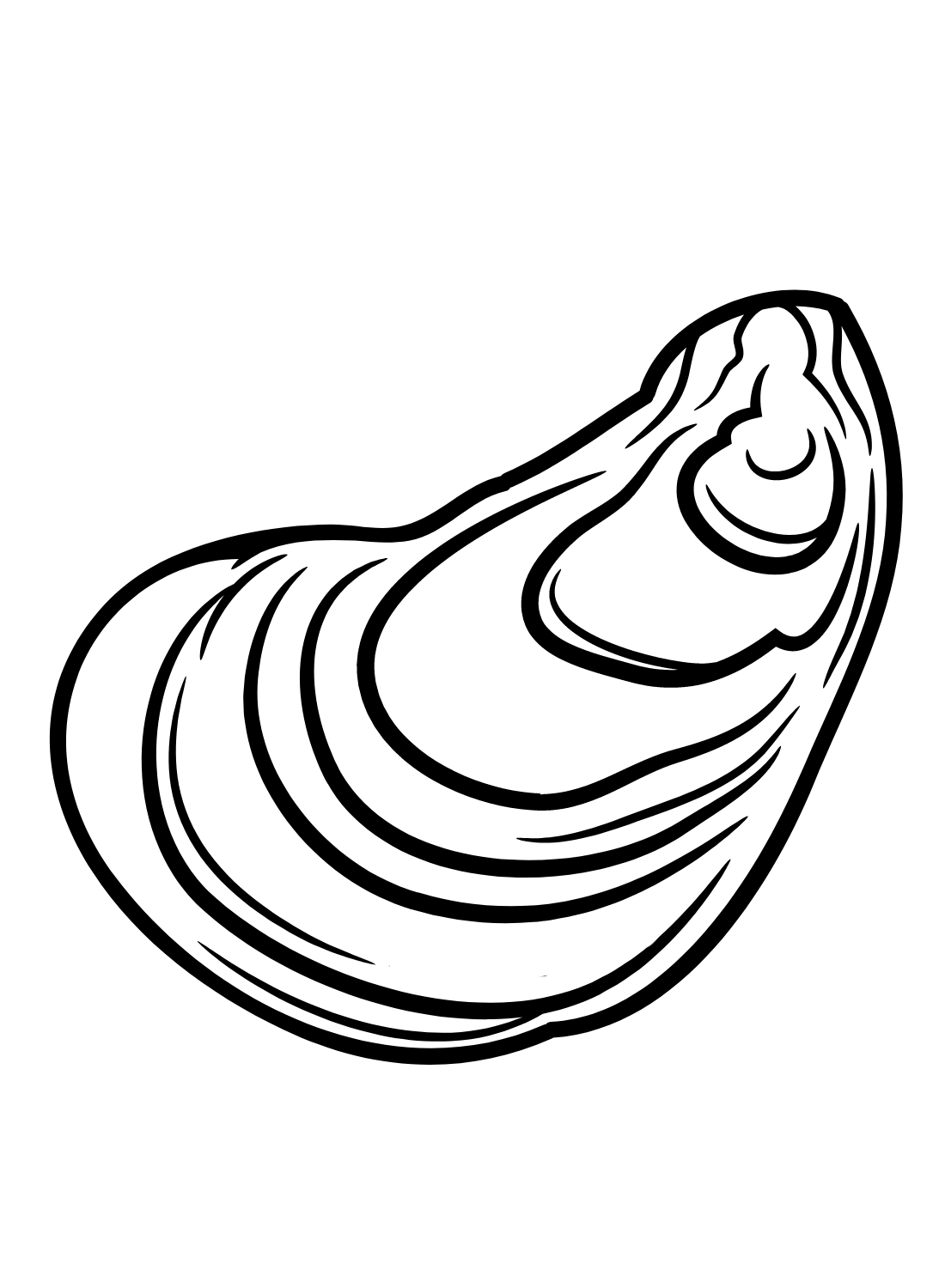
Simple and Kid-Friendly Sheets
Four pages use a large, bold outline with very few small details, making them a good starting point for toddlers and preschoolers. A single flat Gray or Tan fill, without extra shading, is enough to complete these designs well.
What Oyster Coloring Pages Do
Fine motor development. An oyster shell combines a rough, ridged exterior with a completely smooth interior, and shading those two very different textures without letting them blend takes closer hand control than a single uniform surface. The American Academy of Pediatrics identifies fine motor skill development as a core benefit of structured coloring for children ages 2 through 7, and the oyster’s contrasting textures give that practice a genuinely two-part challenge.
Not every oyster is a pearl oyster. While any oyster can occasionally trap an irritant and form a small pearl, most of the pearls sold in jewelry actually come from a different family of bivalves entirely, the true pearl oysters, rather than the edible oysters found on a dinner plate. That gives parents and teachers a natural opening to clear up a detail many people assume works the other way around.
Anxiety reduction through focus. A 2005 study in the Art Therapy Journal documented measurable reductions in anxiety following structured coloring sessions. The repeated ridges running across an oyster’s rough shell offer a steady, low-pressure pattern to color, which suits that kind of unhurried session well.
Rough-and-smooth color practice. Because an oyster’s exterior and interior look and feel so different, colorists get practice shifting between a duller, textured tone on the outside and a brighter, glossier tone on the inside, all on the same small object.
How to Color Oyster Pages Well
- Outer shell: Use Crayola Gray or Tan as the base, then add darker Gray or Brown ridge lines radiating outward from the hinge.
- Inner shell: Color the smooth interior a clean White or pale Cream, keeping the surface even to suggest its natural polish.
- The pearl: On the cross-section page, use a soft Cream or blush Pink for the pearl, with a small White highlight left uncolored to suggest light reflecting off its surface.
- Shell hinge: Add a touch of Brown or Sepia near the hinge where the two shell halves connect.
- Simple kid-friendly sheets: A single flat Gray or Tan fill, applied evenly without shading, is enough to complete these designs well.
5 Creative Craft Ideas With Oyster Coloring Pages
1. Pearl Reveal Craft
Color an oyster page, cut a slit along the shell’s opening, and tuck a small white pom-pom or bead inside so the “pearl” can be pulled out and tucked back in.
2. Oyster Reef Diorama
Color several oyster pages, cut them out, and cluster them together on a small tray of sand or gravel to represent a real oyster reef.
3. Oyster Fact Poster
Color a large oyster page and add hand-written facts around it, such as how much water one oyster can filter in a day, for a simple classroom science poster.
4. Oyster Bookmark
Color one of the smaller oyster designs, trim it to a bookmark shape, and add a ribbon or paper tassel through a hole punched at the top.
5. Oyster Garland
Color multiple oyster pages, cut around each one, and string them together with twine for a kitchen or classroom garland.
Frequently Asked Questions
What are oyster coloring pages?
Oyster coloring pages are printable designs that show the animal in different styles, including realistic illustrations, a pearl cross-section, and simple beginner sheets. This collection includes 16 pages, each downloadable as a PDF or available to color online.
What type of animal is an oyster?
An oyster is a bivalve mollusk in the family Ostreidae, meaning it has a hinged, two-part shell, and it lives permanently cemented to rocks or other hard surfaces in coastal and estuarine waters.
Do oysters really filter water?
Yes. An adult oyster draws water through its gills to feed on plankton, and in the process, it can filter dozens of gallons of water in a single day, helping keep the surrounding water clearer.
Can oysters change sex?
Many true oysters are sequential hermaphrodites, starting life as males and later developing into females as they grow older, sometimes switching back and forth depending on the species and conditions.
Do all oysters make pearls?
Any oyster can occasionally form a small pearl if an irritant becomes trapped inside its shell. Still, most commercially valuable pearls actually come from a different family of bivalves, the true pearl oysters in the genus Pinctada, rather than the edible oysters people eat.
How many oyster coloring pages are in this collection?
This collection includes 16 oyster coloring pages, split across realistic illustrations, one pearl cross-section, and simple, kid-friendly sheets.
Are oyster coloring pages suitable for young children?
Yes. The simple sheets use bold, easy shapes that suit toddlers and preschoolers. The realistic and pearl cross-section pages, with their contrasting rough and smooth textures, suit older children and adults who want more shading practice.
How old is the oyster lineage?
Oysters and their bivalve ancestors date back roughly 500 million years, meaning the group had already existed for hundreds of millions of years before the first dinosaurs appeared.
Start Coloring
Download any page by clicking the design. No account, email, or payment is required. Pages print directly from the browser at full resolution or open in the online coloring tool for screen use. Share finished pages on Facebook or Pinterest with the share buttons at the top of each design page.