Scallop Coloring Pages
 By:
Jennifer Thoa - Content Editor & Designer
Updated:
By:
Jennifer Thoa - Content Editor & Designer
Updated:
Free Scallop Coloring Pages: 30 printable PDF designs featuring classic portraits, species and style variants, shell-focused artwork, and ocean scene designs. Each page can be downloaded as a PDF to print or colored online in the browser.
Scallops are marine bivalve mollusks in the family Pectinidae, recognized by their fan-shaped, ribbed shells that come in colors ranging from white and orange to deep purple and black. Unlike most other bivalves, such as clams and oysters, which stay largely fixed in place, scallops can actually swim, rapidly clapping their two shells together to jet water out near the hinge and propel themselves in short, erratic bursts to escape predators like sea stars. Scallops are also unusual for their eyes: along the fringed edge of the mantle, they carry up to 200 tiny blue eyes, each built with mirror-like, reflective optics rather than a lens, helping the animal detect movement and light even without sharp vision.
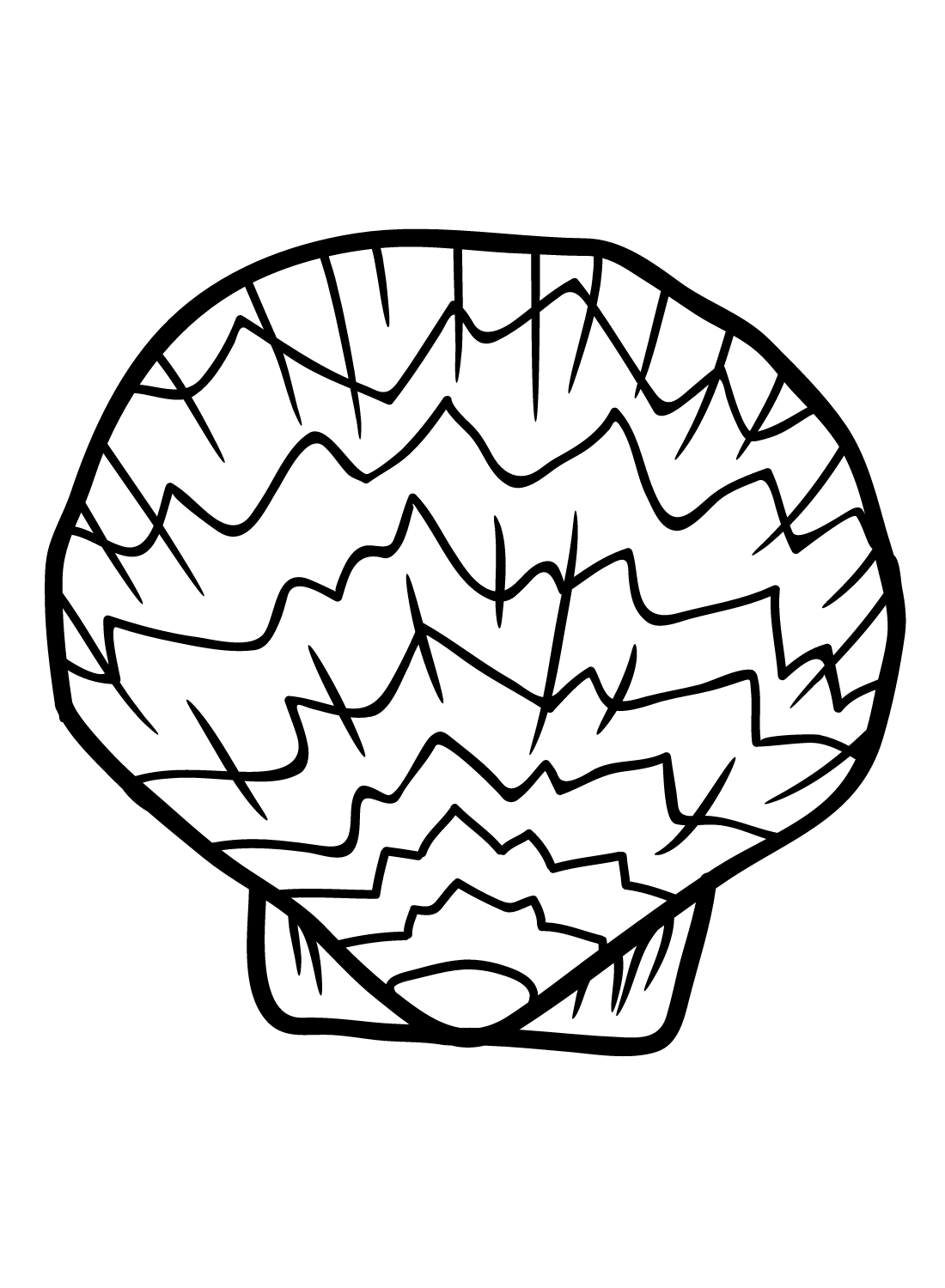
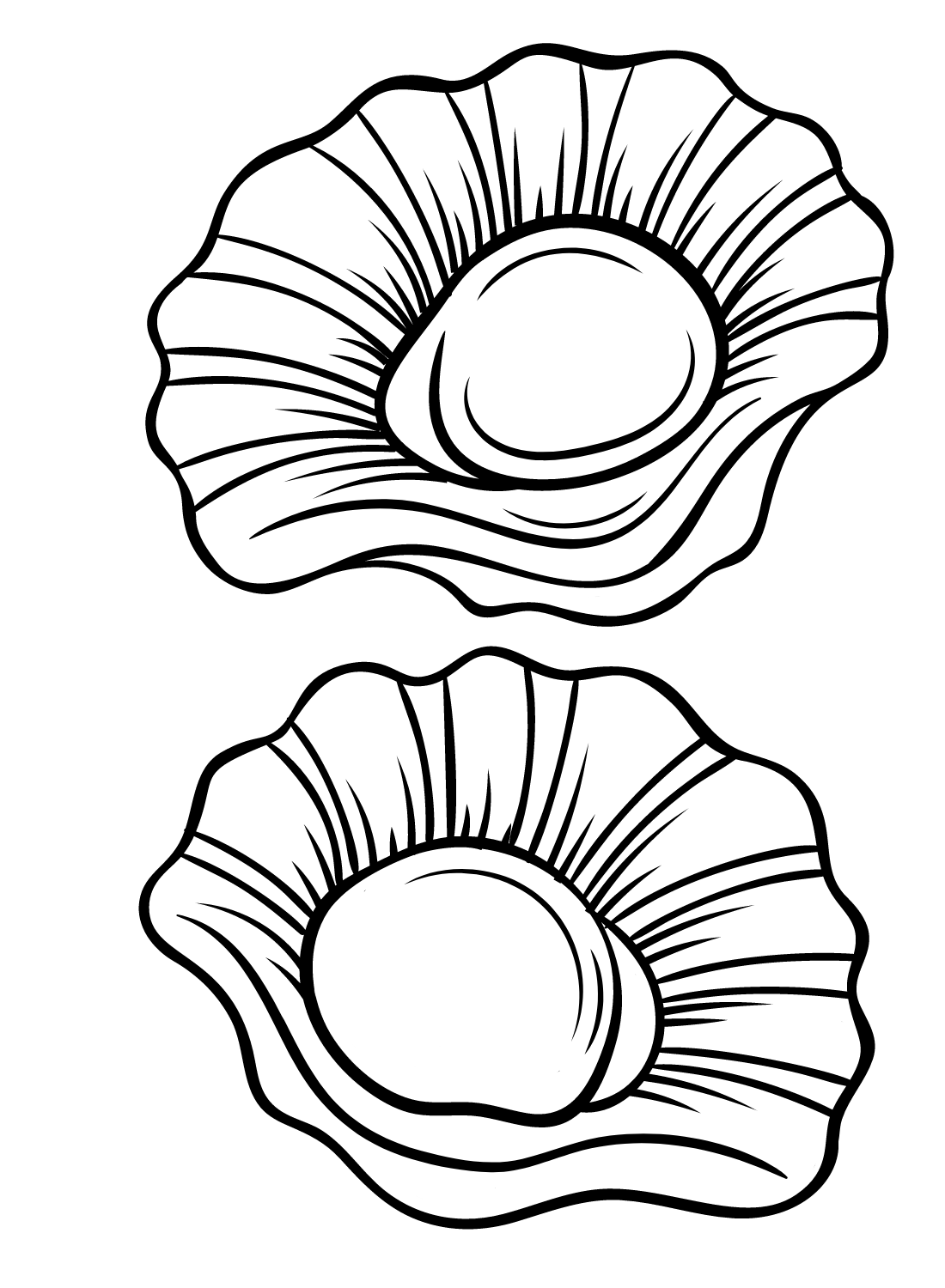
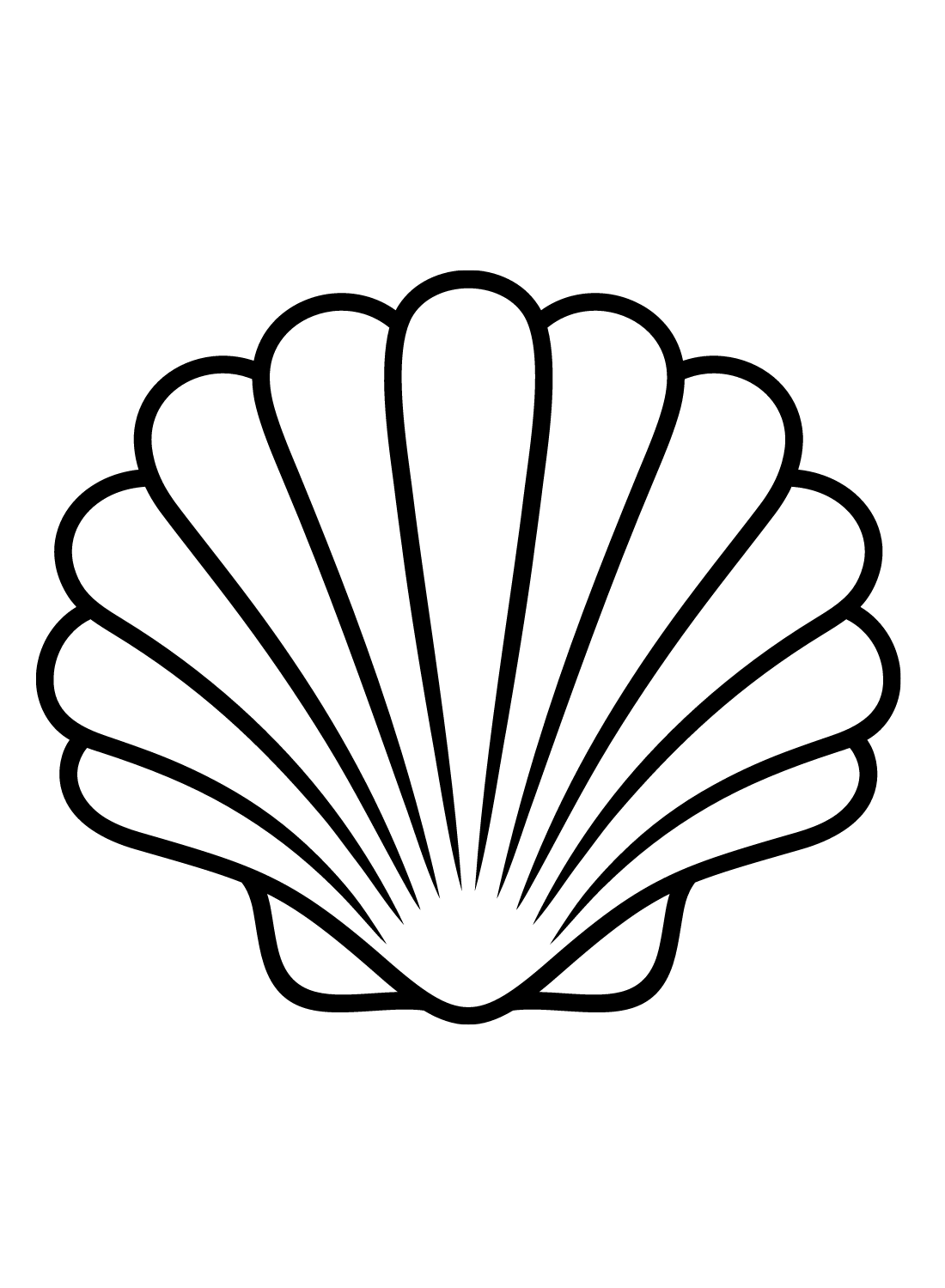
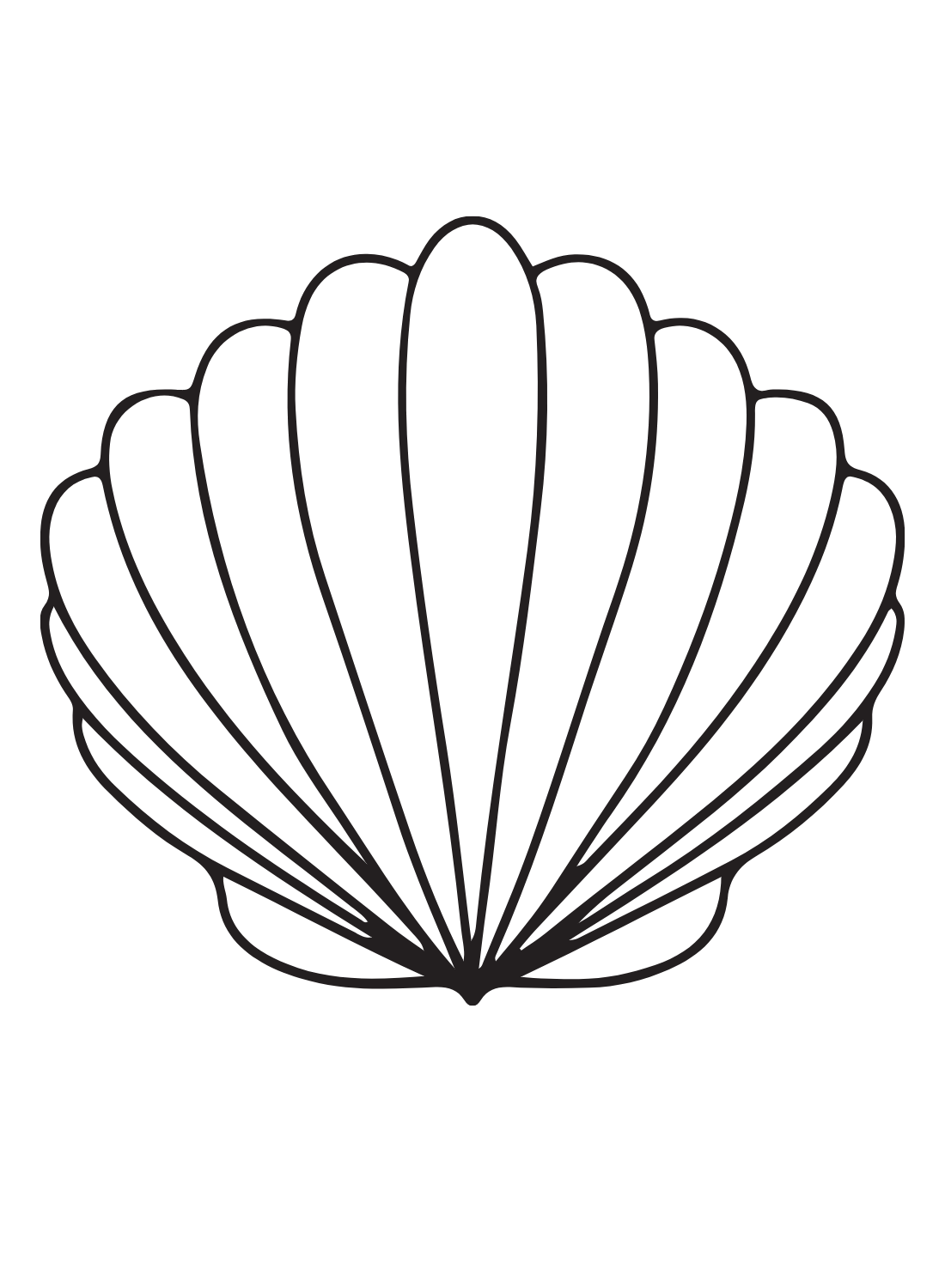
This collection spans 30 pages, grouped into classic portraits, species and style variants, shell-focused designs, ocean scene artwork, and printable sheets. The coloring angle ranges from simple standalone shells to fuller underwater and fantasy scenes.
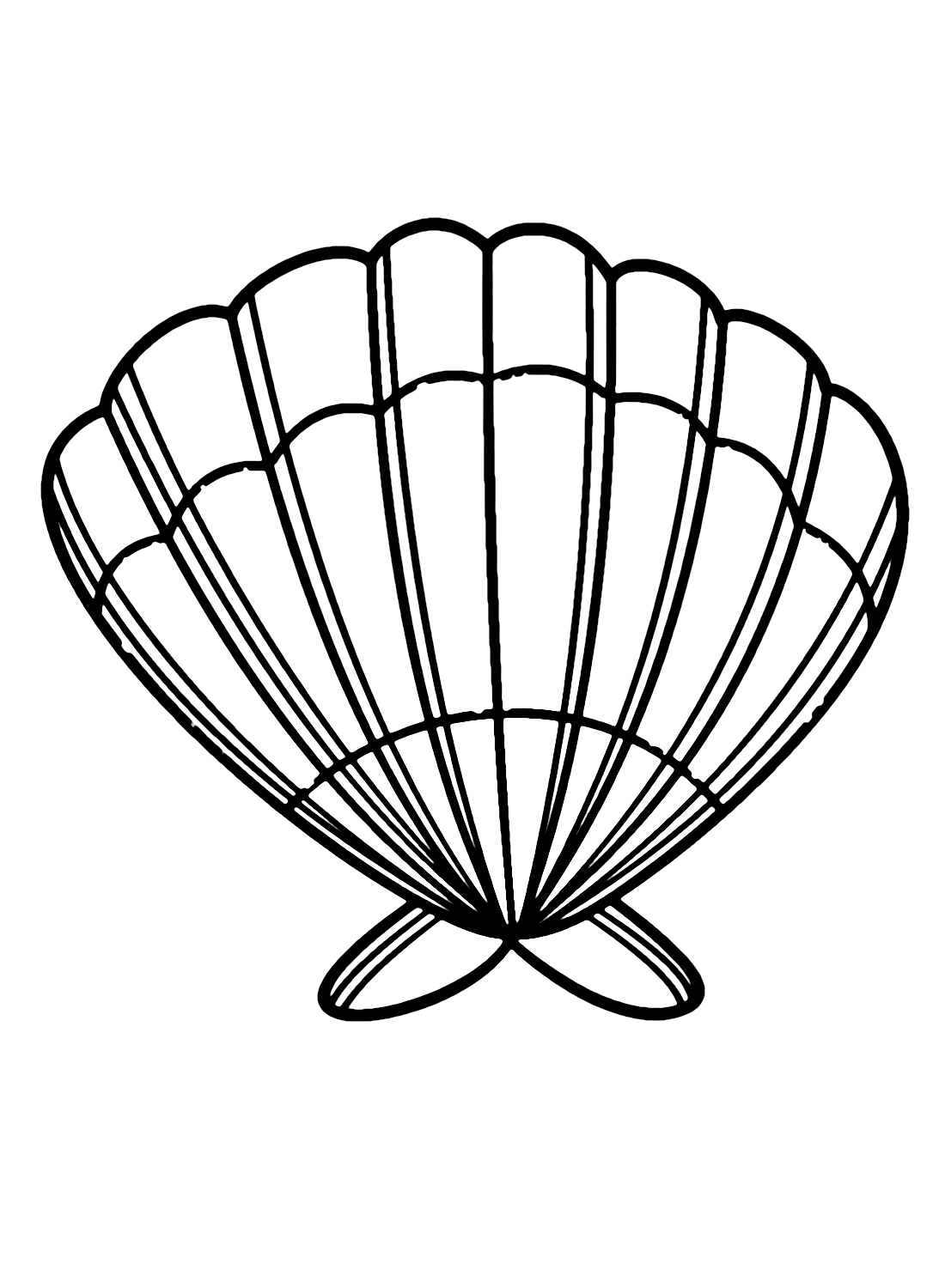
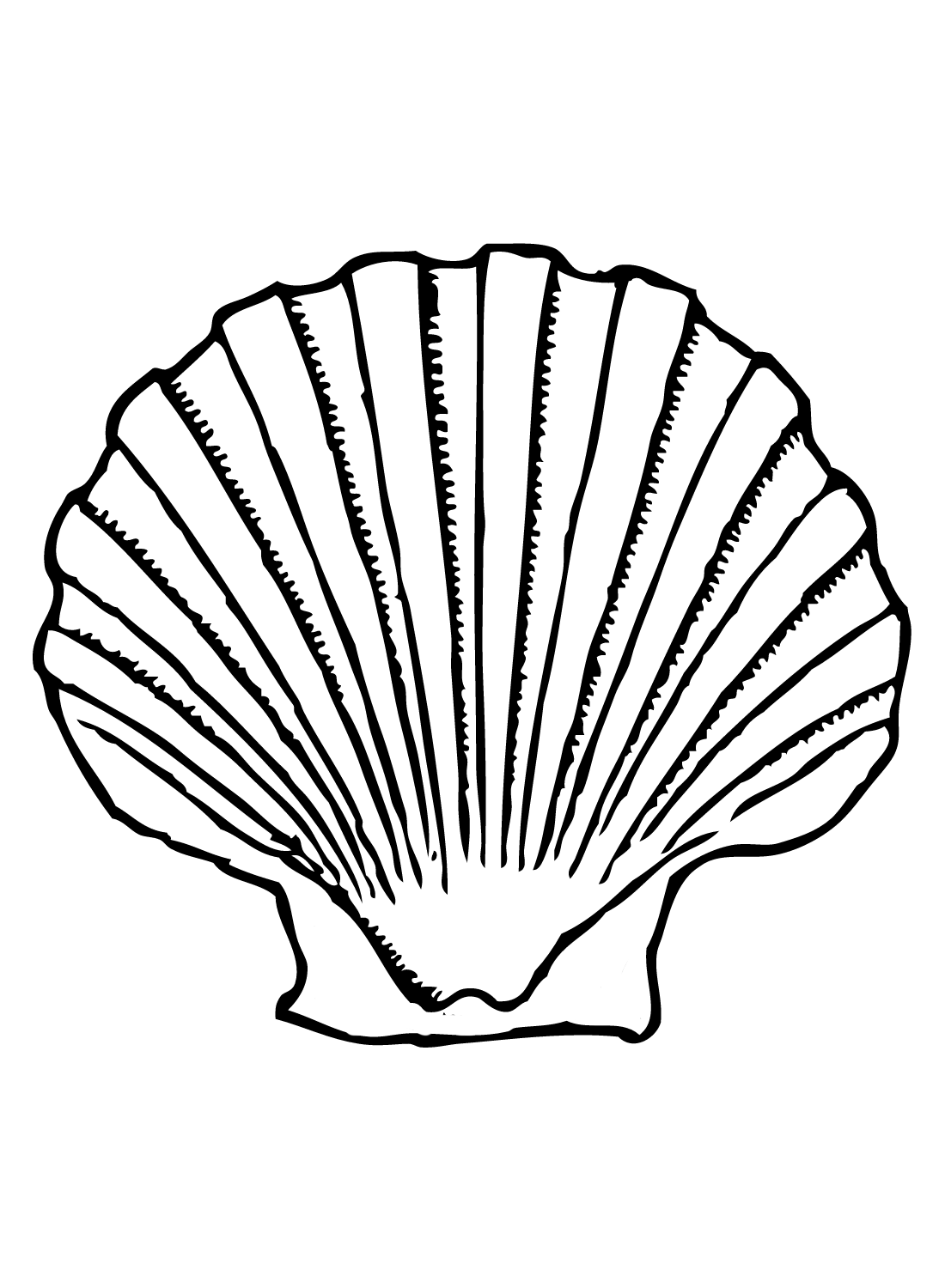
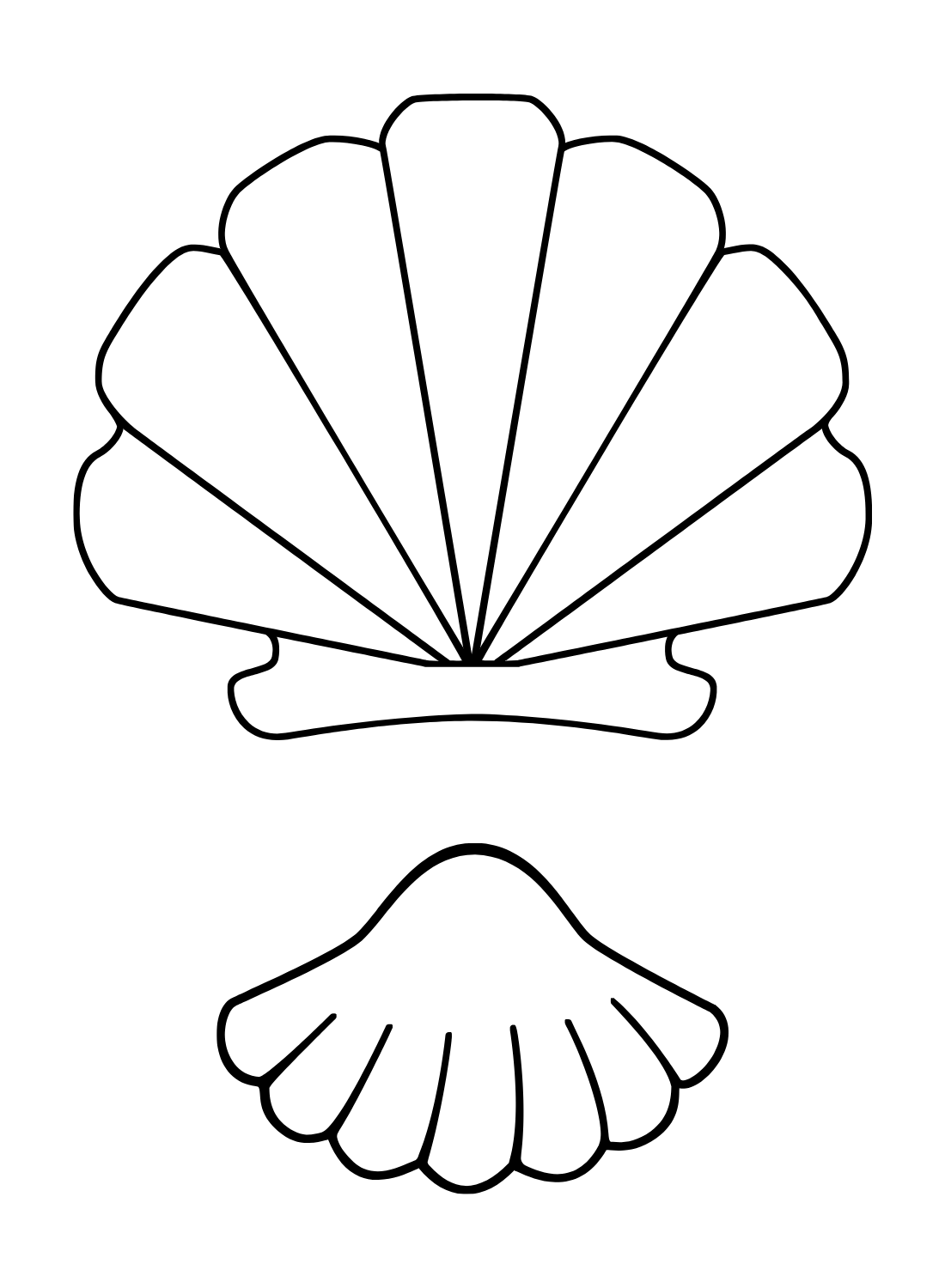
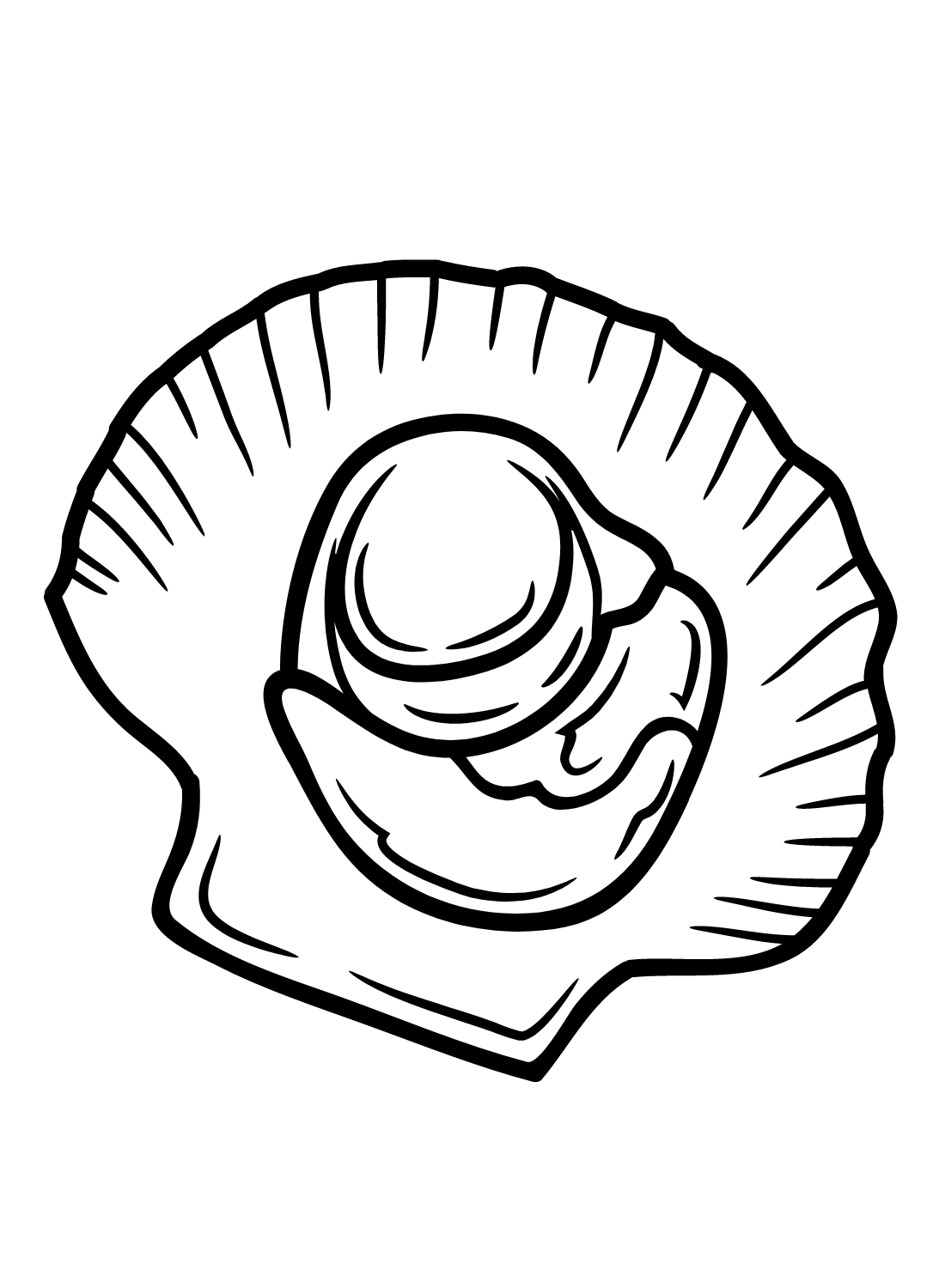
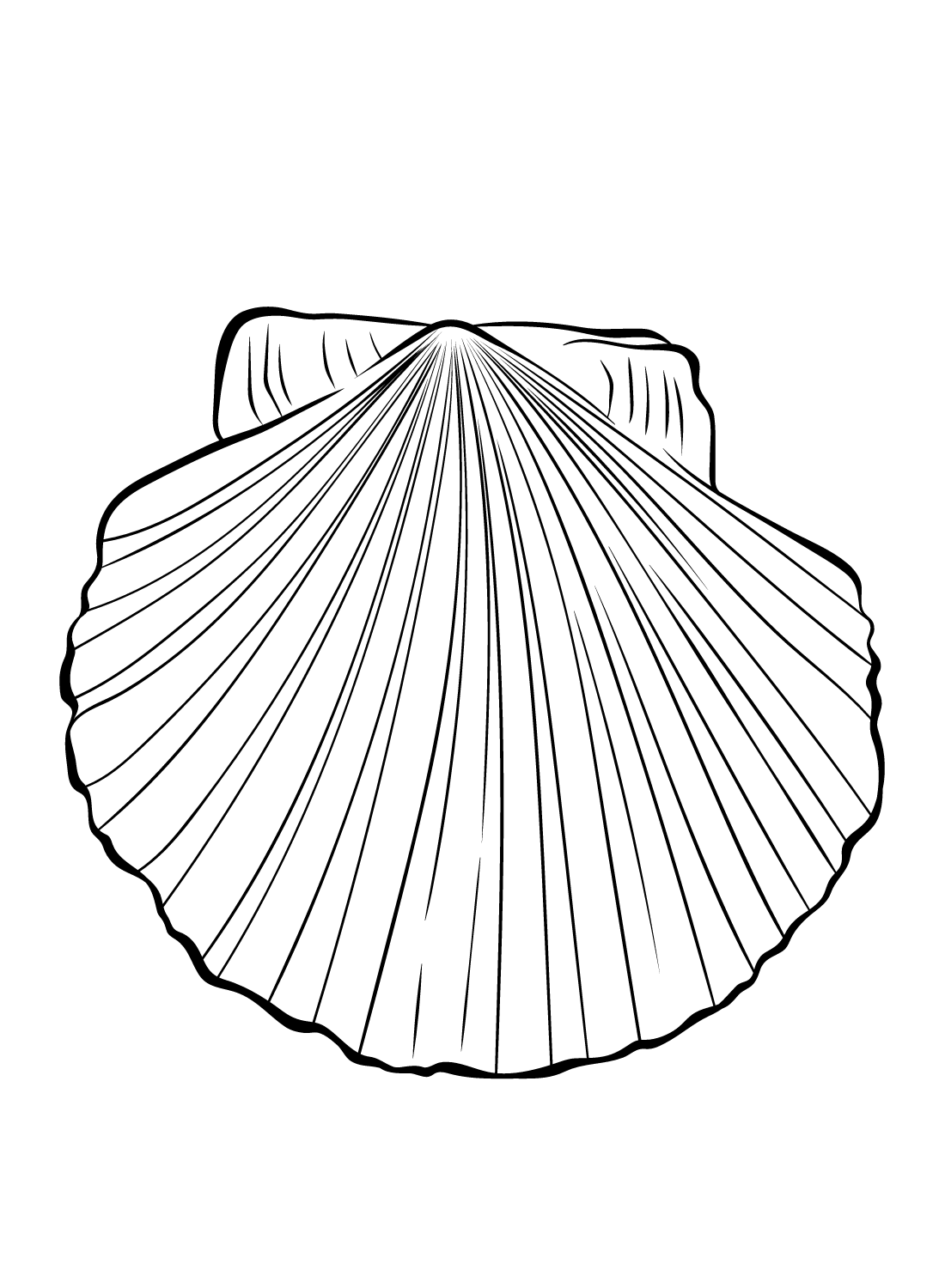
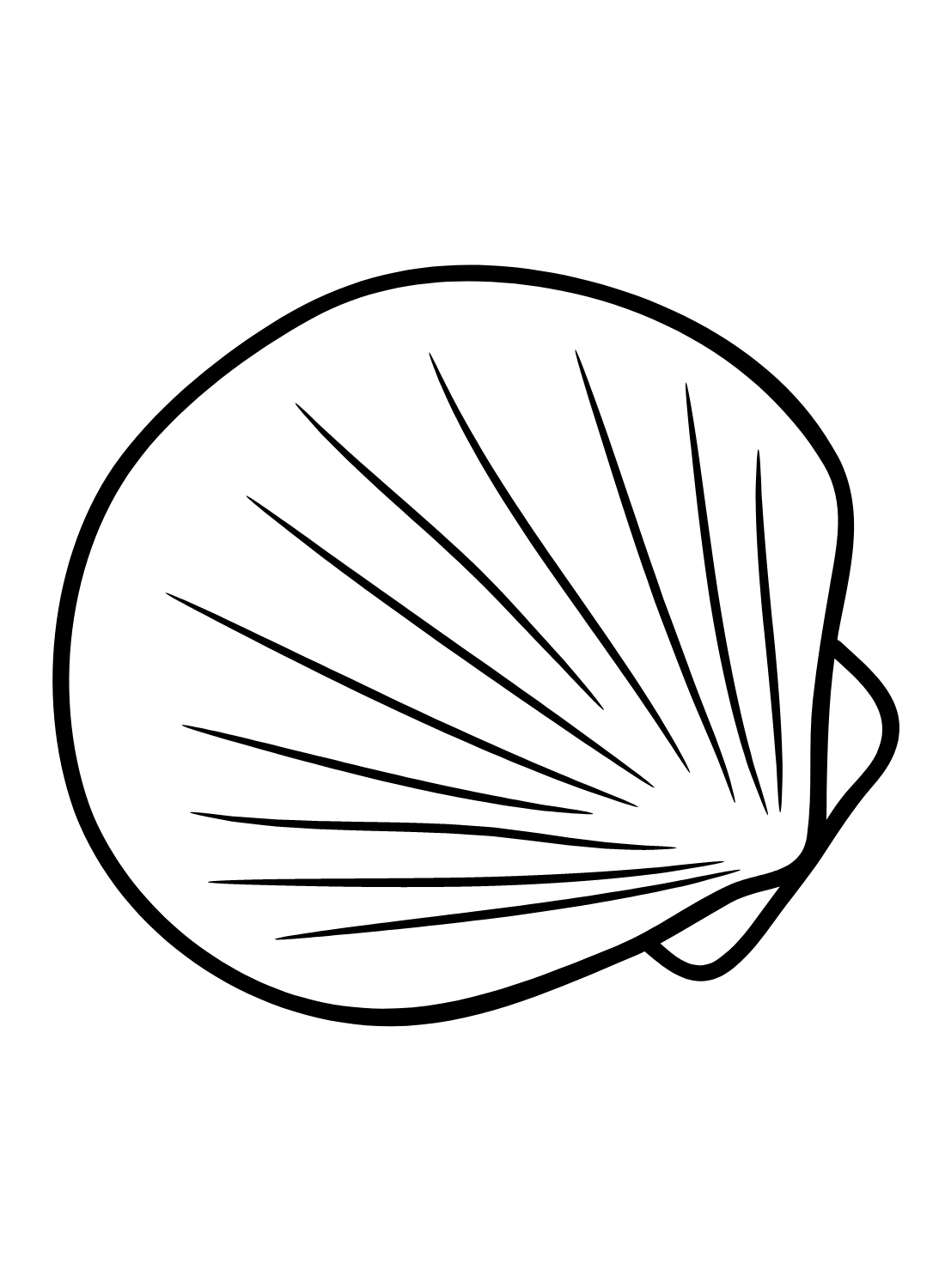
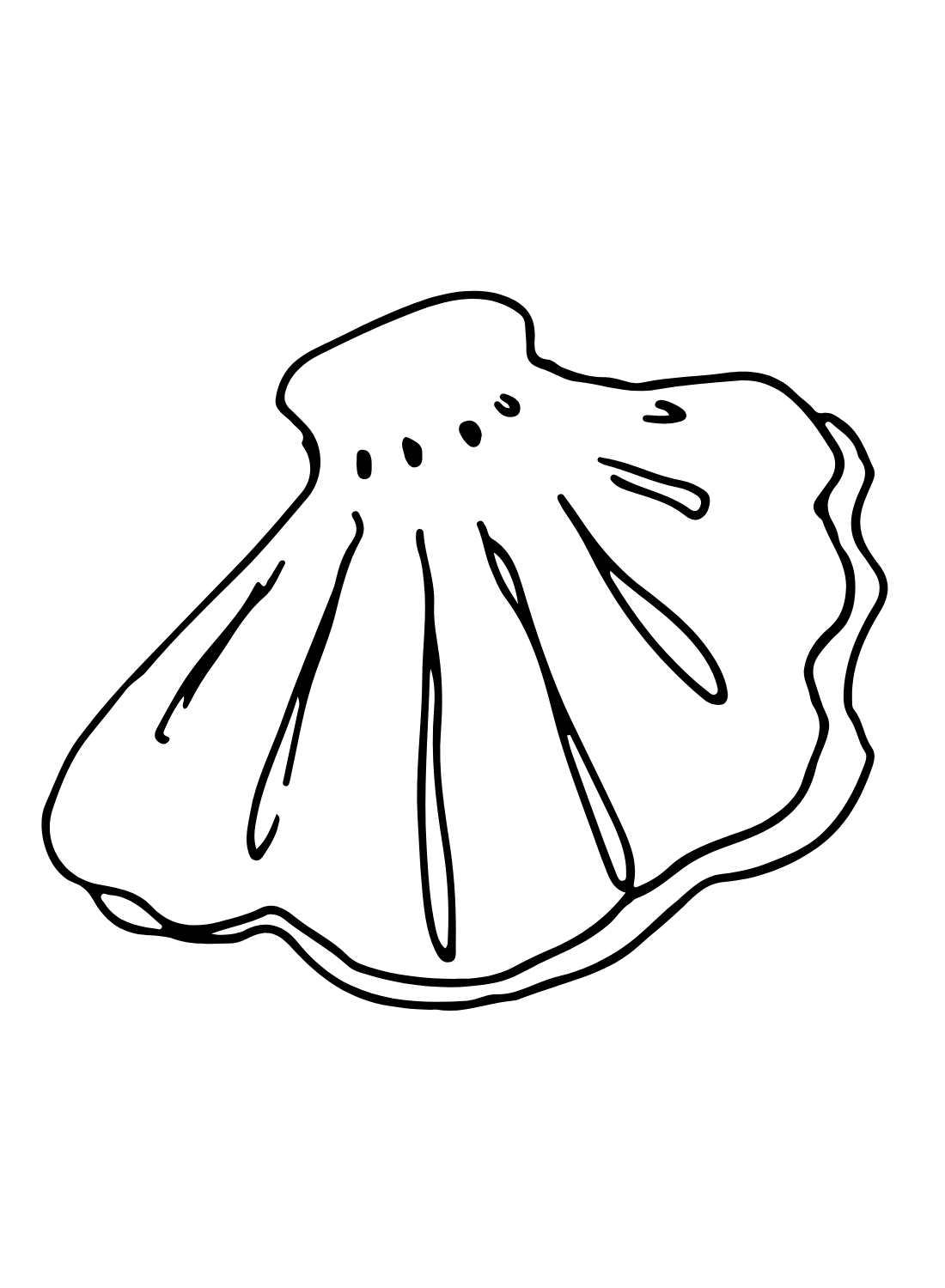
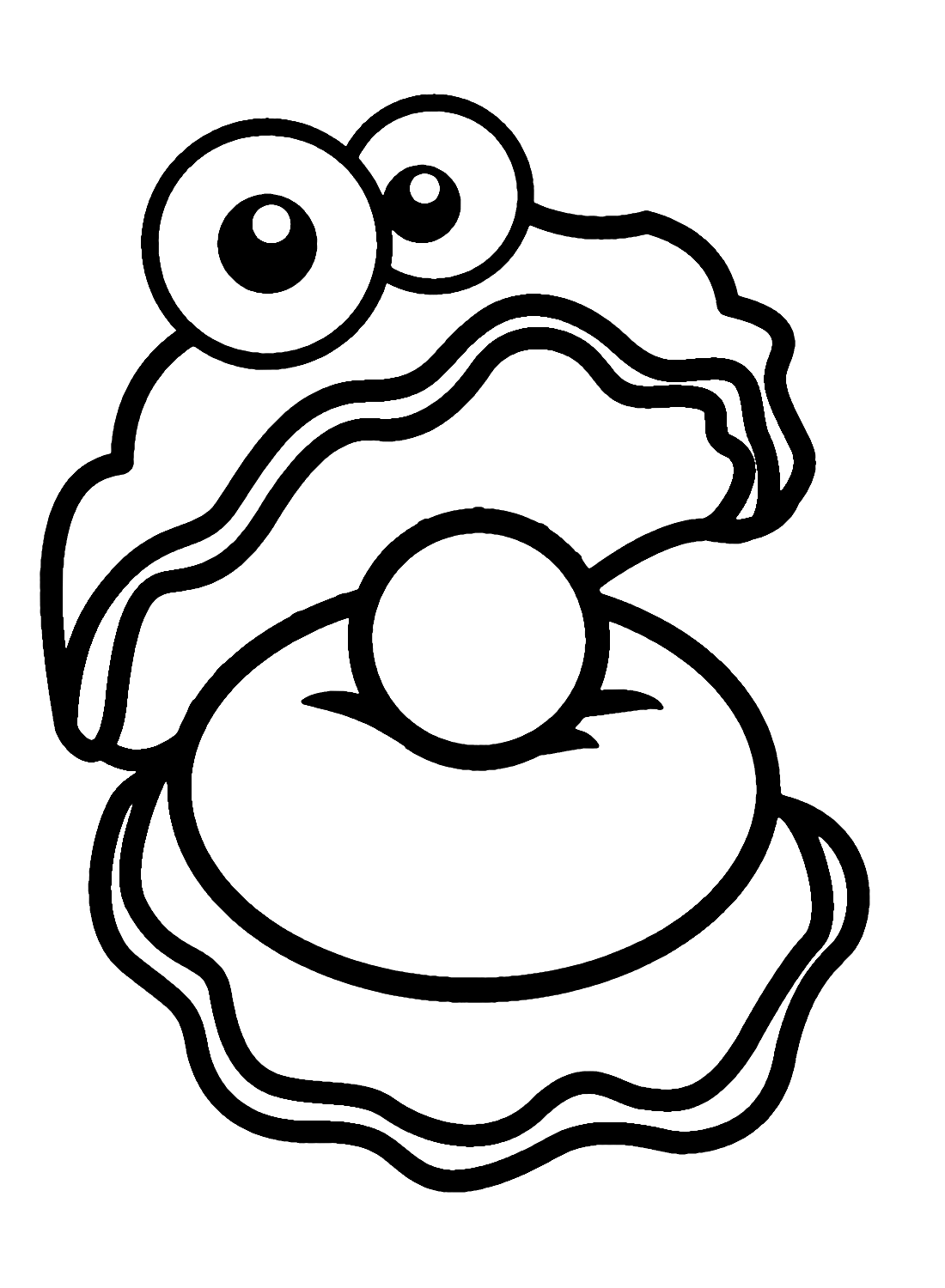
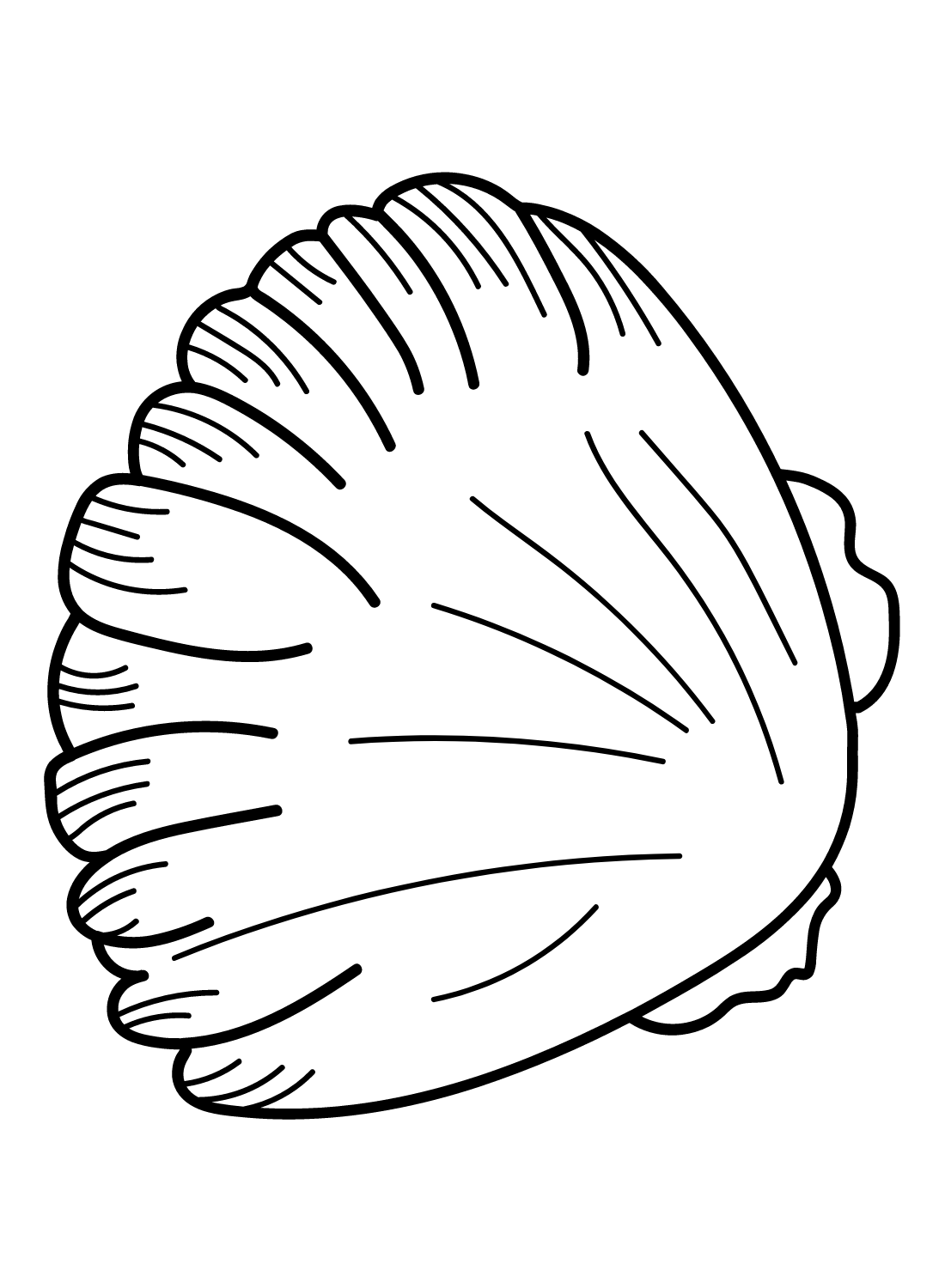
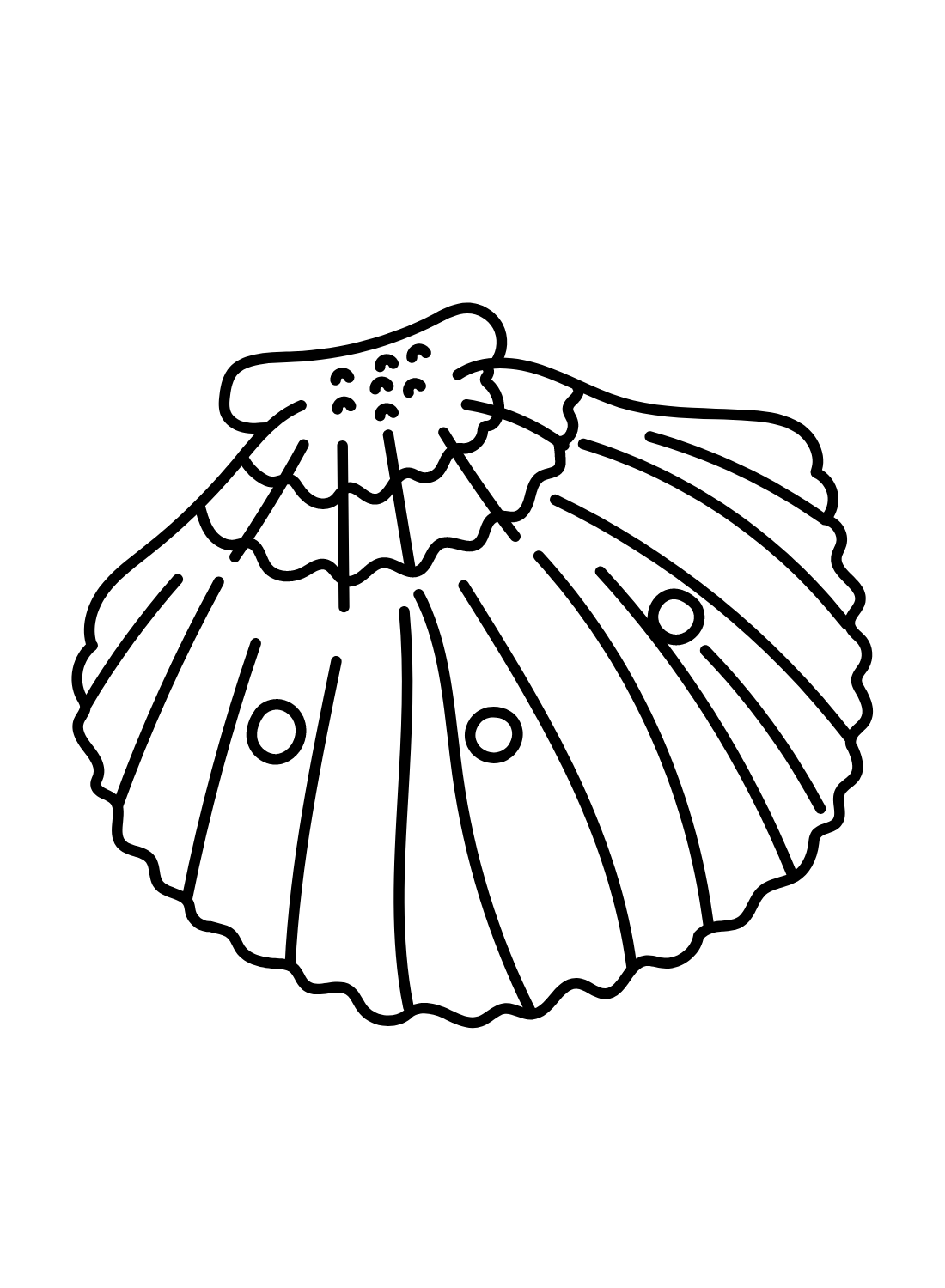

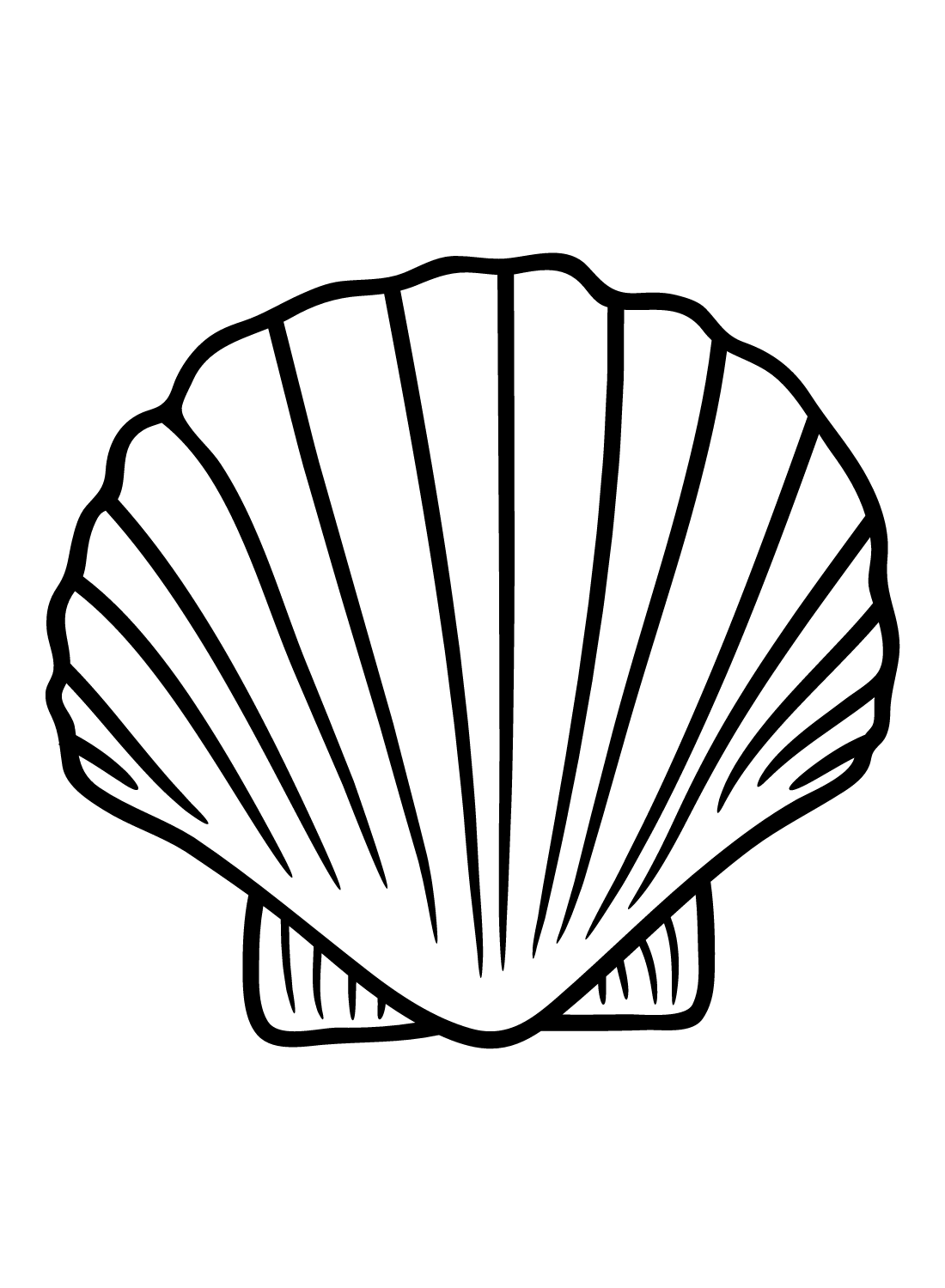

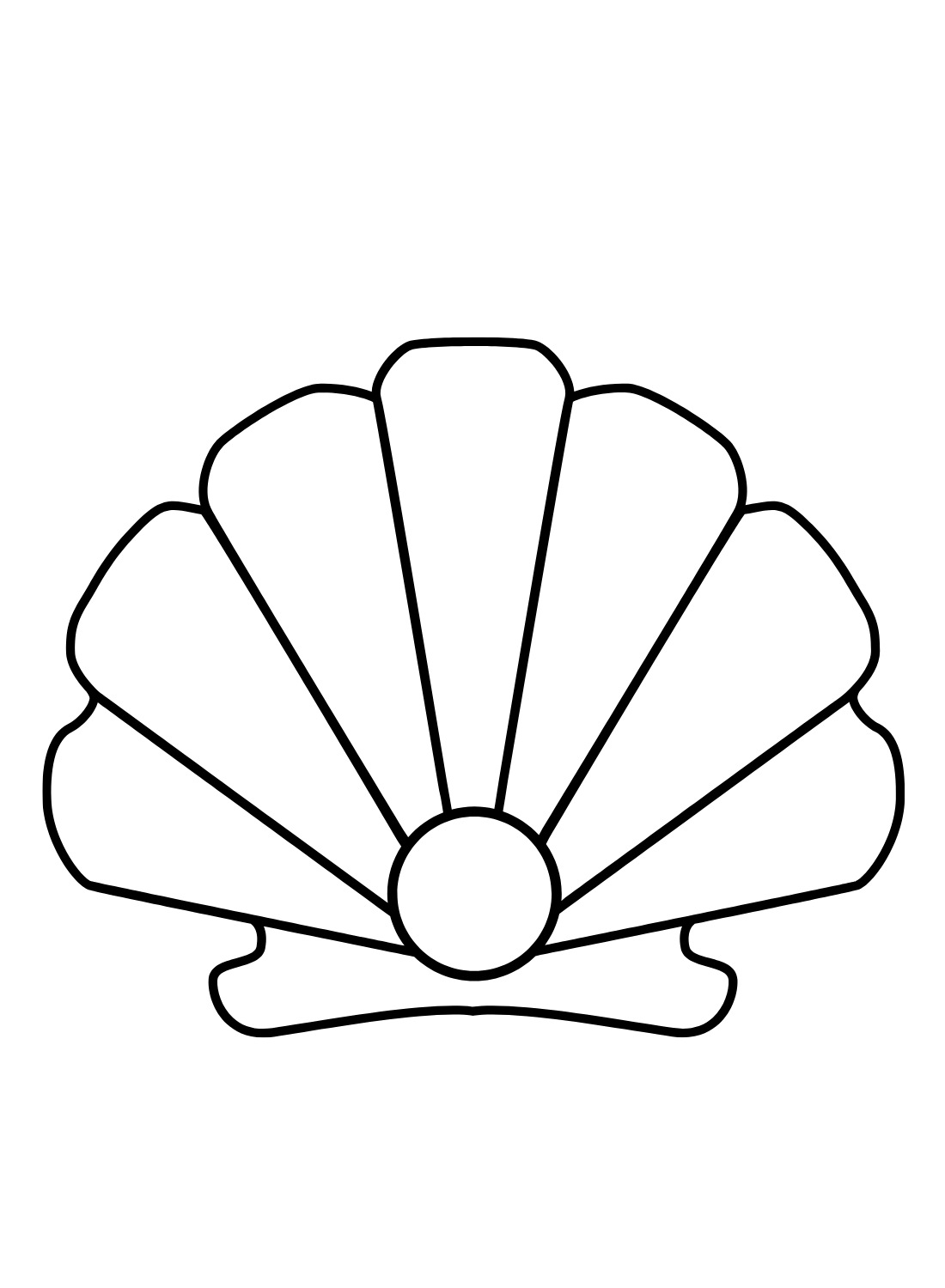


What Is Inside This Collection
The 30 designs group into five categories, from classic portraits to printable sheets.
Classic Portraits
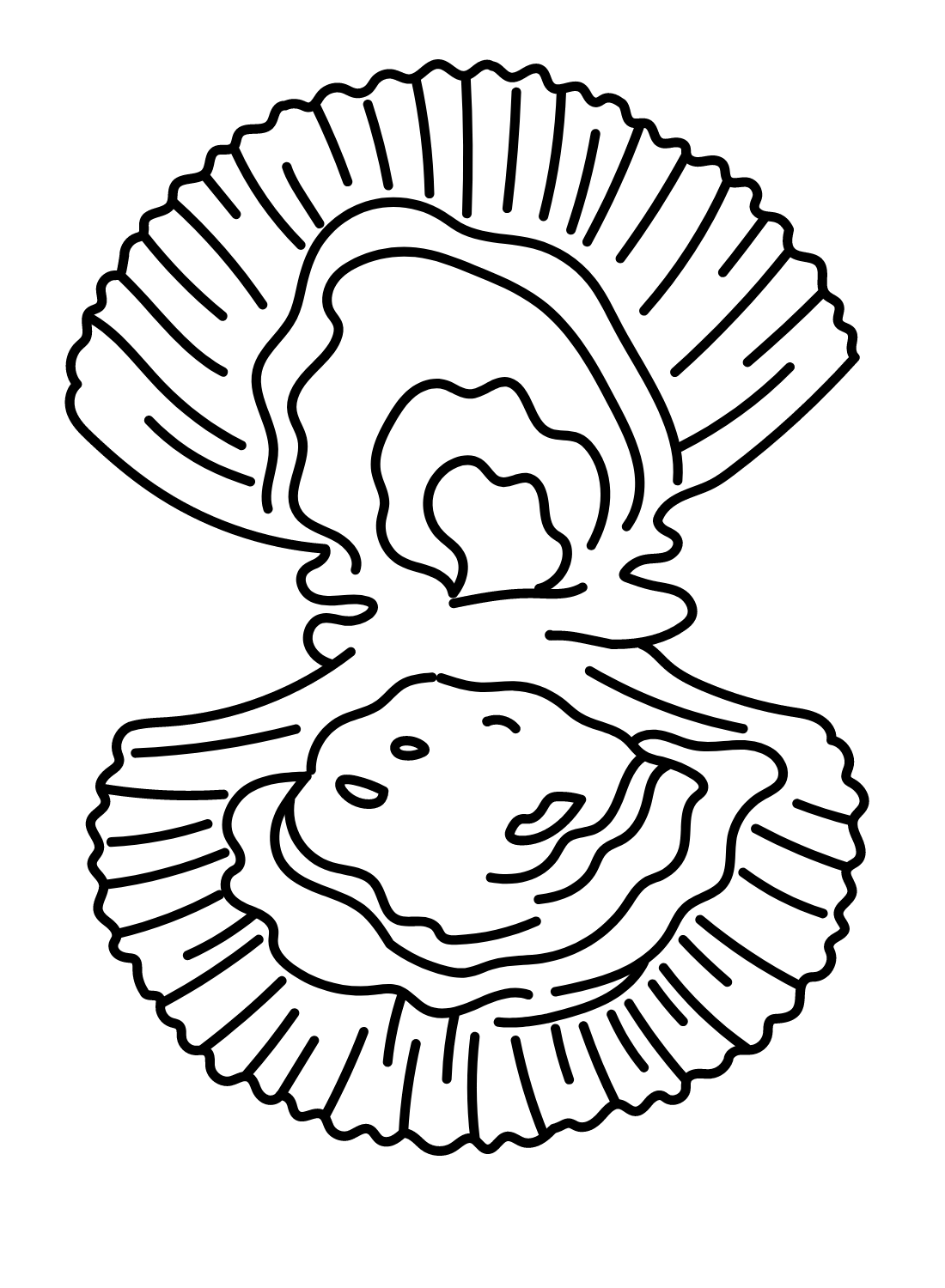
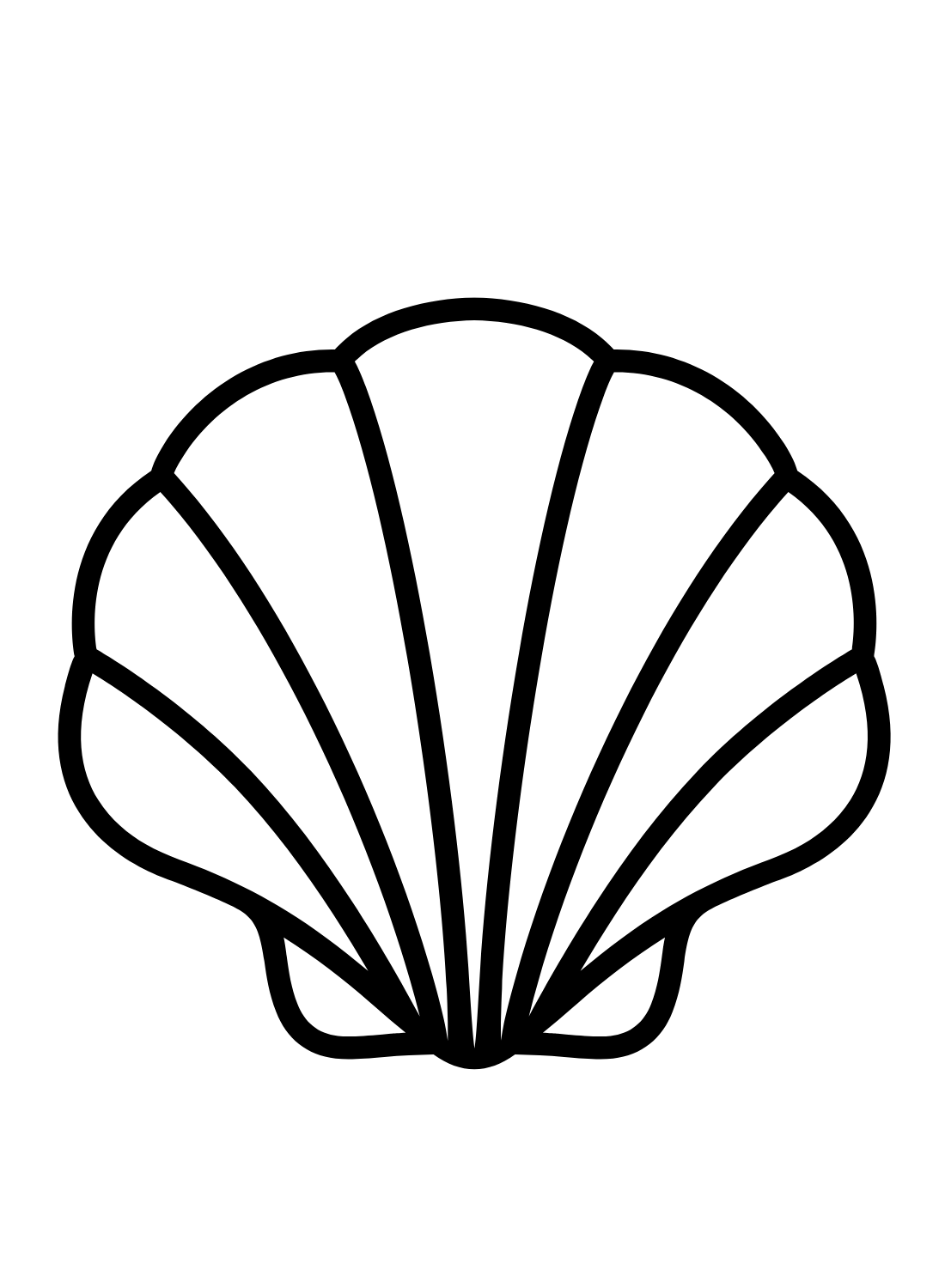
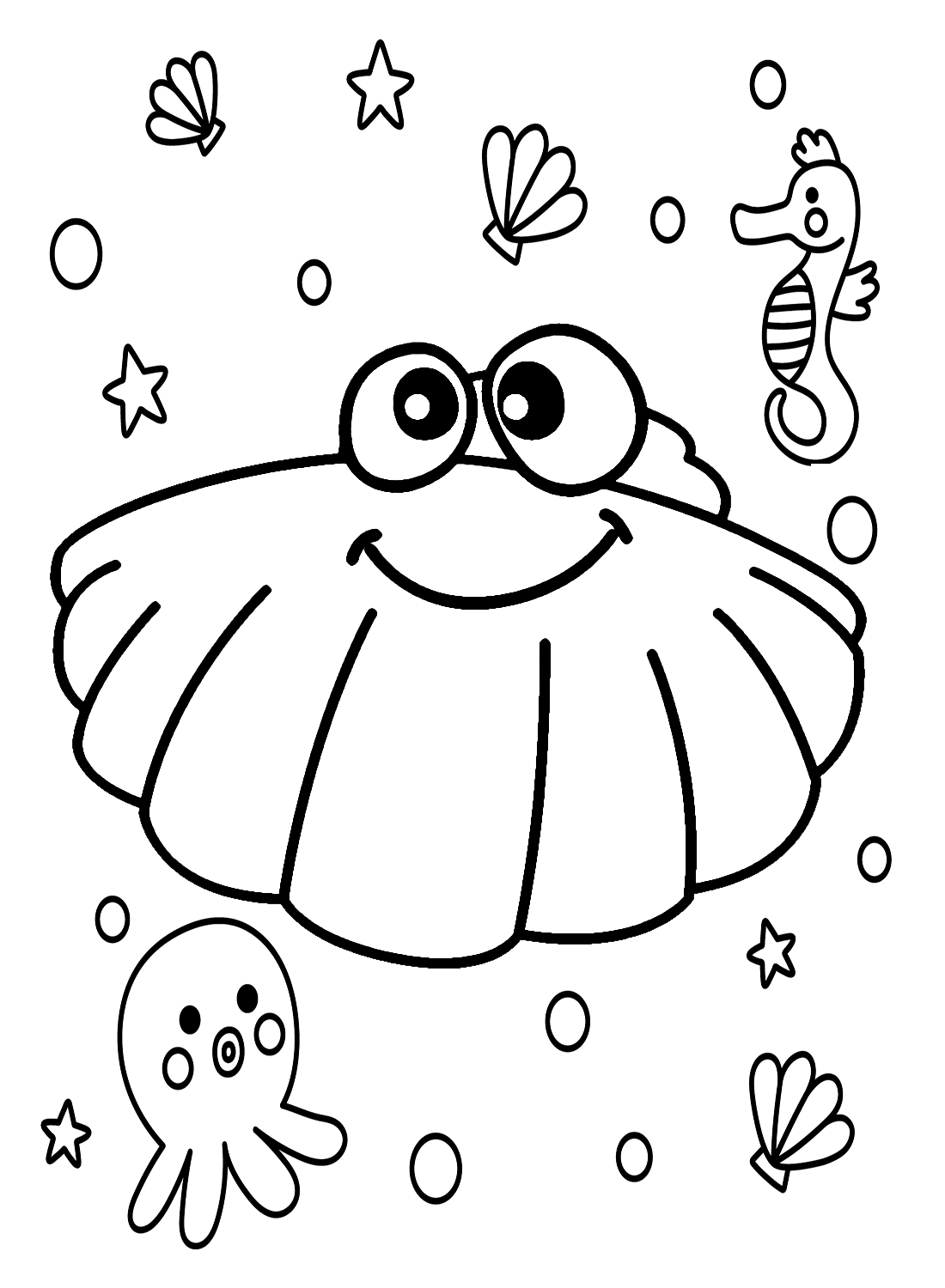
Seven pages show a standalone scallop in a straightforward pose, including cute, funny, cartoon-style, and simplified renderings.
Species and Style Variants
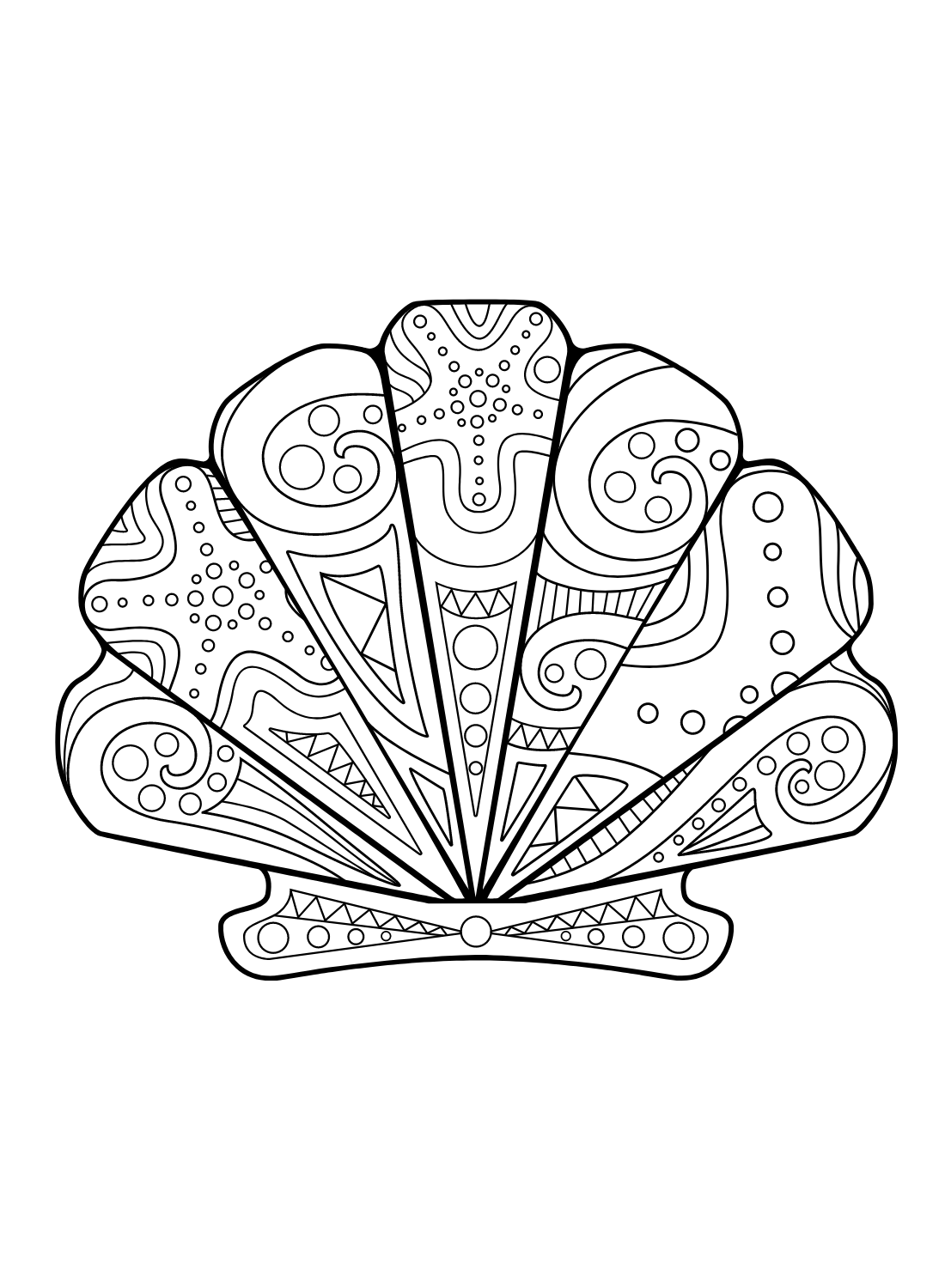
Four pages highlight specific scallop types or artistic treatments, including sea scallops, a calico-patterned variety, and painted or dark-shelled designs.
Shell-Focused Designs
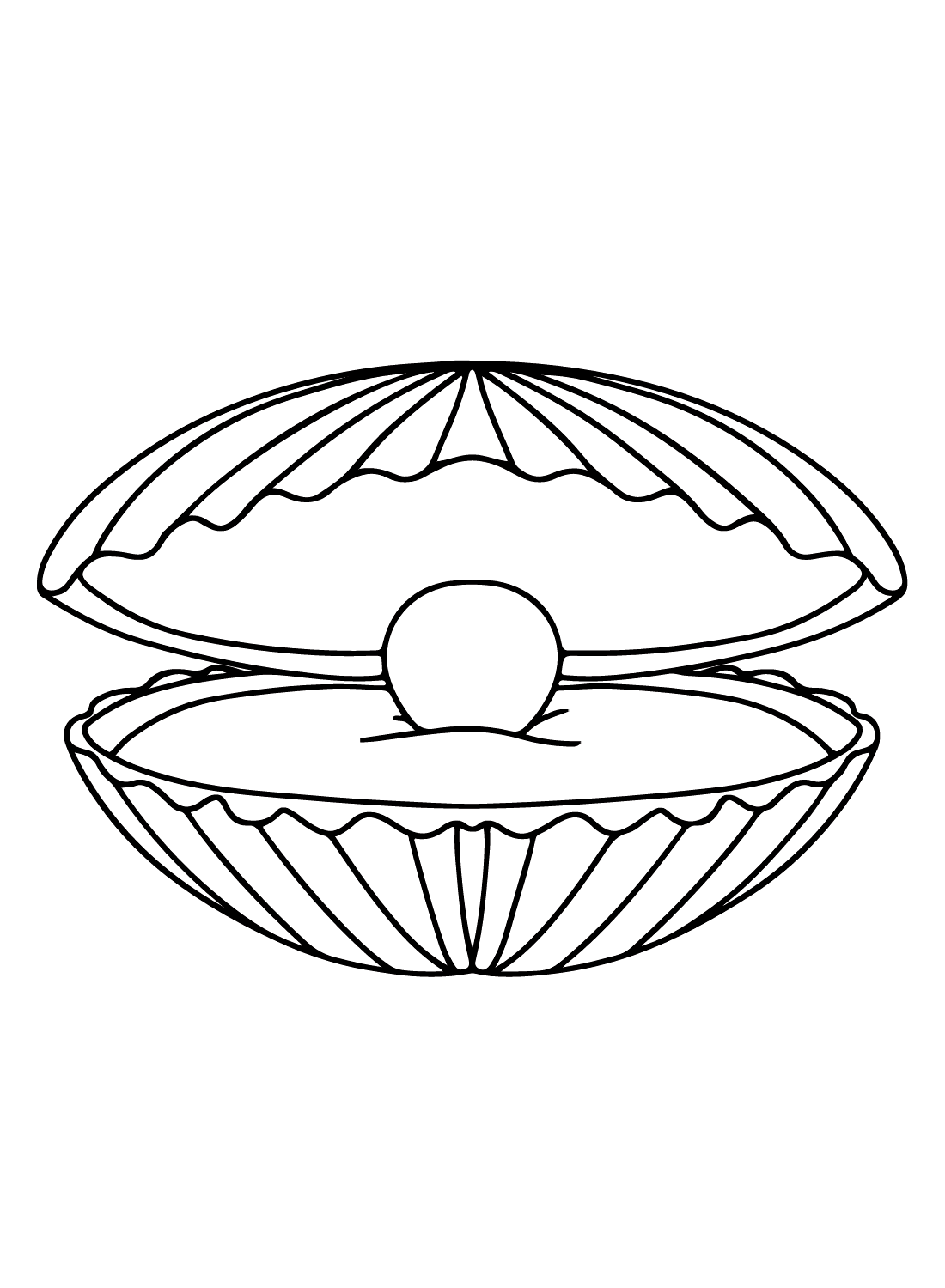
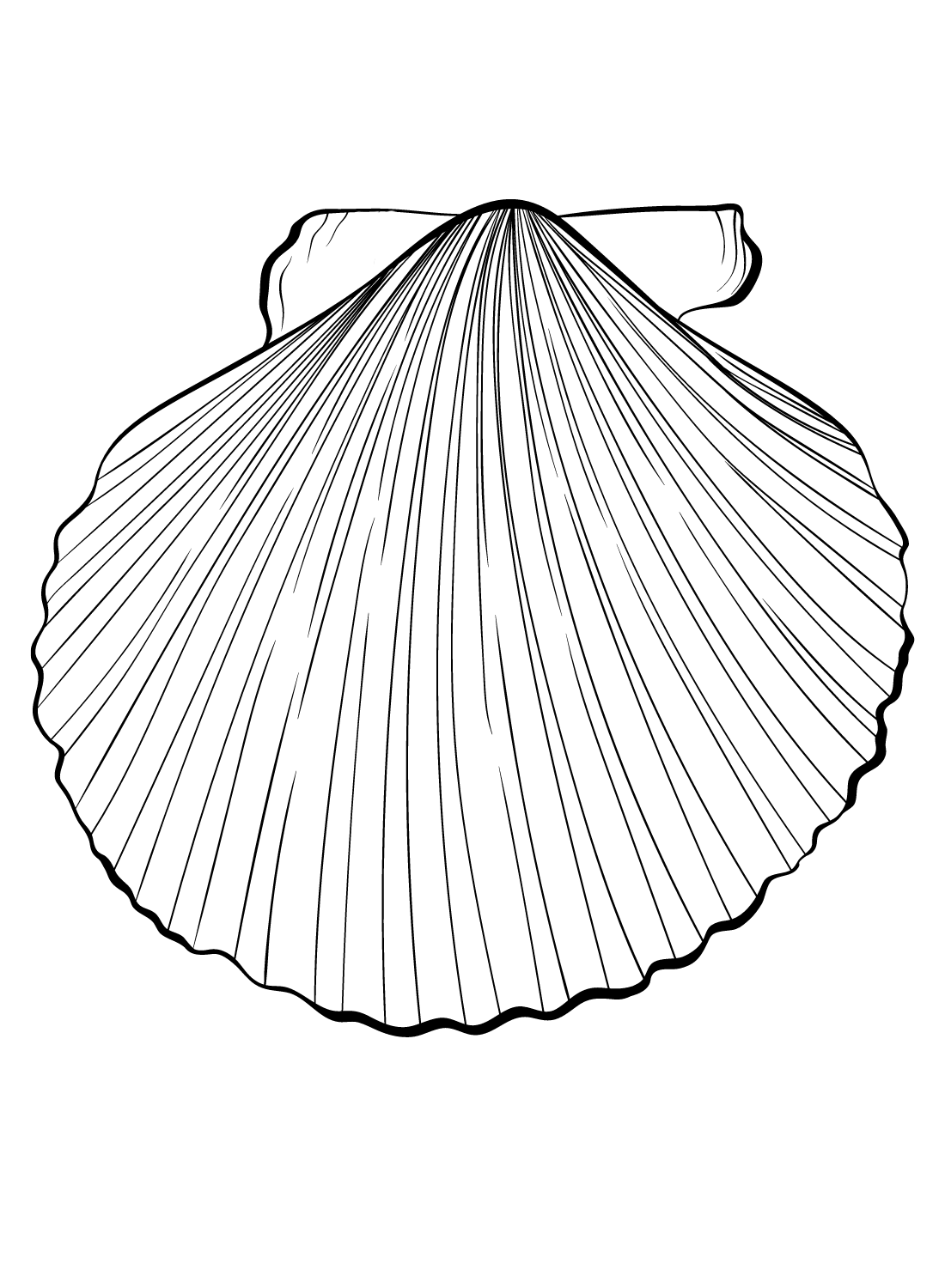
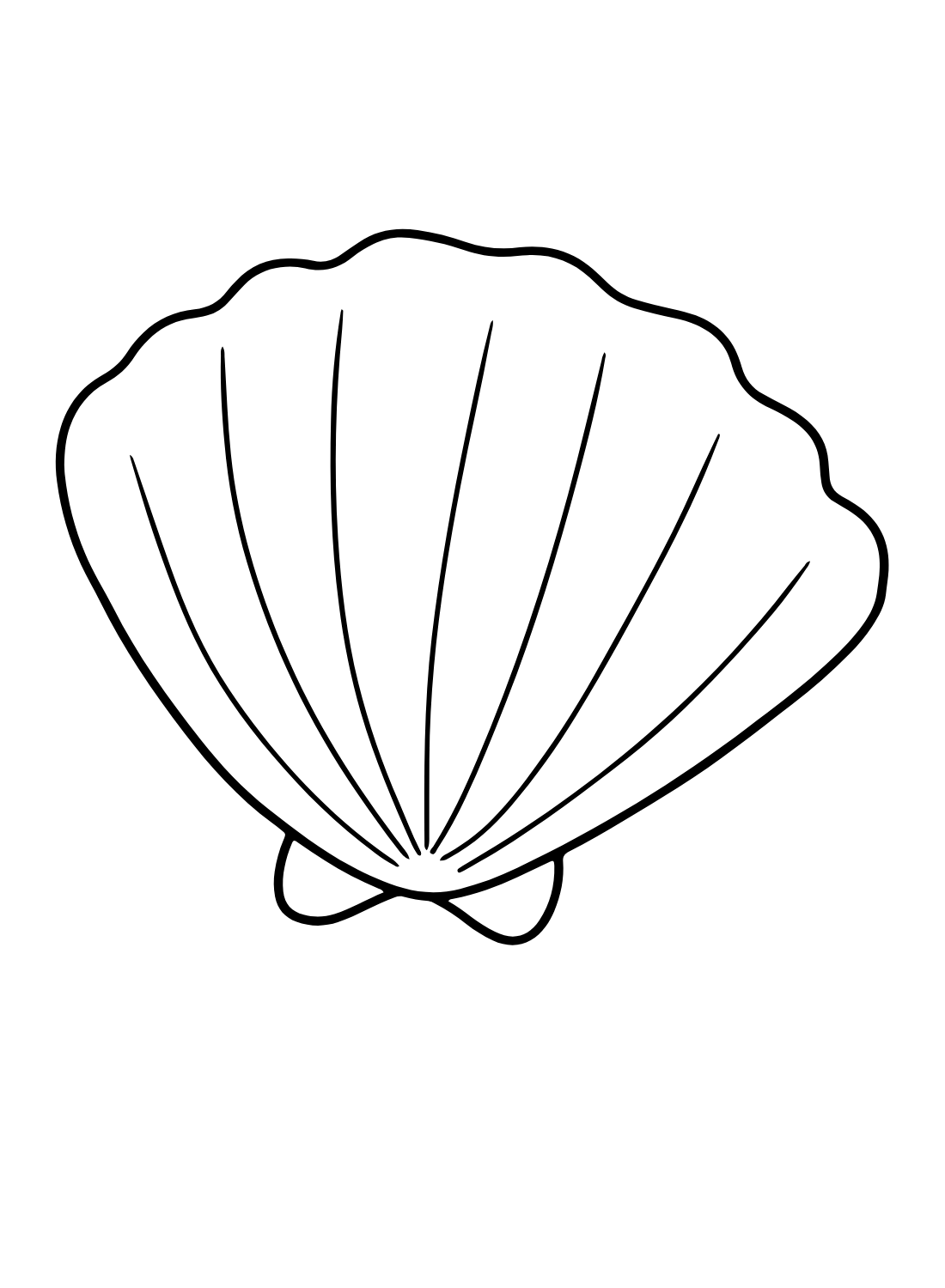
Four pages focus closely on the shell itself, giving colorists a chance to concentrate on the fan-shaped ribbing without additional scene elements.
Ocean Scene and Fantasy Designs
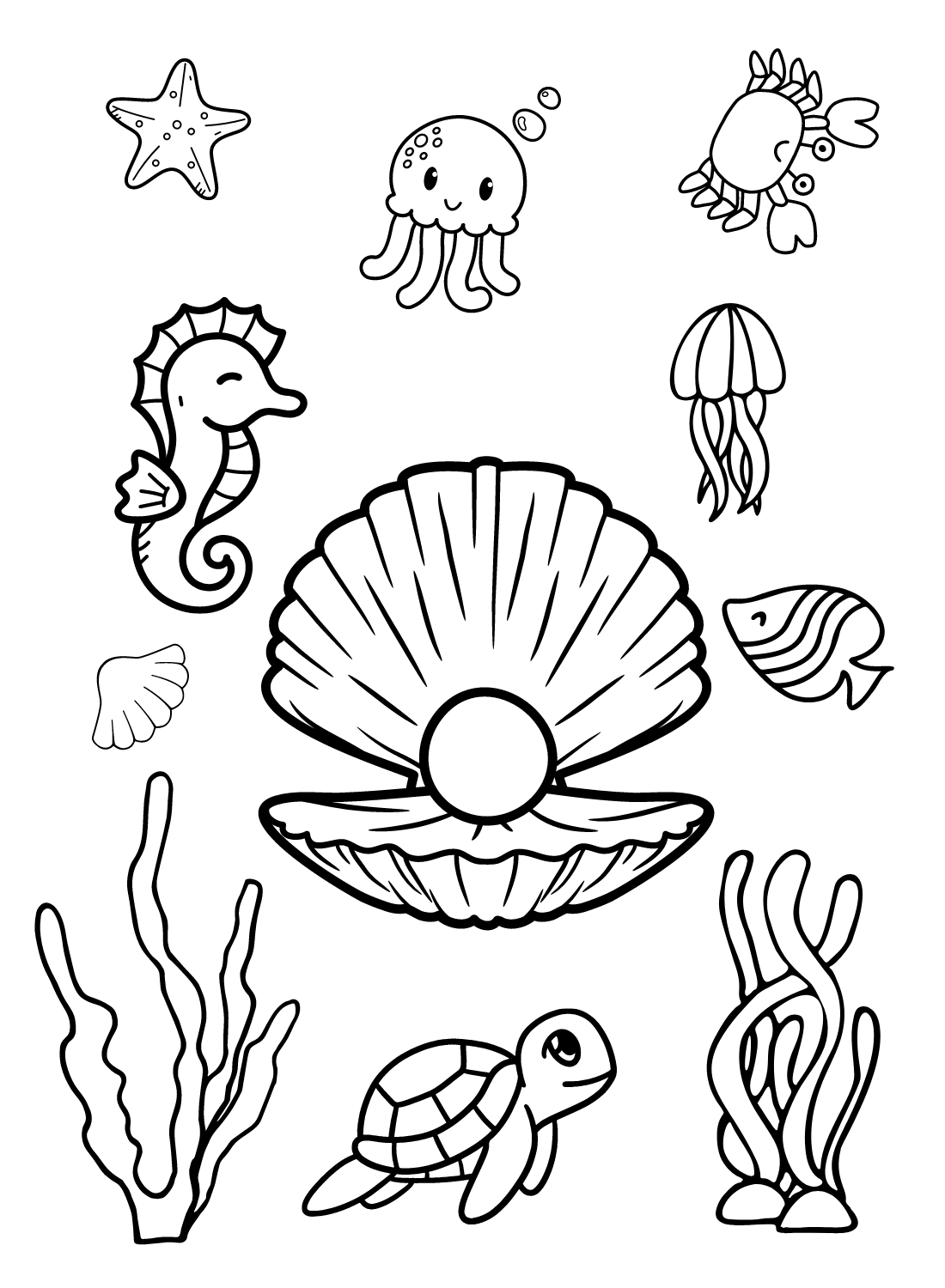
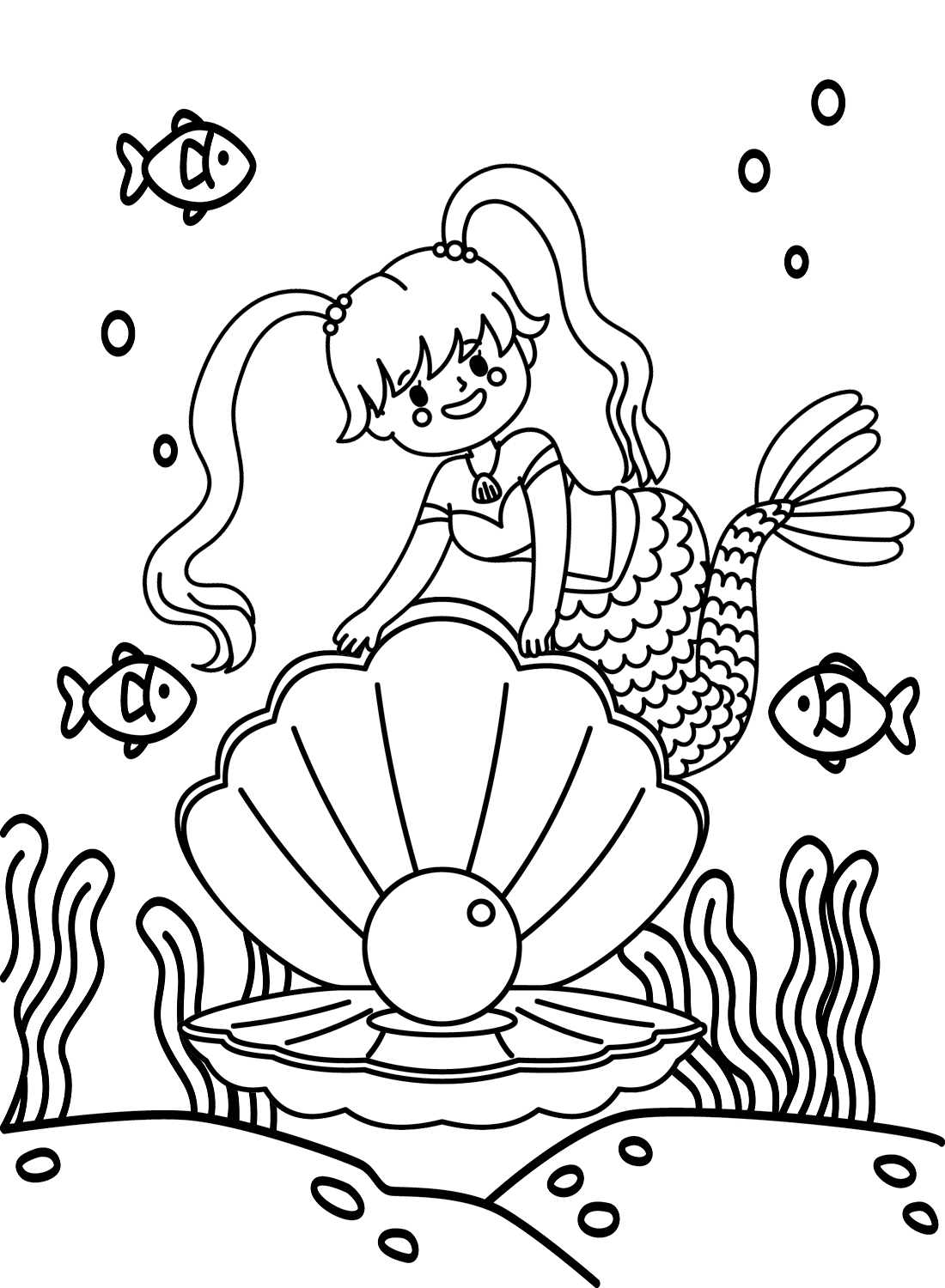
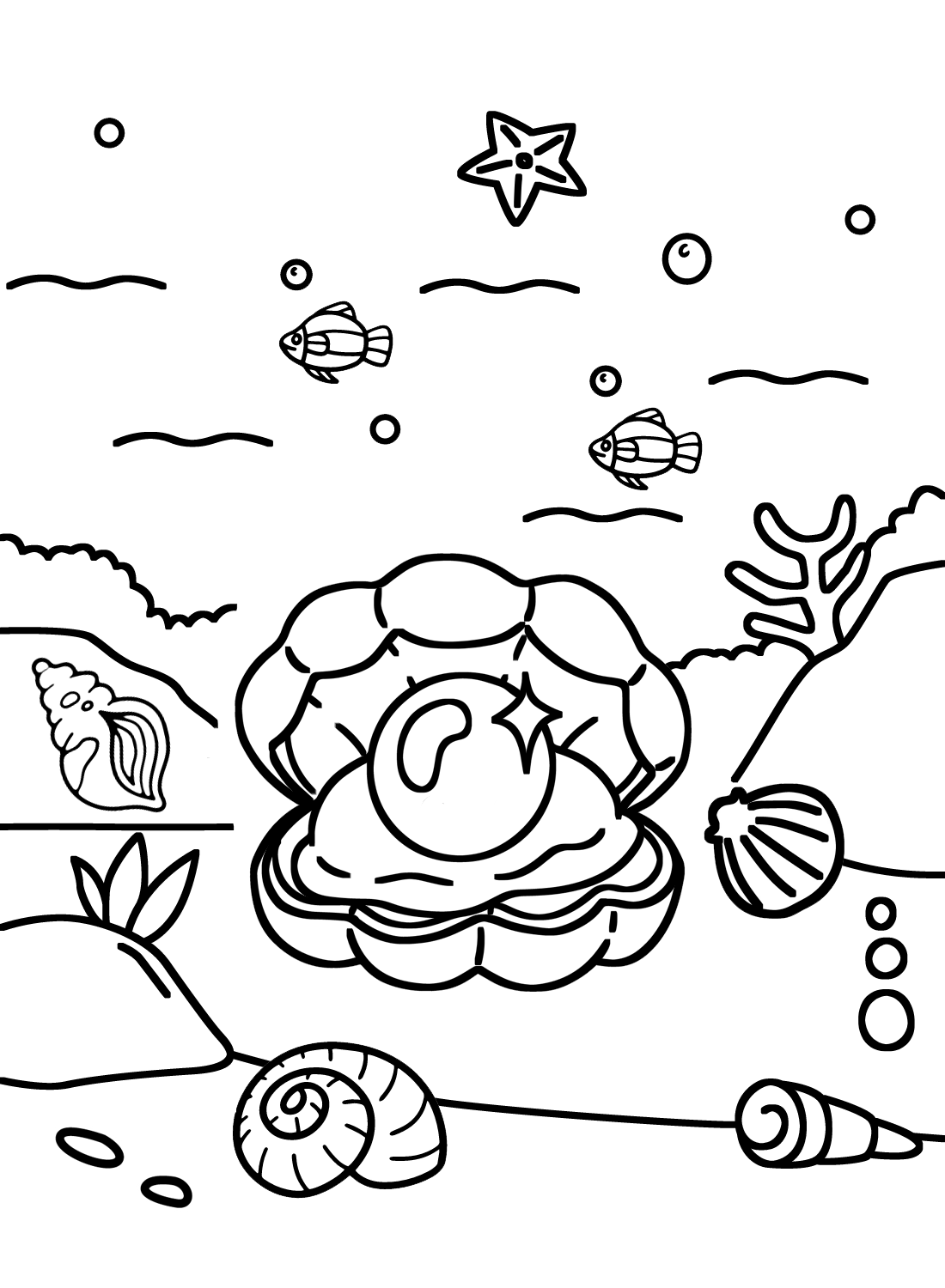
Four pages place the scallop in a fuller composition, including underwater scenes, a pearl, other sea animals, and a mermaid.
Printable and Free Sheets
Eleven pages are formatted as general printable sheets, making up the largest share of the collection, and are useful for a quick, single-session print at home or in the classroom.
What Scallop Coloring Pages Do
Ribs that radiate from a single point. A scallop shell’s surface is built from evenly spaced ridges fanning out from the hinge, and keeping each rib clean and consistent as it curves outward takes more precise spatial planning than filling in a smooth, unmarked shape. The American Academy of Pediatrics ties that structured, radiating linework to fine motor skill development in children ages 2 through 7.
A shellfish that can actually swim away. Unlike clams and oysters, which stay mostly fixed in one place, scallops can clap their shells together to jet through the water in short bursts, giving colorists a fun, factual reason to draw an active, in-motion pose rather than a plain closed shell.
A calming activity paired with a genuinely strange set of eyes. A 2005 study in the Art Therapy Journal found that structured coloring sessions produced measurable reductions in anxiety, and there’s a small dose of wonder built into these pages, since real scallops see the world through up to 200 tiny mirror-based eyes lining the edge of their mantle.
Fantasy and realism side by side. Because this collection mixes accurate shell studies with imaginative scenes like a scallop paired with a mermaid, colorists get to move between careful, reference-based coloring and freer, story-driven design within the same set of pages.
How to Color Scallop Pages Well
- Shell base color: Use warm Orange, soft Pink, or Cream as a base, since real scallop shells commonly appear in these natural tones, though some species range into deeper purples and near-black.
- Ribs: Use a slightly darker shade of the base color to define each radiating rib, keeping the lines evenly spaced as they fan out from the hinge point.
- Hinge and ears: Use a lighter tone for the small triangular “ears” on either side of the hinge, helping this small structural detail stand out.
- Painted and patterned designs: For calico or painted-style scallop pages, lean into bold, decorative color combinations, since these designs are meant to be stylized rather than strictly realistic.
- Mermaid and fantasy scenes: Use soft Blue-Green for water and a complementary Pink or Purple shell tone so the scallop and its fantasy companion balance visually on the page.
- Backgrounds: Keep backgrounds simple with sandy Tan or soft ocean Blue tones so the shell’s ribbed texture remains the clear focus of the page.
5 Creative Craft Ideas With Scallop Coloring Pages
1. Beach Shell Collage
Color several scallop shell pages, cut them out, and arrange them on paper alongside sand-colored paper for a simple beach-themed collage.
2. Scallop Bookmark
Color a small scallop design, cut it into a bookmark shape, and use it to mark a place in a favorite book.
3. Greeting Card
Fold cardstock in half, glue on a colored scallop design, and write a message inside for a friend who loves the ocean or seaside vacations.
4. Classroom Ocean Poster
Color several scallop and ocean-scene pages as a group and arrange them on a poster board for a classroom lesson about marine mollusks.
5. Paper Garland
Cut out three or four colored scallop designs, punch a hole in each, and string them together with twine for a simple beach-themed garland.
Frequently Asked Questions
What are Scallop coloring pages?
Scallop coloring pages are printable line-art designs featuring this fan-shelled mollusk in classic portrait, shell, and ocean scene artwork. This collection includes 30 free designs available as PDFs or online coloring.
What kind of animal is a scallop?
A scallop is a marine bivalve mollusk in the family Pectinidae, recognized by its fan-shaped, ribbed shell.
Can scallops actually swim?
Yes. Unlike most other bivalves, scallops can swim by rapidly clapping their two shells together, jetting water out near the hinge to propel themselves in short bursts, usually to escape predators.
How many eyes does a scallop have?
Many scallop species have up to 200 tiny eyes arranged along the fringed edge of their mantle, each built with unusual mirror-like optics rather than a lens.
What is the “scallop” part that people eat?
The part of the scallop commonly eaten as seafood is the large adductor muscle, which the animal uses to snap its shells shut and power its swimming.
What does a scallop eat?
Scallops are filter feeders, using their gills to strain plankton and other microscopic organisms out of the surrounding water.
Are Scallop coloring pages suitable for young children?
Yes. The simple portrait and shell designs in this collection use bold, uncluttered outlines suited to preschool and early elementary colorists. At the same time, the ocean scene and fantasy pages offer more detail for older kids.
What colors can scallop shells be?
Scallop shells naturally range from white, orange, and pink to deeper purple, red, and near-black, depending on the species.
Start Coloring
Download any page by clicking the design. No account, email, or payment is required. Pages print directly from the browser at full resolution or open in the online coloring tool for screen use. Share finished pages on Facebook or Pinterest with the share buttons at the top of each design page.