
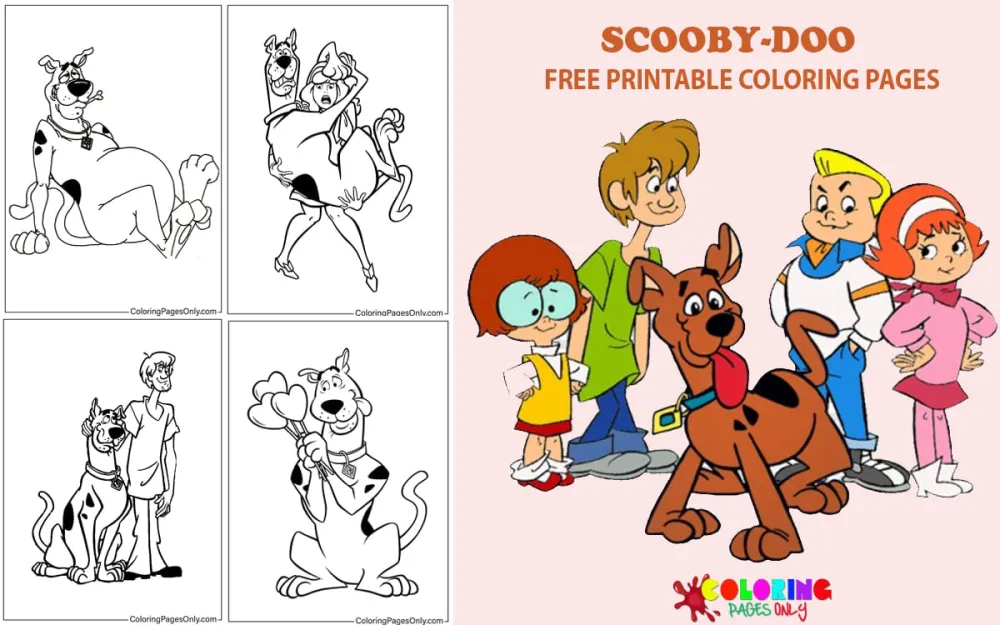
Free Scooby-Doo Coloring Pages: 77 printable PDF designs starring the snack-loving Great Dane and the whole Mystery Inc. gang, with Shaggy, Velma, Fred, and Daphne, the Mystery Machine, friendly ghosts, mummies, haunted houses, plus mazes, connect-the-dots, and tracing sheets. Print any picture straight from its PDF, or open it on a screen and color it digitally.
Scooby-Doo first appeared in Scooby-Doo, Where Are You!, which premiered on CBS on September 13, 1969. Created by Joe Ruby and Ken Spears for Hanna-Barbera, with Scooby designed by artist Iwao Takamoto, the series follows four teenagers and their cowardly dog as they unmask “monsters” who always turn out to be ordinary people in disguise.
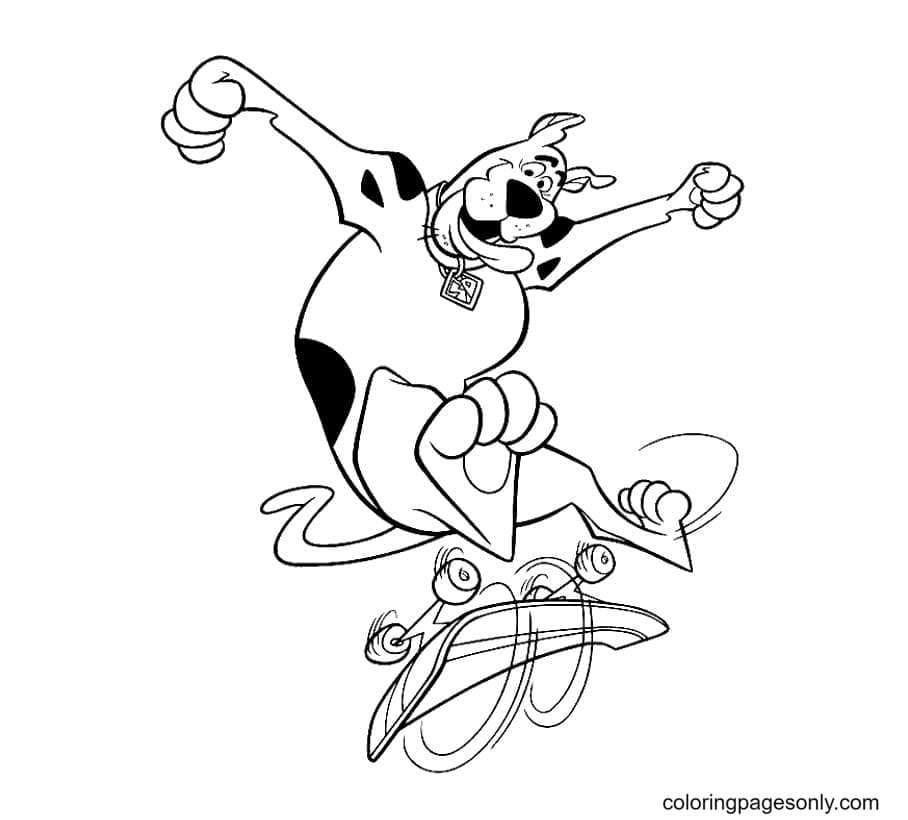
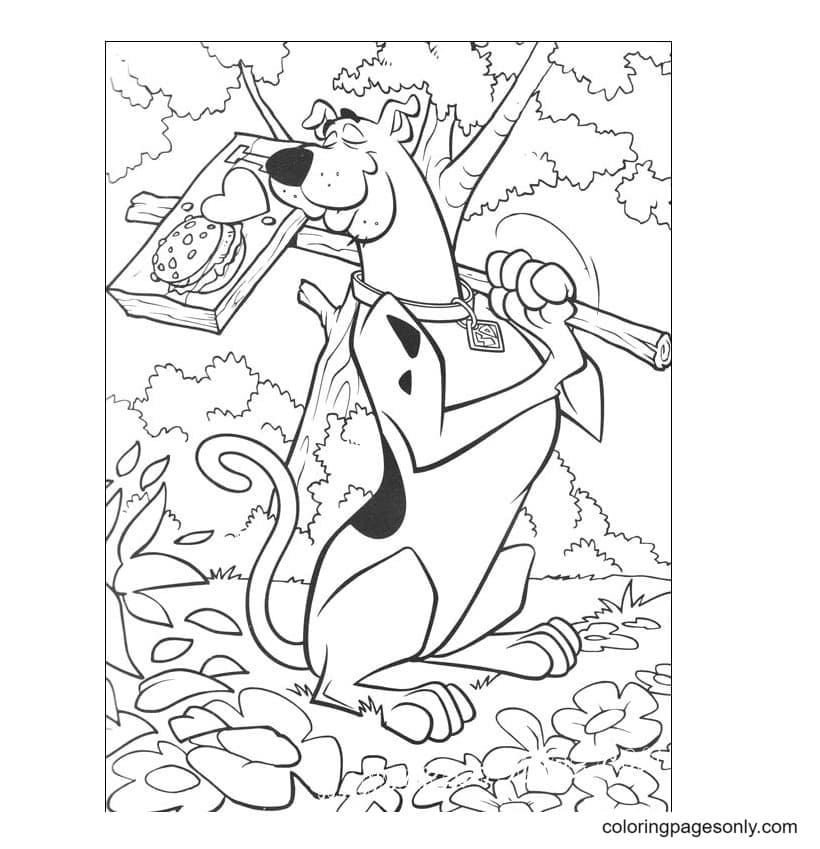
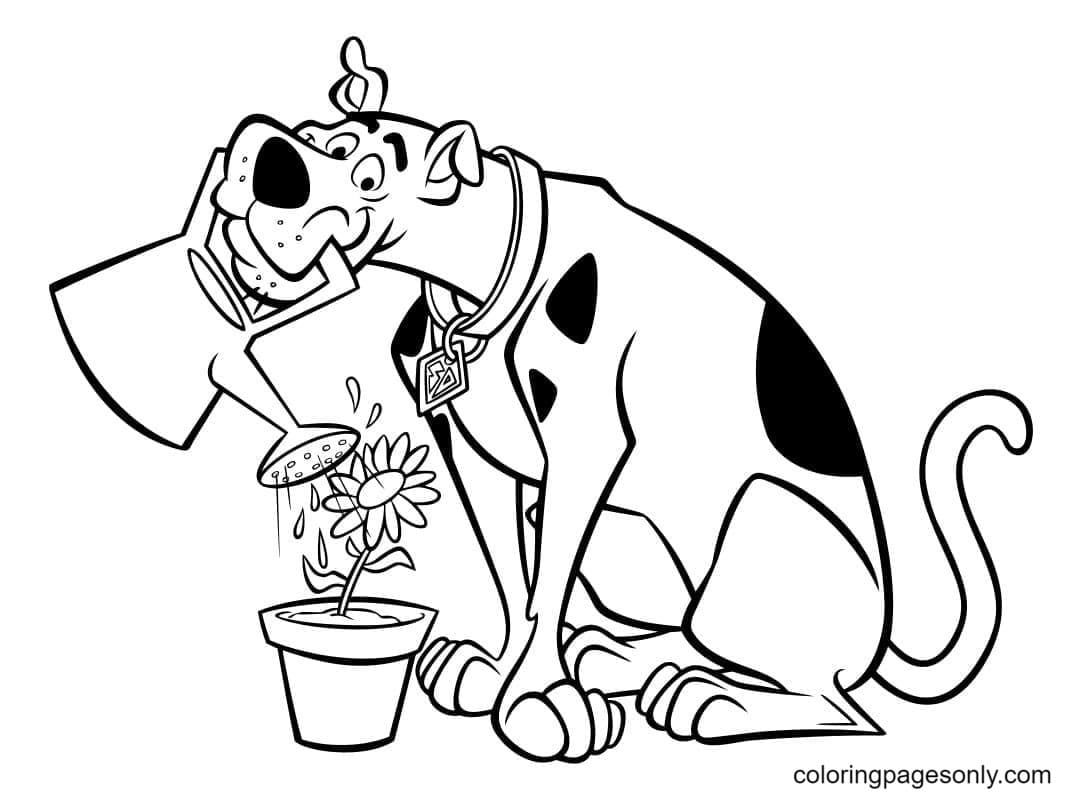
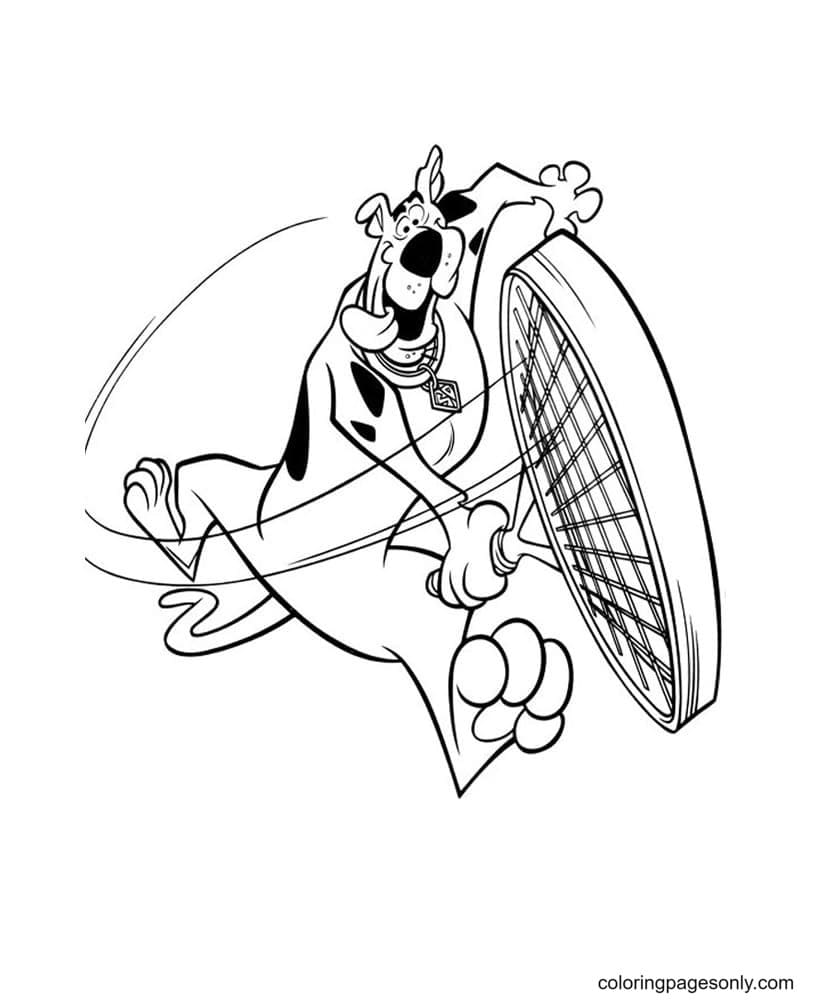
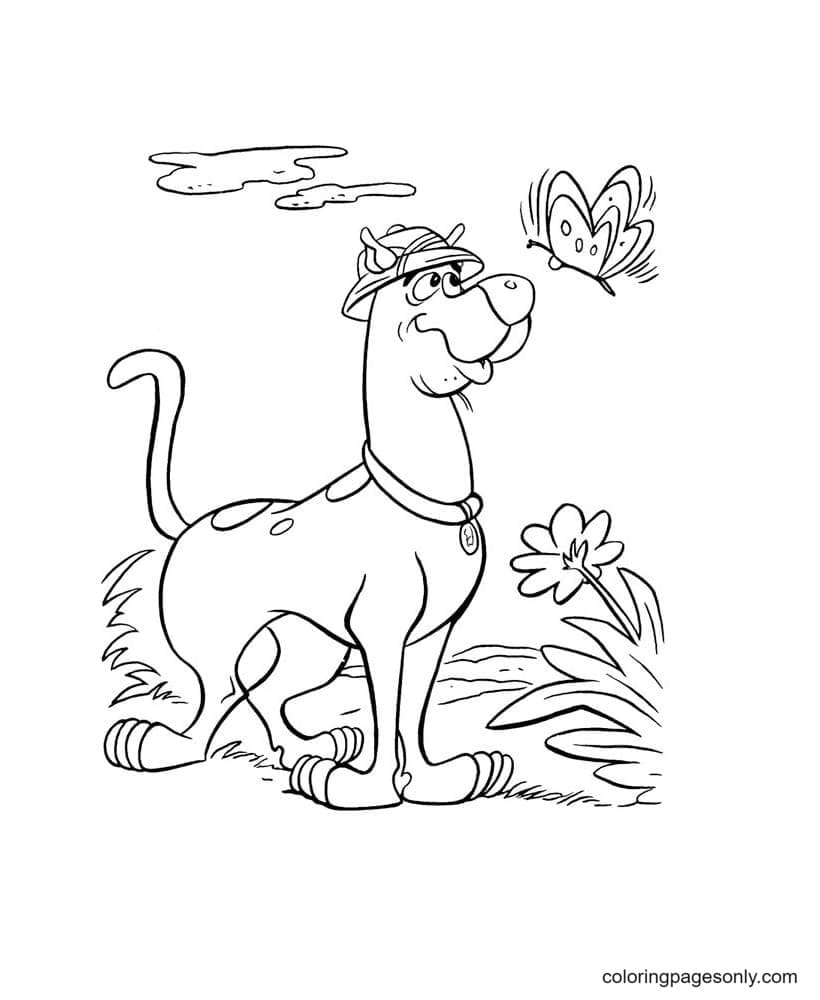
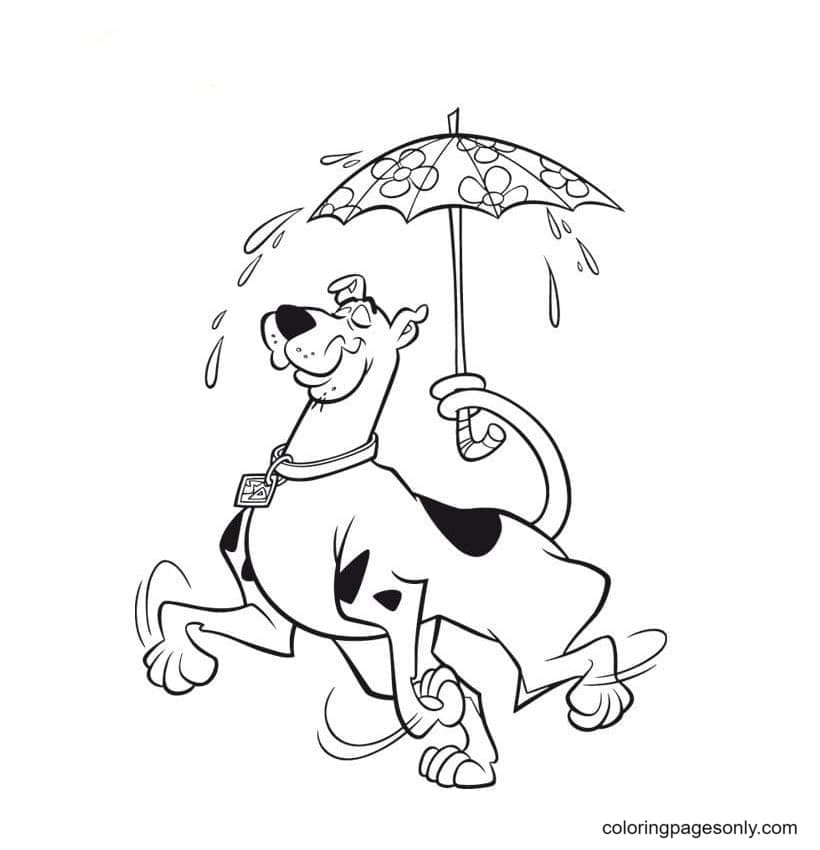
That formula keeps the scares light, which is why the pages here mix gentle spooky scenes with silly everyday moments. Scooby skates, plays tennis, waters flowers, and gulps down giant sandwiches between chases, so even young kids can enjoy a mystery theme without anything truly frightening.







What’s Inside This Collection
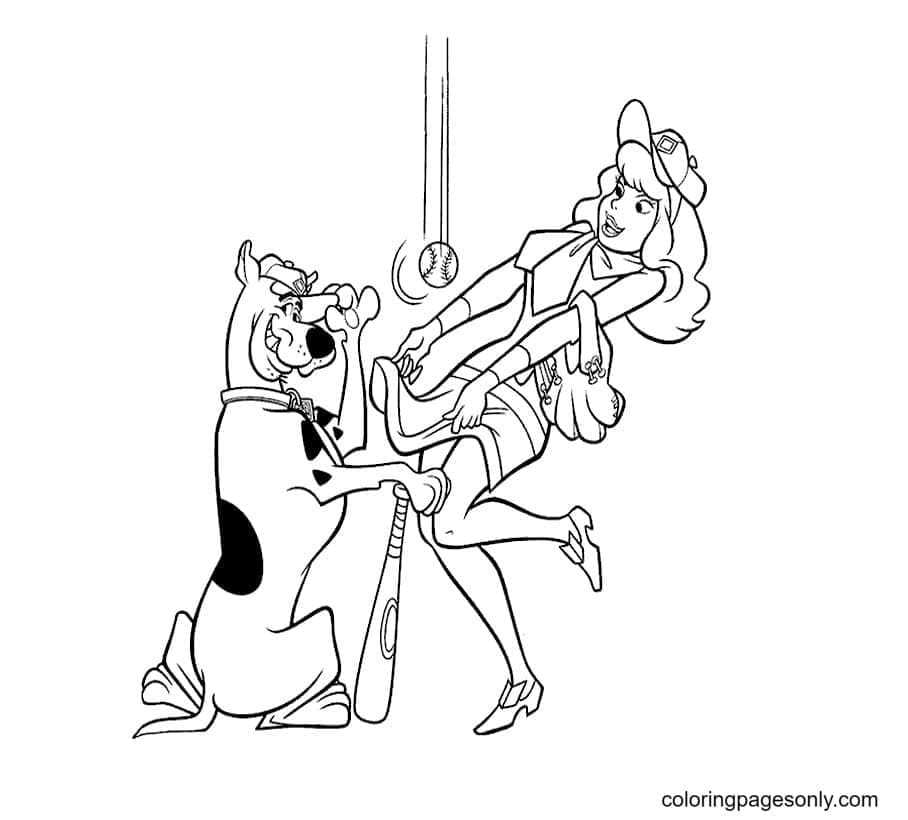
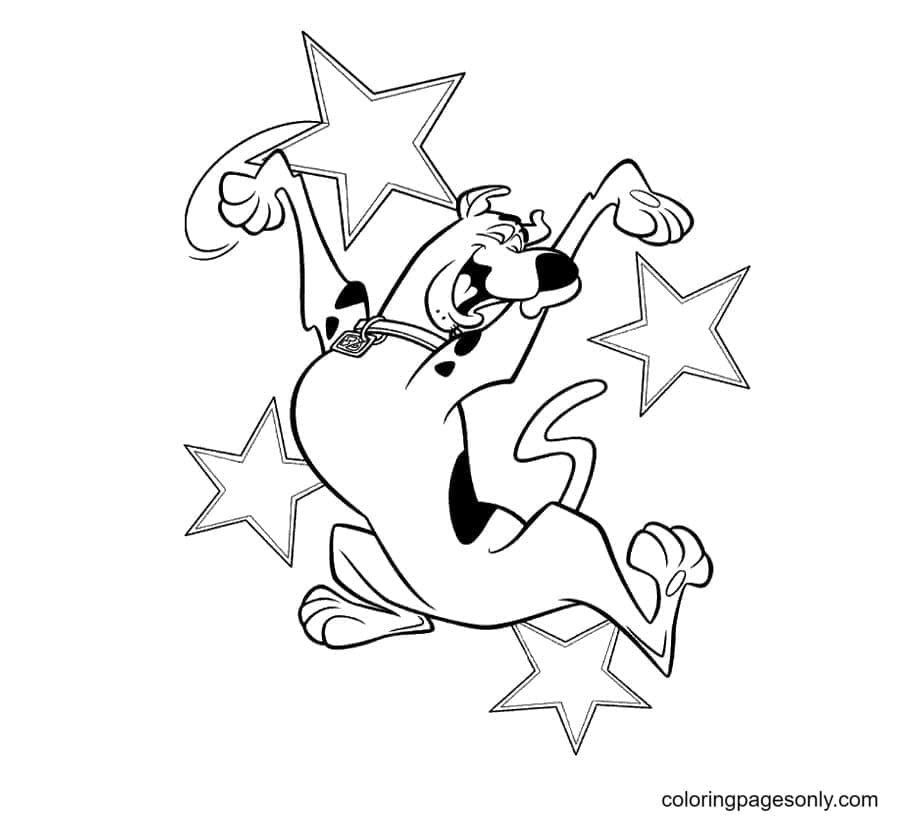
Pages run from easy single-character pictures to busy mystery scenes and printable activities so that every age can find a good starting point.
Simple Scooby Portraits
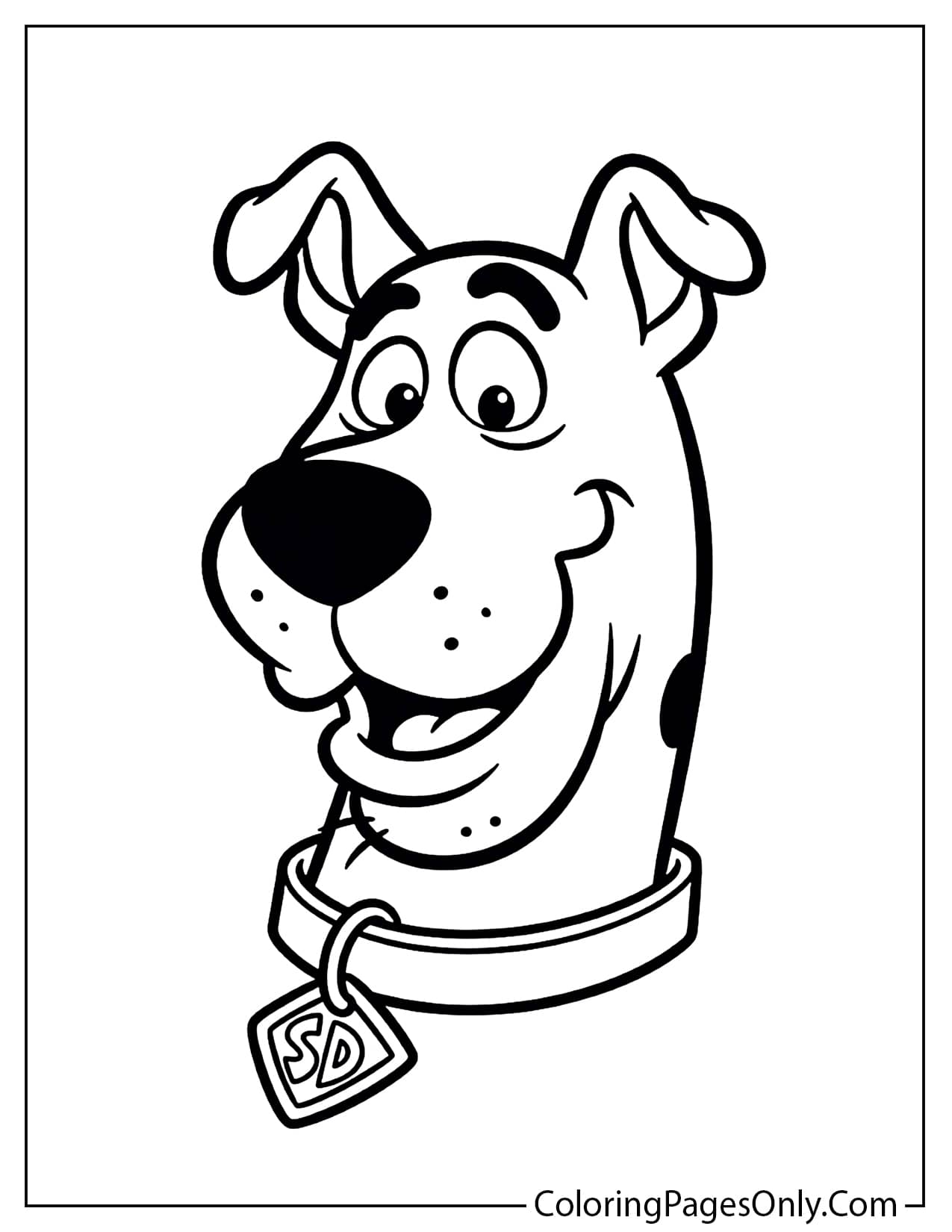
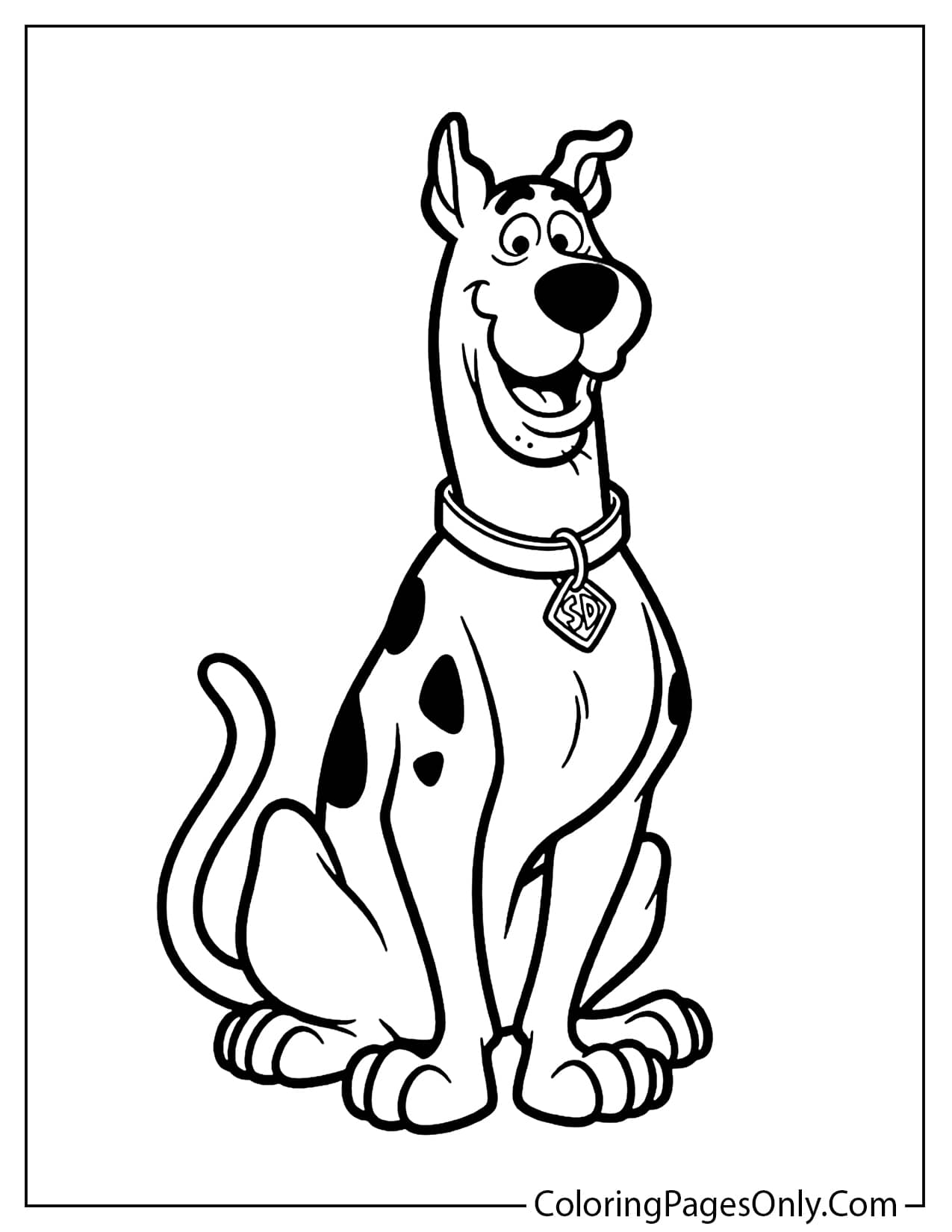
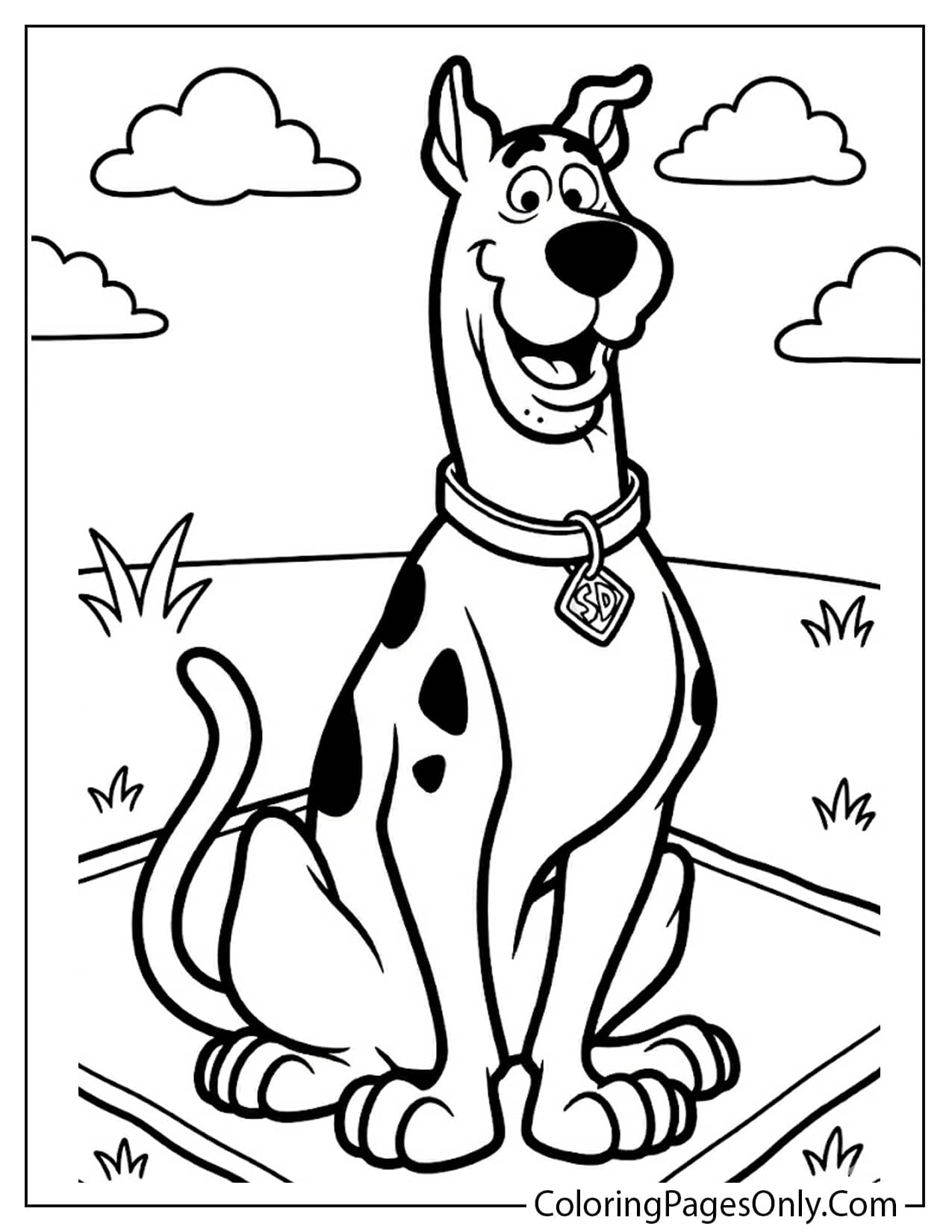
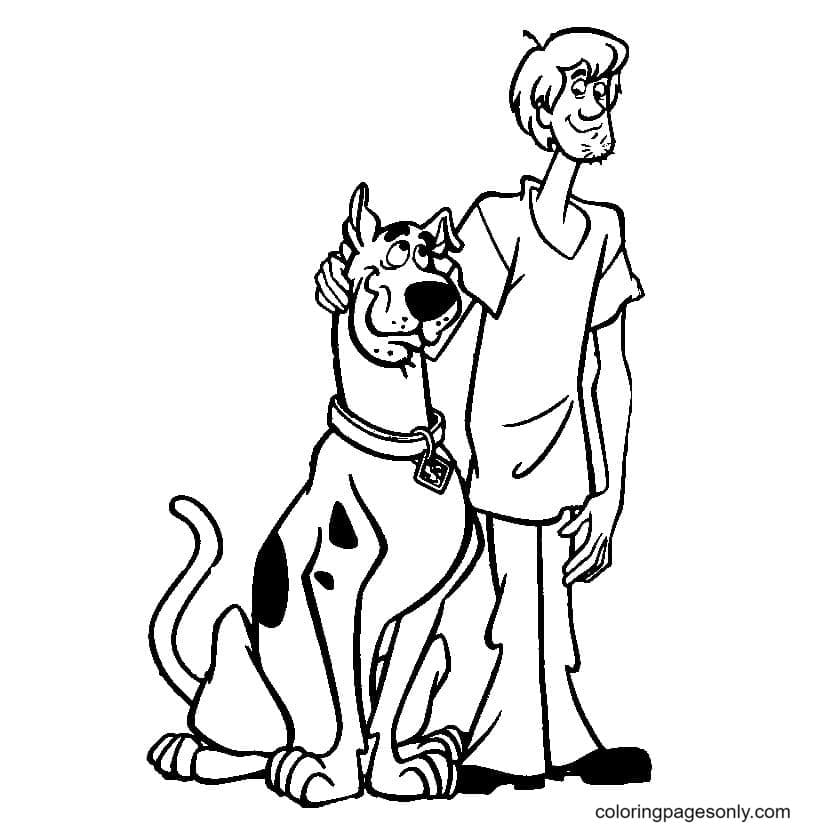
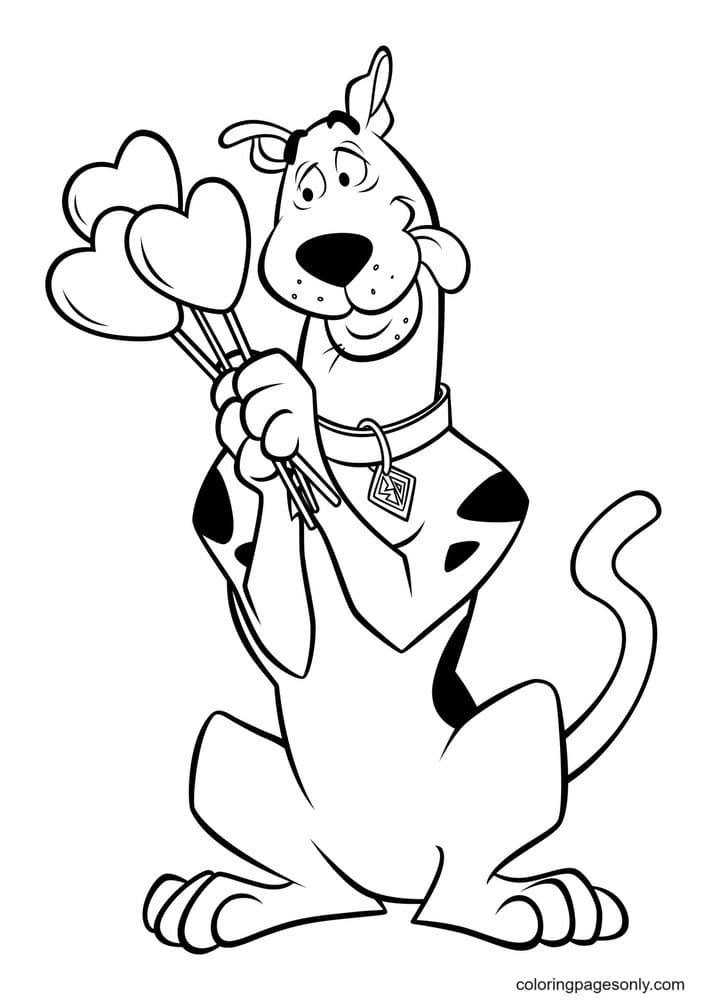
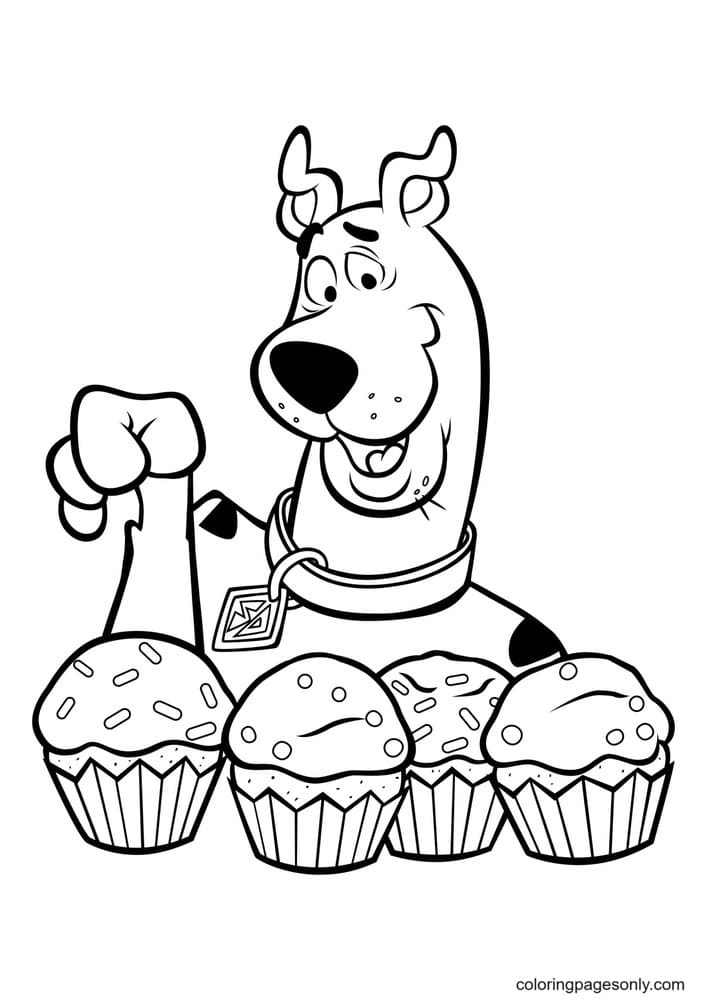
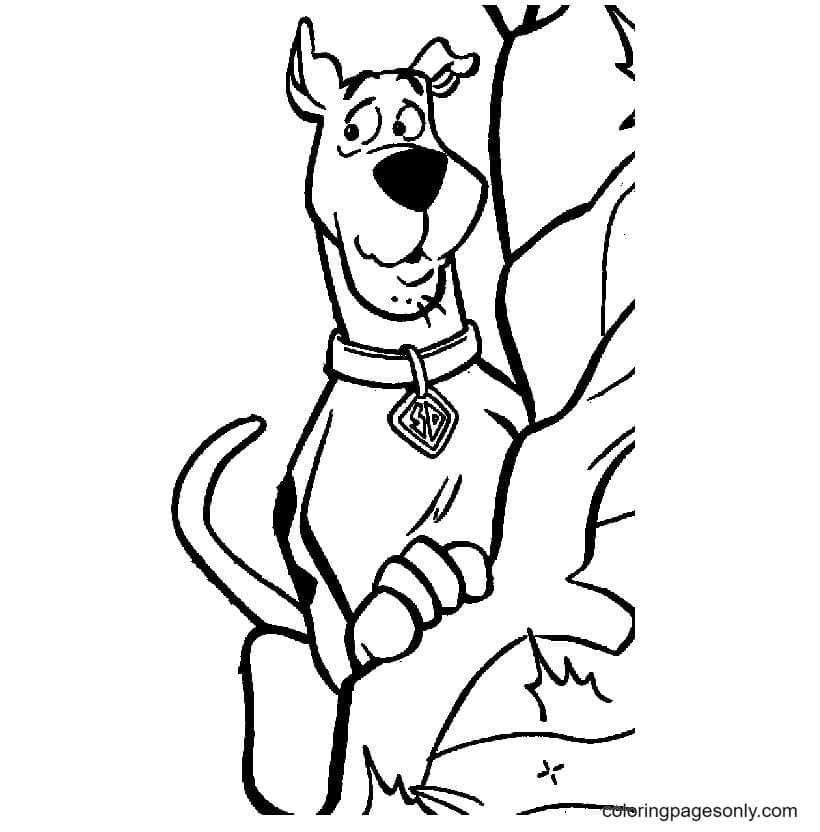
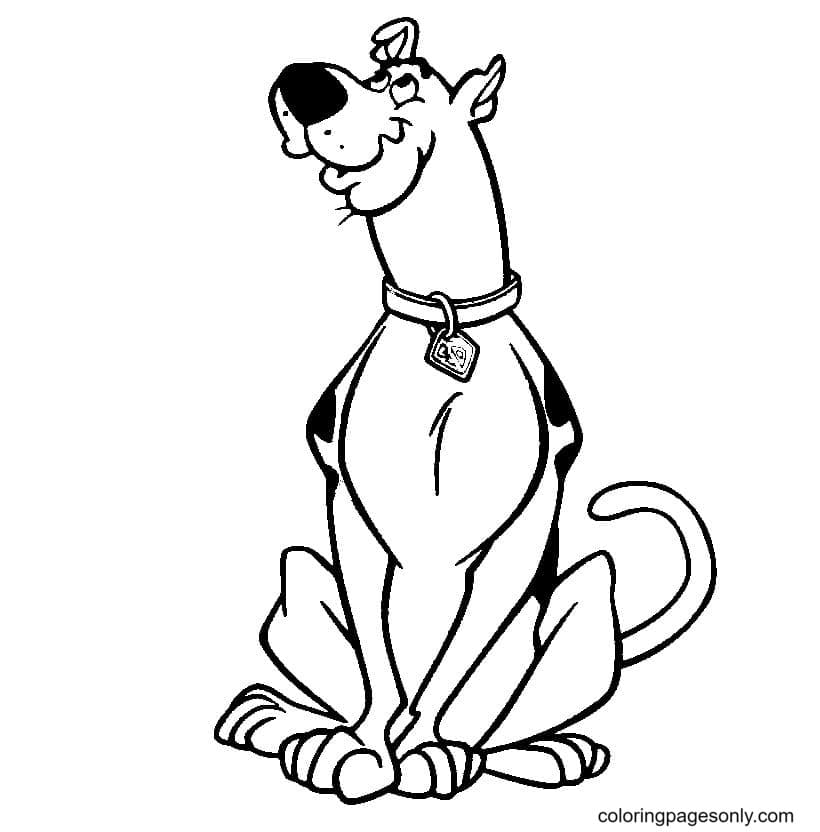
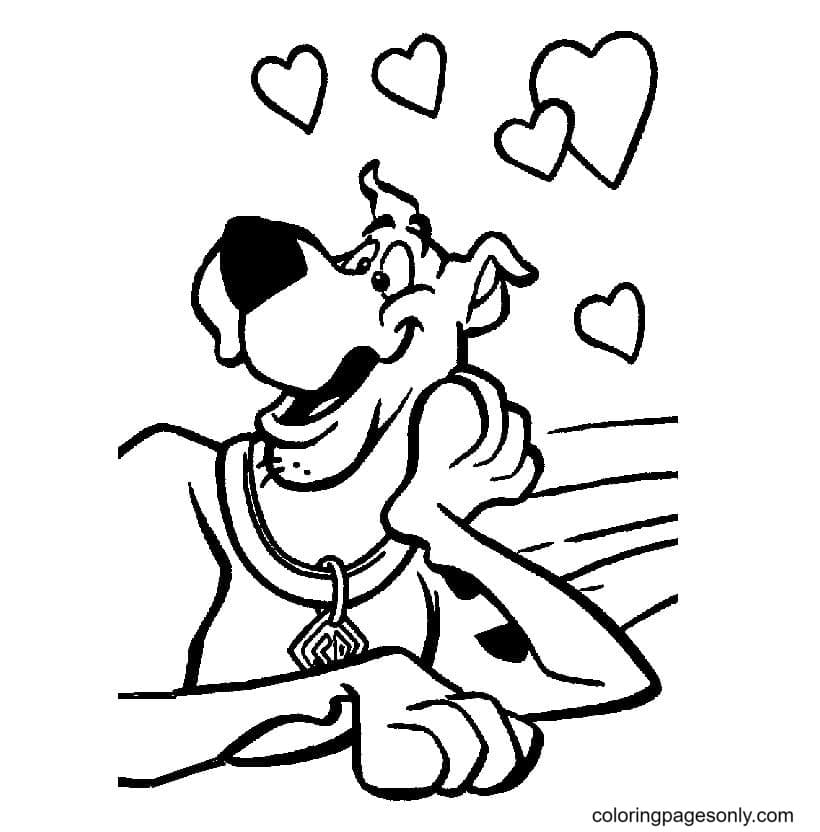
Pages like Scooby-Doo Face and Cute Scooby-Doo show the famous dog alone with big, open outlines. Color his coat Raw Sienna with Brown spots, add a Turquoise Blue collar, and finish the diamond-shaped tag in Goldenrod.
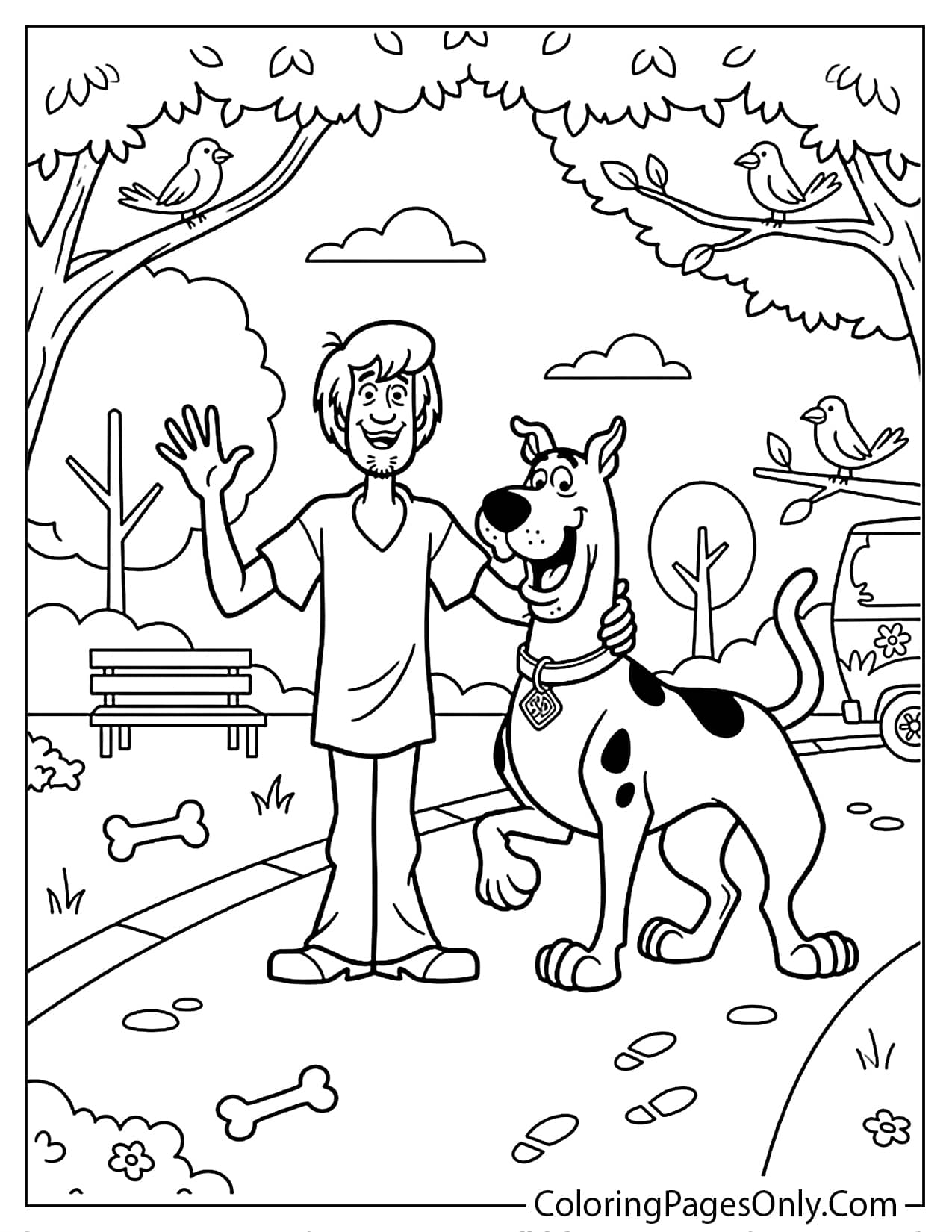
Scooby and Shaggy
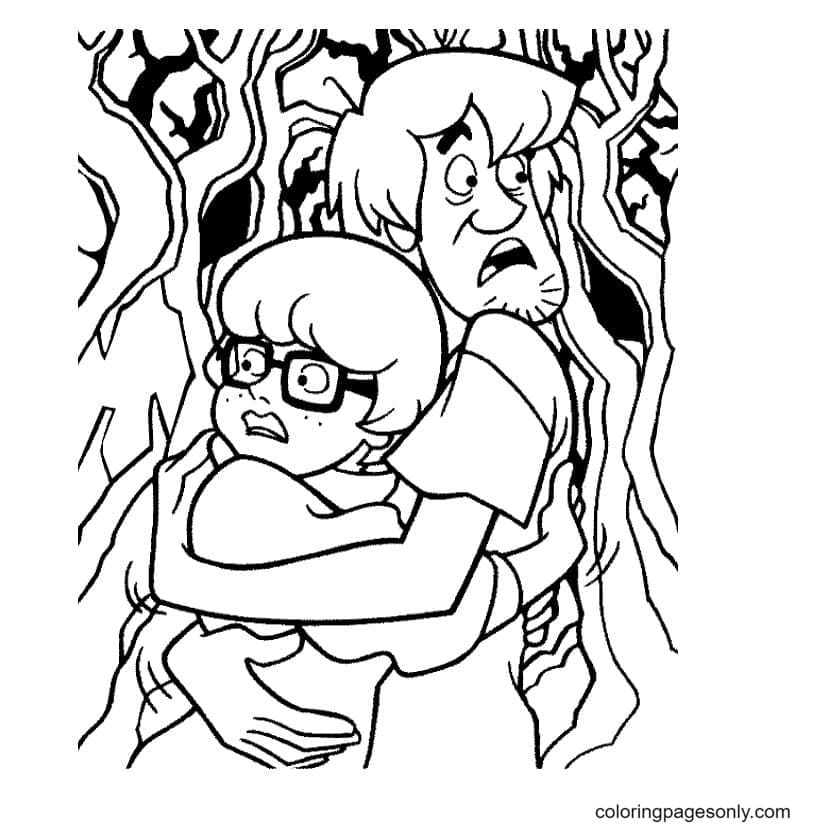
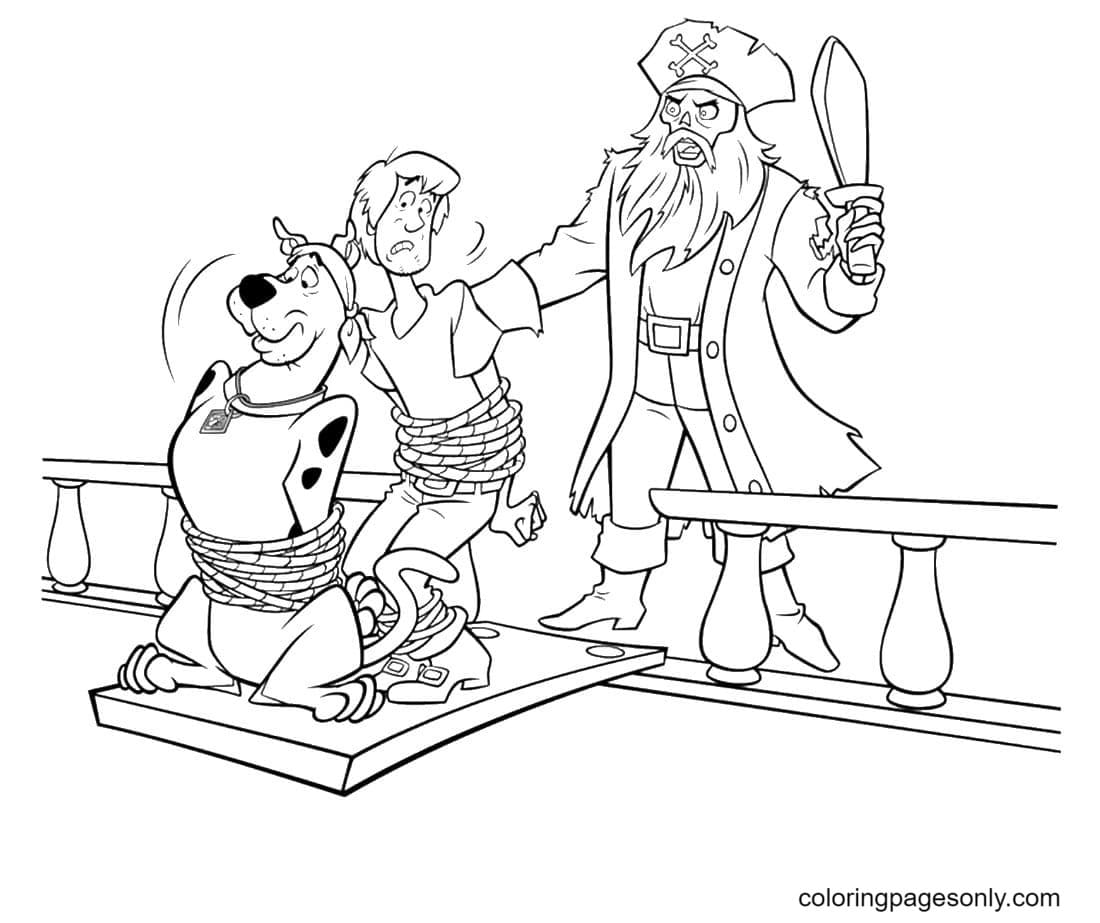
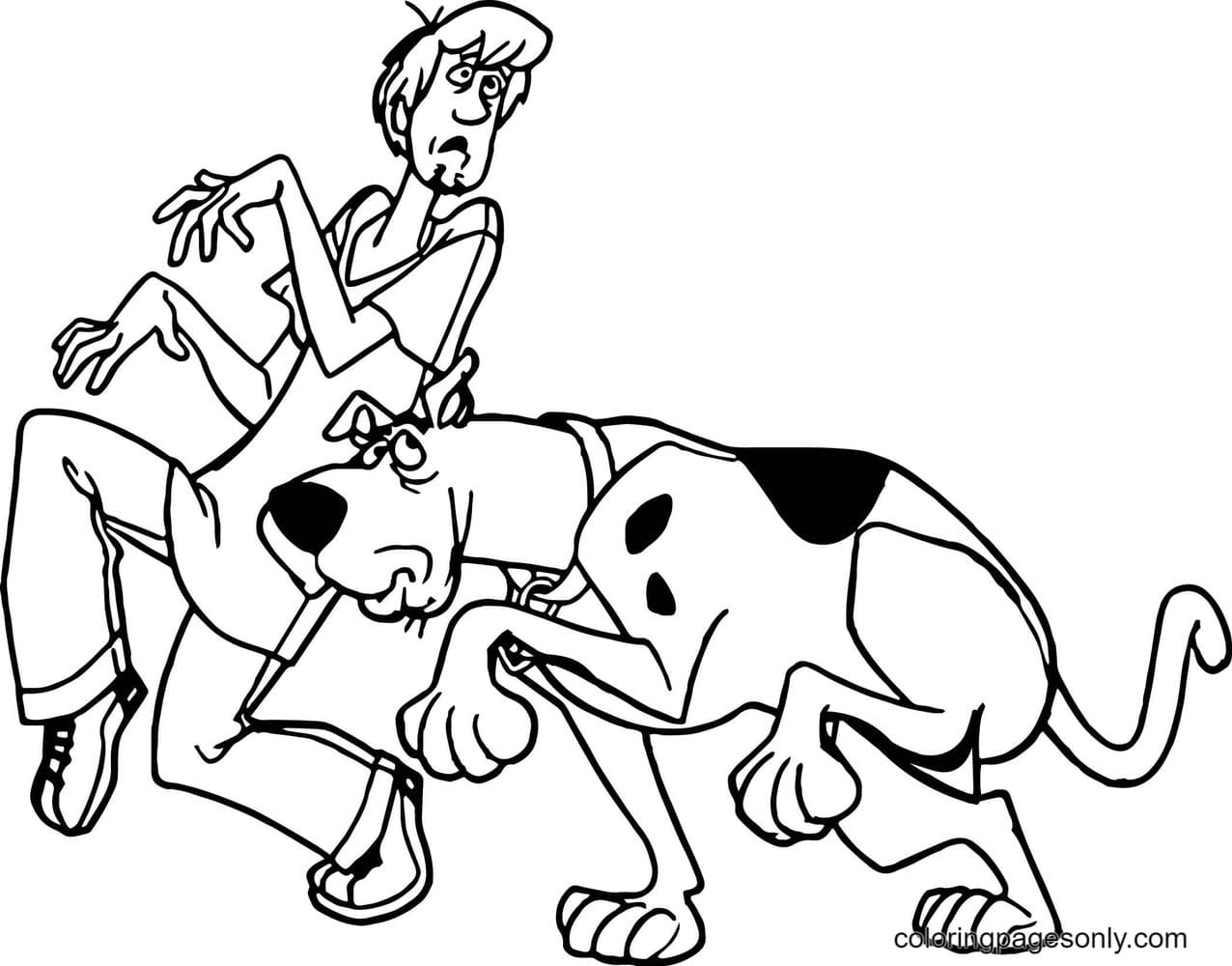
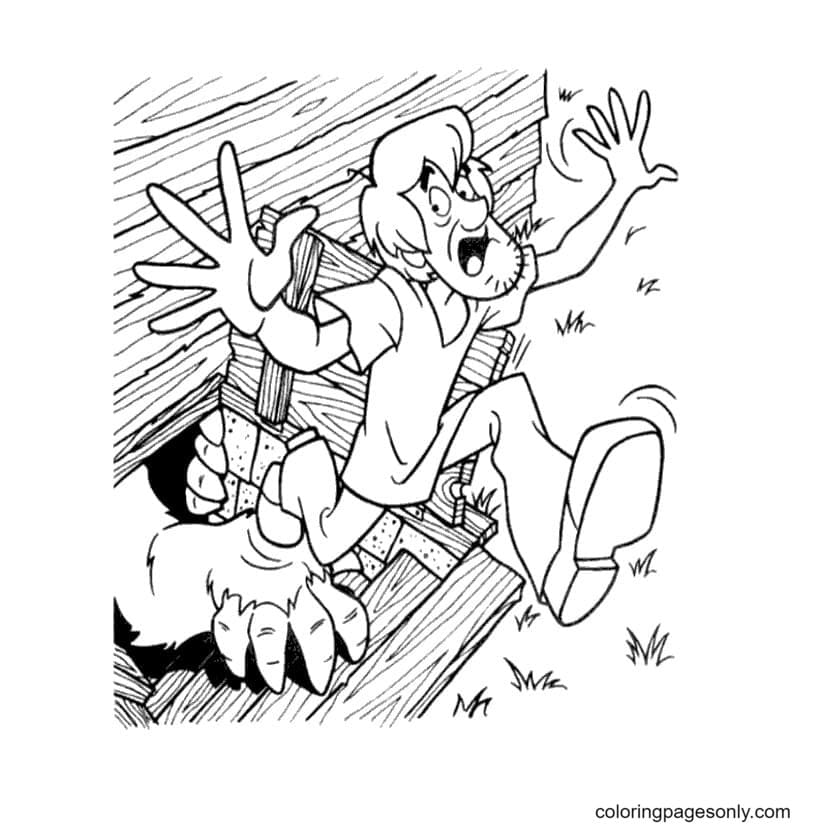
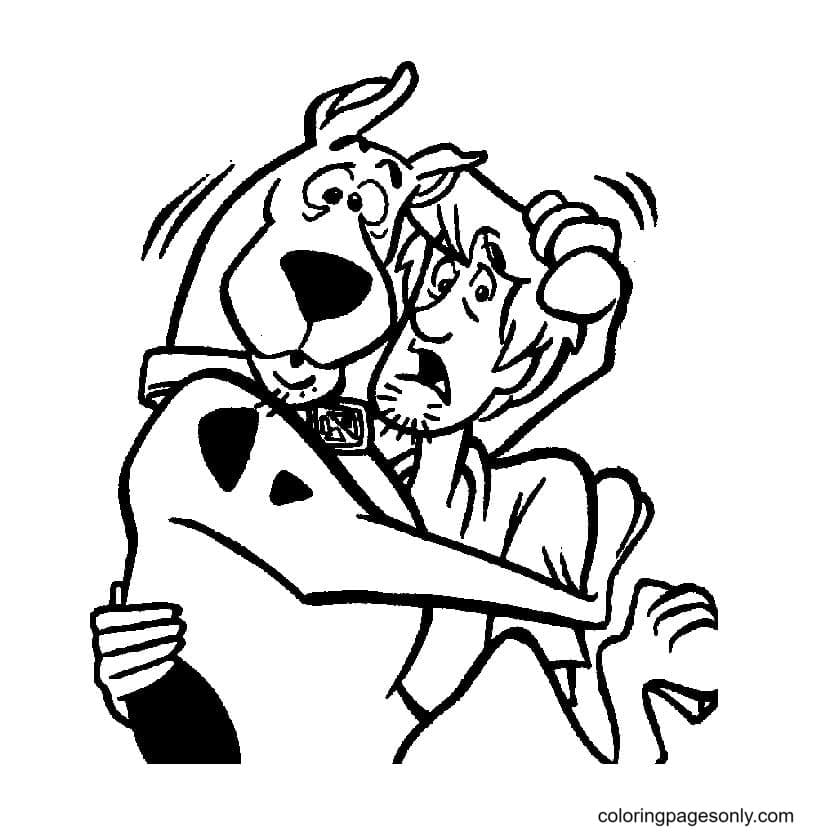
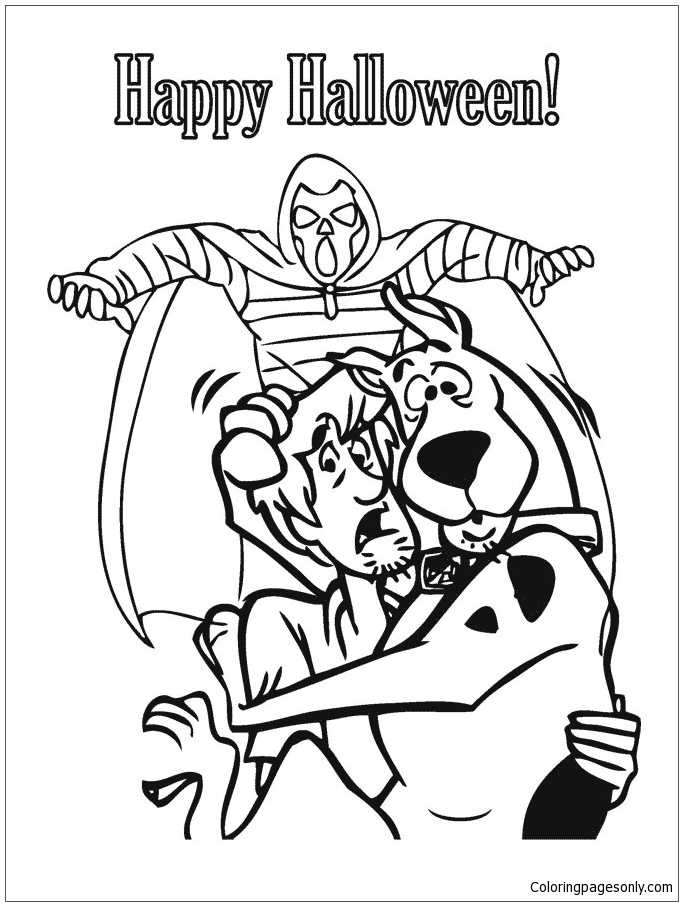
The best friends share many pages, from eating towering sandwiches to running away from ghosts and pirates. Give Shaggy a Green shirt and Brown pants, and keep his sandy hair a light Tan so he stands out beside Scooby.
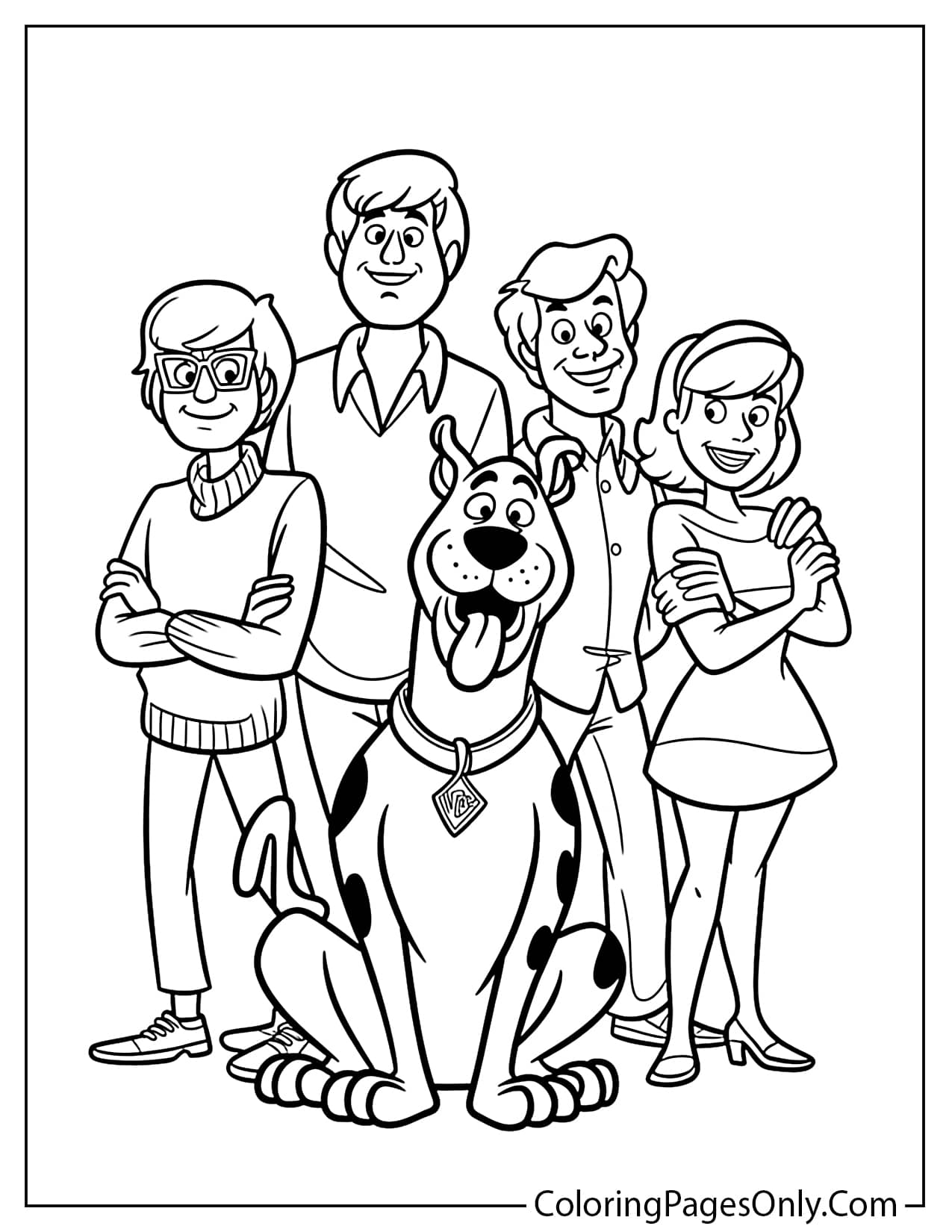
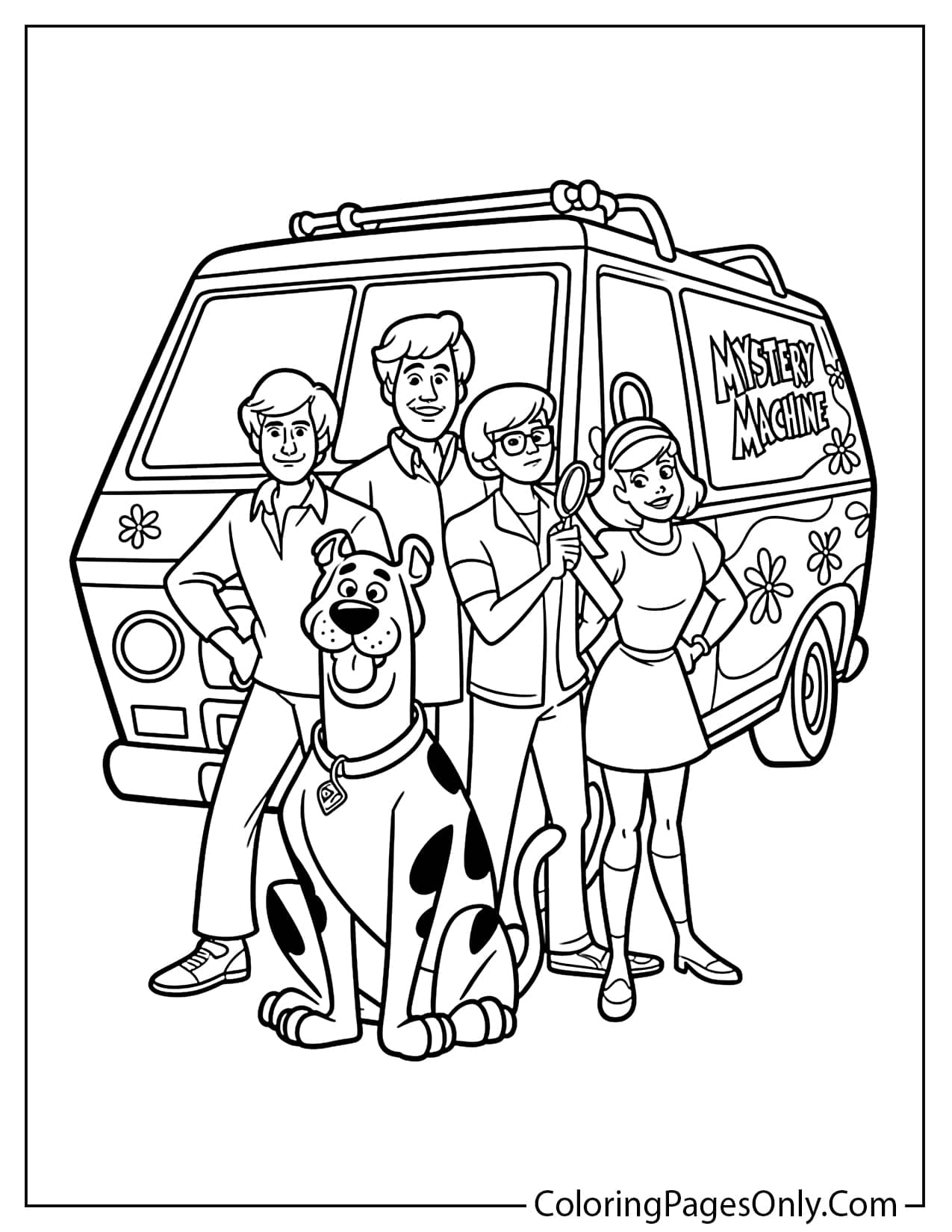
The Mystery Inc. Gang
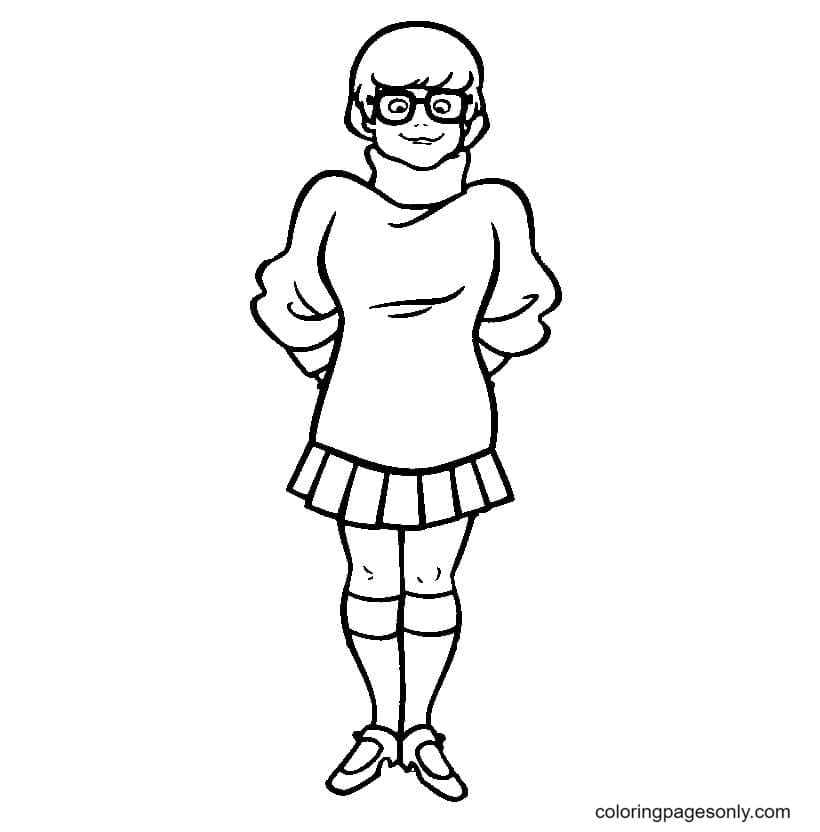
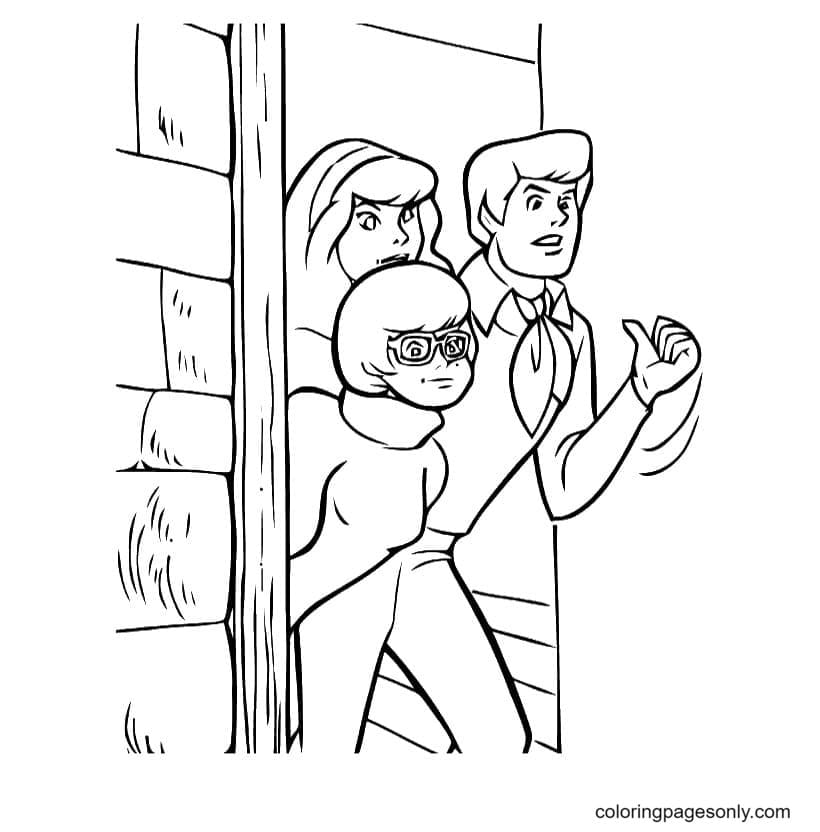
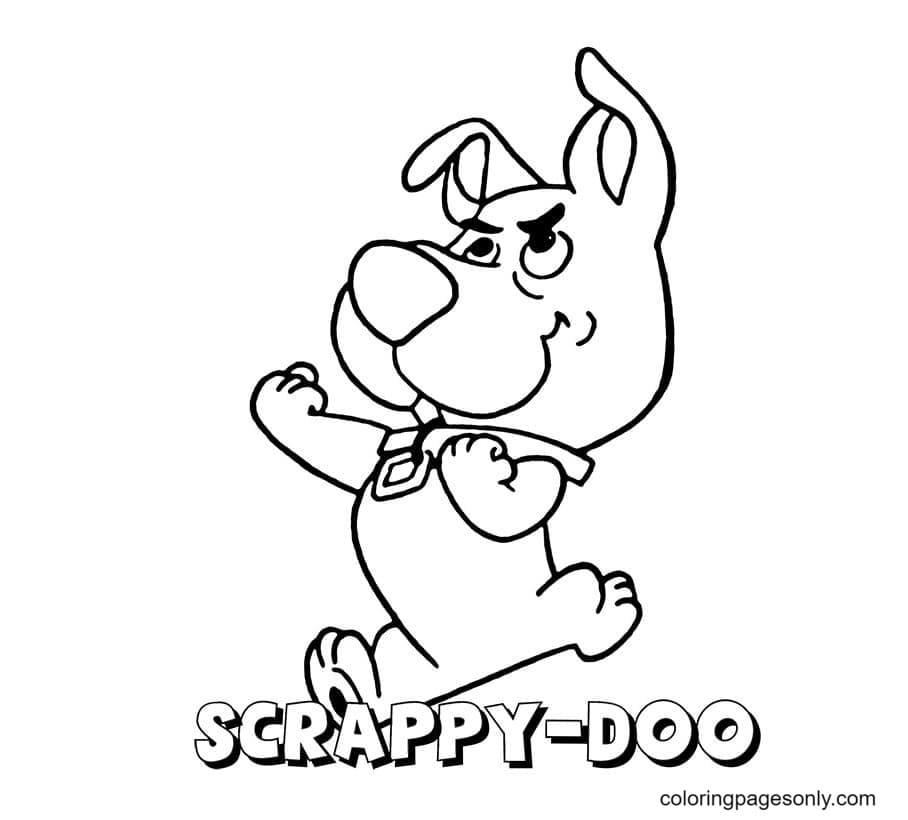
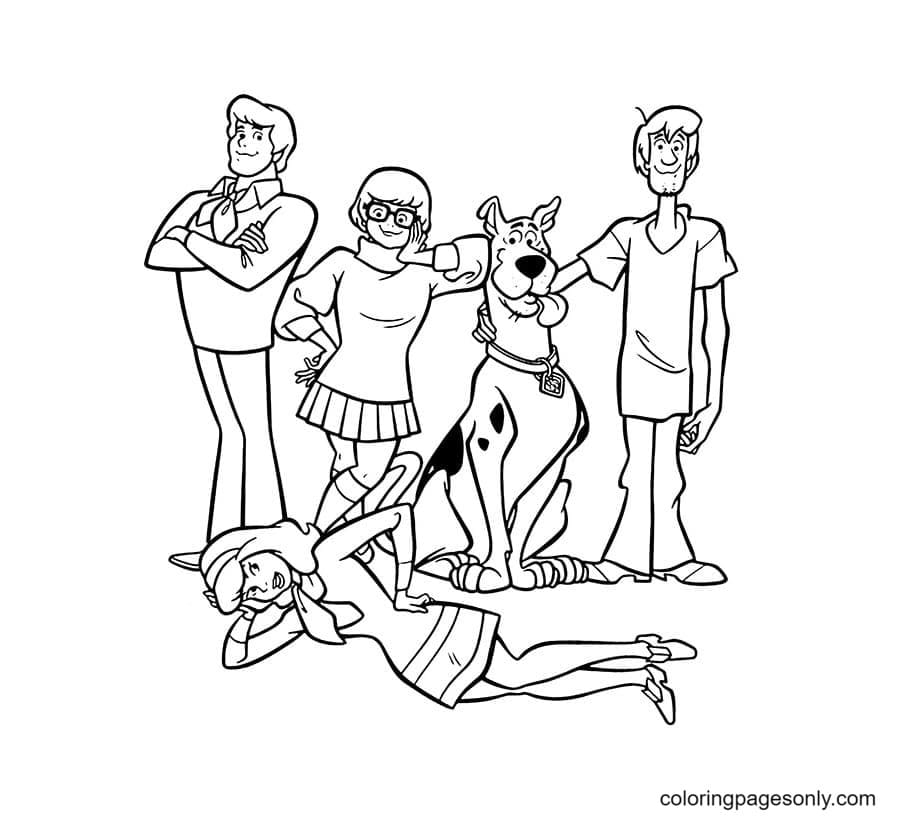
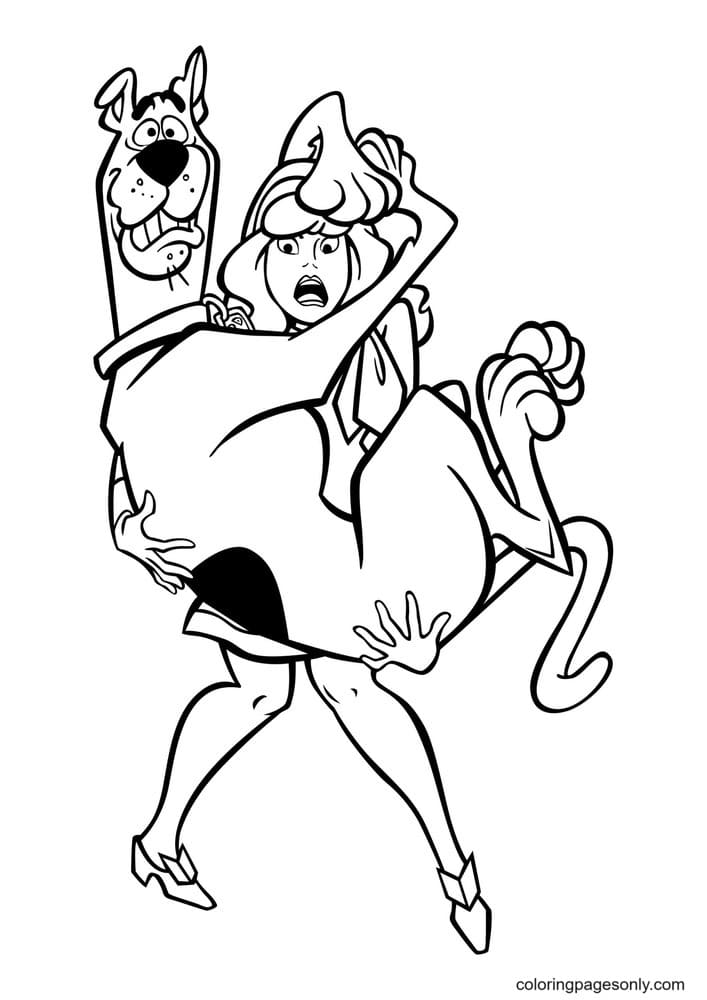
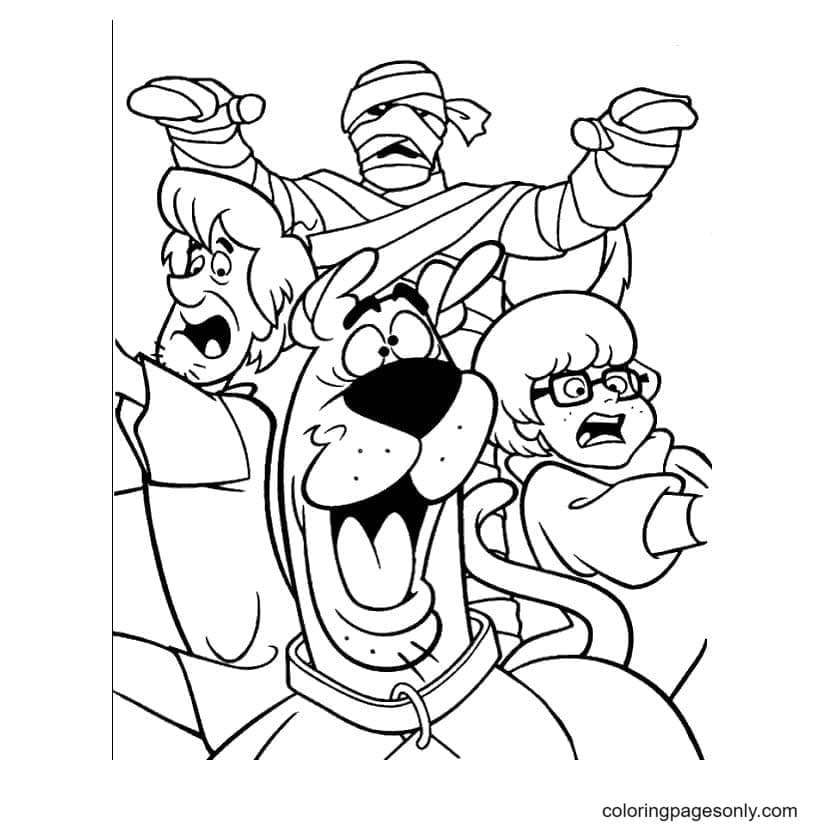
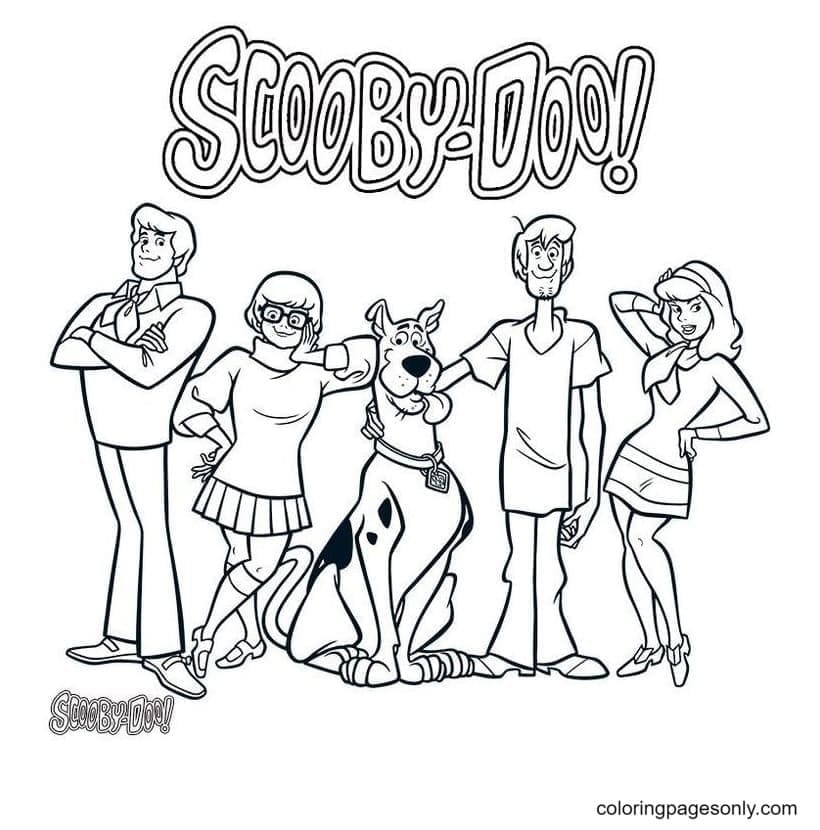
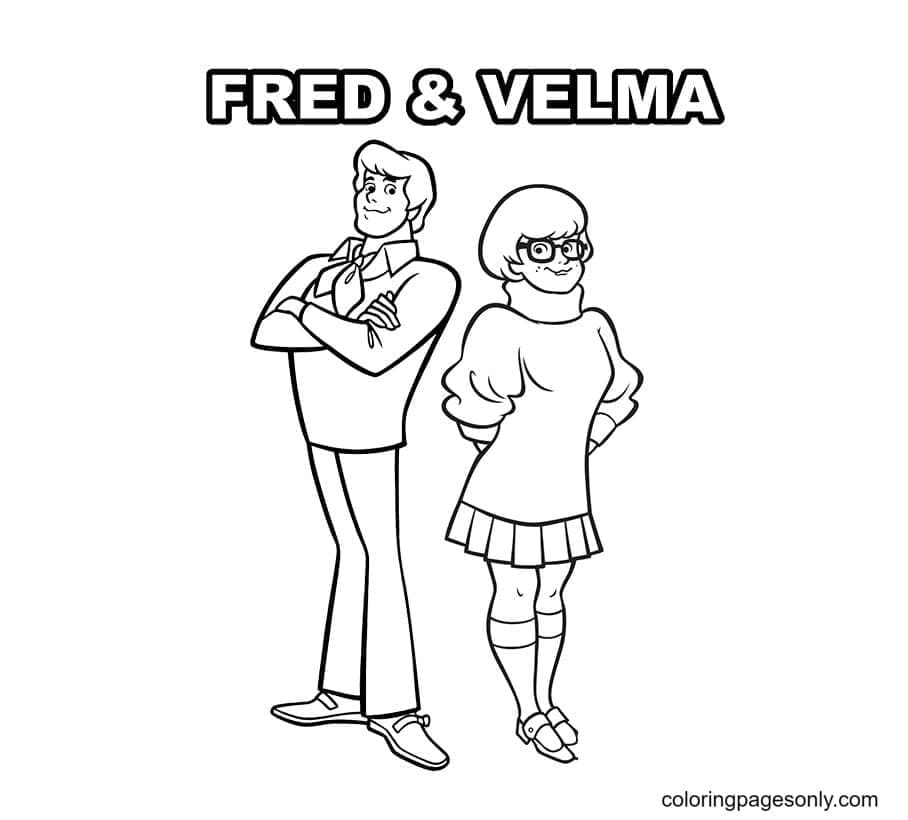
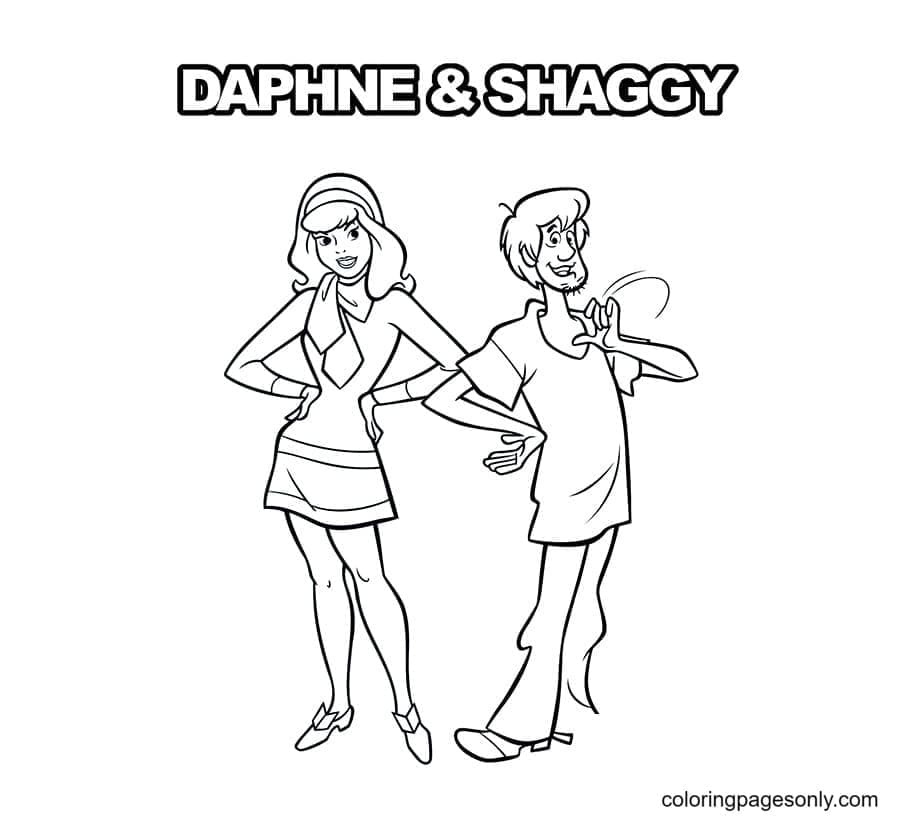
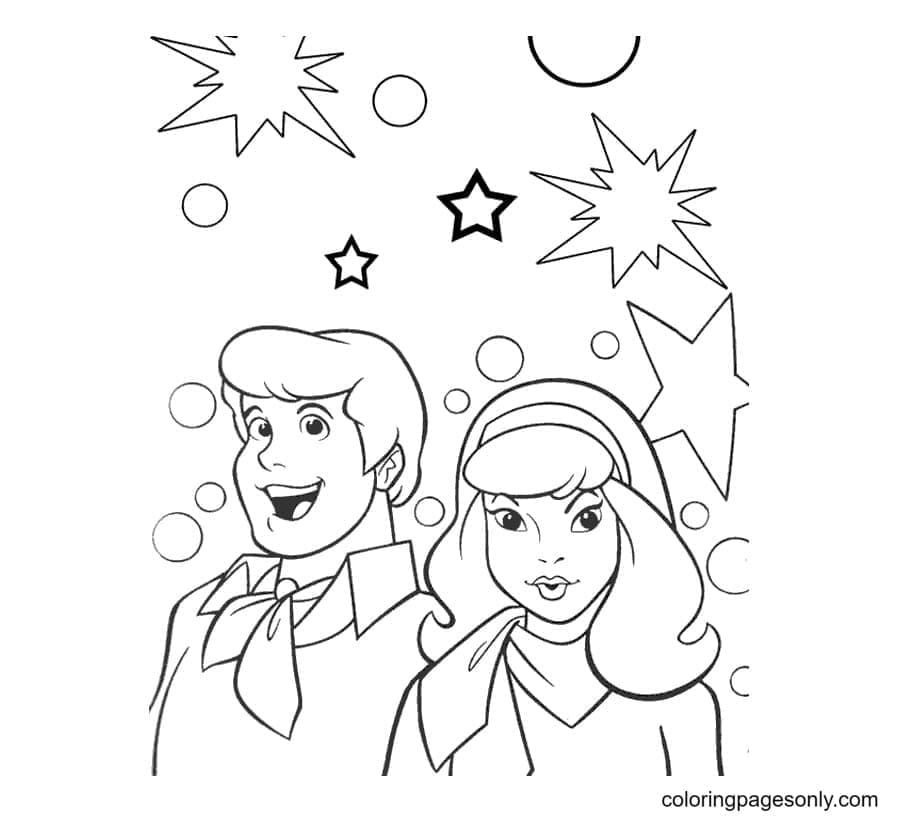
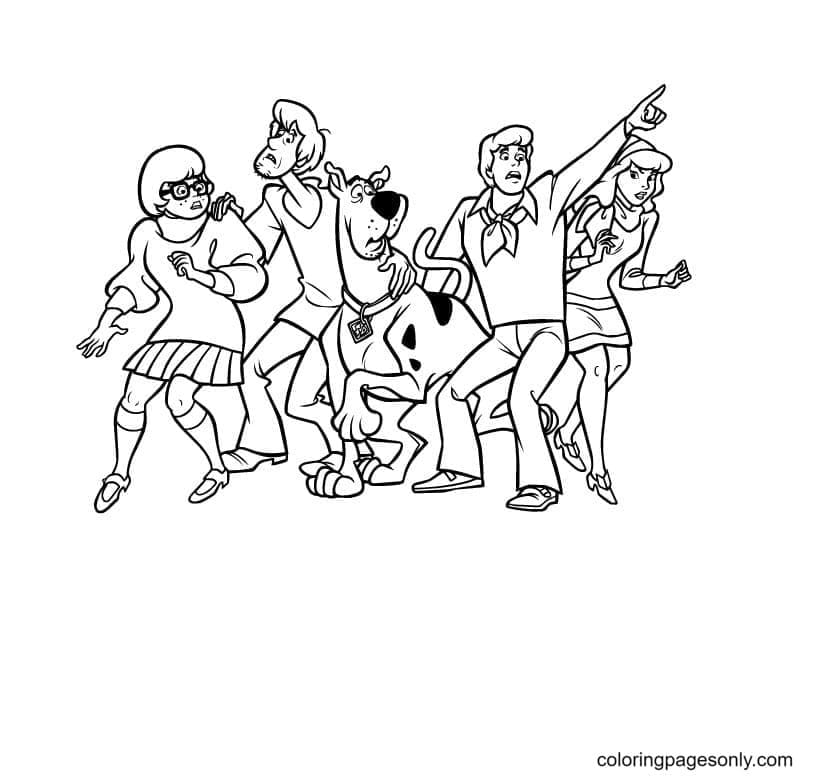
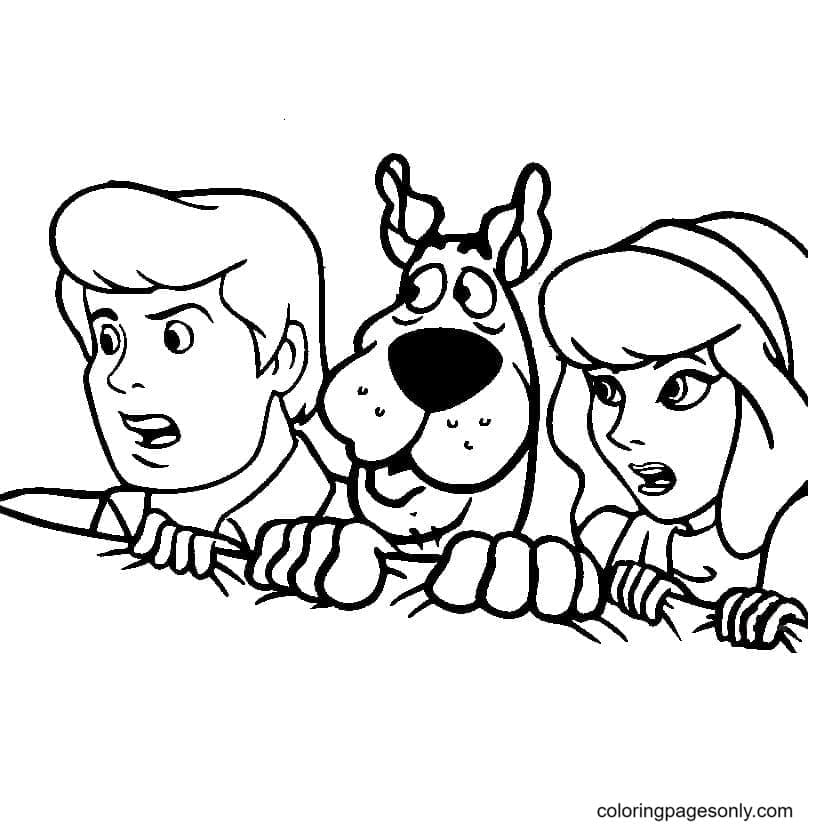
Velma, Fred, Daphne, and Scrappy-Doo appear solo, in pairs, and in full-team scenes. Velma wears an Orange sweater with a Red skirt, Daphne a Purple dress with a yellow-green scarf, and Fred a White shirt with an Orange ascot and Blue pants.
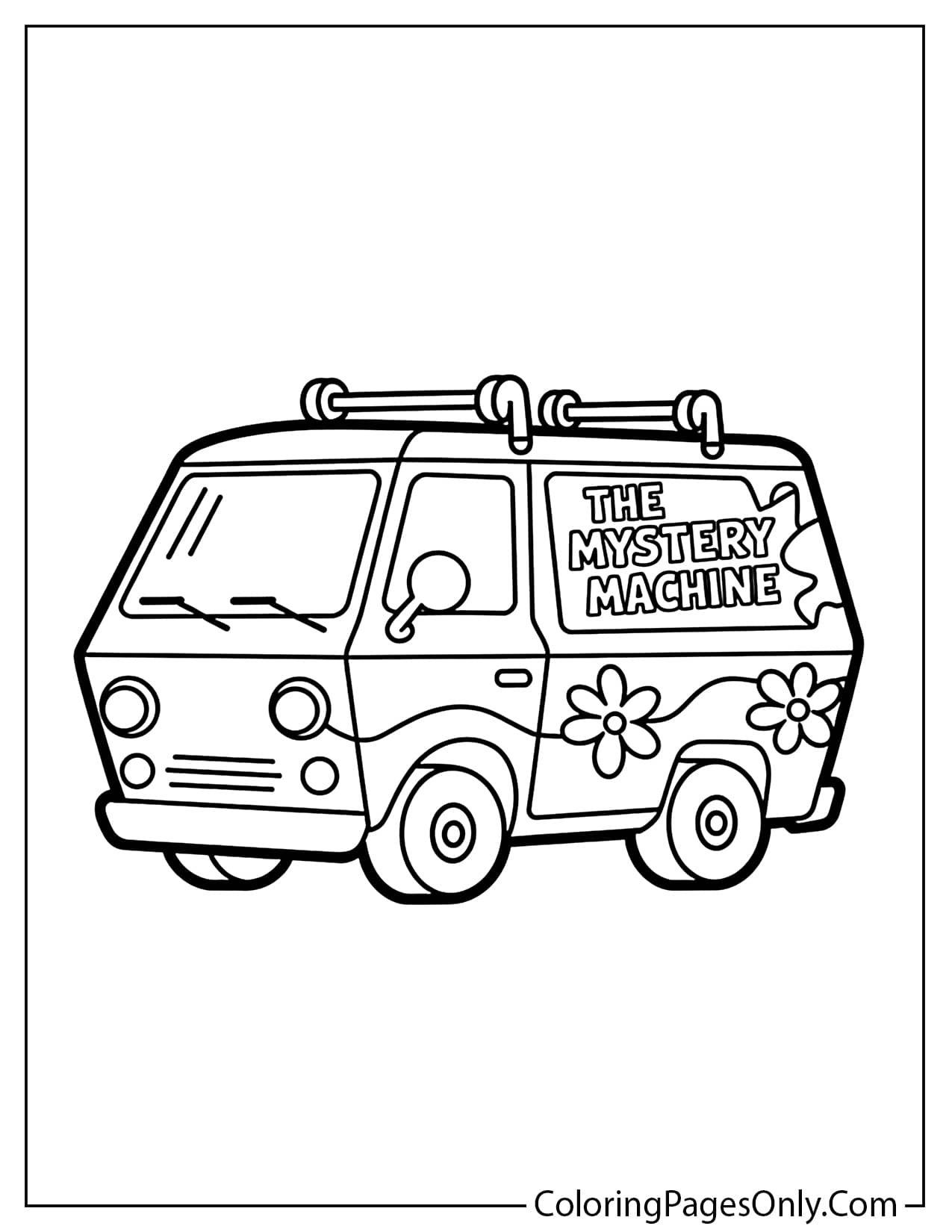
The Mystery Machine
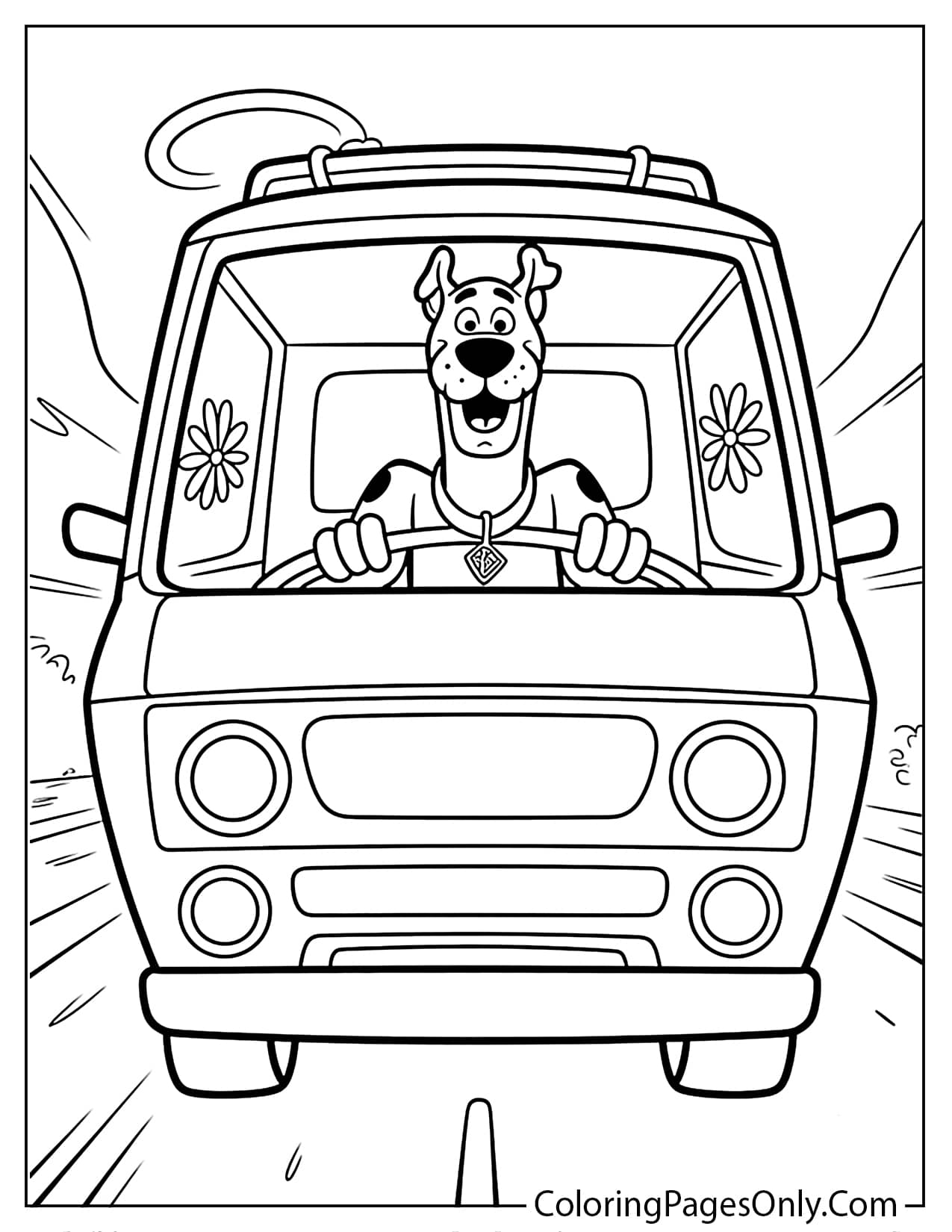
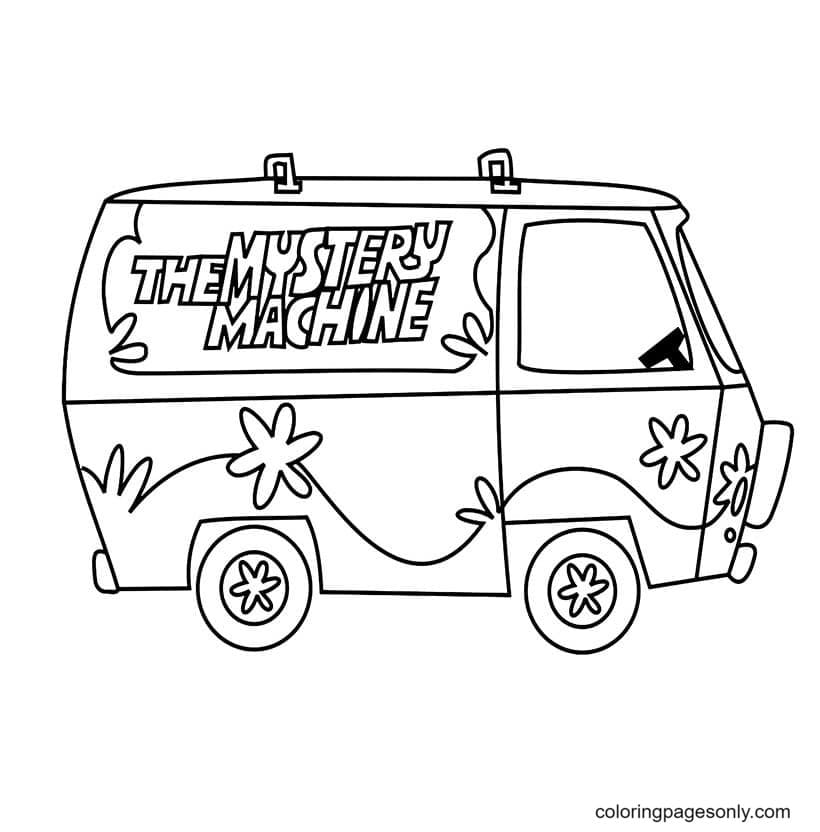
Several pages feature the gang’s famous van, sometimes with Scooby at the wheel. Paint the body Turquoise Blue and Green, then add the flower decorations in bright Orange.
Spooky Fun and Halloween
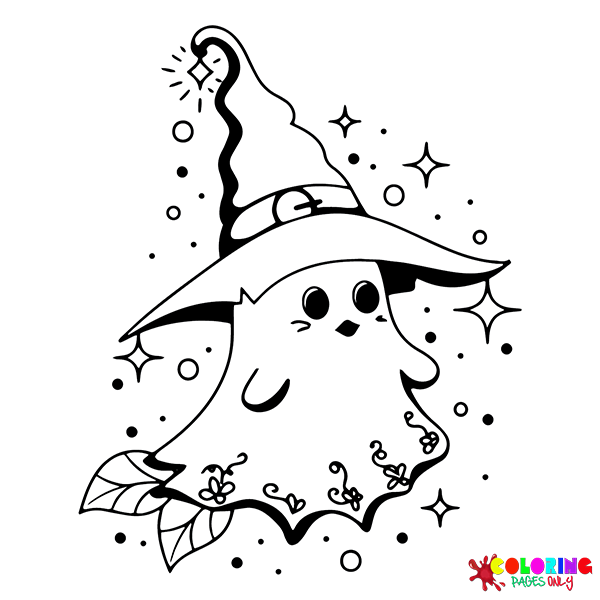
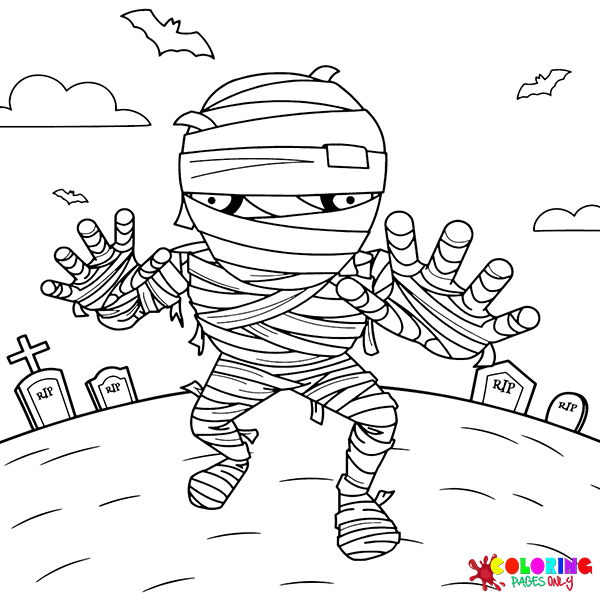
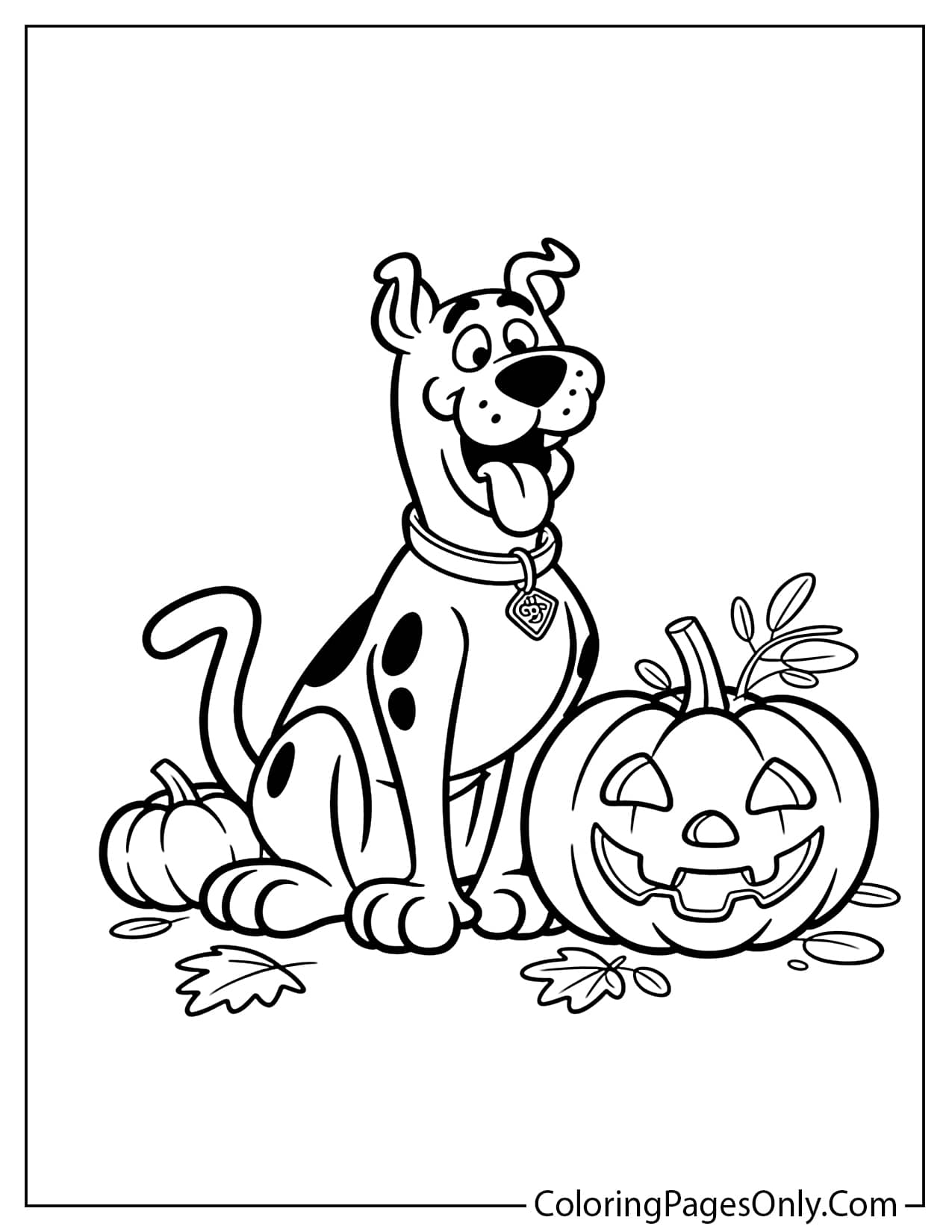
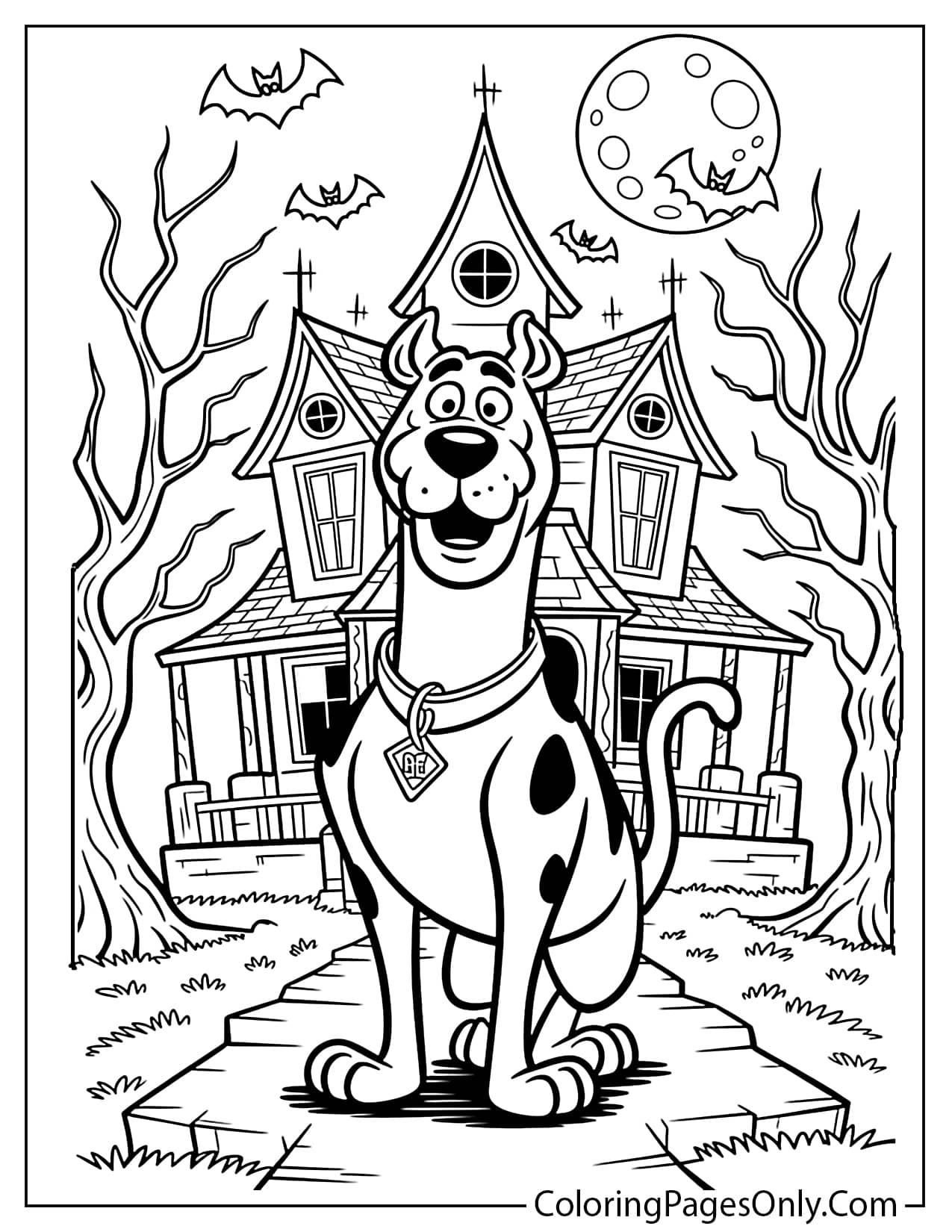
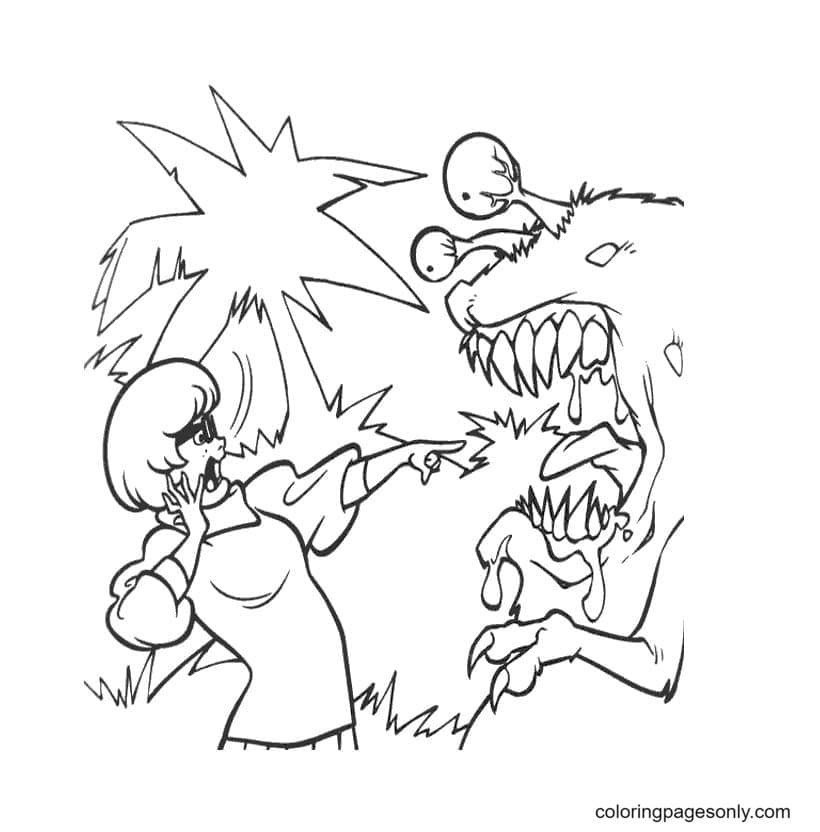
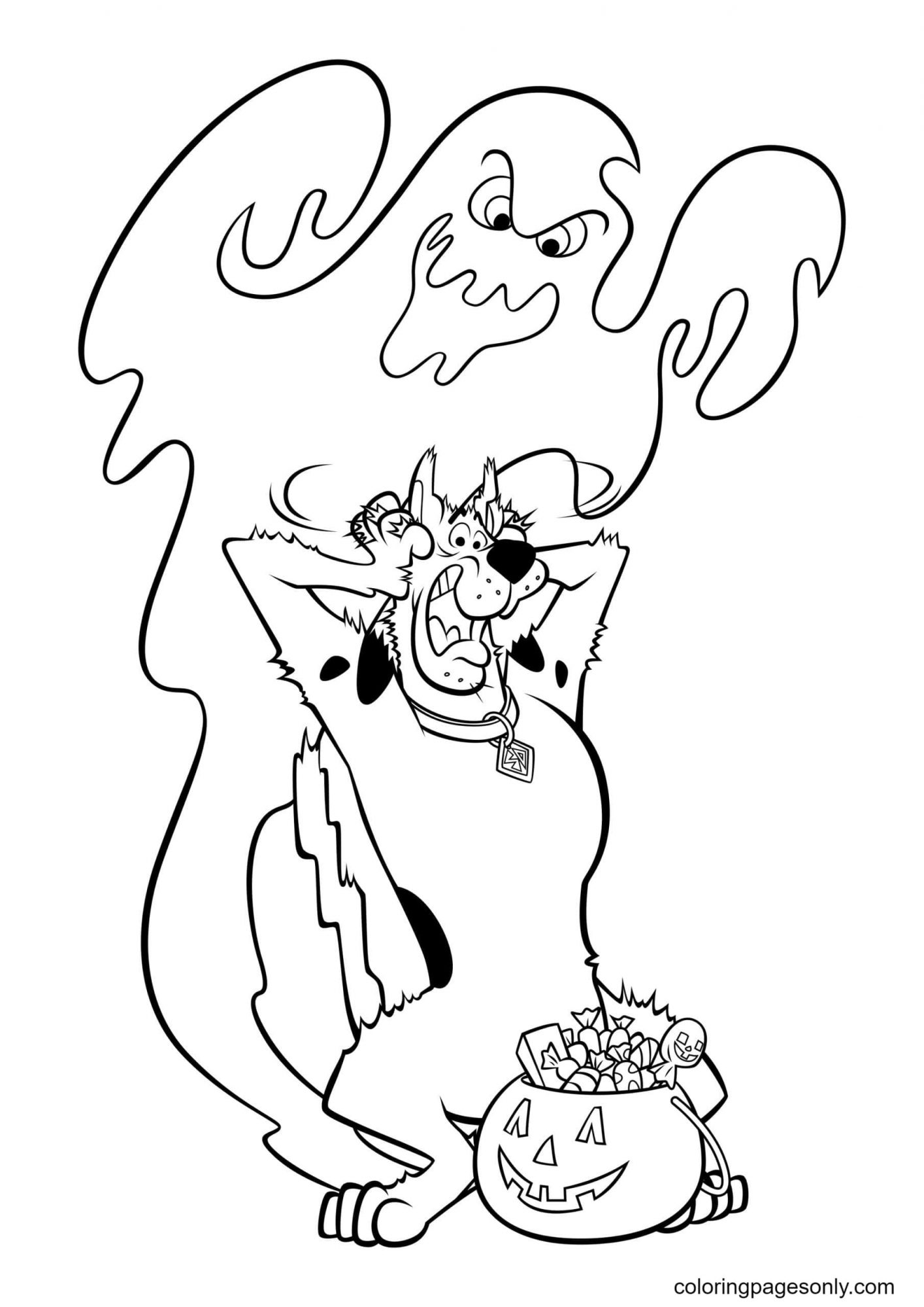
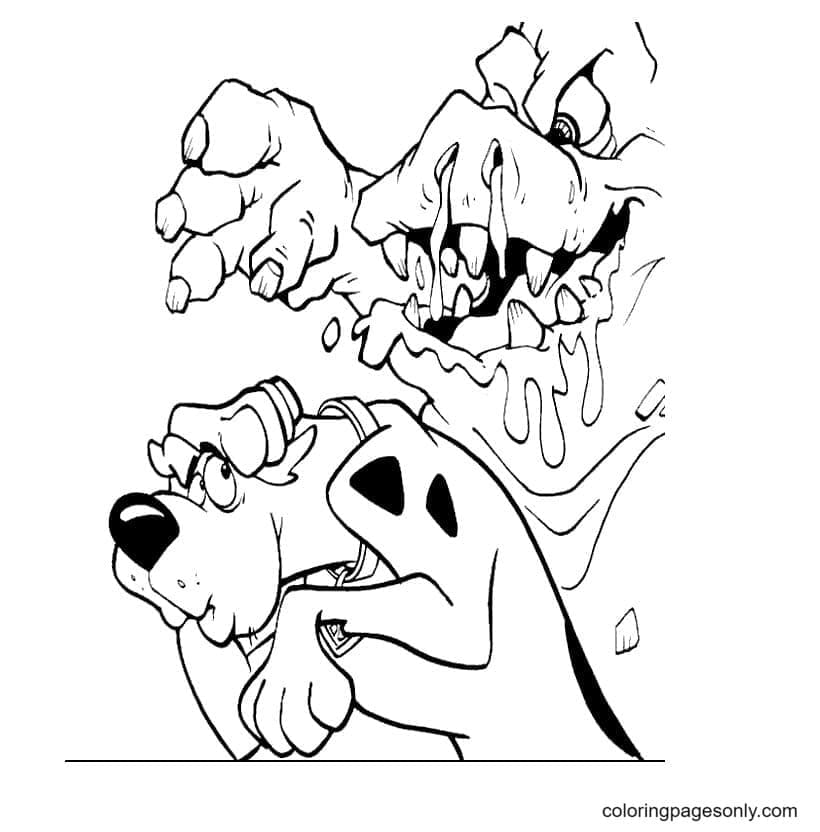
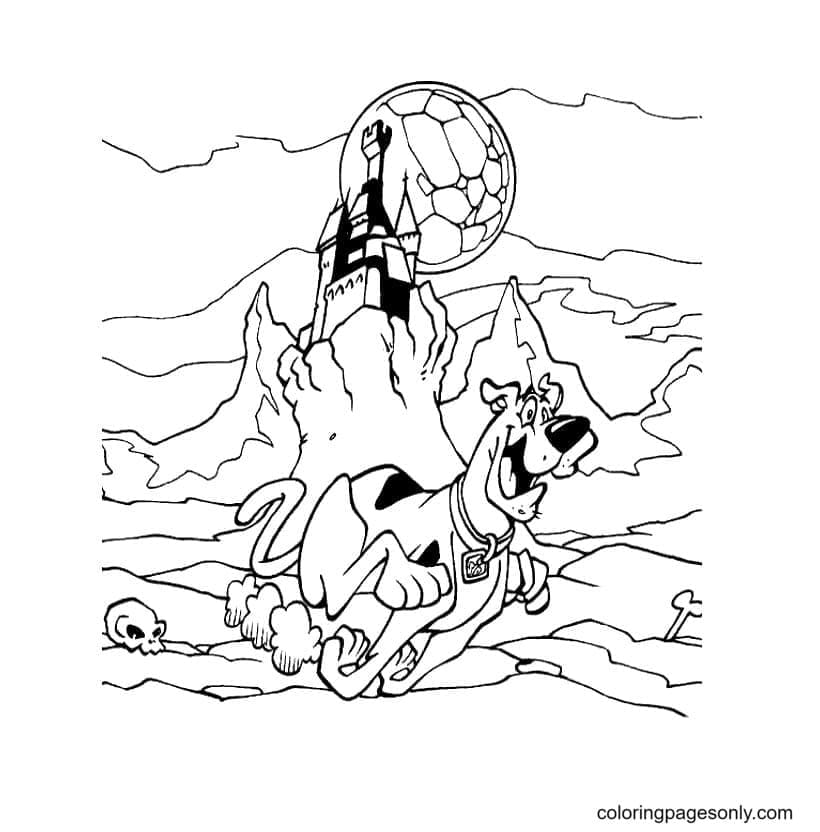
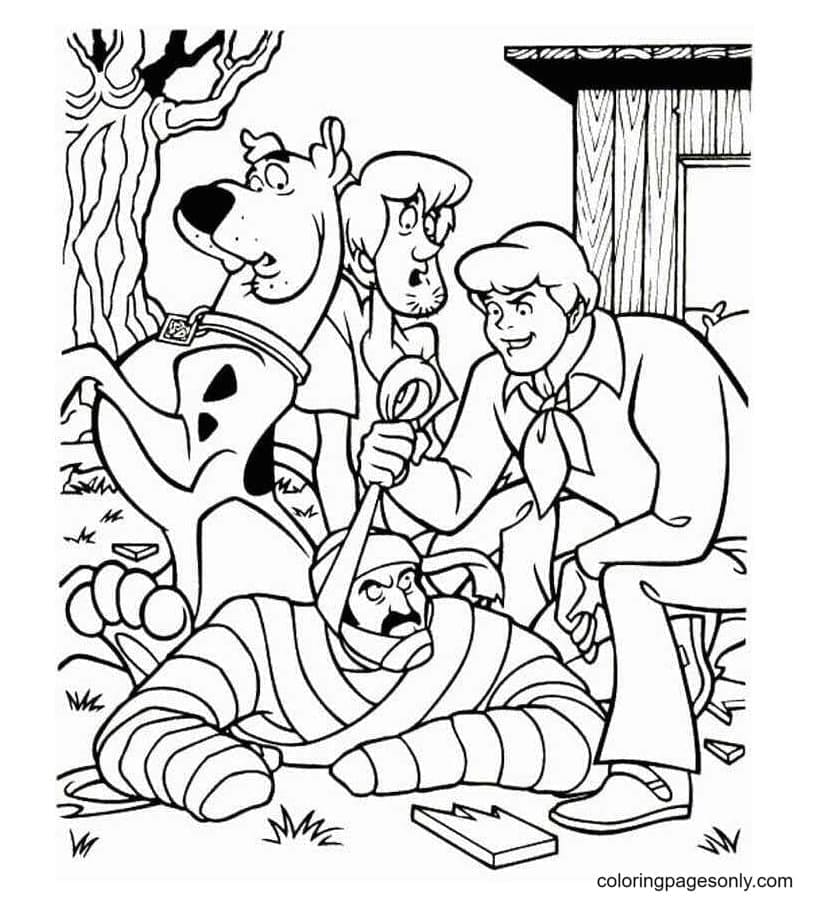
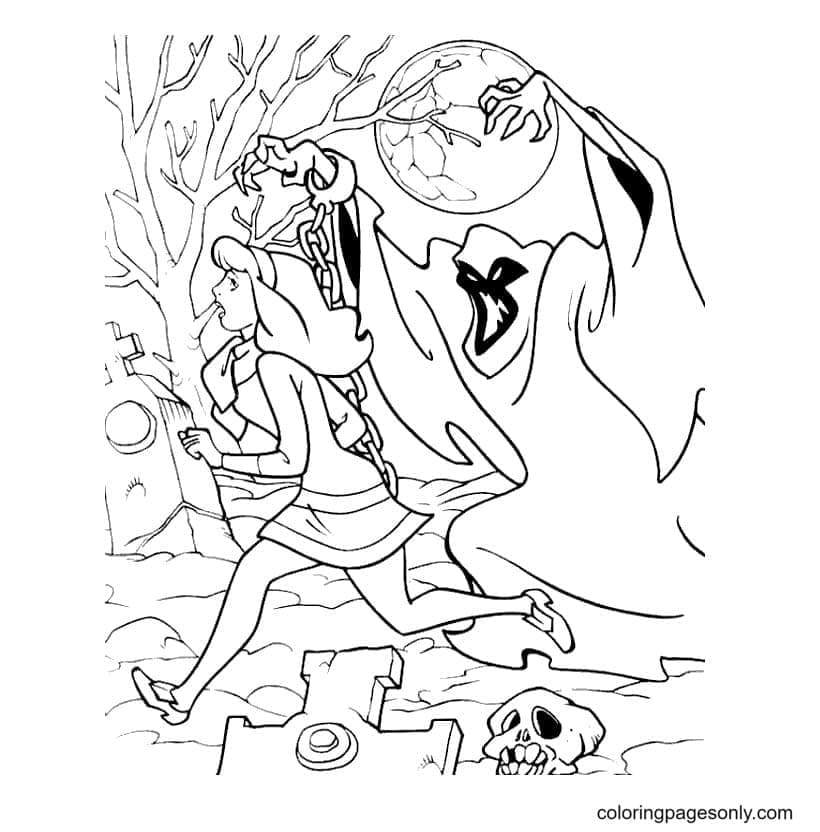
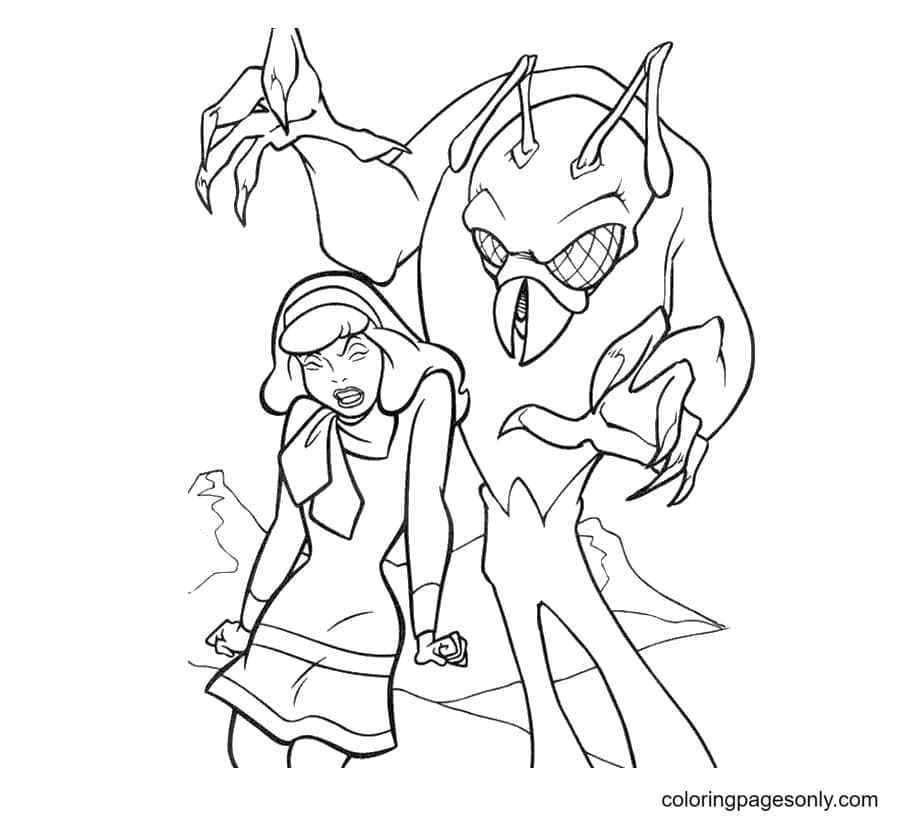
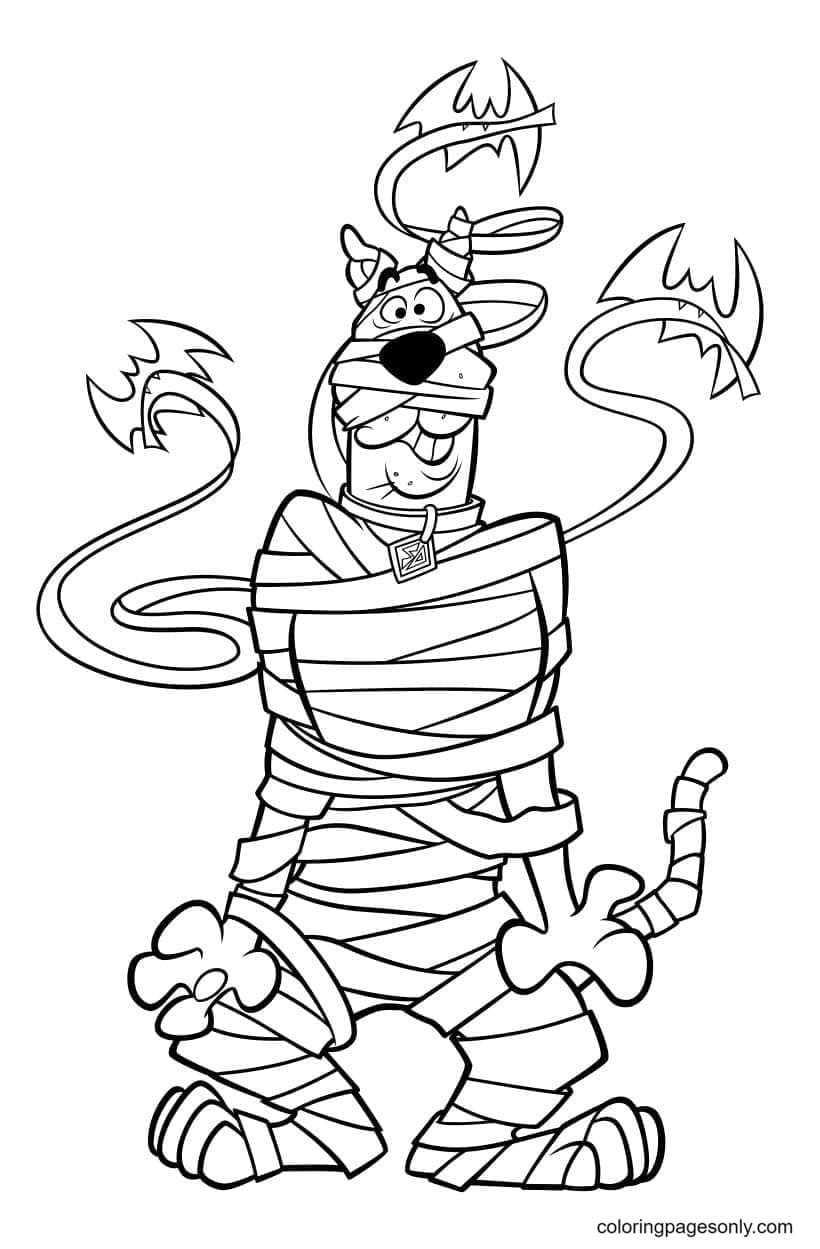
Haunted houses, castles, mummies, monsters, a UFO, and pumpkin scenes bring the mysterious atmosphere. Dark Indigo or Purple night skies make these pages feel spooky, while Scooby’s warm Brown keeps them friendly.
Everyday Adventures and Activities
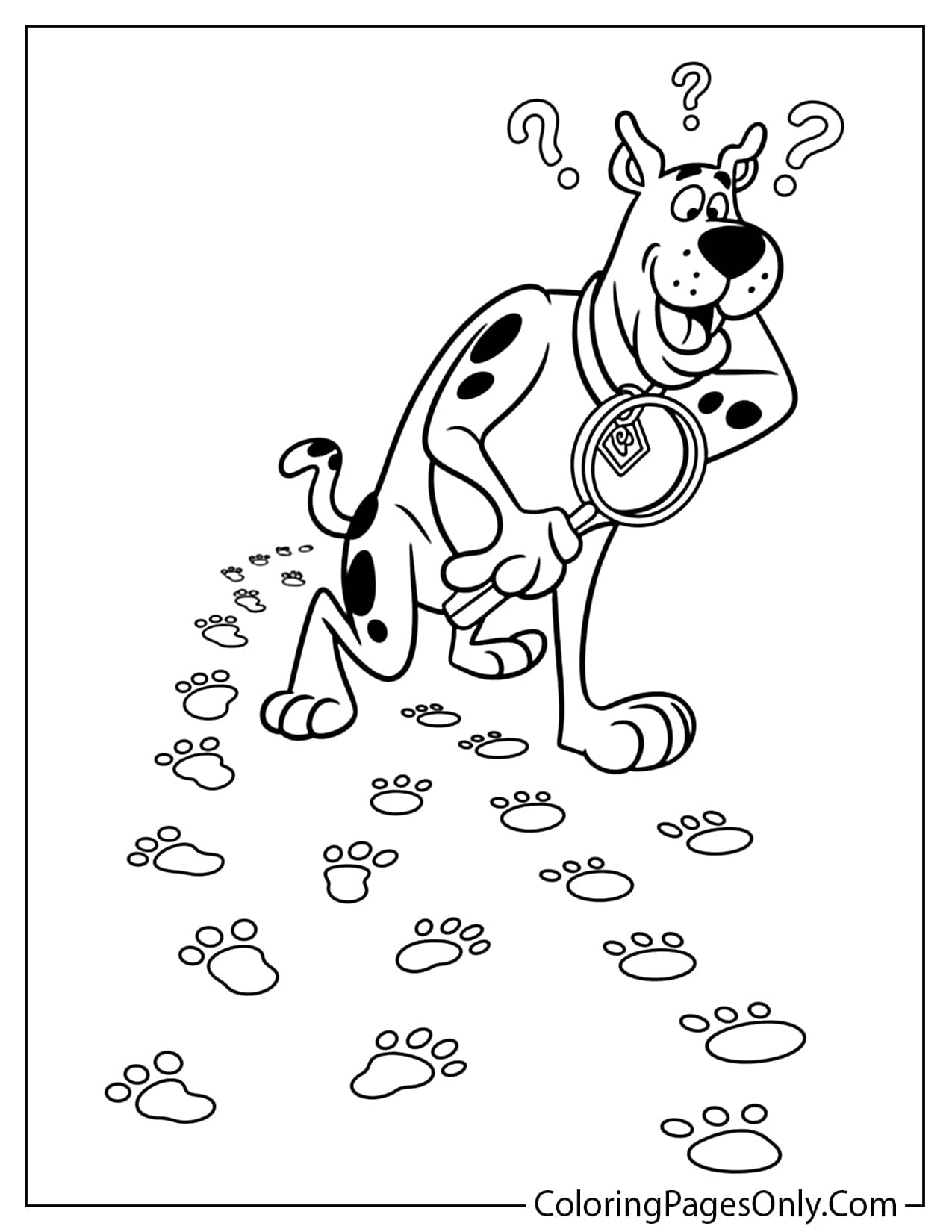
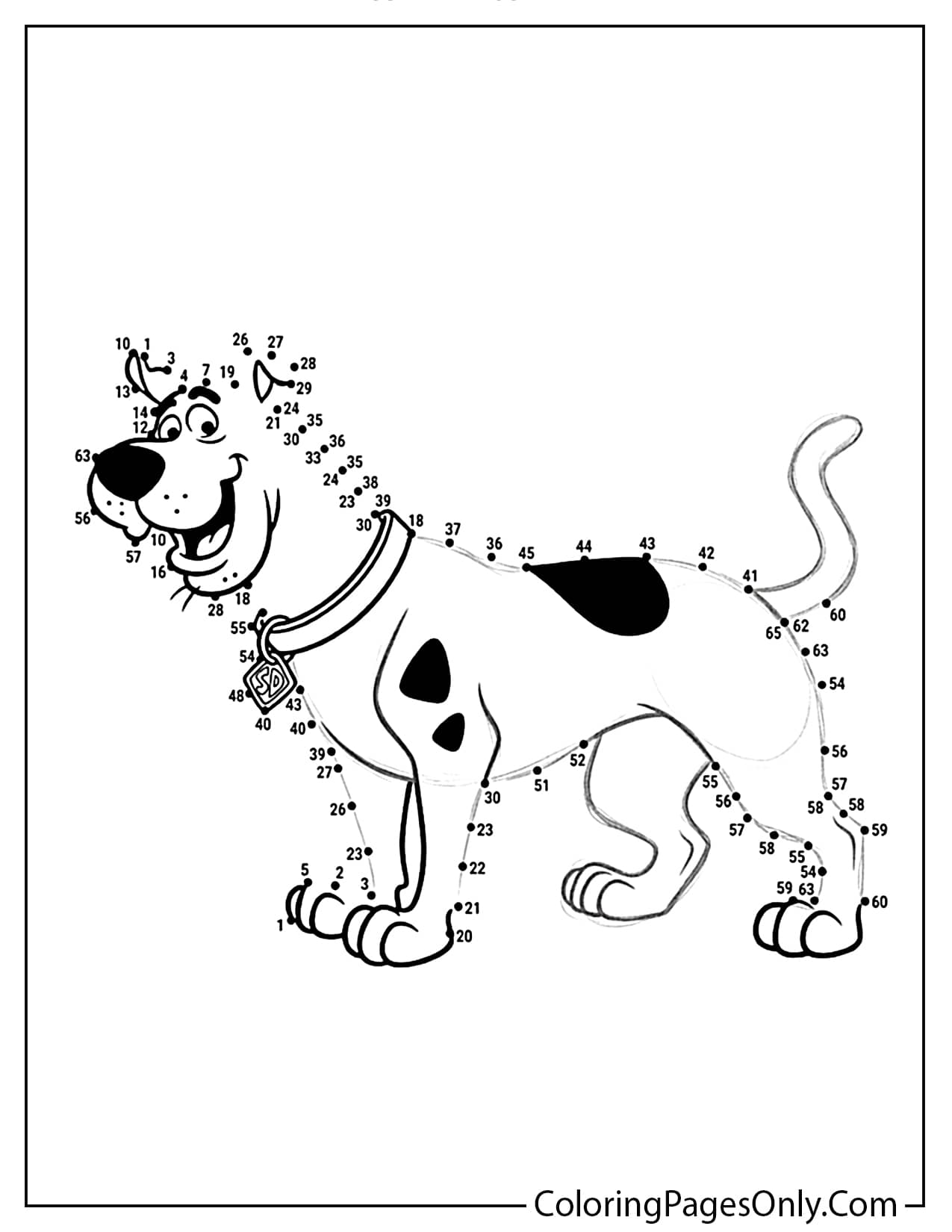
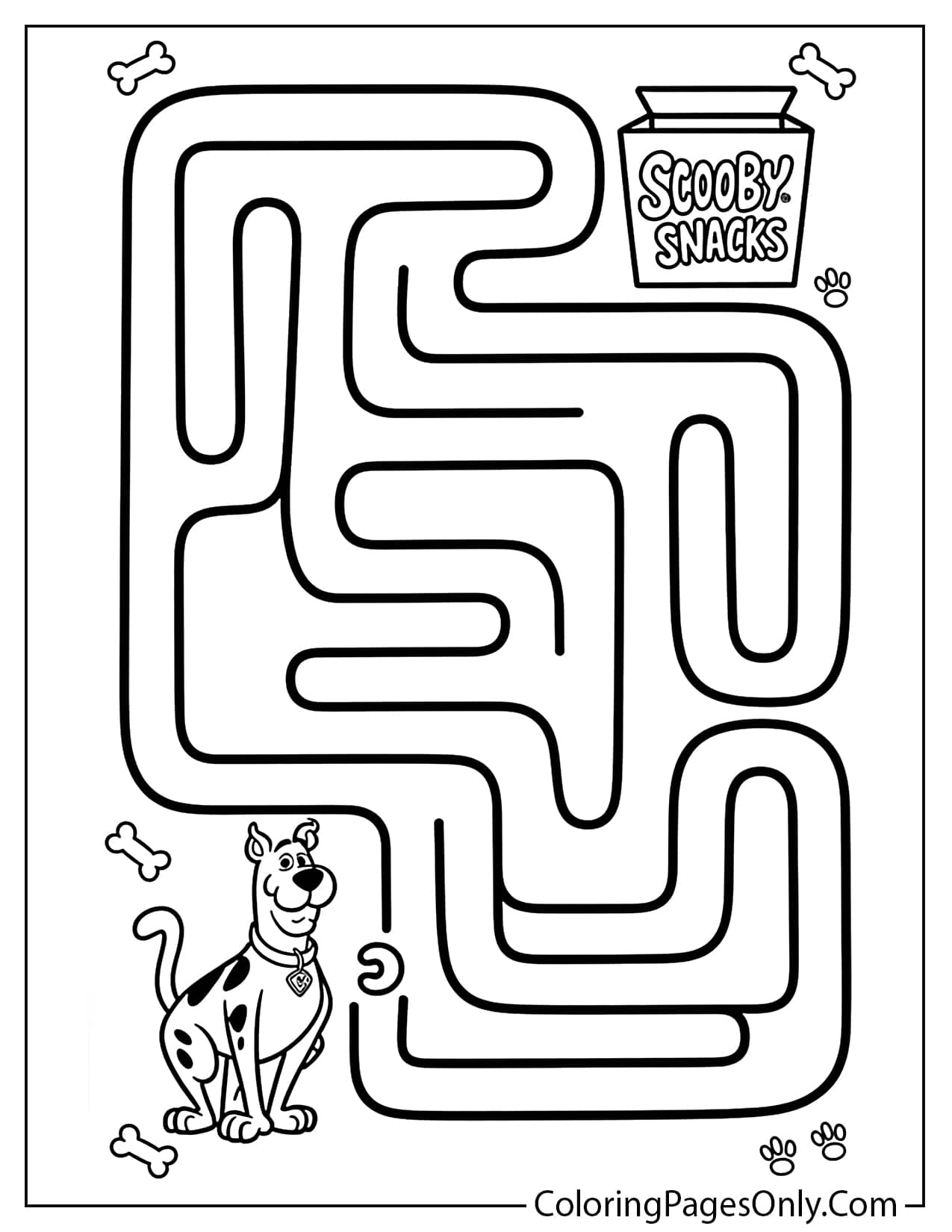
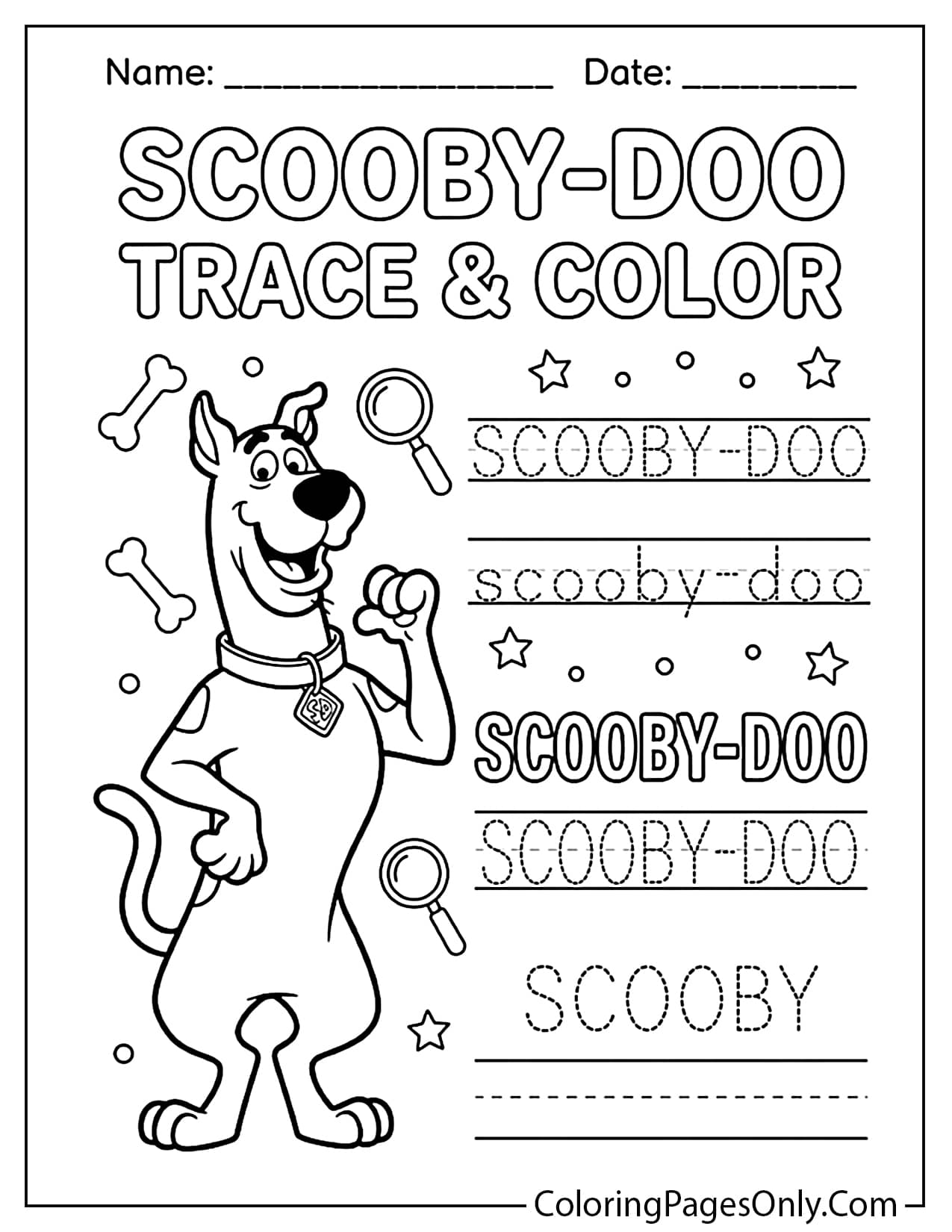
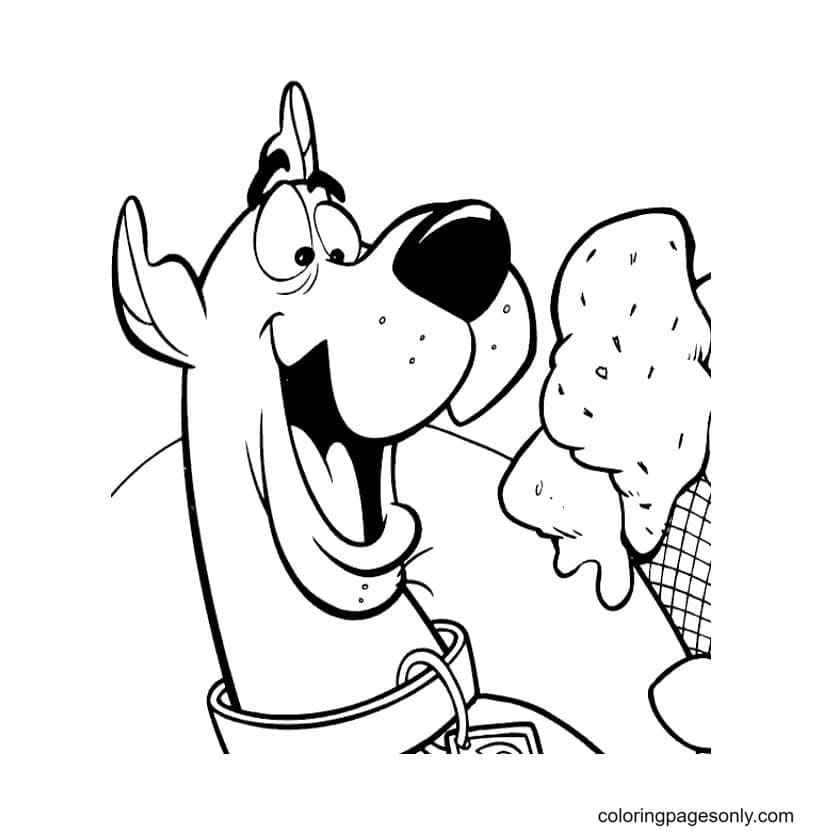
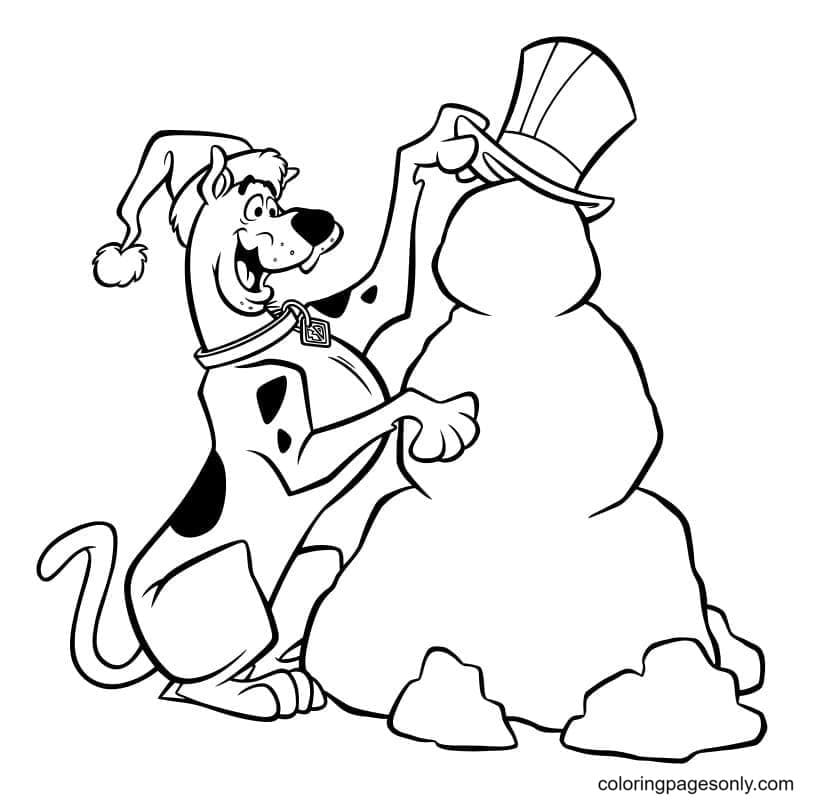
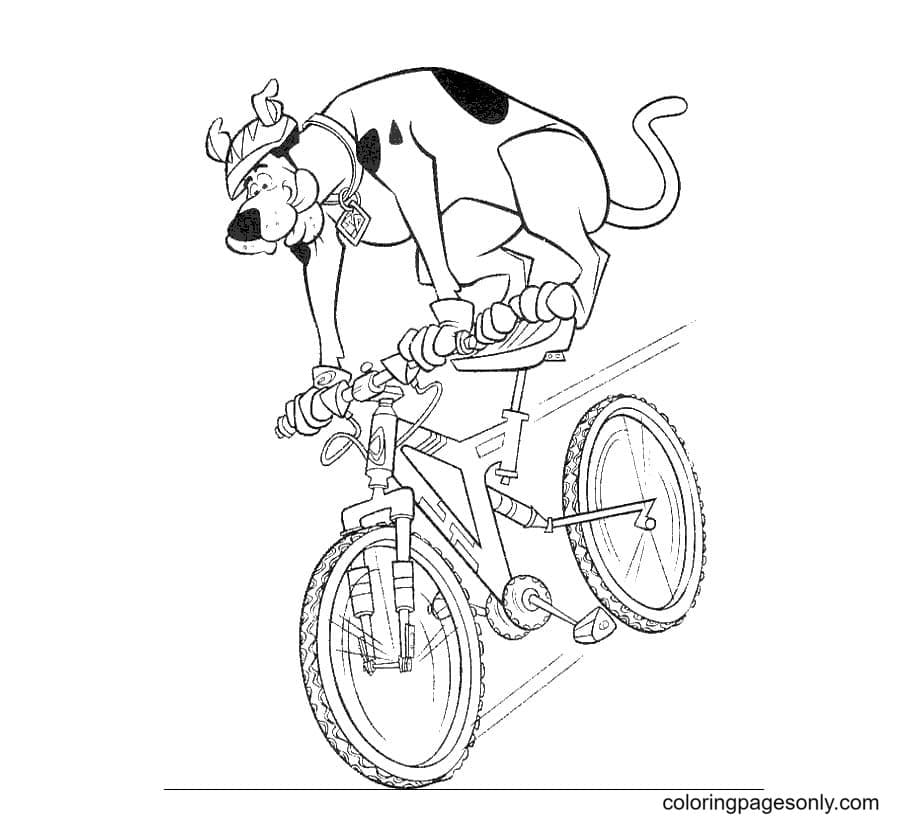
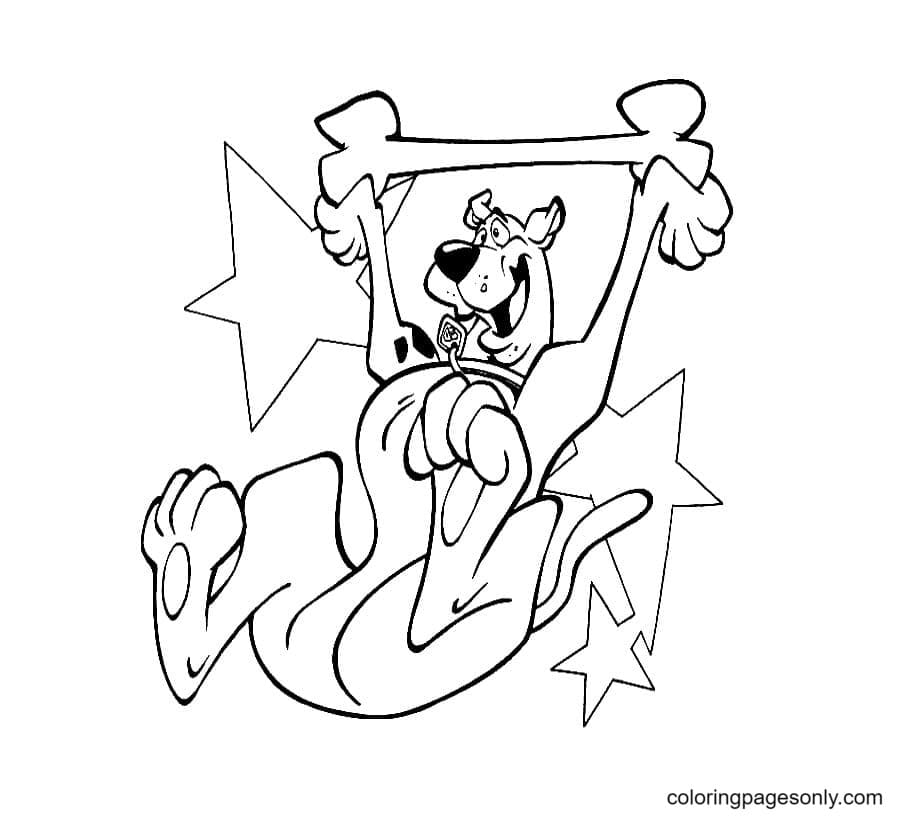
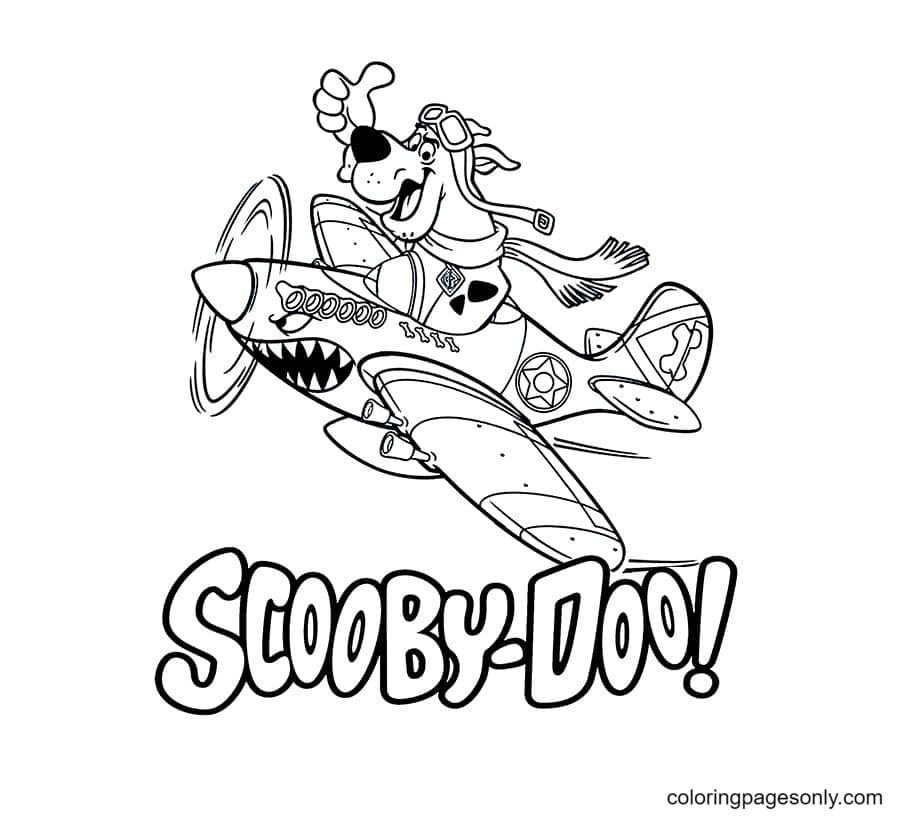
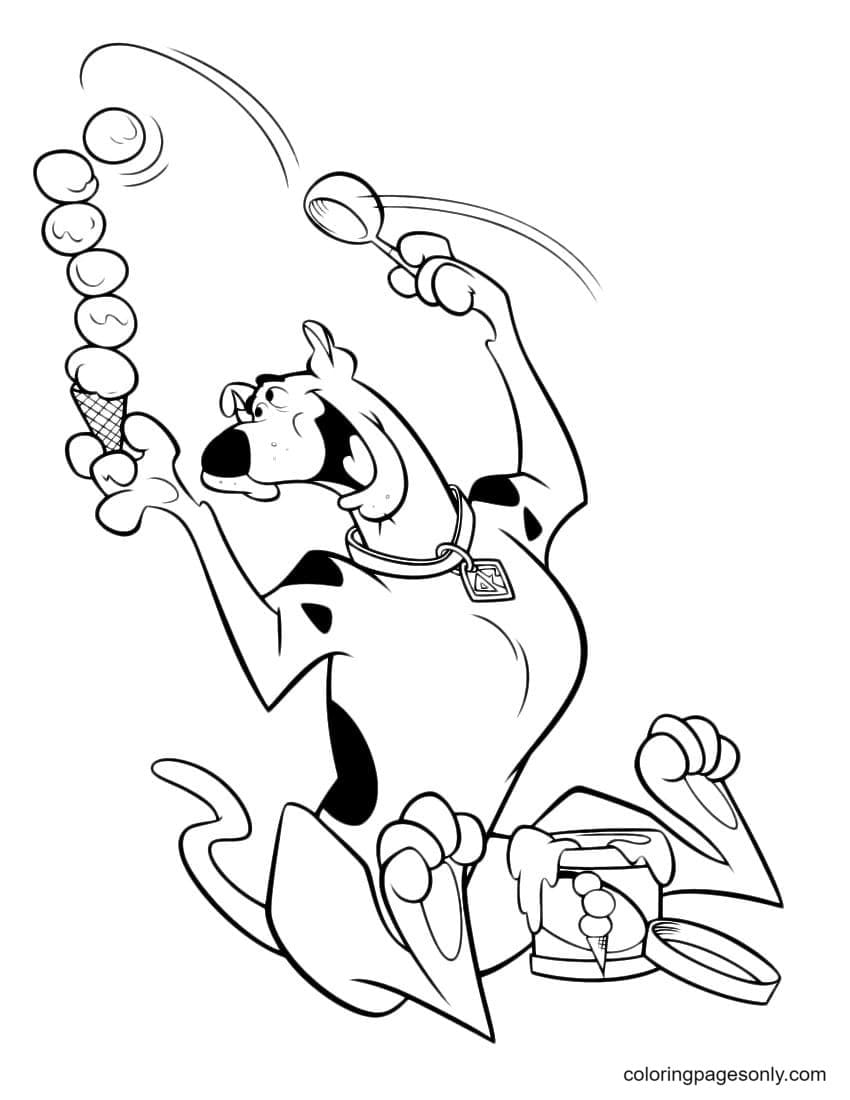
Scooby also rides a bike, skates, plays football and rugby, eats ice cream, and builds a snowman, while maze, connect-the-dots, and trace-and-color sheets add learning practice. These pages are great for early finishers and quiet-time folders.
What Scooby-Doo Coloring Pages Do
Being brave even when you are scared. Scooby and Shaggy are famously frightened, yet they keep helping their friends solve every case. Their pages open a natural conversation about feeling nervous and doing the right thing anyway.
Solid practice for small muscles. Fine motor skills grow fastest between ages 2 and 7, and structured coloring is one habit that, per American Academy of Pediatrics guidance, feeds that growth. Scooby’s large shapes suit beginners, and the maze and tracing sheets add pencil-control practice.
Calm, focused time. Participants showed lower anxiety after structured coloring in a 2005 paper from the Art Therapy Journal. A familiar, funny character makes it easier for children to slow down and settle into a quiet, focused task.
Thinking like a detective. Each Scooby mystery ends by pulling off a mask to reveal the truth, which rewards noticing clues. Coloring the detective and clue pages encourages kids to look closely and explain what they see.
How to Color Scooby-Doo Pages Well
- Scooby’s coat: Lay down Raw Sienna across his body, then add darker Brown spots on his back. Leave a lighter tan on his muzzle and chest to show his shape.
- The collar and tag: Color the collar Turquoise Blue and the diamond tag Goldenrod. These small details are what instantly say “Scooby-Doo.”
- Character outfits: Choose each friend’s color before starting: Green for Shaggy, Orange for Velma, Purple for Daphne, and White with Orange for Fred. Matching their classic colors keeps group scenes easy to read.
- The Mystery Machine: Fill the van’s top in Turquoise Blue, its lower body in Green, and the flowers in Orange. Bright, flat colors suit its retro style.
- Spooky backgrounds: Use Indigo, Purple, or Navy Blue for night skies, and leave ghosts white with a faint Gray outline. Dark backgrounds make the characters glow.
- Activity sheets: On mazes and dot-to-dots, finish the puzzle first, then color the picture. Completing the task before coloring keeps lines clear and easy to follow.
5 Creative Craft Ideas With Scooby-Doo Coloring Pages
1. Mystery Machine Shoebox Van
Color a Mystery Machine page and paste it along one side of a shoebox, then add bottle-cap wheels. Kids can place colored Scooby and gang cutouts inside for pretend road trips.
2. Unmask the Villain Flip Card
Color a monster or ghost page, trim it, and attach it as a flap over a hand-drawn “real culprit” face. Lifting the flap recreates the famous unmasking moment.
3. Scooby Snacks Treat Jar Label
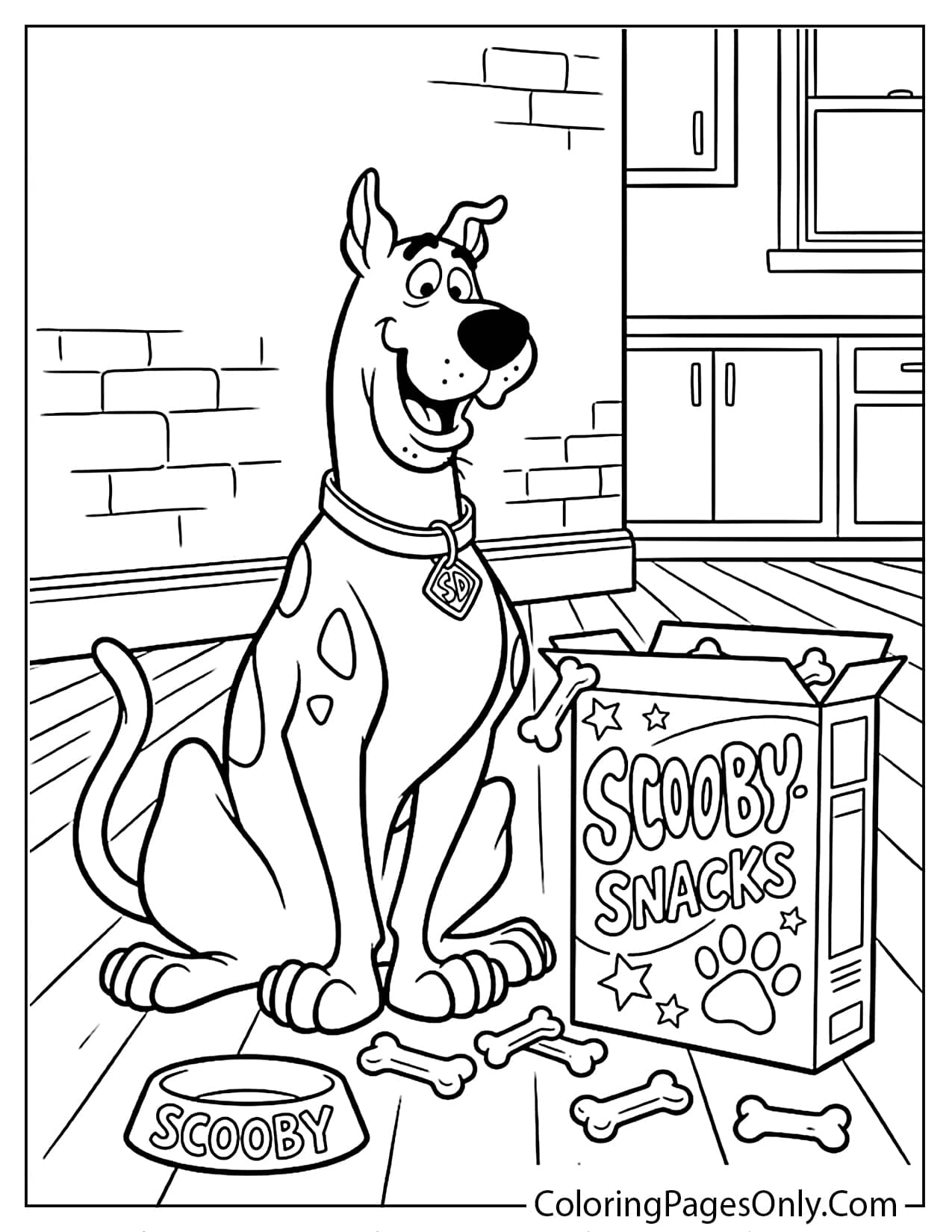
Color the Scooby Snacks page, cut the picture into a circle, and stick it onto a clean jar. Fill the jar with crackers for a themed snack break.
4. Mystery Inc. Character Puppets
Color pages of Scooby, Shaggy, Velma, Fred, and Daphne, trim around each figure, and tape them onto craft sticks. Put on a short mystery play using the puppets.
5. Haunted House Night Picture
Fill the haunted house sky with deep night tones, then glue on paper bats and a yellow paper moon. It makes a playful decoration for a Halloween party.
Frequently Asked Questions
What are Scooby-Doo Coloring Pages?
Scooby-Doo Coloring Pages are free, fan-created outlines of the classic Hanna-Barbera cartoon dog and his friends. The set includes 77 designs, from simple portraits and Mystery Machine pictures to spooky scenes and activity sheets, ready for printing or coloring on a tablet.
Who created Scooby-Doo?
Scooby-Doo was created by writers Joe Ruby and Ken Spears for Hanna-Barbera, and artist Iwao Takamoto designed the character. The first series, Scooby-Doo, Where Are You!, premiered on CBS on September 13, 1969.
What kind of dog is Scooby-Doo?
Scooby-Doo is a Great Dane, a very large dog breed. His design exaggerates the breed with a sloping back, long legs, and a bumpy chin for a goofy, lovable look.
Who are the members of Mystery Inc.?
Mystery Inc. includes Scooby-Doo, Shaggy Rogers, Velma Dinkley, Fred Jones, and Daphne Blake. They travel in the Mystery Machine, solving cases that usually involve a costumed villain.
Who is Scrappy-Doo?
Scrappy-Doo is Scooby’s small, energetic nephew, introduced in 1979. Unlike his uncle, he is fearless and eager to fight any monster, which makes the two a funny pair.
What are Scooby Snacks?
Scooby Snacks are the treats Shaggy and the gang use to convince Scooby to be brave. They are a running joke in almost every series and appear on several pages in this set.
Are Scooby-Doo Coloring Pages too scary for young children?
No. The ghosts and monsters are drawn in a cartoon style, and the stories always reveal a person in a costume, so the scares stay light. Simple portraits and everyday adventure pages are best for toddlers, while haunted house scenes suit older kids.
Can these pages be used for Halloween activities?
Yes, the pumpkin, haunted house, mummy, and ghost pages fit Halloween parties and classroom displays especially well. Pair them with the mazes and dot-to-dot sheets for a full spooky activity table.
Start Coloring
Pick a Scooby-Doo design, click its image, and decide between the printable PDF and the browser coloring tool. Nothing costs money, and no account is required. Once the mystery is solved and the page is finished, post it to Facebook or Pinterest via the buttons below each design.