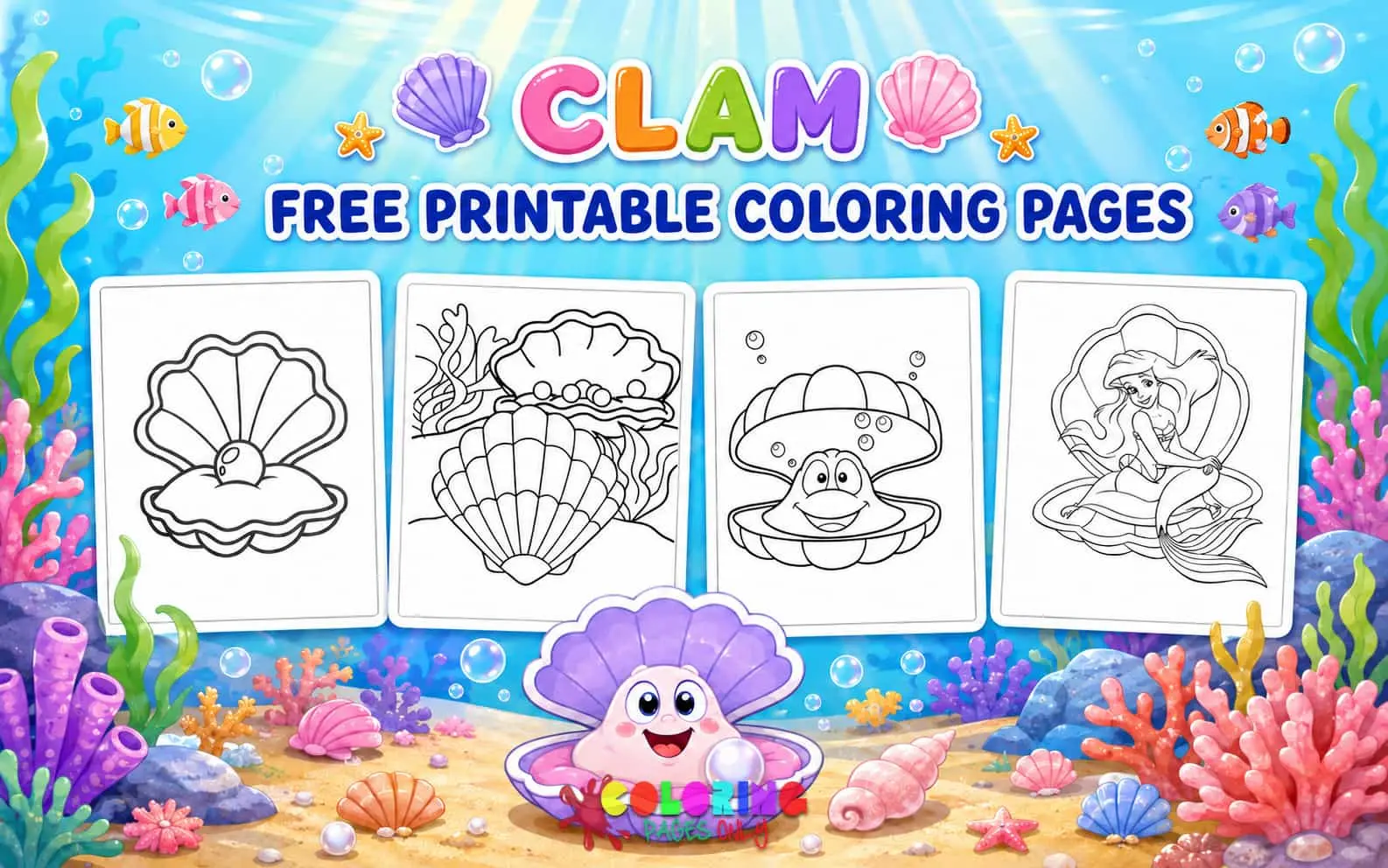
Free Clam Coloring Pages: 30+ printable pages featuring clam shells, printable clam shell designs, free clam shell pages, clam images, clams on the ocean bottom, clam patterns, clam shell patterns, clam with pearl, pearl with clam, underwater clam scenes, clam and seahorse, clam with marine life, cockle clam, giant clam, Pacific razor clam, giant clam shell, barnacles on soft-shell clam, cartoon clam, cartoon seashell, decorative clam shell earrings, mermaid-style clam shell throne scenes, and ocean-themed seashell designs. These coloring sheets are great for kids, parents, teachers, ocean lessons, seashell activities, beach crafts, marine life units, fine motor practice, classroom art centers, and screen-free creative time. All free, PDF or PNG, print or color online.
Clam coloring pages are special because every shell can become a tiny ocean discovery. A closed clamshell can feel quiet and mysterious. An open clam with a pearl can become a hidden treasure. An underwater clam can become part of a tide pool scene. A giant clam, razor clam, cockle clam, or barnacle-covered shell can help children notice that shells come in many shapes, lines, sizes, and textures.
Unlike ordinary ocean animal coloring pages, Clam coloring pages focus on shell patterns, ocean-bottom details, pearls, sand, waves, marine life, and small seafloor stories. Younger children can start with simple clamshell outlines and cartoon seashells. Older kids can enjoy patterned shells, realistic clam shapes, underwater scenes, species-inspired clams, pearl details, barnacles, and fantasy shell-throne designs. This makes the collection useful for home coloring, beach-themed lessons, ocean units, summer crafts, classroom displays, and creative sea-life storytelling.


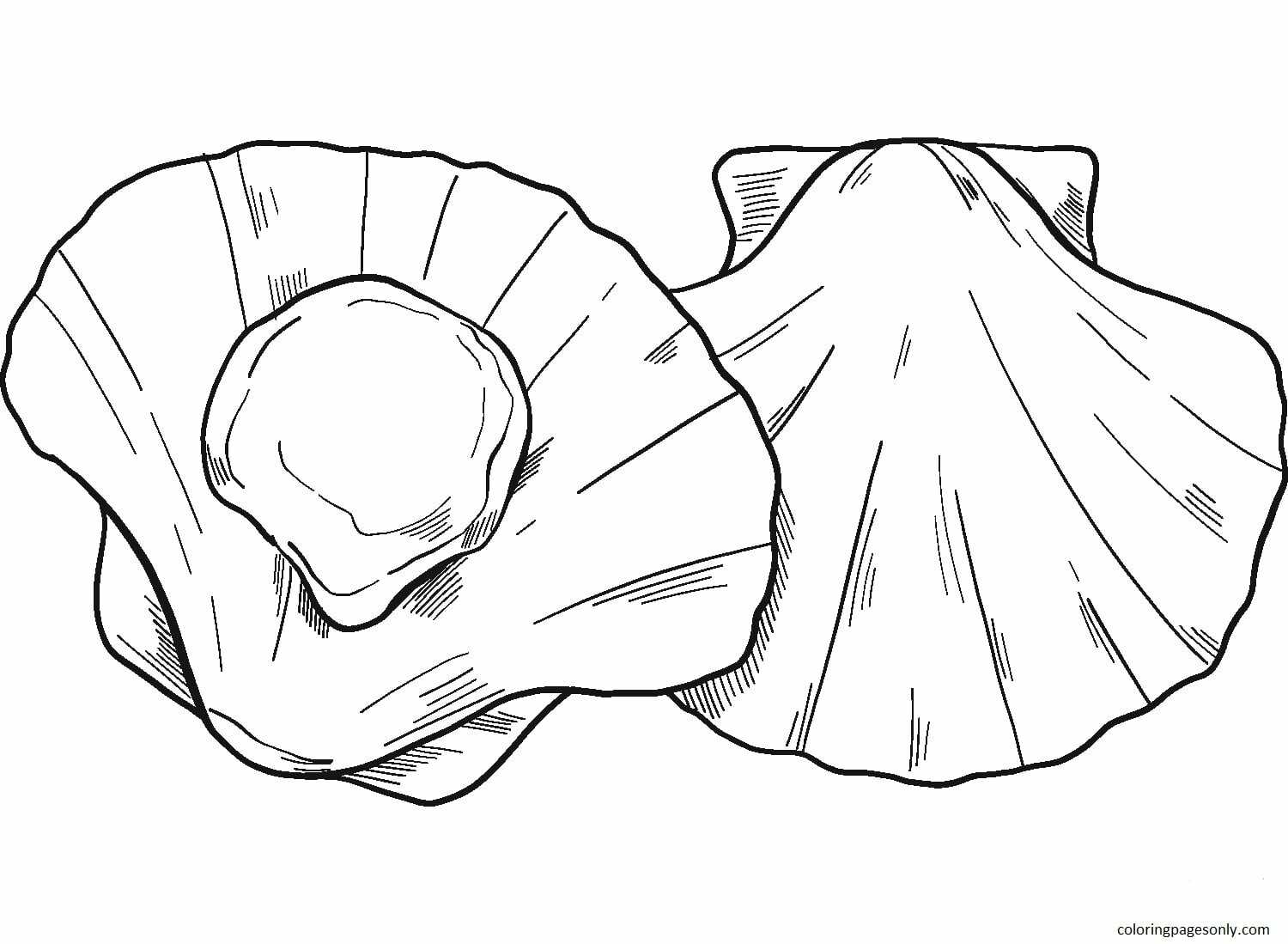
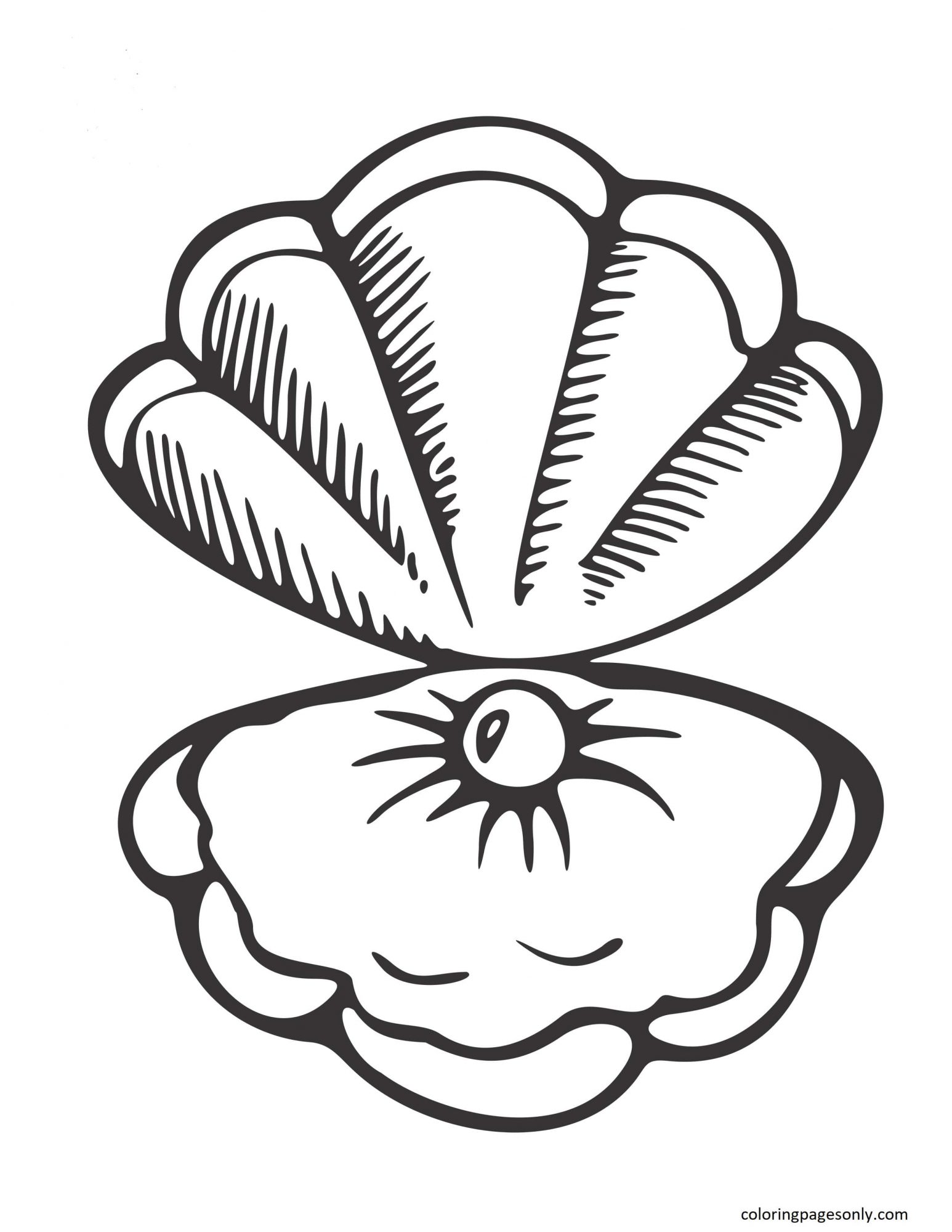
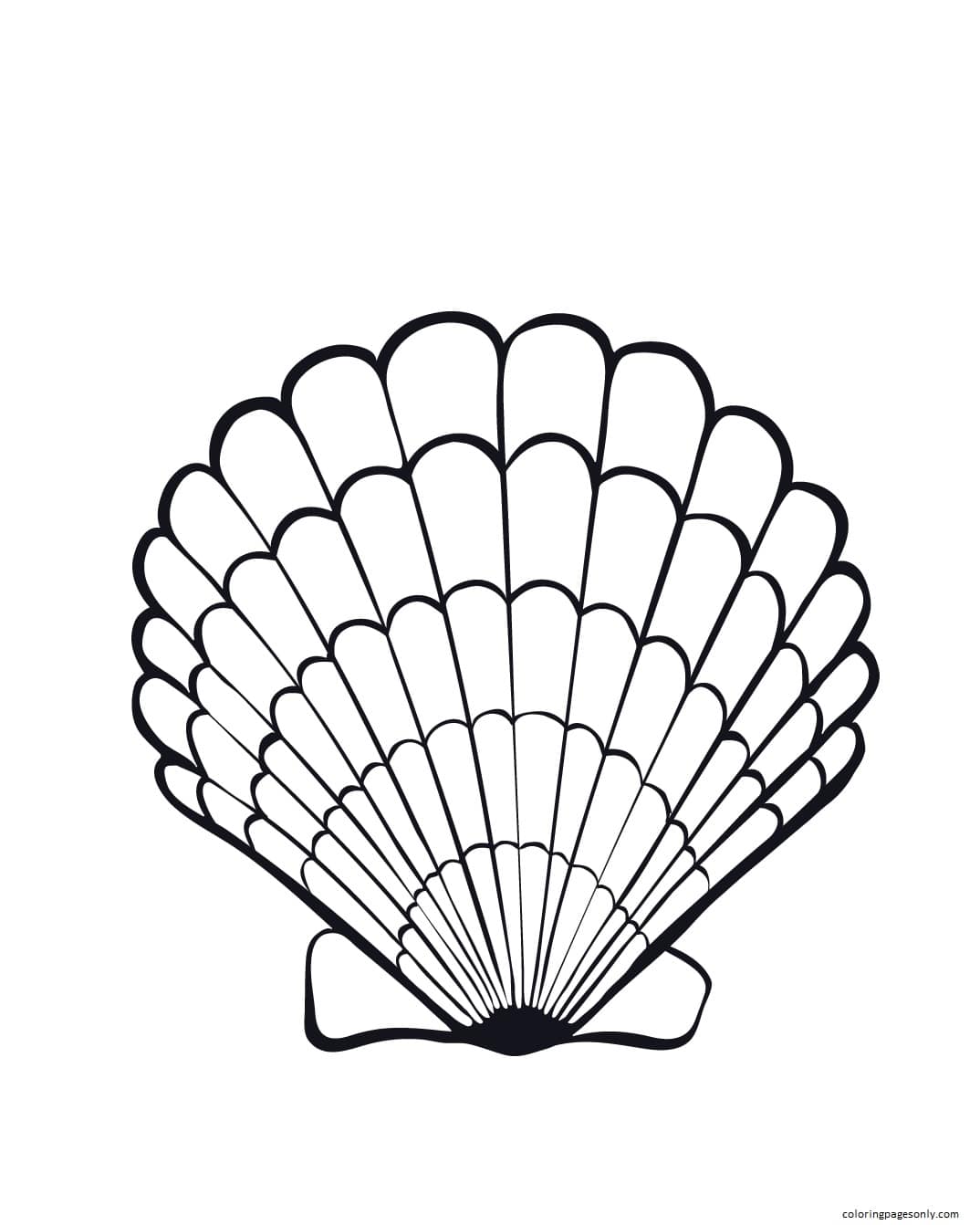
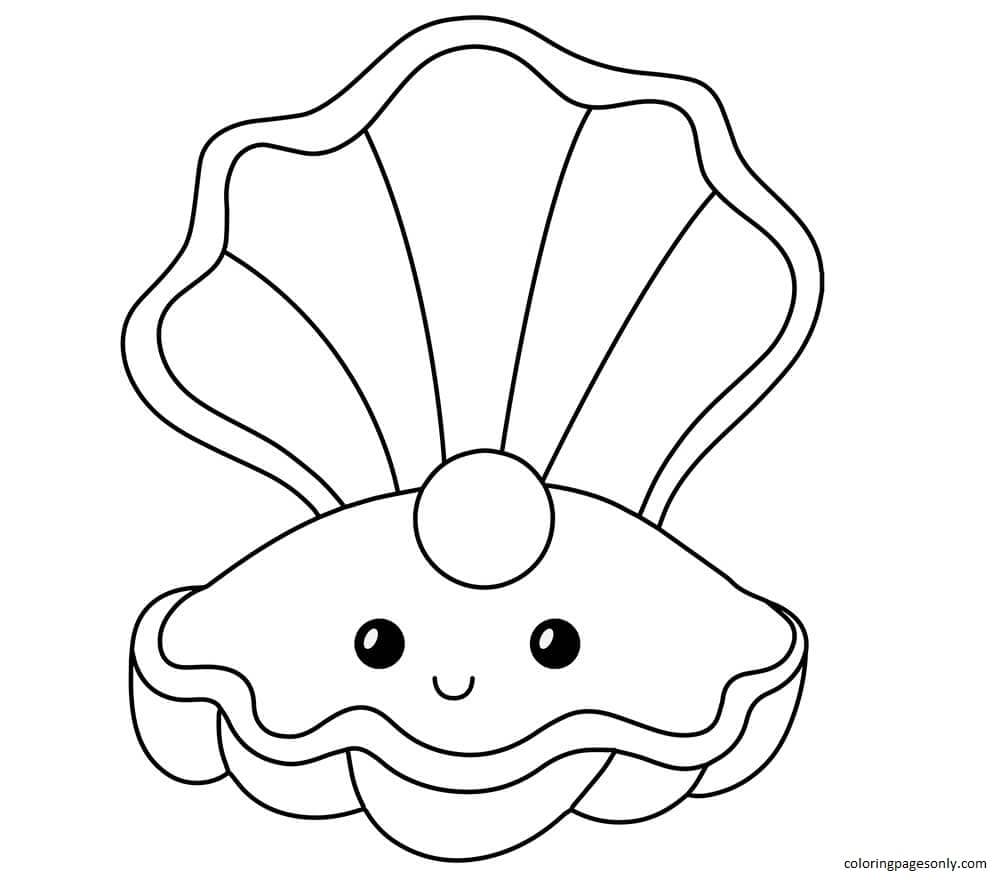

What’s Inside
Simple and Printable Clam Shell Coloring Pages
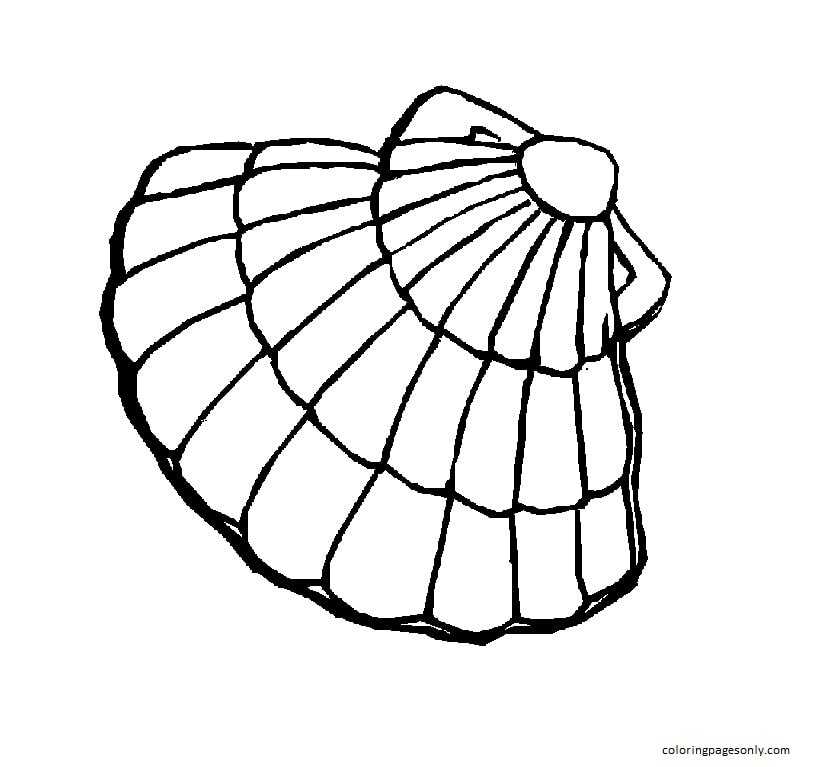
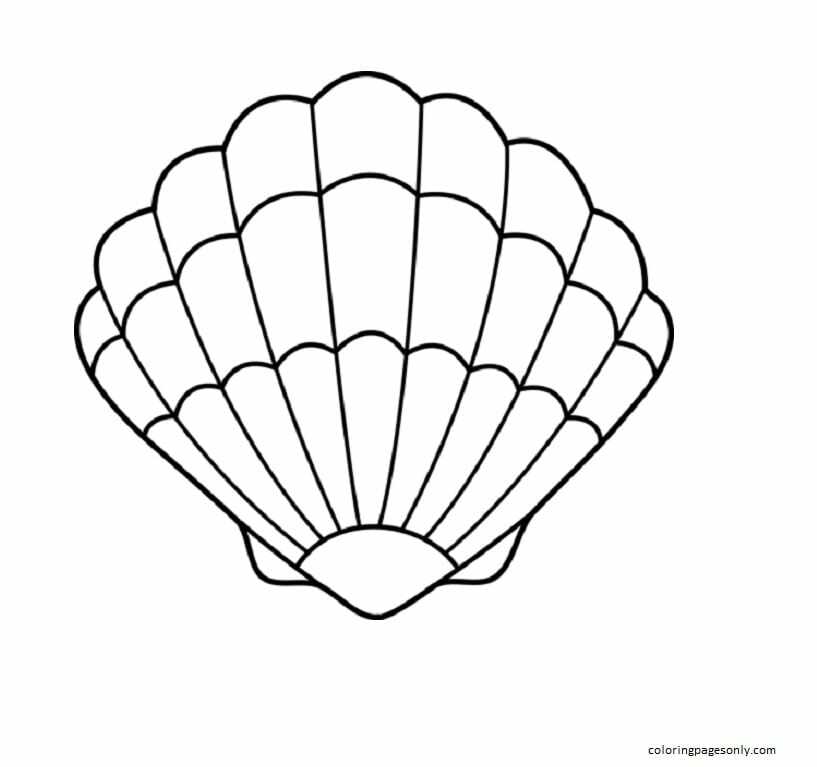
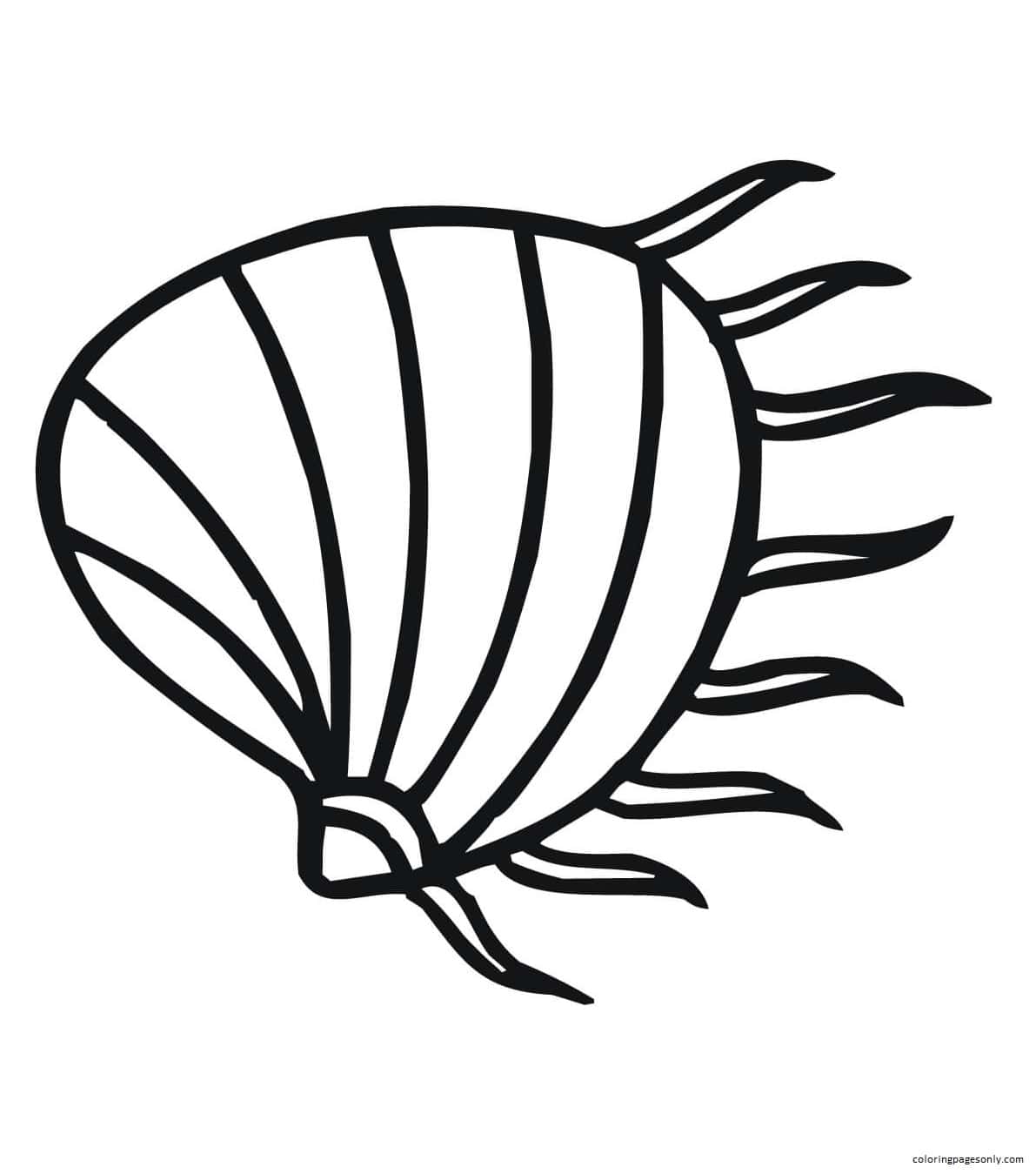
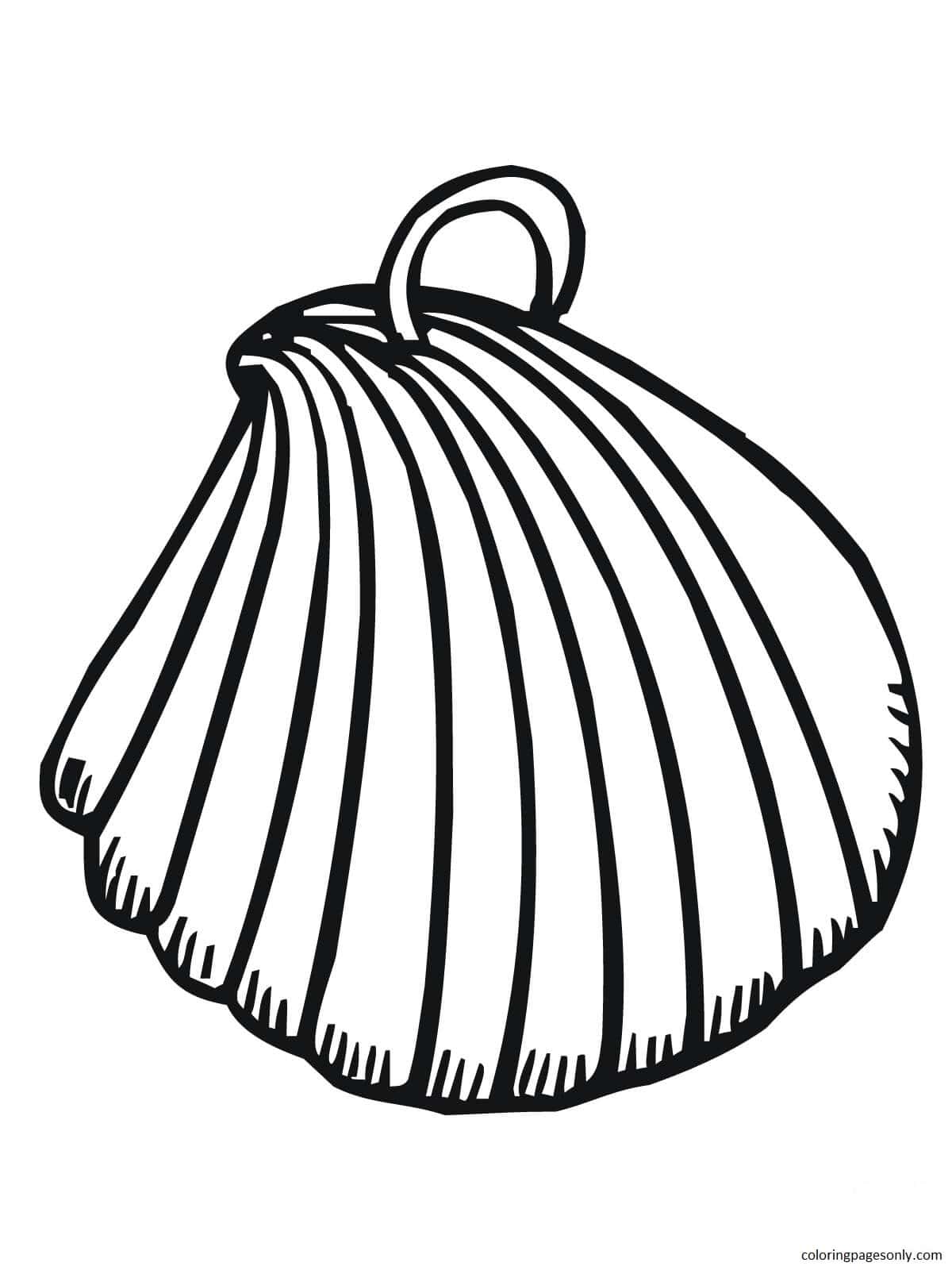
Simple and printable clamshell pages are the best starting point for young children. These pages may show a clean clamshell outline, a single shell shape, a basic open shell, or a clear printable clam design with large spaces to color.
These designs work well for preschool, kindergarten, quiet time, and first ocean-themed art activities. Children can practice coloring inside the lines while learning simple words such as clam, shell, pearl, ocean, sand, wave, beach, and seafloor.
Simple clam pages are also useful for fast classroom activities. Teachers can print them for summer lessons, beach boards, ocean animal units, seashell pattern practice, or fine motor centers.
Coloring simple clamshell pages: Use cream, beige, peach, light brown, soft gray, pink, lavender, or pale blue. Add sand, small bubbles, waves, or tiny sea stars if the page has open space.
Clam with Pearl Coloring Pages
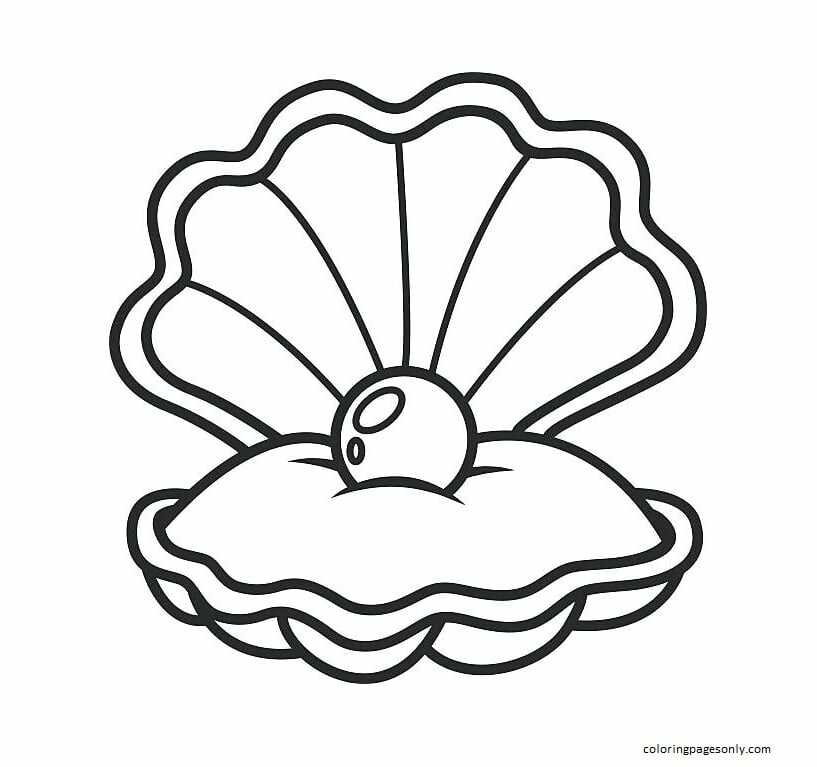
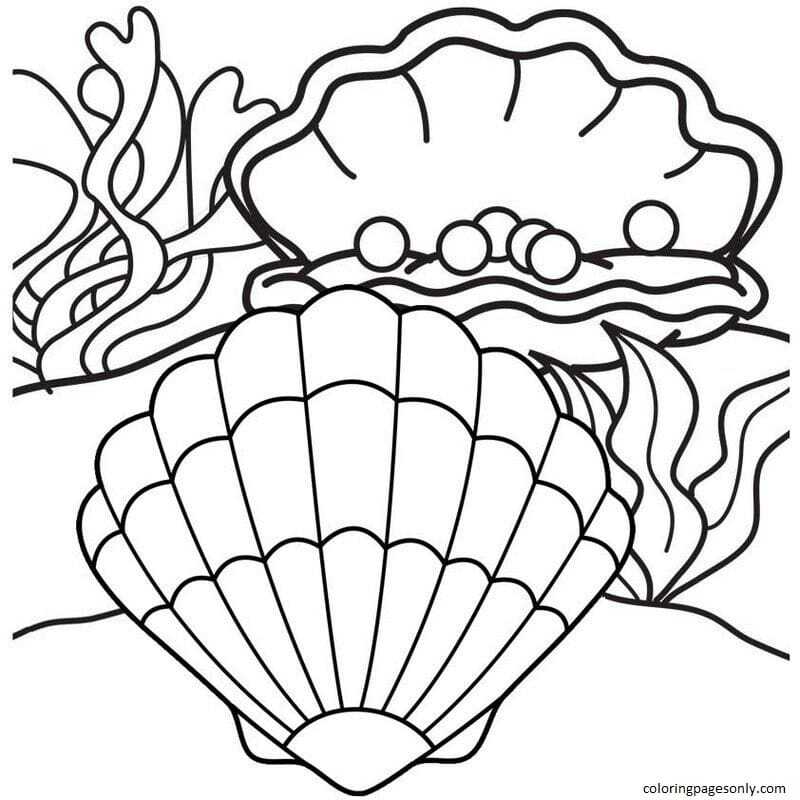
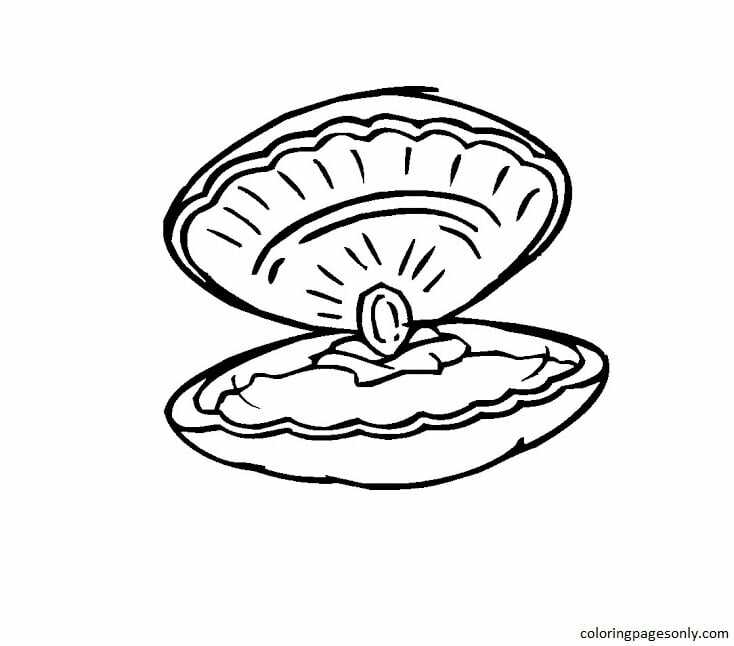
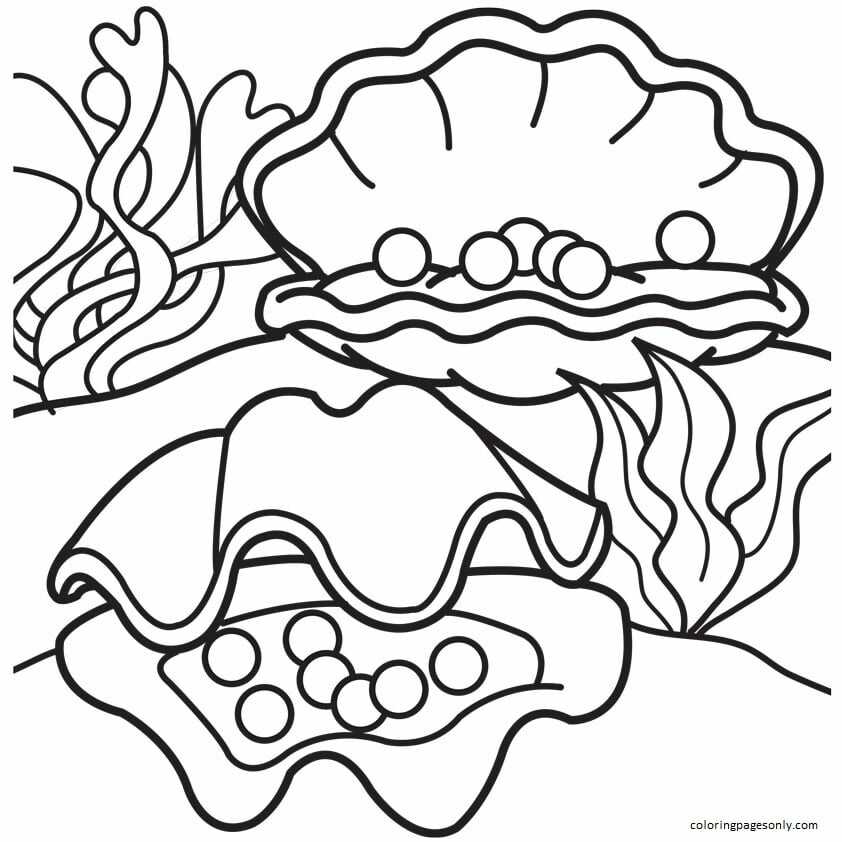
Clam with pearl pages are among the strongest designs in this collection. These pages may show an open clam shell holding a pearl, a shiny pearl inside the shell, or a treasure-style clam resting on the ocean floor.
These pages are powerful because they add mystery and imagination. Children can color the shell, then make the pearl glow with white, silver, light blue, pink, or soft yellow highlights. The finished page can feel like a treasure found under the sea.
Pearl pages also work well for crafts, cards, bookmarks, and classroom displays. A pearl can represent kindness, patience, discovery, or something special hidden inside.
Coloring the clam with pearl pages: Use soft shell colors for the clam and make the pearl bright. Add a white center, pale blue or pink shadows, and a tiny sparkle. Use sandy colors or deep blue backgrounds to make the pearl stand out.
Underwater Clam and Ocean Bottom Coloring Pages
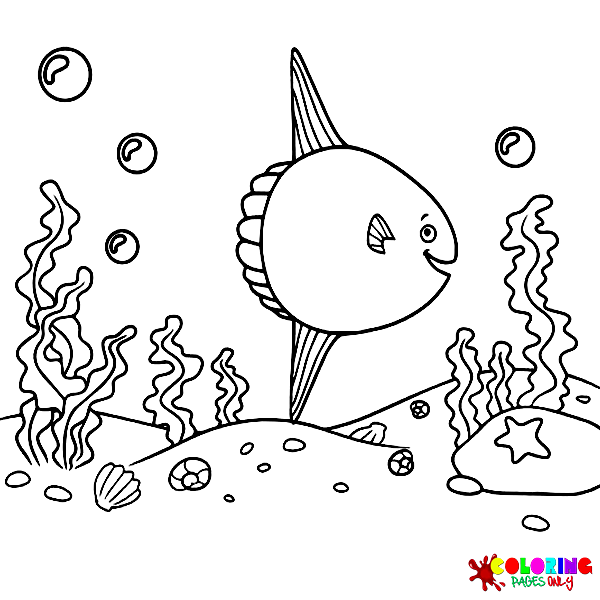
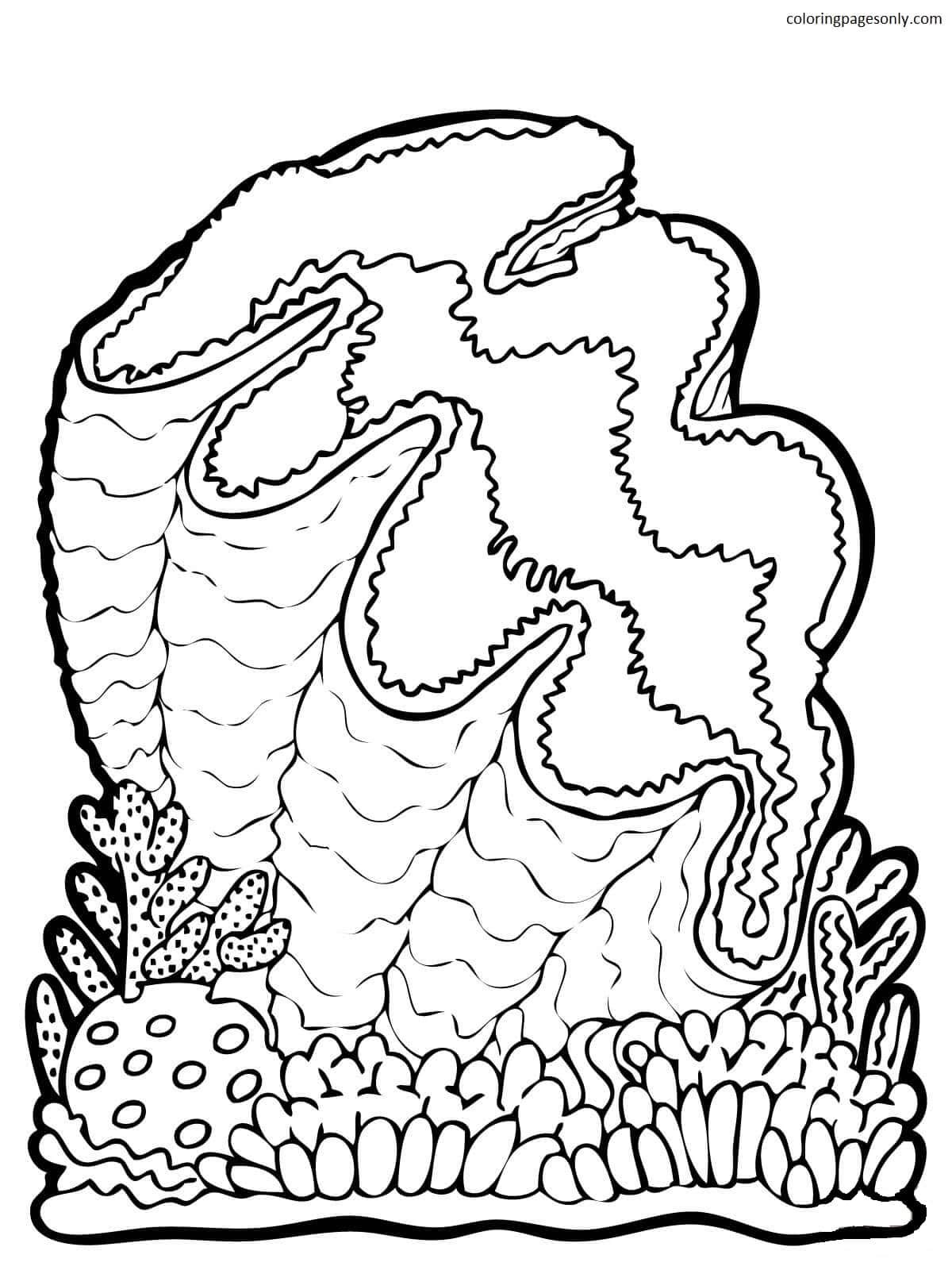
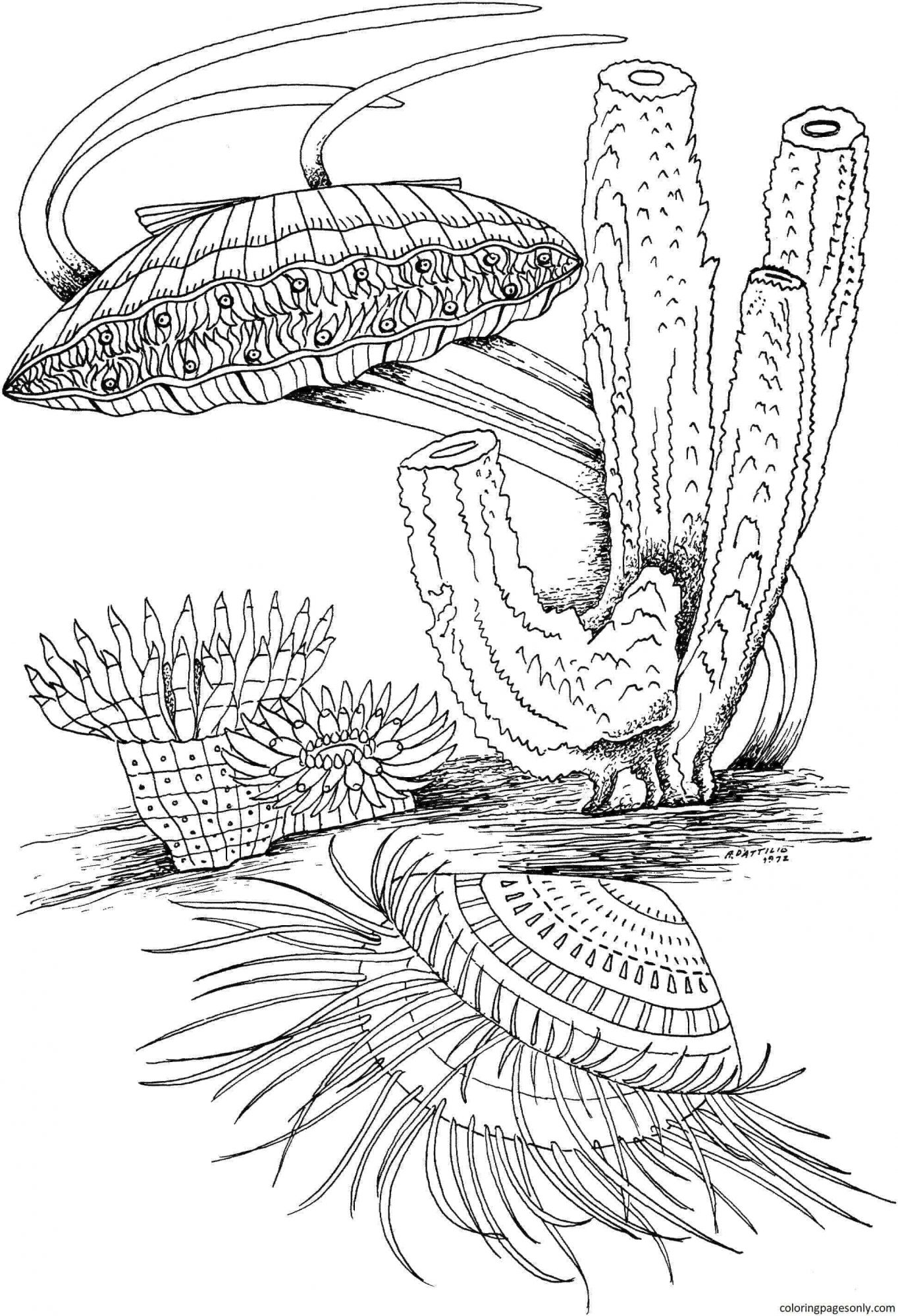
Underwater clam pages show clams resting on the seafloor, near sand, rocks, sea plants, bubbles, and ocean waves. These pages create a stronger scene than a single shell outline.
This group is useful because it connects the clam to its habitat. Children can imagine the shell partly buried in sand, sitting near seaweed, or hiding beside small ocean animals. The page becomes a tiny ocean-bottom picture.
Underwater clam pages also help children use more background colors. They can color sand, water, bubbles, rocks, sea plants, and light rays to make the scene feel complete.
Coloring underwater clam pages: Use blue, teal, aqua, navy, and turquoise for water. Use beige, tan, gold, or light brown for sand. Add green seaweed, gray rocks, white bubbles, and soft light from above.
Clam with Marine Life and Seahorse Coloring Pages
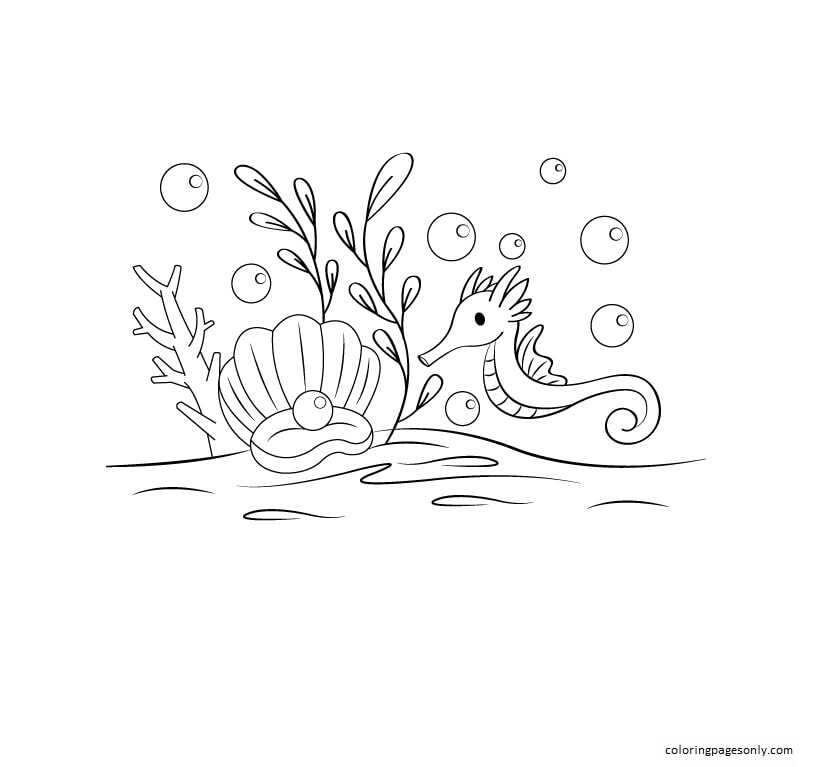
Clams with marine life pages may include seahorses, fish, bubbles, sea plants, or small underwater details around the shell. These pages are great for children who enjoy ocean scenes with more than one creature.
A clam and seahorse page can become a friendly underwater story. Children can imagine the seahorse finding a pearl, swimming past a shell, or resting near a quiet clam on the ocean floor.
These pages also help children practice color contrast. The clam can be soft and neutral, while the seahorse, fish, plants, and bubbles can be bright and playful.
Coloring clam and marine life pages: Use natural colors for the clam, then choose brighter colors for the seahorse or fish. Try yellow, orange, purple, pink, teal, or blue. Add sea grass, bubbles, and coral-style doodles for extra detail.
Giant Clam, Razor Clam, and Cockle Clam Coloring Pages
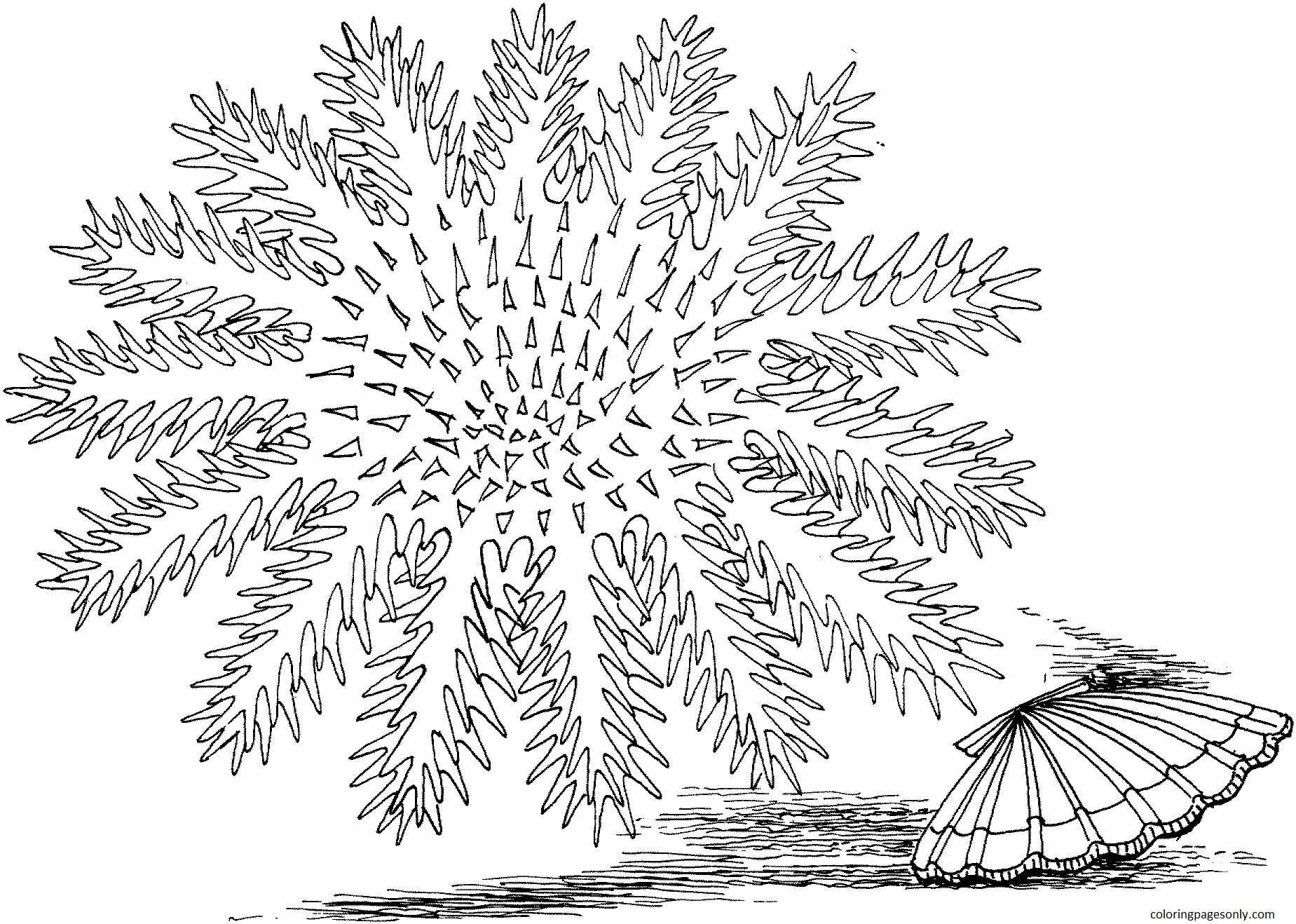
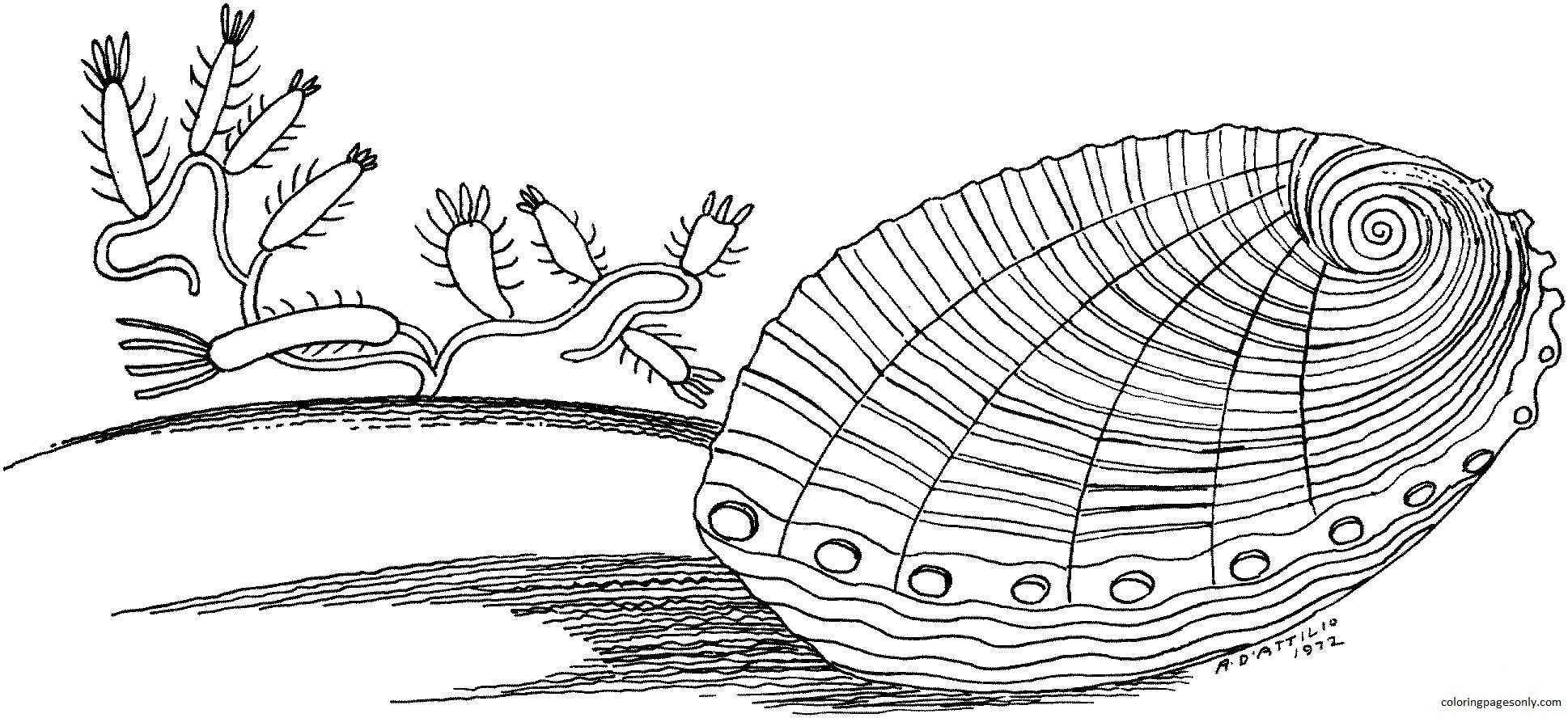
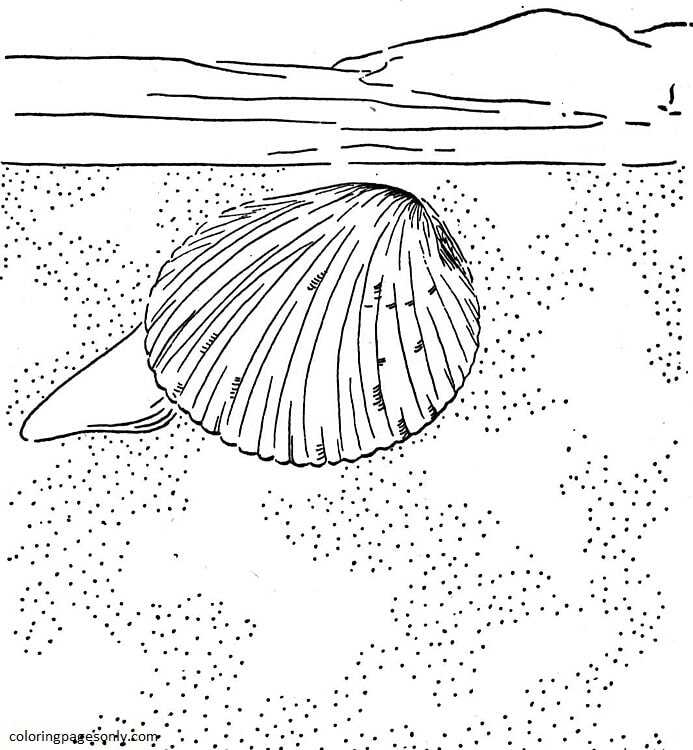
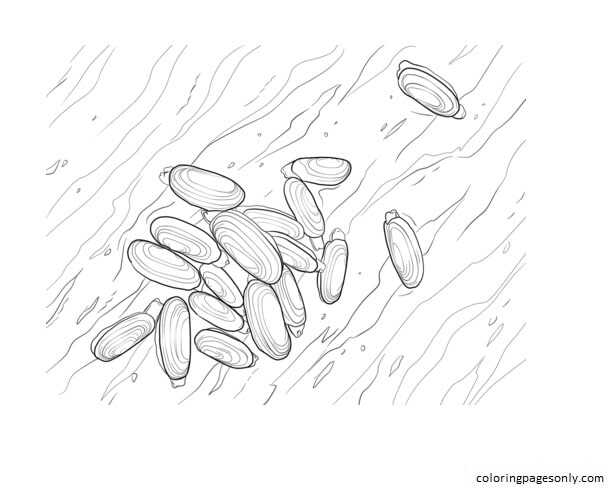
Species-inspired clam pages bring more variety to the collection. Giant clam pages may show large open shells. Pacific razor clam pages may show longer, narrower shell shapes. Cockle clam pages may show rounded shells with strong ridges.
These pages are useful because clams do not all look the same. Children can compare shell shapes, shell lines, size, ridges, and textures. This makes the page more educational while still being fun to color.
Older kids may enjoy these pages because they can color them in a more realistic way. They can add shell growth lines, sandy backgrounds, ocean-floor shadows, and simple labels.
Coloring species-inspired clam pages: Use natural shell colors such as cream, tan, brown, gray, ivory, peach, and muted purple. Add darker lines along ridges or shell edges. Use sandy backgrounds for razor clams and ocean-floor colors for giant clams.
Patterned and Detailed Clam Shell Coloring Pages
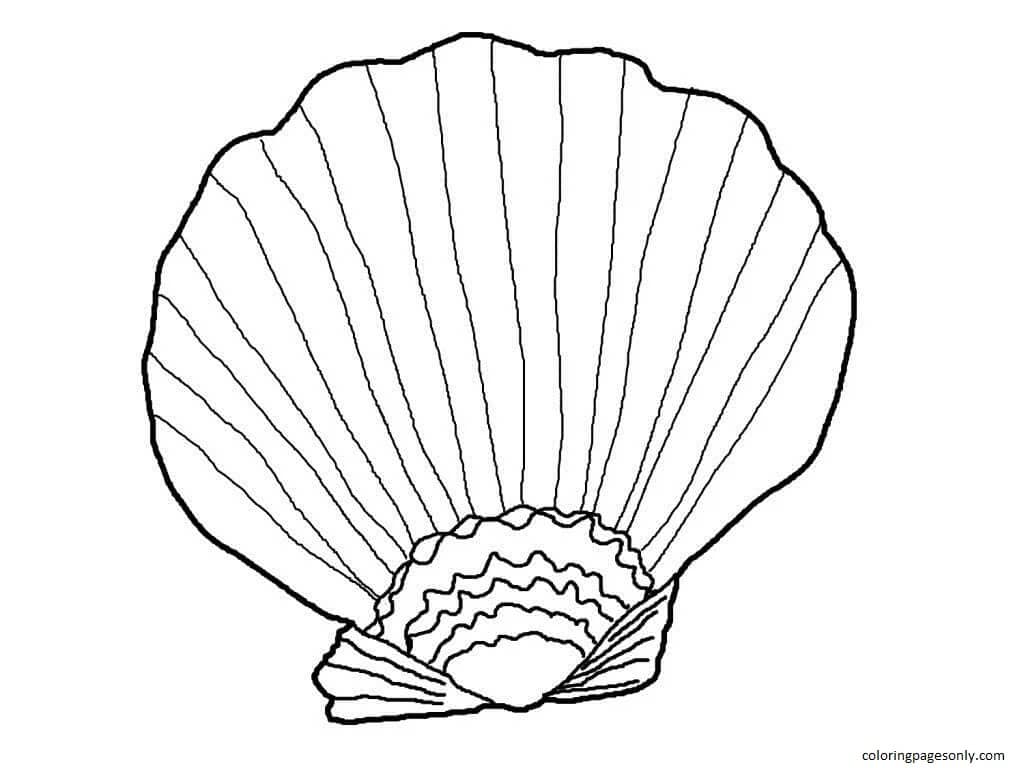
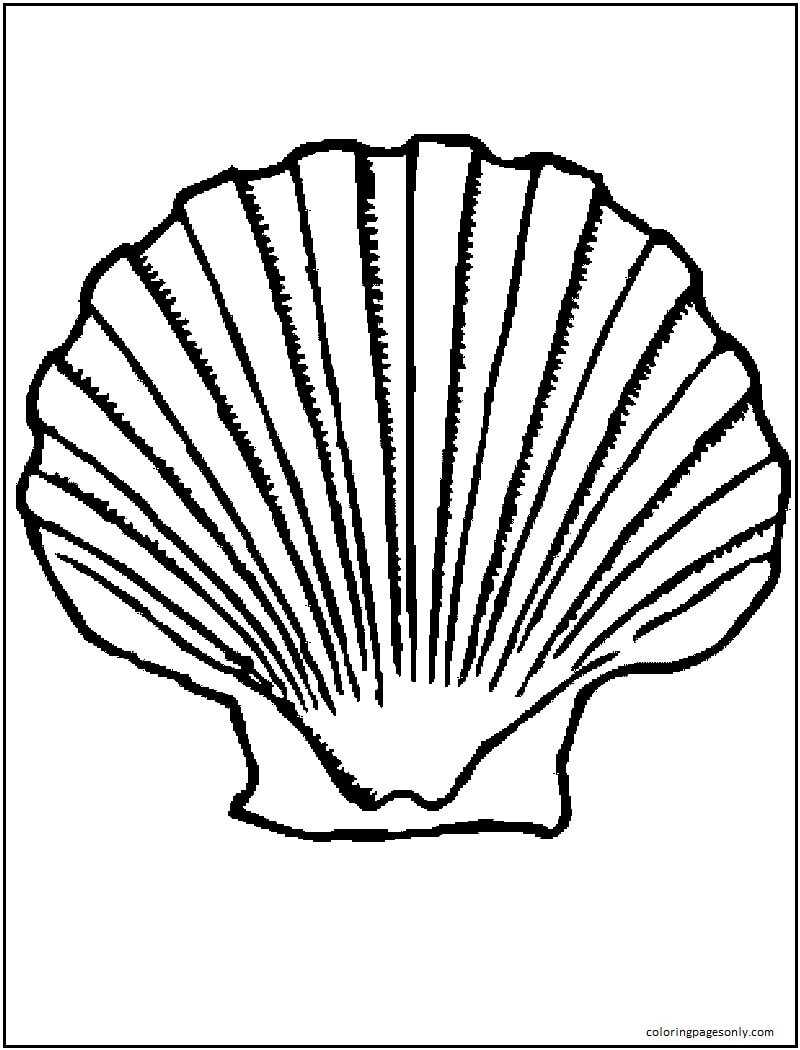
Patterned clamshell pages are great for children who enjoy decorative designs. These pages may include shell lines, repeating ridges, patterned surfaces, or more detailed clamshell shapes.
This group is strong for fine motor practice because children can color small lines, curved sections, and repeated shell marks. The shell becomes like a natural pattern page.
Detailed shell pages are also useful for older kids, teens, and adults who want a calmer coloring activity. They can use shading, gradients, and soft color blends to make the shell look dimensional.
Coloring patterned clamshell pages: Choose two or three related colors, such as cream, peach, and coral, or blue, lavender, and gray. Color each shell section carefully. Add darker shading near the hinge and lighter colors near the shell edge.
Cartoon Clam and Cute Seashell Coloring Pages
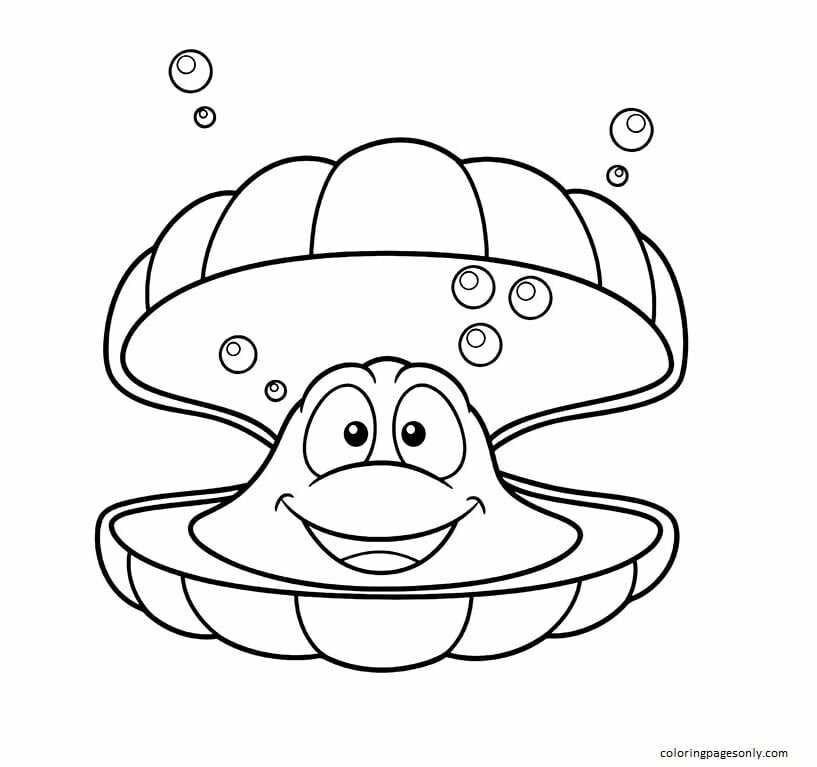
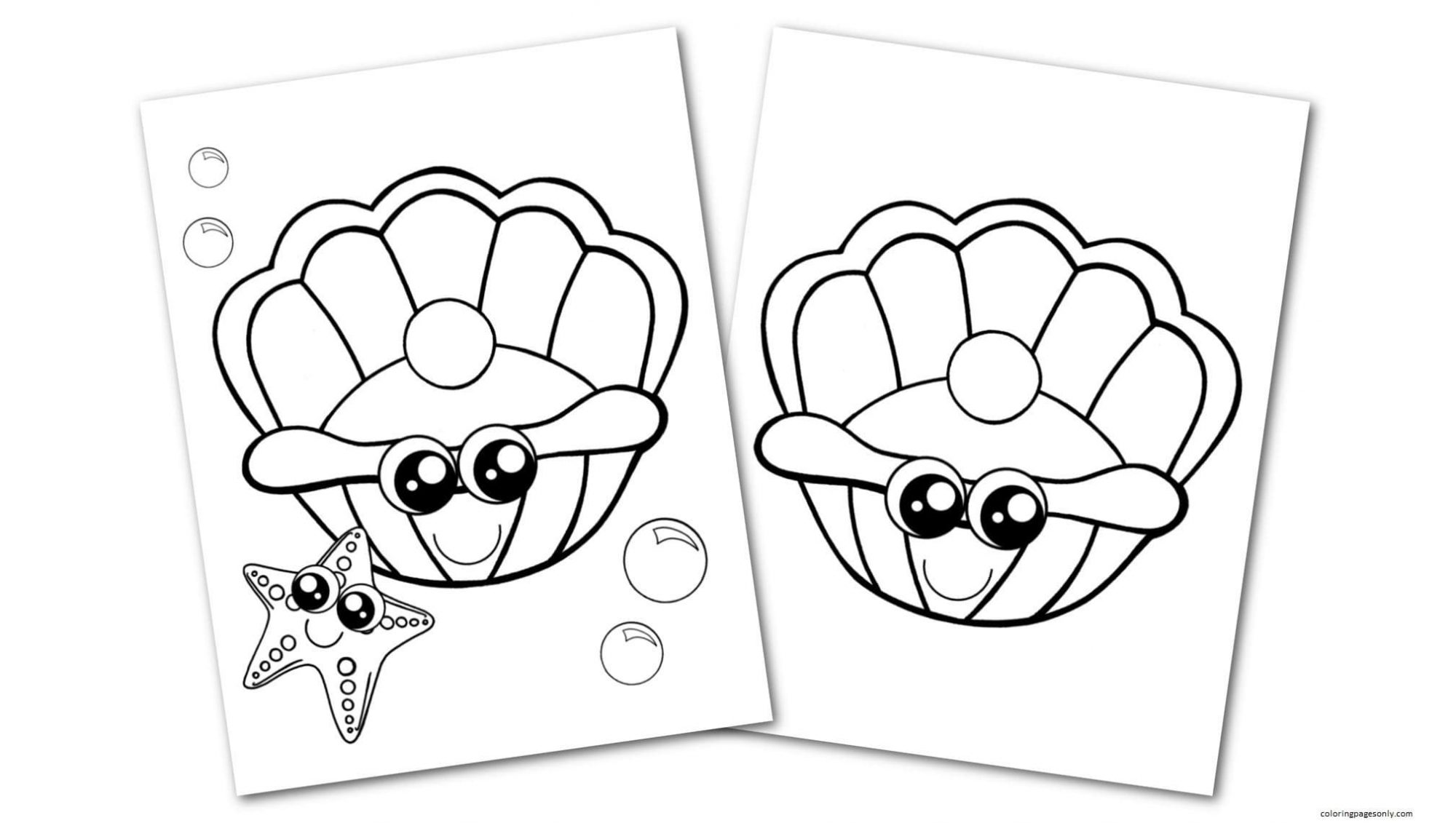
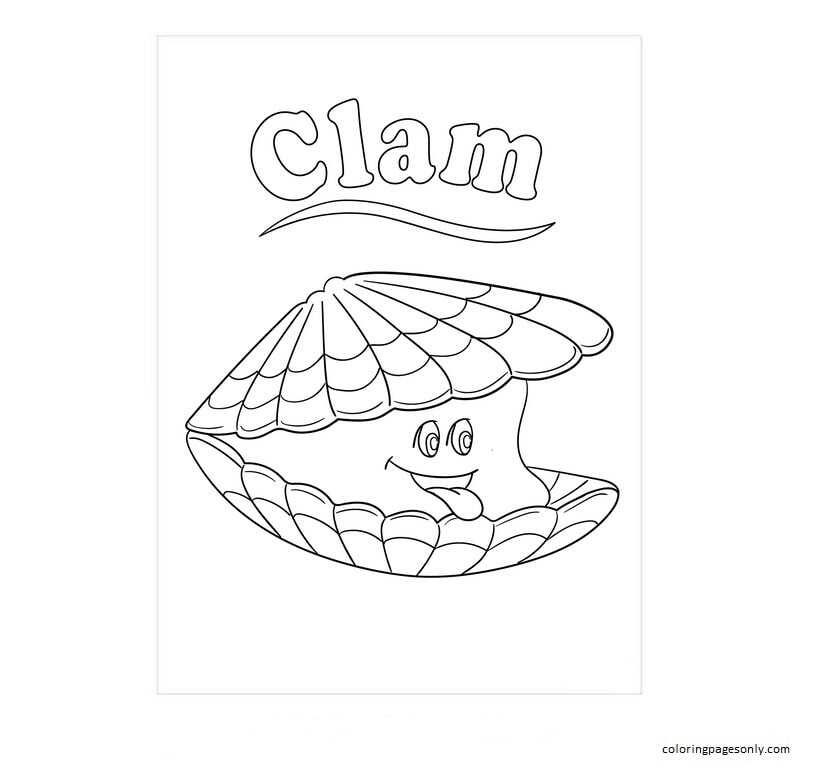
Cartoon clam and cute seashell pages bring a playful feeling to the collection. These pages may show smiling clams, friendly shell shapes, simple cartoon seashells, or soft, rounded designs for young children.
These pages are perfect for preschoolers and kids who prefer cheerful ocean characters instead of realistic shells. A cartoon clam can look happy, shy, surprised, sleepy, or silly, depending on the colors and face details.
Cute clam pages also work well for summer party crafts, beach-themed classroom boards, and quick coloring activities.
Coloring cartoon clam pages: Use bright and friendly colors such as pink, purple, blue, yellow, mint, or peach. Add rosy cheeks, bubbles, hearts, stars, or a smiling ocean background if the design allows.
Decorative, Jewelry, and Fantasy Clam Shell Coloring Pages
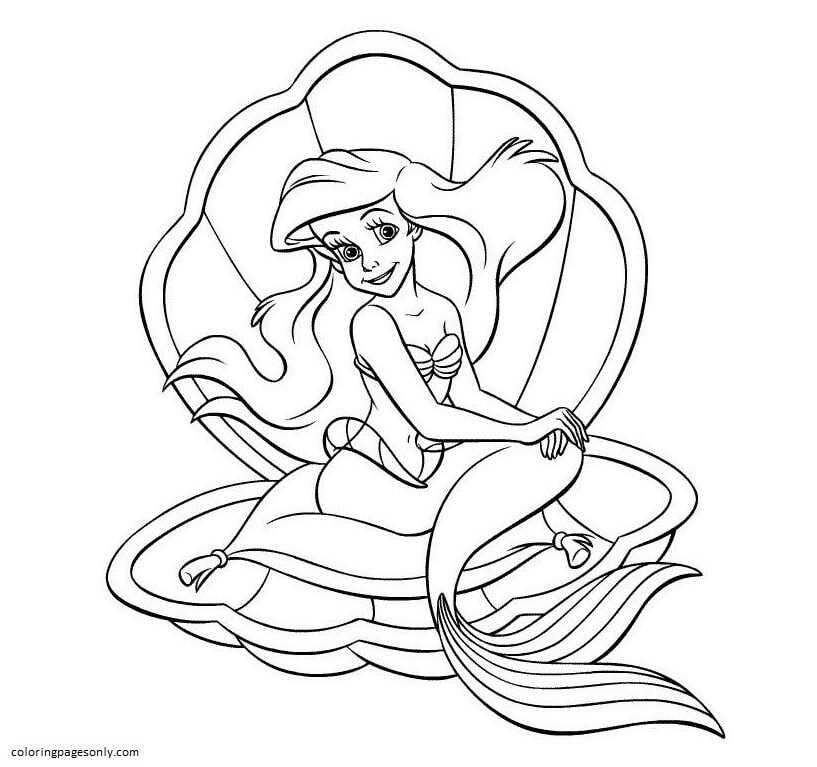
Decorative clam shell pages include clam shell earrings, shell patterns, fantasy shell designs, and mermaid-style shell throne scenes. These pages turn the clamshell into something imaginative, elegant, or story-based.
This group is useful because clam shells often appear in beach crafts, jewelry, mermaid stories, underwater castles, and treasure scenes. Children can color them as ocean objects, magical seats, accessories, or fancy shell decorations.
Fantasy clamshell pages invite more creative color choices. The shell does not have to look realistic; it can be pearl pink, rainbow, gold, lavender, turquoise, or glowing blue.
Coloring decorative shell pages: Use pearl-like colors, metallic-style yellows, soft pinks, aqua, lavender, and silver-gray. Add sparkles, seaweed, bubbles, gems, small pearls, or mermaid-style details to make the page feel magical.
What These Pages Do
Clam coloring pages help users quickly find printable or online coloring sheets based on clam shells, clam patterns, clams with pearls, underwater clams, clam and seahorse scenes, marine life pages, cockle clams, giant clams, Pacific razor clams, barnacle-covered soft-shell clams, cartoon clams, cartoon seashells, decorative shell accessories, and fantasy shell-throne designs. Parents can choose simple, calm pages for quiet time. Teachers can choose shell patterns, pearl pages, and underwater clam scenes for ocean lessons. Kids can choose pages based on treasure, beach, marine life, pattern, or fantasy story.
The strongest value of this collection is the shell-and-pearl ocean discovery. A clam page is not only a shell outline; it can become a small underwater mystery. Children can ask: Is the shell open or closed? Is there a pearl inside? Is the clam hiding in the sand? What other animals live nearby? This gives the page a sense of discovery, not just decoration.
These pages also support tide pool texture learning. Clams are bivalve mollusks, which means they have two shell parts joined by a hinge. Children do not need a complex science lesson to enjoy the pages, but they can still notice the basic idea: a clam has two shell halves, curved ridges, a hinge area, and patterns that protect the animal inside. They can compare a simple clam shell with a cockle clam, a giant clam, or a razor clam, building observation skills through color.
Clam pages are also useful for beach craft storytelling. A finished clam with a pearl page can become a treasure card. A patterned shell can become a beach poster. An underwater clam scene can become part of a seafloor diorama. A fantasy shell throne can become a mermaid story scene. This gives the page a purpose beyond coloring.
For children, Clam pages can work like an “open the shell and discover” creative prompt. The American Academy of Pediatrics emphasizes that play supports children’s social-emotional, cognitive, language, and self-regulation development. In this collection, that idea connects naturally to ocean play: a child can color a clam shell, describe the pearl, imagine what is hiding on the seafloor, name nearby sea animals, and tell a story about finding a tiny ocean treasure. While coloring, children can practice observation, patience, vocabulary, storytelling, curiosity, and focused attention.
These pages can also offer a calm, structured creative break after active play, beach time, or classroom lessons. Research published in Art Therapy has discussed how coloring organized designs with clear boundaries and repeated forms may help reduce short-term anxiety more than fully open-ended drawing. Clam coloring pages should not be presented as therapy, but their curved shell ridges, pearl circles, repeating lines, bubbles, waves, sand patterns, hinge shapes, and seafloor details give children a clear path to follow with color. That structure can support a quieter, focused, screen-free moment at home, in class, or during an ocean-themed activity.
Coloring also supports fine motor practice. Children work on shell ridges, pearl circles, hinge lines, barnacles, small bubbles, seaweed shapes, seahorse details, sand marks, and decorative shell patterns. These areas help build hand control, pencil pressure, patience, and attention to small shapes.
When choosing a page, match the design to the child’s age and patience level. For preschoolers and younger children, start with simple clamshell pages, cartoon clam pages, cartoon seashells, and large open shell designs. For early elementary children, choose clam with pearl pages, underwater clams, clam and seahorse scenes, and clam shell patterns. For older kids, teens, and adults, choose giant clams, razor clams, cockle clams, barnacle-covered shells, detailed shell patterns, decorative shell accessories, and fantasy shell-throne pages.
Clam pages are especially useful because they combine seashell coloring, ocean discovery, pearl storytelling, tide pool observation, beach crafts, marine life learning, pattern practice, and gentle fantasy play. That makes the collection practical for home coloring, preschool ocean units, classroom art centers, summer activities, beach lessons, marine animal themes, craft projects, travel folders, rainy-day play, and screen-free creative time.
How to Color Clam Coloring Pages
Start with the shell shape. Choose a main shell color first. Natural clam colors include cream, beige, tan, brown, gray, peach, ivory, and pale pink.
Use darker lines for ridges. Clam shells often look better when the ridges or curved lines are slightly darker than the rest of the shell. Try light brown, gray, coral, or muted purple.
Make pearls glow. Use white, pale blue, light pink, silver-gray, or soft yellow. Leave a tiny white highlight to make the pearl look shiny.
Use ocean colors for underwater pages. Try blue, teal, aqua, navy, turquoise, and sea green. Add lighter colors near the top to suggest sunlight through water.
Color sand gently. Use tan, beige, golden yellow, light brown, or peach for sand. Add small dots or short strokes for texture.
Make marine life bright. Seahorses, small fish, coral, and sea plants can use yellow, orange, purple, pink, green, or blue to stand out from the clam.
Use natural colors for realistic clams. Giant clams, cockle clams, razor clams, and barnacle-covered shells look good with muted shell colors and soft shading.
Use fantasy colors for decorative shells. Mermaid-style shell pages, shell thrones, and jewelry-like shells can use lavender, pearl pink, turquoise, gold, silver, or rainbow colors.
Keep cartoon clams cheerful. Use bright shell colors, rosy cheeks, bubbles, stars, and smiling backgrounds for cute clam pages.
Use colored pencils for details. Colored pencils are best for shell ridges, pearl highlights, barnacles, seafloor shadows, and tiny patterns. Markers work well for simple calendar pages with large spaces.
5 Creative Craft Ideas with Clam Coloring Pages
Pearl Surprise Clam Card
Print a clam with pearl coloring page. Color the shell softly and make the pearl bright and shiny.
Fold a piece of cardstock into a card and glue the finished card page on the front. Add a message such as “You’re a treasure,” “A pearl of kindness,” or “You shine inside.”
Tide Pool Diorama Poster
Choose an underwater clam page or a clam with marine life page. Color the clam, sand, bubbles, seaweed, and nearby animals.
Glue the page onto the poster board. Add paper fish, shells, sea stars, rocks, and blue tissue-paper water. This creates a tide pool or ocean-bottom display.
Seashell Pattern Art
Print a clamshell pattern or a detailed clamshell page. Color each ridge or section with a repeating color pattern.
Cut out the finished shell and glue it onto dark blue, aqua, or sandy-colored paper. Add the title “Ocean Shell Patterns” for a classroom or home display.
Clam and Seahorse Ocean Mobile
Print a clam and seahorse page, or print one clam page and one seahorse or fish page. Color and cut out the pieces.
Hang them from a string on a paper plate, cardboard strip, or hanger. Add paper bubbles and seaweed strips to make a floating ocean mobile.
Mermaid Shell Treasure Scene
Choose a decorative clam shell, a clam shell throne, or a fantasy shell page. Color it with pearl, gold, lavender, turquoise, and soft pink.
Glue the page onto cardstock and add small drawn treasures: pearls, gems, seaweed, bubbles, and a tiny treasure map. This craft turns the clam shell into a magical undersea scene.
FAQ About Clam Coloring Pages
Are these Clam coloring pages free to print?
Yes. These Clam coloring pages are free to download and print. You can choose one favorite page for quick coloring or print several designs for ocean lessons, beach crafts, summer activities, classroom displays, or screen-free creative time.
Can I color Clam pages online?
Yes. You can color Clam pages online if you do not want to print them. Online coloring is useful for quick activities and tablet coloring. If you want to make cards, mobiles, dioramas, posters, or crafts, printing the PDF or PNG version is better.
What kinds of clam designs are included?
The collection includes printable clam shells, clam shell patterns, clams with pearls, pearl with clam pages, underwater clams, clam and seahorse pages, clam with marine life, cockle clams, giant clams, razor clams, barnacle-covered clams, cartoon clams, cartoon seashells, and fantasy shell designs.
Are Clam coloring pages good for preschoolers?
Yes. Simple clamshell pages, cartoon clam pages, cartoon seashells, and large open shell designs are good choices for preschoolers because the shapes are clear and friendly. Detailed shell patterns, species-inspired clams, and fantasy throne scenes are better for older children.
What colors should I use for a clam shell?
You can use cream, beige, tan, brown, gray, peach, ivory, pale pink, or soft purple. Decorative clam shells can also be used in pearl pink, turquoise, gold, lavender, blue, or rainbow colors.
How can I make a clam with a pearl page look shiny?
Use white or pale blue for the pearl, then add light pink or gray shadows. Leave a small white highlight spot and add tiny sparkle lines around the pearl.
How can teachers use Clam coloring pages?
Teachers can use Clam coloring pages for ocean units, mollusk lessons, seashell pattern activities, beach-themed art, fine motor practice, marine habitat discussions, tide pool displays, and summer classroom crafts.
Are clams and seashells the same thing?
A clam is a living animal with a two-part shell, while a seashell is the hard outer shell that may be found on a beach after the animal is gone. In coloring pages, both clam animals and decorative clam shells can appear as ocean-themed designs.
What paper is best for printing Clam coloring pages?
Regular printer paper works well for crayons and colored pencils. If children use markers, thicker paper or cardstock is better because it reduces bleed-through. Cardstock is also best for cards, mobiles, dioramas, and classroom displays.
Can finished Clam pages be used for crafts?
Yes. Finished pages can become pearl surprise cards, tide pool posters, seashell pattern art, ocean mobiles, mermaid treasure scenes, bookmarks, wall art, gift tags, and beach-themed classroom decorations.
Browse the full collection at ColoringPagesOnly.com. All 30+ pages are free, available in PDF or PNG format, ready to print at home or color online.
These Clam pages are created for personal, classroom, ocean, beach, and creative coloring use. They fit many moments: preschool ocean lessons, marine life units, seashell crafts, tide pool activities, summer coloring, beach party art, mermaid-themed projects, fine motor practice, travel folders, rainy-day play, and screen-free creative fun.
For the final pass, keep the shell ridges clear, the pearl bright, and the seafloor gentle. Add bubbles, seaweed, sand, seahorses, small fish, starfish, rocks, barnacles, sparkle marks, or soft water shadows to make each page feel like a small underwater discovery.
Share your work on Facebook and Pinterest and tag #ColoringPagesOnly. We especially want to see your Pearl Surprise Clam Card, Tide Pool Diorama Poster, and Clam and Seahorse Ocean Mobile.